Land Rover has broadened the choice of engines offered on its Velar mid-size luxury SUV – and all engines, both petrol and diesel, now feature particulate filters to reduce exhaust emissions.
The diesel engine range has expanded to include a 275hp D275 3.0-litre V6 motor, sitting below the existing D300. This takes the entry price for a diesel V6 Velar down from almost £51,000 to under £50,000: prices start from £49,740.
The new engine option closes the gap between the 240hp 2.0-litre diesel and the meatier 300hp V6 (we list entry-level prices below); Finbar McFall, JLR’s global product marketing director, suggests it’s been through customer demand. “Creating the perfect Range Rover Velar is now easier than ever.”
Responding to the fact more buyers are shunning diesel and choosing petrol engines, Land Rover has fitted a larger fuel tank to the P250 and P300 2.0-litre models – up from 63 litres to 82 litres. This means more miles between refills – as petrol is less fuel-efficient than diesel, it means fewer filling stations stops for petrol drivers.
Interestingly, Land Rover has made coil-sprung suspension standard across the range. Air suspension is now optional on all V6s, plus the higher-performance 240hp diesel and 300hp petrol. Previously it was standard; this means the firm’s been able to lower the list price of the Velar.
Adaptive Dynamics is now offered as well, using special suspension dampers that can vary their firmness 500 times a second. It’s a more affordable way of adding breadth to the Velar’s driving dynamics without resorting to the higher cost of air suspension.
Other standard equipment on all Velar (voted World Car Design of the Year 2018) now includes a rear-view camera, front and rear parking sensors, autonomous emergency braking, lane-keep assist and a driver alertness monitor.
A popular option is now more widely available as well. The novel Kvadrat premium textile seat trim, which is a natural and sustainable alternative to leather, is now offered on more models across the range.
In all, the various specification changes will be good news for dealers: all but one Velar, the V6 diesel, now starts from under £50,000, which should help them fight off criticism that the posh mid-size SUV is too expensive. Presumably because of weak demand, Land Rover also seems to have removed the pricey P380 performance V6 petrol from the range – which cost from over £70,000 even in its cheapest guise.
Or maybe it’s creating space for a high-performance V8 Velar at the top of the range…
The entry-level diesel is now priced from £44,735, instead of £45,145, and the saving for the D240 diesel is even more striking – it’s from £47,730 instead of over £54,000. And the introduction of the D275 means V6 Velar diesel prices are over £8,000 more accessible than they previously were…
Microsoft will play a key role in the development of the £1m BT62 supercar, with the American giant announced as Brabham Automotive’s technology partner.
The use of Microsoft’s enterprise systems will allow the company “to work seamlessly and efficiently across the world,” the firm said in a statement. The computer giant will also assist Brabham with data analytics and driver development, with the owners of the BT62 supercar benefiting from a performance program powered by advanced cognitive technologies.
“Consistent with Brabham’s approach to technology, we will be utilising mixed reality technology for an immersive customer configuration and for current and future product development,” said a spokesperson, a day after the 700hp track-only supercar was unveiled at the Australian High Commission in London.
The BT62 is a carbon fibre supercar powered by a 5.4-litre V8 engine, with a power to weight ratio of 730hp per tonne. Production is limited to just 70 cars, with the first 35 liveried in tribute to each of Brabham’s F1 Grand Prix victories. First deliveries will begin later in 2018.
Speaking at the launch, managing director, David Brabham said, “I set out twelve years ago to re-establish the iconic Brabham name, determined to see it return to global competition. My father had an incredible determination to succeed and, like him, I’ve worked tirelessly through this time, drawing on my experience as a racing driver, leader and mentor, never once losing sight of that goal.
“It’s been challenging at times, but what we have achieved is simply staggering. Today’s unveiling makes me feel incredibly proud as the Brabham legacy enters a new era.”
True to Brabham’s Anglo-Australian roots, the company will have its US, European and Middle Eastern office in the UK, while its Australasian and Asian office will be based in Adelaide, South Australia, where the production of the BT62 will also take place in a 15,000sq. m facility.
Everyone loves a fast Ford, but who makes the greatest performance cars to wear the Blue Oval badge? Over fourteen rounds, we’ve paired up rivals from both sides of the pond. Here, they go head-to-head here in a performance face-off spanning more than five decades.
Ford Performance line-up
Today, Ford Performance is a global brand responsible for producing fast cars. Created from the previous teams developing cars for specific territories, Ford now wants all key markets to have access to the same performance vehicles. So, from the Fiesta ST to the latest Ford GT, there is no reason why the country you live in should deny you access to the good stuff. However, that hasn’t always been the case.
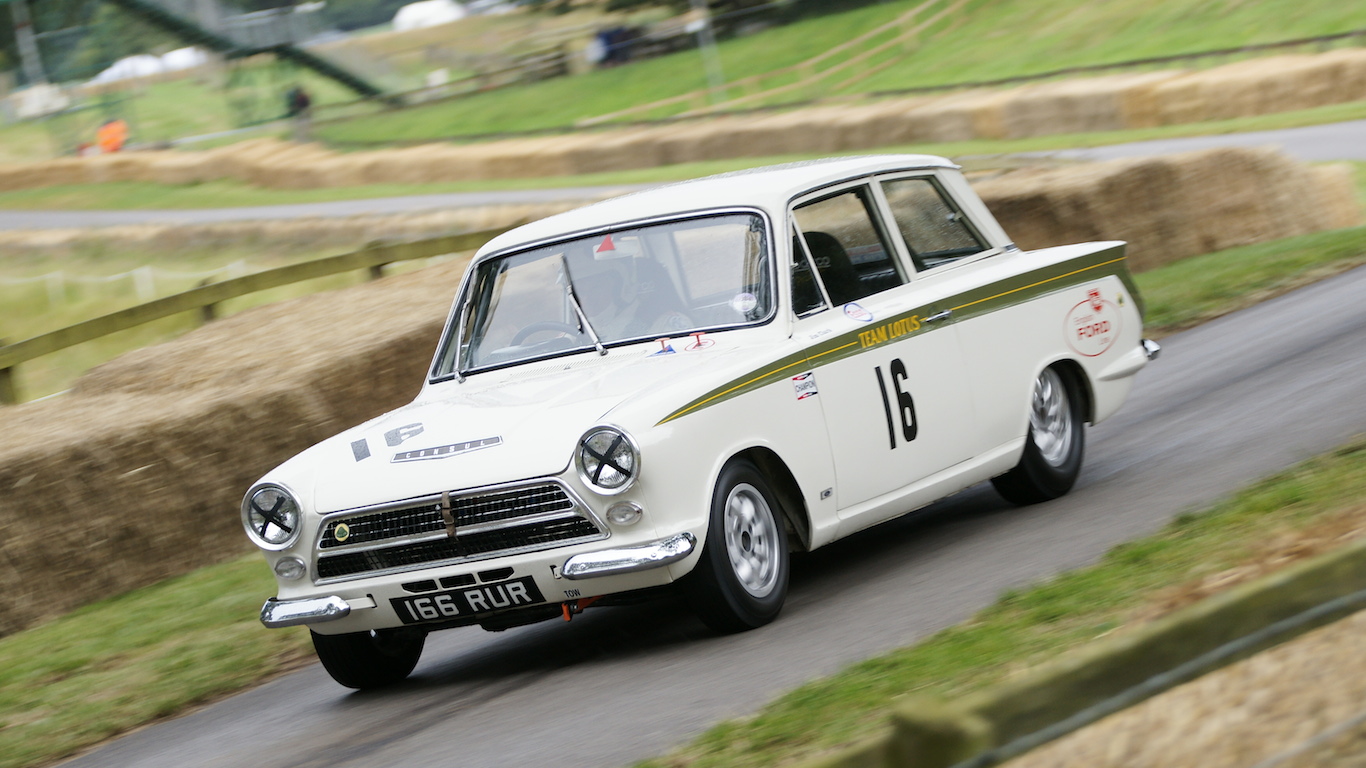
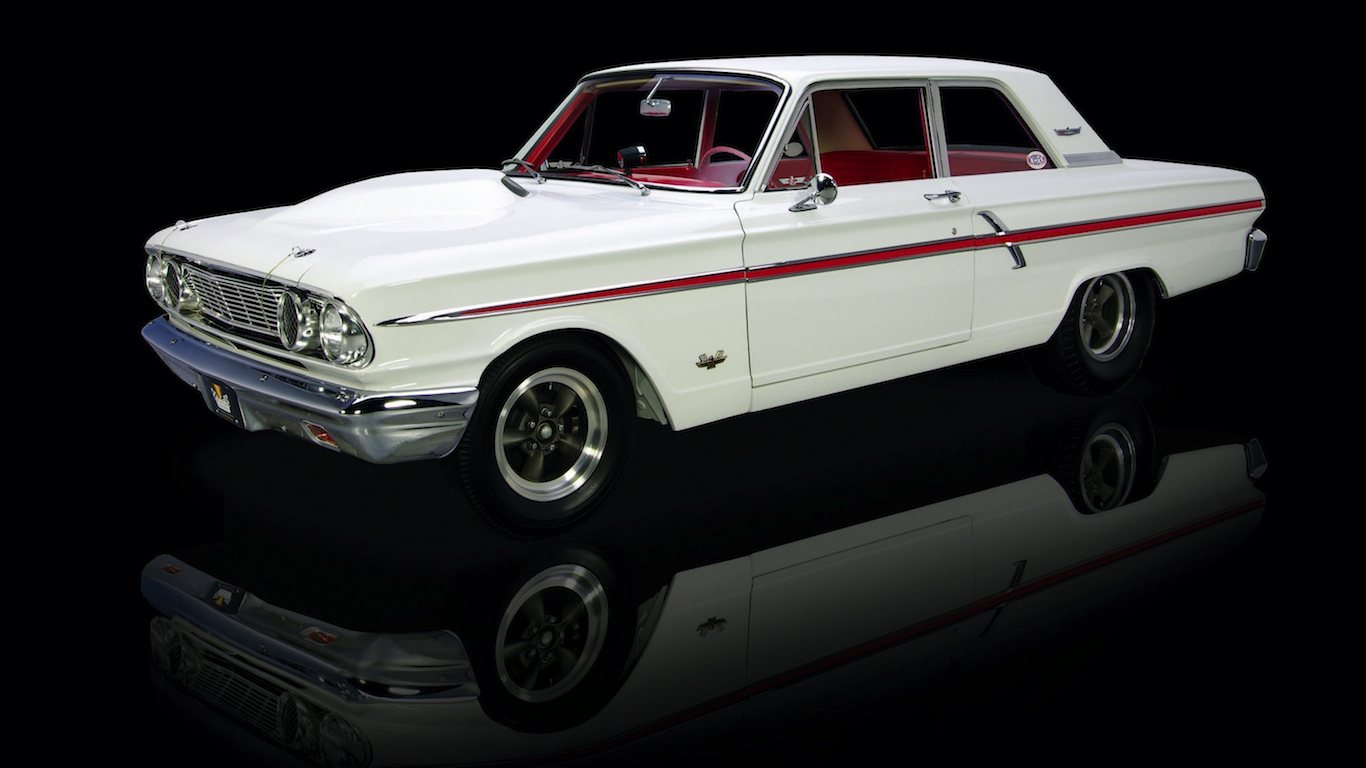
Round 1: 1960’s Road Racers – 1963 Lotus Cortina.
Let’s start with arguably the first real fast Ford produced in Britain, in the shape of the Lotus Cortina. A twin-cam 1.6-litre engine with just 105hp might not sound much today, but light aluminium panels kept weight down to just 850kg. This translated into motorsport success, with the Lotus Cortina taking wins in numerous touring car classes. Jim Clark picked up the 1964 British Saloon Car Championship behind the wheel of a Lotus Cortina, while still competing in Formula 1.
Much like the Lotus Cortina, the American Fairlane Thunderbolt was built with racing in mind. Just 100 examples were created to homologate the car for drag racing, with the same 426 cubic inch (7.0-litre) V8 engine used in NASCAR racers. Officially rated at 425hp, but estimated to be far more powerful, this engine – combined with fibreglass body panels and a stripped-out interior – made the Thunderbolt a devastating road car.
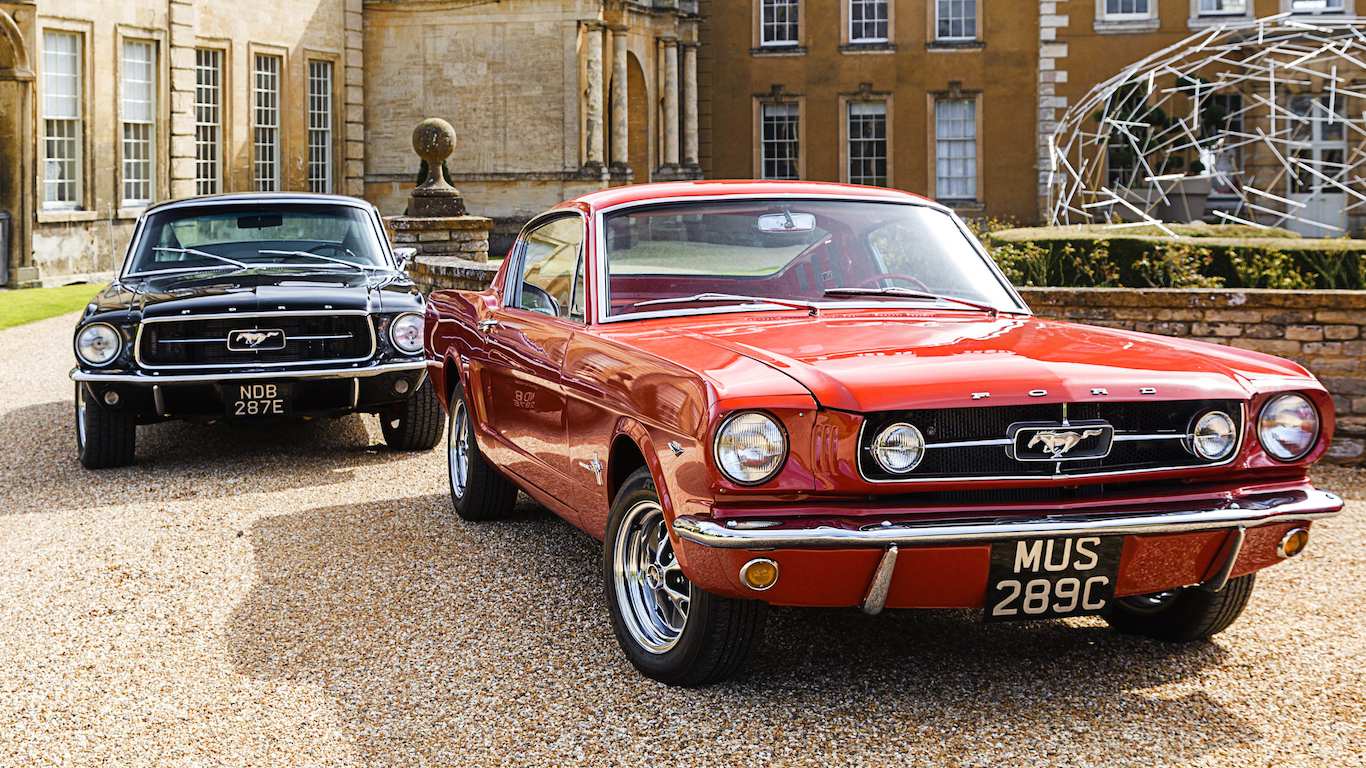
Round 2: Blue-Collar Coupes – 1965 Mk1 Mustang
Developed to appeal to both men and women, the original Mustang took 22,000 orders on the first day it was unveiled at the 1964 World’s Fair. It also created the ’pony car’ segment, which spawned new rivals from Dodge and Chevrolet. A 271hp 289 cubic inch (4.7-litre) V8 made for the fastest early Mustang, until more power was added in later years. Several generations later, the original Mustang still holds just as much appeal as it did then.
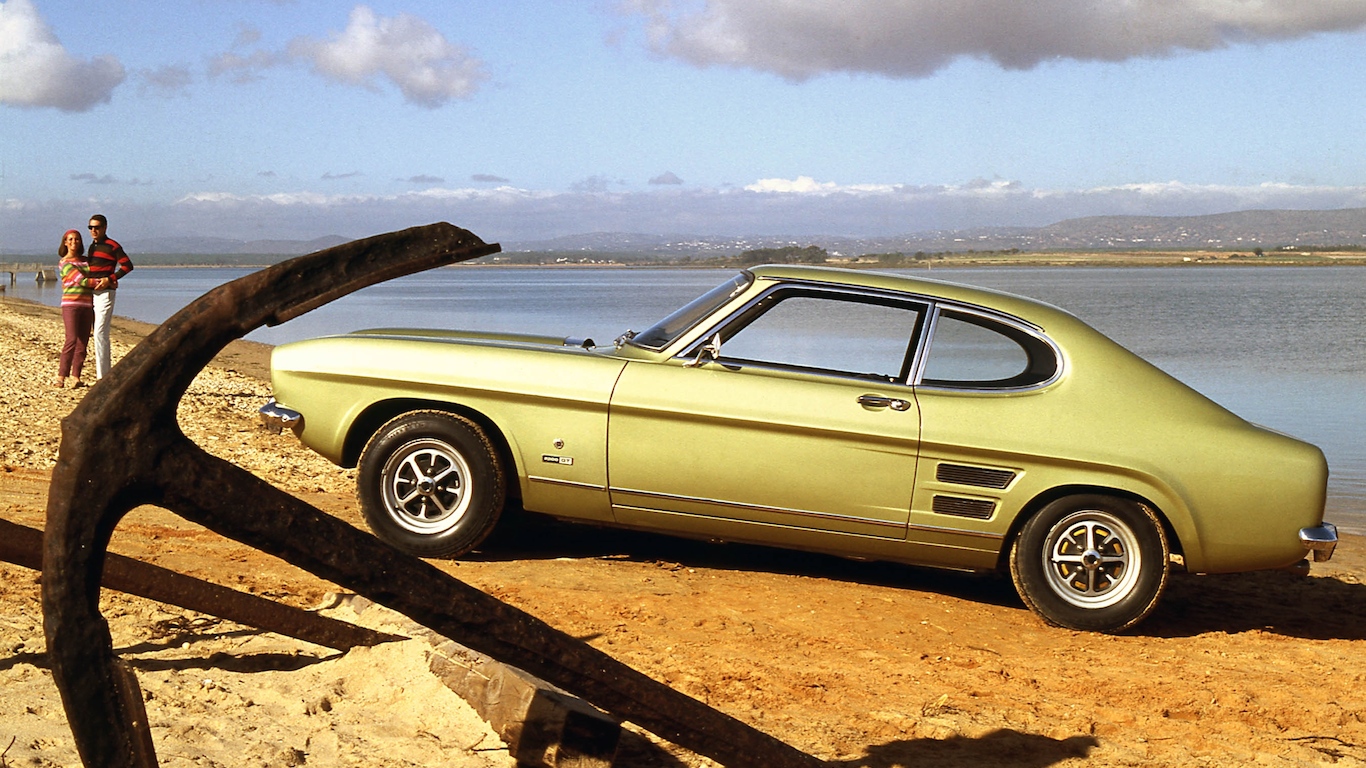
Round 2: Blue-Collar Coupes – 1969 Mk1 Capri
Famously advertised as ‘the car you’ve always promised yourself’ the Capri brought the idea of ‘grand touring’ to the working man. Unashamedly intended as the European version of the Mustang, and even styled by the same person, this was the pony car in miniature. With rear-wheel drive and a range of engines from tepid 1.3-litre inline-four to potent 3.0-litre V6, there was a Capri for everyone. Later Capris were largely ignored by European markets, but it remained a part of British culture until 1986.
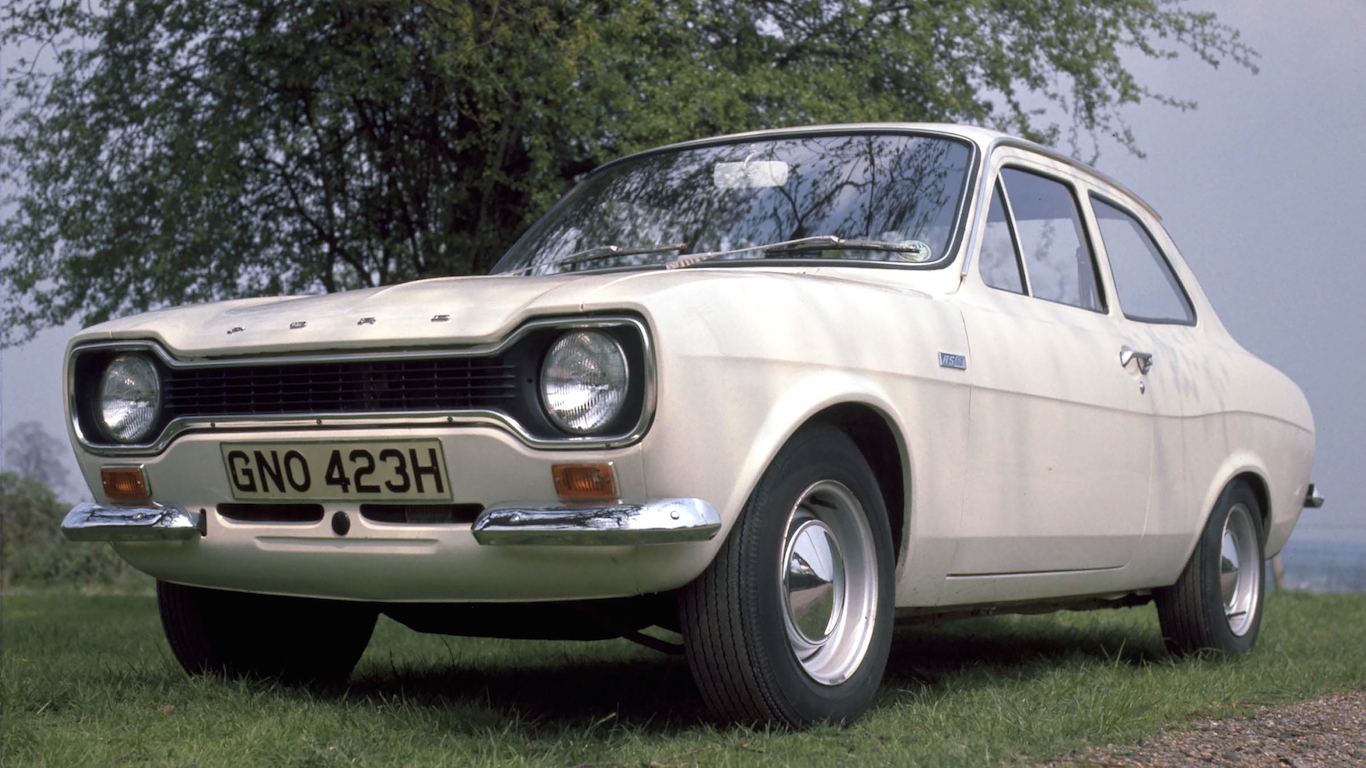
Starting a performance lineage that’s still going strong today, the first British Ford to wear the RS badge was the RS1600 Escort. Built to go rallying, the initial RS1600 models were little more than homologation specials, with a 1.6-litre Cosworth-BDA engine that revved to 6,500rpm. The later Mexico version, made in honour of Ford winning the 1970 London to Mexico Rally, was still desirable but better suited to street use. Today, any Mk1 Escort is likely to be worth big money, and the RS1600 and Mexico models have a legendary reputation.
Round 3: Competitive Spirit – 1970 Boss 302 Mustang
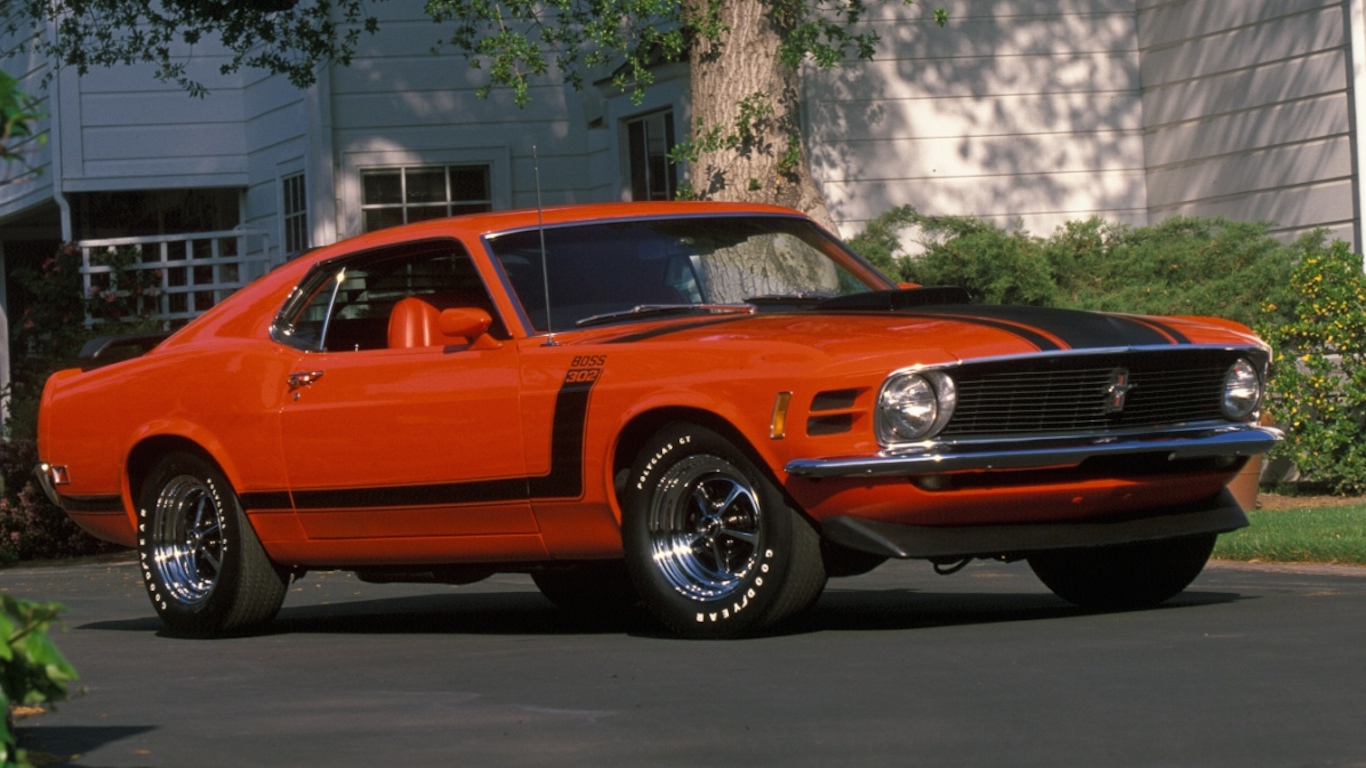
Across the Atlantic, Detroit was creating a version of the Mustang to go racing in the SCCA Trans-Am series. First introduced in 1969, the Boss 302 used – as you may have guessed – a 302 cubic inch (5.0-litre) V8 engine with 290hp, connected to a four-speed manual gearbox. In 1970, it took victory in the Trans-Am series, with the Boss 302 claiming six wins from 11 rounds, during an extremely competitive season.
Round 4: Wide and Wild – 1981 Zakspeed Capri Turbo
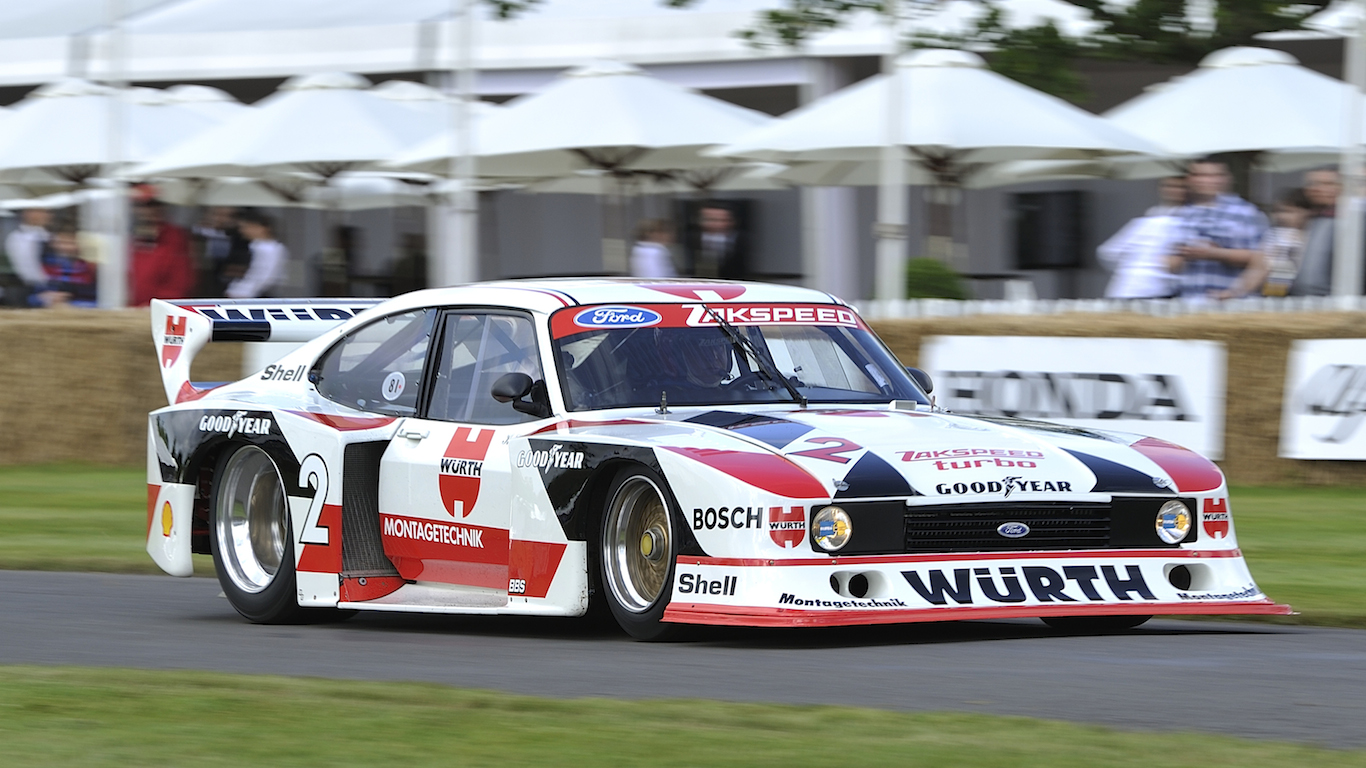
This may look, vaguely, like a Mk3 Ford Capri, but the Zakspeed version was built to meet FIA Group 5 regulations. Only the doors, bonnet and roof had to be kept standard, resulting in the ultra-wide stance. Klaus Ludwig would drive the Zakspeed-entered car in the 1981 Deutsche Rennsport Meistershaft, taking titles for both himself and the team. Power came from a turbocharged 1.4-litre engine, producing around 500hp.
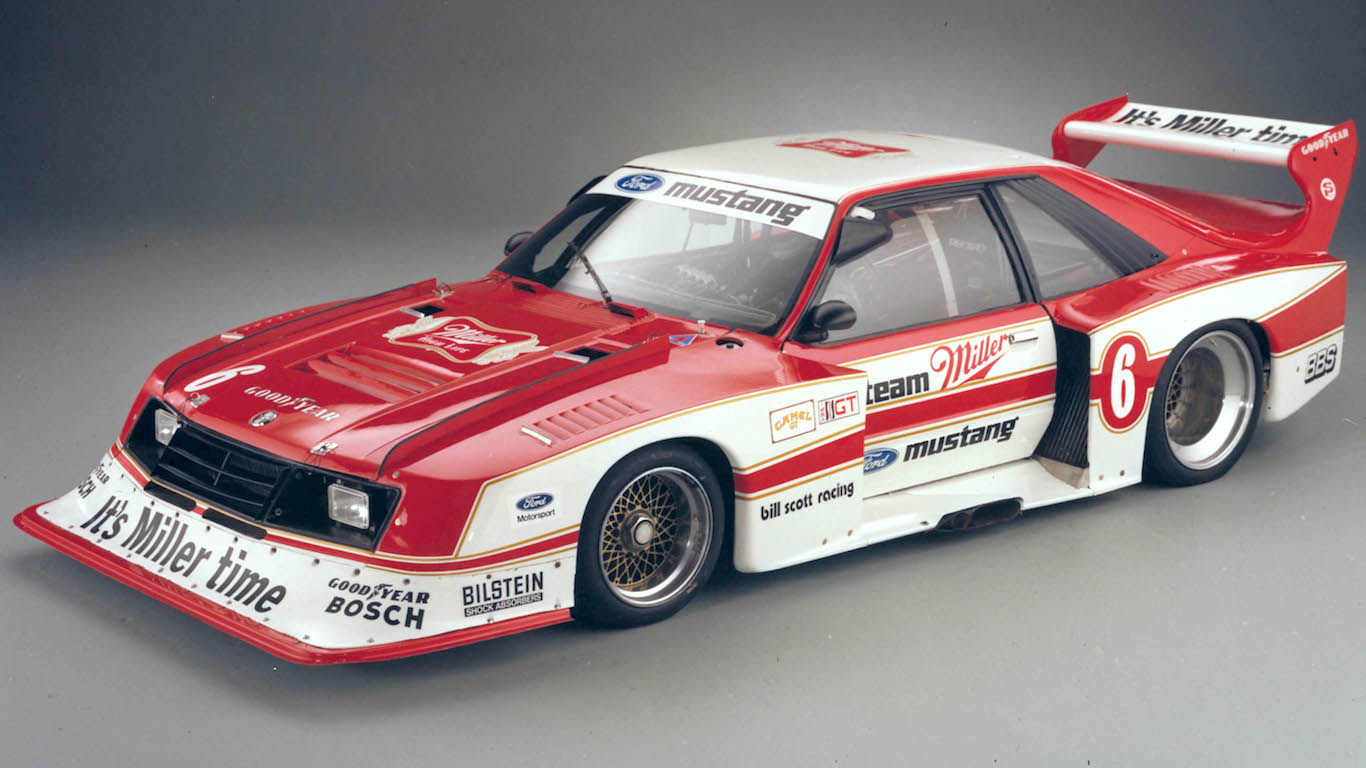
No, you’re not seeing double. This isn’t the Capri again, we promise. This is the 1981 Mustang Turbo, also built by Zakspeed and entered in the GTX Class of the IMSA Camel GT Championship. Featuring a certain Klaus Ludwig as one of the drivers, the Zakspeed team was contracted to build a Group Five race car for Ford’s Special Vehicle Operations. However, the Mustang Turbo was unable to match the success of the Capri, and was replaced with a new GTP-class car in 1983.
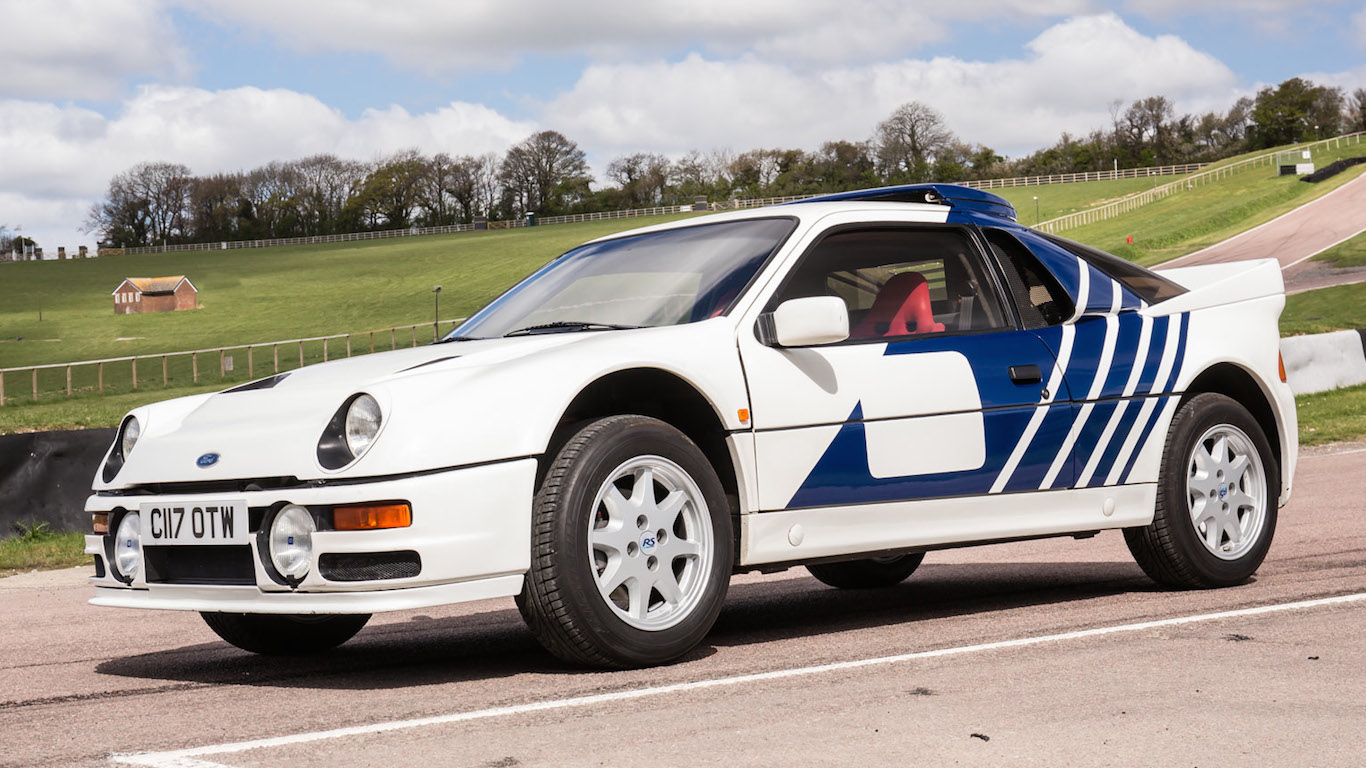
Round 5: Homologation Heroes – 1984 RS200
Group B was the pinnacle of rallying, with crazy horsepower and exotic materials used to create the ultimate competition cars. Four-wheel drive and a mid-mounted 1.8-litre turbo engine producing up to 450hp in rally trim helped make the RS200 competitive. Just 200 road cars were built to homologate the racer, but all this was ultimately in vain. A crash involving an RS200 on the 1986 Rally de Portugal would contribute to the outlawing of Group B cars for the following season.
Round 5: Homologation Heroes – 1969 Torino Talladega
Just as the RS200 pushed Group B regulations to the extreme, Ford had been doing the same decades earlier in NASCAR. Featuring a special aerodynamic front grille and sloping fastback roof, the Torino Talladega was made to hit high speeds on banked ovals. Although it might not have the same fearsome reputation as the RS200, it was successful in taking the 1969 manufacturers’ championship. Special ‘aero warriors’ like the Talladega were later removed from NASCAR due to changes in homologation requirements.
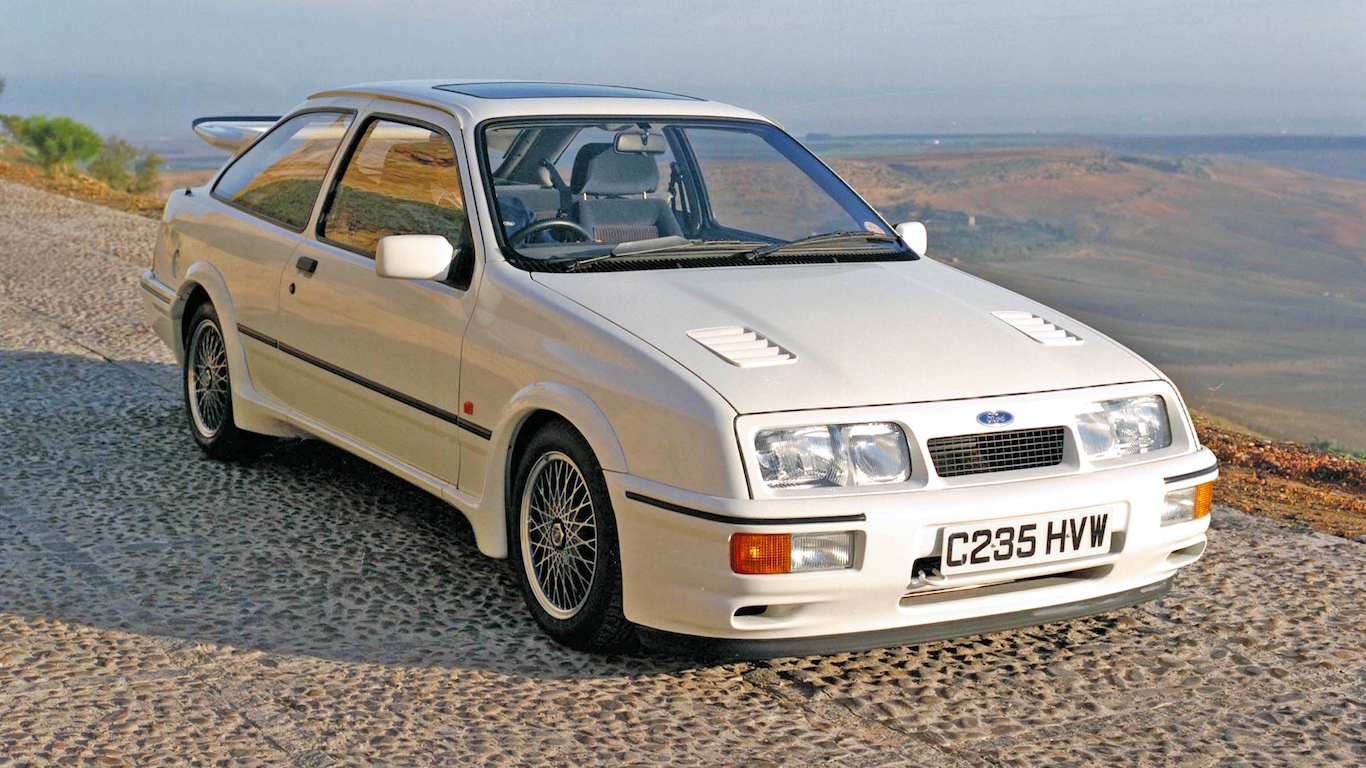
Round 6: Tin Top Legends – 1986 Sierra RS Cosworth
Ford is often single-minded when pursuing motorsport victory, and the Sierra RS Cosworth was the product of its quest for FIA Group A domination. Taking 15 major Touring Car championships cemented its on-track ability, while a reputation for being the ultimate prize for joy-riders ensured the road car was just as revered. More than 5,000 examples were built, combining rear-wheel drive with a 204hp 2.0-litre turbocharged engine. Oh, and there’s that iconic ‘whale tail’ spoiler, too.
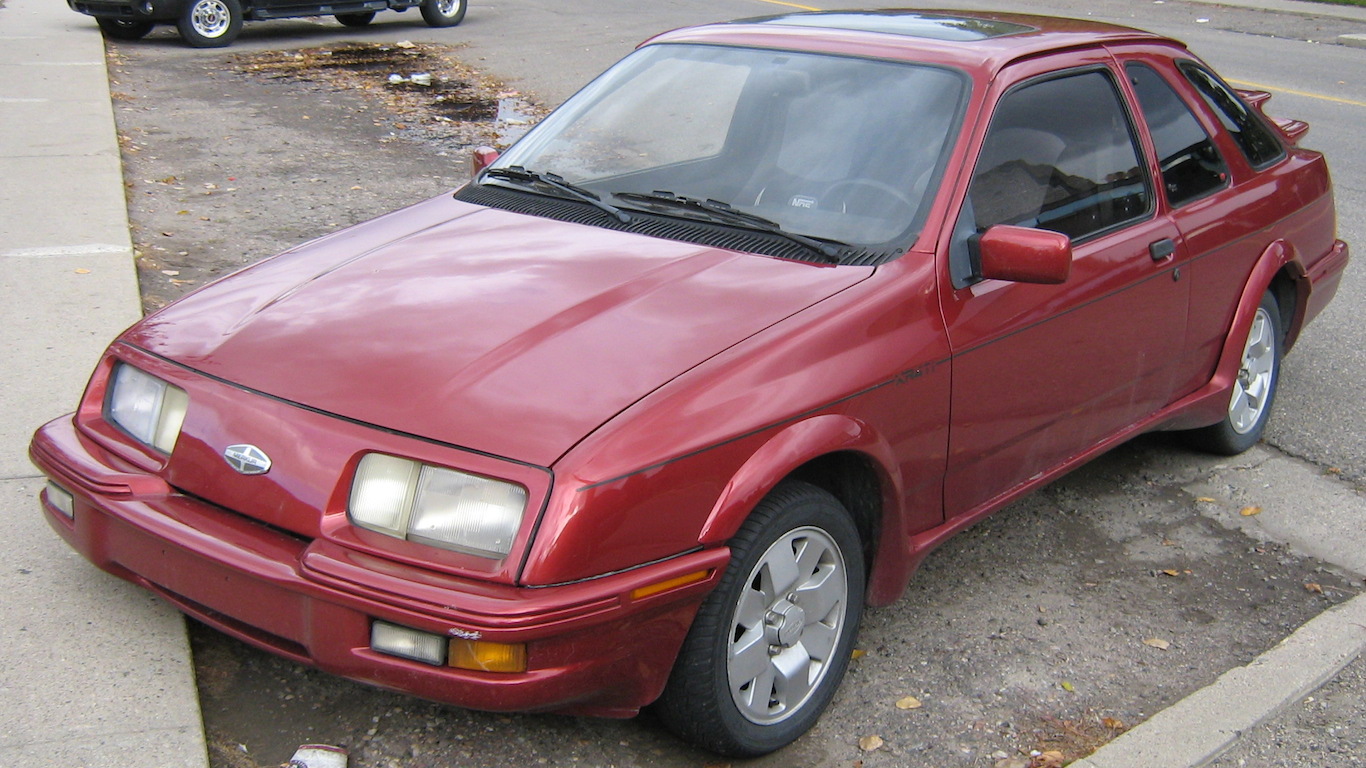
Round 6: Tin Top Legends – 1985 Merkur XR4Ti
North American buyers couldn’t buy the Sierra Cosworth, but they did get the XR4Ti. Sold under the short-lived Merkur brand, this was an XR4i Sierra, but with the European 2.8-litre V6 ditched in favour of a 175hp 2.3-litre turbocharged four-cylinder engine. Around 42,000 examples were built between 1985 and 1989, but today the XR4Ti is often forgotten. Andy Rouse drove a Merkur XR4Ti to victory in the 1985 British Touring Car Championship, paving the way for the later Sierra RS Cosworth.
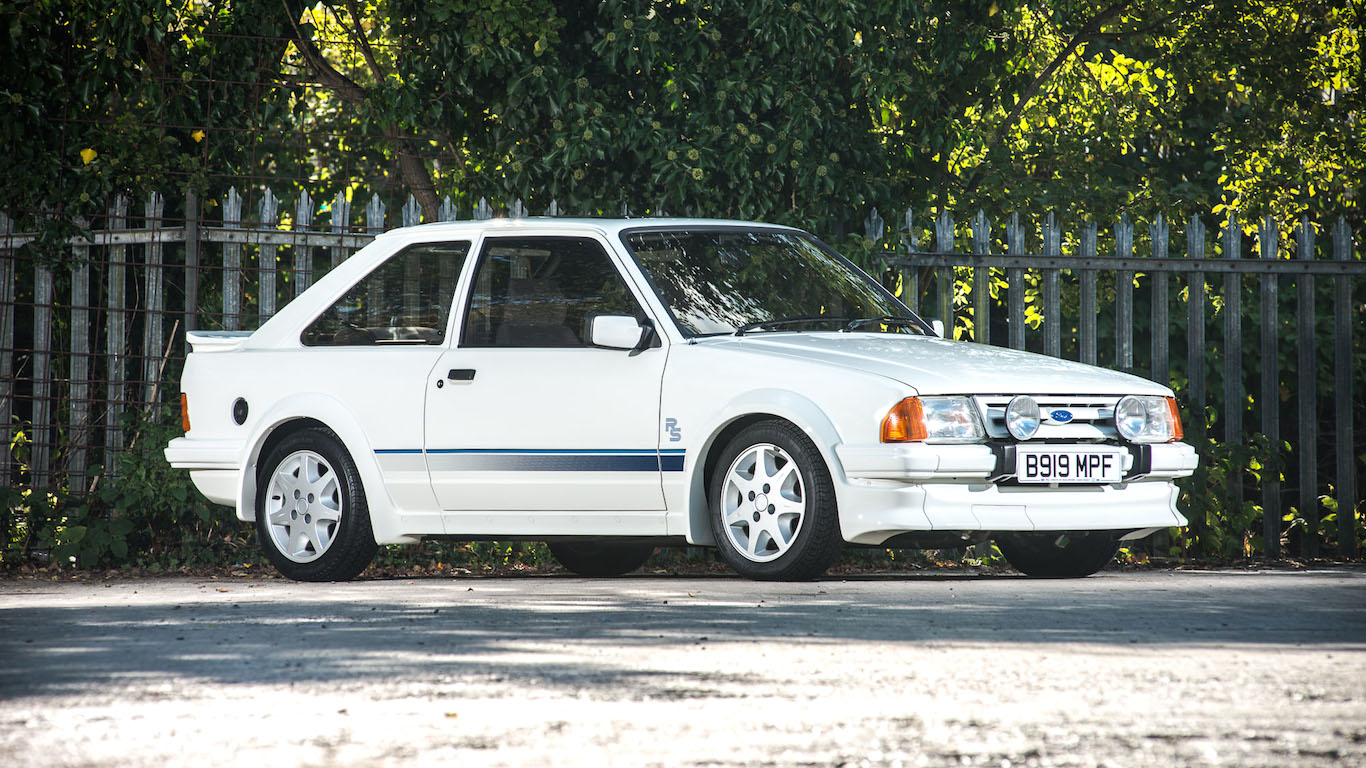
Round 7: Boosted Blue Ovals – 1984 Escort RS Turbo Series I
The third-generation Escort marked a huge change from the previous two. Ditching rear-wheel drive in favour of sending power to the front wheels was radical, as was the adoption of a hatchback body. Natural aspiration was out for the fastest Escort, with turbocharging the ‘must have’ of the 1980s. The RS Turbo was endowed with a 1.6-litre engine, making 135hp. Values today have skyrocketed, with prices of around £30,000 not uncommon for restored Series 1 cars.
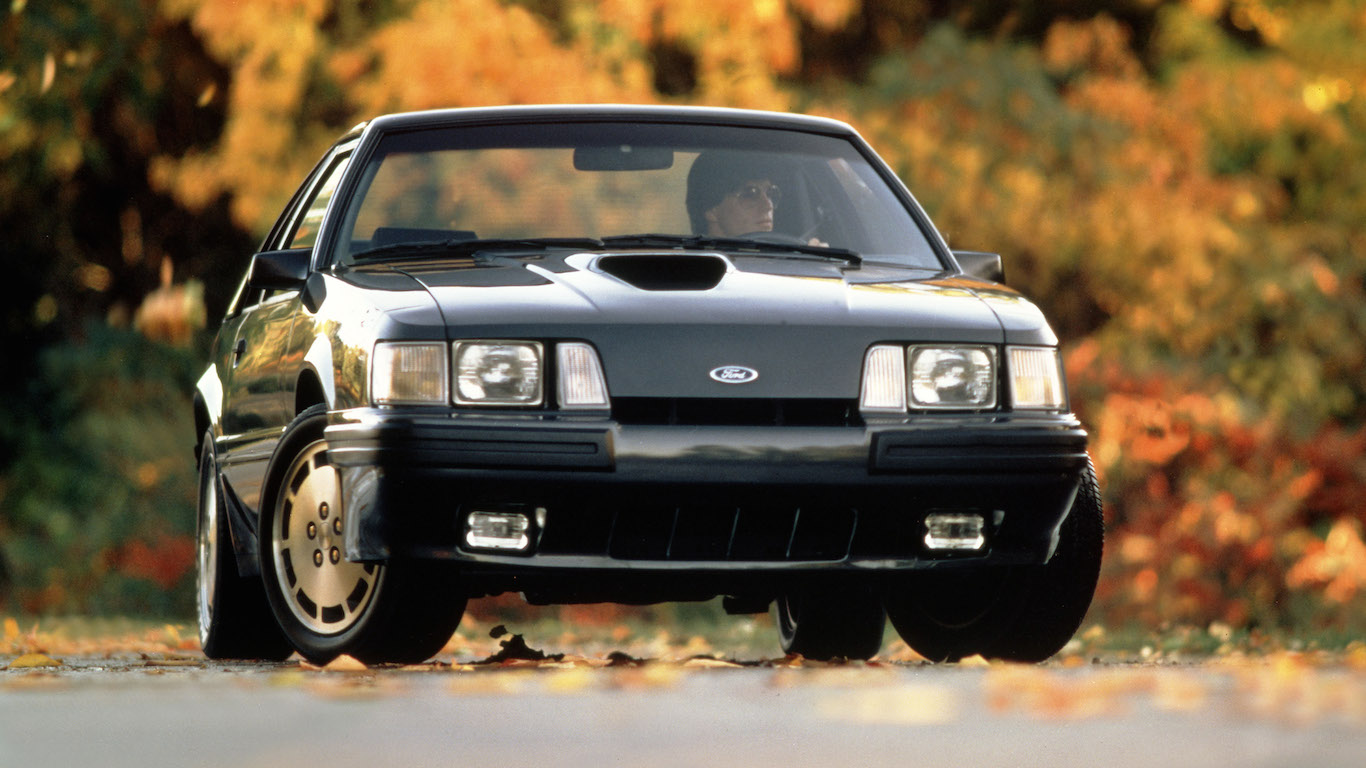
Round 7: Boosted Blue Ovals – 1984 Mustang SVO Turbo
Just as revolutionary as the Mk3 Escort was in Europe, the third-generation Mustang was also a shock to the system. A modern, aerodynamically-shaped body marked a new Ford design era (a switch to front-wheel drive was even considered). The ‘Fox body’ Mustangs remained rear-wheel drive, but did gain turbocharged engines, predating the current Ecoboost ’Stang by some three decades. The SVO Turbo version was the most potent, with up to 205hp from its 2.3-litre four-cylinder motor, a limited-slip differential and adjustable Koni suspension.
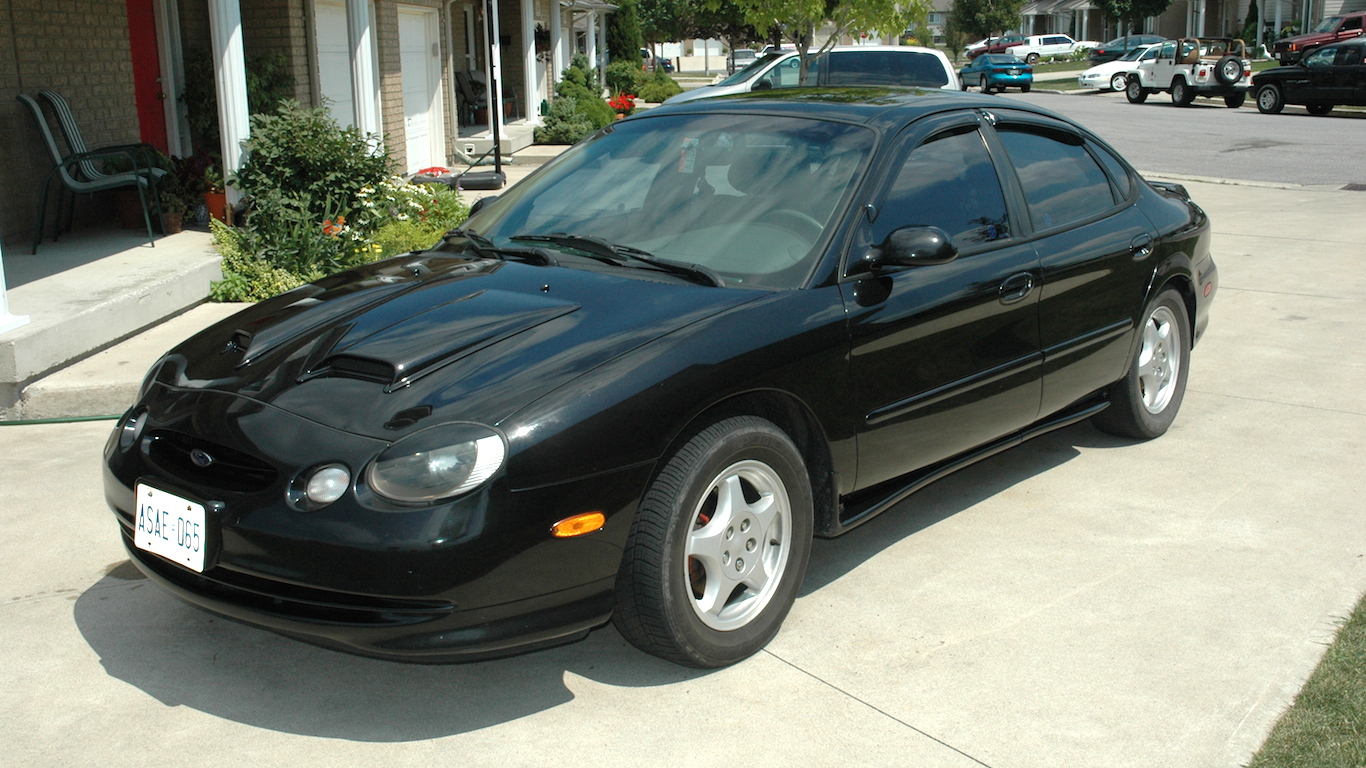
Round 8: Street Sleepers – 1996 Taurus SHO
Standing for Super High Output, the SHO was the performance variant of the Taurus saloon. Perhaps to offset the shock caused by the styling of the third-generation Taurus, Ford upped things for the SHO by adding a V8 engine instead of the previous V6 unit. Developed by Yamaha, the 3.6-litre motor made 235hp and 230lb ft, with 32 valves and aluminium cylinder heads. The bodywork of the SHO was left largely untouched, masking the performance beneath.
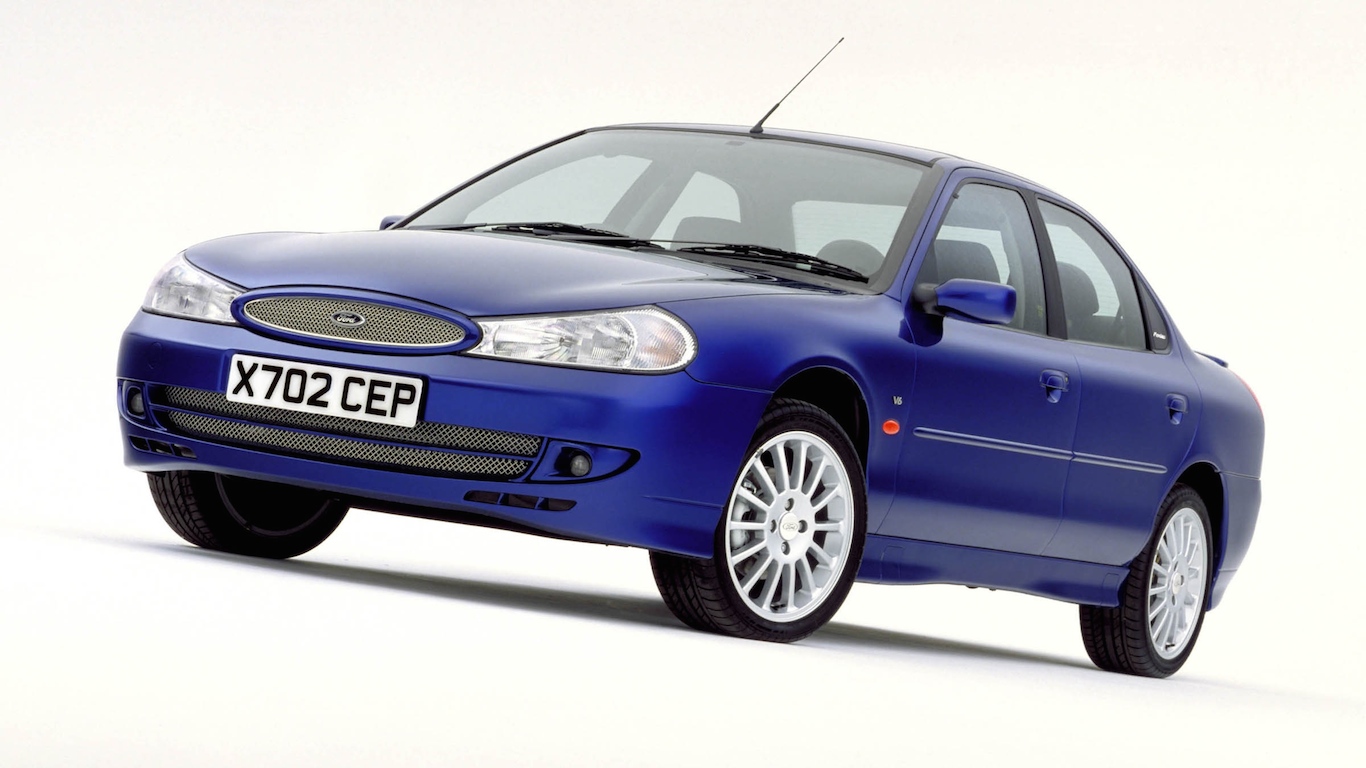
Round 8: Street Sleepers – 1999 Mondeo ST200
Things were going well for Mondeo Man as the 1990s drew to a close, and the limited edition ST200 version launched in 1999 was as good as it got. The 2.5-litre V6 engine was developed by Ford’s Special Vehicle Team in America, and marked the move towards greater transatlantic cooperation. With 200hp, the result was quick – rather than devastating – performance, but the natural ability of the Mondeo meant it was fun to drive. Today it flies under the radar as a forgotten fast Ford, but it seems primed to become a modern classic.
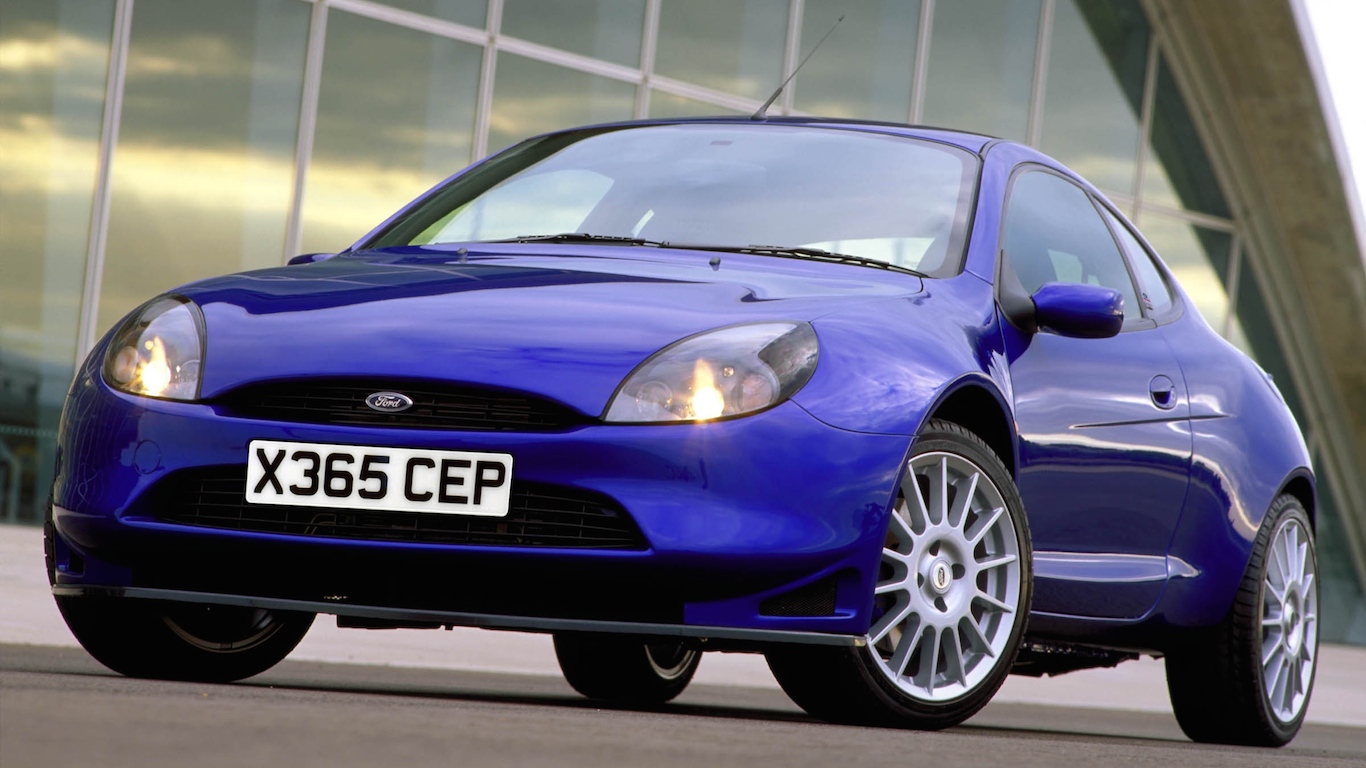
Round 9: Millennium Coupes – 1999 Ford Racing Puma
Despite proving popular with the British public, the Ford Puma often came in for criticism for being underpowered. This changed in 1999 with the introduction of the Ford Racing Puma. The existing Yamaha-developed 1.7-litre engine was enhanced to deliver 155hp at 7,000rpm, with 0-62mph taking a frantic 7.9 seconds. But the Racing Puma wasn’t just about straight-line performance. Bigger brakes, wider wheels and uprated suspension meant it stopped and handled well, too. With just 500 built, the FRP is a genuine rarity worth seeking out.
Round 9: Millennium Coupes – 1999 Mercury Cougar
The original Mercury Cougar was an upmarket version of the first-generation Ford Mustang. This eighth-generation Cougar, launched in 1999, shared a platform with the Mondeo, and never quite managed to deliver the excitement promised by its bold ‘New Edge’ looks. Sold in Europe under the Ford badge, a 2.5-litre V6 with 170hp was as good as it got. Slow sales meant the Cougar was canned in 2002, less than four years after being introduced.
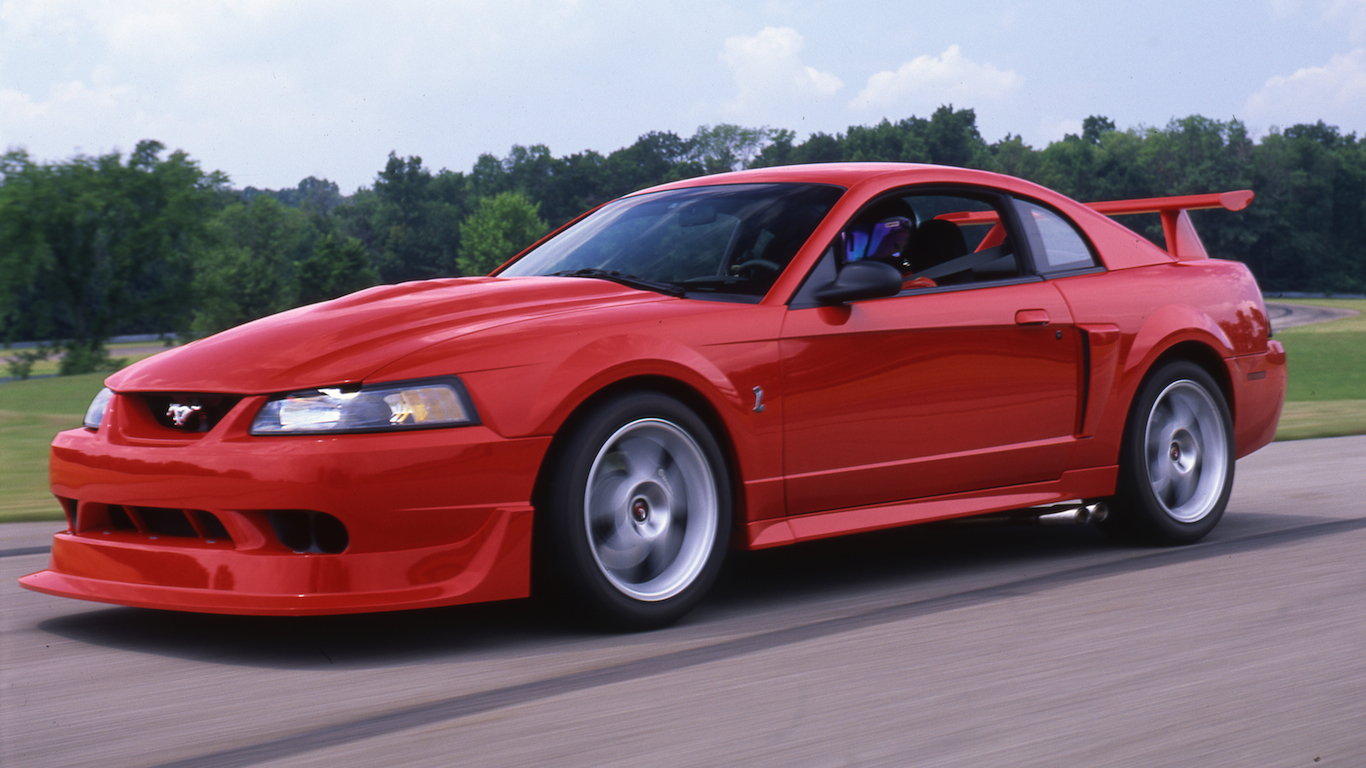
Round 10: Peak Performance – 2000 Mustang SVT Cobra R
Ford was on a roll with performance products in both the US and UK at the turn of the millennium, but the pressure to do more was ever-present. Enter the ultimate version of the fourth-generation Mustang. Available for just one model-year, and with only 300 examples built, the Cobra R was ultra-fast and ultra-rare. A hand-built 385hp 5.4-litre V8 was fed by a 20-gallon racing fuel cell, and exhaled through a side-exit exhaust. All cars came in Performance Red and featured a gigantic rear wing and adjustable front splitter as standard. The interior was stripped of all luxuries, including the back seats.
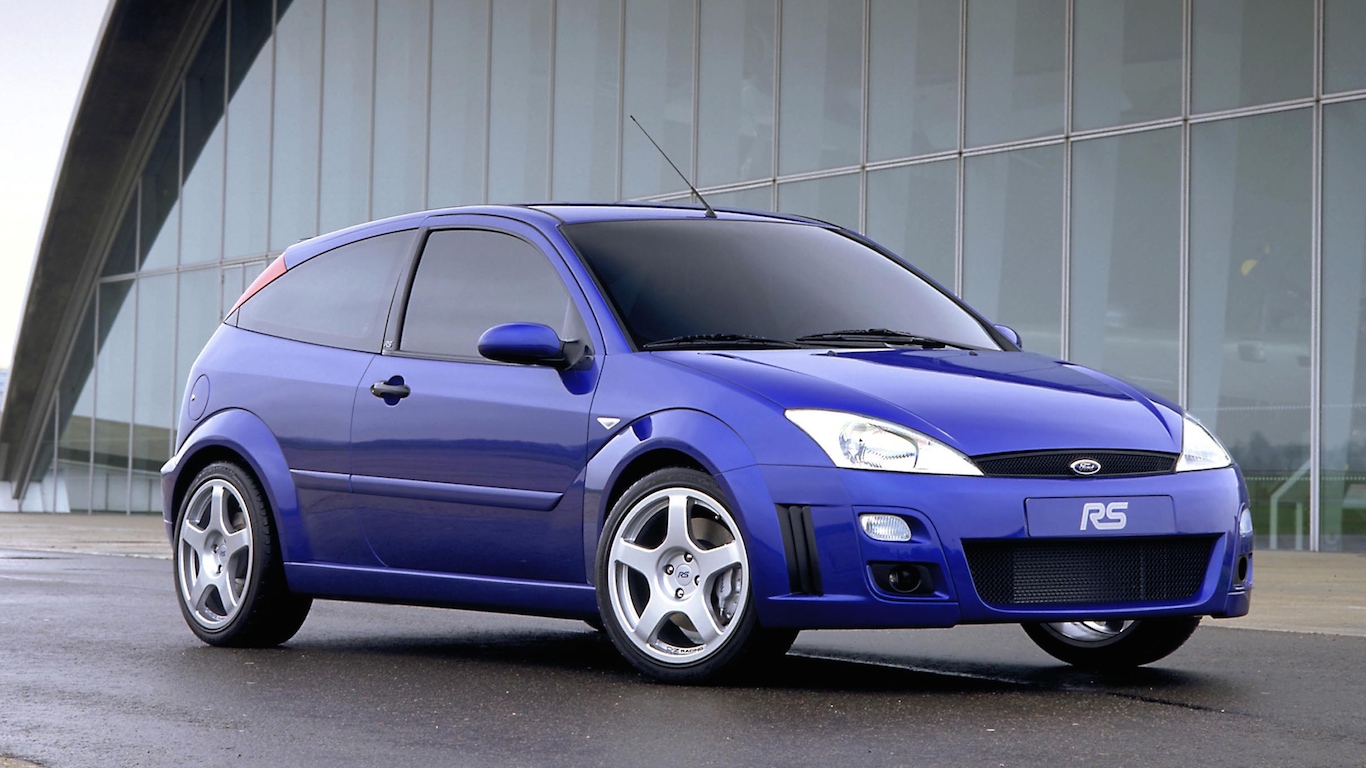
Round 10: Peak Performance – 2002 Mk1 Focus RS
One of the most controversial cars to wear the Rallye Sport badge, the Mk1 Focus RS divided enthusiasts and journalists alike. Most loved the WRC-inspired looks and punchy 212hp 2.0-litre turbo engine. Some were unconvinced by the aftermarket-looking blue interior trim. Yet most divisive was the Quaife torque-biasing differential, used partly due to a lack of 4WD. It made the Focus RS hugely effective on road and track, but also aggressive and physical to drive. A true old-school hot hatch, but one that’s already increasing in value.
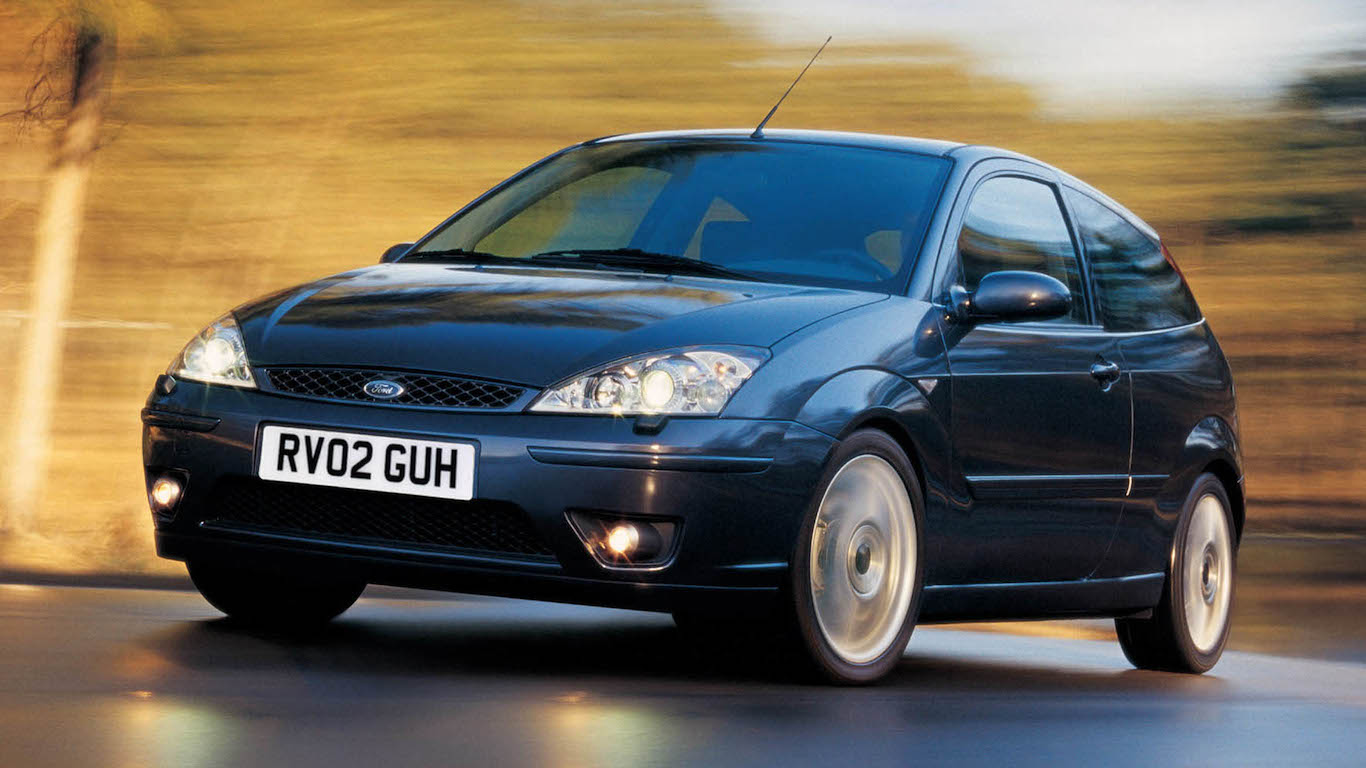
Round 11: Transatlantic Special – 2002 Focus ST170
While the RS is most revered first-generation Focus, it wasn’t the only performance version offered. The ST170, also launched in 2002, featured a naturally aspirated 2.0-litre engine developed by Cosworth. With 17-inch multispoke alloy wheels, uprated brakes and Recaro leather seats, it ticked off a number of hot hatch requirements. An estate version was also offered, preceding the current performance wagon craze by over a decade.
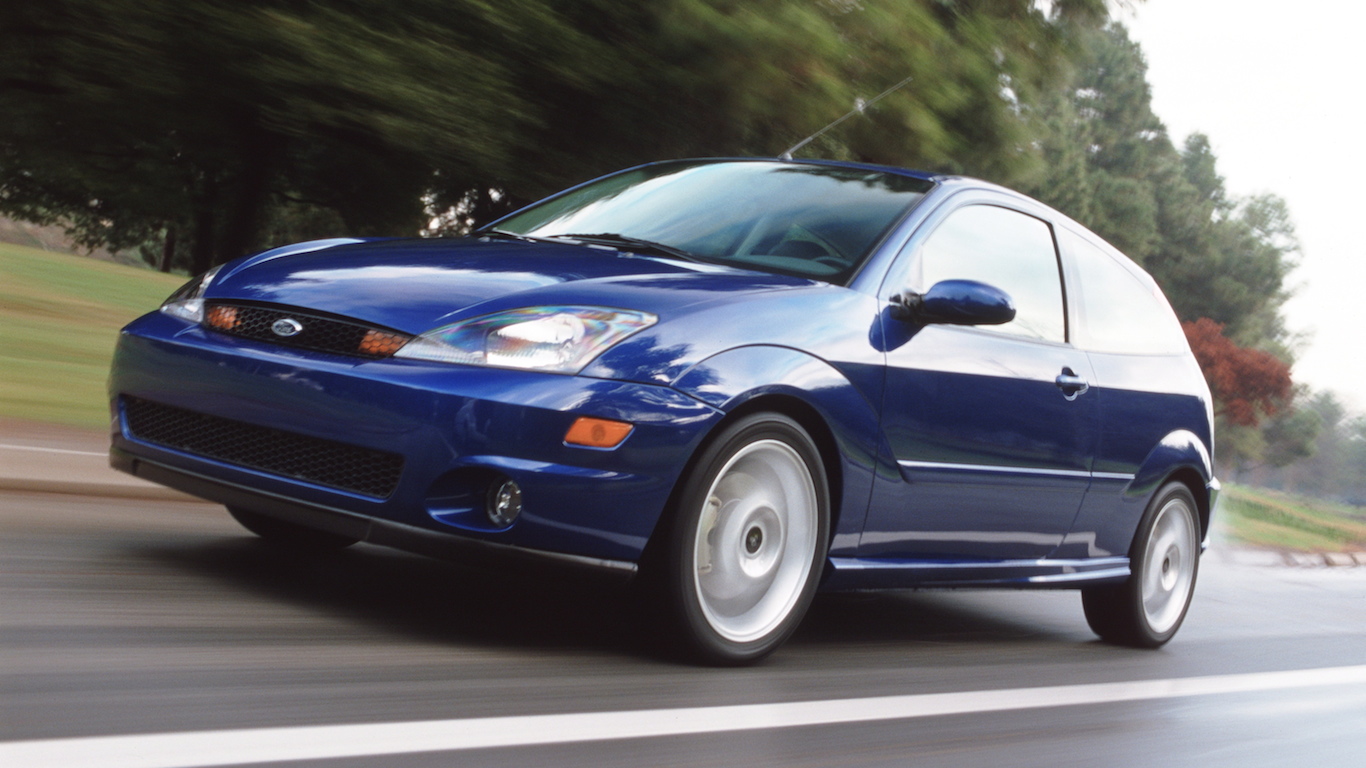
Round 11: Transatlantic Special – 2002 Focus SVT
Look familiar? Minor cosmetic changes aside, the 2002 Focus SVT was the same machine as the European-market ST170. A demonstration of Ford’s desire to build ‘world cars’ even when it came to performance variants, the SVT was the result of cooperation between Special Vehicle divisions on both sides of the Atlantic. American buyers even got the option of wild colours like Screaming Yellow and Competition Orange, although they were denied the estate version.
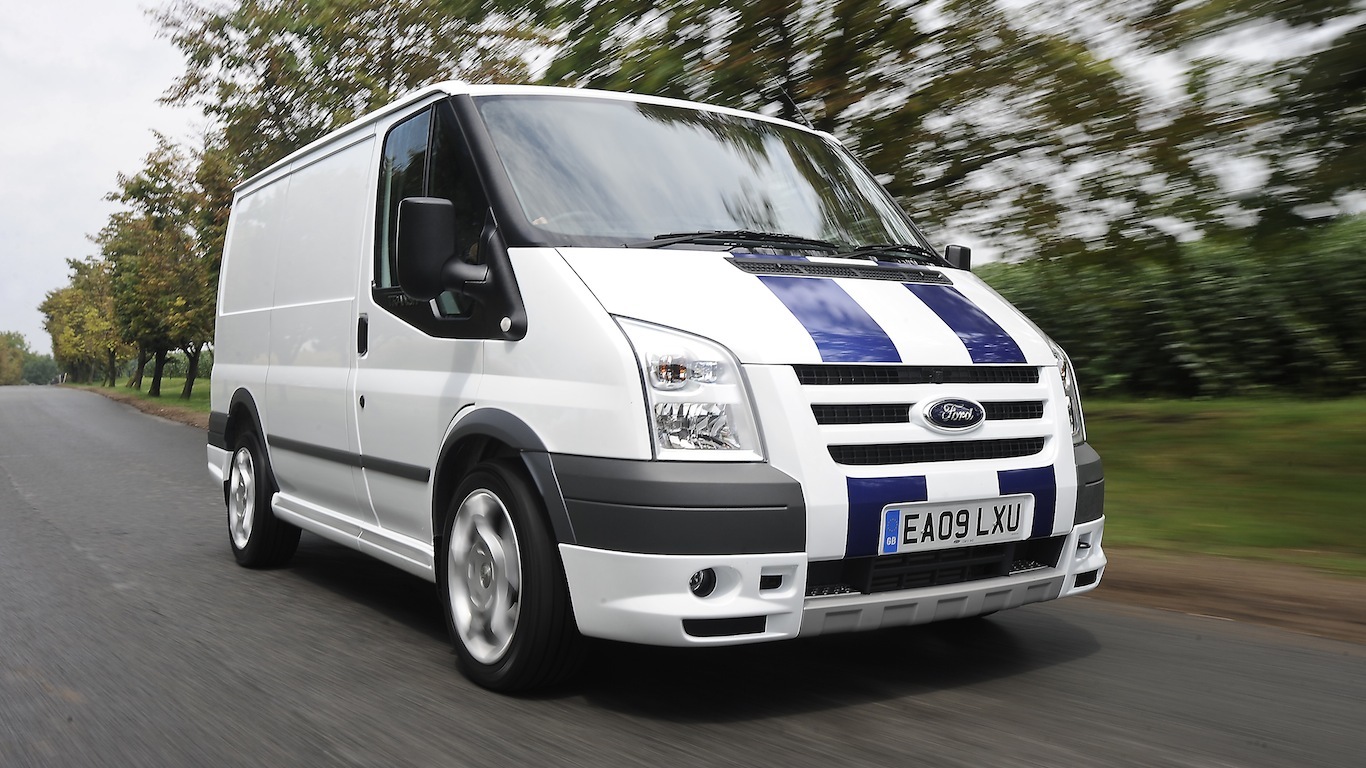
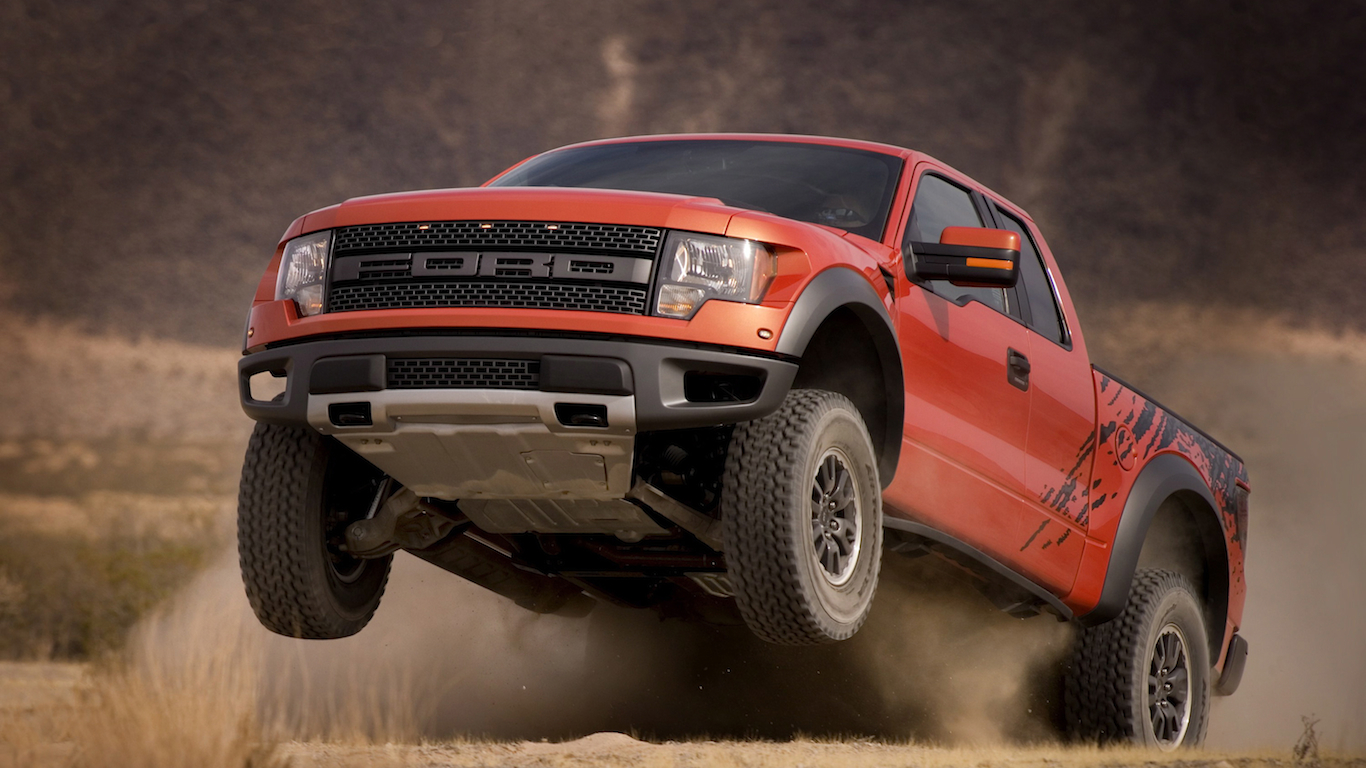
Round 12: Ultimate Utility – 2007 Transit Sport Van
The backbone of Britain. Not just a van, but the van. Driven by everyone from bakers to breakdown services if the adverts from the 1990s were correct. The Transit is a defining commercial vehicle yet, despite its popularity, we’ve never been treated to a performance version. Yes, Ford produced a number of Supervans – laying a Transit body on the chassis of a race car – but they weren’t sold to the public. Instead, in 2007, we got the Sport Van. With a standard 129hp 2.2-litre diesel engine there was no more power, and even the twin exhaust pipes were fake. There were at least bonnet stripes and 18-inch wheels, though.
Cross the Atlantic and the F-150 pick-up truck has been the best-selling vehicle in the USA since 1981. Like the Transit in the UK, the F-150 is the mainstay of American life, and the Blue Oval saw fit to create a true performance version in 2010 with the SVT Raptor. With a 6.2-litre V8 producing 411hp and 434lb ft of torque, this was a serious utility vehicle. Despite the potential to terrify people off-road at speed, the Raptor can still tow 3,600kg and carry up to 800kg. Sorry Transit, the Raptor takes this round.
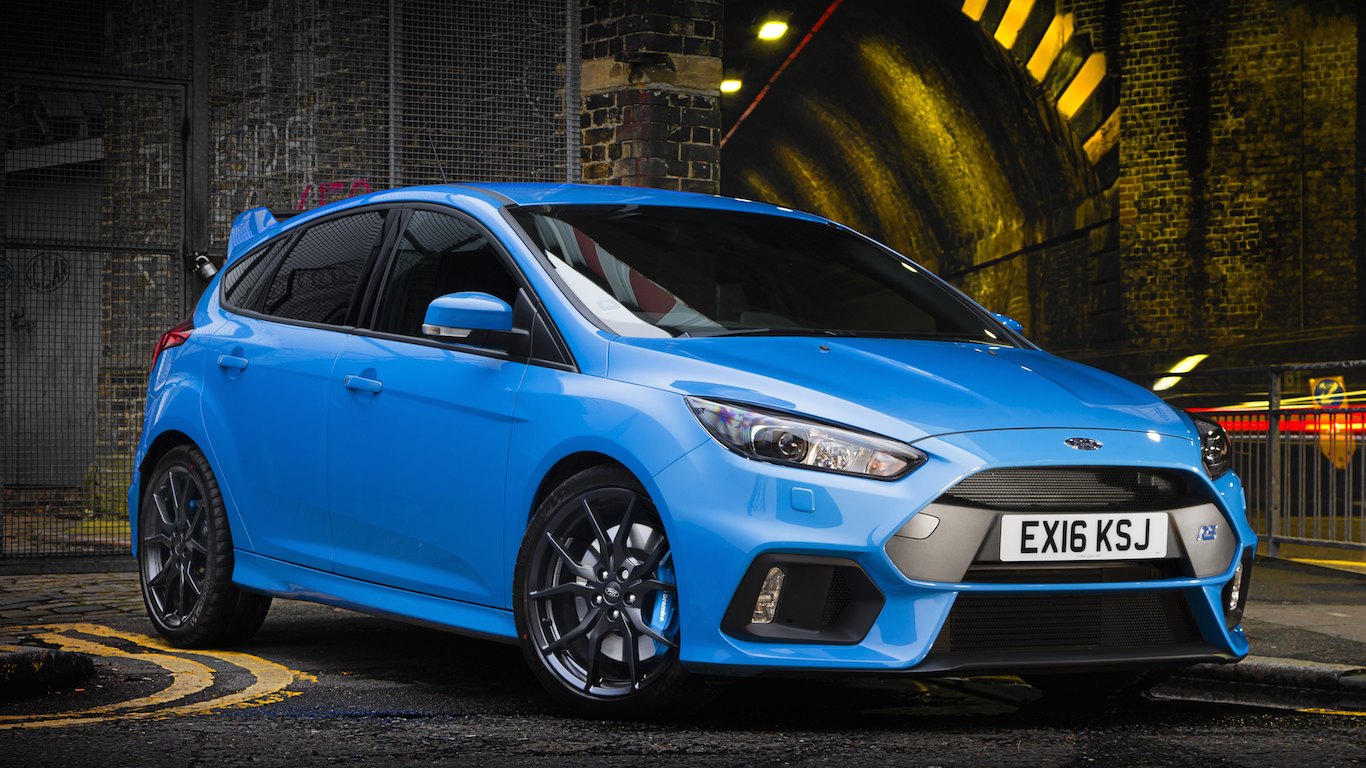
Round 13: Modern Masters – 2016 Mk3 Focus RS
Bringing the North American Ford Special Vehicles Team and European Team RS together in one global Ford Performance brand meant both sides of the Atlantic were involved in the creation of the latest Focus RS. It also meant UK and US buyers got the same 350hp 2.3-litre engine and, finally, a Focus RS with four-wheel drive. With the ability to hit 0-62mph in 4.7 seconds, and run to 165mph, the benefits of global thinking seem pretty clear. There’s also the small matter of that infamous ‘drift mode’…
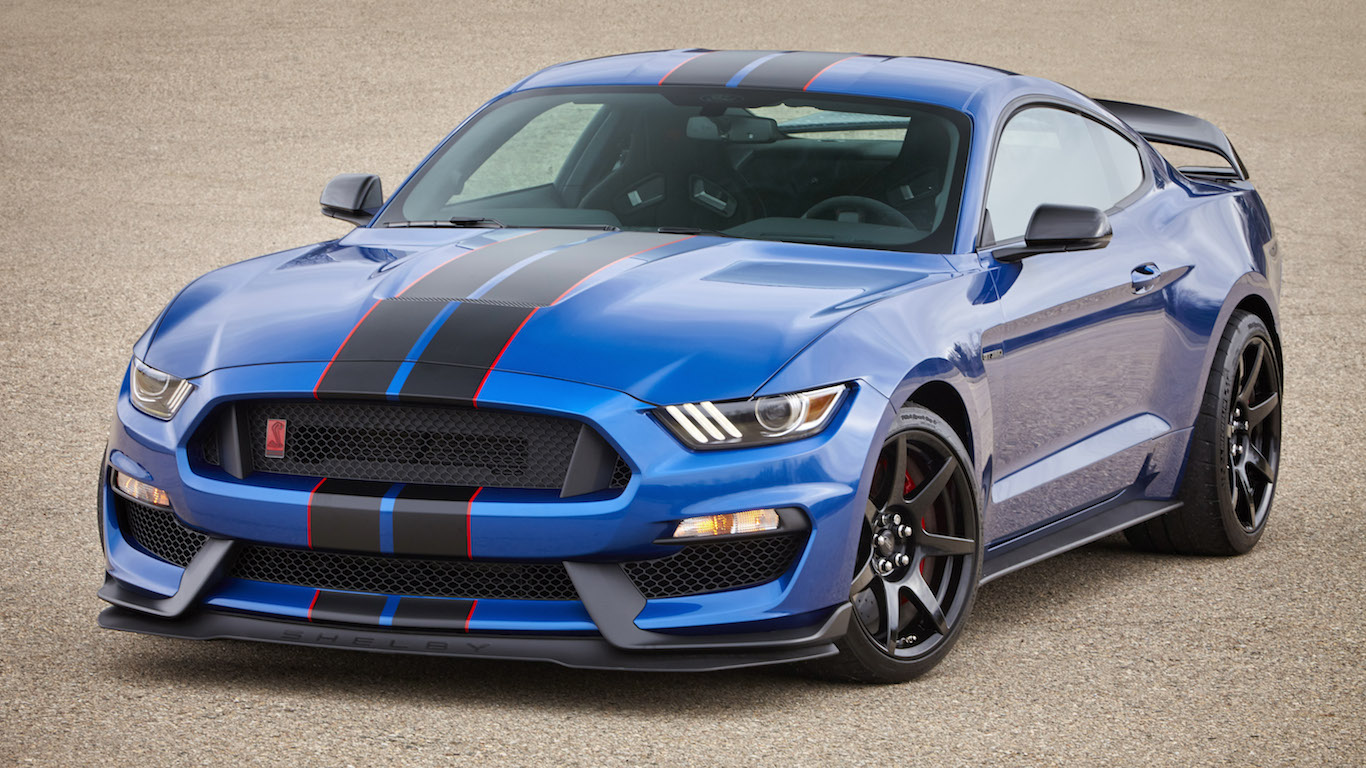
Round 13: Modern Masters – 2017 Shelby Mustang GT350R
The latest Mustang ticked off a lot of firsts. It’s the first Mustang to have independent rear suspension across the range, the first to be sold globally and, most importantly, the first to be made in right-hand drive. It meant UK buyers have the ability to own and drive a 5.0-litre V8 (or 2.3-litre turbo) muscle car without the need to sit on the ‘wrong’ side. But it’s not all good news. UK customers are denied the chance to buy the Shelby GT350R, with its 526hp flat-plane-crank 5.2-litre V8 engine, carbon fibre wheels, bespoke bodykit and stripped-out interior. Globalisation can’t give you everything, it seems.
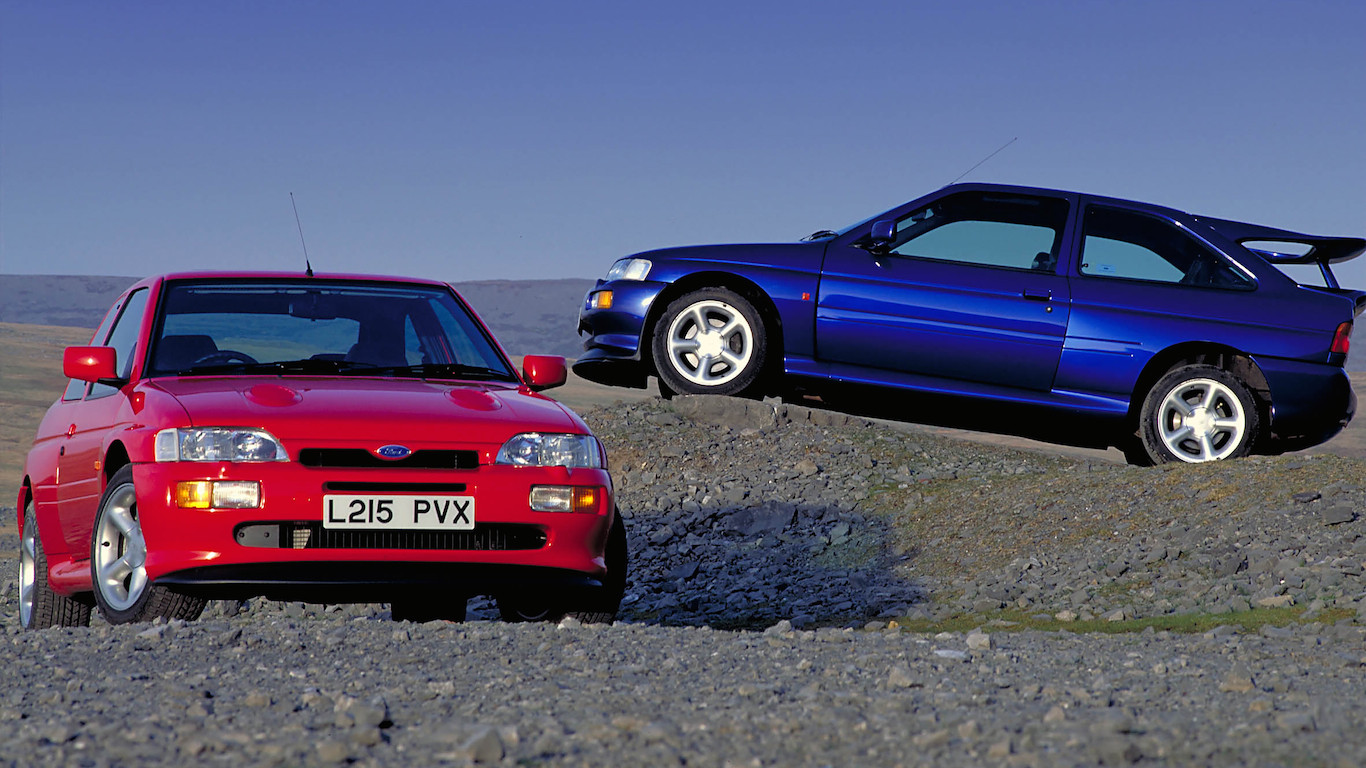
We’ve saved the best until last, picking out the absolute top examples of what Ford can do. Designed and engineered in the UK but built in Germany, the Escort RS Cosworth borrowed a shortened chassis from the Sierra RS, along with the same 2.0-litre turbocharged engine – now making 227hp. The four-wheel-drive system was new, but most obvious was the huge double rear wing that produced substantial amounts of downforce. That this was all wrapped in a body that resembled the regular Escort hatchback, but could hit 60mph in less than six seconds. Jeremy Clarkson bought one from new, and later regretted selling it.
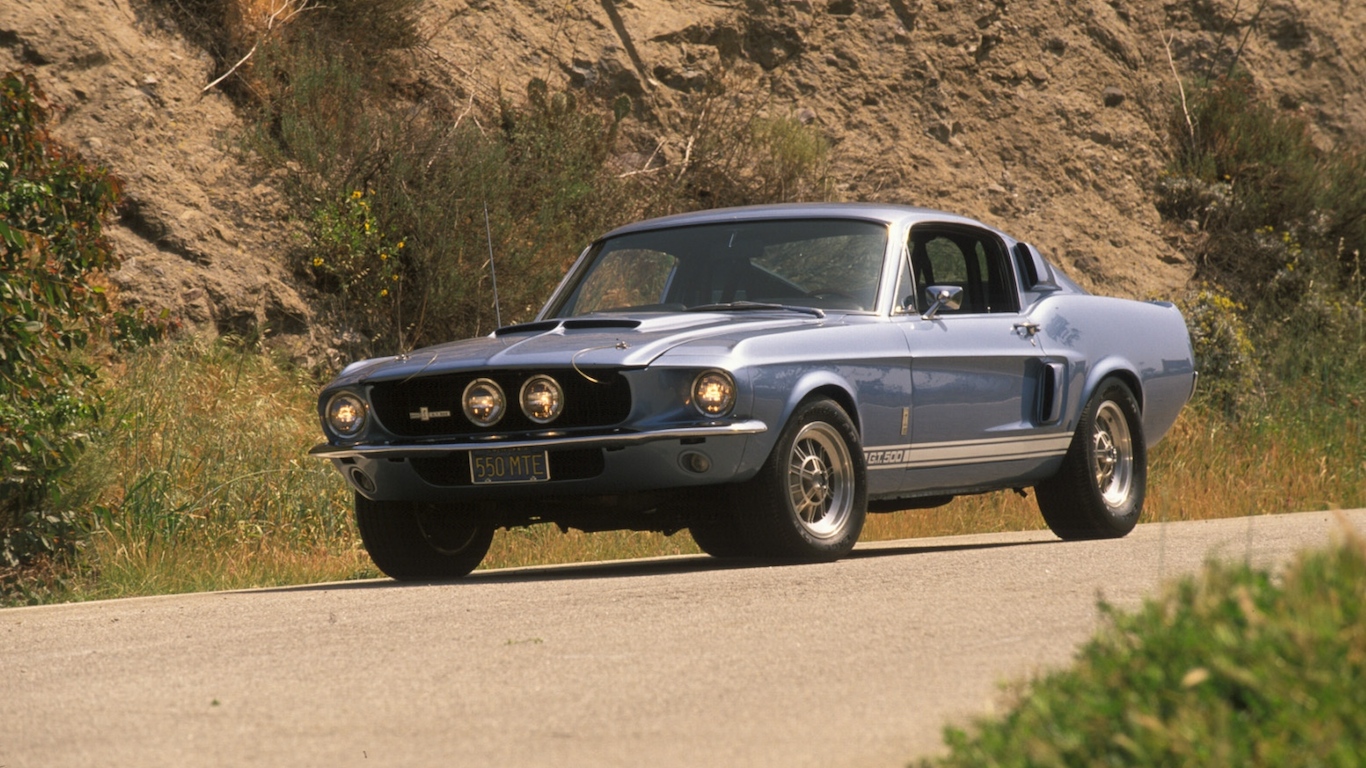
The GT350 may have been the first Shelby Mustang when launched in 1965, but there’s something special about the 1967 GT500 and its big-block 428 cubic inch (7.0-litre) ‘Police Interceptor’ V8 engine. Fitted with twin four-barrel carburettors, it produced 360hp, and had the option of four-speed manual or three-speed automatic gearboxes. Debate rages amongst Mustang enthusiasts as to which is better to drive, GT350 or GT500, but the starring role of the latter in the Gone in 60 Seconds movie cements it as the defining fast American Ford for us.
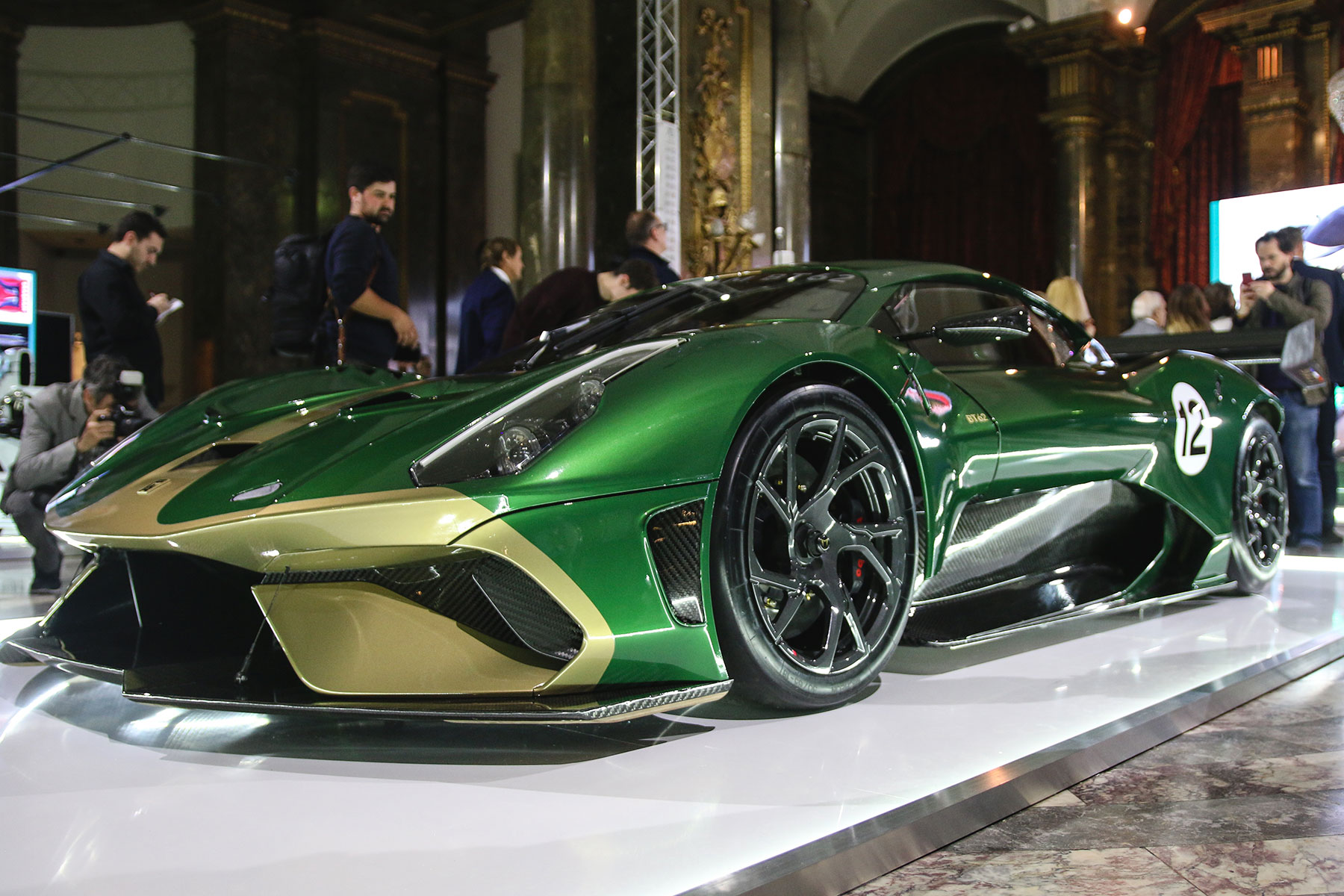
70 years after it first started racing, the famous Brabham brand is back – and the reveal of a 700-horsepower track-only supercar called the BT62 at the Australian High Commission in London helped launch its comeback with a bang.
The company was originally founded by Jack Brabham and partner Ron Tauranac in 1948: it’s Jack’s son, David Brabham – himself a former F1 racer – who’s leading the rebirth of Brabham. It’s no one-product company either; the intention is to roll out a line of specialist supercars, to compete with other motorsport-infused brands such as McLaren, Ferrari and Porsche.
There are even plans to race at the Le Mans 24 Hours.
The Brabham BT62 is a ground-up fresh design, powered by a Brabham 5.4-litre V8 engine that, thanks to a kerb weight of less than a tonne, gives a power to weight ratio of 730 hp per tonne.
MD David Brabham said: “It’s with great pride that I honour and continue my father’s legacy in revealing the next chapter in the evolving Brabham story.” This, he explained, is the culmination of a 12-year project to bring back Brabham.
“The team we have in place, and the vision it shares, provides a solid platform for Brabham Automotive to execute its long-term business strategy. Our first step to deliver on that strategy is the Brabham BT62, a car truly worthy of carrying the iconic Brabham name.”
We won’t have long to wait, either: first deliveries of the BT62 will begin later in 2018.
Brabham BT62: in detail
The BT62 is a carbon fibre supercar that will cost £1 million plus taxes. The reborn company plans to build just 70 of them – and the first 35 will come in an exclusive range of retro liveries inspired by Brabham’s title-winning 35-year run in Formula 1 racing.
Jack Brabham remains the only man to have won the F1 World Championship in a car bearing his own name, and Brabham’s most recent world titles were scooped by Brazilian Nelson Piquet.
Video: Brabham BT62 revealed in London
An aggressive aerodynamic package means the BT62 produces way more downforce than it actually weighs – over 1,200kg, says the new company. Michelin racing slicks give it ample traction and Brabham Automotive says it’s working closely with the tyre firm to “ensure the continued performance of its vehicles to the very highest levels”.
The mid-engined car is rear-wheel drive, with a race-spec gearbox mounted at the back. Cool details include a motorsport-spec air jack system, plus carbon ceramic brakes with six-piston calipers front and rear. Interestingly, although it’s left-hand drive in the images, right-hand drive is available on request.
Brabham Automotive director of technology and engineering Paul Birch said” “Created from a blank sheet of paper, our first car takes Brabham into an exciting new era, whilst honouring and upholding the marque’s glorious past.
“Using contemporary materials, processes and technologies, and following a rigorous two-year engineering and development programme, the resulting BT62 is a car that demands total engagement and commitment from its driver, delivering immense reward and satisfaction.”
70 cars for 70 years
Production will be limited to just 70 cars – one for each year since Sir Jack Brabham lauchced his racing career – with the first 35 liveired in tribute to each of Brabham’s F1 Grand Prix victories.
Owners will be invited to join a tailored driver development and experience programme, to enable them to get the best from their 700hp track star. First delivers are expected later this year.
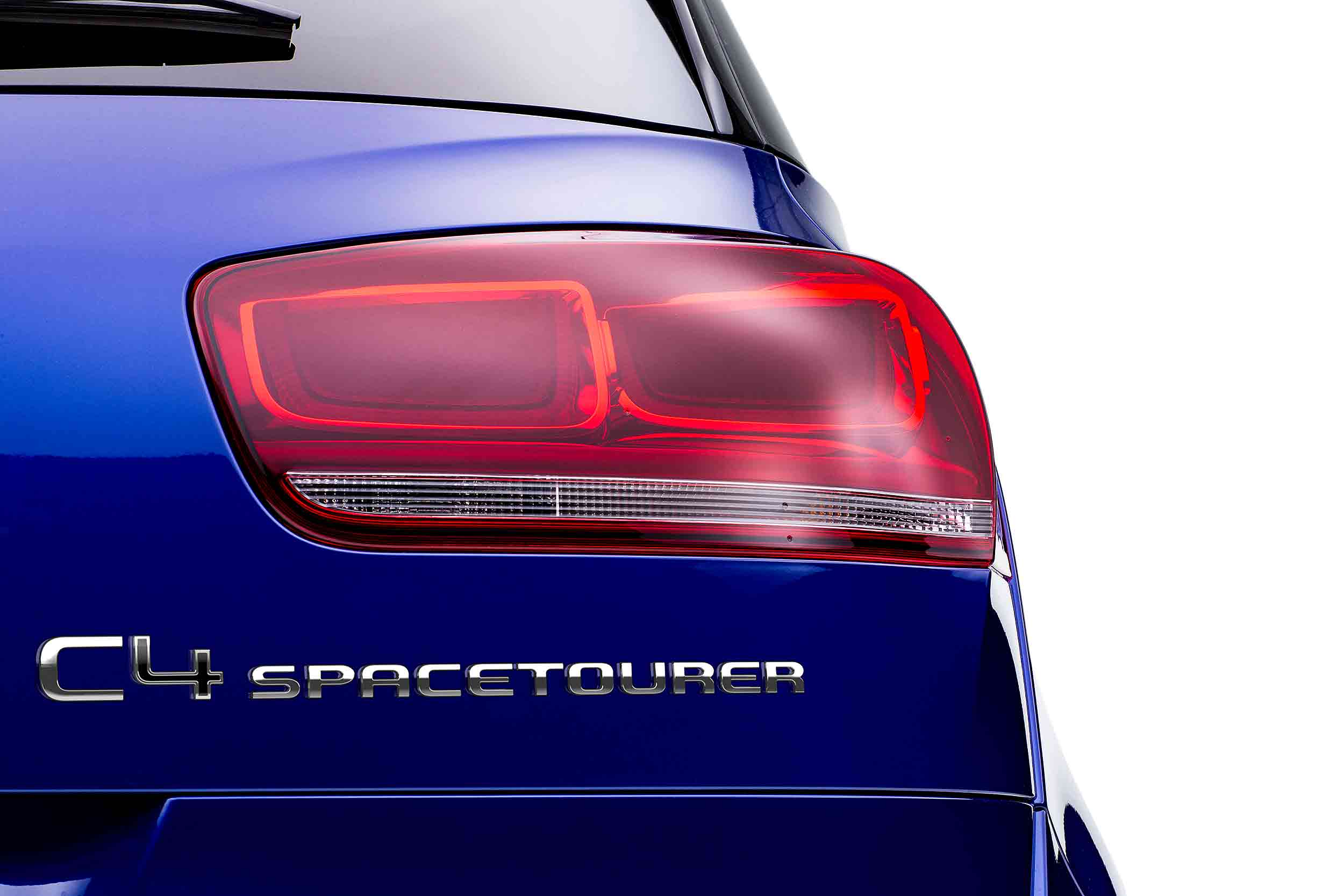
The MPV isn’t history quite yet – but the art part of the Citroen C4 Picasso’s name is. The French firm has ditched the Picasso name (and the licence payments to the Spanish master’s estate) and renamed the five- and seven-seat people carrier range Citroen C4 SpaceTourer and Grand C4 SpaceTourer instead.
The name change, says Citroen, means the five- and seven-seat mid-size MPV models can be brought in line with the original large van-derived SpaceTourer, which seats between five and nine people. All share the same ‘SpaceTourer’ tailgate badge and typography.
Benefitting from the C4 Picasso’s mid-life facelift that introduced extra comfort and more features from the Citroen Advanced Comfort programme. This includes softer suspension, plusher seats and other things to help with occupant wellbeing.
Three trims are offered, the familiar Citroen lines of Feel and Flair, plus a better-value Touch Edition entry spec. All have a decent haul of kit – and, mindful of the car’s family-friendly pretensions, the top-spec Flair now has a standard Safety Pack which includes active safety braking, driver attention alert plus speed limit recognition.
There’s a new gearbox coming from June, too: the eight-speed automatic EAT8, which will be paired with the BlueHDi 160 diesel. Prices start from £27,550, or £29,250 for the Grand C4 SpaceTourer.
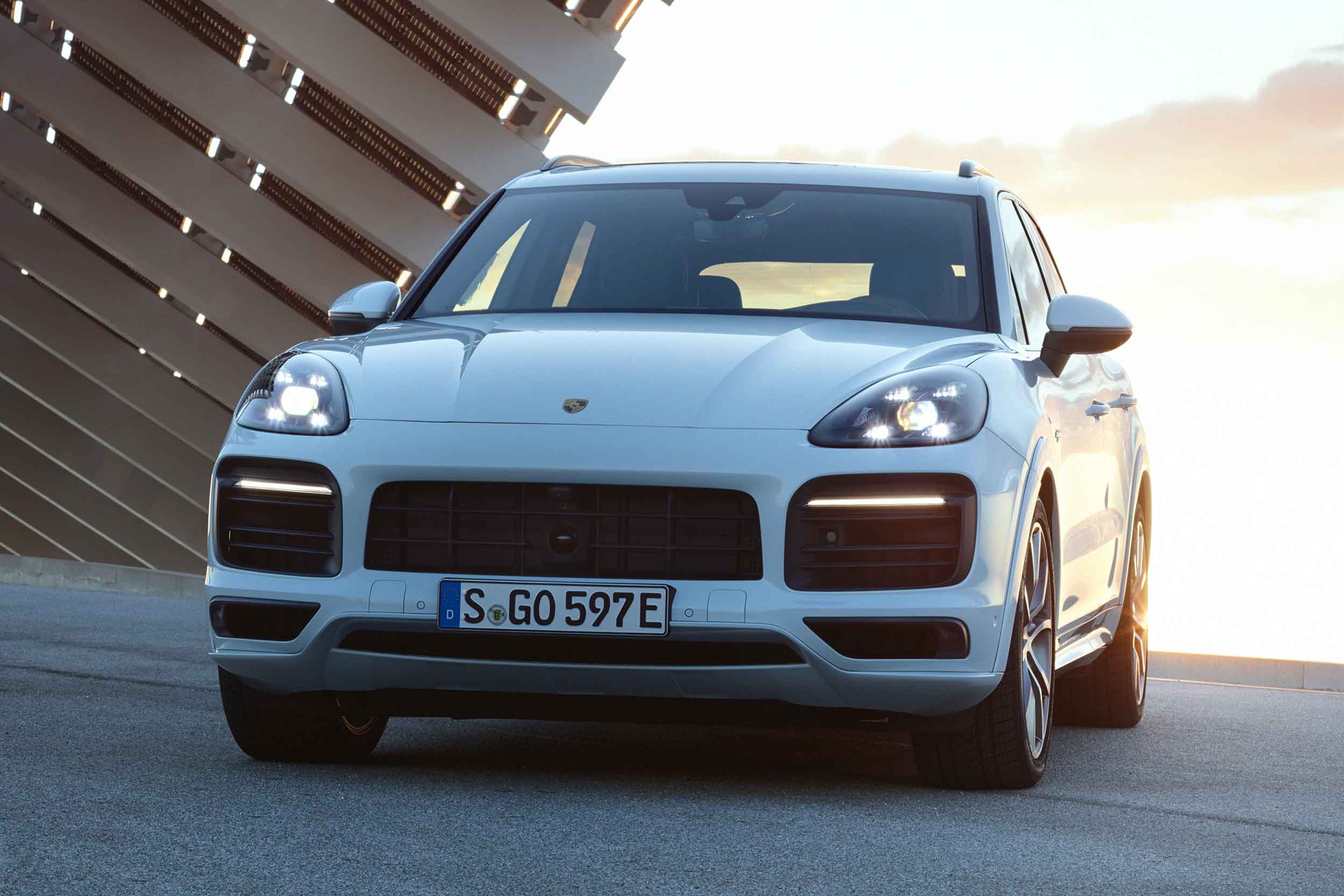
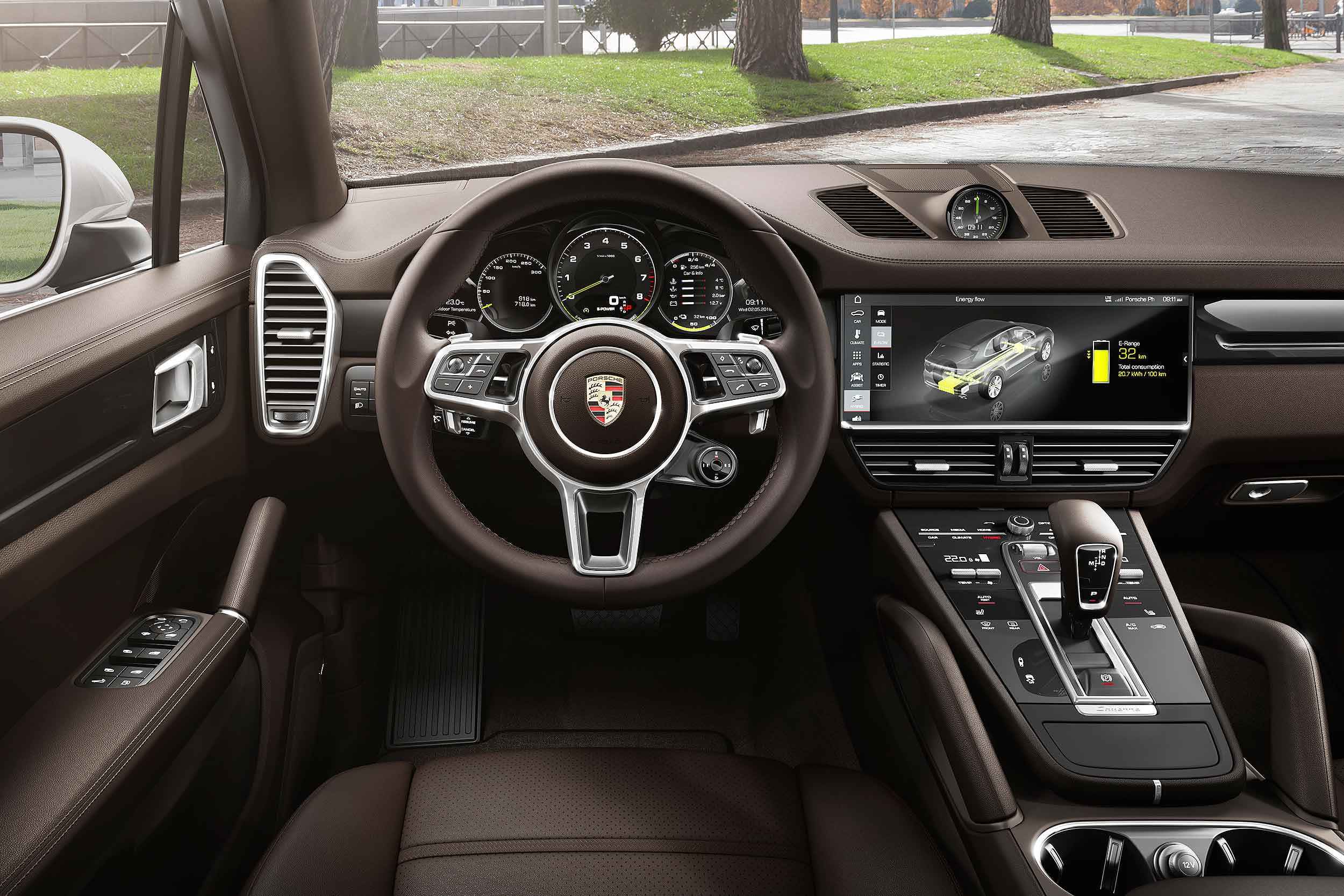
The Porsche Cayenne E-Hybrid is the firm’s latest second-generation plug-in hybrid, with even more economy and electric range to back up its greater performance and dynamism. The claimed EV-only range is now up to 27 miles – and if you’re less worried about zero-emissions distance, it can drive at speeds of up to 83mph fully electrically too.
Porsche claims the new Cayenne E-Hybrid has an electric boost strategy matching that of the 918 Spyder hypercar. Its 3.0-litre V6 petrol engine delivers 340hp and an additional electric motor puts out 136hp; combined, the total system power is 462hp. That’s good for 0-62mph in 5.0 seconds and a top speed of 157mph.
The 918 Spyder boost strategy is new. It means that the instant you press the accelerator pedal, you have access to the car’s full 516lb ft of pulling power. In Sport and Sport Plus mode, the Cayenne E-Hybrid will unleash virtually all of the battery’s energy – and it’s automatically recharged to give another boost as soon as you demand it.
Other modes place more of an emphasis on economy and efficiency…
Speaking of fuel economy, all are good, but exactly how good depends on wheels (and where you drive it). Choose big alloys, and the official NEDC average is 83.1mpg. Choose more sensible rims and the official figure rises to 88.3mpg.
And if you live in town and mainly do short journeys in between charging points, you could see over 100mpg, thanks to the ability to drive so far on electric power.
Battery capacity is up 30 percent, to 14.1 kWh, and it’s still stored beneath the boot floor. Charging takes just under eight hours on a domestic supply, and just over two hours with the optional 7.2 kW fast charger are used.
The rest of the Cayenne E-Hybrid is largely the same as other new versions of Porsche’s large luxury SUV. One figure that did stand out to us was the fact it’s still capable of towing a full 3.5-tonne load, although while Porsche has introduced a 22-inch alloy wheel option in Europe, it’s not yet decided when these are coming to the UK.
Ordering for the new Cayenne E-Hybrid is now open, with prices from £67,128, and first delivers will begin in late May.
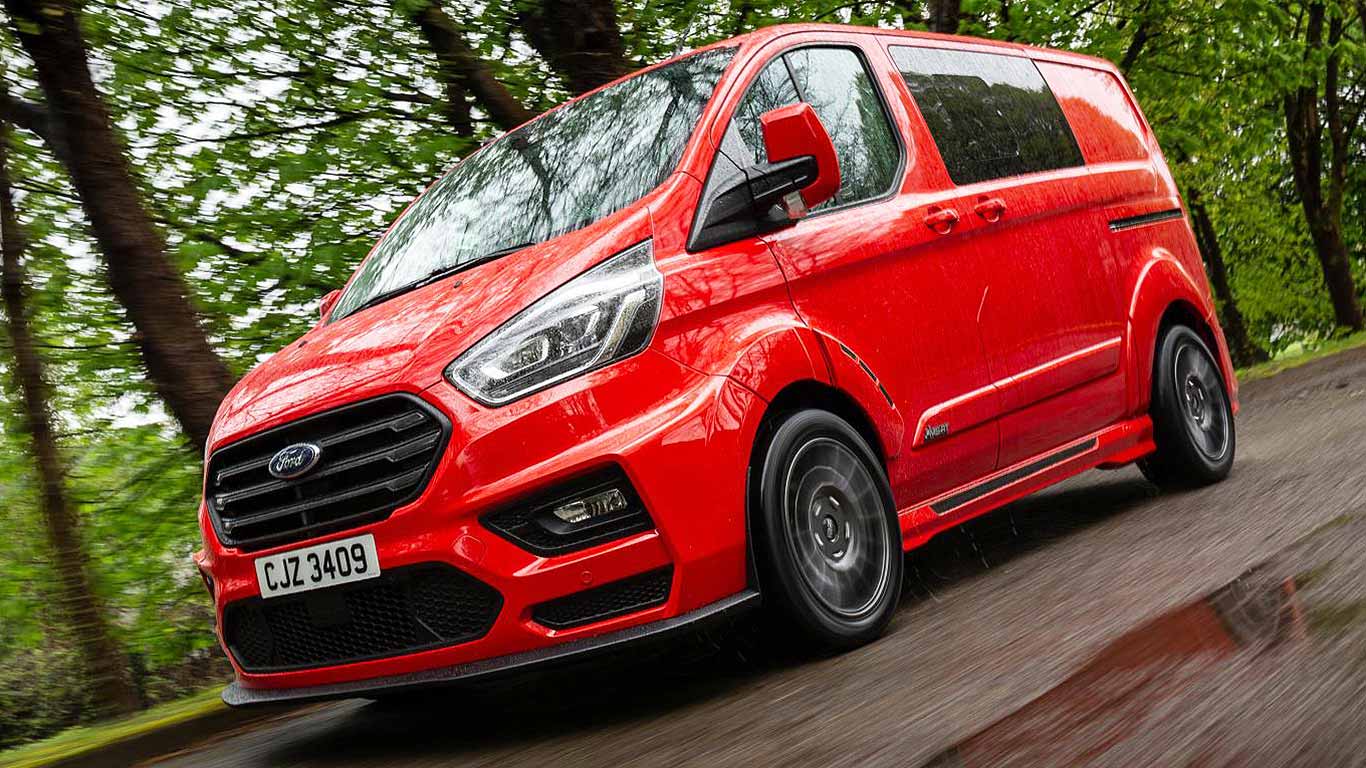
Builders and delivery van drivers, the Ford Focus RS you’ve long dreamt of may have now gone out of production, but the blue oval is now offering you the opportunity to go one better – with your very own MS-RT Transit Custom ‘RS van’! On sale this spring, prices start from £32,995 (plus VAT).
Outrospective: farewell to the Ford Focus RS
Developed by Ford’s WRC partner, the M-Sport Ford Works Rally Team, the new MS-RT has been honed with a series of technology and aerodynamic upgrades that are, quite literally, inspired by motorsport.
It’s even hand-built here in Britain, at the MS-RT factory in Pontypool, South Wales.
MS-RT founding director Ed Davies reckons it’s going to become “the hottest property on the van market.
“The new MS-RT Transit Custom takes an already excellent van and turns it into something really special, which owners are bound to cherish, and which businesses will use to make their brands really stand out.
“We’re extremely excited about the launch of the new Custom and what it means for MS-RT, as well as our many loyal customers. In addition, it’s also great news for the British economy, as every single vehicle is hand-finished in our factory in Pontypool, South Wales.
So what’s changed over the regular (and itself very able) Transit Custom? For starters, there’s a bespoke set of 18-inch OZ Racing alloys, finished in Anthracite. Eibach performance lowering springs have been added on, which give it a hotter stance without, says MS-RT, affecting the payload capacity.
Technicians have then fitted a full-fat bodykit: all-new front bumper and grille with built-in fog lights, front diffuser, rear diffuser, rear spoiler and a set of wide wheelarch extensions and side sill extensions to join it all up.
There’s also a dual-exit sports exhaust system (a British-made setup to boot), plus ample MS-RT branding and decals.
Inside, hand-made, nappa leather and Alcantara-trimmed MS-RT sports seats and steering wheel feature, as does an array of carbon fibre inserts and more MS-RT branding for the floor mats and even the dials.
There’s a welter of standard equipment too: Ford Sync3 infotainment (with sat nav), HID headlights with LED daytime running lights, reversing camera, heated windscreen, 230v power convertor and ultra-bright LED loadspace lighting.
And unlike the Ford Focus RS, it’s not one size fits all. Indeed, the MS-RT Transit Custom is offered in panel van or double cab guise, in regular or long-wheelbase form, and the 170hp 2.0-litre Ecoblue diesel engine can be paired with either a six-speed manual or six-speed automatic. Van fans, take your pick from this little lot…
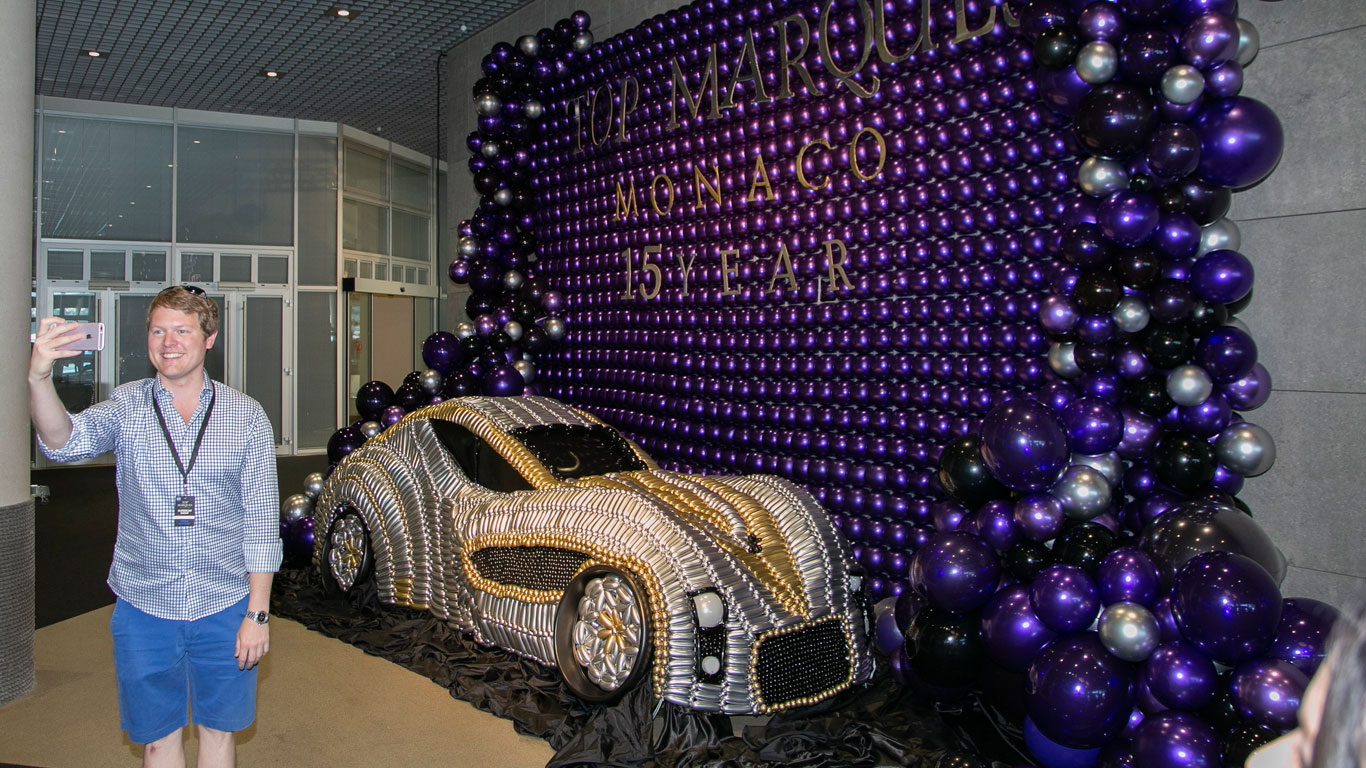
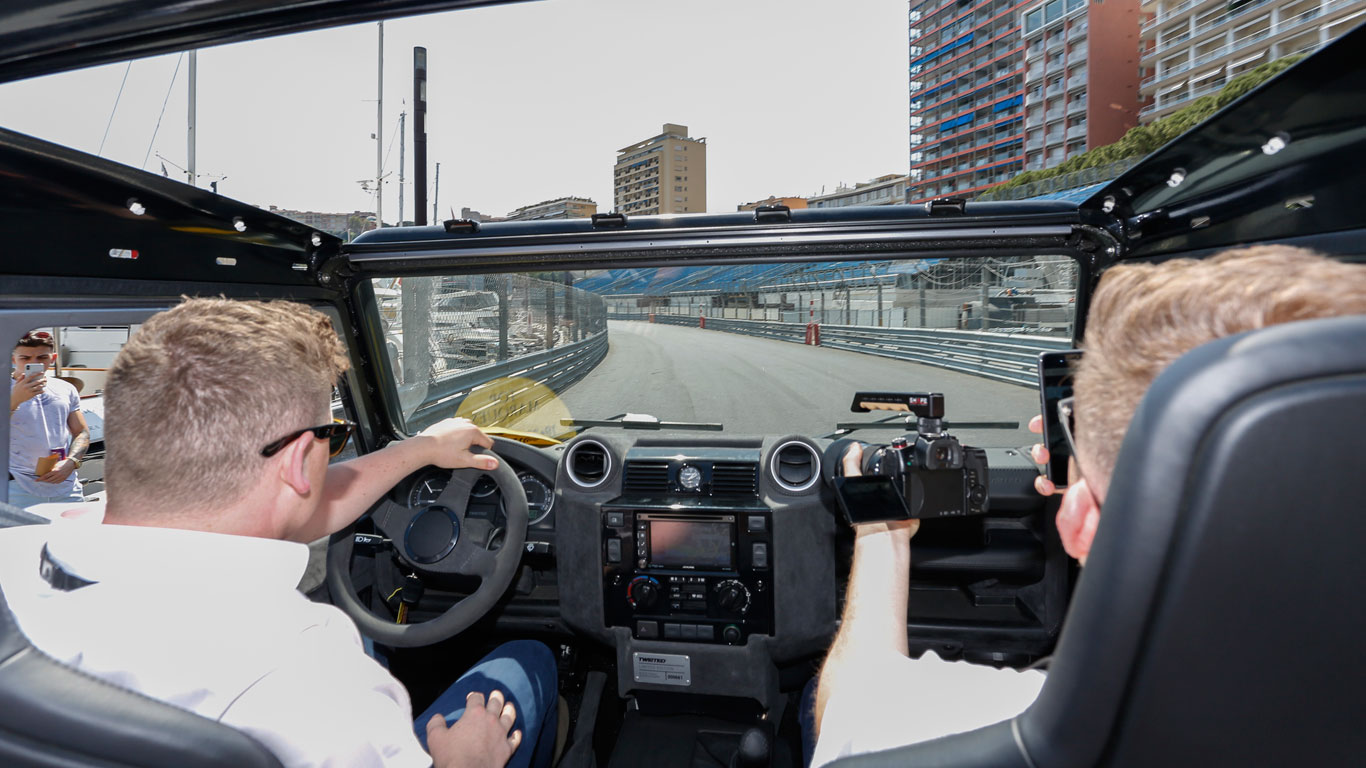
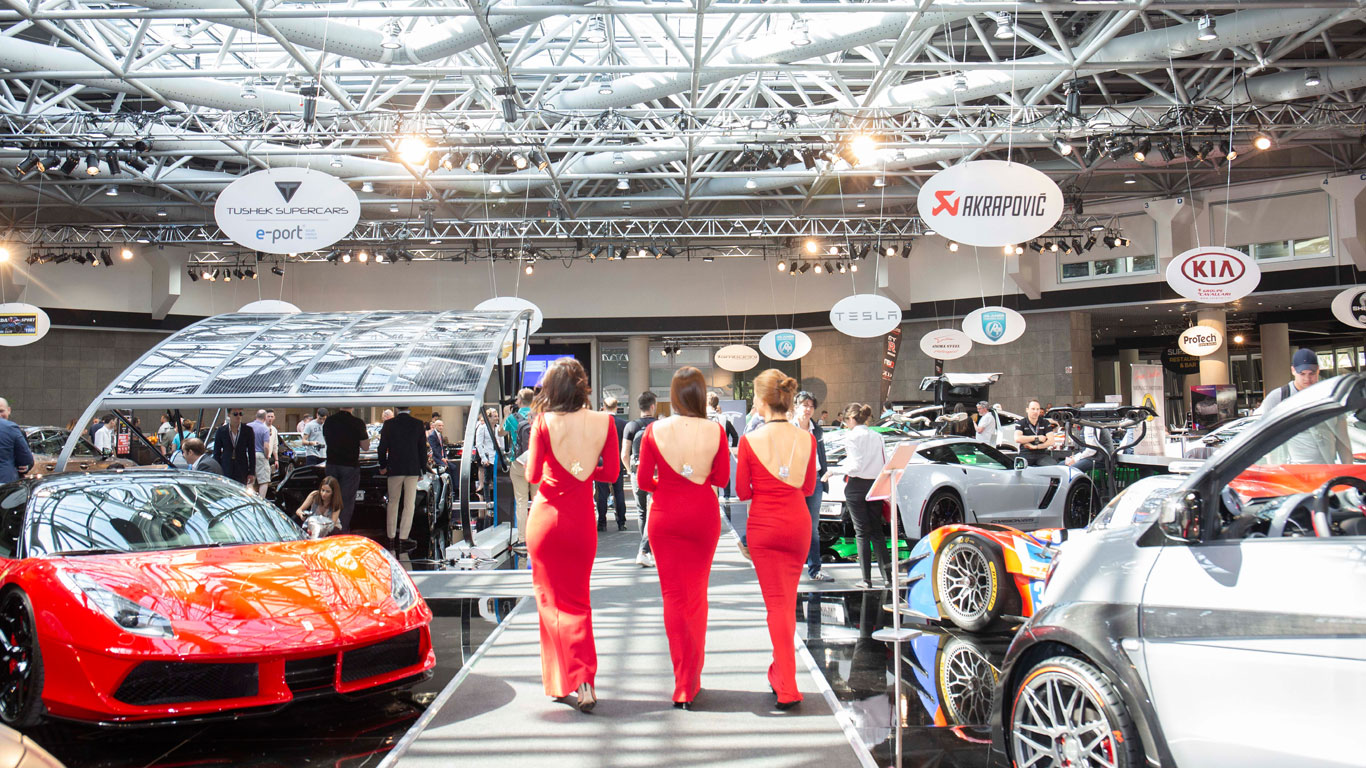
You’ve heard of the Festival of the Unexceptional, well Top Marques Monaco is the very antithesis of that event. It’s billed as “Monaco’s third most popular event”, which showcases the world’s finest automobiles, watches and jewellery. Here are some images from this year’s extravaganza, which uses the famous Grand Prix circuit to allow “high calibre visitors” to take the ultimate test drive.
Shmee150
Hi guys, it’s Shmee…
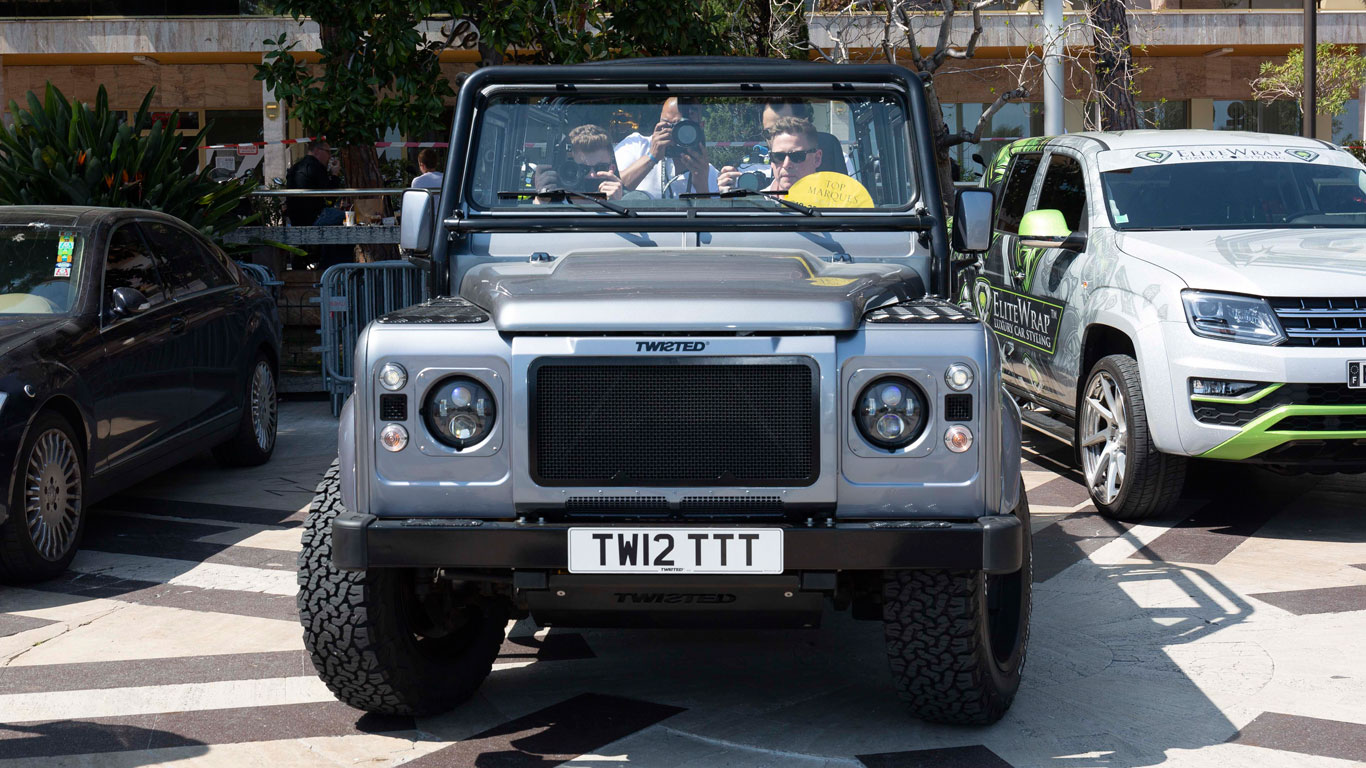
Smile for the camera
A Twisted Land Rover Defender and many cameras.
Twisted Land Rover Defender
Another Kodachrome moment from Top Marques Monaco.
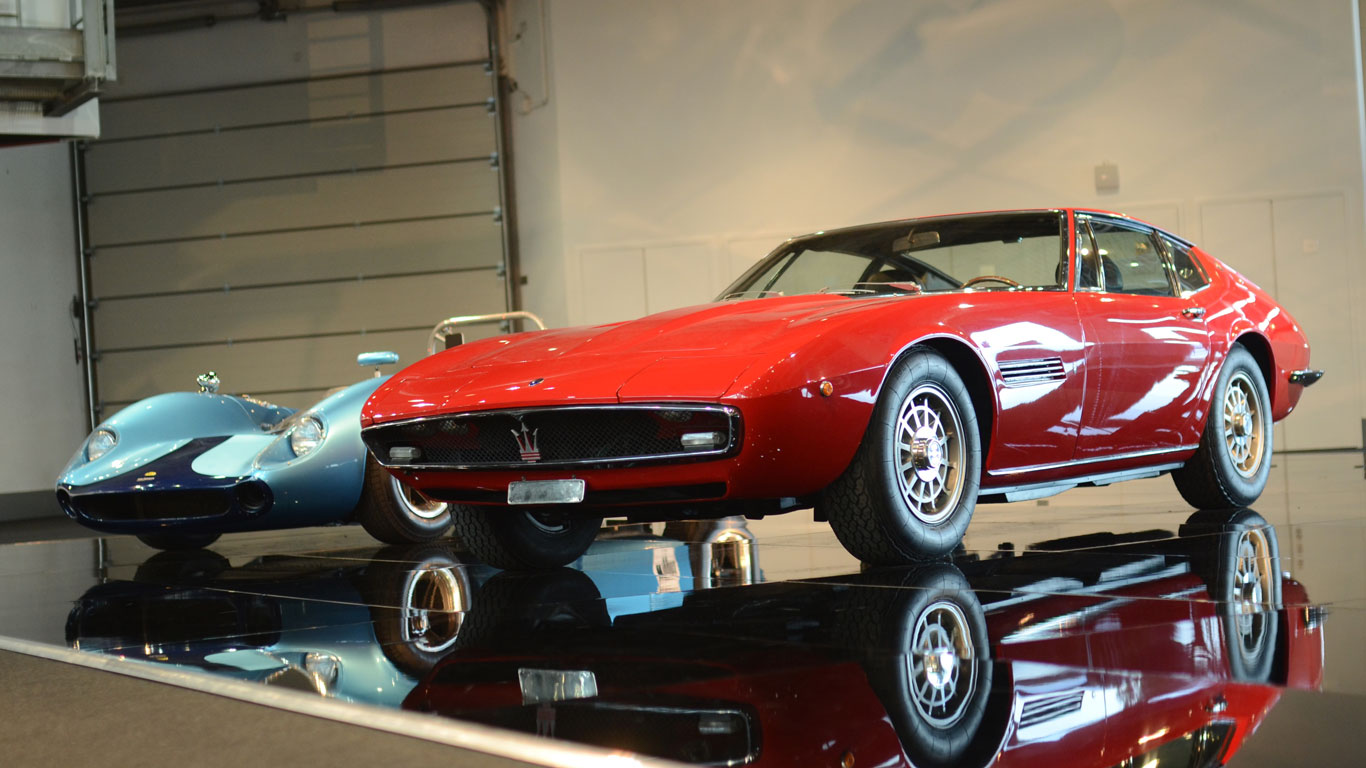
Maserati Ghibli
Ah, this is more like it. Arguably one of the finest grand tourers of all-time, the Giugiaro-designed Ghibli was the flagship of the Maserati range and a genuine rival to the Lamborghini Islero and Ferrari Daytona. In the UK, the press ad headline was simple and to the point: “Maserati Ghibli. 174mph.”
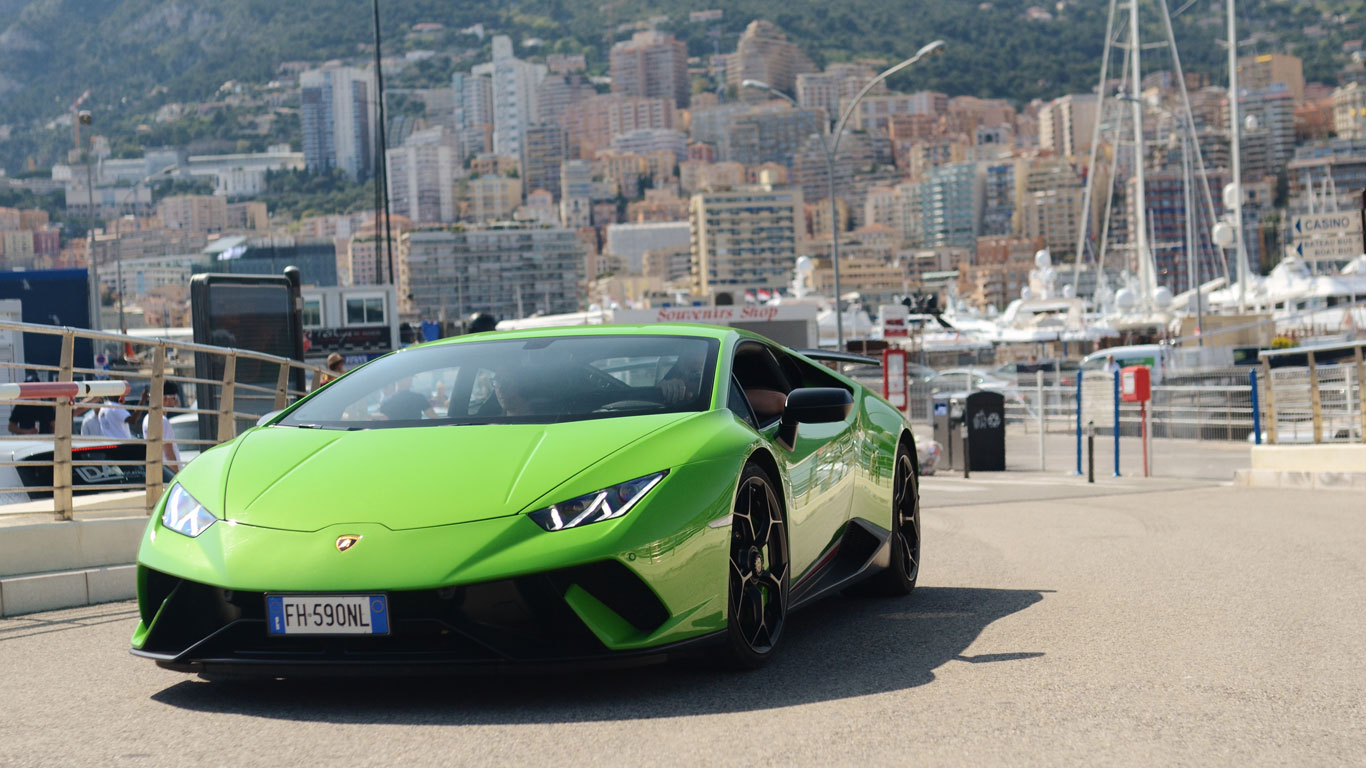
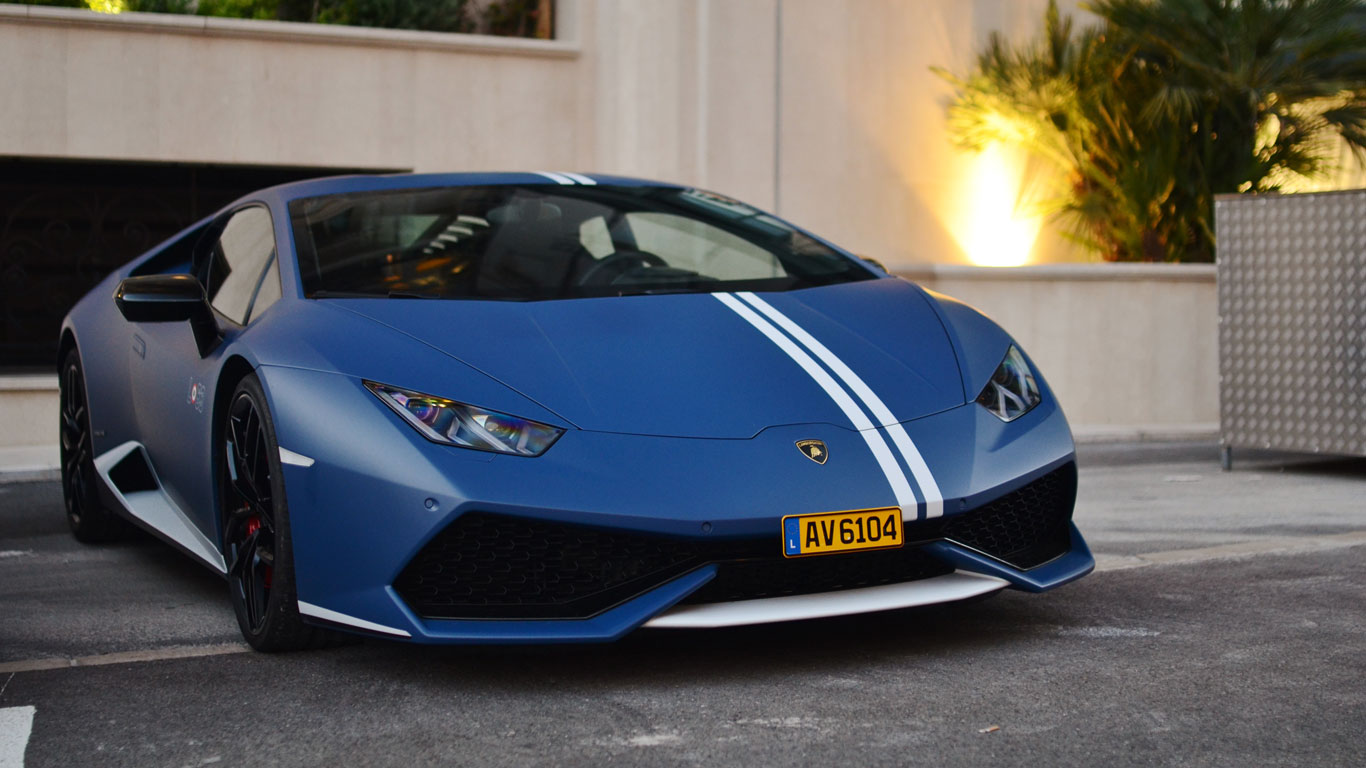
Lamborghini Huracan Avio
This is the Lamborghini Huracan LP610-4 Avio: a limited-run special edition dedicated to the Italian Air Force. Only 250 units were built, each one powered by a 5.2-litre V10 engine developing 602hp and 413lb ft of torque. On the door you’ll spot an L63 logo, with the L for Lamborghini and 63 for the year in which the company was founded. The Italian Air Force roundel is placed between the L and 63.
Carbon Champagne
You know you’re at Top Marques Monaco when there’s a bottle of Champagne Carbon left lying about. The magnums, which retail for around €3,000, are used at the end of each F1 race. Ideal for when you’ve just placed a deposit on a new Danish supercar in Monaco.
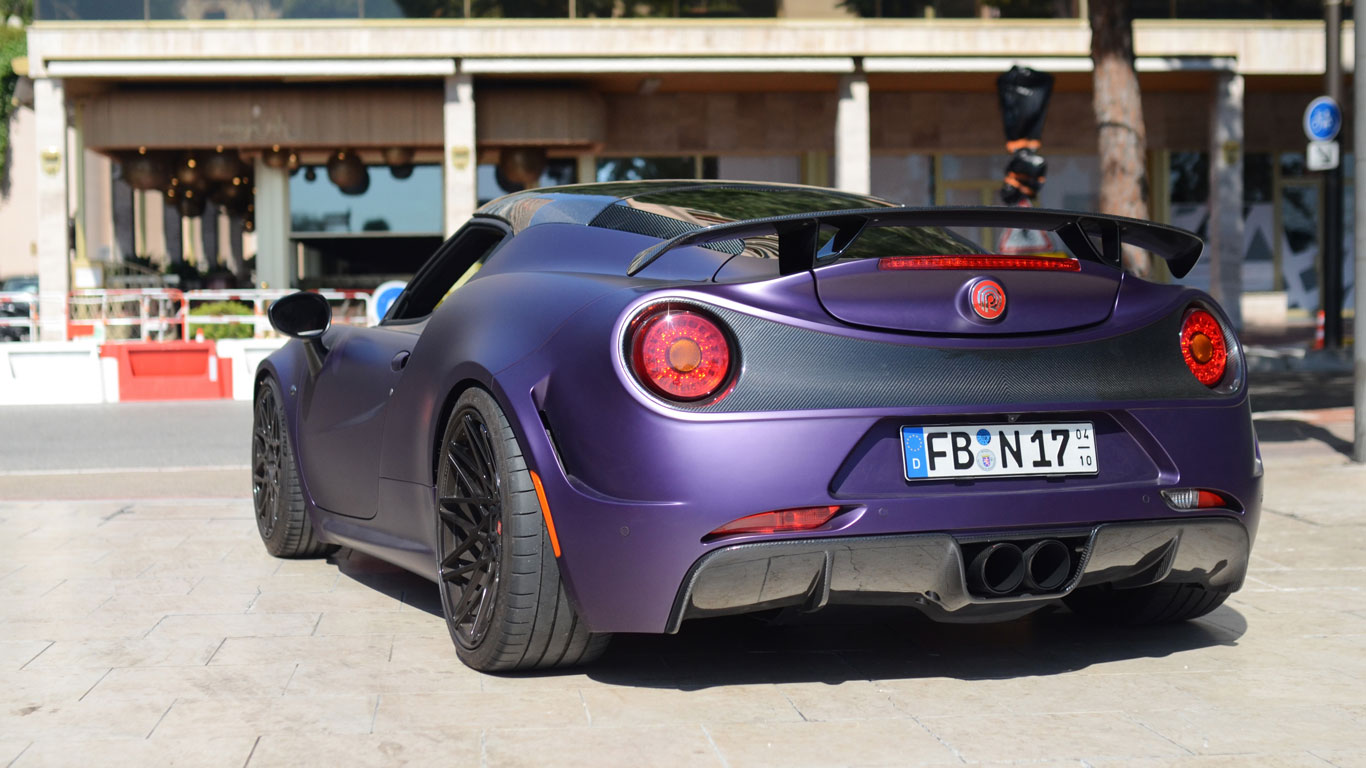
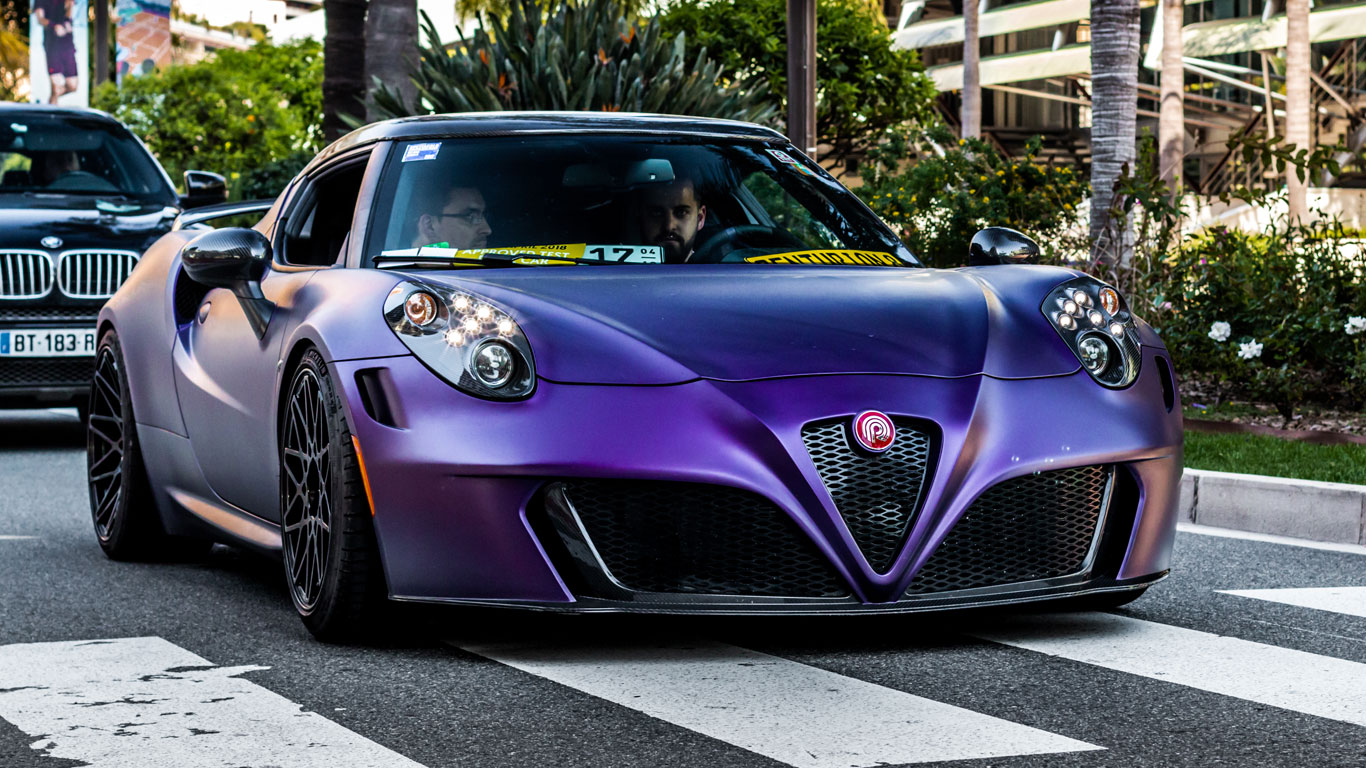
Alfa Romeo 4C Centurion 008
German tuning company Pogea Racing has been doing naughty things with the Alfa Romeo 4C since 2013, and this is one of its latest creations: the Centurion 008. If Cadbury made Italian sports cars…
Alfa Romeo 4C Centurion 008
Here’s another view of Pogea Racing’s Centurion 008. The company started working on the project in October 2016, using a red Alfa 4C as the base. The paintwork was completed in January 2017, with Pogea using a super-matte finish based on a mother-of-pearl shade by Lamborghini. Pogea calls it Royal Mystique.
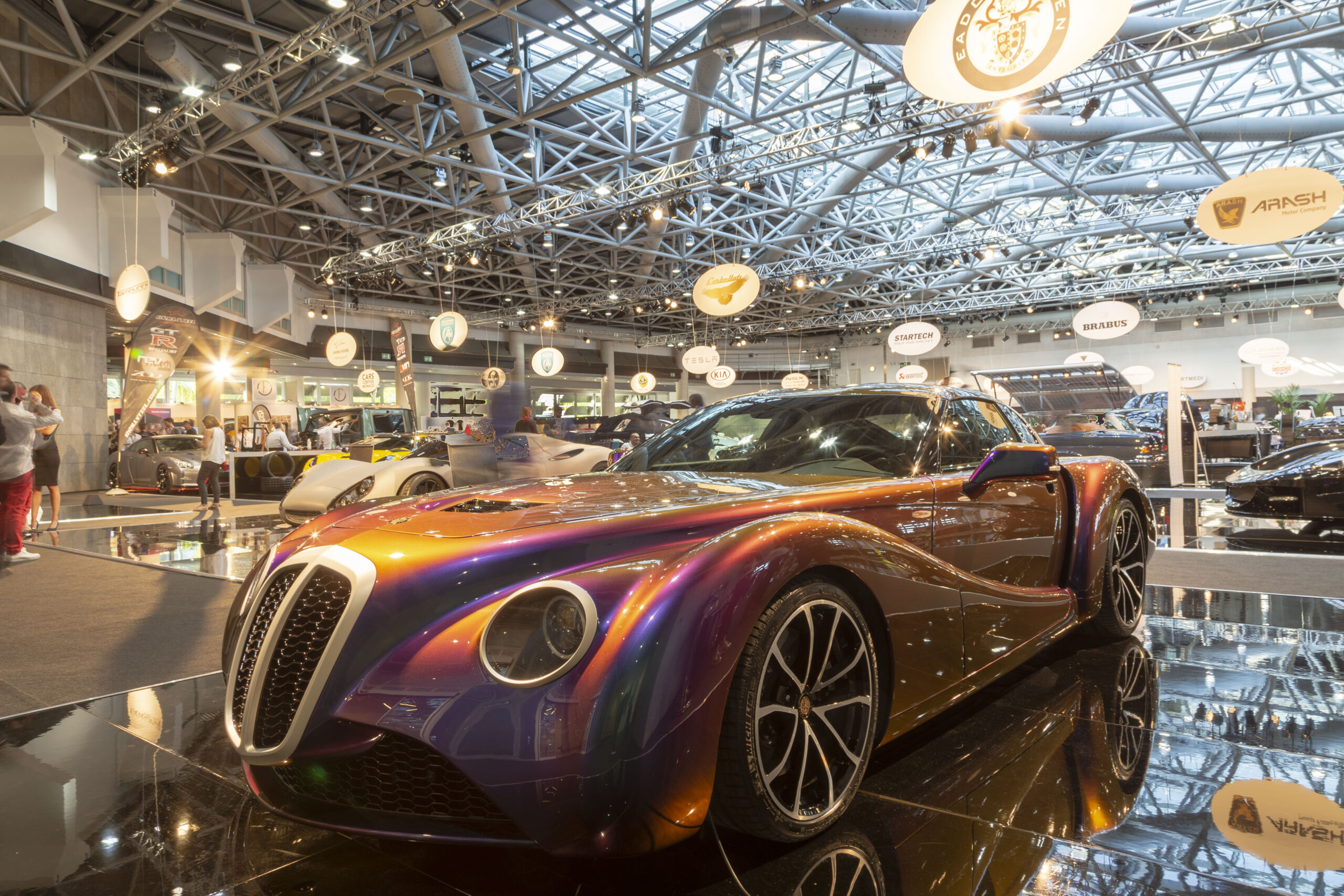
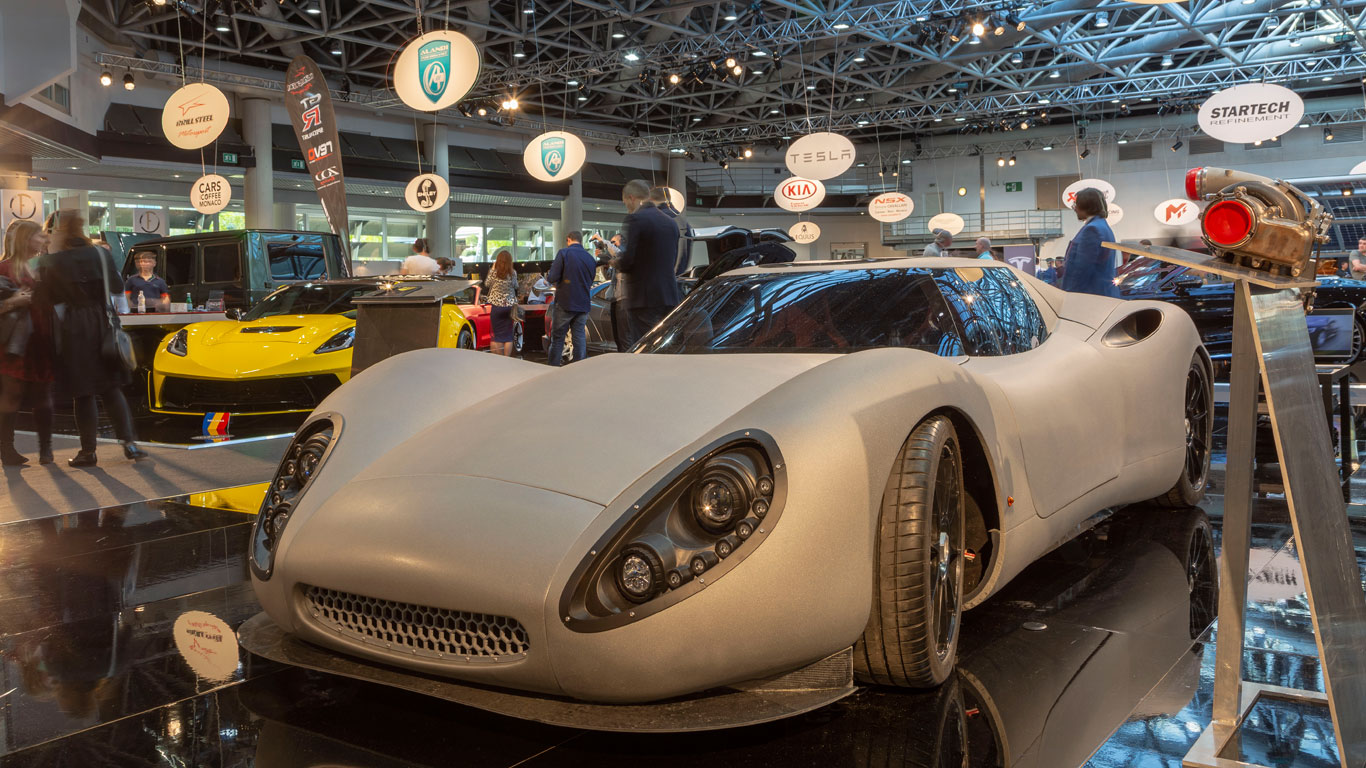
Eadon Green Zeclat
“The new Eadon Green Zeclat exudes an easy calm and evokes comparison with cars of the past that now look more at home in automotive museums than they do on the roads of today.” That’s according to the British company behind the car based on the platform of a Chevrolet Corvette. It’s like an Art Deco Morgan with a 6.2-litre V8 ‘Vette engine.
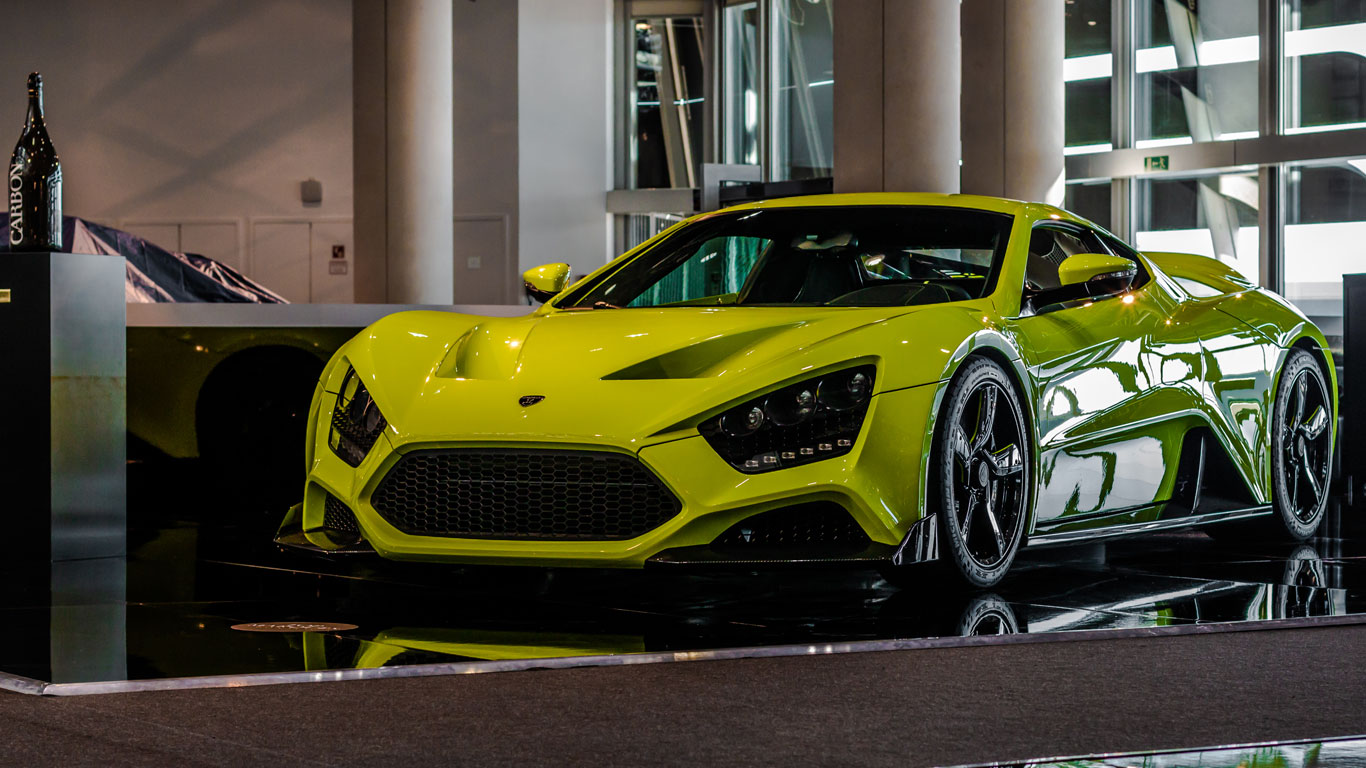
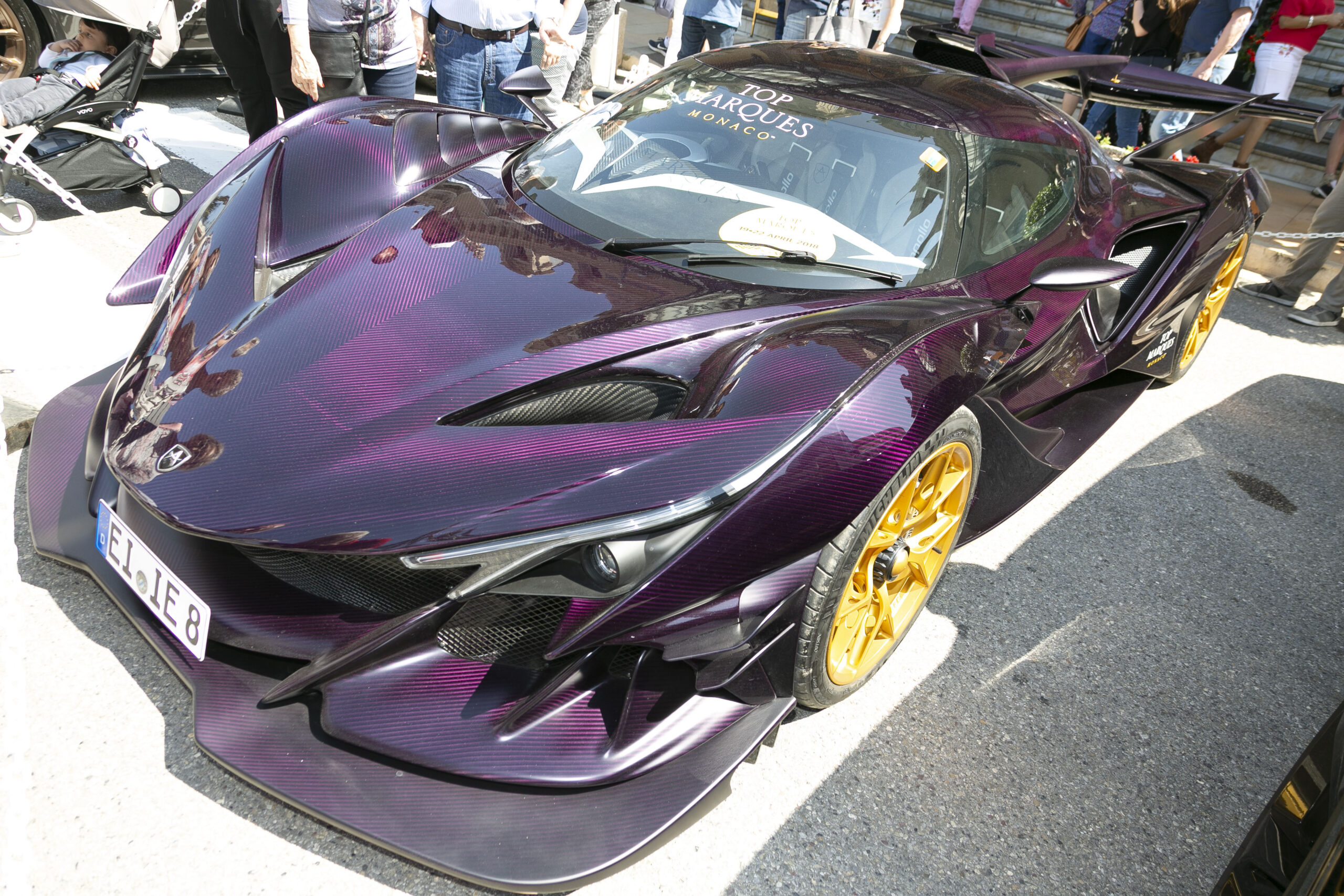
Apollo IE
Sticking with a purple theme, this is the €2.3 million Apollo IE hypercar, complete with 780hp naturally aspirated 6.3-litre V12 engine and a top speed of 208mph. Amazingly, the entire chassis, including the monoque and the front and rear subframes, has a total weight of just 105kg. Only 10 will be built. The name, in case you were wondering, stands for Intensa Emozione.
Corbellati Missile
It’s not purple, but Corbellati claims that it will be very, very quick. Like, really quick. “The fastest hypercar in the world is coming,” proclaims the jewellery company behind the Missile, which is powered by a 9.0-litre V8 twin-turbocharged engine producing 1,800hp. It’ll hit 500km/h, says Corbellati, which is about 310mph. Hmm.
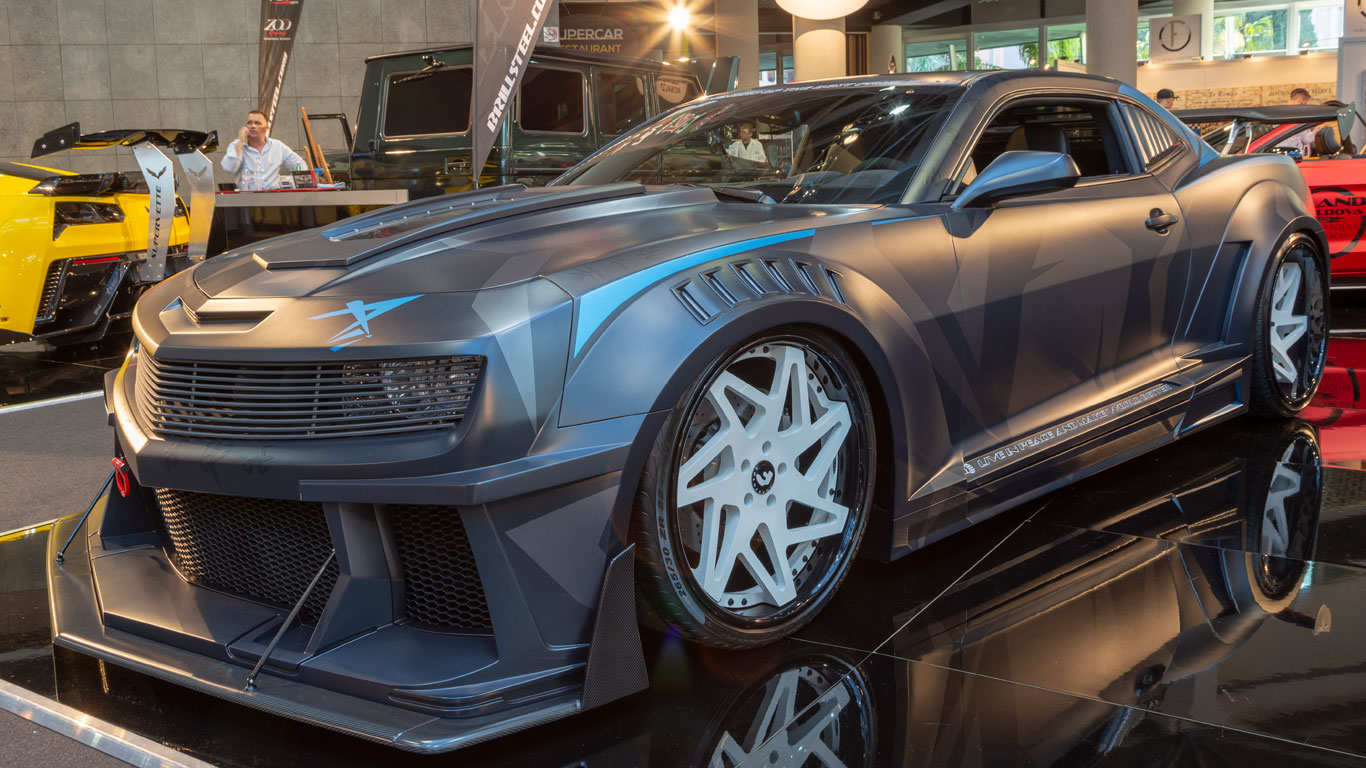
Chevy Black Knight
If Alandi Performance is anything to go by, the car modification scene in Moldova is far from subtle. “Alandi’s first credo is to make something than it is from the factory,” says the company. Beneath the Chevy Black Knight – with its “Robocop-style” grille – you’ll find a Camaro SS. Better than the factory original?
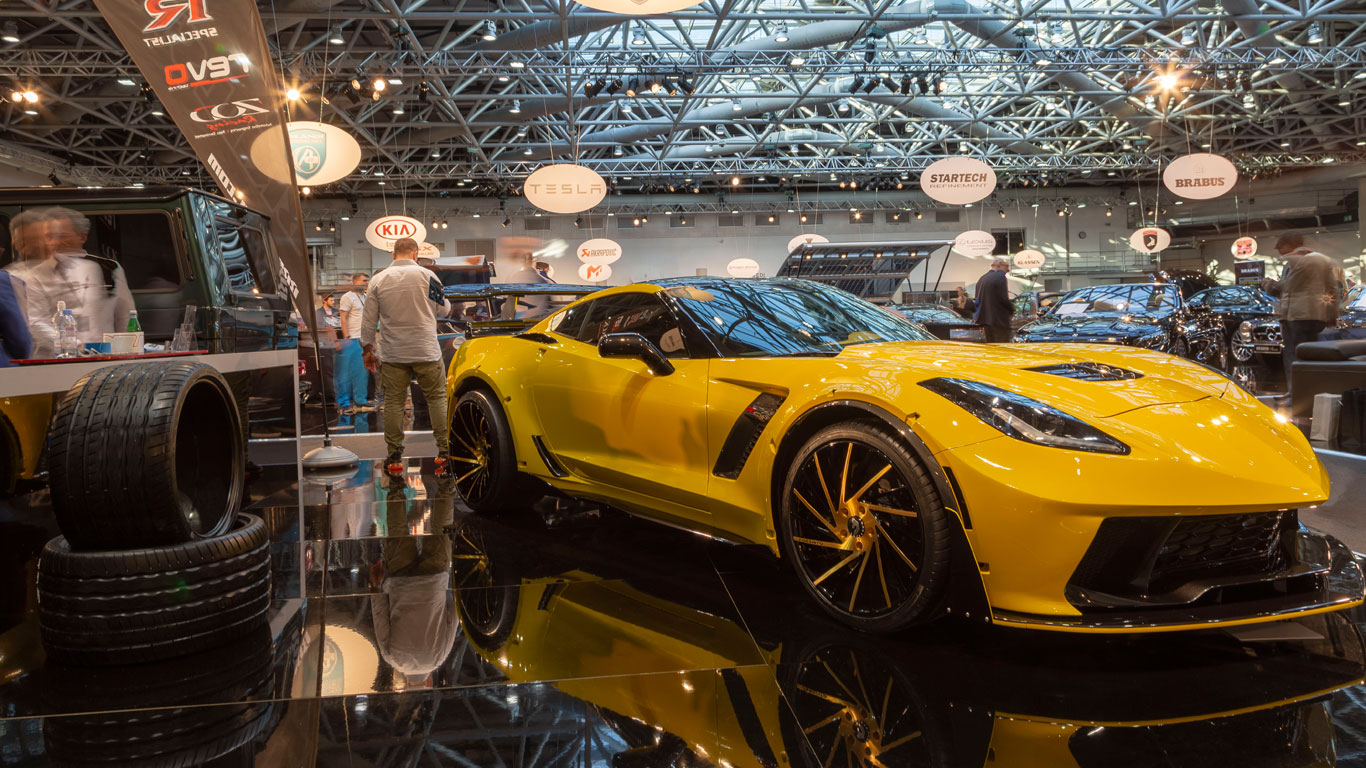
Supervette project
“Corvette is dangerous, cheeky and salient due to its defiant ‘face’ with a sarcastic look of the headlights.” Even allowing for the translation from Moldovan, that’s a sentence you’re unlikely to read in a brochure for a new compact crossover.
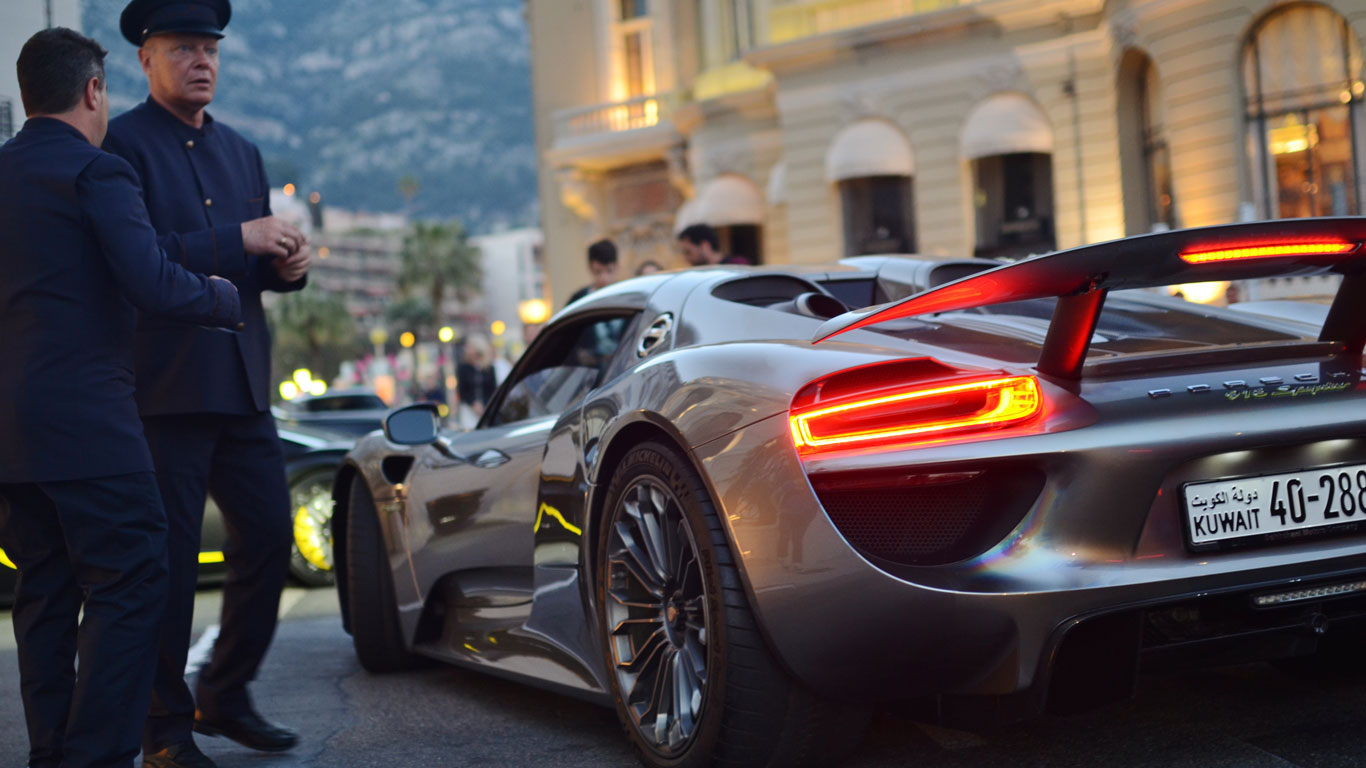
Porsche 918 Spyder
The Top Marques show encapsulated in one photo: a Kuwait-registered Porsche 918 Spyder in Monaco.
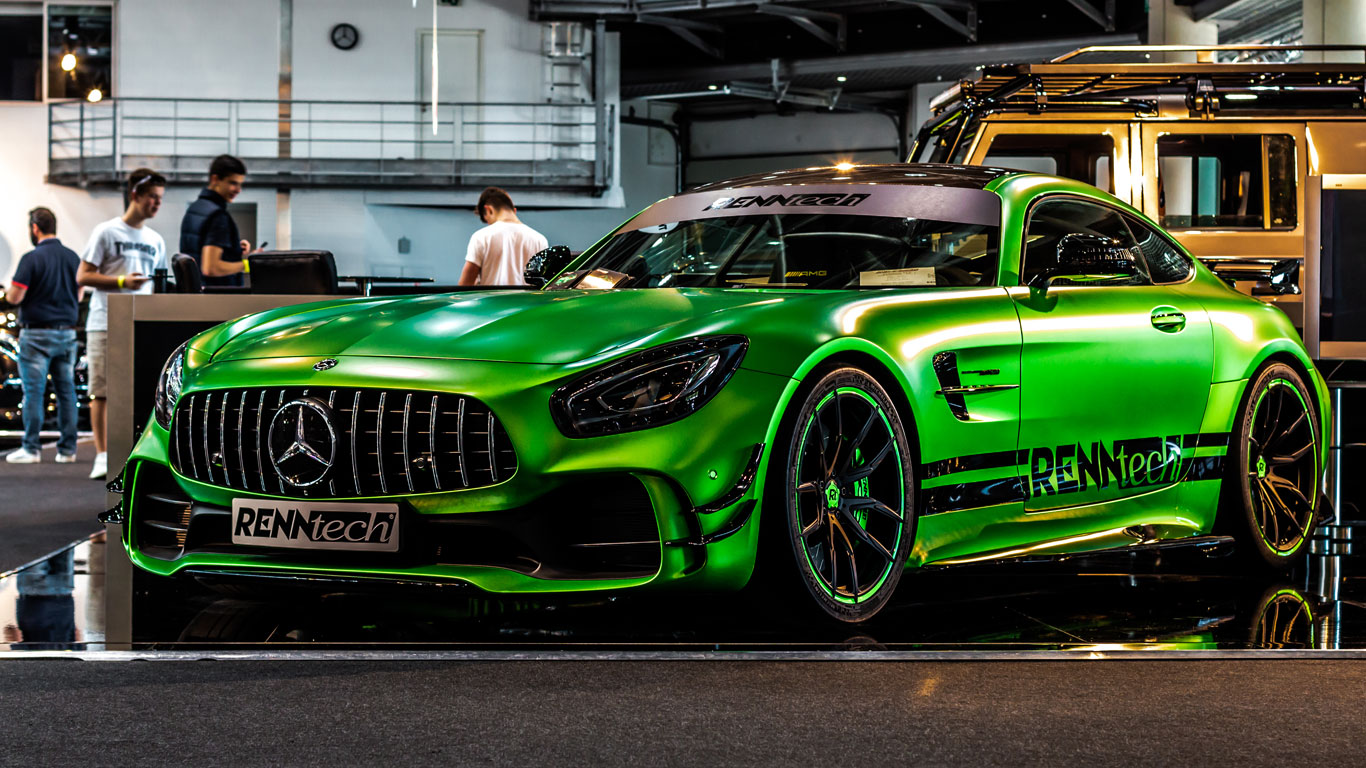
Renntech AMG GT R
Renntech has grown from a company specialising in the servicing of AMG cars into one of the world’s preeminent tuners of AMG and Mercedes-Benz products. Based in North America, Renntech also has a research development centre at the Nürburgring, meaning it’s well placed to develop cars such as the GT R.
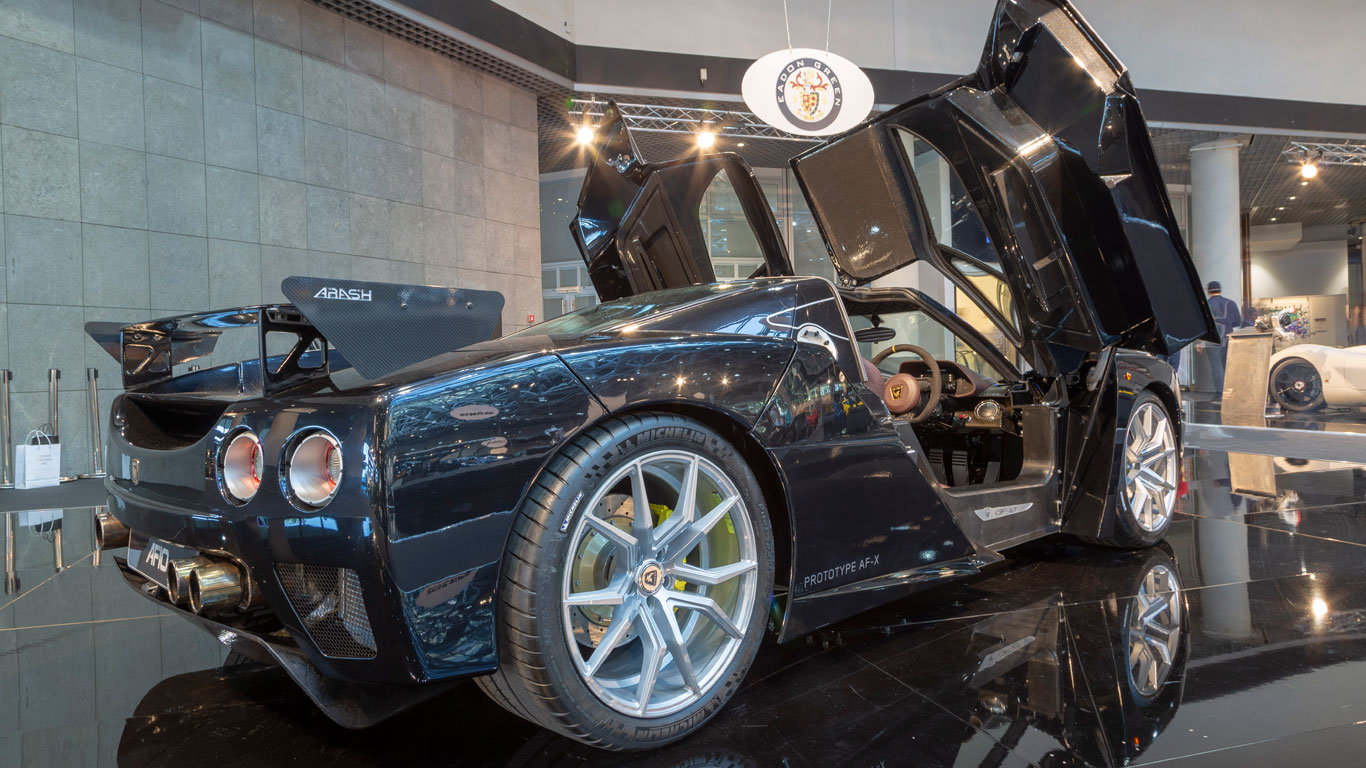
Arash AF10
If you arrived at Top Marques hoping to get a test drive in a new Hyundai i10, you would have been disappointed. On the other hand, if you were in search of hypercars with circa 2,000hp and a 0-60mph time of 2.8 seconds, your luck would have been in. Newmarket-based Arash Motor Company will sell you an AF10 Hybrid Racer for £1,200,000.
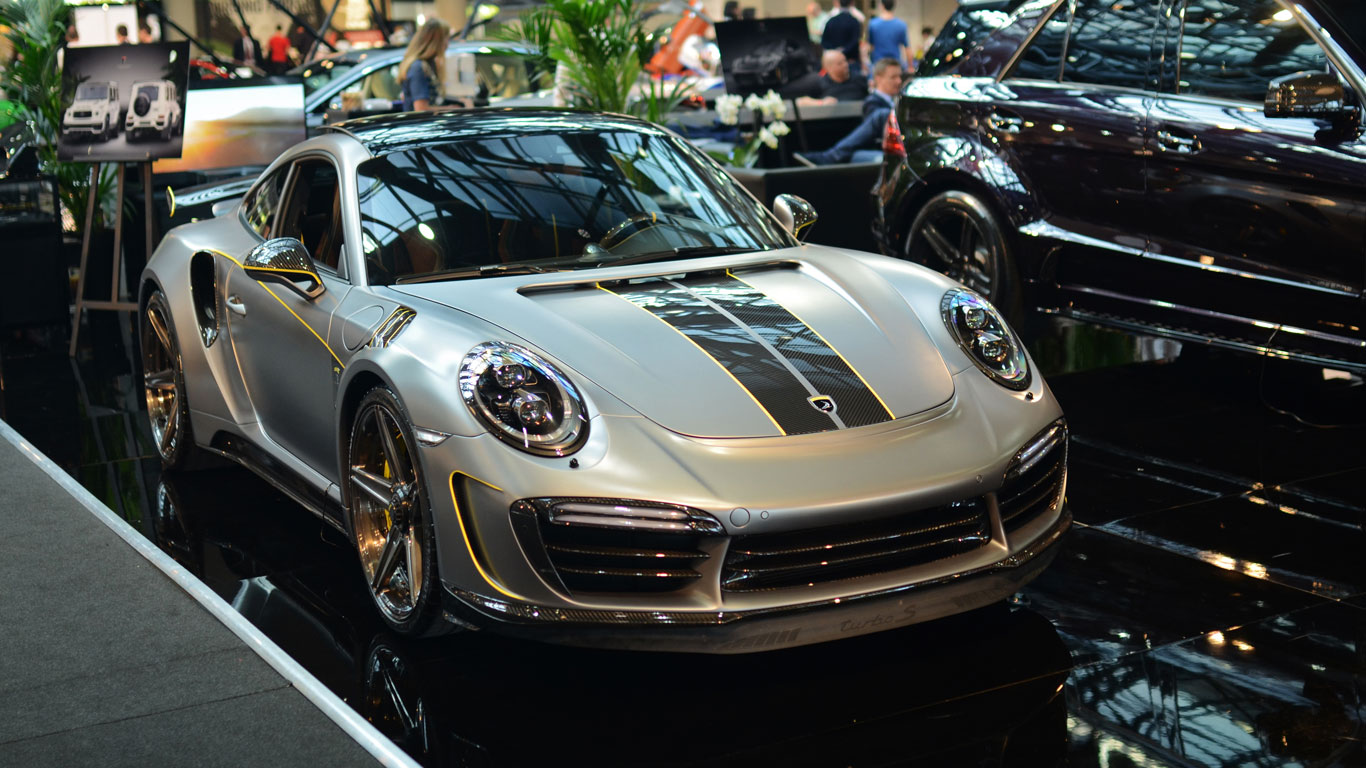
Porsche 911 Turbo S Stinger Felix Ferro Edition
This is the Porsche 911 Turbo S Stinger Felix Ferro Edition, complete with 21-inch rims, upgraded brakes and exhaust system, and an engine tweaked to deliver 750hp.
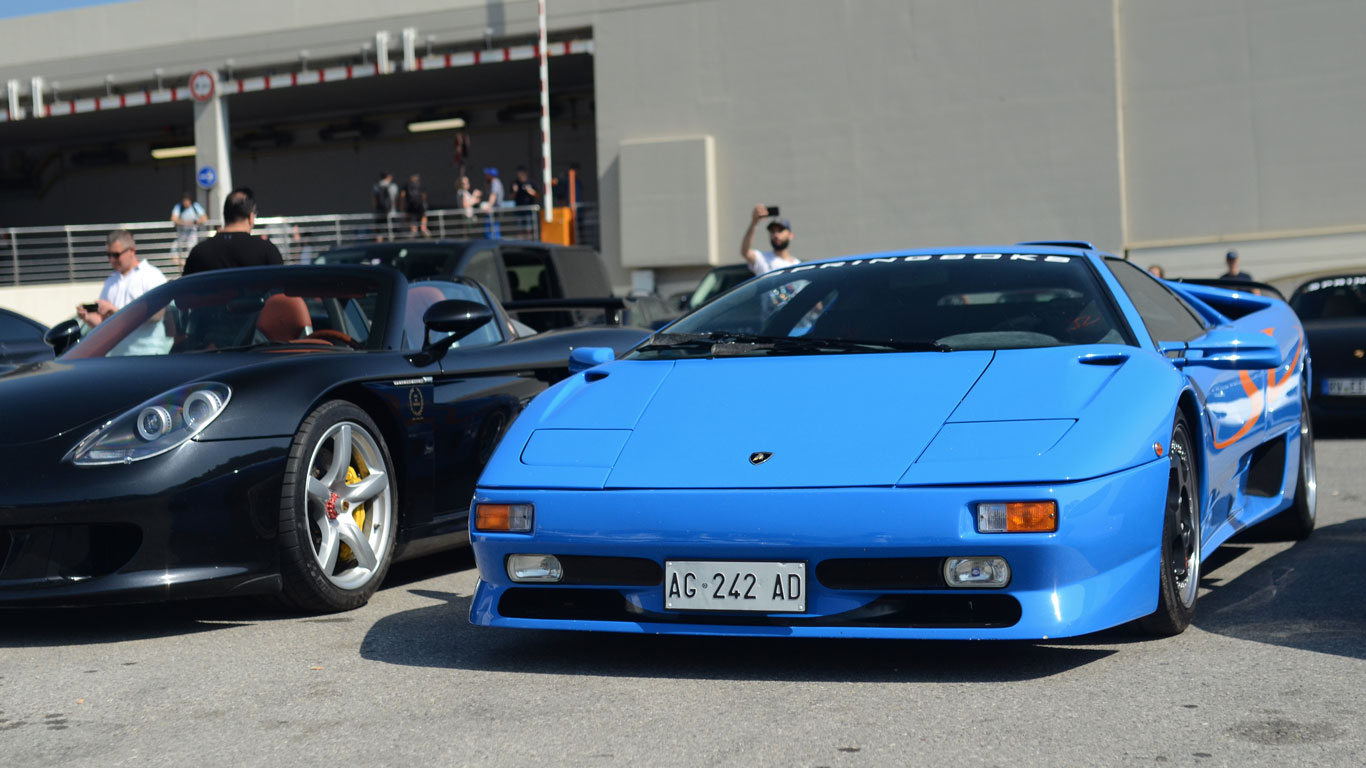
Lamborghini Diablo
The Springboks Club organises scenic drives and events for the supercar elite. There were many Springboks cars on tour in Monaco, including a Bugatti EB110, Lamborghini Countach, Ferrari F40 and this Lamborghini Diablo.
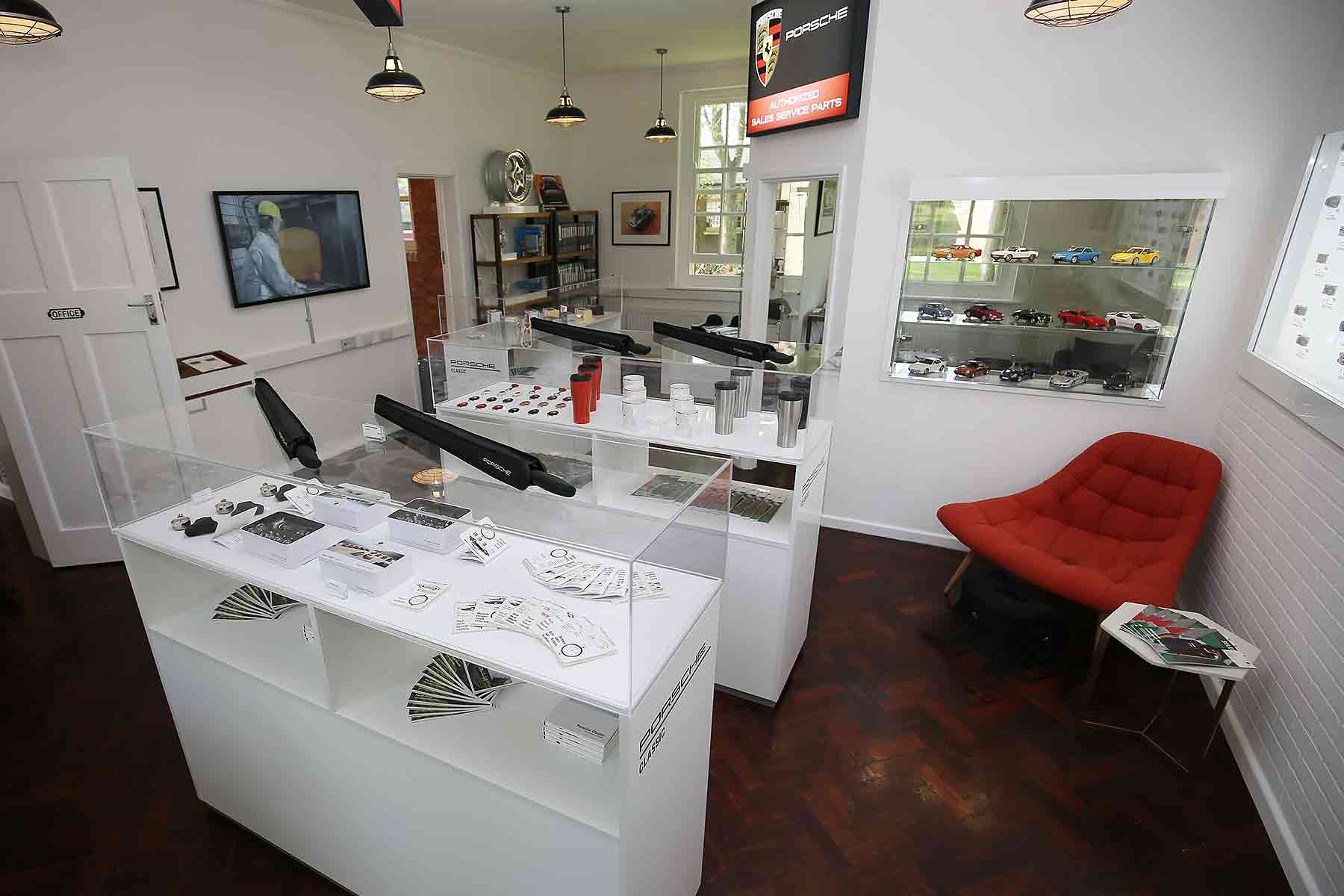
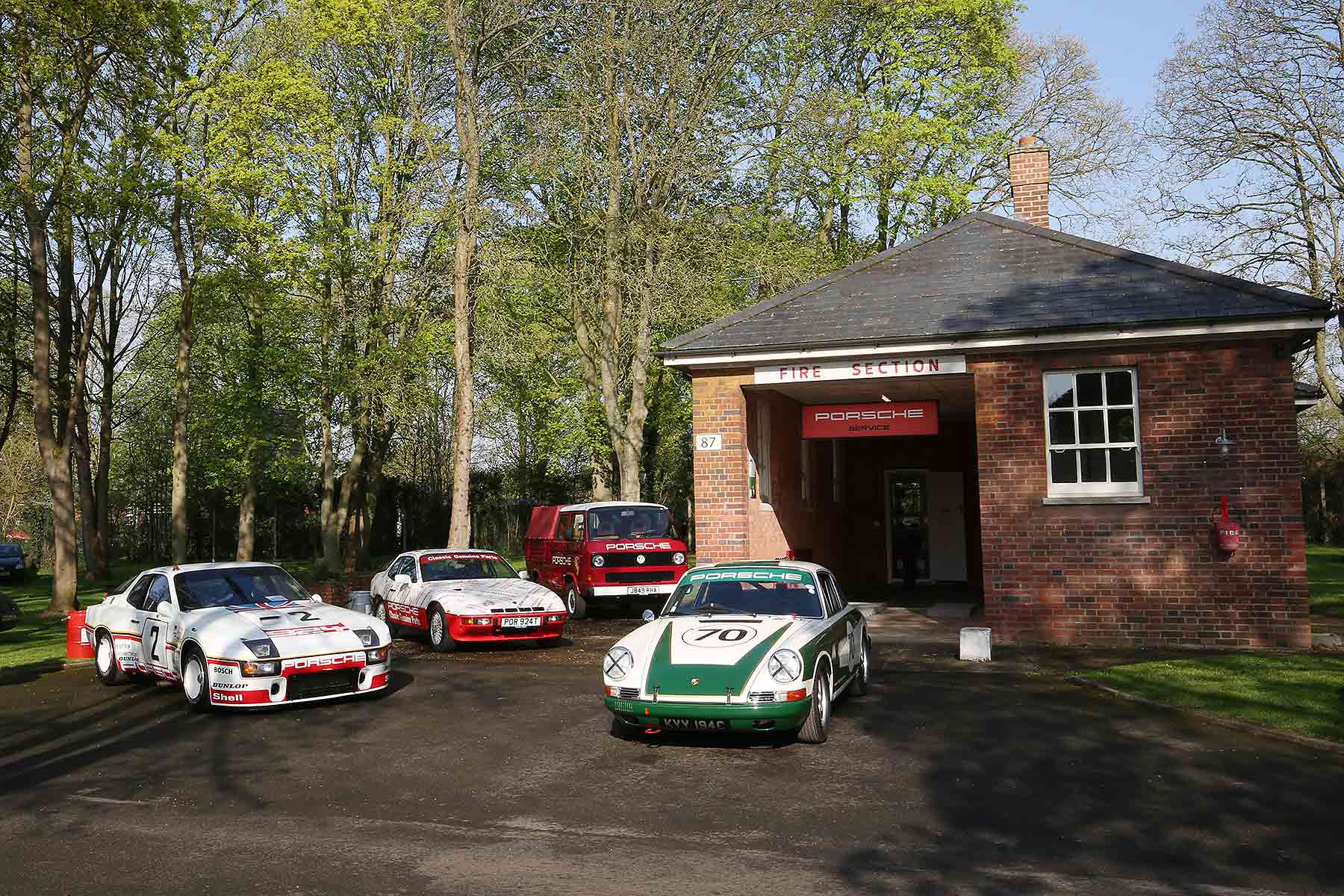
Porsche Classic and Porsche Cars GB have opened a unique ‘pop-up shop’ for retro Porsche fans at the fast-growing Bicester Heritage classic motoring hub. Run by Dick Lovett and Porsche Centre Swindon, it aims to be a showcase for all things old Porsche, from 356 to 996 911.
The concept is similar to the ‘Porsche Life’ shops that have been popping up around the UK. ‘Porsche Classic Life’ follows a similar concept – showing off parts and accessories for older Porsches, along with the experts who can advise and guide owners in the right direction.
Porsche’s expecting the Bicester Heritage base to be a prime location for the site, although it adds that it’s not just for owners. Porsche enthusiasts are also welcome, and the relaxed, informal setting will hopefully encourage newcomers to learn more (and buy stuff).
The customer lounge and parts shop isn’t the only element of the new Porsche Classic Life shop, though. There’s also an inspection ramp, which technicians from Porsche Centre Swindon can use to check the health of visitors’ classics, before then ordering the necessary parts (and Porsche Classic Genuine Parts lists over 52,000 of them) back inside.
Porsche opened the Classic Life pop-up during the Bicester Heritage Sunday Scramble last month, staffed by Dick Lovett experts. It’ll continue to open its doors throughout 2018: if you’re keen to visit, email Porsche Swindon’s Stephen Brown on stephen.brown@porscheswindon.co.uk, or give him a buzz on 07773 948516.
Look at that company car driver, relaxing in his office chair, wearing the face of someone who is at peace with the world. It’s the face of a man who has joined the FCA Drivers Club, a new initiative dedicated to those who have chosen a Fiat Chrysler Group car for work.
Open to drivers of FCA cars, which in the UK means Fiat, Alfa Romeo, Abarth and Jeep (but not, ahem, Chrysler), the scheme offers the opportunity to experience FCA products at special events, such as track days and off-road adventures. The Drivers Club is also open to drivers of competitors’ cars obtained for business use.
Members will be invited to attend Company Car in Action, the UK’s largest multi-brand fleet test-driving event, which is usually restricted to fleet managers. FCA will also be offering tickets to the Goodwood Festival of Speed and the Farnborough Air Show, along with access to the company’s vehicle demonstrator fleet without a visit to a dealer.
Fit weeks of vehicle testing, discussion and analysis into just one day at #CCIA18.
In addition, FCA is offering discounts on genuine accessories and privilege purchase schemes for second cars. There is even a welcome gift for drivers of FCA vehicles, which might explain why our suited friend is looking so happy.
“The company car is one of the most exciting perks of a job but, whether it’s a benefit of status or an essential business tool, choosing the right car for the job is an important decision. This is especially true if you’re going to spend several years in that vehicle or going to undertake serious mileage,” says Simon Wheeler, national fleet marketing manager, FCA UK.
“Choosing a company car is an important decision so the objectives of the club are to help drivers in their selection when considering a Fiat, Alfa Romeo, Jeep, Abarth or Fiat Professional vehicle, adding value to the ownership experience by rewarding loyalty. We also want to incentivise company car drivers of competitor products to get to know the FCA product range and give our cars a try.”
Company car drivers can register via the FCA Drivers Club website.
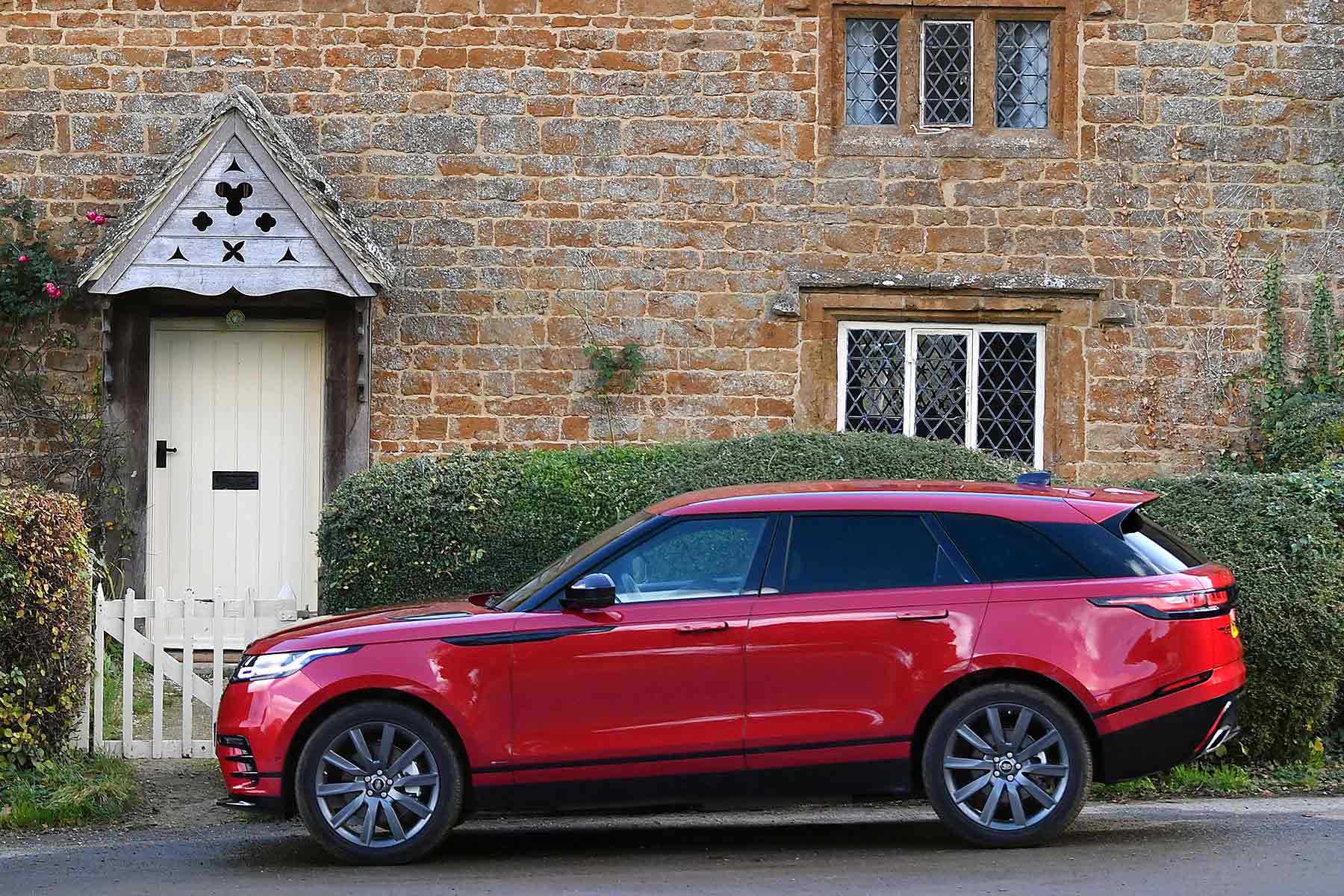 Land Rover has broadened the choice of engines offered on its Velar mid-size luxury SUV – and all engines, both petrol and diesel, now feature particulate filters to reduce exhaust emissions.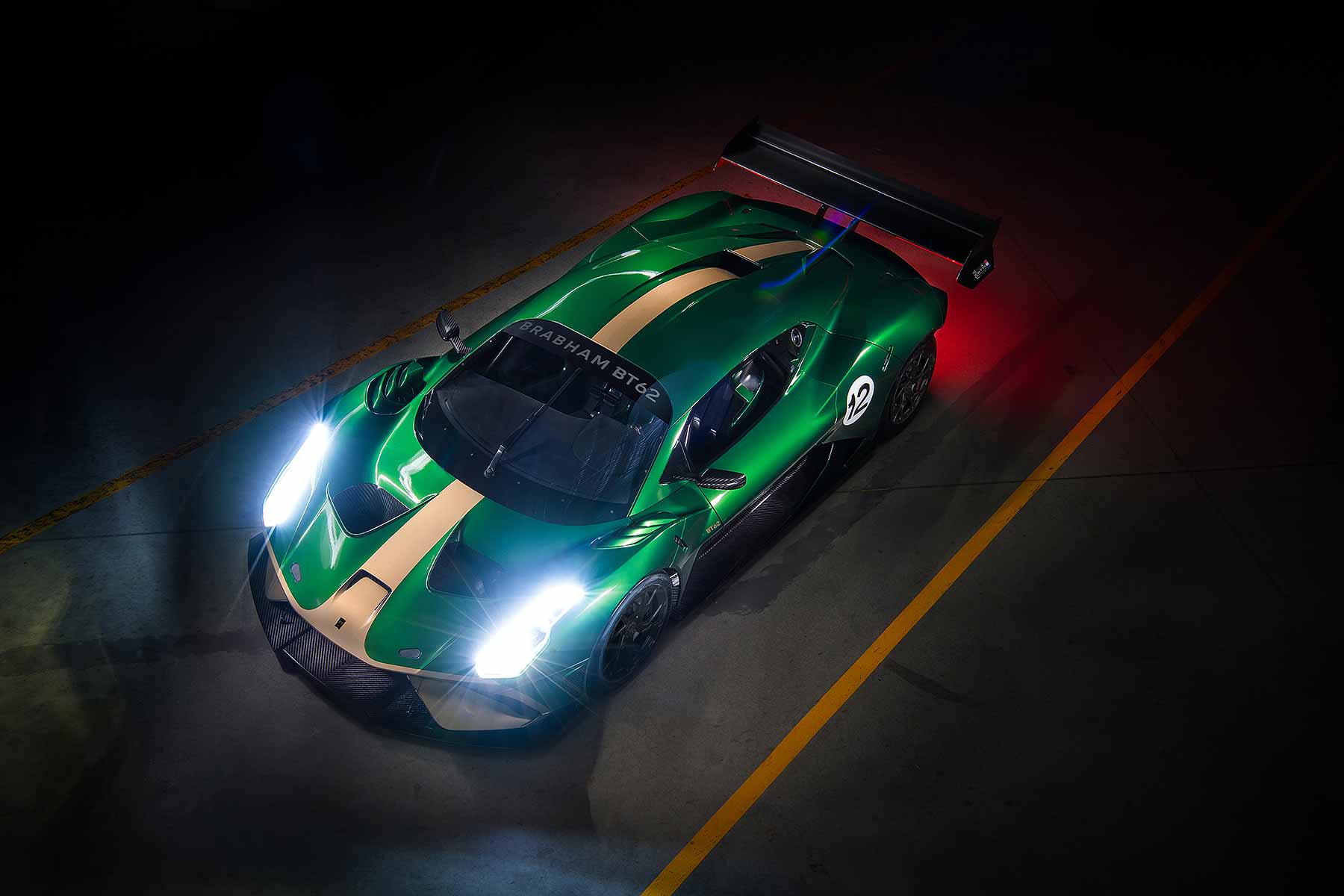
 Everyone loves a fast Ford, but who makes the greatest performance cars to wear the Blue Oval badge? Over fourteen rounds, we’ve paired up rivals from both sides of the pond. Here, they go head-to-head here in a performance face-off spanning more than five decades.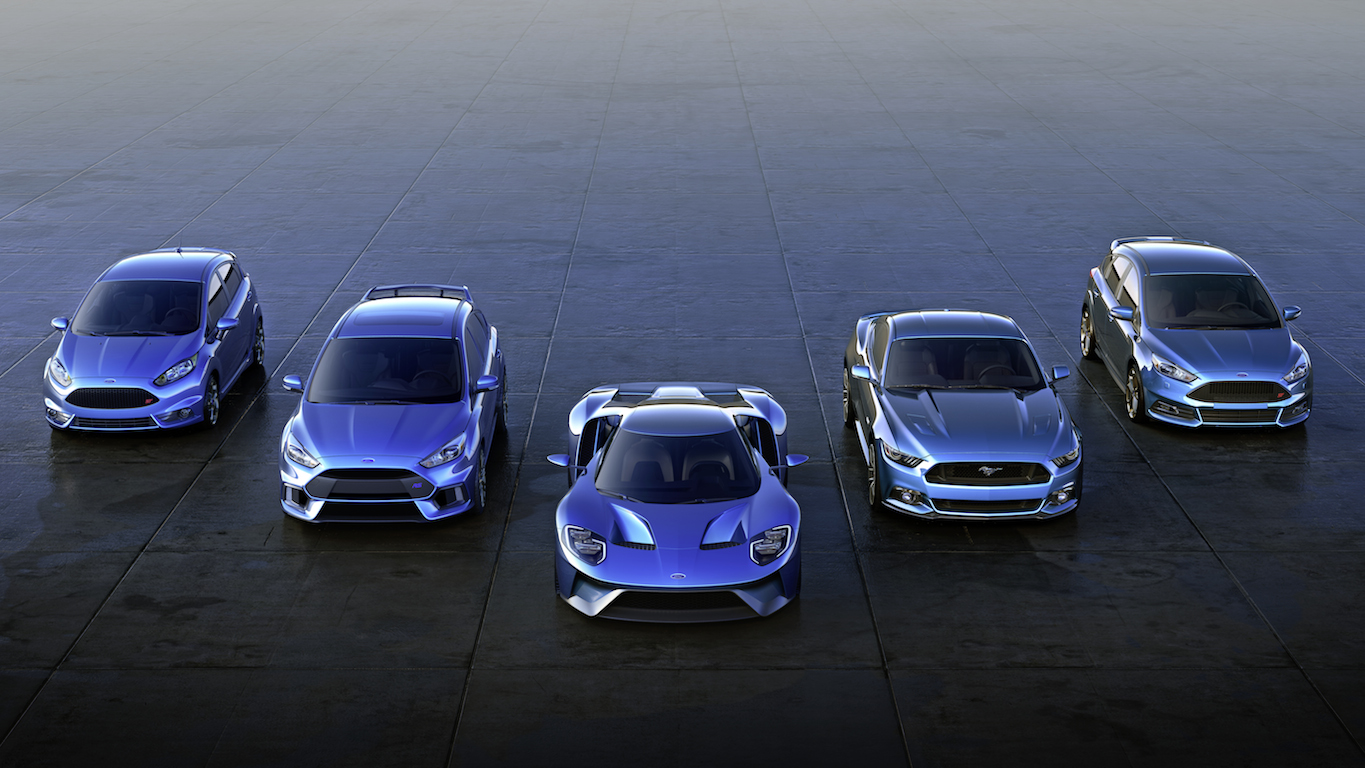


 70 years after it first started racing, the famous Brabham brand is back – and the reveal of a 700-horsepower track-only supercar called the BT62 at the Australian High Commission in London helped launch its comeback with a bang.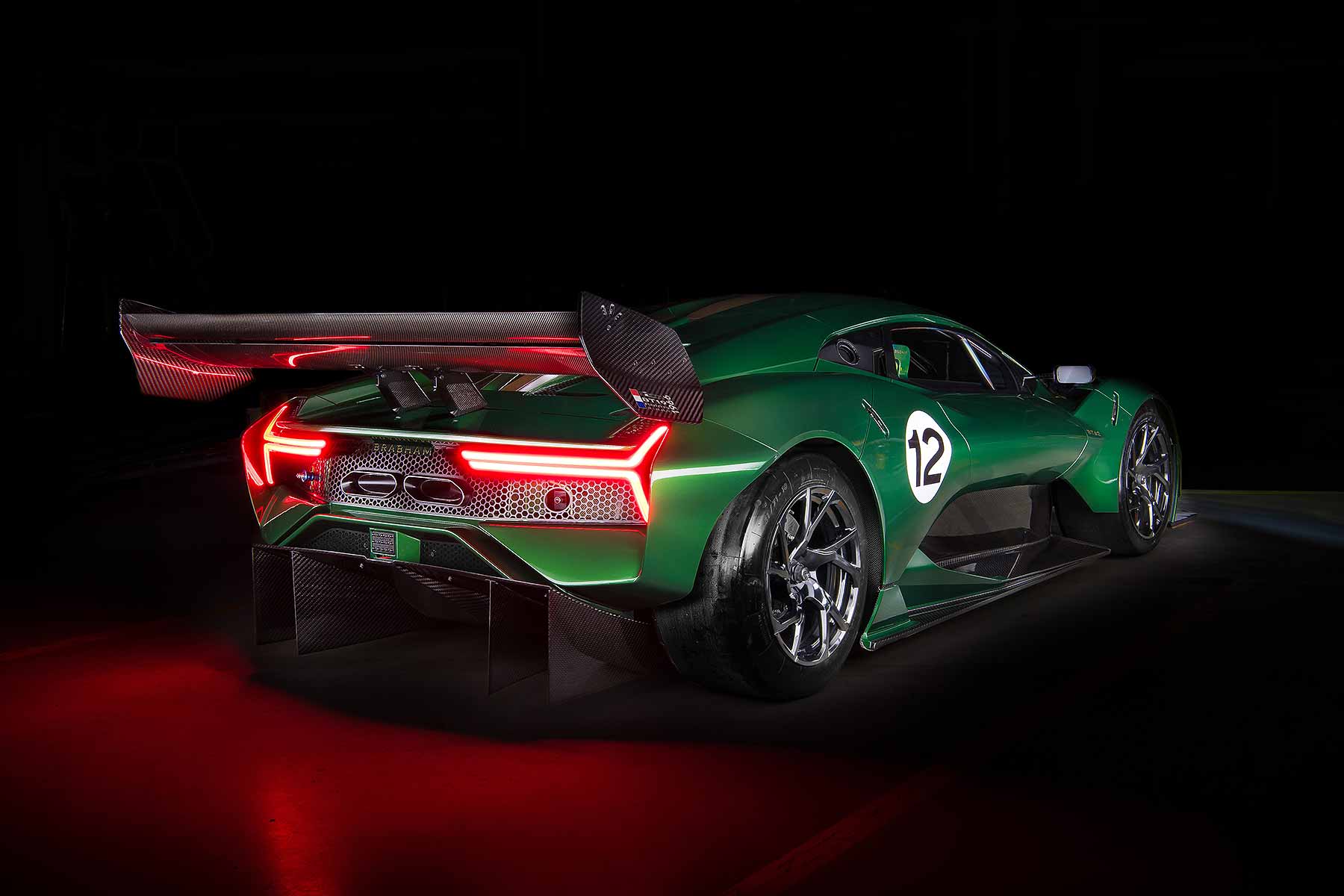
 The Porsche Cayenne E-Hybrid is the firm’s latest second-generation plug-in hybrid, with even more economy and electric range to back up its greater performance and dynamism. The claimed EV-only range is now up to 27 miles – and if you’re less worried about zero-emissions distance, it can drive at speeds of up to 83mph fully electrically too.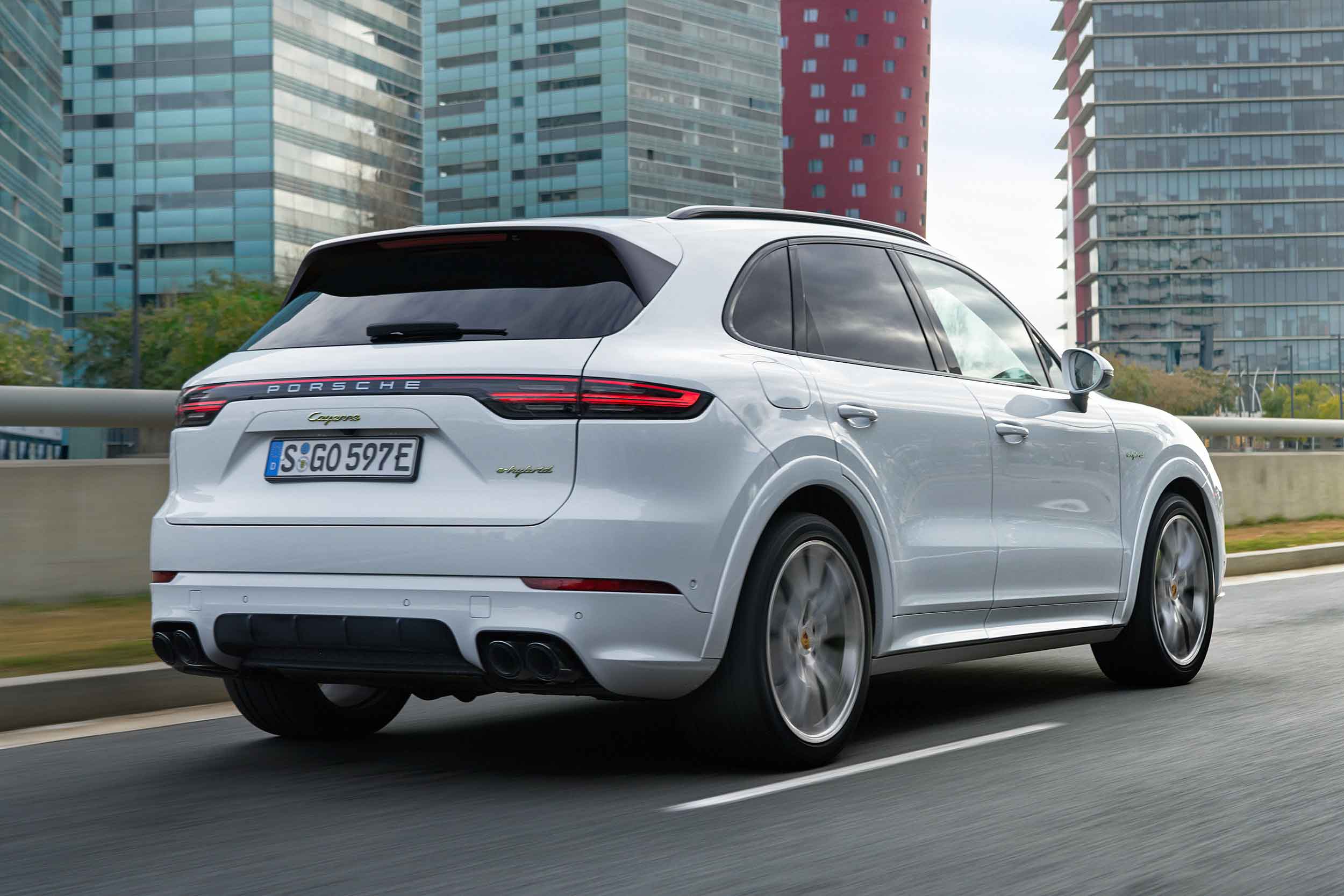
 Builders and delivery van drivers, the Ford Focus RS you’ve long dreamt of may have now gone out of production, but the blue oval is now offering you the opportunity to go one better – with your very own MS-RT Transit Custom ‘RS van’! On sale this spring, prices start from £32,995 (plus VAT).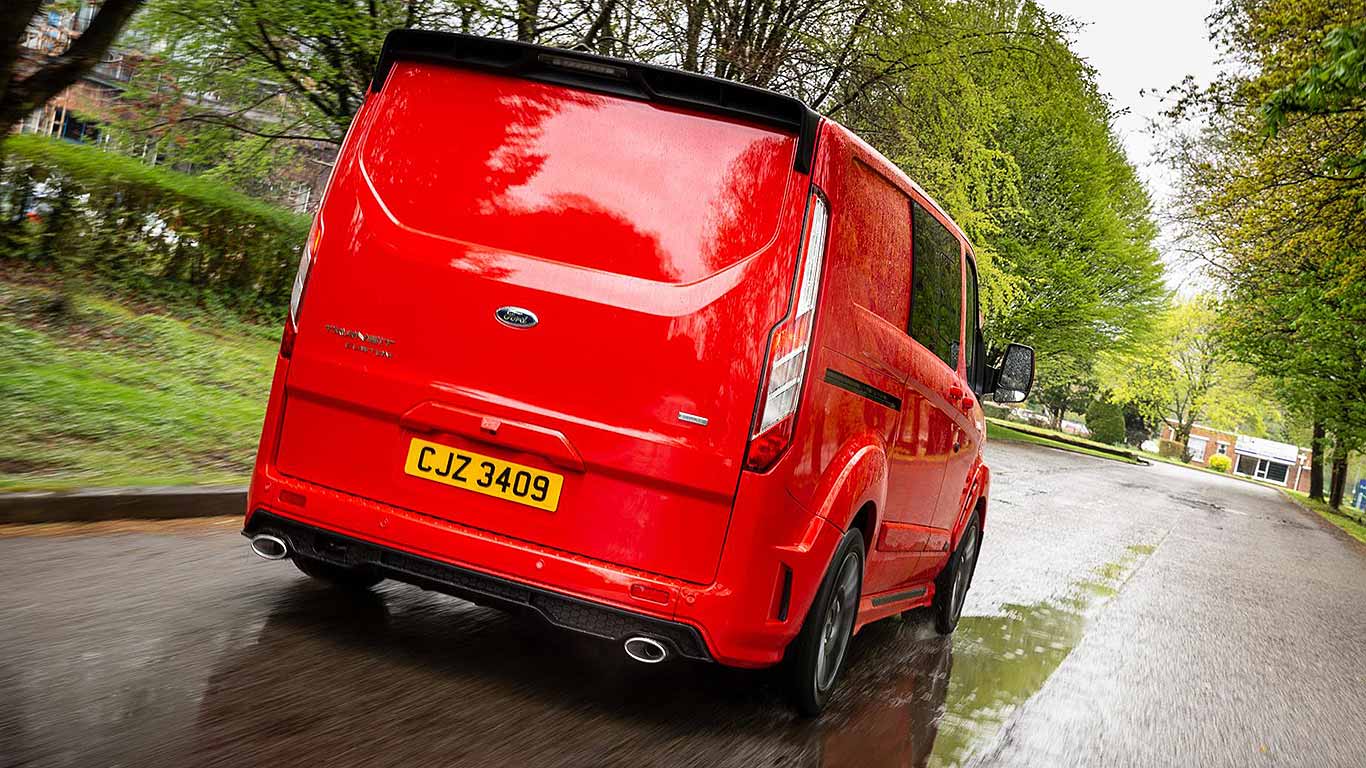


 Porsche Classic and Porsche Cars GB have opened a unique ‘pop-up shop’ for retro Porsche fans at the fast-growing