Home Blog Page 488

Renault simplifies Clio, Captur, Megane range for 2018

0

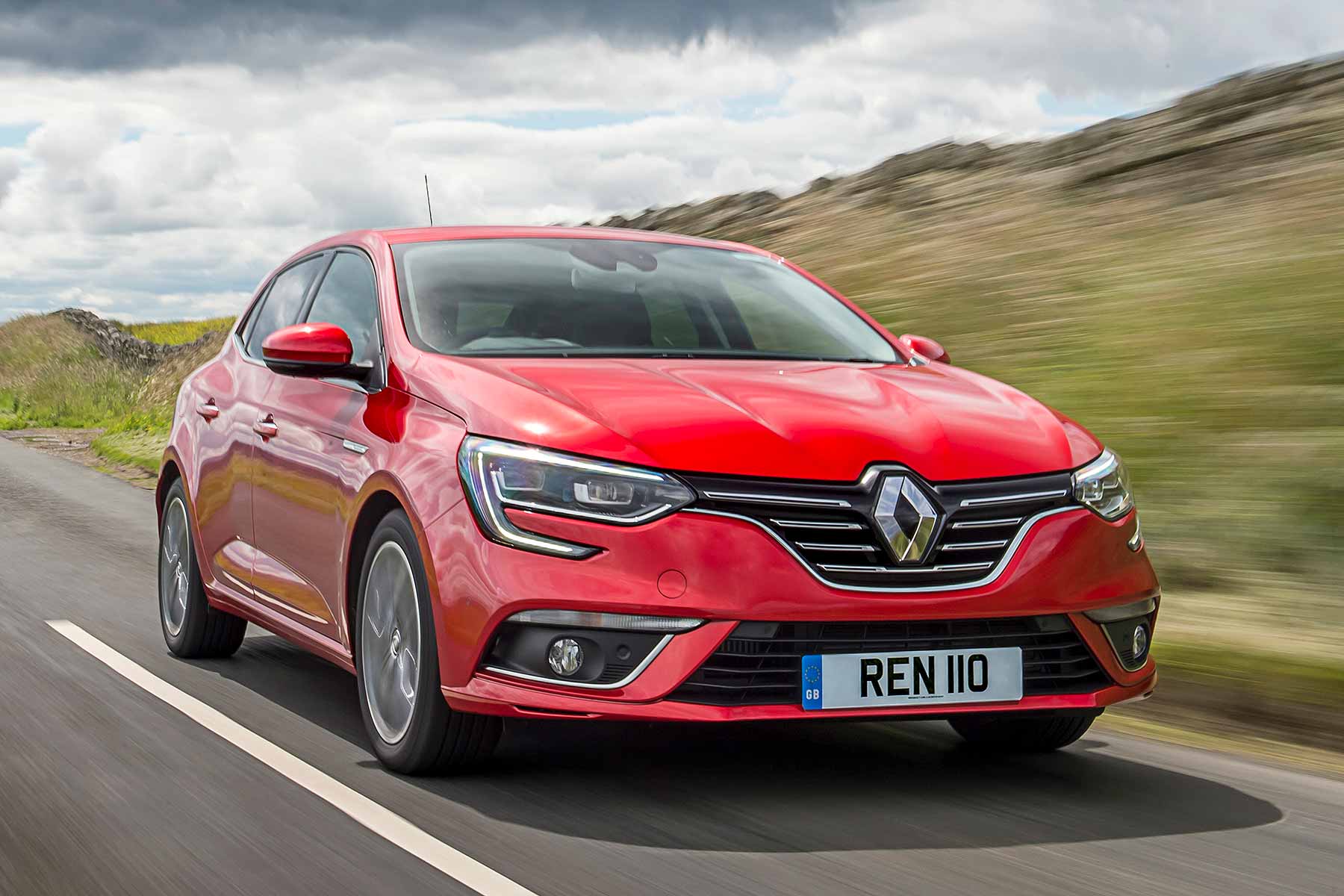
Renault Megane 2018Renault has made things even easier for customers configuring a new Clio, Captur or Megane online, by simplifying its model names down to three variants: Play, Iconic, and GT Line.

  • The best 18-plate new car deals

The idea is to clarify things for befuddled customers by offering a straightforward ‘walk’ through each model range. The step up in price is clearer, and it’s much more obvious what you’re actually getting for your money.

Renault even has a name for it: EasyLife.

For Clio and Captur (the latter now being Renault’s UK best-seller), it means a five-variant model range has been reduced to three; the Megane has been cut right in half, from six to three.

It’s not only trim lines either: engine choices have also been significantly reduced, with just a single petrol or diesel engine offered on each variant – yes, really: choose from a 1.2 TCe 75 petrol or 1.5 dCi 90 diesel on the Clio, the 1.2 TCe 90 petrol or 1.5 dCi 90 diesel on the Captur, and the 1.2 TCe 130 petrol or 1.5 dCi 110 diesel on the Megane.

Here, we run through each new line-up, outlining prices for each model, and what you get as standard.

2018 Renault Clio line-up
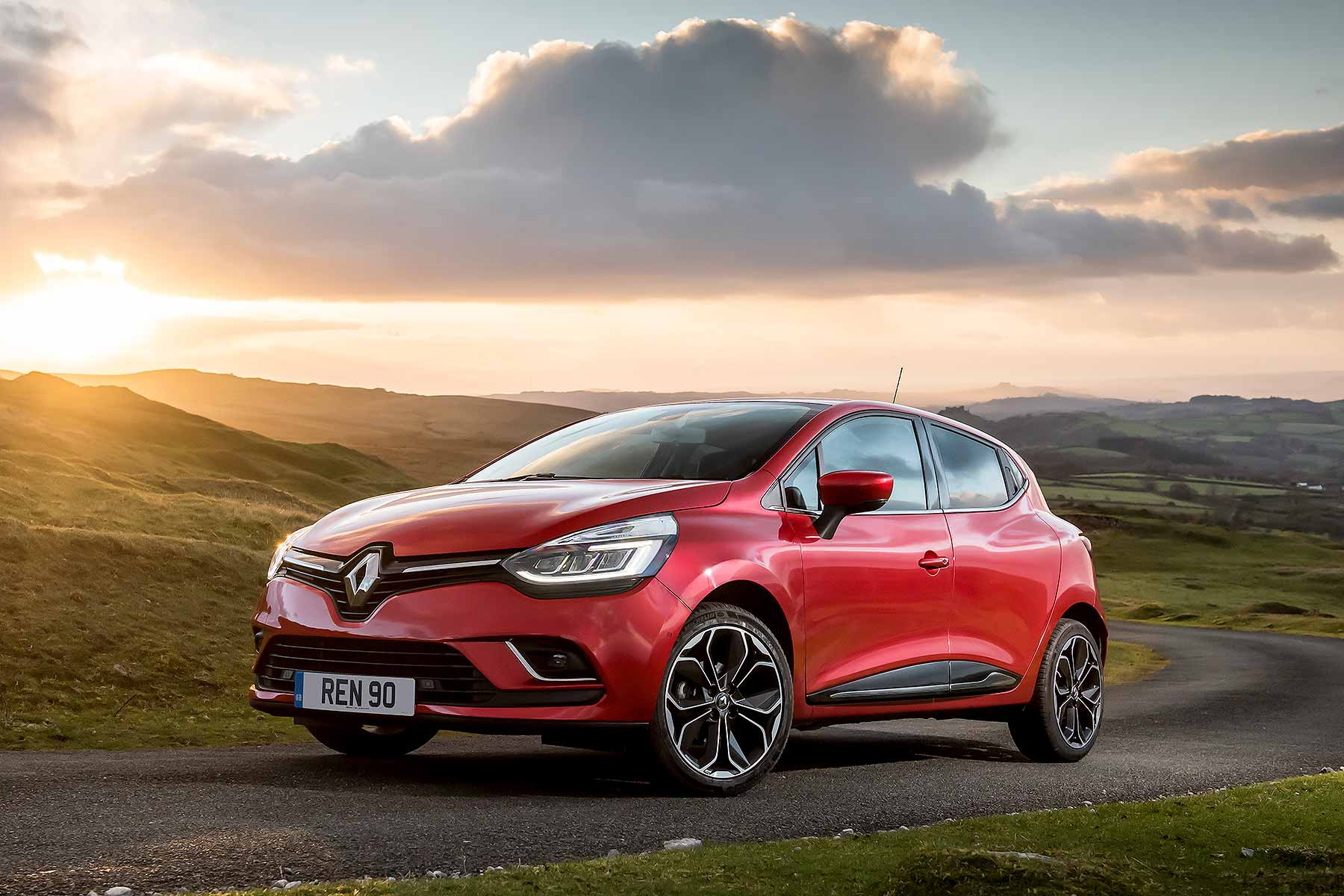
Renault Clio 2018

Clio Play: from £13,500, a £445 reduction. Standard kit highlights include 16-inch black alloy wheels, air con, Bluetooth with hands free, R&GO smartphone connectivity (so you can use the sat nav on your device), electric heated door mirrors, hands free Keycard and front fog lights.

Clio Iconic: from £14,700, a £254 saving over the Dynamique Nav it replaces. Highlights include 17-inch black alloys, 7.0-inch touchscreen sat nav, rear parking sensors and dark rear glass. Chrome window surrounds are also a giveaway.

Clio GT Line: from £16,250, a £525 reduction over Dynamique S. It has full LED headlights, climate control, 17-inch GT alloys, chrome rear diffuser, side skirts and dark metal door mirrors.

2018 Renault Clio Play TCe 75 4-year PCP offer

  • Monthly payments: £179
  • Deposit: £179
  • Dealer deposit contribution: £1,893
  • APR: 4.9%
  • Final payment: £4,404

2018 Renault Captur line-up
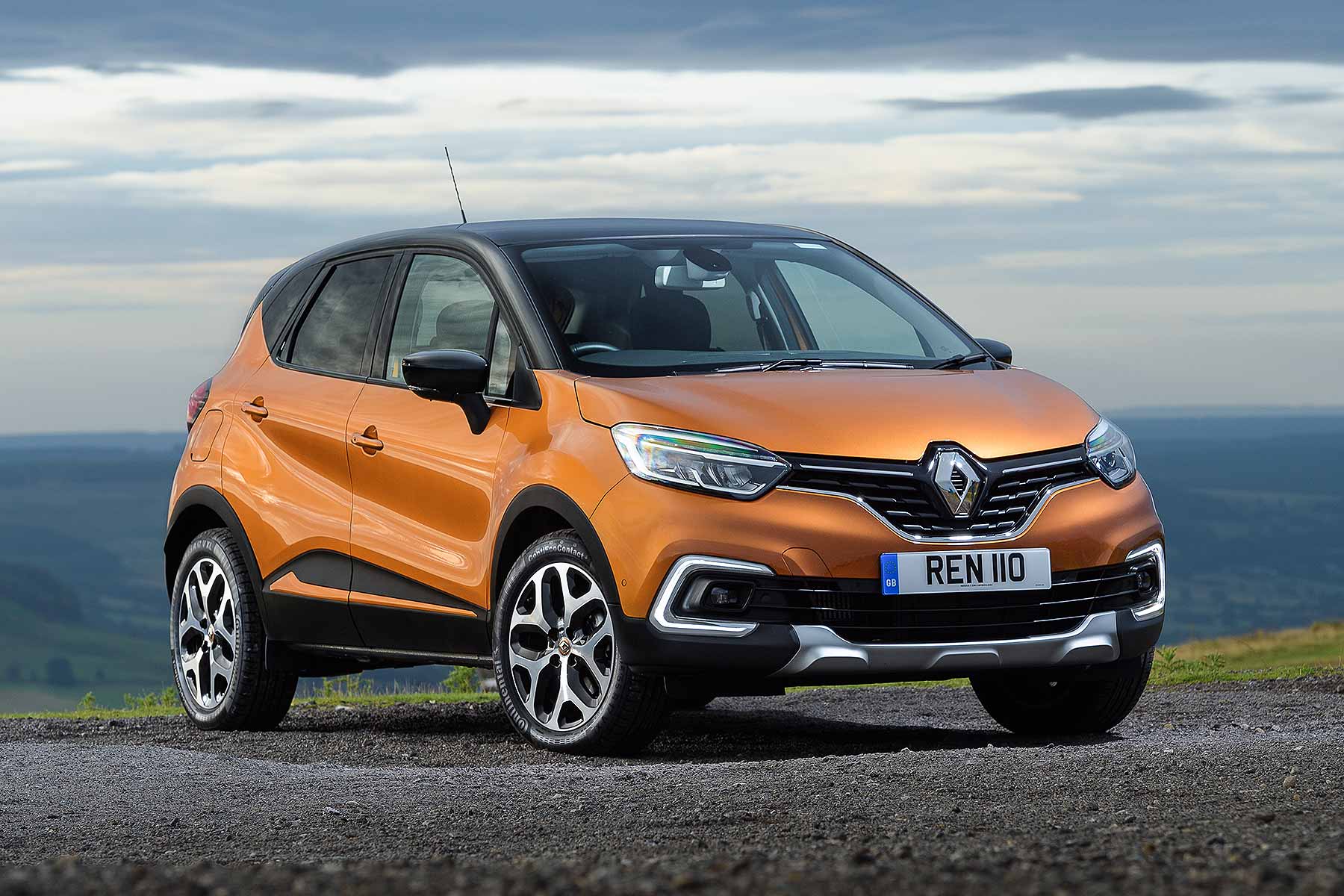
Renault Captur 2018

Captur Play: from £15,300, a £315 reduction. It now offers two-tone exterior paint, plus 16-inch alloys, R&GO connectivity, air con, front and rear electric windows and cruise control.

Captur Iconic: from £16,500, £405 less than the old Dynamique Nav. It adds climate control, 7.0-inch touchscreen sat nav, 17-inch alloys, auto lights and wipers, more interior chrome, leather steering wheel, ivory upholstery and, new for 2018, extra-tint rear glass and rear parking sensors.

Captur GT Line: from £18,300, a hefty £1,755 less than the old Signature X Nav. It has a more rugged look than other Captur, includes EU-wide TomTom Live ‘connected’ sat nav, auto-fold door mirrors, hand-free parking, blind sport warning, reverse-park camera, Android Auto functionality (but not Apple CarPlay), LED headlights and part-leather heated seats.

2018 Renault Captur Play TCe 90 PCP offer

  • Monthly payments: £199
  • Deposit: £199
  • Dealer deposit contribution: £1,864
  • APR: 4.9%
  • Final payment: £5,543

2018 Renault Megane (and Megane Sport Tourer) line-up
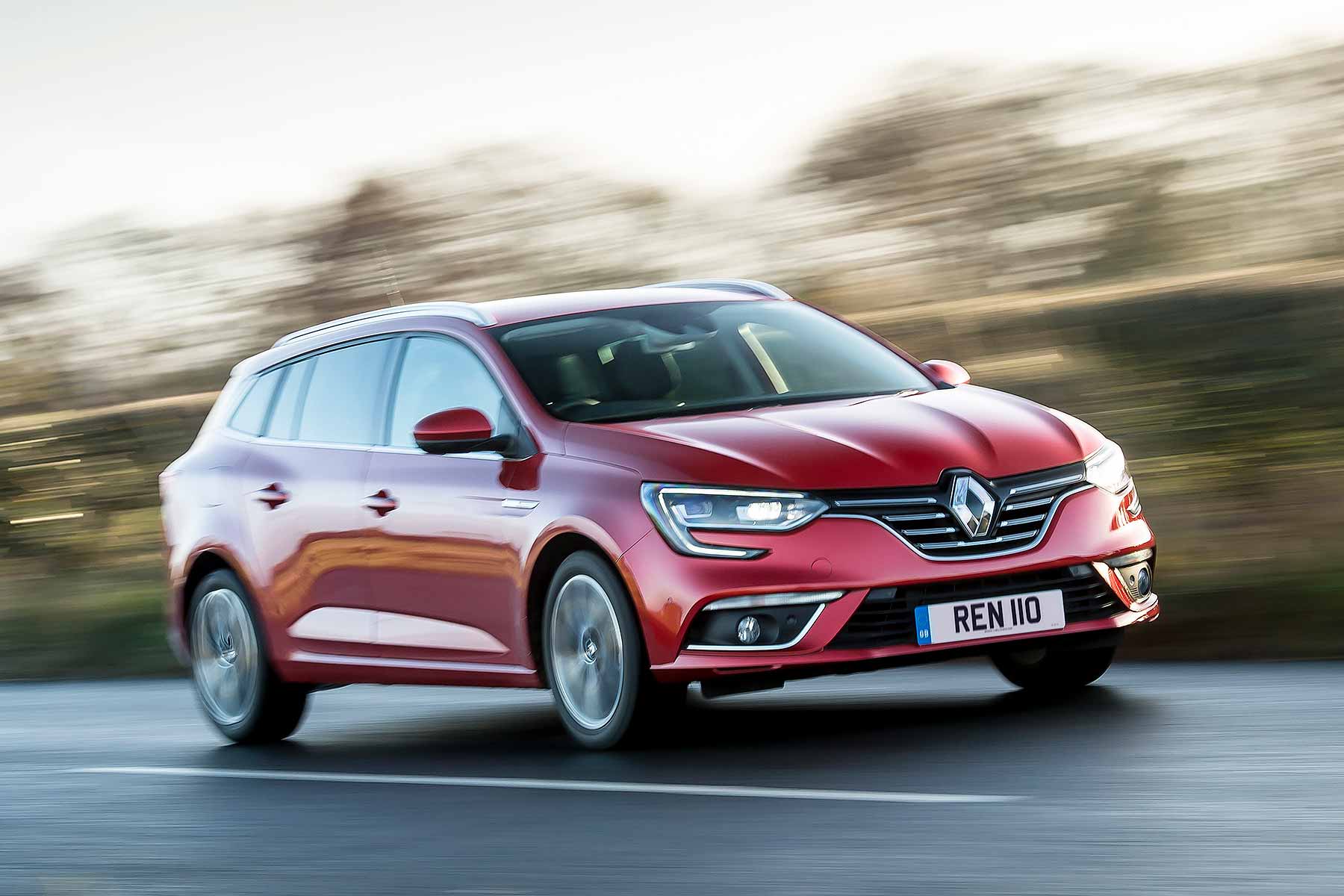
Renault Megane Sport Tourer 2018

Megane Play: from £17,315, £475 less than Expression+. It includes 16-inch alloys, 7.0-inch touchscreen with Apple CarPlay and Android Auto, LED daytime running lights, dual-cone climate control and cruise control.

Megane Iconic: from £18,415, £875 less than outgoing Dynamic Nav. Iconic adds 17-inch diamond-cut alloys, R-LINK2 infotainment with TomTom Live sat nav, auto lights and wipers, rear parking sensors, 7.0-inch TFT instrument cluster, Arkamys 3D sound system.

Megane GT Line: from £20,215, £575 less than the old GT-Line Nav. Adds sports front and rear bumpers, dark chrome door mirrors, sports seats, extra-tint rear glass and a bigger Volvo-style 8.7-inch portrait touchscreen.

2018 Renault Megane Play TCe 130 PCP offer

  • Monthly payments: £219
  • Deposit: £3,027
  • Dealer deposit contribution: £1,000
  • APR: 4.9%
  • Final payment: £6,904
Advertisement

Race-bred Volkswagen Golf GTI TCR revealed

0

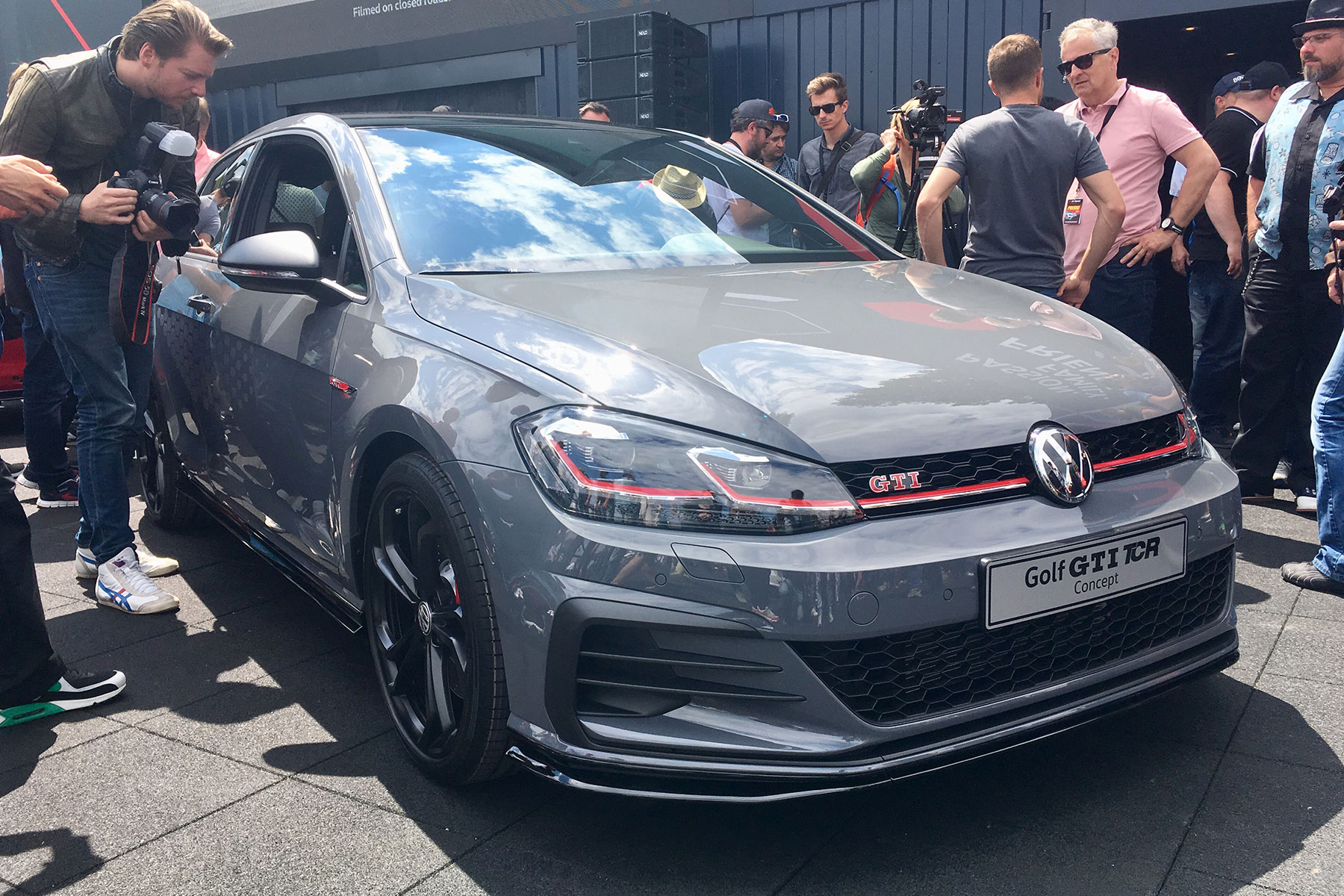
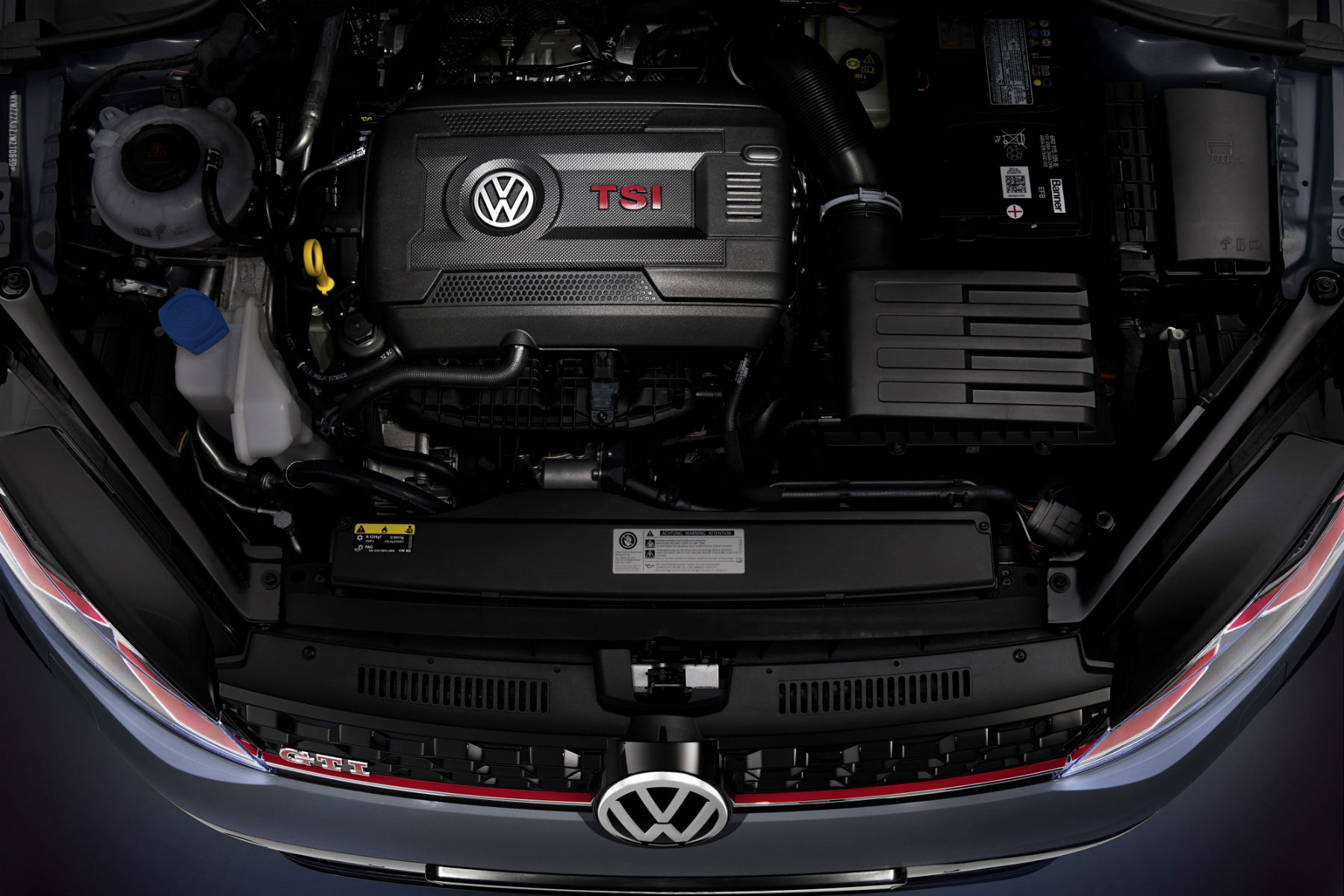
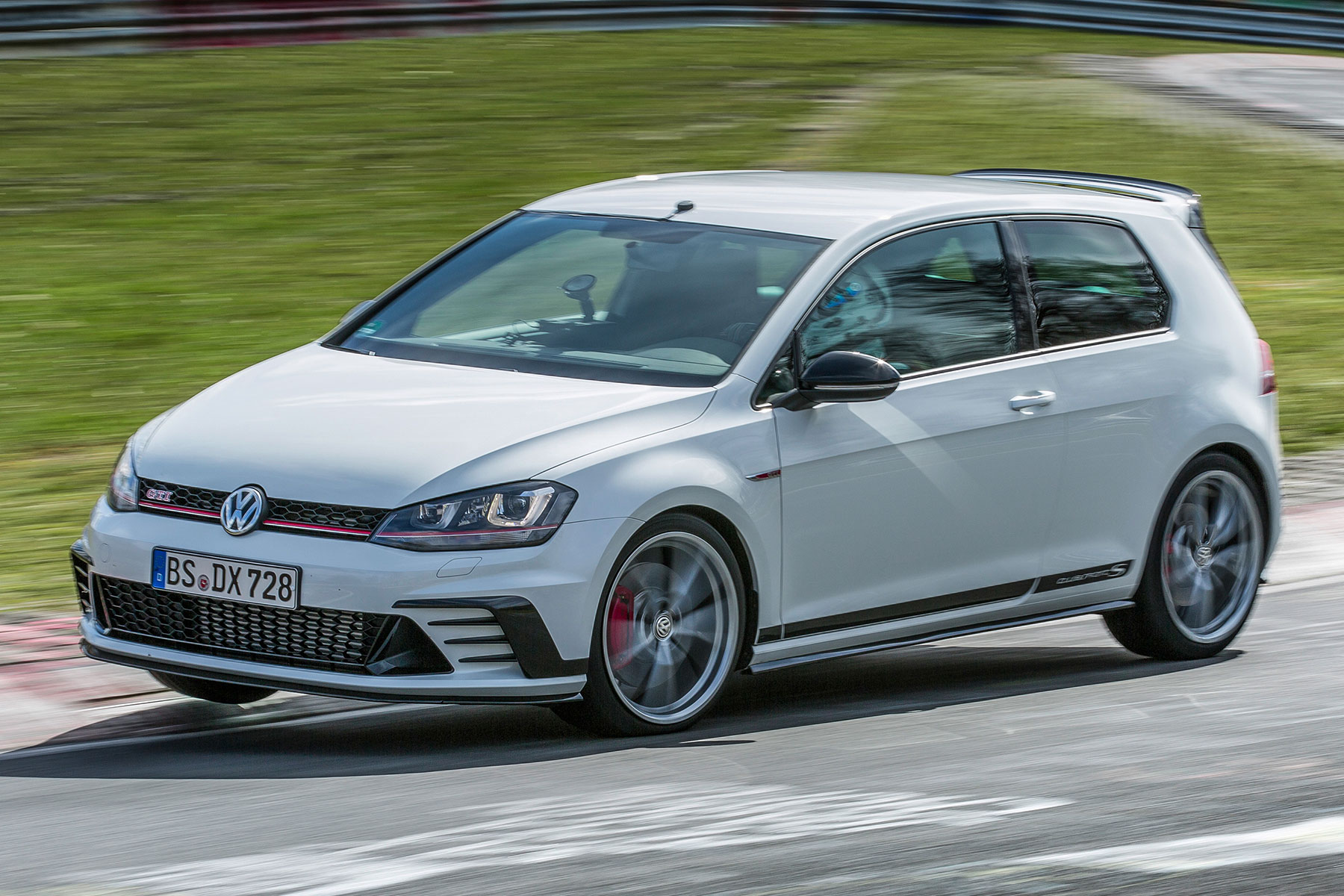
Volkswagen Golf GTI TCRVolkswagen has unveiled its new flagship Golf GTI at the Wörthersee festival in Austria. Presented in ‘near production-ready’ form, the GTI TCR uses a 2.0-litre turbocharged engine delivering 290hp to its front wheels via a dual-clutch gearbox. Top speed is 164mph with the electronic limiter removed.
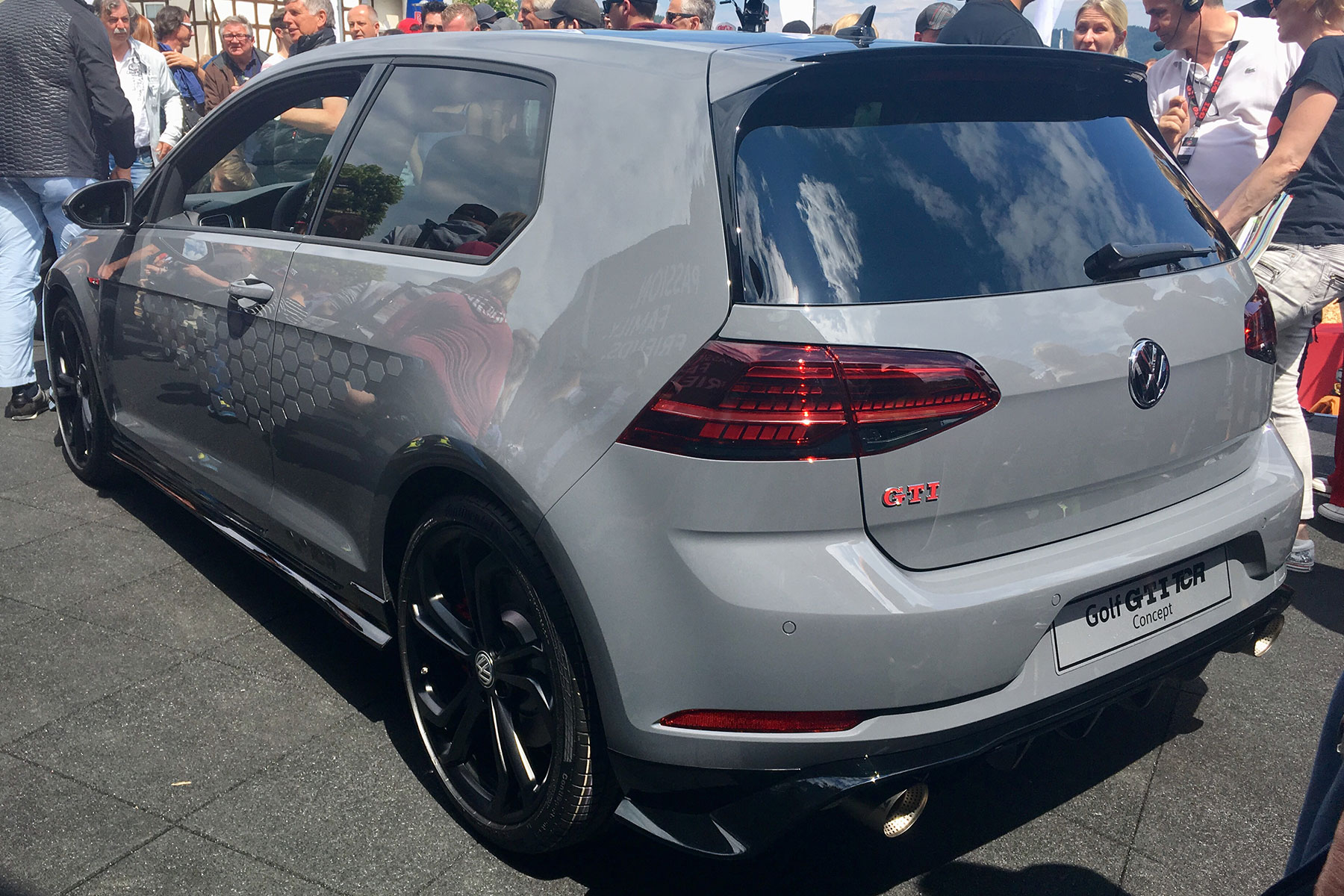
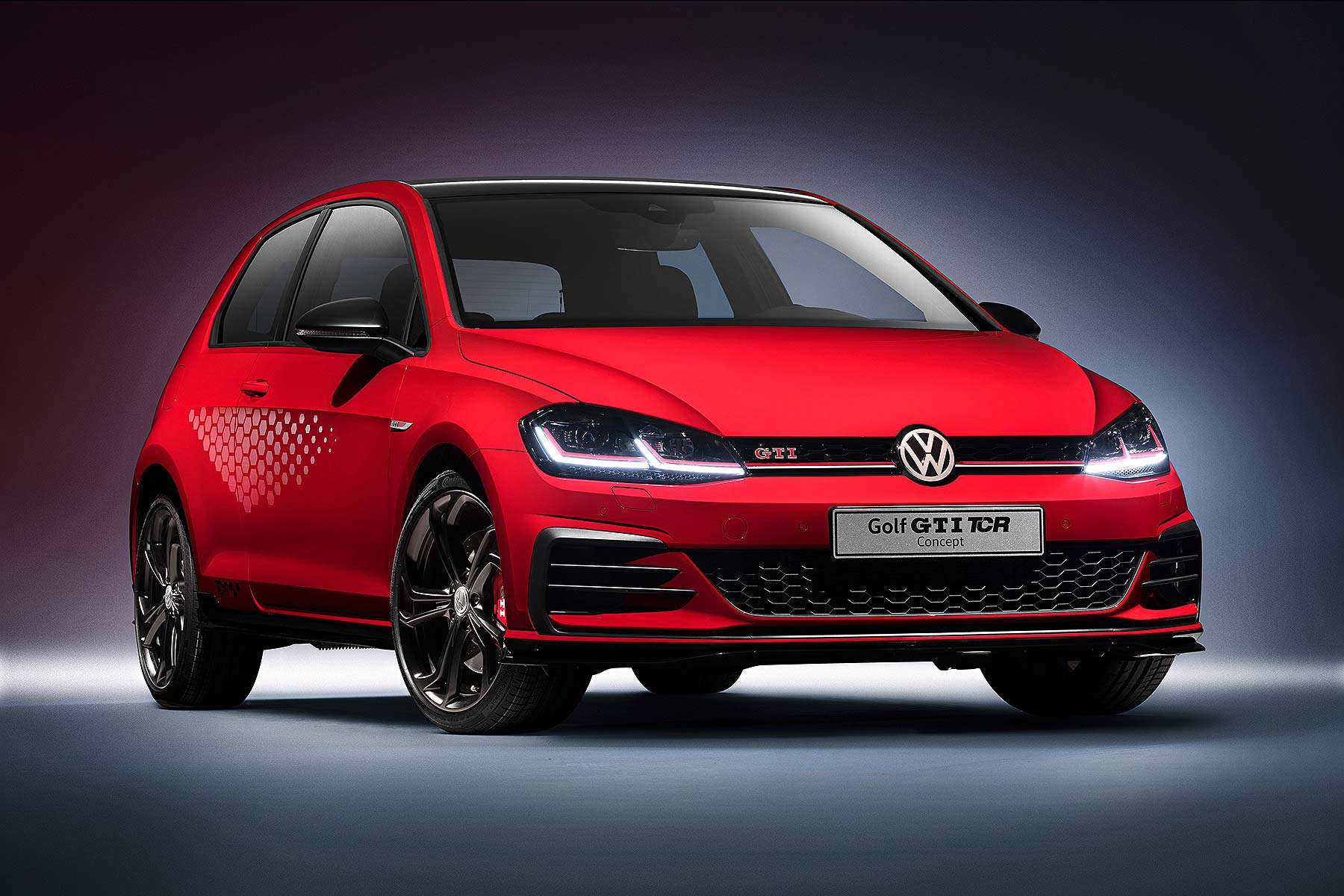
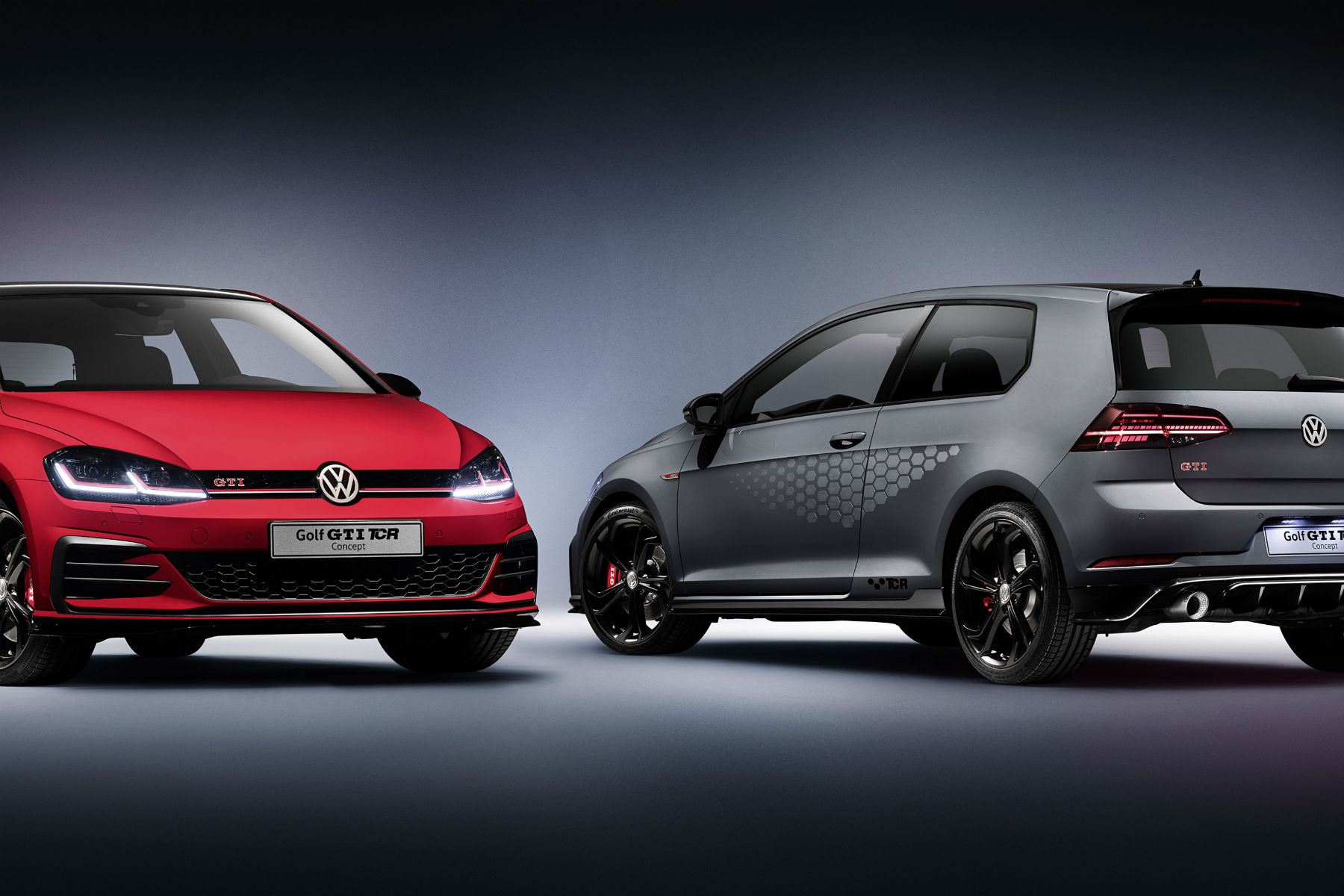
The TCR is the road-going version of VW’s 350hp Golf TCR racer. A redesigned front bumper and splitter feeds air to two extra radiators, while the rear boasts a larger roof spoiler and aggressive diffuser housing twin tailpipes. A new colour, Pure Grey, is available exclusively for this special edition.

That 290hp output – developed at 5,000-6,800rpm – comfortably outguns the 245hp Golf GTI Performance and isn’t far behind the 310hp, 4WD Golf R. It’s also snaps at the heels of the 310hp GTI Clubsport S from 2016 – the car that broke the front-wheel-drive Nürburgring lap record. Maximum torque of 273lb ft arrives at 1,600rpm.

Volkswagen Golf GTI TCR

The GTI rides on forged 18-inch alloys, with beefed-up brakes and a locking front differential. A stainless steel exhaust is standard, although many buyers will doubtless choose the (optional) titanium system from Akrapovič.

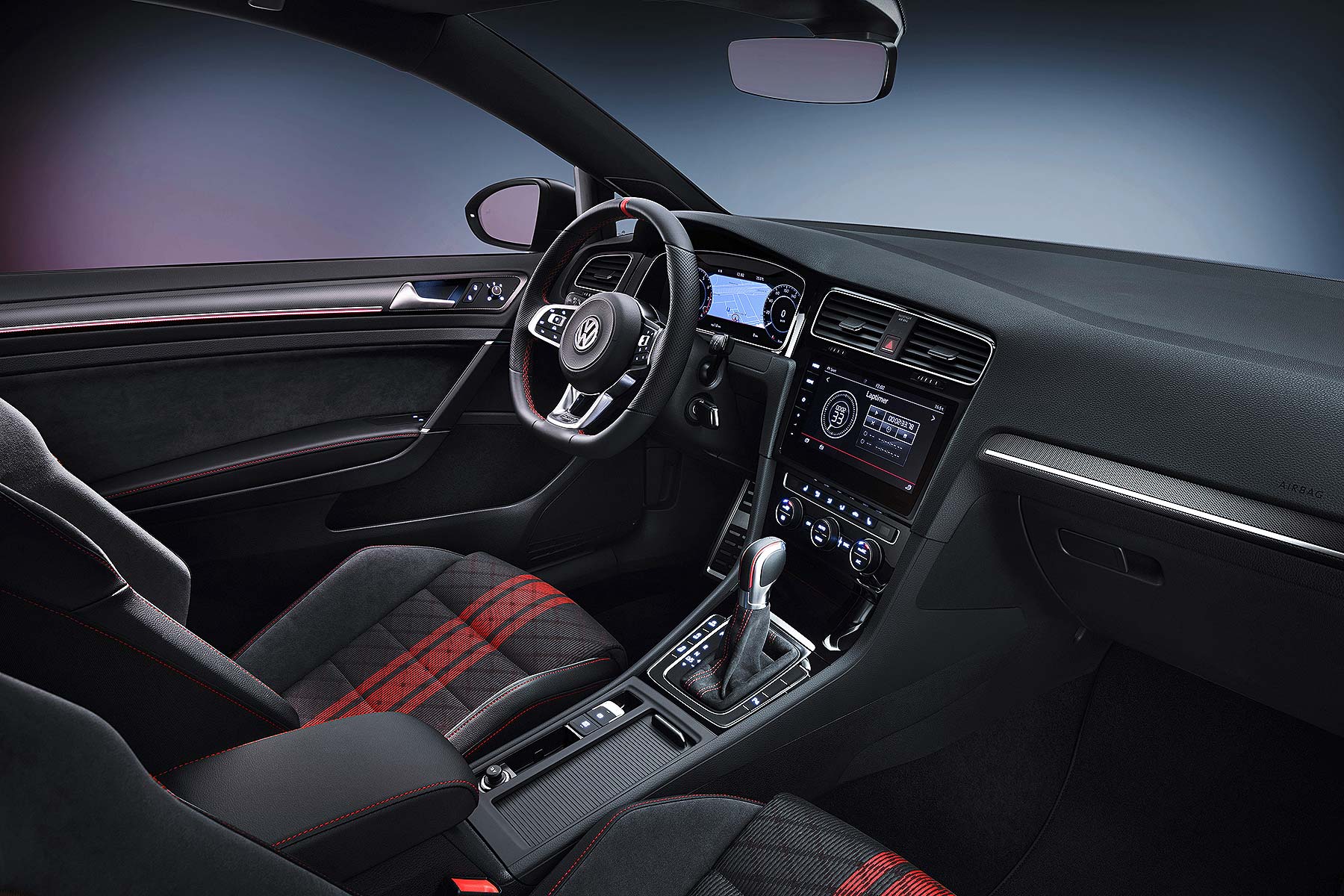
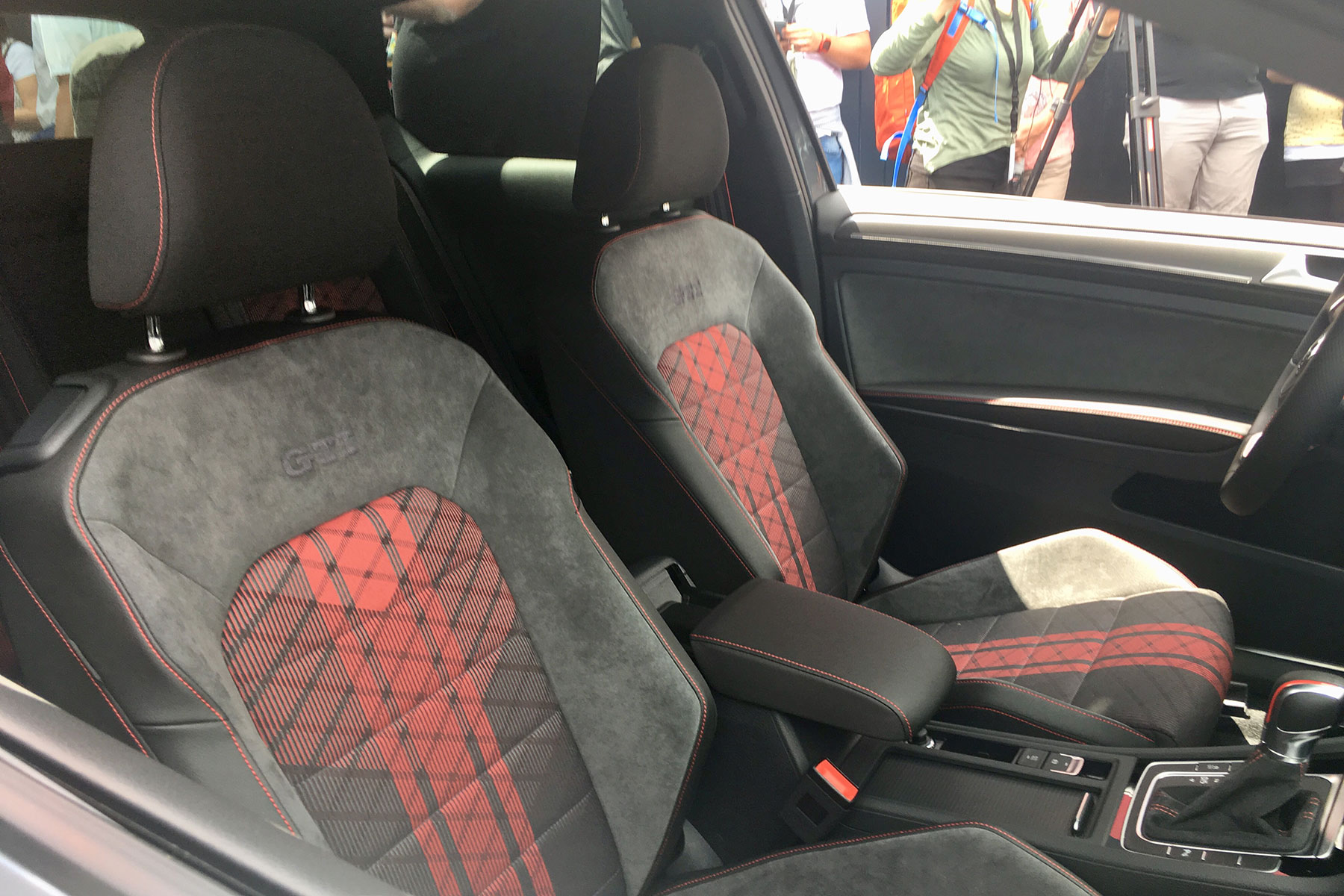
Inside, the TCR has hip-hugging sports seats, a racing-style ‘12 o’clock’ marker on the steering wheel and (oh yes…) go-faster stripes on the seatbelts. You’ll also spot illuminated TCR logos on the sills and projected onto the road surface when you open the door.

If you want the full-whack 164mph – standard VMax is 155mph – the limiter is removed as part of a special package that also includes 19-inch wheels, 20mm-lower suspension and Dynamic Chassis Control (DCC). The latter allows the driver to switch the electronic dampers between three levels of stiffness.

Volkswagen Golf GTI TCR

It’s not yet known whether the TCR will, in future, be offered with a manual gearbox, nor indeed how much it will cost. As a guideline, the Golf GTI Performance lists at £29,820, while the Golf R is £32,850 – so expect something between the two. Whatever the final price and spec, future classic status is assured.

Volkswagen has a history of using Wörthersee – the world’s biggest festival for VW cars and culture – to reveal show-stopping concepts. Read on to revisit the highlights from previous years.

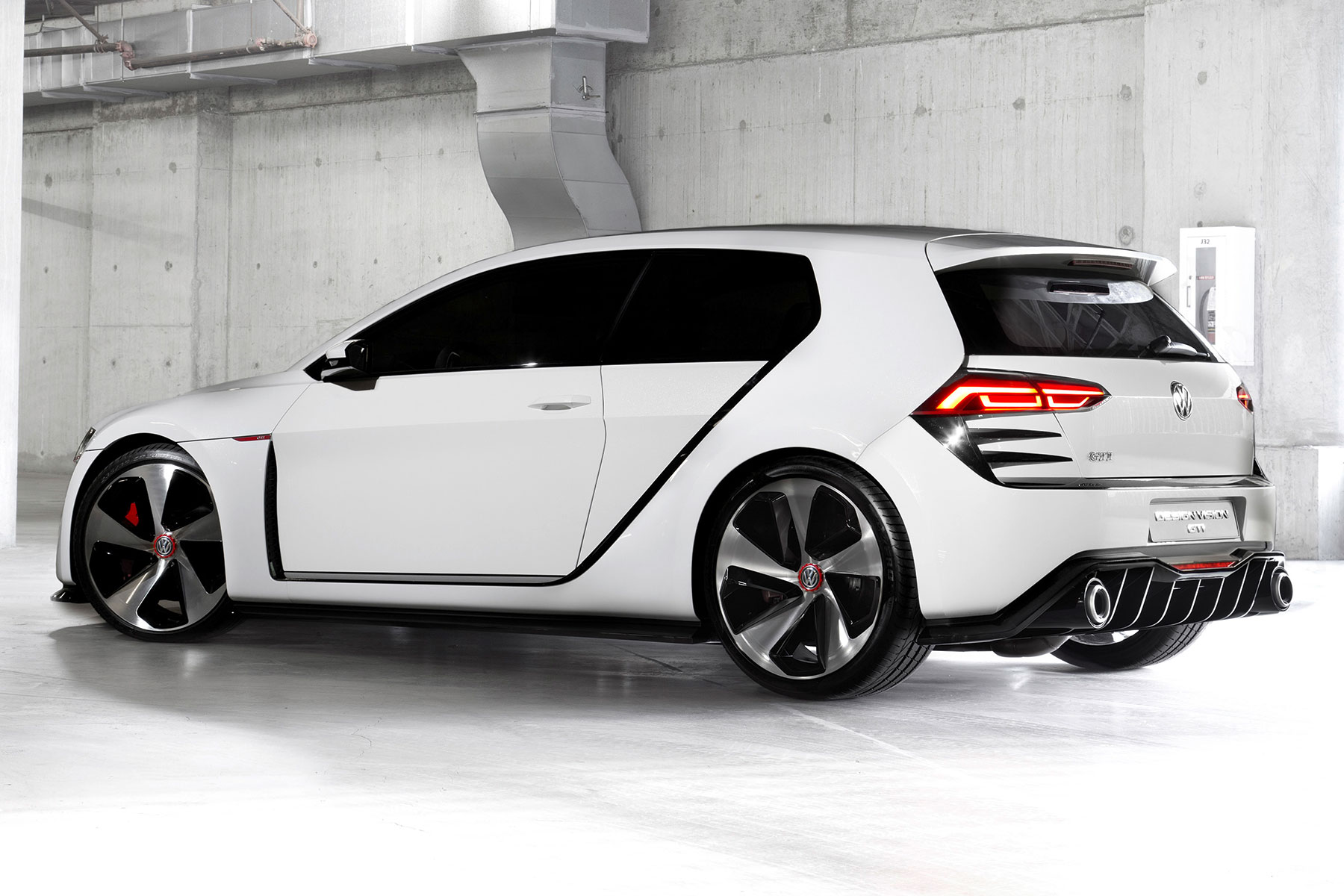
2013 Volkswagen Design Vision GTI

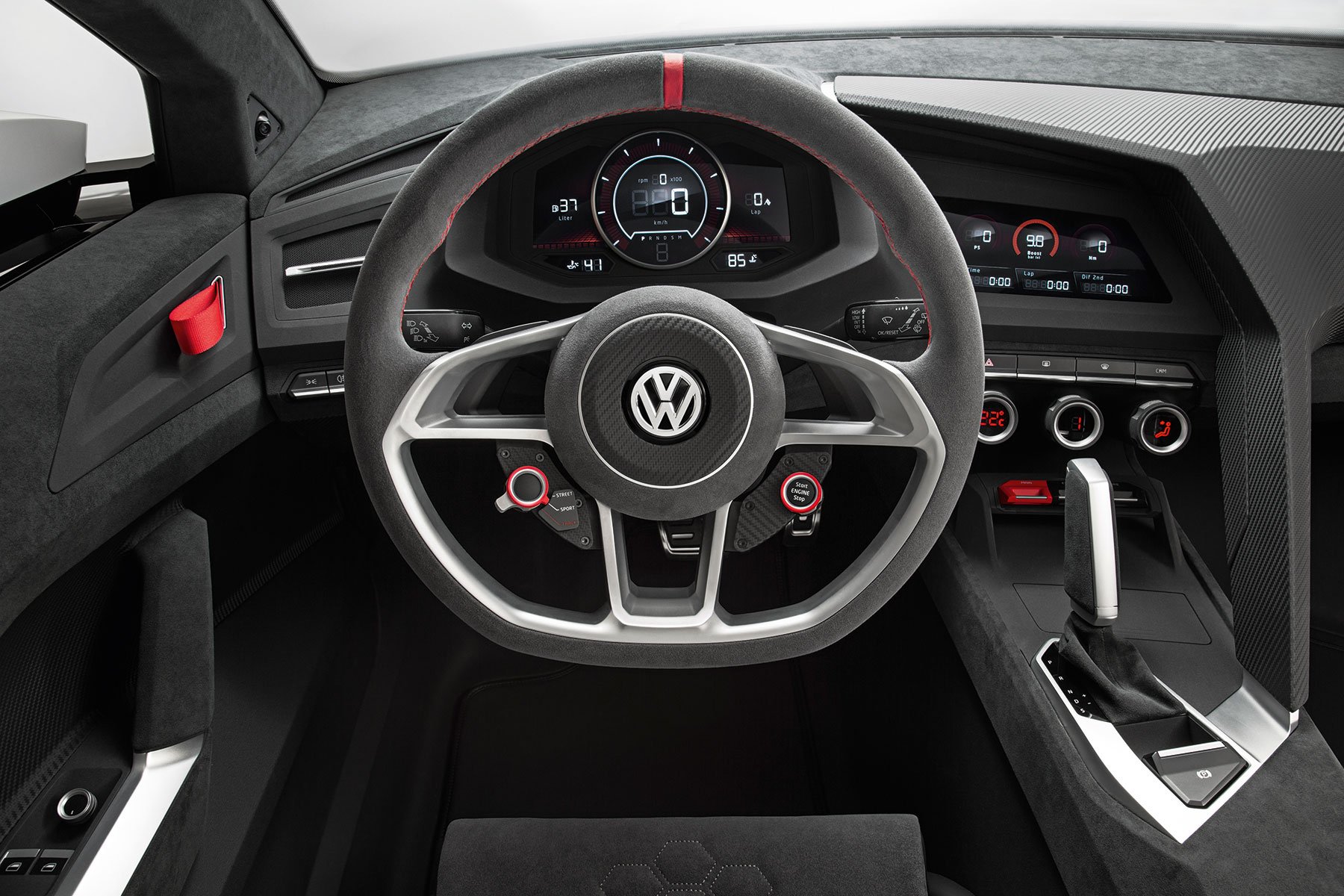
The wildest Wörthersee concept of all debuted in 2013. Looking like a Mk7 Golf after six months on steroids, the Design Vision GTI packed a 503hp 3.0-litre V6, semi-auto DSG gearbox and four-wheel drive. It blitzed to 62mph in 3.9 seconds and hit 186mph flat-out. Huge 20-inch alloys housed ceramic brake discs, allowing this uber-GTI to “eat up any race track”.

Inside, there was a rollcage in lieu of rear seats, plus lightweight fabric door pulls inspired by RS Porsches. Fittingly, it was painted white (‘White Club’), a colour popularised by the Mk5 Golf GTI.

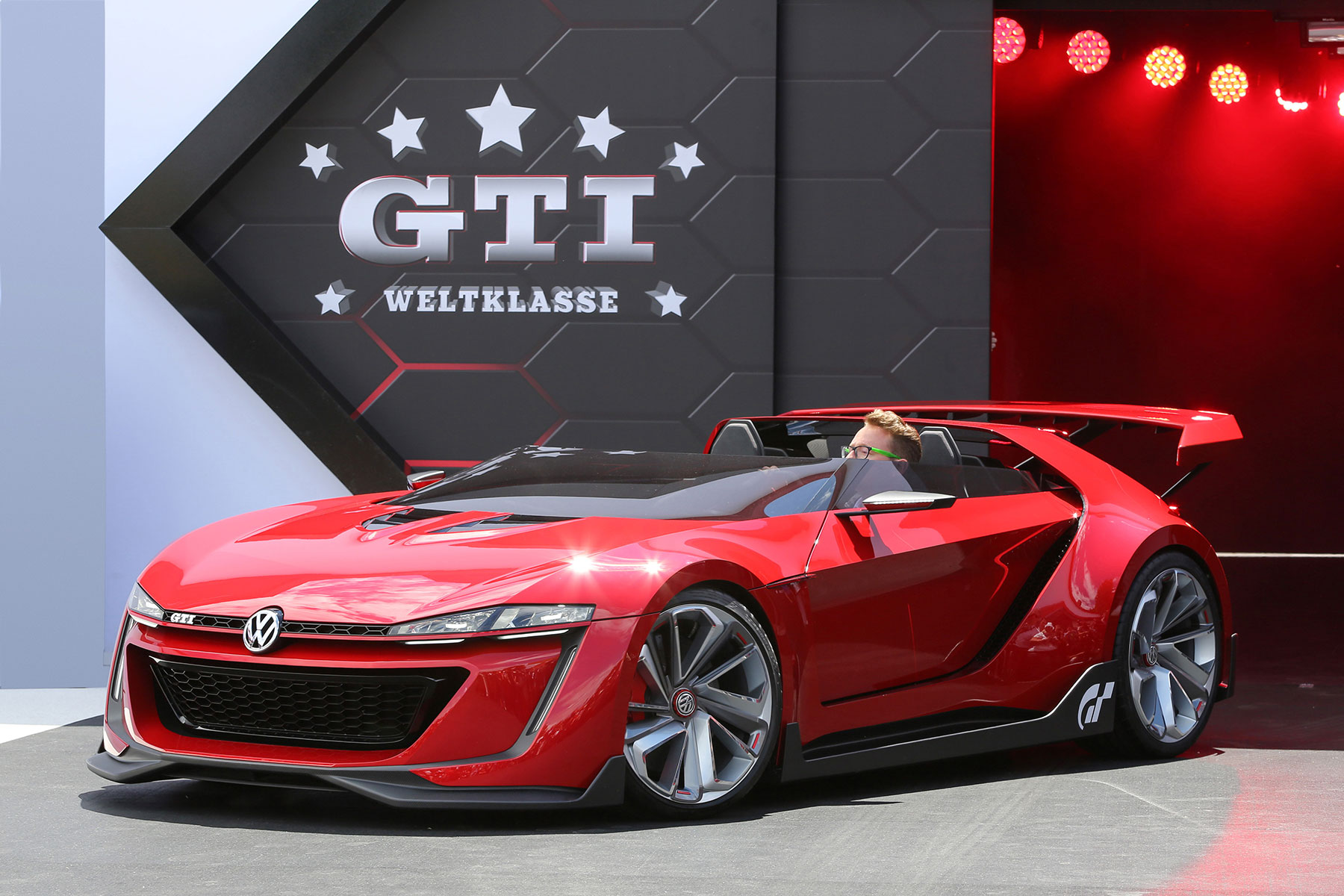
2014 Volkswagen GTI Roadster

Volkswagen GTI Roadster

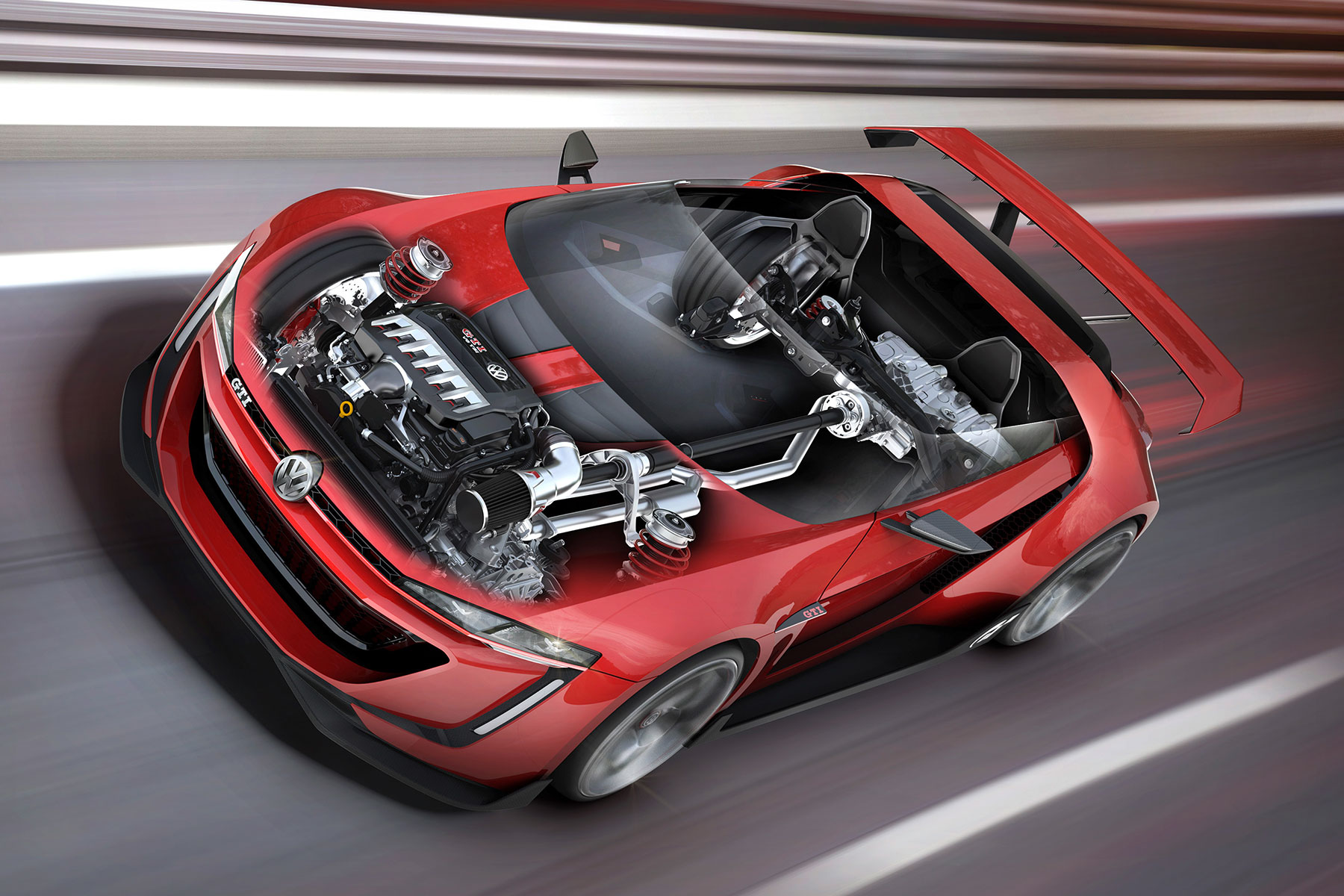
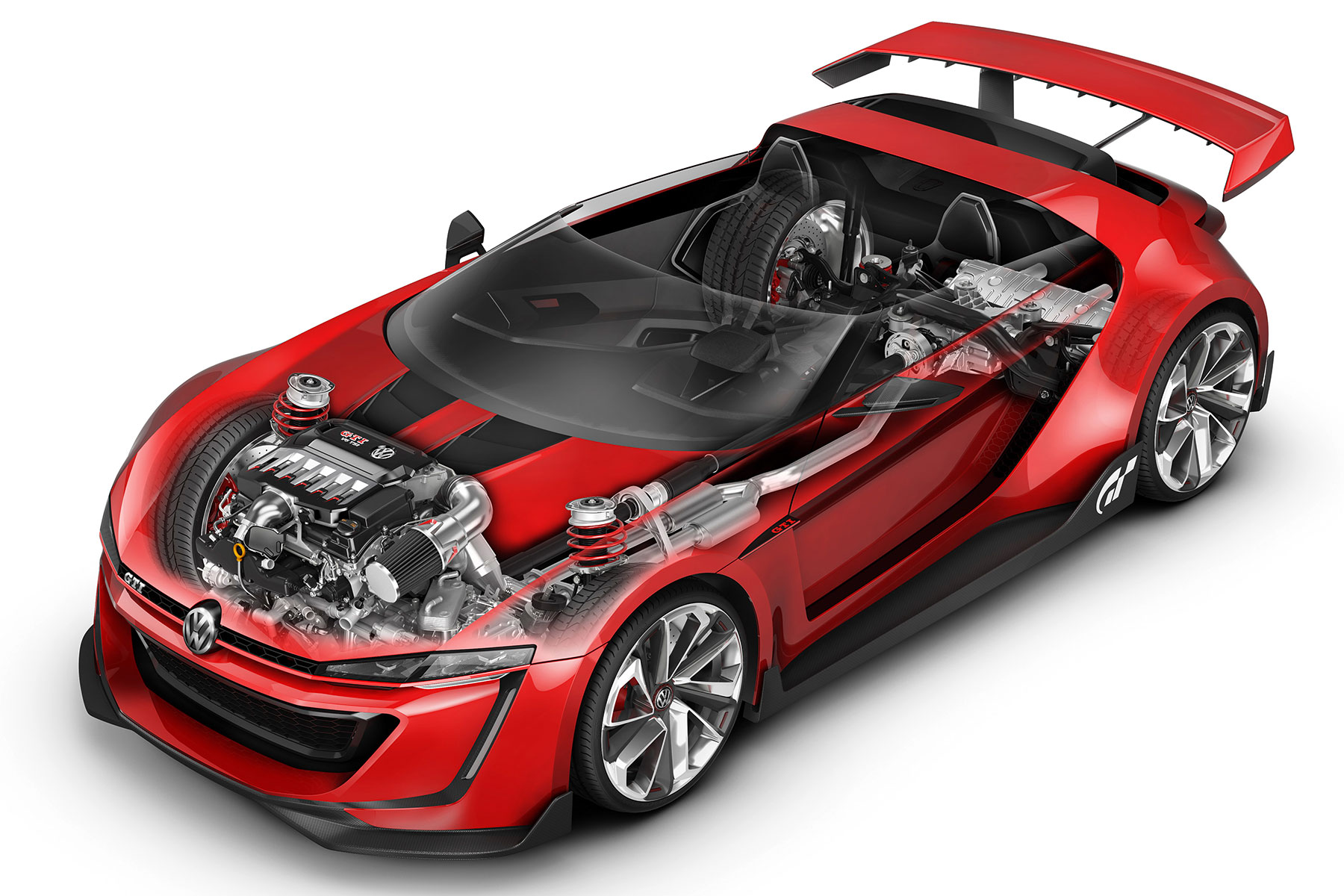
This 2014 concept used the same 503hp V6 as the Design Vision GTI, but could scarcely have looked more different. Its full title was ‘Volkswagen GTI Roadster Vision Gran Turismo’ – a nod to its appearance in the popular Playstation game. 

Reimagining the Golf GTI as a hedonistic sports car, the Roadster had a chopped, speedster-style windscreen, upwards-opening doors and a huge rear wing. Its design was the result of an in-house competition and the car debuted ‘virtually’ in Gran Turismo three days before it was revealed at Wörthersee. Its colour, Tornado Red, is another classic GTI hue. 

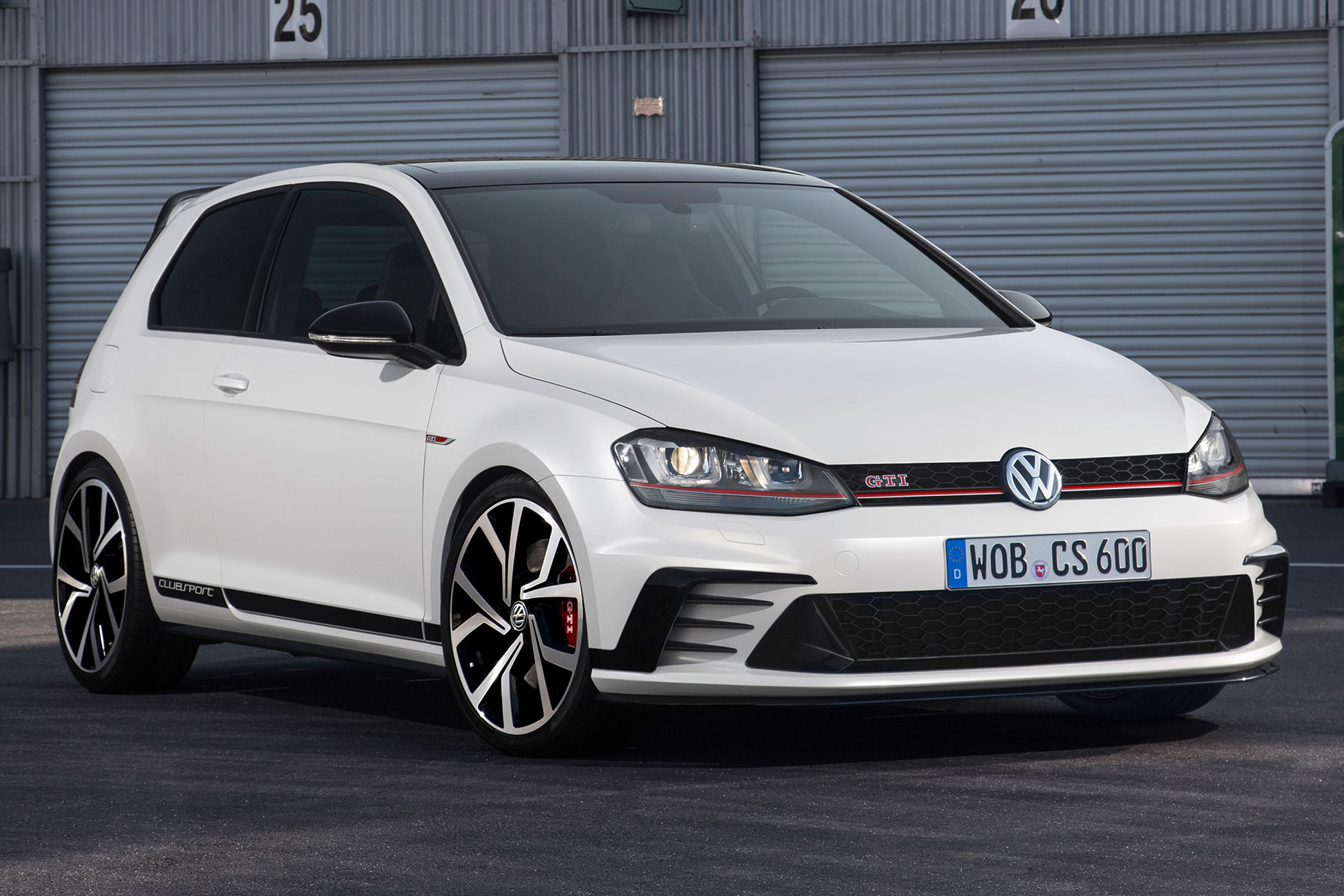
2015 Volkswagen Golf GTI Clubsport 

Volkswagen Golf GTI Clubsport

Volkswagen had two surprises for fans in 2015. The first, the Golf GTI Clubsport, was a special edition to mark 40 years of the GTI the following year. With 265hp – or 290hp for limited periods on overboost – it was also the most powerful Golf GTI to date. Zero to 62mph took 6.3 seconds and top speed was 155mph.

A bespoke suspension set-up, trick front differential and downforce-inducing rear diffuser ensured the Clubsport wasn’t merely quick in a straight line. Inside, it boasted lashings of Alcantara trim, plus optional hip-hugging bucket seats.

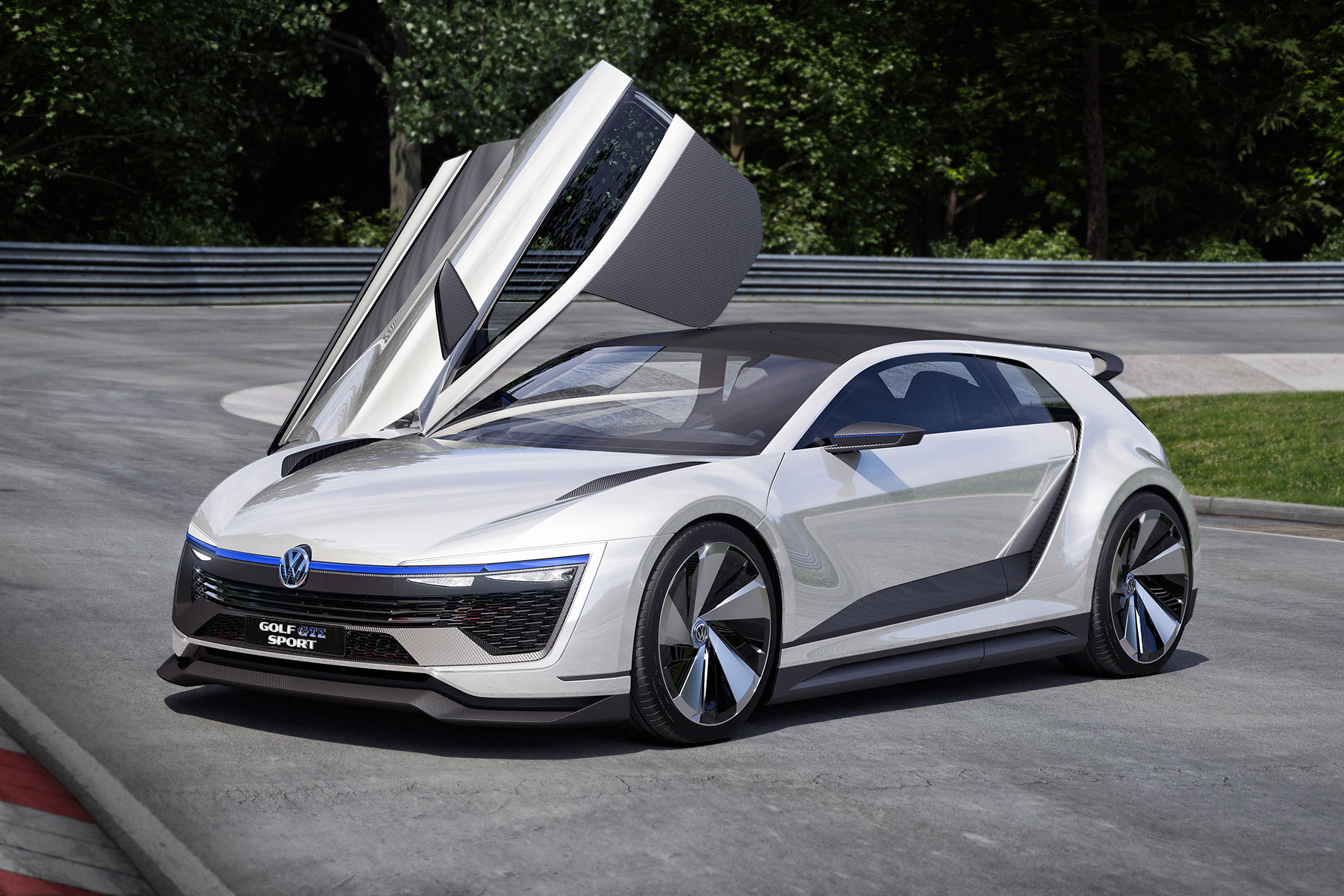
2015 Volkswagen Golf GTE Sport

VW’s second show car for 2015 was rather more radical. In its own words: “the Golf GTE Sport transfers the Volkswagen GT tradition into tomorrow’s world”. The carbon-bodied hot hatch was a plug-in hybrid, its 300hp petrol engine supported by two electric motors. Total output was 400hp: good for 0-62mph in 4.3 seconds and 174mph.

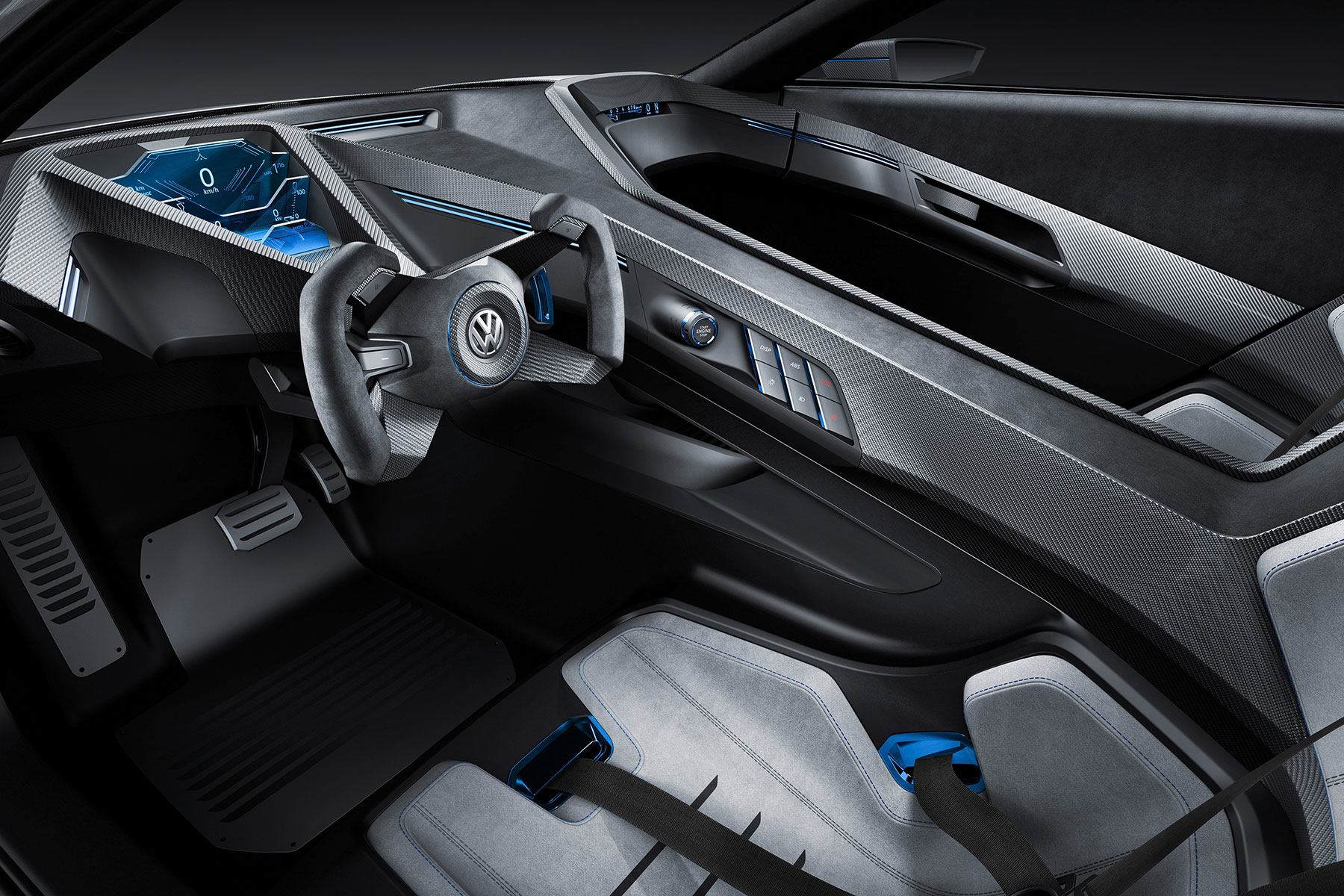
Lift up the scissor doors and the GTE Sport’s interior was even more futuristic. A central spar divides the cabin in two, with minimal instrumentation and a steering wheel that resembles a gaming joypad. Sadly, this one never made production.

2016 Volkswagen Golf GTI Clubsport S

Volkswagen Golf GTI Clubsport S

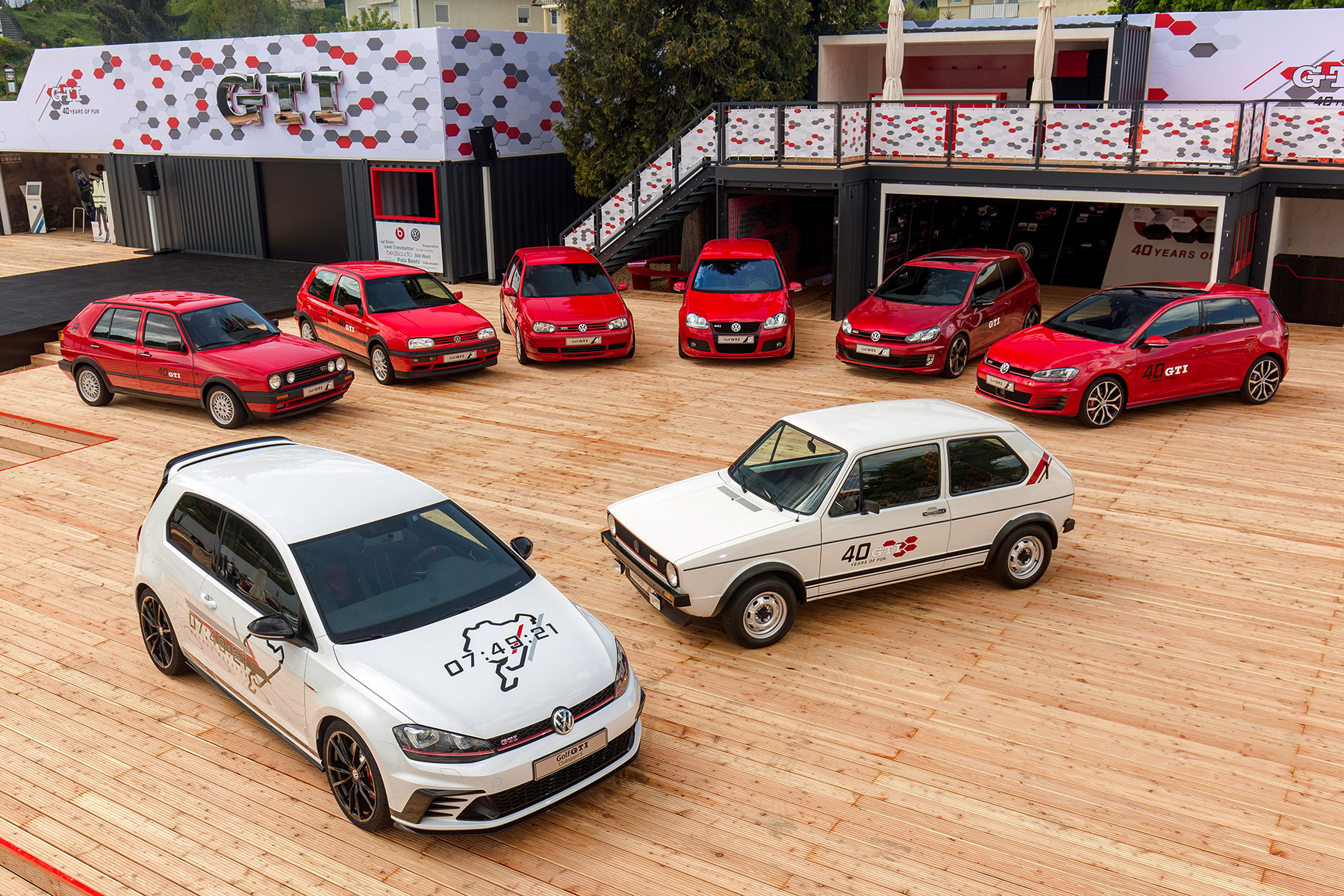
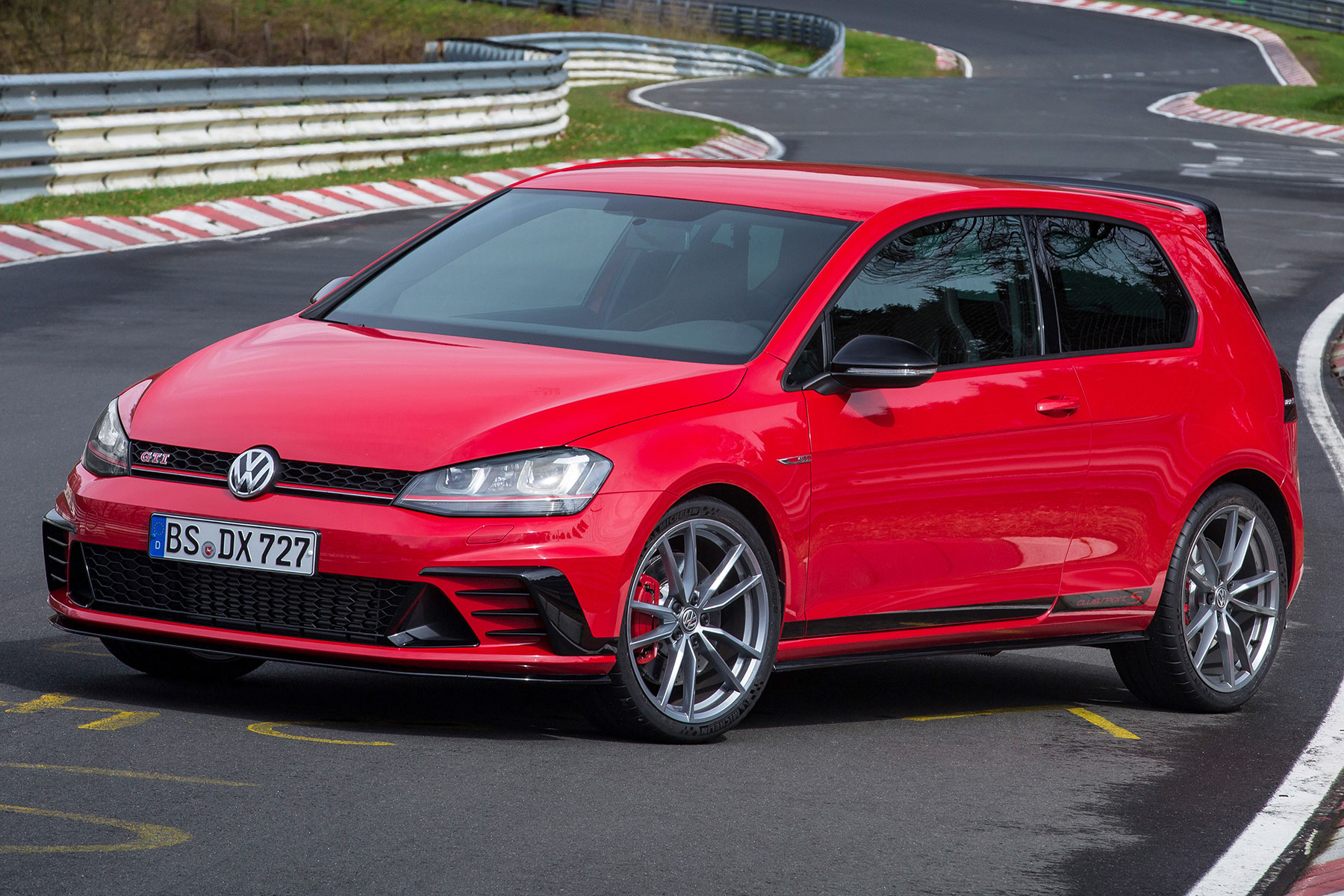
On the 40th anniversary of the GTI, Volkswagen treated Wörthersee worshippers to the Clubsport S. Displayed alongside all seven generations of GTI, this 310hp crazy Golf had the number ’07:49:21′ emblazoned across its bonnet – its record breaking Nürburgring lap-time. 

Just 400 examples of the GTI Clubsport S were built – a sizeable 150 of which came to the UK. The car had an aluminium front subframe, no rear seats and wore track-oriented Michelin Pilot Sport Cup 2 tyres. The 0-62mph sprint was quoted as 5.8 seconds, while top speed is TCR-topping 165mph.

2017 Volkswagen Up GTI

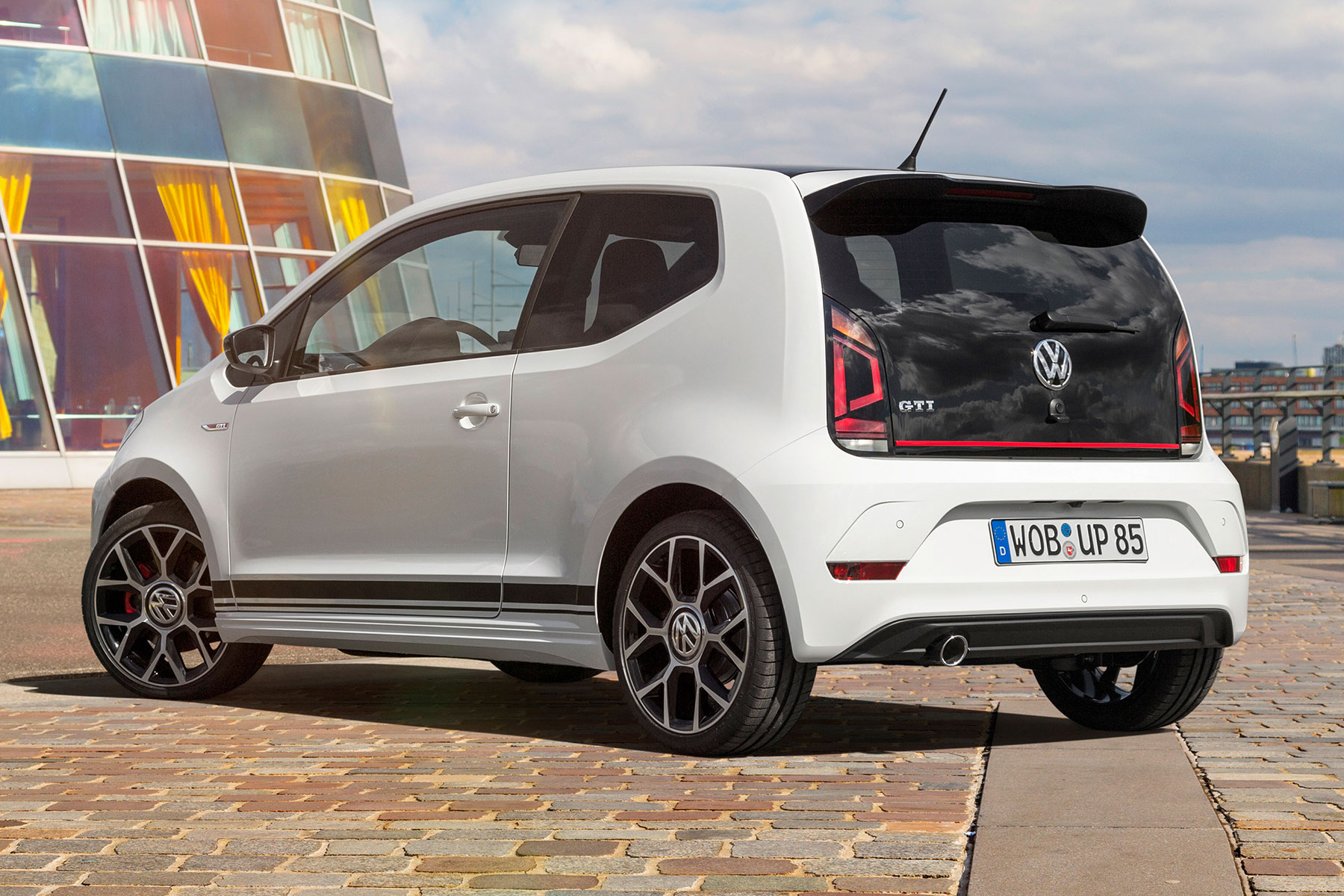
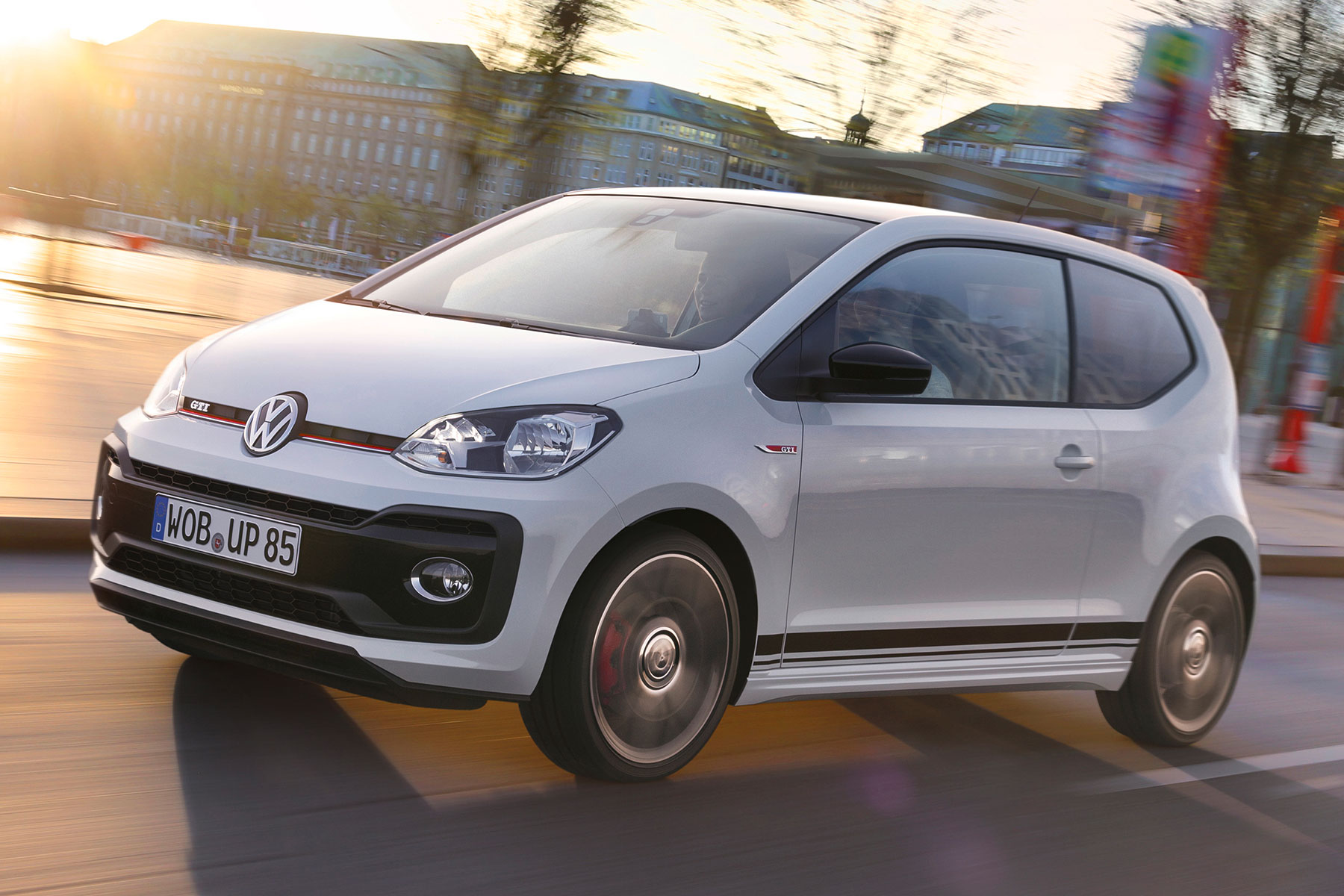
Look familiar? This is the Up GTI concept, revealed at Wörthersee in 2017, but the production car – now on sale – looks very similar. Amazingly, this smallest of VW hot hatches is around the same size as the original Mk1 Golf GTI. A 115hp output from its 1.0-litre, three-cylinder engine is near-identical, too (0-62mph in 8.8sec, 122mph).

The Up’s styling borrows much from its Golf GTI big brother, including trademark red go-faster stripes and ‘Clark’ tartan seat trim. At the time of writing, prices start from £13,750, making this pocket rocket a bit of a bargain.

2017 Volkswagen Golf GTE Performance

Volkswagen Golf GTE Performance

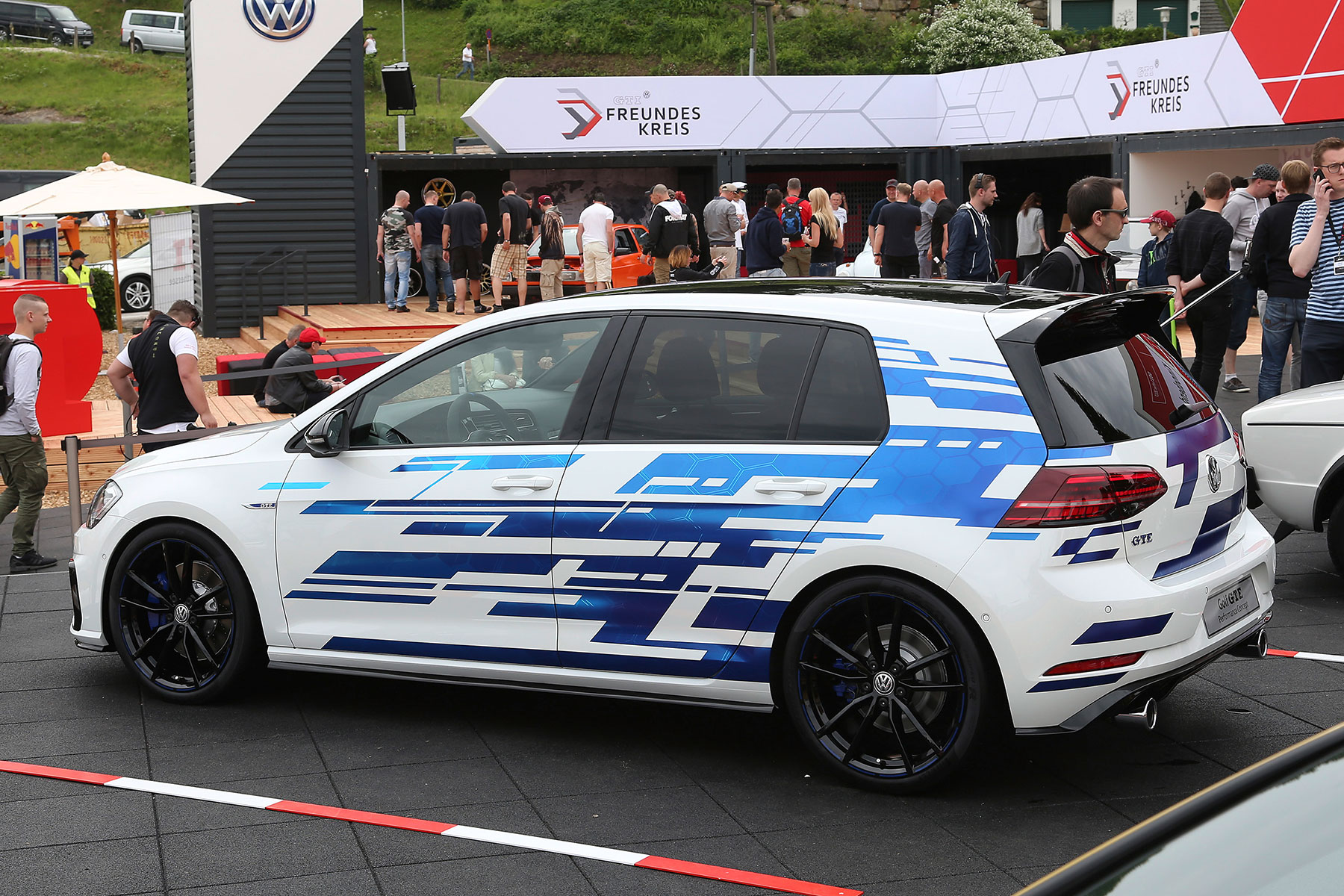
Another highlight last year was the world premiere of the Golf GTE Performance Concept. This turned up the wick on Volkwagen’s plug-in hybrid Golf GTE, raising output from 204hp to 272hp. The added oomph was complemented by bigger brakes, a wider track and the roof spoiler from the GTI Clubsport S, plus some rather natty graphics.  

Is this the future for the Golf GTI? Time will tell. One thing is for sure: Volkswagen has plenty of surprises in store for Wörthersee yet. Click through our gallery below for more photos of all the cars featured here.

Read more:

Advertisement

Rolls-Royce Cullinan SUV comes out fighting

0

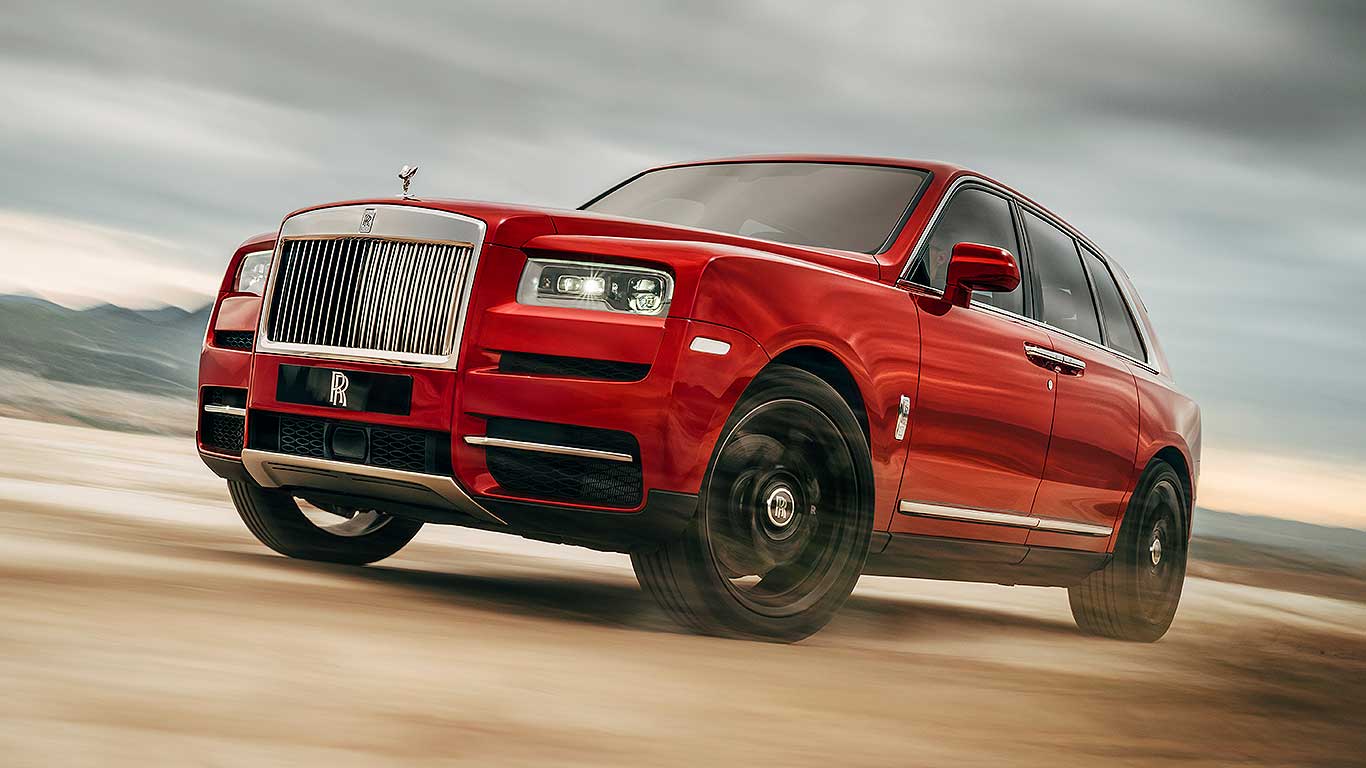
Rolls-Royce Cullinan revealedIt was Rolls-Royce customers that demanded Rolls-Royce build an SUV. Now, here it is: the Cullinan, a model the firm says is “the most anticipated car of 2018”. It’s certainly set to be one of the most controversial.

And this is exactly what Rolls-Royce intends. “In the face of increasingly bland SUV designs,” it says, the contemporary and functional design of the Cullinan “gains iconic status”. Design chief Giles Taylor accuses other SUVs of being “homogenous and ubiquitous”. Not for Rolls-Royce, which instead has gone for “convention-challenging design”.

Rolls-Royce clients, reckons Taylor, couldn’t find what they wanted in the SUV market. “Our customers are the new pioneers, and for them, it’s about their sense of adventure and daring in how they live their experiences.” The Cullinan is a car that literally goes anywhere, he says, in “ultimate luxury and style – Rolls-Royce style”. Hence a Rolls SUV.

It’s the many limitations of rivals that Rolls-Royce believes it has answered with the Cullinan. And boy, it’s not shy in pointing them out. “The majority of so-called luxury manufacturers,” it sneers, “are limited to sharing platforms with mass brands for their SUVs, and so introducing unacceptable compromise.

“Rolls-Royce is uncompromising in only using its own architecture across all its motor cars, whatever the sector.” Take that, Bentley, and your Audi Q7- and Volkswagen Touareg-derived Bentayga.

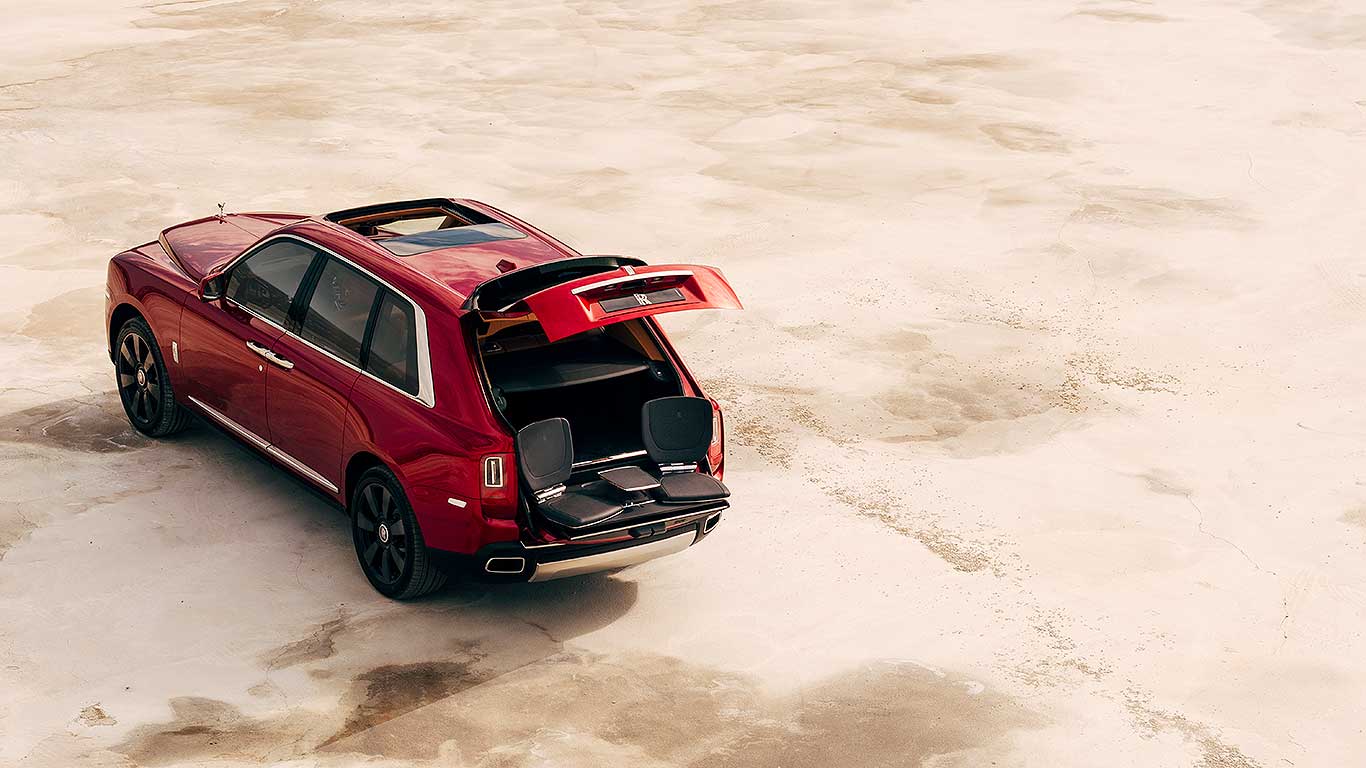
Rivals are two-box designs, points out Rolls; the Cullinan is the sector’s first three-box car, whose extended rear partition separates passengers from the grime and clatter of stuff in the boot, and the chill/heat blast when someone opens it. Hence the glass screen that can be fitted behind rear passengers, creating a Cullinan cocoon.

Amusingly, the Goodwood firm boasts about “a completely new feature never seen before on a series production Rolls-Royce – a tailgate”.

Rolls-Royce Cullinan revealed

What’s under the gargantuan bonnet? A 6.75-litre V12 twin-turbo, with 563hp and a massive 627lb ft of torque. Such pulling power is not bad for a petrol, particularly as it’s delivered from just 1,600rpm.

It’s the first four-wheel drive Rolls-Royce ever, and with added capability for the air suspension – larger air struts, strengthened drive and prop shafts amongst them – plus a heady 540mm wading depth, it’s off-road ready. Just like original off-road Rolls-Royce pioneer T.E. Lawrence used to do in Arabia.

Rolls-Royce engineering project leader Caroline Krismer picks up the ‘trash-talk the competition’ thread when discussing what lies beneath. “Unlike other car makers, we have not compromised by either retro-engineering an off-road driving system to suit on-road driving or vice versa. We began with a simple principle – to bring the famed Rolls-Royce Magic Carpet Ride to all other terrains possible, while ensuring class-leading on-road behaviour in the SUV sector.”

Rolls-Royce Cullinan revealed

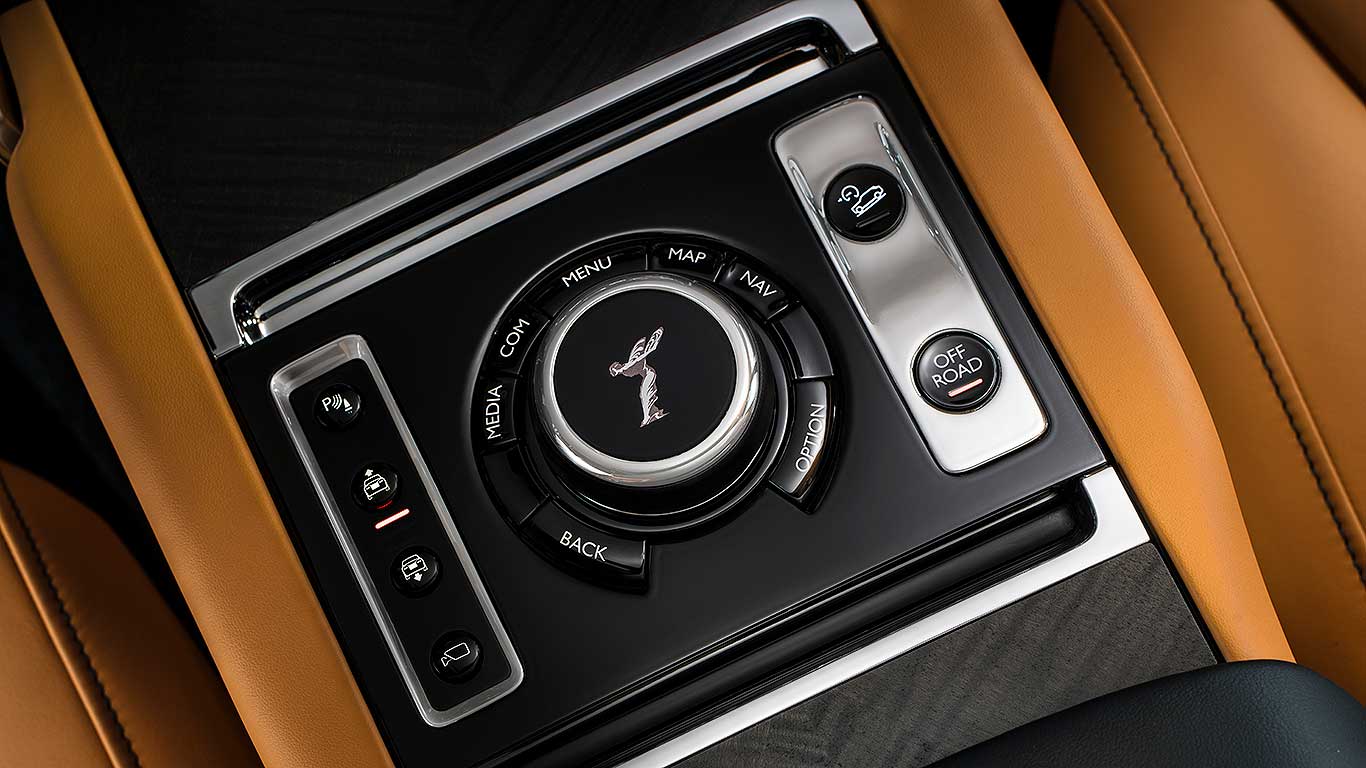
It’s all enhanced by one button on the centre console, which Rolls calls the ‘Everywhere’ button. Pressing it will “unleash the full gamut of Cullinan’s off-road capability”, no less. Throw in all that engine torque and a ‘Flagbearer’ stereo camera that reads the terrain ahead and proactively adjusts the suspension, for something that sounds like it reckons it can teach the Range Rover a thing or two.

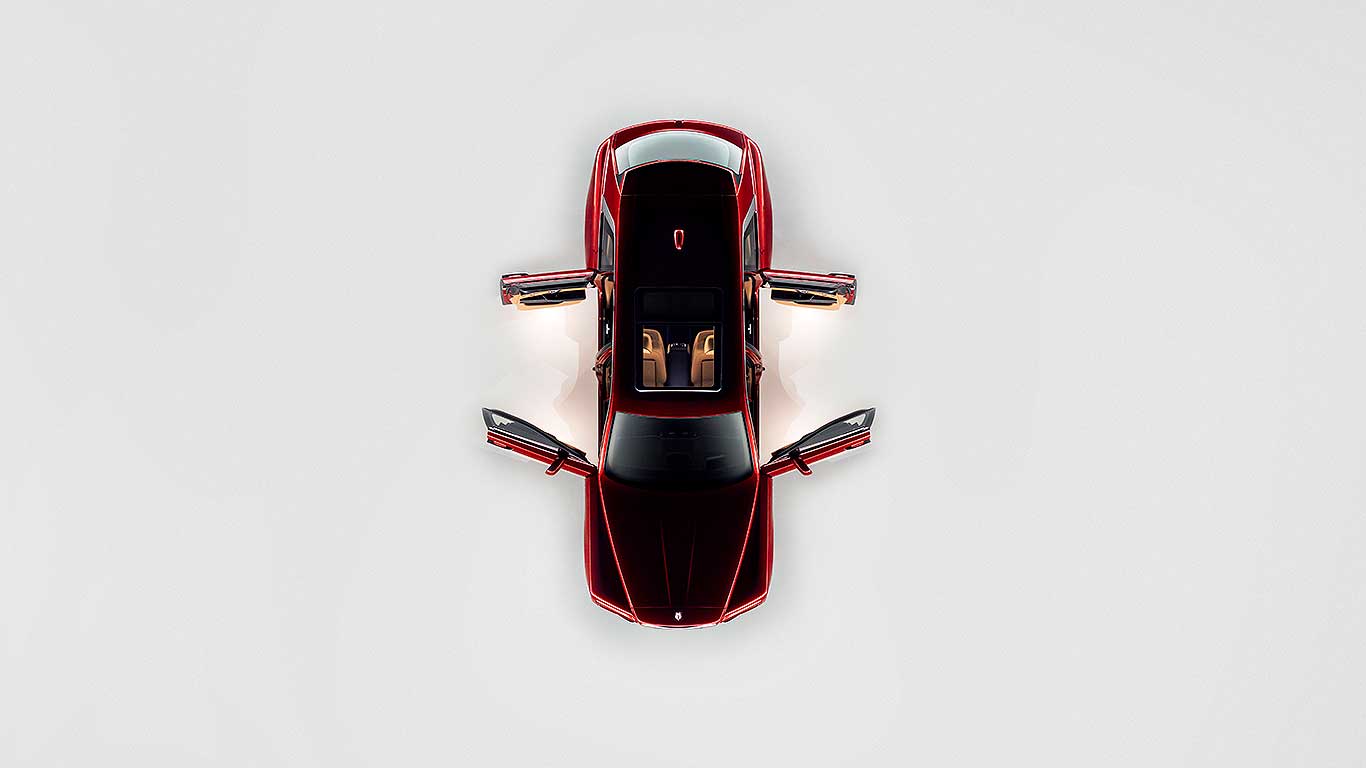
Taylor says the design of the Cullinan is defined by its commanding stance, aided by a long wheelbase and ultra-long bonnet. The bonnet is set higher than the wings for a tougher look, and the side glass is extremely deep. He’s also proud of the ‘fast’ roofline at the rear that falls quickly away into the bootlid. Rear passengers sit slightly behind the rear windows, for a sense of privacy, although not as far back as in a Phantom so as not to spoil their view out. They also sit higher than those in the front.

It’s all been possible because, unlike rivals, Rolls-Royce hasn’t been forced to use “old-fashioned or shared platforms”… nor has it had to compromise with “old-fashioned or shared platforms, the choice of being good either on-road or off-road, and the relentless drive to make SUVs lower and more featureless.

Other, in short, are “blending in and becoming just another car”. Rolls reckons Cullinan’s the counterpoint to that. 

There’s little jewellery on the Cullinan, emphasising the bits it does have, such as the finisher on the bootlid and the ‘Saxon spear’ metal panel on the lower doors. Wheels? Why, 22-inches, of course. They couldn’t possibly be any smaller.

Rolls-Royce Cullinan revealed

Brilliantly, Rolls-Royce ‘coach’ doors feature, and the Cullinan auto-lowers by 40mm when you open them, to aid entry. The interior design is modern, and rich, and as elegant as other Rolls-Royce; the ambience is more casual and dynamic than the formality of other models.

This is the first Rolls to have split-fold rear seats, extending the boot from 555 litres to 1,930 litres, meaning it’s time for another bit of fighting from the firm: the 2,245mm load length is, it says, longer than “reputed load-luggers such as the Volvo V90 and Mercedes-Benz E-Class or even a Range Rover Vogue Extended Wheelbase”.

We also like the sound of all the heated surfaces in the Cullinan. Yes, heated surfaces: the door armrests, front centre console lid, lower C-pillar, rear side armrests and rear centre armrest are all warmed up when you switch on the heated seats. How’s that for ultimate luxury?

The styling of the Cullinan, we’ll leave up to you (but we will advise waiting until you see it in the metal, in context, before making a final judgement). What’s certain is that this really is a Rolls-Royce like no other, a new entrant in a new sector for it, that’s seen it do things it’s never done before and approach things in an unexplored way.

This is Rolls getting bold and punchy, and we rather like it. Rolls-Royce is going a bit rogue with the roguish Cullinan. Let the fight of the ultra-posh British SUVs commence.

Advertisement

Mini designs a car for Harry and Meghan

0

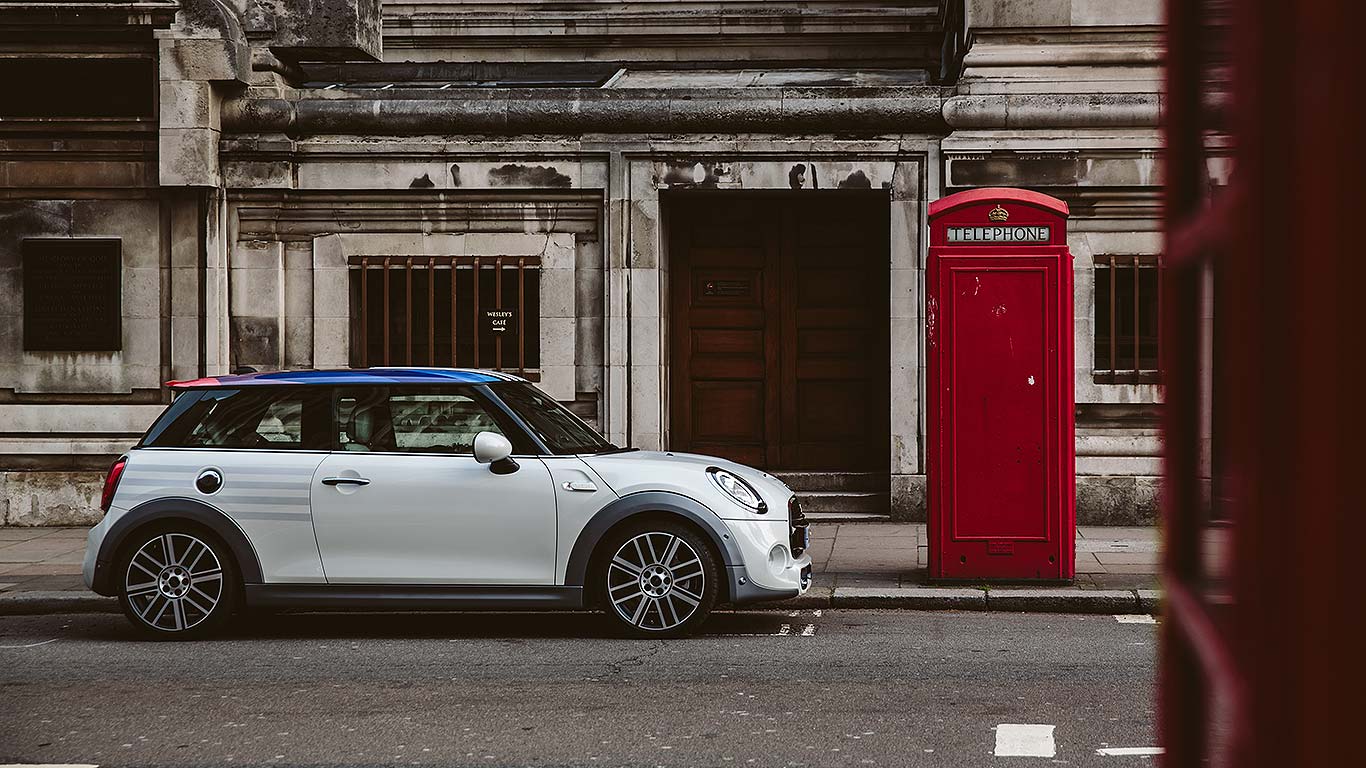
The Mini for Harry and MeghanMini has been on another Mini adventure – to create a one-off Mini Hatch celebrating the wedding of Prince Harry and Meghan Markle. The car will commemorate the wedding on 19 May, and afterwards be publically auctioned off to raise money for The Children’s HIV Association (CHIVA), one of Harry and Meghan’s chosen charities.
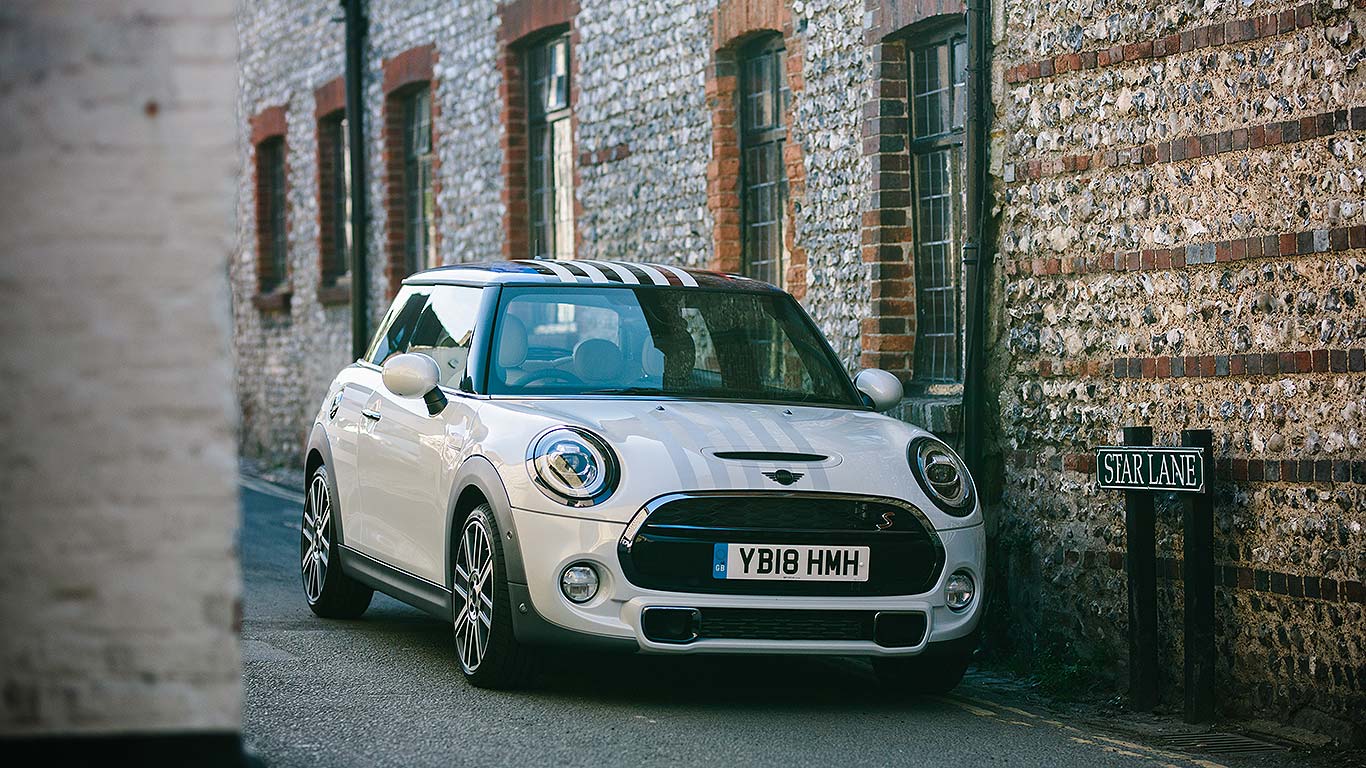
But why has Mini made a special Hatch for the royal couple? Well, said Oliver Heilmer, Mini head of design, because it’s “an iconic British brand with almost 60 years of history in the UK”. Mini wanted to “mark the royal wedding with this special charitable gift”.

The Mini for Harry and Meghan

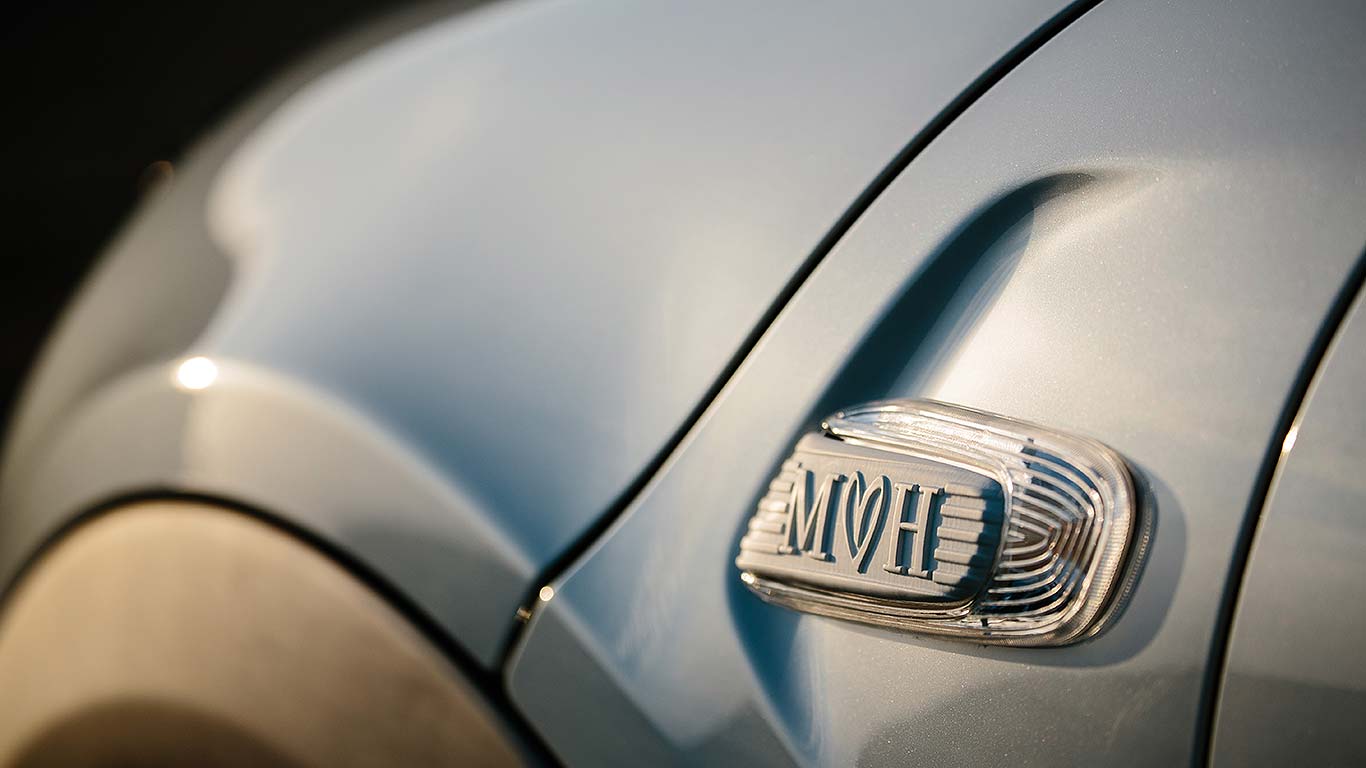
Mini Design says the standout features are the bespoke roof graphic, plus exterior and interior trim details that have been 3D-printed and personalised. There’s special embroidery too, ensuring this is a genuine one-off Mini.

The Mini for Harry and Meghan

Perhaps some elements are a bit cheesy. We can’t see ‘M hearts H’ making it to the official royal wedding car. But that’s the beauty of Mini’s new personalisation service – you can be a bit cheeky and, if you don’t like it, take it off and replace it with something else.

As you can the puddle light that shines when the door is opened: in this one-off, it currently projects ‘Just Married’ onto the ground…

The Mini for Harry and Meghan

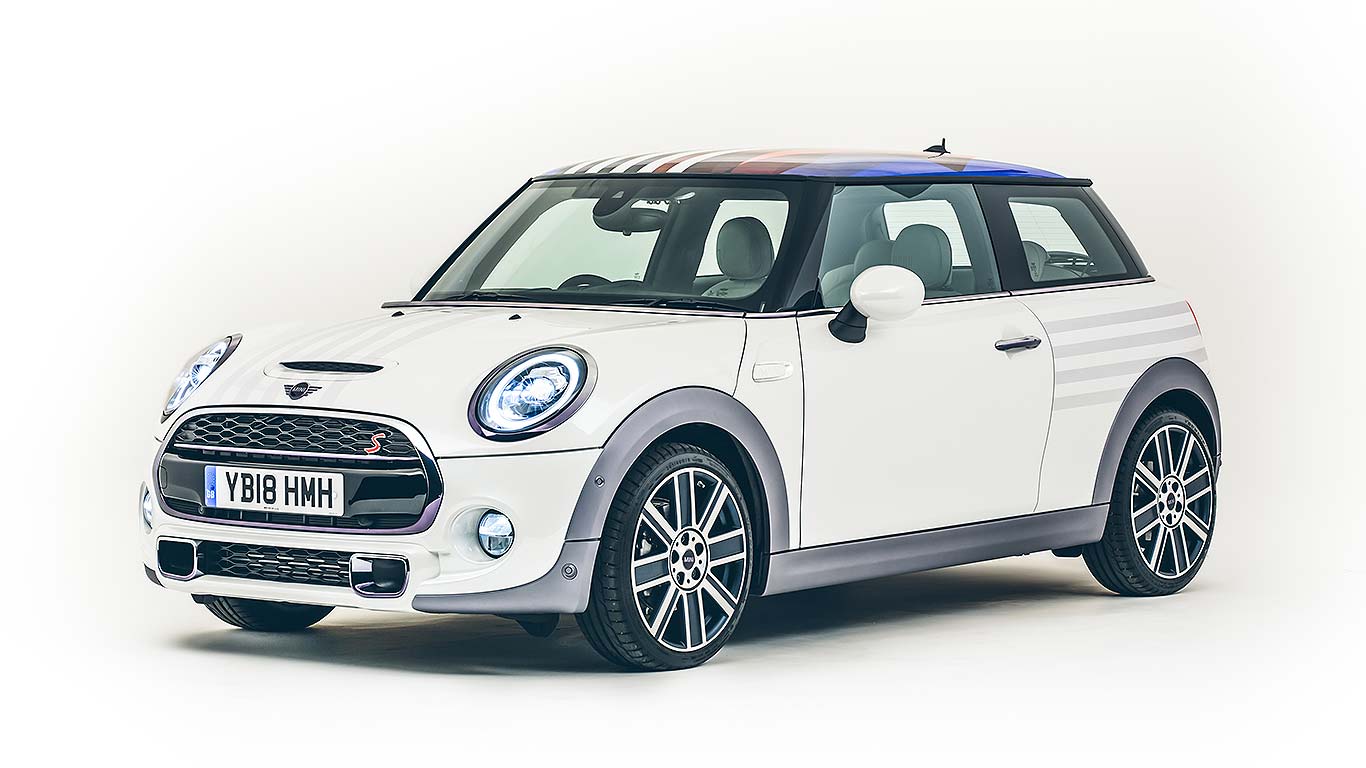
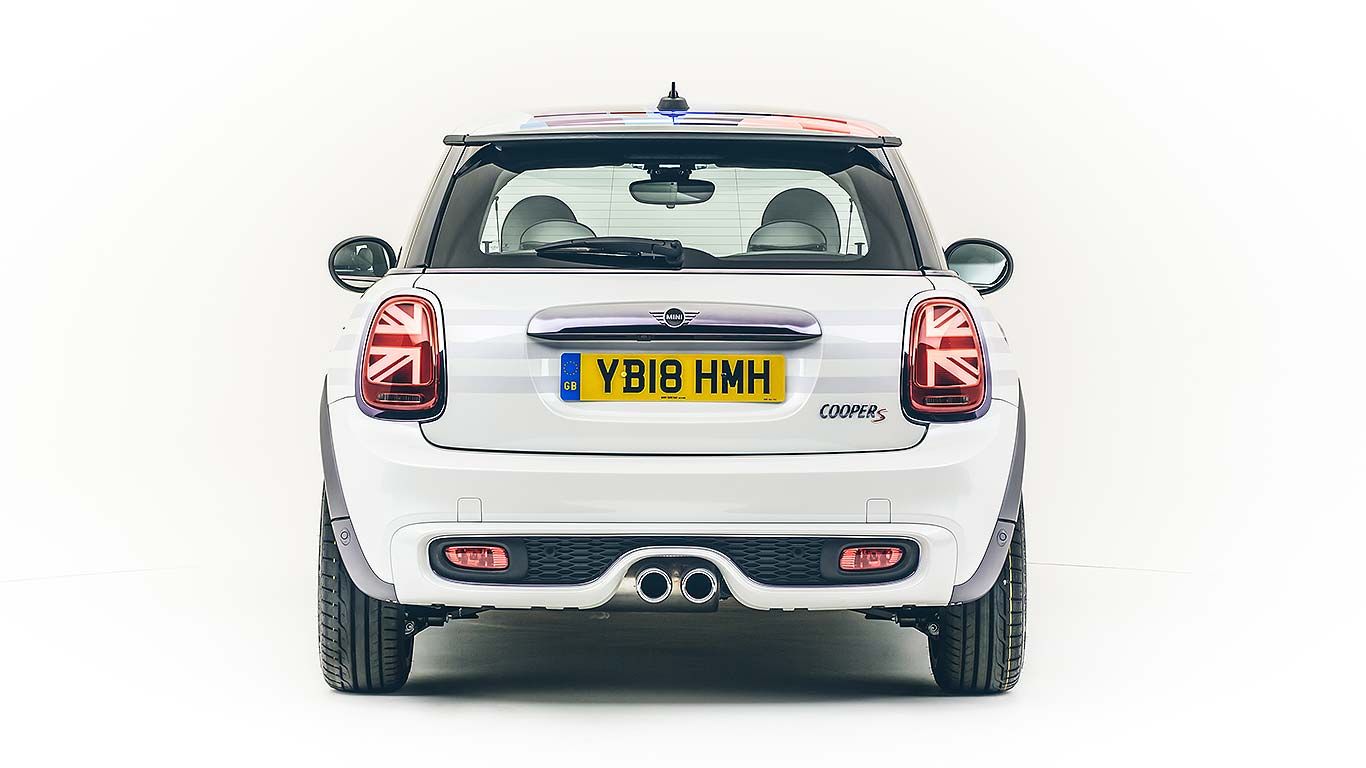
The one-off Mini is painted in Crystal White. It wears a smart set of dark blue matt metallic alloys, and the surrounds for the headlights are also finished in a blue-black clear coat tint.

Other chromework to be given the blue-black tint include the grille and doorhandles. It’s a neat finish – we wonder if it’s coming to future production Minis?

The Mini for Harry and Meghan

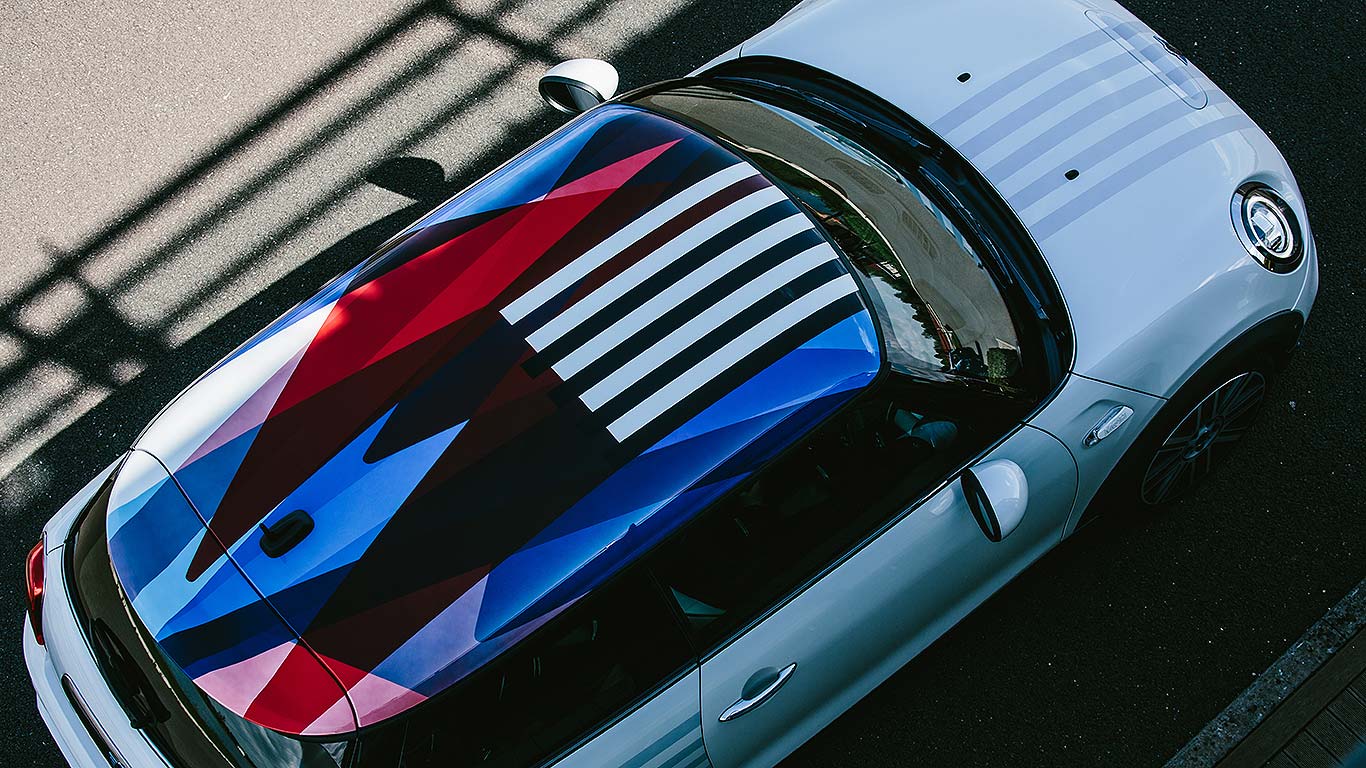
The standout is the roof. It’s a hand-crafted bespoke design that marries the Union Jack and Stars & Stripes flags. The graphics were applied by hand and then painted by hand over several layers – it’s a real work of art, rather than just a simple wrap.

The Mini for Harry and Meghan

But the Union Jack tail laps aren’t actually a feature just for the Harry and Meghan special – they’re fitted to all new 2018 Mini Hatch and Convertible models.

The Mini for Harry and Meghan

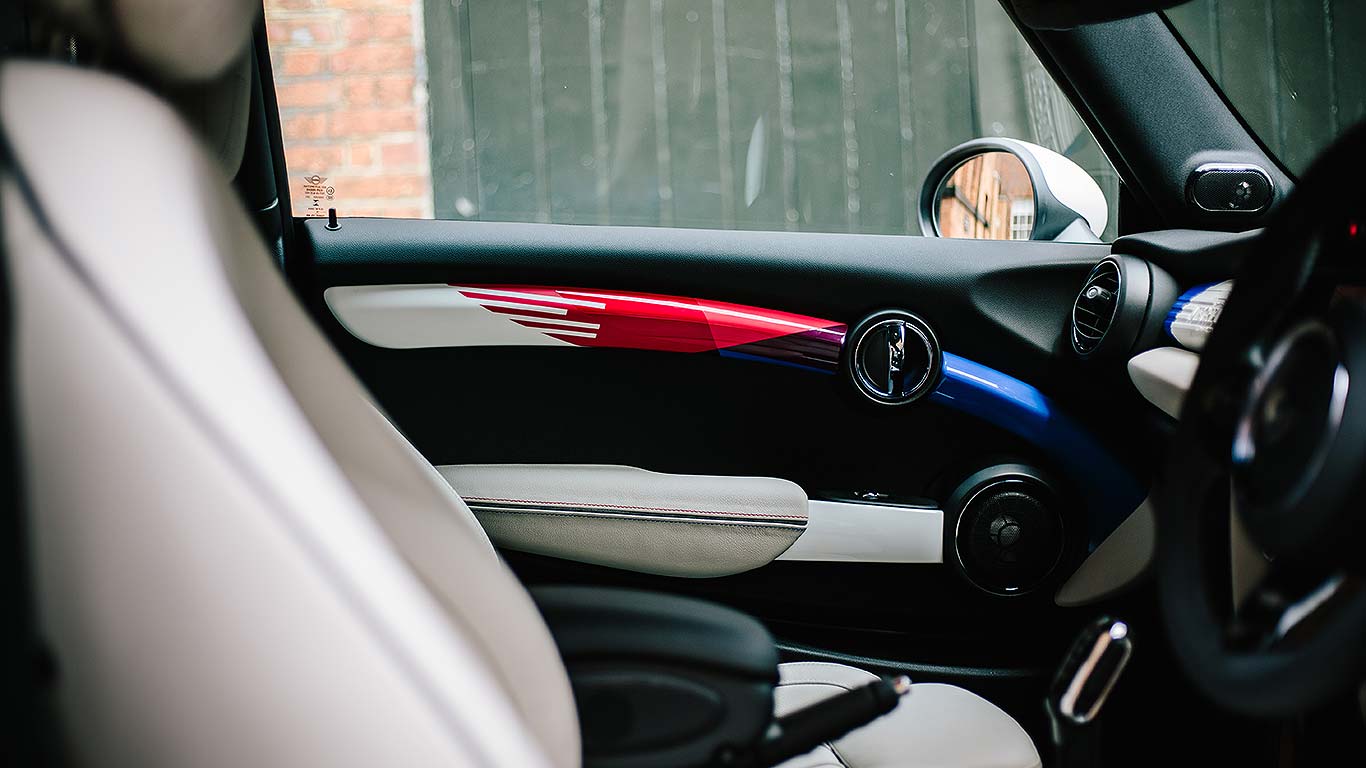
And inside? Satellite grey leather is used to highlight all the special features within. These include Harry and Meghan’s name printed on the passenger side accent panel, feature graphics incorporated into the door trim strips and the panel behind the steering wheel.  

Mini’s stitched an abstract Union Flag into one head restraint and a Stars & Stripes into the other, and hand-crafted other elements within the bespoke interior. 

It’s perhaps not what you’d see on an official royal wedding car, but we like what Mini’s done here: have a bit of fun and raise a bit of money for charity at the same time. Indeed, a part of us does rather wish that this modern royal couple could drive away from St. George’s Chapel in this custom modern Mini…

Take a look to see how the Mini designed for Harry and Meghan was created, both outside and in…

Advertisement

Volvo cars can now talk to Volvo trucks about safety

0

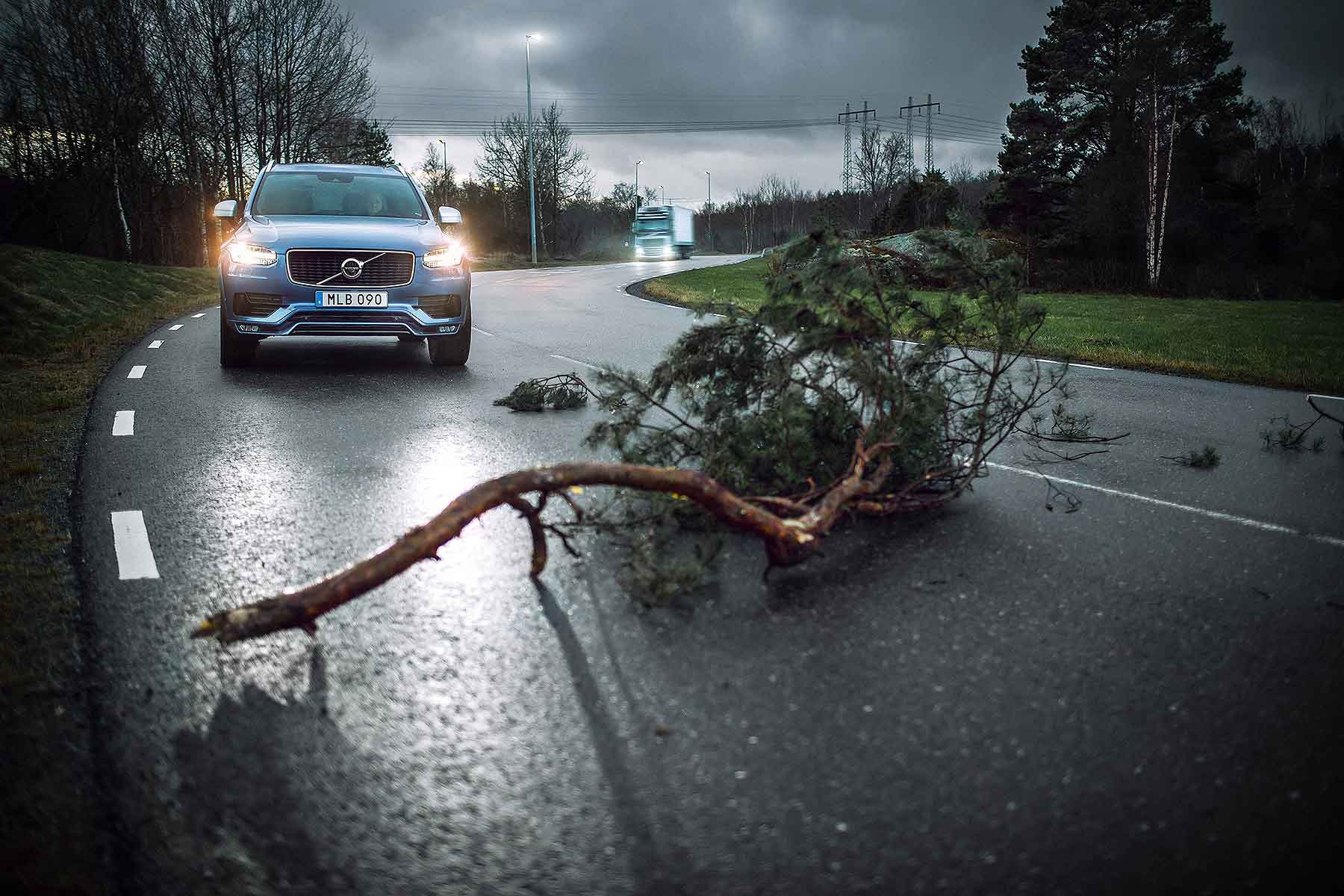
Volvo Cars and Trucks' 'safety cloud'Volvo is, for the first time, to share real-time safety alert data with another company. OK, that company is Volvo Trucks, but it’s still another step towards all cars becoming connected and talking to one another.
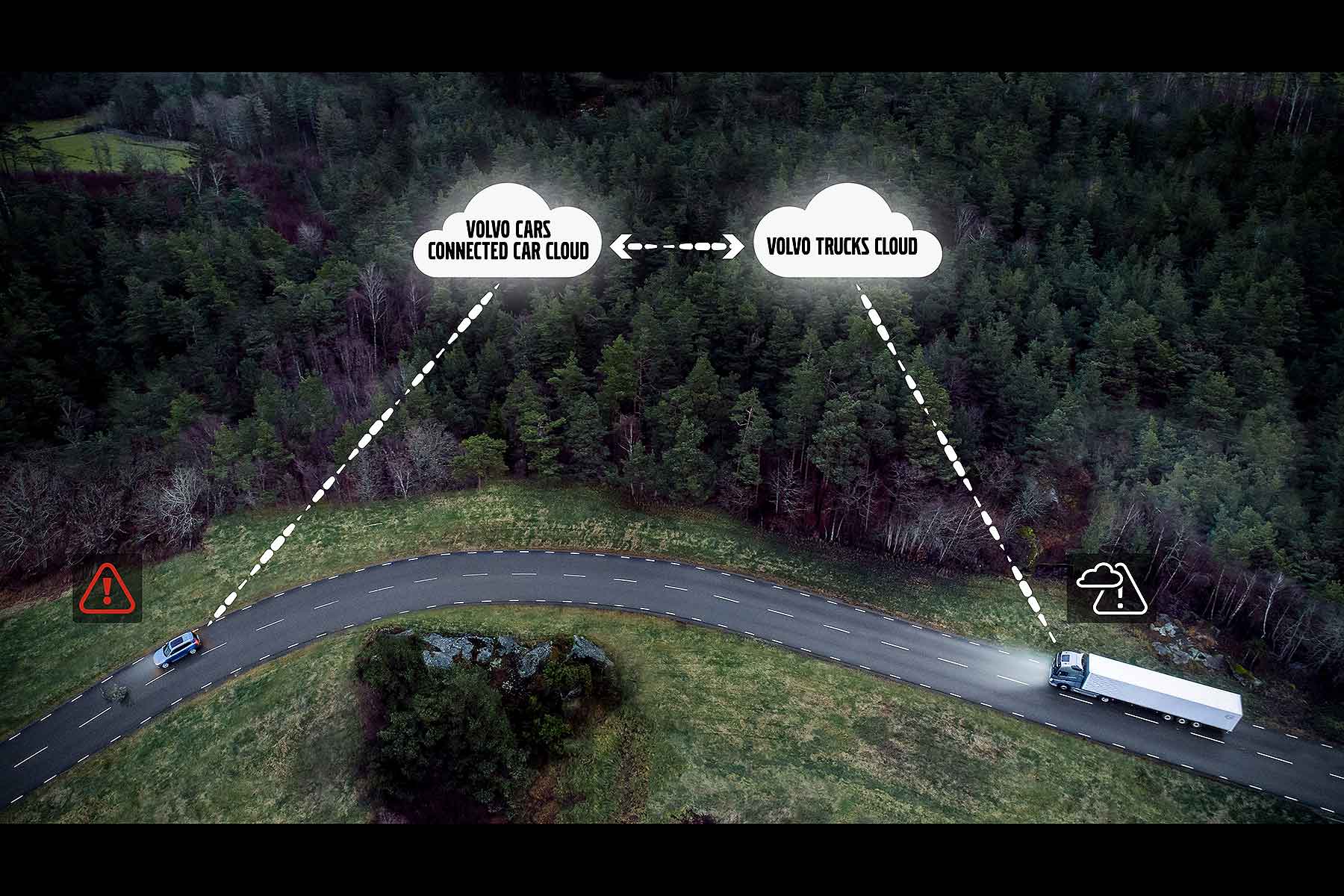
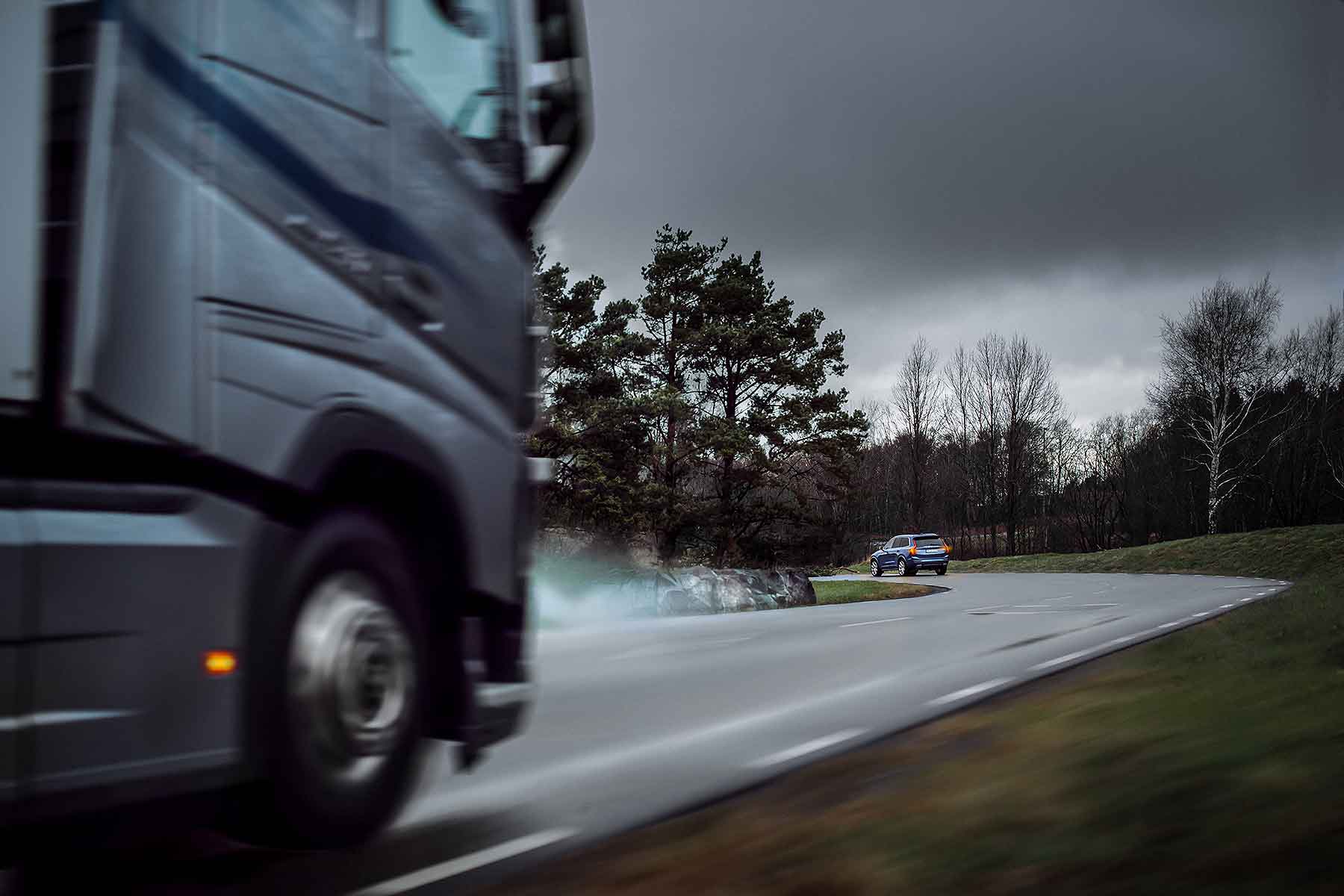
The service will initially start in Sweden and Norway. Volvo trucks fitted with hazard alert systems will be able to communicate with Volvo cars equipped with the Hazard Light Alert system, and vice versa. A UK launch has not been confirmed, but is expected. 

All data will be communicated live, but it will be anonymised and fully secure, stresses Volvo – so the cloud-based system will be GDPR-compliant.

Volvo Cars and Trucks' 'safety cloud'

“Sharing real-time safety data based on our connected safety technology can help avoid accidents,” said vice president of Volvo Cars Safety Centre Marlin Ekholm. “The more vehicles we have sharing safety data in real time, the safer our roads become.”

The safety boost in Sweden and Norway is itself expected to be significant. Volvo trucks and cars represent a “considerable portion” of new vehicle sales in both countries; Hazard Light Alert has been standard on all 90 and 60-series cars there since 2016, and is on the new XC40.

Adding Volvo Trucks will “cover more area, identify more potential hazards and boost overall traffic safety”, particularly on blind corners and over the crests of hills. Drivers, said Ekholm, will “virtually ‘see around the corner’ and avoid an accident before it happens.”

Volvo Cars and Trucks' 'safety cloud'

And Volvo is open to speaking with other companies about a safety data-share pair-up. “We look forward to establishing further collaborations with other partners who share our commitment to traffic safety.”

Volvo, remember, invented the three-point seatbelt but then, in 1959, opened up the patent to all other vehicle manufacturers. Estimates put the lives subsequently saved at one million and counting. Could its push for real-time safety alerts lead to many more saved lives in the future?

Advertisement

2018 Ford Fiesta ST priced from just £18,995

0

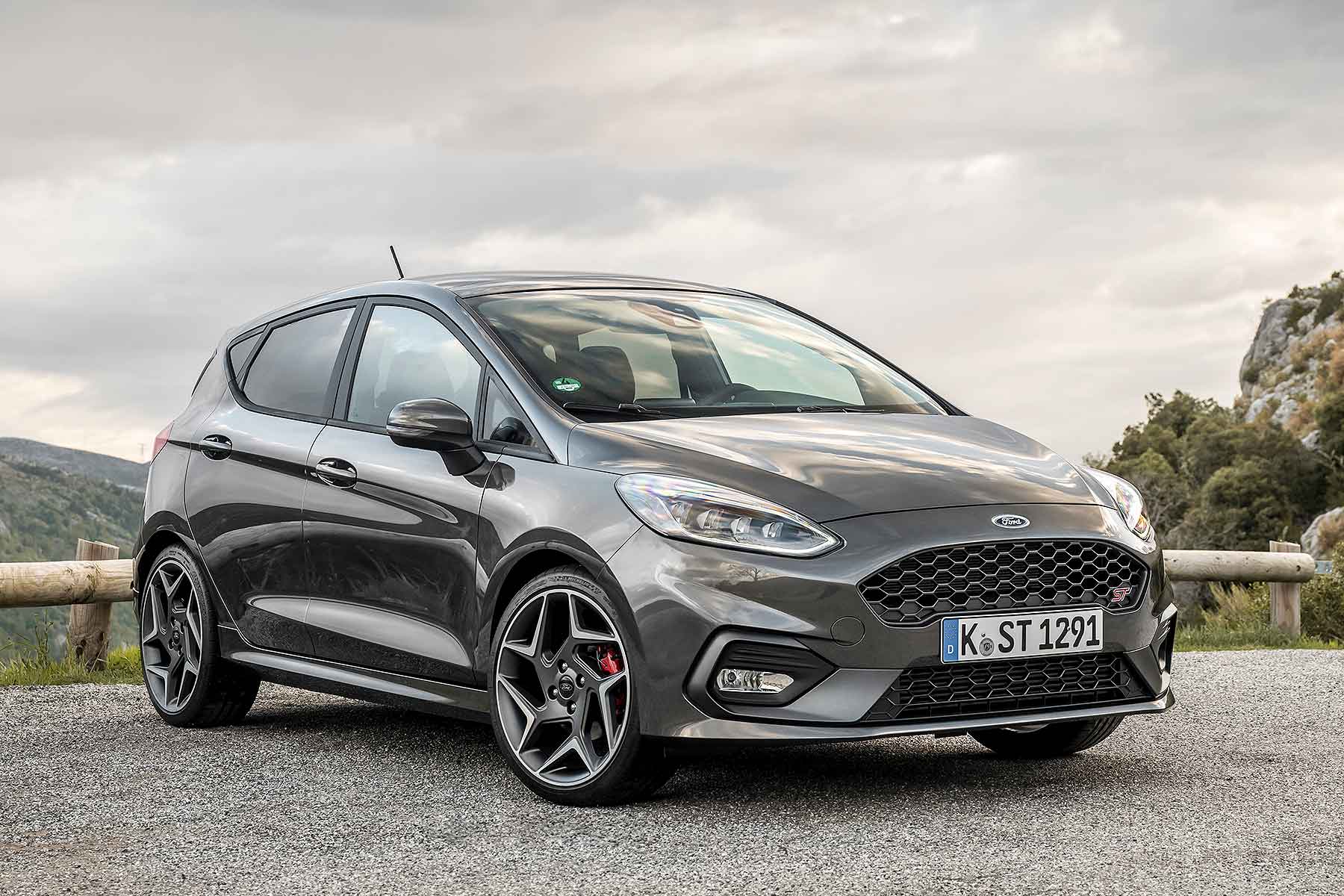
2018 Ford Fiesta ST2018 Ford Fiesta ST prices start from an ultra-competitive £18,995, Ford has announced – and the hot new fast Ford is open for ordering now, with first deliveries expected in the summer.

The sub-£19k starter price is for the ST-1, which still includes modern-day essentials such as air con, 6.5-inch Ford Sync3 touchscreen infotainment with Apple CarPlay and Android Auto, Recaro sports seats, 17-inch alloys, cruise control and a full Euro NCAP-approved safety pack.

Pricing the new Fiesta ST from under £19,000 makes the new fast Ford appear very competitively positioned alongside its key rivals – none of which can be bought for less than £20,000.

Ford Fiesta ST: starting prices of its rivals

  • Mini Hatch Cooper S 3-door: £20,635
  • Peugeot 208 GTI 208: £21,185
  • Renaultsport Clio 200 Turbo: £20,300
  • Vauxhall Corsa VXR: £21,145
  • Volkswagen Polo GTI DSG: £21,145

However, the Fiesta ST-2, which costs from £19,995, is likely to prove the most popular new Fiesta ST because of the extra kit included for the £1,000 price premium.

This includes climate control, premium B&O Play sound system, heated Recaro seats, rear privacy glass, an alternative machine-finish 17-inch alloy… and blue front seat belts.

The ST-3 costs £21,495 and sadly loses the blue front seat belts. It does gain larger 18-inch alloys though, plus power-fold door mirrors, auto wipers and auto-dim rear-view mirror, red brake calipers, keyless start, a 4.2-inch digital instrument cluster and a larger 8-inch Sync3 infotainment screen.

Seven colours are available: Race Red, Frozen White, Magnetic (a dark grey), Moondust Silver, Shadow Black, Silver Fox and, unique to the ST, Performance Blue. Race Red is free, the others are optional metallics, priced from £495 (Silver Fox and Performance Blue are £745).

All versions can be ordered with the ST Performance Pack, an £850 option that includes a Quaife limited-slip differential (a fast Fiesta first), Launch Control and ‘performance shift lights’. We at Motoring Research already consider this a must-have…

2018 Ford Fiesta ST: fast facts

Prices

ST-1 3-door: £18,995

ST-2 3-door: £19,995

ST-2 5-door: £20,645

ST-3 3-door: £21,495

ST-3 5-door: £22,145

Specs

Engine: 1.5-litre three-cylinder Ecoboost

Power: 200hp

Torque: 213lb ft

0-62mph: 6.5 seconds

Top speed: 144mph

Fuel economy: 47.1mpg (combined, NEDC)

CO2: 136g/km

Advertisement

Aston Martin V12 Vantage V600 is a retro rebirth

0

Aston Martin V12 Vantage V600Aston Martin is honouring the 20th anniversary of its original V8 Vantage V600 with an ultra-limited run of 2018 V12 Vantage V600 special editions – which will also mark the end of production of its long-running ‘VH’ sports car platform.
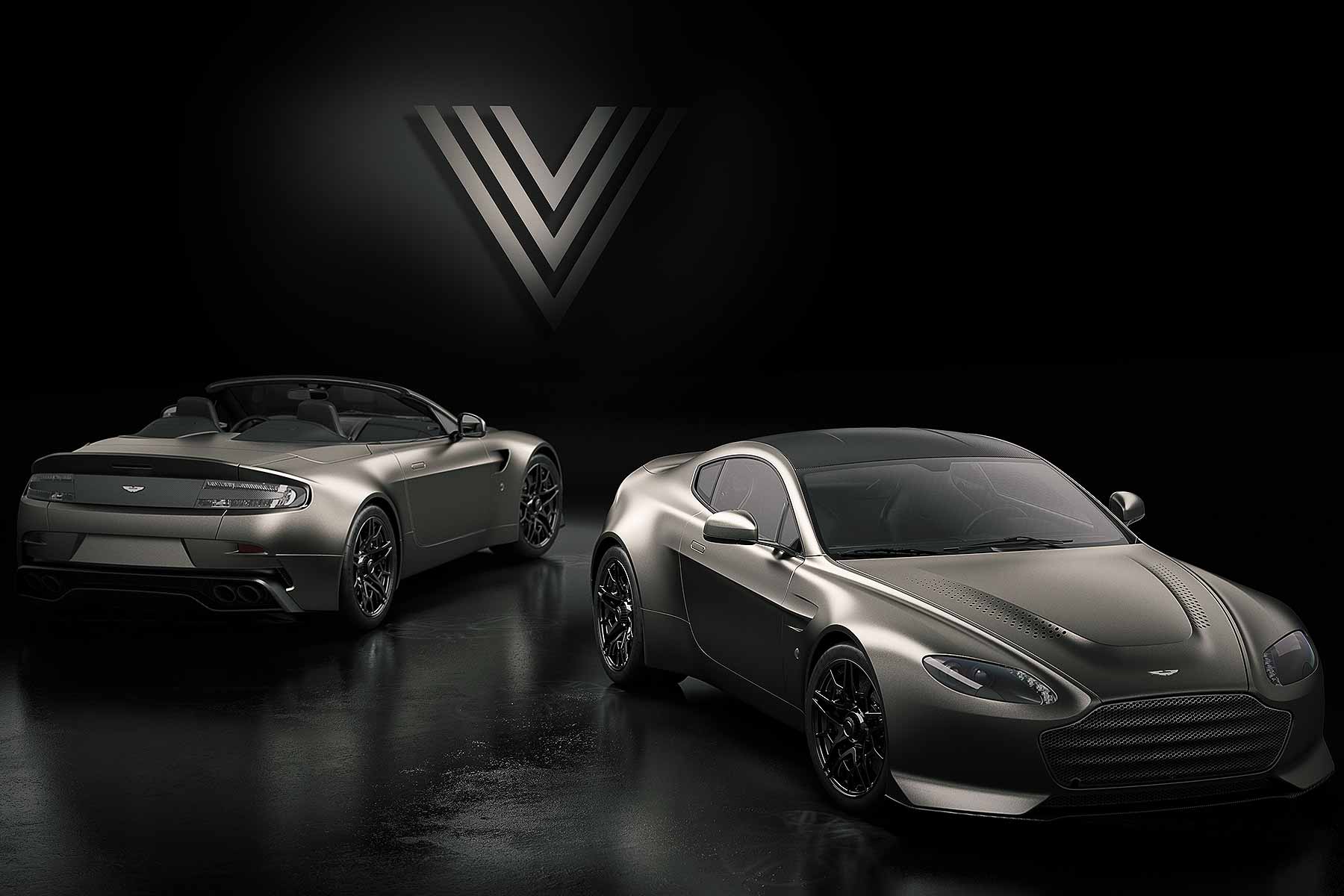
The original 1998 V600 was a V8 Vantage, but apparently it’s a customer commission that’s led to the contemporary V600s being V12s. They commissioned just 14 cars: seven coupes and seven roadsters.

Aston Martin V12 Vantage V600

All have a seven-speed manual gearbox paired with the 600hp naturally-aspirated V12 engine: they’ll also probably be the 6.0-litre V12’s swansong, as its been replaced by a 5.2-litre twin-turbo V12 in the latest DB11.

The power is unchanged over the 1998 original though – which underlines just what a monstrously powerful car it was for the time. A supercharged version of Aston’s famed V8 engine delivered the firepower.

Creating a special edition of a car that’s already been replaced is an unusual commission, but such is the flexibility of the Q by Aston Martin bespoke division, it was able to manage it.

Indeed, said Aston Martin vice president and chief creative officer, “this is precisely why we created our ‘Q by Aston Martin – Commission’ service.

“Our customers can create truly bespoke sports cars by personally collaborating with myself and Aston Martin’s design team. The V600 name remains a classic in Aston Martin’s heritage and I’m proud to see it adorn the V12 Vantage V600 once again.”

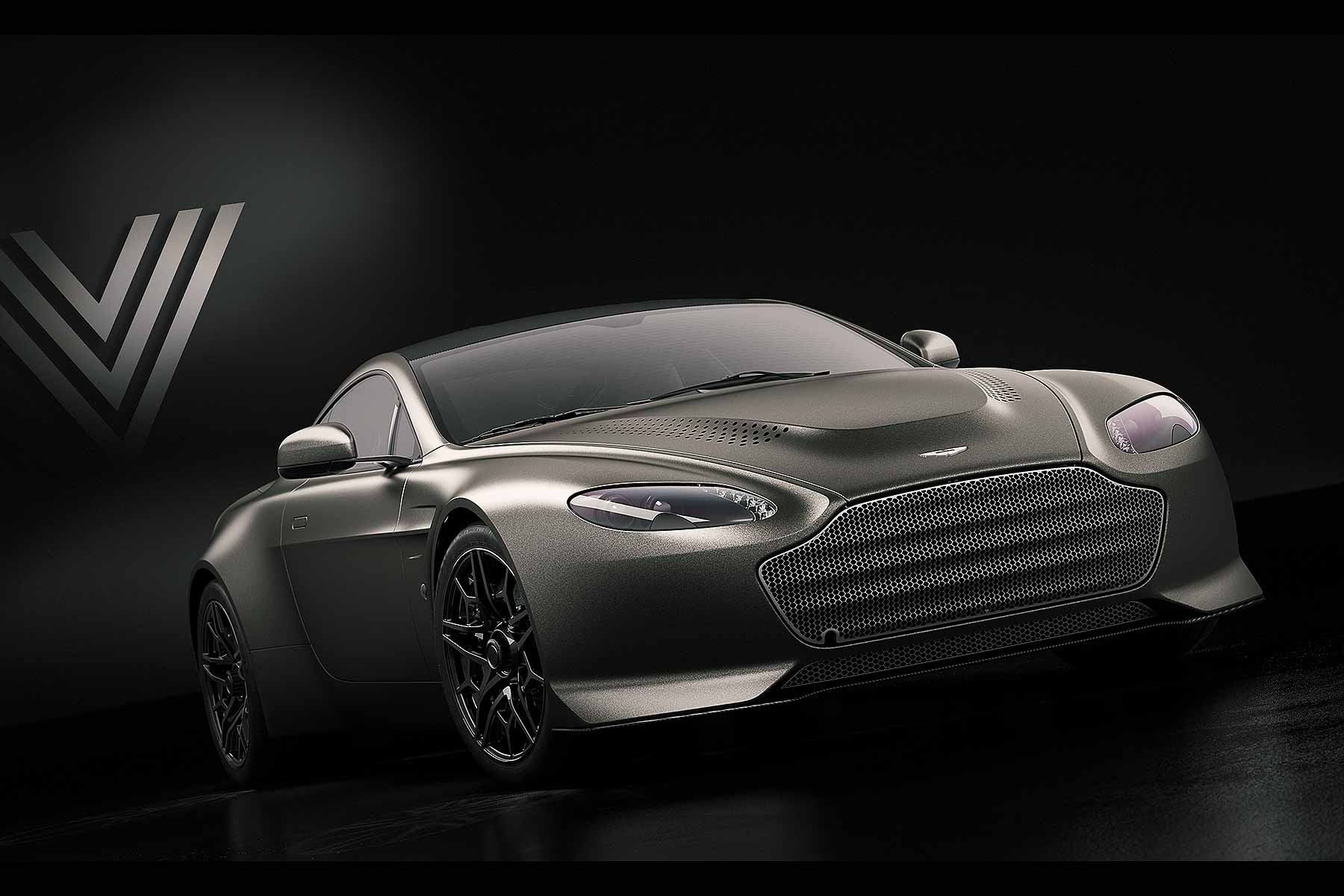
The new V600s have been given a unique grille and bulging bonnet, revised side strake and a brand new carbon fibre rear diffuser. Centre-lock forged and machined alloy wheels are fitted.

Inside, the interior is decked out in carbon fibre and dark anodised aluminium. The lightweight seats have new trim and the centre armrest is made from hand-crafted saddle leather.

Once the 14 cars have been finished, that’ll be it for the Aston VH platform, which has underpinned everything from the firm since the original DB9 and V8 Vantage. Today’s architecture is several generations on in terms of sophistication, making these V600s retro modern classics straight out the box.

The customer who commissioned the V12 Vantage V600, dubbed ‘Triple V’, has not been named – but they’re not buying all of the cars, which is great news for Aston collectors. Deliveries begin in autumn 2018: pricing and ordering is strictly upon request…

ALSO READ

Revealed: the cheapest cars to insure

2018 GQ Car Awards winners revealed

Fast Fords at the 2018 Classic Car Restoration Show

Advertisement

Uber-Jag: Jaguar Race Taxi opens at the Nürburgring

0

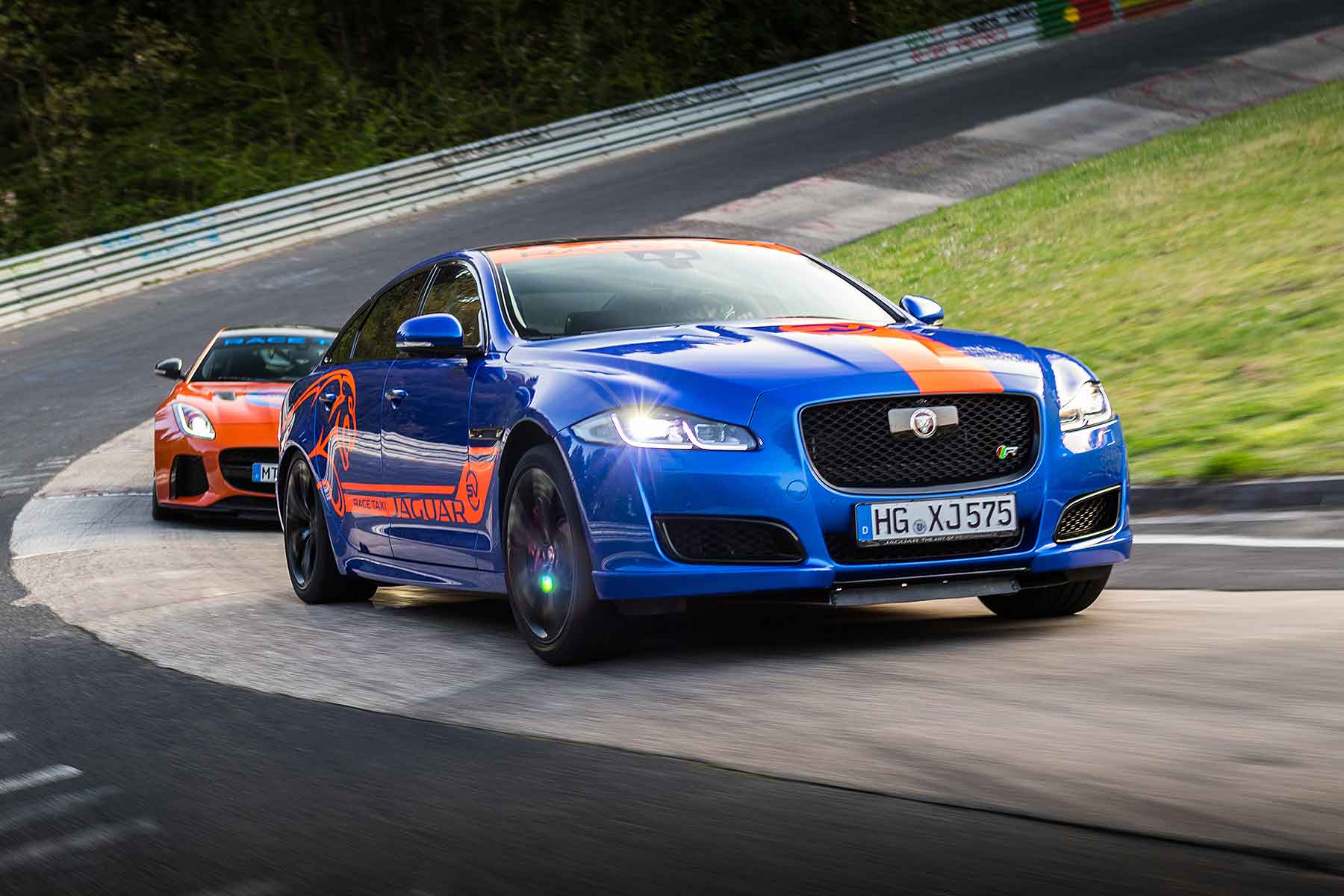
Jaguar Race TaxiJaguar has opened a new hot lap experience at the ‘hellish’ Nürburgring Nordschleife, running a 575hp F-Type SVR and the equally-potent XJR575 to take up to three people on high-speed experiences of the world’s most challenging racetrack.

The Jaguar Race Taxi experience sees professional drivers become taxi drivers, hammering the cars around the German racetrack and generating cornering forces of up to 1.2g.

Indeed, “our highly experienced professional drivers are veterans of the Nürburgring 24-Hour Race,” said JLR European engineering operations manager Phil Talboys, “making them uniquely qualified to show customers the true potential of these V8 Jaguars”.

With 73 corners and nearly 21km of racetrack to learn like the back of their hand, such experience is reassuring. 

The only proviso is that passengers must be aged 18 or over: although the F-Type will only seat one person, up to three passengers can go out in the XJR575 – and the €199 cost (that’s around £175 at today’s exchange rates) is a cost per lap, not per person.

Book either in person at the track, or in advance via Jaguar’s German website. For 2018, the Jaguar Race Taxi experience will run from now until November.

Jaguar Race Taxi experience

  • How much: €199 (around £175)
  • How many people: One person (F-Type SVR), three people (XJR575)
  • How long: 30 minutes
  • What you get: Safety briefing, hot lap of the Nürburgring Nordschleife, post-lap video footage review
  • What you take away: HD video of your lap
Advertisement

Opinion: in praise of go-faster stripes

0

Proton Satria Neo Sport

Go-faster stripes: turning the humdrum into a humdinger since the 1960s. Ever since Briggs Cunningham painted a pair of blue lines along the bonnet, roof and rear of his 1951 C-2R Le Mans car, the racing stripe has been synonymous with the quest to go faster.

As an article in the spring 2015 issue of The Shelby American explains, “Cunningham liked the white and blue colour combination. American FIA entries had been painted white, so Cunningham chose to paint his cars that colour. With this paint scheme Cunningham’s cars became instantly recognisable. In fact, in subsequent years twin stripes were referred to as ‘Cunningham stripes’.”

But while the American millionaire blazed a trail for stripes on the track, it was left to designer Peter Brock to champion their use on the road. Having spotted an unfinished custom 1946 Ford Convertible at a used car lot, Brock set about building his dream car. The blue stripes applied to the finished article were a tip of the hat to the Cunningham race cars of the 1950s.

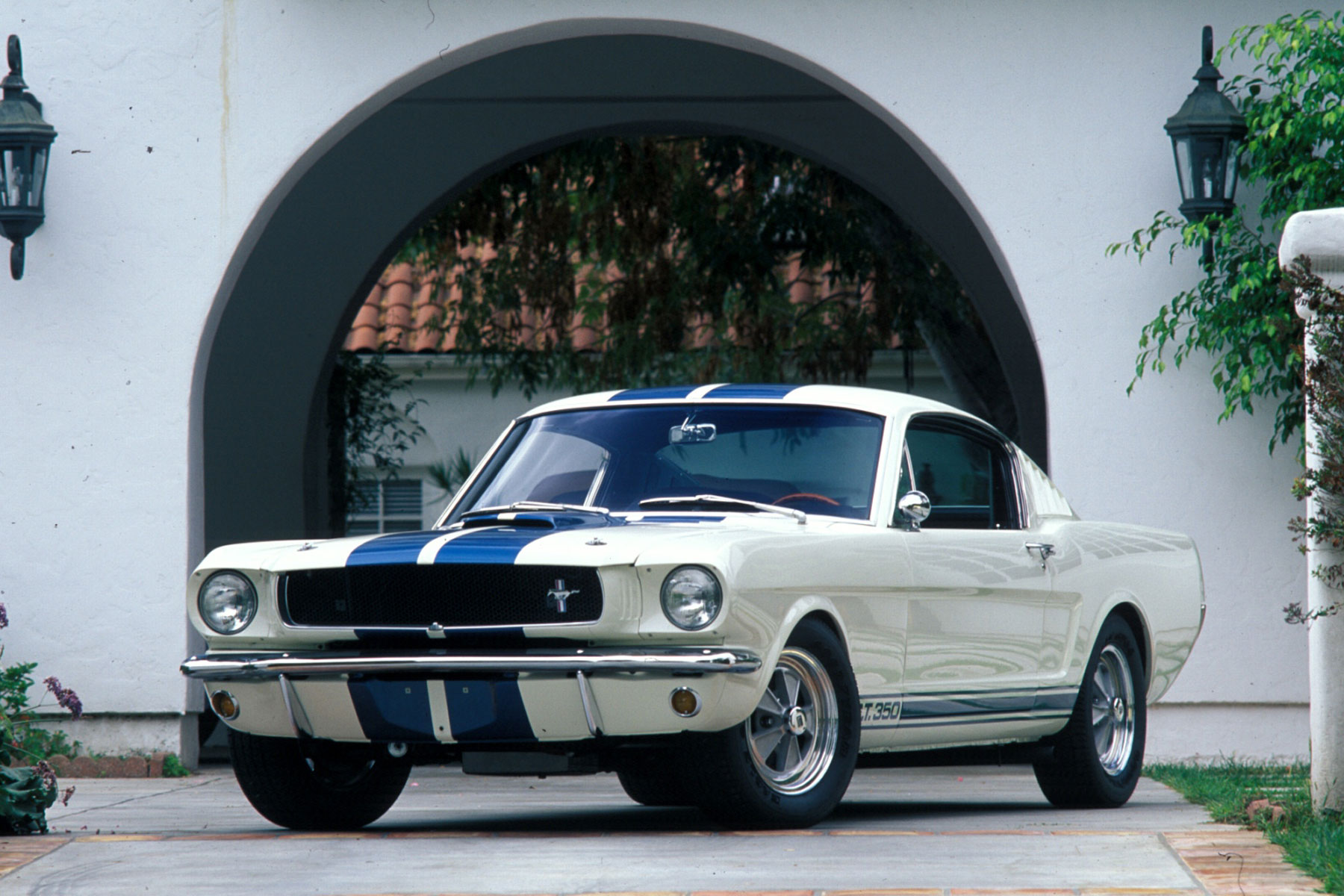
The story continued when Brock – who was working at Shelby American as its designer – was tasked with creating a competition look for the Shelby Mustang GT350, without the use of badges or bespoke body panels. With no budget to play with, Brock kept things simple, using GT40-inspired stripes along the side of the car, with a pair of 10-inch wide ‘Le Mans stripes’ running from the gravel pan at the front to below the bumper at the rear.

Shelby Mustang GT350

Many of the Wimbledon White cars were delivered without the iconic stripes, with dealers fearful of undue attention from the police. Customers prepared to risk a run-in with the law could have the stripes applied at the dealership, presumably all too happy to bask in the glow of a competition-look road car.

Meanwhile, on the other side of the Atlantic, France was waking up to the power of the go-faster stripe. Unveiled at the 1964 Paris Motor Show, the Renault 8 Gordini caught the eye thanks to its Bleu de France paintwork and twin white stripes.

Soon, the lines of paint or decal strips were earning their stripes in accessories catalogues across the world. In the US, go-faster stripes became almost mandatory equipment on the new breed of muscle cars sweeping the nation, with manufacturers aware of their showroom appeal.

American Motors even attempted to leverage some go-faster magic on its ad for one of the country’s cheapest cars, with the press advertisement for the Rambler asking: “Do Rogues really come with rally stripes?” before answering: “No, but with the new engine they drive that way.”

Flash – king of the universe

Here in the UK, if a manufacturer didn’t offer stripes as an option, it was easy to find an aftermarket company that would. The Ford Lotus Cortina was one of the earliest flag-bearers, with its olive green painted flash helping create one of the most memorable styling jobs of the 1960s.

Of note is the fact that, in common with the Shelby GT350, the Lotus Cortina used the ‘less is more’ approach to devastating effect, inspiring countless imitators in the process. The go-faster stripe was a central part of the overall package.

From sports cars to coupes, and more recently hot hatches, the go-faster stripe became a visual clue that a car might be packing a little more punch than it first appeared. And even if it didn’t, there were obvious psychological benefits associated with the upgrade.

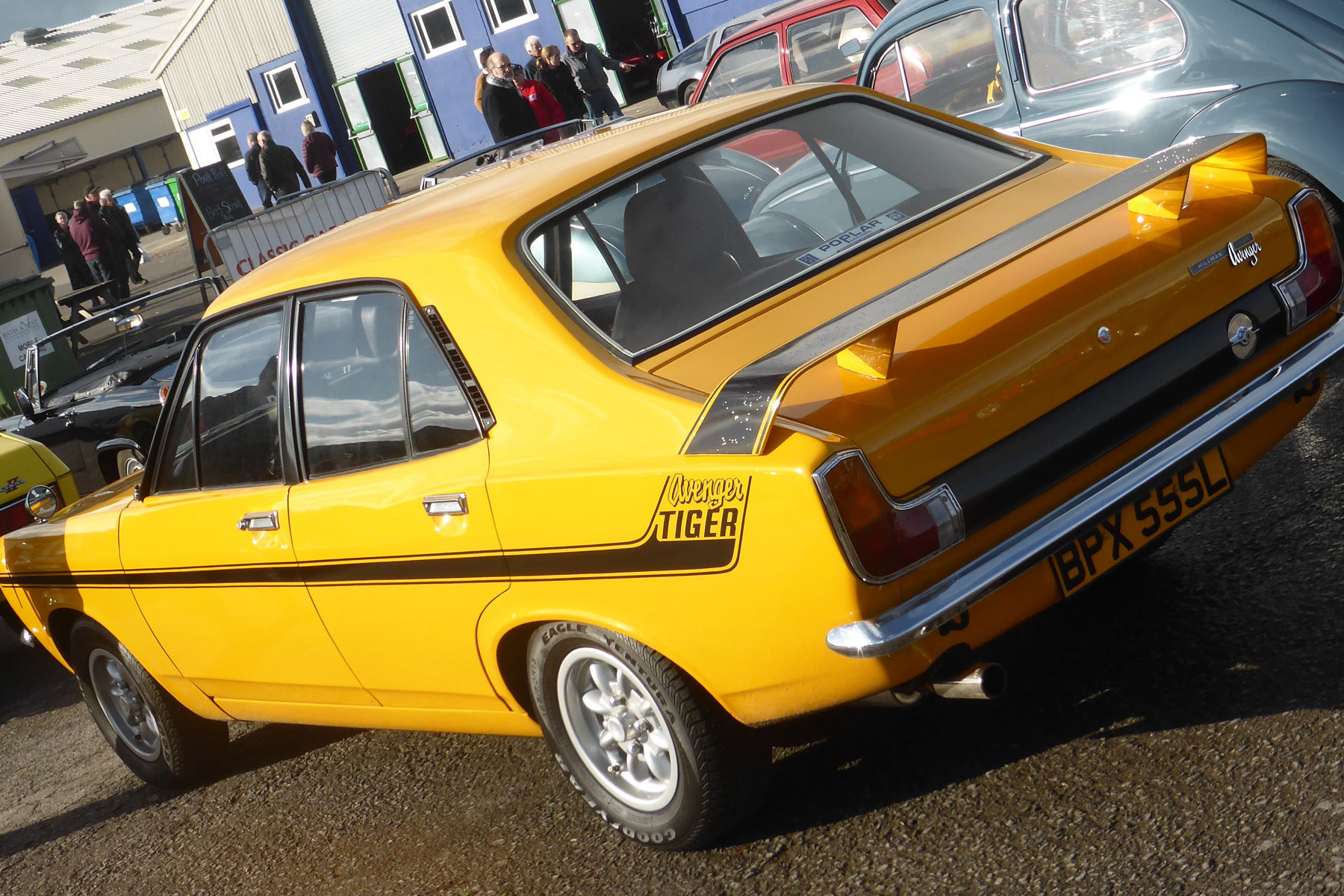
The go-faster stripe was a cast-iron guarantee that the Maidstone inner ring road would be turned into the Mulsanne Straight, at least that’s what the driver thought when at the wheel of his or her Mini 1275 GT, Austin Allegro Equipe or Hillman Avenger.

Hillman Avenger Tiger

In fact, the Avenger Tiger featured one of the most exquisitely executed go-faster stripes of the 1970s, with the black decals contrasting beautifully with the Sundance Yellow paintwork, and blending seamlessly into the rear spoiler. Few cars wore their stripes quite as well as the Tiger and Vauxhall Viva Brabham.

In 1980, Goodyear offered free go-faster stripes with a set of Grand Prix-S recessed white letter tyres. “Go faster stripes free with every set of go safer tyres,” proclaimed the advert, although it’s not clear how many people claimed this attractive offer.

From Viper to Sting

Today, the go-faster stripe is still used to good effect by car manufacturers as part of their personalisation packs, although the results aren’t always successful. A set of side stripes on a Fiat 500 would be a good investment at £150, but if you spent cash on stripes for your Nissan Pixo or previous-generation Peugeot 108, you might want to speak to a financial adviser.

As a rule of thumb, the go-faster stripe works best on a car with a close link to motorsport. Which is why the black stripes on the Porsche 911 Carrera T and the white stripes on the Ford GT ‘67 Heritage Edition work so well. It’s authentic, innit.

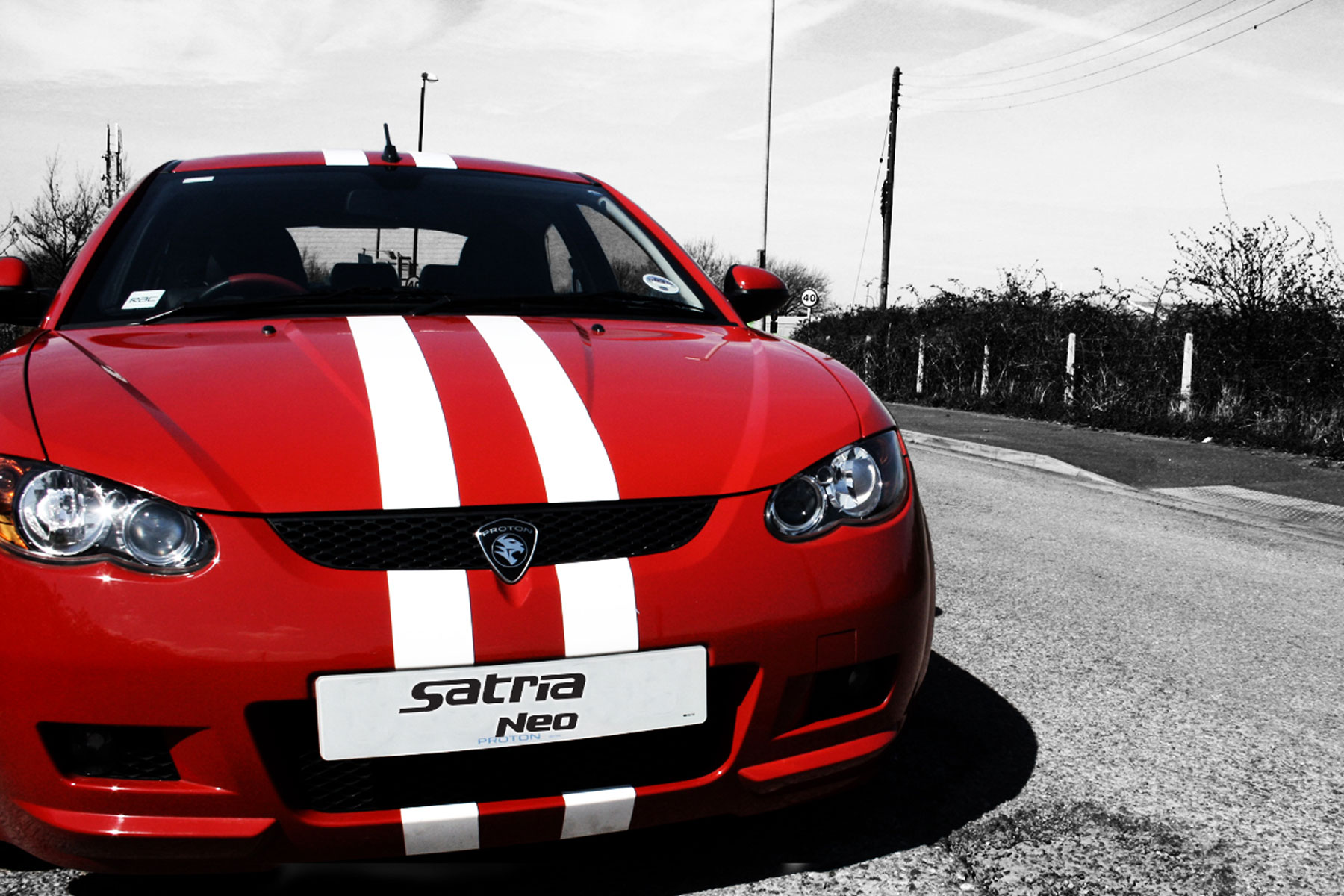
And we can’t overlook the impact of the Dodge Viper, which introduced a new generation to the joys of the stripe. Without it, we might not have seen the likes of the Proton Satria Neo Sport and the Vauxhall Corsa Sting.

Clearly, the go-faster stripe can give a car ideas above its station, but on balance it’s a force for good. It says more positive things about you than a sticker for a local commercial radio station, which serves only to tell the world that you enjoy your music being interrupted by hyperactive DJs and your weather forecasts bookended by ads for double glazing firms.

Some would argue that there hasn’t been a car built that can’t be improved by a set of black steel wheels, but is the same true of the go-faster stripe? Ladies and gentlemen, we present the following evidence to spark some debate…

Read more:

Advertisement

Honda Civic Type R: a company car for F1 drivers

0

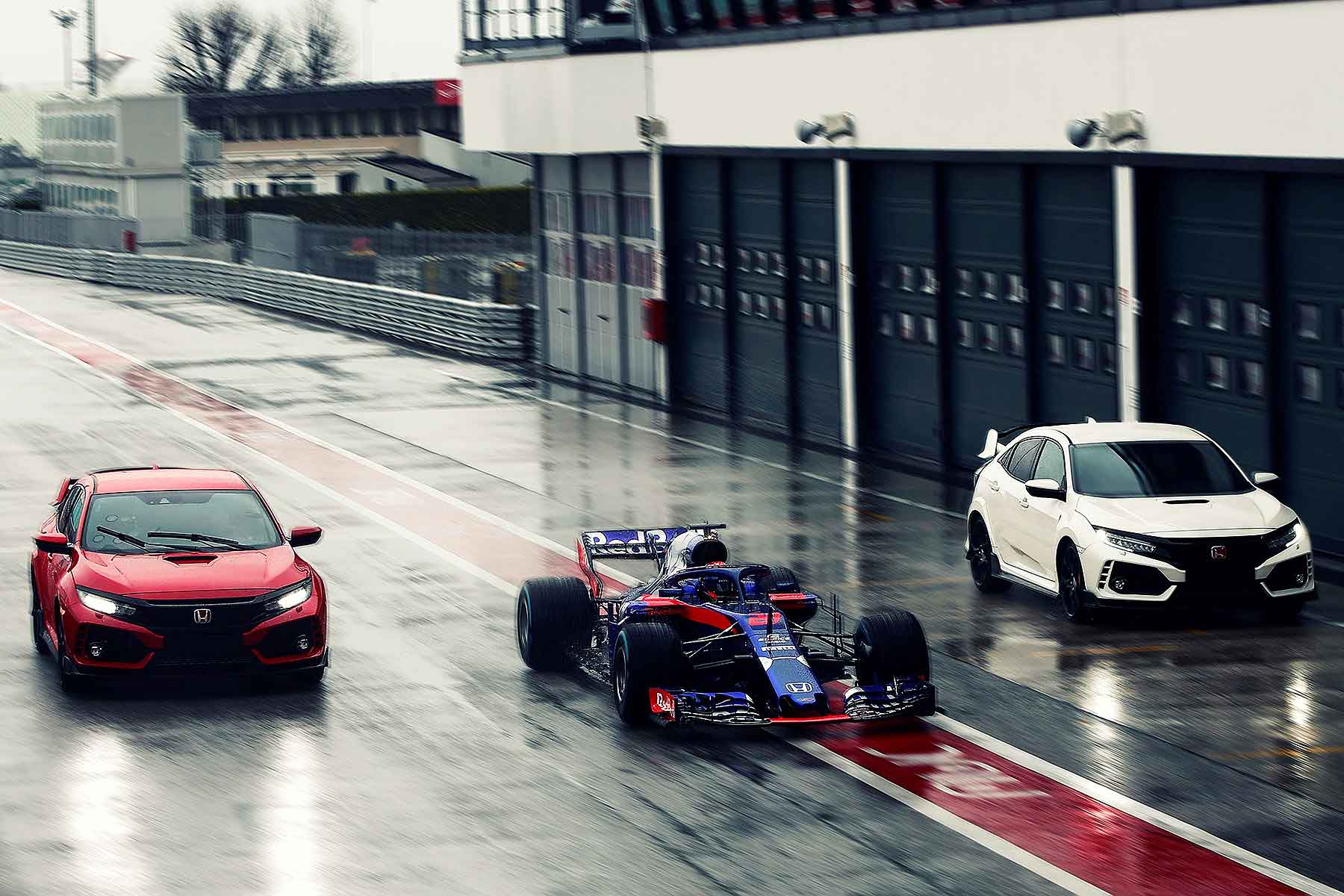
Honda Civic Type R is a Toro Rosso F1 driver's road car choiceTwo British-built Honda Civic Type R hot hatches have been delivered to two very special new owners – Toro Rosso F1 drivers Pierre Gasly and Brendon Hartley

Honda is currently enjoying an F1 resurgence, after its return to the grid suffered three years in the doldrums with McLaren. Freshly partnered up with Red Bull Toro Rosso, the team scored points in its first race together and has consistently been running at the sharp end since.

Now, the team has decided to reward Gasly and Hartley with a company car each. But these are top-line racing drivers. Honda thus hasn’t given them a 93g/km CO2 Civic Diesel each, but instead dropped off a pair of Civic Type Rs for the F1 racers.

Honda Civic Type R is a Toro Rosso F1 driver's road car choice

Gasly already has his Type R, and the Frenchman reckons he’s “very lucky… I’m excited to try it out on the iconic Route Napoleon in the South of France”. Good man.

New Zealander Hartley gets his own Type R soon – and it will be a return to the Honda Civic road car family for the former Porsche World Endurance Championship racer. “Would you believe, my first ever road car was a 1996 Honda Civic. It’s nice to get the upgrade to the Type R.”

His only gripe: this year’s F1 race calendar is 21 Grand Prix long, so “I won’t get to drive it as much as I’d like”. Which should at least save him a bit on the fuel allowance.

For his part, Gasly proved why he’s a sponsor’s dream. Honda’s PR team was keen to stress the Type R’s 414-litre boot and wide 1,120mm opening. Slickly, the 2016 GP2 champion commented the spacious boot was a boon “for going to the airport with all the luggage I need to carry”.

Very smooth indeed, Pierre…  

Not a Red Bull Toro Rosso F1 driver? Check out our review of affordable Type Rs instead…

Advertisement