Home Blog Page 490

Skoda Connect app now compatible with Amazon Alexa

0

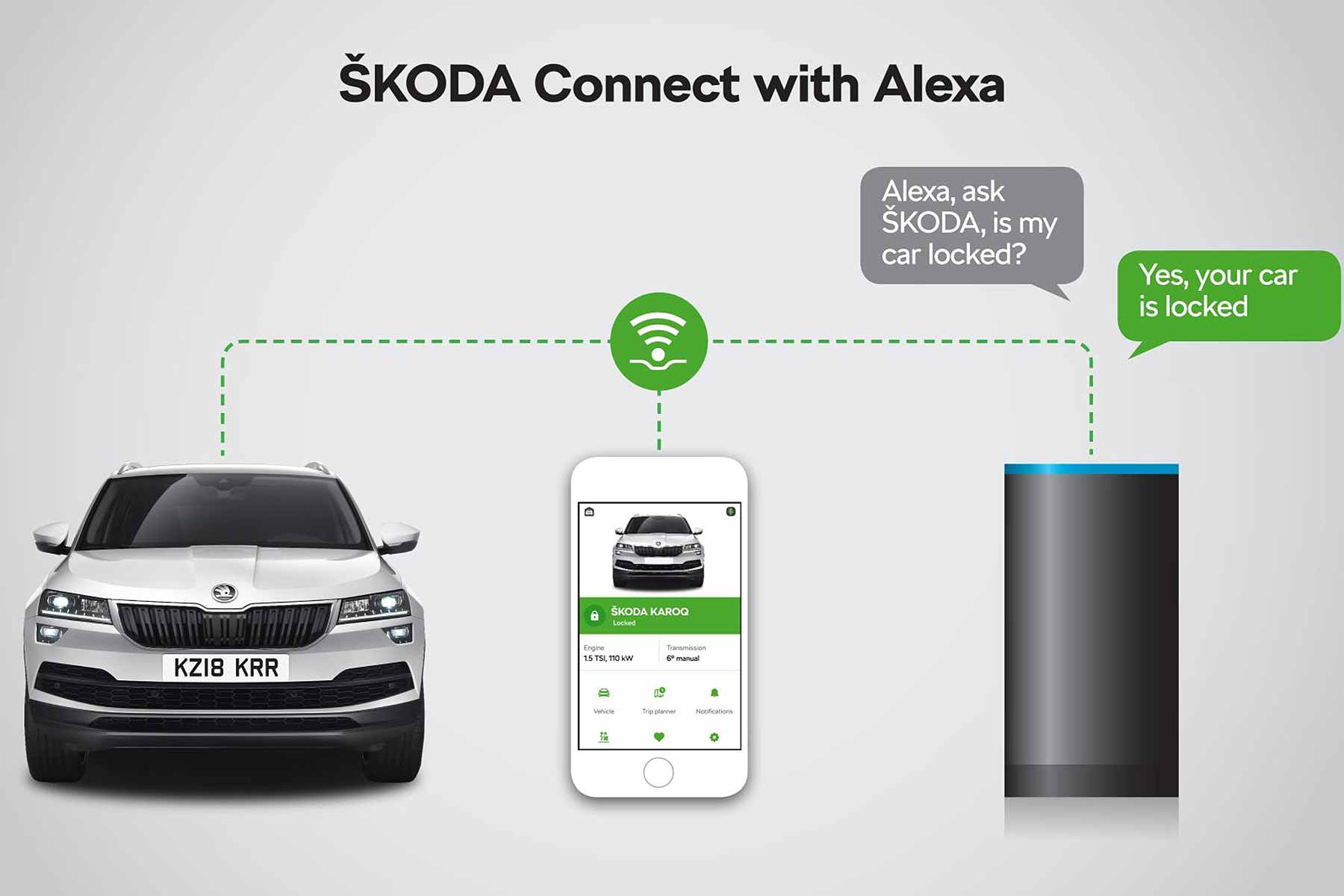
Amazon Alexa deviceSkoda Connect is the firm’s clever smartphone app that allows owners to remotely check on their car – and it can now be used ‘hands-free’ via Amazon Alexa. 

  • The best 18-plate new car deals

Alexa owners who add the Skoda Connect Alexa Skill, and then link it to their Skoda Connect account, will be able to access real-time information about their car’s status or whereabouts, which Skoda describes as vehicle interaction “on a completely new level”.  

Using it is child’s play. Simply say out loud commands such as, “Alexa, ask Skoda how far I can drive with the current fuel level”. The app checks how much you’ve got left in your tank, and then replies with a distance in miles – and it’s a real time figure, based on the current mpg of the car. 
Skoda Amazon Alexa

There are a total of 12 different parameters at launch, which allows owners to do things such as check whether they’ve left their lights on, remind themselves where they’ve parked and check whether the doors are locked. 

More services will be added in time. 

Skoda Connect is currently available across the range, on the Fabia, Rapid, Octavia, Karoq, Superb and Kodiaq. It’s not just about Amazon Alexa functionality either; it also includes Infotainment Online (providing, amongst other things, a wifi hotspot within the car) and Emergency Call (which auto-dials the emergency services, and locates you, in a crash). 

There’s no need for any dealer visits to get the Amazon Alexa upgrade. Skoda’s done all the hard work at its end, so owners simply need to add the Alexa Skill to their device in order to activate the new virtual personal assistant aid. 
Advertisement

Ultra-rare Renault Clio R.S.18 prices from £24,295

0

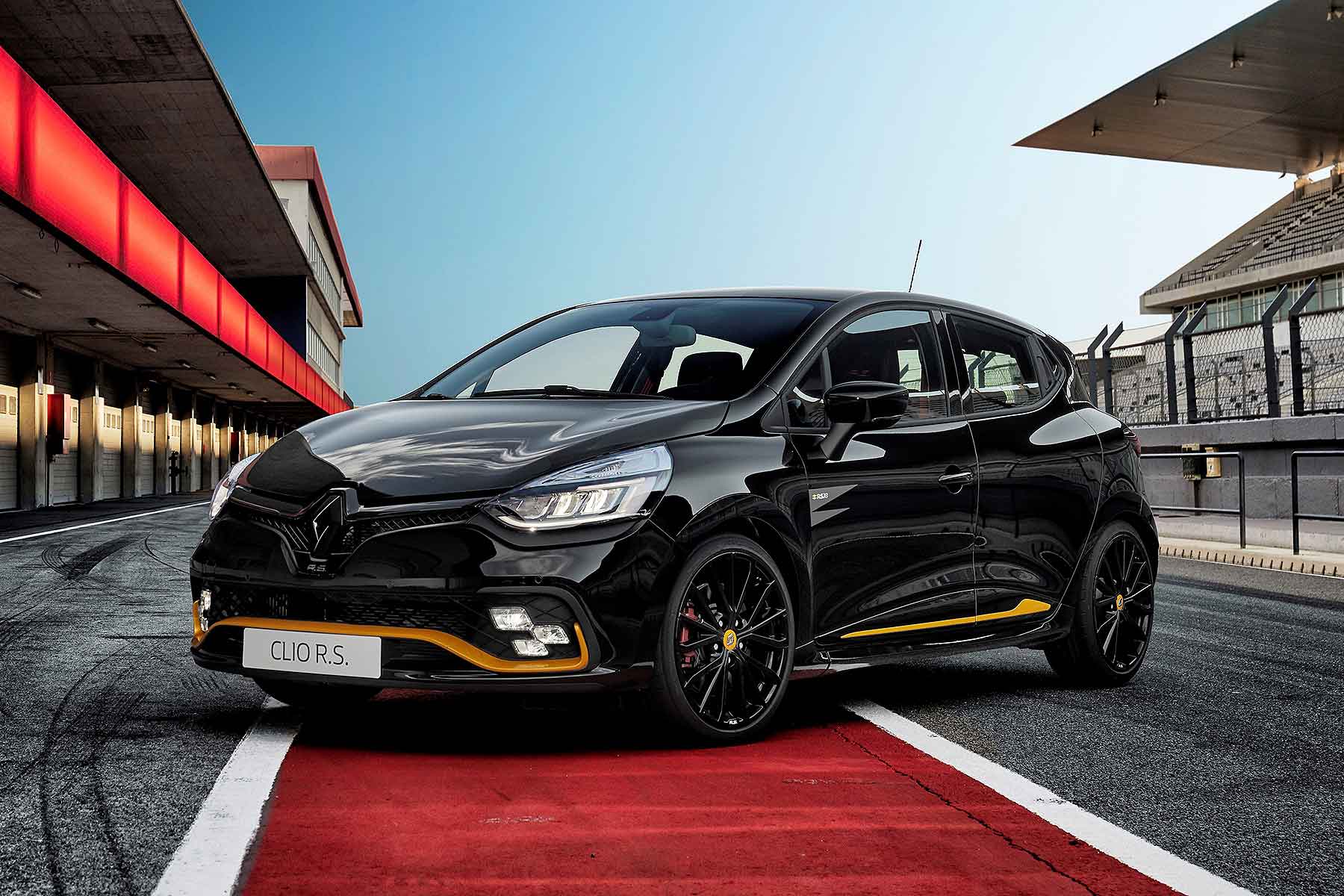
Renault Clio R.S.18Renault Sport fans, you have no time to waste: only 15 Clio R.S.18 limited editions are coming to the UK, and each is going to cost £24,295. Oh, and it’s on sale right now.
  • In pictures: the greatest hot Renaults ever

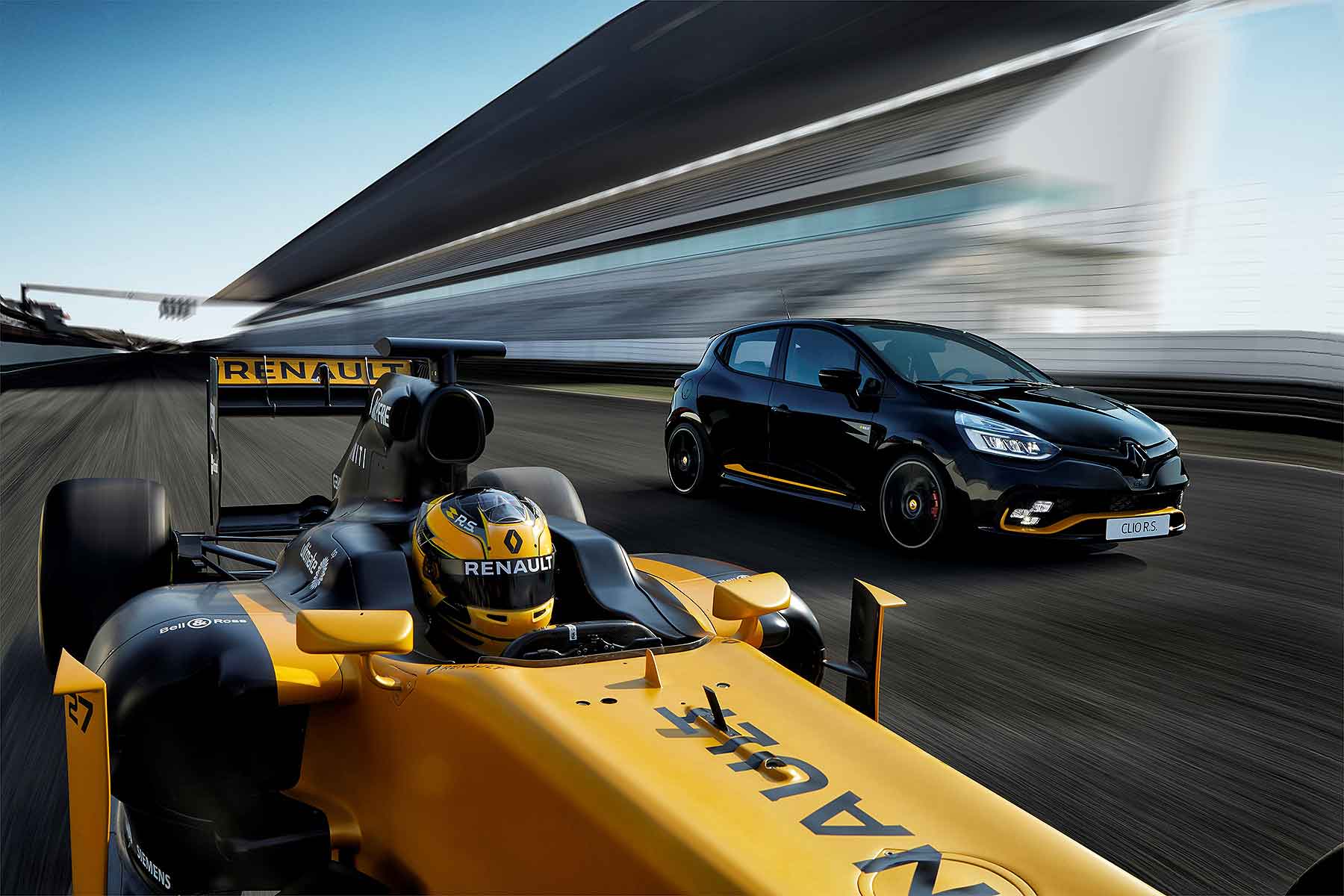
Carrying the same name as the 2018 Renault Sport Racing F1 car, the Clio R.S.18 was originally only offered for European buyers – but hefty public demand from Renault hot hatch-loving Brits has encouraged the firm to bring just 15 cars over here.

This will make the R.S.18 “one of the most exclusive Renault Sport versions to have ever been sold here”.

Renault Clio R.S.18

It’s based on the Clio R.S. 220 Trophy, itself a pumped-up version of the regular 200hp Clio, and each car will wear a Deep Black and Liquid Yellow paint job. Only R.S.18 Clios have the Renault diamond, R.S. logo and rear diffuser painted in Black Gloss, and the R.S.18 decals on the rood and doors are also unique.

Contrasting all the black are Liquid Yellow highlights for the front blade, wheel centre caps and bodyside mouldings.

Inside, there are Renault Sport floor mats, Alcantara steering wheel, carbon fibre-effect air vents and a numbered kick plate.

The fancy hardware from the R.S. 220 Trophy is all carried across, including a fruity Akrapovic exhaust, Hydraulic Compression Control suspension dampers and uprated brakes. Performance? 0-62mph takes 6.6 seconds and the 1.6-litre turbo R.S.18 will do 146mph flat-out (and average 47.9mpg if you take it steady).

Like all Renault Sport models, the cars are sold through 20 specialist dealers – and Renault has announced 11 of them, listed below, will each be granted one R.S.18 to sell (lucky Renault Enfield gets two).

The remaining three cars? They’ll be spread across the entire Renault UK network. Keep the fighting clean, Renault Sport fans…

  • Renault Enfield
  • Lookers, Newcastle
  • John Banks, Cambridge
  • Pentagon, Lincoln
  • Rawlinson, Bury St Edmunds
  • Bristol Street Motors, Nottingham
  • Harratts, Wakefield
  • Martins, Basingstoke
  • Arnold Clark, Hillington
  • Renault Solihull
  • Masters of Beckenham
Advertisement

New 2018 Renault Megane R.S. prices from £27,495

0

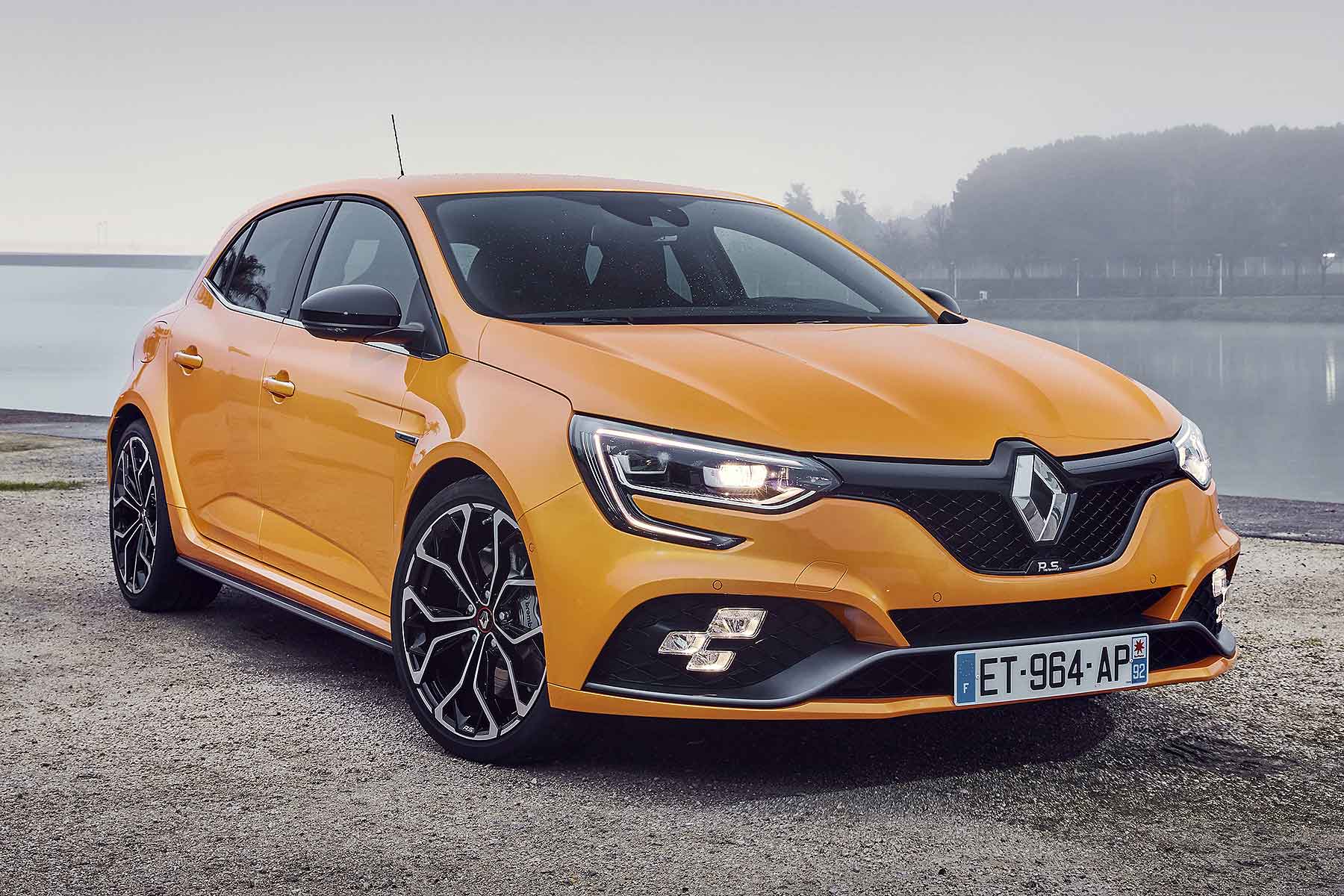
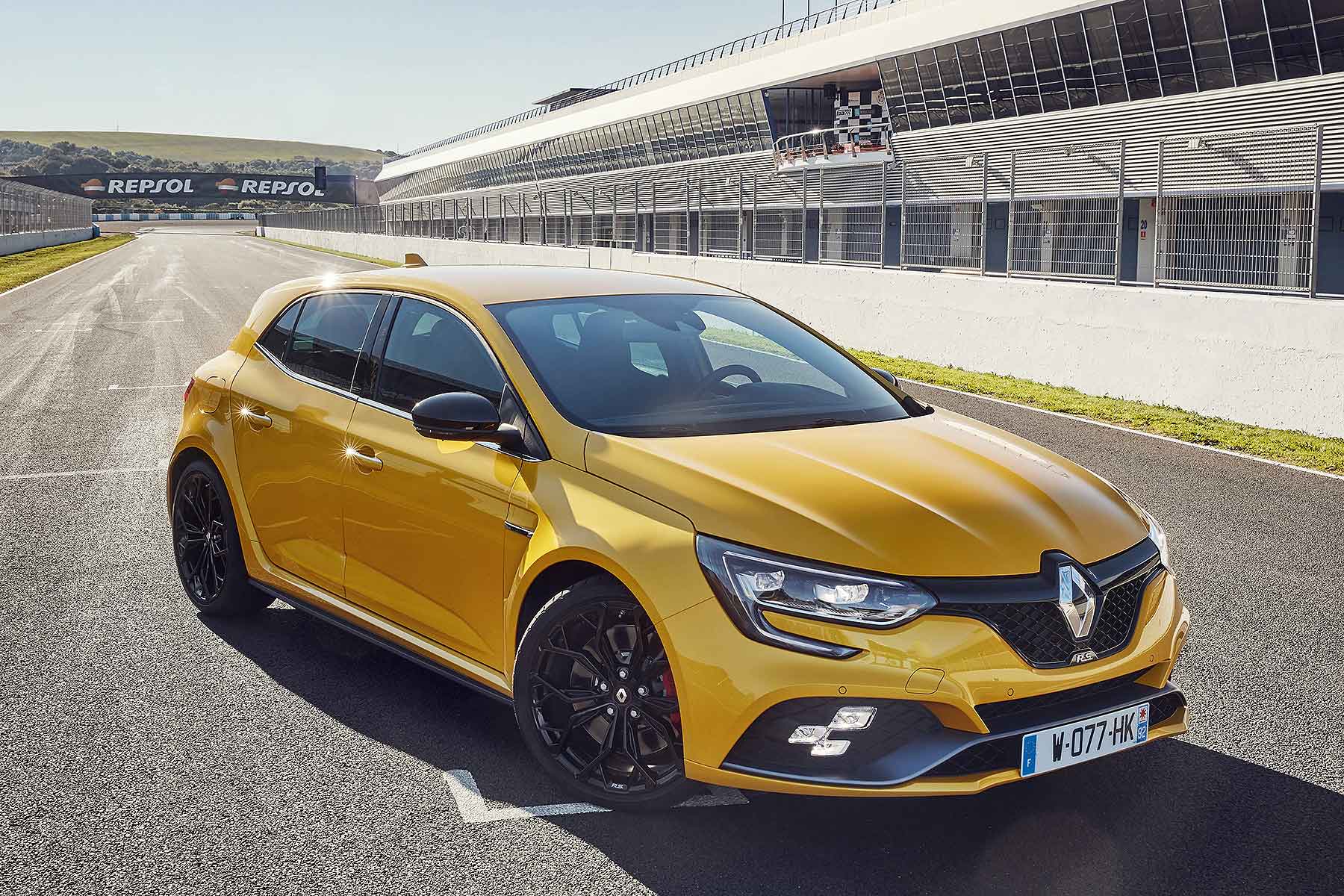
2018 Renault Megane R.S.The potent new Renault Megane R.S. is now on sale with prices starting from a competitive £27,495 – and for those able to order in May, Renault Sport dealers will throw in the £1,500 Cup Chassis Pack for free as an added incentive.
  • In pictures: the greatest hot Renaults ever

Boasting Britain’s most powerful 1.8-litre turbo engine, the 280hp Megane R.S. price compares very keenly to alternatives such as the 275hp Hyundai i30 N (from £28,010) and 230hp Volkswagen Golf GTI 5-door (from £29,120).

Although the Honda Civic Type R boasts more power, at 320hp, it also costs rather more: prices start from £30,995, £3,500 more than the Renault (or £5,000 once Renault’s May Cup Chassis Pack offer is factored in). Confirmed prices are also lower than Renault’s original estimates of £29k.

Offering “world-first” 4Control four-wheel steering as standard, Renault is offering the new Megane R.S. with a choice of both manual and EDC dual-clutch automatic gearboxes, both offering the same 280hp and 297lb ft of pulling power.

Both will do 0-62mph in 5.8 seconds, and offer a fairly brag-worthy top speed of 158mph. The manual averages 39.7mpg, with the EDC improving to 40.9mpg; CO2 dips from 161g/km to 155g/km.

At £29,195, the Megane R.S. 280 EDC is £1,700 more than the standard car.

2018 Renault Megane R.S.

The free Cup Chassis Pack combines stiffer springs, dampers and anti-roll bar with a limited slip differential, plus red brake calipers for extra on-street kudos. Other options include 19-inch alloys for £950, Brembo bi-material brakes for £900, and three different paint options – metallic is £550, Renault i.d. metallic is £650 and Renault Sport i.d. metallic is £1,300.

As standard, all 2018 Megane R.S. come with sat nav, climate control, rear parking sensors, Nappa leather steering wheel and R.S. Vision full LED lighting complete with those distinctive ‘chequered flag’ driving lights.

If you want the free Cup Chassis Pack incentive, you have until the end of May to order, with first deliveries due in July. Renault expects the UK to be a key market for the Megane R.S., as we are for all Renault Sport models.

And in case you’re wondering how many Renault Sport Meganes the firm has sold since revealing the first one at the 2003 Frankfurt Motor Show, wonder no longer. The currently tally is up to more than 53,000, and counting.

Advertisement

Mini Convertible celebrates 25 years with limited-run special

0

Mini Convertible 25th Anniversary EditionPeople with angle grinders and ambition had been producing open-top Minis for years, but it wasn’t until June 1993 that the first official Mini Convertible rolled off the Longbridge production line.

The Rover Mini Cabriolet was a mainstream version of the ultra-rare Mini Lamm Cabriolet conversion, which was launched in 1991. The fast sell-out of the 75 models convinced Rover Group the idea had a future, and despite costing almost double what a regular tin-top Mini did at launch, the Mini Cabriolet nevertheless proved popular.

This inspired BMW to develop an open-top version of the reborn Mini. The new Mini Convertible launched in 2004 and it too has sold well – and how. More than 89,000 have found homes in the UK alone.

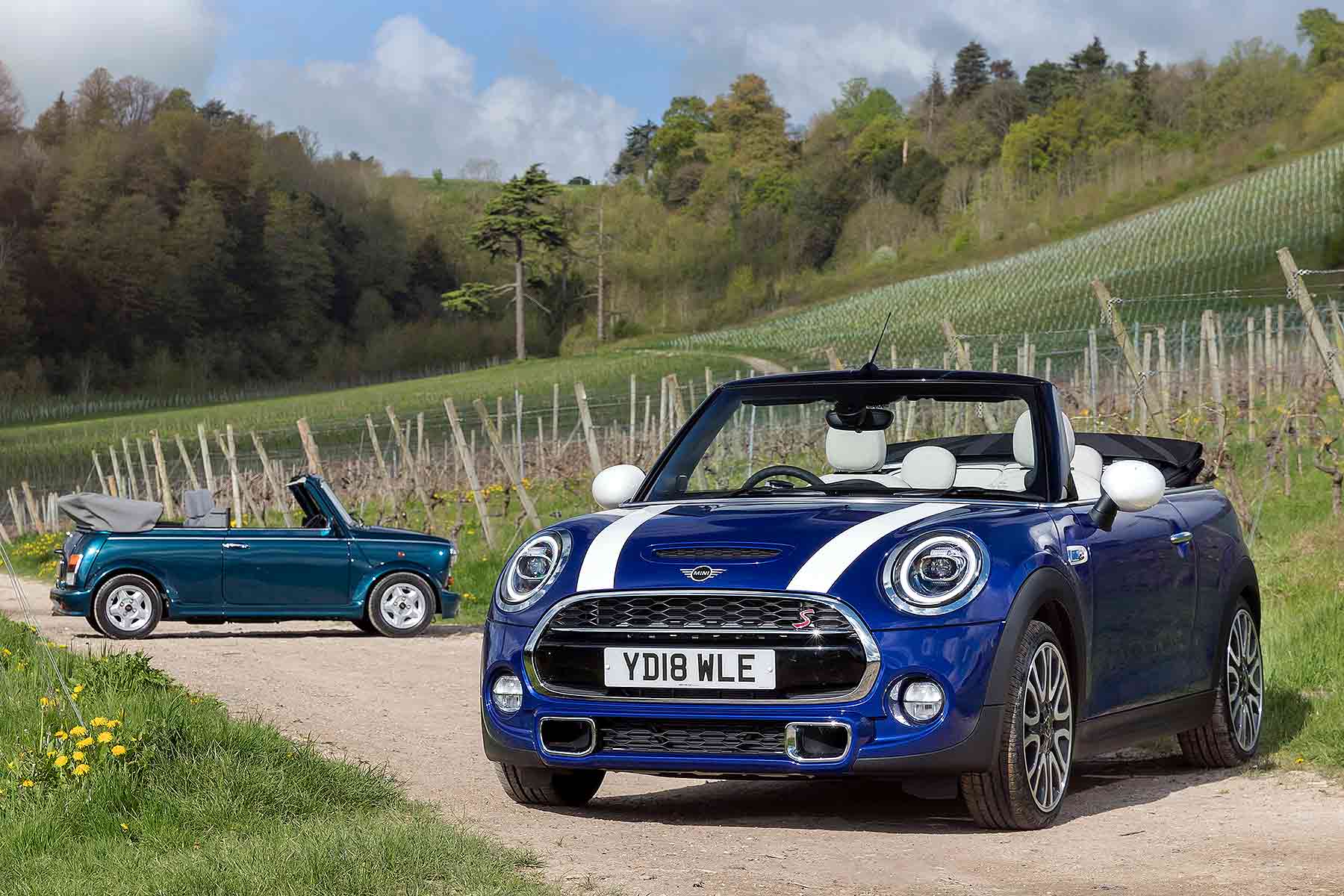
To mark the quarter-century of its open-top car, Mini UK is now launching a 25th Anniversary Edition of the Mini Convertible, based on the Cooper S and limited to just 300 cars – each costing £32,995.

Coincidentally, that’s around double what a base Mini One costs.

Finished exclusively in a unique combination of Starlight Blue metallic with Satellite Grey ‘lounge leather’ interior, Mini Yours Union Jack woven fabric roof, white bonnet stripes and two-tone 18-inch Mini Yours ‘Vanity Spoke’ alloys.

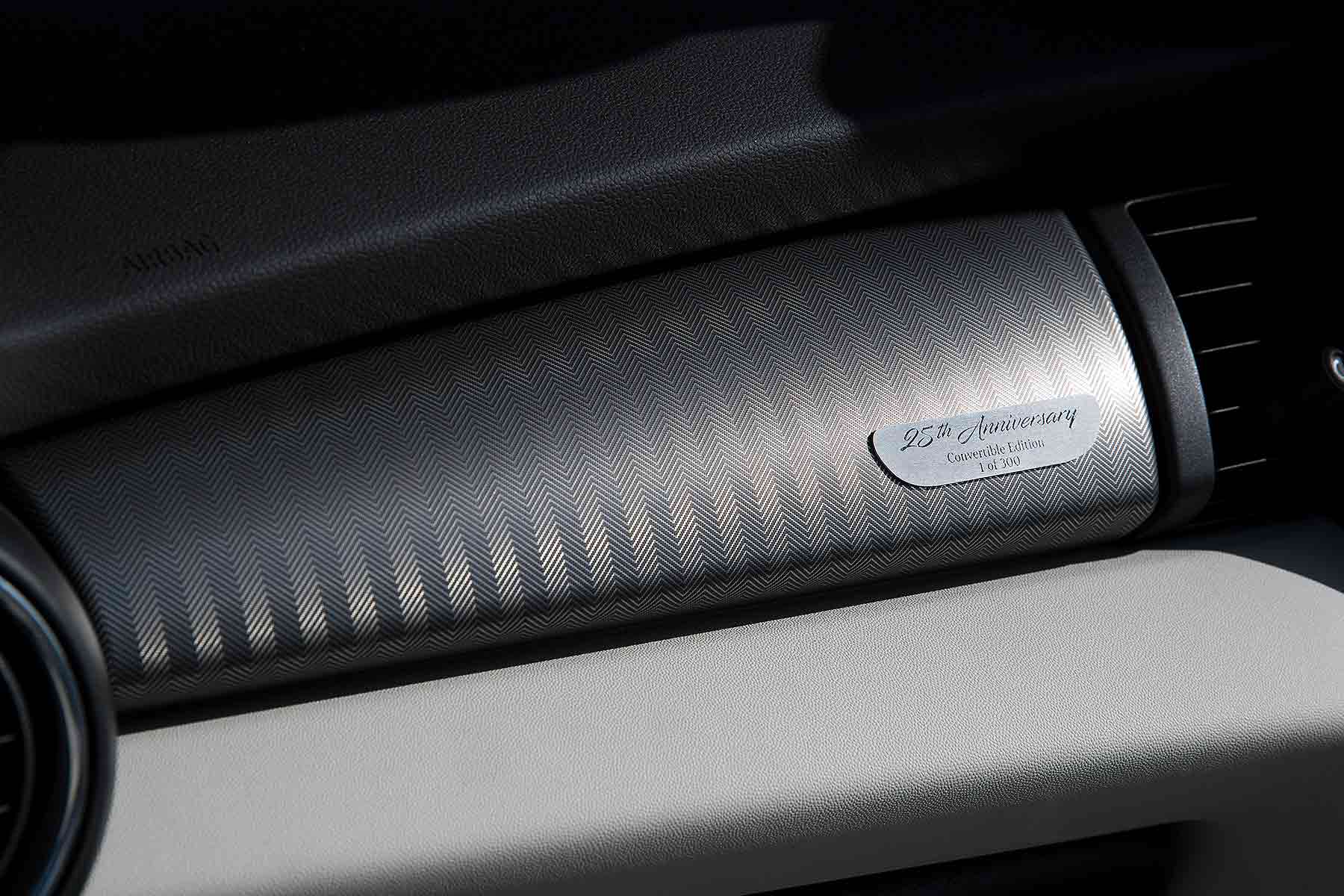
Also standard is the Mini Chili Pack, Navigation Plus pack and a beefy Harman Kardon sound system. Oh, and a commemorative plaque for the dash.

Mini Convertible 25th Anniversary Edition

As with all factory-fresh Mini Hatch and Convertible models, the 25th Anniversary Edition also benefits from 2018 model-year upgrades, including front and rear LED lights, 6.5-inch colour infotainment screen, multi-function steering wheel and the latest ‘2D’ Mini brand logo (replacing the old ‘3D’ motif).

Oh, and the ‘Union Flag’ rear lights that are the quickest way to spot a 2018 Mini. There’s no missing them…

Advertisement

What car would Marvel’s Captain America drive?

0

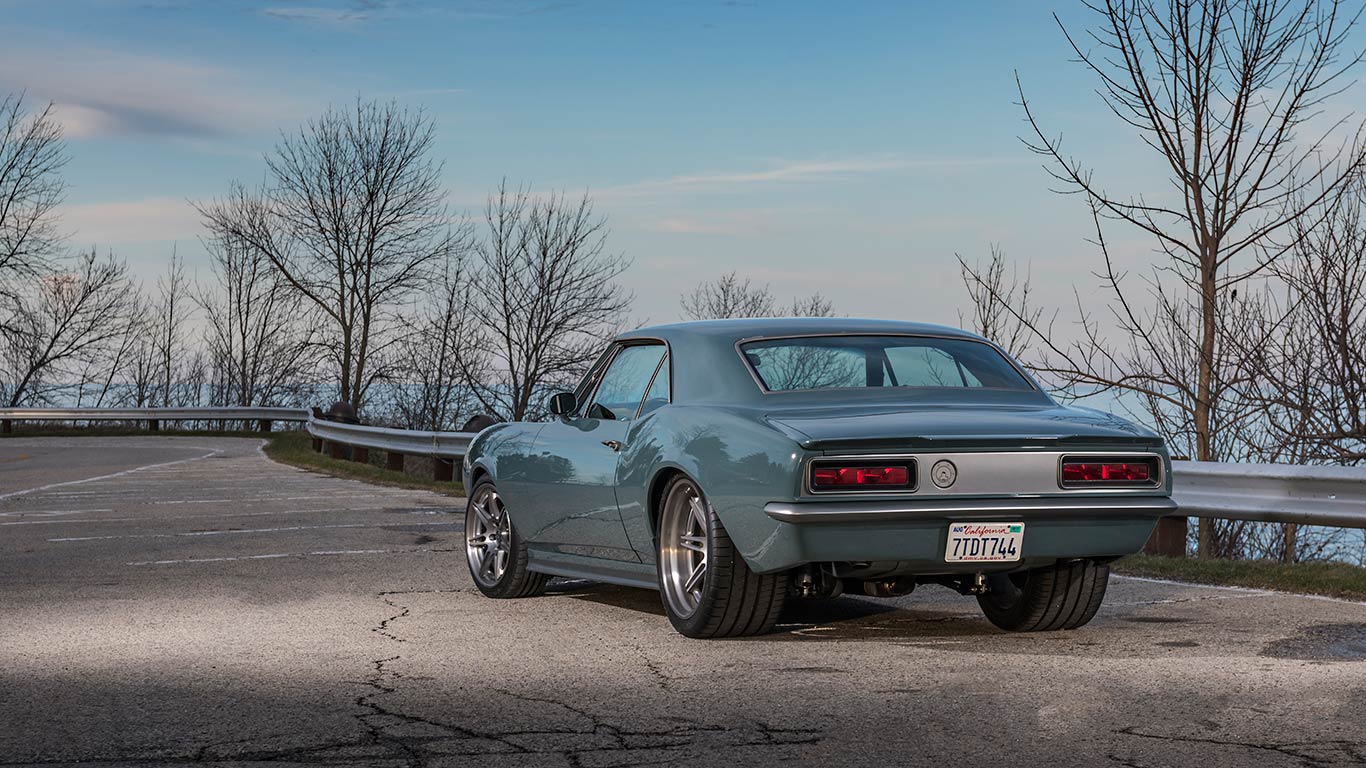
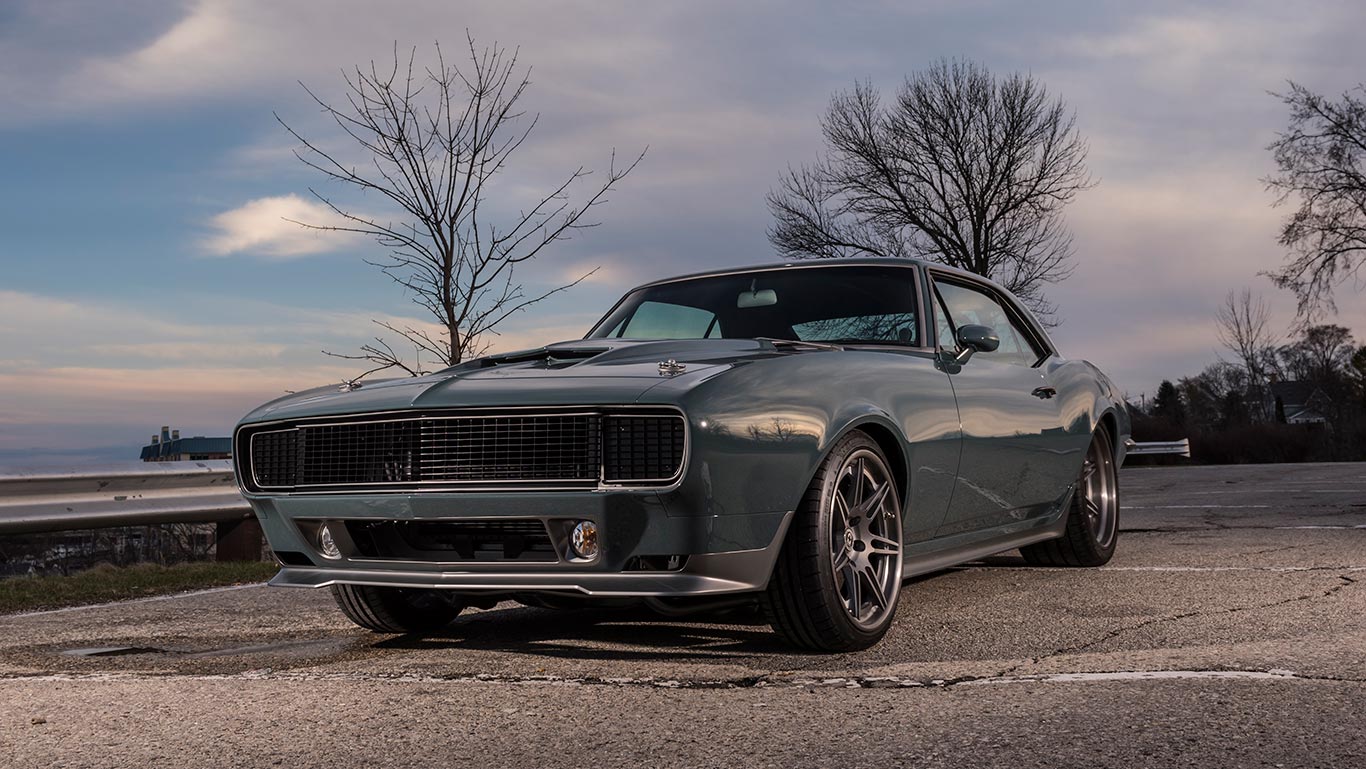
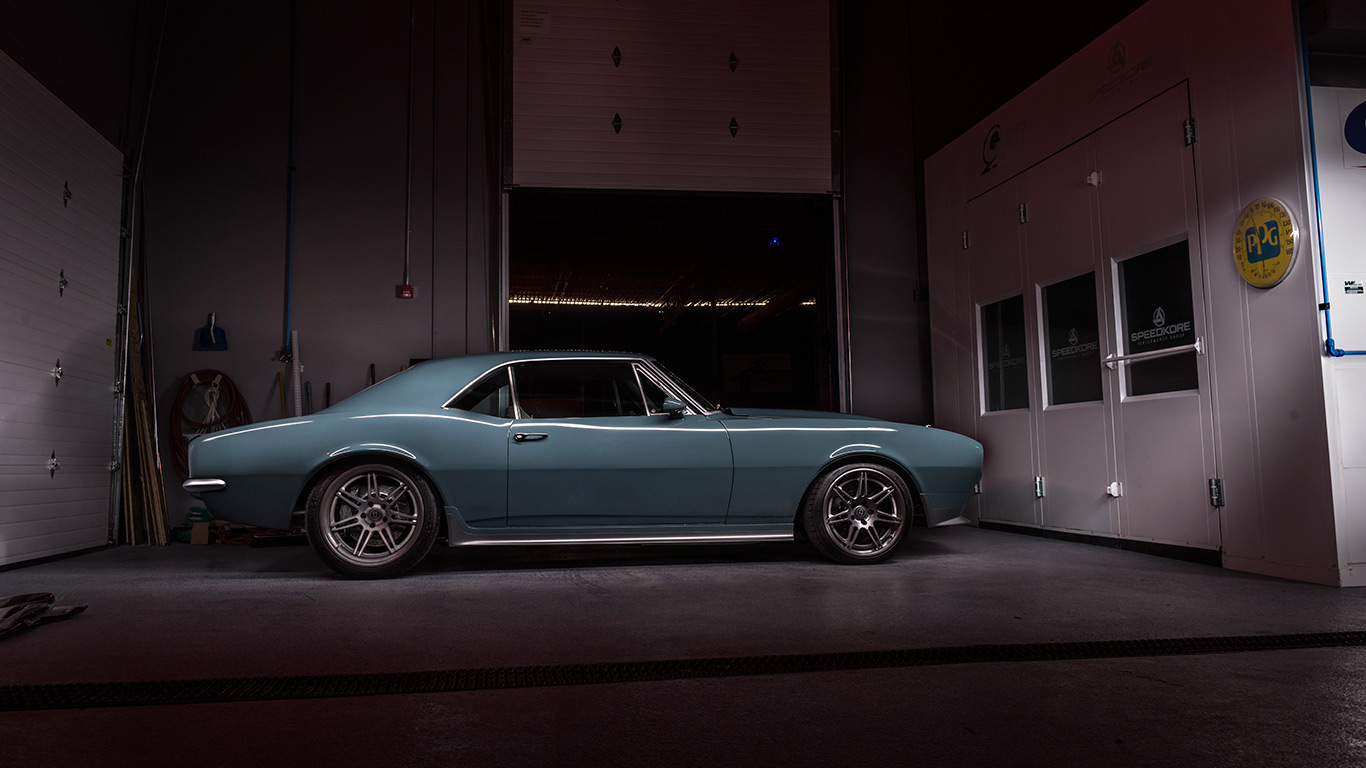
Captain American SpeedKore Chevrolet Camaro

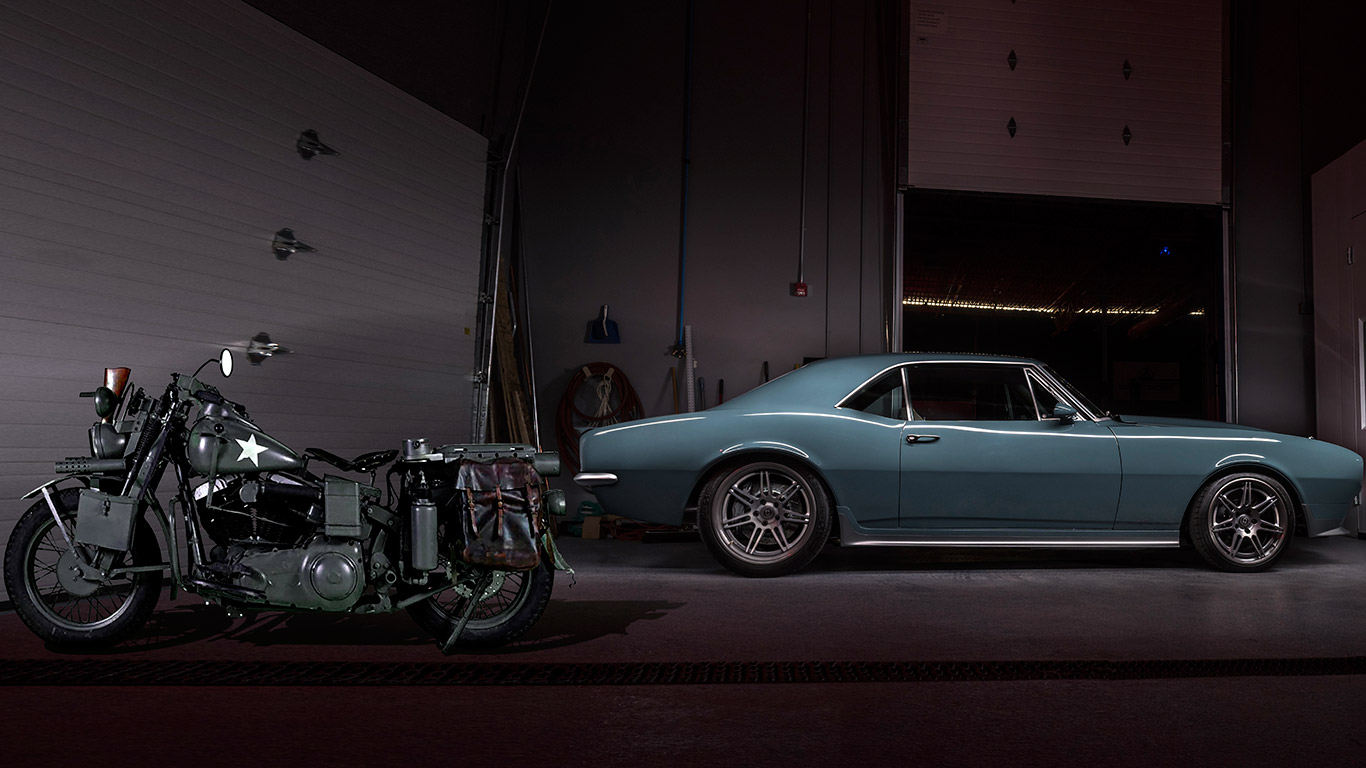
If you’re one of the many Marvel fans flocking to the cinema for the release of the new Avengers: Infinity War movie, you might find yourself wondering what car Captain America might drive. Although if you’re a real comic book aficionado, you’ll already know that he rides a vintage Harley Davidson motorbike.

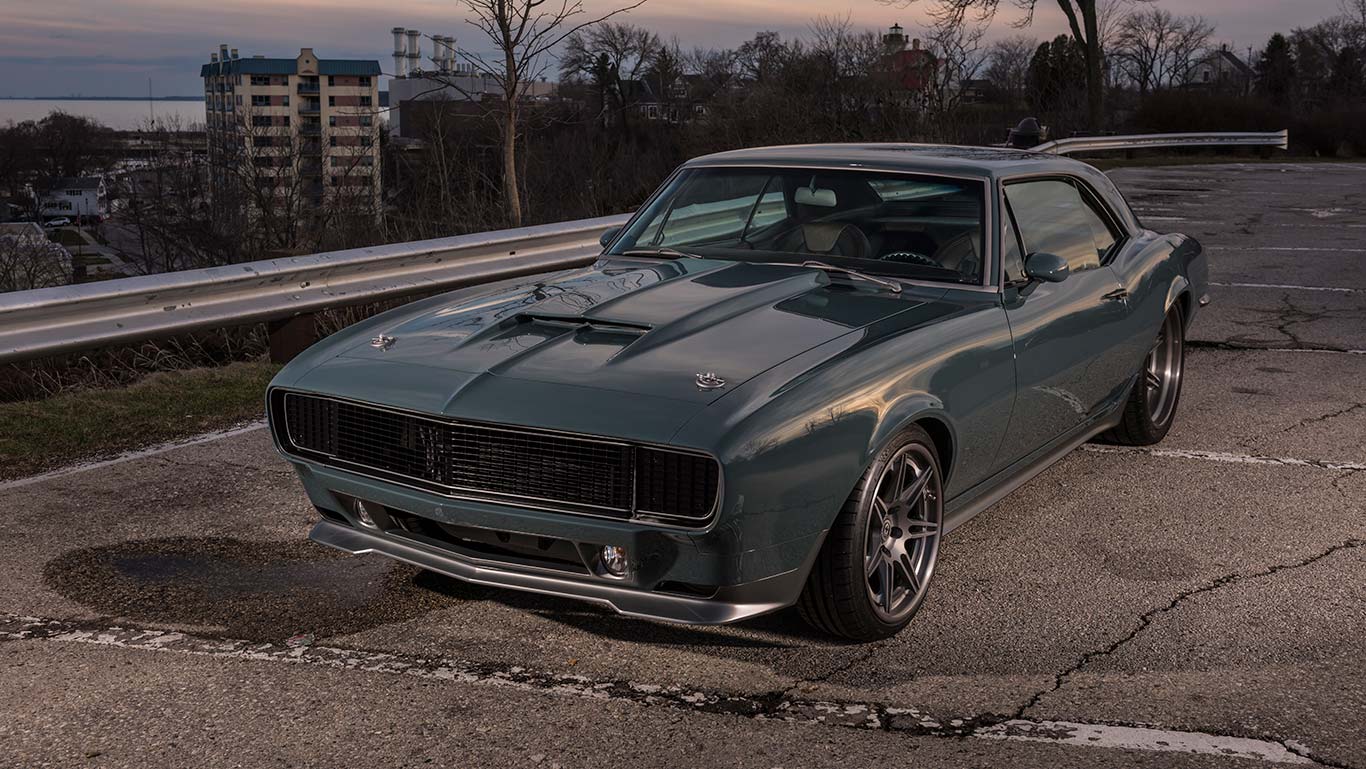
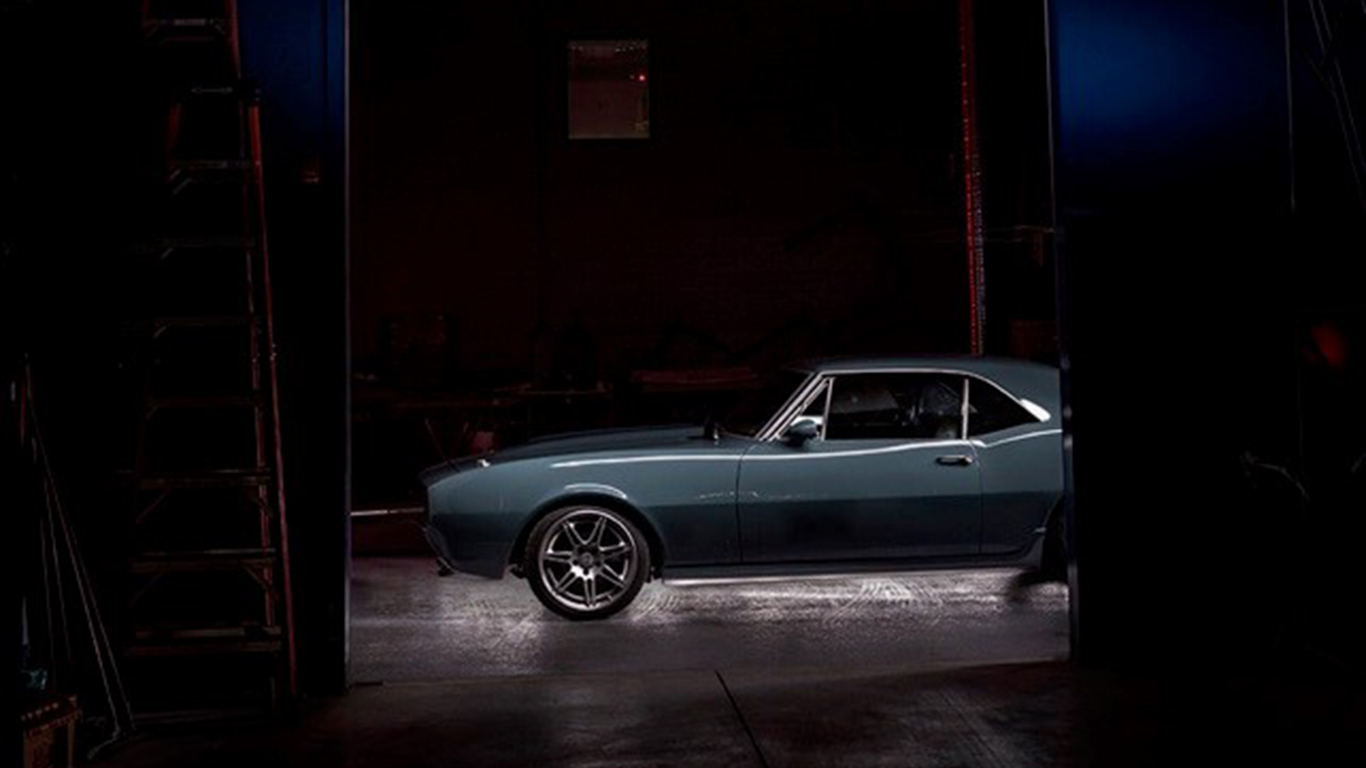
However, when it comes to Chris Evans, the actor who plays Captain America and his Steve Rogers alter ego, the answer is much clearer. It’s a rather impressive 1967 Chevrolet Camaro, thoroughly customised and upgraded by Wisconsin-based SpeedKore, a company that specialises in taking muscle cars to the next level.

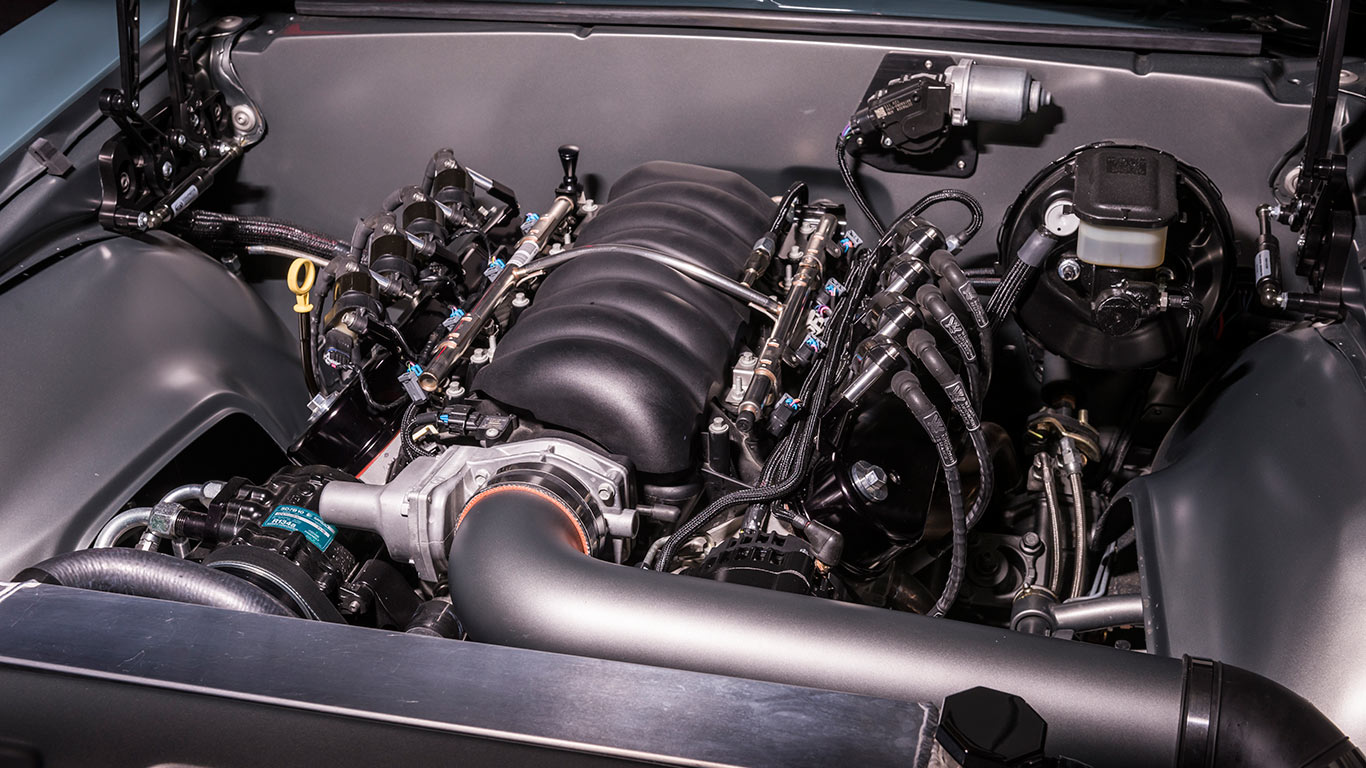
Lurking beneath the bonnet of the ‘67 Camaro is a modern LS3 Chevrolet crate engine. Off the shelf the 6.2-litre (376-cubic inch) V8 produces 430 hp and 425 lb-ft of torque, making it more than sufficient to power a 1960’s classic. SpeedKore has also upgraded various engine parts, along with mating it to a Chevrolet Performance four-speed automatic gearbox with push-button shifting.

Captain American SpeedKore Chevrolet Camaro

All that power would be wasted without bringing the chassis up to date, and nothing has been overlooked for Evans’ Camaro. Using a Detroit Speed performance suspension kit, this superhero has been lowered closer to the ground, with stopping power also increased by the addition of huge Baer 6S ‘Extreme’ brakes. Wheels supplied by HRE measuring 18-inches in diameter at the front, and a huge 20-inches at the rear, complete the chassis makeover.

Captain American SpeedKore Chevrolet Camaro

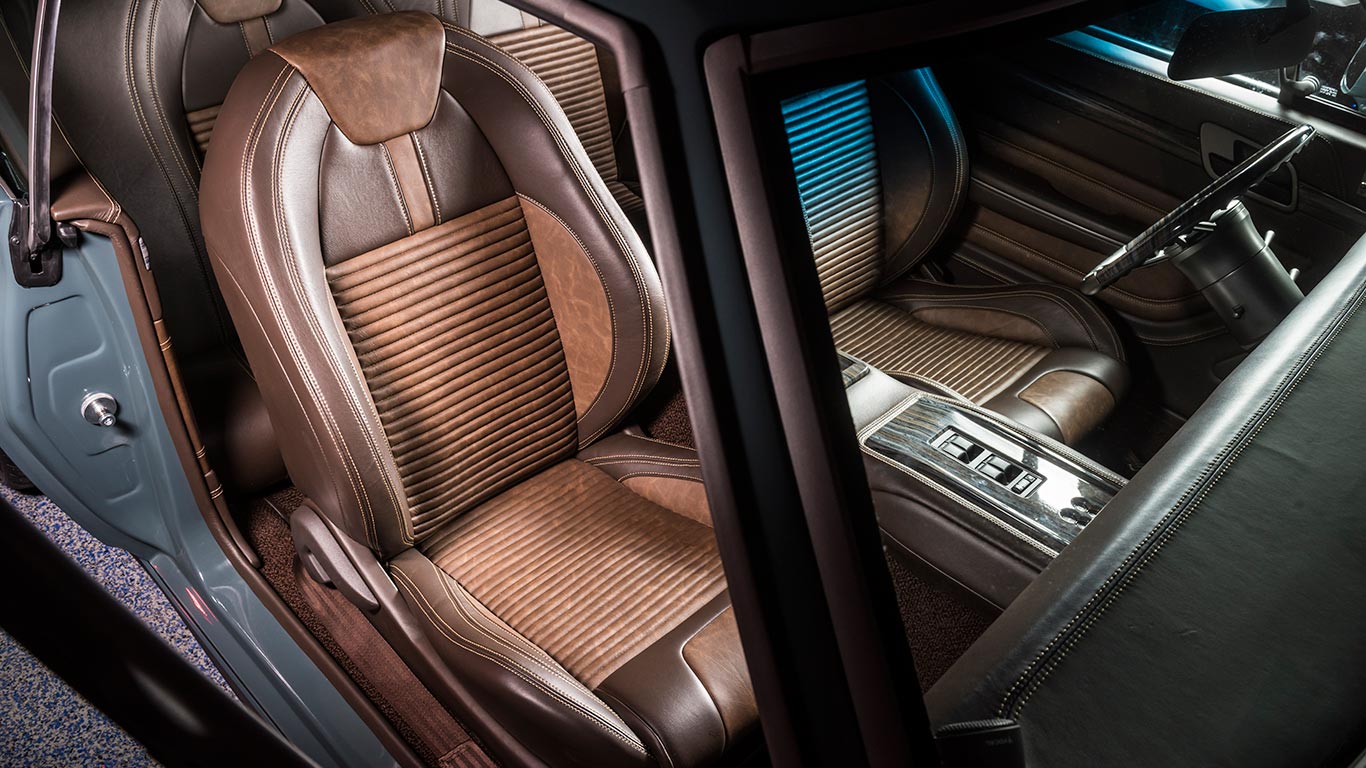
Skilled in custom bodywork design and fabrication, SpeedKore have given the Camaro numerous exterior modifications to mark it out as something special. The transformation also continues inside, where Recaro bucket seats are wrapped in leather described as ‘Bomber Brown’ in colour. Quite apt given Captain America’s World War Two backstory. Keeping things cool is a vintage air conditioning system, whilst a Kenwood satellite navigation unit brings the technology into the 21st century.

Captain American SpeedKore Chevrolet Camaro

This is not the first time SpeedKore have created a muscle car for a Marvel movie hero. Iron Man actor Robert Downey Jr. commissioned the firm to produce a stunning Ford Mustang Boss 302, which picked up a ‘Best of Show’ design award at the prestigious SEMA show in 2017


SpeedKore has also produced cars featured in the Fast & Furious movie franchise, including a 1,650hp twin-turbocharged 1970 Dodge Charger. Other highlights include a version of the already crazy Dodge Challenger Demon clothed in carbon fibre, and a lightweight Ford Mustang Shelby GT350R.

Captain American SpeedKore Chevrolet Camaro

Given the number of actors involved in Avengers: Infinity War, we have our fingers crossed that SpeedKore will get even more commissions for bespoke American muscle cars.

Advertisement

Parking penalties up by 1 MILLION in just 1 year

0

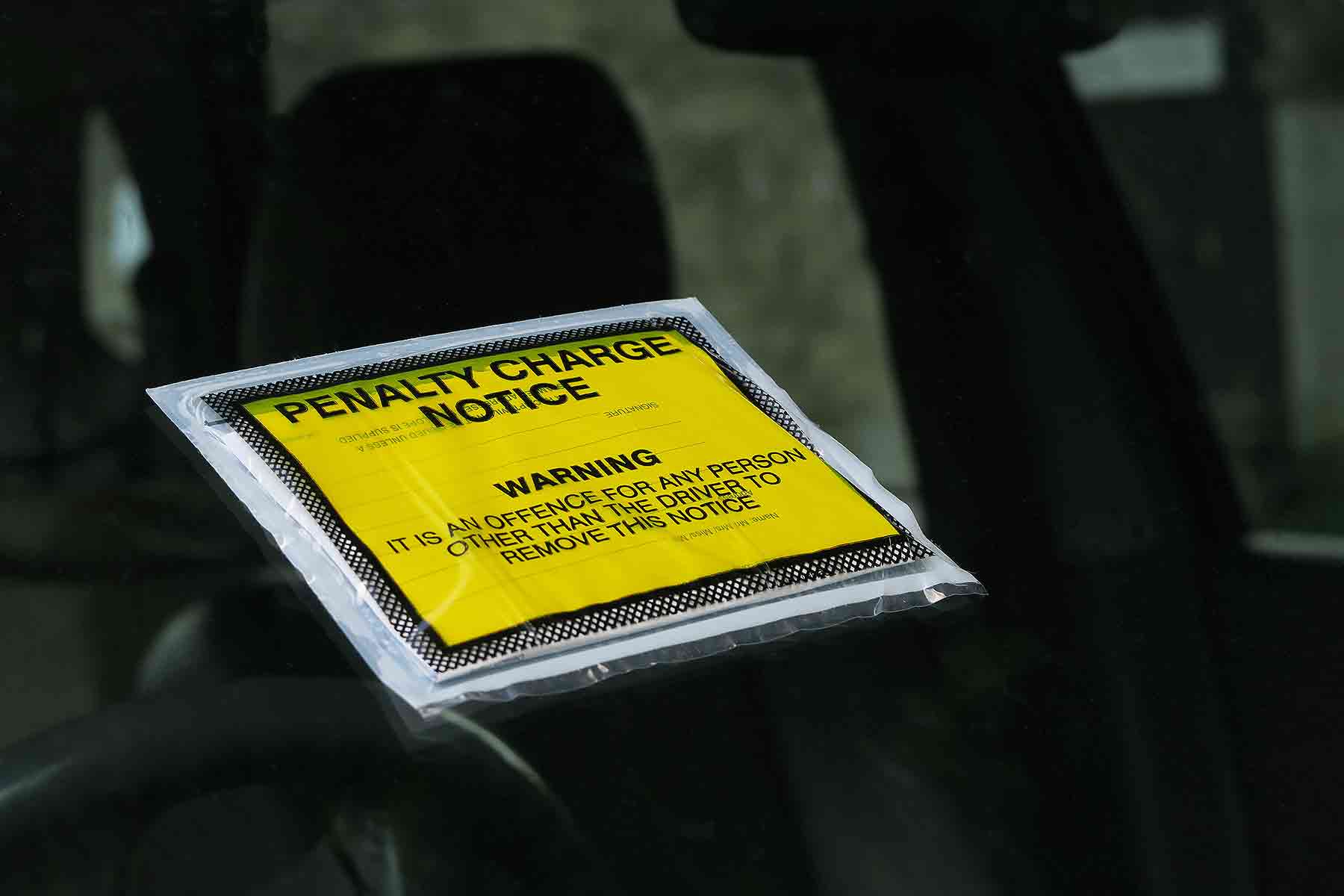
Parking ticketA record 5.65 million tickets were issued to drivers parking on private land in the last financial year – a staggering increase of almost one million penalties over 2016/17 figures (which themselves were a record).
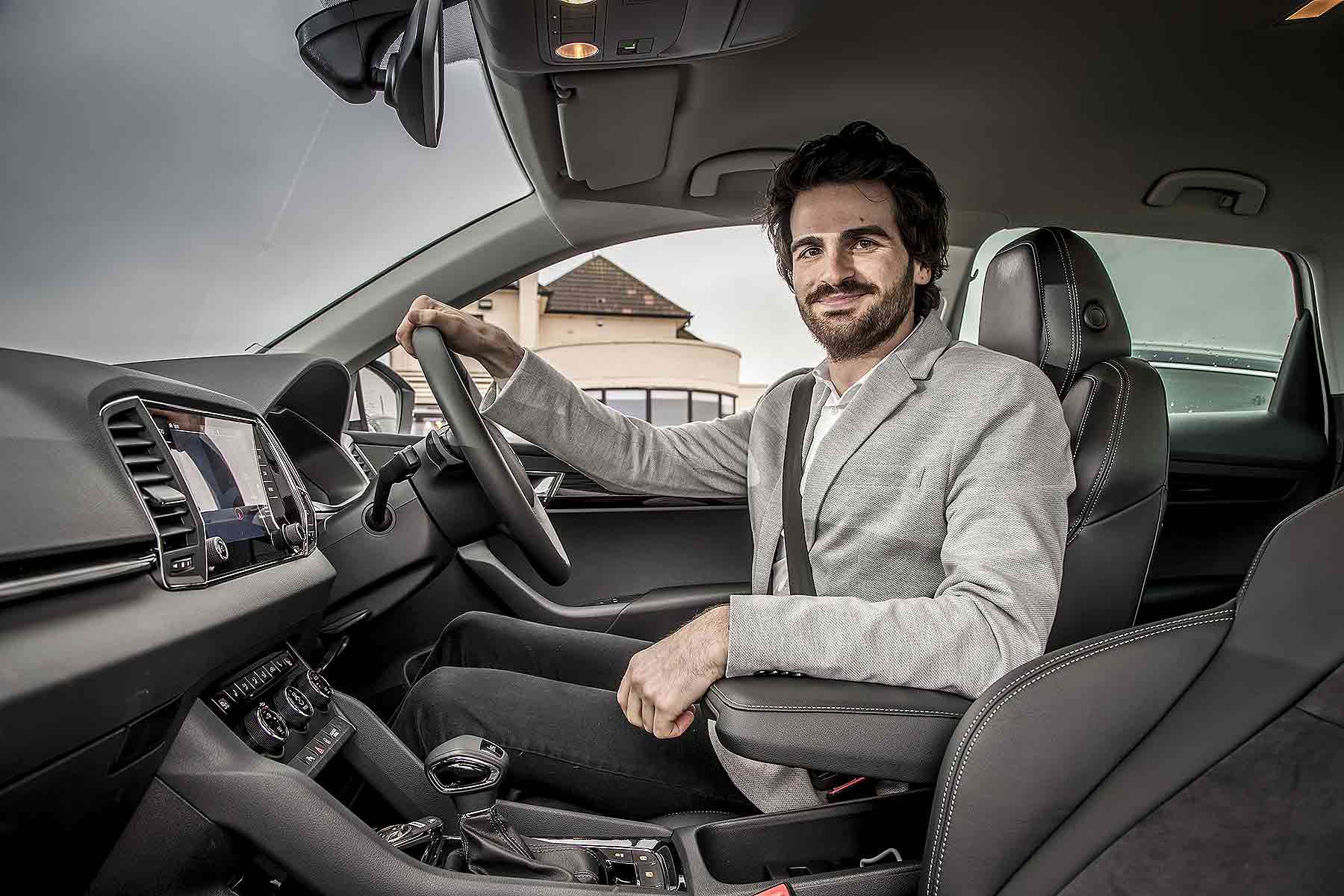
The rapid increase in parking penalties has been highlighted by RAC Foundation analysis – and as charges can be as much as £100, the association calculates British motorists could be spending more than half a billion pounds a year simply on private parking fines.

It’s a stark contrast to just a decade ago, where less than half a million parking tickets were issued. In 2006/07, a mere 272,000 tickets were handed out.

The ticket tally equates to 15,486 penalties being issued every single day. The RAC Foundation has calculated its data from the purchase of driver data from the DVLA; by far the biggest purchaser was ParkingEye Ltd, which bought 1,768,233 records in 2017/18; Euro Car Parks bought 406,323 records and Smart Parking Ltd paid for 390,860 records.

A total of 119 parking companies paid for data from the DVLA.

Steve Gooding, director of the RAC Foundation, said: “Each year we publish this analysis and each year we are not only astonished by the numbers involved, but also by the fact that those numbers keep rocketing up.

“Pursuing so many people must be a major administrative task for the companies involved, but the questions the numbers really beg are: what’s going wrong? Are Britain’s motorists really flouting the rules on such an industrial scale?”

But why are there so many parking tickets now being issued? The RAC Foundation points to the 2012 Protection of Freedoms Act, which banned clamping on private land except in ‘exceptional circumstances’.

The Act instead allowed private parking companies to go after the registered owners of vehicles themselves, instead of proving who the driver was at the time of the so-called offence – hence, as the figures below show, the incredible rise in parking tickets being issued…

Financial year Vehicle keeper records obtained from the DVLA by parking companies
2017/18 5.65 million
2016/17 4.71 million
2015/16 3.67 million
2014/15 3.06 million
2013/14 2.43 million
2012/13 1.89 million
2011/12 1.57 million
2010/11 1.17 million
2009/10 1.03 million
2008/9 687,000
2007/8 499,000
2006/7 272,000
TOTAL 26.64 million
Advertisement

Company car drivers eat SIX sandwiches a week behind the wheel

0

Skoda company car driverSkoda, clearly keen to encourage greater fleet adoption of its ever-expanding range of practical, value-priced cars, has commissioned a survey into what company car drivers get up to.
Some of the stats are unsurprising; Skoda thinks company car drivers spending nearly three years of their career behind the wheel is news, but it actually works out to a perfectly reasonable 13 hours a week (although four of them are likely to be spent stuck in traffic).

And the headline of covering nearly half a million miles over a career is eye-opening, the fact this equates to a mere 235 miles a week is not. That’s little different to the distance covered by the average UK driver!

As ever, it’s all in the details. Company car drivers claim to drink 614 hot drinks behind the wheel every year (no wonder there are drive-through coffee shops sprouting up everywhere). Make over 350 hands-free calls. Use sat nav almost twice a day and admit to singing along to eight songs every week.

The killer fact for us, though, is company car driver’s eating habits. Fleet drivers eat more sandwiches behind the wheel than there are days in the working week – six of them, with a munchsome six bags of crisps a week to go with them. Why six? Do fleet drivers have frequently have hungry days? We’re intrigued. 

The Skoda survey quizzed 1,000 business professionals, and Henry Williams, Head of Fleet for Skoda UK, said “the results… influence the specialist business car range we offer. We know consumer requirements are evolving all the time so our research ensures our cars are always relevant for the driver”.

Skoda’s wise to do this. Two in three company drivers reckon they spend more time in their car than they do on their home sofa, despite only one in three saying they really enjoy driving. A car isn’t just a fleet driver’s office, it’s their life. 

But then, as 20 percent of drivers say it’s the only ‘me time’ they get, perhaps getting behind the wheel, opening up a BLT and a bag of McCoy’s, and cranking up Magic FM might not be so much of a drag after all.

Advertisement

Ford is killing nearly ALL its cars in America

0

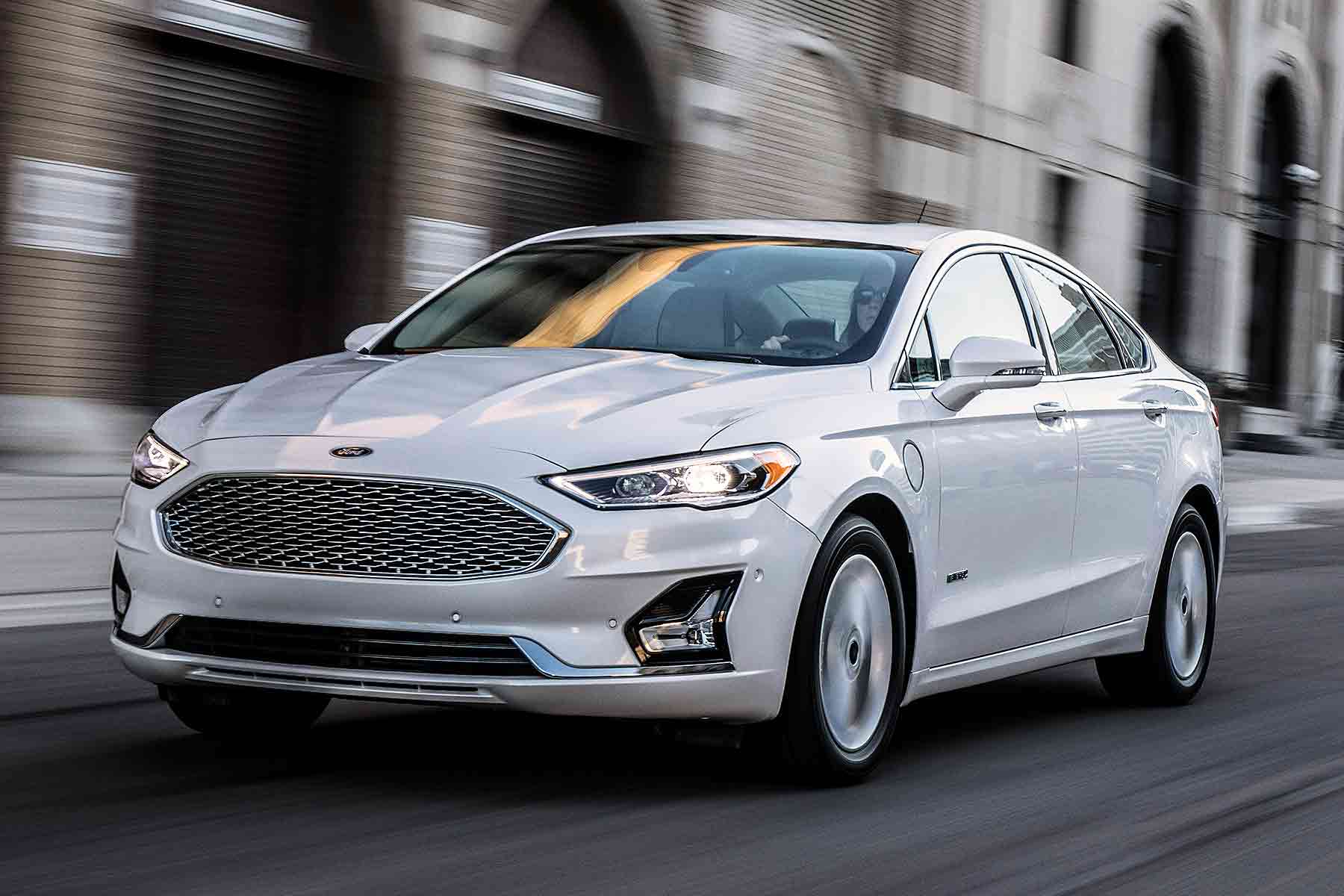
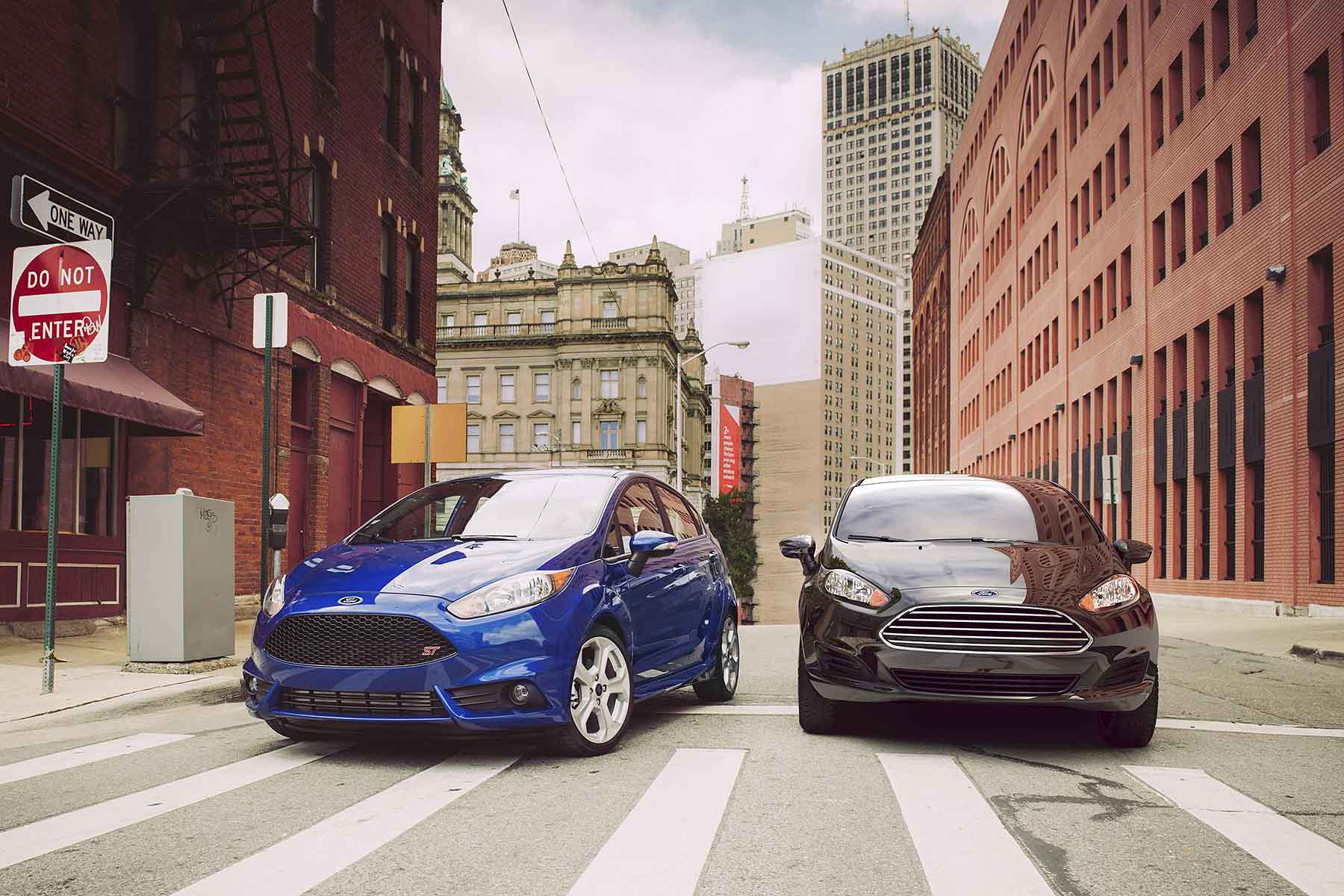
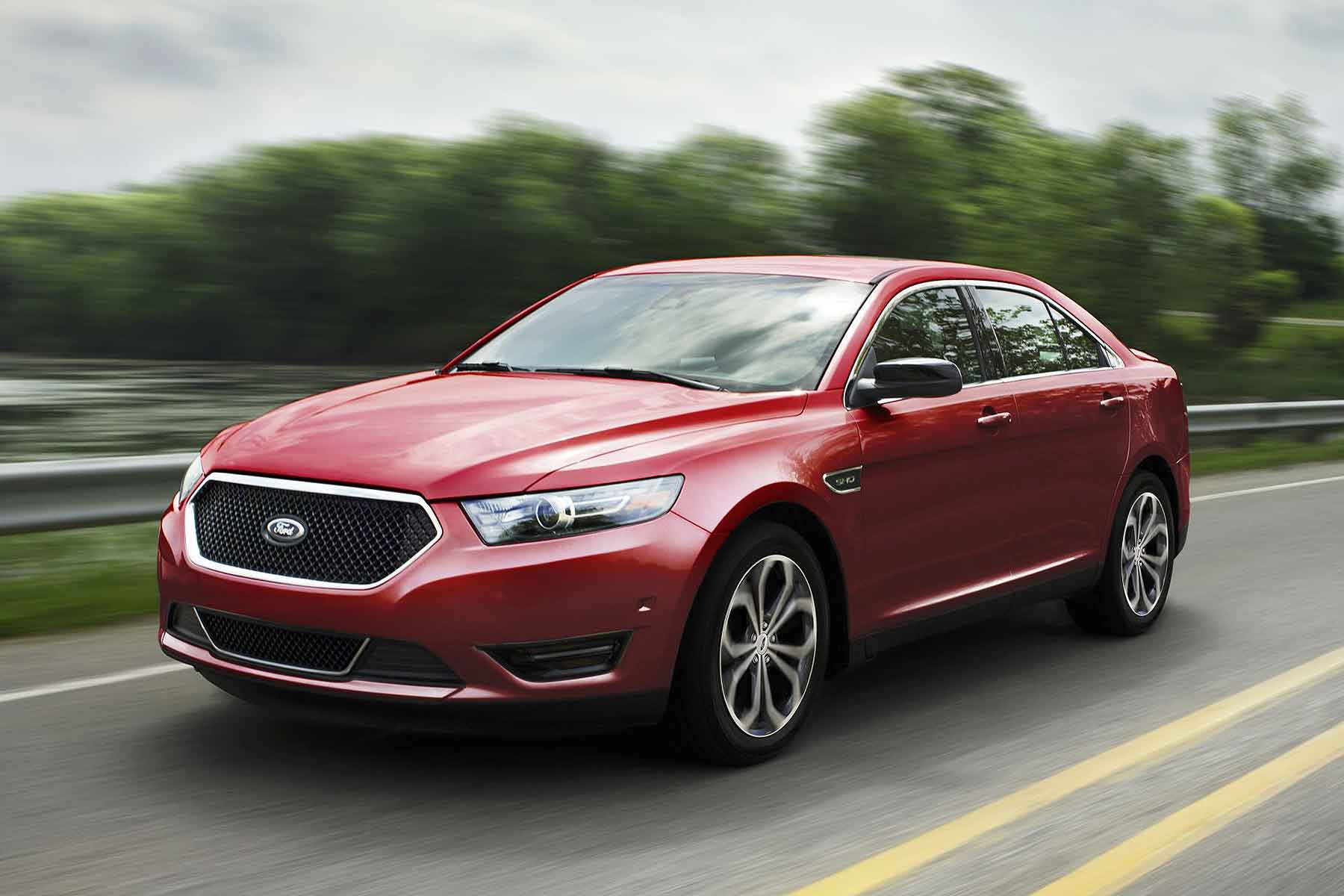
Ford Fiesta North AmericaFord has surprised industry watchers by announcing it is to end the sale of its entire saloon car line in North America. The brand is to instead focus solely on trucks and SUVs – the only cars it will sell in the future are the Mustang sports car and the crossover-style Active version of the upcoming new Focus.
The firm is doing it because cars simply don’t make money in America, and Ford needs to speed up its uptick in profitability to please investors. President and CEO Jim Hackett is now targeting an 8 percent profit margin by 2020, two years earlier than originally targeted.

Ford Taurus North America

The plans have already pleased traders; Ford’s share price went up by 2.6 percent following the announcement. But the details of the new plan are leaving some puzzled.

“We are committed to taking the appropriate actions to drive profitable growth and maximise the returns of our business over the long term,” said Hackett. Where underperforming areas can be made ‘more fit’, they will be… but “if appropriate returns are not on the horizon, we will shift that capital to where we can play and win”.

This is why Ford has decided not to replace the Fiesta, the Fusion (Mondeo) and the Taurus in North America. They will wither and die without replacement. By 2020, 9 in 10 new Fords will instead be trucks, SUVs and commercial vehicles, “markets where Ford can win”.

Ford Fusion North America

It is not yet clear what this means for future generations of the Ford Mondeo, derived from the US-spec Fusion (above), although it should be made clear that the Fiesta is safe: a new model has already been developed for Europe, but will not now be exported to America.

The latest Ford Focus is also a project led by Europe, and will be a key Ford product in China, too. 

What’s more, Ford insists it isn’t giving up on cars entirely, and is “exploring new ‘white space’ vehicle silhouettes that combine the best attributes of cars and SUVs, such as higher ride height, space and versatility”.

It will, however, be some time before we find out more details of Ford’s plans: it has confirmed an investor meeting to discuss its vision of the future – but not until 26th September. For now, the only clarity we have is that Ford is almost entirely giving up on the car market in North America. 

Time will tell whether this is a wise move.

Advertisement

New BMW 8 Series goes final testing in WALES

0

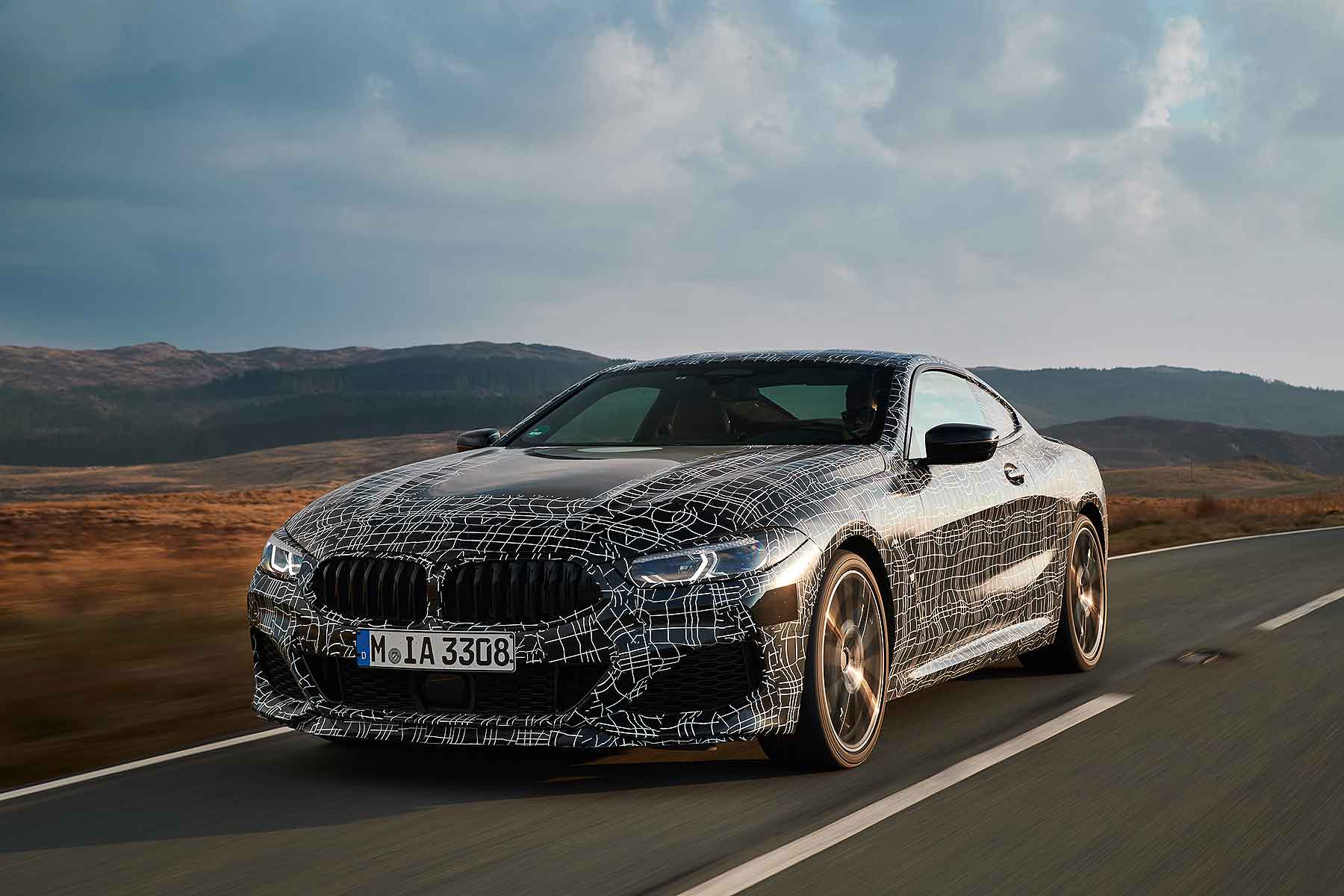
BMW 8 Series Coupe in WalesBMW has revealed the new 8 Series Coupe has been conducting final sign-off testing in Wales ahead of its full debut at the Le Mans 24 Hours in June. Wales was chosen as part of the public road test regime because the UK is expected to be a key market for the new range-topping GT car.
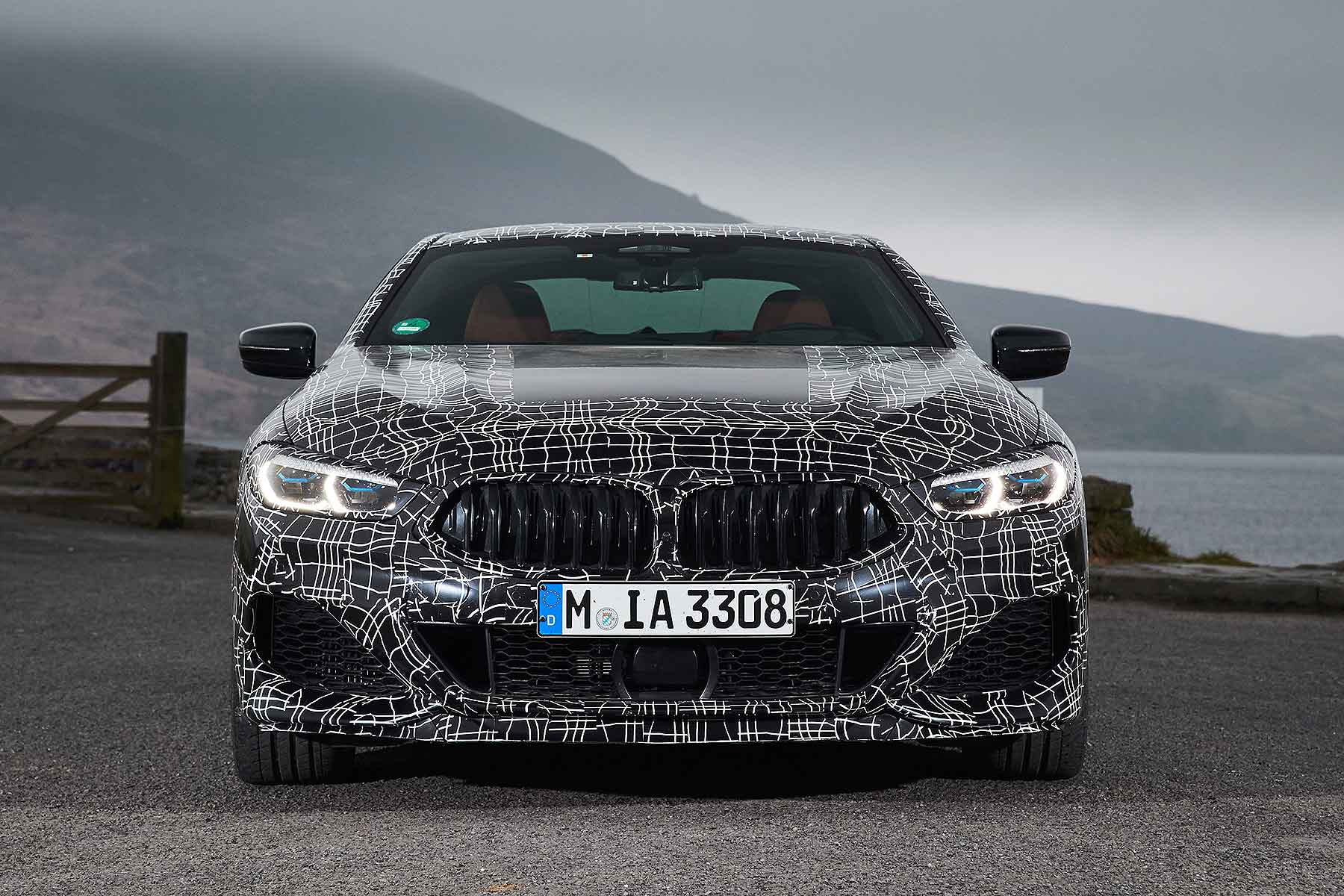
BMW bought over an M850i xDrive Coupe for the Welsh drives. It’s a car, we’re told, equipped with a welter of drive and suspension technology, including intelligent four-wheel drive, active rear differential lock, M suspension ‘Professional’ adaptive dampers, active roll stabilisation and Integral Active Steering.

The V8 is an all-new engine that produces 530hp, a big increase on the old 6 Series V8. What’s more “the sound development of the sports exhaust authentically reflects the car’s power delivery,” said BMW engineer Christian Billig. We’ll find out the detail stuff such as fuel economy and CO2 later in the year, nearer to the car’s on-sale date.

BMW 8 Series Coupe in Wales

Although it’s an all-wheel drive car with a rear-drive focus, 8 Series project manager Markus Flasch reckons “the thing that always impresses when test driving the new 8 Series is its adaptability”, aided by a claim of a low centre of gravity plus a stiff body and suspension.

BMW’s fitting all models with mixed tyres – the rears are wider than the front. “This gave us the possibility when coordination the suspension control systems,” said BMW head of suspension application Jos Van As, “to exploit the potential of the wide rear wheels to attain particularly sporty handling characteristics.

“The higher camber values on all wheels and specifically tuned elastokinematics result in the realisation of exceptionally high cornering speeds prior to the intervention of the electronics.” Which means? “Those who wish can drive on the racing track with active DSC, too.” Have your fun, in safety, without feeling the safety net constantly tugging you, in other words.

BMW also explains why 6 Series has become 8 Series. It’s because ‘8’ cars are “highly emotional and exceptionally sporty vehicles” – in the vein of the old 1990s 8 Series, like the Z8, like the latest i8. It’s going to be “a crucial component in the luxury segment model initiative” of BMW’s current strategy. So now we know.

Advertisement

Nissan Leaf scores five stars in tough new NCAP crash test

0

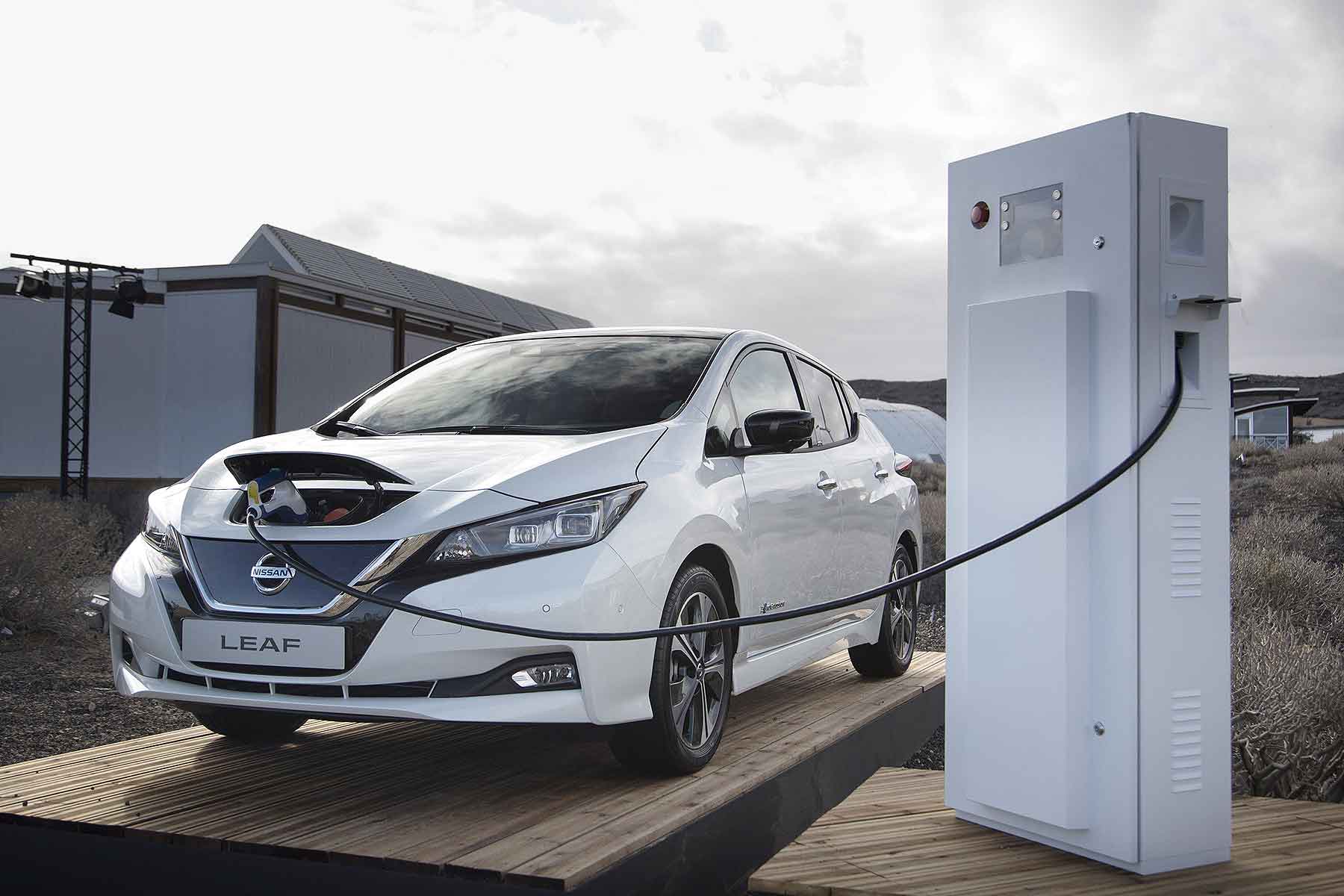
Nissan Leaf scores five stars in tough new NCAP crash test

The electric Nissan Leaf has been awarded five stars as part of a tougher Euro NCAP safety test introduced for 2018.

NCAP says it’s revised its agenda to focus on safety technology to help protect vulnerable road users, including the introduction of a cycling detection test for autonomous emergency braking.

Detecting cyclists presents new challenges to car manufacturers, says NCAP: “Sensors must have a wide angle of view to detect fast-moving cyclists in good time, and complex algorithms are needed to ensure correct identification of potential collision threats while avoiding false activations.”

The new Nissan Leaf is the first car to be tested for its cyclist-detection with auto brake technology.

“These latest updates in Euro NCAP’s active safety testing focus on both the protection of those inside the car and those who share road-space with it,” said Euro NCAP’s secretary general, Michiel van Ratingen.

“Our new assessments demonstrate the increasing level of sophistication that can be achieved by connecting various sensor systems installed on the vehicle. As the cost of these systems drops and computing capabilities increase, standard vehicles will soon become able to help prevent significantly more complex real-life crashes.

“Euro NCAP seeks to encourage this trend and in the context of a safe systems approach, will continue to challenge auto makers to deliver the highest levels of safety performance as standard, for car occupants and vulnerable road users.”

When the original Nissan Leaf was launched in 2011, it was the first all-electric car to be rated five stars by Euro NCAP. With car buyers being encouraged to turn away from conventional engines, NCAP says the Leaf proves that environmental friendliness does not need to come at the expense of improved safety.

As well as a focus on cyclist detection, other changes to the Euro NCAP test for 2018 include testing of pedestrian detection in darkness and obscure lighting conditions to ensure these systems work at all times.

Emergency lane keeping systems are also being tested – with NCAP ensuring they react to the road edge (marked and unmarked) so the vehicle does not run off the road or steer into the path of another vehicle.

Read more:

Advertisement