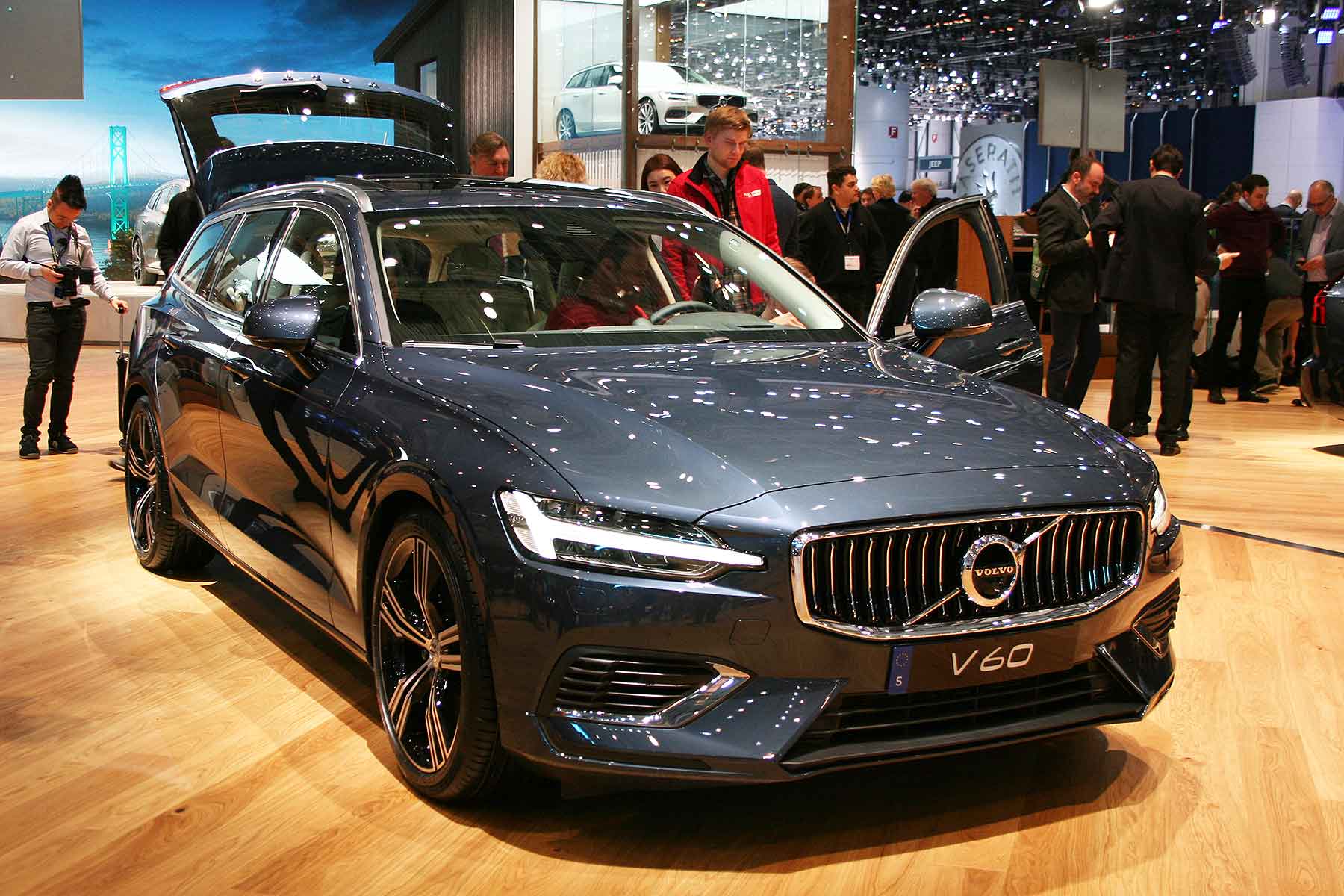
Volvo is continuing its withdrawal from traditional automotive industry events by announcing it is not going to attend the Geneva Motor Show next year.
“The ongoing change in the car industry is creating new audiences for Volvo Cars and new ways of bringing products to the market,” explained Björn Annwall, senior vice president of strategy, brand and retail at Volvo Cars.
“Automatic attendance at traditional industry events is no longer viable – we must tailor our communications based on how the options complement our messaging, timing and the nature of the technology we are presenting.”
Volvo had already withdrawn from most major motor shows. Geneva was one of the the exceptions, given its compact size and international nature – but now even this is being culled as the firm shifts towards Volvo’s own events and “purpose-specific communications” instead.
Volvo wants to build a database of more than five million direct customer relationships by 2025.
“We are not saying never to car shows,” said Annwall. “We expect industry events like the Geneva Motor Show to continue evolving and we may return in future.”
An example of Volvo’s new, more direct communications with customers and potential buyers will come later this month, when the firm reveals its new S60 at the Charleston, South Carolina plant that will build it.
Once the S60 is rolled out, Volvo will have fully renewed its entire model range, a process that begun in 2014 with the launch of the XC90 SUV.
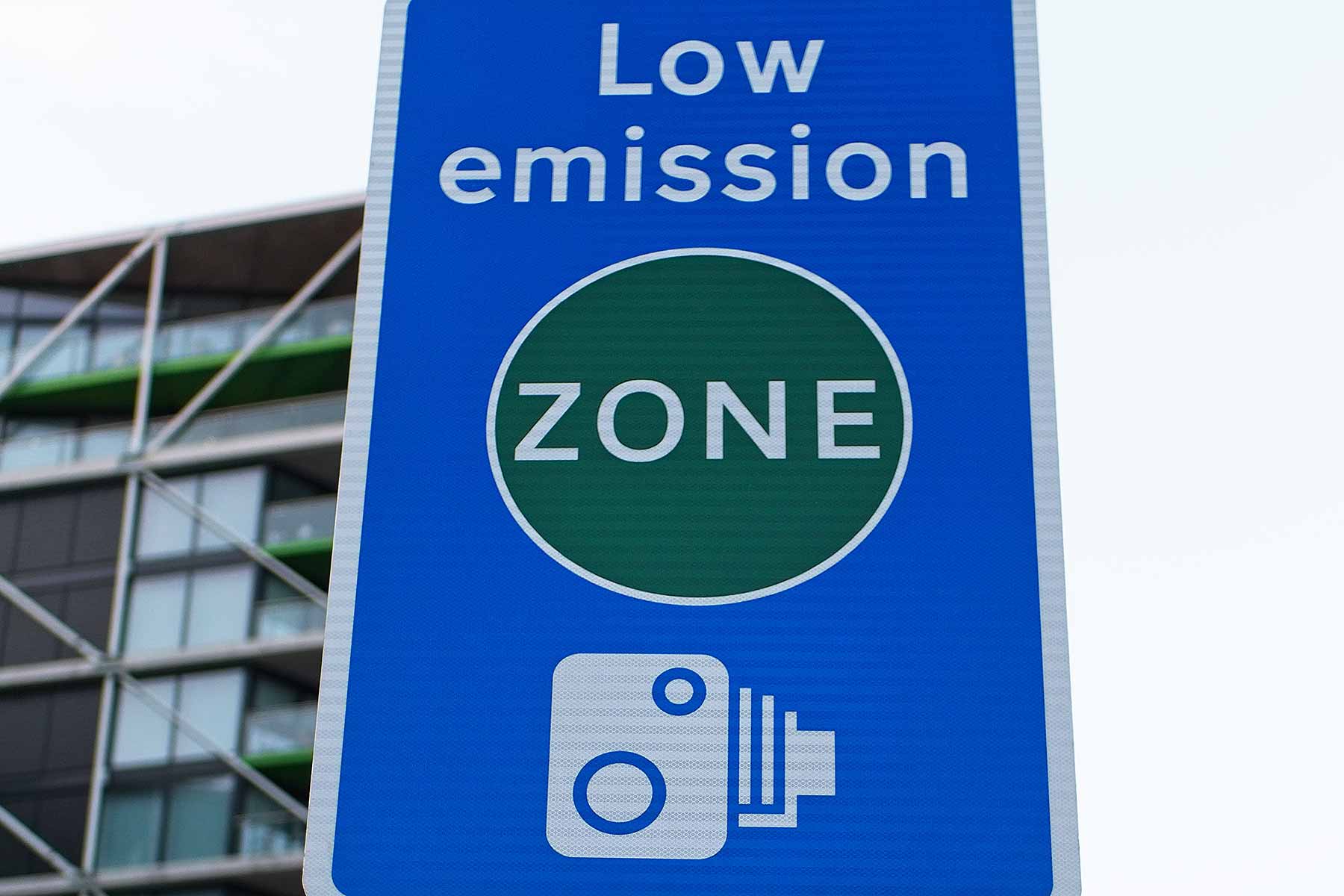
London Mayor Sadiq Khan has confirmed the London Ultra-Low Emission Zone (ULEZ) will be expanded to reach the North and South circular roads from 25 October 2021. It will be an expansion of the upcoming central London ULEZ, which goes live in April 2019.
Non-compliant vehicles will be charged £12.50 a day to enter the ULEZ – and, unlike the London Congestion Charge, fees apply 24 hours a day, 365 days a year.
Controversially, the ULEZ is particularly onerous for diesel car drivers. Only vehicles meeting Euro 6 emissions standards, introduced in 2014, will be exempt from the charge. The rules are more lenient for petrol vehicles; only those that don’t meet Euro 4 standards, introduced in January 2005, need to pay the charge.
It means that by 2021, says the Mayor of London’s office, petrol cars aged up to 15 years old will be exempt from the charge – but only diesel cars no more than six years old will escape it.
Expanding the 2019 central London Ultra-Low Emission Zone in 2021 will see it become 18 times larger. The Mayor’s office estimates this will affect 100,000 cars, 35,000 vans and 3,000 lorries a day.
The ULEZ zones will replace the current London T-Charge, introduced in October 2017. Owners of pre-Euro 4 petrol and diesel cars (pre-2005 vehicles) must pay a £10 supplement on top of the £11.50 London Congestion Charge.
“These bold measures will deliver a major improvement to Londoners’ health by reducing the toxic air quality that is currently responsible for thousands of premature deaths and other serious conditions. Research demonstrates these effects disproportionately impact the poorest Londoners.”
A combination of expanding the ULEZ zone and clamping down on emissions from eavy vehicles will “result in more than 100,000 Londoners no longer living in areas exceeding legal air quality limits in 2021”. That’s an 80 percent reduction.
Shameful air pollution
“Tackling London’s lethal air and safeguarding the health of Londoners requires bold action,” said London Mayor Sadiq Khan. “Air pollution is a national health crisis and I refuse to stand back as thousands of Londoners breathe in air so filthy that it shortens our life expectancy, harms our lungs and worsens chronic illness.
“I promised hard-hitting measures to tackle our shameful air pollution… We’re doing everything in our power to tackle this issue and are starting to see improvements in air quality with the wide-ranging action we’ve taken already on tackling the most polluting cars, and cleaning up our bus and taxi fleet.”
Responding to calls the new ULEZ will disproportionally impact some drivers, the Mayor called for the government to launch a diesel car scrappage scheme.
“City Hall are urging Ministers to deliver a diesel scrappage scheme to get the dirtiest cars off our roads and offer drivers a fair deal, especially the many diesel drivers who brought vehicles thinking they were more environmentally friendly after Government advice.”
Disabled drivers and specially adapted private hire vehicles have been given an exemption until 2025 to replace their vehicles. Charities running minibuses have a two-year sunset extension until 2023.
‘A huge move’
RAC roads policy spokesman Nicholas Lyes describes the 2021 ULEZ expansion as “a huge move into residential areas within the North and South Circular. Residents and small businesses within this area now have just three years to become compliant with the Mayor’s emission standards.
“This means many now face the daunting challenge of having to spend substantial amounts of money on a newer vehicle or face a daily charge of £12.50 to use their vehicles from October 2021. These time pressures and costs will be keenest felt by those from low income backgrounds, as well as those who work in roles such as hospitality and depend on using a car at night when public transport is not readily available.”
Lyes also pointed out that it’s currently very hard for motorists to actually find out what Euro emissions standard their car is. “It is absolutely vital that a central database is developed as quickly as possible.”
Transport for London consulted with the public ahead of expanding the ULEZ, and the response was “the largest ever recorded by TfL”. 56 percent of Londoners either supported or strongly supported the proposals. 74 percent backed tougher standards for heavy vehicles.
If there’s two things we like to complain about, it’s the weather and the state of Britain’s roads. Sadly, in both cases, we seem powerless to do anything about it, but while a rainy day is unlikely to leave you out of pocket, a potholed road could cost you thousands of pounds.
Online car and maintenance expert MotorEasy has analysed its database of 30,000 warranty customers to identify the top repair claims for axle and suspension damage. Spoiler alert: hitting a pothole could leave a serious dent in your wallet. Here are the top 10 claims in the last 12 months.
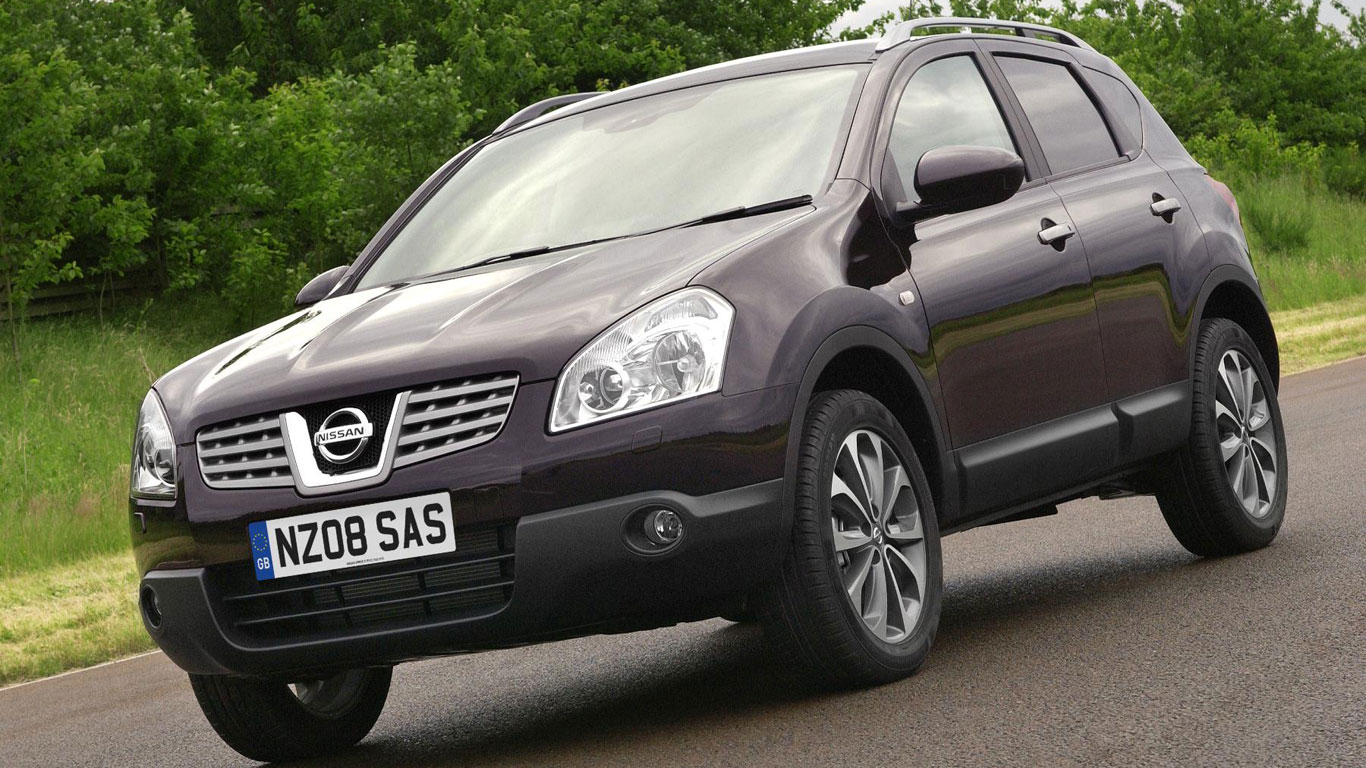
10. 2008 Nissan Qashqai: £486
The Annual Local Authority Road Maintenance Survey (ALARM) revealed that 24,000 miles of UK roads need repairing within the next year, so be prepared for more pothole dodging over the next 12 months. According to MotorEasy, the owner of a 2008 Nissan Qashqai claimed £486 for a suspension/axle repair.
That’s more than the average cost of a suspension claim, which stands at £297. You might think that the nation’s most popular crossover is tough enough to tackle the mean streets, but it’s no match for a potholed road.
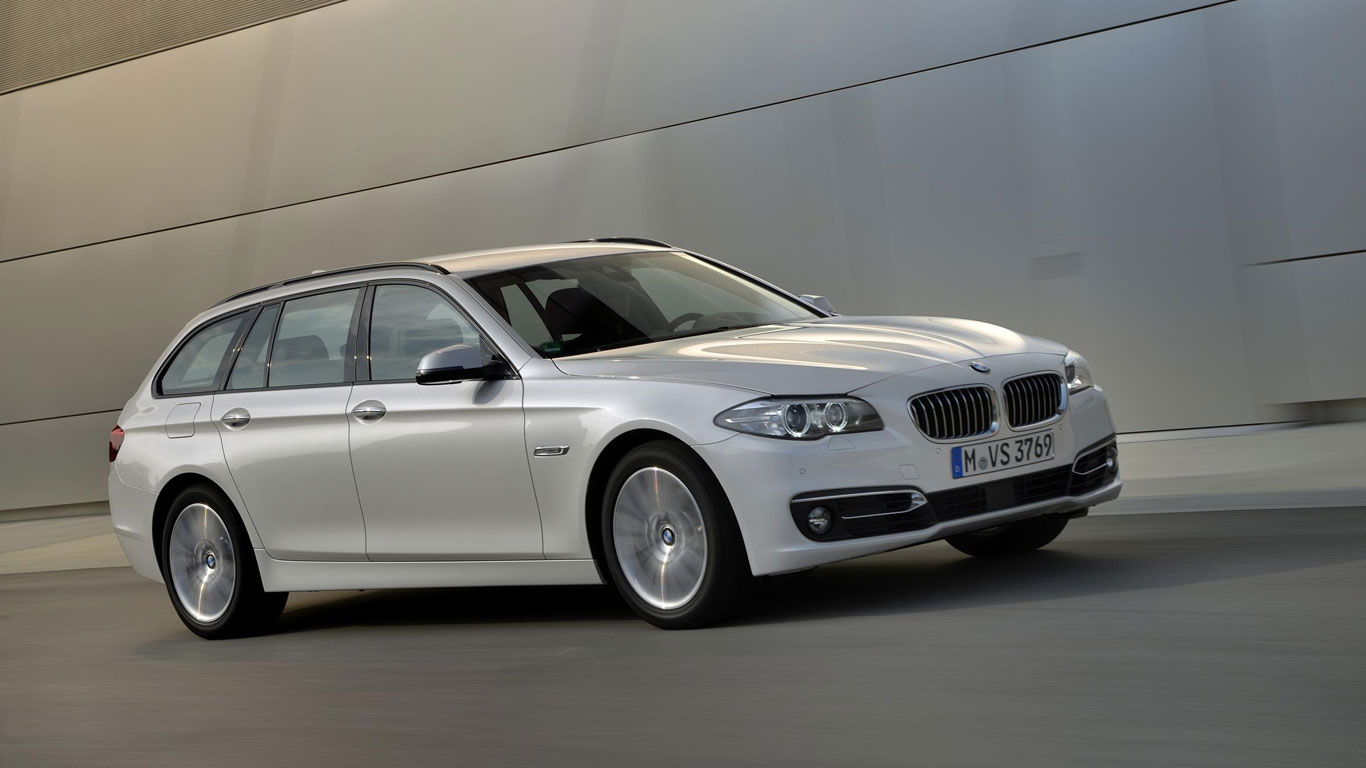
9. 2011 BMW 5 Series: £495
Meanwhile, the owner of a 2011 5 Series claimed £495 for suspension and axle damage, presumably following an unfortunate incident involving a British pothole.
Duncan McClure Fisher, MotorEasy founder said: “Potholes can prove to be a costly problem for motorists, causing damage that can run into thousands of pounds. With the ALARM report showing that a huge number of roads are still in poor condition, this is a problem that could plague many British drivers for months to come.”
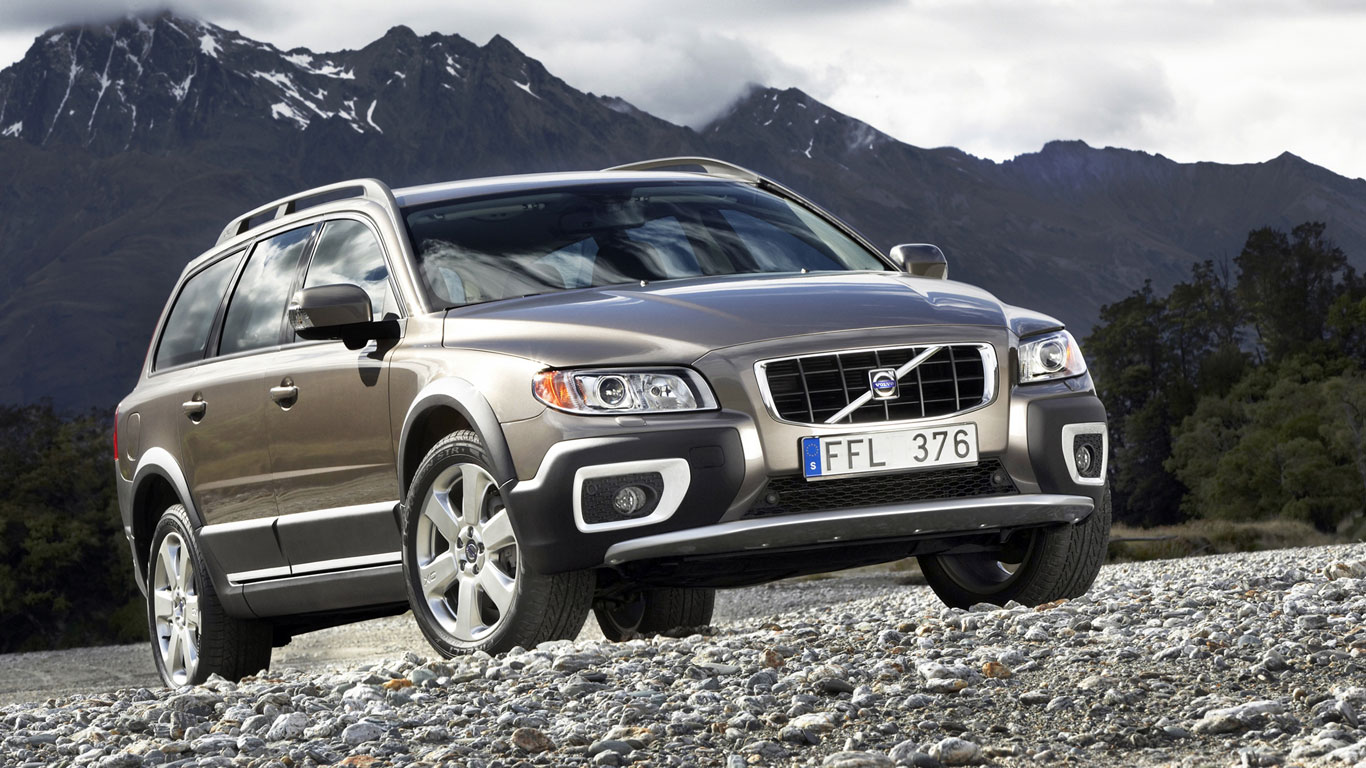
8. 2008 Volvo XC70: £650
You’d think that a jacked-up off-road estate car would have no problem dealing with a potholed road. But while a Volvo XC70 is at home on a green lane or a gymkhana car park, it’s not immune to the curse of a pothole.
Did you know that it’s possible to report a pothole to the government? Head to www.gov.uk/report-pothole and enter the postcode of the unwanted crevice.
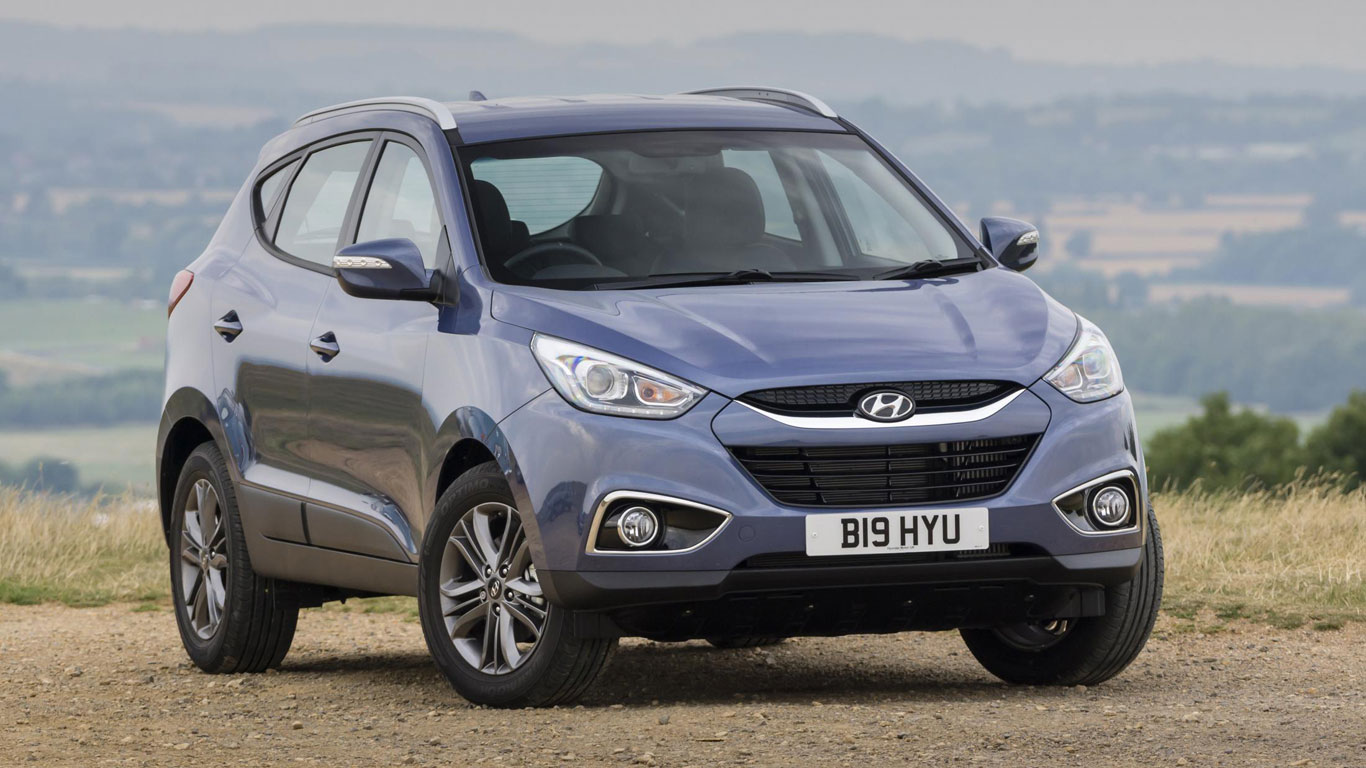
7. 2013 Hyundai ix35: £809
When a 2013 Hyundai ix35 met a pothole, it cost £809 to repair the damage. That’s around 10 percent of the value of a 2013 ix35. Ouch.
According to Potholes.co.uk, potholes are estimated to cause as many as one in 10 mechanical failures in the UK, costing motorists an estimated £730 million every year.
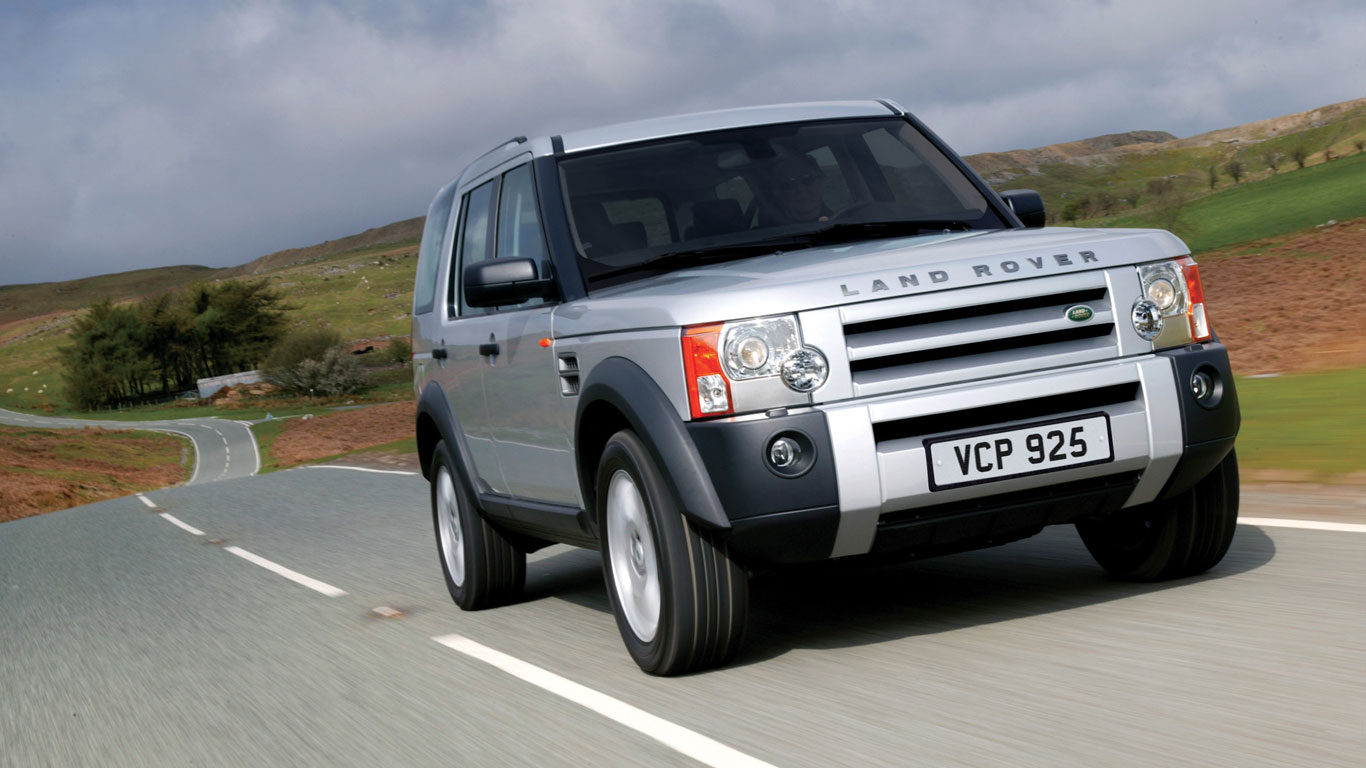
6. 2008 Land Rover Discovery: £884
The Land Rover Discovery might have developed a reputation for its ability to climb every mountain and ford every stream, but a British pothole could stop this off-roader in its tracks.
Residents in Bangor were delighted to discover a 1.5m hole dubbed the “biggest in Bangor” had been filled in by the makers of The Voyage of Dr Dolittle. The filmmakers offered to repair the hole as part of a deal to film at the location.
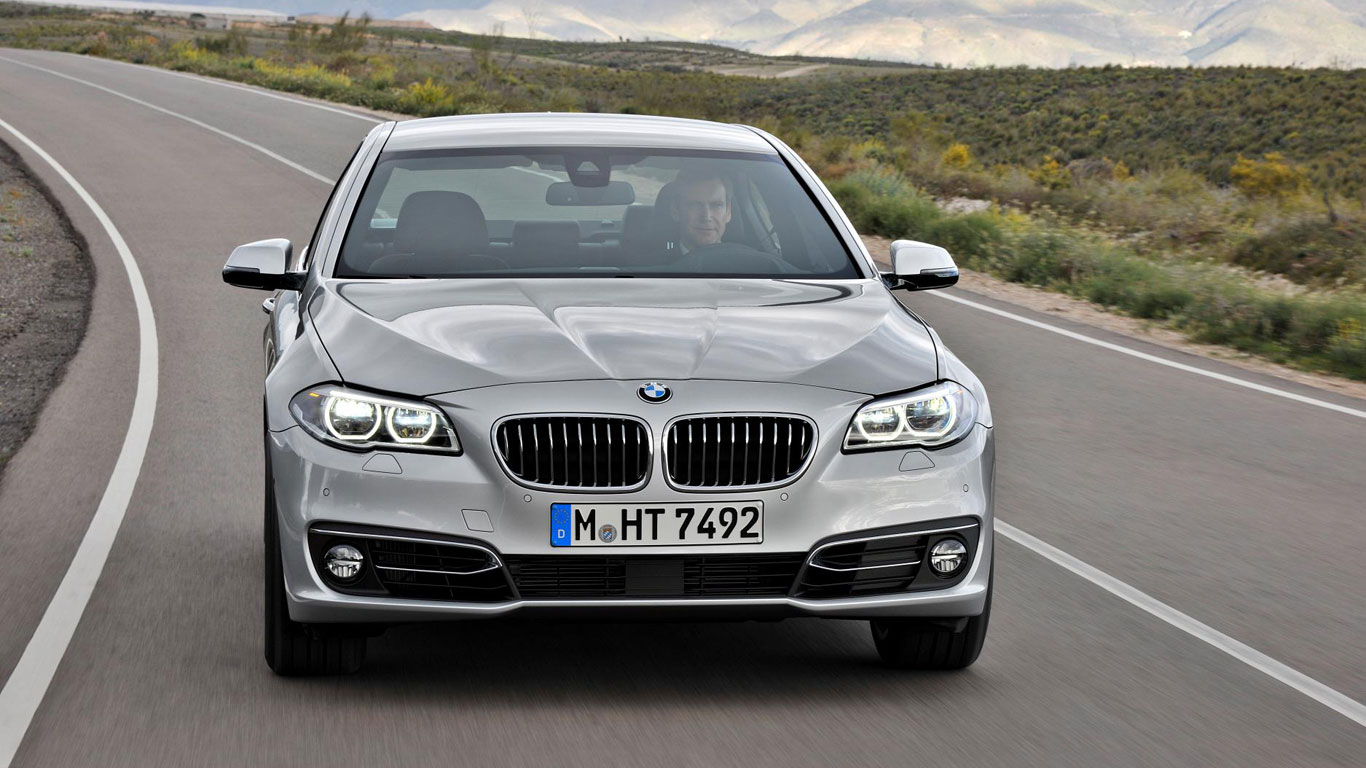
5. 2011 BMW 5 Series: £953
It’s the 2011 BMW 5 Series again, this time with a claim of £953. On this evidence, owners of F10/F11 5 Series will be taking extra care on their way home from the office this evening.
According to the Hull Daily Mail, the potholes on one street are up to five inches deep, with one resident saying: “I have a five-inch deep pothole outside my house that wakes me up in the morning when people drive over it. It’s dangerous and I’m worried about a cyclist going over the handlebars.” BMW 5 Series drivers should avoid Thoresby Street, Hull.
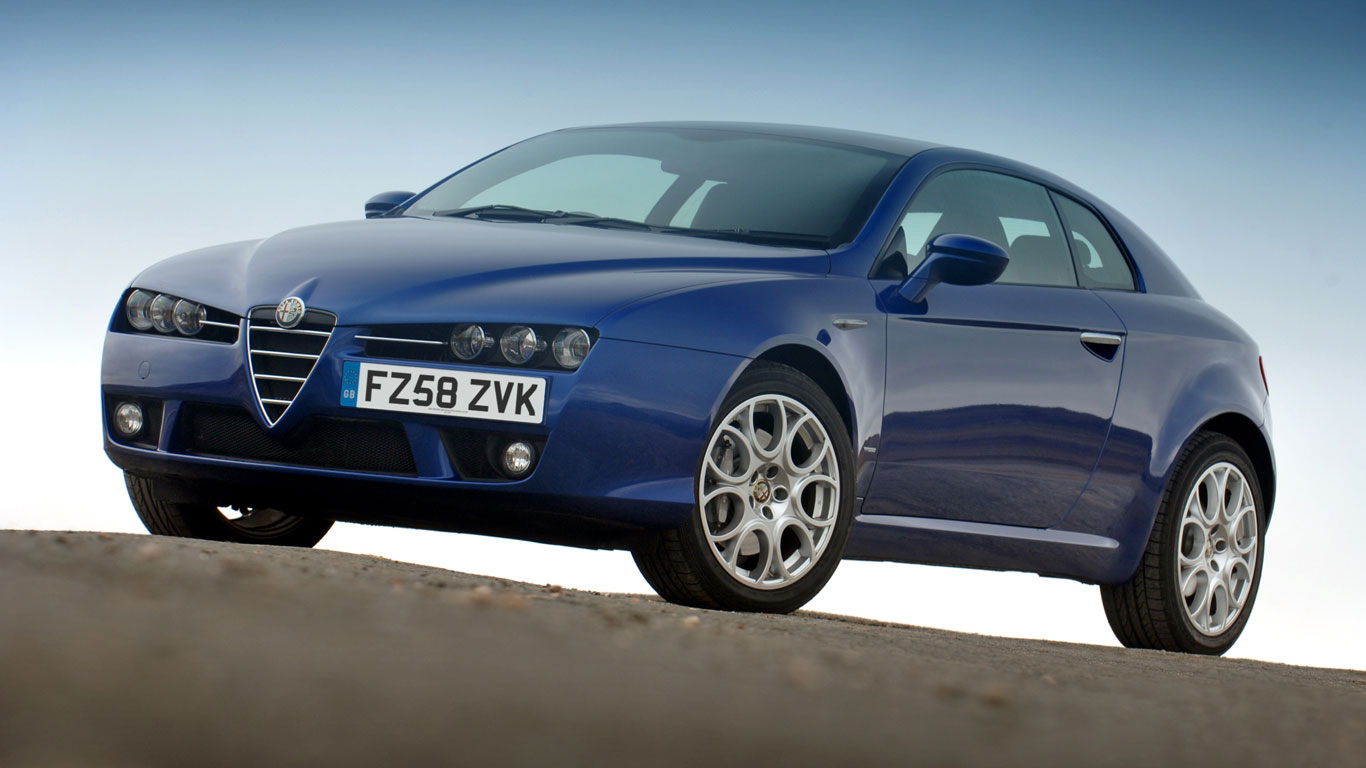
4. 2008 Alfa Romeo Brera: £1,036
Meanwhile, still in Hull, one garage owner said he is fixing cars wrecked by potholes every week. Wayne Sargeson told the Hull Daily Mail: “We easily replace one or two snapped coils a week now. Going back a couple of years, we’d only maybe do one a month.”
The first claim to run into four figures is a repair job on a 2008 Alfa Romeo Brera. But why are the roads in such a poor state? It’s a combination of factors, including councils lacking the funds to repair them, and the effects of the winter weather, including the ‘Beast from the East’.
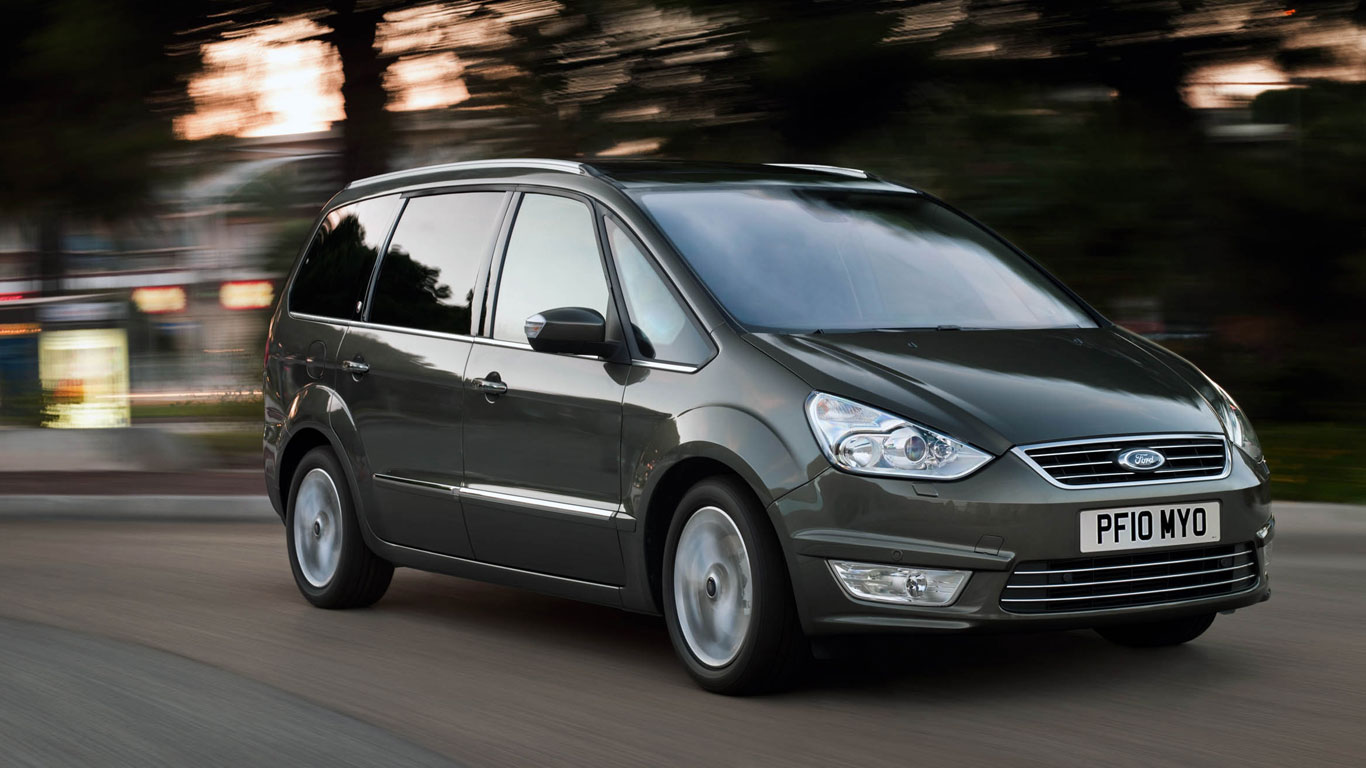
3. 2011 Ford Galaxy: £1,697
You can buy a 2011 Ford Galaxy from upwards of £3,500, which means that this claim for repairs represents a sizeable proportion of the car’s value. Just as well it was covered by an aftermarket warranty.
Drivers aren’t alone in their pothole misery. A recent YouGov poll for Cycling UK found that more than half of people would cycle more if the roads were in a better condition. Duncan Dollimore, Cycling UK’s head of campaigns, said: “Cycling is still a minority activity in the UK with only 2 percent of all journeys made by bike. Those who do cycle put up with the potholes and dangerous traffic conditions daily and still continue.”
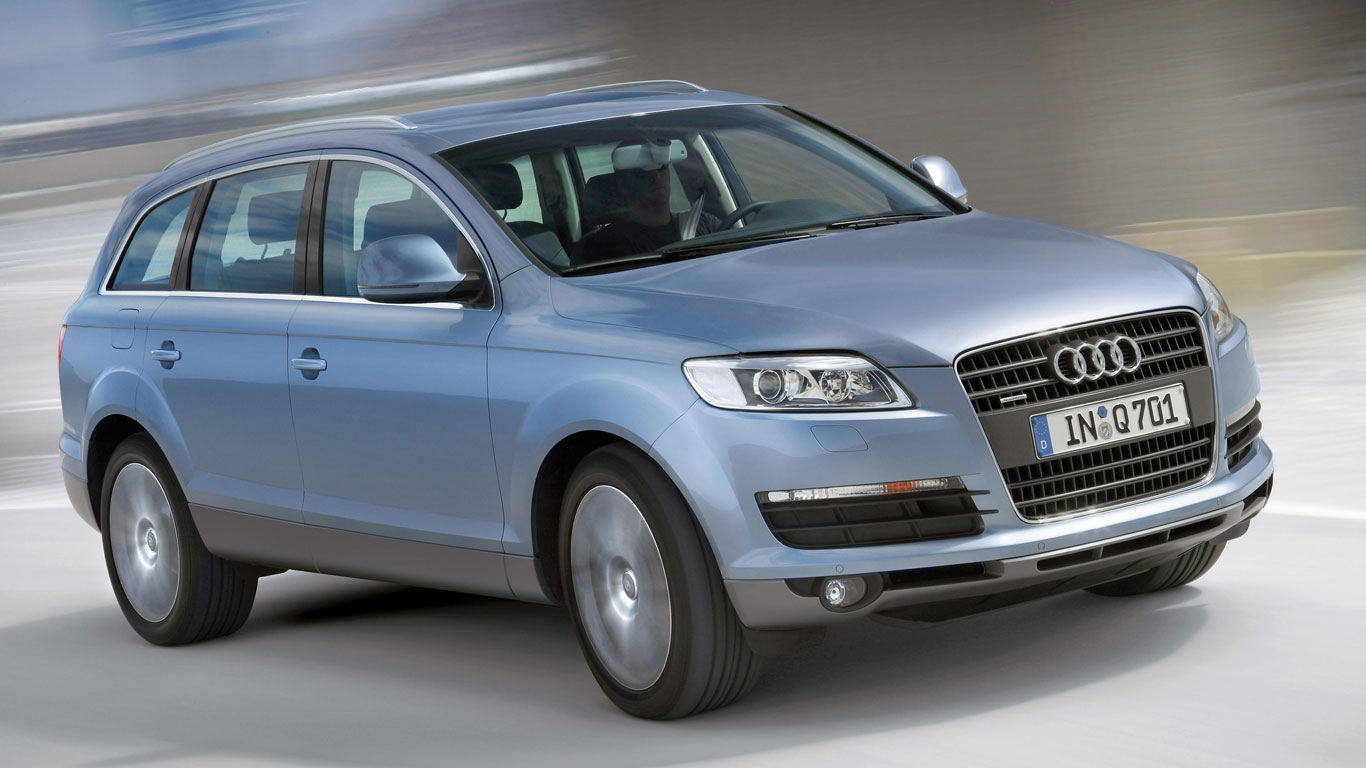
2. 2008 Audi Q7: £3,528
Imagine hitting a pothole and finding out that it had caused £3,528 worth of damage. When a mechanic takes a sharp intake of breath before presenting you with the bill, that’s normally the time to prime your wallet for action.
On Friday 13 January 2017, the Department for Transport announced funding for a so-called ‘Pothole Spotter’ trial, with Thurrock, Wiltshire and York councils using vehicle-based cameras to identify potholes when out on the road.
1. 2012 Range Rover Sport: £3,863
Meanwhile, the world-first BridgeCat uses sensors to measure the damage caused by floodwater. Crucially, the system uses sonar and underwater cameras to assess damage before the flood water has receded. This tech has come too late for the owner of one Range Rover Sport…
Hitting a pothole resulted in a whopping £3,863 of repair bills, which must have been hard to stomach. If you see a pothole, be sure to report it to your local council or via the government website.
Read more:
The government is spending £46m repairing potholes
Audi has introduced Amazon Music to its Audi connect services roster. It brings the music streaming service’s library of 50 million songs to Audi drivers, accessible through the regular MMI service.
It also offers live broadcasts of sporting events such as football matches – and Audi’s taken advantage of this in time for the Russia World Cup with a special information service for football-addict drivers.
The ‘2018 World Cup Ticker’ is a temporary information service that feeds team news, match schedules, current scores and results to Audi drivers. Once the World Cup ends, so too will the Ticker.
Amazon Music will remain: it is fully integrated into the Audi MMI system (rather than being accessed via Apple CarPlay or Android Audi): drivers can even use handwriting input to search for artists or songs. It has a dedicated panel on the navigation menu and aims to closely mirror the functionality of Amazon Music on smartphones.
What’s needed? The latest version of the (free) myAudi app on an owner’s smartphone, plus an onboard SIM card with data package – and for those who may (for some reason) not want to use the embedded Audi connect SIM, they can pop in their own SIM.
You don’t need to connect your smartphone in order to use the service.
The service is currently offered in the UK as well as Germany, the USA, France, Spain and Italy (which is good news if you’re planning an European driving holiday this summer).
The service also scales in line with your subscription: if you have an all-access package, you’ll be able to enjoy ad-free songs and other bonuses while on the road. The introduction of Amazon Music will offer users more choice: Audi has already integrated Spotify into its cars.
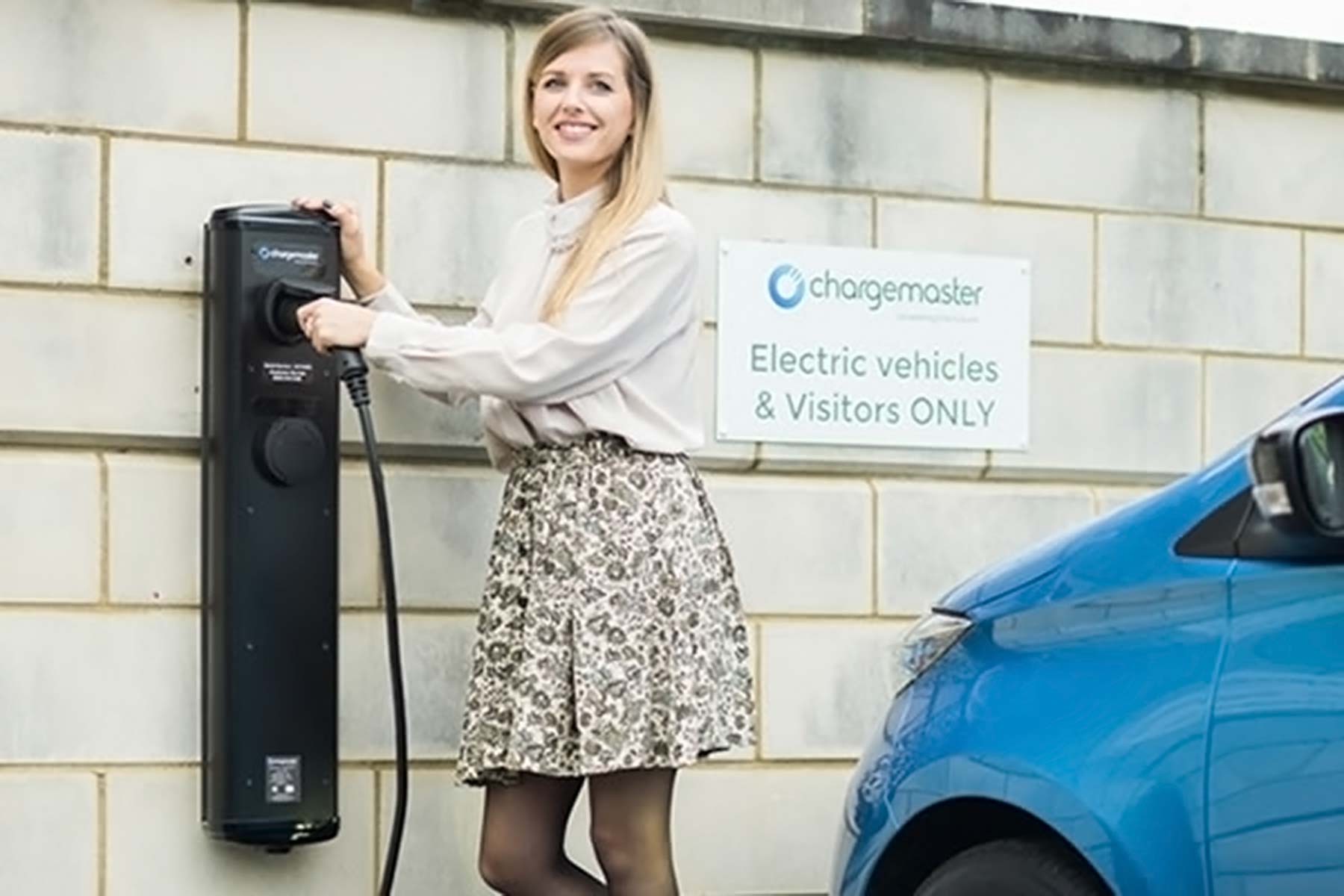
Chargemaster is a key partner of TV star and electric vehicle evangelist Robert Llewellyn’s Fully Charged Livecar show at Silverstone this weekend – and it is now offering an added incentive to visit: a £1,000 discount code to install workplace charging at your office.
The discount is in addition to the Office for Low Emission Vehicles’ Workplace Charging Scheme grant of £300 per socket (valid up to a maximum of 20 sockets). Chargemaster does qualify it by stating it’s “up to £1,000 per workplace”, but a discount is a discount, one that, it is hoped, will get employees badgering their employers to install EV charging.
Particularly, says Chargemaster, as employees are not liable for any Benefit-in-Kind taxation if they charge at work – a handy incentive for cost-conscious company car drivers who might be considering a plug-in hybrid to replace their fleet-friendly diesel.
Chargemaster’s system uses the same RFID access card as its nationwide Polar public charging network, “creating seamless roaming for employees”. The workplace chargers also feed into a Chargemaster data platform, so users can see live analytics and download reports for accounting.
There’s even the potential to open up the workplace charger for out-of-hours public access, adds the firm – and it’s also a great incentive for visitors.
Chargemaster offers several workplace charging solutions, including a more affordable ‘Powercharge’ unit that costs £795 plus VAT. A Type 2 system (compatible with every EV currently on sale), it has two sockets and offers charge at 7kW.
Tech giant Harman has launched a 5G-ready car antenna that packages multiple units into one device and which can be mounted beneath car bodywork – solving the packaging headaches that have been worrying car designers.
Indeed, as many as 18 individual antenna services can be squeezed into Harman’s new device, thanks to multiband ‘conformal’ technology. Yet we won’t be aware of it, as the device will be packaged beneath the bodywork, hidden from view.
The new tech is going to replace the ‘shark fin’ antenna, which themselves replaced the traditional car aerial, reckons Harman. Up to now, says Harman’s vice president of telematics, Vishnu Sundaram, these have been used in conjunction with other antennas distributed around the vehicle.
“In the era of pervasively connected cars, this layout is no lover viable for designers.” Working with Harman owners Samsung plus several car manufacturers, “the Harman team has designed a solution that is compact, aesthetically pleasing and future-proof”.
Some of Samsung’s smartphone expertise has gone into the creation of the new 5G car antenna tech. Harman says the antennas will be located in the roof area or bootlid, and over the past six months, has “gained a serious share of interest from our automotive OEM customers”.
It seems the new 5G antenna answers telematics engineers’ growing list of demands while also provide a “fresh easel” for car designers. Sundaram revealed Harman’s currently working with several brands to validate the tech for upcoming cars, “and expect to see the conformal antennas available for model year 2021 vehicles”.
There’s more, too: it’s capable of turning into a ‘smart antenna’, supporting vehicle-to-vehicle and vehicle-to-infrastructure solutions that will connect cars to their surroundings. “This 5G-ready technology will help automakers keep up with the pace of innovation.”
And to think we once thought an electric aerial was cutting edge…
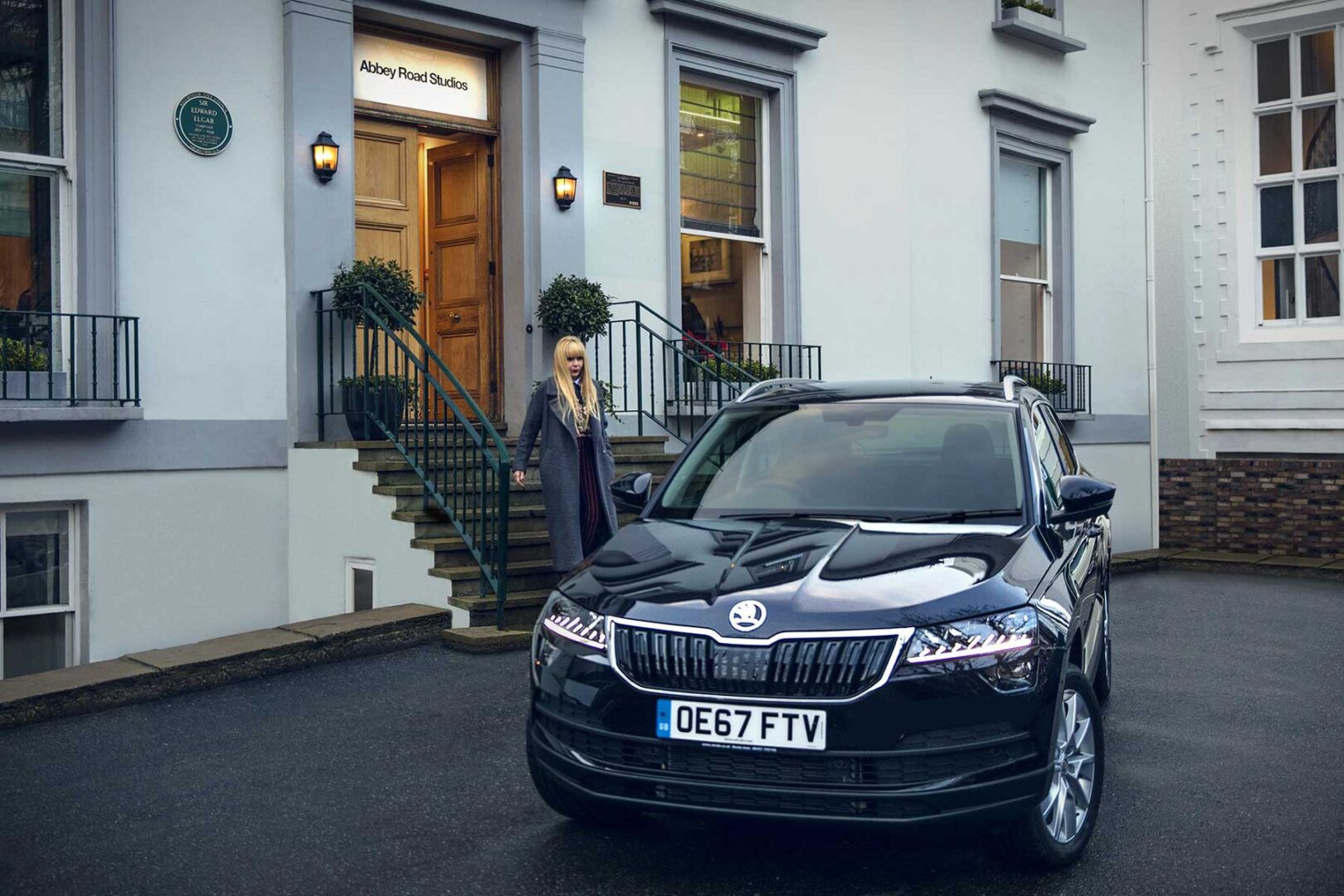
What started out as the cover of a song from the 1960s to promote the new Skoda Karoq SUV has resulted in singer Paloma Faith having her best chart performance since 2014.
Launched in March during an advert break on ITV’s The Voice – a show Faith was formerly a coach on – the song has gone on to become her best-selling single in four years. It became the most ‘Shazamed’ song for four weeks-running, whilst also topping the charts on iTunes.
The popularity of the song led the Sony record label to release ‘Make Your Own Kind of Music’ as an actual single, whilst also adding it to Faith’s latest album.
Skoda picked Faith for the role as the brand’s first ambassador the ‘Driver’s Seat Initiative’, a project run in partnership with the Prince’s Trust. Intended to encourage young people to explore their creativity, Paloma was said to embody the “unique spirit and style” that Skoda wanted to channel.
The partnership between Skoda and the Hackney-born songstress was marked in February by an exclusive concert in her native London Borough. Fans had the chance to hear ‘Make Your Own Kind of Music’ for the first time, alongside other songs from the latest album.
Whether the musical linkup has brought more customers to the Skoda brand is yet to be seen, but at least Paloma should be able to purchase her own Karoq from the success of the single. Although we cannot ignore the fact that her individual “spirit and style” may have been better served by the funky Skoda Yeti, since replaced by the Karoq.
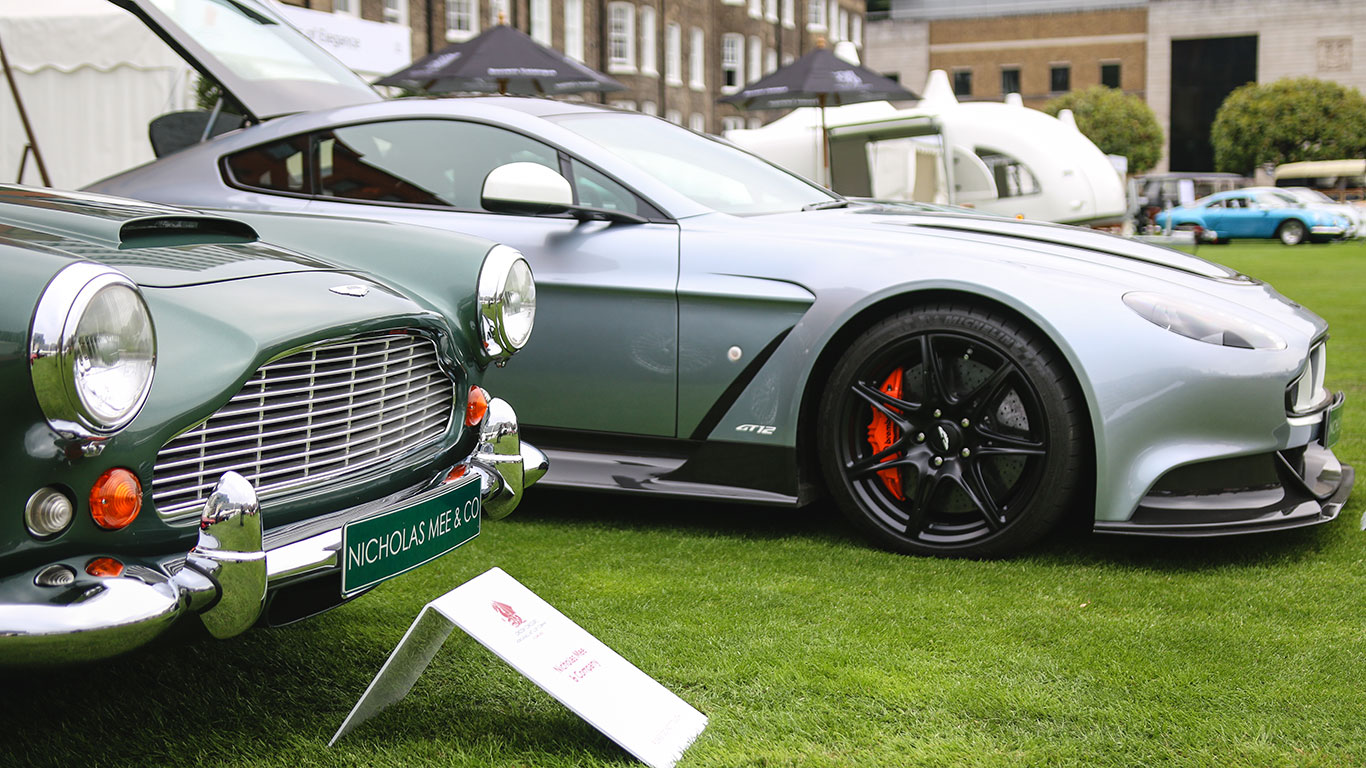
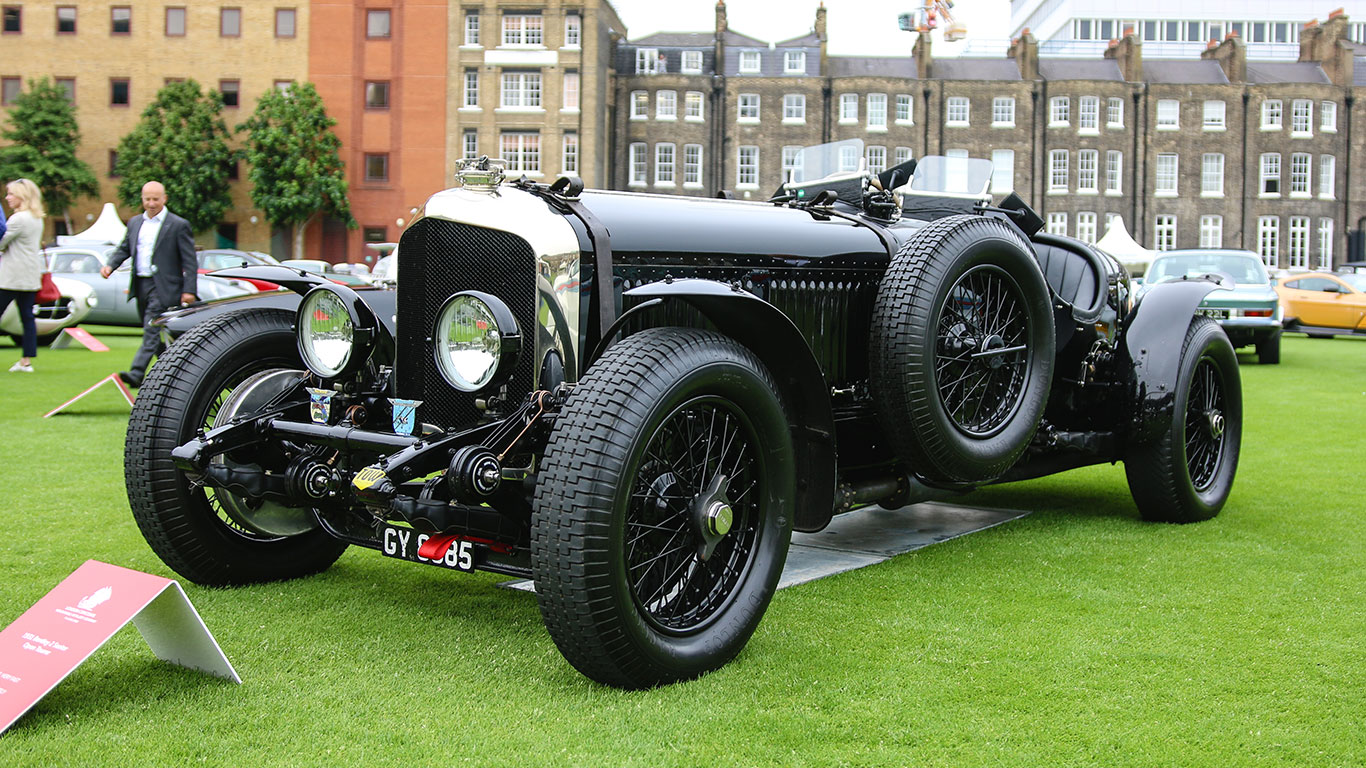
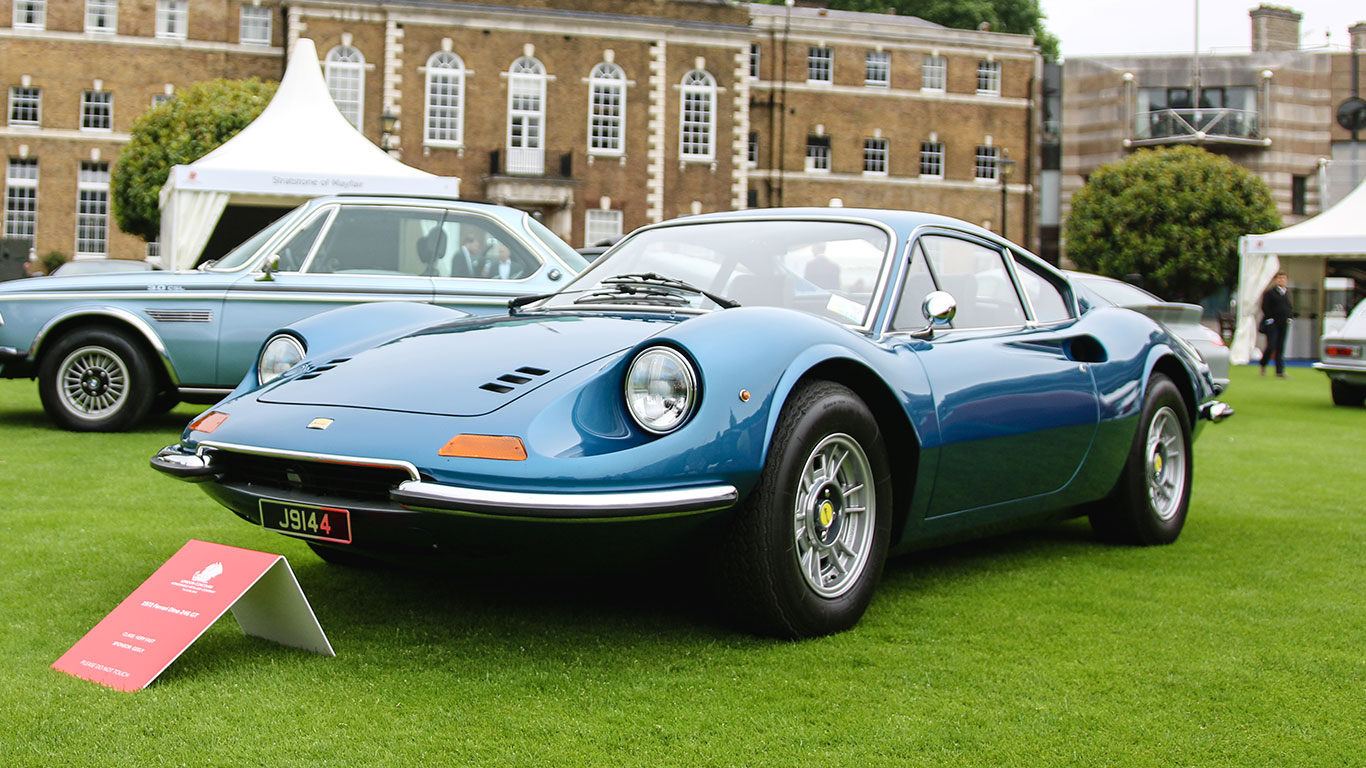
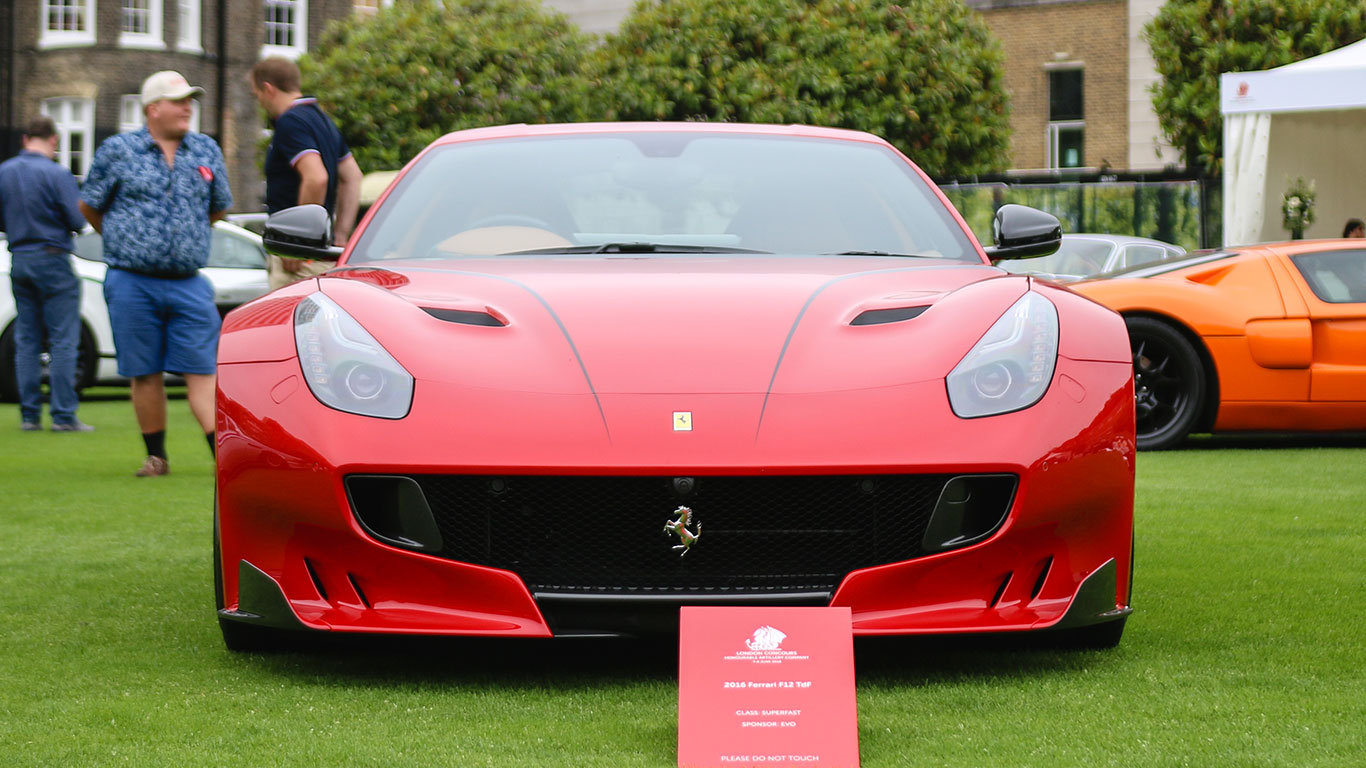
Taking place in the heart of the City, London Concours is fast becoming a highlight of the classic car calendar. And ‘fast’ is very much the theme this year, with concours cars classified as Fast, Faster, Very Fast, Superfast, Hyperfast and Era-Defining. We kick off with the Era-Defining cars, the “quickest and most iconic of their day”, then round up the best of the rest. Which one earns a place in your dream garage?
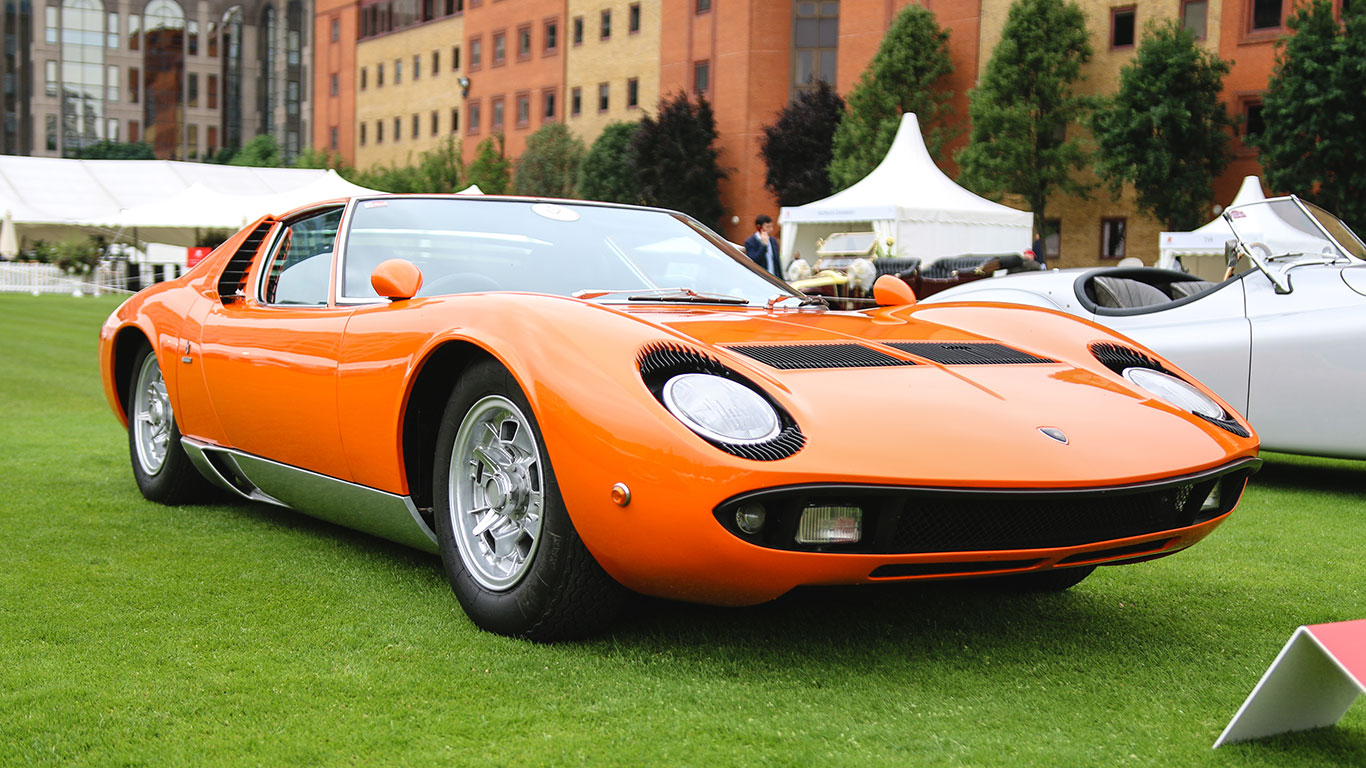
Where better to start than with the very first supercar? The Lamborghini Miura is arguably the most beautiful of the breed, too, with sensual Gandini styling wrapped around a mid-mounted V12. This 1969 Miura S makes 370hp and hits 170mph – although a notorious predilection for front-axle lift means you need big cojones to get there…
Jaguar E-Type
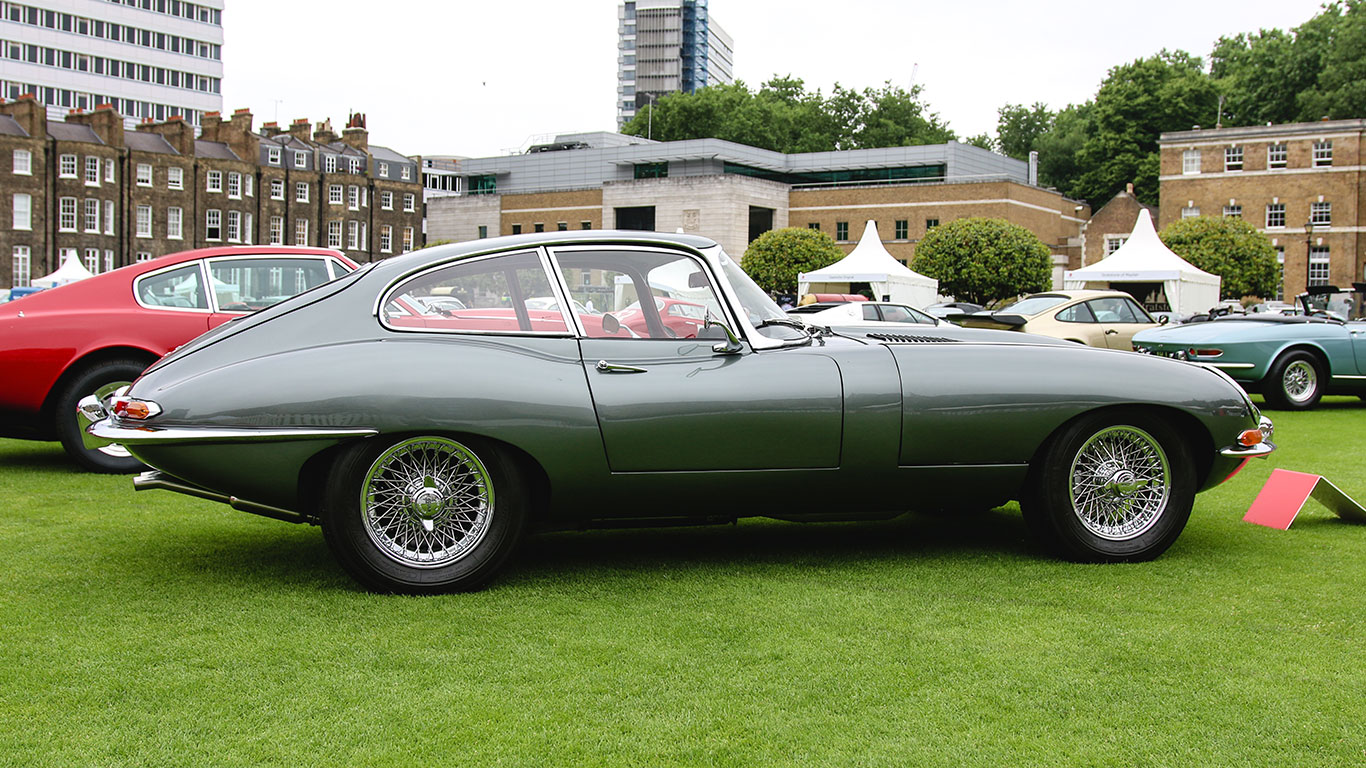
Another front-runner for the ‘most beautiful car in the world’ title, the Jaguar E-Type defines the swinging sixties. This 1965 FHC (Fixed-Head Coupe) is a desirable Series 1, powered by a 4.2-litre in-line six. At the time, it was the fastest car ever tested by Autocar magazine, reaching 153mph.
McLaren F1
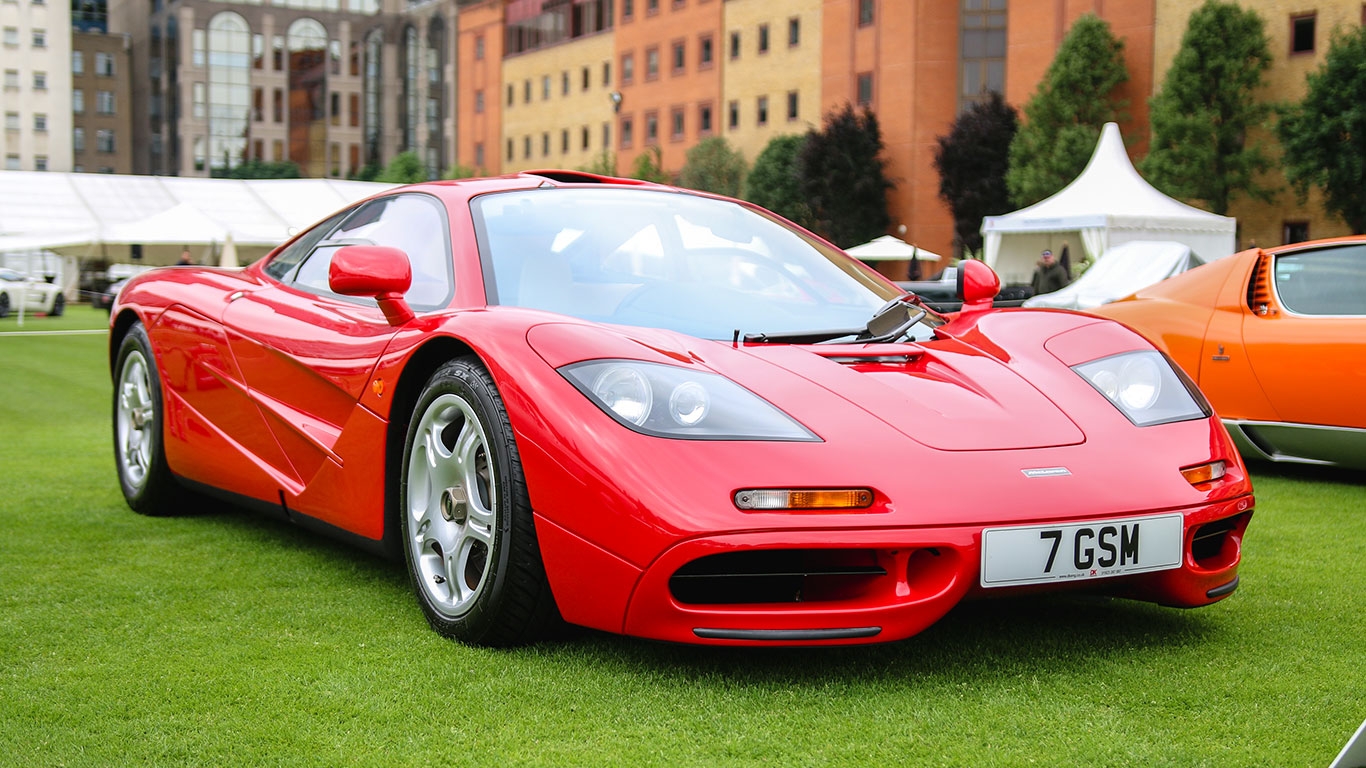
The going rate for a McLaren F1 seems to be about £10 million, so this relatively compact and unassuming supercar may be the most valuable machine here. The 240mph F1 is famed for its central driving position (for ideal weight distribution) and engine bay lined with heat-reflecting golf leaf. However it was also the first road car with a chassis made entirely from carbon fibre composite.
Mercedes-Benz 300 SL
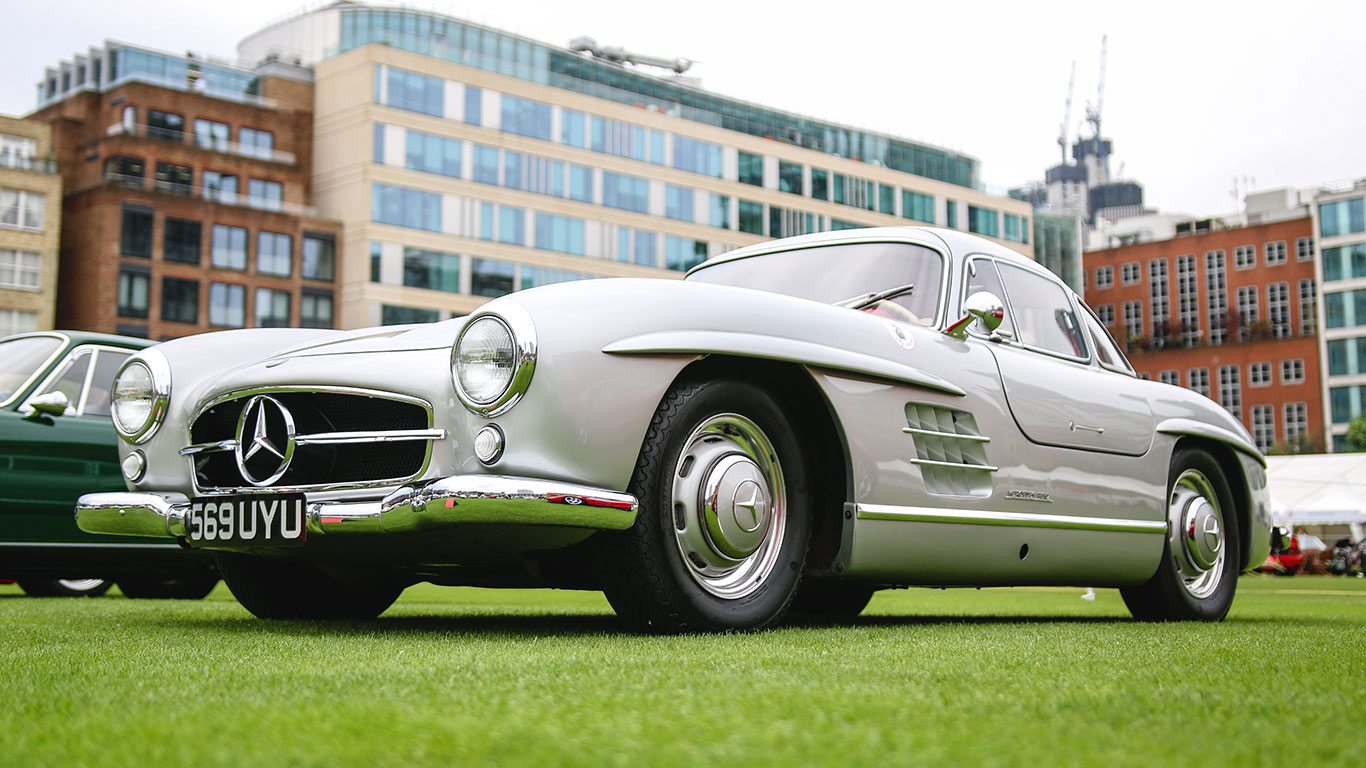
The 1954 300 SL was a genuine race car for the road. Indeed, it was more powerful than the W194 Le Mans legend that shared its 3.0-litre straight-six engine. The ‘Gullwing’ (nicknamed thus due to its vertically-opening doors) was also the first production car with fuel injection. A Roadster version followed in 1957.
AC Cobra
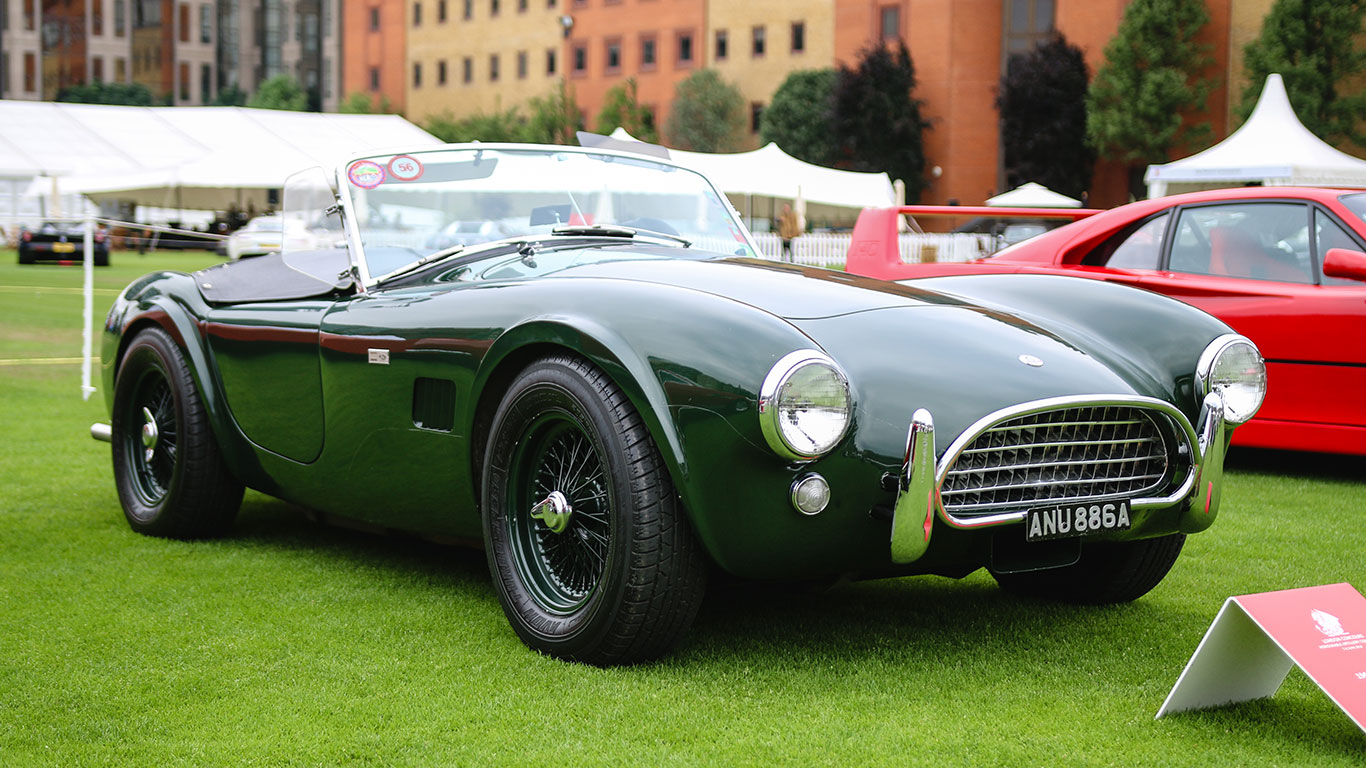
The AC Cobra is such an endlessly copied design, you’re rarely certain if one is real or a replica. This 1963 289 is, of course, real. The Cobra recipe was simple: stuff an oversized Ford V8 into the flyweight AC Ace roadster. The results, however, were spectacular. The mighty 7.0-litre Cobra 427 could hit 185mph in competition spec.
Ferrari F40
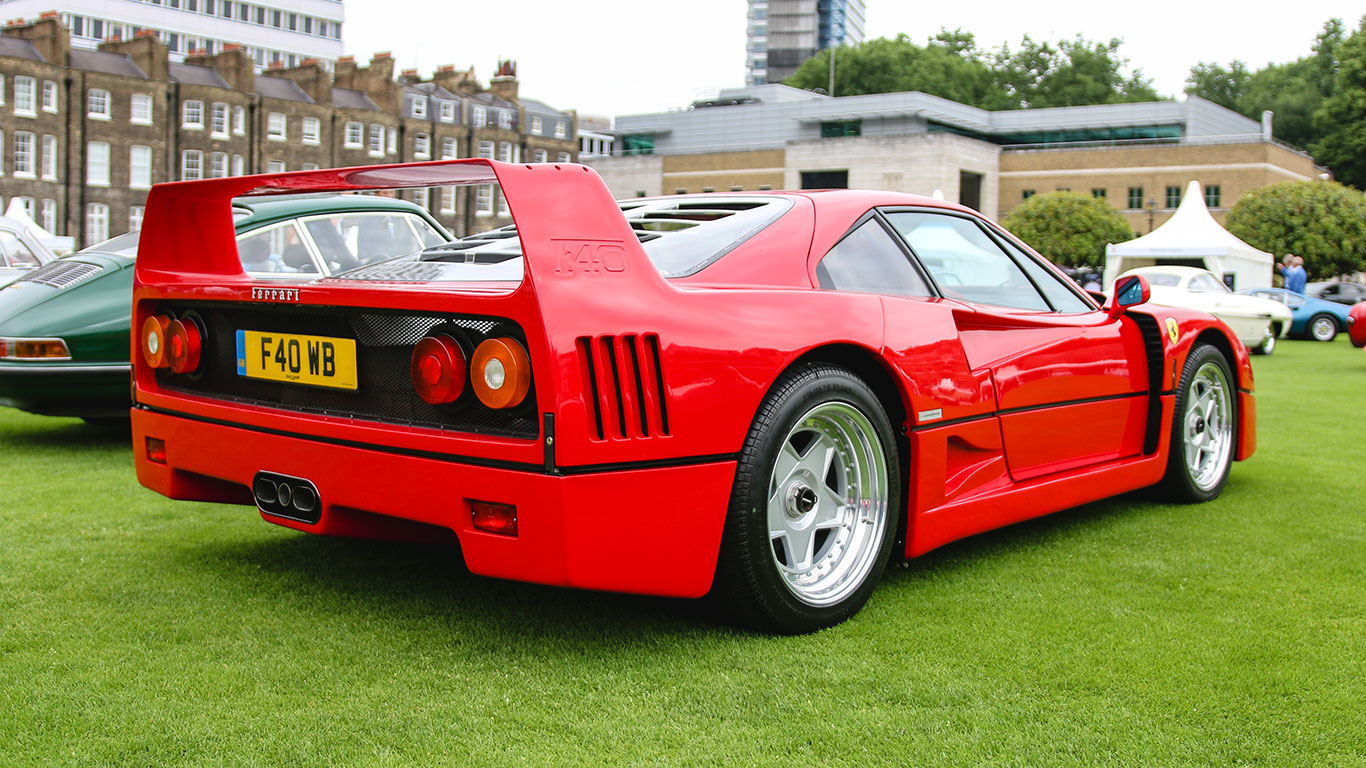
Hands up who had one of these on their bedroom wall? The F40 is one of Ferrari’s most celebrated sports cars: a mid-engined monster with 478hp and no creature comforts. A 201mph top speed was serious stuff in 1987, outgunning the more technologically-advanced Porsche 959. The F40 was also the last Ferrari to be signed off by il Commendatore, Enzo Ferrari himself.
Jaguar XK120
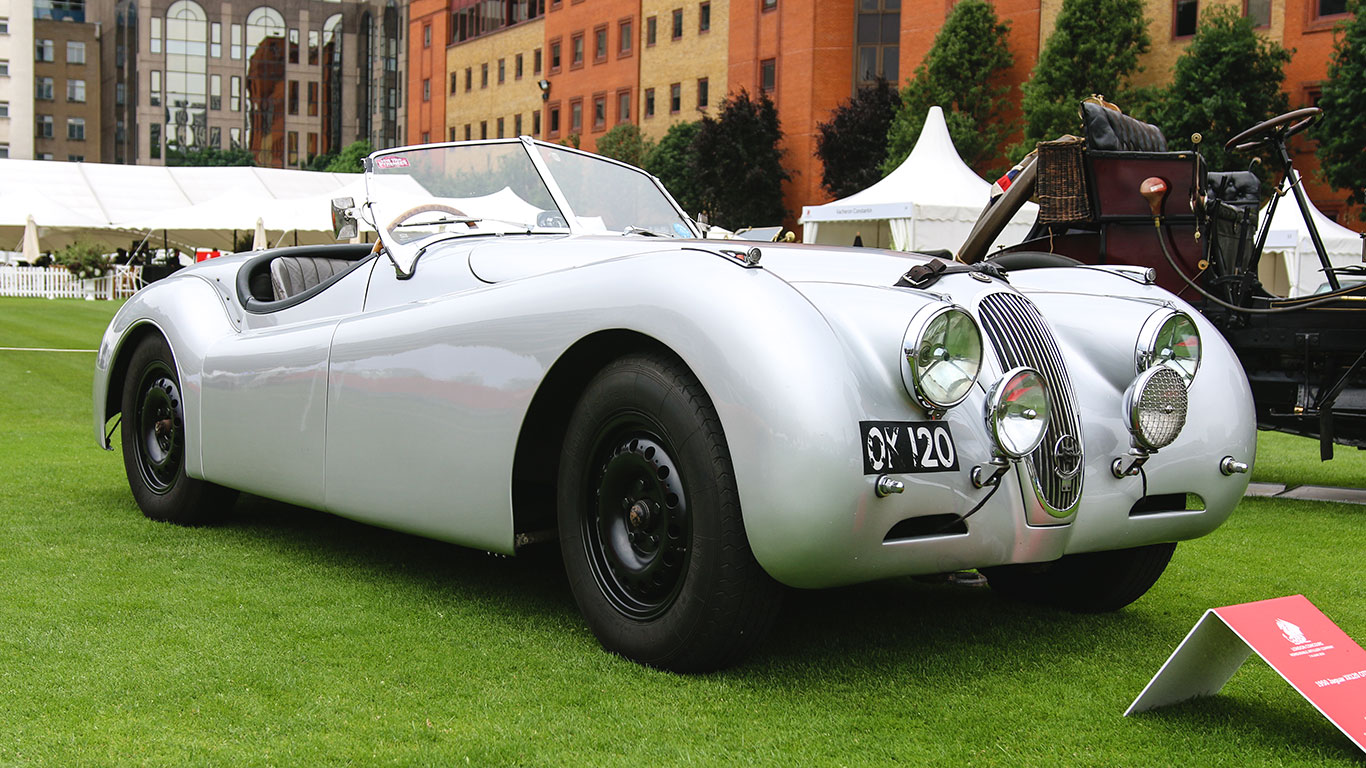
If the E-Type sums up the sixties, the XK120 defines the decade before. As Britain emerged from the shadow of World War II, Jaguar’s pretty straight-six roadster pointed to a brighter future. This 1950 XK120 OTS set 24-hour and seven-day speed records when new, averaging more than 100mph.
Aston Martin V8 Vantage
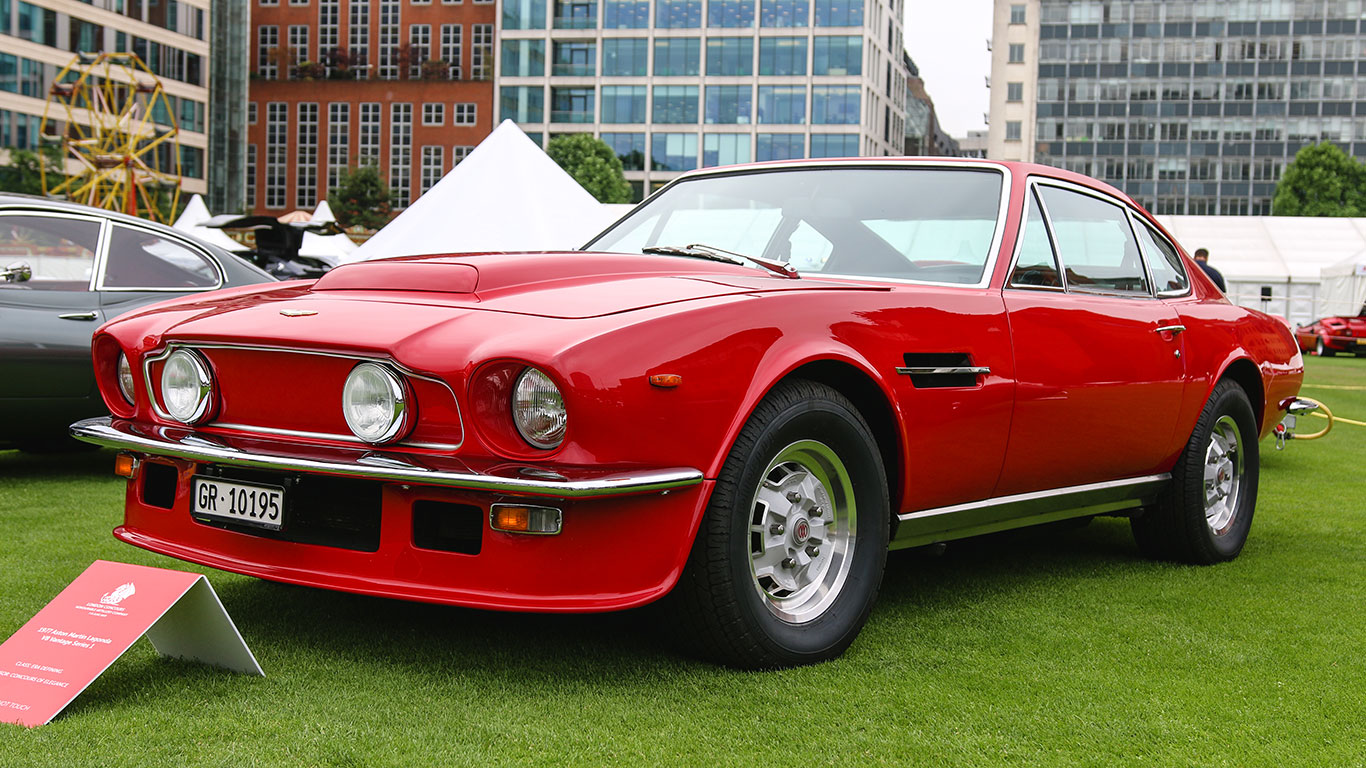
‘Modern’ Aston Martin is known for its sleek sports cars (and, um, the Cygnet supermini), but it wasn’t always thus. Astons of the 70s and 80s were upright, big-engined brutes – and few more so than the original V8 Vantage. A 380hp carburettor-fed engine lurks behind its blanked-off front grille, giving 0-62mph in 5.2 seconds and a 170mph top speed.
Porsche 911
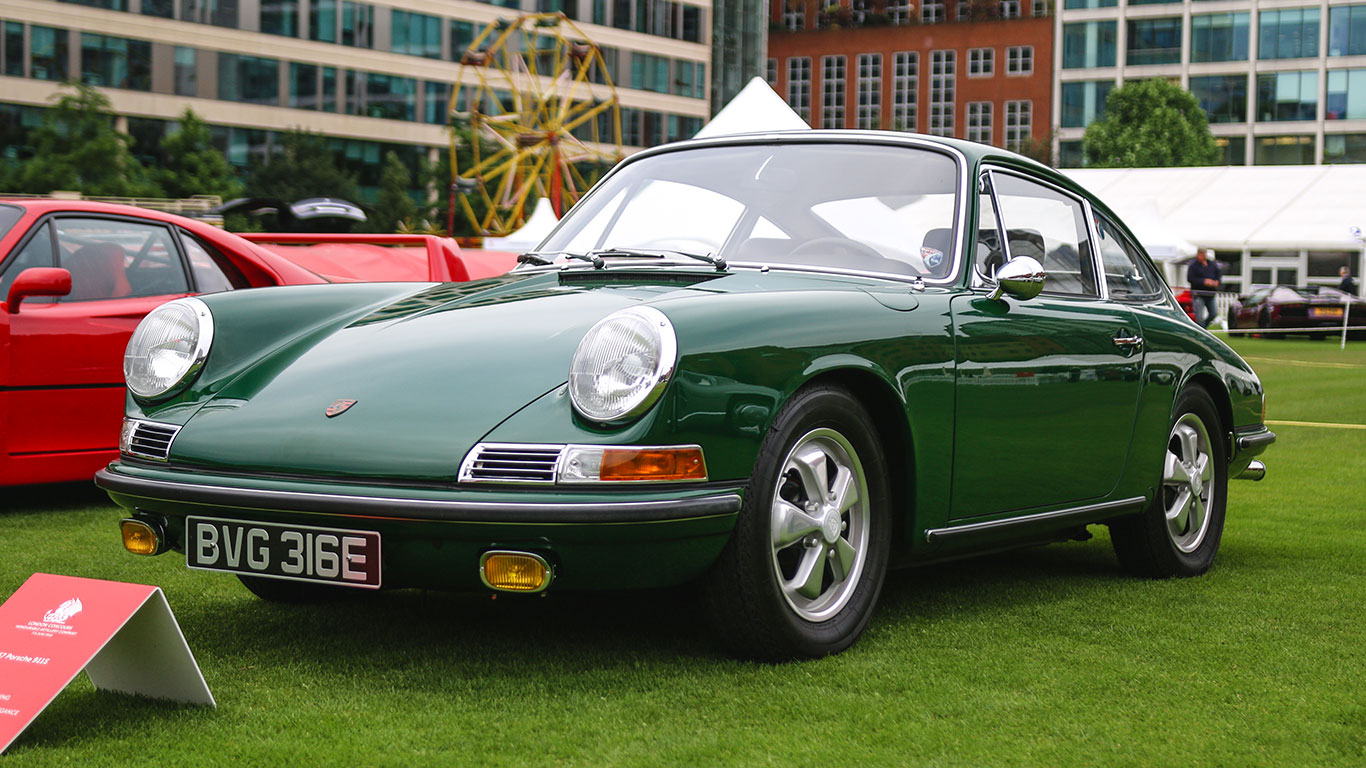
Is the Porsche 911 really ‘era-defining’? It’s been in production for so long – 55 years – that it belongs to multiple eras, invariably being the benchmark against which other sports cars lare judged. This particular Neunelfer is a 1967 911S, the flagship of the range until the RS debuted in 1973. Its flat-six produces a punchy 160hp.
Lamborghini Countach
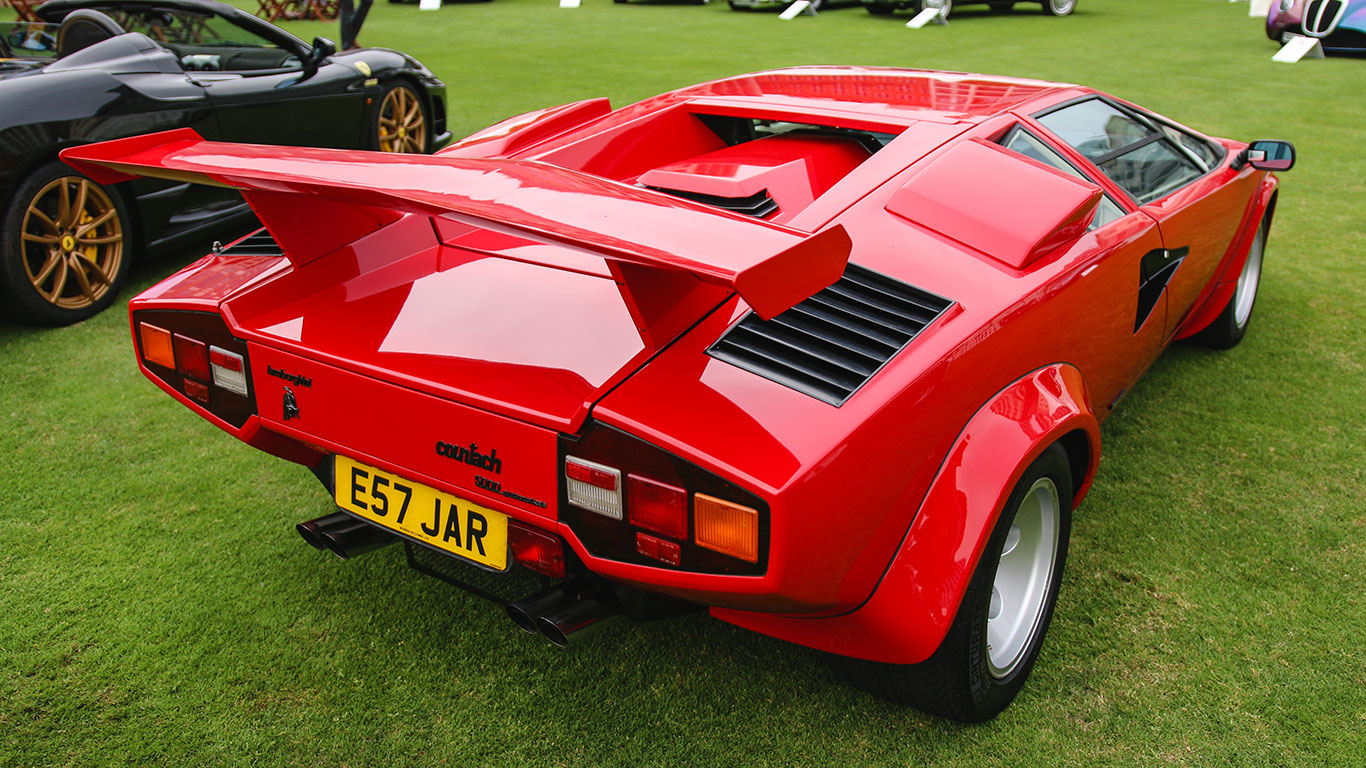
How do you follow up the Miura? Amazingly, Lamborghini managed it. The Countach was another Gandini masterpiece, its wedgy, low-slung lines setting the supercar template for decades to come. This 1987 Countach 5000 QV (Quattrovalvole, or four valves per cylinder) belongs to Harry Metcalfe, former editor of Evo magazine. It was displayed in the Hyperfast concours class.
Lancia Delta HF Integrale
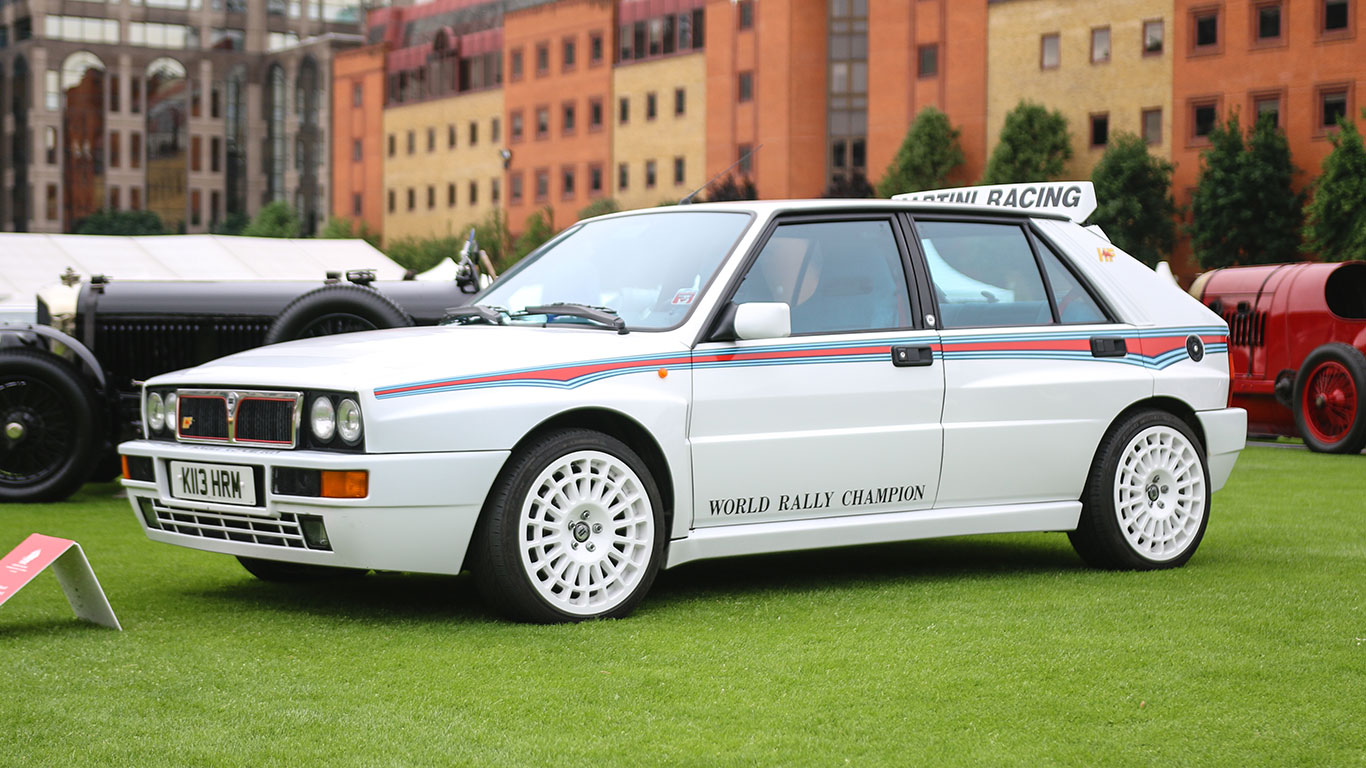
It wasn’t all supercars at London Concours – although this Delta Integrale could challenge many of them on a twisty road. The Integrale won the World Rally Championship six times for Lancia between 1997 and 1992, and this 1992 Evo I wears Martini rally livery. A 210hp four-cylinder engine drives all four wheels.
BMW 3.0 CSL
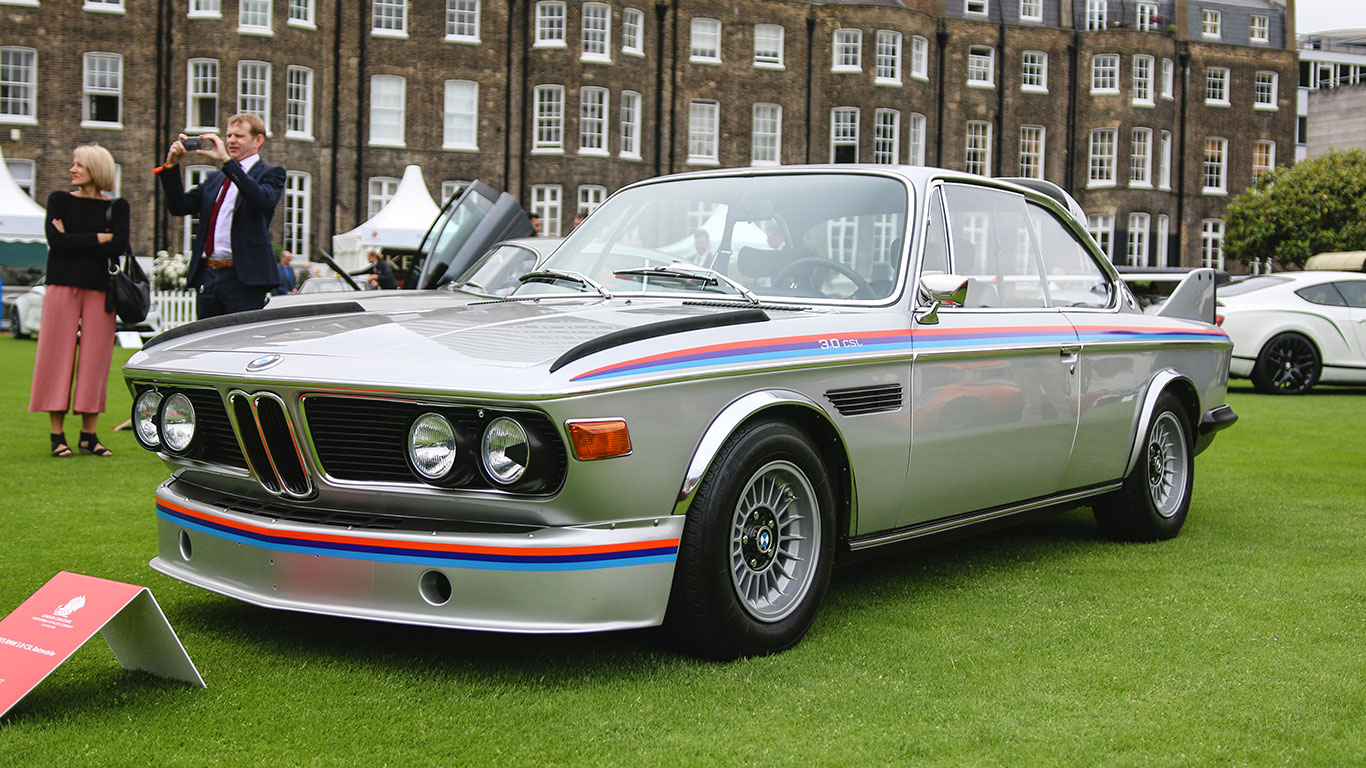
Giving the Integrale a run for its money in the (unofficial) category of coolest car at the show, this BMW 3.0 CSL ‘Batmobile’ is another homologation hero. Its advanced aero package includes fins alongside the bonnet, a spoiler on the trailing edge of the roof and a huge rear wing. The CSL took the European Touring Car title in four consecutive years, from 1975-1979.
Fiat 8V Supersonic
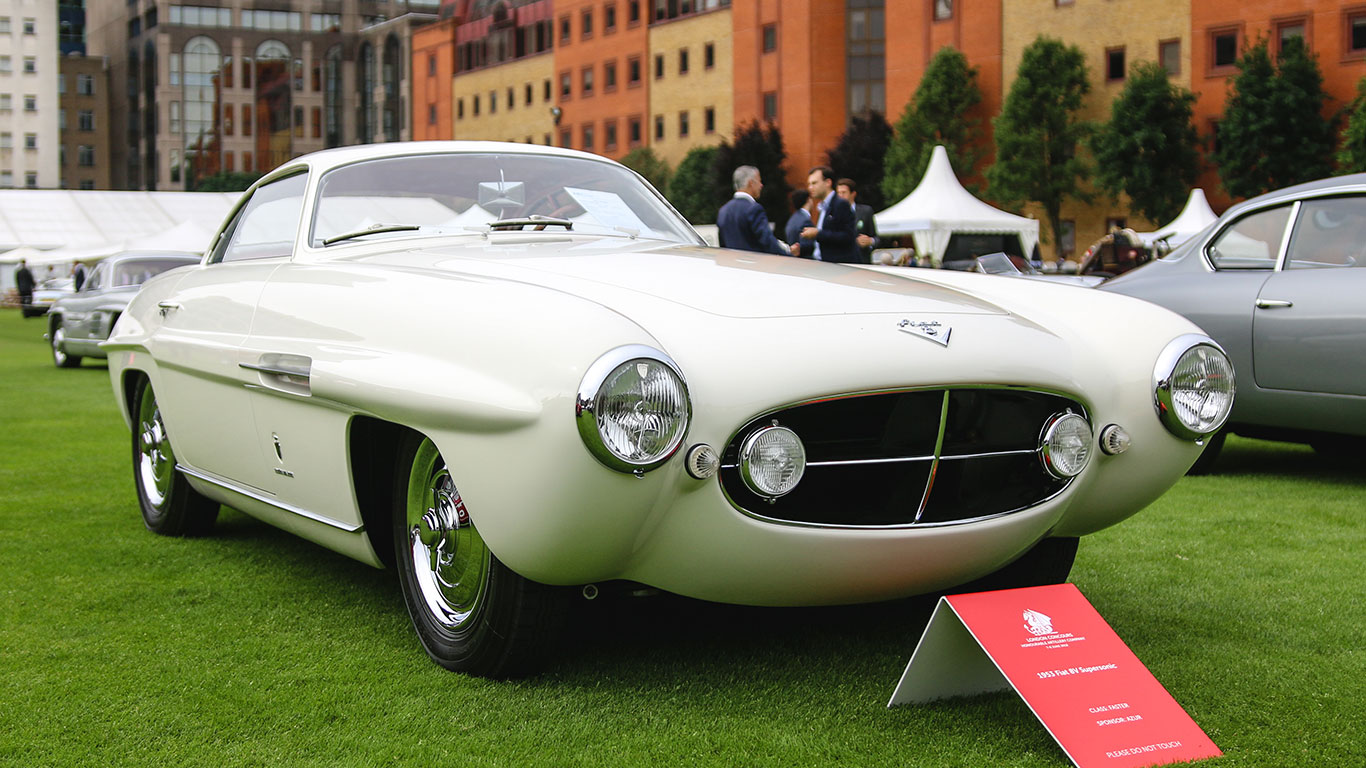
Looking every inch the Jet Age concept car, this 1953 Fiat 8V Supersonic is one of 15 designed and constructed by Italian coachbuilder, Ghia. Powered by a 2.0-litre V8, it has independent suspension and a four-speed manual gearbox. The bodywork is unusually aerodynamic for the era, while the tail lights resemble jet afterburners.
Ford Mustang Shelby GT500
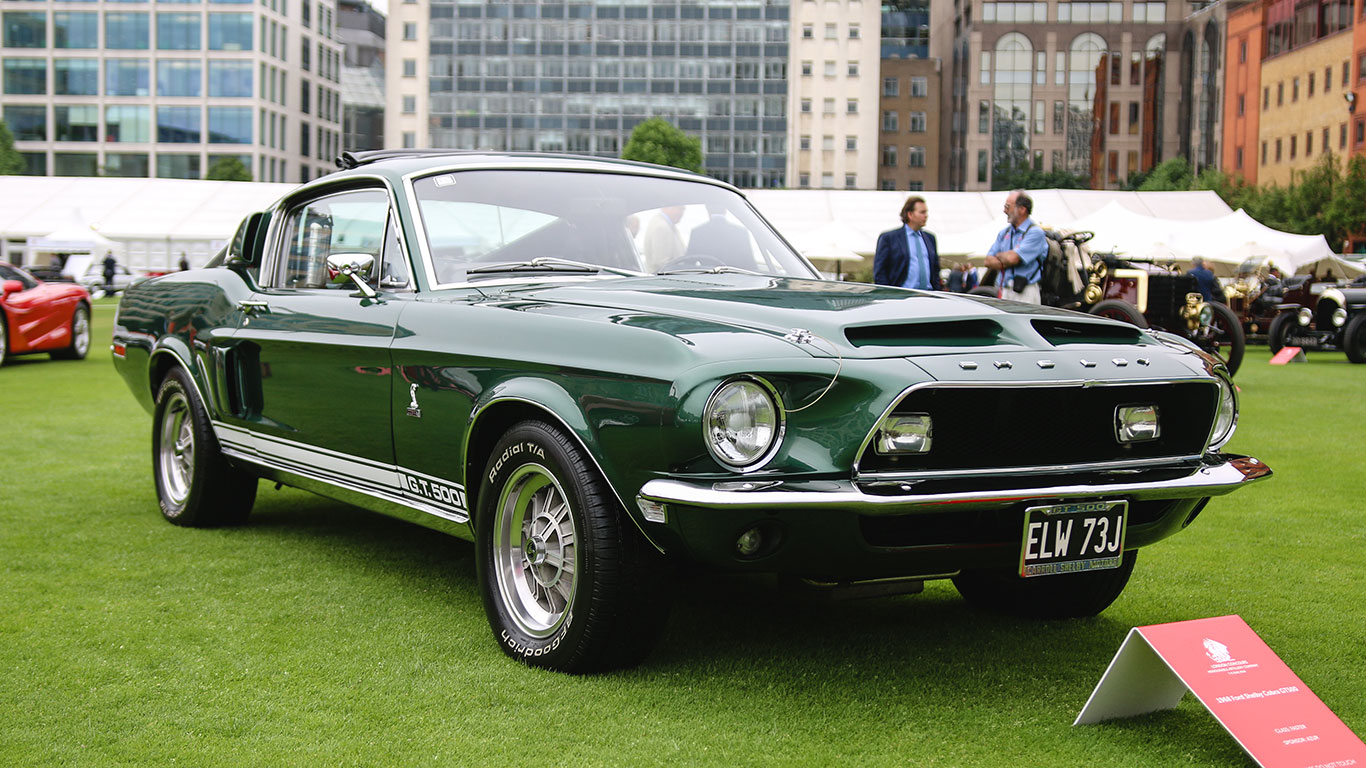
From the sublime to the faintly ridiculous, this 1968 Mustang has been tuned to 750hp. The work was carried out by the original owner after importing the car to the UK in 1970. Even in standard 420hp guise, the Shelby GT500 is the ultimate incarnation of the original ’Stang. Trust us, its V8 rumble registers on the Richter scale…
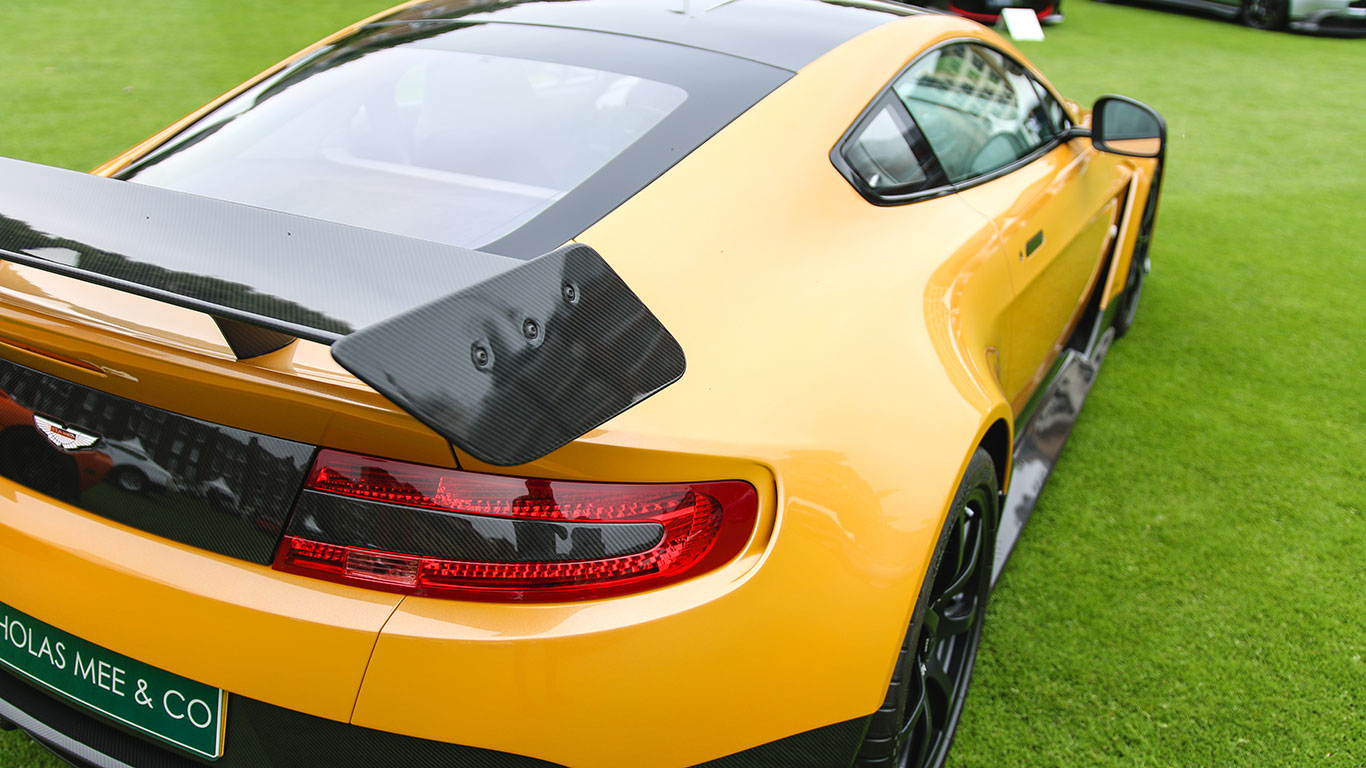
Aston Martin One-77
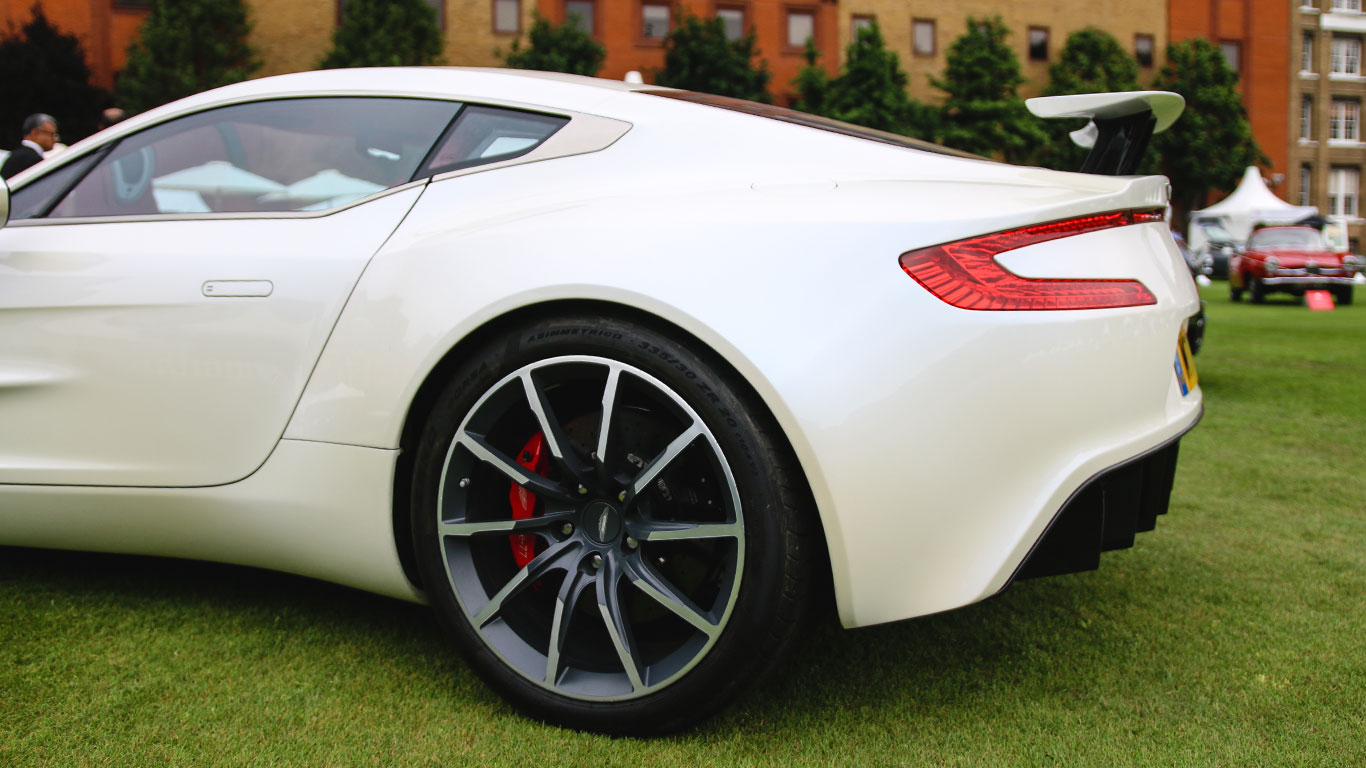
Forget the Vulcan and Valkyrie, this is our favourite Aston supercar. Only 77 examples of the £1.2 million One-77 were made from 2009-2012. Its chassis is carbon fibre with aluminium panels, while its 750hp 7.3-litre V12 was the world’s most powerful naturally-aspirated production engine when new.
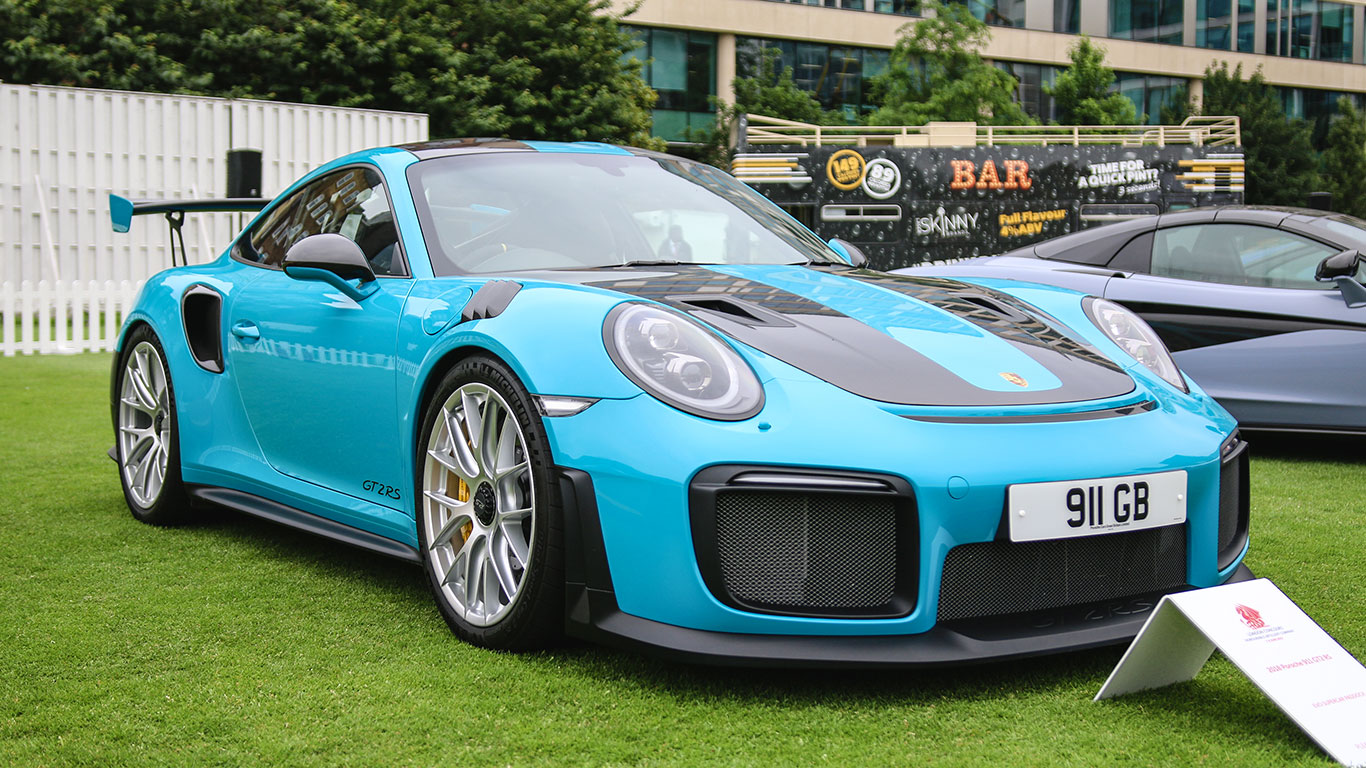
Porsche 911 GT2 RS
Fast-forwarding into the here-and-now, this is the latest ‘991’ GT2 RS: the most powerful Porsche 911 ever made. This fire-spitting 700hp flagship recently claimed the Nurburgring lap record, with a time of six minutes 47.3 seconds – 10 seconds quicker than Porsche’s 918 Spyder hypercar. It also blasts to 62mph in 2.7 seconds, despite being rear-wheel drive.
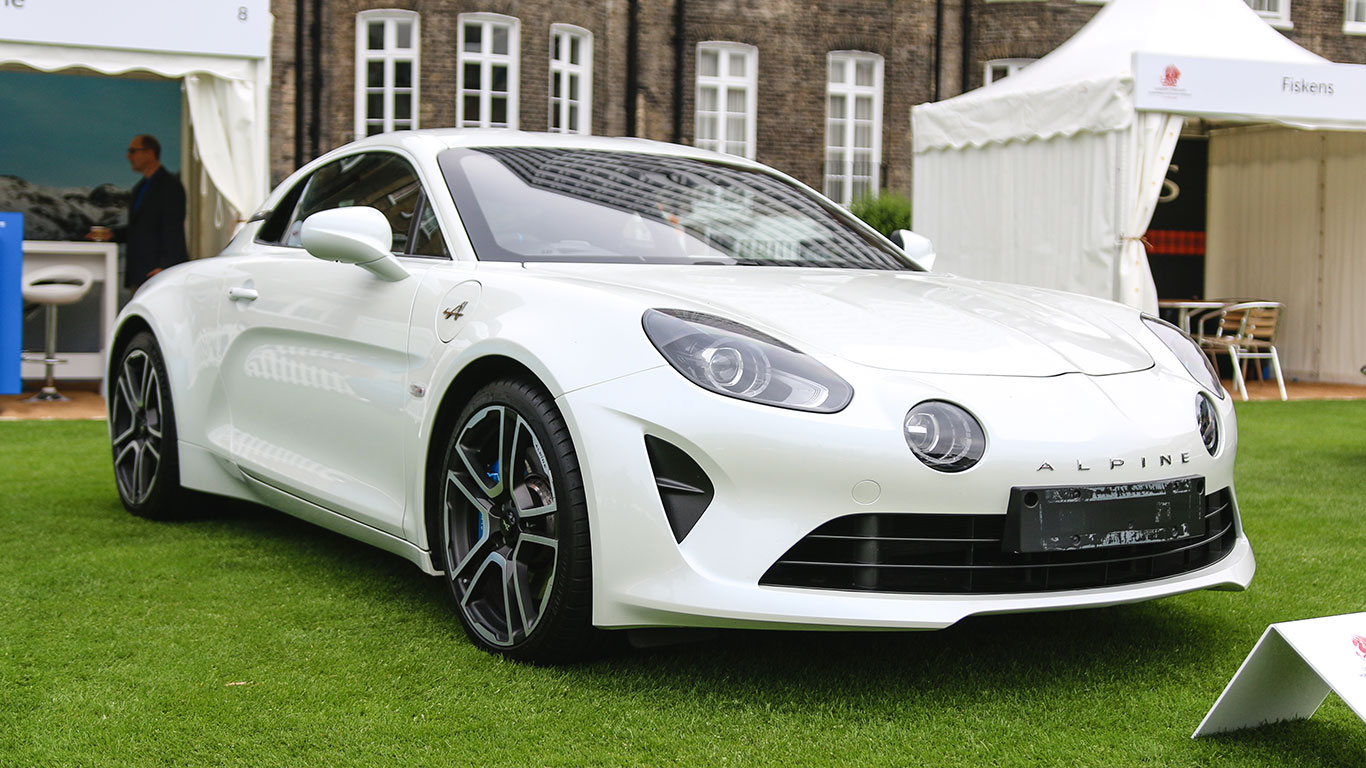
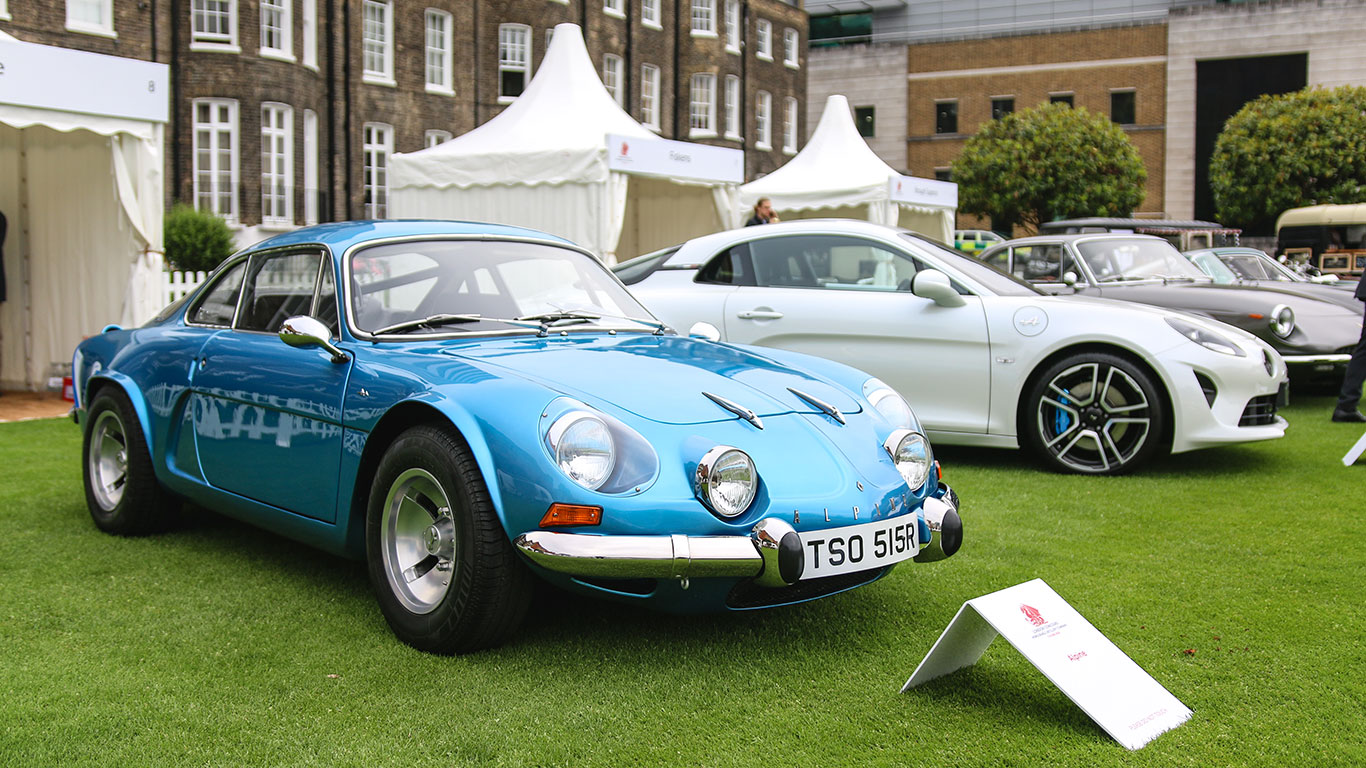
Alpine A110
The Alpine A110 is another current car deemed special enough for a place on the lawn at London Concours. And rightly so. This 252hp retro recreation costs from £46,905 and takes on the Porsche Cayman. It was displayed alongside an original A110 – one of France’s best-loved sports cars.
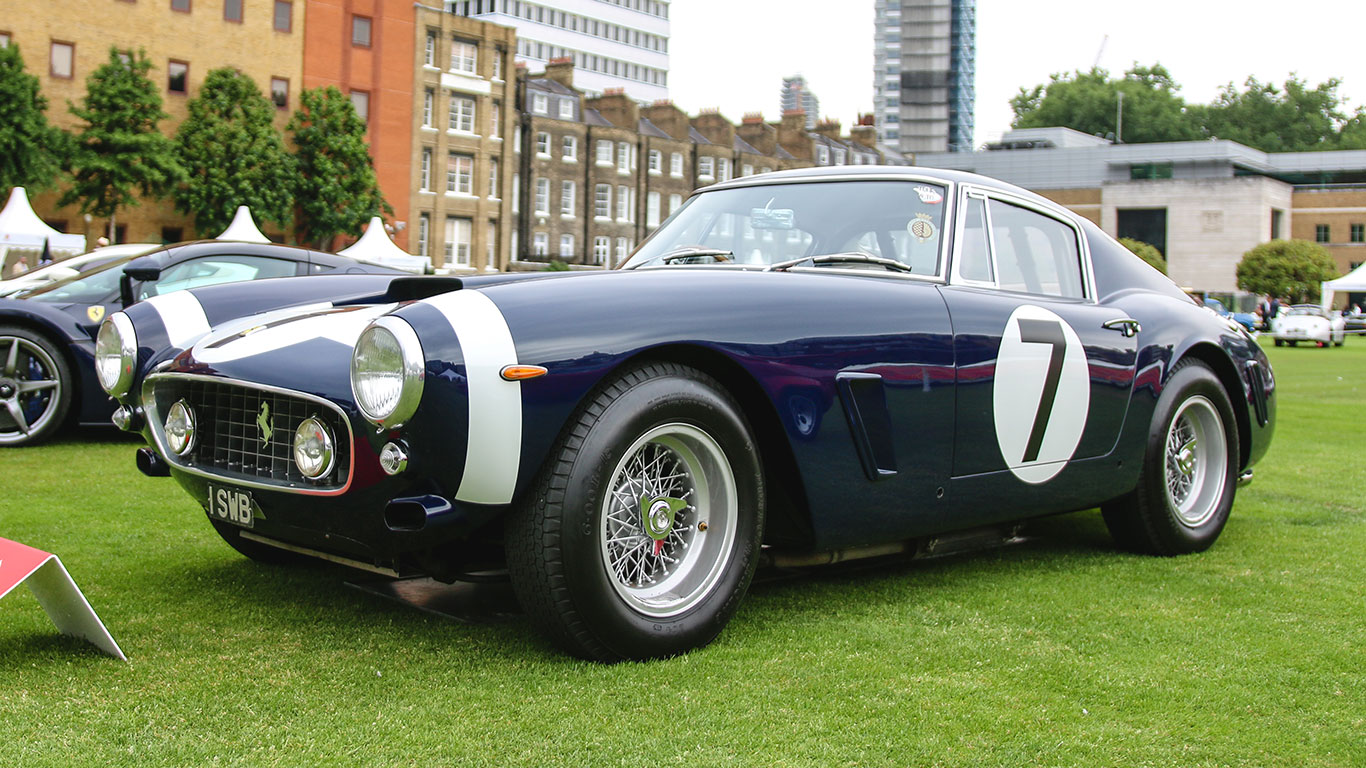
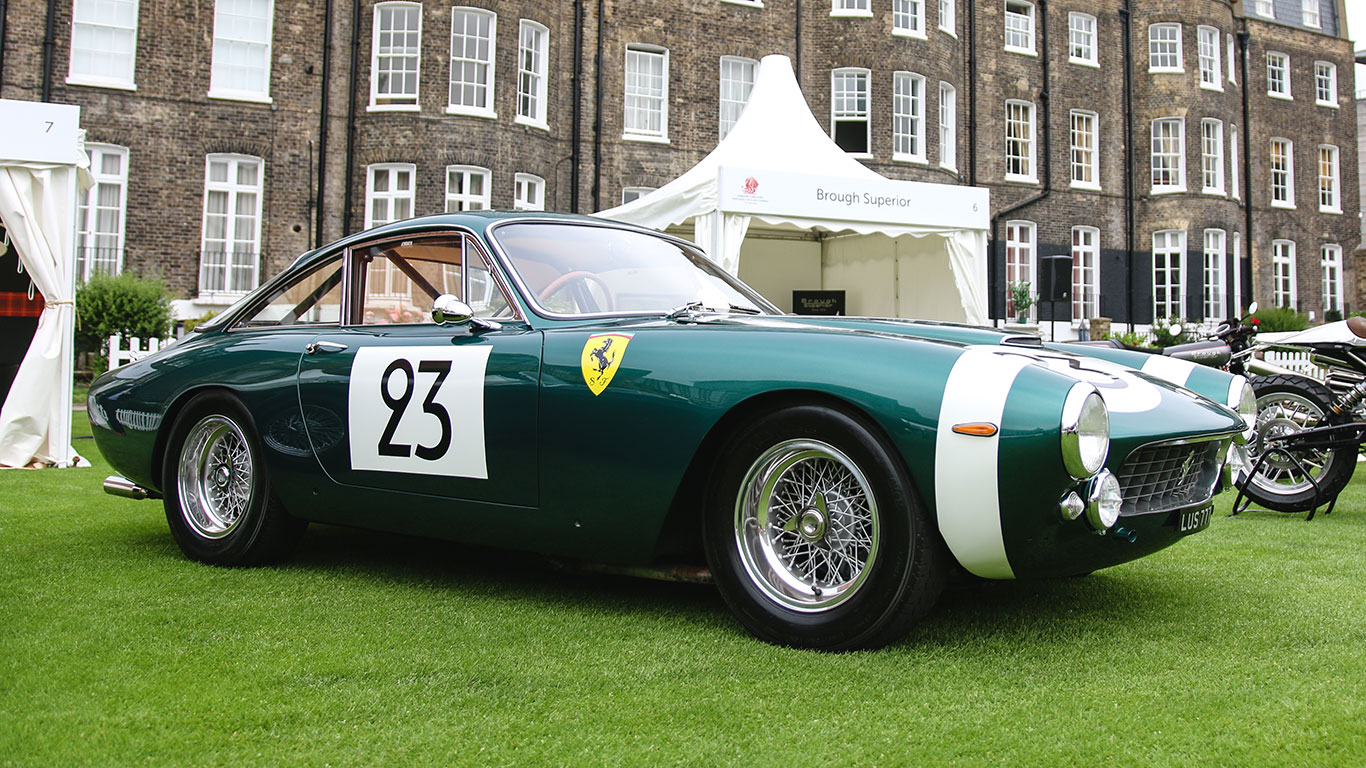
Ferrari 250GT SWB
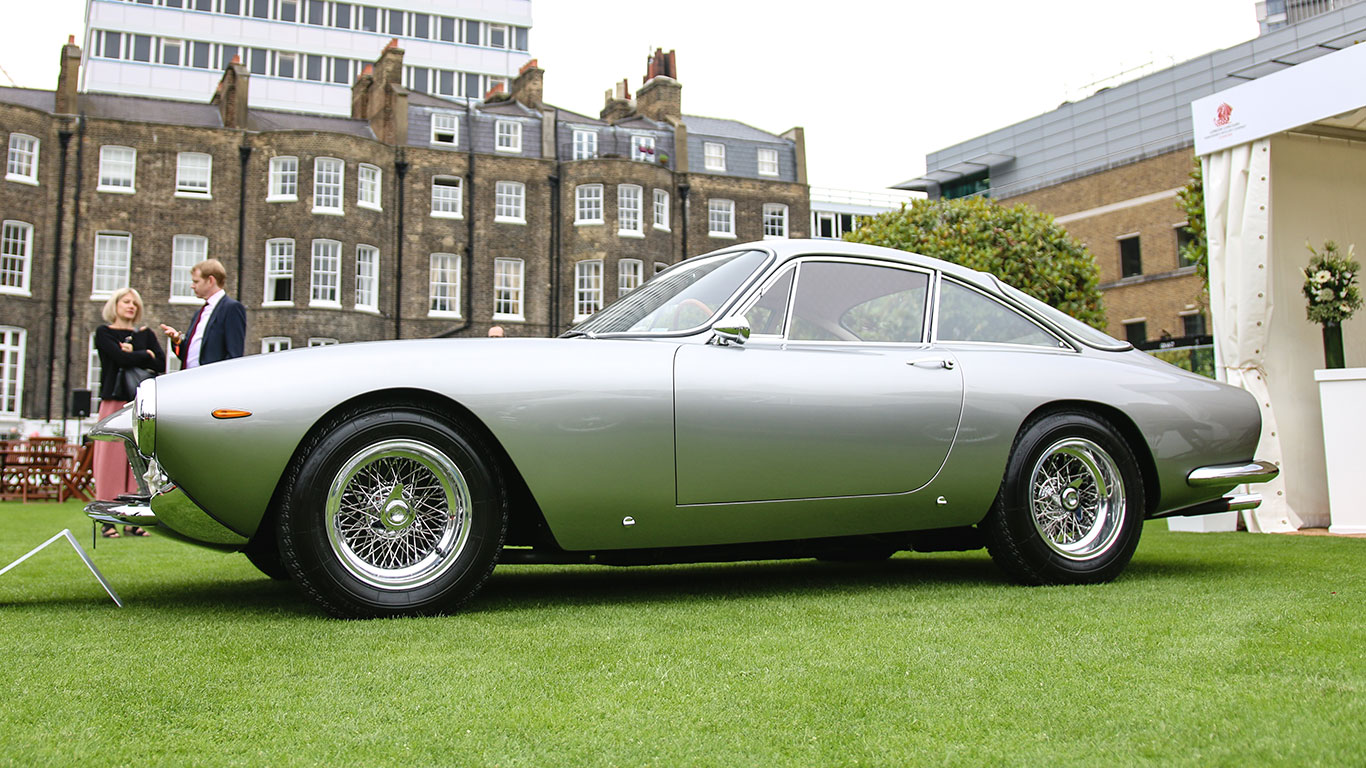
We may have to eat our words about the McLaren being the most valuable car here. This Ferrari 250 GT SWB ‘Sefac Hot Rod’ was driven six times by Stirling Moss, including at Goodwood, Silverstone and Daytona, and won five of those six events. It was the most successful sports car racer of 1961. It also happens to be utterly, almost incomparably, gorgeous.
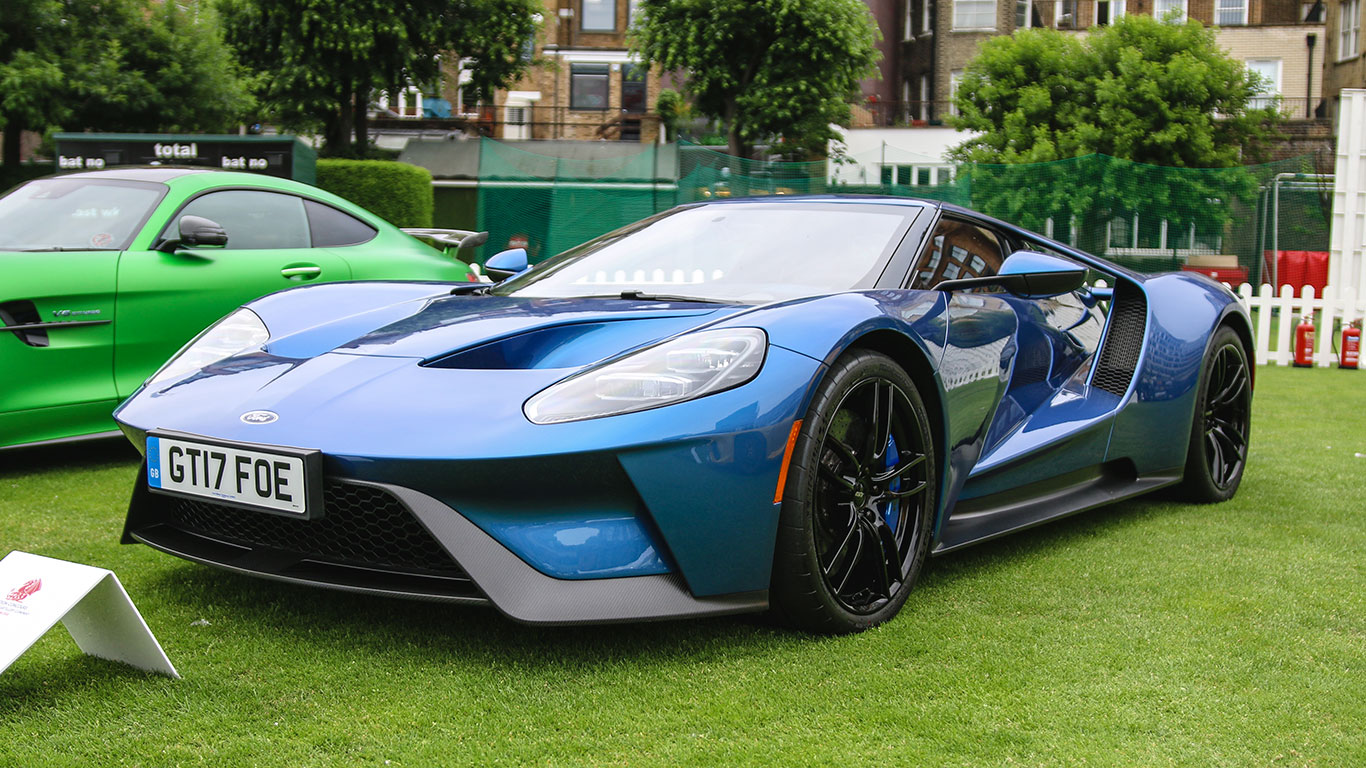
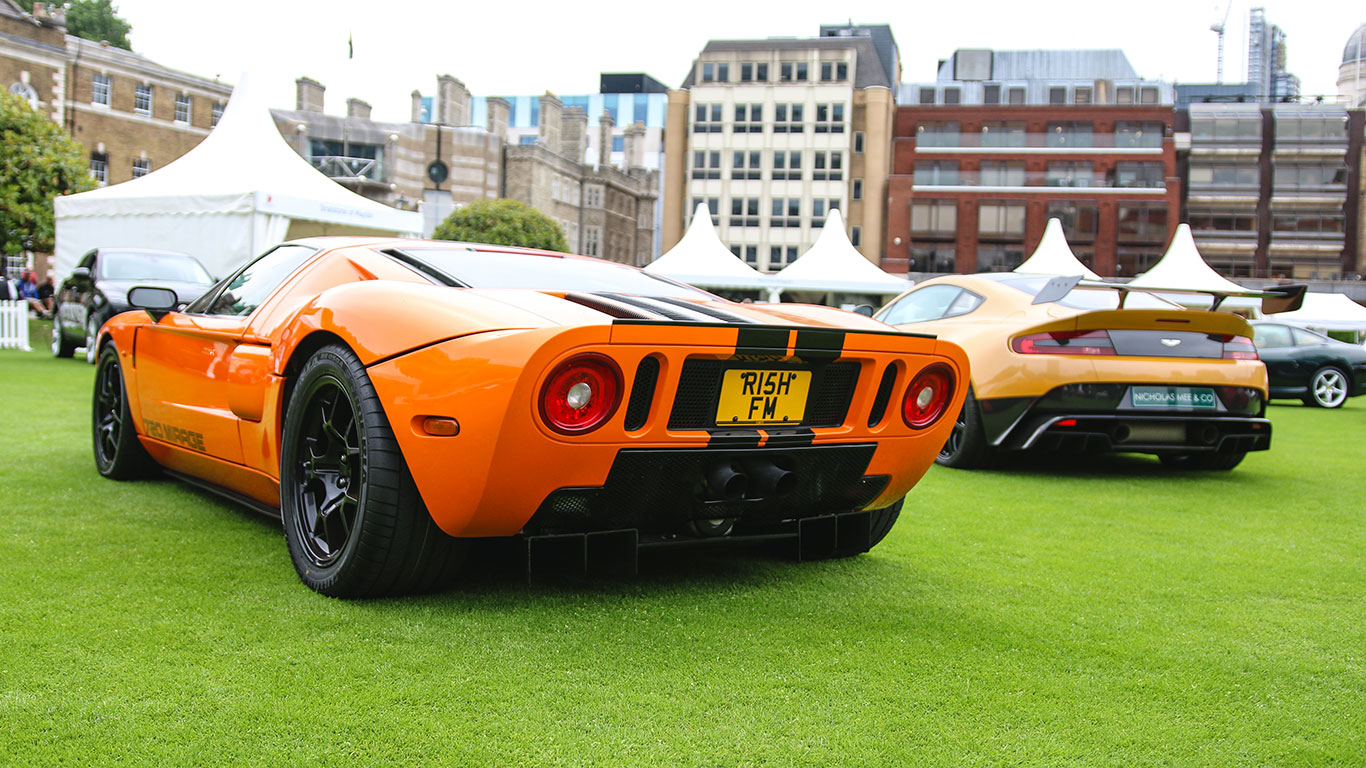
Ford GT
Speaking of stunners, few cars hold a candle to the 1960s Ford GT40. However, the 2016 GT comes close, with dramatic lines that clearly evoke the original. Breaking from the supercar norm, the GT uses a V6 engine, albeit one boosted by twin turbochargers to 656hp. So it’s a bit quick, too (2.8sec, 216mph).
Click the images to see more supercars of London Concours
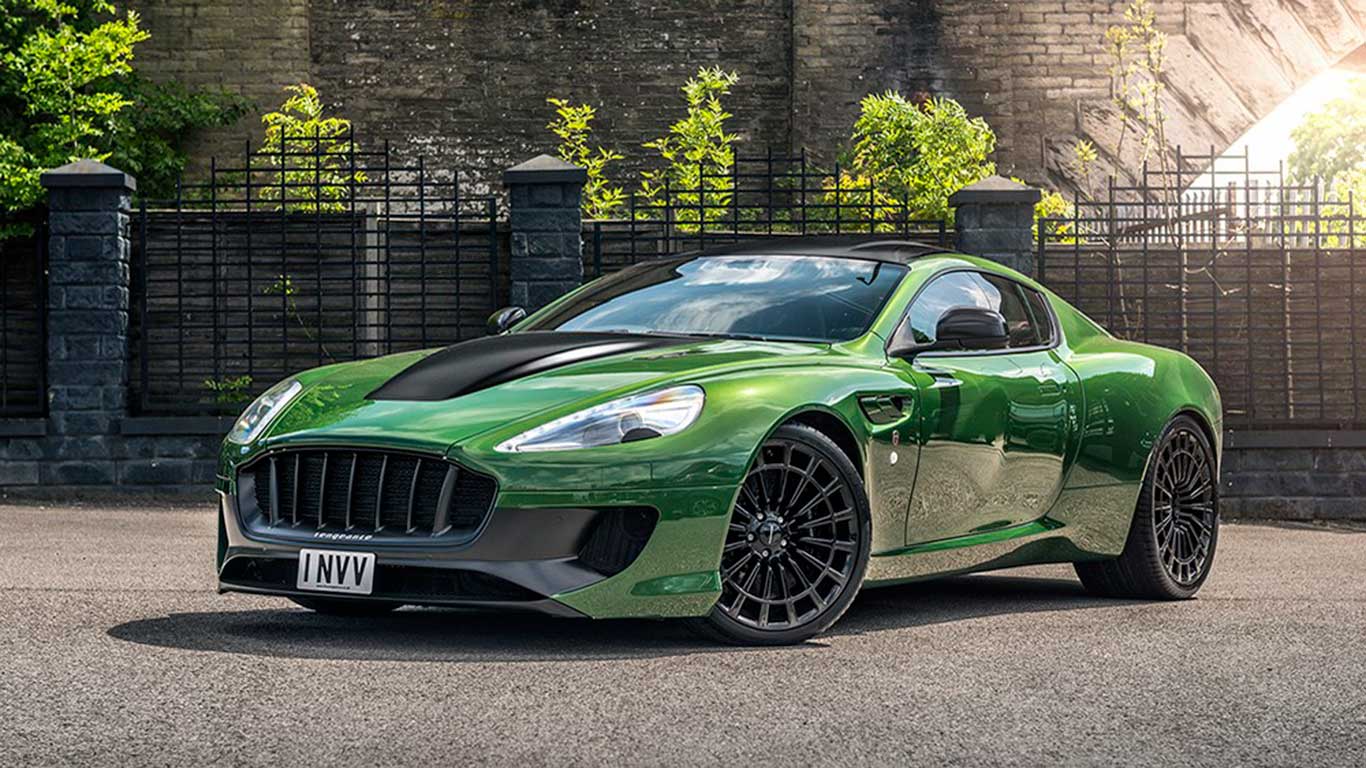
Kahn Design, the Bradford-based car modifying company, has announced a new version of its bespoke supercar.
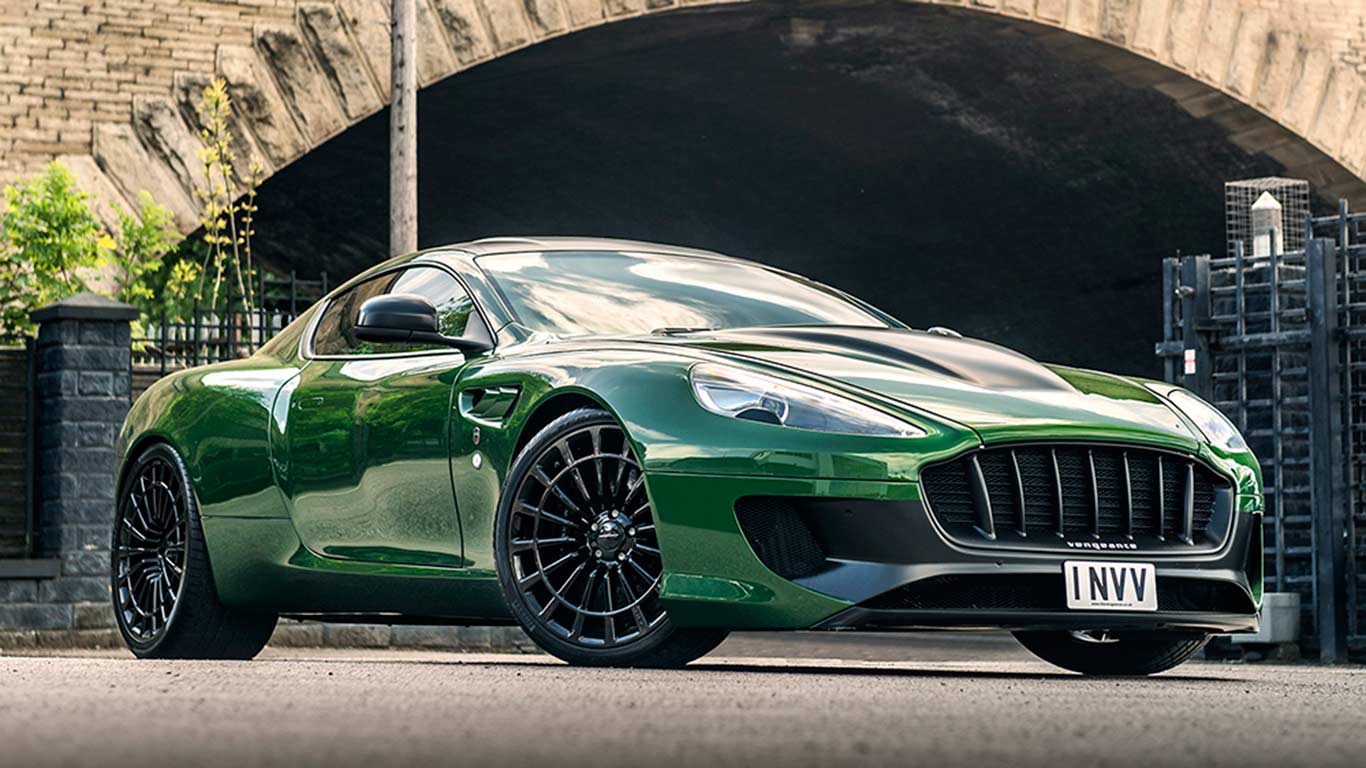
First unveiled at the 2015 Geneva Motor Show, this is the latest version of ‘The Vengeance by Kahn Design’ to be shown. It’s certainly the most eye-searing to date, with paintwork that seems guaranteed to grab attention on social media.
However, it’s the more traditional media of cinema that Kahn is targeting with the Vengeance Green Superhero. With Kahn products having appeared in the 2014 Tom Cruise film Edge of Tomorrow, the company believes this Vengeance is perfect for the next Marvel blockbuster.
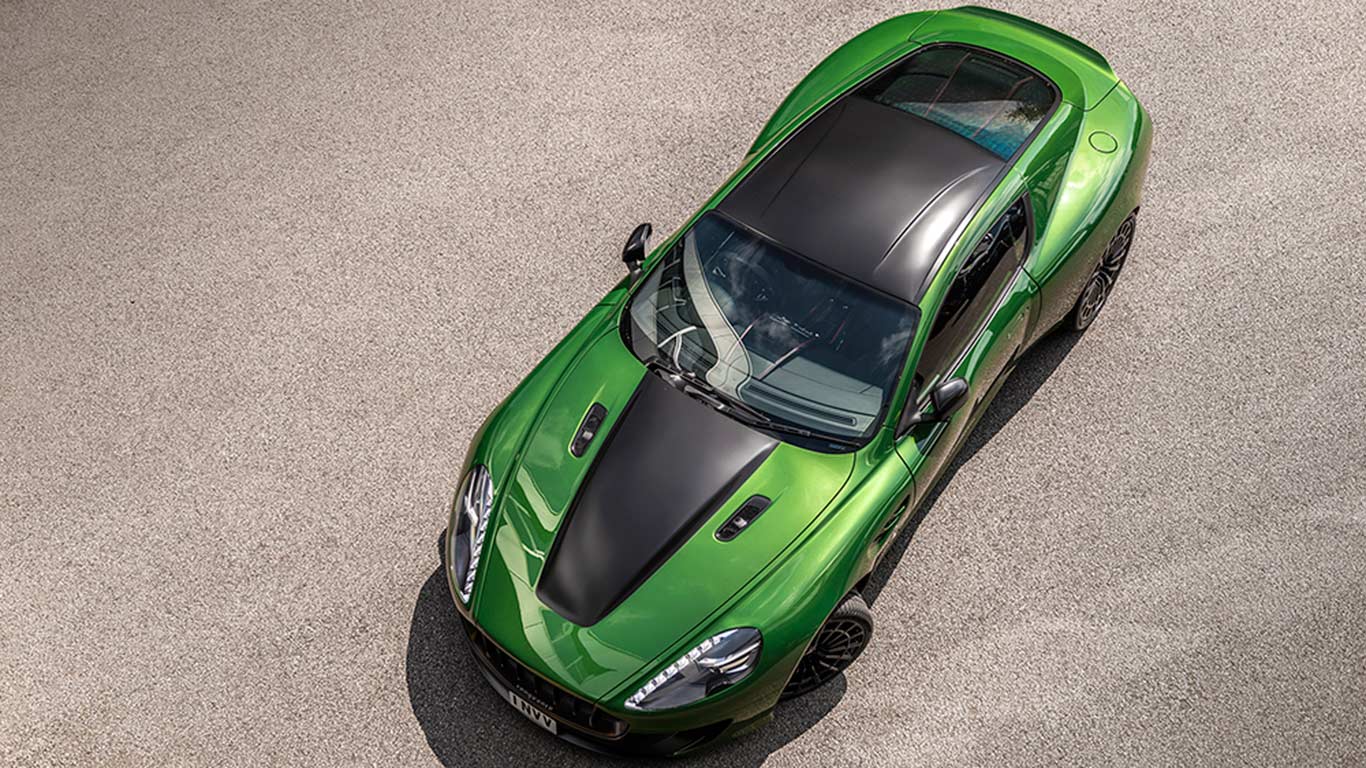
It certainly looks different, with a gaping front grille created from a single piece of billet aluminium. The doors, bonnet, roof, and wings all gain attention, with new parts also formed by hand from aluminium.
The alloy wheels are by Kahn, and designed to look like a roulette wheel. The fronts have 16-spokes, while the larger rears have 18 spokes. Inside, the interior is said to be covered in the ‘most supple leather’, with the seats handmade by Kahn’s craftsmen.
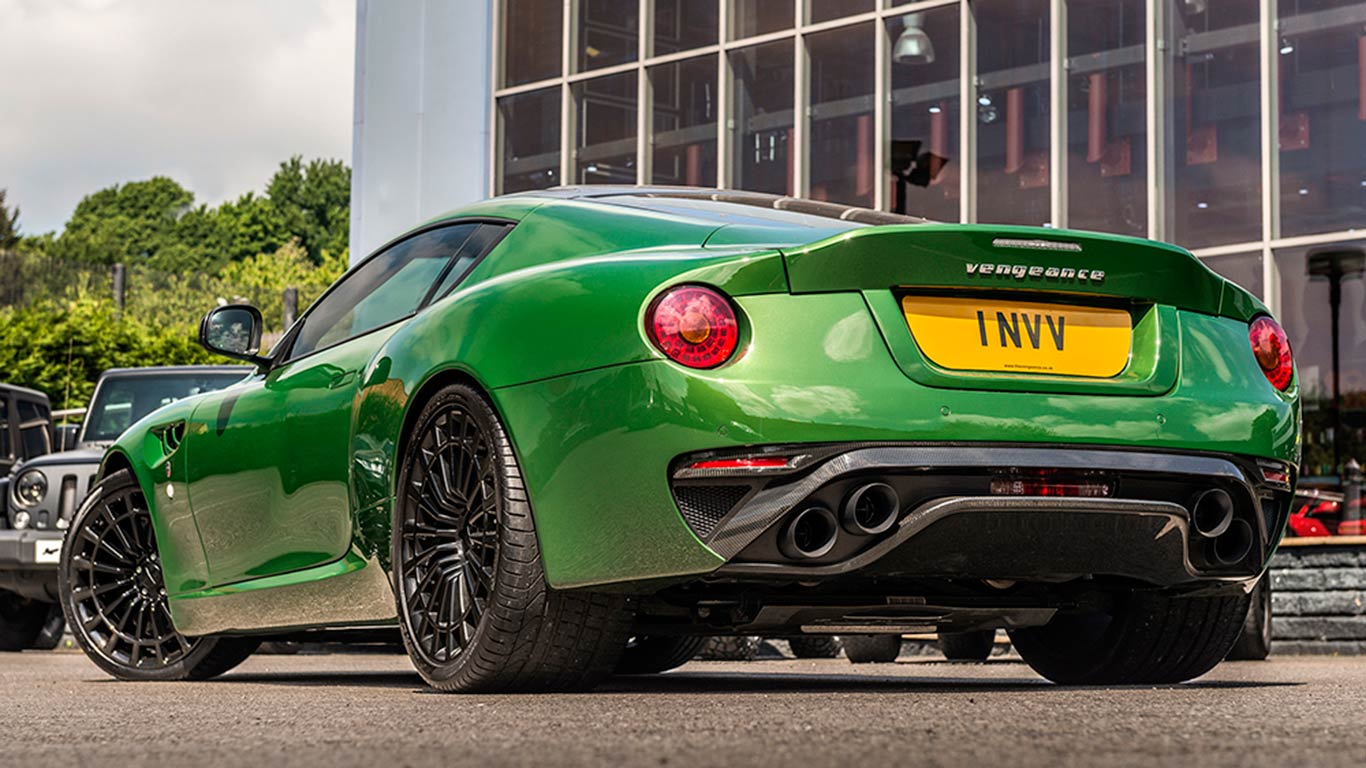
Kahn purchased five DB9 chassis from Aston Martin for transformation into a Vengeance, and it leaves most of the oily bits untouched. The fitment of a loud stainless steel exhaust is the only performance modification, with the 5.9-litre V12 producing the same 510hp and 457lb ft of torque as it did in the DB9.
Getting in the next Marvel film is no easy task, given that big brands have already wooed the cinema studios. The Iron Man and Avengers series of films included heavy product placement by Audi, while the Lexus LC 500 was the star of the recent Black Panther movie.
Maybe Kahn may find better opportunities with the actors from the world of Marvel films. Both Iron Man star Robert Downey Jr. and Captain America actor Chris Evans have favoured modified muscle cars built by American company SpeedKore.
Company founder Afzal Kahn created the Vengeance as his own dream car, meaning potential buyers need to be on the same page when it comes to taste. They’ll also need in the region of around £300,000: more than twice the price of a low-mileage Aston Martin DB9 GT…
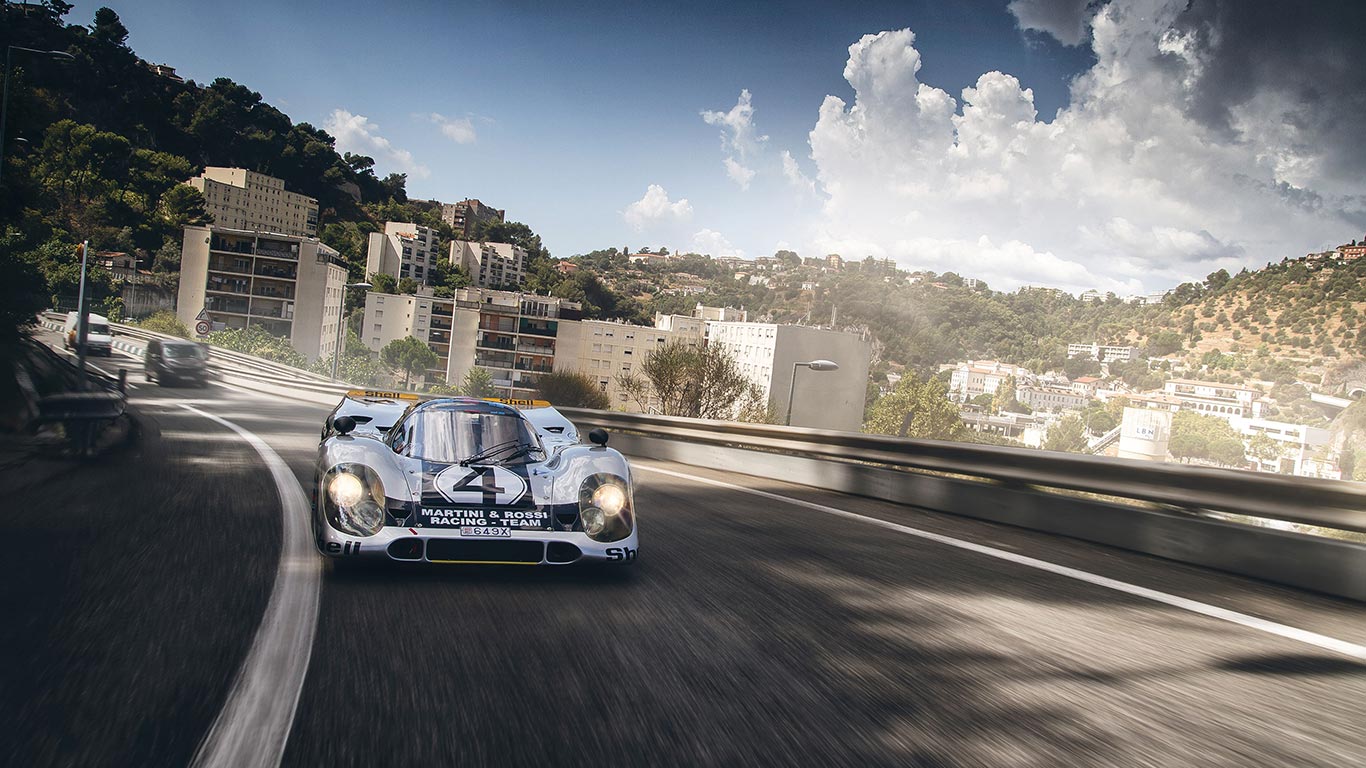
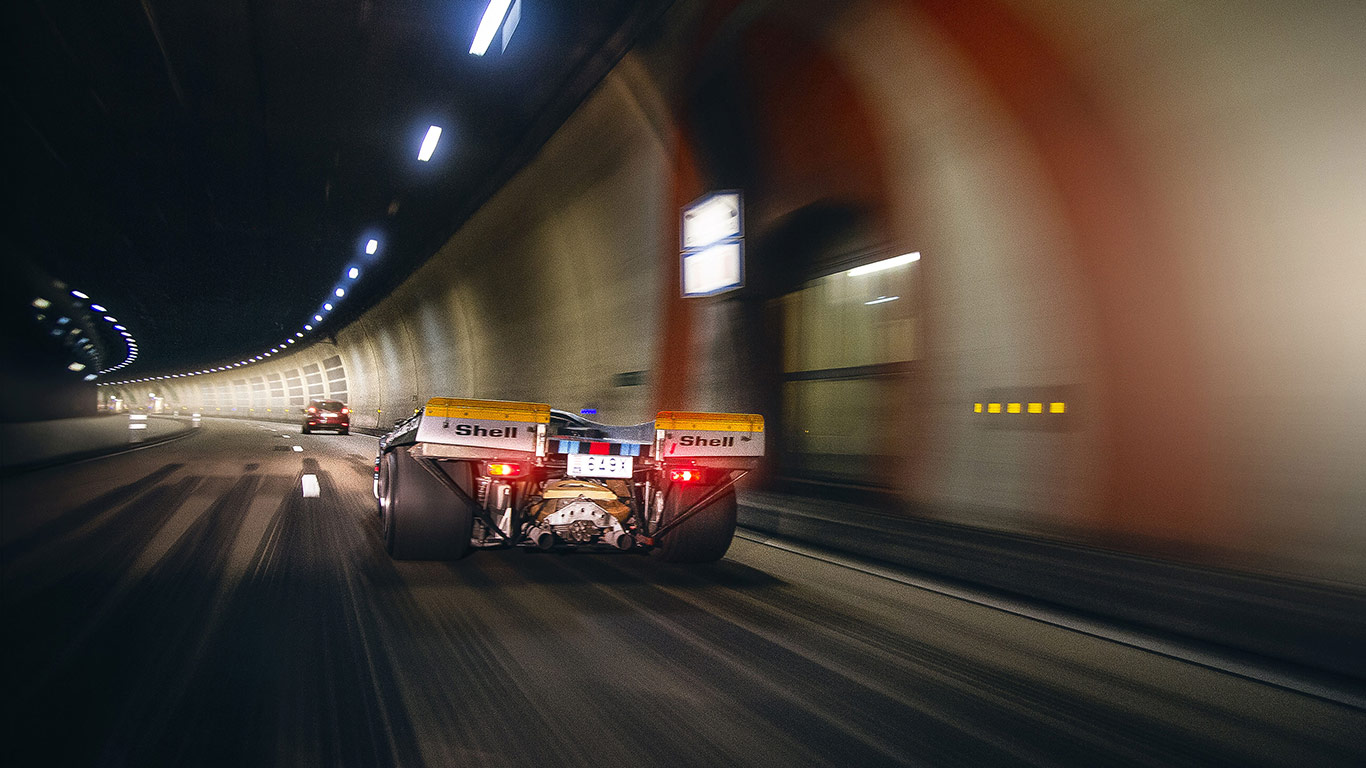
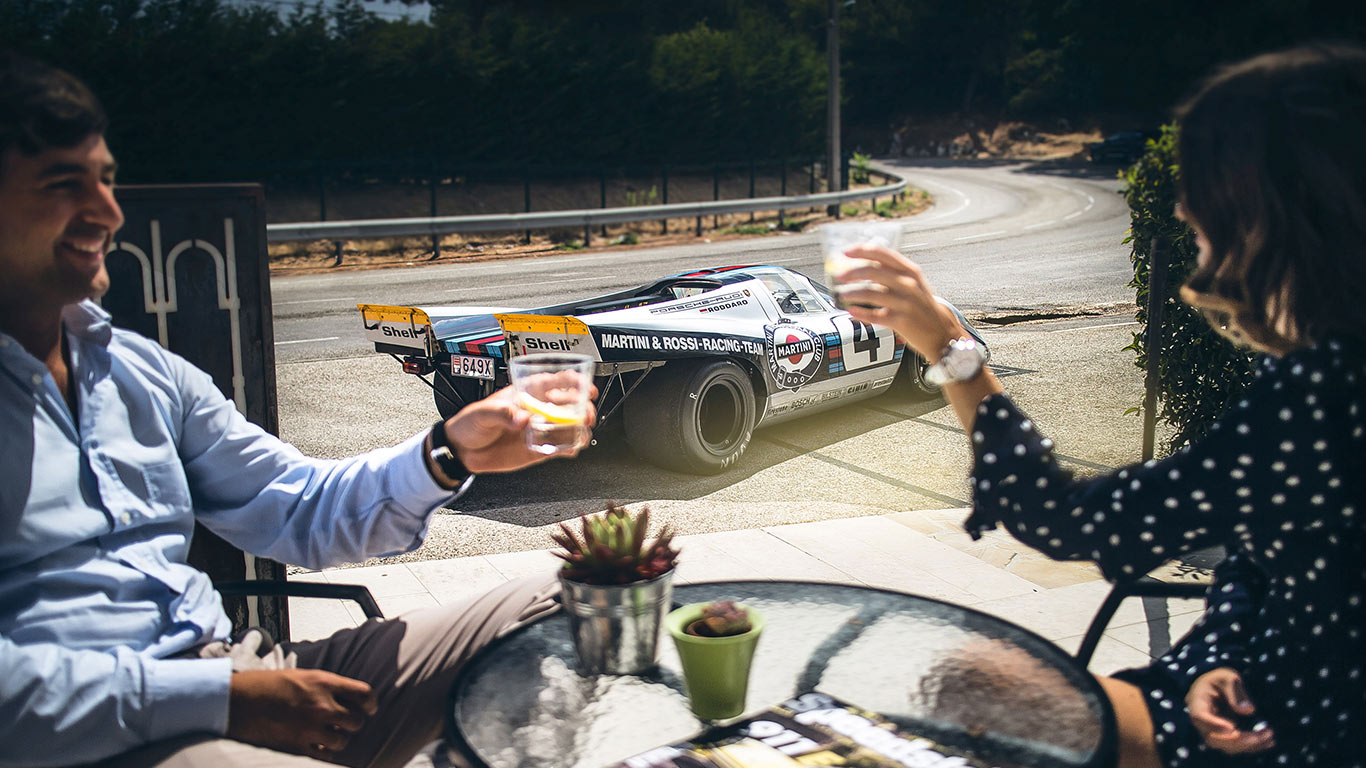
Living in Monaco cannot be easy at times. Surrounded by limitless wealth and excess, trying to stand out from the crowd is a challenge. With regular supercars almost commonplace, have some pity for the petrolhead who wants to impress in Monte Carlo.
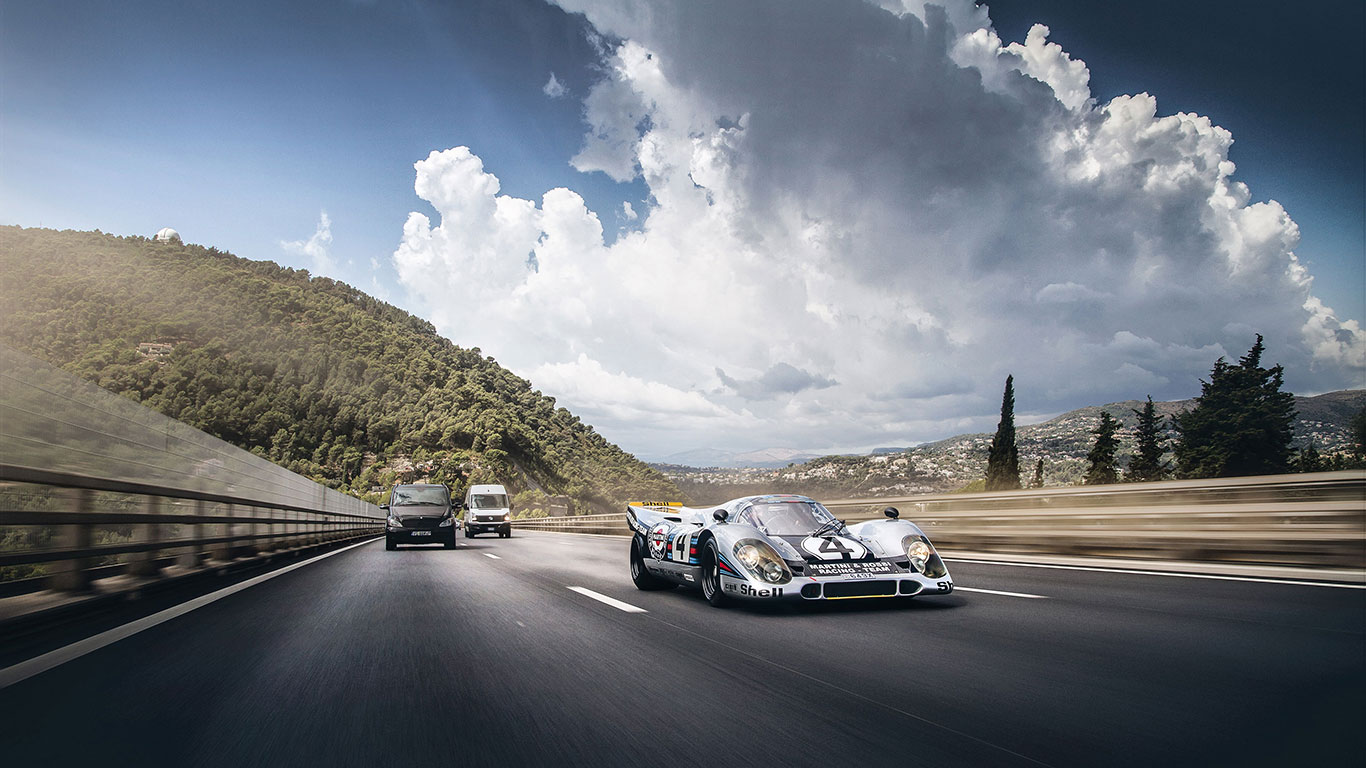
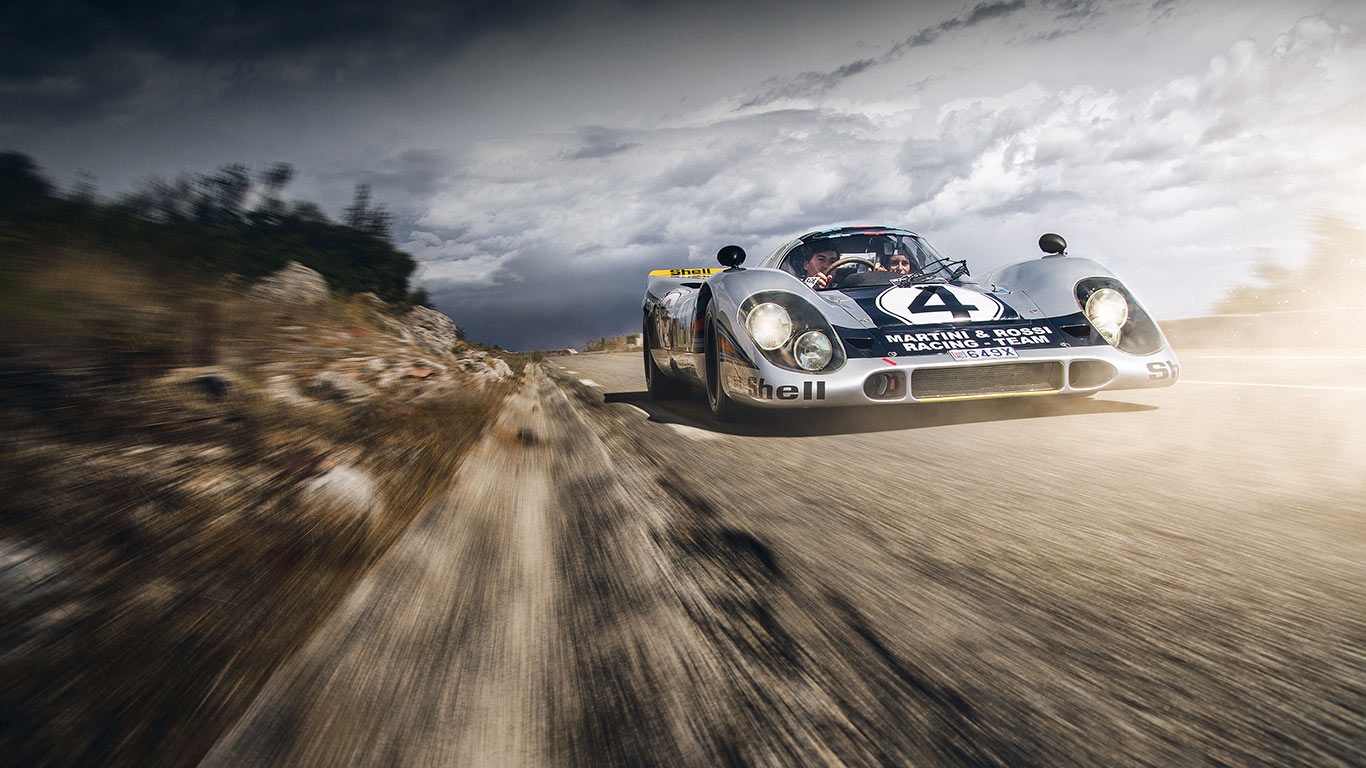
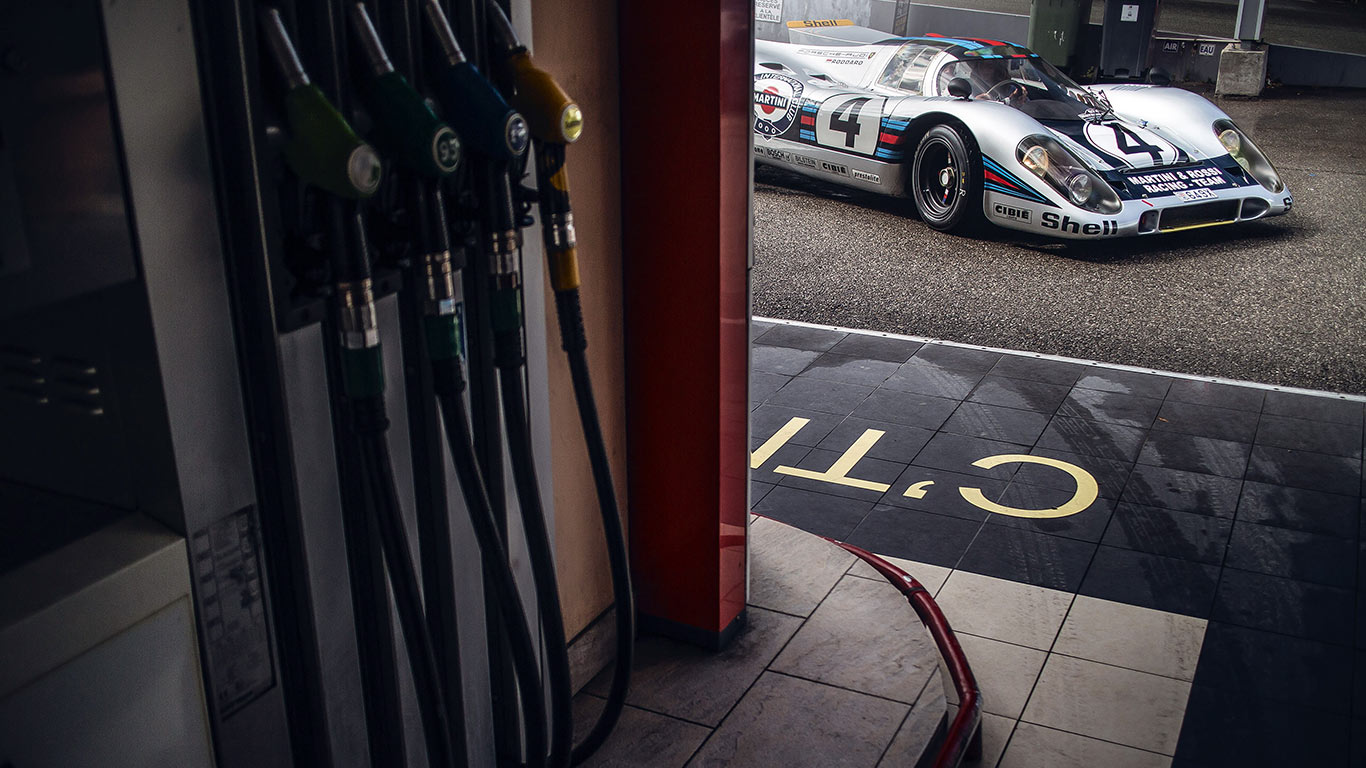
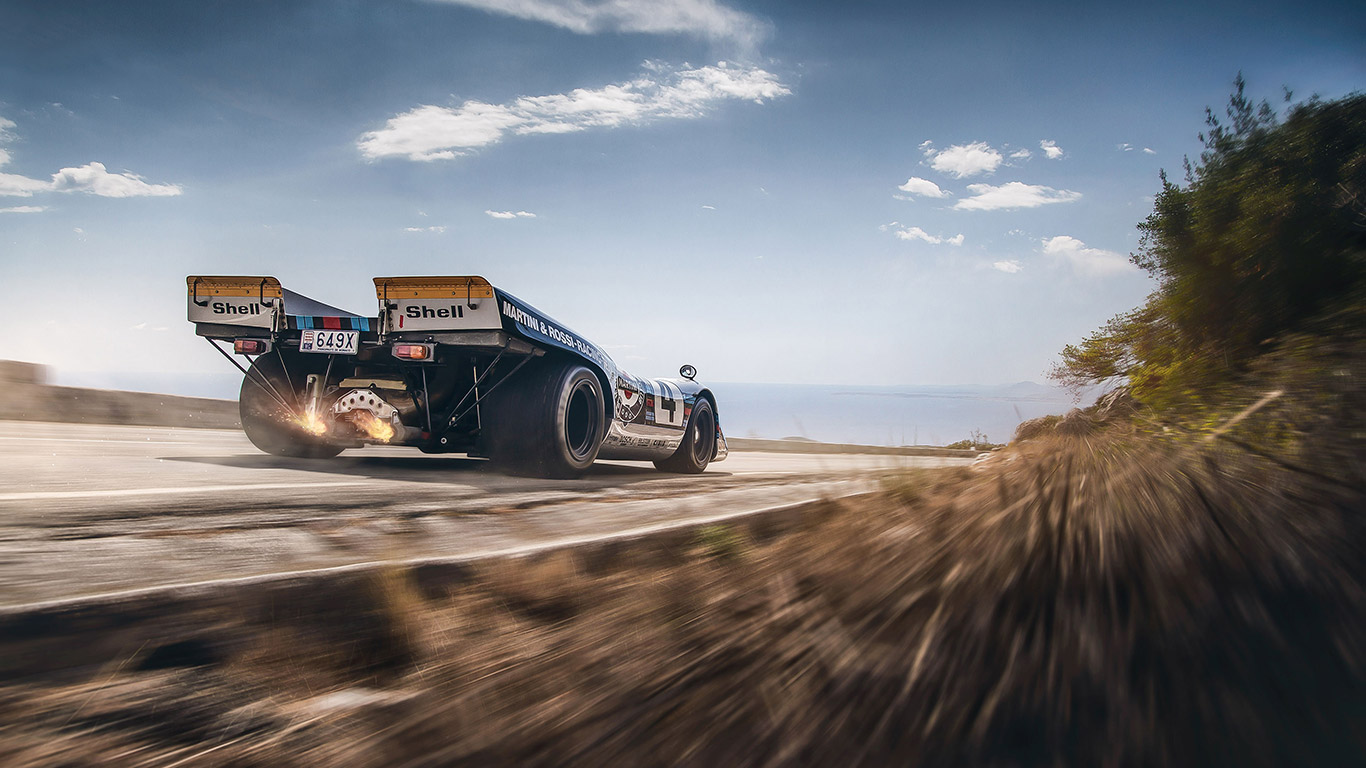
For Monaco resident Claudio Roddaro, this isn’t something he has to worry about. In 2016, he bought an example of Porsche’s most successful racing car and, with some patience, was able to have it road registered.
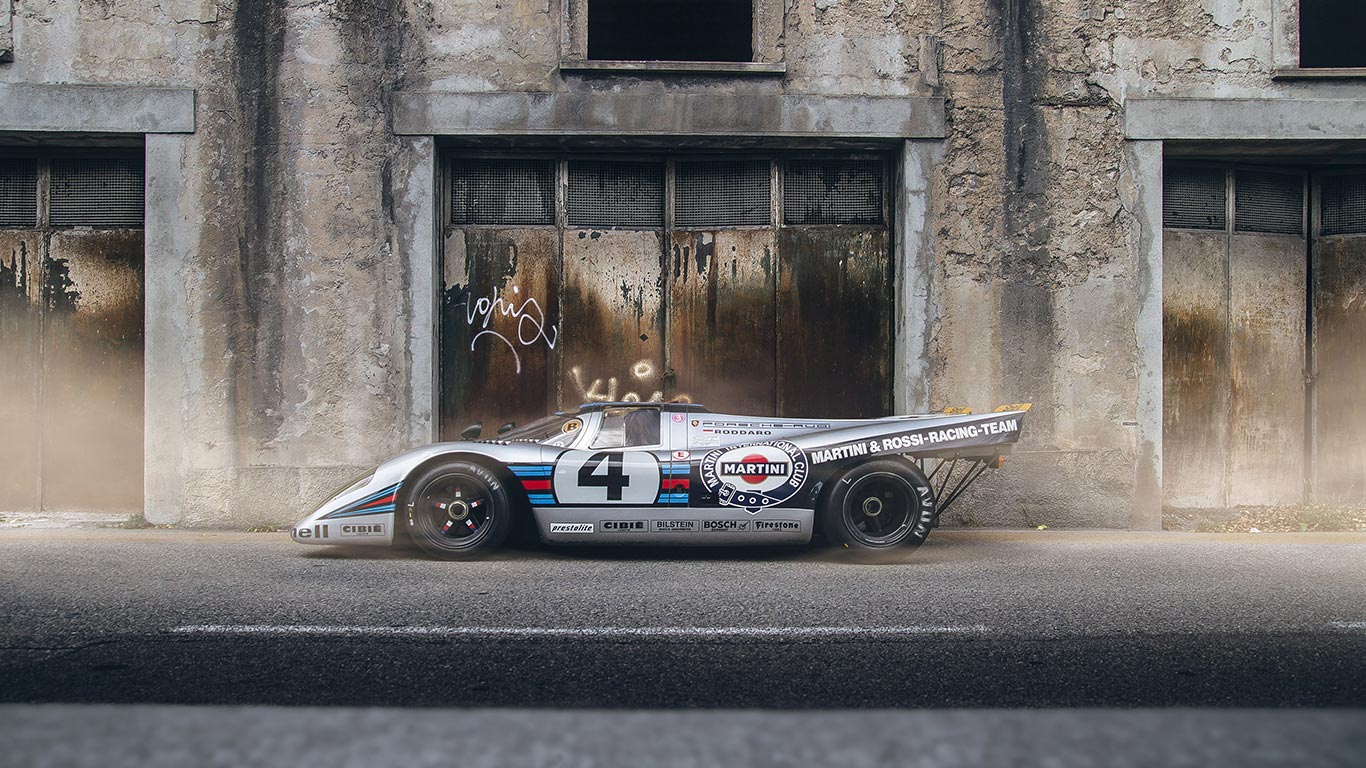
As the car with which Porsche first tasted victory at the Le Mans 24 Hours in 1970 and 1971, the 917 is special. Priced at around 10 times the value of a contemporary Porsche 911 when new, only 37 examples of the 917 were built, all with plans for motorsport use.
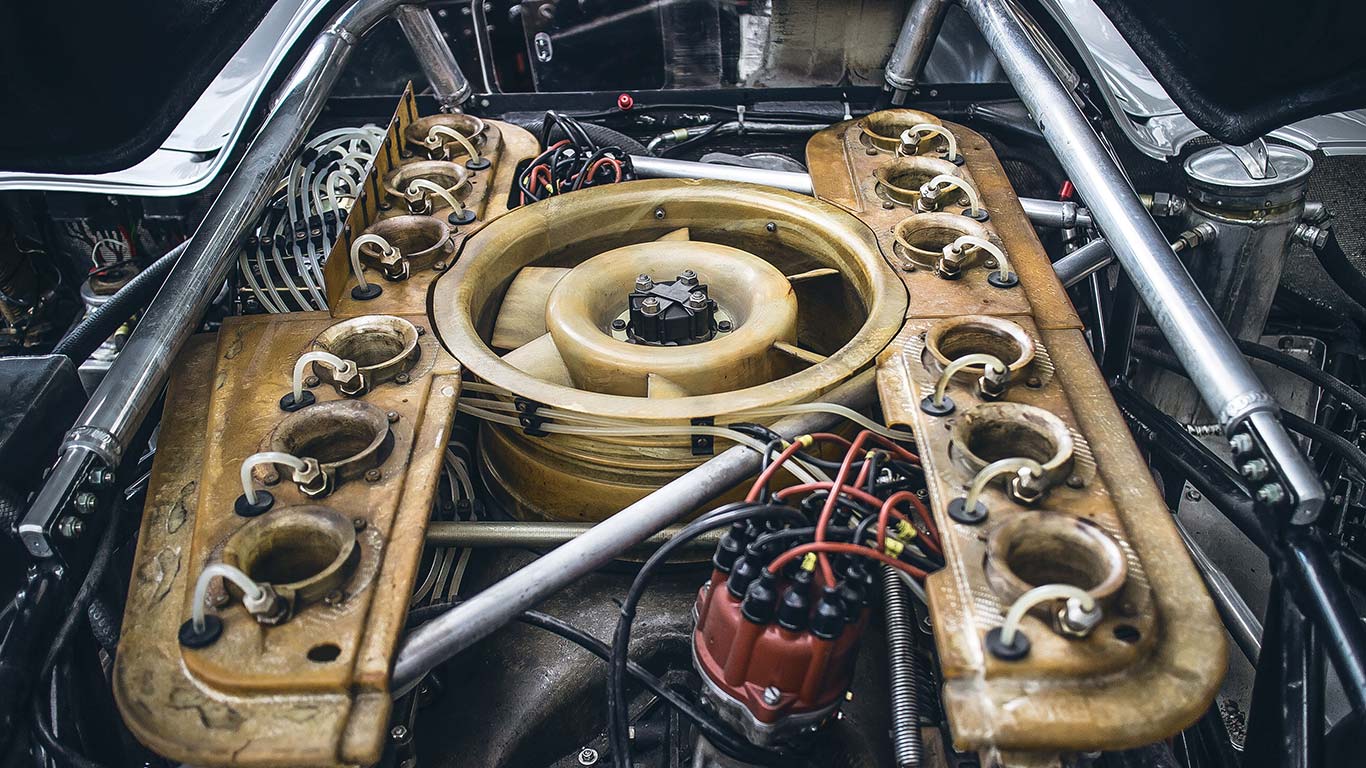
Powered by a naturally aspirated flat-12 engine mounted in the rear of a lightweight body, the 917 was a formidable proposition. Early tests found it to be lacking in downforce, making it scary to drive at speed. Changes to the bodywork made it more manageable, but still capable of a top speed in excess of 240mph.
Making its debut in 1969, the 917 managed only one win in sports car racing. However, better fortune would come the following year, when a 917K driven by Hans Herrmann and Richard Attwood be victorious at the 24 Hours of Le Mans. Success at Le Mans would come again in 1971.
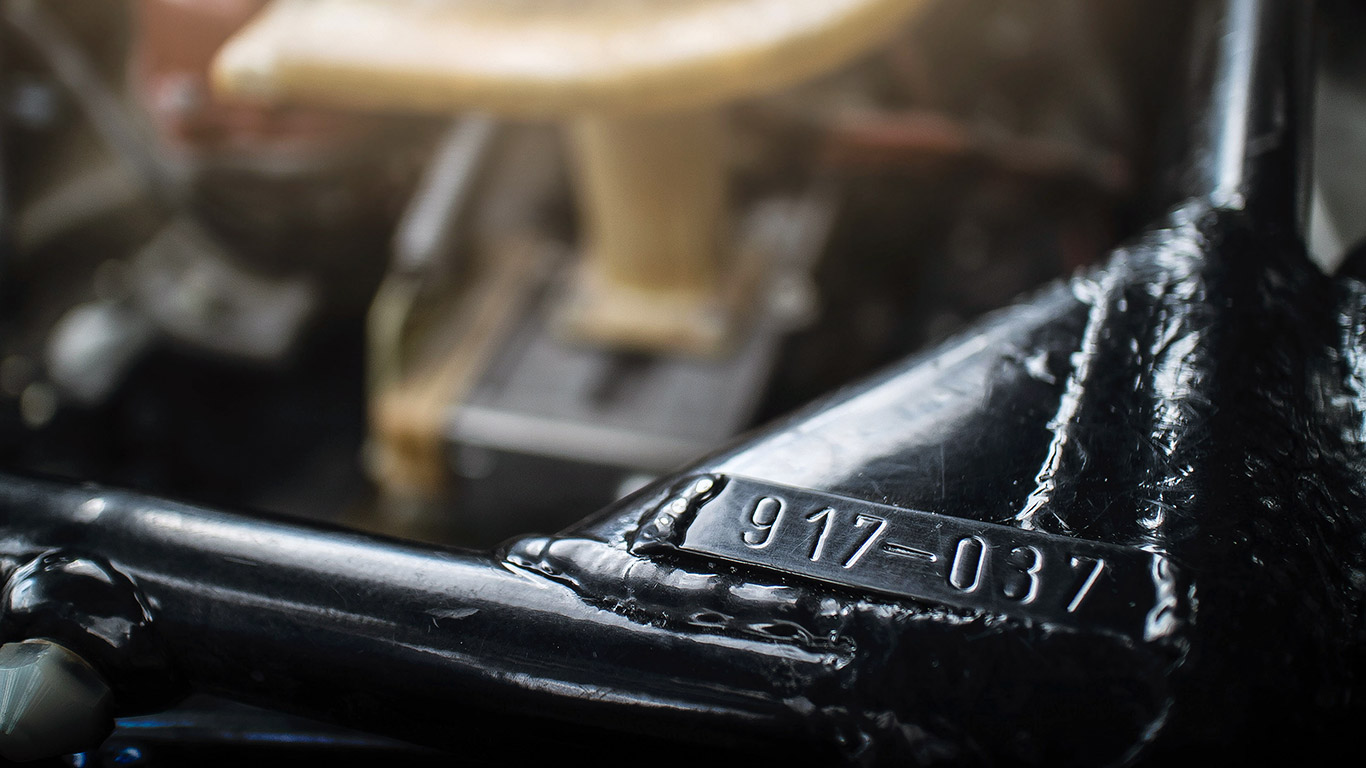
Not every car that left Porsche’s Zuffenhausen factory made it to the track though. Chassis number 037 was never completed by Porsche, and remained in the care of German coachbuilder Baur. Eventually it was sold to an American collector, who fitted the missing parts to complete the car in 2004.
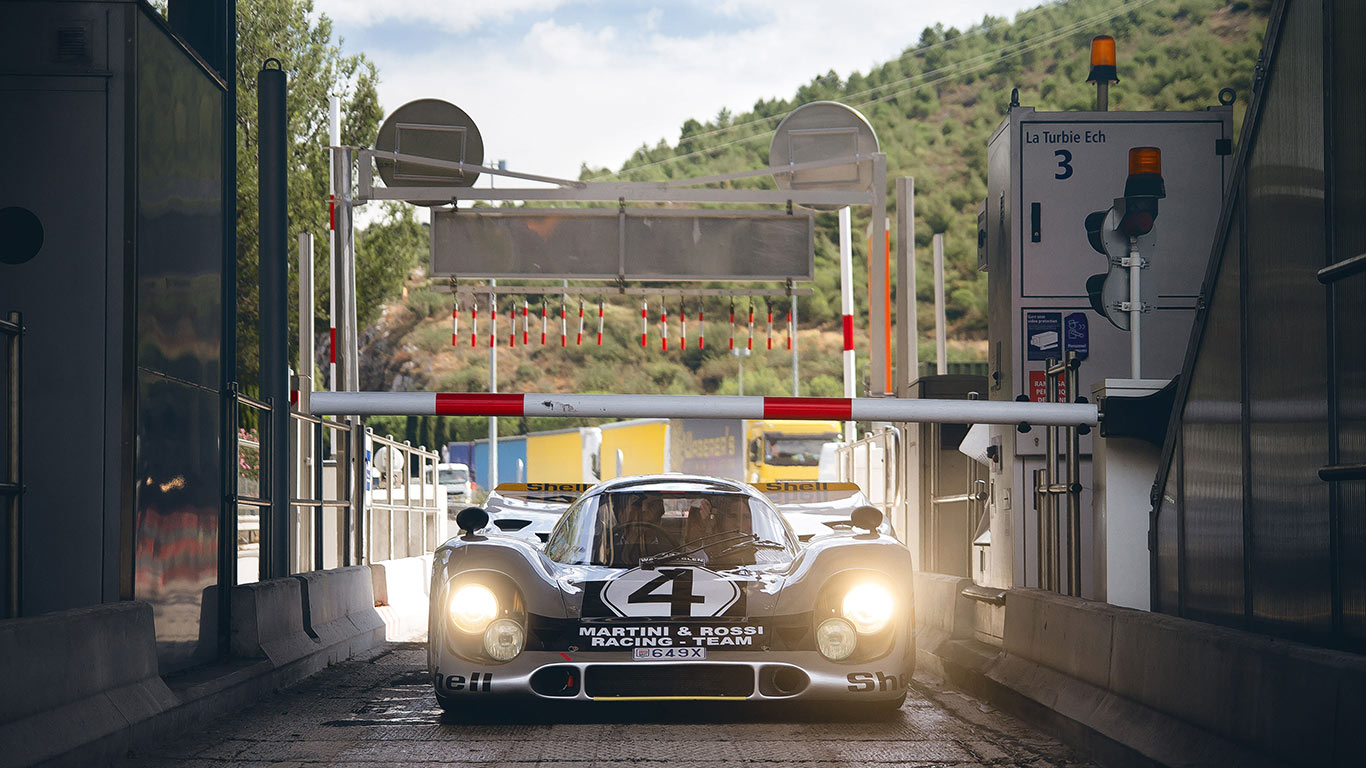
Roaddaro bought the now-completed 917 in 2016, then set about the arduous task of persuading the Monegasque authorities to allow him to register it for road use. Thankfully for Claudio, two other people had been crazy enough to make a 917 road legal before him.
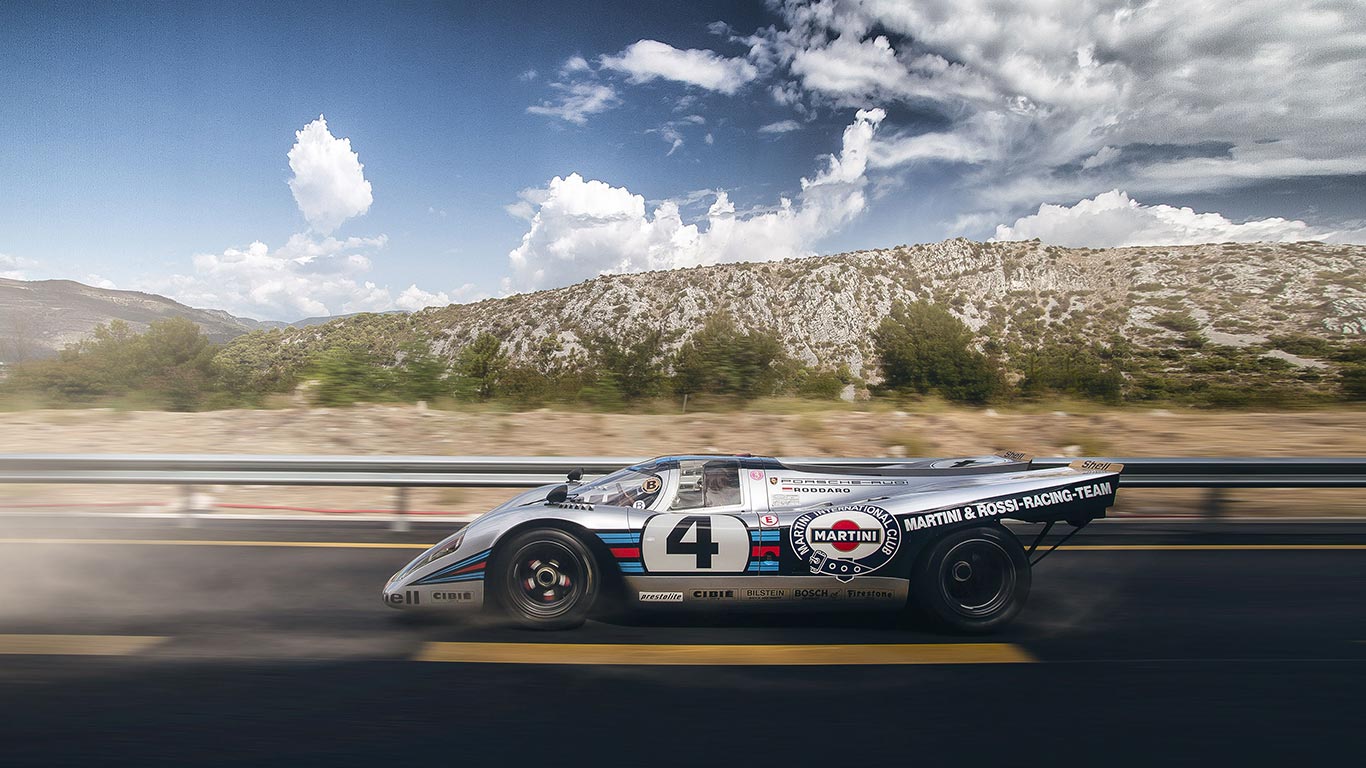
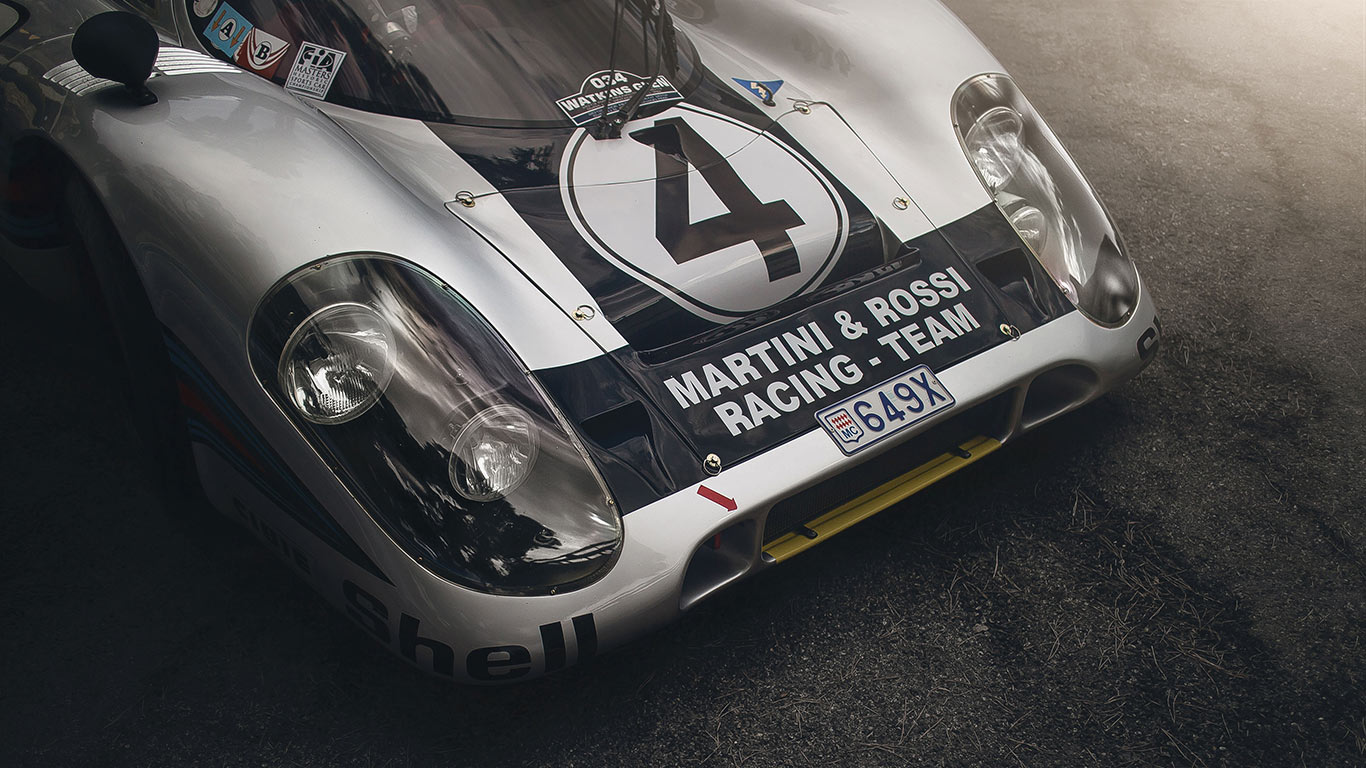
Count Rossi, Italian nobleman and part of the family behind the Martini drinks company, persuaded American officials to register his 917 as road legal in 1974. By demonstrating that Rossi’s car – still road-registered to this day – was the same as his, Roddaro pulled off the same feat.
With a full period Martini Racing livery, the 600hp 917 looks like like a racetrack refugee. Whether anyone needs to drive a car with a power-to-weight ratio of 1000hp/tonne around the streets of Monaco is a moot point. Claudio Roddaro can, and does.
Read more:
Classic colours for Porsche racers at Le Mans 24 Hours
 Volvo is continuing its withdrawal from traditional automotive industry events by announcing it is not going to attend the Geneva Motor Show next year.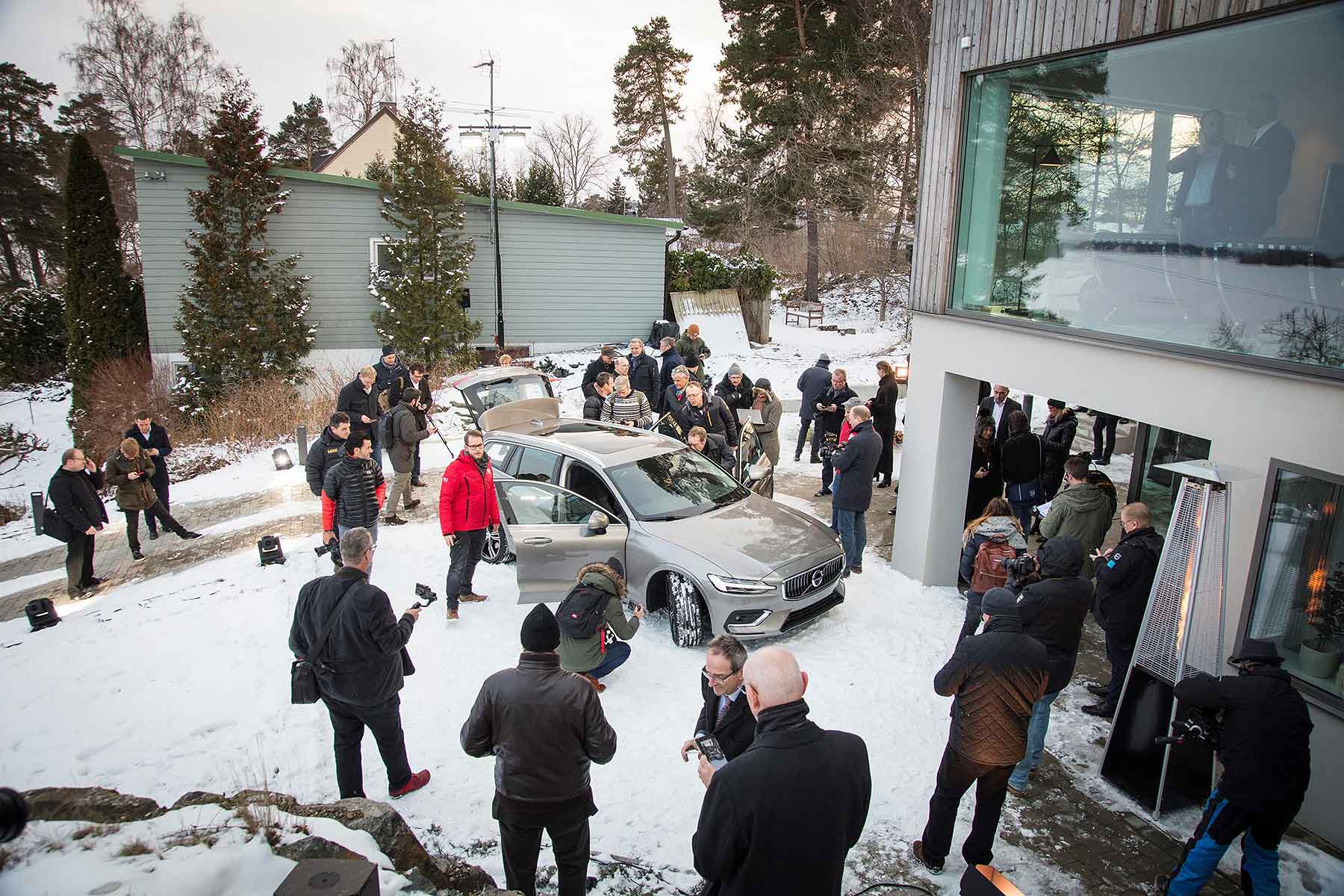
 London Mayor Sadiq Khan has confirmed the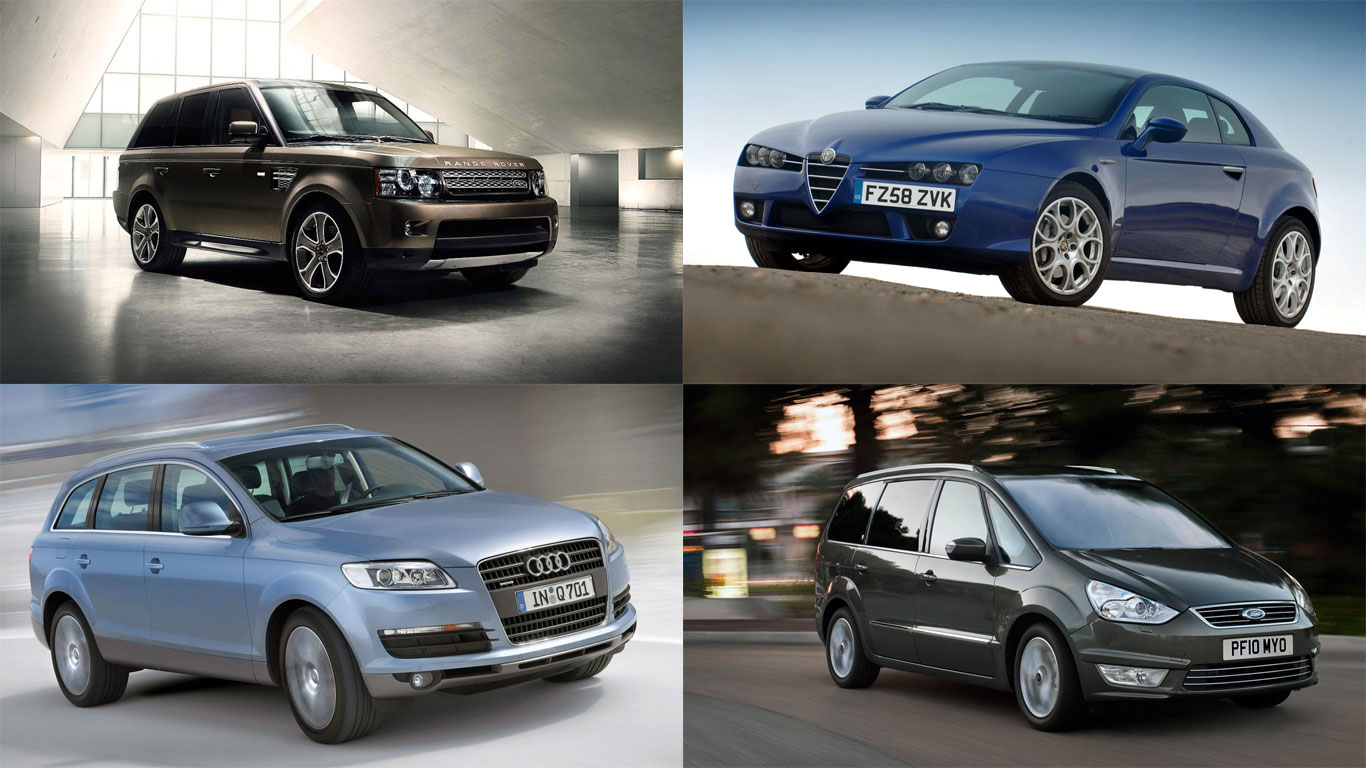

 Audi has introduced Amazon Music to its Audi connect services roster. It brings the music streaming service’s library of 50 million songs to Audi drivers, accessible through the regular MMI service.
 Chargemaster is a key partner of TV star and electric vehicle evangelist Robert Llewellyn’s
  Tech giant Harman has launched a 5G-ready car antenna that packages multiple units into one device and which can be mounted beneath car bodywork – solving the packaging headaches that have been worrying car designers.