Home Blog Page 472

Fun-to-drive cars for less than £1,500

0

Fun for 1,500 notes

You could spend £1,500 on the deposit of a PCP deal on a new car, only to spend another couple of hundred quid a month for the next few years, before handing back the keys at the end of the contract.

Alternatively, you could spend the same amount on a used car and have fun enjoying life with your own car. Which is why we’ve been trawling the pages of Auto Trader in search of fun cars for less than £1,500.

Ford Puma: £1,500
Fun for 1,500 notes

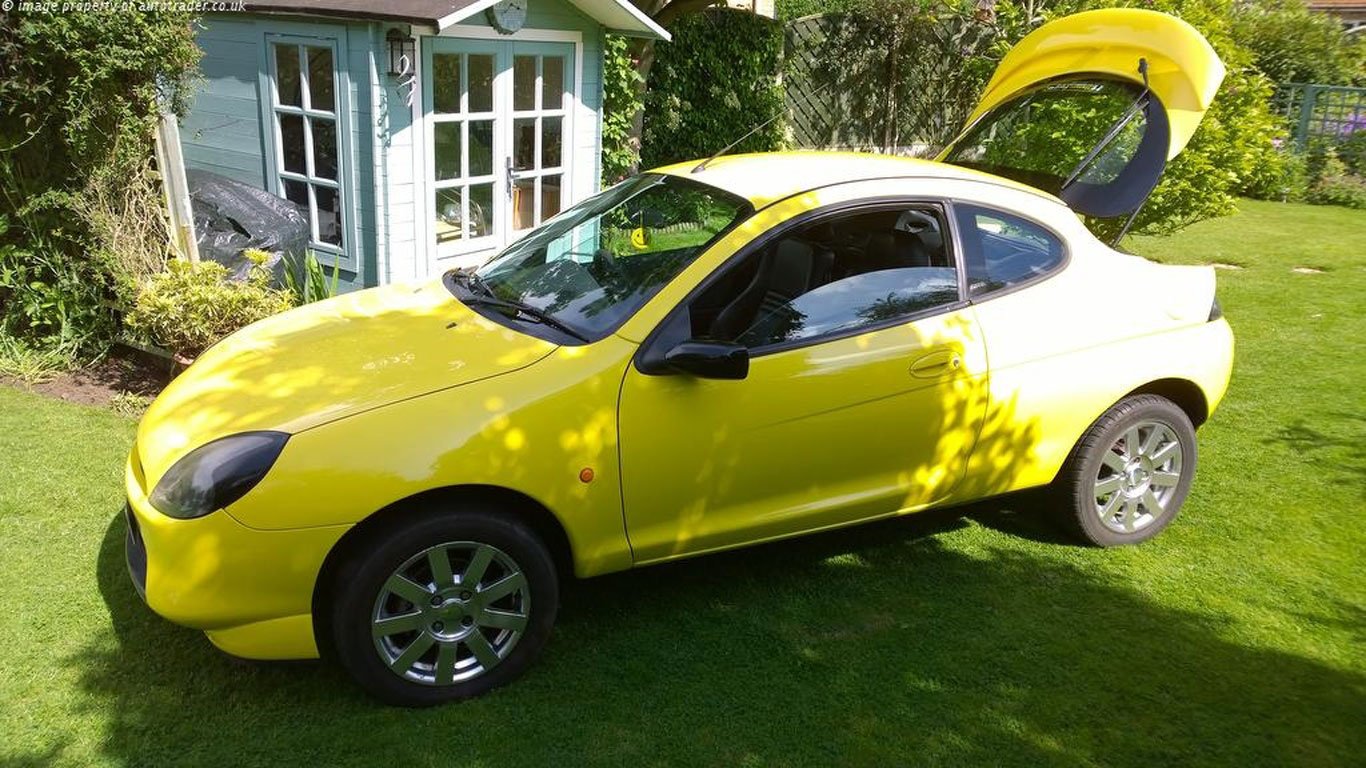
Draw up a list of the most fun-to-drive front-wheel-drive cars and the Ford Puma will be close to the top. The Millennium special edition is a rare thing – 1,000 were built – each one finished in yellow, with a numbered plaque, bespoke centre caps and black leather seats. This one isn’t the cheapest available, but the condition looks good and the Millennium factor should make it collectable in the future. You’ve just got to like yellow paint.

Mazda RX-8: £1,500
Fun for 1,500 notes

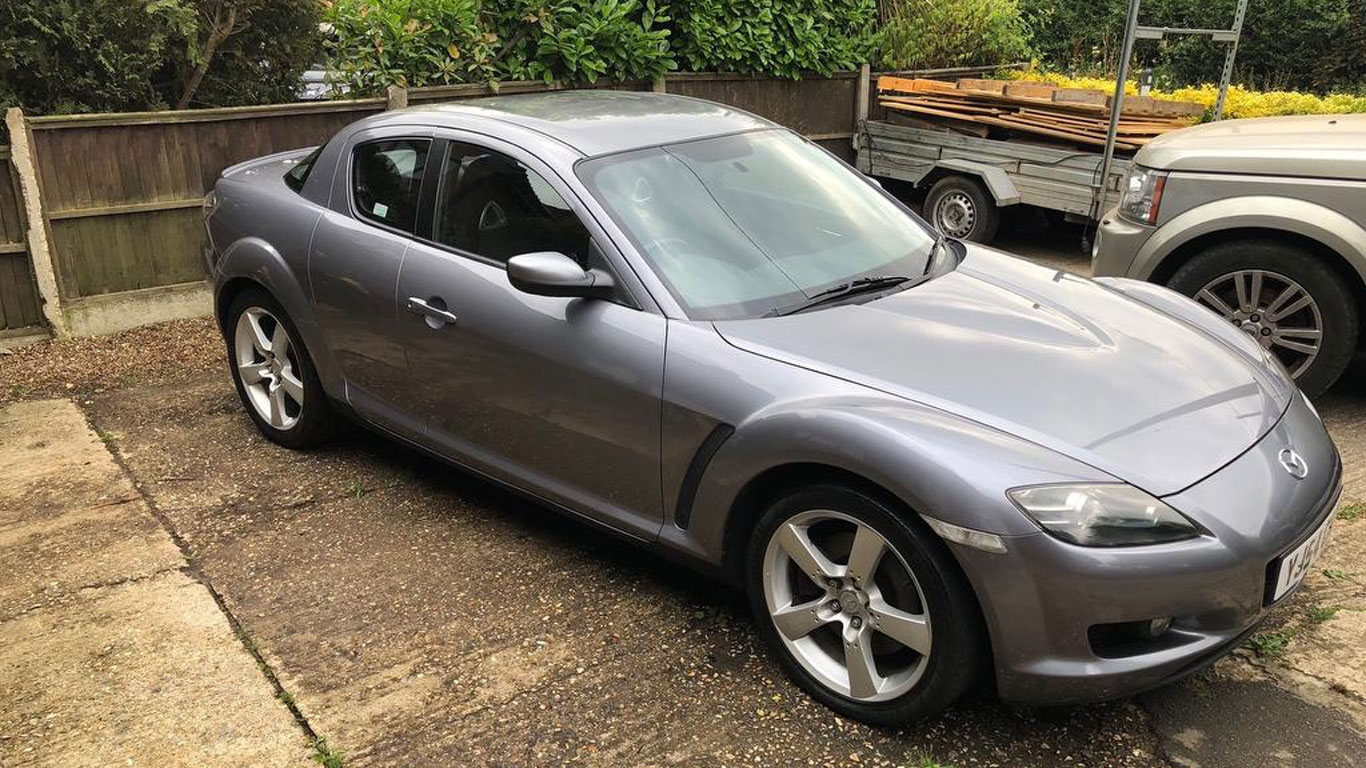
We’re not going to pretend that buying a cheap Mazda RX-8 isn’t as risky as betting your house on the outcome of the 6.45 at Haydock, but a rotary-engined sports car with suicide rear doors has to be more exciting than a compact crossover, right? This 2005 example has 62,000 miles on the clock and will come with a fresh MOT.

Mazda MX-5: £1,500
Fun for 1,500 notes

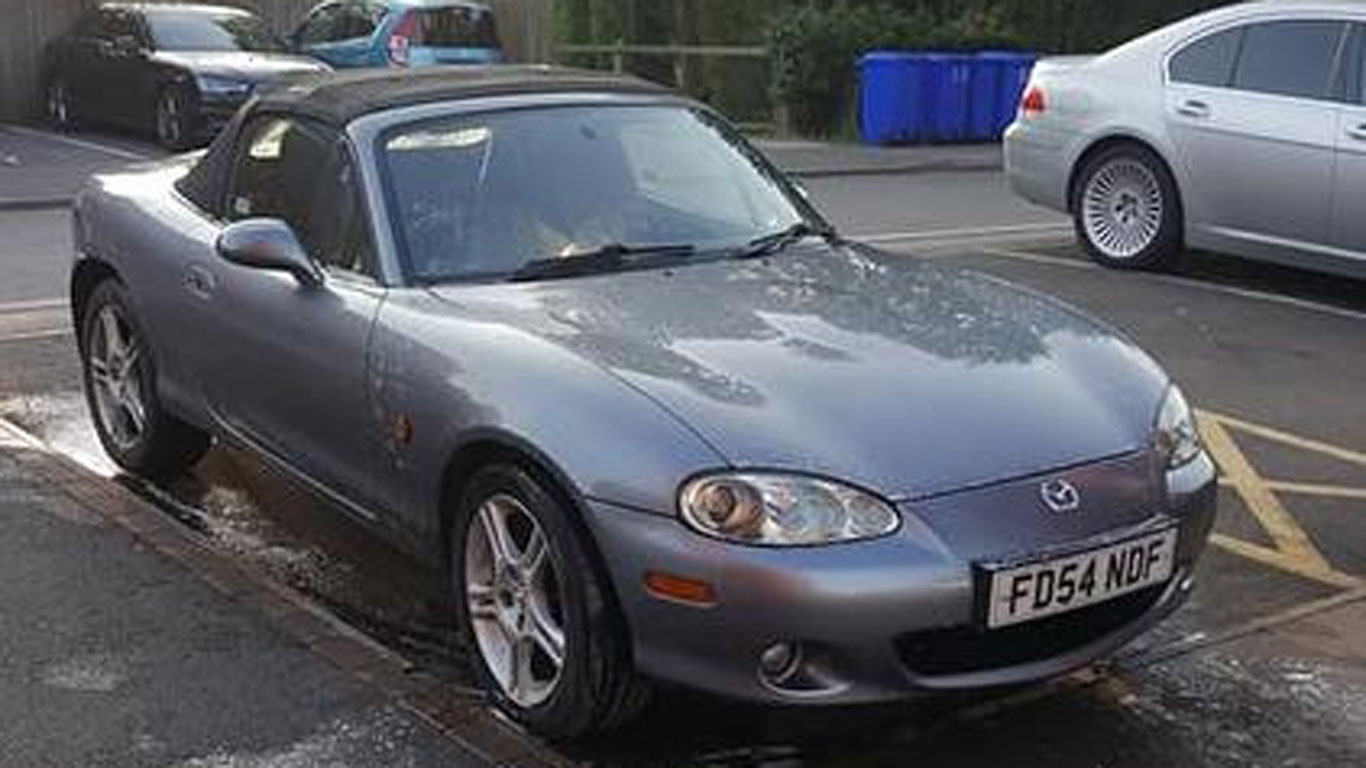
There are plenty of Mazda MX-5s for sale within budget, so you can afford to be selective. Corrosion is a potential MX-5 killer, and the seller of this 2004 example says the rear arches are starting to see some rust. On the plus side, it has just been serviced and won’t need an MOT until December – by which time the hot summer of 2018 will be a distant memory.

BMW 3 Series Convertible: £1,500
Fun for 1,500 notes

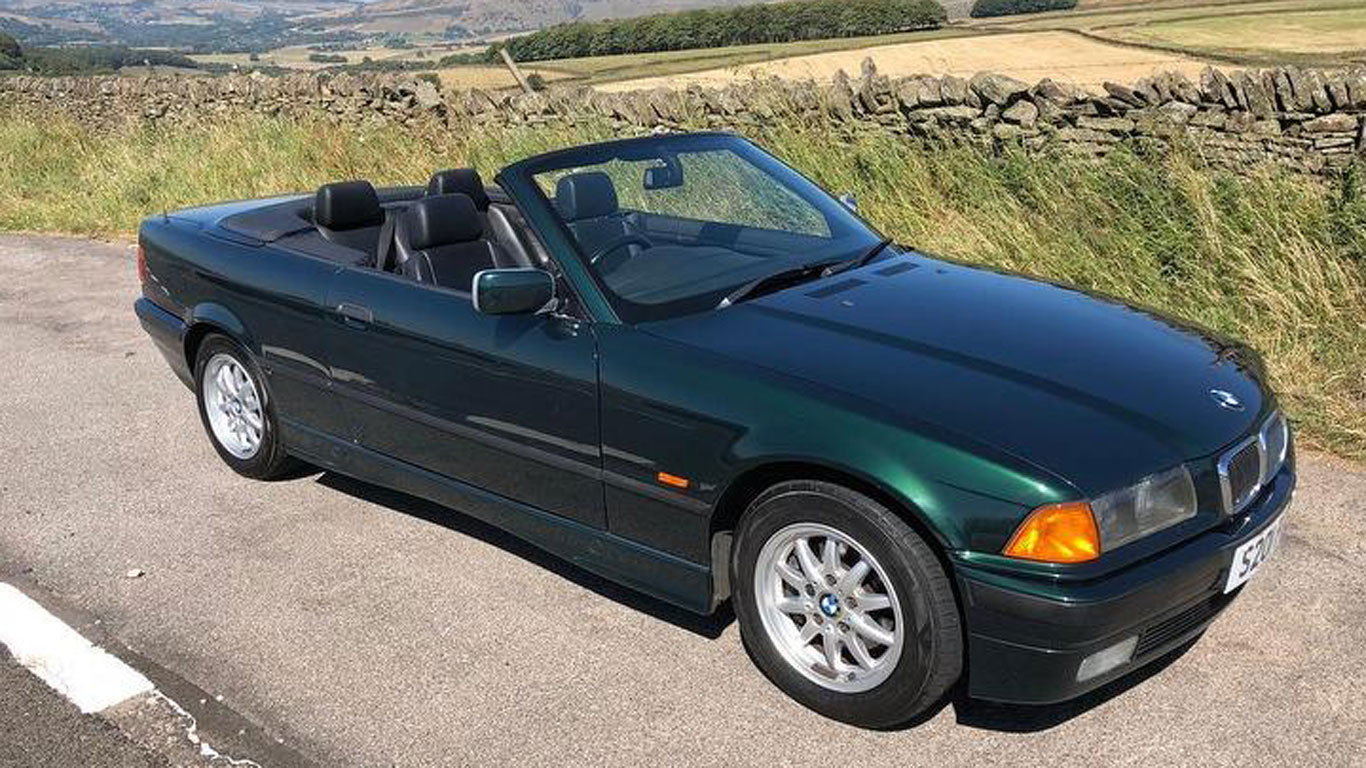
All this class and sophistication for just £1,500 – sweet. Assuming it’s as good as it looks – the last MOT looks encouraging – this 1999 BMW 328i convertible could be a summer steal. Spend a few months enjoying it over the summer and you might even be able to sell for it for a small profit in the autumn.

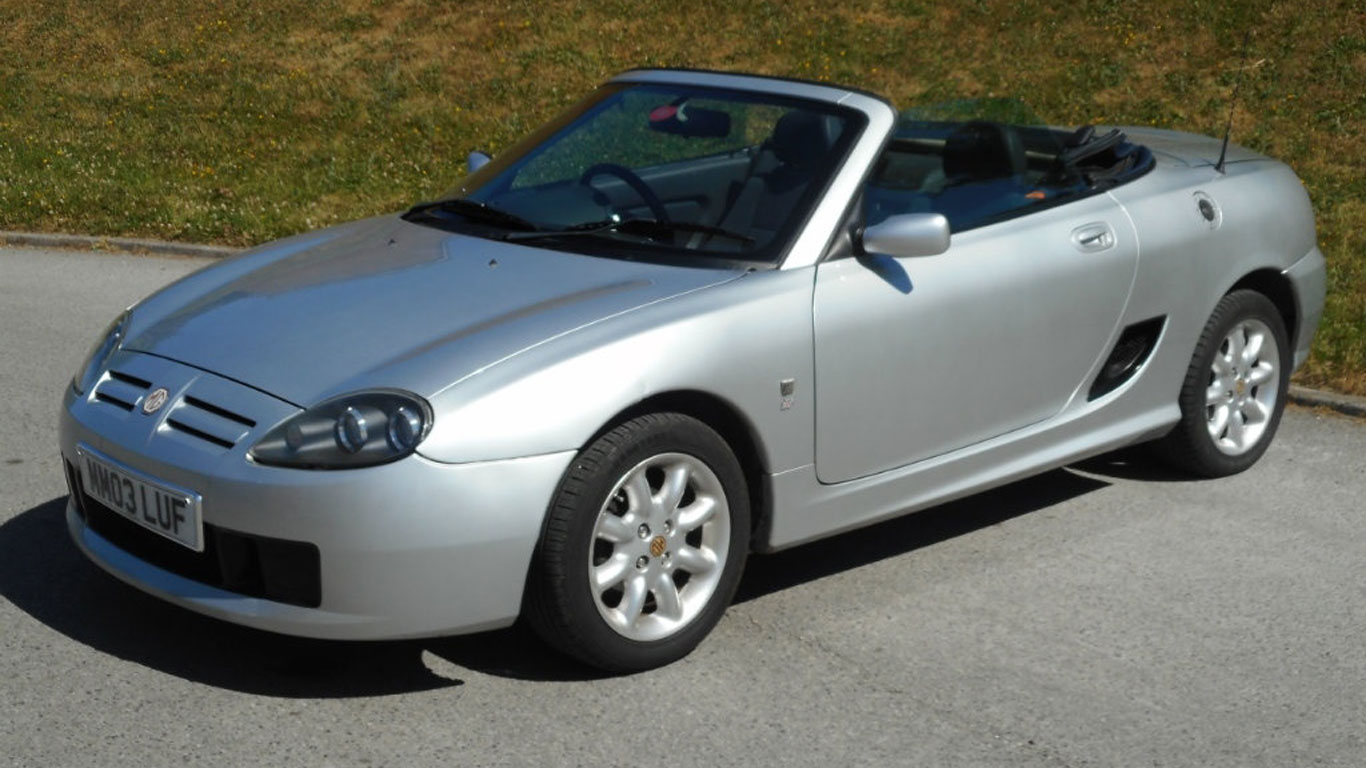
MG TF: £1,500
Fun for 1,500 notes

The MG TF didn’t have the best reputation for reliability when new – and the head gasket issue needs mentioning – but seek specialist help and this is a terrific, if slightly softer, alternative to the Mazda MX-5 and Toyota MR2. This 2003 example comes with a warranty, has got 52,000 miles on the clock, and is said to be in excellent condition. Sadly, the dealer says no discounts will be offered, but there’s no harm in trying.

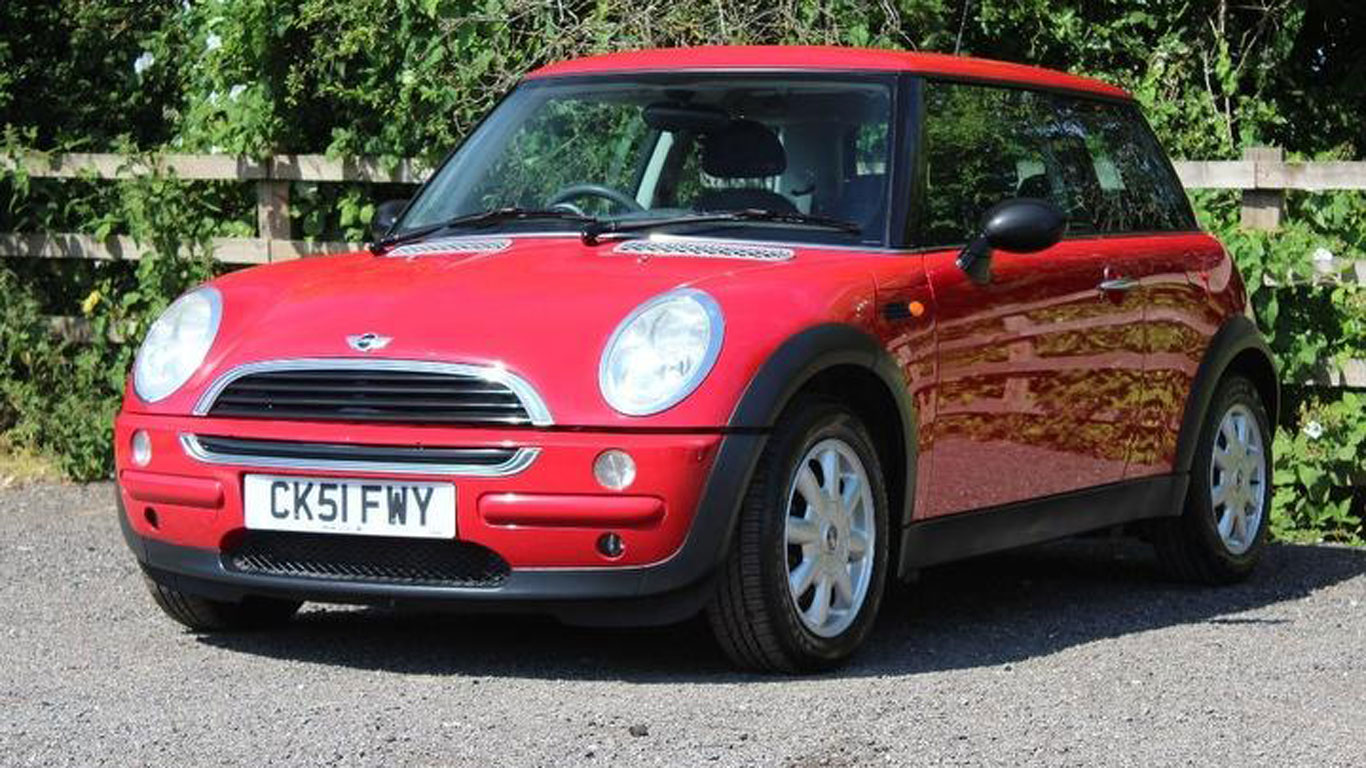
Mini One: £1,500
Fun for 1,500 notes

Launched after the Mini Cooper, the One arrived as the entry-level model, with a price tag of £10,300. More expensive than a top spec Ford Ka, perhaps, but the Mini had the build quality and the kudos of the badge. This early example has had just one lady owner from new, and you won’t need to MOT it until March 2019.

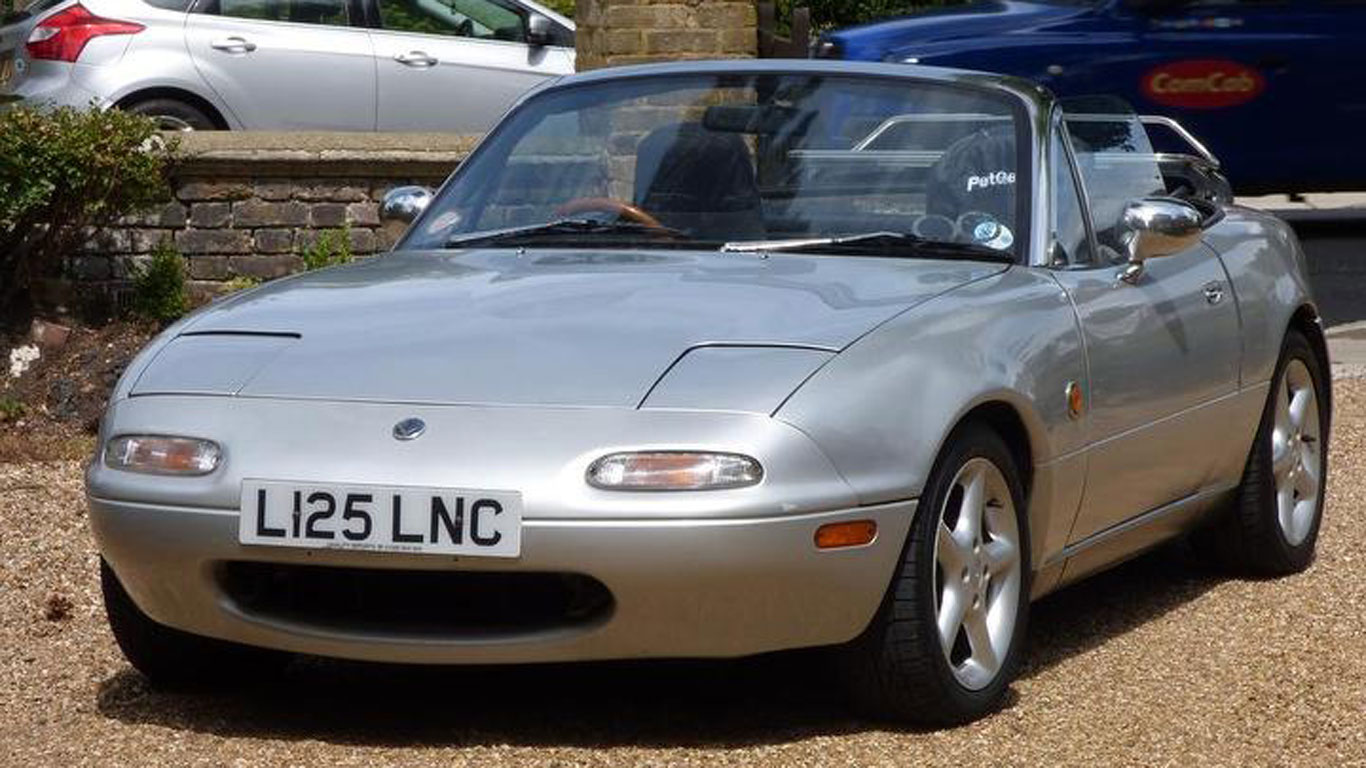
Mazda Eunos: £1,500
Fun for 1,500 notes

The Mazda Eunos is the Japanese name for the MX-5, meaning this is an imported car. But don’t let that put you off, because Mk1 Eunos models tended to be better equipped, while Japan’s unsalted roads are kinder to the car’s body and structure. This 1994 example was imported in 2002 and has “minimal rust on the sills”.

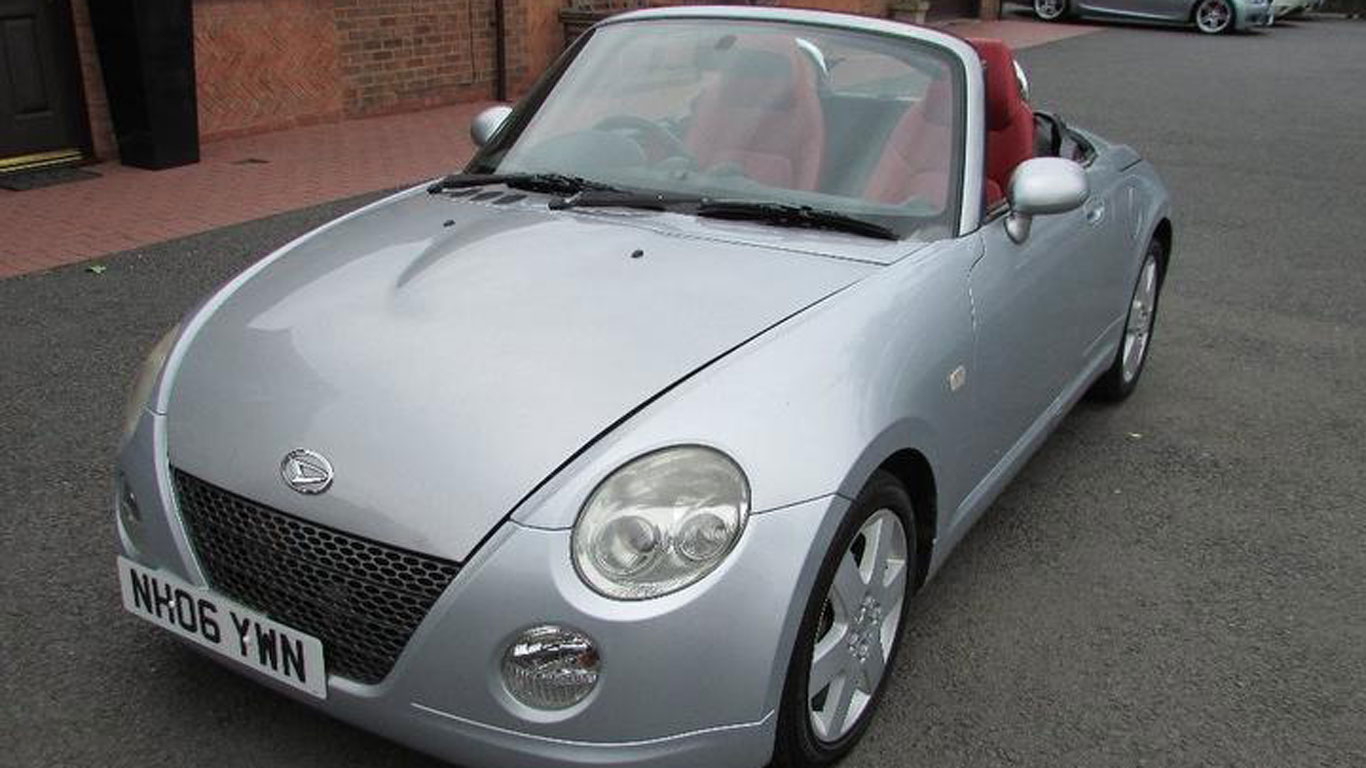
Daihatsu Copen: £1,500
Fun for 1,500 notes

With its electrically folding hardtop roof, you can view the Daihatsu Copen as a kind of tiny Mercedes-Benz SLK. And, we do mean tiny – 6ft drivers need not apply. This is an early Copen with 0.66-litre three-cylinder engine – the later cars were powered by a 1.3-litre unit – and it’s up for a bargain £1,500. That said, as a part-exchange vehicle, it’s offered with no warranty, so do your homework before parting with any cash.

Audi TT: £1,500
Fun for 1,500 notes

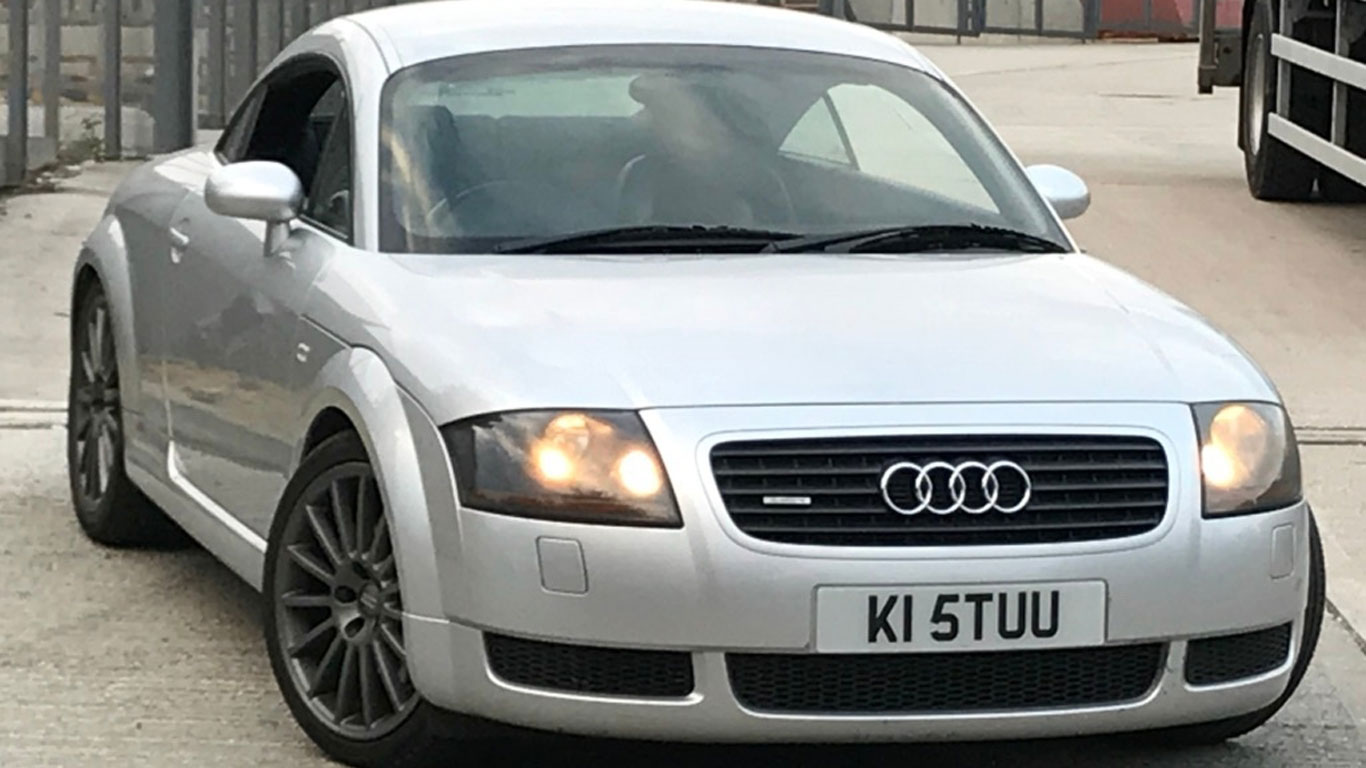
Twenty years on from its launch, the Audi TT still looks like a concept car for road and, in our opinion, remains better looking than the subsequent models. We’re a little surprised to find a selection of cars available for this budget, so take the opportunity before prices head north. The mileage on this 1.8-litre example is nothing to be afraid of, but you might want to arrange a fresh MOT before taking the plunge.

Honda CRX Del Sol: £1,495
Fun for 1,500 notes

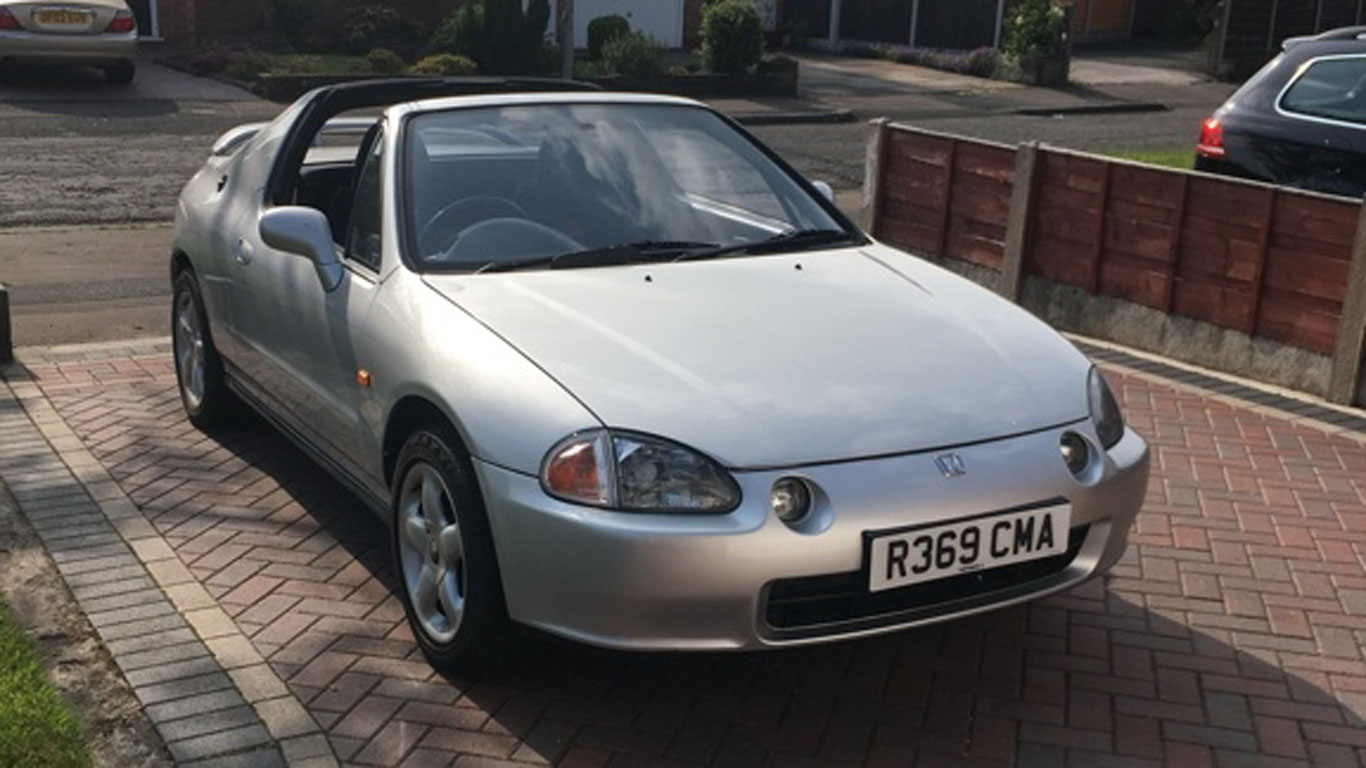
The Mk3 Honda CRX Del Sol is heavier and less exciting to drive than its predecessors, but don’t let that put you off, because its talents lie elsewhere. The electric and automatic targa top is a neat piece of kit, while the styling is ageing beautifully. The MOT history on this 1997 example looks very encouraging, with no mention of rust.

Suzuki Jimny: £1,495
Fun for 1,500 notes

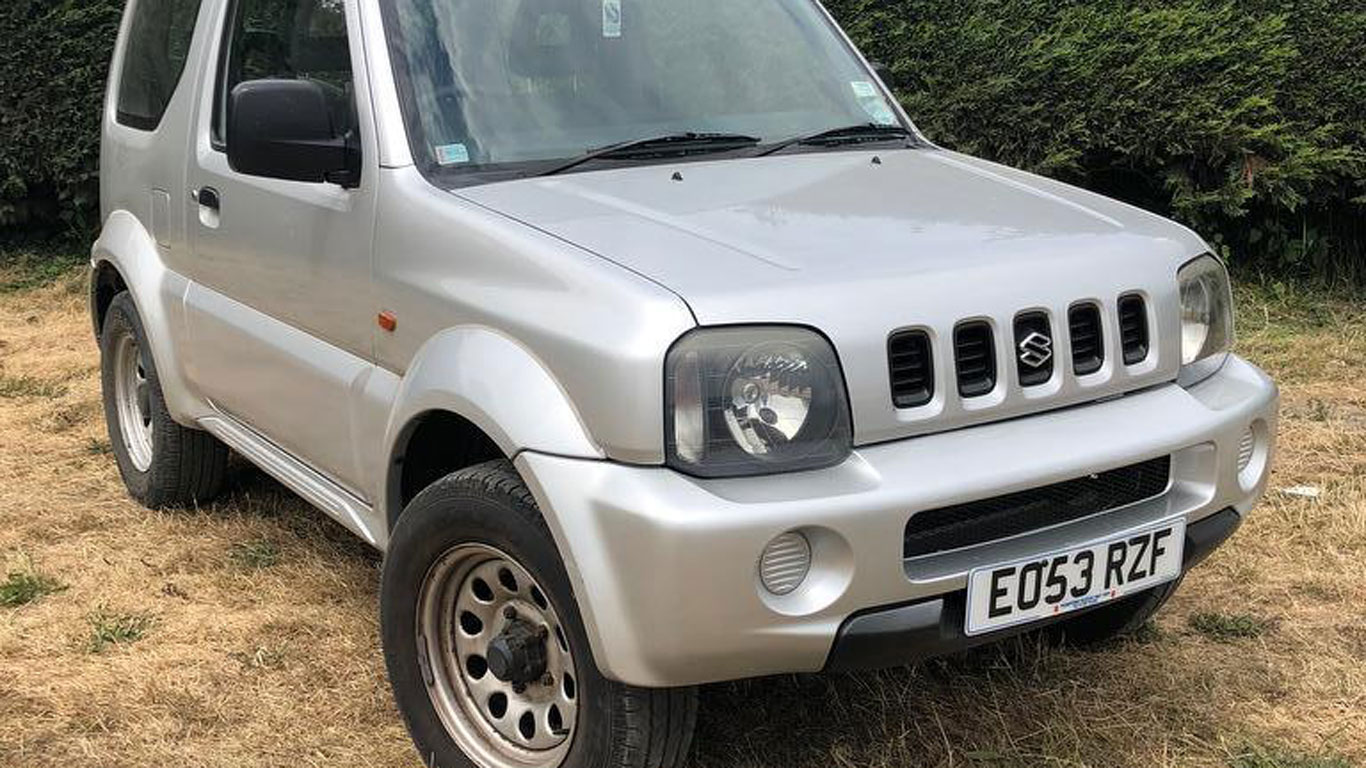
After 20 years, production of the current Suzuki Jimny has ended, as the world waits for the fourth-generation model to go on sale in 2019. You don’t have to wait until next year, not when you can buy an outgoing version for £1,500. This is an automatic, so it won’t be for everyone, but with 67,331 miles on the clock, it has got plenty of life left in it.

Ford SportKa: £1,295
Fun for 1,500 notes

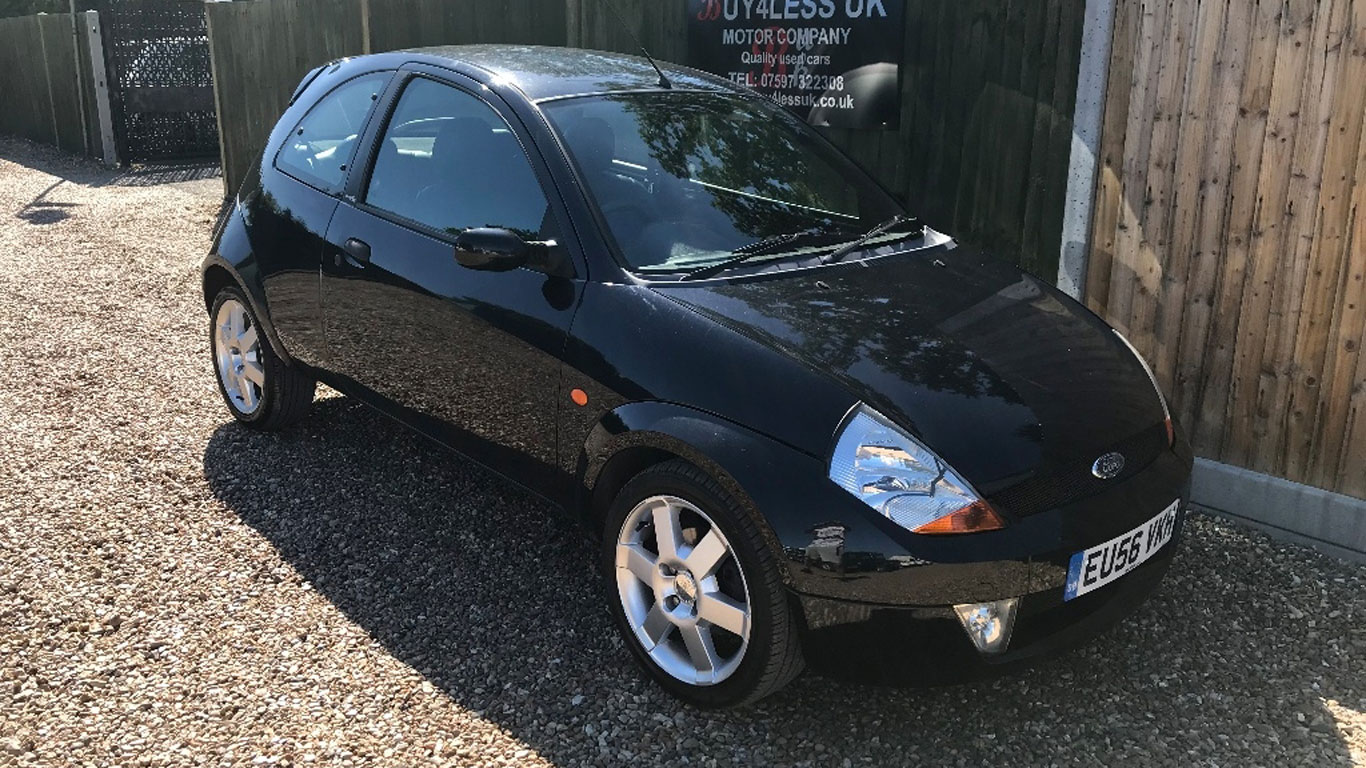
Forget the Volkswagen Up GTI for a moment, because the Ford SportKa is junior hot hatch built in the same spirit as the Mk1 Golf GTI. There are enough for sale around the £1,000 mark for you to be choosy, but this one looks worthy of a test drive. The MOT history suggests rust might be an issue – corrosion is a Ka weak point – so approach with care and move on to another SportKa if you’re not sure.

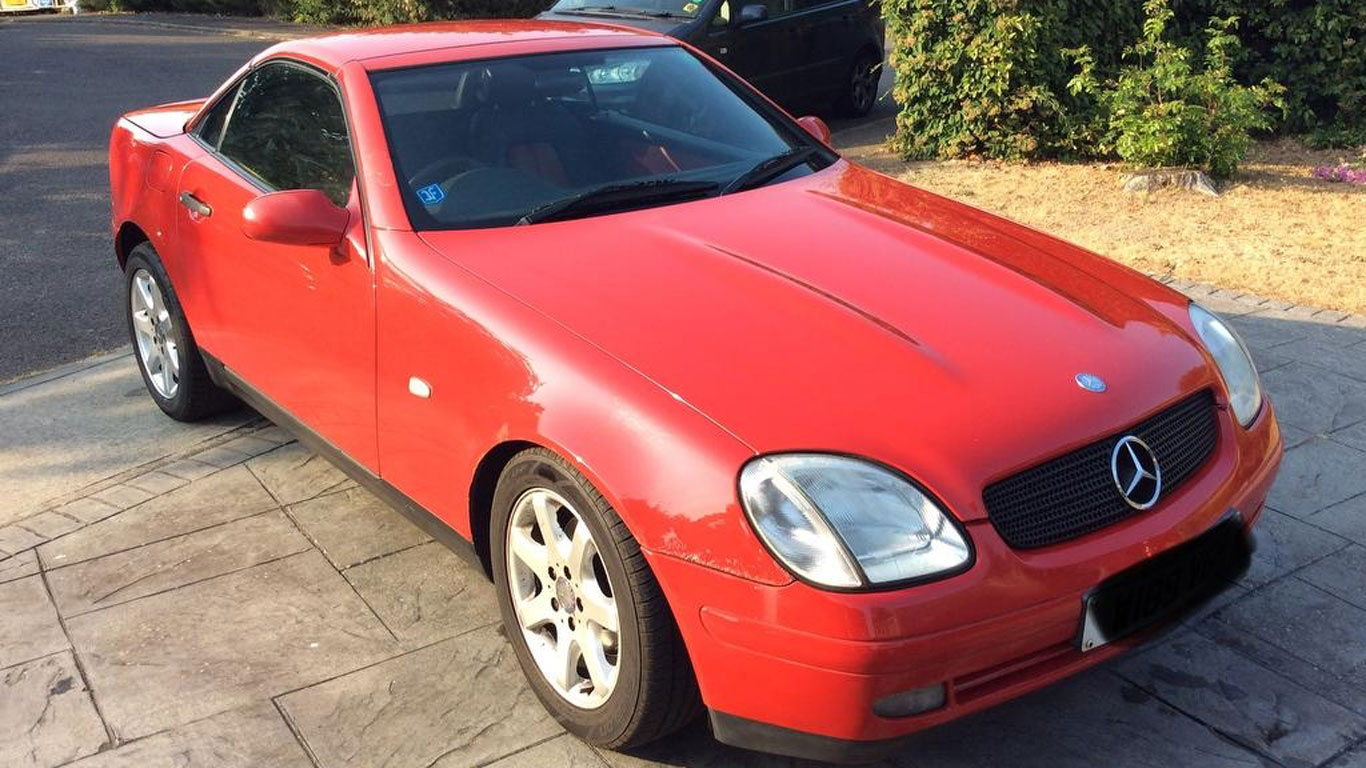
Mercedes-Benz SLK: £1,000
Fun for 1,500 notes

At the time of writing there were 15 Mercedes-Benz SLKs available for less than £1,500, although admittedly some had a few known issues. We selected the best one – a SLK 230 for £1,150 – but it sold before we went live. Instead, you might want to consider this 2000 example with 90,000 miles on the clock. The seller has owned it for over four years and has used a Mercedes specialist for servicing. Nice.

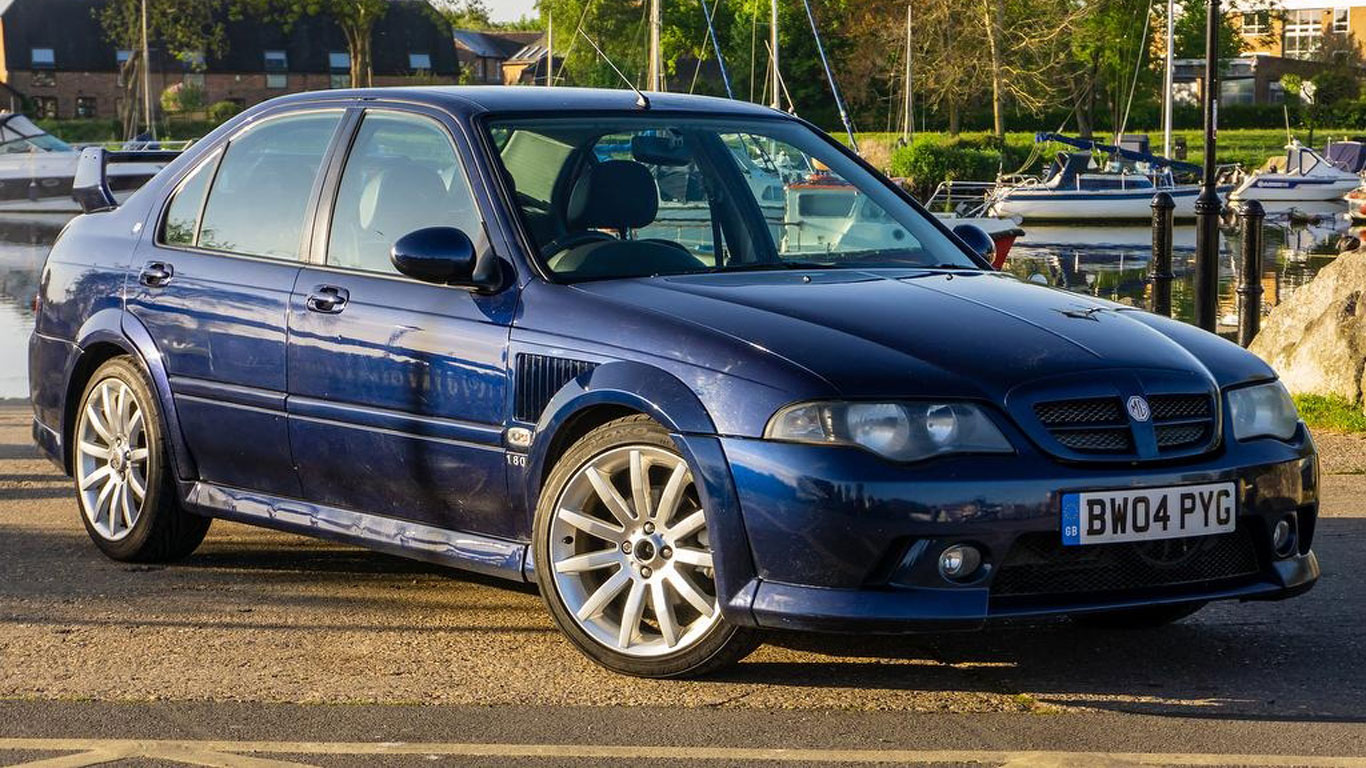
MG ZS 180: £1,100
Fun for 1,500 notes

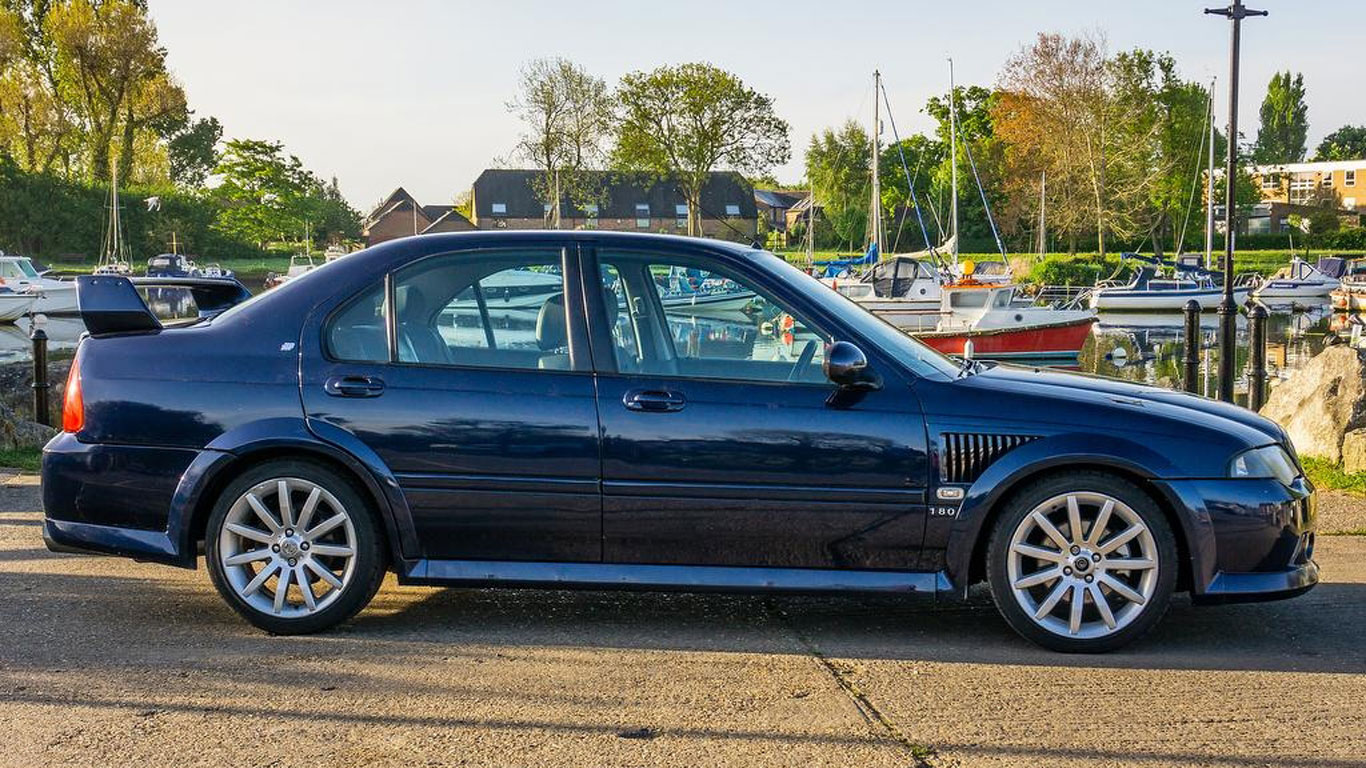
You have to say, this is a lot of car for the asking price. The 180 was the flagship of the MG ZS range, powered by a creamy 2.5-litre V6 engine without the dreaded K-Series head gasket issues. This 2004 example is “owned by [an] enthusiast”, who has written an honest description of the car. We like this, which is why we made it our cover star.

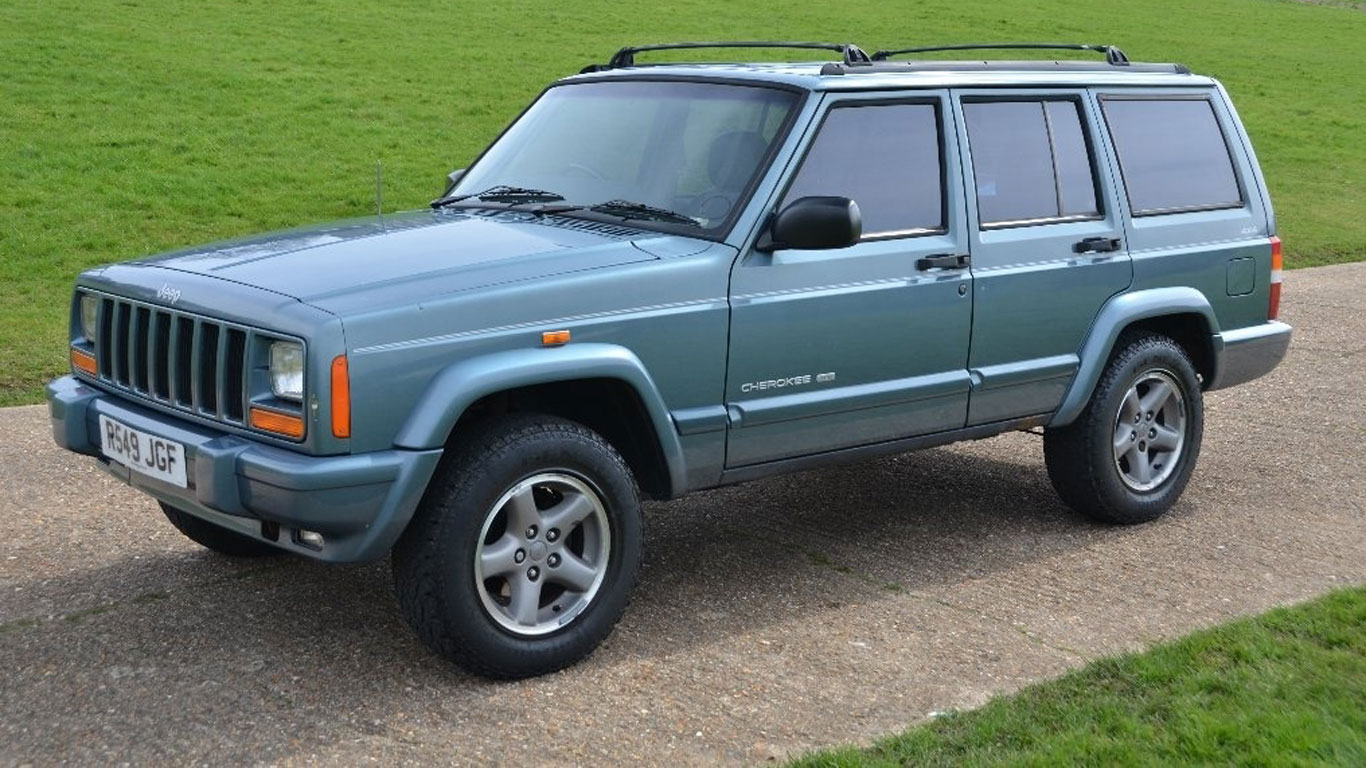
Jeep Cherokee: £1,000
Fun for 1,500 notes

If you’re feeling brave, this could be a tremendous amount of fun, not least when you decide to venture into the wilderness. There is a catch: the MOT ran out in March. The list of failures and advisories will keep you busy for a couple of weekends, but if you’re handy with a spanner – or know a mate who can help – a Jeep Cherokee 4.0-litre is a wondrous off-road toy.

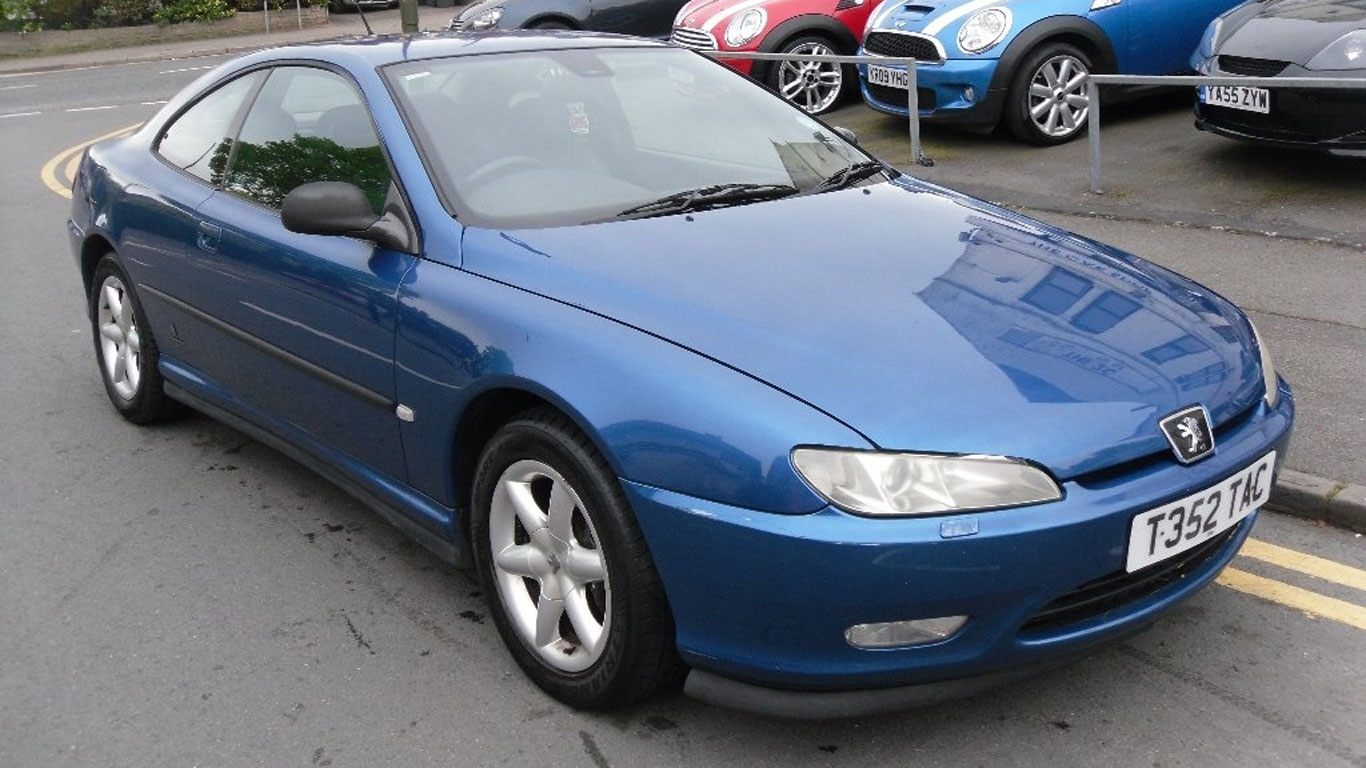
Peugeot 406 Coupe: £1,000
Fun for 1,500 notes

Here’s a challenge for you: find a prettier car available for less than a ‘bag of sand’. The Peugeot 406 Coupe is one of Pininfarina’s best creations, with a timeless design that’s as good today as it was in the late 90s. Even in what the seller describes as “average condition”, this 1999 example looks a million dollars.

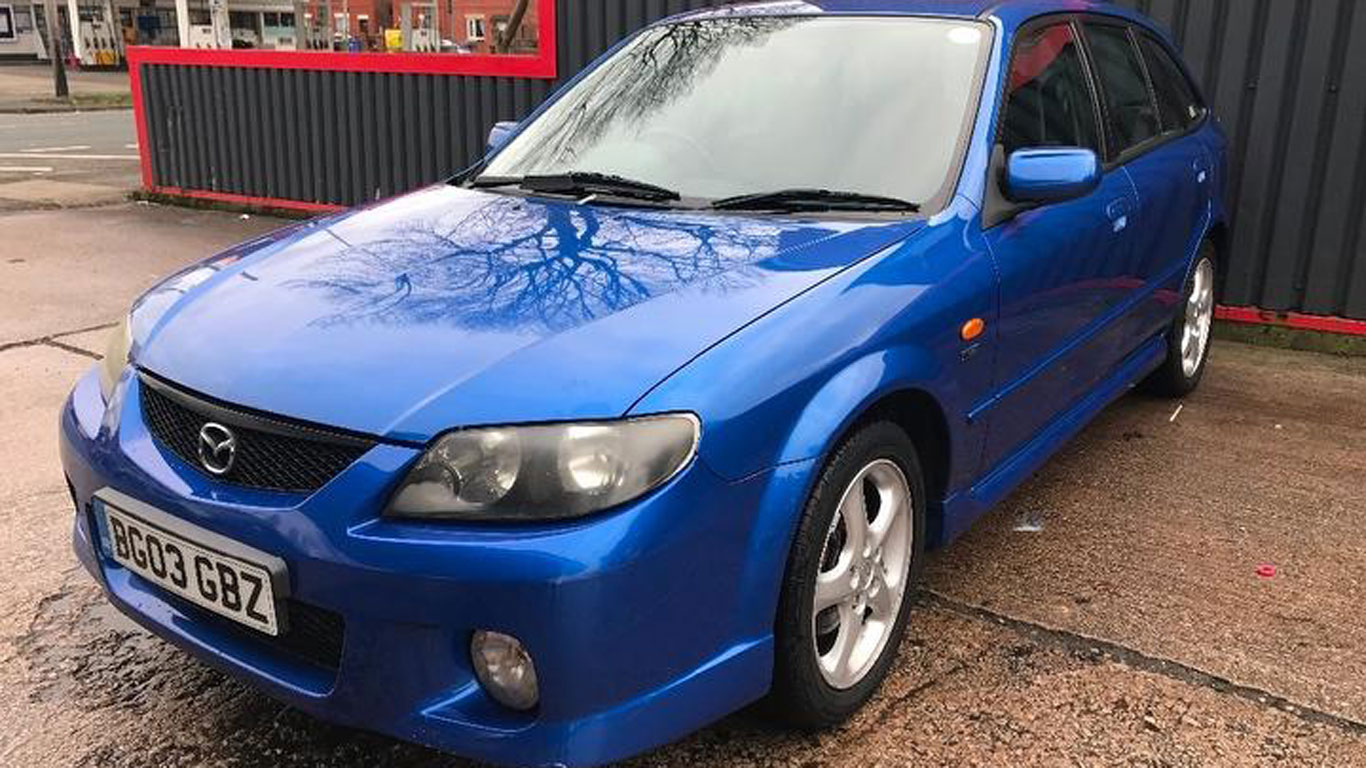
Mazda 323 Sport: £895
Fun for 1,500 notes

The Mazda 323 is far nicer to drive than you’d think, while the 2.0-litre petrol engine delivers brisk, if not scintillating, performance. According to the seller, this 2003 example is in excellent condition, but the MOT history would suggest that some welding has been done in the past. But, with a fresh MOT and a price tag of £895, it’s still better than a lengthy PCP deal.

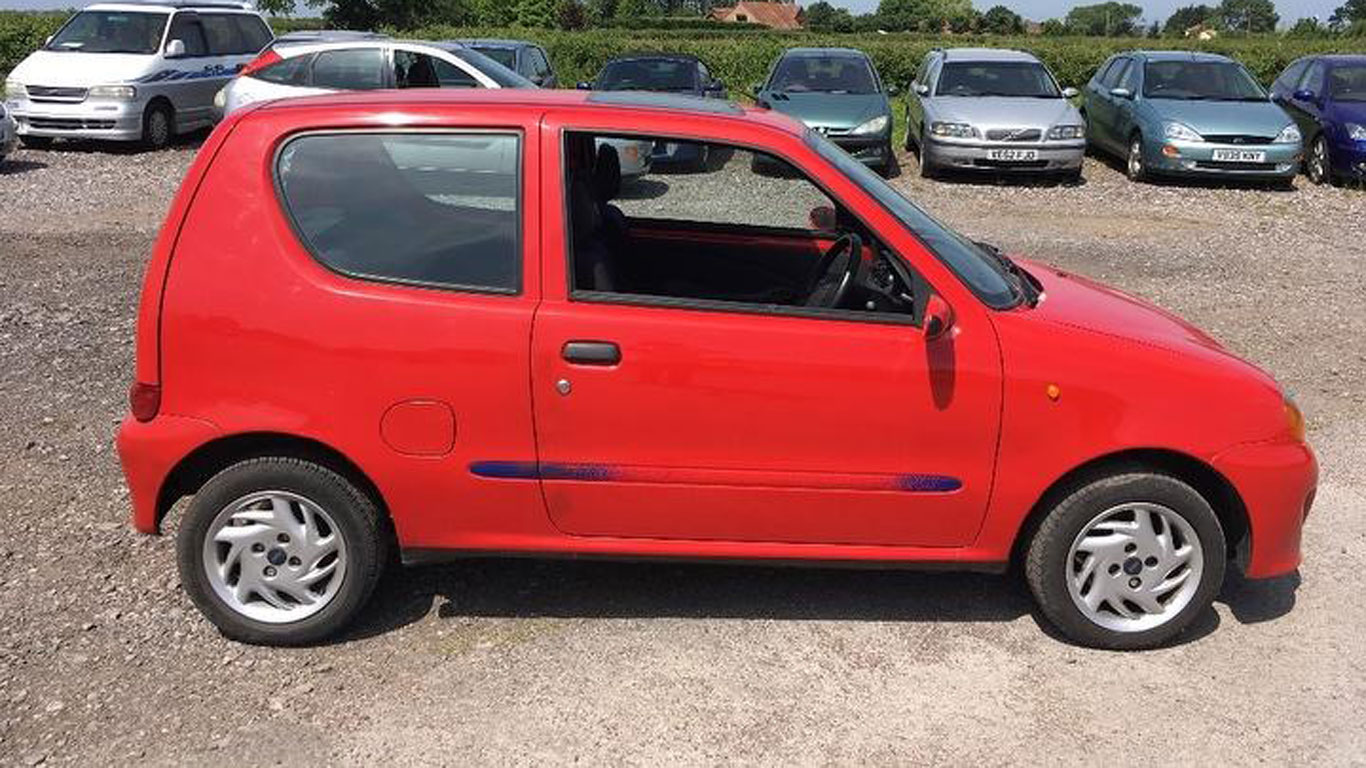
Fiat Seicento Sporting: £795
Fun for 1,500 notes

This Fiat Seicento Sporting passed an MOT with no advisories in June, is still wearing its original number plates, and has just 27,000 miles on the clock. So, what’s stopping you? Buy it now and enjoy some Italian fun.

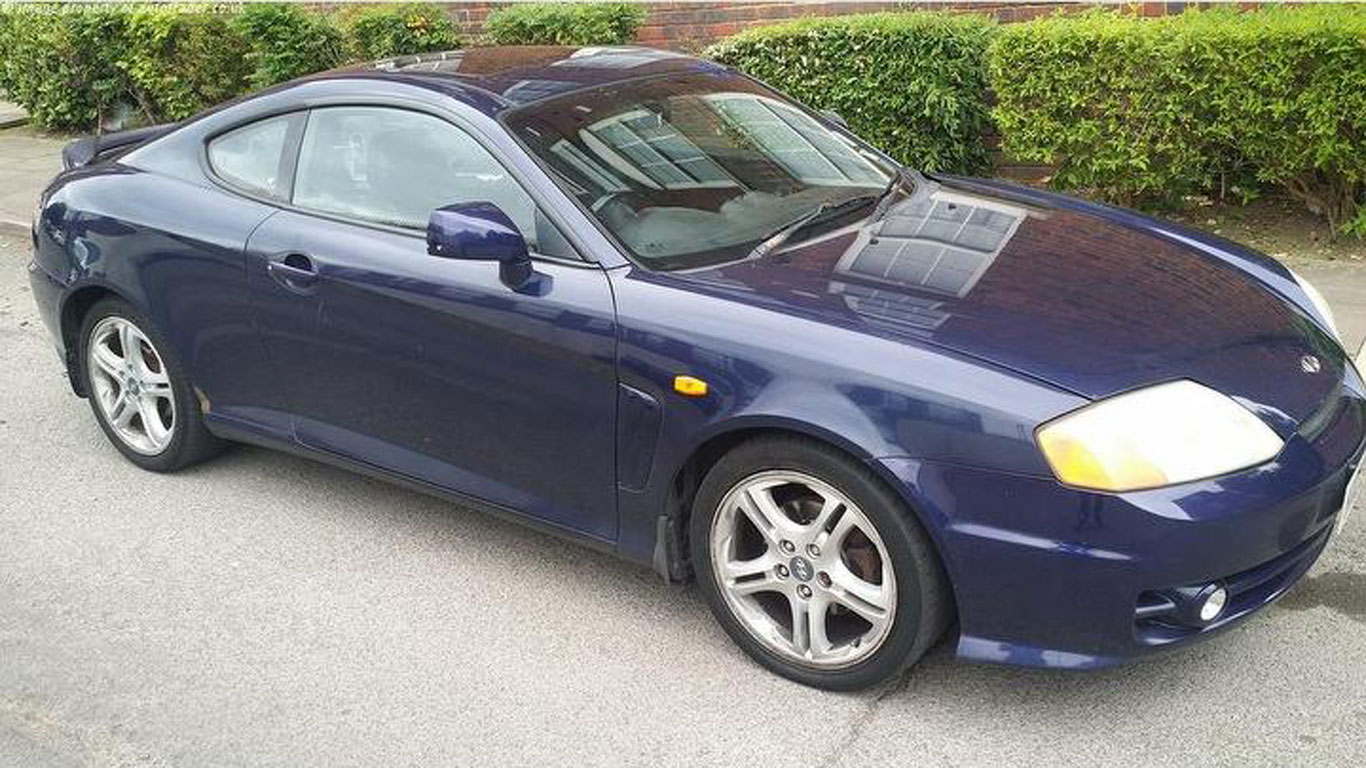
Hyundai Coupe: £700
Fun for 1,500 notes

Squint really hard and this could pass as a Ferrari. OK, a Ferrari with a V6 engine and a Hyundai badge, but we did say you’d need to squint really hard. This 2003 example isn’t perfect, but you shouldn’t expect perfection for £700. The one concern would be the MOT, which runs out in a matter of days.

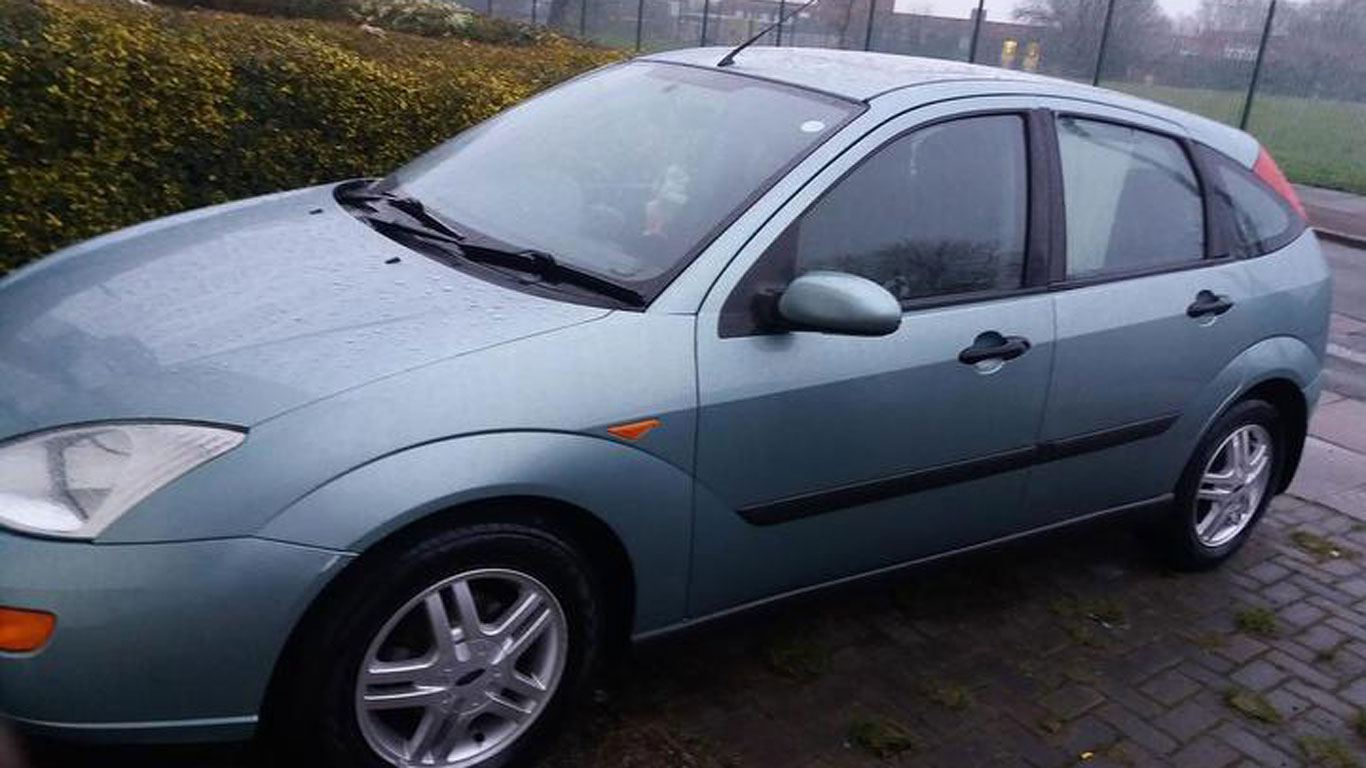
Ford Focus: £650
Fun for 1,500 notes

The Mk1 Ford Focus 1.6 Zetec is one of the most underrated driver’s cars you can buy, with a superb chassis, delightful gearbox and just enough power to perform. The seller hasn’t done a great job with the photos, but this 2000 car has an MOT until February 2019 and looks like a bargain at £650.

Read more:

The 2019 Mazda MX-5 is revvier and more honest
All-new 2019 Suzuki Jimny: what you need to know
England World Cup success lands Auto Trader with a £150k bill
Advertisement

Automobili Pininfarina is a new all-electric luxury car brand

0

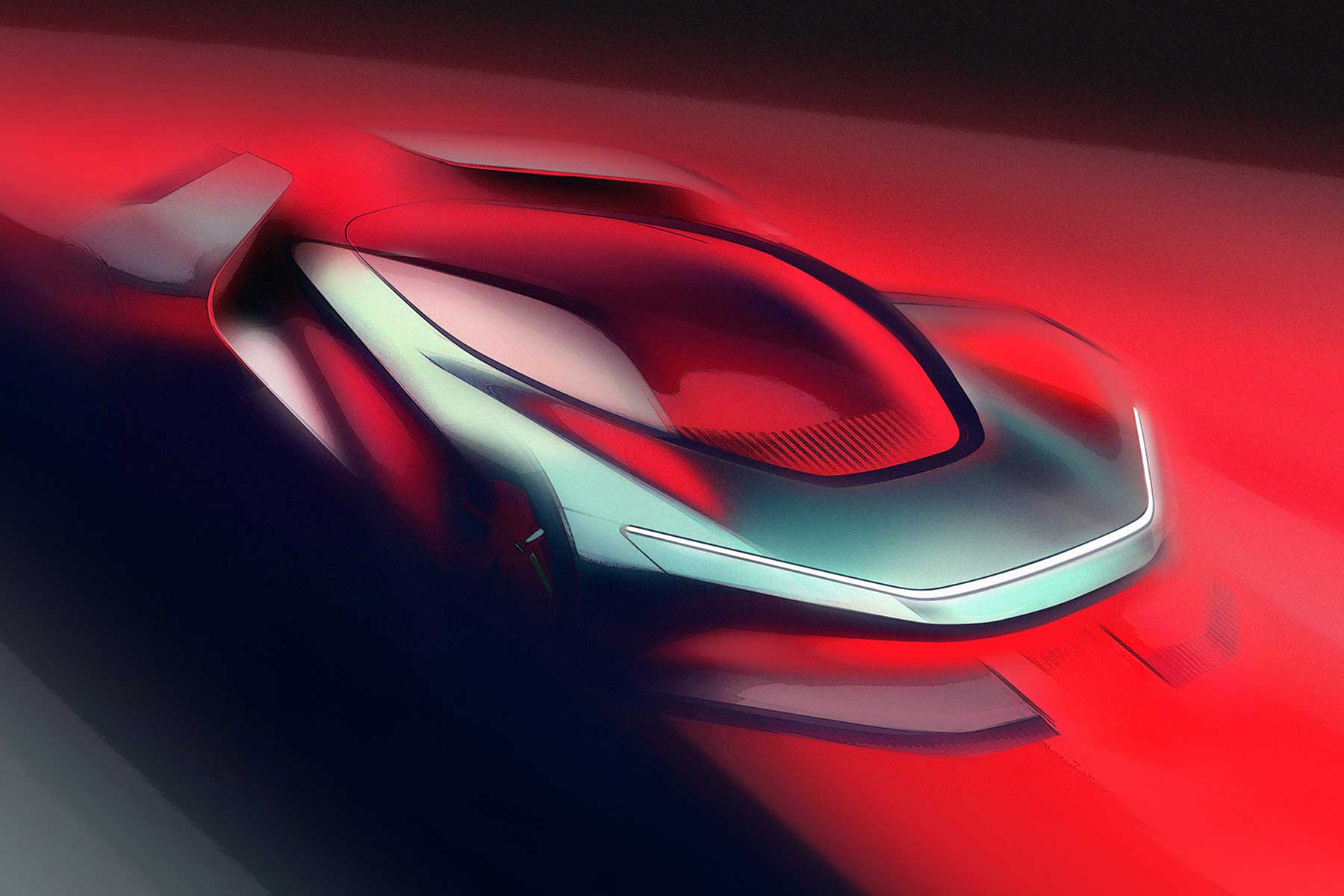
Automobili Pininfarina PF0 concept sketchAutomobili Pininfarina is the world’s newest luxury car brand and will make a series of fully-electric high-end cars including an ultra-exclusive EV hypercar.

The new company is based in Munich and is going to work closely with famed Italian automotive styling house Pininfarina SpA. Automobili Pininfarina has also formed a technical partnership with the Mahindra Racing Formula E team. 

CEO of the new company, Michael Perschke, said: “Automobili Pininfarina is a pioneering new business created to service the most discerning clients in the world.”

The public launch of the firm is planned for an event in New York this week, where it will present its business and product plans to key stakeholders and the media. The first in the product plan is codenamed PF0: it’s described as an “ultra-low volume, ultra-luxurious fully-electric hypercar”.

The rendering above gives us an early insight into it – and Perschke promises us it will go on sale within two years.

He has an ample senior management team now onboard to help him do it, too: executives now moving to Munich have experience Audi, Bentley, Bugatti, Ferrari, Jaguar Land Rover, Maserati, McLaren Automotive and Volvo.

“Now this team is completely focussed on delivering ground-breaking, highly desirable vehicles through a business strategy which will see Automobili Pininfarina become the most sustainable luxury automotive business in the world”, said Perschke.

Advertisement

Retro Ford Mustang will run Goodwood’s first autonomous hillclimb

0

Siemens 1965 autonomous Ford MustangA 1965 Ford Mustang will undertake the very first autonomous hillclimb at the 2018 Goodwood Festival of Speed thanks to a full self-driving makeover by tech supplier Siemens and Cranfield University.
The car will first run on Thursday 12 July and then repeat the feat every day of FoS 2018. In doing so, it will make history as the first self-driving car to run up the Goodwood hill.  

Helping mark 25 years of the Goodwood Festival of Speed, Siemens reckons its partnership with Cranfield University will “bridge the gap between the legacy of the automotive industry while pointing to the future of autonomy in terms of both motoring and wider industrial applications”.

Equipping an achingly cool 1965 Mustang with autonomous tech is very ‘Goodwood’, although it’s not been the work of the moment for the Siemens engineers. A particular challenge, they say, has been honing the sensitivity of the handling control to navigate the course.

The teams thus developed a precise 3D scan of the hill using location-scanning technology from Bentley Systems, for ‘connected awareness of the car’s own position’.

To ensure nobody misses it, Siemens has given it a smart silver wrap and is going to park it in the main Goodwood paddock when it’s not driving up the hill under its own steam.

Dr James Brighton from Cranfield said: “Goodwood offers us a chance to reflect on why we have an emotional connection with cars and acts as a reminder that humans like to be engaged and part of the action.

“The Siemens Autonomous Hillclimb challenge project connects the classic spirit of automotive adventure with advanced technology.” 

Advertisement

Tesla UK Superchargers reach 50-location landmark

0

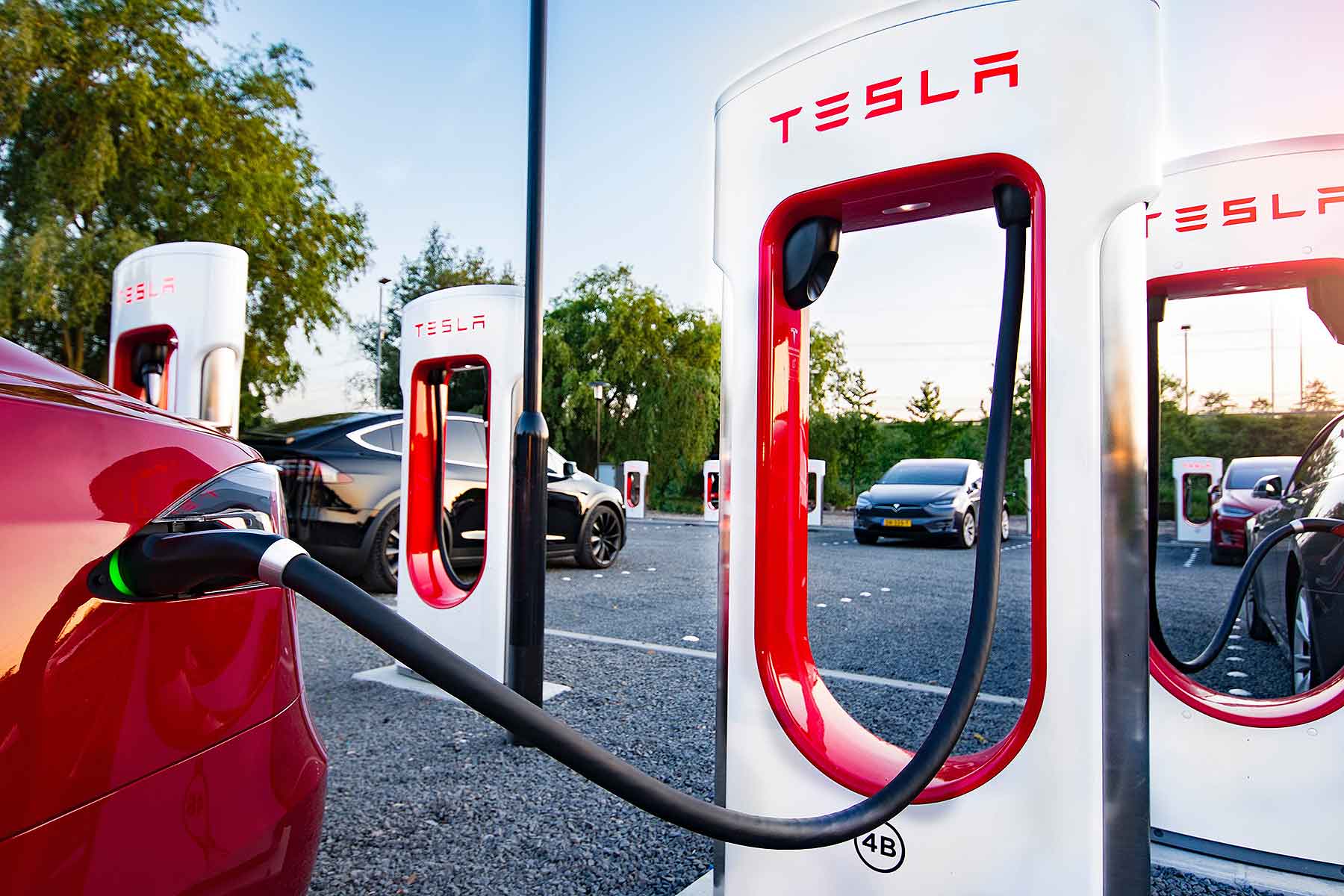
Tesla SuperchargerTesla has reached the half-century for Supercharger locations in the UK, with the 50-strong network taking the number of individual Tesla electric car charging points up to 320.
The news follows the announcement of its 400th European location: there are now more than 3,200 Tesla Superchargers operating in Europe, which it says facilitated 70,000 long-distance cross-border trips in 2017 alone.

>>Find a Tesla Supercharger location near you

It’s a pretty fast rate of growth for the Tesla Supercharger network, which was opened with the installation of the first European charge point in Norway five years ago. There are now 23 European countries operating Supercharger points; the most recent is the eight-bay UK site at Scotch Corner on the A1M.

Superchargers are located on major roads and the firm points out it’s actually expanded some sites to meet growing demand. Hopwood Park on the M42 in Birmingham has grown from six to 16 Superchargers, for example, and Tesla complemented the existing Bristol Cribbs Causeway site with an additional one nearby at Gordano Services on the M5.

Tesla Supercharger

Jeff Allan is a Model S owner who, says Tesla, recently demonstrated how extensive the UK network is – by driving from Lands End to John O’Groats. “We took turns at driving between Superchargers,” he explained.

“The long range of the Tesla meant that there was no need for additional stops: when we reached the next supercharger, we inevitably needed a break for food, drink and so on.” Range anxiety, in short, simply wasn’t a factor.

Although Tesla still sees most owners recharging either at home or at work (Tesla Wall Chargers generally charge at the rate of 22 miles an hour, but can be upped to 34 miles or even 51 miles an hour), the Superchargers come into their own for long-distance travel, hence their location on major routes. A 30-minute charge adds 170 miles of range.

The U.S. car firm also points out that all directly-acquired energy for the European Supercharger network is generated from clean energy such as solar and wind power – saving 92 million litres of fuel and offsetting 200,000 tonnes of CO2.

Advertisement

Alfa Romeo launches five-year warranty

0

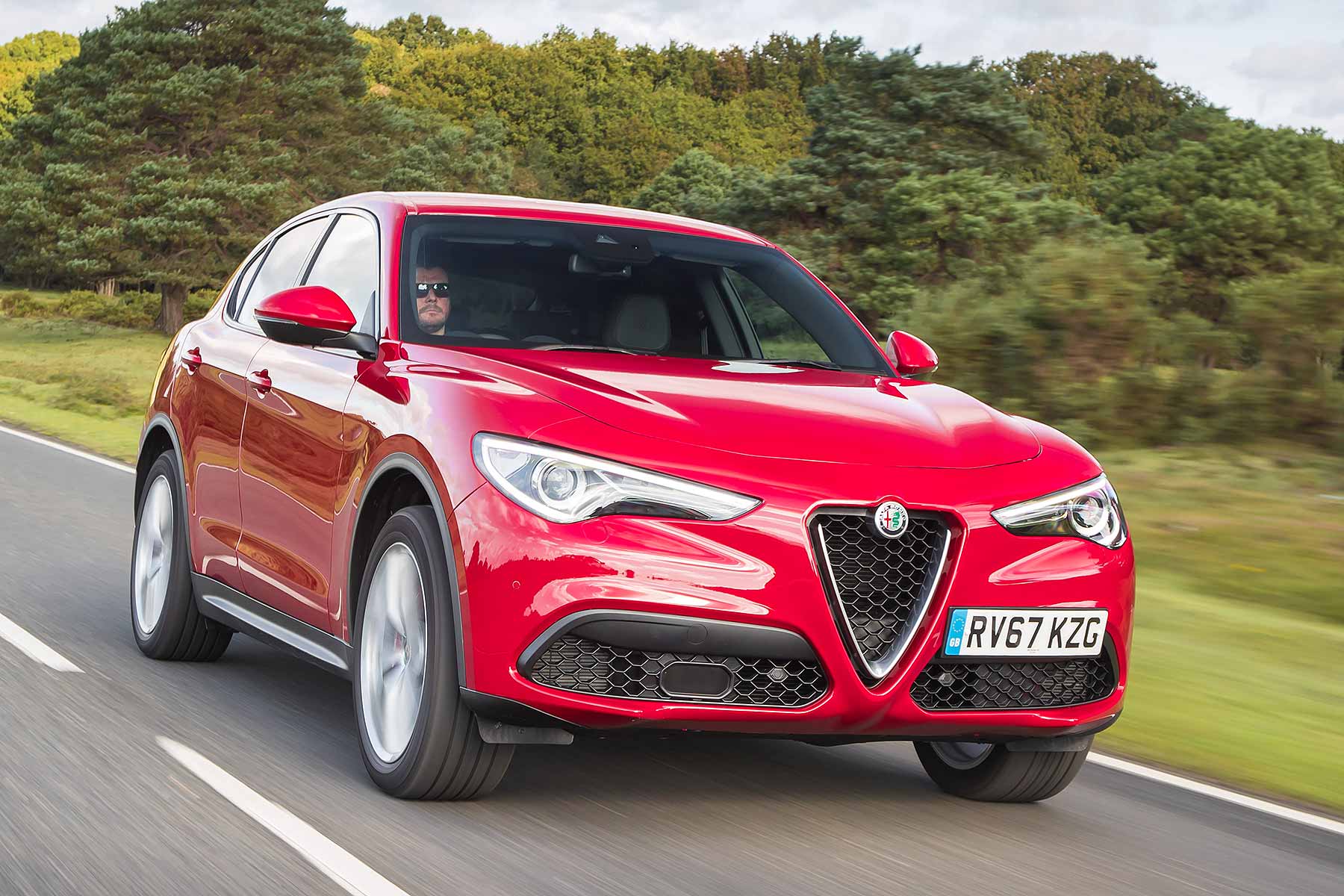
Alfa Romeo StelvioAlfa Romeo has revealed a surprise five-year warranty package on all new cars sold from 1 July 2018. The five-year warranty matches similarly-long packages from Hyundai and Toyota – and betters the three-year deals offered by Audi, BMW and Mercedes-Benz.
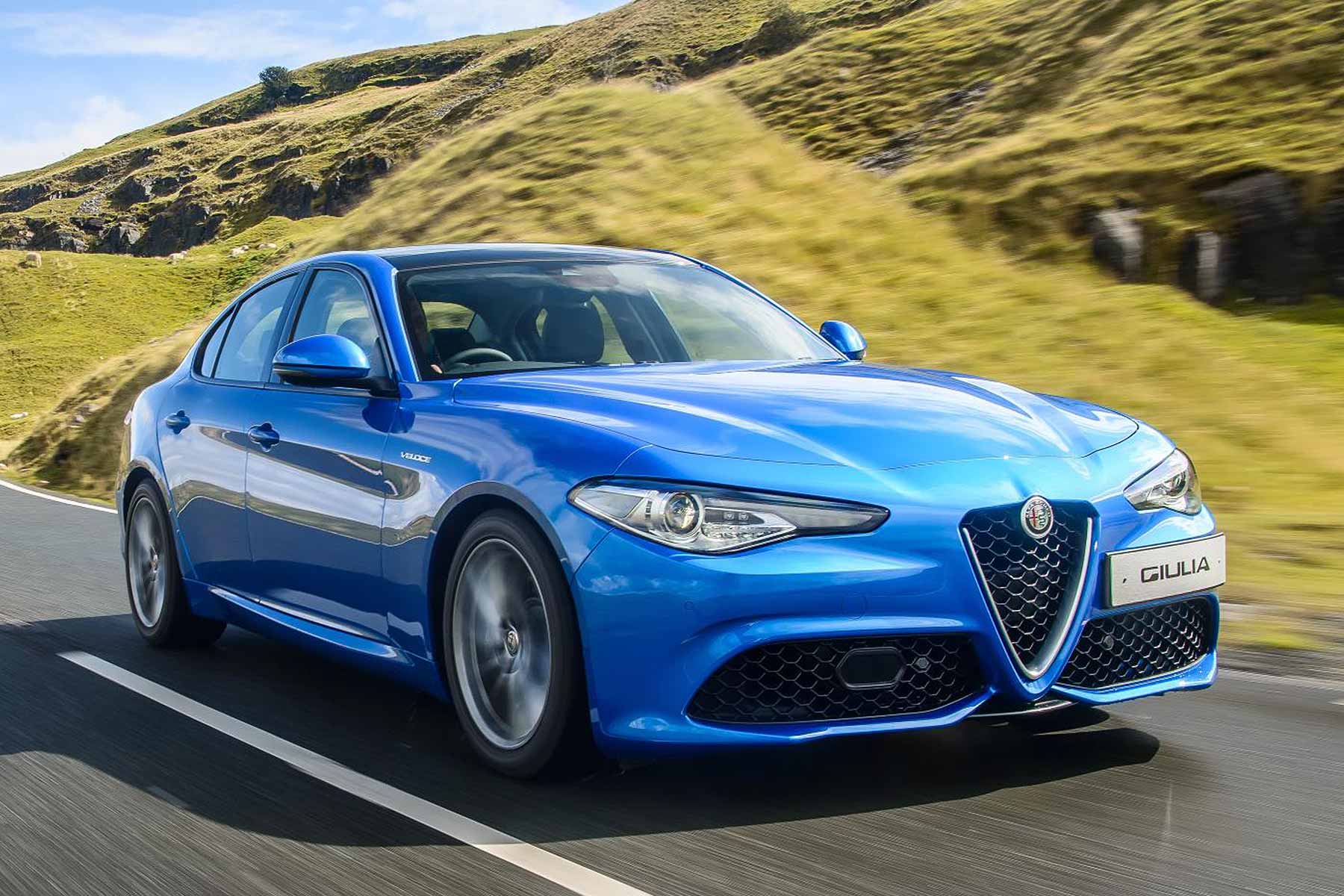
The Alfa Romeo warranty is limited to 75,000 miles, but it also comes with five years’ roadside assistance included for free. The sporting Italian brand is even combining the new warranty package with three years’ free scheduled servicing.

  • The hottest new car deals of summer 2018

Alfa says it’s able to extend its warranty because of the quality improvements at its Cassino plant, where the Giulia, Stelvio and Giulietta are built. It was upgraded for the start of Giulia production and boasts “best practices from other FCA plants worldwide”.

Alfa Romeo Giulia

The firm is branding the new deal as the 5-3-5 offer, and is offering it on all retail sales, excluding personal contract hire. Sorry, higher-mileage company car drivers. 

It’s also sorry to potential Mito and 4C customers: they’re not built in Cassino, so are not part of the five-year warranty offer. 

Motoring Research contacted Alfa Romeo to check if the five-year warranty is a time-limited summer special offer – and it seems it is not. There is currently no end date on it,” a spokesperson told us; “It’s running until further notice.”

Advertisement

10 brilliant Pininfarina designs – and 10 you can afford

0

Pininfarina: the greatest hits

Selecting 10 or 20 of Pininfarina’s greatest hits is a tough ask, but plenty of magazines and websites have had a stab at it. Our advice would be to head to Wikipedia for a complete list of projects, before choosing 10 of your own. For this gallery, we’re going to select 10 famous, iconic or brilliant designs, followed by another 10 you might actually be able to afford.

Cisitalia 202

Pininfarina: the greatest hits

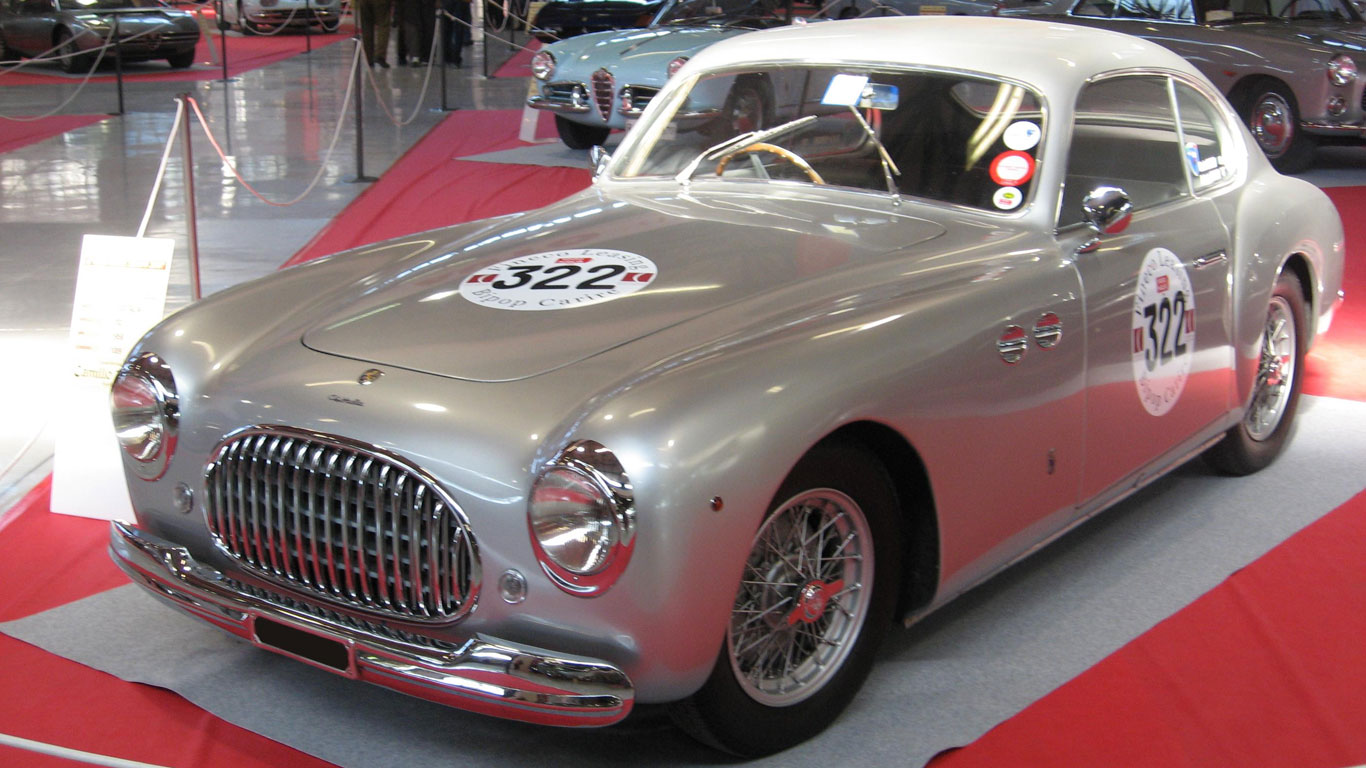
The Cisitalia 202 is so beautiful, it makes the Museo Guggenheim look about as aesthetically pleasing as the old Friarsgate car park in Winchester. To this day, Pininfarina cites the Cisitalia as the definitive point in the company’s history, with a design that would influence Italian cars for years to come.

Ferrari 250 GT Berlinetta Lusso

Pininfarina: the greatest hits

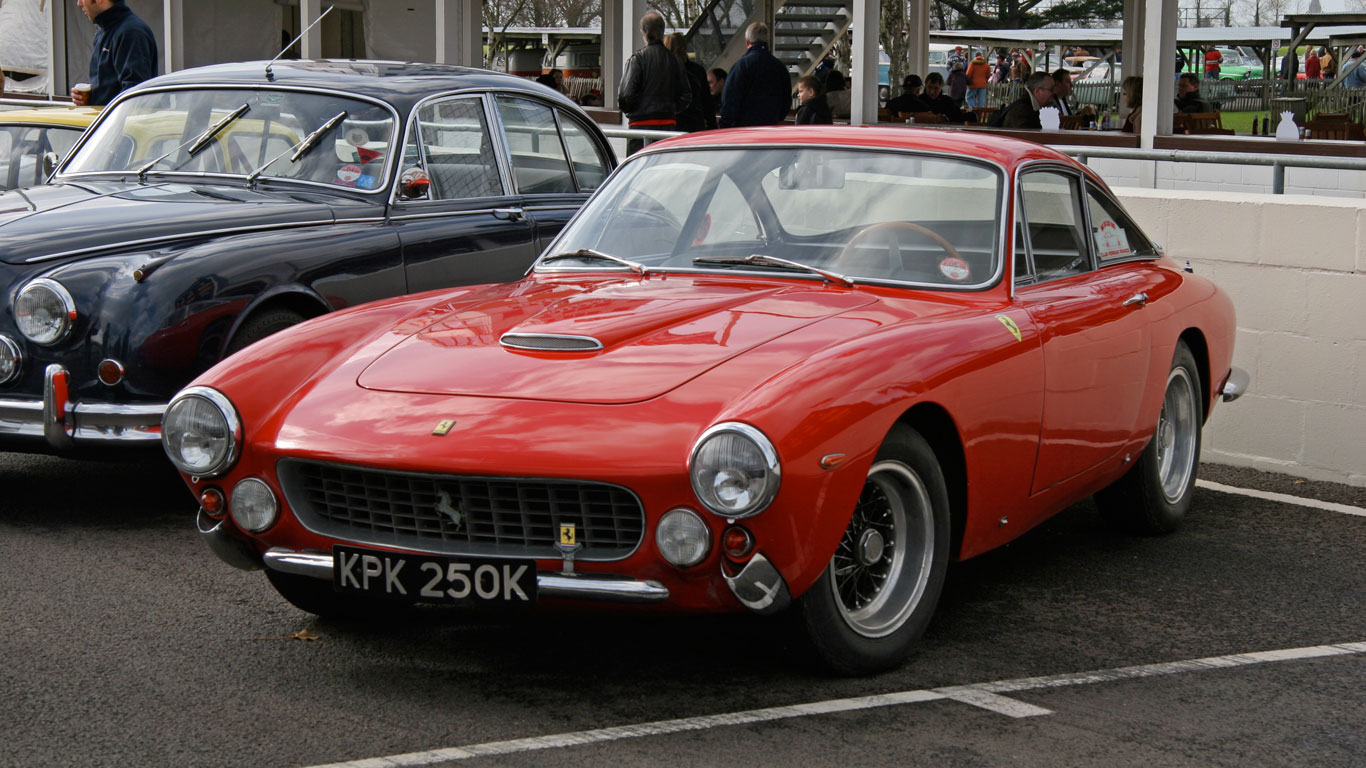
Draw up a list of top 10 Pininfarina designs and it would be all too easy to fill it with Ferraris. Selecting the best would be a tough challenge, but few could argue with the Ferrari 250 GT Berlinetta Lusso. From the clean side profile so free of decoration, to the short stubby tail, the 250 GTL is automotive perfection. Company founder Battista Pininfarina loved his creation so much, he used one as his daily-driver.

Berlina Aerodinamica

Pininfarina: the greatest hits

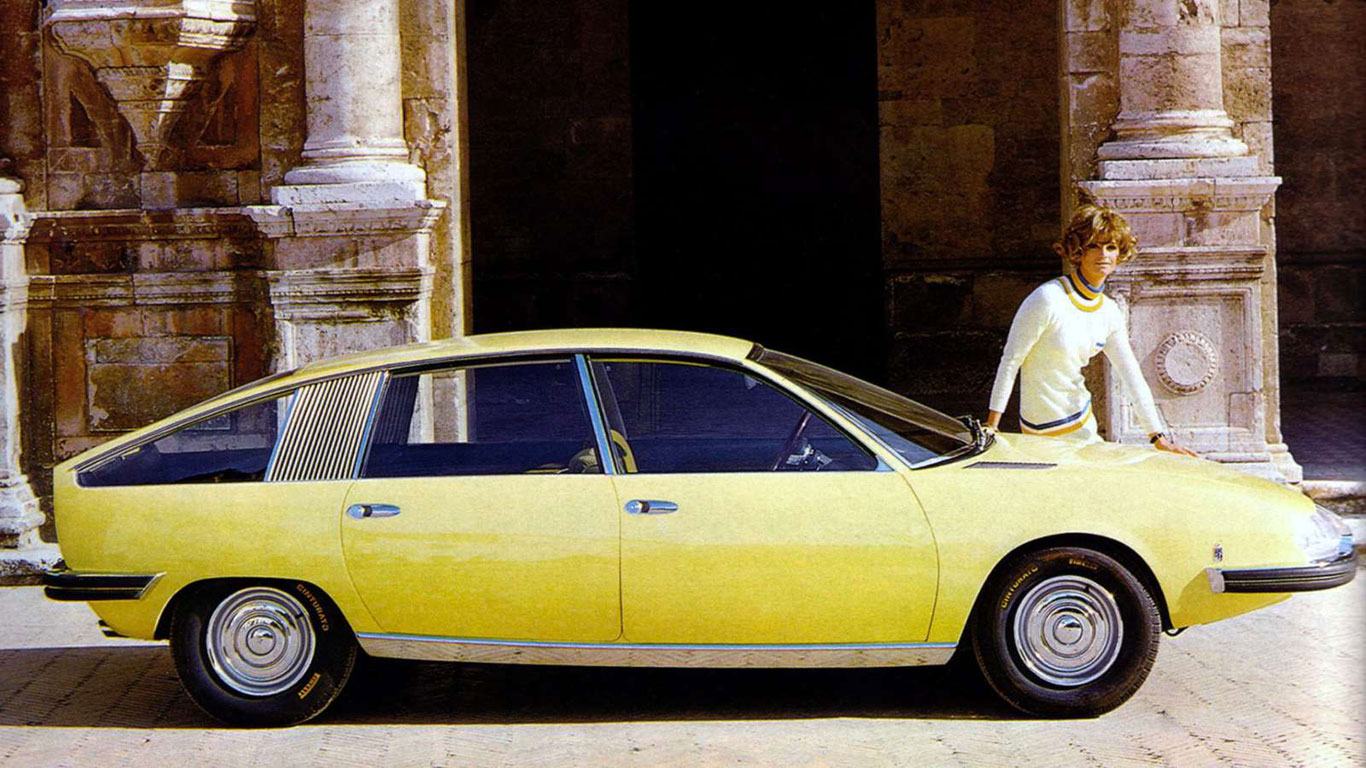
Looking at the Berlina Aerodinamica – or BMC Pininfarina – it’s hard to believe it was based on Morris 1800 ‘Landcrab’. Designed for the British Motor Company (BMC) in 1967, the Aerodinamica looked quite unlike the three-box saloons of the era and would influence car design for many years to come. The Citroen GS, Alfasud, Lancia Beta, Citroen CX and Rover SD1 are just five of the cars inspired by the Anglo-Italian masterpiece.

Chevrolet Rondine

Pininfarina: the greatest hits

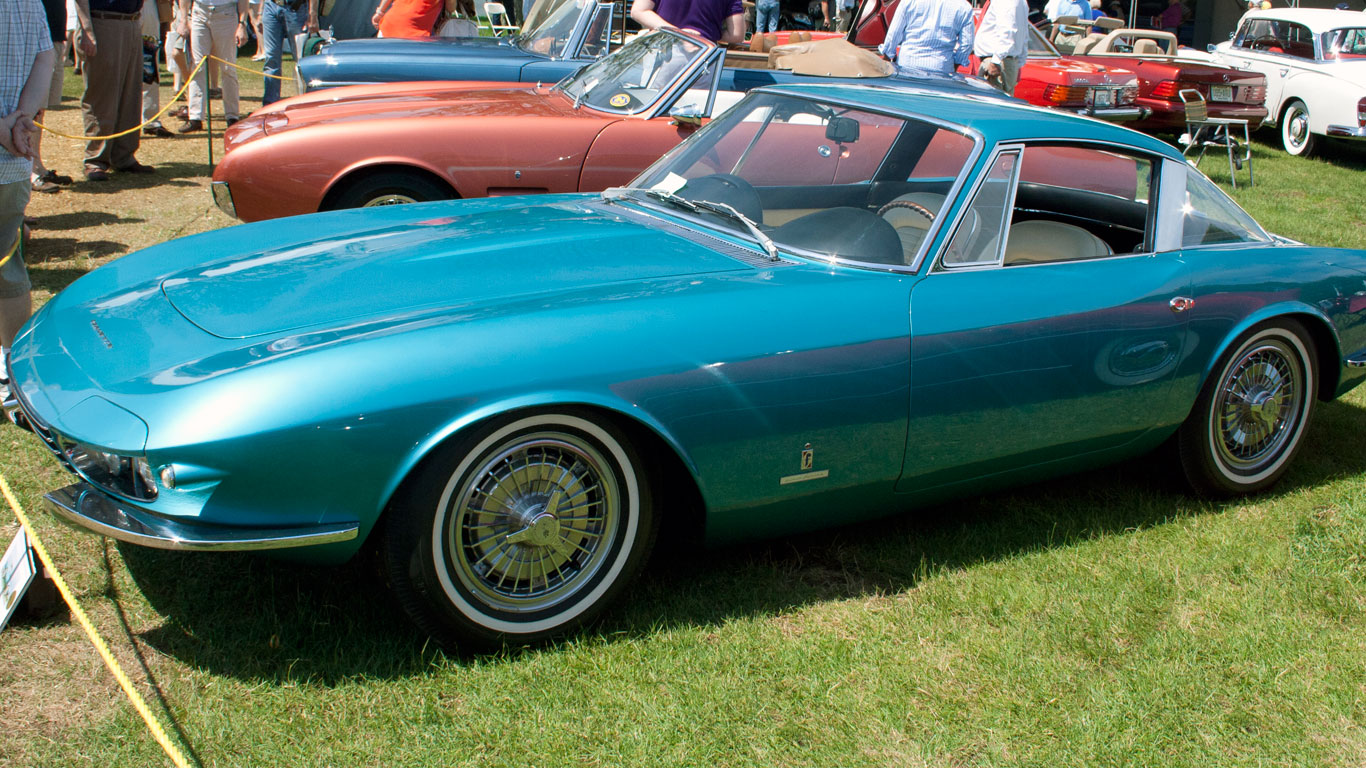
Is this the most European Corvette ever built? That’s a somewhat rhetorical question, because although the Rondine of 1963 was based on the C2 Corvette, only one was built, with the Pininfarina design thought too effeminate for American tastes. Today, 55 years on, the Rondine has aged gracefully and is, perhaps, a case of what might have been.

Ferrari Daytona

Pininfarina: the greatest hits

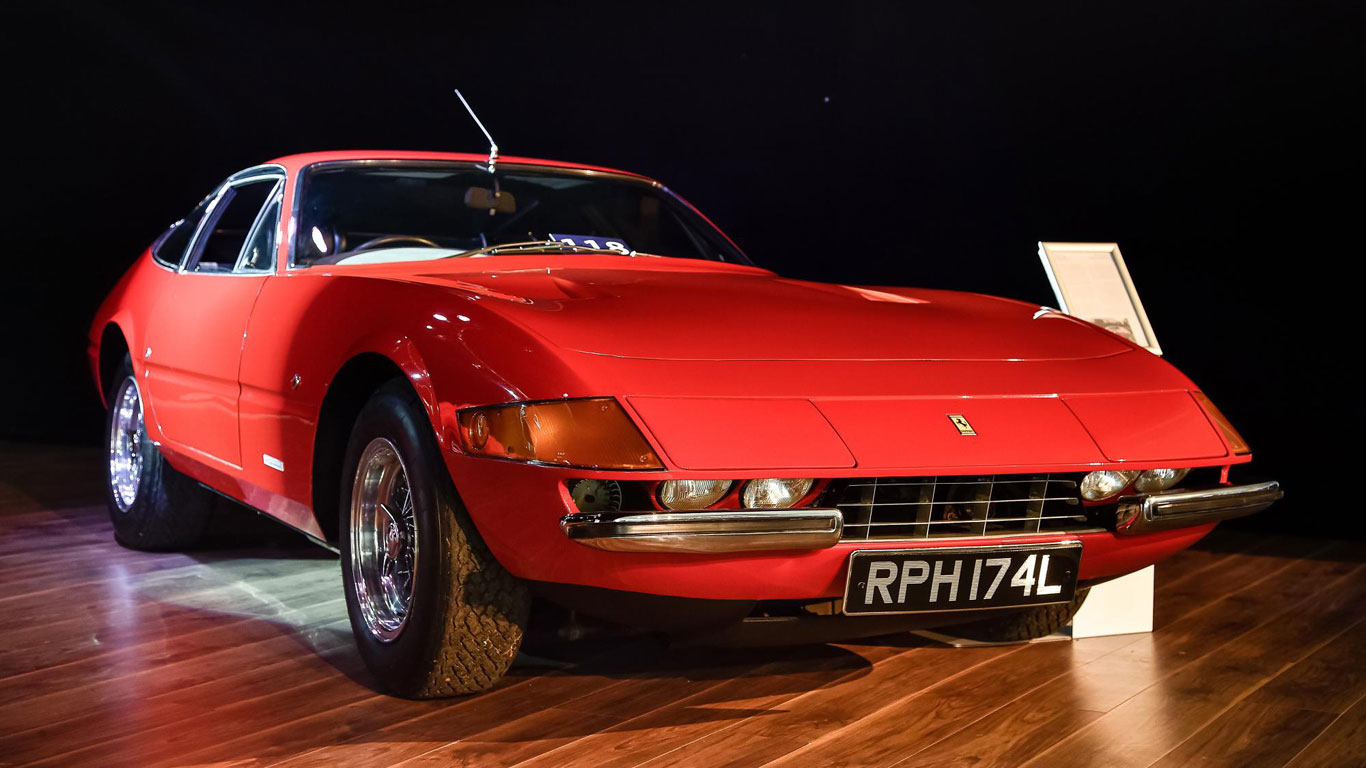
In an age when mid-engined sporting GTs were in fashion, the Ferrari 365 GTB/4 retained a traditional front-engine/rear-wheel-drive layout. But if that sounds conservative, the styling was anything but. Dubbed the Daytona following Ferrari’s 1-2-3 finish at the 1967 24-hour race, the 365 GTB/4 could boast Hollywood glamour that was years ahead of its time. Pininfarina didn’t so much move the game on as thrust it into hyperspace.

Ferrari 512S Modulo

Pininfarina: the greatest hits

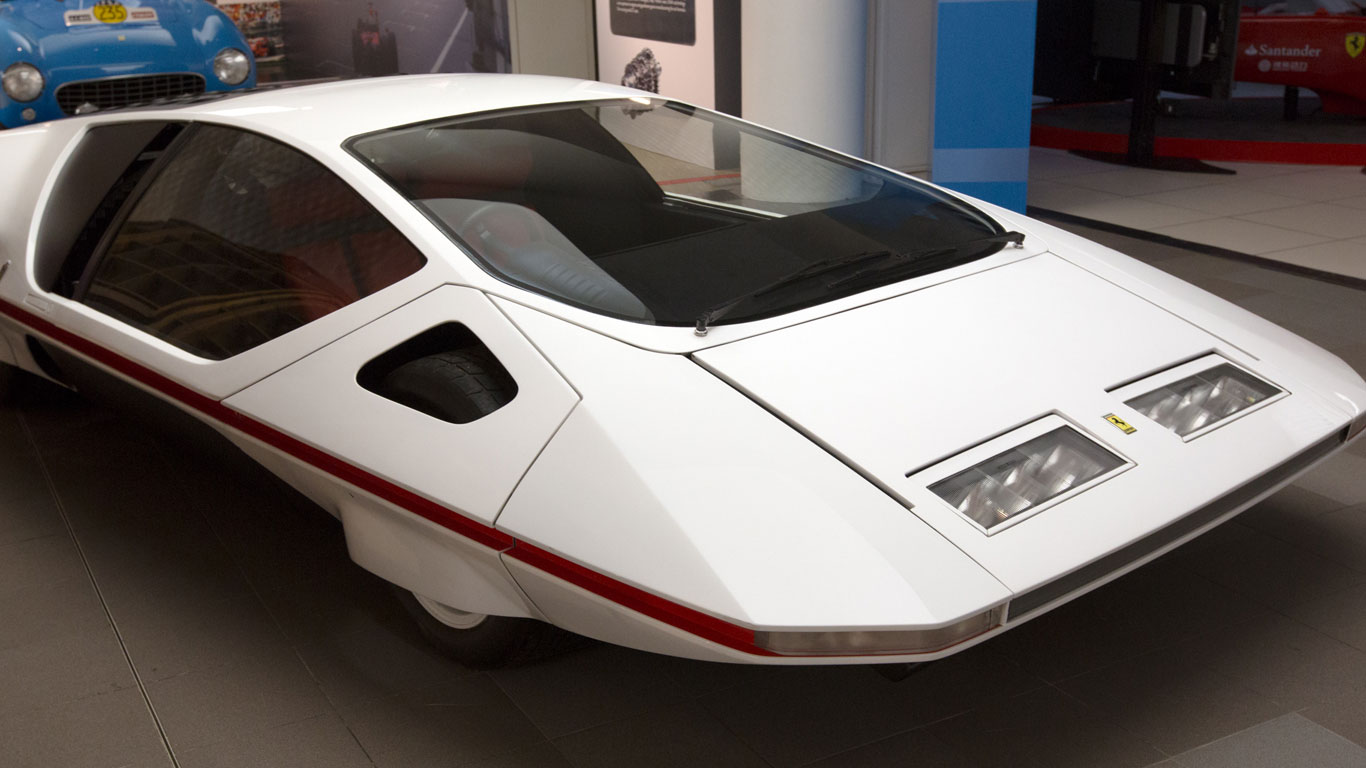
The space-age Modulo is perhaps one of the most famous concept cars of all time. It’s also one of the most outlandish, with its two overlapping body shells, rectilinear waistline, near-horizontal windscreen and… well, just look at it. Based on the Ferrari 512S, and for decades a static concept car, the Modulo was purchased by James Glickenhaus, who harboured a dream of turning it into a working prototype. It made its first journey in June 2018.

Ferrari 512 BB

Pininfarina: the greatest hits

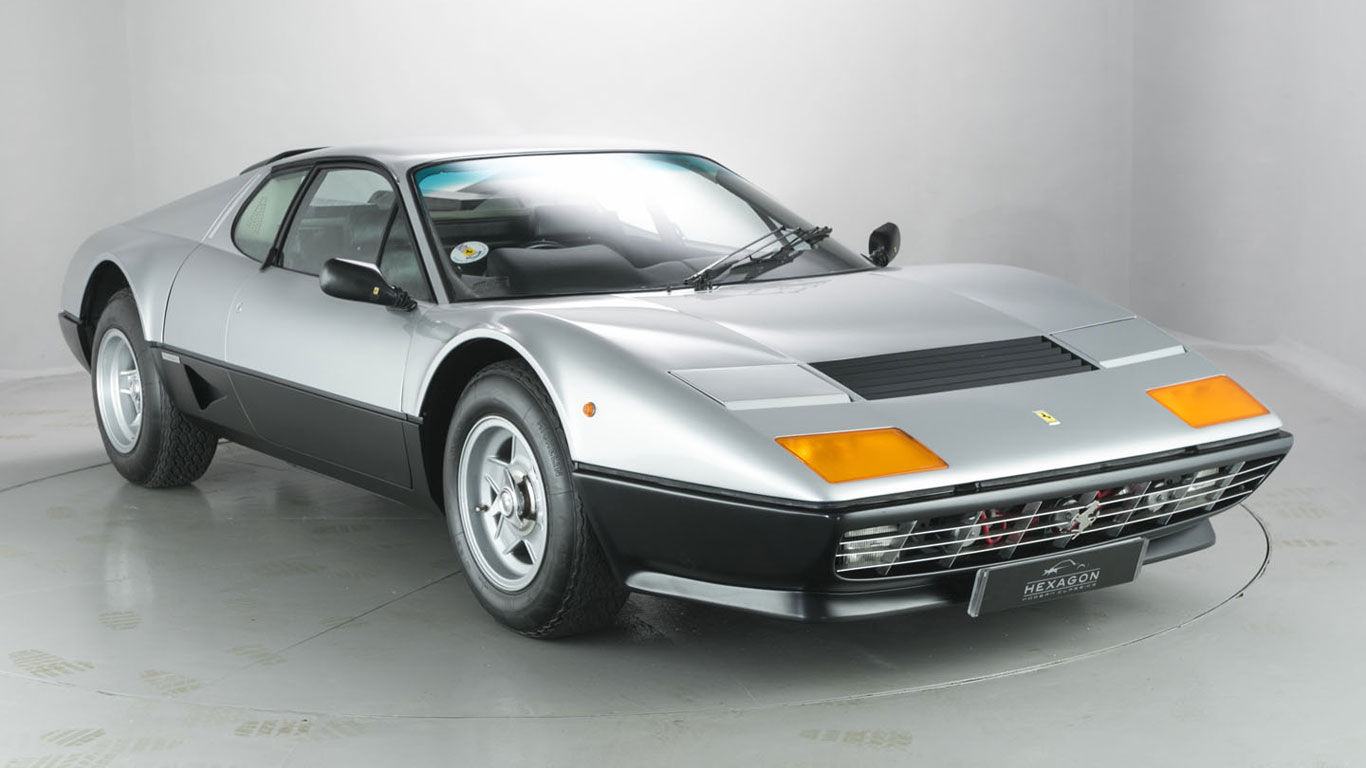
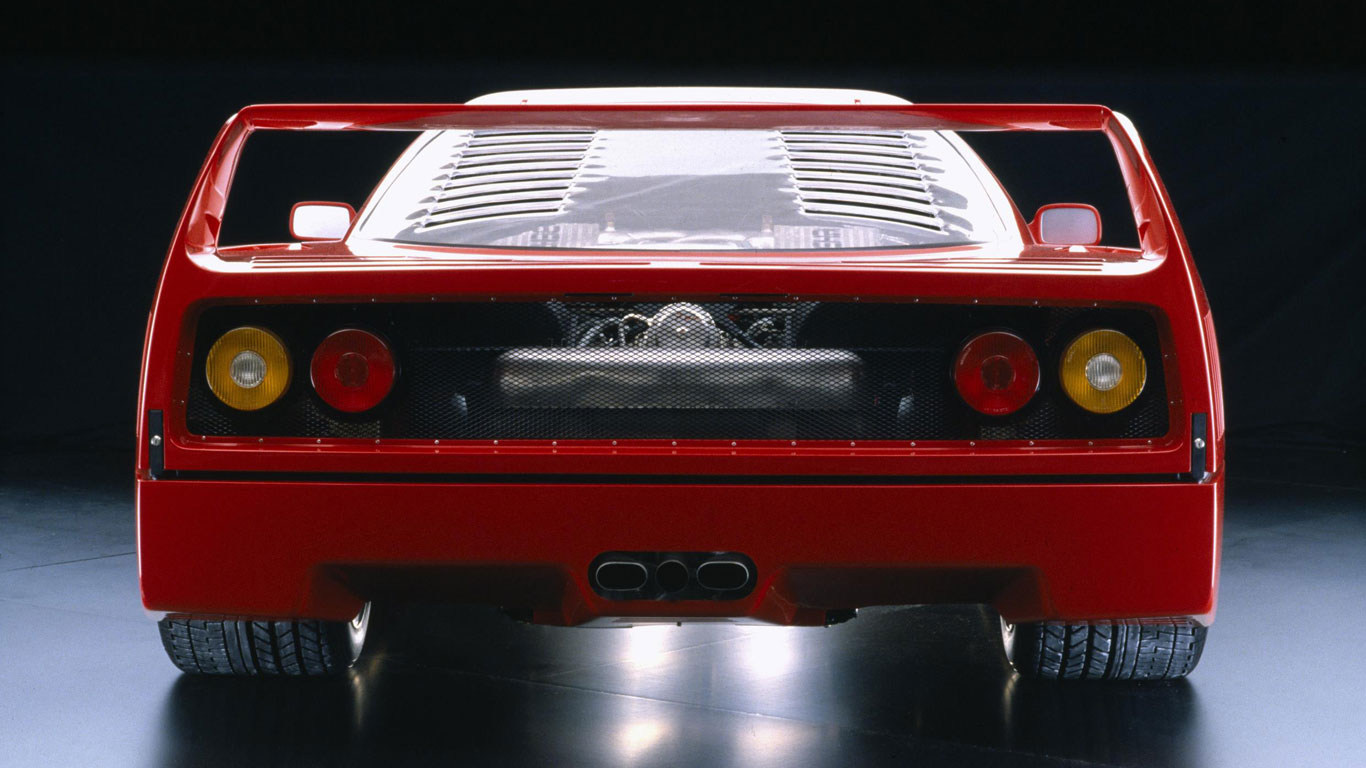
The Ferrari 512 BB was added to Gran Turismo Sport in January 2018. It’s a beautiful car to ‘drive’, but it’s far nicer to race against one, because it gives you the opportunity to pull up behind to admire that glorious rear end. The 512 BB is visually similar to the 365 GT4 BB, but the two- instead of three-element rear lights are somehow cleaner and more appealing. Whatever your thoughts, the Berlinetta Boxer (BB) vehicles are another Pininfarina classic.

Ferrari GTO

Pininfarina: the greatest hits

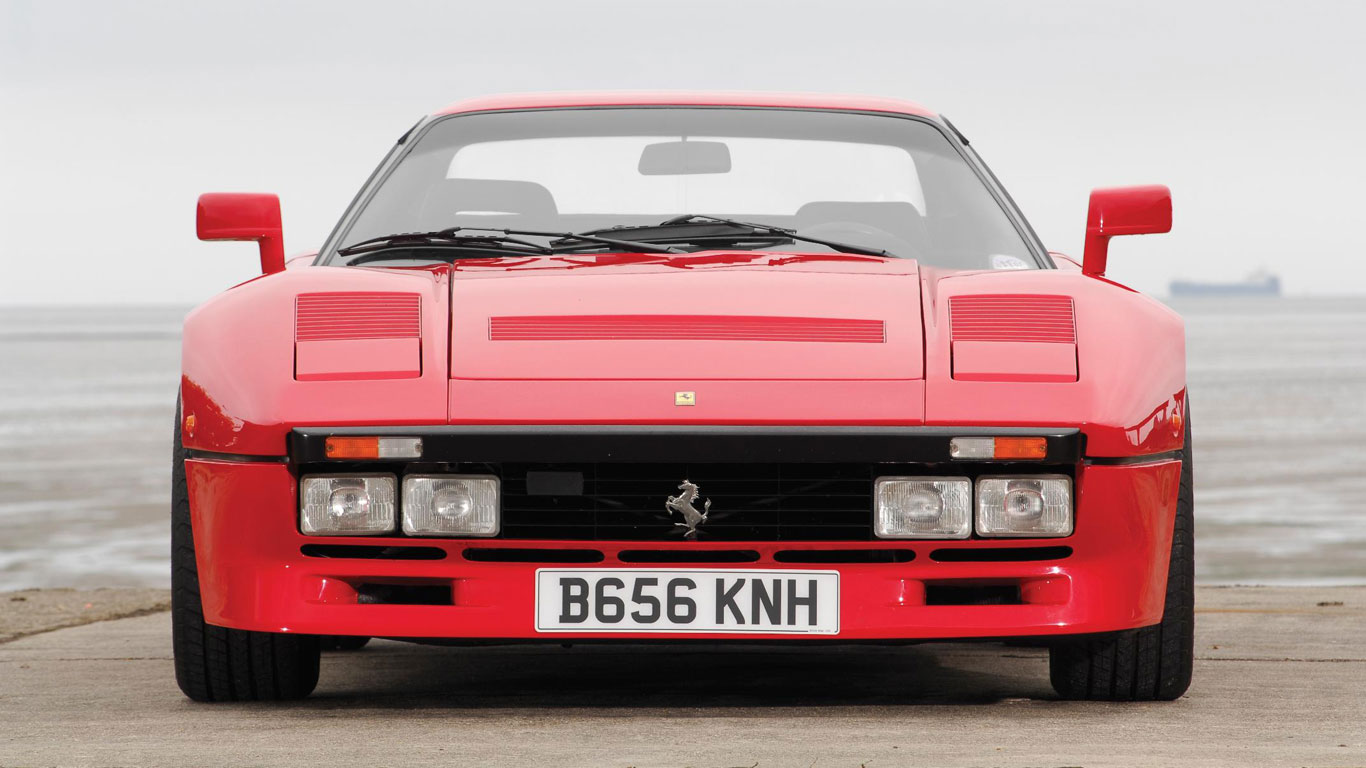
The Ferrari GTO (or 288 GTO) is a proper ‘bite the back of your hand’ car. From the light groups within the front spoiler to the wide and sculpted rear haunches, the GTO is somehow as lean as a long-distance runner and as muscular as a sprinter. It was designed and built for homologation purposes, but when Group B racing was banned, the GTO seemed like a rebel without a cause. Not that this dampened enthusiasm for the project: Ferrari had little trouble finding homes for the GTO. A total of 272 were built – 72 more than the planned 200.

Ferrari Testarossa

Pininfarina: the greatest hits

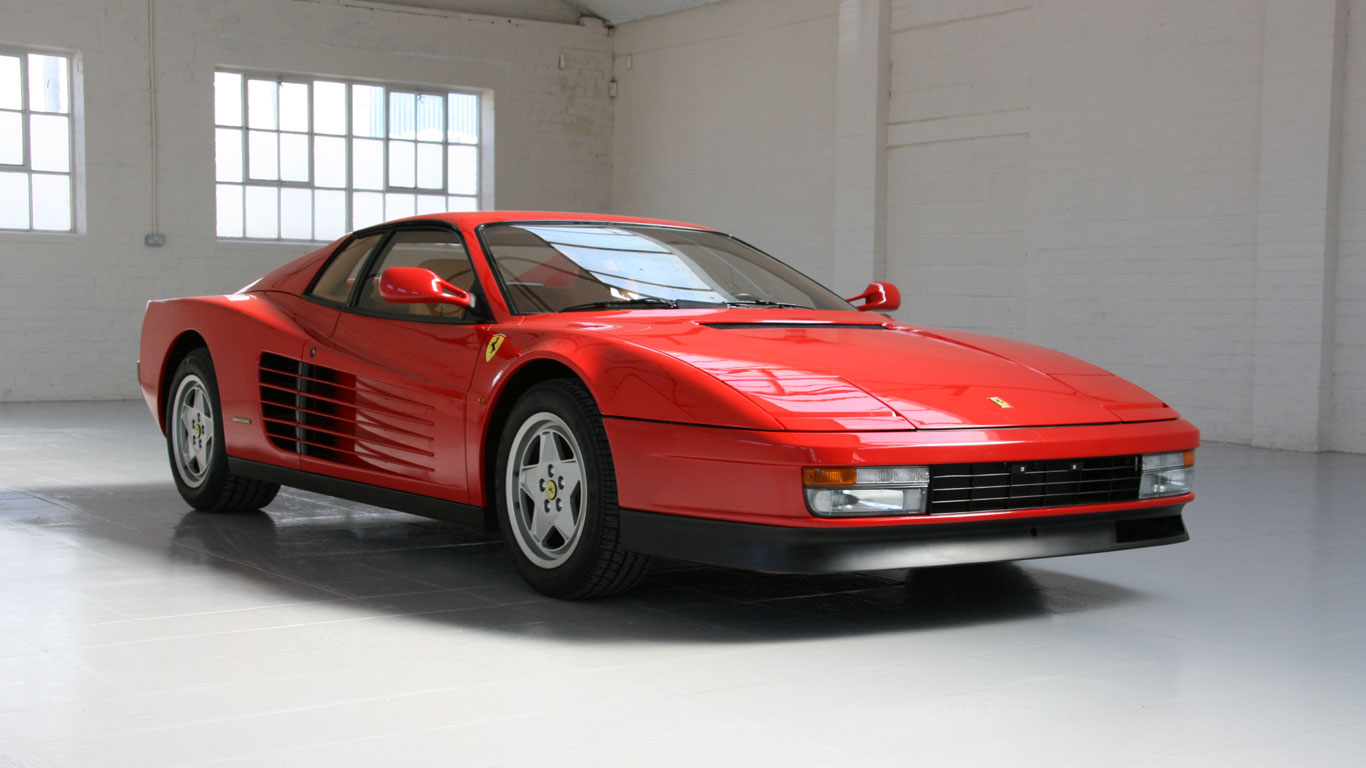
It has had its detractors, but to some people, the Testarossa is the archetypal Ferrari of the 1980s. Launched in 1984, the same year as the GTO, the Testarossa held little regard for Ferrari’s past, introducing rear lights covered by a horizontal grille and a much ‘softer’ front end. The ‘Red Head’ graced tens of thousands of bedroom walls throughout the 1980s, but it wasn’t the ultimate Ferrari pin-up…

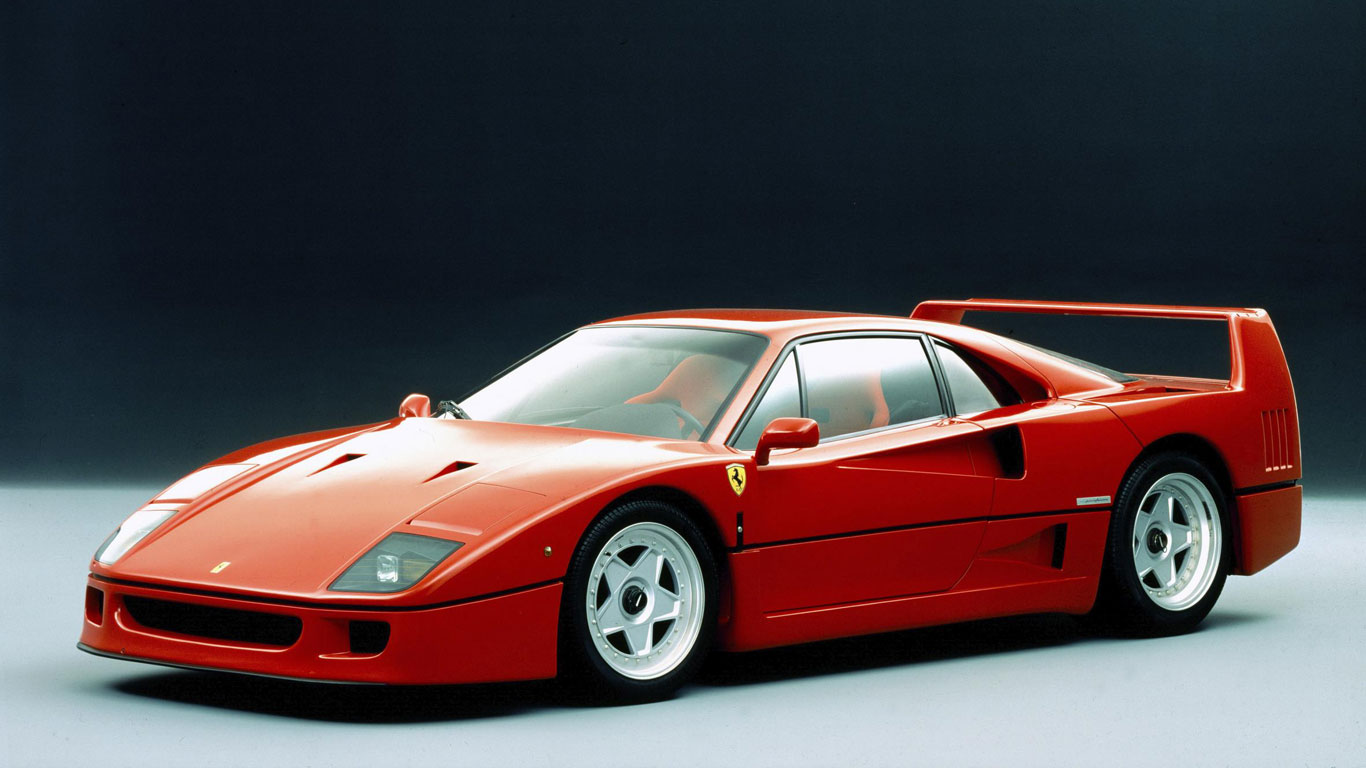
Ferrari F40

Pininfarina: the greatest hits

That accolade belongs to the Ferrari F40. Designed and built to commemorate Ferrari’s 40th anniversary, the F40 represented the peak of Maranello’s talent and expertise, wrapped in one of the most iconic bodies ever created. As ever, a small caption below an image isn’t enough to honour one of the great automotive landmarks of the 20th century. We’re also acutely aware that selecting 10 Pininfarina designs is a mere drop in the ocean. But what if you cannot stretch to a priceless concept or a Ferrari supercar? Here are 10 worthy alternatives.

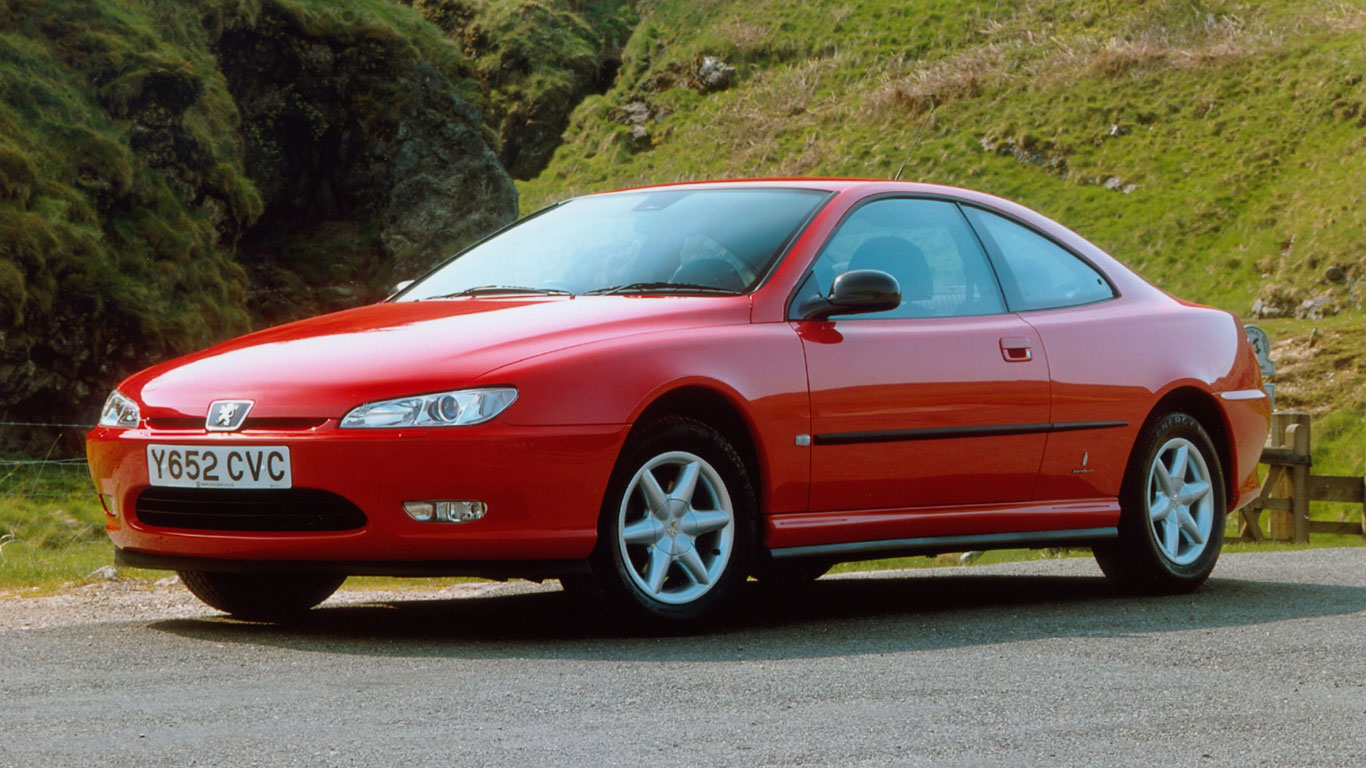
Peugeot 406 Coupe

Pininfarina: the greatest hits

Whatever fee Pininfarina charged Peugeot to design the 406 Coupe, it wasn’t enough. Sure, the 406 saloon is a handsome thing, but in creating the Coupe, Turin pulled off a minor miracle. As an overall package, the 406 Coupe is simply elegant and elegantly simple, but small details include the rear buttresses, slightly widened haunches and creases in the bonnet.

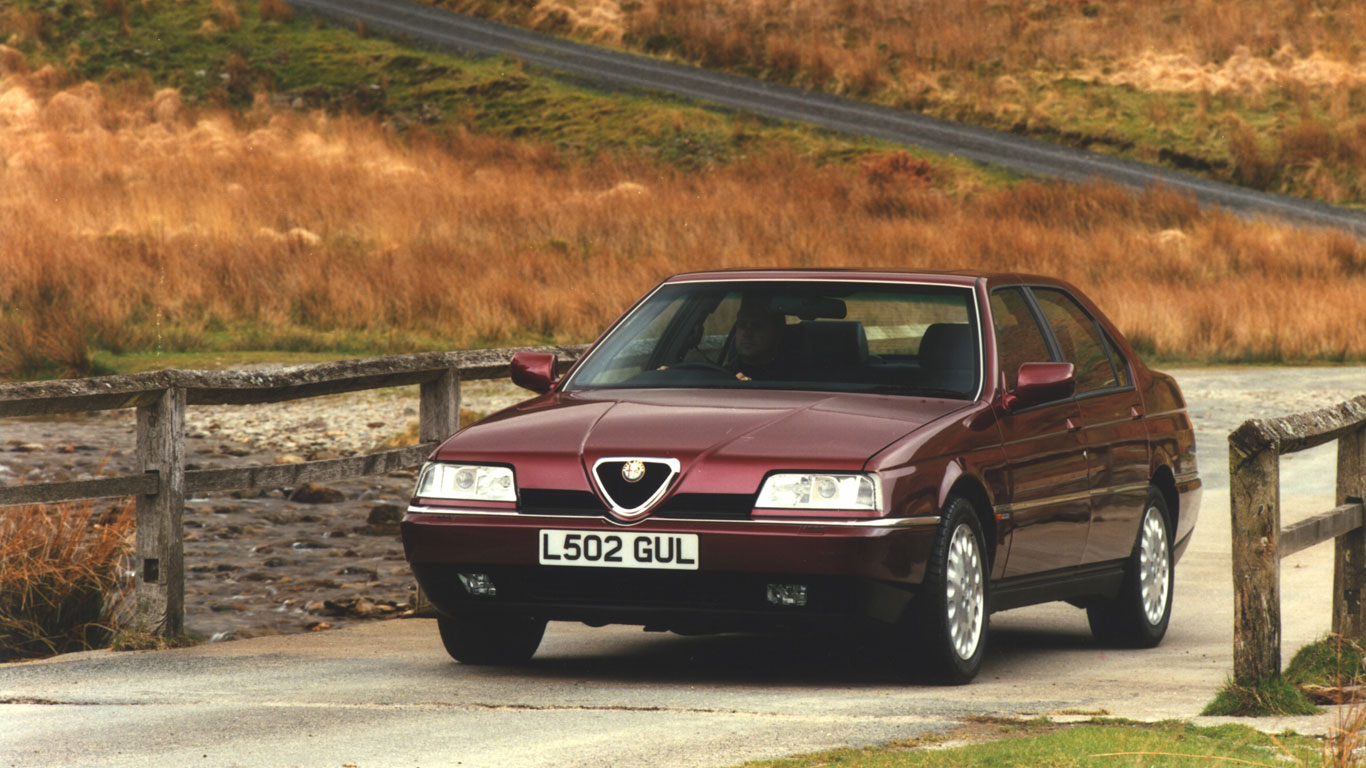
Alfa Romeo 164

Pininfarina: the greatest hits

When it had finished designing the Ferrari Testarossa, Pininfarina paused for a while, before creating this: the Alfa Romeo 164. The Alfa was one of the Type Four project cars – the others being the Fiat Croma, Lancia Thema and Saab 9000 – and was by far the prettiest of the quadruplets.

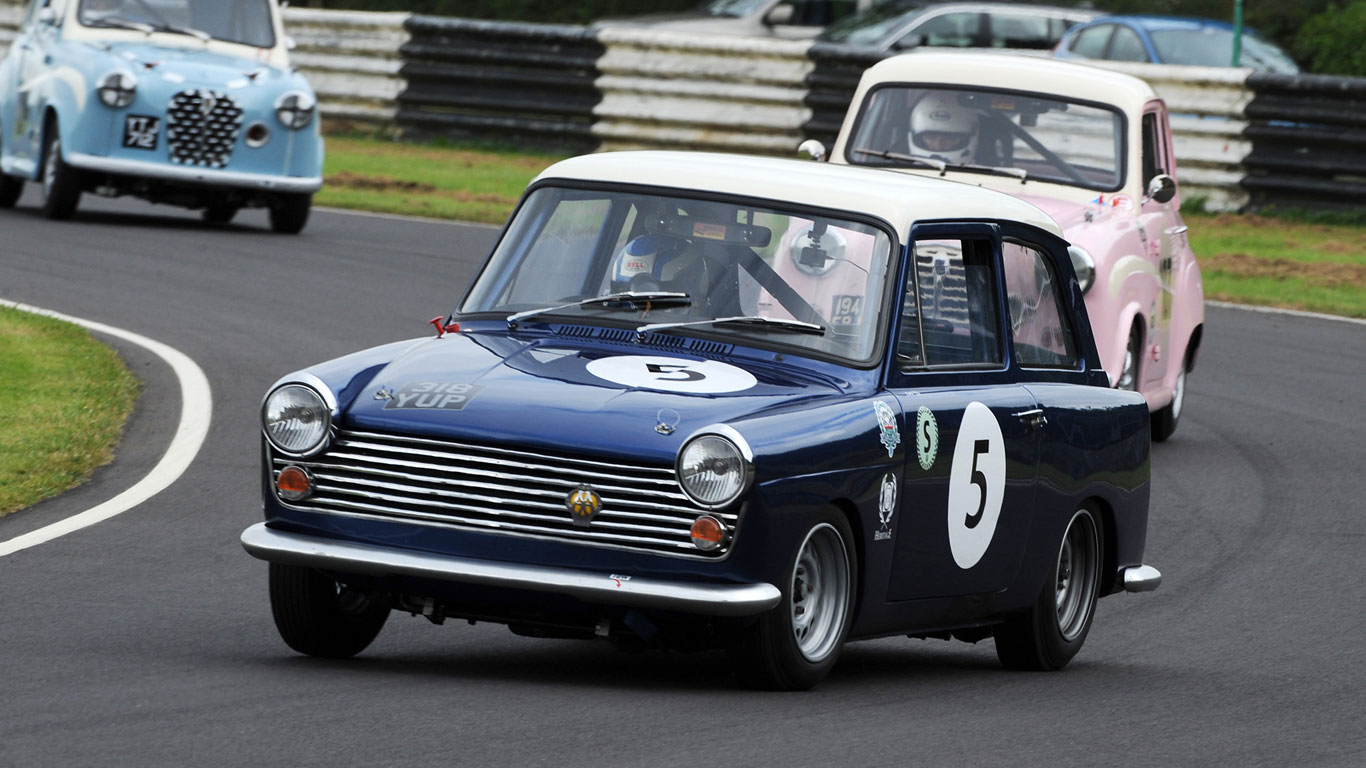
Austin A40 Farina

Pininfarina: the greatest hits

The Austin A40: a design so good, the Italian styling house was happy for it to wear the company name. It was the first BMC car to benefit from Italian styling, and while it might seem a world away from Italian supercars and French coupes, the A40 was a revelation. The design gave it van-like load-carrying capabilities in a car the size of a small family saloon.

MGB GT

Pininfarina: the greatest hits

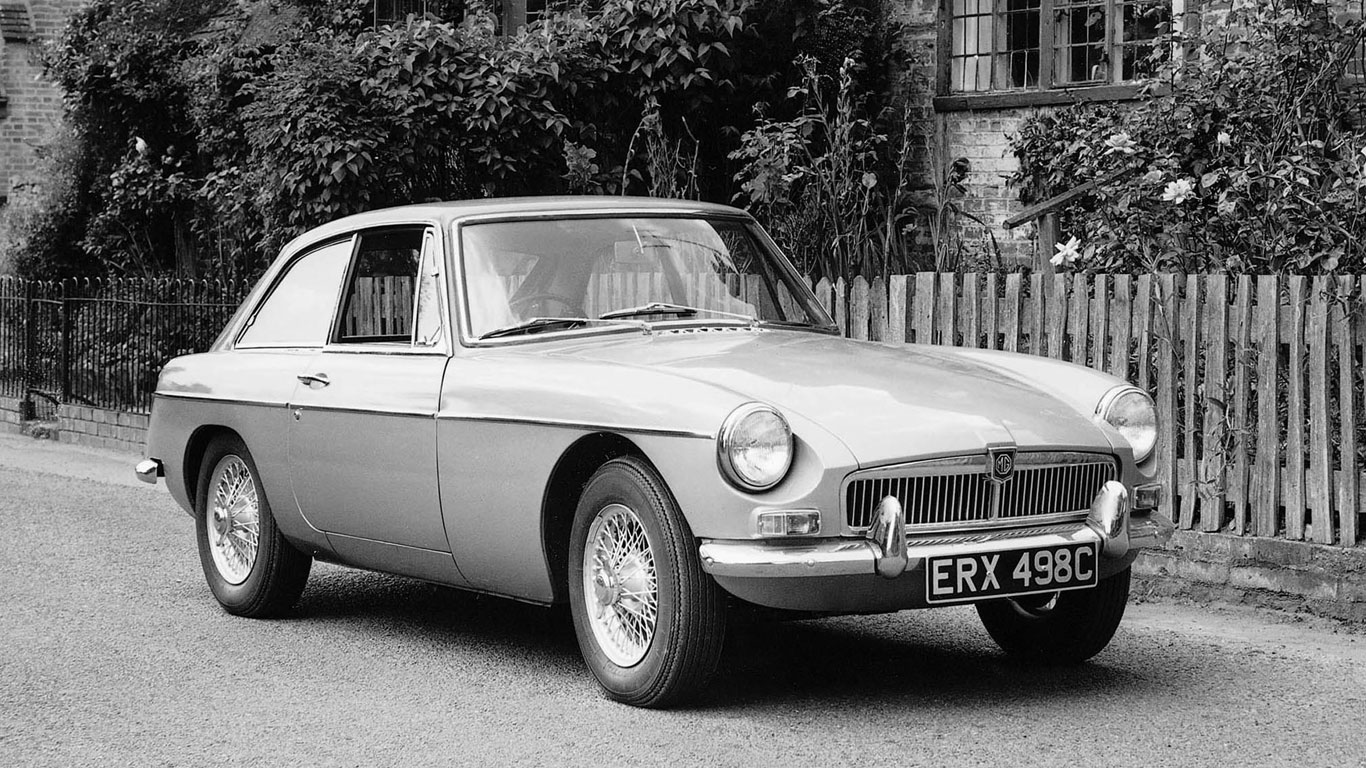
There had been custom-built hardtop versions of the MGB before Pininfarina was let loose on the GT, but Italy pulled off the ‘poor man’s Jaguar E-Type’ effect with aplomb. Both stylistically and aerodynamically, the MGB GT was a compelling alternative to the roadster, while having the benefit of some added practicality. Another Anglo-Italian classic.

Peugeot 204

Pininfarina: the greatest hits

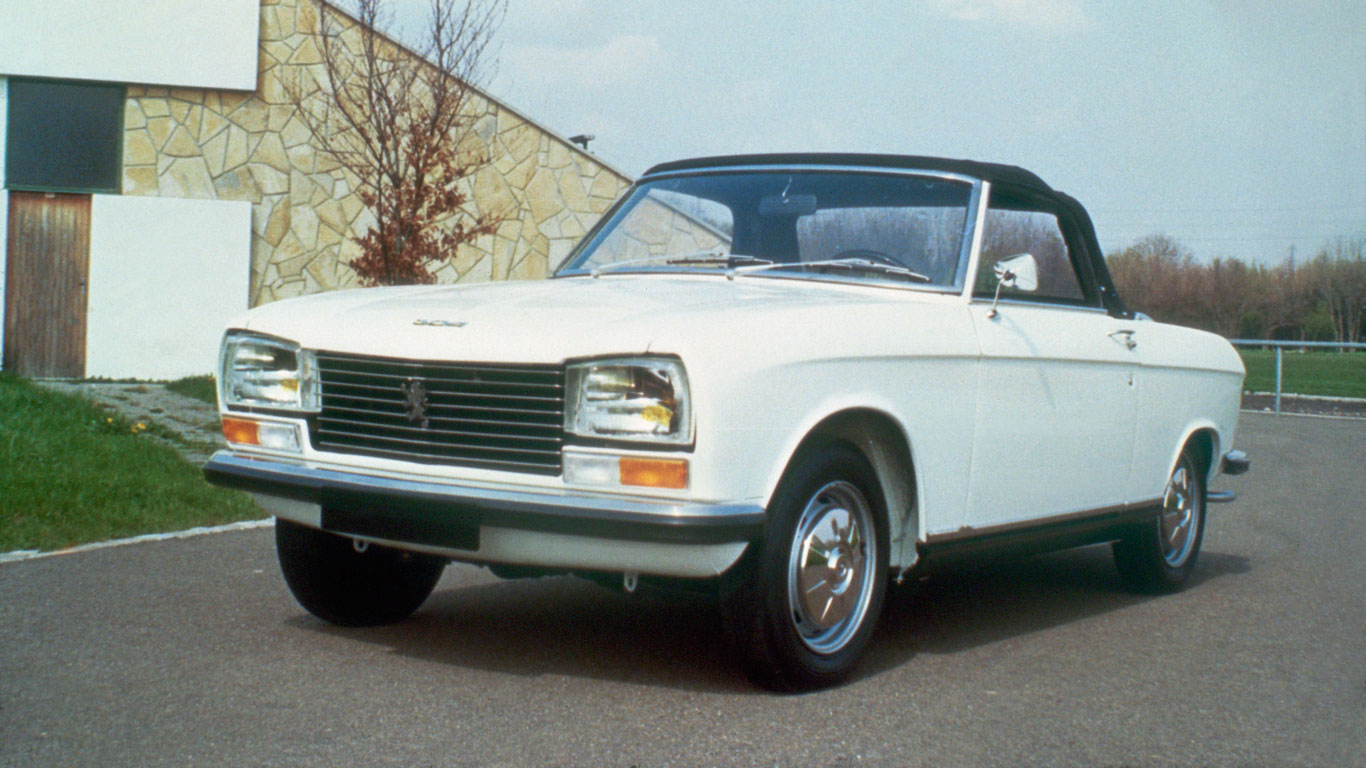
Saloon, coupe, estate, van and convertible – there was a Peugeot 204 for just about every occasion. Beneath the typically simple and elegant styling you’ll find a highly advanced front-wheel-drive car that’s all but extinct in the UK. Which is a shame, because in coupe and convertible guise, it’s a pretty little thing. It was also Peugeot’s first small car since before the war and one of the best-selling cars in France in the late 60s and early 70s.

Peugeot 306 Cabriolet

Pininfarina: the greatest hits

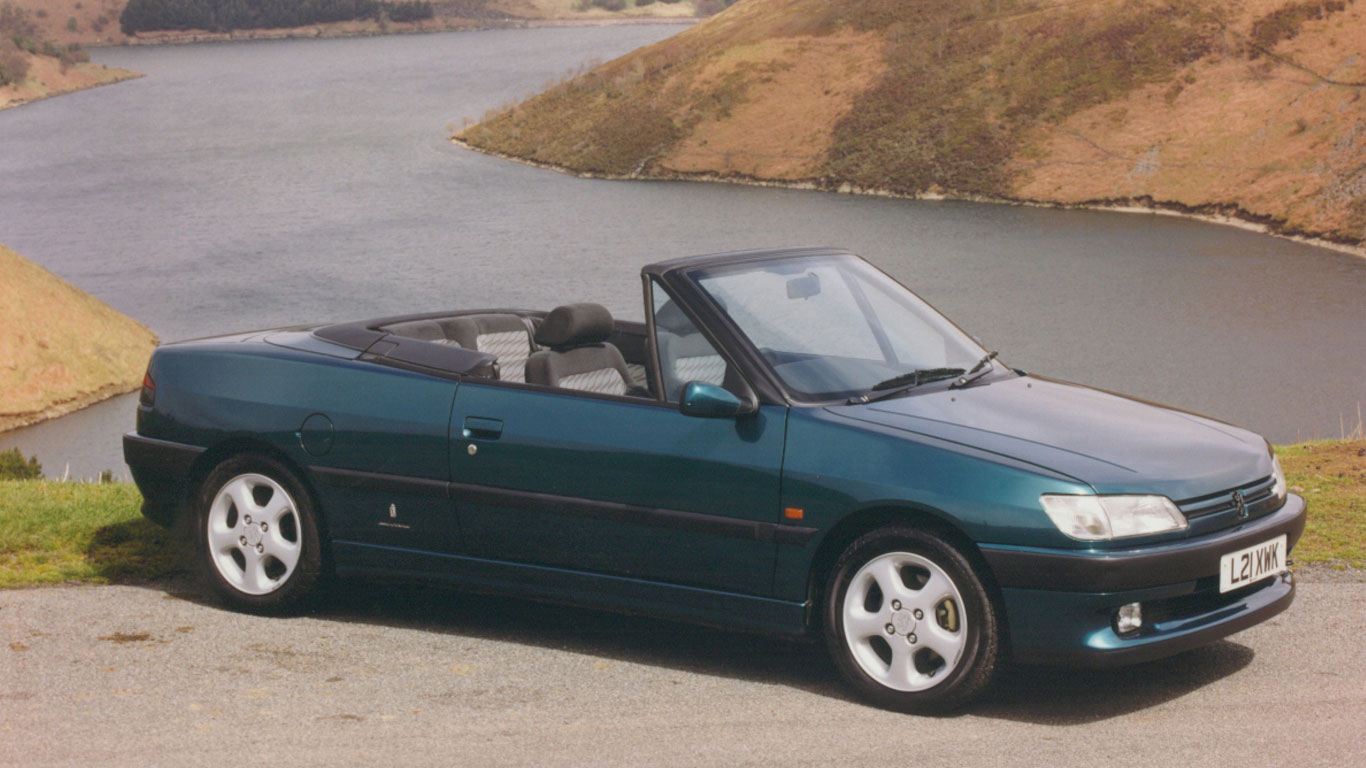
Peugeot certainly knew how to get the best out of Pininfarina. The 306 Cabriolet could mount a serious case for being the best looking real-world drop-tops in the world, particularly in pre-facelift guise. Prices start from as little as £500. Bargain.

Alfa Romeo Spider

Pininfarina: the greatest hits

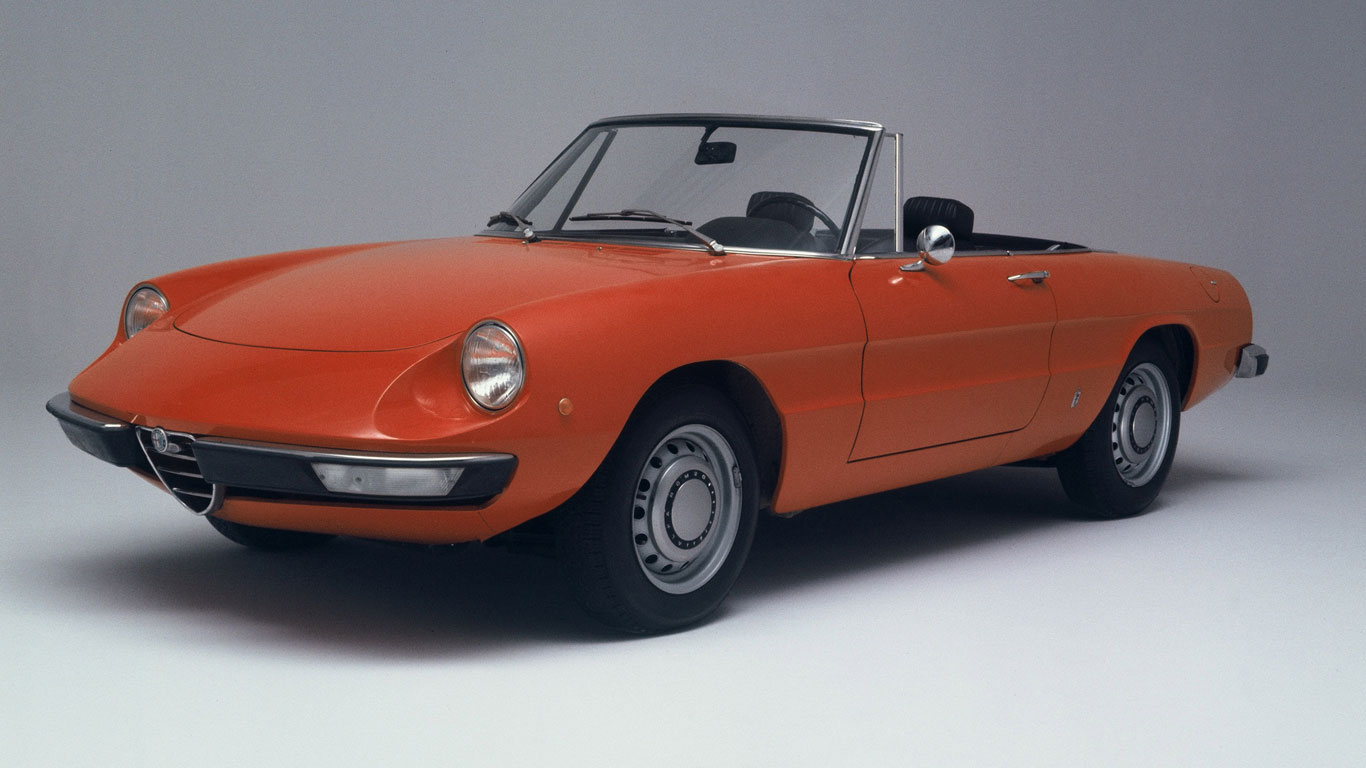
Most famous for its role in The Graduate, the Alfa Romeo Spider is the quintessential Italian roadster. At its best in original ‘Duetto’ guise, the Spider enjoyed a sprawling production run, stretching from 1966 until 1993. When the Spider needed updating for the 90s, Alfa turned once again to Pininfarina.

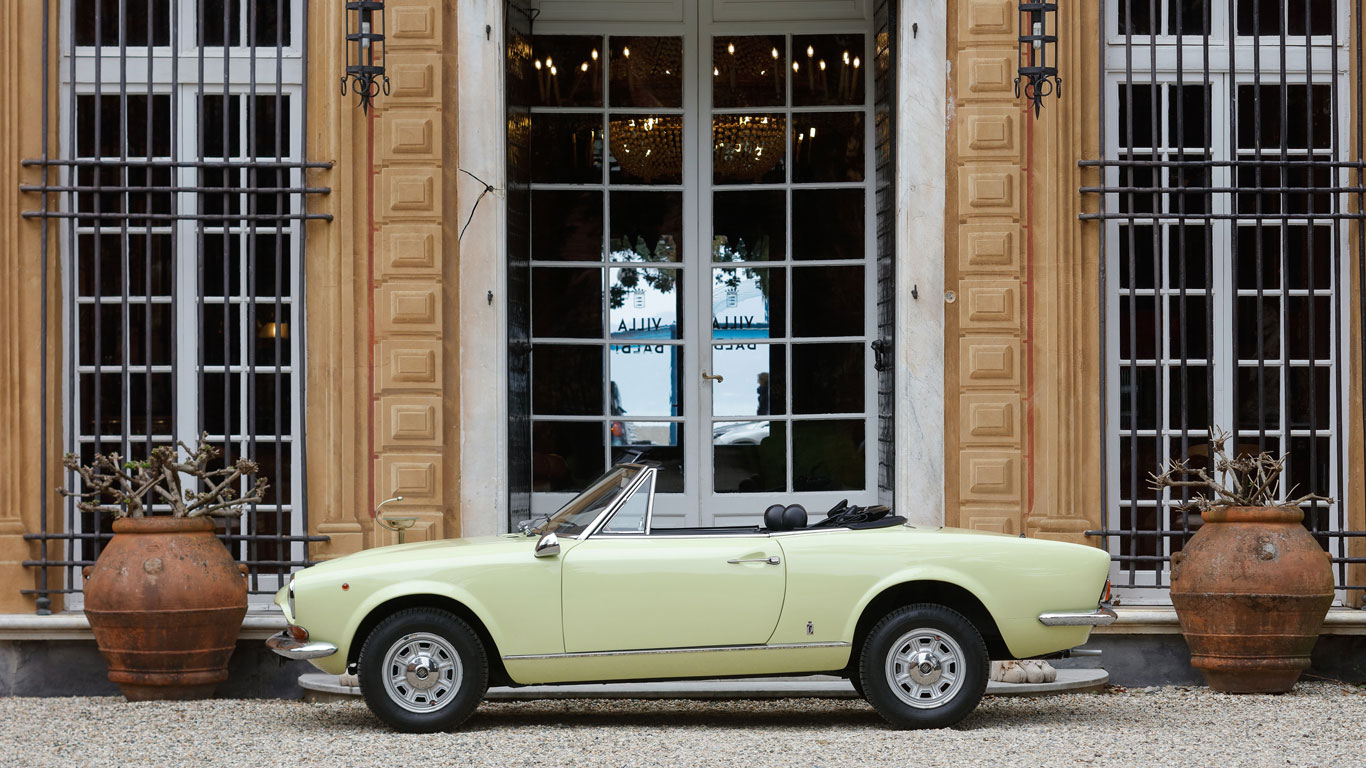
Fiat 124 Spider

Pininfarina: the greatest hits

If you didn’t fancy the Alfa Romeo Spider – or indeed the MGB – this was your third choice. It was the work of Tom Tjaarda, who used his experience with the Chevrolet Rondine to create the Fiat 124 Spider. “Fiat never gave that much importance to that car,” Tjaarda told Wired. “General Motors liked it [the Rondine], but they said it didn’t look like a Corvette, so they couldn’t use it,” GM’s loss was Fiat’s gain, because the 124 Spider became the company’s best-selling car in the US.

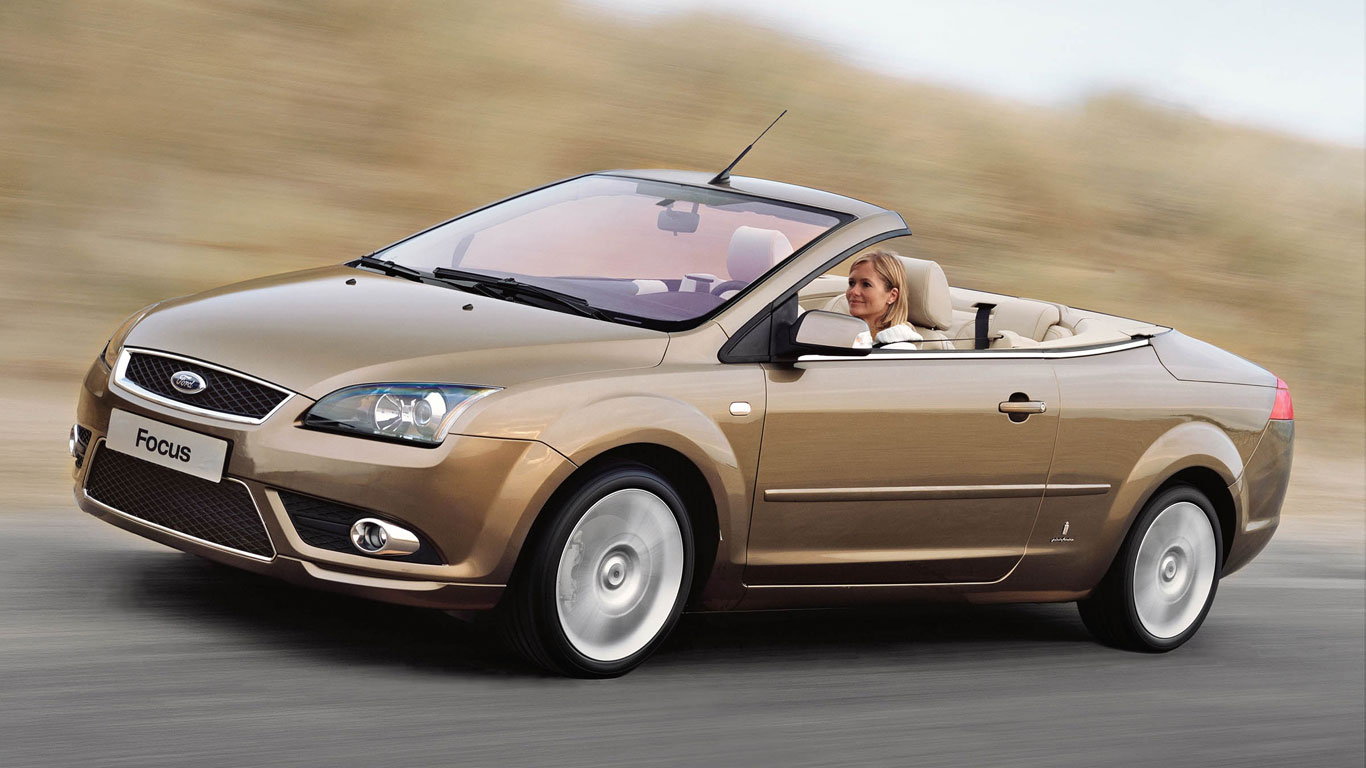
Ford Focus CC

Pininfarina: the greatest hits

The Ford Focus CC is proof that not even Italian styling can save a coupe cabriolet from looking a tad awkward. For a while, these four-seat drop-tops with their folding hard-tops were in fashion, but the star shines less bright today, and the coupe cabriolet is spiralling into banger territory. Avoid early Focus CCs, unless you enjoy a leaky roof.

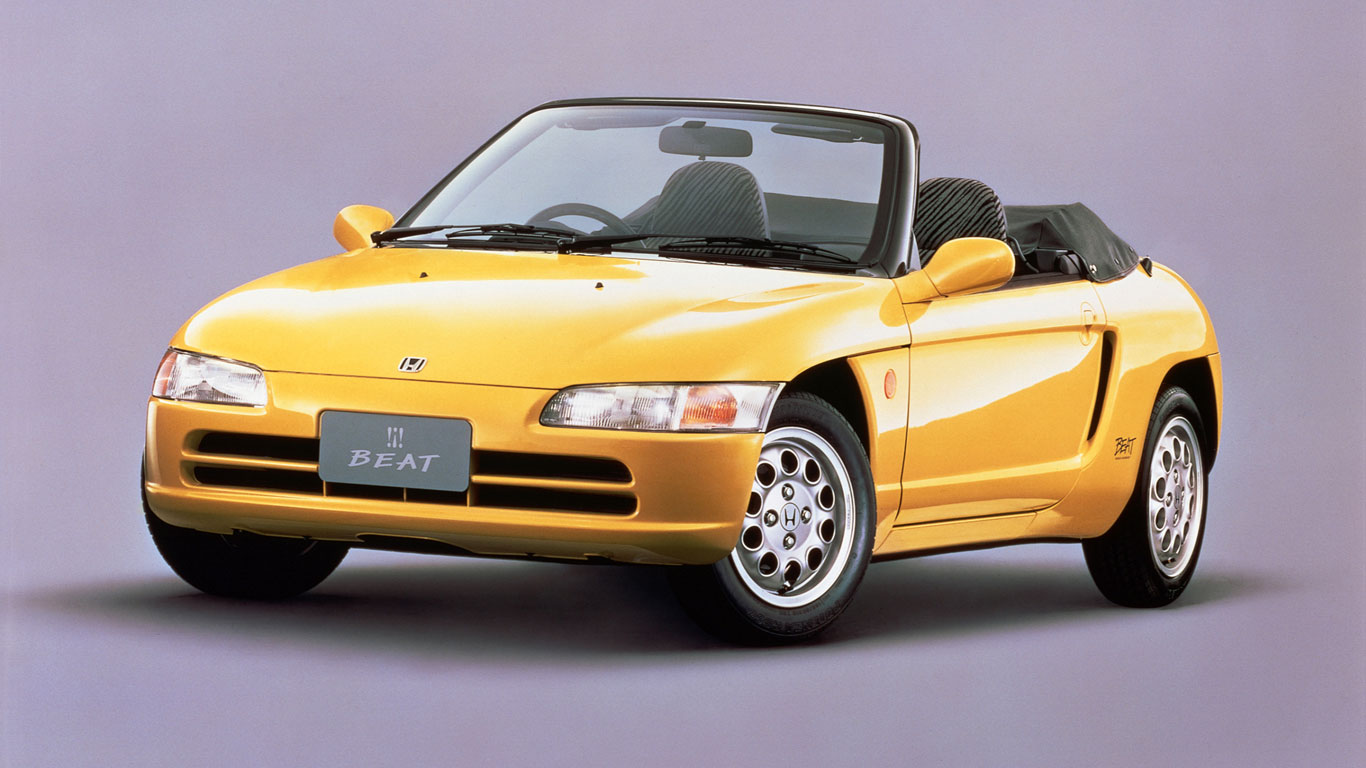
Honda Beat

Pininfarina: the greatest hits

The brilliant Honda Beat was designed by Pininfarina and built to comply with Japanese kei car regulations. Other Pininfarina cars you could consider include the Peugeot 505, Alfa Romeo GTV, Maserati GranTurismo, Peugeot 504, Bentley Azure and the delightful Fiat 130 Coupe.

Read more:

Advertisement

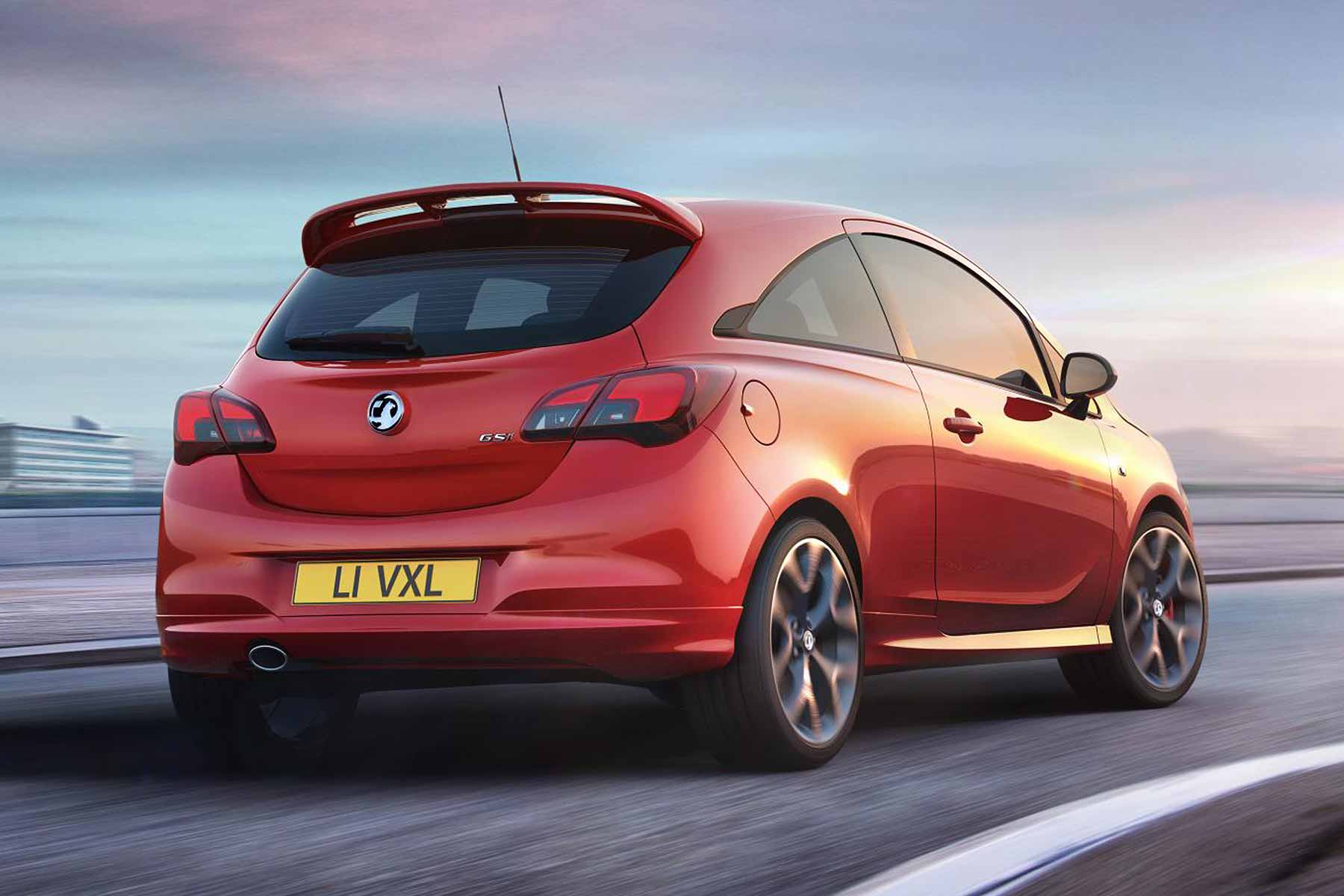
New 150hp Vauxhall Corsa GSi prices from £18,995

0

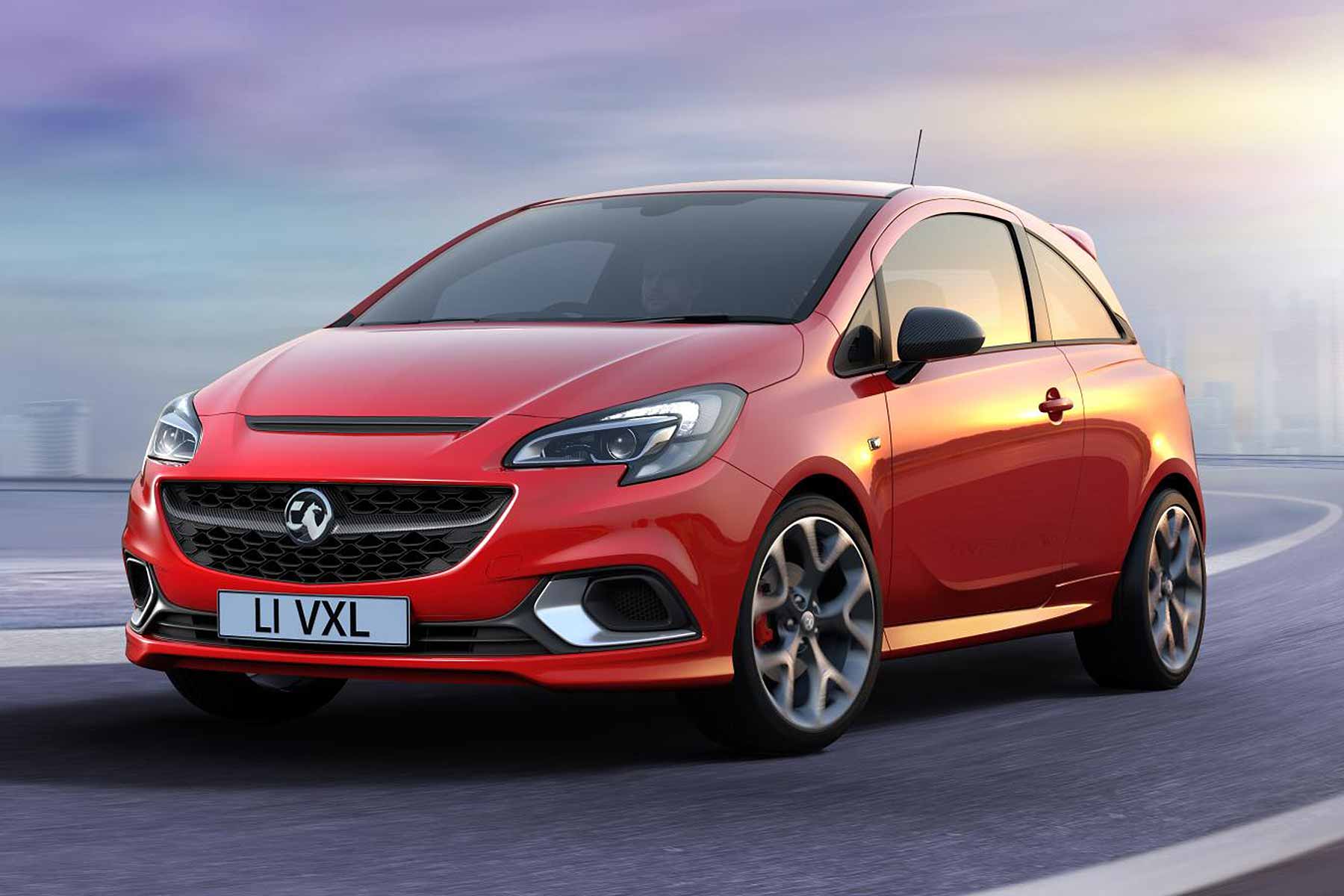
Vauxhall Corsa GSI 2018The exceptional value of the new Ford Fiesta ST has been highlighted once again by a rival. Earlier, Suzuki baffled hot hatch fans by revealing the new Swift Sport costs from £17,999. Now, Vauxhall has just announced prices for the new Corsa GSi, which start from… £18,995.

That’s the same as the entry-level cost of a Fiesta ST. Which has 50hp more and is a bona finde hot hatch rather than the ageing warm hatch Vauxhall.

Vauxhall Corsa GSI 2018

Vauxhall’s ambitious pricing for the weedy GSi is compounded when you compare performance figures. The 1.4-litre turbo Corsa GSi does 0-62mph in 8.9 seconds and will hot 129mph flat-out. The 1.5-litre turbo Fiesta ST does 0-62mph in 6.5 seconds and can hit 144mph.  

The two cars are reasonably well spec-matched, too: both get 17-inch alloys, touchscreen infotainment with Apple CarPlay and Android Auto – and while Recaro seats are standard on the Fiesta, they’re £1,900 more on the Corsa, as part of the GSi Plus pack that also includes 18-inch alloys, leather and bi-xenon headlights.

A Fiesta ST-3, which includes 18-inch alloys and even more kit, costs from £21,495.

Vauxhall says ordering for the new Corsa GSi is open now, with first deliveries due from September 2018.

Advertisement

Road to Zero emissions plan revealed by government

0

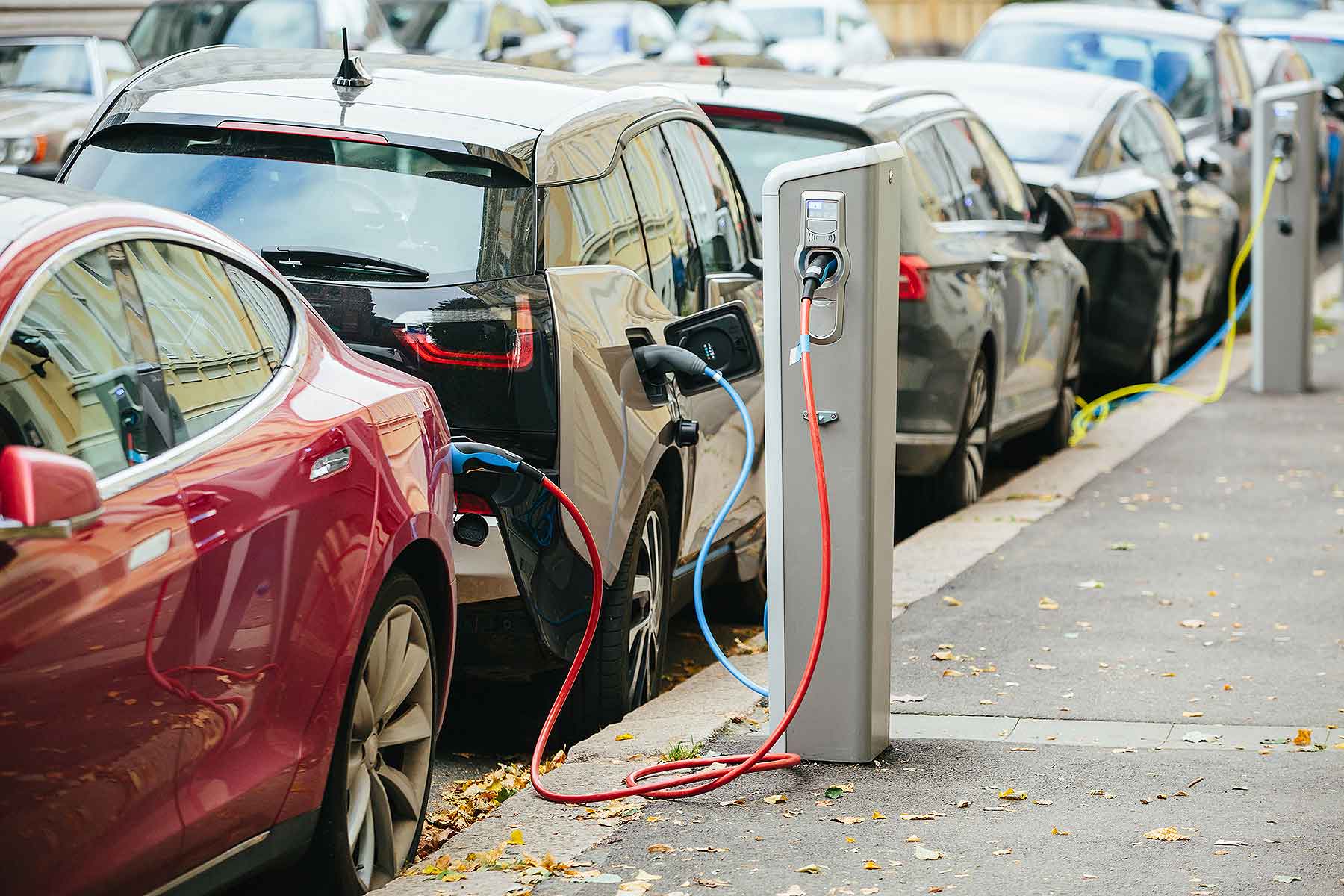
Electric car on-street chargingThe government’s long-awaited Road to Zero plan has been published, outlining how it will achieve the 2040 ban on petrol and diesel cars

The plan includes a suggestion that new homes and offices be equipped with electric car charge points, new street lights to be fitted with charging points, and more money allocated to improving the electric car charging infrastructure.

Recent surveys suggest the biggest barrier to motorists considering electric cars is Britain’s patchy recharging network. 

However, the biggest headline is clarification on exactly what the 2040 petrol and diesel car ban will mean. In short, the government is NOT banning hybrid cars post-2040 and is NOT insisting that all cars be pure-electric vehicles. 

The Road to Zero plan states that it will “end the sale of conventional petrol and diesel cars and vans by 2040” – that’s cars with no electrified capabilities whatsoever. Although it expects the majority to be 100 percent zero emissions, “all new cars… will have significant zero emissions capability”. 

“By 2050 we want almost every car and van to be zero emission.”

Ministers also want at least 50 percent of new car sales by 2030 to be ultra low emissions – that’s cars with CO2 emissions of 75g/km or less – and it’s targeting as many as 70 percent of sales.

It has vowed to review things in 2025 and “consider what interventions are required if not enough progress is being made”. 

The clarification comes after months of speculation about what the 2040 ‘ban’ actually means. “The Road to Zero strategy is technologically neutral and does not speculate on which technologies might help to deliver the government’s 2040 mission,” it says. 

Just in case there was any doubt, it adds: “The government has no plan to ban any particular technology – like hybrids – as part of this strategy”. This will be music to the ears of hybrid pioneers Toyota, which has recently taken to describing its cars as ‘self-charging hybrids’. 

“The Road to Zero strategy sets out a clear path for Britain to be a world leader in the zero emission – ensuring that the UK has cleaner air, a better environment and a stronger economy,” said Transport Secretary Chris Grayling.

Road to Zero strategy: more money, street light charging

Launched as part of Road to Zero is a £400 million ‘Charging Infrastructure Investment Fund’. This provides funding to companies that make and install charge points. It’s intended to “accelerate the roll-out of charging infrastructure” and the process to appoint a fund manager will begin soon.

There’s also a £40 million programme to trial “innovative, low cost wireless and on-street charging technology” and confirmation the Plug-in Car Grant (and Plug-in Van Grant) will continue to at least October 2018 at current rates “and in some form until at least 2020”. 

An Electric Vehicle Energy Taskforce will be set up; this will bring together automotive and energy companies, so they can work out how to tackle the rise in demand on energy infrastructure that more electric vehicles will bring.

Electric charging company Chargemaster, which was recently bought by BP, welcomed the Road to Zero plan’s continued commitment to home charging, and an increase in the Workplace Charging Scheme. Chief executive David Martell also praised the plan’s encouragement of installing charging in new developments, “which will cost less than retrofitting it in the future”.

The Road to Zero plan follows a roadmap published by the Department for Transport-backed Advanced Propulsion Centre (APC). The ‘Towards 2040‘ publication sought input from almost 140 organisations to draw up a technical roadmap for reducing automotive emissions. 

Advertisement

Aston Martin ‘greatly encouraged’ by government Brexit plan

0

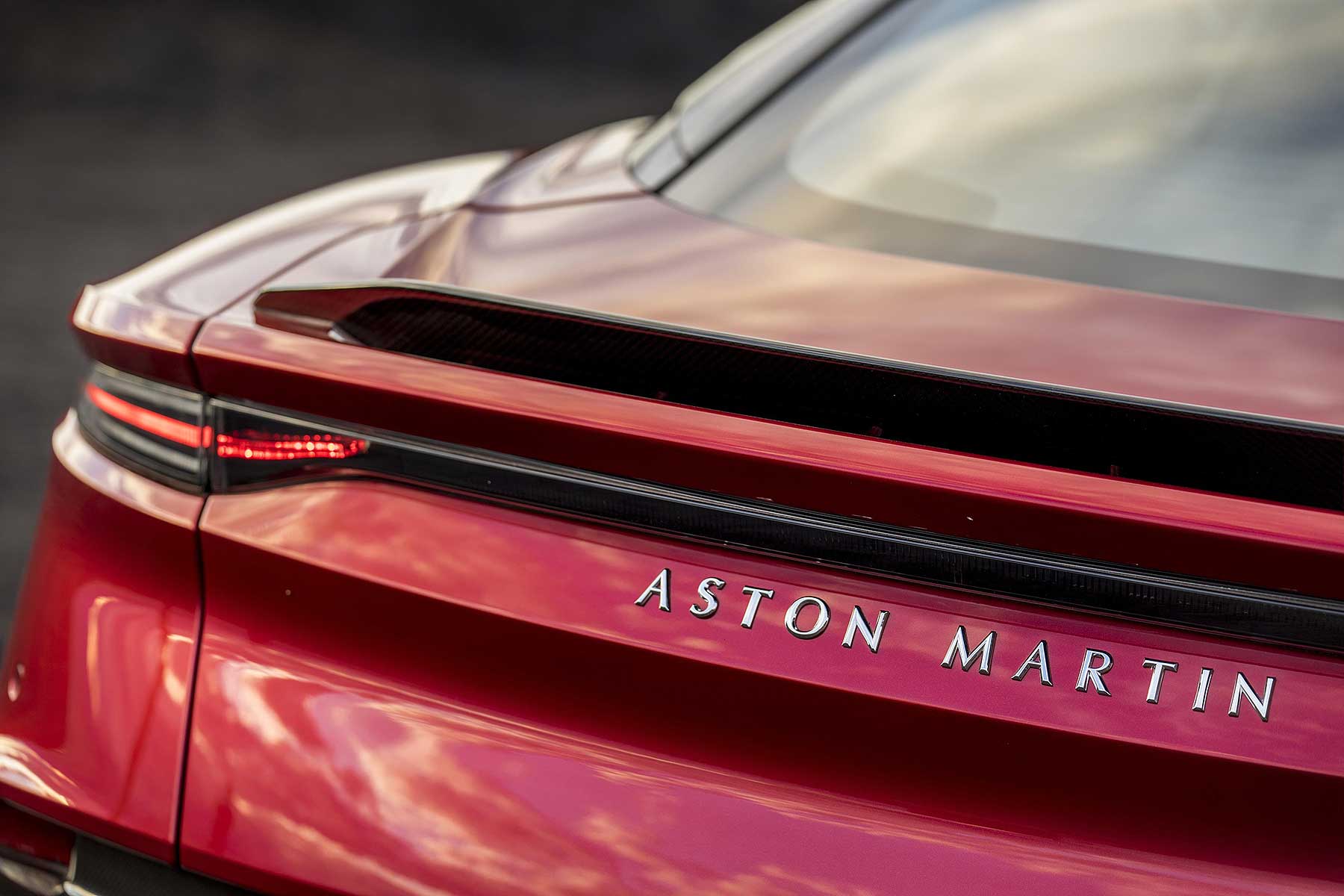
Aston MartinAston Martin has issued a statement saying it is “greatly encouraged” by the government consensus on a Brexit plan for the UK’s future trading relationship with the EU, as agreed at Chequers on Friday. 

Ahead of MPs and peers discussing the plan in Parliament, the British sports car firm has issued its public support for the plan, which it says “addresses both the concerns of industry, whilst respecting the result of the EU Referendum”. 

Aston Martin made the automotive industry’s position clear: it’s one that makes long-term investment and employment decisions, and thus needs clarity and certainty to plan for this. “Over the past few months this clarity has been lacking.

“Any new trading arrangement that would introduce tariffs, regulatory divergence or other barriers for business would be a poor outcome for both the UK and the EU.” The Chequers Brexit plan seeks to avoid this.

“We fully support the Government’s proposed approach to a new combined customs territory, that will provide us with continued unlimited access to our European supply chain, whilst also allowing the UK to form new trade deals with some of the fastest growing economies around the world.”

Now comes the hard part, adds Aston Martin: “ensure that the opportunities outlined by the Prime Minister are implemented, for the economic benefit of both the UK and EU.” (And overcome the inevitable hurdles that are already arising, it could have added…)

It’s unusual for a car company to issue such a fulsome statement of support for government policy, but Brexit has long frustrated the automotive industry which has felt its concerns were not being recognised or listened to. This is why Aston Martin has felt the need to celebrate what it considers a good result. 

“This is a positive step forward for Aston Martin’s future growth and we commend the Cabinet in reaching this consensus.”

Advertisement

Hot cars ‘as bad as drinking and driving’

0

Hot car interior warningDriving in a hot car isn’t just uncomfortable, it could be dangerous, says new research published by Seat. A car with an interior hotter than 35 degrees C resulted in drivers reacting similarly to those with 0.05 percent blood alcohol: that’s the legal limit for driving in Scotland.
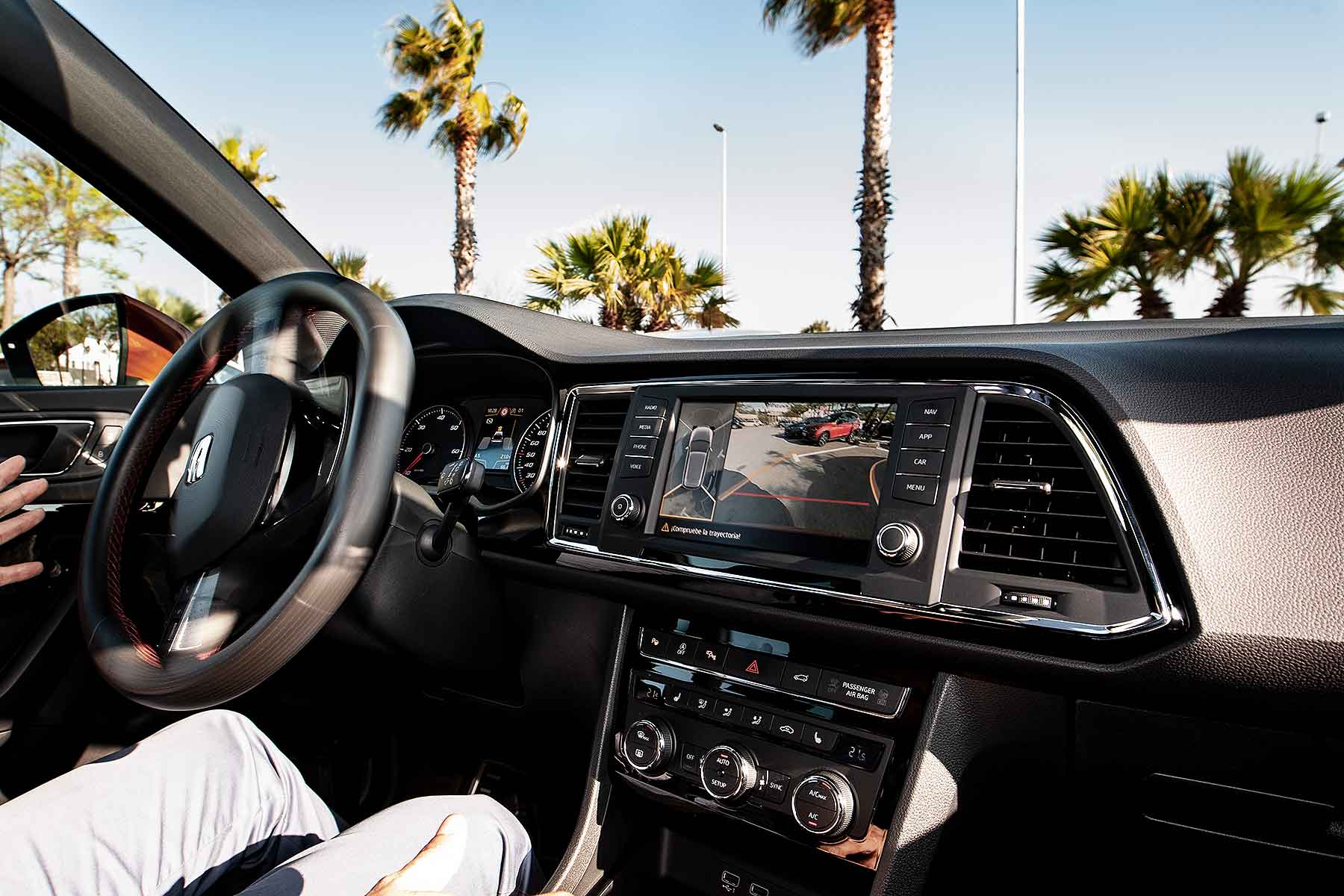

The firm is thus advising people to be ‘air-con savvy’ – but, contrary to what many believe, this does not involve jumping in, turning the fans on full blast and cooling the interior as quickly as possible.

Instead, open the windows first, and the doors too if you’re able. This lets the scorching hot air inside the car escape first, so the air conditioning system will work more effectively from the off, and the cabin will cool down more quickly.

Hot car interior warning

Many have got out of the habit of opening the windows of cars with air-con in the summer – and Seat believes this means we’re not getting the full benefit of our air-con systems.

It’s particularly important if you’re already hot. It’s easy to get dehydrated in hot weather, and suffering in a hot car interior for five or 10 minutes while you wait for it to cool down can exacerbate the effects of dehydration, which include tiredness, dizziness, headaches and, again, reduced reaction times.

Seat is an expert at dealing with the effect of the sun, as it’s based in Barcelona. It has analysis that shows cars parked in the sun can reach 60 degrees C or more, a staggering temperature that even the best air-con system won’t cool down quickly.

Hot car interior warning

That’s why it’s keen for us to be more air con savvy as the UK heatwave continues. Here, then, are some top tips on how best to use your air conditioning or climate control systems in hot cars:

  • Getting into a hot car? Open the windows first (and keep the doors wide open if you’re able), to let hot air escape before blasting the air con
  • Don’t activate the air recirculation function – this circulates stale air rather than clean, fresh air
  • Do use the air con in the morning. It may be cool, but this can actually cause windows to mist up as temperatures rise – something that can happen surprisingly quickly…
  • Point the jets to the ceiling instead of to your face: this lets cool air spread around the car more effectively (and help those in the rear stay cool!)
  • If the system isn’t very effective, think when you last changed your air filter. They need replacing every 10,000 to 15,000 miles, or they get clogged…

ALSO READ

New 2018 Audi A1 revealed

2005 Aston Martin V8 Vantage review

Vauxhall extends £4k scrappage deal

Advertisement