The United Nations (UN) has used the fifth Global Road Safety Week to announce that 1.35 million people die on the world’s roads each year.
And, if this number wasn’t startling enough, figures released by the UN show that road traffic injuries are the leading killer of children and young adults aged 5-29 years.
Stronger leadership for road safety is required, it says, as it launches the campaign: Save Lives – #SpeakUp.
Welcome to the new campaign website! The theme is leadership and everybody can be a leader. Are you ready to #SpeakUp for #RoadSafety?
Log on and:
1) Assess your journey
2) Record your demands
3) Urge decision makers to make a pledge.https://t.co/o4mwkzsbTC pic.twitter.com/ww0h0s9JA0— UN Road Safety Week (@UNGRSW) February 6, 2019
The UN is inviting anyone who uses the world’s roads to assess the risks they encounter on a daily basis and to “start demanding road safety”.
“We ask you to only demand road safety interventions that are evidence-based and are proven to work from our lists of interventions provided,” it says.
A Save Lives technical package has been created to support road safety decision-makers to significantly reduce the number of road traffic deaths in their countries. The six key areas can be summarised as follows:
Speed management
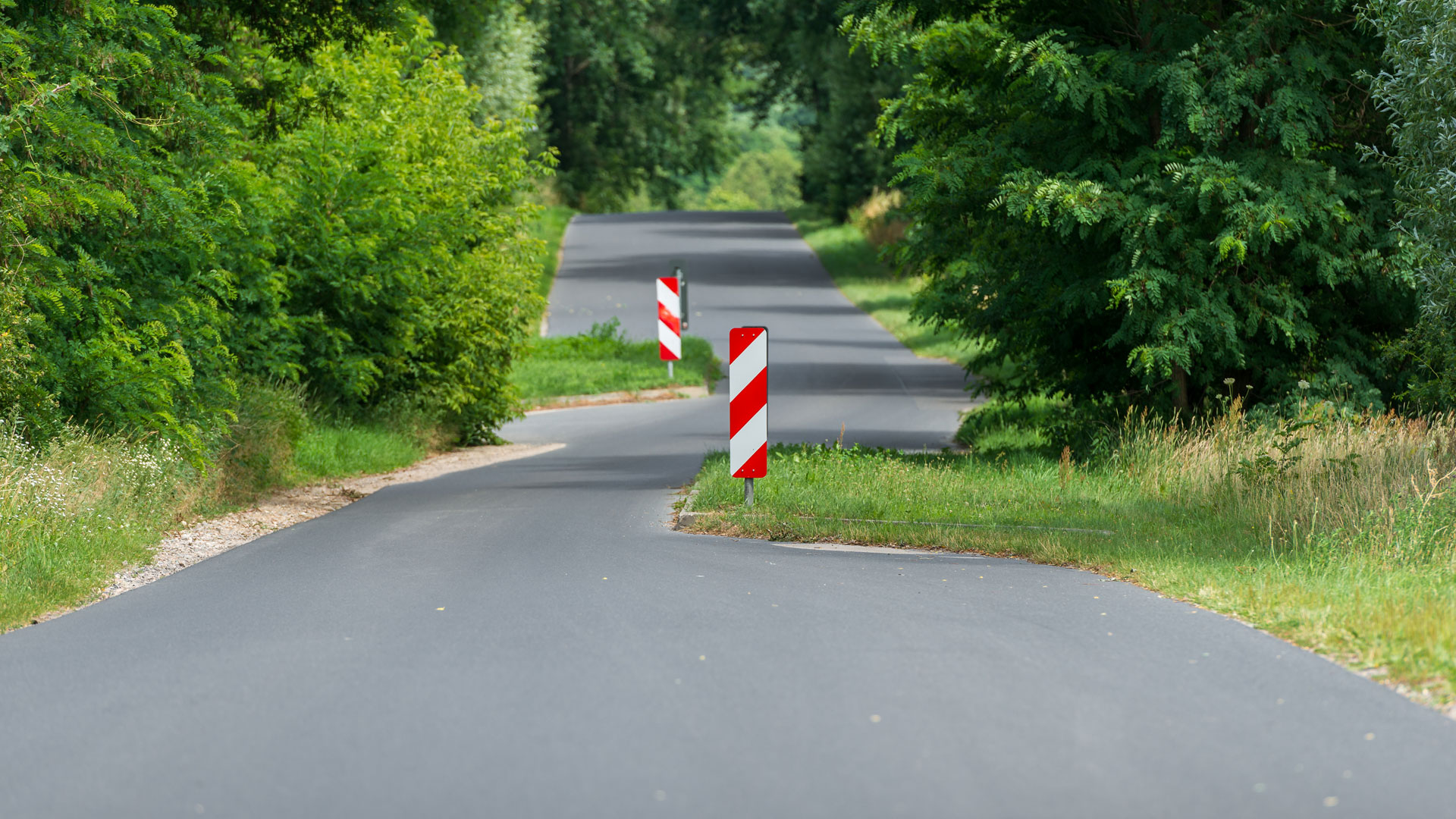
An increase of 1kph (0.6mph) in mean vehicle speed results in an increase of three percent in the number of crashes resulting in injury, and an increase of between four and five percent in the number of fatal crashes.
Interventions:
- Establish and enforce speed limit laws nationwide, locally and in cities
- Build or modify roads that calm traffic, i.e. roundabouts, chicanes and speed bumps
- Require car manufacturers to install new technology, such as speed-limiters
Leadership on road safety
Leaders must ensure there is collaboration across different sectors, including health, transport, finance, education and law enforcement.
Interventions:
- Create an agency to lead road safety
- Develop and fund a road safety strategy
- Evaluate the impact of road safety strategies
- Monitor road safety using data systems
- Raise awareness and support through education and campaigns
Infrastructure design and improvement
Governments should prioritise road design standards that reduce the risk of traffic injuries and embrace pedestrians and cyclists.
Interventions:
- Provide a safe infrastructure for all, including pavements, crossings and bridges
- The use of bicycle and motorcycle lanes
- Use clear zones, collapsible structures or barriers
- Design safer intersections
- Separate access roads from through-roads
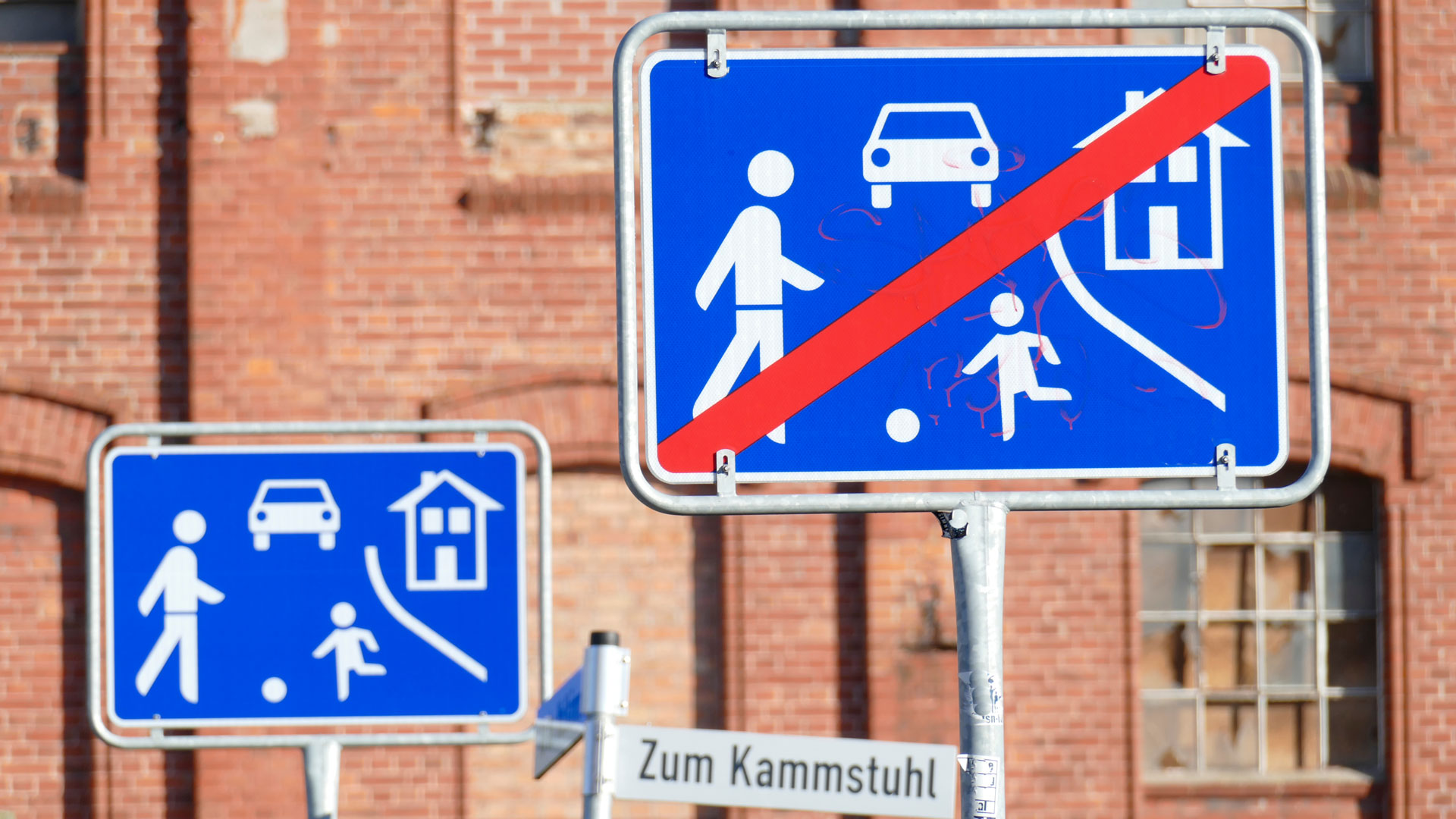
- The use of vehicle-free zones
- Reduced speed limits in residential, commercial and school zones
- Improved routes for public transport
Vehicle safety standards
Only 40 countries currently meet all priority safety regulations. The UN is calling for all nations to meet the standards of its World Forum for Harmonisation of Vehicle Regulations.
Interventions:
- Establish and enforce safety standard regulations
- Establish and enforce regulations on motorcycle anti-lock braking and daytime running lights
Enforcing traffic laws

The five behaviours most likely to result in a traffic injury are drink-driving, not wearing a helmet, not using a seat-belt, not using a child restraint, and speeding.
Interventions:
- Establish and enforce laws at national, local and city levels
Survival after a crash
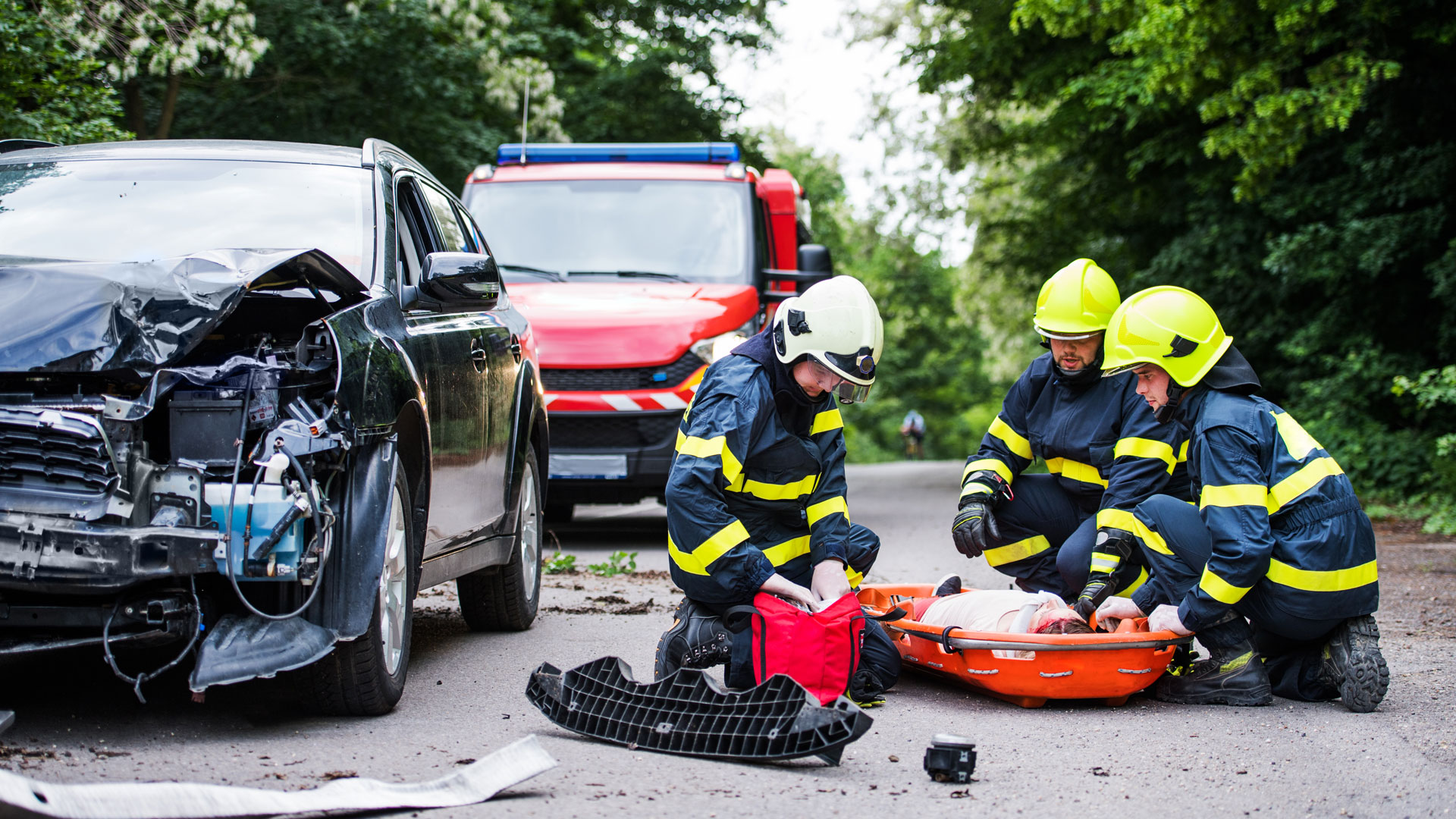
Timely and effective emergency care can reduce the consequences of injuries resulting from a road traffic crash.
Interventions:
- Develop organised and integrated pre-hospital and facility-based care
- Effective training of first responders
- Promote community-based first responder training
Road safety and breakdown organisation GEM Motoring Assist says the road safety burden is disproportionately carried by pedestrians, cyclists and motorcyclists. It is calling for “drastic action” to meet future global targets.
Neil Worth, GEM Motoring Assist’s road safety officer, said: “As road users, we all tend to underestimate the risks we face – as well as overestimating our ability to deal with them. That makes us all more vulnerable than we may realise.
“GEM’s message for UN Global Road Safety Week is that we all have an opportunity to make a difference. We can all commit to reducing risk and improving safety on road journeys, as long as we don’t always see it as someone else’s problem.”

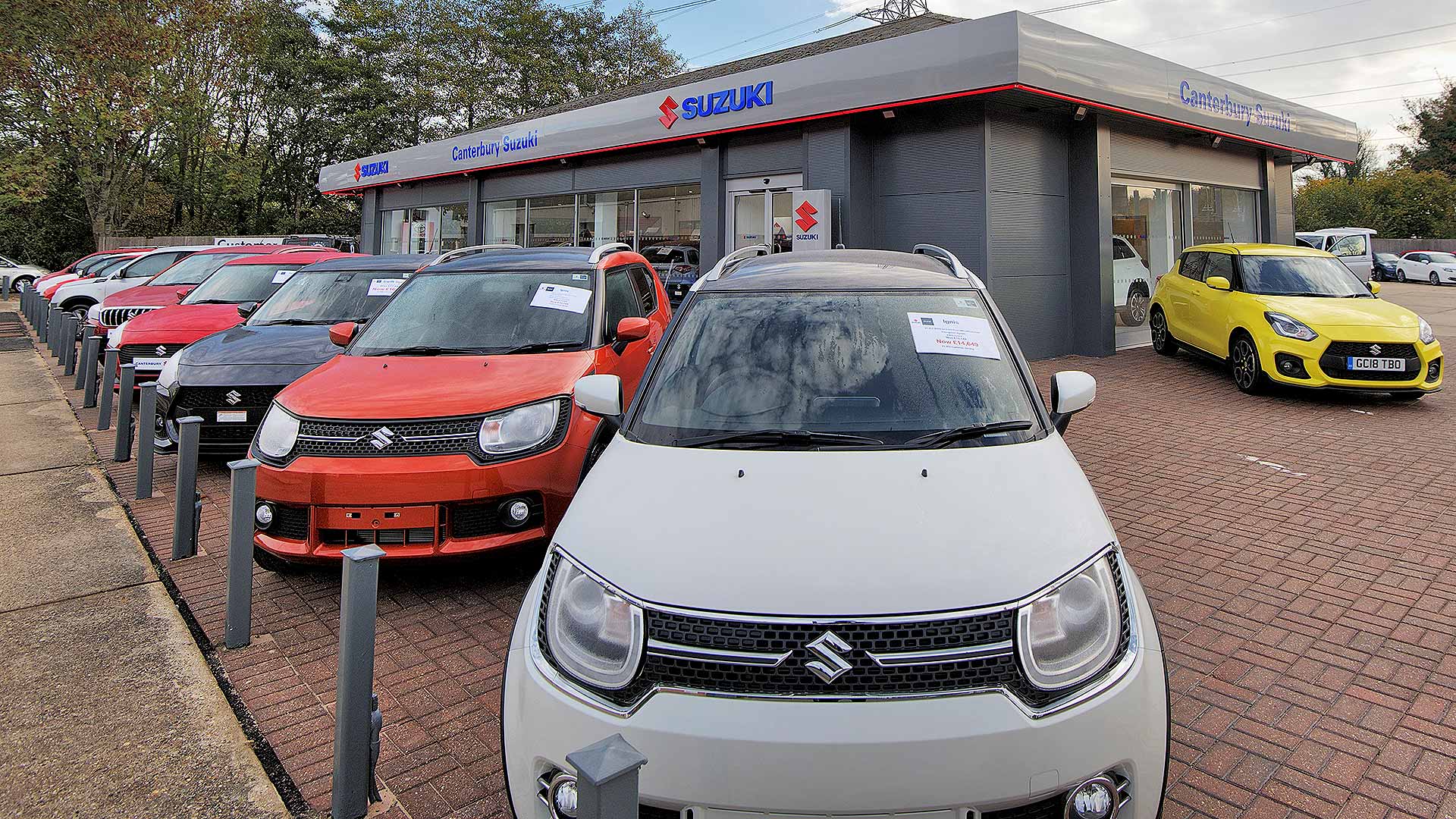 New car registrations declined 4.1 percent in April 2019, reports the Society of Motor Manufacturers and Traders (SMMT), due to a plunge in private buyer demand of more than 10 percent.





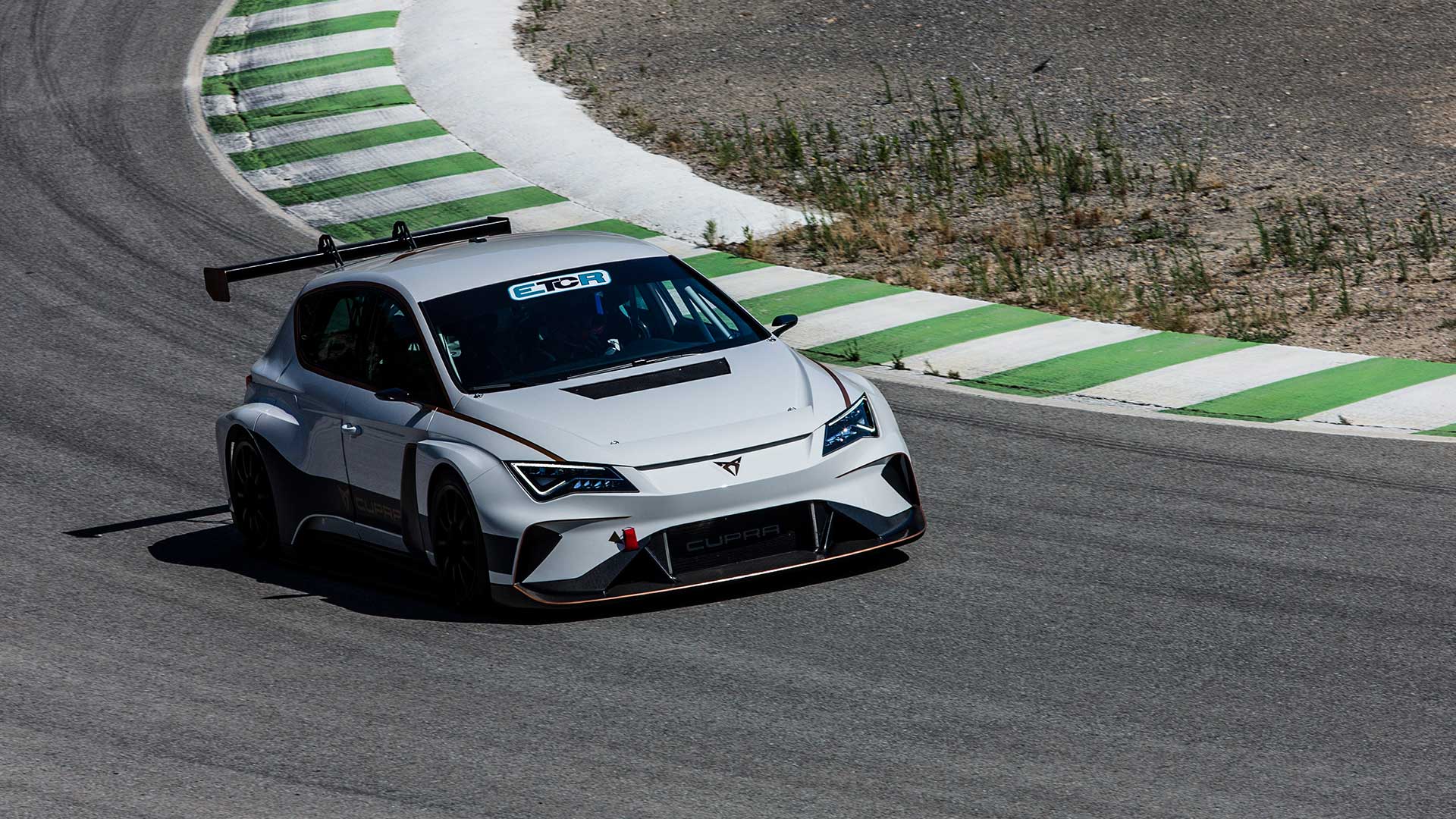
 Life as a Formula 1 driver is pretty tough, what with the gruelling Grand Prix calendar, the need to stay ultra-fit, and the endless media requirements.
 Driving for a Formula 1 team connected to a road car manufacturer which exclusively builds supercars, means that Norris is naturally in an advantageous position.



 Unleaded petrol prices rose by 5.4p a litre in April 2019, which is the second-worst monthly price rise in almost two decades of records.