Home Blog Page 384

Road traffic injuries the number one killer of young adults

0

road traffic injuries

The United Nations (UN) has used the fifth Global Road Safety Week to announce that 1.35 million people die on the world’s roads each year.

And, if this number wasn’t startling enough, figures released by the UN show that road traffic injuries are the leading killer of children and young adults aged 5-29 years.

Stronger leadership for road safety is required, it says, as it launches the campaign: Save Lives – #SpeakUp.

The UN is inviting anyone who uses the world’s roads to assess the risks they encounter on a daily basis and to “start demanding road safety”.

“We ask you to only demand road safety interventions that are evidence-based and are proven to work from our lists of interventions provided,” it says.

A Save Lives technical package has been created to support road safety decision-makers to significantly reduce the number of road traffic deaths in their countries. The six key areas can be summarised as follows:

Speed management

traffic calming

An increase of 1kph (0.6mph) in mean vehicle speed results in an increase of three percent in the number of crashes resulting in injury, and an increase of between four and five percent in the number of fatal crashes.

Interventions:

  • Establish and enforce speed limit laws nationwide, locally and in cities
  • Build or modify roads that calm traffic, i.e. roundabouts, chicanes and speed bumps
  • Require car manufacturers to install new technology, such as speed-limiters

Leadership on road safety

Leaders must ensure there is collaboration across different sectors, including health, transport, finance, education and law enforcement.

Interventions:

  • Create an agency to lead road safety
  • Develop and fund a road safety strategy
  • Evaluate the impact of road safety strategies
  • Monitor road safety using data systems
  • Raise awareness and support through education and campaigns

Infrastructure design and improvement

traffic calming Germany

Governments should prioritise road design standards that reduce the risk of traffic injuries and embrace pedestrians and cyclists.

Interventions:

  • Provide a safe infrastructure for all, including pavements, crossings and bridges
  • The use of bicycle and motorcycle lanes
  • Use clear zones, collapsible structures or barriers
  • Design safer intersections
  • Separate access roads from through-roads
  • The use of vehicle-free zones
  • Reduced speed limits in residential, commercial and school zones
  • Improved routes for public transport

Vehicle safety standards

Only 40 countries currently meet all priority safety regulations. The UN is calling for all nations to meet the standards of its World Forum for Harmonisation of Vehicle Regulations.

Interventions:

  • Establish and enforce safety standard regulations
  • Establish and enforce regulations on motorcycle anti-lock braking and daytime running lights

Enforcing traffic laws

child seat

The five behaviours most likely to result in a traffic injury are drink-driving, not wearing a helmet, not using a seat-belt, not using a child restraint, and speeding.

Interventions:

  • Establish and enforce laws at national, local and city levels

Survival after a crash

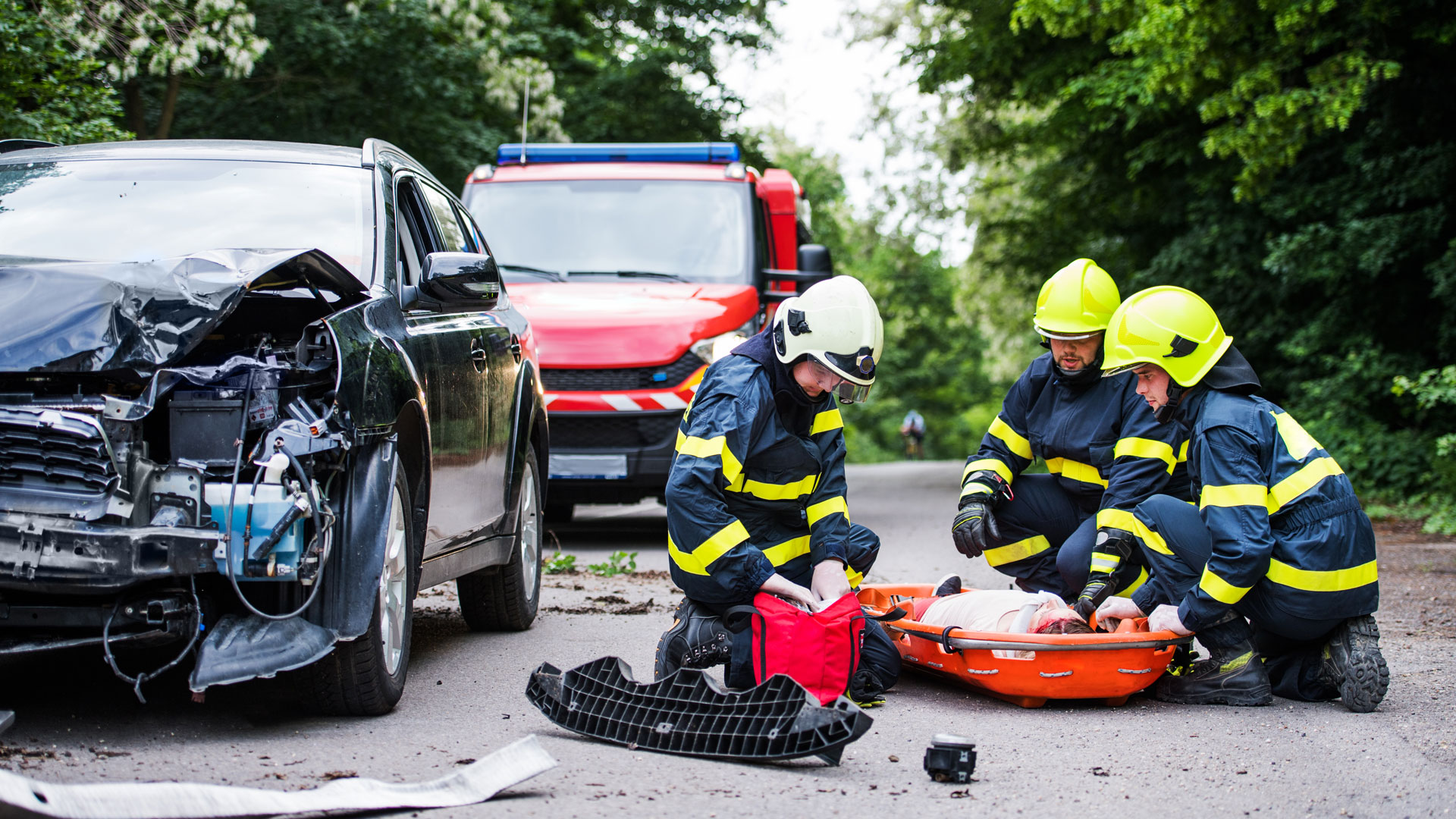
Timely and effective emergency care can reduce the consequences of injuries resulting from a road traffic crash.

Interventions:

  • Develop organised and integrated pre-hospital and facility-based care
  • Effective training of first responders
  • Promote community-based first responder training
road traffic injury

Road safety and breakdown organisation GEM Motoring Assist says the road safety burden is disproportionately carried by pedestrians, cyclists and motorcyclists. It is calling for “drastic action” to meet future global targets.

Neil Worth, GEM Motoring Assist’s road safety officer, said: “As road users, we all tend to underestimate the risks we face – as well as overestimating our ability to deal with them. That makes us all more vulnerable than we may realise.

“GEM’s message for UN Global Road Safety Week is that we all have an opportunity to make a difference. We can all commit to reducing risk and improving safety on road journeys, as long as we don’t always see it as someone else’s problem.”
Advertisement

Watch an artist EXPLODE an Audi R8 down to its V10

0

Audi R8 exploded view

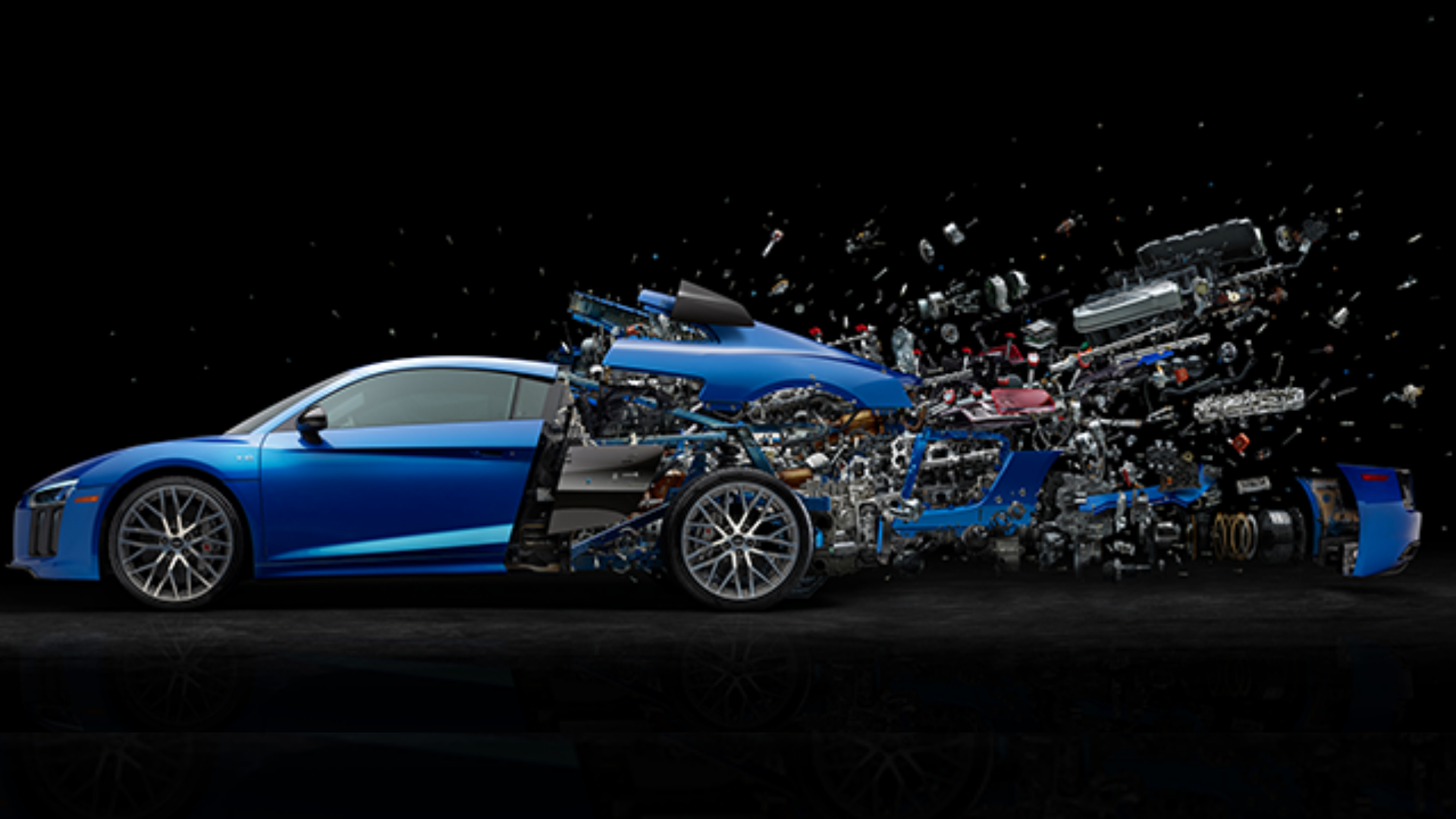
Artist Fabian Oefner has created an artwork with the Audi R8, ‘exploding’ it into its component parts in a freeze-frame profile image. It’s part of Audi USA’s celebration of 10 years of the R8 V10 engine.

This isn’t Oefner’s first piece of this kind. Recently, he worked with Lamborghini to create a similar piece with the iconic Miura. Before that, he did the Porsche 956 Group C prototype.

To create the image was a long and labour-intensive process. None of which involved detonating explosives within the bowels of an R8…

Multiple photographs, multiple angles, multiple components – all are combined and digitally stitched together. 

As you can see from the video, while the image itself is a digital creation, the disassembly of a real R8 actually occurred. And modern cars have far more individual components than those of years gone by

10 years of the V10-powered R8

The V10-engined R8 turns 10 this year, and Audi has also celebrated with 222 R8 ‘Decennium’ editions. 

Nothing encapsulates ‘halo model’ quite like this V10-amidships screamer sharing showroom space with hatchbacks, executive saloons and crossovers.

However, it’s rumoured the next R8 could be all-electric and wear an ‘E-tron’ badge. We’ll miss it when it’s gone, that’s for sure.

You can buy print of this image for $24.95 from Audi USA’s website. It’s likely to cost a little more for those of us on the European side of the pond, after postage and currency exchange.

Advertisement

New car sales down AGAIN in April 2019

0

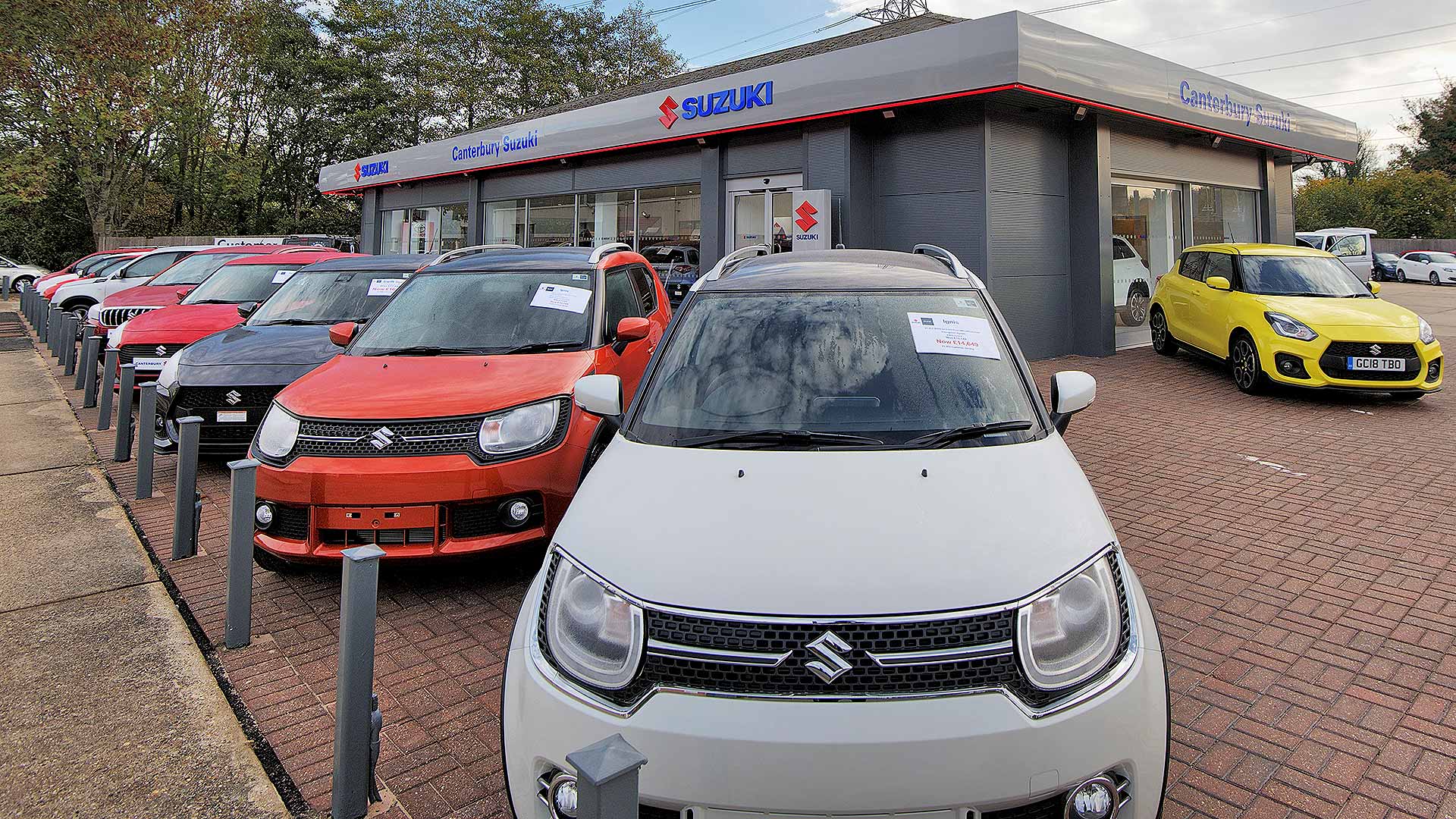
Canterbury Suzuki car dealerNew car registrations declined 4.1 percent in April 2019, reports the Society of Motor Manufacturers and Traders (SMMT), due to a plunge in private buyer demand of more than 10 percent.

Fleet car sales were actually up 2.9 percent, but this was not enough to stop last month being the second-worst April for registrations since 2012.

April’s figures follow a 3.4 percent decline in registrations for the key registration-plate change month of March, a fall SMMT chief executive Mike Hawes said was “of clear concern“.

London supercar dealer showroom

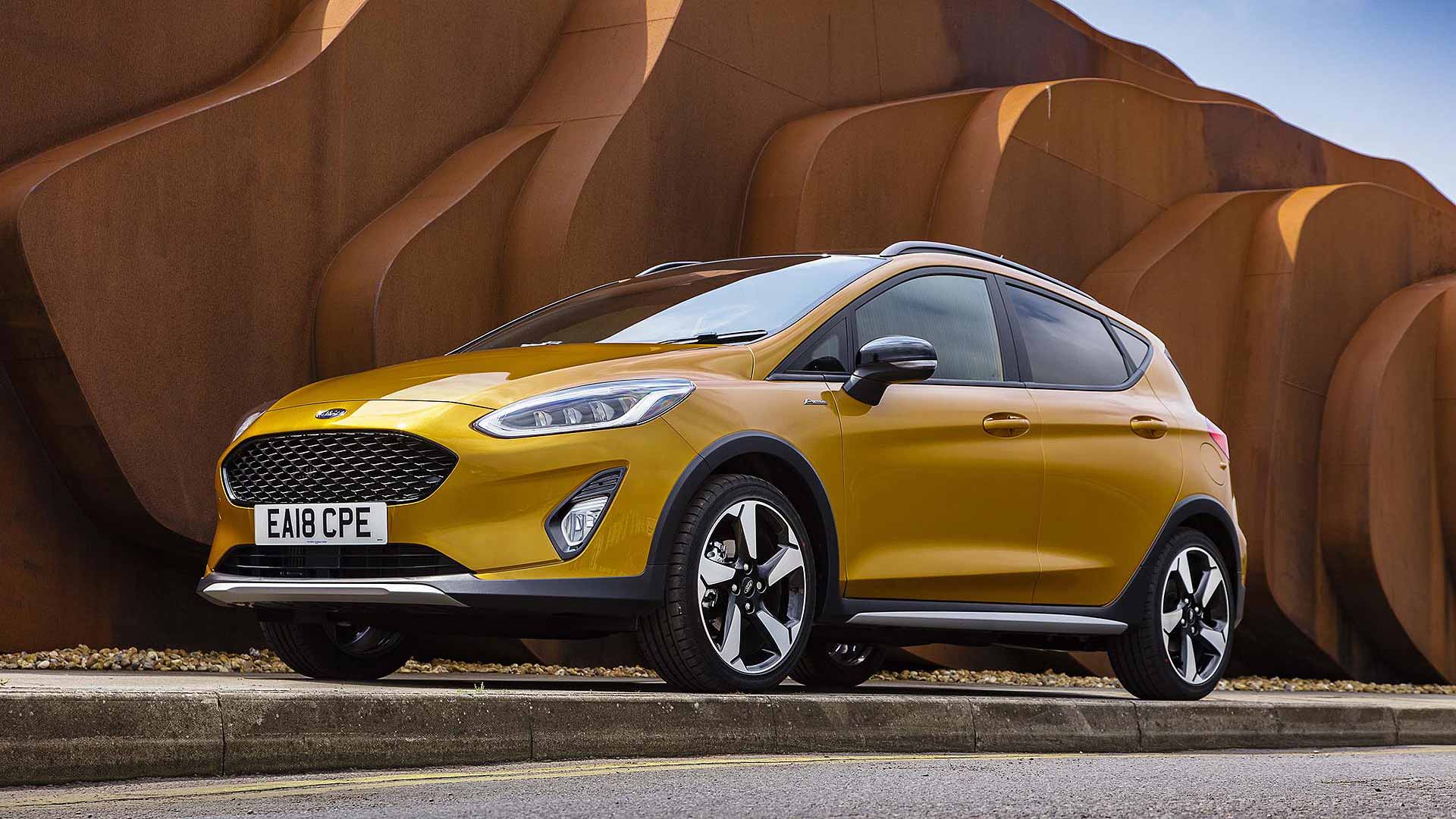
Last month’s surprise was not the overall decline, but the scale of changes happening within car sectors. Britain’s best-selling car type is the supermini, such as the Ford Fiesta – and volumes in this sector were down 14.1 percent. Small family cars, such as the Ford Focus, were also down over 10 percent.

SUVs, meanwhile recorded 18.4 percent GROWTH last month, to well over 40,000 new models from overall monthly sales of 161,064 new cars.

The SUV is now Britain’s third most popular car type, and the sector has tripled in size since 2012.

Plug-in plunge

Mitsubishi Outlander PHEV

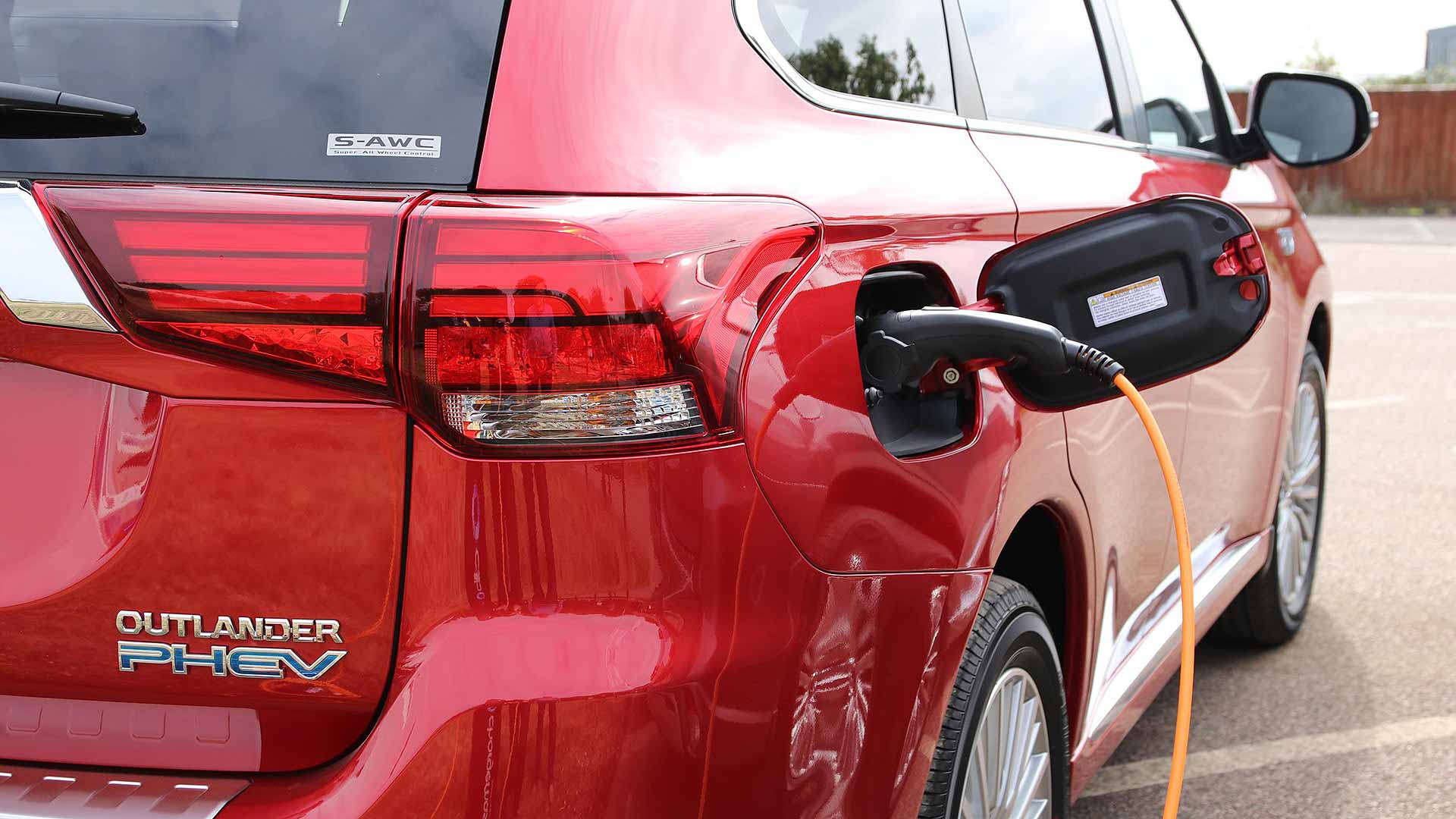
Sales of alternative fuel cars (AFV) were up 12.7 percent last month, with petrol electric hybrids shooting up by almost a third. In total, 10,254 future-fuel AFVs were sold last month: almost 7,000 of them were petrol hybrids.

Pure electric car sales also grew to over 1,500 units, or just under one percent of the new car market.

However, plug-in hybrid sales plunged last month, by over 34 percent. Year to date, they are down over 20 percent. The SMMT says this is almost entirely down to the government’s decision to prematurely cut back the Plug-in Car Grant, restricting it to pure electric cars.

While it’s great to see buyers respond to the growing range of pure electric cars on offer,” said SMMT chief executive Mike Hawes, “they still only represent a tiny fraction of the market and are just one of a number of technologies that will help us on the road to zero.

“We need policies that help get the latest, cleanest vehicles on the road more quickly and support market transition for all drivers. This includes investment in infrastructure and long-term incentives to make new technologies as affordable as possible.”

Sales of diesel cars were down 9.4 percent, although the SMMT notes the pace of decline is slowing. Petrol was down three percent; the fuel now accounts for more than two in three new car sales in Britain.

April 2019: Top 10 best-selling cars

Ford Fiesta Active

1: Ford Fiesta

2: Ford Focus

3: Volkswagen Golf

4: Nissan Qashqai

5: Mercedes-Benz A-Class

6: Ford Kuga

7: Volkswagen Polo

8: Volkswagen Tiguan

9: Vauxhall Corsa

10: Hyundai Tucson

Advertisement

This crazy American police vehicle has a SUPERCHARGED 800hp engine

0

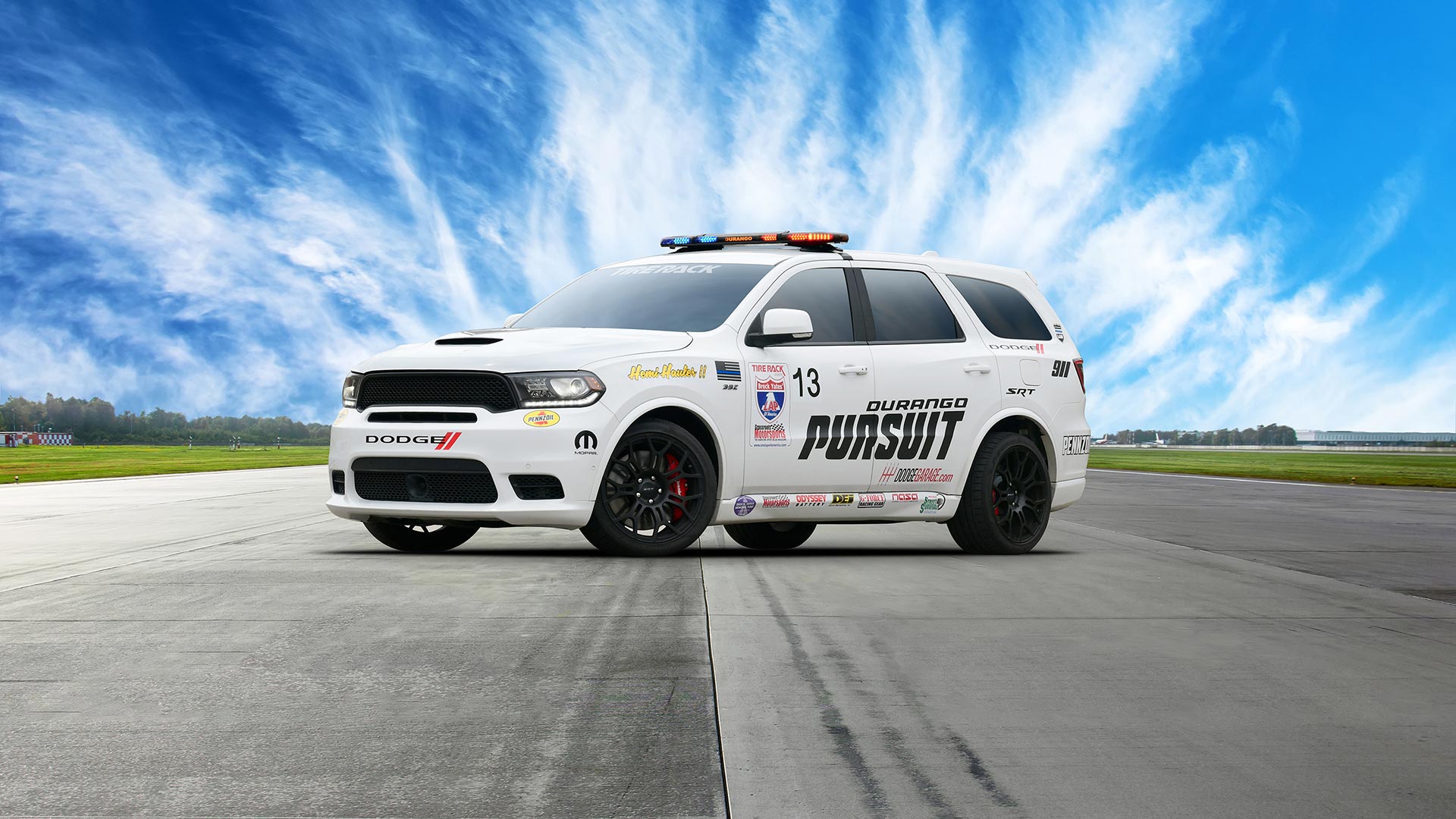
2019 Dodge Durango SRT Pursuit ConceptFollowing news that the Home Secretary wants police officers conducting pursuits to feel “confident and protected”, could this incredible Dodge SUV be a “clear message” to criminals?

In fact, with reports of car thefts in England and Wales increasing during 2018, forget Batman or the Avengers – the Durango SRT Pursuit is the superhero we need now.

However, there are some slight technicalities that might prevent this 797hp from hitting the mean streets with UK police forces anytime soon though.

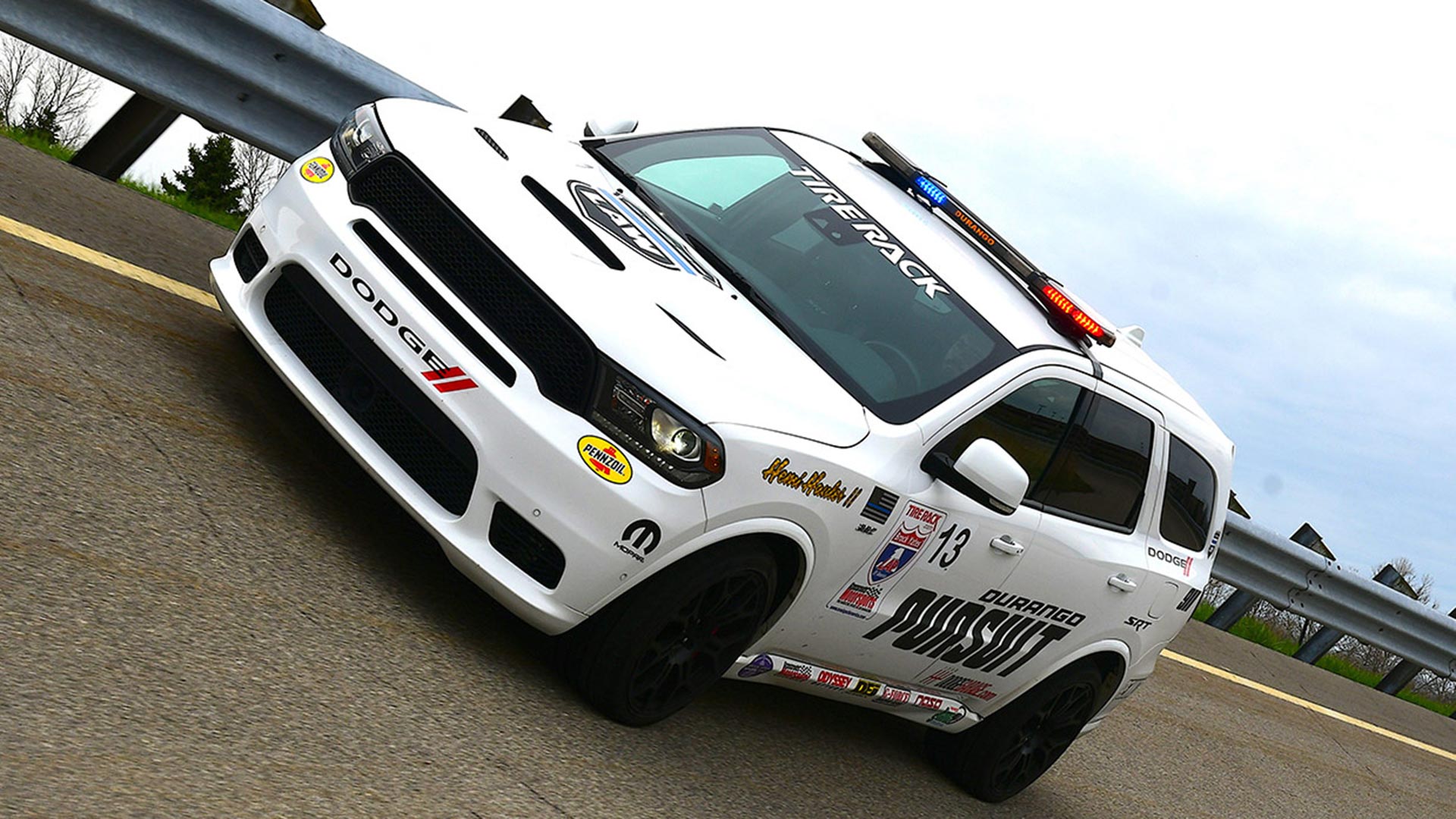
2019 Dodge Durango SRT Pursuit ConceptFirstly, the impressive Durango SRT Pursuit is very much a bespoke concept, created by the engineers in Dodge’s SRT performance department for a very special event.

Referred to as ‘Speed Trap’ by its creators, the SRT Pursuit Concept is currently taking part in the 4,000 mile One Lap of America race.

The event sees teams cover huge amounts of distance across the United States in just seven days, with the added bonus of several on-track challenges as well.

2019 Dodge Durango SRT Pursuit ConceptIn 2018, the Dodge-backed team of SRT engineer David Carr and journalist David Hakim, won the Truck/SUV class of the One Lap of America event with a 475hp Durango. But, for 2019, they decided to crank up the horsepower.

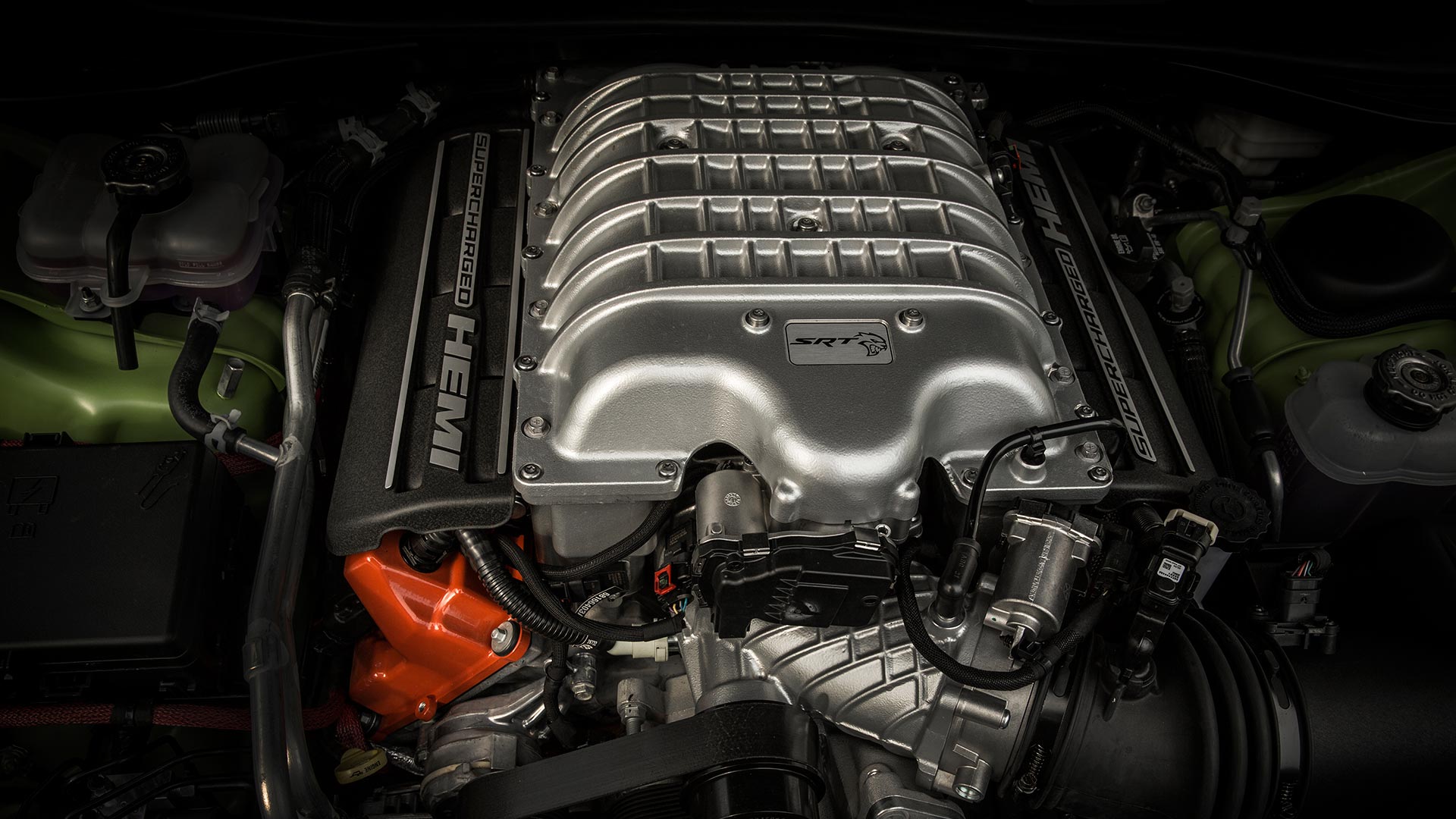
Under the bonnet is the 6.2-litre supercharged Hemi V8 engine, as used in Dodge’s terrifying Hellcat muscle car series. This particular unit was taken from a Dodge Challenger SRT Hellcat Redeye.  It means an output of 797hp and 707lb-ft of torque, powering all four wheels through an eight-speed automatic gearbox.

Whilst the SRT engineers have not quoted performance times, we imagine sticking to the speed limits on public roads – as required for One Lap of America competitors – will be something of a struggle.

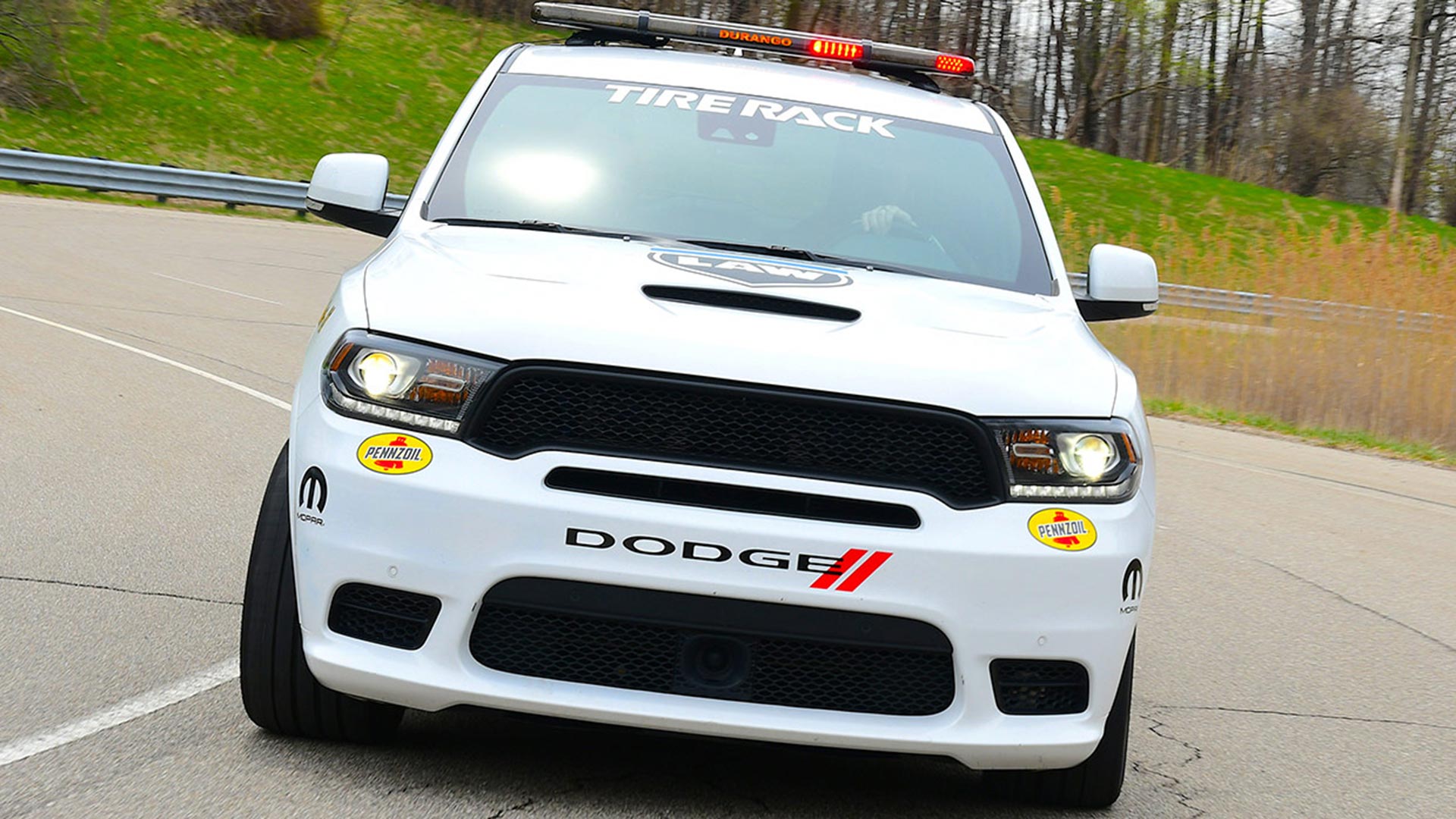
2019 Dodge Durango SRT Pursuit ConceptUsing the police-specification Dodge Durango Pursuit as a base, meant the team clearly had to add lights and sirens, along with a custom law enforcement-inspired livery.

A low-restriction exhaust system, performance Pirelli rubber, upgraded brakes and lowered suspension completed the transformation into a police SUV fit for the race track.

Sadly the SRT Pursuit Concept is very much a bespoke creation for now, meaning there is no chance of police officers on this side of the Atlantic getting behind the wheel of it for now.

There is always the (slightly more obtainable) idea of the regular 475hp Durango Pursuit for UK coppers to console themselves with though.

Advertisement

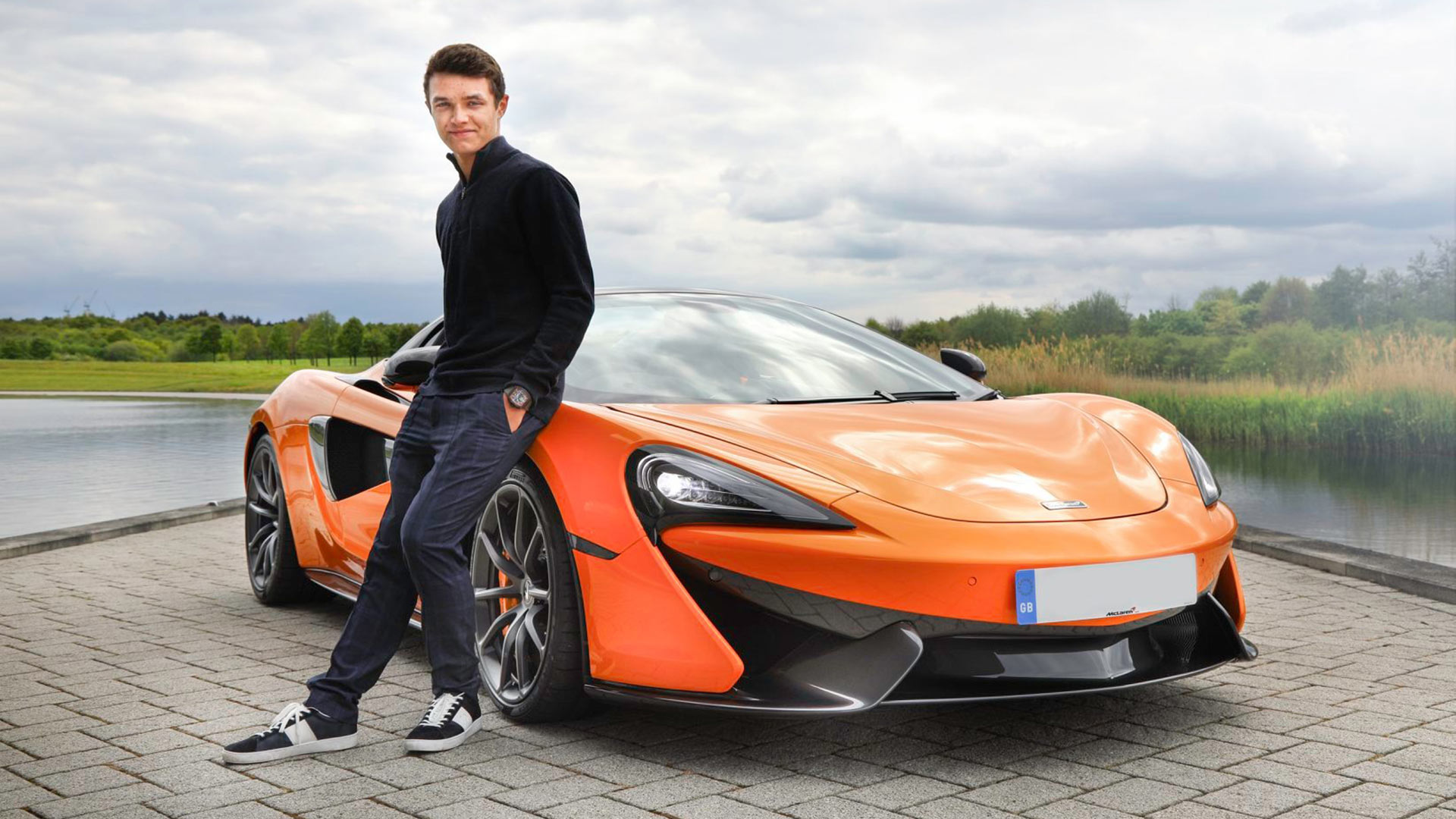
British F1 star Lando Norris has a brand-new McLaren company car

0

Lando Norris McLaren Automotive 570S CoupeLife as a Formula 1 driver is pretty tough, what with the gruelling Grand Prix calendar, the need to stay ultra-fit, and the endless media requirements.
There are seemingly some perks to this career though, as rookie McLaren driver Lando Norris discovered this week.

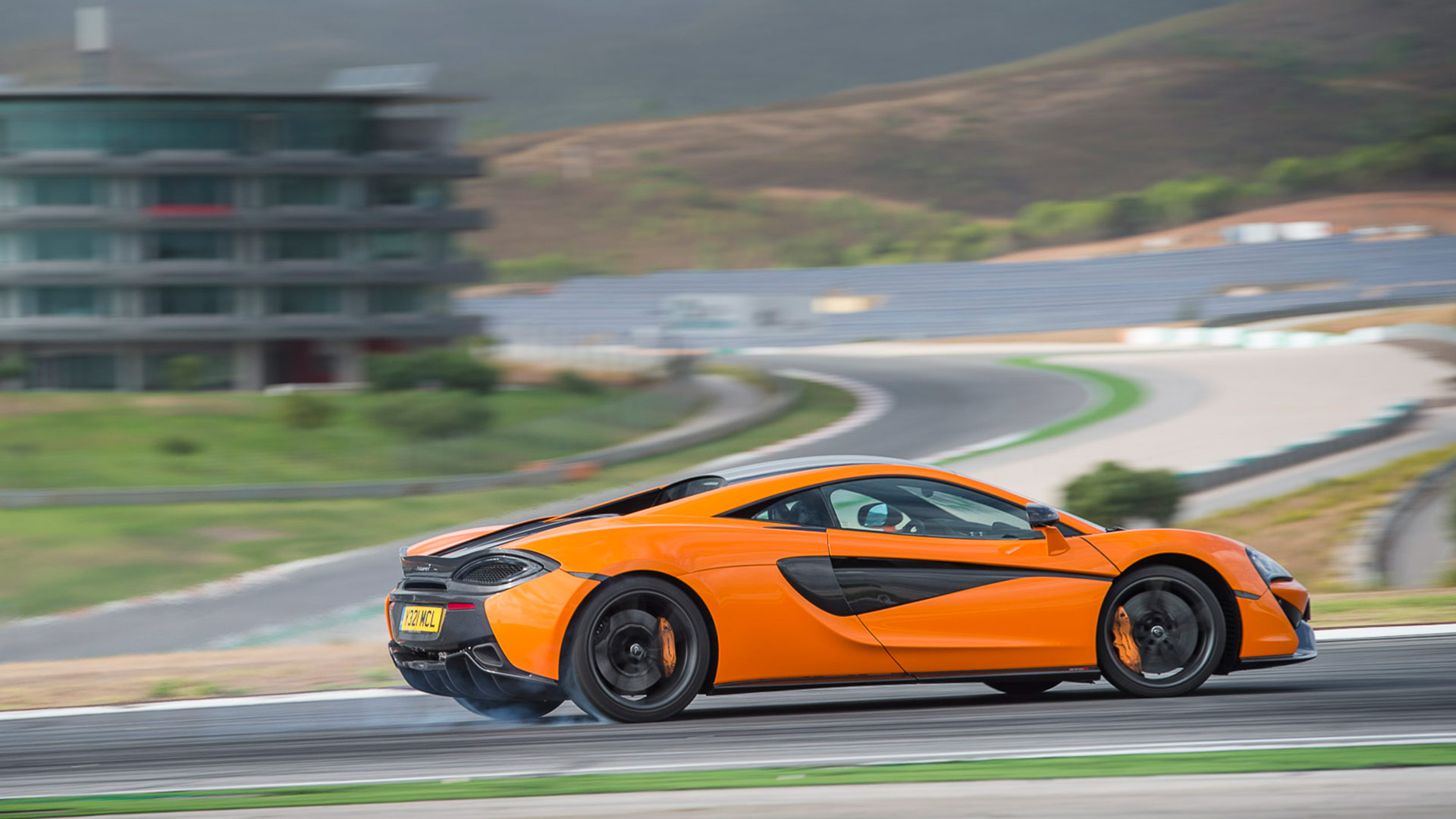
Forget having to choose between a diesel Audi or BMW for a company car – the 19-year-old Brit collected his new 3.8-litre twin-turbocharged V8 McLaren 570S Coupe.

Lando Norris McLaren Automotive 570S CoupeDriving for a Formula 1 team connected to a road car manufacturer which exclusively builds supercars, means that Norris is naturally in an advantageous position.

There’s no risk of being forced into a supermini or SUV because it makes better PR for the company.

Instead, Lando has a 570hp mid-engined machine, capable of 0-124mph in just 9.5 seconds, with a top speed in excess of 200mph. Although given that he drives a Formula 1 car every other weekend, the performance might be less dramatic than for mere mortals.

Norris does at least seem happy with the colour of his £150,000 car, and has already discovered a potential perk to the eye-searing hue.

McLaren’s F1 team is enjoying a buoyant start to the 2019 season, with the Woking-based outfit currently fourth in the World Constructors’ Championship standings.

After the challenges of recent seasons, being in a strong position early in the year will be welcome relief for McLaren. Norris himself can also be pleased with having outperformed his more senior teammate, Carlos Sainz Jr. so far in 2019.

If Lando’s season continues the way it has began, he could be arguing for an upgrade to a 600LT Spider or maybe even a 720S by the end of the year.

Advertisement

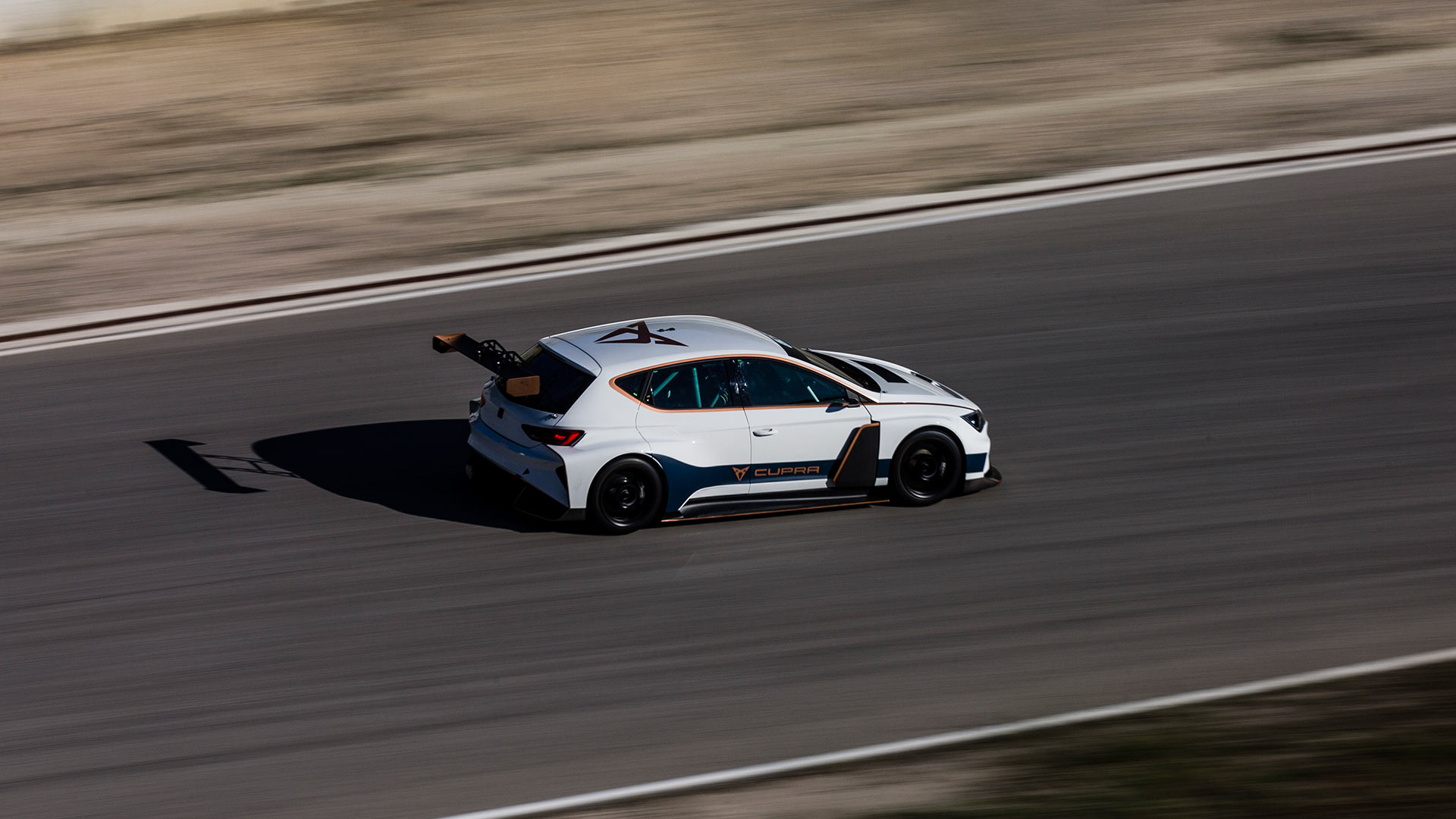
F1’s Williams to power world’s first ELECTRIC touring car series

0

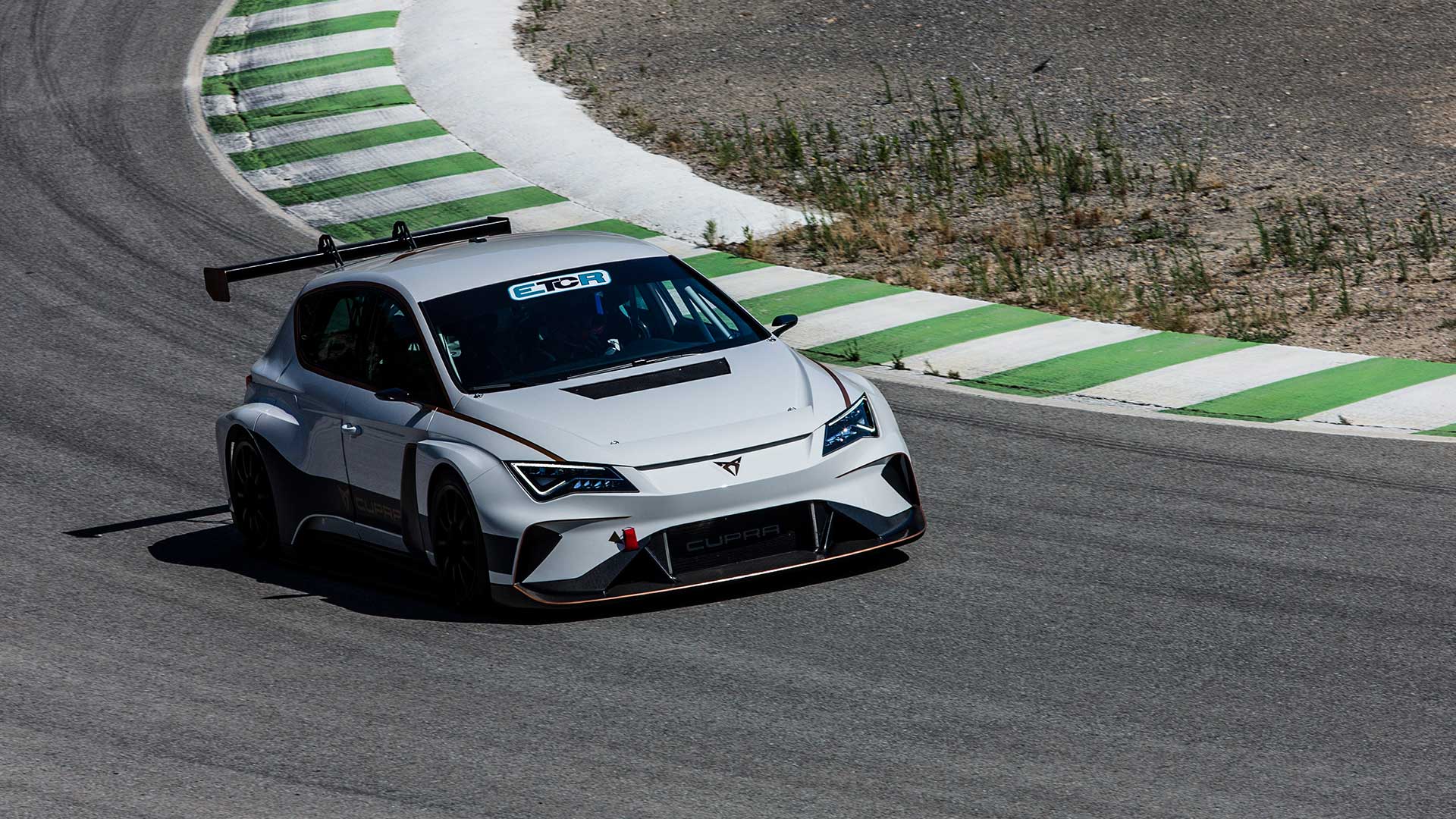
Williams Advanced Engineering to supply ECTR batteriesThe technology and engineering subsidiary of the famous Williams Racing team has been picked to key components for the forthcoming ETCR electric touring car championship.

Williams Advanced Engineering will be responsible for supplying the batteries to be used by the electric racing cars, along with the vehicle control modules.

All cars in the ETCR series will use a common powertrain, but with multiple brands building touring cars around the shared componentry. The championship will begin in 2020, with up to six manufacturers reported to be interested.

Williams Advanced Engineering to supply ECTR batteriesWilliams Advanced Engineering has already marked itself out as a leader in the fledgling electric motorsport world.

The company has supplied battery packs to the Formula E series since it began. Despite the high-performance operating conditions, the batteries used in Formula E have delivered an impressive 99.5 percent reliability record.

Such high-profile success in electric motorsport netted Williams Advanced Engineering a Queen’s Award for Enterprise in Innovation, last year. This recognised the considerable level of expertise and professionalism applied by the company in powering electric racers.

Williams Advanced Engineering to supply ECTR batteriesChoosing Williams to supply the important components for ETCR was seemingly a logical step for WSC Group, the organisers of the new electric touring car format.

According to WSC president Marcello Lotti: “Williams is synonymous with success in motorsport. The company’s achievements speak for themselves. We are proud of this agreement that associates the Williams name with a new and ambitious brand like ETCR.

“We are delighted to work together with a partner that knows all about motorsport and whose expertise will surely contribute to make ETCR successful.”

Iain Wight, Business Development Director of Williams Advanced Engineering, also commented that: “With the experience, skills and know-how accumulated within Williams from electrifying motorsport and road-going cars, we’re excited to work with the team at WSC Group to continue the progress of electric vehicles and racing to inspire the future of sustainable mobility.”

Williams Advanced Engineering to supply ECTR batteriesWilliams Advanced Engineering expertise with electric power comes from more than just their Formula E involvement.

The company has worked with Aston Martin to develop the new limited edition Rapide E. Williams also helped create the Jaguar C-X75 concept supercar, and is also now working with Lotus on future products.

WSC Group has been responsible for the rapid growth of the TCR touring car format across the globe. Since the TCR specification was launched in 2014, more than 25 different championships have adopted the format for domestic and international competitions.

The news comes after the British Touring Car Championship recently announced plans to move to hybrid powertrains for 2021 – a year earlier than previously planned.  

Advertisement

Police will get more legal protection for car chases

0

police chasing suspects

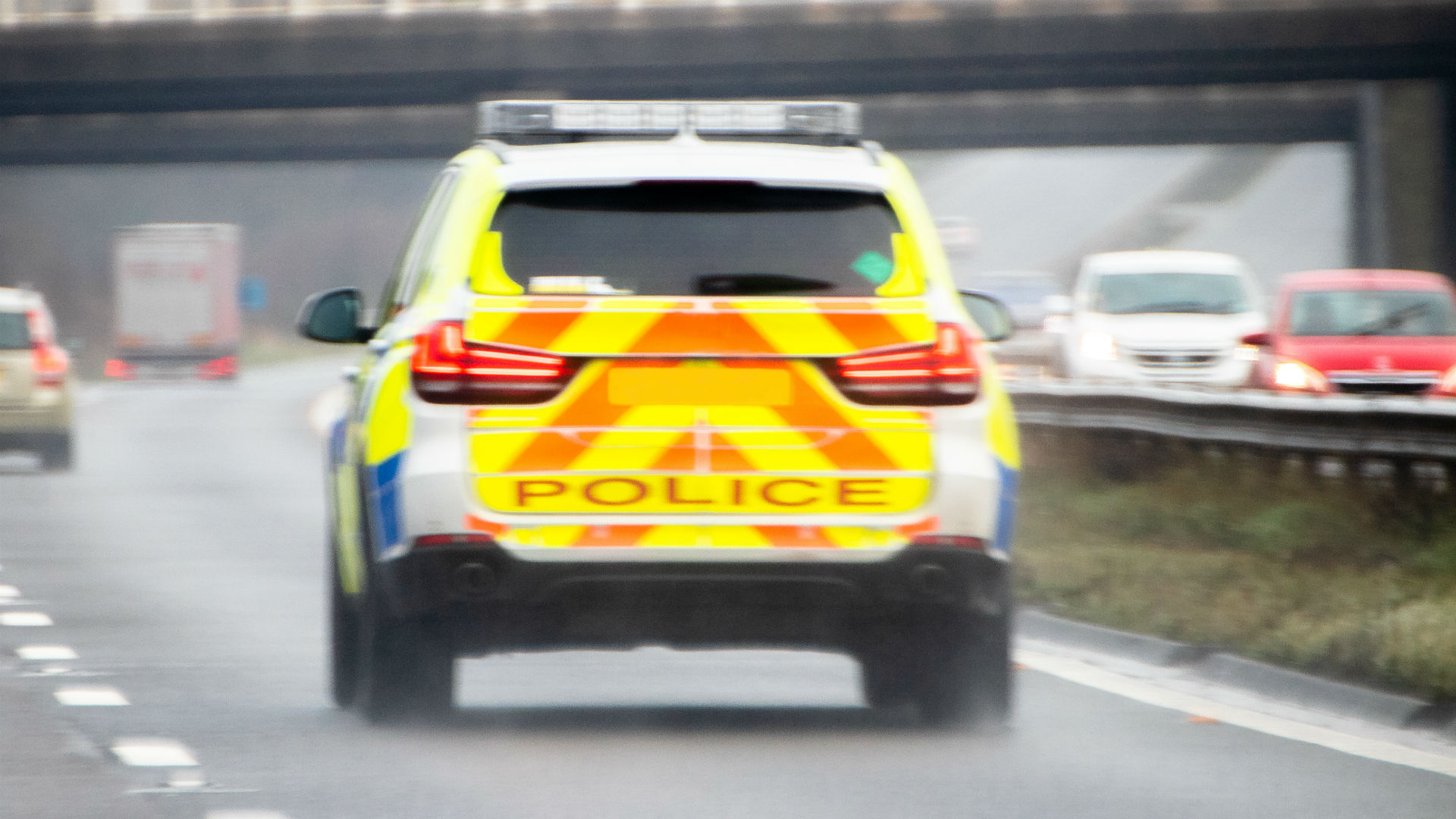
Police drivers chasing suspects on mopeds will be given greater legal protection under plans announced by Home Secretary Sajid Javid.

This follows the controversy surrounding the tactic of forcing suspects on mopeds and motorcycles off the road by ramming into them using police vehicles.

The Home Office said it is seeking to change the law to ensure that highly trained police drivers are better protected from the risk of lengthy investigation and potential prosecution.

Current laws do not recognise the training that response drivers undertake and the tactics they may use to pursue criminals, with officers held to the same standards as members of the public.

The changes are backed by a public consultation and will make it clear that officers should not be held accountable for the driving of a suspected criminal attempting to avoid arrest, providing the pursuit is justified and proportionate.

A clear message to criminals

police chasing suspects on motorway

Sajid Javid said: “It’s vital police officers feel confident and protected when pursuing suspects on the roads or responding to an emergency.

“It’s also crucial that we send a clear message that criminals – whether in cars or on mopeds – cannot escape arrest simply by driving recklessly.

“These proposed changes will strike the right balance – giving trained officers the confidence they need to fight crime effectively and ensure our roads are safe.”

The plans have been backed by John Apter, the national chair of the Police Federation of England and Wales, who said: “We are pleased and reassured by this announcement, which means police officers will be able to spend more time serving their communities rather than facing lengthy court proceedings simply for doing their job.

“Police officers are relied upon to respond to emergency and life-threatening situations.

“Members of the public would expect police officers to use their skills and training to respond to calls for assistance and a much needed change in the law will enable officers to do that without fear of prosecution.”

Earlier this year, the Met Police released figures showing that there has been a steady fall in the use of mopeds, motorcycles and scooters to commit crime.

There were 12,540 offences in the 12 months to January 2019 – a 48.6 percent reduction compared with the previous year.

Advertisement

‘Near-record rise’ in petrol prices adds £3 to a fill-up

0

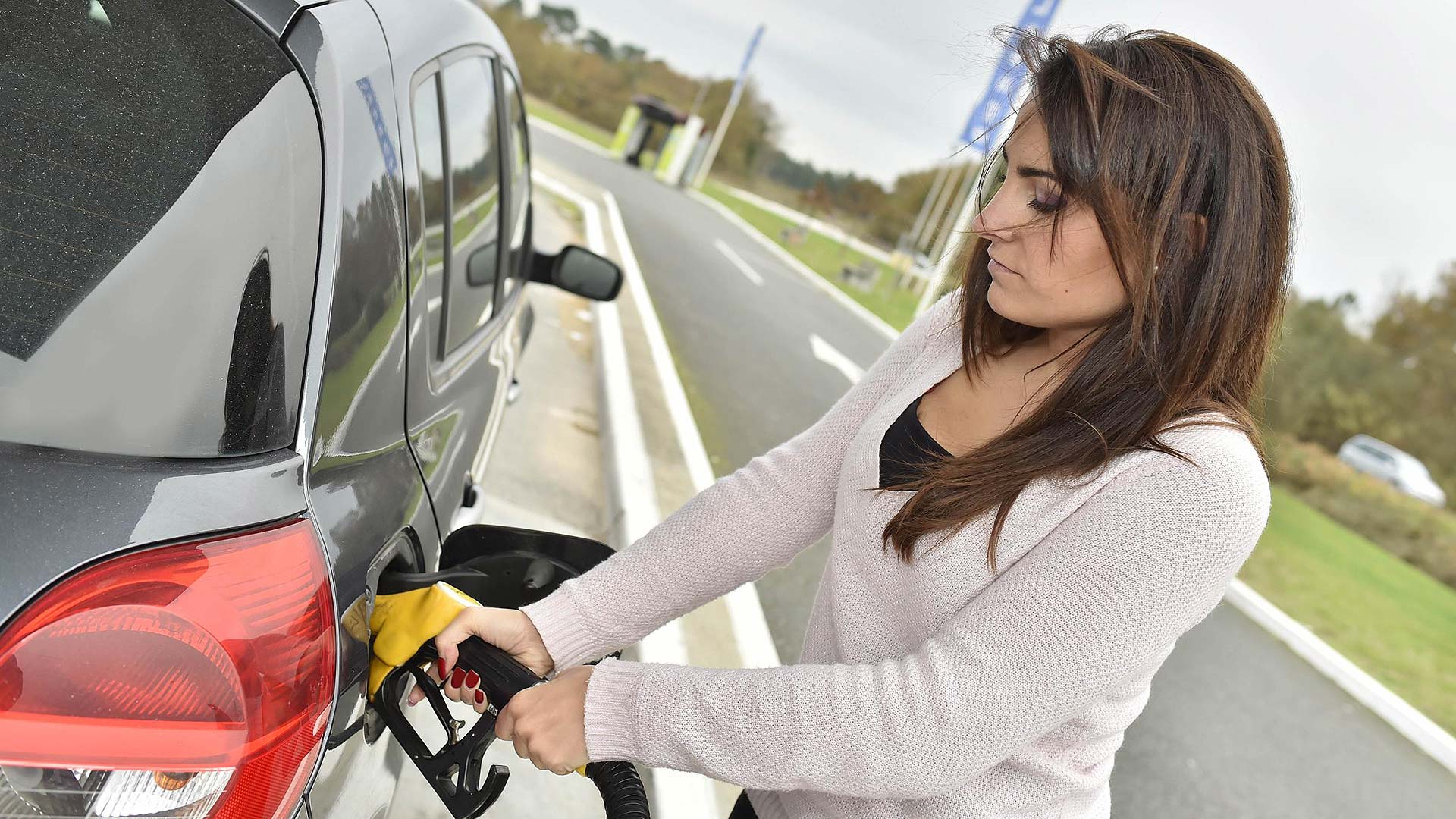
Woman filling up carUnleaded petrol prices rose by 5.4p a litre in April 2019, which is the second-worst monthly price rise in almost two decades of records.
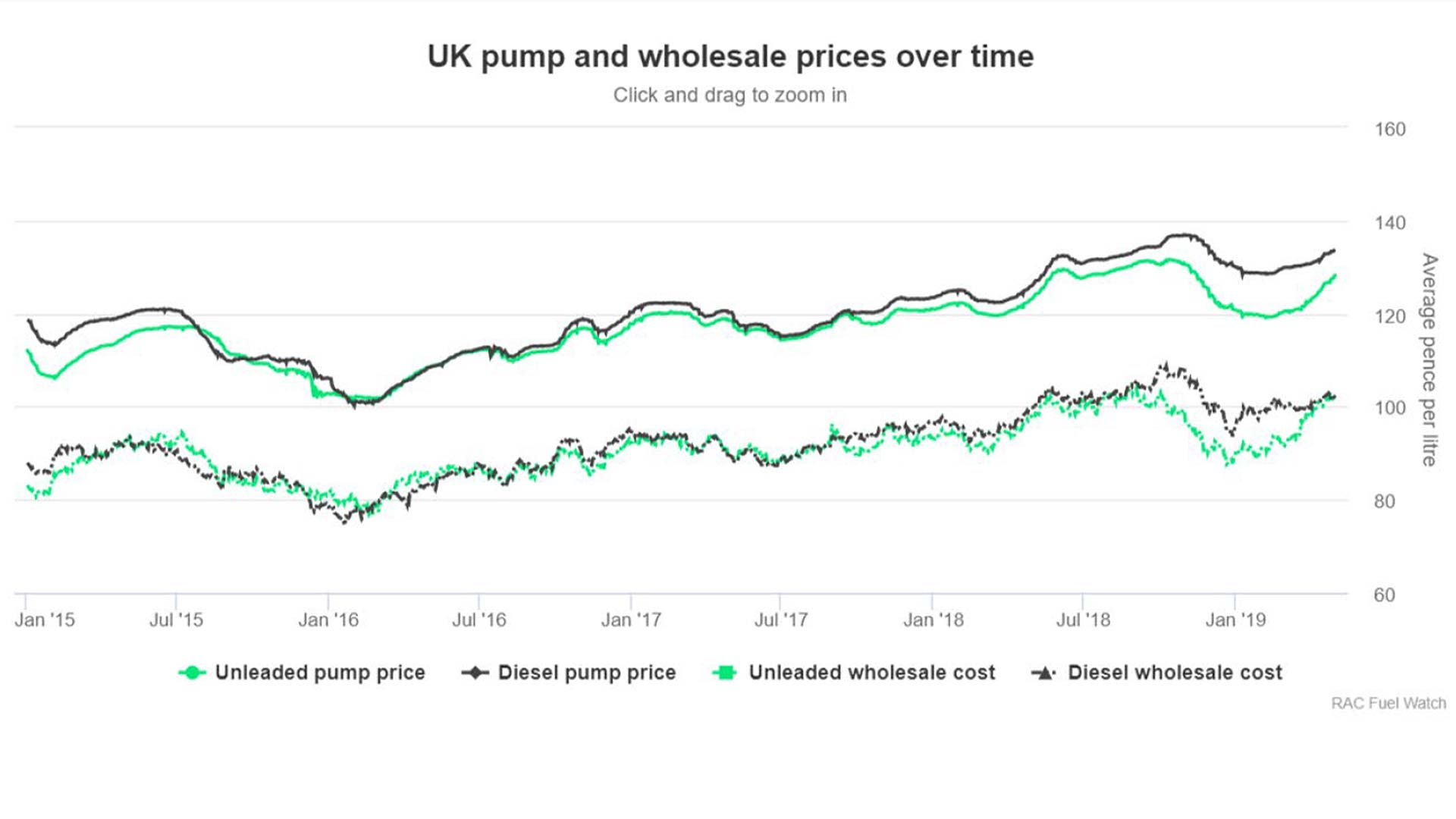

RAC Fuel Watch analysts say this has added £3 to the cost of filling the tank of an average petrol car.

How to find the cheapest diesel and petrol near you

The average price of petrol is now 128.1p a litre, up from 122.6p at the start of the month. A 5 percent rise in the cost of a barrel of oil is the cause, says the RAC: fuel retailers have quickly passed this on to motorists.

Wholesale fuel prices

The scale of April 2019’s monthly price rise has only been topped once since 2000 – when petrol prices jumped by 6p a litre during May 2018.

It is also the third consecutive month of petrol price growth: back in February 2019, unleaded was down at 119.5p a litre.  

Car fuel gauge

“Despite the good weather, April turned out to be one of the bleakest months ever for drivers,“ said RAC fuel spokesman Simon Williams.

“RAC Fuel Watch data shows the price of unleaded rose every single day from the end of March, for three and a half weeks.

“This will have a damaging effect on household budgets across the country, and will inevitably mean there will be less money available for non-essential spending.”

Diesel subsidising petrol?

Diesel prices increased by 3p a litre during April 2019, taking the price up to 133.7p a litre.

However, the RAC has observed that the average difference between diesel and petrol wholesale prices was only 1p a litre during April, despite diesel costing 6p a litre more than petrol at the forecourts.

“It is very clear,” said Williams, “that retailers have been using the cheaper wholesale cost of diesel to subsidise petrol pump prices.

“Had they not, a new monthly price rise record for petrol would have been set.

“Diesel drivers – and businesses that don’t buy fuel in advance – are all now paying far more than they should be.”

In 2018, the amount of diesel sold in the UK was almost double that of petrol.

Advertisement

Should older drivers be banned from the road?

0

older drivers

Forty-nine percent of Brits want older drivers banned from the road completely. That’s according to a survey of 2,101 people in April 2019.

Or, to put it another way, 51 percent of Brits DON’T want older drivers banned from the road.

The CarTakeBack.com and YouGov survey asked adults for their personal views and attitudes towards driving ages, with 69 percent of the respondents believing older drivers should have to retake their driving test, starting at the age of 60.

Drivers must renew their licence when they reach the age of 70 and must repeat this every three years. Renewal is free of charge.

In November 2018, there were 5.3 million drivers over the age of 70 with a driving licence in Britain, according to the Driver and Vehicle Licensing Agency (DVLA).

There were 11,245 people involved in road traffic accidents when the driver was in this age group – a rate of two per 1,000 licence holders.

For the nation’s 2.8 million drivers aged 17 to 24, the rate was more than four times as high – nine per 1,000. This might be because younger drivers cover more miles than older people, but it would suggest that more mature drivers could be unfairly targetted.

Indeed, a 2016 study by Swansea University found that drivers aged 70 are involved in 3-4 times fewer accidents than 17-21-year-old men.

‘Less than half the crash rate’

happy older driver

Road safety charity Brake said drivers aged 60-69 “actually have less than half the crash rate than drivers aged 20-29”, arguing that older drivers are less likely to be distracted behind the wheel.

However, the risk of a person aged 60 or older being killed is more than double that of a younger person.

But one in ten of the respondents to this latest survey think a compulsory re-test should occur between the ages of 60 and 65, rather than the current 70. Reasons for this include:

  • Older drivers don’t have fast enough reaction times (71 percent)
  • Older drivers have bad eyesight (47 percent)
  • Older drivers drive slowly and cause more congestion (33 percent)
  • Older drivers don’t remember the rules of the road (26 percent)

‘Older drivers are among the safest’

older drivers

Neil Greig, IAM RoadSmart director of policy and research, said: “Not surprisingly, the survey shows that many people blame the old and the young for crashes when this is not always the case.

“In reality, new drivers are the most at risk group and older drivers are among the safest. Statistics do however show that drivers over 85 do start to have more crashes as their faculties fade and their experience is no longer enough to compensate.”

When asked for a comment, a spokesperson for Brake said: “These are certainly some interesting findings that add to the debate about the most effective ways of ensuring the safety of our younger and older drivers who are amongst the most at risk on our roads.

“It is essential to have robust procedures in place that ensure younger and older drivers are not inadvertently putting themselves and others at risk.

“For older drivers, licence renewal at 70 prompts them to check and self-certify they are fit to drive but this process can be improved.

“The government needs to look at how fitness to drive regulation can be more rigorously enforced, such as compulsory eyesight testing throughout a driver’s career, rather than simply expecting drivers to self-certify that they are fit to drive.”

Advertisement

62 percent of speeding fines in the City of London are cancelled

0

Speeding fines UK

New government data, as collated by Moneybarn, reveals interesting information about speeding fines. It includes where in the UK you’re most likely to be caught, plus where the highest percentage get cancelled.

Our shocking headline figure belongs to the City of London, where over 62 percent of fixed penalty notice speeding fines were cancelled last year.

CoL is leagues ahead of second-placed Cambridgeshire here. Just over 30 percent of fines issued there were cancelled last year. Greater Manchester, London Metropolitan and Bedfordshire follow behind, with respective cancellation rates of 26, 24 and 23 percent.

Why would a speeding fine be cancelled?

There are four main reasons why a fine may be cancelled. Incorrect details about the offence, the accused wasn’t driving, missing or incorrect road signage denoting the presence of a camera, and faulty measuring equipment.

Is there a high rate of sign vandalism in the City of London? Possibly. Are speeders taking to other people’s cars and going AWOL? Also a possible. Realistically, there’s no way of knowing.

Where are the UK’s speeding ticket hotspots?

Speeding fines UK

Avon and Somerset leads the way when it comes to speeding fines, with 199,337 issued last year. That’s the equivalent of 548 every day. You can chalk that up to around 800 active cameras spread across the counties.

In second place is West Yorkshire, with 174,796 FPNs issued last year. London Metropolitan and Thames Valley follow with 135,430 and 131,401 FPNs.

Curiously, City of London (local to London Metropolitan) is among those with the least FPNs issued, at just 3,888. Gwent in Wales has the lowest number of FPNs for speeding over the last year, with 242. Apparently, only eight of its 17 speed cameras are active at any one time.

Advertisement