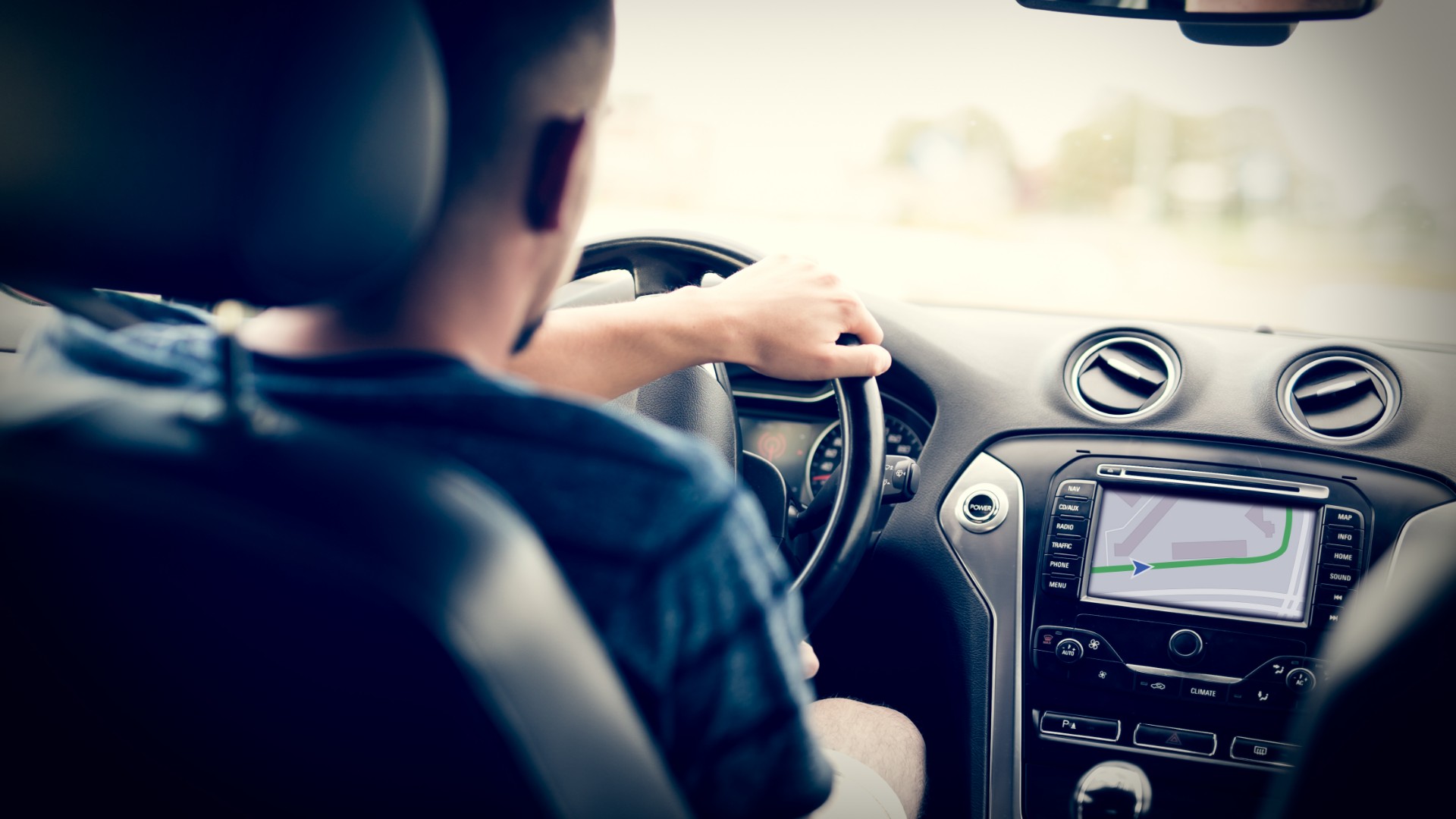
A poll by car supermarket Motorpoint found that 86 percent of motorists want penalties for those using their phone behind the wheel increased.
At present, you can expect at a minimum £200 on-the-spot fine and six points on your licence if caught. This – more severe – punishment was introduced in March 2017.
New drivers face an instant ban if they’re caught using a phone while driving.
Further penalties are possible if the case is taken to court or if there are related offences. You can get a maximum fine of £1,000 and a driving ban if the case goes to court.
The issue has hit the headlines again thanks to former England footballer David Beckham. He was recently banned for six months and fined £750 for using his mobile phone while drivers in London. He joins more 8,000 motorists each year with a similar conviction.
“The dangers of using your mobile phone while driving are well-documented, but even though the penalties for doing so have been toughened up in recent years, they don’t seem to be proving a sufficient deterrent based on recent statistics – even with the widespread availability of integrated hands free technology in most cars,” said Mark Carpenter, MD of Motorpoint.
“It’s clear from the results of our new poll that other road users would like to see more powers given to the authorities to ensure the message gets through to drivers that holding your mobile phone while behind the wheel is simply no longer acceptable in 2019 and anyone who continues to do so can expect to receive even harsher punishments.”
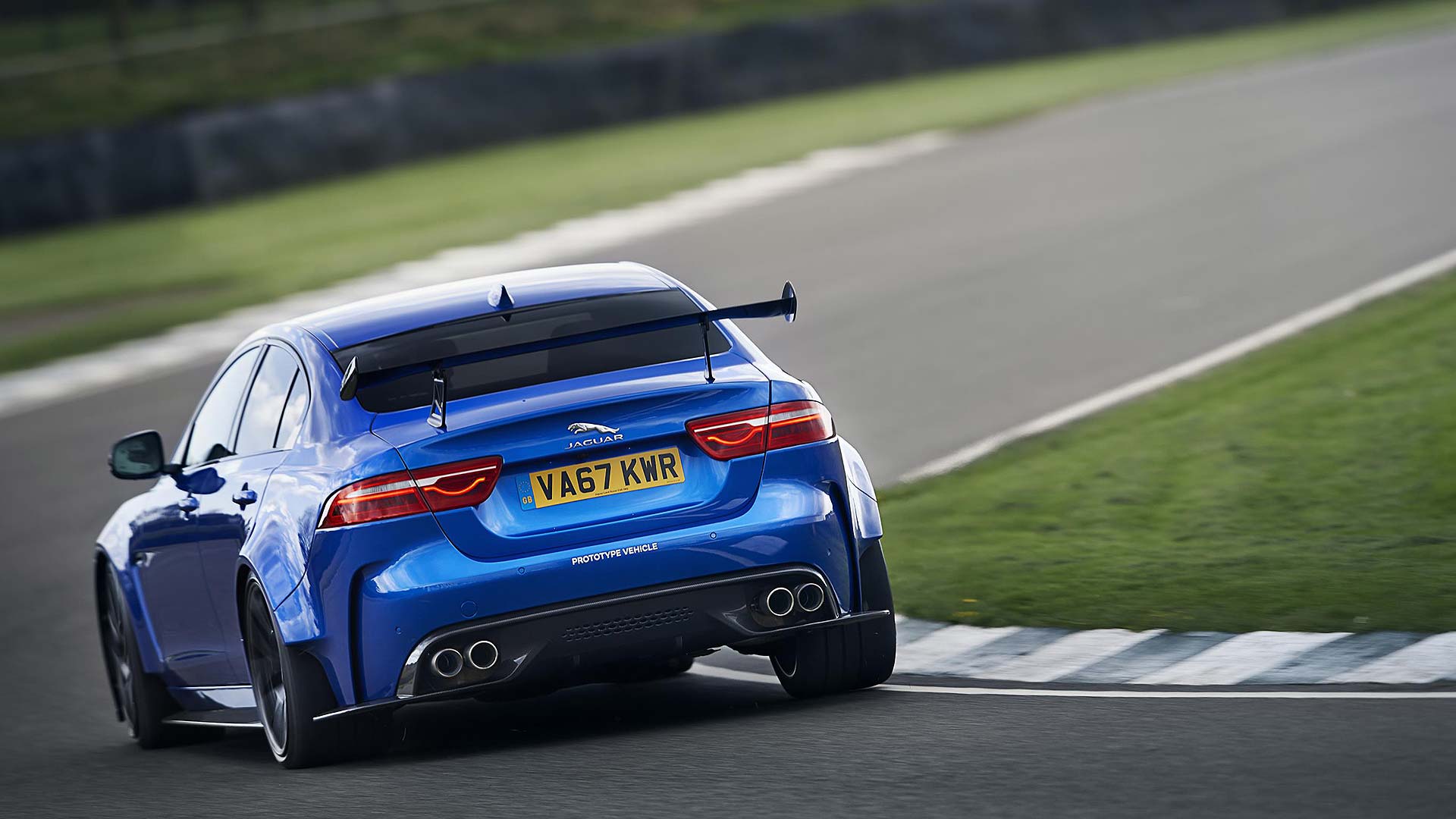
The Jaguar XE SV Project 8 is the most extreme iteration of XE on sale – but for some, it seems the performance four-door might be just a little too on the wild side.
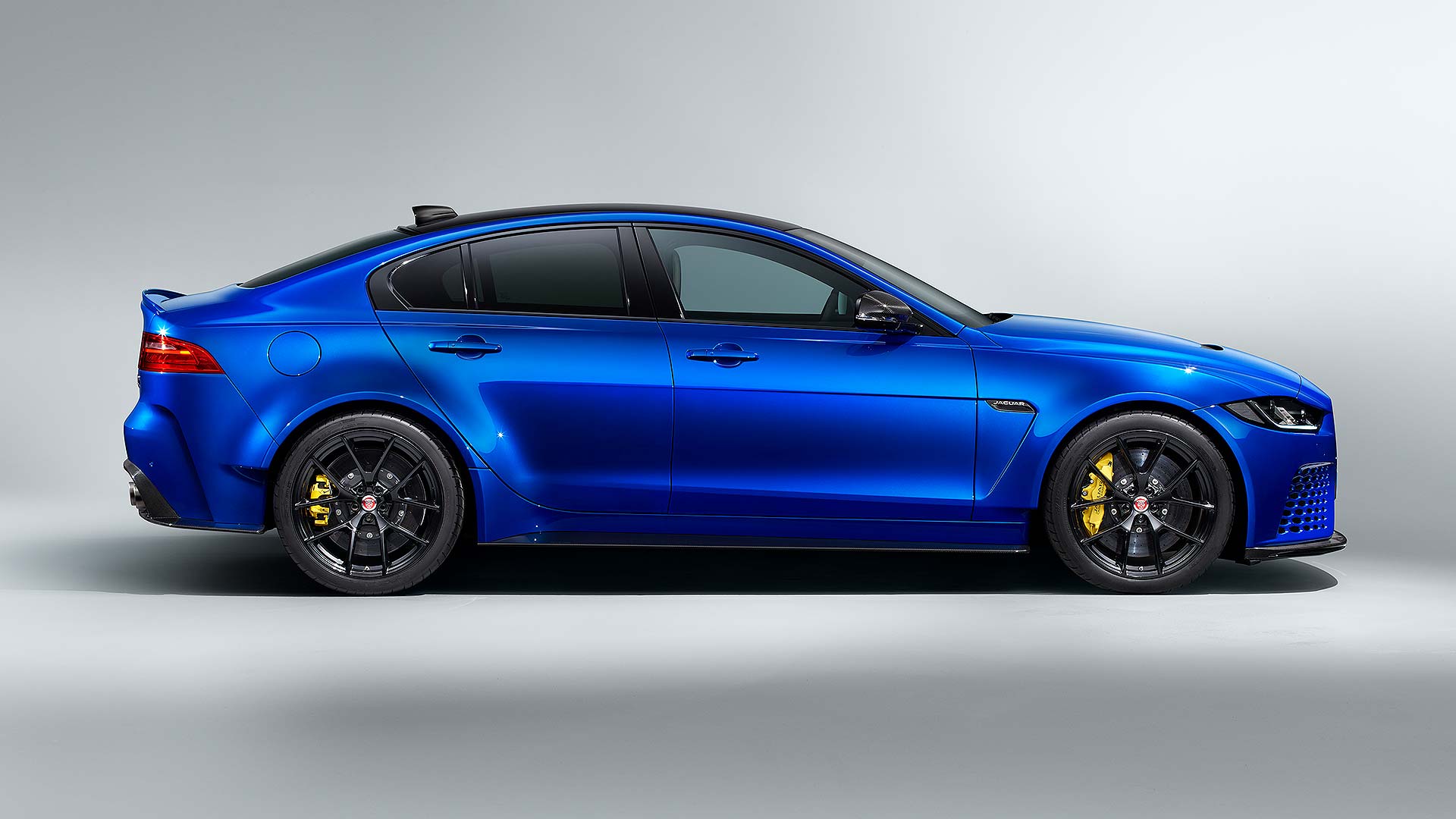
For such shy and retiring types, Jaguar has launched a limited run of ‘discreet’ Project 8, with a smaller rear wing, more subtle colour options – and no garish body graphics.
Out goes the adjustable carbonfibre rear spoiler and in comes a fixed Gurney-type device – balanced by a fixed front splitter instead of the full-fat adjustable one.
Only 15 Jaguar Project 8 Touring will be built, making them the rarest of all the £149,995 race-honed performance saloons. Each will come in four-seat configuration, with a choice of four colours:
Valencia Orange
Velocity Blue
Corris Grey Satin
British Racing Green
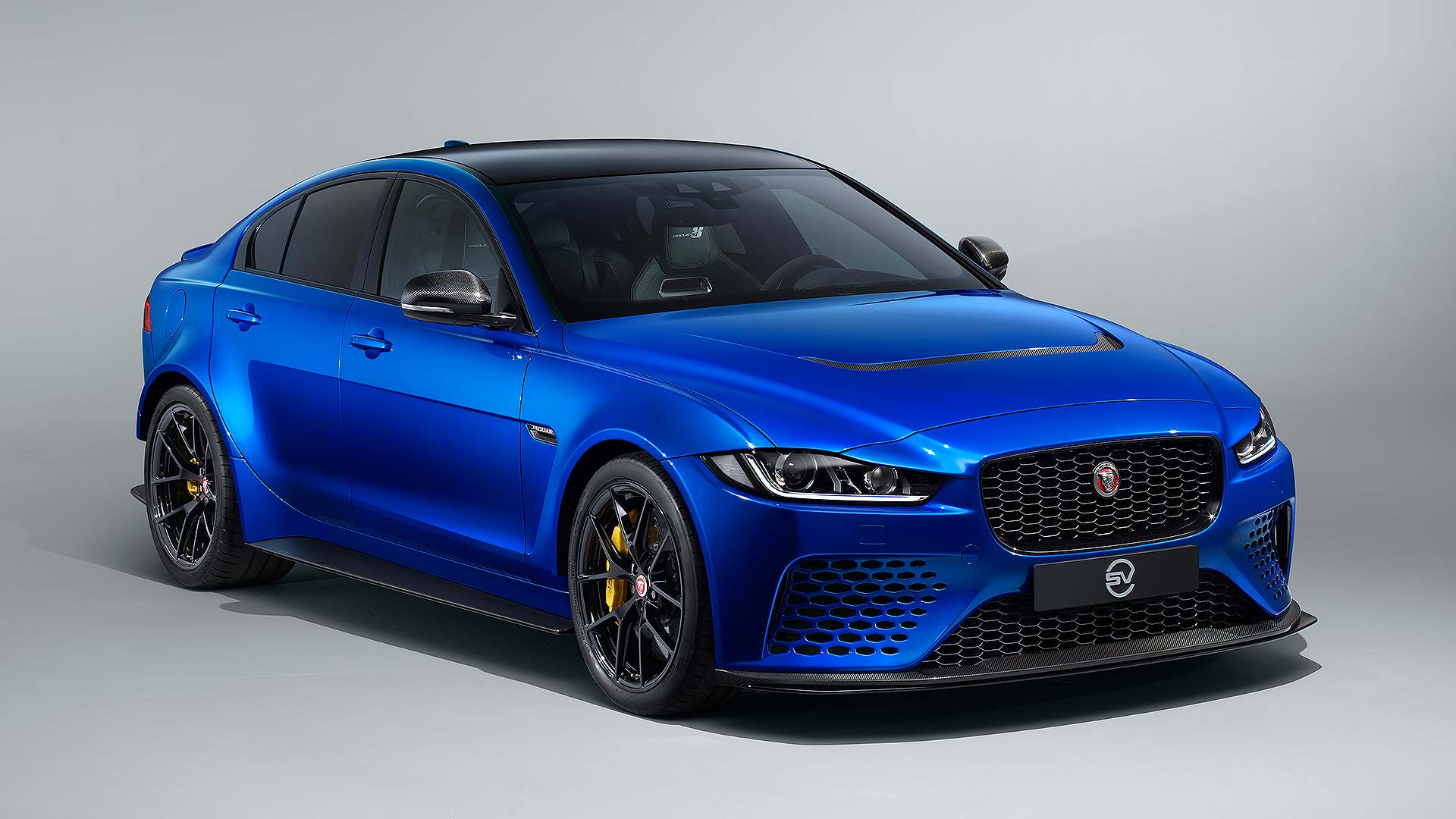
Jaguar calls it a more “covert design that belies the… track-honed performance capabilities”. These include production sedan lap records for the regular car (pictured below) at the Nürburgring, Dubai Autodrome and Laguna Seca.
And although it’s more discreet-looking, the Project 8 Touring (again, pictured below) is still fast: it does 0-62mph in 3.7 seconds and only an electronic limiter stops it going at more than 186mph.
Jamal Hameedi, engineering director at Jaguar Special Vehicle Operations, said: “Project 8 has received outstanding critical acclaim since its launch, demonstrating the Special Vehicle Operations team’s ability to create a compact Jaguar sedan with supercar-rivalling performance.
“Touring specification extends the appeal of Project 8 to performance car enthusiasts and collectors who prefer a more discreet appearance, without compromising its driver-focused on-road dynamics.”
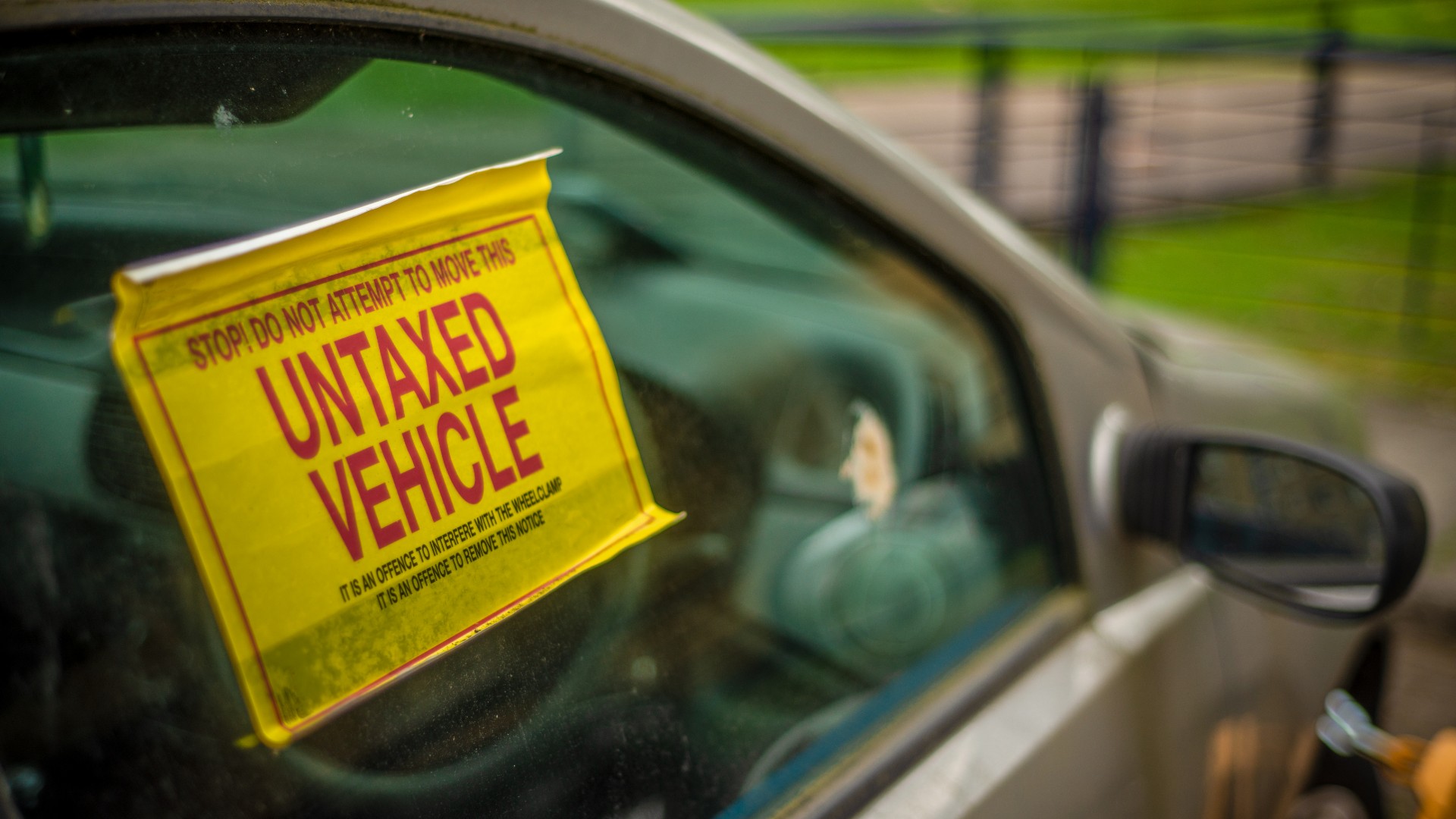
Drivers paid out £12.4 million last year for failing to declare cars that are off the road and uninsured as SORN (Statutory Off-Road Notification). More than 73,400 also went to court for keeping a vehicle incorrectly registered.
The cost of a fixed penalty notice is £100. The average cost per person for drivers going to court was £205. If SORN is not filed for a car, then the law says it must be taxed and insured.
Drivers are finding themselves in hot water when they do not SORN their cars, even when not using them on the road. This all adds up to a 78 percent rise in offenders and fines compared with five years ago.
More than 169,000 motorists were held to account for insurance-related infringements last year, to the tune of £52 million in fines, according to Kwik Fit. That’s up 26 percent on 2013’s 134,000 figure, and around £20 million.
Many are simply unaware, but there is a significant proportion who are deliberately breaking the law. In total, 95,000 of the cases were against motorists driving a vehicle without insurance.
In terms of where is the worst for insurance crime, Sussex has seen a dramatic increase between 2013 and 2018. A figure of 2,319 cases in 2013 rose massively to 18,495 in 2018. Meanwhile, North Yorkshire is 42 percent down, from 1,337 in 2013 to 777 in 2018.
“Many drivers may assume that the offence of not meeting insurance requirements is due to making unapproved modifications or not maintaining their car properly, but in the majority of offences this is not the case,” said Roger Griggs, communications director at Kwik Fit.
”Drivers who decide not to use their car and take it car off road temporarily, for whatever reason, must ensure that they register a SORN with the DVLA.
“It is also vital to note that SORNs need to be renewed each year to ensure drivers keep within regulations. Registering a SORN is free, and as we have seen from our analysis, failing to do so can prove very costly.”
Young male drivers pose the highest risk on the road, according to new data collated by Insurethebox.
New drivers, in general, are three times more likely to crash within the first three months of their policy than the final three months.
Young males, however, were caught speeding 56 percent more than young females of the same age and experience. The figures are extrapolated from 4.5 million miles of driving data.
Insurethebox’s info supports the ‘Think!’ campaign from the Department of Transport, which aims to highlight the different driving scenarios that new drivers might find challenging.
These included night driving and country roads – both of which are unlikely to have featured in a new driver’s tuition as a learner.
Insurethebox found that, in spite of just four percent of road use being between midnight and 5am, this is when 23 percent of accident alerts have occurred. Younger males do 28 percent more driving during these hours than women.
Country roads are where 25 percent of all fatal accidents occur, and are where younger drivers are 30 percent more likely to have an accident if they speed. Younger drivers were found to spend a higher amount of time on country roads than the national average.
“The recent campaign from Think! was a great reminder for new motorists of the risks of speeding, driving at night and driving on country roads,” said Simon Rewell of Insurethebox.
“A driver’s first year after passing is the ideal time to create safe driving habits. Our goal is to empower young motorists to take control of their driving behaviour by working with them to understand the risks they’re taking.
“We proactively communicate with our drivers who speed and this award-winning communications programme has resulted in a 28% reduction in speeding instances among the highest risk drivers. For young drivers accident frequency has reduced by nine percent.”
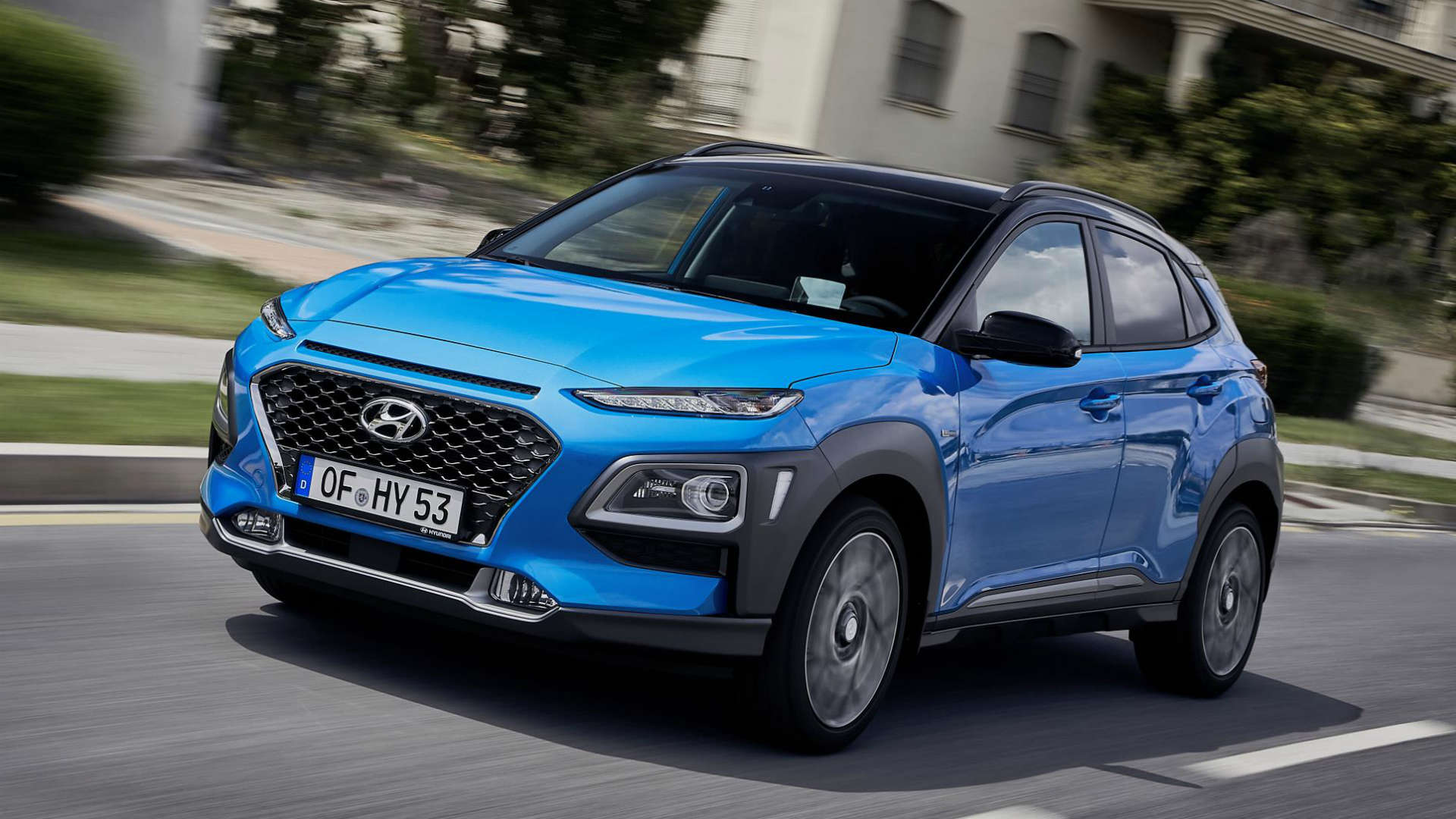
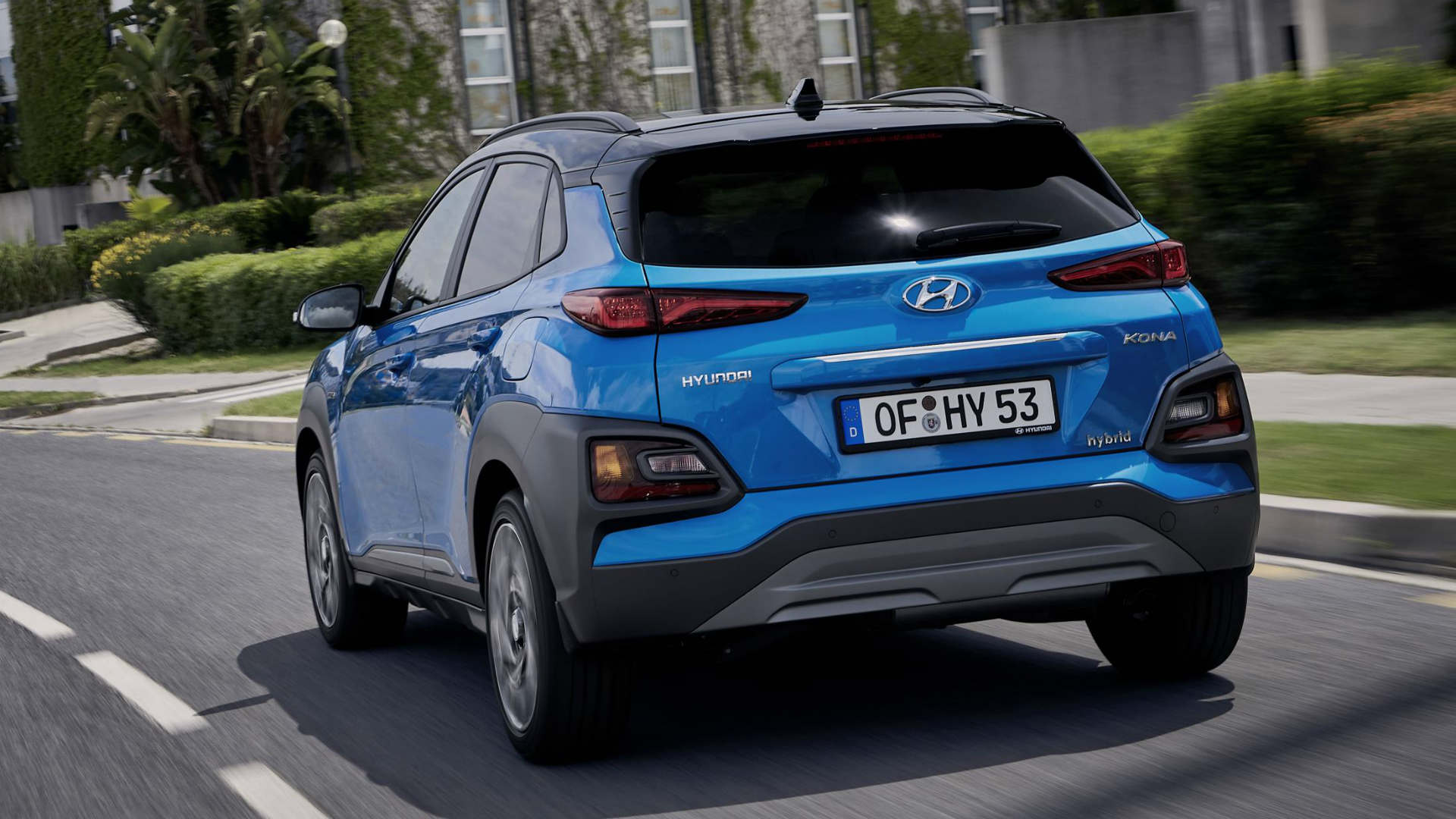
‘Will there be a Hyundai Kona hybrid?’ and ‘Does the Hyundai Kona come in a hybrid?’ are two popular questions on Google right now.
It didn’t, but it does now, with Hyundai releasing details of the all-new Kona Hybrid.
Hyundai’s first sub-compact SUV arrived in 2017, with the Kona Electric debuting a year later. Nearly 120,000 have been sold in Europe, with buyers seemingly won over by the fact that the Kona was developed as an SUV from the ground up, rather than sharing its underpinnings with a hatchback.
66mpg and 99g/km CO2
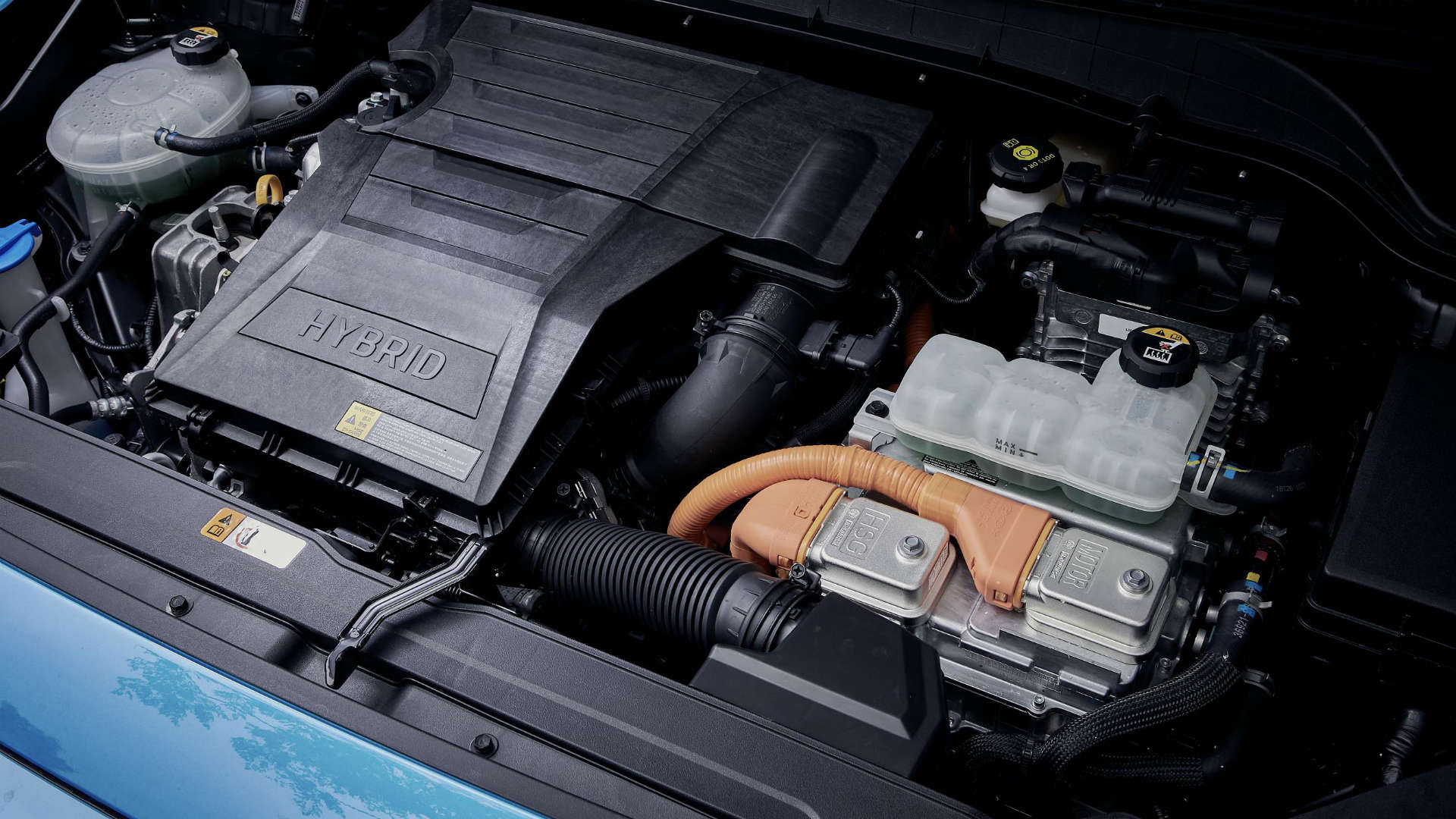
The Kona Hybrid is powered by a 1.6-litre four-cylinder petrol engine developing 105hp and 108lb ft of torque. It’s joined by a 43.5hp electric motor to deliver a combined output of 141hp and 195lb ft of torque.
Power is fed to the front wheels via a six-speed dual clutch transmission, with the Kona Hybrid hitting 62mph in 11.2 seconds on 16-inch wheels or 11.6 seconds on 18-inch rims. Top speed is 99mph, regardless of wheel size.
Hyundai is targeting CO2 emissions of 99g/km and fuel economy of 66mpg, but we’ll know precise figures closer to the Kona Hybrid’s launch in August.
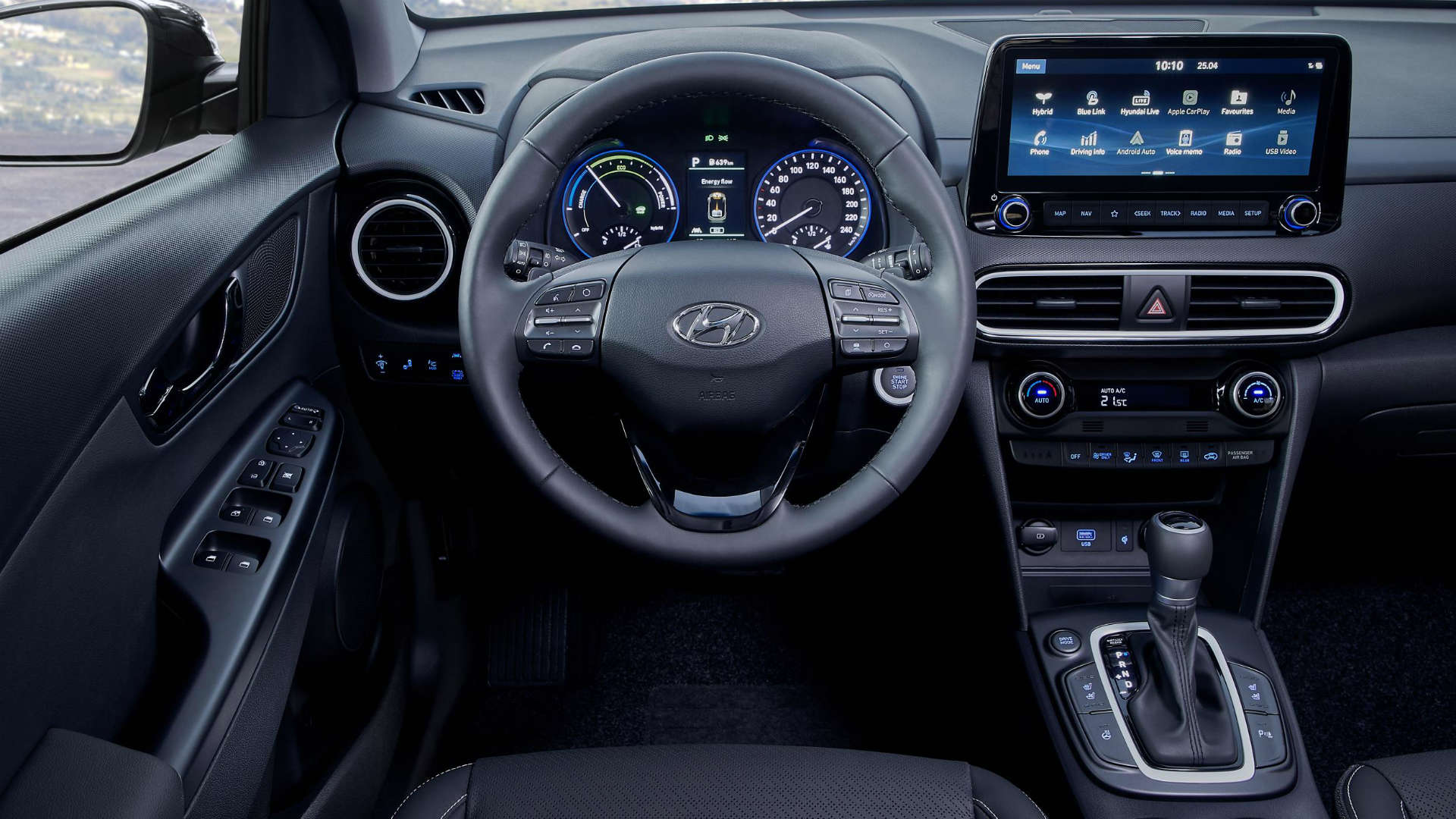
As standard, the Hyundai Kona Hybrid will come with a 7-inch display, but a 10.25-inch split-touchscreen will be an option. All models will feature Apple Carplay and Android Auto, with a wireless charging pad available as an upgrade.
The eye-catching launch colour of Blue Lagoon (as seen here), will be joined by seven other exterior hues, with the Hybrid offered with a choice two wheel designs, both of which are unique to the car.
Hyundai’s SmartSense safety pack is standard and includes front collision warning and avoidance assist with pedestrian and cyclist detection. Adaptive cruise control is an option.
Cars fitted with the 10.25-inch display will feature an Eco-Driving Assist System designed to improve fuel economy. It analyses road information from the navigation system to notify the driver when deceleration is imminent.
Hyundai says that the system reduces fuel consumption and minimises brake usage. A Predictive Energy Management system manages charging and discharging of the battery to maximise the battery usage.
We’ll bring you more information on the Hyundai Kona Hybrid, along with driving impressions, in the summer.
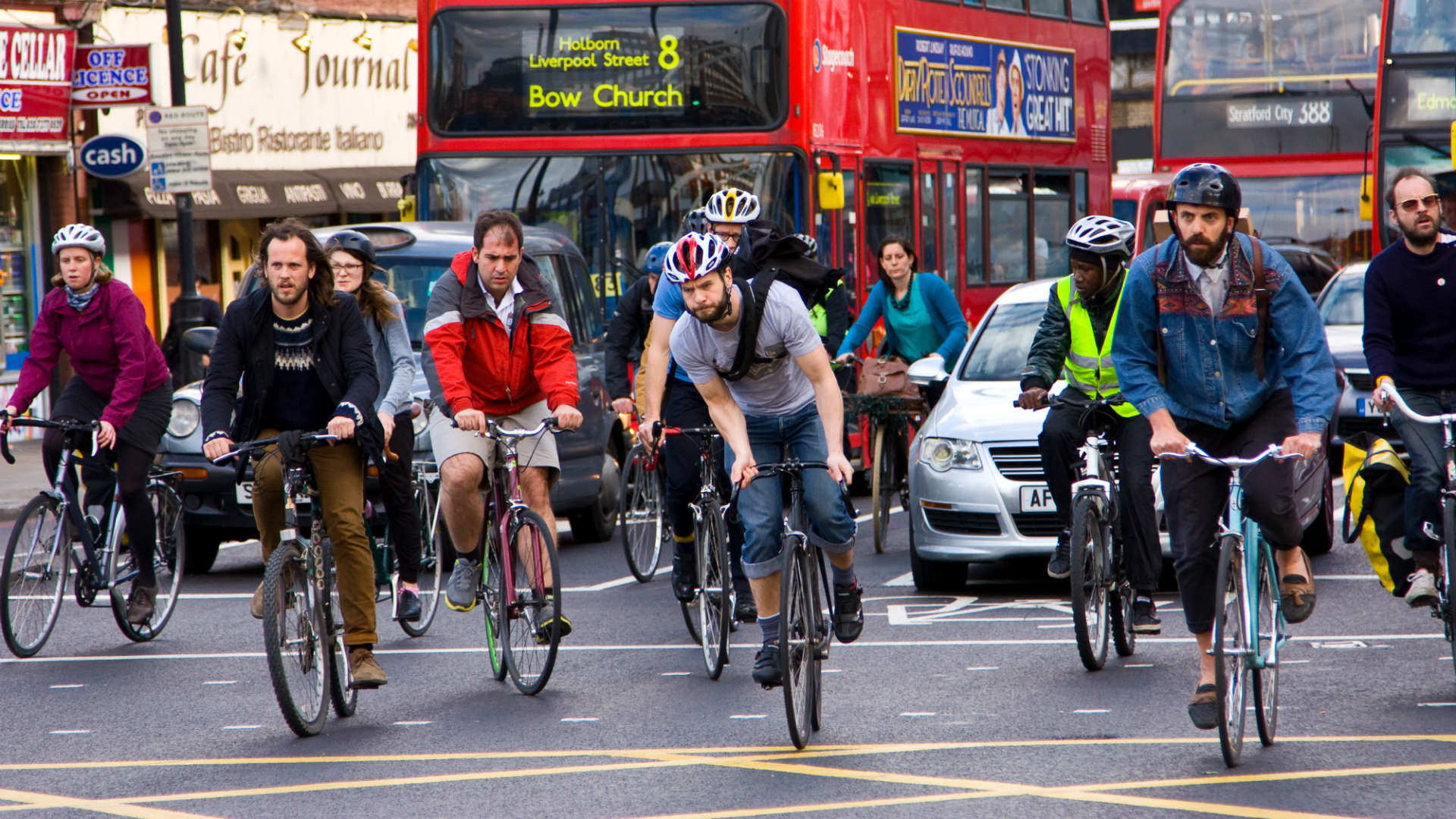
Motorists are calling for new legislation to deal with the rising number of cyclists on the roads, with some calling for bicycles to be fitted with licence plates.
The internet is awash with ‘car driver vs cyclist’ dash- and head-cam videos, with motorists believing that a licence plate would make the cyclist more identifiable.
More than half (53 percent) of the 2,000 people surveyed said that cyclists should also be required to hold a licence, while 44 percent want them to pay Vehicle Excise Duty (VED). Given the fact that bicycles produce zero emissions, the price of VED would be… nothing, right? Just checking.
Furthermore, 59 percent of motorists think that all cycles and electric bikes should be required to pass an annual safety inspection, along the same lines as the MOT test.
Around 25 million people either own or have access to a bicycle in the UK, with around four percent of commutes in England completed on two wheels.
It’s during the morning and evening commutes when ‘car vs bike’ flashpoints tend to occur, when stress levels are high and the roads are most congested.
The survey revealed that 60 percent of motorists believe there are too many cyclists on main roads, with 45 percent saying bicycles should be banned from A-roads. Two-fifths think that cyclists should be banned from narrow roads.
For its part, Cycling UK believes that “the behaviour and attitudes of some road users, sub-standard highway layout and motor traffic volume and speed all conspire to make cycling feel and look more dangerous than it actually is.”
Creating tension
Ben Wooltorton, CEO of InsuretheGap, said: “The explosion in bike usage in recent years is good news for the environment and should also help to ease congestion in urban areas if managed correctly.
“However, our survey picked up a definite feeling among motorists that they are often held to higher standards than their fellow road users when it comes to adherence to the Highway Code”.
“Roads, particularly in towns, are increasingly being used as ‘shared spaces’ and it’s important that legislation, infrastructure planning and funding take into account the views, requirements and safety of all road users, otherwise this tension between different groups is almost inevitable.
“Our survey also particularly highlighted that motorists are concerned about road funding, safety and also insurance, which isn’t currently compulsory for cyclists, unlike most other road users.”
The decline of diesel new car registrations continued unabated in May 2019 with latest data showing an 18.3 percent fall in sales.
The share of new diesel cars is now well under 30 percent, with petrol car sales now making up almost two in three new car registrations.
Diesel registrations have declined for an incredible 26 consecutive months.
Overall new car registrations were down 4.6 percent in May, which the Society of Motor Manufacturers and Traders (SMMT) blamed on the underlying economic and political instability.
“Confusing policy messages and changes to incentives continue to affect consumer and business confidence,” said SMMT chief executive Mike Hawes, “causing drivers to keep hold of their older, more polluting vehicles for longer.”
Anti-diesel sentiment is being compounded by forthcoming low-emission zones, which is also affecting buyer confidence – despite the latest diesel being “safer and cleaner than ever before and will not face charger or restrictions anywhere in the UK”.
Battery electric new car registrations did rise a hefty 34.6 percent, but they still only comprise 1.1 percent of sales.
In the overall car brand rankings, it was a Ford one-two, with the Fiesta in a clear lead at the top of the best-sellers list.
Volkswagen had three cars in the top 10 list, while a strong performance by the Mercedes A-Class saw it jump ahead of the Nissan Qashqai to become Britain’s fifth best-selling car so far in 2019.
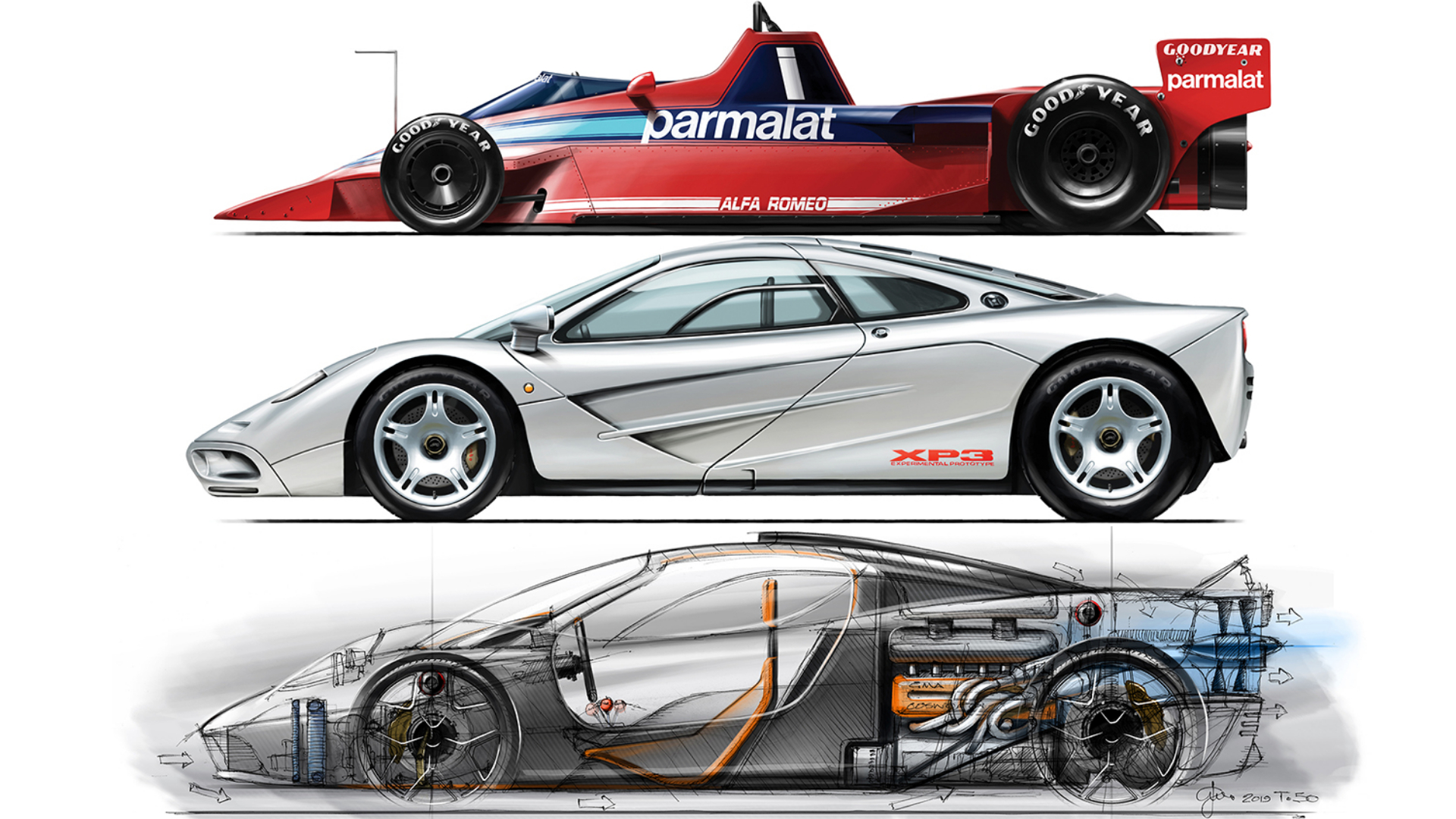
Gordon Murray Automotive (GAM) has unveiled plans for its much anticipated T.50 supercar.
Not a very exciting name? Well, it’s difficult to capture ‘spiritual successor to the McLaren F1 in every way’ without calling it ‘McLaren F1’, but that could be a mess, legally speaking. T.50 actually refers to the fact that it’s the 50th in an illustrious line of cars designed by Murray, that all bore a ’T’ designation.
Gordon Murray Automotive T.50: A McLaren F1 for 2022
When we say ‘every way’, we mean it. Just looking at the silhouette of the sketch, you can see the F1’s diminutive proportions have been carried over.
You can see the central-seat layout and an engine in the middle, with six visible snakes of metal billowing out from the bottom of it. With that, let’s go through the specs. They are… tantalising.
12,100rpm V12 power, manual gearbox
So here are all the juicy details. The car will be powered by an all-new Cosworth-developed 3.9-litre naturally-aspirated V12 engine, packing 650hp, that will rev to 12,100rpm and send power to the back wheels via a manual shift H-pattern gearbox.
“By working with the team at Cosworth Powertrain we have created the greatest naturally-aspirated engine ever designed for the road. It is the highest revving, highest power density, lightest and fastest-responding naturally-aspirated V12 ever made for a road car.”
Weight is claimed to be a scarcely believable 980 kilograms, achieved with ‘a focus on minimising the weight of every component’. It ought to take up no more space on the road than a Porsche 911, but still be comfortable and relatively practical. Seating for three and a reasonable amount of luggage space will be part of how it will ‘set new standards for supercar packaging’.
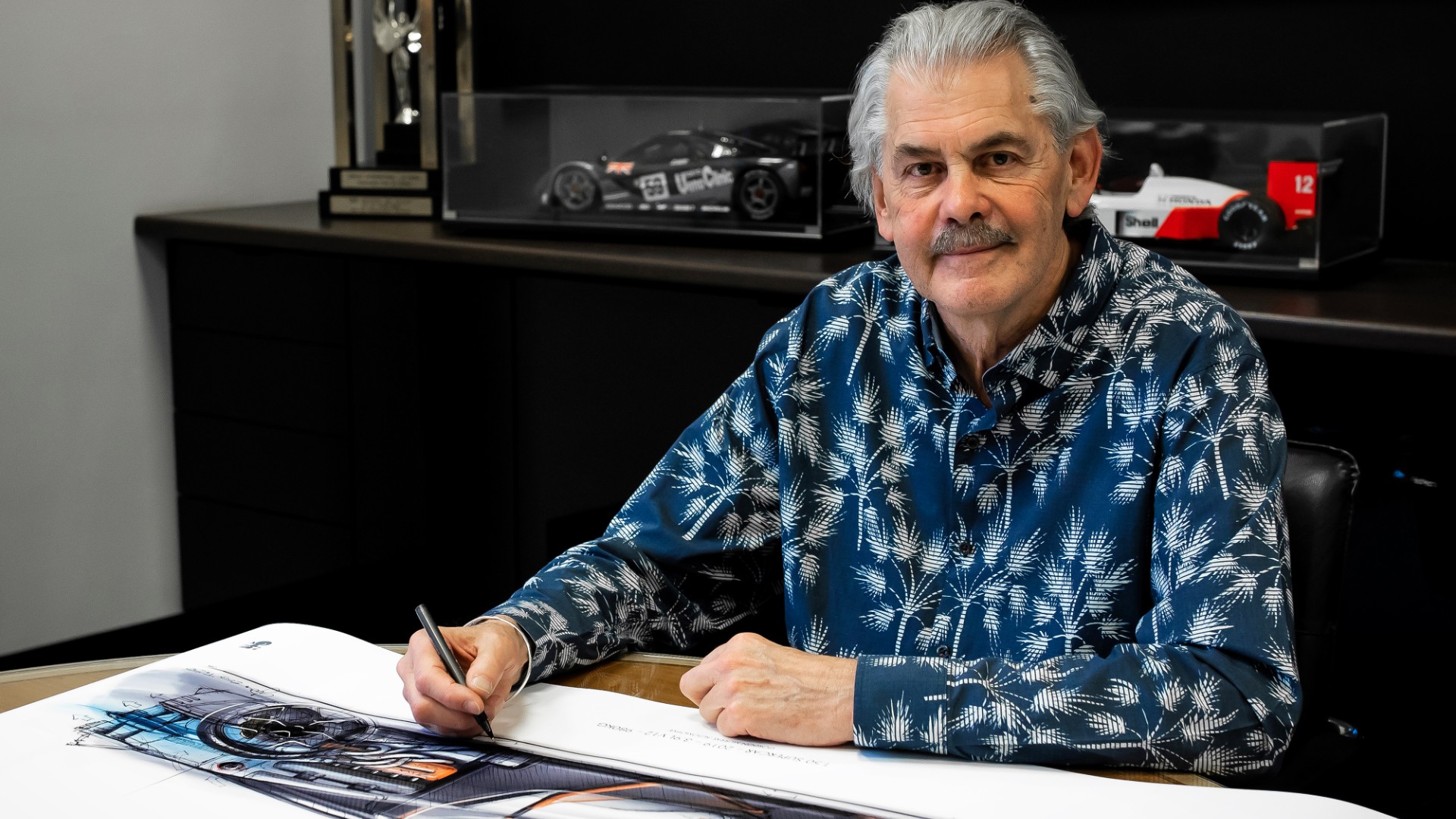
“Automotive enthusiasts and road-test editors have discussed the concept of ‘peak supercar’ for some time,” said Gordon Murray.
“The reality of chasing top speeds only adds weight, notably through ever-more powerful engines, which increase the requirement for larger, heavier ancillaries. We are taking a very different approach.”
‘The most advanced aerodynamics ever seen on a road car’
As a world-renowned aerodynamicist, Gordon Murray will be ensuring the T.50 cuts through the air as efficiently and quickly as possible. The car will take ‘Murray’s ground-effect innovations to an all-new level with intelligent management of underbody airflow couple with a 400mm fan at the rear’.
That’s right, as well as an F1 successor, GMA is building a successor to the famous Brabham fan car…
With cars like the Aston Martin Valkyrie getting ready to roll, it’s rather bold to claim that this car will have ‘absolutely the most advanced aerodynamics ever seen on a road car’. But this is Gordon Murray we’re talking about.
We reckon this car has every chance of being the ‘purest, lightest, most driver-focused supercar ever built’.
When will the T.50 be out and how much is it?
Deliveries are expected to commence in early 2022, close to 30 years on from when Murray was deep into the development process of the F1.
The price? Well, back in the 1990s, the F1’s sticker was an unimaginable £635,000. That’s equivalent to over £1.2million in today’s money, with inflation. So what will the T.50 cost? Add another million to that, for a cool £2.2million. Not beyond the realms of belief in today’s hypercar market.
With just 100 to be made, and the promise of a true McLaren F1 successor with Gordon Murray at the helm, we can’t see this car being a bad investment…
“An unflinching dedication to light-weighting, highly-advanced active aerodynamics and world-leading standards of advanced engineering will ensure the T.50 rewrites the supercar rulebook.
“Our experienced team is applying the same uncompromising approach to design and engineering that shaped every facet of the F1, and they are able to deliver substantial improvements over that car in every meaningful way.”
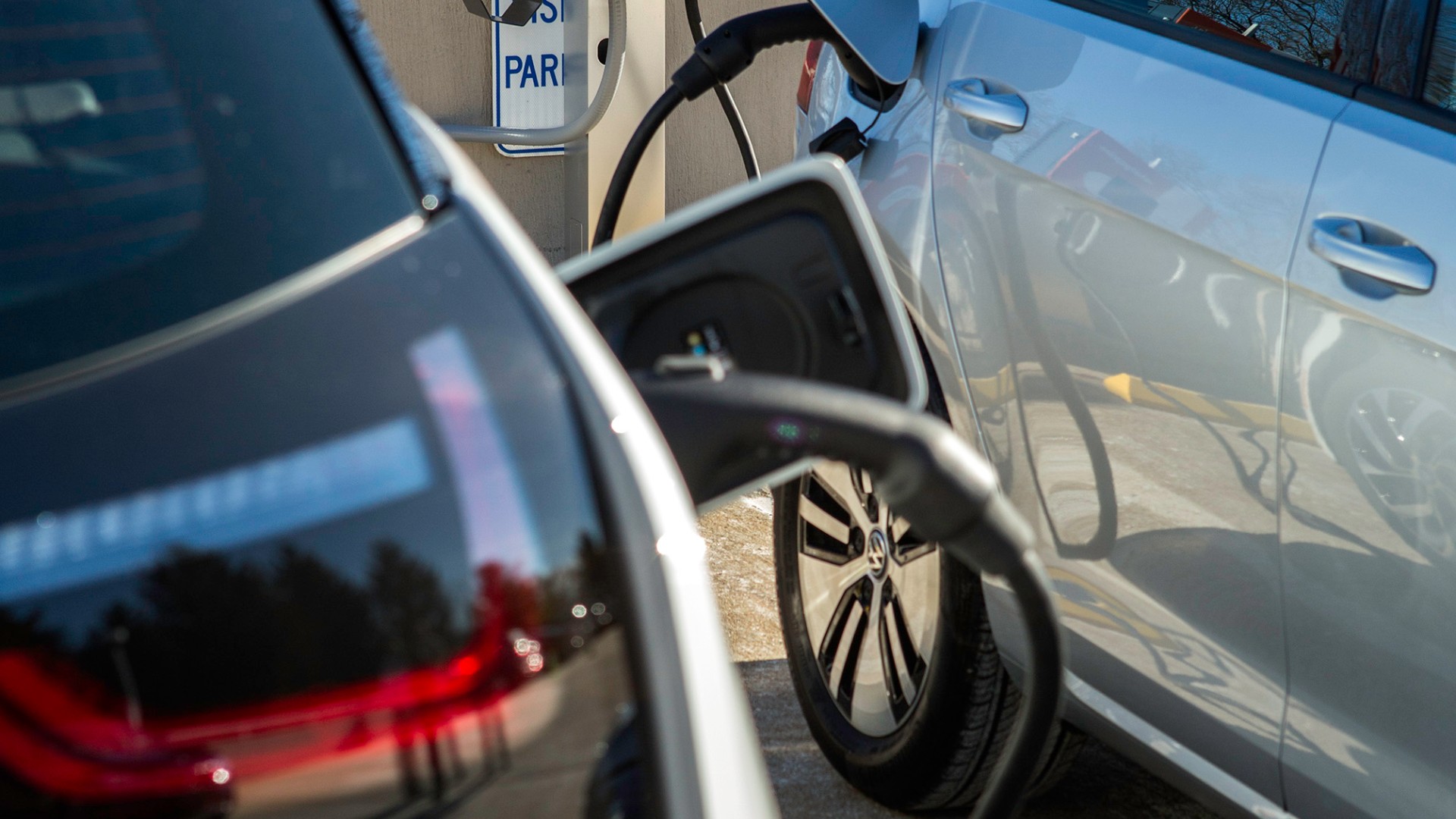
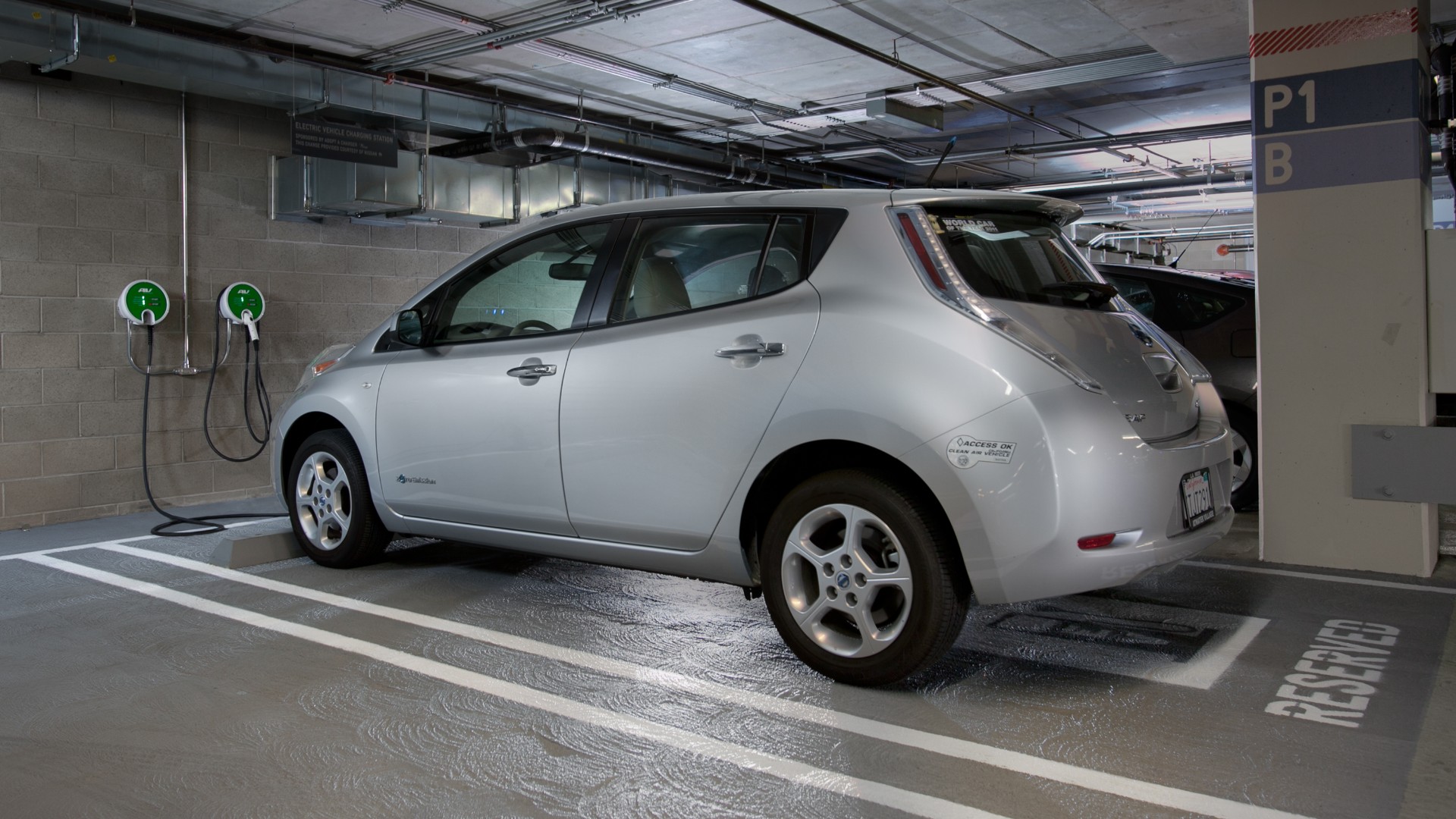
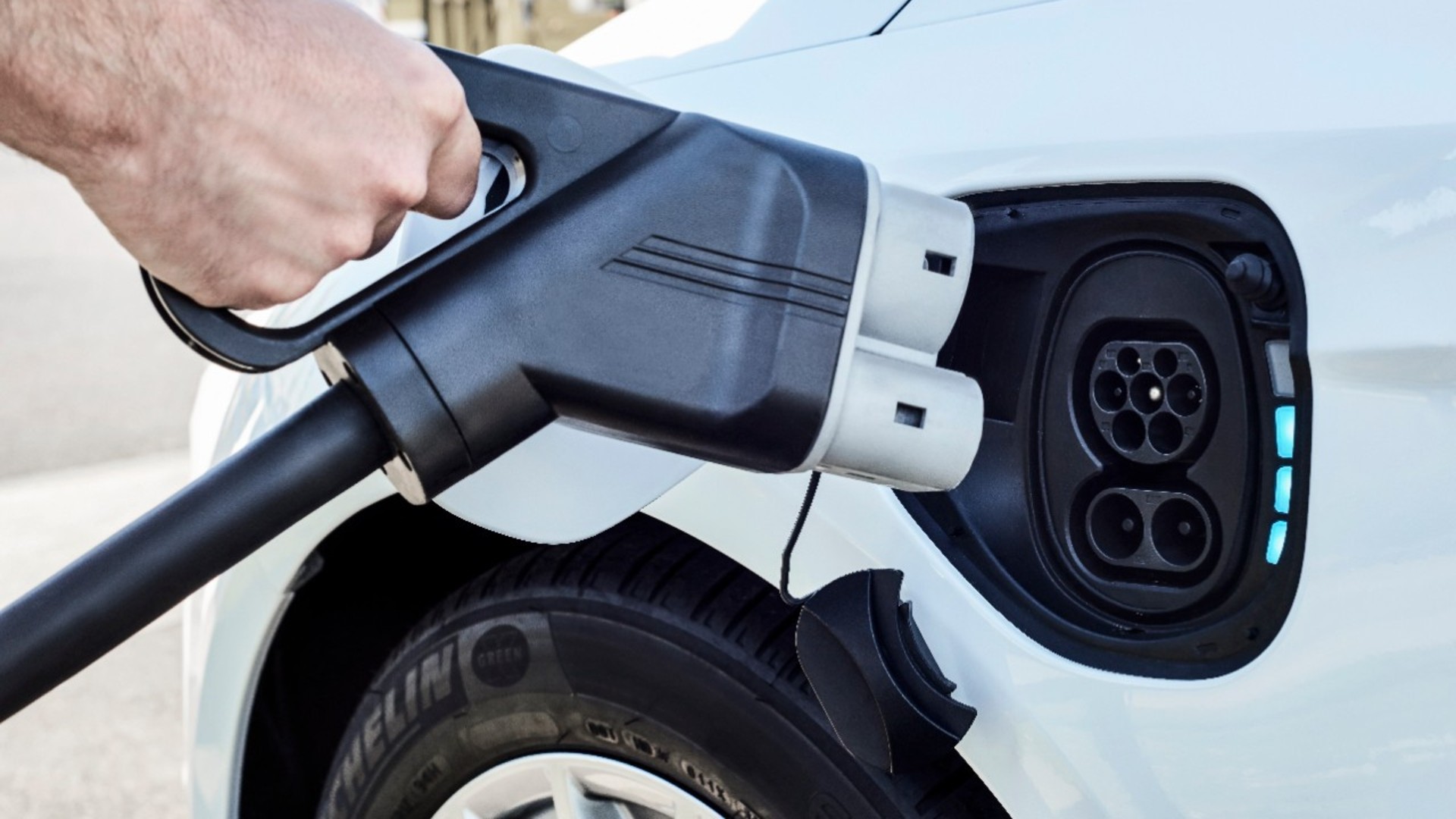
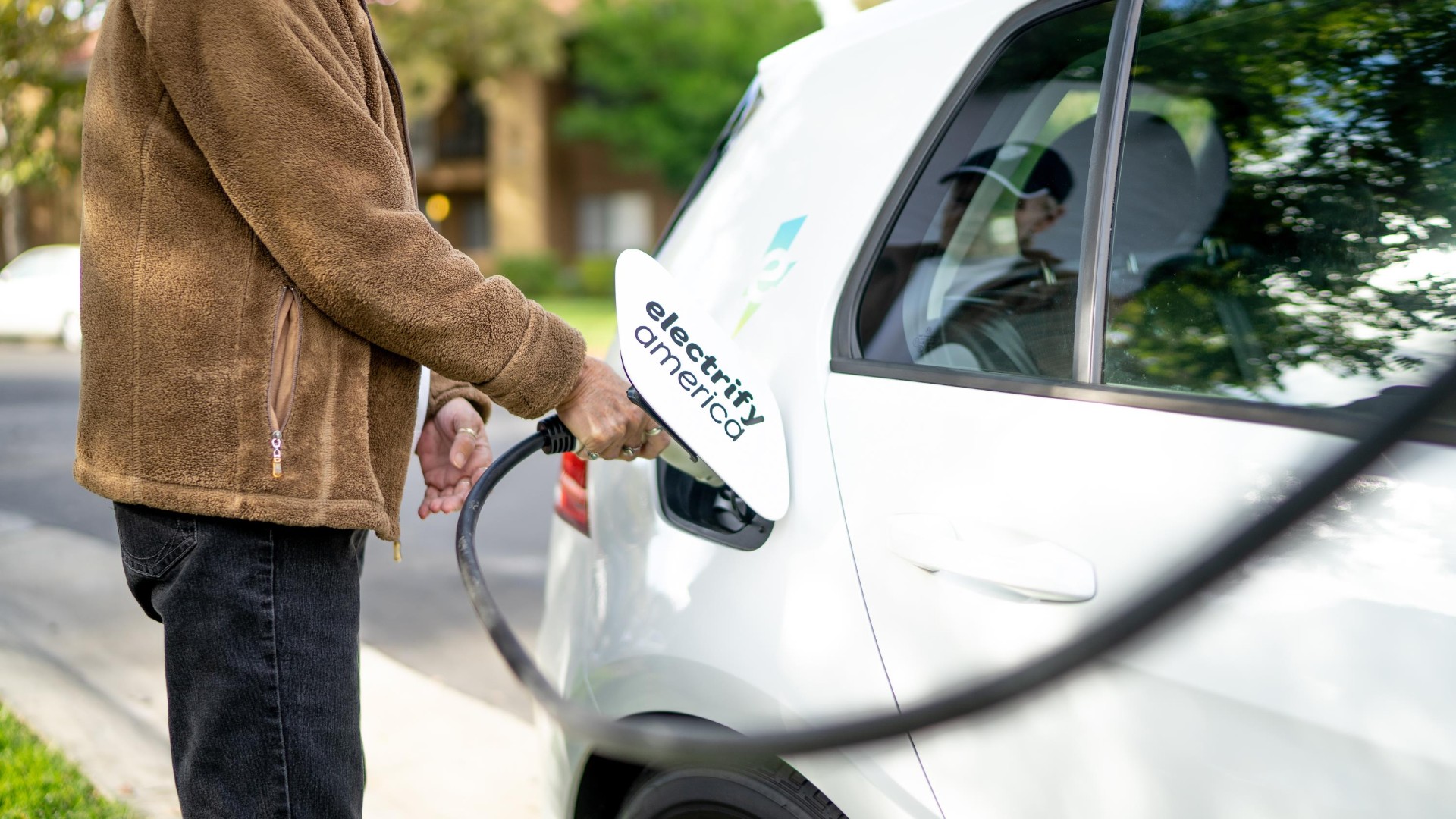
A survey of 1,500 electric vehicle drivers reveals the lengths owners go to in order to charge their vehicles. The study from Electrical Safety First also shows up some dangerous trends.
Seventy four percent of respondents said a lack of public charging points near where they live has led them to run extension leads from their houses. Of that group, 75 percent said they’d used multiple extension leads linked in ‘daisy chains’. This practice can cause electric shocks and even fires.
Three-quarters of respondents said they’d been forced to use extension leads from mains sockets away from home when taking longer trips, while 45 percent said they’d done this more than once.
A total of 90 percent of respondents also admitted that they knew these leads weren’t appropriate for use outside. More than half who had used extension leads said they’d left them out in the rain.
“Our research shows a direct link between a lack of electric vehicle infrastructure and vehicle owners charging dangerously,” said Martyn Allen, technical Director at Electrical Safety First.
“A modern Britain also needs to be a safe one and Electrical Safety First is urging the government and local authorities to ensure that the infrastructure is in place to support the rapid increase in numbers of electric vehicles on our roads.
“With regards to consumers, we warn EV users against giving in to temptation to use standard domestic extension leads to charge their vehicles outside, and never to ‘daisy-chain’ them together.
“We recommend taking advantage of the Government’s grant scheme, which will contribute towards the cost of a specially designed home charging point. This is safer than charging from the mains using a standard extension lead.”
Overall, Department for Transport data in combination with numbers from Zap-Map reveal that the growth in registration of plug-in vehicles has occurred at nearly six times the rate of the charging infrastructure to support them.
Since 2014, charging location numbers have grown by 105 percent, compared with a growth in plug-in vehicle registrations of 617 percent.
BMW and Jaguar Land Rover are to co-develop next-generation electric motors and drive systems, the two firms have revealed in a surprise announcement.
A joint engineering team will develop the new Electric Drive Units (EDUs) and they will be built in each firm’s manufacturing facilities – including the JLR Engine Manufacturing Centre in Wolverhampton.
The companies will concentrate on developing the motors “to deliver the specific characteristics required for their respective range of products”. The joint team will be based in Munich.
JLR engineering director Nick Rogers revealed the partnership with BMW Group will help the British firm rise to the challenge of taking electric cars mainstream.
“We’ve proven we can build world-beating electric cars, but now we need to scale the technology to support the next generation of Jaguar and Land Rover products.
“It was clear from discussions with BMW Group that both companies’ requirements for next generation EDUs to support this transition have significant overlap making for a mutually beneficial collaboration.”
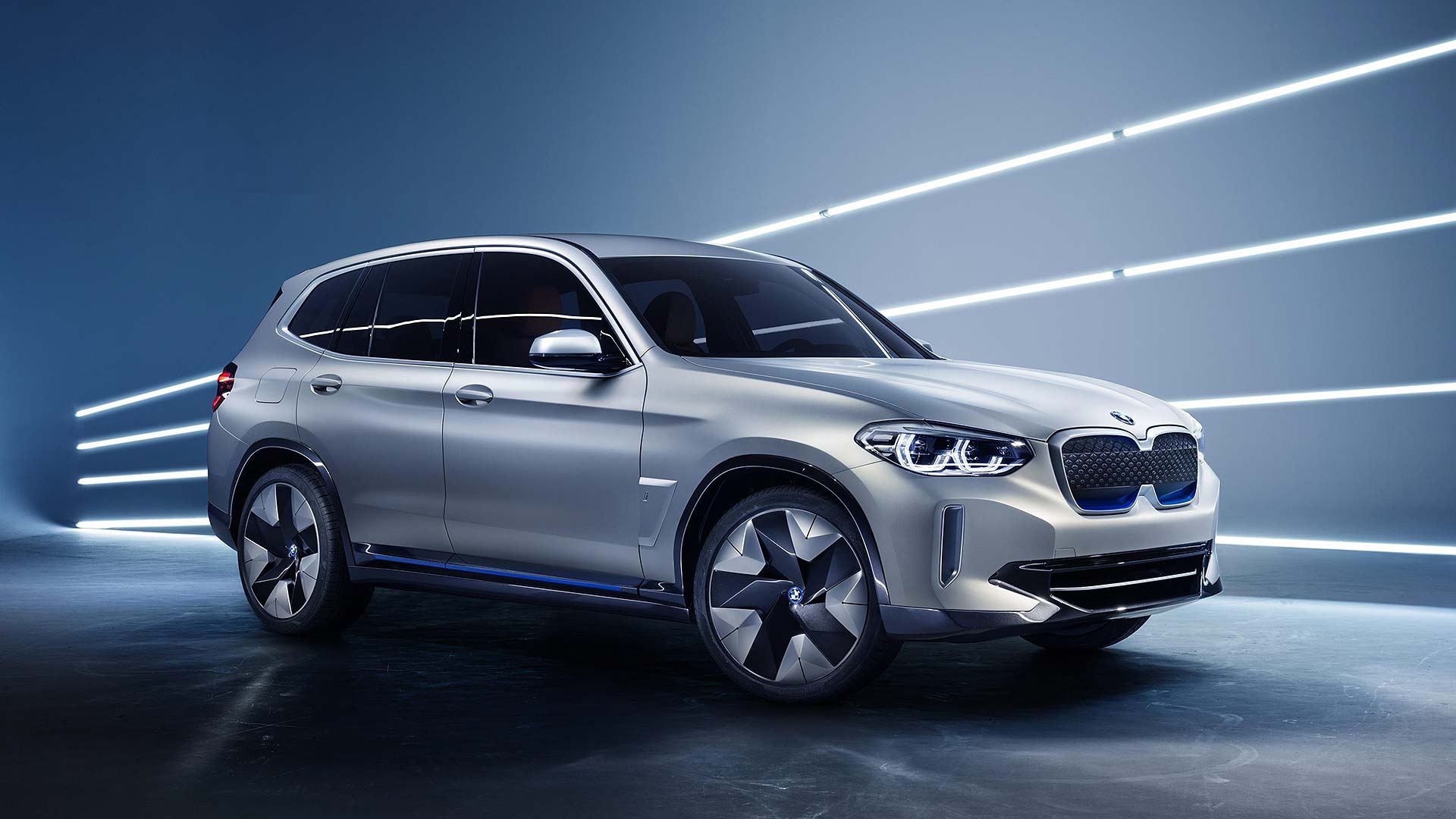
In a statement, BMW said its fifth generation eDrive system, dubbed ‘Gen 5’, will be launched in the BMW iX3 electric car (pictured above in concept form).
“The Gen 5 electric drive unit will be the propulsion system upon which subsequent evolutions launched together with Jaguar Land Rover will be based.”
By working together, the two firms will benefit from shared R&D and production planning costs, as well as economies of scale in buying components from suppliers.
“Together, we have the opportunity to cater more effectively for customer needs by shortening development time and bringing vehicles and state-of-the-art technologies more rapidly to market,” said BWM board member for development, Klaus Frohlich.



 The
The 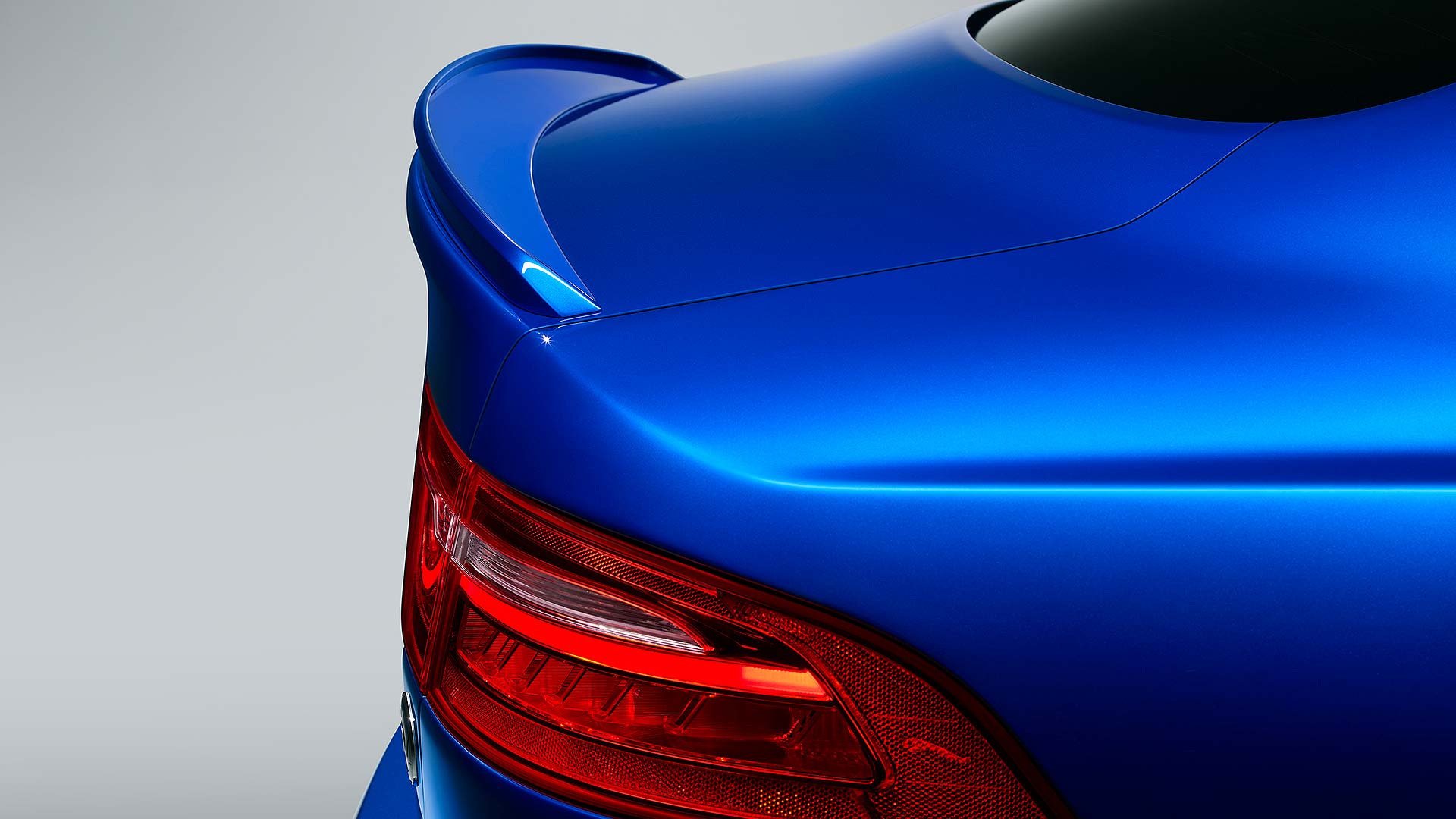







 The
The 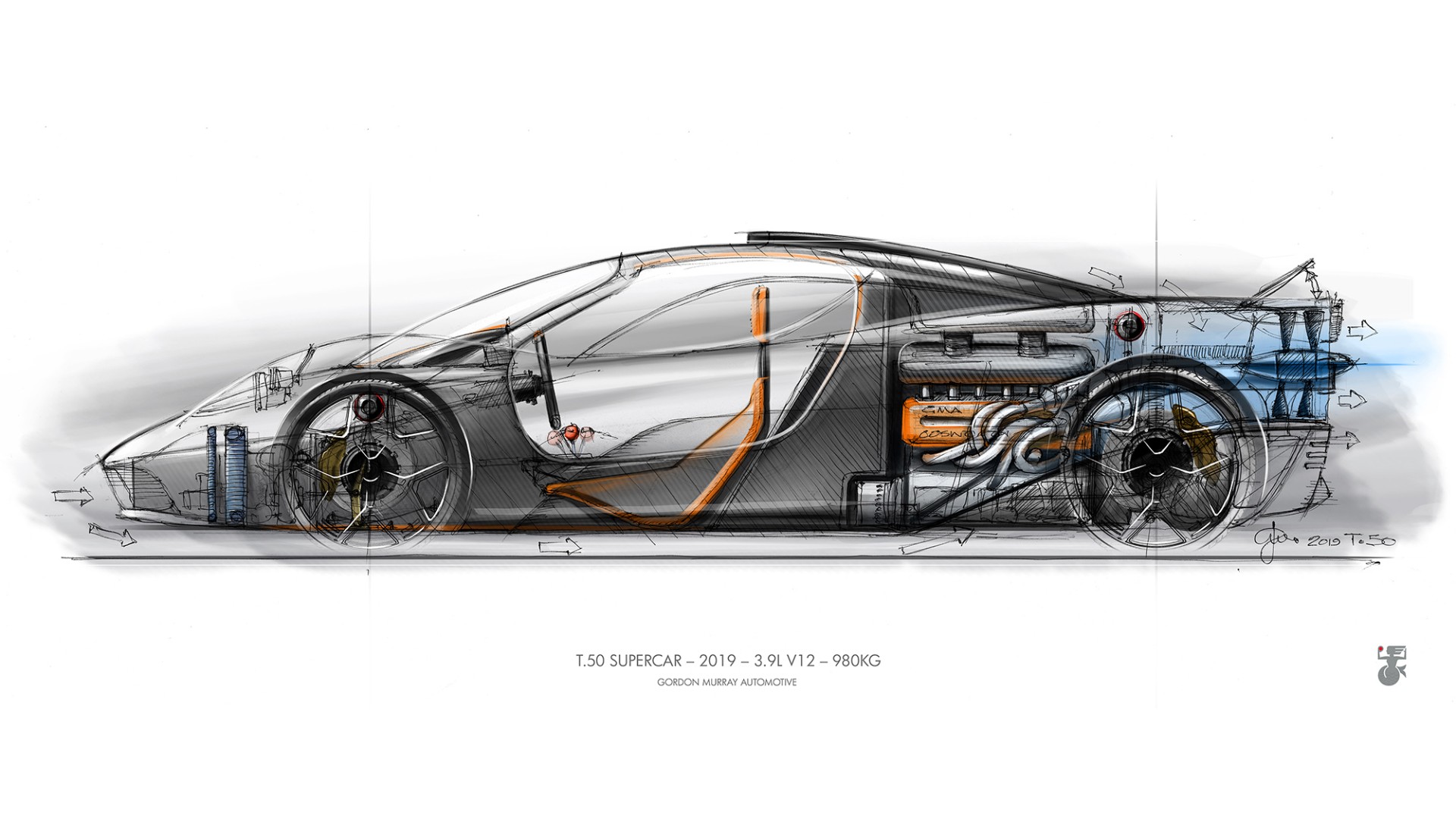
 BMW and Jaguar Land Rover are to co-develop next-generation electric motors and drive systems, the two firms have revealed in a surprise announcement.