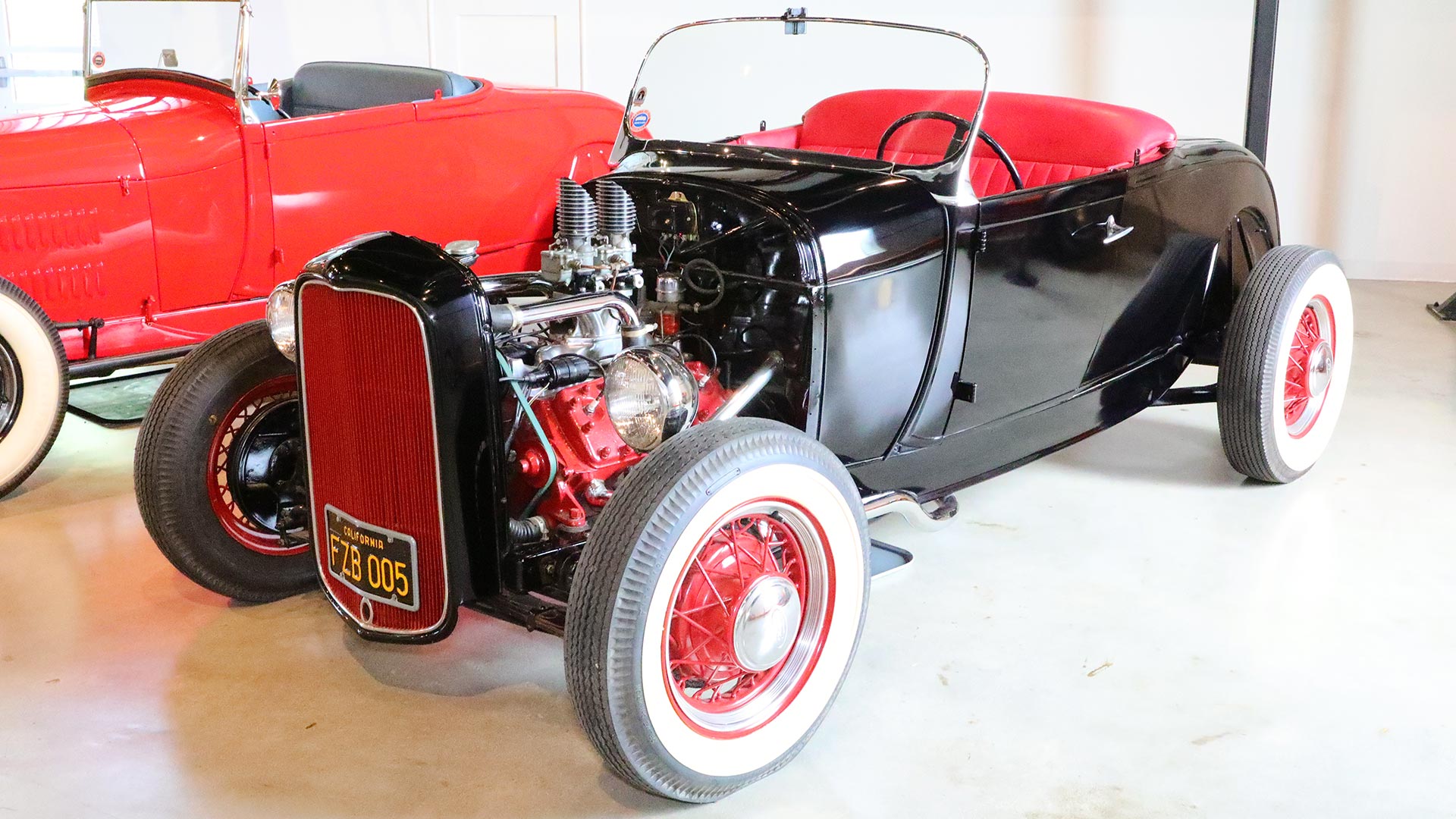
Whilst Elvis Presley’s love for cars is well known, one of the rides associated with his early film career has remained firmly untouchable.
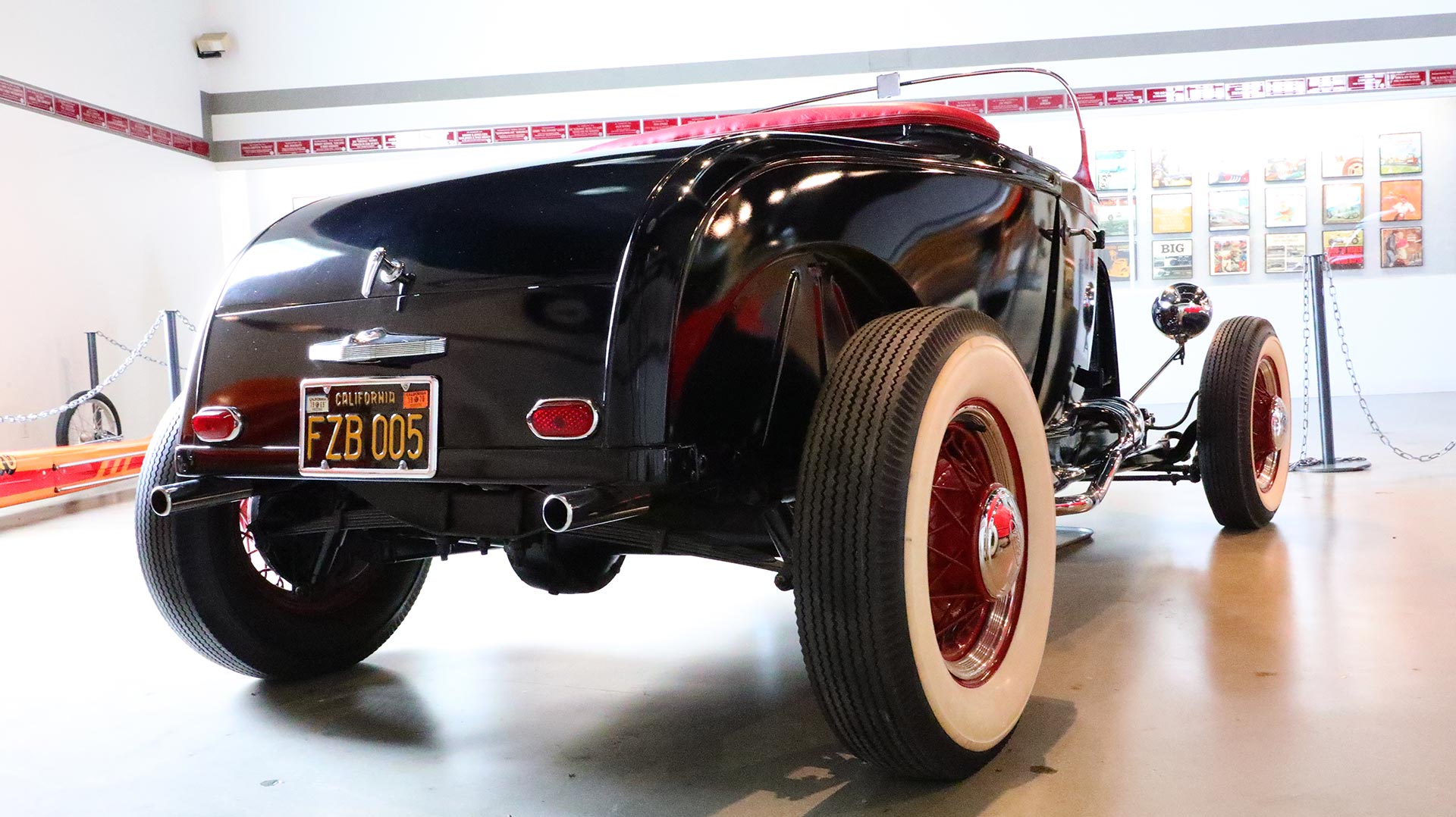
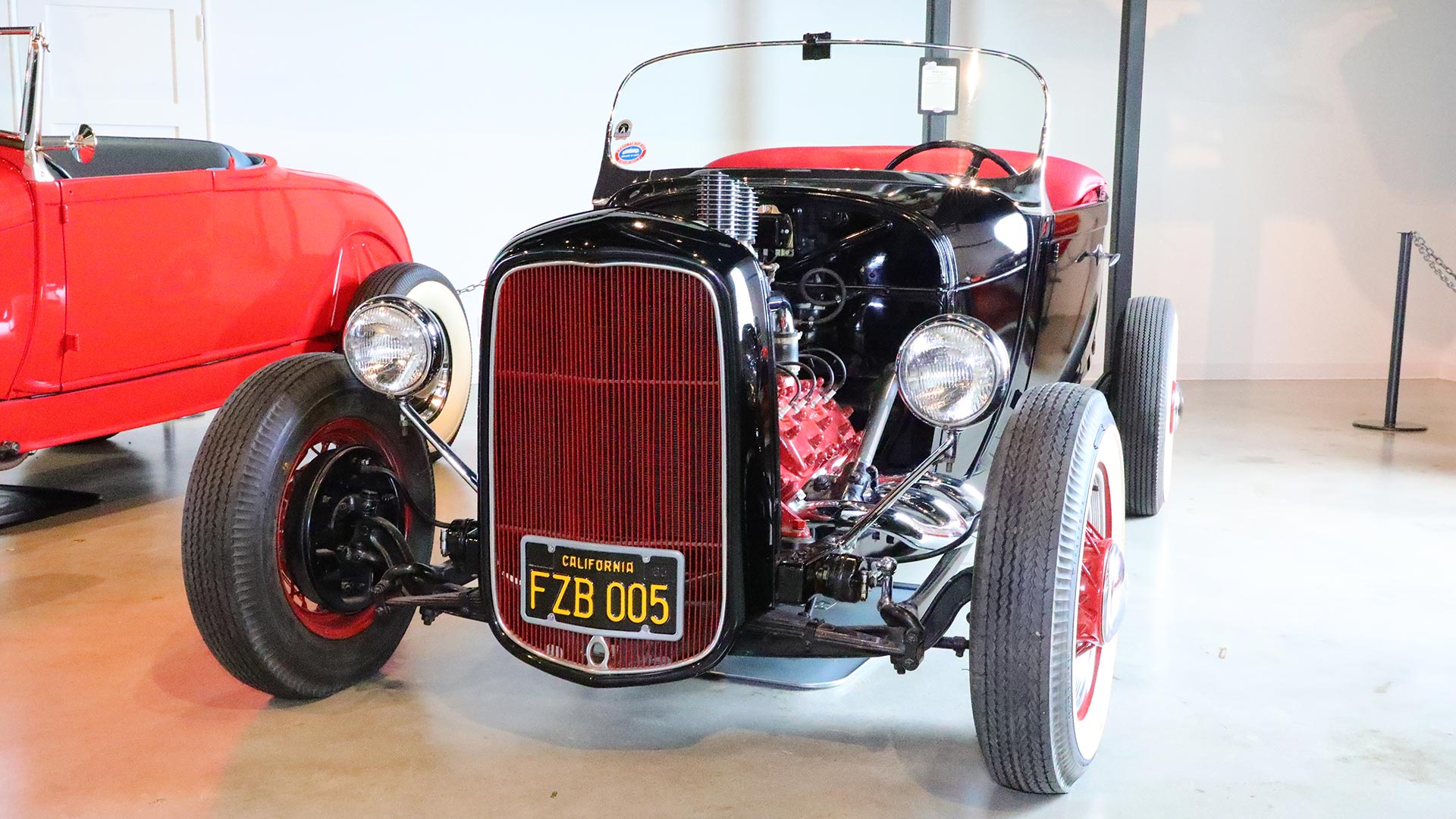
The 1929 Ford Roadster hot rod, used in the 1957 film Loving You, has remained in the possession of its creator.
That is until now, as the widow of the hot rod pioneer John Athan, has decided to allow the Elvis Roadster to find a new home.
Shake, Rattle and Roll
Athan built the Roadster in 1938, fitting the flathead V-8 engine to a 1932 Ford ‘Deuce’ frame, with bodywork taken from a ‘39 Ford Model A.
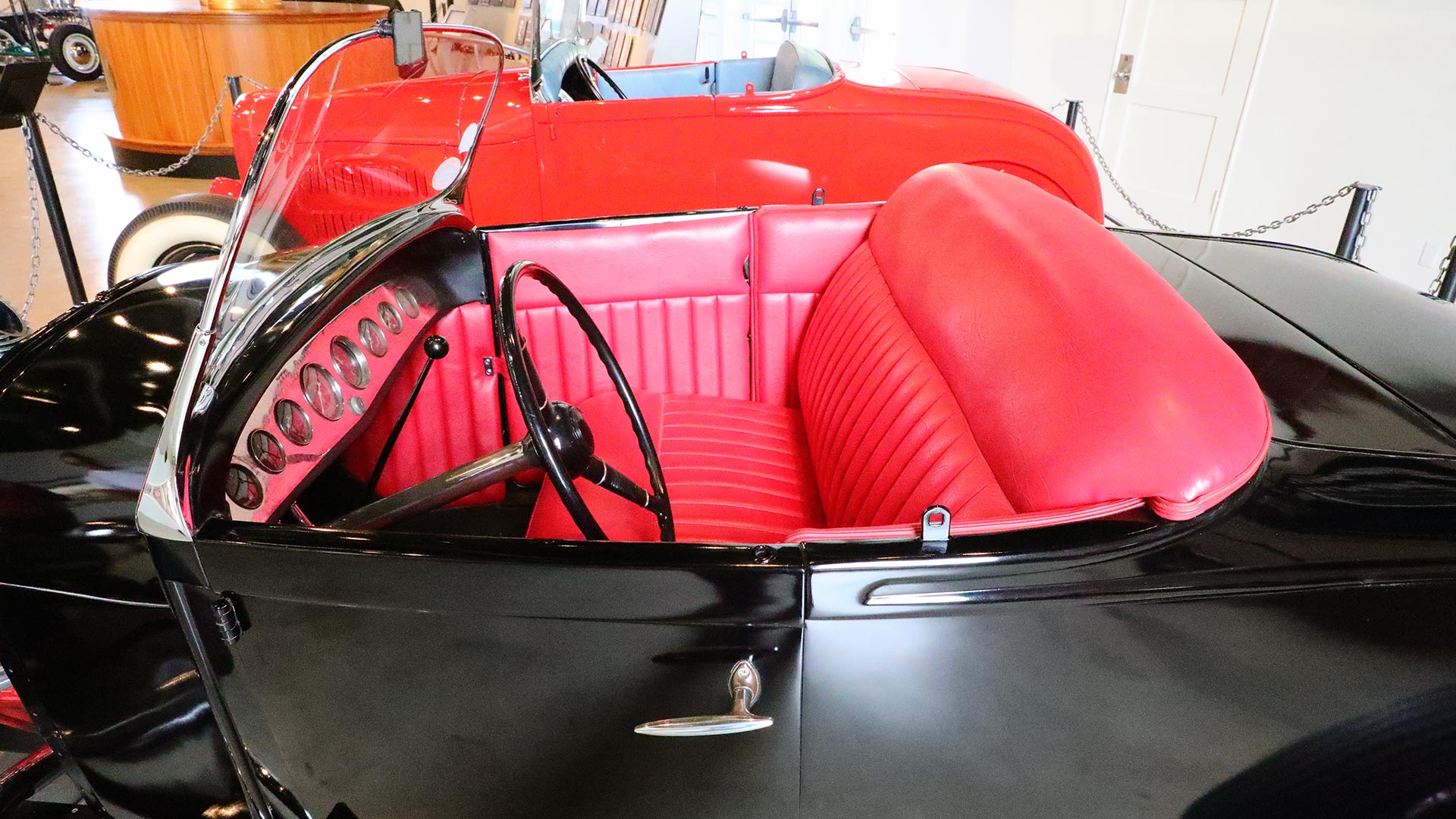
A 1940 Chrysler donated its rear windscreen, then used by Athan to make the distinctive windshield.
The engined-turned dashboard was a custom creation by Athan, whilst the license plate light and trunk handle came from a 1940 Mercury.
Can’t Help Falling in Love
Capable of 100 mph, the Elvis Roadster was used on-screen by Presley, who played the character of Deke Rivers in Loving You. The film marked the first time Elvis had taken a starring role on the big screen.
Despite the car impressing Presley with its performance, Athan refused to sell the Roadster to him. Instead, it remained in Athan’s own collection, and was regularly used up until the late 1970s.
After two decades in storage, the Roadster underwent a degree of restoration in 1996. The car then went on display at the Wally Parks NHRA Museum in Pomona, California.
A king’s ransom
Kruse GWS Auctions will be managing the sale of the Elvis Roadster, which is set to take place Saturday August 31 2019. Taking place at the Hard Rock Cafe in Hollywood, CA seems an apt location for selling this hot rod.
Also on the auction docket is a white 1973 Lincoln Continental limousine owned by Elvis, along with his GMC pickup and a 1976 Harley Davidson Electra Glide. The Harley is notable for being the last motorcycle ever purchased by Elvis.
Fans of the King will be able to check out the auction automobiles, plus other Elvis memorabilia, as part of a public exhibition being held by the Hard Rock Cafe on Friday August 30.
New Transport for London (TfL) figures reveal that state-funded scrappage schemes in the capital will remove less than two percent of dirty old cars from the road. The news has prompted renewed pressure on the government to further incentivise scrappage trade-ins for cleaner cars.
At present, London Mayor Sadiq Khan’s £25 million expenditure on the new scheme, to be introduced in autumn 2019, is intended for the 600,000+ owners of older cars who can’t afford a new one. But will those eligible for the scheme actually take advantage of it?
TfL estimates that only a small fraction of the group will make the jump. It projects between 12,250 and 24,500 vehicles would be scrapped for between £1,000 and £2,000 off a new car. That makes for just one in 55 eligible owners, or less than two percent.
Scrappage for season tickets could be coming soon
One suggestion is that a significant expansion of incentives is required, with the backing and support of central government.
“What is clear is that the scheme will only have limited benefits,” said Liberal Democrat London assembly member, Caroline Pidgeon.
“Any serious move away from diesel vehicles must involve a national scrappage scheme being adopted.”
Proposals for a national scrappage scheme have been rejected by ministers on the basis that it would be difficult to target more polluted areas. However, the idea of a scheme run by local councils, and supported by a £260 million clean air fund, remains on the table.
Pre-2016 vans in the capital are the target. They can be scrapped for £6,000 towards a new electric equivalent, or £3,500 towards a Euro 6-compliant vehicle or rental of such vehicles.
Nearly 70 percent of car buyers always check online reviews before contacting a dealer.
That’s according to an investigation into online dealer reputation, which suggests that over half of all car buyers select a dealer based on internet reviews.
Indeed, a quarter of buyers say online reputation is the most important factor when choosing a car.
‘Pay attention to your online reputation’
Amy Mueller, VP of communications at CarGurus, the company behind the investigation, hinted that there’s no hiding place for lacklustre car dealers in the age of social media.
“The growth of the internet and social media has made it easy for people to share their buying experiences – good and bad – with fellow consumers. As a result, it’s more important than ever to pay attention to your online reputation.
“Customer reviews set the tone for how your dealership is perceived by future customers. They’re crucial drivers of new sales, and your dealership can’t overlook their importance. Every review is an opportunity to engage with your customers and build your reputation, so make sure you’re taking advantage.”
Unsurprisingly, young car buyers place a great deal of emphasis on web feedback, with 91 percent of motorists aged 18 to 34 placing as much trust on online reviews as on word of mouth.
Managing a car dealer’s reputation
CarGurus has the following advice for car dealers hoping to maintain a good online reputation:
Encouragement: asking for feedback builds trust, boosts brand awareness and sells more cars
Monitoring: pay attention to reviews. Set up email alerts and monitor Google
Responding: acknowledge reviews – good or bad – as this shows that you take the feedback seriously
Use reviews: customer feedback makes for powerful marketing tools. Use the reviews on social media and in promotional material
The cost of fuel varies greatlydepending on where you buy and who you’re buying from. Paying 123p per litre of petrol instead of 129p equates to 30p per gallon.
If your car manages 40mpg and you do 800 miles a month, that’s £6 back in your pocket – just by being picky about where you buy fuel.
We have an extensive guide and regularly updated guide to finding fuel at the right price.
How do you drive?
How you drive is the main factor in much fuel you use. Here’s how changing your behaviour can save you money.
Speed
The easiest way to stop burning so much fuel is to slow down. A few miles per hour here and there can make a difference. Speed limits save your wallet as well as your licence.
Figures from the Department for Transport suggest that driving at a steady 50mph instead of 70mph can improve fuel economy by as much as 25 percent. You’ll use around 10 percent more fuel at 80mph than you will at 70mph, too.
Engine revs
Don’t over-rev, either. Generally speaking, you’ll be able to feel in the rev range where your engine is most comfortable.
The Department for Transport recommends changing up a gear before the rev counter reaches 2,000rpm in a diesel car and 2,500rpm in a petrol. Read the road ahead to ensure you’re not in too high a gear for hills and roundabouts.
By accelerating and decelerating in a smooth and relaxed manner, you can expect to save around 20 percent in fuel. Figures suggest that non-aggressive driving and anticipating the road ahead could see this rise to as much as 30 percent.
Anticipate where stops are coming and let off the throttle to coast down. Last-minute hard braking is a serious waste of energy, unless you’re driving a hybrid. Even then, there are precious yards of distance you were still using fuel where you could have been coasting.
Keep acceleration smooth, too. How close your right foot is to the floor directly relates to how much fuel is being pumped into the engine.
Supermarkets join petrol and diesel price war
Fuel-burning features
Turning off air conditioning will improve your fuel economy, but opening windows on the motorway could decrease it. As a guide, keep windows shut at speeds in excess of 60mph. In general, air conditioning will have the greatest impact on your economy at lower speeds, especially during city driving.
Remember, air conditioning can also help de-mist a car, so using it is preferable to leaving the car idling while you wait for windows to clear.
Plan your journey
When you drive and which route you take can have as much of an effect on fuel consumption as how you drive. Avoid busy periods, plan shorter or less congested routes. Not only is driving on a clear road a joy, it’s also nice and efficient.
Apps like Waze and Google Maps can help with establishing the best route. And while we’re talking about planning, let’s circle back to ‘Where do you fill up?’ quickly. Whatever you do, don’t fill up at a motorway services. All this is for nothing if you wind up paying 10p a litre over the odds. Start with a cheap full tank and know where your fuel stops will be.
Look after your car and it’ll look after your wallet, both in terms of maintenance and fuel costs.
Servicing
An engine is only efficient if looked-after. Sticking to service intervals and making sure your fluids are at the correct levels is essential for getting the best performance and economy. A well-maintained car will also last longer.
Consult your handbook to find out when your car is next due a service.
Tyres
The tyres are the only bit of the car that touches the road, so they’re important to keep an eye on. Too little tread is dangerous, while too little air is dangerous and expensive.
Research by Continental suggests that tyres account for 20 percent of a car’s total fuel consumption, so it pays to take care of your rubber. Reduce rolling resistance by 10 percent and you can expect a 1.6 percent drop in fuel consumption.
Make sure you’re car is tracking straight, too, as incorrect alignment can cause unnecessary drag and wear on the tyres.11
Sweden to ban petrol and diesel cars – as Germany feels the pressure
Unnecessary weight
The more your car has to carry, the harder it has to work, which in turn leads to reduced fuel efficiency. While forcing the kids to get a gym membership might be a bit excessive, it’s worth ridding your boot of excess luggage.
The RAC says that, on average, every 50kg you carry will increase your fuel consumption by two percent. That’s based on the percentage of extra weight relative to the vehicle’s weight, so the smaller the car, the greater the effect.
Remove the roof rack
Anything that reduces your car’s aerodynamic performance will have a negative impact on fuel consumption. More figures from the RAC suggest that even an empty roof rack can increase fuel consumption by 10 percent.
Add the additional weight of a fully-loaded roof rack and the net result could seriously hamper your chances of saving money. If it’s not being used – remove it. And that includes the roof bars, too.
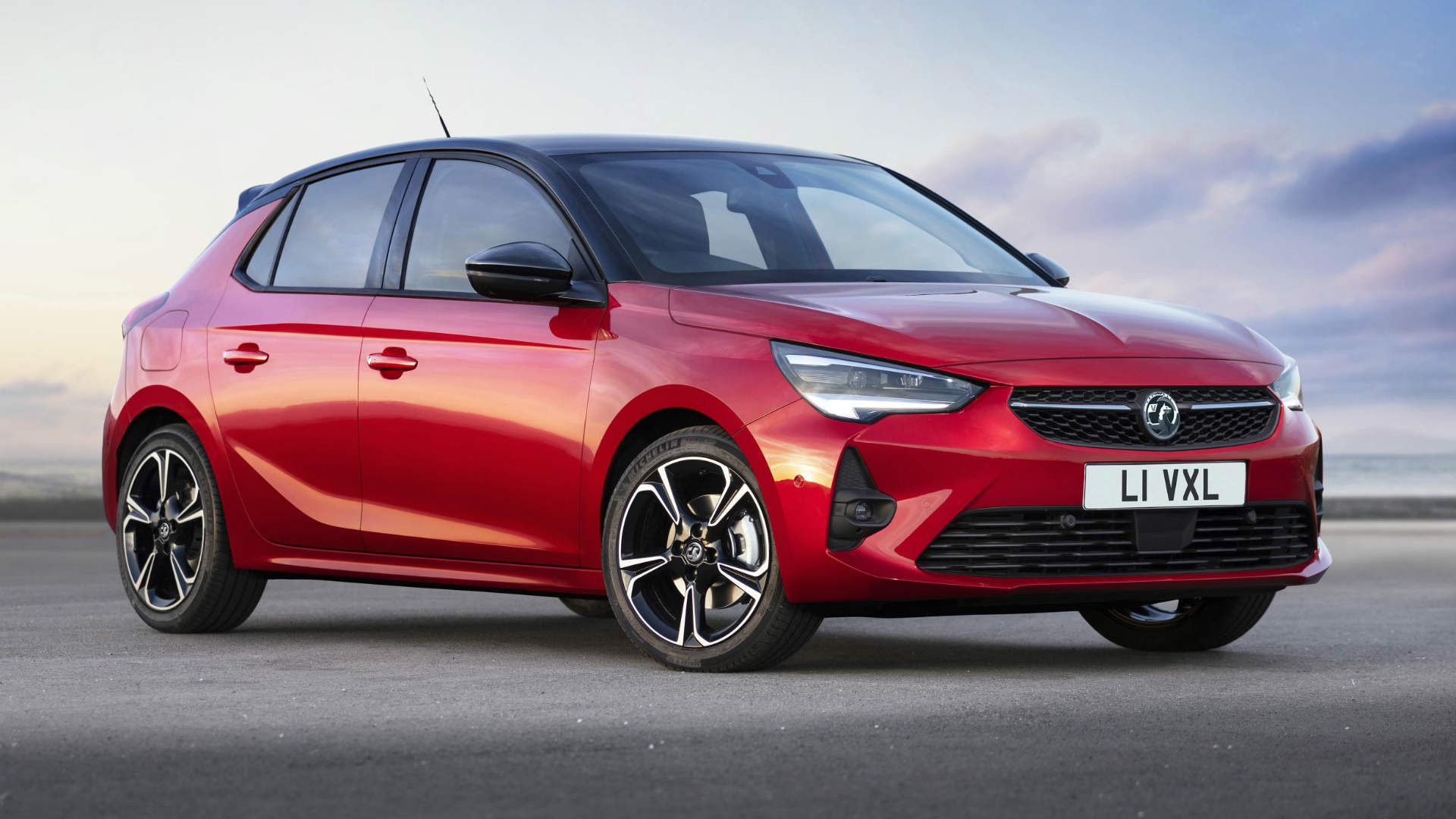
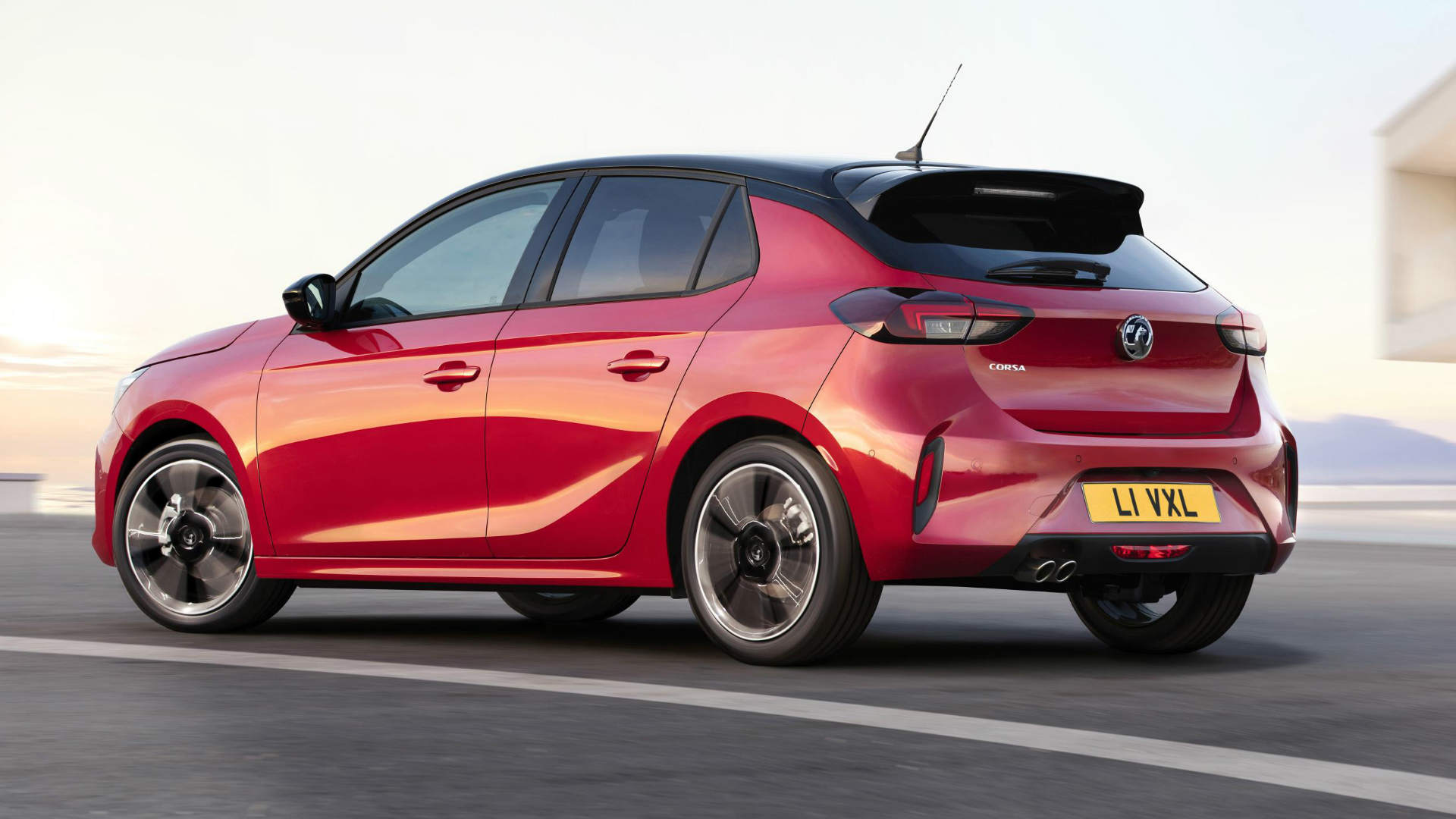
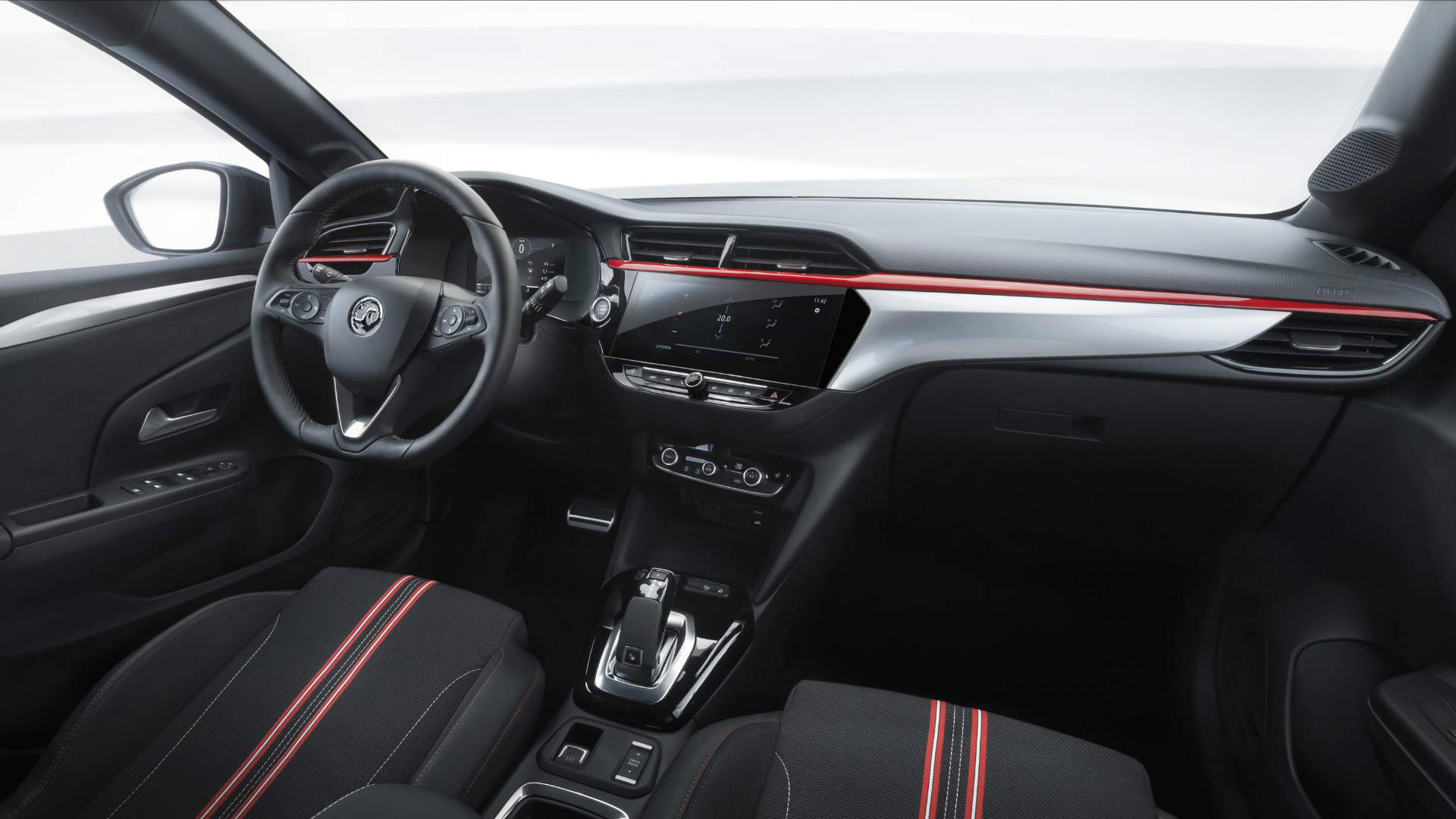
The new Vauxhall Corsa is available to order priced from £15,550, but the top-spec Ultimate will set you back almost £26,000.
The automatic-only Ultimate is powered by a 1.2-litre petrol engine developing 100hp and producing just 99g/km CO2.
Impressively, the new Corsa’s CO2 figures range from 85g/km to 99g/km, making it far more efficient than the outgoing model, which emits between 123g/km and 143g/km CO2.
Vauxhall’s fifth-generation Corsa – which shares its platform with the new Peugeot 208 – also weighs up to 108kg less the outgoing model, helping to improve efficiency, while the 1.2-litre petrol and 1.5-litre diesel engines offer greater fuel economy with similar amounts of power.
This new efficiency comes at a cost: while prices of the outgoing model range from £11,735 to £19,015, the cheapest new Corsa costs £15,550, with the Ultimate weighing in at a fiver less than £26,000.
Meanwhile, the electric Corsa-e will cost from £26,490 (after the government plug-in car grant), with the first 500 reservations receiving a free home charging kit.
The new Corsa’s level of standard kit is impressive: all models get 16-inch alloy wheels, a seven-inch touchscreen, a leather flat-bottomed steering wheel, LED headlights and LED daytime running lights.
At the opposite end of the range, the Ultimate lives up to its name by offering 17-inch diamond-cut alloys, a 10-inch touchscreen navigation system, leather seats with massage function, LED matrix headlights and LED rear lights.
The list goes on, with the Corsa Ultimate also boasting a radar pack, keyless entry and start, electronic climate control and an electric handbrake.
Ultimate by name, ultimate by nature, then, but £26,000 is a big price for a Corsa. For context, the Ford Fiesta Vignale costs from £21,695, with a five-door diesel priced at £22,785.
The all-new Vauxhall Corsa is available to order now, with the first cars arriving in showrooms in January 2020.
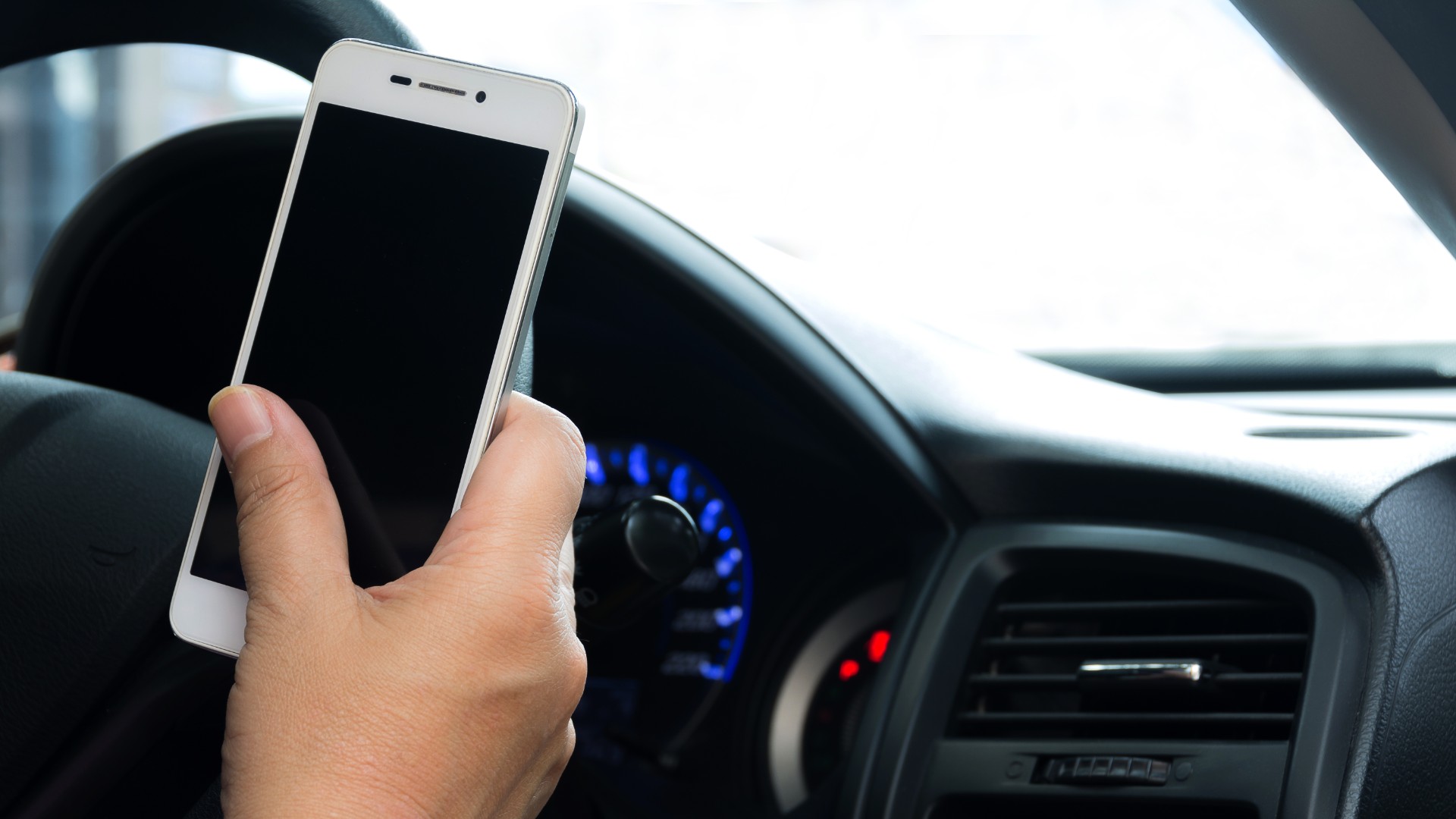
A loophole around driving using a mobile phone could be swiftly closed, after a driver successfully appealed a charge for the offence, saying he “wasn’t using it to communicate”.
The charge related to Ramsey Barreto using his phone to film a car accident in north London in 2017.
The laws around driving using mobile phones are 16 years old, and have since come under criticism from High Court judges.
Three in five young drivers admit to using their phone while driving
Mobile phones have an arsenal of capabilities beyond those of 16 years ago. When Mr Barreto’s appeal was heard, the court agreed that phone laws hadn’t evolved at a pace to match the development of smartphones.
The law firm that took on Barreto’s case insists that ‘loophole’ is the wrong word for the way it has exonerated him: “The danger of the judgement is people will look at a headline and see the offence of using a mobile phone has changed,” lawyer Emma Patterson told the BBC.
“The judge makes it absolutely clear that you could still be prosecuted for driving without due care or dangerous driving, which carry potentially far higher punishments.”
Young drivers could be banned from the road at night
The result, Ms. Patterson thinks, will be a swift change in the law to ensure such get-arounds aren’t possible.
You can still be charged for driving without due care and attention, at minimum, for using any handheld device at the wheel, but expect cover-all ‘using a smartphone while driving’ laws to appear soon.
It’s even been suggested that fiddling with your car’s in-built infotainment, at the expense of watching the road, could warrant such a charge.
The world doesn’t agree on many things, but when it comes to electric cars, we’re demonstrating some rare joined-up thinking.
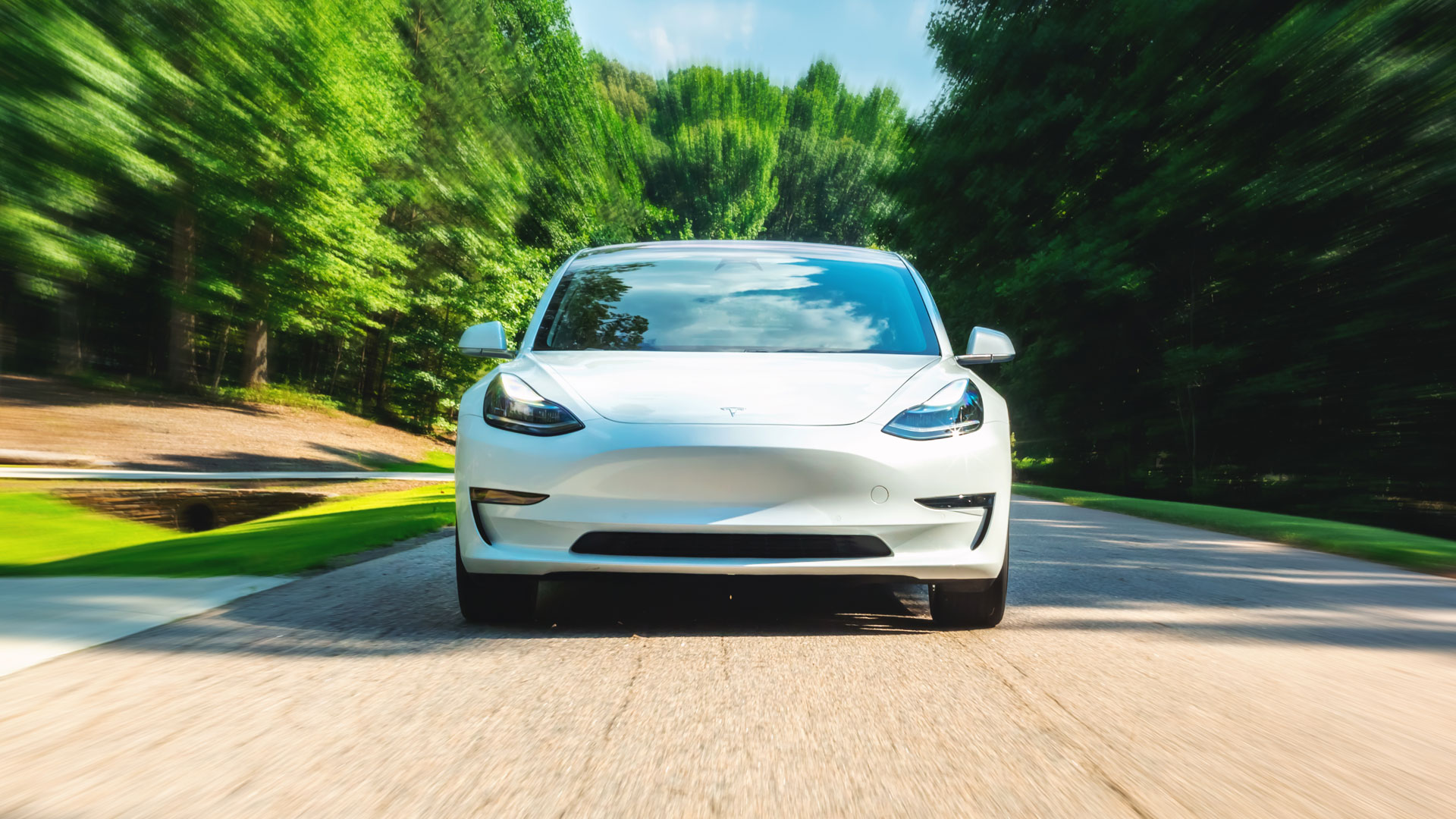
Of the 136 countries studied in a new report, the Tesla Model 3 is the most searched for electric vehicle on Google, making it the most desirable EV on the planet.
Indeed, the Model 3 generates 1,529,770 global searches on Google every month, which is around a million more than the next most popular EV, which just happens to be the Tesla Model S.
The Model 3 comes out top in 75 countries in new research conducted by CompareTheMarket, with interest high in North America, Western Europe, Scandinavia, China, India and Australia.
EVs: the world map
It’s proof that Tesla continues to dominate online traffic and interest for electric vehicles, with the Model 3, Model S and Model X combining to account for around 2.5 million Google searches a month.
Tesla models are also the most popular electric vehicles in nearly 80 percent of the countries studied.
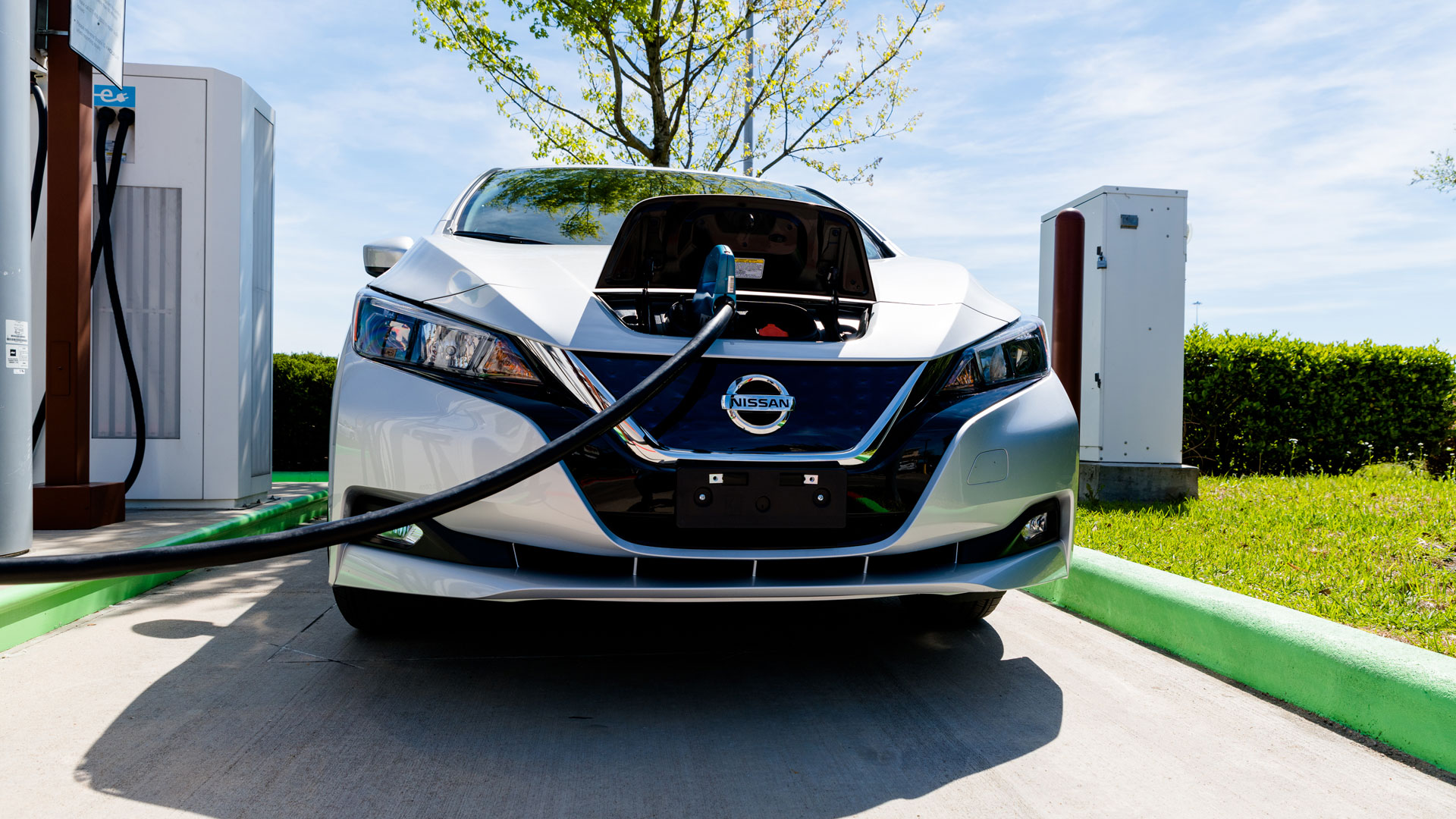
As the first electric car to surpass 400,000 sales, it’s no surprise to discover that the Nissan Leaf is the most searched for EV in 36 countries, accounting for around 560,000 monthly searches.
But aside from the BMW i3 and Renault Zoe, few electric cars are generating a significant level of Google traffic. It’s left to Tesla to lead the PR and marketing for an entire segment.
Things will change. There are a host of new electric cars waiting in the wings, ranging from mainstream EVs like the MG ZS EV and Peugeot e-208, to the more high-profile Porsche Taycan and Aston Martin Rapide E.
Others, like the Mini Electric, Fiat 500e and Honda e will inject some much-needed glamour into the more affordable end of the market.
The question is: can a mainstream manufacturer generate as much online buzz as the upstarts from California? Time will tell.
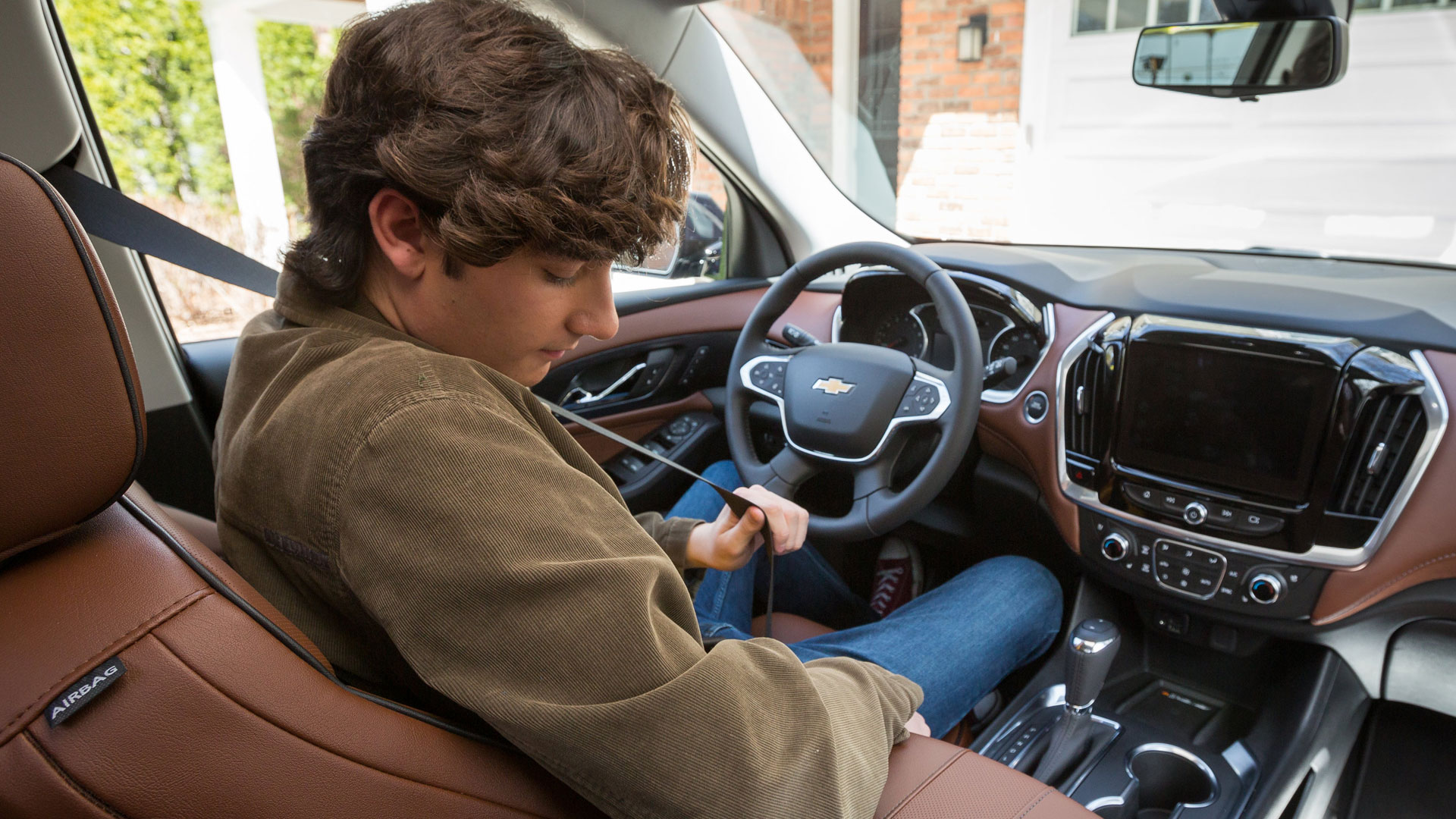
The new 2020 Corvette will feature Chevrolet’s Teen Driver mode, which enables parents to educate and coach young drivers on the importance of road safety. The tech is far from crazy, but the fact that teenagers might be driving a mid-engined supercar is a little bizarre. Which is why we’ve decided to create a list of crazy car options and accessories.
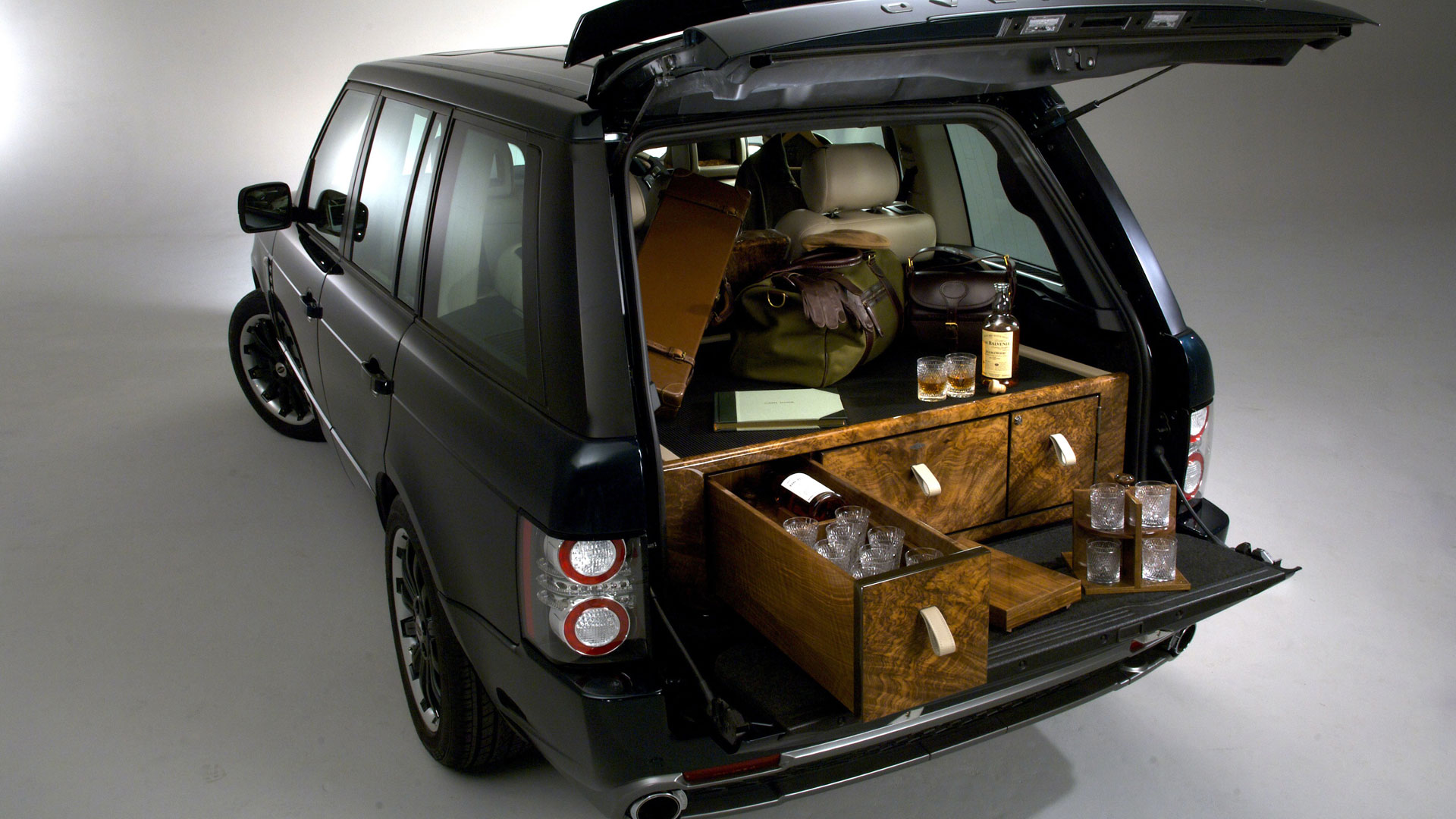
Overfinch Range Rover Holland & Holland
Who can forget the Holland & Holland Range Rover by Overfinch? Opulent in the extreme, it is perhaps best known for its drinks cabinet, refilled by Holland & Holland. Well, for the first year, anyway. Hyundai tried a similar partnership with Holland & Barrett. Probably.
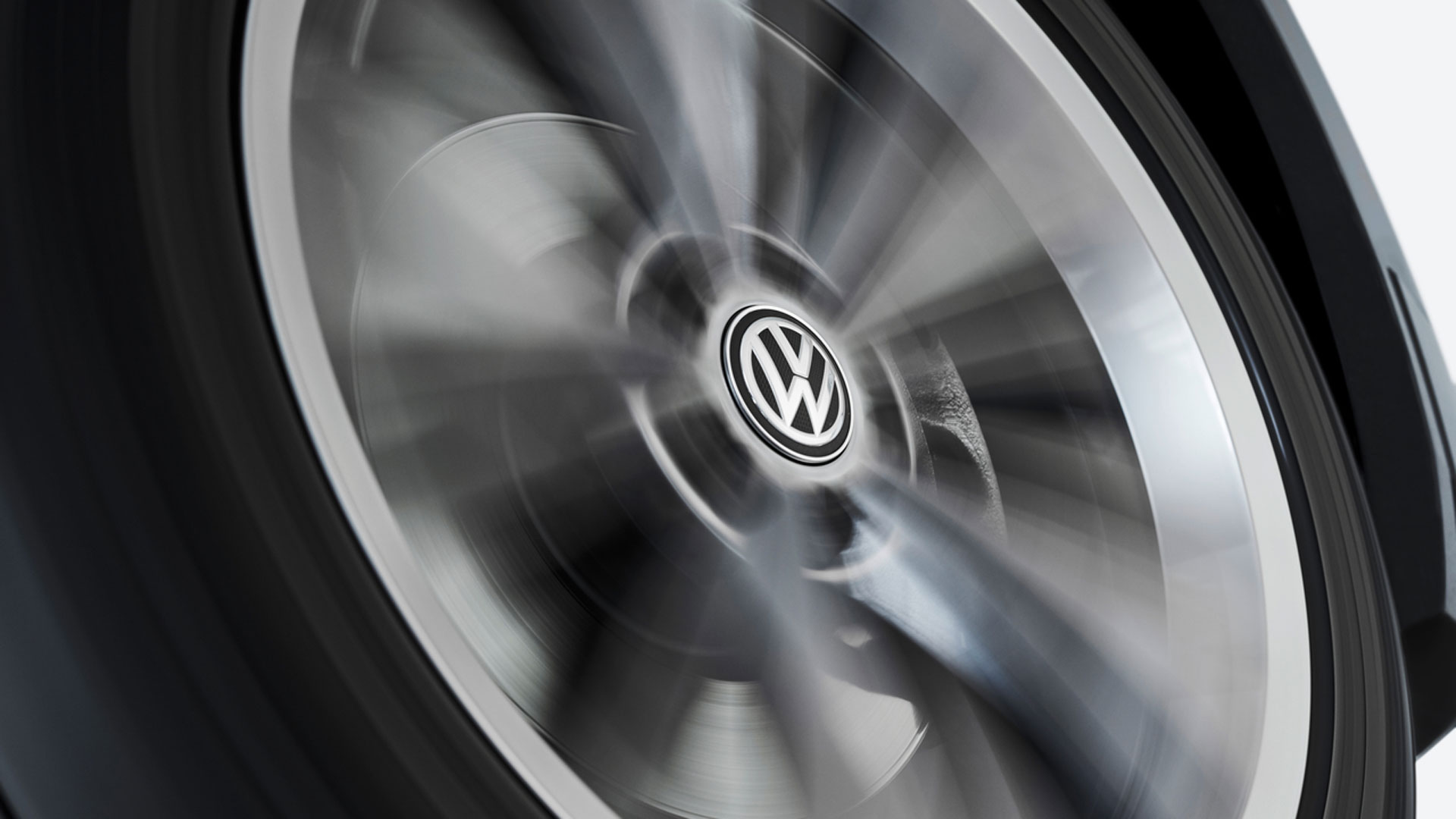
Dynamic Volkswagen Hub Caps
Would you spend £156 on a set of four Dynamic Volkswagen Hub Caps? Volkswagen says these add a “touch of the super-luxury segment” to the mainstream, with self-levelling wheel centres inspired by Rolls-Royce and Bentley. “If you just want to quell the niggling irritation of badges pointing in different directions”, these are for you. For all other irritations, ask your pharmacist.
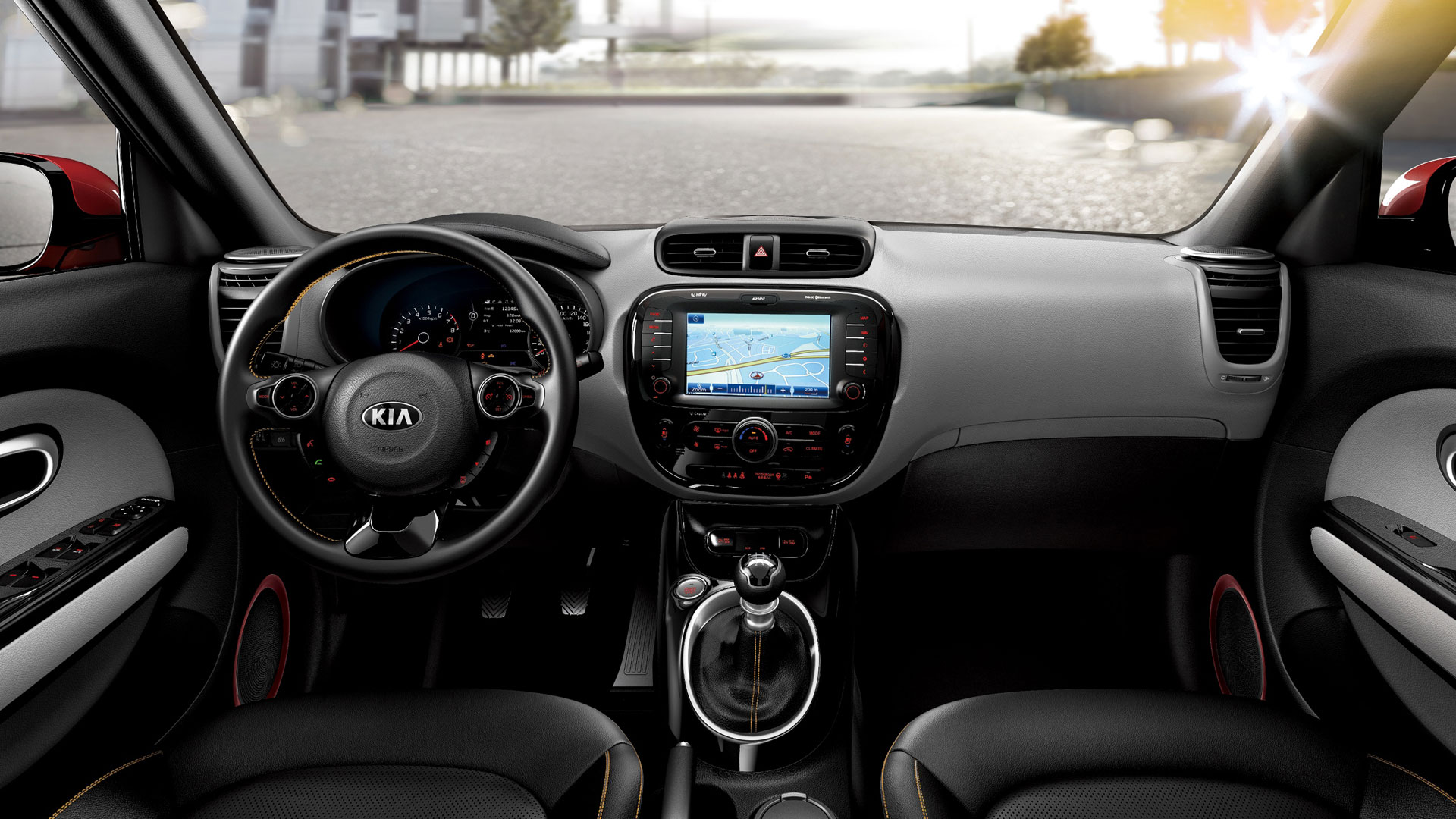
Kia Soul speaker lights
The Kia Soul speakers were a bit more down to earth, featuring LEDs lights that flashed in time with your funky beats. The speakers also featured ‘mood lighting’ to suit your state of mind.
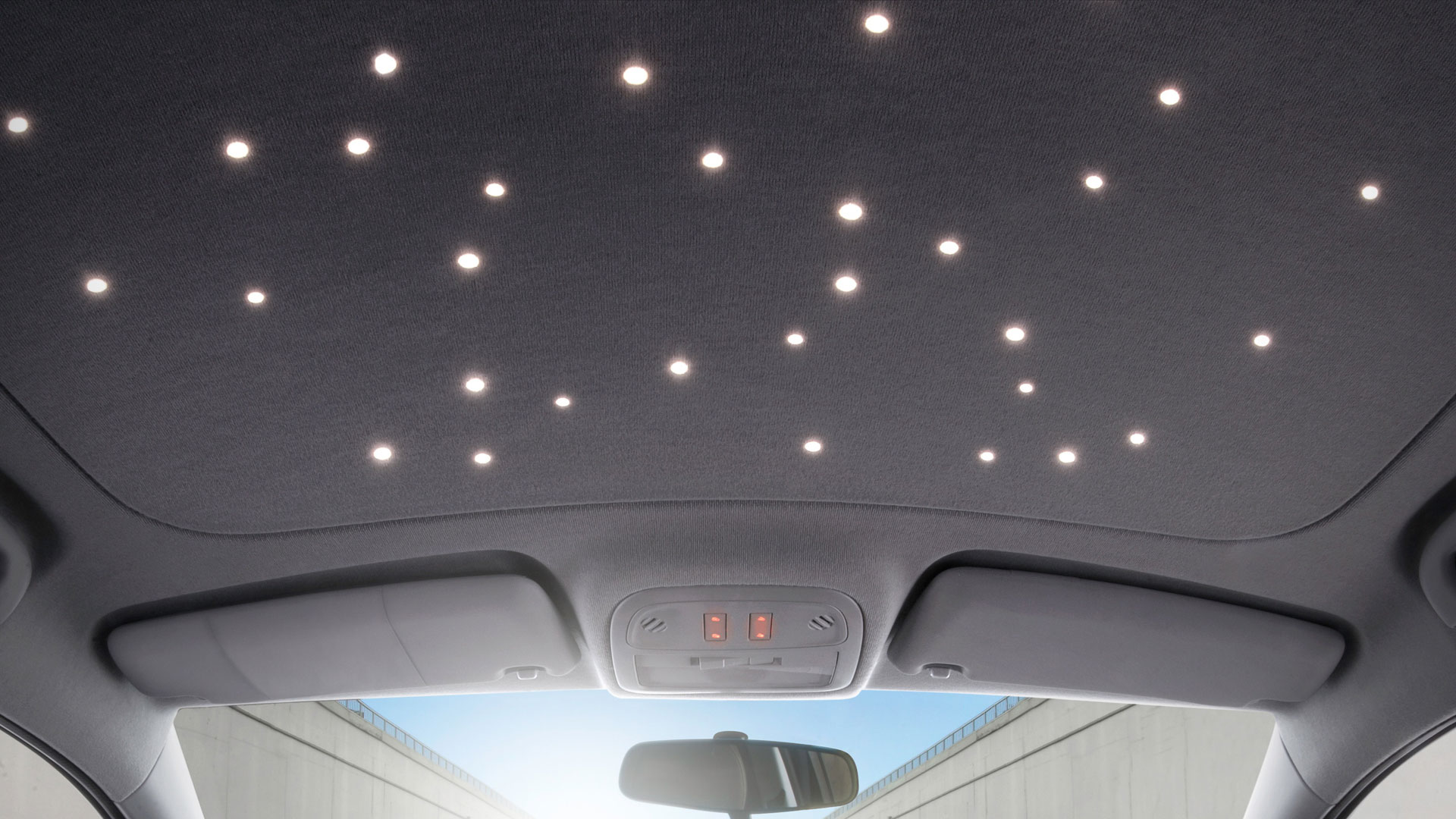
Vauxhall Adam starlight roof lining
Anything Rolls-Royce can do, Vauxhall can do, but for a little less cash. Fancy adding a touch of opulent glamour to your Vauxhall Adam? Then tick the box marked ’starlight roof trim’. Just don’t go promising your other half a night under the stars, because she might be a tad disappointed.
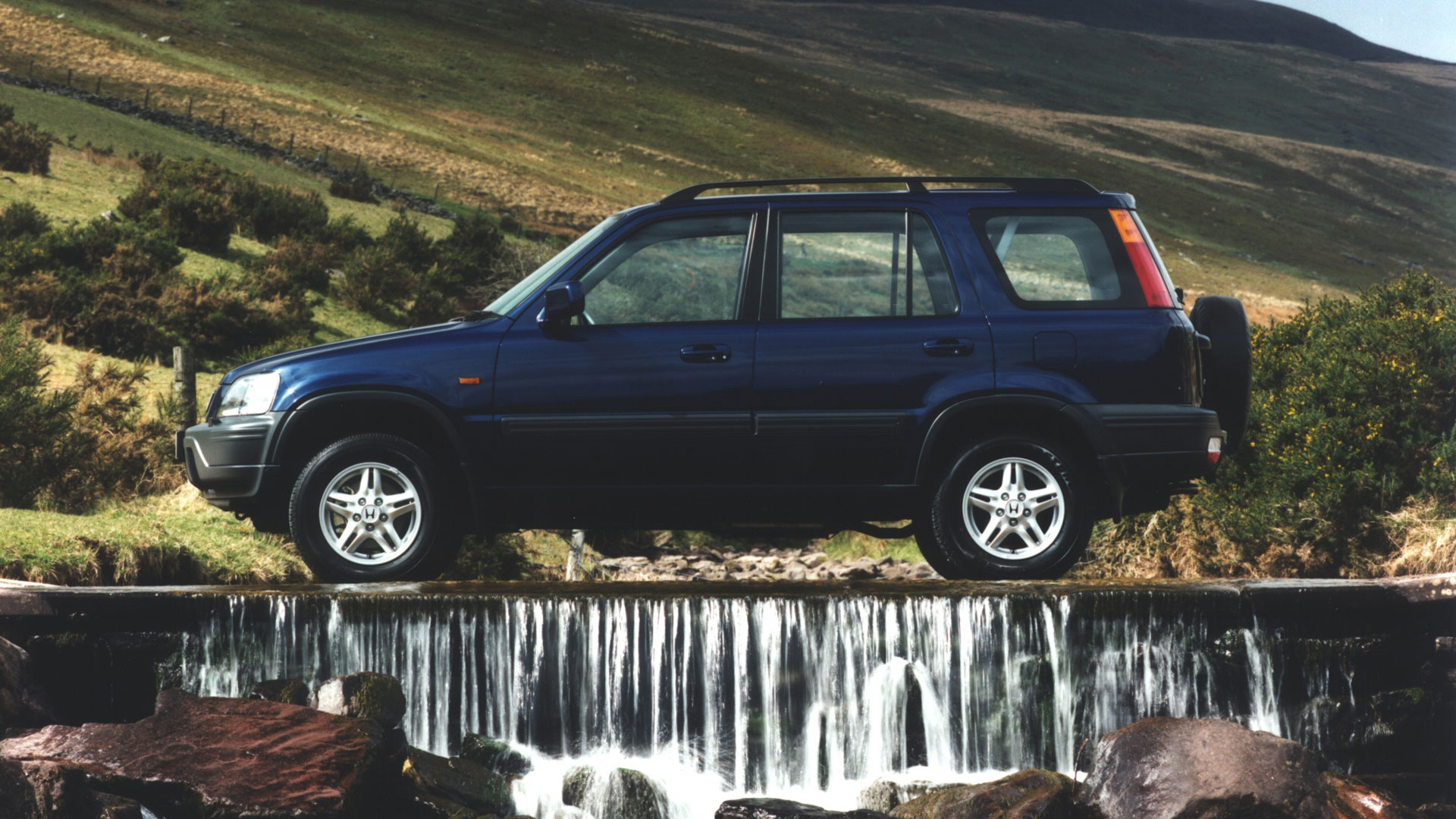
Honda CR-V shower
The original Honda CR-V featured a cold water shower in the boot. What a great idea – a common sense feature, perfect for washing dirty dogs, bikes and shoes. Not so good for taking a shower in your local car park.
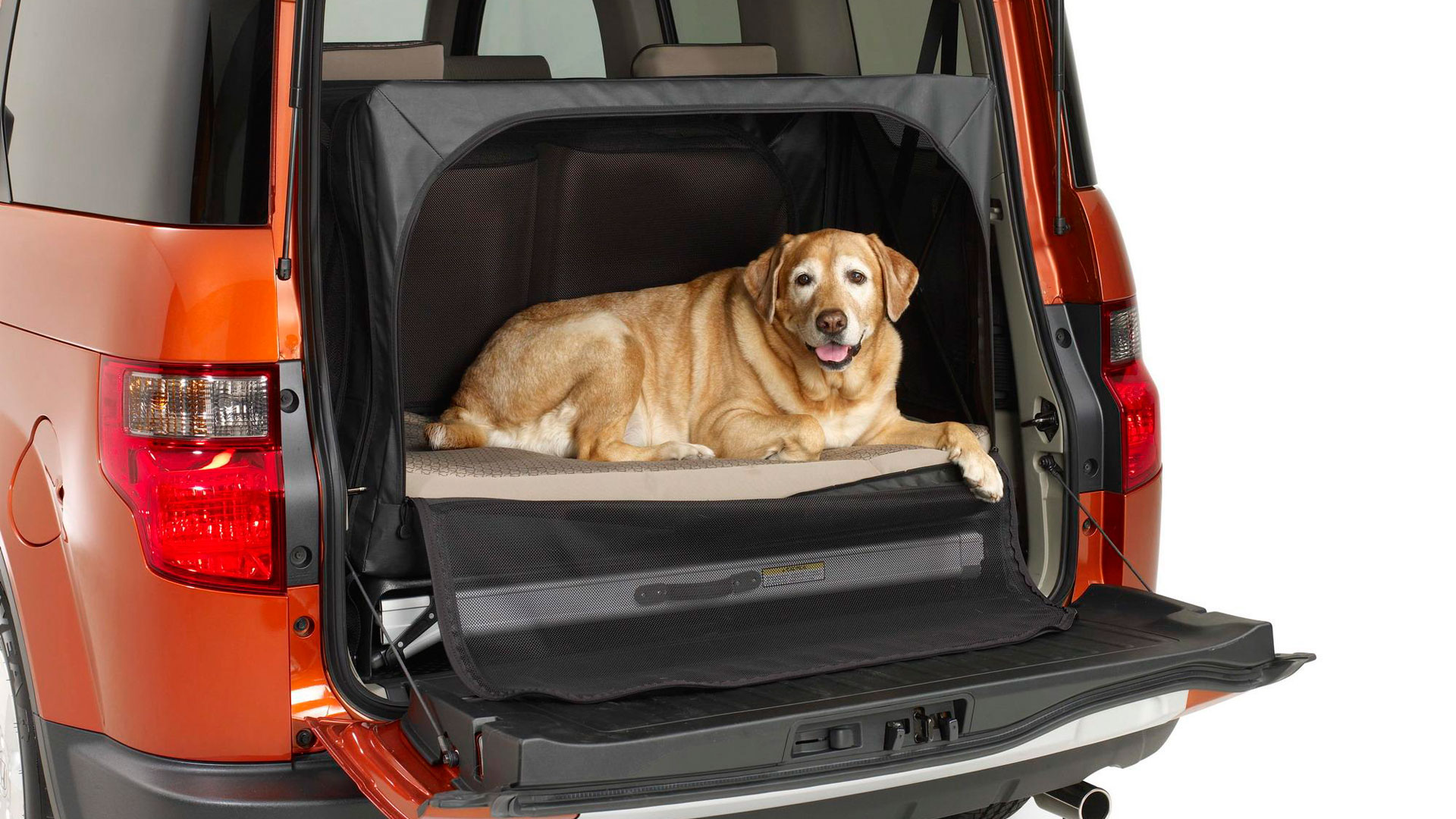
Honda Element Dog Friendly Package
The Honda Element was a funky SUV with more than a passing resemblance to the Skoda Yeti. Not that Skoda ever offered a ‘Dog Friendly Package’ in the Yeti. More’s the pity.
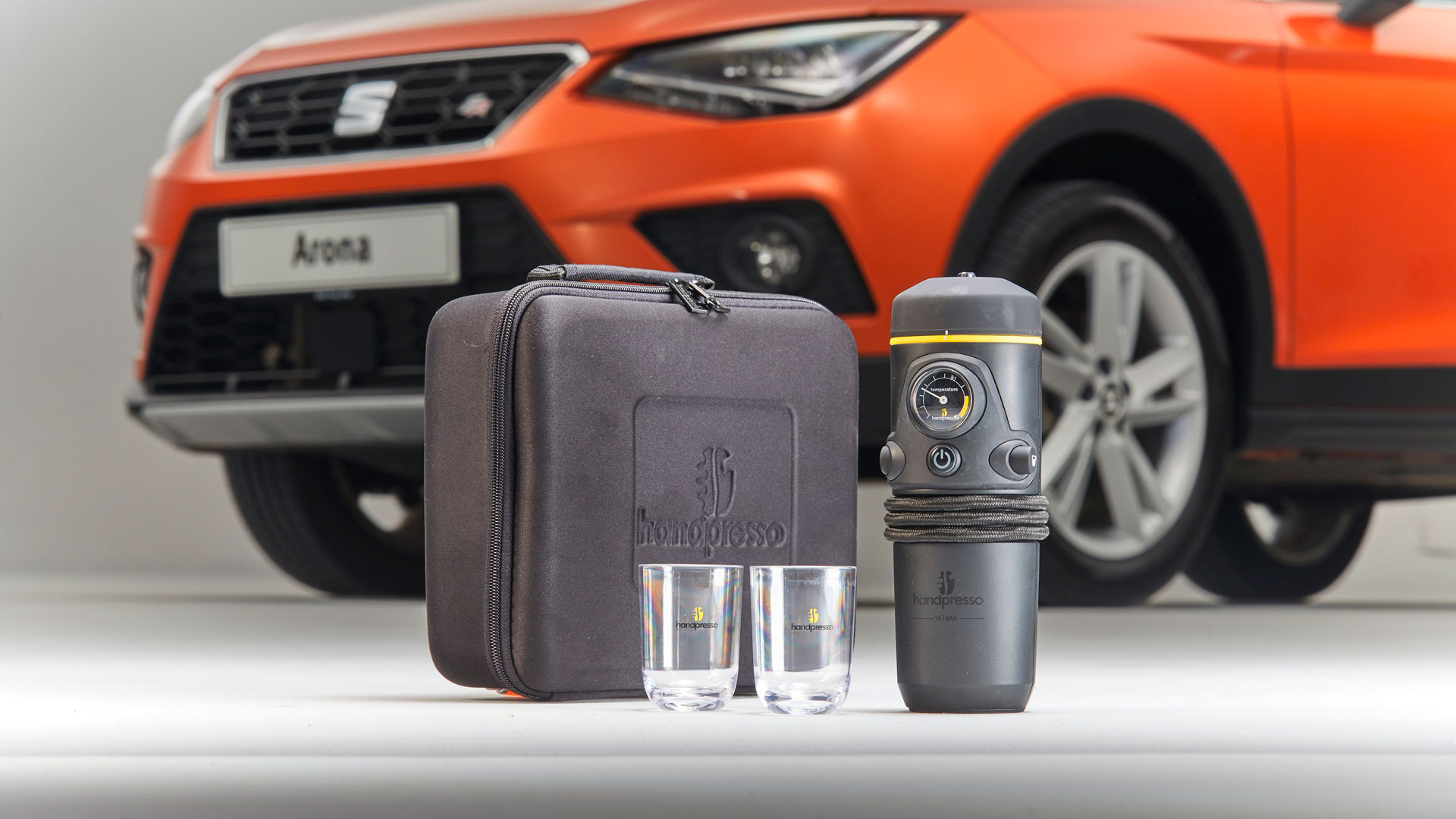
In-car coffee machine
Say goodbye to overpriced takeaway coffees forever, with the Seat coffee machine. It’s like having your own personal barista in the car. Only you have to do all the work. So it’s nothing like a barista at all.
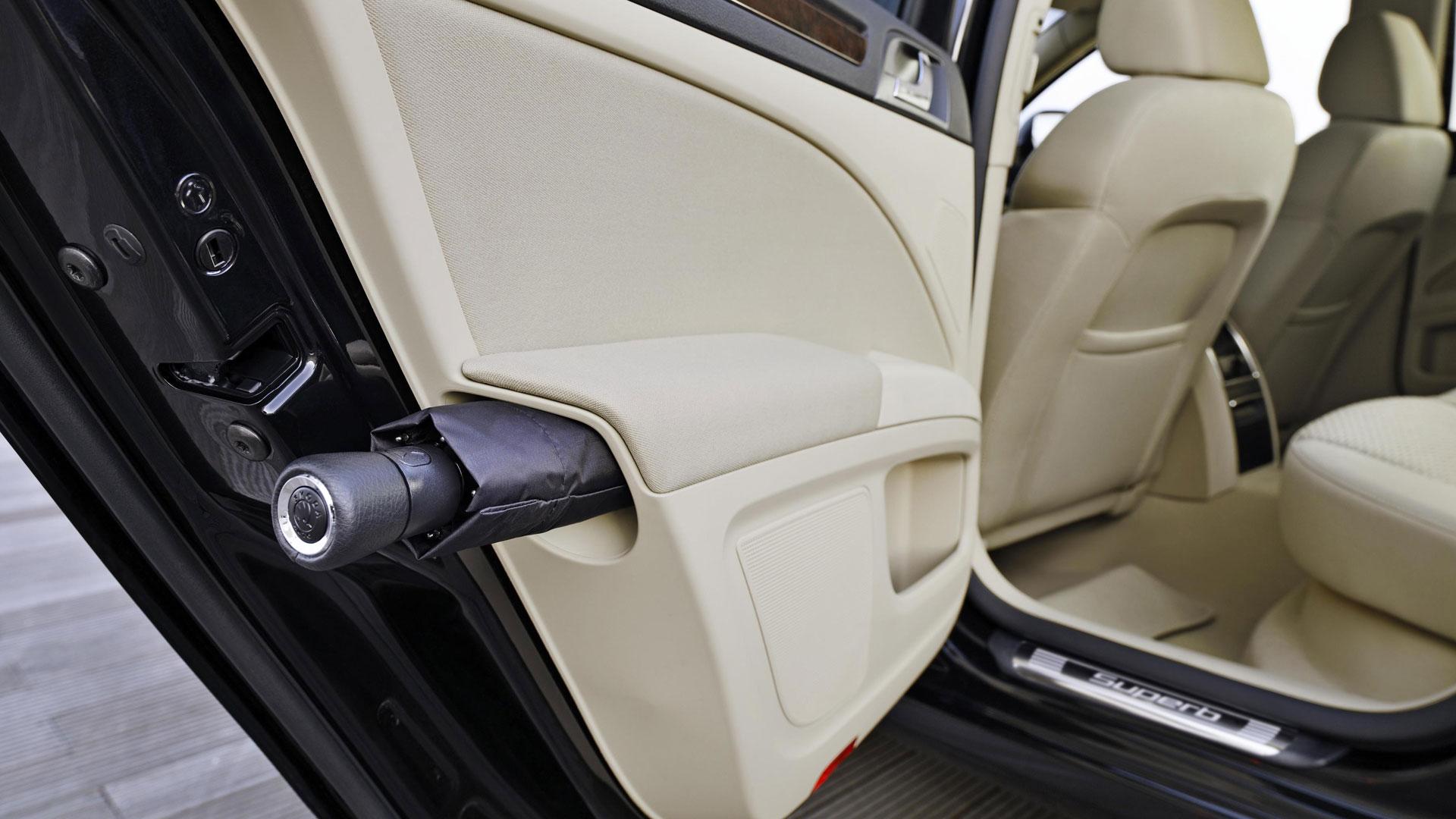
Skoda Superb umbrella
Another case of anything Rolls-Royce can do… the Skoda Superb does a brilliant impression of a luxury car costing many times more than its purchase price, right down to the minor details, like the umbrella tucked away in one of the rear doors.
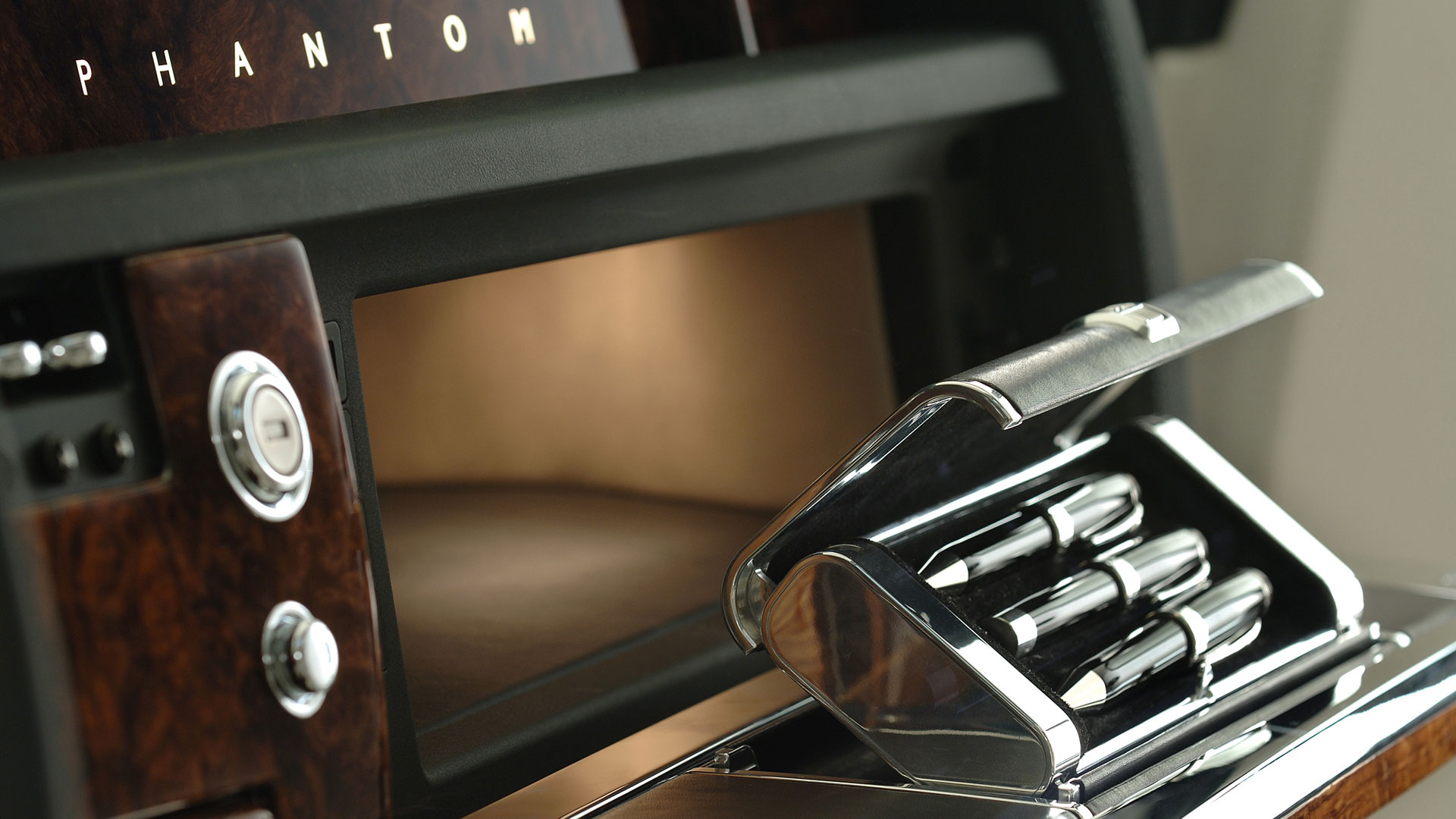
Rolls-Royce Conway Stewart pen set
In 2005, Rolls-Royce commissioned Conway Stewart to produce a limited number of pen sets to mark the 80th anniversary of the Phantom. A mere 25 Phantoms were treated to the special set within the glovebox, with the remaining cars getting a couple of blue Biros instead. Ahem.
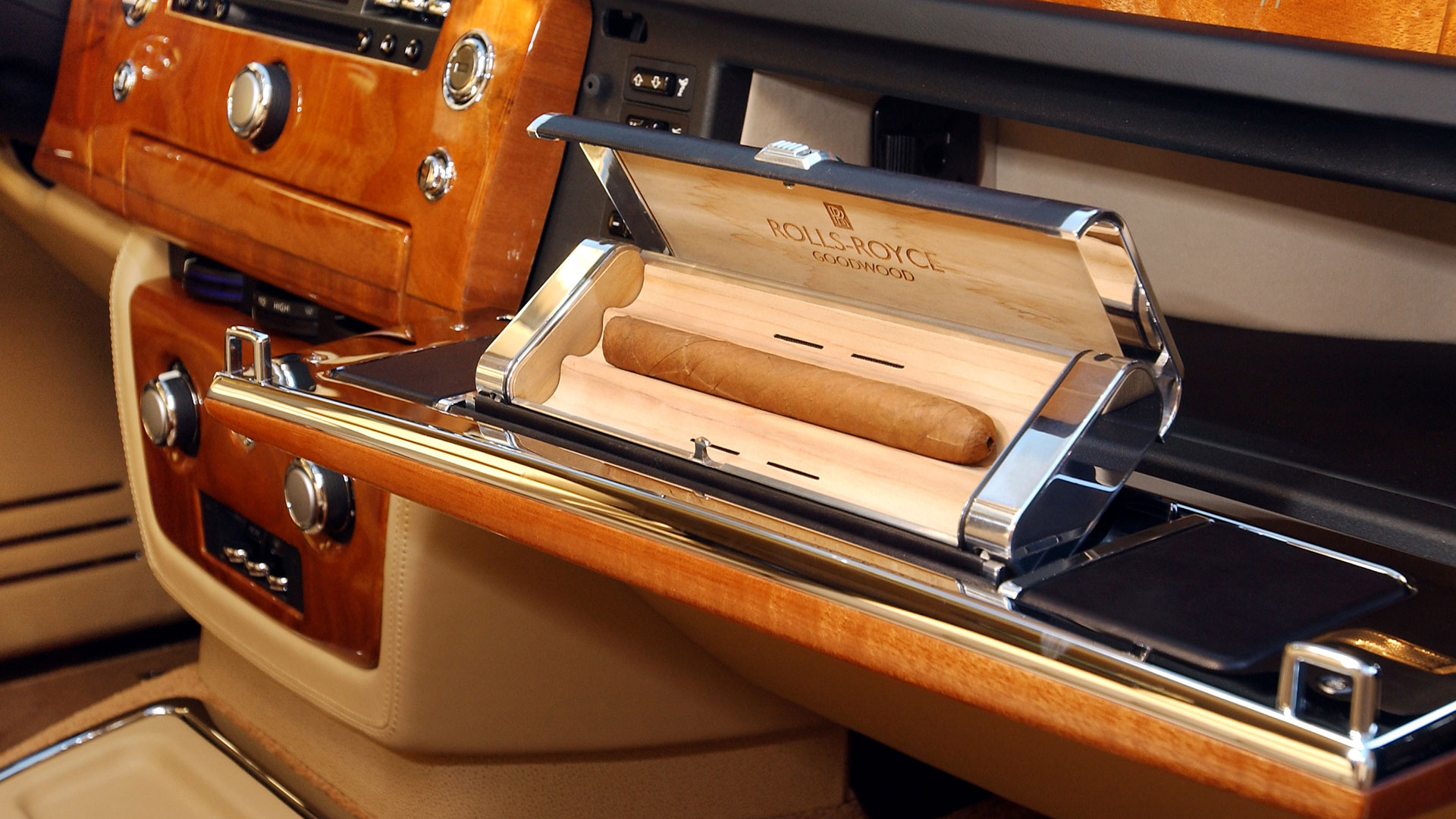
Rolls-Royce cigar humidor
You know you’ve made it in life when your Rolls-Royce Phantom features a cigar humidor in the glovebox. We haven’t seen that on the option lists of the Skoda Superb or Vauxhall Adam…
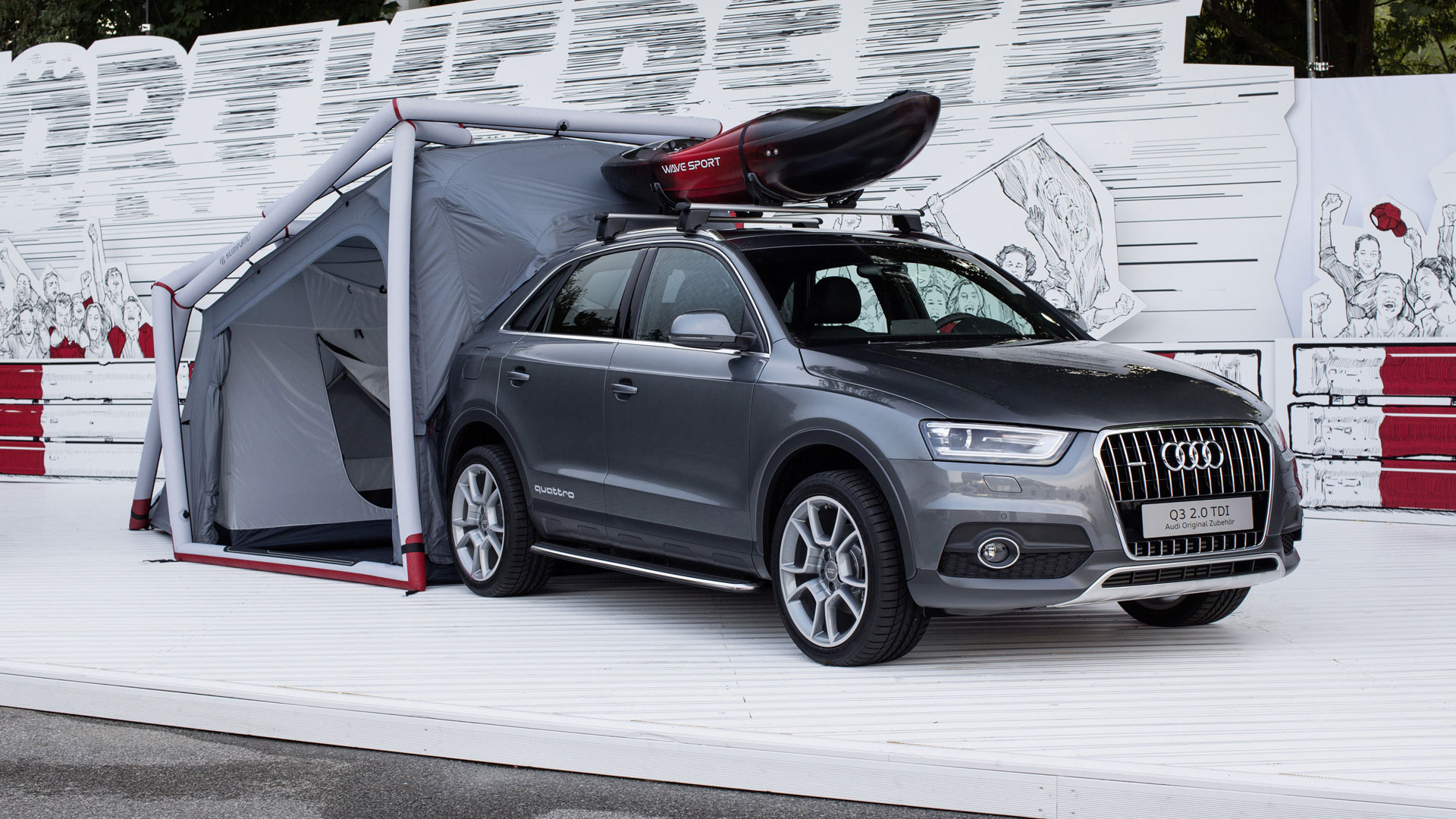
Audi Q3 camping tent
Yes, that is an Audi Q3 giving birth to a camping tent. Looks painful, but rather that than the kayak on the roof. Or is it a canoe? Whatever, the Pontiac Aztek got there first.
Peugeot 207 perfume diffuser
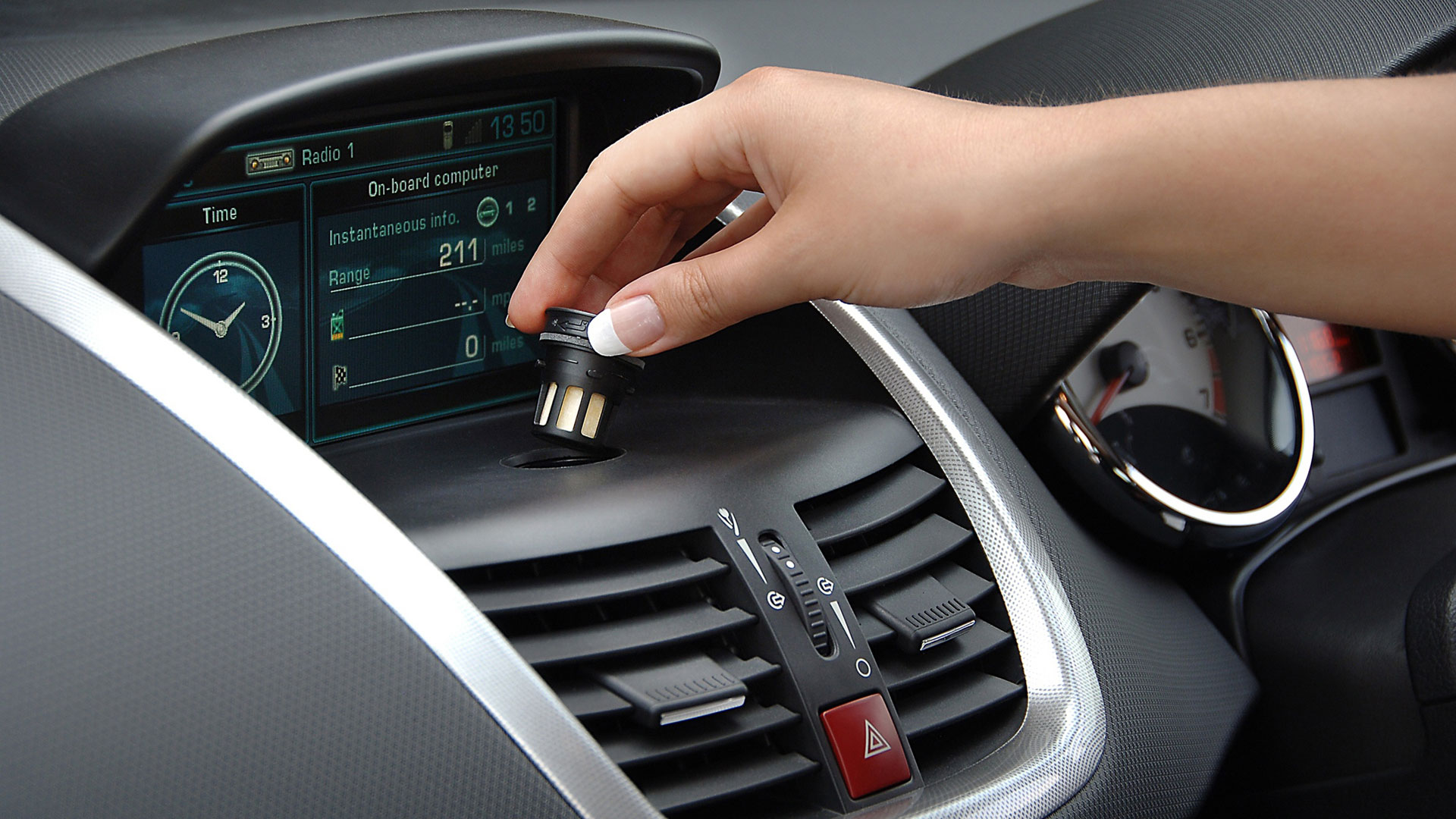
The Peugeot 207 is getting a bit long in the tooth these days, so there’s a good chance the interior will be a tad smelly. Think old socks, body odour, leftover takeaways and wet dogs. Fortunately, some cars were fitted with a perfume diffuser. You might just need it.
Volkswagen Beetle flower
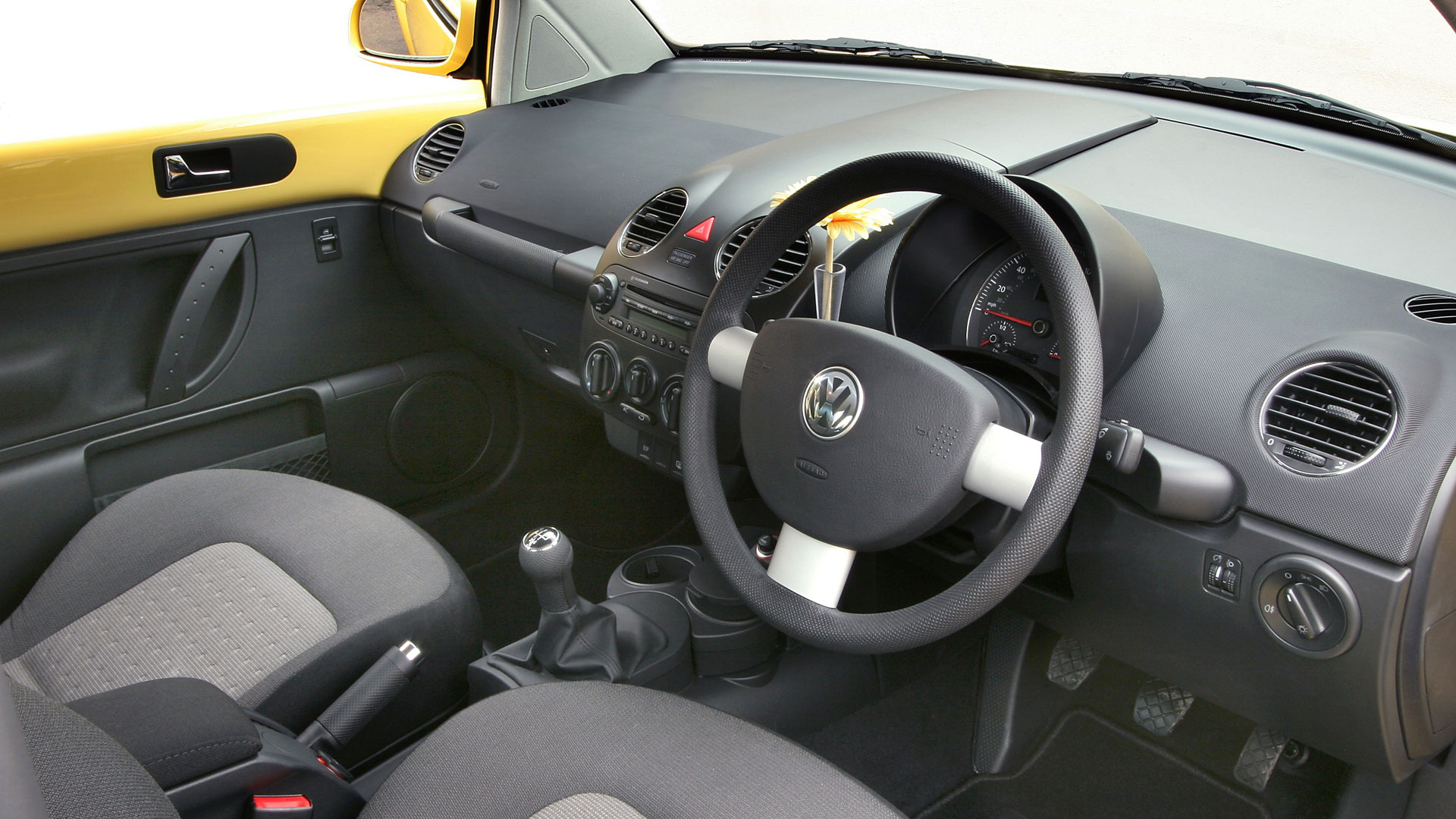
Ah, the irony. The Volkswagen Beetle and the flower, two symbols of the Swinging Sixties and ‘flower power’. But wait, what’s that on the radio? Ah, BBC Radio 2. Well, we all have to wear our sensible shoes at some point.
Skoda ice scraper
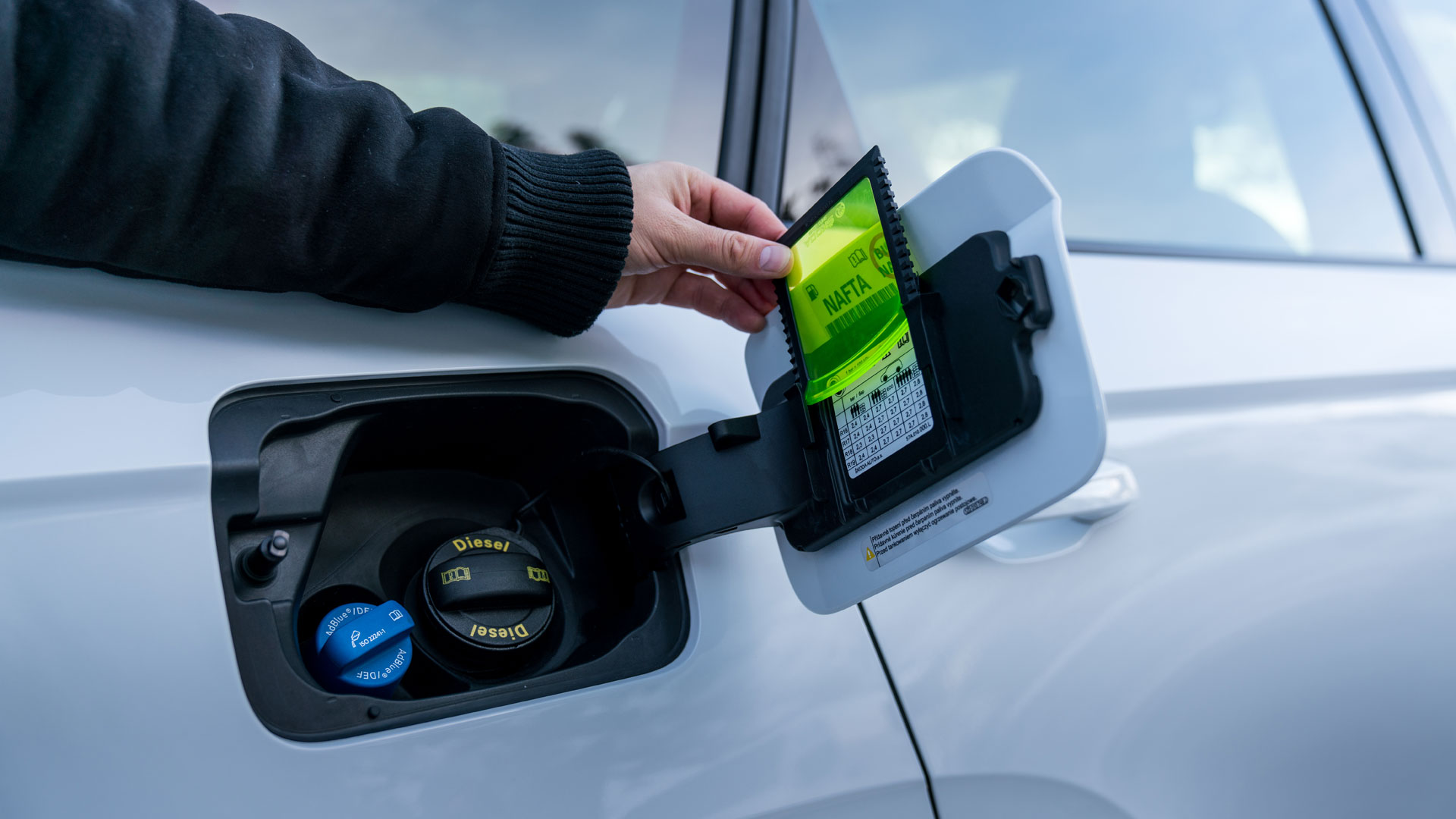
The only thing crazy about Skoda’s decision to put an ice scraper inside the fuel filler cap of its cars is why nobody had thought of it before.
Mini Driving Excitement Analyser
The Mini Driving Excitement Analyser – “on hand to highlight just how skilfully and safely drivers are exploiting the potential of their new Mini”. Apparently you can earn Experience Points for sporty but safe driving. OK then…
Nissan X-Trail safari lights
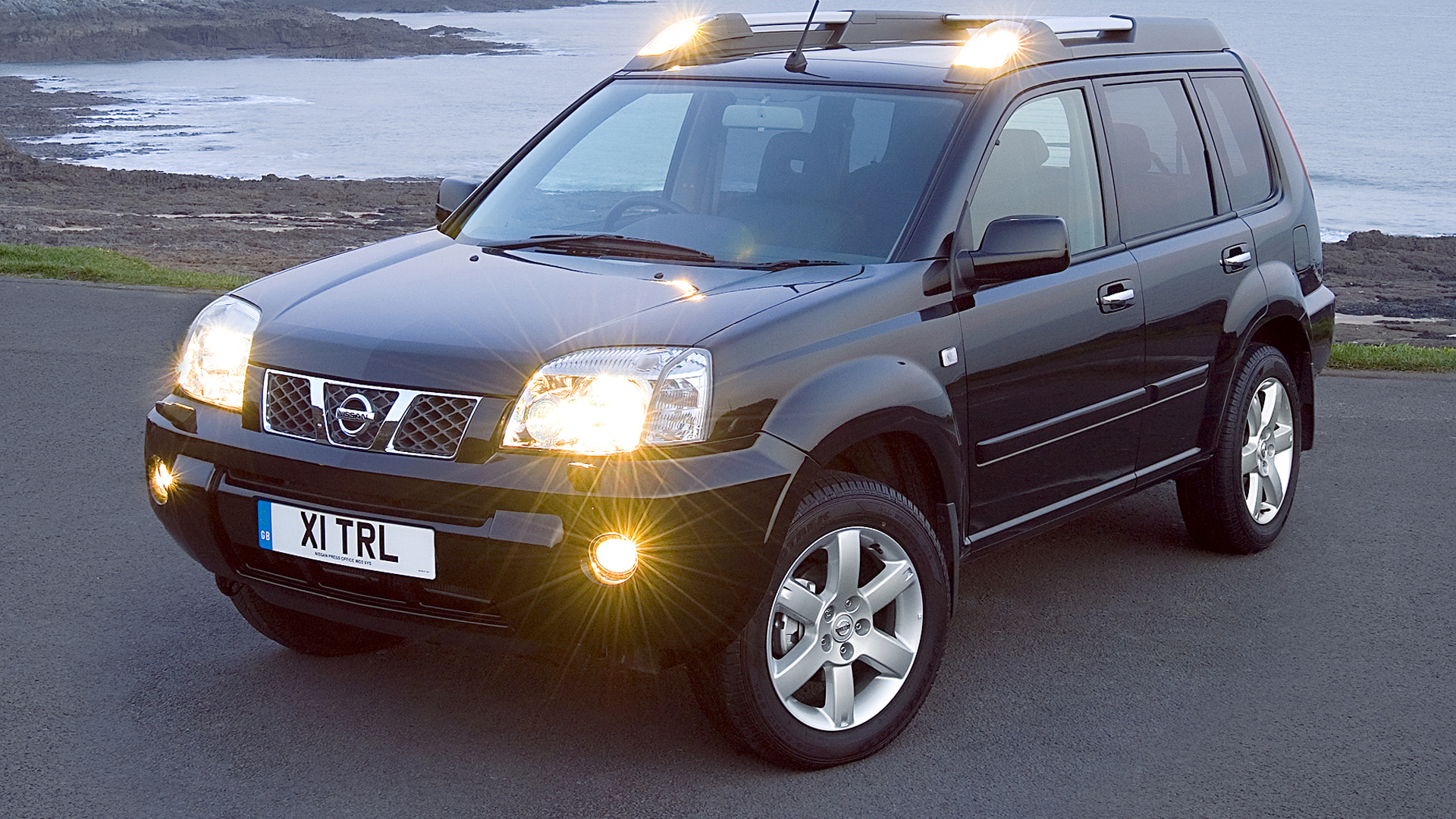
Safari lights: perfect for the mean streets of Surbiton and the wilds of the Morrisons car park. But we shouldn’t mock; whack these bad boys on main beam and Mr LED daytime runnings lights is going to think twice about blinding you next time he sees you. Or perhaps, doesn’t see you…
Aston Martin tyre cushions
No, we’re not making this up, you can actually order tyre cushions for your Aston Martin. They help to reduce flat spots when parking and can be yours for ‘just’ £700. The alternative is to use your car more often.
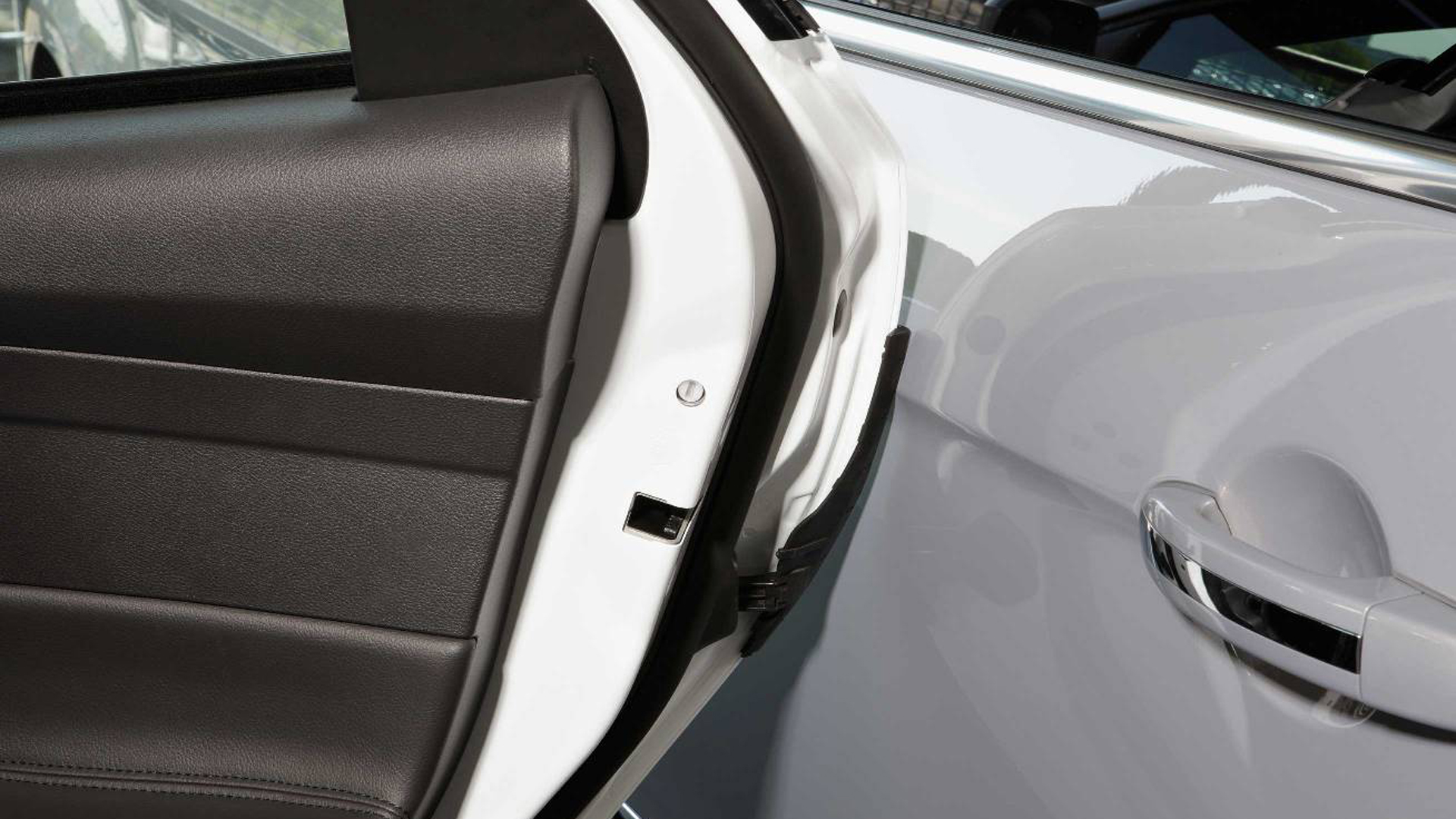
Ford Door Edge Protector
There’s nothing crazy about this, because Ford’s Door Edge Protector system does exactly what it says in the brochure. Just don’t think it gives you an excuse to ram your car door into the side of ours. Thank you.
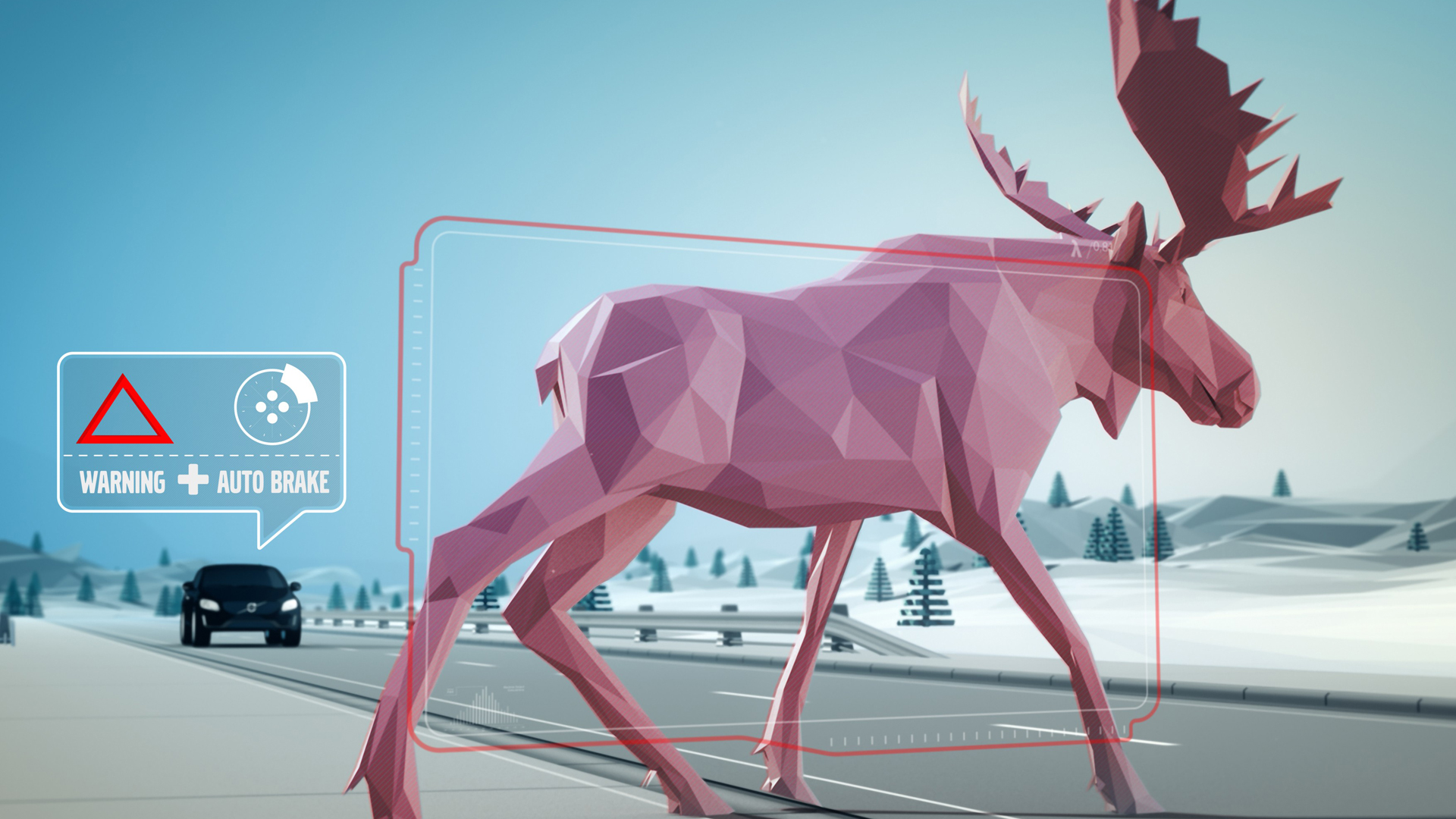
Volvo Animal Detection
Volvo’s Animal Detection system was tested in Sweden before being rolled out as part of the City Safety technology. The alternative would be to carry Sir David Attenborough around with you.
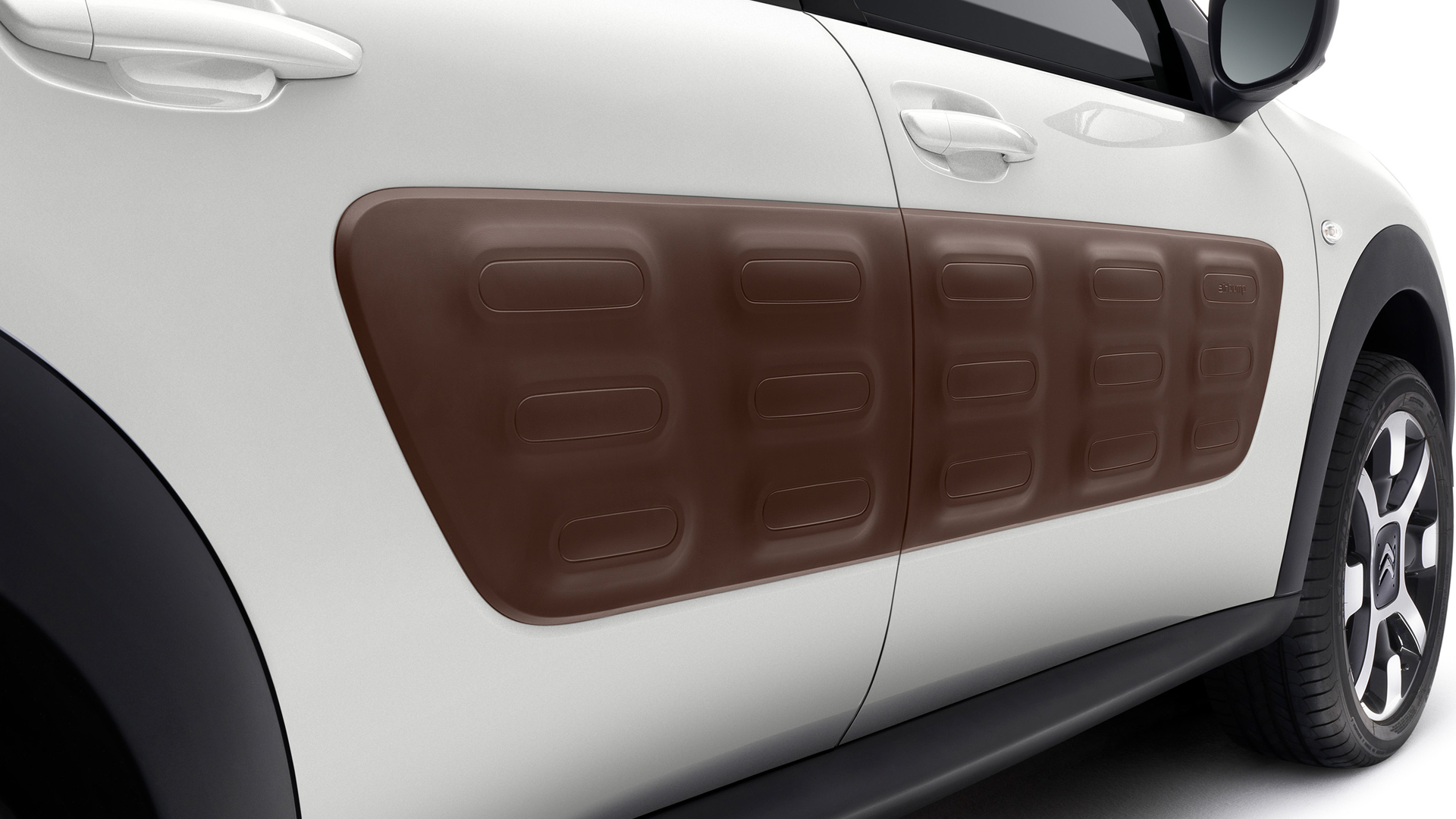
Citroen C4 Cactus Airbumps
The magnificently-named Airbumps are found on the old Citroen C4 Cactus. The air capsules absorb small bumps and are also said to offer better resistance to scratches. Which is fine, but we just love them because they look funky. It’s a shame Citroen decided to reduce their size for the facelift.
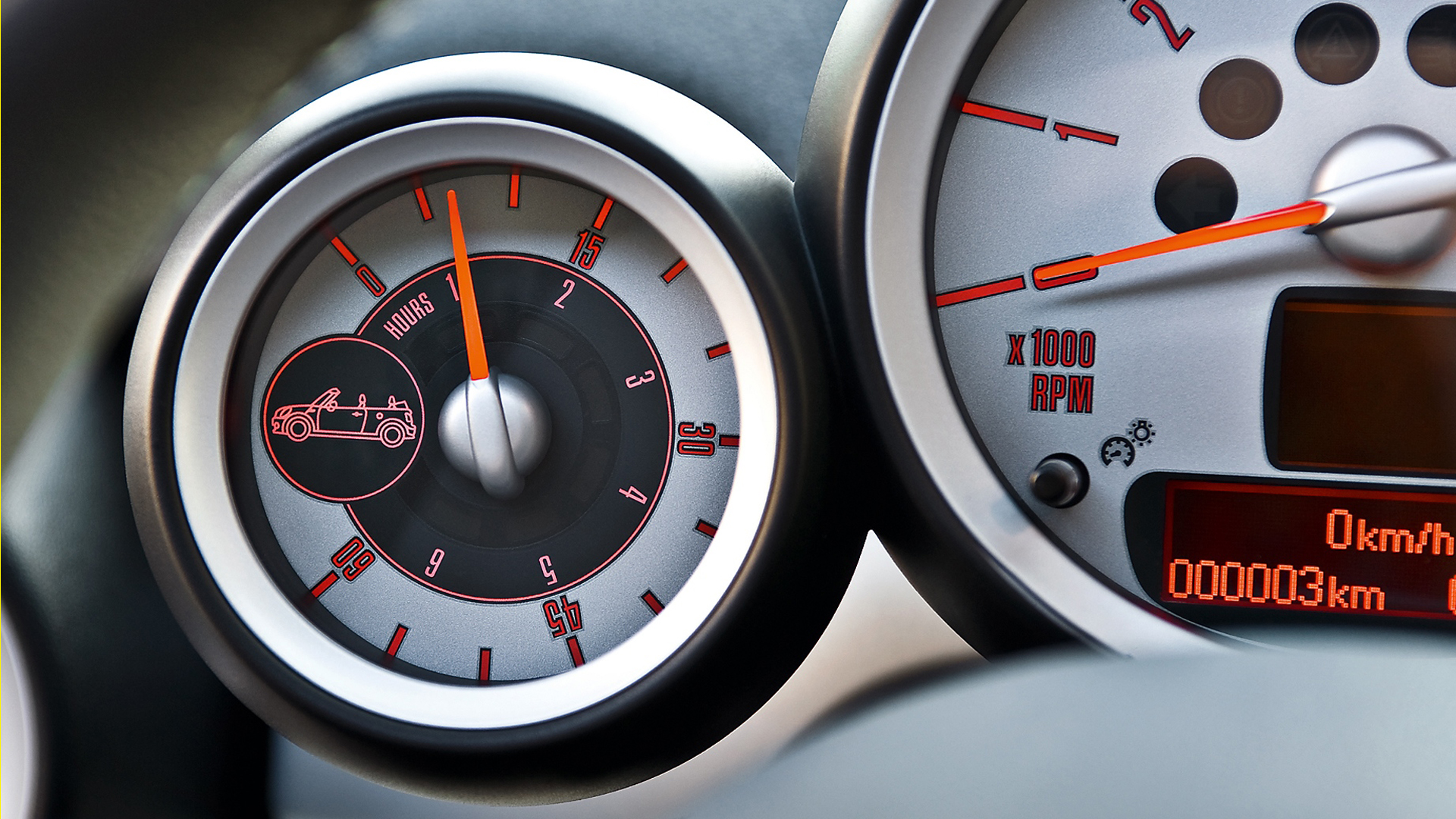
Mini Openometer
The Mini ‘Openometer’ records the amount of time you have spent driving with the roof down. Which, in the case of most Brits, is hardly ever.
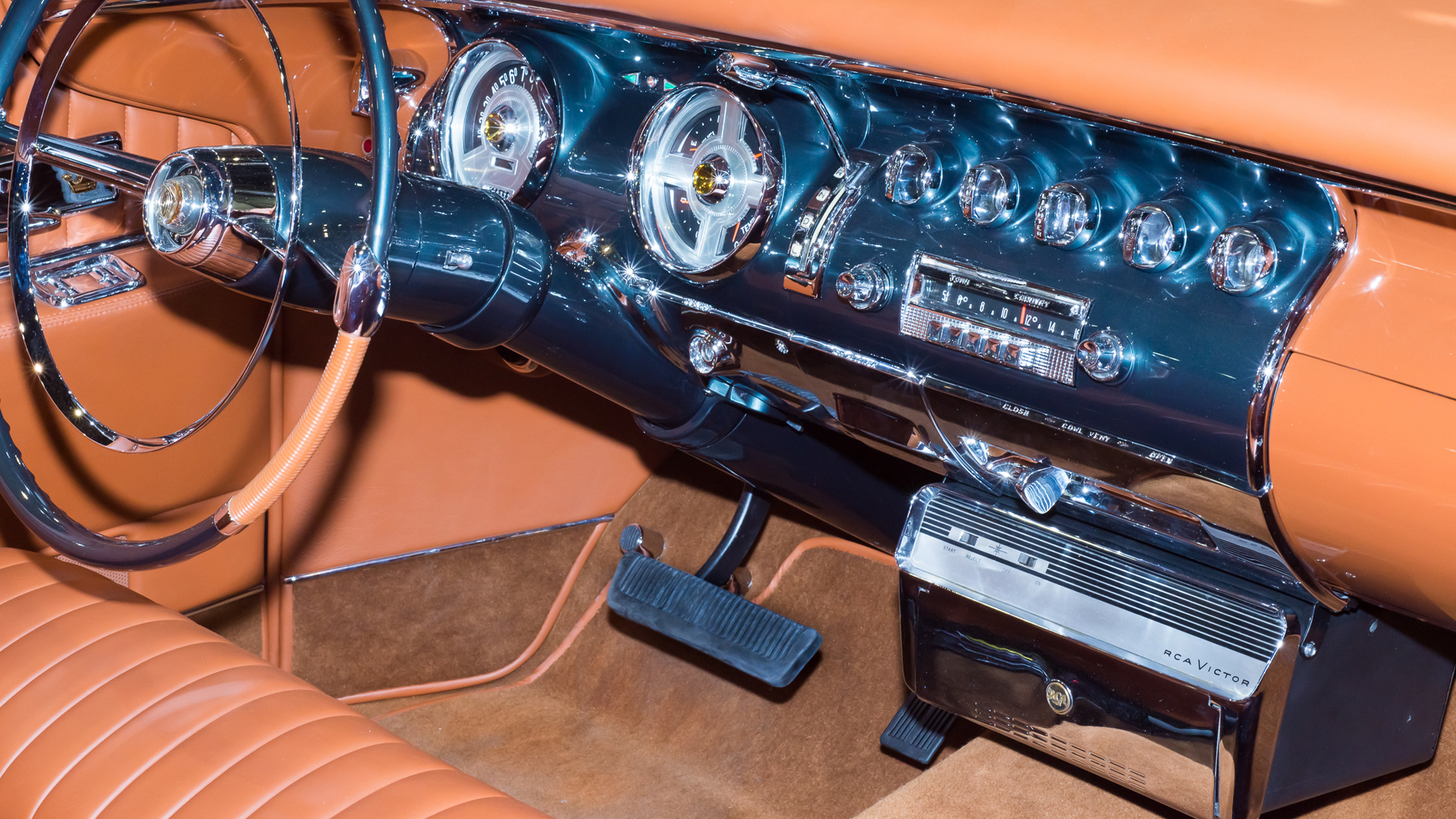
The in-car record player
If you thought smartphones were a distraction behind the wheel, imagine trying to change a record while on the move. The technology was short-lived, knocked into touch by the birth of the eight-track player and common sense.
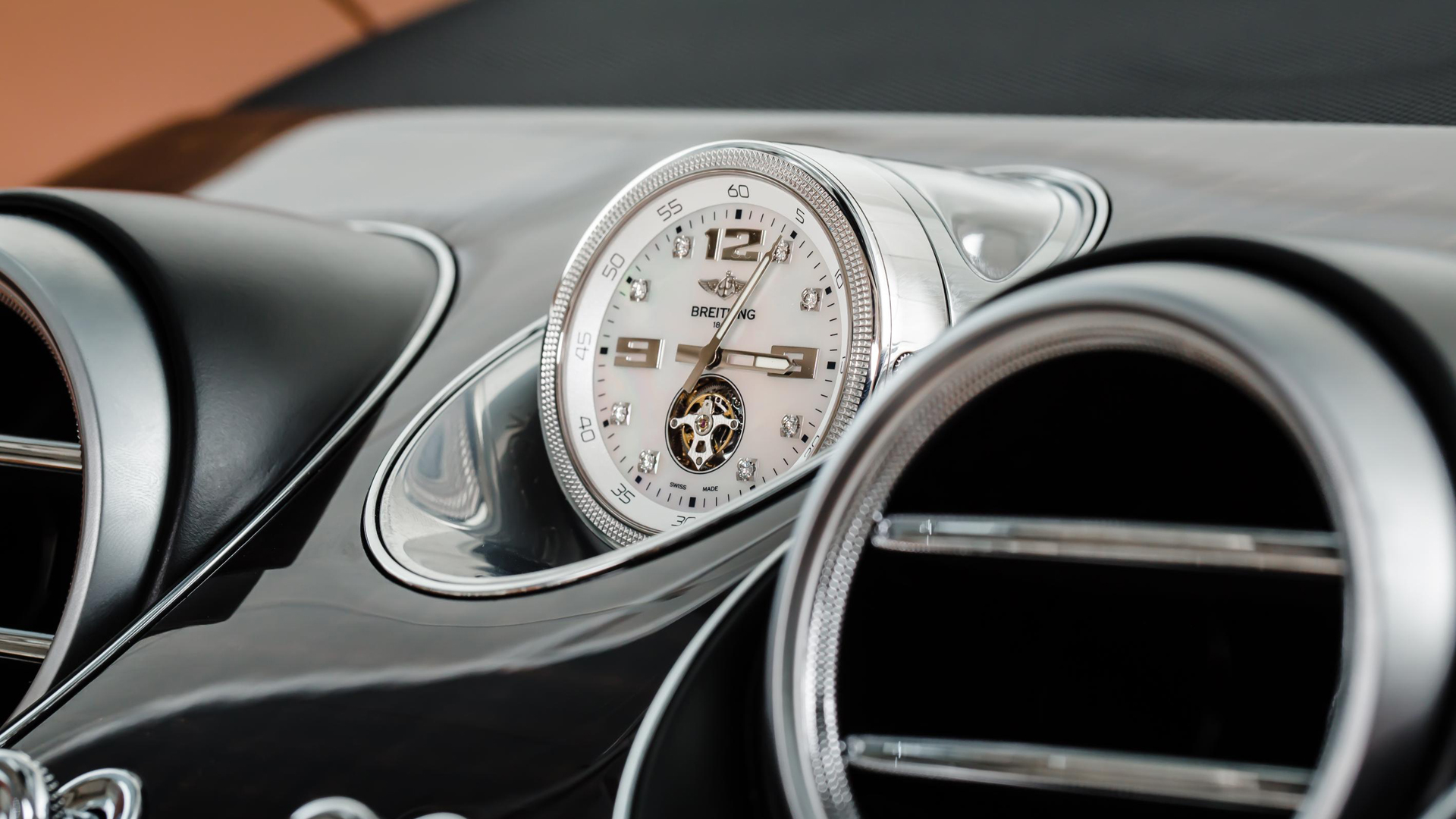
Bentley Bentayga Mulliner Tourbillon by Breitling clock
Life is all about choices. Right now, the average house price in the North West of England is £160,000. For a similar amount of money, you could opt for the Mulliner Tourbillon by Breitling clock. It’s all about Cheshire, innit?
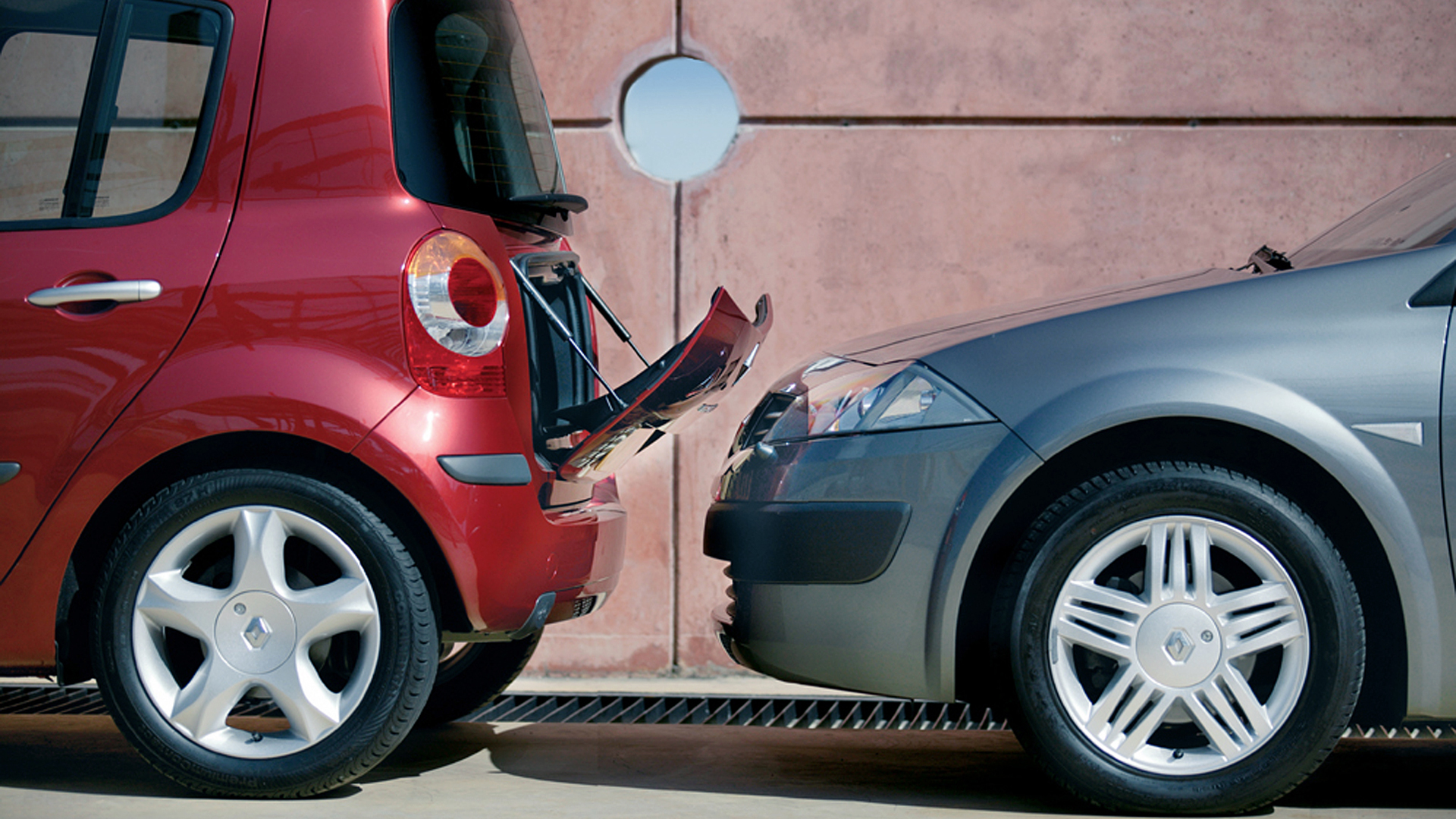
Renault Modus boot chute
Clearly inspired by the original Mini, the Renault Modus featured a flap in the lower half of the tailgate to provide easy access to the boot. The so-called ‘boot chute’ was one of the many reasons why the Modus doesn’t get the respect it deserves.
Vauxhall bike carrier
Vauxhall’s patented FlexFix bike carrier is integrated in the bumper so that it’s not in the way when not in use. Optional when new, we wonder who many Vauxhall used car buyers are unaware that their car features this nifty solution.
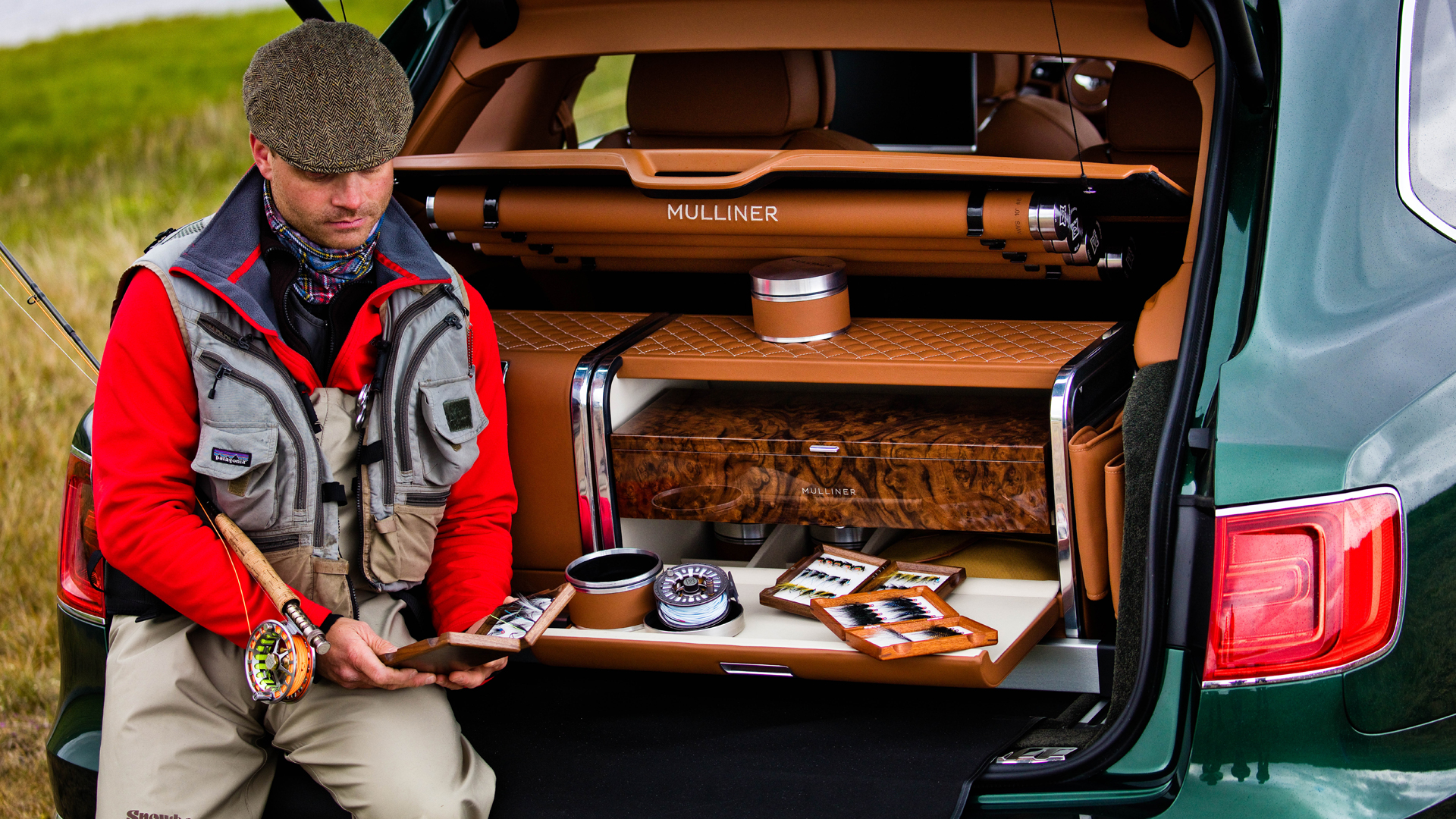
Bentley Bentayga Fly Fishing by Mulliner
What do you buy the fly-fisher who has it all? The Bentley Bentayga Fly Fishing by Mulliner and a copy of Fly Fishing by J.R. Hartley, of course.
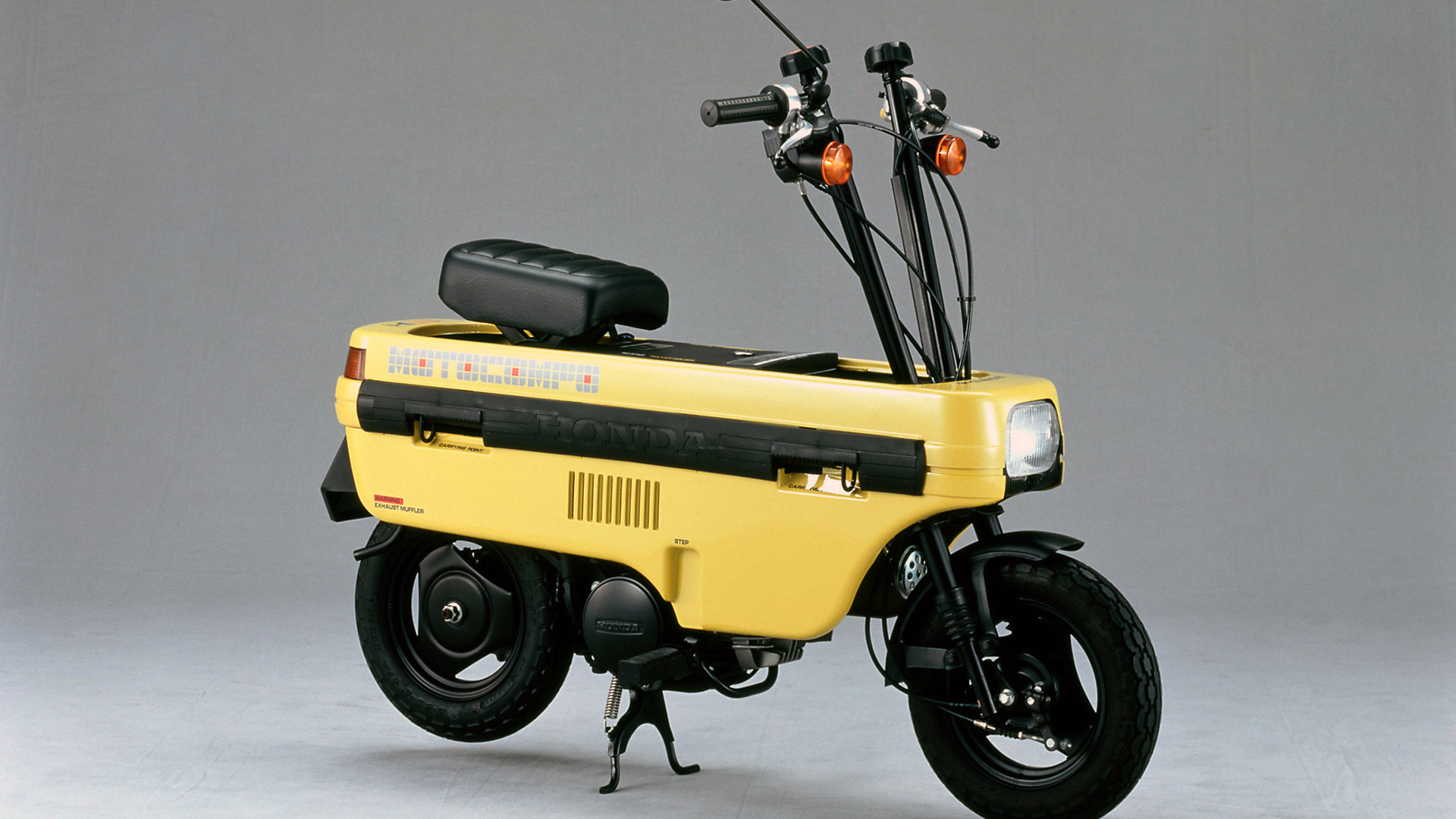
Honda City / Motocompo
The Honda City could be optioned with a 50cc foldaway scooter called the Motocompo. Name a better automotive partnership. We’ll wait.
Volvo heartbeat sensor
Volvo’s Personal Car Communicator featured a heartbeat sensor that used the key fob to alert owners if somebody was lurking in the rear seat. The tech was short-lived. “Almost no one was using the intruder query function,” said Dan Johnston of Volvo Cars North America.
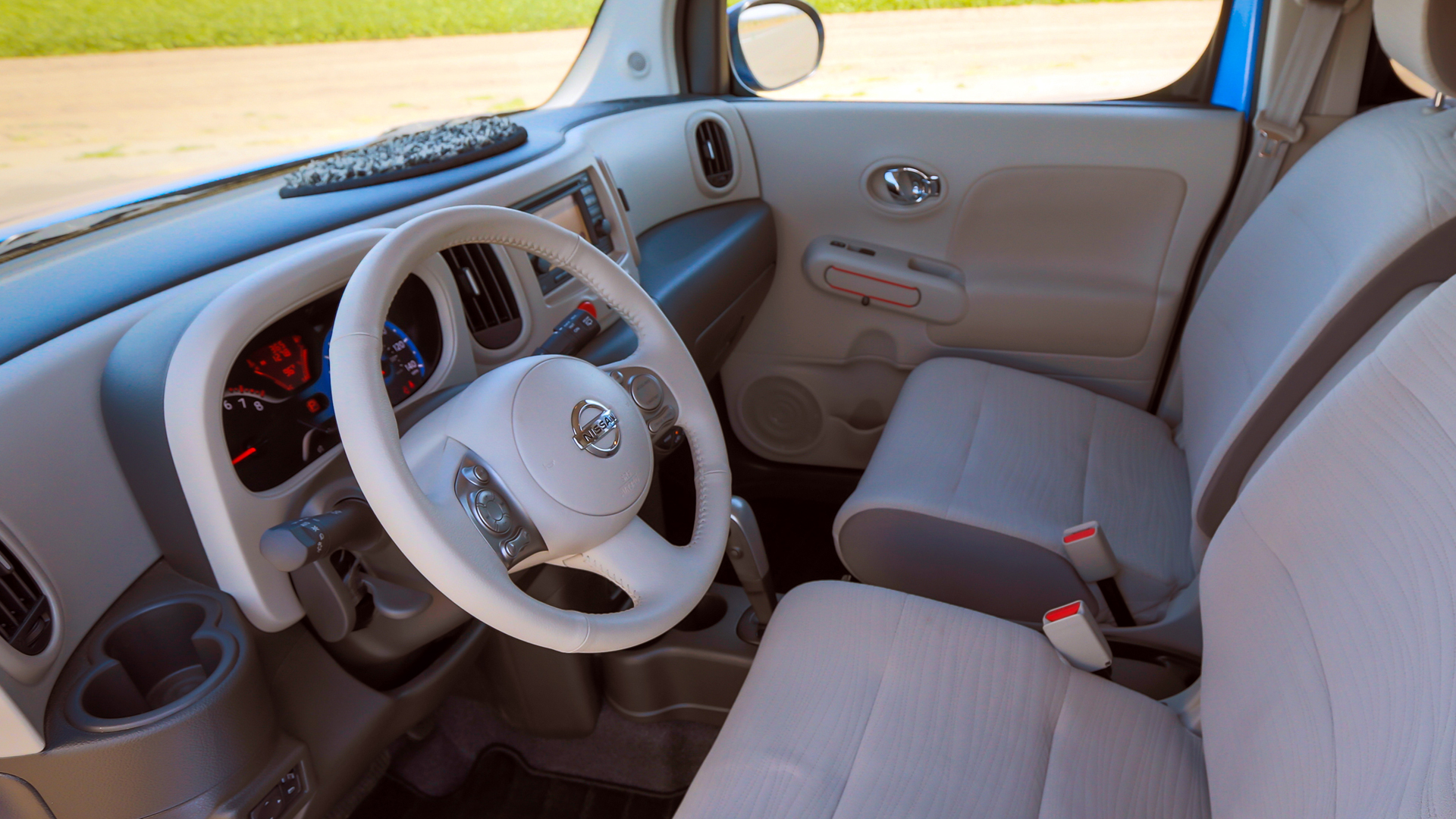
Nissan Cube shag patch
You’re looking at the inside of a Nissan Cube with a ‘shag dash topper’. Watch out for carpet burns.
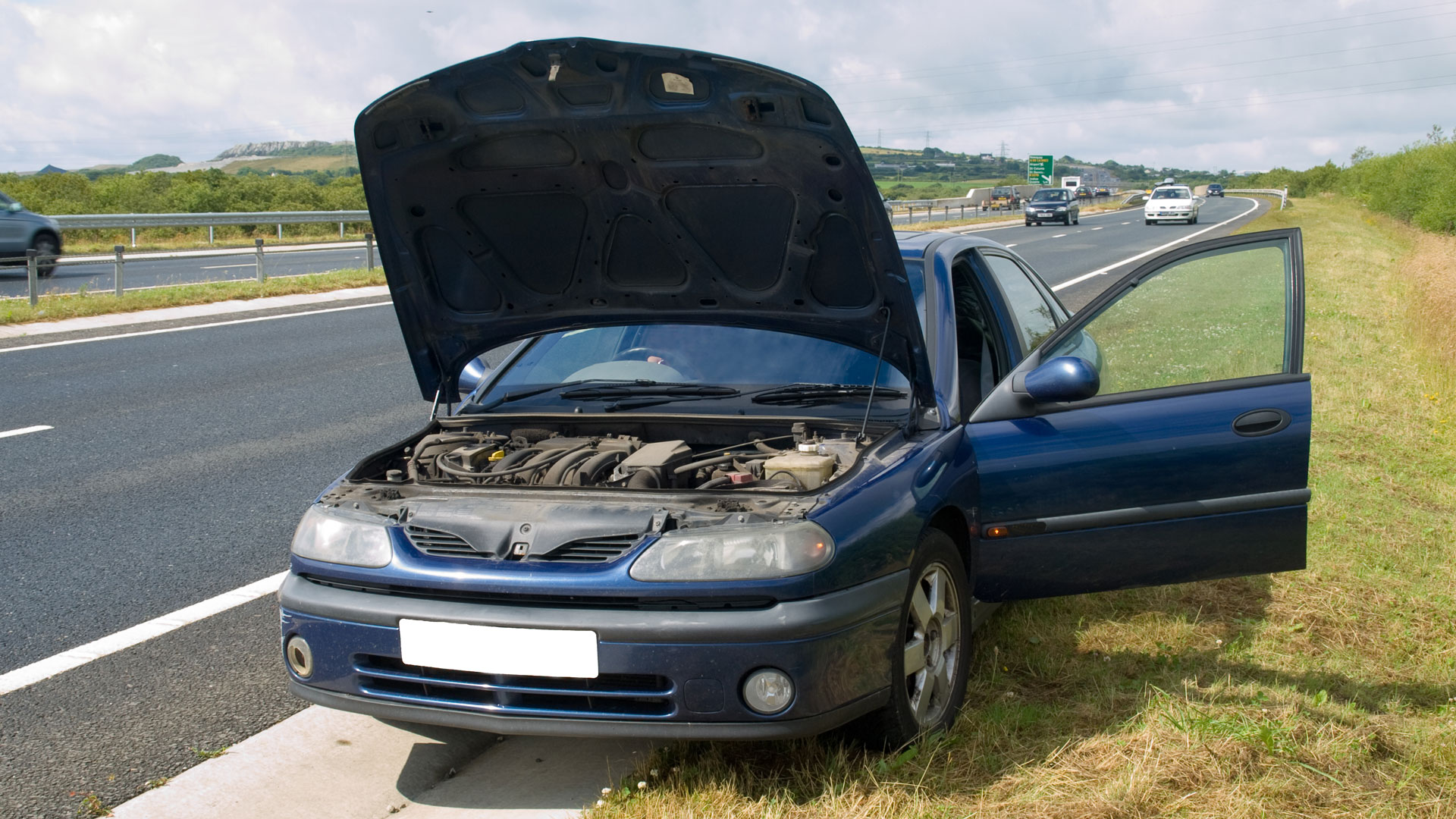
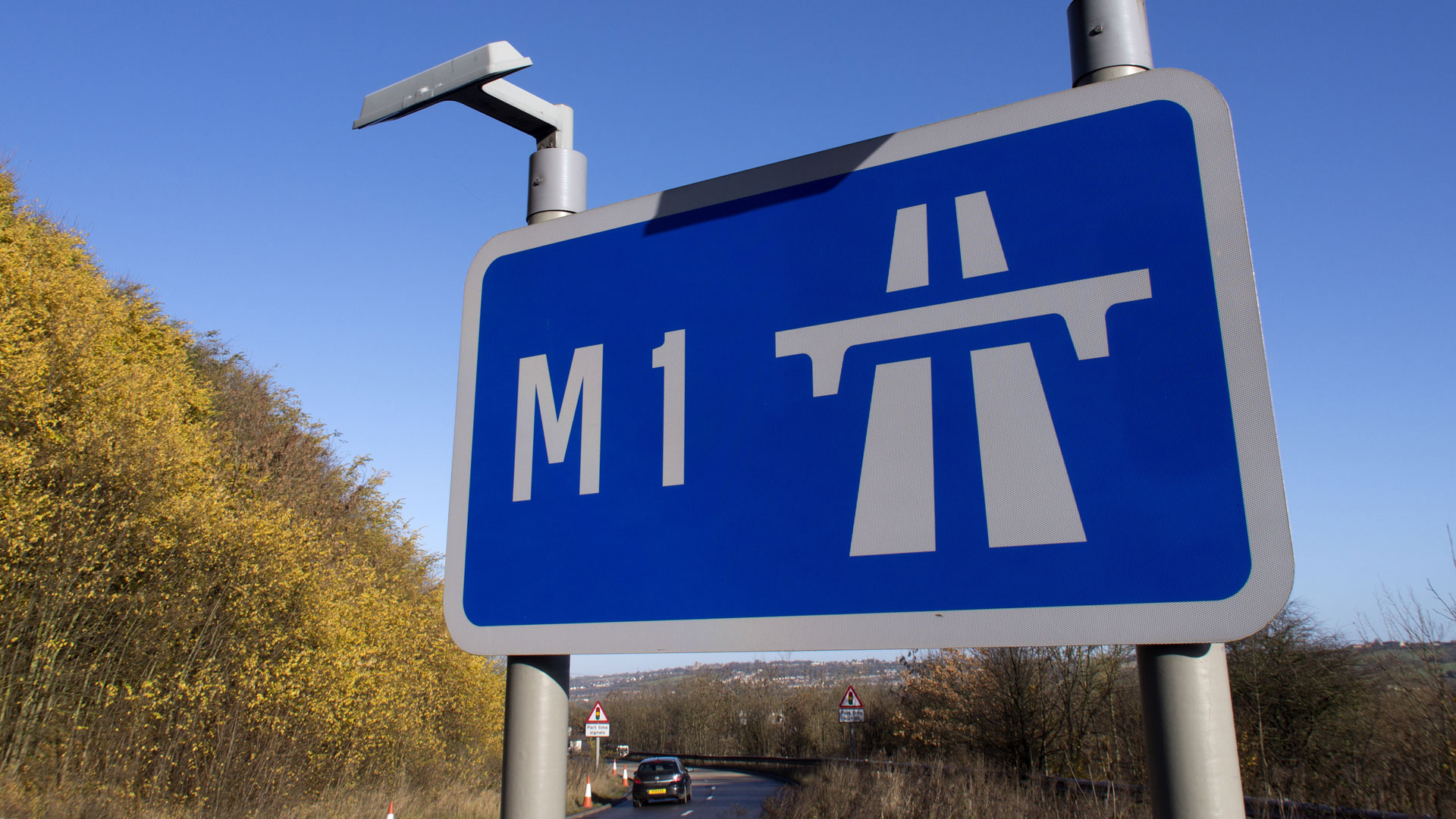
You’re more likely to break down on the M1 than any other major road in England.
That’s according to the results of a Freedom of Information request sent to Highways England. With 32,152 breakdowns in the past 12 months, the motorway is a cauldron of trouble for the nation’s motorists.
Overall, Highways England has responded to nearly 800,000 incidents on the strategic road network since 2014, with the M1 accounting for 140,000 incidents.
This isn’t entirely surprising, given that the M1 is one of the country’s busiest motorways. A massive 184,000 vehicles use the stretch between Redbourn and Hemel Hempstead alone.
The M1 also stretches 200 miles from London to Hook Moor near Leeds, so there are plenty of opportunities for motorists to run into trouble.
As Highways England points out, the frequency of breakdowns is linked to the length of motorway and traffic flow. Which is why the M25 and M6 are the other breakdown hotspots.
Big problems caused by simple issues
Research shows that HALF of all breakdowns are caused by simple mechanical problems, while a QUARTER are caused by tyre problems. Highways England has the following advice for drivers hoping to avoid adding to the breakdown statistics.
Tyres: check the pressures and the condition of your rubber, while making sure the tyres have the minimum tread depth of 1.6mm
Engine oil: use the dipstick to check the oil regularly and before a long journey
Washers: always keep your screenwash topped up
Lights: check your indicators, hazard lights, headlights, foglights, reversing lights and brake lights
Rule 91 of the Highway Code states that you should be take a 15-minute break after every two hours of non-stop driving.
It’s the law in the EU that commercial drivers must not drive for more than four hours and 30 minutes without taking a break.
With that established, exactly how far are Brits pushing themselves on the road in Europe? The RAC figures are based on a survey of 1,010 drivers who have taken their cars to Europe. Just 9.3 percent said they drive for no longer than two hours without a break.
A vast majority (90.1 percent) of respondents said they drive for three hours or more, while 58 percent said they keep going for four hours or more.
More than a quarter (28.2 percent) said they will drive for five hours without a break. For six hours, it was 16 percent, while 7.5 percent admitted to eight hours behind the wheel.
“Despite the ease at which modern vehicles allow us to clock up the miles (or kilometres) in relative comfort, it’s still the case that driving is an extremely demanding task,” said RAC Europe spokesman, Rod Dennis.
“Taking a proper break is essential – it doesn’t need to be a long one, but having a rest (even a short nap) and drinking two cups of caffeinated coffee as recommended in the Highway Code can keep you safe and alert.”
How to stay safe and alert
Share the drive
One way of making sure you don’t drive without a break for long distances is having someone who can share the drive with you. Instead of stopping for long periods, you can swap sides and be on your way within minutes. It keeps you moving but, more importantly, will keep you safe.
Take breaks
That doesn’t mean you shouldn’t take breaks. Adhere to the Highway Code recommendation, and use it as an excuse to take in the ambience of the country you’re in.
Don’t underestimate how long journeys can be
Don’t underestimate exactly how long you will be driving for. A hundred miles doesn’t get you as far across Europe as it does the UK. Plan your routes, allow contingency time and don’t rush.
Avoid busy periods and routes
Your journey will be infinitely more pleasant if you’re not caught up in clotting traffic. Plan ahead, and around, problem areas. August contains Samedi Noir or Black Saturday. These are days – 3 August and 10 August – in France that are expected to be the worst for holiday traffic on certain routes.
Much of this traffic will have come from the UK, and you can bet many of these drivers will be putting in too many hours behind the wheel. Be aware and stay safe.
 Whilst Elvis Presley’s love for cars is well known, one of the rides associated with his early film career has remained firmly untouchable.
 Athan built the Roadster in 1938, fitting the flathead V-8 engine to a 1932 Ford ‘Deuce’ frame, with bodywork taken from a ‘39 Ford Model A.
 Capable of 100 mph, the Elvis Roadster was used on-screen by Presley, who played the character of Deke Rivers in Loving You. The film marked the first time Elvis had taken a starring role on the big screen.
 Kruse GWS Auctions will be managing the sale of the Elvis Roadster, which is set to take place Saturday August 31 2019. Taking place at the Hard Rock Cafe in Hollywood, CA seems an apt location for selling this hot rod.