Home Blog Page 342

Over half of us AVOID open hard shoulders on smart motorways

0

Smart motorway hard shoulder

New research has shed some light on motorists’ understanding of how hard shoulders on smart motorways work. 

The headline revelation is that a massive 56 percent of British drivers AVOID driving on the hard shoulder of smart motorways. Yes, even when signs say they’re open. That represents 23.1 million UK drivers.

Why are drivers avoiding smart motorway hard shoulders?

How to drive on a smart motorway

So why are so many of us avoiding hard shoulders even when we’re allowed to use them? Well, perhaps predictably, it’s because we’re not sure if we are. Almost one in three motorists said that they felt uncertain about whether hard shoulders were open. 

One in four were reluctant to use them even when they knew the lane was open, over fears about there being stationary cars in the way. 

There are other safety-related concerns, too. 15 percent said they don’t like driving so close to the verge. Another 15 percent said they were worried about debrit in the hard shoulder lane.

14 percent said they were concerned about the lack of an escape lane, should they need to take evasive action. 

Smart motorways: a lack of understanding
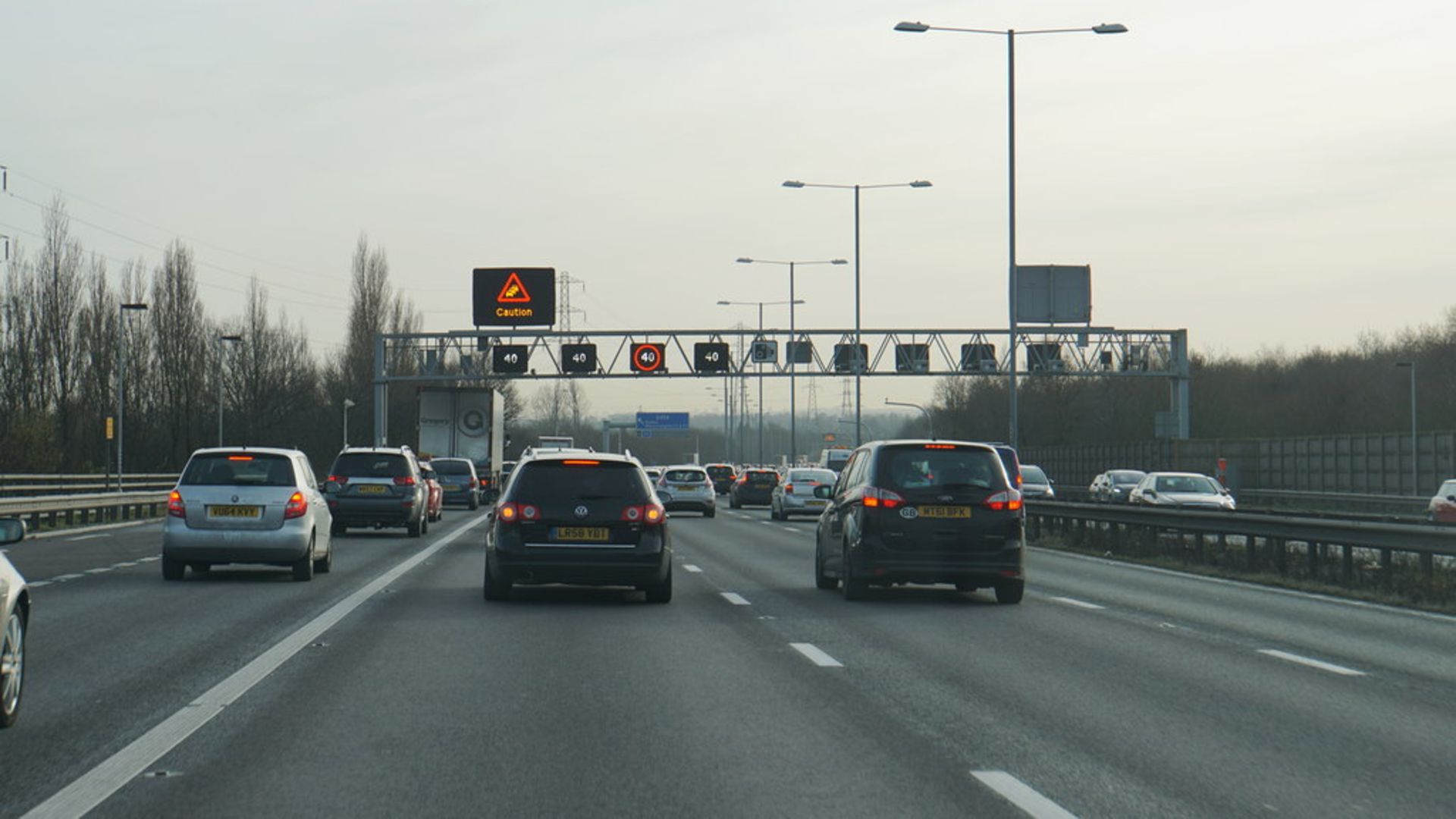
Smart motorways dangerous

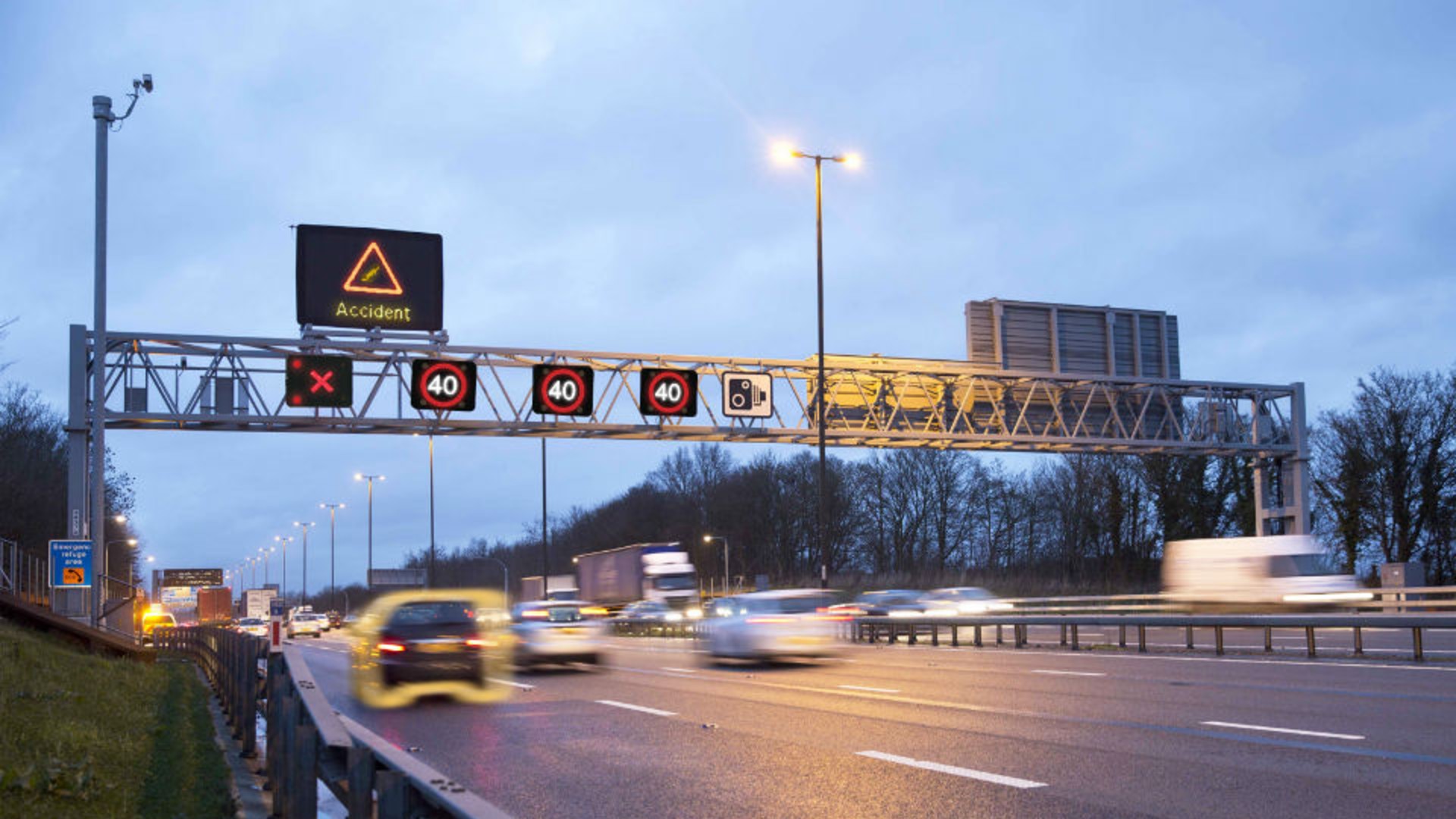
In terms of understanding the signage, we’re not in great shape. Less than a third said they were able to correctly identify an open hard shoulder using smart motorway signage. 20 percent of drivers said that they had no idea when a hard shoulder was in use. 

Just 42 percent correctly understood gantry signs direct when you can drive in the hard shoulder on smart motorways. Only 29 percent correctly said that a speed limit sign over a hard shoulder indicated it was in use. Surprisingly, 13 percent said you can never use the hard shoulder.

Worryingly, 15 percent said that a blank sign meant that it was open. The opposite is, in fact, true.

“These findings reflect the concerns and uncertainty that many drivers have when driving on smart motorways,” said Roger Griggs, communications director of Kwik Fit.
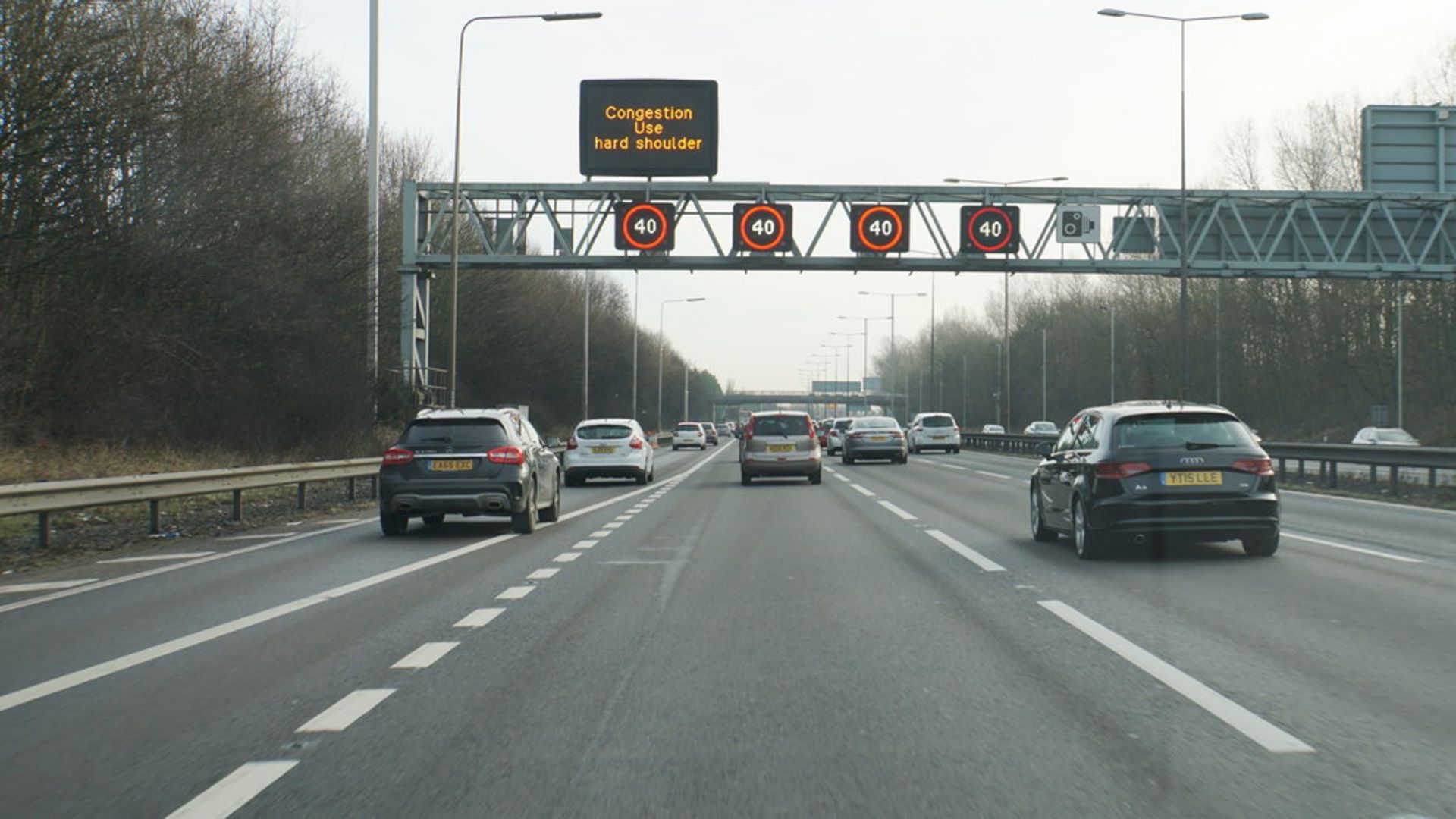
Smart motorway hard shoulder

“It’s clear that if many drivers are avoiding using the hard shoulder when it’s open, then the extra capacity which smart motorways are designed to provide is not being utilised properly and we will end up being in a worse position than with the original road layout.

“It is vital that there is a nationwide information campaign to ensure that drivers fully understand when they can and cannot use the hard shoulder if smart motorways are to be accepted by drivers and provide a way to ease congestion – something we need desperately.”
Advertisement

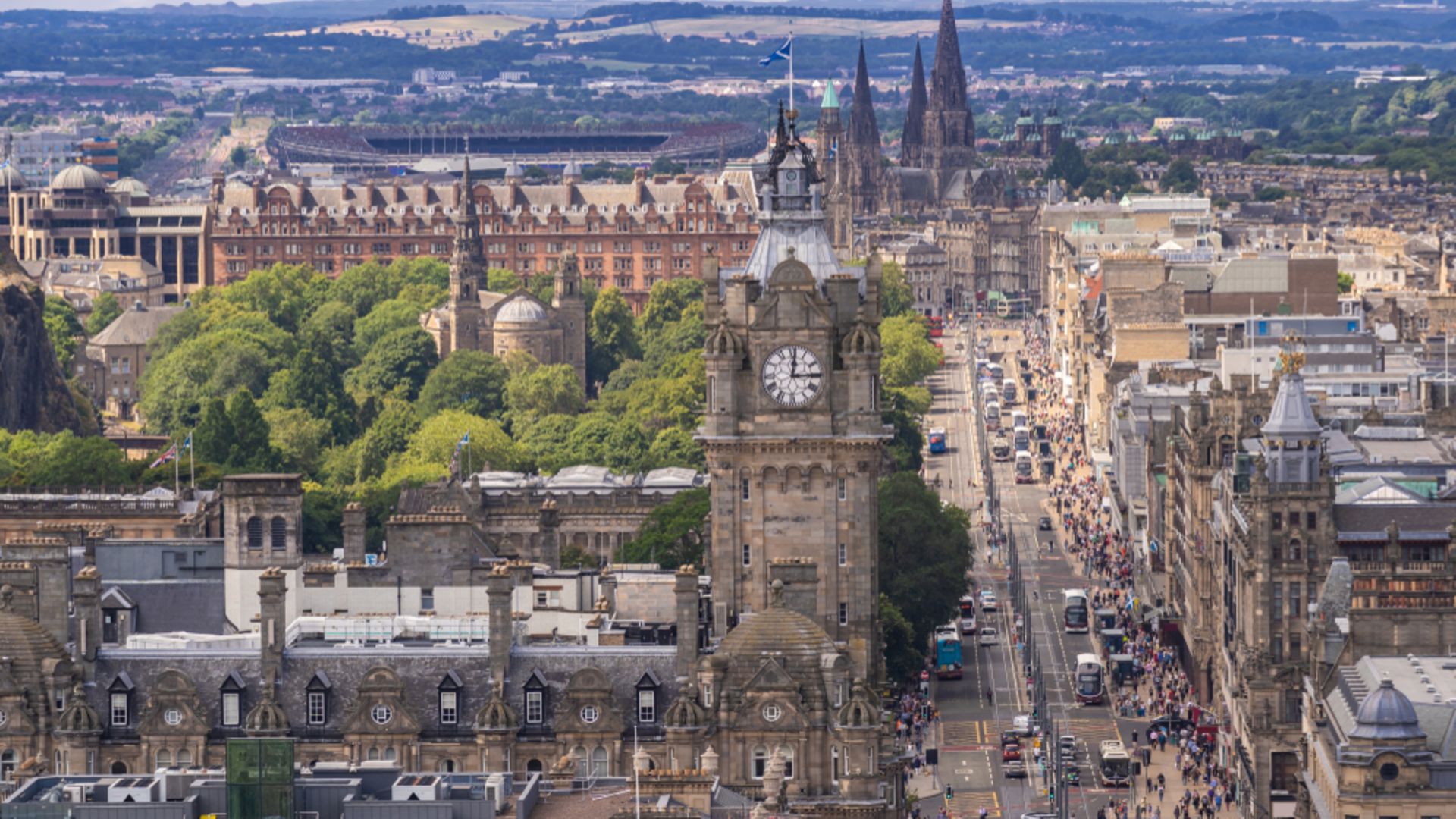
Scotland could ban petrol and diesel cars from cities by 2030

0

'Scottish cities should ban non-electric cars by 2030'

A coalition of climate campaigners says a ban is needed on all internal combustion vehicles in Scottish cities by 2030. It claims the Scottish government needs to speed up its response to air quality and environmental issues. 

At present, Scotland’s first minister Nicola Sturgeon has agreed that 2045 is the target for net-zero carbon emissions.

And while the Scottish government has made significant investments in zero-emissions road and rail projects, CO2 reductions are yet to materialise.

Scotland 'should ban non-electric cars in cities by 2030'

“The proposal for banning petrol and diesel cars from city centres is a reasonable one given the target date of 2030,” said Andrew Llanwarne, co-ordinator at Friends of the Earth Tayside.

“This is not far short of the Scottish government’s current target of banning the sale of new petrol and diesel cars and vans by 2032.”

A ban on petrol and diesel vehicles from Scottish cities is one of 12 parts of an overall plan by the ‘climate emergency response group’ to accelerate Scotland’s response to the issue.

In addition, it wants £100 million spent on the decarbonisation of farming, a PR campaign to promote a reduction of meat consumption, plus the establishment of low-carbon city investment deals. 

Scotland 'should ban non-electric cars in cities by 2030'

“We are already witnessing the effects of climate change,” said Claire Mach, chief executive of Scottish Renewables, an industry body for energy companies.

“Now is the moment when we must accelerate our response if we are to avoid the worst effects and secure the many social and economic benefits of moving to a climate-neutral economy.”

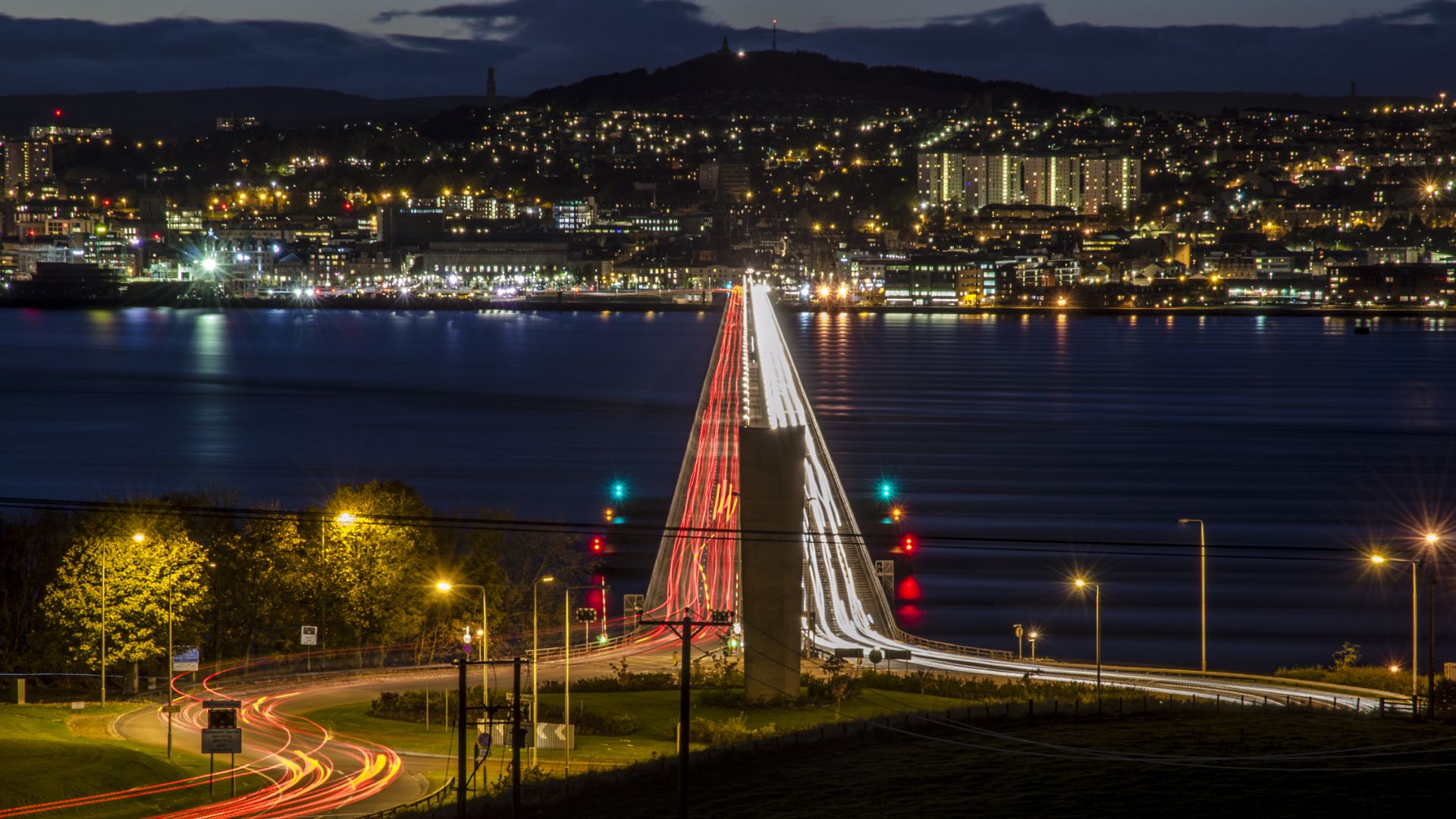
Dundee, one of the cities in the spotlight for the internal combustion ban, is set to host a conference on climate change this month. Speakers and experts will be presenting at the event at Dundee University on 27 and 28 September. 

Advertisement

Young driver deaths ‘swept under carpet’ says road safety charity

0

Young driver deaths 'swept under the carpet'

Road safety charity IAM RoadSmart says young driver and passenger deaths are being ‘swept under the carpet’ in comparison with the problems of knife crime and drugs. It wants the issue to receive more attention from legislators.

“Successive governments have brushed this issue under the carpet, which is disgraceful as road crashes are the biggest killer of young people today,” said Neil Greig, IAM RoadSmart director of policy and research.

“Yet it gets scant attention in terms of time and effort at the top level of government and in the media compared to knife crime or drugs.

“It is time that the government took this seriously at last and show that it cares for the young people of the UK by supporting fundamental changes to save these valuable young lives.”

Young driver deaths 'swept under the carpet'

The charity has, in response to a road safety enquiry by the government, recommended new restrictions on young drivers, to better protect them in their early driving career. In its submission to the Transport Committee investigation, it highlighted the risk factors young drivers present and face.

“The risk factors are well known; lack of experience in all traffic conditions including rural roads, darkness and poor weather, distraction by peer passengers or mobile phone use and alcohol.”

“Choosing restrictions to limit these risk factors should be the key objective of the government in creating a new graduated licensing system that is practical, affordable and effective in reducing young driver road deaths and injuries.”

Young driver deaths 'swept under the carpet'

Education

The charity wants road safety education to be a part of the National Curriculum. Elements of driving theory, it says, should be taught at school. When it does come to lessons, IAM Roadsmart wants a minimum 12-month period of learning, with an online log to be completed before a practical test.

Testing

It also wants the test to cover a wider range of driving conditions, from rural to high-speed roads. This means expanding test environments to include everything from B-roads to motorways. In order to get a full licence, it also wants learners to partake in a post-test phase. This involves a refresher course as well as eco-driving lessons. Only then would a full licence be given.

  • Three in five young drivers admit to using their phone while driving

Young driver deaths 'swept under the carpet'

Post-pass limits

There is also a suggestion of new limits for new drivers: a one peer (someone their own age) passenger limit and a zero-tolerance blood alcohol policy. The latter is a blanket policy for all drivers in Scotland.

What it doesn’t want limited is where and when newly-passed drivers can drive. All conditions should be ‘available’ so that they may accrue valuable experience. 

Advertisement

Honda e electric car will have a 136-mile range

0

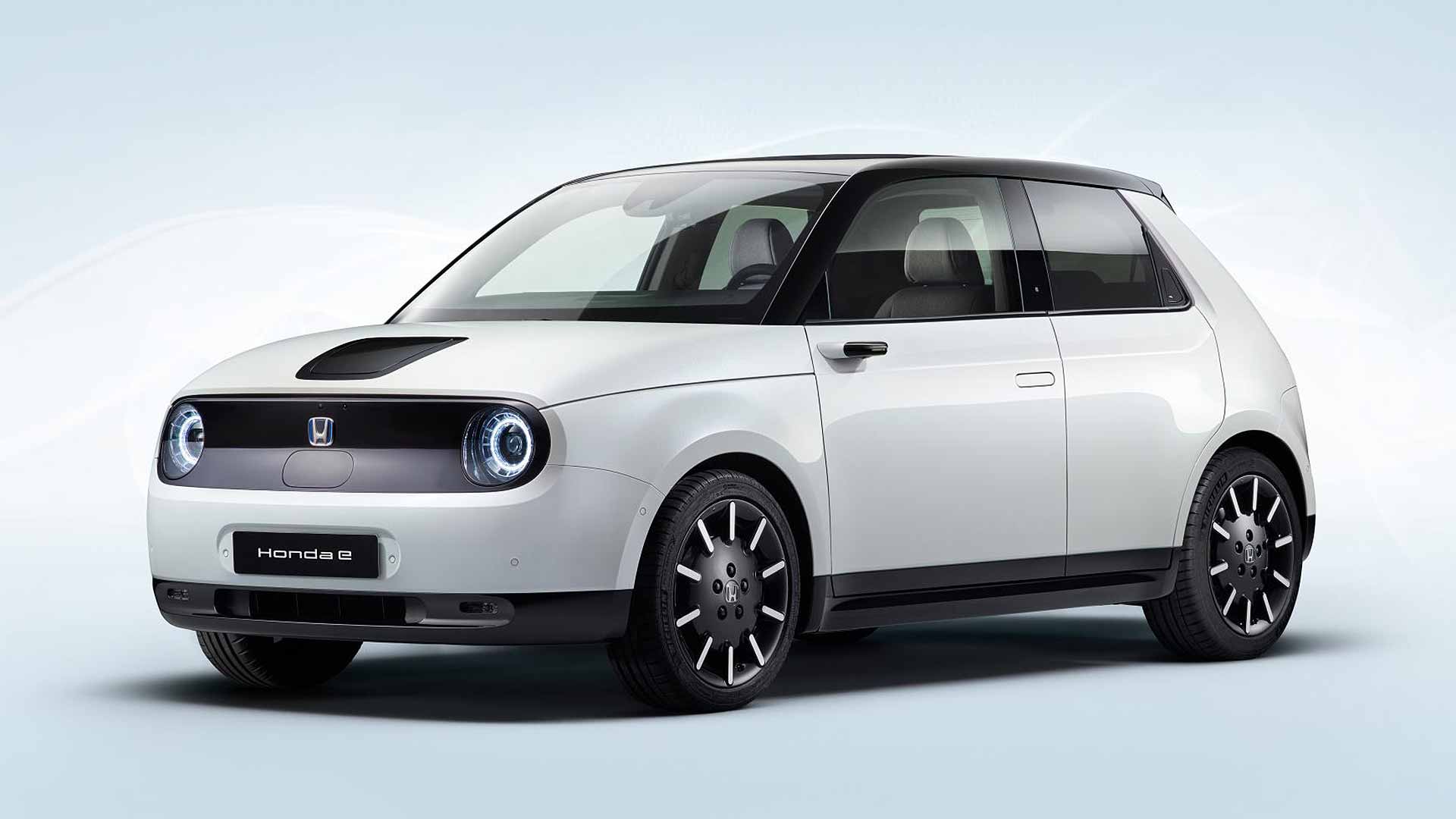
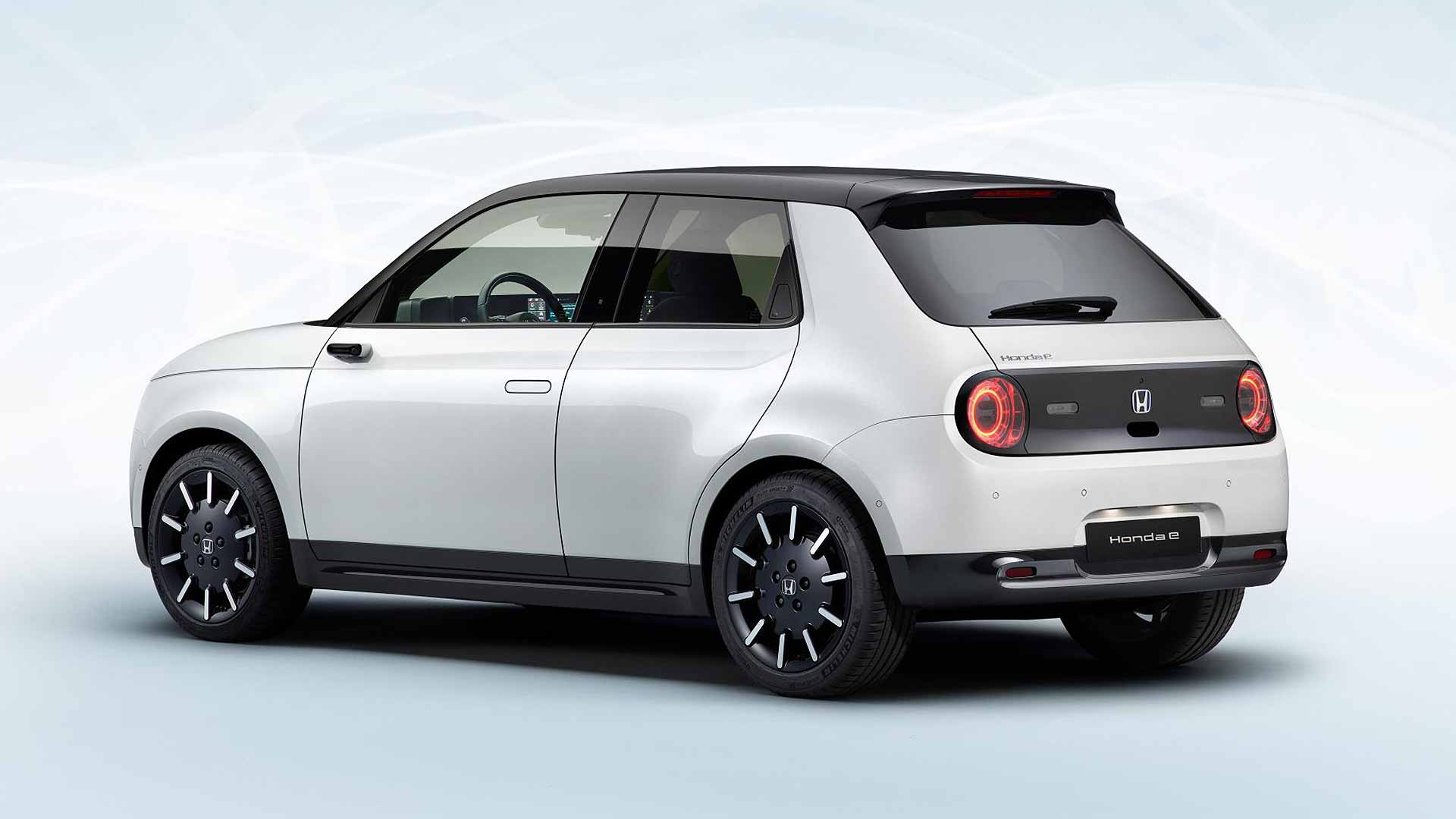
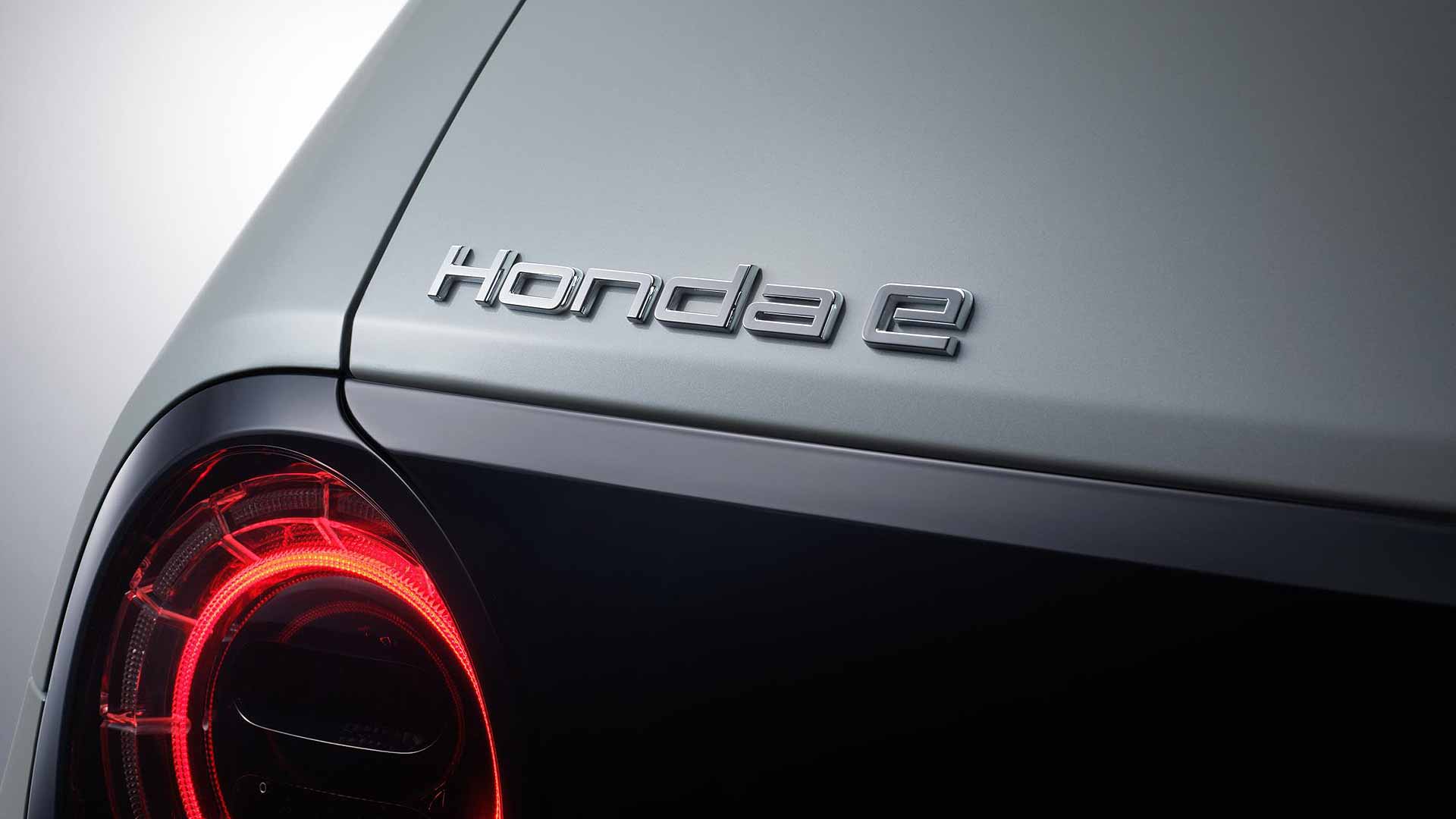
2020 Honda e

Honda has revealed first official images of its production-ready Honda e electric car, and confirmed the model will have a 136-mile EV range from a single charge.

This figure is from Honda’s own testing ahead of launch, but is likely to be broadly similar to the final WLTP figures required by EU legislation.

The innovative Honda e is being offered with two different power outputs: an entry-level 100kW (136hp) version or a punchier 113kW (154hp) variant.

2020 Honda e

Just the single 35.5kWh battery is available: a built-in fast-charging system means it will top up to 80 percent charge from flat in half an hour.

Honda doesn’t yet have final performance figures, but estimates a 0-62mph time of around 8.0 seconds.

2020 Honda e

The electric driving range has been one of the most debated aspects of the new Honda e. Similarly-priced rivals generally have larger batteries giving bigger driving ranges – but Honda insists the 136-mile range is right, because the Honda e is a compact urban EV.

Making the battery so compact will “meet the needs of modern urban lifestyles through… exceptional driving dynamics”. We’ve already discovered the amazing turning circle and grippy rear-wheel drive traction of the little Honda.

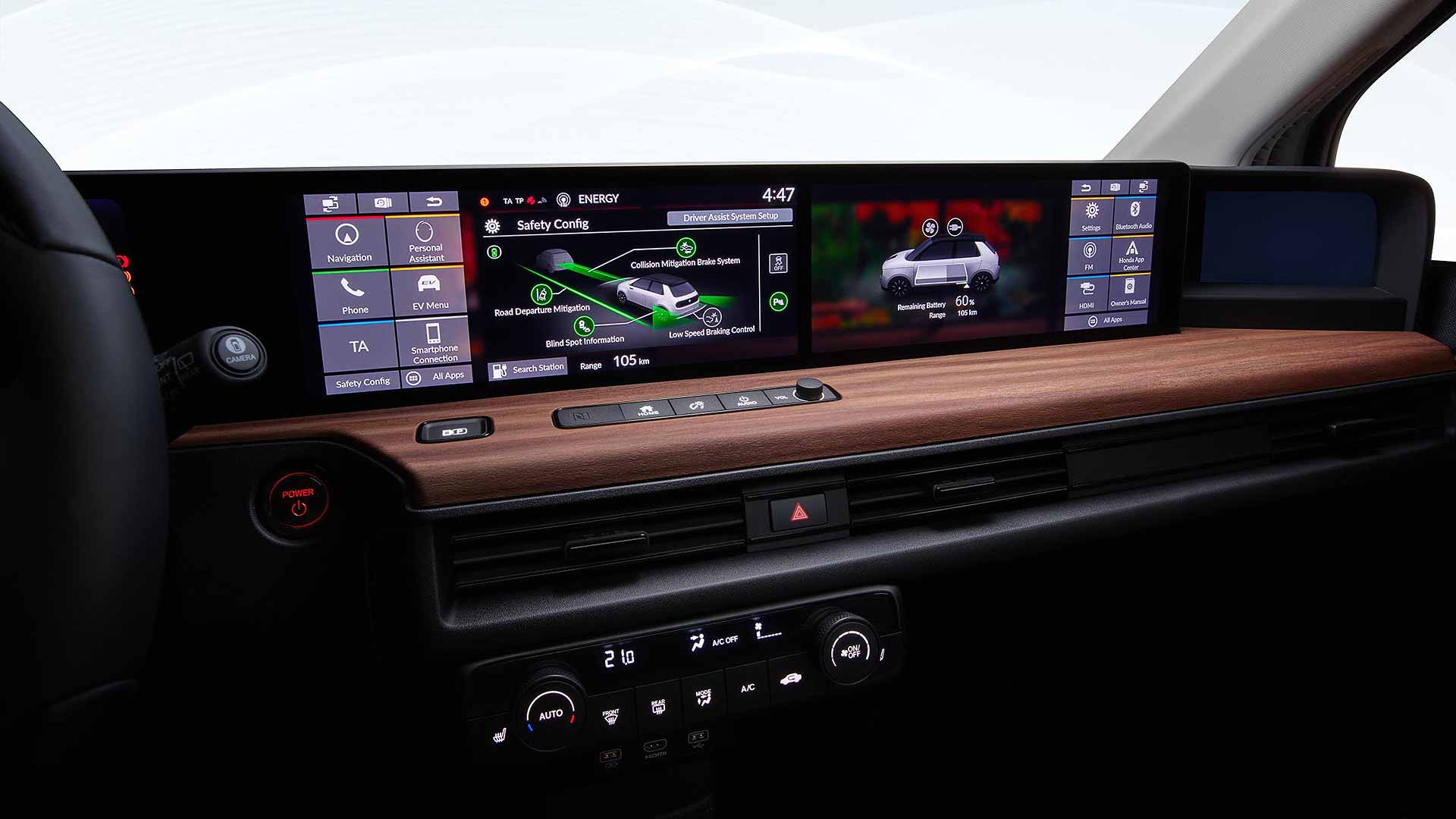
Honda is also building in plenty of tech – such as the ability to lock and unlock using a smartphone app: a ‘digital’ key rather than a physical one.

2020 Honda e

There’s an onboard Honda Personal Assistant too. Say ‘OK Honda’ and the AI bot will follow your commands. And when you’re away from the Honda e, you can monitor it using the My Honda+ smartphone app.

The new Honda e will make its official world debut at the 2019 Frankfurt Motor Show next week. Motoring Research will be there: keep coming back for more news from the show.

Advertisement

Euro NCAP latest: SsangYong in five-star crash safety first

0

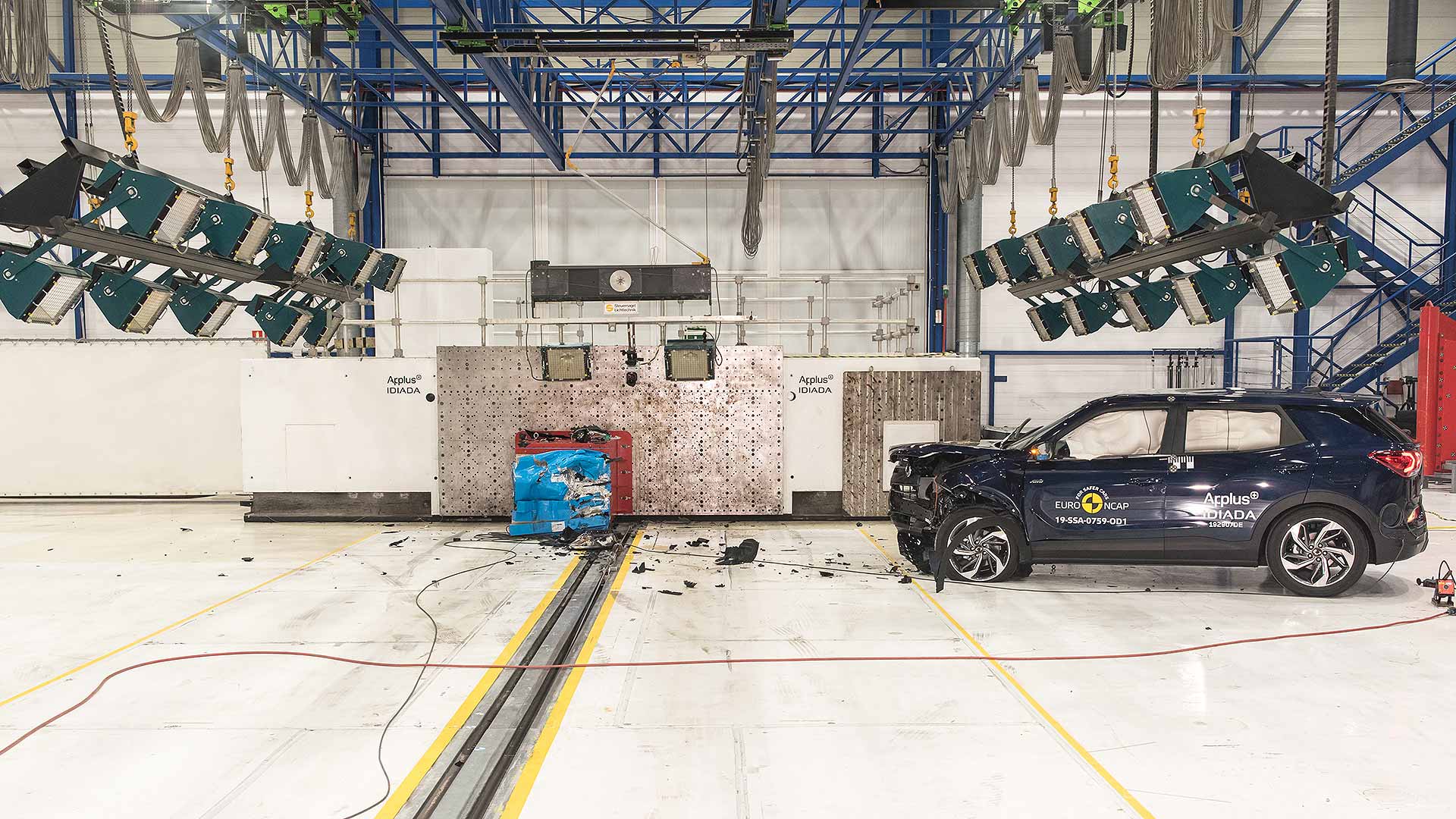
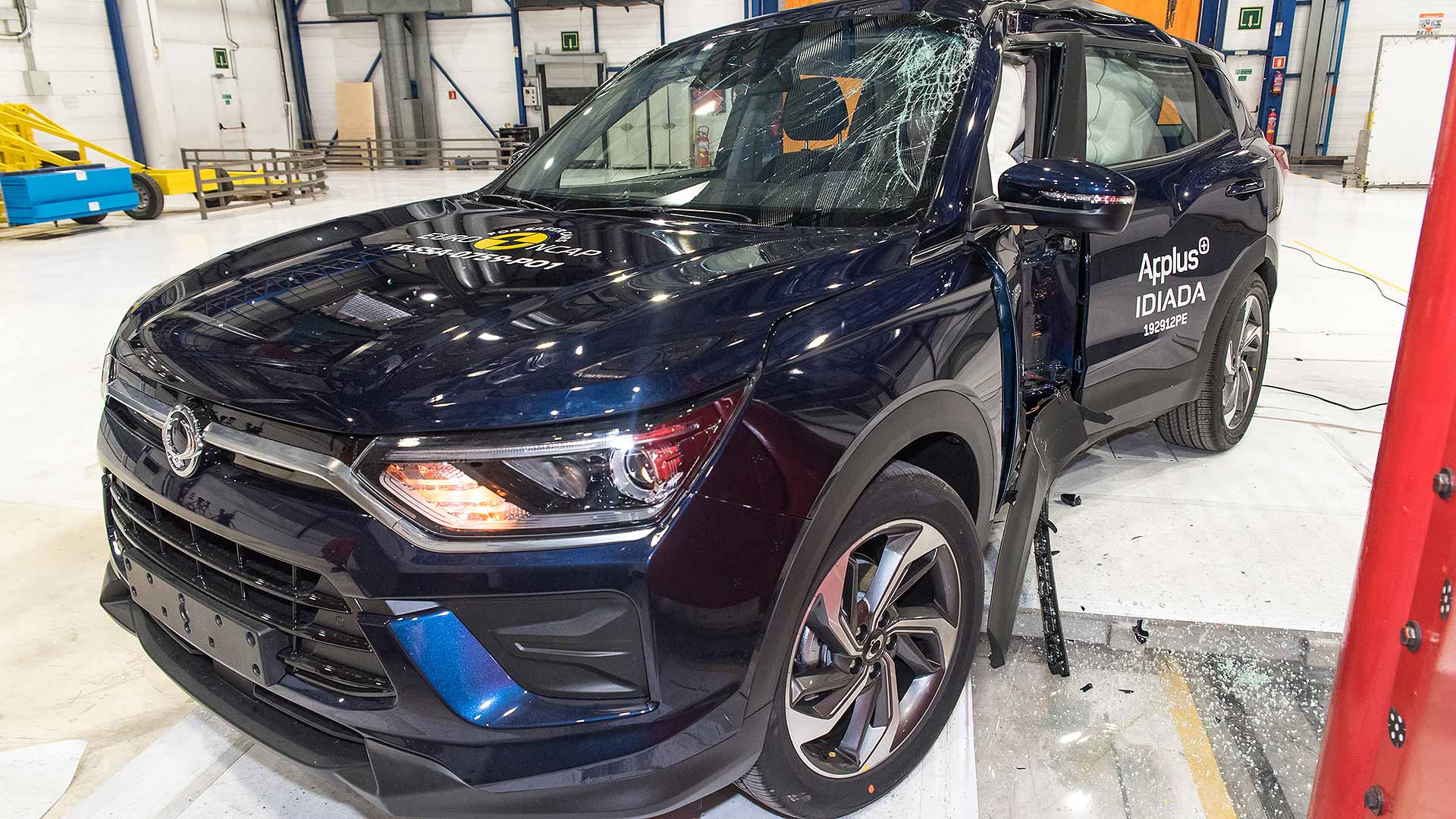
SsangYong Korando

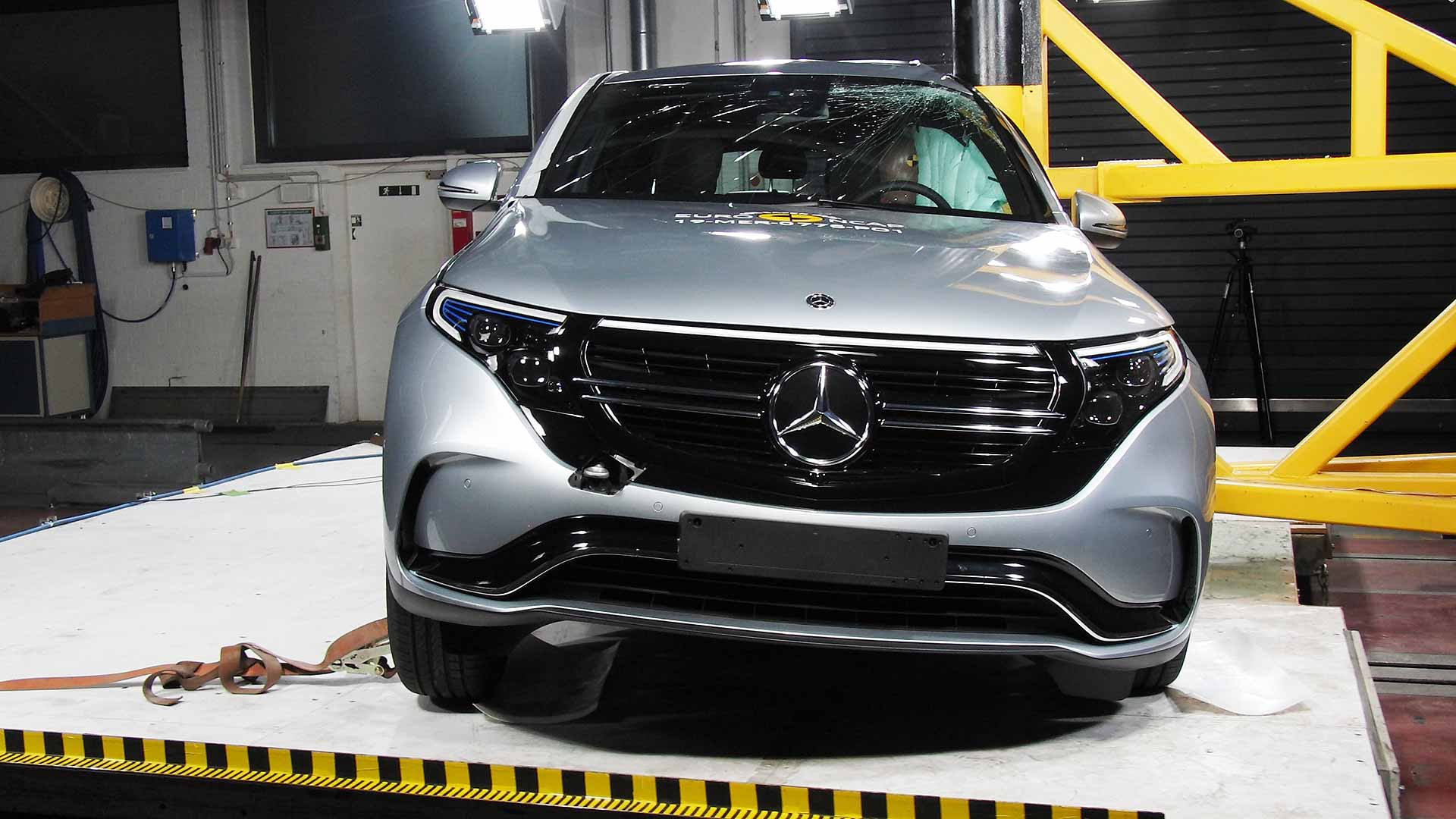
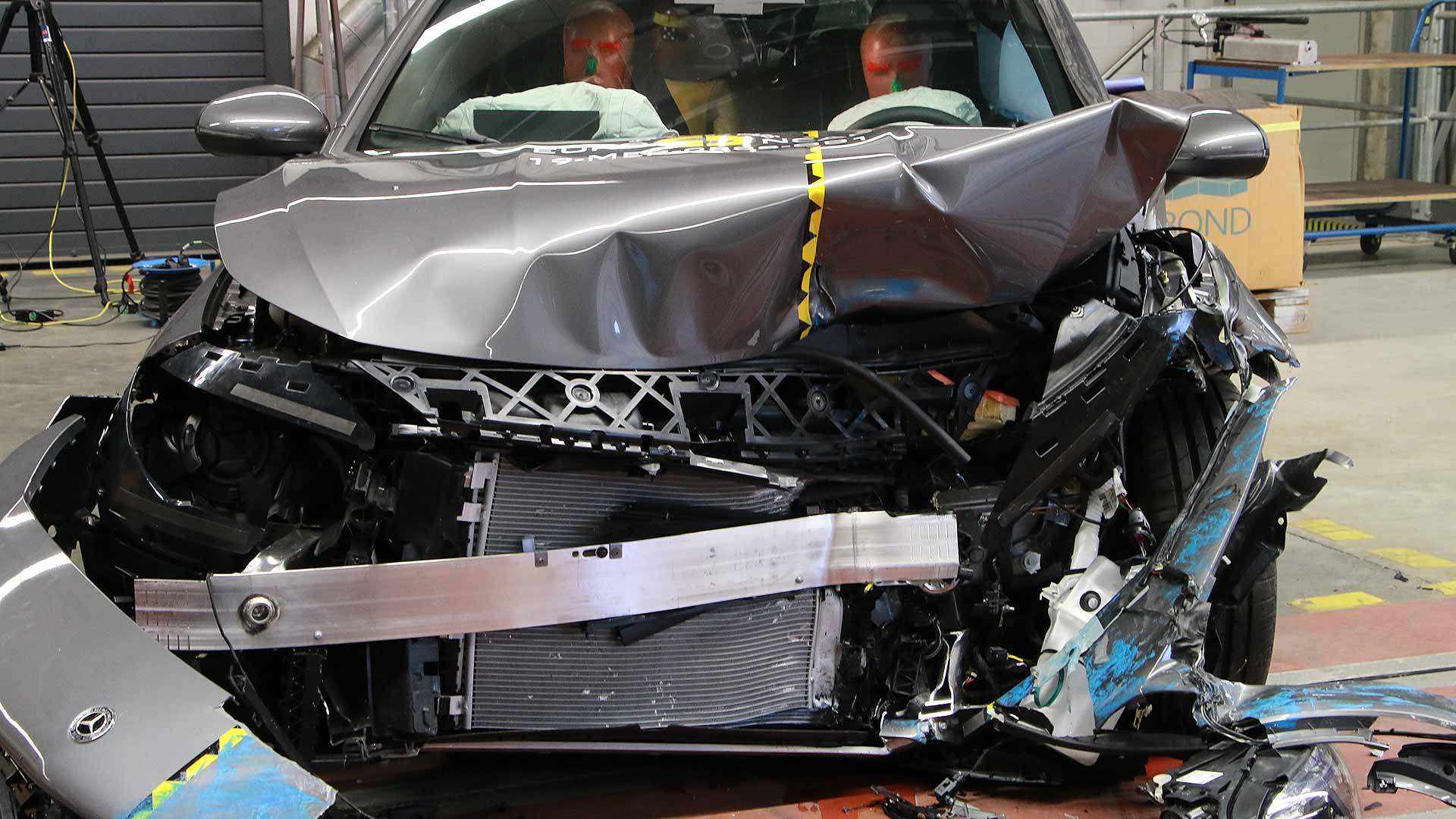
Another seven cars have scored full five-star ratings in the latest round of Euro NCAP crash safety results. The headline performers are the Mercedes-Benz EQC electric car and CLA coupe, while SsangYong also achieved a brand first.

All seven cars were fitted with a high level of standard safety equipment, including automomous emergency braking (AEB). This meant they could be awarded five-star safety scored with no provisos.

  • New Range Rover Evoque puts in strong Euro NCAP performance

Sometimes, car makers restrict five-star safety features to more expensive models, but no model in the summer 2019 tests is affected here.

Mercedes-Benz EQC

The full list of five-star cars shows a broad range of new-for-2019 models:

  • Audi A1
  • BMW Z4
  • Mercedes-Benz CLA
  • Mercedes-Benz EQC
  • Skoda Kamiq
  • SsangYong Korando

“It’s notable that five-star ratings have been awarded to such an eclectic group,” said Euro NCAP board member Matthew Avery, “proving that good safety performance can be realised whatever the category or sticker price.”

Euro NCAP also retested the latest Ford Focus. The previous test highlighted an issue with front seat whiplash protection. Ford has modified the seat design and head restraints, and Euro NCAP now says the Focus “demonstrates good whiplash protection in rear-end collisions.

“The outcome… reaffirms that the Focus is an all-round family car with great safety credentials.”

Mercedes-Benz CLA

Other standout cars included the Mercedes-Benz CLA, which scored more than 90 percent across all four Euro NCAP tests, while the SsangYong Korando becomes the firm’s first five-star Euro NCAP car.

SsangYong Korando

The BMW Z4 two-seat roadster scored an exceptional 97 percent for adult occupant protection. 

Euro NCAP secretary general Michiel van Ratingen said: “From these results, achieving five stars may look easy, but to meet test and fitment requirements for technology are very demanding an always updated to incorporate the latest technology development and address priorities in road safety.”

Next year, the Euro NCAP tests will get even tougher, he added, with “another step-change in our rating requirements”.

Advertisement

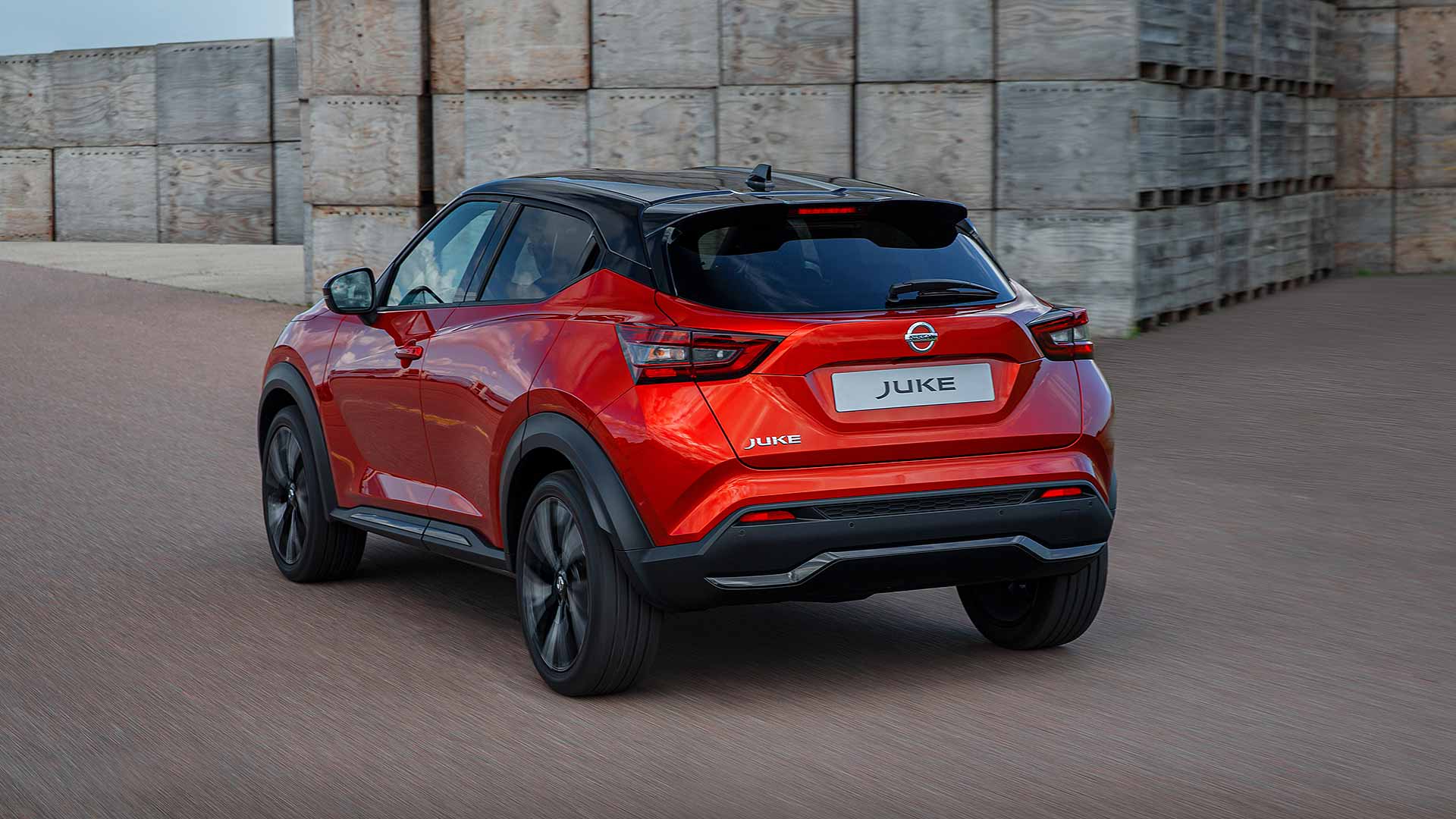
2020 Nissan Juke first look: the all-new original

0

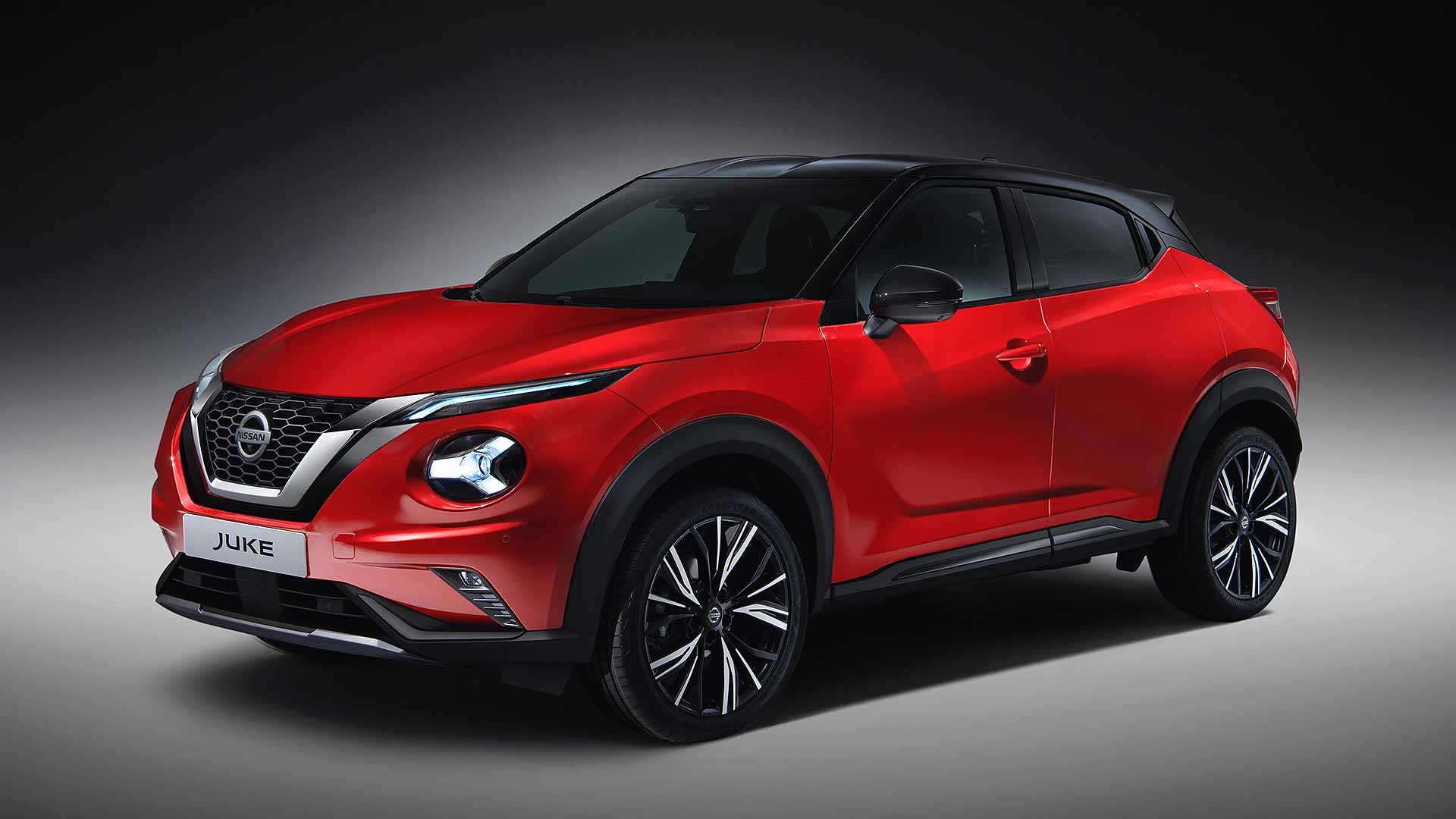
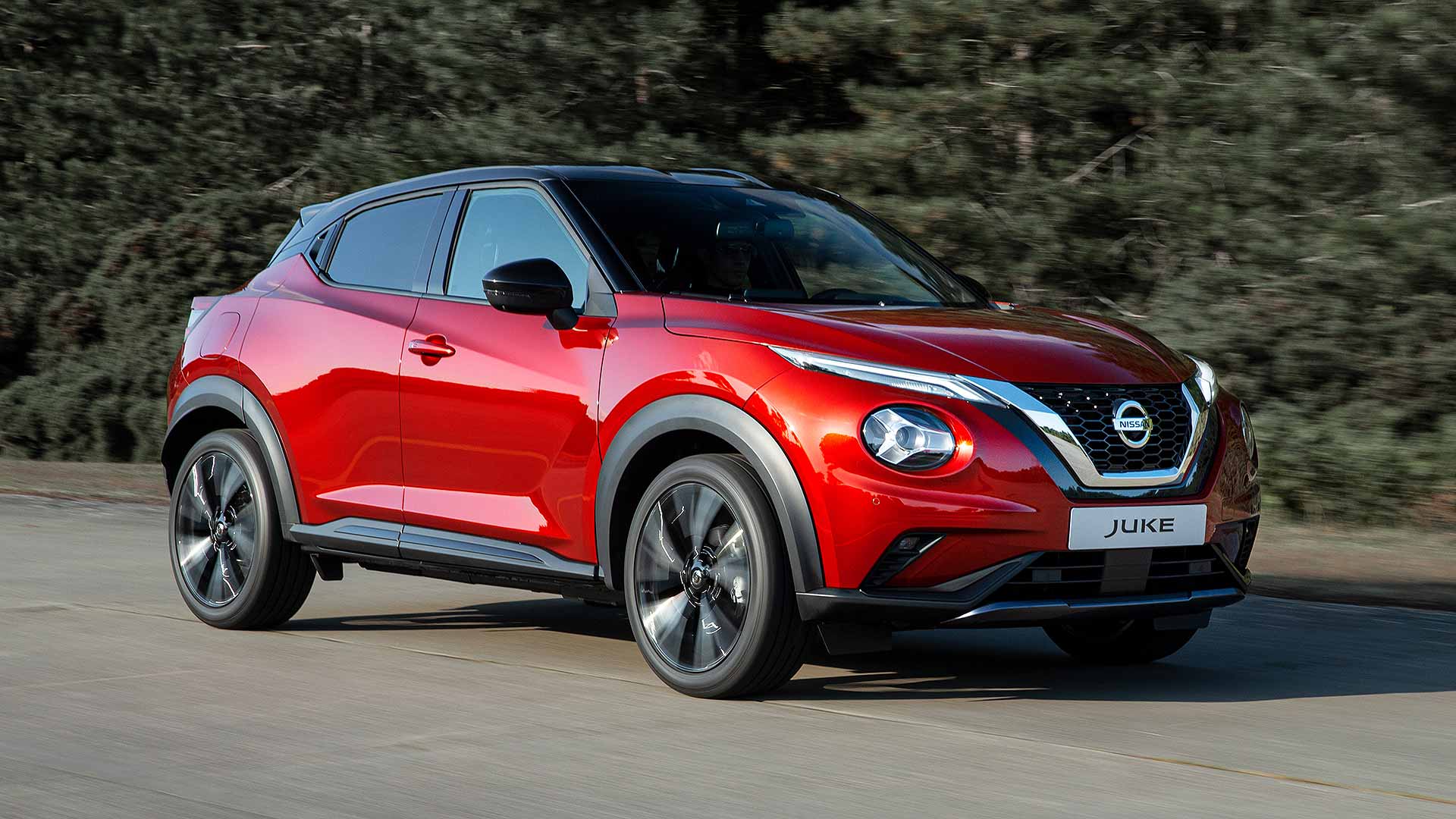
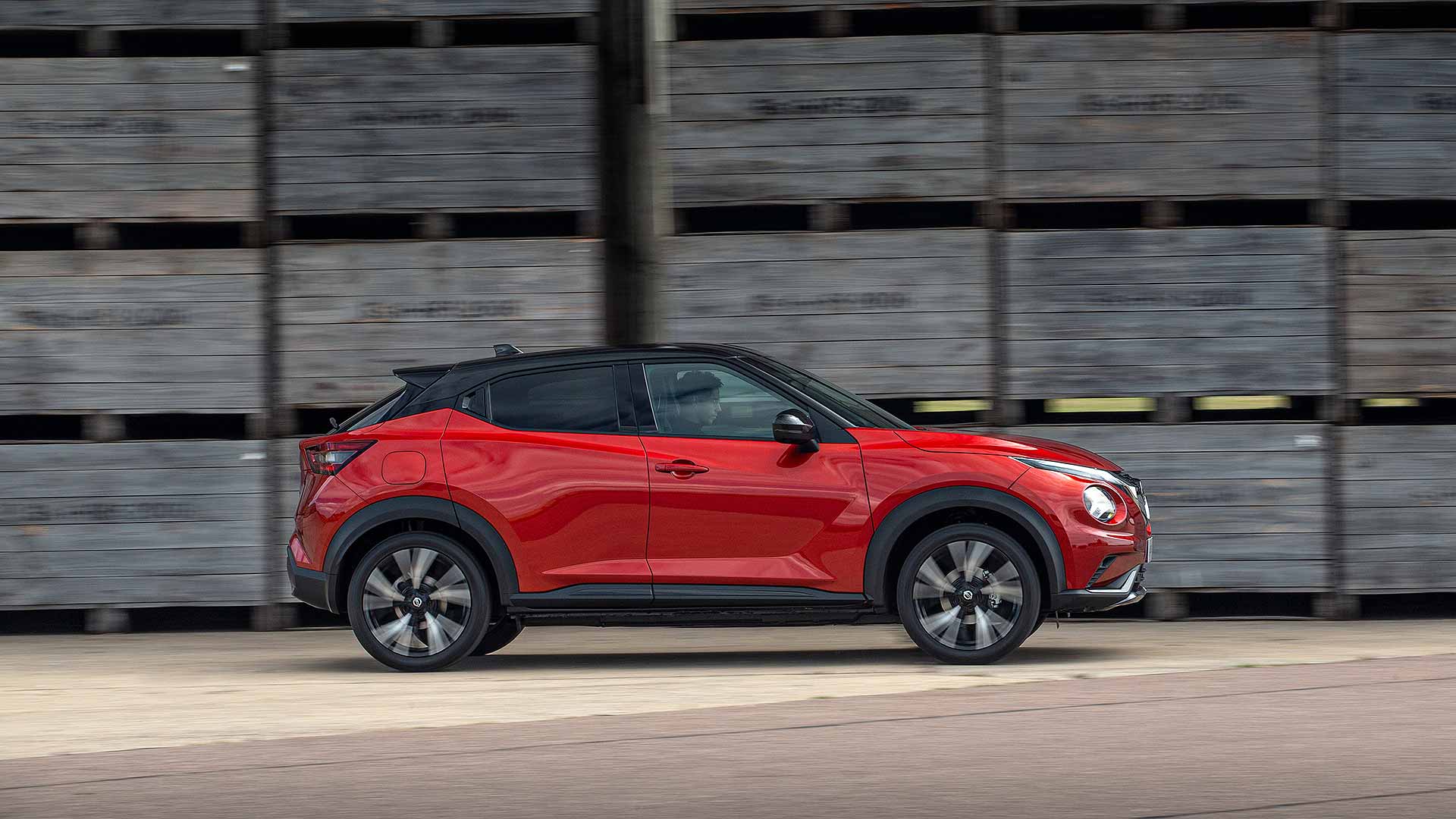
All-new 2019 Nissan JukeThe Nissan Juke singlehandedly invented the marketplace for small crossover SUVs when it was introduced in 2010. Now, almost a decade on, Nissan has released an all-new second generation version.

With challengers from every major rival, Nissan knows it won’t have things quite so easy this time round. So the new Juke is packed full of technology to give it the best possible chance of success.

Built in Sunderland, the new Juke is on sale now from £17,395. Deliveries begin from the end of November 2019.

All-new landmark

All-new 2019 Nissan Juke

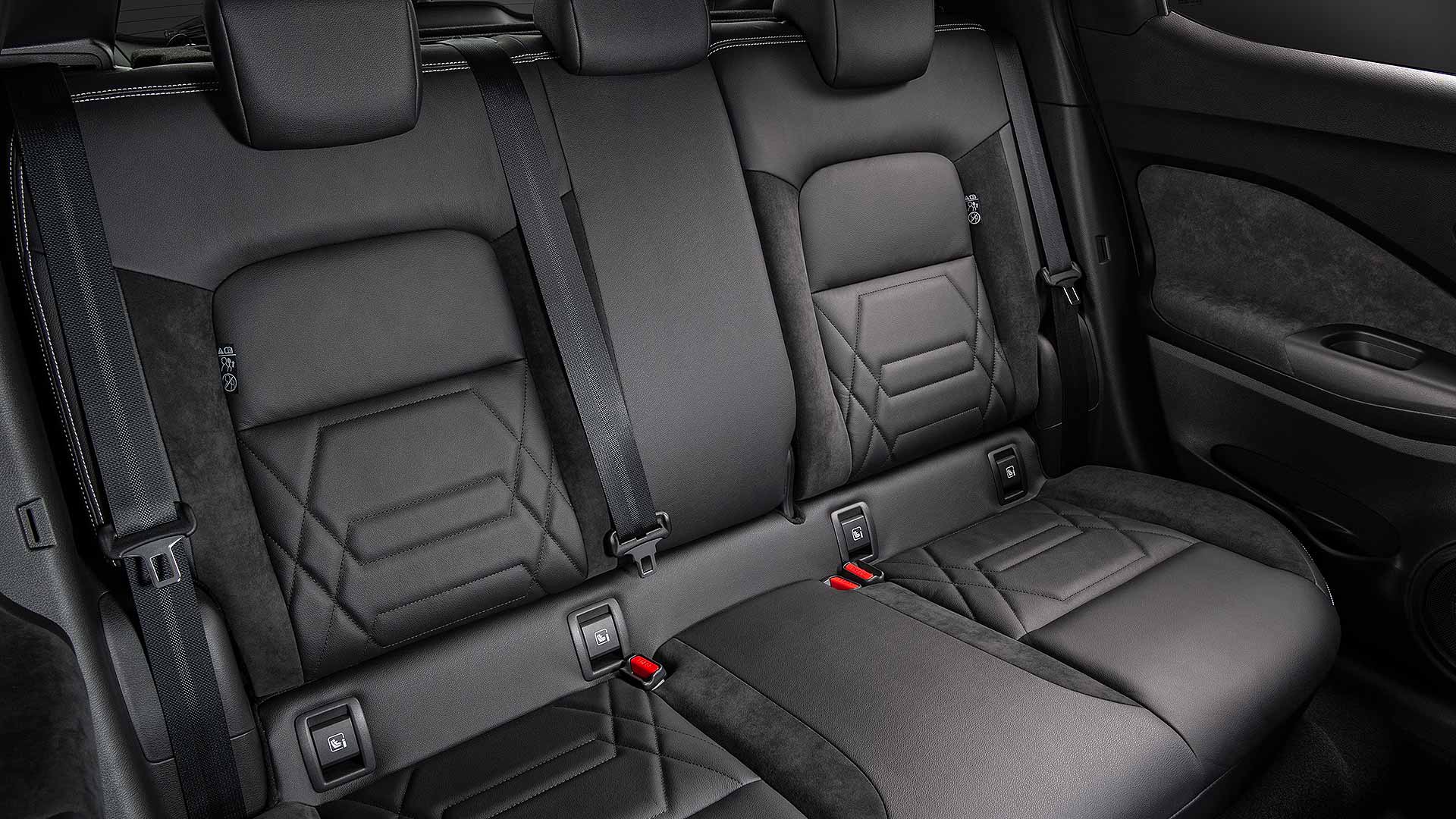
Visually, it’s derived from the original landmark model. But it has grown up, gaining in length width and height. Now over 4.2 metres long, the benefits are found inside, with a vast 5.8cm more rear kneeroom, and 1.1cm more headroom.

The boot, a glaring weakness of the original, is 20 percent larger, with a total capacity of 422 litres. That’s bigger than a Volkswagen Golf.

All-new 2019 Nissan Juke

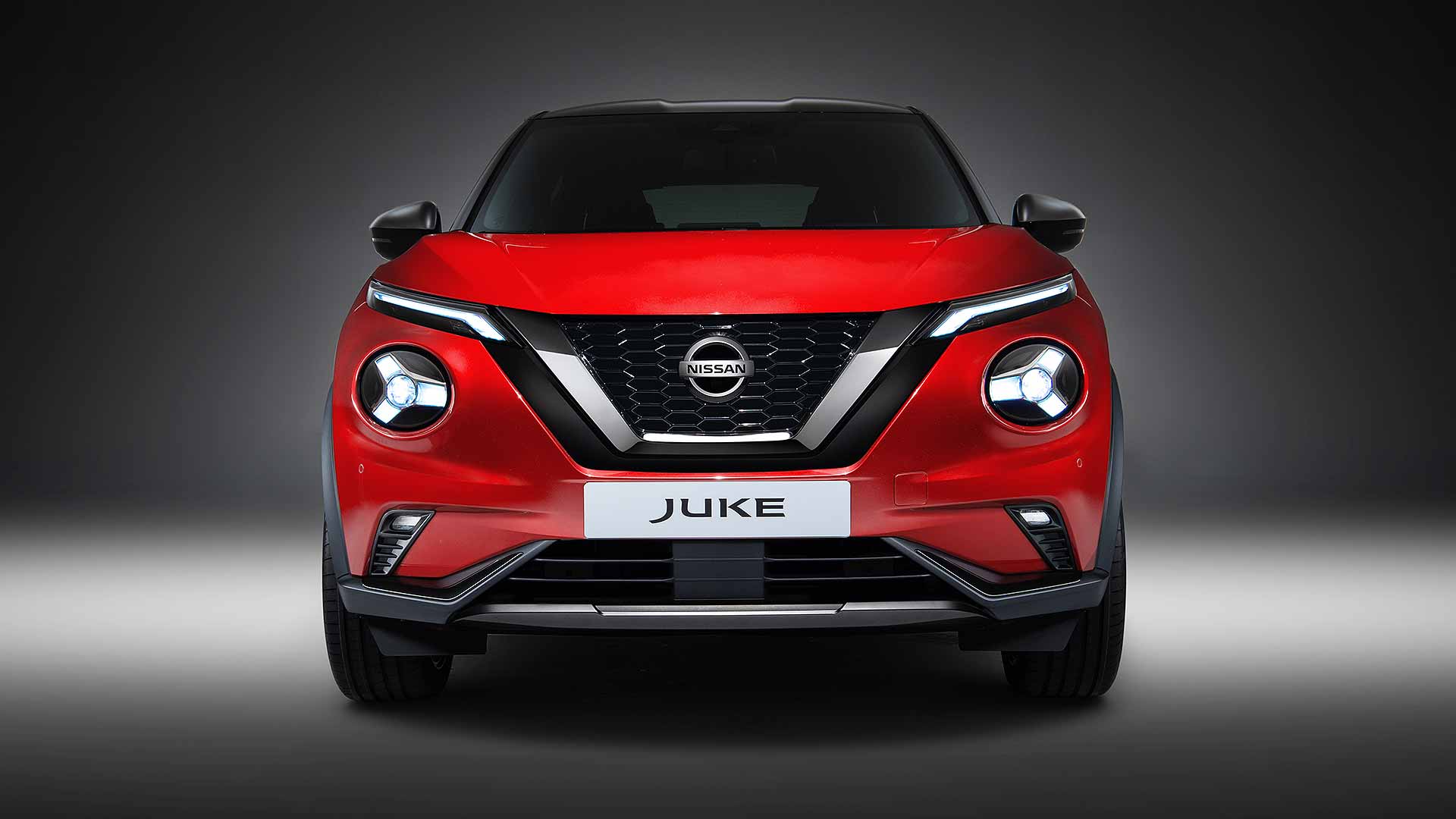
The curves of the original Juke have been given an edge, and it now appears a sharper, less cutesy design. It has a more planted stance and much more aggressive front end.

All-new 2019 Nissan Juke

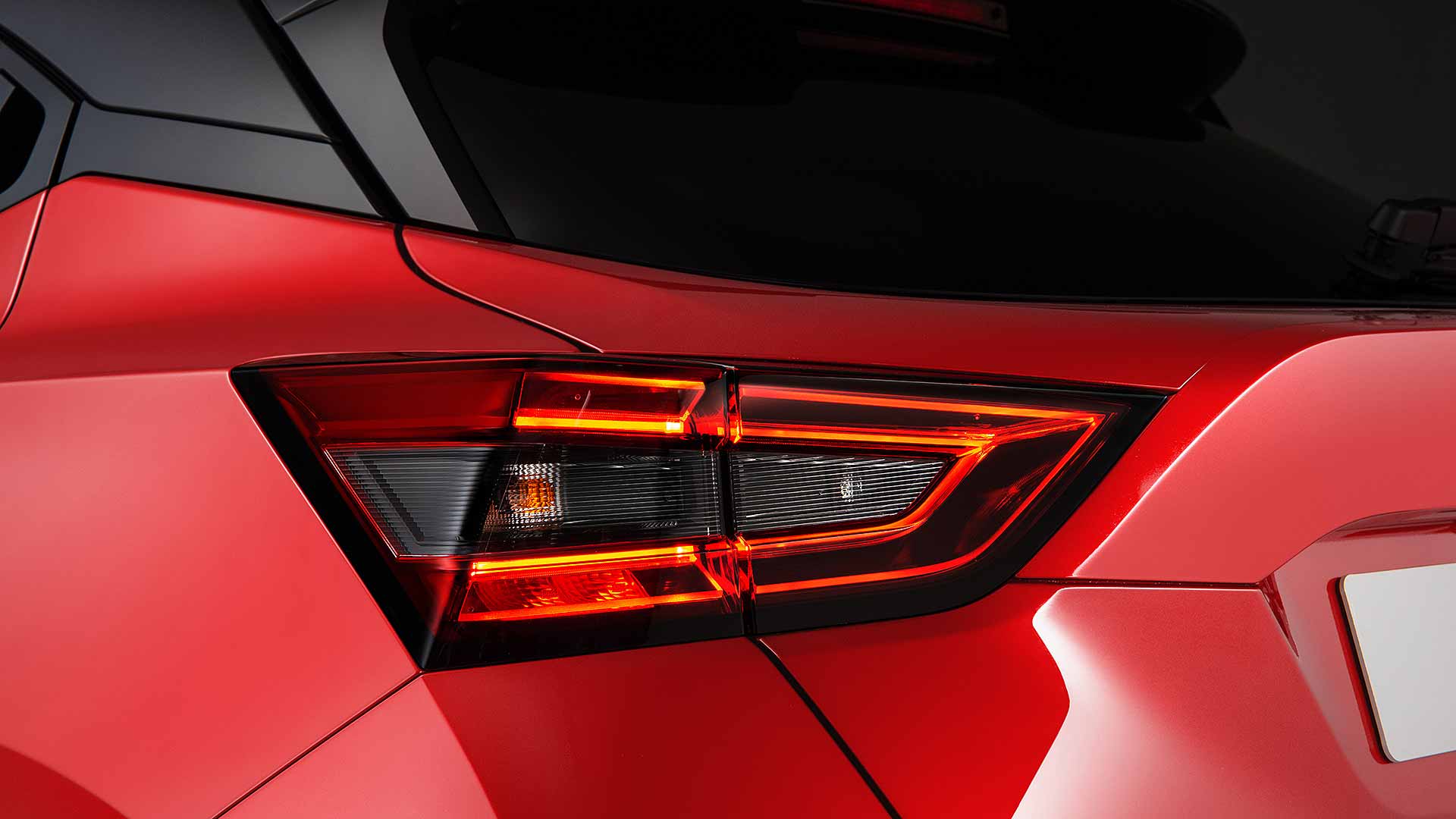
Ultra-slim headlights are distinctive and the high-mounted driving lamps of the first Juke have been turned into LED running lights seemingly modelled on a fidget spinner. Every model, even the base car, gets full LED lights as standard.

Much-improved interior

All-new 2019 Nissan Juke

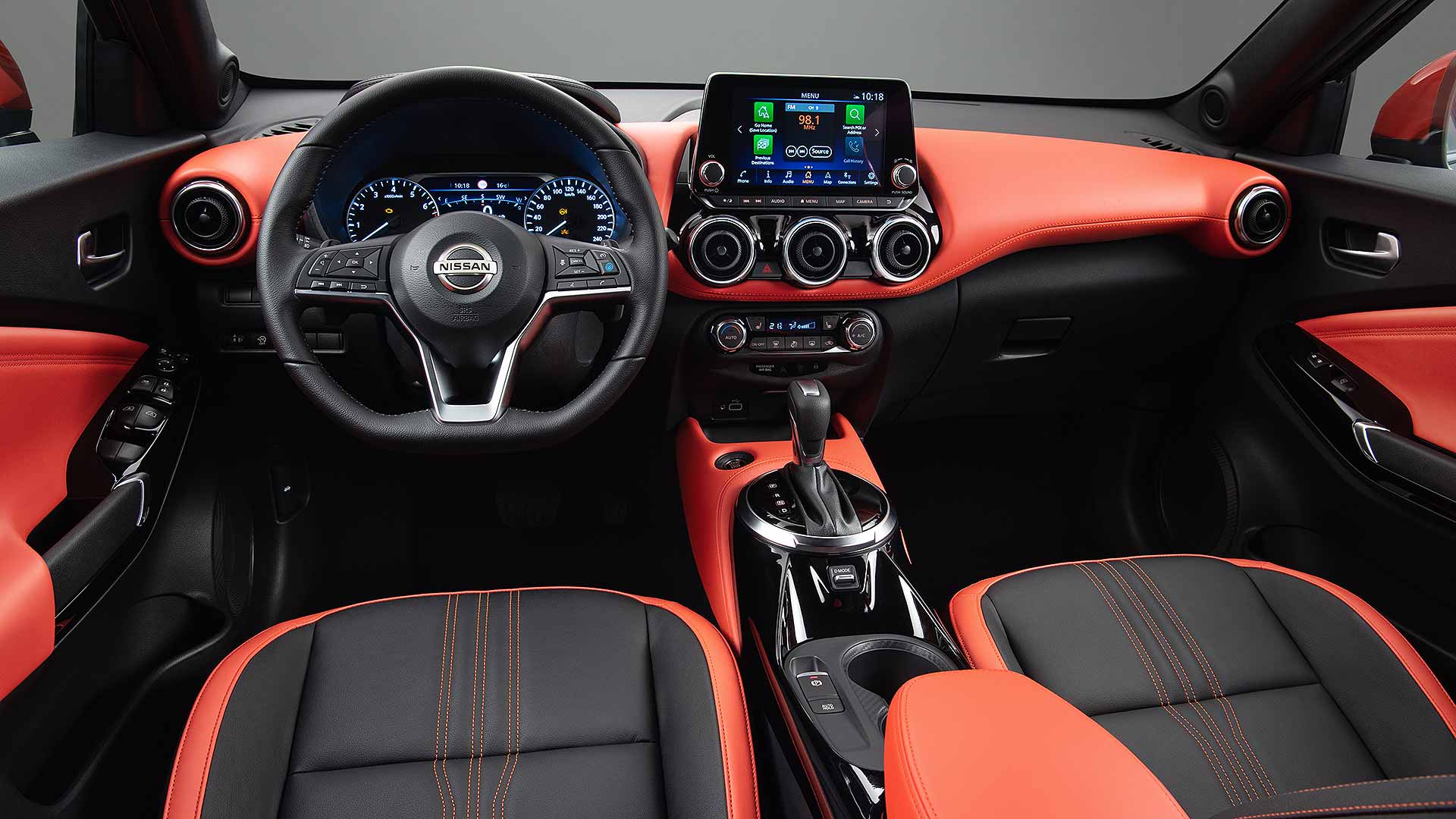
Inside, the plasticky dashboard has become more premium-looking, with a high-mounted touchscreen and greater use of soft-touch trims. The motorcycle-style centre console has been toned down, but we can’t imagine Juke owners minding too much now the novelty has worn off.

The extra space, comfort, technology and refinement will all be a pronounced step on over the nine-year-old current model.

That all-new NissanConnect 8.0-inch touchscreen has Apple CarPlay and Android Auto functionality, TomTom Maps and onboard Wi-Fi hotspot. This is fitted to every model above the base Visia.

All-new 2019 Nissan Juke

There’s a remote app so owners can check how much fuel is in their tank from their smartphone, and whether their new Juke is locked or not.

It’s even compatible with Google Assistant. Nissan says owners can talk to their smart device and control lights and central locking, and send navigation destinations via voice control.

All-new 2019 Nissan Juke

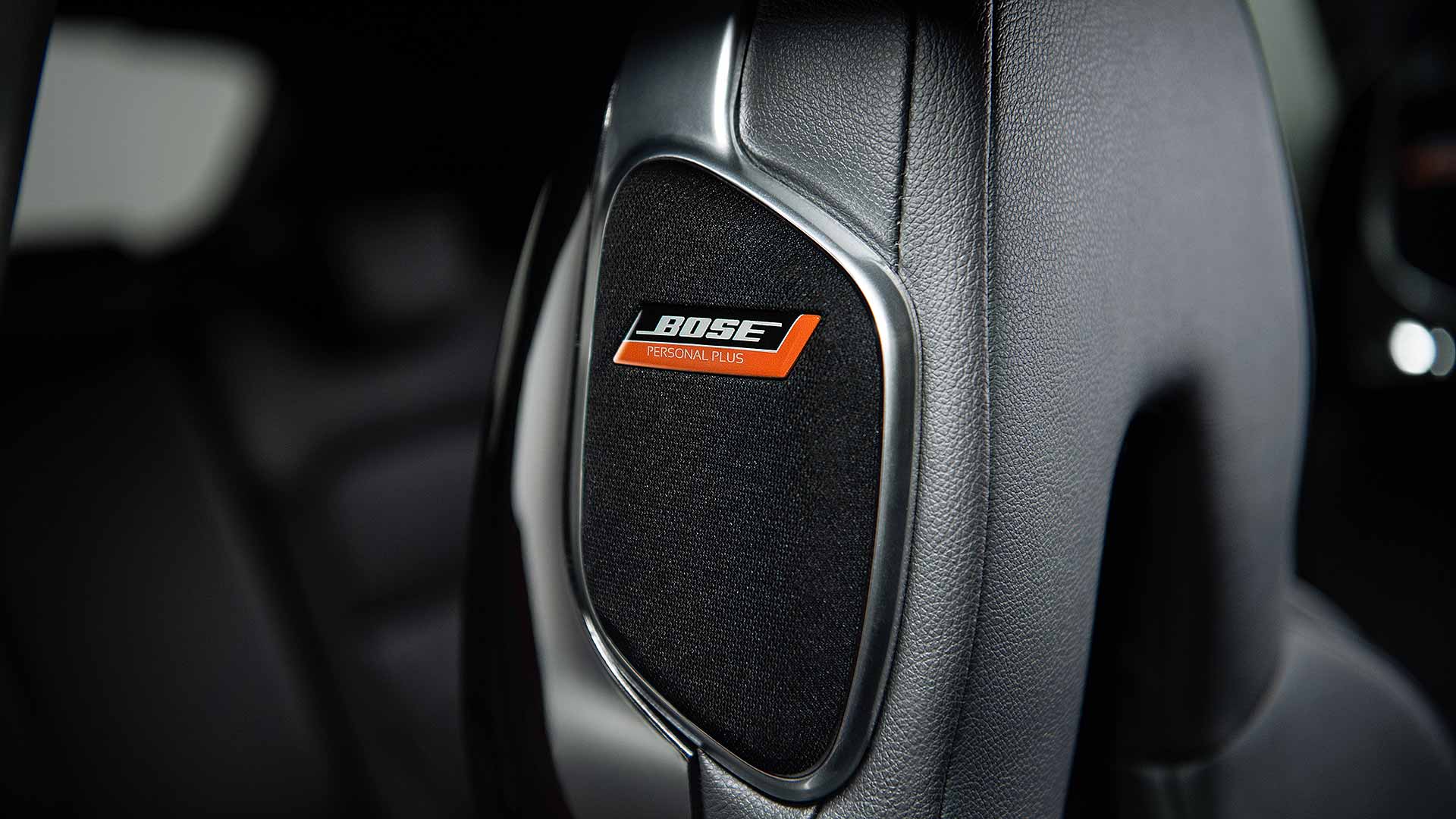
Tech fans will also like the Bose Personal Plus optional sound system. This has eight speakers – including two ‘UltraNearfield’ units built into the front head restraints, for “immersive music in ultra-clear definition’.

All-new underneath

All-new 2019 Nissan Juke

The new Juke is built on an all-new platform that’s stiffer and safer than before. Despite being much larger, it’s actually 23kg lighter. At launch, just a single 1.0-litre three-cylinder DiG-T turbo petrol engine will be offered. This produces 117hp and is paired with either a six-speed manual or seven-speed DCT automatic.

0-62mph takes 10.4 seconds and it will do 112mph flat-out. Nissan doesn’t yet know how economical it is, nor what the final homologated CO2 figures will be.

16-inch steel wheels will be fitted to the base Visia model; Acenta and N-Connecta will get 17-inch alloys, with Tekna and Tekna+ featuring 19-inch alloys – among the largest in the small SUV sector.

All-new 2019 Nissan Juke

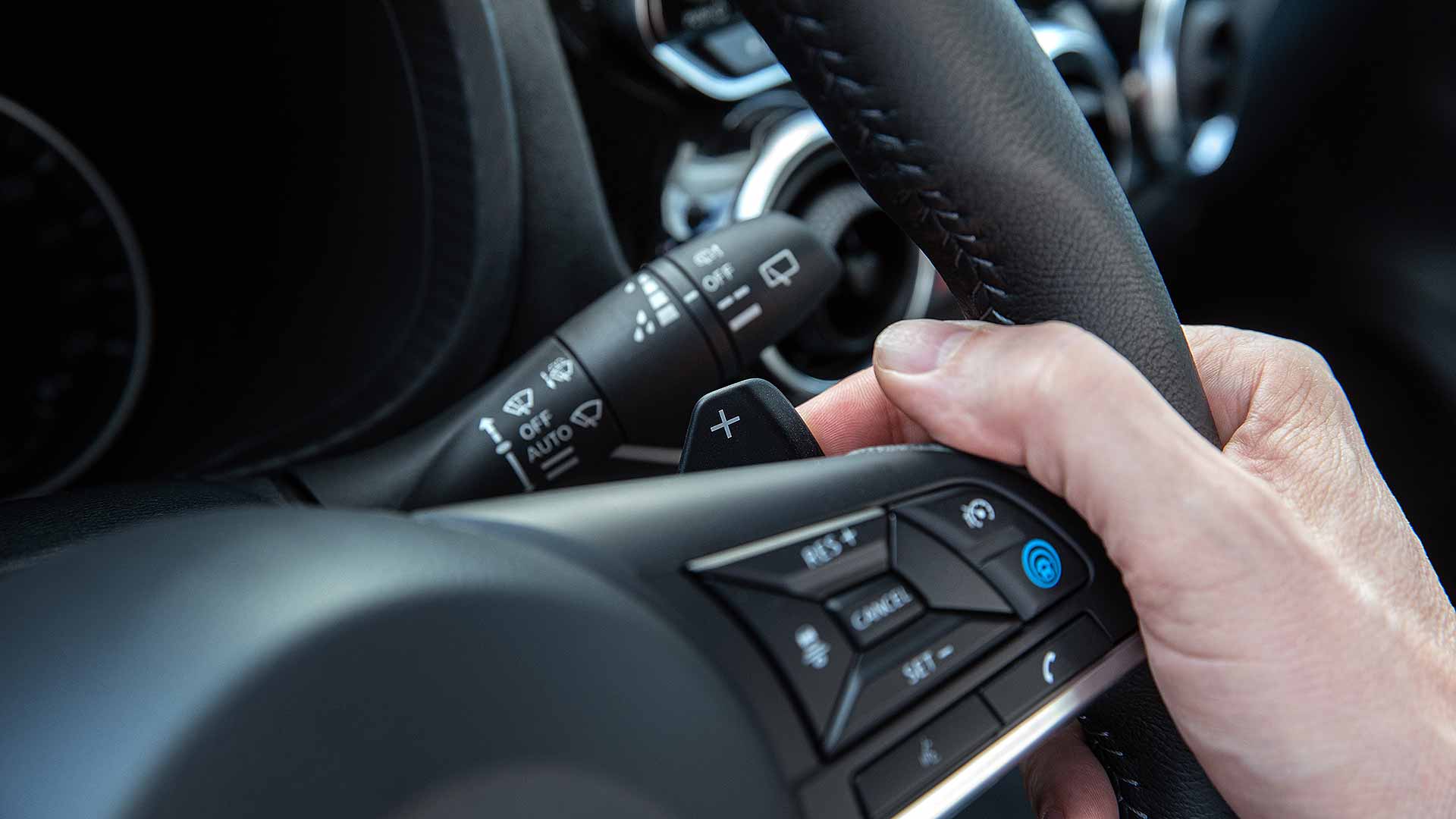
Nissan ProPilot tech (and the ‘blue button’ on the steering wheel) offers auto-assist steering, acceleration and braking, to make driving less stressful in single-lane highway driving.

This will be the first small SUV to offer blind spot intervention: if the driver attempts to change lane with a car in their blind spot, the new Juke will steer away from danger.

Nissan has sold almost one million Jukes since its introduction in 2010. “The new design and exciting driving experience will appeal to the growing number of customers opting for compact crossovers,” said Nissan Europe product planning boss Ponz Pandikuthira.

“The Juke has grown up, while still retaining the fun-to-drive qualities that have always made it stand out.”

2020 Nissan Juke prices

All-new 2019 Nissan Juke

DiG-T 117 petrol engine

  • Visia: £17,395
  • Acenta: £18,995
  • N-Connecta: £20,995
  • Tekna: £22,495
  • Tekna+: £23,895
  • Premiere Edition: £23,995

(DCT auto: + £1,400 on all grades apart from Visia)

2020 Nissan Juke: in pictures

Advertisement

Lewis Hamilton invests in meat-free burger chain

0

Lewis Hamilton invests in meat-free burger chain

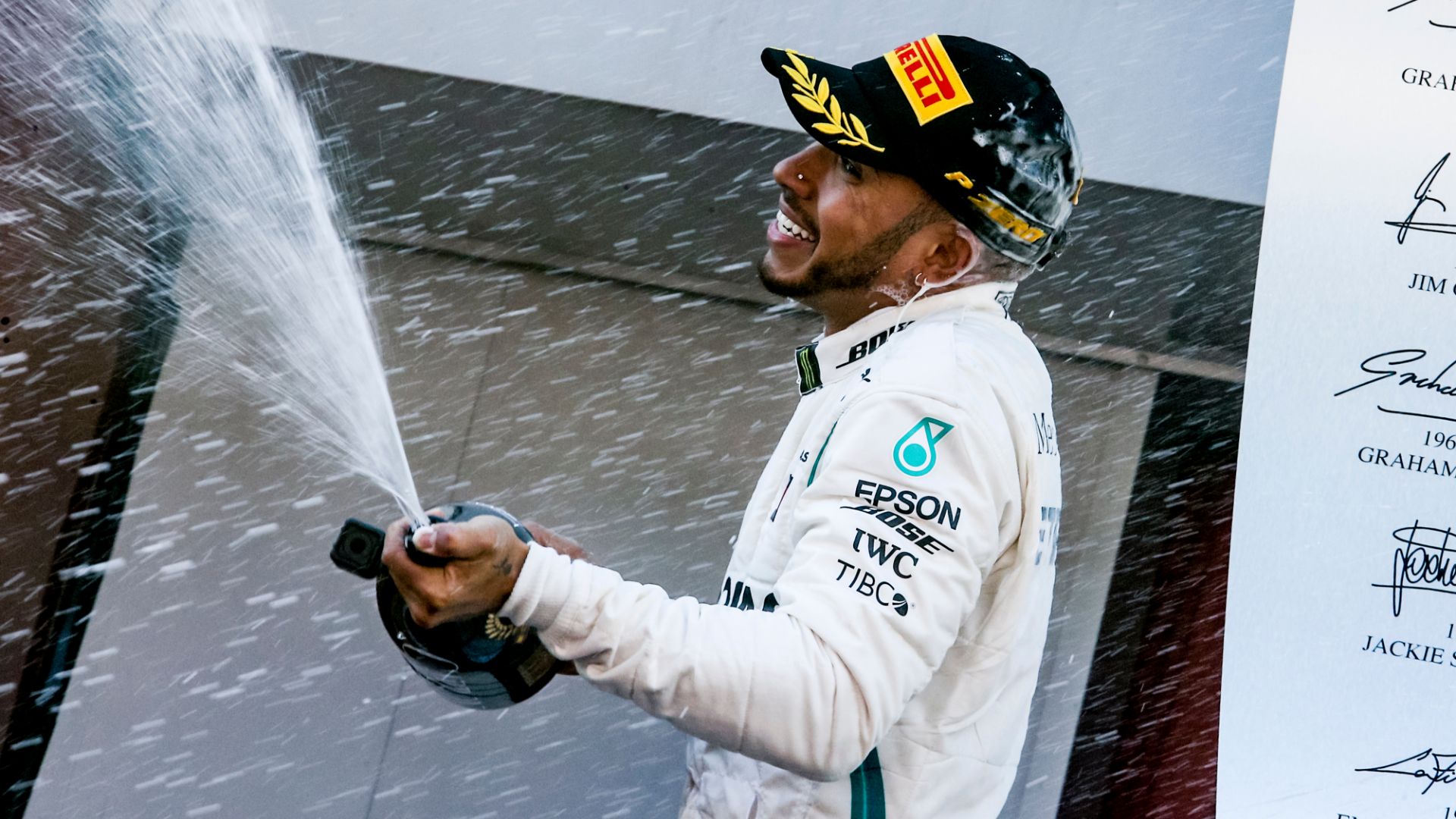
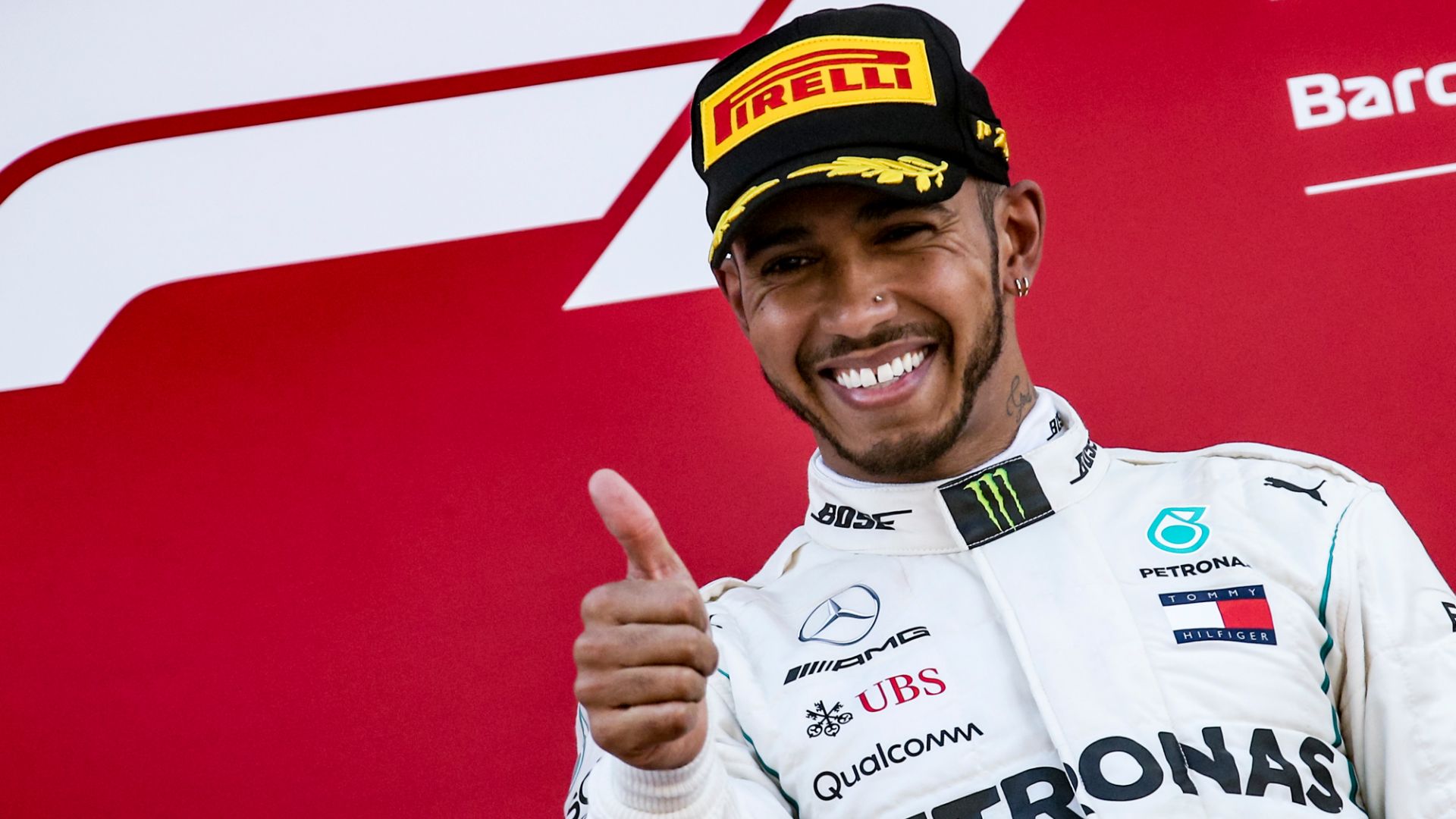
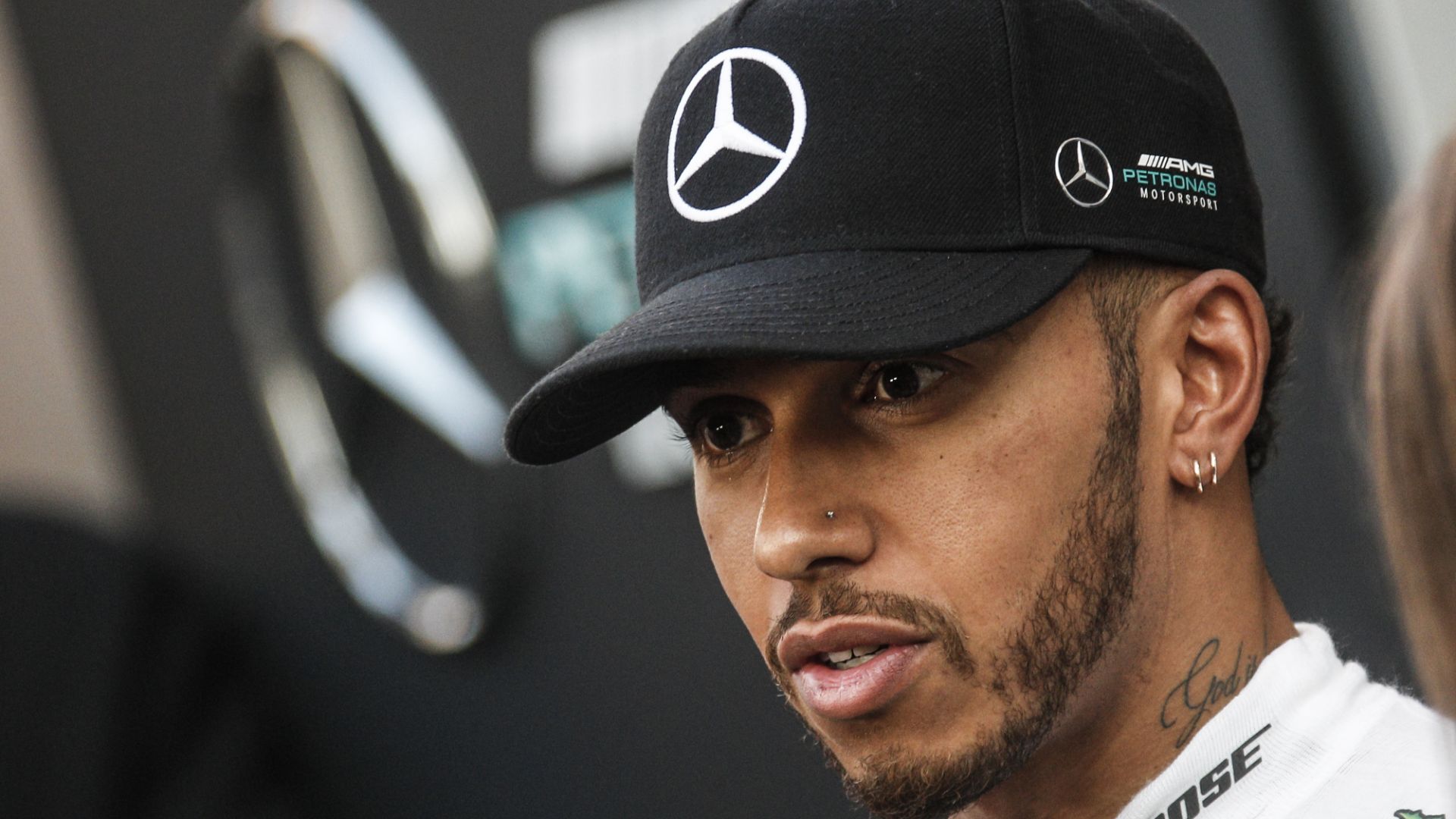
Jim Clark had farming, Niki Lauda had his airline and Lewis Hamilton already has interests in the fashion industry. Now the British champion has invested in a meat-free burger chain. 

The business is called Neat Burger, and will use plant-based substitutes for meat. His co-investors are Ryan Bishti, a nightclub mogul, and Tommaso Chiabra, a backer of the US vegan burger maker, Beyond Meat.

Its first outlet opened near Regent Street in London yesterday (Monday, 2 September). Sites in Covent Garden and Kings Cross will follow, along with a US and European launch. A total of £15 million ($18 million) is being raised to fund the expansion. 

Hamilton’s high-steaks investment

Lewis Hamilton invests in meat-free burger chain

According to Bishti, Lewis has taken a sizeable stake in the endeavour. As the UK’s richest sportsperson, he can afford to branch out. Meat-free eating is close to Hamilton’s heart, too. He’s a noted public proponent of vegetarianism and veganism. 

Beyond Meat has been working with the new chain to develop a plant-based imitation of meat, down to the infusing of beetroot juice so the patty can ‘bleed’. Beyond Meat’s other partners in meat-free food development include Honest Burgers and KFC on the development of a chicken substitute.

“We are not aiming for vegans or a plant-based niche, we are aiming to convert meat-eaters,” Bishti said.

“We are part of a movement happening when you look at the world today in the Amazon with deforestation for crops and agri-farming. This is a perfect way to make a change.”

Lewis Hamilton invests in meat-free burger chain

Meat-free foods are a solid area of investment for Hamilton. This year alone the beef industry has been taking a lot of criticism for its contribution to climate change.

The Vegan Society claims the number of vegans in the UK has shot up from 150,000 to over 600,000 during the last five years.


Advertisement

Corvette Museum takes delivery of a prototype C8

0

New C8 Corvette at the Corvette Museum

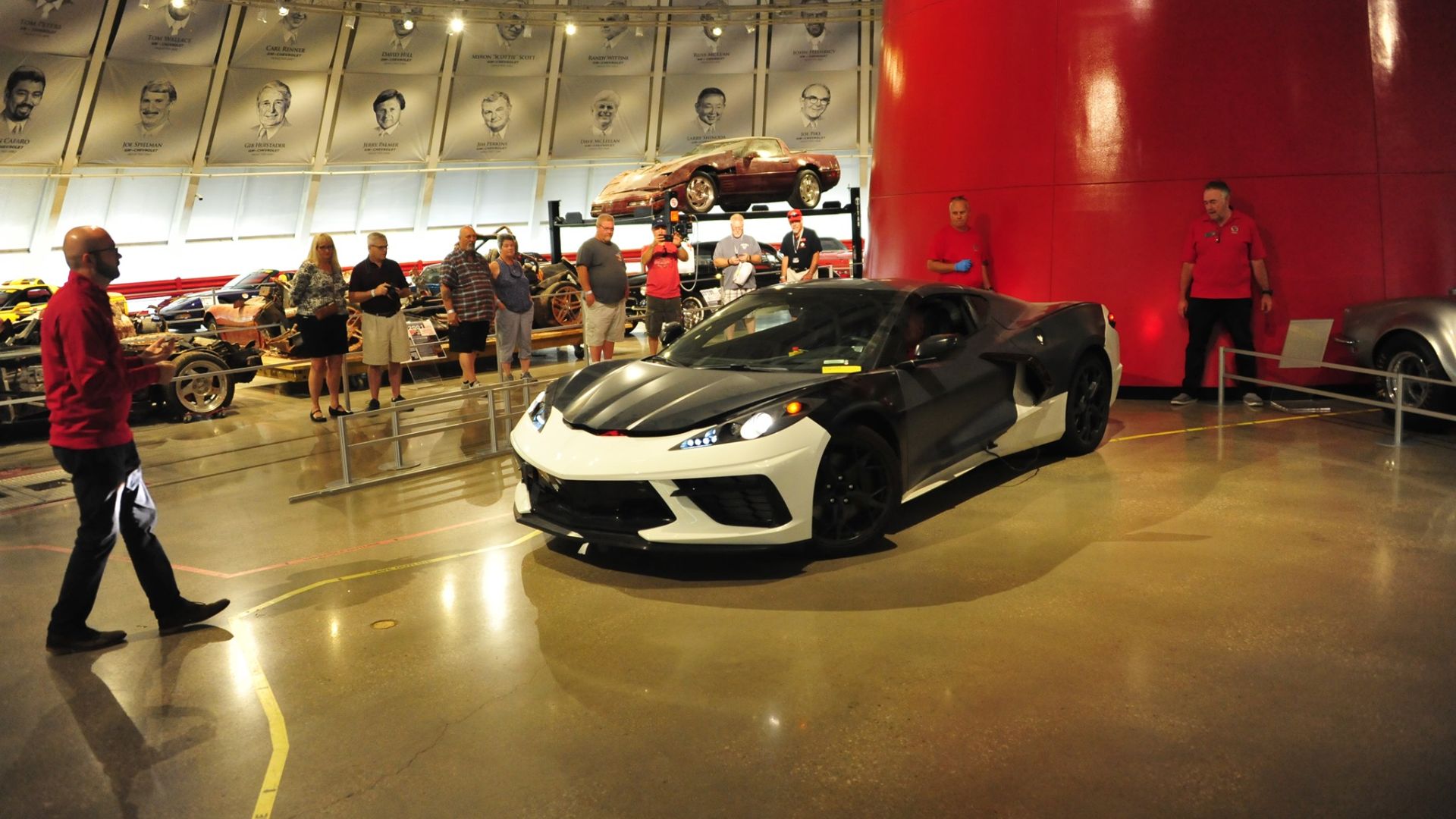
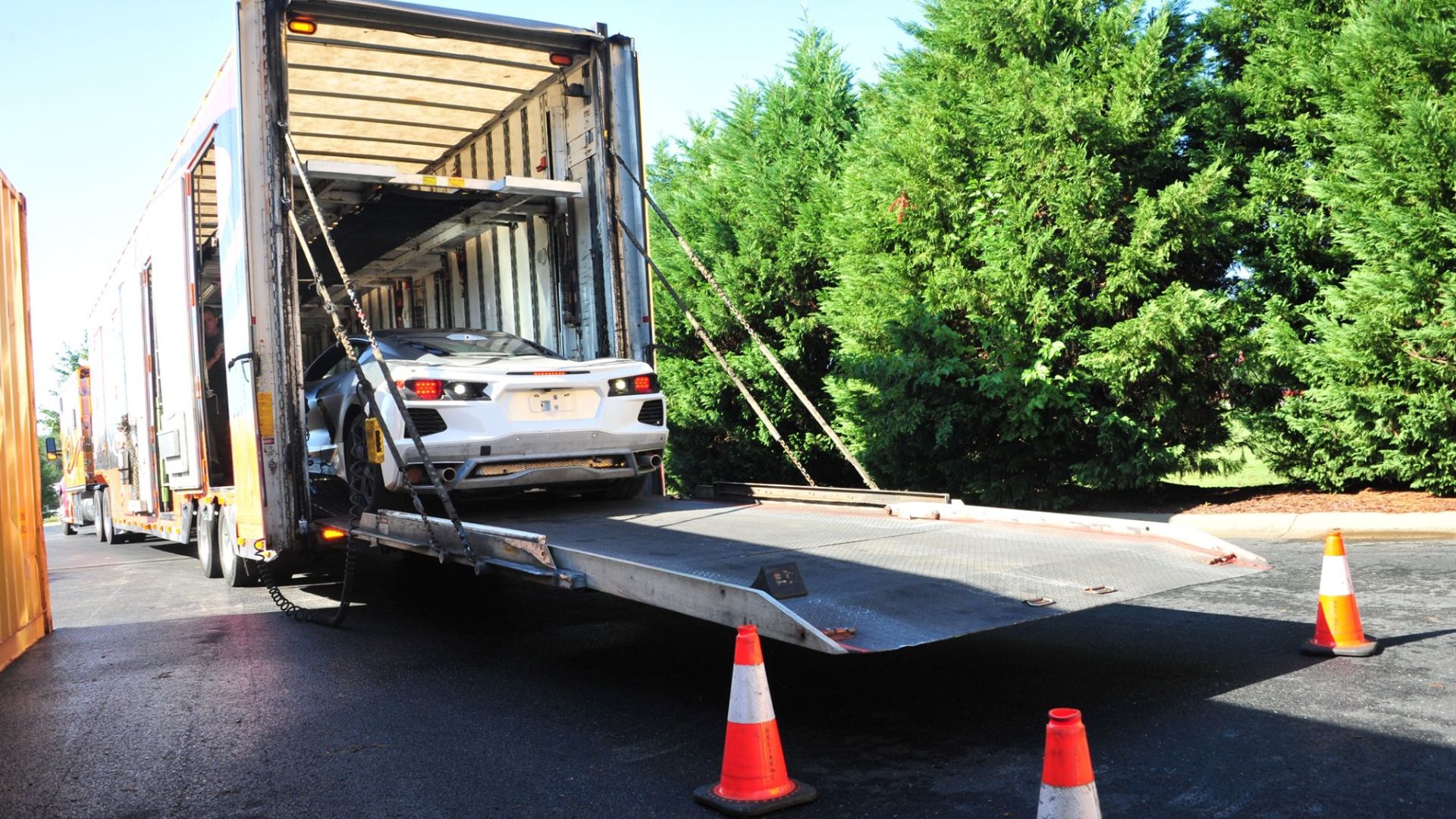
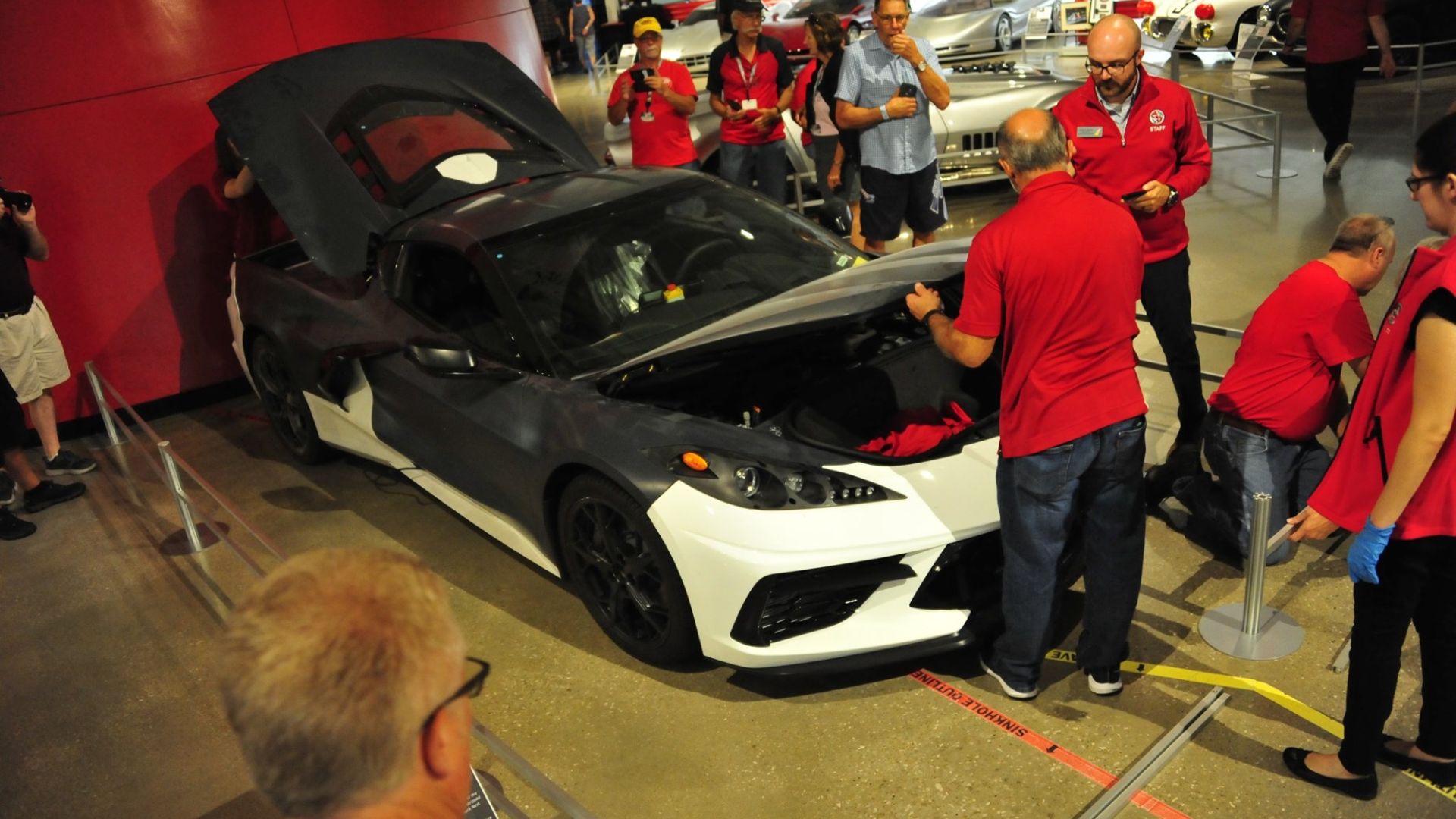
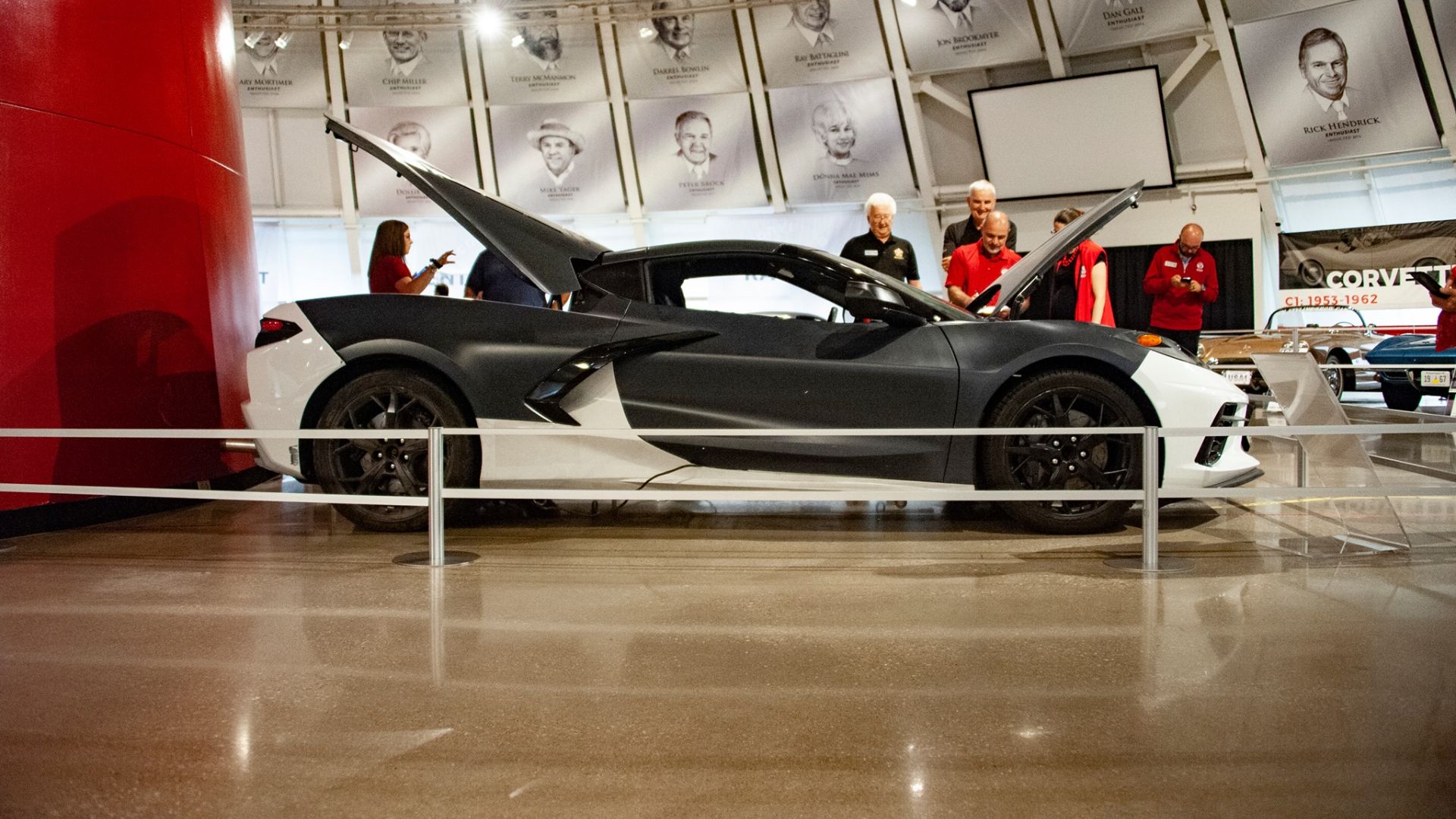
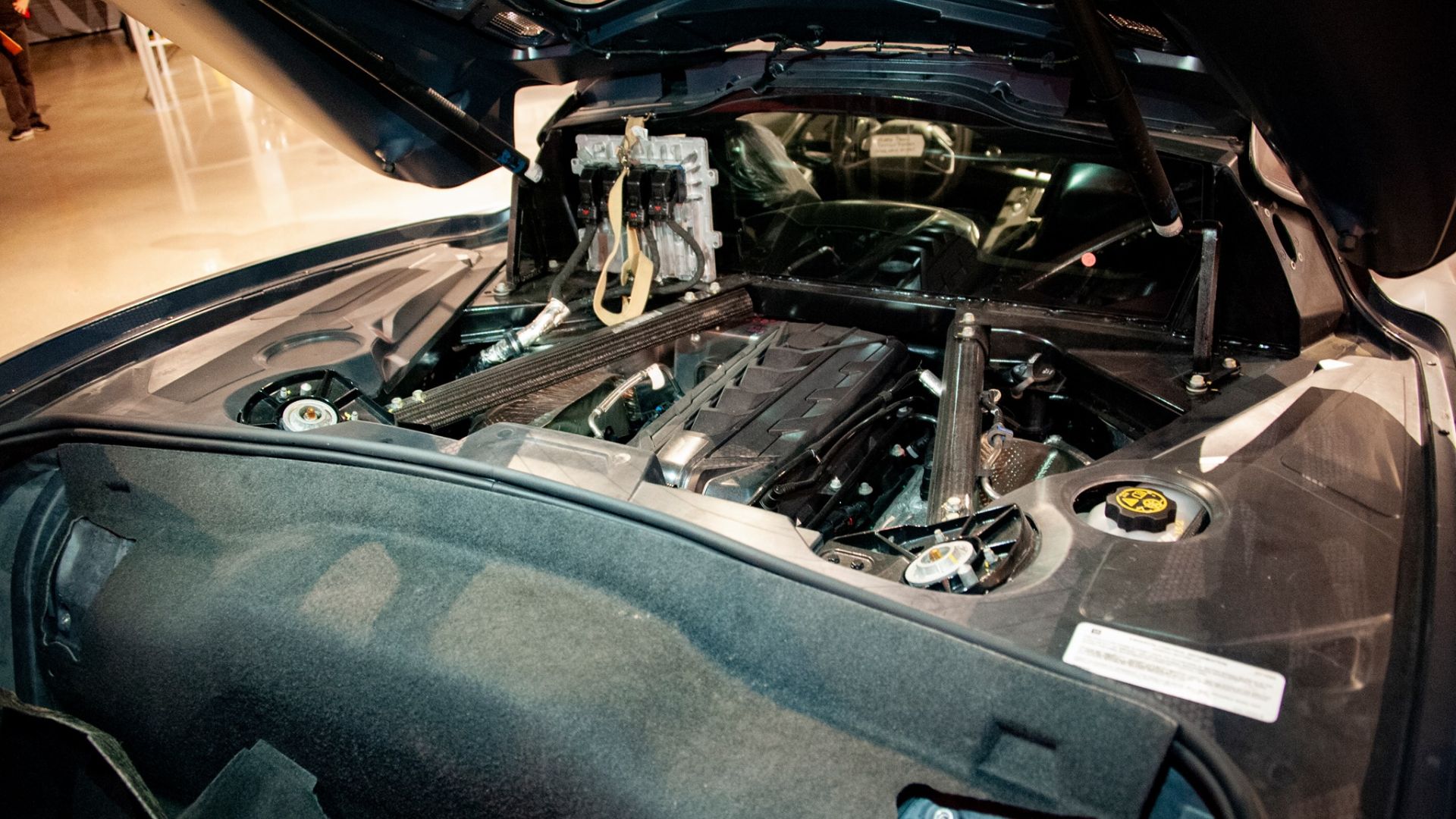
The Corvette Museum in Kentucky has taken delivery of a new C8 Stingray. The car is a prototype used for powertrain development and will remain on display for the foreseeable future.

It was built in 2018 and used primarily at the Milford Proving Ground in Michigan to record data from the 6.2-litre LT2 V8 engine. To that end, it was kitted out with a variety of sensors to measure efficiency, emissions and performance.

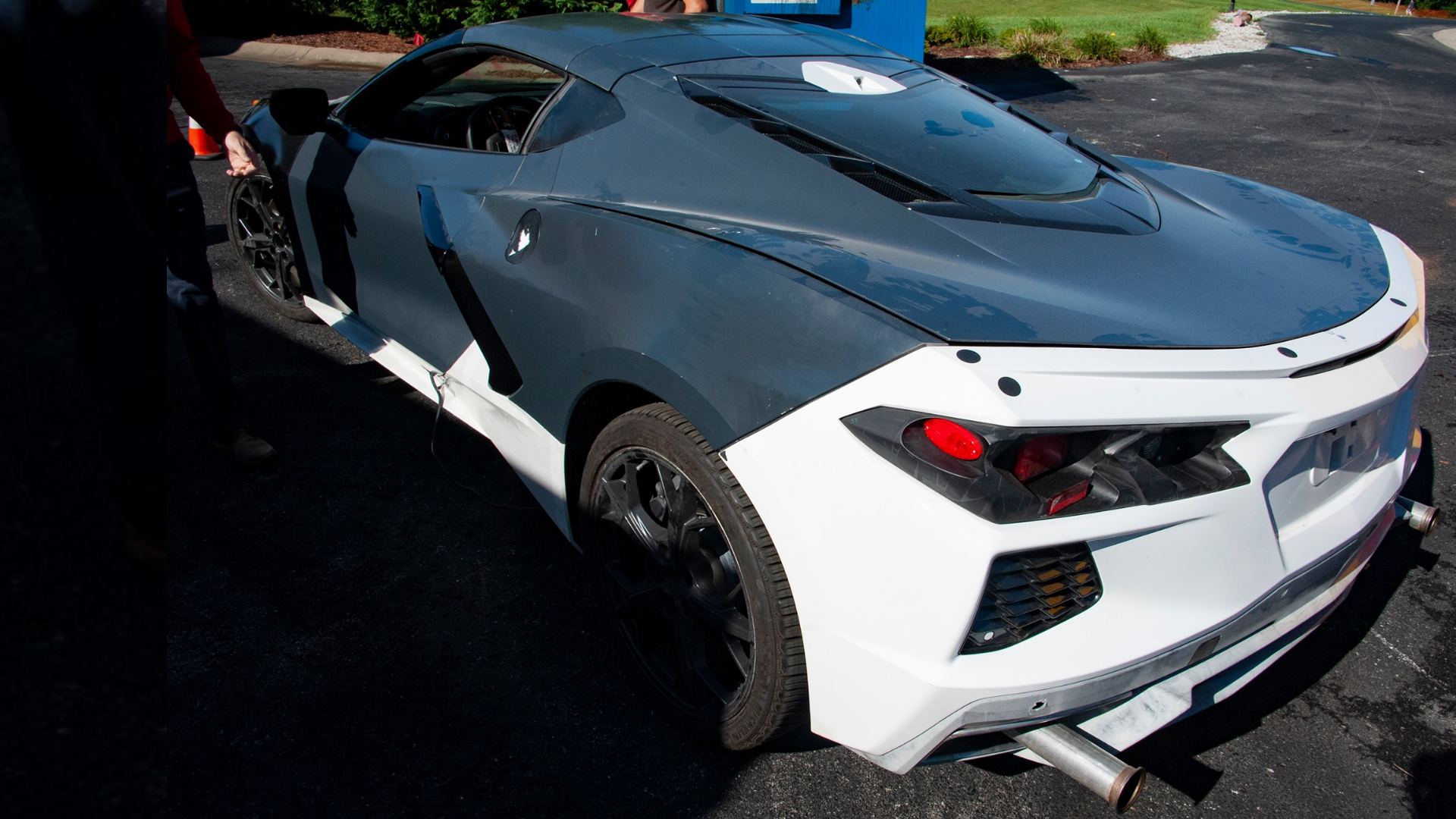
While testing, it wore a good deal of camouflage, which has been stripped off for this display. What lies beneath is a patchwork Corvette, with a white bumper, white sills, black wheels, blackened ‘dummy’ lights and black bodywork.

Joining it will be a 40 percent-scale clay model of the new C8 from 2014. This was for aerodynamic testing, with ink drops used to demonstrate air flow.

New C8 Corvette at the Corvette Museum

The C8 is the most hotly-anticipated Corvette in the model’s near-70-year history. Neither development models will be far from base camp, given the National Corvette Museum is minutes from the Bowling Green production facility. 

The mid-engined Corvette has, of course, been a long time coming. Corvette design and race legend Zora Arkus-Duntov campaigned for the engine to move amidships as early as the late 1950s.

Advertisement

No need to wait for a fast Audi station wagon with this RS2 Avant

0

BaT 1994 Audi RS2 Avant in USAAmerican Audi fans have long been denied access to the hottest RS-branded station wagons. 
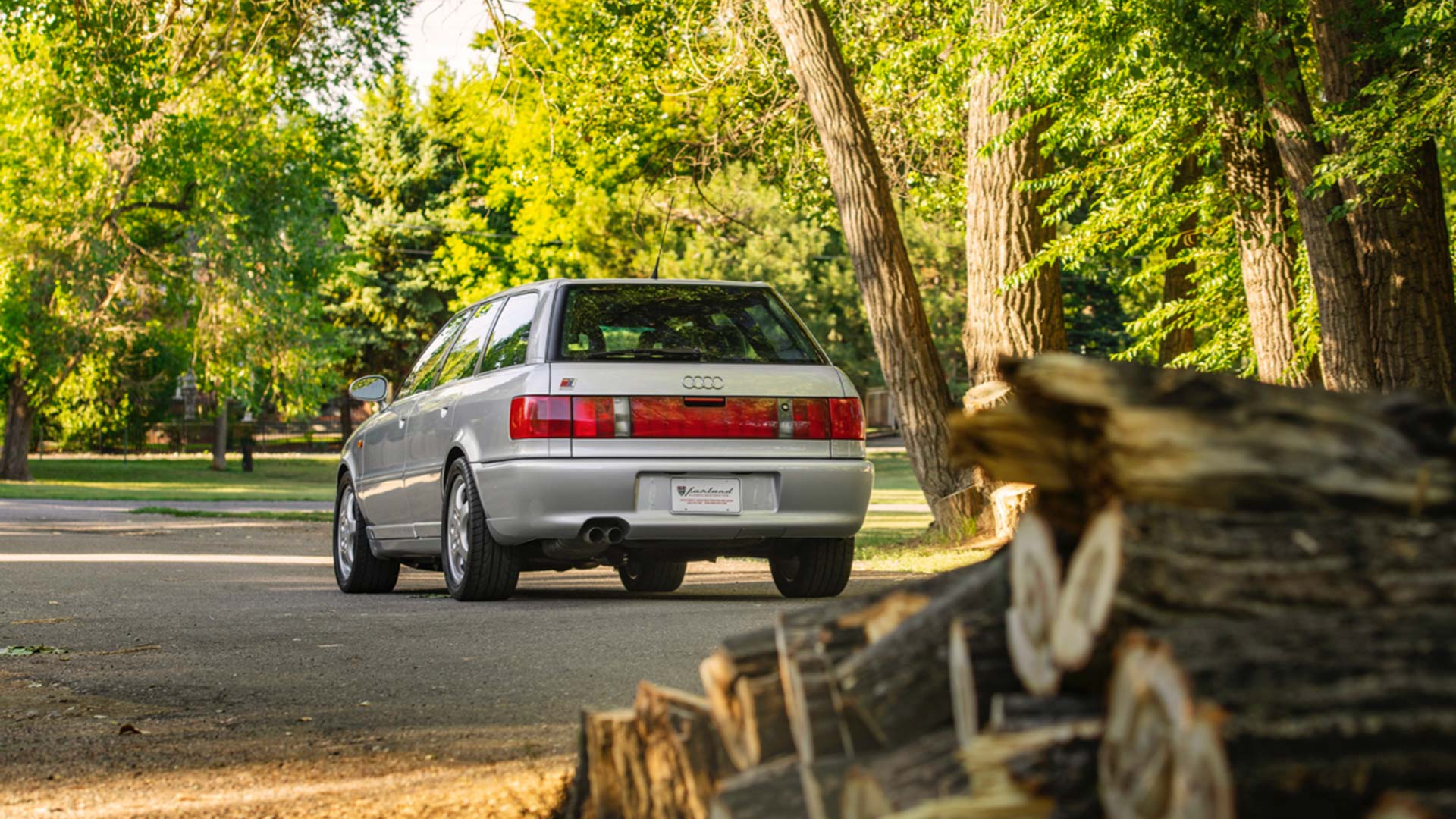
That will change with the new 2020 RS6 Avant but, for those who just cannot wait, Bring a Trailer has a solution.

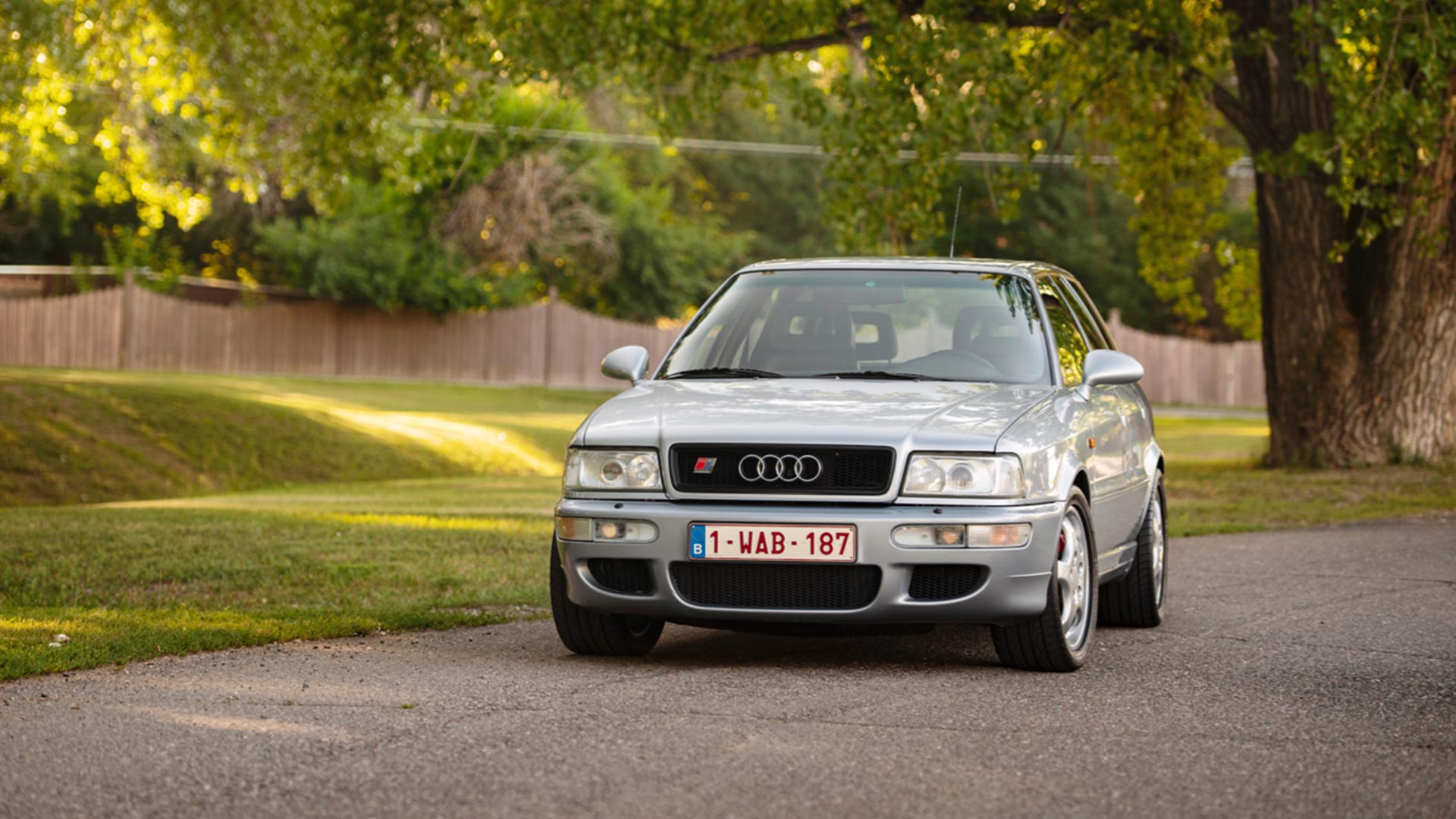
Up for auction right now is this rare 1994 Audi RS2 Avant, taking advantage of its 25-year-old age to become eligible for import into the USA.

Vorsprung Durch Technik 

BaT 1994 Audi RS2 Avant in USAThe limited-edition five-door RS2 Avant was developed in partnership with Porsche, using the Audi 80 sedan as a base. 
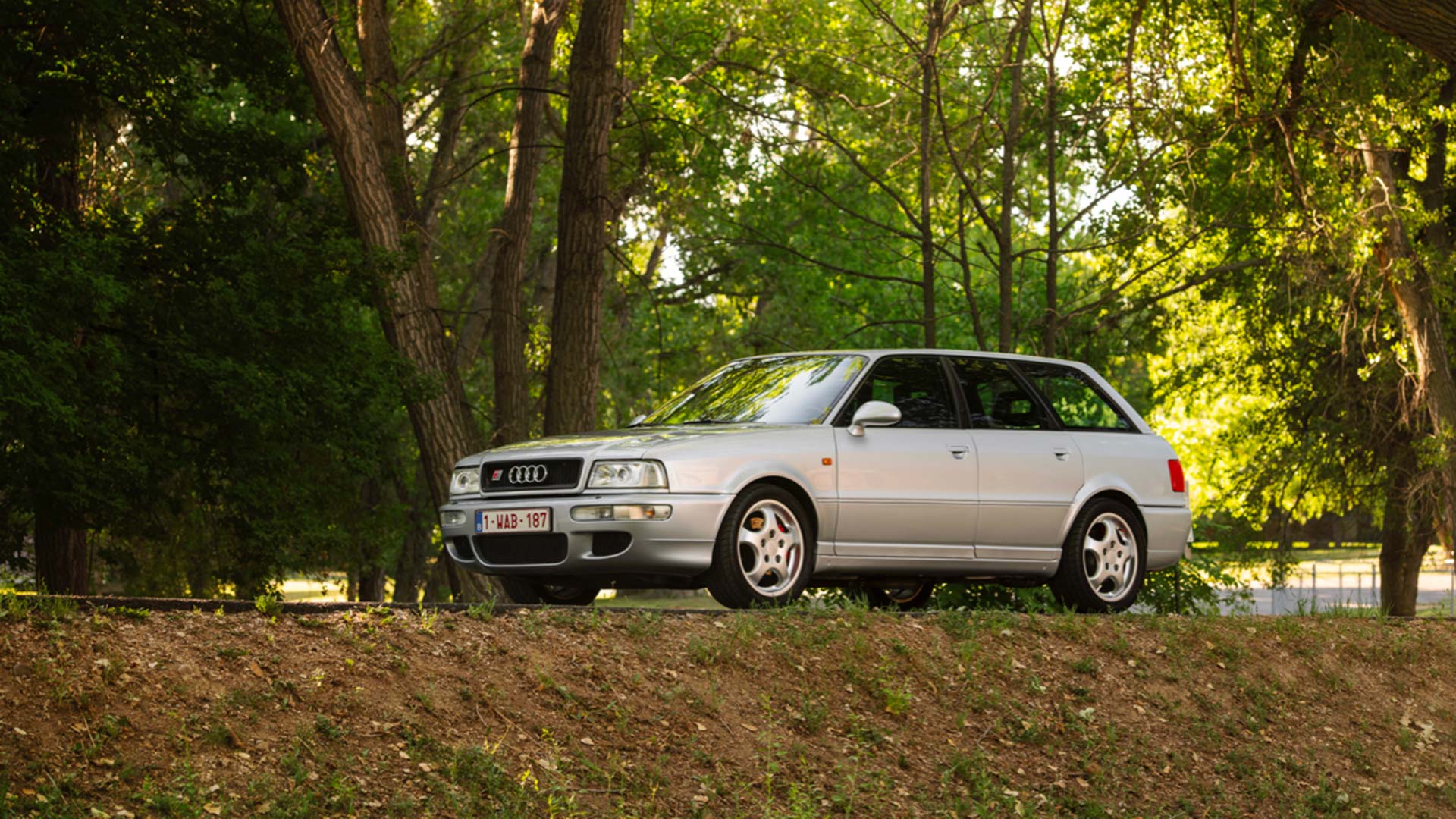
Production was undertaken between March 1994 and May 1995, with around 2,900 examples leaving the factory. The majority remained in Europe, with a handful of cars escaping overseas. None came officially to the United States. 

This particular car was sold new to an Italian buyer, before spending time in Belgium. It made the trip to the U.S. in May 2019, and is currently residing with the seller in Englewood, Colorado.

BaT 1994 Audi RS2 Avant in USAThe joint venture with Porsche resulted in substantial changes to the regular Audi 80 Avant. Styling changes included a front bumper inspired by a Porsche 911, whilst between the rear lights is a strip intended to replicate the rump of a Carrera 4.

Porsche’s 911 sports car also supplied the side mirrors for the RS2 Avant, along with the 17-inch ‘Cup’ alloy wheels, and the upgraded Brembo brakes which hide behind them. 

Discreet badges inscribed with ‘RS2 Porsche’ are the other subtle hints that this is not your average Audi station wagon.

The practical Porsche in disguise

BaT 1994 Audi RS2 Avant in USAPorsche was also involved in upgrading the 2.2-liter five-cylinder gasoline engine found beneath the hood of the RS2. In came a larger KKK turbocharger, combined with strengthened internals for the motor. 
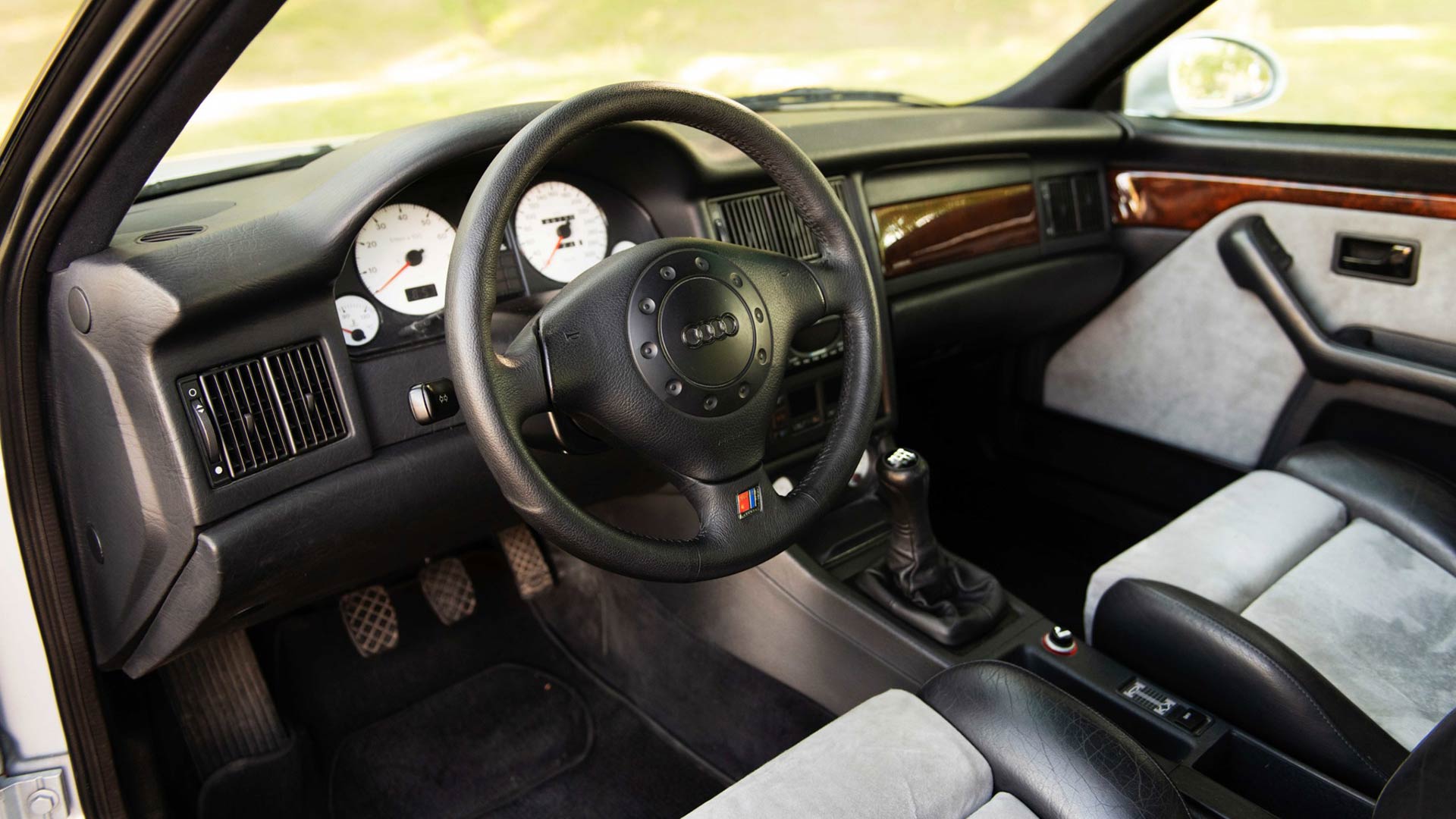
Peak output was boosted to 315 horsepower, matched with 302-lb ft of torque. A six-speed manual transmission fed this power to all four wheels, using Audi’s iconic Quattro drivetrain. 

Performance was suitably startling. 0-30mph was clocked at a record-breaking 1.5 seconds, with 0-62mph taking 4.8 seconds. Top speed was 163mph, making this a seriously quick wagon for the early 1990s. 

BaT 1994 Audi RS2 Avant in USAInterior changes included a pair of Recaro bucket seats in the front, with the ones in this particular car finished in a leather and Alcantara combination. 
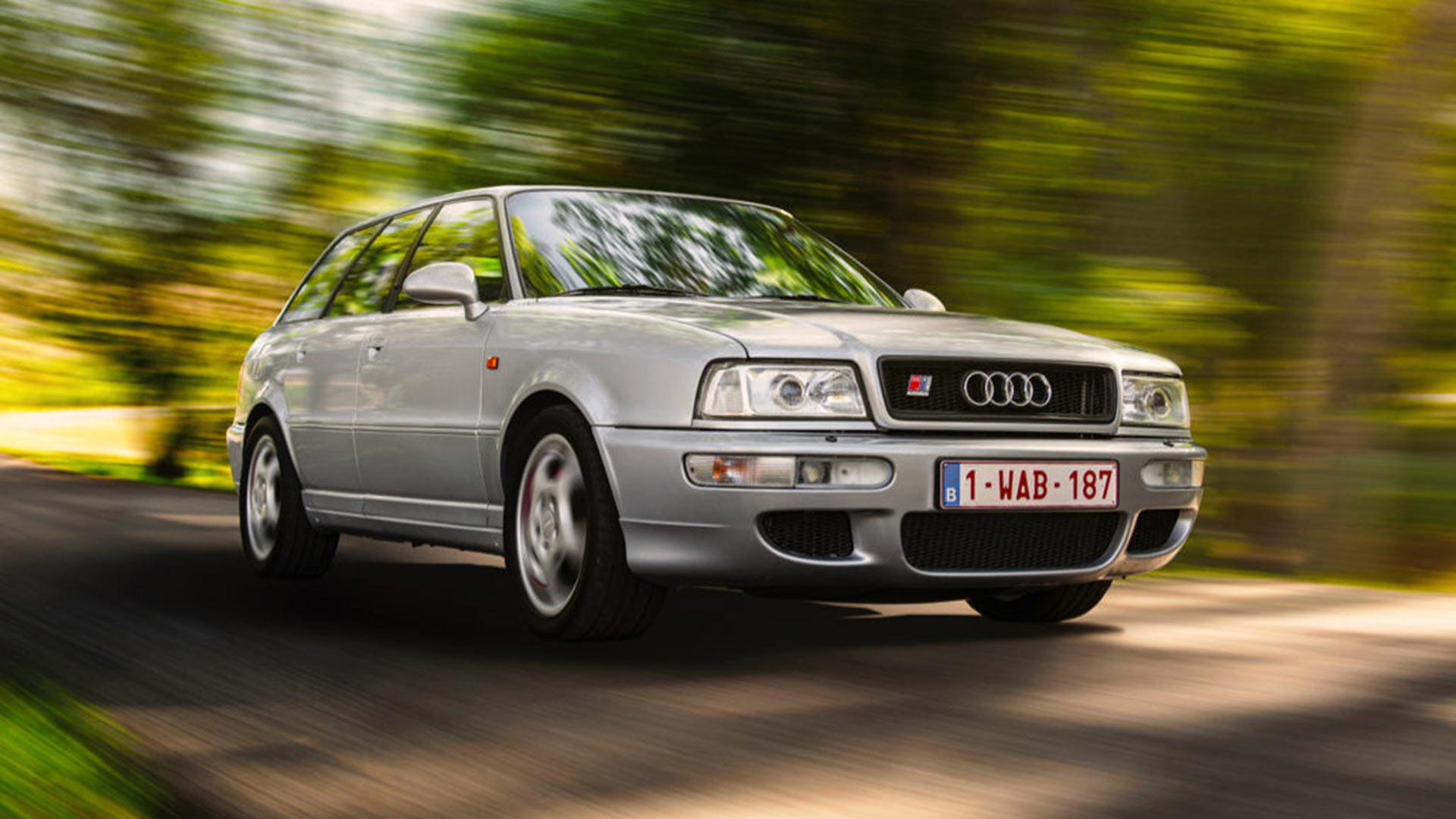
A three-spoke steering wheel was also added, along with a white-faced speedometer reading all the way to 180 mph. 

This car features wood trim in place of the optional carbon fiber finish. The black headliner has been replaced, whilst a new Blaupunkt stereo head unit has also been fitted.

Living the American Dream 

BaT 1994 Audi RS2 Avant in USAFollowing importation in May 2019, the dealership selling the RS2 has had small dents repaired ahead of sale. Work was undertaken on the air-conditioning system in August 2019 to fix a leaking line.

Servicing records from Europe are provided. These are said to show the belts and water pump being replaced in November 2018, along with engine oil, coolant, and other fluids being changed. 

Importantly, the RS2 is registered on a clean Colorado title, along with plenty of documentation from its life in Europe. The odometer currently displays a recorded 89,000 kilometers – equivalent to 55,000 miles.

BaT 1994 Audi RS2 Avant in USAAs the first RS-badged car, the RS2 Avant has established a cult following in both Europe and further afield. The relative rarity, and the incredible performance on offer, makes them a prized purchase. 
With news of Audi bringing the 2020 RS6 Avant to the USA, interest in classic examples like this RS2 is only likely to increase. 

Bidding on Bring a Trailer is open until Wednesday September 4th, with the car already attracting substantial interest from the hundreds of comments on the website.

Advertisement

Eurotunnel makes ‘Brexit Promise’ for driving to France

0

Eurotunnel makes 'Brexit promise'

Eurotunnel is reassuring travellers that Brexit will not prevent them driving to France – at least in the short term. The message is that whatever happens, the tunnel will stay open.

On its ‘Brexit Promise’ page, it says ‘even in the case of a “no-deal” Brexit, the EU and UK have confirmed we’d continue to have visa-free travel this year and next.

‘Our Brexit promise gives you complete peace of mind, so you can make those holiday dreams reality, and secure the best fares today.’

As October 31 looms. prime minister Boris Johnson insists the UK will depart the EU on this date.

Eurotunnel makes 'Brexit promise'

Even your four-legged friends will be safe from the Brexit fallout. They’ll be allowed to accompany you on your travels as before.

Eurotunnel does warn of potential increased traffic outside the docks, though: 

‘Eurotunnel cannot control traffic flow outside of its terminals. However, we will continue to work with local authorities to ensure our customers are kept up to date.

‘In the unfortunate event of a build-up of traffic on the motorway which results in customers arriving late, we will as always endeavour to accommodate them on the next available shuttle.’

Eurotunnel makes 'Brexit promise'

Booking benefits also remain. These include free amendments up to 24 hours before your departure time, plus free cancellation up to seven days before you go.

‘Our shuttles will be running as usual throughout the year, whatever form Brexit takes,’ the site reads, in bold lettering.

Advertisement