New figures released today reveal that drivers who renew their car insurance early, specifically eight days before it expires, save an average of £132 on their new policy.
MoneySupermarket calls this the ‘optimum’ time to save on car insurance. A quarter of drivers who accepted their quote eight days in advance enjoyed an average saving of 28 percent compared with the cost when taken out on renewal day. That’s the £132 figure.
This means that instead of around £490, the savviest drivers pay around £360 on average.
Why a football team sticker could void your car insurance
High renewal prices are exacerbated by leaving it to the last minute. However, the research shows that drivers can make savings by shopping around in advance of their renewal date.
It’s common knowledge that if you switch providers, you’ll save money. But you can use quotes from rival insurers to haggle with your existing provider.
“If there’s one thing to remember when it comes to saving money on your car insurance, it’s making sure you shop around before your policy automatically renews,” said Rachel Wait, consumer affairs spokesperson at MoneySupermarket.
“You could save hundreds of pounds. Insurers know that many of us leave buying insurance to the last minute, which is why we see prices increasing closer to the date a policy is due to expire. To avoid higher costs, you should shop around for your new policy at least a week before the old one runs out and lock in the price you are offered at that point.”
The government is planning a ‘bus revolution’ as it announces a package of measures designed to boost Britain’s bus network.
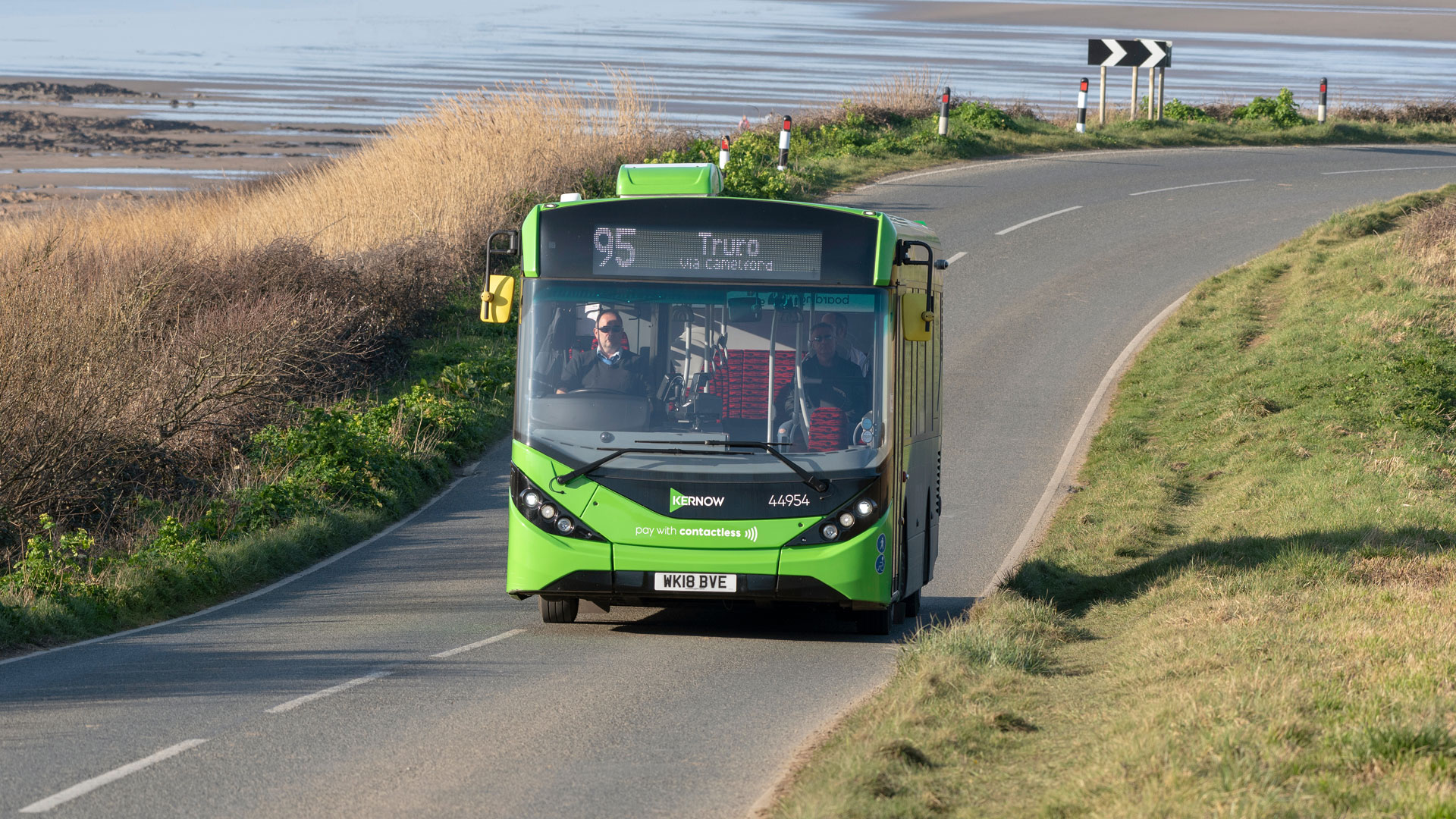
Britain’s first all-electric bus town, improved passenger information and a ‘Superbus’ network are the headline acts of a package worth an estimated £220 million.
Embracing the cashless society, the government is promising contactless payment on every city bus, along with better information for passengers. A long-term bus strategy is also part of the plan, which includes support for local authorities to create London-style franchised services in their areas.
What is a ‘Superbus’ network?
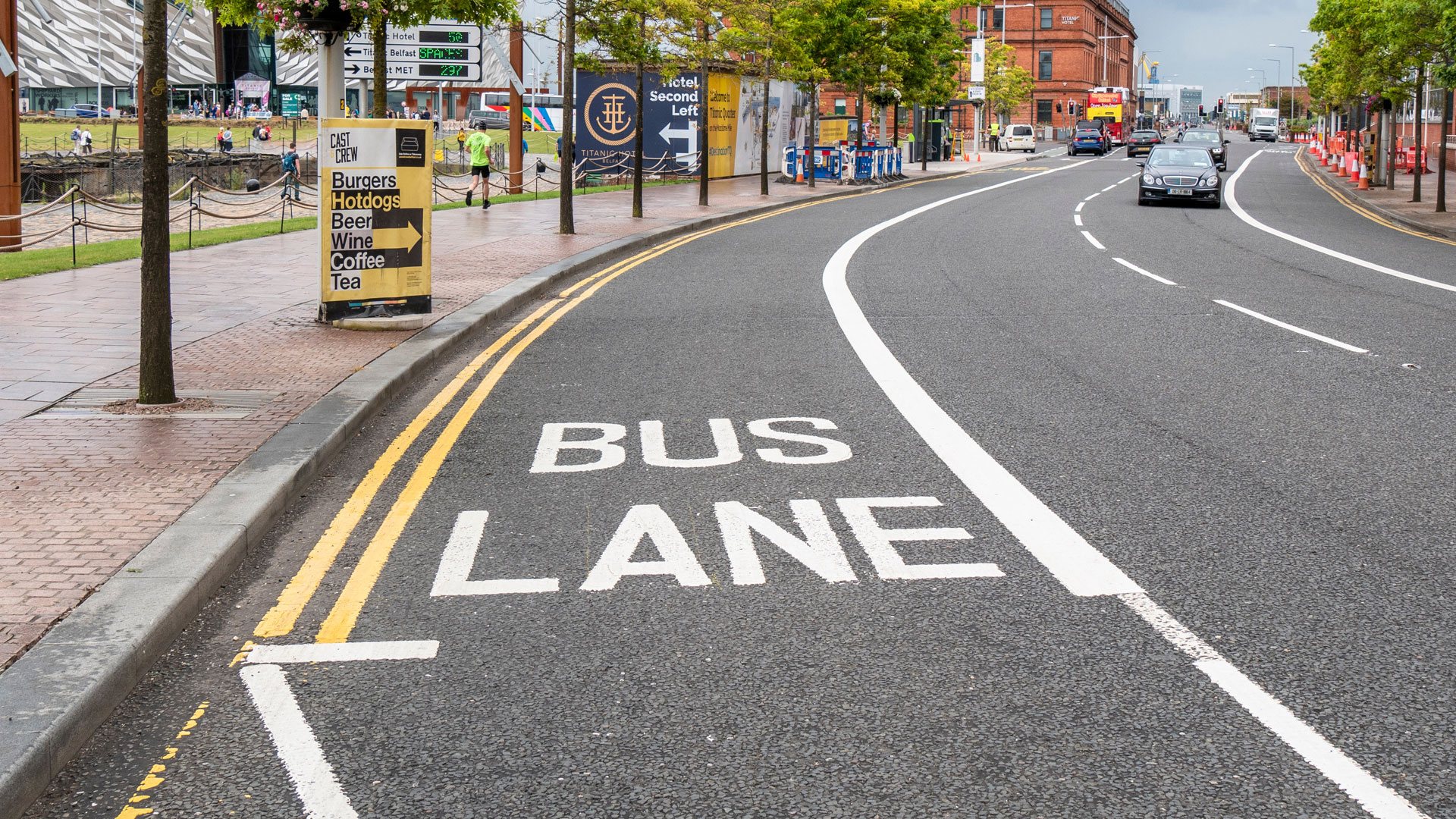
Not to be confused with a giant bus or one with special powers, a ‘Superbus’ network will have low fares and bus priority measures designed to speed up journeys and make them more reliable. These could include bus lanes, priority at traffic lights and access to car-free zones.
The first ‘Superbus’ network will be rolled out in Cornwall. The county can expect lower fares, increased frequency of services and integration with the rail network. The government wants the ‘Superbus’ network to connect people on lower incomes with jobs, education and evenings out.
Other ‘Superbus’ networks are planned, with a focus on areas with significant deprivation and social exclusion.
Where is the first all-electric bus town?
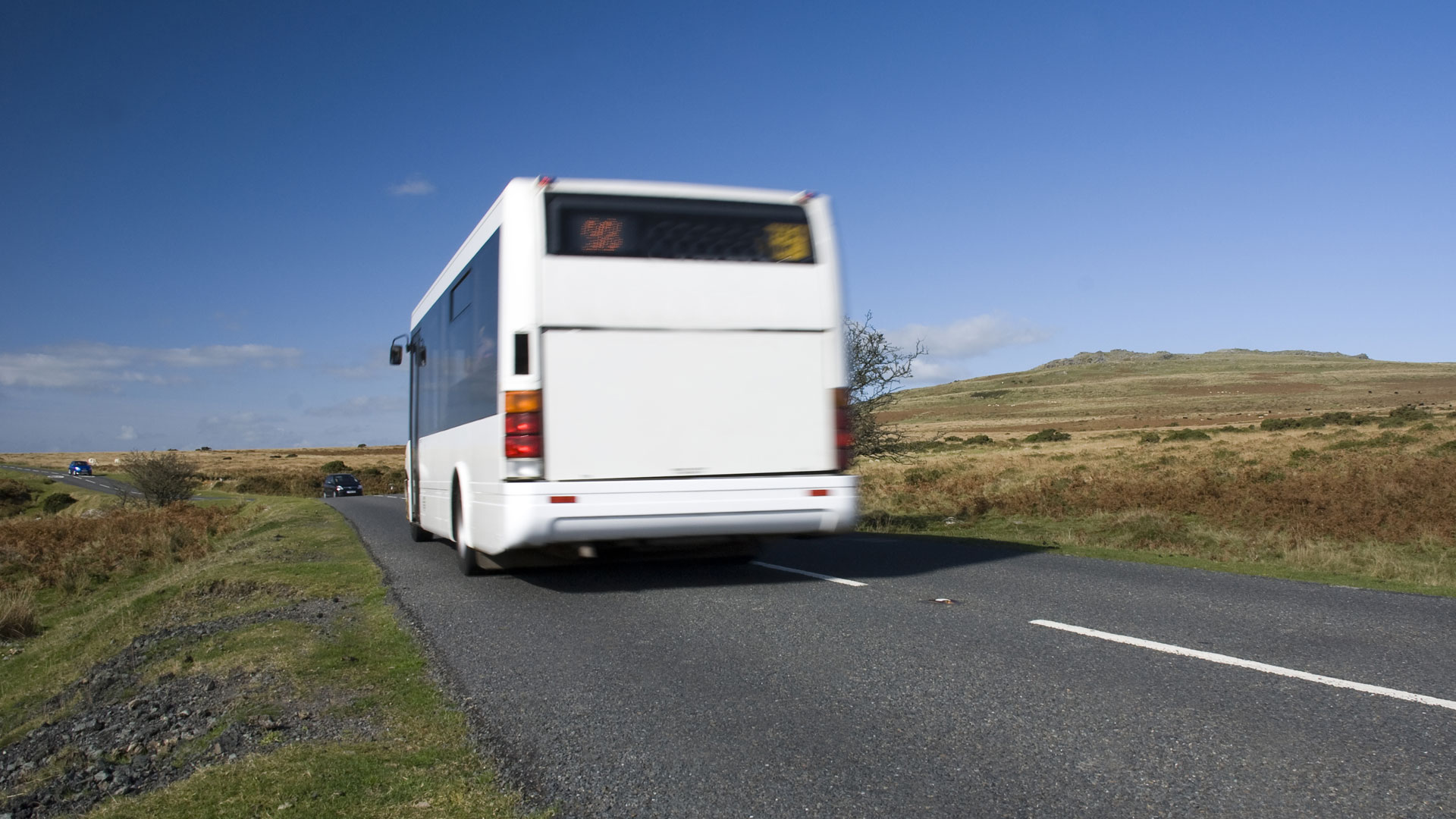
The location of the first all-electric bus town is still being discussed with local authorities and operators and will be announced later. The entire fleet of town or city buses will be switched to wireless electric vehicles, while country buses will be hybrids, using electric in urban areas and diesel in rural locations.
Other measures
Around £20 million will be spent on new bus express lanes in the West Midlands, where a million people travel by bus every day. A further £30 million will be paid to local authorities in 2020 to 2021 to improve services or restore those that have been lost.
Meanwhile, local authorities interested in creating London-style franchised services will have access to a long-term funding package. Greater Manchester is expected to adopt a franchised model in 2020, but other areas are invited to submit proposals.
Speaking at the Conservative party conference, Sajid Javid said: “The truth is, successive governments failed to invest enough for the long-term. We’ve started to put that right, but we can do more – a lot more. This Government is going to build Britain’s future, and bring in a new infrastructure revolution.
“Infrastructure is the foundation of everything – it’s the new road that connects local communities, the bus you need to get to school and the broadband that helps your small business trade around the world. The full benefits of our infrastructure revolution may not be felt for some time. But the work must start here and now.”
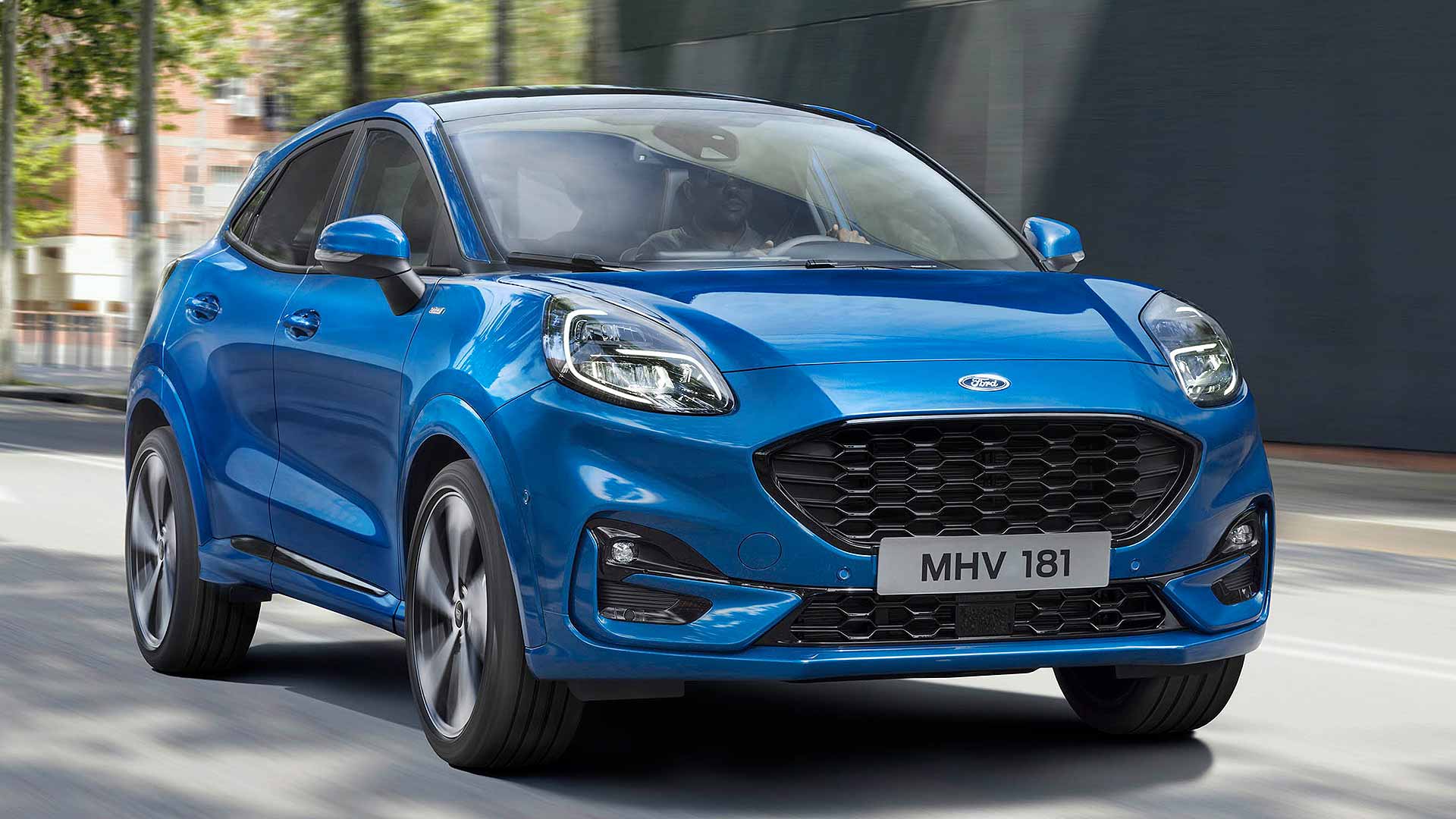
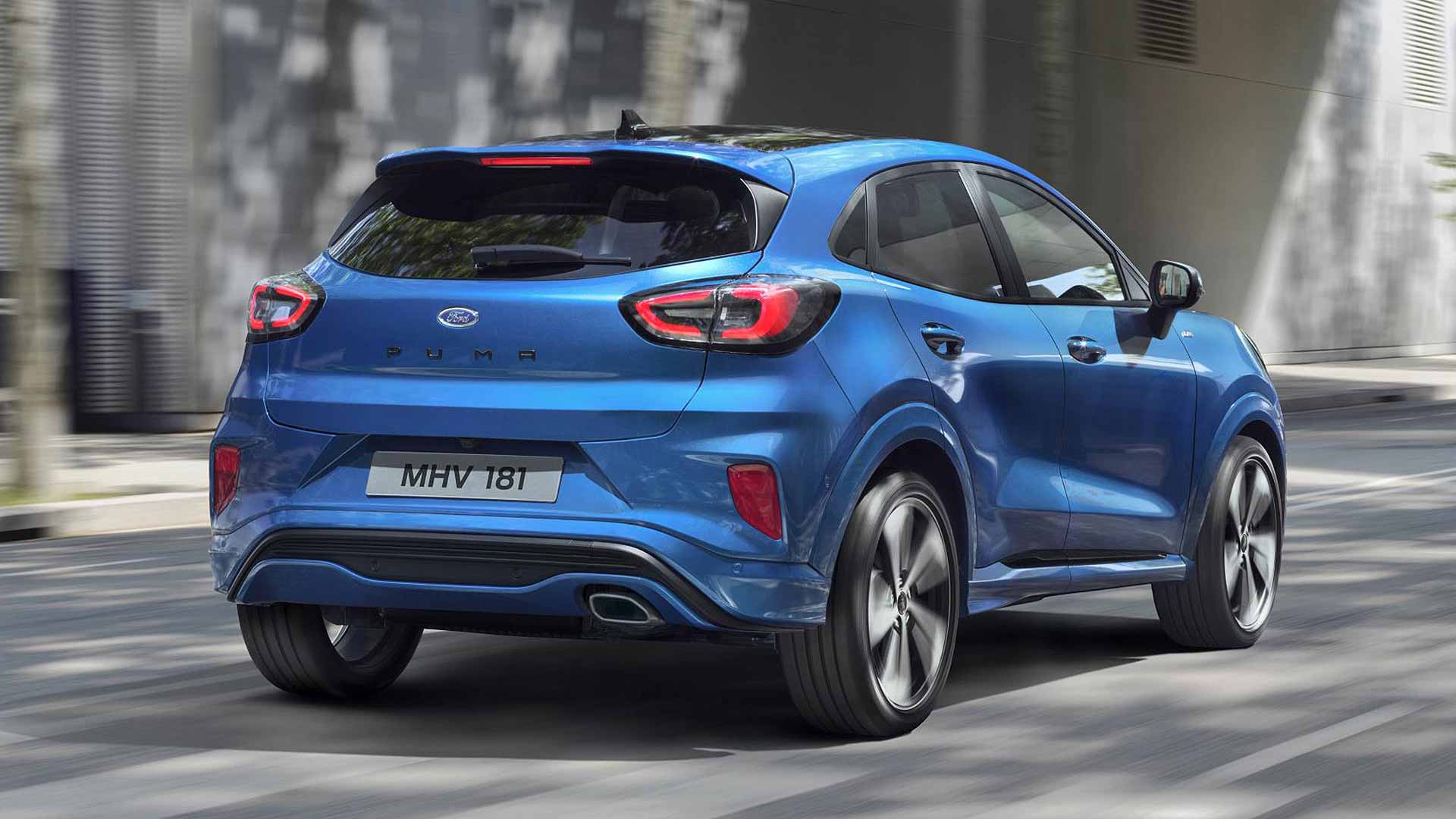
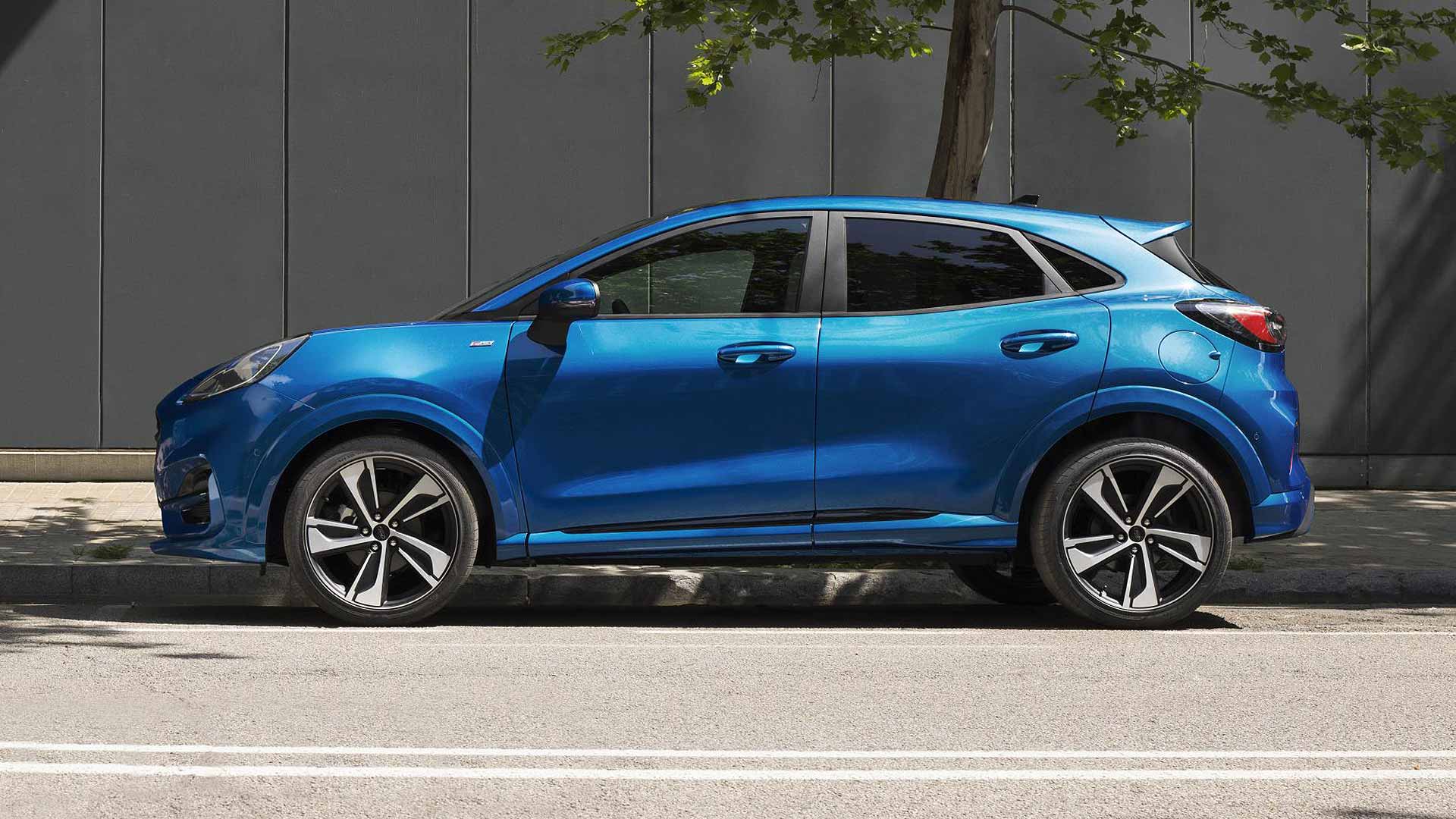
The new Ford Puma SUV is open for ordering, with prices for the lead-in Titanium variant starting from £20,845.
Ford is also offering a higher-spec Puma Titanium First Edition as a launch special, from £22,295. This includes luxuries such as heated seats and a heated steering wheel, intelligent adaptive cruise control and a rear-view camera.
A Ford Puma ST-Line X First Edition variant (pictured here), costing from £25,195 has sportier exterior and interior looks, sports suspension, LED headlights and a full digital instrument cluster. Also standard are 18-inch alloys and a premium B&O sound system.
Buyers can choose even larger 19-inch alloys with the ST-Line X First Edition Plus, priced from £27,345. This also has a panoramic roof.
Every Ford Puma has standard massaging front driver and passenger seats – a segment first, says Ford. A wireless smartphone charger is also standard.
Ford is launching the Puma with its new 1.0 Ecoboost Hybrid engine, in either 125hp or 155hp guises. The firm is calling the mild hybrid tech ‘mHEV’.
Non-hybrid versions will follow in 2020.
“Our stunning new Ford Puma will be first offered in a range of exclusive first editions incorporating the latest and best technology usually reserved for large executive cars,” said Lisa Brankin, passenger vehicle director, Ford of Britain.
“Alongside our new mild hybrid powertrains, best-in-class loadspace and striking design, the new Ford Puma offers exceptional comfort and technology for compact crossover customers.”
The latest figures from Auto Trader show average values of used cars advertised by retailers are decreasing. Bucking the trend, however, are EVs, with ‘unprecedented growth’ in prices.
The average used car sold by a retailer was advertised for £13,001 in August 2019, compared with £13,115 in July. Like-for-like advertised prices are also down by 1.3 percent compared with a year ago.
By comparison, electric car values have risen by 30.4 percent. Alternative-fuel vehicle values are also up 5.7 percent year-on-year, which includes EV models.
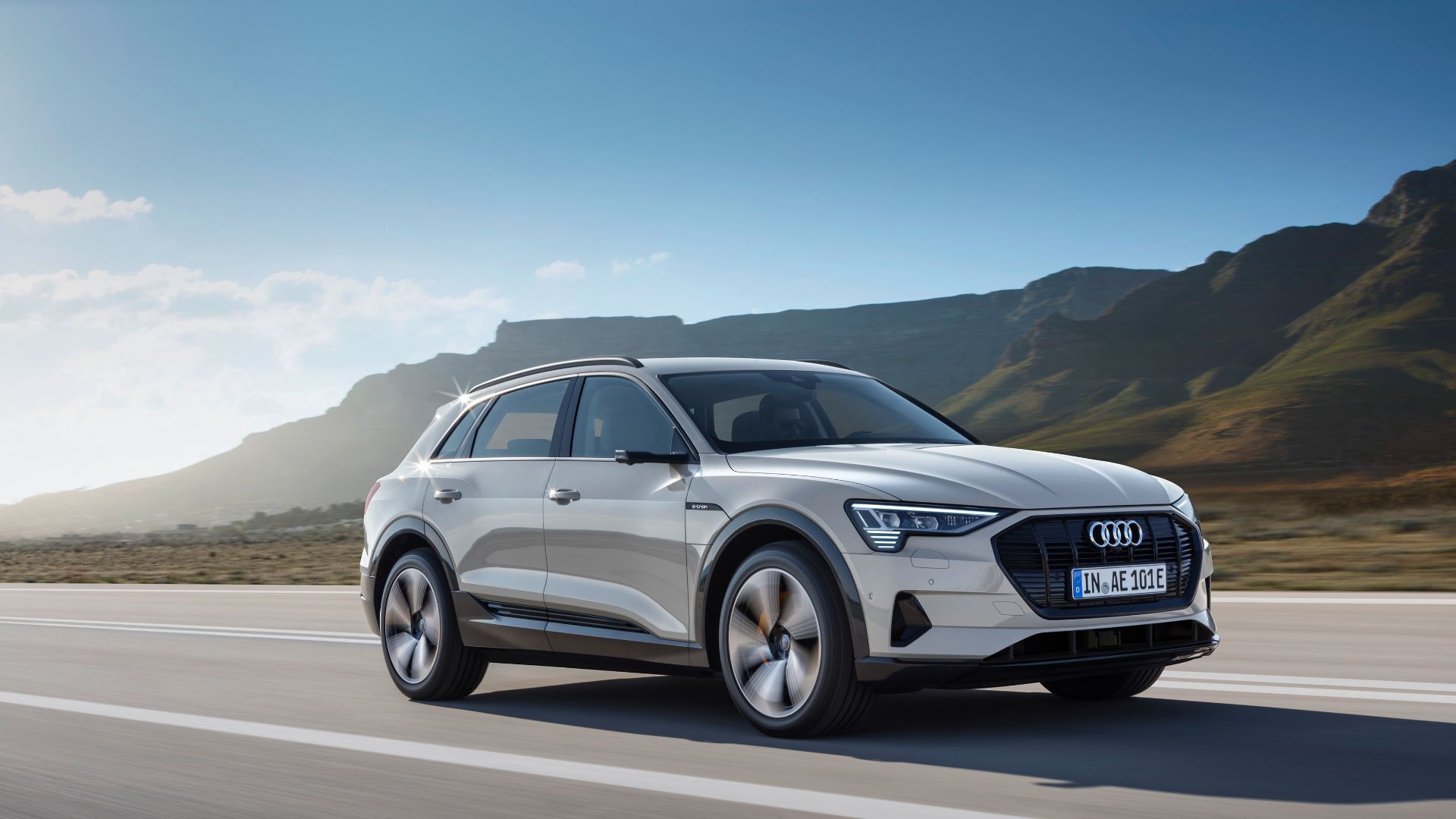
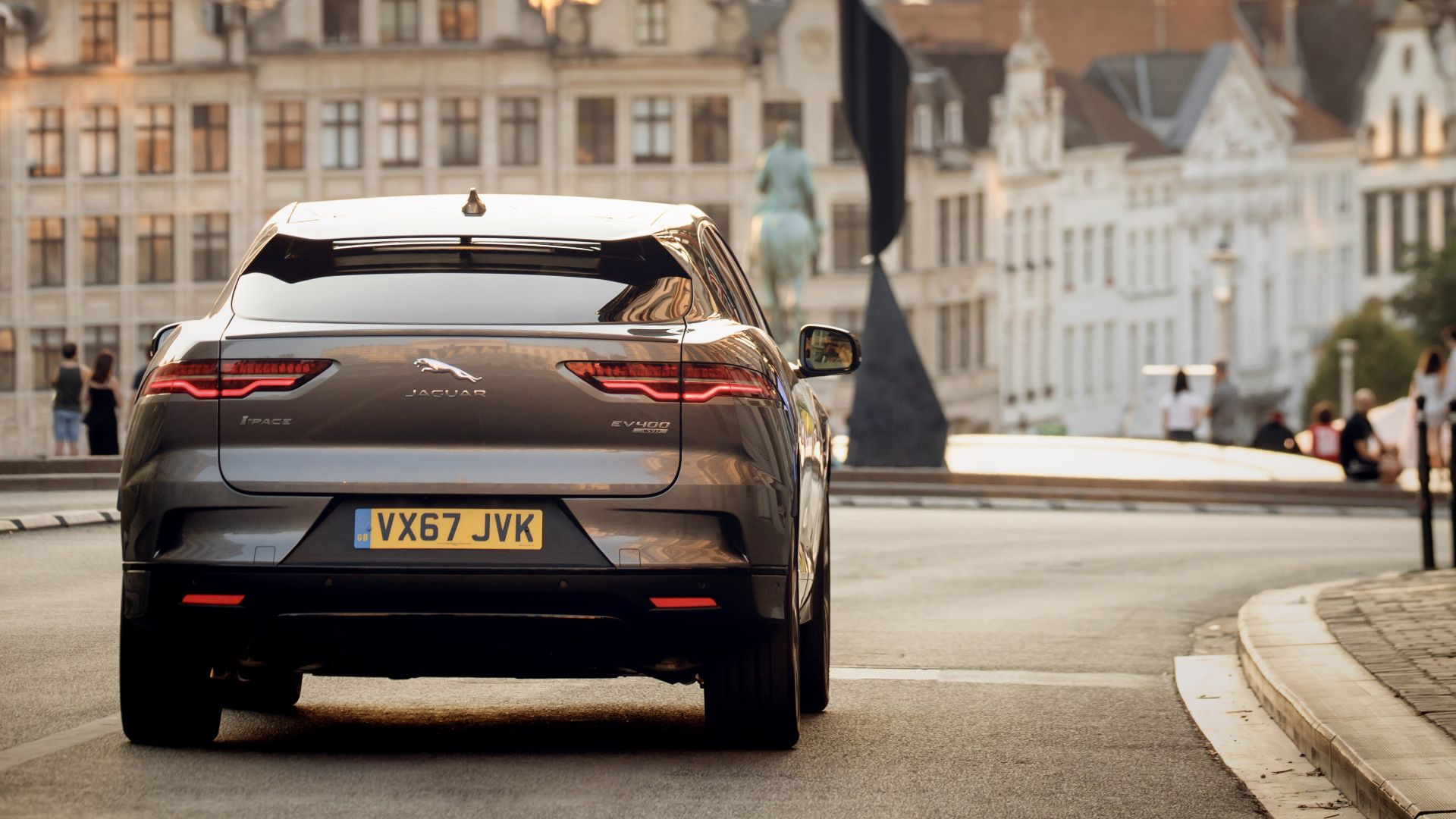
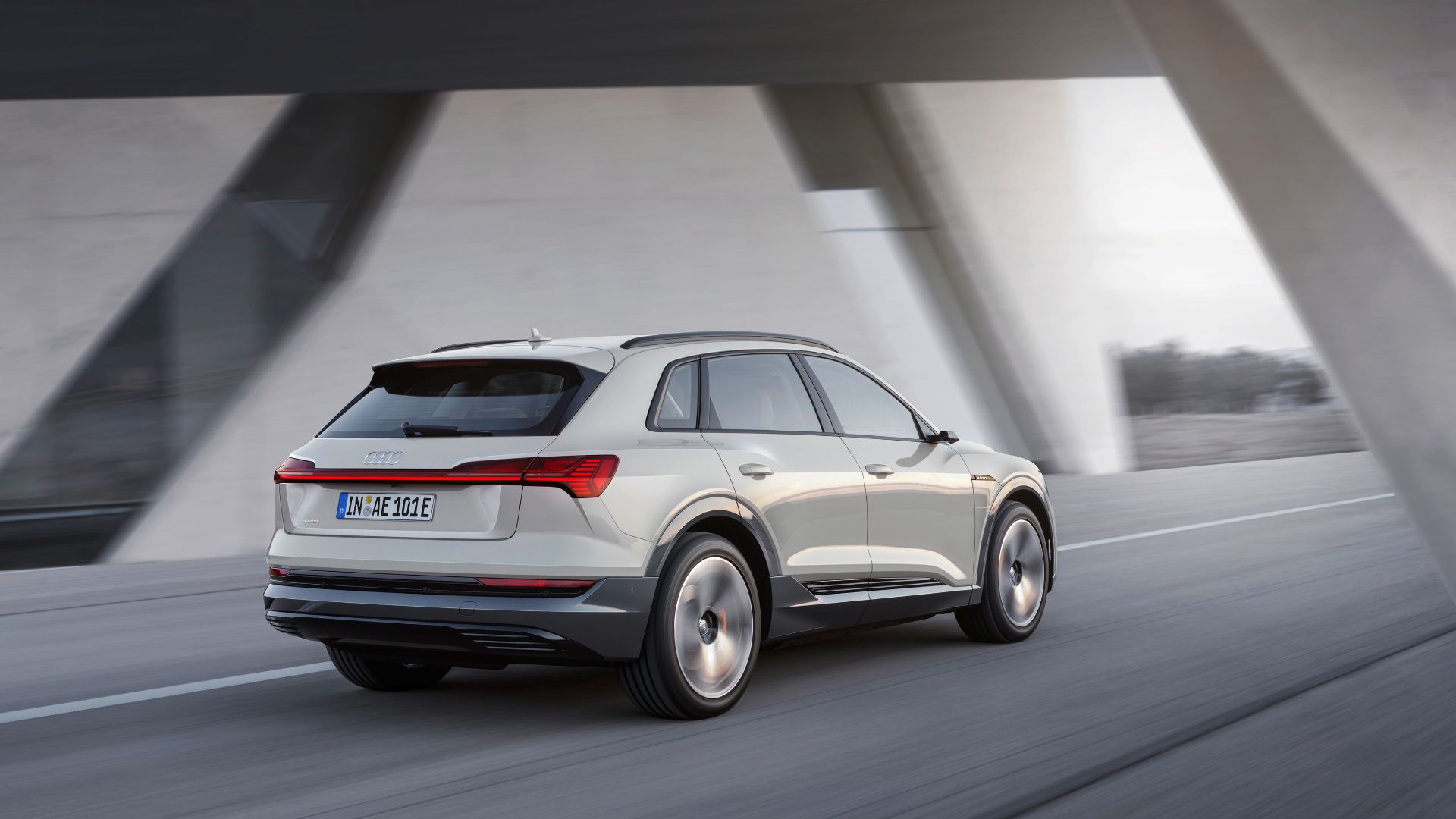
That’s an absolutely enormous jump in average value. It shouldn’t come as a surprise in what is still a fledgling market, however. Over recent years, a great deal of mid-level and premium electric vehicles have come to market. The Jaguar I-Pace, Audi E-Tron and Tesla Model 3 are just three heavy-hitters.
Consider, for example, that these cars all cost around £50,000 new. The EV used market average value was previously dictated by sub-£30,000 cars such as the Nissan Leaf and Renault Zoe.
That’s not to mention the number of new electric cars that have been launched over the past 18 months. In short, there are more electric cars available, and most of them are fresh to market.
Used car value drop
Used cars worth up to £1,000 less due to ‘market correction’
While the values of used cars previously rocketed due to the influx of nearly-new metal, that same influx has necessitated a market correction. With supply catching up with demand, this mild drop is indicative of a stabilisation, says Auto Trader.
This is corroborated by an 0.8 percent year-on-year increase in value of cars aged between 10 and 15 years. Demand for second-hand cars remains strong, too. Searches for used and nearly new vehicles were up four percent in August 2019, compared with August 2018.
“Used car prices will naturally fluctuate,” said Karolina Edwards-Smadja, director of commercial products at Auto Trader.
“But over the last few months there’s been a variety of unprecedented factors affecting average prices, not least the realignment of market values over the summer, which resulted in some cars having up to £1,000 knocked off their sticker price.
Katie Price sells pink cars because they ‘get her into trouble’
“Supply and demand is less of an issue, but we shouldn’t entirely dismiss the impact the spike in new car registrations three to four years ago has had.
“Add to the mix the ongoing economic uncertainty and there’s clearly been an unusual amount of pressure placed on second-hand car values. It will be interesting to see whether these factors have any further influence during the closing quarter of 2019.”
Dr. Jaiwon Shin has landed at Hyundai to head up its newly established Urban Air Mobility Division.
The aeronautics engineer is a former associate administrator for the Aeronautics Research Mission Directorate at NASA, as well as a co-chair of the White House National Science and Technology Council’s Aeronautics Science and Technology Subcommittee.
As executive vice president and head of Hyundai’s air mobility division, Dr. Shin will lead the company into a “new era of developing smart mobility products within the aviation industry”.
Hyundai will leverage his expertise in airframe, engine, safety and air traffic management technologies to develop solutions for safe and efficient airborne travel.
Commenting on his appointment, Dr. Shin said: “Having worked on cutting-edge aviation research and development at NASA for 30 years, I am very excited and humbled by the opportunity to now shape urban air mobility strategy at Hyundai Motor Group.
“The new team at Hyundai will develop core technologies that will establish the company as a driving force in urban air mobility, a sector that is expected to grow into a market worth $1.5 trillion (£1.2 trillion) within the next 20 years.”
Last-mile parcels and air metros
Urban Air Mobility is expected to become a critically important part of a range of solutions designed to reduce traffic problems in the world’s mega cities.
Aerospace giant Airbus established an Urban Air Mobility division last year to “co-create an entire industry from scratch”.
Harini Kulatunga, head of unmanned aerial mobility solutions at Airbus, said: “By 2030, 60 percent of the world’s population will be urban. To help cities cope with this massive population growth, transport solutions need to safely and sustainably improve the way people get from A to B.
“Urban air mobility enhances the coverage and reach of the transportation system with minimal land impact [and] sustainable city development becomes possible.”
In November 2018, a report published by NASA found that a commercially viable market for last-mile parcel delivery and air metro could be in place by 2030.
However, the market for air taxis is likely to be limited to concentrated areas of high net worth individuals and businesses. An example would be an air taxi from Manhattan to the suburbs.
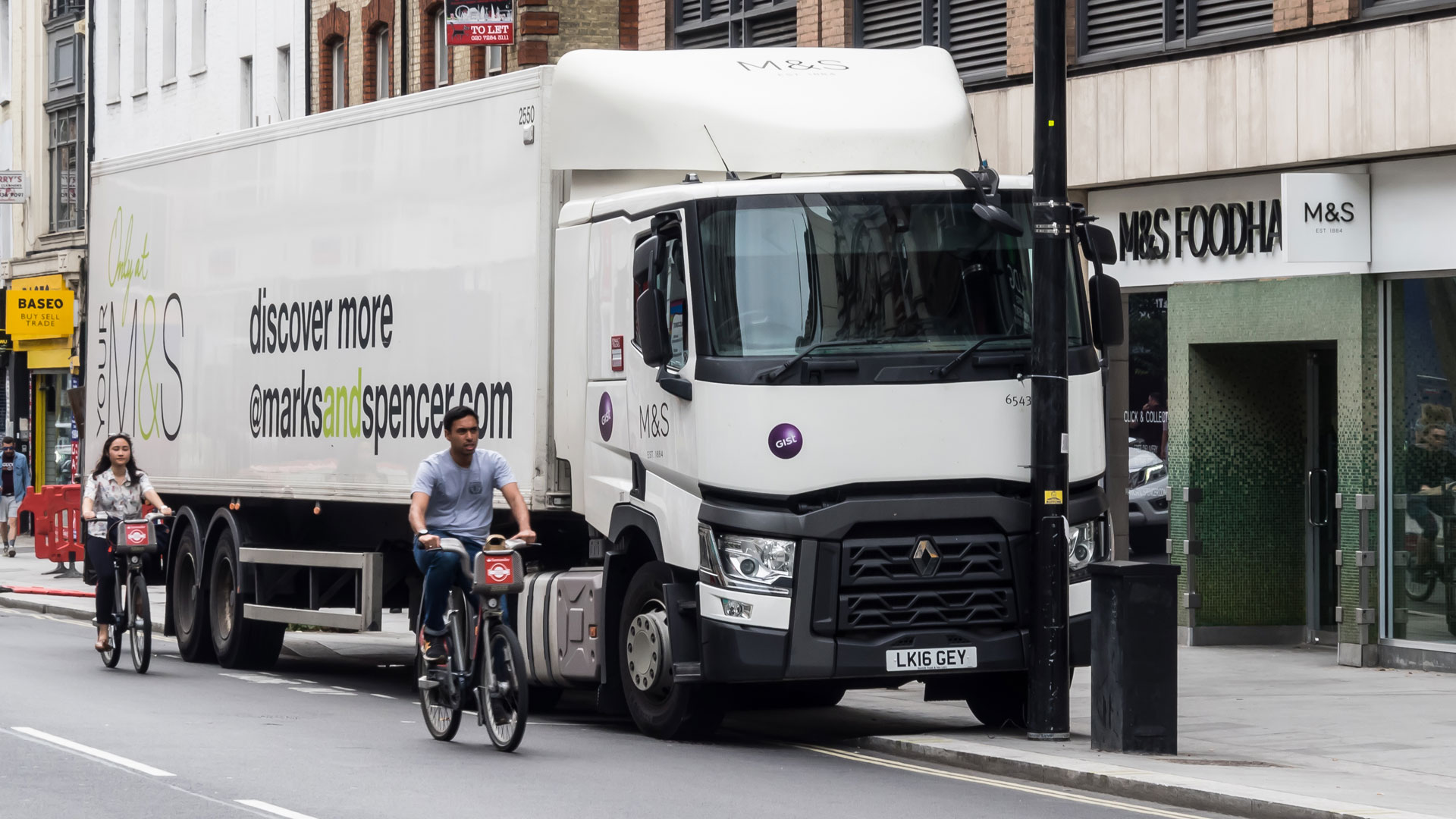
From 26 October 2020, HGVs over 12 tonnes will be BANNED from entering or operating in Greater London unless they pass a new Direct Vision Standard (DVS).
The date coincides with the new London-wide Low Emission Zone (LEZ) standards for heavy goods vehicles.
The Direct Vision Standard is being rolled out to protect and improve the safety of all road users, particularly pedestrians, cyclists and motorcyclists. It includes a new star rating based on how much a lorry driver can see through their cab windows.
Lorries are rated from 0 to 5, with any 0-star vehicles over 12 tonnes banned unless they incorporate a series of safety measures (Safe System) to reduce the risk to vulnerable road users. The Safe System includes the following:
Blind spot elimination and minimisation, i.e. a fully operational camera, Class V and VI mirrors and a sensor with driver alerts.
Warning of intended manoeuvres, i.e. audible left-turning warning system and pictorial stickers.
Physical impact minimisation, i.e. side-underrun protection.
Operators and drivers are also advised to take part in appropriate training, although this is not a requirement for the Safe System permit.
Fitting a Safe System will not change a vehicle’s Direct Vision Standard star rating, but will bring the safety standard of the vehicle up to a level required for a permit.
The Direct Vision Standard will affect 188,000 HGVs operating in London, with some 35,000 expected to be banned in 2020 and 94,000 by 2024 if standards aren’t improved.
From 26 October 2024, all 0 to 2-star HGVs will be banned unless they prove a Progressive Safe System. Transport for London (TfL) will review the system in 2022, taking into account new technology not currently available.
HGVs account for just 4 percent of London’s traffic but are disproportionately represented in fatal collisions. From 2015 to 2017, HGVs were involved in 63 percent of cyclist fatalities and 25 percent of pedestrians.
‘Vital for saving lives’
Christina Calderato, head of transport strategy and planning at TfL, said: “Our Direct Vision Standard and its associated HGV Safety Permit is vital for saving lives on London’s streets and achieving Vision Zero.
“We thank the freight industry for their input and support throughout the stages of development. We are just three months away from the first permits being issued and encourage all operators to check the star rating of their vehicle, so they are prepared and compliant.”
Permits will be issued from 28 October 2019, with enforcement beginning on 26 October 2020. The Direct Vision Standard will operate 24 hours a day, seven days a week and will be enforced on ALL ROADS within the Greater London Boundary.
Non-compliant HGVs will be issued with a Penalty Charge Notice (PCN) of £550 per day, which will be reduced by 50 percent if paid within 14 days.
Direct Vision Standard ratings for Euro IV, V and VI vehicles are available from vehicle manufacturers. The contact details for each manufacturer can be found here.
Brigade Electronics has provided this handy infographic, which provides a useful overview for HGV drivers and operators. For more detailed information, download TfL’s guide, which includes details of how to obtain a Safe System permit.
Direct Vision Standard: summary
Star rating system for HGVs over 12 tonnes.
Based on how much a driver can see directly through their cab windows.
Zero rated vehicles will need to be improved by fitting Safe System measures.
Free Safety Permit available from 28 October 2019.
Direct Vehicle Standard enforcement begins 26 October 2020.
Minimum star rating increases from 1 to 3 from October 2024.
Luxury vehicle manufacturer Maserati has announced plans to release new models featuring electrification in the near future.
The company, part of the multinational Fiat Chrysler Automobiles corporation, has stated that 100% of all vehicles will continue to be made in its multiple Italian factories.
Following the fall of global sales volumes in 2018, Maserati has been keen to return to profitability. A total of 10 new or updated models is set to be released between 2020 and 2023.
Sparking the Italian Renaissance
Key to the future will be electrification, with the Ghibli saloon set to receive a hybrid drivetrain in 2020. Initially launched in 2013, the Ghibli is currently offered with a choice of turbocharged V6 petrol or diesel engines.
Set to be produced in the company’s Turin factory, the Ghibli will play an important role in revitalising the firm. European sales of the executive four-door have declined from a peak of 4,600 in 2015, to just 2,500 in 2018.
Maserati also promises that updated models will also gain enhanced autonomous driving technology. This will begin with Level 2 highway-assisted capabilities, progressing to Level 3 that allows the driver to take their hands off the steering wheel.
Turning the clock back
Also included in the announcement is news of the previously postponed Alfieri sports car concept.
After being displayed at the 2014 Geneva Motor Show, production of the 2+2 coupe was initially slated to begin in 2016. This was subsequently postponed to allow the company time to focus on the Levante SUV.
Now a launch is expected in 2020, with plug-in hybrid and full electric versions of the new sports car expected from the Modena factory.
Investment in customisation
Maserati will also add a new SUV to the range, with the first vehicles set to roll off the production line in 2021. This will follow a planned $800 million investment at the facility in Cassino.
Also due to be replaced are the longstanding GranTurismo and GranCabrio models, with the coupe version having been on sale since 2007. Maserati promises that both versions will be replaced with all-new creations, and will be part of the electrification efforts.
Finally, the company has also invested in a new paint shop and customisation programme, mimicking that now offered by Italian rival Lamborghini. Customers visiting the Modena factory will be able to watch their new car being painted.
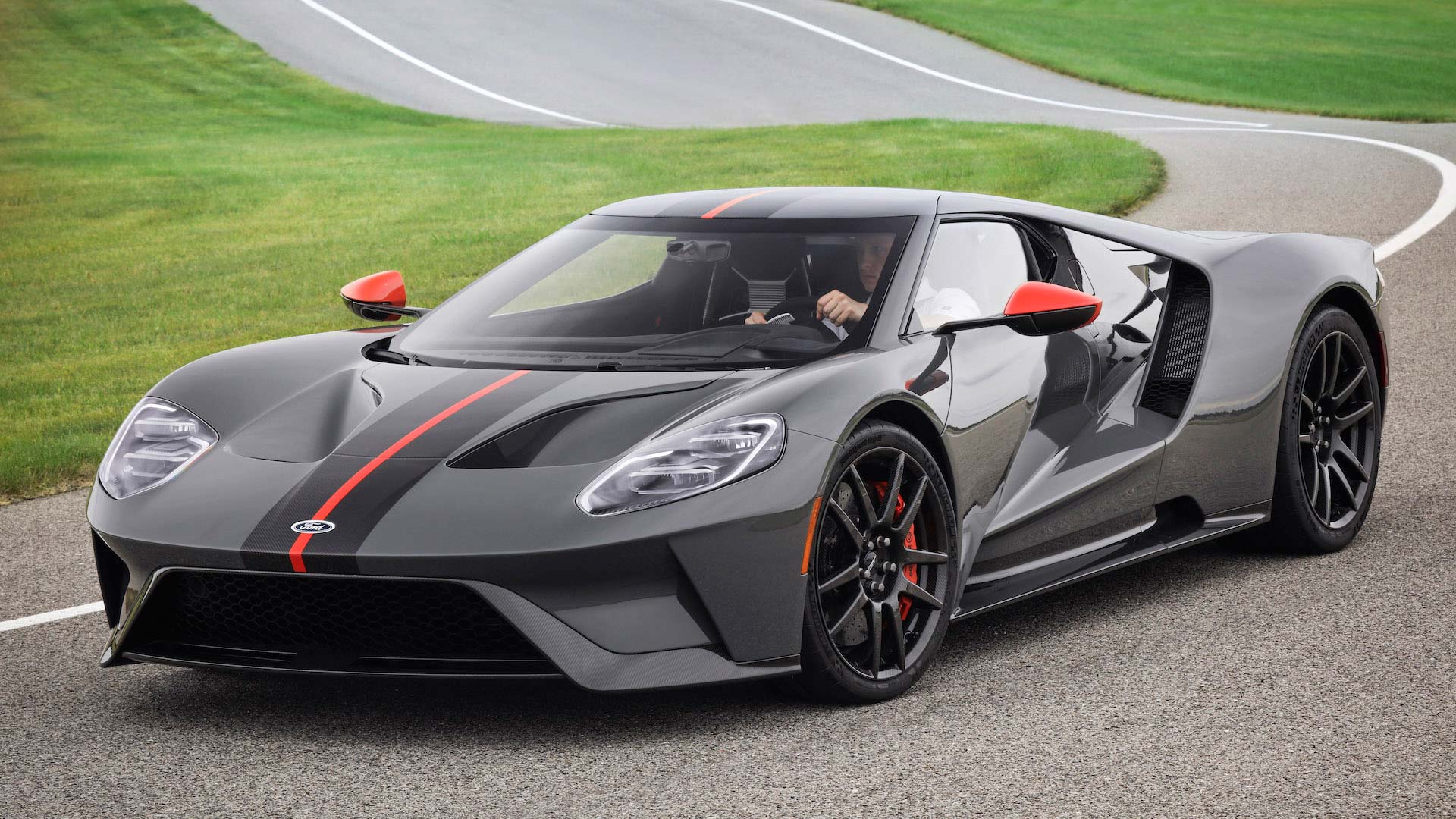
Ford has been notably selective about who it has allowed to buy the mid-engined GT, with customers having to submit an application form to even request the chance to buy one.
However, a charity auction to be held as part of the Petersen Museum’s 25th anniversary celebrations could help sidestep those allocation issues.
Silver anniversary celebrations
As part of the special 25th anniversary gala event, set to be held on Saturday, October 5th 2019, one of the last public build slots for the Ford GT will be auctioned.
The winning bidder will then have the opportunity to purchase a new Ford GT, built exactly to their personal specification. This includes the choice of 2020, ‘21, or ‘22 model years, along with special versions like the Heritage Edition or Carbon Series.
Described as a ‘once-in-a-lifetime’ opportunity, the auction will raise money for the Petersen Automotive Museum Foundation. The Foundation provides education programs to more than 100,000 each year, and also helps preserve the museum’s collection of vehicles.
Blue Oval bonanza
The charity auction will form the centerpiece of the anniversary gala, which will also honor the Ford Motor Company. Bill Ford, executive chairman of the company, and great-grandson of Henry Ford, will be attending the event.
RM Sotheby’s have been appointed to organize the Ford GT auction, with a variety of bidding options. Those interested can place bids in person at the gala, or via telephone with prior arrangement.
Prices for the 647 horsepower Ford GT begin at $500,000, meaning the lucky bidder will need to be prepared to dig even deeper to purchase their finished vehicle.
Emergency areas on smart motorways in Yorkshire will get a makeover to improve safety. The upgrades will involve extra signs to show drivers the distance to the next emergency area. Each area will also get a marked-out box showing where it’s best to stop.
The aim is to make things clearer for drivers and help recovery teams sent to help those using the emergency areas.
Highways England also wants to ensure drivers are discouraged from using these areas when the situation doesn’t call for it.
These changes are due to roll out on the M1 between junctions 28 (Alfreton, Derbyshire) and 35a (Stocksbridge bypass), plus 39 and 42 (Denby Dale).
They will also be seen on the M62 between junctions 25 (Rothwell) and 30 (Brighouse). There are 56 emergency areas within these sections of road that will receive the upgrades.
Overall, Highways England plans to enhance 347 emergency areas, with 150 upgraded so far. Future emergency areas will be closer together, too. At present, they come every mile and a half. Those constructed from 2020 will have no more than a mile of road between them.
“We recognise that as well as being safe, drivers want to feel safe and we have and will continue to make some changes to the design of motorways,” said Paul Unwin of Highways England.
Delays on the UK’s major roads are getting longer
Saudi oil attacks: are fuel costs about to skyrocket?
“This includes making emergency areas more visible by making them bright orange which should also discourage drivers from using them in non-emergency situations.”
Explained: Smart motorway emergency areas
Smart motorways effectively turn hard shoulder lanes into active lanes when they’re not needed for emergencies. Emergency areas are a partial layby even further out to the left.
They’re designed as a refuge for cars that need to stop, offering the instant protection that an active hard shoulder can’t.
Who you gonna call? M6 motorway crashes allegedly caused by ghosts
Each area has an SOS phone that drivers must use to speak with a Highways England employee, before re-joining the motorway if they’re able. Traffic officers can be dispatched to help them get back on the road.
“Smart motorways are as safe as traditional motorways, which are already among the safest roads in the world,” Unwin continues.
“These redesigned emergency areas support our drive to improve awareness of smart motorway driving as part of our planned programme of work, including what to do in an emergency and when to use an emergency area.”
Bonhams’ new MPH division held its first auction at Bicester Heritage yesterday (September 26). It’s aimed at more affordable and modern classic cars – a strong market at present. That’s reflected in the results, with 82 percent of the cars selling for more than their reserve price.
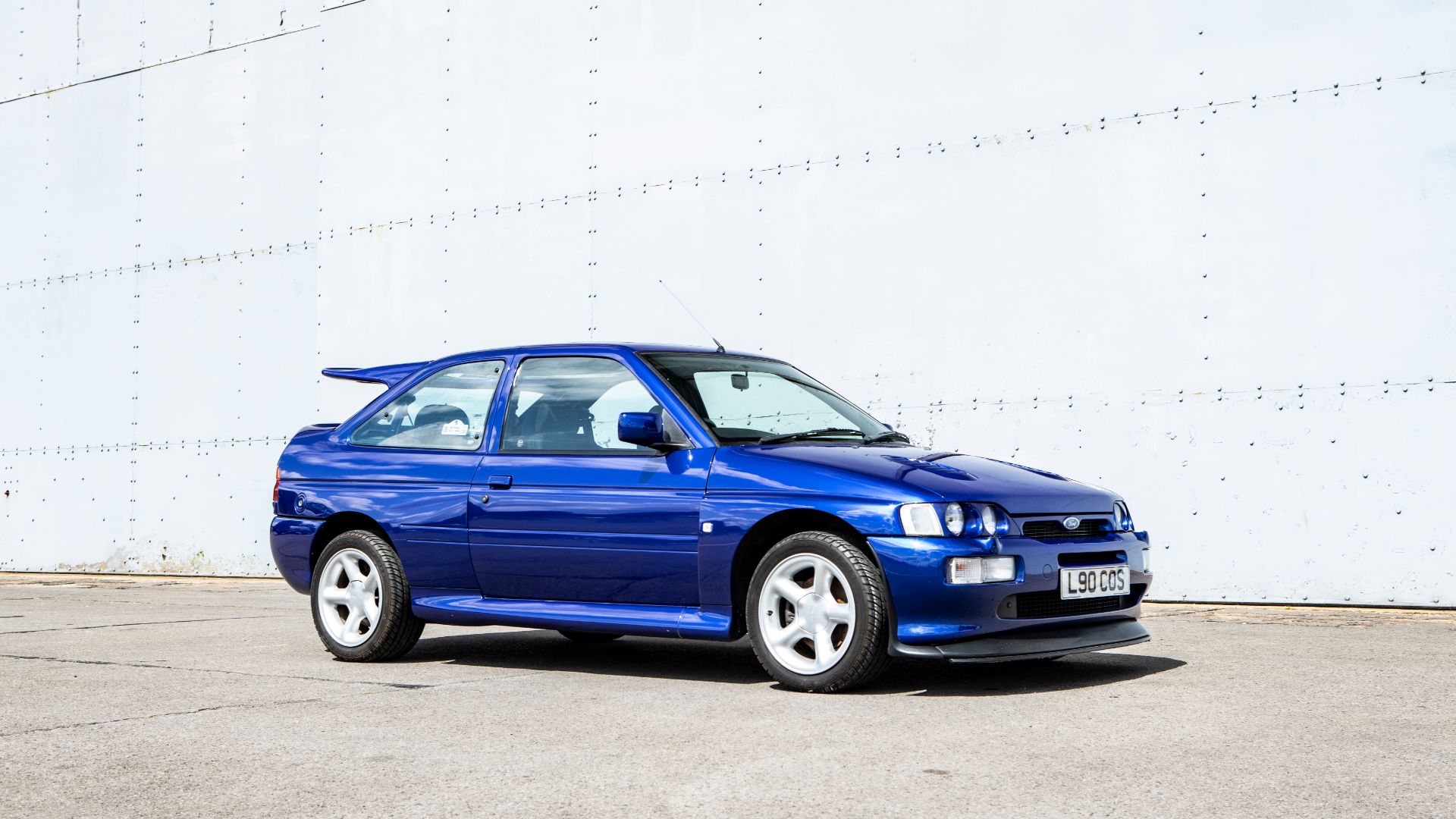
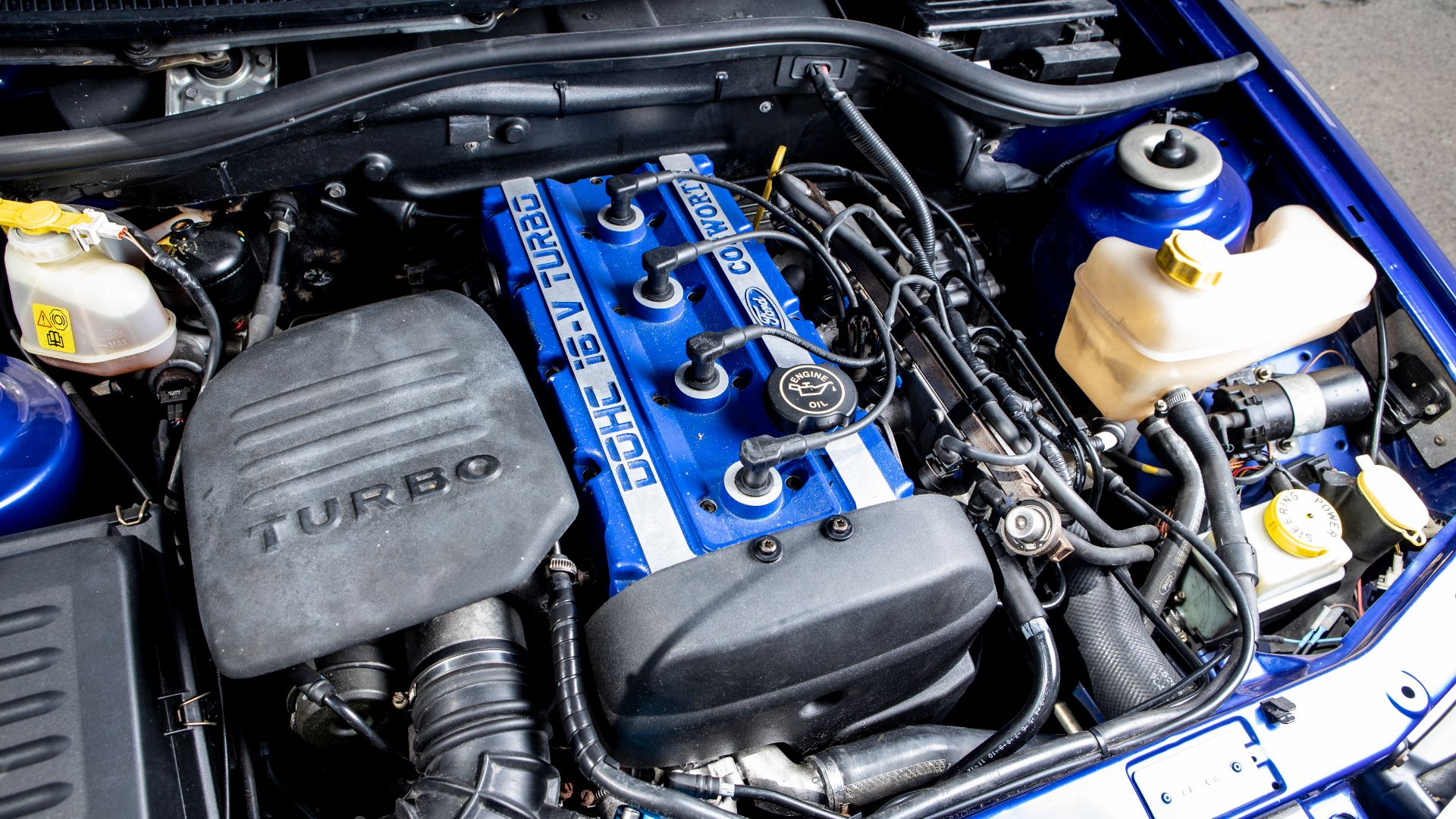
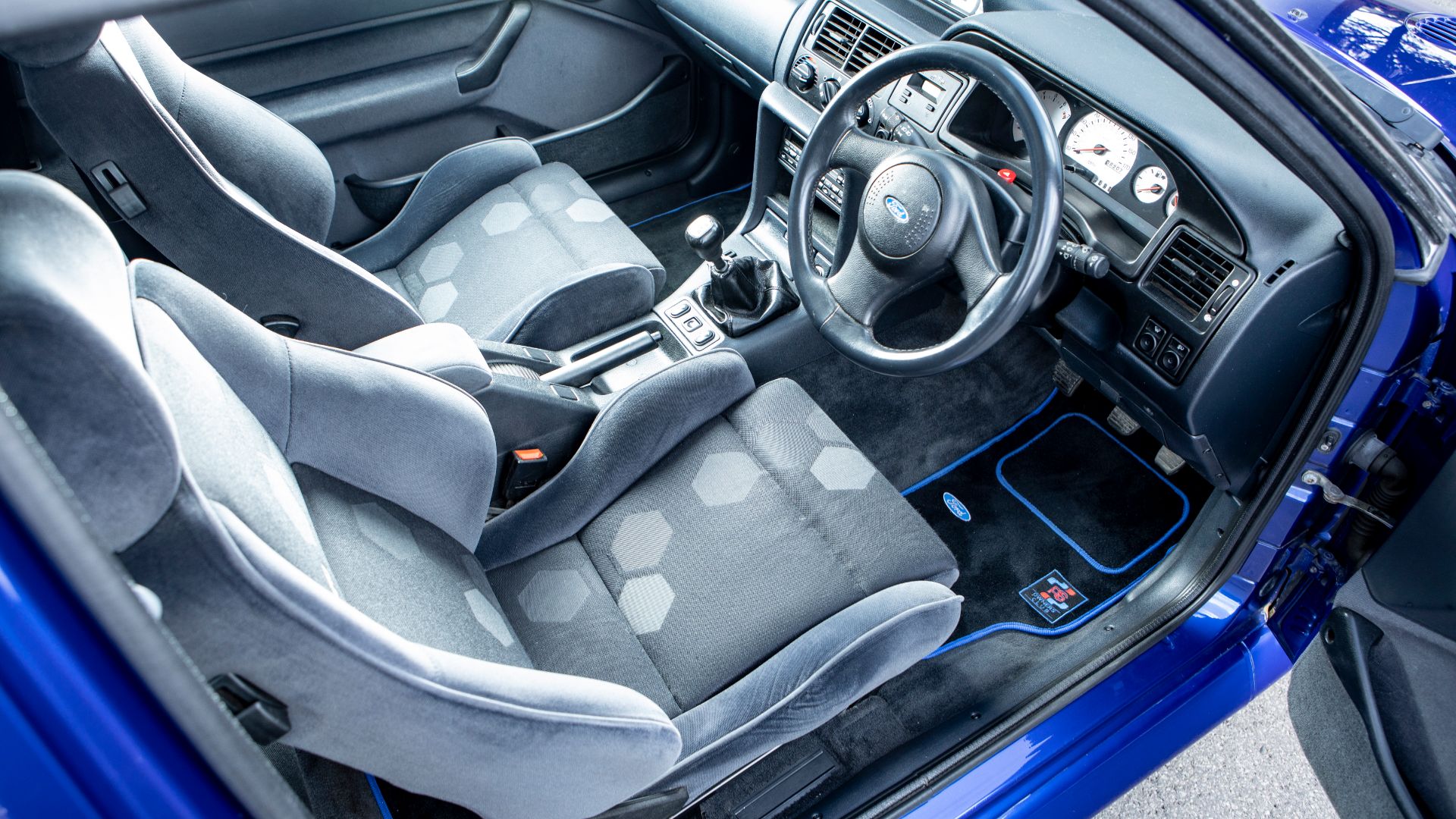
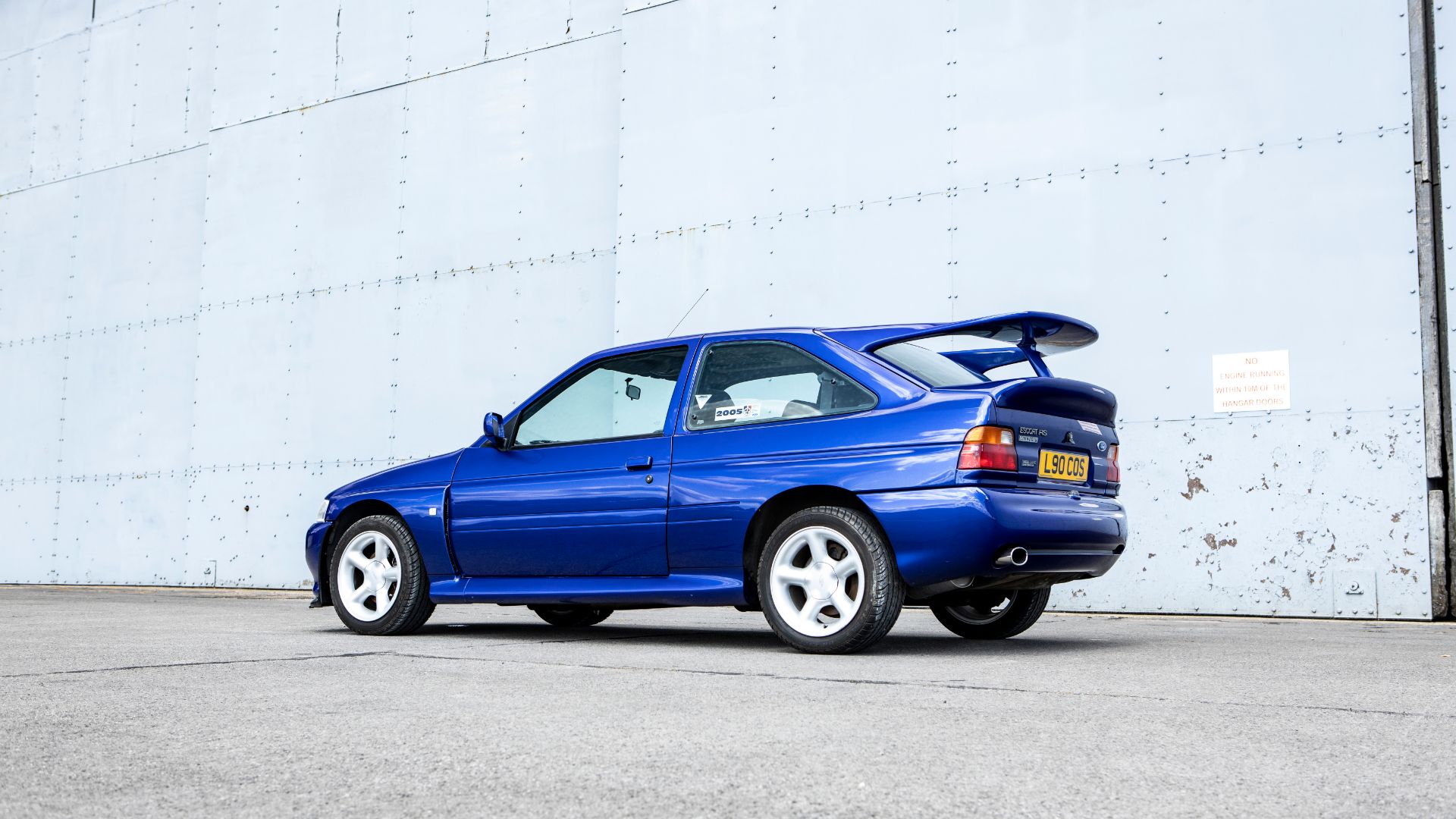
The star was a 1993 Ford Escort RS Cosworth, which sold for £49,500 in the MPH sale. With 38,000 miles on the clock, the vendor had owned it for over 20 years.
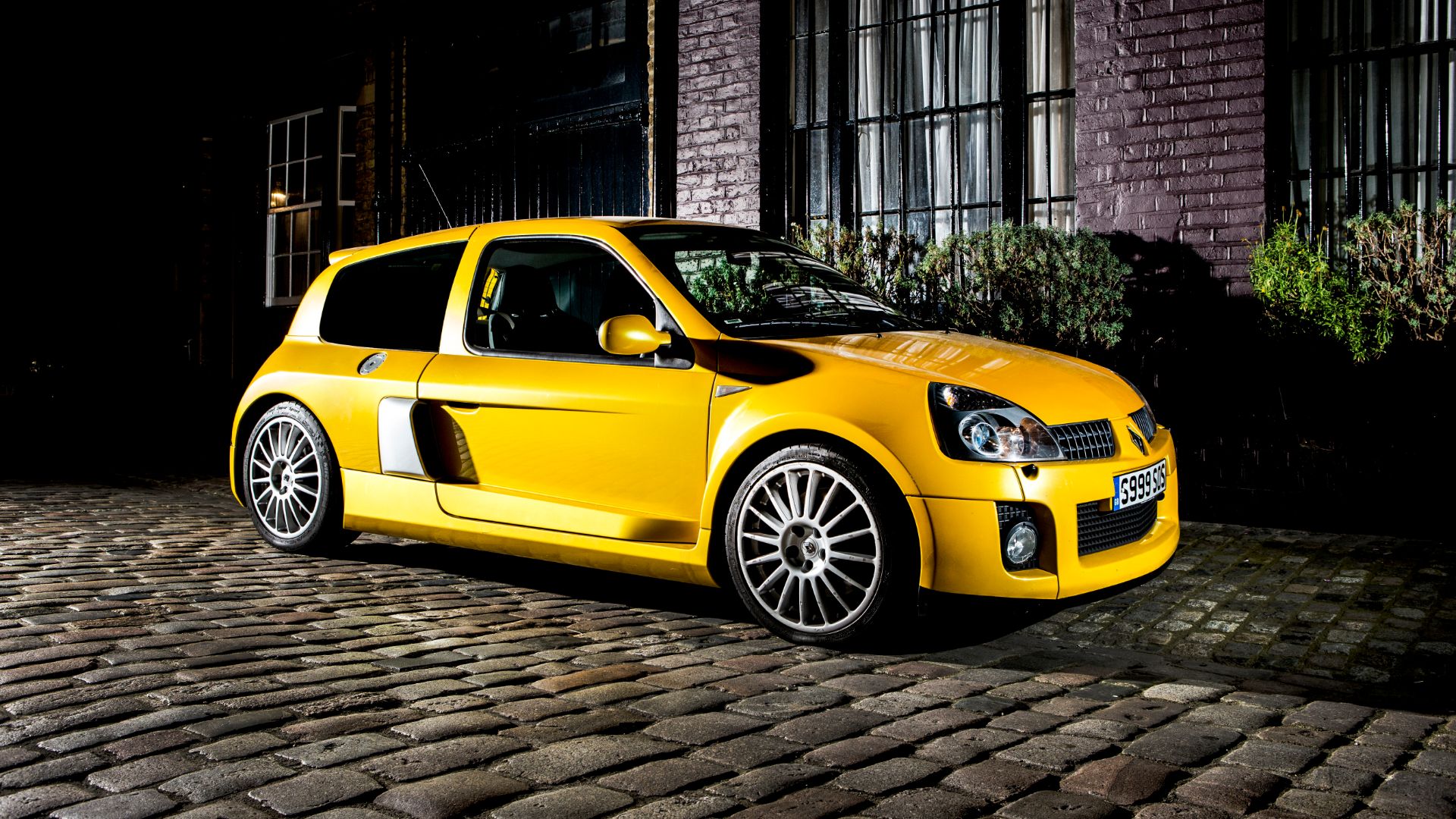
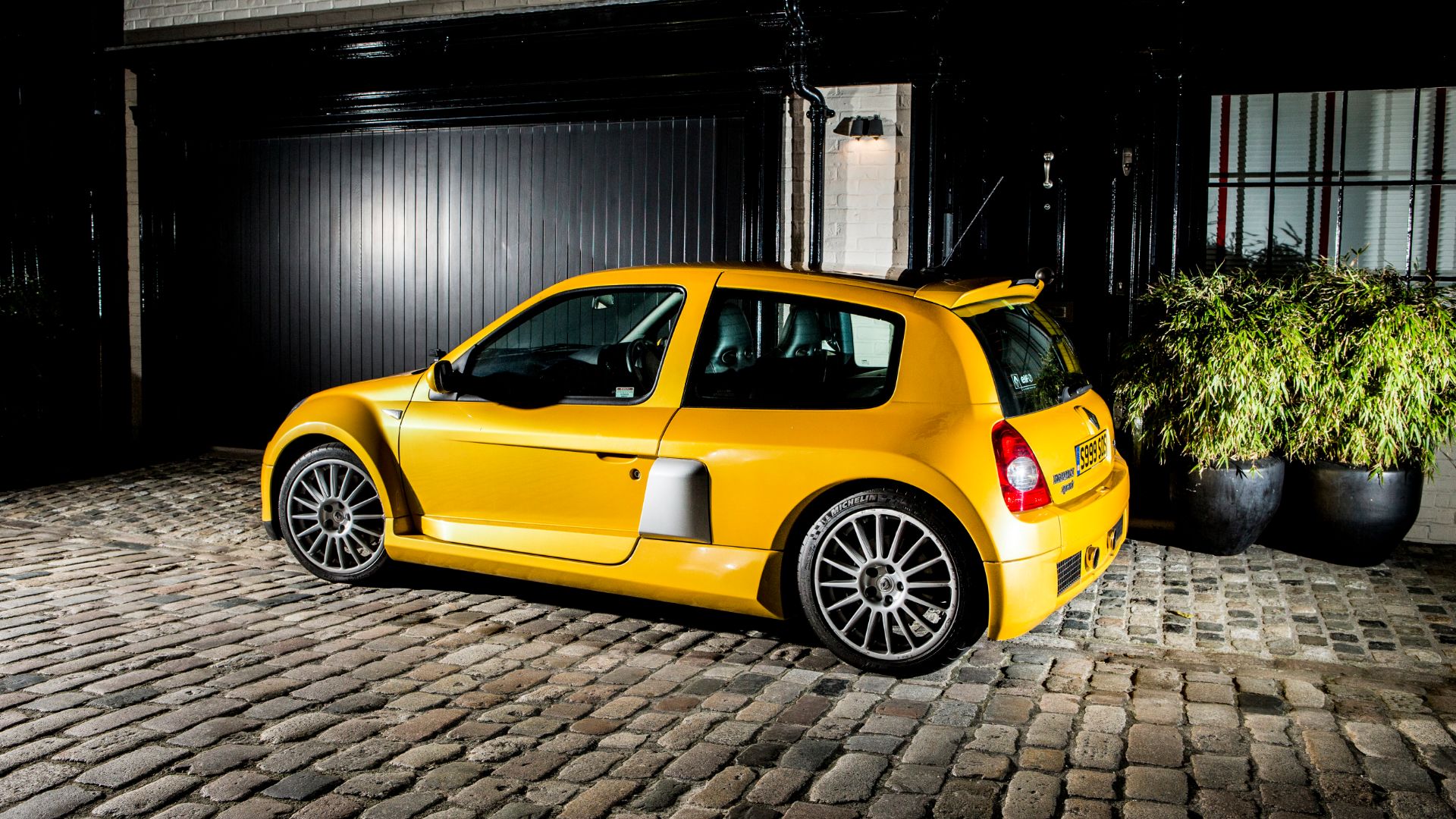
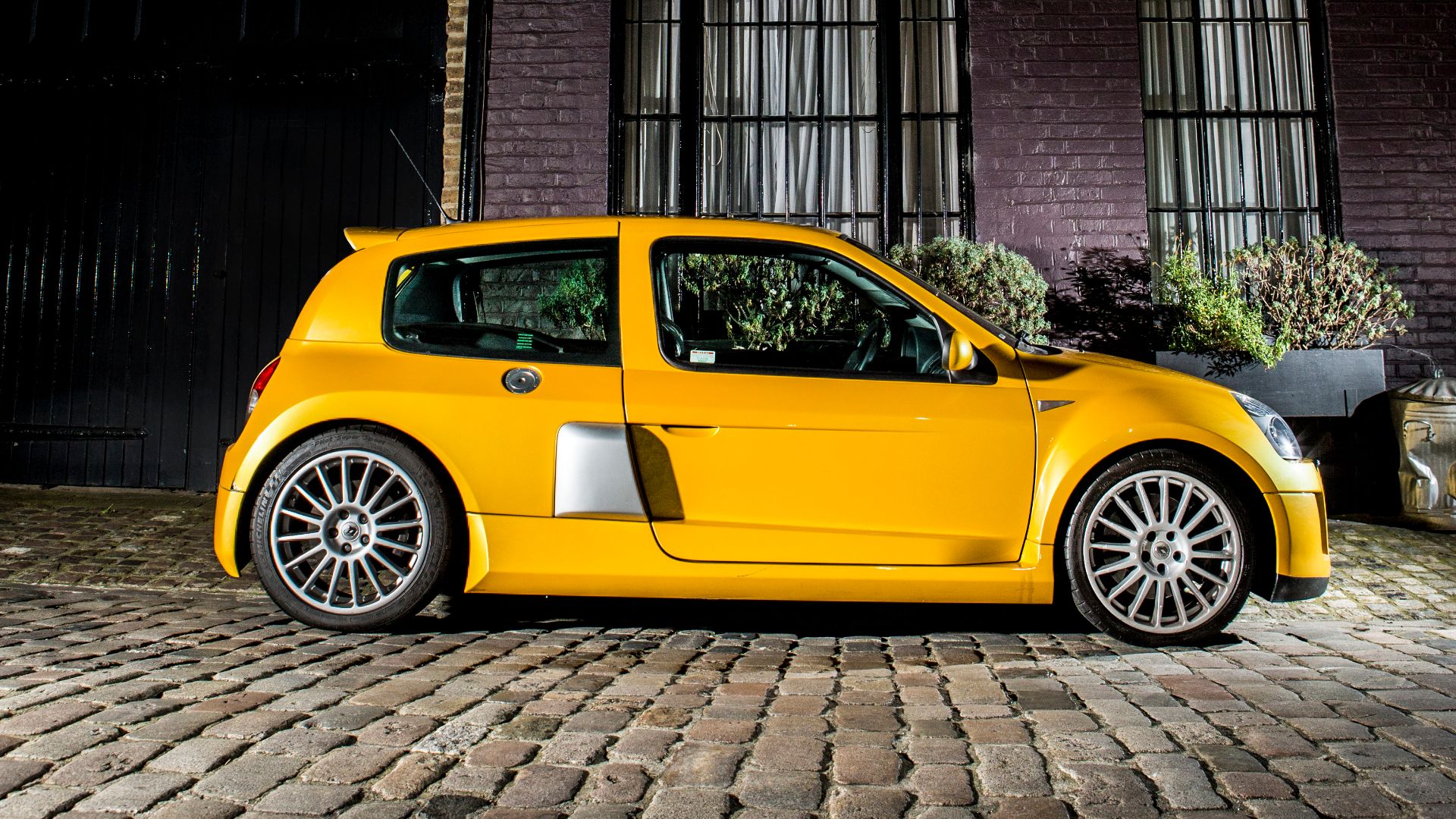
Another highlight, more than 10 years the Cosworth’s junior, was a Renault Clio V6. Being a 2006 model, it was one of the latest examples of Renault’s mid-engined hot hatch. It sold for an impressive £37,125
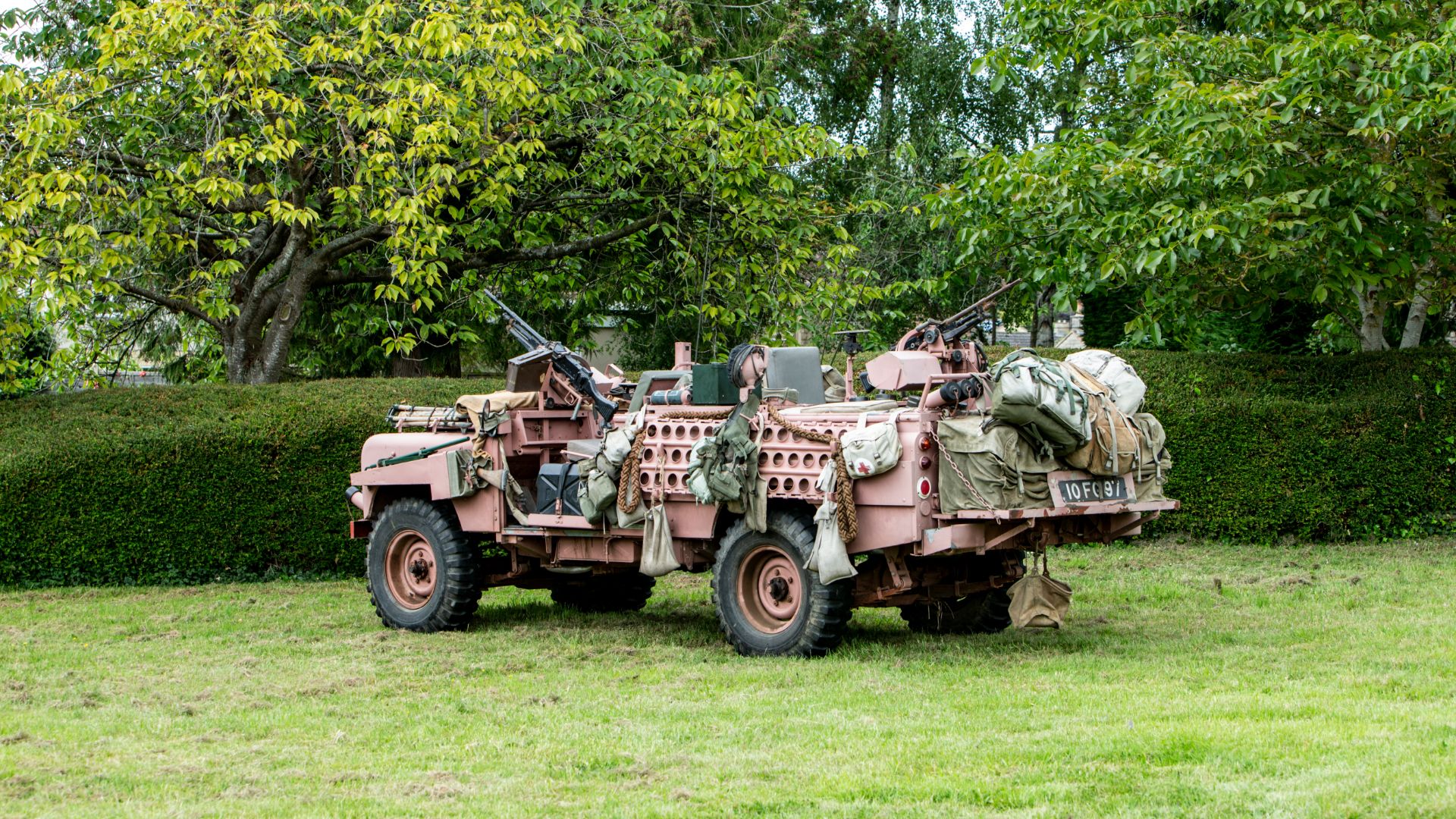
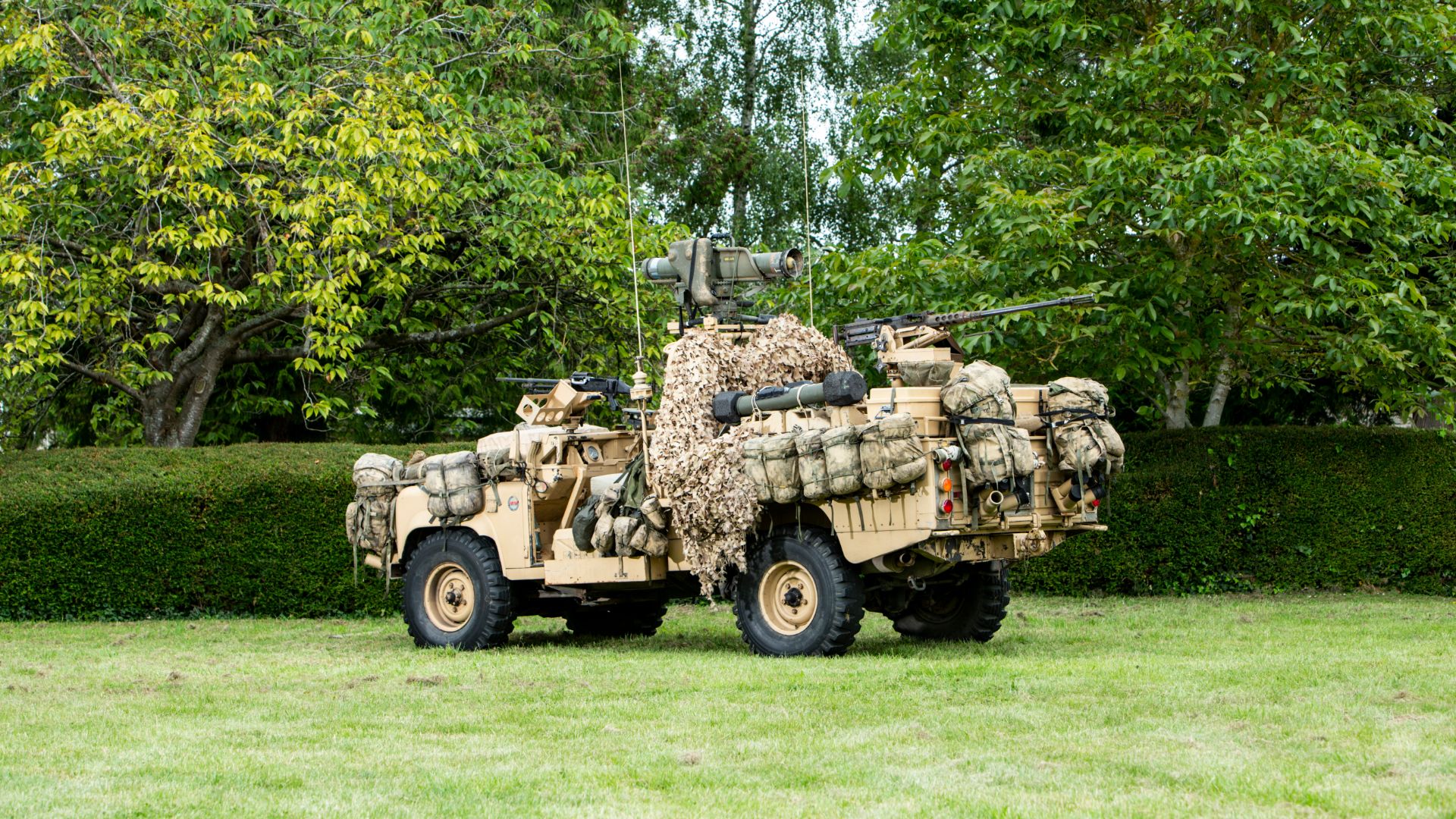
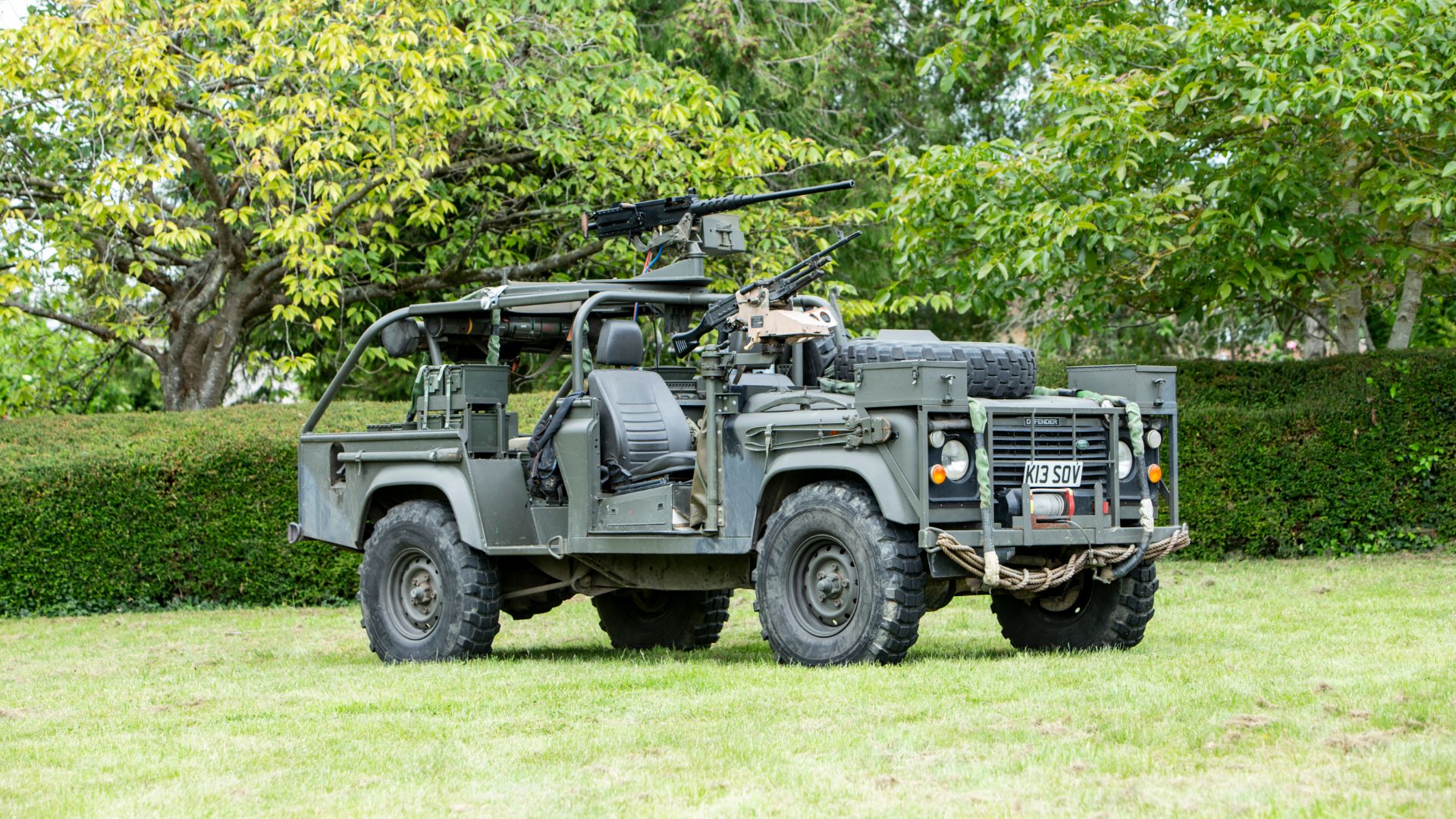
Three ex-military Land Rovers also sold well. Sold as the ‘Elite’ collection, two Defender 110 V8s and a Series 2a from 1968 collectively topped £140,000 in the MPH sale. Not that you’d recognise them as Defenders, given they’re covered head-to-toe in heavy-duty military gear.
One of the Defenders, a 1993 model, was ex-SAS. It sold for £49,500, while the other, a 1985 car, managed £48,375. The 1968 Series 2a 109 went for £47,250.
“Today’s sale proves that there is an increasing appetite for ‘youngtimers’ in the market,” said Rob Hubbard, head of Bonhams MPH.
Rip-off NEC car parking solved by Classic Motor Show
“Drivers who remember such ‘poster’ cars from their childhood are now coming of age and have the means to buy their youthful ‘dream cars’. They also offer more driver engagement and character, compared with brand new cars, but are more reliable than older classic cars.
“We are delighted that we have had such a positive reaction to our new venture. We are pleased to be able to offer the traditional Bonhams values to a wider audience and are already looking forward to our next sale.”
The next MPH sale will take place on 26 November, with cars being consigned now. The next valuation day will take place on 25 October, when sellers can present their cars to the MPH team.







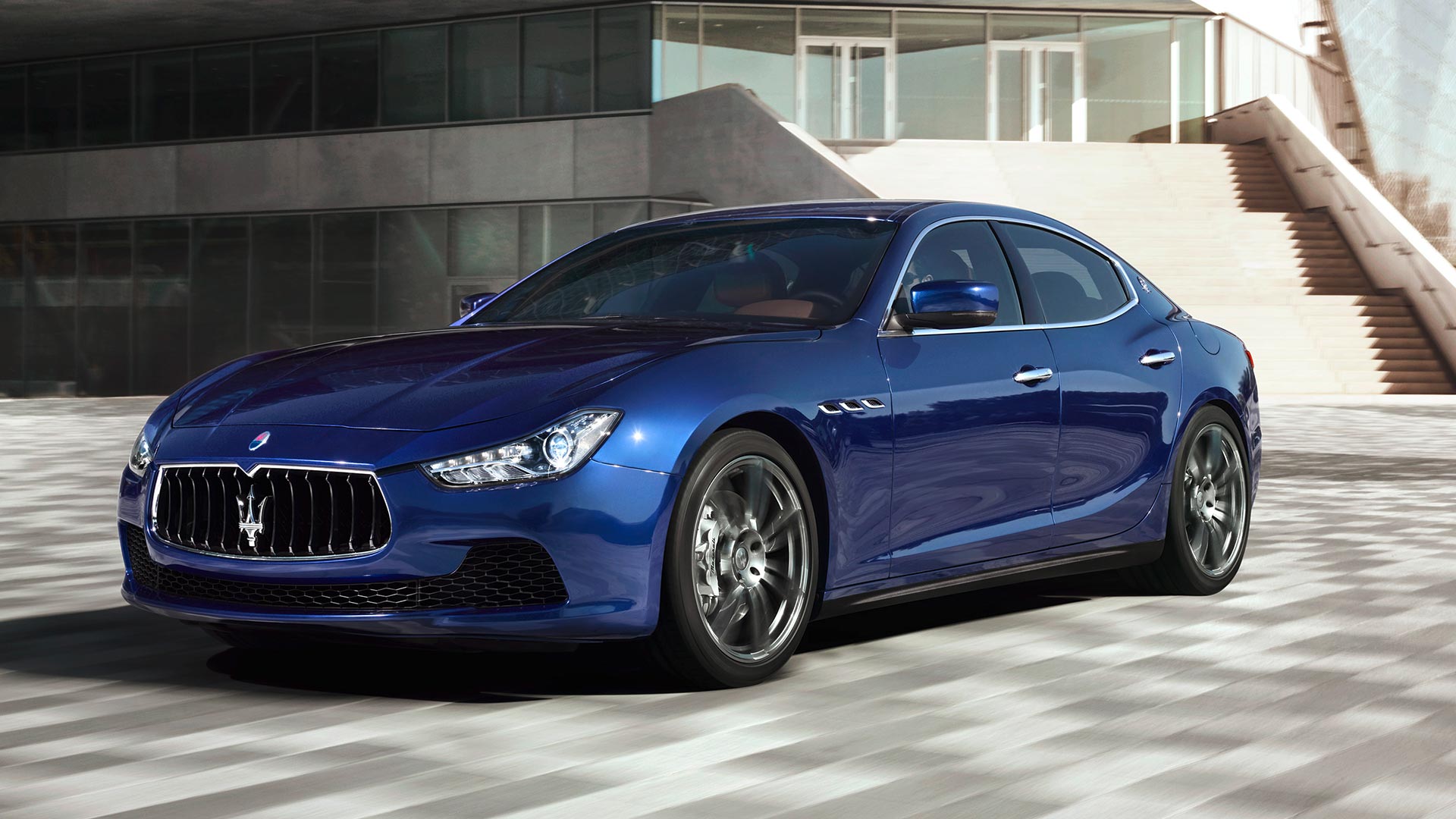 Key to the future will be electrification, with the Ghibli saloon set to receive a hybrid
 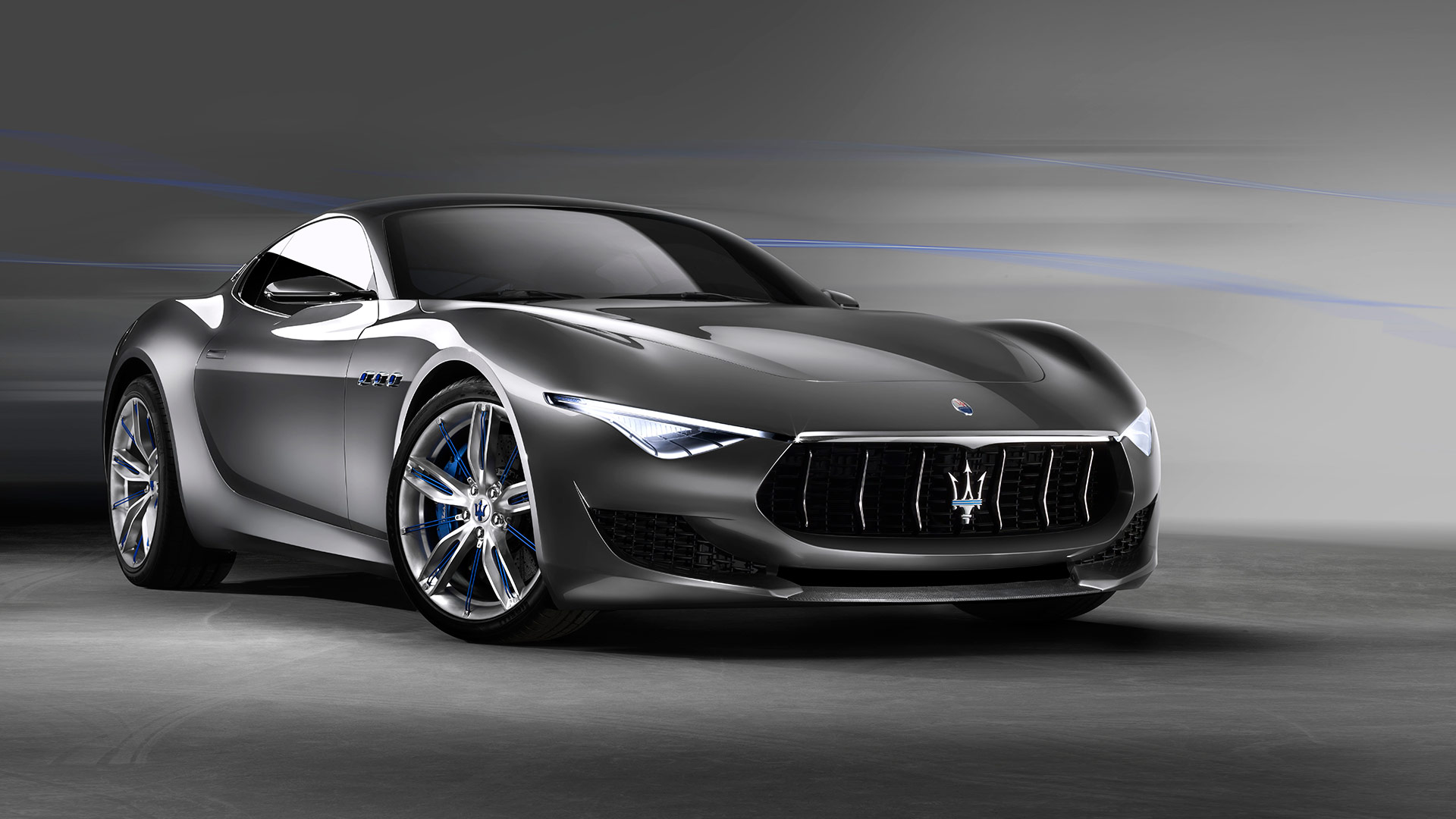 Also included in the announcement is news of the previously postponed Alfieri sports car concept.
 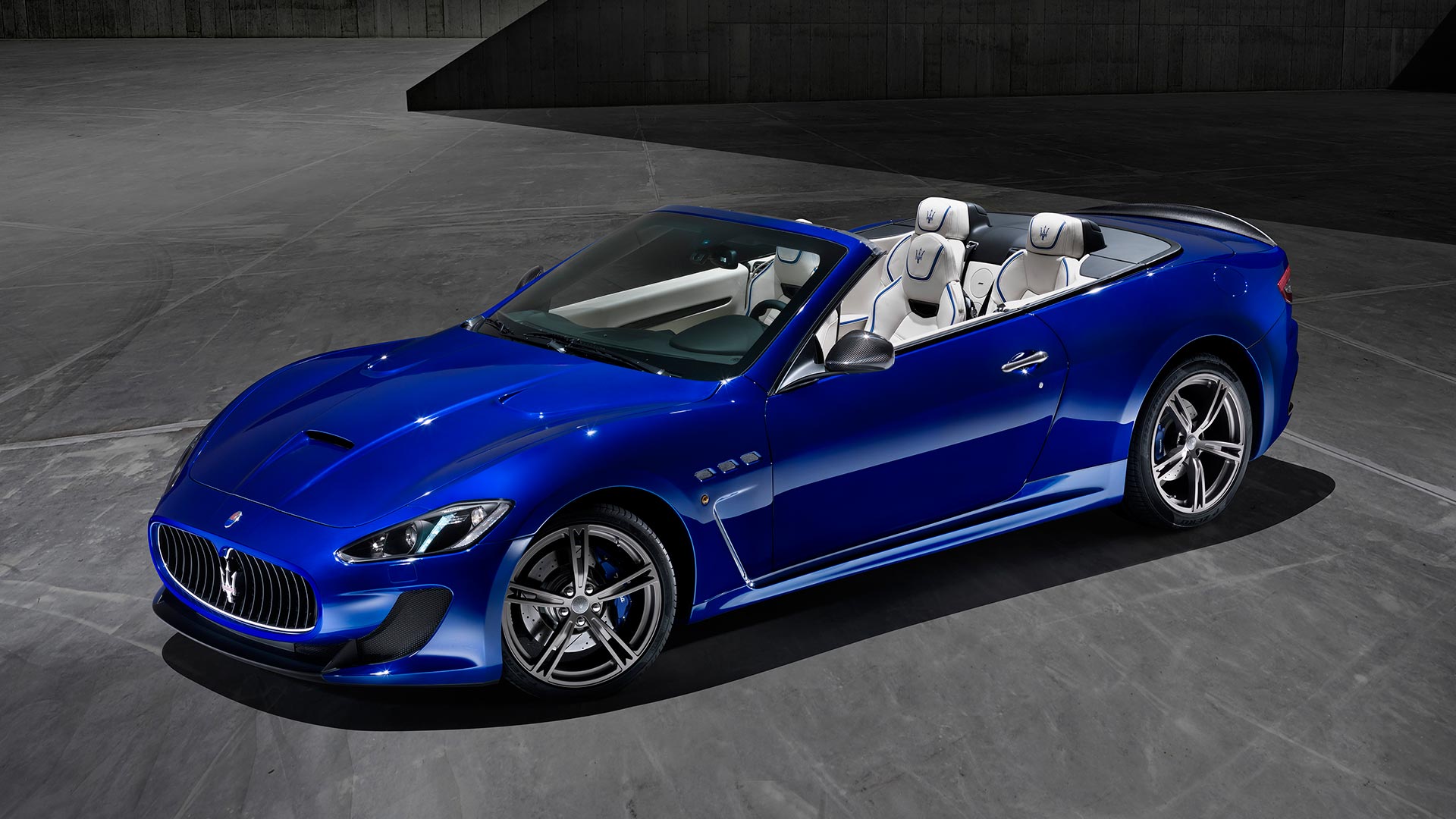 Maserati will also add a new SUV to the range, with the first vehicles set to roll off the production line in 2021. This will follow a planned $800 million investment at the facility in Cassino.
 The
The  As part of the special 25th anniversary gala event, set to be held on Saturday, October 5th 2019, one of the last public build slots for the Ford GT will be auctioned.
 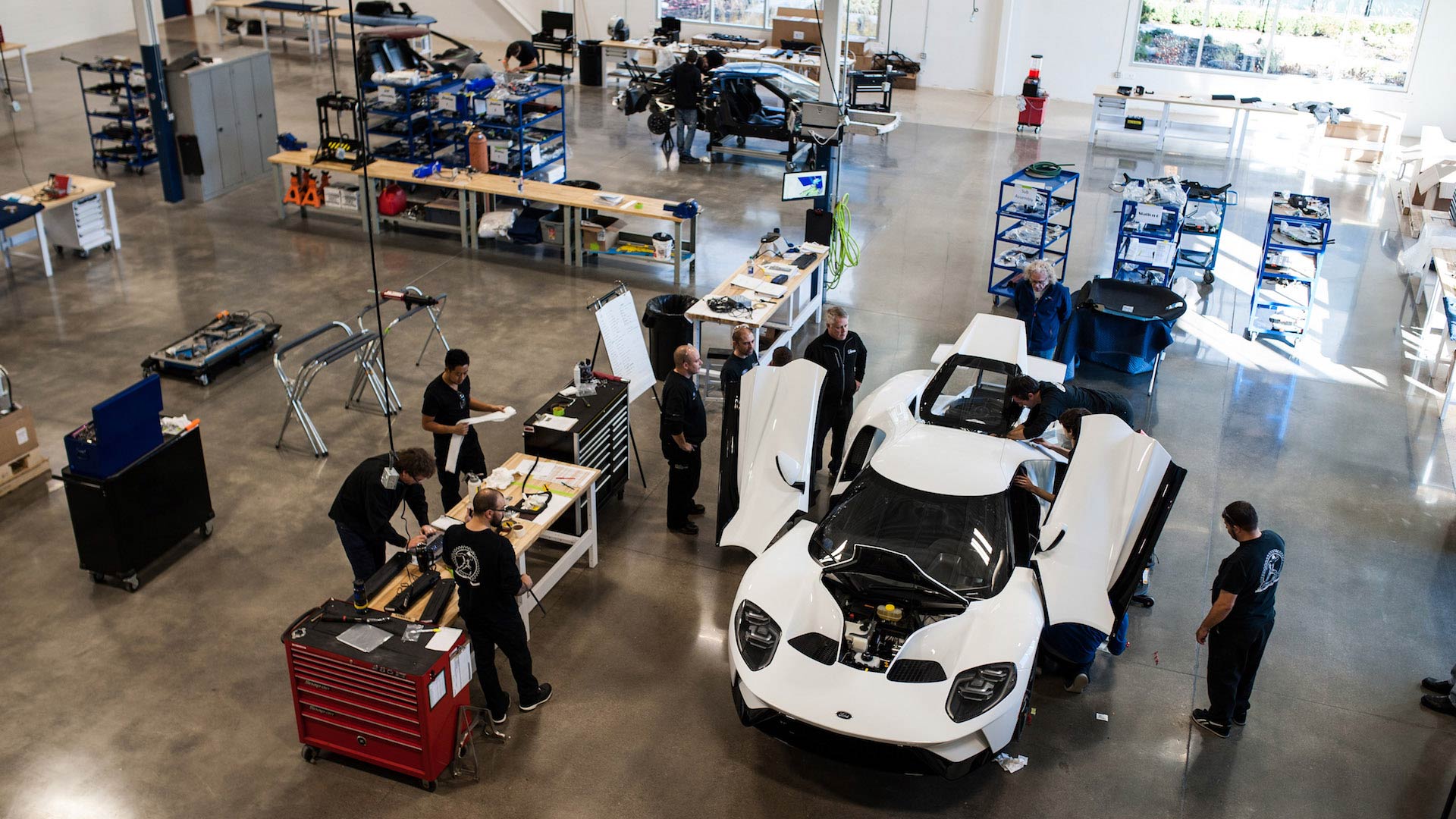 The charity auction will form the centerpiece of the anniversary gala, which will also honor the Ford Motor Company. Bill Ford, executive chairman of the company, and great-grandson of Henry Ford, will be attending the event.