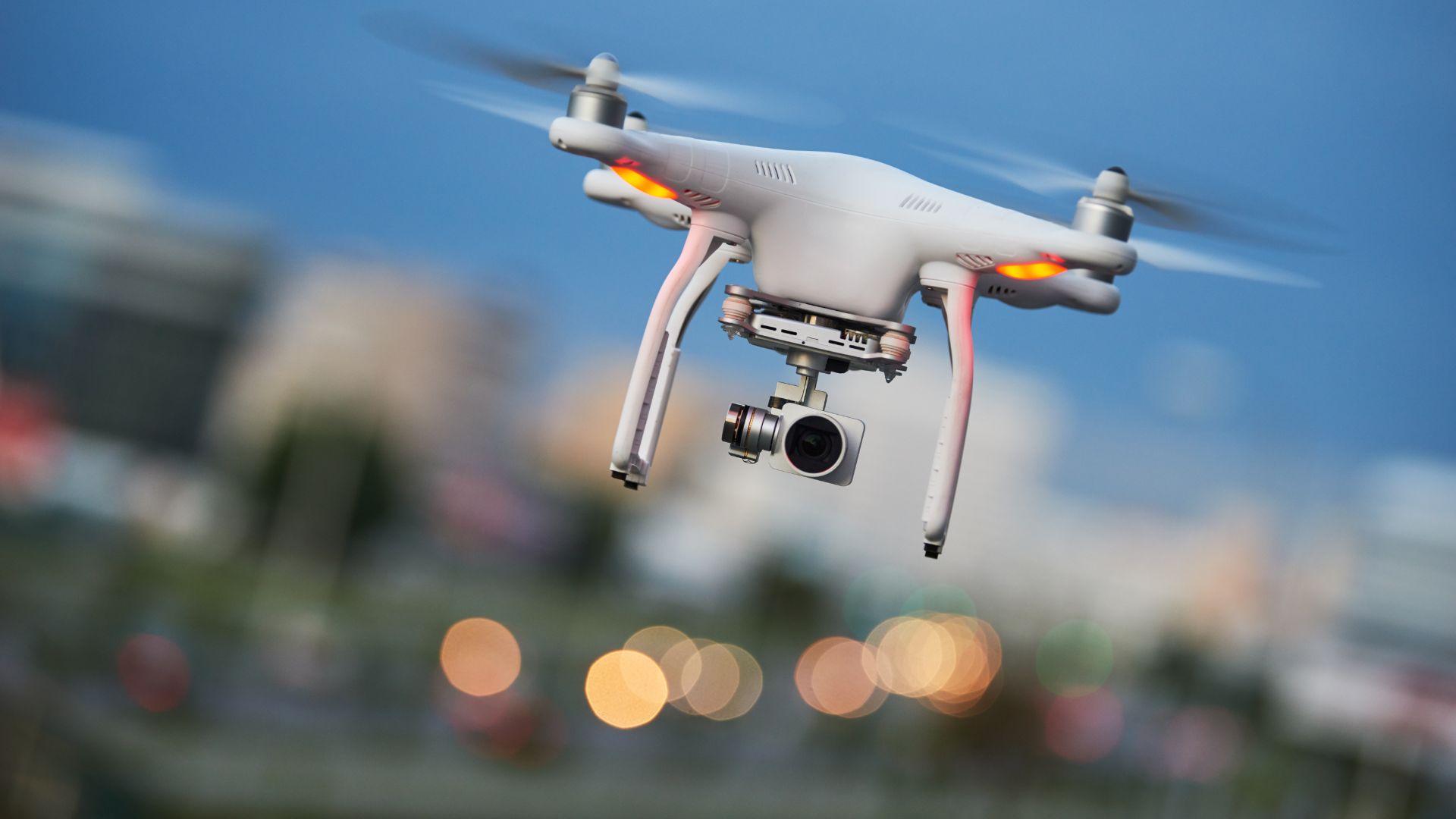
Highways England has deployed its very own eyes in the sky. It’s running drones in order to keep a watch over the progress of work on motorways.
The use of drones, it says, helps reduce disruption for motorists, and allows engineers to plan more accurately.
Lane closures can be reduced because the drones allow monitoring of a much larger 3D area. It can also be carried out more quickly.
The ‘bird’s eye’ view also allows more meticulous planning of future works. It means getting a better idea of what equipment is needed and what closures will be necessary.
The ongoing M6 upgrade between junctions 2 and 4 near Coventry is benefitting from the technology. The A14 Cambridge to Huntingdon upgrade has also made use of it. (Parts of the latter are a year ahead of schedule, too.)
The M6 project is gargantuan. The smart motorway upgrade will have nine emergency areas, new concrete central reservations, two new noise barriers and a range of new electronic monitoring and signage systems.
“Safety is our top priority and we constantly pioneer ways of using new technology to keep people safe while we do this work,” said Highways England Smart Motorway sponsor, Peter Smith.
Upgraded M6 is 30 percent safer, says Highways England
A14 Cambridgeshire road upgrade to finish a year early
“The drone is a fantastic piece of kit that provides us with detailed insight into scheme progress across a large area of the works in a much quicker and efficient way.
“It surveys up to 10km in a single day and then creates an accurate 3D model of the works in just one hour.
“Ordinarily, inspections by road workers require lane closures for safety reasons and can take up to several days. By using the drone we are able to reduce lane closures because we can scan a much larger area in a quicker period of time.”
The classic Morris J-type van is returning, in spirit, as an all-electric commercial vehicle. The JE is described as a ‘21st-Century re-imagining of the iconic Morris J-type van’.
The new Morris Commercial company wanted to drag the J-type, considered by many to be ‘the ultimate iconic British van’, kicking and screaming into the 21’st century.
A tall order, over 70 years on from the original’s debut at Earls Court.
From 1948 to 2019
So what’s new about the new JE? Pretty much everything, bar the characterful styling and the fact that it’s built in Britain.
The important stuff obviously is what powers it. It’s electric, although the exact specifications of the powertrain are yet to be disclosed. Morris Commercial says it’ll have ‘high functionality and [a] long range’.
It’s also due to be relatively lightweight. Based on a modular chassis, the body is made of carbon fibre. Yes, this is a carbon-clad Morris van. It’s not quite ready yet, although there is a fully working engineering prototype.
Van drivers are paying £600k a year in loading bay fines
There’s also no word on when it’ll be available to buy, or indeed how much it’ll be. The prototype will, however, be revealed in full in a matter of weeks.
“I am so pleased to reach this stage after over two years of intense development,” said CEO and founder of Morris Commercial, Dr. Qu Li.
“It’s been a fantastic journey and I am extremely proud of what the whole Morris Commercial team and its incredible suppliers have achieved. The working engineering prototype has undergone extensive road testing and the end of 2019 is an amazing conclusion to the first phase of the project.
“We still have a little way to go to bring the project to full production, but we have the team and the product to make this an enormous success.
As a business we are committed to environmental sustainability and we are trailblazing a new approach to the production of appealing, fully electric commercial vehicles.
“We are very excited to unveil the JE to the public this autumn.”
The current eye test for drivers is ‘out of date’ and ‘not fit for purpose’, according to a road safety group.
Drivers must be able to read – with glasses or contact lenses if necessary – a car number plate made after 1 September 2001 from 20 metres.
An eye test is part of the practical driving test, with the driver asked to read a number plate on a parked vehicle.
If the driver fails the eye test, the driving test stops, the DVLA is informed and the licence is revoked. Re-applicants will be required to have an eye at a DVSA driving test centre, along with the standard eye test as part of the practical driving test.
Drivers must also have a visual acuity of at least decimal 0.5 (6/12) measured on the Snellen scale, along with an adequate field of vision.
An eye test every 10 years
GEM Motoring Assist says this isn’t enough and is calling for a detailed eye test to form part of the driver photocard licence renewal process, every 10 years.
Road safety officer, Neil Worth, said: “If you can’t see properly, you shouldn’t be driving. Poor eyesight is linked to more than 3,000 fatal and serious injury collisions every year. We are worried that there are just too many people driving whose eyesight has deteriorated to an unacceptable level.
“We believe it is entirely practical and sensible to require a test of visual acuity and field of view every 10 years, something that would fit in with licence renewal.
“Tests of this kind would not only make our roads safer, saving lives, disability and many millions of pounds through the reduction in the number of crashes, but they would also play a vital role valuable tool in the early diagnosis of many other costly medical conditions, irrespective of driving.”
Vision. You MUST be able to read a vehicle number plate, in good daylight, from a distance of 20 metres (or 20.5 metres where the old style number plate is used). If you need to wear glasses (or contact lenses) to do this, you MUST wear them at all times while driving. The police have the power to require a driver to undertake an eyesight test.
In 2018, the DVLA launched a campaign to remind drivers that they can check their vision by taking the 20 metres test. Five car lengths or eight parking bays is an easy way to measure the distance.
Dr Wyn Parry, DVLA’s senior doctor, said: “The number plate test is a simple and effective way for people to check their eyesight meets the required standards for driving.
“Having good eyesight is essential for safe driving, so it’s really important for drivers to have regular eye tests. Eyesight can naturally deteriorate over time so anyone concerned about their eyesight should visit their optician – don’t wait for your next check-up.”
As part of its Older Drivers Campaign, RoSPA (Royal Society for the Prevention of Accidents), advises motorists to keep a spare set of glasses in the glovebox.
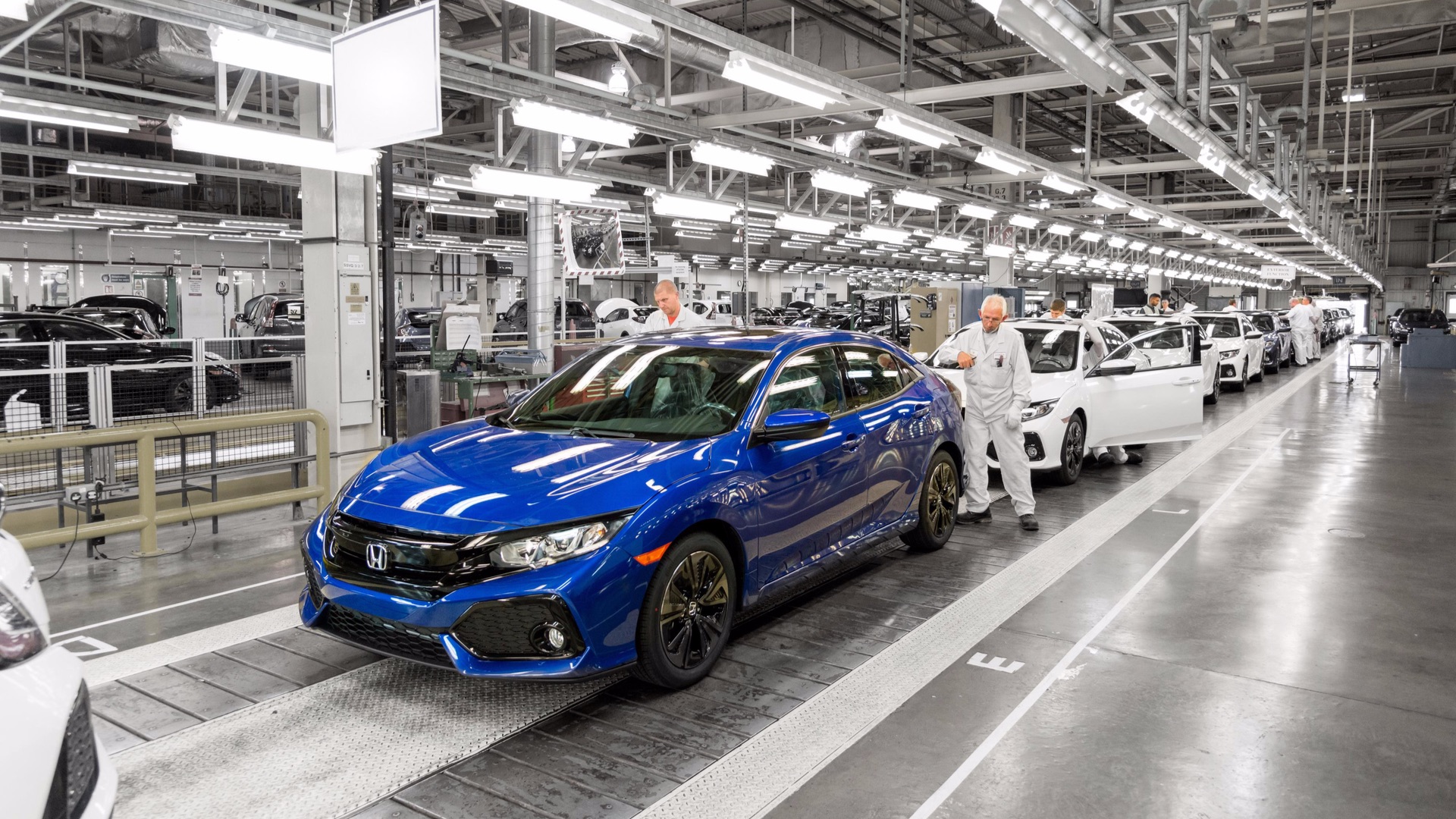
The UK automotive industry is already being harmed by Brexit with almost a third of firms admitting in a new survey they have cut jobs.
Firms have also ‘wasted’ over half a billion pounds on preparing for a no-deal Brexit scenario, says trade body the Society of Motor Manufacturers and Traders (SMMT). This is money that could have been invested instead.
Now, the SMMT is calling for an end to ‘dangerous’ no-deal discussions and for all sides to focus on achieving an orderly withdrawal.
What is Operation Brock and how will it help motorists with Brexit?
The survey by the SMMT also discovered 4 in 5 businesses fear the harmful consequences of a no-deal Brexit – and nearly 12 percent of respondents have already divested from UK operations; 13.4 percent are relocating operations overseas.
Mike Hawes, SMMT chief executive, said: “As the Brexit clock ticks ever closer to midnight, this survey reveals the bleak future that awaits this vital sector in the event of ‘no deal’.
“Damage has already been done: investment is haemorrhaging competitiveness being undermined, UK jobs cut and vast sums wasted on the impossibility of preparing for ‘no deal’.
“Make no mistake, every day ‘no deal’ remains a possibility is another day of lost investment, another day that makes it harder to recover investor confidence in the UK.”
The damage is not irreversible, said Hawes, but the UK needs a deal – one that enables ‘business as usual’ during the transition period and, longer term, a broader deal that delivers free and frictionless trade.
The automotive industry is the UK’s single biggest exporter, contributing £18.6 billion to public finances. The SMMT points out that’s more than the NHS’s total annual spend on medicines.
A no-deal Brexit, it adds, would knock £50,000 a minute off the sector’s economic contribution; tariffs on cars and vans alone would cost £5 billion.
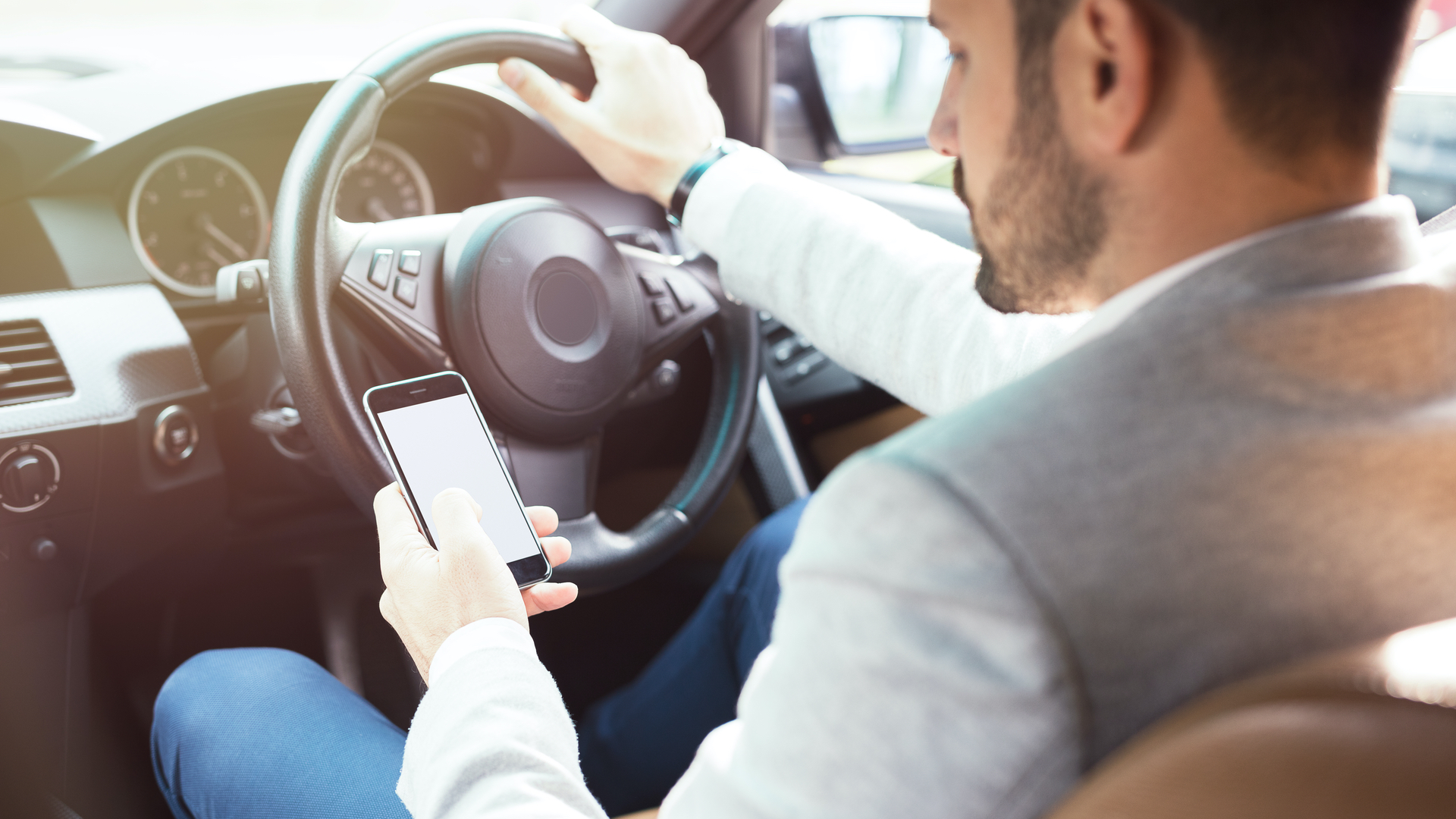
Around a quarter of all drivers said that they have made or received a call on a handheld phone at the wheel. That’s one of many depressing findings of the RAC’s study of UK drivers.
This year’s Report on Motoring found that this is the most commonly cited concern among drivers, with 12 percent of those surveyed (the equivalent of five million people), saying it’s their biggest worry.
Just 12 percent? It needs to be higher, especially when 17 percent of drivers admitted to checking texts, emails or social media while driving. I suspect the percentage would be greater if drivers were prepared to confess their sins.
Predictably, younger drivers appear to be the worst culprits. Just 49 percent of 17 to 24 year olds said they never make or receive calls, with 62 percent claiming they never text, email or use social media at the wheel. That leaves far too many drivers who have.
New drivers have grown up with smartphones and find it harder to leave their phones alone for any length of time. The government urges drivers to place their phones in the glovebox, but the likes of Apple CarPlay and Android Auto encourage us to plug in and place the device in the centre console.
When the traffic slows and the journey becomes tedious, grabbing the phone becomes all too tempting.
Just 15 percent of drivers put their phone in the glovebox, 45 percent use a pocket or bag, with a quarter placing it on the passenger seat. Not out of sight and not out of mind.
Anecdotal evidence would suggest the problem is far worse than the figures suggest. Go for a drive and it won’t be long before you see a driver flouting the law.
Only last week, during the WLTP Challenge, I witnessed the driver of an all-terrain crane driving along the M6 with a phone pressed to his ear. The crane in question is fitted with a hands-free kit, so why did the driver choose to break the law? One can only imagine the devastating effects of a 50-tonne crane ploughing into the back of a family hatchback.
Is the driver unaware of the risk? Does he believe that the left-hand-drive crane allows him to ‘hide’ from onlookers as he crawls along in the slow lane? Does he feel that he’s above the law?
Maybe the penalties aren’t strict enough: the threat of six penalties points and a £200 fine isn’t a sufficient deterrent. Discuss.
Nodding donkeys and two-fingered salutes
Some drivers do little to hide the fact that they’re on the phone. A phone up to the ear is a blatant ‘couldn’t care less’ attitude to other drivers – a kind of two-fingered salute to the law and the obvious risks.
Others are more discreet. You’ll have seen the ‘nodding donkeys’ parked at traffic lights, as drivers glance up and down from their phone while they wait for the lights to change.
Some will hold their phone at steering wheel height, in an attempt to maintain some degree of control of the vehicle. Then there are those who place the phone on their lap, oblivious to the length of time they’re spending with their eyes diverted from the road.
Last year, a study revealed that young people check their phones every 8.6 minutes, more frequently than any other age group. Little wonder that so many drivers are finding it hard to resist the lure of their smartphone, even on the shortest of commutes.
Around a third of drivers felt stressed and “cut off” without their phone and 29 percent “felt lost” without it. With such a strong reliance on our devices, how can we expect motorists to turn them off and chuck them in the glovebox?
As the RAC report highlights, mobile phone use is just one of a number of ‘menaces’ on Britain’s roads. Road rage, drink-driving, drug-driving and dangerous driving are just a few of the other risks of the road.
Rover and out
What’s the common thread? The motorist.
Our cars are safer than ever, to the point that they will do their upmost to keep us out of trouble. Maybe that’s part of the problem – we feel safely cocooned in our Euro NCAP-approved boxes, oblivious to the dangers and with little sense of the speed of travel.
Perhaps drivers should be forced to spend six months driving a Rover 100 or G-Wiz before being allowed to drive a safe car or travel with a mobile phone.
Or maybe all cars should be fitted with an orange flashing light that illuminates when a handheld phone is in use. A kind of Dom Joly ‘I’m on the mobile’ approach to the legislation.
That ought to stop drivers from being too trigger happy with their mobiles.
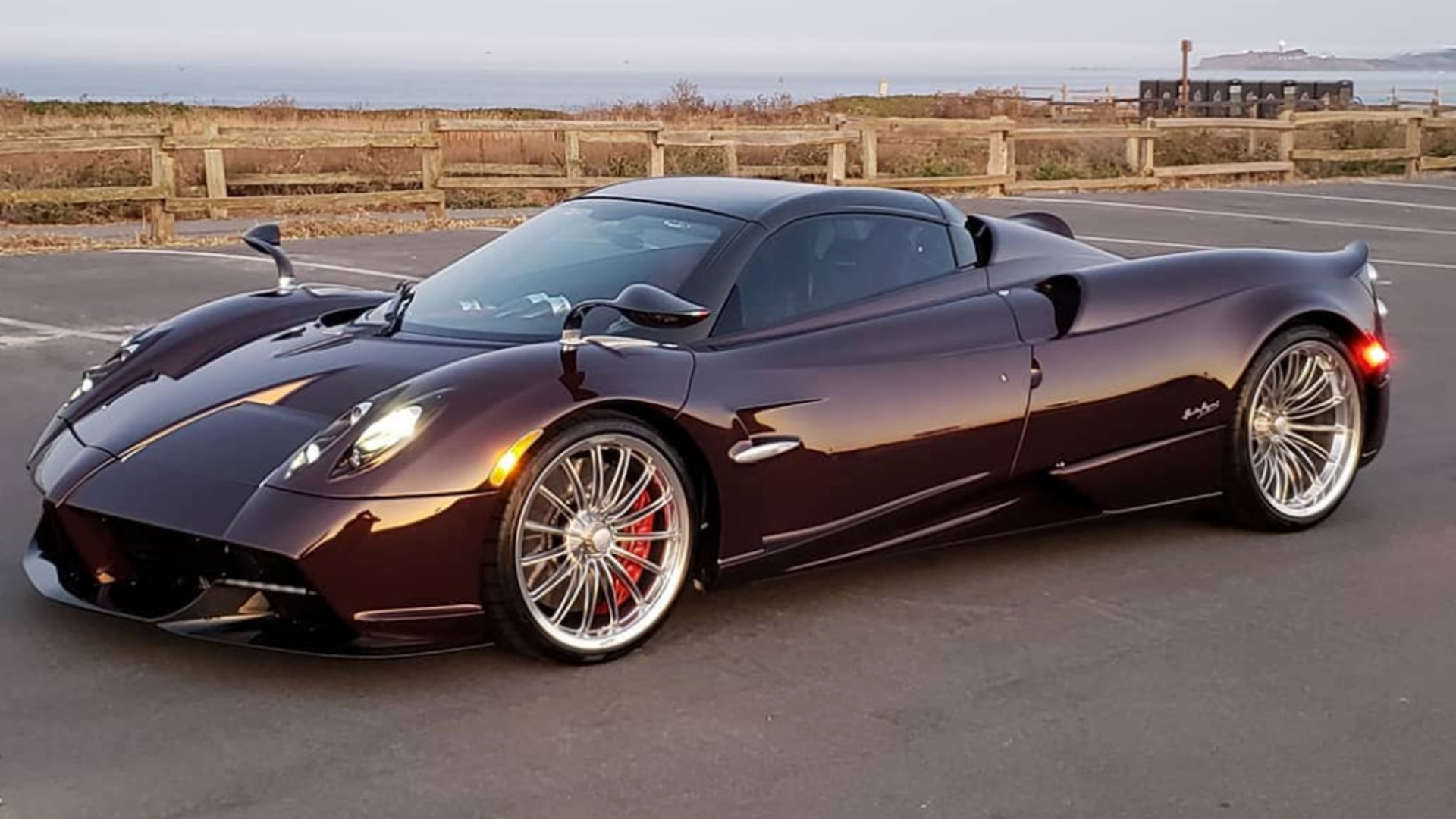
When most people take delivery of £2million worth of hypercar, they tend to park it up in a temperature-controlled garage, hook it up to a trickle charger and leave it to sit.
But Bob isn’t most people. Better known as 1slocrx on Instagram, Bob is putting his brand new Pagani Huayra Roadster to the test by crossing from the West to the East Coast of the United States on a circa 3,000-mile road trip.
Not only that, but he’s doing so to meet other Pagani owners. What’s the plan shortly after arrival? Another road trip, with said Pagani owners. As if the trans-American dash wasn’t enough…
With carbon-titanium construction and a 6.0-litre twin-turbo V12 packing over 760hp, you wouldn’t imagine the Pagani Huayra Roadster to be entirely suitable for a week’s mile-munching. With an entry price of $2.6million in America, it’s not something you want covered in stone chips…
Noted Instagram hypercar connoisseur and proponent of the ‘drive it, don’t park it’ ethos, Kris Singh, posted with regard to Bob’s approach to Pagani ownership.
“A very smart and dapper man once said to me, “All these guys on Instagram buy these cars and think that makes them ballers. Meanwhile they take pics for Instagram and never drive them. Being a real baller is driving it, not caring about miles, depreciation and experiencing the car.” No one could have said it better, and the man practices what he says.”
We couldn’t agree more. At the time of writing, Bob, and photographer Tyler Lee have left California, passed through Arizona, New Mexico, Texas and Oklahoma.
Oklahoma represents, give or take, the halfway point, and they’ve been going for over three days now. Keep up with their trip, as well as the Pagani owners meet to follow, with the #RoadsterRoadTrip2019 tag on Instagram.
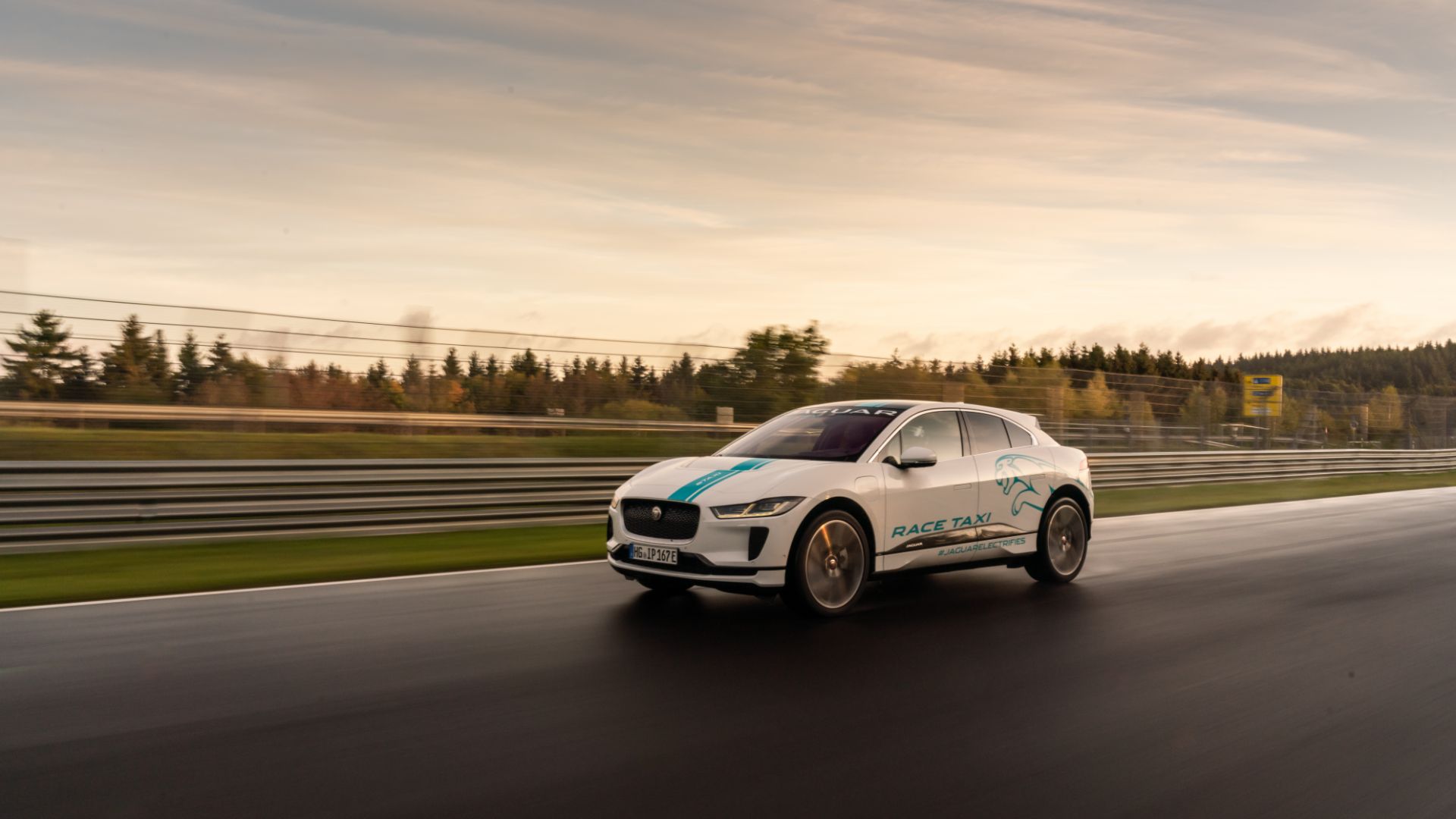
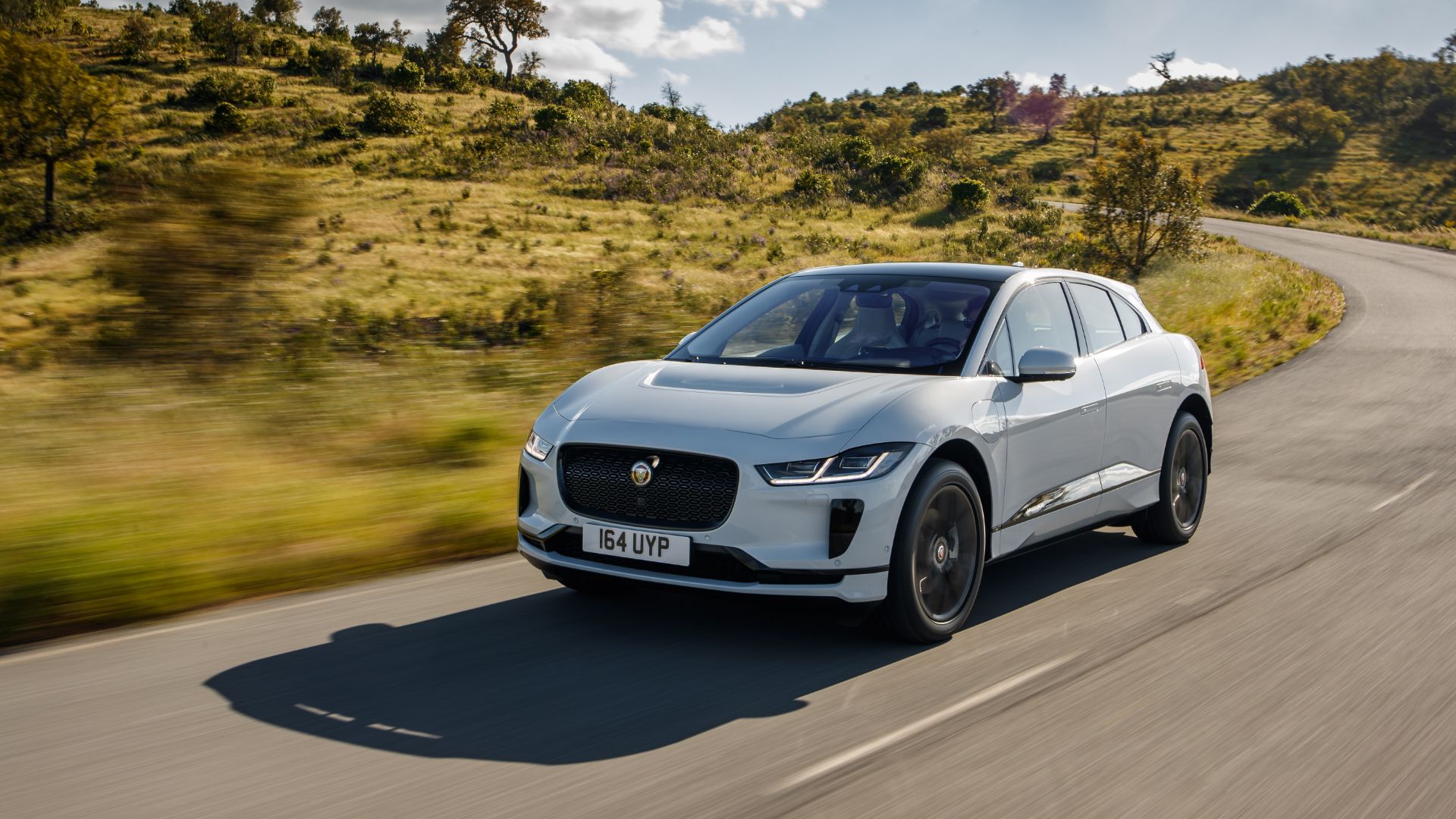
The all-electric I-Pace is to be put to work at one of the most formidable automotive proving grounds as Jaguar’s new race eTaxi experience car.
Far from leaving the Nurburgring behind in the development phase of its life, the I-Pace is back at the ‘Green Hell’. It’ll be used to ferry punters around the ‘Ring at near-race pace by expert drivers.
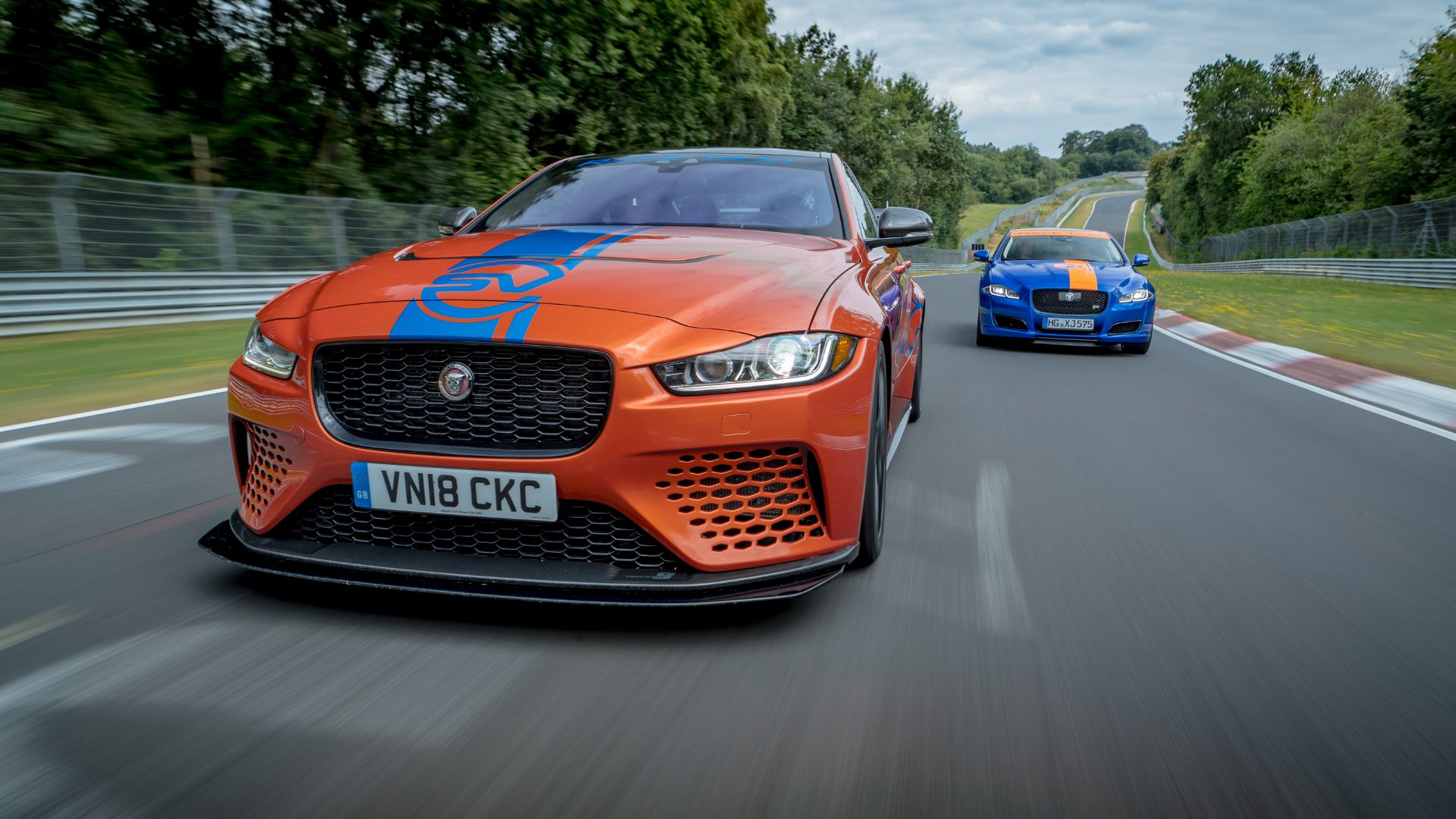
Jaguar’s rapport with the German circuit is strong: it holds the four-door lap record, with a 7-minute 23-second time, set by the XE SV Project 8. P8s were also used for the Race Taxi experience last year. Though a quick car, we doubt the 400hp I-Pace eTaxi will be gnashing at the Project 8’s heels just yet.
The Porsche Taycan recently set an all-electric production car record of 7-minutes 42-seconds, as a demonstration of the repeatability of its performance. Though the Jag is unlikely to beat that either, you don’t have to break records to prove endurance. The I-Pace will have its work cut out, regardless of whether the stopwatch is running. Putting the I-Pace to work at the Nurburgring with paying customers is an impressive vote of confidence.
You can now buy Nurburgring-flavoured steak seasoning
Of course, Jaguar’s no stranger to the abuse of battery-powered vehicles. The racing I-Pace eTrophy is a one-make series for track-only variants of the electric SUV, while Jag is also a big name on the Formula E grid.
If you want to see how the I-Pace handles the Nurburgring, you can book a ride for yourself. They’re available up until the end of November, and are available to book now.
Labour wants to ban the sale of internal combustion-powered cars in the United Kingdom by 2030. The party is also keen to work closely with the industry on ways this can be achieved.
It says the industry is “under siege”. As such, it has emphasised the desire to help as best it can, working on policies in collaboration with relevant bodies. That said, the overall goal is considered ambitious, even by those within the party itself.
Up to 6.5 million UK cars have faulty windscreen wipers
Senior party figures believe the targeted net-zero carbon target by 2030 – as outlined and voted in at the recent party conference – is impossible. As a fully-fledged feature of a future Labour manifesto, this policy is unlikely to carry over. It is, however, a statement of intent and attitude towards the climate issue. Labour wants to set a course with more ambitious talk about action against climate change than the Conservatives.
All of this follows Labour’s ambitious ‘green industrial revolution’ plan, which will se interest-free loans on electric cars handed out, and heavy investment in UK automotive and AFVs (alternative fuelled vehicles).
“The automotive sector is one of the UK’s industrial success stories”, said shadow business secretary, Rebecca Long-Bailey.
“However, the sector is under siege from Brexit uncertainty and the Tory party’s lack of ambition on electrification. At the same time, we need to accelerate the shift away from fossil-powered cars if we’re to tackle the climate emergency. If we want our automotive sector to flourish, we need a government who is not afraid to intervene.
“It’s vital that we work alongside unions to create a plan for a just transition for workers employed in the automotive sector.”
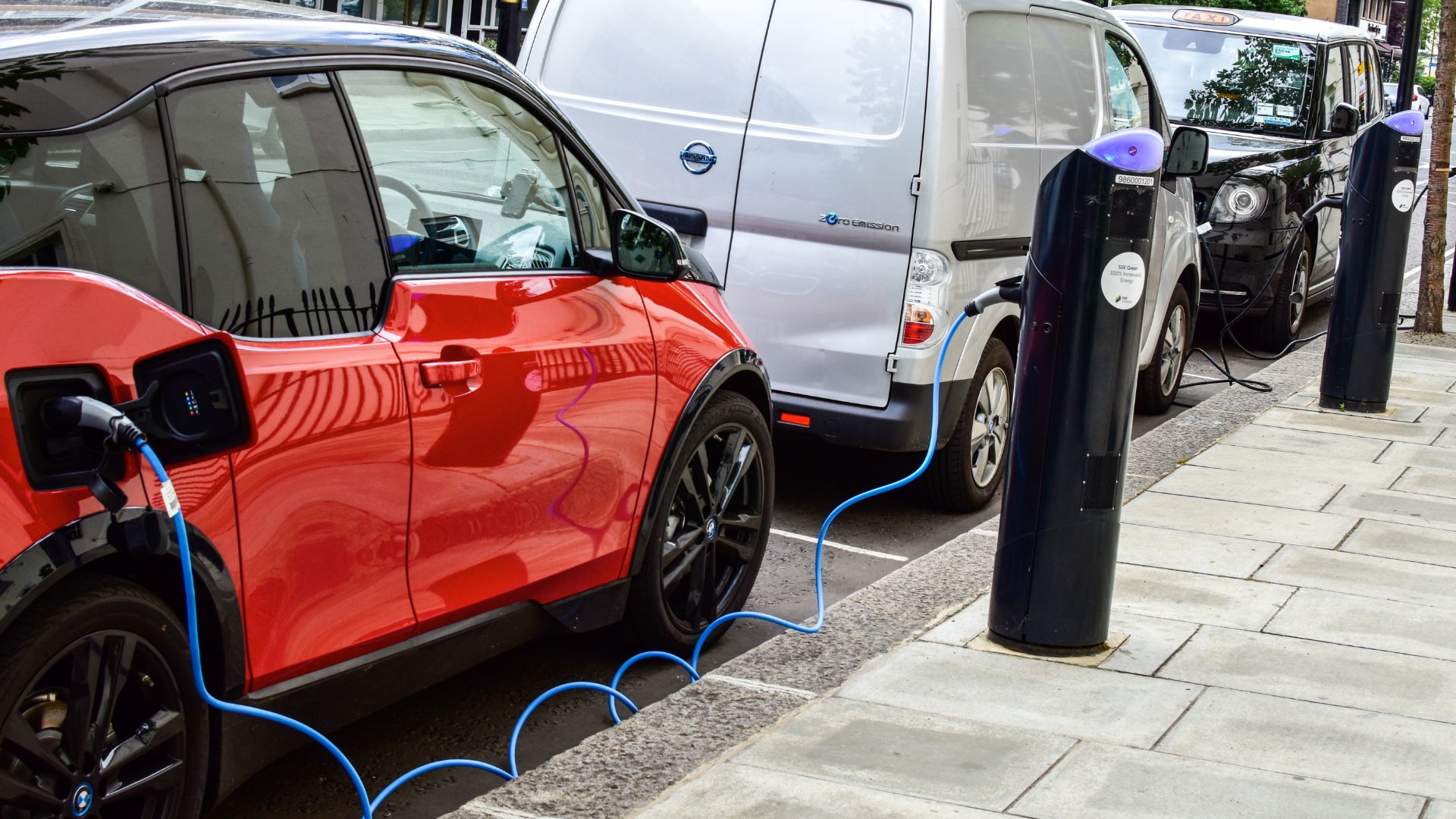
The average price of an electric car is 81 percent higher than that of a normal car, according to a new study.
In Europe (plus Israel and Turkey), where electric cars represent 1.9 percent of the new car market, the average retail price of a new car is $34,091 (£27,129). Meanwhile, the average price of the most popular electric cars range from $35,000 (£28,000) to $103,000 (£82,000).
Even the Renault Zoe – one of the cheapest electric cars available – is more expensive than the average retail price in 15 European markets.
In the U.S. and Canada, where the market is dominated by SUVs and pick-ups, the average retail price is $35,614 (£28,340), making it the highest average in the world.
Nevertheless, the cost of electric cars still exceeds the average vehicle price. The Tesla Model 3, which is the region’s top-selling electric car, is 21 percent more expensive than the average.
Only China bucks the trend, where a clear electric car strategy has made it the world’s largest EV market. Government subsidies and fewer safety regulations mean that electric cars are as much as 43 percent lower than the market average.
The Chery EQ1 city car retails for $20,260 (£16,120), while the BYD Yuan is priced at $15,279 (£12,159) – both significantly less than the $26,715 (£21,259) market average.
JATO, the company behind the study, says that price represents one of the four main challenges to the electric car market, the others being poor infrastructure, battery range and a limited supply of cars.
On the price gap, Felipe Munoz, JATO analyst, said: “The gap is set to reduce in the long term. Prices of BEVs (battery electric vehicles) are expected to fall as battery costs decrease and the OEMs share their technologies.
“Yet, based on the latest product announcements and presentations, this is not the case in the short term. It will be very difficult for OEMs to reduce prices and, most importantly, to expand profits without an increase in sales volumes.”
Munoz referenced the likes of the Volkswagen ID.3, Peugeot e-208 and Vauxhall Corsa-e as potential turning points in the sector, while low-priced entries such as electric versions of the Renault Kwid and Maruti Suzuki Wagon R should have a positive impact on the global market.
We’re often told to avoid making modifications to our cars in case it increases the cost of insurance. But some mods will actually reduce your annual premium.
Indeed, some could save you up to 24 percent – while others will have the reverse effect, adding 26 percent to a premium.
Fit a telematics device – also known as a ‘black box’ – and the cost of car insurance could drop by around a quarter. The device records your speed, distance travelled and the time of day or night you’re on the road.
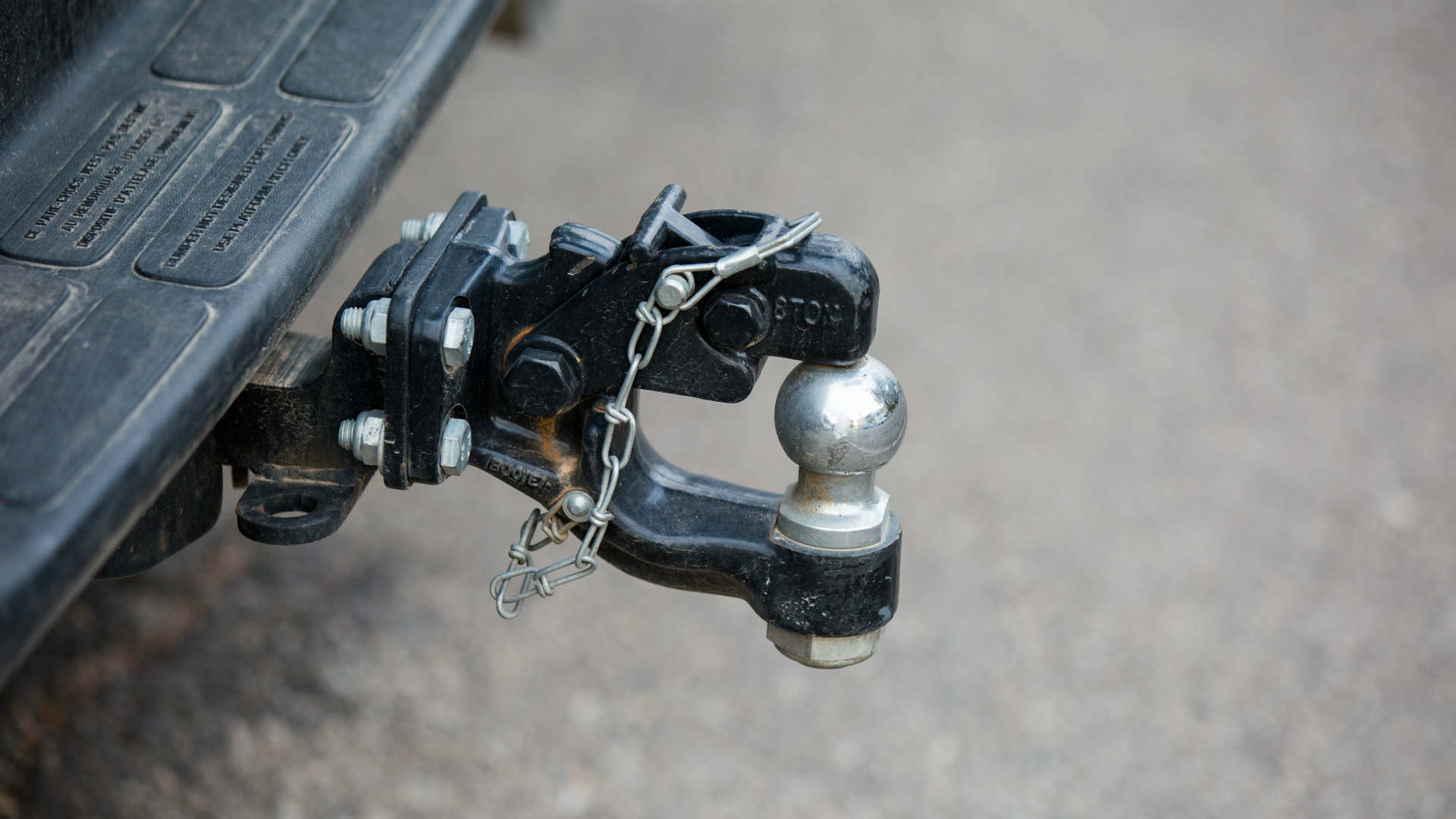
Fitting a tow bar will have the same effect, resulting in an average 24 percent price reduction. But be warned: the savings could be offset by the price of a tow bar, which will cost around £450.
Dashcams are a more cost-effective solution, shaving 15 percent off the price of a premium, but costing around £25 to buy.
Meanwhile, parking sensors – while costing an average £158 – should see a reduction of 13 percent. A roof rack has a similar effect on car insurance, but the savings could be outweighed by the impact it has on your fuel economy.
These are the findings of Crusader Vans, which looked into the aftermarket industry, as well as sales data, to find the best modifications to cut your car insurance premium.
The modifications to avoid
It’s common knowledge that performance and cosmetic upgrades can have a negative impact on the cost of car insurance, but there are some other, more surprising, modifications in the research.
A car phone costs £50 to install, but could increase the cost of instance by as much as 26 percent.
Meanwhile, tinted windows, an LPG conversion and a sat-nav could result in higher premiums, but much will depend on the insurer. As such, you should speak to your insurance provider before making any modifications to your vehicle.
Car modifications can have a serious effect on the cost of car insurance. Some could increase the risk of an accident, while others will make the car more appealing to thieves.
In 2016, Moneysupermarket.com analysed 2.3 million vehicles to show the effect each type of modification has on the cost of car insurance. The results were startling, if unsurprising.
Turbocharging, supercharging and nitrous added 132 percent to the premium, making such upgrades by far and away the least cost-effective performance modifications. Bonnet bulges and flared wings added 66 percent, while a complete bodykit added 57 percent.
Even brakes, which should improve the safety of the vehicle, resulted in an average 36 percent increase in the cost of cover.
It’s worth noting that accessibility modifications can have an impact on the cost of insurance. The research found that wheelchair adaptations add 69 percent to the premium, while hand controls add 57 percent.
If in doubt, talk to the insurance company. And remember, if the change alters the original factory specification, it’s likely to be classed as a modification.