New research into what drivers are paying for their car insurance has revealed high excess figures are becoming increasingly commonplace.
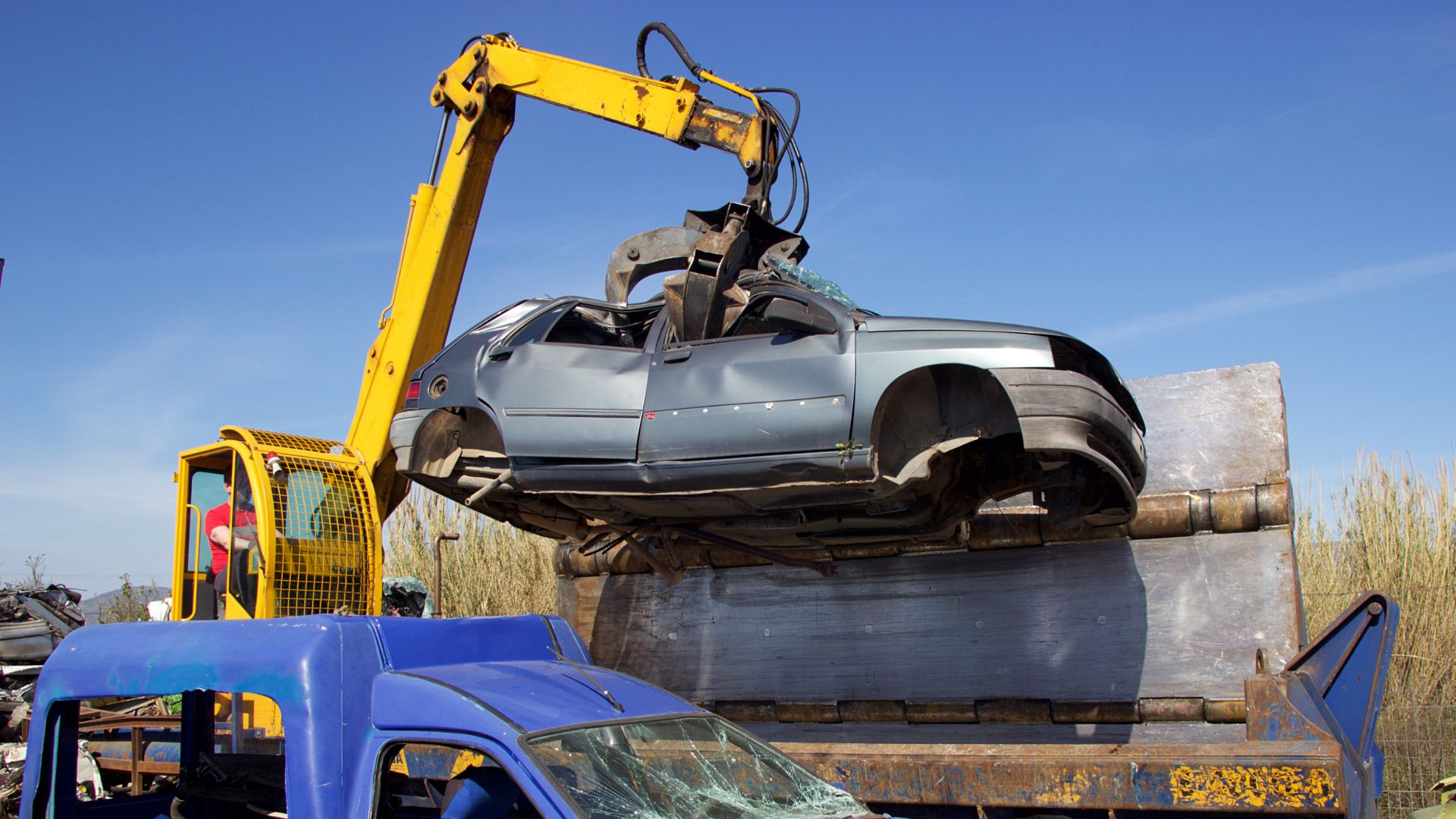
Excesses that exceed £3,000 are being quoted on older cars, despite the fact the write-off value would be significantly lower.
That means, in the event of the car being a total loss, the driver would receive nothing.
Researchers at the Mail on Sunday searched for car insurance on moneysupermarket.com. The average car on UK roads is eight years old, so the search used one of the most popular used cars, a Ford Fiesta, registered in 2012, for a 40-year-old driver in South London.
The value of such a vehicle should be between £3,440, and £3,775. The write-off figure would be around 50 percent of this.
Six insurers came back with staggering £3,000 compulsory excess figures. These insurers were not even the cheapest, either.
The same surprise might be in store for owners of more expensive cars. An eight-year-old BMW 3 Series with a value of £7,000 to £7,500, generated five quotes with a £3,000 excess for a 40-year-old in Stevenage.
With the average car insurance claim costing £2,600, it pays to keep a close eye on what excesses are on your policy.
The British Insurance Brokers’ Association (BIBA) claims one of the reasons insurers offer high excesses is that they’d rather do so than decline insurance altogether. In short, such excesses are a get-around for ‘no-quotes’.
Cars with personal plates are TWICE as likely to be stolen
“Policy excesses are often misunderstood and can provide a nasty shock during a claim – a time when there is already enough stress to deal with,” said Anders Nilsson, from gocompare.com.
“Our research shows excesses could contribute to genuine financial hardship with 37 per cent of drivers admitting they don’t have the means to pay their excess or would have to turn to credit cards or loans.”
What is car insurance excess?
The excess on car insurance is what the driver pays before the insurer begins to contribute, in the case of repairing their own vehicle.
For example, consider a single-car incident and all that’s damaged is the front bumper and the driver’s sidelight. If the excess on their policy is £500, and the total cost of the damage is £800, to get the car back on the road, the insurer will contribute £300 to that.
If the damage is below £500, the insurer won’t contribute anything. The excess is only payable on damage to your own vehicle. Damage to other’s vehicles, and the associated costs, if you are at fault, is on your insurer.
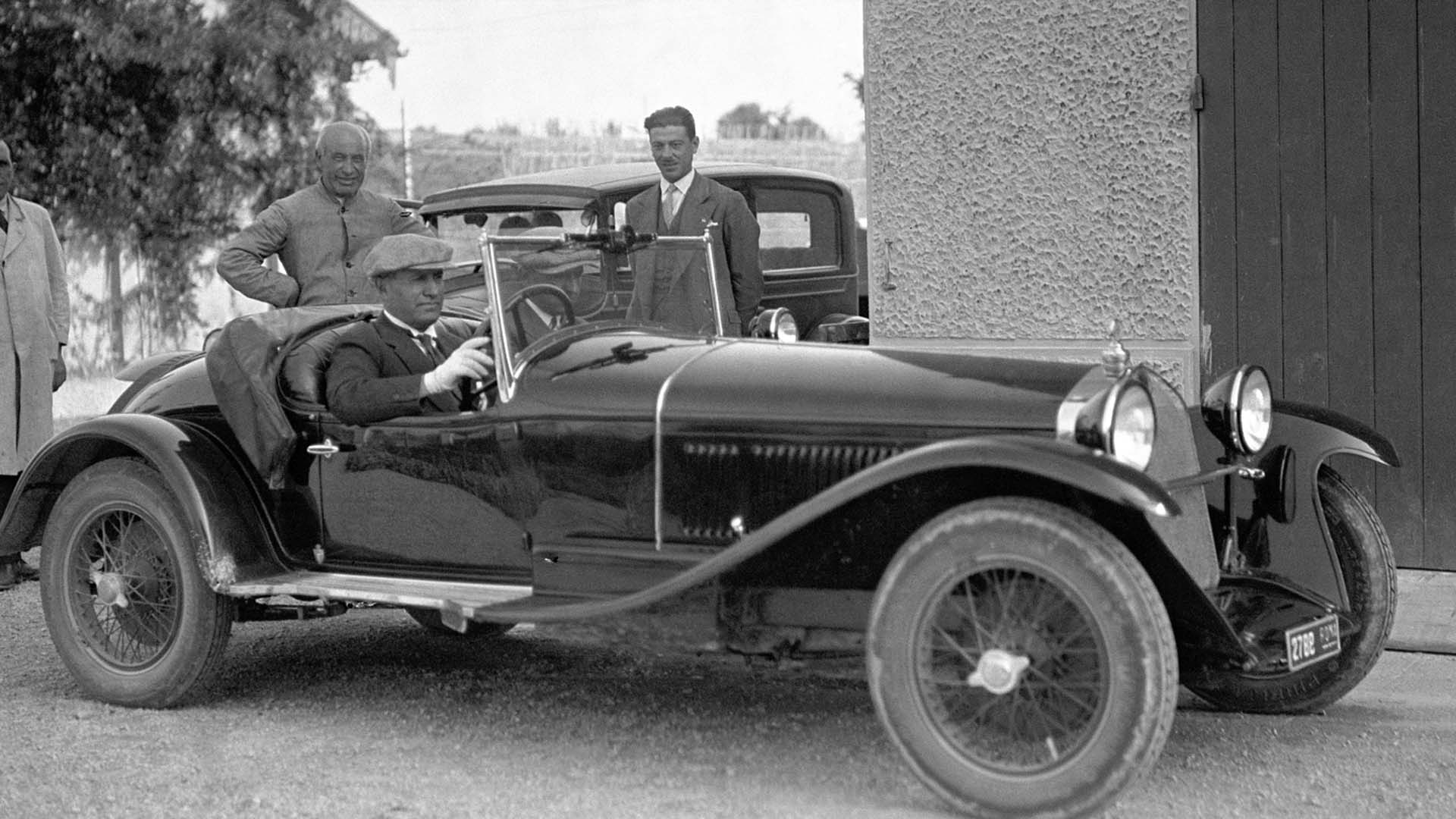
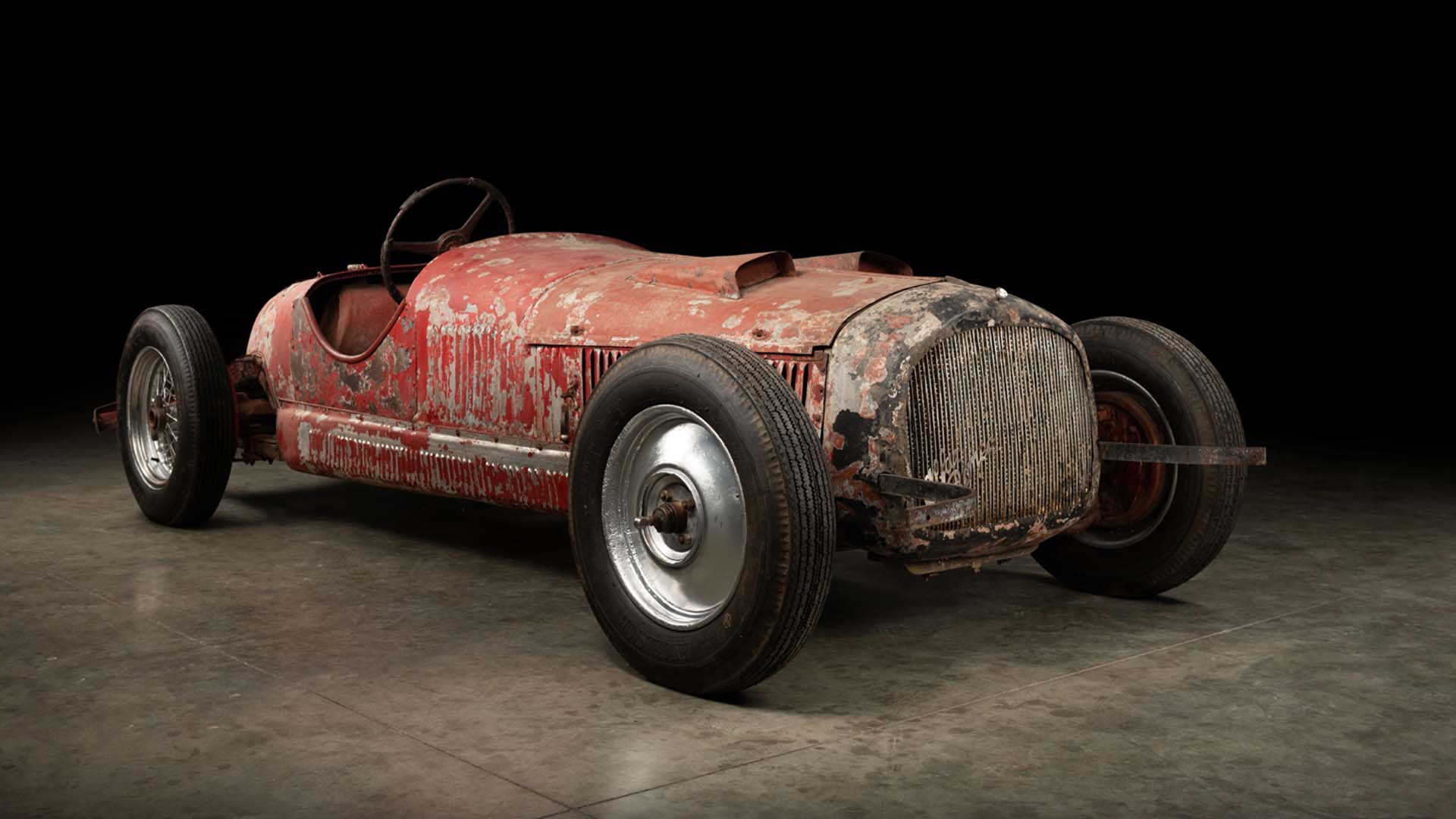
This Alfa Romeo 6C 1750 SS was delivered to its first owner, ‘Il Duce’ Benito Mussolini, on 13 January 1930. Following a period of intensive research, the Alfa Romeo is about to be restored by Thornley Kelham in the Cotswolds. It headlines our round-up of cars owned or driven by some of the world’s most notorious leaders.
Alfa Romeo 6C 1750 SS restoration
Simon Thornley, co-founder of Thornley Kelham, said: “We’ve undertaken many challenging restorations, but this Alfa Romeo presents us with perhaps our greatest test to date. Automotive history like this has to be preserved, and we are delighted to be involved in the latest page in its amazing story.”
Supercar super sale
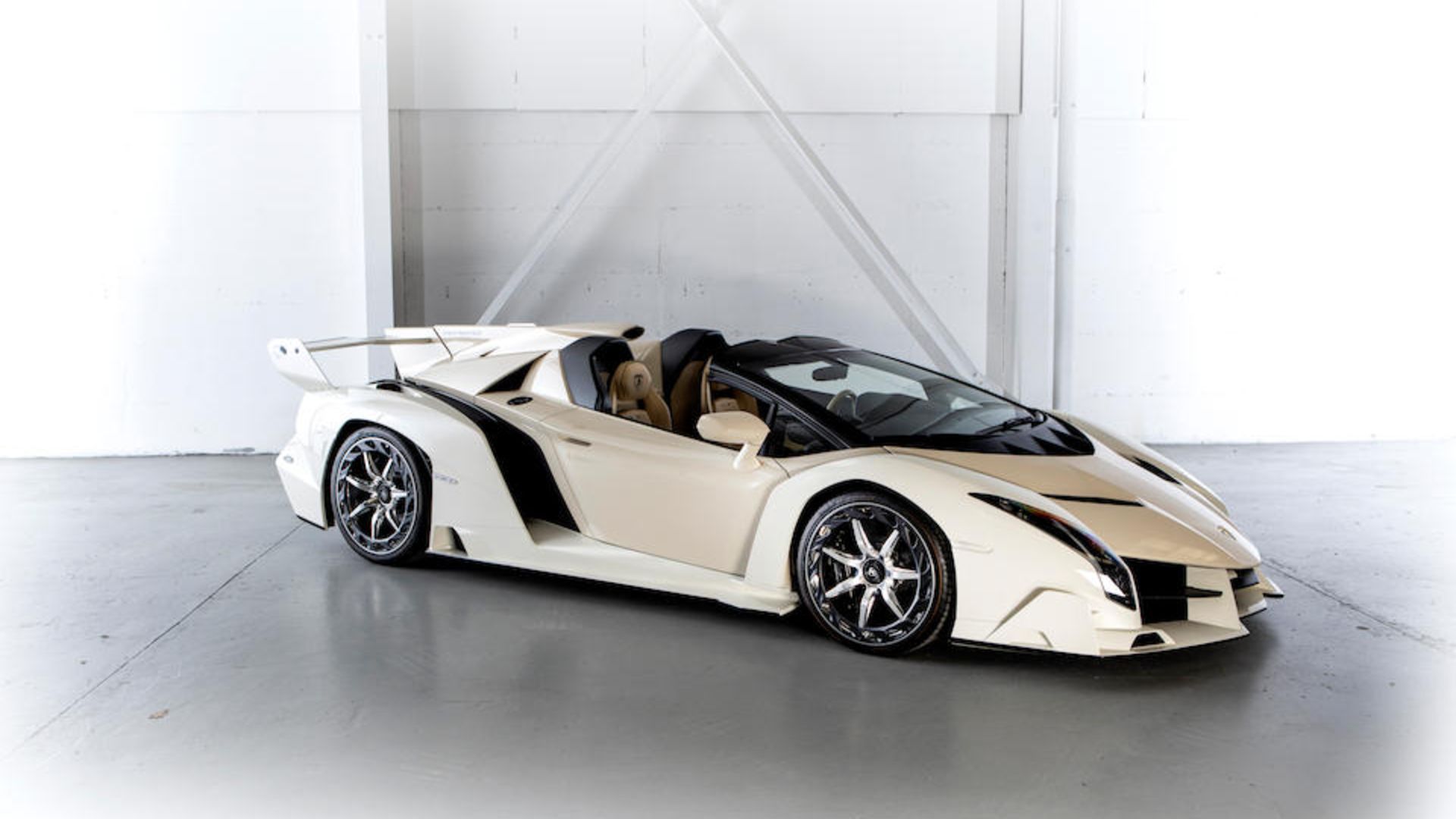
Auction house Bonhams can’t actually take credit for what has to be one of the most incredible sale rosters in history. Its recent hypercar lot was formerly the property of vice president of Equatorial Guinea, Teodorin Obiang Nguemabut. The cars were seized by Swiss authorities on charges of financial wrongdoing. We take a look at Nguemabut’s incredible collection, plus some more dictatorial motors.
Cars confiscated
In order to, in the words of Swiss prosecutors, ‘restore a situation that is in conformity with the law’, the cars crossed the block on September 30 2019. The 1.3-million Swiss franc cost of the case was paid in cash, in exchange for a yacht being returned. However, even a cohort of hypercars couldn’t raise the funds to see off Teodorin Obiang Nguema’s €30 million suspended fine, which he must pay on top of having his cars confiscated.
Fastest and most furious
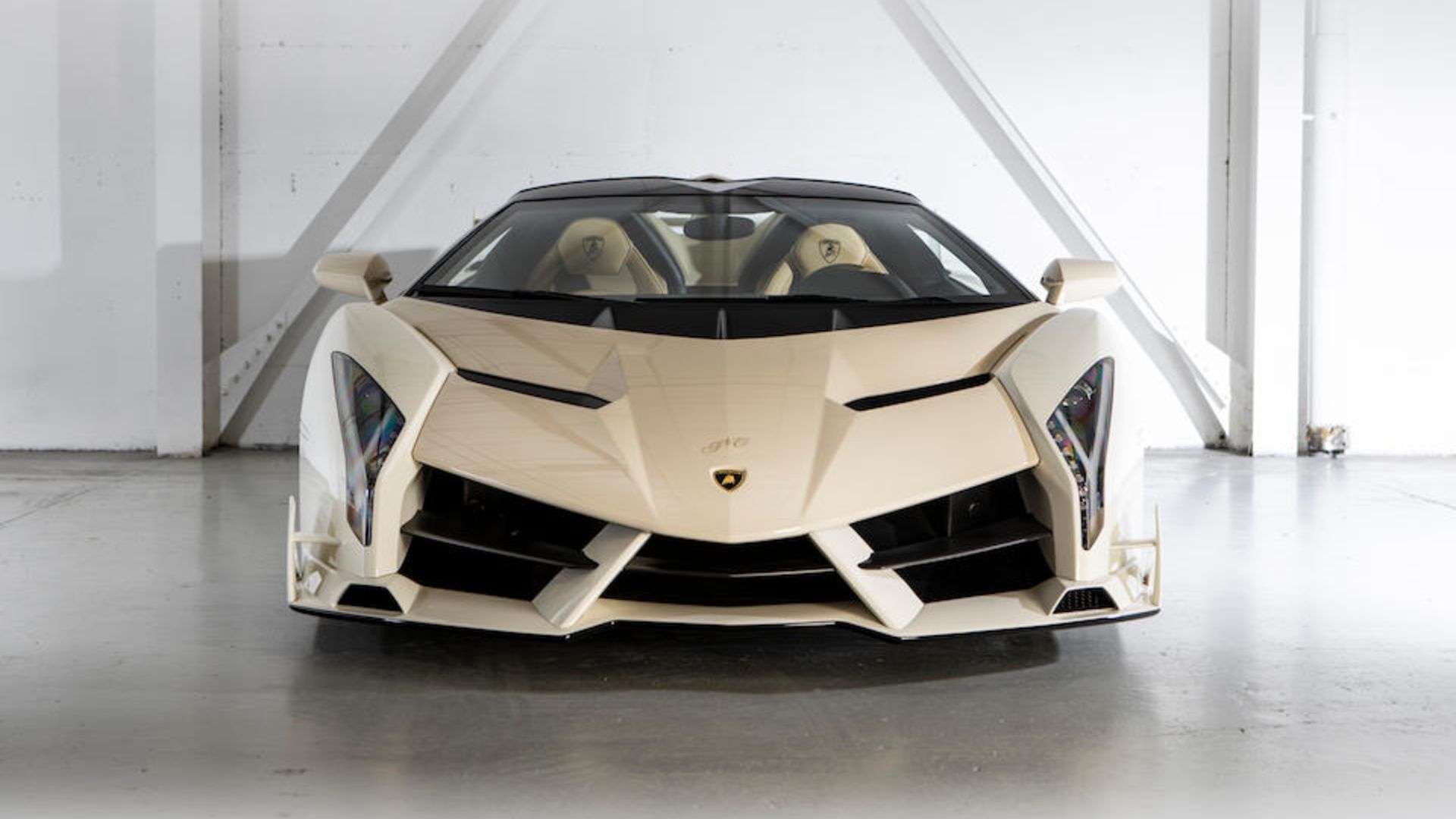
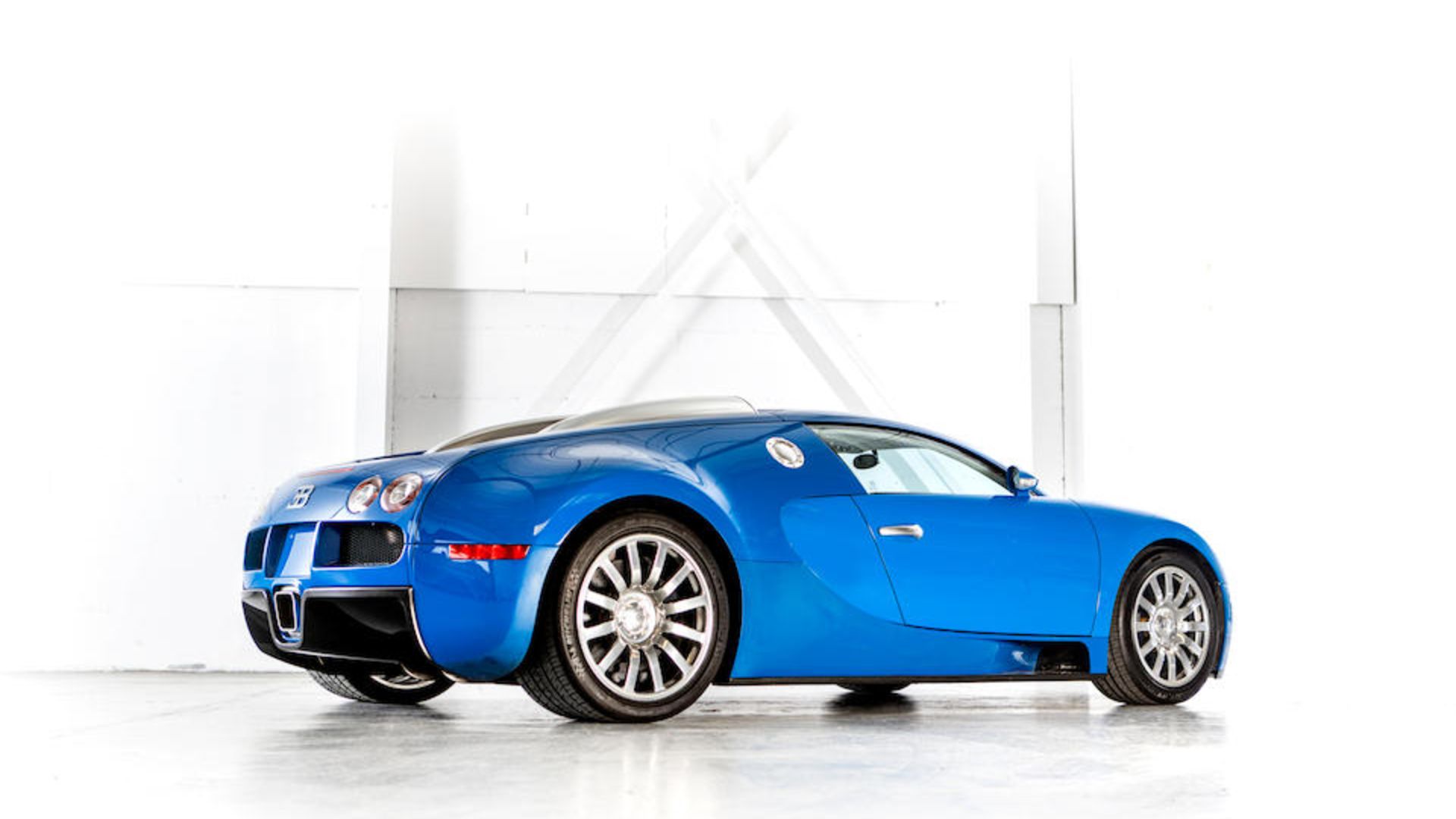
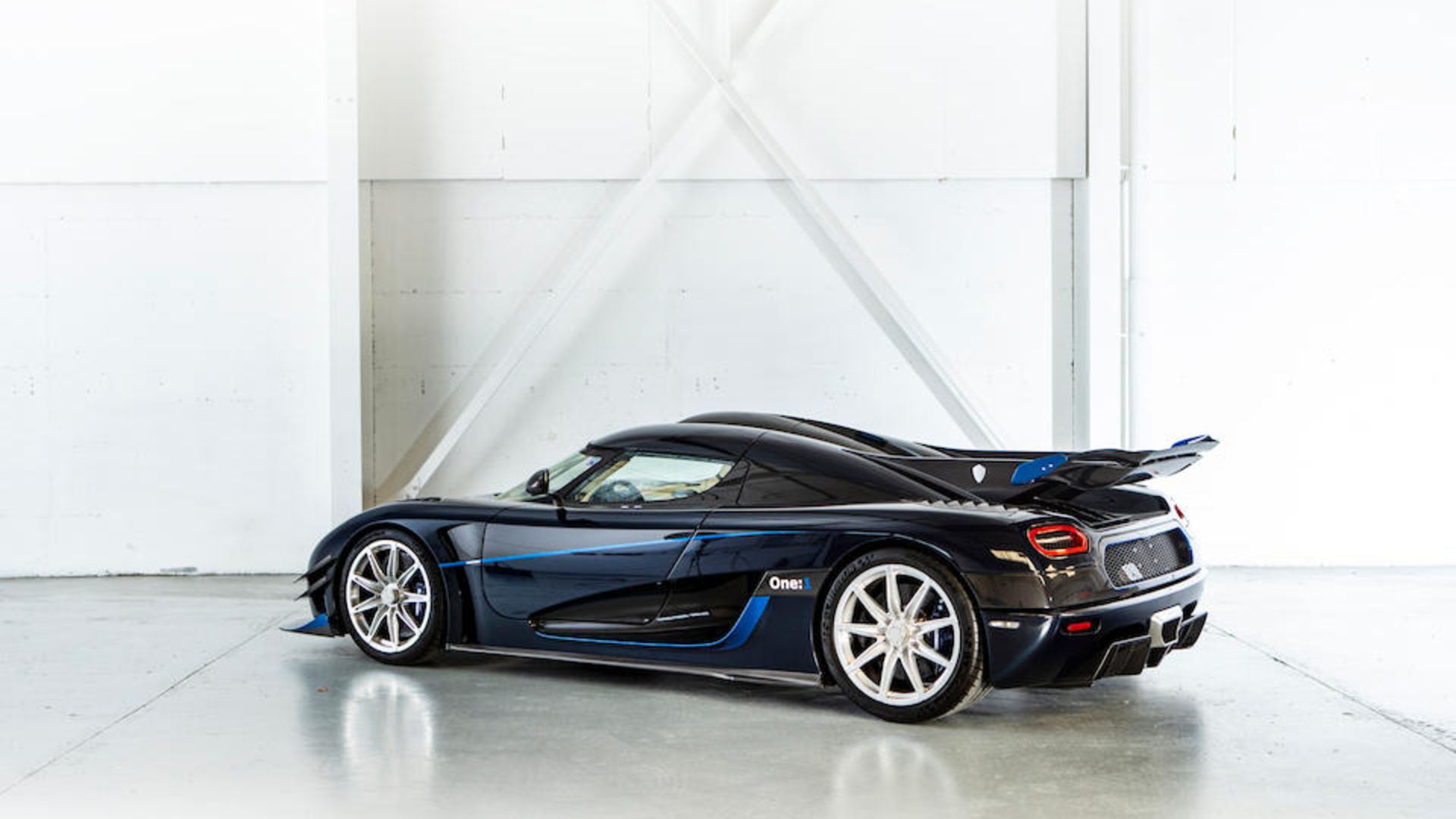
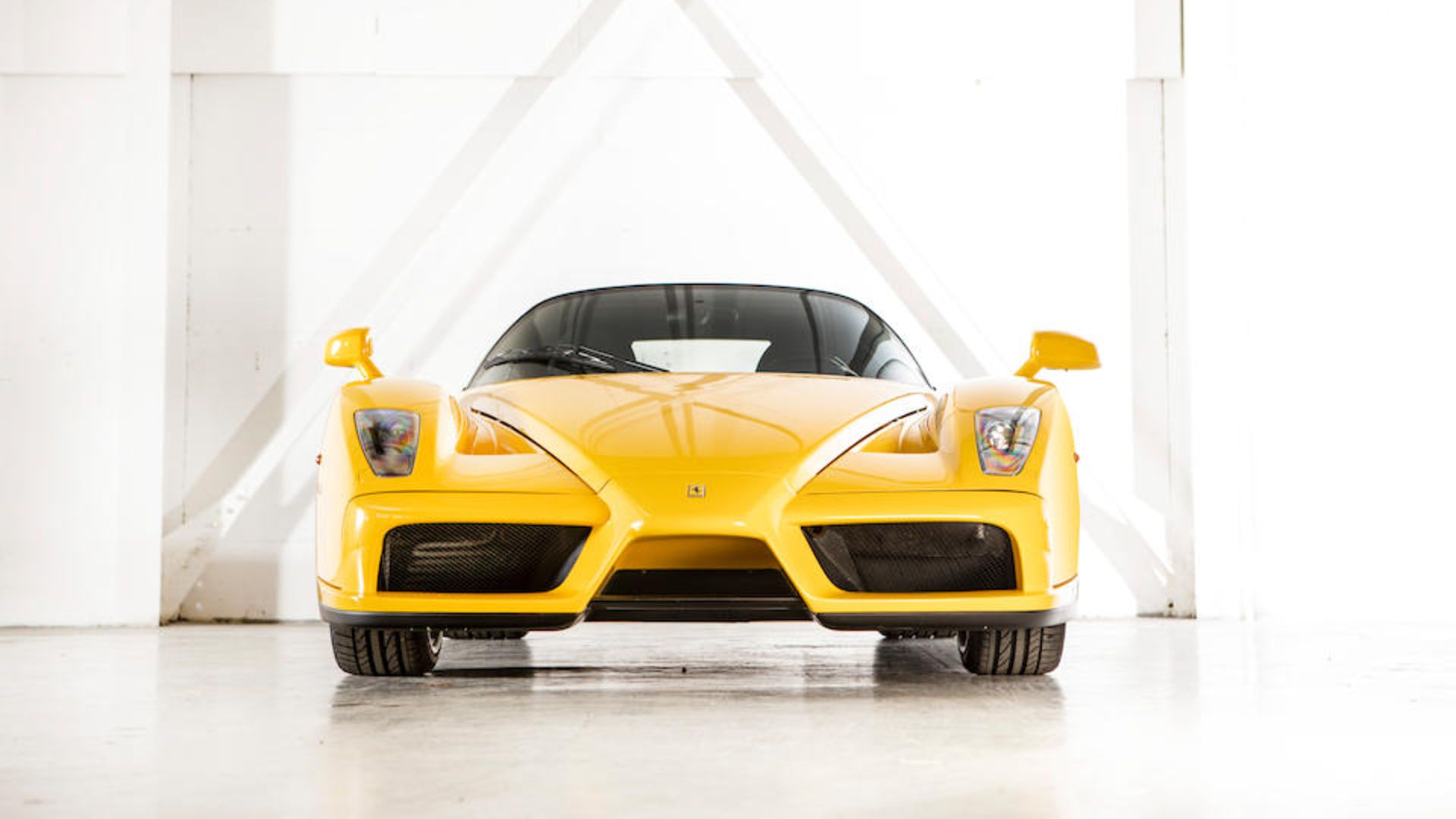
Think of a hypercar and it’s probably in this collection. Headline heavy-hitters include the Bugatti Veyron, McLaren P1, LaFerrari, Ferrari Enzo, Lamborghini Veneno Roadster, Aston Martin One:77 and Koenigsegg One:1.
Under the hammer
The Veneno Roadster won the day, with a final equivalent of £6.76 million, including the buyer’s premium. The Koenigsegg went for the equivalent of £3.76 million, which some enthusiasts are calling a ‘bargain’. Indeed, it’s still more than Bonhams’ own estimate, which Koenigsegg called ‘harmful’ in a heated statement. The Ferrari Enzo followed the Koenigsegg, with a final sale price of £2.53 million. It even beat its successor, the LaFerrari, which brought in £1.78 million. Selling for between £1 million and £1.6 million were a Bugatti Veyron, Aston Martin One:77, Porsche 918 Spyder and Lamborghini Reventon Roadster.
Tour de force
Looking quite subtle amongst this assortment of hypercars was a Ferrari F12 TdF. Yet not all dictatorial leaders had quite such extravagant tastes when it comes to cars…
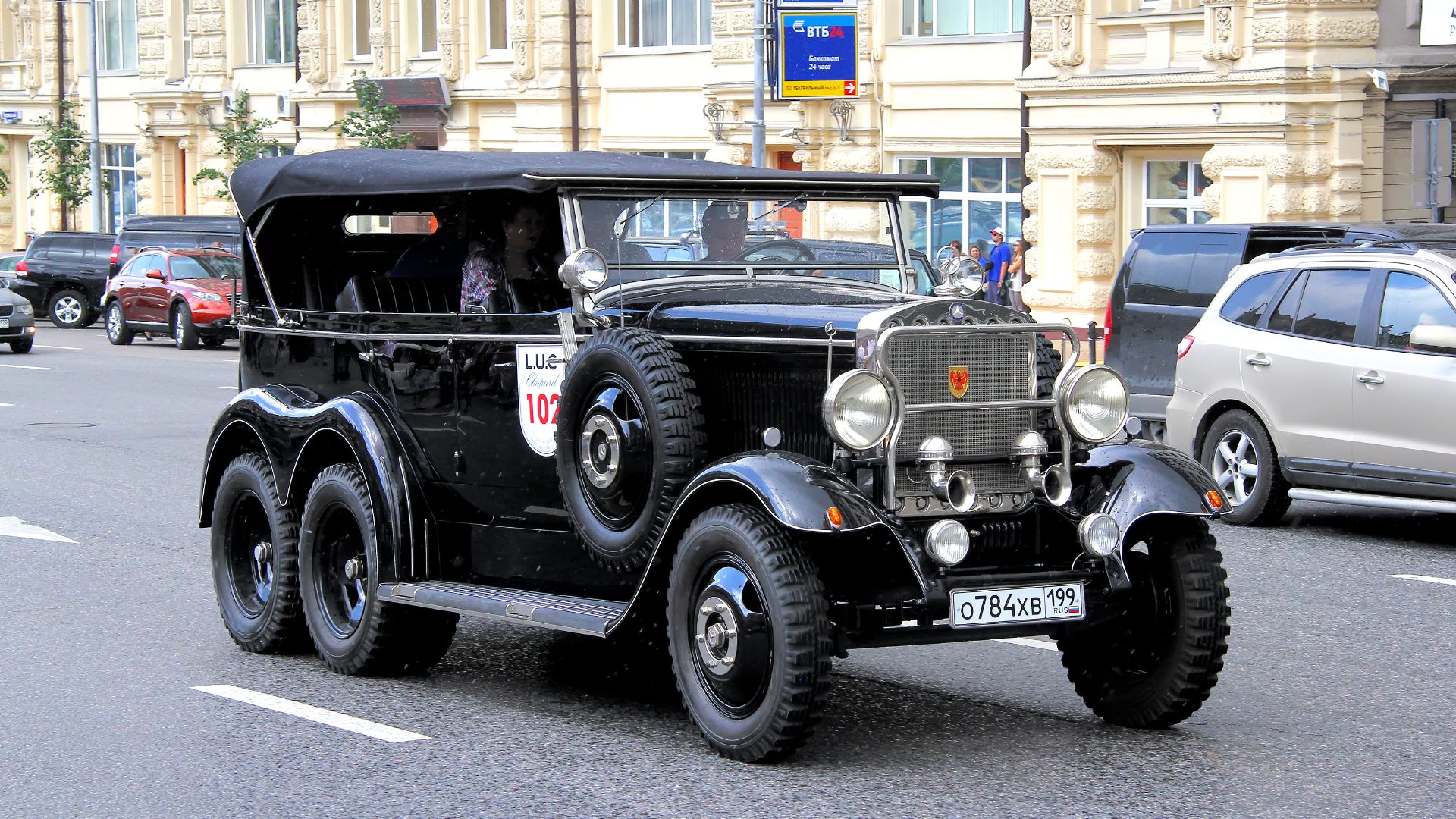
Adolf Hitler – Mercedes-Benz W31 Type G4
Perhaps the world’s most famous and infamous dictator, for reasons we don’t need to explain. Adolf Hitler’s chariot of choice was a Mercedes-Benz W31 Type G4. This was a three-axle military off-roader, designed almost exlusively to cater to Nazi leaders. It’s one of just 30 made.
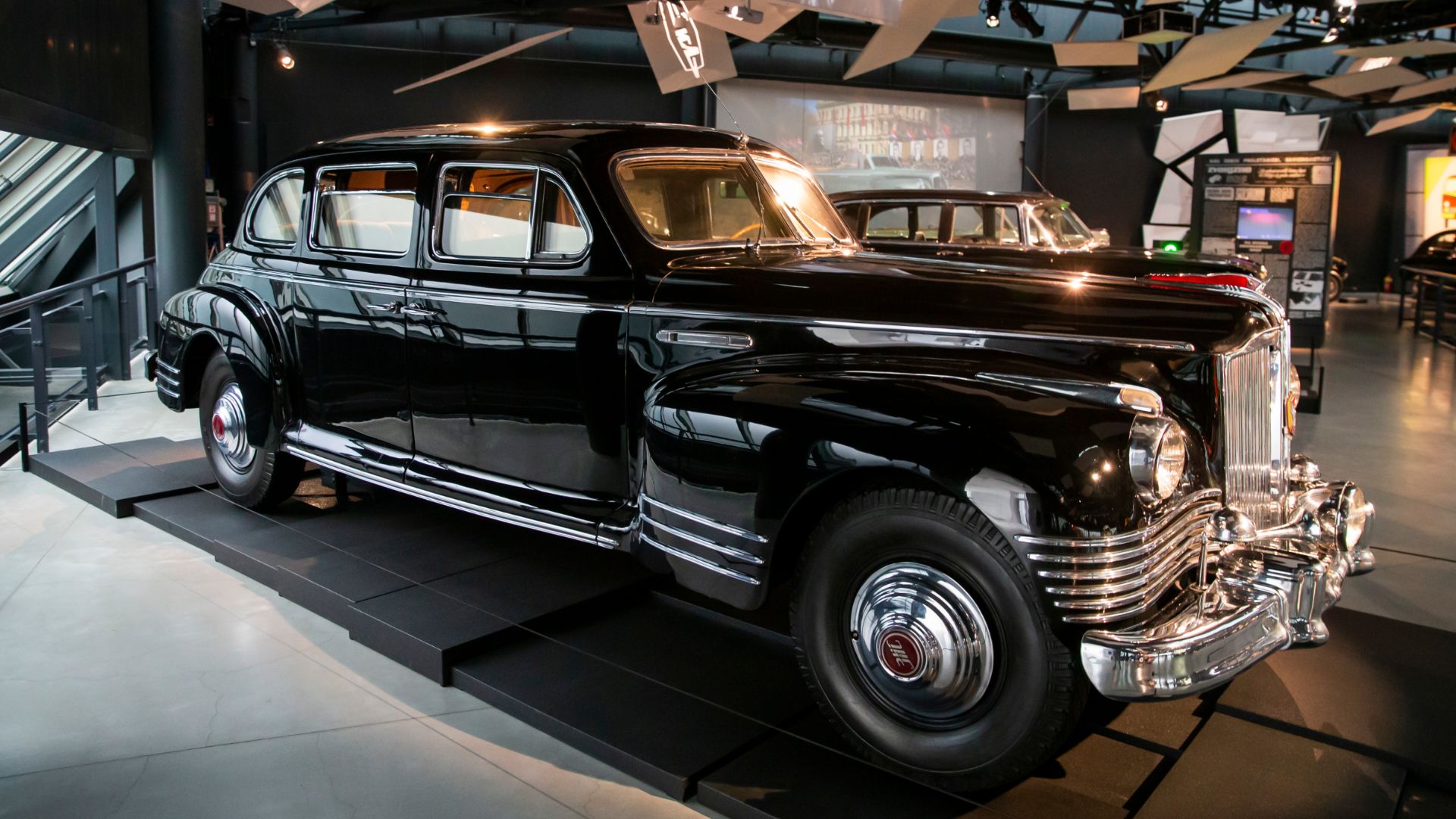
Josef Stalin – ZIS-115
Following the defeat of Hitler and the Nazis in World War Two, Soviet dictator Josef Stalin was sometimes ferried around in the homegrown ZIS-115. This eight-tonne armored monster was produced between 1946 and 1947. The paranoid Stalin wouldn’t use any of the 32 cars made for more than two days.
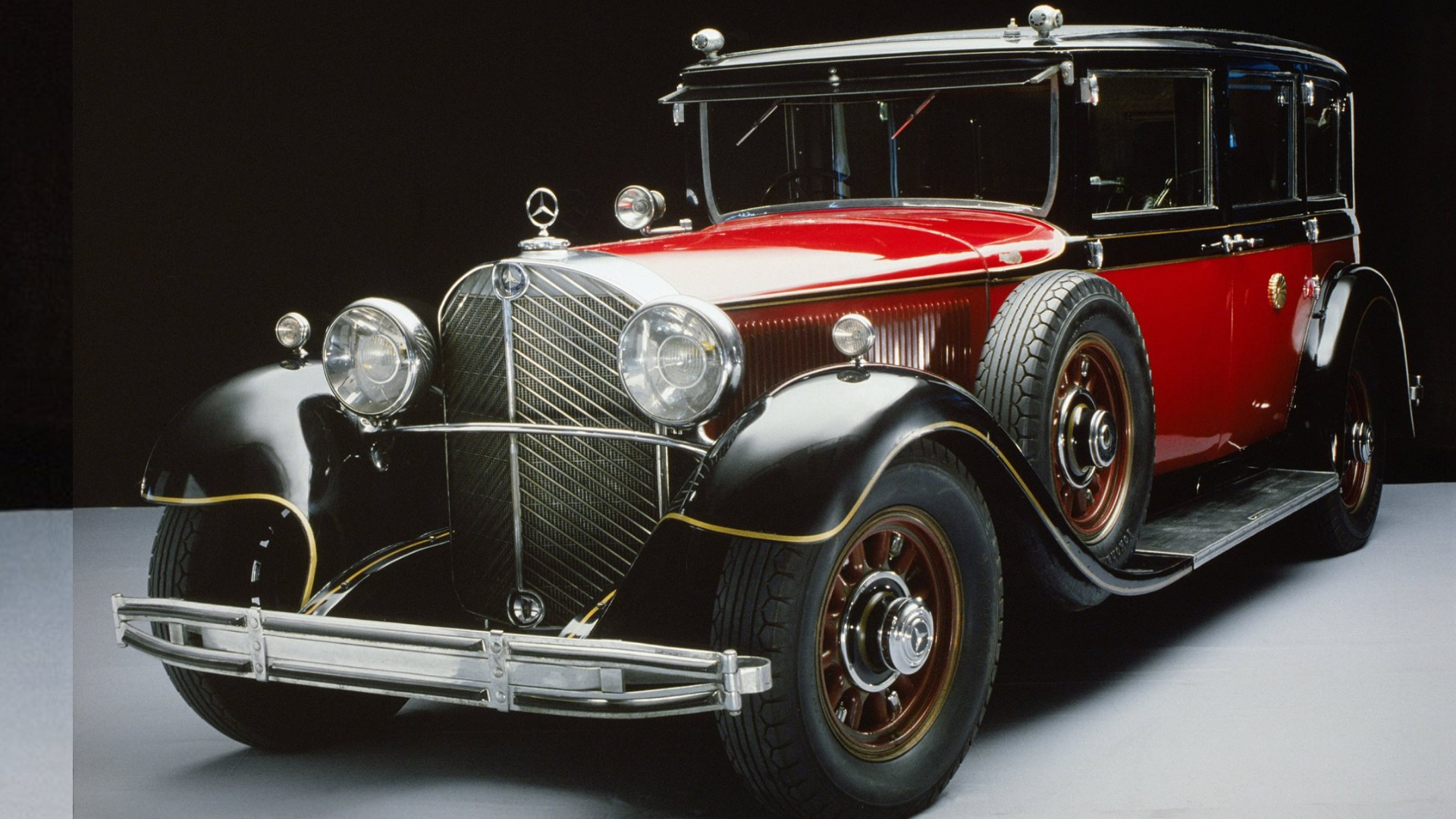
Emperor Hirohito – Mercedes-Benz ‘Kaiserwagen’
In 1935, Japanese Emperor Hirohito received an armoured Mercedes 770 Grand Pullman Limousine. Given Japan’s alignment during the war, you can probably guess who facilitated the acquisition. The Pullman’s ‘Kaiserwagen’ nickname says it all.
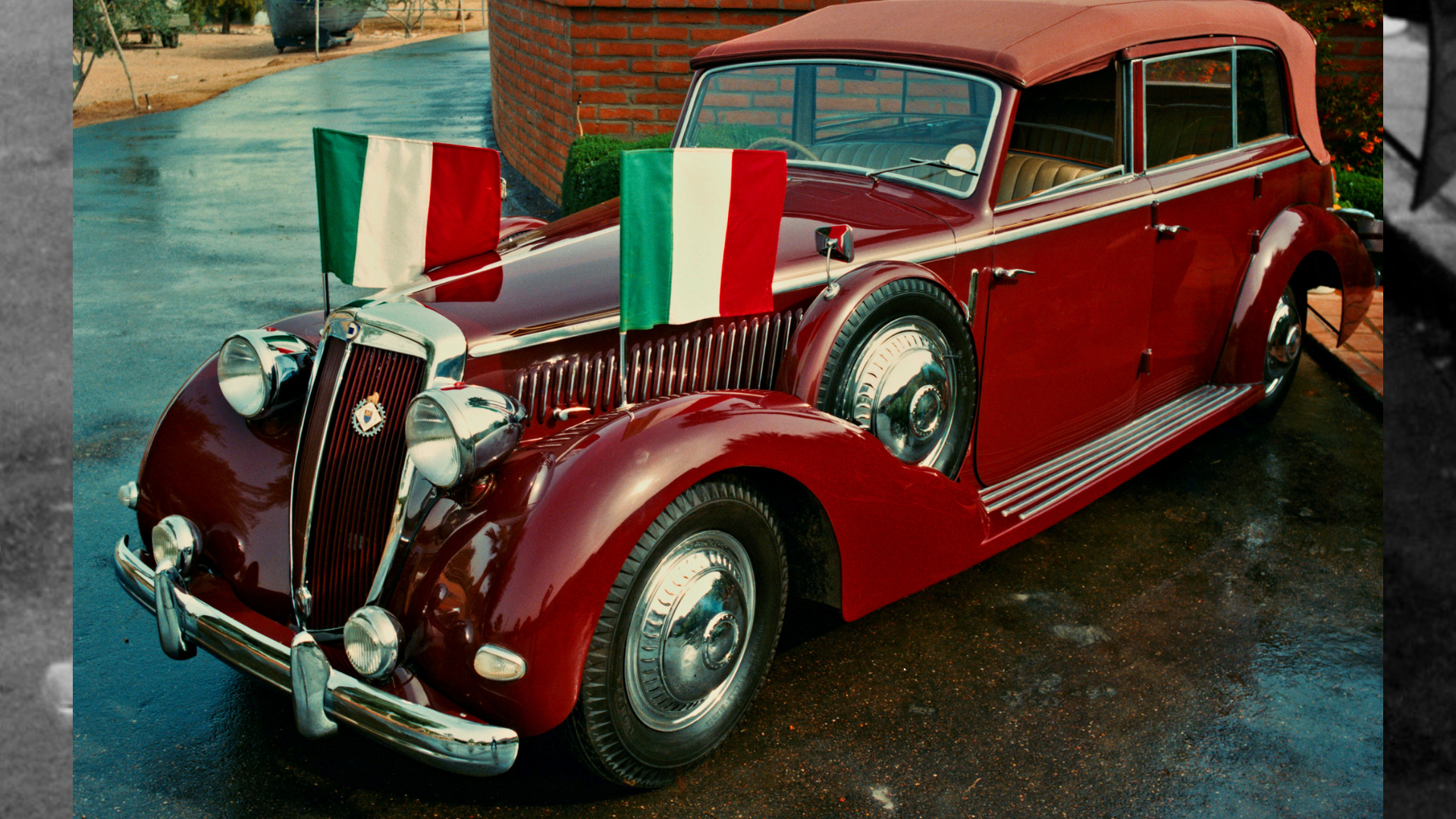
Benito Mussolini – Lancia Astura
Italian dictator Mussolini was more patriotic in his choice of cars. A succession of Lancias is topped by his special-commission Astura models, including cabriolets for parades and a streamlined version for his private collection.
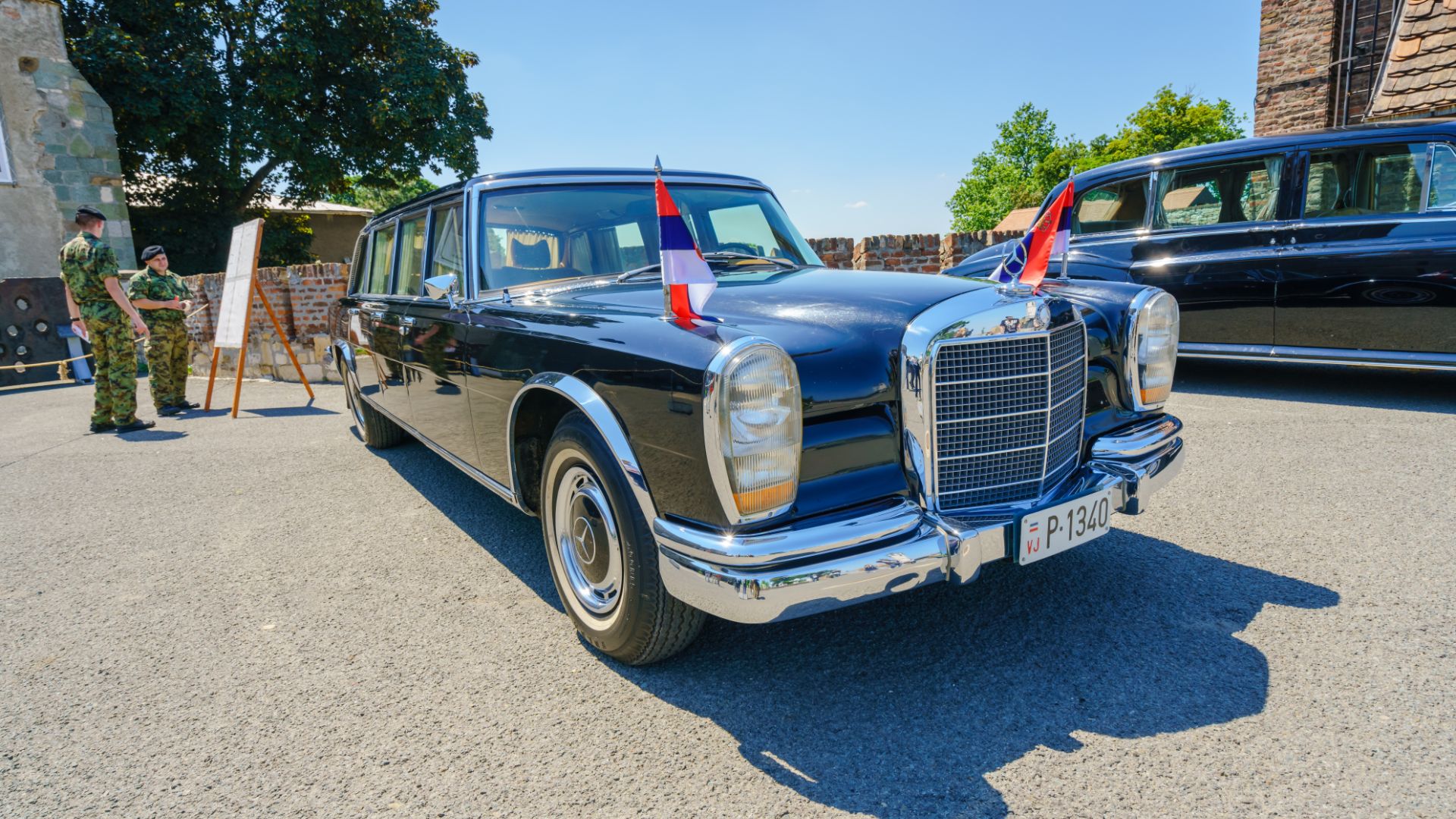
Josip Broz Tito – Mercedes-Benz
Yugoslavian dictator Josip Broz Tito is considered the figurehead for one of the world’s only ‘successful’ communist dictatorships. In his time as the Yugoslav president between 1953 and 1980, Tito frequented the back seat of many specialised Mercedes-Benz limousines. As is becoming apparent, the three-pointed star is a firm favourite of some of the world’s most divisive leaders.
Chairman Mao – Hongqi Red Flag
Chinese dictator Chairman Mao chose a Hongqi Red Flag for his travels. The company that introduced the Red Flag in 1958 is now known as the China FAW Group. It built 1,500 of them in a 24-year production run.
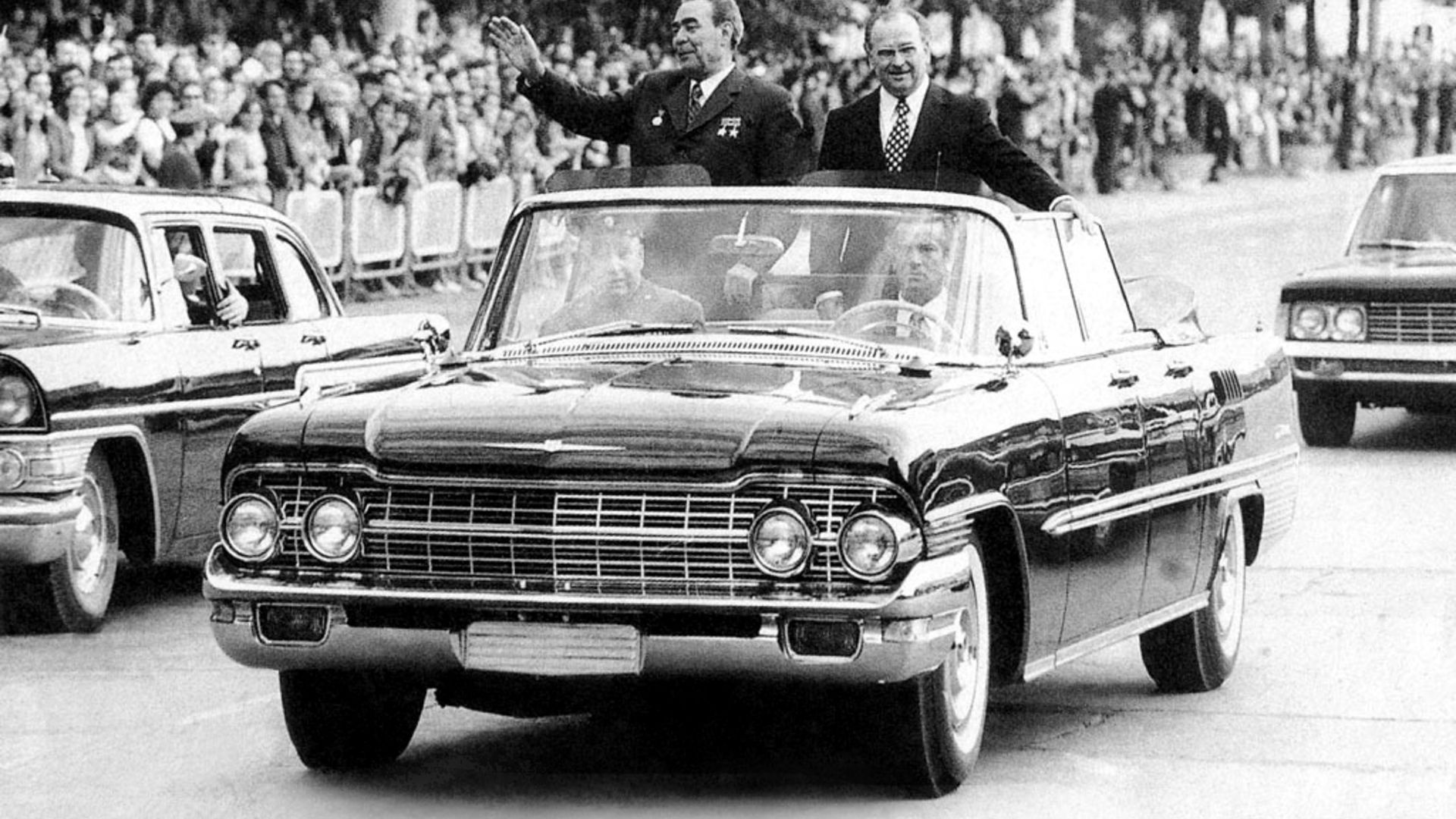
Fidel Castro – ZIL-111
Cuban communist leader Fidel Castro was famously in cahoots with the Soviet Union, leading to the Cuban Missile Crisis of 1962. It also led to Castro becoming the proud owner of a 1963 ZIL-111 cabriolet limousine, as gifted to him by Soviet premier, Nikita Khrushchev.
Kim Jong-il – Mercedes-Benz 600 Grosser
Kim Jong Il, deceased supreme leader of the Democratic People’s Republic of Korea – the self-given name of North Korea – was another Mercedes enthusiast. His patronage supports the popular view that the 600 Grosser was the ultimate dictator’s car.
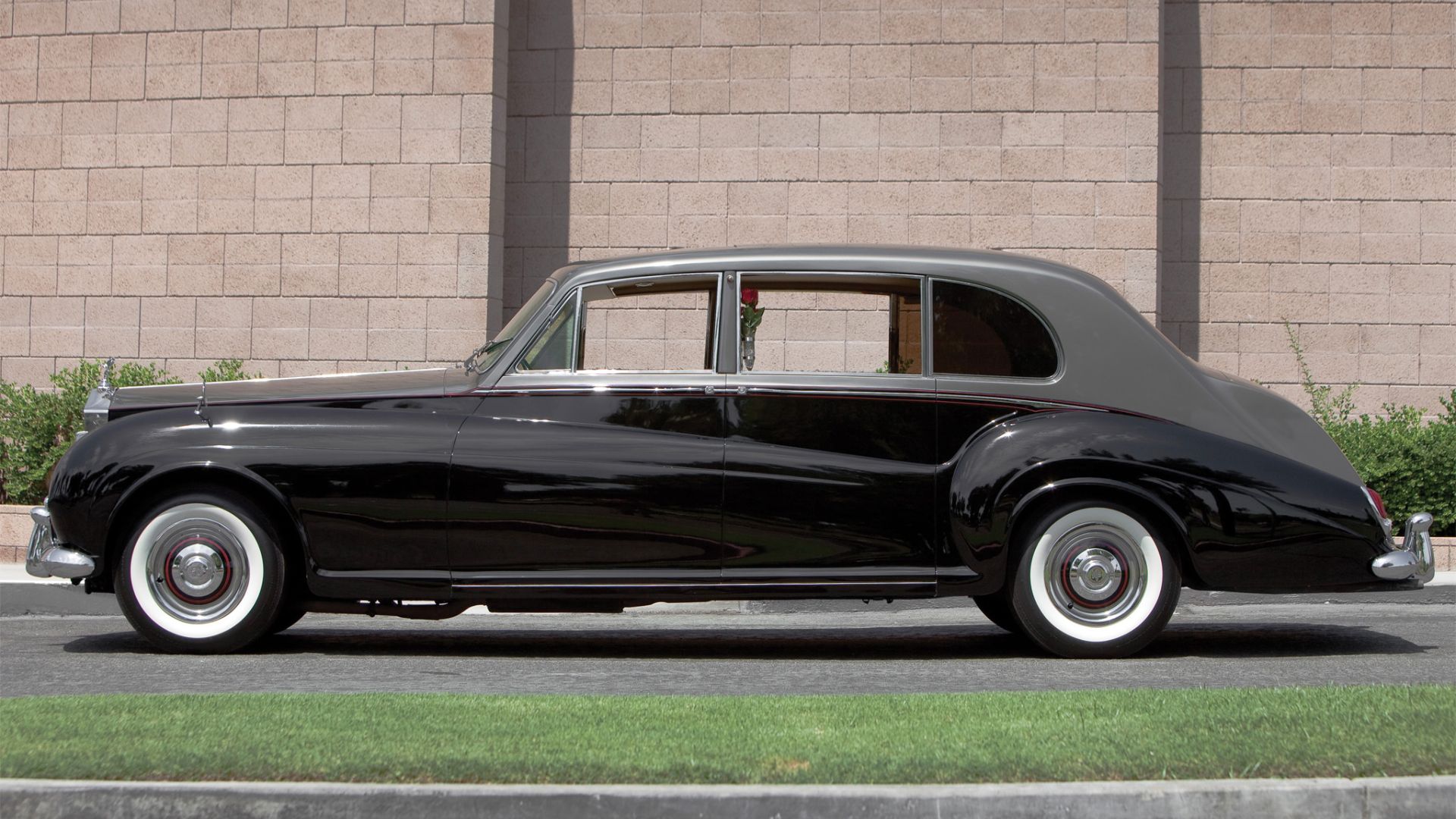
Robert Mugabe – Rolls-Royce
Zimbabwean dictator Robert Mugabe seemingly wanted to make more impact than even a Mercedes 600 was capable of. In spite of his open criticism of the West, and Britain in particular, he was a sucker for a vintage Rolls-Royce.
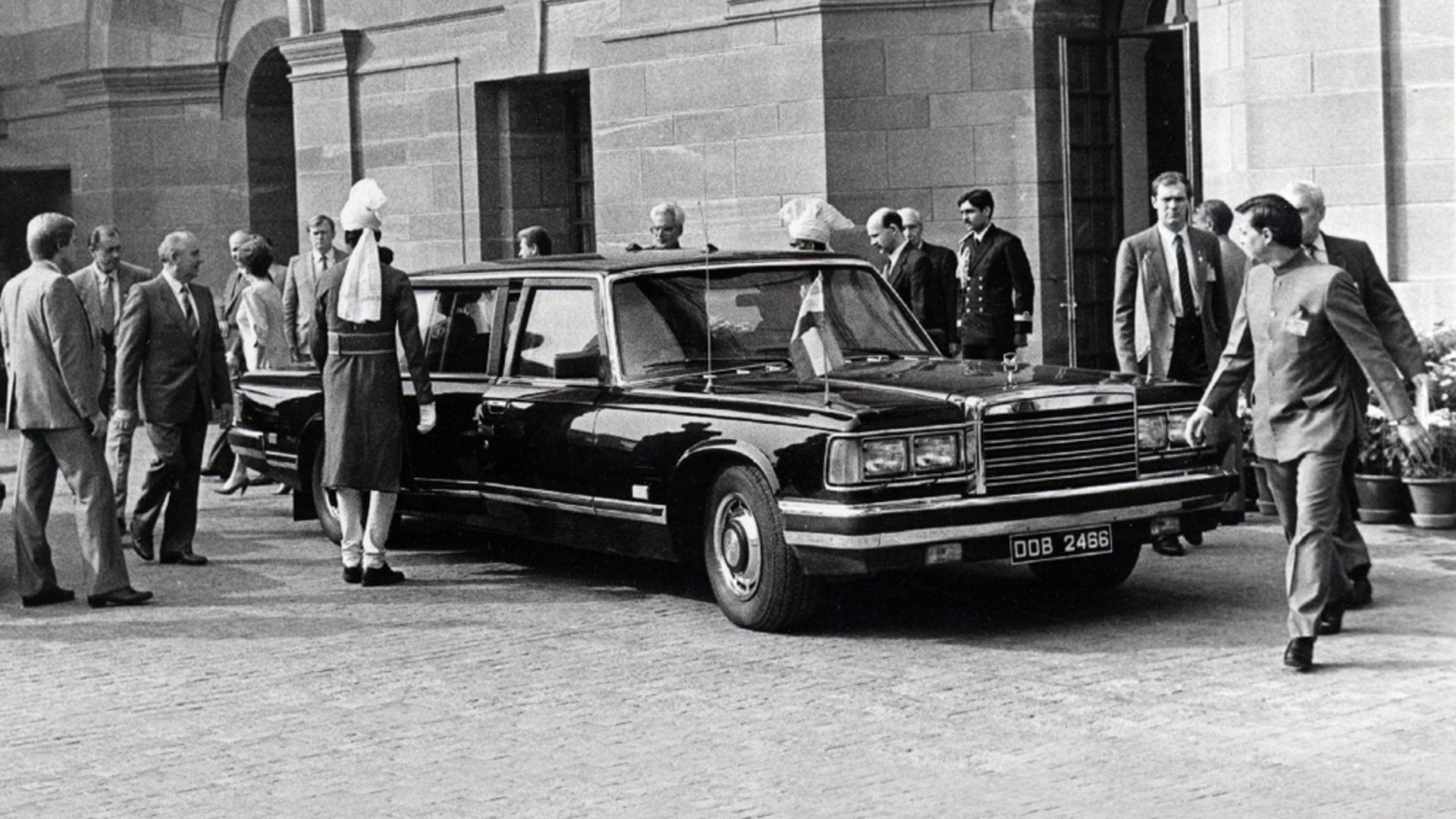
Mikael Gorbachev – ZIL-410152
The last leader of the Soviet Union, Gorbachev stayed loyal to the ZIL marque. The 410152 limousine was on Russian government duty right up until 2007 – 18 years after its 1989 debut. Gorbachev actually disliked the Soviet elite having nice cars to waft around in, claiming they shouldn’t enjoy such privileges over and above the people of the USSR.
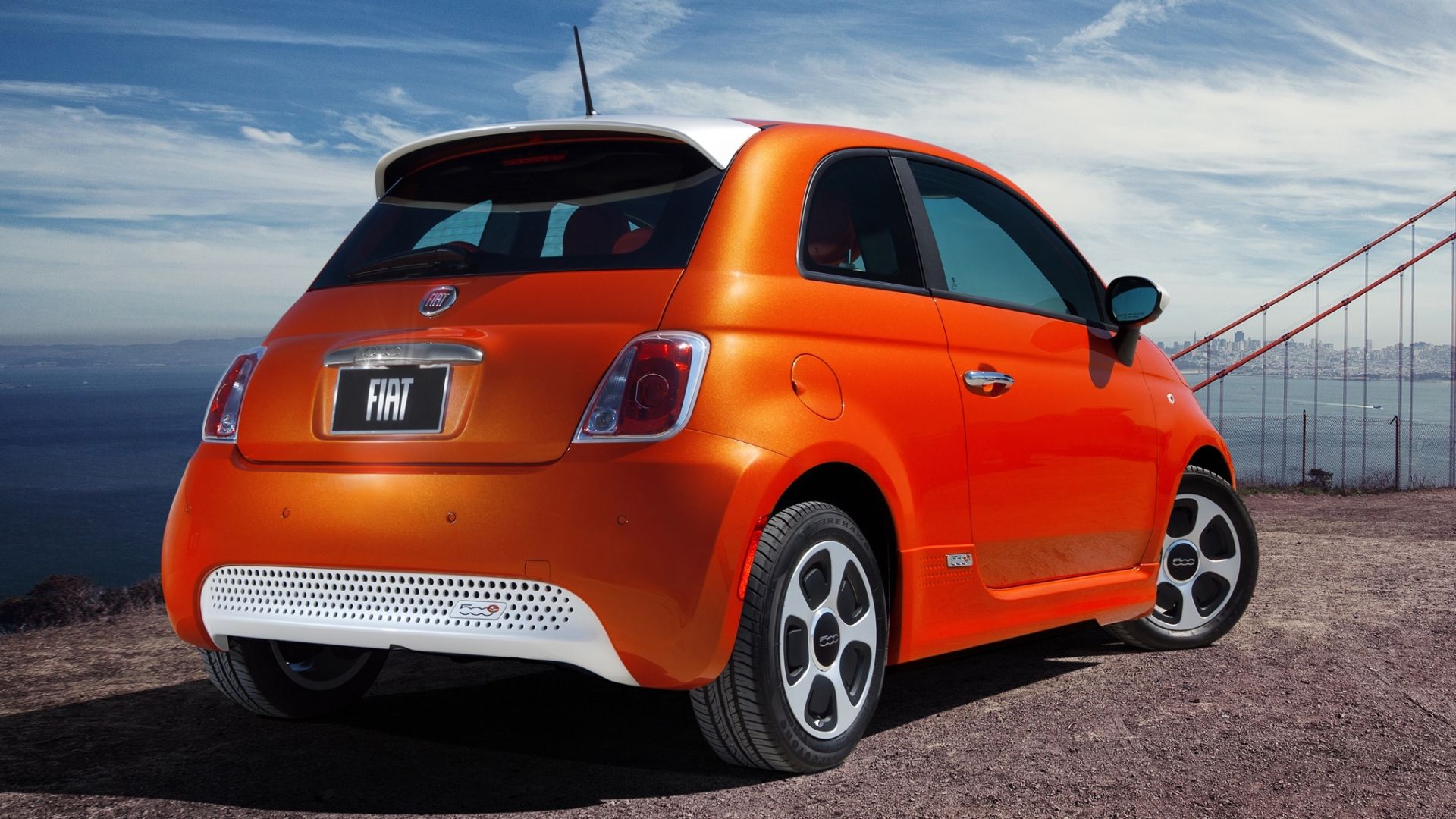
Muammar al-Gaddafi – Fiat 500
Gaddafi, tyrant as he was, did at least have the health and happiness of the planet at heart. He was allegedly a big collector of electric cars and other environmentally-friendly vehicles. He even commissioned Italian coachbuilder Castagna Milano to build a one-off electric Fiat 500. Fiat’s own electric 500 is pictured. Imagine it green, with no doors, and you’re almost there…
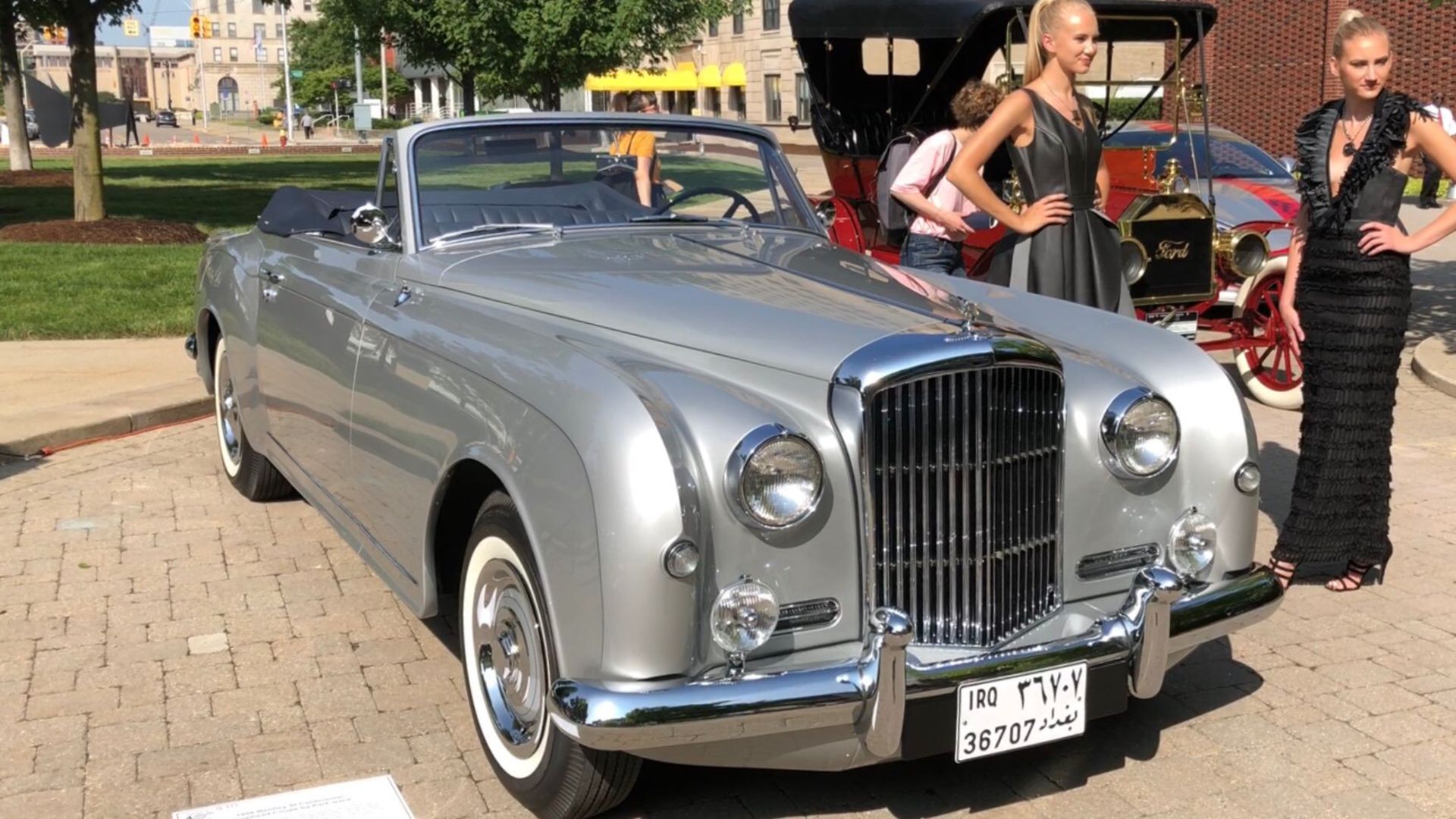
Sadam Hussain – Bentley S1 Continental
Iraqi dictator Saddam Hussain finds less fame than his son Uday for extravagant taste in cars. While Uday collected Ferraris and Porsches, Saddam preferred something more sedate. He confiscated a 1958 Bentley S1 Continental to join his Mercedes-Benz Grosser. Its owner wouldn’t sell it to him, apparently.
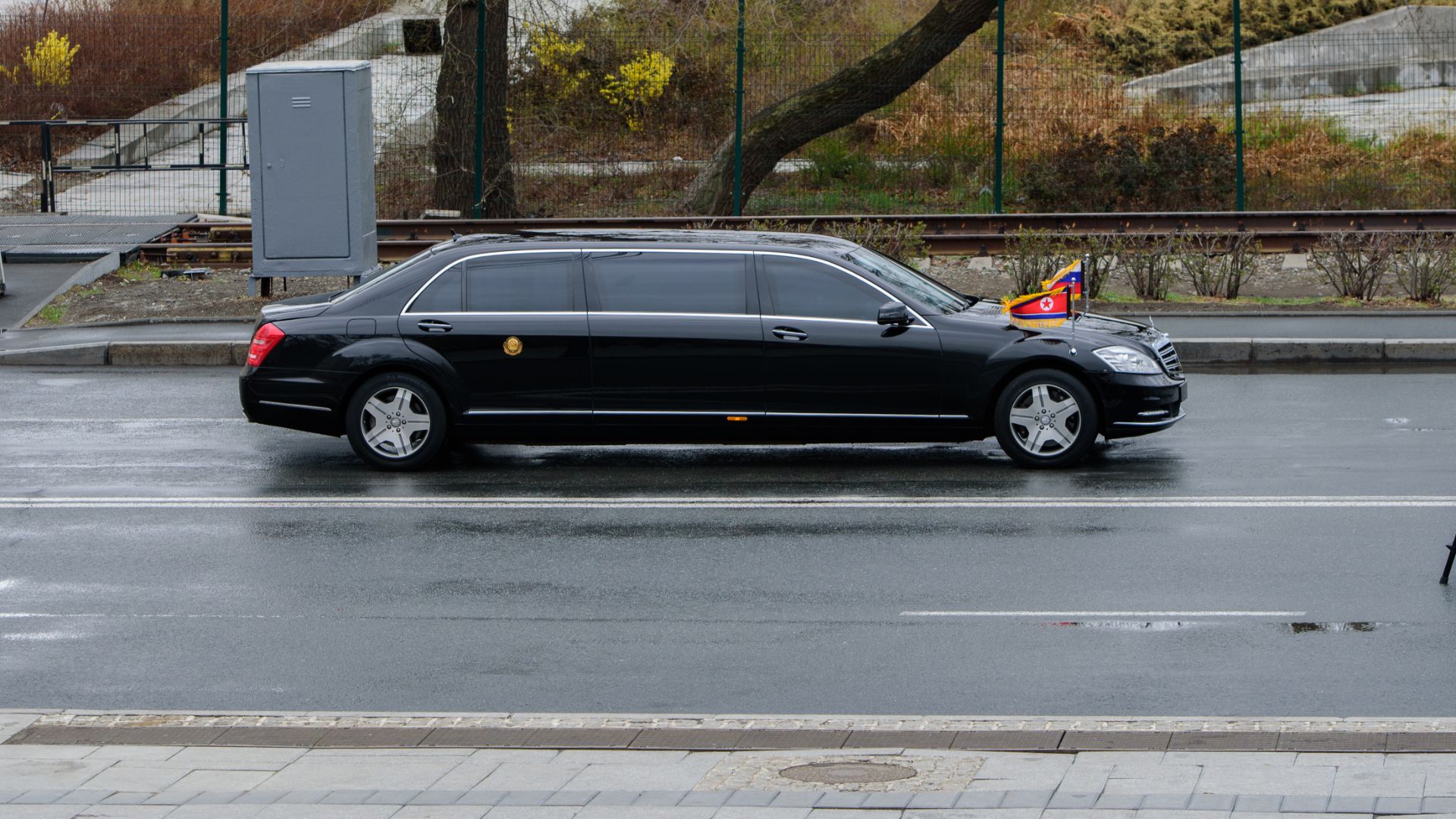
Kim Jong Un – Mercedes-Benz S-Class
While depicted in the 2015 comedy ‘The Dictator’ as a lover of expensive motors, there’s little conclusive evidence of Korean Kim Jong Un’s taste in cars. We expect he’s got a well-stocked garage, but his day-to-day wheels are modern equivalent of a Mercedes Grosser: an S-Class limousine.
A group lawsuit under the Consumer Rights Act of 2015 will be taken on behalf of buyers and businesses who bought a new car between October 2006 and September 2015. Those affected could collectively be owed £150 million due to being overcharged on shipping.
That amounts to around £60 per new car bought or leased. Those affected may include buyers of Ford, Vauxhall, Volkswagen, Peugeot, BMW, Mercedes-Benz, Nissan, Toyota, Citroen and Renault cars and commercial vehicles over that period.
So, who is responsible, and what happened? Reportedly, it was a collaborative effort between a number of companies: MOL, “K” Line, NYK, WWL/EUKOR and CSAV. The firms allegedly coordinated manipulation of shipping rates, including reducing capacity and swapping commercially sensitive information.
The European Commission has already ruled the above companies broke EU competition law, imposing fines of more than £340 million. There have also been investigations by other regulators around the world, including Australia, China, Japan, Korea, Mexico, the USA, Peru, Brazil, South Africa and Chile. Overall, not including the EU’s take, fines have exceeded £590 million.
The claim being brought in the UK’s Competition Action Tribunal is opt-out. That means that those who are owed won’t be lumped with any of the costs, but are automatically included unless they request otherwise. Representing those owed in the UK is Mark McLaren, formerly of Which? (The Consumers’ Association) and currently with the Consumer Panel of the Legal Services Board.
“When UK consumers and businesses purchased or leased a new car, they paid more for the delivery of that car than they should have done, as a result of a long-running cartel by five of the world’s leading maritime shipping companies,” McLaren said.
“I have spent much of my career working in consumer protection and I strongly believe that compensation should be paid when consumers are harmed by such deliberate, unlawful conduct.”
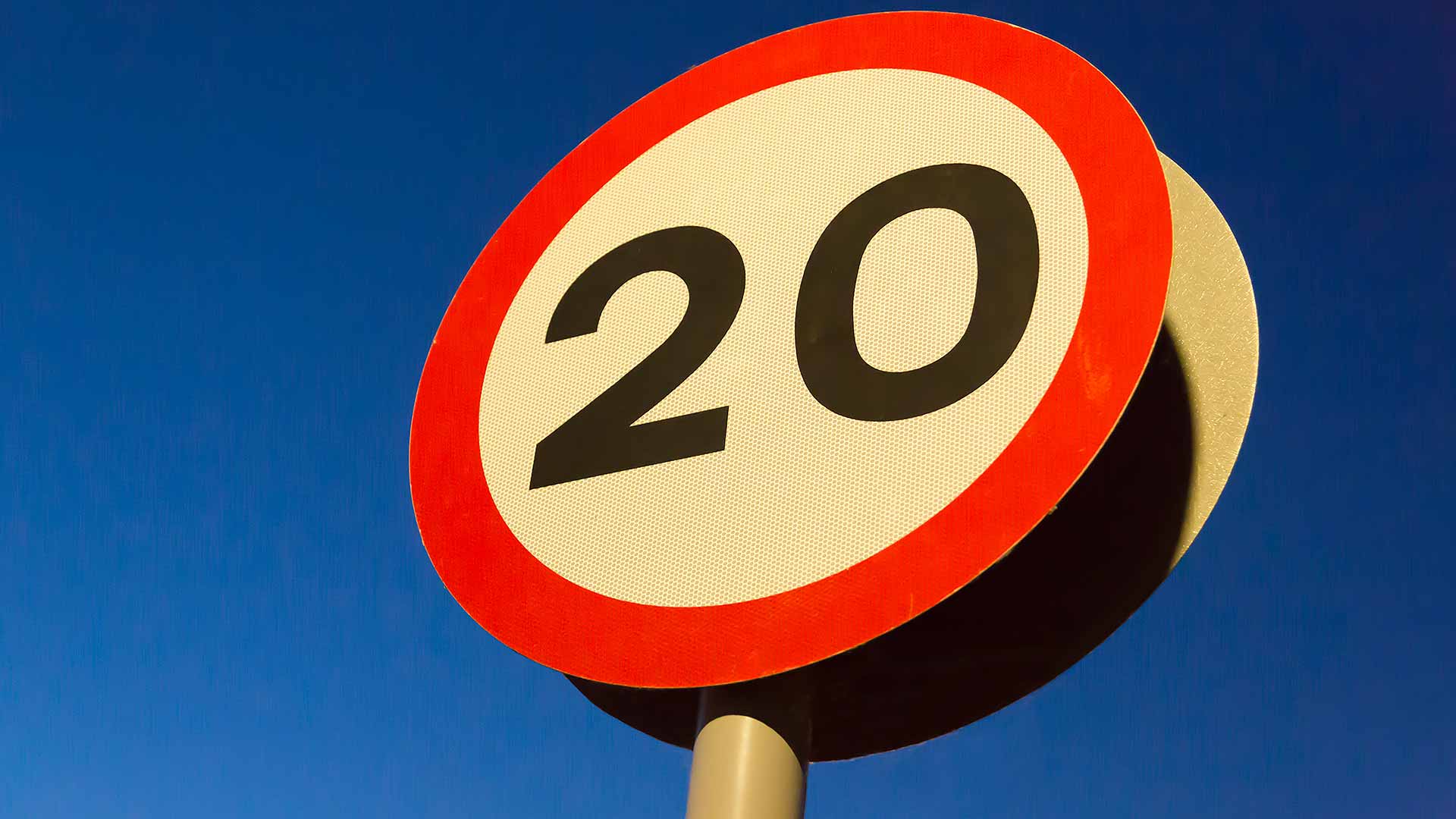
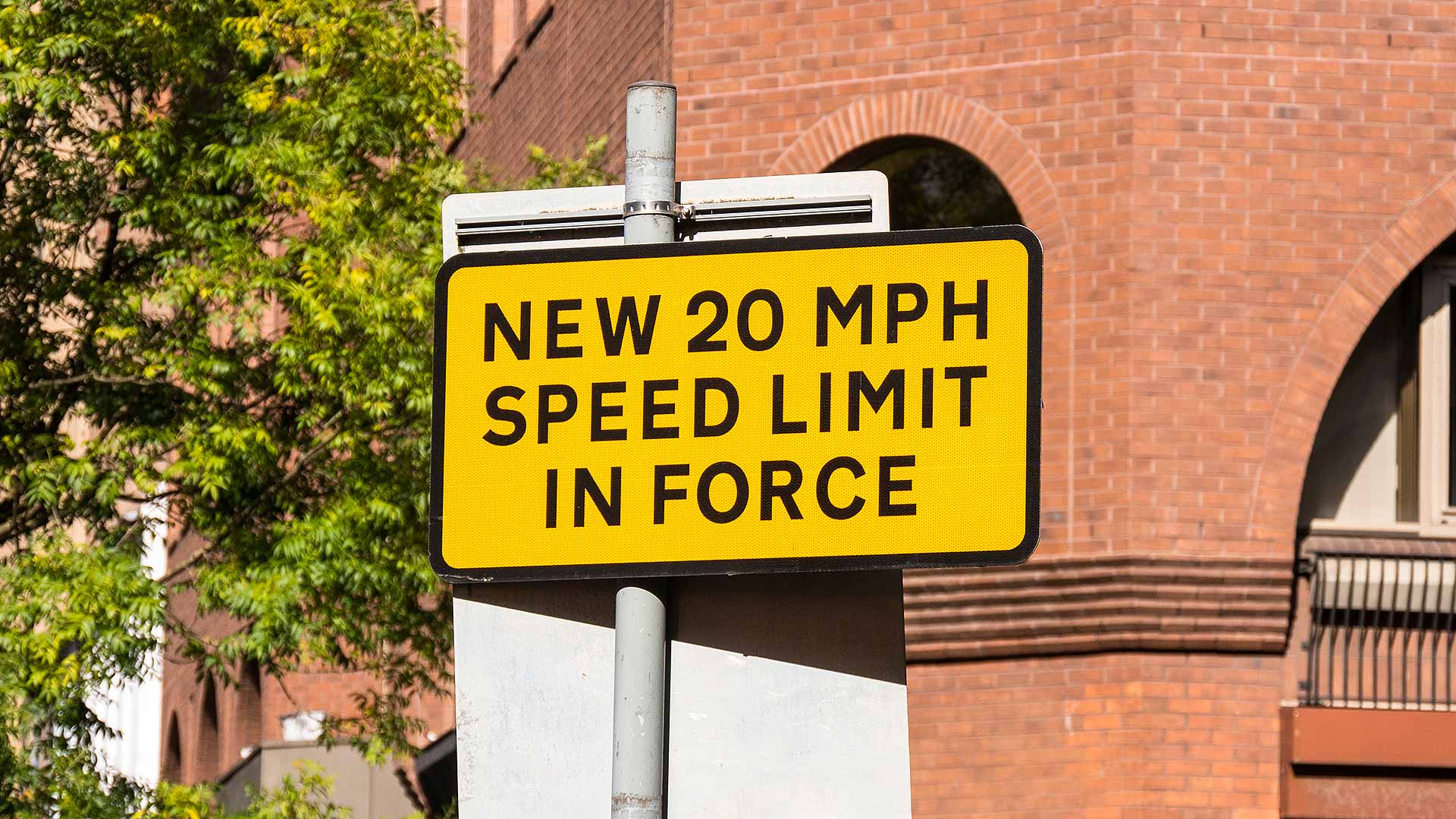
New road signs and street markings will support the 20mph speed limit, and TfL is installing raised pedestrian crossings where large numbers of pedestrians walk.
“By cutting speed limits on TfL’s roads within the Congestion Zone,” said Mayor of London Sadiq Khan, “we are saving lives, while at the same time making our streets more appealing for Londoners to walk and cycle around the capital.”
Transport for London is to promote the new 20mph speed limit with a marketing campaign across radio, print and digital advertising.
The roll-out of the 20mph speed limit on the 8.9km (5.5 miles) of Congestion Zone roads mirrors the lower speed limit already in force on many borough roads in central London.
Part of Druid Street (between Tower Bridge Road and Crucifix Lane)
Crucifix Lane
Part of Bermondsey Street (between Crucifix Lane and Tooley Street)
Part of Queen Elizabeth Street (between Tooley Street and Tower Bridge Road)
Over the next five years, TfL aims to introduce ‘safer speed limits’ on a further 87 miles of its road network.
ALSO SEE: 2021 London ULEZ expansion: drivers are already searching for compliant cars
High-risk sections will be prioritised, along with town centres with a high density of pedestrians, and roads running alongside local speed reduction programmes run by London boroughs.
The aim is to eliminate deaths and serious injuries from the London transport network by 2041, as part of the TfL Vision Zero commitment.
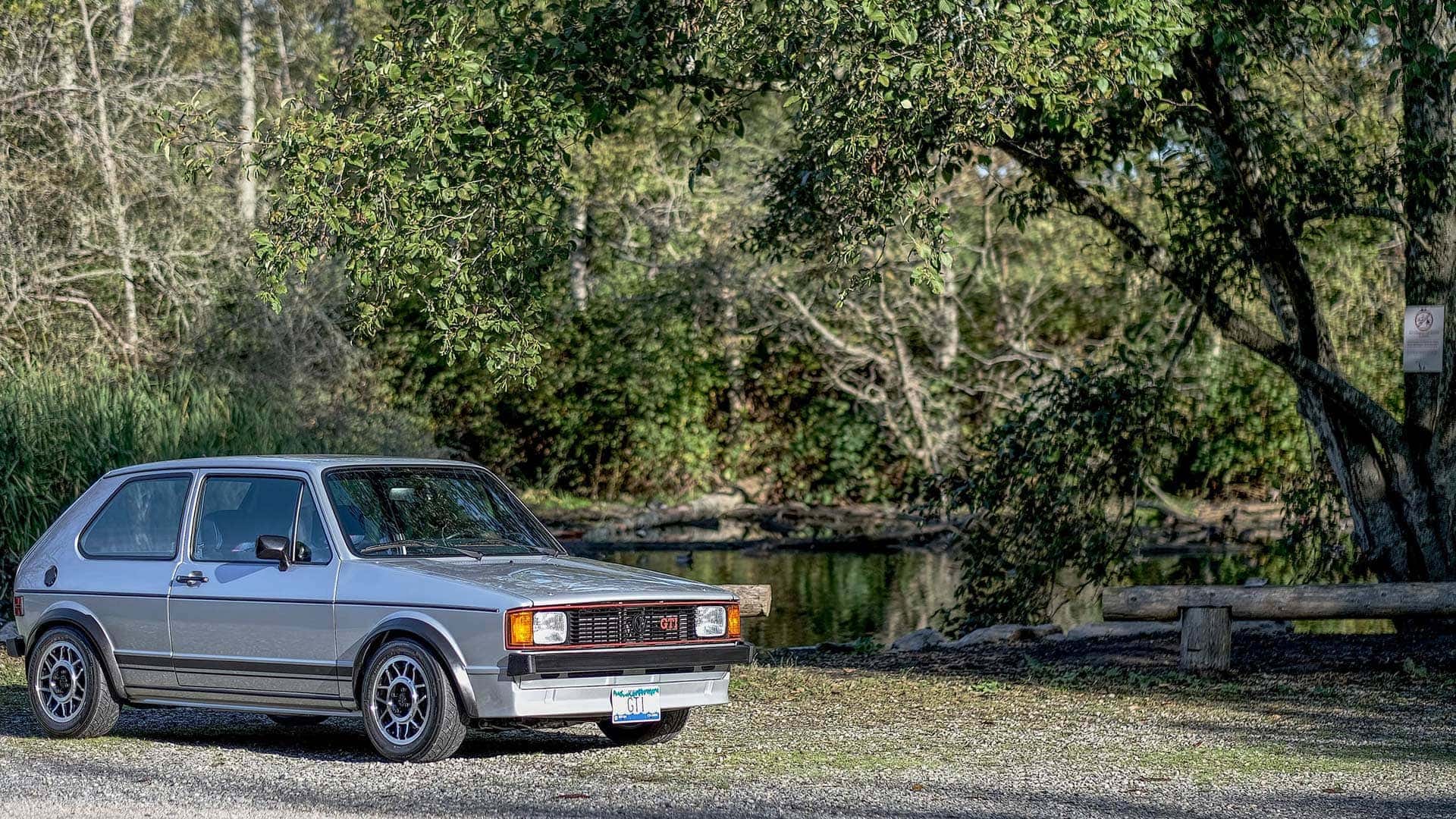
Many car enthusiasts live to seek out the thrills they had behind the wheel of a car when younger.
However, Canadian Derek Spratt took things several steps further in the pursuit of the Volkswagen hot hatch from his youth.
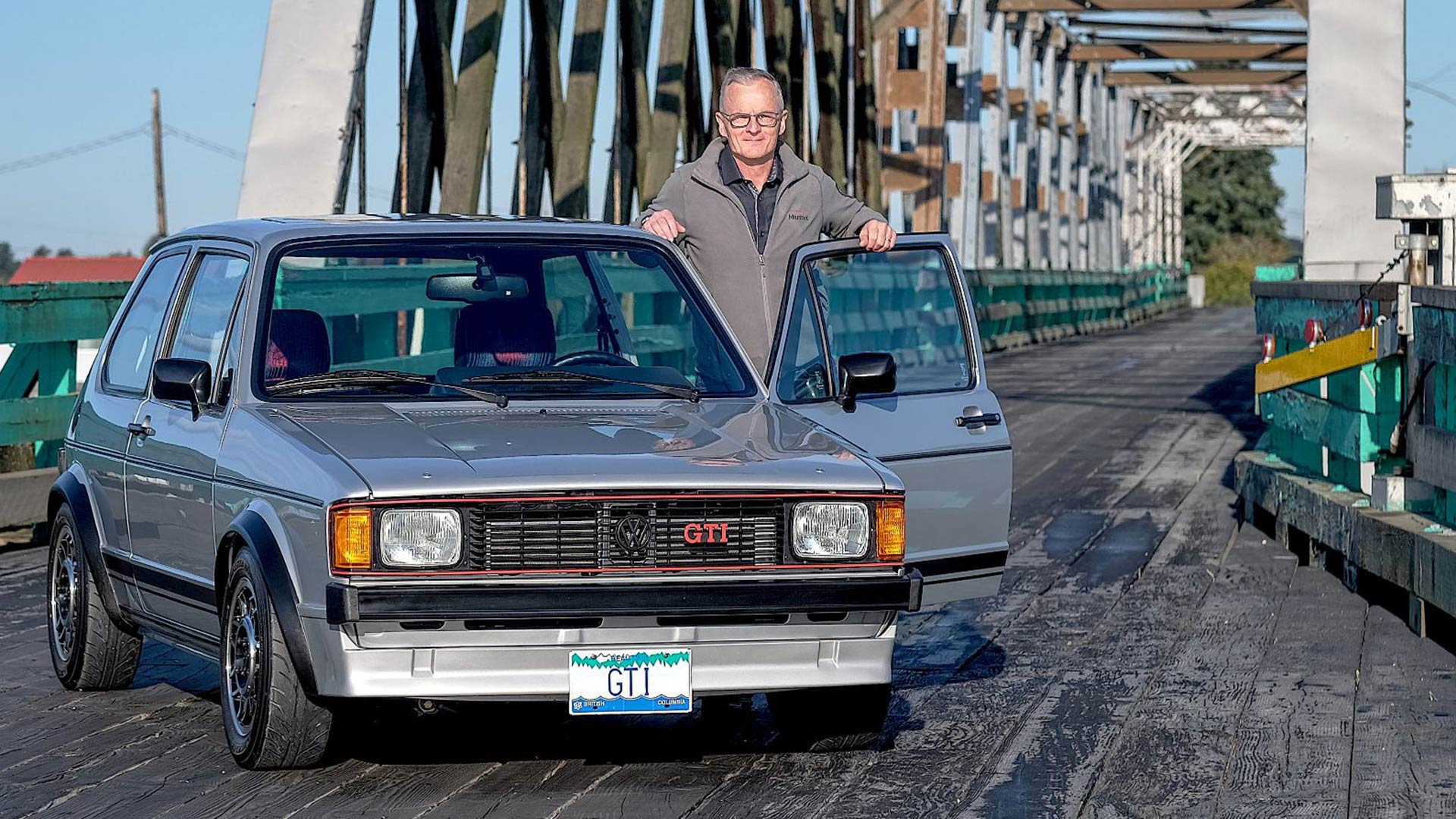
After thousands of hours in effort, and big sums of money, Derek believes he managed to create the ultimate Volkswagen GTI.
Living the dream
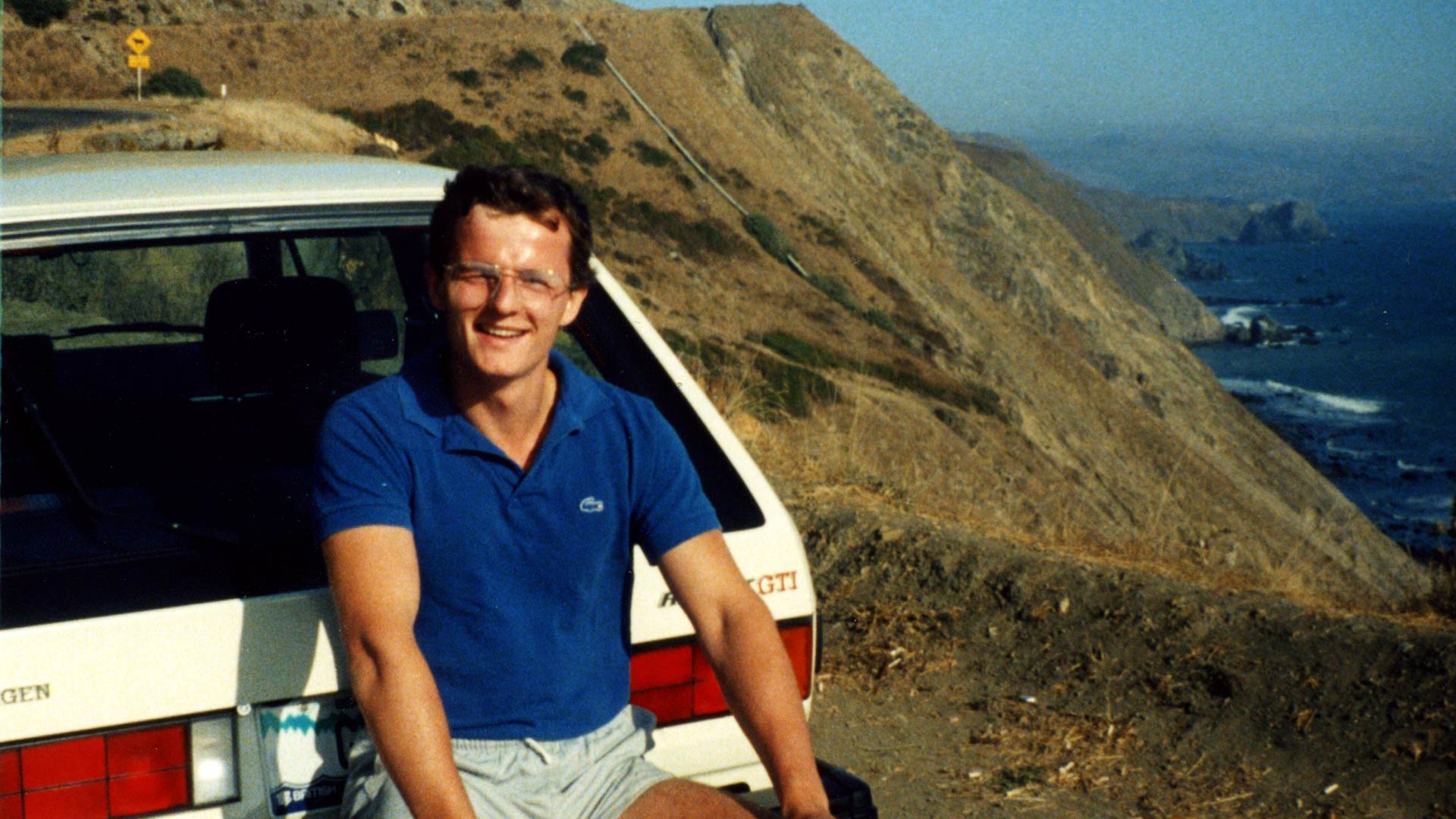
Derek’s story began in the early 1980s, as a 21-year-old college student in Ontario. Canadians had been able to buy GTI-branded Volkswagens since 1979, but these were low-powered versions with the same drivetrain as normal Rabbits.
However, Spratt was one of the first to buy a North American Rabbit GTI, fitted with a 90 horsepower 1.8-liter engine. Although still down on power compared to European models, it at least gave the compact GTI some extra performance.
The car would allow Derek and his wife, Cheryl, to create some amazing memories touring North America. One notable trip saw the Spratts take the GTI on a road trip from Vancouver to San Francisco, following Highway 1.
Creating the ultimate GTI
Derek would eventually sell the GTI, but turning 50 made him want to find another one. Incredibly, Derek was able to find a GTI with the same build date as his original, giving him a great base to work on.
Rather than just reliving his youth, Derek wanted the car to “feel and drive like an original Mk1 but with modern capabilities.” He wanted it to “show that you can take an old car to the point where it operates like a supercar—without taking away the fun factor.”
Derek’s project would see him spend more than $140,000, with the it taking more than 12,000 hours. A 220 horsepower naturally aspirated engine, touchscreen digital dashboard, and heated seats were just some of the special features fitted.
Sharing the passion
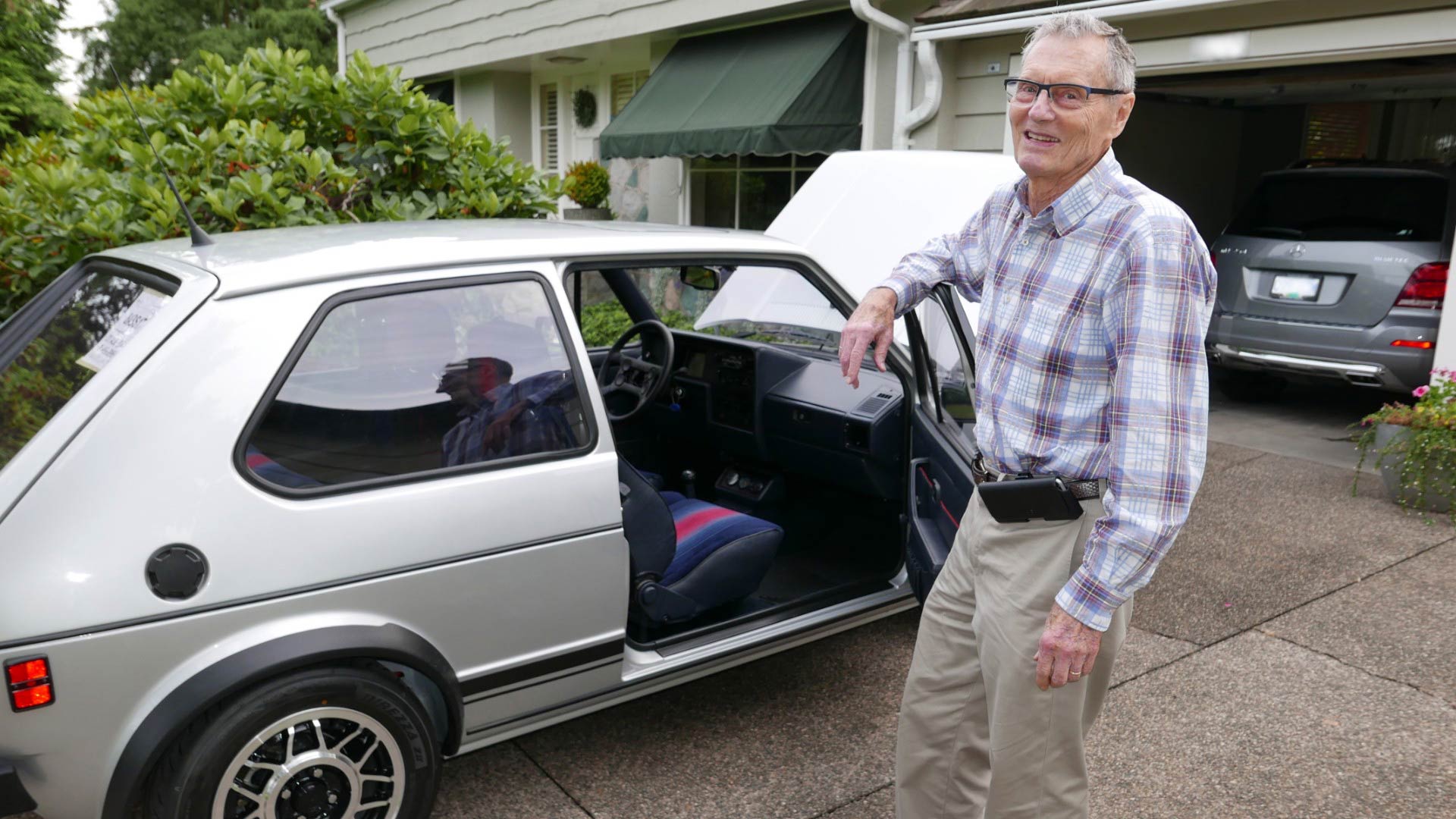
After documenting the build in a series of online videos, the GTI was finally completed in 2018. Derek took his 85-year-old father for the first drive in the finished ride. He also recreated his journey from 34 years earlier, cruising Highway 1 with his eldest son.
Attendances at car shows and track days brought Derek’s GTI to a wide audience of fans. Enthusiasts from across the globe had helped source parts and offer encouragement during the construction of the car.
Then, after years of work and huge expense, Derek decided to give back to the Volkswagen community. He sold the finished GTI to a young couple from Vancouver for a fraction of the build cost, allowing them to enjoy the thrills he had decades earlier.
According to Derek, it was important “to sell it to someone who would allow me to stay connected to the car”, as the couple will still allow him to take it out for a drive.
Derek is now working on converting a 1961 Volkswagen to run on electric power.
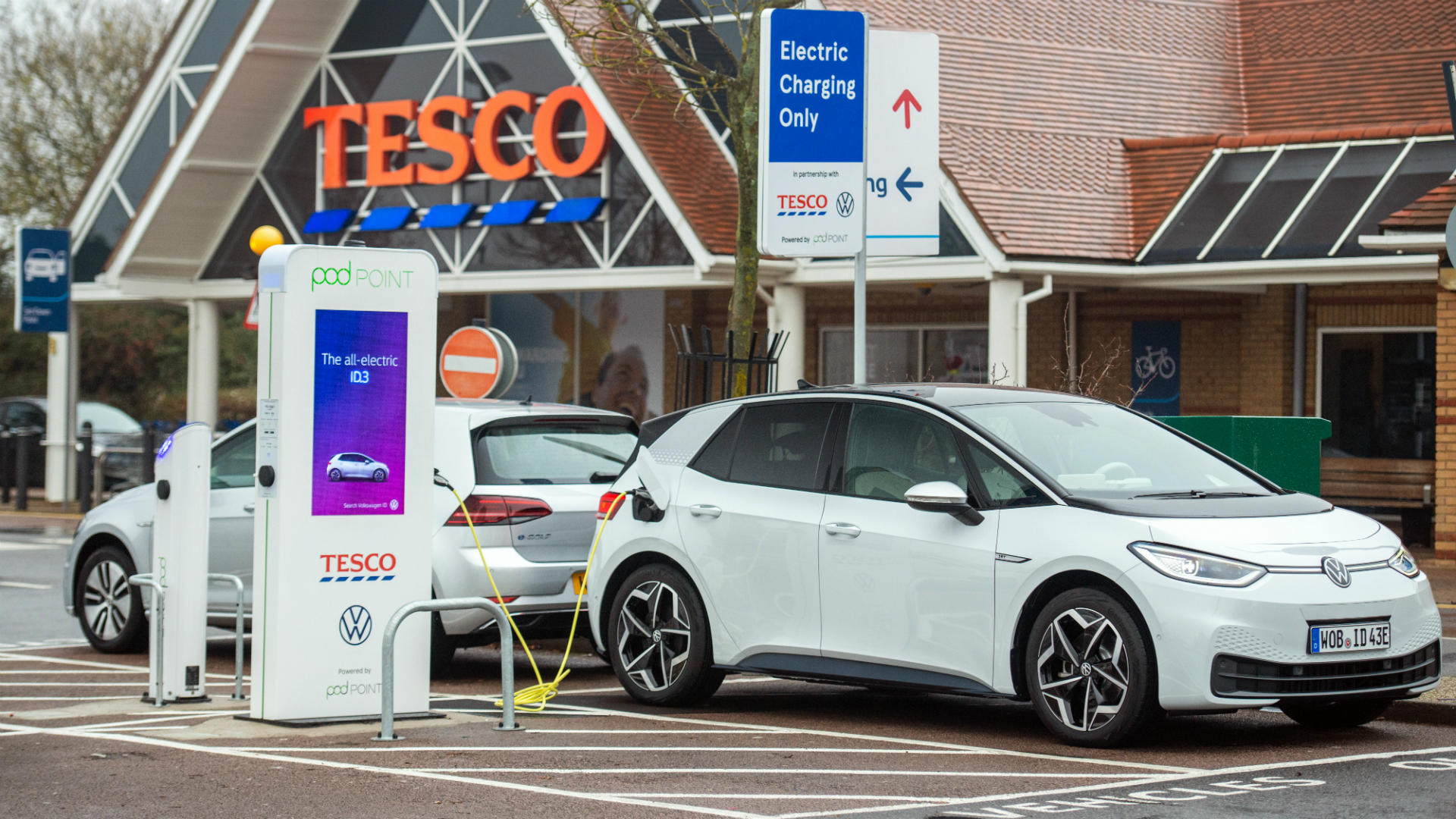
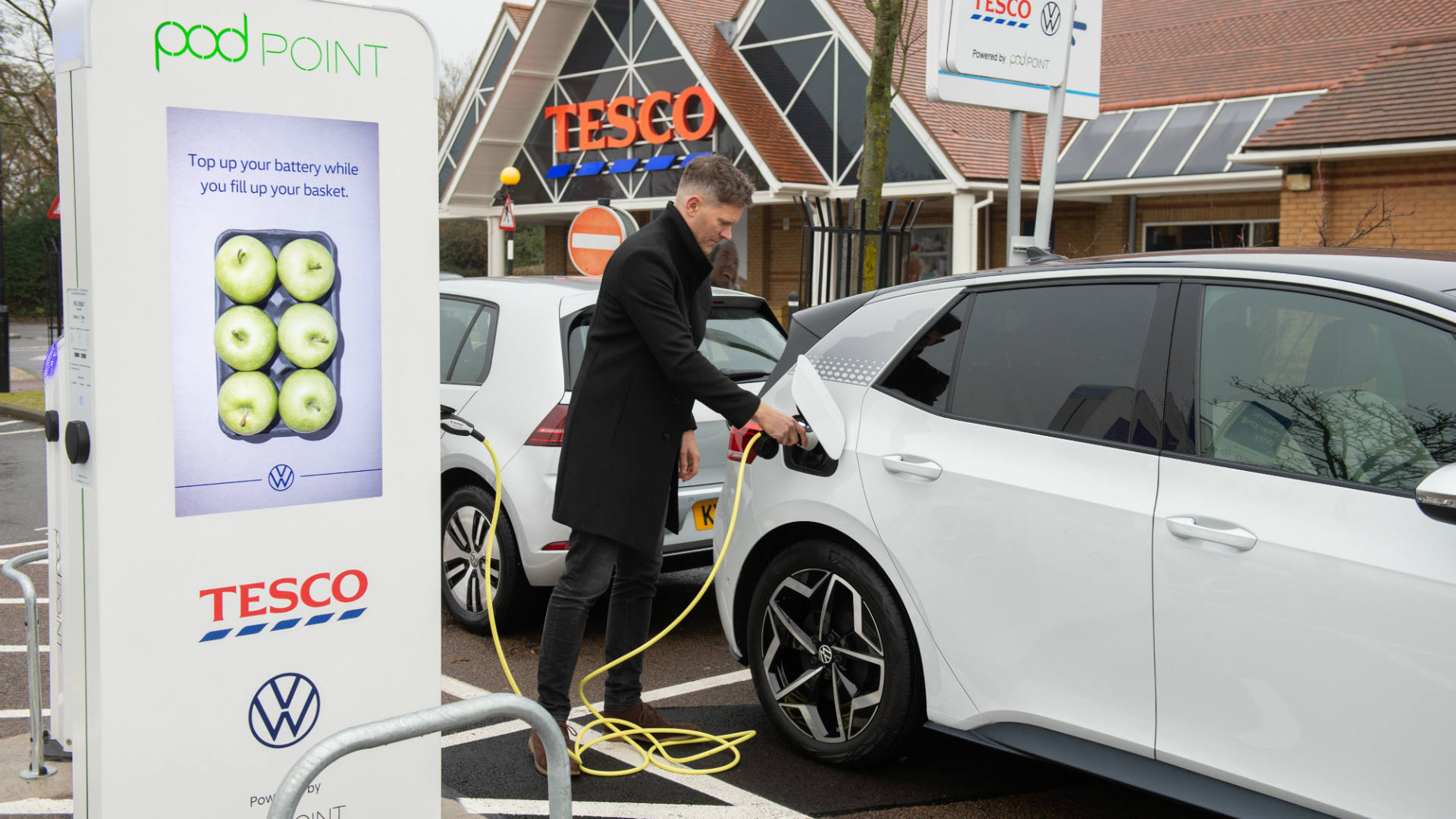
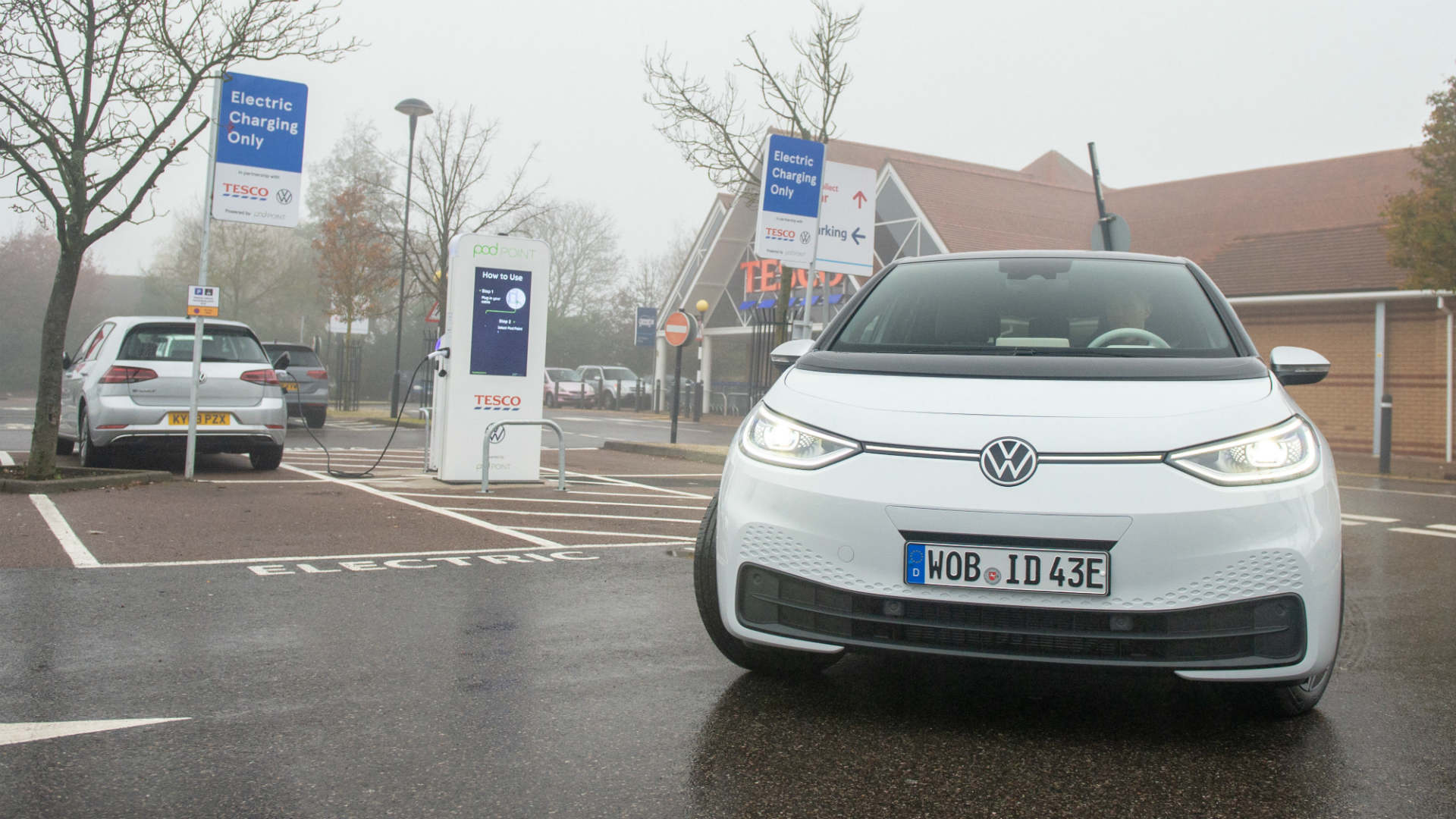
An impressive 6.5 percent of all UK public charge points are now located at supermarkets.
This is according to data released by Zap-Map and the RAC.
The figures show there were 1,115 supermarket charging points at the end of December 2019. That’s more than double the number at the end of October 2017 (542 charge points).
In total, there are 608 UK supermarkets with charging facilities – around five percent of all supermarkets.
Charging at a supermarket makes sense. Customers spend 45 minutes in store, which is enough time to top up an electric car, especially using a rapid charger.
Supermarket charging table
Supermarket
Charging points (Dec 2019)
1. Tesco
281
2. Asda
228
3. Morrisons
143
4. Co-op
88
5. Lidl
76
6. Aldi
72
7. Sainsbury’s
27
This table shows only half the story, because while Tesco has added 258 charging points since October 2017, Asda has installed just eight. This puts Asda on the back foot, especially considering Morrisons has added 83, Co-op 68, Lidl 48 and Aldi 40.
As for rapid charging points, Morrisons has 84, which accounts for 59 percent of its total number. Conversely, Asda and Tesco have just one and two rapid chargers respectively.
‘Graze energy while doing an everyday task’
Melanie Shufflebotham, co-founder of Zap-Map, said: “It is very encouraging to see supermarkets increasingly embracing electric vehicle charging at their stores with a dramatic shift in the number of chargers being installed over the course of the last two years.
“Our research shows that while the majority of charging is done at home, most EV drivers use the public network more than once a month. While a robust rapid infrastructure across the country is essential for longer journeys, having charge points in supermarkets provides EV drivers an excellent way to ‘graze‘ energy while doing an everyday task.
“With 89 percent of EV drivers taking the availability of charge points into account when selecting their parking, providing charging can be a real differentiator locally in the competitive supermarket sector. This seems to be recognised by some supermarkets, notably Tesco and Sainsbury’s, providing EV charging for free.”
Supermarkets dominate fuel retailing
RAC spokesman Simon Williams added: “It is extremely positive to see the supermarkets making it easy for drivers to go electric. Having more chargers that are readily available will help to speed up the transition from petrol and diesel cars to electric ones.
“We have always said that it makes sense for people to be able to charge at supermarkets because anyone doing a full shop will inevitably spend 45 minutes in store. The UK’s big four supermarkets currently dominate fuel retailing, so it will be very interesting to see if a similar battle will develop in EV charging.
“At the moment the emphasis seems to be very much on installing any form of charge point. It is our belief that as the EV market matures there will be less need for slower chargers and a greater need for higher-power ones.
“The introduction of more rapid chargers at supermarkets may even stimulate take-up now as it would make EVs viable for those who cannot charge at home because of where they live.
“Very positively, new car sales figures reveal that three times as many BEVs were registered in January 2020 as were in January 2019.”
A ban on the sales of new petrol and diesel cars could be brought forward to 2035. The government has launched a consultation on the plans, which will remain open until the end of May 2020.
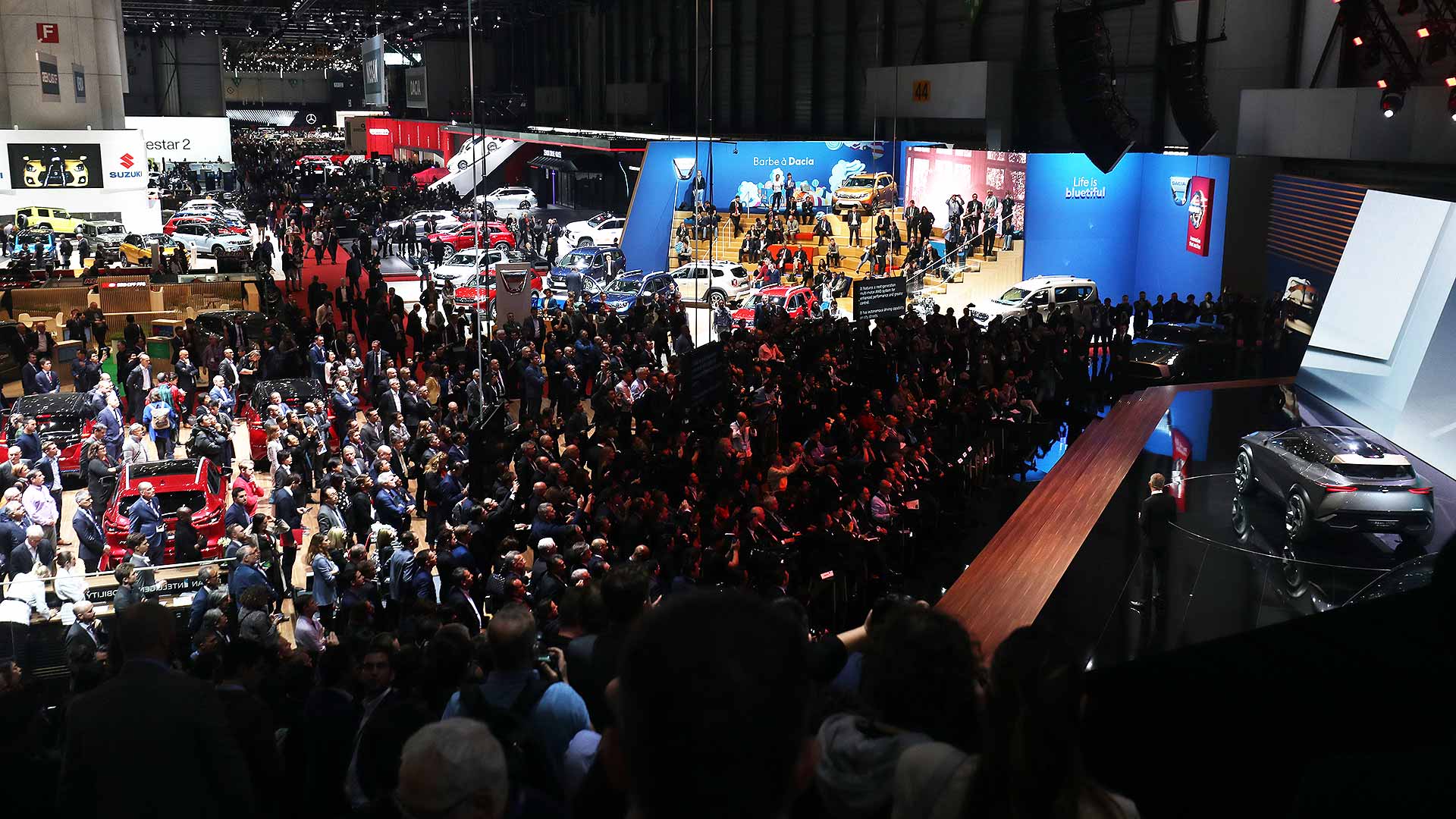
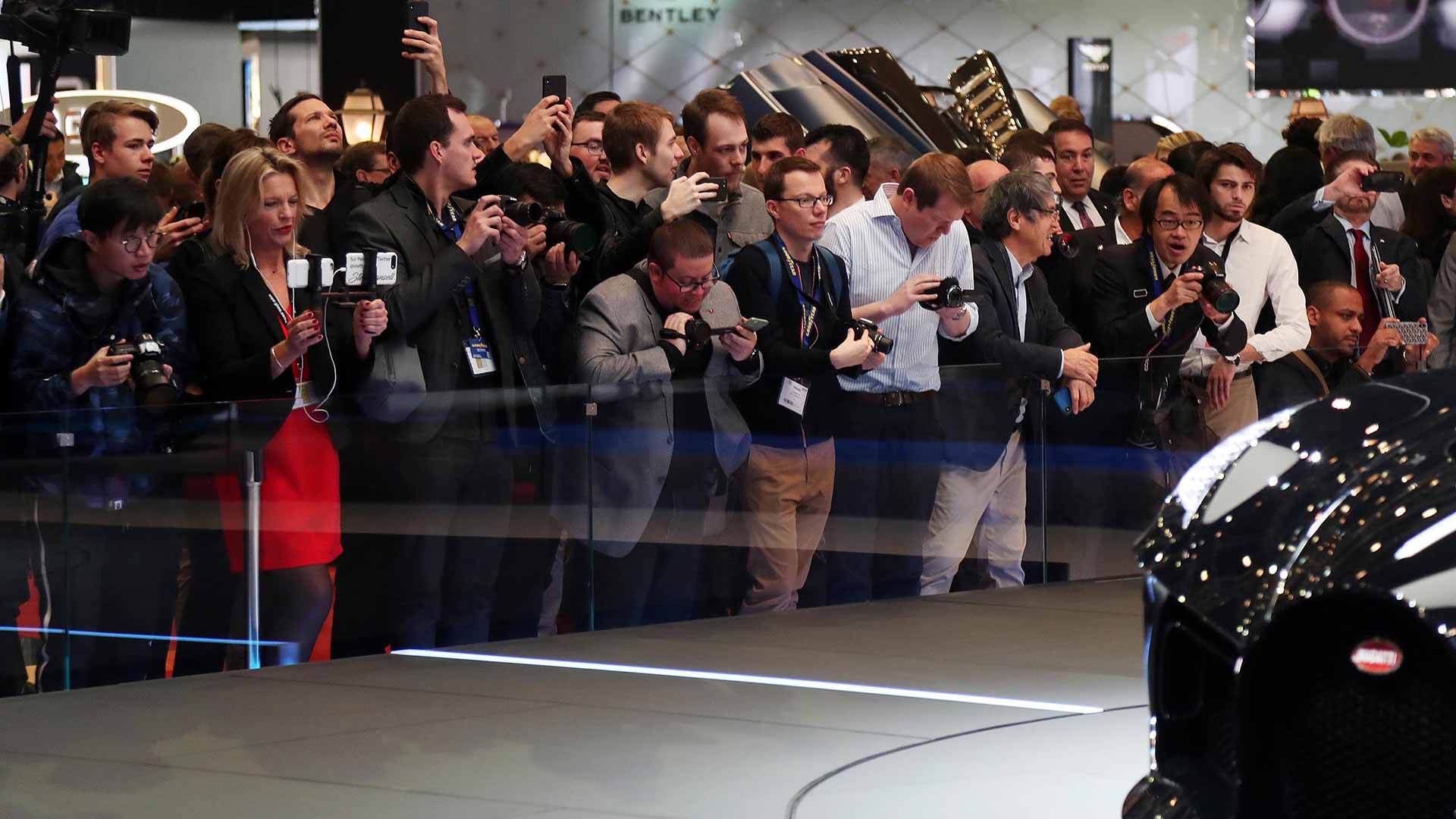
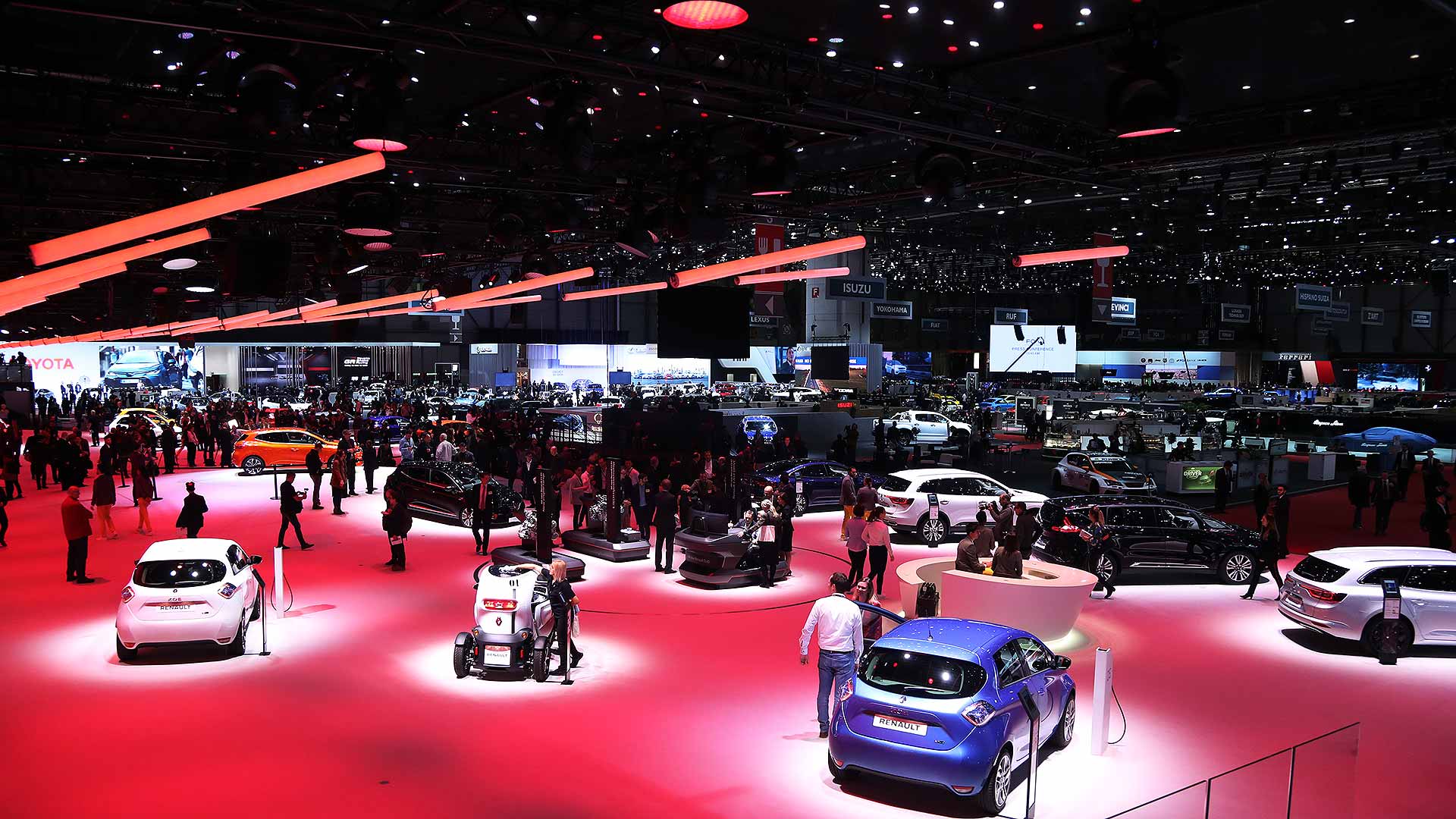
The ban is effective until “at least 15 March”, effectively making hosting the annual Geneva Motor Show impossible.
Organisers have also clarified that it is a true cancellation, rather than a postponement. “The show cannot be postponed,” they said during an emergency press conference. “It’s too big. In September, October? It’s not feasible.”
In a statement, Geneva Motor Show officials insisted they “regret this decision, but the health of all participants is our and our exhibitors’ top priority”.
Refunds of tickets for show visitors will now take place in the coming days.
Earlier decision reversed
Earlier this week, the organisers of the show had confirmed that the show would go ahead as planned, between the 5th and 15th of March 2020.
A review followed concerns over the spread of coronavirus, as the first case has been confirmed in Switzerland.
This followed the official Geneva 2020 press conference last week, held as construction of the stands was almost complete.
A week ago, say officials, there was “nothing to suggest that such a measure [cancellation] was necessary.
“The situation changed with the appearance of the first confirmed coronavirus diseases in Switzerland and the injunction of the Federal Council on 28 February.
“The event is cancelled due to this decision.”
For context, the International Exhibition of Inventions, also planned for the Palexpo facility in Geneva, has already been cancelled. It was due to take place on March 25.
Many brands had already cancelled their show attendance.
Chinese mobility company Aiways said it would not be debuting its U6ion electric crossover concept at the show as previously planned. The model will be revealed to the media at Geneva ‘via alternative means’.
CEOs from Ferrari and Brembo will not attend, although the marques themselves should be present. Brembo CEO Daniele Schillaci has elected to stay away, given the escalating severity of the disease in Italy. “We believe that protecting people’s health is a priority in the current fast-changing environment,” a spokesman said. So far, there have been 374 confirmed cases in Italy.
Ferrari’s CEO Louis Camilleri is said to not be going due to the fact that Ferrari isn’t expected to have any debuts at the show, and therefore his presence isn’t warranted. Its three chiefs of marketing, design and technology will, however, be going.
Harman, an automotive technology supplier, has pulled out of exhibiting in response to the disease, to protect the safety and wellbeing of its employees.
Some attendees and exhibitors could simply be deterred from attending because of the furore around the virus. The risk of quarantine and being detained is very real, alongside the risk of contracting the disease.
While the show is to go ahead, some strict advice has been given out to those planning to attend. Those who have showed symptoms within 14 days of the date they plan to go have been asked to stay at home.
Show managing director Olivier Rihs has confirmed that the decision to close the show could be taken at any point up to, and during, its opening.
“The advice from the authorities here in Geneva is that the show can continue – and they are the only ones who can say yes or no to the show going ahead,” he said.
‘Caught on the horns of a dilemma’
Commenting on the ongoing situation, automotive editor at GlobalData, David Leggett, said that “The organisers of the Geneva International Motor Show are caught on the horns of a dilemma. Issuing health advice for exhibitors and attendees is undoubtedly the responsible thing to do, but it draws attention to the rising level of risk as the crisis spreads in Europe.
“The public health crisis caused by the COVID-19 outbreak has hit home this week with whole towns quarantined in northern Italy and the first case confirmed in Switzerland.
“This public health crisis is fast-moving and the authorities in Switzerland could yet decide that the risks are too great in allowing such a large show, with many international exhibitors and attendees, to take place.”
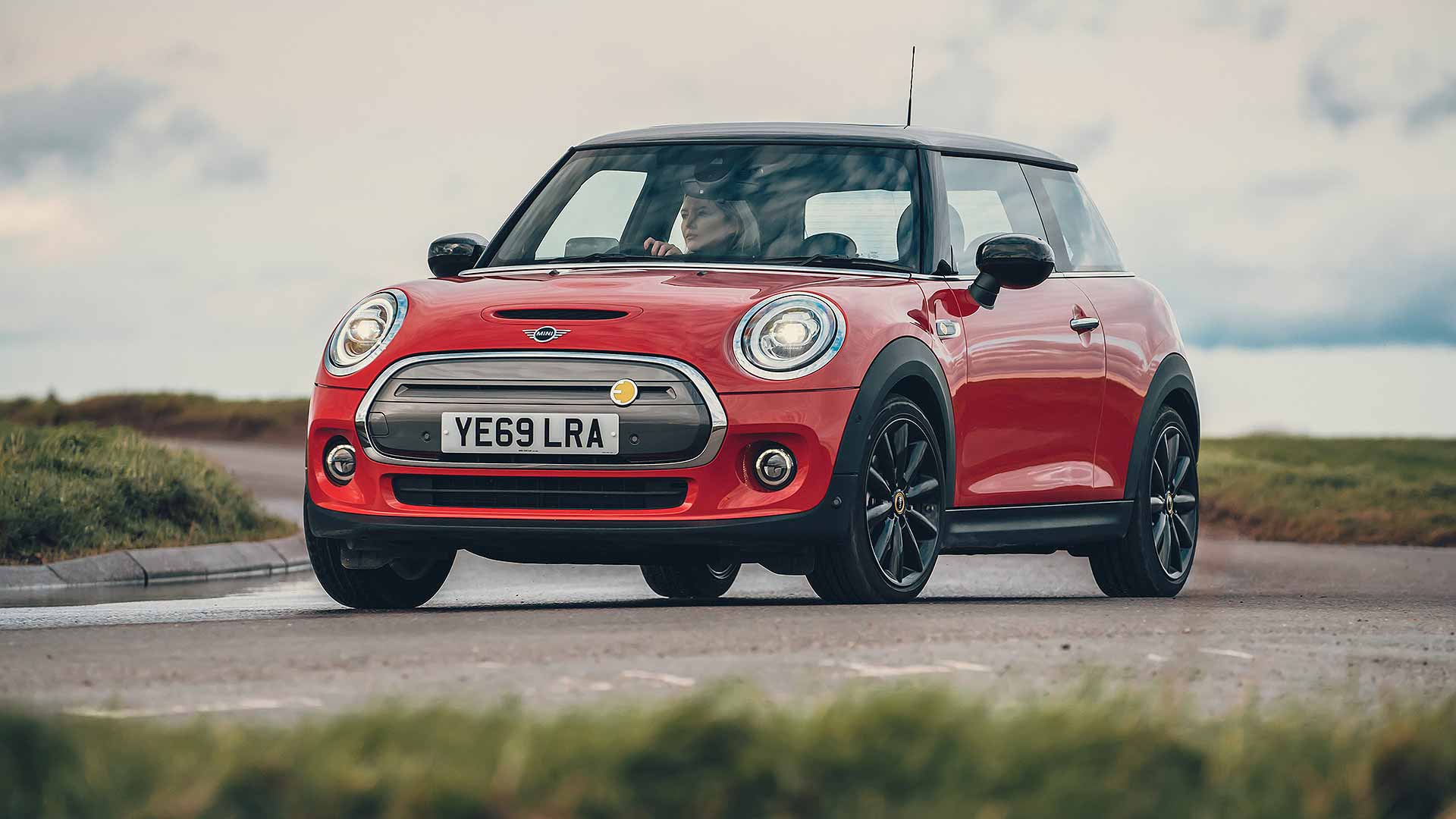
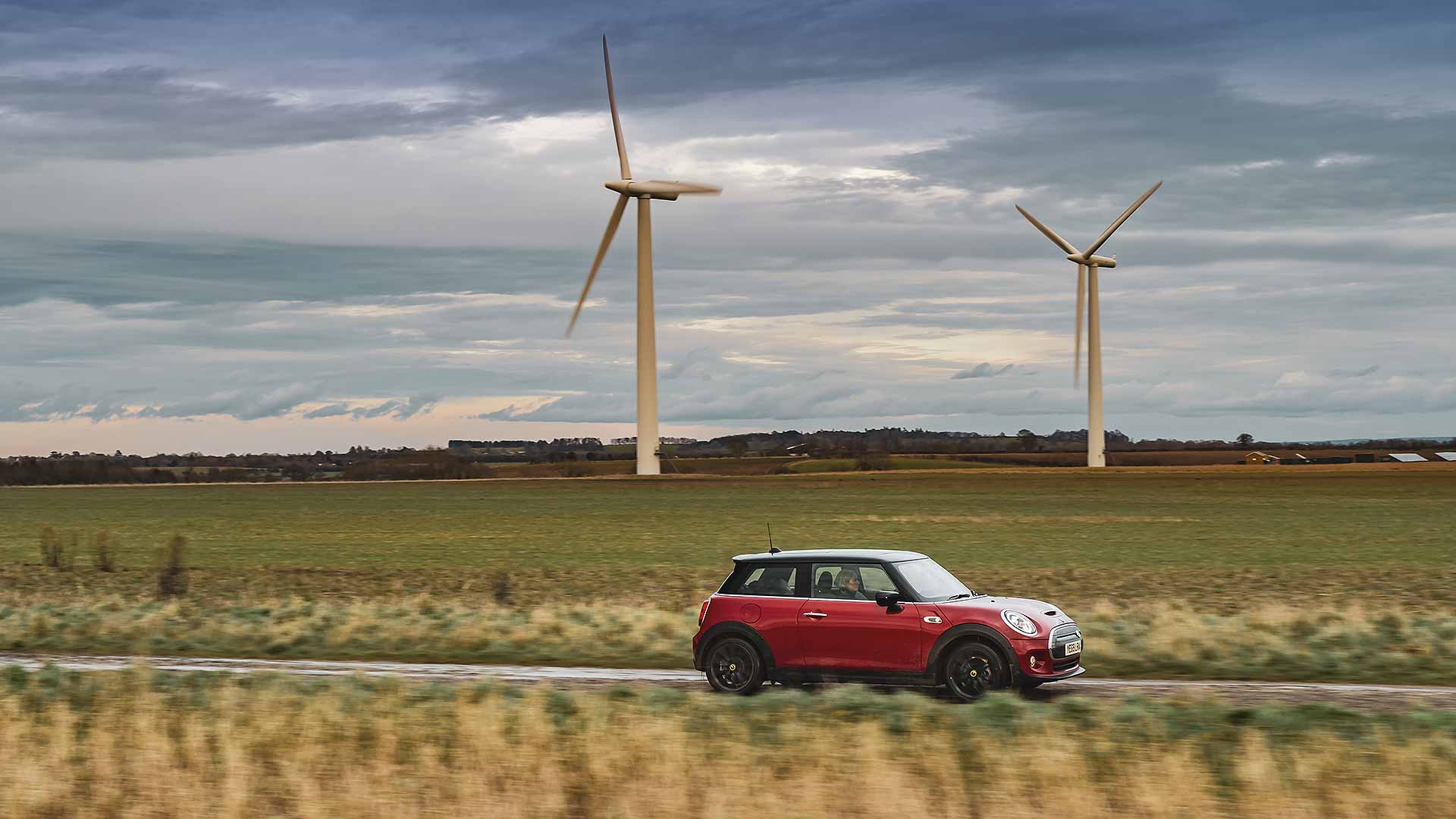
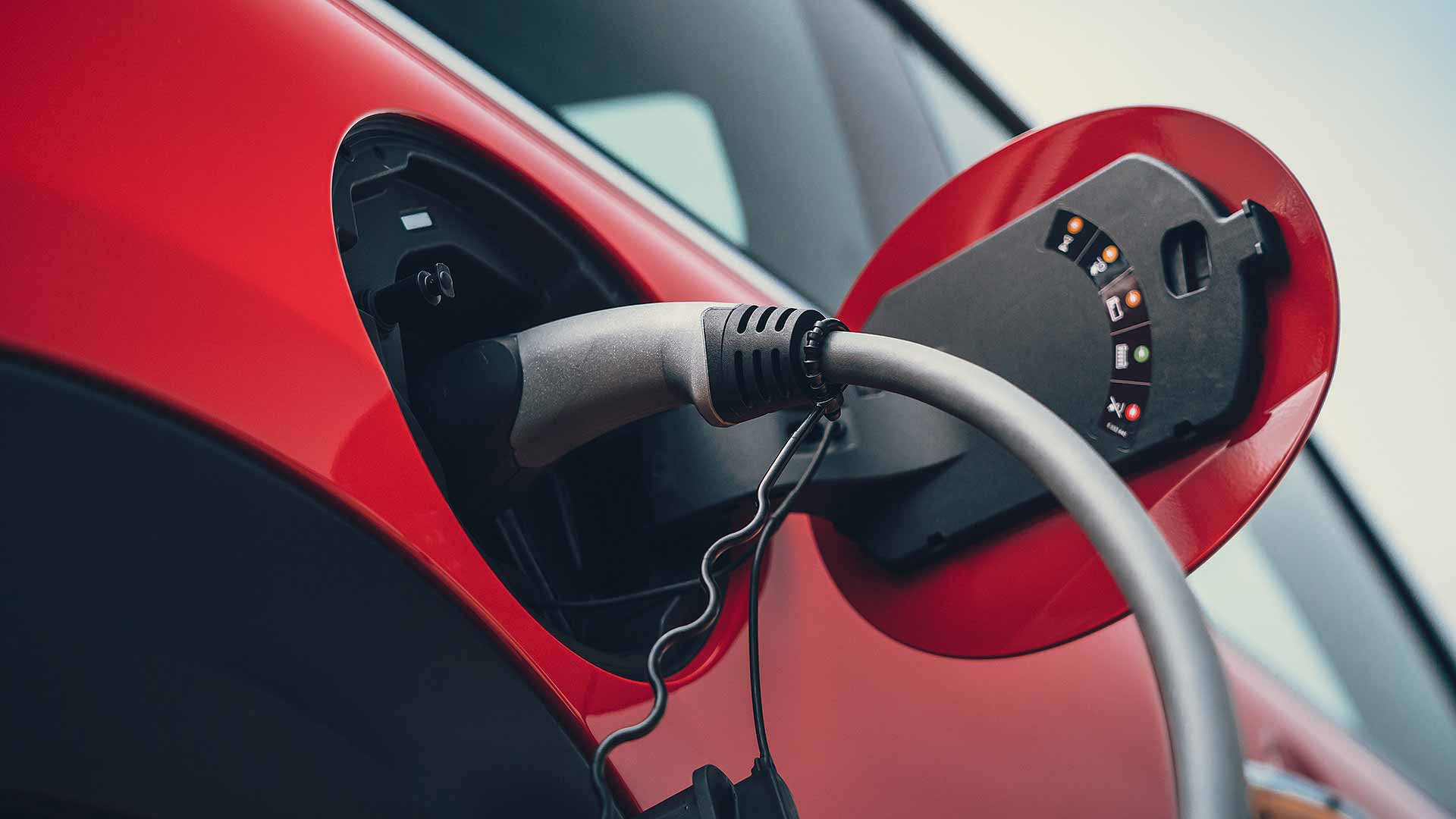
Mini is partnering with green electricity supplier Ovo Energy to offer 5,000 miles of free power to its customers.
The bundle is available for Mini Electric buyers who switch to the Ovo Energy ‘EV Everywhere’ package.
The tariff uses 100 percent renewable electricity.
Those ‘free miles’ come via an £11 discount off the owner’s monthly electricity bill for a year.
This adds up to 5,000 free miles for drivers who charge up on the off-peak Economy 7 rate. For those who use the regular single-rate tariff, it’s equal to 3,300 free miles.
The Ovo Energy deal also includes free membership of Polar Plus, BP Chargemaster’s nationwide EV charging network. It’s described as the UK’s largest network, with more than 7,000 public charging points.
“Our Mini Electric customers have already taken a big step in lowering their carbon emissions,” said Mini UK director David George.
“We’re pleased now to recommend this exclusive offer with Ovo Energy, for those drivers who want to reduce their footprint even further.”
Tom Packenham from Ovo Energy said: “Our EV Everywhere bundle helps customers have more control over their total energy usage, with a complete at-home and on-the-go energy solution, enabling zero-carbon driving.”
Renewing your car insurance policy eight days before it expires could save you money. That’s according to data released by a leading price comparison website.
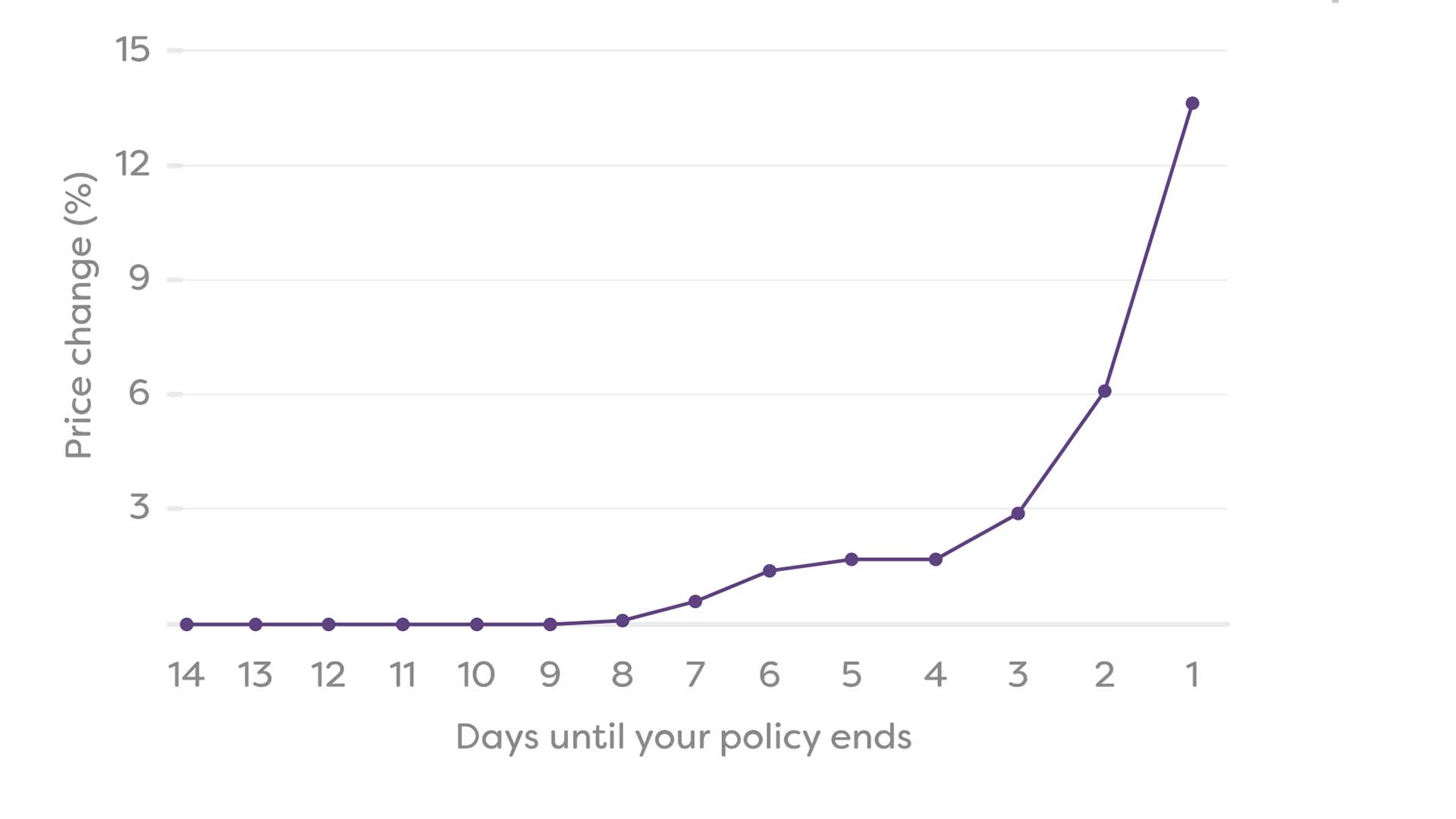
It found that drivers who renewed with eight days to go saw an average saving of £132 (28 percent). This is in comparison to if they had taken the price quoted on the day the policy was due to start.
The data shows that prices start to rise three days before a policy’s expiry. The most expensive policies are those bought on their current policy’s end date.
This graph shows the difference a little forward planning can make.
MoneySuperMarket is keen to point out that there’s no extra benefit to renewing your policy more than eight days ahead of schedule. Any longer than that and the curve is flat.
Being organised is the key. You should receive a renewal notification a month before the policy is up for renewal. Place the renewal documents in a visible location to serve as a reminder to search for some cheaper quotes. Never accept the renewal quote offered by your existing provider.
Figures provided by MoneySuperMarket show that car insurance auto-renewal costs motorists an estimated £565 million every year. Insurers add an average of £40 per year to existing policies. At the very least, give your current provider a call to see if they can reduce the quote.
Finding alternative prices in advance is a good idea. A price comparison website is a good place to start, but it’s worth remembering that some of the best insurance companies aren’t listed on such sites.
‘Shop around’
Rachel Wait, consumer affairs spokesperson at MoneySuperMarket, said: “If there’s one thing to remember when it comes to saving money on your car insurance, it’s making sure you shop around before your policy automatically renews – you could save hundreds of pounds.
“What our data shows is that the time you run your quotation can also have an important bearing on the level of savings you can make. Insurers know that many of us leave buying insurance to the last minute, which is why we see prices increasing closer to the date a policy is due to expire. To avoid higher costs, you should shop around for your new policy at least a week before the old one runs out and lock in the price you are offered at that point – those that do can make substantial savings.”
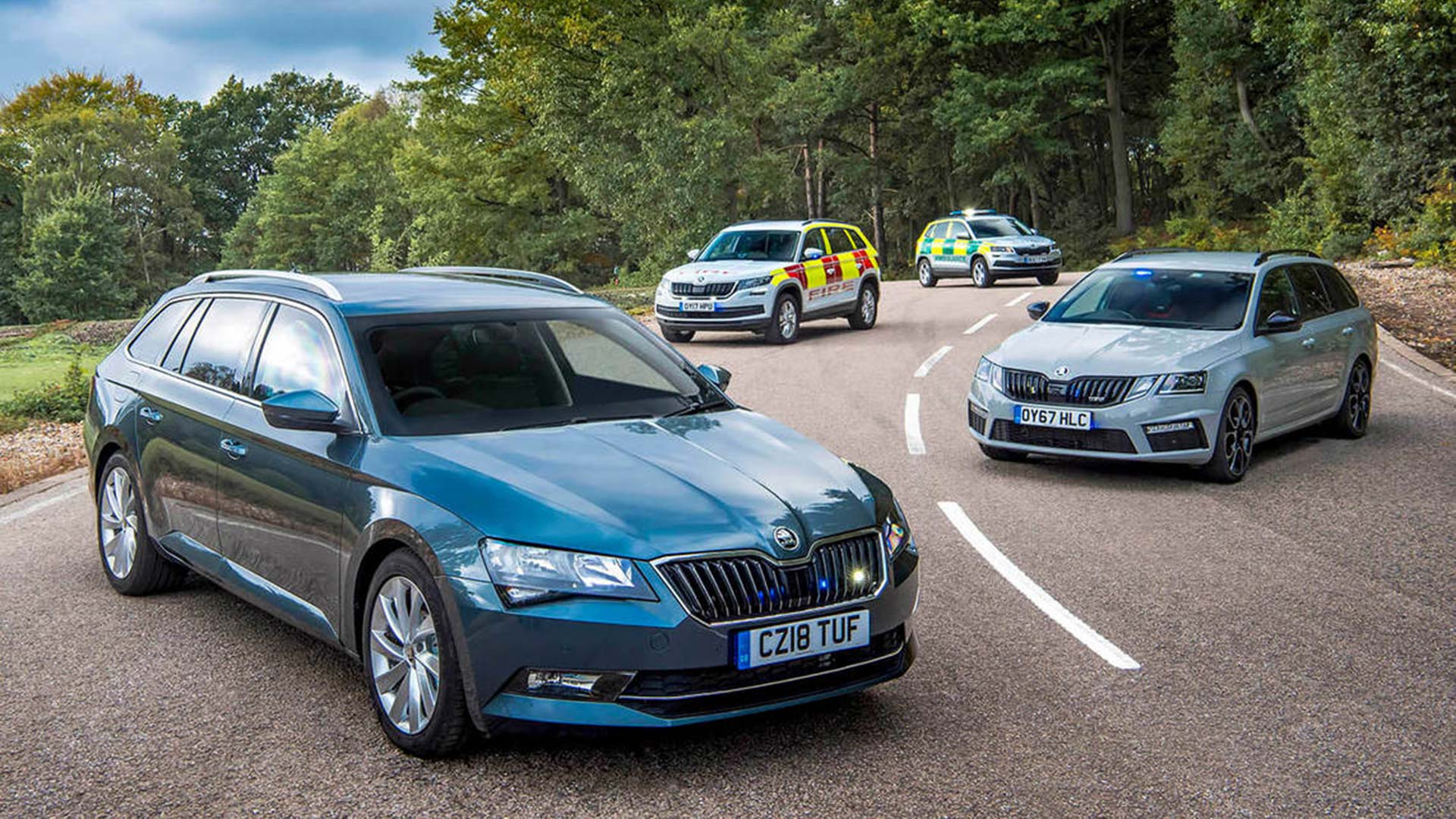
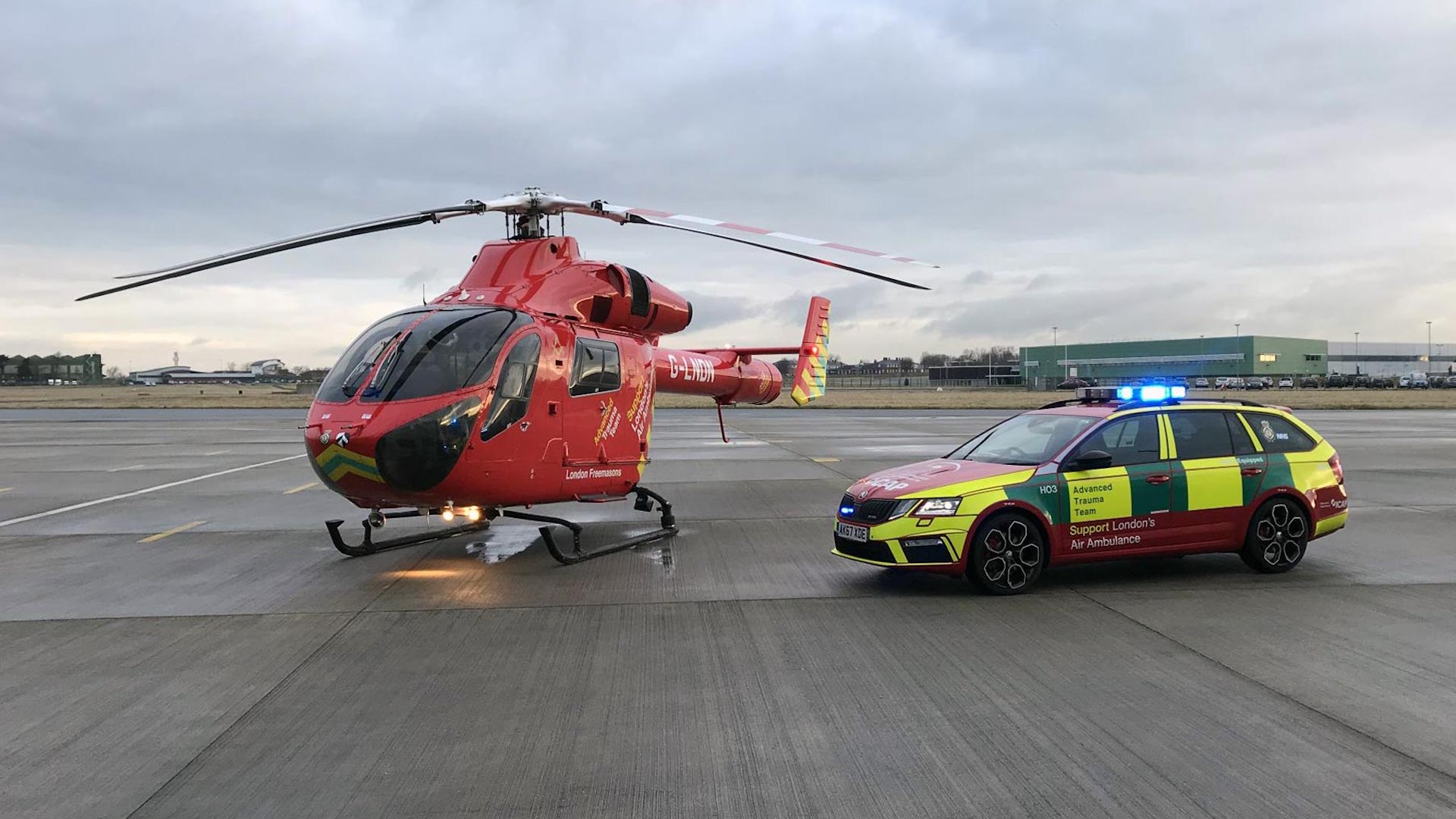
Your chances of being stopped by a Skoda police car, or helped out by a Skoda ambulance, increased substantially in 2019.
UK blue-light fleets bought an impressive 75 percent more Skodas in 2019, when viewed against sales figures for 2018.
A grand total of 792 Skoda vehicles went to help serve with the emergency services last year, compared to 454 the year before.
Octavia is the blue-light best-seller
Skoda’s biggest seller to UK emergency services during 2019 was the outgoing Octavia Estate. Favoured by the police, ambulance and fire services, some 339 examples of the Octavia found new fleet roles in 2019.
Against the 110 examples sold in 2018, this represents a considerable increase of some 208% for the practical wagon.
The forthcoming fourth-generation Skoda Octavia, including a plug-in hybrid vRS, will be launched later this year in the UK. Skoda expects the new model to remain just as desirable to fleet users, following its launch in May.
Scala now available to police fleets
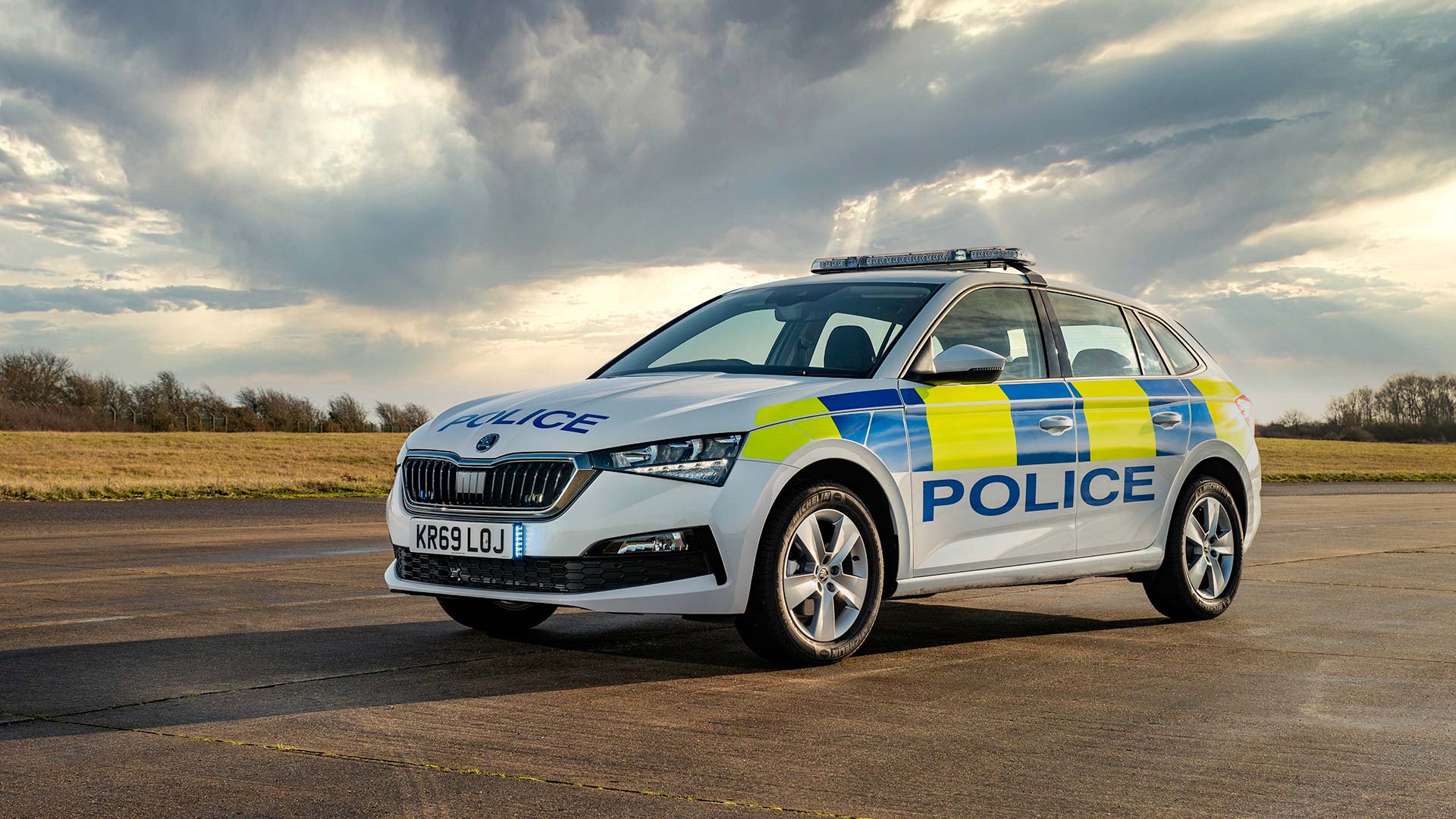
Another of the new models ready for police usage in 2020 is the Scala hatchback. The compact hatchback is pitched as a contender against patrol car regulars such as the Vauxhall Astra and Peugeot 308.
Skoda is able to sell the Scala fully prepared for police work. LED flashing lights are built into the windscreen, number plate surrounds, grille, and light bar. A three-tone siren is also included, plus all the relevant interior controls.
During 2020, the Scala will also be joined by a version of the Kodiaq SUV, converted for use by police dog units.
Distinguished service record
Skoda is also keen to celebrate the lengthy association the company has with the emergency services.
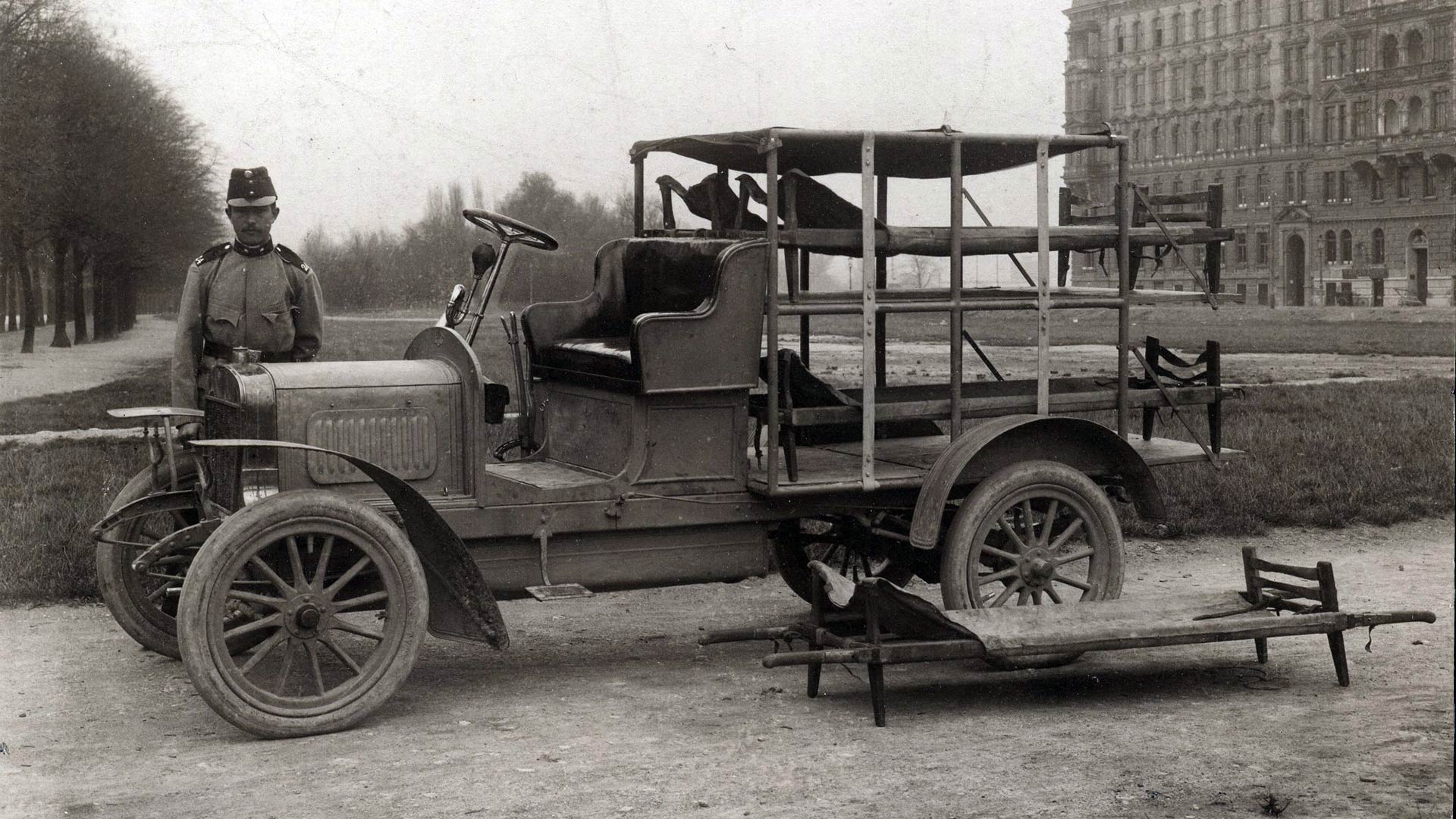
One of the earliest Skoda models, the 1906 Laurin & Klement C1, served as an ambulance. The 1930s and ‘40s saw a greater expansion of ambulance models, with Skoda exporting them across the globe.
2017 saw the Skoda Yeti become the most-used emergency vehicle in the Czech Republic, with an armoured version of the Superb released the following year.