Home Blog Page 218

MG to expand its dealer network in 2021

0
MG ZS

MG will expand its UK network to 130 dealers by the end of the year. This follows 28 new dealers joining the brand in the past 12 months.

Most recently, MG dealers have opened in Milton Keynes, St Albans, Cambridge, Huddersfield, Bradford, Grimsby, Bristol, Hayle, Tunbridge Wells and Croydon. There are now 120 MG dealers in the UK, which comes off the back of a 41 percent increase in registrations in 2020.

New car sales plunged to a 28-year low in 2020 as the industry struggled to cope with the coronavirus pandemic. But there was positive news for the EV sector, with sales reaching over 108,000 units – a 186 percent year-on-year increase.

There are six cars in the MG range, including two all-electric vehicles. The MG ZS EV costs from £25,495 after the government plug-in car grant and offers up to 163 miles of electric range. Richard Aucock reviewed the car in 2019. He said MG “has worked hard to present the UK’s best-value all-inclusive electric car deal.

“And on first evidence, the MG ZS EV is a good enough drive for it to reap the rewards. The target is matching the Nissan Leaf for sales. MG says, unlike Hyundai and Kia, getting enough cars to meet demand won’t be a problem. What are the odds on this becoming Britain’s best-selling electric car? So perfect is MG’s timing, it’s actually not such a crazy thought.”

MG is gearing up for the 2030 ban on new petrol and diesel cars by launching the MG5 EV estate car and MG HS plug-in hybrid. The appealing MG3 supermini and petrol versions of the ZS and HS complete the range.

‘Massively outperforming the market’

MG ZS

MG Motor’s commercial director, Guy Pigounakis, said: “Our dealer network is expanding on the back of a record year in which we saw our market share break the crucial one percent barrier and our sales volumes increase by 41 percent, massively outperforming the market and finishing the year with volumes on a par with some much more established rivals.

“But this doesn’t surprise us. The MG range is perfect for our times – great value cars that are great to drive, packed with technology and backed by a seven-year warranty. MG is also the definitive leader in affordable electric motoring and encapsulates the idea of electric for everyone, something that our dealers – and our customers – can’t get enough of.”

You can read the latest MG new car reviews by clicking this link.

READ MORE:

Advertisement

Lotus confirms new ‘Type 131’ sports cars for later this year

0
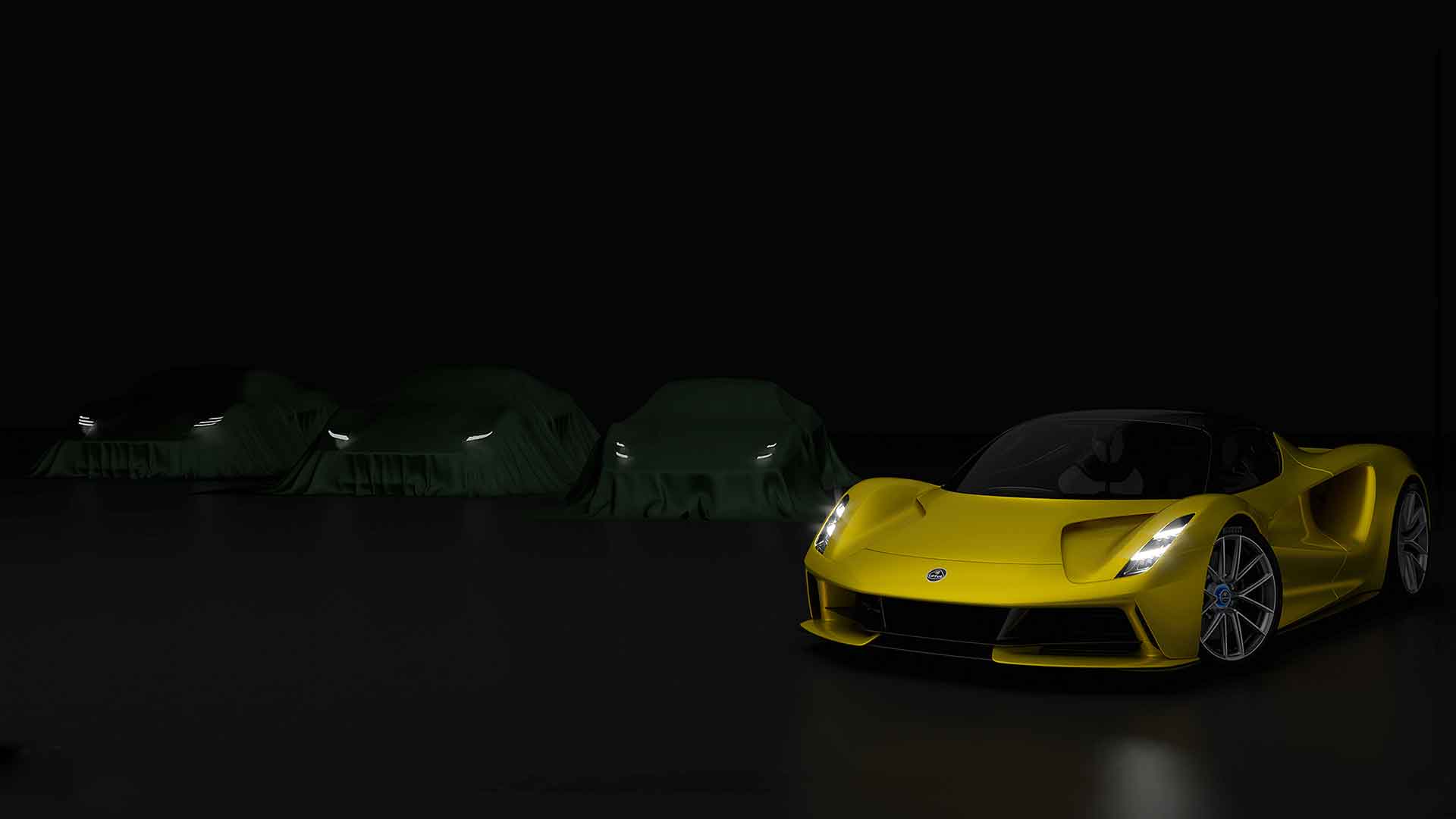
Lotus sports car series teased

A new Lotus sports car will enter production in 2021, the Britis brand has confirmed – and it will herald an entire family of new performance cars.

Codenamed Lotus Type 131, prototype production of the sports car series begins in 2021 from a ‘world-class manufacturing facility’ in Hethel, Norfolk.

More than £100 million is being invested into production of the new sports cars, which will create around 250 new jobs.

“This year will be hugely significant for Lotus,” said CEO Phil Popham, “with new facilities coming on stream, a new sports car entering production and new levels of efficiency and quality that only a new car design and factory can deliver.”

Lotus is also combining two sub-assembly factories into a single central plant in the city of Norwich to support higher volumes.

Its Lotus Engineering consultancy has been relocated to Warwick with a new Advanced Technology Centre opening later in 2021.

Earlier in January, it was confirmed Lotus is to partner with Alpine to make an additional all-electric sports car.

Final year for Elise, Exige and Evora

Lotus Elise

Lotus has also confirmed 2021 will be the final year of production for the Elise, Exige and Evora sports cars.

It’s planning a series of activities to celebrate the trio, beginning with the Elise, which was revealed in 1995.

The Exige followed in 2000 and the Evora debuted in 2008.

Lotus executive director for engineering Matt Windle said the team of engineers, designers and technicians working on the new sports cars “are acutely aware of the legacy from the Elise, Exige and Evora.

“Indeed, many were around when Elise was being developed.

“Members of our team, old and new, are now busy blending the learnings of the past with the innovations of today and tomorrow, to ensure our future cars truly move the game on but remain firmly committed to Lotus values.”

Lotus says that when production of the trio ceases, a combined total of more than 55,000 will have been built.

ALSO READ

Lotus and Alpine to collaborate on electric sports car

‘My dad borrowed a Bond car – Lotus veteran on life at the firm

‘Driving is in our DNA’: Lotus CEO on future sports cars

Advertisement

Porsche Panamera sets new Road Atlanta lap record

0
Porsche Panamera Lap Record

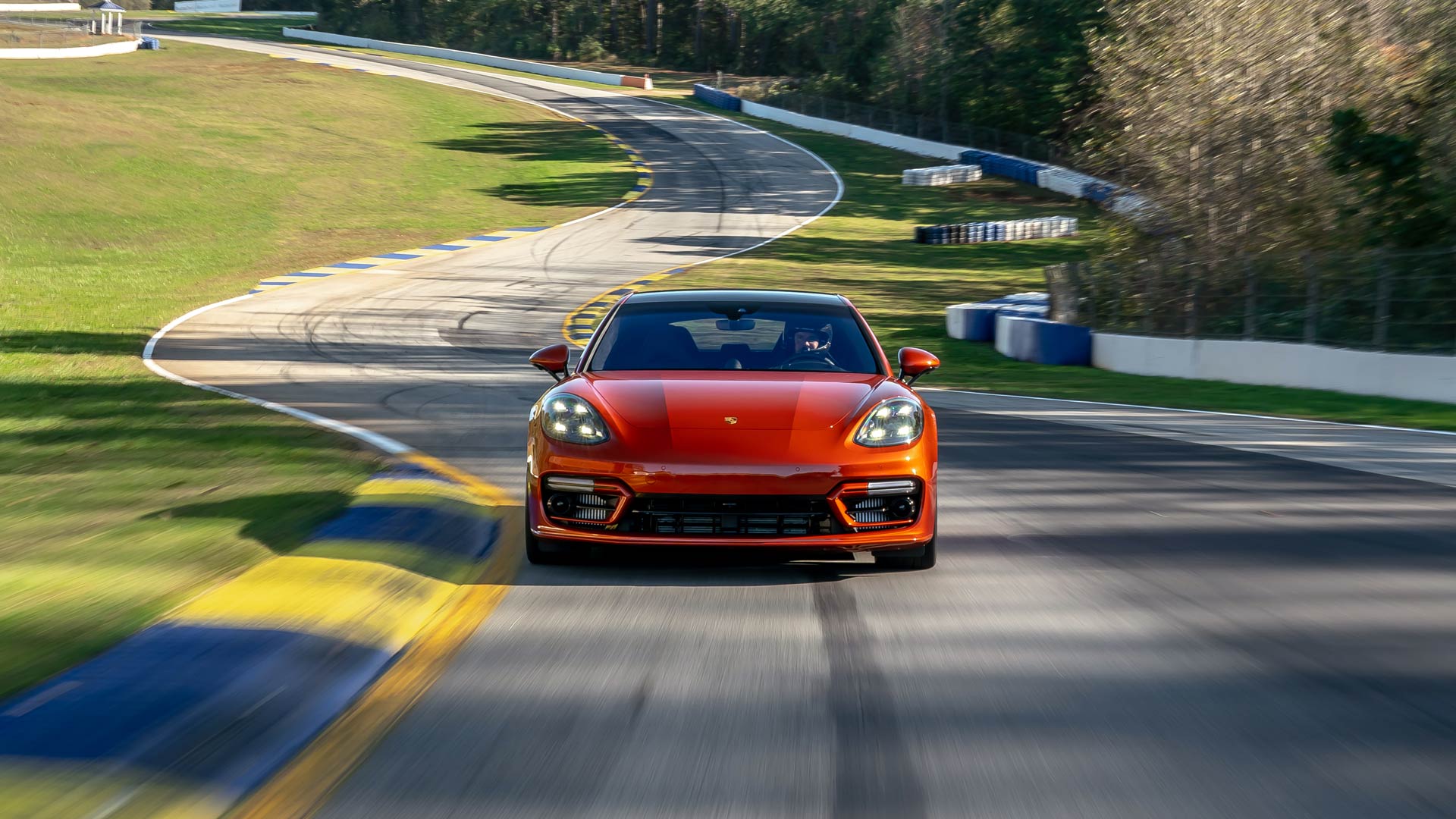
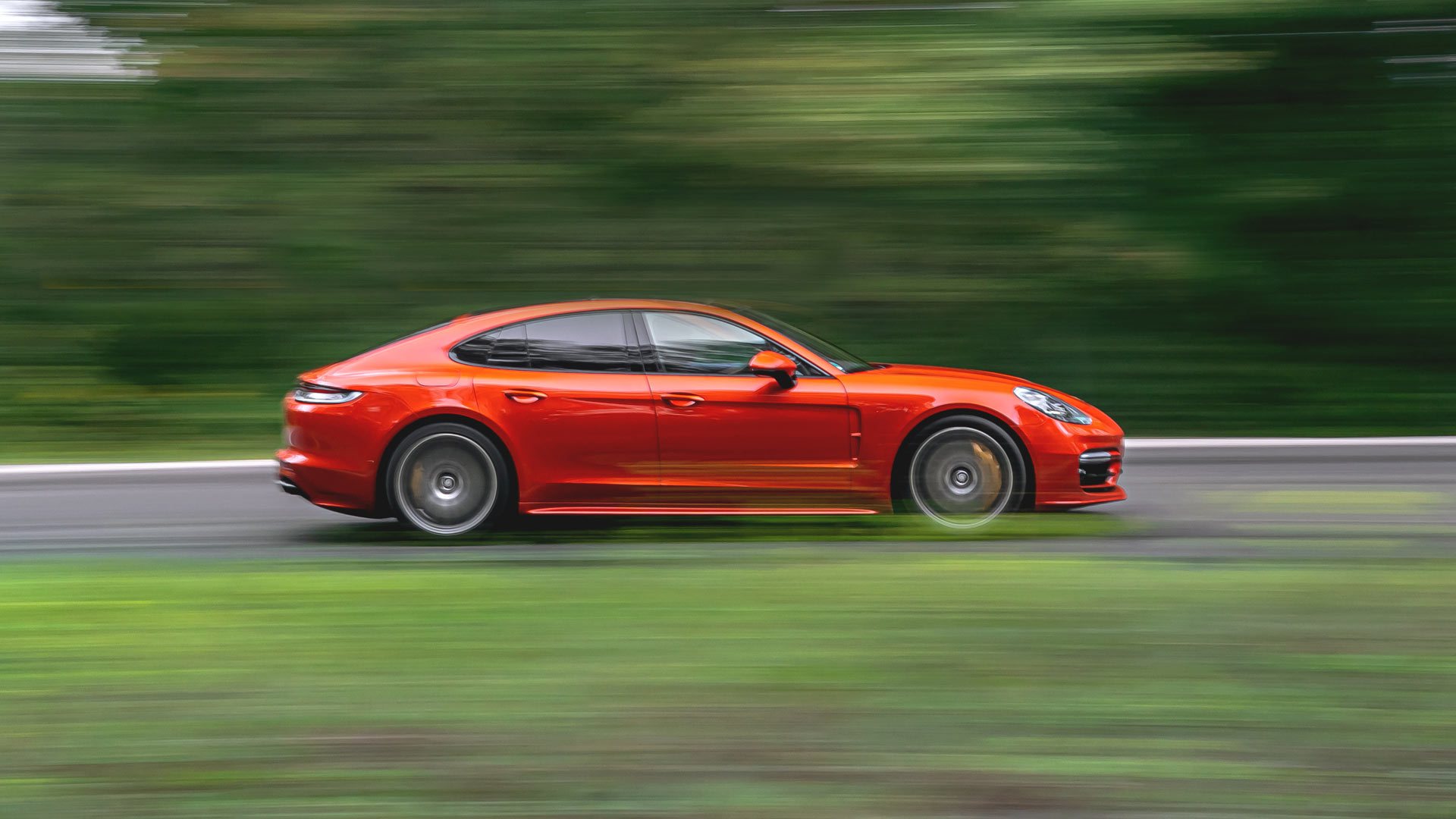
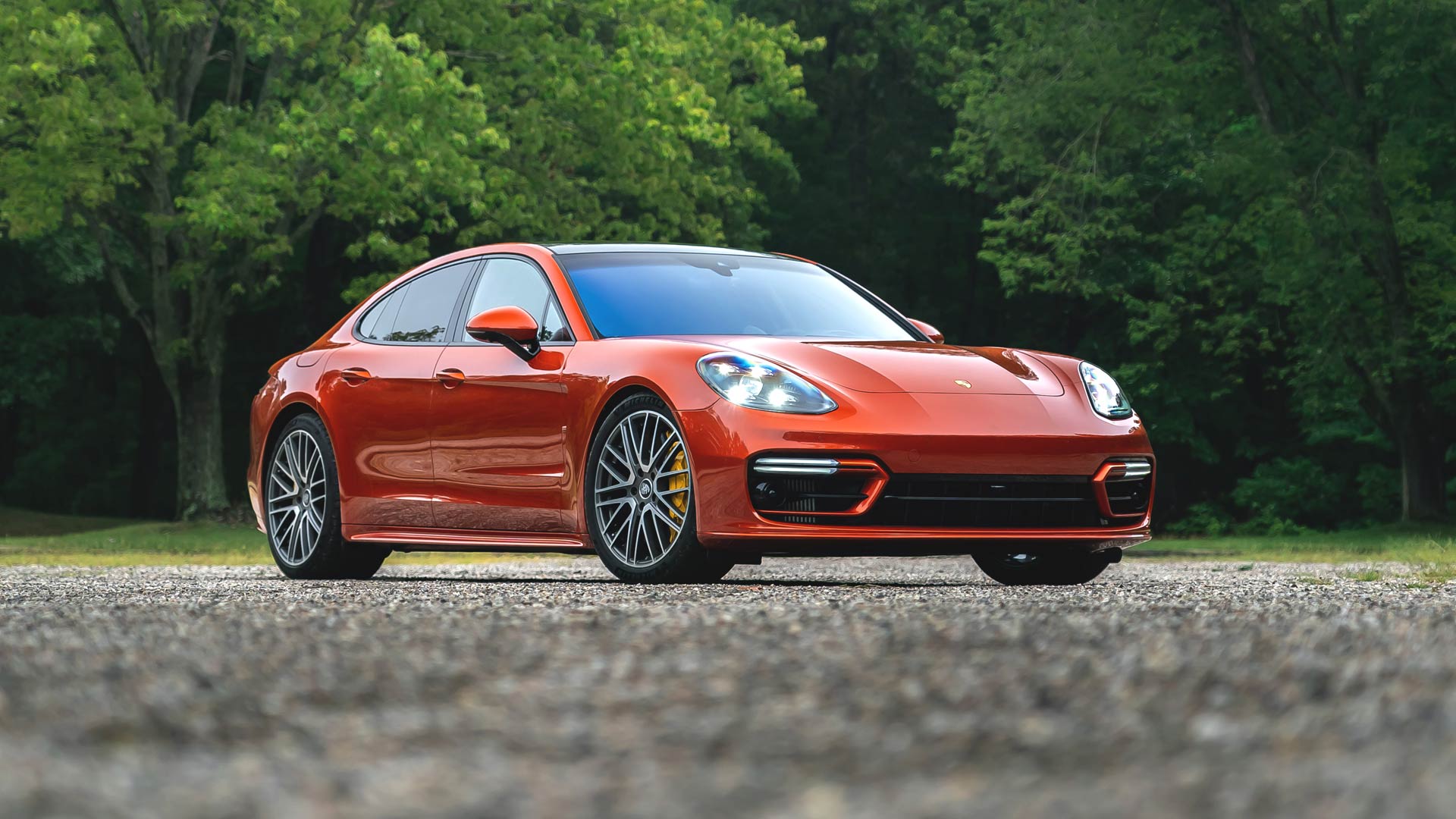
Porsche has used the latest Panamera Turbo S to claim another production car lap record at the Road Atlanta circuit. 

With some 620 hp, the new four-door Panamera managed to lap the twisting 2.54-mile track in 1 minute 31.51 seconds. 

This is the third occasion in under two years that the German marque has bested the Southern USA venue.

A home-field advantage?

Porsche Panamera Lap Record

It is worth noting that Porsche Cars North America is based in nearby Atlanta, Georgia. It makes the famed circuit a prime location for testing new models. 

Leh Keen, a Georgia native, was responsible for setting the new lap record. Having won the Grand Am Rolex GT Championship twice behind the wheel of a Porsche, Keen is clearly no slouch. 

He was also responsible for setting the production EV lap time at Road Atlanta in 2019, driving a Porsche Taycan Turbo S.

More grip, more luxury

Porsche Panamera Lap Record

The updated Panamera Turbo S features a twin-turbocharged 4.0-l V8 engine, with 620 hp and 605 lb-ft of torque. Porsche’s eight-speed PDK transmission, rear-axle steering, and carbon ceramic composite brakes all helped with the new lap time. 

However, credit also goes to the road-legal Michelin Pilot Sport Cup 2 ND0 ultra-high performance rubber. Developed at the Nürburgring specifically for the Panamera, the trick Michelins will undoubtedly have aided the big four-door at Road Atlanta.

Speaking about the record run, Keen commented that Porsche engineers have “found a perfect balance” with the revised Panamera. 

He added that the “stability gave me a ton of confidence to use every bit of the asphalt and curbs. And yet the car has a completely different and more refined and relaxed character on the highway – an amazing combination.”

Georgia on My Mind

Porsche Panamera Lap Record

Whilst Leh Keen’s lap time in the 2021 Panamera is impressive, it is still several seconds behind Porsche’s fastest car around Road Atlanta. 

In 2019, racing driver and writer Randy Pobst lapped the circuit in 1 minute 24.88 seconds, using a 700 hp Porsche 911 GT2 RS. 

Keen will at least have had the benefit of 14-way adjustable leather seats, and a 710-watt Bose Surround Sound system, whilst setting a lap time in the Panamera. 

ALSO READ

Custom Tesla Model S CONVERTIBLE revealed

The hot hatch horsepower race

How to keep cool when driving in hot weather

Advertisement

Custom Tesla Model S CONVERTIBLE revealed

0
Ares Tesla Model S Convertible

An Italian design house has designed and built a bespoke Tesla Model S convertible.

Privately commissioned by an Ares Design client, the bright white Model S has undergone a dramatic transformation. 

Whilst Tesla has previously sold the Roadster model with a removable roof panel, the pure electric car company does not currently have a convertible in its range.

Chopped and dropped

Ares Tesla Model S Convertible

Making a four-door Model S into a fully functioning convertible is not the work of mere moments. 

Ares Design removed the existing roof, and rear doors, turning the Model S into a new two-door design. The front doors were also lengthened, allowing easier access to the rear seats. 

Chopping the roof off a car typically means reducing its structural integrity. Ares added extra strengthening beneath the cabin, around the rear seats, and to the side sills to reinforce the Tesla’s body.

Plain White T’s

Ares Tesla Model S Convertible

The crowning glory of the Model S convertible is a folding fabric soft-top. This retracts beneath a custom-made solid tonneau cover, hiding the roof completely when lowered.

A new boot lid has been added to accommodate the folding roof. An Ares Design carbon fibre body kit has been installed, with modified bumpers and side skirts.

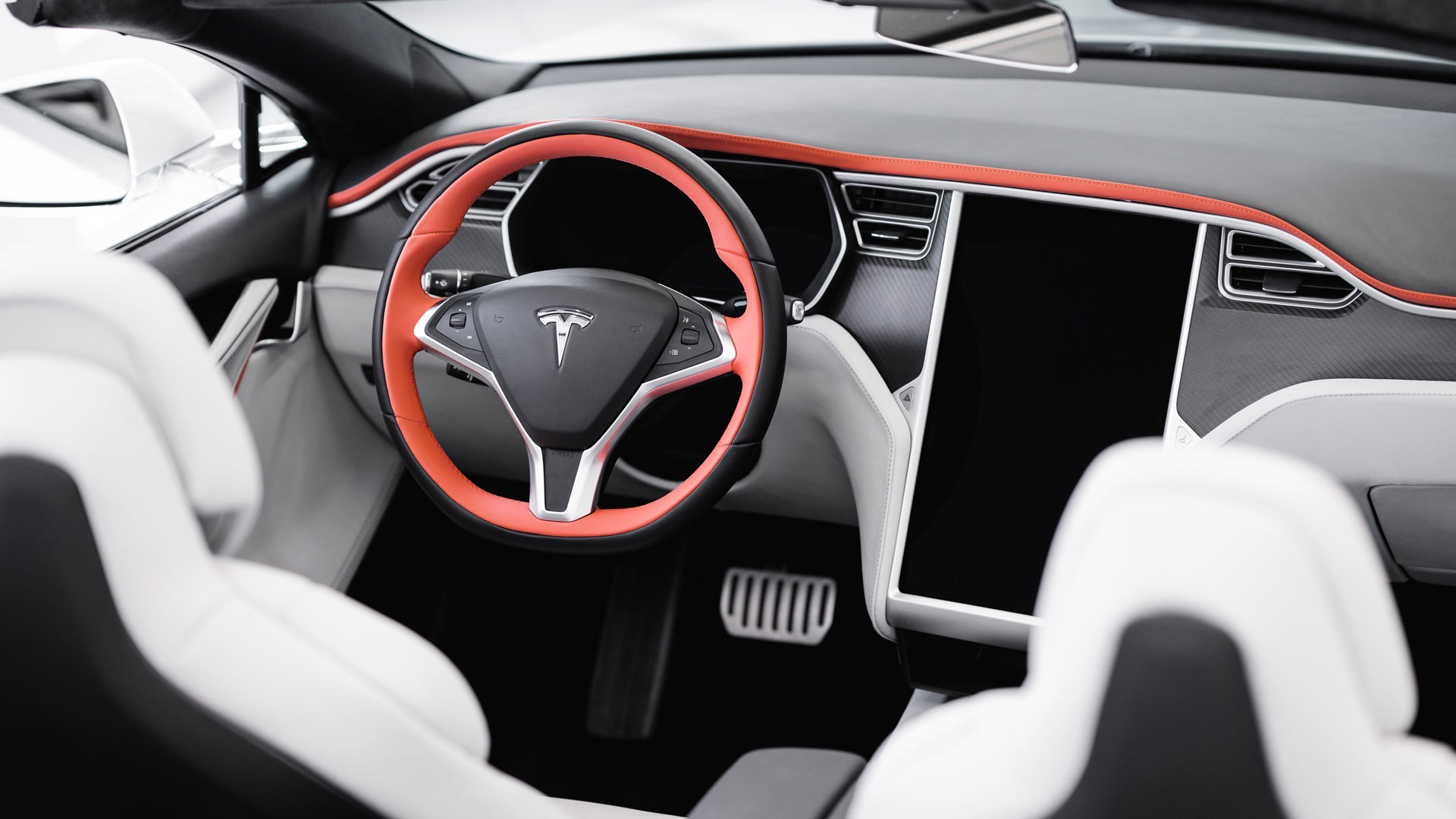
The interior has also been given a custom makeover. White hand-stitched leather upholstery has been used for the seats and dashboard panels, incorporating a contrasting orange trim.

‘A pure coachbuilding project’

Ares Tesla Model S Convertible

As a commission by a private client, Ares Design has not revealed the costs involved in the topless transformation. 

Such coachbuilding is unlikely to be cheap. A bespoke Tesla Model S Shooting Brake, created by Niels van Roij Design, added £80,000 ($110,000) plus taxes to the price of the base car. 

Dany Bahar, former Lotus CEO and Ares Design co-founder, commented that the company’s “Co-create philosophy allows clients to work side by side with our designers and engineers to create their very own bespoke vehicle”. 

Bahar also added that the convertible Model S was “a pure coachbuilding project which we very much enjoy doing and seeing the results of our uncompromising standards.”

ALSO READ

EV motorists without a driveway ‘risk getting left behind’

Smart motorway safety tech shortage revealed

Volkswagen Group cuts CO2 emissions 20% – but still misses target

Advertisement

Volkswagen Group cuts CO2 emissions 20% – but still misses target

0
Volkswagen ID.3

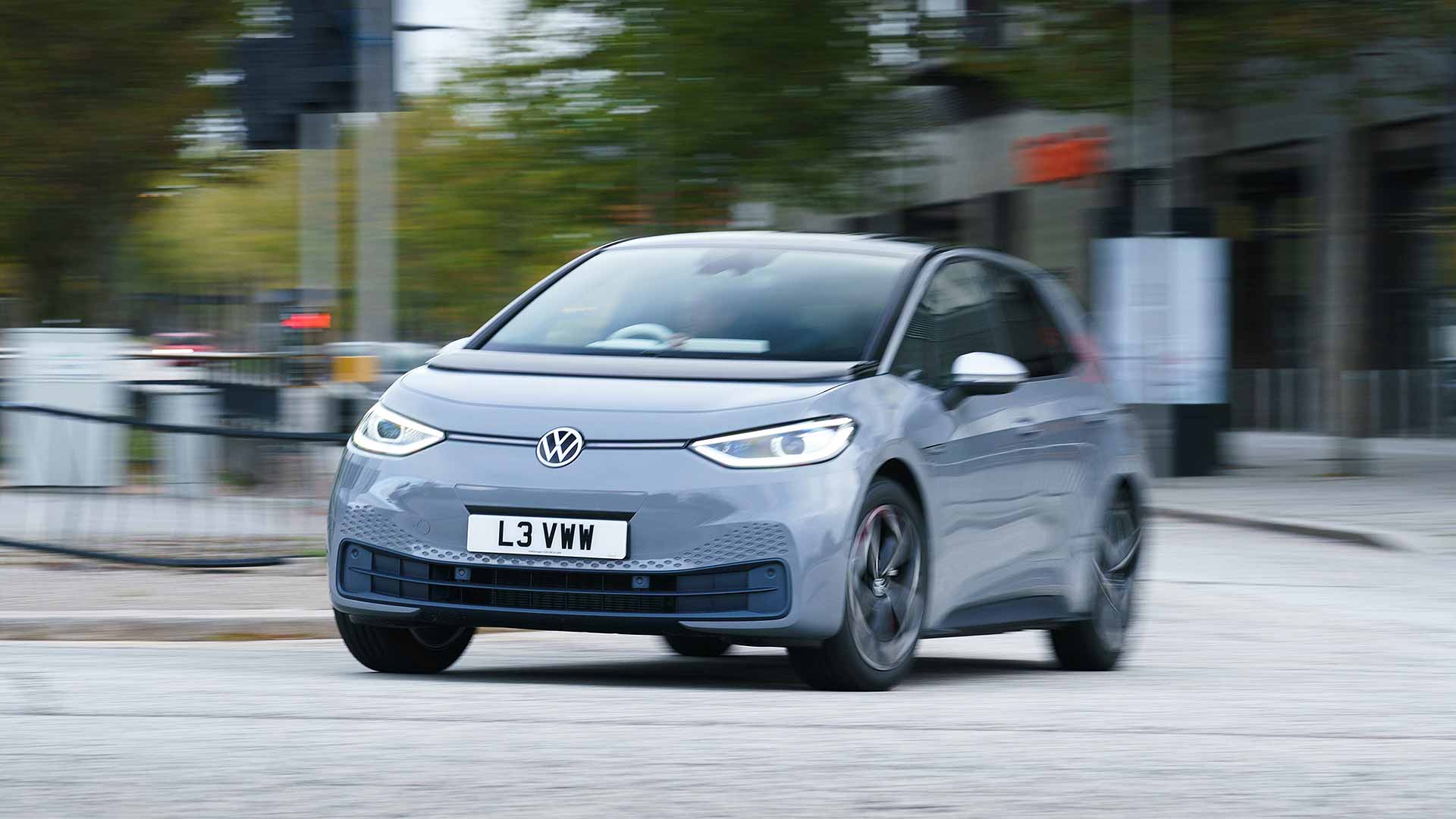
The Volkswagen Group cut CO2 emissions from its passenger car range by a whopping 20 percent in 2020 – but this still wasn’t enough to avoid a fine for not meeting its EU-mandated CO2 target.

Average emissions across the VW Group fell to just under 100g/km compared with 2019.

The firm’s target figure was, however, narrowly missed by 0.5 g/km – which means the EU is going to impose fines.

The Financial Times estimates this will cost it around €150 million.

Volkswagen Group includes Volkswagen, Audi, Seat, Skoda and Cupra: Bentley and Lamborghini are also part of the Group, but they are measured individually.

Such a large decrease in CO2 emissions was delivered by a significant step-up in electric vehicle production.

In 2019, Volkswagen Group delivered just under 73,000 EVs. Last year, this increased more than fourfold, to 315,400 cars.

Almost one in 10 cars it delivered last year were either plug-in hybrid or pure electric.

“We are making good progress on the road to becoming a CO2-neutral company,” said CEO Herbert Diess.

“We significantly reduced the CO2 emissions of our new vehicle fleet in the EU – the Volkswagen and Audi brands in particular have made a major contribution to achieving this.”

‘Thwarted by the pandemic’

Mr Diess added that Volkswagen Group was “thwarted by the Covid-19 pandemic” in not achieving its CO2 emissions target of 99.3 g/km.  

Speaking of missing the target, Volkswagen Sustainability Council member Rebecca Harms said that although it hadn’t been met this year, “Volkswagen is clearly well on its way.

“The key to success will be to give a greater role to smaller, efficient and affordable models in the electrification rollout.”

Volkswagen is expected to achieve its CO2 target in 2021, said Mr Diess, thanks to ever-more electric cars going on sale, including pure electric models from Skoda, Seat and Cupra.

ALSO READ:

Cupra Formentor VZ2 (2021) review

Best family SUVs to buy in 2021

Porsche launches £70k entry-level Taycan

Advertisement

EV motorists without a driveway ‘risk getting left behind’

0
On-street EV Charging Research

Westminster tops the list of councils which plan to install the most on-street electric chargers before the end of 2025. This is according to a new study into the future of electric charging points.

A Freedom of Information request to local councils found that just 9,317 on-street chargers are planned to be rolled out over the next four years. That’s an average of just 35 per local council. There are currently 7,682 on-street points in the UK.

Some councils, such as Bridgend, Fermanagh and Omagh, Dumfries & Galloway, Havering and Warrington said they have no plans to install more EV charging points before the end of 2025. Looking at the country as a whole, electric car owners in Northern Ireland can expect no chargers to be installed in the next four years.

The research conducted by Centrica shows disparities between the regions. Councils in London said they intend to install 4,711 on-street chargers by 2025, way ahead of Yorkshire and The Humber (1,018 chargers), South East (921), South West (869) and West Midlands (443).

‘Cost isn’t the only barrier’

On-street EV Charging Research

Commenting on the research, Amanda Stretton, sustainable transport editor at Centrica, said: “The latest figures released today demonstrate the need for all UK councils to play their part in helping to achieve the 2030 ban. Whilst it’s great news that the government are providing initiatives to make the transition more affordable, cost isn’t the only barrier.

“With half of drivers attributing lack of chargers as the main reason preventing them from purchasing an EV, it’s unfair that those without a driveway risk getting left behind.”

Top 10 councils which plan to install the most on-street chargers before the end of 2025

  1. Westminster: 500.2
  2. Kent: 240.3
  3. Stirling: 156.0
  4. Plymouth: 122.1
  5. Haringey: 111.7
  6. York: 97.8
  7. Gwynedd: 80.3
  8. Richmond upon Thames: 70.7
  9. Hackney: 65.8
  10. Brent: 64.0

The research revealed that out of drivers who do not have a driveway or off-street parking, just 7 percent already have an EV. A quarter (24 percent) said they were considering making the switch, but half (53 percent) are not considering an electric car. Four out of five (83 percent) said it will be easier for motorists with a driveway to make the switch.

Amanda Stretton added: “Charging infrastructure and energy systems will need to be upgraded to cope with the demand and support drivers. For example, we are working with businesses to install smart charging systems which help automate charging at times which does not put pressure on the grid. This helps regulate demand and ensures customers get the best deal on electricity prices.”

On-street chargers not the ‘silver bullet’

Government investment in car charging

Not everybody is convinced that a shortage of on-street chargers will delay the switch to electric cars. Tom Callow, EV advocate and enthusiast, tweeted: “The obsession with on-street charging as the ‘silver bullet’ continues. Bookmark this tweet for 2030. The majority of those without off-street parking will not be reliant on on-street charging. They’ll be charging just as easily elsewhere.”

The latest Zap-Map figures show that there are currently 36,863 charging points in the UK. The percentage of slow chargers is dropping, fuelled by the rise of fast, rapid and ultra-rapid charging points.

READ MORE

What does the 2030 petrol and diesel car ban mean for you?

Have your say on Britain’s electric vehicle charging network

North-south divide in electric car charging points revealed

Advertisement

Smart motorway safety tech shortage revealed

0
Smart motorway

Stopped vehicle detection radar, which spot stationary vehicles in live lanes, have only been fitted to 37 miles of the 350-mile smart motorway network.

The radar cover just four of the 24 sections of England’s smart motorway network: 13 miles of the M3 in Surrey and part of the M25.

Smart motorways have no hard shoulder, meaning stationary vehicles pose an immediate danger unless detected quickly.

Stopped vehicle detection radar highlight stationary vehicles in around 20 seconds – far faster than manual operators using CCTV cameras.

The Times newspaper, which revealed the lack of stopped vehicle detection technology, reports figures from 2019 showing it took an average of 20 minutes for a lane to close.  

Transport secretary Grant Shapps urged the rapid roll-out of the technology in March 2020 to improve safety on smart motorways.

The entire network is due to be covered by stopped vehicle detection systems by March 2023.  

Former roads minister Sir Mike Penning, who last year said he was “totally misled” over smart motorway safety, told the Times he wanted to see a faster roll-out.

“In many stretches, the refuge areas are too far apart and the much-vaunted technology that can alert the highways authorities to stopped vehicles has not been fitted.”

Earlier this week, an inquest into the deaths of two motorists saw the coroner warn smart motorways presented an “ongoing risk of future deaths”.

In response, the government said Mr Shapps has called for an “urgent meeting” with Highways England to discuss the pace of stopped vehicle detection roll-out.

ALSO READ

Smart motorways: “I was totally misled” says MP

What is the red ‘X’ on smart motorways – and how much is the fine for ignoring it?

How to use the emergency refuge areas on smart motorways

Advertisement

Porsche launches £70k entry-level Taycan

0
Porsche Taycan RWD

Porsche has launched a new rear-wheel-drive version of its pure electric Taycan sports car, with prices starting from £70,690.

That’s significantly cheaper than the current entry-level model, the £83,580 Taycan 4S.

Better still, the rear-wheel-drive Taycan boasts the longest driving range of all models, offering up to 301 miles on the strict WLTP test cycle.

It’s no slouch either, accelerating from 0-62mph in 5.4 seconds. Top speed is limited to 143mph.

Porsche Taycan RWD

Two batteries are available: the 79.2kWh Performance Battery and the larger 93.4kWh Performance Battery Plus.

It’s the Performance Battery Plus that boasts the 301-mile range – the regular Performance Battery will cover up to 268 miles.

Recharging capacity is considerable – 225kW for the regular battery and 270kW for the Performance Battery Plus. Both can be charged from five percent to 80 percent in around 22 minutes.

Notably, the RWD Taycan has different power outputs, depending on the battery: 326hp or 408hp on overboost as standard, 380hp and 476hp on overboost with the Plus battery.

New Taycan RWD

The Taycan RWD comes with 19-inch aero-style wheels and black anodised brake calipers. The black apron, side sills and rear diffuser are the same as on the Taycan 4S.

It has a part-leather interior – and buyers can choose an entirely leather-free vegan-friendly interior as an option.

Porsche Taycan RWD

Regular steel spring suspension is standard, with adaptive air suspension as an option.

Owners can also choose ‘Functions on Demand’ after purchase. For example, Porsche InnoDrive auto-adapts the car’s speed to the road ahead, including speed limits, roundabouts and give way signs: it’s £18 a month or £759 as a one-off purchase.

More Functions on Demand are coming and those who subscribe can enjoy three test months.

The Taycan electric car is already proving to be a big sales success for Porsche, with more than 20,000 delivered in 2020 alone.

It is currently the second best-selling Porsche in the UK and the arrival of the cheaper Taycan rear-wheel-drive model in spring 2021 should grow sales further.

ALSO READ:

Porsche Taycan Turbo (2021) review

Sub-£20k price is ‘sweet spot’ for electric cars

The Highway Code rules you may have forgotten

Advertisement

UK was Kia’s top EU car market in 2020

0
Kia Niro PHEV

Kia recorded its highest ever share of the European new car market in 2020 – and the UK led the way as the brand’s best-performing market in the region.

Registrations across Europe were down, but Kia still outperformed the market and recorded one of its highest-ever annual increases.

Kia took a 3.5 percent share of the overall European new car market… and in the UK, grew its share to a record high of 4.3 percent.

More than 70,000 new Kias were sold in the UK last year, representing 17 percent of all the firm’s European sales.

Over 28,000 were sold once lockdown restrictions lifted during the summer months alone.

New Kia logo

Overall, Kia registered 416,715 new cars in Europe. That’s a 17 percent decline over 2019, but still better than the overall 24.3 percent drop in the region.

COO Emilion Herrera said it was thanks to a combination of pent-up demand and the increasing popularity of Kia’s electrified vehicles.

Across Europe, more than 1 in 4 new Kias sold were electrified (hybrid, plug-in hybrid or pure electric). In the UK, that figure grew further, to almost 1 in 3 sales.

The Kia Niro range was the second best-selling Kia in Europe, and the second best-selling electrified car in the UK, clocking up more than 18,500 sales.

Every version – hybrid, plug-in hybrid and electric – was among the best sellers in its respective powertrain league table.

There’s more to come from Kia from 2021-on, added UK president and CEO Paul Philpott – with the launch of an all-new brand logo and seven pure electric cars between now and 2027.

ALSO READ

Sub-£20k price is ‘sweet spot’ for electric cars

Coronavirus has ‘unprecedented impact’ on 2020 European car sales

What is a connected car?

Advertisement

Sub-£20k price is ‘sweet spot’ for electric cars

0
Smart Fortwo EQ

Four in 10 motorists looking to switch to an electric car expect to spend £20,000 or less, new research has revealed.

Steep upfront costs are the number one sticking point for prospective EV owners, according to the latest Global Automotive Consumer Survey from Deloitte.

Many electric cars are still notably more expensive than regular petrol or diesel alternatives. Only a handful of EVs, such as the Smart Fortwo EQ and Fiat 500 Electric, are available for less than £20k.

This preoccupation with pricing, adds the research from Deloitte, means it will be the more affordable used car market that may accelerate the mainstream switch to electric cars in the UK – a process that may take several years.

Motorists are generally willing to make the switch, but are also cost-conscious, said the firm’s head of electric vehicles Jamie Hamilton.

He also urged the automotive industry to better promote the lower running costs of electric vehicles – or risk motorists being “deterred by upfront costs, overlooking the total cost over a vehicle’s lifetime”.

Lower running costs are actually the number one decision-making factor for motorists already switching to electric, but this discovery is not yet broadly understood by potential EV owners.

Pandemic pain

Smart Fortwo EQ

In other findings, the coronavirus pandemic has had a surprising negative impact on electric car consideration, revealed the report.

Consumer interest in traditional petrol and diesel cars actually edged back up.

54 percent of motorists said they would prefer a traditional engine, compared to 48 percent last year.

“Uncertainty bought about by 2020’s pandemic has understandably seen some consumers revert to what they know.

“Whether this is a short-term, relative change remains to be seen – but the trend appears to be at the expense of hybrids, which have bridged the gap between combustion engines and fully electric to date.”

The Deloitte report also showed that more than a quarter of motorists aged 18-34 requested a payment deferral on car finance during 2020 – compared to just 1 percent of those aged 55 and above.

One in five motorists have also delayed purchasing their next new car – something reflected by new car sales falling 29 percent during 2020.

ALSO READ

Coronavirus has ‘unprecedented impact’ on European car sales in 2020

How to drive safely in heavy rain

The Highway Code rules you may have forgotten

Advertisement