Home Blog Page 194

Mercedes-EQ becomes a standalone electric brand

0
Mercedes-EQ

Mercedes-Benz has created a green car sub-brand for its pure electric line-up, called Mercedes-EQ.

The name follows the same convention as its performance Mercedes-AMG and luxury Mercedes-Maybach line-ups.

“Moving forward,” a Mercedes-Benz spokesperson told Motoring Research, “our EQ all-electric models will be Mercedes-EQ models, part of the Mercedes-EQ sub-brand.

“The vehicles themselves, however, will be referred to as “EQA” or “EQS”, for example.

However, as with Mercedes-AMG, it does not mean the Mercedes-Benz logo is going to disappear from Mercedes-EQ cars.

“These vehicles will have the Mercedes-Benz star and logo in places such as the steering wheel, bonnet and so forth, but also feature the EQ logo, for example on the wings.

“On the boot is the EQC naming”

In a statement, the company said Mercedes-EQ “harmonises the demands of a modern generation of customers, for sustainability and emotionality with the demand for innovation.  

“With its progressive sub-brand Mercedes-EQ, Mercedes-Benz AG is underlining its claim to leadership in the field of electrification and digitisation.”

Luxurious EQS coming soon

Chief design officer Gorden Wagener said Mercedes-EQ stands for “progressive luxury for the future.

“We are the first automotive company and one of few luxury brands on the globe who have taken that big step towards a new understanding and approach to design and technology.

“Mercedes-EQ creates new possibilities for a promising future.”

The upcoming EQS luxury EV will be the first new model launched under the Mercedes-EQ sub-brand. The firm says it is “heralding the start of a new era for the company”.

ALSO READ:

Mercedes-Benz electric cars: FAQ

Matchbox cars to be 100% recycled

The history of Mercedes-Benz sports cars
Advertisement

Bentley reveals 208mph Continental GT Speed Convertible

0
Bentley Continental GT Speed Convertible

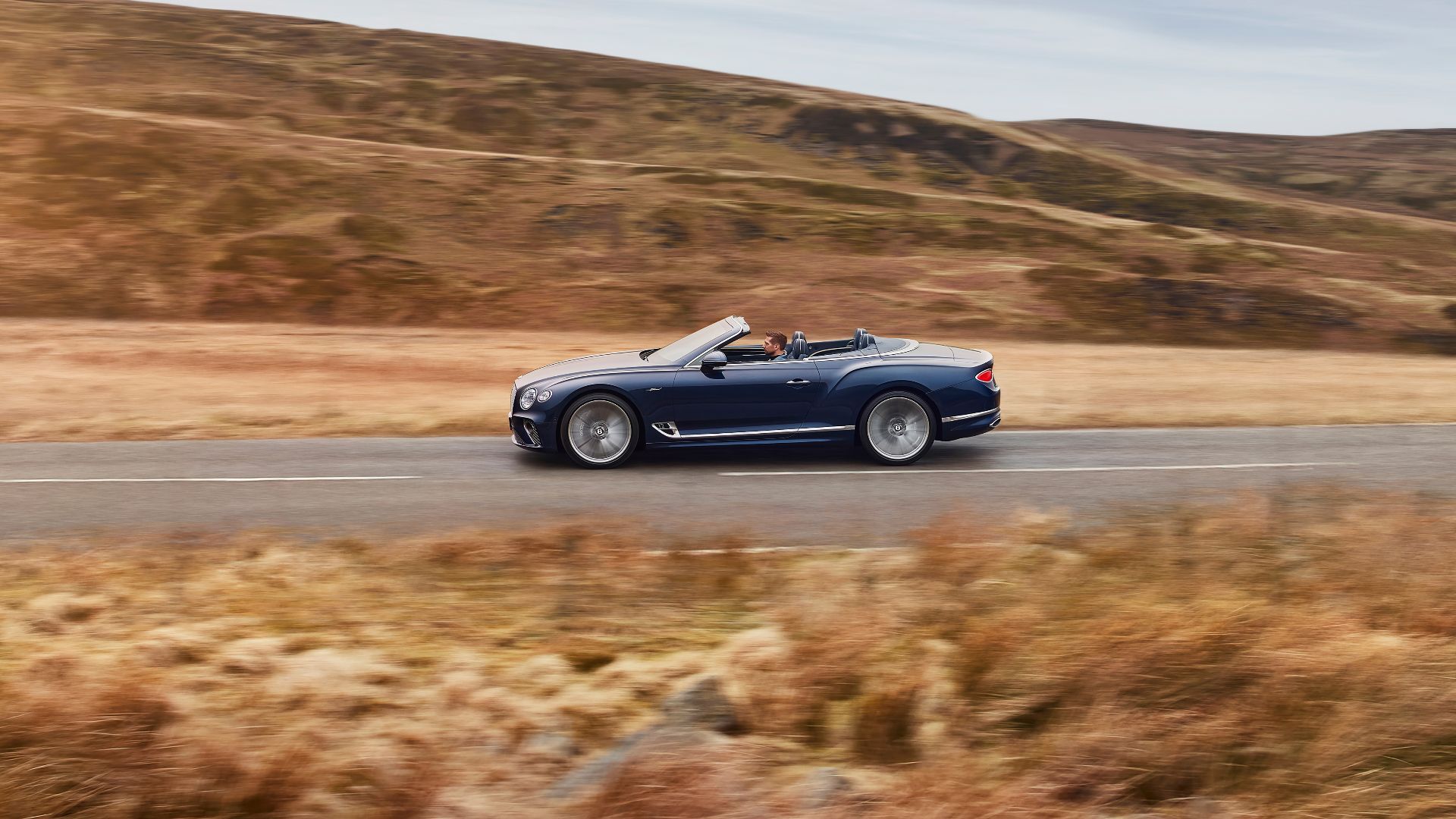
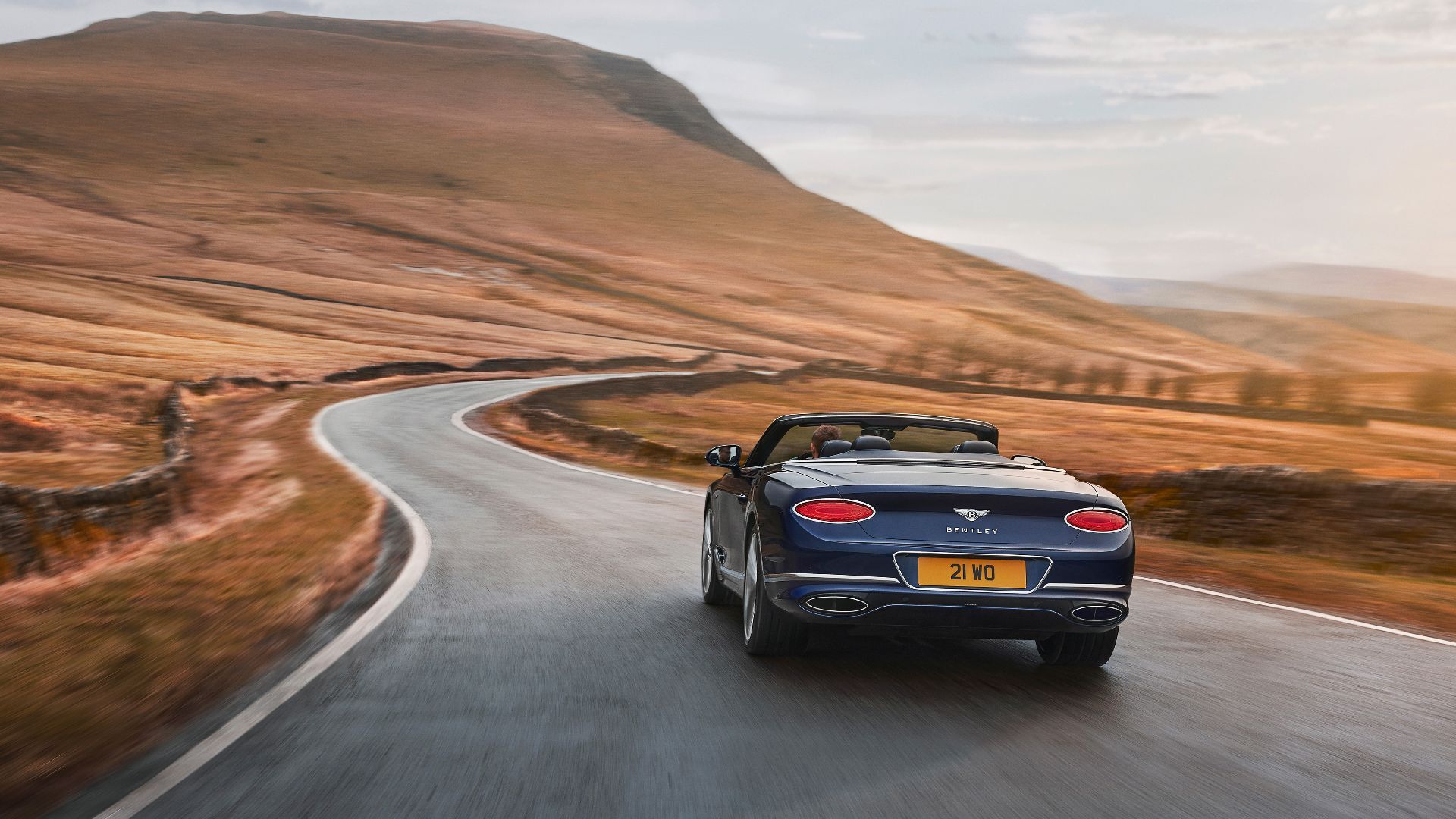
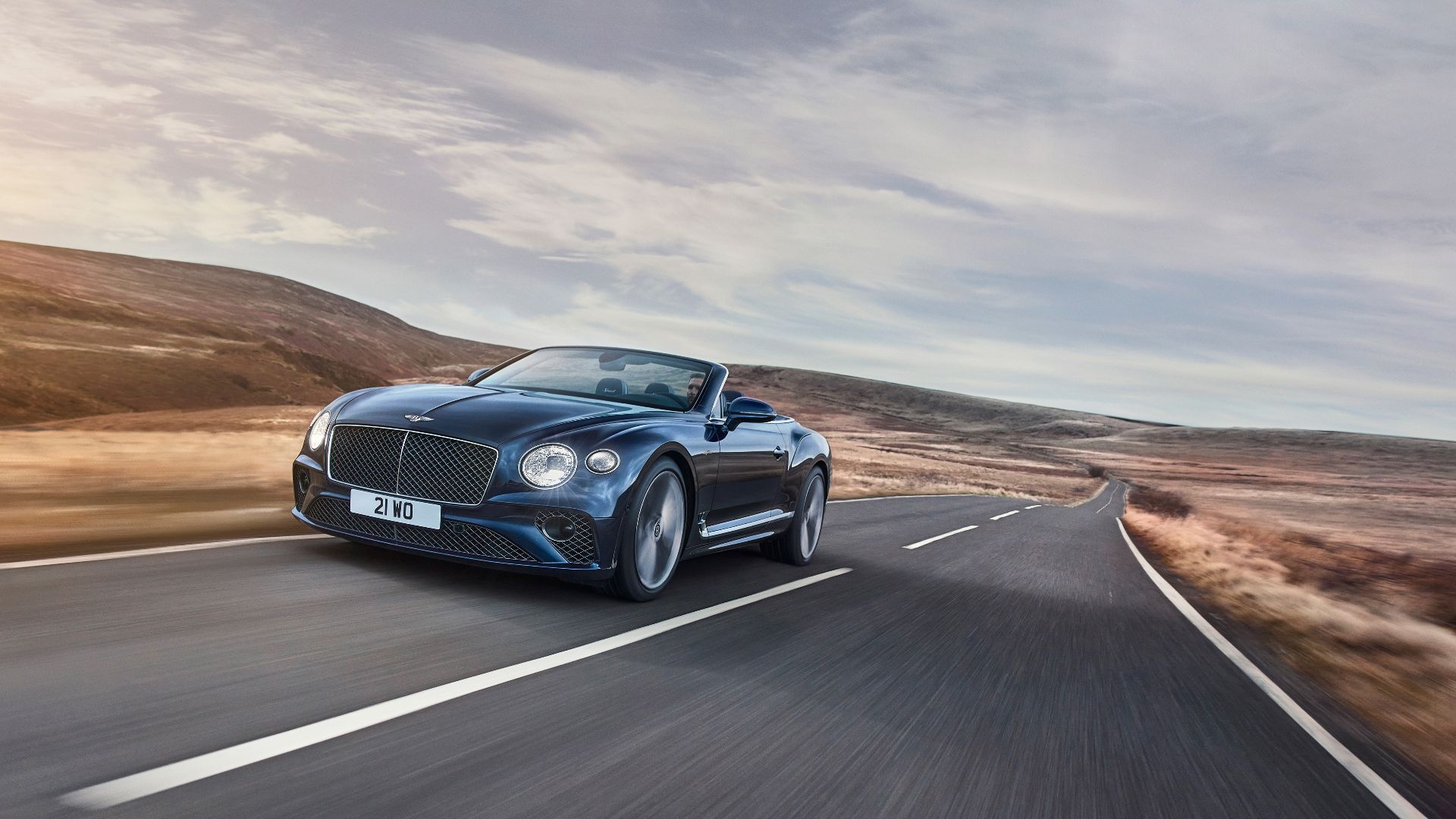
Bentley has unveiled the open-air version of its Continental GT flagship: the GT Speed Convertible.

Now in its third generation, the Speed is powered by a 6.0-litre W12 petrol engine, which produces 659hp (an uplift of 24hp over the ‘standard’ W12).

That propels the car to 62mph in 3.7 seconds and a top speed of 208mph.

Bentley Continental GT Speed Convertible

Visually, the Speed is separated from the rest of the range by dark-tinted front grilles, sportier sills, a dark-tinted radiator matrix and new badges on the front wings.

It also features new 22-inch alloy wheels, plus an illuminated display on the outer treadplates.

Bentley says the convertible’s roof has been redesigned and can be raised or lowered in 19 seconds, at speeds of up to 30mph.

Bentley Continental GT Speed Convertible

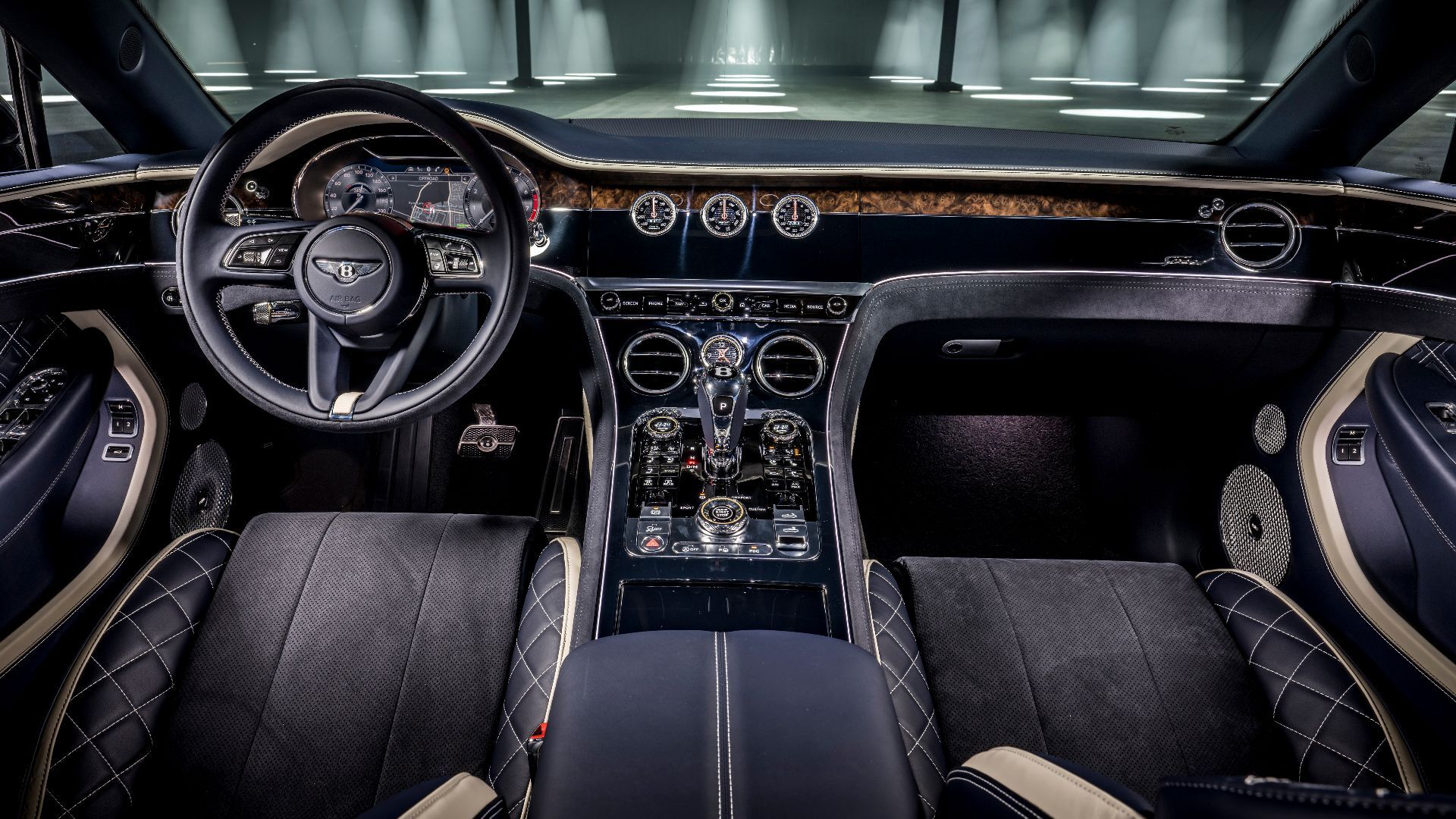
Inside, you’ll find an Alcantara steering wheel, sports pedals, ‘Speed’ script on the passenger side of the dashboard and diamond quilted seats with embroidered headrests.

The Crewe-based company claims improvements to the chassis have increased the car’s driveability at speed, enhancing grip when exiting corners.   

‘Driver-focused’ grand touring

Bentley Continental GT Speed Convertible

“The new Speed is the most driver-focused Continental GT Convertible available and unique in its ability to offer extremely refined, all-season open-top grand touring with the added edge of astonishing performance and dynamism,” said Chris Craft, head of sales and marketing at Bentley. 

“Combined with exquisite, handcrafted interior details, the Continental GT Speed Convertible exemplifies all Bentley knows about creating the world’s most stylish and elegant cars for roof-down motoring.”

ALSO READ:

Bentley reveals ‘sustainable’ Continental GT3 Pikes Peak racer

New Bentley Flying Spur V8 2021 review

Advertisement

Matchbox cars to be 100% recycled – starting with new Tesla Roadster

0

Diecast model manufacturer Matchbox will make all of its cars, playsets and packaging with 100 percent recycled, recyclable or bio-based plastic. The pledge is part of a plan to become a cleaner, greener company by 2030.

The first diecast models to have zero plastic packaging include the Matchbox Power Grabs assortment, which includes a variety of 1:64 scale vehicles.

To help encourage environmental consciousness among children, the company also announced that EV charging stations will feature in two Action Drivers playsets. The Matchbox Fuel Station Playset is due this spring and the Matchbox Park and Play Garage Playset arrives in the autumn.

In addition, Matchbox will launch an EV-themed five-pack soon – the first time the company has made a collection of electrified vehicles. The Electric Vehicle and Hybrid five-car assortment includes the Nissan Leaf, Toyota Prius, BMW i3, BMW i8 and an e-Star delivery van. It’s priced from £7.95.

“Since the inception of the modern-day diecast car nearly 70 years ago, Matchbox has been using design and innovation to connect kids with the real world around them through play,” said Roberto Stanichi, global head of vehicles at Mattel, Matchbox’s parent company. 

“Matchbox is committing to using 100 percent recycled, recyclable or bio-based plastic materials to do our part in addressing the environmental issues we face today.”

Carbon-neutral diecast cars

Matchbox also announced it will build a Tesla Roadster. This will be its first model made from 99 percent recycled materials and certified as carbon neutral – the latter which many car makers are striving to achieve.

Constructed from 62.1 percent recycled zinc, 1.0 percent stainless steel and 36.9 percent recycled plastic, the Matchbox Tesla Roadster will be available in 2022.

ALSO READ:

Matchbox toy car collection sells for £300,000

New McLaren 620R 2021 review

New Honda Civic Type R 2021 review

Advertisement

Dacia Sandero scores just TWO STARS in Euro NCAP crash test

0
Dacia Sandero

Independent safety organisation Euro NCAP has awarded the Dacia Sandero just two stars out of five for crash protection.

Explaining the rationale for the low rating, Euro NCAP said the radar-only autonomous emergency braking system only reacts to other vehicles on the road and won’t prevent crashes with pedestrians or cyclists.

Euro NCAP added the vehicle’s crash protection is ‘respectable’, saying it would have been awarded four stars if fitted with a more advanced emergency braking system.

Thatcham Research, which tests vehicles in the UK for Euro NCAP, added it has concerns about the protection the Sandero offers to adults. It said the vehicle’s score of 70 percent in this area is well below the benchmark set by the Honda Jazz, which scored 87 percent.

Thatcham also raised issues with the Sandero’s structure, saying there is a risk of injury from the dashboard to front seat occupants’ knees, femurs and chests in the event of a frontal impact, with protection rated as only ‘marginal’. The side impact test also revealed a ‘marginal level of protection against chest injury’.

No other car has scored two stars or fewer in terms of relative performance since 2018 and the Dacia’s vulnerable road user score is the worst recorded during Euro NCAP testing since 2013.

“The Sandero’s Euro NCAP rating is a major disappointment and it’s therefore not a new car we would recommend. There are other cars in the supermini segment, whether new or a few years old, that can offer better safety and value for money,” said Matthew Avery, Thatcham Research’s director of insurance research. 

“Renault and Nissan both have five-star-rated models in the supermini segment with the Clio and Micra, and the Sandero is closely related to these vehicles. But it appears Dacia has made a clear decision not to prioritise safety, exposing occupants and other road users to increased risk.”

‘Car of the Year’ title could be stripped

The Sandero was named as Car of the Year by What Car? earlier this year. Now, the publisher says the two-star Euro NCAP rating “s ‘below our expectations for an award-winning car.

It added: “We are analysing the findings from Euro NCAP in detail and discussing with Dacia its plans to improve the safety rating. If this cannot be improved, the Dacia Sandero will lose its overall Car of the Year title.”

ALSO READ:

Euro NCAP launches new Assisted Driving rating

2020 Toyota Yaris a ‘safety benchmark’ says Euro NCAP

Euro NCAP announces ‘game-changing’ new safety tests for 2020

Advertisement

World-first Triumph Stag and Morgan 4/4 EV classics revealed

0
Electric Triumph Stag Electrogenic conversion

Classic car electrification firm Electrogenic has revealed its latest two creations – both of which it describes as electric car world firsts.

The Oxford-based firm has converted a 1976 Triumph Stag and a 1957 Morgan 4/4 to electric power, each using its own in-house tech.

The Stag Owners Club has verified the conversion to be an official world first.

Electric Triumph Stag battery box

Electrogenic replaced the somewhat notorious 3.0-litre Triumph V8 with its own ‘Hyper9’ high-voltage motor. This produces 107hp and, more notably, 173lb ft of pulling power.

It is powered by a 37kWh battery which is spread between the engine bay and the former location of the fuel tank and spare wheel.

Total range is around 150 miles and it can be charged with a Type 2 charger.

Electric Morgan Electrogenic conversion

The Morgan uses the same Hyper9 electric motor, and the same battery cleverly located within the car’s existing chassis.

Uniquely, both vehicles retain a manual gearbox.

The conversions are described as sympathetic, with Electrogenic director Steve Drummond saying the firm uses “modern technology to bring out the best characteristics in the cars.

“For us, this means increasing power within the capability of the original vehicle, optimising weight distribution and not using too many batteries to keep the handling crisp and precise.”

Electric Triumph Stag Electrogenic conversion interior

The originality of the rest of the vehicle is maintained too. “For example, it means that we can repurpose the original instruments to keep the interior as untouched as possible.”

The objective is “to make the cars we’ve been entrusted with into ‘better versions of themselves’.”

Fellow co-founder Ian Newstead said the firm “loves the challenge of converting beautiful classic cars with technology that means they will be able to continue to be used guilt-free, even in our cities, for years to come.”

ALSO READ:

Electrogenic Volkswagen Beetle EV (2020) review

More electric car news on Motoring Electric

Advertisement

500 Renault vans to serve as mobile Covid testing units

0
NHS Renault Covid mobile testing unit

The Department for Health and Social Care (DHSC) has ordered 500 converted Renault Master vans for use as mobile Covid-19 testing units.

The 500 vans will replace – and nearly double – DHSC’s existing fleet of 258 vehicles. The bespoke conversion offers twice the daily testing capacity of the previous vans, with each vehicle able to store 1,000 Covid test kits. 

NHS Renault Covid mobile testing unit

The Renault vans have been converted to ensure safe and comfortable conditions for staff and patients. Features include twin awnings with layouts to accommodate drive-through testing and staff welfare areas, pedestrian testing bays, onboard heating, hot water and hand-washing facilities, a generator for additional power, comprehensive charging and electrical access points, plus extra lighting, 

Renault said the vehicles were developed within three months.

‘Controlling the spread of Covid’

NHS Renault Covid mobile testing unit

“We are exceptionally pleased that the Renault Master is playing a part in helping the DHSC to continue its invaluable work in controlling the spread of Covid,” said Vincent Tourette, MD of Renault UK. 

“Being able to provide such a substantial number of base vehicles in such a short timeframe presented a significant challenge, but it’s something that we and our factory were proud to overcome.”

It is yet to be determined how long DHSC will use the vans for.

READ MORE:

Survey says ‘white van man’ cliche is outdated and offensive

LEVC VN5 (2021) van review

2020 van sales drop by a fifth… but a Ford van BEATS the VW Golf!

Advertisement

Smart traffic lights wait for slower pedestrians to cross the road

0
Traffic lights

Slower pedestrians, such as elderly people and those with children, could be given more time to cross the road thanks to smart traffic lights.

The new system, developed by British tech company Now Wireless, uses artificial intelligence and cameras to predict when people are likely to cross a road. It also predicts how long it will take for them to use a pedestrian crossing.

No Wireless says its system can reduce congestion and stop-start traffic, as vehicles will no longer need to stop for ‘ghost pedestrians’ or a single person. The lights potentially only change when several people are waiting to cross.

The system uses cameras to detect people 15 metres away from the crossing and pairs this with AI analysis to ‘work out their intentions’.

‘Reduced risk of virus transmission’

It also enables people to cross a road without needing to push a button to stop traffic. Now Wireless says this means a ‘reduced risk of virus transmission by eliminating the need to touch a button’.

A number of parameters can be put in place to meet specific requirements for individual crossings, says the firm. For example, the lights could change after a specific amount of time elapses if the camera identifies a single person is waiting. Or they can change in a shorter time if many people are waiting to cross.

“As economies build back, information about pedestrian numbers, and making sure that crossing points operate efficiently, will be particularly important for urban areas,” said Brian Jackson, MD of Now Wireless.

ALSO READ:

Revealed: the UK’s most obscure parking laws

Where is it illegal to park your car?

Yellow box junctions: how much is the fine and how can I avoid a penalty?

Advertisement

James May says young drivers are penalised by theory test rules

0
James May

The Grand Tour’s James May has called on the government to extend the two-year validity of driving theory test certificates. His plea comes as many learners have been unable to take driving lessons, or the practical test, during the Covid-19 lockdown.

Leaner drivers with expired theory test certificates have to pay £23 to retake the test. It is claimed that 70,000 people have successfully passed the test, but must take it again due to delays.

There is already a large backlog of people waiting to take their practical driving test – estimated to be eight months long – and May says the government’s refusal to extend theory certificates is adding 332 learners to this queue every day.

James May explained: “I know that the test is both very dull and quite difficult to pass. There’s a large group of – predominantly young – people out there who have successfully passed it and now, through no fault of their own, are going to have to take it all over again – and pay for it again. That’s if they even manage to book a slot. 

“Just at a time when they need the most help to get out and get jobs as we emerge from lockdown, I think this is unfair and unreasonable.”

May continued: “The government seems to be arguing that they can’t change the law to extend the validity of theory tests. But that’s exactly what they’ve done in Northern Ireland, and they were quick to extend MOT validity for cars. I’m not sure why they’ve decided to penalise young drivers in this way. Perhaps they just want the money?”

The former Top Gear presenter’s call for action comes as driving lessons are allowed to resume in England and Wales. 

High demand for lessons

According to the AA, more than 26,000 people have requested a notification for when lesson booking re-opens. Its Driving School offshoot has seen nearly 177,000 individual searches for driving lessons since December 2020.

“We saw huge demand for driving lessons after the first lockdown last year and anticipate even more people will want to learn to drive this year,” said Robert Cowell, interim managing director of AA Driving School. 

“Although instructors met the challenges of their increased workload when the last lockdown ended, learners struggled to book tests and it resulted in further delays. We hope they have learned their lesson and will be releasing more test slots sooner.”

ALSO READ:

The cheapest cars for young drivers to insure in 2021

Most popular first cars for young drivers

Here are the most common motoring offences committed by young drivers

Advertisement

Bentley reveals ‘sustainable’ Continental GT3 Pikes Peak racer

0
2021 Bentley Continental GT3 Pikes Peak

Bentley is looking to claim a ‘triple crown’ of wins at one of the world’s most demanding motorsport events. 

This summer will see Bentley enter a specially prepared version of its Continental GT3 race car into the Pikes Peak International Hill Climb.

Along with the hopes of success in the Time Attack category, Bentley will also be testing the use of biofuel-based petrol.

The longest climb

2021 Bentley Continental GT3 Pikes Peak

Held since 1916, the Pikes Peak International Hill Climb challenges drivers over a 12.42-mile course that ascends by 1,440 metres (4,720 ft). 

With 156 corners to master, and substantial drops at the side of the road, the Colorado event is not for the faint hearted. 

Fortunately, Bentley has already developed a winning reputation at Pikes Peak. In 2018, the luxurious Bentayga set a new record for Production SUVs with a time of 10 minutes 49.9 seconds.

The following year, Bentley used the Continental GT to claim victory in the Production Car category.

Winging it to the top

2021 Bentley Continental GT3 Pikes Peak

For 2021, Bentley has turned to the successful Continental GT3 race car as the basis for its Pikes Peak contender. 

A carefully chosen biofuel will be used for the 4.0-l twin-turbocharged V8 engine, with a focus on maintaining performance as the altitude rises. Bentley promises that the short exhaust tailpipes, exiting from the side of the Continental GT3, will deliver dramatic sounds. 

Aerodynamics are also key to the new GT3. The Pikes Peak car will wear the biggest rear wing ever fitted to a Bentley, with a two-plane splitter at the front and giant diffuser at the back. 

New Zealand-born Rhys Millen, a multiple class winner at Pikes Peak, will be responsible for driving the Bentley.

A sustainable performance future

2021 Bentley Continental GT3 Pikes Peak

Aside from making a dramatic motorsport statement, Bentley intends to use the Pikes Peak experience to investigate which biofuels the company could use in future. 

Bentley’s Beyond100 programme will see hybrid choices offered across the entire range by 2023. The brand will then become fully electric by 2030. 

With plans to continue producing internal combustion engines for almost another decade, Bentley hopes that biofuels will create a sustainable interim solution.

2021 Bentley Continental GT3 Pikes Peak

Dr Matthias Rabe, Bentley board member for engineering, commented that: “Our powertrain engineers are already researching both biofuels and e-fuels for use by our customers alongside our electrification programme – with intermediate steps of adopting renewable fuels at the factory in Crewe and for our company fleet. 

“In the meantime, the Continental GT3 Pikes Peak will show that renewable fuels can allow motorsport to continue in a responsible way, and hopefully it will capture the third and final record in our triple crown.”

Bentley will undertake testing of the new car in the UK, before having it shipped to the United States ahead of the event in June later this year.

ALSO READ

Number of young drivers falls to record low

Toyota chief Akio Toyoda is World Car Person of the Year 2021

Air quality group calls for MOT to include DPF test

Advertisement

Number of young drivers falls to record low

0
L-plate on a Volkswagen Lupo

The number of young people with a full driving licence has declined to the lowest level on record.

According to DVLA data, 2.97 million people aged 16 to 25 in Great Britain hold a full licence, down from 3.32 million in March 2020. It’s also the lowest number since records started in 2012, when there were 3.42 million.

Driving tests and lessons have been suspended throughout the Covid-19 pandemic, while financial pressures have also increased.

The decline is sharper relative to the total number of young people, which has risen over the same period, according to a report by PA news agency.

According to a survey conducted by the Department for Transport in 2019, the most common reasons for 17- to 20-year-olds in England not getting behind the wheel were all financial: the cost of learning to drive (41 percent), of buying a car (31 percent) and of insuring it (30 percent).

Fewer than one in five (19 percent) of respondents said they were not interested in driving, and 12 percent cited the availability of other forms of transport.

‘A very stressful time for learners’

AA president Edmund King said: “This has been a very stressful time for many learners and indeed their instructors, who were unable to work”.

He added the disruption had been made worse by the government’s refusal to extend the maximum two-year period between passing the theory exam and taking a practical test.

There was “massive pent-up demand for both lessons and tests,” he claimed, and bookings were expected to “skyrocket when instructors can teach again”.

Steve Gooding from the RAC Foundation added: “Perhaps we shouldn’t be surprised by this fall in the number of full licence holders aged 25 and under in a year when the Covid-19 pandemic increased financial pressures for many, meant driving lessons and driving tests had to be suspended, and resulted in more young people being locked down in their family home.”

ALSO READ:

Learner drivers could wait EIGHT MONTHS to take test

How to check driving test availability

Here are the most common motoring offences committed by young drivers

Advertisement