More than three-fifths of young people plan to use money stockpiled during the Covid-19 lockdowns to buy a new car.
That’s according to Auto Trader, which says 17–24-year-olds have saved an average £2,000 as a result of restrictions over the past year.
The new and used car marketplace said one of ‘Generation Z’s’ priorities is ensuring their chosen car brand plays its part in protecting against the climate crisis. Twenty-seven percent of the 500 people surveyed cited this as a top consideration.
A fifth revealed they would consider buying an electric vehicle or an alternatively powered car, while 23 percent said their car must have a good navigation system. Also, 22 percent said it must have an adequate sound system.
Reflecting their personality
A quarter of ‘Gen Zers’ said they wanted a car that will ‘reflect their personality’ and 11 percent said the potential for their car to be ‘Instagramable’ is important.
Auto Trader also found that a third of 17-20-year-olds had missed out on their driving test due to the pandemic. And half of 17-24-year-olds admitted that the pandemic had impacted their car buying plans. This comes as learner drivers face an eight-month wait to take their test.
“Despite the challenges felt around lockdowns, it is great to see that Gen Z are overcoming financial concerns to reap the benefits they will get from owning a car,” said Erin Baker, editorial director at Auto Trader.
“It’s a marked change from their usual trend of waiting until older years to buy.”
The number of motorists suffering from pothole-related breakdowns increased by a record number in the first quarter of 2021. That’s according to a new report by the RAC.
The breakdown giant said 4,694 drivers phoned for assistance after hitting a pothole in the first three months of 2021 – the equivalent of 52 drivers every day.
This figure represented a three-fold increase in the number of pothole-related breakdowns from the last quarter of 2020 to the first quarter of 2021 (up 3,233 from 1,461 in Q4 2020) and is the largest rise between quarters the RAC has ever seen, it said.
This is despite the UK spending much of the first quarter of this year in lockdown with lighter than normal traffic volumes. The RAC added that, had traffic been at pre-lockdown levels, the figures would have been even worse.
The RAC said its figures ‘highlight the parlous state of many roads which have been ravaged by the colder winter weather that affected much of the UK between January and March’ and claimed many councils are ‘unable to properly repair the hundreds, if not thousands, of miles of roads they are responsible for.’
“Pots of funding announced annually may help fill some potholes, but they don’t cure the problem over the long-term by dealing with underlying major surface defects. Nor do they allow local authorities to plan routine maintenance. Figures as bad as the ones we are publishing today should herald a watershed moment where authorities finally acknowledge the perilous state many roads are currently in and take decisive action to bring them up to a reasonable standard,” said Nicholas Lyes, RAC head of roads policy.
He continued: “We appeal to the Transport Secretary and the Treasury to take a fresh look at road funding, given the data we are publishing today. Potholes are a sign of broken roads, but they are also a sign of the broken nature of how the roads are looked after and paid for.
“The UK Government and local authorities must break the cycle and commit to doing something differently – if they don’t, all road users will continue to suffer unnecessarily.”
The Hennessey Venom F5 hypercar has passed its initial phase of real-world testing – and already set an impressive performance milestone.
Despite the Venom F5 operating with just 900 hp in testing, high-speed runs saw the car pass through the 200 mph barrier.
It means there is still some way to go to achieve the planned 311 mph top speed. But, early success suggests the Texas company is on the right track.
Quick, even with half the power
Initial testing of the Venom F5 has taken place at Hennessey’s own Lone Star Motorsports Park. However, high-speed aerodynamic evaluation saw a move to the 2.2-mile runway of a former U.S. Air Force base in Arkansas.
With Hennessey keen to focus on real-world aerodynamic validation, the dramatic ‘Fury’ 6.6-l twin-turbocharged V8 engine was operating at only half its potential output. This meant having 900 hp to work with, instead of the faintly ridiculous 1,817 hp available.
Driving the Venom F5 during testing is Hennessey’s chief engineer, John Heinricy.
The former director of GM High Performance Vehicles, Heinricy holds multiple land speed records. It makes him well-suited to evaluating the Venom F5 as it evolves.
The ‘decathlete of the road’
Despite the intense level of performance, Hennessey is keen for the Venom F5 to be more than just a straight-line dragster.
The next phase of testing will see a focus on driving dynamics and handling. Plans include taking the F5 to famous race circuits such as Laguna Seca and the Circuit of The Americas.
Speaking about the upcoming development work, John Heinriciy said: “Our next phase is the most intense, concentrating on the car’s driving characteristics. We’ll split our testing between racetracks and Texas roads as we harvest data, refine every element and perfect this monster of hypercars.”
Going fast, selling faster
Getting the Venom F5 ready is made more important by the hypercar having its official launch next month. A grand unveiling will be part of the Amelia Island Concours d’Elegance event, set to be held on May 22-23.
Prices for the Texas-built hypercar begin at $2.1 million (£1.54 million) before taxes are added. However, early testing shows that the F5 is on course to deliver serious performance for the money.
Ninety-three international automotive journalists have spent the past few months voting for the world’s finest cars. The long-established World Car Awards programme is the largest car awards initiative in the world.
Things were trickier than usual this year due to the pandemic, but the awards did still go ahead. And Motoring Research’sRichard Aucock was one of the jurors.
2020 World Car of the Year
Last year, the acclaimed Kia Telluride won the overall 2020 World Car of the Year prize, while other victors included two gongs for the Porsche Taycan in both World Performance Car and World Luxury Car, another prize for Kia with the Soul EV crowned World Urban Car, and triumph for the Mazda3 in World Car Design of the Year.
2021 World Car of the Year finalists
So which car will follow the Kia Telluride and win the big one: the 2021 World Car of the Year? The finalists this year are the 2021 World Urban Car, the electric Honda e, plus the hybrid Toyota Yaris, itself an Urban Car finalist, plus the new, all-electric Volkswagen ID.4 SUV.
And the winner is, drum roll…
2021 World Car of the Year: Volkswagen ID.4
The Volkswagen ID.4 wins! Volkswagen’s first pure EV for global markets, it is set to become a key driver of Volkswagen’s switch to electric power in Europe, North America and China.
A very significant car indeed, the ID.4 is now also another World Car of the Year winner for Volkswagen – its fifth since the competition was founded.
Other Volkswagen World Car of the Year winners are:
2013 Volkswagen Golf
2012 Volkswagen Up
2010 Volkswagen Polo
2009 Volkswagen Golf VI
Volkswagen Cars CEO Ralf Brandstatter said: “We are particularly pleased about our ID.4 being named World Car of the Year. Not only because it is one of the most important car awards in the world – but because the jury also honored a great idea and a great team.
“A convincing car, a great idea – and the World Car of the Year award? That goes well together for us!”
2021 World Car Design finalists
Let’s move onto this year’s World Car Award category winners, the finalists for which were announced last month. First up is the World Car Design of the Year, with the finalists including the Honda e, Land Rover Defender and Mazda MX-30.
2021 World Car Design of the Year: Land Rover Defender
A delighted Jaguar Land Rover chief Gerry McGovern proudly accepted the award for the fantastic Land Rover Defender. Unanimously considered an extremely successful reinvention of the classic Land Rover, this is a well-deserved award indeed.
2021 World Urban Car finalists
Three Japanese cars were finalists for the 2021 World Urban Car prize: the electric Honda e, plus the Honda Jazz and Toyota Yaris – both hybrids.
2021 World Urban Car of the Year: Honda e
Could it be anything but the Honda e? Made for the city, with a right-sized, zero-emission EV powertrain, this brilliant city car is the most perfect and delightful urban car on sale. It’s a delight to see Honda’s bold innovation rewarded.
2021 World Performance Car finalists
Three diverse cars make up the World Performance Car finalists: the Audi RS Q8, Porsche 911 Turbo and Toyota GR Yaris. We at Motoring Research adore the latter two, but which got the nod from the 93 judges?
2021 World Performance Car of the Year: Porsche 911
The 911 Turbo scoops Porsche its eight World Performance Car gong – a remarkable run of success. The car’s magnificent performance, superb handling and classic heritage, combined with Porsche moving the needle once again, scooped it the prize.
2021 World Luxury Car finalists
Another delightfully diverse mix of finalists here, with the Land Rover Defender SUV going up against the Mercedes-Benz S-Class sedan and pure electric Polestar 2.
2021 World Luxury Car of the Year: Mercedes-Benz S-Class
If Porsche defines performance, Mercedes-Benz defines luxury, so it’s fitting that its top-line car, the famous S-Class, wins the 2021 World Luxury Car title. Another step on for Mercedes-Benz’ flagship, it embraces electrification as well as taking automotive indulgence to another new high.
A rare limited-edition Subaru Impreza has sold for an incredible $312,555 (£223,500) on auction website, Bring a Trailer.
The special 22B STI version of the Impreza was built in 1998 to commemorate the 40th anniversary of Subaru.
It was also intended to celebrate Subaru’s World Rally Championship success, with the company having taken three success constructors titles.
Sold in deliberately low numbers, the 22B has become a serious collector’s item for fans of rallying and 1990’s Japanese performance cars.
Rapidly Imprez-ing your friends
While the 22B STI may appear similar to a regular two-door Impreza, major changes were made for the limited edition car.
Styling inspiration was taken from the World Rally Championship (WRC) car, with the bodywork widened and an adjustable rear wing added. A larger hood scoop, new front bumper, and 17-inch BBS alloy wheels were also installed.
All examples of the 22B STI were finished in World Rally Blue paintwork, replicating their motorsport brethren.
The interior makeover for the 22B was less dramatic. A special plaque, indicating which of the 400 examples the car is, contributed the biggest change.
Boxing clever
Beneath the lightweight hood is where Subaru made bigger alterations. A unique 2.2-l version of the famous turbocharged flat-four ‘boxer’ engine was installed for the 22B.
The engine was officially rated as producing 276 hp, with 260 lb-ft of torque. Enthusiasts believe the real power output was in excess of 300 hp.
A five-speed manual transmission, connected to Subaru’s all-wheel drive system, was standard.
Upgraded Bilstein suspension, and a driver-controlled locking differential, were also fitted at the factory.
No smoke and mirrors here
Subaru produced 400 examples of the 22B STI for the Japanese market, with 16 more sold in the United Kingdom. A final eight examples were split amongst the rest of the world, but none were officially imported to the United States.
It means all 22B models, including this one, have to be imported through the NHTSA’s ‘Show or Display’ exemption. For the new owner, this will mean sticking to a limit of 2,500 miles each year.
Bidding on Bring a Trailer for the 22B was fierce, with some 76 bids placed during the auction. Such a huge selling price easily turns the 22B into the most-expensive Impreza sold by the auction site.
The winning bid of $312,555 is a subtle nod to the ‘State Express 555’ tobacco brand, who sponsored Subaru’s WRC efforts in the 1990s.
Polestar will stop production of its flagship plug-in hybrid later this year – and a matte gold edition, limited to 25 cars, signs it off in style.
The Polestar 1 coupe debuted in 2019 as a headline-grabbing way to launch the company as a standalone brand from Volvo.
It was always intended to be Polestar’s only hybrid model and the marque will now become fully electric. The 1 produces 609hp and has a 77-mile zero-emission range.
“It’s hard to believe that our halo car comes to the end of its production life later this year,” said Thomas Ingenlath, CEO of Polestar. “We pushed boundaries with this car, not only in terms of engineering but also in its design and execution. Polestar 1 set the tone for our brand and its genes are evident in Polestar 2 – as they will be in our future cars to come.”
Always believe in your soul
The model will be phased out with a limited edition model that features bespoke matte gold exterior paint, plus matching brake calipers and black wheels. The interior has colour-matched gold stitching.
In our review, we said: ‘This is a fabulous piece of design. An elegant roofline and pronounced haunches evoke the classic Volvo P1800, as driven by Roger Moore in The Saint, while the 21-inch alloys radiate concept car cool.
‘There are some exotic components in the mix, too. Bespoke Öhlins adjustable dampers are more readily seen in motorsport, and offer five stages of adjustment – or 22 if you’re prepared to get the spanners out. And the six-piston front brake calipers come from Akebono: the supplier used by McLaren for the P1.’
The new MC20 supercar may have stolen the headlines, but Maserati expects 70 percent of its sales to be SUVs by 2025. The mid-sized Grecale – a Porsche Macan rival, due later this year – will account for a large chunk of that, but the Levante SUV also has a part to play. Particularly the new Hybrid model seen here.
This is the second Maserati to gain hybrid technology, following the Ghibli saloon. European PR boss Davide Kluzer describes it as “another important step for the brand towards electrification”.
The Levante Hybrid joins the range alongside the base-model 350hp 3.0-litre petrol V6 and replaces the diesel. Crucially, it offers lower CO2 emissions than both, making this the “Maserati of SUVs” you can realistically afford to run. Here’s what you need to know.
Born to be mild
It’s important to note the Levante isn’t a plug-hybrid you can recharge at home. Nor is it a Toyota-style ‘self-charging’ hybrid that can be driven in fully electric mode.
Instead, it’s what is commonly termed a ‘mild hybrid’, combining a 2.0-litre four-cylinder petrol engine with battery starter generator and 48-volt eBooster. Total output is 330hp – good for 0-62mph in 6.0 seconds and a top speed of 149mph.
Official fuel economy figures haven’t been confirmed, but CO2 emissions of 231-252g/km look acceptable for a large, petrol-powered SUV. Bear in mind that the V8-engined Levente GTS and Trofeo both nudge 300g/km…
The eBooster, an electrical compressor, also lives up to its name, providing extra shove when the engine reaches peak rpm in Sport mode and helping banish turbo lag at low revs. Ninety percent of the maximum 332lb ft of torque is available from 1,750rpm.
“It combines the best of the diesel engine, which means torque and low CO2 emissions, with the best of a gasoline [petrol] engine, meaning power at high rpm and sound,” says chief engineer, Corrado Nizzola.
Tuning the tailpipes
Sound is a large part of what defines a Maserati, of course, but vehicle integration manager Massimiliano Pezzo promises there’s no compromise here. “We paid particular attention to the tuning of the exhaust system and bypass valves,” he explains, “without resorting to artificial enhancement [via the stereo speakers].
The Levante Hybrid also inherits the recently refreshed styling of the 2021 range, including a different front grille, plus boomerang-shaped tail lights inspired by the 3200 GT. There’s also a new GT trim level, which offers the exterior glitz of Granlusso models with the option to specify the Sport Pack.
You can spot this electrified version by its jazzy blue highlights – including on the side air vents and brake calipers.
Inside, the Levante gets Maserati’s new Android-based media system, with an 8.4-inch central touchscreen. A 7-inch TFT screen between the (still analogue) speedo and rev counter has a hybrid status display to show how efficiently you’re driving. Or indeed not.
In showrooms this autumn
The Levante comes with a full arsenal of chassis hardware, including four-wheel drive, air suspension with Skyhook adaptive damping, torque vectoring and a rear limited-slip differential. The Hybrid also weighs slightly less than the petrol V6, with better weight distribution thanks to its lighter engine and rear-mounted battery.
We’ll let you know how it drives later this year – production starts at the end of June, with first UK deliveries expected in the autumn – but the prospects are good.
Reviewing the Levante S last year, we said: “The Maserati is softer and less tenacious than a Porsche Cayenne, but still fluid and enjoyable to drive. Its steering is well weighted and the brakes feel powerful.
“Only its sheer size, and the prospect of fuel economy in the high teens (the official figure is 22.1mpg) may temper your enthusiasm.”
Perhaps this leaner, cleaner Hybrid drivetrain is exactly what the Levante needed.
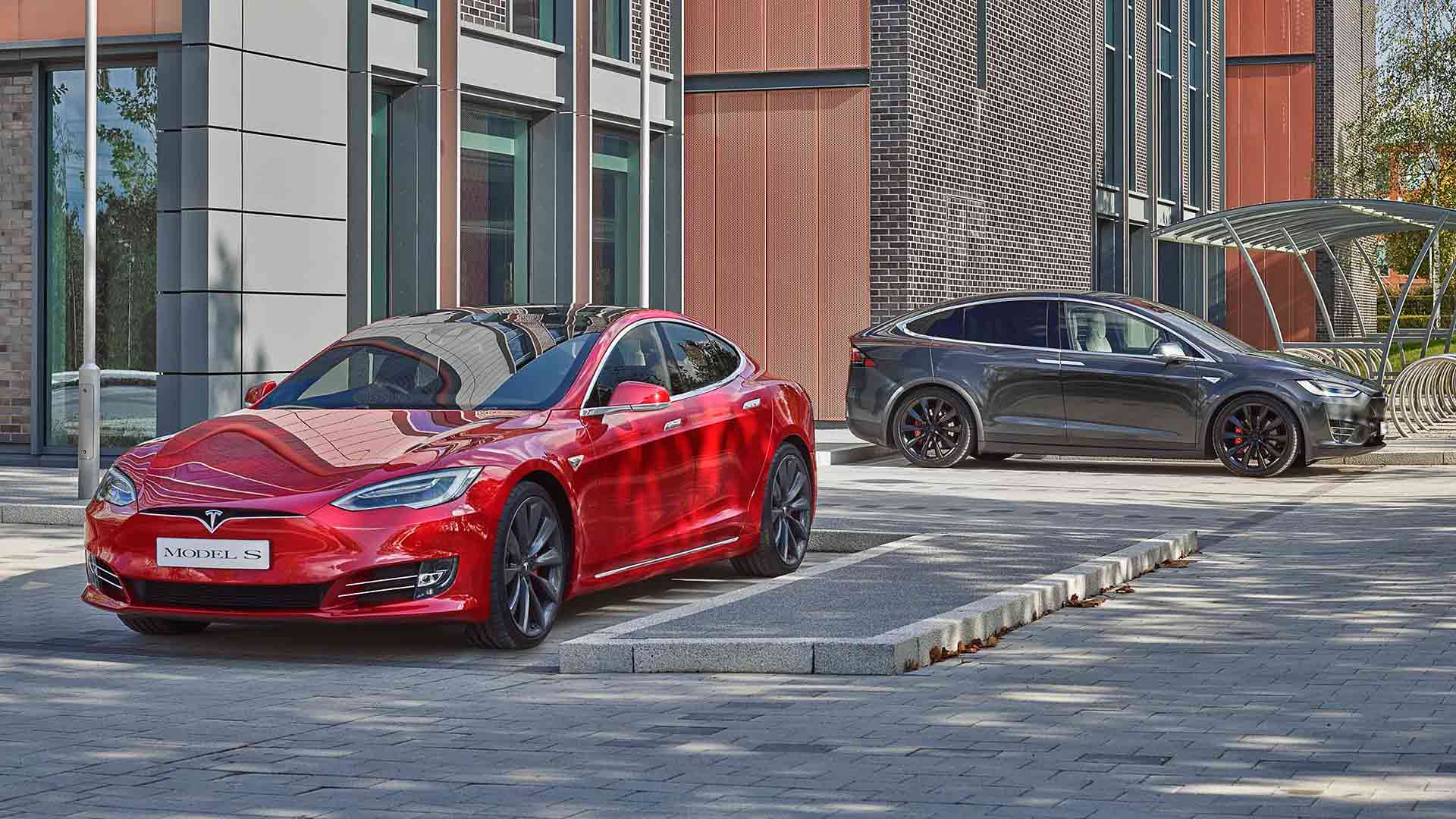
Tesla is the most popular electric vehicle brand on social media website TikTok, according to new research.
Price comparison site Saveonenergy found the Tesla Model 3 is the most popular EV on the platform, with 784,700,000 video views worldwide.
In second place, with 236,100,000 views is the Tesla Model S, while the firm’s Tesla Model X rounds out the top three with 180,600,000 views.
TikTok is a short-form, video-sharing app that allows users to create and share 15-second videos, on any topic. It offers users a wide selection of sounds and song snippets, along with the option to add special effects and filters. It is especially popular among teenagers.
The most popular non-Tesla EV on the app is the Audi E-tron, with videos amassing 143,300,00 views, while the least popular EV on the site is the Renault Zoe.
A consultation was launched in October 2020 to close a ‘legislation loophole’ that criminalises using a mobile phone to call or text while driving, but not for other actions.
These actions are currently not deemed ‘interactive communication’ and escape the present definition of an offence.
Roads Minister Baroness Vere said: “We’re looking to strengthen the law to make using a hand-held phone while driving illegal in a wider range of circumstances.
“It’s distracting and dangerous, and for too long, risky drivers have been able to escape punishment, but this update will mean those doing the wrong thing will face the full force of the law.”
Half of all Ferraris registered last year left the dealership with a personalised number plate, according to new data.
Statistics obtained from the Driver and Vehicle Licencing Agency via a Freedom of Information request showed 50.72 percent of Ferraris registered in the UK in 2020 left the showroom with a personalised plate.
The brand with the next highest proportion of unique numberplates is Morgan (40.91 percent), followed by Lamborghini (37.21 percent).
The data was compiled by YesAuto and, unsurprisingly, premium and supercar manufacturers make up the top spots. McLaren (34.7 percent) and Aston Martin (32.5 percent) complete the top five positions.
In order to make a fair comparison between low-volume manufacturers and mainstream car makers, Yes Auto ranked its list by the percentage of registrations from last year, rather than the total number of vehicles registered from each brand.
At the other end of the spectrum, just 0.02 percent – or five cars, in other words – of Teslas registered last year were sold with personalised plates. According to Yes Auto, “the drop may simply be a policy change at [Elon] Musk’s EV company, where they no longer help customers put a private plate on their new car.”
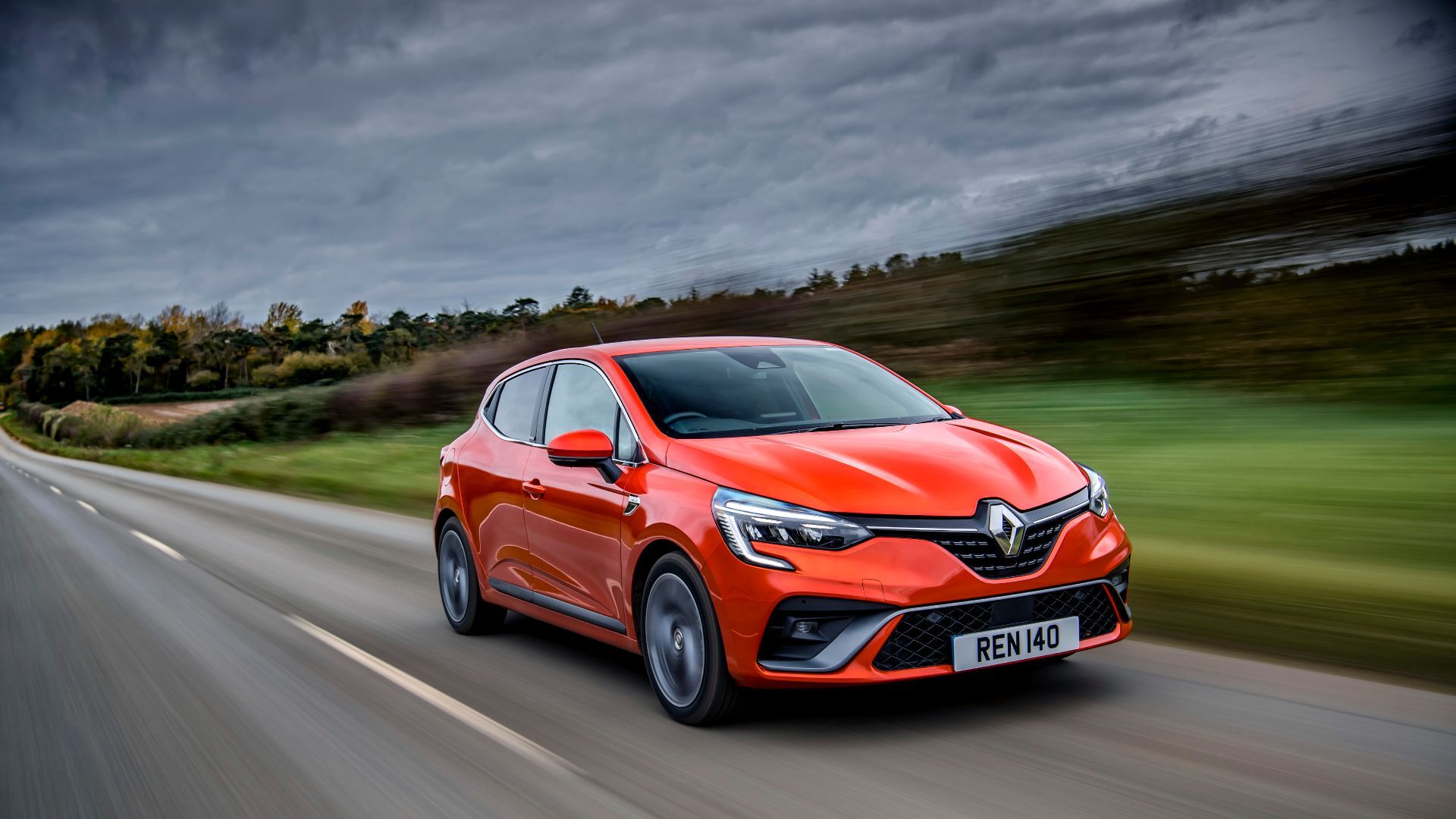
Renault has revealed how the development of its hybrid powertrains was inspired by Lego.
The French firm introduced plug-in hybrid technology to the Clio, Captur and Megane last year, after its powertrain boss trialled the design using Lego.
Nicolas Fremau, Renault’s hybrid architecture expert – yes, that’s his actual job title, according to LinkedIn – said the need for an electric motor to be the main component in the powertrain presented a challenge. He needed to work out which transmission should be used between the electric motor and petrol engine.
He eventually opted to use a clutchless system with gearbox synchronisers, utilising dog clutch technology normally found in motorsport. After watching his son play with Lego Technic sprockets, he bought the required parts and spent a Christmas break building a model of the transmission.
“I had the idea of doing this first to help me understand what to do. After about 20 hours of ‘work’ under the slightly surprised eye of my son, the model was born,” he said.
Fremau had to assemble the different axes and transmission rings, then glue them and drill them to fit into a cradle. He also needed to motorise the whole system, in order to let him live-test the different modes of operation between the engines.
‘If we can make it in Lego, it will work’
When Fremau presented his model to colleagues – project manager Gérard Detourbet and director of research, Rémi Bastien – they “walked around the model, they touched it and they felt we had a real object”.
Fremau said he will always remember a remark from Detourbet: “If we can make it in Lego, it will work”.
ALSO READ:
Every car you can build out of Lego in 2021
Lego Technic Jeep Wrangler ready for the yellow brick road