Home Blog Page 512

Diesel car tax rise a ‘knee-jerk reaction’, say experts

0

Diesel fuel pump

Government plans to raise taxes on diesel cars have been labelled “a terrible misjudged ‘knee-jerk’ reaction” by the RAC. The response follows a report in the Financial Times outlining chancellor Philip Hammond’s decision to inflict higher taxes on diesel vehicles to raise funds for new air-quality initiatives.

The government is expected to announce the move as part of its autumn budget, although it’s not clear whether the chancellor will increase VAT on diesel cars or decide to implement a new levy.

Sales of diesel cars have plummeted this year, with the latest figures released by the Society of Motor Manufacturers and Traders (SMMT) showing a 30 percent fall in registrations, amid concerns over emissions and the threat of anti-diesel car charging schemes.

The RAC is urging the government to think again, arguing that diesel cars remain relevant for company car drivers and those who cover long distances.

RAC chief engineer David Bizley said: “We might be just over 20 years from the Government’s own deadline for ending the sale of new diesel and petrol vehicles, but it seems intent on dissuading as many of us from opting for diesel as possible.

“We are concerned that those who drive long distances, business drivers especially, might consider sticking with their older diesels given the superior economy they offer. It would be a terrible misjudged ‘knee-jerk’ reaction which could backfire and have the unexpected effect of encouraging these owners of older diesels and fleets not to upgrade to newer, cleaner diesels which offer significant benefits in reduced emissions.

“This isn’t what the Government, or any of us, want and is the opposite of what is needed from an air quality perspective. However, it would also be grossly unfair to penalise owners of current diesel vehicles.

“The irony is that the next generation of diesel engines which manufacturers are developing right now are likely to be as clean as their petrol equivalents – so while a new tax might be logical in the short term, this logic will likely not apply within a year or so.

“The possibility of a sudden rush to petrol engines also risks a new rise in CO2 emissions, precisely what previous governments tried to avoid by encouraging drivers into diesel vehicles.”

The chancellor of the exchequer will present his autumn budget to parliament on 22 November 2017.
Advertisement

2018 Bentley Continental GT makes UK debut

0

2018 Bentley Continental GT

We first saw the new Bentley Continental GT at the Frankfurt Motor Show – but now it’s been launched in the UK at a glitzy event in London.

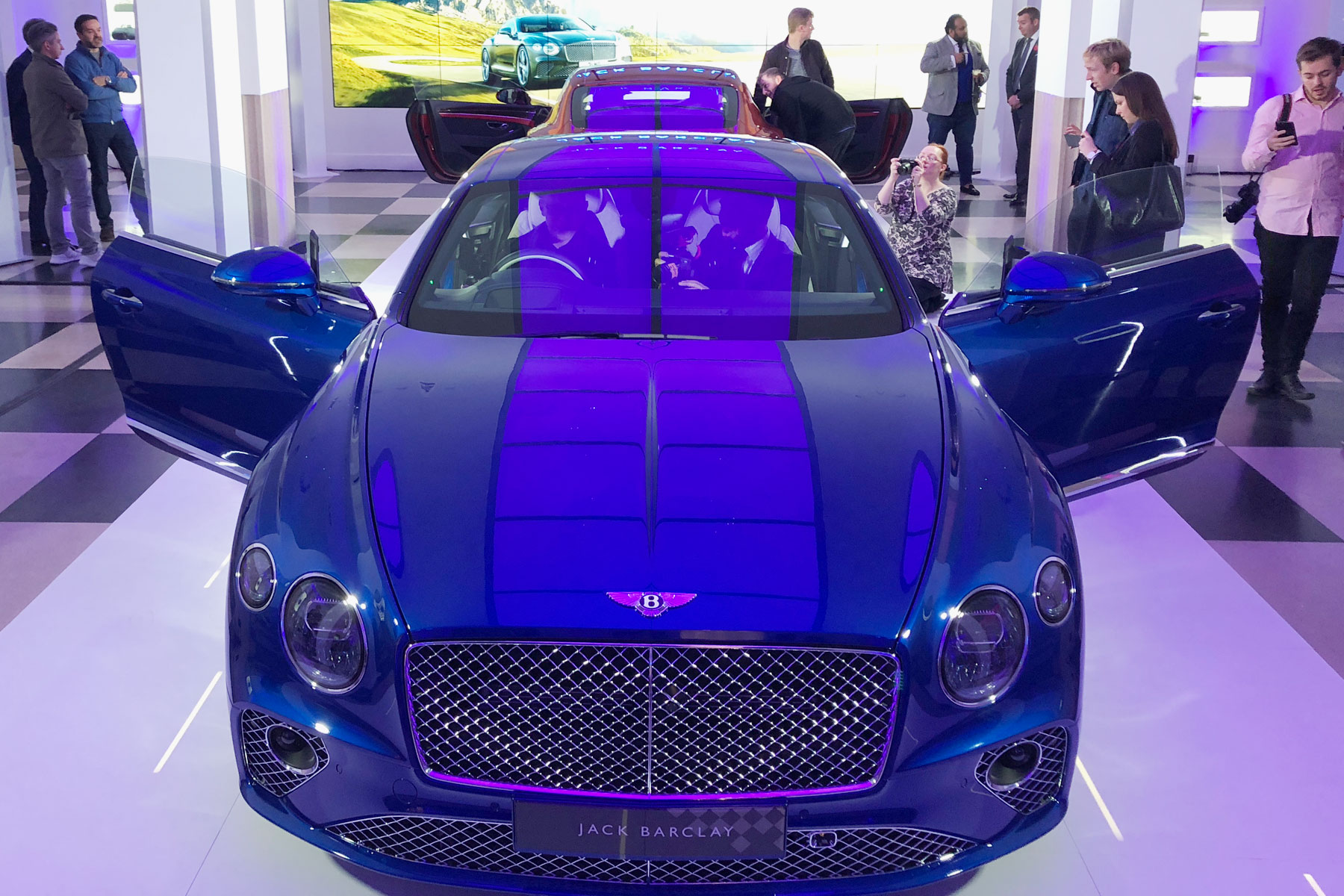
Customers, journalists and VIPs descended on the Jack Barclay showroom in Mayfair to get their first glimpse of the 2018 Bentley Continental GT on UK soil. Designed and engineered at the firm’s Crewe plant in Cheshire, Bentley is hoping the new Continental GT will follow the success of its Bentayga SUV.

Underpinned by VW Group’s MSB platform, the Continental GT is closely related to the latest Porsche Panamera. Bentley’s 48-volt electric Dynamic Ride system powers active anti-roll bars in a bid to improve handling without comprising comfort.

Power, all 635hp of it, comes from a revised version of Bentley’s 6.0-litre W12. It’ll hit 62mph in 3.7 seconds, and 207mph flat-out. Cylinder-deactivation tech combined with a new dual-clutch transmission means it’s more economical than before – emitting just 278g/km CO2 and returning 23.2mpg on the combined NEDC cycle. A V8 will follow, while a hybrid version is also rumoured.

A new 12.3-inch digital display appears from the dashboard when the engine starts, while the rest of the interior is an impressive brand of British craftmanship and new technology.

“Today is a defining moment for Bentley Motors,” said former Bentley CEO Wolfgang Dürheimer at the Continental GT’s Frankfurt reveal. “Today we build on our recent success story and look to the future with a new car that will set new standards in luxury grand touring. Today we introduce a car that is the ultimate in extraordinary design, technology and innovation.

“When Bentley launched the original Continental GT in 2003 it established an entirely new market segment – the modern luxury grand tourer. Today, I’m convinced that we are redefining this segment again. It is an honour to replace a car that has – for 14 years – been the benchmark against which all other grand tourers are judged.”

Prices are yet to be confirmed, but Bentley dealerships are already taking deposits for the new Continental GT. Deliveries will begin early in 2018.

Watch: 2018 Bentley Continental GT revealed in London

Advertisement

Vauxhall plans to make money again by 2020

0

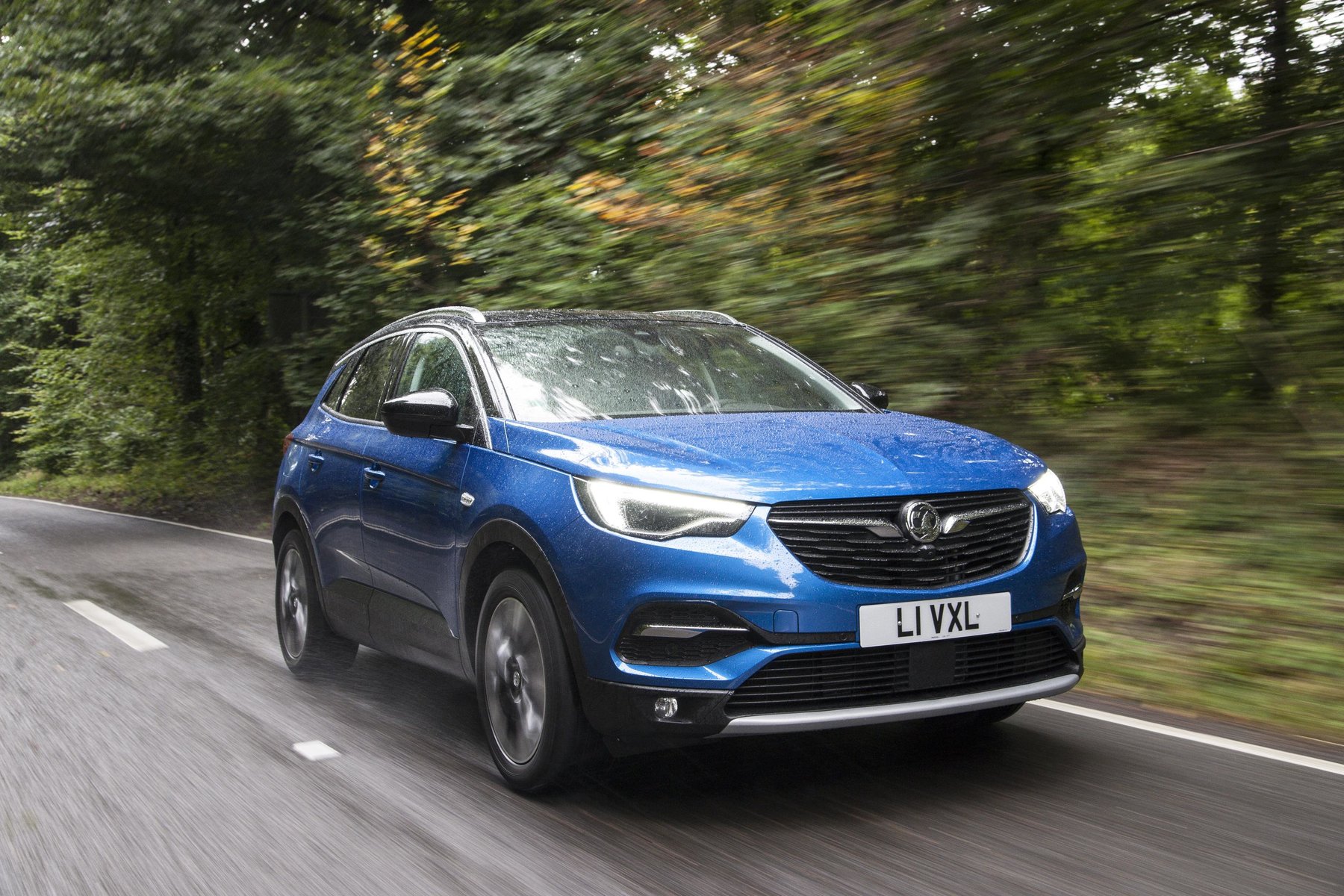
Vauxhall Grandland XThree months after the takeover of Vauxhall and Opel by PSA, the firm has revealed plans to once again become profitable as part of a new corporate strategy called ‘PACE!’.
Its targets are realistic to begin with: a small margin of 2 percent by 2020. But by 2026, it wants to be making 6 percent margin on its cars – and extensive sharing of technology with Groupe PSA Peugeot-Citroen will help it achieve this.

The firm wants to become “a European CO2 leader”. Every model line will offer an electrified variant by 2024, and Vauxhall will launch a fully-electric version of the next-generation Corsa. Even by 2020, there’ll be four electrified models on sale.

Intriguingly, part of the strategy also states a lowering of the financial break-even point to 800,000 cars, “creating a profitable business model whatever the headwinds may be”. The statement does not reveal any sales targets. This number is around 30 percent fewer cars than it sells today.

All Vauxhalls and Opels will be based on PSA platforms by 2024. The ageing Corsa will finally be replaced in 2019 with one derived from the Peugeot 208/Citroen C3 architecture, and the firm is promising one make launch every year – and says it will launch nine new models by 2020.

Vauxhall is currently launching the Peugeot 3008-derived Grandland X in the UK; the next model to be derived from a PSA platform will be the new Combo van in 2018. The move will see the number of different Vauxhall platforms reduced from today’s nine down to just two – and 10 different engine families will be cut to four.

Relief for Ellesmere Port?

The statement does not reference Vauxhall’s Ellesmere Port plant in the UK, which currently produces the Astra, and is the sole global production site for the Astra Sports Tourer estate. The firm simply states: “Improved competitiveness of the manufacturing plants will lead to new vehicle allocations that will provide a better utilisation rate for the next decade”. PSA’s two car platforms, CMP and EMP2, will be used in all Opel and Vauxhall plants; the Astra is currently built on a GM platform.

Encouragingly though, “the plan is designed with the clear intention to maintain all plants and refrain from forced redundancies in Europe.

“The necessary and sustainable reduction of labour costs shall be reached with thoughtful measures such as innovative working time concepts, voluntary programs or early retirement schemes.

Vauxhall is already starting to do this at Ellesmere Port: it recently announced plans to cut the workforce by 25 percent and move from two shifts down to one in order to improve the viability of the plant.

“PACE! will unleash our full potential,” said Opel CEO Michael Lohscheller. “This plan is paramount for the company, to protect our employees against headwinds and turn Opel/Vauxhall into a sustainable, profitable, electrified, and global company.

“Our future will be secured and we will contribute with German excellence to the Groupe PSA development.” Lohscheller, however, made no reference to the Britishness of Vauxhall.

NEXT> Built in Britain: UK automotive from A to Z

Advertisement

You can now buy a new Mitsubishi online

0

You can now buy a new Mitsubishi online

Mitsubishi is the latest car manufacturer offering customers the option to buy a new car entirely via its website.

Developed in conjunction with Rockar – the same firm which provides online car buying software to Jaguar, Land Rover and Hyundai – all current Mitsubishi models are available via the website.

Customers are able to search for cars by budget – whether that’s buying outright, PCP or HP. They can also get a quote for their part exchange.

Test drives can be booked via their website at a nearby dealership, while customers can choose to ‘leave’ the online process and complete the deal at a dealer at any point. Although it’s not possible to haggle online, Mitsubishi says customers will be given the same offers as those available at dealerships.

The website gives the customer a clear indication of how long the car will take to arrive, with home delivery available in certain areas. Alternatively, the car can be picked up at a Mitsubishi dealer.

“Consumers are increasingly looking to the internet to complete all kinds of purchases and while the vast majority of car buyers enjoy the experience of a traditional showroom environment, there is a marked growth in those that desire the convenience of an internet transaction when considering their new car,” said Mitsubishi Motors in the UK’s managing director, Lance Bradley.

“Mitsubishi Buy Online provides a highly flexible, comprehensive solution that will enhance our retail operation and provide customers with even greater choice and transparency.”

A recent survey by automotive expert Cap Gemini reveals that as much as 75 percent of car buyers would consider completing the process online.

>NEXT: Buy a new Hyundai online in 5 minutes with ‘Click to Buy’ service

Advertisement

The man behind the McLaren F1 is launching a new supercar

0

Gordon Murray

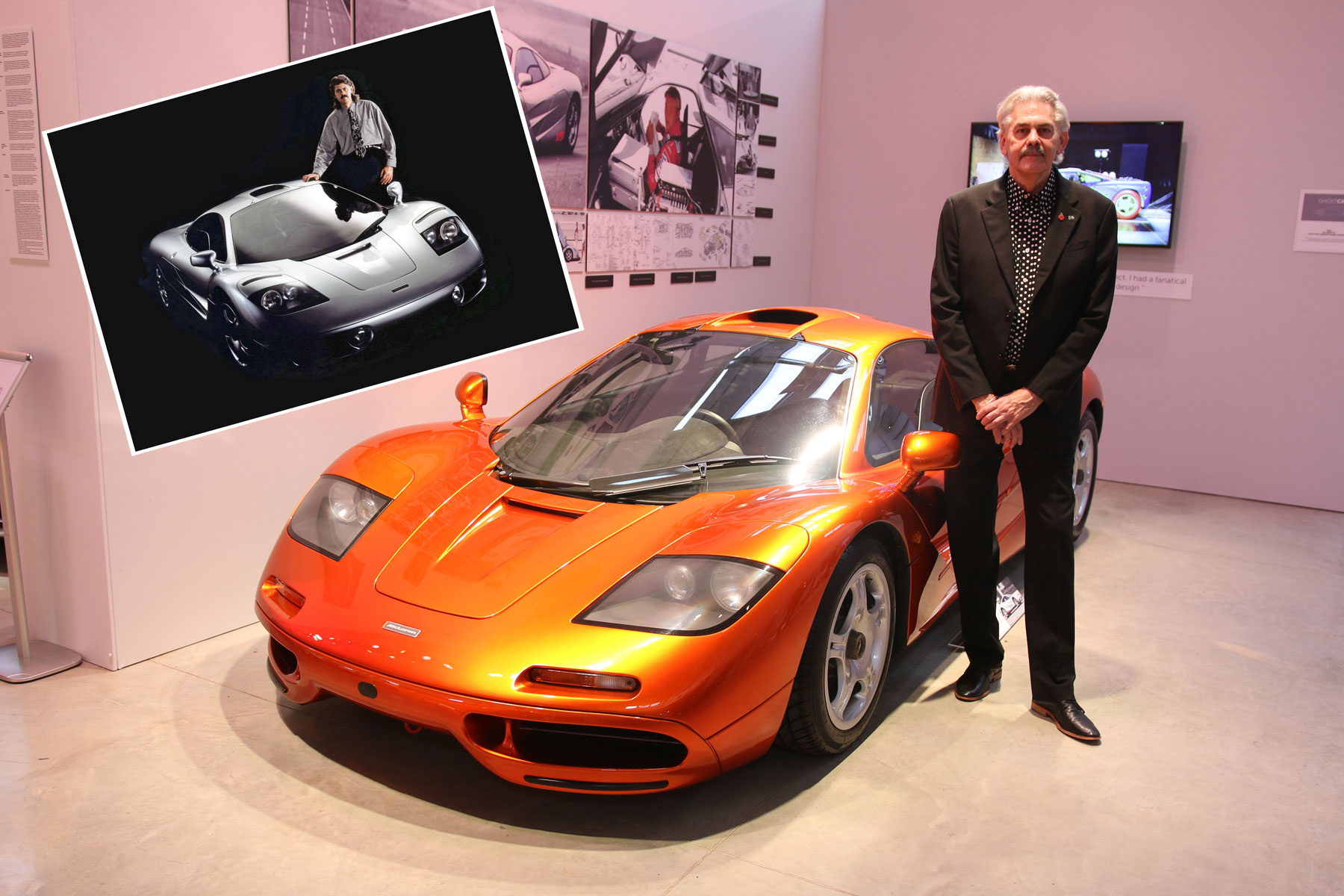
Legendary car designer and engineer Gordon Murray has revealed plans for a new lightweight supercar created by his niche car firm, Gordon Murray Automotive – which will be sold under a new car brand, IGM.

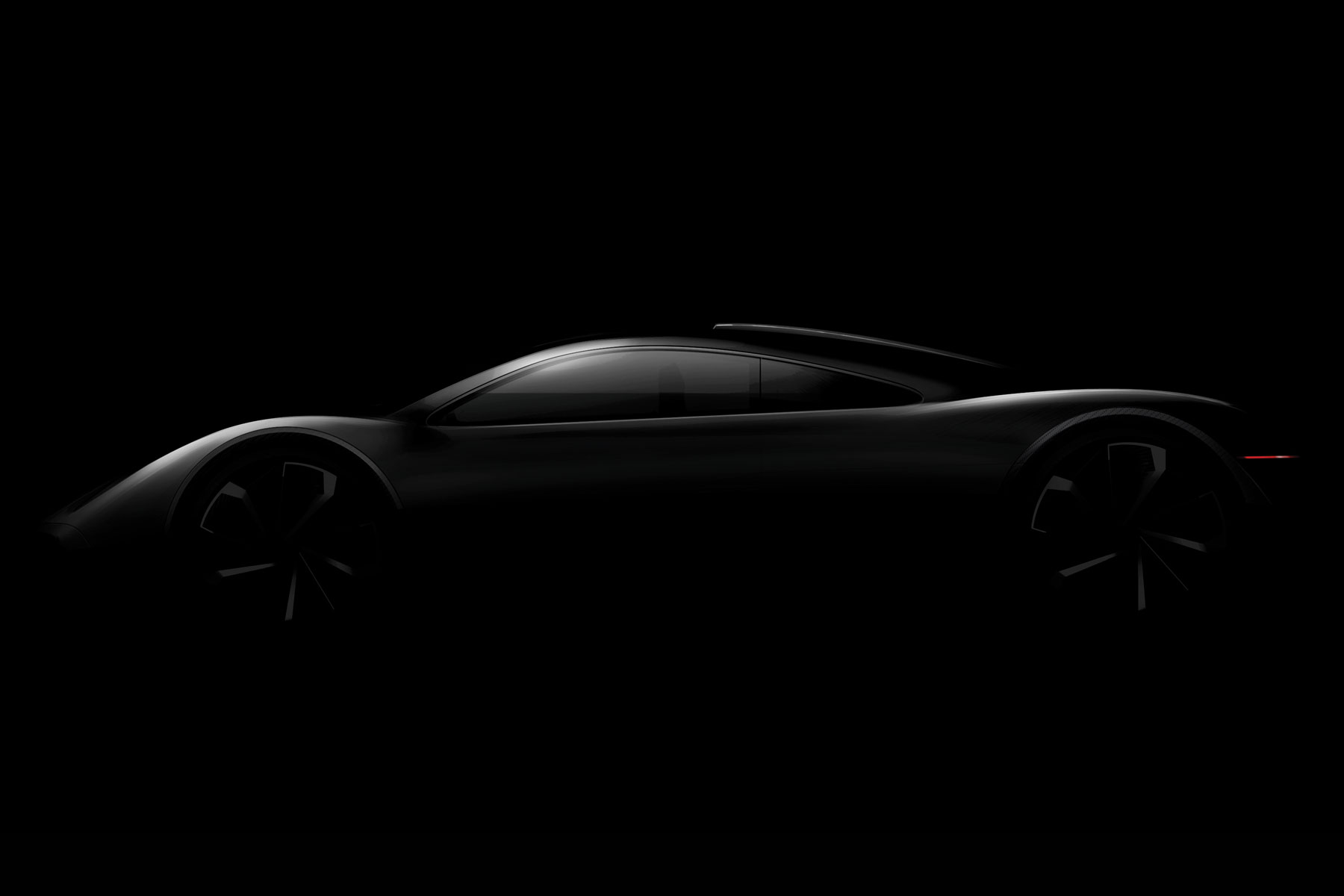
Details of the new IGM supercar (it stands for Ian Gordon Murray – the designer’s full name) are sketchy – but a teaser sketch has been revealed at an invite-only exhibition held at Dunsfold Park in Surrey.

Gordon Murray

Murray says his new car is “inspired by the engineering principles of the McLaren F1”, focussing on combining light weight with driving pleasure. It will be a two-seat vehicle, much smaller than most modern-day supercars, using the latest iteration of Murray’s innovative iStream chassis technology.

Dubbed ‘iStream superlight’, this uses high-strength aluminium sections in place of the steel used in previous versions. The result is a structure that can weight nearly 50 percent less than stamped metal, while also being rigid and durable.

A sister to Gordon Murray Design, the South African car designer previously said Gordon Murray Automotive “will demonstrate a return to the design and engineering principles that have made the McLaren F1 such an icon.”

Almost every race and road car from Murray’s 50-year career has gathered at Dunsfold for the One Formula exhibition, celebrating the 10-year anniversary of Gordon Murray Design and the iStream manufacturing process. It also marks 25 years since the McLaren F1 road car entered production.

A number of vehicles from Murray’s private car collection are also on display for the first time. ‘Gordon’s Garage’ includes two Lotus Elans, a Honda S800, Abarth 750 Zagato and a De Tomaso Vallelunga.

The exhibition is hosted at Gordon Murray’s newest premises, a 1,500m2 building where the new supercar will be built in small numbers.

Advertisement

Cars could be BANNED from London’s Oxford Street by 2018

0

Cars could be BANNED from London's Oxford Street by 2018

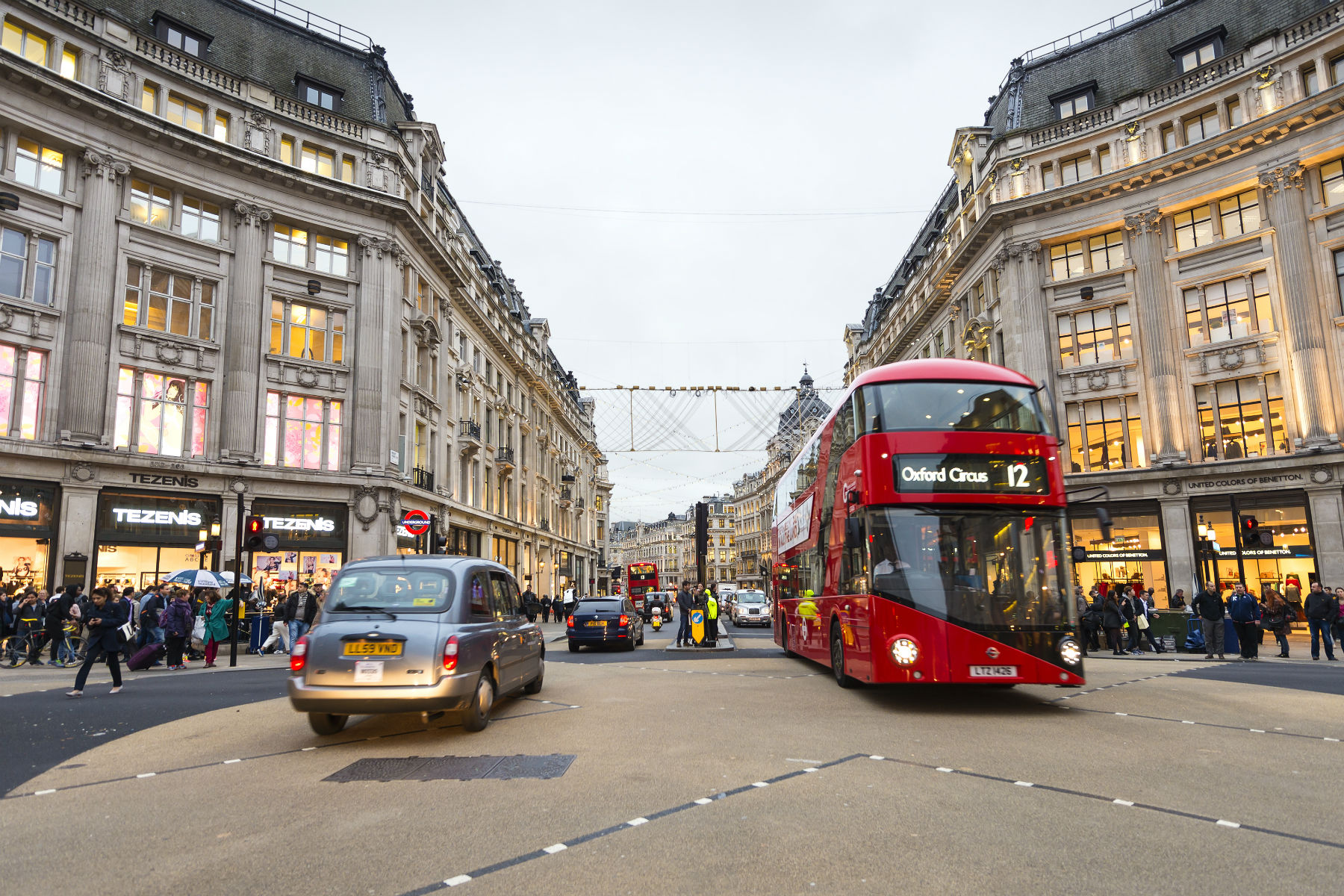
London Mayor Sadiq Khan has announced controversial plans to ban cars from Oxford Street in a bid to turn the area into “the world’s best outdoor shopping experience”.

It’s the latest in a series of anti-car proposals raised by the Mayor in a bid to reduce toxic emissions in the capital. The plans – which are open to public consultation until 17 December 2017 – follow similar examples in cities such as Paris and New York.

As part of the work, the carriageway would be raised, making it level with the existing pavements. Extra seating would be placed along the street while an 800m-long piece of art could be commissioned as a centre piece for the street. New and extended taxi ranks would be created close to Oxford Street to allow Black Cabs to continue to pick up and drop off.

“Oxford Street is world famous with millions of visitors every year, and in just over a year the iconic part of the street west of Oxford Circus could be transformed into a traffic-free pedestrian boulevard,” said Khan.

“Whether you’re a local resident, a business, or shop in some of the area’s famous stores, our plans will make the area substantially cleaner and safer for everyone, creating one of the finest public spaces in the world.”

If the plans get the go-ahead, they’ll be introduced to coincide with the new Elizabeth Crossrail Line set to bring more people to the area from December 2018.

Khan added: “Alongside the arrival of the Elizabeth Line, the Oxford Street area will be truly transformed over the coming years. We will continue to work closely with residents, businesses and Westminster Council to ensure the plans are the very best they can be, including investing in wider pavements, pedestrian crossings, more taxi ranks and further high-quality cycling infrastructure to support everyone living and working in the wider area.”

ALSO READ

Car insurers define what is an autonomous car

Hard Brexit theat to car industry jobs in Britain and Europe

New BMW 6 Series Gran Turismo 2017 first drive

Advertisement

Car insurers define what is an automated car

0

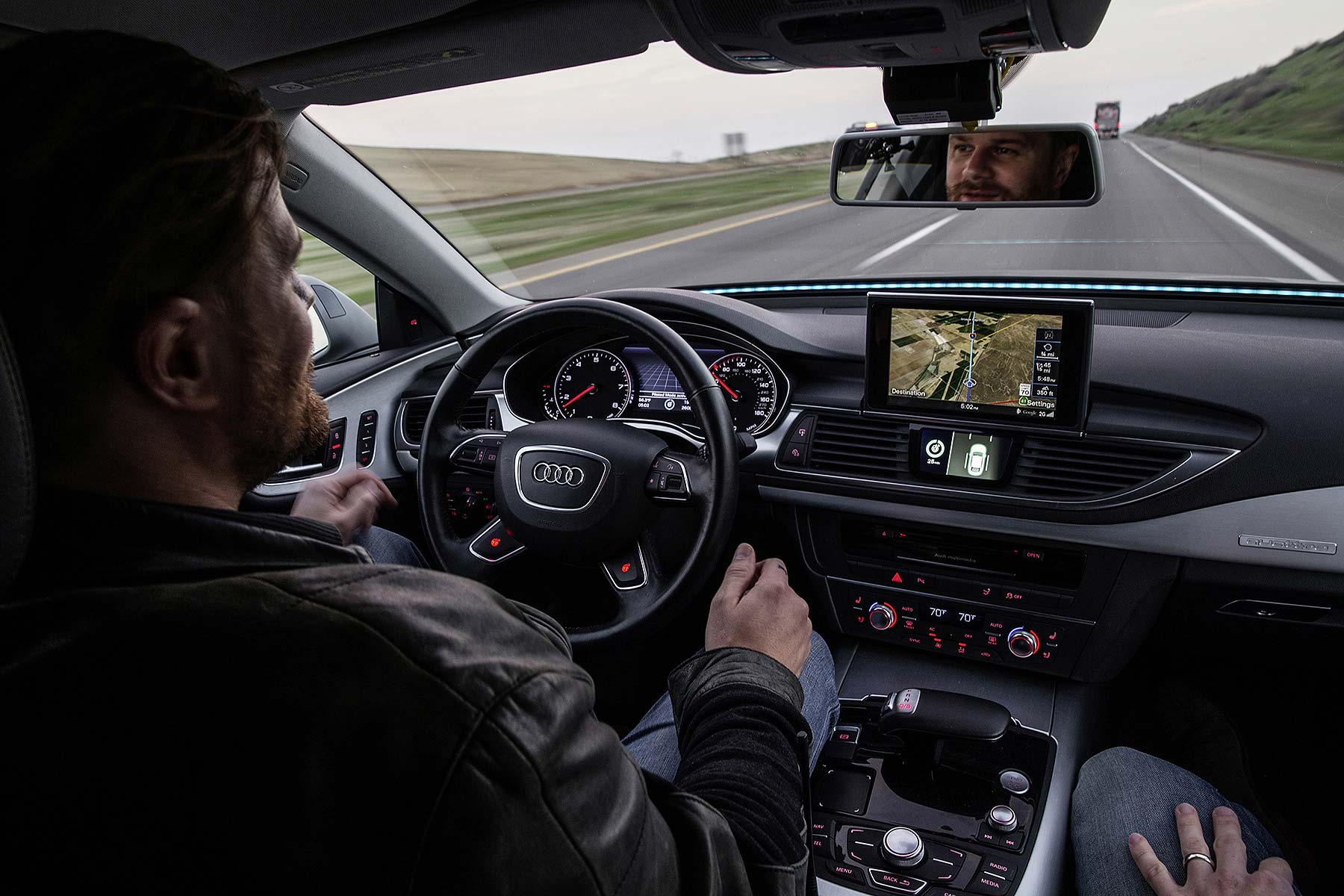
Audi piloted drivingAlthough automated and driverless cars are coming, there’s worryingly little agreement on exactly what a car should be able to do in order to be called ‘automated’. The UK car insurance industry is to now help car manufacturers by outlining its own minimum criteria for automated systems.
Thatcham Research has drawn up a list of 10 key features any truly automated vehicle should possess – because its director of research Matthew Avery believes “it is crucial that there is a clear definition of what constitutes an automated vehicle”.

There is, believes Avery, currently a risk of a dangerous grey area around semi-automated vehicles. “There is the potential for confusion,” added Ben Howarth of the Association of British Insurers.

“People could wrongly think their vehicles can be left alone to manage a journey independently. Insurers want to see manufacturers being absolutely clear about how they describe what their vehicles can do.”

The new criteria, it is hoped, will be used by the car insurance industry, as well as car makers and government, to accurately define what is and isn’t safe use of an automated car.

Crucially, the criteria thus defines what is not an automated vehicle. “A system that needs the driver to control or monitor the vehicle in any way cannot be classified as automated.” By this measure, no system currently offered in the UK can be considered automated.

Hence the 10-point checklist of key features and performance criteria any truly automated vehicle should possess:

  1. Naming: clearly describes automated capability
  2. Law abiding: complies with UK traffic laws and the Highway Code
  3. Location specific: functionality is limited to specific types of roads via ‘geo-fencing’
  4. Clear handover: there’s an easy ‘offer and confirm’ process for transferring driving control
  5. Safe driving: vehicle can manage all reasonably expected situations by itself
  6. Unanticipated handover: sufficient notice must be given if the vehicle needs to unexpected hand back driving control
  7. Safe stop: vehicle should stop safely if unable to continue or the driver does not take back control
  8. Emergency intervention: vehicles can avoid an accident by responding to an emergency
  9. Back-up systems: there are safeguards if any systems fail
  10. Accident data: full recording and reporting of what systems were in use in case of an accident

Thatcham hopes the new criteria will be used as part of the government’s ongoing Automated and Electric Vehicle Bill, which is currently passing through Parliament. This is intended to enable consumers in the UK to be amongst the first in the world to reap the rewards that improved transport technology will bring.

“The Bill will set the regulatory framework to enable the next wave of transport technology to be invented, designed, made and used in the UK.”

Included, it is hoped, exactly what is a truly automated and driverless car.

Advertisement

Ferrari on track to make a billion – but it’s not all good news

0

Ferrari on track to make a billion – but it's not all good news

Ferrari is set to make a record €1 billion (£891 million) operating profit this year – two years ahead of the target set by Sergio Marchionne when he took over as chief executive in 2014.

But shares in the Italian supercar manufacturer have dropped, as analysts say the adjusted profits, which are frequently considered the best indication of true profitability, have only just hit estimates.

The quarterly adjusted profits, before interest, taxes, depreciation and amortisation, mark a 14 percent increase from the 2016 figure – less than the 24 percent rise reported for nine-month earnings.

These results have disappointed analysts and can partly be attributed to Ferrari’s failure to top the rankings in this season’s Formula One. In a conference call on Thursday, Marchionne said he is considering pulling out of F1 in 2021 – and doing so would be a good thing for shareholders.

“It would be totally beneficial to the P&L [profits and losses],” he said. “We would be celebrating here until the cows come home.”

It comes after new regulations proposed by the sport’s new owners, Liberty Media, were announced. The controversial reforms, including strict new engine rules, could be brought in from 2021.

Marchionne added that he would feel “like a million bucks” being the boss who took Ferrari out of F1.

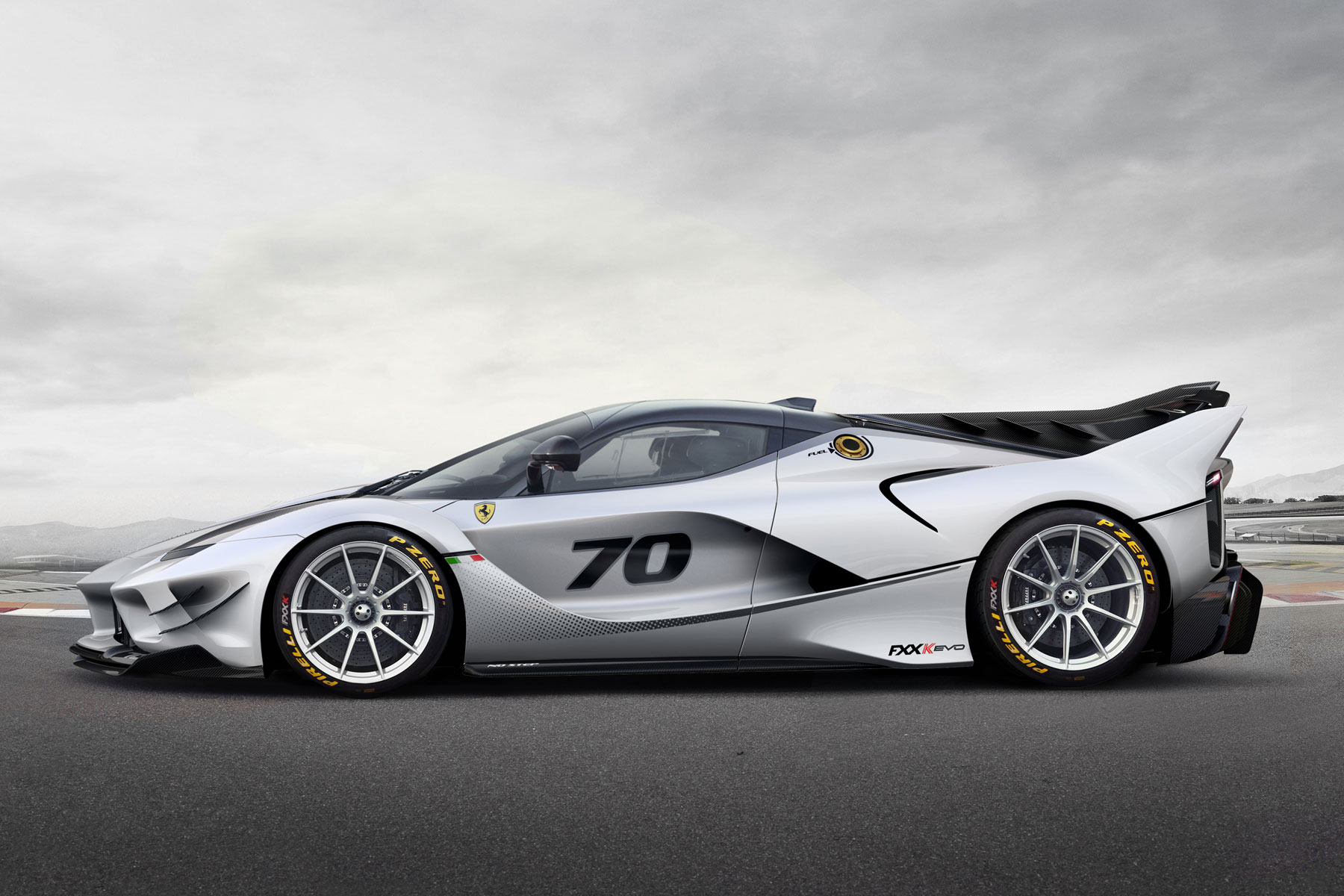
Ferrari has sold 6,381 cars so far in 2017 – a five percent increase on the same period in 2016. The firm revealed its racetrack-only FXX K Evo hypercar this week, and speculation around new models, including a Ferrari SUV, continues. Marchionne said last month that the firm is “dead serious” about building an SUV, but it won’t arrive until 2020 at the earliest.

Describing the SUV as a “fun utility vehicle”, the Ferrari chief said it would be a proper Ferrari – and definitely not a rebadged or re-engineered vehicle from another brand.

Ferrari split from parent brand Fiat Chrysler in 2016, which led to FCA shares plummeting by a third.

>NEXT: Maserati Levante S: the ‘Ferrari SUV’ comes to the UK

Advertisement

This is your last chance to buy a new Subaru WRX STi in the UK

0

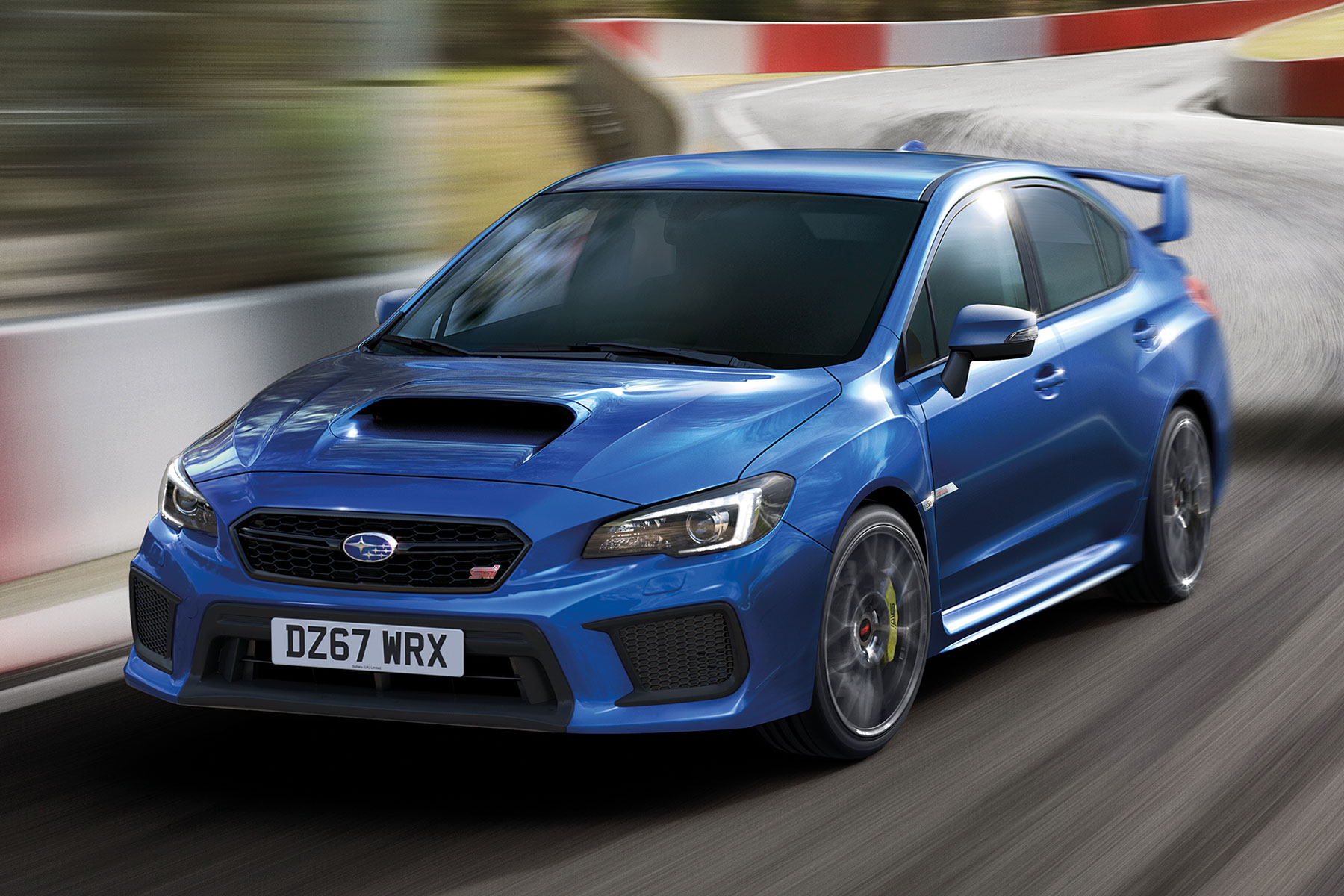
Subaru WRX STi Final Edition

Subaru has revealed a limited-run special edition WRX STi as it announces that the legendary super saloon will soon be no more in the UK.

The WRX STi, previously known as the Impreza WRX STi, can trace its roots back nearly 25 years. It’s the car that Colin McRae made famous, and one of the first affordable performance cars on the market.

But, as hot hatches such as the Volkswagen Golf R get ever more competent, versatile and affordable, the WRX STi has been living on borrowed time. It’s no surprise, then, that Subaru is wielding the axe on its legendary flagship model. Unfortunately.

If you want to get your hands on a brand new WRX STi while you still can, get your order in for Final Edition as soon as you can. Subaru’s taking orders now, with just 150 available and prices starting at £33,995.

This isn’t a half-hearted special edition. While the standard 300hp 2.5-litre turbocharged flat-four remains, the WRX STi now boasts 19-inch alloys. This isn’t just for aesthetics – they house bigger Brembo brakes with yellow calipers, offering better fade-resistance and performance when driving on the limit, says Subaru.

A multi-mode driver’s control centre differential, meanwhile, shuffles power around to provide maximum traction at all times.

The front bumper has been redesigned with a more aggressive look, while the grille has been enlarged to aid cooling.

Red stitching and seatbelts along with glossy black inserts brighten up the interior, while heated front seats add a touch of comfort. There’s also a larger 5.9-inch infotainment screen at the top of the dash, incorporating DAB radio and a reversing camera (just in case you can’t see over the large rear wing).

>NEXT: 2017 Tokyo Motor Show: the star cars

Advertisement

Jeep has accidentally revealed its new 2018 Wrangler

0

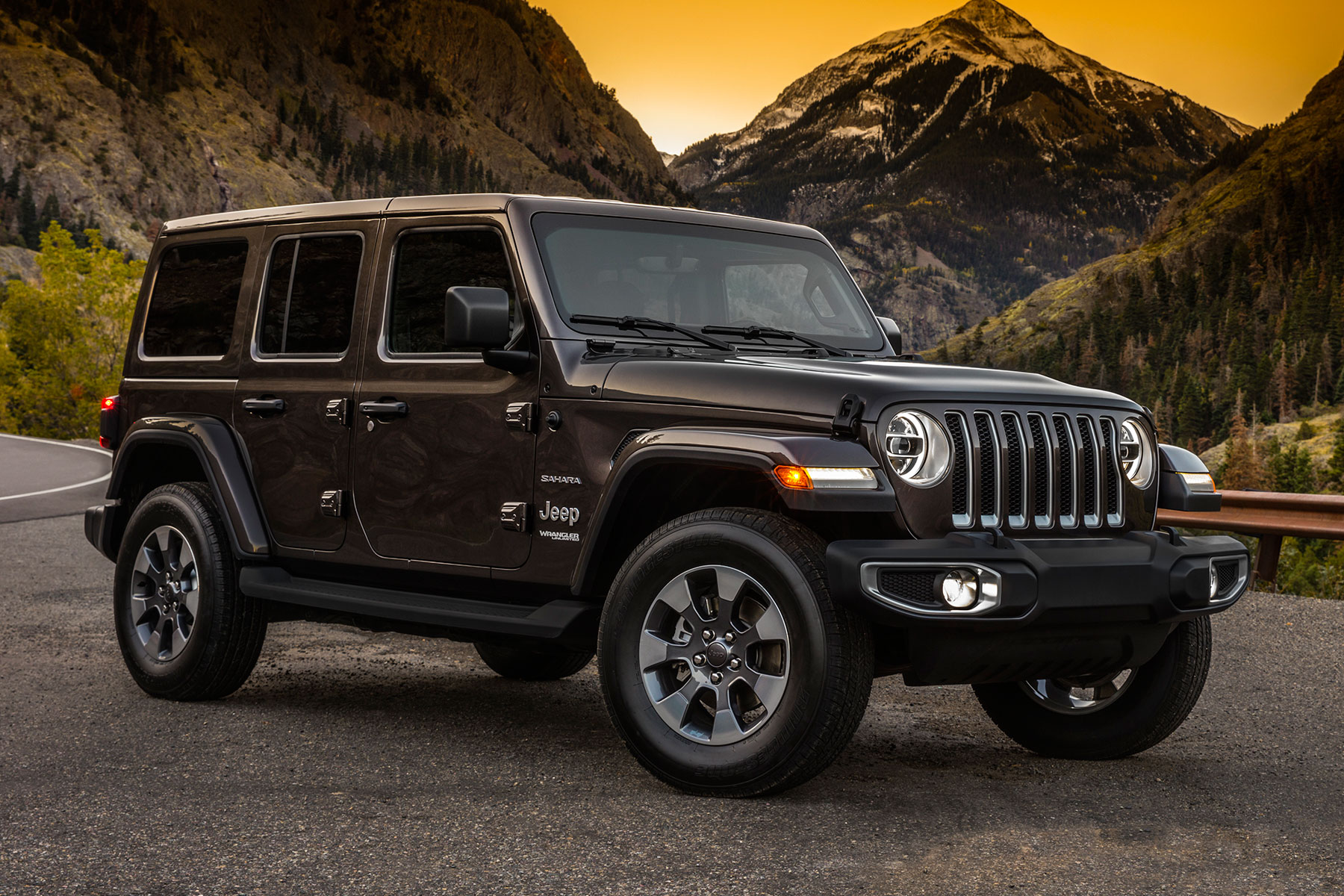
2018 Jeep Wrangler

The new Jeep Wrangler is set to make its debut at this month’s LA Auto Show – but official pictures of the 2018 model have appeared during a presentation at the SEMA show in Las Vegas.

In a hastily released statement sent to US media, Jeep describes the new Wrangler as “the most capable SUV ever”. Sketchy about details, the statement promises “advanced fuel-efficient powertrains, more open-air options, and… more safety features and advanced technology than ever before.”

In truth, it doesn’t look a great deal different from the outgoing model. But when it’s a design that can be traced back to the Willys Jeep of the 1940s, that’s not a huge surprise. Jeep insists aerodynamics have been improved – a surprise considering its boxy shape – while the windscreen can be folded down for wind-in-your-face motoring.

The current 2.8-litre turbodiesel engine is believed to have been dropped in favour of a new 2.0-litre four-cylinder turbocharged petrol engine, along with a 3.6-litre V6. It’s not been confirmed which engines will make it to the UK – or if an electric powertrain could be offered.

We’ll find out more about the new Wrangler when its revealed on November 29th at the LA Auto Show. MR will be reporting live.

ALSO READ

Land Rover Discovery pulls a 110-tonne road train

‘Game-changing’ Kia Stinger prices from £31,995

New BMW X3 2017 first drive: third time lucky

Advertisement