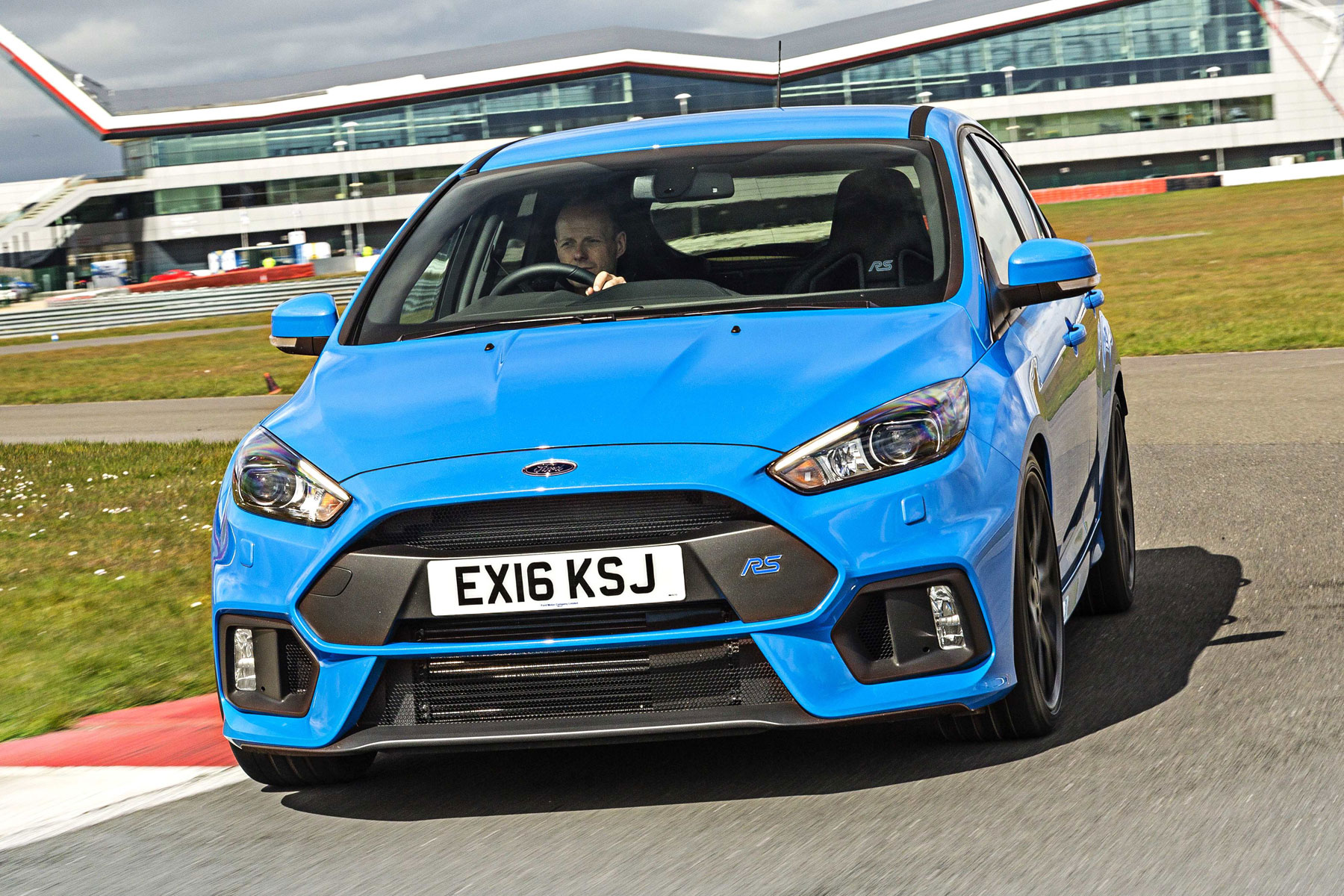
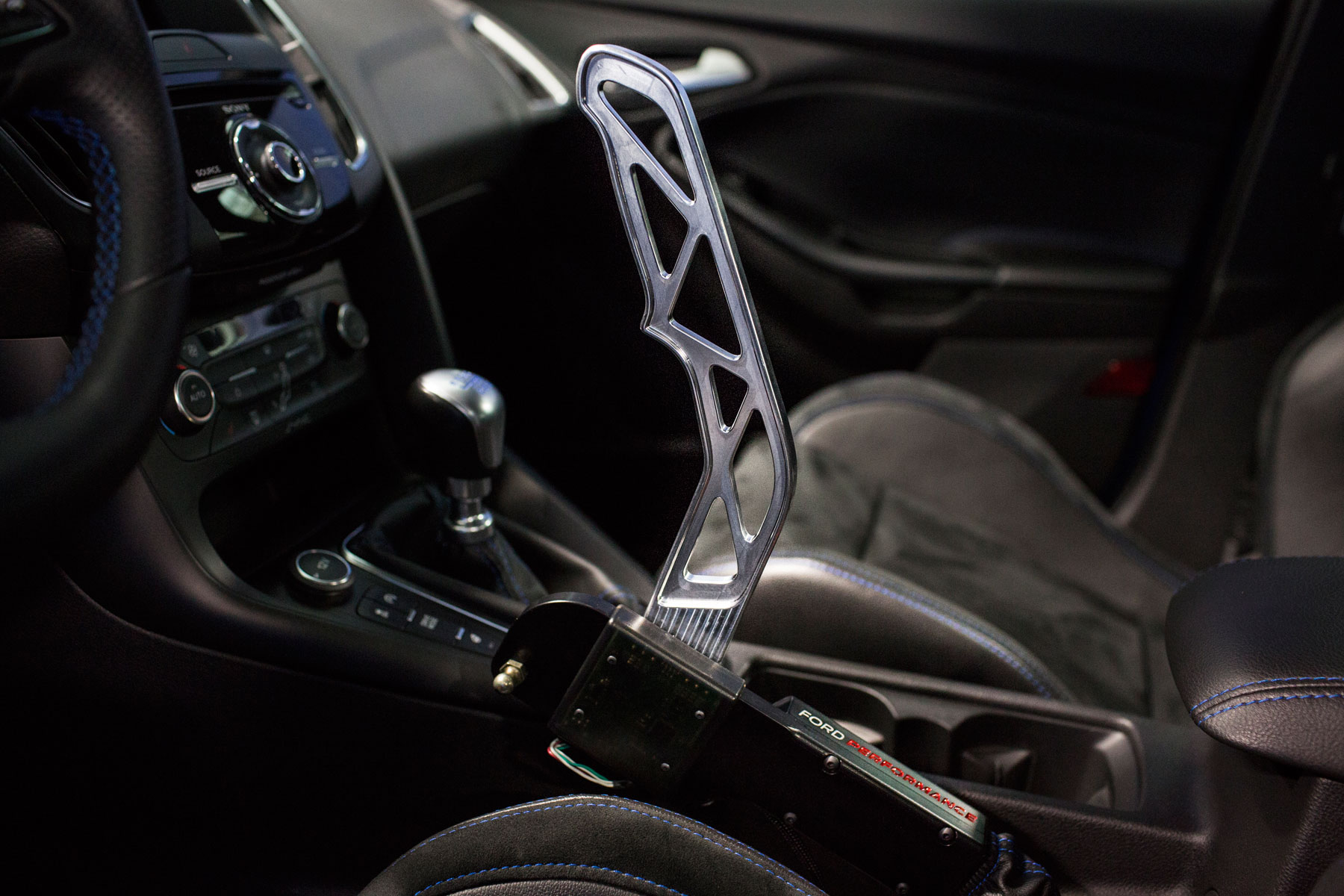
Think the electronic parking brake will mean the death of handbrake turns? Think again – as Ford has revealed an electronic handbrake designed to encourage its Focus RS to go sideways.
Developed by the same Ford Performance team behind the Focus RS’s controversial Drift Mode, the Drift Stick exploits the car’s all-wheel-drive and anti-lock brake systems to initiate drifts by using clutches to lock the rear wheels at the pull of a lever. Said lever is an aluminium device that sits between the driver’s seat and the manual gear stick – just where you’d find a ‘normal’ handbrake.
“The passionate engineers at Ford Performance are also enthusiasts,” said Ford Performance global director, Dave Pericak. “Everyone here is encouraged to think outside the box, so project ‘Wicked Stick’ was born. Our engineers will leverage the learnings from its development for many future products for Ford Performance and, ultimately, take back even more of an innovative spirit when they rejoin our mainstream engineering teams.”
Revealed at the SEMA modified car show in Las Vegas, Ford says its Drift Stick is available for Focus RS owners in the US and Canada to buy from December for $999. Installation is easy, says Ford, as there’s no welding or hole drilling required, making the modification fully reversible. And it won’t void your car’s warranty.
Unfortunately there’s no mention of whether the Drift Stick going on sale in the UK any time soon. We can but hope…
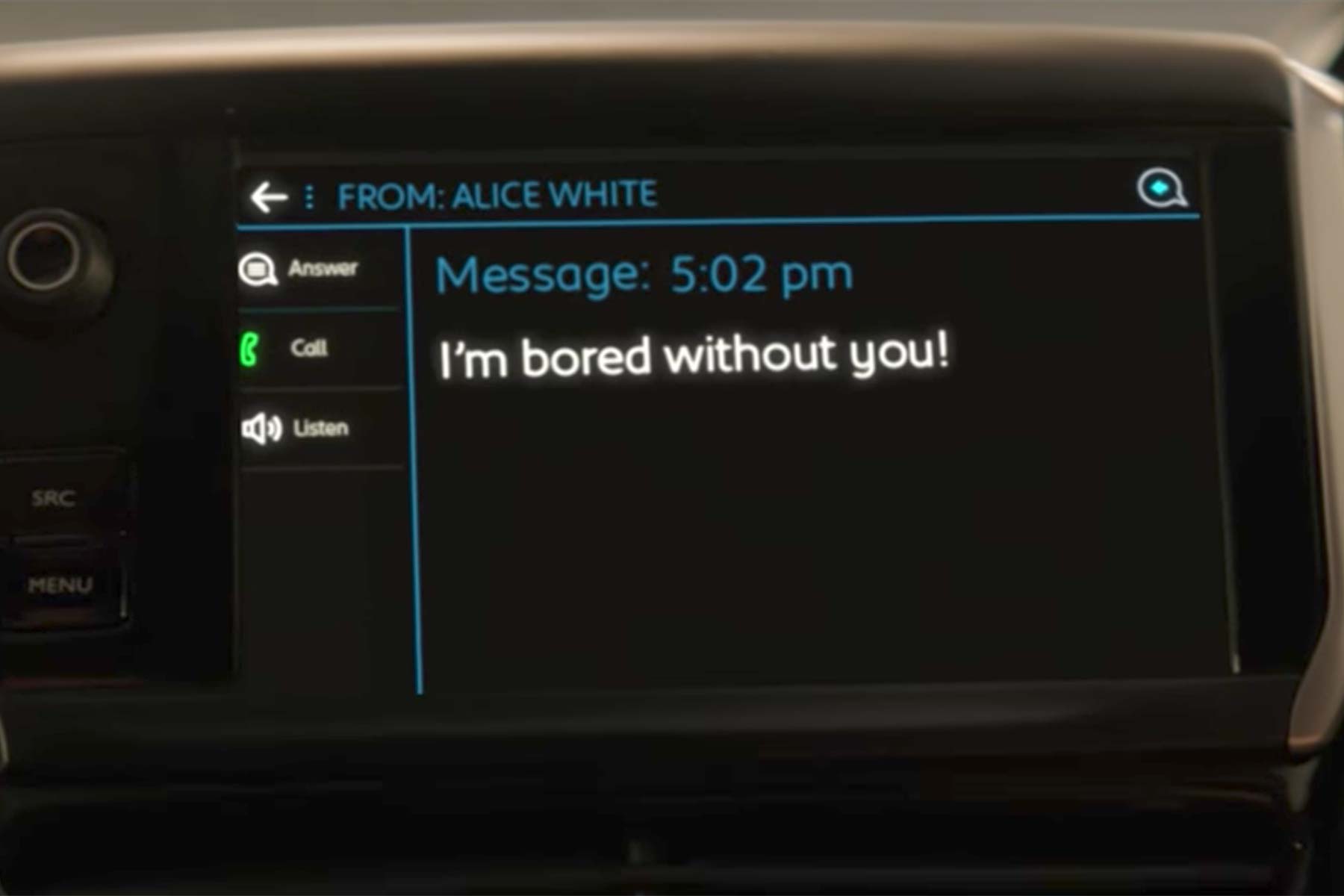
An advert showing a Peugeot 208 driver glancing at a text message displayed on his car’s infotainment screen has been banned for encouraging irresponsible driving.
Five separate complaints from viewers over the advert, which aired on TV in July, led to an investigation by the Advertising Standards Authority (ASA).
As part of the Peugeot 208’s Mirror Screen system, which mirrors the driver’s phone onto its infotainment screen, drivers can read incoming text messages and send pre-written templates. In the advert, a driver can be seen reading a message which says “I’m bored without you!”.
Responding on behalf of Peugeot, Clearcast, a firm which pre-approves adverts for television, said the Highway Code permitted a driver to adjust music or the radio. They believed the action of the driver looking momentarily at a message on a screen in the dashboard was no worse and less distracting than that.
The ASA disagreed, however, noting that the Highway Code advises drivers to avoid distractions, giving “starting or adjusting any music or radio” as an example of a distraction (rule 148); that using hands-free equipment was “likely to distract your attention from the road” (rule 149); that there was “danger of driver distraction being caused by in-vehicle systems such as satellite navigation systems, congestion warning systems, PCs, multi-media, etc” and that drivers “MUST exercise proper control of your vehicle at all times”.
It upheld the complaints, saying that reading the text message “amounted to a distraction that would have prevented him being aware of, and/or being in control of, other actions that were necessary for safe driving”.
Peugeot has been told it cannot display the advert again in its current form, and that its future ads should not condone or encourage dangerous or irresponsible driving.
Aston Martin’s range-topping model, the Vanquish, is nearing the end of the life. To give it the send-off it deserves, the firm has created a line of ‘Ultimate’ models, limited to just 175 cars in either Vanquish S Ultimate Coupe or Volante guise.
The Ultimate doesn’t get any more power than the 595bhp Vanquish S, now are the eight-speed automatic gearbox or carbon ceramic brakes any different to what you’d get on a series S.
Touchdown for Tom Brady Aston Martin Signature Edition
No, the difference with the Vanquish S Ultimate is visual. Aston is offering it in a choice of three unique colourschemes, each enhanced with carbon fibre side strakes finished with a rose gold ‘Ultimate’ badge.
The first so-called Designer Theme is Ultimate black with Copper bronze graphics for the front air intake, side sills and rear diffuser. A black leather interior is highlighted with Chestnut tan and Aston says the overall colourscheme references the original Vanquish S Ultimate Edition from a few years back; it’s pictured here.
Too moody? Try Xenon grey paint with Cobalt blue graphics, which looks a bit like a piece of designer sportswear, reckons Aston. It has yellow brake calipers and, inside, Electron yellow and Spectral blue stitching for the Phantom grey leather.
Too much? How about White gold paint with bronze graphics, Chestnut tan leather with black accents and a gorgeous carbon fibre fascia? And if even that doesn’t tick the box, you can choose any other exterior and interior colourscheme for free, which sort of defeats the point of offering a range of limited edition Designer Themes, but there we go.
Aston Martin vice president and chief sales officer Christian Marti said: “As the much-loved and highly-acclaimed Vanquish S nears the end of production, we wanted to celebrate its success with a limited run of very special cars.
“The Ultimate edition perfectly captures the spirit of Vanquish and is sure to be sought after by collectors around the world.”
First deliveries of the runout Vanquish S Ultimate begin in Q1 2018, but ordering is open now: the Coupe costs from £211,995 and the Volante is priced from £223,995.
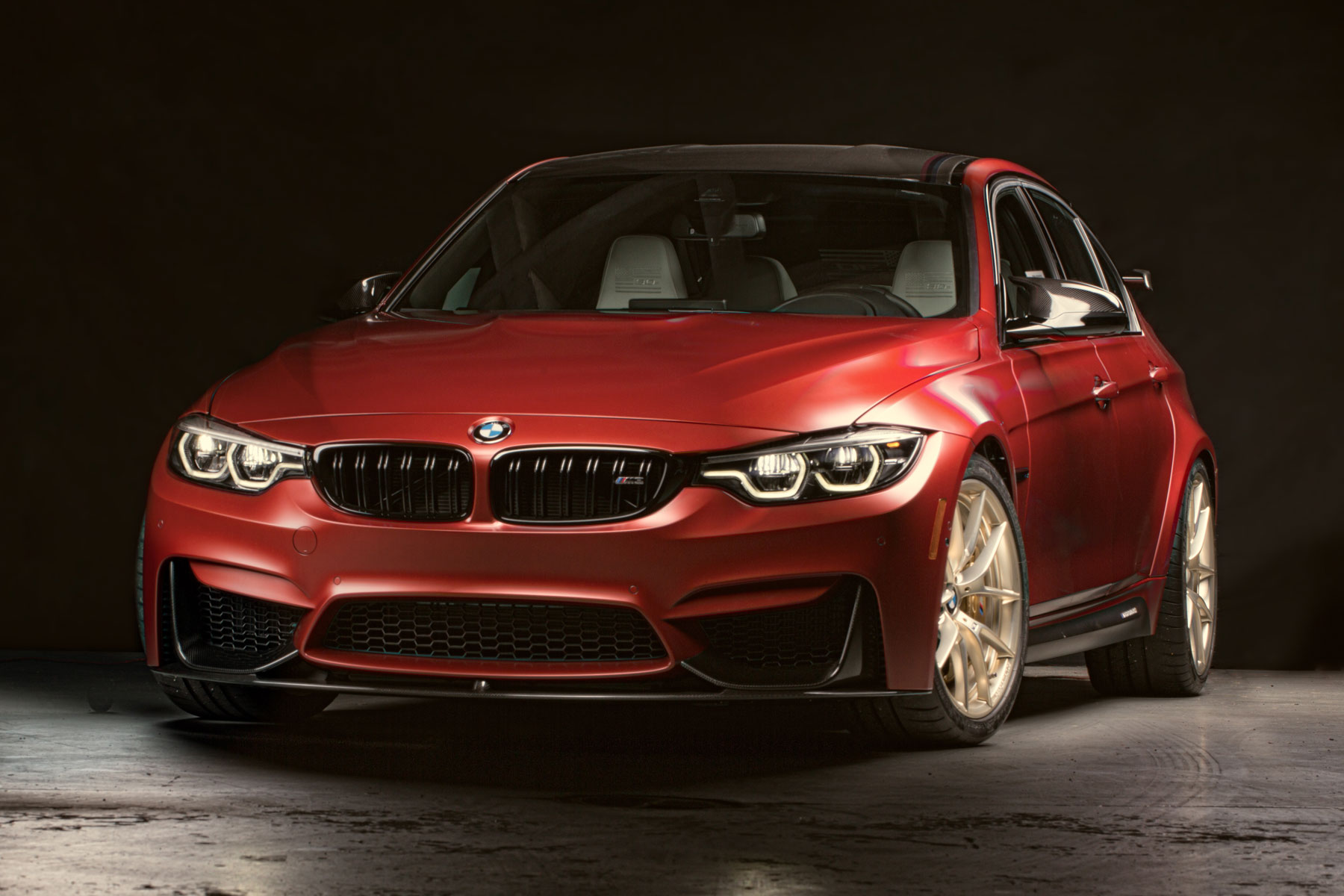
Not everyone will like this BMW 30 Years American special edition. One MR staffer described it as ‘marmite’, and he really doesn’t like marmite. Some do, however, but that’s irrelevant – as it’s a one-off special edition model that will probably never ever make it across to the UK.
Revealed to celebrate 30 years of selling the BMW M3 stateside (a year after the 30 Jahre was launched (celebrating 30 years of M3 worldwide), the American Edition has been styled by BMW’s Designworks division and built by its Individual department.
It features distinctive Frozen Red II paint – a nod to the iconic Henna Red of the original M3 from the 1980s, says BMW – with black accents. One-off M Performance gold alloy wheels (19-inch front, 20-inch rear) are reminiscent of the M3 E30 DTM racing wheels, while a carbon fibre rear spoiler completes the ‘race car’ look.
Things are just as in-your-face inside, too. BMW says “the interior could not be less special,” and we’d find it hard to disagree with that. It screams “USA, USA, USA” with its red, white and blue leather seats. While the interior isn’t quite to our tastes, it’s good to see a manual gear stick in front of the Alcantara-covered cubby box.
Mechanically, it’s the same as any other BMW M3 with the Competition Package. That means its 3.0-litre turbocharged straight-six produces 444hp, taking it to 62mph in 4.2 seconds and a limited top speed of 155mph. Not bad for a four-door saloon car.
If you want to buy the 30 Years American Edition – well, frankly, you’d be very lucky, as it’s a one-off. But BMW has said that, after its debut at the SEMA performance car show in Las Vegas, it will be up for sale. As for the price? No doubt significantly more than the £61,580 an M3 Competition Pack will set you back in the UK…
“ZS will, quite simply, double our sales, and push MG towards 10,000 sales in the UK next year,” said Cheyne.
According to the latest figures from the Society of Motor Manufacturers and Traders (SMMT), MG has registered 3,321 cars so far in 2017. Cheyne said the manufacturer is on track to hit a target of 4,500 cars this year – a record for the company since it was reborn under Chinese ownership in 2006.
MG Motor broke the 1,000 cars registration barrier for the first time in 2014, with 2,326 cars sold in the UK. In 2015, 3,152 new MGs were registered, rising to 4,192 in 2016.
Cheyne added: “We retail nearly every single one of our cars. We don’t have dealers with forecourts full of pre-registrations, which is really important for us. Our cars are bought by people’s own money.
“The ZS is definitely the best car, the greatest car we’ve launched. We’ve listened to all of our customer feedback from previous models.
“[It] builds on all the positives and improves on all our other models, to keep the MG brand growing and moving forward. Our early years were more about re-establishing the company rather than actual sales growth. But for the last four years, since 2014, we’ve been growing organically.”
By the end of 2017, MG will have 90 dealers across the UK, giving it more than 65 percent coverage of the UK.
The firm controversially announced in 2016 that it would stop assembling cars at the old MG Rover plant in Longbridge, Birmingham. Previously, it would manufacture cars in China before shipping them across to the UK for final assembly.
The MG ZS was originally supposed to be called the XS, until it emerged that Land Rover owned the ‘XS’ trademark. A last-minute change of plan led to it taking the name of a 90s Rover 45-based hot hatch.
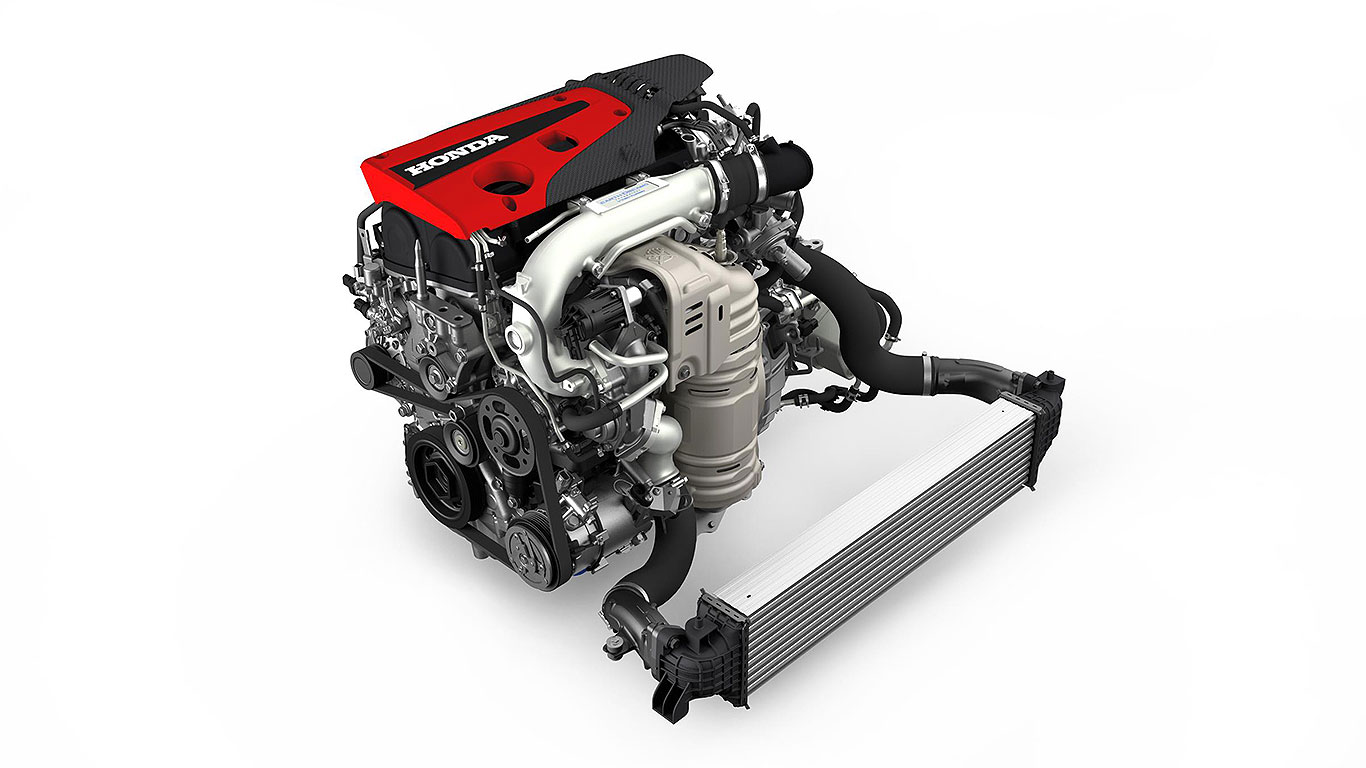
The current-generation Honda Civic Type R’s mighty 2.0-litre i-VTEC Turbo engine is now available in a box, with the launch of a U.S. ‘crate engine’ programme at the 2017 SEMA performance car show in Las Vegas.
The Civic Type R Crate Motor is a North American-spec engine producing 306hp, and will be sold to professional racers competing in motorsport. It’s eligible to be run on verified closed-course racetracks and “builds upon Honda’s long-term commitment to the support of grassroots racing”.
The engine, codenamed K20C1 (the latest in the long-running Honda K series line first launched in 2001), is sold through the Honda Racing Line division, which sells a raft of motorsport parts to Honda racers.
The crate engine comes complete with everything a racing team needs to get it up and running; all they need to do is fork out for it to be shipped from the North American plant that builds the Type R engine.
Price? In the U.S, it’s $6,519. How much is that in pounds sterling? Around £4,600. Rather less than the £30,995 price of an entire Civic Type R, but also indicative of just how much a top-line engine costs.
Honda has in mind racers for the new crate engine, but specialist car firms may also be interested; UK performance car manufacturers Ariel has for some time used the non-turbo predecessor to this Civic Type R engine – just imagine how satisfying a version using the latest turbo engine could be…
Turning to a Japanese brand might be a passport to a stress-free life, if the results of the What Car? Reliability Survey are to be believed. Read on to discover the makes of car likely to be a dream to own. We’ll run through the top 10 manufacturers in reverse order.
Steve Huntingford, editor at What Car? said: “Japanese brands continue to lead by example when it comes to reliability; the breadth of vehicles with near-faultless scores highlights the engineering prowess of Far Eastern manufacturers.” Subaru scores 81.8%.
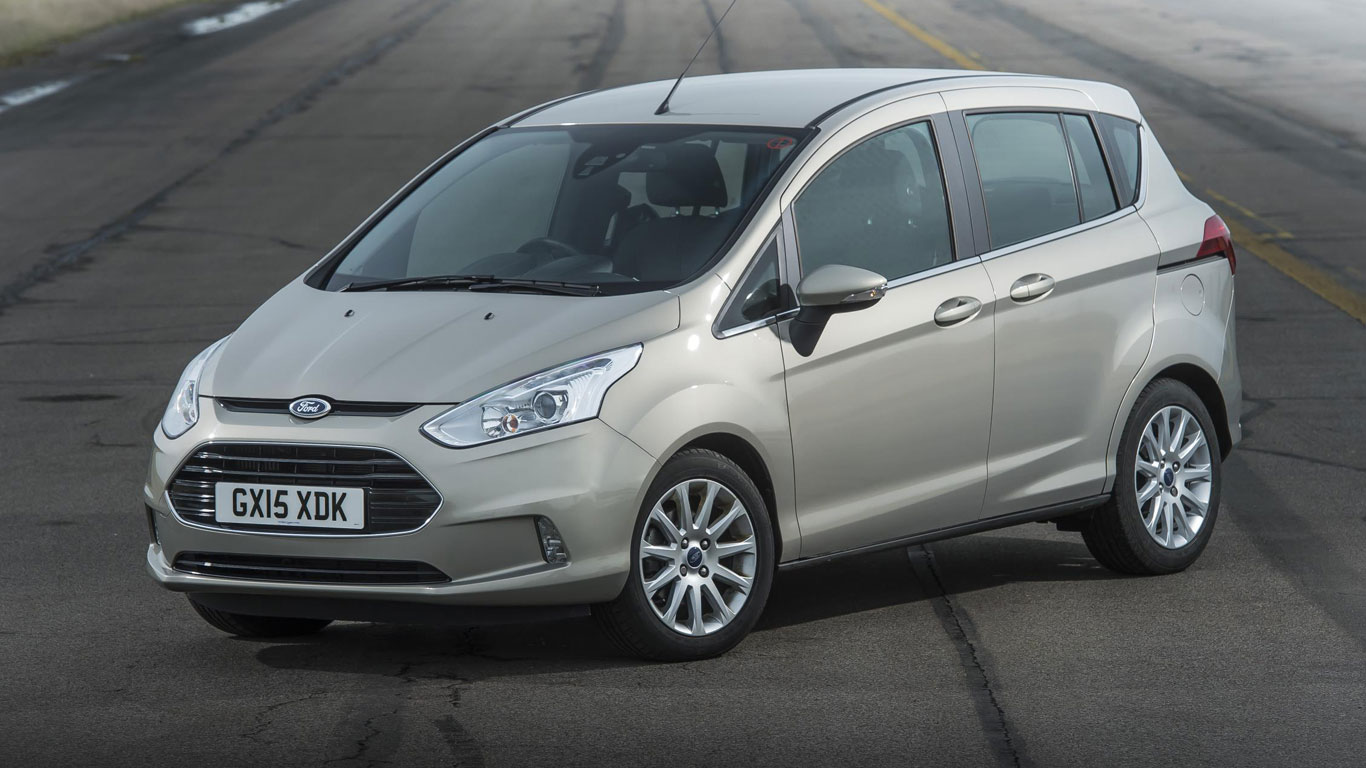
9. Ford: 82.1%
This is a great result for a volume manufacturer, with the B-Max and C-Max performing particularly well. The cars finished first and second in the MPV category, with only 17% and 18% of owners reporting faults with a B-Max and C-Max, respectively.
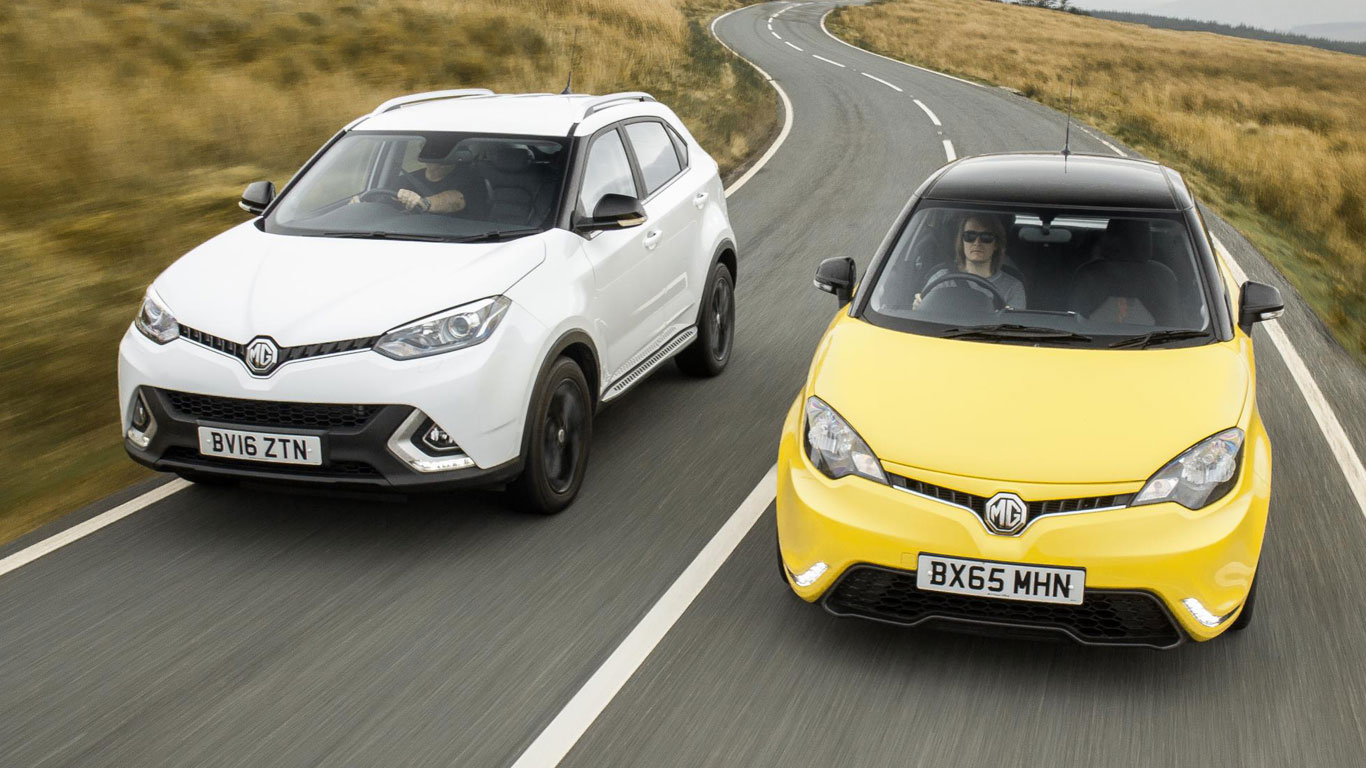
8. MG: 83.4%
Fair play to MG, because eighth place is a tremendous result for a niche brand. A new ZS crossover is on the way, and MG will be hoping it proves to be as reliable as the MG3.
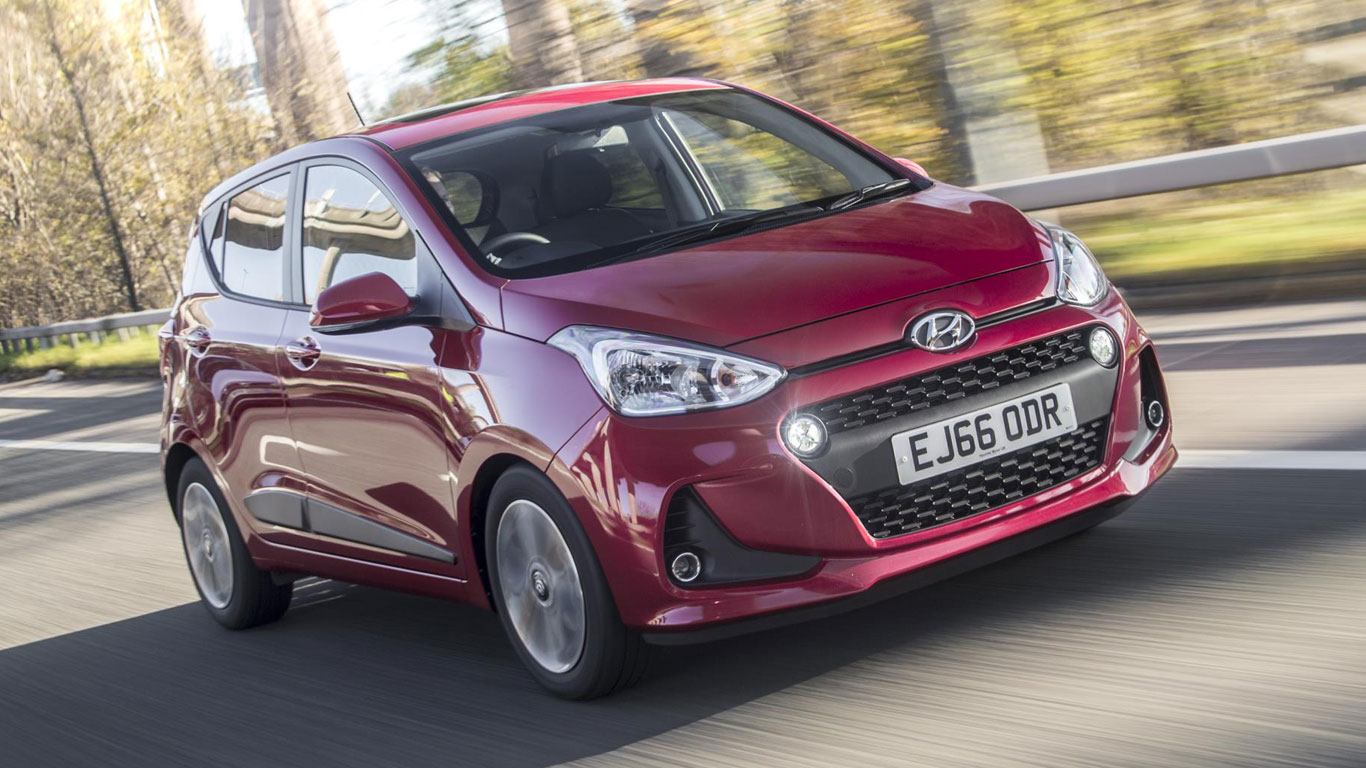
7. Hyundai 84.8%
The Hyundai i30 secures a top three finish in the family car category, with only 15% of cars suffering faults. These minor niggles were fixed under Hyundai’s excellent five-year warranty in less than a week.
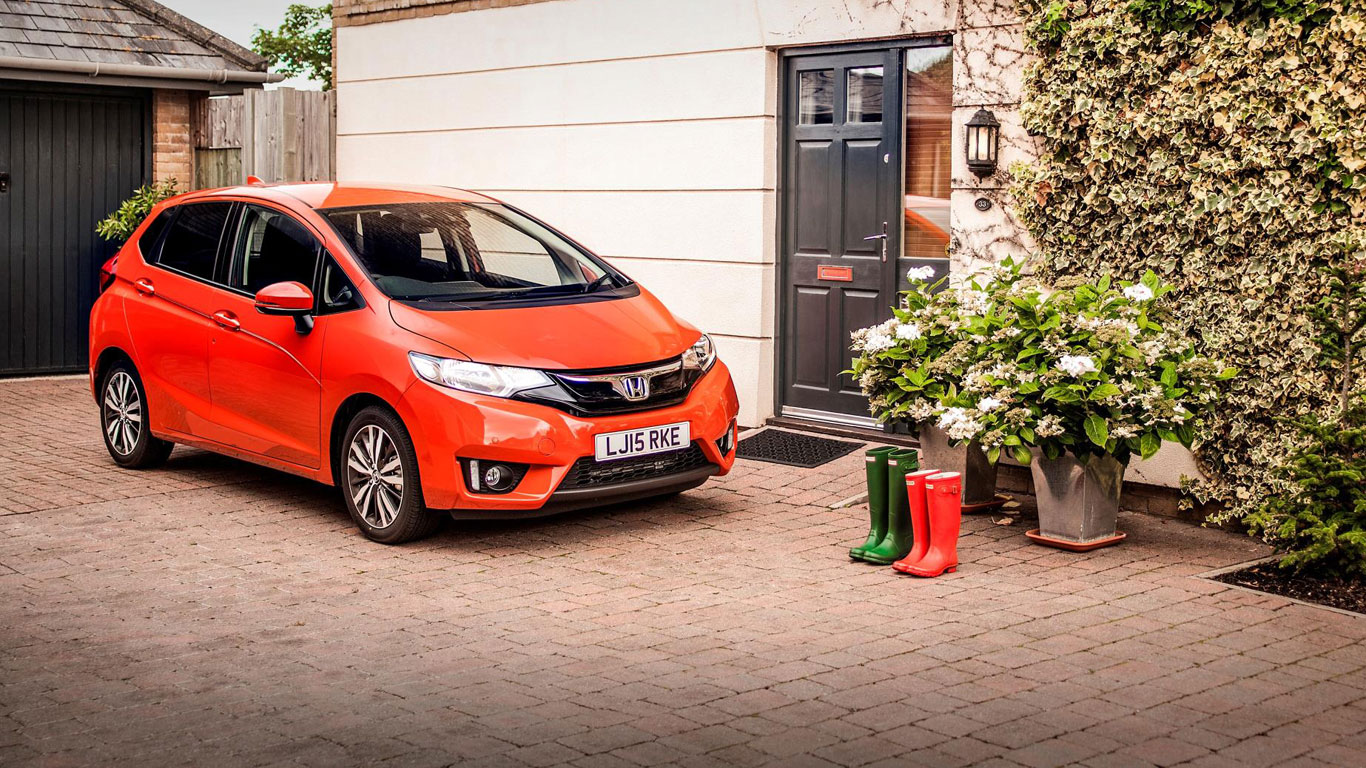
6. Honda: 84.9%
Not one Honda Jazz owner reported any faults with their car, giving the supermini a perfect reliability score. Meanwhile, the previous-generation Jazz sits in fourth place in the small cars category, with only minor niggles reported.
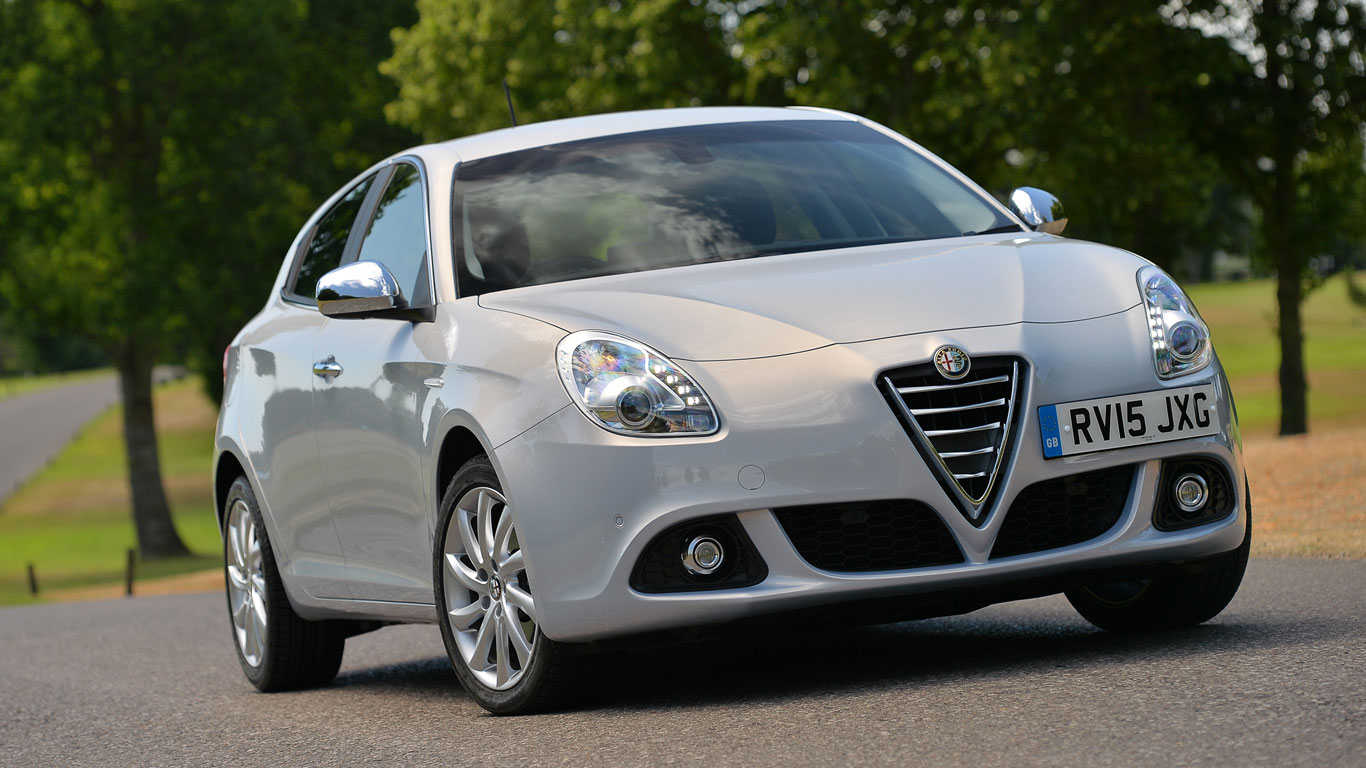
25. Alfa Romeo: 85.8%
Heard the one about the Alfa Romeo that was more reliable than a Honda? It’s often said that truth is stranger than fiction, but you’d be forgiven for thinking we’d lost our marbles if we told you a new Alfa could be more dependable than a car built by the Japanese giant. The fact is: Alfa Romeo finished fifth in the latest What Car? Reliability Survey, one place higher than Honda.
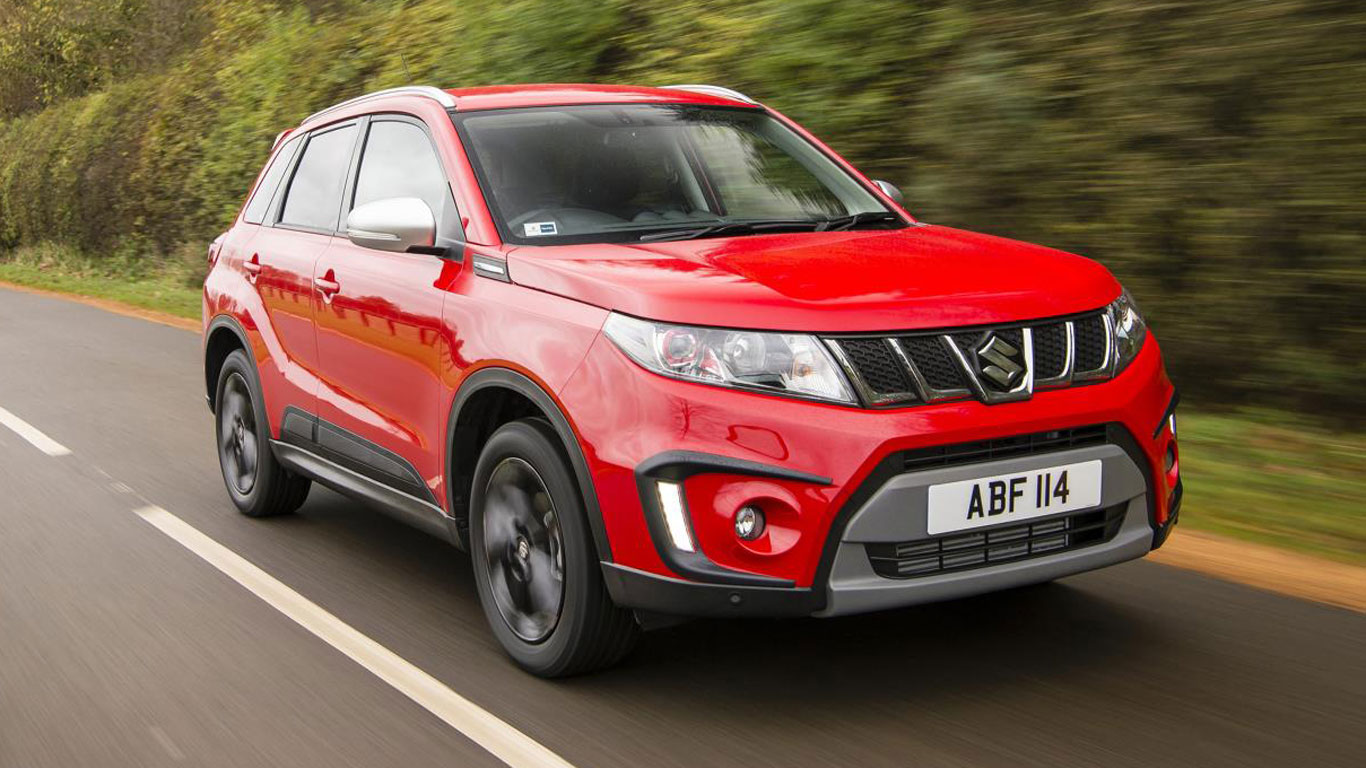
4. Suzuki: 86.6%
Suzuki just misses out on a top three finish, but this is a strong performance for a brand focused on value for money.
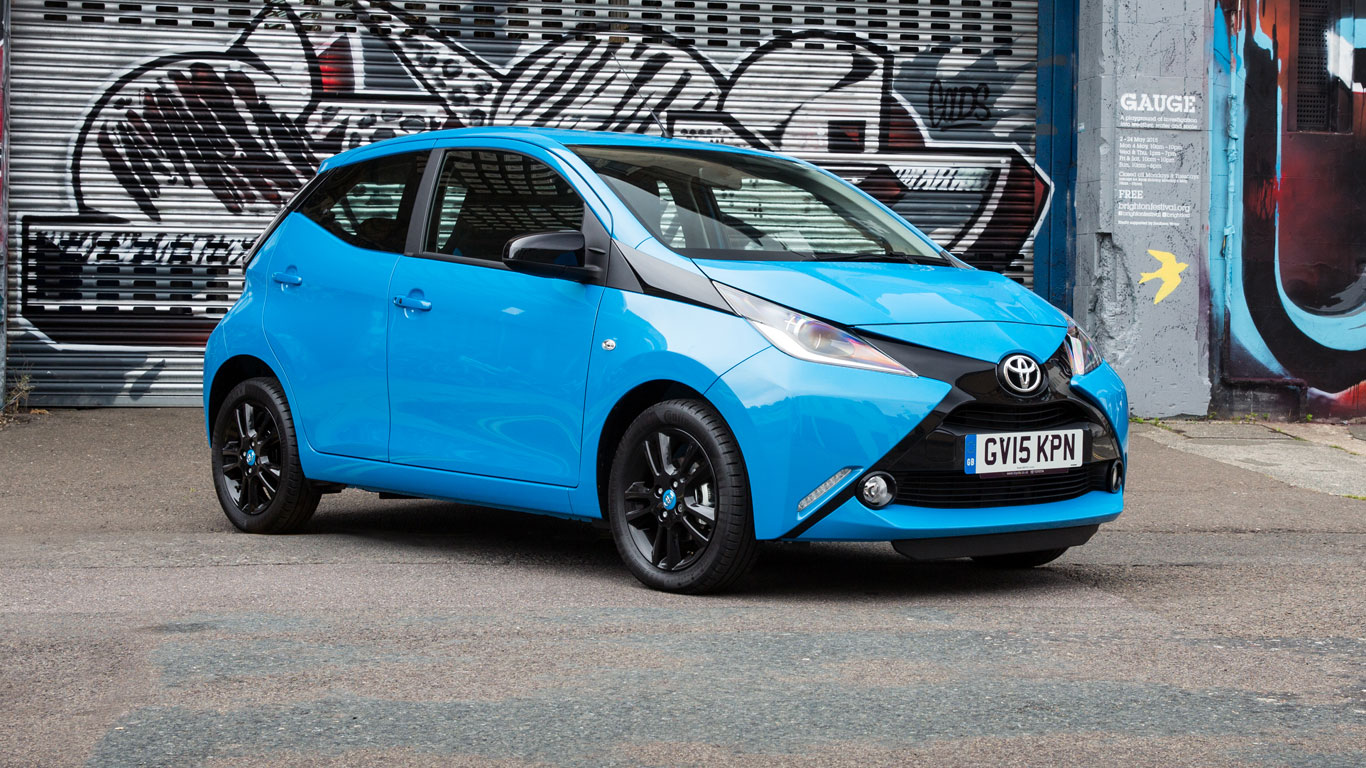
3. Toyota: 89.6%
Toyota’s star performer is the Aygo, with owners reporting no faults with their cars. Indeed, 13% cited reliability as the thing they liked most about their car.
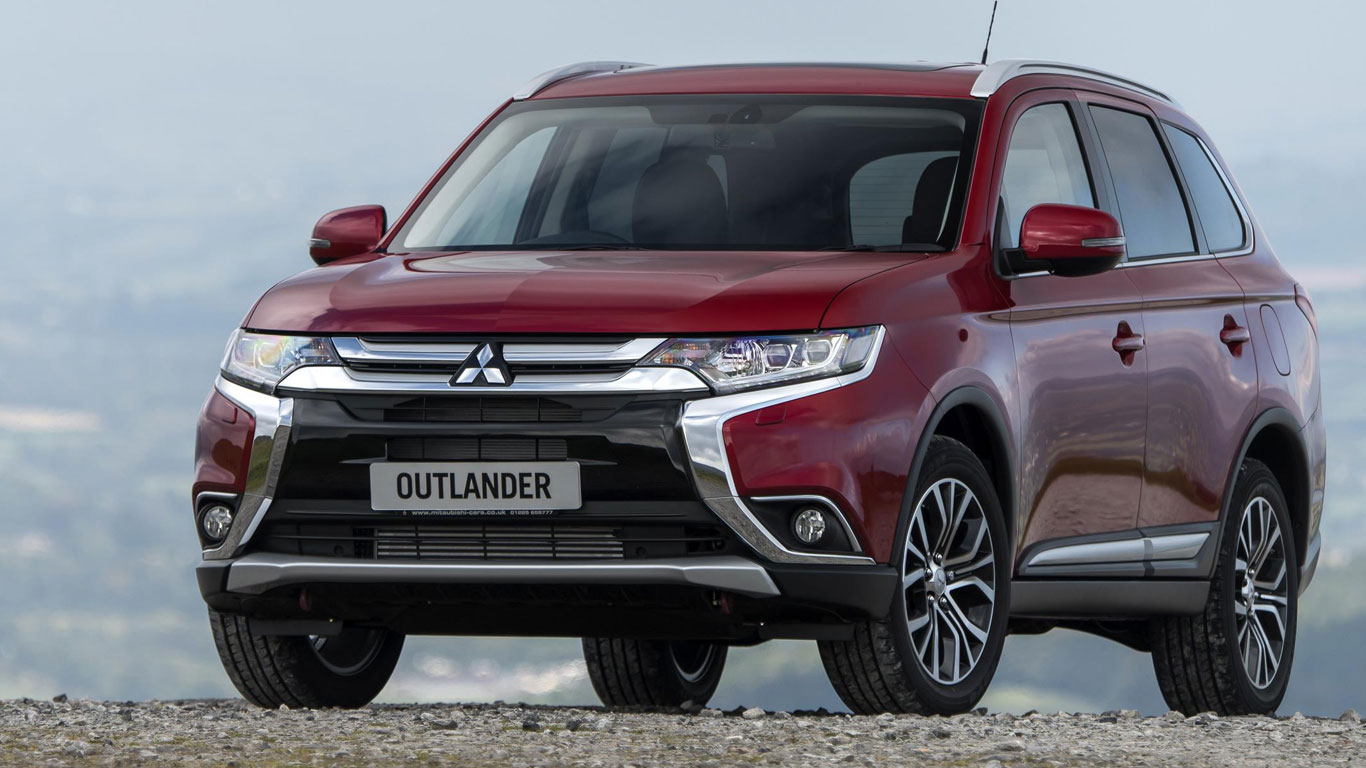
2. Mitsubishi: 90.8%
The Mitsubishi Outlander emerges victorious in the large SUV category, ahead of some big-name premium brands. Less than 10% of Outlanders suffered a fault, 75% of which were fixed in a day. All were fixed for free in less than a week.
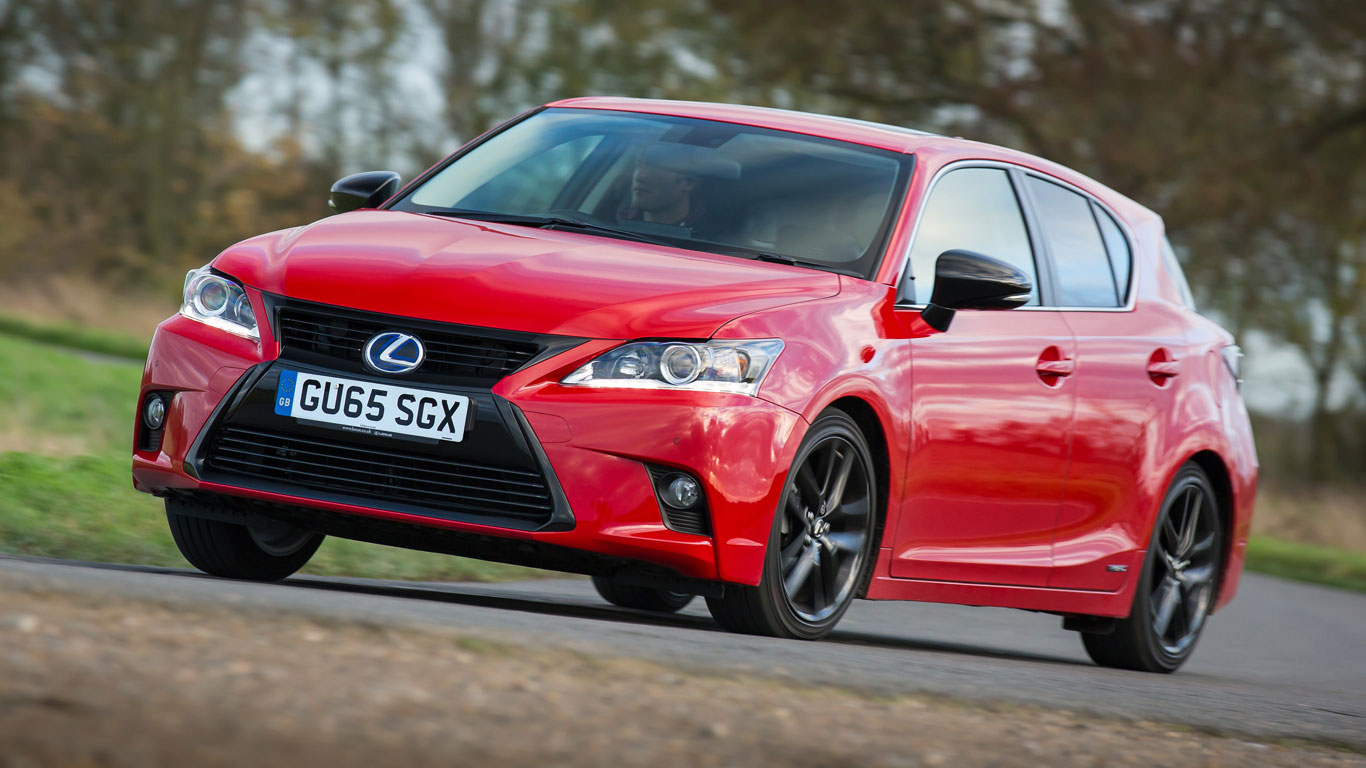
1. Lexus: 92.1%
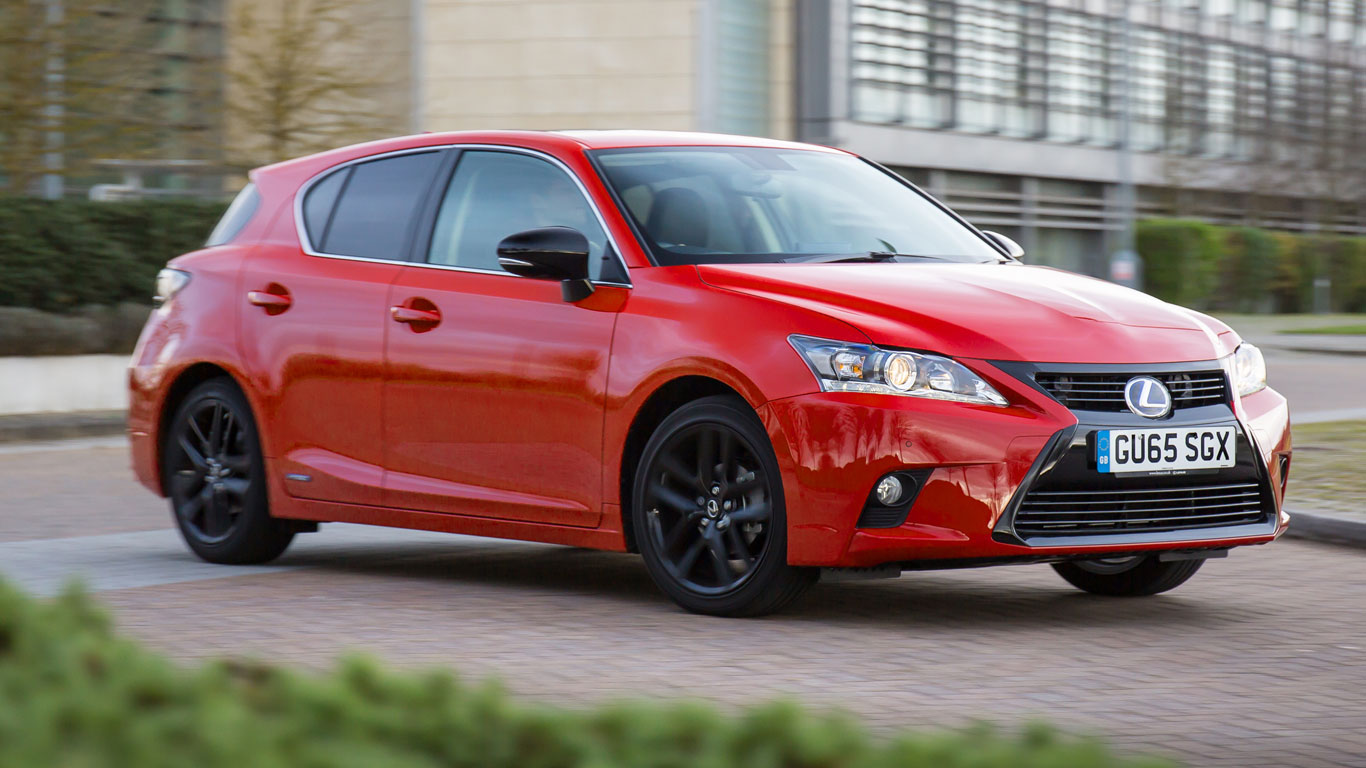
For a stress-free life, buy a Lexus. The CT 200h is the standout model, with a 100% reliability score. Meanwhile, the Lexus IS finished second in the executive car category.
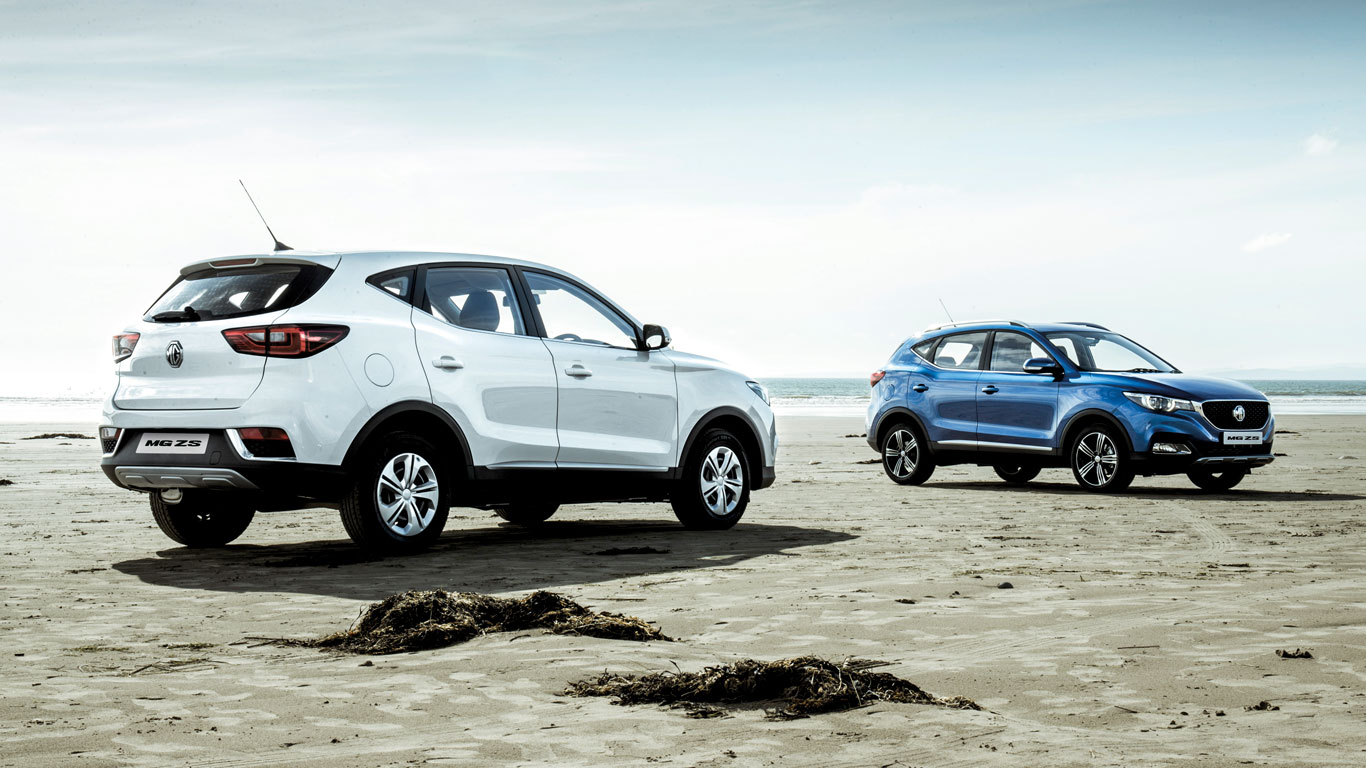
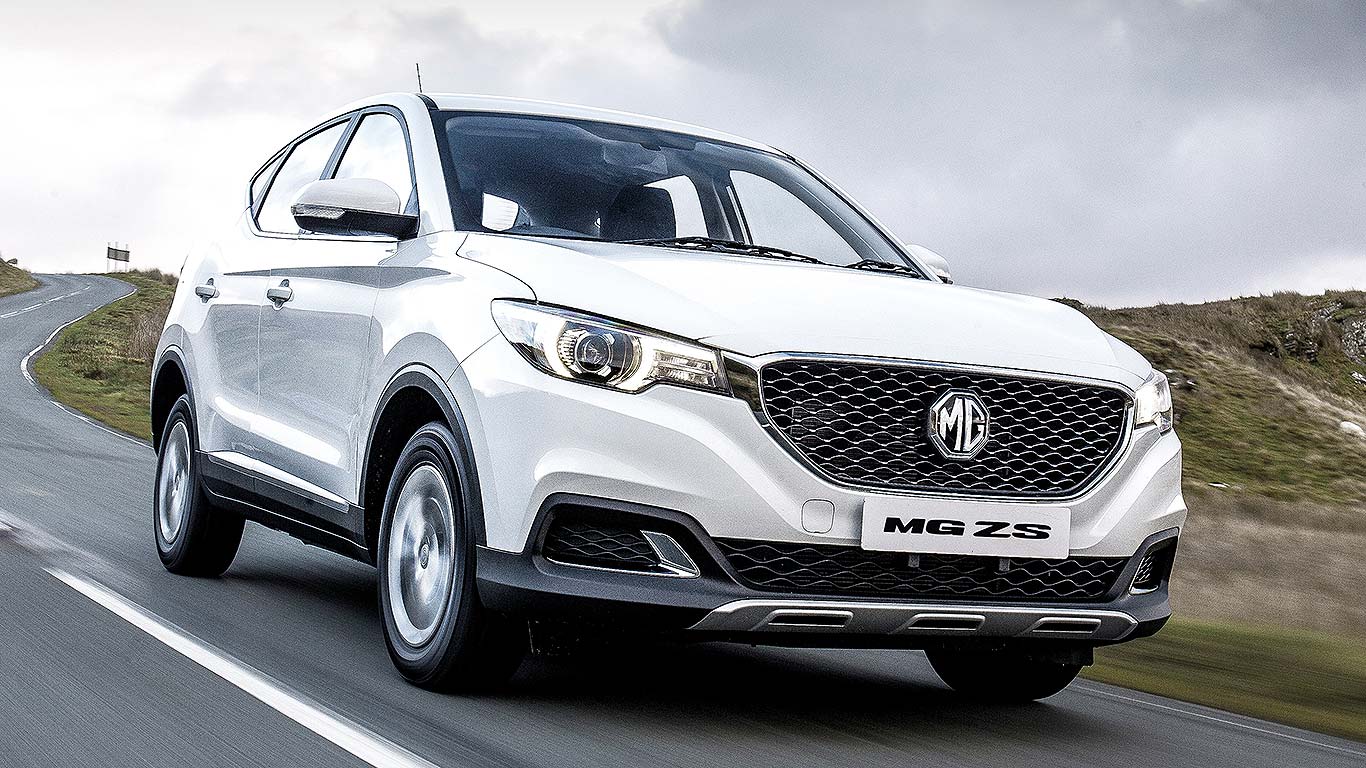
The new MG ZS compact SUV will benefit from the firm’s first seven-year warranty, bosses have announced. MG thus becomes the first brand on sale in the UK to match the pioneering seven-year warranty offered by Kia since 2010.
The new MG seven-year warranty is capped to 80,000 miles, unlike the 100,000-mile limit offered by Kia, but it’s otherwise broadly similar to the Korean maker’s offer – including being transferrable to any future owner.
MG says the seven-year warranty extends the regular manufacturer’s warranty and guarantees only genuine MG parts are used, should any warranty work be required.
Matthew Cheyne, MG Motor UK’s head of sales and marketing, said: “This is MG putting its money where its mouth is. With the introduction of a seven-year warranty, we are making a clear statement of intent about the quality of our design, engineering and manufacturing.
“Drivers can be confident that the increased warranty does not diminish the level of cover provided and is not an insurance-based product. MG Motor UK believes so strongly in the quality of the new MG ZS that it is backing the fantastic warranty itself.”
The MG ZS is the firm’s new rivals to the Nissan Juke. It launches in dealerships from 1 November, priced from £12,495, thus significantly undercutting alternatives such as the Vauxhall Mokka X, Peugeot 2008 and Renault Captur.
MG’s also offering 0 percent finance from launch, with monthly payments starting from £199. Cheyne is bullish about the new car’s fortunes: “Benefiting from global design expertise, but reengineered specifically for UK roads, we are confident that the MG ZS will prove exceptionally popular. The seven-year warranty makes it even more compelling.”
Motoring Research is driving the new MG ZS this week: come back soon to see whether the firm’s excitement in the new car is merited…
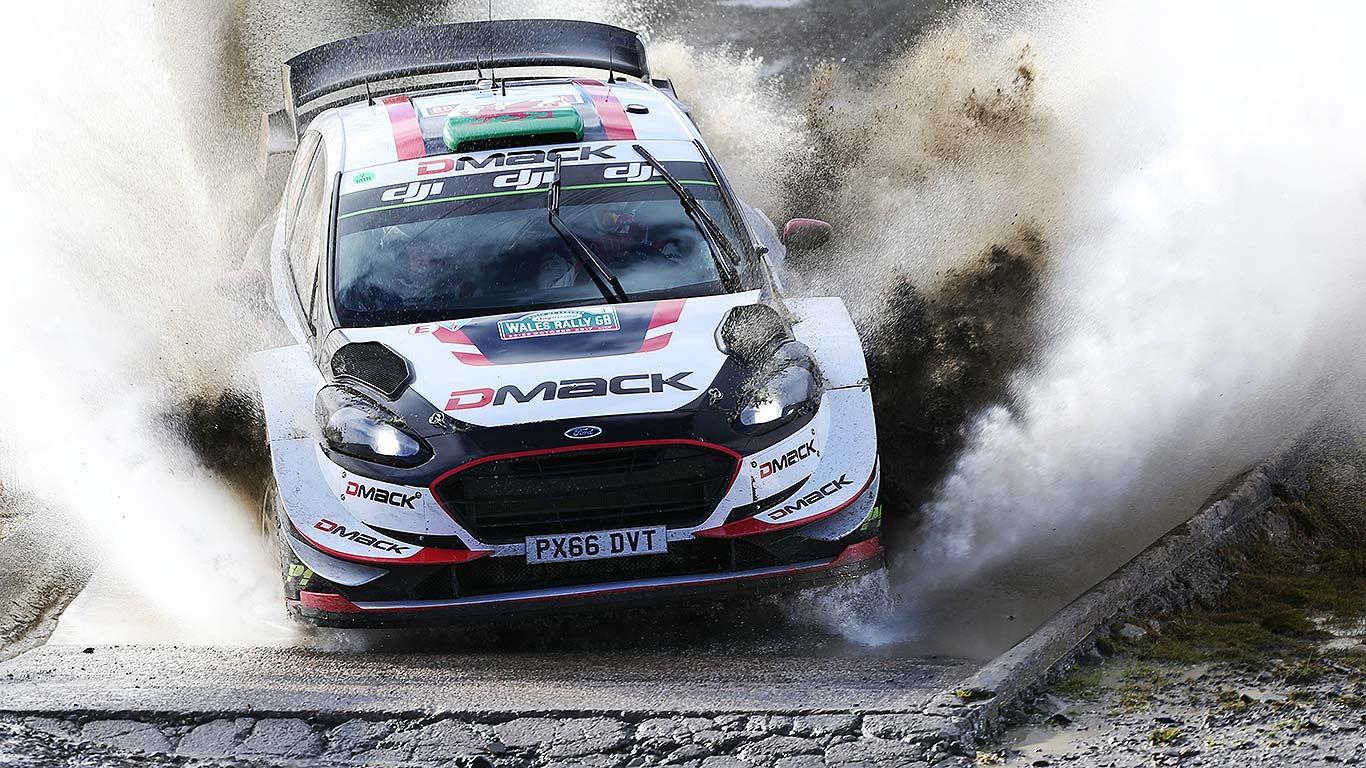
Welsh home hero Elfyn Evans has WON the 2017 Wales Rally GB in sensational style – and promptly been mobbed by adoring fans during the ceremonial finish.
He becomes the first Welshman to win the Wales Rally GB.
It was the 28-year-old WRC driver’s first victory in top-line world rallying, making the maiden victory on home soil even more incredible. Evans and co-driver Dan Barritt won the rally by a huge margin of 37.3 seconds from the Hyundai of Thierry Neuville, after dominating the four-day event.
Evans’ team-mate Sebastien Ogier was also a happy man – by finishing third in the Rally GB, he became 2017 WRC champion. It is his fifth world title.
What’s more, Evans’ team, M-Sport, also won the 2017 FIA World Rally Championship title for manufacturers, giving Ford a well-deserved WRC title for the for the Fiesta WRC – despite the team not having the big-budget full manufacturer support of rivals from Citroen, Hyundai and Toyota.
Rallying runs in the Evans family. Elfyn’s father Gwyndaf was also a high-profile rally driver, winning the 1996 British Rally Championship and driving for Ford in WRC. Evans has gone one better than his dad though, in scooping a WRC win – and the popular Gwyndaf will be one of the proudest fathers in the world as a result.
Gwyndaf Evans Motors is today a Ford dealership – and, we’d wager, likely to be a busy one tomorrow…
*COMPETITION* With @WalesRallyGB almost here,here’s a chance to win a Limited Edition Print of Gwyndaf.Just Follow us and ReTweet. Good Luck pic.twitter.com/bLtJE5q2yx
We’ve all seen a modified Land Rover proudly sporting a ‘One Life, Live It’ sticker across the rear window. While the 4×4 says “I could tackle the Sahara”, the expression on the driver’s face probably says “I’ve got the school run to do”.
For many Land Rover enthusiasts, life dictates that the closest they get to living out their expedition fantasies is a weekend of green-laning in Wales. But even that’s getting trickier, as many byways are having legal rights to drive along them removed following pressure from locals, environmentalists and other byway users.
There are many off-road centres in the UK where enthusiasts can pay a fixed fee to explore the limits of their vehicle and improve their driving skills. But there’s only so much fun to be had driving around a disused quarry before it gets tiresome.
Land Rover has been testing its vehicles within the grounds of Eastnor Castle, in rural Herefordshire, since the early 1960s. Around 5,000 acres and 40 miles of hidden, woodland tracks allow the iconic, British four-wheel-drive manufacturer to test its latest vehicles, untroubled by angry farmers or spy photographers.
And while it’s a private site, with no public access for keen off-roaders in their own 4×4 vehicles, you can purchase a Land Rover Experience session, allowing you access to Eastnor’s varied trails in a choice of vehicles. While these sessions are extremely popular with a variety of customers – from potential Discovery Sport buyers to out-and-out Land Rover obsessives – they don’t quite mimic crossing the Amazon. Until now.
The Eastnor Explorer is a three-day adventure, created to appease the appetite of the most expedition-hungry Land Rover enthusiast. For £325 per driver, per day, it can be taken in one go, using local campsites or B&Bs to make a long weekend out of it. Alternatively, spread the full experience out across three day-long sessions.
We joined a team of wannabe adventurers for a taster of what the new Explorer experience offers. Will it really cut it compared to a real expedition? Going by the expressions on the faces of the instructors as I arrive, I suspect so. These guys spend their working day playing around with the latest Landys in mud, so it takes something special to get them as excited as they are.
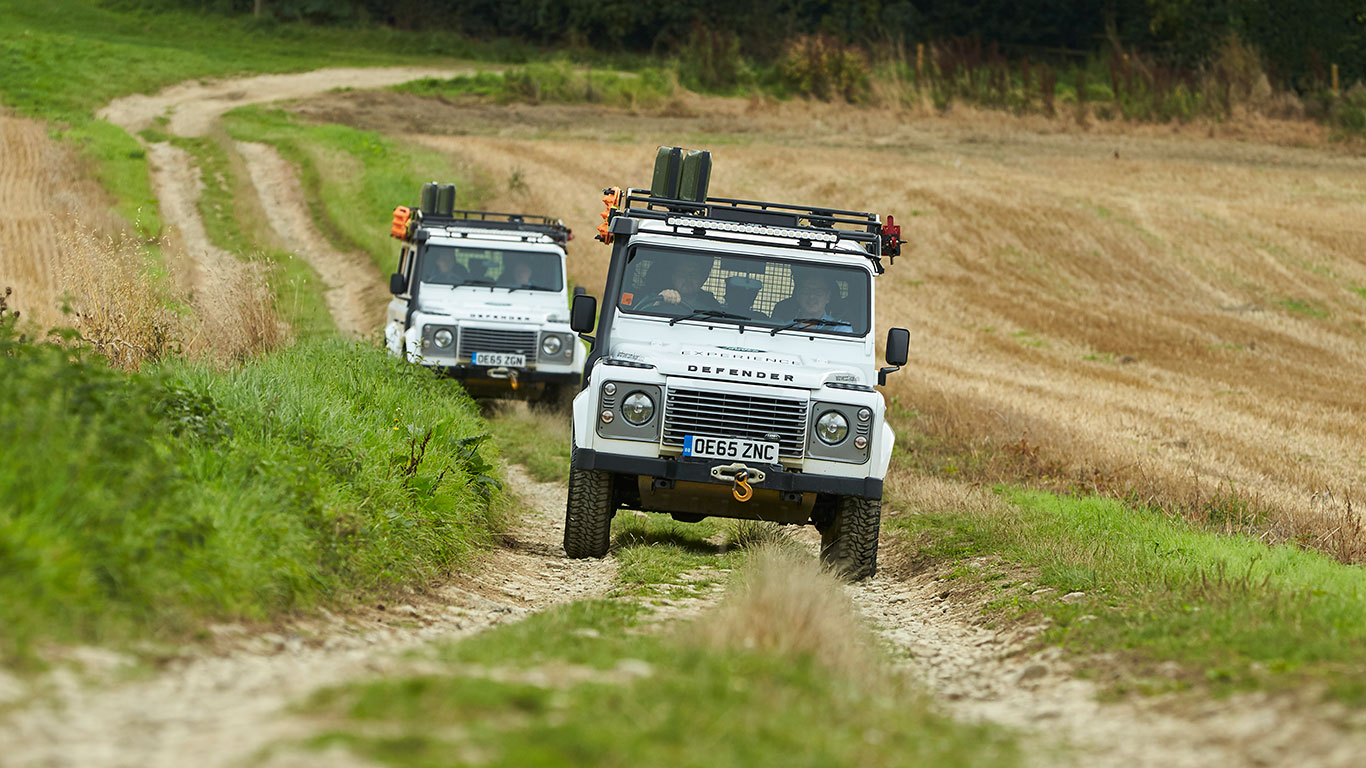
Following a briefing (where we’re handed an adventure pack, containing tools such as a fire stick and compass), we’re led out to our vehicles. Curiously, two Defenders and a Discovery support car await us. This isn’t Land Rover attempting to show off the capability of its latest products – it’s a case of using the best vehicle for the job. And the best vehicle for what we’ve got ahead of us is no longer in production.
As we jump in the Defenders and head off for Eastnor’s private tracks, I question the use of a car that went out of production at the beginning of 2016. “A Discovery or Range Rover would get around the course,” my instructor, Mike Chambers, explains. “But it gets very tight, and there’s too high a risk of body damage.”
Ah, so we could do it in a Discovery. But there’s a high likelihood we might prang it.
“If you’ve got the space, a Discovery 5 is more capable off-road than the Defender,” adds Mike.
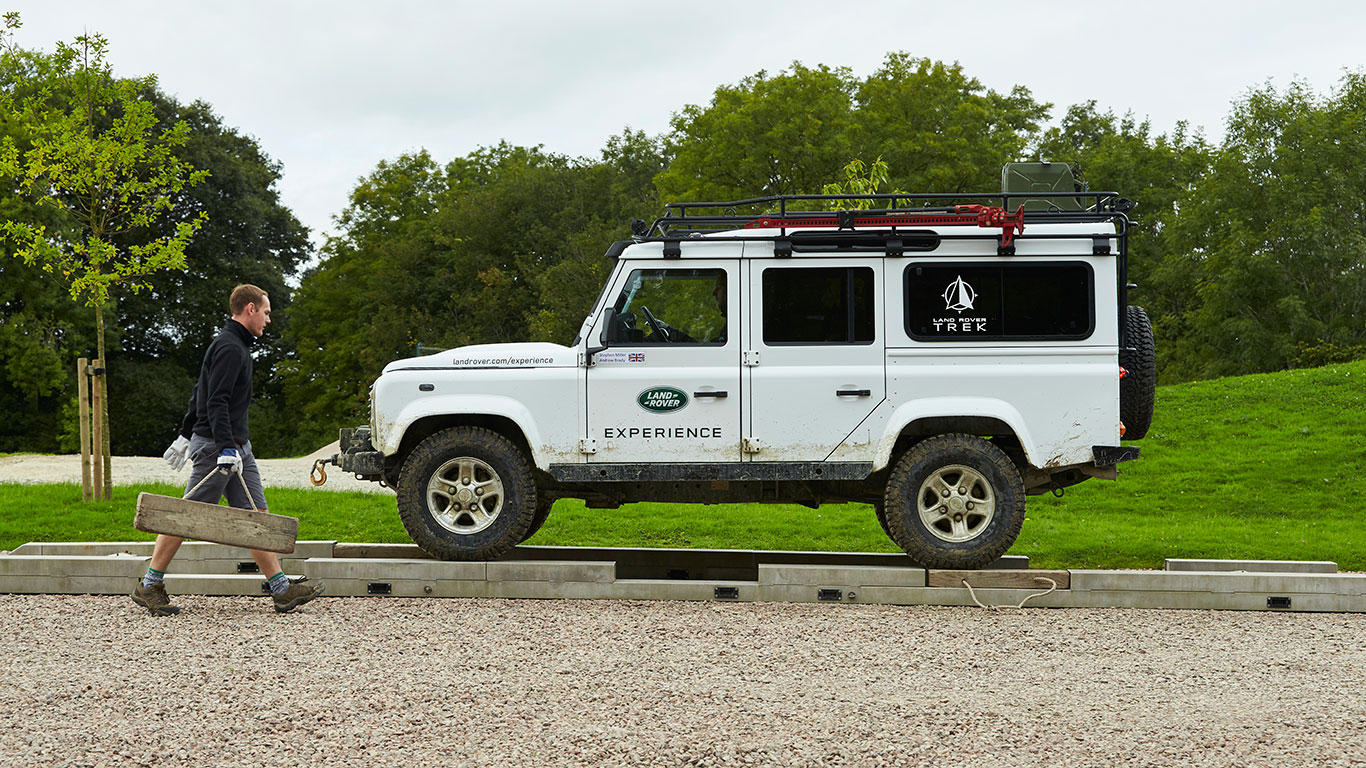
So, onto the first challenge of the day. A series of planks have been laid out, a Defender’s width apart, and we have to drive along them. But it’s not as easy it sounds. They’re barely any wider than the Defender’s 285mm tyres, so I’m reliant on my team-mates to spot me across – and prevent the 4×4 falling, oh, a good foot or so off the planks.
It’s designed to mimic a self-made log bridge, but without the danger of damage (or injury) if it goes wrong. While we scoffed at first, I soon realised why they didn’t let us drive over a real log bridge from the off. We’re rubbish. The Defender’s wheels made contact with the ground multiple times. Fortunately we’re not being judged. Yet.
Eventually we’ll be making our own bridge, so next comes a lesson in knot-tying. As someone who was a proud boy Scout, I’m slightly embarrassed to say my rope skills are even worse than my precision driving in a Defender. Fortunately, co-drivers Ollie and Martin are much better than me. I’ll remember that for later.
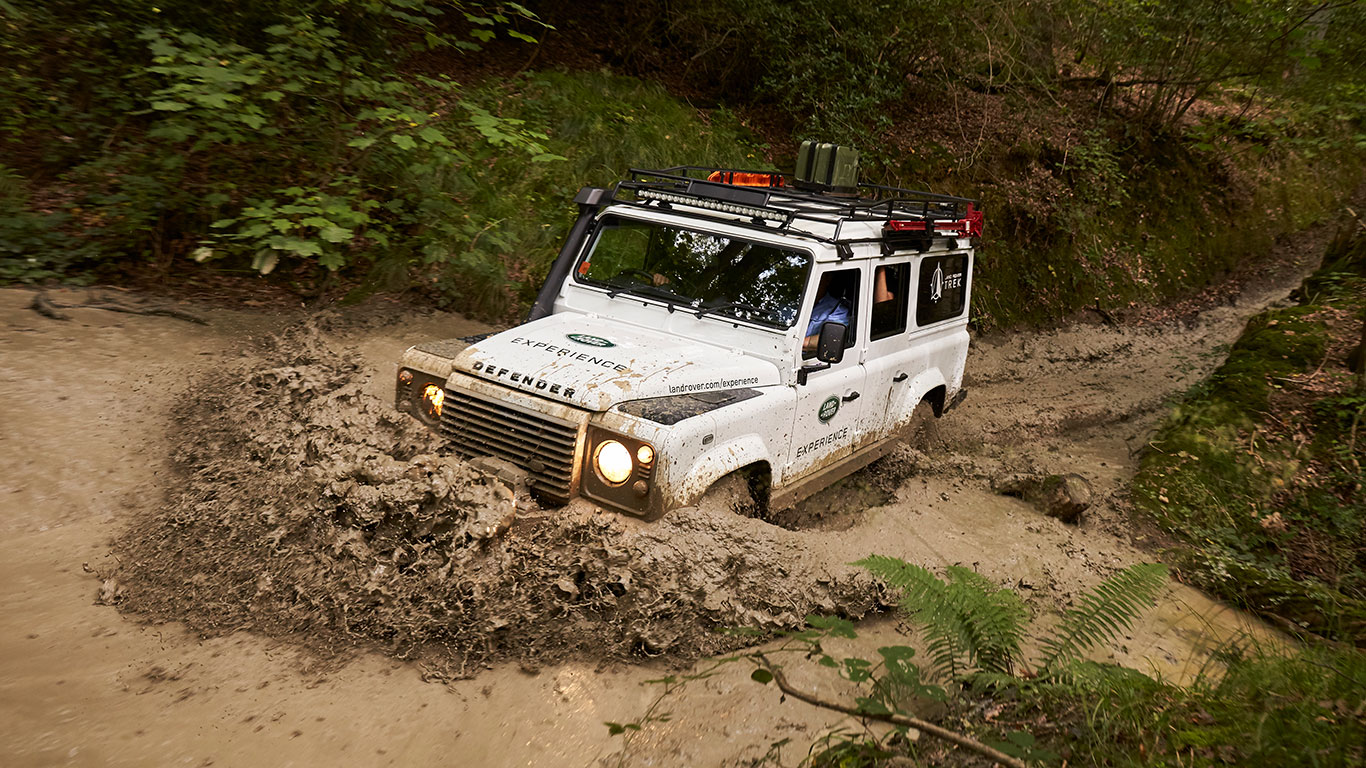
Back into the vehicles, we head onwards along Eastnor’s tricky tracks, which get noticeably more challenging as the day goes on. They haven’t been designed to flatter the Defender, and certainly not the driver: they’re thick, gloopy mud, and on occasions we need several goes to get through a section. “As slow as possible, as fast as necessary” is the old green-lane maxim, but at times we’re having to pile on the revs in low-range first or second gear to get through tricky sections. Sometimes, during an expedition, you have little choice but to be mechanically unsympathetic.
All too used to leisurely lunches provided by manufacturers on car launches, I raise an eyebrow when passed a tub of petroleum jelly and a cotton eye-pad when 12 o’clock arrives. We’re making lunch ourselves… well, a hot drink and toasted marshmallows. Using a volcano kettle, sheltered under a tarp in the woods, the Vaseline and eye pads are an excellent way of starting a fire, as it turns out.
Pre-packed sandwiches scoffed, it’s back into the Defenders. They’re covered in mud now, but there’s more to come. Our next quest is to find the Camel Bridge, but first we have to pass through a thick quagmire of mud that swallows the Defender in front of us up to its axles. Fortunately, we’re behind – a lesson in why pro off roaders usually travel in multiple vehicles – and give the other team a tug out.
The Camel Bridge was originally built during training for the Camel Trophy, a challenging competition that took place around the world between 1981 and 1998. It spawned the now-commonplace ‘One Life, Live It’ motto that’s often found on modified Defenders.
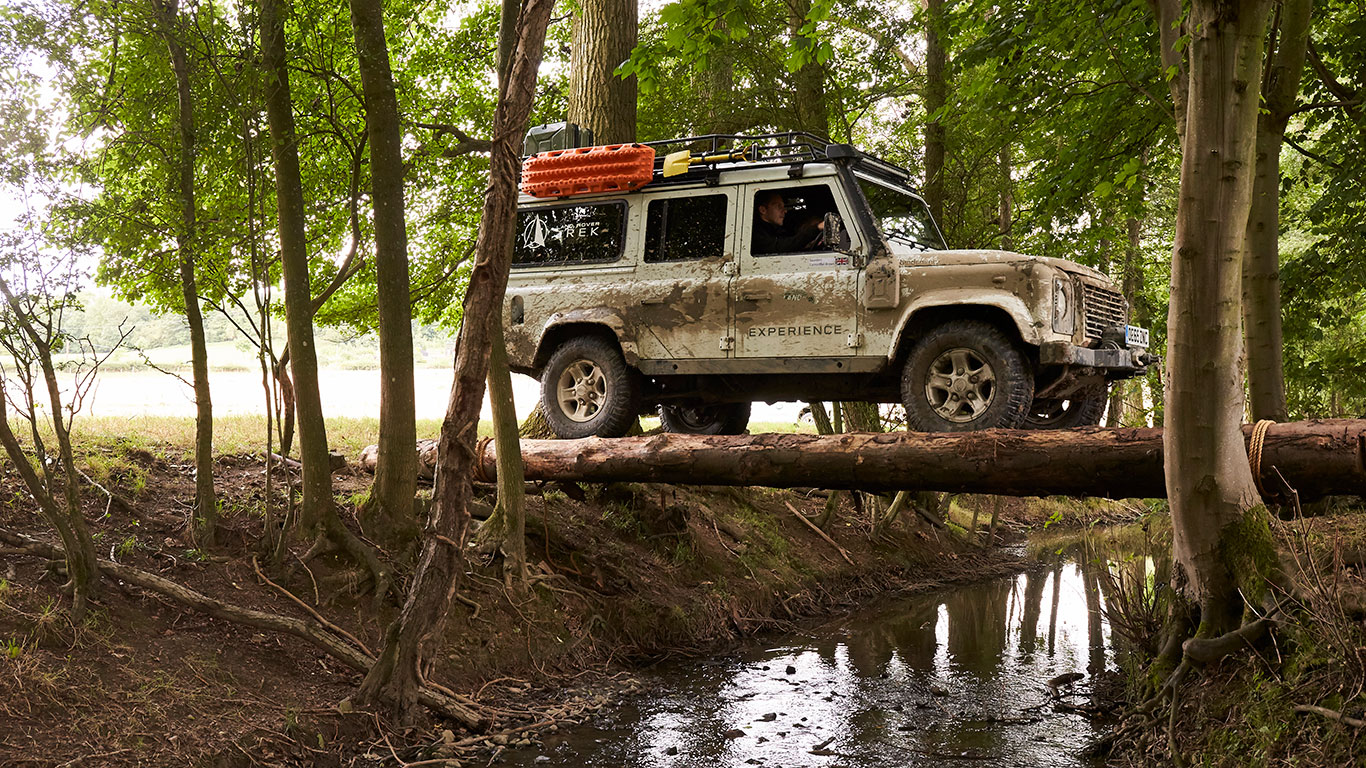
We end the day off with a small crossing across a river. There are logs already laid out – all we have to do is tie them up and drive across them. While the aforementioned Camel Bridge is now a fairly solid structure, in its early days it was little more than two telegraph poles across a gully, much like what we’re faced with today.
It’s not a huge drop into the river, but it’s certainly enough to put a Defender on its side if the ropes aren’t tied properly. Fortunately, my team mates can remember the morning’s rope exercise better than I can. I grab a stick and look helpful by hitting the knots hard to add pressure. I’m sure it’ll help.
It’s telling that those who tied the ropes weren’t as eager to drive across the bridge, but I trusted their skills so jumped in the Defender and agreed to be spotted across. It’s amazing how intimidating a crossing a few metres high above a small stream can be when you’re relying on knots tied by motoring journalists.
It’s been a rewarding day, and there are smiles and pats on the back all-round. Defenders have been stuck up to their axles in gloop, we’ve got ourselves muddy and new skills have been learned. Is it a replacement for a real-life expedition? Probably not, but for a fun weekend away from the city, it’s as close as you’re going to get.
Anyone’s welcome to take the course, and the instructors are experts in tailoring their tuition to your skills (or lack of them, in my case), but it’s probably best suited to those who already have a little off-road experience – and are perhaps considering a ‘real’ expedition in the future.
 Aston Martin’s range-topping model, the Vanquish, is nearing the end of the life. To give it the send-off it deserves, the firm has created a line of ‘Ultimate’ models, limited to just 175 cars in either Vanquish S Ultimate Coupe or Volante guise.


 The current-generation Honda Civic Type R’s mighty 2.0-litre i-VTEC Turbo engine is now available in a box, with the launch of a U.S. ‘crate engine’ programme at the 2017 SEMA performance car show in Las Vegas.
 Turning to a Japanese brand might be a passport to a stress-free life, if the results of the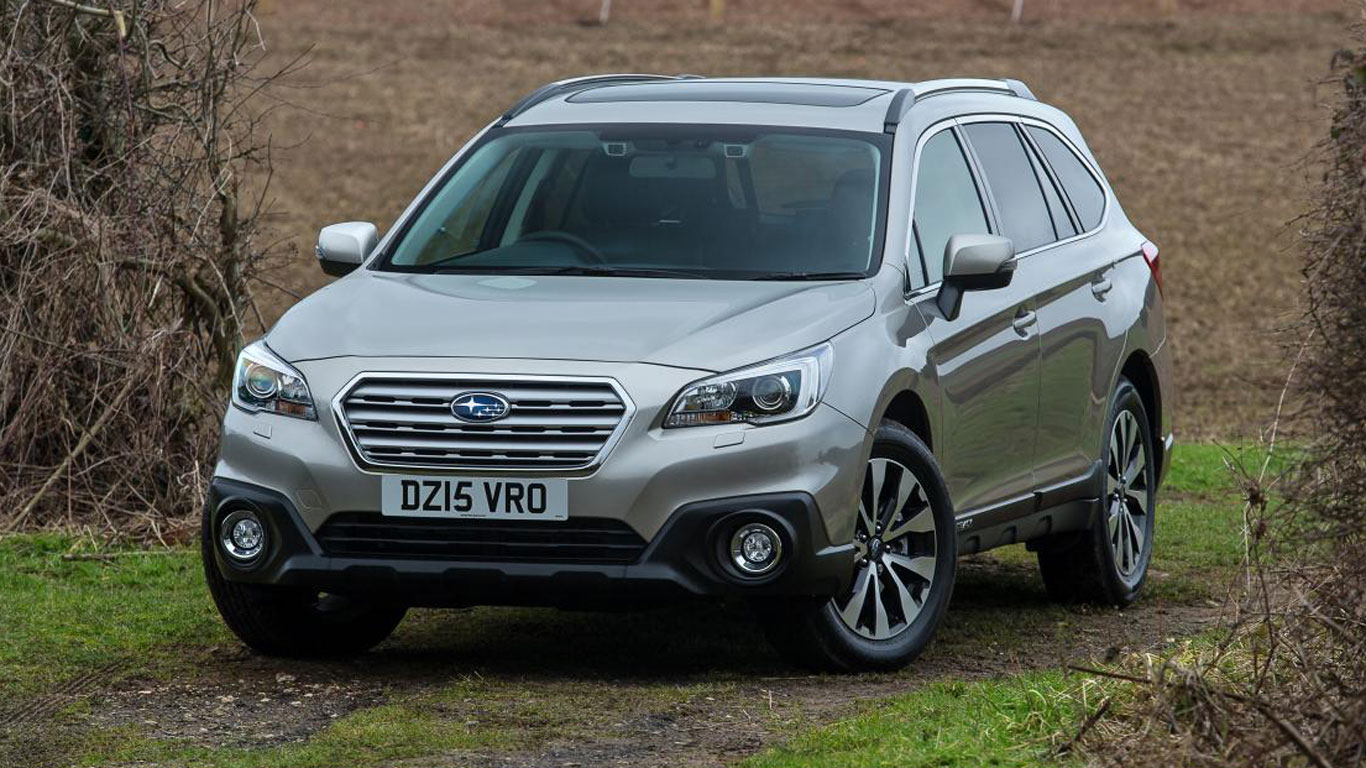
 The new MG ZS compact SUV will benefit from the firm’s first seven-year warranty, bosses have announced. MG thus becomes the first brand on sale in the UK to match the pioneering seven-year warranty offered by Kia since 2010.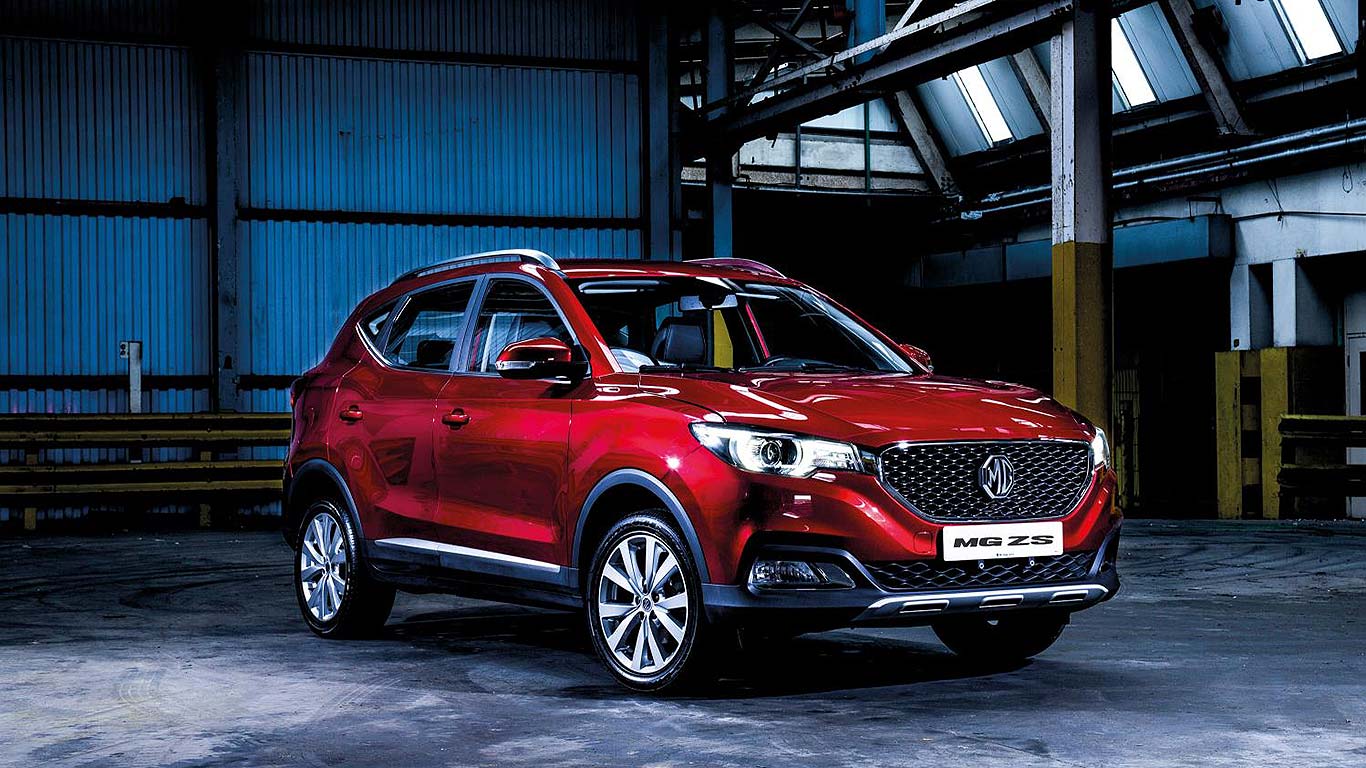
 Welsh home hero Elfyn Evans has WON the 2017 Wales Rally GB in sensational style – and promptly been mobbed by adoring fans during the ceremonial finish.