The London Borough of Islington has announced plans to introduce a £2-per-hour surcharge for parking ‘toxic’ diesel cars in its short-stay car parks.
It will apply to all diesel-fuelled vehicles which, the council says, are linked to poor air quality and can emit four times more nitrogen oxides and twenty times more particulate matter than petrol vehicles.
- Diesel car owners in Islington to be charged £96 a year extra for parking permits
- Car park firm offers cheap parking for EV owners
- How to save money on parking
The council, which has some of the highest pollution levels in London, already has a diesel surcharge in place for resident parking permits.
It estimates that up to 30 percent of the 1.59 million short-stay visitor parking sessions in Islington are made by diesel vehicles and hopes that the surcharge, which will be introduced early in 2018, will discourage drivers of diesel vehicles from visiting the area.
Islington Council’s executive member for environment and transport, Cllr Claudia Webbe, said: “Islington straddles several major thoroughfares, with huge amounts of traffic putting out toxic diesel pollutants stopping in the borough every day.
“The main causes of death in Islington are cardiovascular disease, respiratory diseases and cancer – all of which are exacerbated by diesel emissions. It is not right that local residents should have to bear the burden of through-traffic pollution on their health.
“We hope that this measure will encourage owners of diesel vehicles to switch to cleaner, more sustainable modes of transport and lead to improved air quality in the borough.”
The RAC has responded to the news, suggesting Islington Council is using the emissions crisis as a money-spinner.
“This move by Islington Council will further antagonise drivers of diesel vehicles in the borough who are already having to pay more for parking close to where they live,” said the RAC’s public affairs manager, Nicholas Lyes. “Those that rely on their own car – including families and small businesses – might dearly wish to switch to a new, cleaner vehicle but the cost of doing so is almost certainly what’s stopping them.
“Clearly, Islington Council feels compelled to do something to improve air quality in the borough, but targeting parked vehicles when other options may be available indicates they perhaps are more interested in raising revenue from diesel owners. Unfortunately for them though, emissions of nitrogen dioxide don’t just come from private cars, they come from buses and taxis and other sources such as factories. And of course, replacing older buses and encouraging newer, cleaner private hire vehicles both fall under Transport for London’s remit.”
ALSO READ
Hyundai’s luxury Genesis brand launches in Australia
The Ford Ranger is Britain’s ‘most desirable’ used car
Petrol and diesel now neck-and-neck in car searches
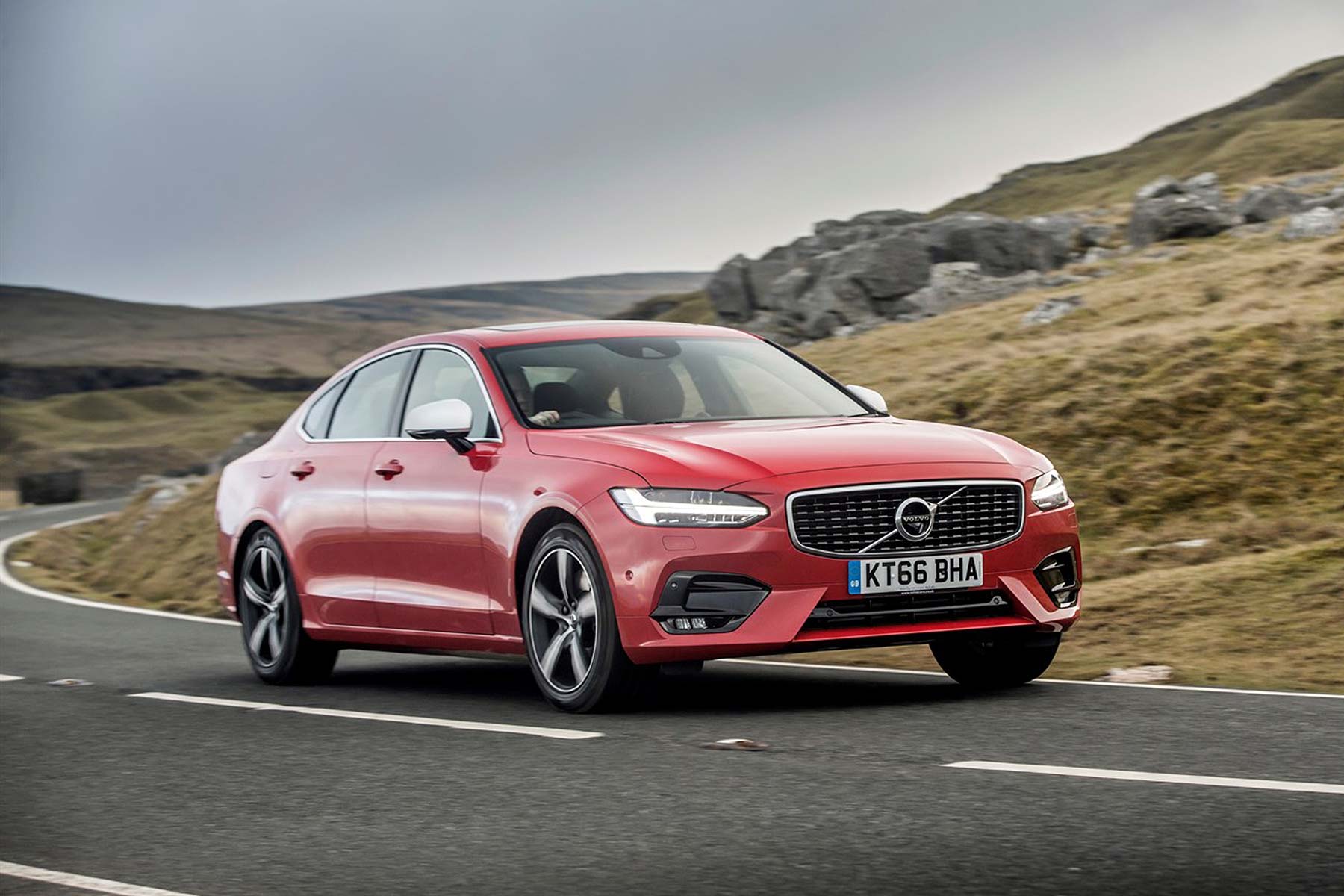 As Britain falls out of love with diesel, Volvo has rolled out two petrol-powered alternatives in its company car driver-focused S90 and V90 large car lines – the new 190hp 2.0-litre T4 turbo versions.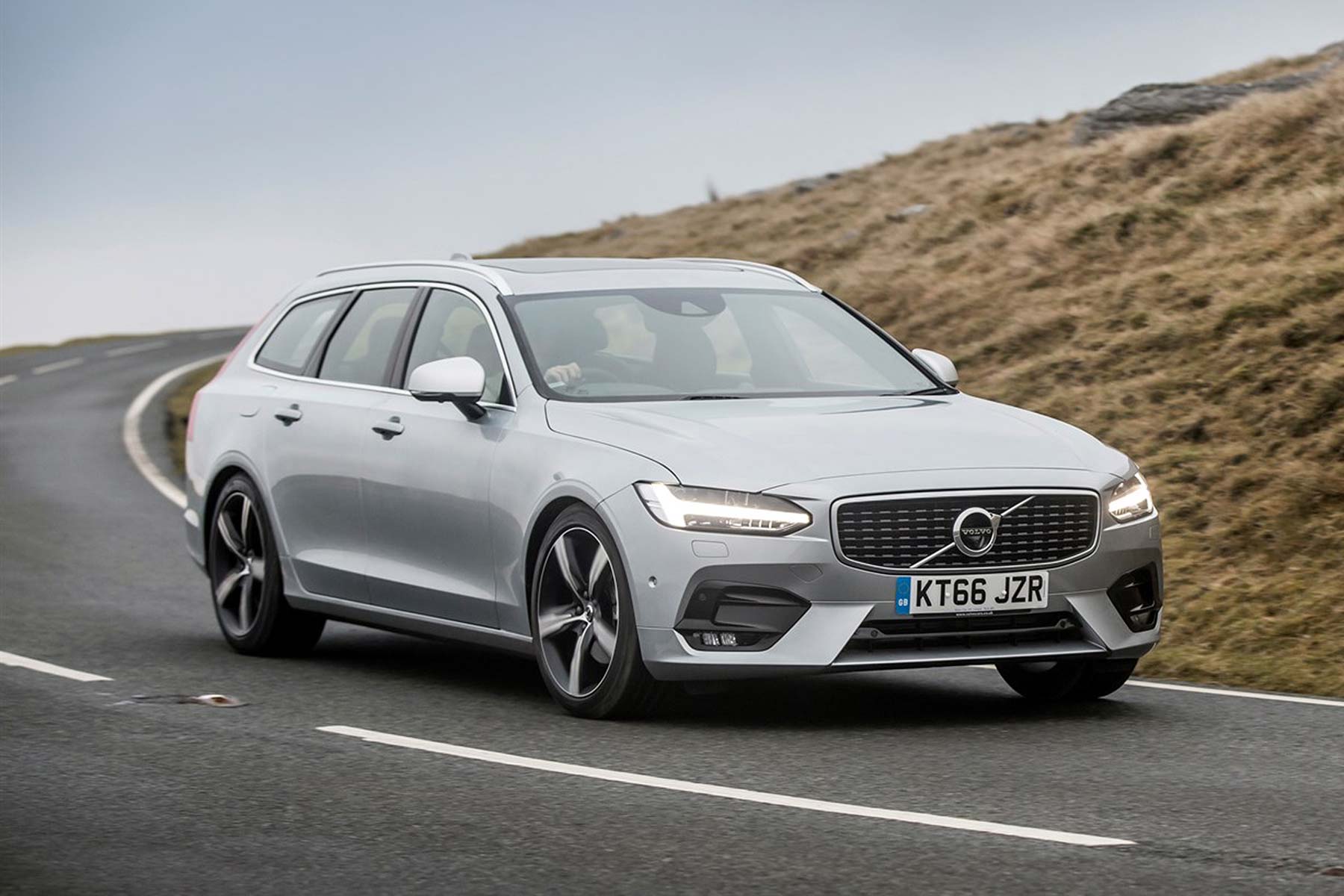
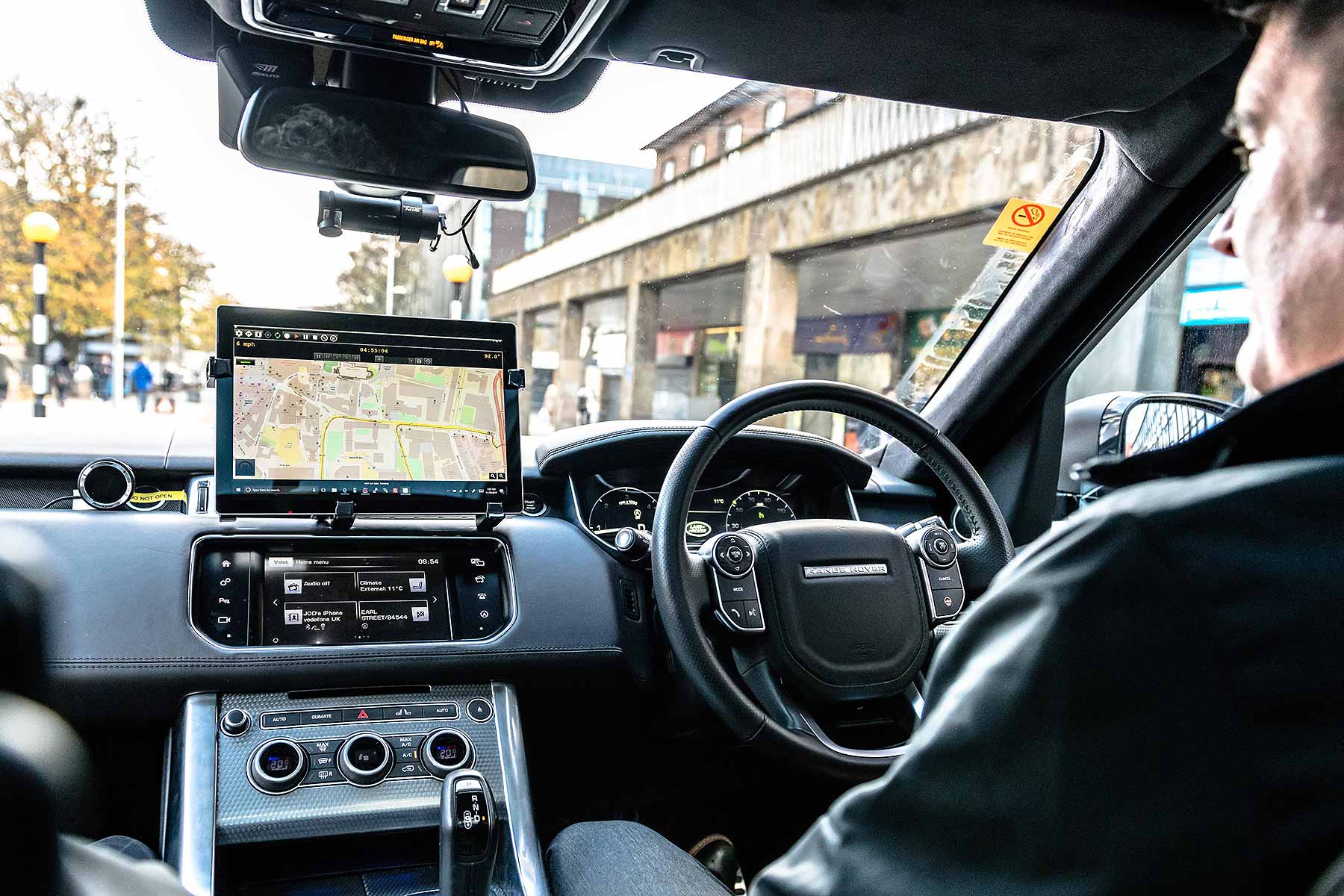 Self-driving cars are now autonomously driving themselves in public on British roads, as part of a £20 million UK Autodrive project. Among the partners in the project is Jaguar Land Rover, which has today released first images from its UK self-driving car trials.
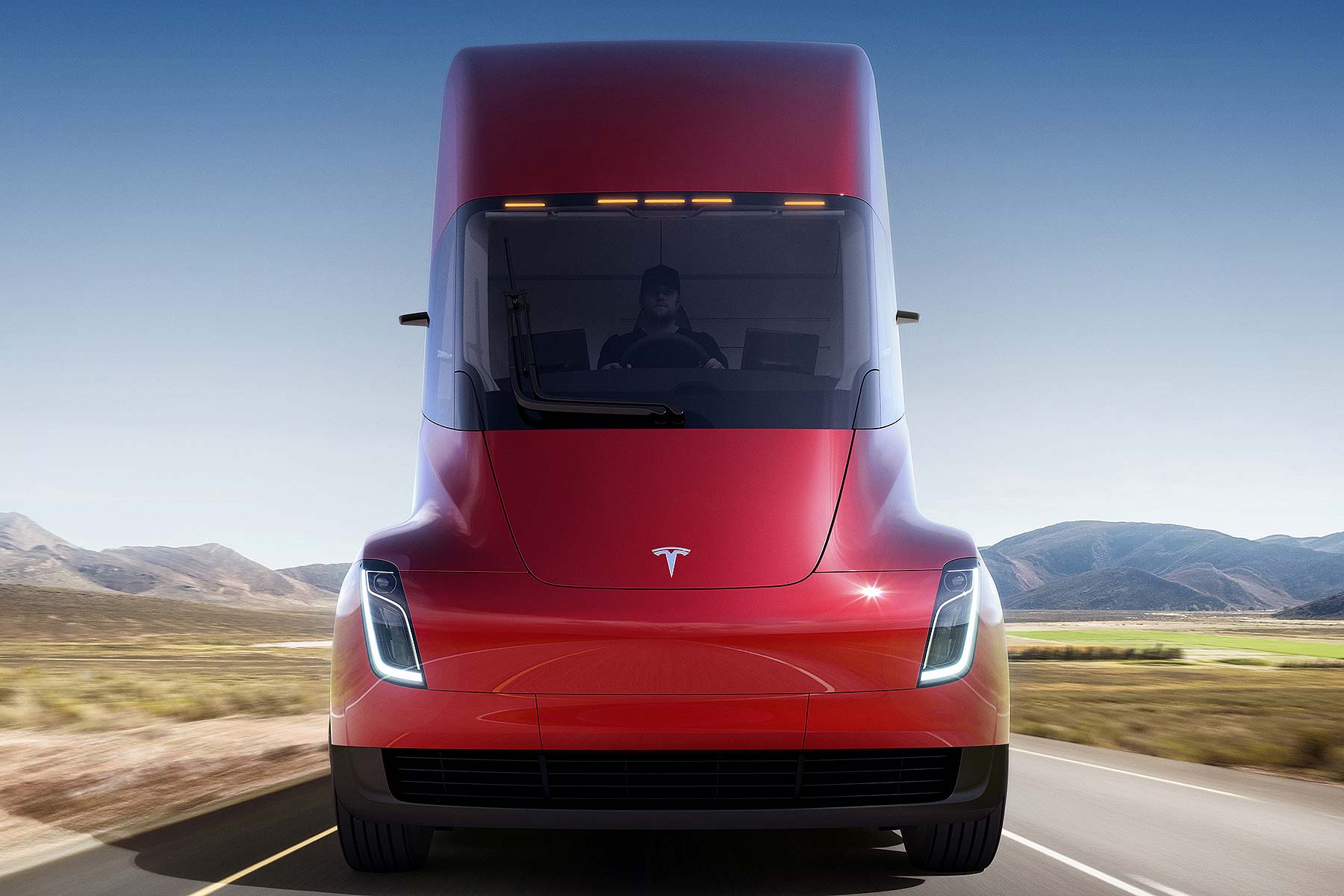 The new Tesla Semi Truck is the world’s first electric lorry. It will do 0-60mph in 5.0 seconds (a normal diesel truck does it in 15.0 seconds). Fully laden, it will have a 500-mile range. Tesla will roll out Megachargers that will add 400 miles’ range in half an hour.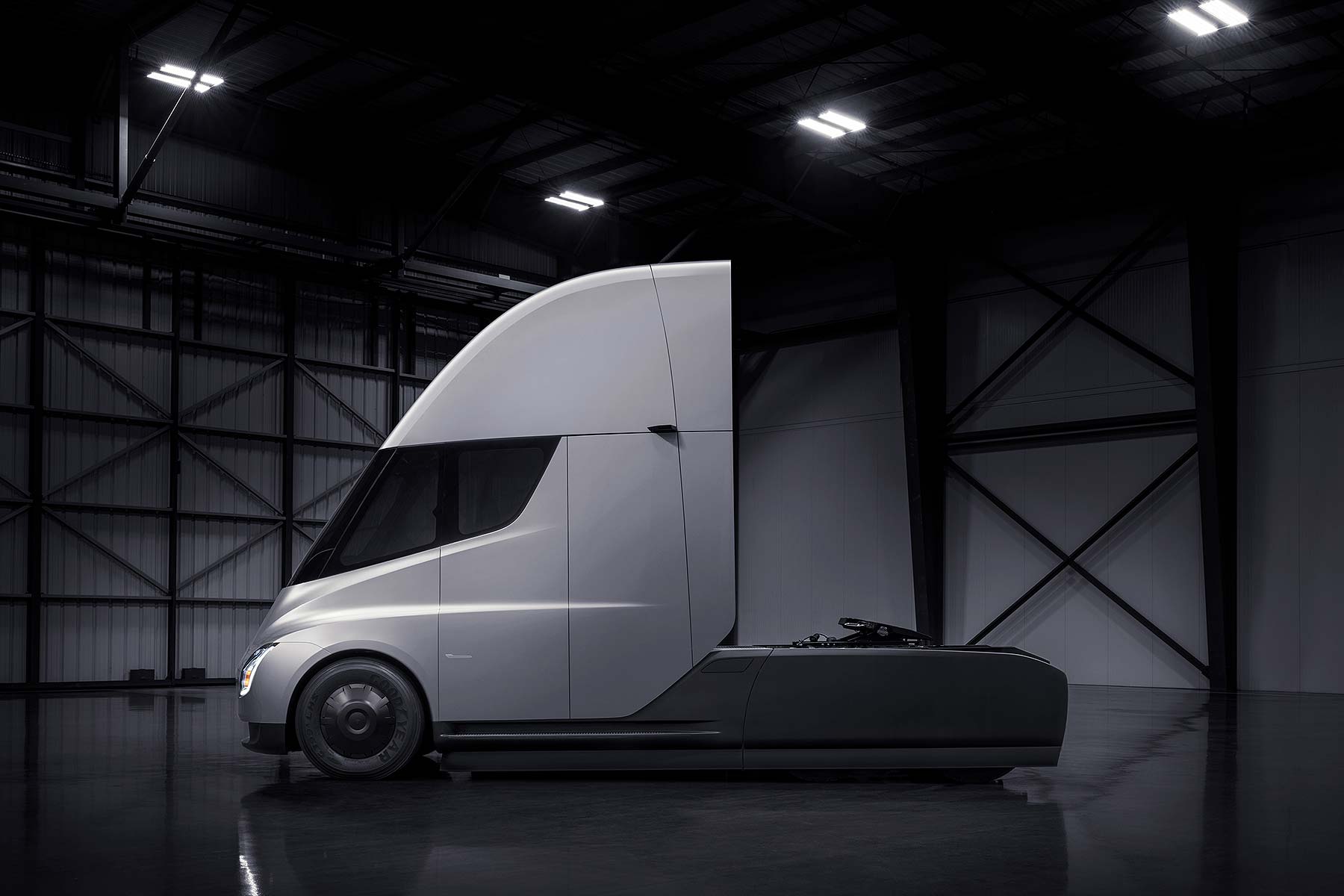
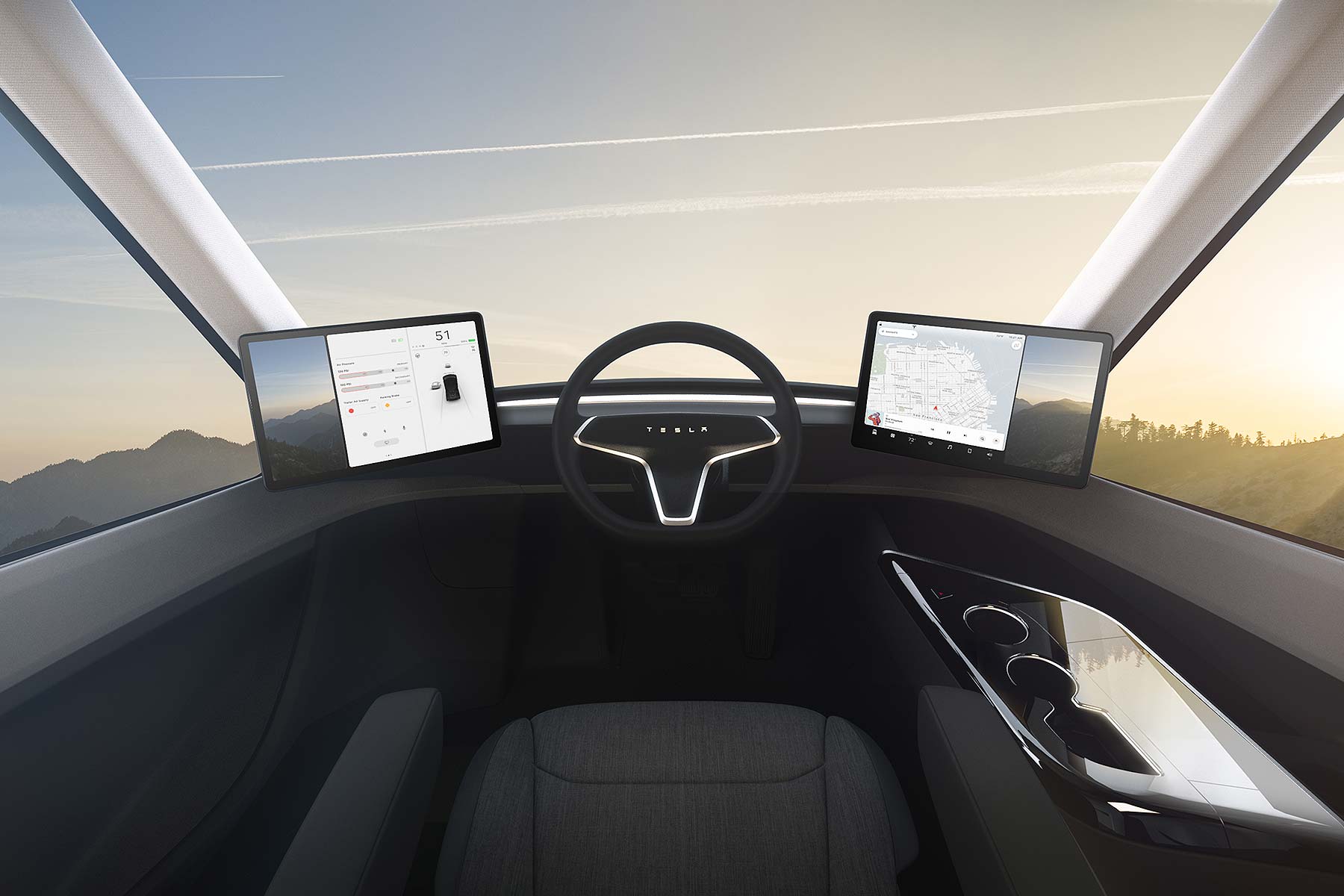
 Tesla has wowed attendees at the launch for its


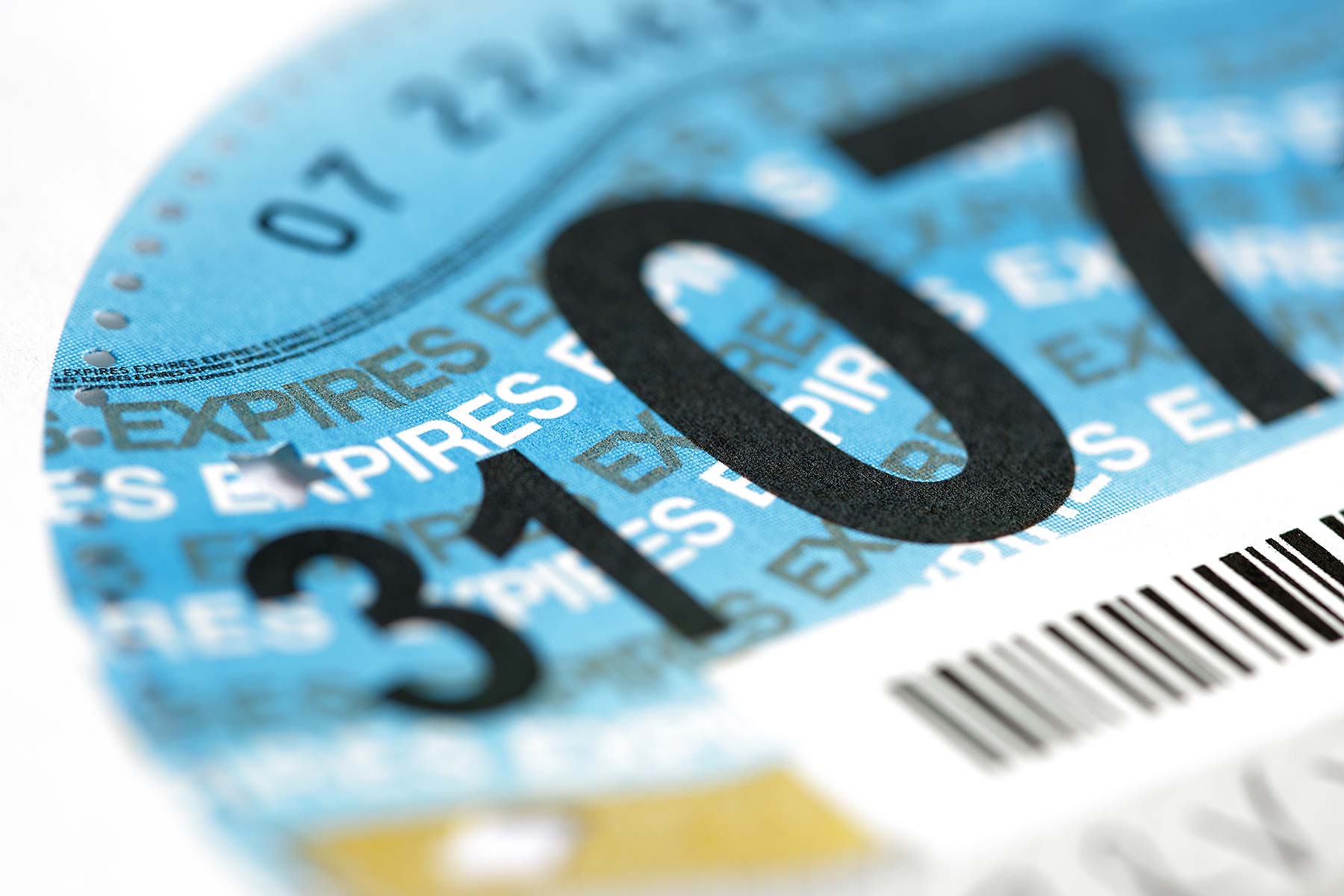 The government told us eliminating the paper tax disc would save the country £10 million a year: hurrah! What a pity latest stats from the Department for Transport reveal a potential revenue loss of £107 million per year caused by tax evasion. Drat!
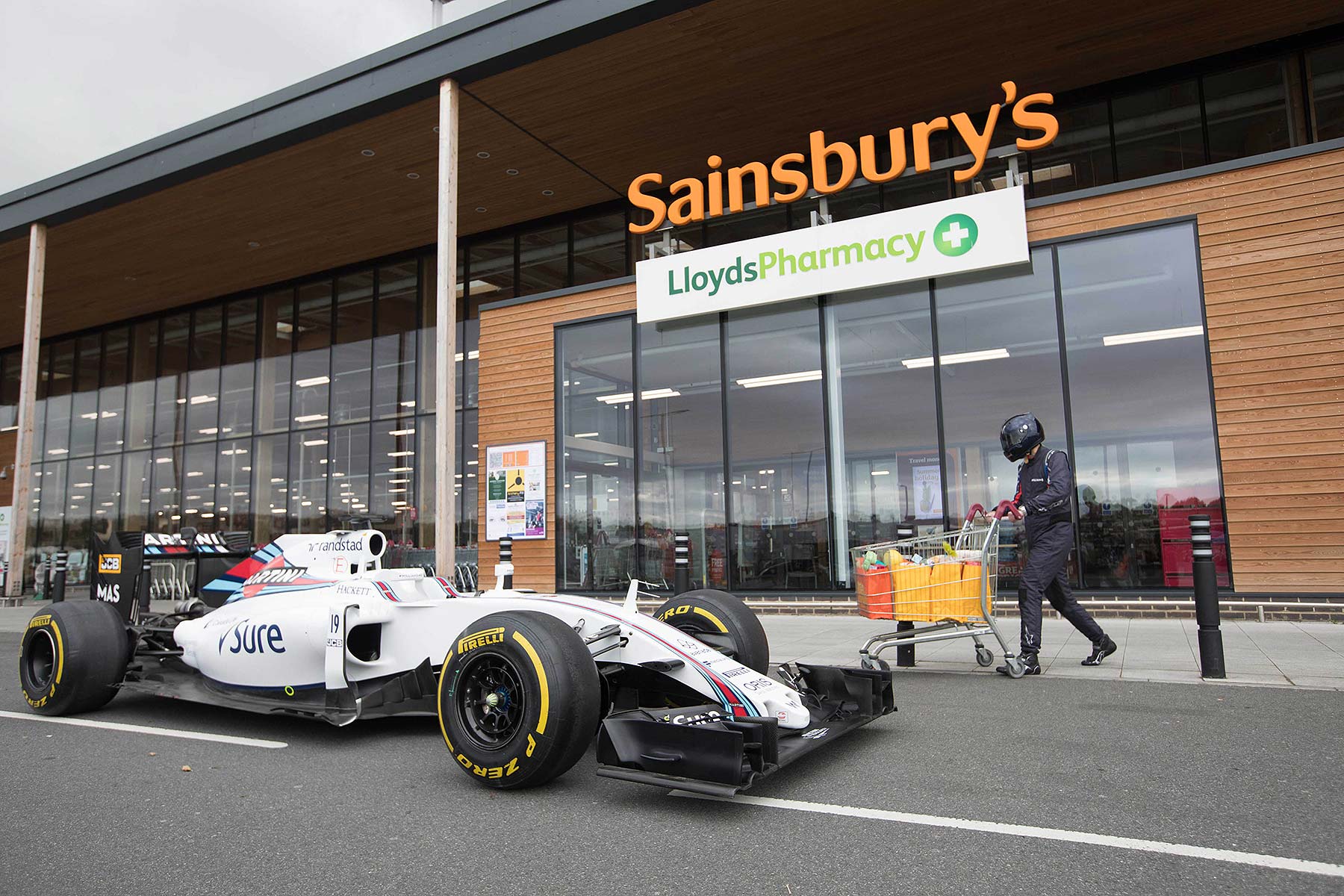 Williams F1 has used its racecar aerodynamics nous to help make the chiller aisle in Sainsbury’s supermarkets warmer – while ensuring the food in the fridges keeps just as cool while using 15 percent less energy.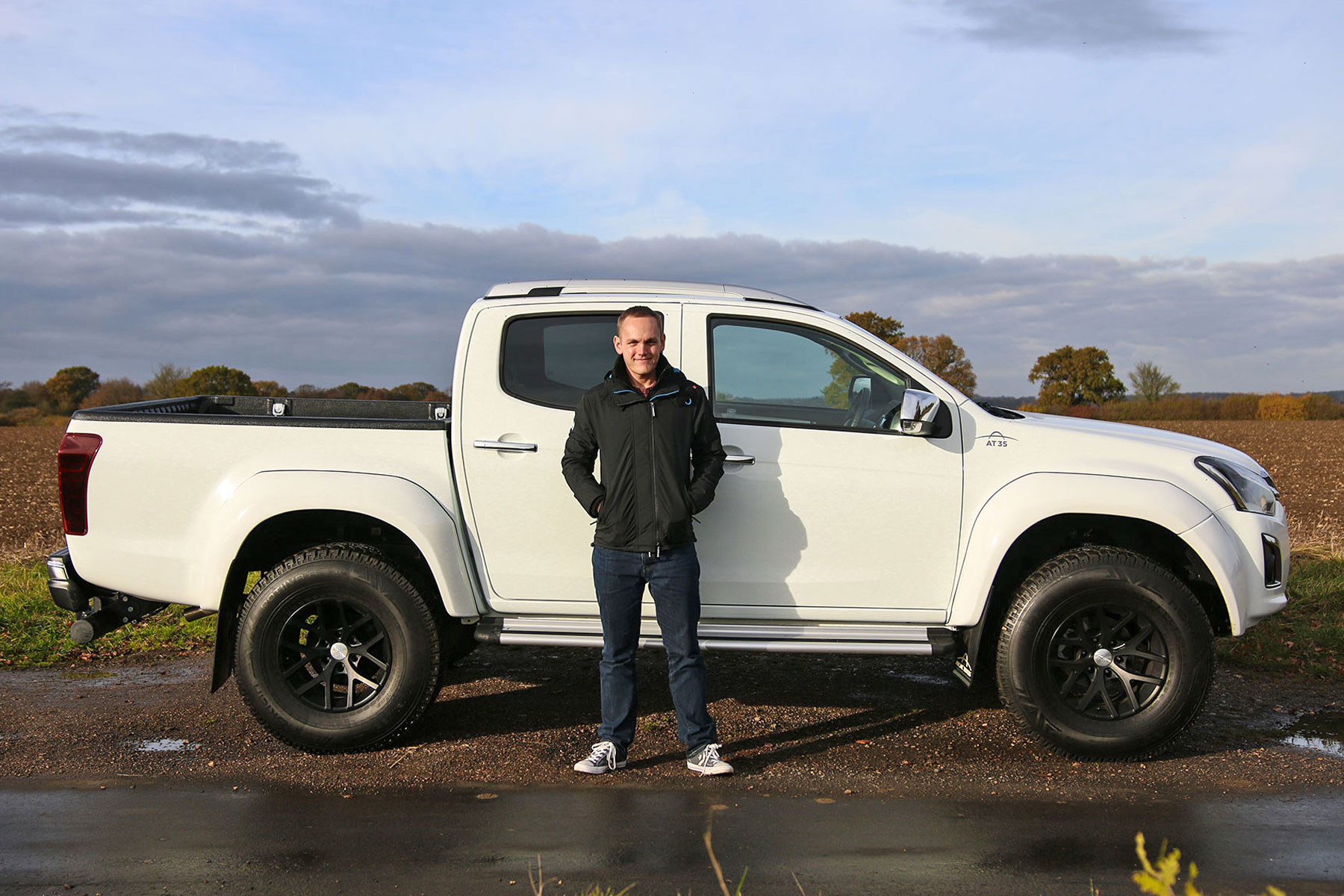
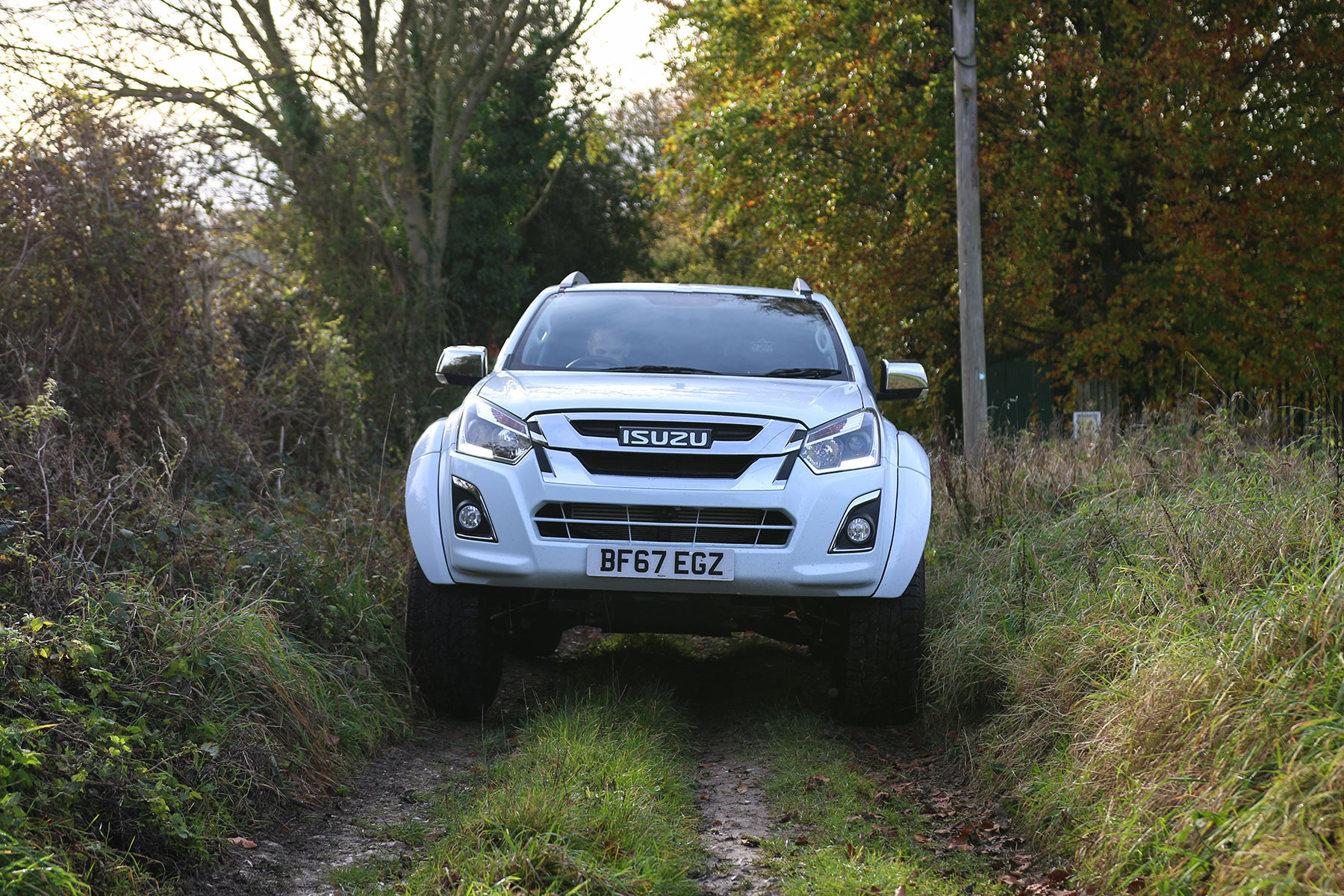

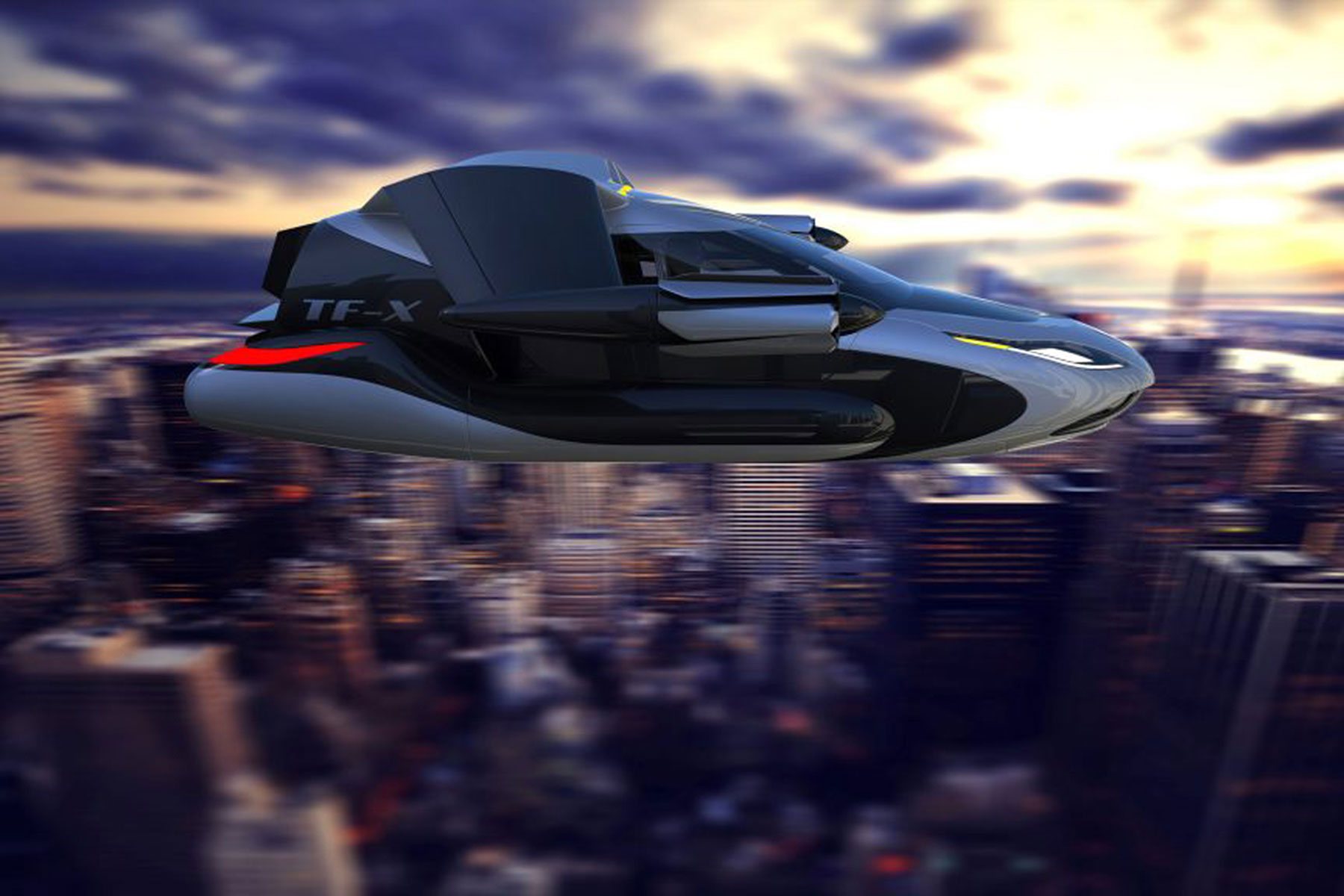 Geely Holding, the Chinese car industry giant that’s rejuvenated Volvo and recently taken control Lotus Cars, has announced its latest acquisition – the Terrafugia Inc flying car company.