Auto Trader has revealed its World Cup new car giveaway has already cost it more than £150,000, and the bill will rise further if England’s current run of good form continues.
The automotive marketplace’s #AutoTraderGoals social media competition is giving away a car for every goal England score. The running total has already exceeded the expected number of cars and, the 6-1 scoreline against Panama meant the form book was thrown out the window.
Since then, Auto Trader has been scrambling to source more Alfa Romeos, Fiats and Jeeps to give away to winners.
Harry Kane’s 57th minute goal in Tuesday’s match against Colombia took the running tally of cars to more than £150,000. Auto Trader has now done the sums and found the bill so far is £156,135, made up of:
3 Abarth 595
2 Alfa Romeo Mito
2 Fiat 500X
2 Jeep Renegade
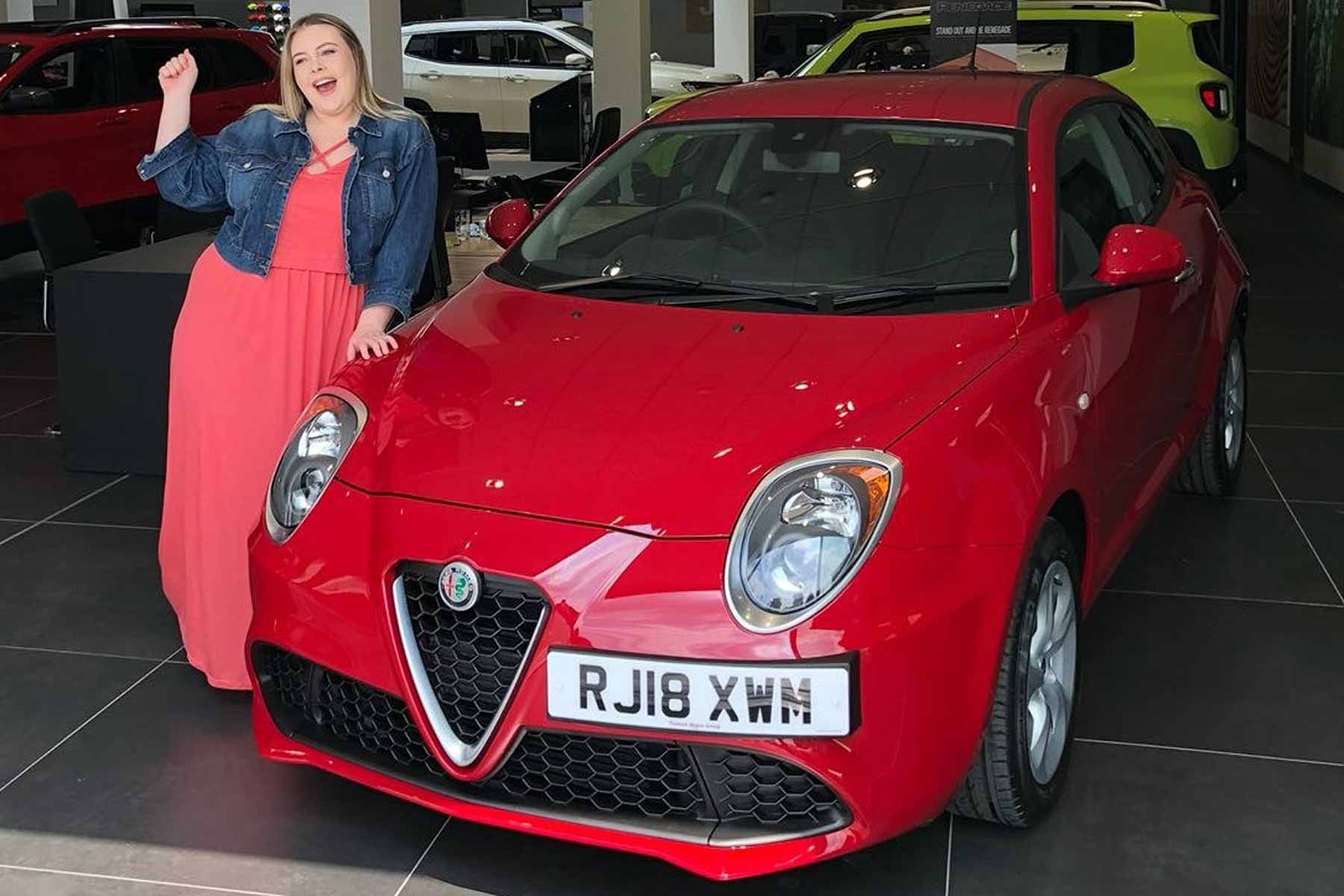
24-year-old paediatric news Imogen Ryan (pictured above) from Reading was Tuesday’s winner and said she was “crying with joy when I found out I’d won.
“I’m 17 weeks pregnant and we desperately need a new car – so to win one in this way after such a dramatic end to the game was beyond a dream.”
Despite the steep bill, Auto Trader’s hoping Saturday’s match against Sweden will see the competition extend into the semi-finals next week, particularly as the competition has been trending on Twitter every time England has scored a goal in the 2018 Russia World Cup.
Auto Trader’s Lei Sorvisto said: “It’s fair to say that when we started this competition, we didn’t anticipate England would score so many goals.
“We’ve given our finance director a few headaches along the way – but we’re thrilled for all of the competition winners and we’re fully behind the England team to bring it home!”
It’s always a slightly sad moment when a long-lived hypercar dies. We’re reminded of when our childhood dream cars passed on – a sign it was time to grow up. The latest to see its final chassis leave the factory is the Agera series of Koenigseggs.
Debuting in 2010 with the familiar silhouette of the CCs that preceded it, the Agera came with twin-turbo power in place of supercharging, 5.0 litres of V8 muscle, more muscular looks and even bigger ambitions.
It would go on to achieve well beyond 1,000hp, with 2015’s One:1 “megacar” famously delivering one megawatt of power (1,341hp) as well as a power-to-weight of 1,000bhp per tonne (1,360bhp/1,360kg).
The Agera enjoyed the spotlight at one point, oddly, for its high-speed safety, with videos circling the internet of a test driver doing full-bore 0-180mph-0 runs while barely touching the wheel. Incidentally, Koenigsegg also kept Bugatti honest by beating its 41-second 0-248mph-0 record, posting a 36-second run.
Regardless of that, the special editions, the acceleration records and everything else, there’s one record that anyone who grew up wanting a McLaren F1 really cares about.
It’s arguably the Agera chassis’ crowning achievement. That incredible 284mph top speed record – with an official average of 277mph both ways – as achieved by an Agera RS late last year. That’s how a hypercar immortalises itself in our book.
So as Agera passes on, with Thor and Vader Final Edition (FE) chassis taking a trundle around in celebration, let’s reflect on how this once-plucky supercar start-up quite possibly built one of the most iconic hypercars ever made.
What’s next for Koenigsegg? Well, deliveries of the Regera are ongoing after a healthy development period. The ‘gearless’ machine was mooted by Christien von Koenigsegg as the marque’s vision of a GT car, presumably leaving room for something a little more hardcore.
With the advent of Brabham BT62, McLaren Senna and other such track-honed mega-machinery, will Koenigsegg’s Agera replacement be something aimed more toward lap times rather than outright speed? Time will no-doubt tell.
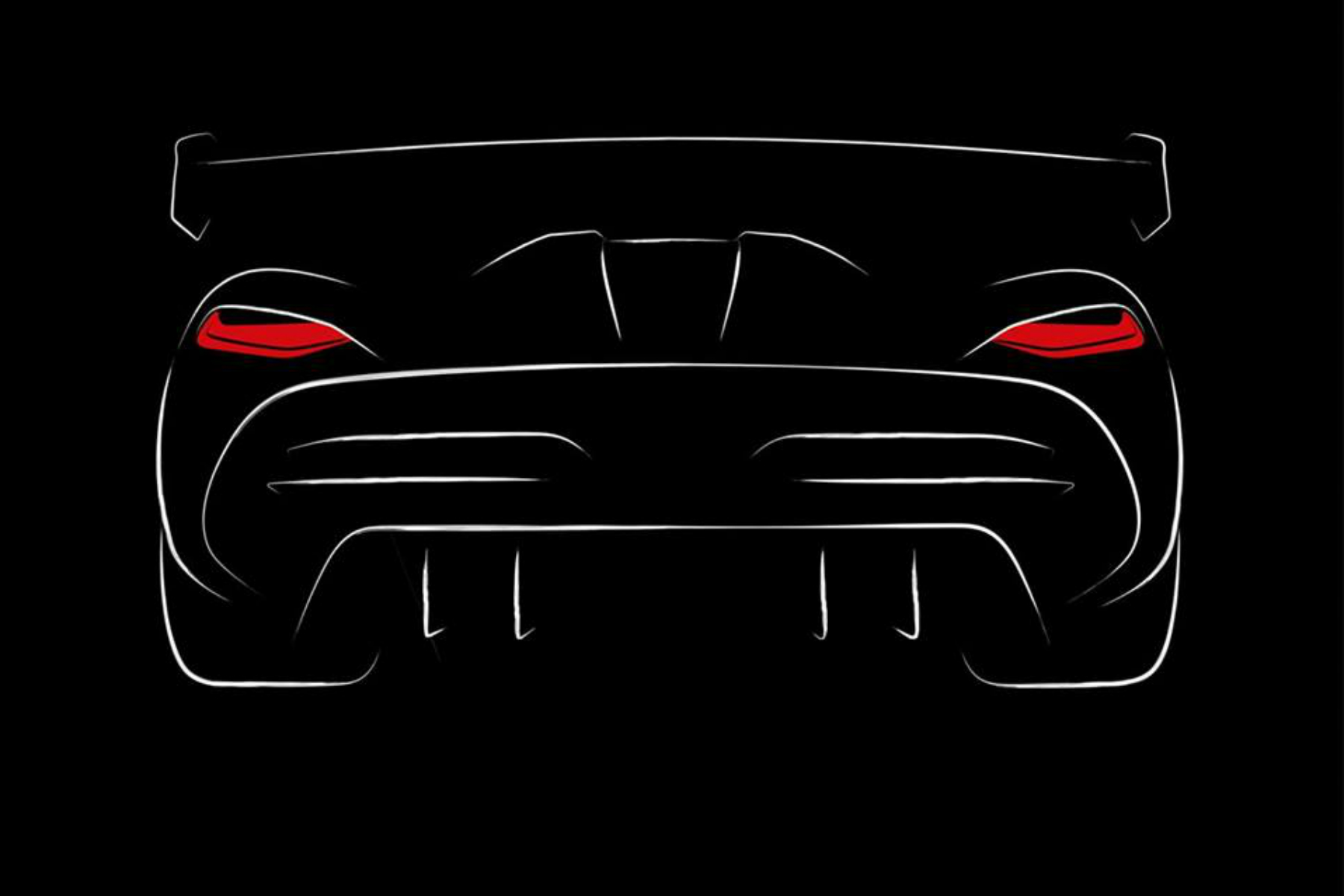
From the teaser image, it looks like we’re in for something altogether more hardcore right out of the box. On its Instagram page, Koenigsegg said “You know it’ll be epic. You just have to wait a bit to see just how epic it’ll be.”
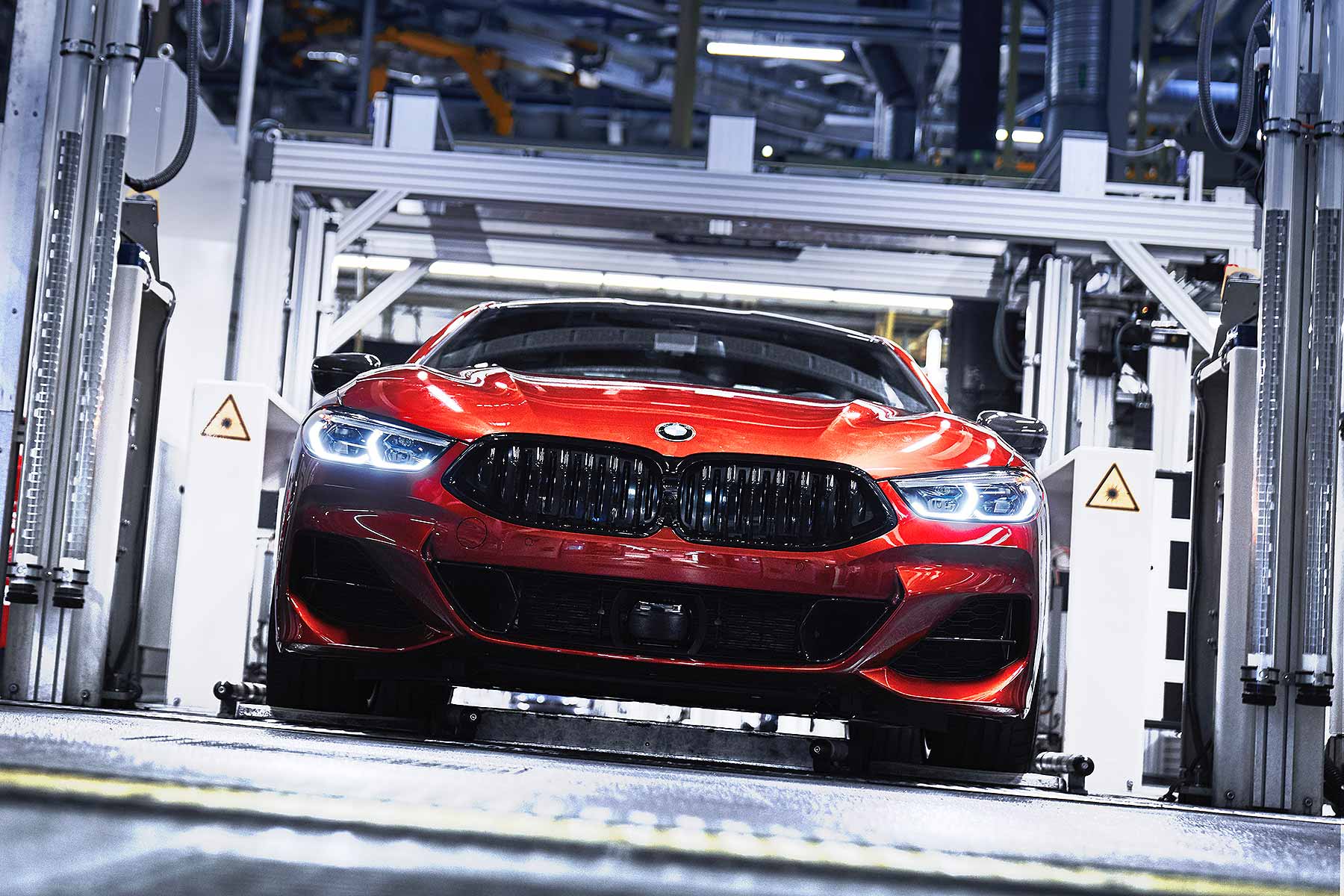
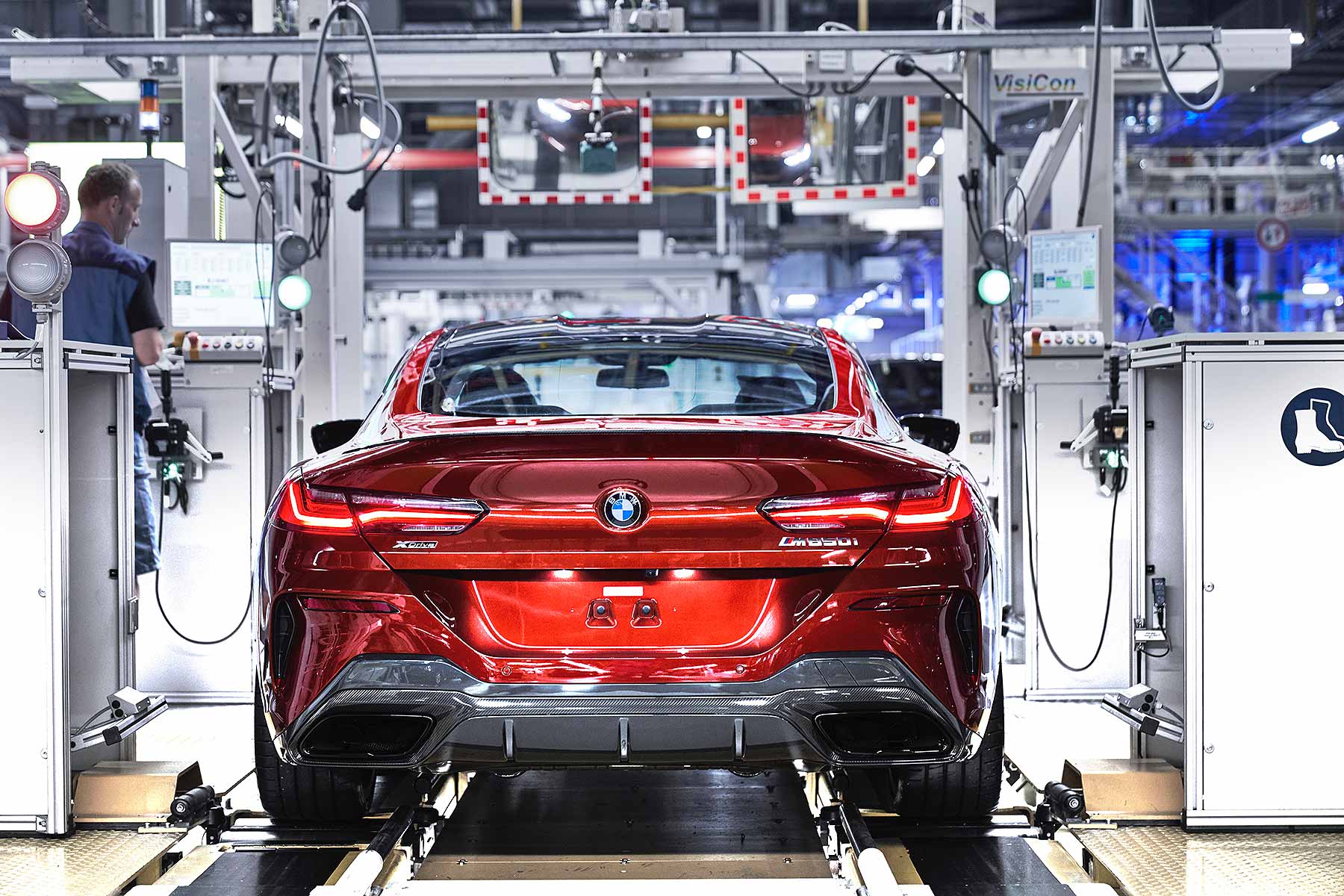
The BMW 8 Series is officially back. BMW’s massive plant in Dingolfing, Germany, has at last begun series production of the new 8 Series Coupe, ahead of deliveries beginning later this year.
High standards are guaranteed, reckons BMW: Dingolfing also builds the 5 Series and 7 Series. It will be blended into the line alongside these two cars, although the firm has still invested “three-digit Euros” to bring the long-awaited luxury coupe back to the production line.
Starting production of new models is not quite as simple as it once was, points out BMW. The new 8 Series Coupe, for example, uses steel, plastic, aluminium and carbon fibre in its body construction alone. Aluminium bits include the roof, doors, bonnet, front firewall plus front and rear support structures, while the roof can also be had in carbon fibre reinforced plastic (CFRP).
Although this has been a feature of M cars for some time, this is the first time a series production BMW has been offered with a CFRP roof. The item is actually made at the factory too, in a new wet-pressing process.
The history of the BMW 8 Series in pictures
Those ordering a new 8 Series Coupe will also be able to boast about the new autonomous trains that deliver parts to the production line, and the “collaborative robots” that measure for panel gaps and misalignments (any panel gaps seem a bit off? Blame the ‘bots).
And if you’re ordering a new 8 Series Coupe with any special equipment, you’ll love this: BMW’s equipped Dingolfing workers with smartwatches that buzz an “exotics alarm” when a car with non-standard equipment is coming up the line and needs special attention…
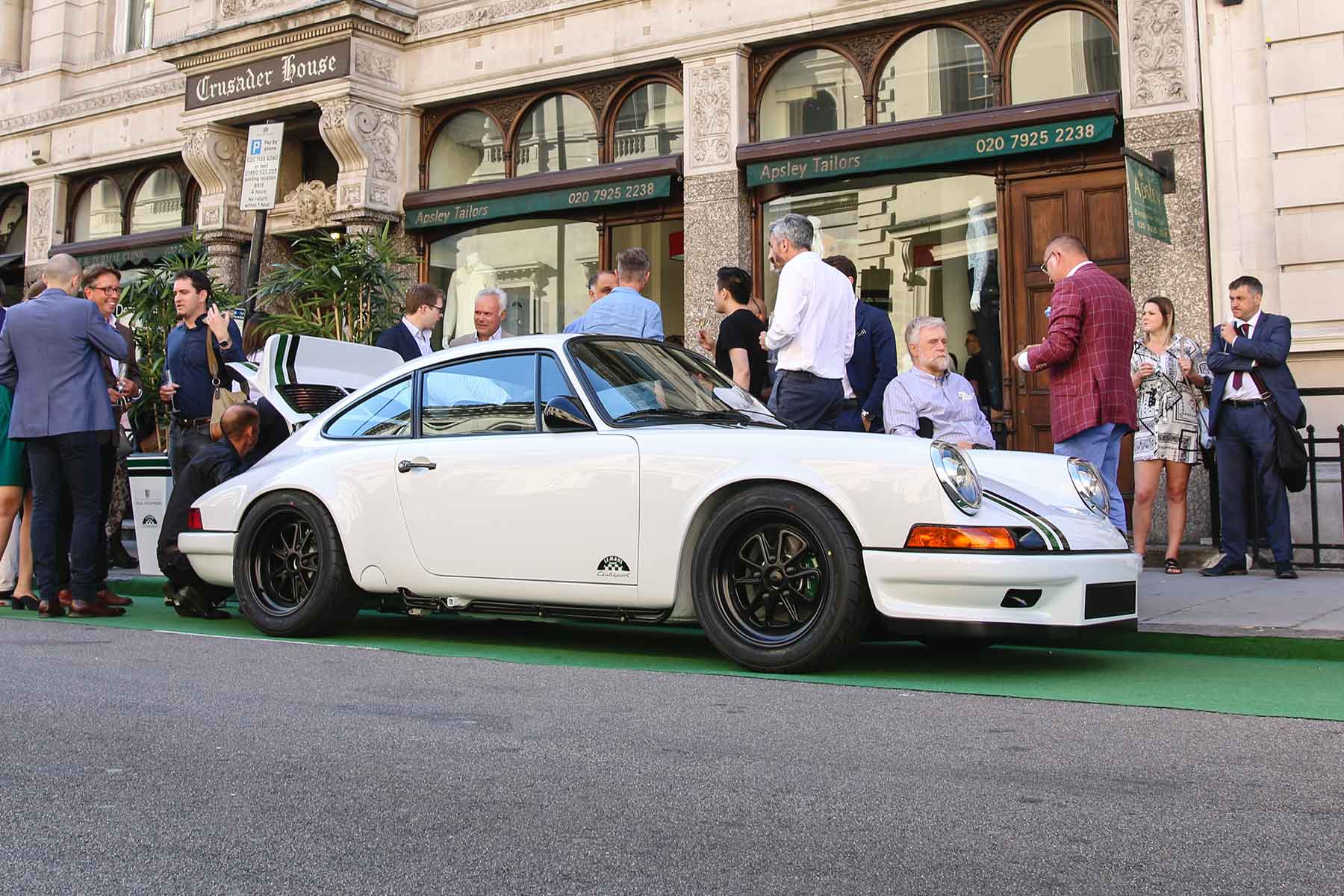
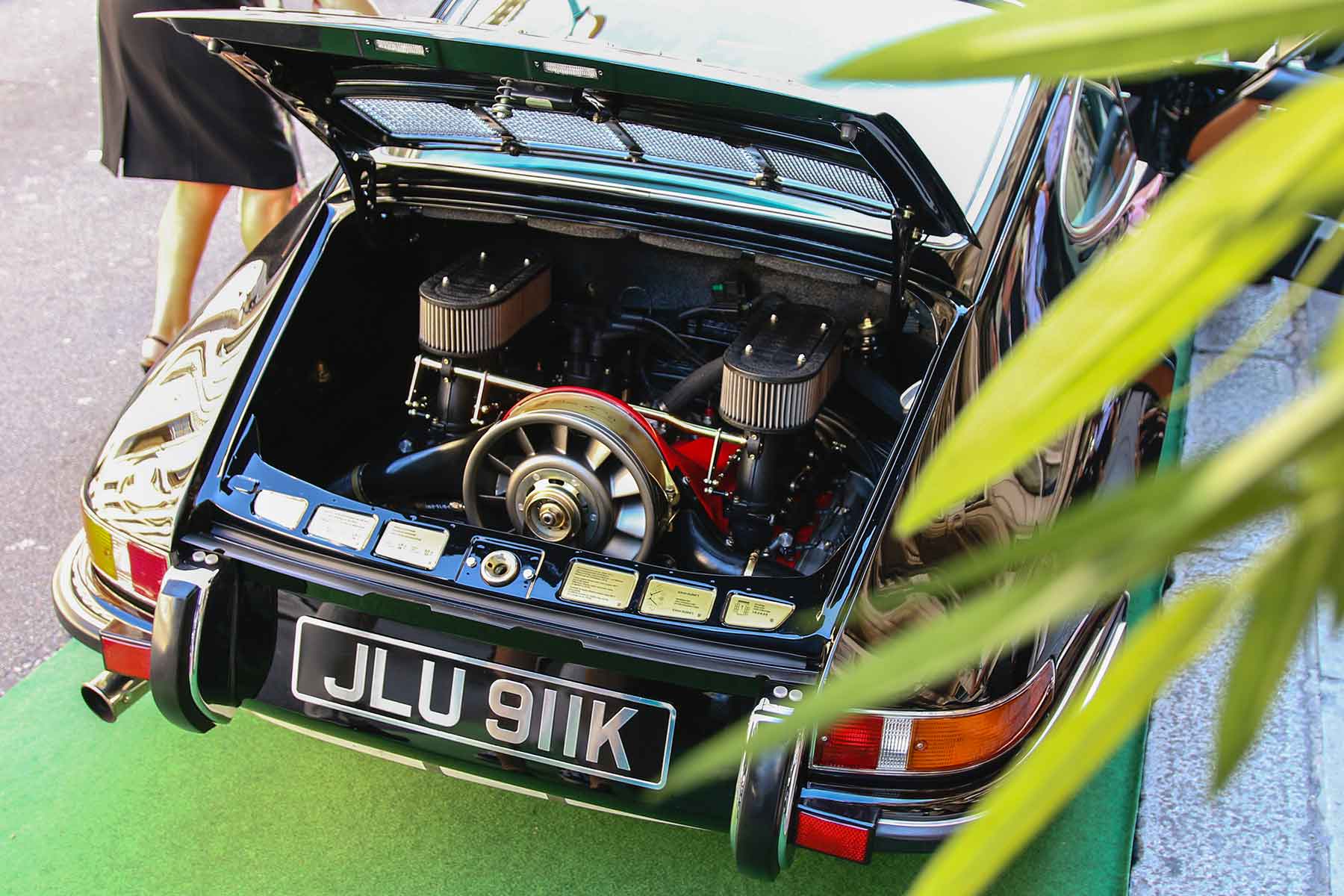
“Most cakes look tasty with a little icing on top,” says Paul Stephens, “but only by cutting a slice, and trying the ingredients inside, do you discover if it’s really a good cake.” That’s the philosophy behind the (deep breath) Paul Stephens Le Mans Classic Clubsport: a bespoke, British-built Porsche 911 with some very appetising ingredients indeed.
Here’s a taster: a 300hp flat-six, lightweight composite bodywork, a stripped-out interior and a £250,000 price tag. Think of the PSLMCC (as it shall henceforth be abbreviated) as a half-price alternative to the money-no-object Singer 911 and you’re on the right lines. Only 10 examples will be made.
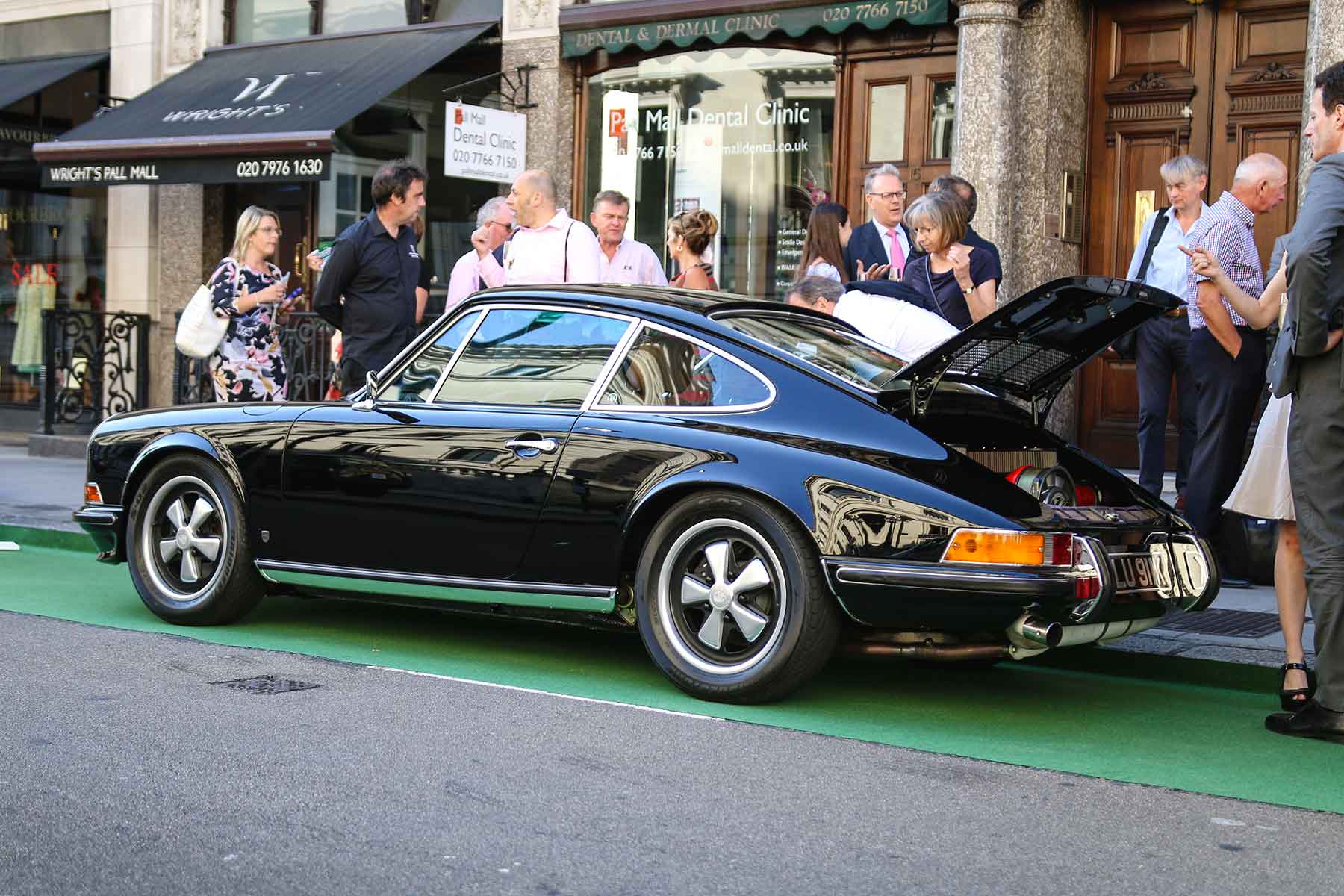
We attended the car’s London launch and chatted to Paul about the project. Read on and watch our exclusive video to learn more.
Video: Paul Stephens Le Mans Classic Clubsport
Back to the future
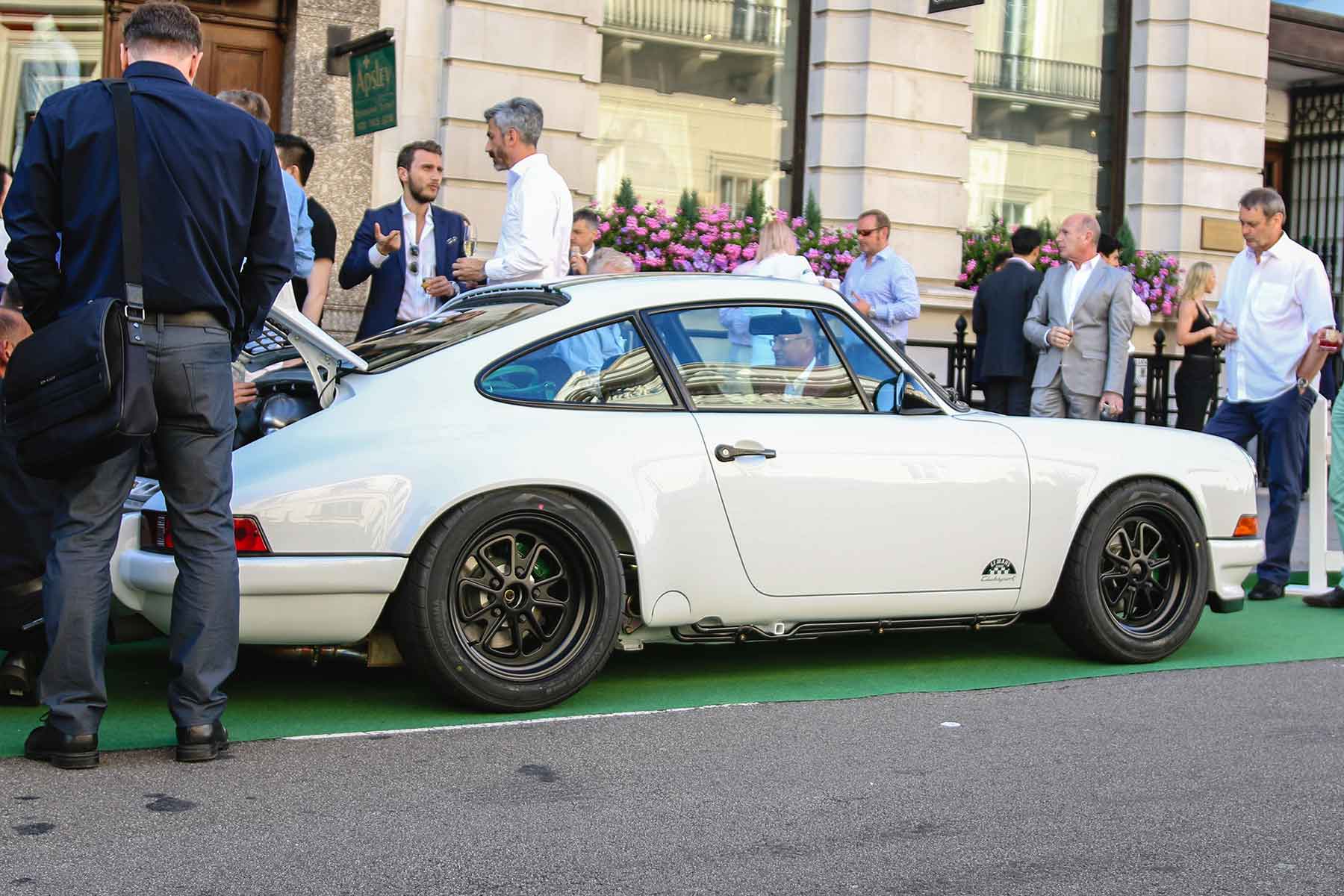
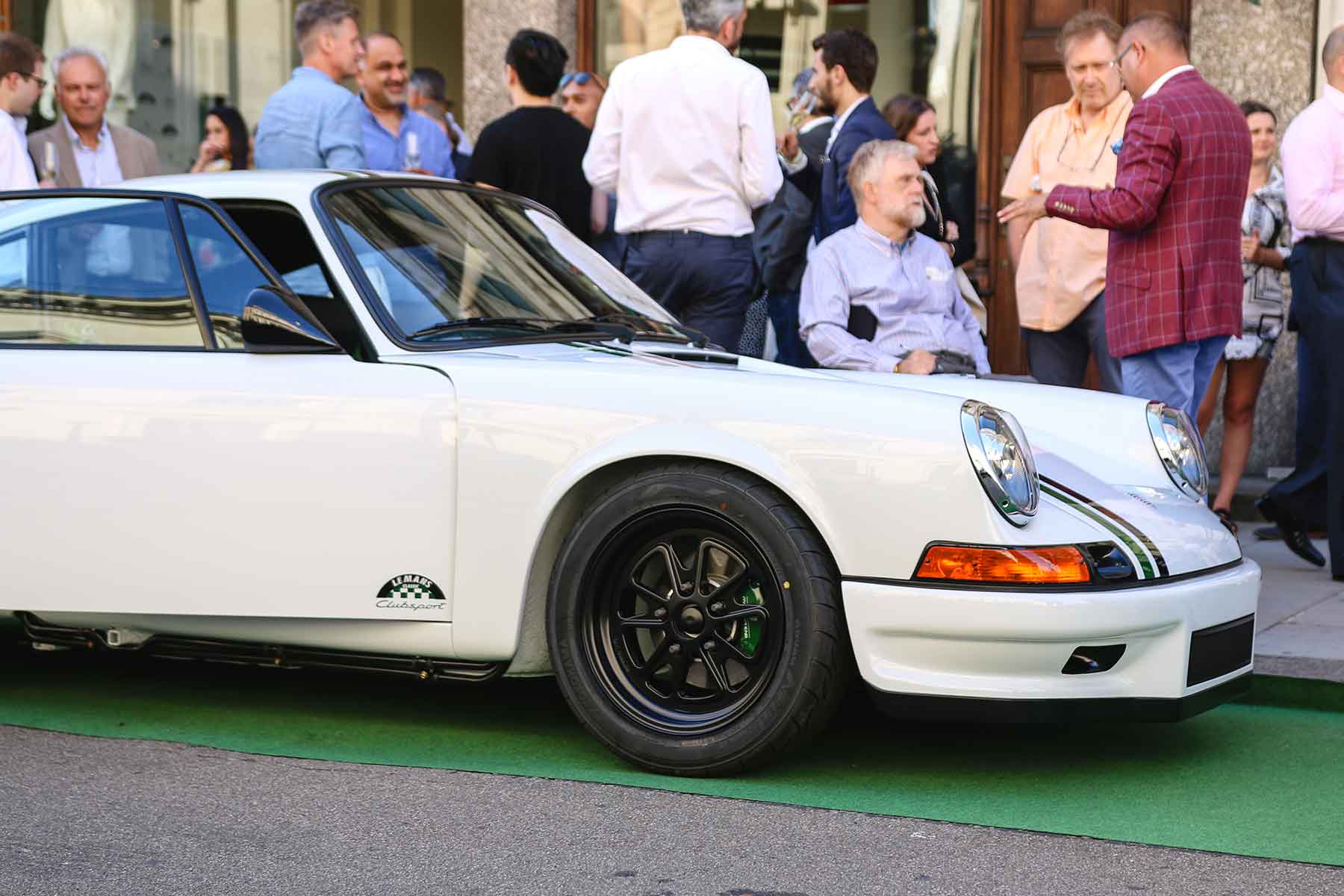
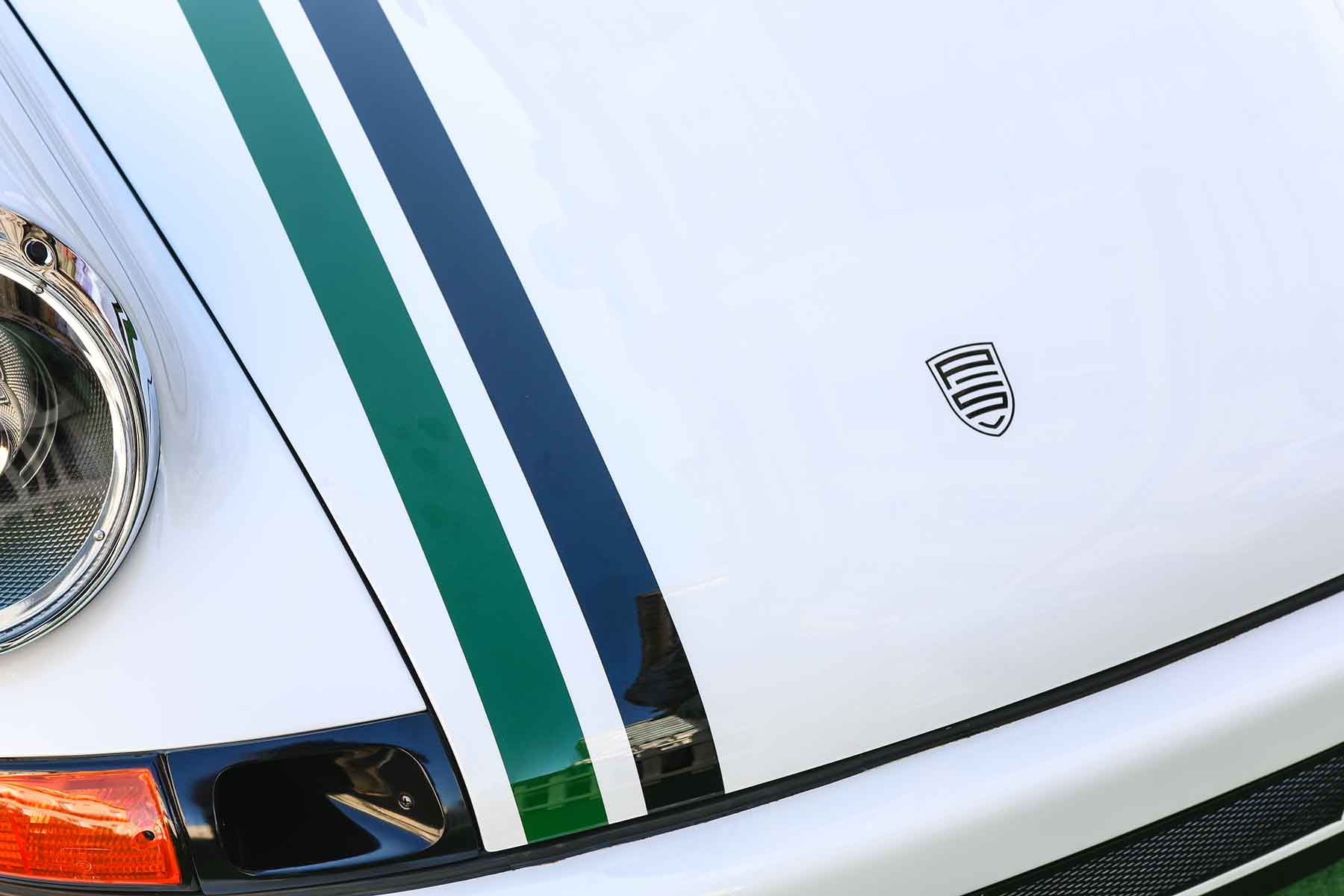
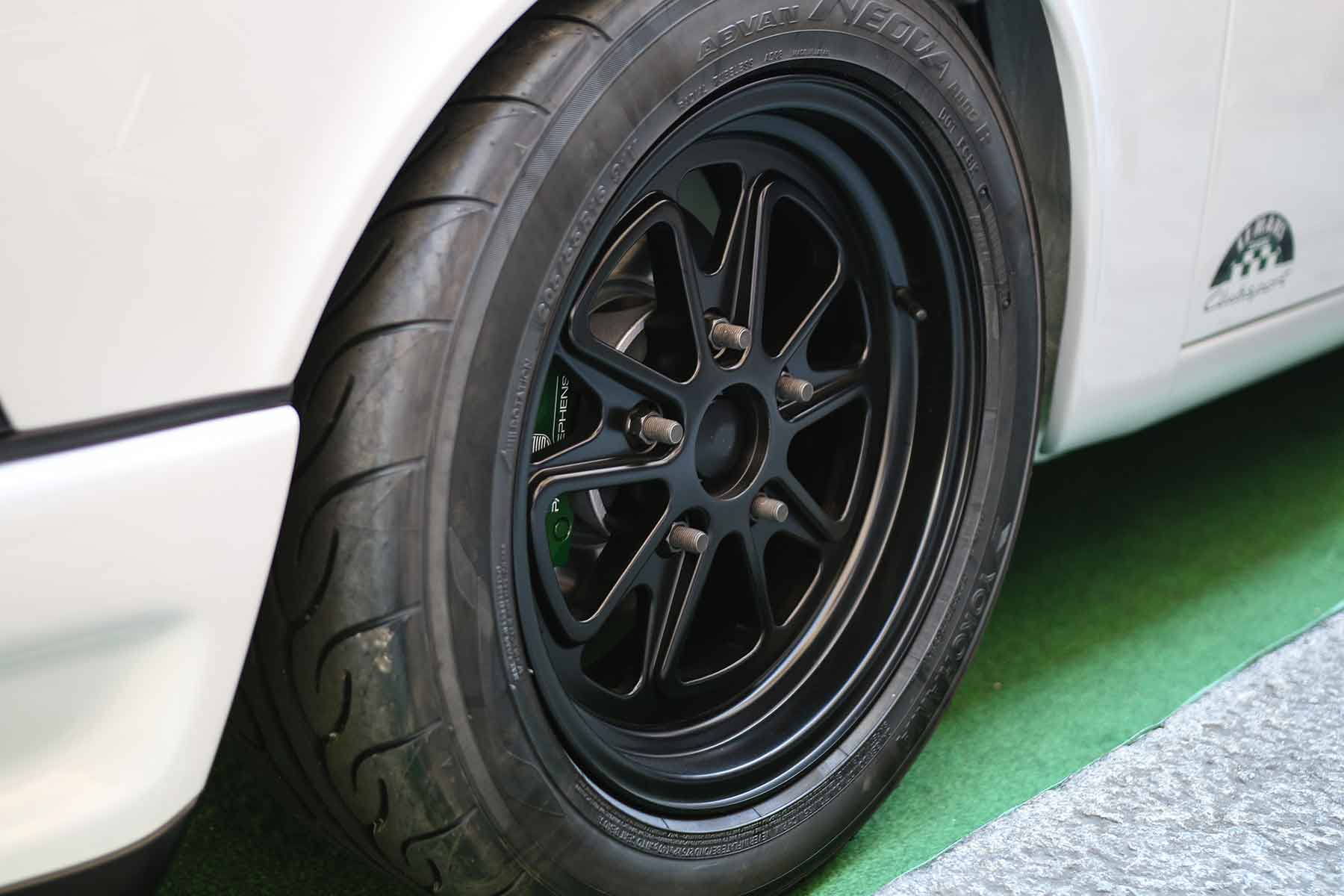
Like many custom Porsches, the PSLMCC has been ‘backdated’ to make it look older than it is. The styling is inspired by the iconic 1973 911 2.7 RS (and related RSR racer) but each car starts life as humble late-1980s 3.2 Carrera.
Job one is the body shell, which is rebuilt to “as new” condition. Paul Stephens’ workshop – based near Sudbury, Suffolk – de-seams the roof panel, removes the sunroof (if fitted) and bolts on fibreglass composite front and rear bumpers.
The engine lid is also composite, shaped into a ducktail spoiler that, again, pays homage to the 2.7 RS, although its profile is actually modelled on the 997 Sport Classic. An aluminium bonnet and tiny, aerodynamic door mirrors help trim vital kilos, too.
Air-cooled cool
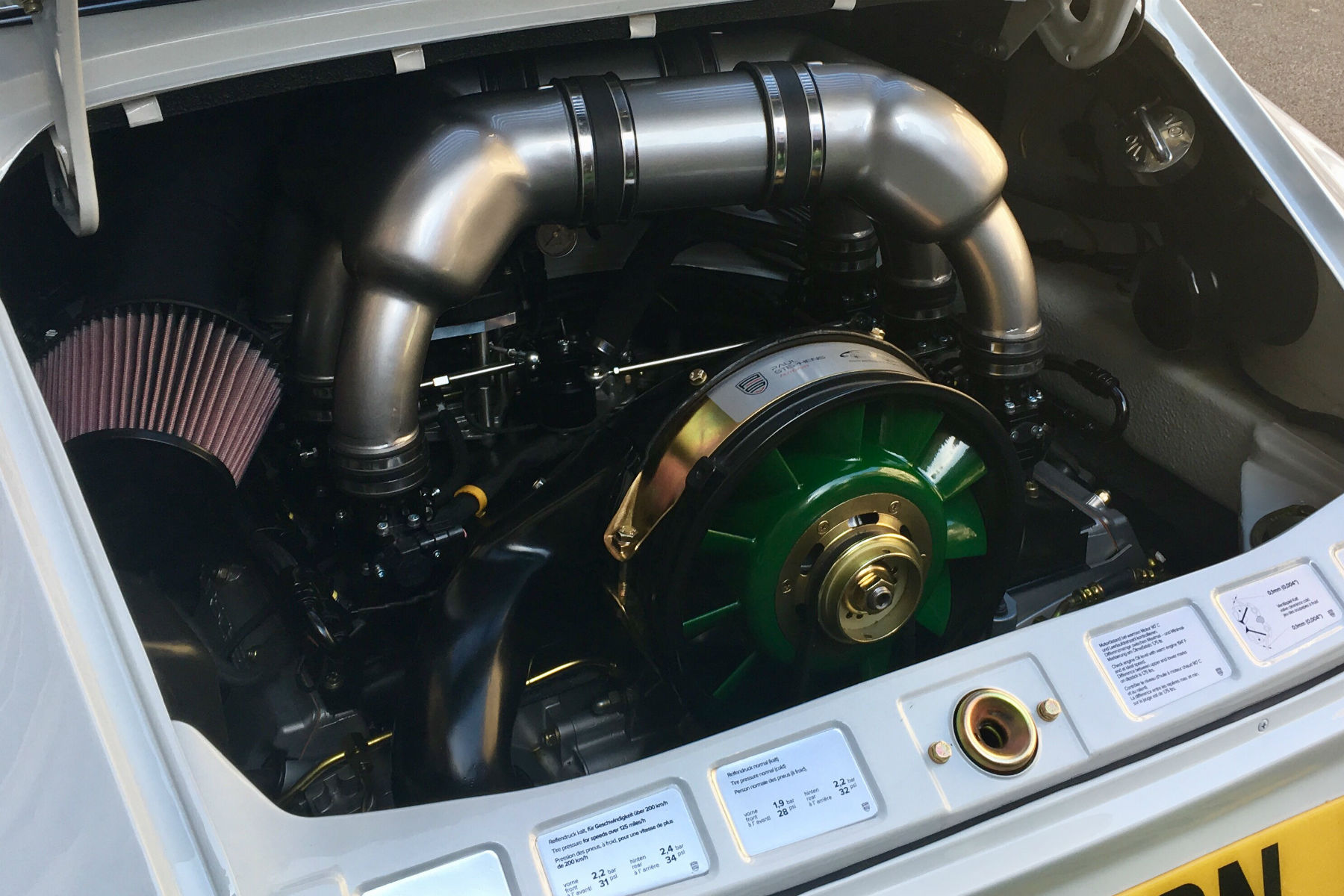
The heart of the PSLMCC is an air-cooled flat-six, bored out to 3.4 litres and modified with an ITB injection system, GT3 RS plenum, RS-spec cams, a lightened and balanced crankshaft, new conrods and a lighter flywheel. Modern engine management comes courtesy of a programmable ECU, which is mapped in-house.
Driving the rear wheels via Porsche’s proven G50 five-speed manual gearbox, plus a limited-slip differential, the 911 hits 60mph in 4.4 seconds and a top speed of 175mph.
However, straight-line speed is hardly this car’s raison d’être. Compact dimensions (shorter and narrower than a current Cayman) and a kerb weight of just 970kg (a new 911 Carrera is 1,505kg), should make it sublime on rural roads.
Lightweight or Touring
That quoted 970kg applies to the Lightweight version of the PSLMCC and, incidentally, is near-as-dammit identical to the 2.7 RS Lightweight. There’s also a more luxurious Touring spec – as per the car in our photos – which tips the scales at 1,075kg. In a nod to the original factory option codes, Paul refers to the cars as ‘M471’ and ‘M472’ respectively.
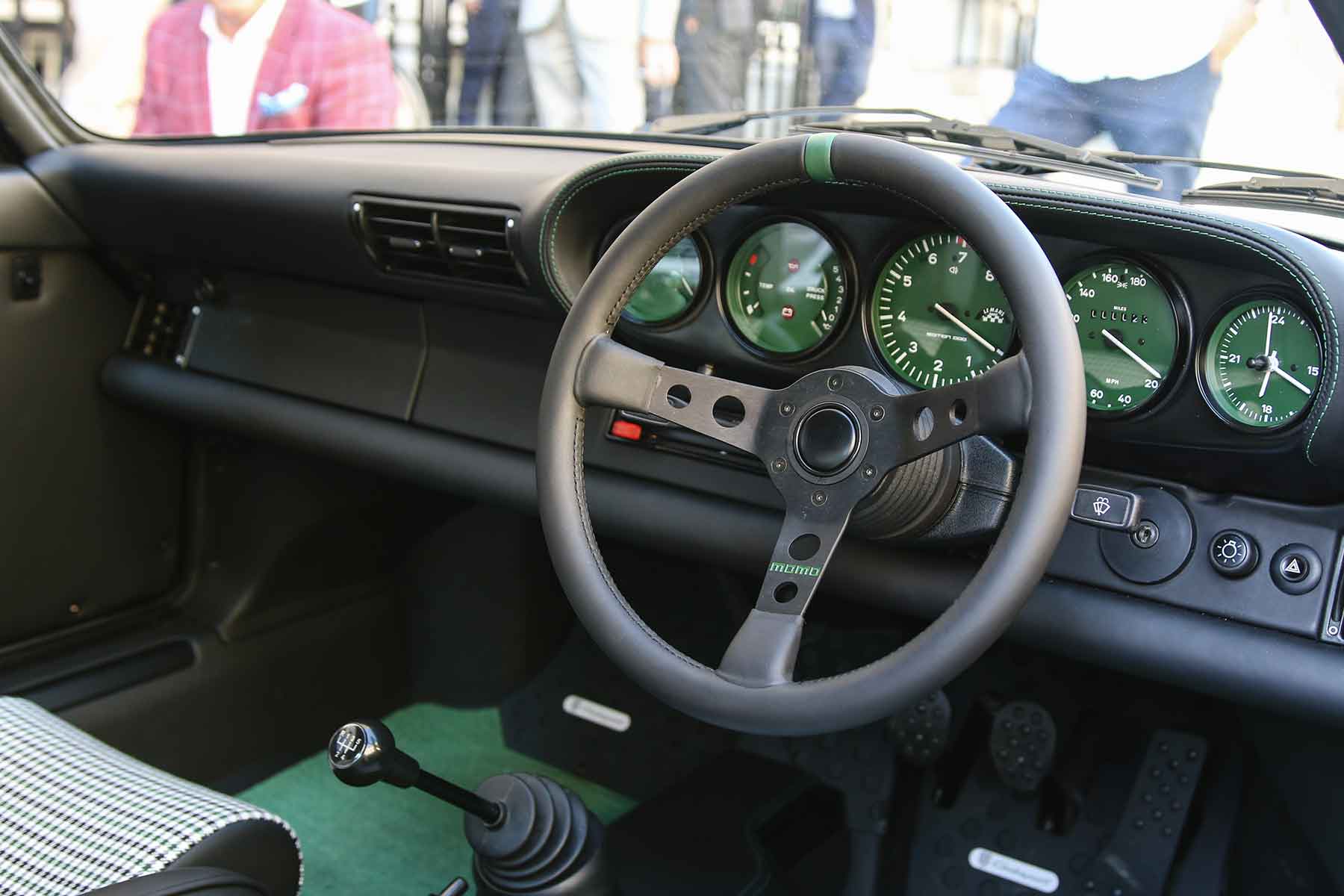
The Lightweight is a no-frills driving machine, with thinner carpets, minimal sound proofing, manual front windows, Lexan plastic rear windows, no central locking, non-tilting seats, no glovebox lid and a single sun visor. The Touring gets electric windows, plusher trim and a full complement of sun shades. Air conditioning is available on both versions at extra cost.
This is how to reveal a car: champagne, canapés and classic 911s on Pall Mall. pic.twitter.com/kdUJZtrjth
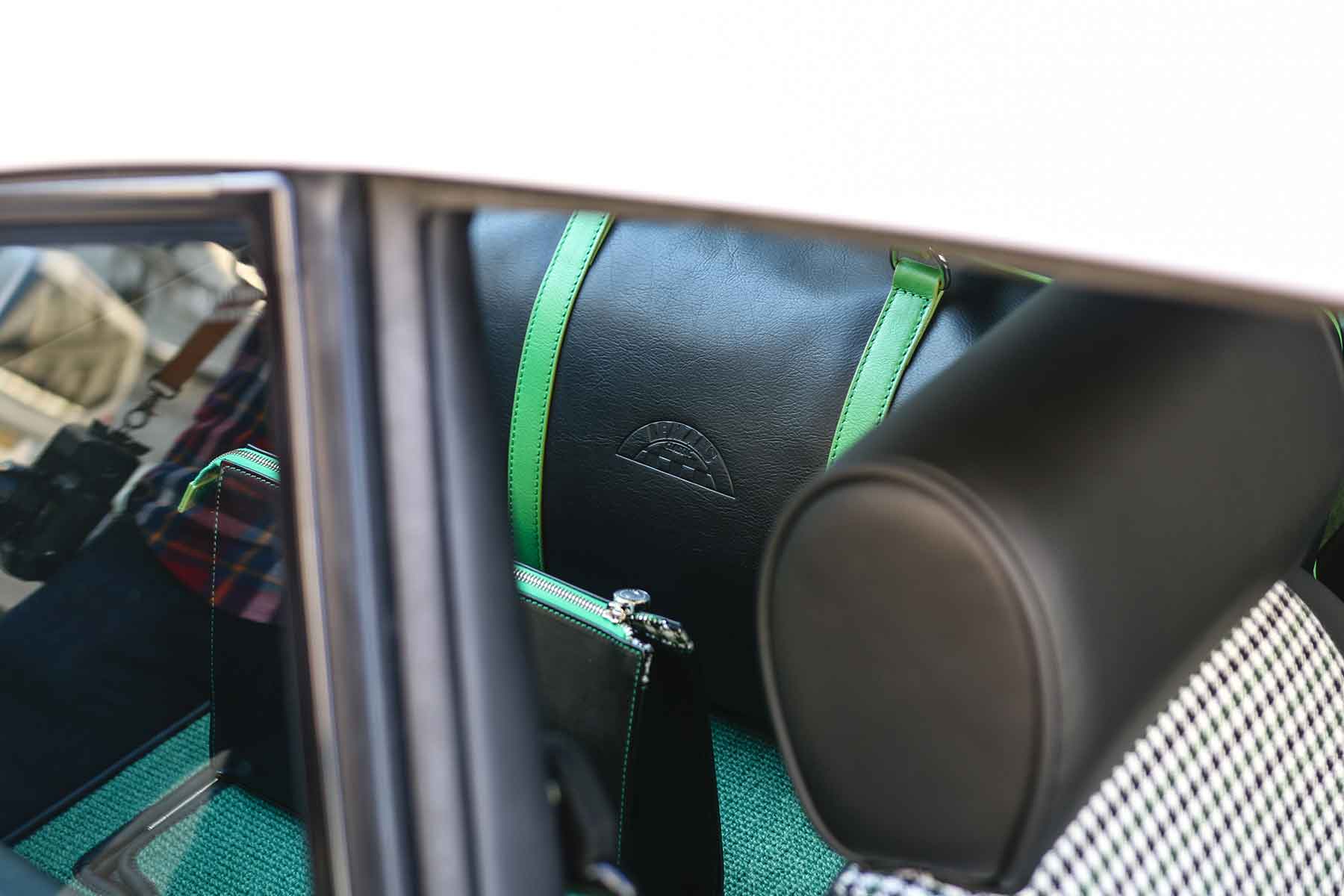
Much of the interior, including the dashboard, is custom-made and the standard of finish is exceptional. The ST-style seats are trimmed in unique green, black and white houndstooth cloth, while the green theme also extends to the dials, carpets (black is optional) and RS-style fabric door pulls. A fully trimmed storage box takes the place of the rear seats and each car comes with a bespoke Le Mans Classic leather luggage set.
Road to Le Mans
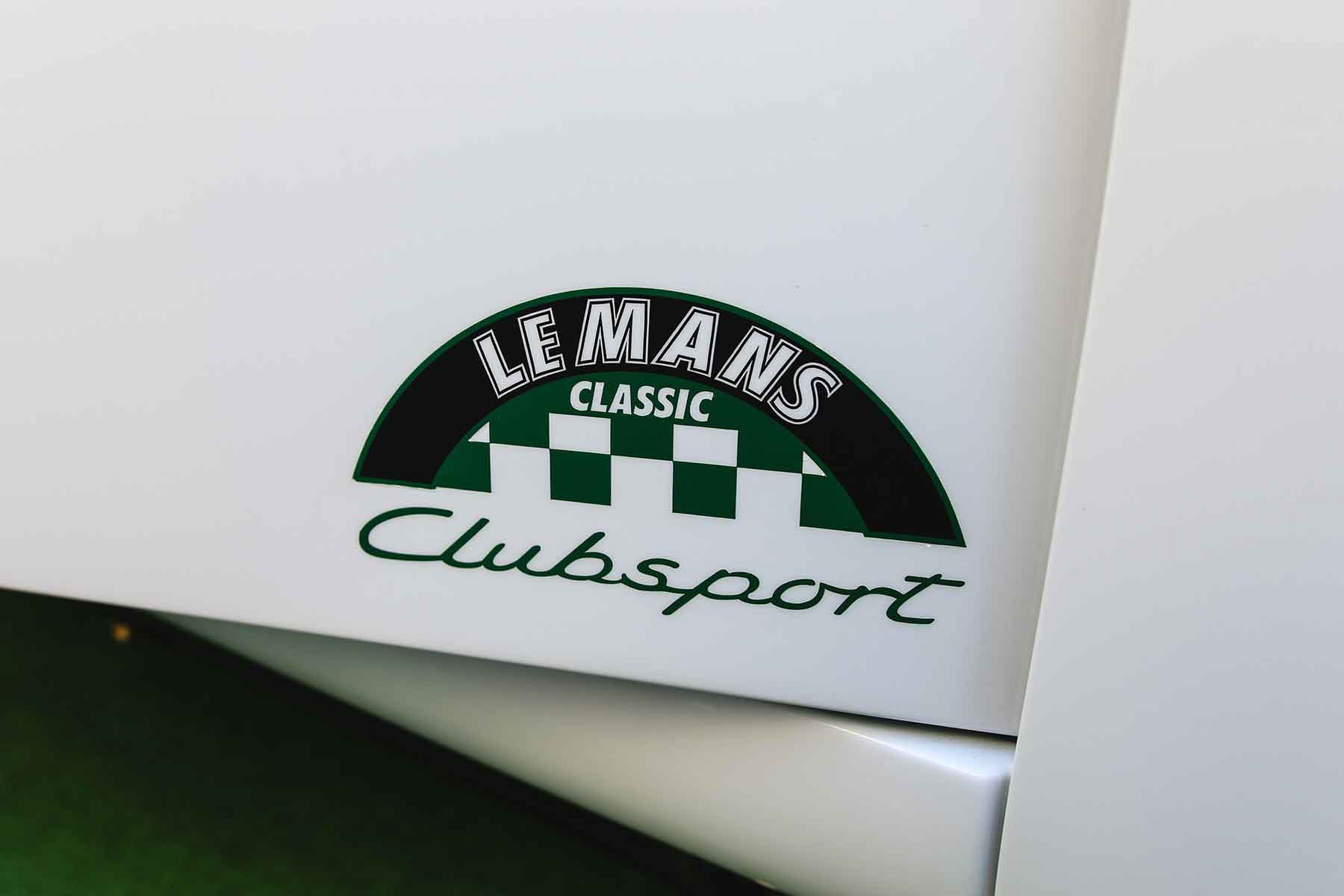
The connection between Paul Stephens and Le Mans goes deeper than a neat logo on the ducktail and a 24-hour clock on the dash. The car is an officially licensed product of Le Mans Classic, created in collaboration with event organisers Peter Auto.
Paul’s plan is that all 10 lucky PSLMCC owners will collect the keys to their cars in a special ceremony on the start/finish straight at Le Mans Classic in 2020 – the 10th anniversary of the event. We’d call that having your cake and eating it.
For more information on the Le Mans Classic Clubsport, visit the Paul Stephens website
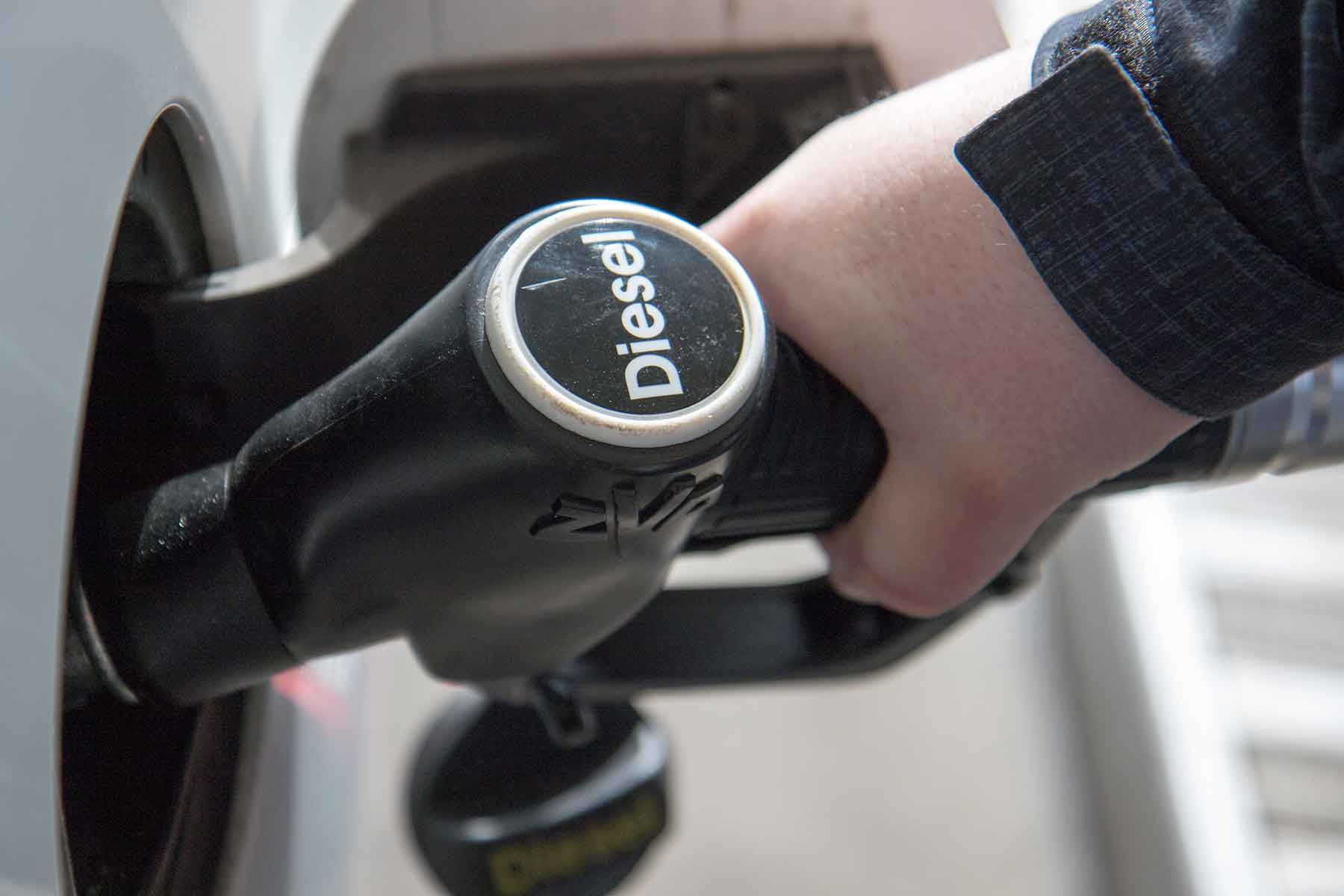
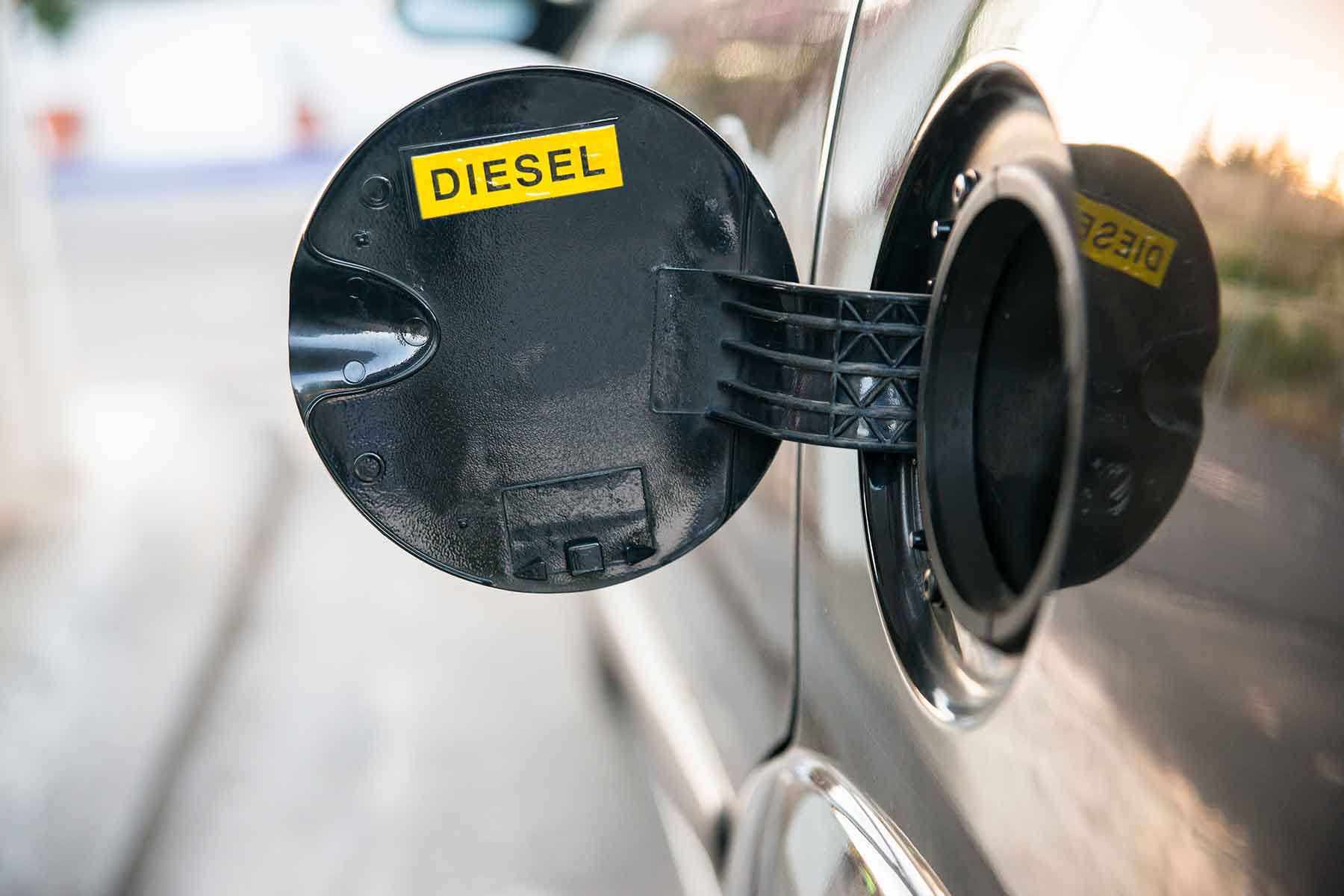
Barely a week after we published news on a range of new clean diesel engines for the Hyundai Kona, are we solemnly reading more daunting predictions for the future of the fuel.
Consulting firm AlixPartners, which have been following the situation closely, reported that diesel would make up a mere 5 percent of the market share come 2030. For context, that’s an updated figure with a 4 percent reduction on the 9 percent market share prediction from a similar report in 2016.
Diesel has had more than its fair share of unwelcome time in the spotlight over the past couple of years, which is likely to have a negative impact on the battle to reduce CO2 figures (at a 4.6 percent rate of reduction up to 2021). The firm actually reports a 0.3 percent increase in g/km figures over the course of 2017.
While the high nitrogen oxide emissions are the headline offence for diesel, lower CO2 numbers were the crux of the movement in favour of the fuel in the years preceding the 2015 NOX emissions scandal.
Manufacturers face a ‘technology choice’
While Alixpartners claims manufacturers are “facing a technology choice” between hybridisation and full EV applications to meet targets, other reports talk of a “pile-up of epic proportions” as manufacturers spend upwards of $200 billion developing EV models that won’t make money.
Regardless of their claims, the market appears to be going full steam ahead at the beginning of its wholesale transition to alternative power sources. You can read what we found at the reveal of the Advanced Propulsion Centre UK’s Roadmap Report Towards the 2040 fossil fuel sales ban here.
Last year saw a 17 percent drop in diesel car demand, with the month of May witnessing a year-on-year decrease of 23.6 percent according to the Society of Motor Manufacturers and Traders (SMMT).
With questions over the validity of manufacturer’s emissions claims ongoing, that downward trend is likely to have continued throughout this year. Manufacturers like Hyundai and Mercedes-Benz insist that diesel isn’t dying, releasing clean diesel models with new technologies and even hybridisation in the case of Mercedes’ 300de models. Whether their investment will pay off remains to be seen.
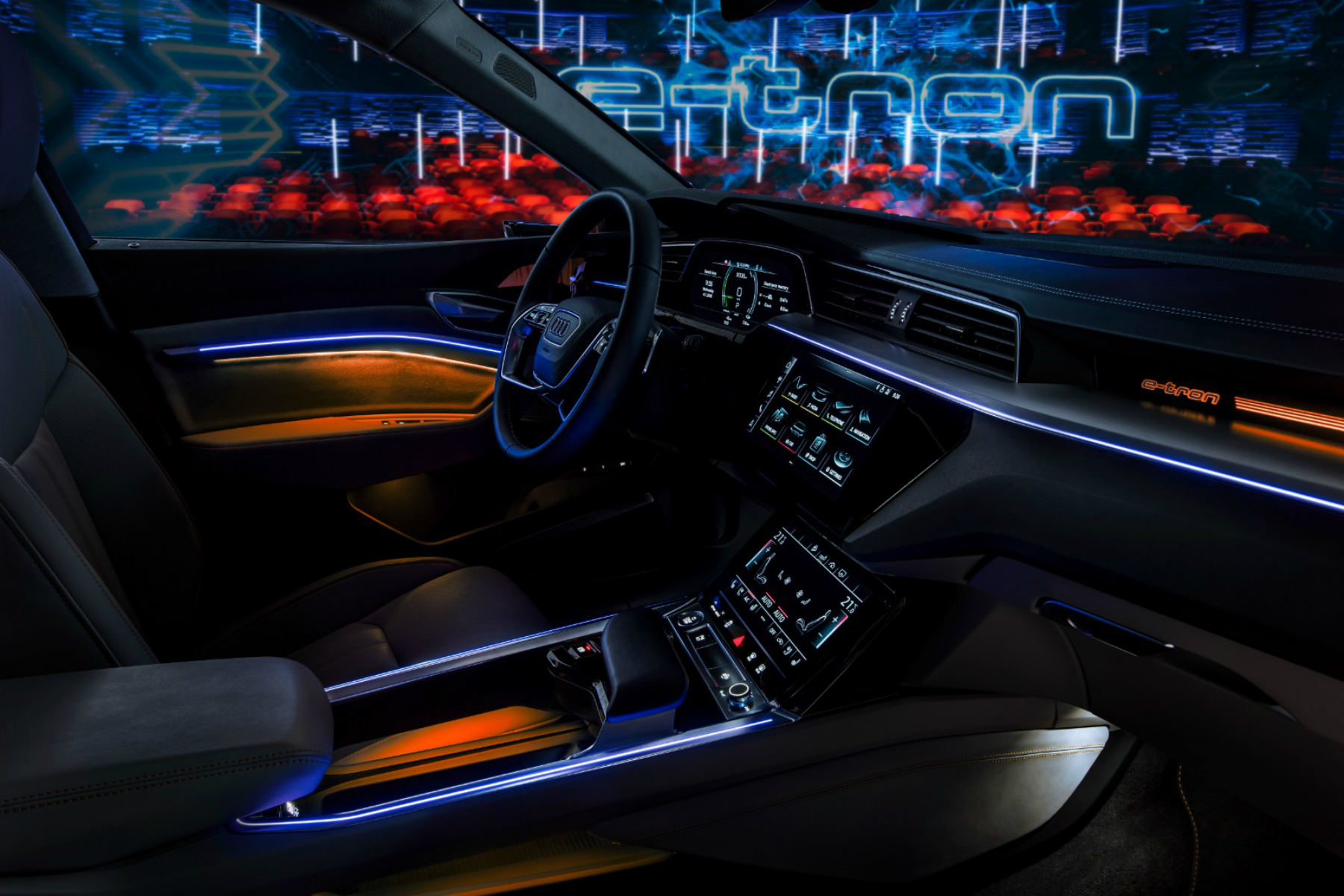
The way Audi opens the news on the reveal of the cabin of its forthcoming e-tron all-electric model is rather telling: “New interior pictures show how the fully electric series production Audi will push digital boundaries without feeling alien to drivers”.
That’s the aim, really, for anyone hoping to bring EVs to market and make them go mainstream. Make the future, now and tomorrow, today, in a way that isn’t going to scare off consumers. That means blending current motoring conventions with the powertrains of tomorrow. Jaguar did it, can Audi?
So, how is this Audi of the future also the Audi of today?
Hiding in plain sight
One of the most critical things Audi has to get right when feeding us the future is the looks. It has to be contemporary and agreeable by today’s standards, not tomorrow’s. Fortunately, Audi knows a thing or two about how to make a good looking car. We’re relatively familiar with the outsides of the e-tron prototype, but it’s nice to revisit given the context of the cabin.
It’s sure to be a fine-looking thing when the disguises drop, with sharp lighting, a muscular stance and a Velar-rivalling sporty SUV rake. It’s Audi, so the Instagram appeal is almost implied at this point.
New tech that won’t scare you off
Perhaps the most groundbreaking piece of technology the e-tron looks to take to the showroom is the virtual mirror system. That’s right, cameras instead of wing mirrors – previously the preserve of the pie-in-the-sky concept car starter pack.
Cameras feed their image to high-contrast 7-inch OLED displays recessed into the front of the door above the handle. The screens aren’t dissimilar in shape to that of a conventional mirror – it’s just that they reside in the cabin.
Naturally, with new tech comes an array of features. The screens are touch sensitive with pinch-to-zoom. Different display options can be selected from within the MMI (Multi Media Interface) per the driving you’re doing – motorway vs urban or parking manoeuvres, and everything in between.
However, for all the advancement and added features in place of something as simple and conventional as mirrors, Audi is adamant the implementation is geared for quick learning and integration into a driver’s life on the road. This isn’t tech for tech’s sake – it has to actually improve and ultimately blend into our every day driving experience.
Typical Audi quality
The e-tron cabin isn’t short on token reminders that you’re driving the future. Audi is keen to point out “the stitching on the seats creates a motif reminiscent of [an] electric circuit board… as an option, contrasting stitching and piping in orange stand out brightly – taking their cue from the high-voltage electrical system”. You didn’t think there were gimmicks in the future?
Looks wise inside it’s an advancement of familiar Audi – swathes of interactive, high-quality control surfaces and materials with a forward-looking take on its angular cubist design philosophy. It’s sure to be a lovely place to while away the hours on a long, range anxiety-free journey.
Space and refinement
One significant benefit of an EV is cabin space, and the e-tron shouldn’t buck the trend, claiming “interior length, headroom in front and rear as well as knee room in the second seat row are top-class in the full-size SUV segment”. The lack of a drivetrain tunnel adds to the open-plan feeling of the rear, with what Audi calls a “flat plateau” instead.
Without the dulcet tones of an internal combustion engine thrumming away, the final hurdle any viable electric car worth its salt (the range and charge times are a given, right?) has to face, is refinement. With no engine, that’s a lot of silence for road and wind noise to disrupt.
Audi is adamant this won’t be a problem. “Acoustic comfort is one of the strengths of all Audi models. The Audi e-tron prototype raises this level even further: its body has special soundproofing and sealing in all zones that could transmit noise interference. The wind noise, which dominates the acoustic perception at speeds from around 52mph, barely gets through to the occupants”.
So has Audi done it? We’re in no doubt it’ll be a superb effort. Whether it can impress in the company of the new Jaguar I-Pace is another question. We eagerly await the production car’s reveal…
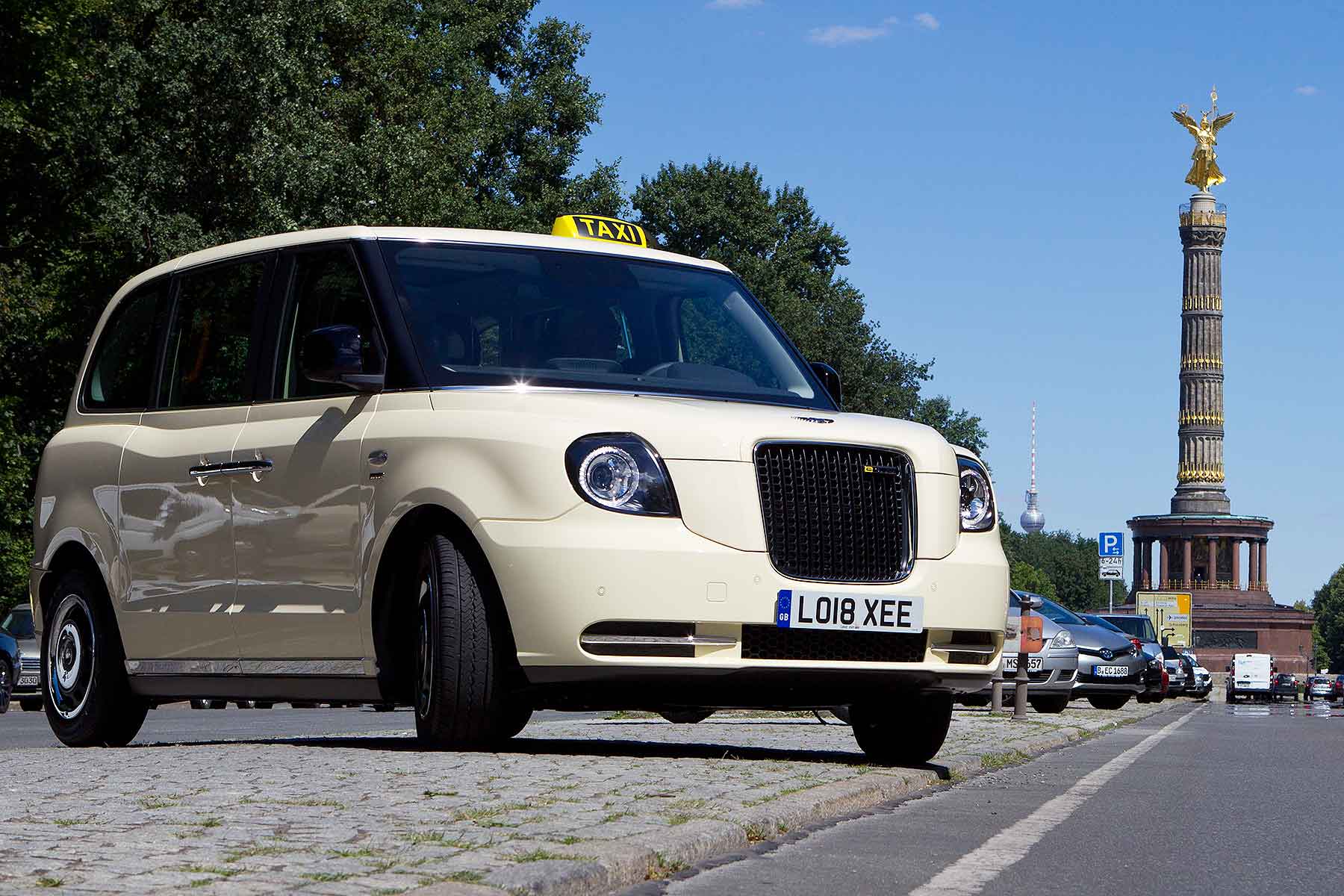
The latest high-tech hybrid-electric version of the iconic London taxi, the LEVC TX, has been launched to the German taxi market in Berlin. The British firm is now going to partner up with Volvo Germany to sell and distribute them.
Priced from €59,950 (£52,500), the LEVC electric taxi launch in Germany comes after “huge interest from cities across the country”. The company is targeting both the contract taxi market, and operators of larger street taxis. Mobility service providers are another potential area of business.
The first customers for the new cab will be announced next week.
Boasting an 80-mile pure-electric range and, thanks to the backup petrol generator, a 377-mile total range, the firm believes it will help Germany lessen the risk of missing its 2020 carbon reduction targets.
“Everyone is realising that the goals of the ‘energy transition’ and improvement of air quality can only be achieved if more electric cars drive on German roads,” said LEVC chairman Carl-Peter Forster. “We can help with our TX.”
Although the launch model is offered in traditional German taxi beige, other colours are available, says the firm. It says the traditional beige colour is actually being abandoned by a lot of German cities.
German LEVC TX cabs differ little to British ones, although they are all flat-roofed, with no integrated light, because of regulations. A happy by-product of this re-engineering is the ability to meet demand outside the taxi sector: the firm reports growing demand from transport service providers, who are considering using it for contract and shuttle services.
A panic button has also been installed, again to meet regulations.
German taxi drivers are in for a treat, said Chris Gubbey, CEO of LEVS. “Our TX combines a first-class electric drive with a range extender. This saves taxi drivers up to €440 a month in fuel costs and ensures this electric vehicle is always on the road.”
You’ve been seduced by the images of the 2019 Suzuki Jimny, now it’s time to understand a little more about next year’s must-have 4×4. Suzuki has released new information on the pint-sized SUV, to provide some substance to go with the undoubted style.
The Jimny can trace its roots back to the LJ10 of 1970: a small, but mighty 4×4 with terrier-like boundless energy and the ability to climb a hill like a mountain goat. Through subsequent revisions and generations, the little Suzuki developed a reputation for dependability and reliability, meaning there’s a lot resting on the square shoulders of the fourth-generation Jimny.
The one-and-only, small, lightweight 4WD vehicle, the Suzuki Jimny, on sale 2019
Has it got what it takes to carry the family name into a new decade? Let’s examine the evidence.
Body beautiful
Based on looks alone, the new Jimny is a guaranteed winner. In common with the Ignis, the new Jimny tips its tiny hat to models of old, with elements inherited from Suzuki’s heritage. The round headlights, independent indicators, front grille and rear combination lights are all nods to the past.
There’s a delicious functionality to the design – everything is there to serve a purpose. The Suzuki Jimny doesn’t do needless trinkets or fluff. Take the flat clamshell bonnet, squared body, upright A-pillars and the shape of the driver- and passenger-side windows: all designed to enhance off-road visibility.
The drip rails on the roof edges prevent water ingress into the cabin, while the wheel arch extensions and side sill covers are there to protect the body. The rear lights are located on the bumper to contribute to a wider rear door opening.
Meanwhile, the tailgate-mounted spare wheel is so retro, it’s a wonder it isn’t listening to Showaddywaddy and giving you a call via a GPO 746 telephone. Look at the back of the new Jimny and you have to wonder how Land Rover could get the current Discovery so wrong.
Interior motives
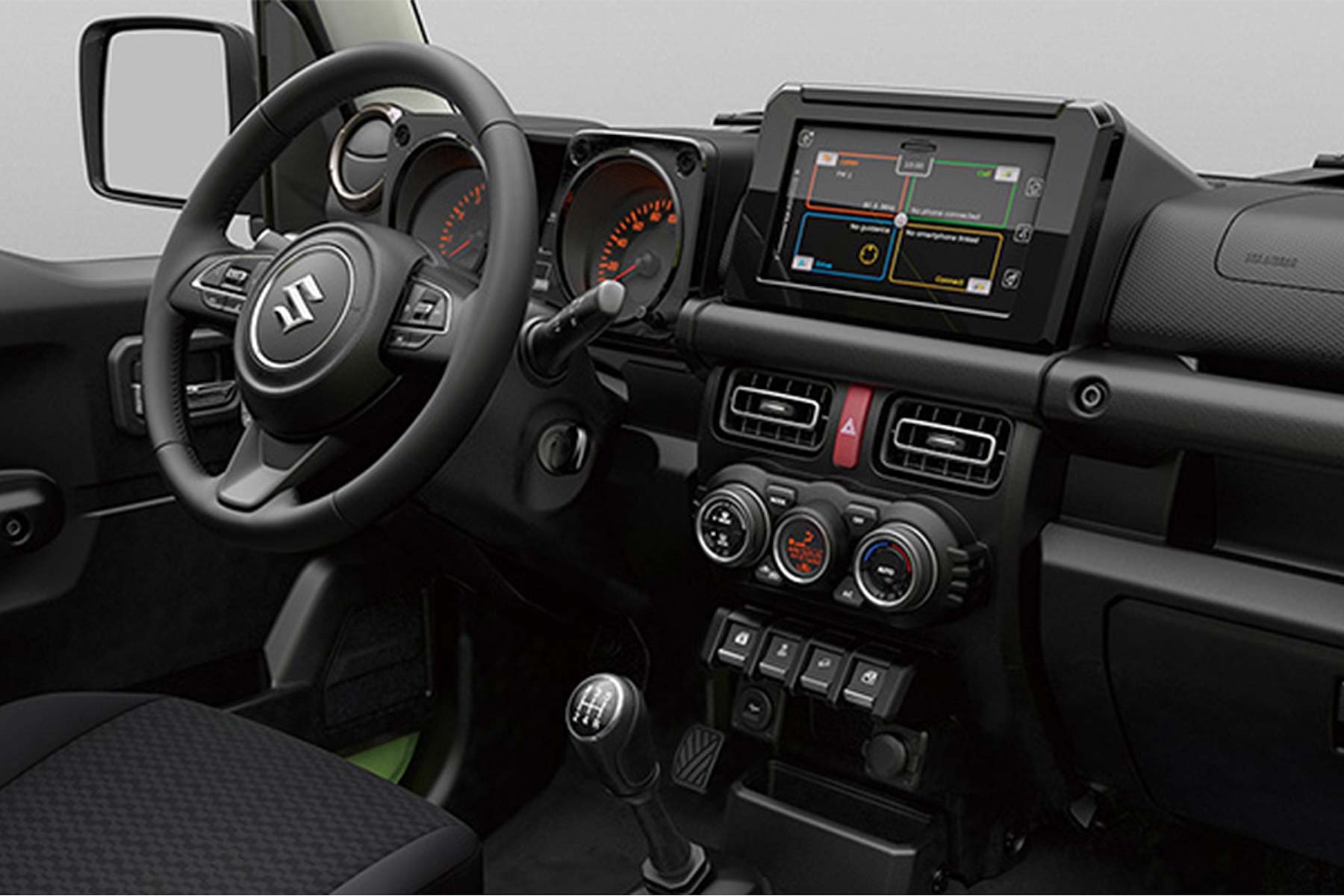
Inside, the Suzuki Jimny majors on practicality and functionality. The instrument panel and surrounding parts are finished in a scratch- and stain-resistant grained finish, while the dials and switches are designed to be operated in off-road conditions and while wearing gloves.
The large instruments are clear and permanently illuminated to allow for clear viewing when driving in and out of shady conditions. A 7-inch touchscreen infotainment system is fitted to higher trim levels.
In the boot, Jimny owners will find 377 litres of luggage space – 53 litres more than the outgoing model – while the side-mounted square tailgate should make for ease of loading and the carrying of wide loads. Some models will feature plastic-coated rear seats and luggage floor – ideal for wet dogs and muddy boots.
Performance
The old 1.3-litre engine is replaced by a new and lighter 1.5-litre four-cylinder petrol unit developing a little over 100hp at 6,000rpm and 96lb ft of torque at 4,00rpm. Two transmissions are available: a five-speed manual and a four-speed automatic. Under the new Worldwide Harmonised Light Vehicle Test Procedure (WLTP), the manual Jimny emits 178g/km CO2, with the auto higher at 198g/km.
Top speed – as if it really matters in a Suzuki Jimny – is 90mph for the manual and 87mph for the automatic. The acceleration times haven’t been revealed, probably because the tester grew tired of waiting for the Jimny to hit 62mph.
Off-road capability
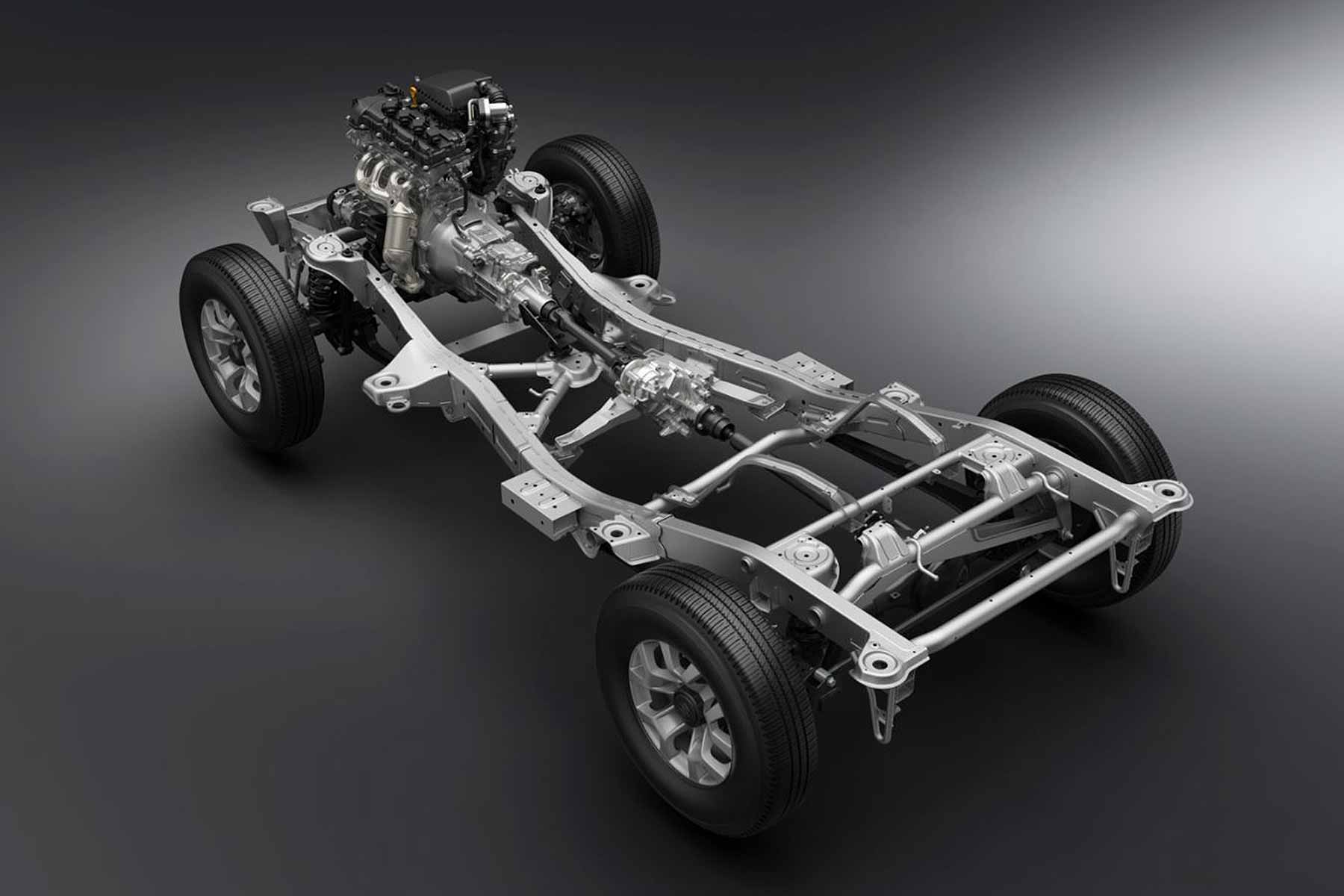
Jimny loyalists rejoice: the new car inherits much of what made the old car such a willing off-road companion. Ladder frame? Check. Three off-road angles? Check. Three-link rigid axle suspension with coil springs and part-time 4WD with low-range transfer gear? Check.
A new x-member and two additional cross members have been added to increase torsional rigidity, while a 37 degrees approach angle, 28 degrees ramp break-over angle and 49 degrees departure angle will be a boon for off-road drivers.
Safety first
If there’s one thing the Suzuki Jimny desperately needed, it’s a full suite of safety systems. The new Jimny features six airbags, hill hold control, hill descent control, ESP, a pedestrian injury mitigation body, dual sensor brake support, lane departure warning and weaving function alert.
The Jimny is also the first Suzuki to offer a traffic sign recognition system.
When, what and how much?
Predictably, Suzuki hasn’t released any pricing details, but we’d expect prices to start from around £13,000. This is the based on the fact that the Ignis starts from £9,999 and the Vitara from £15,999. That said, the strength of the Japanese yen could push this price up a little.
The 2019 Suzuki Jimny will make its public debut at the 2018 Paris motor show, before going on sale in early 2019. It’s obvious that you will want to buy one, so it all comes down to the choice of colour. Kinetic Yellow and Jungle Green should be popular.
Jaguar Land Rover CEO Dr. Ralf Speth has called upon the government to immediately give certainty to business that there will be tariff-free access and frictionless trade with the European Union post-Brexit – or tens of thousands of British jobs could be at stake.
The powerful statement by the boss of Britain’s biggest carmaker makes it clear that a bad Brexit risks sending manufacturing and jobs oversees. The current uncertainty about Britain’s post-Brexit position is already beginning to put future investment in the UK in jeopardy.
“Jaguar Land Rover’s heart and soul is in the UK,” said Dr. Speth. “However we, and our partners in the supply chain, face an unpredictable future if the Brexit negotiations do not maintain free and frictionless trade with the EU and unrestricted access to the single market.
“We urgently need greater certainty to continue to invest heavily in the UK and safeguard our suppliers, customers and 40,000 British-based employees.” Add in supply chain jobs, and 300,000 jobs could be threatened.
The firm’s German CEO is clear on the huge impact of a bad Brexit: it would cost the company more than £1.2 billion in profit each year. “As a result, we would have to drastically adjust our spending profile; we have spent around £50 billion in the UK in the past five years – with plans for a further £80 billion more in the next five.
“This would be in jeopardy should we be faced with the wrong outcome.”
Britain has long been a champion of free trade, he said. If UK automotive is to remain globally competitive, “we must retain tariff and customs-free access to trade and talent with no change to current EU regulations.
“Electrification and connectivity offer significant economic and productivity opportunities – get Brexit wrong and British people, businesses and broader society lose the chance to lead in smart mobility.”
Jaguar Land Rover has released the powerful statement ahead of the publication of a White Paper outlining the government’s desired post-Brexit trading relationship with the EU. The cabinet is understood to be meeting at the Prime Minister’s country residence, Chequers, on Friday 6 July to finalise and agree upon the final details.
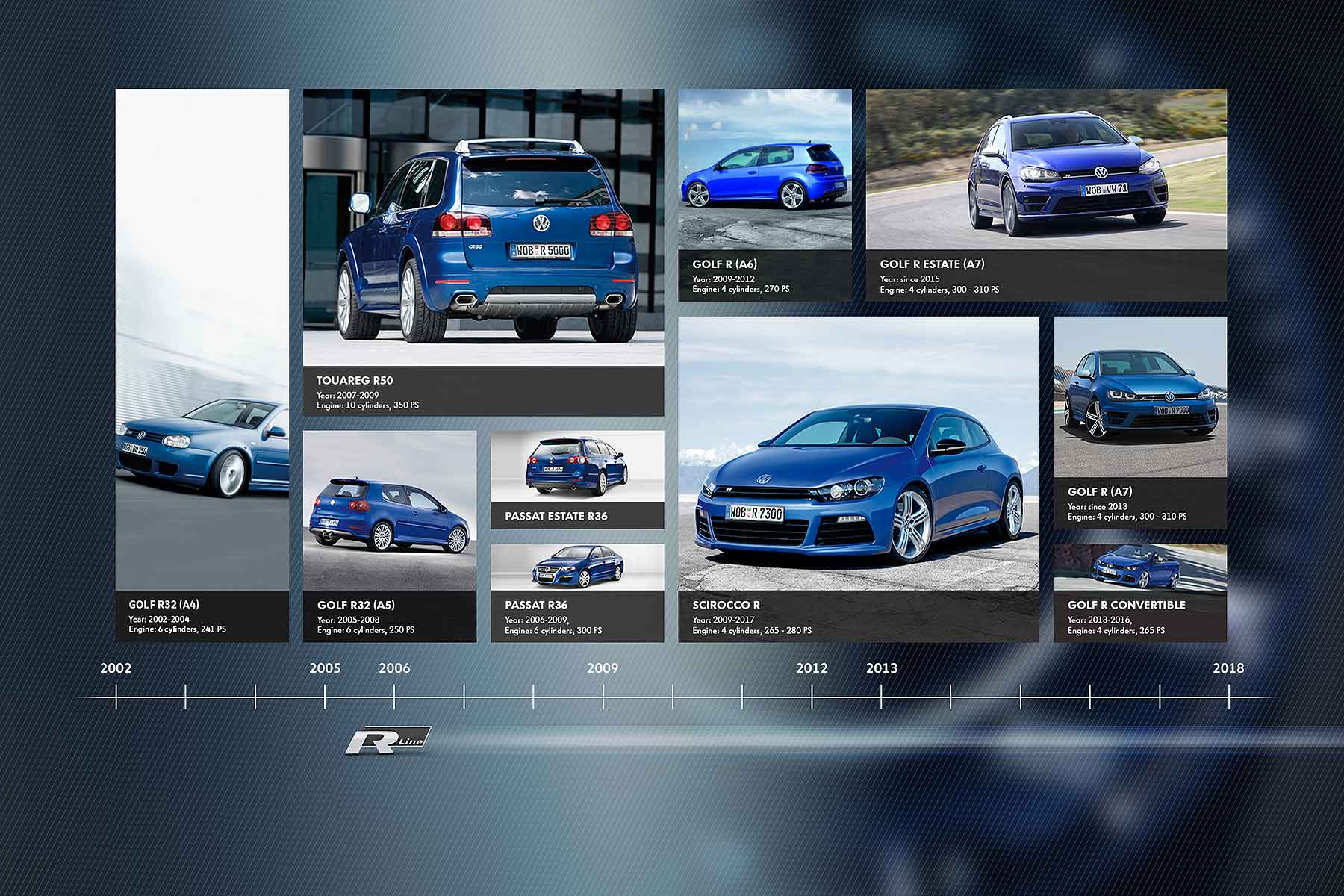
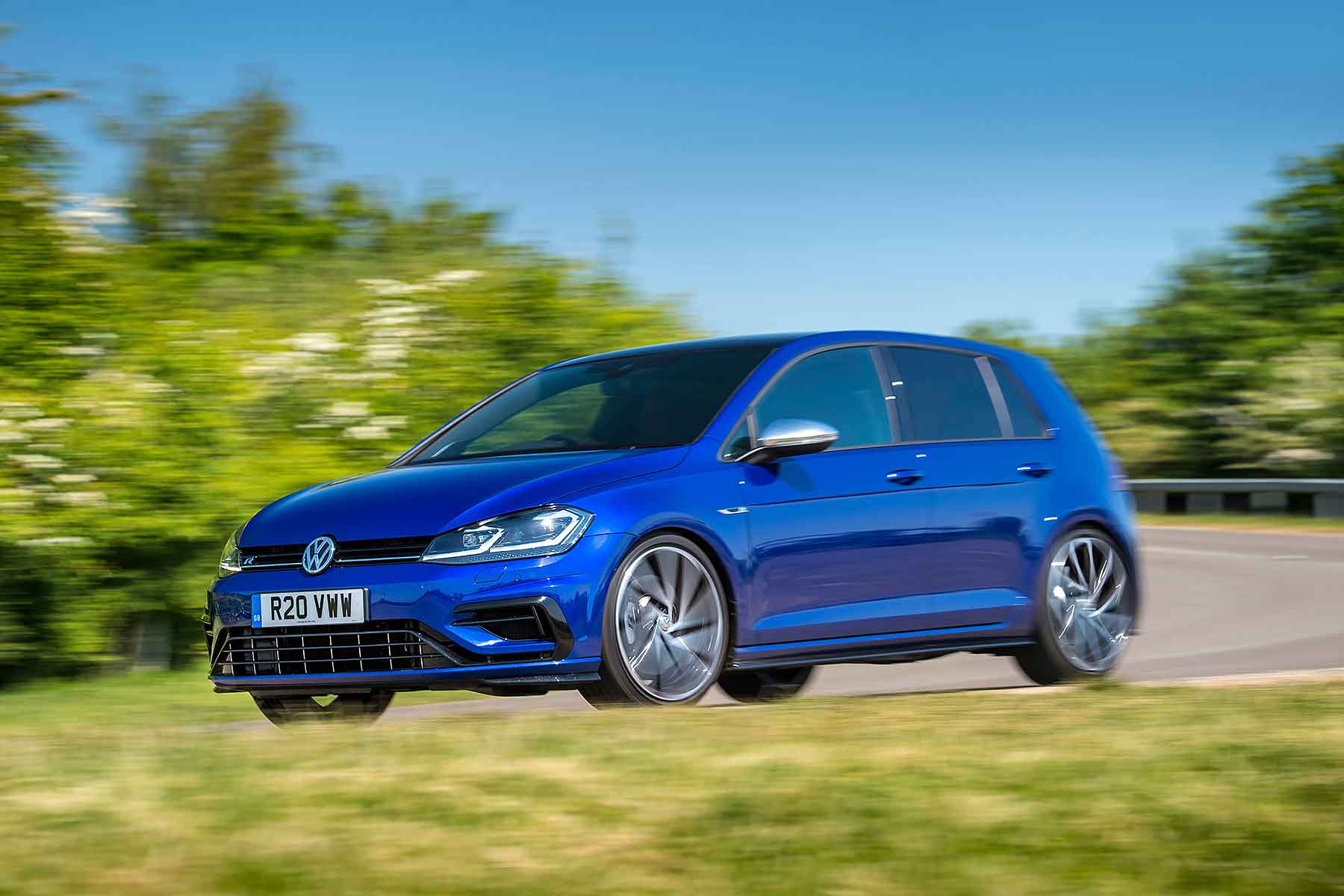
A British new car buyer has just taken delivery of the 200,000th Volkswagen ‘R’ model, and director of the VW R division, Jost Capito, was on hand to help with the landmark handover.
Keith Williamson is the lucky man: his Golf R was delivered by Robinsons Volkswagen Peterborough, and his enthusiasm for it is validation of the R brand’s success: he’s a serial hot Golf owner and has embraced the R as warmly as the longstanding GTI he also has in his collection.
”I get so much enjoyment from my Golf GTI and the Golf R just lifts that level of driver involvement even higher” said Williamson. “I’m particularly excited about having the Performance Pack on the car. This is another car that won’t be leaving my collection!”
He also has an original Mk4 Golf R32 – which is fitting, as that was the model that launched the Volkswagen R division back in 2002. It was rebranded from Volkswagen Individual to Volkswagen R in 2011, and has developed numerous performance Volkswagens over the years, including four iterations of Golf, the Passat R36, Touareg R50 and Scirocco R.
“Developing and globally retailing 200,000 units in 15 years is a big achievement,” said Capito. “Volkswagen R is a small business that employs around 350 colleagues. Everyone in our company contributes to the success of the company.”
Sven Schuler, director of business development and digitalisation at Volkswagen R, reckons the cars have the spirit of motorsport that’s made fit for road use. “Our vehicles are true Volkswagens with that certain extra something which the Volkswagen series production vehicles do not offer.”
The latest Golf R range has recently suffered a small power drop, from 310hp to 300hp, as part of homologation to the new WLTP fuel economy regulations. The range has also been rationalised down to the five-door DSG variant only: neither manuals nor three-door models sold well enough to justify continuation.
 Auto Trader has revealed its World Cup new car giveaway has already cost it more than £150,000, and the bill will rise further if England’s current run of good form continues.


 The latest high-tech hybrid-electric version of the iconic London taxi,






 Jaguar Land Rover CEO Dr. Ralf Speth has called upon the government to immediately give certainty to business that there will be tariff-free access and frictionless trade with the European Union post-Brexit – or tens of thousands of British jobs could be at stake.
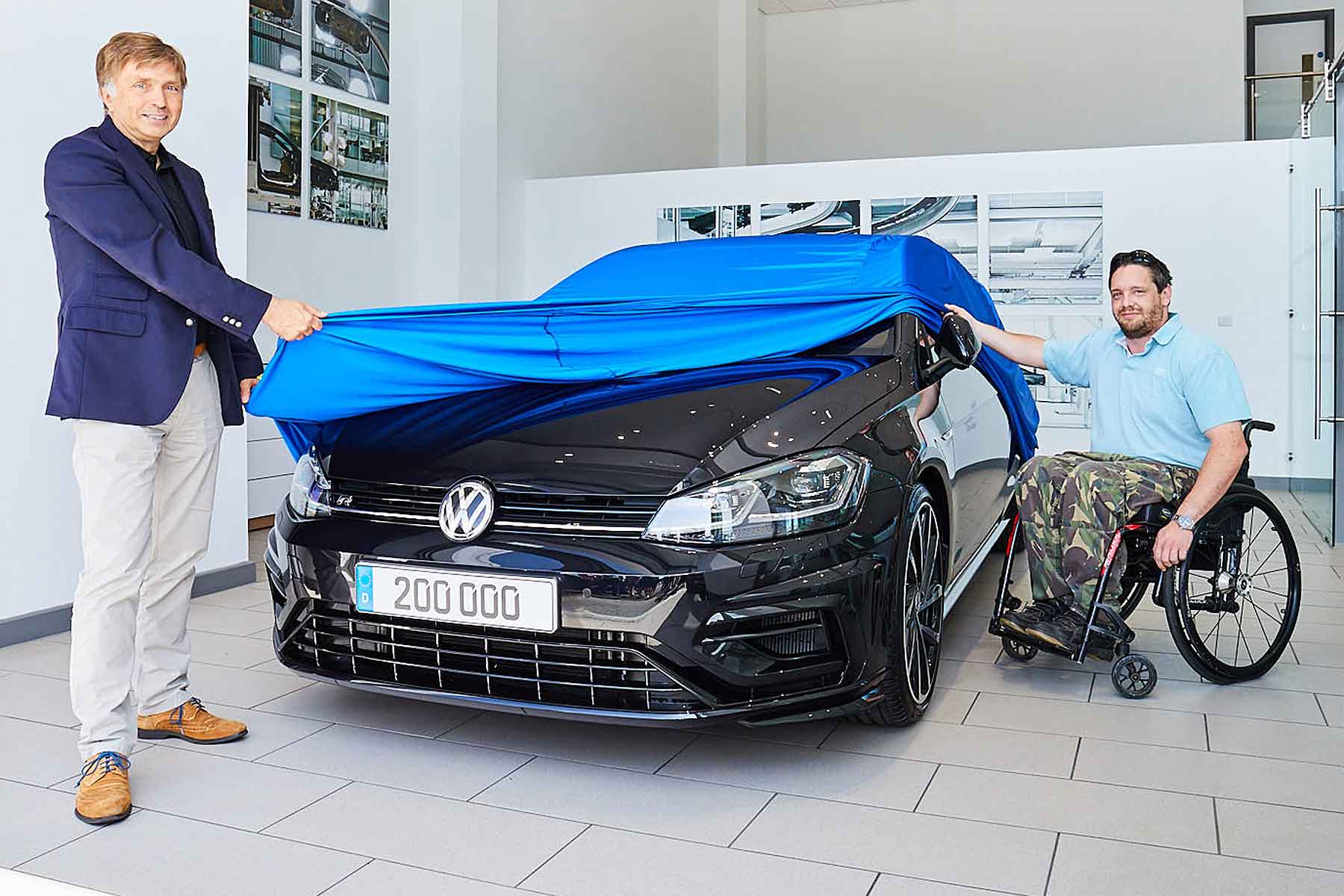 A British new car buyer has just taken delivery of the 200,000th Volkswagen ‘R’ model, and director of the VW R division, Jost Capito, was on hand to help with the landmark handover.