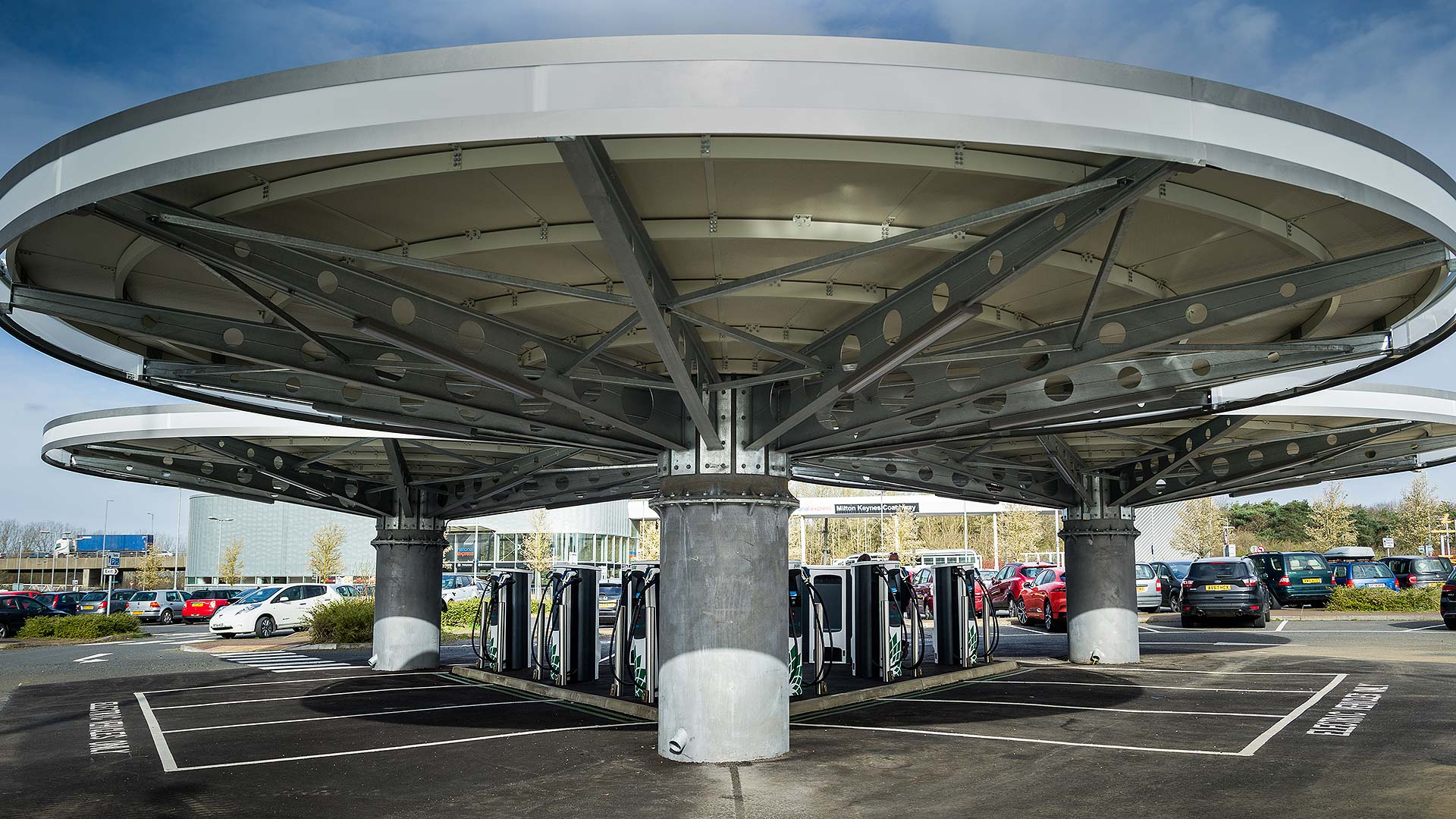
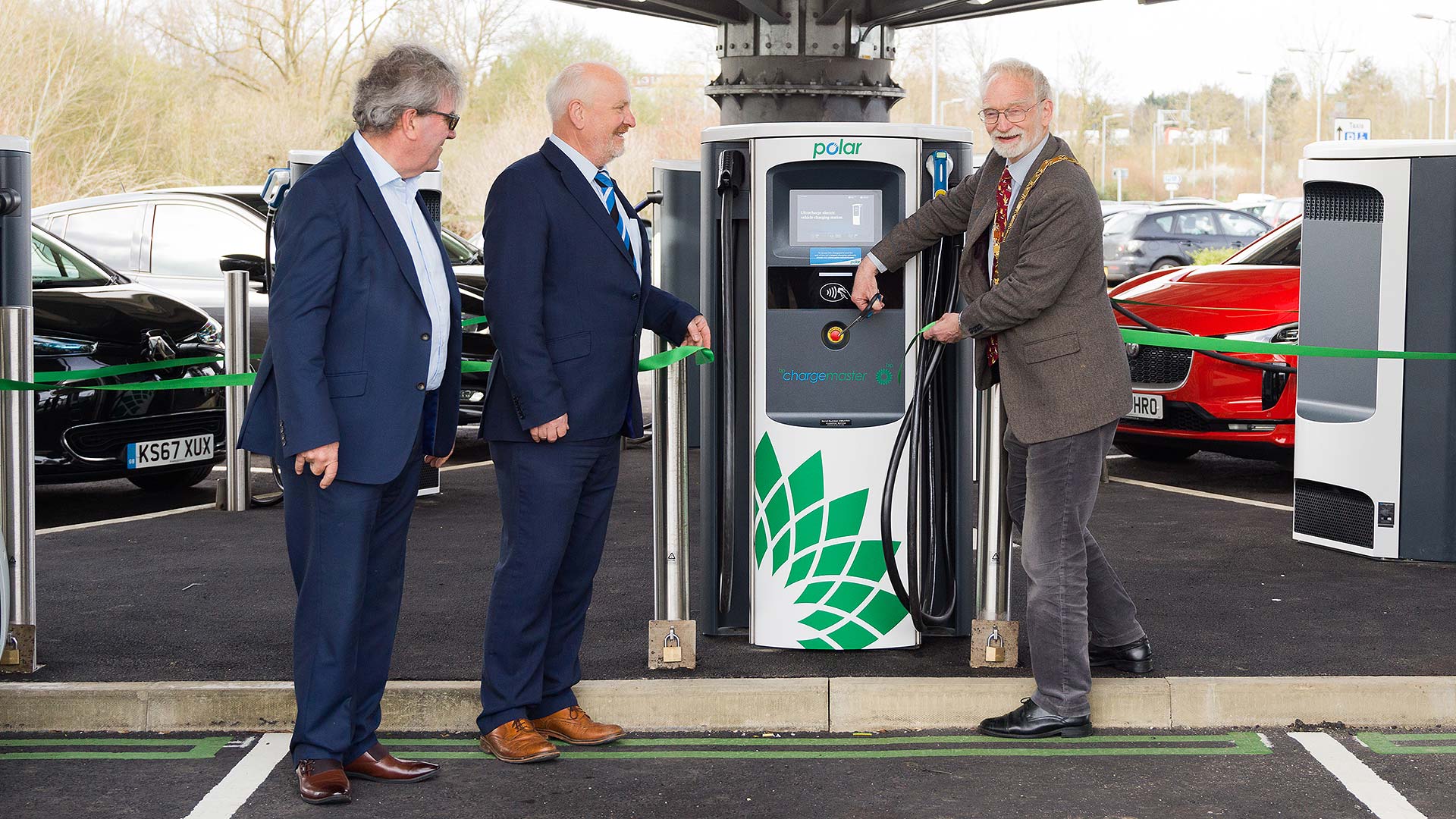
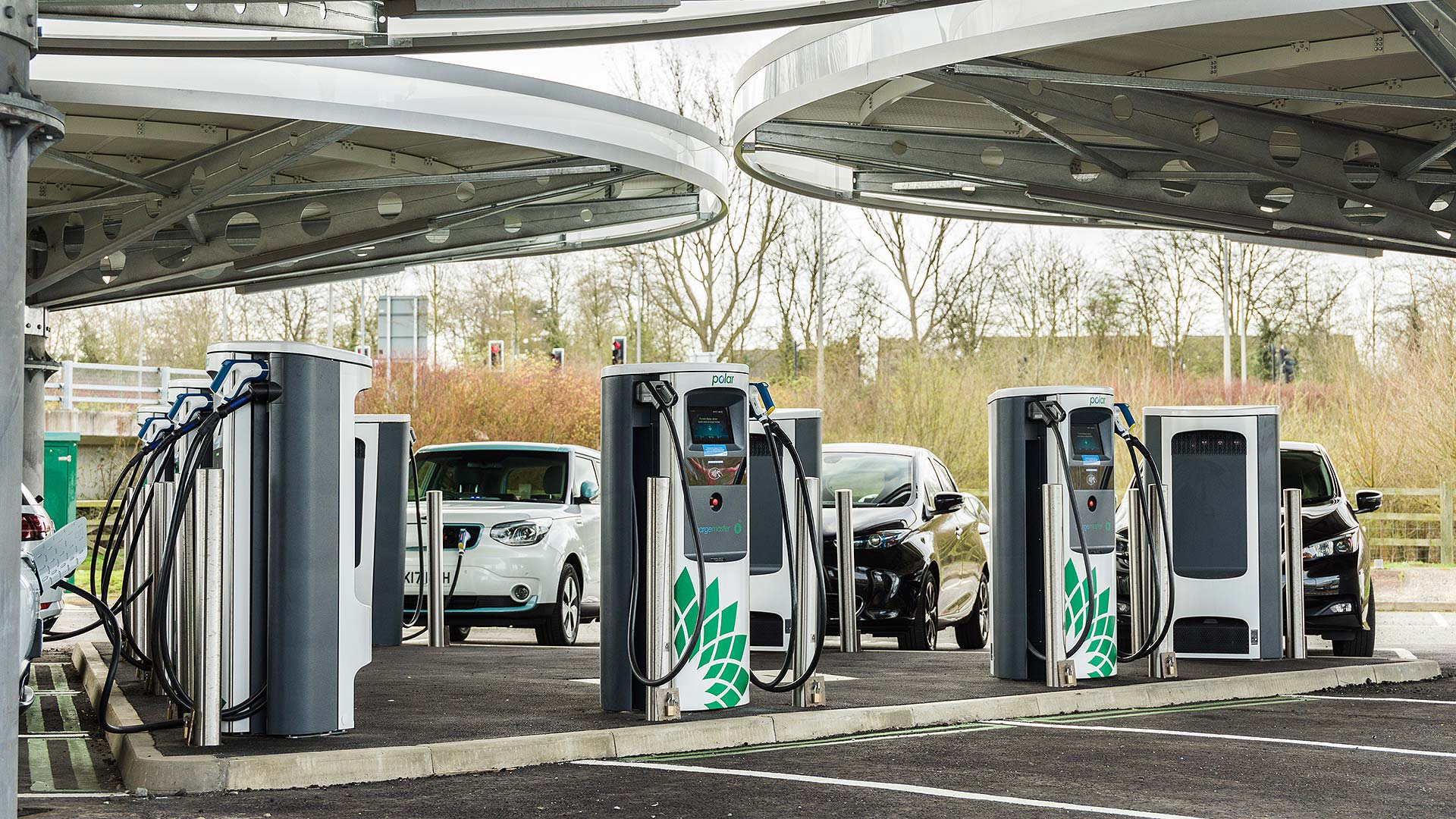
The largest electric car rapid charging hub in Britain has been officially opened in Milton Keynes by local councillors.
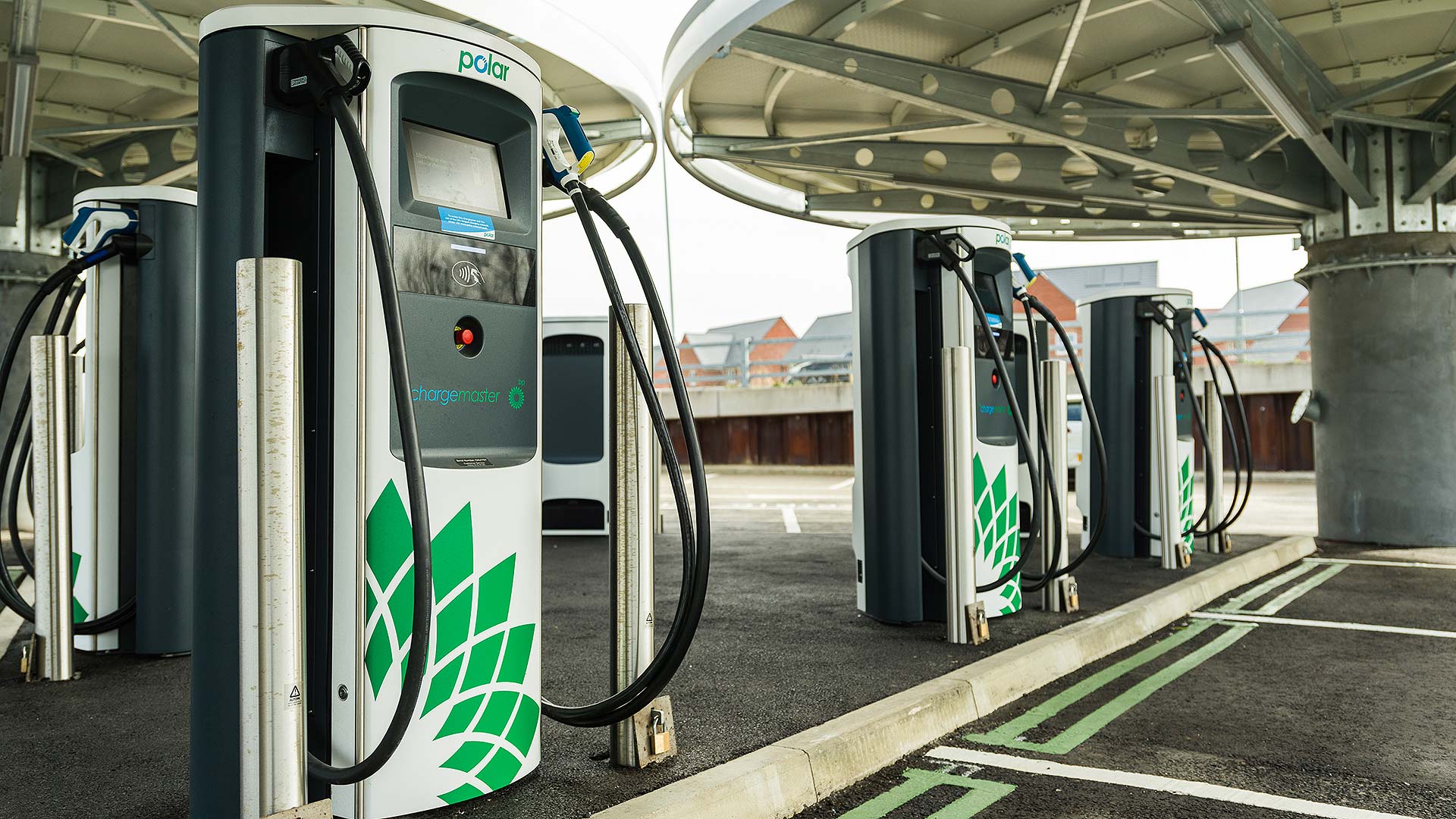
The site, located ‘less than one minute’ from junction 14 of the M1 at Milton Keynes Coachway, houses eight 50kW rapid chargers. They are universal devices that support all standards of electric car rapid charging.
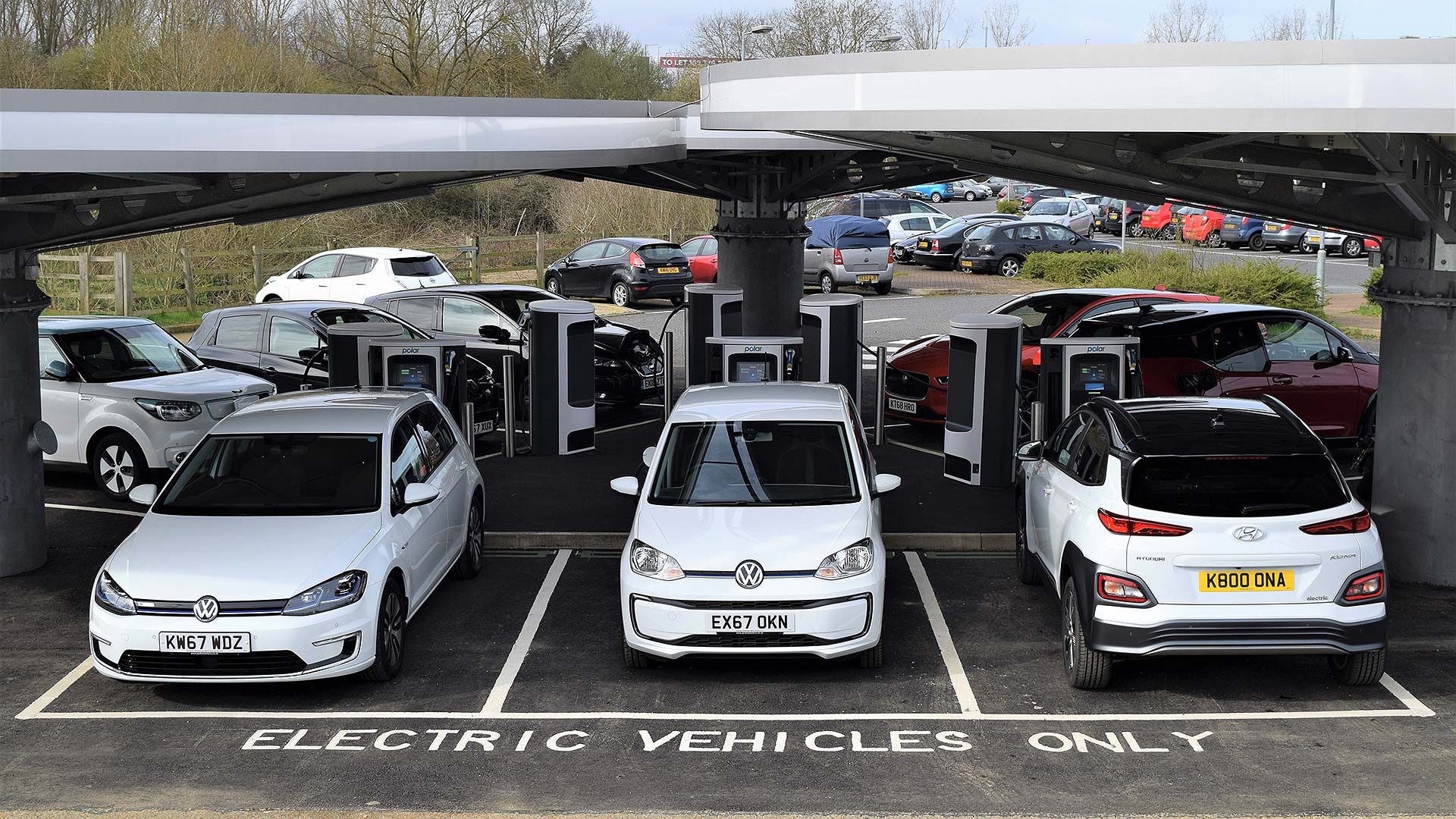
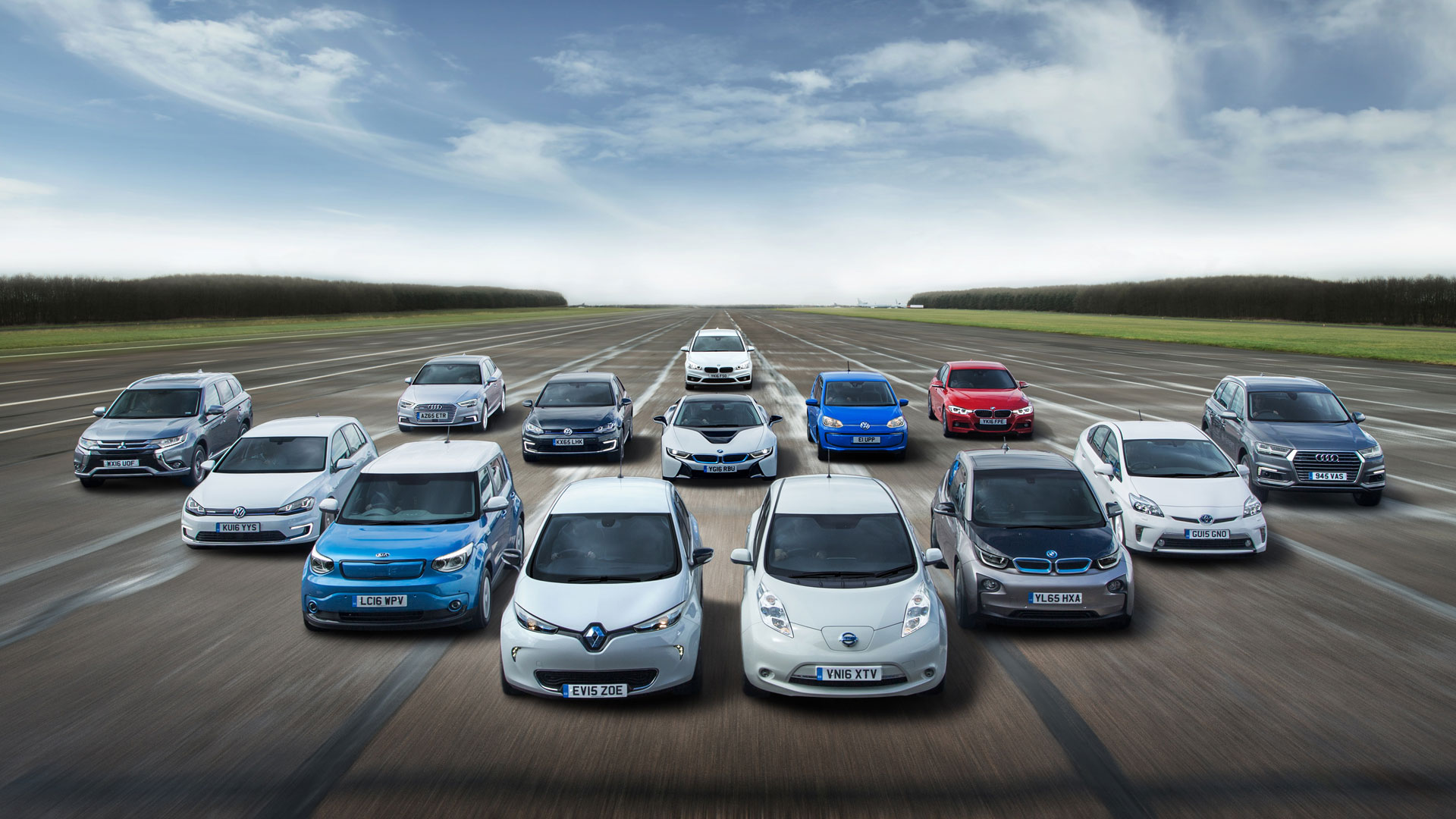
Eight cars were on display during the opening event to highlight the different types of EV that can rapid-charge there:
BMW i3S
Hyundai Kona Electric
Jaguar I-Pace
Kia Soul EV
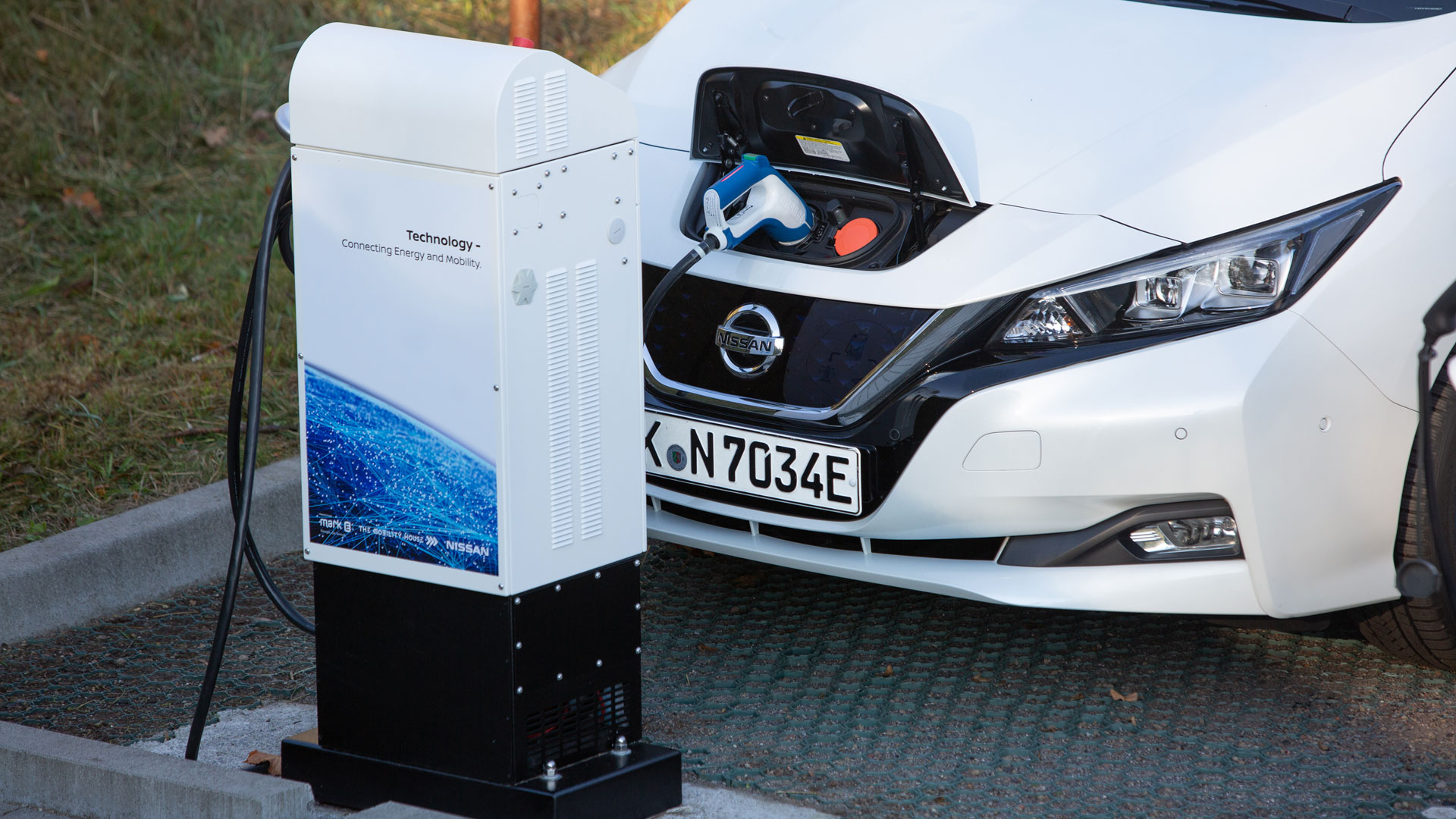
Nissan Leaf
Renault Zoe
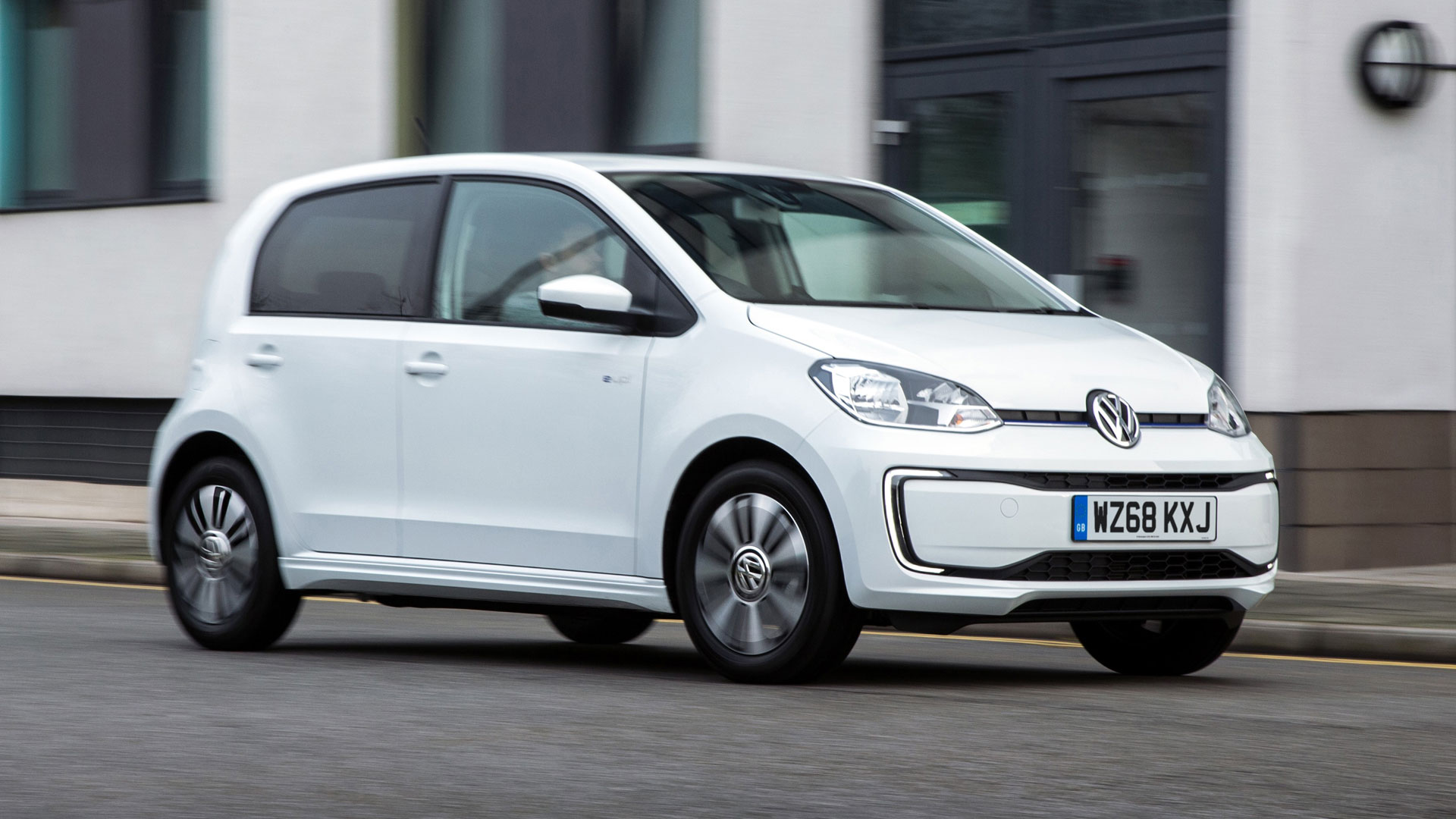
Volkswagen e-Up
Volkswagen e-Golf
The site is being run by BP Chargemaster and operates on the Polar network, Britain’s largest public electric car charging operation. Chief executive David Martell called it “a fantastic, convenient place to charge for drivers travelling within and around Milton Keynes”.
There’s a café at the main coachway building and the rapid chargers are housed beneath three large canopies (which are ‘highly visible’ to help first-time visitors locate the EV charge points.
The rapid chargers are in addition to the 300 fast-charge and 65 rapid chargers already operating in the area, ‘which has established itself as a centre of excellence for electric vehicle charging infrastructure’.
Milton Keynes Council’s head of transport innovation, Brian Matthews, said the site would also support electric car drivers using the M1 for longer journeys too.
It’s part of a series of initiatives the council has rolled out to support EVs, including Green Permits that give free parking in most car parks, and a commitment to provide local charging points for those who do not have off-street parking.
The Milton Keynes EV rapid charge hub was built with the help of a £9 million investment package from the Office for Low Emission Vehicles (OLEV).
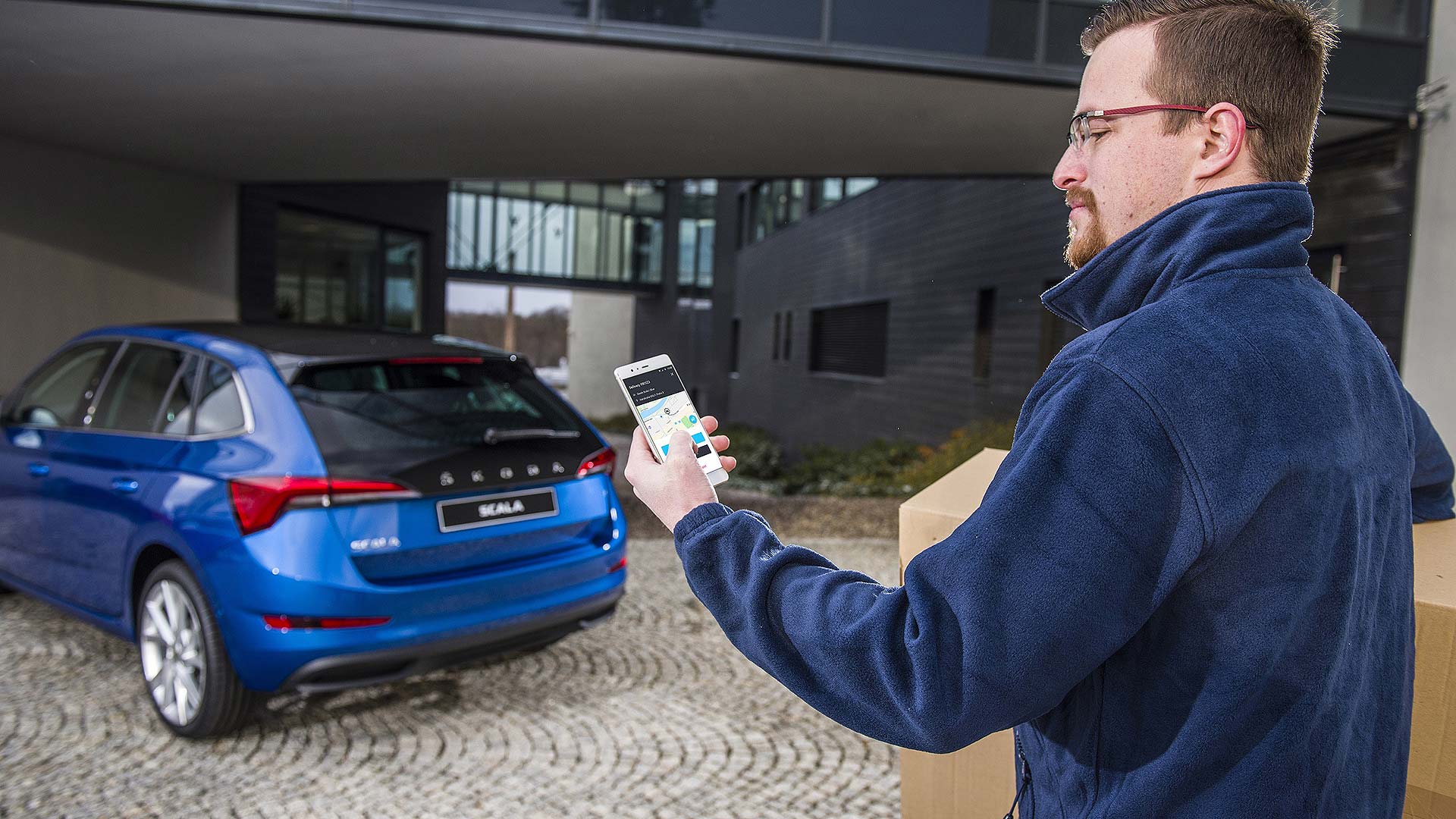
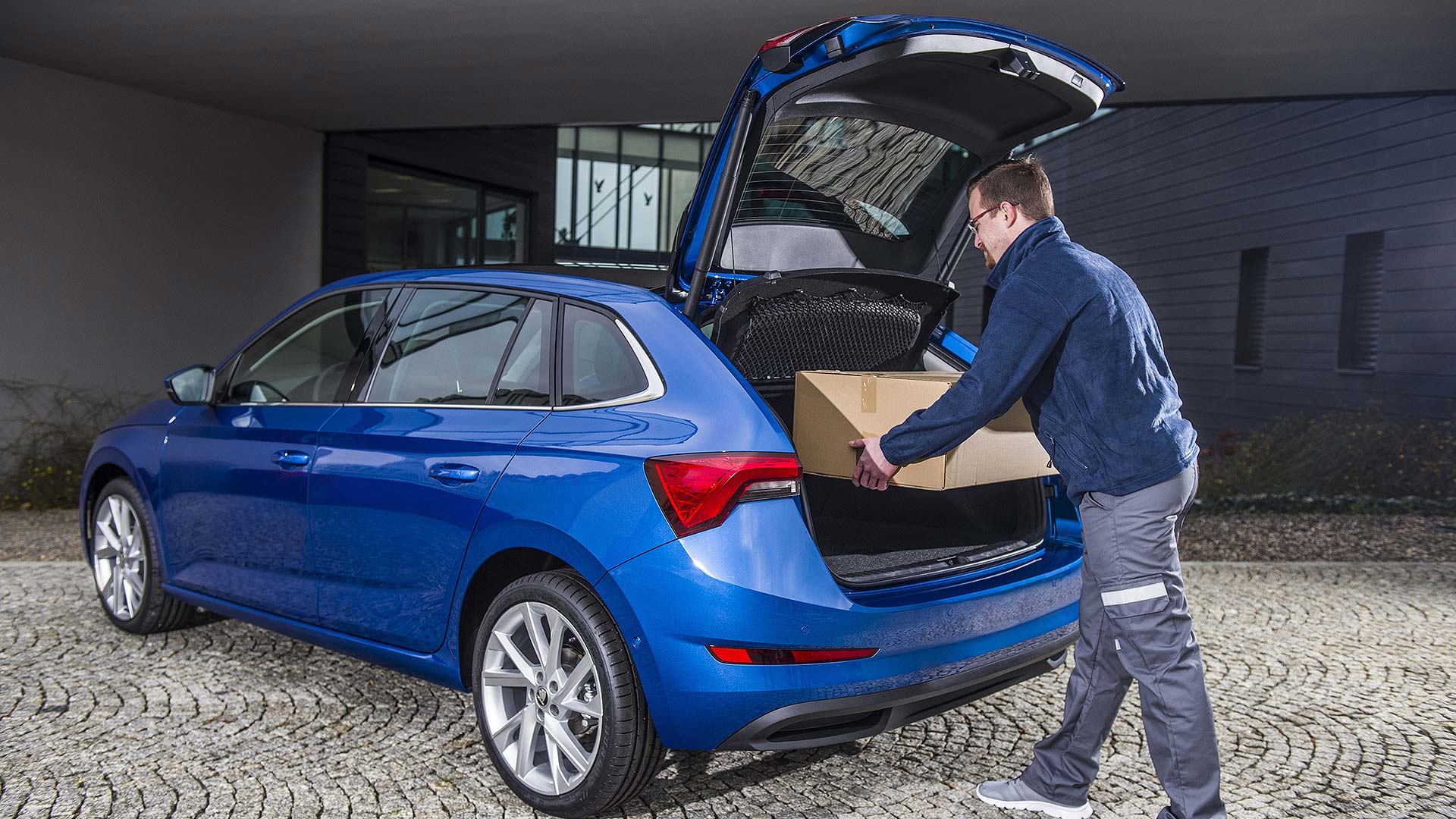
Skoda is piloting a new scheme that allows online purchases to be delivered to the boot of a car. All the courier needs is the car’s location and number plate.
The trial is being run by the Skoda DigiLab innovation division, which is assessing the remote access technology required to give couriers access to owners’ car boots.
Skoda stresses it is building in ‘stringent’ data encryption and access management, to ‘guarantee security’ for car owners. Its trials are being conducted with two of the biggest online retailers in the Czech Republic, alaz.cz and roklik.ch.
Jarmila Plachá, head of Skoda Auto DigiLab, said: “This pilot project provides a concrete look ahead at how everyday life can be made even simpler and more convenient in future by using state-of-the-art technology.
“I’m looking forward to further developing this project together with our partners.”
The firm has already expressed its desire to bring the technology to the UK in the future, if the trials are successful.
Skoda car boot deliveries: how does it work?
Modern Skodas are now fully connected to the internet: this has enabled the new technology to be developed.
Owners grant online retailers permission to deliver packages to their car boot through a smartphone app.
Couriers receive the location of the car via GPS. Upon delivery, they are granted one-time-only secure access to open the car boot within a small time window.
They place the parcel in the boot, use the app to re-lock the vehicle, and this automatically notifies the customer that the parcel has been delivered.
Skoda says the data is fully encrypted and the courier is only able to access the vehicle within a short time frame set by the customer via the app.
The trials, which are underway now, are focused on honing both the technology and the potential service it would support. A select group of Czech Skoda owners will also get to try the tech.
Figures released by Highways England show that an increasing number of people are driving to Wales, with the M4 Severn crossing seeing a rise in use of more than 10 percent since tolls were abolished in December 2018.
A total of 32,420 motorists crossed the River Severn every day in January, followed by 35,457 in February, compared with 28,897 and 31,866 for the same periods in 2018.
Previously, it had cost £5.60 for cars to drive into Wales, although there was no charge for the crossing into England.
Commenting on the data, RAC spokesperson Rod Dennis said: “It looks as though the removal of the tolls has ushered in a new era of Bristol Channel hopping – we’d imagine primarily for leisure and social reasons, with people exploring what South Wales, Bristol and the South West have to offer now that the financial barriers have gone.
“While it appears fee-free travel has led to an increase in traffic, it will be interesting to see if this continues and what effect it has on traffic congestion on roads close to the tolls as a result of the new free-flowing Severn crossings.
“We anticipated an initial increase in leisure traffic, but the affordability of commuting in either direction has now clearly improved and could well lead to more people crossing between Wales and England by car.”
Making a mark in Wales
The first Severn Bridge was opened in September 1966, with a toll in place for use of the bridge to pay for the cost of construction. Work on the second Severn crossing started in April 1992 and the second bridge was opened in June 1996.
In January 2018, Alun Cairns, Secretary of State for Wales, said: “My number one priority as Secretary of State was to remove the tolls, which will not only make journeys cheaper for commuters and tourists, but will also create exciting opportunities for businesses and investors looking to make their mark in Wales.”
Opting for a car that runs purely on battery power can feel like a risky move for many motorists. On the plus side, an electric vehicle (or EV) with zero tailpipe emissions will ensure you do your bit for air pollution, while also feeling suitably smug that you’ll never have to visit a petrol station again. Think of all the money you’ll save.
But you may also be asking yourself reasonable questions, such as how far can I drive before the battery is drained? Will I end up stranded on the roadside with no way to recharge it? And how long will it take me to recoup the extra cost of my advanced car’s elevated price tag? We’ve got the answers to all those niggly questions right here.
Do all manufacturers offer an all-electric option?
Not yet, but there’s an increasing number of electric cars on sale. From the Tesla Model X SUV to the humble Volkswagen e-Up city car, buyers have a huge range to choose from if they want to opt for an EV. That’s why 15,474 new electric cars were registered in 2018 – an increase of 13.8 percent from the previous year.
Nissan was the first to offer a truly convincing EV option when it launched the Leaf back in 2010. It was the first bespoke, mass-produced electric car in the UK, and it gained popularity thanks to its respectable range of up to 155 miles if you opted for the 30kWh version, and the fact that it drove like a normal car.
But an ever-increasing number of manufacturers have invested in the technology since, so you’ll now find electric cars on a number of forecourts across the UK. These include Renault’s Zoe supermini, Volkswagen’s e-Golf, plus BMW’s cutting edge lightweight i3.
In 2019, we’ll see a new raft of electric cars hitting the market, including the Jaguar I-Pace, Audi e-tron, Kia e-Niro, Tesla Model 3 and the Honda Urban EV.
What’s the typical range of an electric car?
Many electric cars go further than you perhaps think. It’s natural to have a little range anxiety when you’ve been used to filling up at ease on regular fuel, but modern EVs promise to run for between 150 and 200 miles in real-world use when fully charged. That figure does vary, depending on which model you opt for, but future models are likely to offer upwards of 300 miles.
Of course, using the air con, heaters and other battery draining in-car features will reduce that range further still, as will cold weather. But if you’re using the car for a commute, and there’s charging point at work, then you should never have to worry.
For long-distance journeys that are likely to stretch beyond that range, you’ll need to use a high-voltage power supply for at least half an hour for a reasonable recharge. Better still, plug it in overnight for a fully charged battery in the morning.
How much does it cost to recharge overnight?
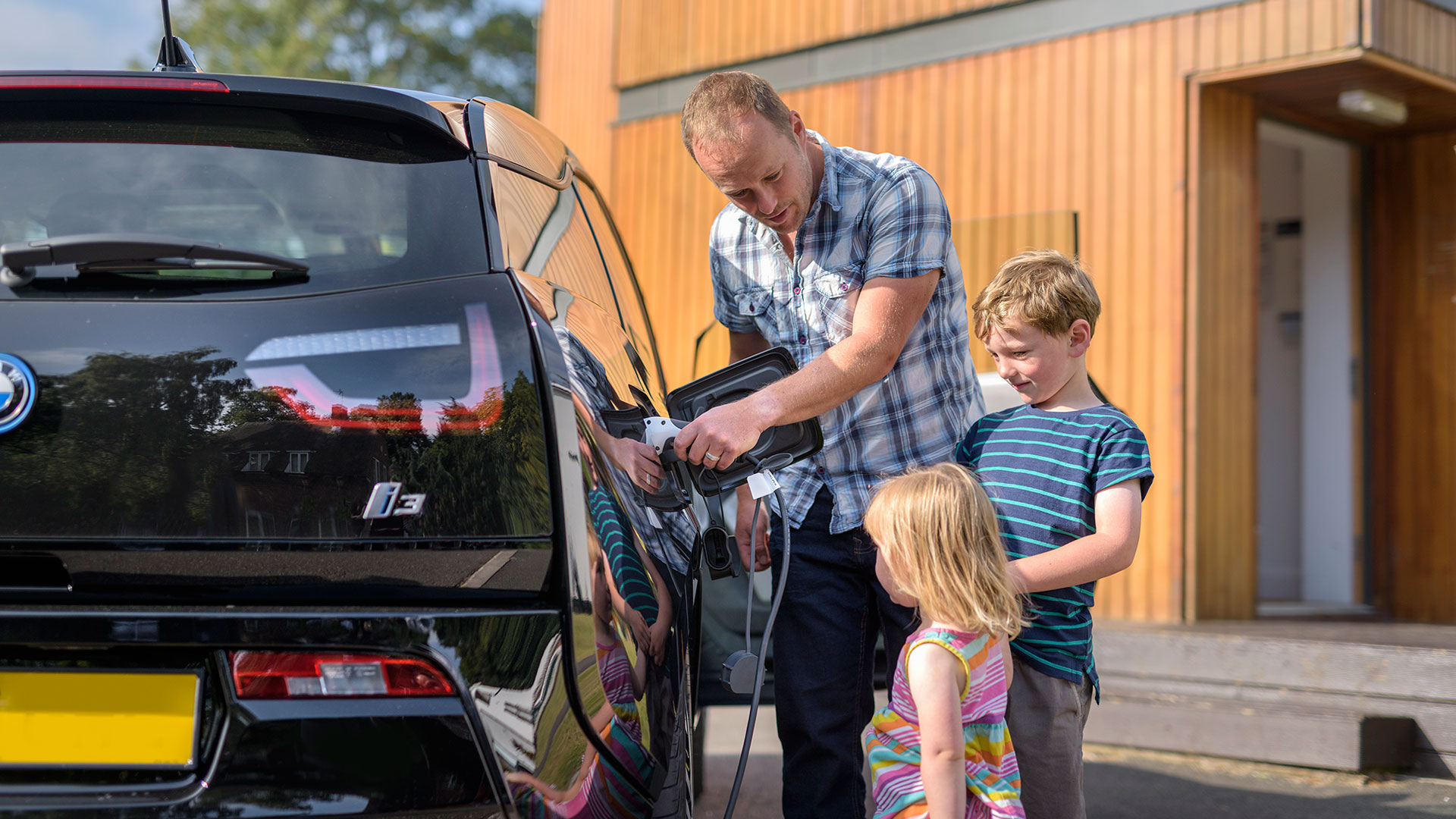
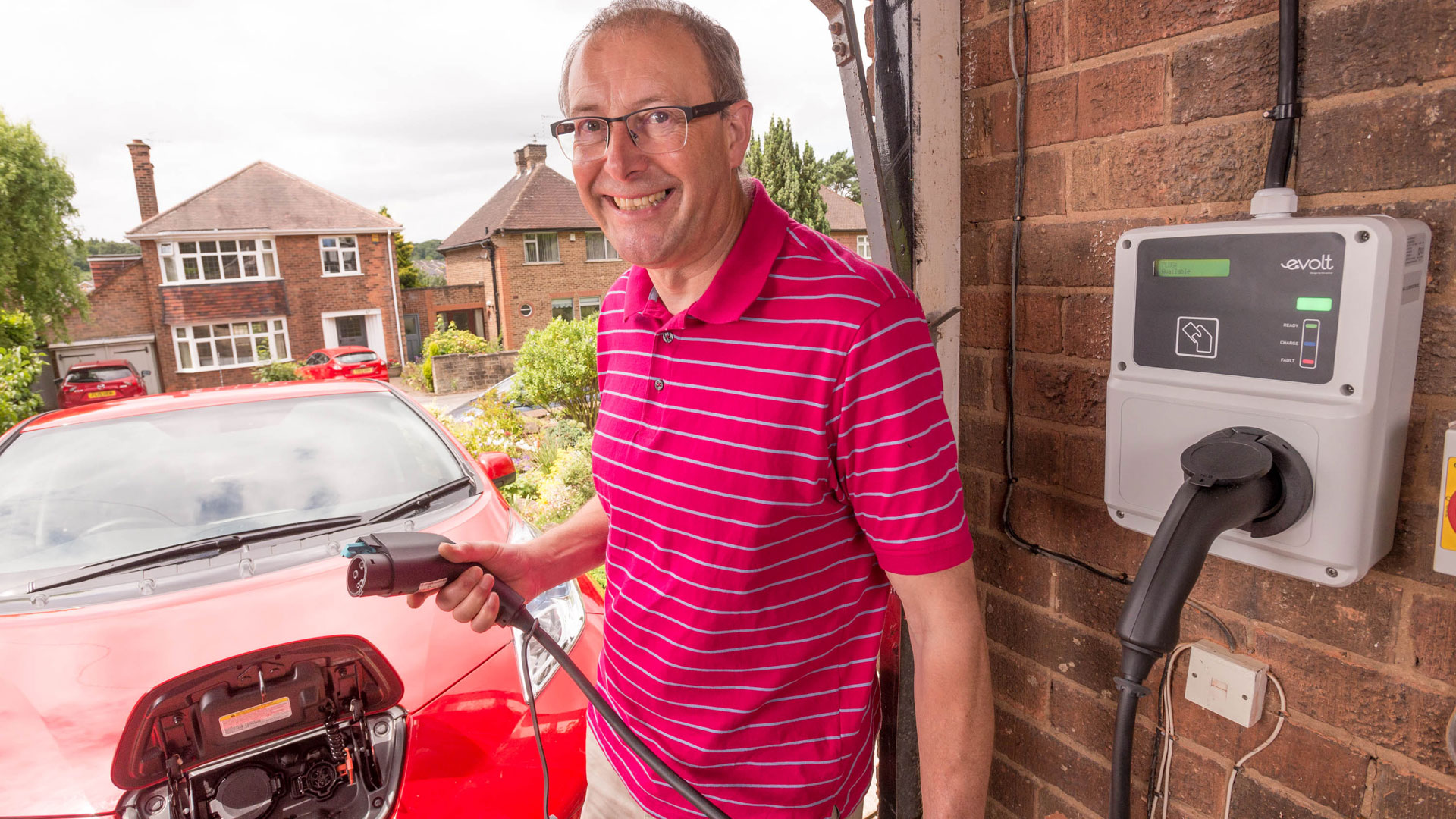
You recharge your EV using the supplied adapter cable, which plugs straight into a special high voltage socket, which you can have fitted to the outside of your house or garage. The cost of the electricity used to recharge is then typically around £3 for a full charge, costing you roughly 2-3p per mile, depending on your EV’s range. Compare that to the cost of a tank of fuel, and you can start to see why this technology is such an appealing option to many motorists.
Where else can I charge an electric car?
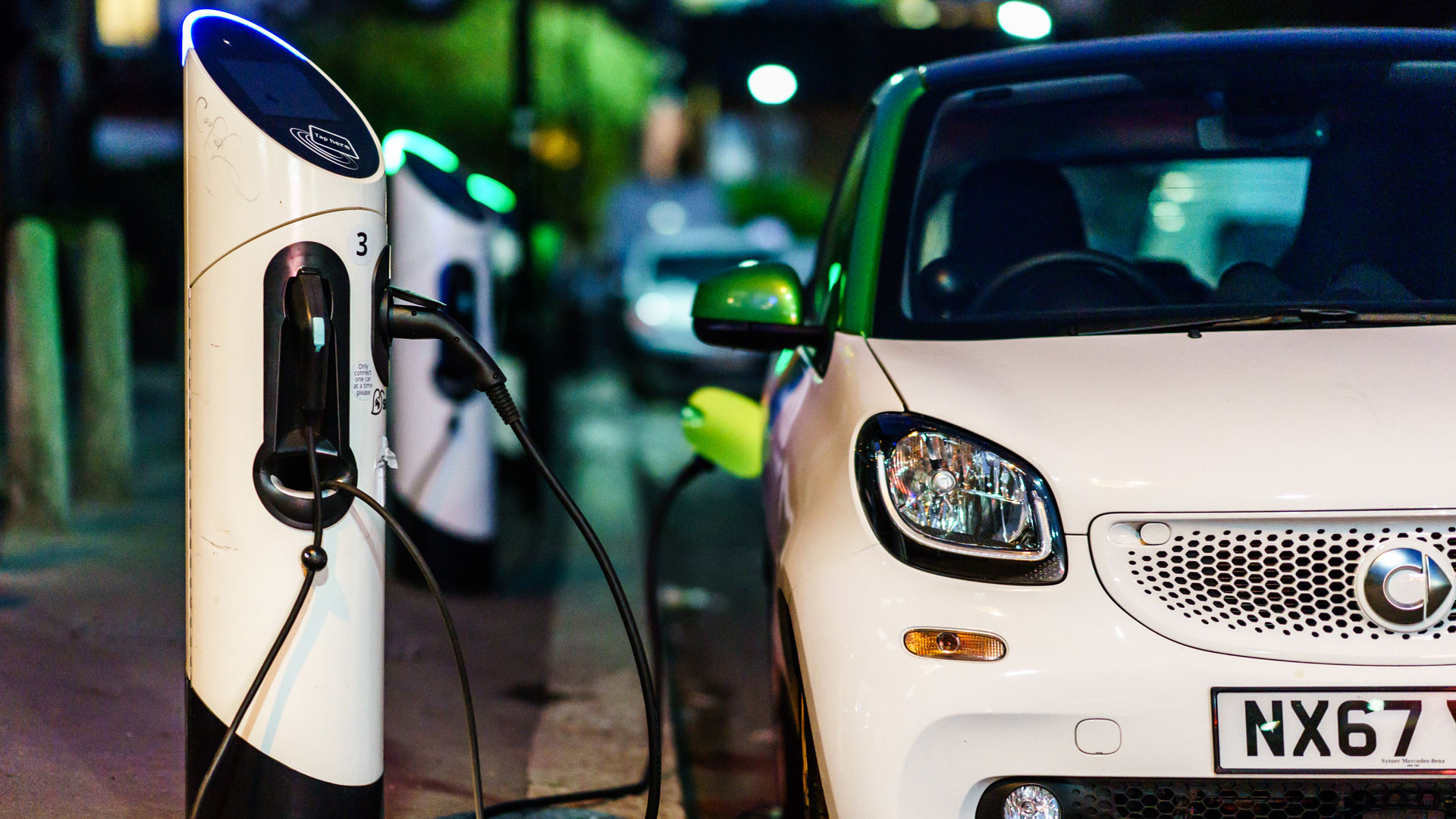
If you’re struggling to find a suitable spot to park and charge, websites such as Zap-Map have them conveniently mapped out for you. Log on, and it will show you exactly where the chargers are located. These could be in town centres, supermarket car parks, motorway services stations and offices. It will also reveal how many charging points there are, the type of connector offered, and even user ratings.
As the availability of these charging points is often the deal breaker for motorists contemplating an EV, huge efforts have been made in the UK to keep their numbers rapidly rising year on year. At the last count, there were reportedly 7,000 charge point locations across the UK, providing nearly 12,000 devices and a massive 20,000 different connectors. On that note, if you’re unsure which connector you need, there’s also a search facility to find the right one for your model.
Of course, if you buy a Tesla then you’ll also have access to its ever-growing Supercharger network. Currently, there are around 1,400 sites that contain about 13,000 plug-in points between them. A half an hour charge here can add 170 miles to your Tesla’s range.
Where’s the best place to live in the UK if you own an EV?
Surprisingly, Scotland is in with a shout here! Although Greater London has 23.8 percent of all the UK’s connectors, Scotland is second with 14.1 percent. Next up is the South East with 13.8 percent.
In reality, the ease of locating a charging point in London is easier than anywhere else in the country, meaning there’s a little less risk of range anxiety if you own an EV in the South East.
Are there any roadside recovery services for electric cars?
Yes, most of the manufacturers offer their own bespoke breakdown and recovery package for the EVs that they sell. The major breakdown recovery companies, such as the AA and the RAC, offer EV-specific services as well.
What’s the typical lifespan of the battery?
The last thing you want is to end up with a car that, like a modern mobile phone, begins losing charge and becomes impossible to take out on anything but short stints. However, while EVs are not exactly new technology – let’s not forget that Sir Clive Sinclair was the trailblazer for electric car back in the 80s, when he unveiled the Sinclair C5 – they haven’t been on the road long enough to really know how those batteries will perform over, say, ten or twenty years.
Some manufacturers – such as Renault and Nissan – offer a battery leasing scheme to alleviate those concerns. So if the cell fails, owners can automatically swap it for a new one. That also makes these cars much more attractive to second-hand buyers. While other brands will provide you with a separate warranty for the battery (typically five to eight years).
Are there any grants or subsidies for electric cars?
Yes! The Government’s Plug-In Car Grant offers up to £3,500 (or 35 percent) off the list price of an EV, while current Vehicle Excise Duty rules mean that EVs costing less than £40,000 are now the only cars that are road tax exempt.
Those with a higher price tag fall foul of a new Premium Model rate introduced in April 2017, however; albeit it at a discounted annual Vehicle Excise Duty of £310. That compares to a slightly higher rate of £450 a year for all other Premium Models. EVs are exempt from congestion charging in the Capital, and other cities which operate similar schemes, however.
Will an EV cost more to buy than its conventional fuel equivalent?
Almost certainly. The increasing popularity of EVs means costs are coming down, gradually. But you should still expect to spend at least £20,000. As you can see below, the on the road price for the VW e-Up is around £7,000 more than its petrol-powered equivalent, even after deducting the government’s £3,500 Plug-In Car Grant. Although the price difference isn’t always this high between EVs and their conventionally-fueled equivalents, if you’re looking to reduce spend, opting for VW’s plug-in version of the Up might not make sense.
To be sure, you need to work out how long it would take to recoup your losses, opting for an electric version of this city car. To do that, you need to work out your annual fuel bill for both. Fortunately, we’ve done the maths for you (see below), and show that make an annual saving of £550 with the e-Up. Offset that against the £7,000 initial outlay, and you can see it would take around 13 years to recoup the extra initial outlay for the EV version of this car.
VW High Up 1.0-litre 90PS (5-door)
VW e-up 82PS electric motor
Price (OTR)
£13,360
£20,150^
Average fuel/charge cost
120.6 per litre*
£3
Combined mpg
64.2mpg
3p per mile
Annual fuel/charge cost^^
£854
£300
Of course, for most of Britain’s EV owners, the main decision to opt for an electric car is not a financial one. The big draw is these cars’ ability to ease motorists’ eco-conscience, thanks to their zero tailpipe emissions, and the impact that this ultimately has on reducing air pollution in the UK.
*Based on average fuel prices (March 2019); ^Price includes £3,500 plug-in car grant; ^^Based on annual 10,000 mileage
The Metropolitan Police recorded 113,014 vehicle crimes in 2018, amounting to around 25 percent of all incidents reported in England and Wales.
That’s according to figures released by Click4Reg.co.uk using data derived from data.police.uk. It means that the area covered by the Met Police had the highest number of vehicle crimes in 2018 – up nine percent from the previous year.
But Bedfordshire Police witnessed the largest year-on-year increase, with incidents of vehicle crime up 35 percent to 7,798. Other forces to record a large increase include the City of London (up 30 percent to 252 vehicle crimes), Surrey (up 18 percent to 6,592) and Thames Valley (up 14 percent to 17,285).
At the opposite end of the spectrum, the City of London had the fewest vehicle crimes (252), followed by Dyfed-Powys (1,037), Cumbria (1,171) and North Wales (2,138).
Meanwhile, there’s good news for motorists in Wiltshire, where vehicle crime has fallen 28 percent to 2,850 reported incidents. Other sharp declines include Avon and Somerset (down 18 percent to 10,811) and Humberside (down 16 percent to 5,461).
Overall, a total of 450,509 vehicle crimes were reported to 42 police forces/constabularies in England and Wales in 2018 – a two percent surge from the previous year.
‘One of the more preventable crimes’
Elie Fakhoury, managing director of Click4Reg.co.uk, said:“The findings from this research are certainly intriguing. With the overall number of vehicle offences increasing from the prior year, it’s a crime which is really impacting drivers.
“It’s unfortunate, as many car owners spend a ton of time and money on maintaining all aspects of their vehicle to ensure it runs effortlessly and is road-worthy. Whilst vehicle crime may seem difficult to combat, it is, in fact, one of the more preventable crimes.
“Individuals can take a range of cost-effective measures to protect their vehicle from the threat of lurking criminals. For instance, drivers should aim to make actions such as locking doors and removing all valuable items when not in their vehicle a habit.
“Overall, better caution and attention from the public can go a very long way in drastically reducing the [number] of vehicle crimes across England and Wales”.
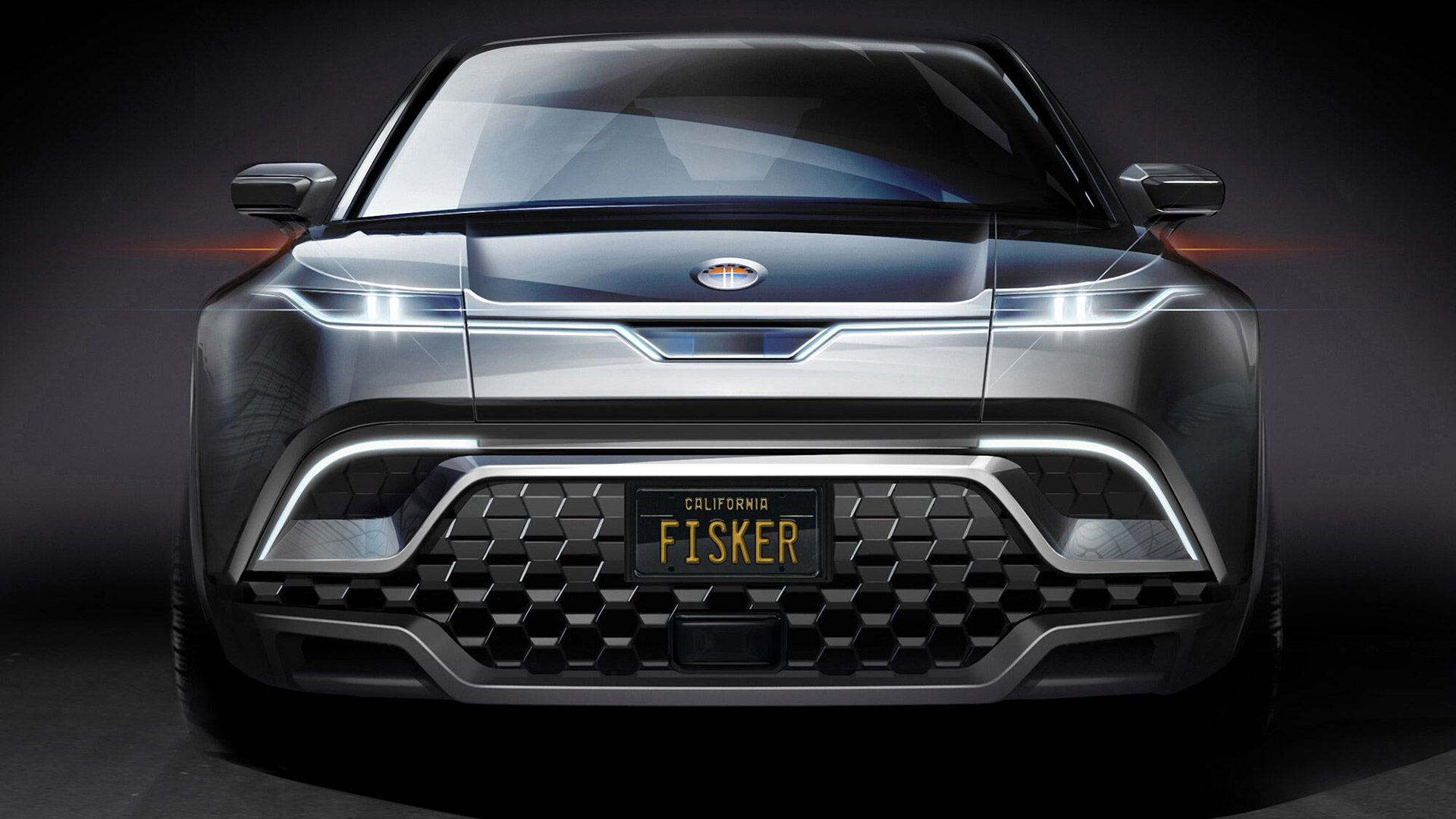
Los Angeles-based Fisker has revealed the first details of its forthcoming electric SUV, aimed at making luxury EVs affordable.
The SUV has an ambitious target price of $40,000 (£30,800) in the U.S., which pitches it squarely against new products from Tesla, including the new Model Y.
Although initial information is limited, Fisker does promise the as-yet-unnamed SUV will offer a ‘a futuristic, elegant muscular EV with clean surfaces and a dramatic shape’, along with an interior that features ‘some of the latest emerging in-vehicle technologies’.
Along with the bold price, the other big claim is a 300-mile range when fully charged, thanks to an extended 80kWh battery pack. Four-wheel drive is on the cards, with individual electric motors powering each separate axle.
Fisker plans to have the SUV on sale by late 2021, with a pre-production version hitting the streets later this year.
What other cars does Fisker have planned?
This new affordable luxury SUV is intended to be the first in a three-model mass-market range from Fisker.
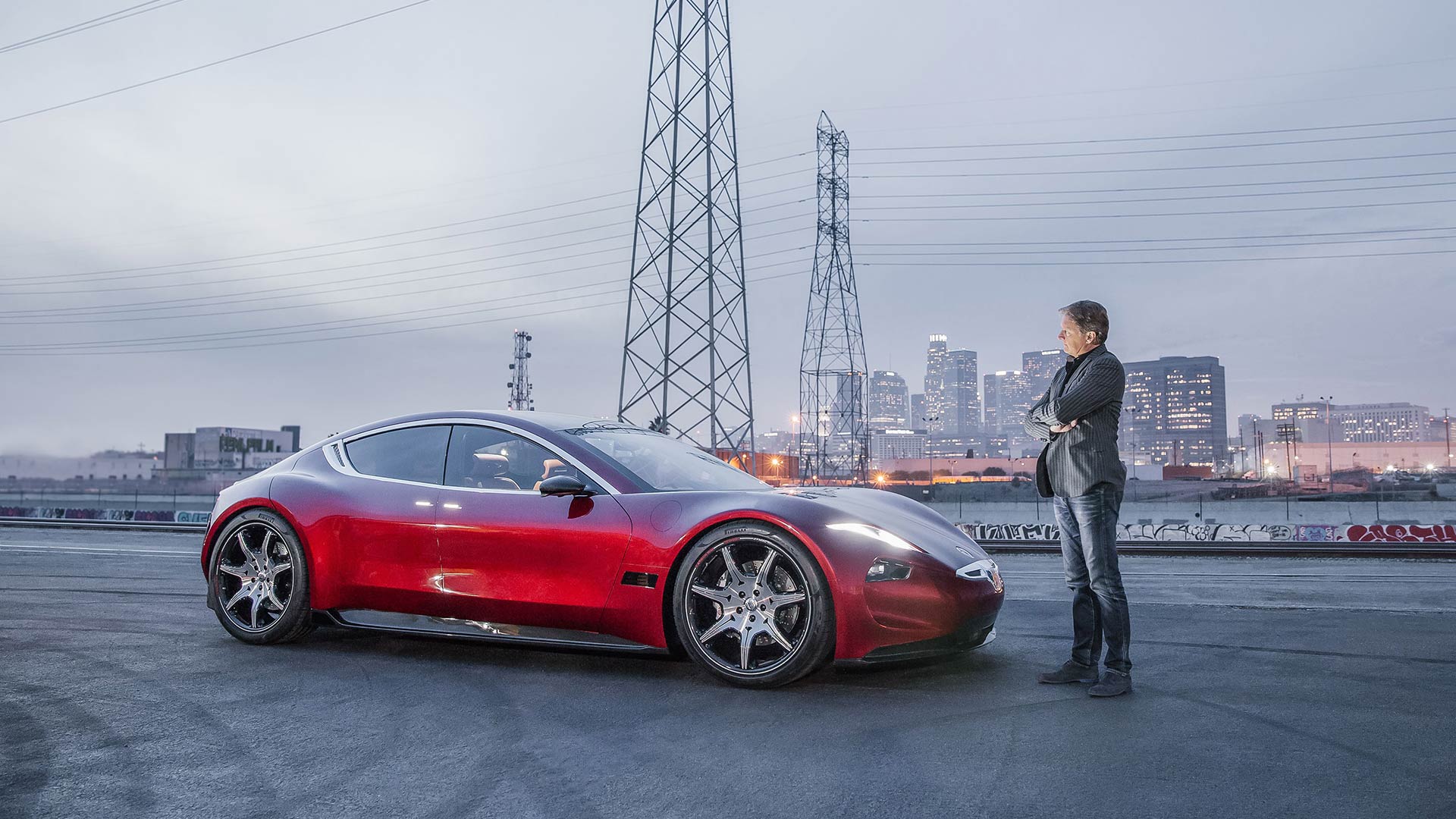
The company had previously shown the high-end EMotion four-door electric car, featuring a carbon fibre body and dramatic 24-inch wheels. However, Fisker has decided to push back the launch of this flagship model until the cheaper SUV hits the market.
Fisker also intends to sell cars directly to consumers, in a manner similar to Tesla. A concierge system to handle servicing and maintenance will also be set up.
Where have I heard the name Fisker before?
Company founder and CEO Henrik Fisker is no stranger to the automotive industry.
Born in Allerod, Denmark, he previously worked as a designer for major car manufacturers. At BMW, he helped create the retro-inspired Z8 roadster, while at Aston Martin he was responsible for the beautiful DB9.
The Dane founded Fisker Automotive in 2007, launching the luxury plug-in hybrid four-door Karma in 2011. Some 2,000 examples of the Karma were delivered to customers, but Fisker himself left in 2013 over disagreements about the direction of the company.
Fisker Automotive would later be declared bankrupt due to financial difficulties, stemming from problems with the company responsible for supplying batteries.
Since leaving that company, Henrik Fisker has been involved in designing everything from yachts to the VLF Force 1 V10-powered supercar. He founded the new Fisker Inc. in October 2016.
Fisker has described the process behind his latest project as “a mission to create an affordable EV that’s more exciting and emotion-stirring than what the market has been offering. We’re now excited to be introducing a vehicle that truly reinvents the SUV.”
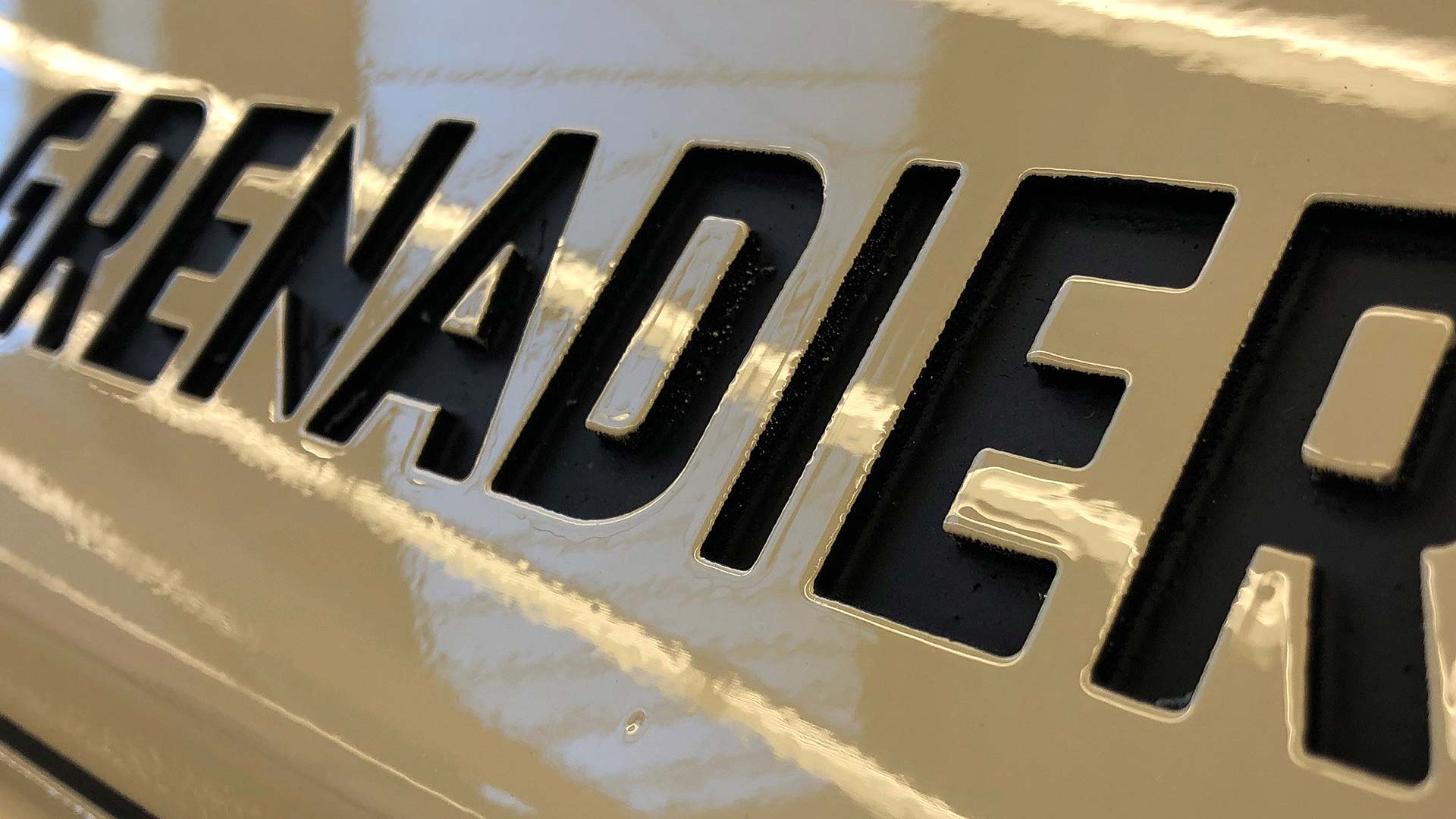
The upcoming Projekt Grenadier ‘back-to-basics’ 4×4 inspired by the original Series 1 Land Rover will use BMW turbo petrol and diesel engines, parent company Ineos Automotive has confirmed.
A division of chemical giant Ineos, the new car company is promising “no-frills utilitarianism, compete purity of purpose, unquestionable authenticity and ultimate engineering integrity”.
But one part that won’t be back-to-basics is its engines; BMW’s TwinPower Turbo range of motors, as seen in cars such as the 3 Series and new Z4, are to be used.
“This technology partnership is a very significant milestone for Projekt Grenadier,” said Ineos Automotive CEO Dirk Heilmann.
“We are delighted BMW Group will supply engines for our new off-roader. Its reputation of a maker of extremely reliable, high performance engines that offer total durability, efficiency and quality is second to one.
“Simply put, it builds the best engines in the world.”
Described as new from the ground up and built on an all-new architecture, the Ineos Projekt Grenadier is currently being engineered in Germany by tech partner MBtech. A supplementary division in London has grown to 50 people, including commercial, finance, supply chain, HR and IT staff.
The firm plans to sell it around the world, with Africa and Australasia joining Europe and the U.S., and the working 4×4 supporting “a varied mix of customers”. Other inspirations for the project include the Willys Jeep and J40 Toyota Land Cruiser.
Ineos is owned by Britain’s richest man, Jim Ratcliffe. The car is expected to be revealed later in 2020 before production commences in 2021. Ineos Automotive is currently crowdsourcing a name for the new 4×4.
It is hoped the new model may be built in the UK; previously, Ratcliffe had considered Ford’s Bridgend engine plant, and there has also been speculation the firm could take over Honda’s Swindon facility.
Ratcliffe is described as an “admirer” of the original Land Rover Defender. Projekt Grenadier was born out of a desire to develop a spiritual replacement for it when production of the Defender ceased in 2016.
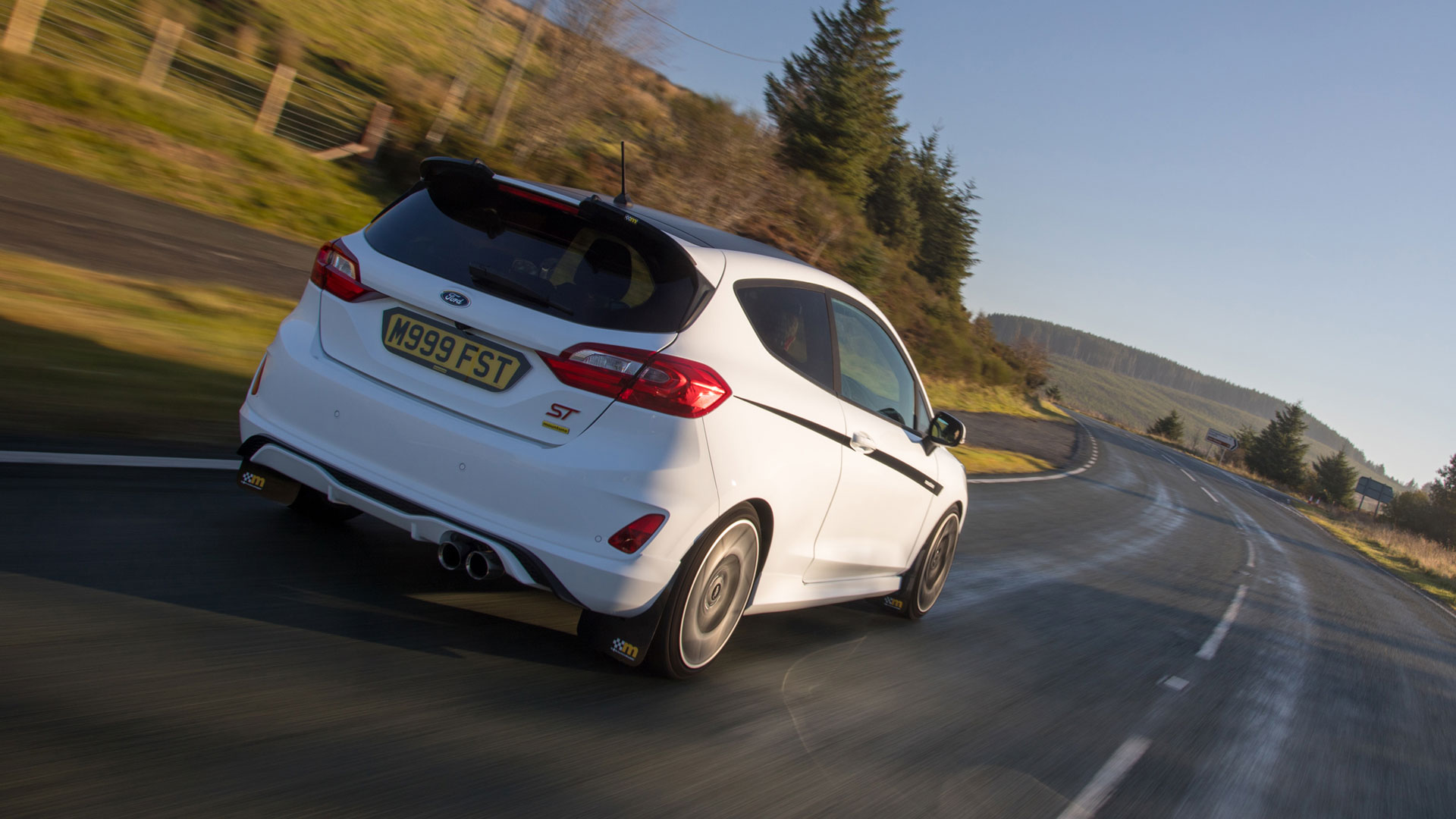
If you fancy a little more power from your Ford Fiesta ST, Mountune has the answer. Its new M225 upgrade sees the peak power increased from 200hp to 225hp, reducing the 0-60mph time from 6.5 seconds to “below the 6-second mark”.
But that’s not all, because Mountune has also unveiled an MTune Smartflash app, which allows users to install and update vehicle calibrations from their smartphone.
Using nothing but the app and a supplied Bluetooth OBD interface, Fiesta ST owners can tweak the car to their needs as well as updating their vehicle to the latest calibrations directly from Mountune.
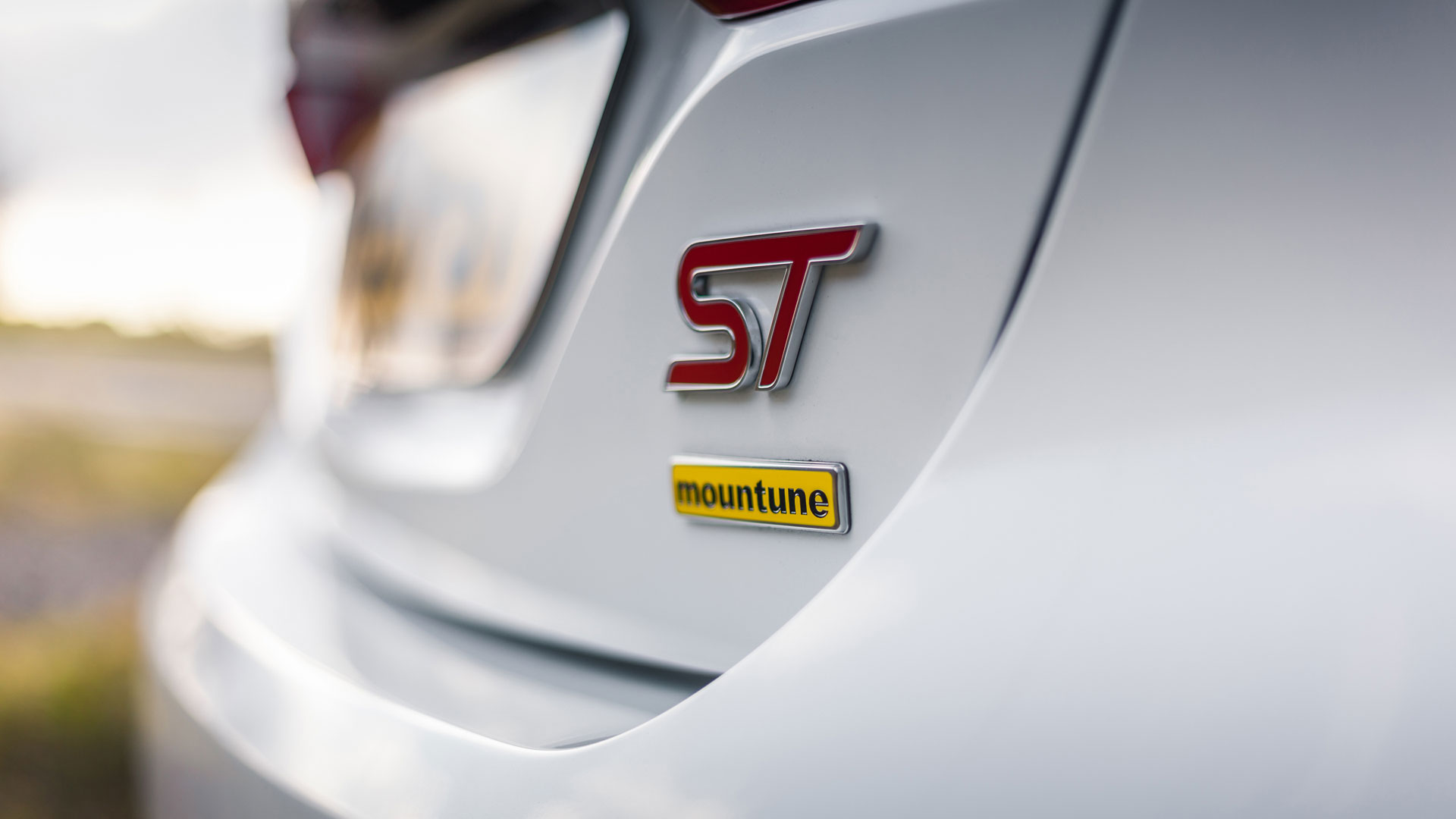
The pack includes the OBD adapter, MTune Smartflash app, three calibrations (Performance, Stock and Anti-Theft), high-flow induction kit, Mountune badge and zip-up shell cars. It costs £662.50, or £479.16 for owners who have already upgraded their induction kit.
Switch modes in just two minutes
“Smartflash makes it incredibly easy for our customers to switch between vehicle calibrations in as little as two minutes, just using their phone,” said David Moore, director of Mountune Performance.
“It adds a new level of convenience and functionality to our packages and embodies our forward-thinking approach to vehicle performance upgrades. The new Fiesta ST is the perfect platform to launch this DIY-friendly, pioneering technology. No laptop, no wires, no handsets – no problem!”
The Fiesta ST’s peak power is boosted to 225hp, while torque is increased from 213lb ft to 250lb ft, with Mountune claiming that with the upgrade, the 1.5-litre three-cylinder turbo engine delivers torque earlier and across the rev range.
In Performance mode, the Fiesta ST M225 delivers a more aggressive launch control strategy and enhanced audible exhaust output in Sport and Track modes. Stock mode returns the Fiesta to its standard configuration, while Anti-Theft fully immobilises the vehicle.
“With M225 and our innovative new Smartflash system, owners can safely increase the performance of the Fiesta ST with unprecedented ease,” added David.
“With that almost instantaneous delivery of torque the ST really comes alive, but you also have peace of mind in knowing that this is an engineered upgrade. As with all Mountune packages, the M225 has undergone extensive performance and durability testing with all safety parameters retained.
“This is not just the best upgrade for the Fiesta ST, it is also the most robust.”
‘The faster you drive, the better you drive’
We have little doubt that the Mountune upgrade will add another layer of enjoyment to the Fiesta ST. Of the standard car, our man Richard Aucock said: “You can perhaps by now tell we think the Fiesta ST is a class act.
“It sounds a bit like a Porsche 911 and drives even more like one, exuding immense depth and connoisseur’s breeding. The faster you drive, the better you drive, the more it gives back – while doing all the regular Ford Fiesta stuff like being compact in town, easy to handle and comfortable to drive daily.
“The new Ford Fiesta ST really is that good. Five stars? You bet. After this first drive, if we could give it six, we would…”
Time to give the Mountune upgrade a spin, Richard? We can think of 225 reasons why this might be a good idea.
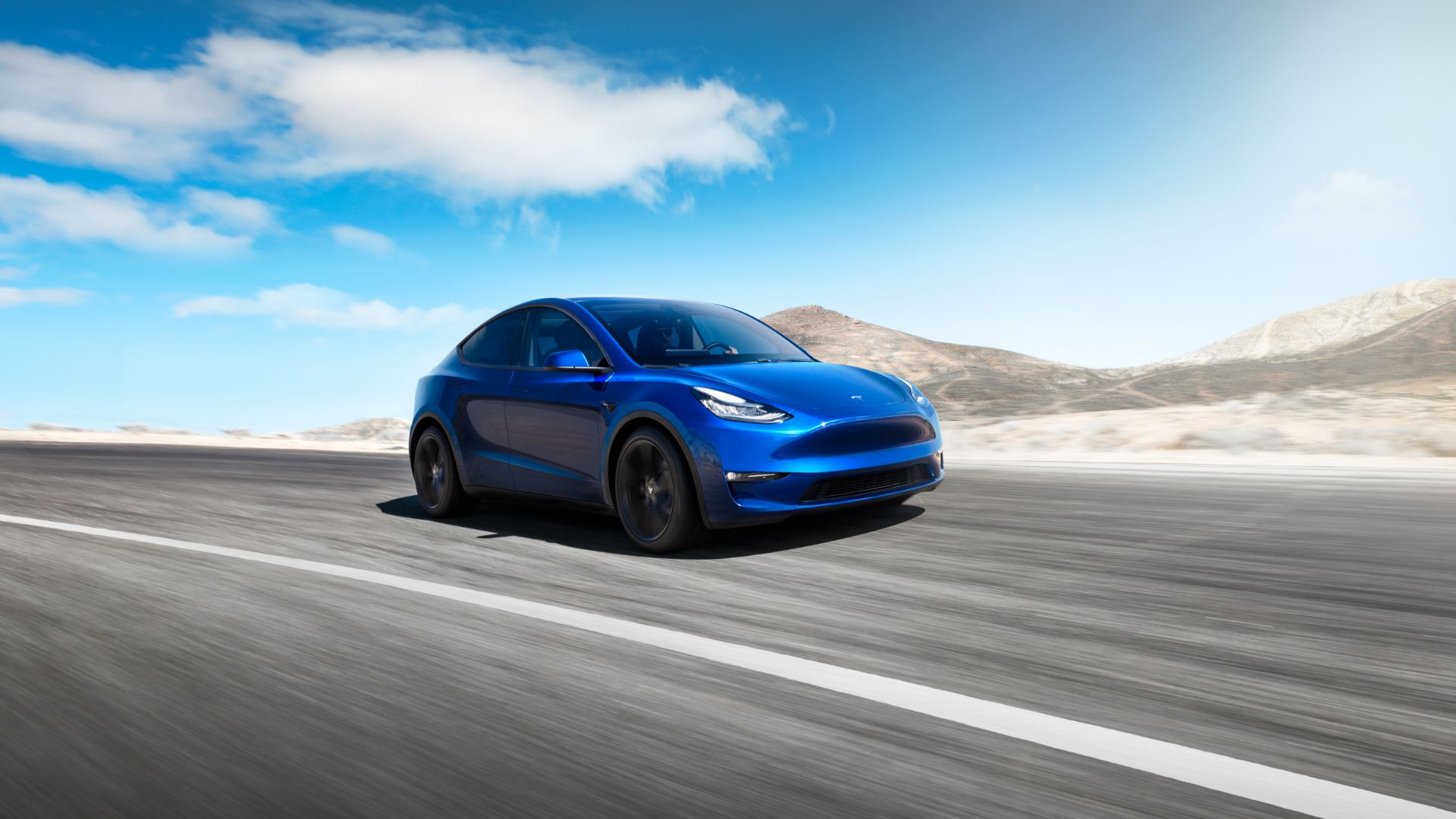
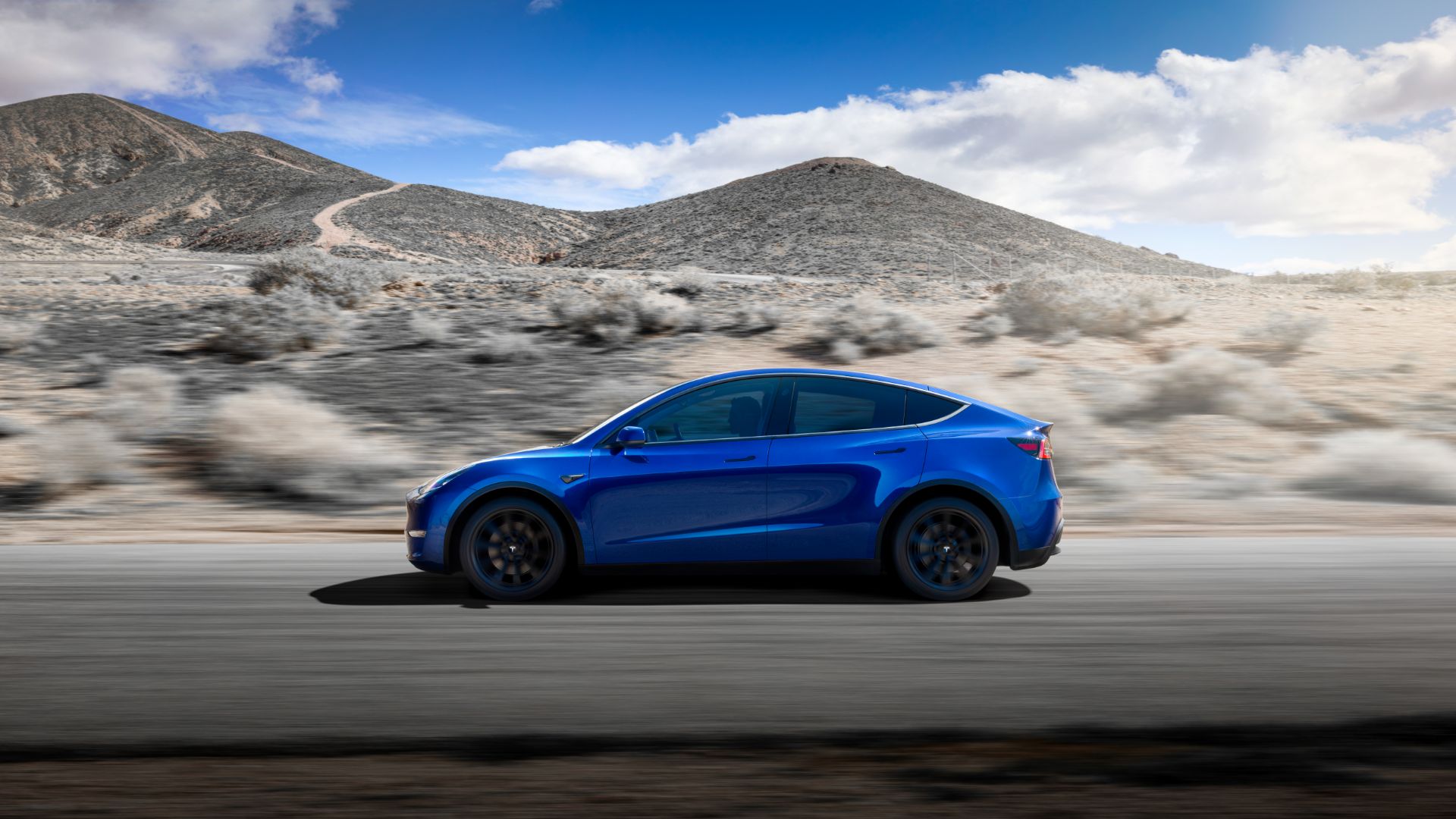
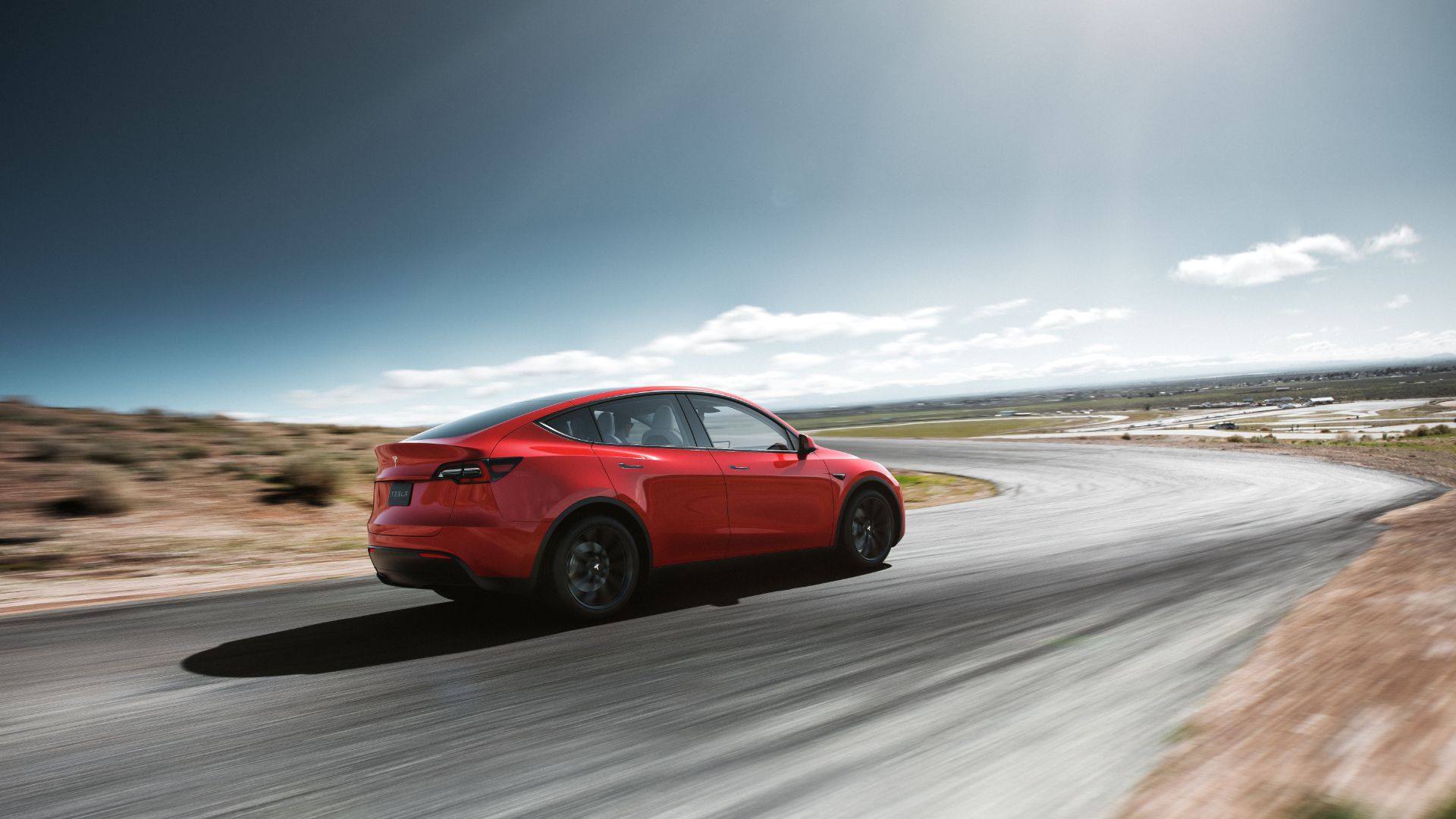
The Model Y, Tesla’s fourth model and the car that completes its ‘S3XY’ range, has finally been revealed. Here’s all the info you need.
The Model Y’s styling
Firstly, yes, this is an all-new car. Despite very much resembling the Model 3, the Y is a crossover model that seems to combine a jacked-up Model X crossover shape with the smaller dimensions and styling tropes of the Model 3 saloon.
It’s around 15 percent bigger than the Model 3, but shares as many as 75 percent of its components. The Y makes clear Tesla’s twinning of saloons and crossovers. The Y is to the 3 what the X is to the S.
Inside the Tesla Model Y
It’s more of the same on the inside, too. Save for the slightly more commanding driving position, you’d be hard pressed to get in a Model Y and tell it apart from a Model 3.
The big 15-inch display is a direct lift from the small saloon, and the rest of the cabin looks equally minimalist. The well-known Autopilot system carries over, along with a host of new Tesla features.
An expansive all-glass roof should give the Model Y an airy feeling inside. And what it also has over the Model 3 is seating for seven.
Model Y range and performance
Powertrains carry over from the Model 3, too. There will be a ‘cheap’ lower-range version that’s capable of 230 miles and will cost around £30,000, but that won’t arrive for another two years.
The dual-motor and Performance models are capable of 280 miles, while the rear-wheel-drive long-range model will manage 300 miles. These cars will do 135mph and 130mph, and hit 60mph in 4.8 seconds and 5.5 seconds respectively.
The Performance version is just that: a top speed of 150mph, with 60mph arriving in an impressive 3.5 seconds along the way. While the middling models will cost around £40,000 by our estimation, the Performance will likely be £50,000 or more.
When can I buy one?
This is always the big ‘but’ with Tesla. We see a car, then hear all these figures and promises from Elon Musk. Then we find out just how long it’s going to take. We still don’t have the Model 3 in the UK, more than two years after it was revealed.
What about the Model Y? In theory, it shouldn’t take as long. Given that it shares up to three-quarters of its constitution with the Model 3, the Y should come easier.
The cars arriving the soonest are the 280-mile Performance and dual-motor models, as well as the 300-mile long-range version. They’re due in the autumn of next year for Americans. The short range model will follow in the spring of 2021. For the UK? We’ll have to wait until 2022 before we can buy a right-hand-drive Model Y.
Do Teslas take too long to reach the UK?
That we have to wait so long for Teslas is a bit of a shame. The Model Y, with its seven seats, more affordable price and (at the moment) impressive range figures could do well here in the UK. It’s the Tesla that perhaps best appeals to us at the moment.
By the time it arrives in 2022, the likes of the all-electric Porsche Macan will already be here, potentially with much better range – if not an affordable price.
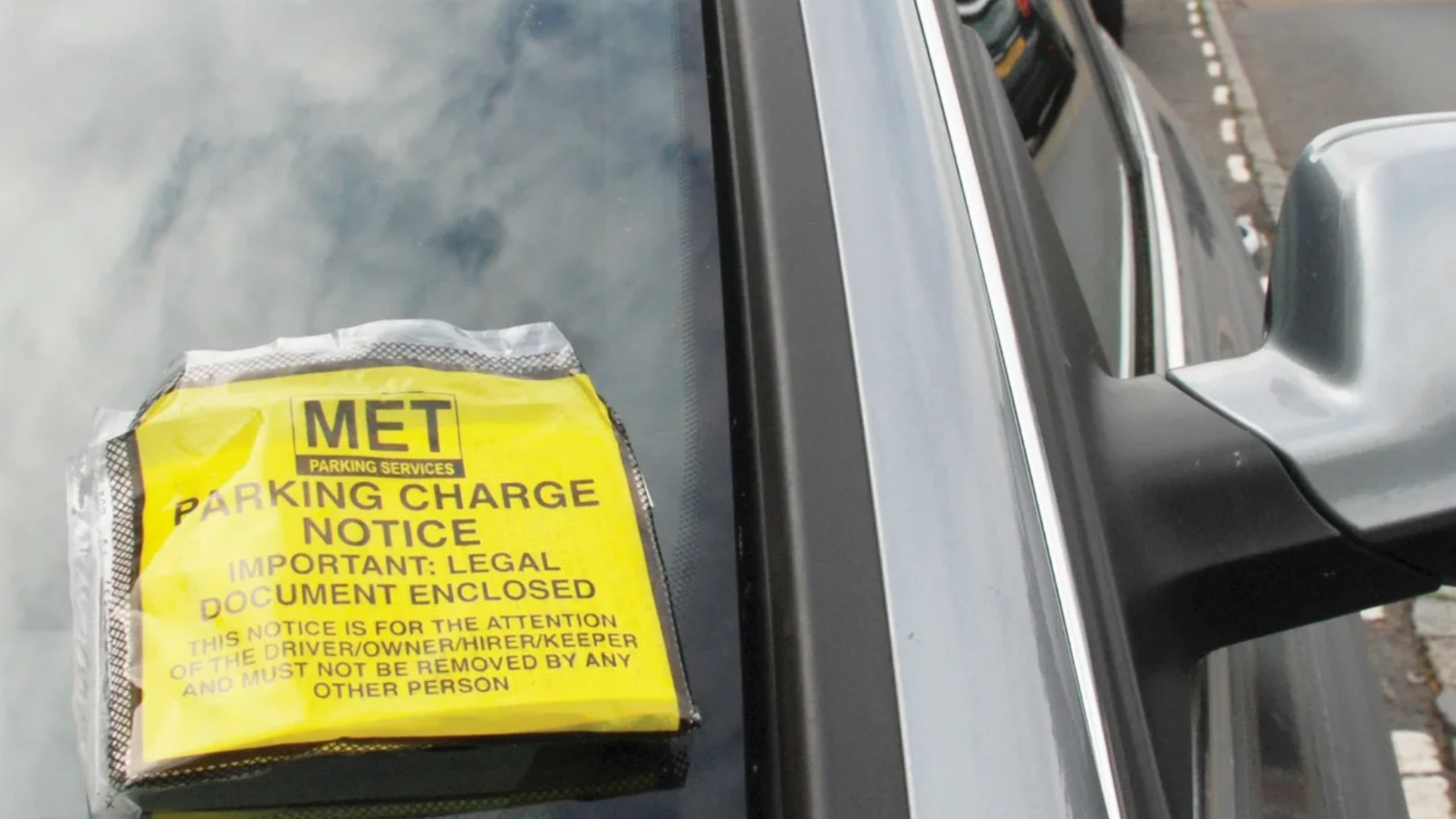
The Parking Act 2019 is a government initiative to better regulate the private parking industry. It has now received Royal Assent and passed into law.
As well as establishing a new single code of practice to ensure easier-to-understand regulations when it comes to private parking, the act should better enable motorists to challenge unfair tickets.
A new independent appeals service has been established. If private firms break its to-be-determined code of practice, they could lose their powers to obtain information from the government, in order to send out fines.
The act follows work the government has already done to curb private parking firms’ powers, including bans on clamping, towing and ‘over-zealous parking enforcement by councils and parking wardens’.
Industry stakeholders and motoring groups, including the AA and the RAC, will collaborate with the government in the coming months to establish and ratify the code of practice.
“Motorists will warmly welcome this new Act,” said Nicholas Lyes, head of roads policy at the RAC.
“For too long, some unscrupulous private parking operators have made drivers’ lives a misery with some questionable practices, which sent levels of trust in the sector plummeting.
“The code will create more consistent standards across the board, which should eliminate dubious practices and create a single, independent appeals process.
“The RAC has long called for changes to the way the private parking sector is regulated and this new code will undoubtedly make the lives of drivers easier.”
 Skoda is piloting a new scheme that allows online purchases to be delivered to the boot of a car. All the courier needs is the car’s location and number plate.




 The upcoming Projekt Grenadier ‘back-to-basics’ 4×4 inspired by the original Series 1 Land Rover will use BMW turbo petrol and diesel engines, parent company Ineos Automotive has confirmed.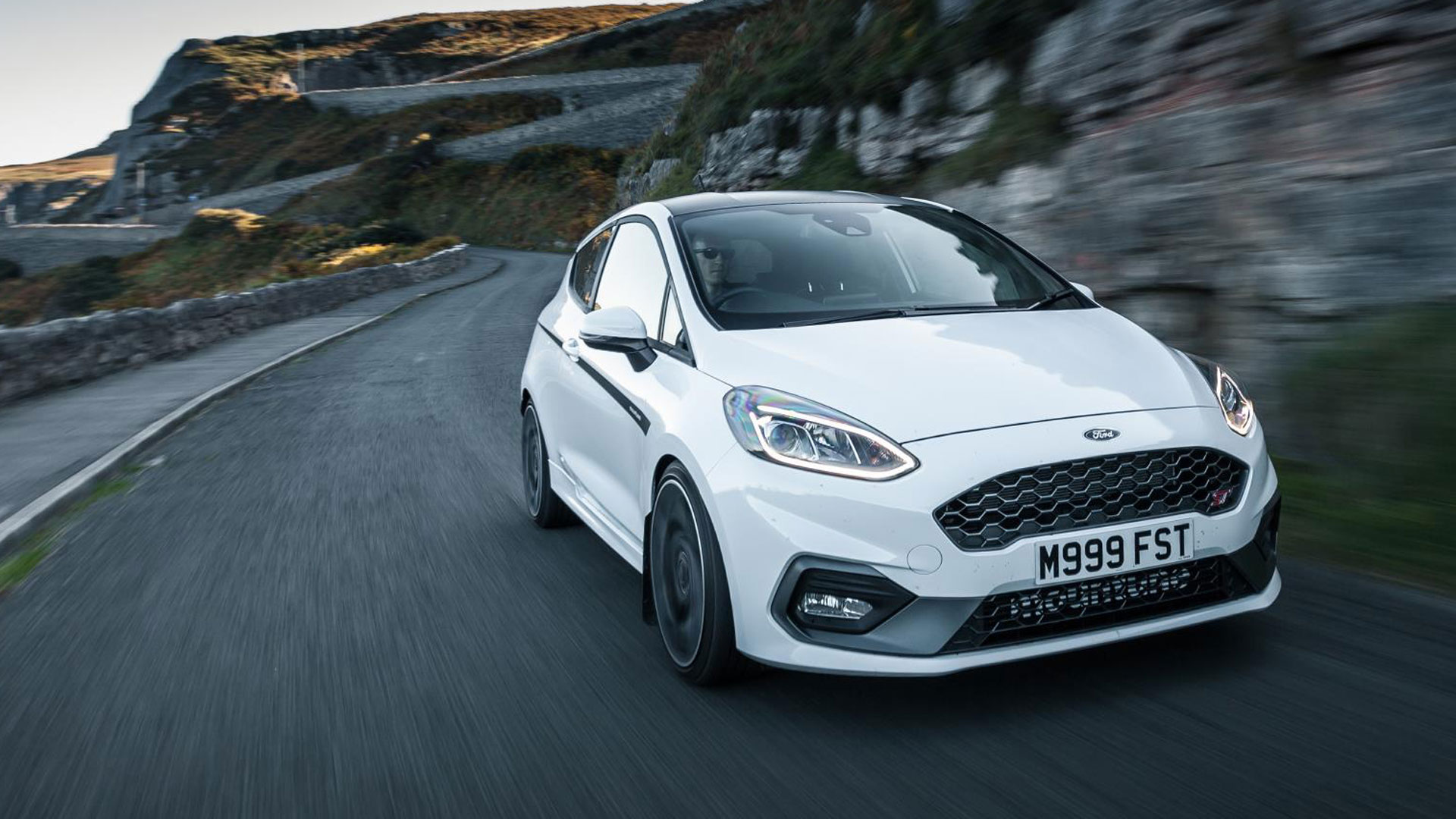
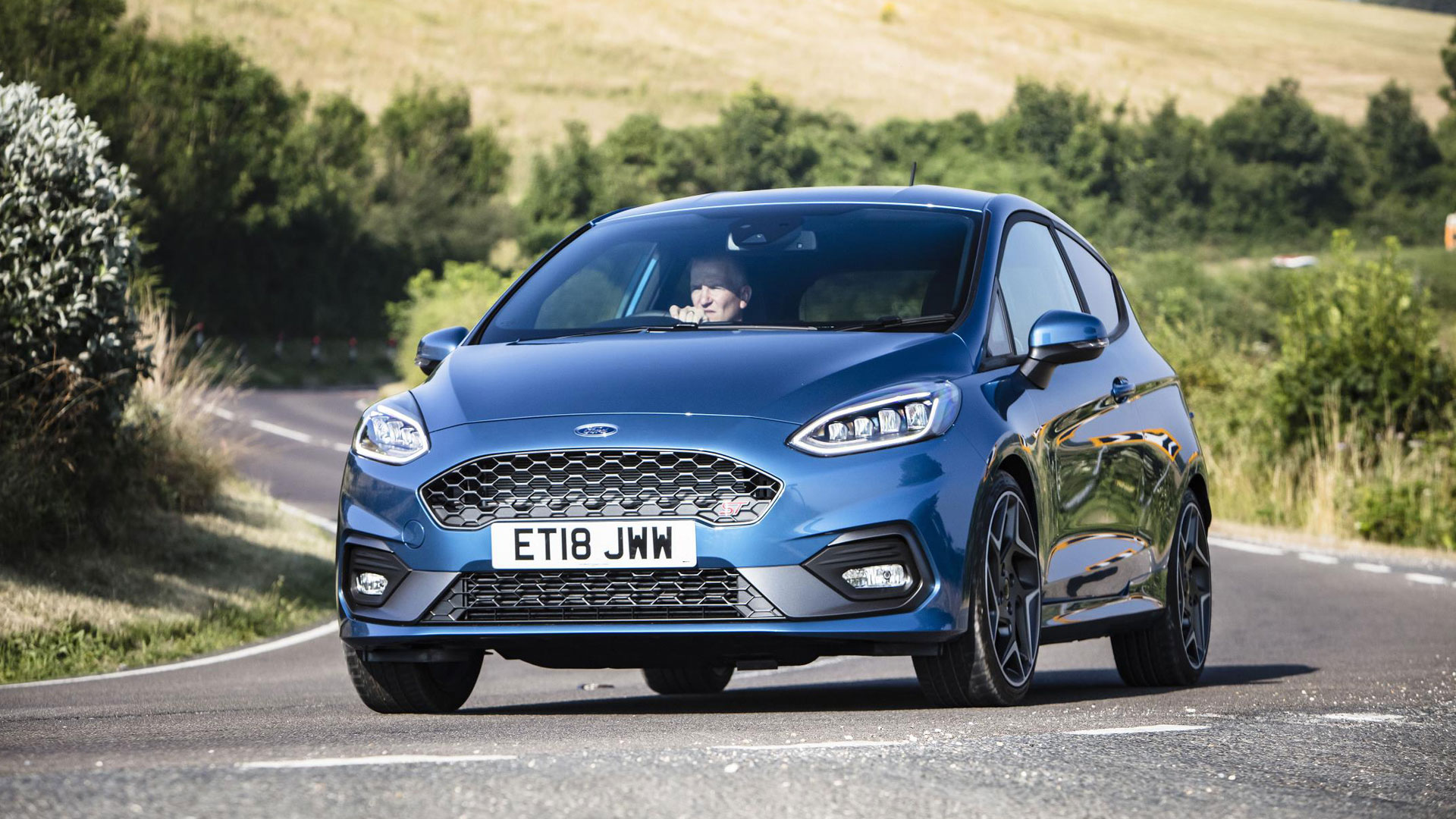 We have little doubt that the Mountune upgrade will add another layer of enjoyment to the Fiesta ST.