Michael McDonagh, Transit global chief programme engineer, Ford of Europe, says “everyone has experienced occasions when we have to brake suddenly if a bend is tighter than expected, only to speed up again afterwards.”
The new EcoGuide application takes away the need to remember every piece of tarmac, by making use of the satellite navigation system in the Transit.
Economy-minded co-driver
EcoGuide analyses information from the built-in sat-nav system to plot the most economical way to drive the route ahead.
The aim is to avoid the need for unplanned heavy braking, which ruins the momentum of a vehicle. Given that a Transit could be carrying substantial cargo, building that motion up again wastes time and fuel.
Junctions, slopes, bends and even speed limits can be identified up by EcoGuide, which appears in the regular Transit instrument gauge.
Less fuel, less stress
Prompts tell the driver when to brake, and also what gear to be in to maximise efficiency. A ‘halo’ around the digital speedometer records if the driver is doing the most to save fuel, and a report can be generated at the end of a journey.
Ford introduced the EcoGuide technology a decade ago in hybrid versions of the US-market Ford Fusion and Mercury Milan. It is also a feature of the new Mondeo Hybrid estate, and an important element in Ford’s $11 billion investment in creating a range of electric vehicles.
The regular Transit van, Transit Custom, and Tourneo Custom will gain EcoGuide starting from the middle of 2019.
In 1984, American singer Rockwell sang about how he felt like somebody was watching him. “Tell me is it just a dream?” he asked. Well, Kennedy William Gordy, aka Rockwell, thanks to news from Volvo, we can reveal that it was far from a dream. Volvo will be watching you. Bang goes your privacy.
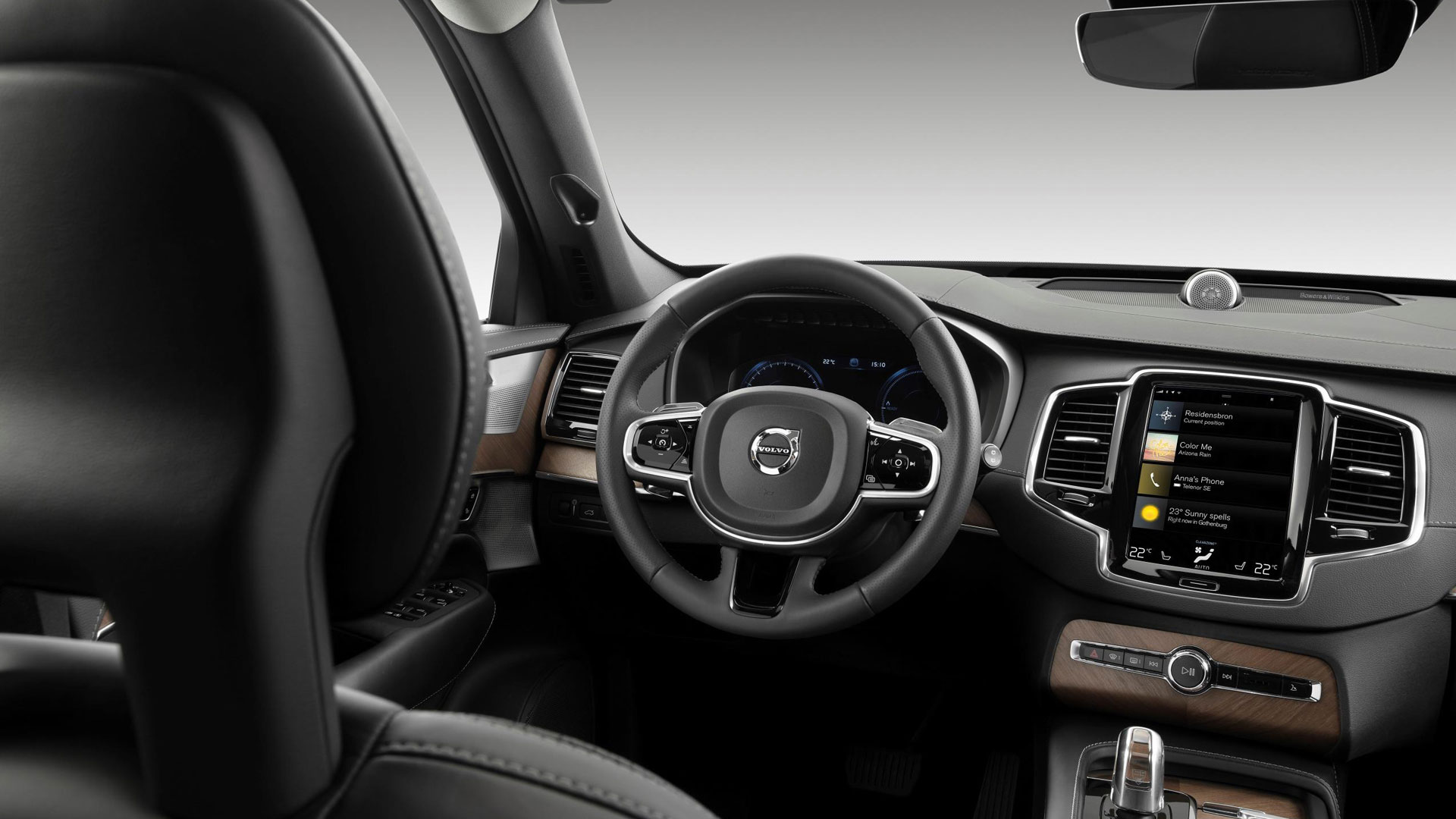
As part of its ambitions to end fatalities in its cars, Volvo is addressing the issues of intoxication and distraction. By installing in-car cameras and sensors that monitor the driver, the company believes it can intervene if there’s a risk of an accident leading to serious injury or death.
Volvo points to figures released by the National Highway Traffic Safety Administration (NHTSA) showing that almost 30 percent of traffic fatalities in vehicles in 2017 involved intoxicated drivers.
If the system detects a problem – maybe through a lack of steering input, weaving across lanes or eyes off the road – it could limit the car’s speed, alert the Volvo On Call assistance service or, as a last resort, bring the car to a stop.
Avoiding accidents altogether
“When it comes to safety, our aim is to avoid accidents altogether rather than limit the impact when an accident is imminent and unavoidable,” says Henrik Green, senior vice president, research and development at Volvo Cars. “In this case, cameras will monitor for behaviour that may lead to serious injury or death.”
The introduction of the cameras will start on the next generation of Volvo’s scalable SPA2 vehicle platform in the early 2020s, with details of the cameras and their positioning to follow at a later stage.
This news comes a couple of weeks after Volvo’s announcement that future cars will be limited to 112mph as part of its Vision 2020 initiative. Speeding, intoxication and distraction are Volvo’s primary areas of concern for traffic safety.
“There are many accidents that occur as a result of intoxicated drivers,” says Trent Victor, professor of driver behaviour at Volvo Cars. “Some people still believe that they can drive after having had a drink, and that this will not affect their capabilities. We want to ensure that people are not put in danger as a result of intoxication.”
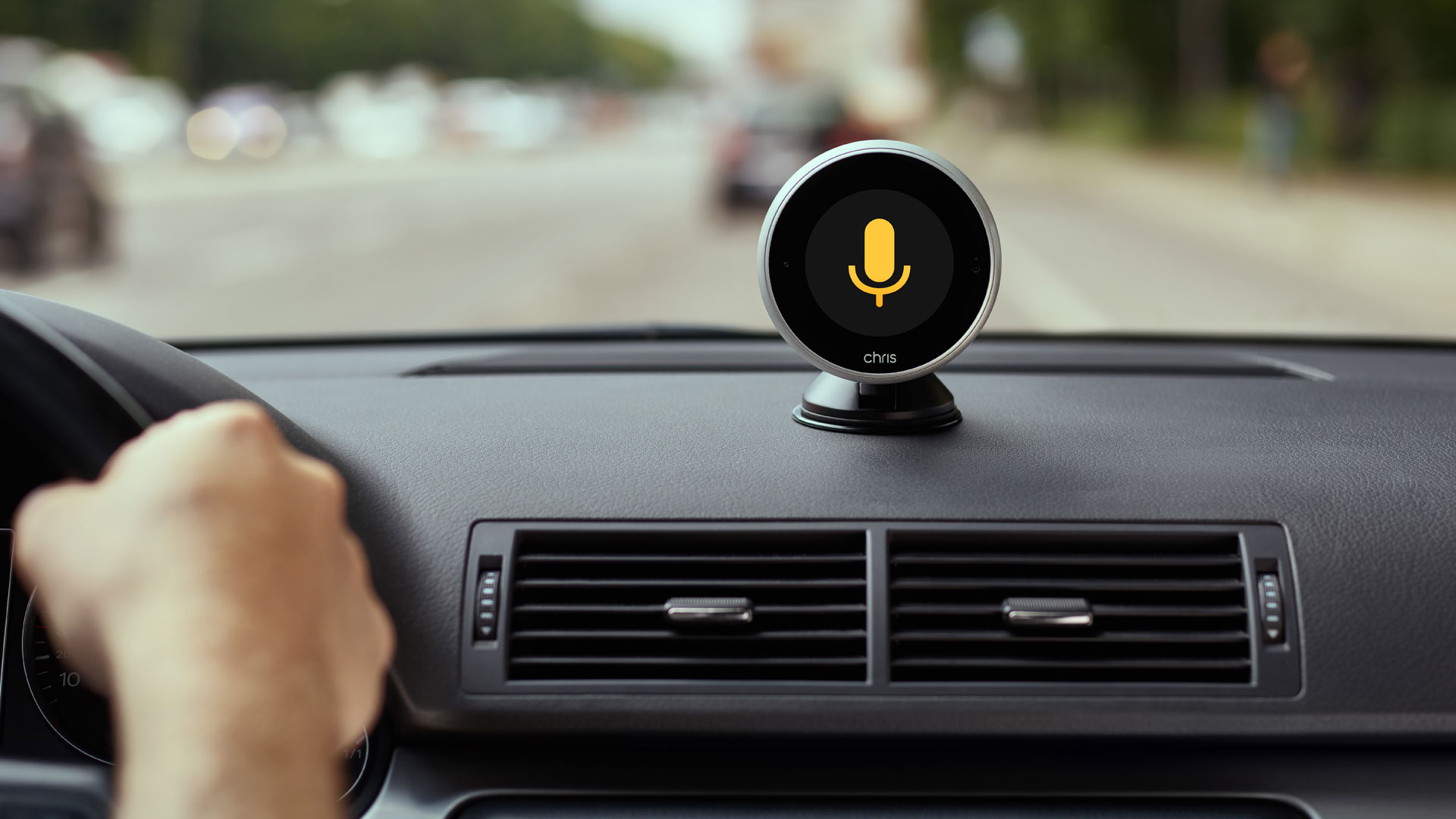
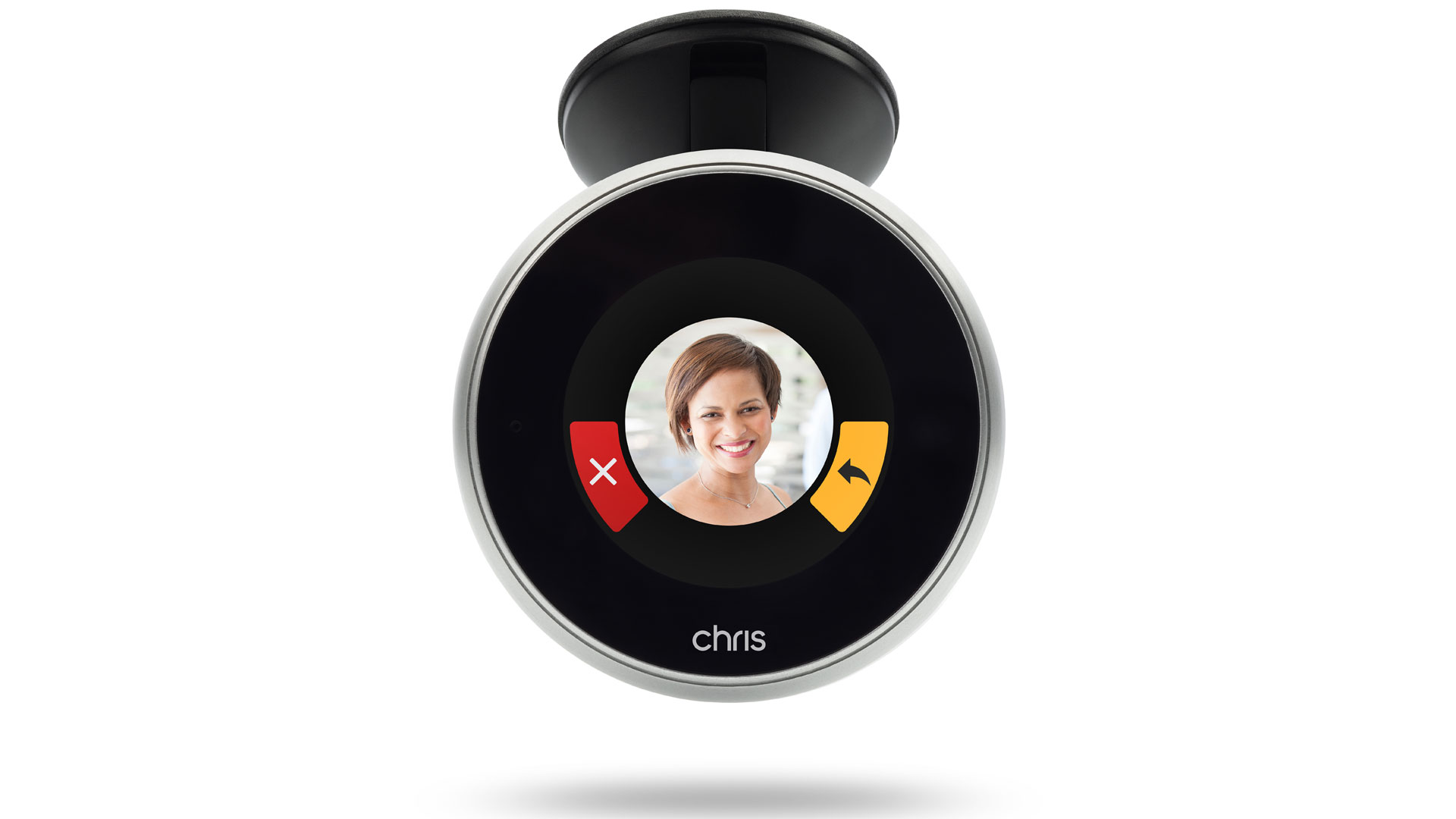
Introducing Chris: a new digital assistant for drivers. According to German Autolabs, the Berlin-based startup behind the tech, this is the world’s first voice AI-enabled digital assistant for in-car use. And it’s now available in the UK on Amazon for £299.
Say “Hey Chris” and the windscreen-mounted device will help you to make and receive calls, send a text or a WhatsApp message, get directions and play music. It works in any vehicle, regardless of age and model, and can even work offline, giving it an edge over Siri and Google Assistant.
Chris is initially available for Android users, but an iOS release is planned for later in 2019.
It’s a little like Alexa Echo or Google Home, but Chris can also be operated using gesture control, making it easy to skip through music tracks or a list of contacts. Just be aware that oncoming drivers and pedestrians might think you’re waving at them, rather than Chris.
The company behind Chris says it works in a noisy in-car environment, which will be music to the ears of drivers with young children on board, and while the system has its own speaker, it’s possible to play music on your car stereo using an FM transmitter.
Sprechen Sie Deutsch?
For now, Chris only speaks and understands German and English, although more languages will be added at a later date. As for accents, a company spokesperson said: “We would describe Chris as ‘accent-robust’.
“Our development team, who have been testing Chris from the start, come from all over the world, and many speak English or German with their own accents. In our experience, Chris can understand people who speak with an accent (within reason).”
‘Within reason’ – we suspect a few British drivers will be putting Chris to the test…
It’s a cool thing that will keep you legal behind the wheel, but you may be wondering why the digital assistant is called Chris. Well, St Christopher is the patron saint of safe travelling and the company wanted a name that could work for two genders: Chris could be Christopher or Christine.
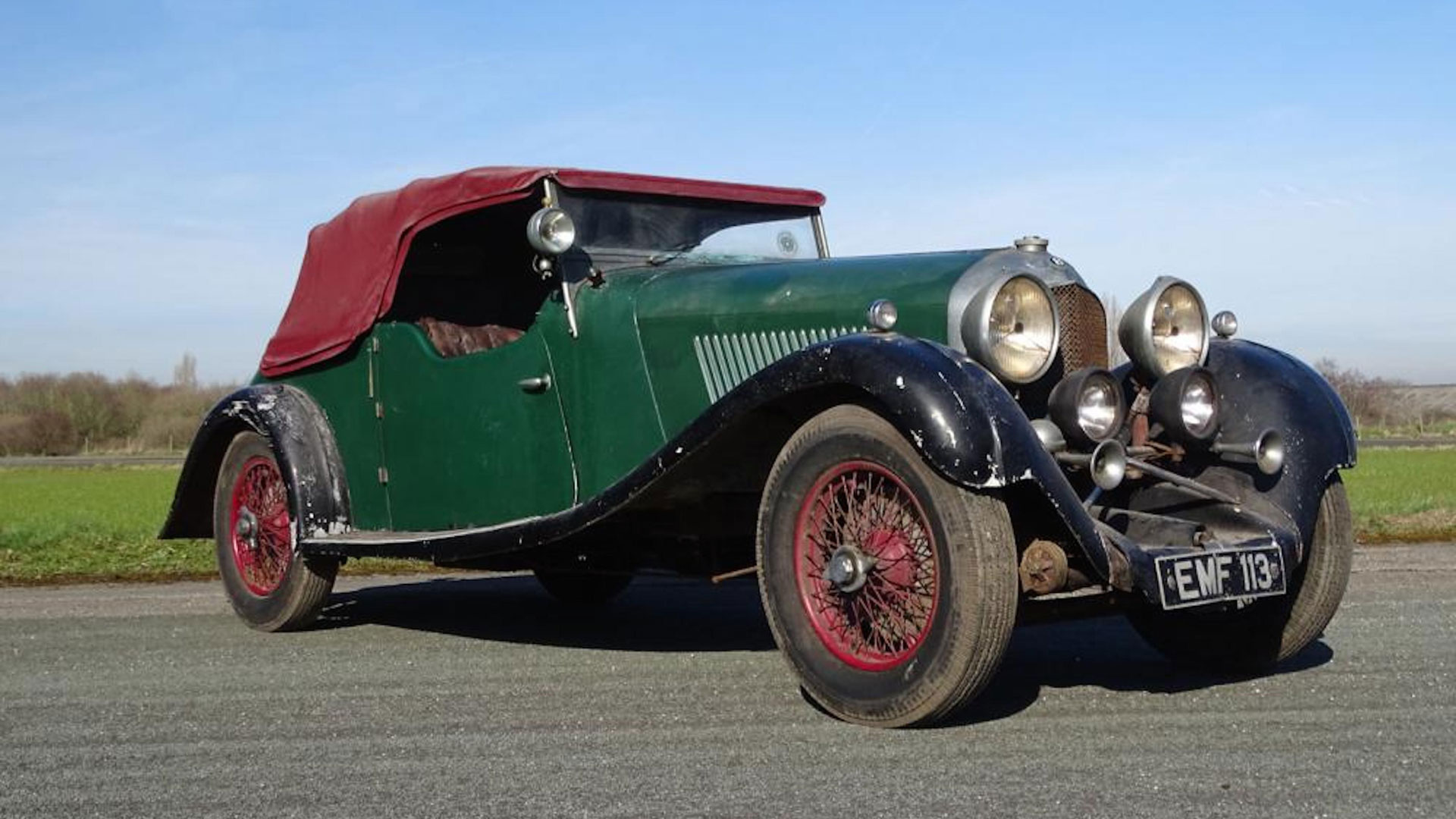
A 1936 Bentley 4.5-Litre Vanden Plas Tourer previously owned by former RAF pilot Charles Blackman has sold at auction for £454,250 at the H&H Classics sale at Duxford.
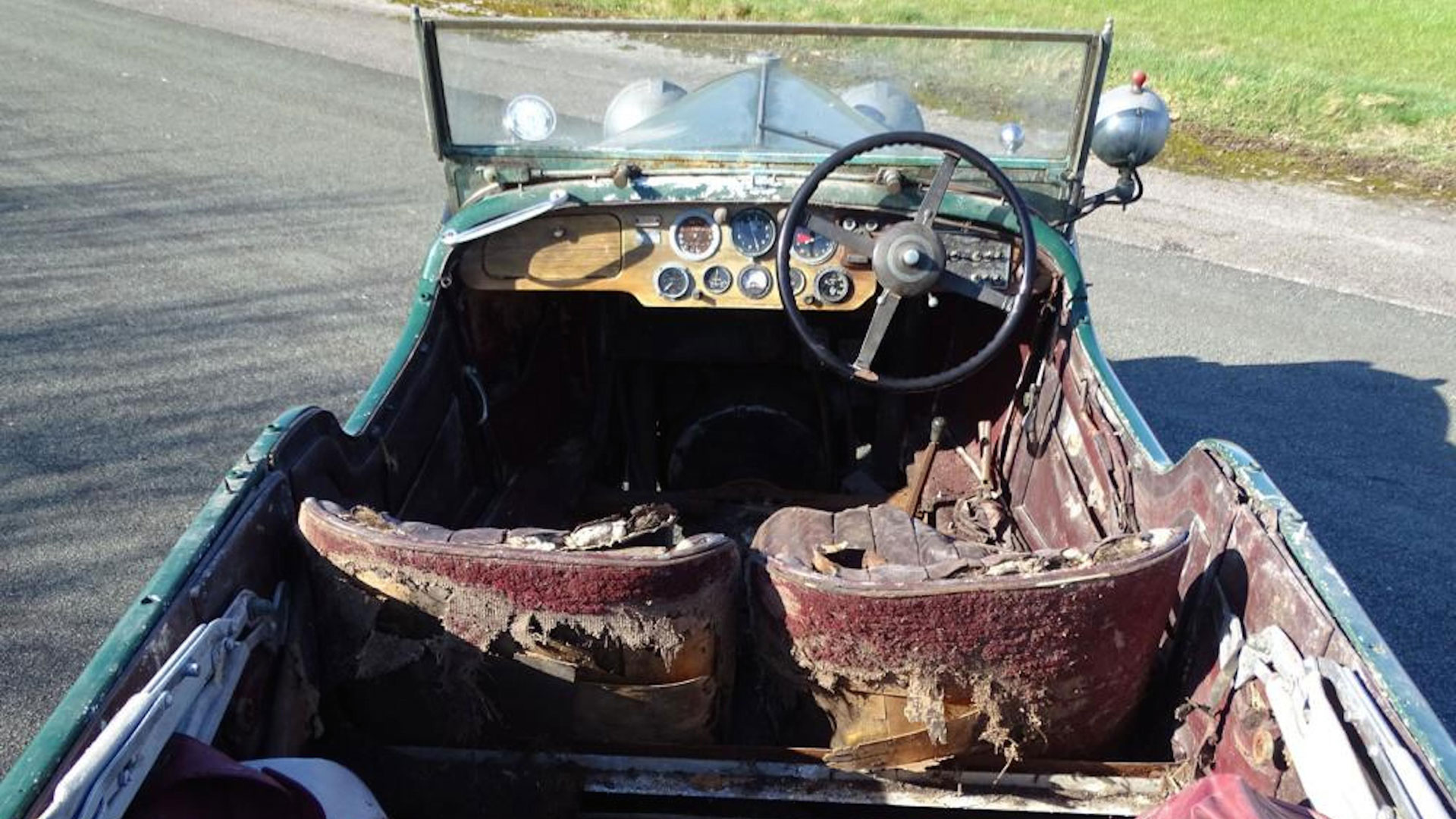
It last sold for £260 in 1952 and has spent the last 30 years locked up at Mr Blackman’s home in Stockport. But the Bentley was unearthed following the death of the former pilot and sold as part of his estate.
Despite being in a ‘barn-find’ condition, the Bentley fetched more than double the pre-auction estimate of between £150,000 and £200,000, helped in no small part by the fact that it’s one of only six W.O. Bentley 4.5-Litre cars assembled by the service department using new old stock parts in 1936.
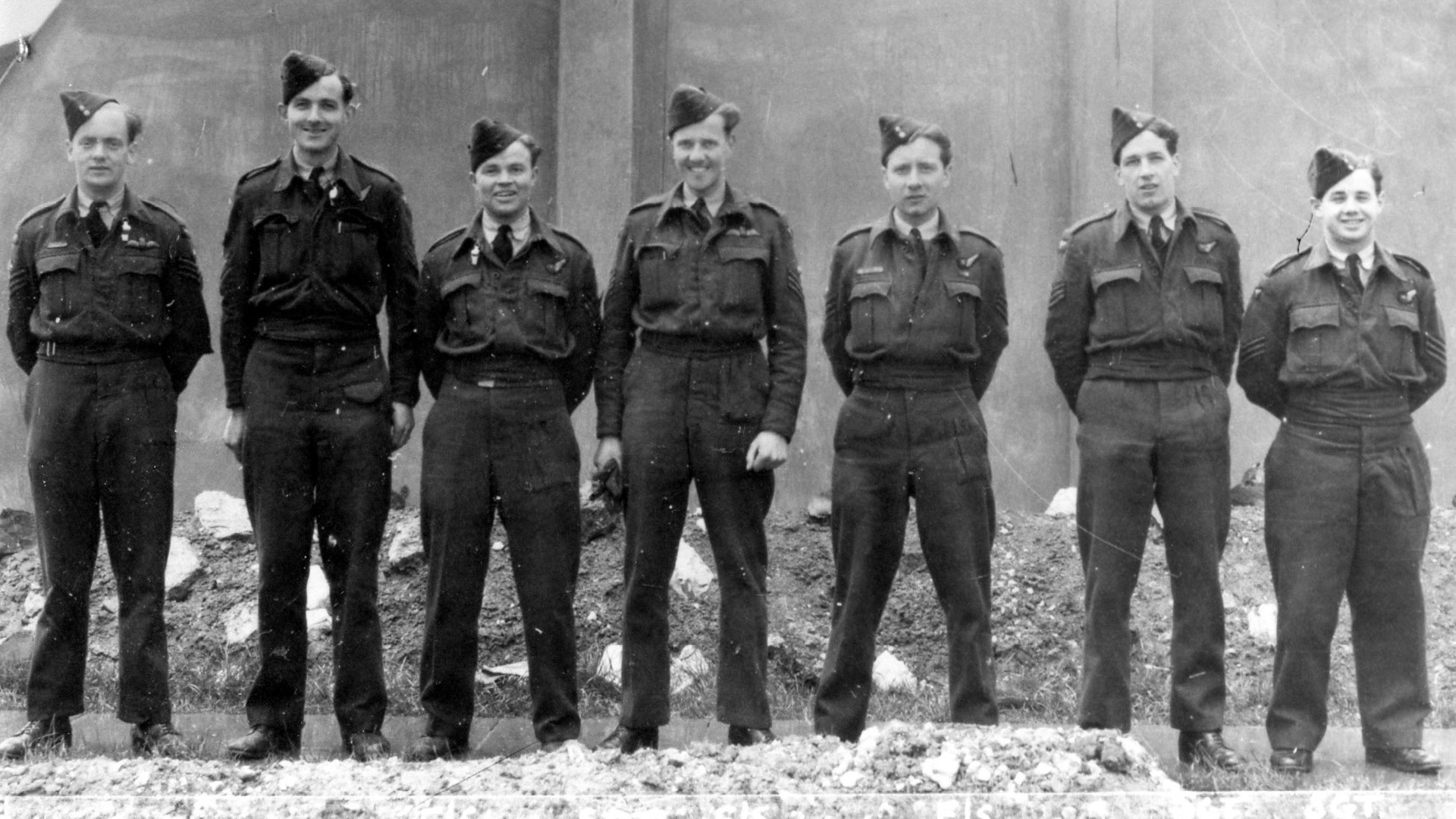
Mr Blackman served in the RAF 500 Squadron and took part in the bombing of Hitler’s mountain retreat in Bavaria in April 1945. In the same month, he made emergency food drops on the German/Dutch border where people were facing famine.
RAF 550 Squadron, with Flight Sargent Blackman pictured centre
He bought the Bentley in 1952 and drove it for 36 years before age caught up with him and the car was taken off the road. It remained in his garage ever since.
Damian Jones, head of sales at H&H Classics said: “This is the ultimate Bentley ‘barn-find’ in the marque’s centenary year. It is a really wonderful discovery for all fans of the marque made even more special in the make’s 100th birthday year.
“It sold last time for just £260 so this time we believed it would do a thousand times better and it did not disappoint.”
He added: “This Bentley is so unusual because it was assembled in the mid 1930s using a chassis and mechanical parts which dated from no later than 1931.”
“Only the body was freshly made when the car was assembled and sold as a new car in 1936. The W.O. Bentleys made from 1919 to 1931 are far more valuable than the Derby Bentleys which followed from 1933 to 1940. The car was accepted as a W.O. Bentley because its chassis and mechanicals were all made during the W.O. era.”
One in five Londoners feel they have no choice but to own a car to get around, according to figures released by London Assembly Green Party Member, Caroline Russell.
This flies in the face of the Mayor of London’s ambitious plan to persuade Londoners to reduce car use, with Sadiq Khan seeking to reduce the capital’s dependency on the automobile. In 2017, the Mayor said he wanted 80 percent of journeys to be made using public transport, cycling or walking, with the aim of reducing car journeys in London by three million a day by 2041.
But while the one in five figure appears to be rather stark for central London, the picture is even worse in outer London, where 25 percent of people say they feel ‘forced’ into car ownership.
Caroline Russell said: “Being forced to have the extra expense of a car because you’re left without an alternative should be an alarm bell to the Mayor who is encouraging Londoners to ditch dirty vehicles – but they need convenient and close public transport to use instead.
“For people who feel they have no other option than to own and run a car is a sad situation. For the Mayor to reach his target for journeys made by public transport, walking or cycling – he needs to help these Londoners first.
“Walking and cycling are the best ways to travel – I use a bike to get to work every day and I’d like every Londoner to have this option. Much more work needs to be done to reduce road danger and make the streets pleasant and safe for people to walk and cycle.
“Outer London has the biggest potential for people choosing other ways to travel instead of their cars – the Transport Committee has continually recommended improvements to the bus network in outer London but progress is painfully slow.”
Last year, Caroline Russell published a damning assessment of the Mayor’s pledges, claiming his plan to “triple protect cycle lanes” and deliver “a mini-Holland for every London borough that wants one” was showing “little sign of being met”.
One Londoner told Caroline: “To be honest, I don’t think the Mayor is doing anything on anything, not just cycling. We have a national problem where drivers get inside their metal box and believe that everyone should get out of their way.”
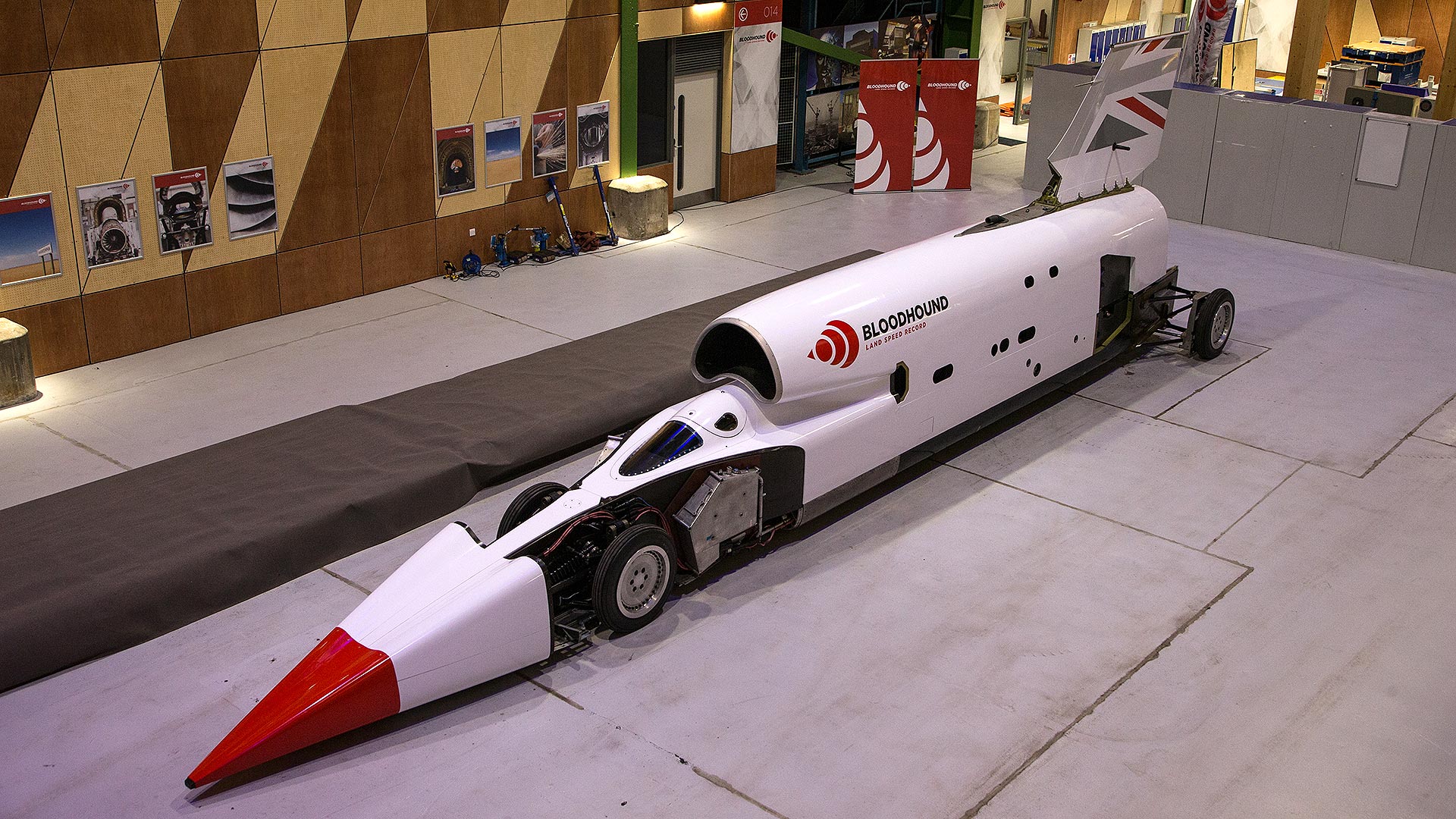
It looks like full-speed ahead for the Bloodhound land-speed record (LSR) attempt, with the news that the company has opened new headquarters in Gloucestershire.
This follows a disastrous end to 2018, with the project plunging into administration in October, before being axed in December when attempts to find a backer appeared to reach a dead end. But thanks to a Yorkshire-based investor called Ian Warhurst, the 1,000mph car was given an 11th-hour reprieve.
Going under a new name of Bloodhound LSR, the programme has been completely rebranded, with the famous car given a new red and white livery. A freshly assembled team will join the jet- and rocket-powered car at its new home at SGS Berkeley Green University Technical College (UTC) on the Gloucestershire Science and Technology Park.
‘Starting with a clean slate’
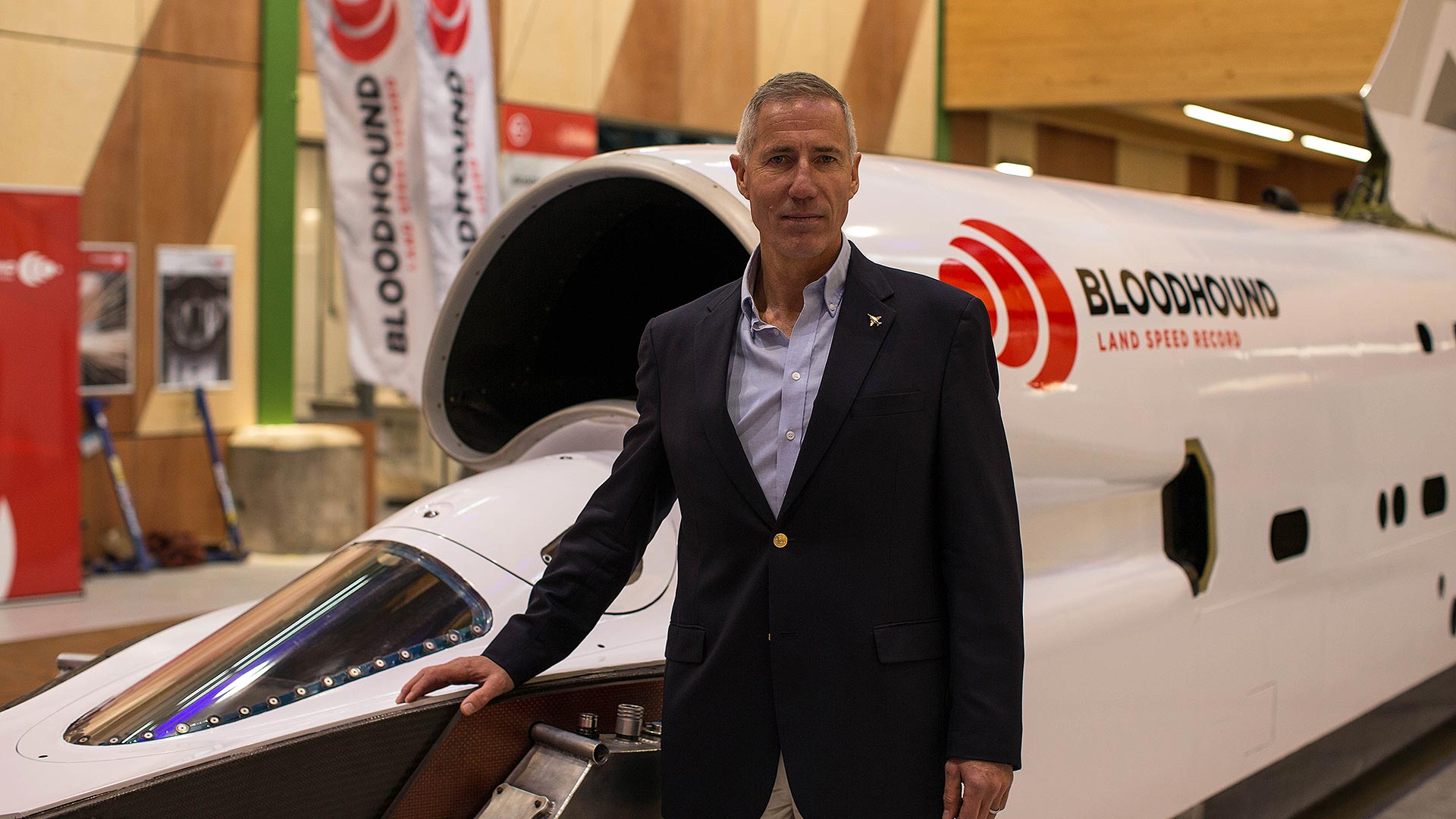
Speaking at the opening of the new HQ, Ian Warhurst said: “Since buying Bloodhound from the administrators last December, the team and I have been overwhelmed by the passion and enthusiasm the public have shown for the project.
“Over the last decade, an incredible amount of hard graft has been invested in the project and it would be a tragedy to see it go to waste.
“Starting with a clean slate, it’s my ambition to let Bloodhound off the leash see just how fast this car can go. I’ve been reviewing the project and I’m confident there is a commercial business proposition to support it.
“I’ll provide robust financing to ensure there is cash flow to hit the high-speed testing deadlines we set ourselves.”
Ian is joined by driver and current land speed record holder Andy Green (pictured above), engineering director Mark Chapman, chief financial officer Rick Sturge, operations director Martyn Davidson, commercial director Ewen Honeyman, along with many of the original mechanics and technicians.
‘A very hard fight’
Former Bloodhound CEO Richard Noble said: “It was a very hard fight to create the Bloodhound car, the largest STEM programme in the UK, the public engagement programme and the 1,000 man year desert preparation.
“Our weakness had always been finance and now after Administration, with Ian Warhurst the team finally has the financial support it needs to drive forward with confidence and achieve what we set out to do nearly 12 years ago.”
Bloodhound LSR is looking for sponsors to help to the project to the next phase, with the dates of high-speed test runs to be announced “once operational and logistics planning is complete”.
The objective is to break the world land-speed record, which is currently 763.035mph. Bloodhound is targeting 1,000mph.
Today’s hot hatches offer a level of performance once reserved for high-end sports cars, while some even dare to deliver their fun through all four wheels. But that doesn’t mean the junior hot hatch is any less relevant today than it was 20 years ago. Here, we list some of our favourite hot hatches, including a few classic heroes from days gone by.
Volkswagen Up GTI
Right now, we reckon the Volkswagen Up GTI is the best junior hot hatch you can buy. It’s not especially quick – the 0-62mph time of 8.8 seconds feels decidedly old-school – but thanks to its characterful soundtrack, the ‘wheel at each corner’ design and a willingness to hustle along a B-road like a terrier after a ball, it’s terrific fun. Yours for as little as £14,315.
Here’s one they made earlier. The Volkswagen Lupo GTI was never a big seller in the UK – it was too expensive, for a start – but it’s now well on its way to classic status. It feels even more old-school than the Up GTI, courtesy of its 1.6-litre naturally aspirated petrol engine and ‘golf ball’ gear knob. You’ll need to part with at least £5,000 for a good one, but cherished examples can fetch considerably more.
On the face of it, the Citigo Monte Carlo might appear to be a case of style over substance – it does gain a lowered suspension, mind – but this thing is an absolute hoot to drive. Prices start from a little over £11,500 for the three-door. Pound for pound, we reckon it’s one of the most rewarding cars you can buy.
James May once described the Citroen AX GT as the best car in the world, but did concede that it would probably kill you in a crash. But the GT’s lightness was its strength, with the AX capturing the essence of what makes a great junior hot hatch. After years in the doldrums, the world is waking up to the brilliance of the AX GT. Just in time, too, because there are around 40 on the road, with a further 200 listed as SORN.
The current Suzuki Swift Sport must have exceedingly strong shoulders because it has a formidable reputation to uphold. The fact is, there hasn’t been a bad Swift Sport, whether you opt for the original five-speed version (pictured) or the slightly more grown-up second-generation model. The new Swift Sport trades the naturally aspirated engine for a turbocharged motor and the result is an even more grown-up take on the old-school recipe.
Some would claim, especially those with a fondness for cars with an Italian flavour, that the Fiat Panda 100HP is the best junior hot hatch of the new millennium. It’s fun at any speed, practical, great to look at, and cheap to insure. Sure, you’ll need your chiropractor on speed dial to cope with the ride quality, and the steering is over-assisted, but the pros outnumber the cons. Buy one, then try to stop smiling.
Nobody does small and mighty quick like the Japanese. The Charade GTti was Daihatsu’s high-tech answer to the European hot hatches of the day, packing enough power to punch above its weight. The tiny 993cc three-cylinder turbocharged engine delivered 99bhp, or 100bhp per litre, making it, at the time, the most powerful 1.0-litre production car in the world.
Daihatsu Charade Turbo
Somebody at Daihatsu must have believed that a USP was a shortcut to success. The previous generation Charade Turbo was billed as world’s smallest turbocharged car, with its 993cc delivering a familiar three-pot soundtrack. In its day, the Charade was a proper giant-killer, with a bargain price tag to boot. Try finding one today, mind.
Lancia Y10 Turbo
If the Charade Turbo was the world’s small turbocharged, the Lancia Y10 Turbo could take the crown in Europe. The Y10 was positioned as a luxury and avant-garde supermini, with the Turbo designed to add some power to its undoubted flair. Badged as an Autobianchi in Italy, the Y10 was never a big seller in the UK, but its Brazilian-built 1,049cc turbocharged engine meant that it went head-to-head with the Charade in the battle for niche supremacy.
Fiat Uno Turbo
The Fiat Uno Turbo might scream injustice at being labelled a ‘junior’ hot hatch, as it’s more than capable of holding its own against the heavyweights of the breed. Fiat left it late before joining the rapid hatchback party, but it was worth the wait, with the 1.3-turbocharged engine combining with an impressive chassis to create a terrific all-rounder.
Peugeot 205 XS
Every sorcerer needs an apprentice. Every stage performer needs an understudy. The Peugeot 205 XS will forever live in the shadows of its more illustrious – and increasingly expensive – sibling, but dismiss this upstart at your peril. It shares much in common with the AX GT – most notably the 1,360cc engine – offering a barrel-load of giggles in a wonderfully simple package.
Renaultsport Twingo
OK, so it turns out they do make ‘em like they used to. If you’re left feeling disappointed that the new Twingo GT isn’t quite the pocket-size Porsche 911 you hoped it would be, the outgoing Renaultsport version will leave you rivalling the Cheshire Cat for grinning supremacy.
Daihatsu Cuore Avanzato TR-XX R4
We owned one of these tiny tearaways and christened it ‘the box of frogs’. That tells you all you need to know about this fun-size, Japanese entertainer. Mad and magnificent.
AMC Gremlin X
Here’s another American wildcard: the AMC Gremlin. At the time, the US car industry was waking up to the fact that young Americans quite fancied a low-cost, cheap-to-run and stylish car. Brilliantly, American Motors decided to add a V8 option, which must have been lively in a lightweight, rear-wheel-drive car. Oh, and we know that strictly speaking, a hot hatch should be front-wheel drive.
Suzuki Ignis Sport
Suzuki built the Ignis Sport to enable it to go racing, which is something it did to great effect in the Junior World Rally Championship. Which makes the Ignis Sport a junior hot hatch with genuine pedigree. It also has yellow fishnets in the head restraints. Perfect.
Ford SportKa
Some cars just look right. Step forward the Ford SportKa, which wears its junior hot hatch credentials with pride, right down to a reversing light that resembles a centre exhaust. Its 1.6-litre engine delivers just 94hp, a figure that seems unfathomable in the context of today’s turbocharged city cars and superminis, but the SportKa is a willing entertainer and a proper fast(ish) Ford.
Nissan Micra 160SR
“Put your cynicism on hold for a second – this is a genuinely fun little car.” Not our words, Carol. The words of Richard Meaden in Evo magazine. You know you want it. No, really, you do. Amazingly, these things start from as little as a grand. Now you’re tempted.
Toyota Yaris GRMN
With a £26,295 price tag and a supercharged engine producing 212hp, the Toyota Yaris GRMN edges close to full-fat hot hatch territory rather than a junior plaything. Our man Tim Pitt reckons it offers “plenty of smiles per mile” and that Toyota has “transformed an ordinary car into an extraordinary one”. High praise.
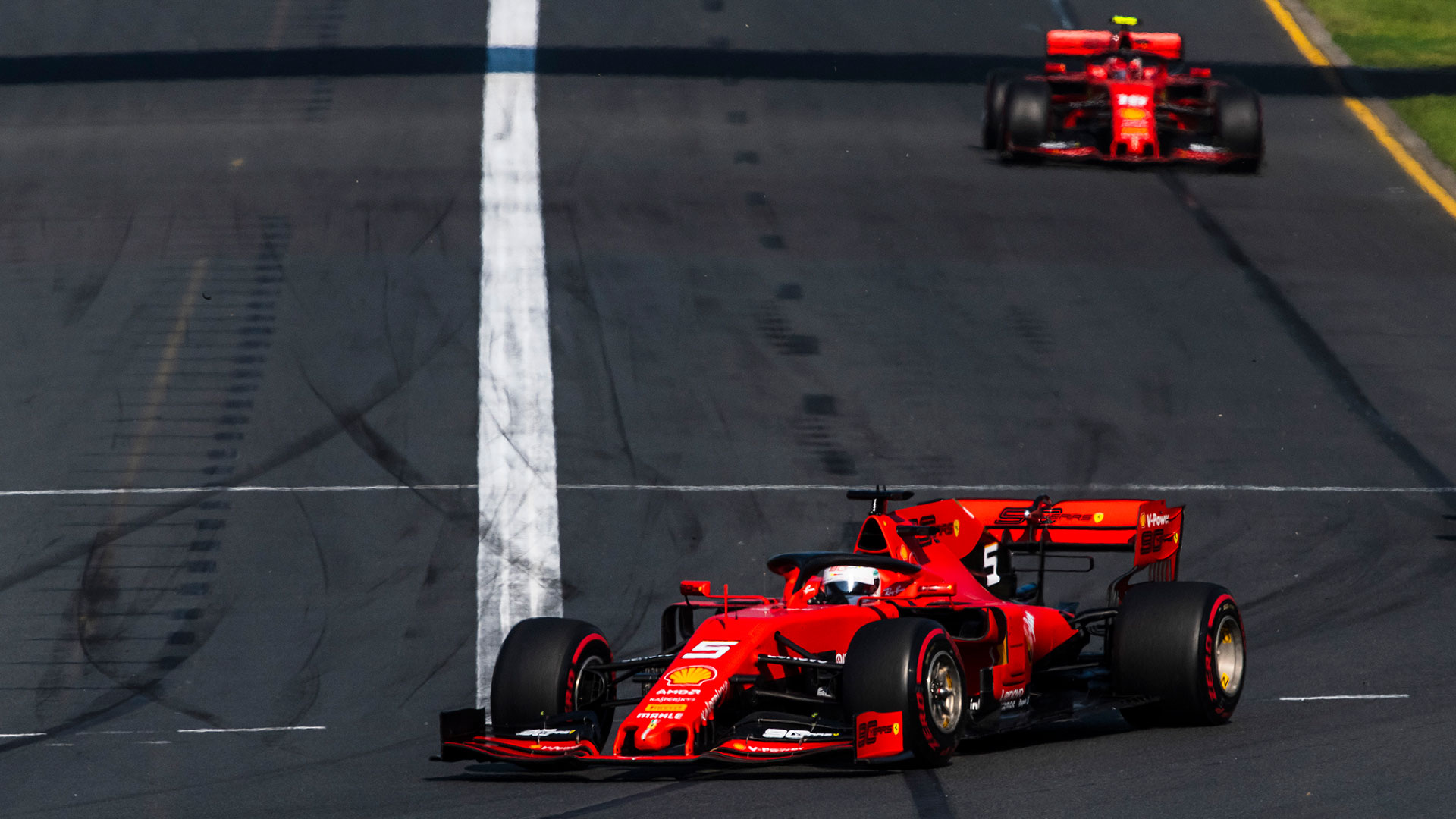
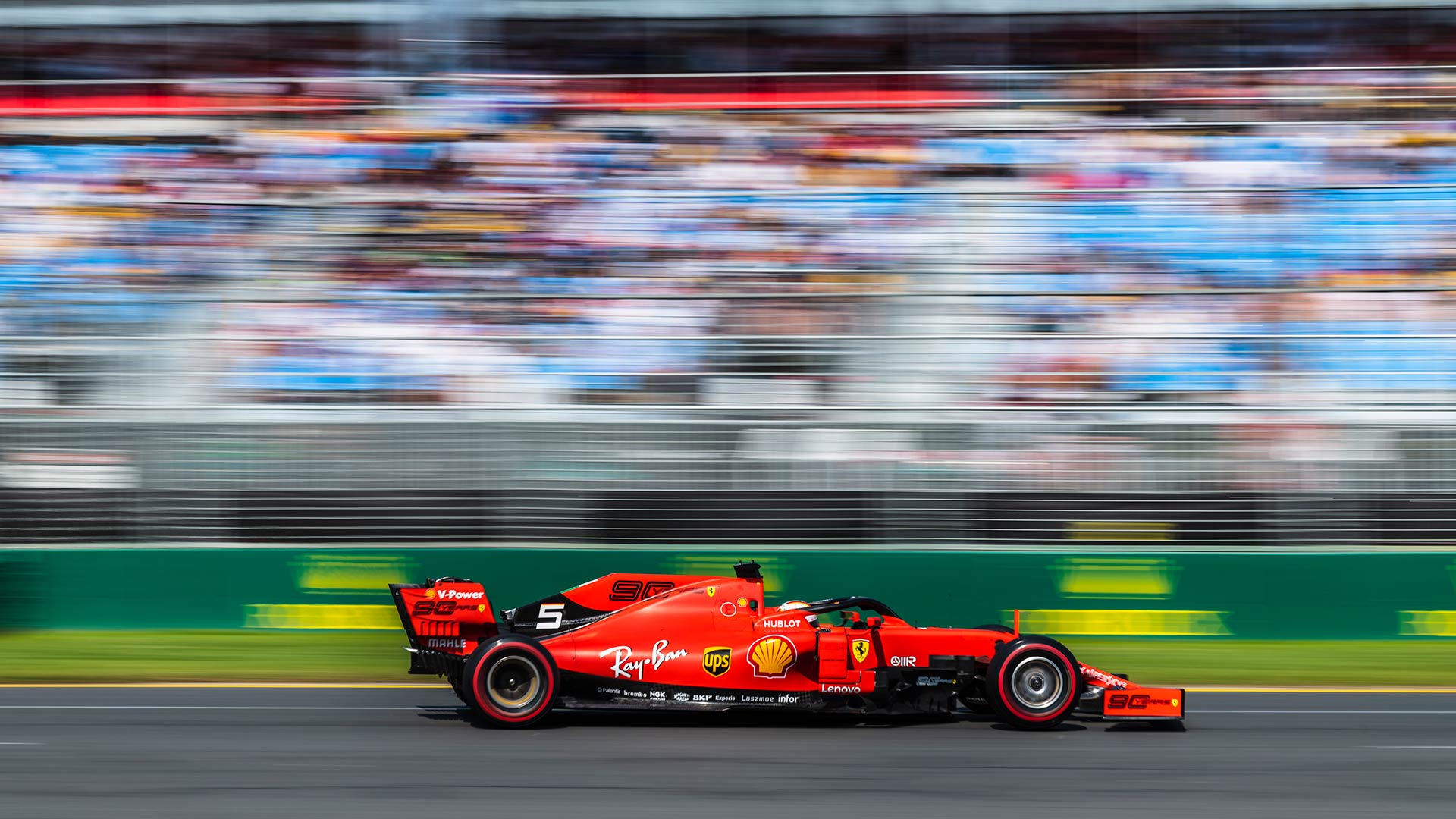
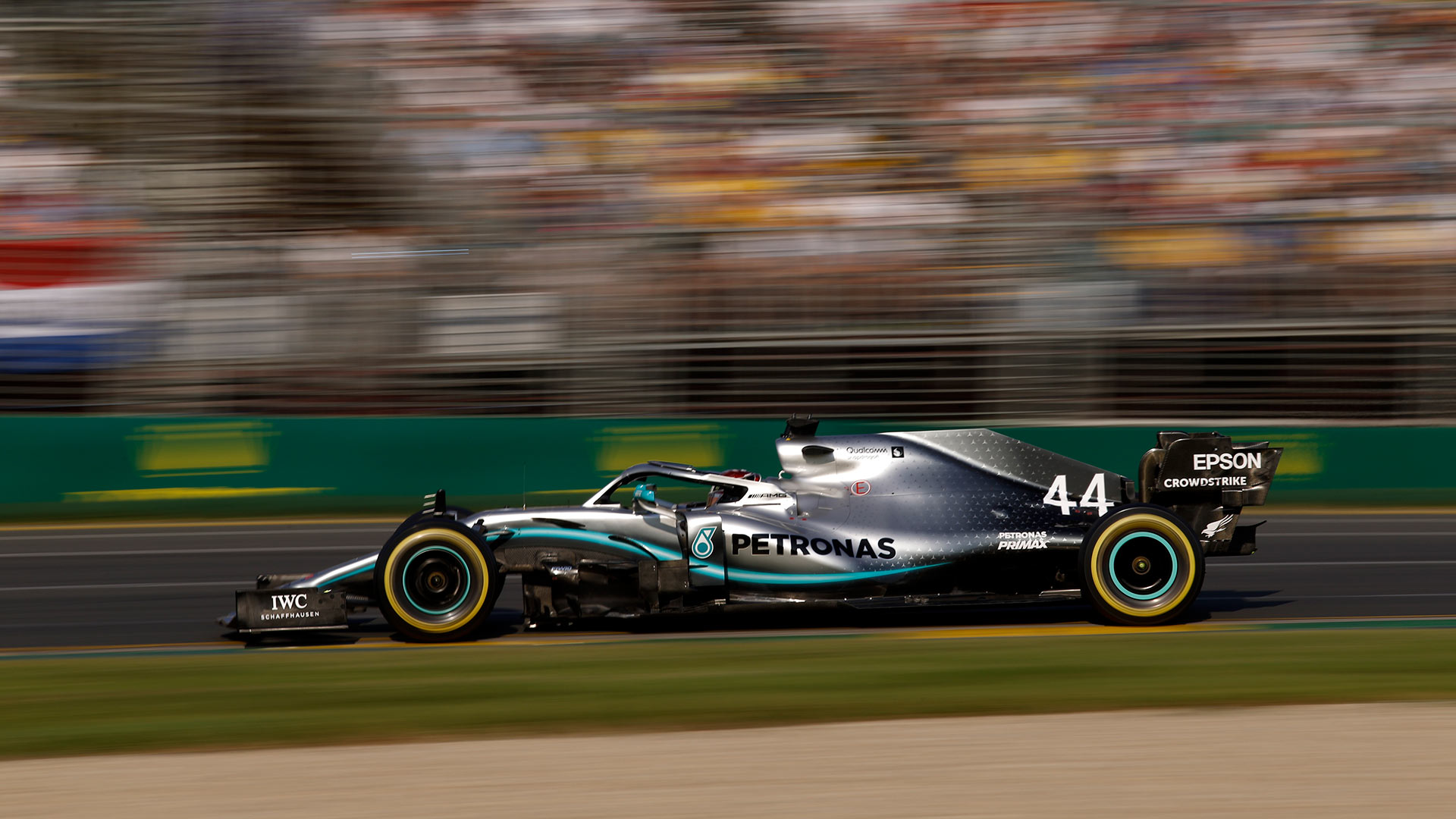
Mercedes-AMG may have taken victory in the 2019 Australian Grand Prix, but title rivals Ferrari celebrated corporate success before the season even began.
That is the message from sports market intelligence company Sportcal, who have examined the sponsorship situation for all ten teams competing in F1.
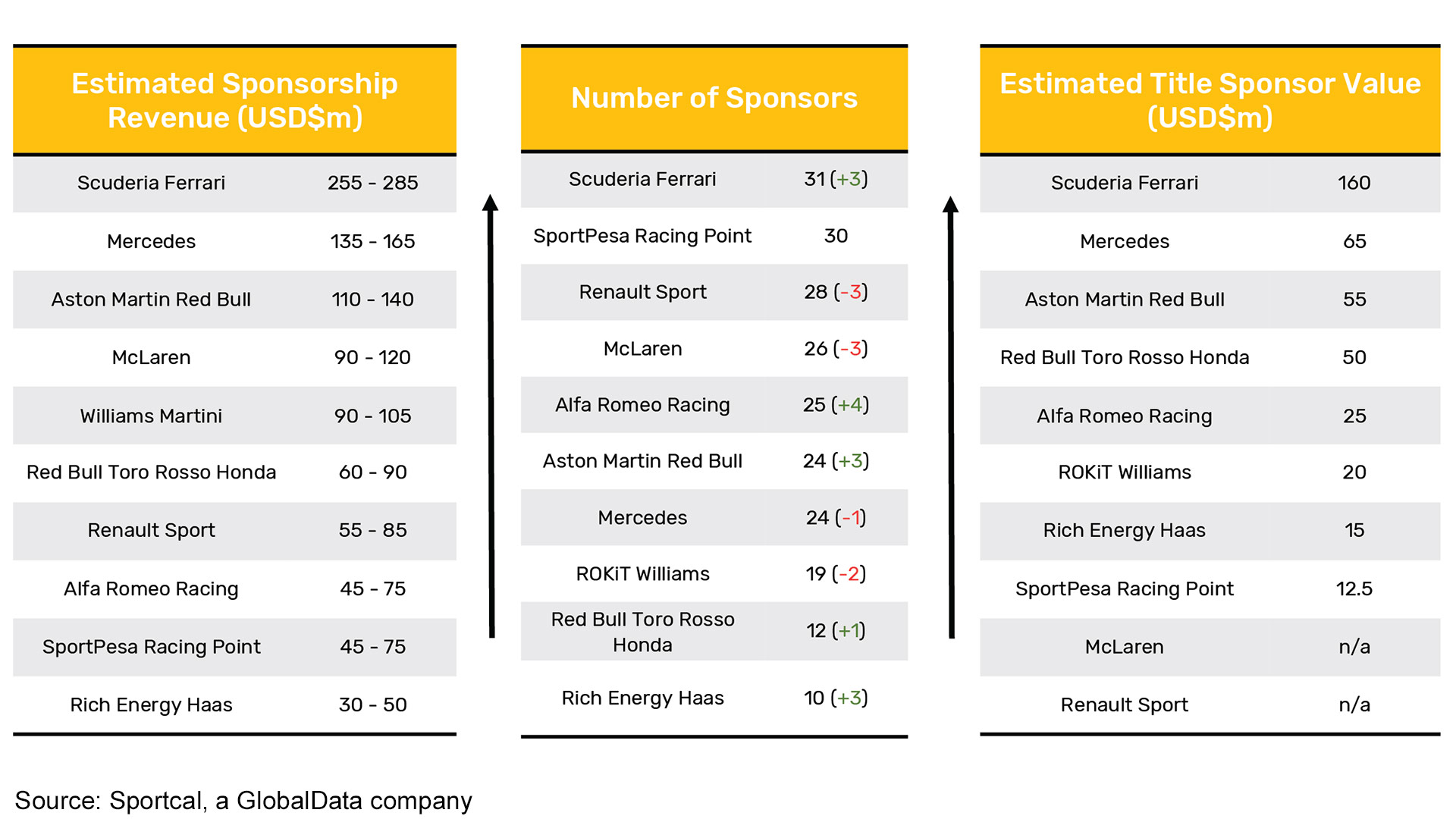
Scuderia Ferrari took a triple crown, with the greatest number of sponsors, highest total revenue, and the top-paying title sponsor.
What makes Ferrari’s success more impressive is that the logo of title partner, Philip Morris International, is hardly seen on the car throughout the year.
The tobacco giant has sponsored the team with the Marlboro brand since 1995, and has continued to do so despite tobacco sponsorship being banned outright from the sport since 2006.
For 2019 it uses the ‘Mission Winnow’ brand on Ferrari’s race cars, which is meant to reflect the changes being made at the tobacco company. Regardless of the name, it still brings in an estimated $160m (£121m) according to Sportcal.
The money from Philip Morris International takes Scuderia Ferrari’s total estimated sponsorship revenue to an astonishing $255 – 285m (£193 – 215m).
This is substantially ahead of championship rivals Mercedes-AMG, who have an estimated revenue of $135 – 165m (£102 – 125m). Red Bull Racing feature in third for total sponsorship income, bringing in $110 – 140m (£83 – 106m).
Despite the lack of a main title sponsor, McLaren manage to take fourth in the sponsor monies table, with an estimated income of $90 – 120m (£68 – 91m).
At the bottom of the list are Haas who, despite bagging Rich Energy as a title sponsor for 2019, are believed to be taking home just $30 – 50m (£23 – 38m) in sponsorship revenue. Haas is noted to have just 10 sponsors for 2019 – the least of any team.
Instead, the outfit originally founded by Vijay Mallya has become SportPesa Racing Point. Despite the troubles suffered by Force India during 2018, the new team has attracted 30 sponsors, but only $45 – 75m (£34 – 57m) in revenue.
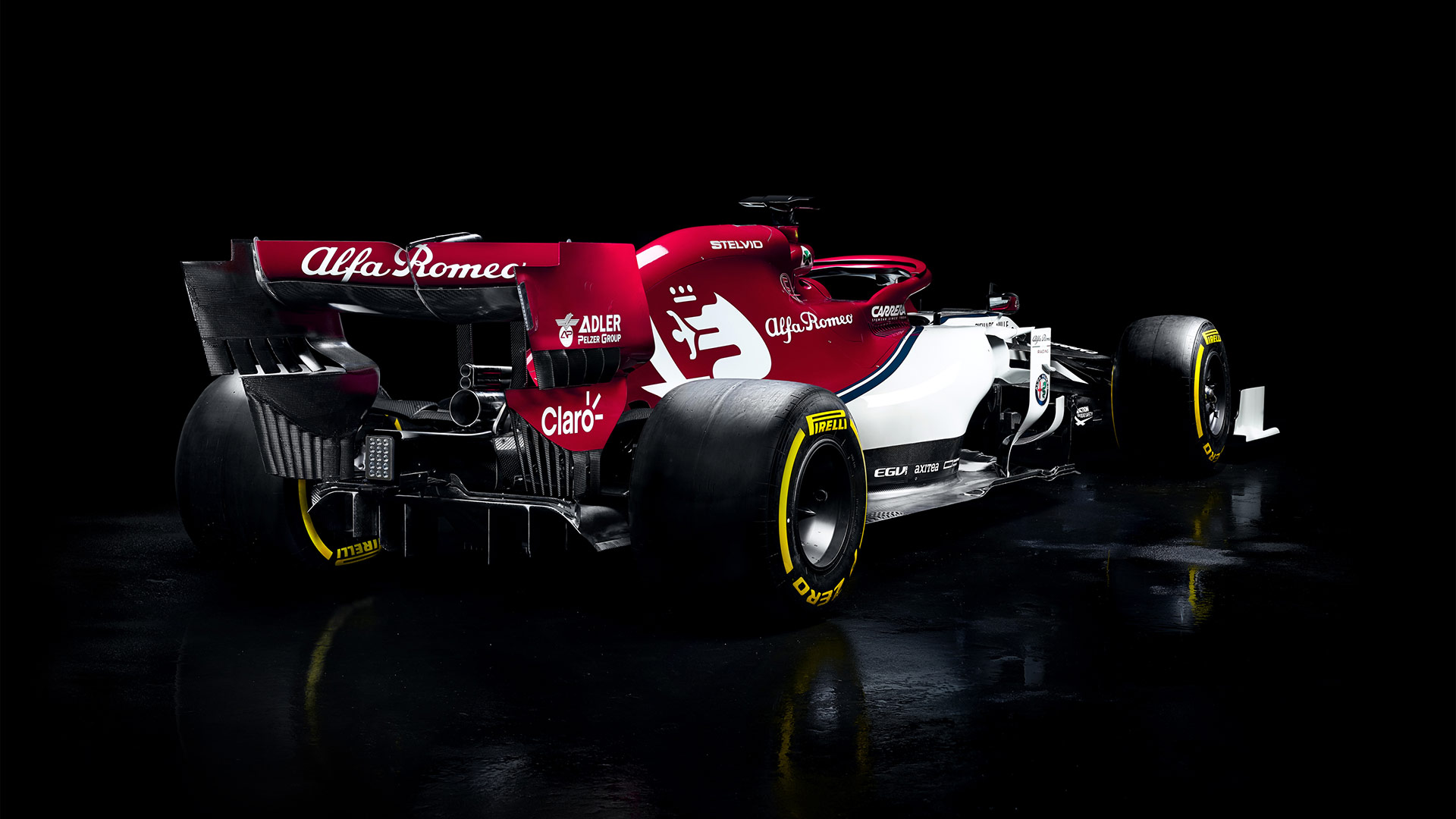
This places it level for sponsorship income with Alfa Romeo Racing, who have renamed the established Sauber team completely for 2019, following a sponsorship deal which began in 2018.
Whilst Williams Racing may be struggling on track with a dismal performance in the Australian Grand Prix, they can at least find solace in their financial situation.
Sportcal’s estimate of total revenue from sponsorship of $90 – 105m (£68 – 79m) places Williams in the middle of the pack. New lead sponsor Rokit accounts for $20m (£15m) of that money.
Regardless of the action on the track, seeing teams attracting and retaining sponsorship is vital to the success of Formula 1.
The sport is facing competition from new championships such as Formula E, along with the battle to generate interest amongst younger motorsport fans.
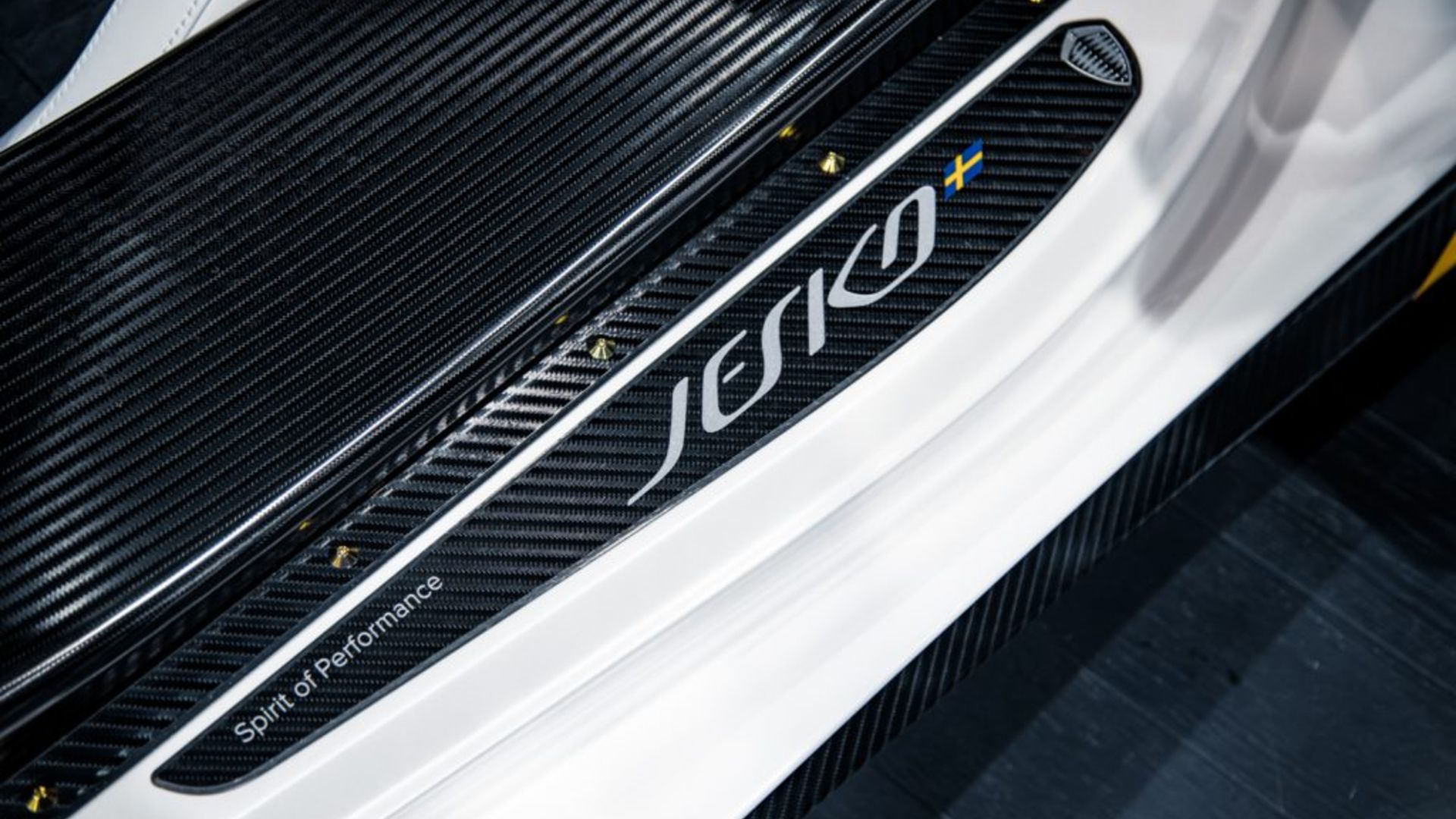
If you want an example of Koenigsegg’s latest world-beating hypercar and aren’t yet on the list to buy one, we have some bad news. Every one of the 125 cars mooted for production, from 2020 through to 2026, is spoken for.
Yes, even though Koenigsegg has only just started delivering the Regera, four years on from its debut, it has still sold out its latest hypercar, which debuted this month in Geneva. Quite the backlog for a company that has double-figure annual production numbers.
When the Jesko starts being made at the end of 2020, cars will be built at the rate of one per week.
“The new Koenigsegg Jesko is the highest volume production run we’ve ever planned,” said Koenigsegg founder and CEO, Christian von Koenigsegg.
“For it to have sold out within days of its unveiling is both humbling and a wonderful testament to the outstanding crew we have at Koenigsegg. From the visionary work of our designers, engineers and technicians to the incredible job done by our sales team and our global network of Koenigsegg dealers – it took a great team to bring the Jesko to the world.
“We are very thankful for the reception it’s received from the press, the public and of course, our growing family of Koenigsegg owners.”
Indeed, 83 of the 125 cars were spoken for before it was seen at Geneva.
Is it still possible to get one?
What chance of getting one now, then? Obviously, some cars will hit the pre-owned market, but that’s a game of chance. No, you can get in on the ground floor by ‘contacting your local Koenigsegg dealer’.
Allocations have allegedly been bought up by dealers to help those who couldn’t take the plunge at Geneva.
The Jesko club, when it was taking entries, had a £2.2 million entry fee. The car comes with an all-new nine-speed seven-clutch transmission and 1,600hp.
The high-downforce specification brings asphalt-ripping aerodynamics, although the Jesko will also be available in a ‘300’ spec with less aero. Reportedly, it’ll be good for 300mph.
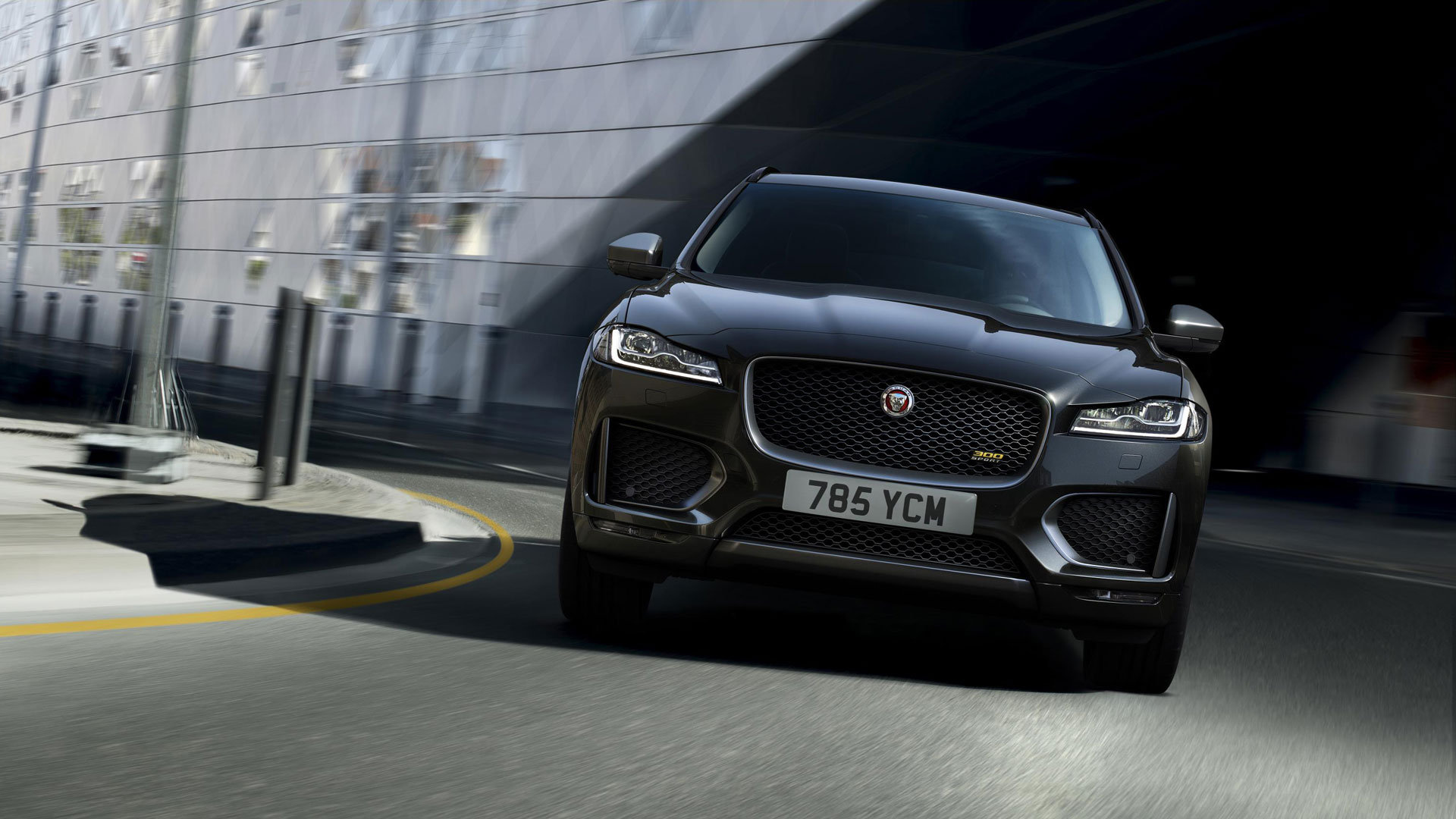
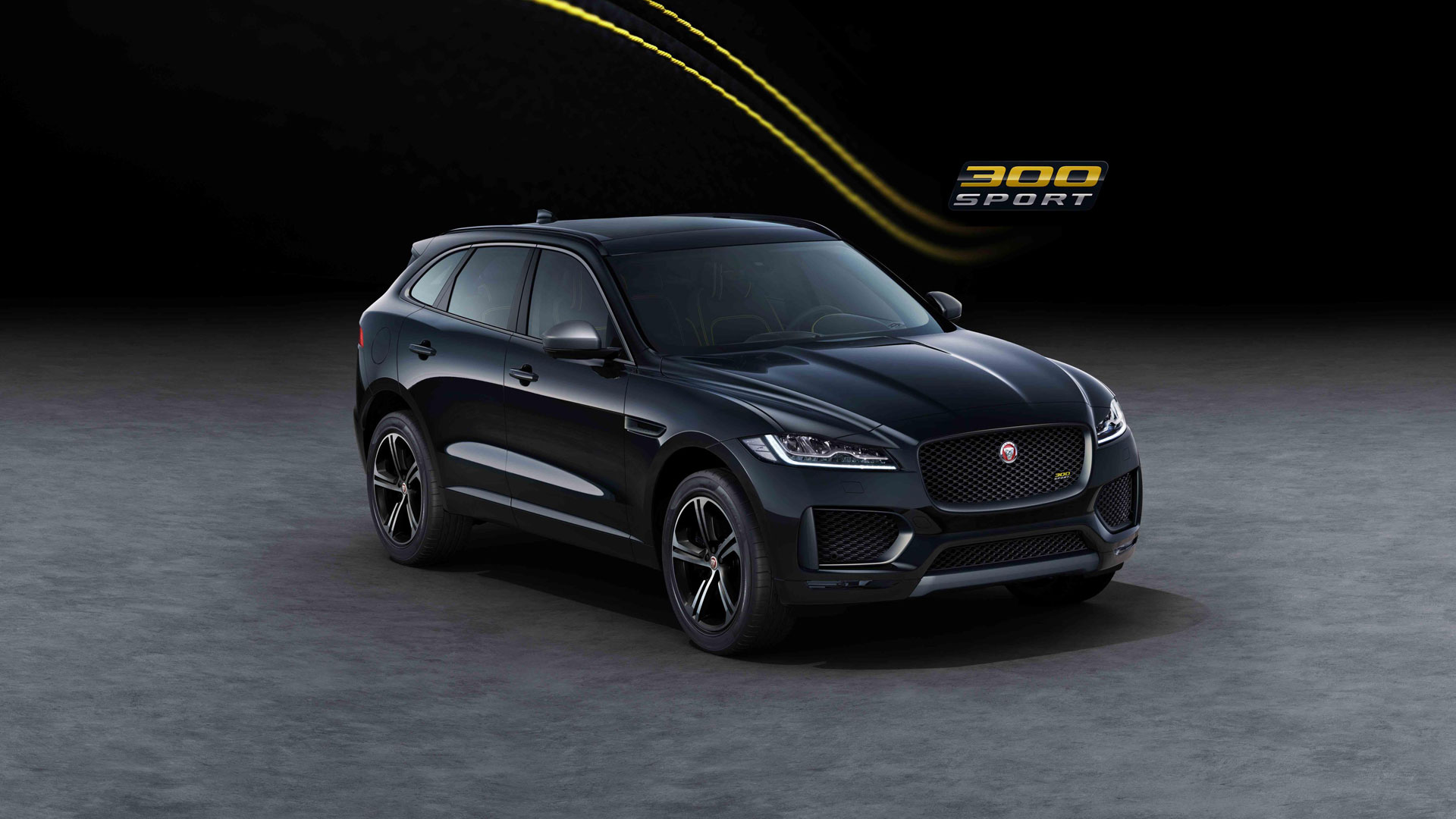
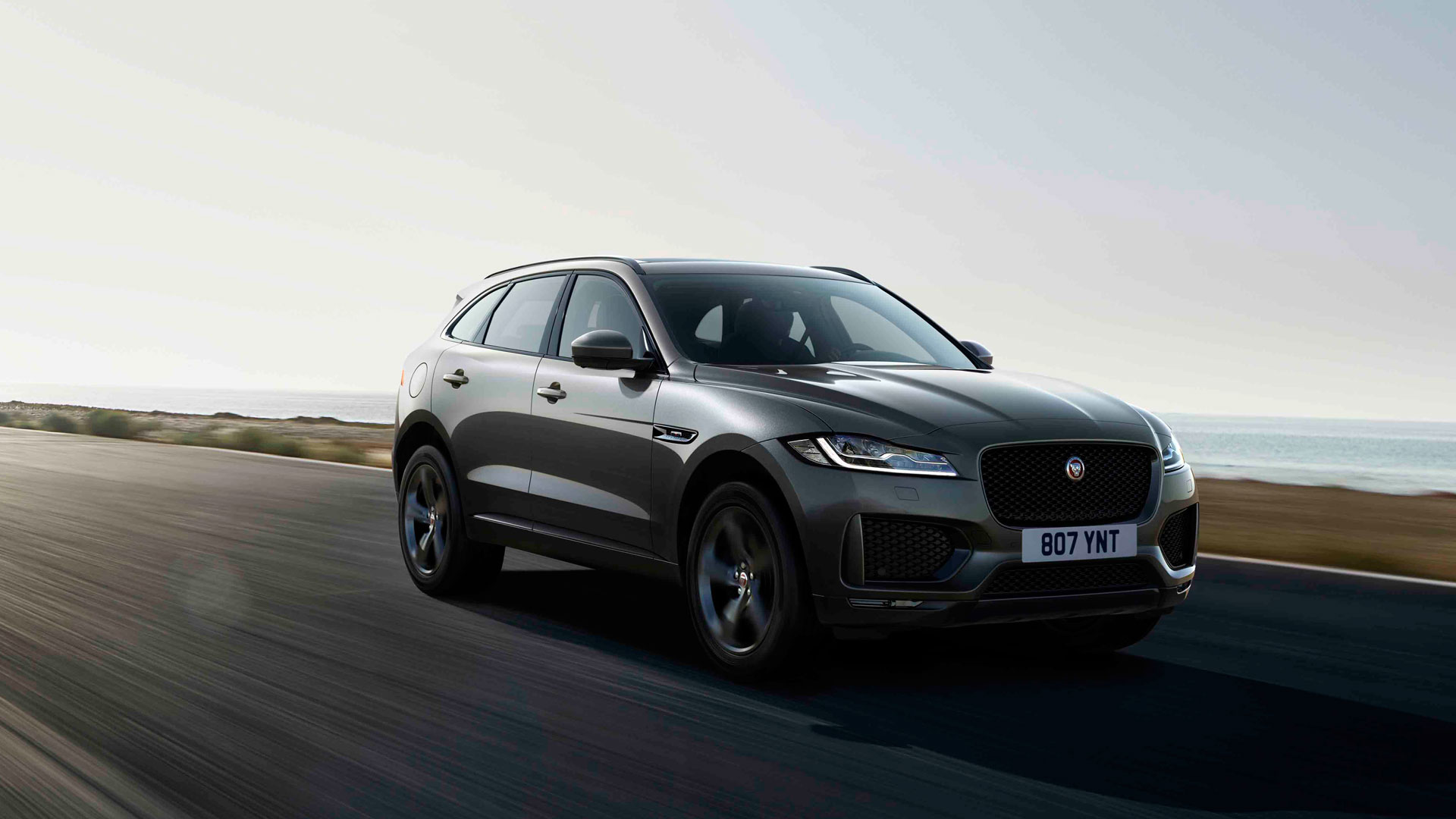
Jaguar has unveiled two special editions of its F-Pace SUV: a performance-led 300 Sport and a feature-packed Chequered Flag.
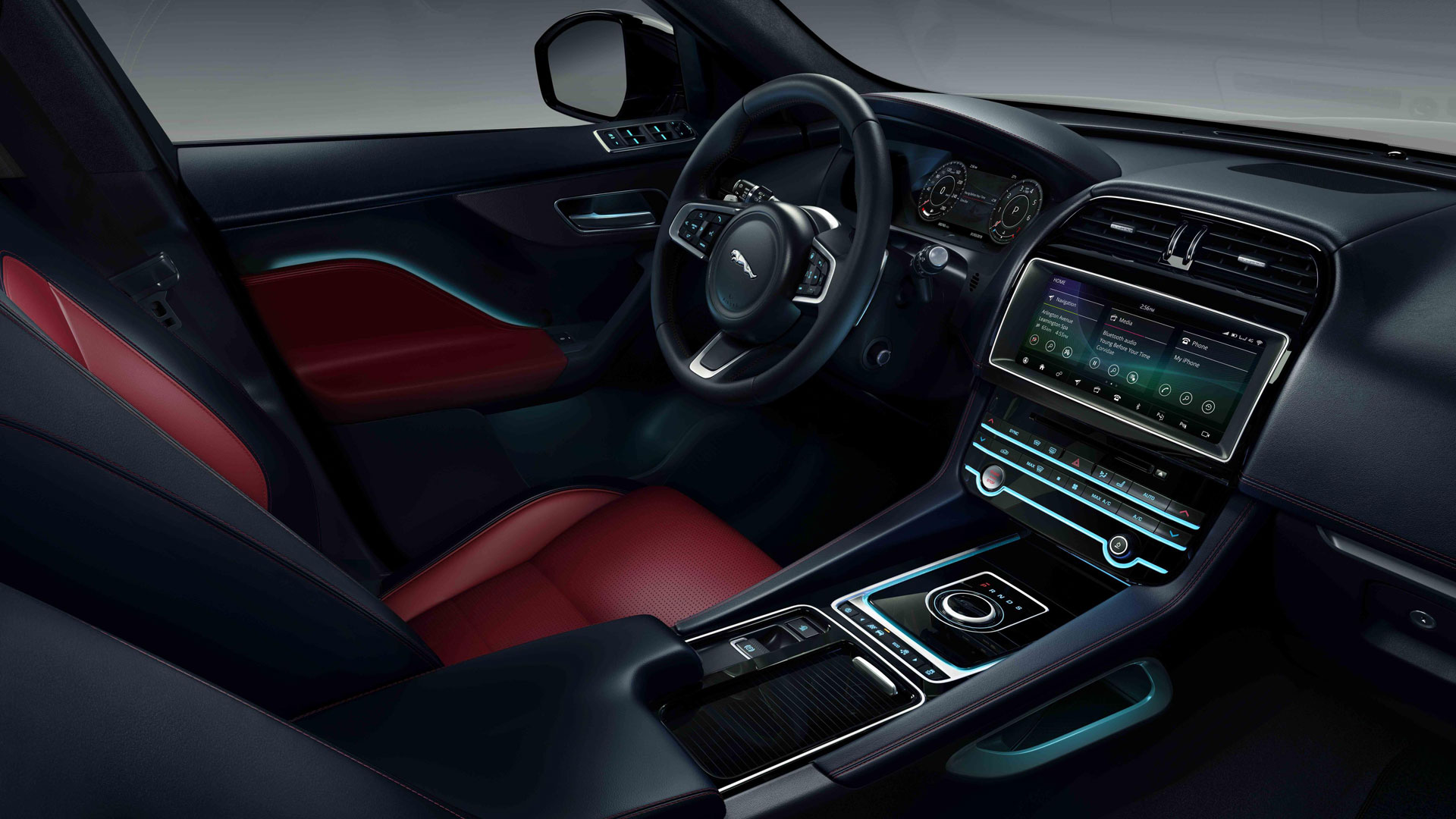
And tech fans rejoice, because the entire F-Pace range now comes with Apple CarPlay and Android Auto as standard.
Jaguar F-Pace 300 Sport
The F-Pace 300 Sport comes with a choice of two 300hp engines: a 2.0-litre Ingenium petrol and a 3.0-litre V6 diesel. The petrol offers 295lb ft of torque and can sprint to 62mph in 6.1 seconds, while the diesel delivers a thumping 516lb ft of torque and can accelerate from 0-62mph in 6.4 seconds.
In the petrol version, the F-Pace 300 Sport will hit a top speed of 145mph, with the diesel capable of reaching 150mph. Both are all-wheel-drive and equipped with a ZF eight-speed automatic transmission.
The 300 Sport models are distinguished by a set of 22-inch grey alloy wheels, dark satin grey exterior detailing, 300 Sport badges and a choice of three colours: Yulong White, Indus Silver and Santorini Black.
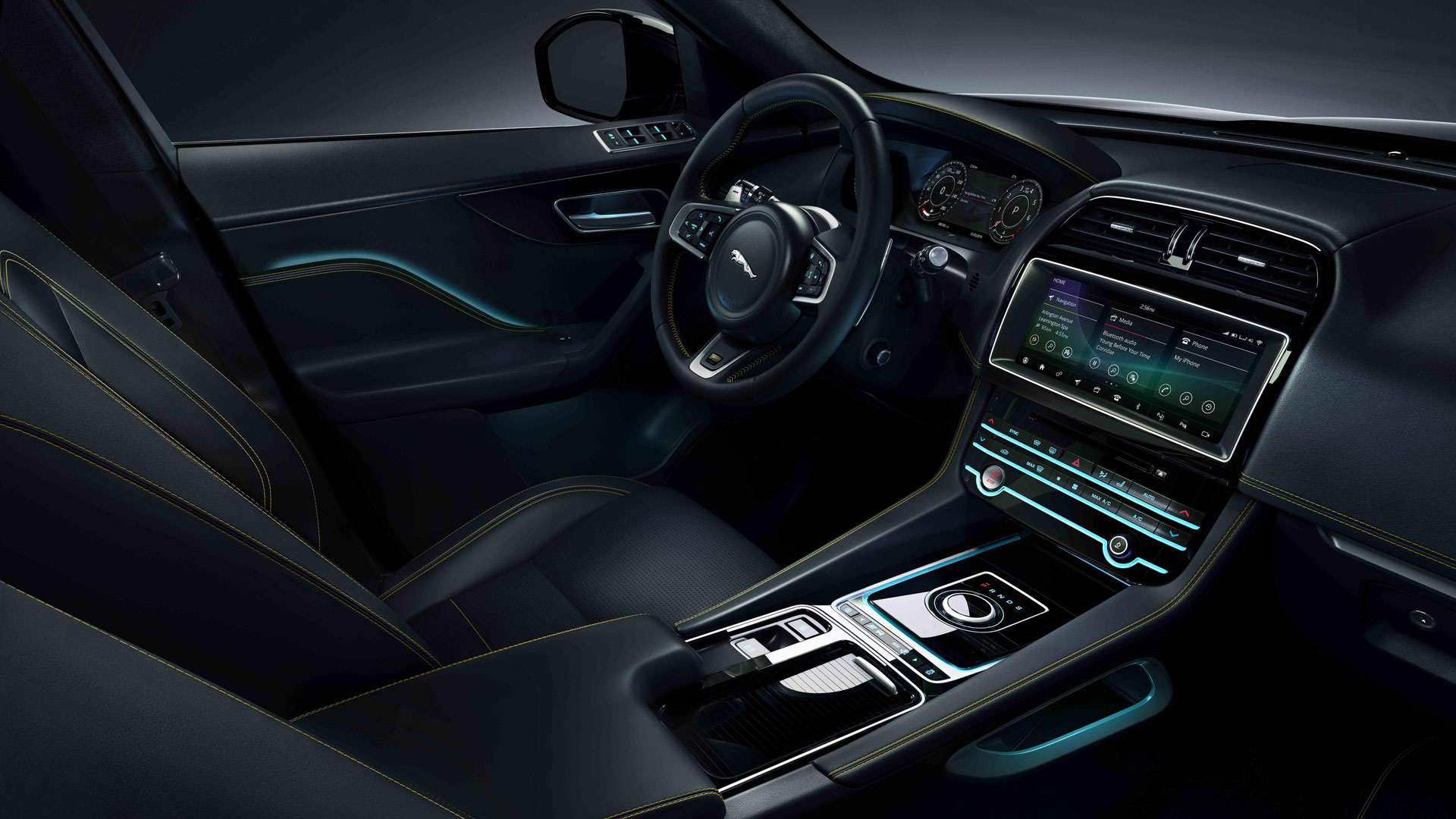
On the inside, 300 Sport versions get yellow contrast stitching, and a logo on the treadplates, carpet mats and steering wheel and front headrests. Standard spec includes Touch Pro Navigation, a 12.3-inch interactive driver display, Meridian sound system, panoramic roof and 14-way heated electric front seats.
The 300 Sport costs from £53,980, with Jaguar saying that it offers £8,430 of added extras compared with the petrol 300hp R-Sport, but at a price of less than £5,000 more. In the diesel, buyers get £4,555 of added extras over the F-Pace S for just £500 more.
Jaguar F-Pace Chequered Flag
The Chequered Flag edition is based on the R-Sport and comes with a host of exterior and interior upgrades. Highlights include a sport front bumper and gloss black detailing on the front grille, door cladding, side vents and roof rails.
Gloss black 20-inch alloy wheels are fitted as standard, with the Chequered Flag available in Yulong White, Santorini Black and Eiger Grey.
Inside, buyers are treated to leather trim, meshed aluminium detailing, Chequered Flag treadplates, 10-way electric front seats, Touch Pro Navigation, Meridian Sound System and a 12-inch interactive driver display.
A range of engine options are available and prices start from £46,995.
‘Something for everyone’
These are the headline acts of an F-Pace range refresh, with Jaguar adding ultra-low rolling resistance tyres to deliver CO2 improvements of up to 8g/km across the range. The standard fitment of Apple CarPlay and Android Auto is another welcome addition.
Ian Callum, Jaguar director of design, said: “The Jaguar F-Pace has established itself as the ultimate performance SUV. Not only does it combine sports car DNA with the practicality of a larger vehicle, it does so with a great aesthetic.
“The latest special editions build on this visual appeal by enhancing the model’s sporting character to each create something unique. The F-Pace line-up has something for everyone.”
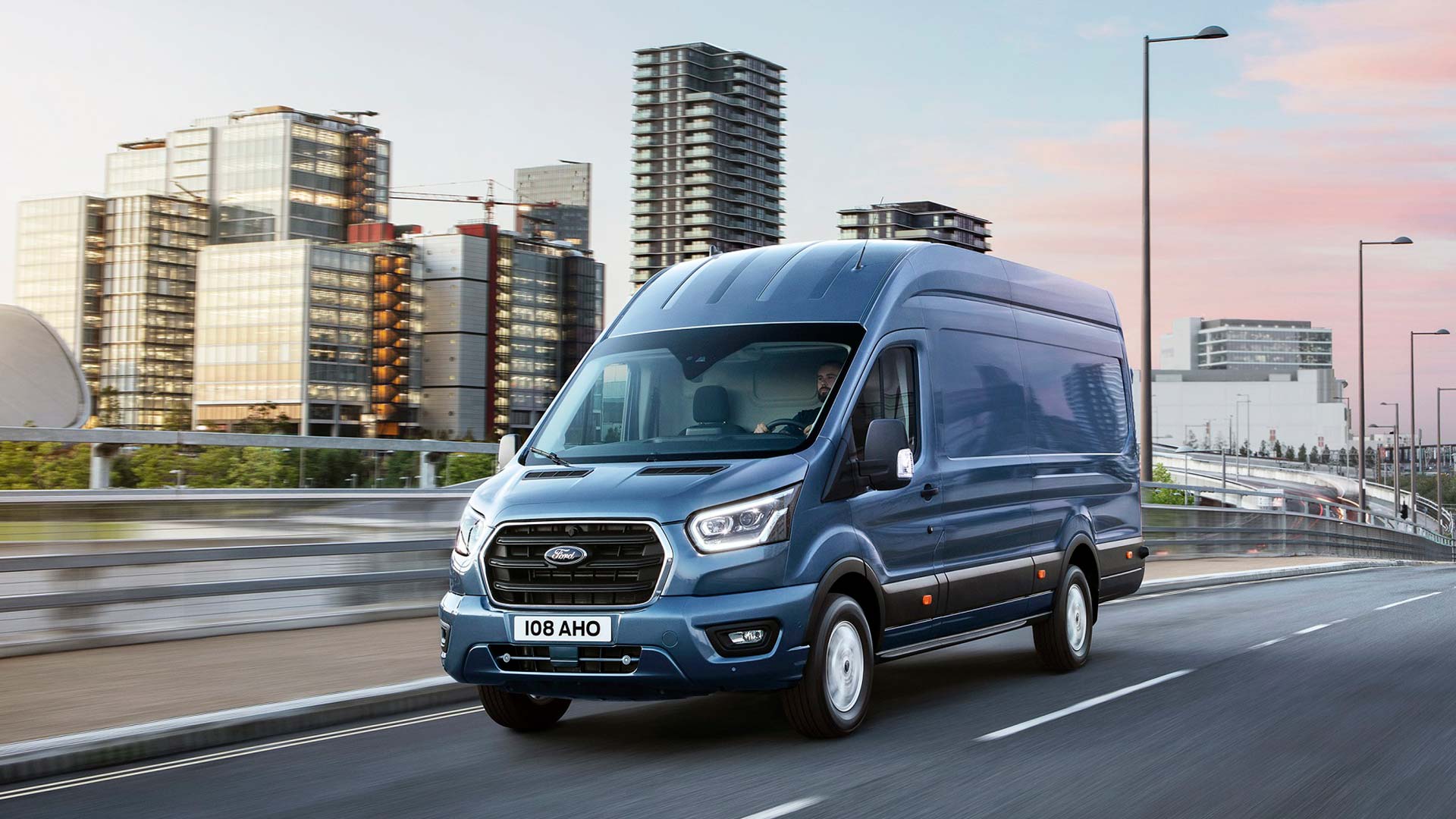 Ford is set to launch new technology designed to help those behind the wheel of a Transit van save fuel and money.
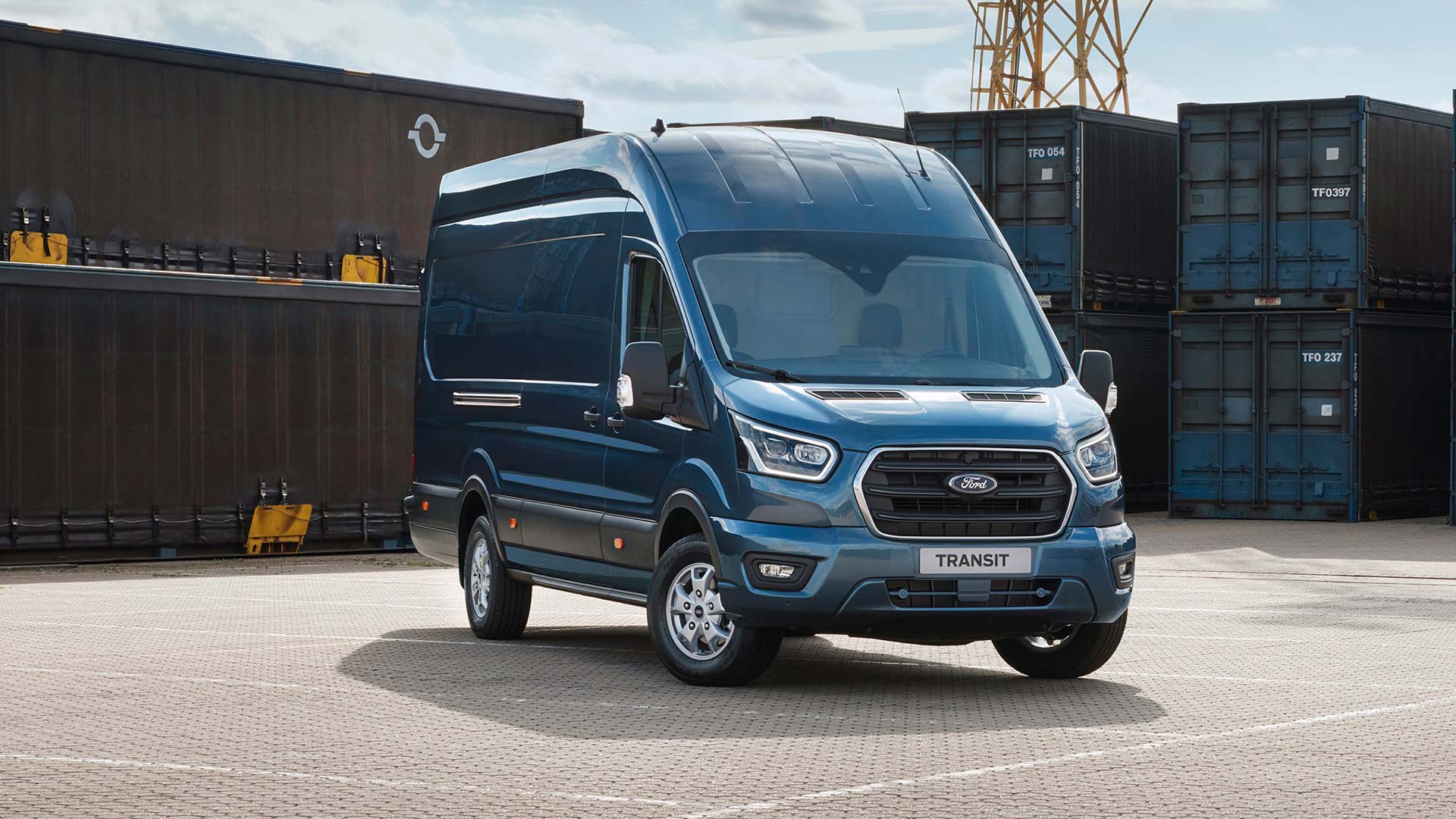 EcoGuide analyses information from the built-in sat-nav system to plot the most economical way to drive the route ahead.
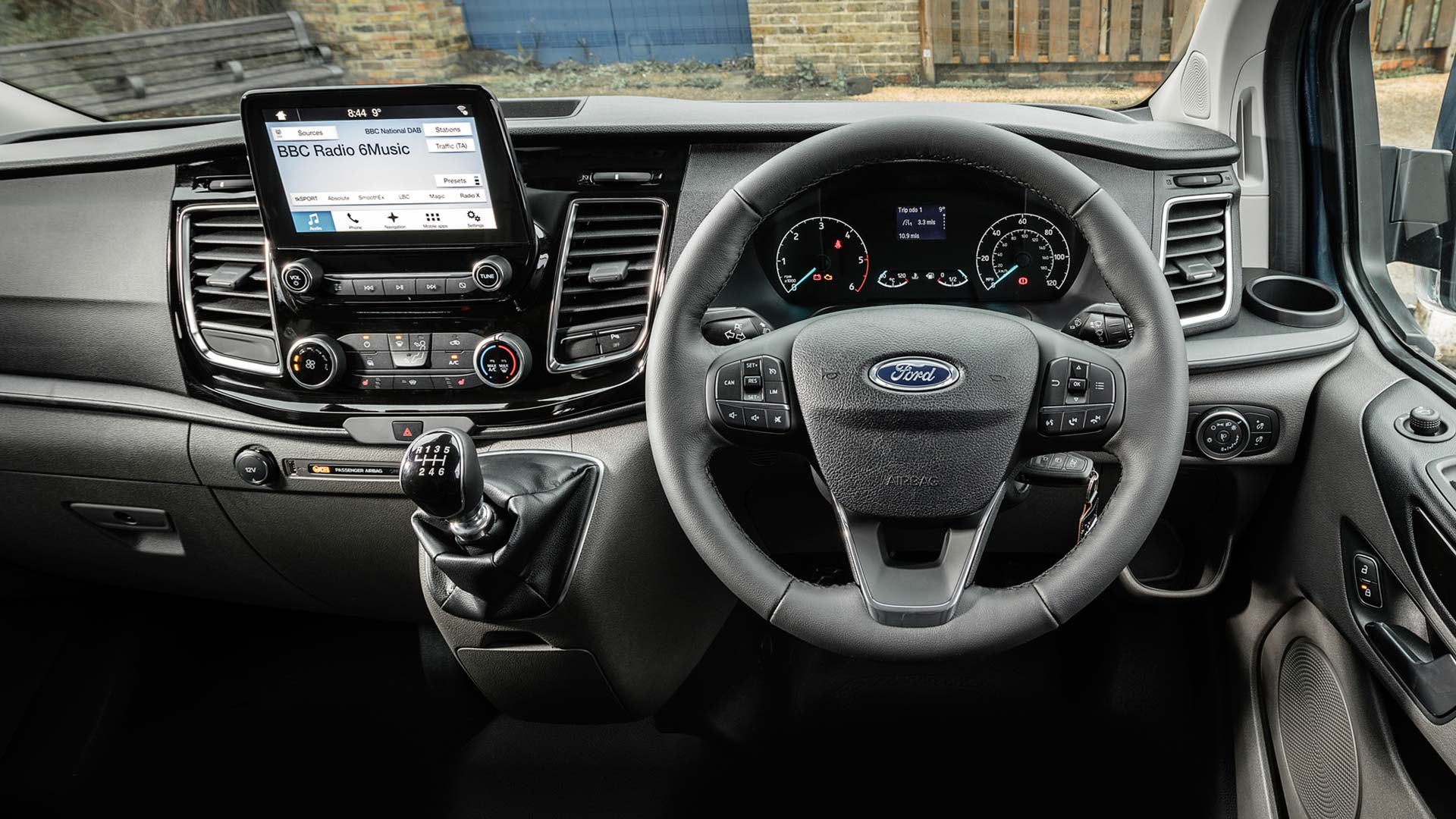 Prompts tell the driver when to brake, and also what gear to be in to maximise efficiency. A ‘halo’ around the digital speedometer records if the driver is doing the most to save fuel, and a report can be generated at the end of a journey.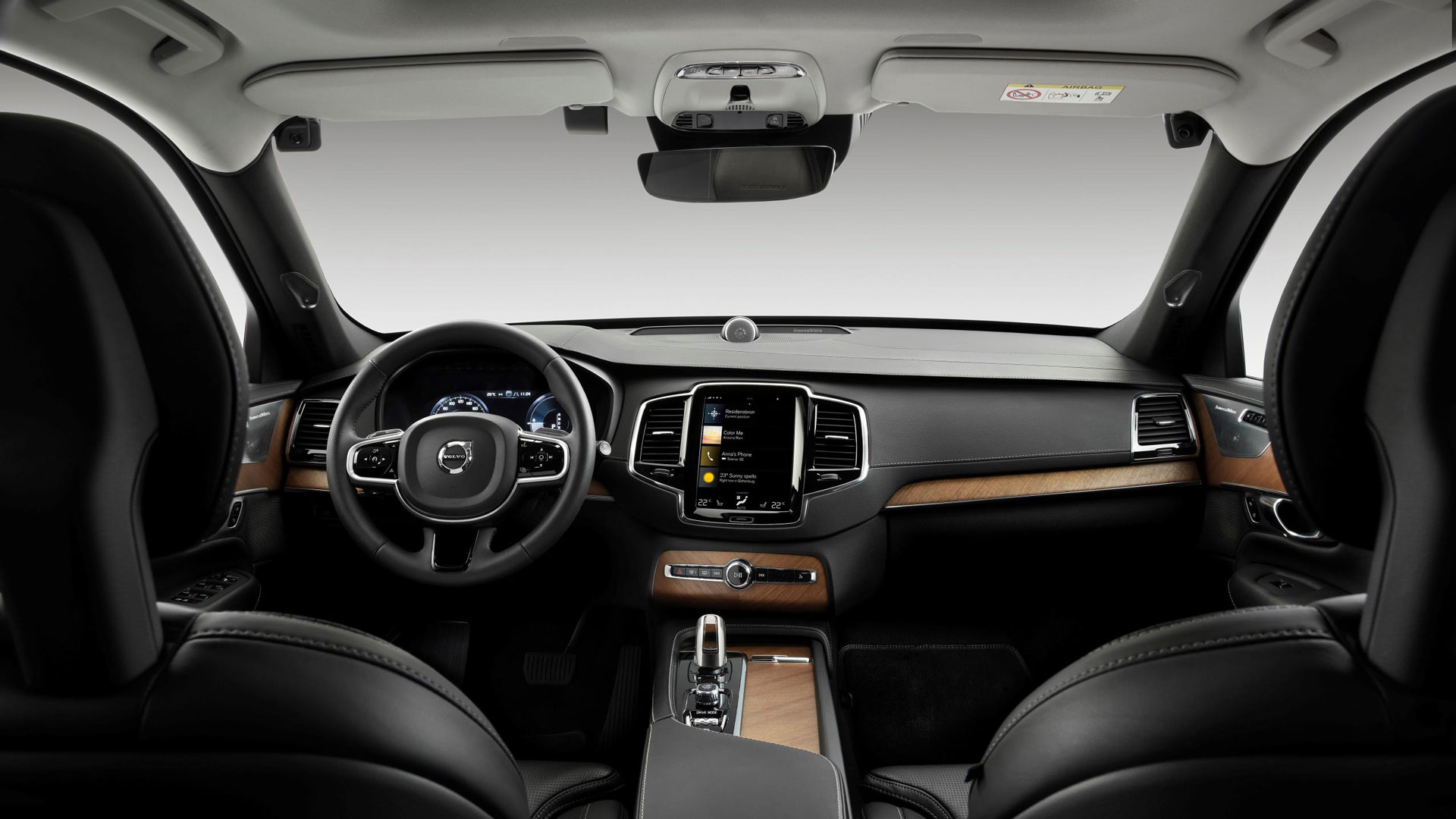

 It looks like full-speed ahead for the Bloodhound land-speed record (LSR) attempt, with the news that the company has opened new headquarters in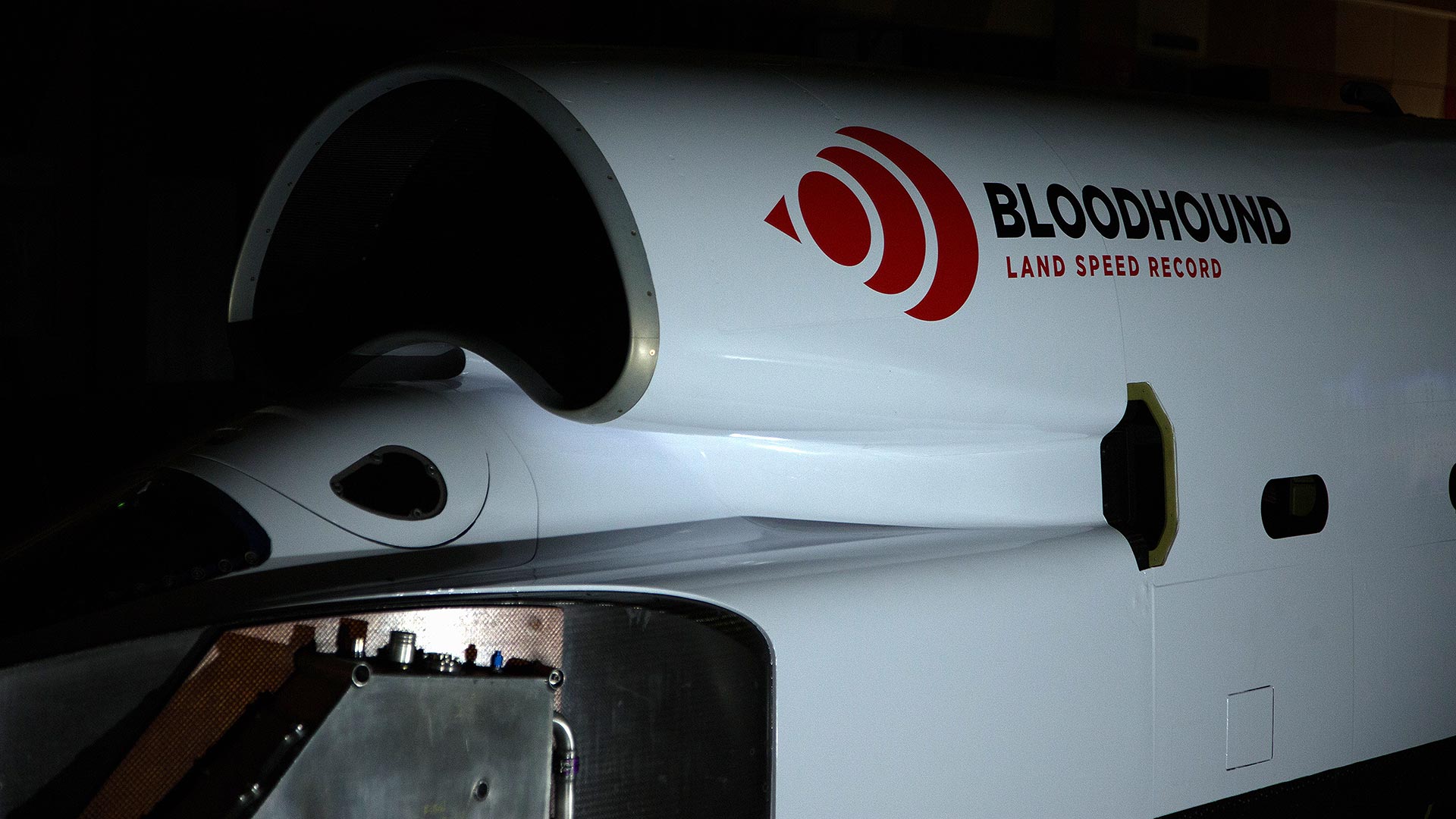


 What makes
  The money from Philip Morris International takes Scuderia Ferrari’s total estimated sponsorship revenue to an astonishing $255 – 285m (£193 – 215m).
 At the bottom of the list are Haas who, despite bagging Rich Energy as a title sponsor for 2019, are believed to be taking home just $30 – 50m (£23 – 38m) in sponsorship revenue. Haas is noted to have just 10 sponsors for 2019 – the least of any team.
 Whilst