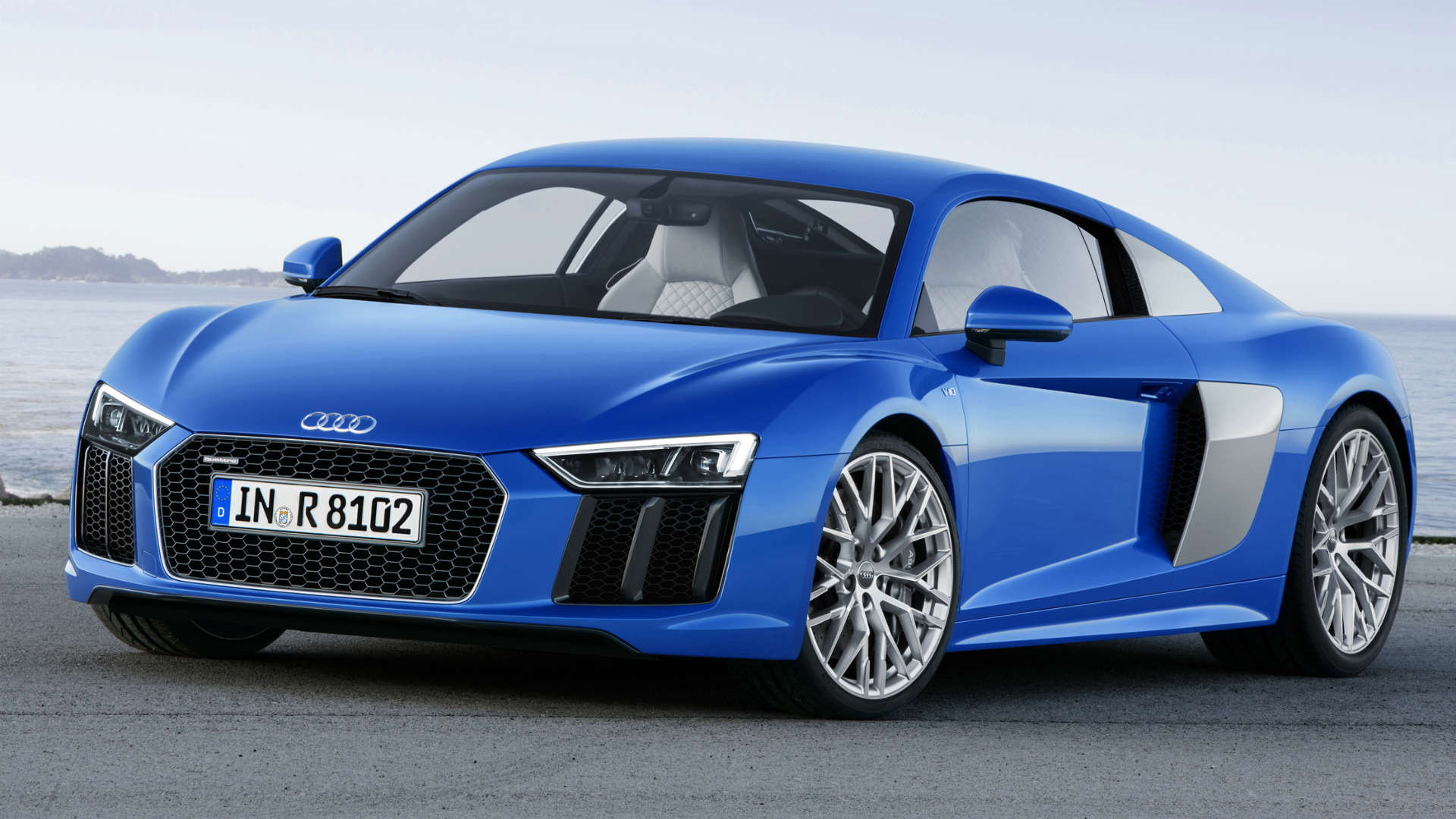
The German supercar finished top of the list of cars most wanted by young drivers, ahead of the Aston Martin Vantage, BMW i8, Ferrari Enzo and Mini Cooper.
Sadly – and, perhaps, fortunately for other road users – these cars tend to be out of reach for young drivers. Insurance will prove to be a stumbling block, not to mention the cost of finance.
Half of all young drivers use finance to get behind the wheel, spending between £200 and £299 a month. Twenty-four percent will push the budget beyond £500 to get the right car, with a third of under 25s saying they bought a particular car to boost their image.
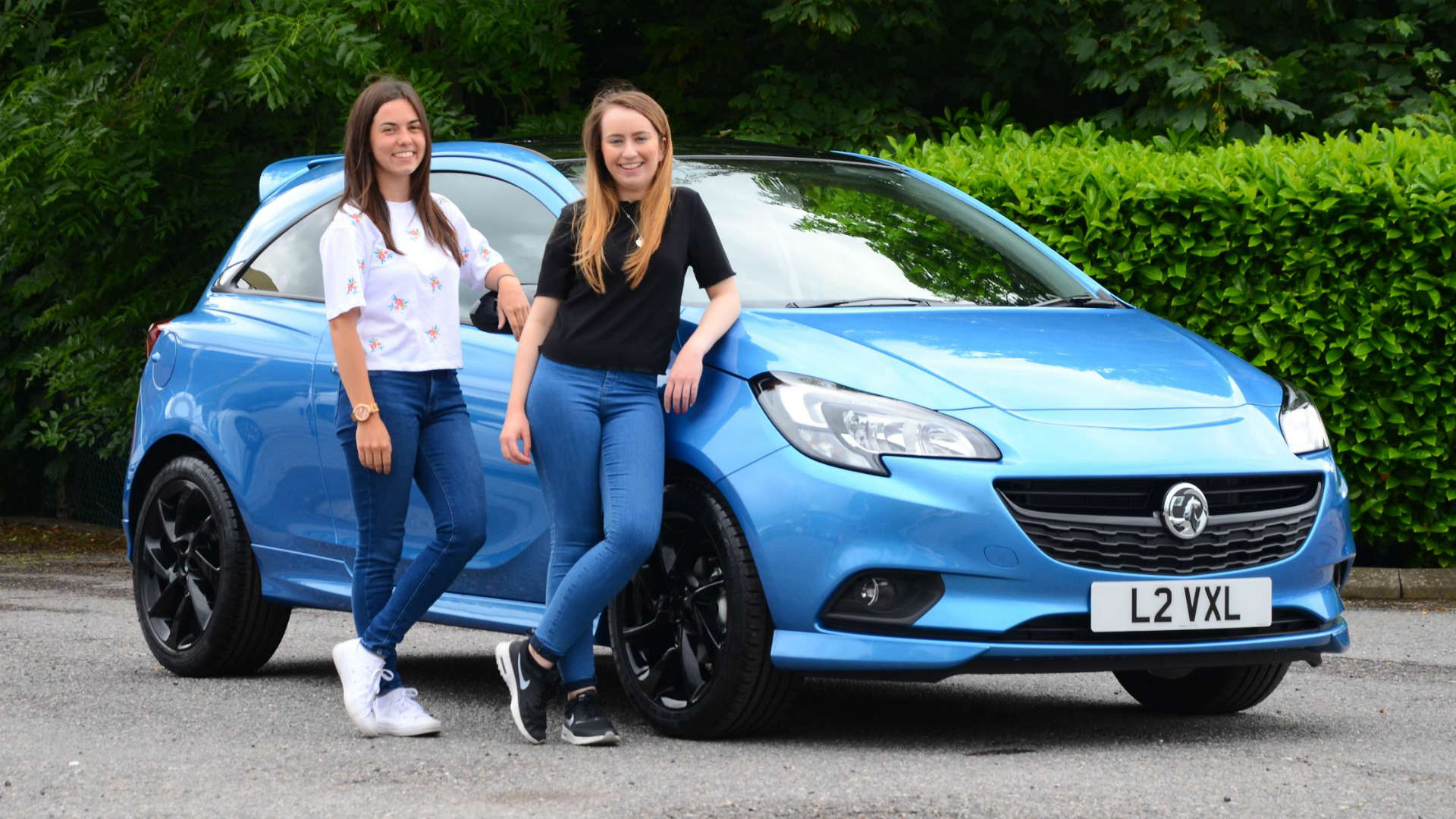
But while the R8 might be the dream car, the reality for most young drivers is quite different. According to the Admiral report, most young drivers end up in a Vauxhall Corsa, as they attempt to cut the cost of insurance while building a no-claims discount.
Other popular choices include the Ford Fiesta, Volkswagen Polo, Renault Clio and Fiat 500.
Cheapest cars to insure for young drivers
Curiously, none of these cars features on Admiral’s list of the cheapest cars for under 25s to insure. The top five are:
Volkswagen Up: £618.42 a year
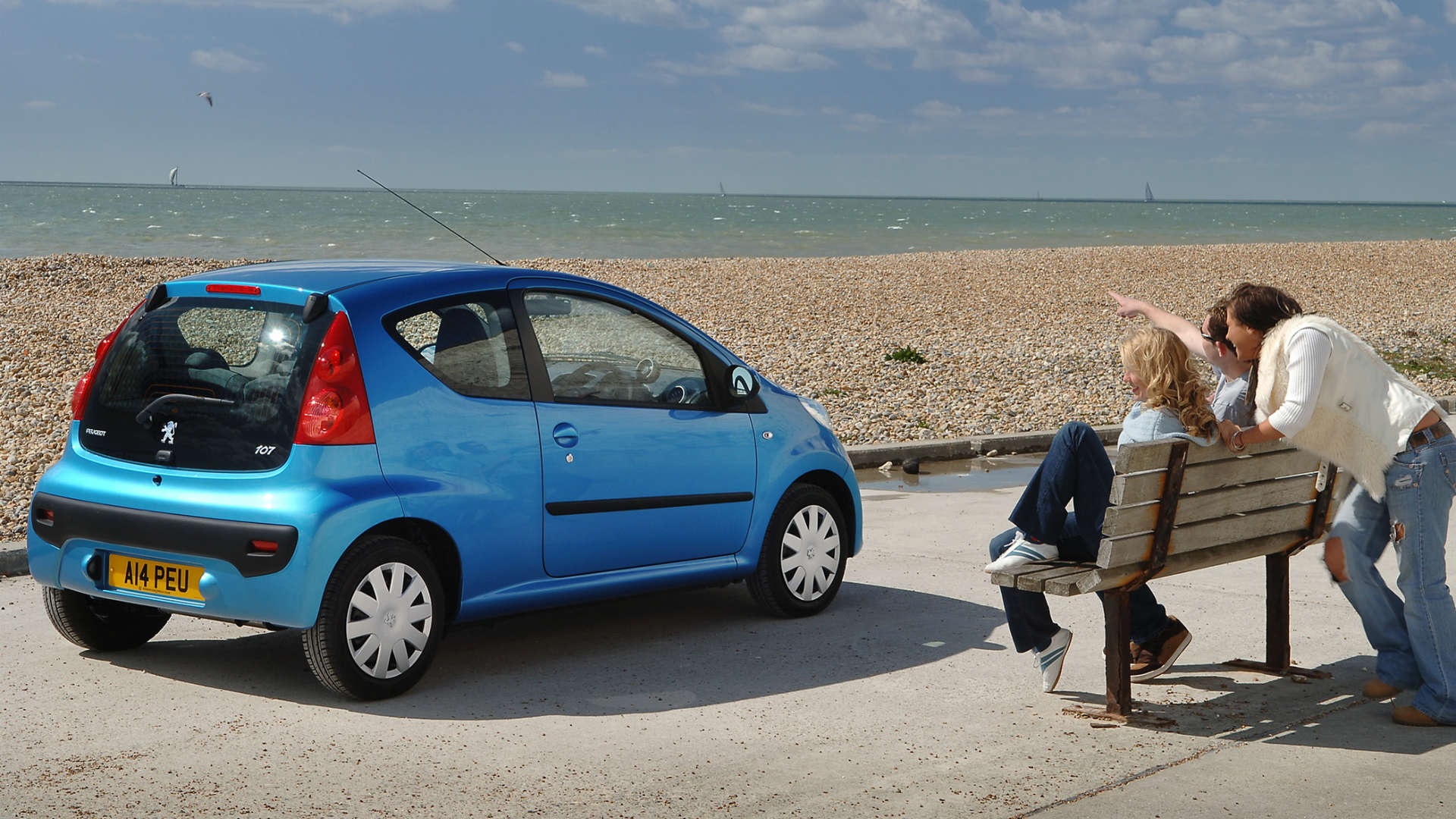
Peugeot 107: £628.04 a year
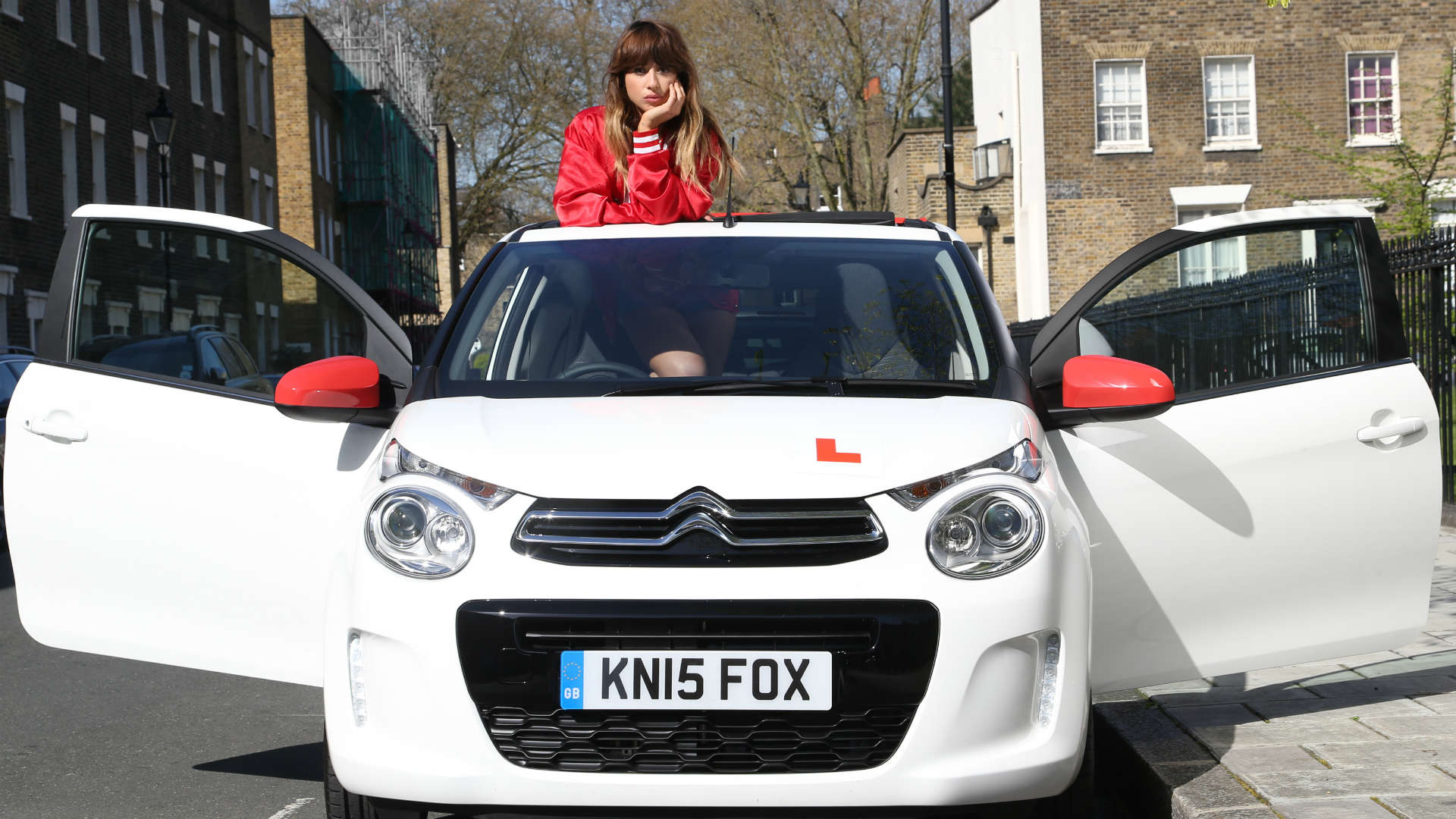
Citroen C1: £632.14 a year
Fiat Panda: £635.24 a year
Volkswagen Fox: £638.20 a year
Admiral data shows that the average insurance premium for a 17-year-old is £1,889. Young men tend to pay more, with the average price coming in at £2,294 for a 17 to 20-year-old male and £1,660 for a female of the same age.
Even selecting one of the cheapest cars to insure is likely to be a painful experience, with a 17-year-old paying around 67 percent more than a 24-year-old.
Admiral recommends taking out a telematics policy, as a ‘black box’ is a good opportunity to prove that you’re a safe and responsible driver. On the other hand, the company warns against ‘fronting’, where an older person pretends to be the main driver.
If it’s the young driver that uses the car most often, not only will the policy be invalid, but the policyholder could be charged with fraud.
The message is simple, if a tad predictable: spend a few years behind the wheel of a Vauxhall Corsa before living the dream in an Audi R8.
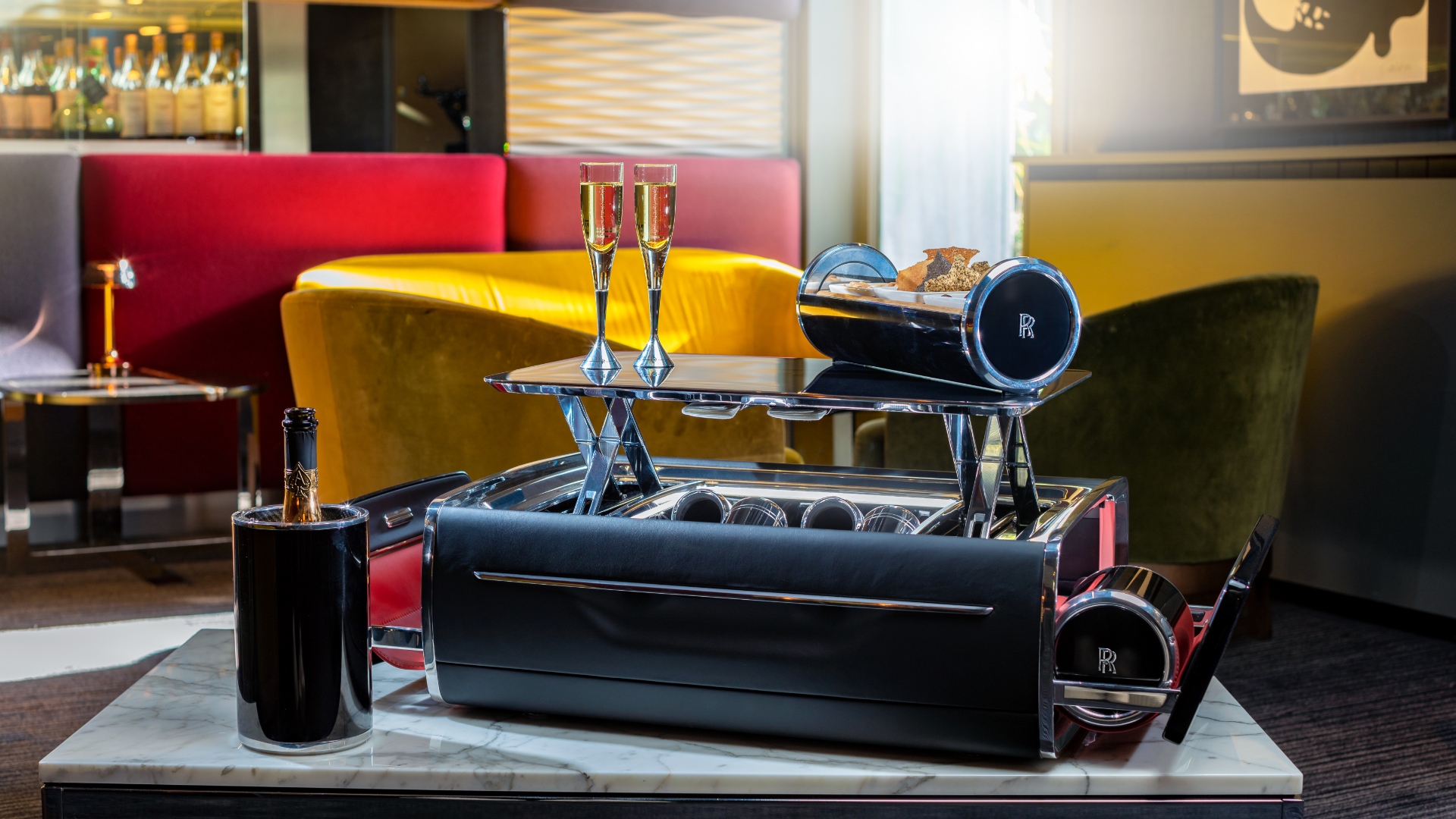
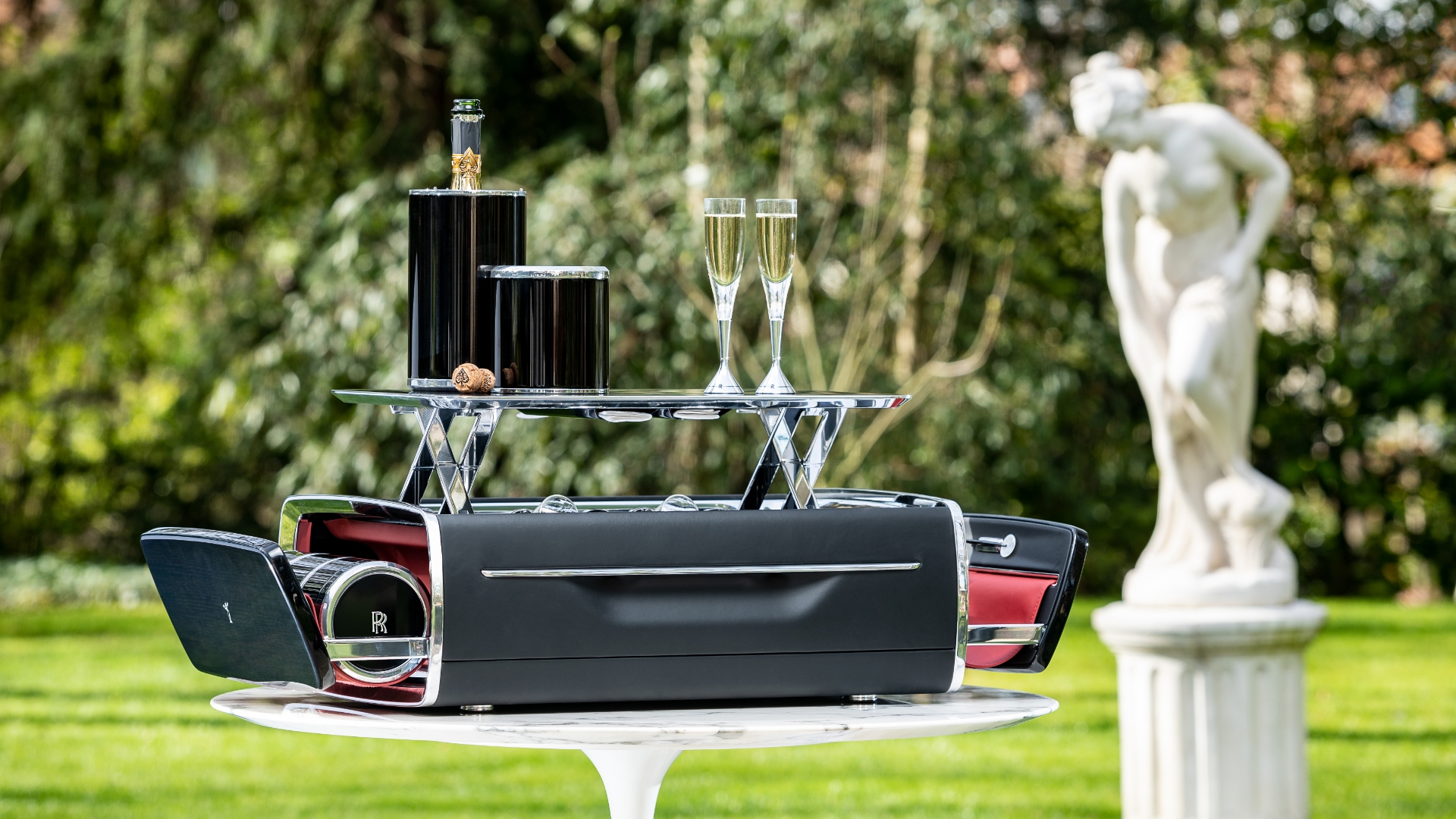
Rolls-Royce has entered the world of car-based merchandise – not by selling baseball caps or aftershave, but with a carbon fibre, oak and stainless steel champagne chest.
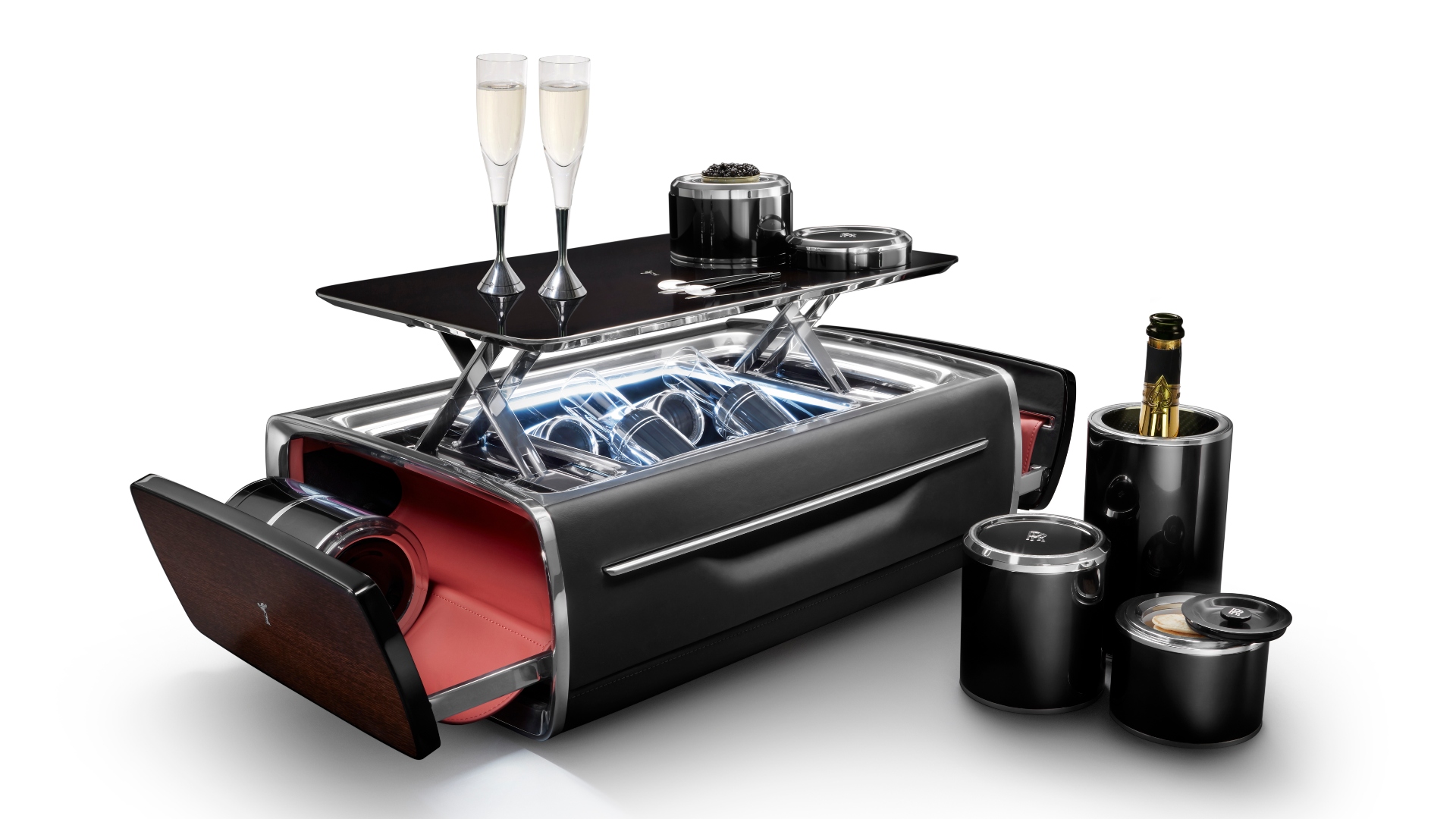
It’s a cool bit of kit, as you’d hope for £37,000. The Rolls-Royce of picnic hampers, if you will. A single button-press opens the chest up to reveal champagne flutes for four guests.
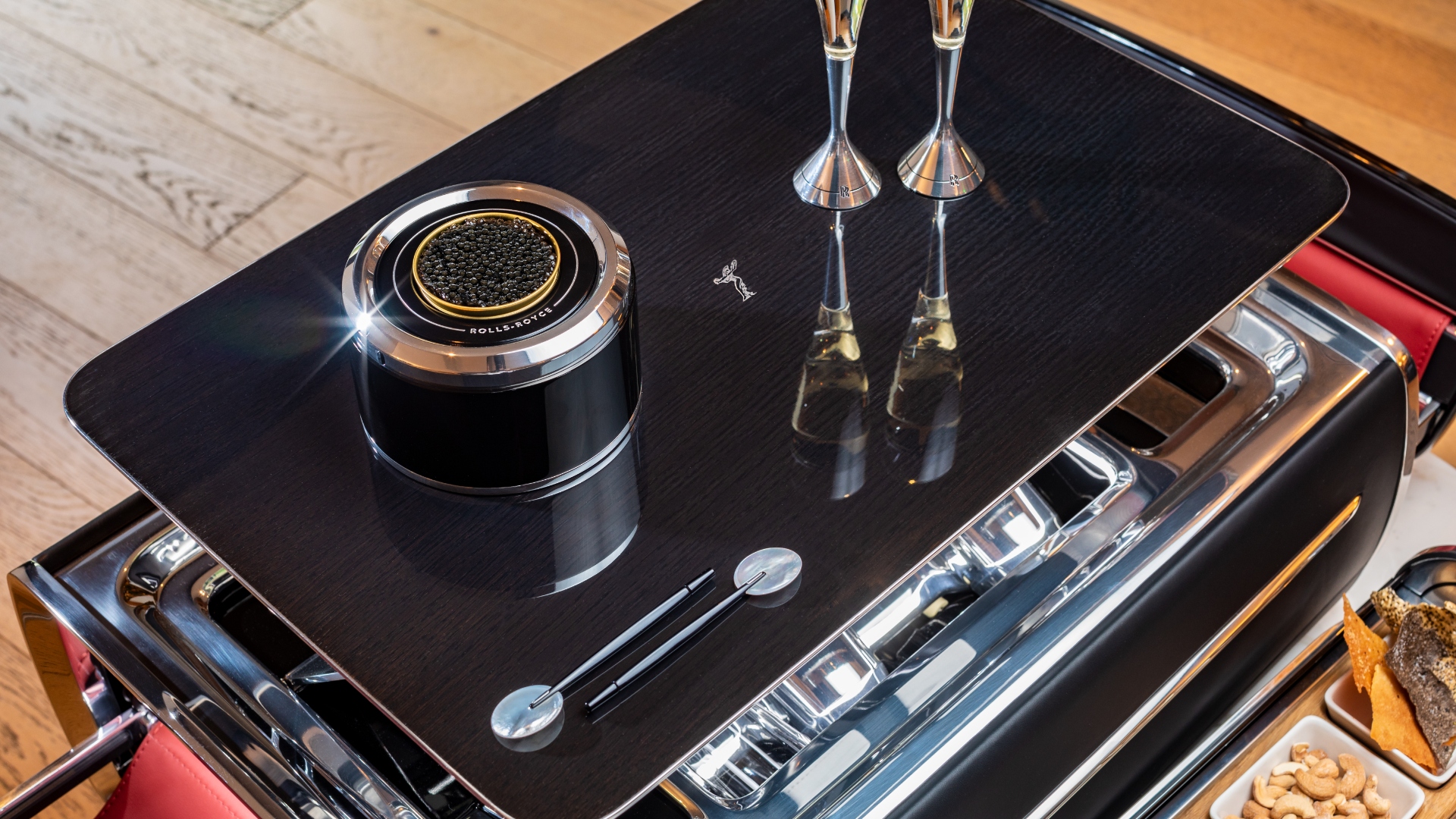
The lid turns into a serving tray made of Tudor oak, with a laser-cut stainless steel inlay. Four cotton napkins are also displayed, complete with embroidered ‘RR’ monograms.
While the chest comes exquisitely appointed as standard, this is Rolls-Royce. So you can have it modified to your exact colour choice. Presumably, if you try your luck at keeping Cava inside, it’ll snap shut on you automatically.
The illuminated central bay shows off the hand-blown crystal glasses, which are tactically arranged to look like inlets on a Rolls-Royce engine. A shame there are only four, then, rather than 12.
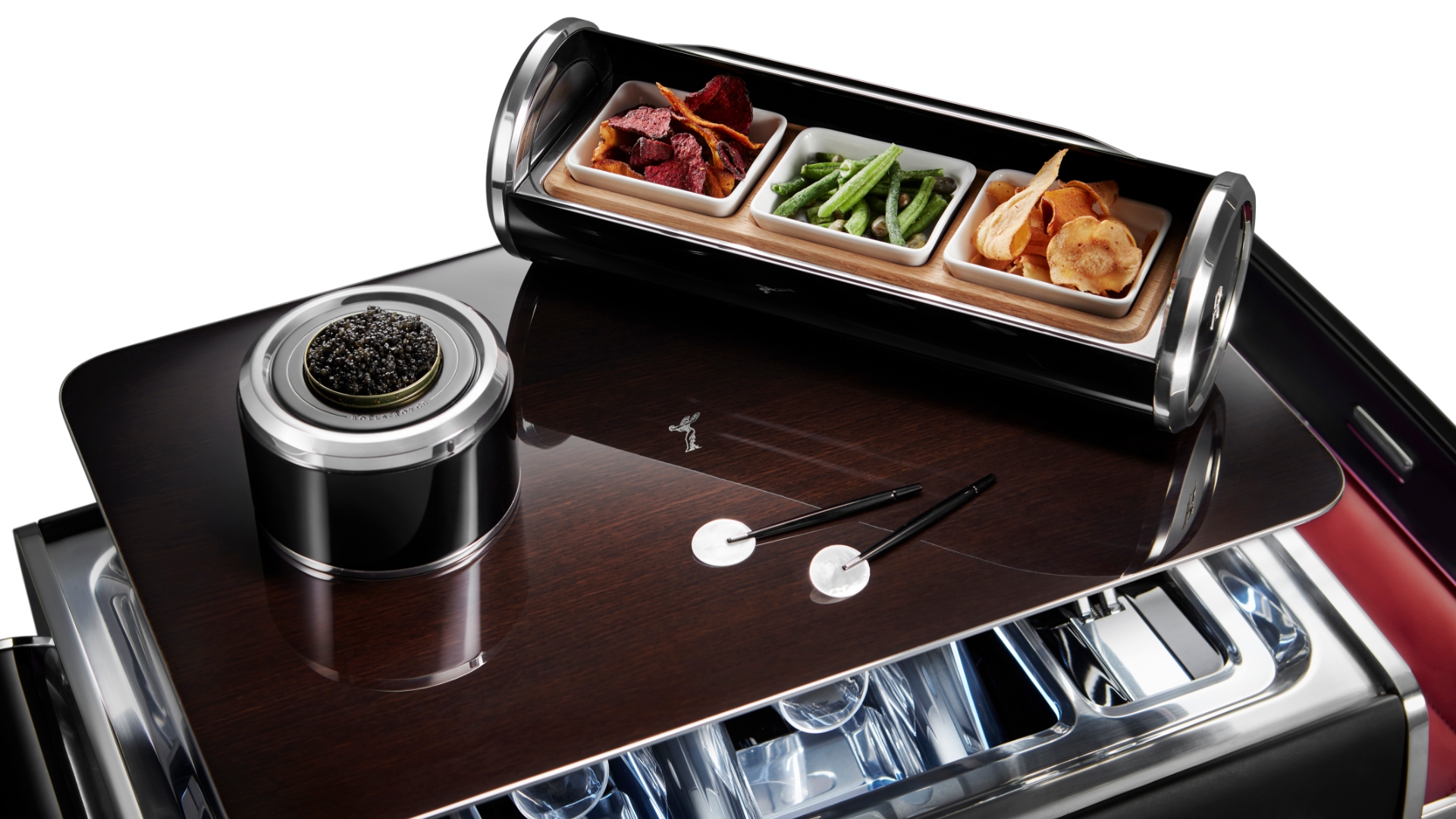
The sides of the chest pop out to reveal two ‘Hotspur Red’ leather hammocks, suitable for cradling anything from caviar to canapés. There are also two mother-of-pearl spoons with anodised aluminium handles.
Thermal champagne coolers keep your bubbly chilled, and they, like the chest, are made from aluminium and carbon fibre.
“The Champagne Chest by Rolls-Royce Motor Cars is a contemporary and sociable addition to the Accessories Collection,” said Gavin Hartley of Rolls-Royce.
“The approach is that of designing a Rolls-Royce motor car; the finest materials are married with pinnacle engineering to provide an experience like no other. The Champagne Chest is crafted for those that seek a heightened sense of occasion in an elegant, entertaining manner.”
Warning: if you intend to immerse yourself in the virtual world of Gordon Murray’s online exhibition, a lunch-hour won’t be enough. Tell your boss you need to spend the afternoon researching. Or something.
The One Formula exhibition is an internet-based museum, allowing visitors to ‘wander’ (and wonder) through 50 years of Gordon Murray’s work. It’s free to enter and there are no queues.
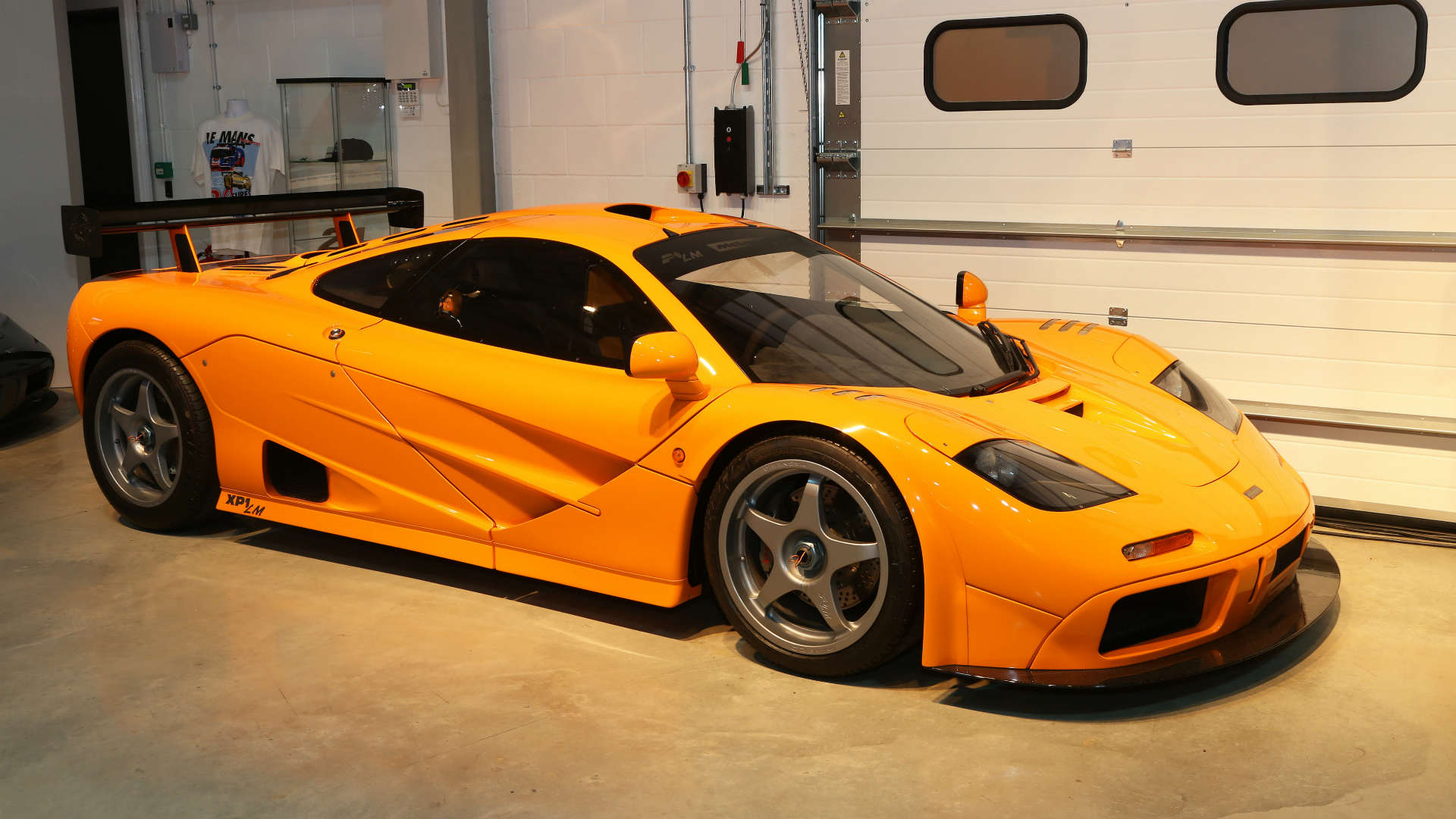
Forty different road and race cars are on show, ranging from the iconic McLaren F1 to Ayrton Senna’s MP4/4 Formula One car. Visitors can even ‘sit’ in the cockpits, which is something you’re unlikely to do at a real museum.
Well, not unless you fancy having your collar felt by a friendly security guard or being chased off the premises by a curator.
‘The next best thing’ to reality
Professor Gordon Murray, CBE, said: “It is such thrill to share my passion for engineering purity, beautiful design, aerodynamic excellence, and technological innovation. Creating an exhibition in a free-to-view format, accessible to all, in stunning virtual reality is exciting and a source of great pride.
“For the One Formula exhibition, we gathered almost every race and road car from my 50-year career to date, and we were inundated with requests from fans across the world who wanted to visit. Being a short-term, private exhibition meant we couldn’t share our passion with these enthusiasts. So, doing so in virtual form is the next best thing!”
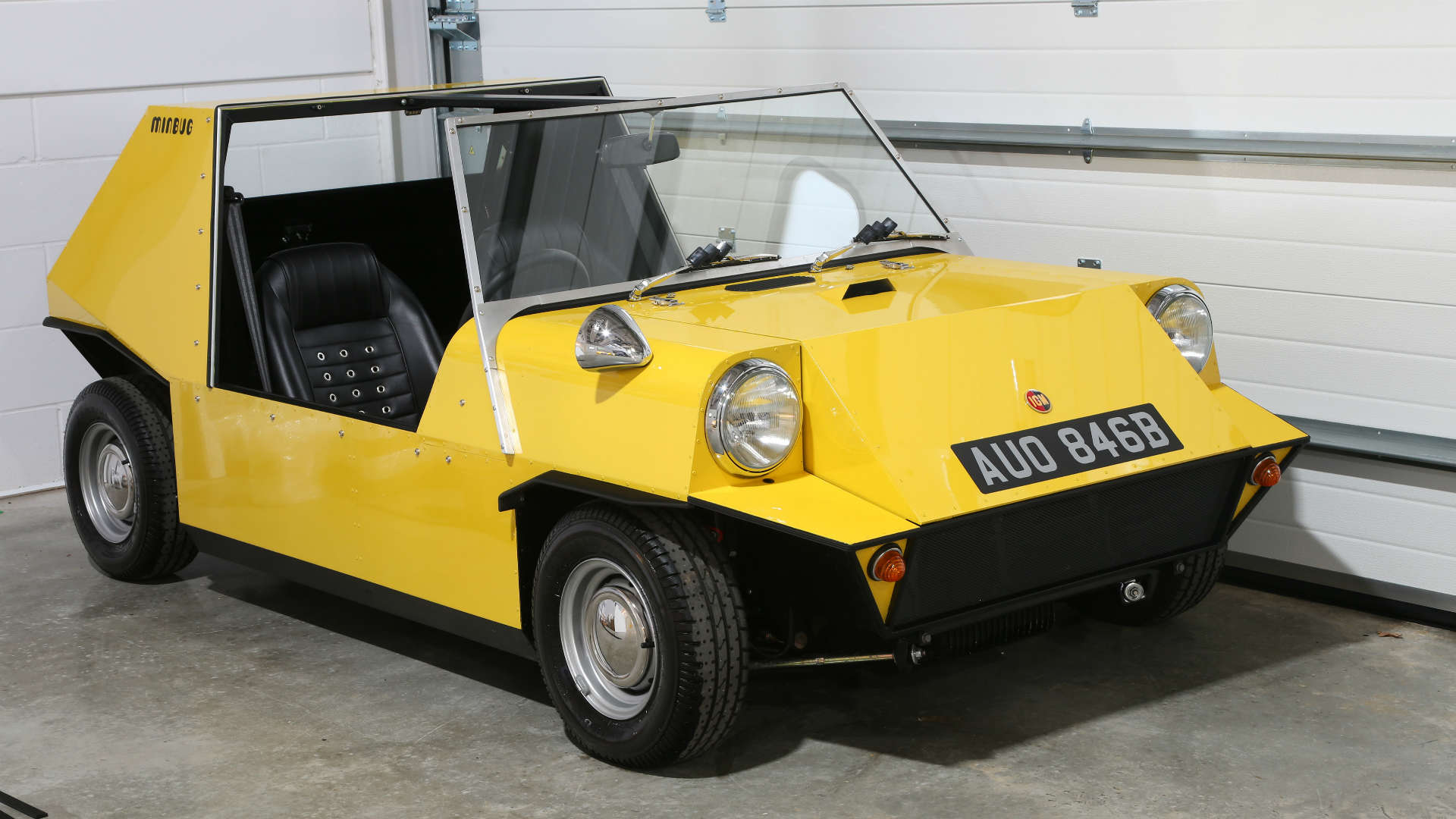
Other exhibits include the IGM MinBug designed and built by Murray in 1971, the IGM Midas-Alfa of 1981, the OX flat-pack truck, and the TVR Griffith.
The opening of the exhibition coincides with the launch of Murray’s One Formula book, a two-volume, 900-page epic charting 50 years of automotive design and engineering.
To lose an entire afternoon ‘walking’ through the online exhibition, visit oneformulagordonmurray.com.
If you have never driven an Octavia, chances are you’ve travelled in one. Probably late at night, slightly inebriated and post-kebab. The multi-million-selling Skoda is one of Britain’s most popular taxis, and for good reason: it’s affordable, reliable and practical. As we’ll see, it can be exciting too.
The Octavia was first launched 60 years ago, so to mark this milestone we drove all four generations back-to-back. Turns out quite a lot has changed…
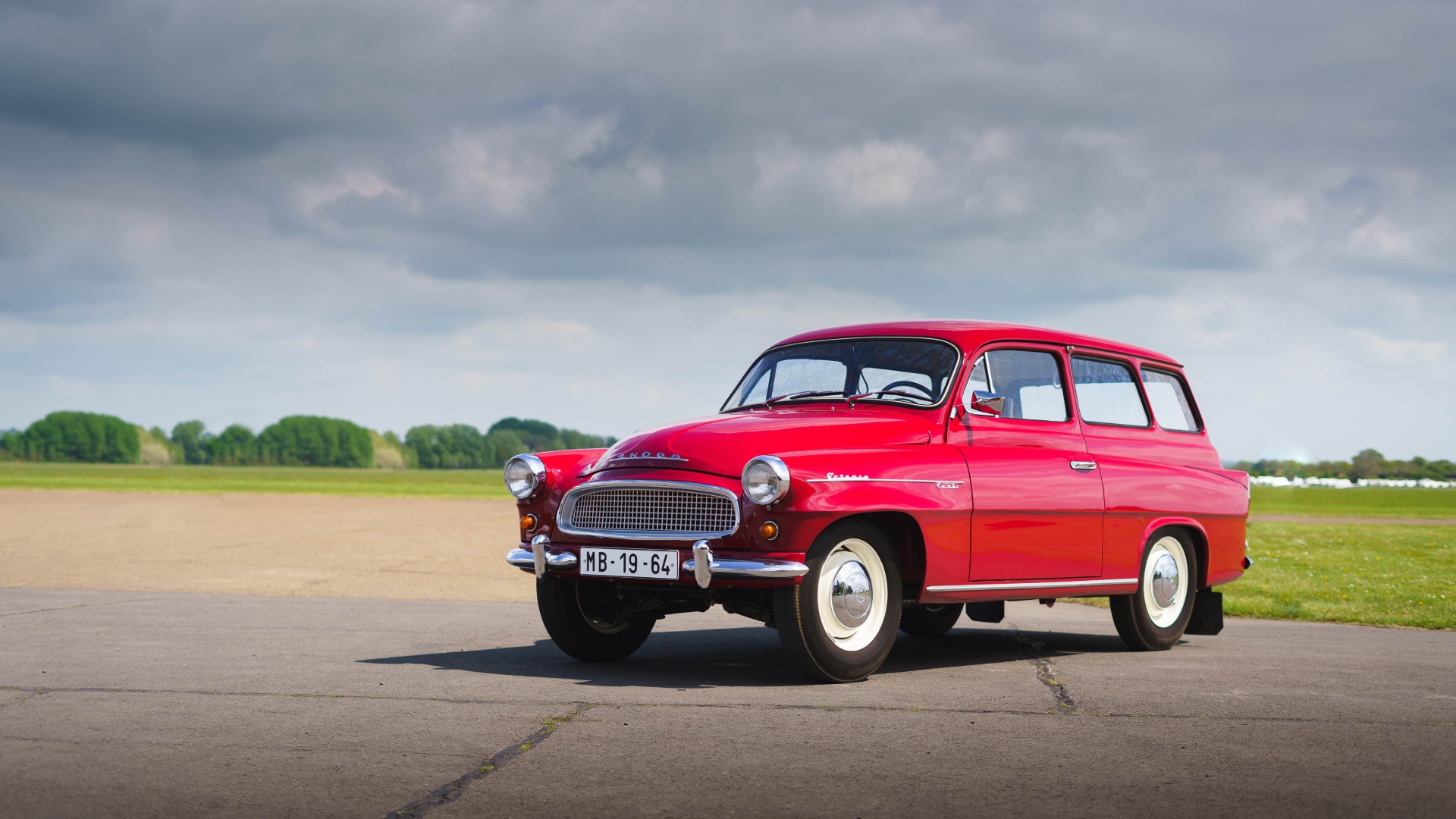
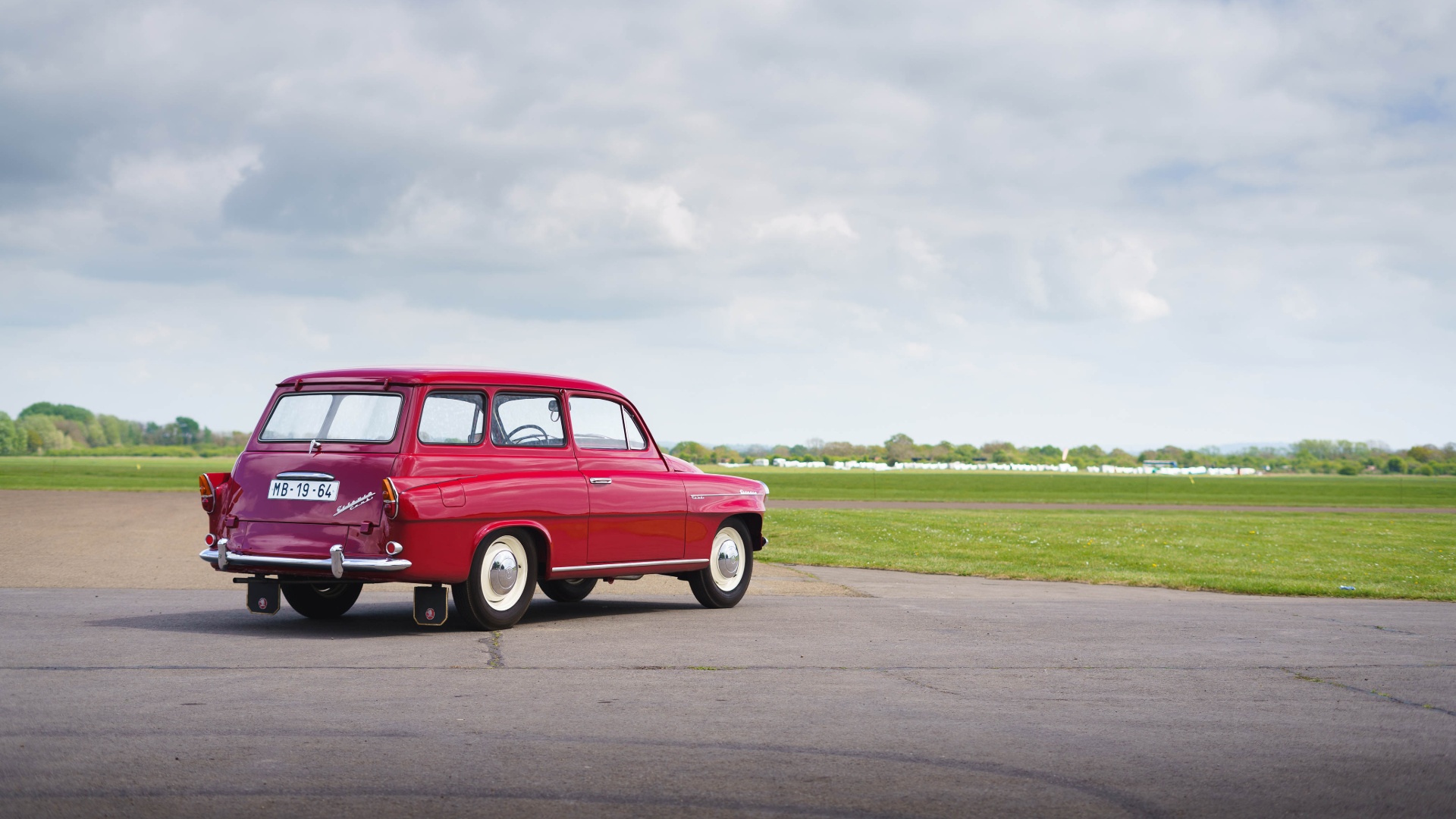
Skoda Octavia Combi (1964)
The Octavia took its name from the Latin word for ‘eight’, being the eighth post-war car built at Skoda’s Mlada Boleslav factory in the Czech Republic (Czechoslovakia at the time).
Its 1.1-litre four-cylinder engine sends 40hp to the rear wheels, giving a top speed of 70mph and 30.5mpg economy. Double wishbone suspension was considered innovative in an era of leaf springs, and the Octavia earned positive reviews from motoring magazines. The 50hp Touring Sport version later claimed three class victories in the Monte Carlo Rally (1961-1963).
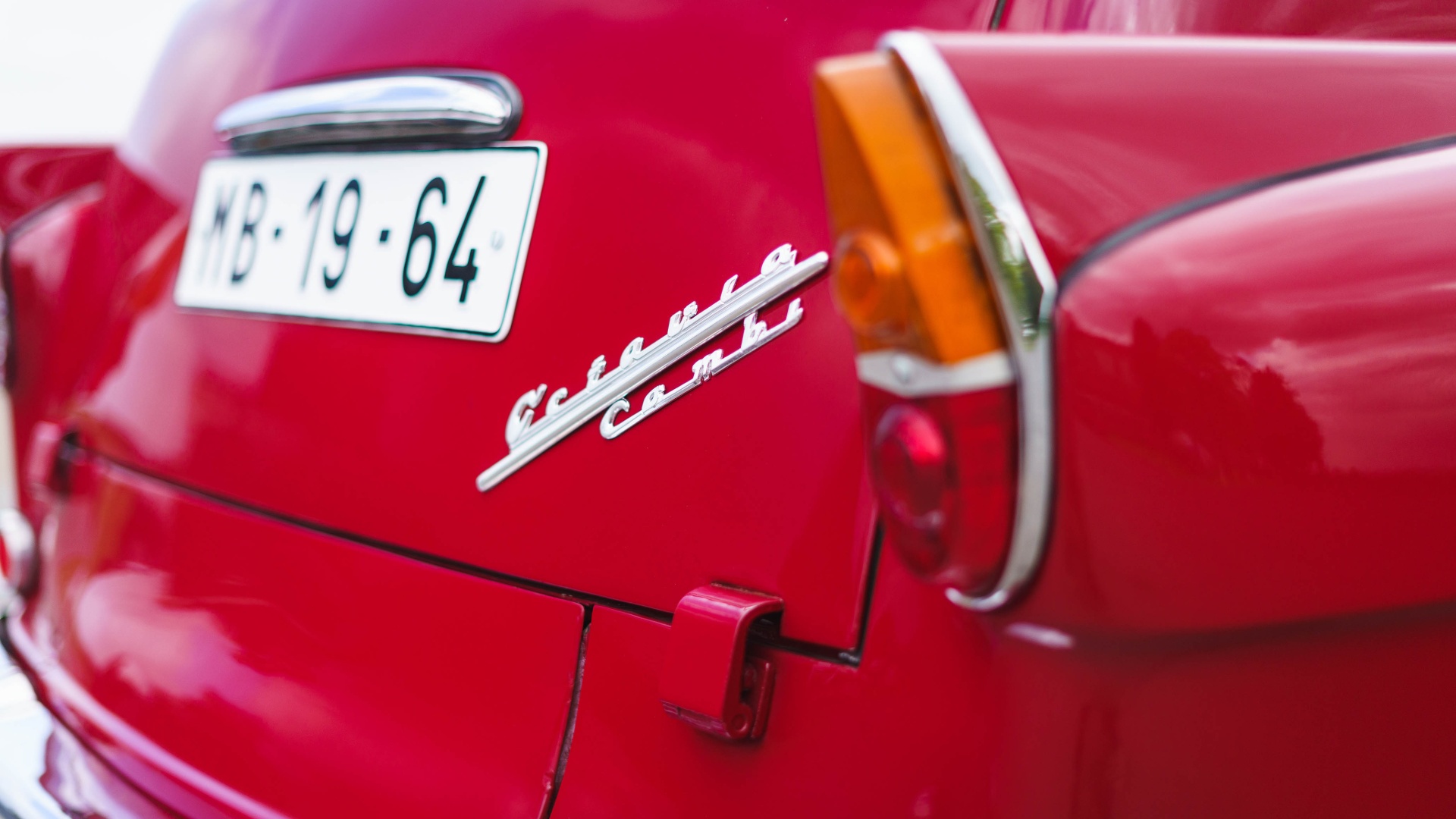
The Octavia Combi estate – seen here – followed in 1961, with three doors and a horizontally-split tailgate (they’d probably call it a ‘shooting brake’ in 2019). It has five seats and a 690-litre boot, swelling to 1,050 litres with the rear backrests folded.
A total of 51,086 Combis were made by the time production ceased in 1971, versus 309,020 Octavia saloons.
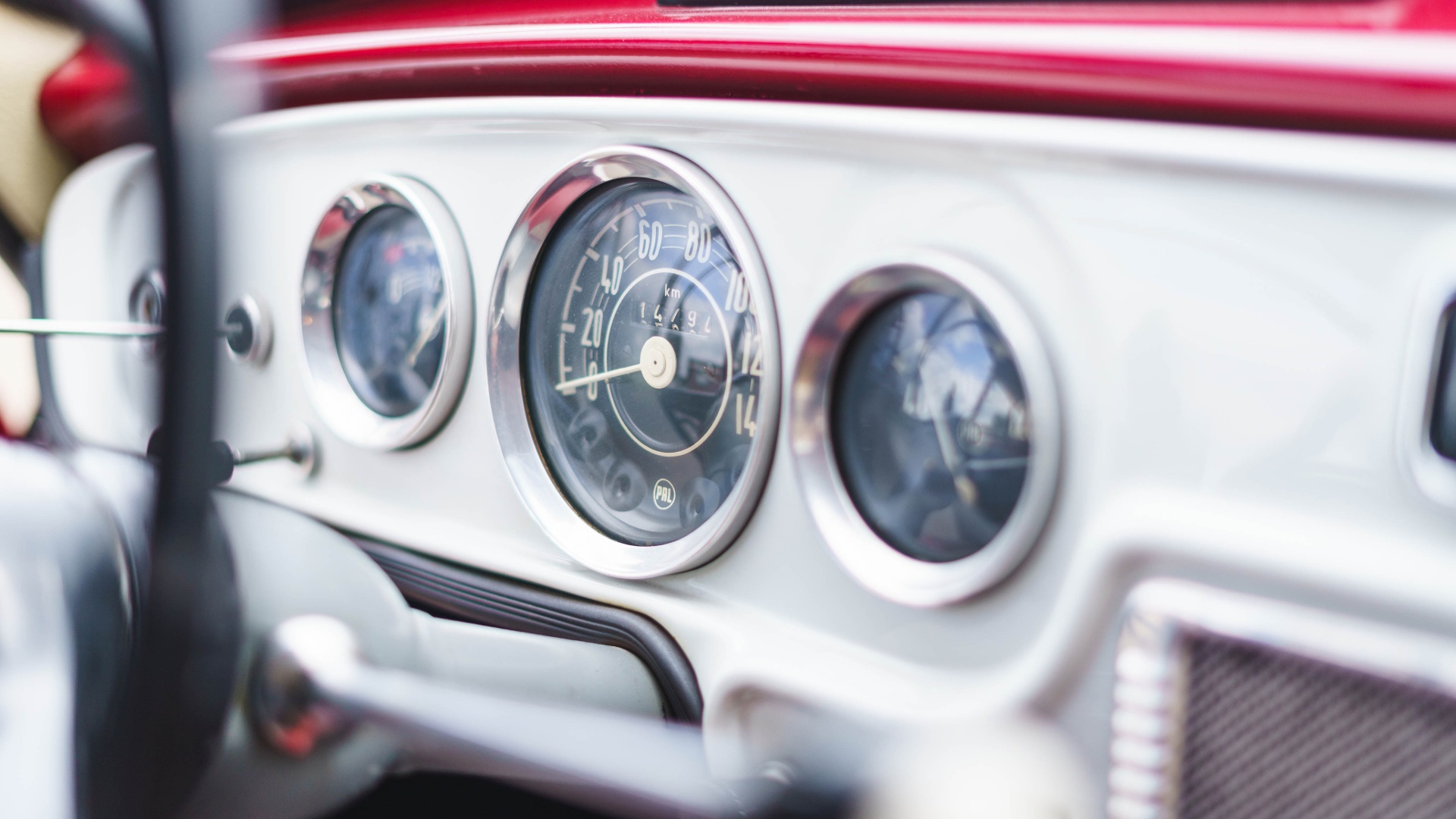
On loan from the Skoda Museum, this flawless 1964 Combi arrived with its own – justifiably proud – chaperone. Nonetheless, I seemed more nervous than he did. Its chrome grille and tail fins are clearly influenced by American cars of the 1950s, while its two-tone interior oozes retro cool.
A huge, thin-rimmed steering wheel is flanked by a column shifter: push away and up/down for first and second gears, then pull towards you for third and fourth.
On today’s roads, the ‘family-sized’ Skoda is dwarfed by bloated SUVs. Its engine is thrummy and willing, at least until 40mph or so. Beyond that, acceleration is best described as ‘glacial’.
Stick-thin roof pillars mean excellent visibility, but the drum brakes are heart-stoppingly feeble. Seatbelts or crumple zones? No chance. Truth be told, I’m relieved to return the Combi safely to its keeper.
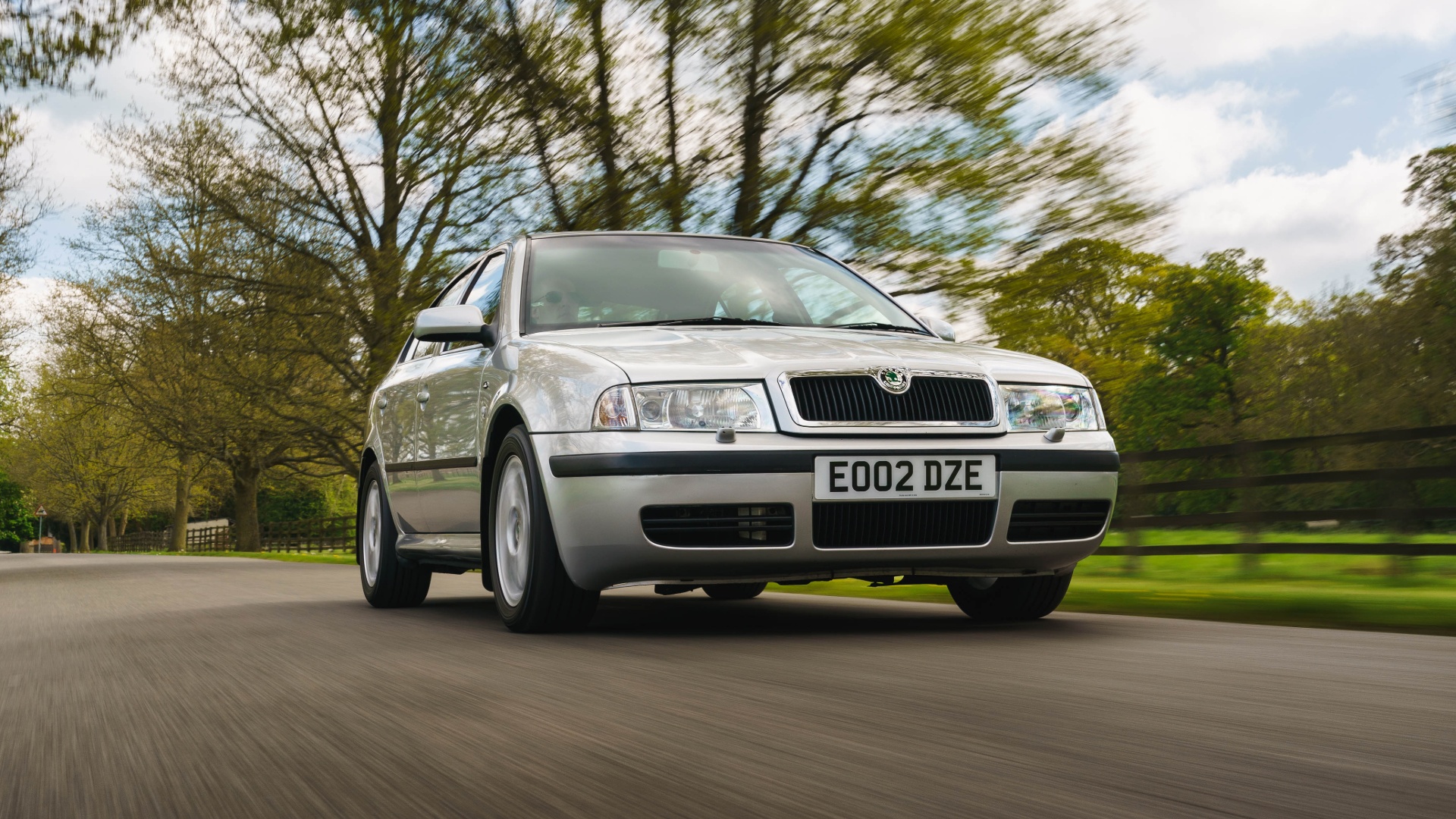
Skoda Octavia Mk1 (2002)
Trapped in the Eastern Bloc, Skoda struggled throughout the 1970s and 80s with a succession of outdated, rear-engined cars that sold primarily on price. The Octavia name wouldn’t return for another 25 years, then was revived under Volkswagen ownership.
An injection of Volkswagen cash from 1991 transformed the brand, starting with the 1995 Felicia, then the all-conquering Octavia a year later.
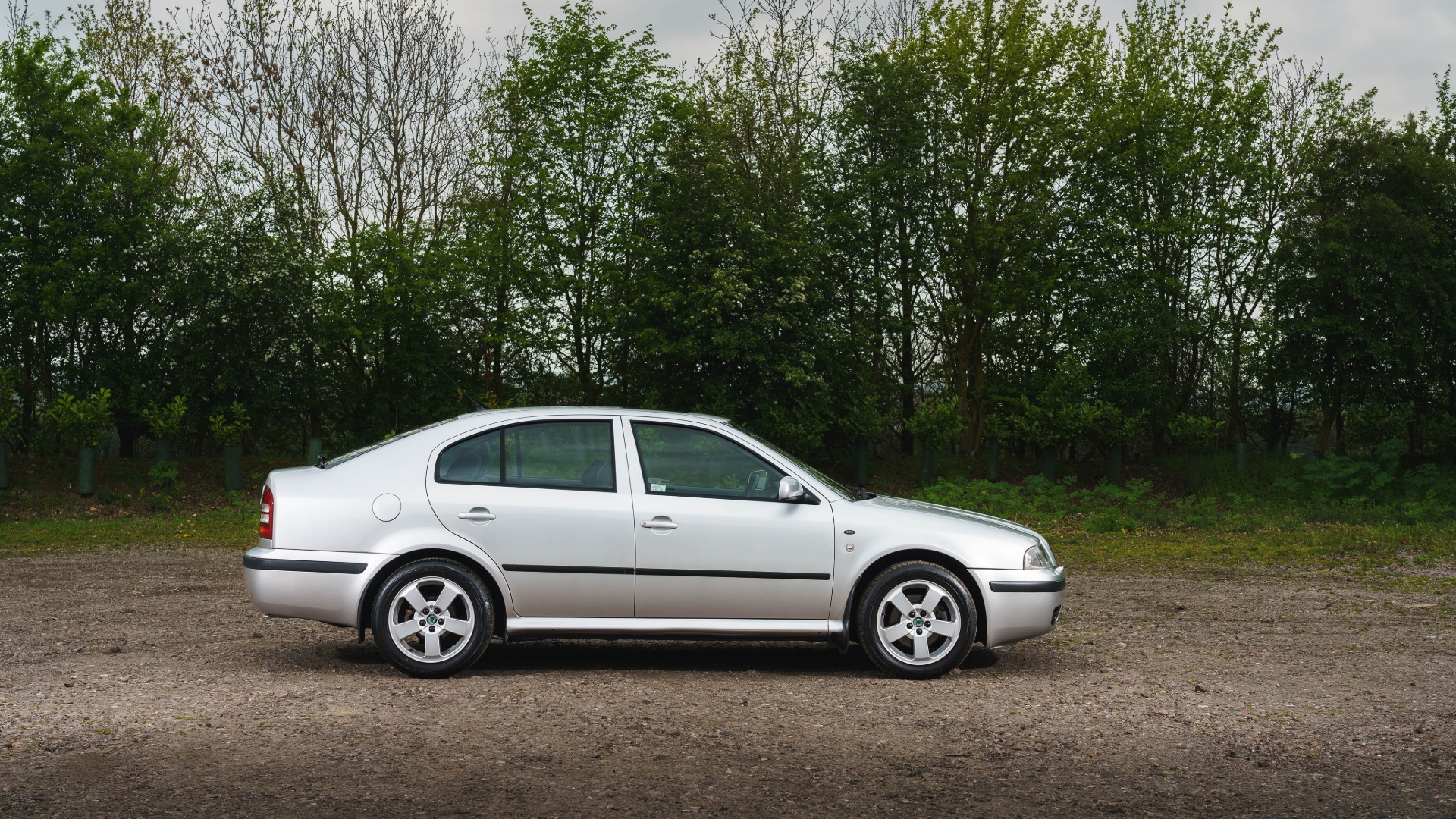
The Octavia shared its underpinnings with the Mk4 Volkswagen Golf, but was roomier and cheaper. Understandably, that sounded like a win-win for many buyers. Available as a five-door hatchback or estate, nearly 1.5 million were eventually built.
Its no-nonsense design, the work of Dirk van Braeckel, defined Skoda styling for generations to come. Indeed, you can see its influence in the current Octavia.
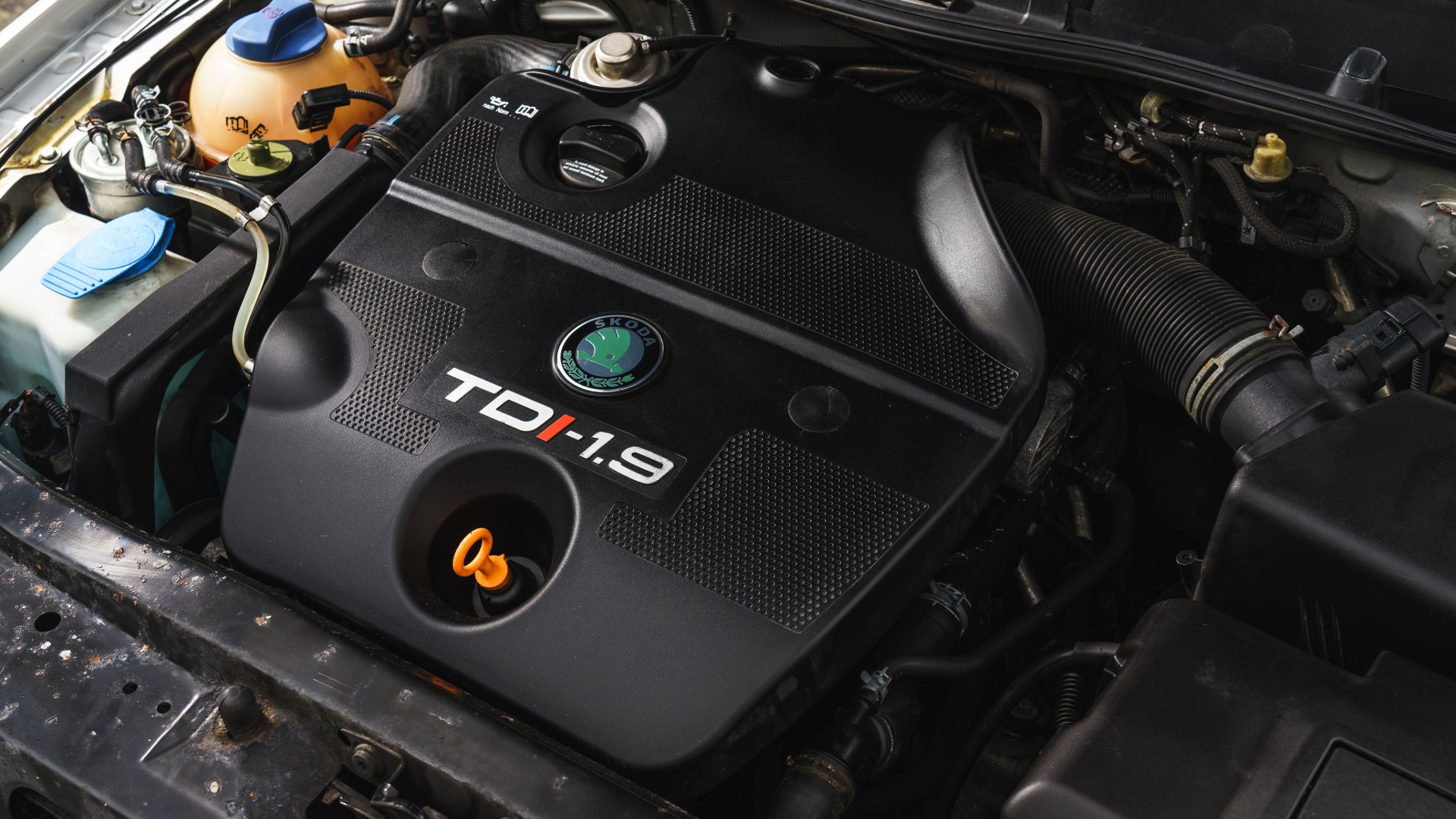
Fittingly, the 2002 Octavia on Skoda’s heritage fleet has covered a meaty 136,000 miles. An ex-taxi? Quite possibly, although it wears those miles impressively well. Its 110hp 1.9-litre diesel engine is good for 119mph and a thrifty 54.0mpg.
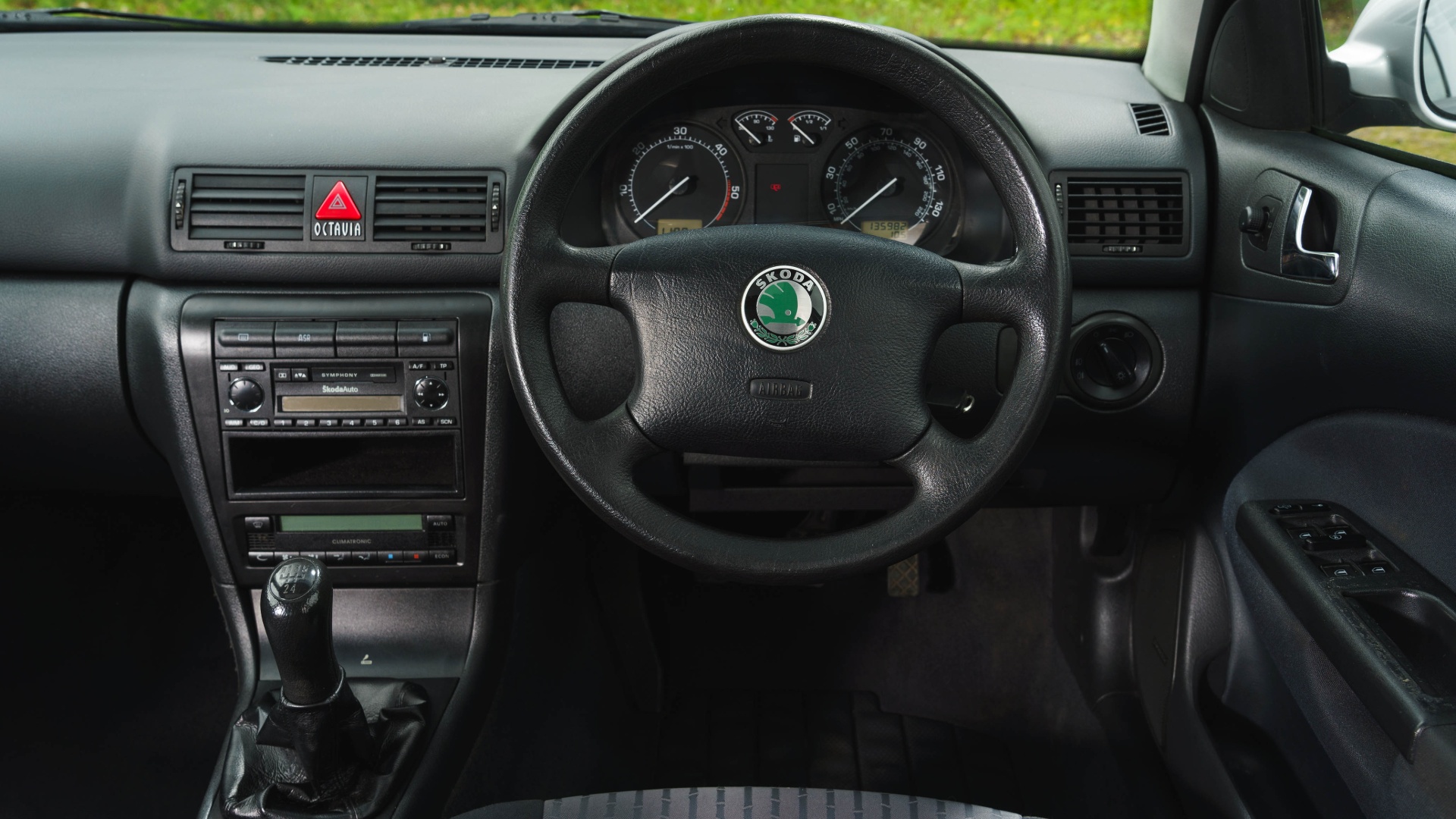
Inside, the cabin is functional and solidly built (Germanic, even). ‘Infotainment’ comes via a cassette player, but it feels positively futuristic after the classic Combi.
It’s effortless to drive, too. The bulbous, airbagged wheel is light, the five-speed gearbox is Teflon-slick and the gruff diesel pulls strongly from low revs.
It feels somewhat detached, but that’s perhaps the point. After a nine-hour night shift of pub pick-ups and airport aggro, I suspect I’d be thankful for such easygoing affability.
Skoda Octavia vRS Mk1 (2004)
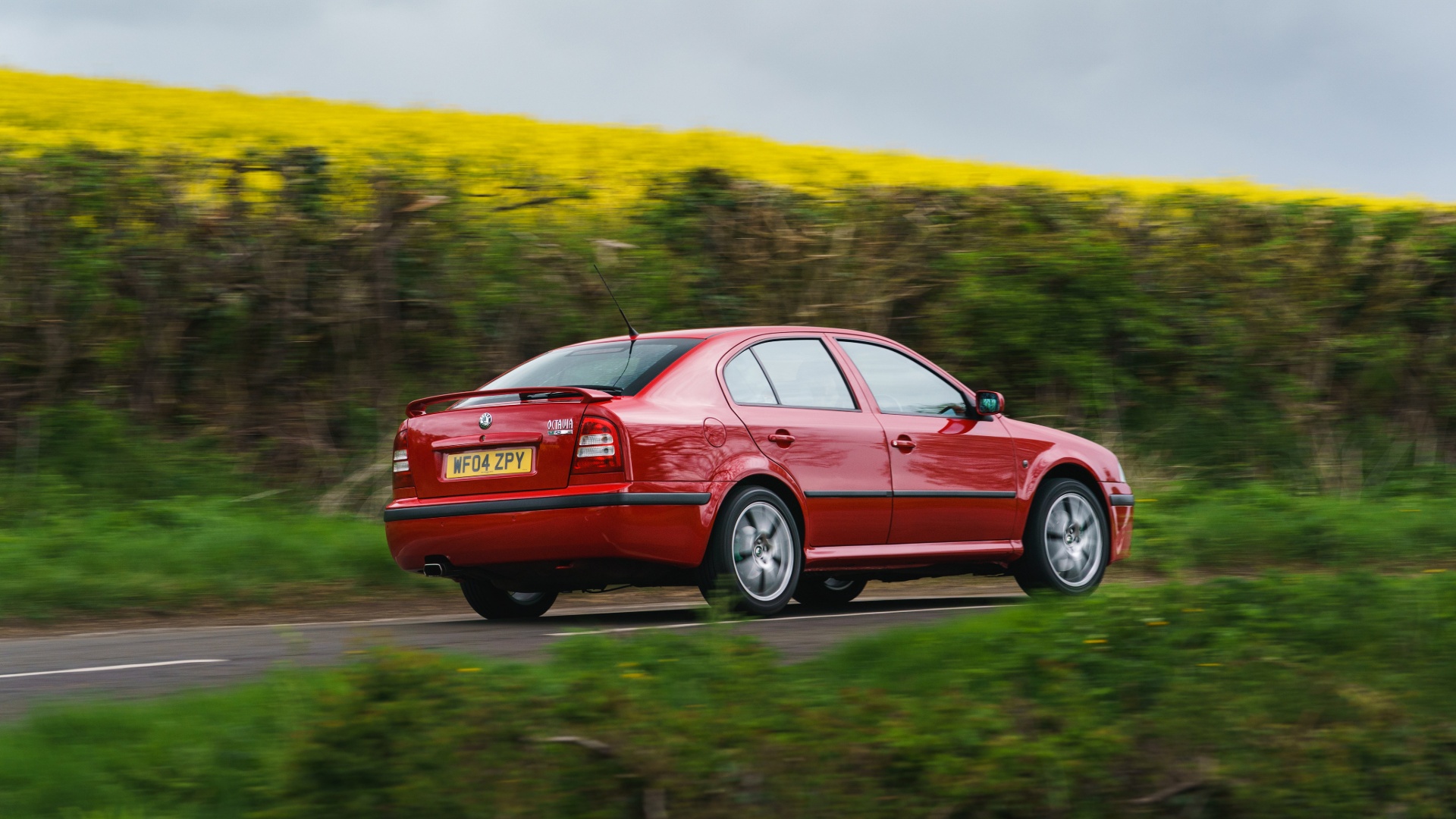
The Mk1 Octavia also did performance, not simply private-hire. The first vRS debuted in 2001, providing a springboard for Skoda’s return to top-tier rallying.
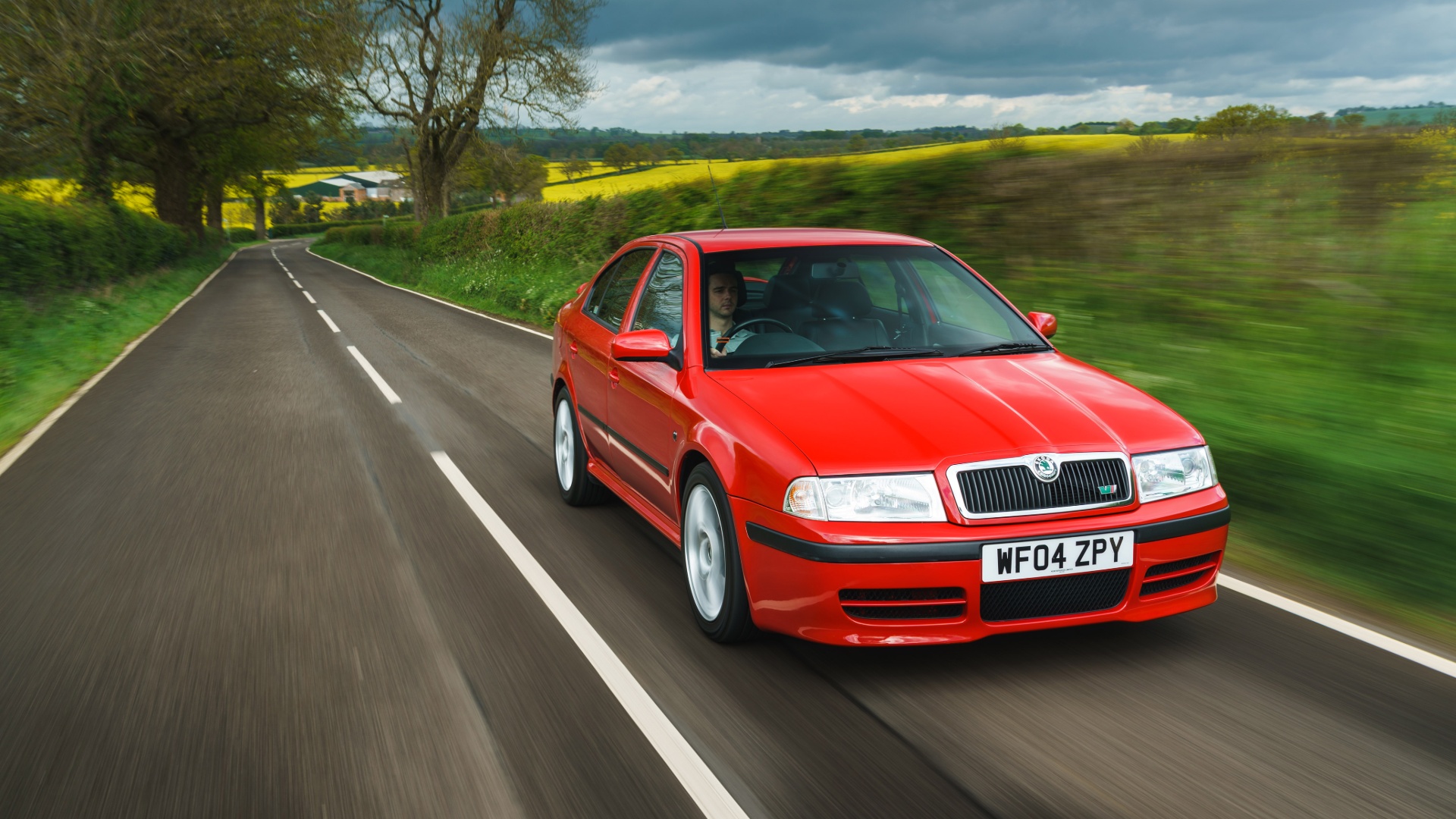
It was the fastest production Skoda ever when launched, reaching 62mph in 6.7 seconds and 144mph flat-out.
While the WRC version boasted 300hp and four-wheel drive, the road-going vRS shared its fundamentals with the Golf GTI. That meant a 180hp 1.8-litre four-cylinder petrol engine, driving the front wheels via a five-speed manual ’box.
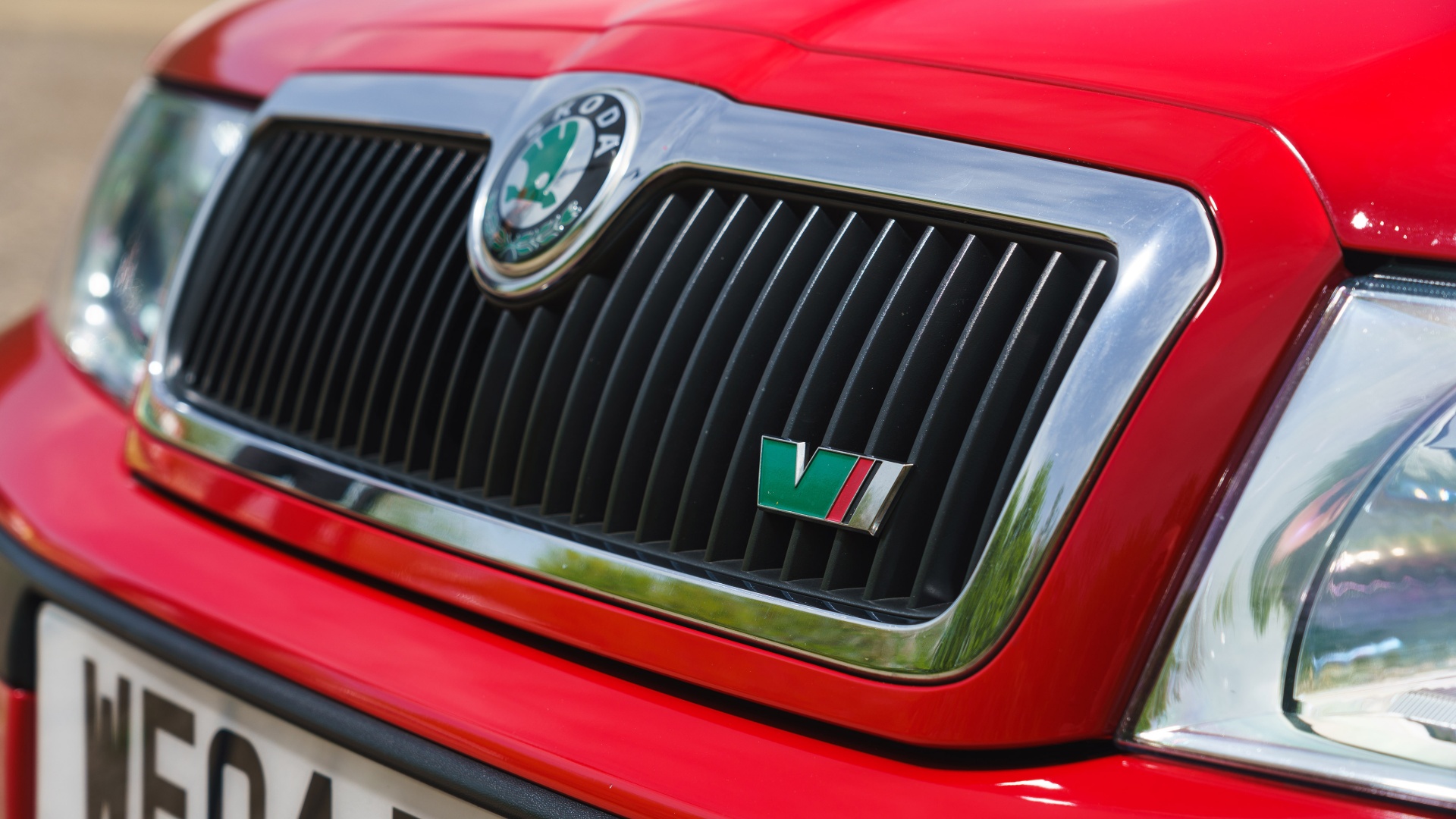
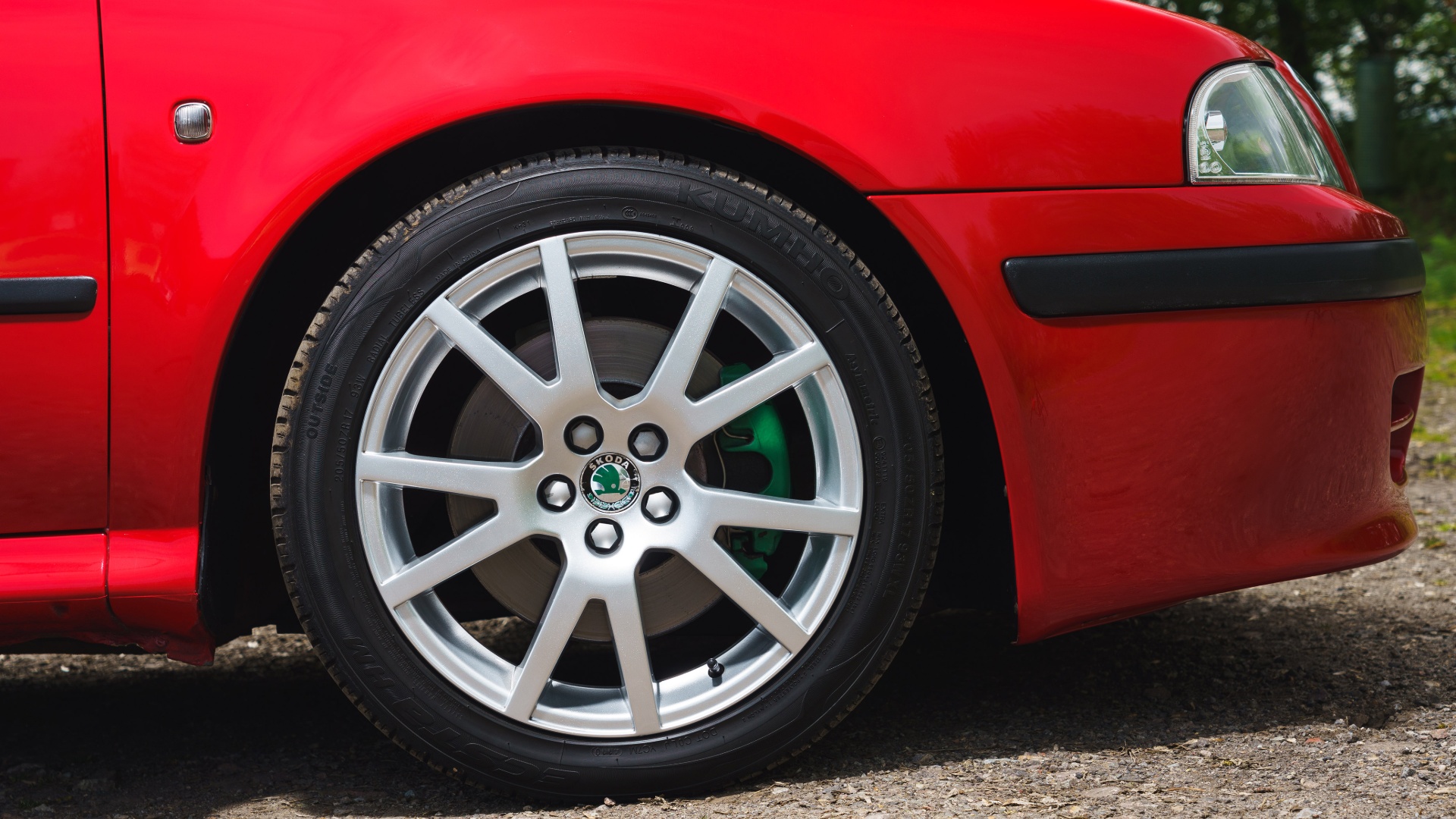
Subtle spoilers, spidery 17-inch alloys and green/red/grey vRS badges gave Skoda’s hot hatch a suitably sporty makeover. Nonetheless, it’s pretty tame (and tasteful) by modern standards.
A launch price of just £15,100 (a Ford Focus ST170 was £15,995) made the vRS even more tempting. In terms of performance-per-pound, little else came close.
It’s a cracker on the road, too. The steering is swift and precise, while handling is poised and predictable. There’s more body-roll than some rivals, but a pliant ride more than compensates. It’s been many years since I’ve driven a Mk4 Golf GTI but, from memory, the Skoda seems more fun.
The hot Octavia’s double-whammy of space and pace made it a popular choice with UK police forces. Seeing one of these in your mirrors usually spelled bad news. Skoda later launched an estate version, offering ultimate Q-car kudos.
Perhaps the finest compliment I can pay the vRS is that I’ve been browsing the classifieds for good examples ever since. And yes, they’re still a bargain now.
Skoda Octavia Scout (2008)
Today, Skoda has fully jumped aboard the SUV bandwagon; its line-up stretches from supermini-sized Kamiq to seven-seat Kodiaq. The Octavia Scout was arguably the first step on this (unclassified, boulder-strewn) road – and it remains a standalone model today.
The original Scout joined the Mk2 Octavia range in 2006. It followed the example of the Audi A6 Allroad, first launched in 1999.
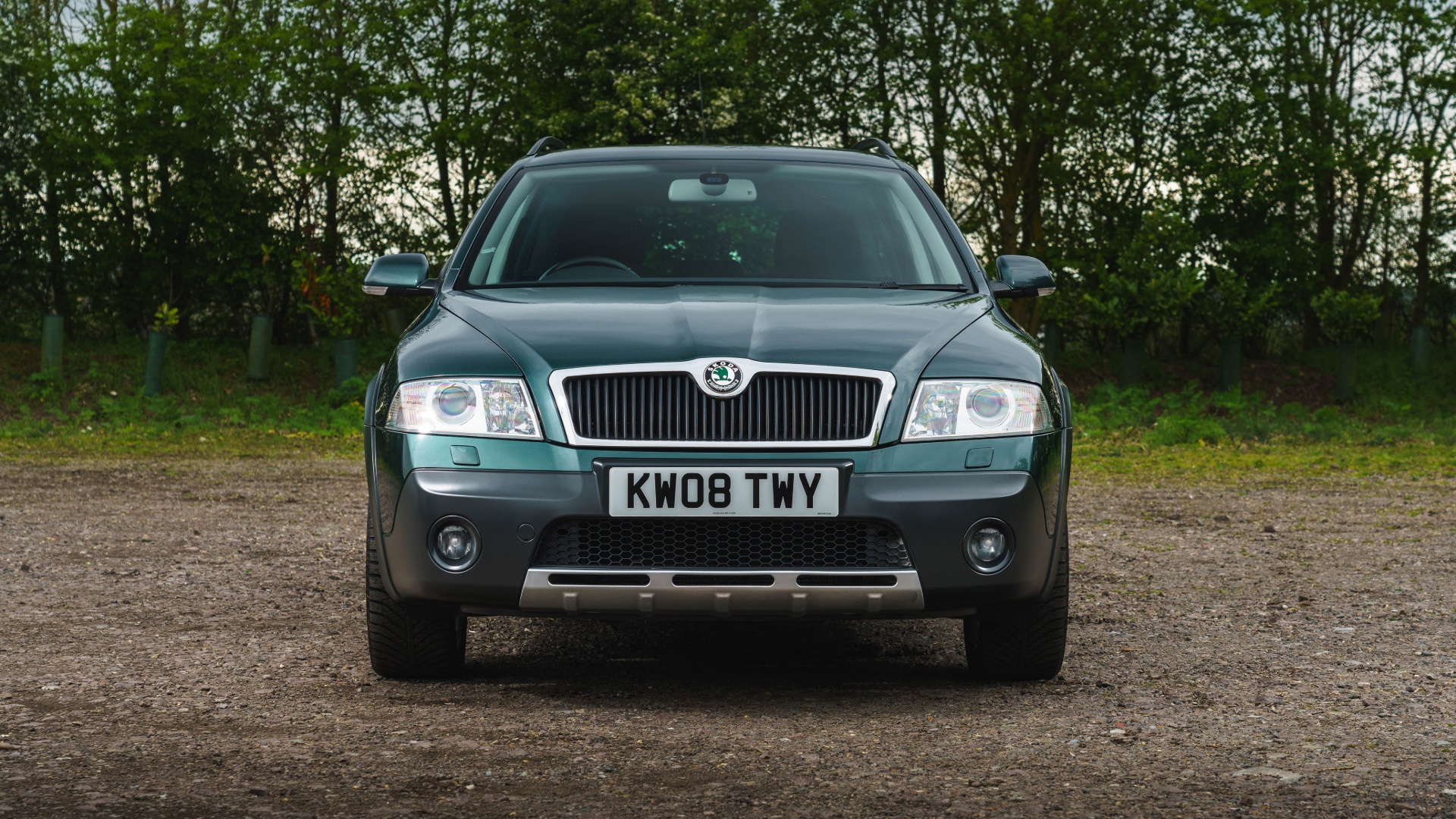
In essence, the Scout combines the rugged styling, loftier ground clearance and four-wheel drive of an SUV with the superior dynamics and fuel-efficiency of an estate car.
An extra 40mm beneath the wheelarches and Haldex variable 4WD mean it will tackle gravel tracks or muddy lanes with confidence. But the rear wheels are only engaged when needed, so quoted fuel economy is a car-like 44mpg.
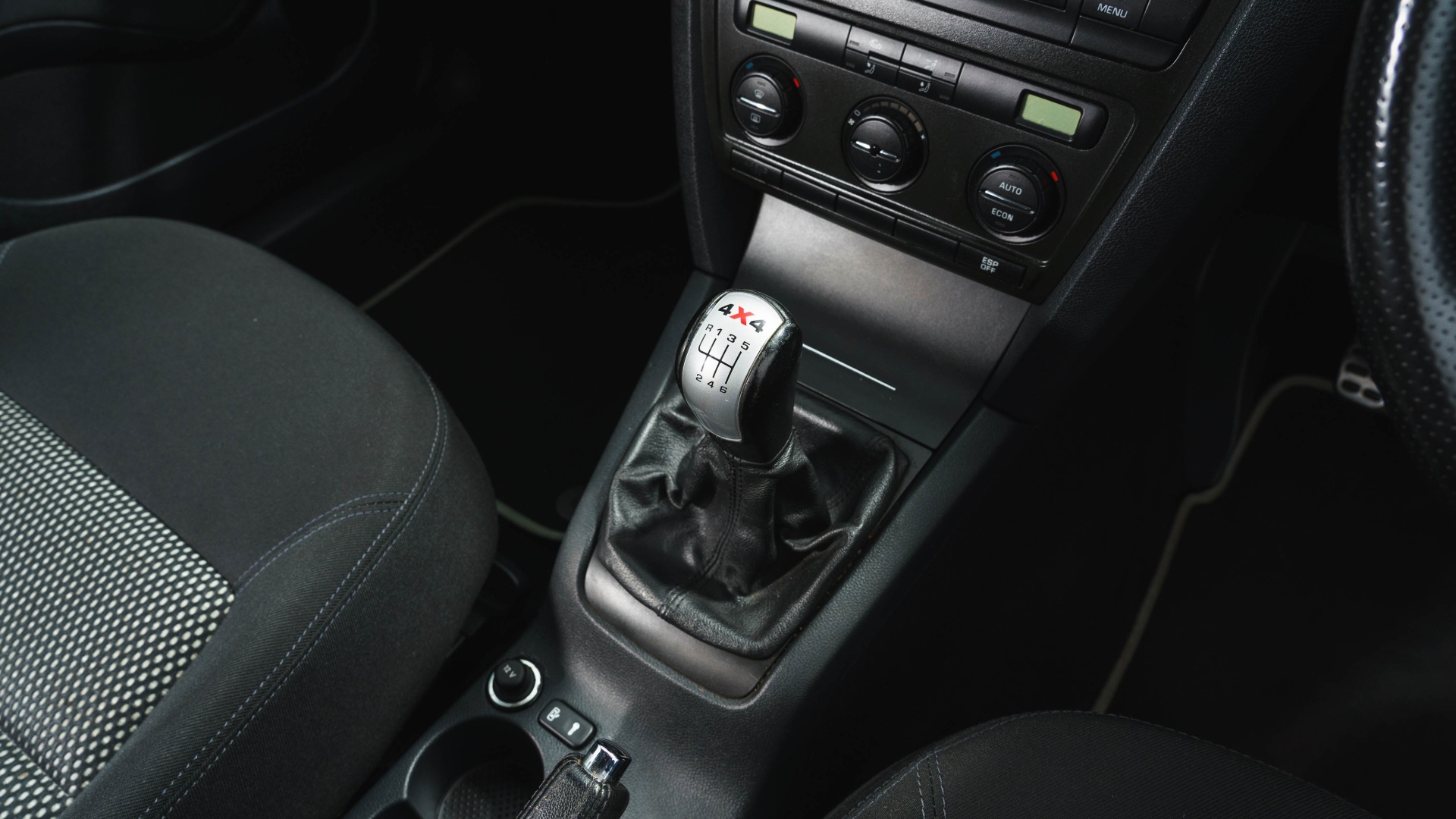
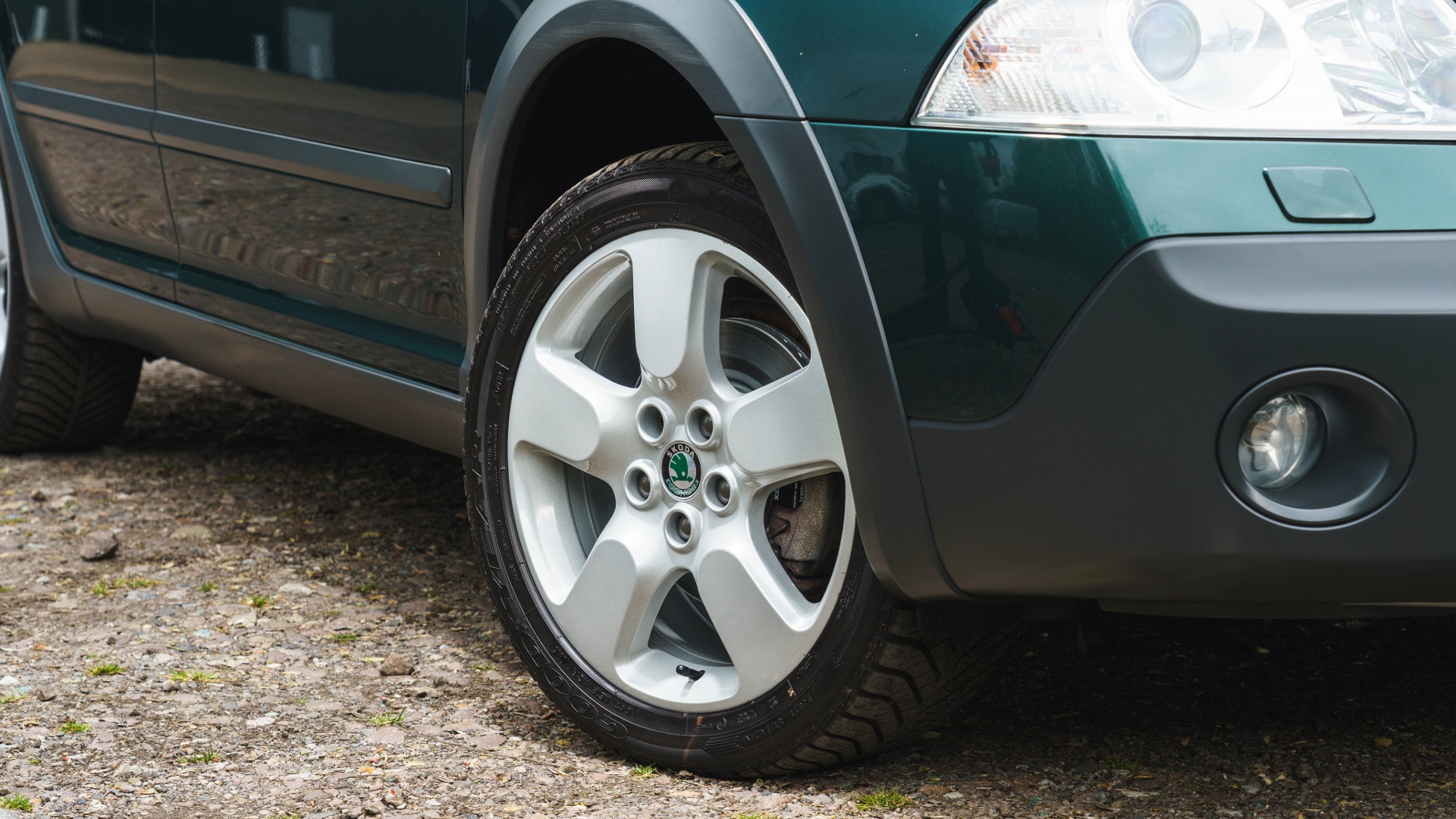
The Mk2 Scout still looks the part, thanks to muscular body cladding and skid plates beneath both bumpers. Inside, snazzy kickplates and a ‘4×4’ logo on the gearknob hint at its added potential.
Buyers could have a 150hp 2.0-litre petrol version, but most opted for the 140hp 2.0 diesel. It produces 140hp and propels the 1,625kg Skoda to 122mph.
On the road, the Scout feels as intuitive and inoffensive as a regular Octavia. Granted, there’s a little more lean when cornering, and perhaps a smidge less precision from the steering. But it’s certainly more engaging than a contemporary SUV. Less ostentatious, too.
Sadly, I didn’t get chance to sample the Scout on rough terrain. Suffice to say, the original press photos – which show it clambering over rocks and dive-bombing through streams – are testament to its prowess.
Skoda Octavia vRS Mk3 (2019)
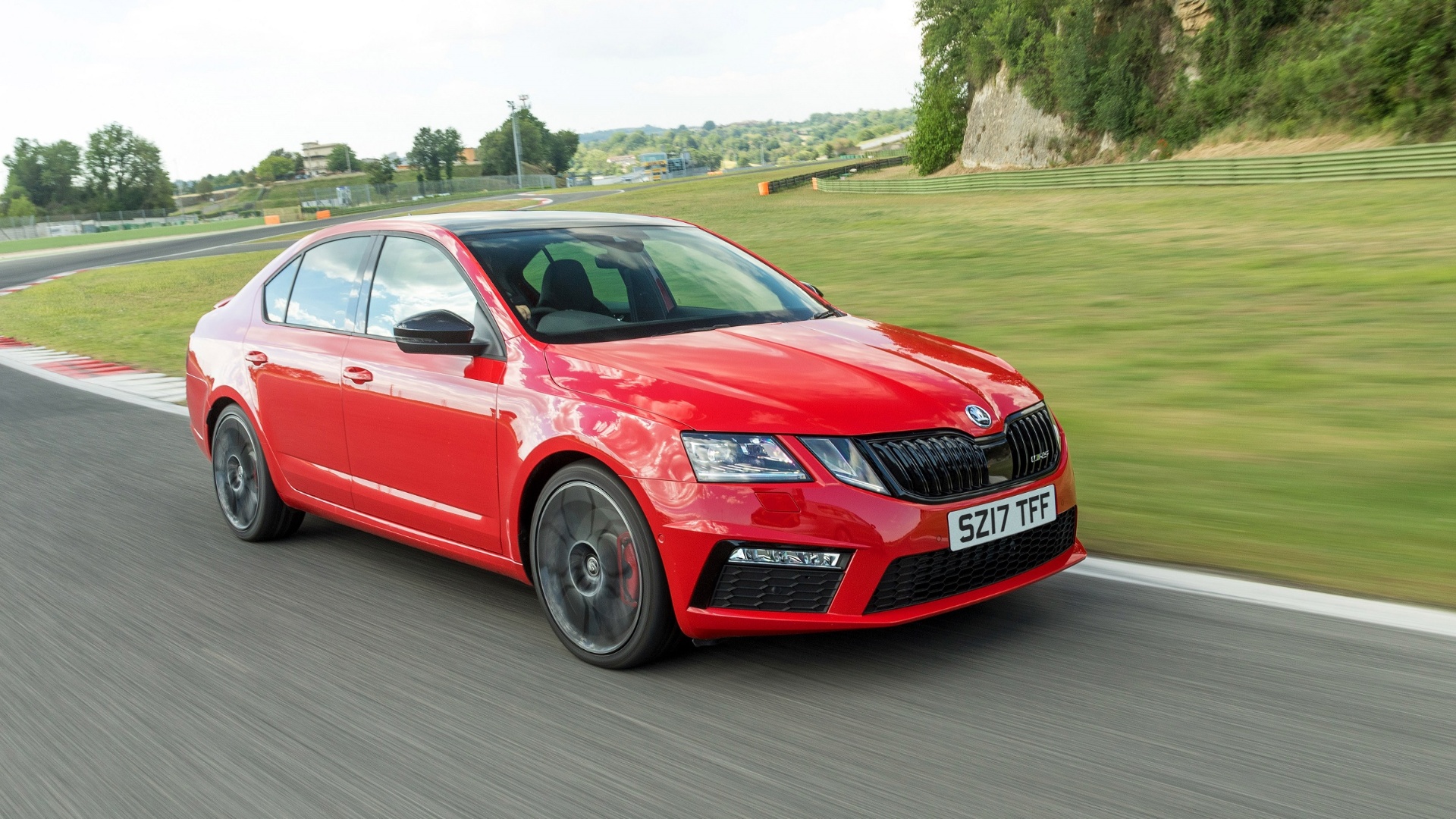
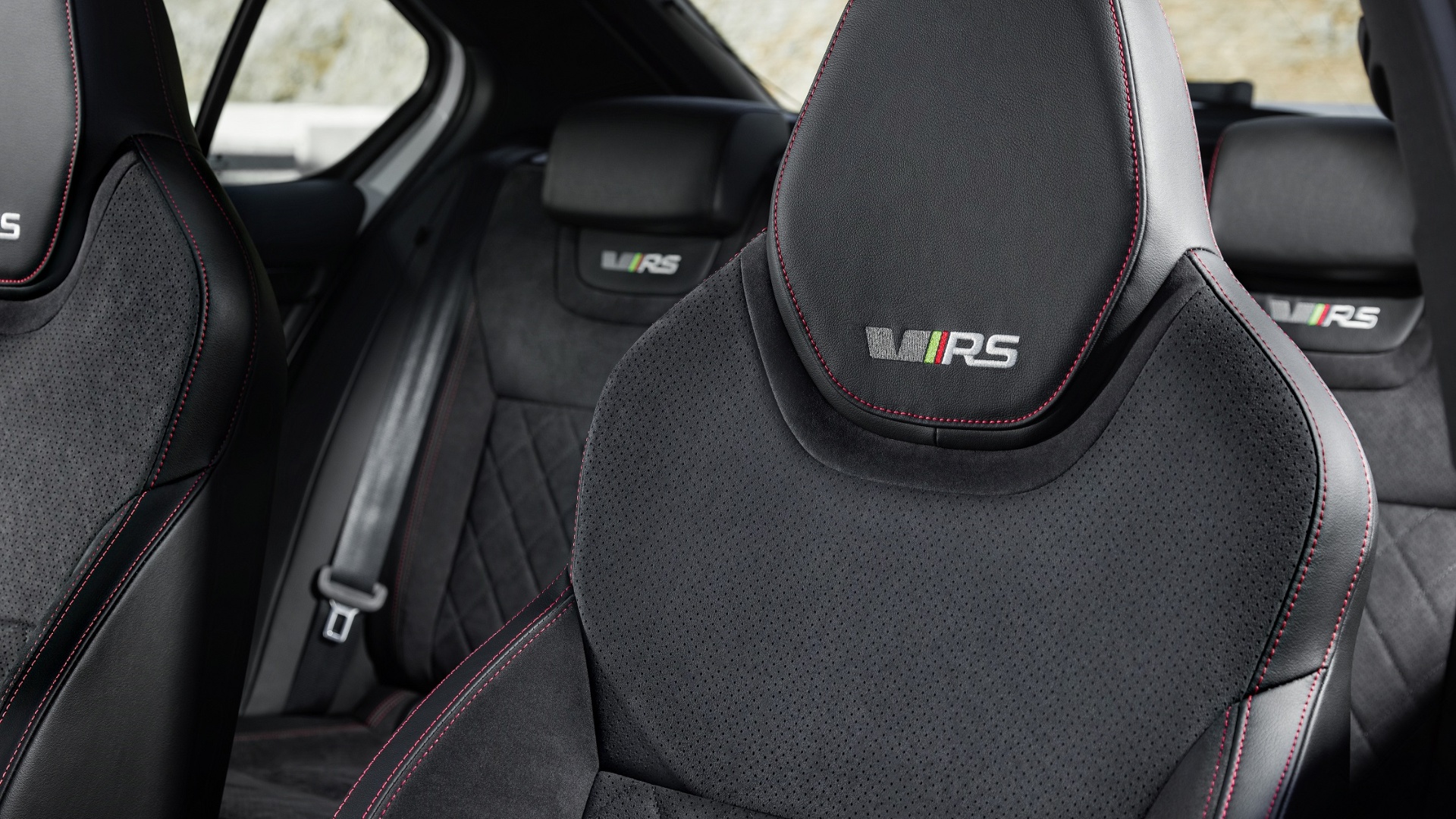
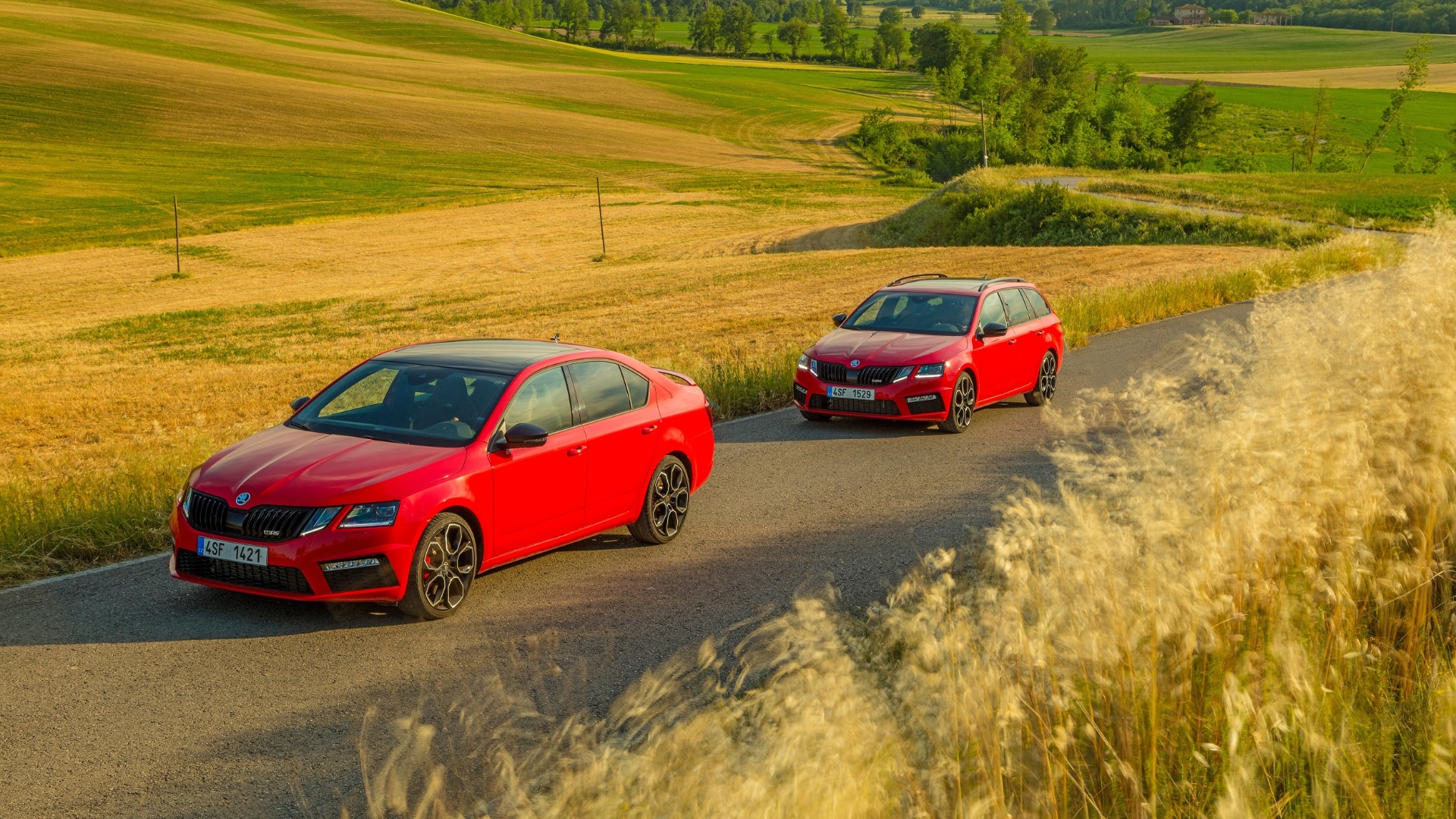
My fourth and final drive is the current-model Octavia – again in sporty vRS guise. Its 245hp 2.0 TSI engine packs a healthy 65hp more than the original, cutting the 0-62mph dash to 6.6 seconds. Top speed is limited to 155mph.
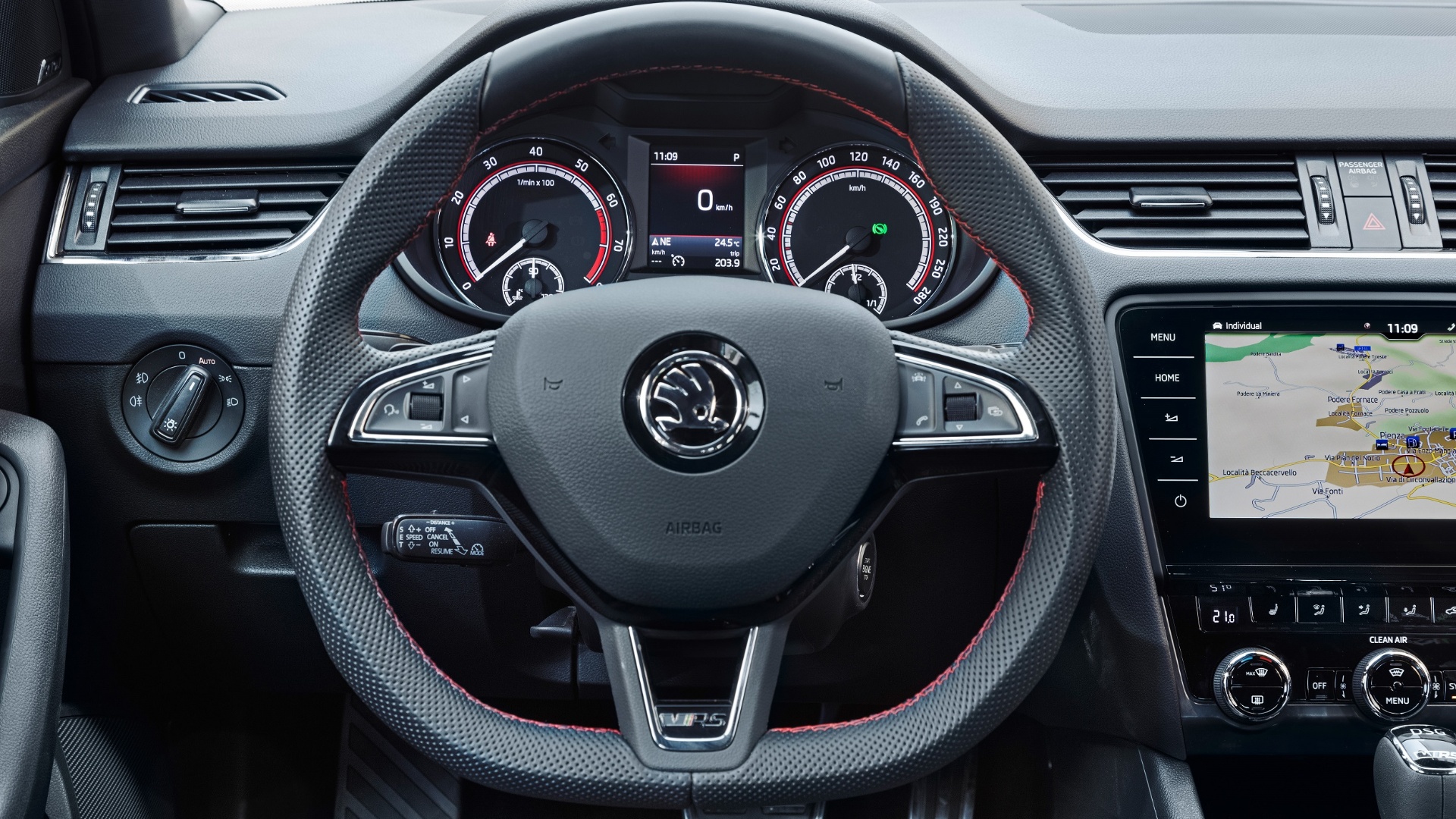
A base price of £27,640 still undercuts most rivals, although my test car cost £29,360 after options. These included the Audi-style Virtual Cockpit display (£450) and lane-assist with blind-spot detection (£400). Both were, of course, unheard of back in 2001…
In time-honoured tradition, the Octavia doesn’t shout about its added performance. Despite hip-hugging sports seats, red stitching and a smattering of vRS badges, its interior lacks the wow-factor of a Golf GTI. No complaints about build quality, though.
The eight-inch touchscreen media system is a highlight. It syncs seamlessly with your mobile phone via Apple Carplay or Android Auto. There’s also a choice of driving modes: Eco, Comfort, Sport and Custom.
The spiciest Octavia comes in three outputs: 184hp diesel, 230hp petrol and the vRS 245 petrol tested here. The top-dog 245 has a limited-slip differential as standard, but four-wheel drive is only offered on the diesel.
That diff makes a marked difference on the road, tightening turn-in and helping you slingshot out of bends. Switching to Sport sharpens things further without ruining the ride. The gruff growl of its engine sounds slightly synthetic, but there’s something addictive about its elastic mid-range punch.
The Octavia has been on quite a journey. It’s changed beyond all recognition, yet remained true to its roots, providing sensible – and sensibly-priced – transport for the masses. Even the vRS is a remarkably level-headed hot hatch.
So, všechno nejlepší k narozeninám Skoda Octavia (that’s ‘happy birthday’ in Czech). Here’s to another 60 years.
McLaren is known the world over for its success on the racetrack, but in recent years it has also challenged Ferrari and Porsche on the road. Not many race car constructors could pull off the move, but McLaren has. Here, we chart its history.
The revived McLaren company had also targeted a move from racetrack to road for years, but only decided to do so in the late 1980s. Legend has it, the decision came after team boss Ron Dennis and designer Gordon Murray got chatting in an airport after a delayed flight.
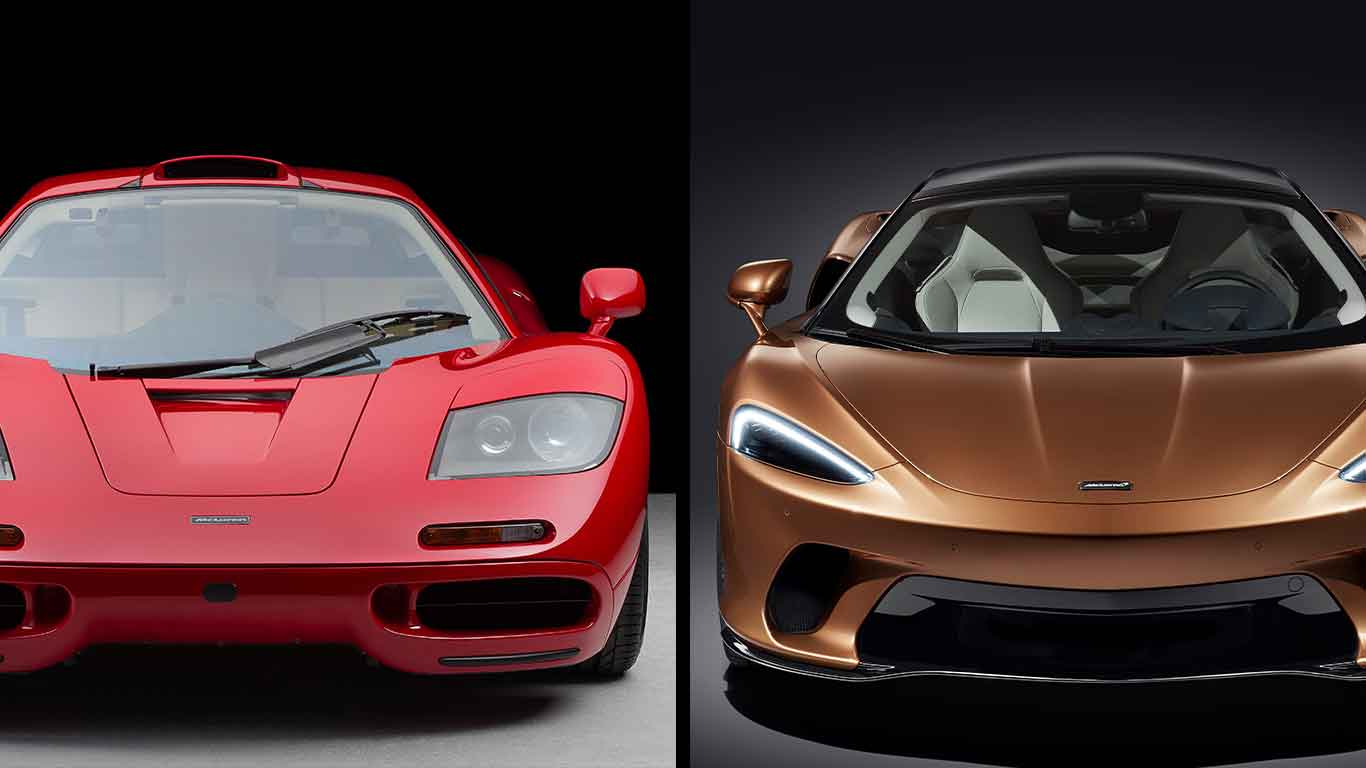
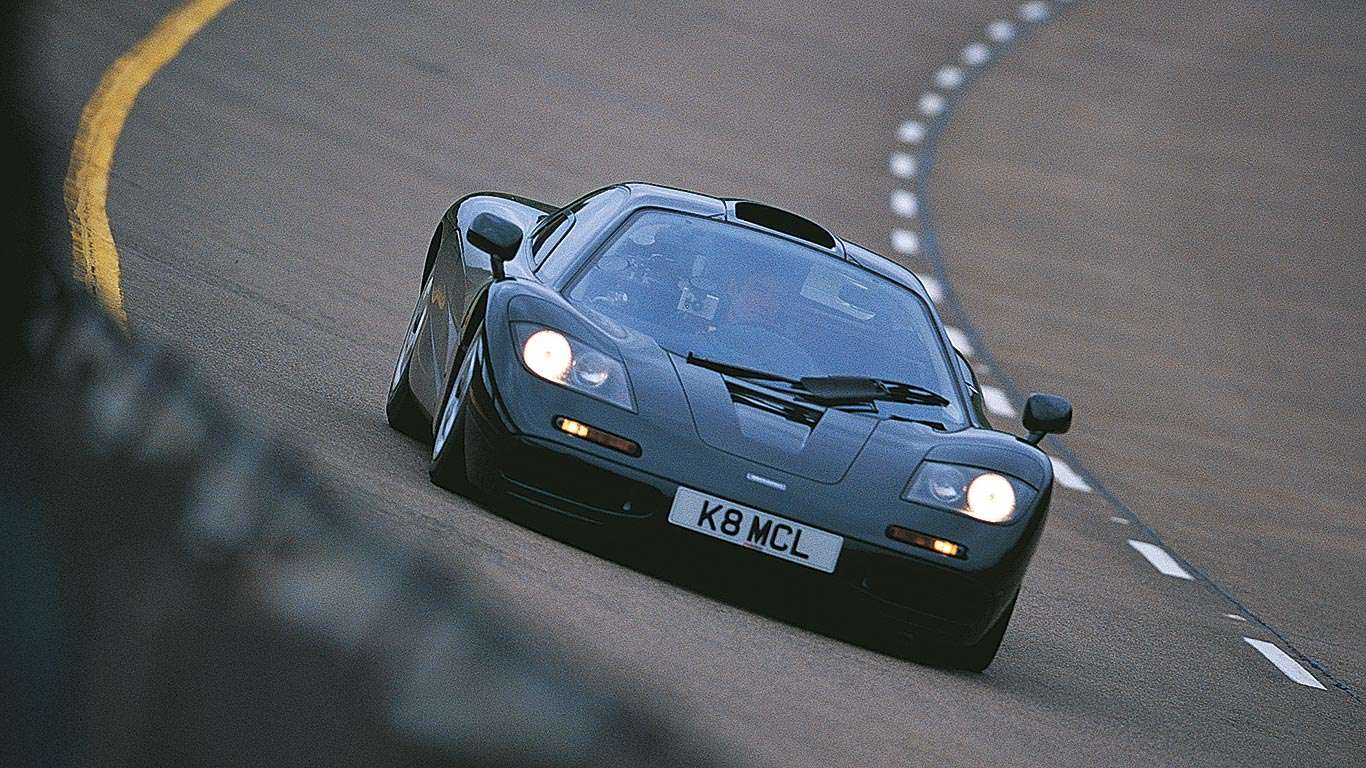
The McLaren F1 became the firm’s first-ever road car at launch in 1992 – and, with a 242mph top speed, easily the world’s fastest. Fittingly, it’s P1 in McLaren’s road car codename chronology.
Ironically, the F1 went full circle back to the racetrack and won Le Mans…
Mercedes-Benz SLR McLaren (2003)
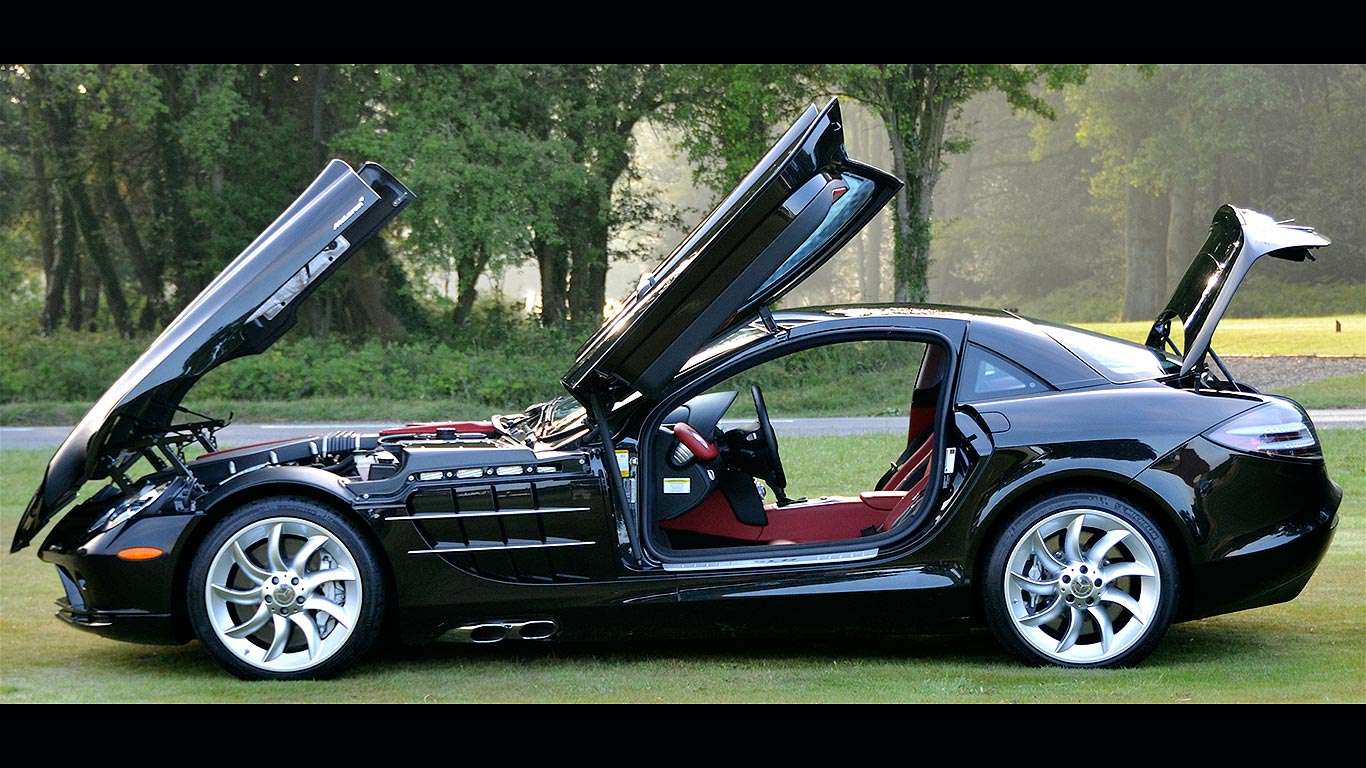
Skip forward a few years (and a few abandoned projects) for McLaren’s next road car: the 2006 Mercedes-Benz SLR McLaren. Codenamed P7, it was a Mercedes-Benz concept that McLaren put into production – hence the name hierarchy.
A faster 722 version, a Roadster, the limited-run Sir Stirling Moss and McLaren Edition MSO versions would follow
McLaren MP4-12C (2011)
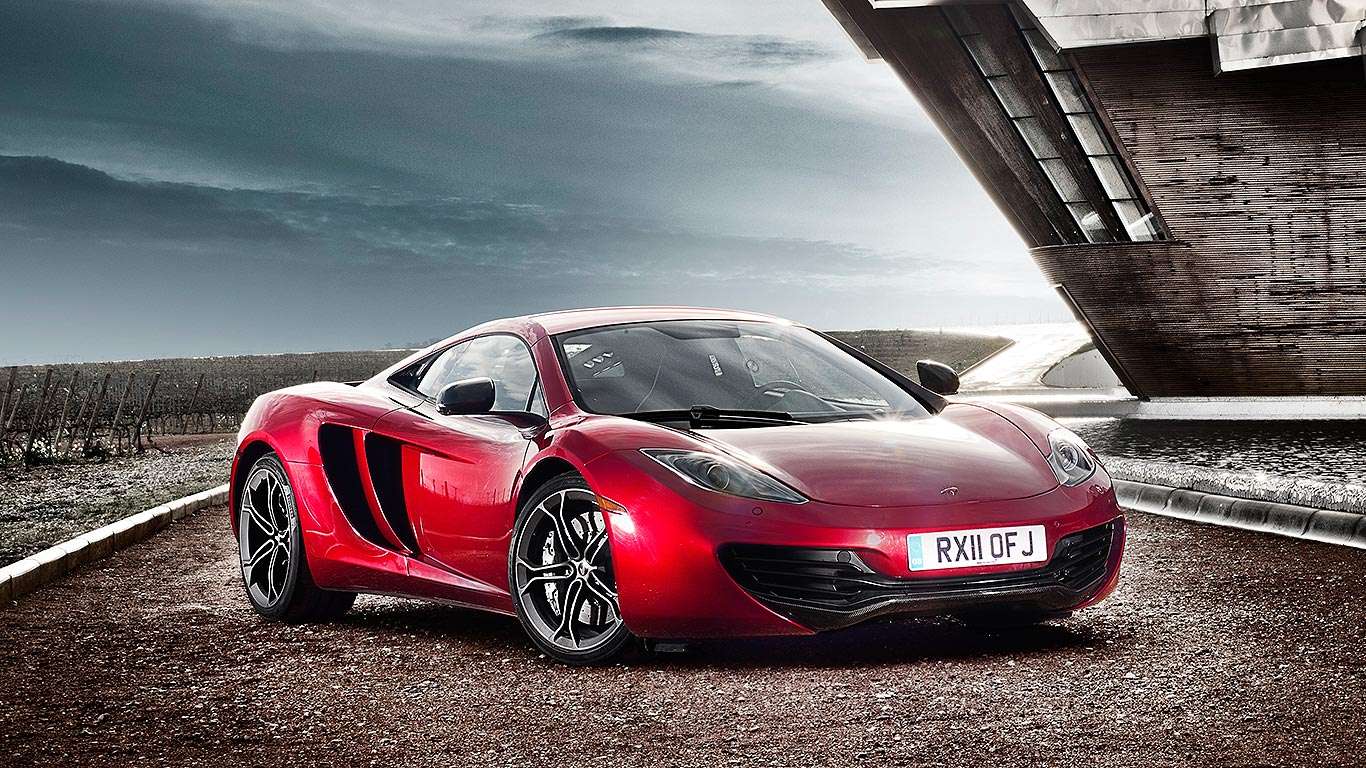
McLaren’s breakthrough road car, the ‘P11’ MP4-12C (you’ll note a few more McLaren ‘P’ concepts were lost along the way). At launch, McLaren announced to the world it was a Ferrari-beater: it wasn’t quite, but it would soon develop into one.
At the end of 2012, McLaren dropped the MP4 bit from the name: it was now officially just ‘12C’. As well as adding a drop-top Spider, it also boosted power from 600 to 625 horsepower, tweaked other parts of the drivetrain and fitted proper door release buttons rather than the troublesome ‘swipe to open’ launch system.
McLaren P1 (2013)
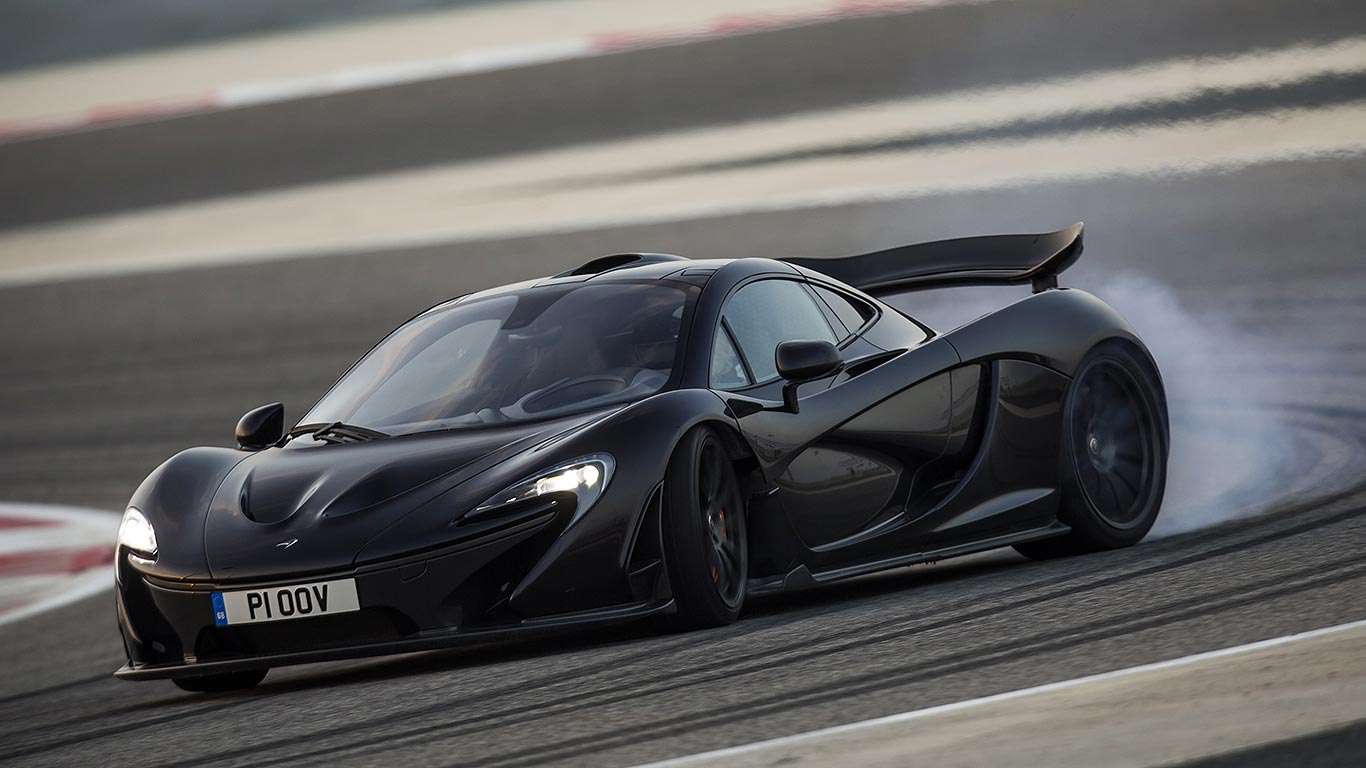
Revealed at the 2012 Paris Motor Show, the McLaren P1, codenamed P12, was a stunning hypercar that’s part of McLaren’s pinnacle Ultimate Series range. Just 375 were made, with 58 track-only GTR variants following. Its active aero, gratuitous turbo ‘whoosh’ and road-hugging track mode are now the stuff of legend.
McLaren 650S (2014)
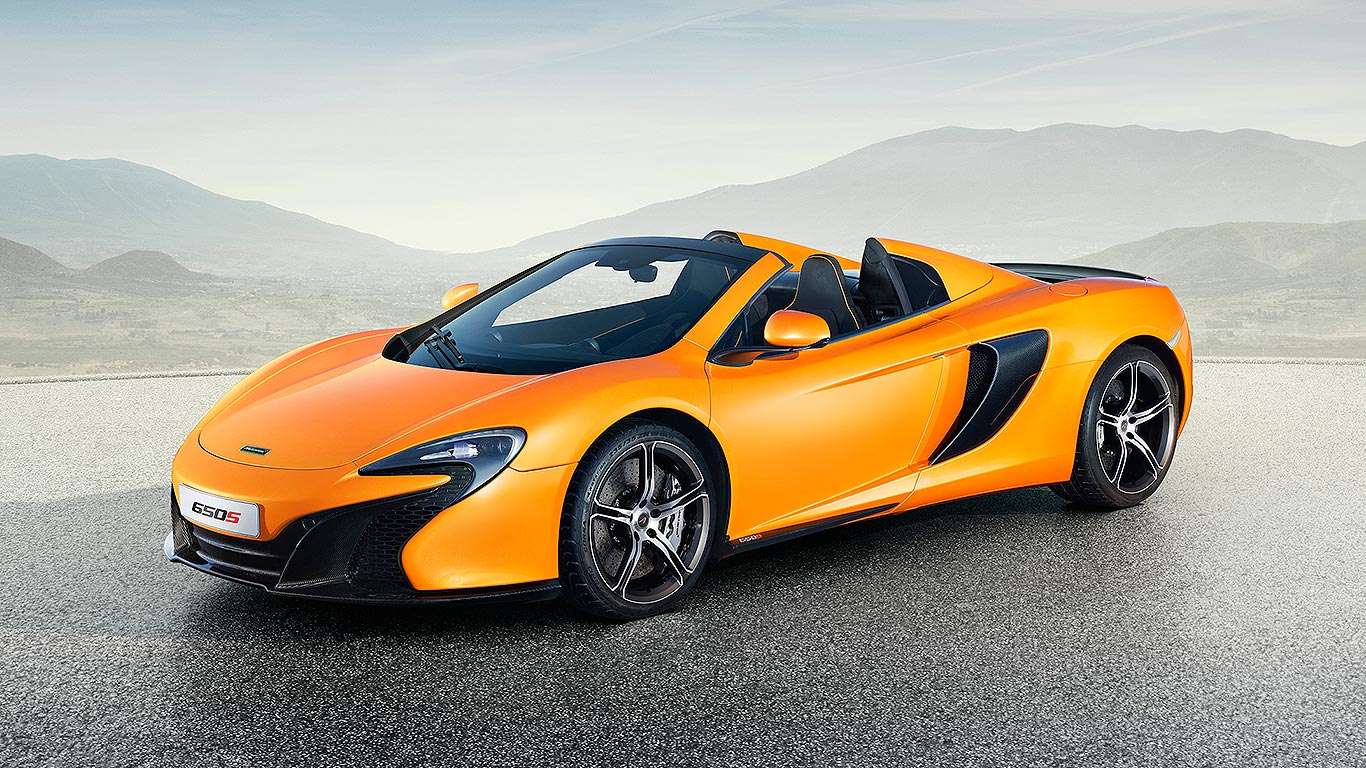
In 2014, McLaren revealed the 650S at the Geneva Motor Show. Dubbed ‘P11M’, it was a 12C wearing a P1-style nose. The idea was to offer 12C and 650S alongside one another, but orders for the 12C naturally dried up. McLaren thus discontinued the 12C (and offered the 3,500 existing 12C owners a ‘650S upgrade’ pack). The 650S was also available as a drop-top Spider.
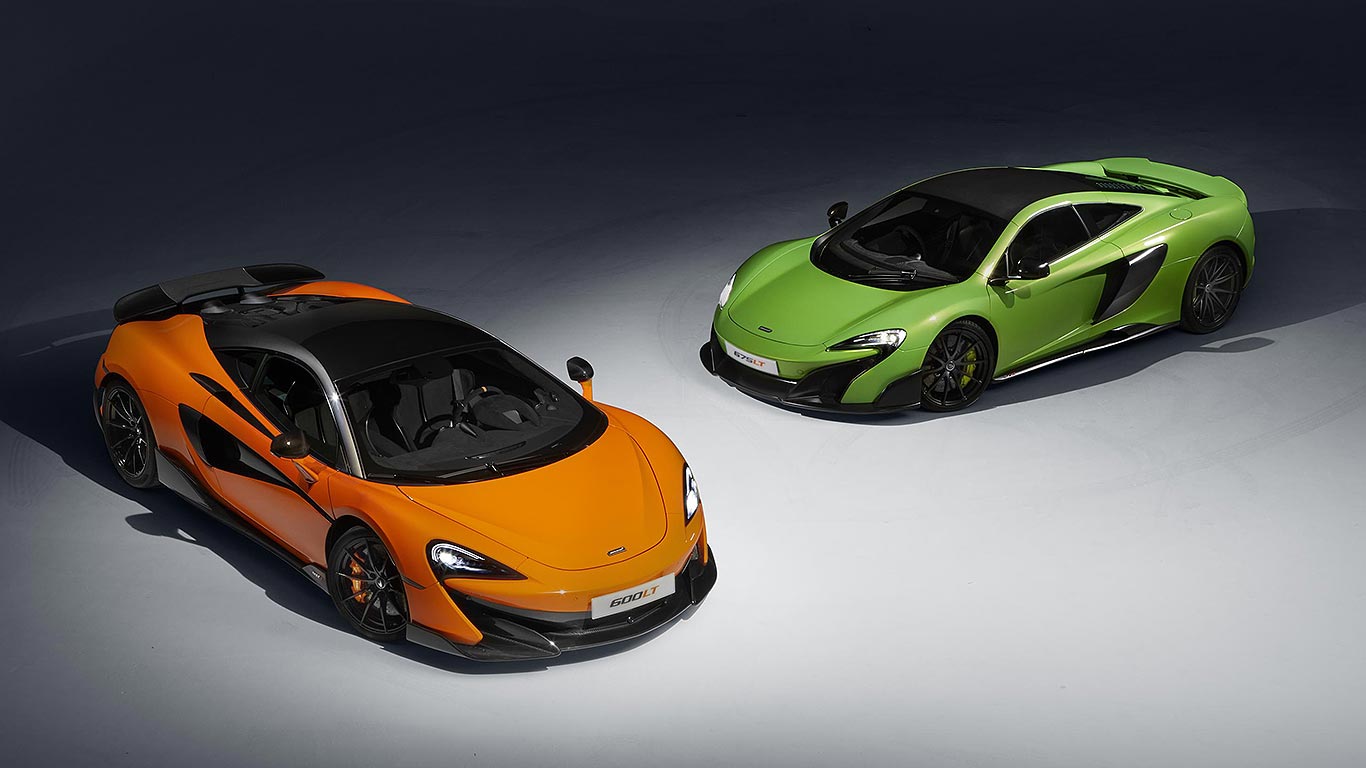
McLaren 675LT (2015)
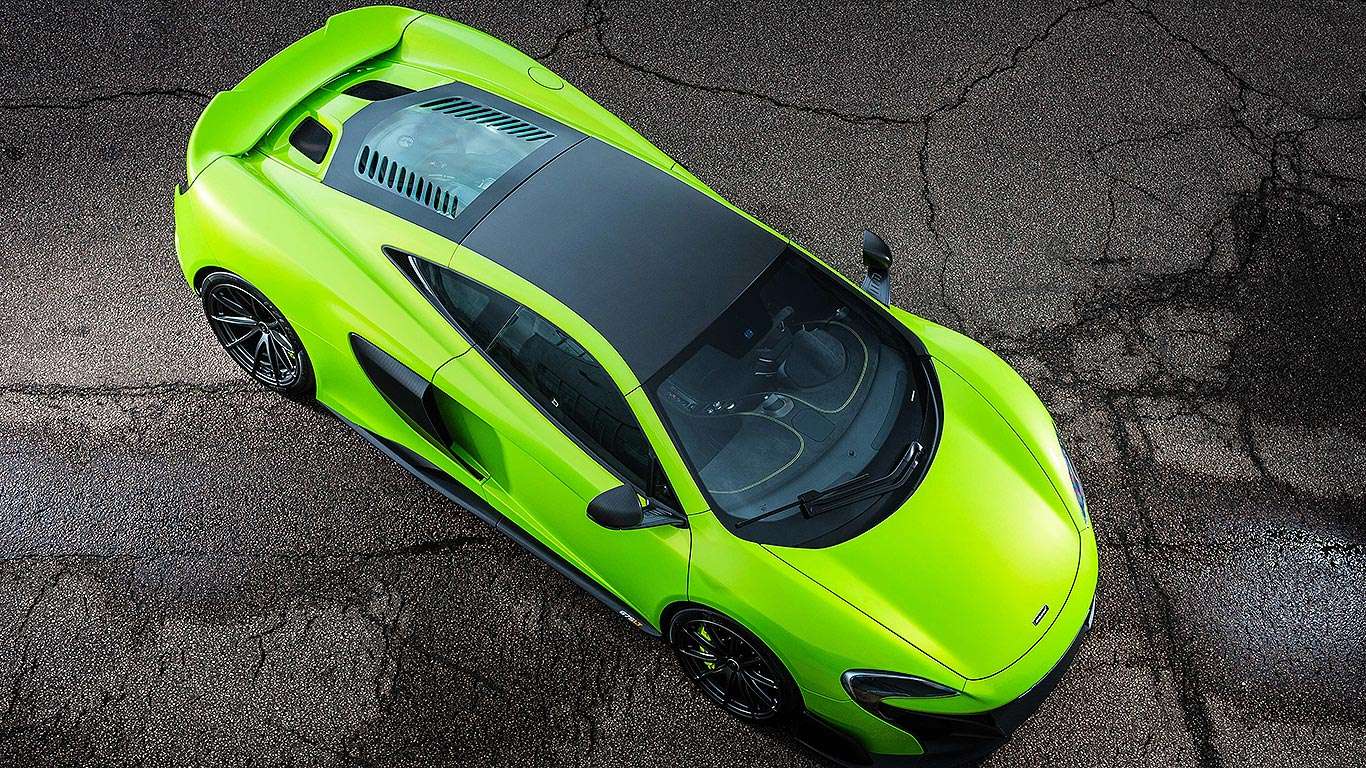
In 2015, the mighty 675LT arrived. That’s LT for ‘longtail’, harking back to the 1997 F1 GT. A full-length rear airbrake, hyper-tuned suspension and a wild 675 horsepower engine made for an exceptional drive (and enough speed around a track to almost match the P1). Weirdly, they also took a tin-opener to this most hardcore of models, for the Spider variant.
McLaren 570S (2015)
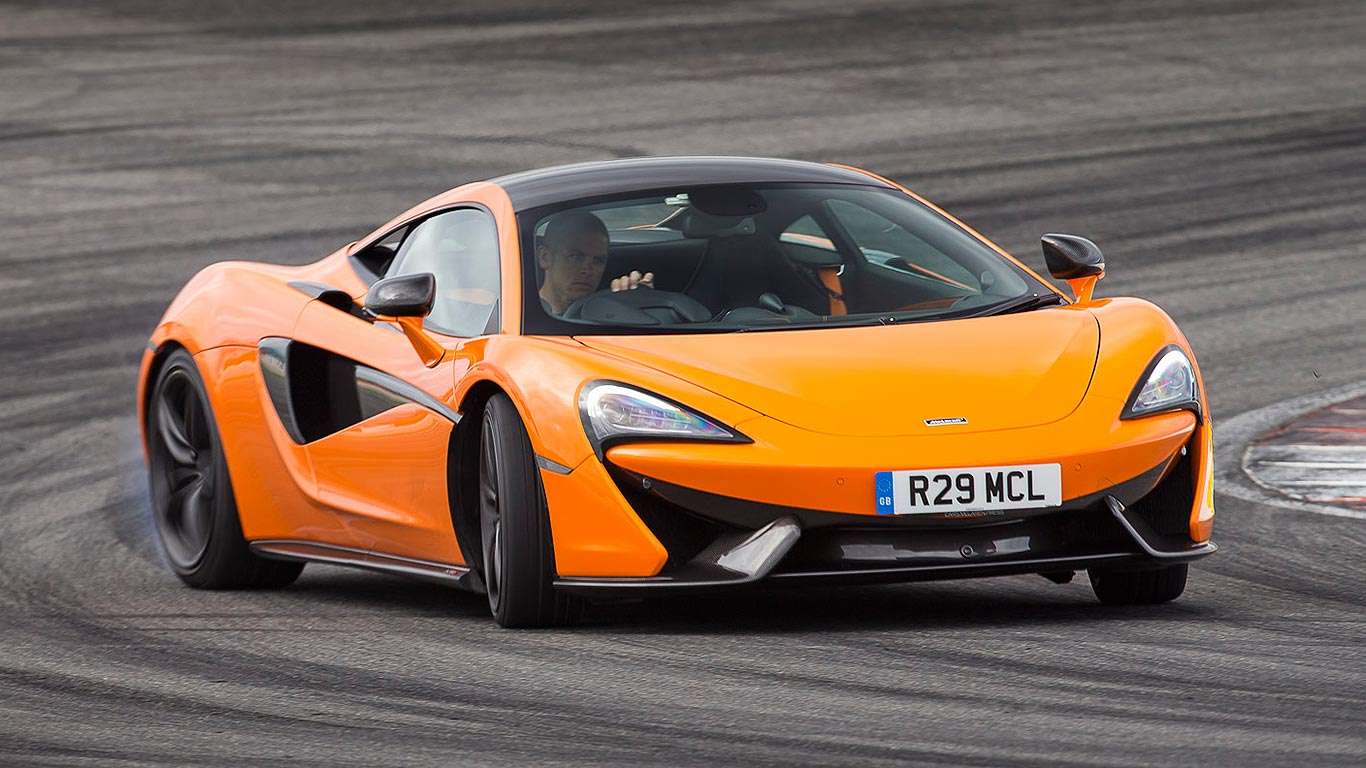
McLaren rounded out 2015 with what was to prove its important car yet – the 570S. A more affordable, more accessible sports car to take on the Porsche 911 and Audi R8, this is the car that saw McLaren Automotive grow to its target of building 4,000 road cars a year – and beyond. A drop-top 570S would follow, for those who want their Sports Series McLaren with a bit more sky.
McLaren 570GT (2016)
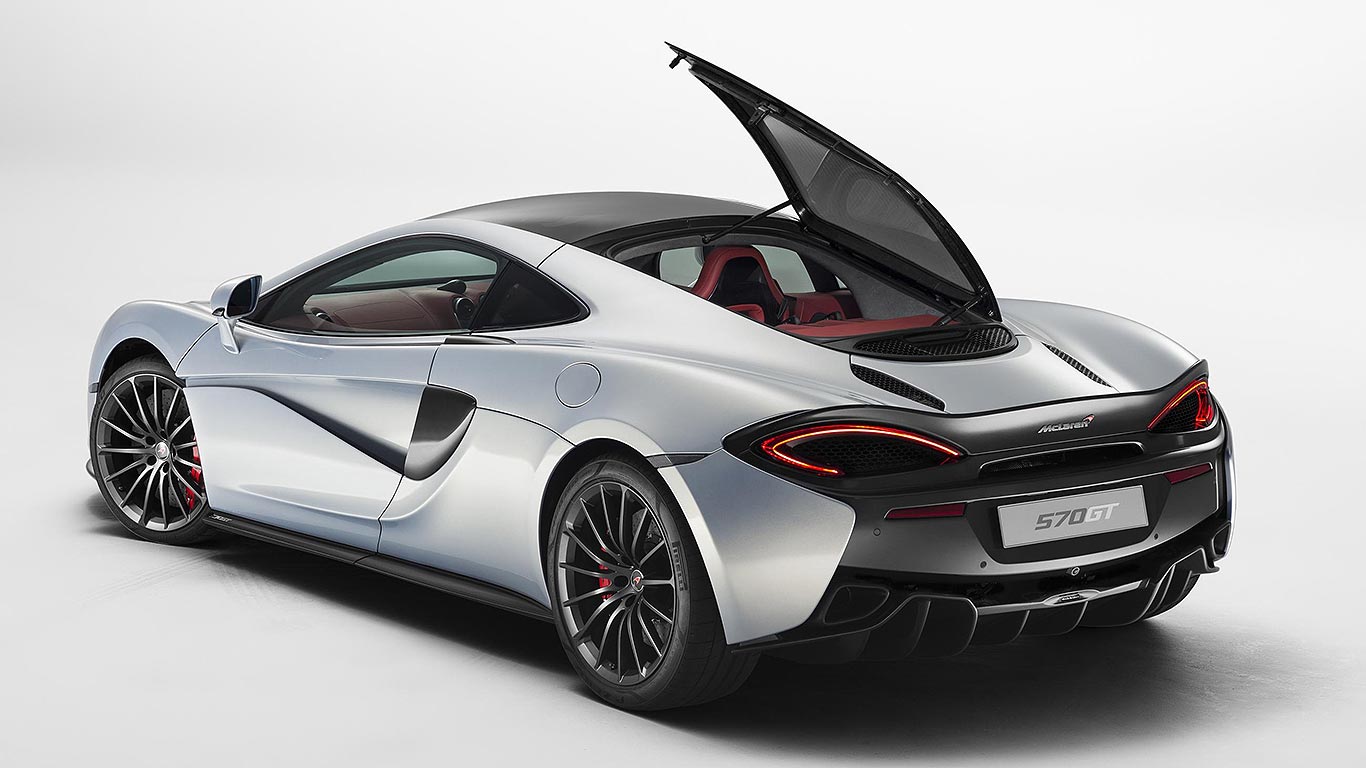
The 570GT was the first modern McLaren that wasn’t billed as an out-and-out sports car. It was more rounded, with (slightly) more supple suspension and a side-hinged glass tailgate that revealed a load bay bigger than many superminis. It’s this GT theme that the firm has subsequently developed further…
McLaren 720S (2017)
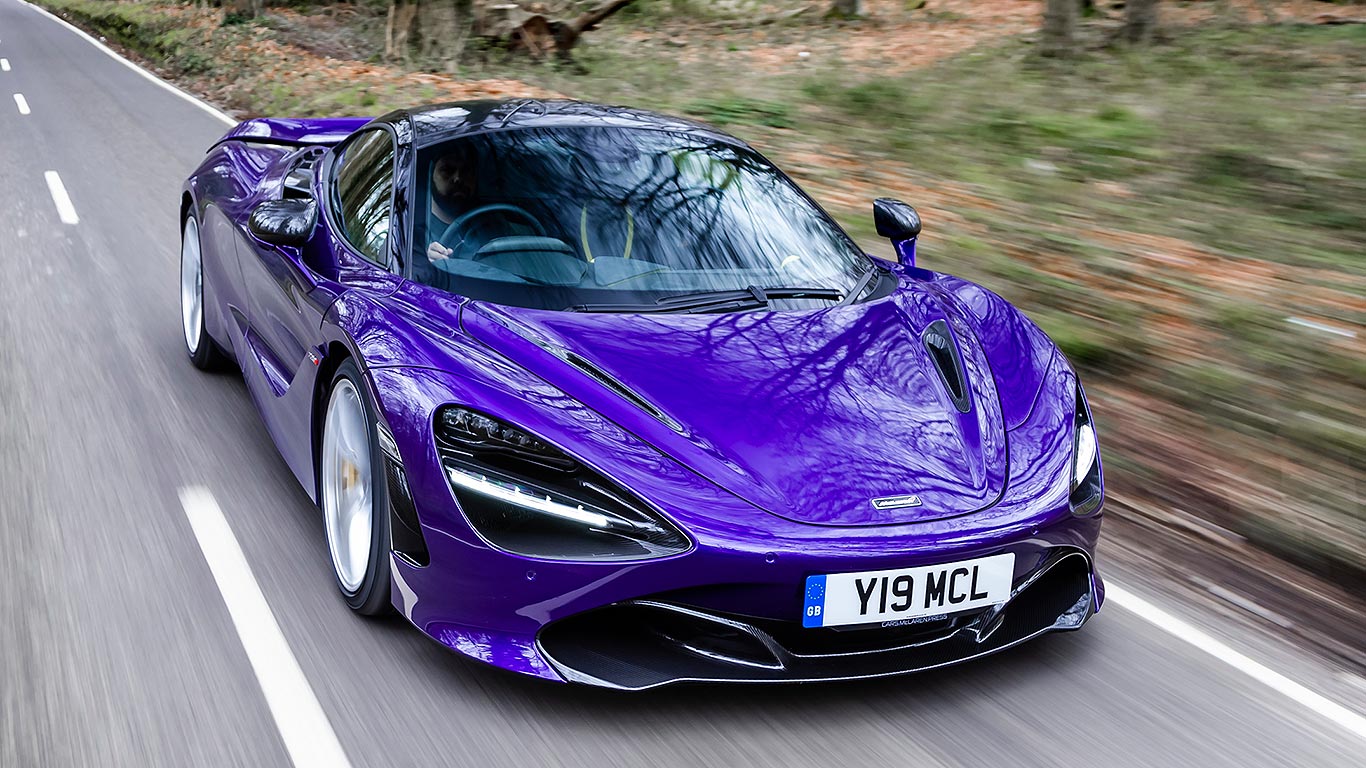
The mighty McLaren 720S was the firm’s Super Series replacement for the 650S – and the first time it had given one of its cars a ground-up makeover. The name says it all: 720 horsepower. Performance is absolutely incredible: no wonder it scooped the 2019 World Performance Car of the Year prize. Now available in open-air Spider flavour, too.
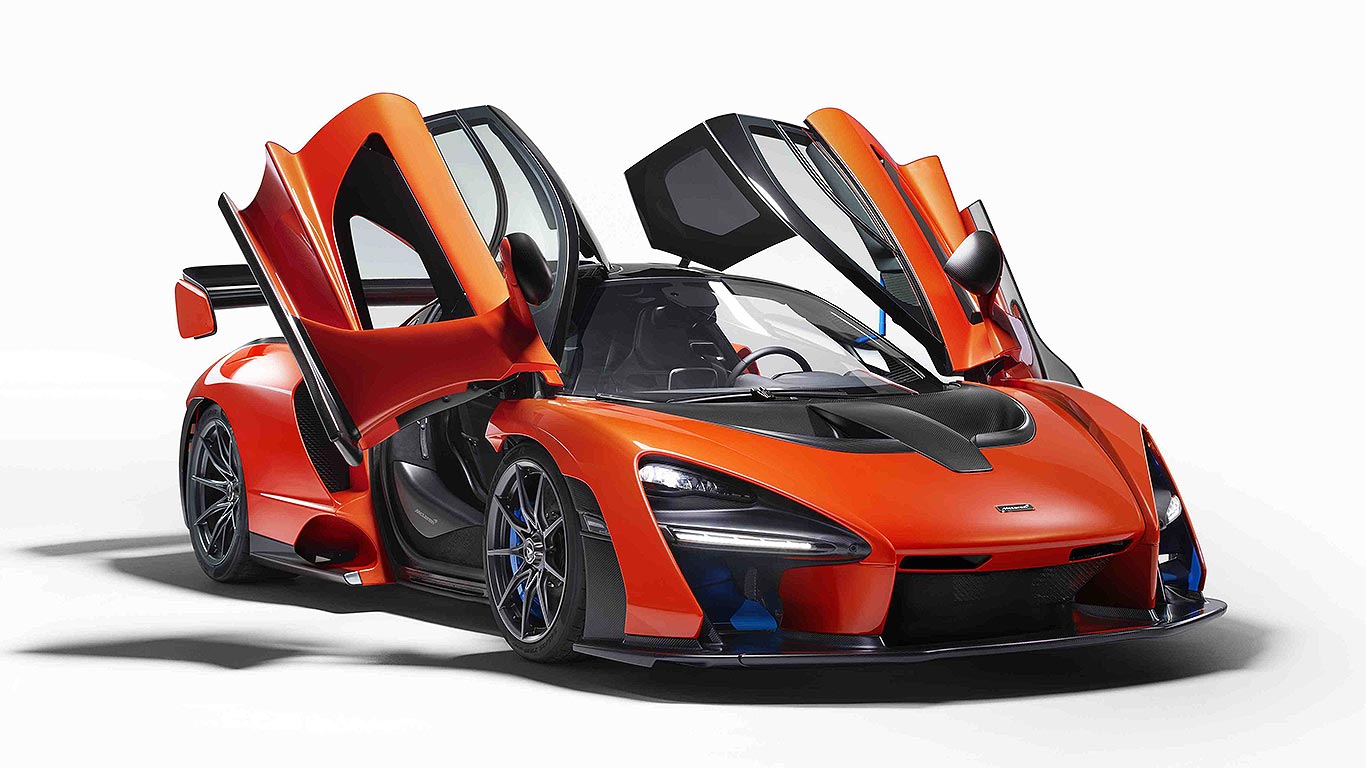
McLaren Senna (2018)
McLaren’s next Ultimate Series model was a curious follow-up to the P1. Once you get past the controversial styling, you find no hybrid systems and less power than the car that preceded it. That’s because the Senna is all about pure track work – lightweight function over form. You know what doesn’t give as much downforce as a Senna? Most conventionally pretty cars. You know what weighs a lot more? The P1, with its batteries. We reckon this 800hp tribute to Ayrton goes well enough without extra electric puff.
McLaren 600LT (2018)
Long-awaited, given the superb reaction to the 570, was this more hardcore 600LT variant. You know the drill: weight down, power up, handling tuned, aero added. This fire-spitting GT3 RS-baiter topped many Car of The Year votes, including our own. Curiously, this hardcore track version is also available with the wind-in-the-hair experience. Further testament to the stiffness of that incredible carbon tub.
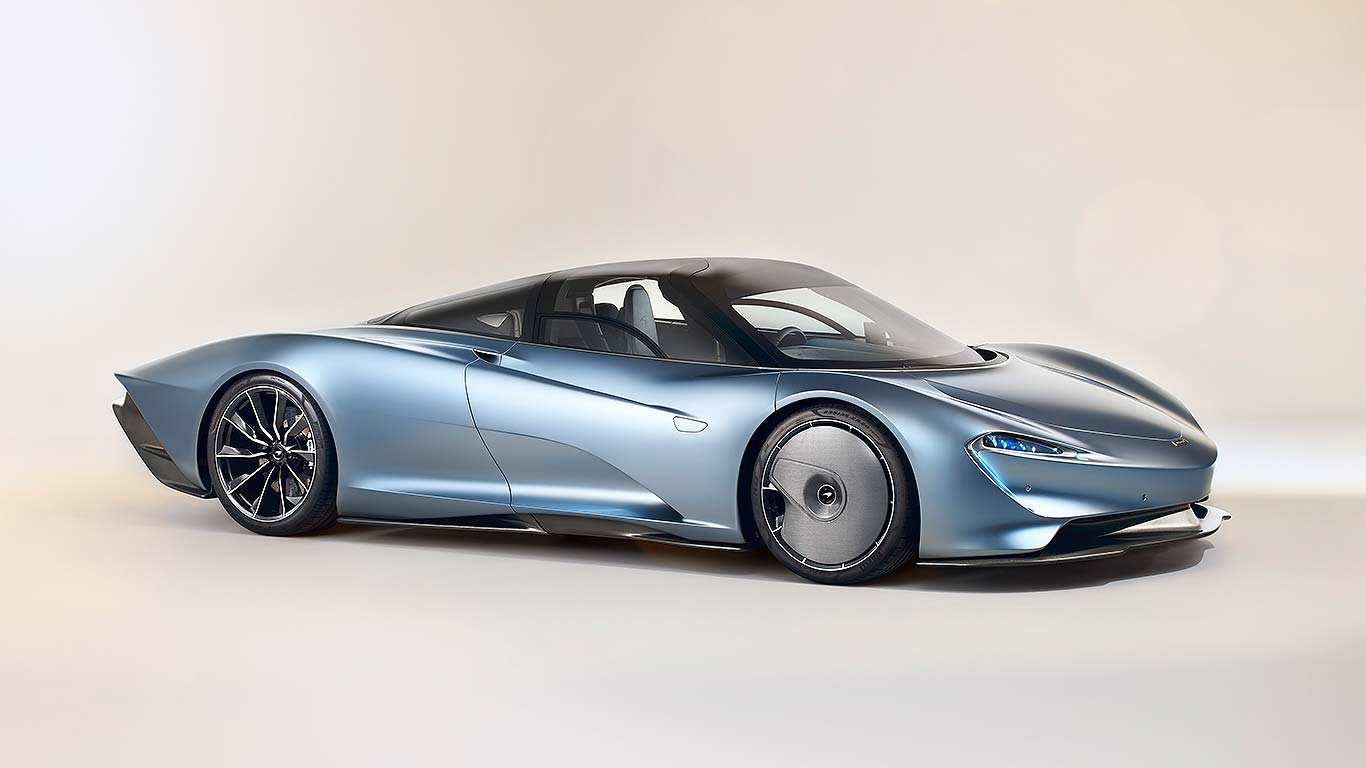
McLaren Speedtail (2019)
The Speedtail is the second wave of McLaren’s two-pronged hypercar attack. It’s pretty much the opposite of the Senna in every way. This car is all about being smooth and comfortable: a hyper GT. A 250mph 1,000hp hybrid whale-tail private jet for the road, it will also carry three occupants, with the driver in the middle – a nod to the F1 that started it all.
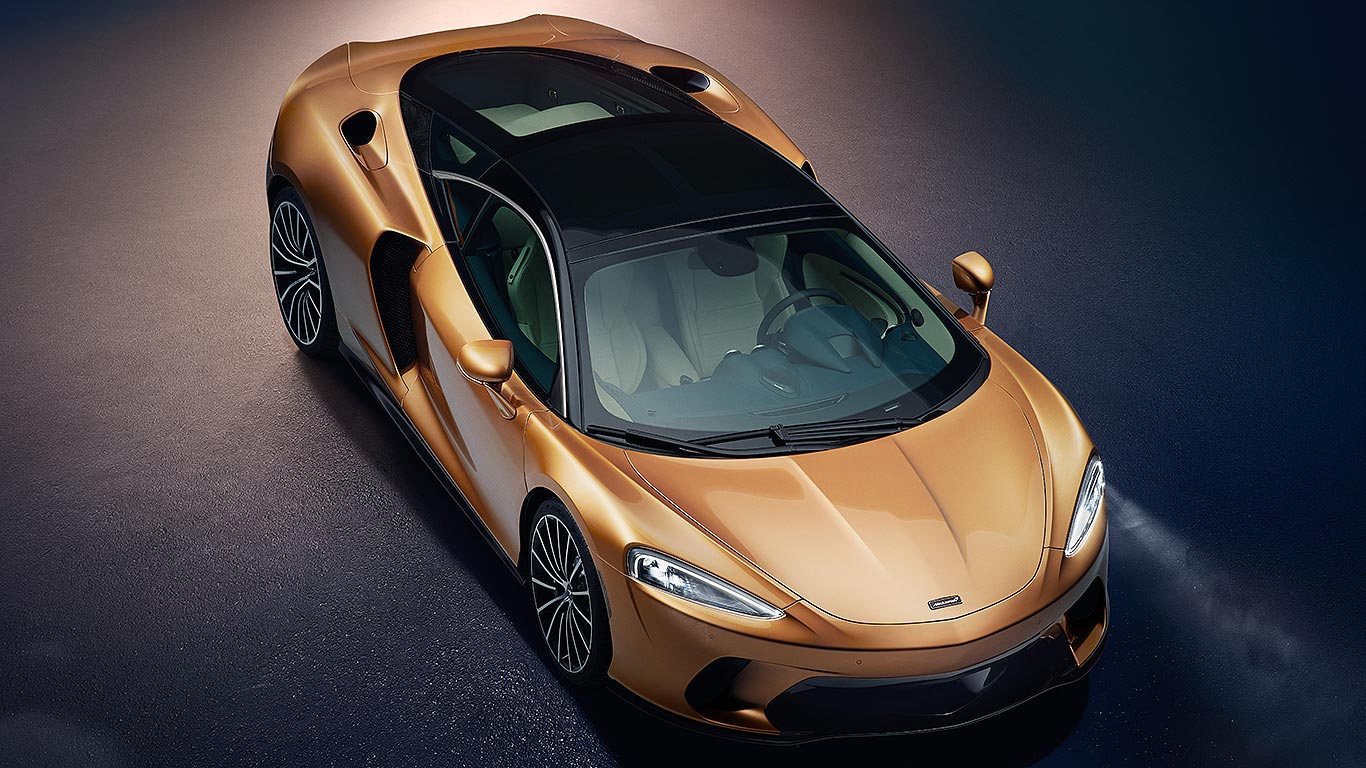
McLaren GT (2019)
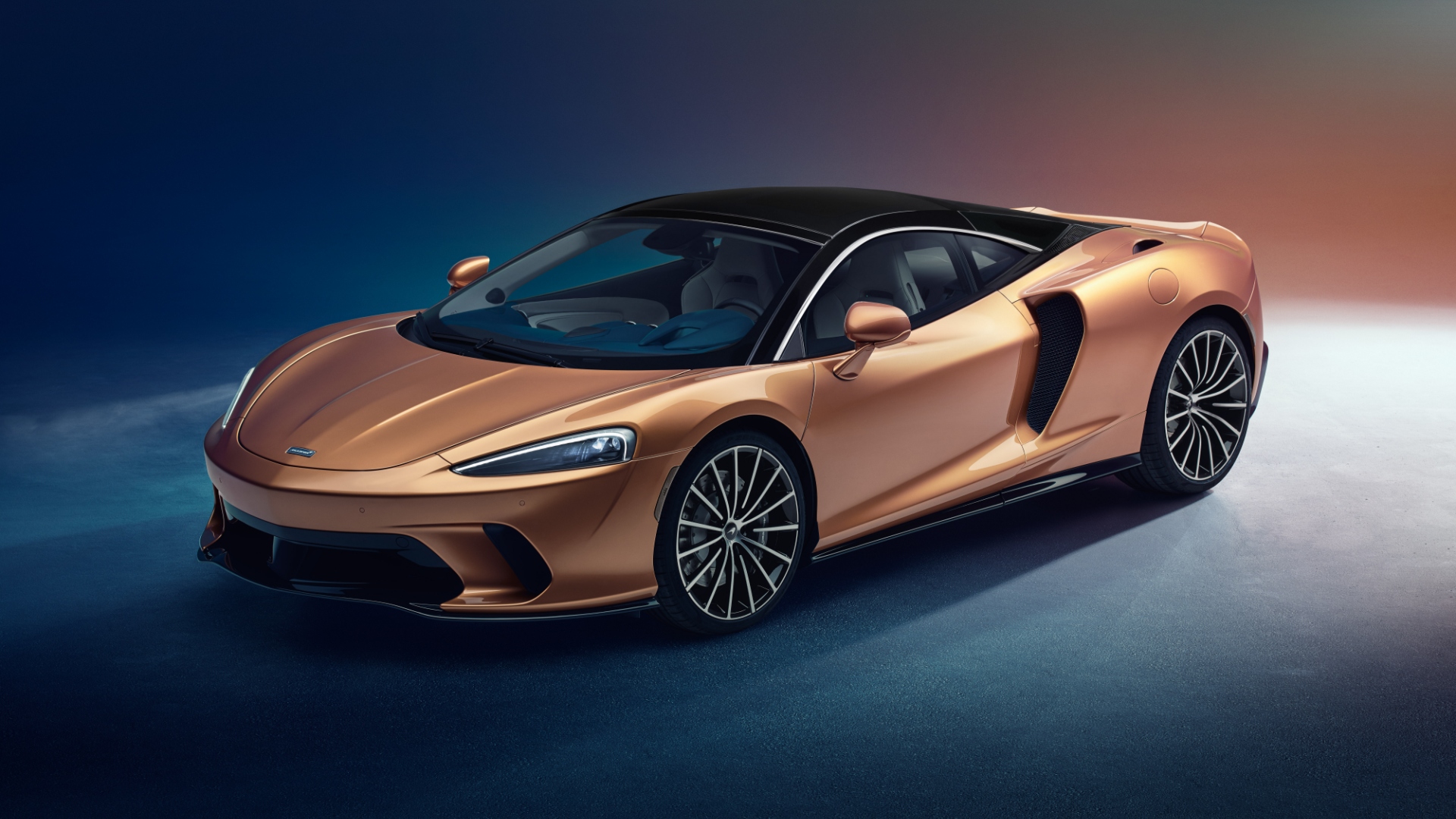
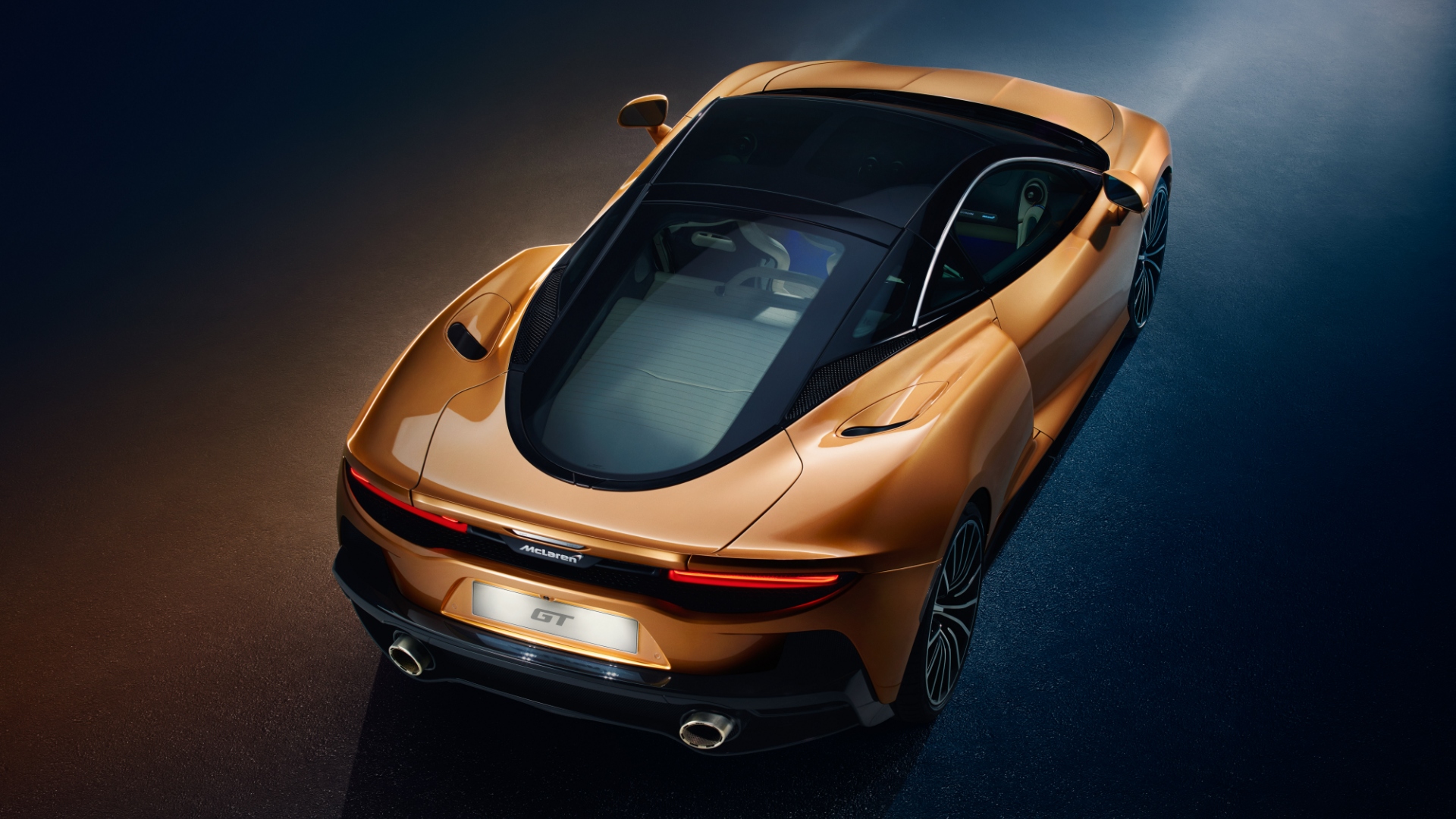
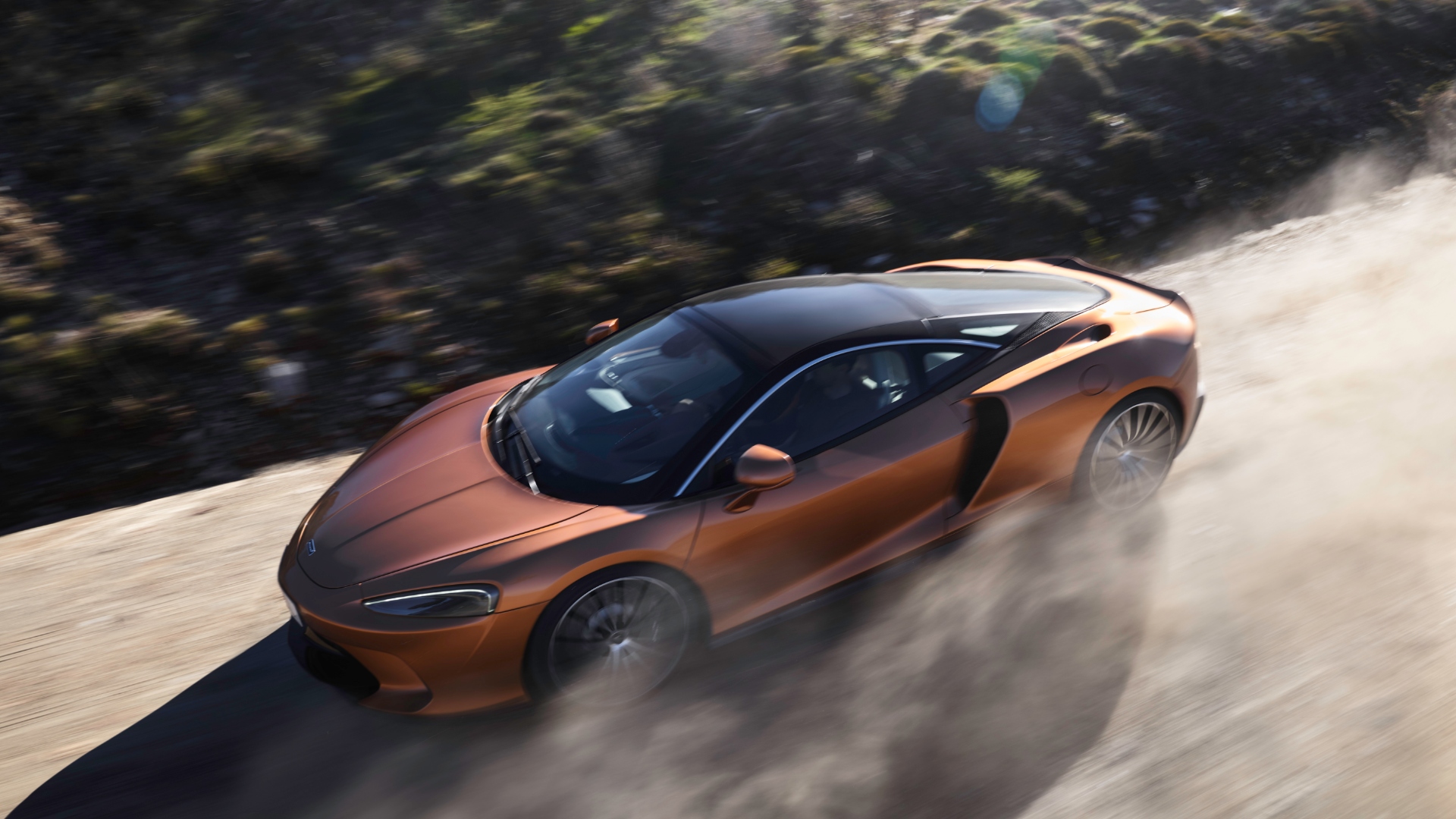
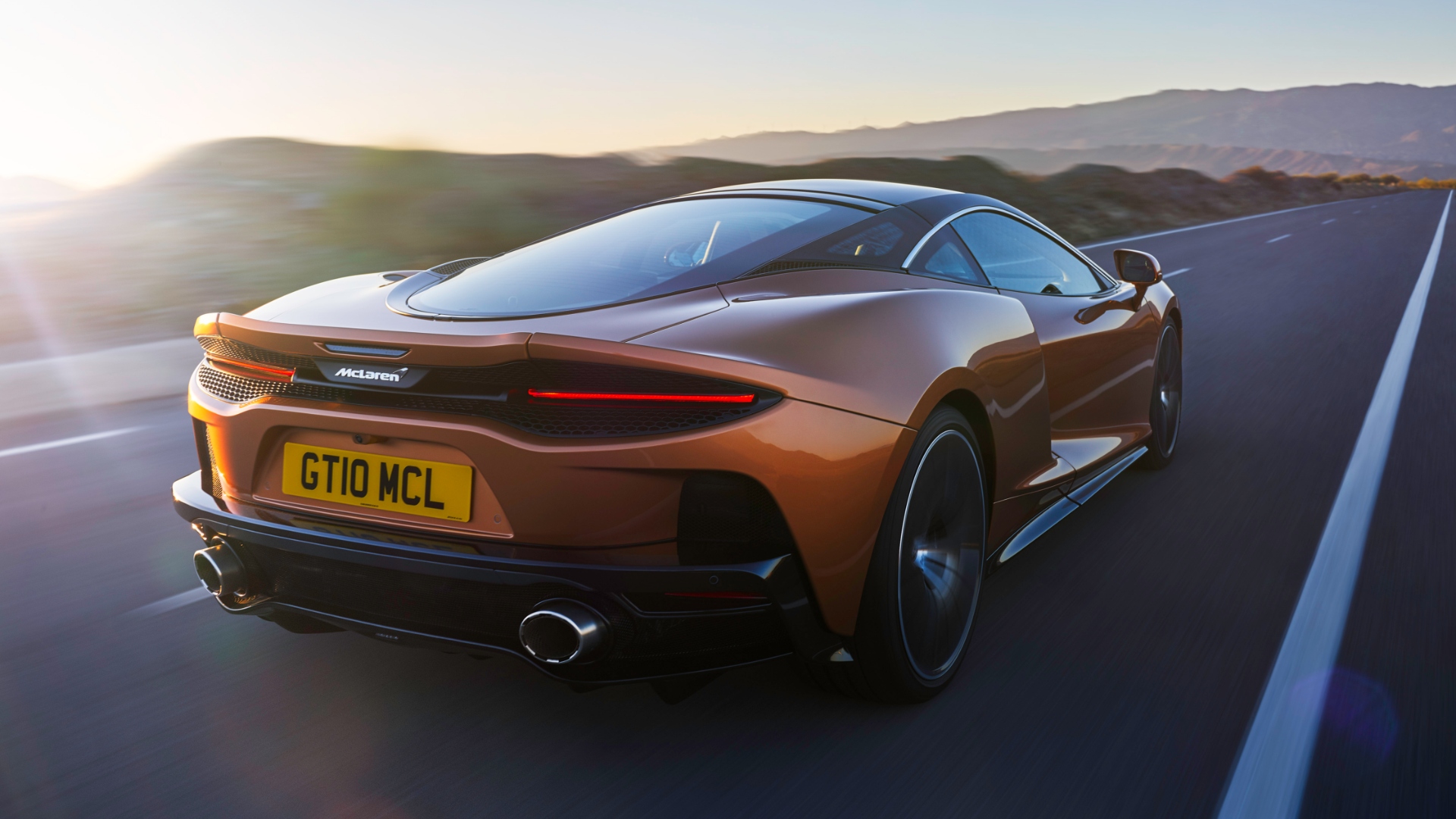
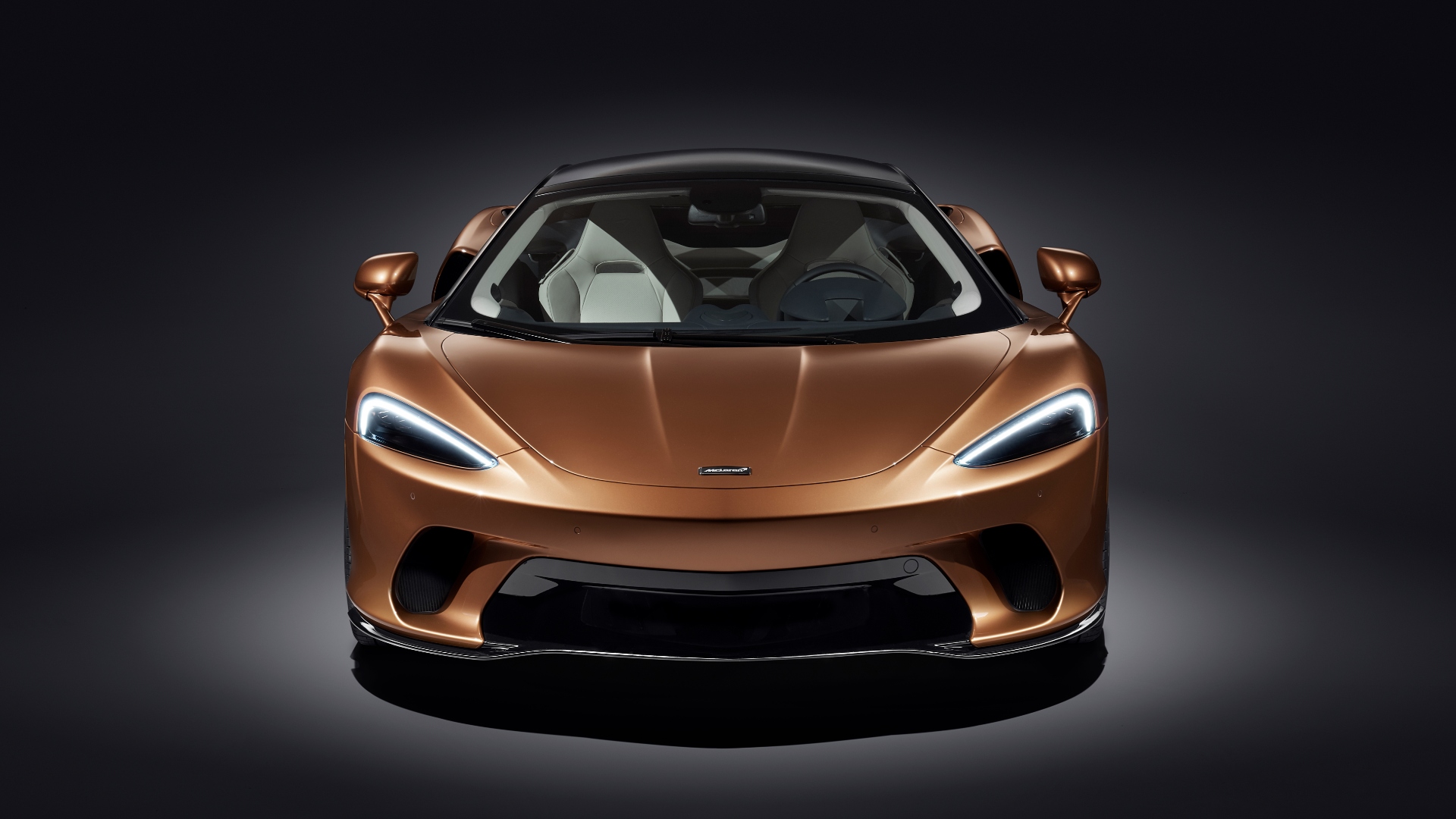
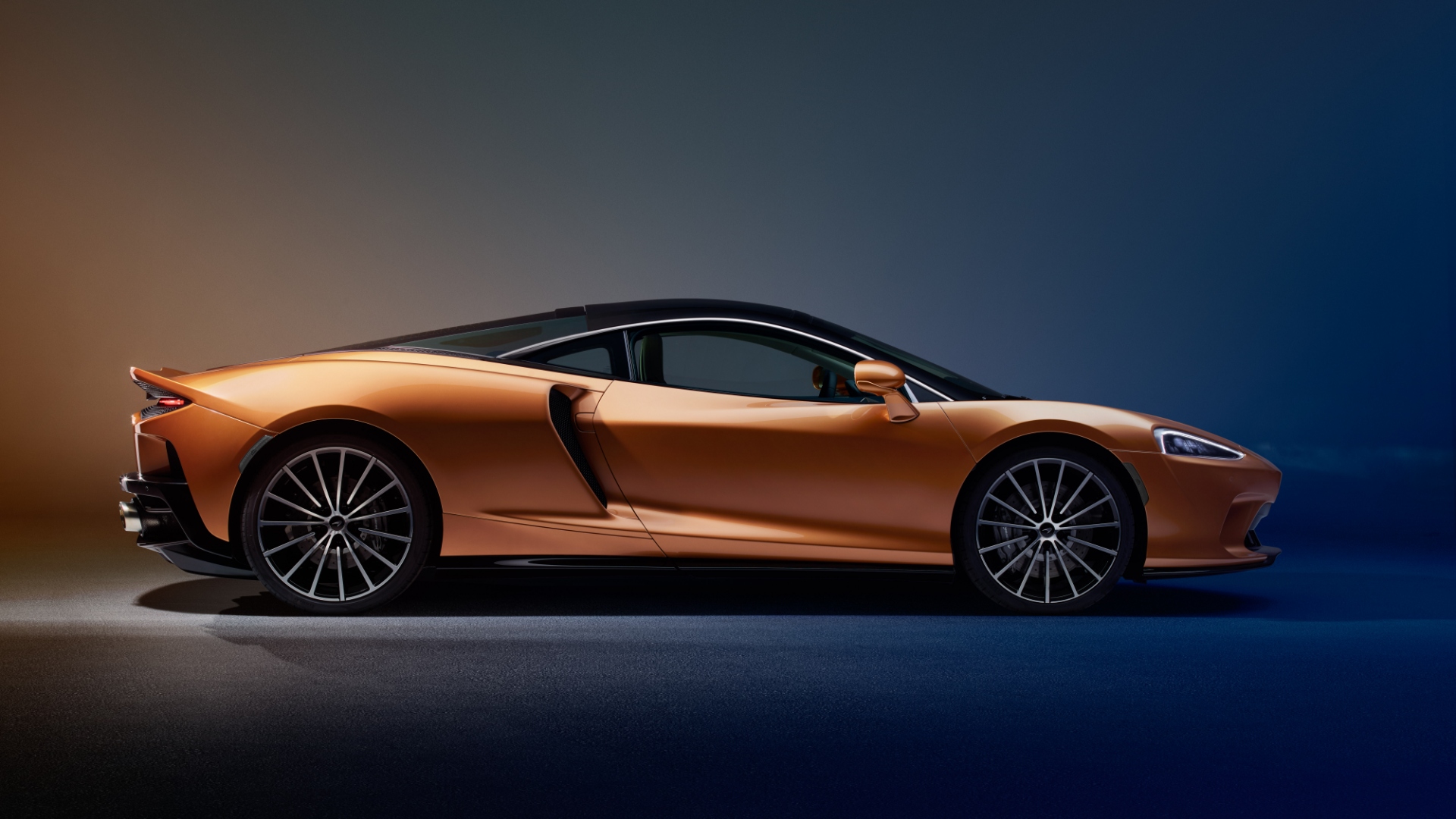
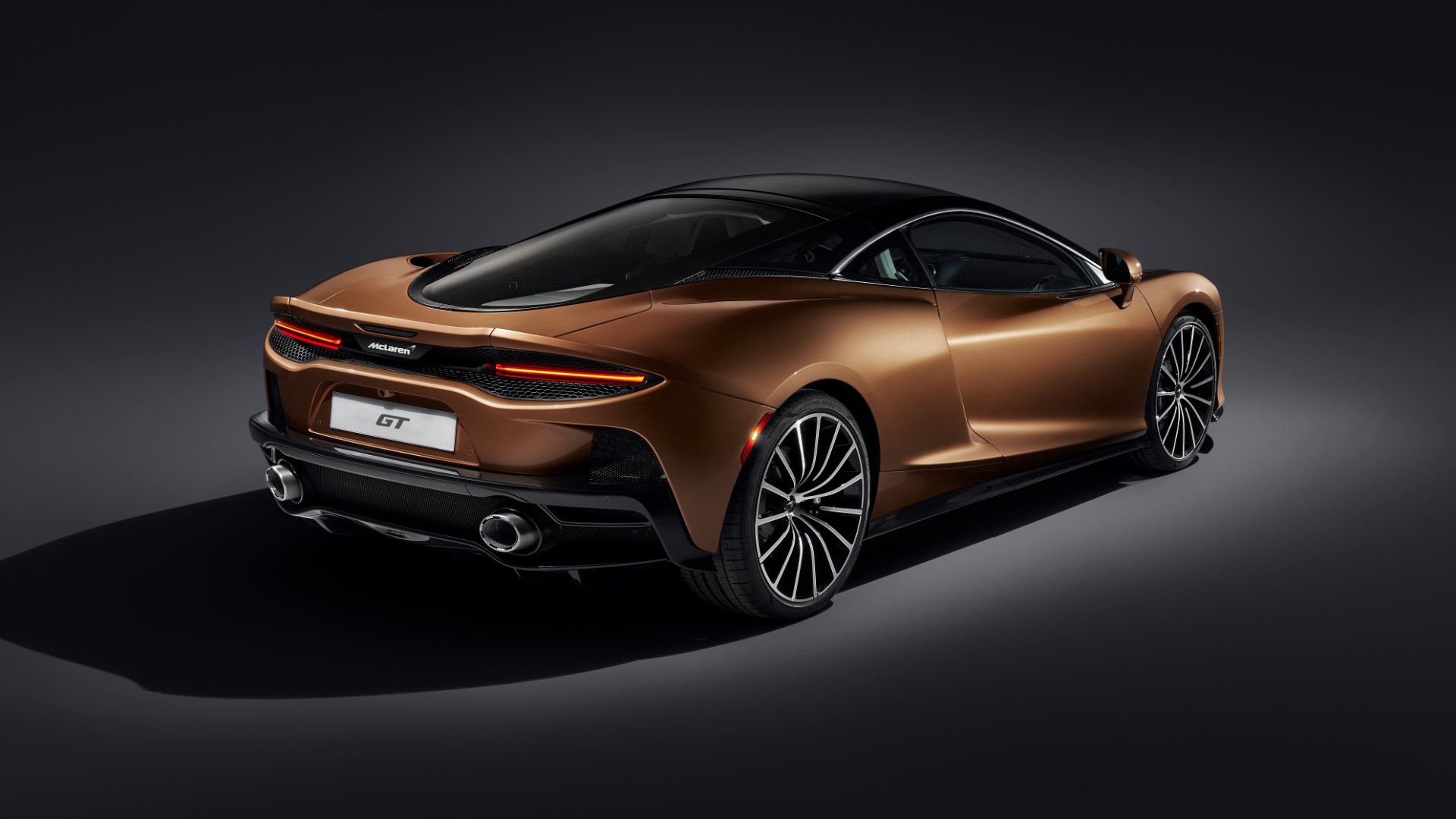
Finally, the GT. It’s a new model inspired by the success of the 570GT. This is the third of McLaren’s road cars (after the 570GT and Speedtail) to shirk outright track performance for grand touring prowess. Its sleek looks immediately mark it out as something more nuanced than its bewinged brethren. Its boot will take overnight bags and golf clubs with ease, while a new infotainment system should be a big improvement. Still want that Aston Martin DB11 AMR?
McLaren has unveiled its new GT model. It will be the fifth independent model in the range, excluding LT, Spider and GT versions of its 570 and 720 models.
You might wonder where it sits in the McLaren range. The Sports, Super and Ultimate Series models are easily divided by performance, price and exclusivity.
The GT is intended to be a bit more nuanced, shirking a focus on outright performance for a specific use: Grand Touring. Think of it as a middle ground between the 570GT and the Speedtail, though definitely closer to the former…
The first true McLaren Grand Tourer
It doesn’t quite find a home within the existing three-level structure of McLaren’s lineup. It’s still a McLaren – mid-engined, with a twin-turbo V8 and a carbon tub – but everything has been tuned and geared towards being a cosseting continent crosser.
So that means the ride comfort, cabin refinement, control optimisation and weights have all been geared towards amenability and daily usability. The new Proactive Damping Control suspension system is instrumental in realising the GT’s new more cosseting personality.
The ride height and ground clearance have even been developed with urban driving and speed bumps firmly in mind.
McLaren GT: elegance over aggression
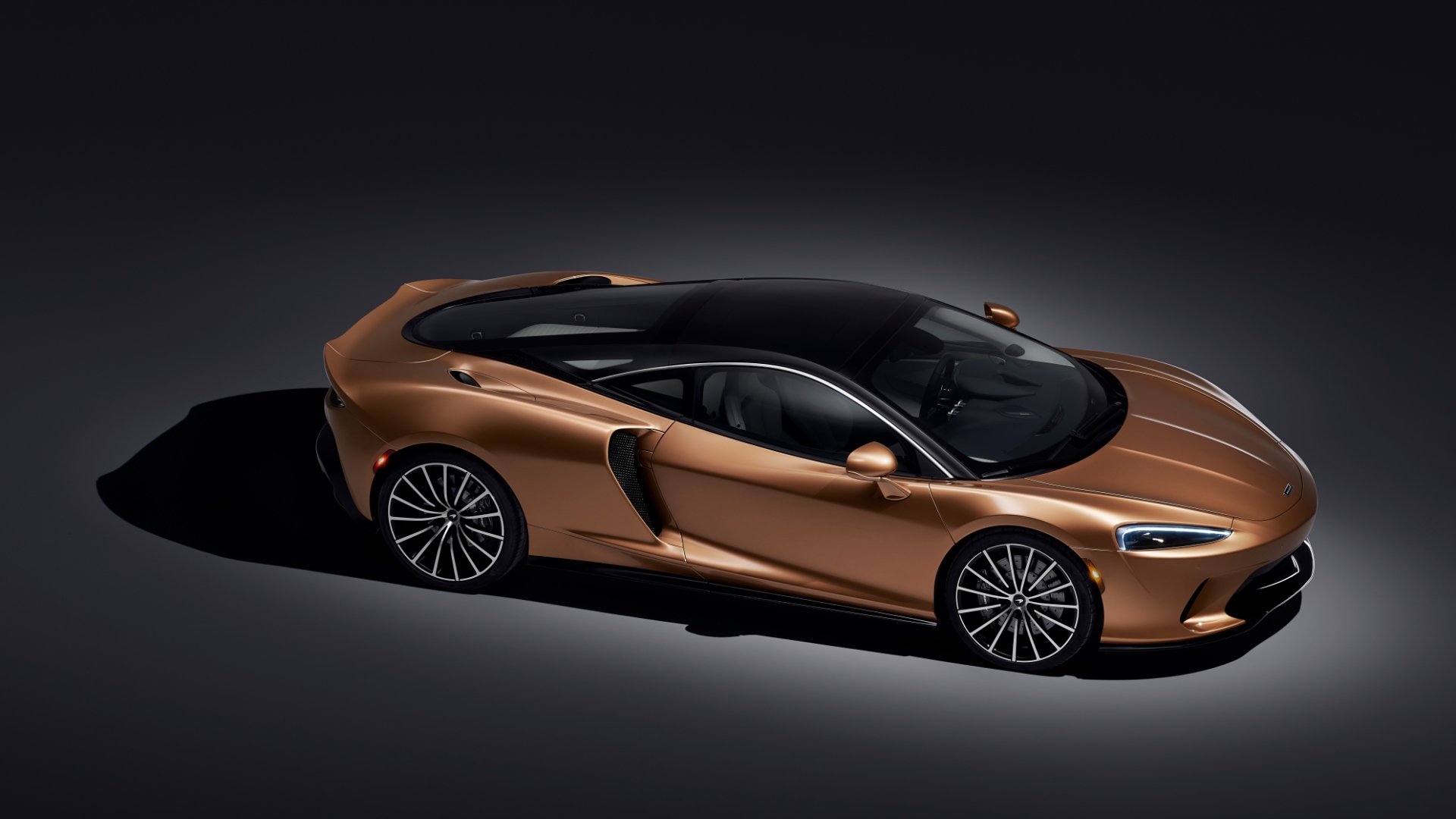
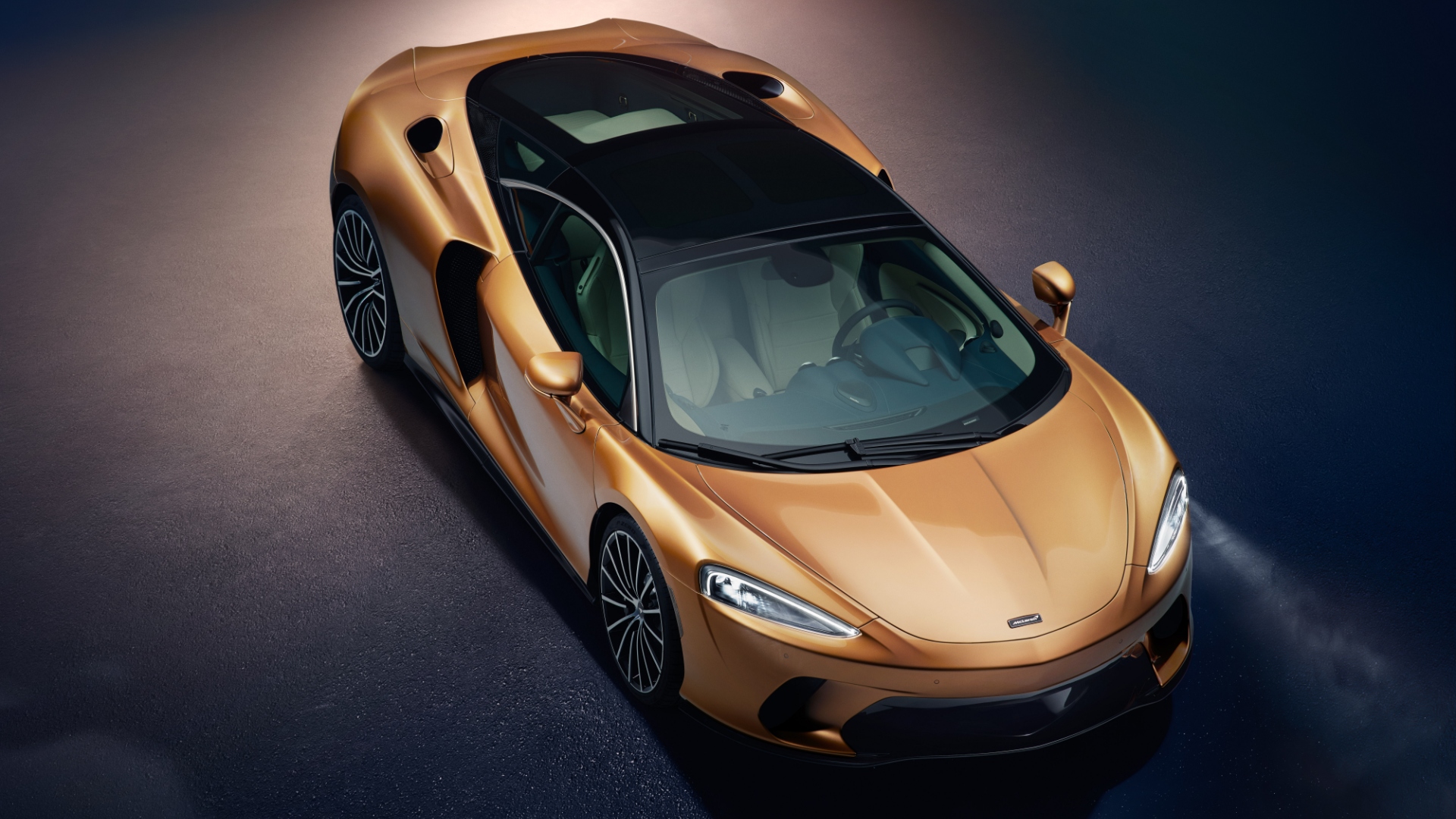
While the GT is recognisably a McLaren, some of the marque’s more controversial design elements are gone, in favour of a more traditional look.
That means no 720S-style ‘eye sockets’ or even lights in the shape of a McLaren logo, as per previous cars. It’s a simple, slim and elegant light design, with no excessively-sized vents at all. That means most of the madness of the Senna is nowhere to be seen.
We say most, given that those gaping side vents rear of the doors look oddly familiar…
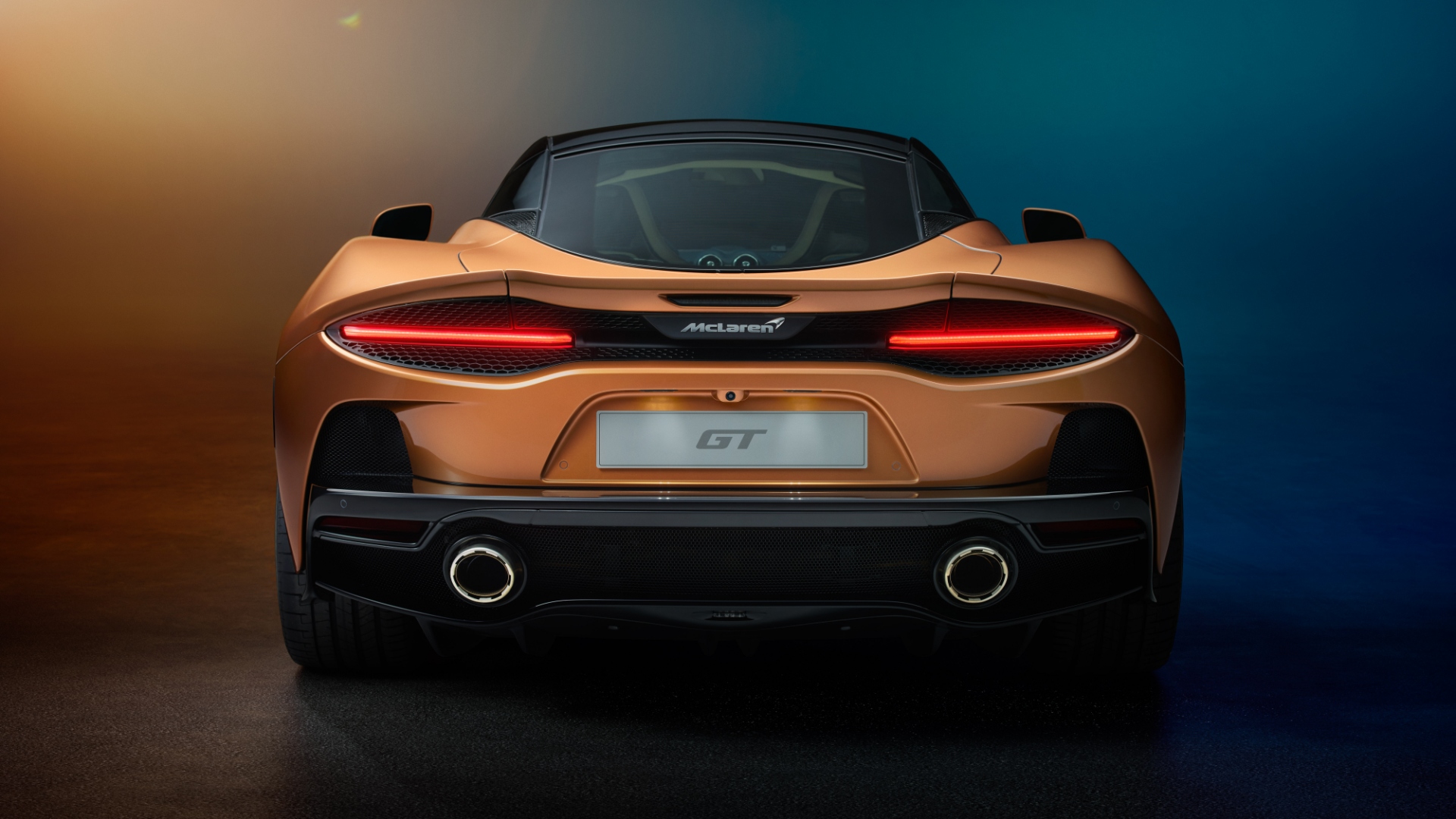
There isn’t even any active aero, as far as we can tell. There’s no aggressive splitter, no jagged aero-focused rear end. The exhausts are low down and the diffuser is by no means intrusive.
The air exit vent, within which the elegant strip lights reside, is of a stylish and modest shape, sitting under a subtle ducktail into which the top of the car tapers.
The styling, while more subtle than what we’ve grown accustomed to from McLaren, isn’t where the GT-ness is at its strongest, though.
You have to step inside.
The cabin of the McLaren GT
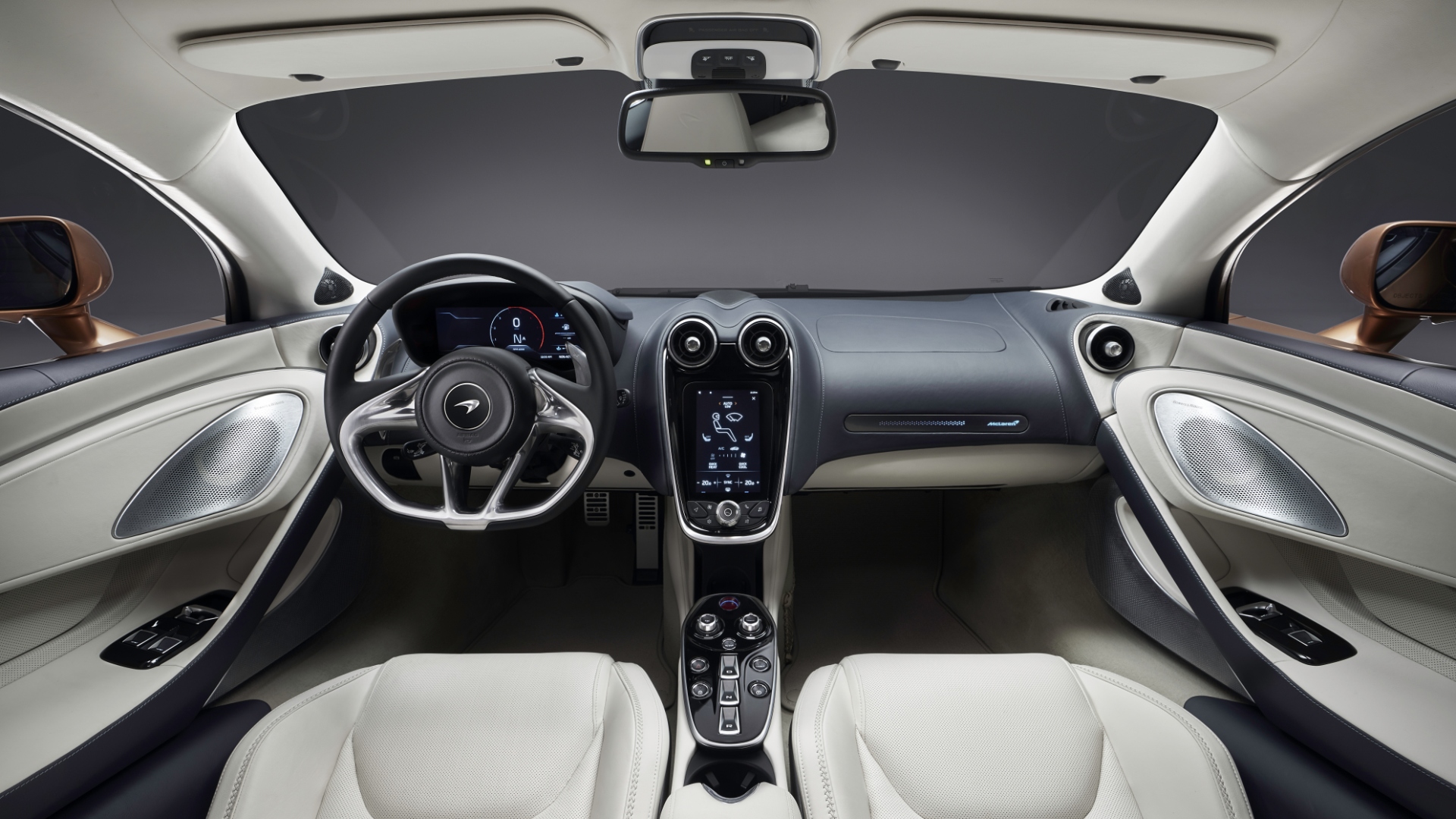
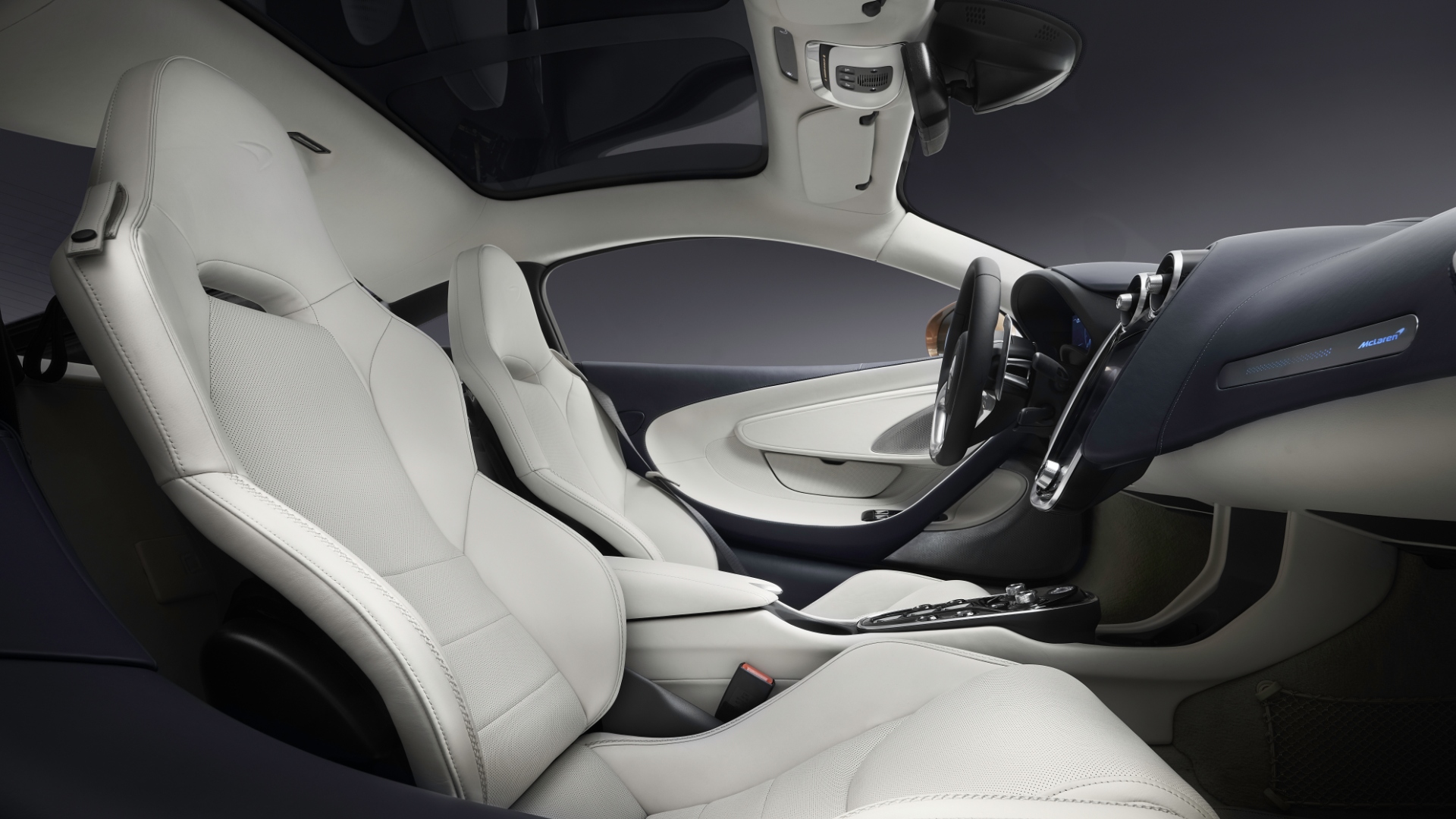
Some of the finest luxuries in motoring are space and light. While the GT is no four-up tourer like a Ferrari GTC4Lusso, it has an overabundance of transparent surfaces that bathe the cabin in light to give it an airy feel.
The obvious large glass areas are joined by a transparent roof and buttress elements, first seen on the 720S Spider.
To look at, besides being nicely naturally lit, the interior is familiar McLaren. It does, however, feature the new (much improved and much needed) HERE infotainment system, which is McLaren’s most sophisticated system to date.
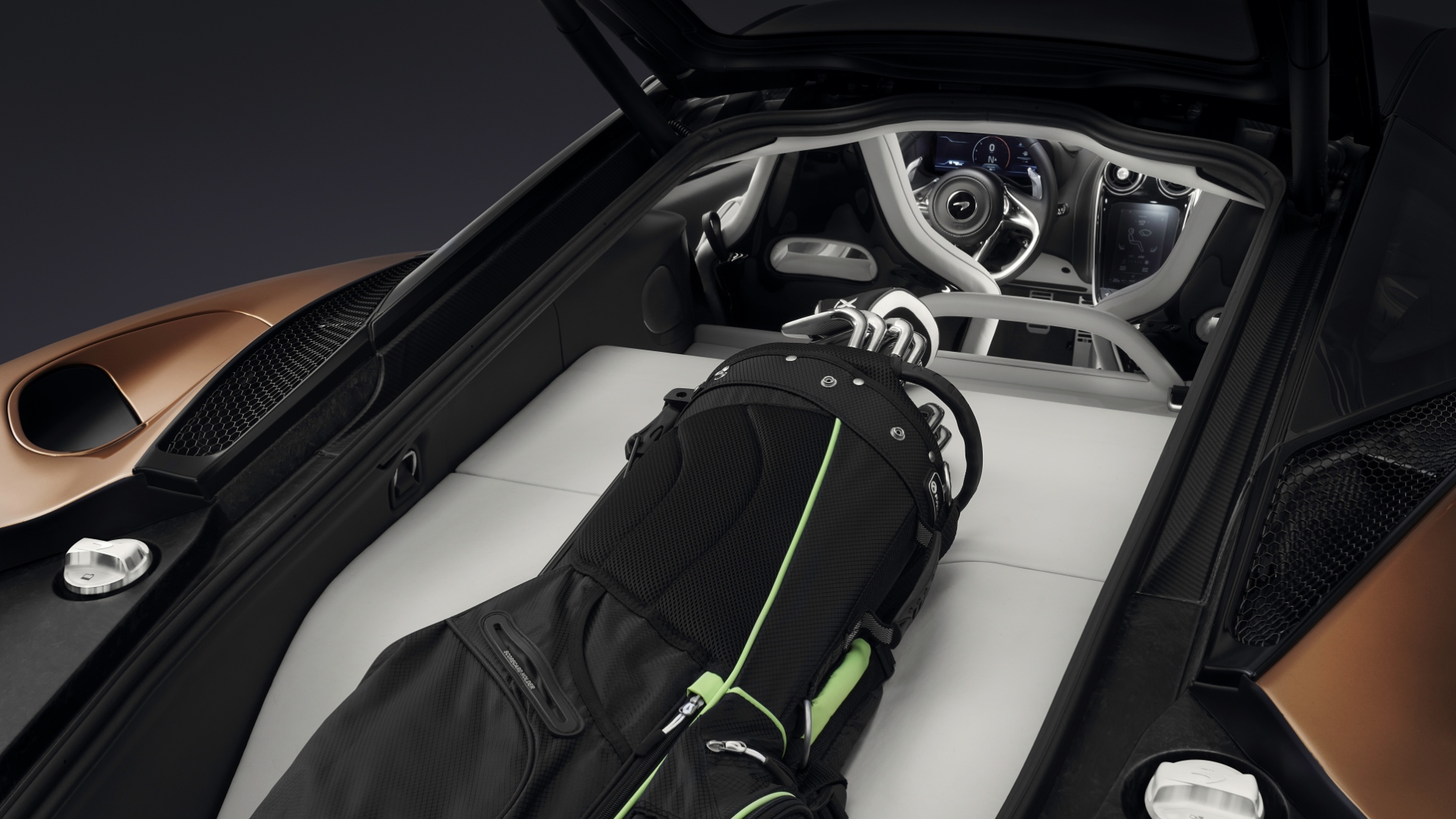
One thing a GT car needs is a sizeable boot. The GT comes complete with 570 litres of storage space including the front trunk (or ‘frunk’).
In the back, McLaren knows the audience it wants for this car.
The rear storage is big enough for a set of golf clubs, big bags and skis, and accessible via the front-hinged, full-length glazed tailgate (under which you’d find an engine in most supercars).
That lid is available with power operation, for the ultimate in McLaren GT convenience…
Power and performance: it’s still a supercar
While a Grand Tourer, it’s still the McLaren of Grand Tourers. As such, you can expect serious performance for when you’ve finished relaxing.
The 4.0-litre twin-turbo V8 is a development of the units found in the 720S and Senna. With 620hp and 464lb ft of torque, it’s the least powerful of the three, but provides a ‘torque curve to ensure seamless, relentless acceleration’.
Because 0-62mph times aren’t very GT, McLaren quotes a nine-second 0-124mph time. Assume that 62mph will arrive in the low threes. Top end, it’ll be going 203mph.
Truthfully, performance figures are almost an irrelevance in this car. As long as it’s got good overtaking power (it’s a McLaren, so this is a given), it does the job.
How much is it and when can I have one?
The McLaren GT is available to order now, and if your name is one of the first on the list, you can expect delivery ‘towards the end of 2019’. Prices start from £163,000, but we expect a nicely-specced car will be closer to £200,000.
Twenty thousand cars? At this rate, McLaren Automotive will hit 25,000 units in no time at all.
Parking in a Blue Badge bay without a disability is the parking habit that angers motorists the most. This is according to research conducted by YourParkingSpace.co.uk.
Twenty-three percent of the 500 people surveyed said misuse of a Blue Badge bay is the worst parking habit, followed by people who park too close to your car (22 percent).
On that point, why is it, when you park in an isolated parking bay, well away from the supermarket entrance, you always return to your car to find a ‘parking buddy’ parked alongside you?
Invariably, it’ll be a mid-range hatchback with a missing wheel trim and more pockmarks on its doors than a teenager’s face.
Anyway, back to the survey…
Taking up too much space when parking is another bad habit likely to wind people up (18 percent), followed by using a parent-and-child bay with no children (14 percent), parking on the pavement (13 percent), and not leaving contact details after denting a vehicle (10 percent).
Last year, the Department for Transport (Dft) announced plans to introduce a pavement parking ban, following the example set by London, where parking on the pavement has been illegal since 1974.
‘Parking can be a contentious issue’
Harrison Woods, managing director of YourParkingSpace.co.uk, said: “It’s reassuring to see that parking in a Blue Badge bay without a disability is the parking habit that makes most people angry as it is totally unacceptable.
“Parking can be a contentious issue and the actions of other motorists can make some car drivers see red, whether that’s parking too close to another vehicle, taking up too much space or parking where it is not allowed.”
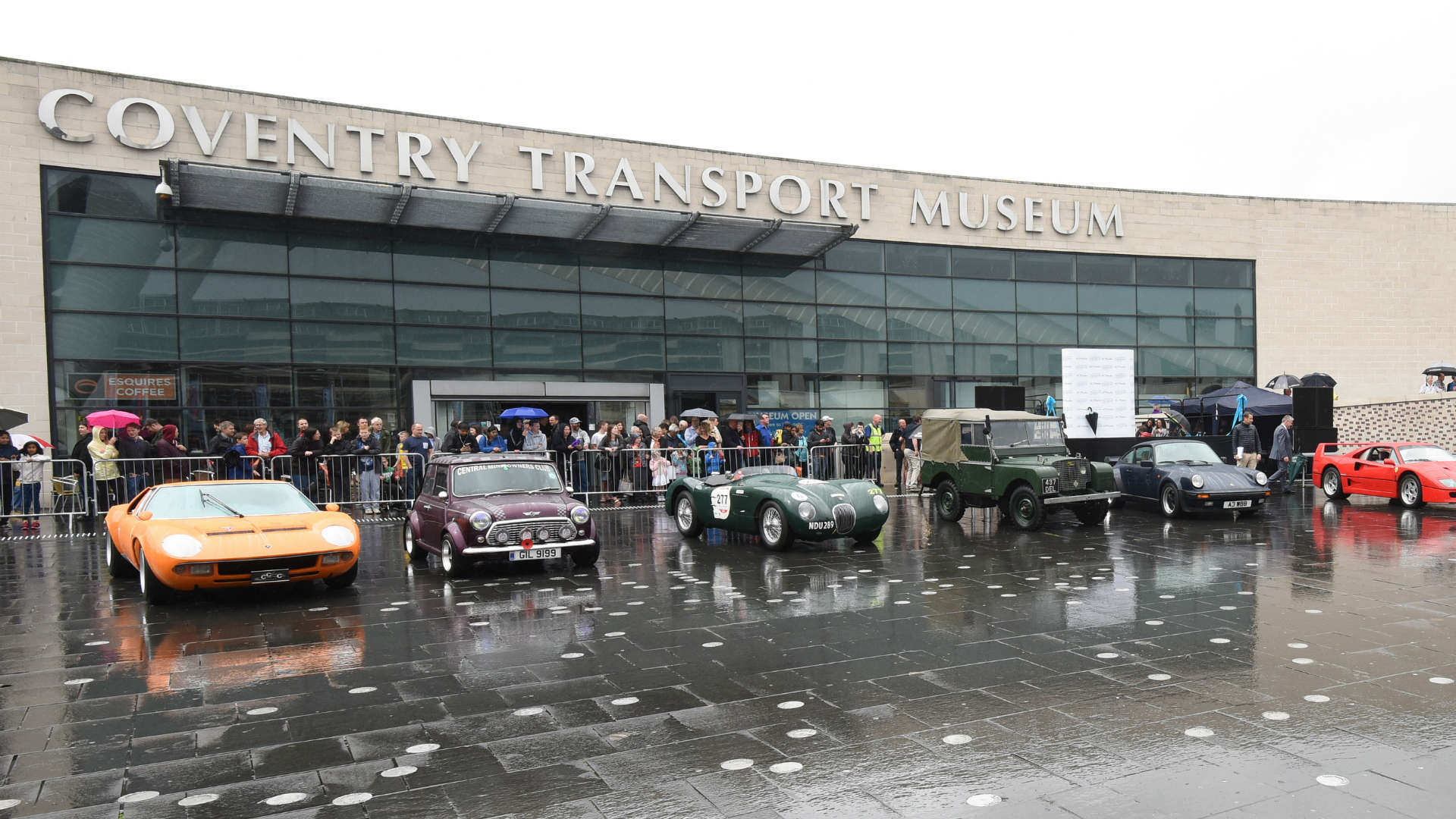
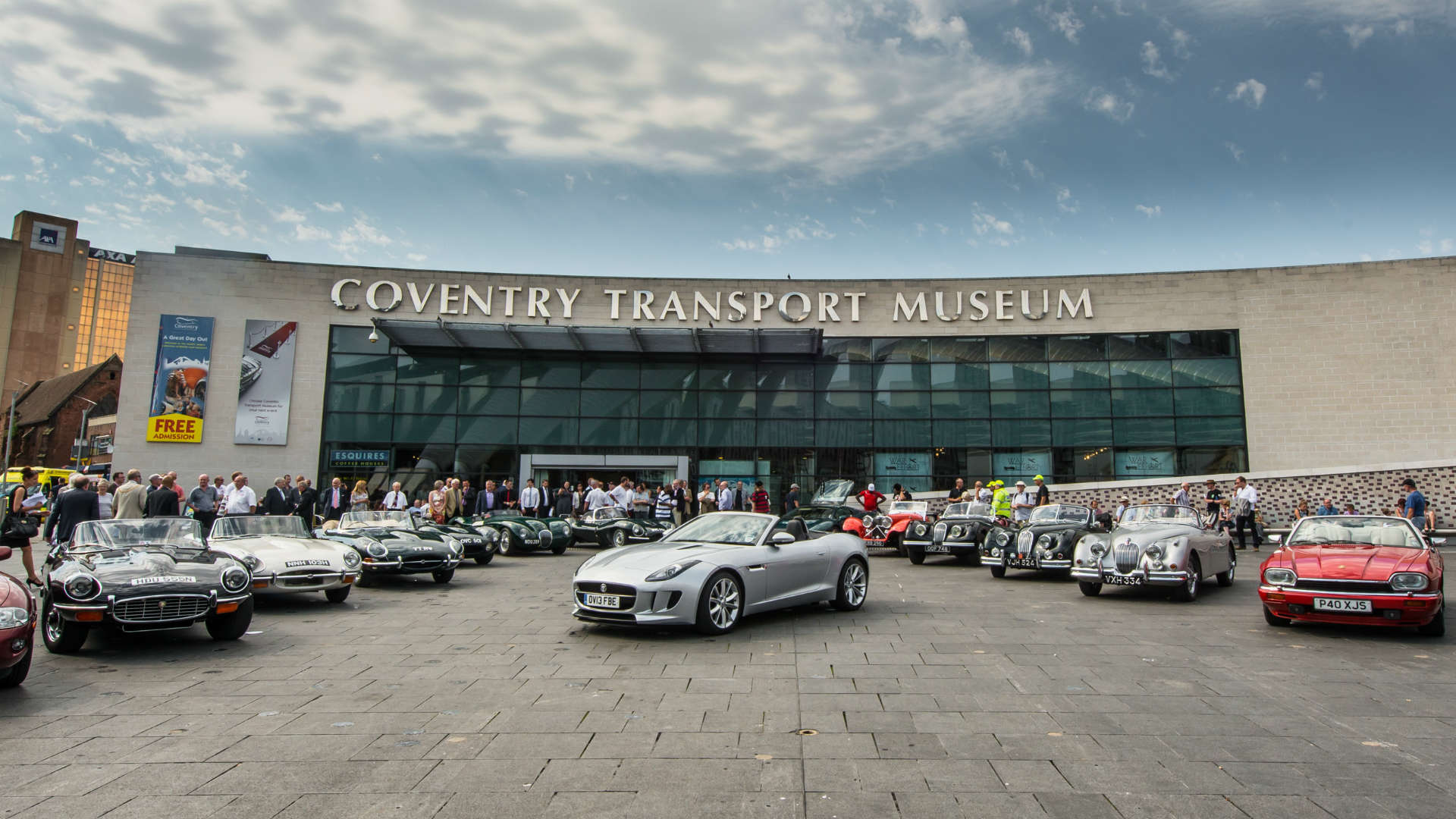
The Coventry Transport Museum is to introduce new admission charges – but city residents will still be able to get in free.
The new charges – which take effect from Sunday 30 June – mean adults will be charged £14 to enter the museum, which first opened in 1980.
Coventry is home to an eclectic collection of cars, commercial vehicles, motorcycles and cycles, including the ThrustSSC World Land Speed Record car, Queen Mary’s Daimler and the Daimler Fleetliner used for Coventry City’s FA Cup winning tour of the city.
As a result of the charges, the museum says visitors can expect to see some ‘fundamental differences’, including a new programme of temporary and touring shows from across the globe.
At present, the museum is funded through grants from Coventry City Council and Arts Council England, but the admission charges will supplement this alongside income generated through commercial activities.
Coventry residents will get free access by using new GoCV discount and loyalty cards, launched by the City Council. These are free to all city residents.
Paul Breed, chief executive of Culture Coventry, said: “Last year we set a four-year business plan, which included several objectives and investigative streams to explore.
“One of the objectives was to look at ways to generate further income to ensure we are a sustainable and financially robust organisation, prepared for future challenges.
“But the carefully considered decision to implement admission charges goes beyond income generation – the additional revenue gives us the chance to bring an exciting range of innovative, exceptional and interactive activities and exhibitions to the museum which will attract visitors from all over the country and beyond.”
Coventry Transport Museum charges (from 30 June)
Adults: £14.00
Concessions (senior and student): £10.50
Junior (5-16 years): £7.00
4 or under: FREE
Essential carer: FREE
Family (2+2): £35.00
Small family (1+3): £28.00
GoCV card holders: FREE
Sight-unseen used car purchases are on the up, according to new research. One in 10 (11 percent) of buyers are now taking the plunge without seeing their new vehicle first.
The data comes from an AA Cars poll of 19,350 drivers. Its theory is that online portals are yielding more consumer trust, as buyers put their faith in the transparency of used car listings.
It’s also worth noting that the average used car is getting younger and, as a result, more expensive. So there is potentially less risk, even if buyers are generally paying more.
How to sell a car online
What’s more, 52 percent of those who hadn’t bought a car ‘sight-unseen’, said they would consider it – if the car was examined by a pre-sale vehicle inspector from a trusted brand.
What else makes consumers more likely to buy cars online? Forty-eight percent said dealers being upfront and transparent, particularly regarding a buyer’s right to cancel. Predictably, discounted prices would get more fingers clicking (44 percent). And 44 percent also said an affiliation with a trusted body to verify the quality of a dealer’s stock would increase appeal.
One of the most important things for an online advert is presentation. More pictures, more videos and exhaustive information about the car would make 37 percent of browsers more likely to buy. Ultimately, it’s about reassurance – that’s why we go to view cars in the first place. Get that across online and you’re on to a winner.
“A decade ago, the idea of buying a car without seeing it in person was highly unusual,” said James Fairclough, CEO of AA Cars.
“These days, consumers are much more comfortable with buying valuable products they haven’t seen first – namely due to the sheer volume of listing information and all-angles pictorial evidence that is provided by respected portals online, making a prospective buyer feel like they have practically kicked the tyres themselves.
“Buyers can also increasingly feel at ease as they are sheltered by the Consumer Rights Act of 2015 which gives them a ‘right to return’ a car if it develops a fault in the first 30 days of ownership – or to ask for a repair in the first six months after it was bought.”
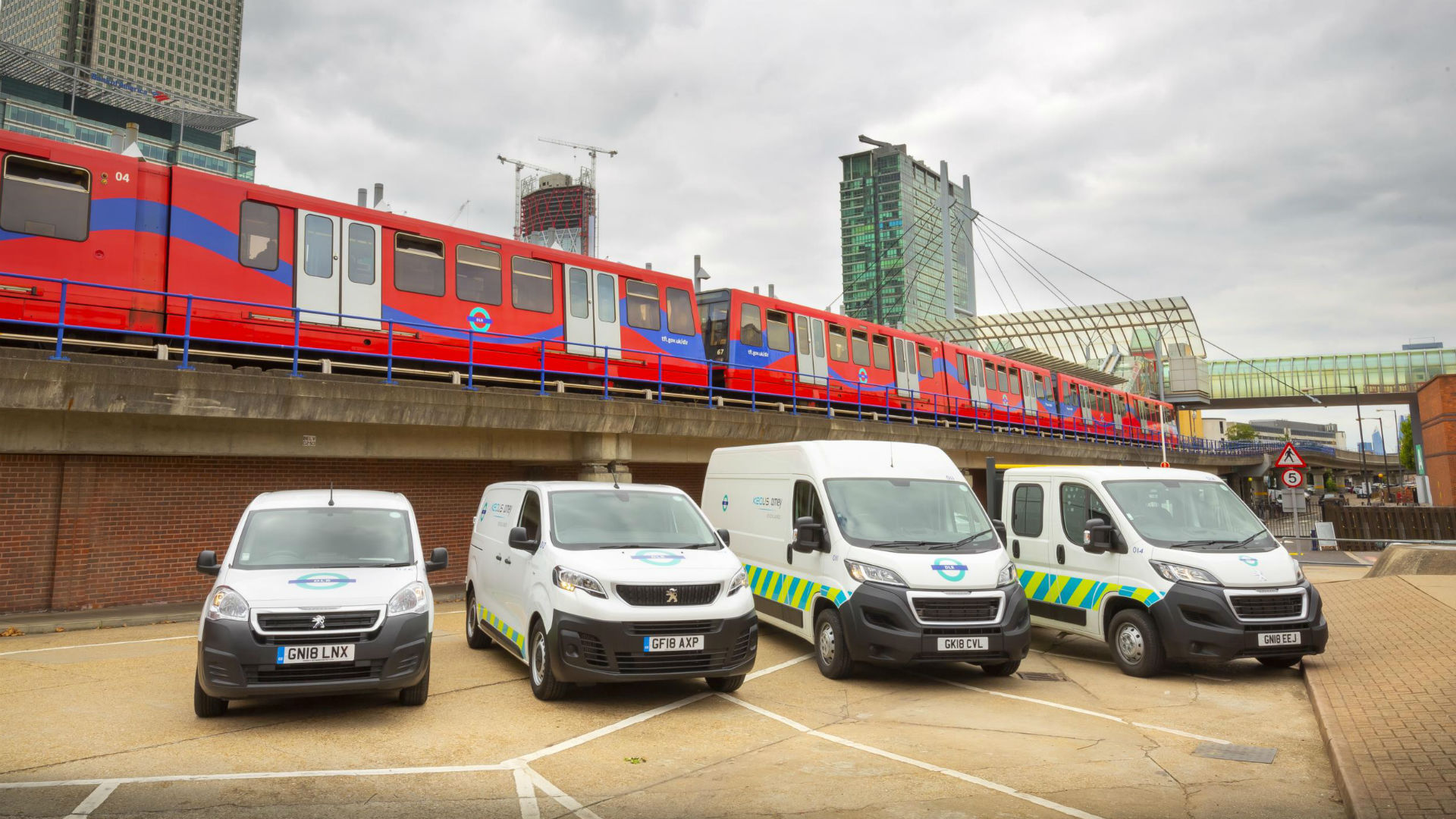
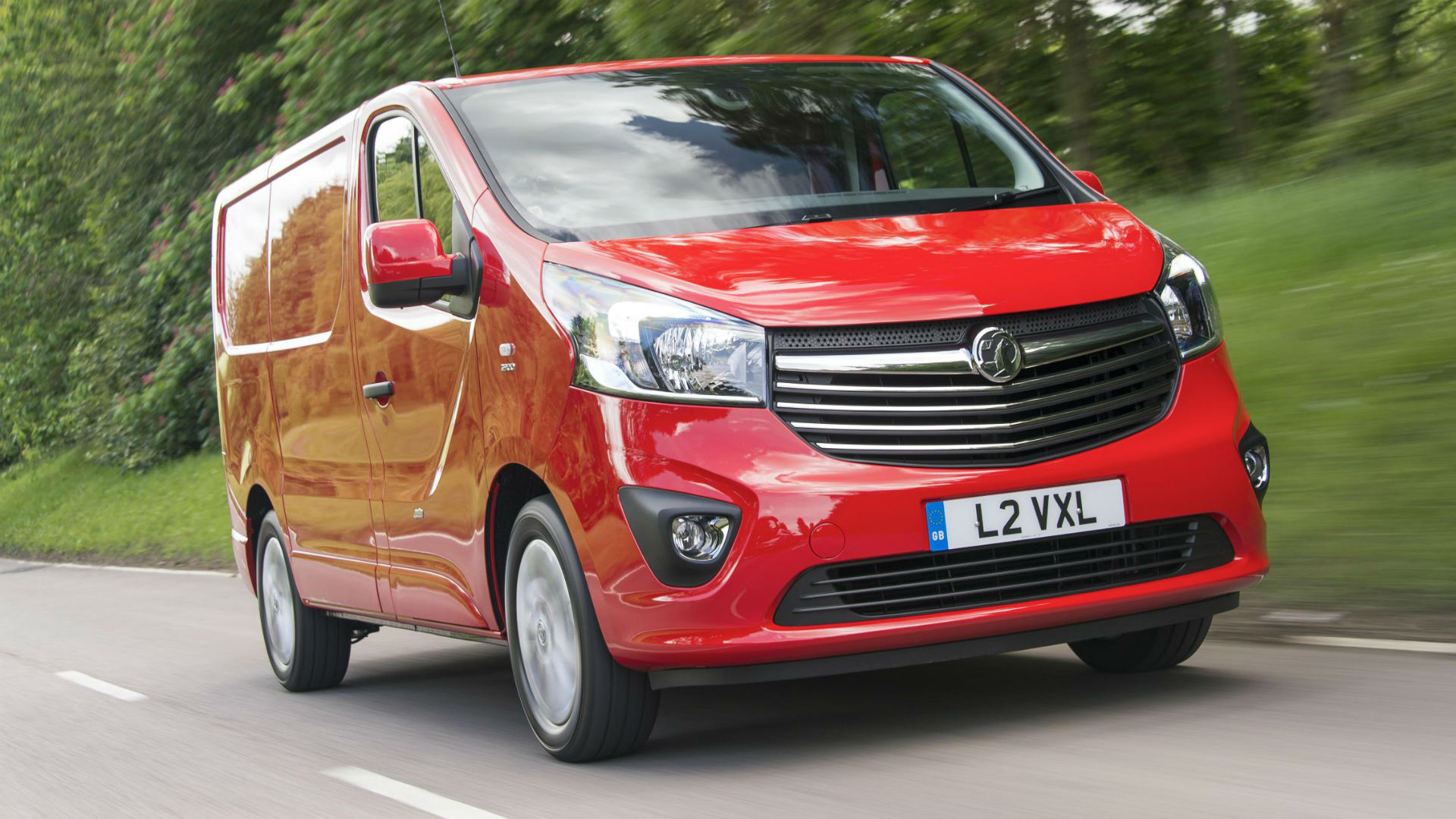
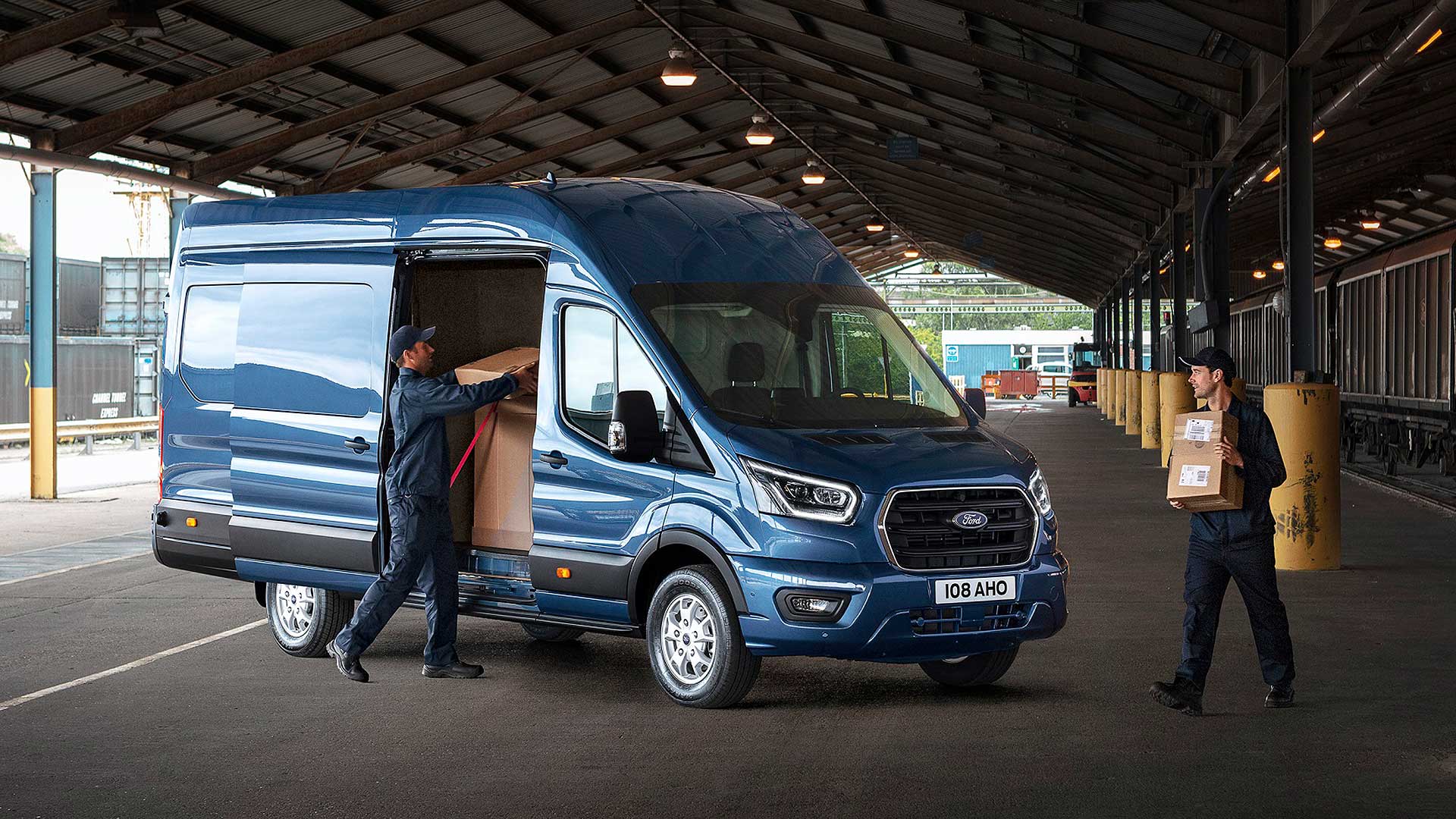
Van traffic on British roads has increased by almost 100 percent since 1993, according to latest official government figures.
It means that van traffic has reached a record high of 51 billion vehicle miles. Vans now account for 16 percent of all motor vehicle traffic, compared to just 10 percent in 1993.
For context, traffic from cars and taxis is down from 82 percent to 78 percent. The distance covered by cars and taxis has risen by a more controlled 21.4 percent, albeit still to a record high of 255 billion miles.
However, although van traffic is significantly up, the rate of growth appears to be slowing down. 2018 statistics show a 0.9 percent increase from 2017. Car traffic was up just 0.2 percent.
Going further back, van traffic is up 1,143 percent since 1949, with lorries up ‘just’ 119 percent and buses and coaches actually down eight percent.
Broadly speaking, vans have a similar daily travel pattern to cars, although the afternoon peak for van traffic is between 3pm and 5pm, an hour earlier than cars.
[Insert something here about van drivers clocking off an hour earlier…]
Predictably, the proportion of vans on the road at weekends is generally lower than weekdays, even at peak periods.
Rather than van drivers covering greater distances, the government says the increased traffic is due to growth in the number of licensed vans on the road.
The number rose 88 percent between 1994 and 2018, up from 2.1 to 4.0 million. Meanwhile, the average annual mileage per van has remained stable at around 13,000 miles per year.
‘Particularly worrying’
Commenting on the figures, RAC head of roads policy Nicholas Lyes said: “The number of miles travelled on our roads hardly changed in 2018 compared to the previous year, but interestingly, the forms of transport used has.
“Van traffic, despite experiencing slower growth in 2018, still saw a slight increase which sets a new record high.
“Cycling miles also rose and is now 34 percent above what it was 25 years ago, but there has been a continued decline in the number of miles travelled by buses and coaches which is particularly worrying in an age when, as a society, we are trying to get people to use public transport more.”