What would you take along to a test drive? A friend, perhaps? Maybe a guide to the car in question? Two eminently sensible suggestions.
But we suspect you wouldn’t take a horse to a test drive. Or a rifle.
These are just two of the things car buyers have taken to a test drive, according to online used car platform, CarGurus.
It surveyed thousands of used car dealers to discover the most unusual items that customers have turned up to a test drive with over the last 12 months.
Many customers bring their pets – including fish, cats, a Great Dane in a child’s car seat, snakes and even a horse – while several dealers reported the ashes of dead relatives coming along for the test drive.
Meanwhile, musicians often bring their instruments to check they will fit in the vehicle. Dealers reported seeing a double bass, cello, drum kit and an accordion.
Chris Knapman, editor of CarGurus said: “These examples might be at the extremes of what car buyers have brought along on test drives, but they do highlight the importance of making sure a potential purchase is fit for purpose.
“After all, it’d be a shame to get your new car home only to discover your beloved 12-foot pet snake didn’t fit in the boot!
“Even for those with more conventional requirements we’d still encourage taking along items to ensure a car fits your needs, whether it’s child seats, a baby buggy, golf clubs or anything else you plan to carry on a regular basis.”
Heathrow has launched a 12-week consultation to give people the chance to provide feedback on its plans for future expansion.
The plan includes a new runway, rerouting the M25 through a tunnel, diverting rivers and moving roads. The public consultation is open until 13 September 2019.
People will also be asked to provide feedback on a proposed £15 charge for driving to Heathrow Airport as part of ‘tough new measures’ designed to reduce emissions and cut congestion.
The plans, which include the world’s first airport Ultra Low Emission Zone (ULEZ), would include a Vehicle Access Charge (VAC) for all cars and taxis entering Heathrow Airport.
Minimum emissions standards would be introduced for vehicles entering car parks or drop-off areas at all terminals, but the ULEZ will transition into a VAC to coincide with the opening of the new runway from 2026.
Heathrow says the ULEZ will be identical to the London Mayor’s ULEZ and charges will apply 24 hours a day, seven days a week.
It means that petrol cars that fail to meet Euro 4 emissions standards and diesel cars that fail to meet Euro 6 standards will be charged to enter the Heathrow ULEZ. Taxis will be exempt from the ULEZ charge, but will be subject to the VAC when it is introduced.
The airport is powered by renewable electricity and aims to be carbon neutral by 2020, but is under pressure to curb pollution ahead of the opening of the third runway.
Aircraft taking off and landing produced 1.3 million tonnes of CO2 equivalent in 2017, up 4.6 percent on 2015.
Meanwhile, emissions from passengers getting to and from Heathrow fell by 9.8 percent to 514,000 tonnes of CO2 equivalent between 2015 and 2017.
‘A disaster for London’
Val Shawcross, chair of the Heathrow Airport Transport Forum, told the Financial Times: “If Heathrow expanded without tackling issues like air quality, public transport growth, active transport . . . it would be a disaster for London.”
Heathrow chief executive John Holland-Kaye said: “Heathrow Expansion is not a choice between the economy and the environment – we must deliver for both. Today’s announcement shows that we will take the tough decisions to ensure that the airport grows responsibly.”
The precise details of the Heathrow ULEZ – including the proposed charges – will be confirmed when the airport submits its final Development Consent Order (DCO) application for expansion after public consultation.
Details of the Heathrow public consultation can be found here.
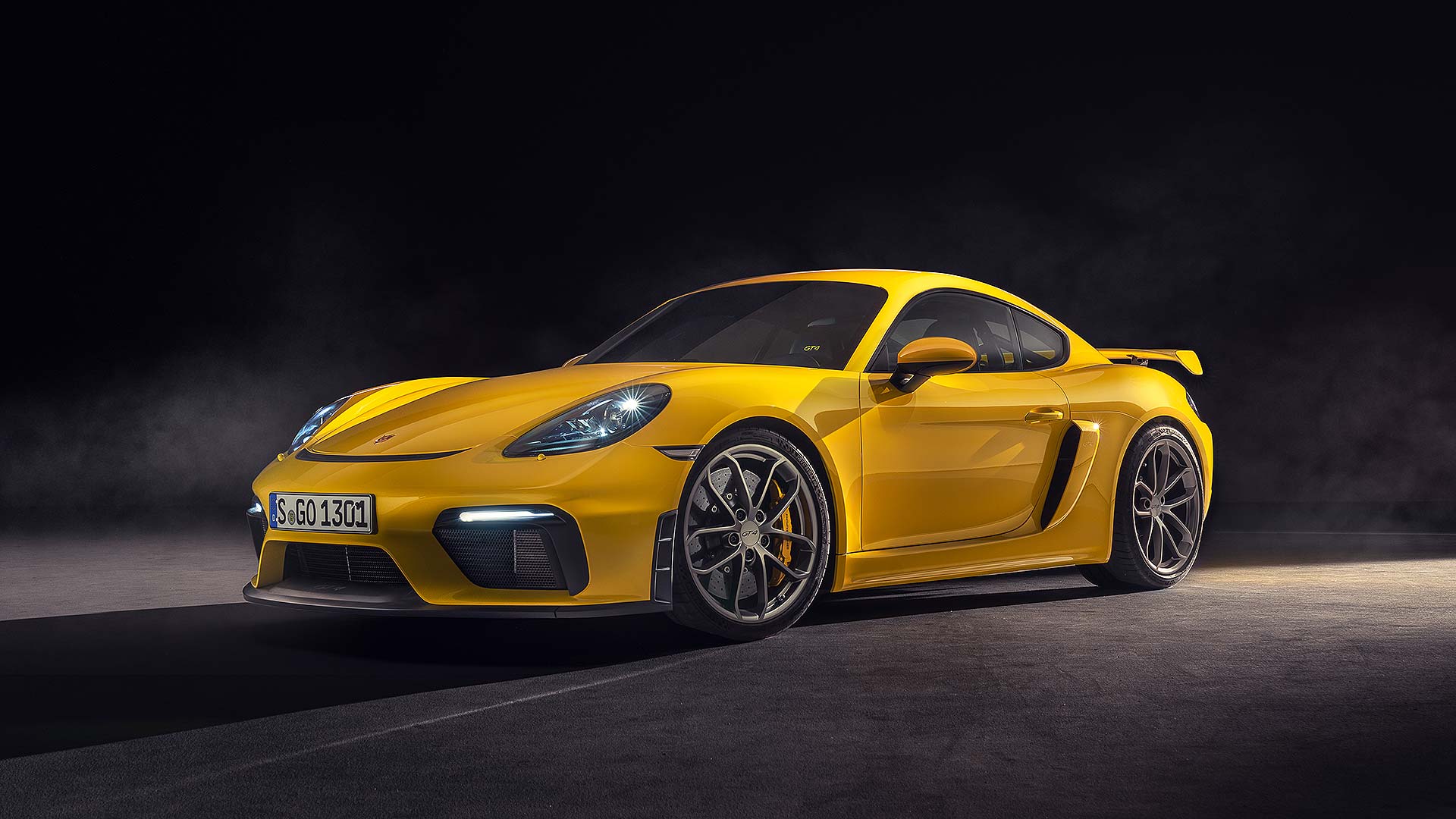
After years of grumbles from enthusiasts, Porsche has reintroduced a powerful six-cylinder engine option for its entry-level 718 Boxster and 718 Cayman ranges.
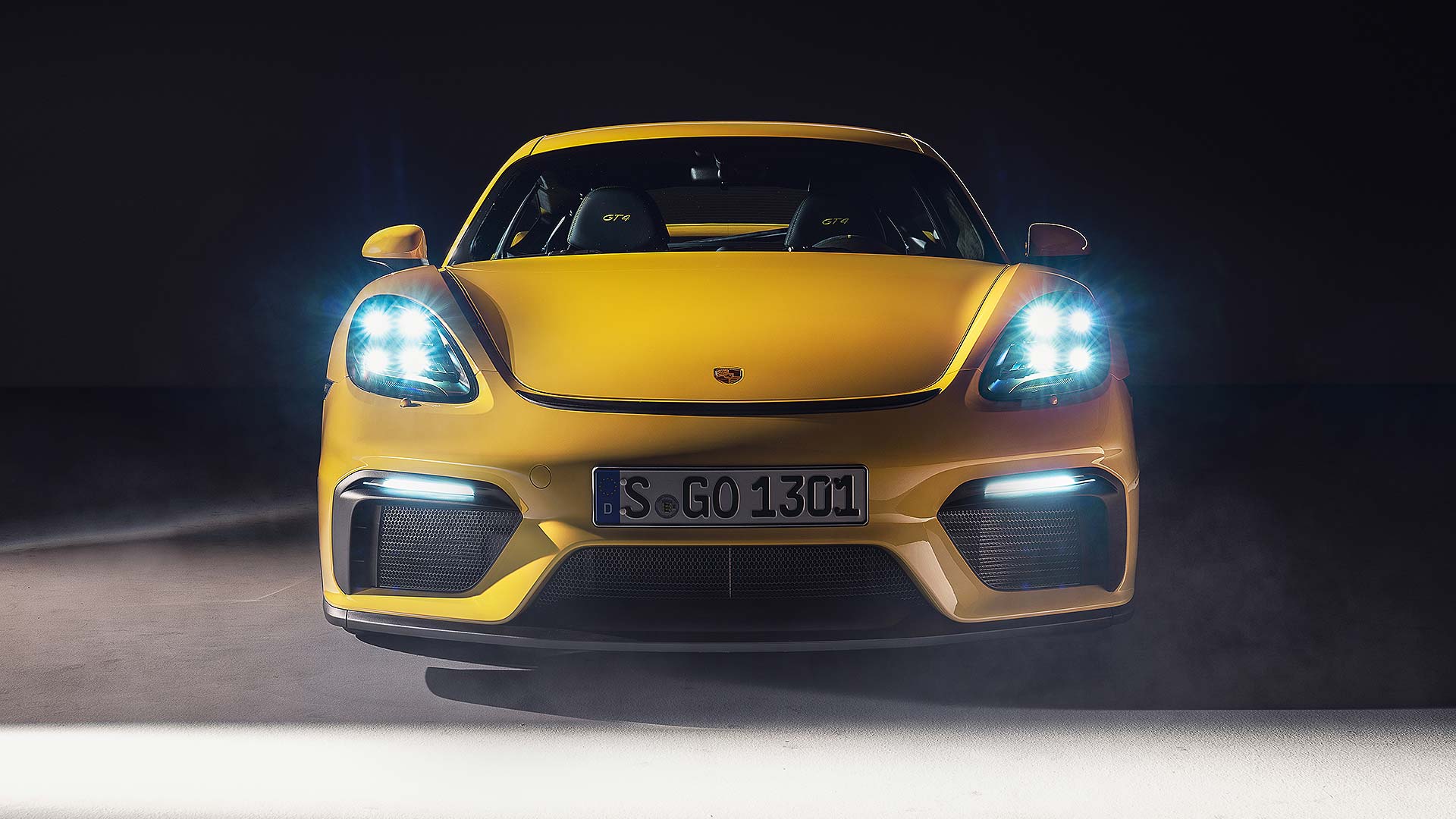
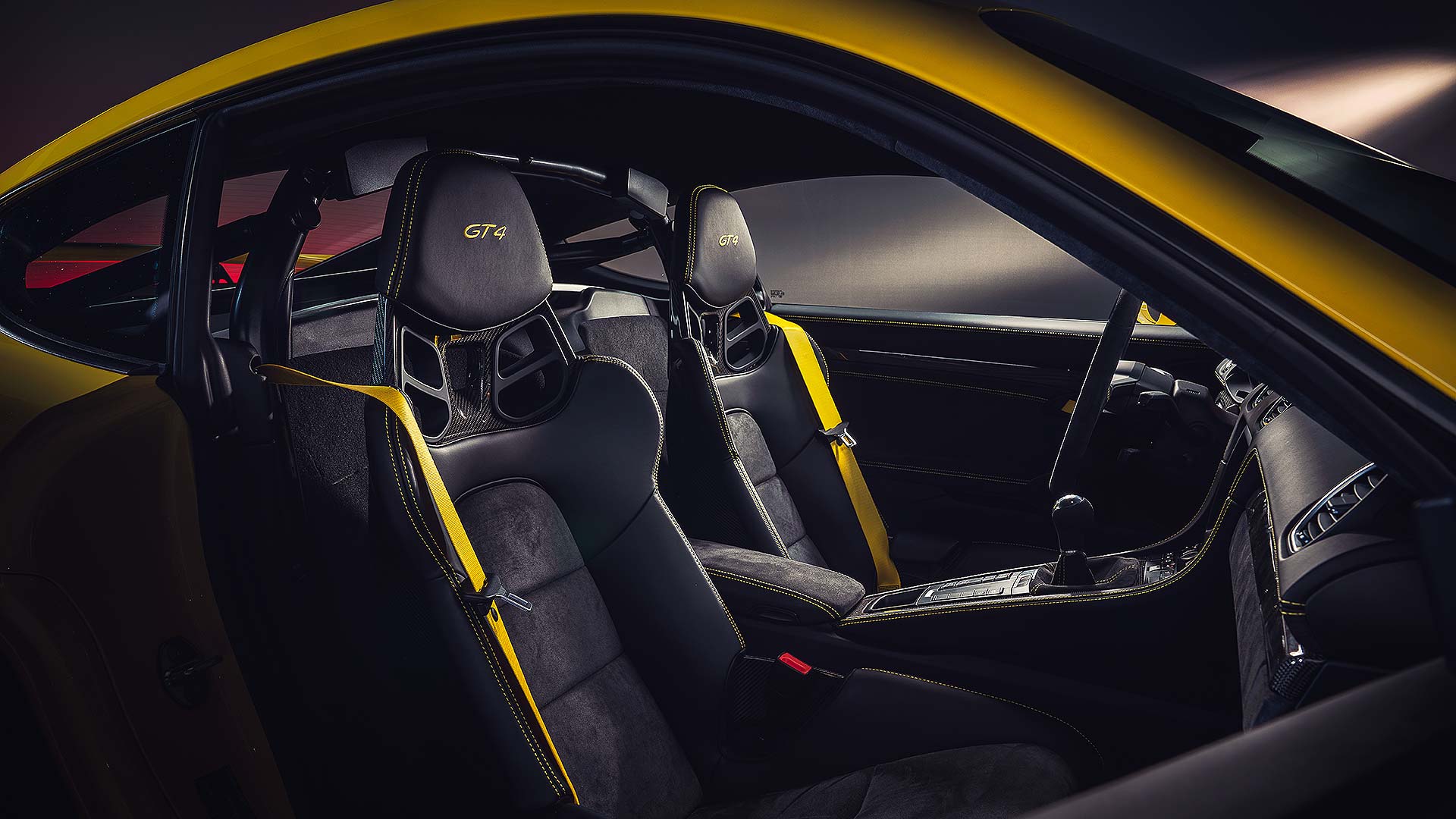
The open-top Porsche 718 Spyder (pictured below) and 718 Cayman GT4 coupe (pictured above) both use a new 4.0-litre six-cylinder engine, derived from the engine in the 911 Carrera.
However, unlike as in the 911 (and other 718 models), it produces its 420 horsepower without the use of a turbo.
Purists and enthusiasts are already rejoicing.
In pictures: 20 years of the Porsche Boxster
The new 4.0-litre 718 models represent a rare example of upsizing in the modern automotive industry. They sit above the core (and controversial) 2.0-litre and 2.5-litre four-cylinder 718 Boxster and 718 Cayman models.
The new engine revs to a wailing 8,000rpm. A manual six-speed gearbox is also standard.
Porsche can justify the thirsty 25.7mpg fuel economy and 249g/km CO2 emissions of each model because they are specialist models for enthusiasts and collectors.
Both are on sale now: the Porsche 718 Spyder costs £73,405 and the Porsche 718 Cayman GT4 costs £75,348.
Porsche 718 Spyder
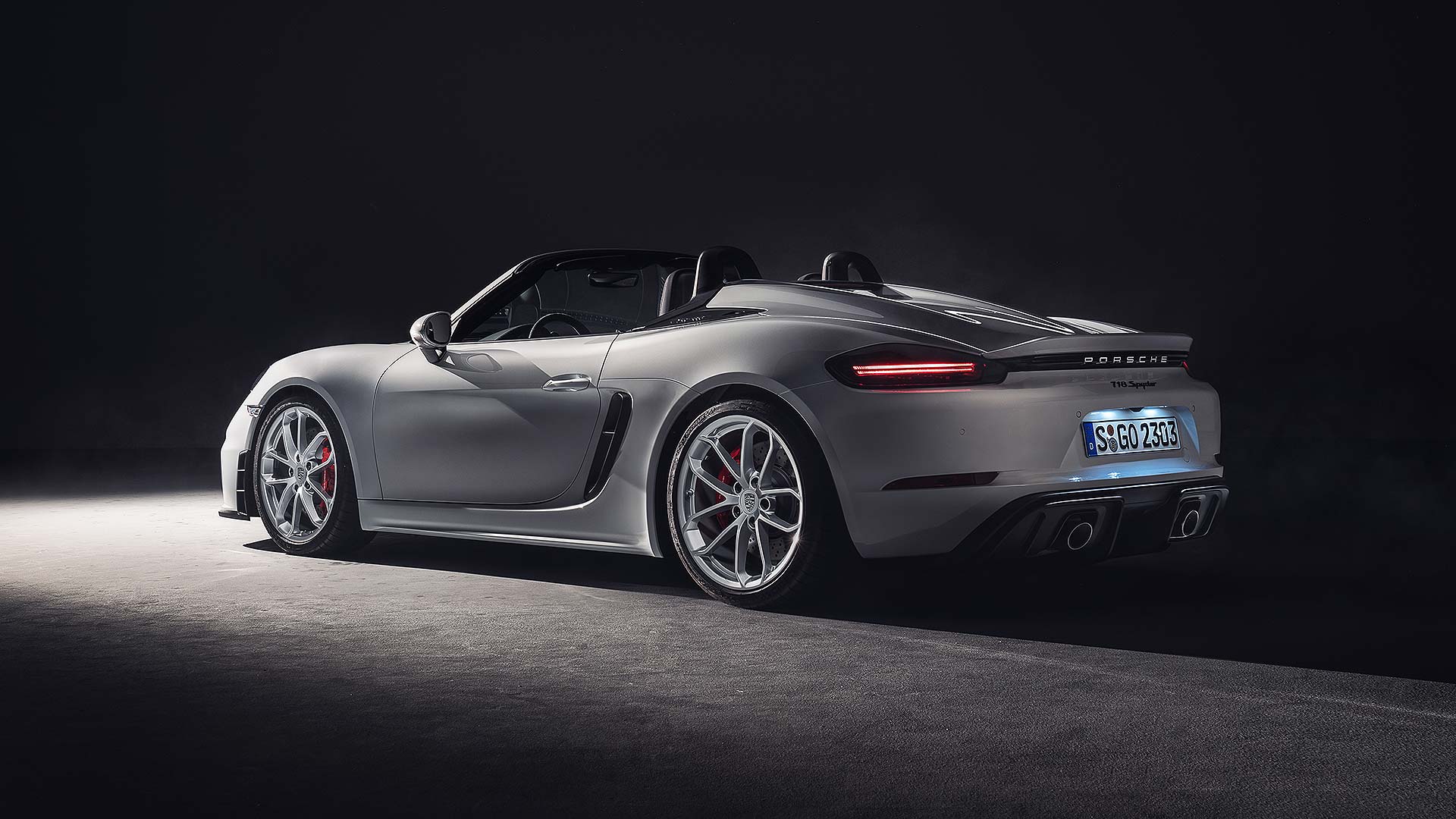
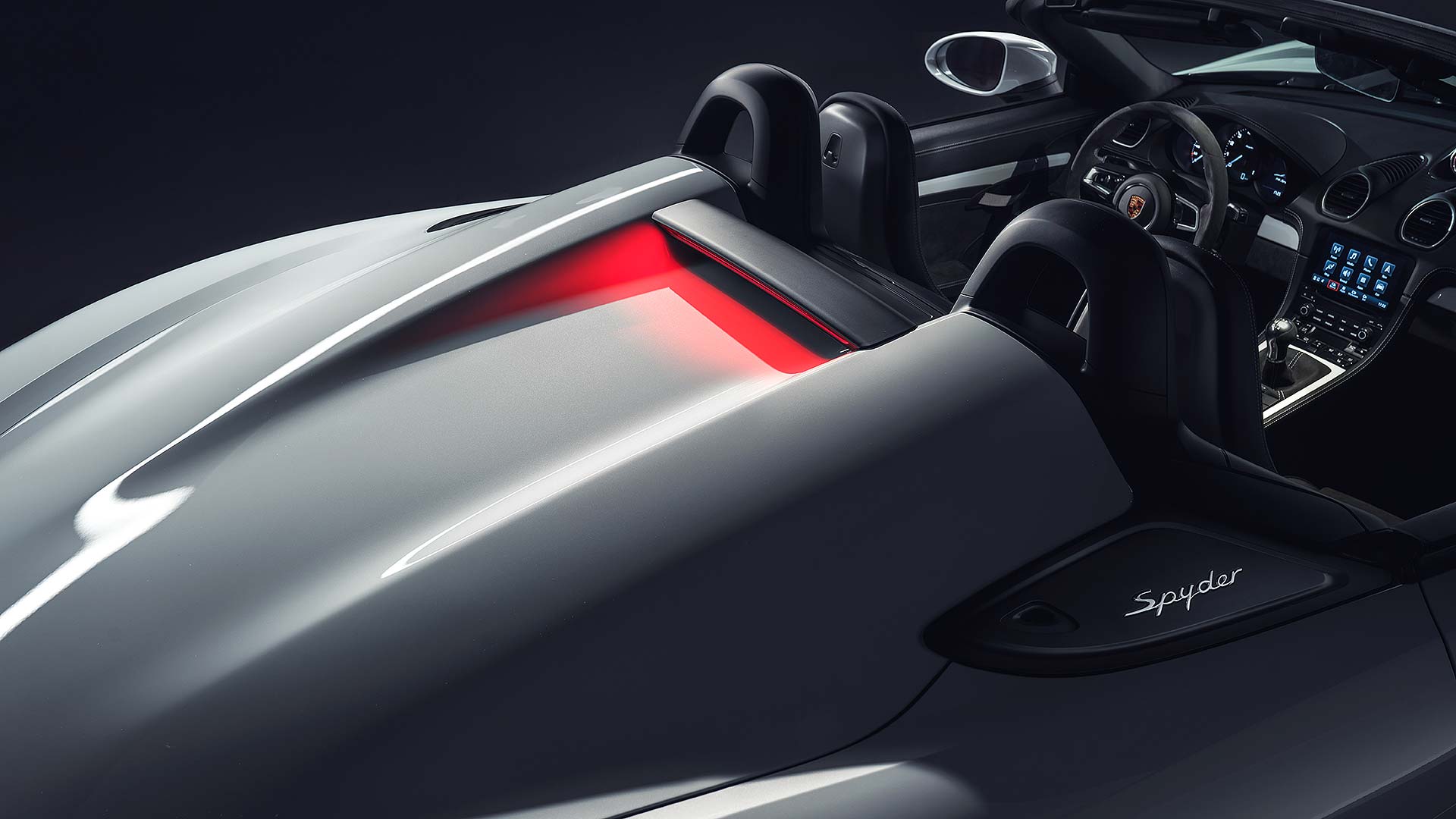
The Porsche 718 Spyder is described by Porsche as thrilling road-going driver’s car. It has a simpler, more lightweight convertible roof than the 718 Boxster it’s derived from, evoking the Porsche 550 Spyder made famous (infamous?) by James Dean.
The roof gives a distinctive look both up and down. It is not electrically operated, but Porsche promises it can be manually stowed “in just a few steps”. The roof also copes with high speeds; some earlier Spyders only did maximum speed with the roof down.
It will do 187mph flat-out, and accelerate from 0-62mph in 4.4 seconds.
A rear spoiler raises at 74mph, making the 718 Spyder the first car in the Boxster family to generate downforce at speed.
Porsche 718 Cayman GT4
The Porsche 718 Cayman GT4 is called Porsche’s “entry-level GT street car”. The previous GT4 model was a cult collectable and the firm hopes this new one, 35 horsepower more powerful than its predecessor, will follow suit.
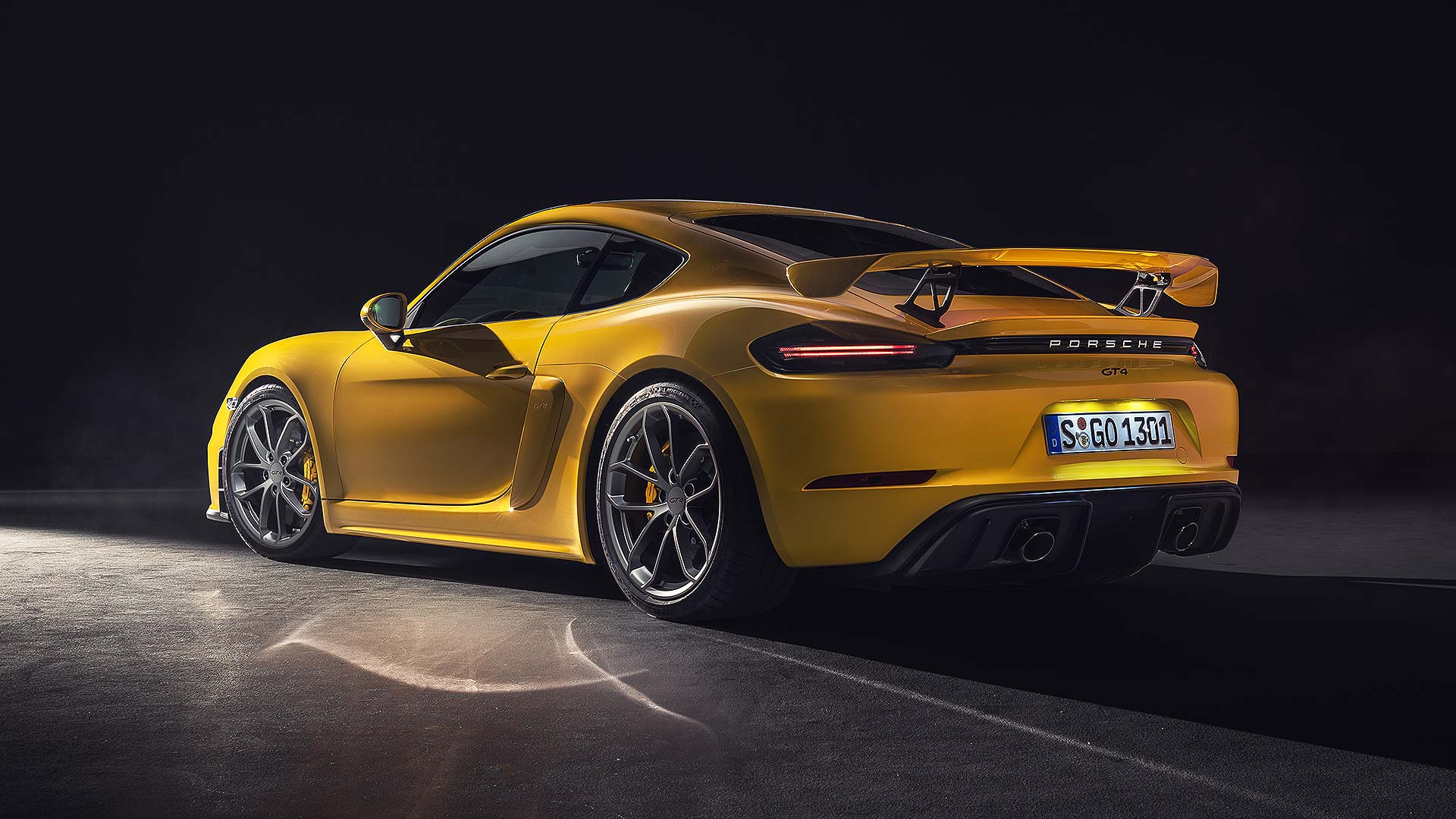
A very distinctive body kit marks out the 718 Cayman GT4. It generates up to 50 percent more downforce.
Aerodynamics are helped by a clever single chamber exhaust silencer in the rear arch, which frees up space for a huge underbody diffuser. This alone generates 30 percent of the downforce at the rear of the 718 Cayman GT4.
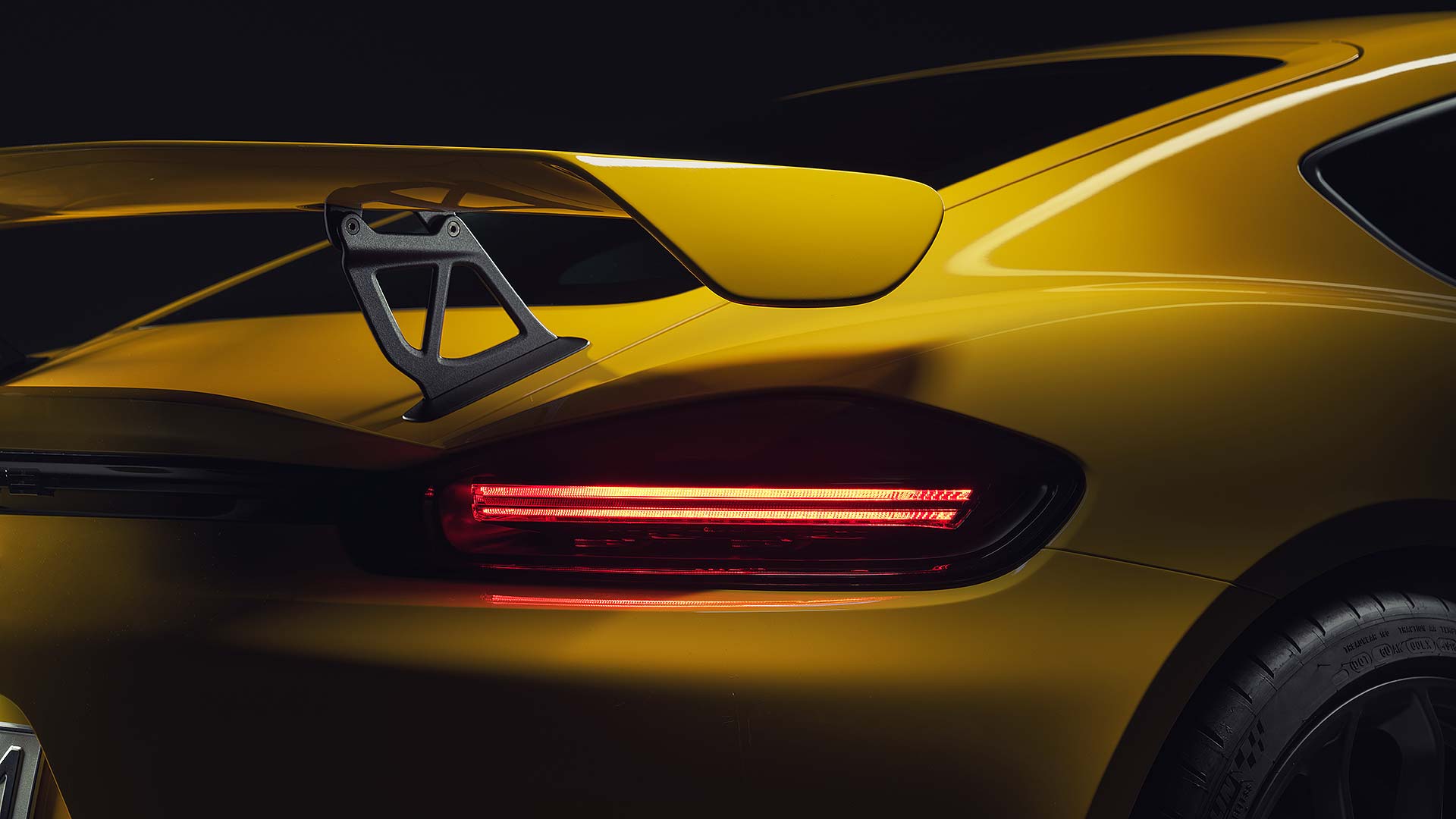
The fixed wing creates 20 percent more downforce than the old GT4 – equalling an extra 12kg of downward pressure on the rear wheels at 124mph.
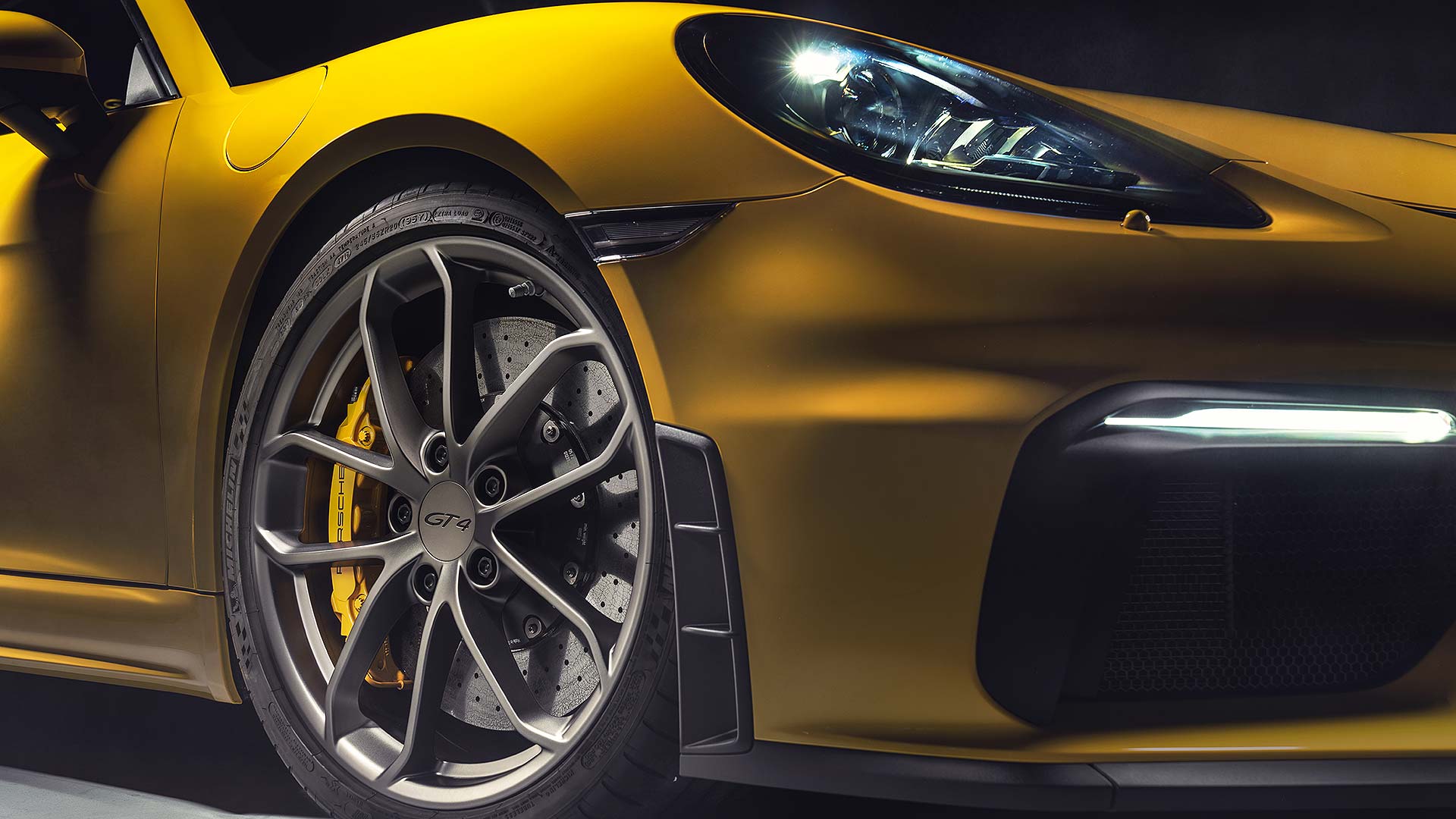
A GT-style front end balances the rear aerodynamics with a bigger front spoiler and ‘air curtains’ to smooth airflow over the front wheels.
Shared suspension
For the first time, the track-inspired 718 Cayman GT4 shares a chassis with the road-focused 718 Spyder.
The cars sit 30mm lower and adaptive Porsche Active Suspension Management is standard. Motorsport-spec ball join suspension links are used, and the electronic control systems can be deactivated for use on the circuit.
Uprated aluminium monoblock fixed-caliper brakes are fitted, and Porsche Ceramic Composite Brakes (PCCB) are optional.
Porsche has already taken the 718 Cayman GT4 to the Nürburgring, and says its time is 10 seconds faster than its predecessor. Special ‘ultra high performance’ tyres contribute to this; they’re also fitted to the 718 Spyder.
For those with serious track intent, a Clubsport package is available on the Cayman GT4, which includes a steel roll cage, fire extinguisher and six-point seatbelt for the driver.
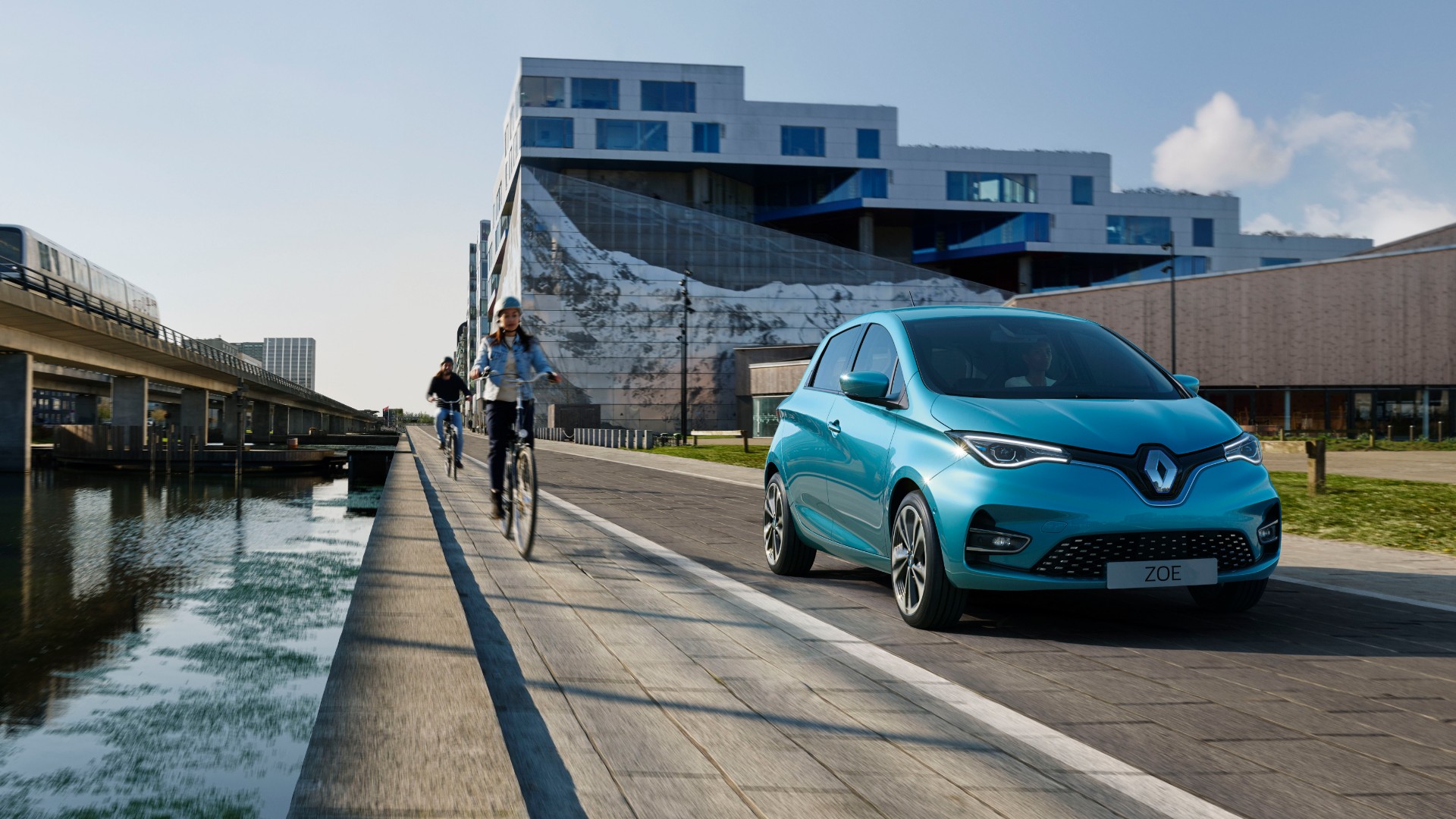
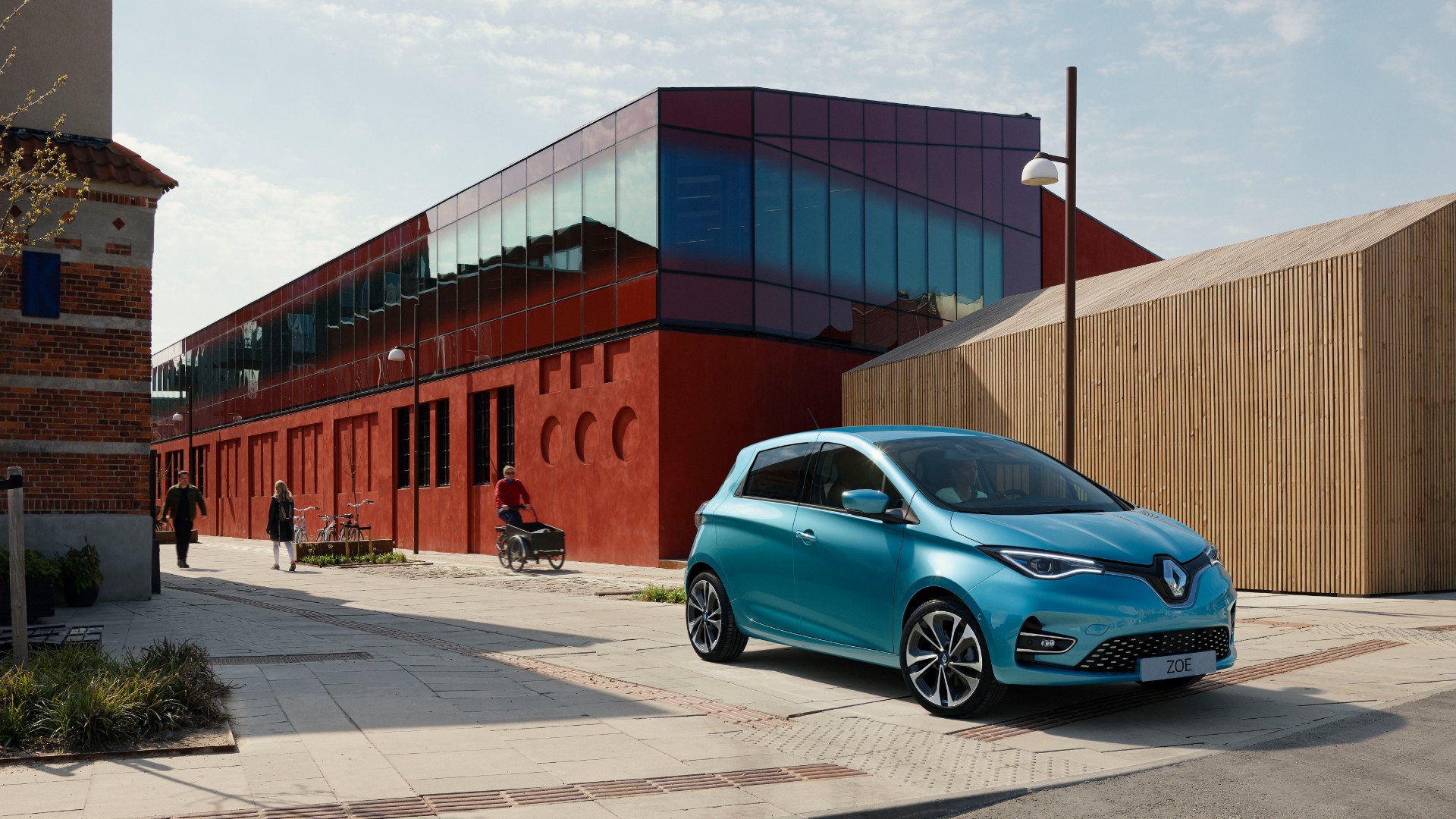
Renault has revealed the facelift for its Zoe small electric car.
In the battle for EV buyers’ affections, the new 242-mile capable Zoe is a riposte to forthcoming electric versions of the Peugeot 208 and Vauxhall Corsa.
2019 Renault Zoe: styling
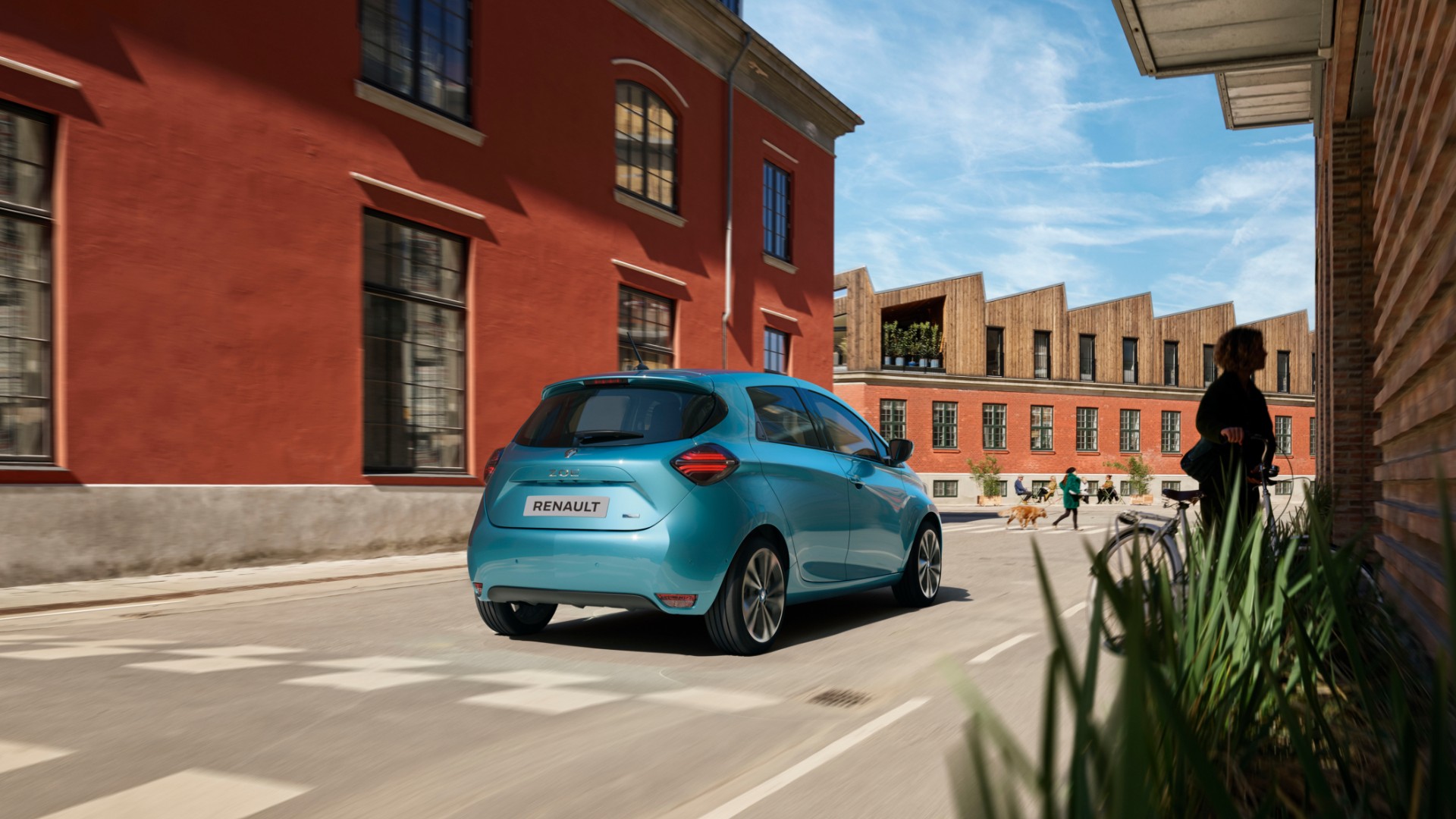
The latest Zoe is very much a facelift rather than an all-new car, on the outside at least. It’s the biggest visual change the model has undergone, but the new LED lighting and redesigned bumpers are pretty subtle.
It remains a stylish and attractive small car, with the faintest hints of styling from the super-cool Zoe e-Sport concept. A Renault Sport version of the little electric car isn’t off the table, either.
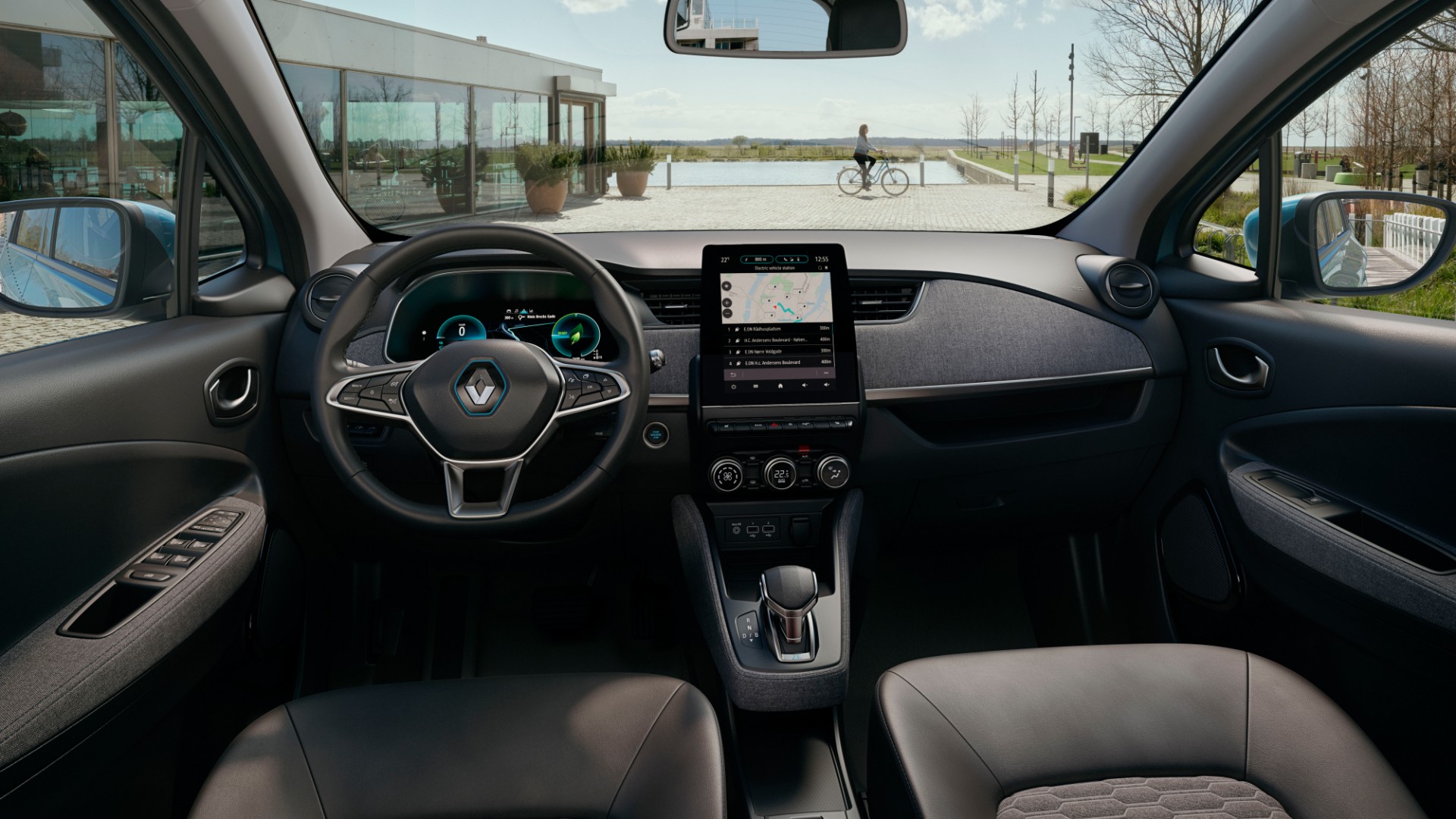
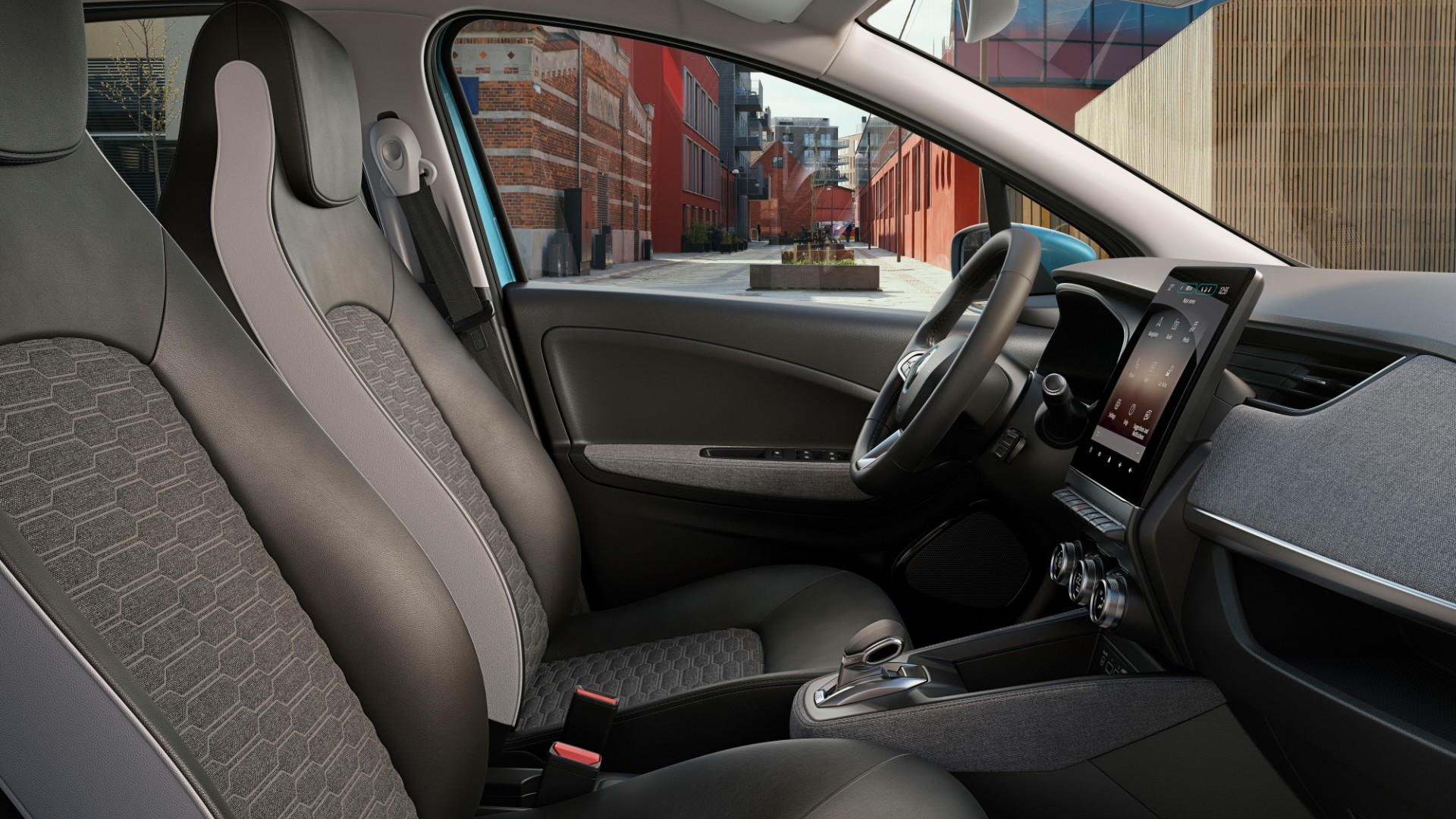
On the inside, the new Zoe is bang-up-to-date. Along with its 100 percent recycled seat trims, it features a new 10-inch TFT instrument cluster, as well as a portrait-oriented in-car entertainment screen in line with Renault’s other models.
2019 Renault Zoe: new R135 motor
Increased power and range comes from a new 52kWh battery and 100kw ‘R135’ electric motor, although as standard it comes with an 80kw motor. A 135hp output keeps the R135 Zoe sharp, with 0-62mph in less than 10 seconds and a top speed of 87mph.
It’ll refuel more quickly too, with optional 50kw DC charging capability.
The Zoe features a new single-pedal regenerative braking system called ‘B Mode’ – a similar system to the latest Nissan Leaf’s e-Pedal. ‘D Mode’, by contrast, is best for constant speed situations like motorway cruising.
Renault Zoe… this is your life
Since launch in 2012, Renault has sold nearly 150,000 Zoes.
It achieved an 18.2 percent share of the European electric car market share in 2018 – and cumulative sales make it the most common electric vehicle on European roads, with 40,000 new registrations last year.
In Germany, Spain and France, it achieved a 54.9 percent EV market share in 2018, making it number one for electric car sales in those countries.
As for the future? Renault plans on doubling Zoe production by 2022 and the marque invested a billion euros in electric vehicle development last year.
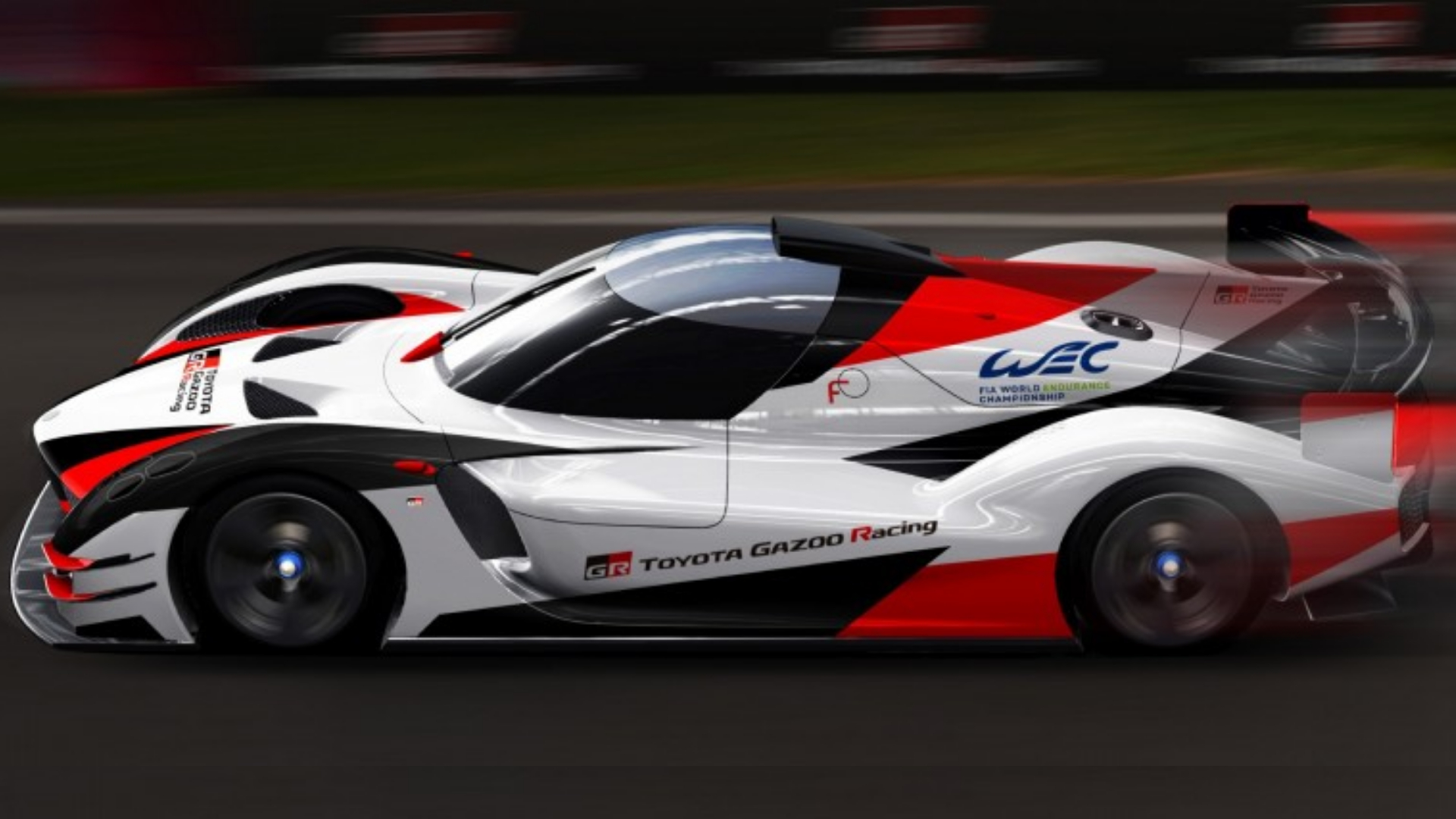
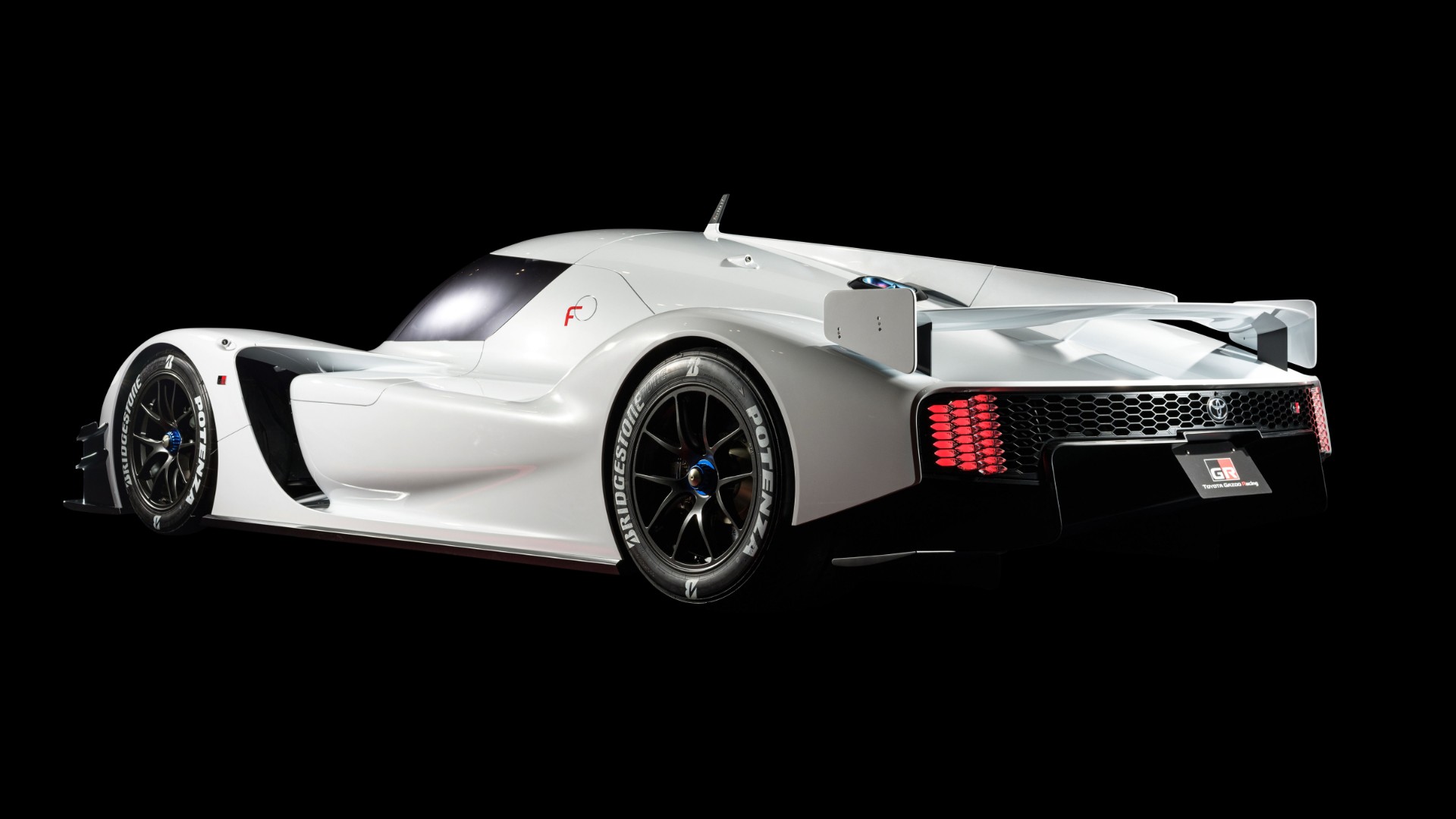
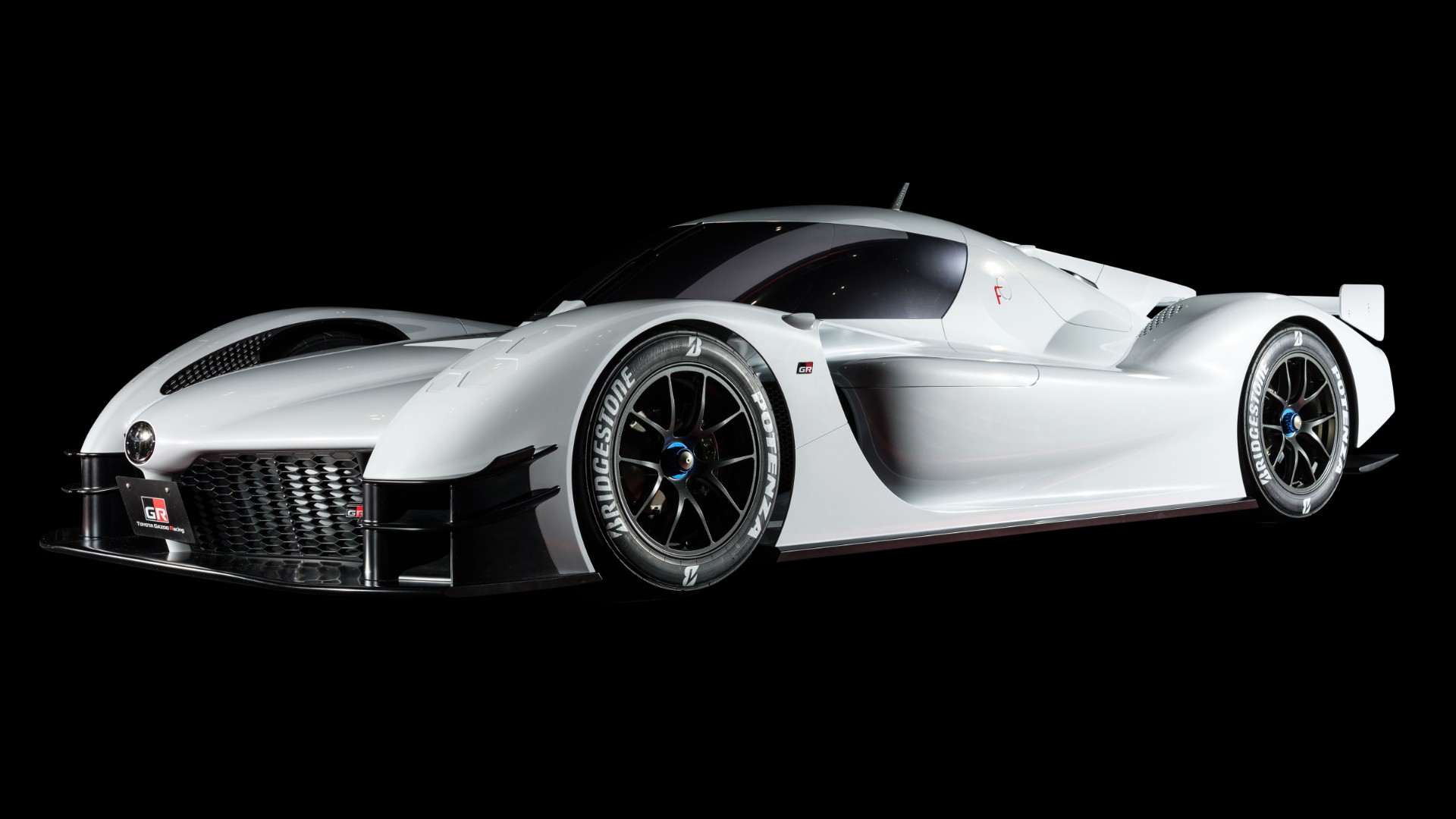
Toyota has announced its radical GR Super Sport will compete in motorsport’s new hypercar class. And a road-going sports car will follow.
The car was first unveiled in concept form a couple of years ago, but this confirms Toyota is moving ahead with the project, which will directly replace its double-Le Mans-winning TS050 LMP1 car.
The new rules state that top-level Hypercar racers need to have road-going counterparts. ‘Both road and race car are undergoing design and intensive development,’ says Toyota.
Toyota GR Super Sport: in detail
When the GR Super Sport concept was revealed, the powertrain was claimed to be from the Toyota TS050 LMP1 prototype. That means a 500hp twin-turbo 2.4-litre V6 with an additional 500hp of hybrid assistance.
The system output in the new class is limited to around 750hp. It’s reasonable to assume, therefore, that the drivetrain could carry over with ease in a detuned state for the racer.
That’s not to say that the GR road car will be limited. Remember that the road-legal Aston Martin Valkyrie will have over 1,000hp, courtesy of its hybrid 6.5-litre V12. Toyota is likely to aim for a similar power level.
As for how many road cars there will be, homologation requires a minimum of 20 to be produced and sold over the course of two years.
“For Toyota Gazoo Racing, this new era of competition is a fantastic opportunity to demonstrate our credentials not only as a race team against some of the best in the business, but also as a sports car manufacturer,” said Shigeki Tomoyama, president of Gazoo Racing.
“I am sure I join fans and competitors in welcoming the new regulations and looking forward to an exciting era of competition in WEC and at Le Mans.”
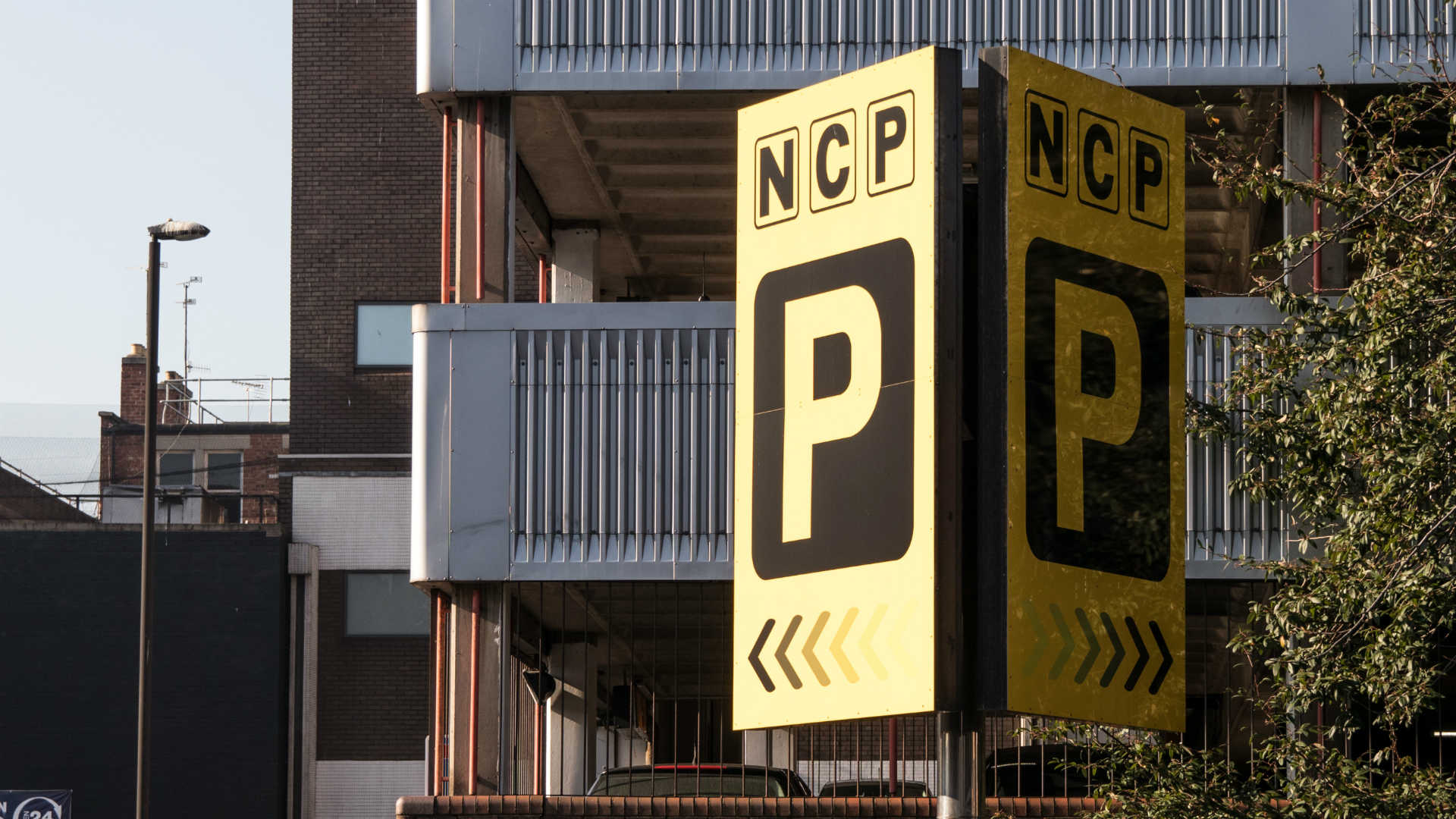
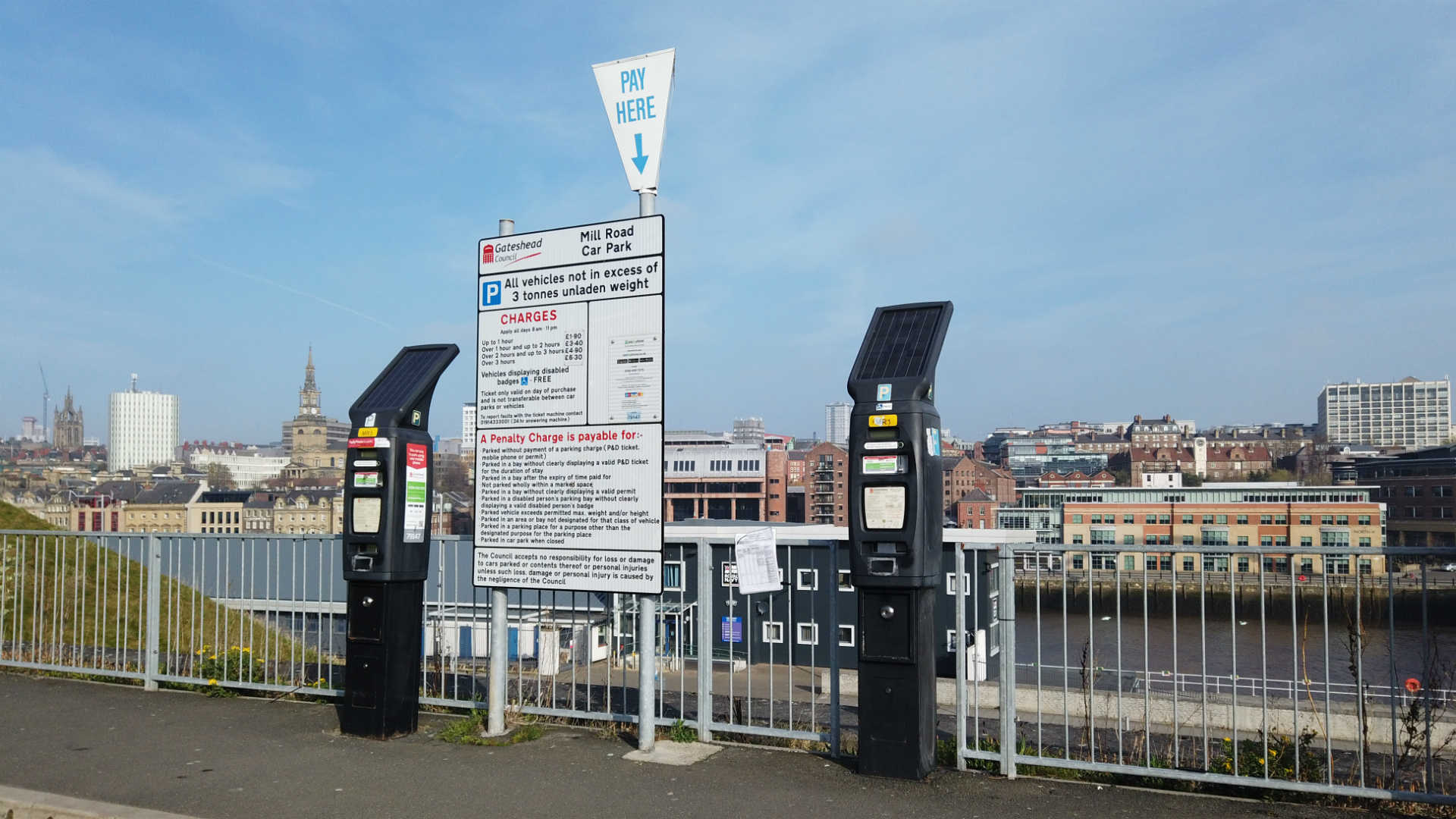
Newcastle is the best city for parking, according to research conducted by InsuretheGap.com.
The insurance company reached this conclusion following analysis of the number of parking spaces available per resident, the average walking distance from parking to central locations, and the price of parking for two hours.
With a score of 245, Newcastle is the pick of the parking, with the second highest number of parking spaces per resident and reasonably short walking times into the city.
Leicester finished second with a score of 240, ahead of Belfast, Bradford and Nottingham.
At the opposite end of the table, London is named the worst city for parking, with the capital slammed for the poor proximity of car parks to central locations and the steep cost of parking.
Two hours of parking in London costs an average of £11.25 – almost four times the amount paid in Newcastle.
Ben Wooltorton, chief operating officer of InsuretheGap.com, said: “Trying to find a parking space, especially one in a good location and at a reasonable rate, seems to be getting more difficult.
“This data highlights areas that are doing well in providing adequate parking for residents and visitors. The other end of the scale indicates where drivers might need to put in a little more research and planning to find the space they want”.
The best UK cities for parking
City
Total score
No. of spaces per resident
Walking distance to city centre
Average price for two hours
1. Newcastle
245
0.027
17 mins
£3.20
2. Leicester
240
0.023
18 mins
£2.85
3. Belfast
215
0.038
24 mins
£3.04
4. Bradford
210
0.011
14 mins
£1.87
5. Nottingham
210
0.021
19 mins
£3.22
6. Hull
205
0.019
20 mins
£2.04
7. Birmingham
180
0.01
16 mins
£2.83
8. Sheffield
180
0.017
15 mins
£3.30
9. Sunderland
175
0.012
23 mins
£1.73
10. Cardiff
160
0.027
29 mins
£4.08
The study analysed the 20 most populous cities in the UK, based on population data from the Geographist. All parking data analysed was sourced from Parkopedia.
Hiring a supercar is as easy as renting a hatchback, says Enterprise Rent-A-Car. “Customers can live out their childhood fantasies” thanks to its Exotic Car Collection, it says.
Which is all fine and dandy, but hiring a supercar differs from renting a family hatch in one significant way: the price.
It’s predictable, really. You wouldn’t expect to hire an Aston for the same price as an Astra.
Enterprise makes a proud boast that prices start from £100 a day, but for that price, you’ll be driving a BMW 4 Series M Sport on a Saturday or Sunday, and only after a £1,000 deposit. The minimum age is 30 and an excess of £1,400 applies to the 4 Series.
Granted, it’s a nice car, but it’s hardly the stuff childhood dreams are made of.
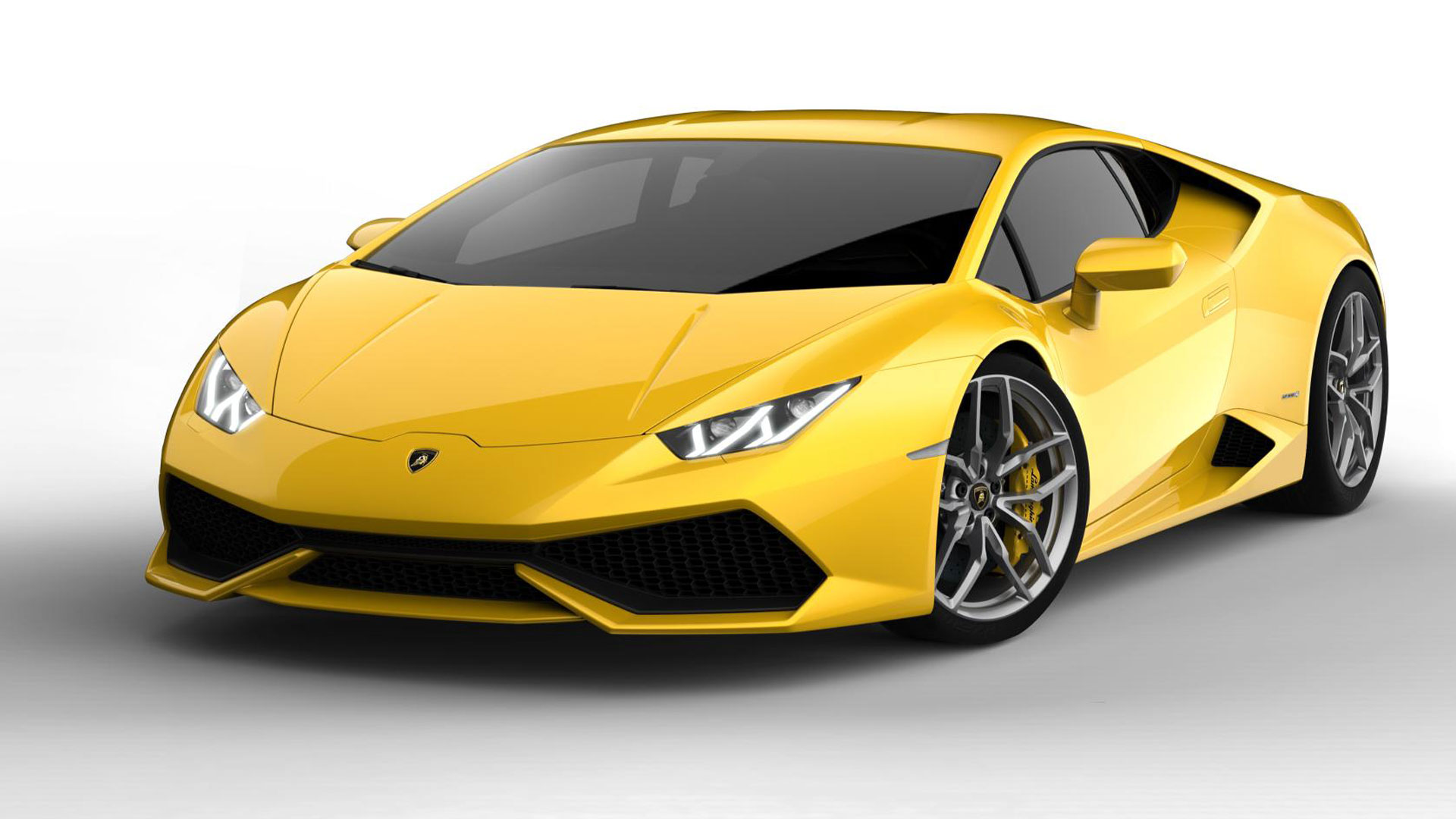
A Lamborghini Huracan will set you back £800 per day (£1,000 per weekday), or £4,900 a week. The deposit is a hefty £8,000, while the excess of £10,000 means that you’re likely to drive with due care and attention.
Further reading of the small print reveals that a minimum two-day rental applies to all cars. Who said living out your childhood fantasies would be cheap?
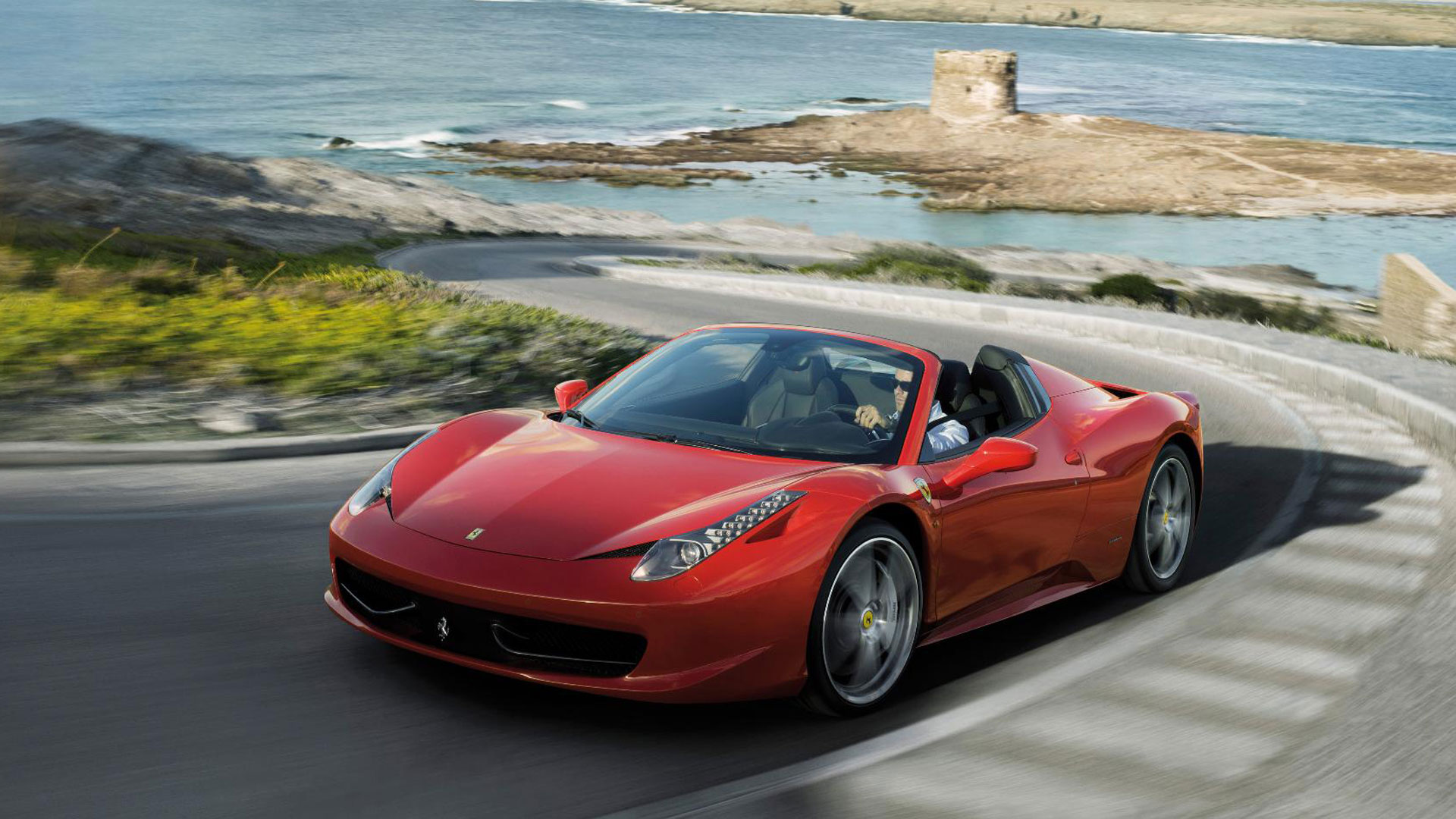
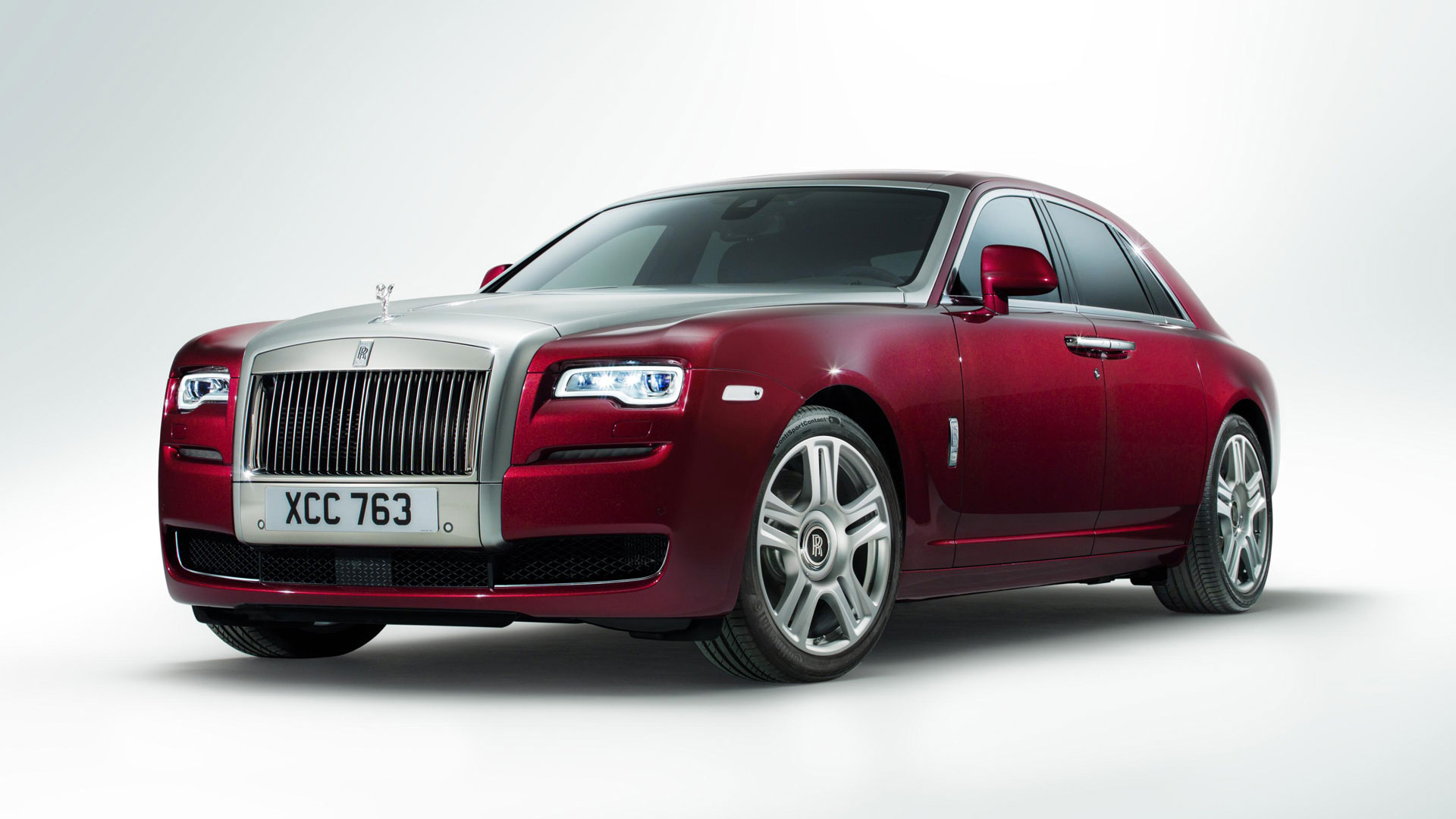
Other vehicles available via the Exotic Car Collection include the Ferrari 458 Spider, Aston Martin DB11, Audi R8 and a Rolls-Royce Ghost.
‘The best of both worlds’
Brian Swallow, Enterprise vice president of rental, said: “Most of us are familiar with the process of hiring a car, but the idea of renting a supercar or luxury vehicle may seem daunting to some.
“The Exotic Car Collection by Enterprise gives the best of both worlds, by offering some of the most premium vehicles on the planet but from a trusted household name millions of Britons already use.
“Exotic Car Collection is opening up this world to as many people as possible, enabling them to get behind the wheel of some of the most incredible vehicles around.
“Whether it is to live a childhood dream by getting your hands on a supercar, or making a grand impression for an important event, the Exotic Car Collection by Enterprise is here to make it happen, all with the premium service you would expect.”
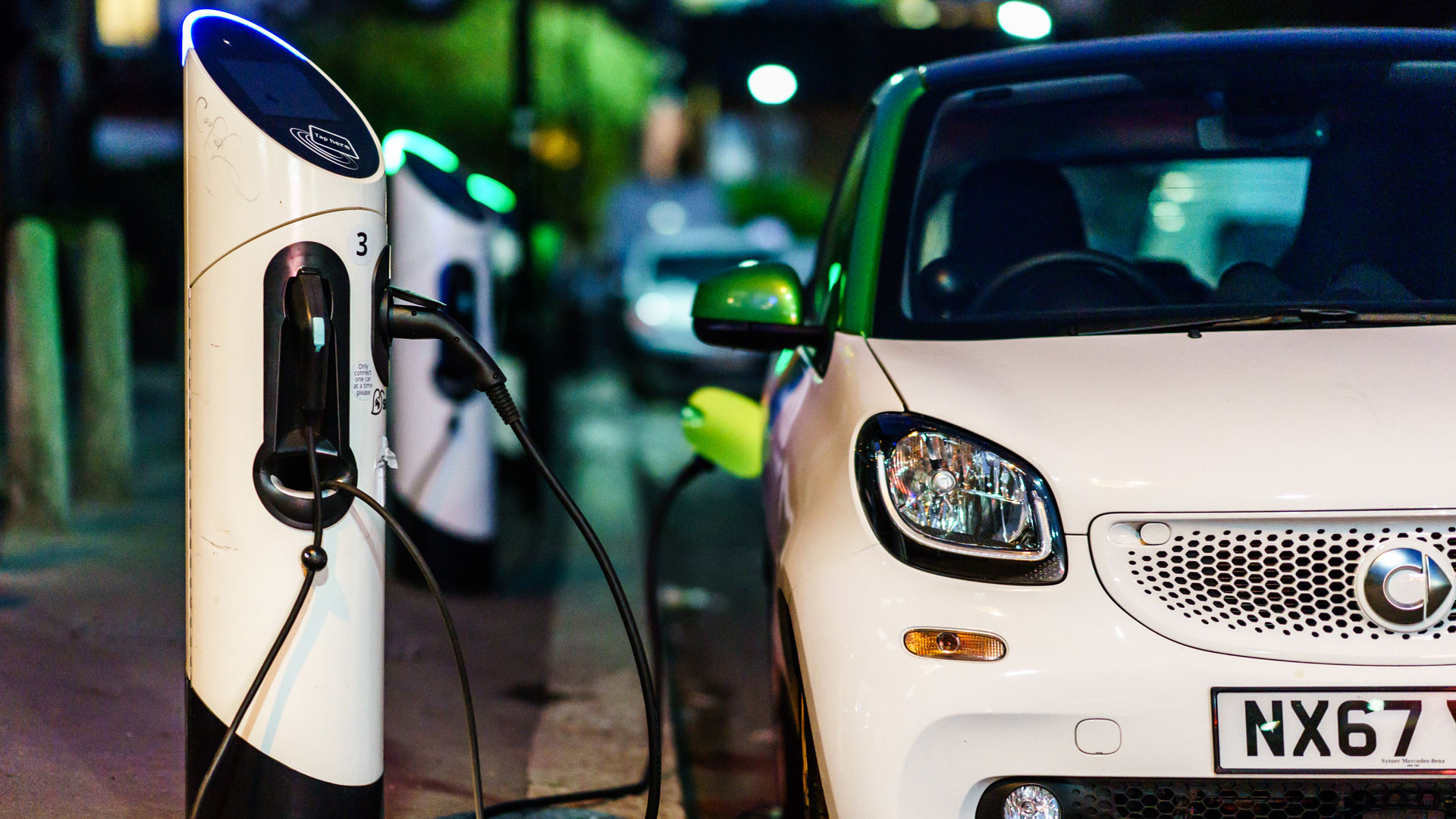
The entire fleet of Government ministerial cars will be all-electric by 2030, the transport secretary Chris Grayling has confirmed.
Currently, electric vehicles make up nearly 23 percent of the fleet, with the government pledging to electrify at least a quarter by 2022.
The Government Car Service (GCS) is managed by the Department for Transport (TfL) to provide a secure car service for ministers in government departments.
GCS operates a fleet of around 90 cars, including British-built and low emission vehicles. The cars are managed by an in-house secure workshop.
The transport secretary has written to every government department to reinforce the pledge to move towards a 100 percent electric fleet by 2030.
‘Best place to own an ultra-low emission vehicle’
He said: “We want the UK to be the best place in the world to own an ultra-low emission vehicle, and as a government we have to lead by example.
“I am pleased with the change we are making to the Government Car Service, but this now needs to be reflected in all fleets that are controlled by government.
“Only yesterday, the prime minister made the bold commitment that the UK will end its net contribution to climate change by 2050. It is absolutely vital that all parts of government play their part in delivering this ambitious target.”
The government plans to end the sale of new diesel and petrol cars and vans by 2040 and is seeking to encourage more people to drive ultra-low emission vehicles.
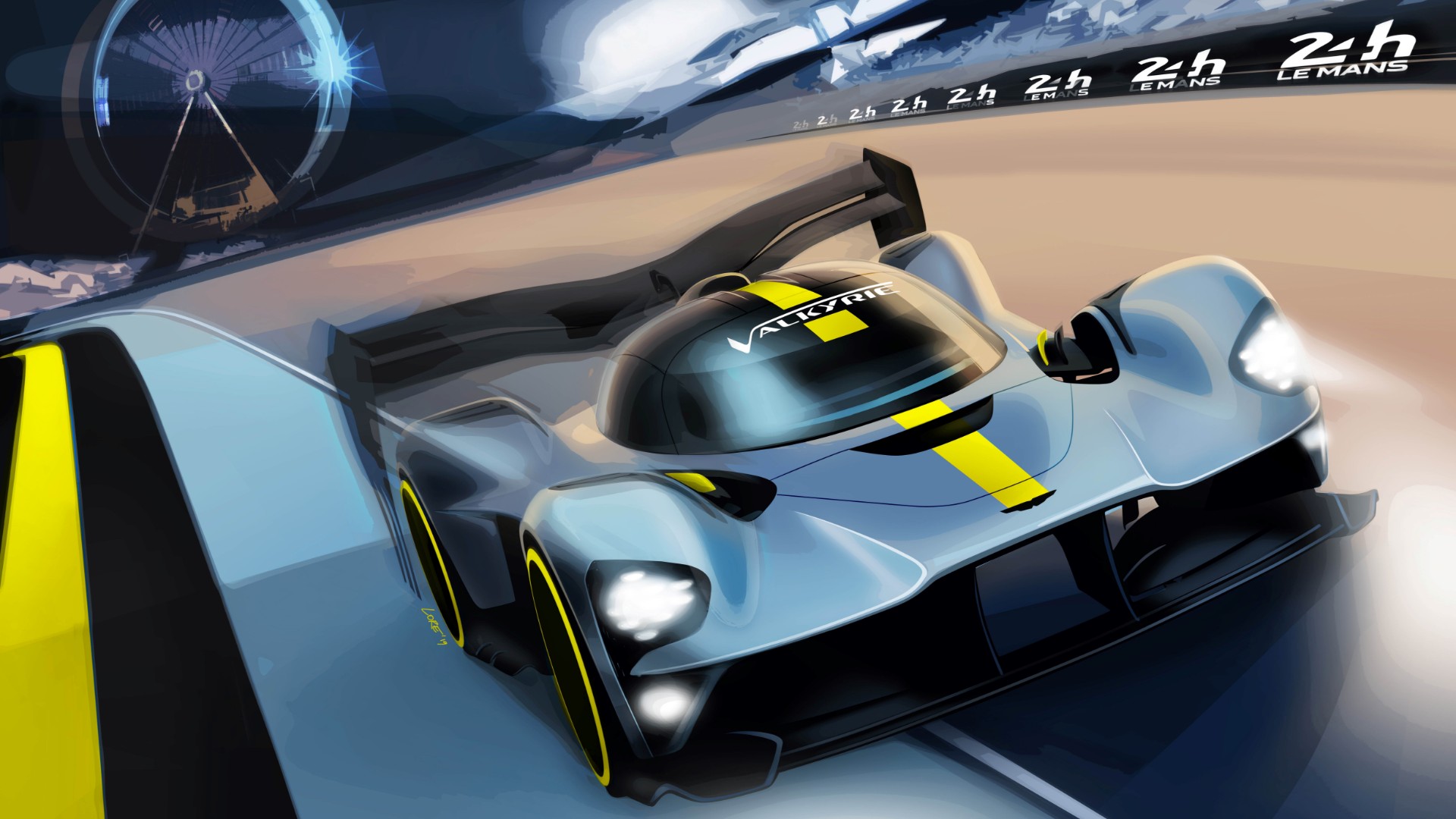
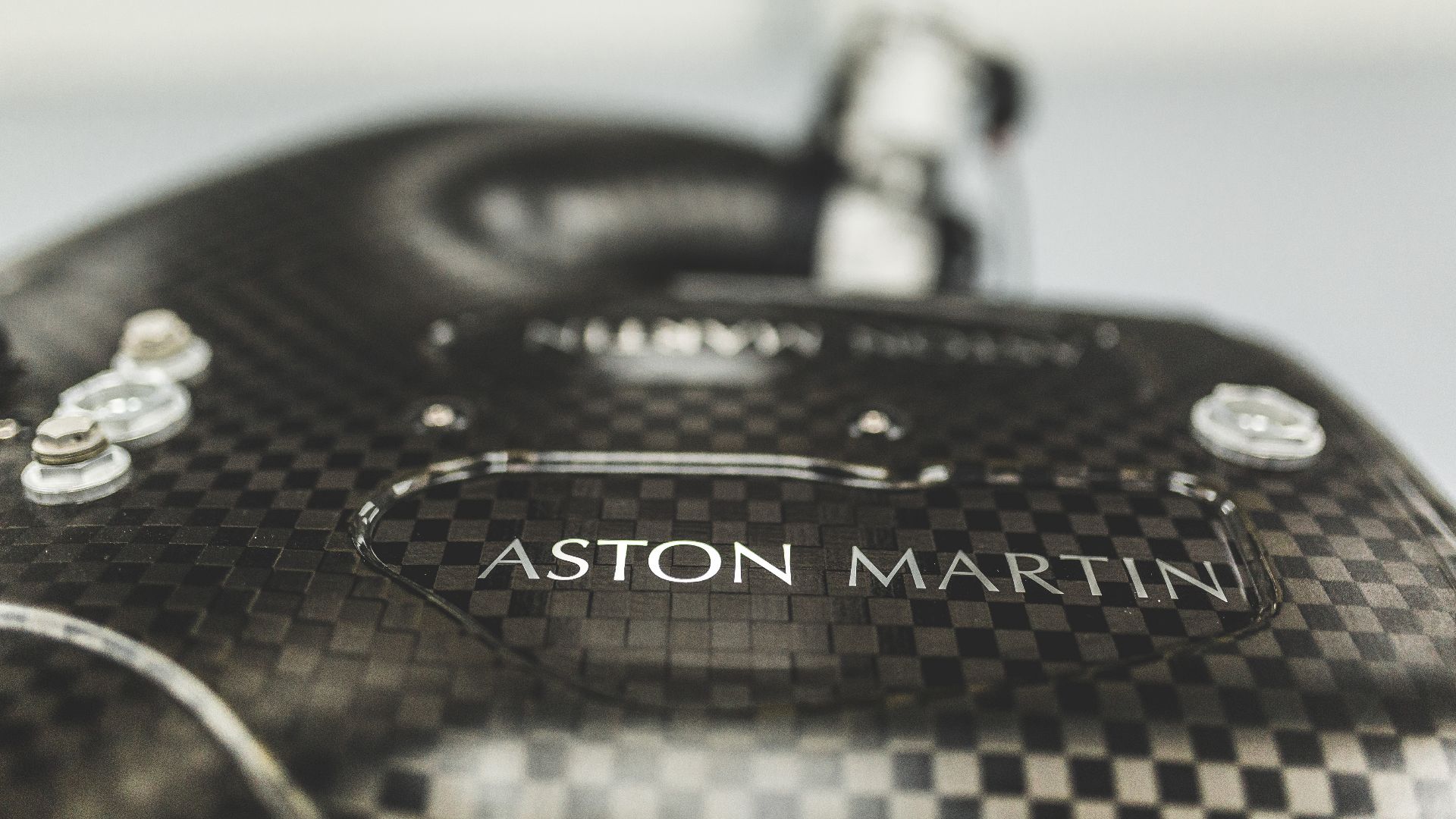
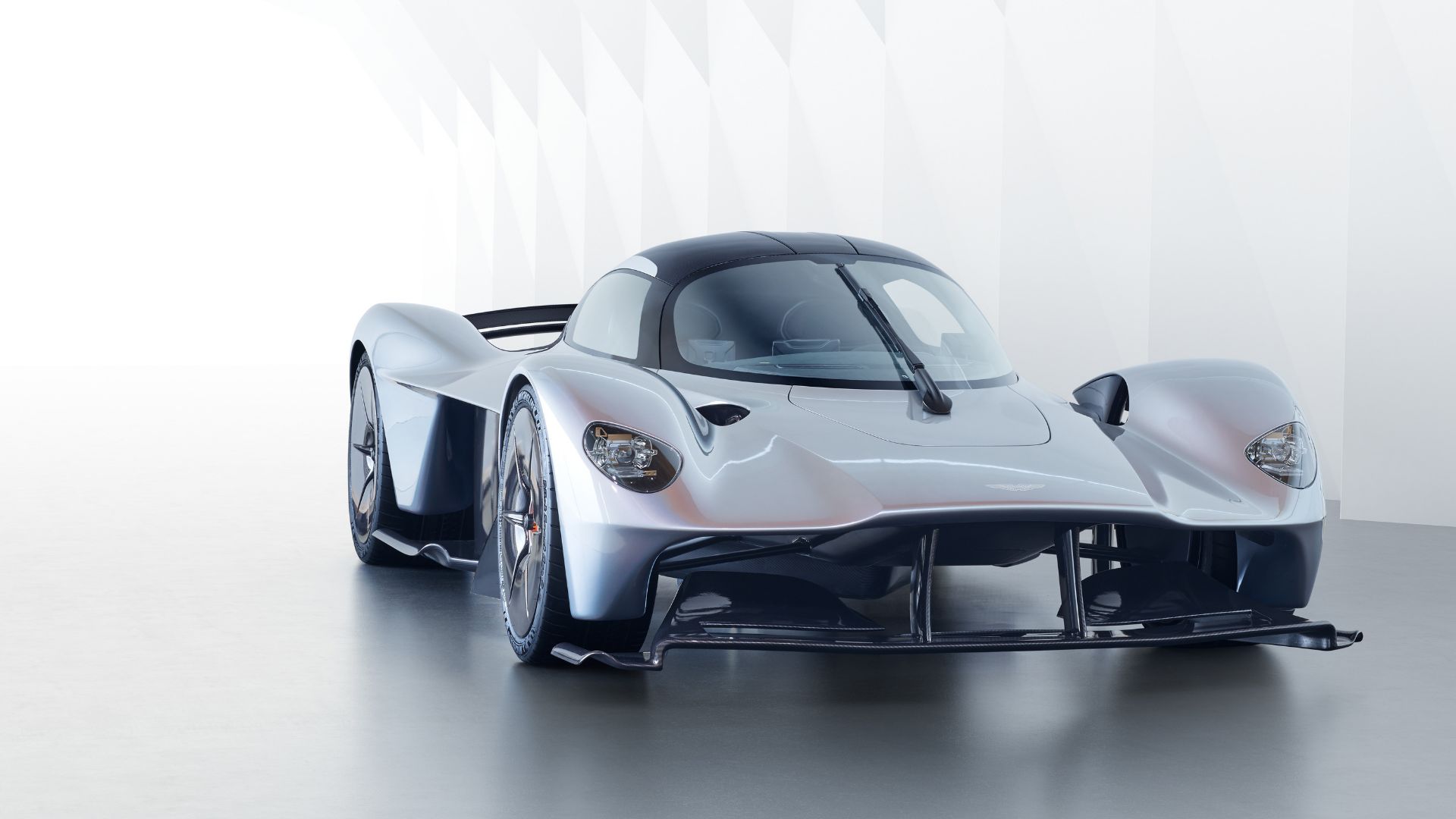
Aston Martin has confirmed its long-awaited Valkyrie hypercar will race at Le Mans, following entry into the 2020/2021 World Endurance Championship season. This, as the new top-level hypercar regulations are ratified by the Automobile Club de l’Ouest – the organisation behind the 24-hour race.
The cars won’t quite resemble those customers will drive, or indeed the track-only AMR Pro version. The V12 engine will be prepared for the rigours of 24-hour racing, while Aston describes the car as a ‘fully competitive platform capable of challenging for outright race wins’. A ‘minimum’ of two will be entered when they take to the La Sarthe circuit next year.
If it wins, it’ll be the first ‘road car’ to come first at Le Mans since the McLaren F1 in 1995.
“We have always said that we would one day bring Aston Martin back to Le Mans with the intention of going for the outright win when the time was right – now is that time,” said Aston Martin CEO, Andy Palmer.
“David Brown came here in 1959, with a car and a team of drivers capable of winning. We intend to do the same in 2021. The Aston Martin Valkyrie is primed for such a challenge and sits perfectly within the ACO’s new ‘hypercar’ rule framework.
“What could be more evocative than the wail of an Aston Martin V12 leading the charge into the night on the Mulsanne straight?”
We have to say, we’re struggling to come up with an answer to that.
Porsche has launched a ‘Second Skin’ online tool that allows you to see your chosen car in classic motorsport livery – then have it made.
The scope for online creativity is, in fact, even wider than that, with Porsche saying: ‘It will also be possible to implement designs inspired by, for instance, fashion and the arts’.
Previously discontinued colours from Porsche will be available, and company will collaborate those in the car-wrapping industry, including artists, design studios, foil providers and vinyl paint manufacturers. The website will be up and running in July.
“As the livery segment is a very fragmented market, we have created a central port of call with Second Skin to guarantee quality and offer a comprehensive approach to finding a solution,” said Simon Weiss of Porsche Digital.
“For this reason, the entire design and ordering process is fully processed in Second Skin: customers select the vehicle model and design it independently or as part of a consultation to obtain a non-binding offer and finish the order online.”
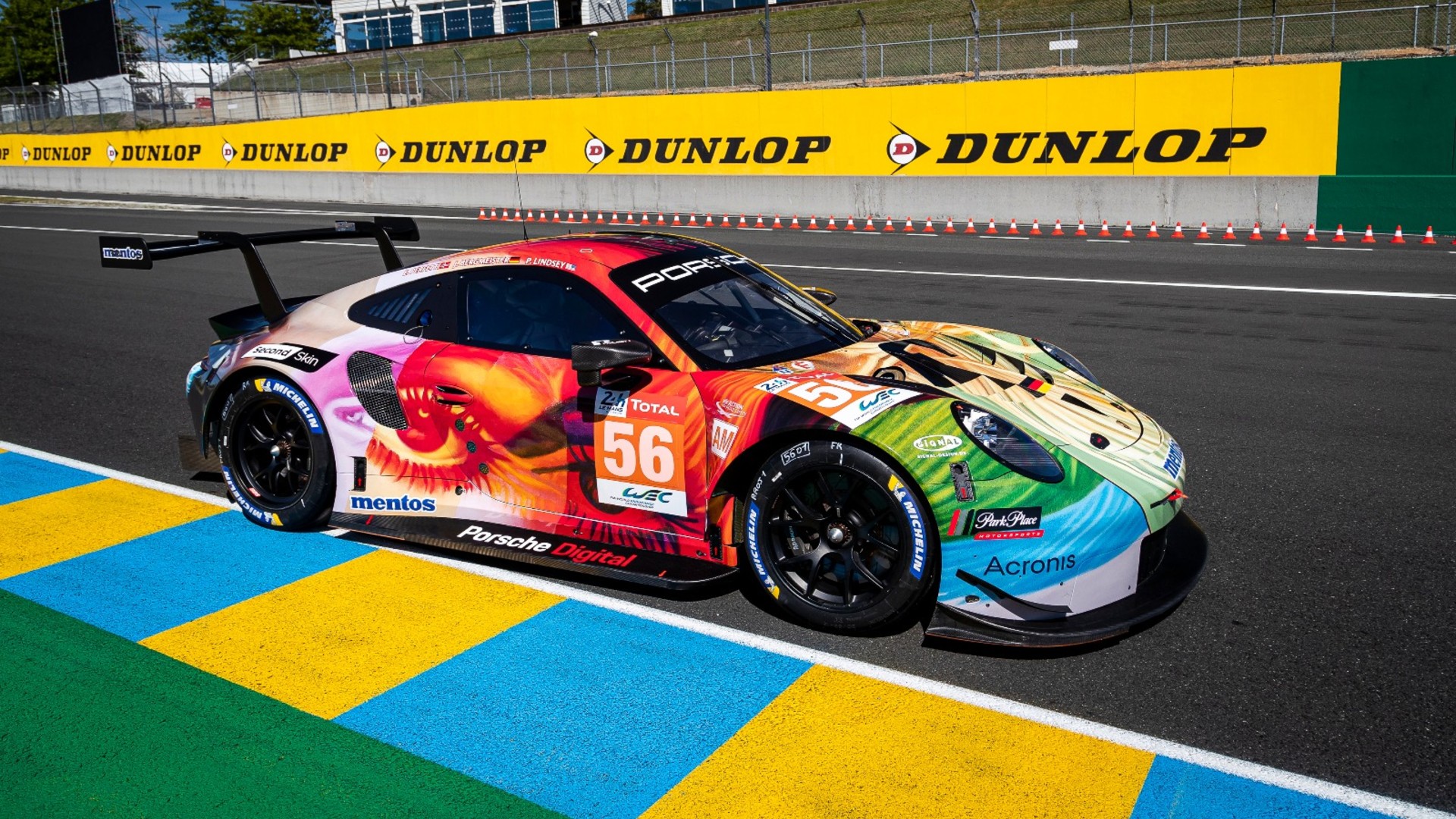
The poster car for the project is a 911 RSR that’s due to compete at Le Mans this coming weekend (June 15-16). It features a design by pop-art artist Richard Philips that combines three of his most popular works.
“We wanted to use the project in Le Mans to demonstrate what we can do in terms of automotive design and that there are no limits to the imagination with Second Skin,” said Florian Rothfuss, director of Porsche Digital.
“The greatest challenge was to apply a three-part image on a vehicle. We are also very happy with the result because the effect of the colours is unique.”




 After years of grumbles from enthusiasts, Porsche has reintroduced a powerful six-cylinder engine option for its entry-level 718 Boxster and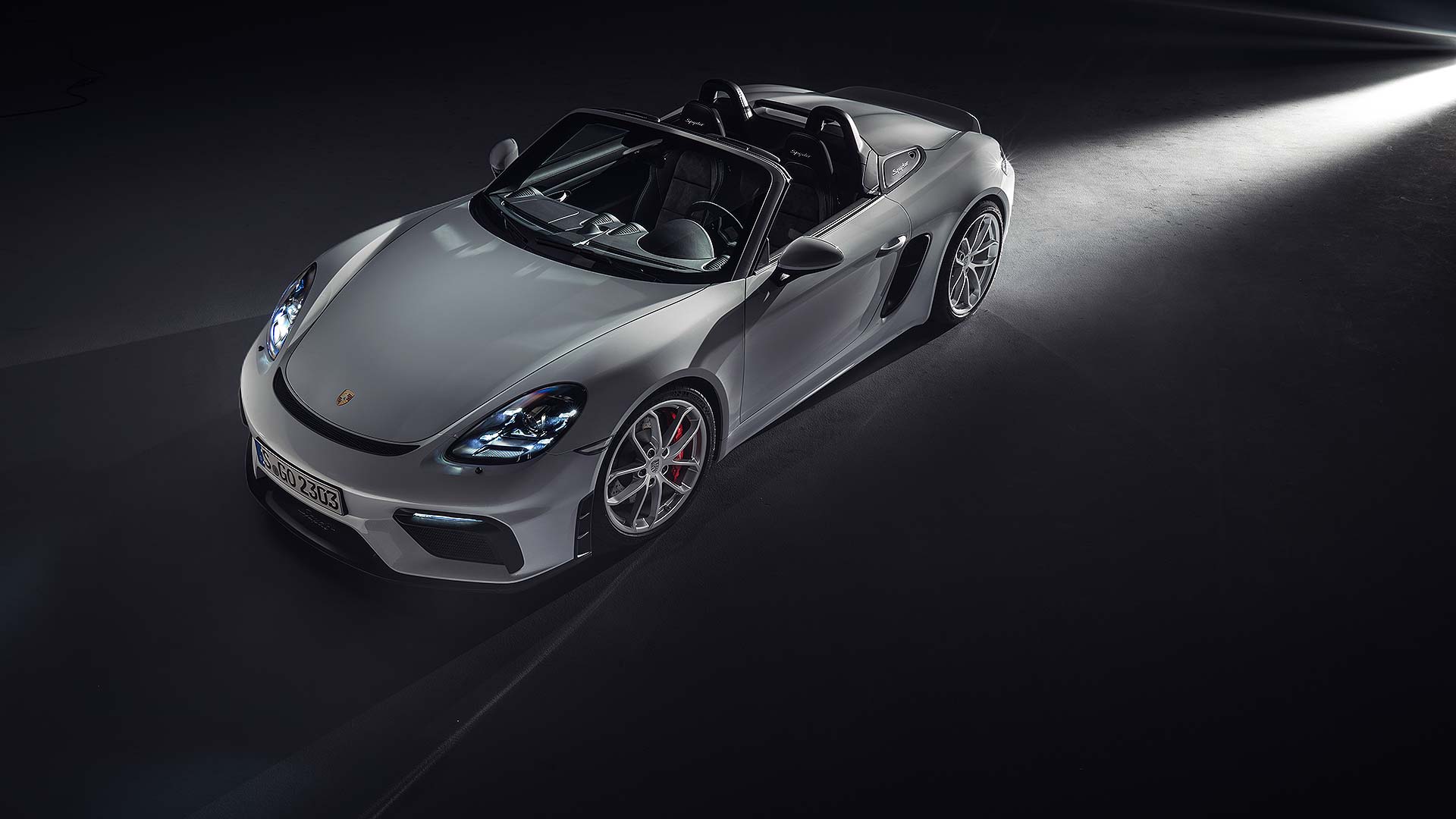



 The poster car for the project is a 911 RSR that’s due to compete at Le Mans this coming weekend (June 15-16). It features a design by pop-art artist Richard Philips that combines three of his most popular works.