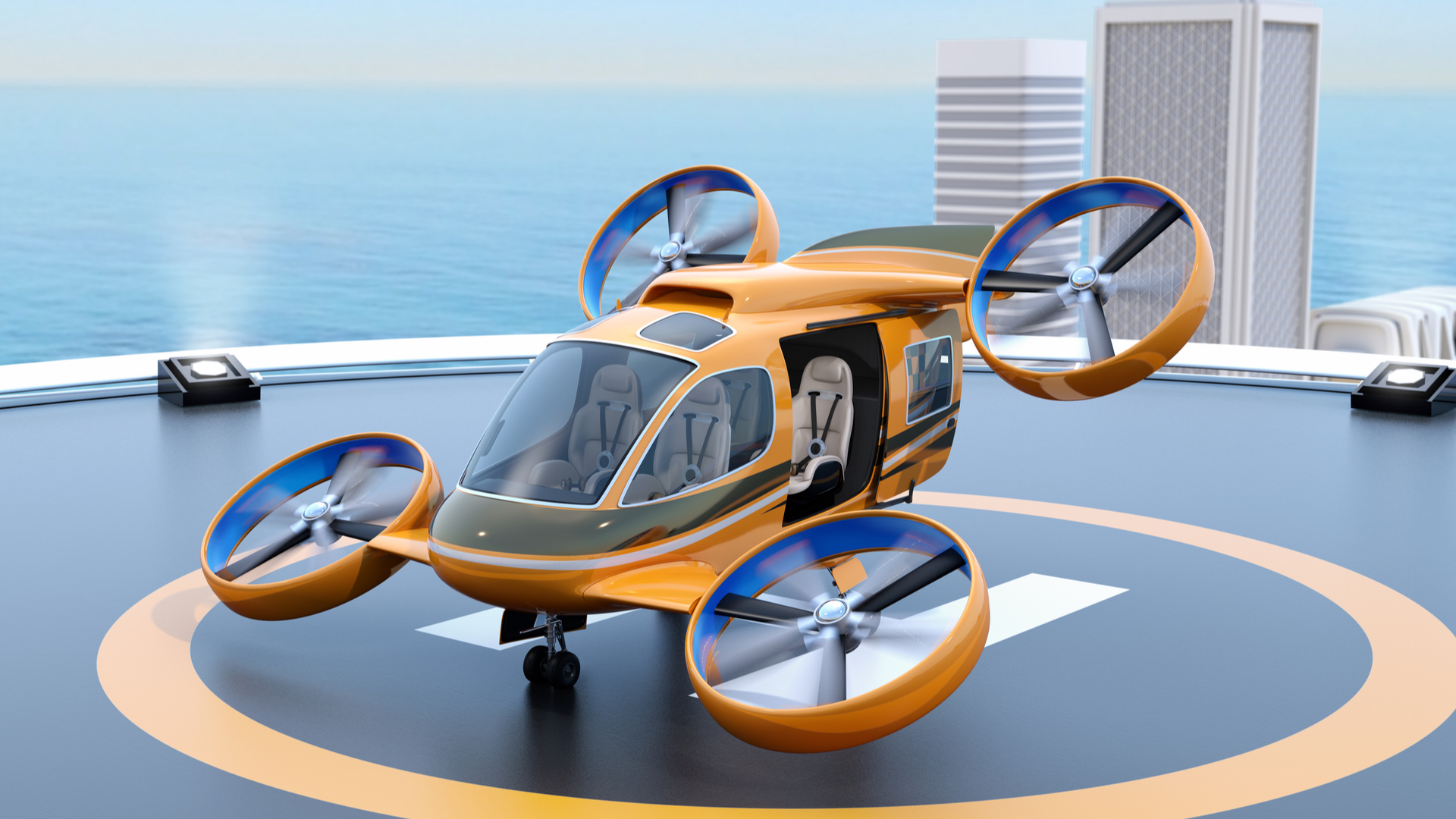
Dr. Jaiwon Shin has landed at Hyundai to head up its newly established Urban Air Mobility Division.
The aeronautics engineer is a former associate administrator for the Aeronautics Research Mission Directorate at NASA, as well as a co-chair of the White House National Science and Technology Council’s Aeronautics Science and Technology Subcommittee.
As executive vice president and head of Hyundai’s air mobility division, Dr. Shin will lead the company into a “new era of developing smart mobility products within the aviation industry”.
Hyundai will leverage his expertise in airframe, engine, safety and air traffic management technologies to develop solutions for safe and efficient airborne travel.
Commenting on his appointment, Dr. Shin said: “Having worked on cutting-edge aviation research and development at NASA for 30 years, I am very excited and humbled by the opportunity to now shape urban air mobility strategy at Hyundai Motor Group.
“The new team at Hyundai will develop core technologies that will establish the company as a driving force in urban air mobility, a sector that is expected to grow into a market worth $1.5 trillion (£1.2 trillion) within the next 20 years.”
Last-mile parcels and air metros
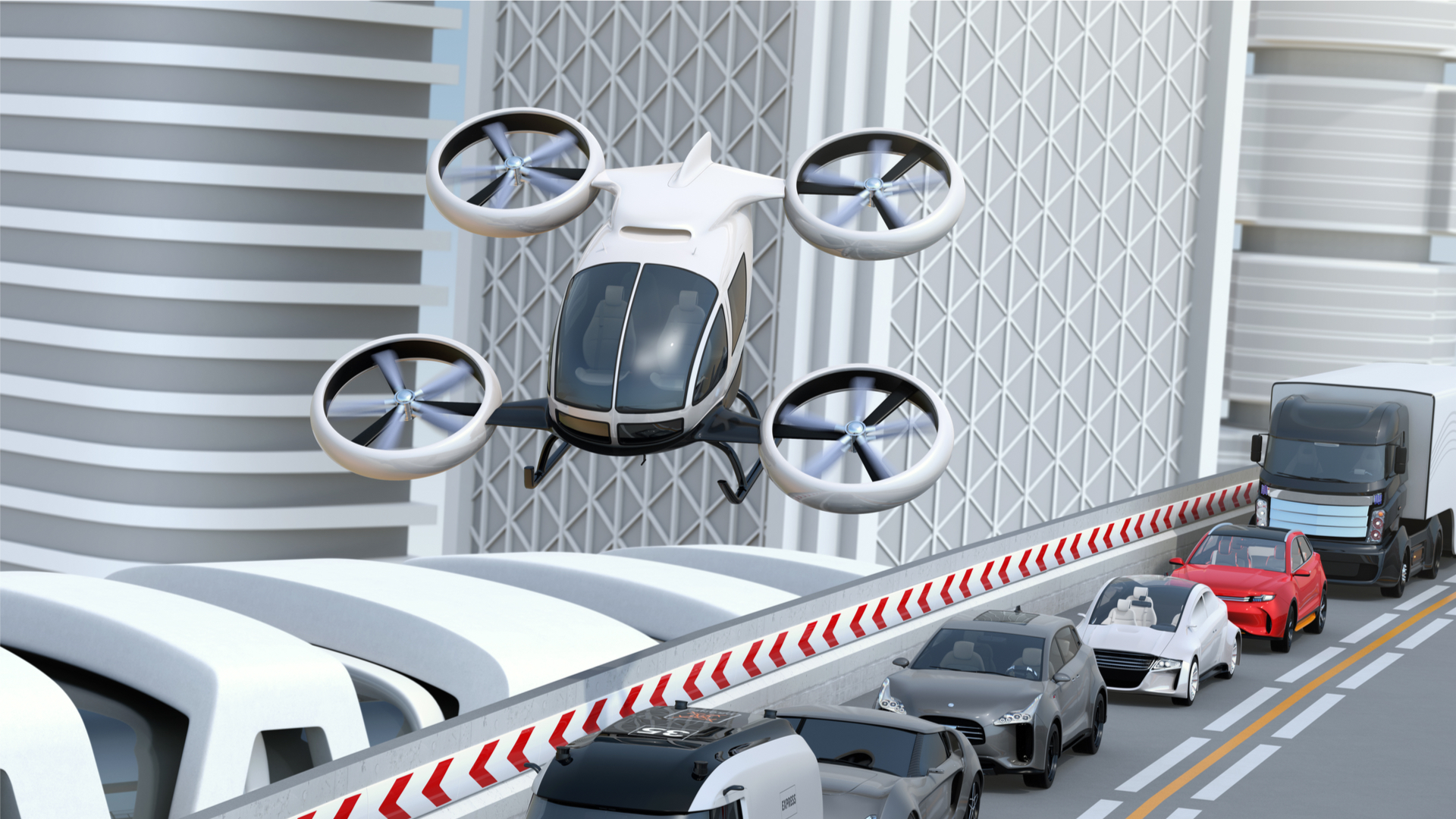
Urban Air Mobility is expected to become a critically important part of a range of solutions designed to reduce traffic problems in the world’s mega cities.
Aerospace giant Airbus established an Urban Air Mobility division last year to “co-create an entire industry from scratch”.
Harini Kulatunga, head of unmanned aerial mobility solutions at Airbus, said: “By 2030, 60 percent of the world’s population will be urban. To help cities cope with this massive population growth, transport solutions need to safely and sustainably improve the way people get from A to B.
“Urban air mobility enhances the coverage and reach of the transportation system with minimal land impact [and] sustainable city development becomes possible.”
In November 2018, a report published by NASA found that a commercially viable market for last-mile parcel delivery and air metro could be in place by 2030.
However, the market for air taxis is likely to be limited to concentrated areas of high net worth individuals and businesses. An example would be an air taxi from Manhattan to the suburbs.
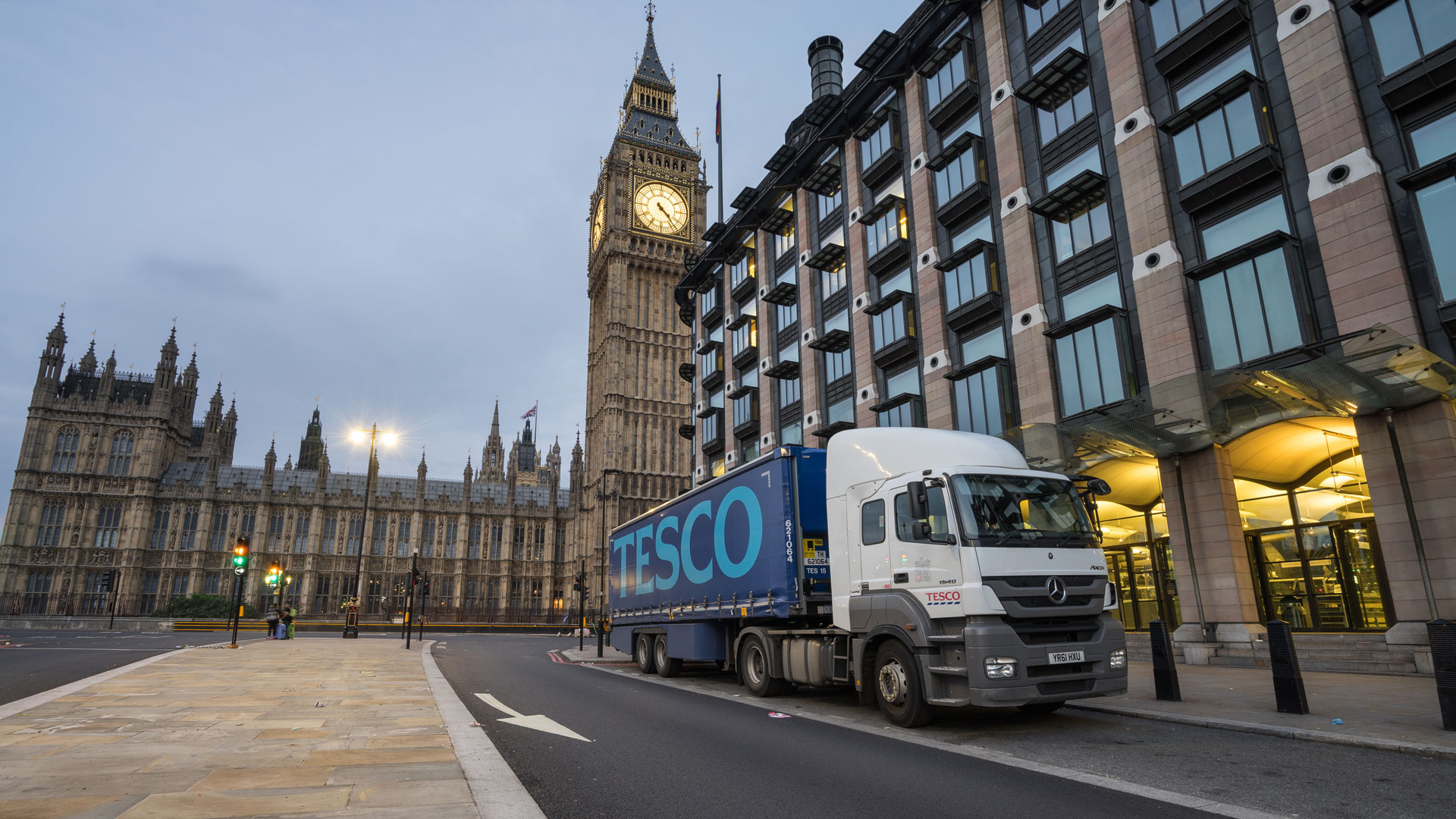
From 26 October 2020, HGVs over 12 tonnes will be BANNED from entering or operating in Greater London unless they pass a new Direct Vision Standard (DVS).
The date coincides with the new London-wide Low Emission Zone (LEZ) standards for heavy goods vehicles.
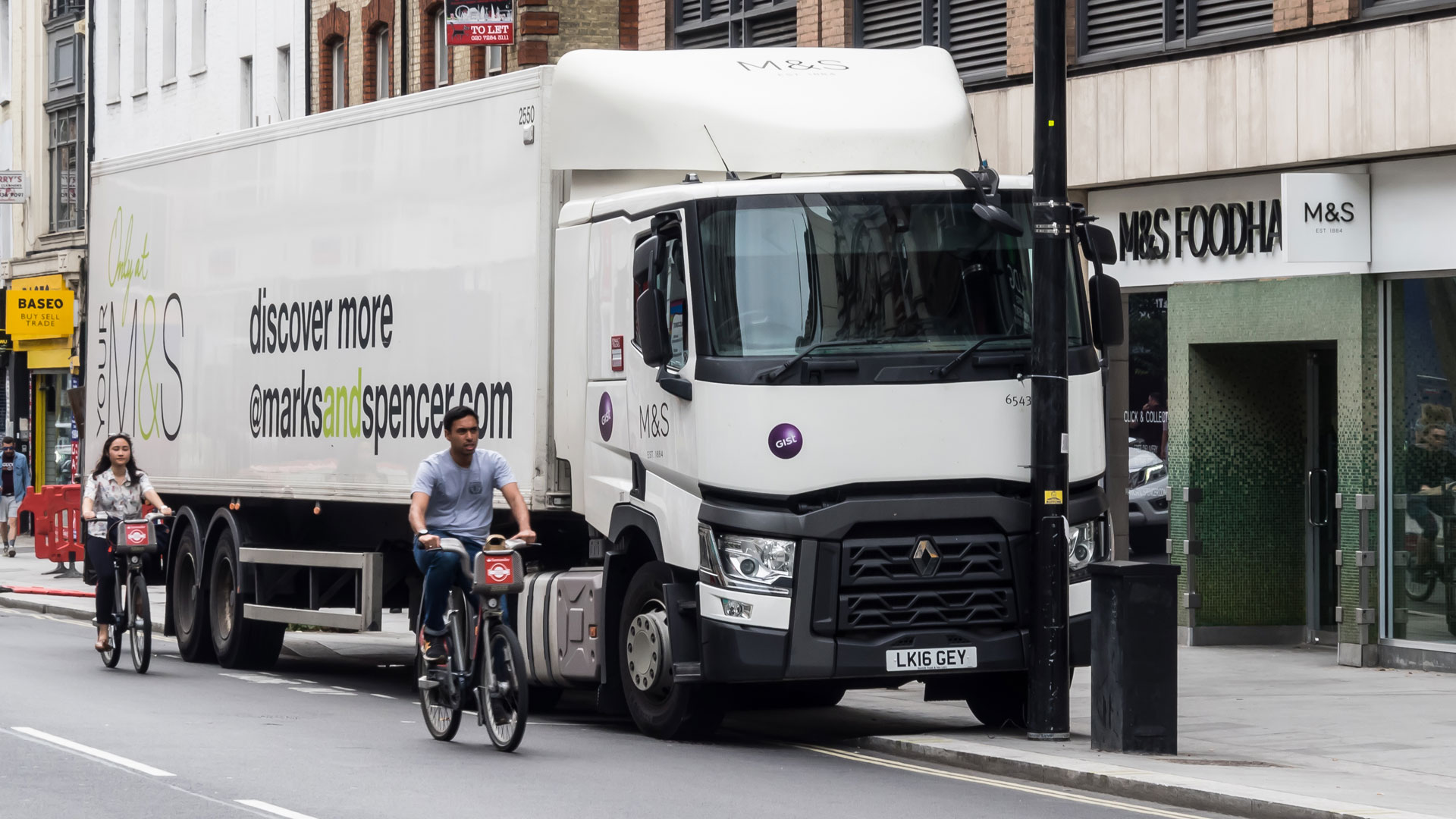
The Direct Vision Standard is being rolled out to protect and improve the safety of all road users, particularly pedestrians, cyclists and motorcyclists. It includes a new star rating based on how much a lorry driver can see through their cab windows.
Lorries are rated from 0 to 5, with any 0-star vehicles over 12 tonnes banned unless they incorporate a series of safety measures (Safe System) to reduce the risk to vulnerable road users. The Safe System includes the following:
Blind spot elimination and minimisation, i.e. a fully operational camera, Class V and VI mirrors and a sensor with driver alerts.
Warning of intended manoeuvres, i.e. audible left-turning warning system and pictorial stickers.
Physical impact minimisation, i.e. side-underrun protection.
Operators and drivers are also advised to take part in appropriate training, although this is not a requirement for the Safe System permit.
Fitting a Safe System will not change a vehicle’s Direct Vision Standard star rating, but will bring the safety standard of the vehicle up to a level required for a permit.
The Direct Vision Standard will affect 188,000 HGVs operating in London, with some 35,000 expected to be banned in 2020 and 94,000 by 2024 if standards aren’t improved.
From 26 October 2024, all 0 to 2-star HGVs will be banned unless they prove a Progressive Safe System. Transport for London (TfL) will review the system in 2022, taking into account new technology not currently available.
HGVs account for just 4 percent of London’s traffic but are disproportionately represented in fatal collisions. From 2015 to 2017, HGVs were involved in 63 percent of cyclist fatalities and 25 percent of pedestrians.
‘Vital for saving lives’
Christina Calderato, head of transport strategy and planning at TfL, said: “Our Direct Vision Standard and its associated HGV Safety Permit is vital for saving lives on London’s streets and achieving Vision Zero.
“We thank the freight industry for their input and support throughout the stages of development. We are just three months away from the first permits being issued and encourage all operators to check the star rating of their vehicle, so they are prepared and compliant.”
Permits will be issued from 28 October 2019, with enforcement beginning on 26 October 2020. The Direct Vision Standard will operate 24 hours a day, seven days a week and will be enforced on ALL ROADS within the Greater London Boundary.
Non-compliant HGVs will be issued with a Penalty Charge Notice (PCN) of £550 per day, which will be reduced by 50 percent if paid within 14 days.
Direct Vision Standard ratings for Euro IV, V and VI vehicles are available from vehicle manufacturers. The contact details for each manufacturer can be found here.
Brigade Electronics has provided this handy infographic, which provides a useful overview for HGV drivers and operators. For more detailed information, download TfL’s guide, which includes details of how to obtain a Safe System permit.
Direct Vision Standard: summary
Star rating system for HGVs over 12 tonnes.
Based on how much a driver can see directly through their cab windows.
Zero rated vehicles will need to be improved by fitting Safe System measures.
Free Safety Permit available from 28 October 2019.
Direct Vehicle Standard enforcement begins 26 October 2020.
Minimum star rating increases from 1 to 3 from October 2024.
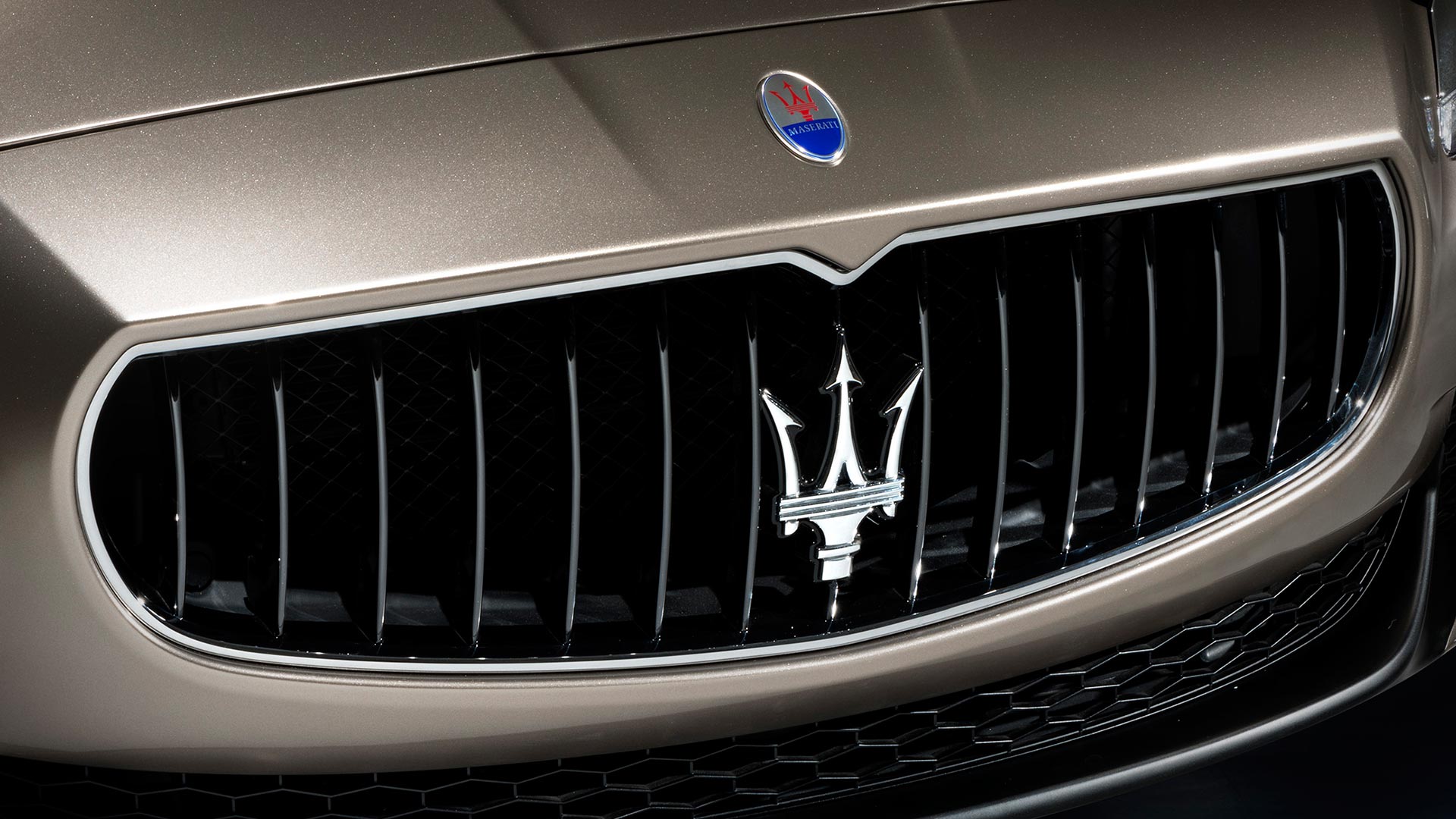
Luxury vehicle manufacturer Maserati has announced plans to release new models featuring electrification in the near future.
The company, part of the multinational Fiat Chrysler Automobiles corporation, has stated that 100% of all vehicles will continue to be made in its multiple Italian factories.
Following the fall of global sales volumes in 2018, Maserati has been keen to return to profitability. A total of 10 new or updated models is set to be released between 2020 and 2023.
Sparking the Italian Renaissance
Key to the future will be electrification, with the Ghibli saloon set to receive a hybrid drivetrain in 2020. Initially launched in 2013, the Ghibli is currently offered with a choice of turbocharged V6 petrol or diesel engines.
Set to be produced in the company’s Turin factory, the Ghibli will play an important role in revitalising the firm. European sales of the executive four-door have declined from a peak of 4,600 in 2015, to just 2,500 in 2018.
Maserati also promises that updated models will also gain enhanced autonomous driving technology. This will begin with Level 2 highway-assisted capabilities, progressing to Level 3 that allows the driver to take their hands off the steering wheel.
Turning the clock back
Also included in the announcement is news of the previously postponed Alfieri sports car concept.
After being displayed at the 2014 Geneva Motor Show, production of the 2+2 coupe was initially slated to begin in 2016. This was subsequently postponed to allow the company time to focus on the Levante SUV.
Now a launch is expected in 2020, with plug-in hybrid and full electric versions of the new sports car expected from the Modena factory.
Investment in customisation
Maserati will also add a new SUV to the range, with the first vehicles set to roll off the production line in 2021. This will follow a planned $800 million investment at the facility in Cassino.
Also due to be replaced are the longstanding GranTurismo and GranCabrio models, with the coupe version having been on sale since 2007. Maserati promises that both versions will be replaced with all-new creations, and will be part of the electrification efforts.
Finally, the company has also invested in a new paint shop and customisation programme, mimicking that now offered by Italian rival Lamborghini. Customers visiting the Modena factory will be able to watch their new car being painted.
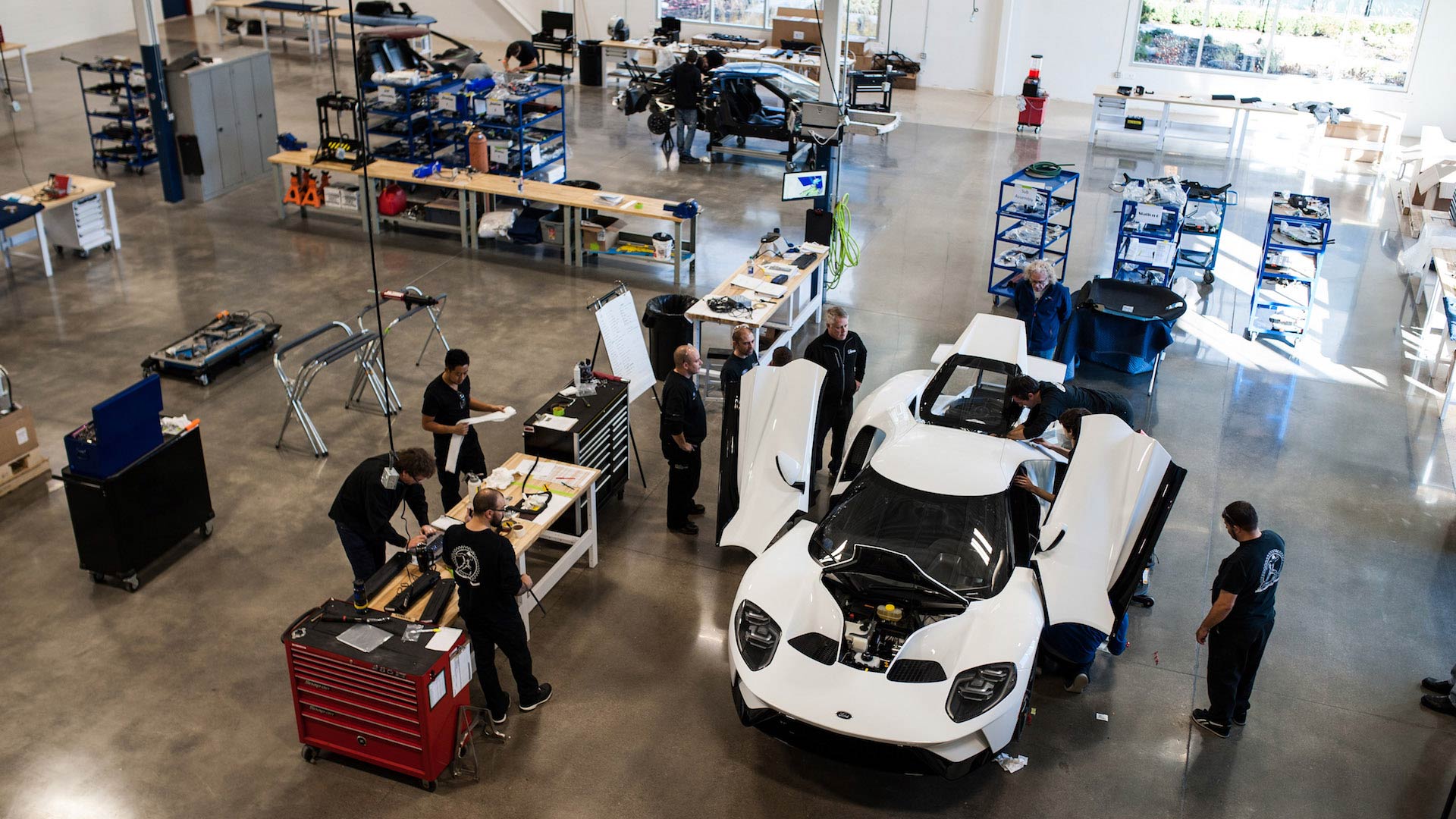
Ford has been notably selective about who it has allowed to buy the mid-engined GT, with customers having to submit an application form to even request the chance to buy one.
However, a charity auction to be held as part of the Petersen Museum’s 25th anniversary celebrations could help sidestep those allocation issues.
Silver anniversary celebrations
As part of the special 25th anniversary gala event, set to be held on Saturday, October 5th 2019, one of the last public build slots for the Ford GT will be auctioned.
The winning bidder will then have the opportunity to purchase a new Ford GT, built exactly to their personal specification. This includes the choice of 2020, ‘21, or ‘22 model years, along with special versions like the Heritage Edition or Carbon Series.
Described as a ‘once-in-a-lifetime’ opportunity, the auction will raise money for the Petersen Automotive Museum Foundation. The Foundation provides education programs to more than 100,000 each year, and also helps preserve the museum’s collection of vehicles.
Blue Oval bonanza
The charity auction will form the centerpiece of the anniversary gala, which will also honor the Ford Motor Company. Bill Ford, executive chairman of the company, and great-grandson of Henry Ford, will be attending the event.
RM Sotheby’s have been appointed to organize the Ford GT auction, with a variety of bidding options. Those interested can place bids in person at the gala, or via telephone with prior arrangement.
Prices for the 647 horsepower Ford GT begin at $500,000, meaning the lucky bidder will need to be prepared to dig even deeper to purchase their finished vehicle.
Emergency areas on smart motorways in Yorkshire will get a makeover to improve safety. The upgrades will involve extra signs to show drivers the distance to the next emergency area. Each area will also get a marked-out box showing where it’s best to stop.
The aim is to make things clearer for drivers and help recovery teams sent to help those using the emergency areas.
Highways England also wants to ensure drivers are discouraged from using these areas when the situation doesn’t call for it.
These changes are due to roll out on the M1 between junctions 28 (Alfreton, Derbyshire) and 35a (Stocksbridge bypass), plus 39 and 42 (Denby Dale).
They will also be seen on the M62 between junctions 25 (Rothwell) and 30 (Brighouse). There are 56 emergency areas within these sections of road that will receive the upgrades.
Overall, Highways England plans to enhance 347 emergency areas, with 150 upgraded so far. Future emergency areas will be closer together, too. At present, they come every mile and a half. Those constructed from 2020 will have no more than a mile of road between them.
“We recognise that as well as being safe, drivers want to feel safe and we have and will continue to make some changes to the design of motorways,” said Paul Unwin of Highways England.
Delays on the UK’s major roads are getting longer
Saudi oil attacks: are fuel costs about to skyrocket?
“This includes making emergency areas more visible by making them bright orange which should also discourage drivers from using them in non-emergency situations.”
Explained: Smart motorway emergency areas
Smart motorways effectively turn hard shoulder lanes into active lanes when they’re not needed for emergencies. Emergency areas are a partial layby even further out to the left.
They’re designed as a refuge for cars that need to stop, offering the instant protection that an active hard shoulder can’t.
Who you gonna call? M6 motorway crashes allegedly caused by ghosts
Each area has an SOS phone that drivers must use to speak with a Highways England employee, before re-joining the motorway if they’re able. Traffic officers can be dispatched to help them get back on the road.
“Smart motorways are as safe as traditional motorways, which are already among the safest roads in the world,” Unwin continues.
“These redesigned emergency areas support our drive to improve awareness of smart motorway driving as part of our planned programme of work, including what to do in an emergency and when to use an emergency area.”
Bonhams’ new MPH division held its first auction at Bicester Heritage yesterday (September 26). It’s aimed at more affordable and modern classic cars – a strong market at present. That’s reflected in the results, with 82 percent of the cars selling for more than their reserve price.
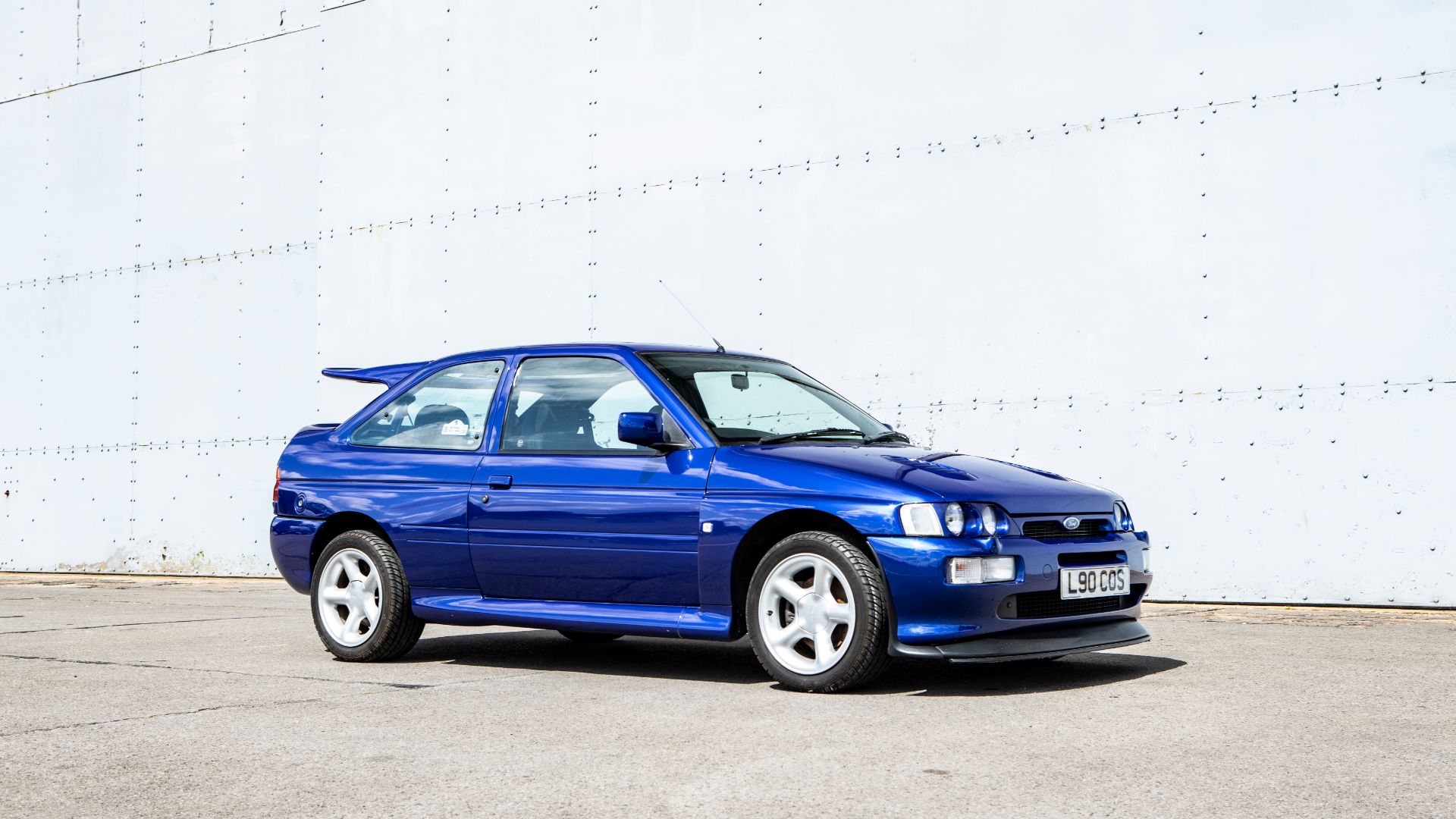
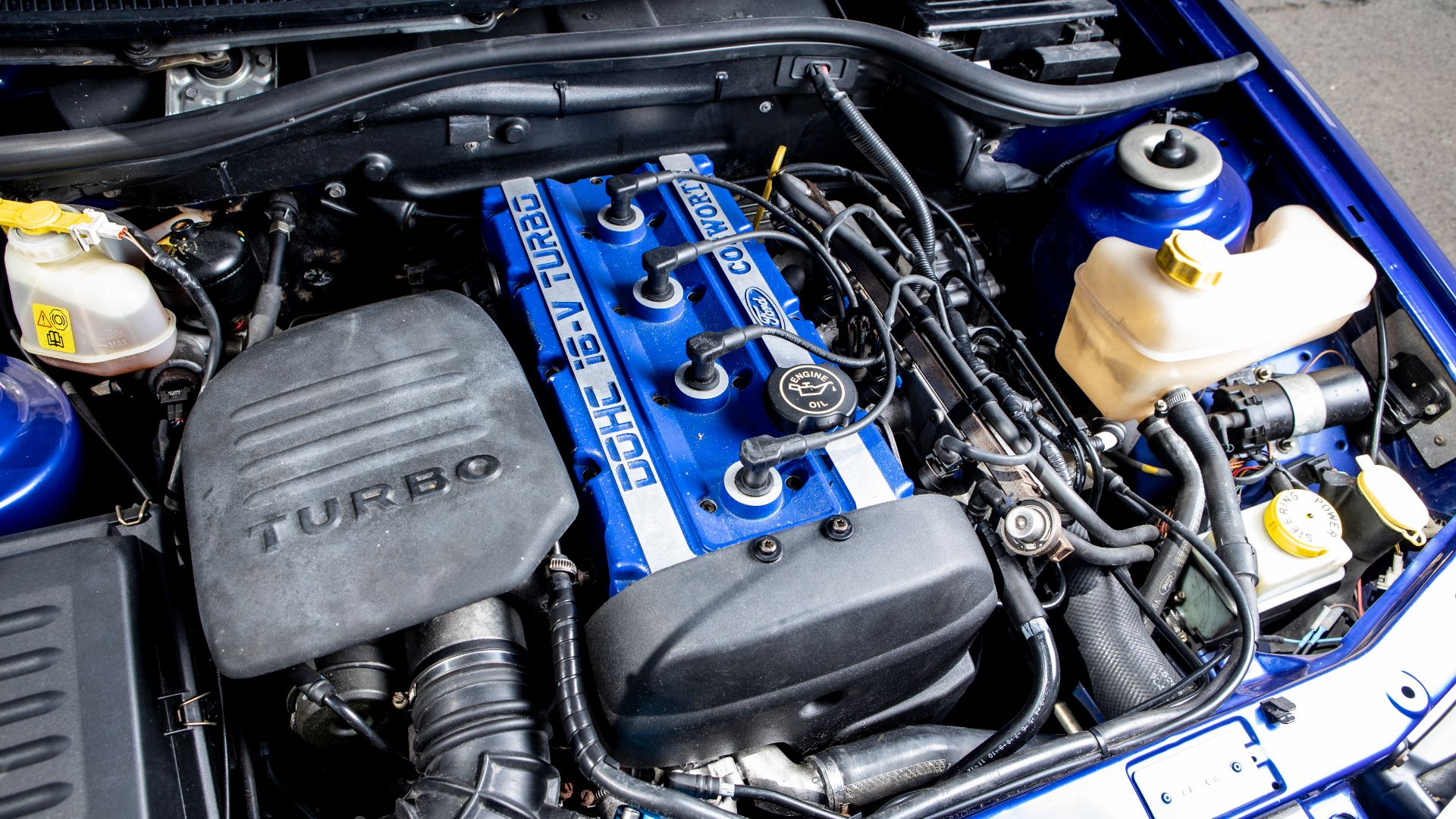
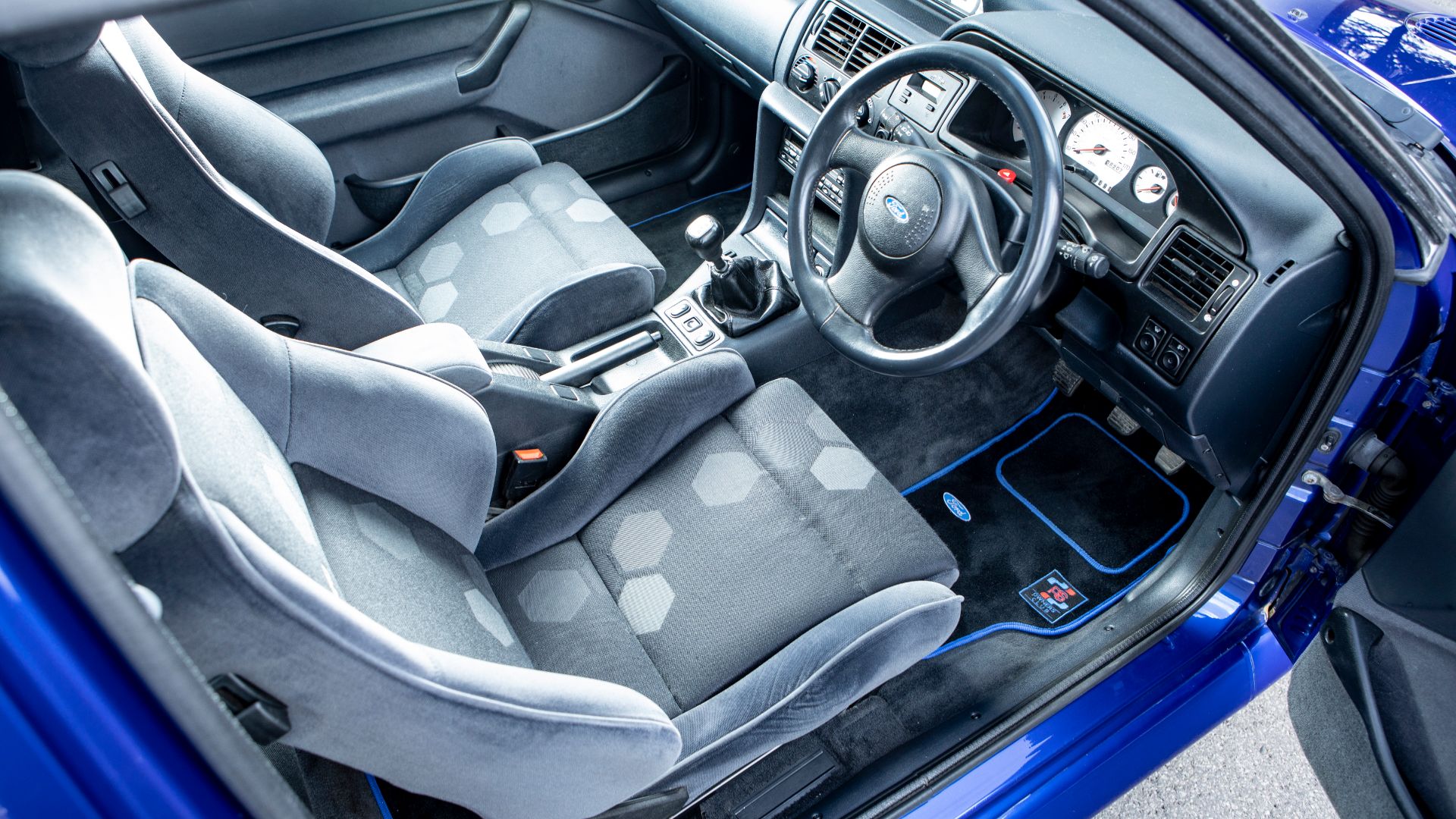
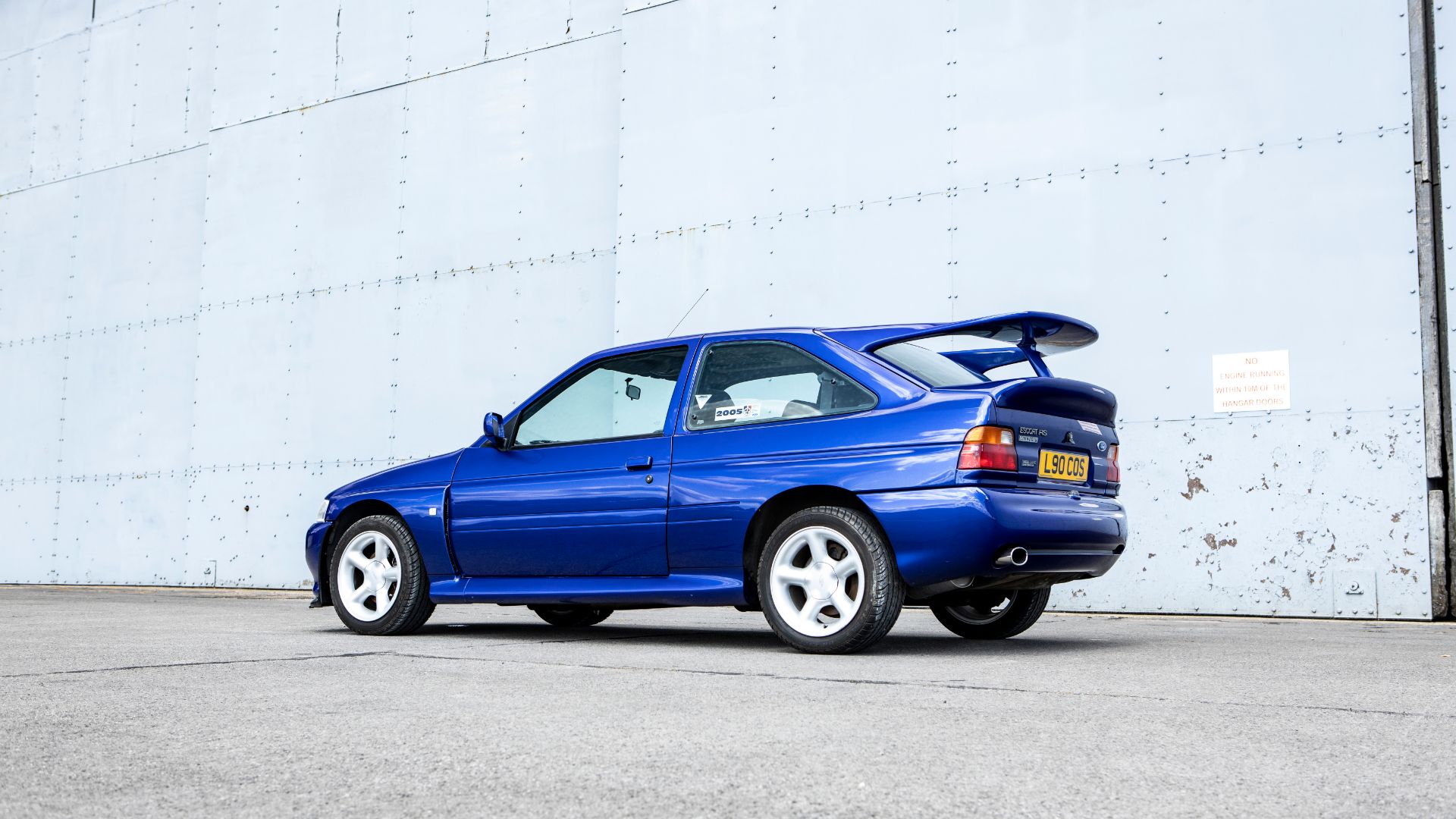
The star was a 1993 Ford Escort RS Cosworth, which sold for £49,500 in the MPH sale. With 38,000 miles on the clock, the vendor had owned it for over 20 years.
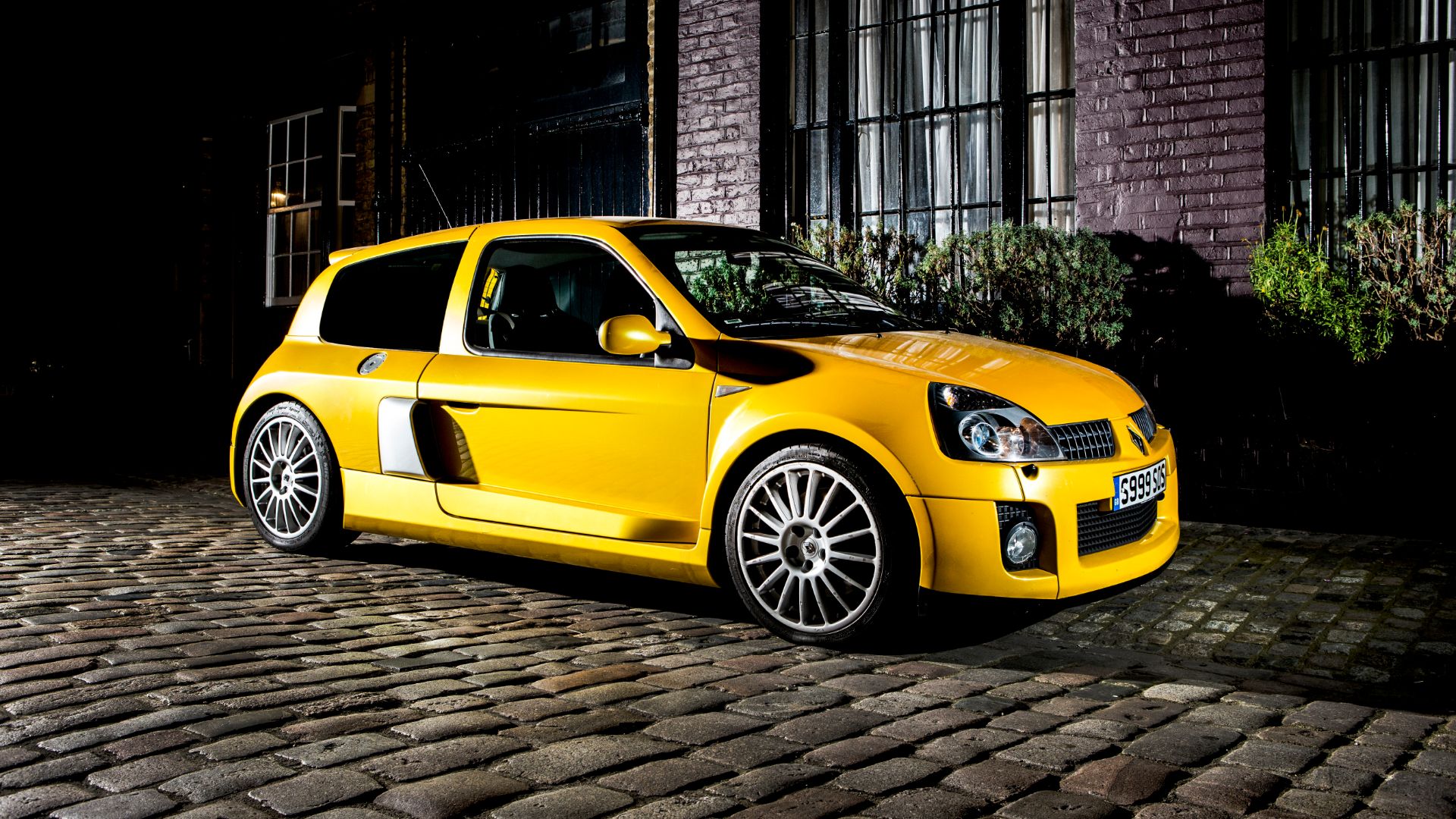
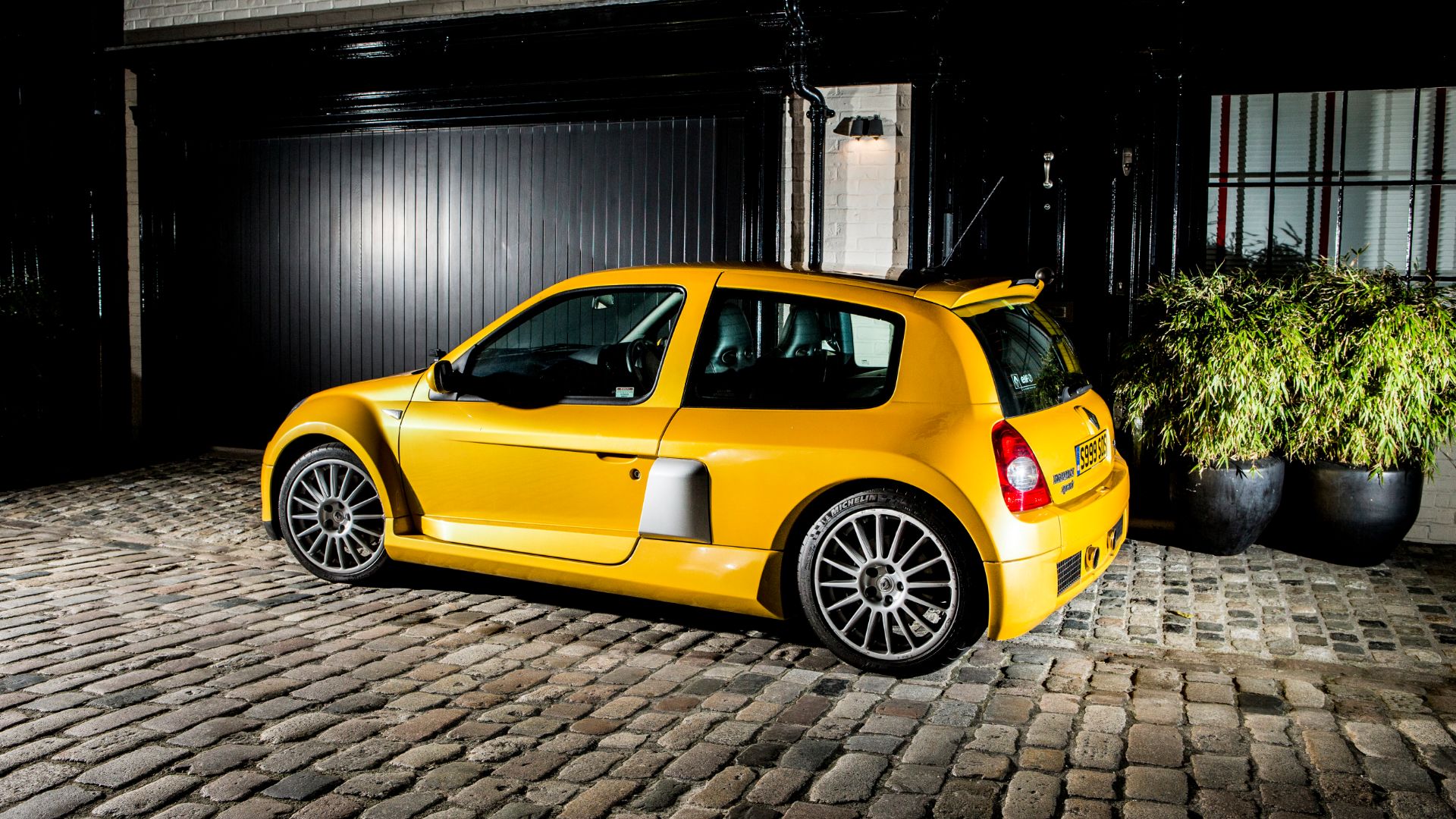
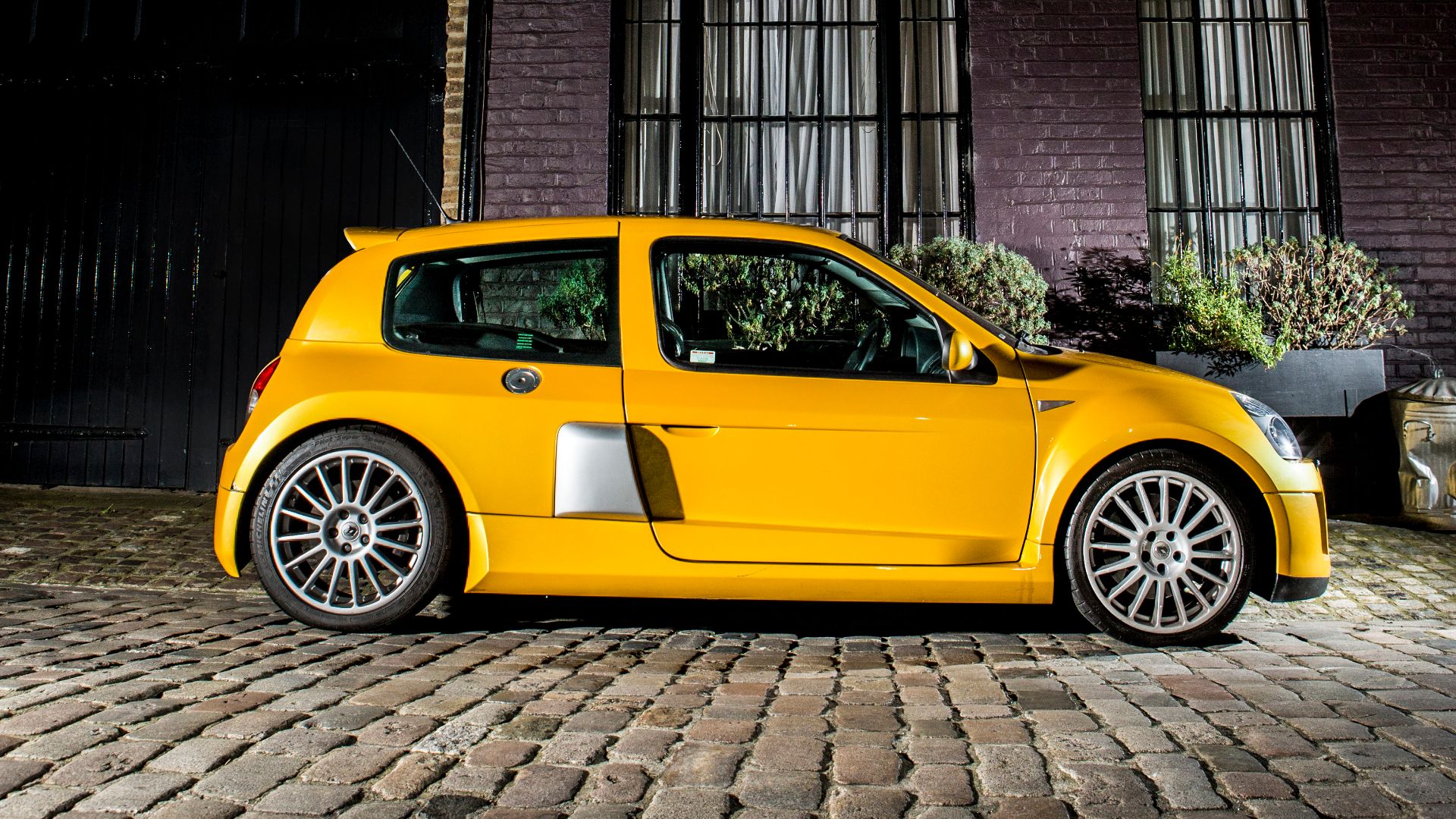
Another highlight, more than 10 years the Cosworth’s junior, was a Renault Clio V6. Being a 2006 model, it was one of the latest examples of Renault’s mid-engined hot hatch. It sold for an impressive £37,125
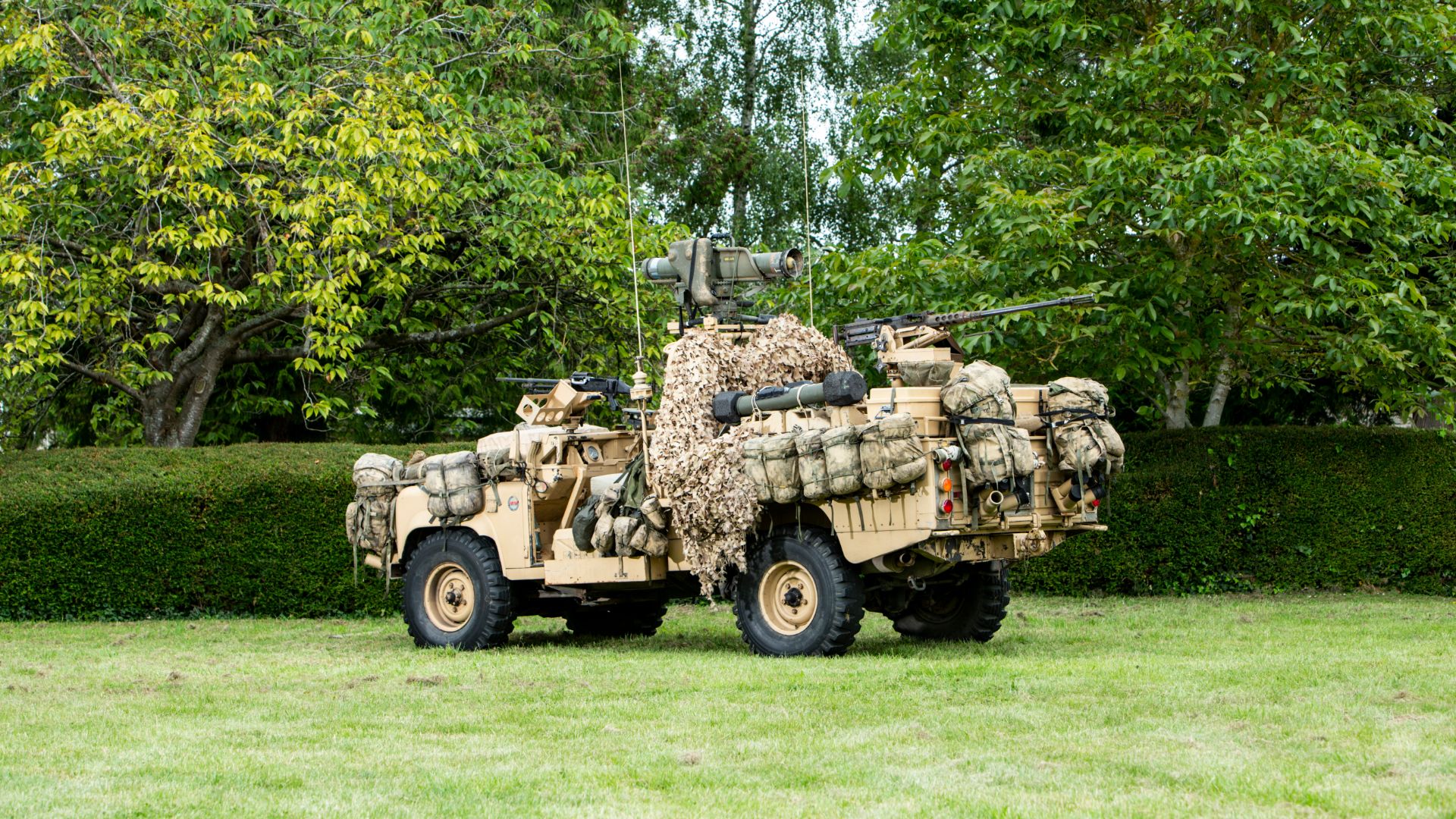
Three ex-military Land Rovers also sold well. Sold as the ‘Elite’ collection, two Defender 110 V8s and a Series 2a from 1968 collectively topped £140,000 in the MPH sale. Not that you’d recognise them as Defenders, given they’re covered head-to-toe in heavy-duty military gear.
One of the Defenders, a 1993 model, was ex-SAS. It sold for £49,500, while the other, a 1985 car, managed £48,375. The 1968 Series 2a 109 went for £47,250.
“Today’s sale proves that there is an increasing appetite for ‘youngtimers’ in the market,” said Rob Hubbard, head of Bonhams MPH.
Rip-off NEC car parking solved by Classic Motor Show
“Drivers who remember such ‘poster’ cars from their childhood are now coming of age and have the means to buy their youthful ‘dream cars’. They also offer more driver engagement and character, compared with brand new cars, but are more reliable than older classic cars.
“We are delighted that we have had such a positive reaction to our new venture. We are pleased to be able to offer the traditional Bonhams values to a wider audience and are already looking forward to our next sale.”
The next MPH sale will take place on 26 November, with cars being consigned now. The next valuation day will take place on 25 October, when sellers can present their cars to the MPH team.
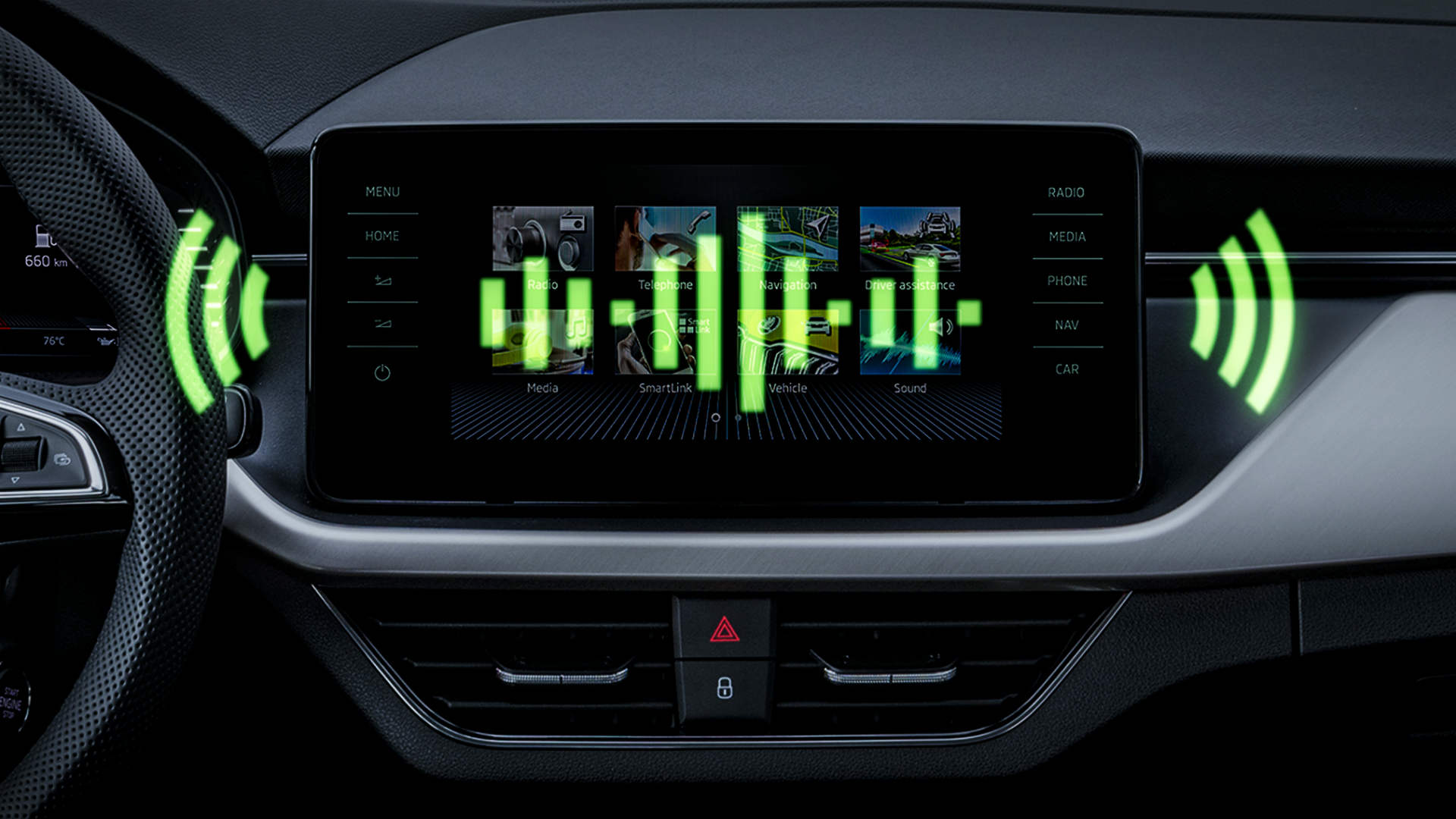
At the rate things are going, in-car digital assistants will require their own union or WhatsApp group. Laura is the latest virtual PA to hit the road, and ‘she’ is coming to a Skoda near you soon.
Skoda says Laura has mastered six languages, is quite comfortable with natural voice and doesn’t mind being interrupted. Ask nicely and she’ll even turn on the TV and put out the trash. Probably.
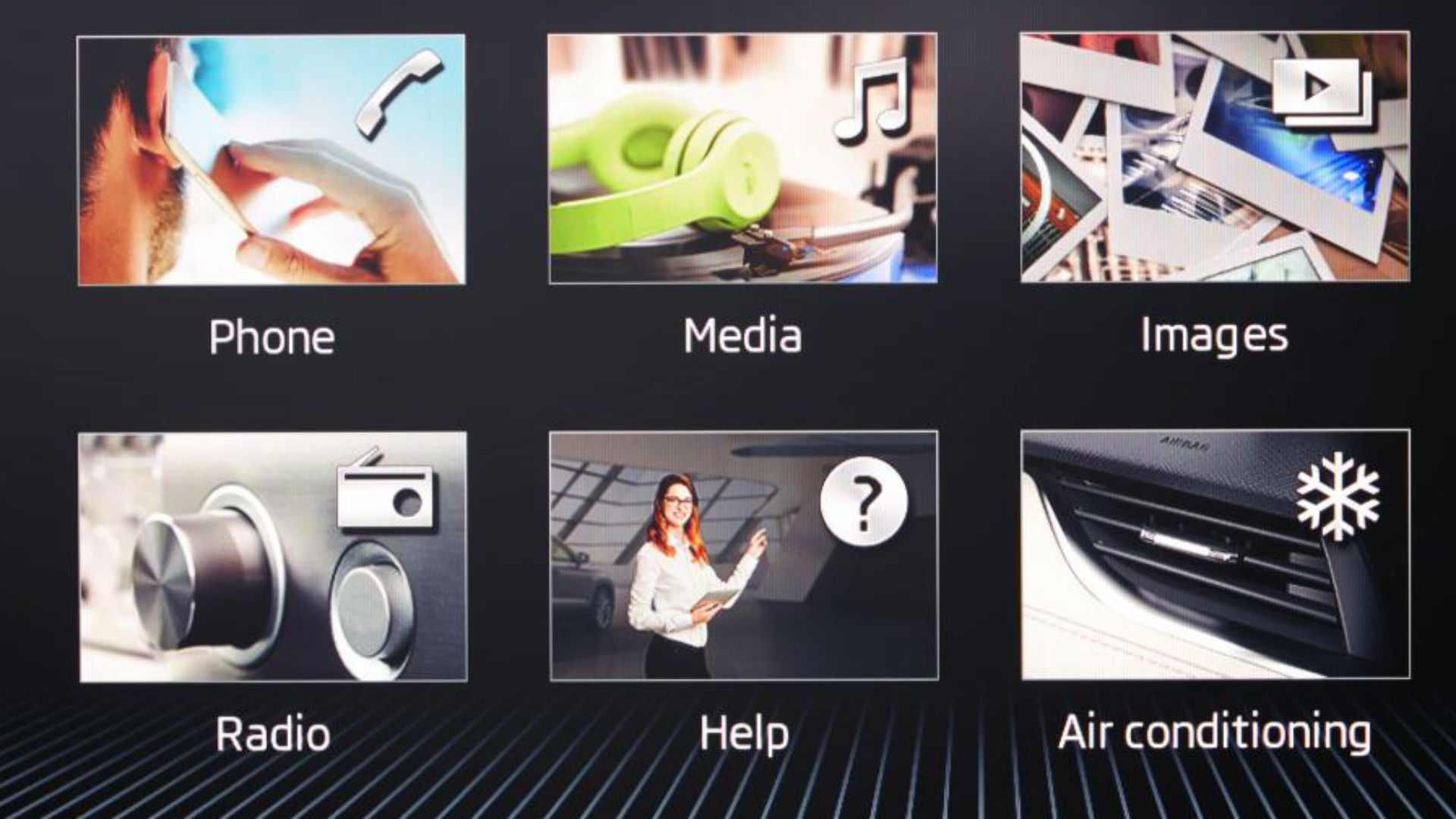
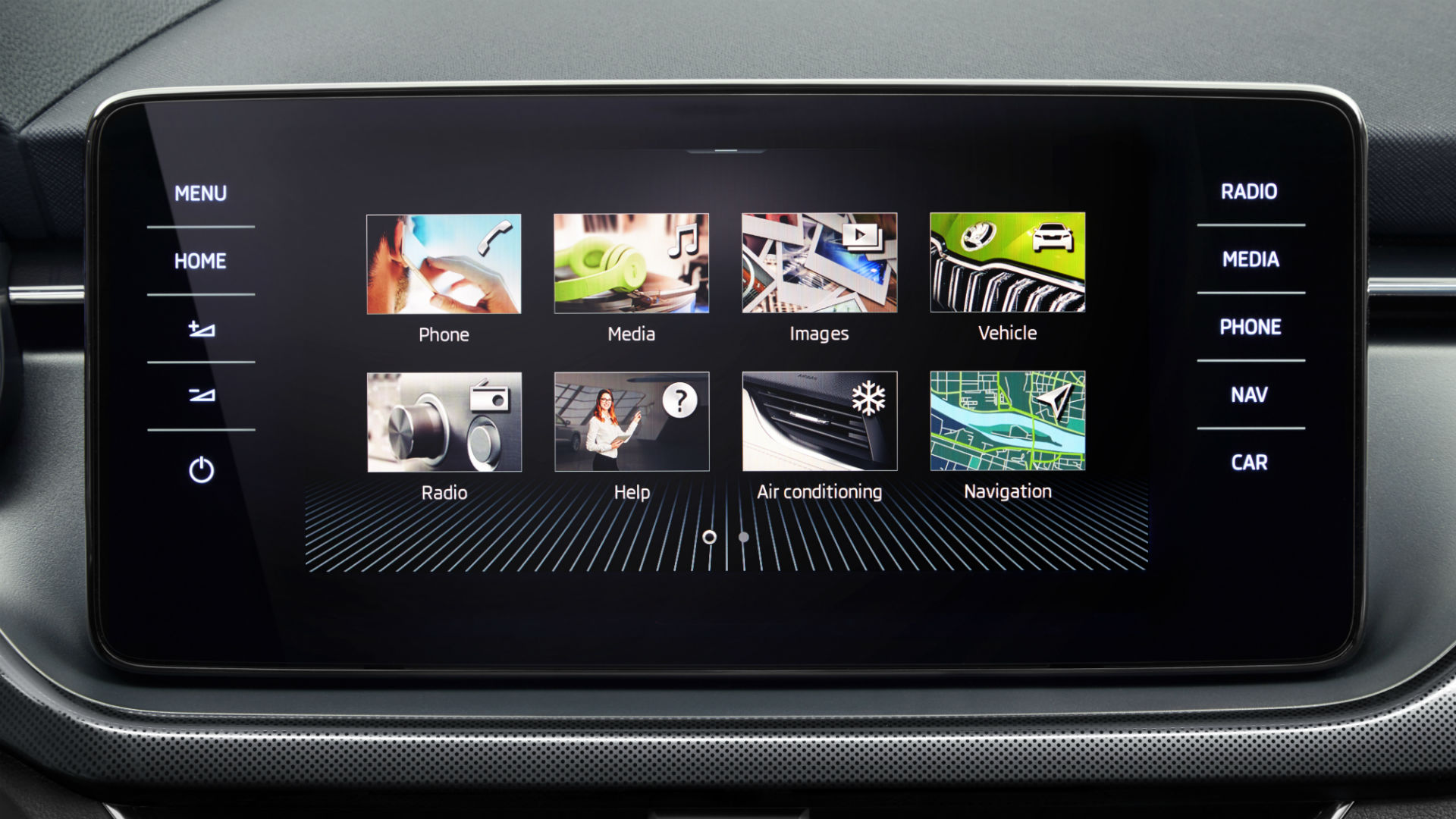
For now, Kamiq and Scala models equipped with the top-of-the-range Amundsen infotainment system will come with added Laura, but other models will follow.
Say “Okay, Laura” to activate the voice control system and Laura will spring into life. There’s no need to press a button or to use a set of predetermined commands or phrases.
Think of Laura
As well as six languages, Laura is also comfortable with accents and dialects, which should come in handy for Skoda customers in some of the UK’s rural outposts.
Digital assistants are nothing new – many people use them at home or in the car – but Skoda’s decision to use a girl’s name is a little different. Mercedes, for example, uses the company name for its MBUX system.
Why Laura? It’s a name Skoda has used before, with the second-generation Octavia rebadged Laura for India.
Laura-equipped models will come with an on-board eSIM card included as standard, meaning cars are always online. Skoda says the transition between online and offline services is “so seamless that occupants are never aware of it”.
Tell Laura I love her
You can interrupt Laura at any time, with the radio or media player volume lowered rather than muted completely to give a “sense of having a natural, relaxed conversation”.
Thanks to Laura, lonely motorway commutes will be a thing of past – Skoda says that Laura will evolve to engage in a “kind of digital small talk”.
Much will depend on how Laura performs in ‘person’. We will report back once we’ve tested the system in the real world.
Tesla has released what it calls its ‘biggest software update ever’. Software Version 10 includes in-car karaoke, extra security and additional self-driving ability.
The primary focus is in-car entertainment, but there are more practical features as well. Here’s what to expect.
Tesla Theater
Front and centre of the V10 release is Tesla Theater (sic). This adds the ability to load your Netflix, YouTube, Hulu and Live TV accounts for TV- and movie-watching while you’re parked up.
Equivalents are also available for Tesla owners in the Chinese market. And more global streaming and entertainment services will join the line-up before long.
Spotify
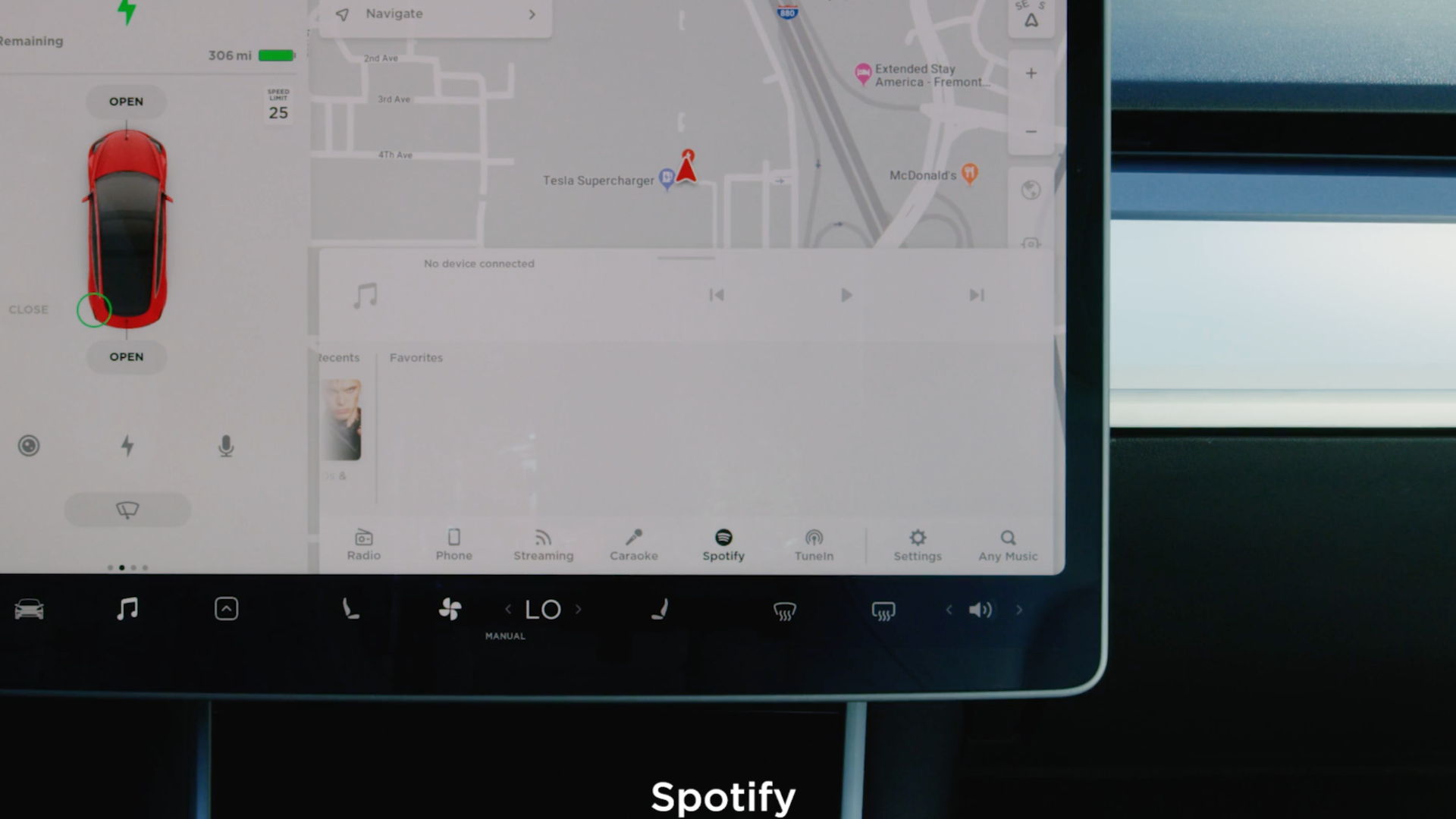
Finally, Spotify is available in a Tesla. By the marque’s own admission, it’s one of the most-requested features by owners.
It joins Slacker Radio and TuneIn. Expect more of the same to be added in due course. Again, Chinese equivalents will also be offered.
‘Car-aoke’
While we’re on the subject of music, it wouldn’t be Tesla without a bit of silliness.
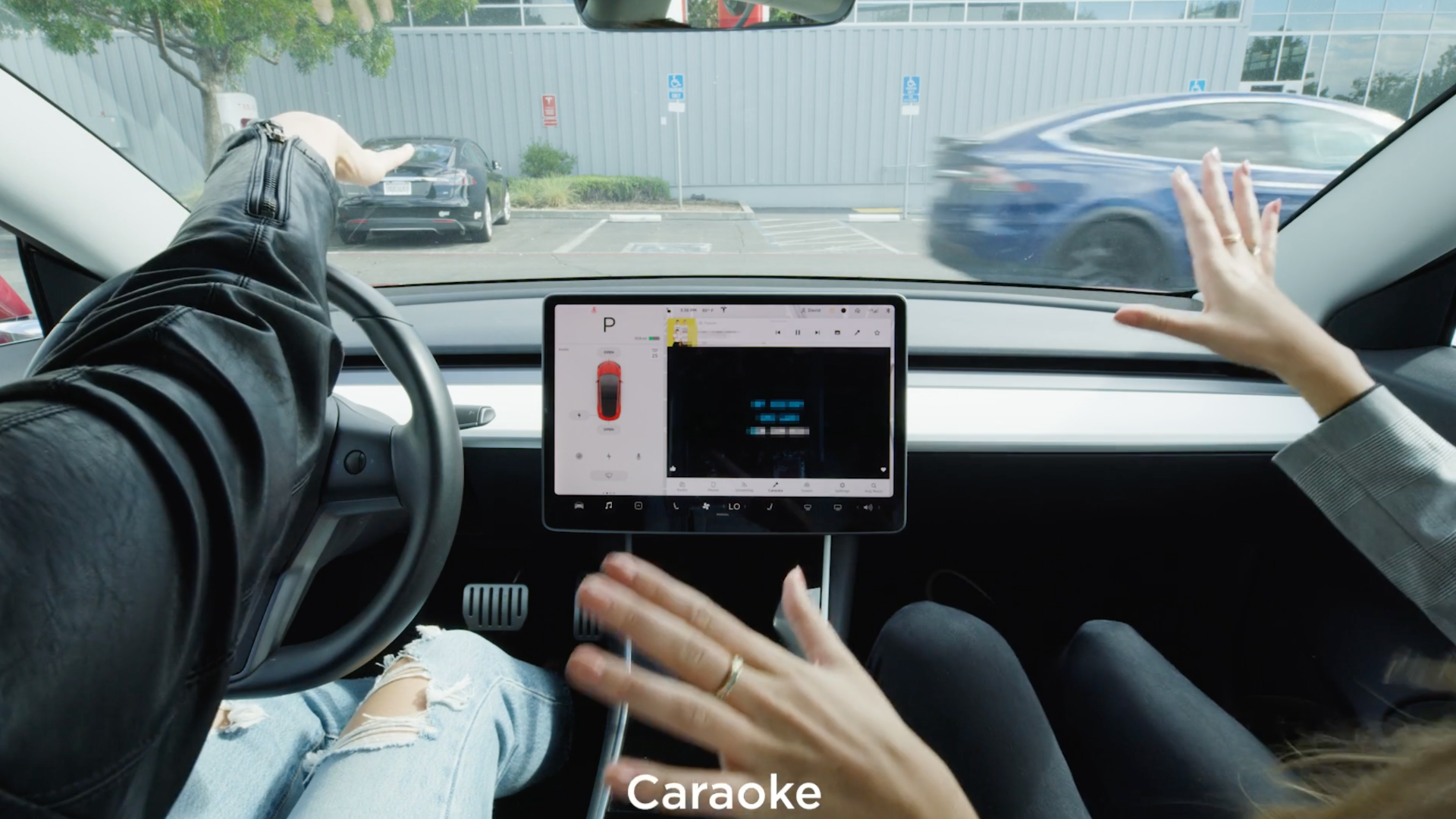
The karaoke feature is new. It’s a library of music and lyrics, with multi-lingual support, so you can have a good old sing-along on a road trip.
Tesla Arcade
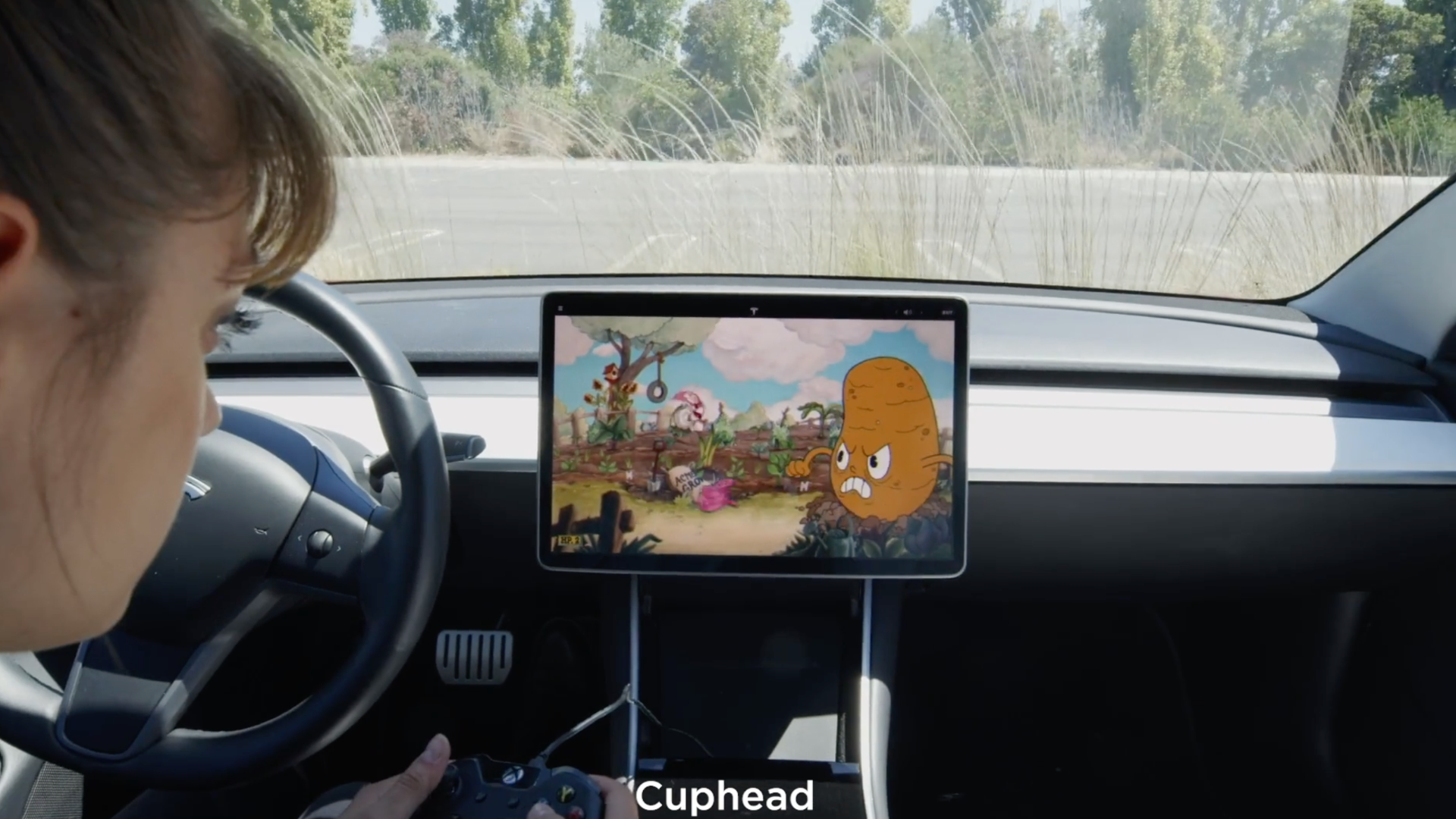
Tesla’s Arcade function is nothing new, but there is a new run-and-gun action game ready to play, called Cuphead. Time for some of the more grown-up stuff, we reckon…
Dashcam and Sentry Mode updates
Small changes make a big difference. New for Version 10 come changes to how ‘security’ footage is stored.
The car will now make a special folder on your USB drive for footage from Sentry and Dashcam modes. Old footage is deleted automatically to make space.
Smart Summon
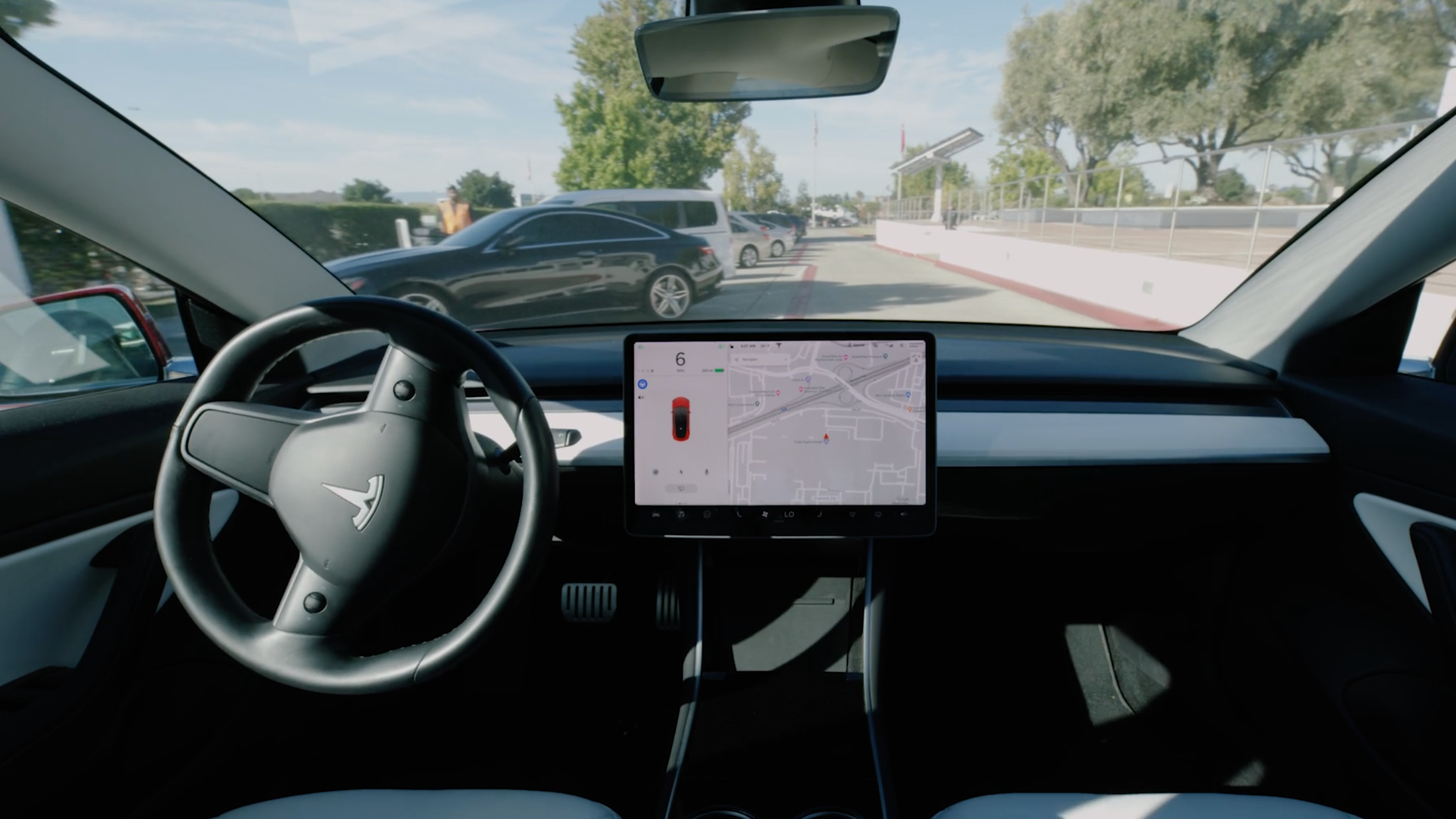
Probably the most sensible addition is Smart Summon. Those who have the full self-driving capability (Tesla’s words, not ours), or the enhanced Autopilot, can ask their car to come to them if it’s within sight. Useful if you don’t want to run out in the rain to get to your car, or if you have lots of shopping.
The caveat is that you, the owner, remain responsible for what the car is doing. You must ‘monitor it and its surroundings at all times,’ which could make things interesting if Smart Summon accidentally scrapes another car. A theoretically useful feature, nonetheless.
‘I’m feeling Hungry’
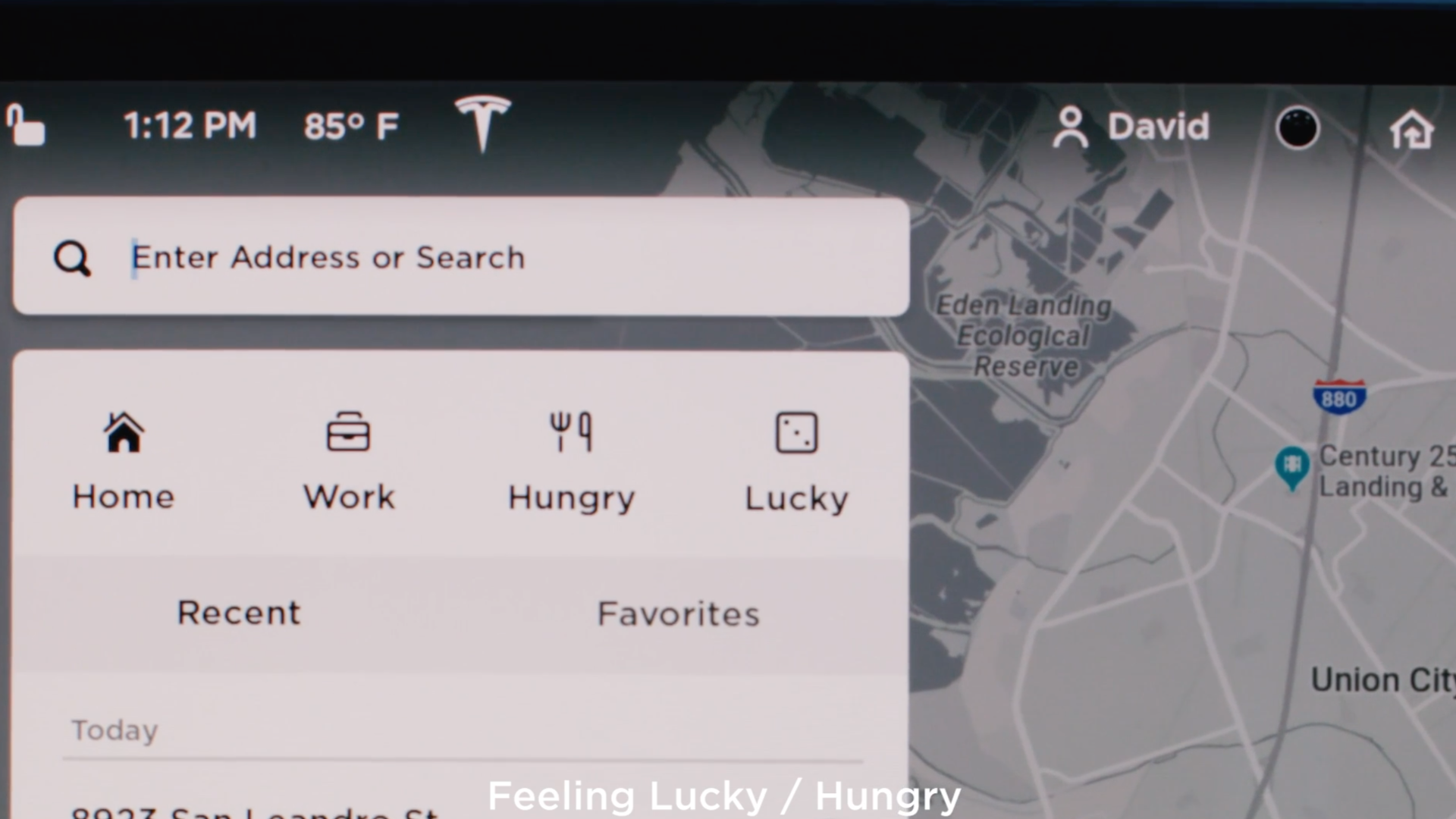
The new ‘I’m Feeling Hungry’ navigation feature will take you to a chosen restaurant within your car’s battery range. ‘I’m Feeling Lucky’ is similar, only the place it leads you to is a surprise.
“In testing, we’ve been taken to hole-in-the-wall restaurants, gourmet meals, national parks, city landmarks and more,” said a Tesla spokesperson.
The above join overall improvements to the navigation system, including organisation of results by distance. Points of Interest (POIs) now feature additional information, such as reviews and contact details.
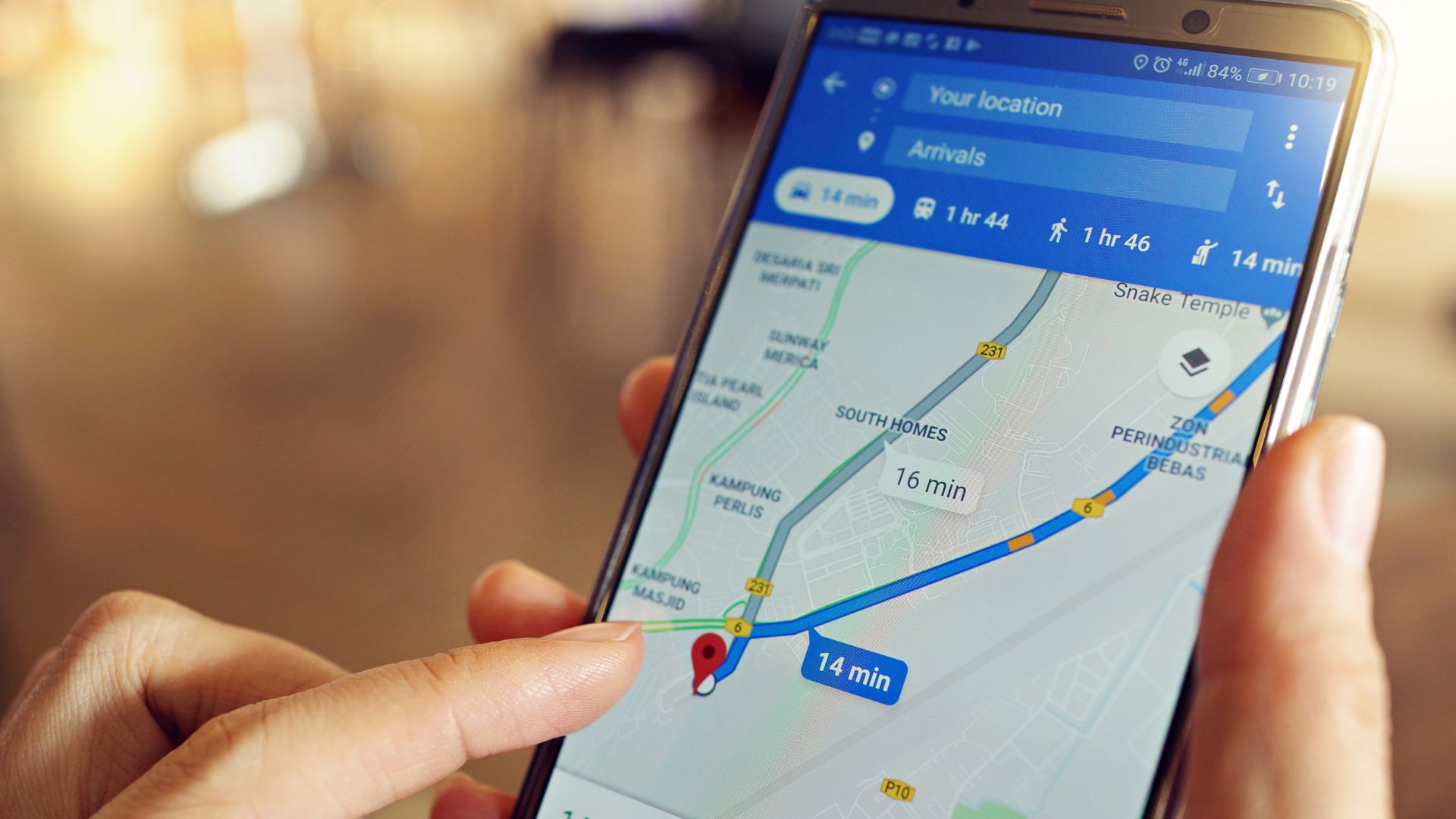
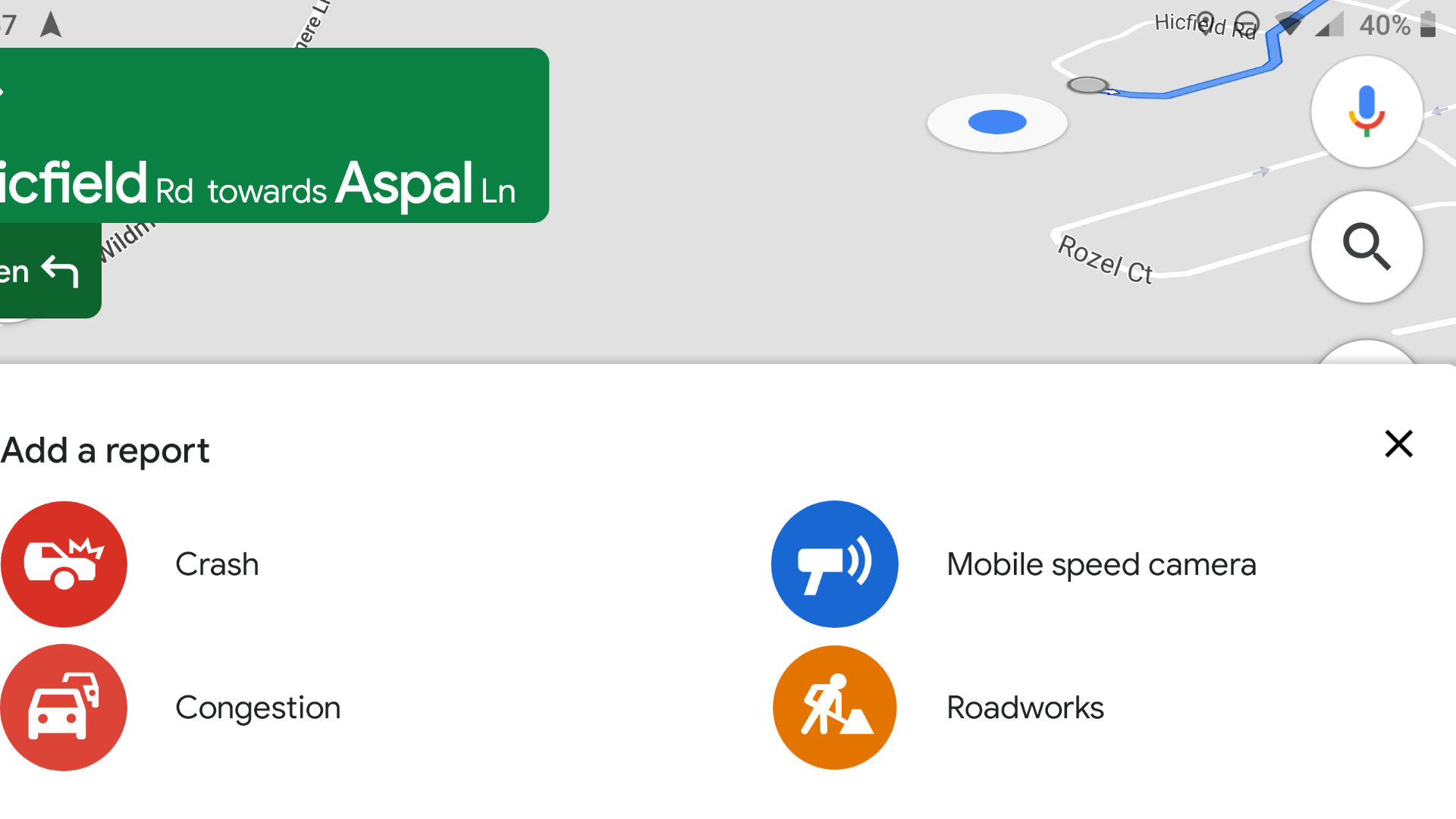
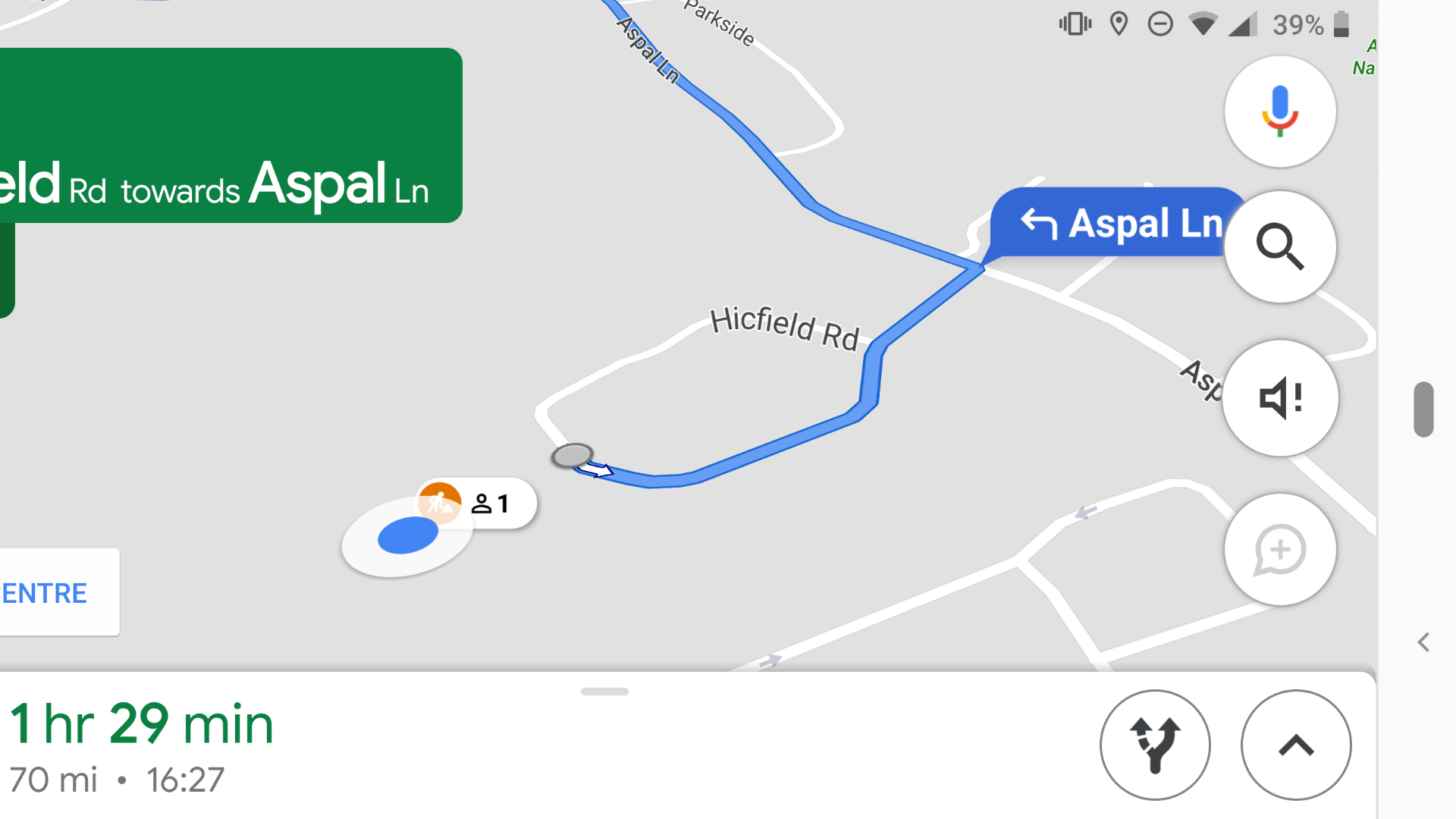
Google’s Maps navigation app has added a function that allows you to report roadworks. Following in the footsteps of Waze and its user-driven facilities, Google has added this, following shortly after the addition of speed camera locations.
It was a relatively quiet addition to the Maps user report arsenal, with the little yellow ‘construction’ symbol appearing overnight.
As is the case with many Google software rollouts, it’s not a one and done, ‘everyone has it’ scenario. The facility is appearing steadily on different devices at different times.
As with Waze, it ought to prove a useful feature for motorists, allowing you to report pop-up roadworks that the navigation facility may not have reacted to yet.
New Skoda tech spies on your kids when they borrow your car
Google Maps has been playing catchup for a little while, with Waze pioneering the user-contribution model. What once seemed controversial – the ability to report speed traps – is a feature on the original navigation app, along with crashes, slowdowns and now construction.
Does this put Google Maps ahead of Waze? Now, all that the latter has over the former is adverts and local petrol prices. That said, Google Maps is ahead of the curve, displaying charging stations and whether they’re in use.
In that time, I’ve had a chance to mull over the questions we all ask ourselves whenever a new top speed record is set. Do I care? Is it relevant? Does it matter?
There’s the practical side of things where these sorts of achievements are relevant. A car that travels at such speed requires the strongest tyres in the world, the most efficient cooling in the world, the cleanest aerodynamics in the world. All cars benefit from advances in these areas, eventually.
Then there’s the philosophical relevance. A great many online naysayers have said ‘no’, ‘no’ and ‘no’ to all of the above. I did find myself wondering if that was the case. Then I thought back to headline-grabbing top speeds of the past and my reaction at the time.
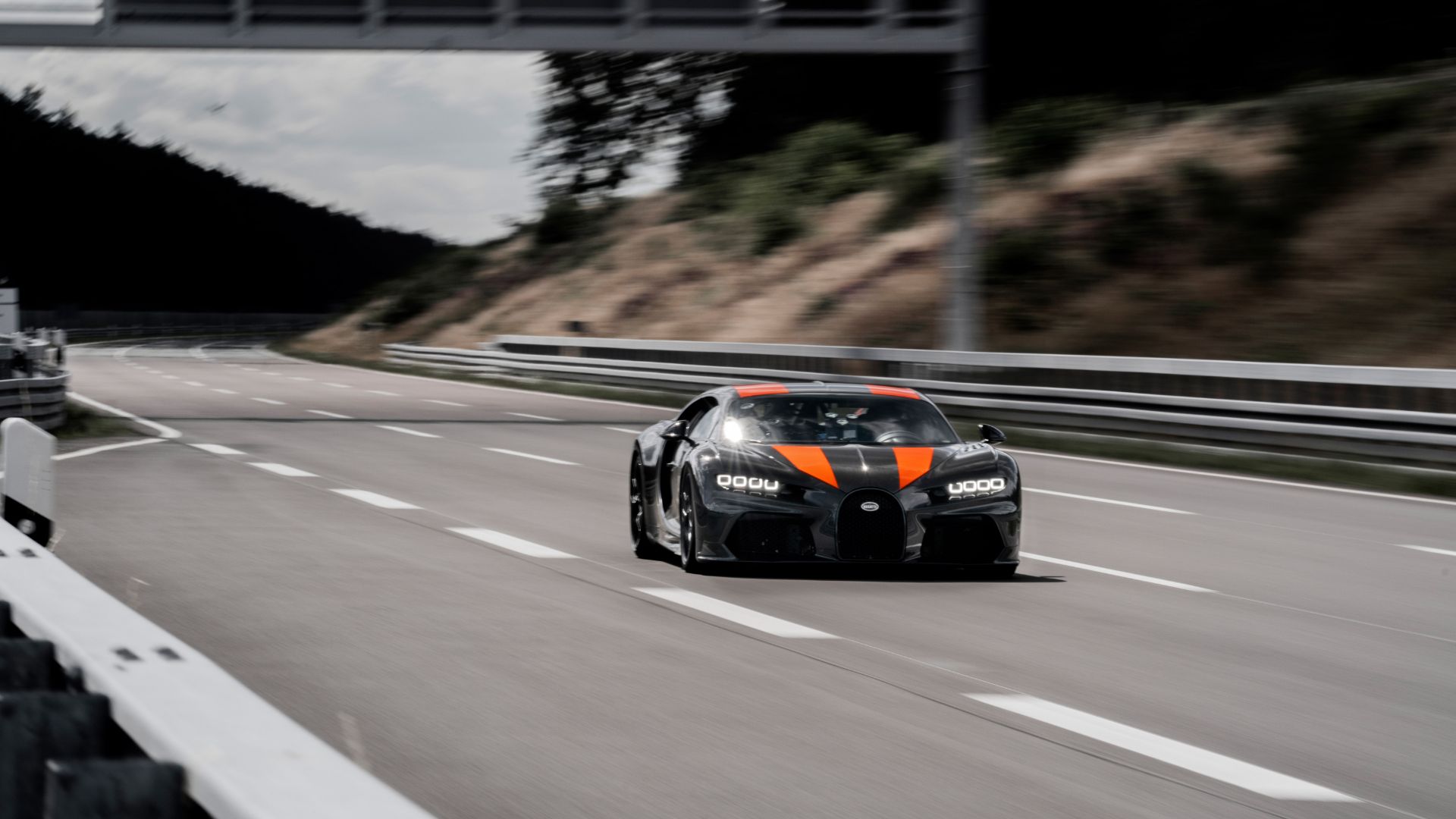
In 2005, when the Veyron did the business at 253mph and cemented itself in the history books, it also threatened Year Six friendships as debate raged over whether it was the greatest car ever made.
With the Super Sport in 2010, again, Bugatti reaffirmed itself as the undisputed king of speed, and on top of dominating at Ehra Lessien, dominated whispered conversations during my GCSE graphics class for a week.
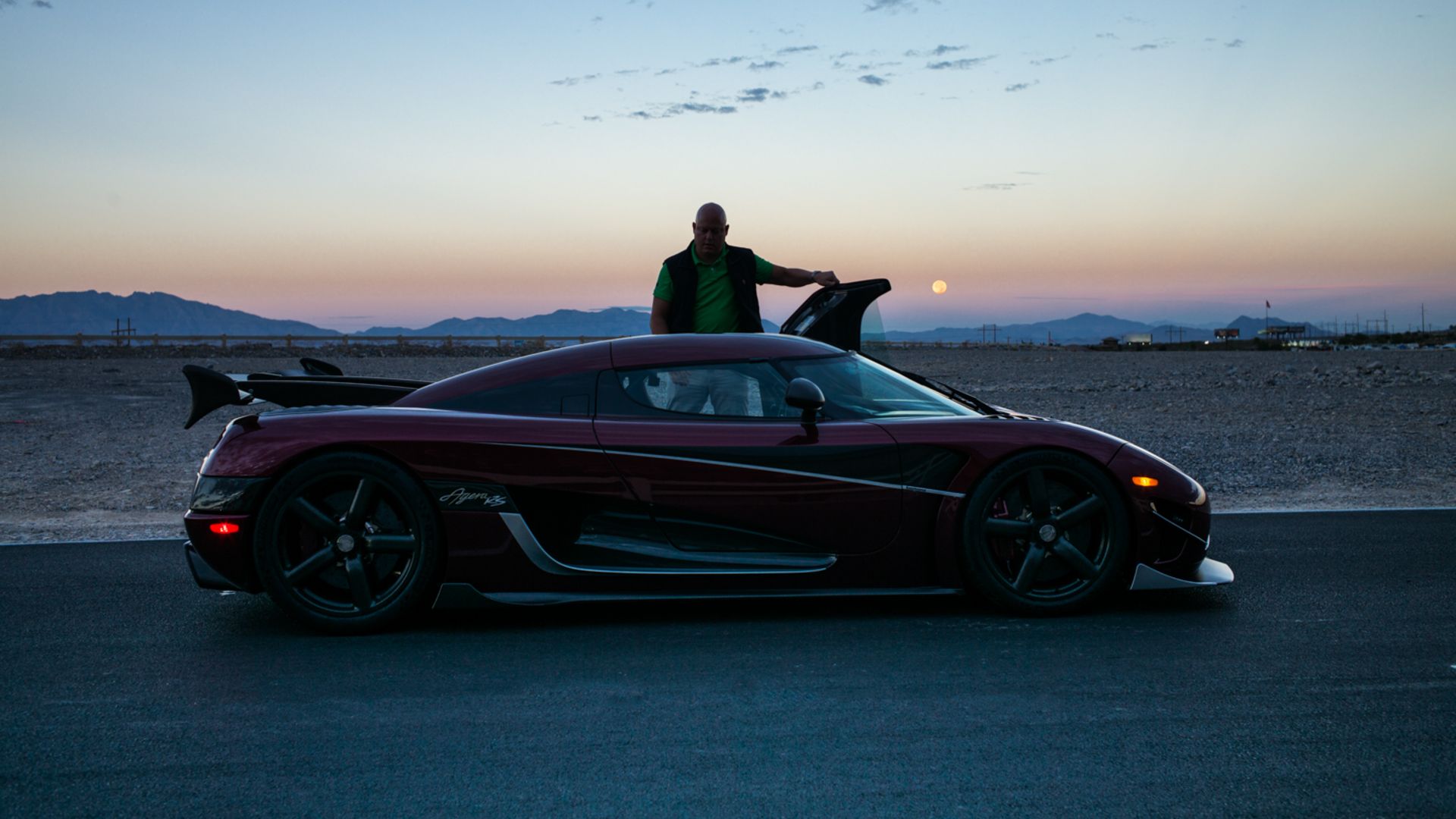
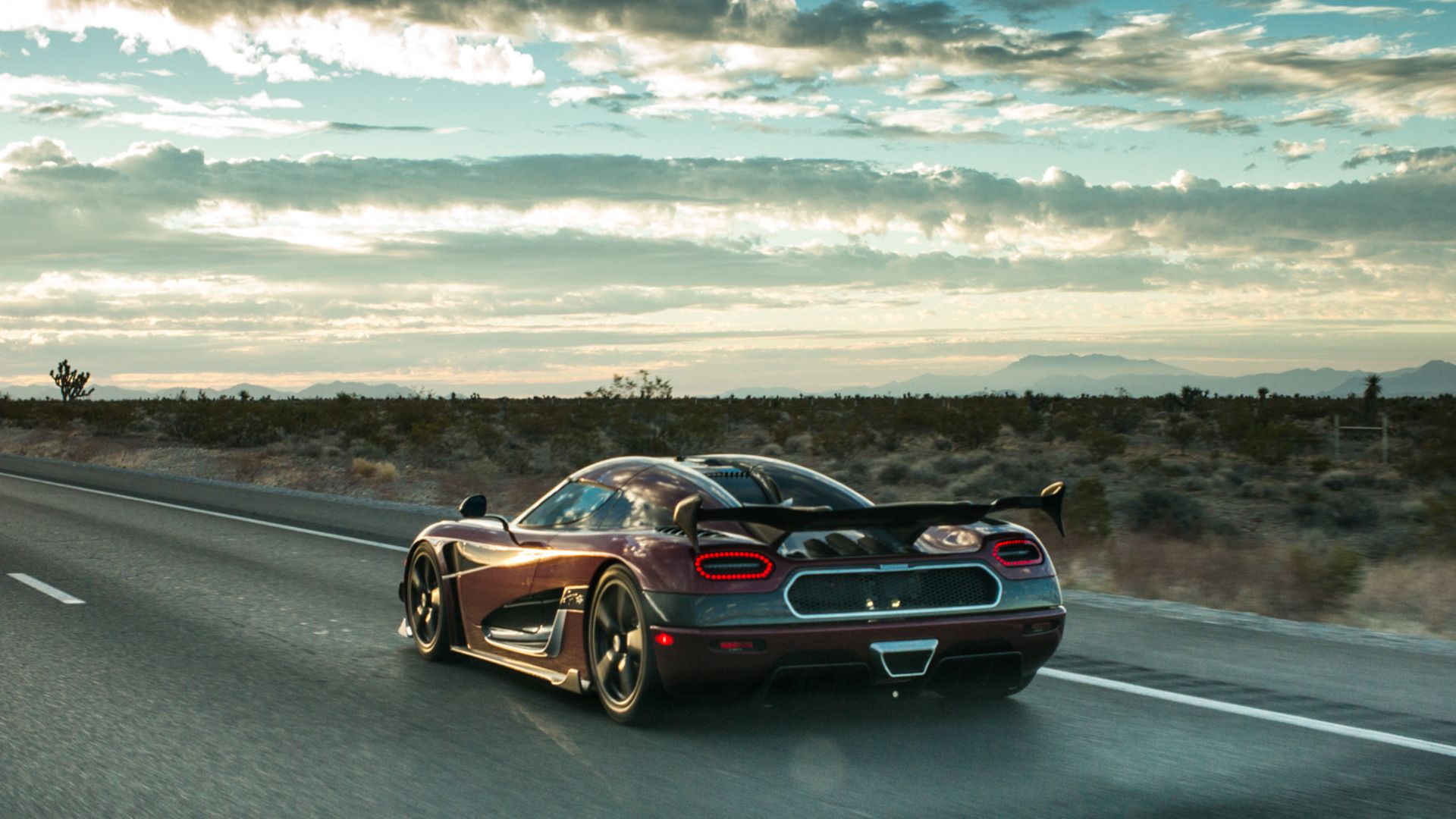
Then, when Koenigsegg set a two-way record at 277mph, hitting 284mph along the way, it was a spine-tingling moment. Scenes of Koenigsegg boffins wearing big headsets celebrating in the Nevada desert reminded us of mission control when Mr Armstrong took one small step.
These VMAX figures have a significance beyond all else. Would the McLaren F1 command the respect – and values – it does today, had it not years at the top of the speed tree to its name? What makes the Veyron quite as legendary as it is, besides that world-beating record?
Let’s look at other metrics by which we measure cars. Acceleration, while impressive, is much of a muchness these days. A decade and a half ago, getting to 62mph in under four seconds was the preserve of the most exotic six-figure machinery.
These days, with the wind blowing the right way, you can do that in a hybridised Porsche SUV or an Audi hot hatch. Some high-performance electric cars are knocking at the back gates of two seconds to 62mph. Pretty soon, the physics of current tyres won’t let them get there any quicker.
That’s not to say I don’t enjoy incredibly rapid modern cars, or the fact that hypercar-level performance in this sense is now widely available. It is, however, precisely the mass production of this performance metric that knocks the wind out of any mythical feel the very fastest accelerators had. Would Formula 1 be Formula 1 if every other road car could set comparative lap times? Not likely.
Speaking of lap times, let’s talk about the Nurburgring. Okay, they’ve never been worth much more than the A4 sheet the press release was printed on, but today, strong performance credentials at the ‘Green Hell’ are less of a commodity than ever before. That Cayenne Turbo S E-Hybrid, once it’s beaten a 15 year old 911 GT3 to 62mph, could probably munch it round the Nordschleife, too.
Cars have outgrown these units of measurement. They’ve near as makes no difference ‘completed’ them. As such, performance so-measured nonpluses me, at least in comparison to VMAX.
Record-breaking car hits 175mph… with no driver
Top speed is the game that never gets old – the final automotive frontier. More speed is always possible, with more power, cleverer tyres and cleaner aerodynamics. It’s quite literally the very limit of what a car can achieve. It’s that level of performance, and the engineering it demands, that still remains beyond the attainability of mere mortal.
It’s the preserve of a certain calibre of car and a certain calibre of driver. Yes, you can get to 62mph in a contemporary BMW M5 quicker than in a Ferrari F50. What an M5 won’t do, is catch a Veyron at the top end, or a McLaren F1, or a Koenigsegg.
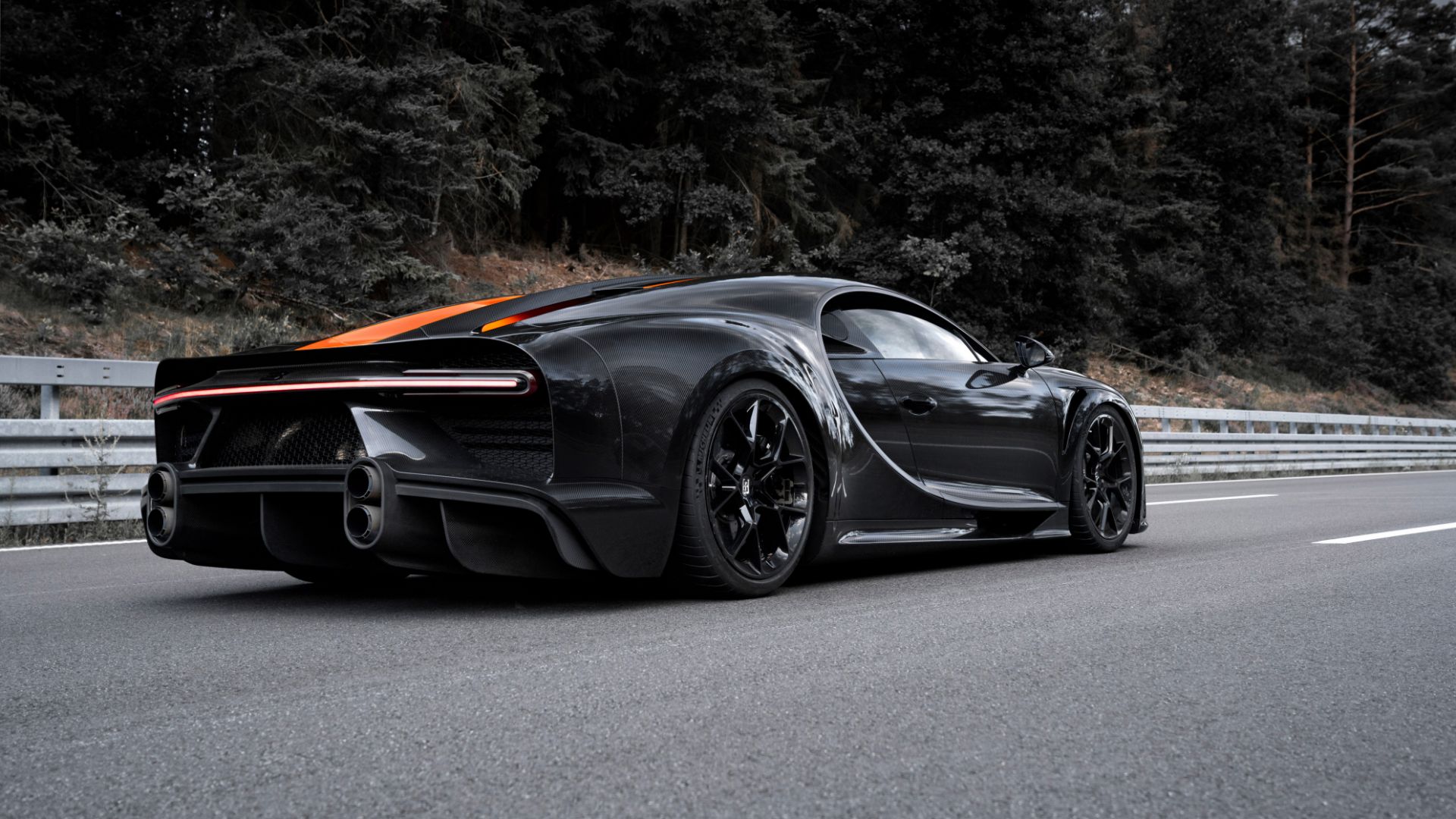
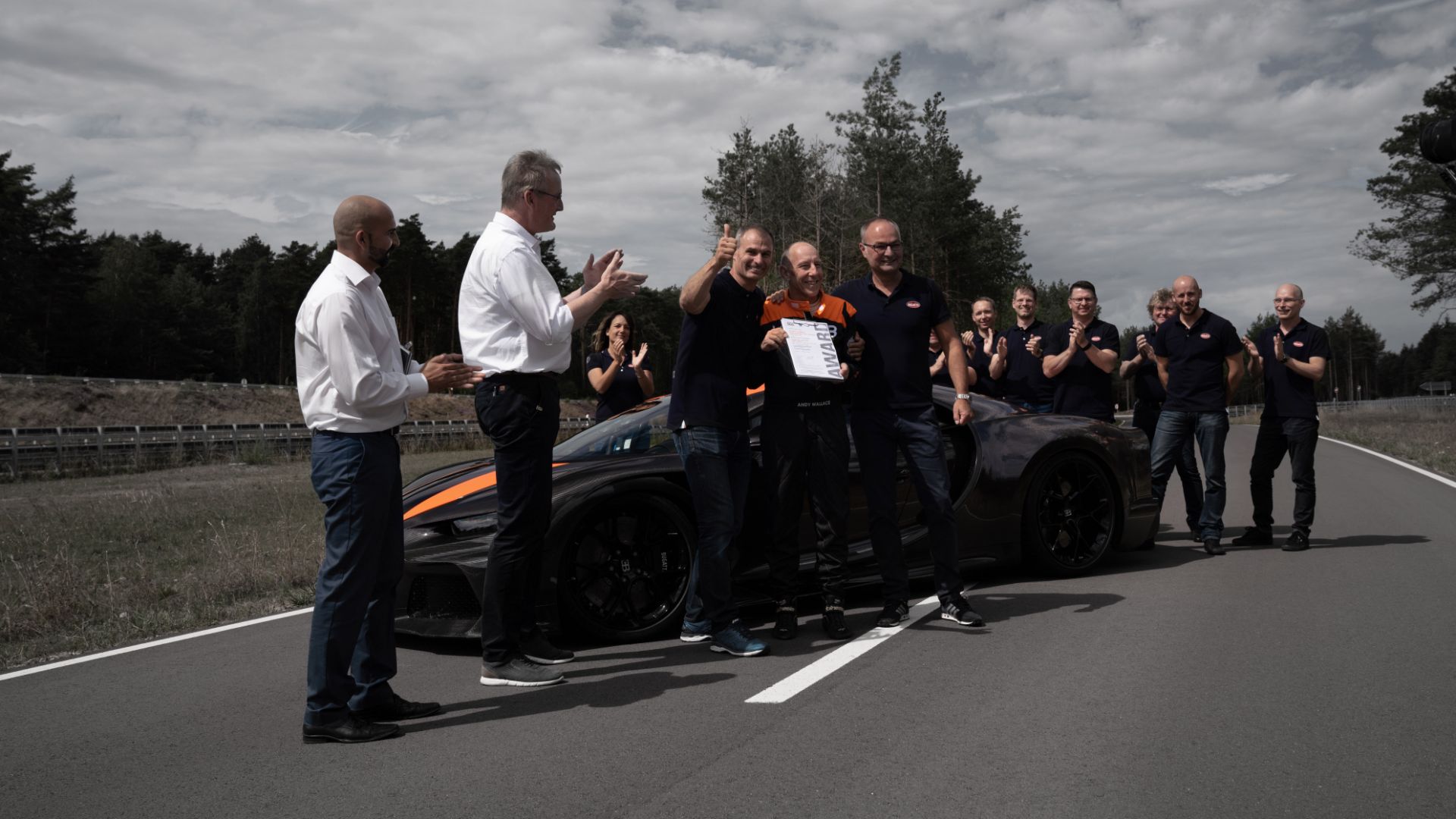
These are cars at the very top of the food chain, headed by that mightily impressive Chiron SS 300. Scoff all you want, it’s the speed king, and it changed the conversation.
Records like this change our silly little car world in ways no other performance metric can. They’re once, twice, three times in a generation, if we’re lucky. Most importantly, it’s the metric that still musters that child-like wonder in all of us. It stretches our imaginations. It reminds us all just how impassioned we are with these machines.
I envied the young car lovers of today the day they read the headlines about the Chiron. Then I realised I shouldn’t have, because I remember exactly how it felt, not only from when the past masters did their thing, but because it broke my adult cynicism and mustered that same feeling all over again. Not to mention the heated debates between my colleagues, friends and I.
I was right there with them, along with many others, staring in wonder and muttering ‘wow’ under my breath.
For that, this record, those that came before, and those that are still to come, are invaluable, and more relevant than ever before. It’s a shame, then, that shortly after setting this one, Bugatti bowed out. I do wonder how long that abstinence will last. Over to you, Mr Koenigsegg.
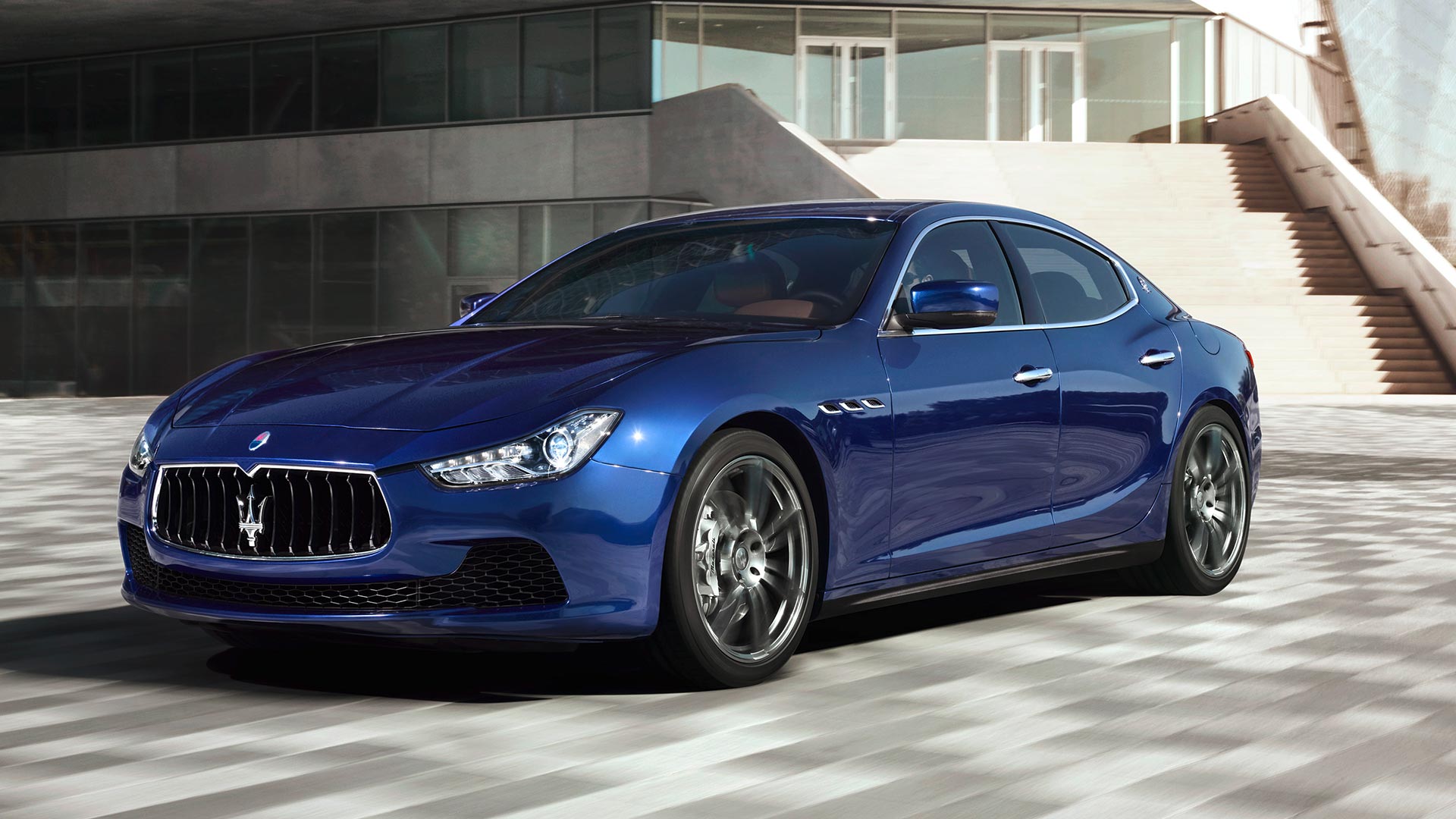 Key to the future will be electrification, with the Ghibli saloon set to receive a hybrid
 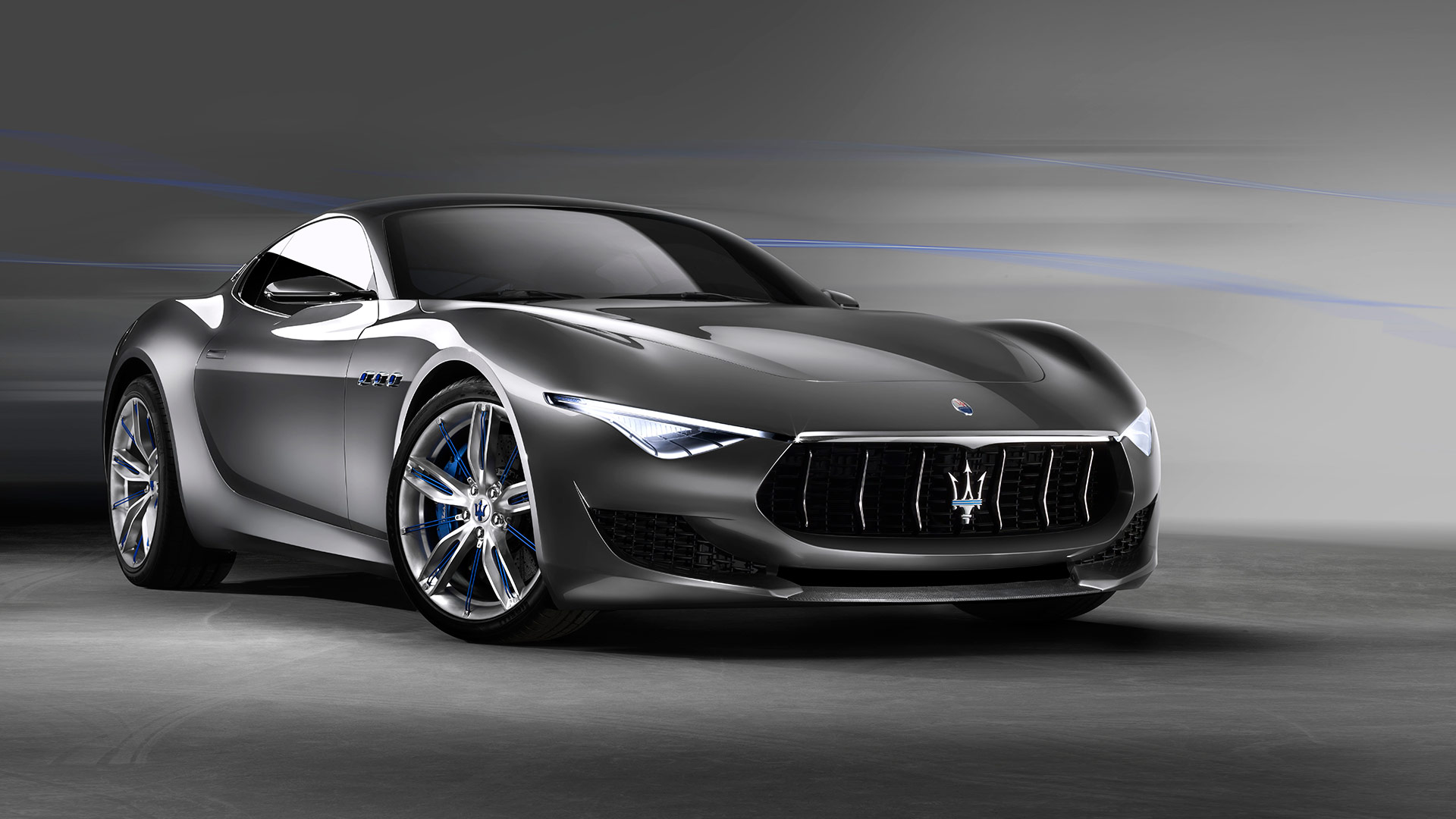 Also included in the announcement is news of the previously postponed Alfieri sports car concept.
 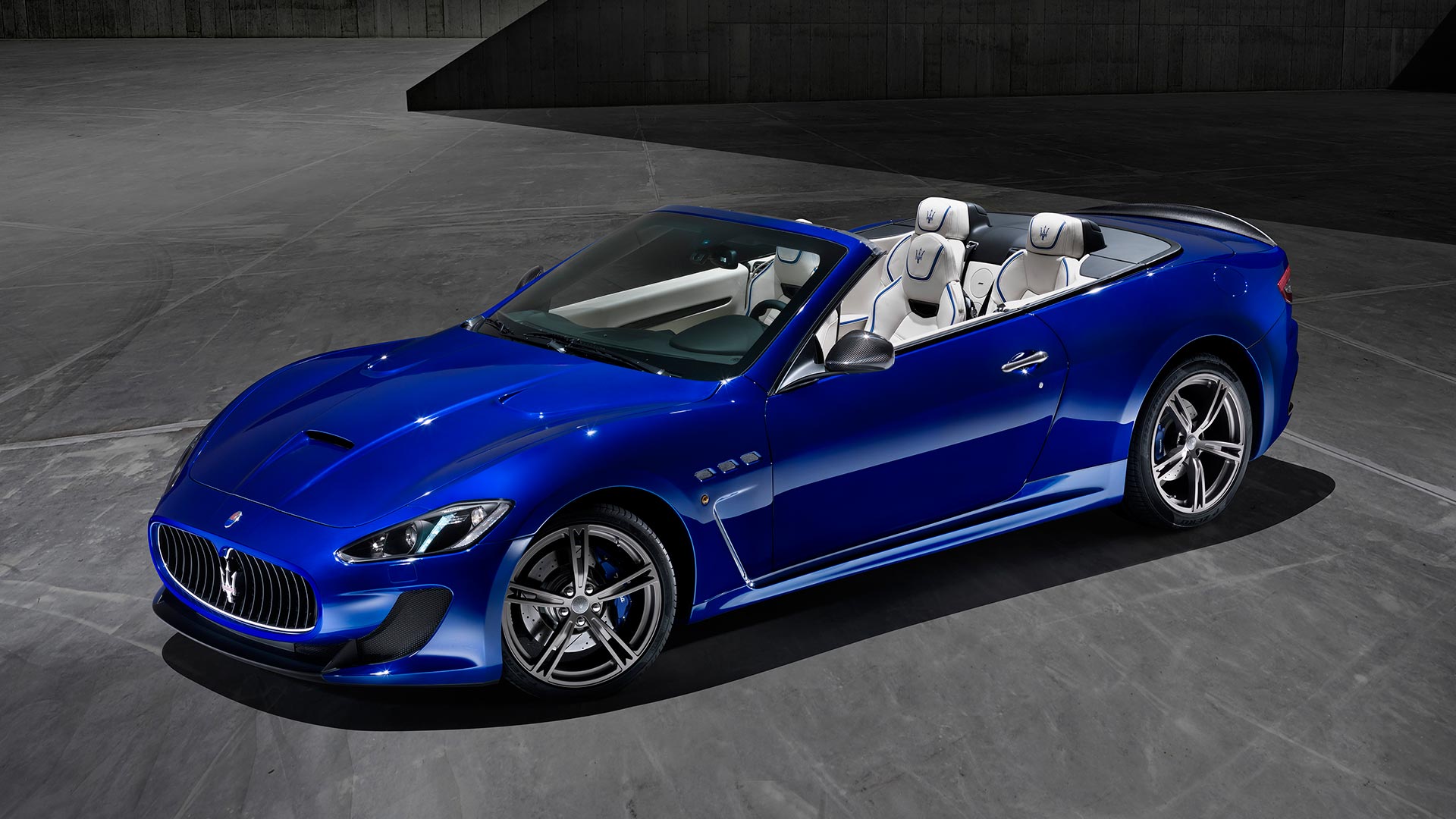 Maserati will also add a new SUV to the range, with the first vehicles set to roll off the production line in 2021. This will follow a planned $800 million investment at the facility in Cassino.
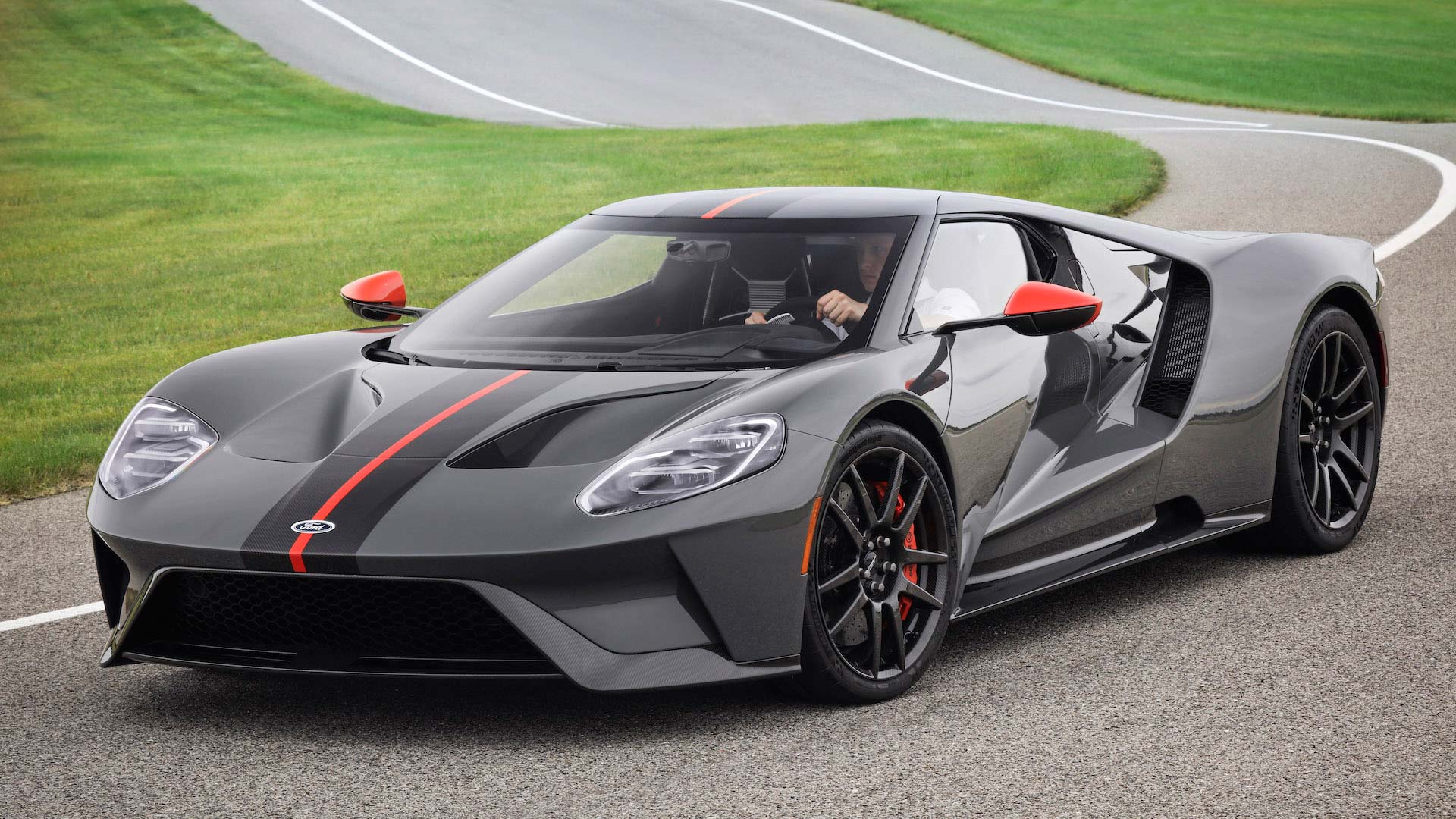 The
The 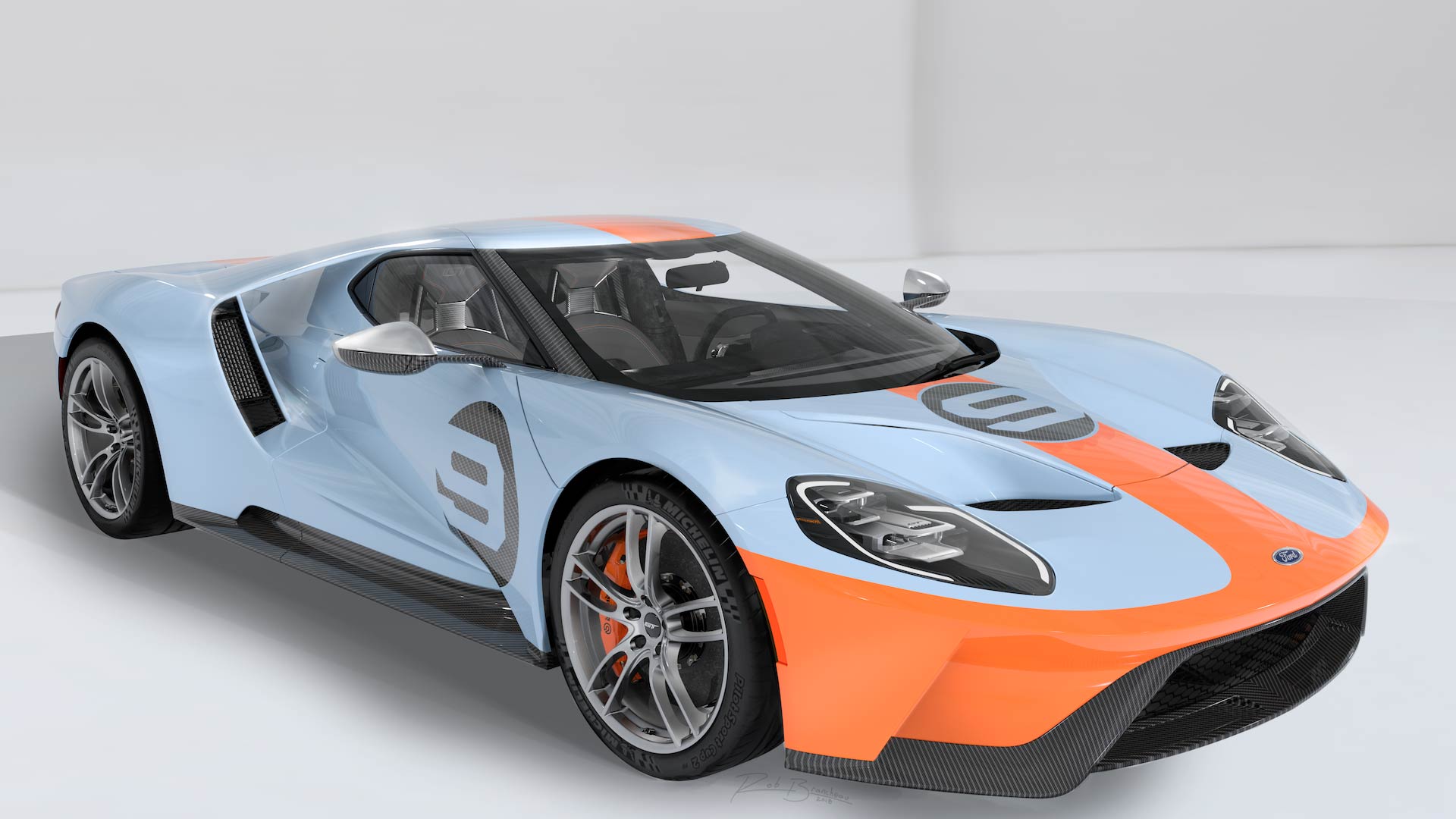 As part of the special 25th anniversary gala event, set to be held on Saturday, October 5th 2019, one of the last public build slots for the Ford GT will be auctioned.
  The charity auction will form the centerpiece of the anniversary gala, which will also honor the Ford Motor Company. Bill Ford, executive chairman of the company, and great-grandson of Henry Ford, will be attending the event.