Home Blog Page 319

Audi A1 Citycarver: where is the urban jungle exactly?

0

Audi A1 Citycarver urban jungle

Audi says the A1 Citycarver is a car ‘for the urban jungle’. Not knowing where the urban jungle is, I Googled it, only to discover that it’s a garden centre and cafe near Norwich. And you thought the Honda Jazz was the choice of transport for garden centre enthusiasts.

I’m not entirely sure a jacked-up supermini dressed up to look like Baymax in armour is required for a trip along the A11, but Audi has a habit of discovering niches and filling them.

I jest. The Audi A1 Citycarver is actually a Rover Streetwise for people too young to remember the Rover Streetwise. You weren’t aware that you needed an Audi Streetwise, but the marketing commandos will be deployed to ensure you spend every waking hour wondering how you coped without one.

Citycarver? Depending on your age, you’re either thinking of a detective chief inspector from The Bill, or a media mogul from Tomorrow Never Dies. Or maybe you’re thinking it sounds like the name given to an unsavoury character on Crimewatch.

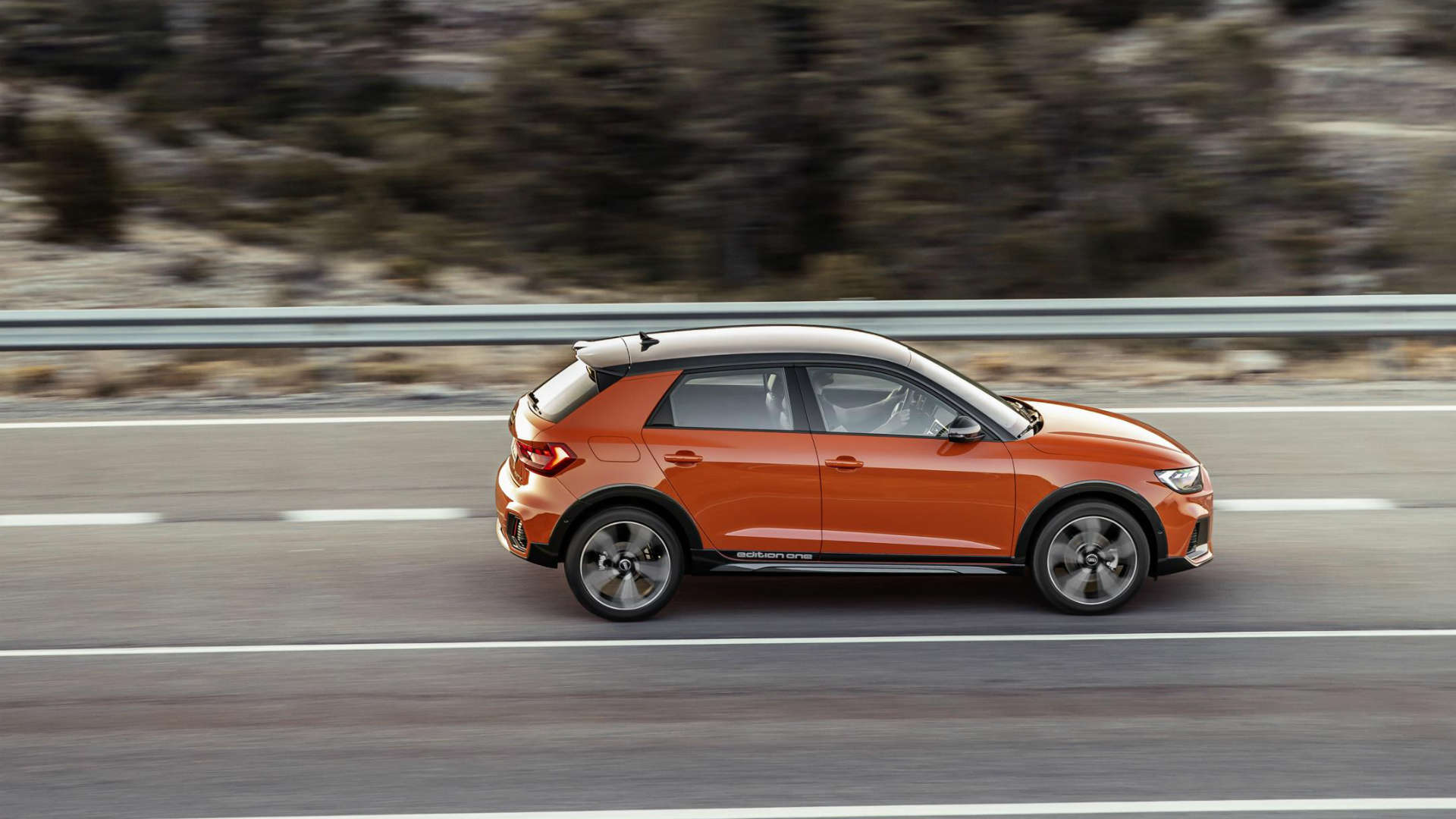
But don’t have nightmares, because the A1 Citycarver is little more than a city-friendly Audi A1 with 4cm of additional ground clearance, body cladding to make it look like an A1 Allroad, and front-wheel-drive to ensure that it’s not.
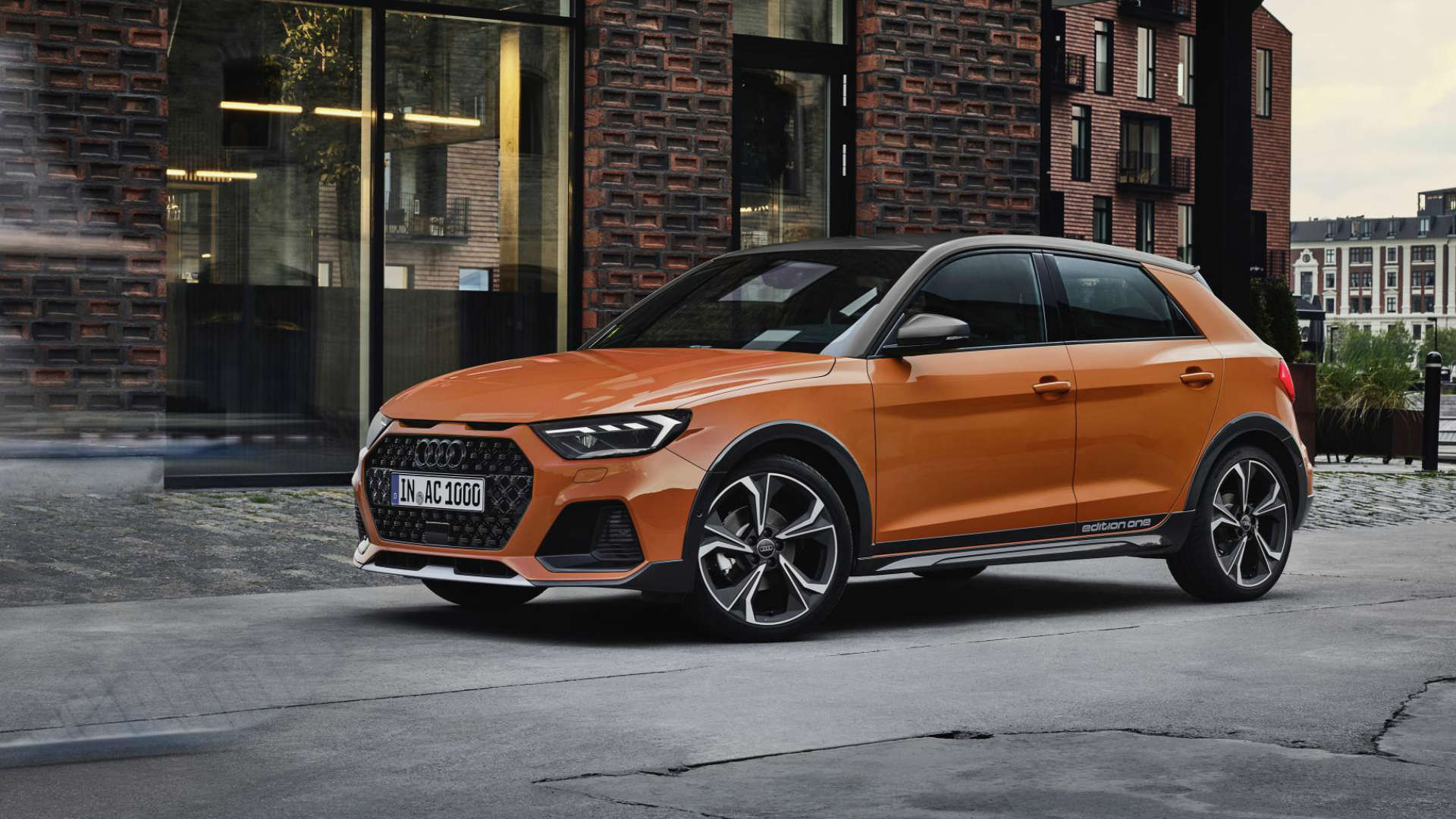
Audi A1 Citycarver

It costs from £22,040, which isn’t a lot for an Audi, but by the time you’ve added a few choice options and accessories, you’ll be knocking on the door of £30,000, which is a lot for a supermini. Even one with an Audi badge.

All of which is beginning to sound like the Audi A1 Citycarver gives me an irrational desire to throw a hot cake at the wall and mutter something about the days before Audi became as popular as a Kylie Jenner Instagram post.

But I’m feeling quite calm about the Jim Carver. I have a feeling it could steal sales from the Audi Q2, which could be the best thing to happen to our roads since the Romans brought a 12-inch ruler to these shores.

Carvery menu

Some people spend close to £40,000 on a Q2, which is a staggering amount of cash for a compact crossover. Let that sink in for a moment – £40k on a small crossover. There’s just something so unimaginative about buying a Q2. Why not spend £18,000 on the marginally less attractive Ford Ecosport and treat the kids to a good holiday?

An Elliot Carver costs £680 less than the Q2 and is only slightly smaller. You have to sacrifice 70 litres of boot space, but that seems like a small penalty when you consider the level of standard equipment.
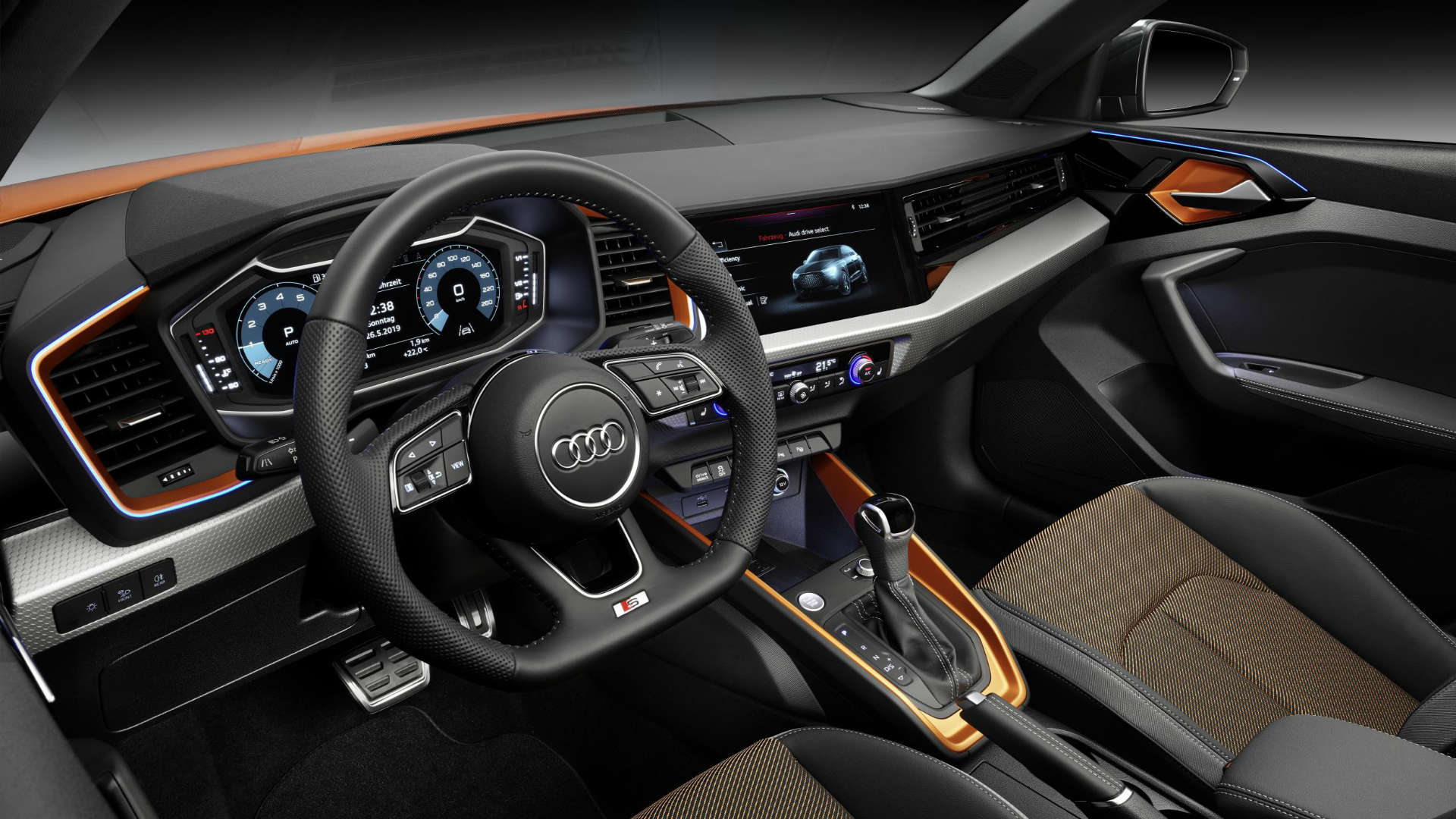
Audi A1 Citycarver interior

LED headlights, LED rear lights , dynamic rear indicators, a 10.25 digital cockpit and 17-inch alloy wheels are must-have toys for the Audi driver, and they’re all fitted as standard.

The basic Q2 has to make do with halogen headlights, which, to your image-obsessed colleagues, will be a signal that you’ve given up on life. If you want LED lights and dynamic indicators, you’ll need to spend at least £26,370 on the Q2 S line.

If you’re after 17-inch alloys and the digital cockpit, you’ll require the Q2 Sport (£24,120), plus the optional Tech Pack (£1,495).

Audi says the A1 Citycarver is available with two engines, but its UK website is showing one. It’s a 30 TFSI, which sounds exciting, but you’ll need access to an Enigma machine to work out what it is.

What is clear is that the Citycarver will sell like pumpkins at Halloween. You may not want one, but I bet you know of at least a dozen people who would. A Honda Jazz remains a superior car for a trip to the Urban Jungle garden centre cafe, mind. Anyone for a slice of carrot cake?
Advertisement

Is expensive parking killing the high street?

0

Expensive high-street parking

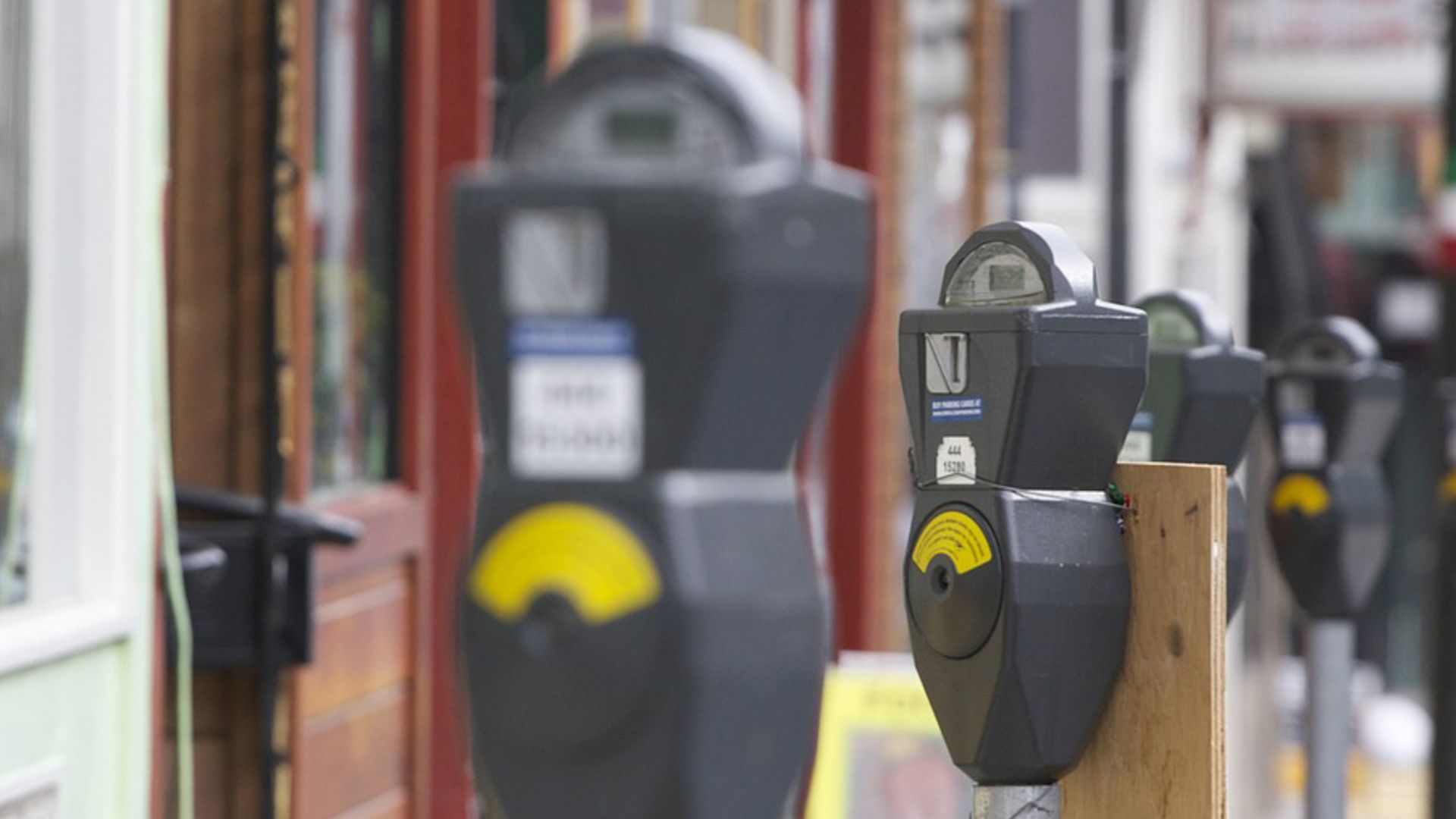
The dwindling popularity of the local high street among shoppers is often blamed on the rise of online shopping. Now, however, expensive parking is copping some of the flack for the decline of local in-person shopping.

Even compared to a year ago, shoppers are spending less time on the high street. This, according to research by YourParkingSpace. Four in ten said they shop less frequently compared to last year, while one in ten said that the high street was just a once-yearly visit.

Expensive high-street parking

  • Rip-off NEC car parking solved by Classic Motor Show

While 40 percent cited the ease of online shopping as a reason they don’t venture out, expensive parking came in as the second-biggest factor. Seventeen percent of respondents said that pricey parking put them off heading into town for a shopping visit.

However, cars are still the most popular way to get there, with over half saying they drive into town. That compares with just 12 percent that say they take the bus.

In spite of their aversion to it, respondents did seem optimistic about the future of the British high street. Three in ten said that would adapt and ultimately survive these trying times.

Parking for less

Expensive high-street parking

“Many British high streets have suffered a hard time recently, with small independent traders and large department stores all feeling the pinch,” said Harrison Woods, managing director at YourParkingSpace. 

“With most people driving to the high street, it’s no surprise that parking is a contentious issue. What they might not realise is that there are cheaper alternatives.”

There are a number of ways you can avoid extortionate parking costs. All it takes is a little bit of pre-planning. Research local parking vendors to find the cheapest locations. If you’re lucky, you might find spots local to your high street that are free. Failing that, you could hire a driveway.

Advertisement

Give it some stick: Porsche 911 now offered with manual gearbox

0

Porsche 911 manual 2020

When the new ‘992’ version of the 911 was revealed, Porsche promised a manual gearbox to complement the PDK paddle-shift automatic.

Now, although referring to US-market cars at present, details of the new stick-shift are starting to trickle out.

Manual 911 could be more exclusive

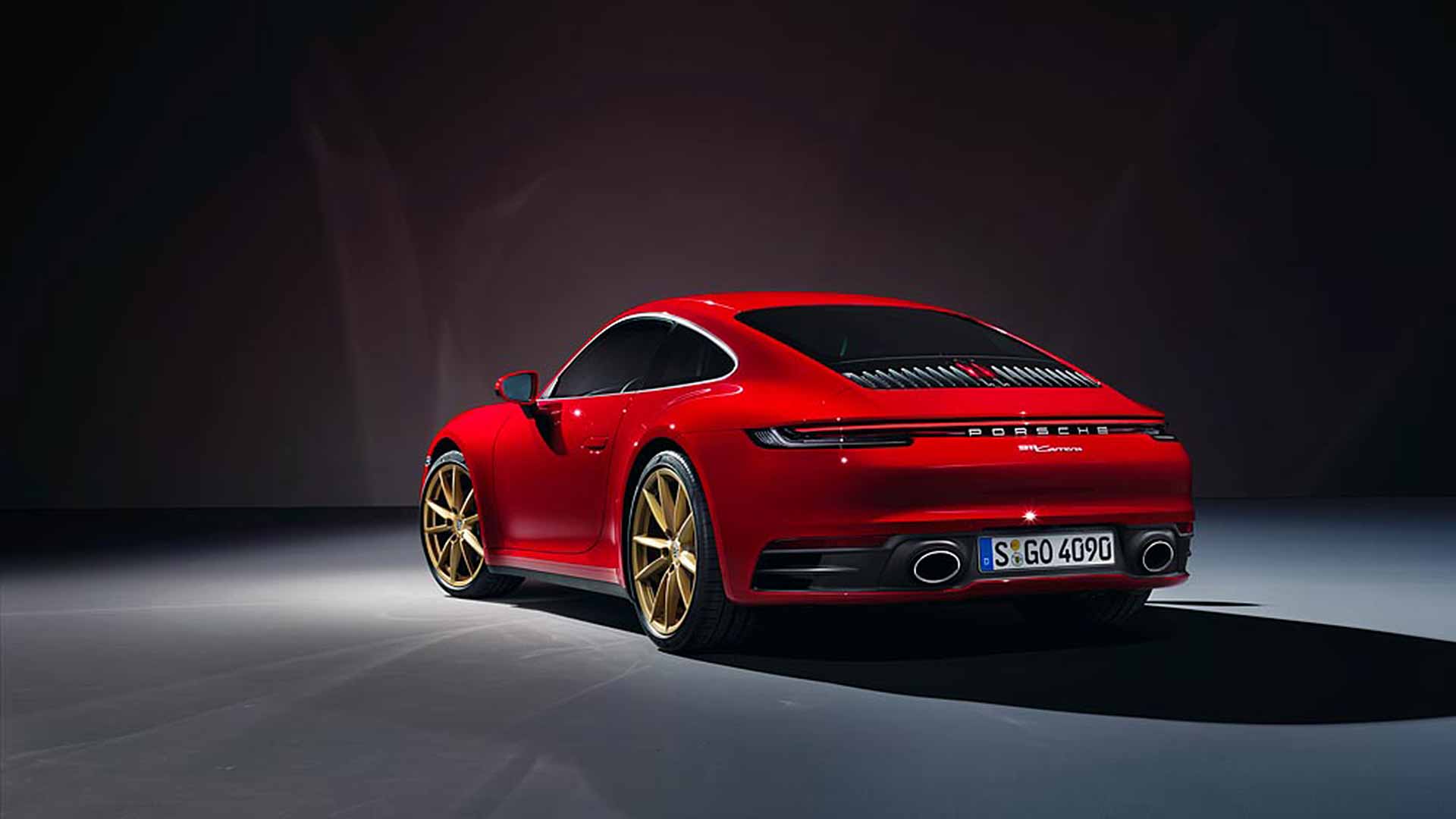
Porsche 911 Carrera Coupe

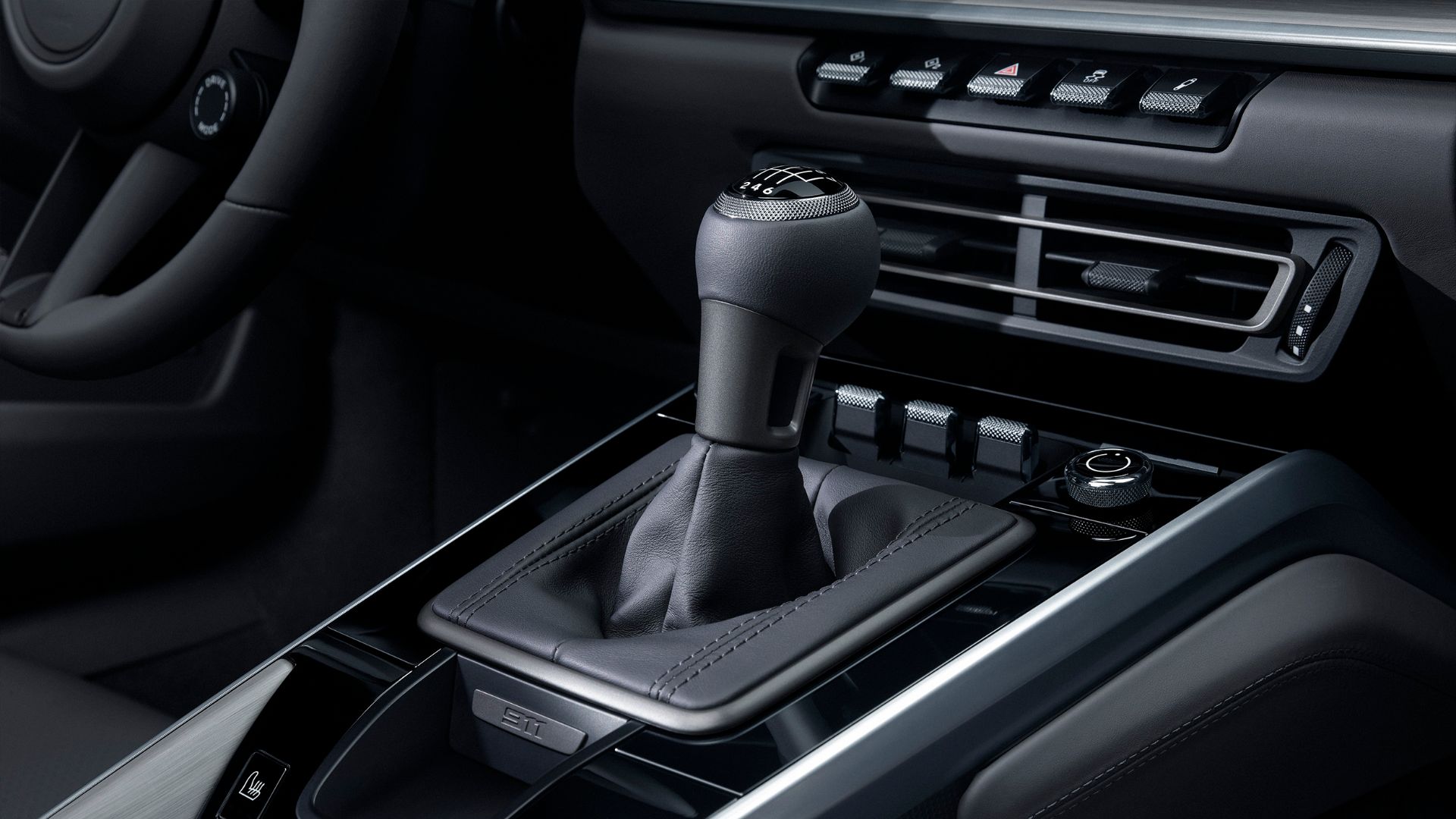
A seven-speed manual transmission will be a no-cost option in the 992. However, in the US at least, it will only be available on Carrera S, 4S and related soft-top variants. Standard Carreras won’t be available with a stick. Furthermore, choosing the manual box will necessitate having the optional Sport Chrono Package.

That means no manual 911 will come without dynamic engine mounts, PSM sport mode or a wheel-mounted drive mode selector. 

Lighter, but slower to accelerate

2019 Porsche 911 Cabriolet

As you might expect, the seven-speed manual ‘box does come with a weight benefit. Manual cars will be down around 40kg compared with PDK-equipped models. A standard Carrera S with a manual will be the lightest 911 on sale, at 1,945kg.

Also unsurprising are the slightly stunted acceleration figures in comparison with PDK-equipped cars. While 60mph comes in under 3.5 seconds in a Carrera S PDK, it’ll be closer to four seconds in the manual.

Room for a ‘back to basics’ 911

Porsche 911 T

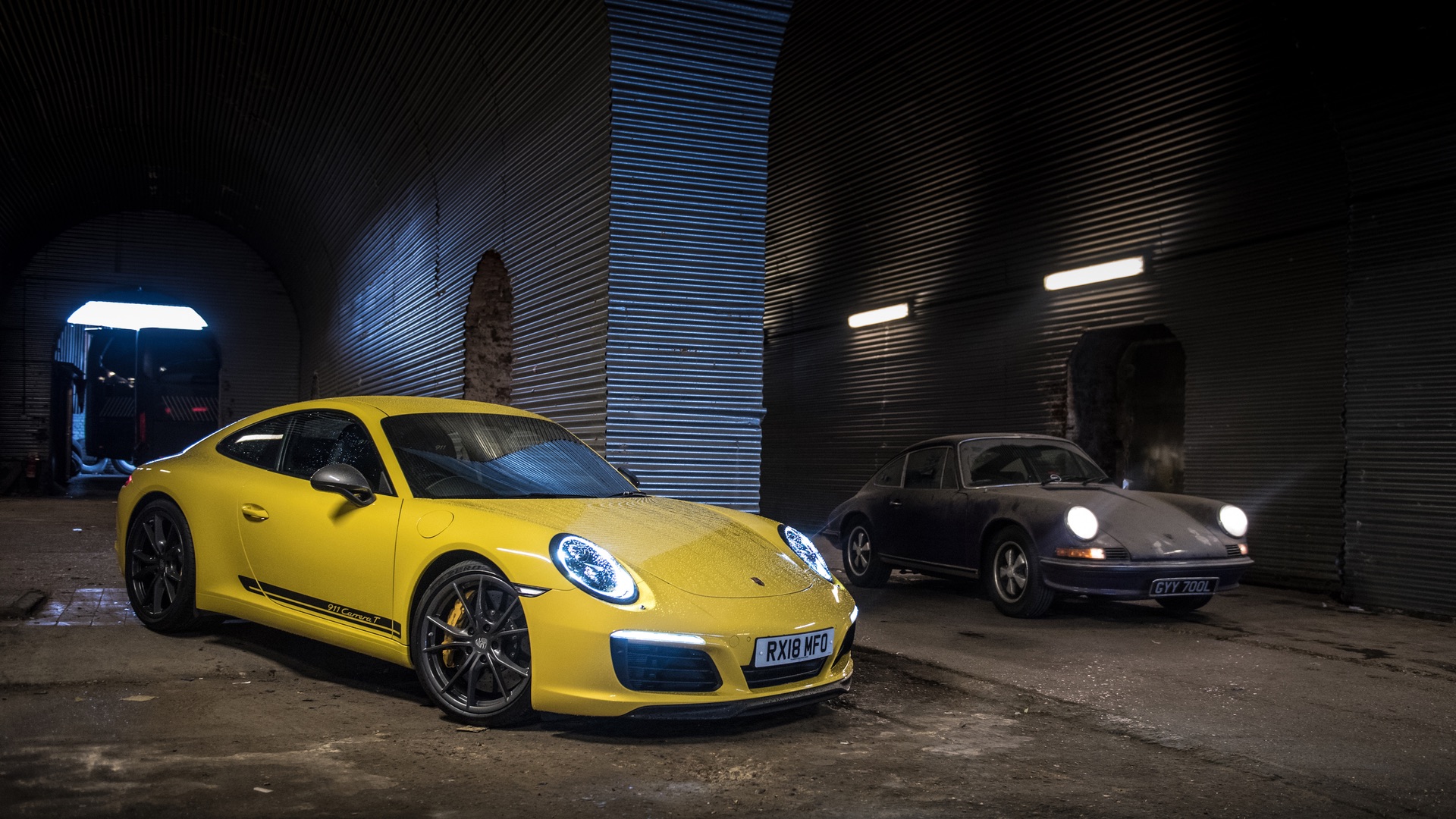
Given you need to have a ‘specced-up’ 911 in order to have a stick and clutch pedal, there is room for a ‘back to basics’ variant. We expect something along the lines of the 991 Carrera T (pictured above) will fill that gap. Until the GT3 arrives, that is.

Expect UK specifications to be revealed imminently, with manual cars expected in dealers by next summer.

Advertisement

The rise of the connected car – and what it knows about you

0

The rise of the connected car and what it knows about you

Right now, around two-thirds of new cars registered in the UK are connected. This means they’re sending data about the driver and the vehicle to the manufacturer.

The number will rise year-on-year until 2026 when 100 percent of new cars sold in the UK will be connected. That’s according to figures from the Society of Motor Manufacturers and Traders (SMMT).

As of late 2017, there were around nine million internet-connected cars on UK roads. The global number varies depending on the source, but a report by software company SAS says that the total will hit 152 million in 2020.

The combination of aftermarket devices and new car features could mean that this rises to TWO BILLION connected cars by 2025. According to IHS Automotive, the average car will will produce up to 30 terabytes of data every day.

In theory, this should benefit motorists, manufacturers, fleet managers and other road users.

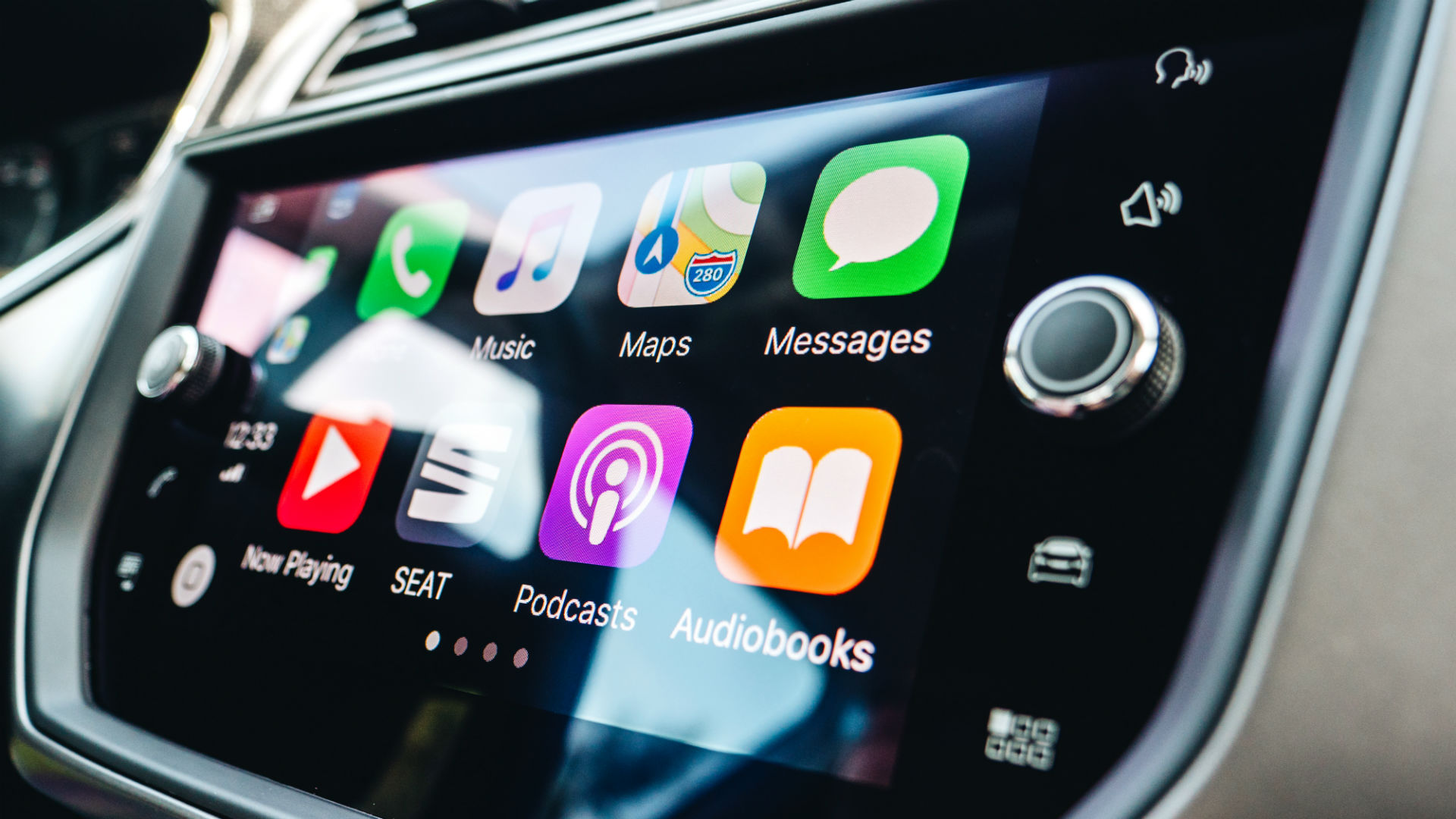
For the motorists, there’s the promise of a personalised infotainment system, a car that learns their individual preferences, navigation systems that adapt to prevailing traffic conditions, and improved safety via car-to-car data sharing. Safe drivers could even be rewarded with cheaper insurance premiums and retail offers in exchange for good driving.

Whether the motorist needs or even wants this level of connectivity is up for debate, but the bigger issue is the lack of knowledge surrounding the data that’s being sent to manufacturers and third parties. Most of us have little understanding of what’s being collected and for what purpose.

Computers on wheels

Connected cars are computers on wheels

We need to start viewing new cars as computers on wheels. GDPR (General Data Protection Regulation) has made us more wary of data harvesting – ticking or unticking boxes when we visit a website has become part and parcel of internet browsing.

It’s a similar story with smartphone apps. Last year, researchers at Oxford University analysed a third of apps available in the Google Play Store. The median app could transfer data to 10 third parties, with one in five apps able to share data with more than 20. The difference here is that there tends to be a much clearer line of communication concerning privacy settings and what your data is used for.

There are two primary issues: consumer understanding of what data being harvested and what happens to the personal data when the car is sold.

Tackling the first issue, Michael Alsemgeest, chief digital officer at LeasePlan, is calling for greater clarity. “It is madness that, in times of GDPR, your car can still collect virtually all the data it wants. Drivers need to be much better able to give informed consent or not to collect data from their vehicles.

“That doesn’t have to be difficult. After all, every time you download an app, you have the choice whether or not to agree that the data of the app is shared with third parties.”

Read the terms and conditions

Connected car terms and conditions

Regarding the ability to disable data when a car is sold, the National Cyber Security Centre says “many car manufacturers and dealers state this in their terms and conditions.

“However, some customers may not read them that closely and fail to delete their personal accounts and access. When the car is then sold on, the previous owner can track and monitor the car’s location and other data without the new owner’s knowledge.”

There are many examples of a previous owner remaining connected to a car weeks and months after selling it, along with instances of when dealers and manufacturers were less than forthcoming in the battle to disconnect the car.

It’s not just private cars. Data can be harvested by rental vehicles, pool cars and those in car-sharing clubs. Sync your smartphone or use an aftermarket app, and that knowledge is shared with the manufacturer and/or third party.

Michael Alsemgeest wants the data to be handled by a neutral third party. “The data of these smart vehicles must not end up in a black box that is controlled solely by the vehicle manufacturer.

“It would be better if the data were instead sent to an intermediary platform, a ‘neutral server’. These servers would then be operated and financed not by the manufacturers, but by an independent party.

“In addition, they only provide aggregated data insights, thus protecting the privacy of individual drivers. Using a neutral server would allow motorists to be able to decide for themselves what data they want to share and with whom, such as the manufacturer, the maintenance engineer or another service provider.”

Saving lives and creating jobs

There’s no doubt tconnected cars can benefit the automotive industry. The SMMT says the connected and autonomous vehicle (CAV) industry will save 3,900 lives, create 420,000 new jobs and generate £62 billion for the UK by 2030.

For organisations, the opportunities are immeasurable. From enhanced driver knowledge to on-the-move vehicle diagnostics, organisations will benefit from streamlined services, improved customer targeting and potential cost savings.

For the motorist, a greater awareness of data collection and privacy issues is required. This starts with more transparency of how, when and why the data is being used – and by whom. Consumers must also begin to treat a new car like a smartphone, tablet or any other connected device, especially when it is sold.

Advertisement

How future electric cars could charge in 10 minutes

0

Future electric cars could charge in 10 minutes

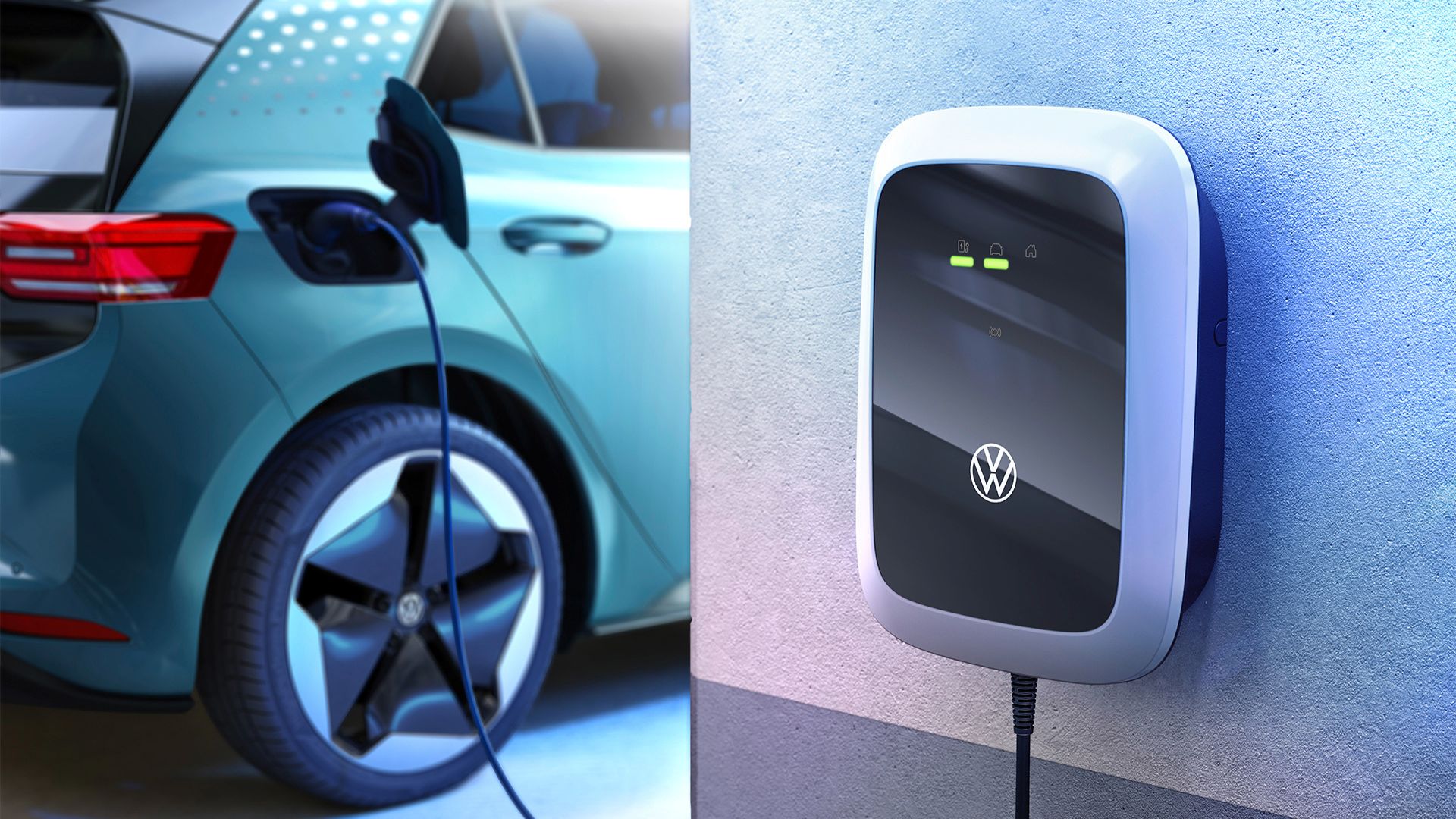
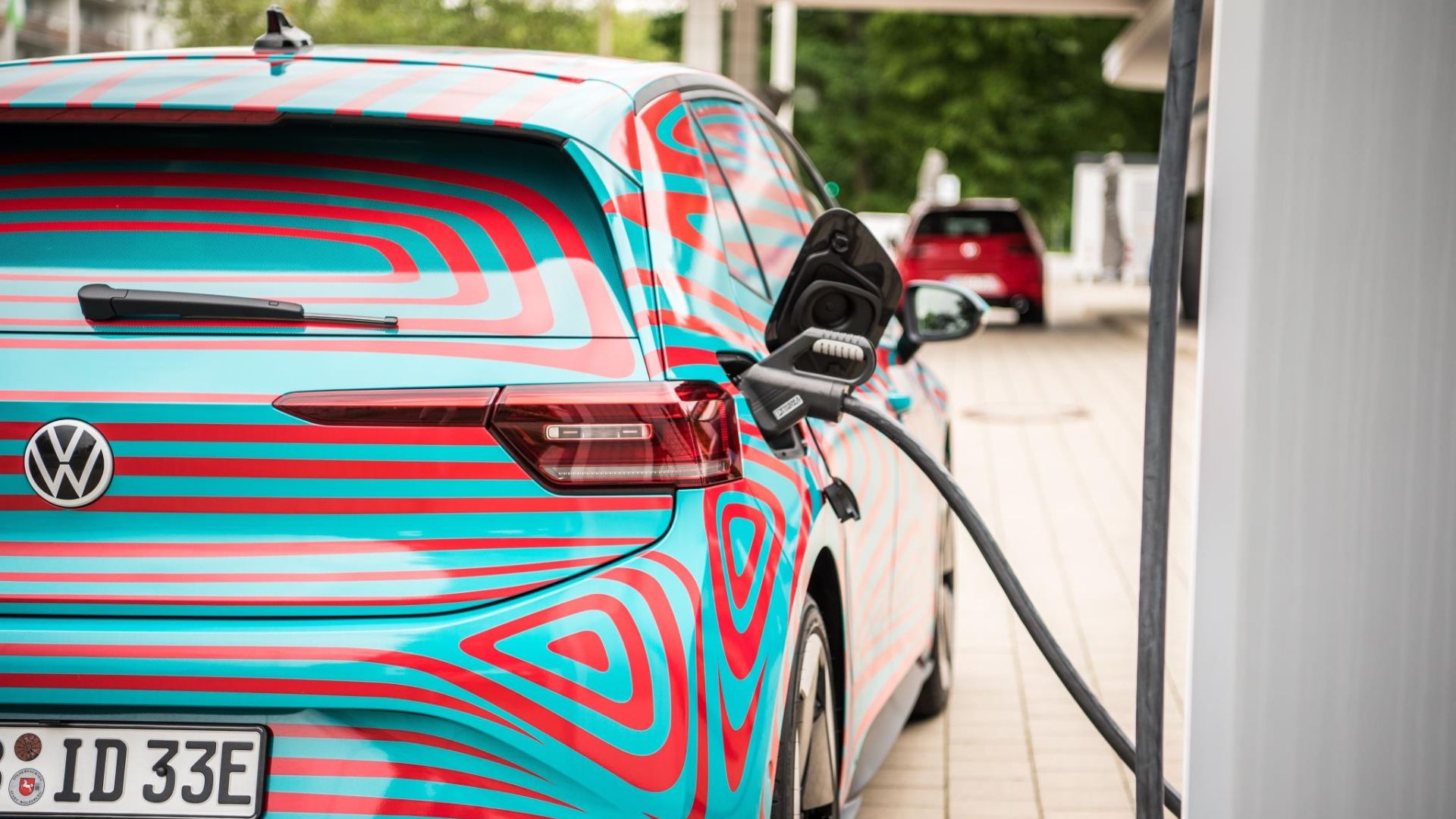
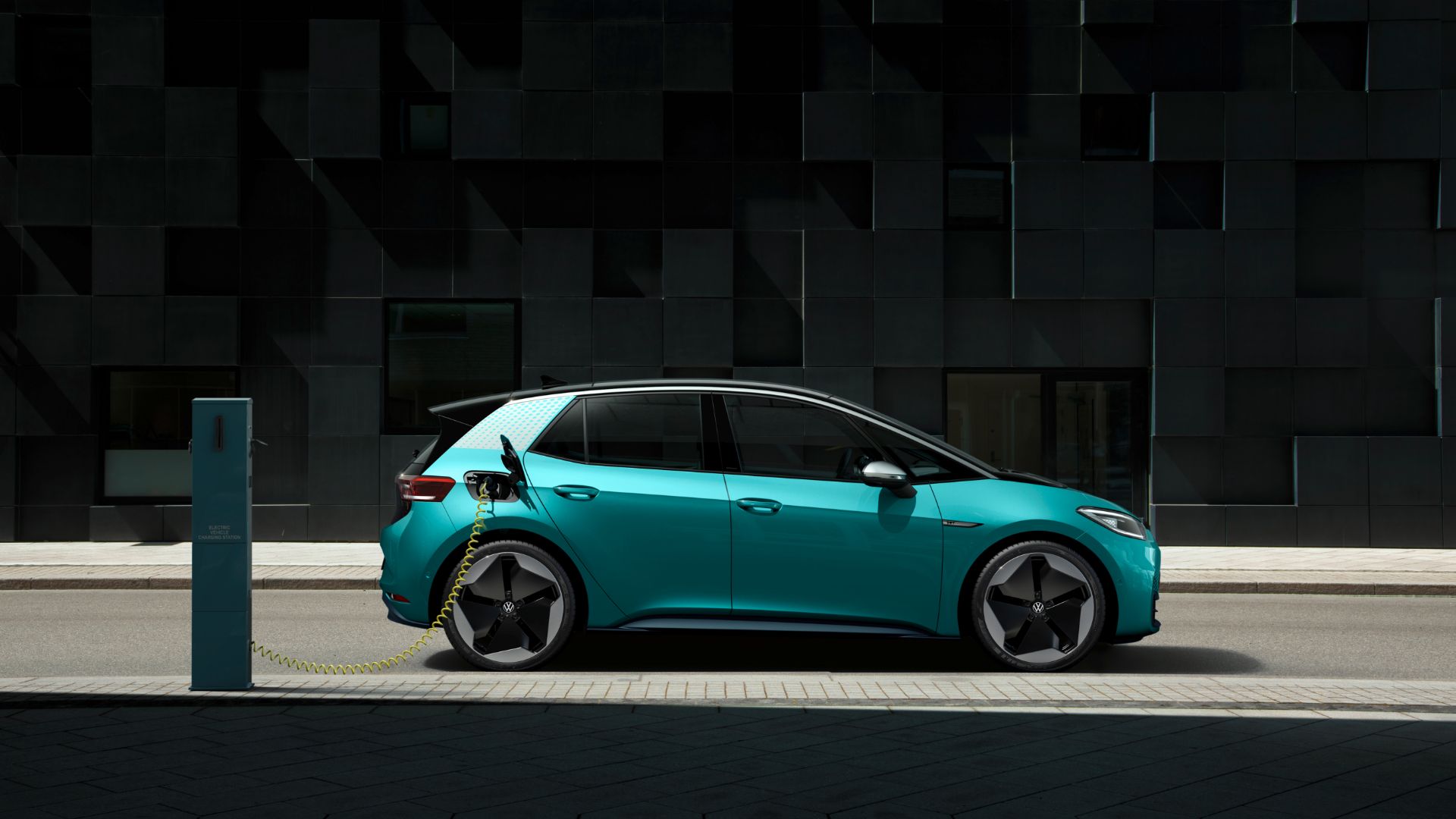
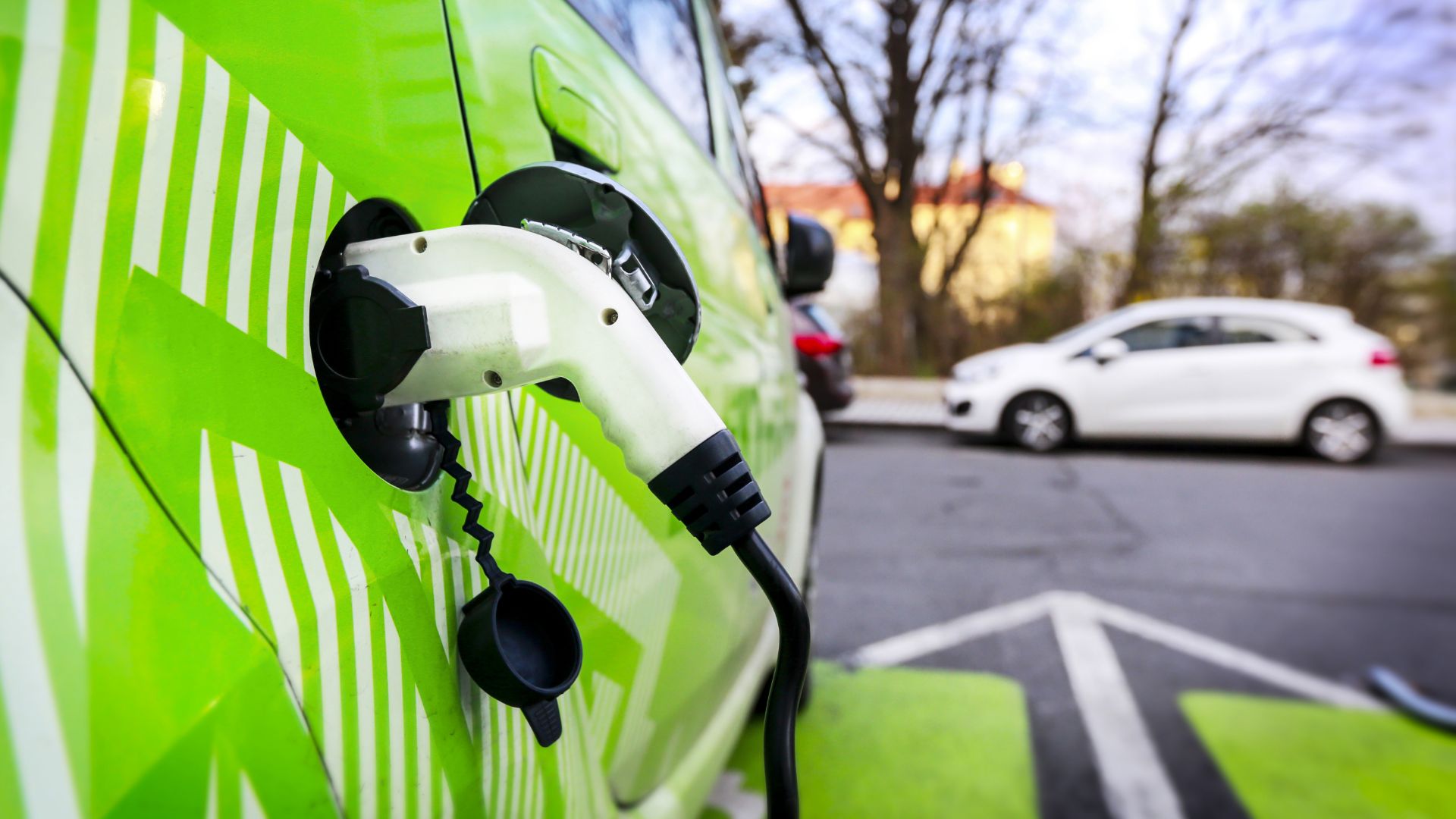
New technology could give electric cars the ability to gain 200 miles of range in less than 10 minutes, according to scientists.

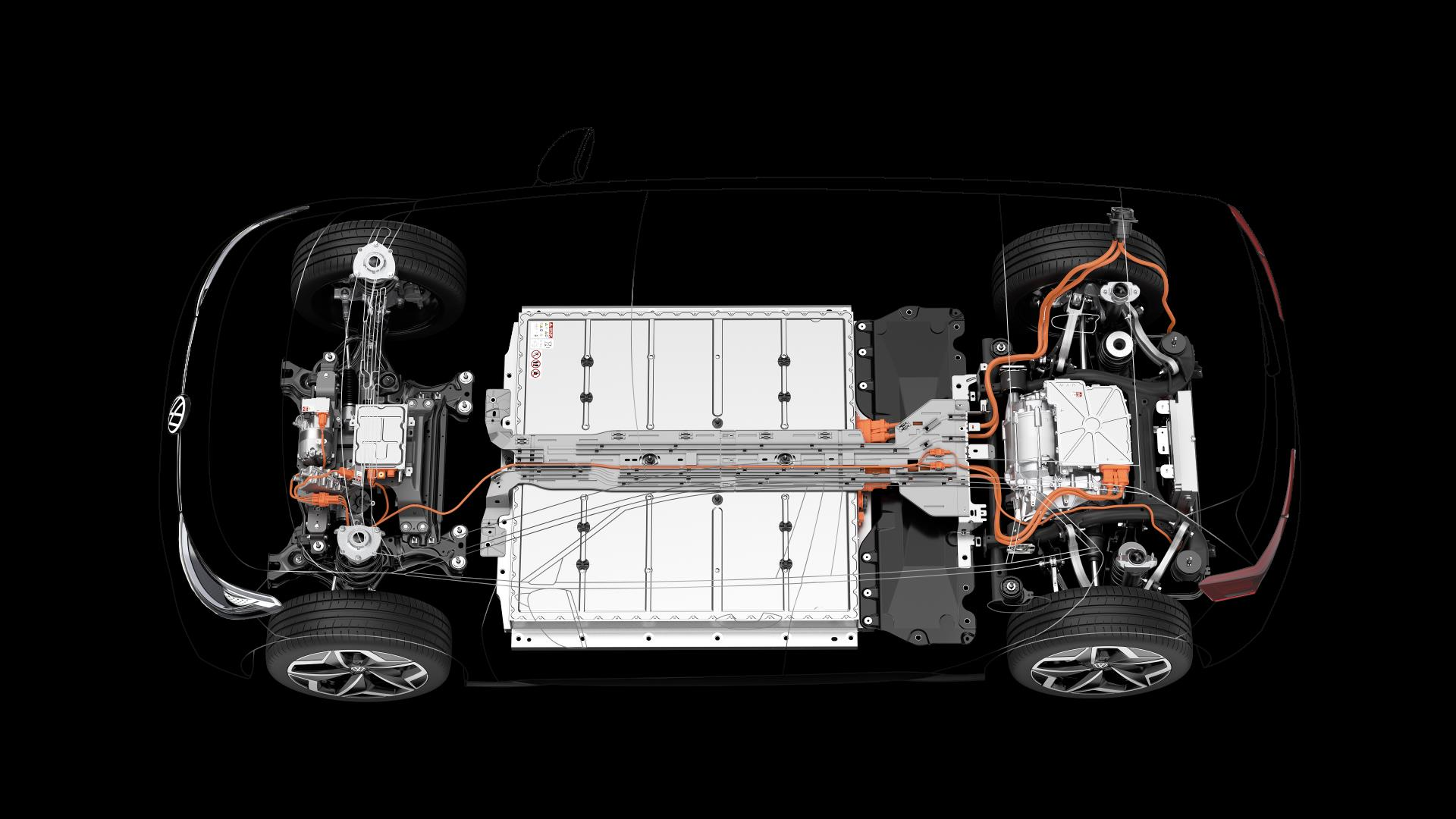
This doesn’t rely on a futuristic type of battery or a pie-in-the-sky technology, either. Charging electric cars far more quickly could be a simple case of warming up current lithium-ion batteries.

Future electric cars could charge in 10 minutes

Extreme temperatures are generally understood to spell trouble for batteries. Colder temperatures reduce the range of electric cars with a full charge. And when a battery gets too hot, lasting damage can be done.

However, a warmer battery can be charged quicker, as higher temperatures stabilise conditions within the cells. The ideal, say scientists, is to heat the battery for no longer than necessary, to achieve charge speeds when they’re needed.

Prototype 10 amp-hour batteries with a thin nickel foil internal self-heating structure were able to charge to 80 percent in 10 minutes when heated to 60deg C, without being damaged. The results were repeatable, too. 

Future electric cars could charge in 10 minutes

  • Tesla Model 3 is 11th bestselling car in Europe

“We can charge batteries of different sizes with the same [charging] time as long as the charge current increases proportionally with the battery size,” Dr Chao-Yang Wang, professor at the Pennsylvania State University, told The Guardian.

“For car battery of 150 amp hours, a fast charge station would have to provide a 900 amp current for 10 minutes.”

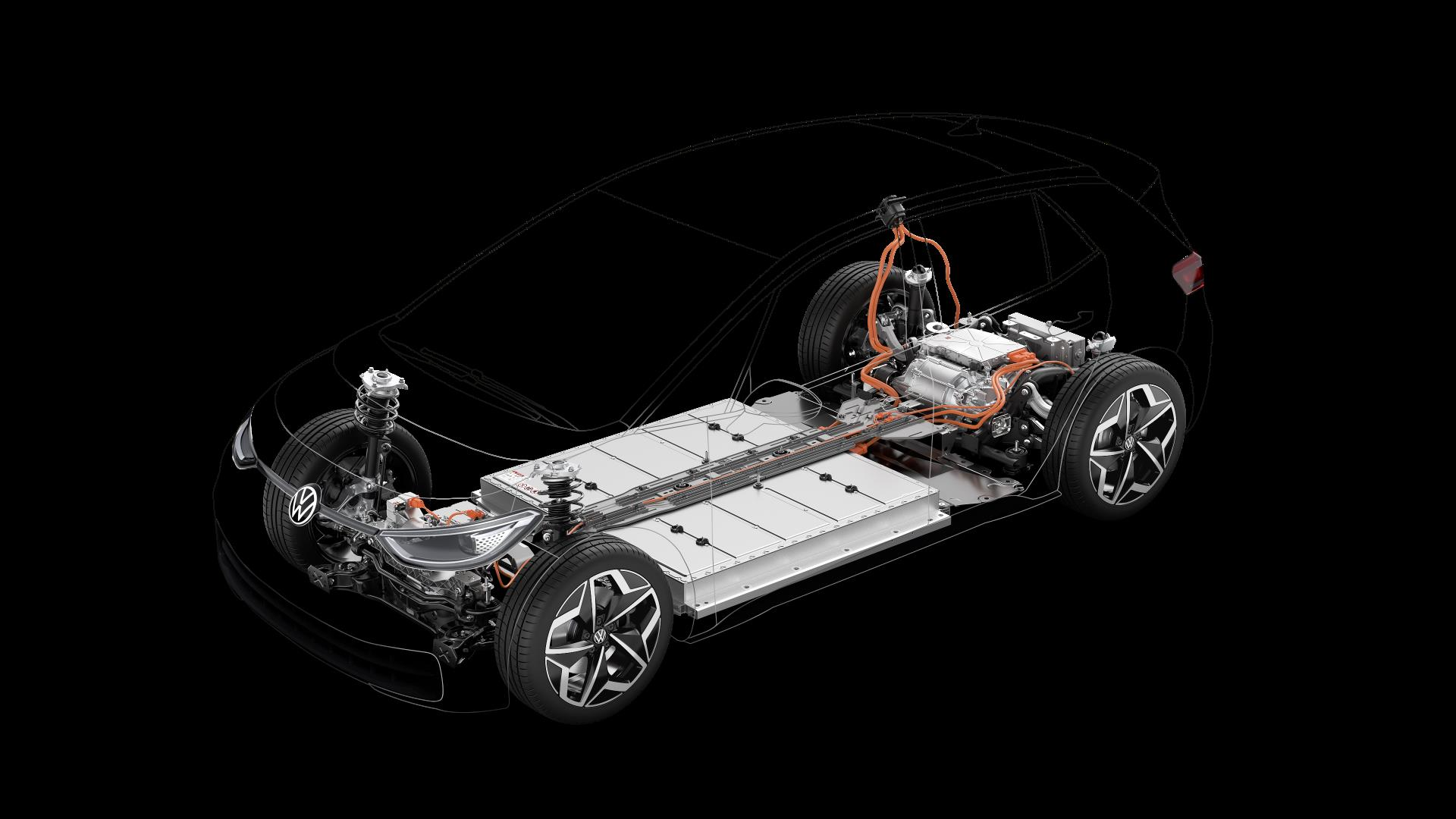
Volkswagen ID.3

What’s needed now is testing on bigger batteries, and in automotive applications. But in theory the technology could be in production vehicles in as little as three years.

“If we have a ubiquitous fast-charging infrastructure on the roadside, drivers need no longer to worry about the cruise range. After driving 200-300 miles per charge, one can pick up another 200-300 miles by charging for 10 minutes,” said Dr Wang.

Why can’t batteries stay hot for long?

Future electric cars could charge in 10 minutes

Over time, all batteries degrade and lose their capacity for charge. High temperatures create conditions within the battery that accelerate that degradation. The effects of charging too quickly at low temperatures are similar.

“At high temperatures battery active materials will react with the electrolyte to form passive surface films, consuming active lithium as well as causing high resistance,” continued Dr Wang. 

The difference is that the effects of high heat seem to mainly manifest over extended amounts of time. Using heat for a short amount of time, allowing for a quick charge, could be a win-win balancing act for future quick-charging cars.

Advertisement

Peugeot-Citroen and Fiat-Chrysler agree merger plan

0

Peugeot 208

Groupe PSA and Fiat Chrysler Automobiles have begun talks on a 50-50 merger that would create the fourth-largest car company in the world, selling 8.7 million vehicles a year.

The aim is to have a binding Memorandum of Understanding within a matter of weeks.

Bosses at the two firms believe combining the companies would result in annual savings of almost £3.2 billion, through large-scale efficiencies and sharing of technologies.

“These synergy estimates are not based on any plant closures,” say PSA and FCA in a joint statement.

Several unions have already insisted that plant closures would not be tolerated: the joint statement is intended to allay such concerns.

The new joint company will be based in the Netherlands, considered a neutral region. Of the proposed 11-member board, five will be nominated by FCA, whose chairman John Elkann will be chairman of the new company.

Carlos Tavares

Six will be from PSA, whose CEO Carlos Tavares (pictured above, speaking at a Vauxhall UK event) will be CEO of the new company, for an initial term of five years. Mike Manley, a Brit, is currently CEO of FCA and will become a board member of the new joint company.

“This convergence brings significant value to all the stakeholders and opens a bright future for the combined entity,” said Tavares.

I’m pleased with the work already done with Mike and will be very happy to work with him to build a great company together.”

‘Stronger together’

Driving the fast-paced merger talks is the desire to capitalise on the two firms’ strengths. FCA is big in North America and Latin America; PSA is an European powerhouse.

“The combination would unite the groups’ respective brand strengths across luxury, premium, mainstream passenger car, SUV and trucks and light commercial – making them stronger together.”

It would address FCA’s weaknesses in the passenger car market and accelerate PSA’s long-term ambition to reintroduce its brands into North America.

The merger will also help absorb the huge costs involved in a new era of sustainable mobility – the biggest of which is electrification. Here, scale is essential, which is why the merger is moving ahead at such a quick pace.

FCA’s alliance with PSA follows the collapse of earlier talks to merge with the Renault Nissan Alliance. FCA had previously also investigated a merger with GM.

Once complete, the new group will offer more than a dozen makes of car, including:

  • Peugeot
  • Citroen
  • Vauxhall
  • Opel
  • DS Automobiles
  • Fiat
  • Chrysler
  • Jeep
  • Alfa Romeo
  • Maserati
  • Lancia
  • Dodge
  • RAM
Advertisement

Brussels to ban ALL petrol and diesel cars

0

Brussels to ban petrol and diesel cars

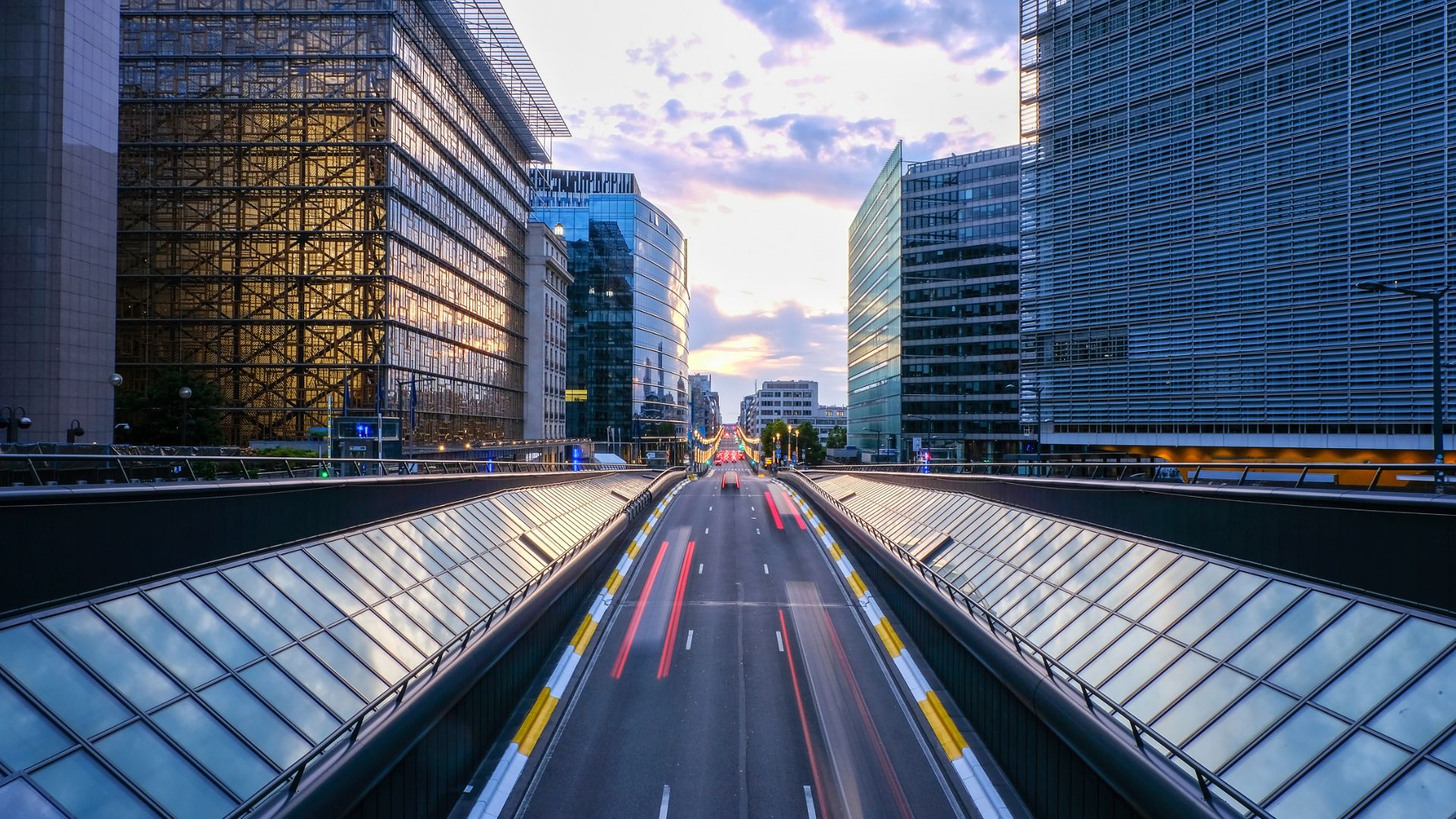
Brussels is looking to set an example for the rest of Europe by banning petrol and diesel cars within city limits. 

It’s not happening overnight, though. Diesels will be outlawed by 2030, while access for petrol cars will be restricted from 2035. Motorcycles won’t escape either, with the most emissions-heavy bikes being banned from 2022.

The best-laid plans

Brussels to ban petrol and diesel cars

To encourage motorists out of polluting cars, Brussels’ infrastructure for electric cars, cyclists and public transport will be upgraded. Major investments are planned for such improvements, with pedestrian walkways, cycle routes, bus and tram services all due to benefit.

There’s a long way to go, though. Febiac, the Belgian automotive federation, says “specific plans, measures and the budget to work through all of it in such a time period are non-existent”.

“Already today, Brussels is lagging far behind, for example, in the deployment of the essential charging infrastructure.”

Fruits of change

Electric car markets unbalanced in Europe

If successful, the results will be impressive. It’s anticipated CO2 emissions inside city limits will be cut by 40 percent by 2030. In theory, Brussels will be fully de-carbonised by 2050, as per goals set out by the EU.

With a little more than 15 years before diesels are banned, there should be time enough for drivers to change vehicles, and for car manufacturers to adjust their offerings.

Advertisement

Rust or riches: Porsche restoration that preserves decades of decay

0

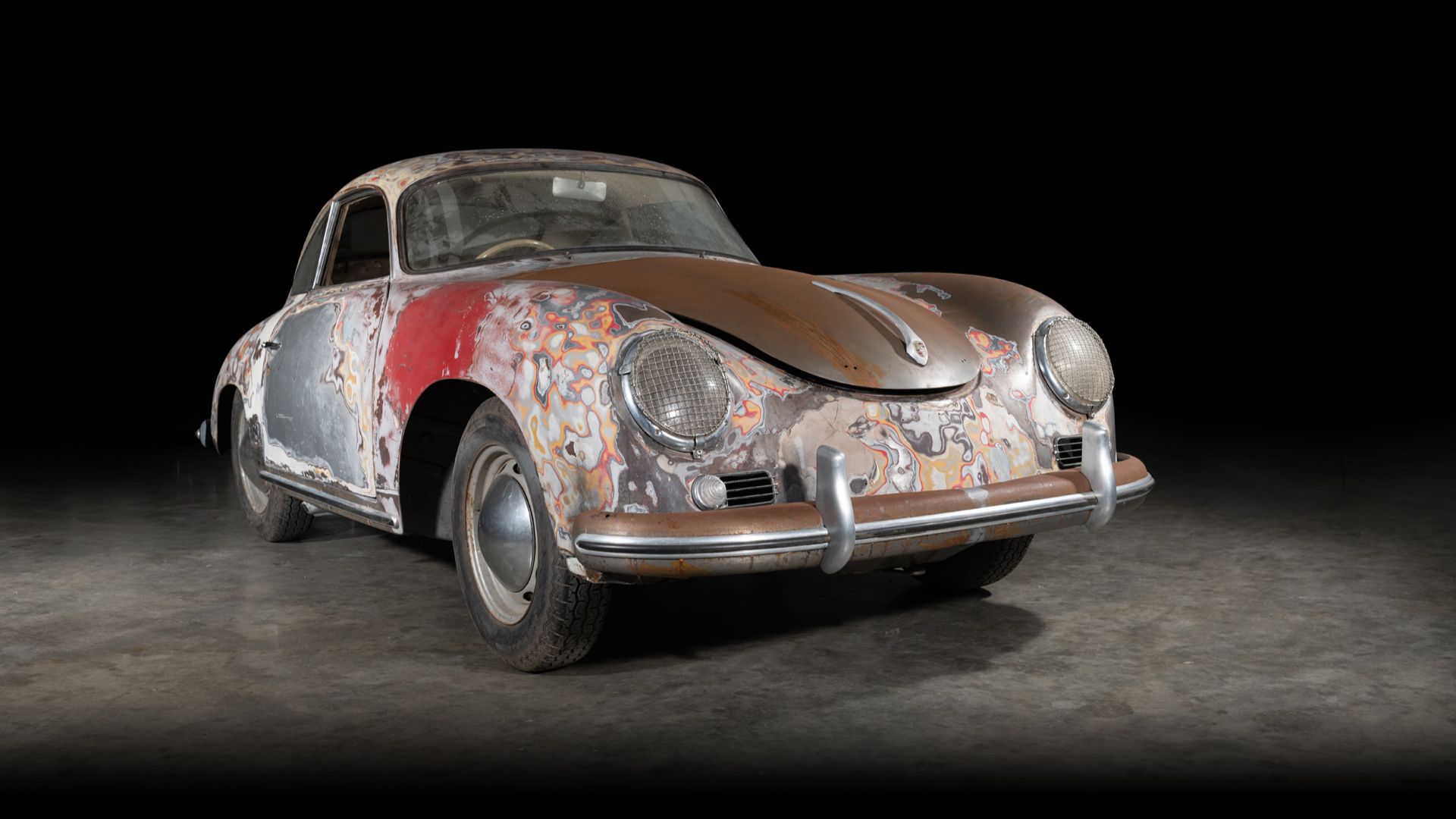
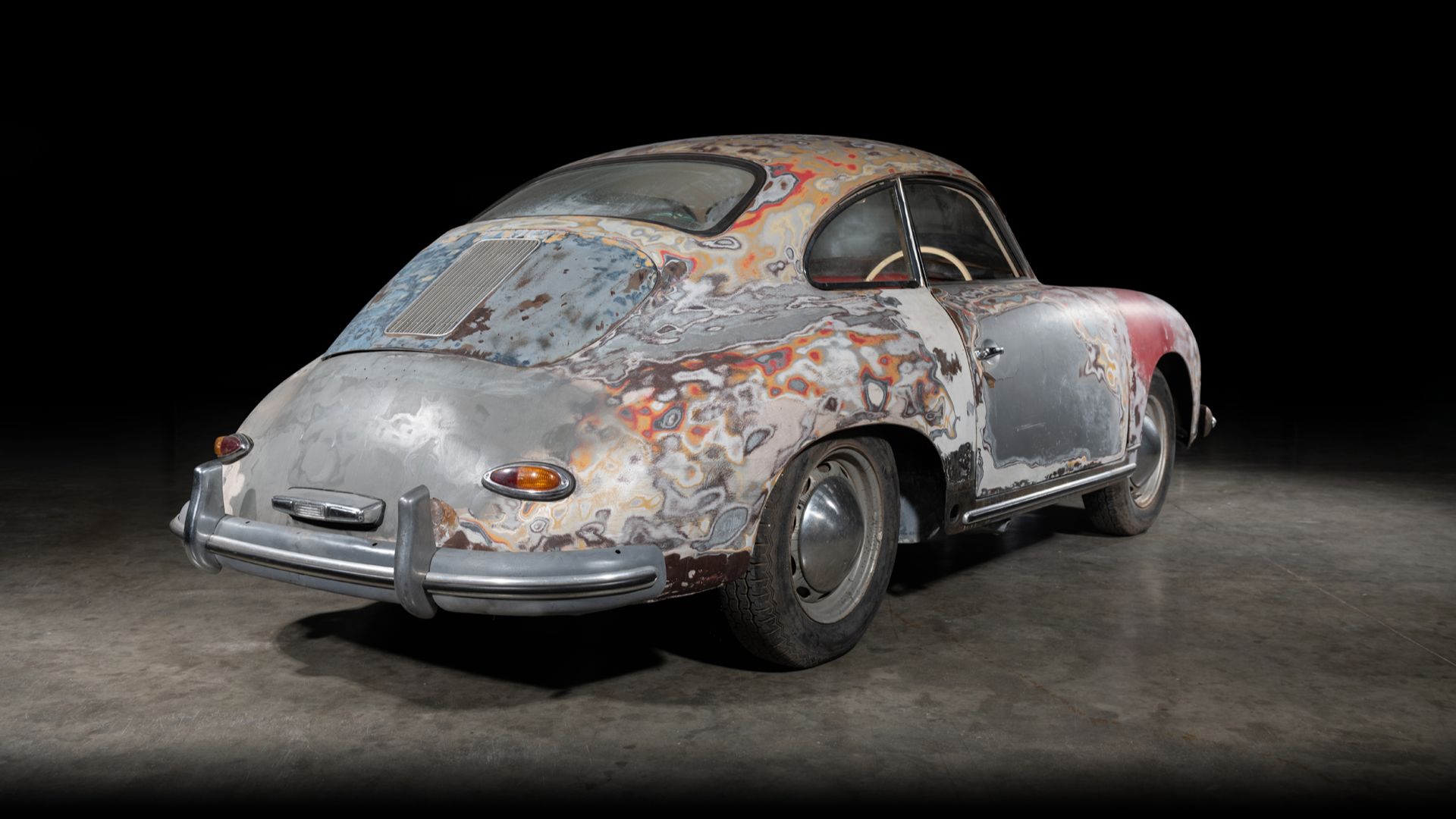
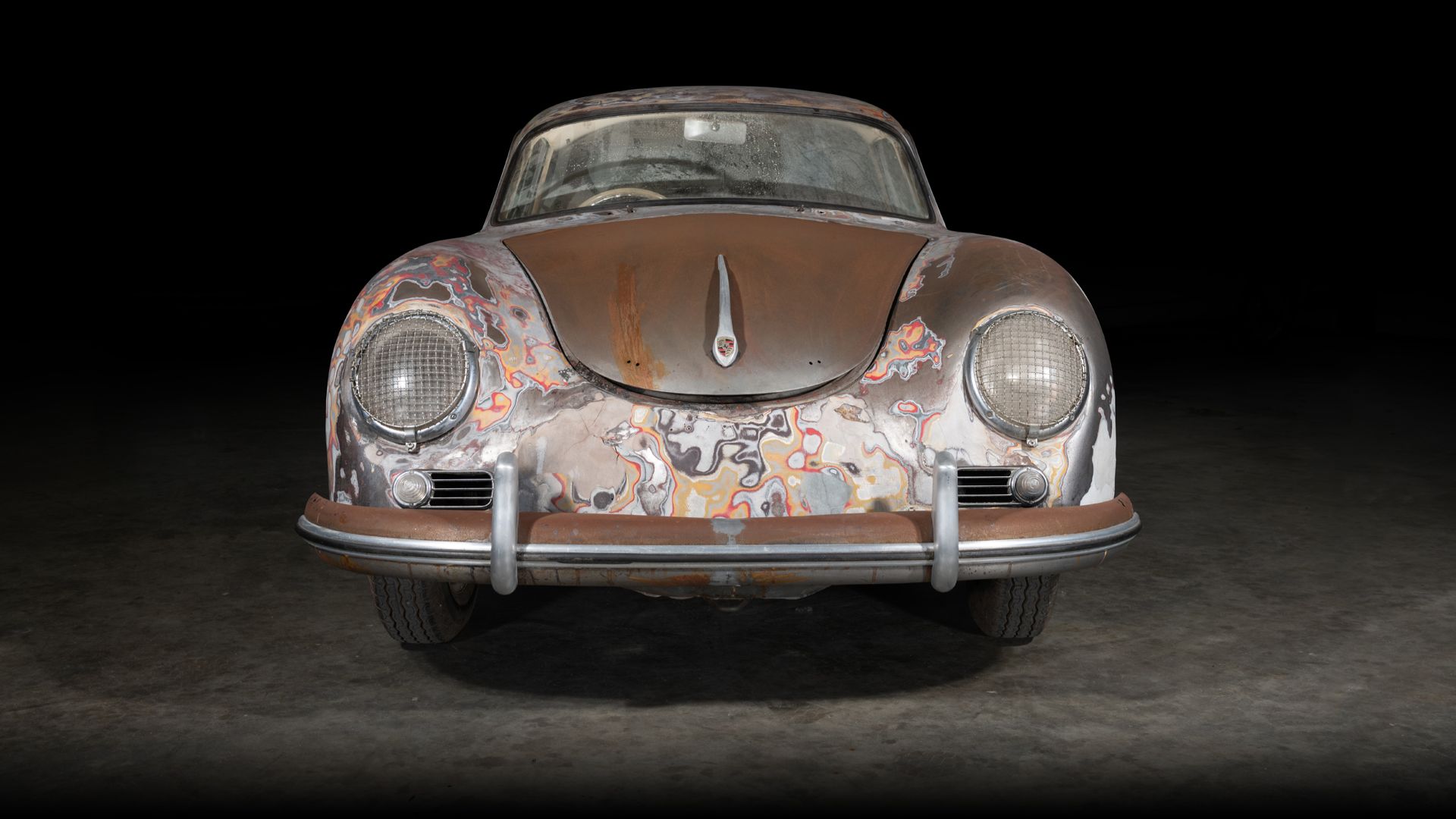
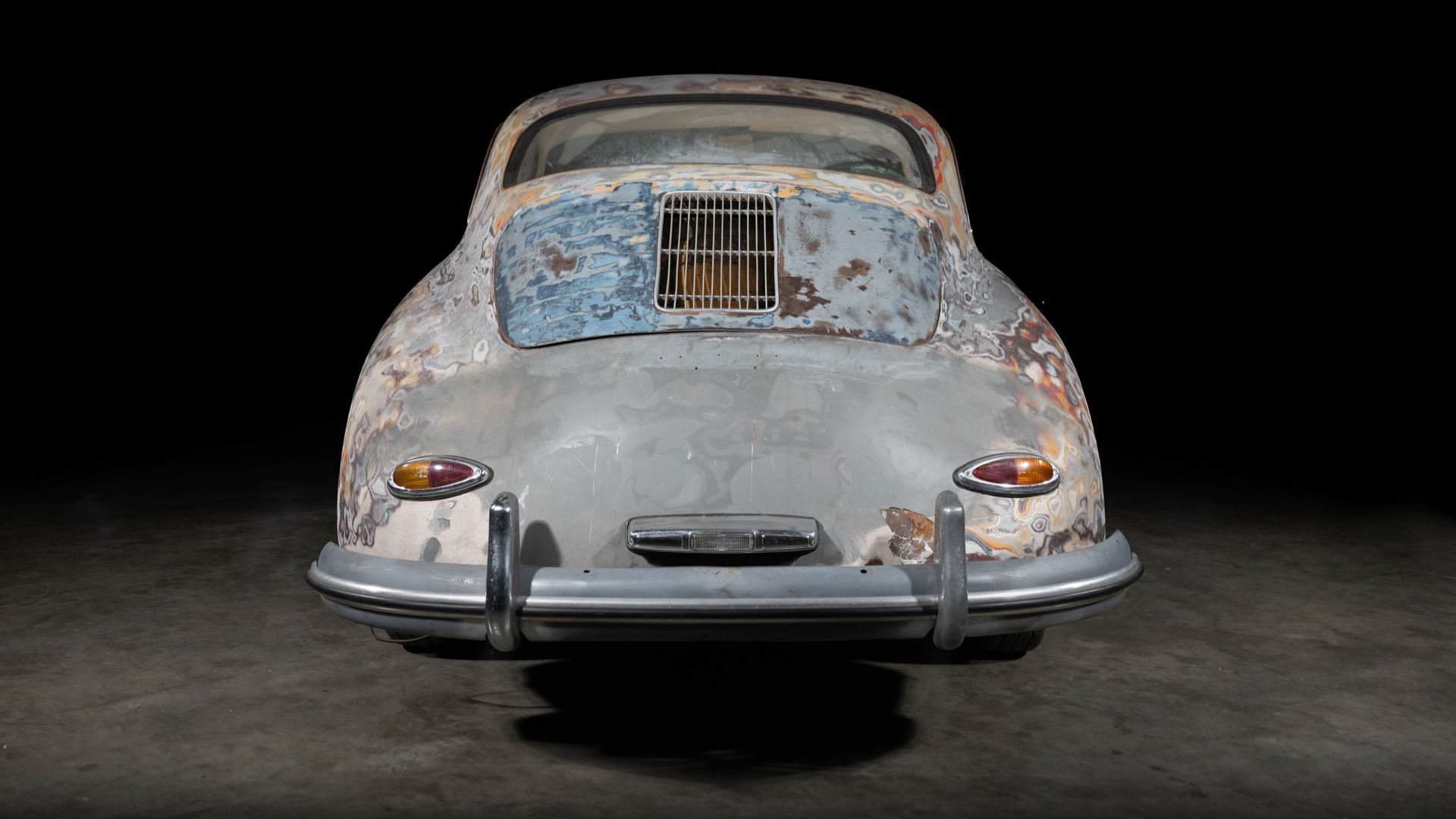
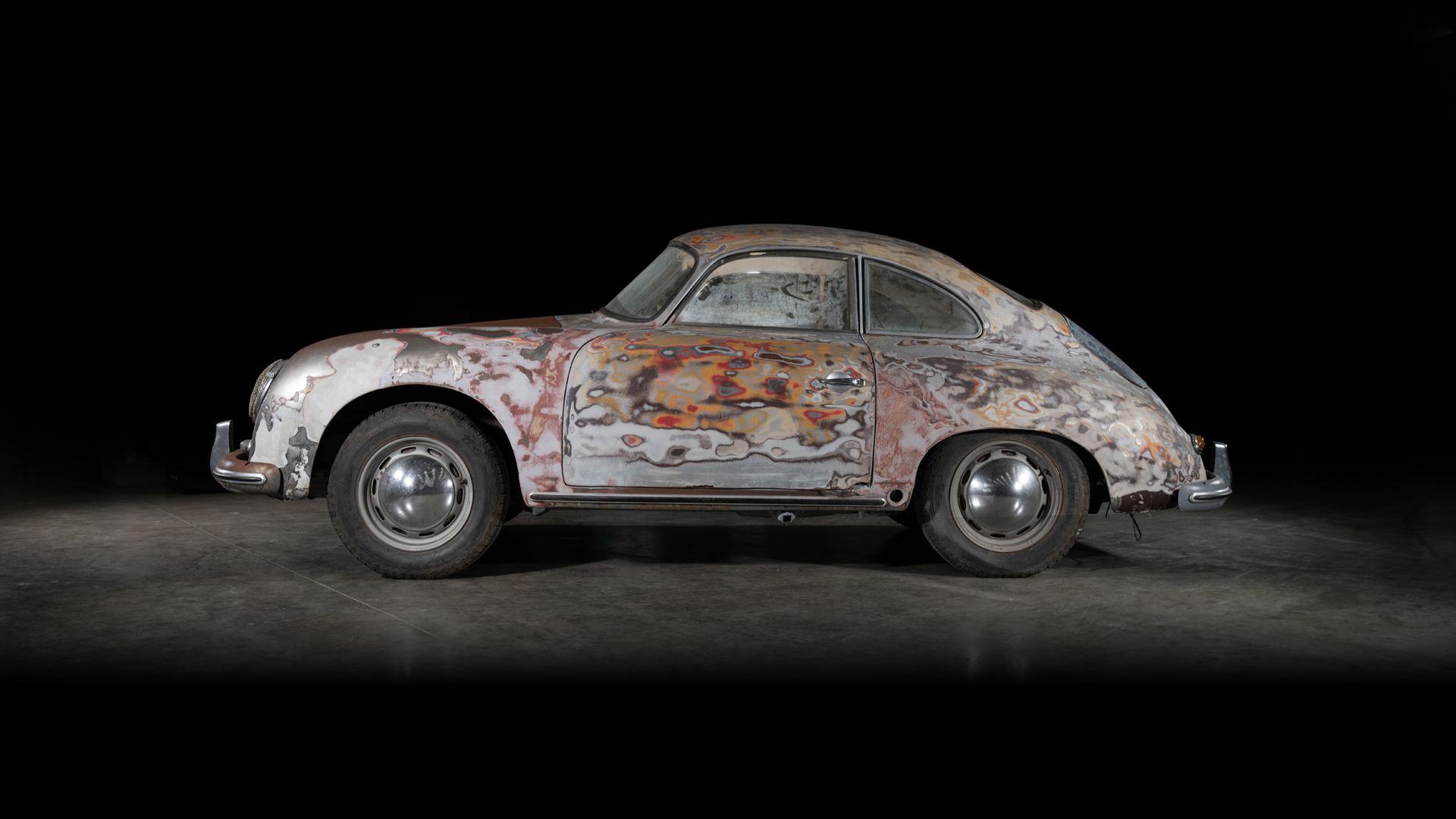
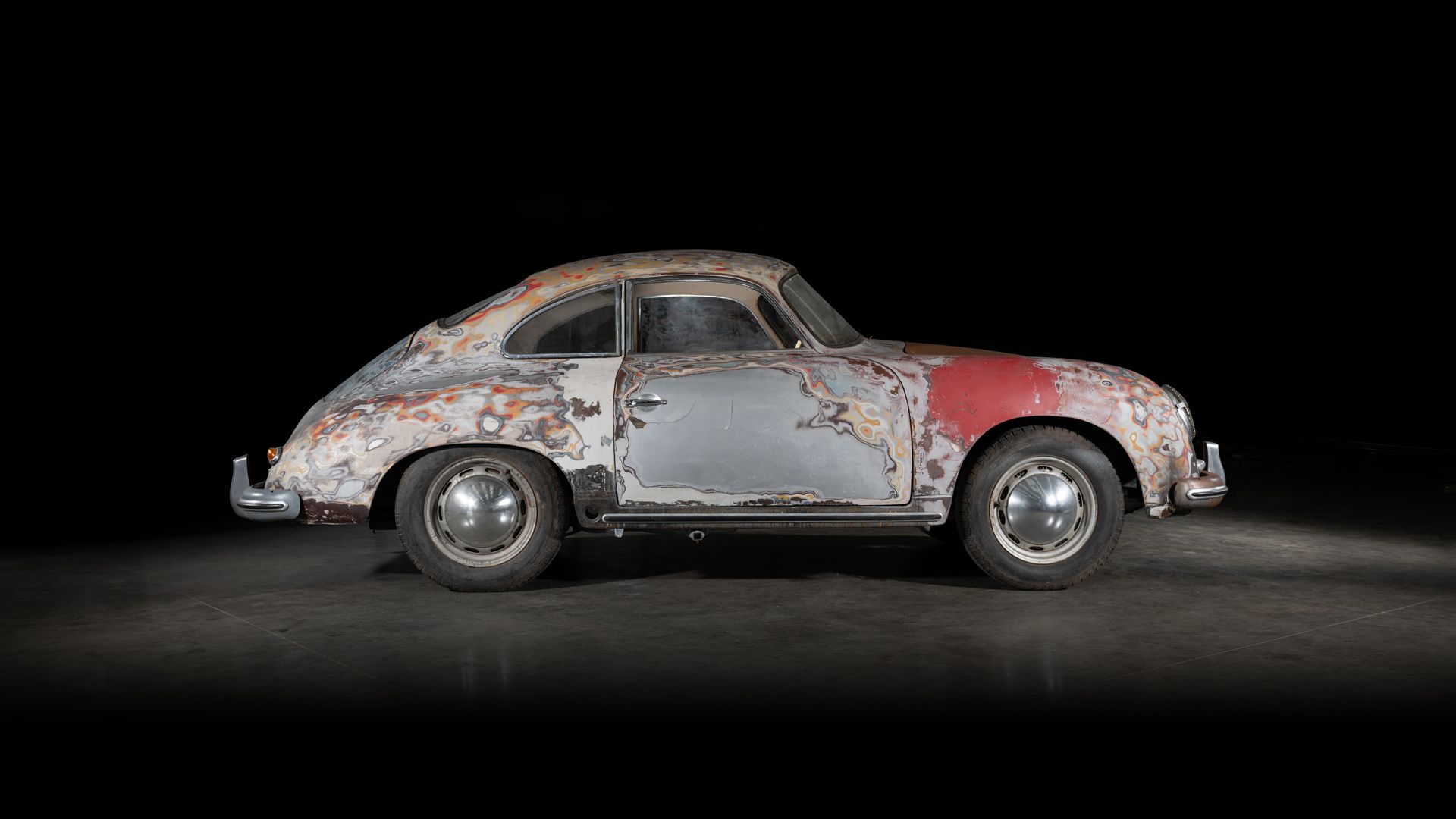
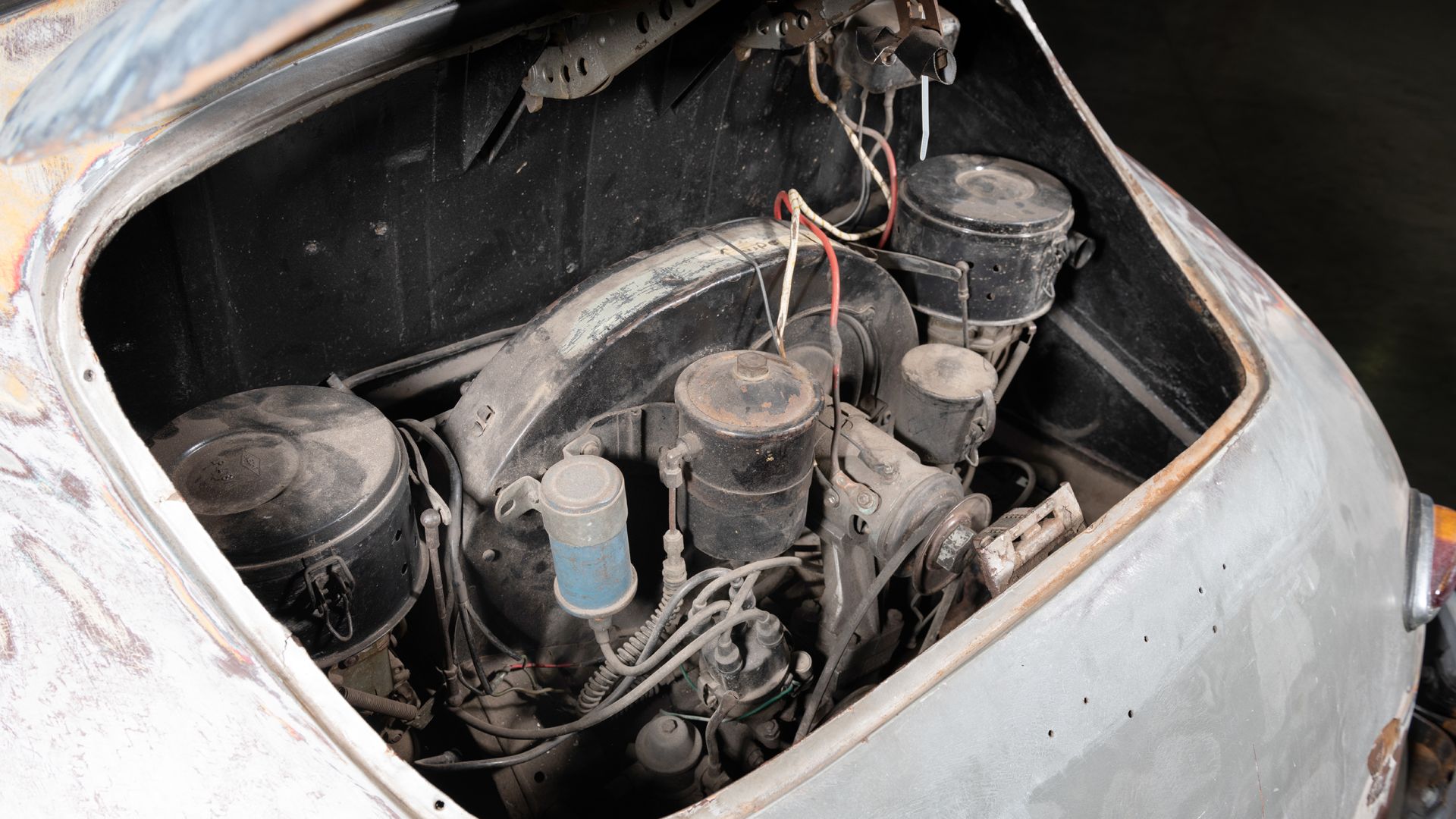
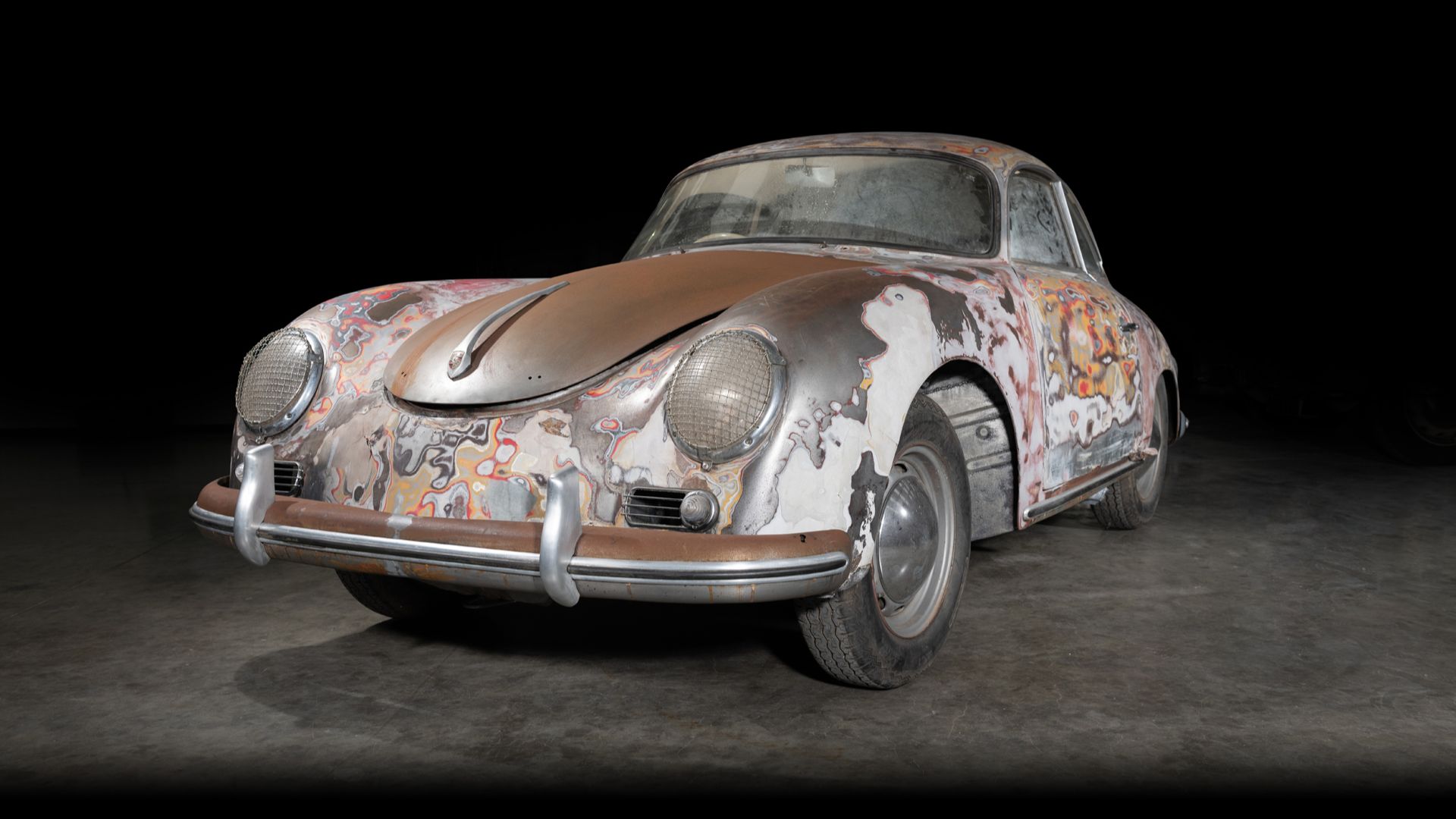
Porsche 356 restoration

The world of classic car restoration is a curious one. With what else could you find yourself being put off by the fact that a product is in absolutely immaculate condition? 

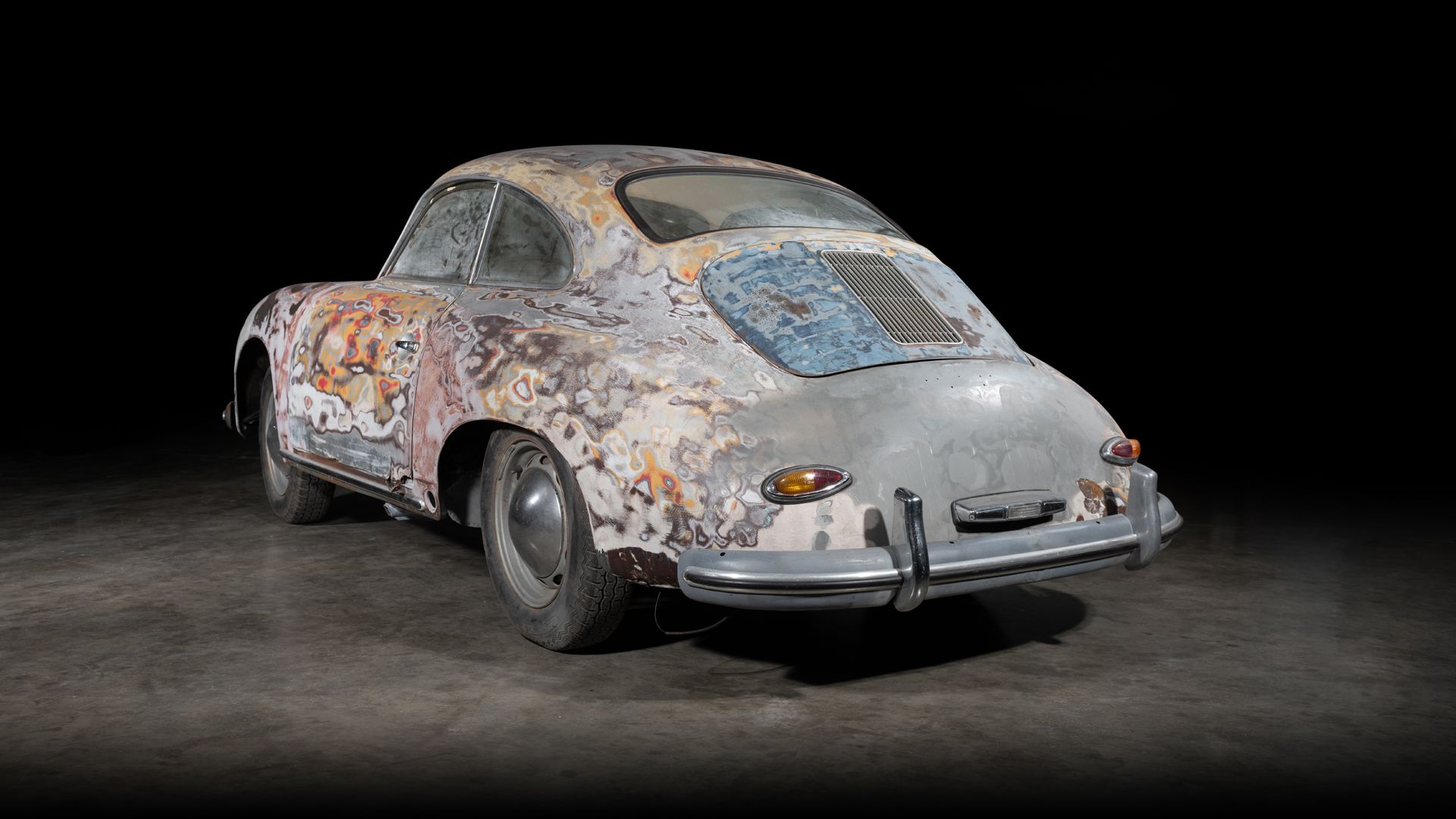
Classics that wear their years can command more money than cars that look fresh out of the dealer. That’s because wear can add character and fortify a car’s story. This is called ‘Patina’ – a real, tangible look and feel, of the age of a car. Now, classic car restorer Thornley Kelham is offering a patina-friendly restoration. It preserves the imperfections, rather than scrubs them out, and has demonstrated it on this Porsche.

Patina or perfection?

Porsche 356 restoration

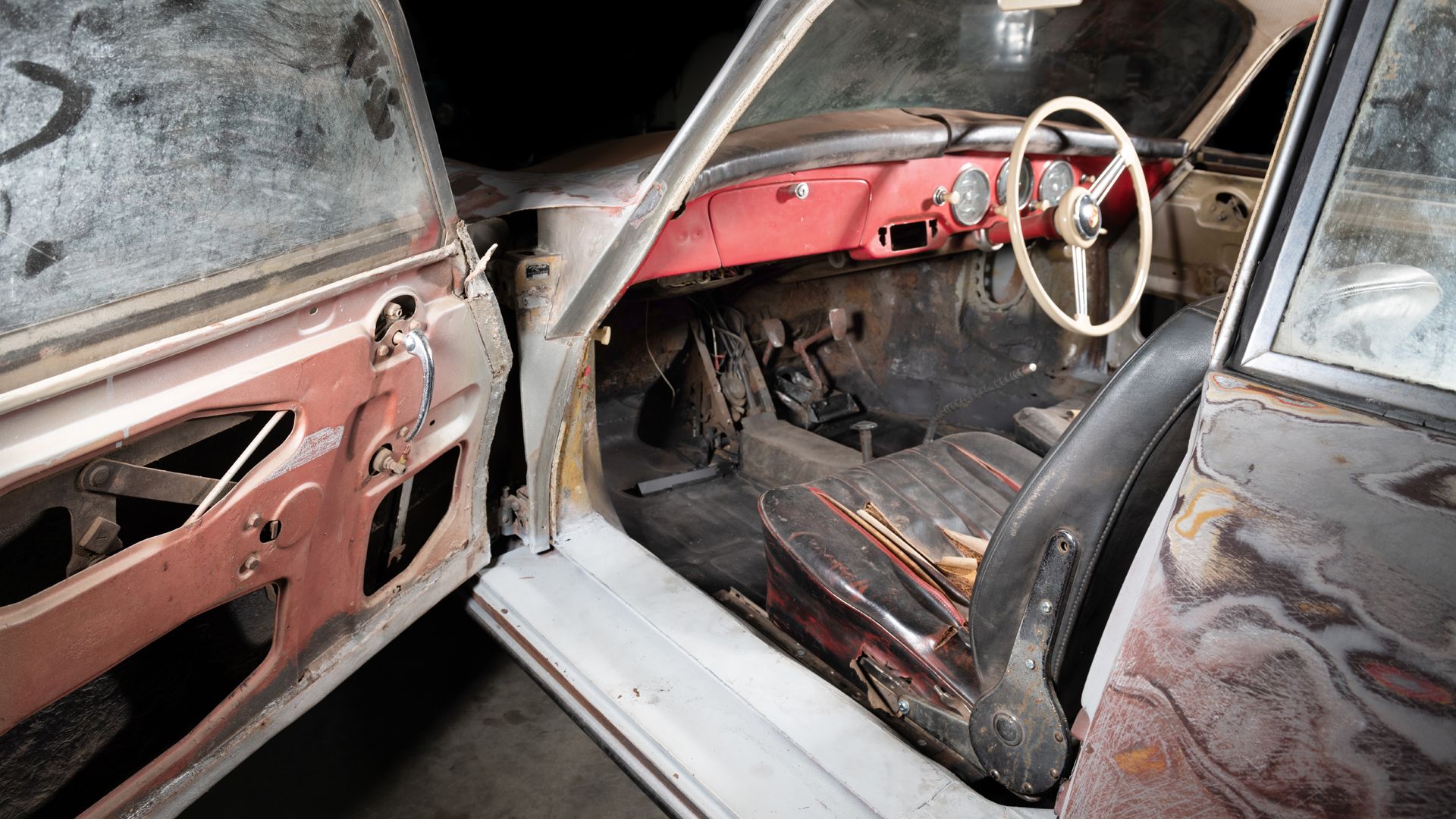
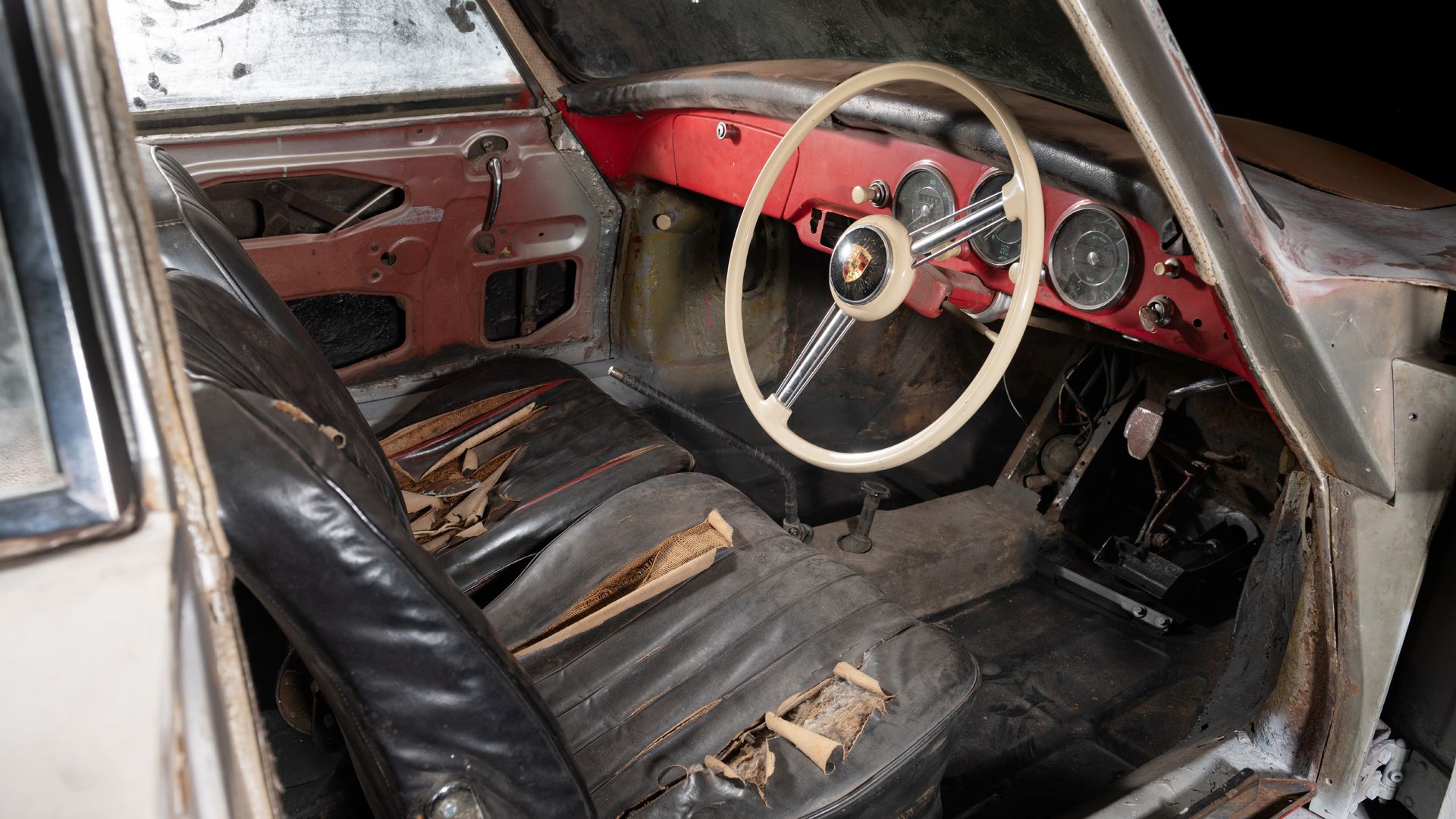
The car in question is a late-model 356A that was in need of work. The company elected to restore the car while retaining as much of the patina as it can. Yes, down to clear-coating the worn bodywork to preserve its wear. Even the worn cabin, with ripped seats, is carefully preserved. Structurally and mechanically, the car is given the once-over. Patina is enjoyable in appearance, but we don’t think anyone likes seeing blue smoke on start-up…

Buyers would be presented with a structurally sound, perfectly reliable rolling piece of automotive artwork, proudly wearing the story of its 60 years,” the company says.

Porsche 356 restoration

Of course, this is quite an unconventional practice. Available too is a restoration to pretty much as-new standard, down to the original specification. That’s not to say a compromise can’t be found for individual cases.

“Often in the world of rare and significant classic cars, the stories that they tell are just as meaningful as their condition,” said Simon Thornley, co-founder of Thornley Kelham 

“We have deliberated long and hard over whether or not to maintain this 356’s marks of age, or to return it to as-new condition, but ultimately we felt it was a decision best made by the buyer. Our team has completed a number of 356 nut-and-bolt restorations, and we’ve carefully analysed the structure, body, mechanicals and interior of this example to know that no matter which route the buyer chooses, we can produce a rare Porsche 356A that looks good, drives well and works every time.”

Advertisement

Is your cheap car insurance too good to be true?

0

The cost of car insurance admin fees

Drivers are being warned to avoid so-called ‘ghost brokers’, who pose as legitimate car insurance brokers to sell forged or invalid policies.

Unsuspecting drivers are lured by cheap premiums that turn out to be too good to be true.

Young drivers aged 17 to 24 are most likely to fall victim to ghost brokers. Facing higher premiums, and armed with a tight budget, they’re attracted by the promise of a good deal.

They’re also likely to be active on social media – a prime hunting ground for the insurance scammers.

Non-English speaking communities are also at risk, according to Action Fraud.

Victims will be unaware they don’t have genuine cover until they submit a claim or are stopped by the police for driving without insurance. Although the police will be sympathetic, the consequences can be the same as driving uninsured.

No-claims bonus savings on car insurance

Sanctions include a fine, penalty points, disqualification from driving, a criminal record, and the risk of having a car seized by the police.

Fleur Lewis, head of fraud detection and prevention at GoCompare, said: “Younger, less experienced drivers pay more to insure their cars – which makes them particularly susceptible to adverts for heavily-discounted insurance.

“Ghost brokers often operate on social media, especially Facebook and Instagram, where they often use imagery and logos of established insurers to enhance their believability.”

Ben Fletcher, director of the Insurance Fraud Bureau (IFB), added: “Ghost broking is a serious issue, which shows little sign of slowing down. A third of all our investigations are focused on bringing ghost brokers to justice.”

How a ghost broker defrauds a victim

Ghost brokers typically defraud victims in one of three ways:

  • Forged insurance documents.
  • Manipulating the customer’s details to lower the premium. This could be done by using fake no-claims discount letters or by supplying a low-risk address.
  • Using the identity of an unauthorised third party, before cancelling the policy to pocket the refund on top of the victim’s fee.

How to spot a ghost broker

  • Be wary of unsolicited cars from insurance brokers – authorised firms are unlikely to cold-call potential customers.
  • Ghost brokers will use social media, pubs or adverts in newsagents or universities – be on your guard.
  • Check to see if the broker has an office address and landline telephone number.
  • Is the broker on the Financial Services Register and authorised by the Financial Conduct Authority or the British Brokers’ Association?

If you suspect you have been contacted by a ghost broker, report it to Action Fraud or to the Insurance Fraud Bureau’s Cheatline.

Remember, if it sounds too good to be true, it probably is.

Advertisement

Revealed: the biggest fears of new drivers

0

the biggest fears of new drivers

Ghosts, ghouls and things that go bump in the night. But enough about Halloween, as we reveal the biggest fears of new drivers.

A new survey of 1,501 UK adults shows that driving on a motorway is a chilling prospect for many drivers. Around a third said they were scared of venturing onto the three-lane highway.

This is followed by crashing, driving in bad weather (e.g. rain or snow), and that perennial nightmare – parallel parking.

When considering a gender split, the women who took part in the survey put motorway driving at the top of the fright list (35 percent). On the other hand, crashing is most likely to result in men waking up in a cold sweat.

A spokesperson from Car Parts 4 Less, the company behind the data, said: “Whether you take your test as a teenager or adult, we all crave the freedom that driving can bring us. However, passing your test isn’t the end of your driving education.

“We’re constantly learning how to be better and safer drivers on the roads and its natural to feel scared or anxious when you first drive alone on the roads.”

Women scared of motorway driving

In June 2018, the rules changed to allow learner drivers to practice driving on motorways, with a driving instructor.

The changes were introduced to give learner drivers the opportunity to get a broader driving experience before taking their test. The overall aim – to reduce the number of motorway accidents involving a novice driver.

Learner drivers are advised to put the horror novel to one side and familiar themselves with the rules of motorway driving. Sections 253 to 273 of the Highway Code cover everything from joining a motorway to overtaking.

Top 10 biggest fears of new drivers

  1. Motorway driving: 31 percent
  2. Crashing: 28 percent
  3. Driving in bad weather: 26 percent
  4. Parallel parking: 26 percent
  5. Stalling: 22 percent
  6. Reverse parking: 20 percent
  7. Night driving: 19 percent
  8. New or unknown roads: 14 percent
  9. Driving alone: 14 percent
  10. Car maintenance: 13 percent

Useful advice:

ALSO READ

Engines and interior upgrades for 2020 Mitsubishi Outlander

Peugeot sells its motorcycle division to Mahindra

New smart cruise control will learn your driving habits

Advertisement