Home Blog Page 294

Bill Plant named the best driving school in the UK

0

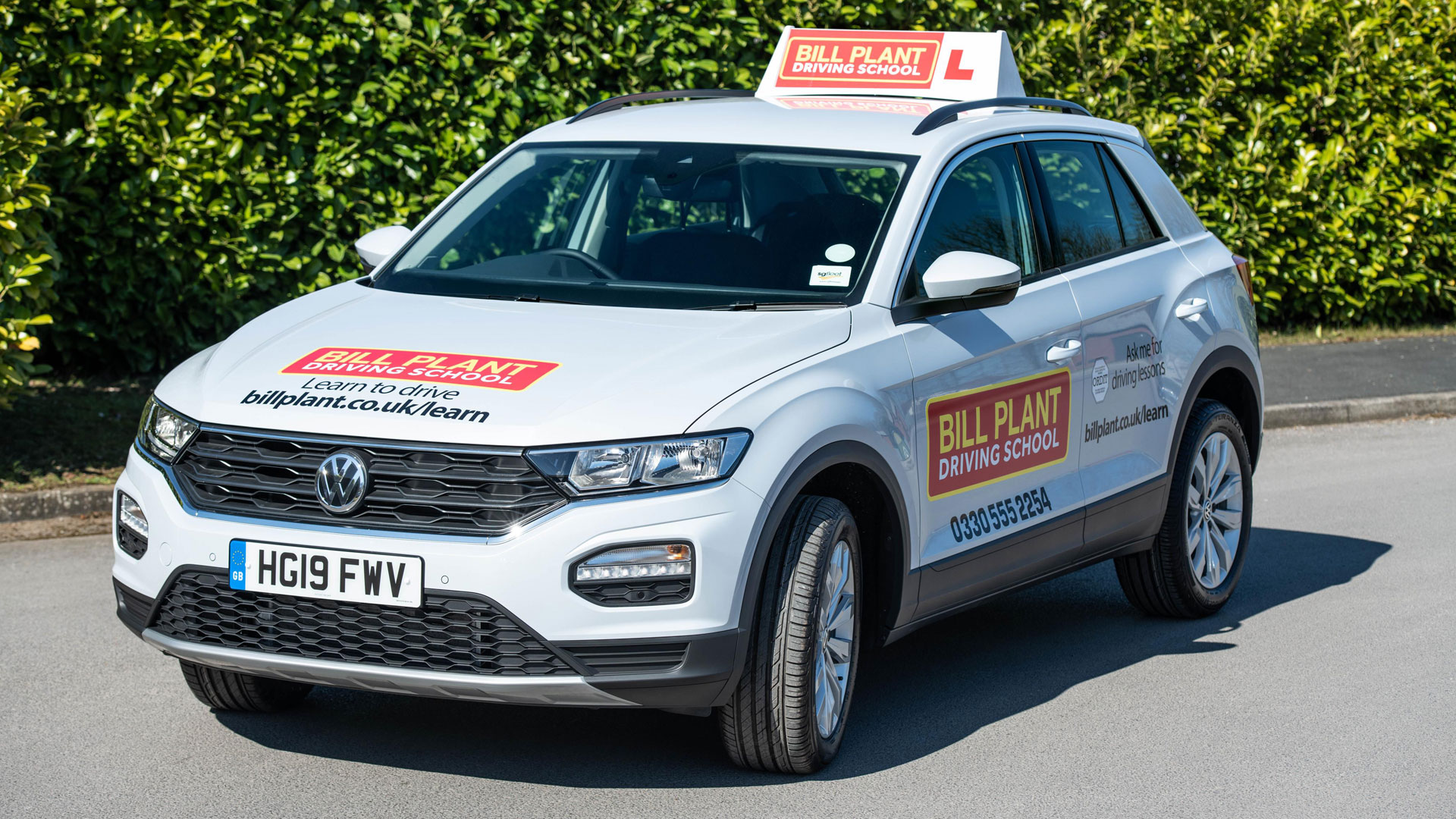
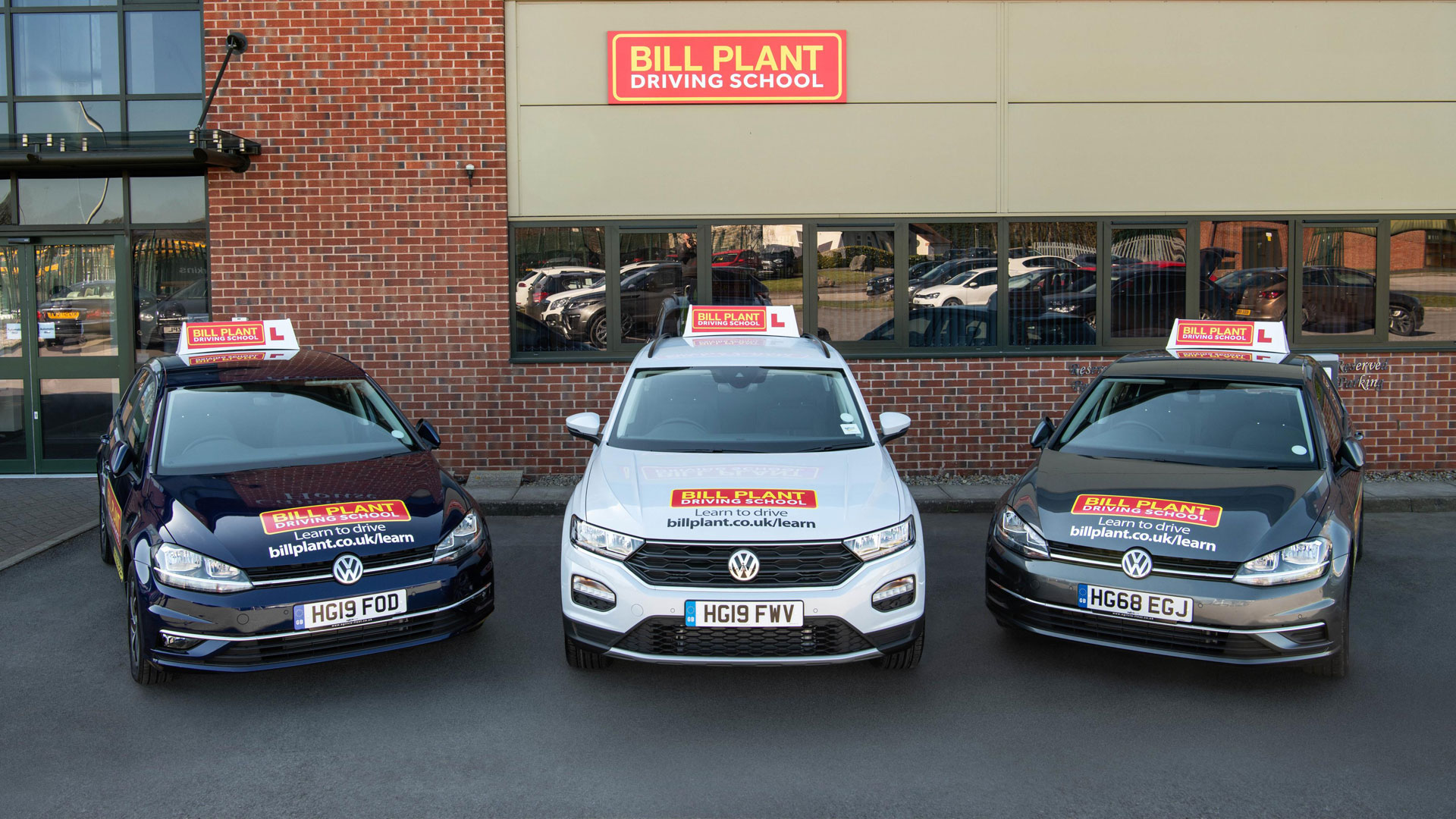
Bill Plant Driving School Volkswagen T-Roc

The Bill Plant Driving School has been named National Driving School of the Year at the Intelligent Instructor Awards 2019.

It was one of two awards for the company, with the driving school also scooping the Driver Instructor of the Year award for one of its driving instructors in Scotland.

Three driving schools were up for the national award, with the judges looking for a company that actively supports its pupils and instructors.

Customer service, innovation and effective instruction were other factors taken into consideration.

Last year, Volkswagen became the sole vehicle supplier for Bill Plant, with the company using T-Roc and Golf models.

The T-Rocs available to learner drivers are 1.6 TDI SE models, with the Golfs boasting the same engine but the SE Match trim. There’s a small premium for drivers to receive tuition in the T-Roc.

According to Bill Plant figures, the average learner will spend £1,222.47 on driving lessons, plus an additional £23 for a theory test and £62 for their practical driving test.

Drivers aged 17 and 18 have the highest first-time pass rate of any age group (50 percent overall). Of the 1,266,796 Brits who passed their theory test between April 2018 and March 2019, only 761,791 went on to pass their practical test.

‘Happiness and success’
Bill Plant Driving School Volkswagen

Tom Hixon, head of instructor support at Bill Plant, said: “We’re thrilled to have won the award for National Driving School of the Year, this is something our driving instructors across the UK can join in with us to celebrate our collective success.

“We’ve made some significant improvements within the business over the last couple of years, with the happiness and success of instructors and pupils at the forefront of everything we do.

“It’s great to have our hard work and achievements recognised – especially when you’re up against such well known competitors – and we’re excited to continue to further enhance the business and take Bill Plant to the next level.”
Advertisement

White is still the world’s favourite car colour

0

White cars are most popular

Around 39 percent of the world’s cars built in 2019 were white. That’s according to a new colour report.

It’s obvious that most people prefer achromatic colours, because black, grey and silver are the next three most popular shades. Combined, they account for another 39 percent of the new car market.

Proof, if proof were needed, that car buyers lack imagination when it comes to their choice of colour.

There is hope that we will see more colour on the road in 2020. Around nine percent of cars are blue – a figure that’s expected to increase this year. Meanwhile, seven percent are red – because red cars are faster, obviously.

White and silver appear to be in decline, although grey is mounting a defence for achromatic colours. 

In Europe, nearly every fourth car is painted in a chromatic colour, with blue accounting for 11 percent of sales. Compare and contrast with Asia Pacific, where one in two cars are white.

Ford America's best-selling brand for a decade

On the other side of the Atlantic, 77 percent of cars are white, black silver or grey. Interestingly, there’s a shift towards black within the pick-up market, with white (38 percent) and red (11 percent) also proving popular.

“These aren’t your father’s pick-up trucks,” said Paul Czornij, head of design for BASF in North America. “They are luxury machines, and they are adopting the colours you see in the luxury market’s design language.”

Generally speaking, the smaller the car, the more likely it is to be painted in a bright colour. According to BASF, beyond blue and red, brown and beige are starting to emerge, especially in Europe, the Middle East and Africa.

Predictably, white, grey, black and silver are the predominant colours for SUVs. There’s evidence to suggest that grey could topple white as the most popular car, with its success linked to the growing number of electric cars on the road.

Chiharu Matsuhara, BASF head of design for coatings colour and design in Asia Pacific, said: “Grey plays a considerable role for EVs, with unique effects such as semi opaque and silky colours which add to the futuristic image of new connected technologies, including ride-sharing and autonomous cars.

“New EVs are bringing new values and colour design to the automotive industry as a whole.”

Advertisement

Top Gear’s Chris Harris now has a VERY yellow Porsche 911 GT3 Touring

0

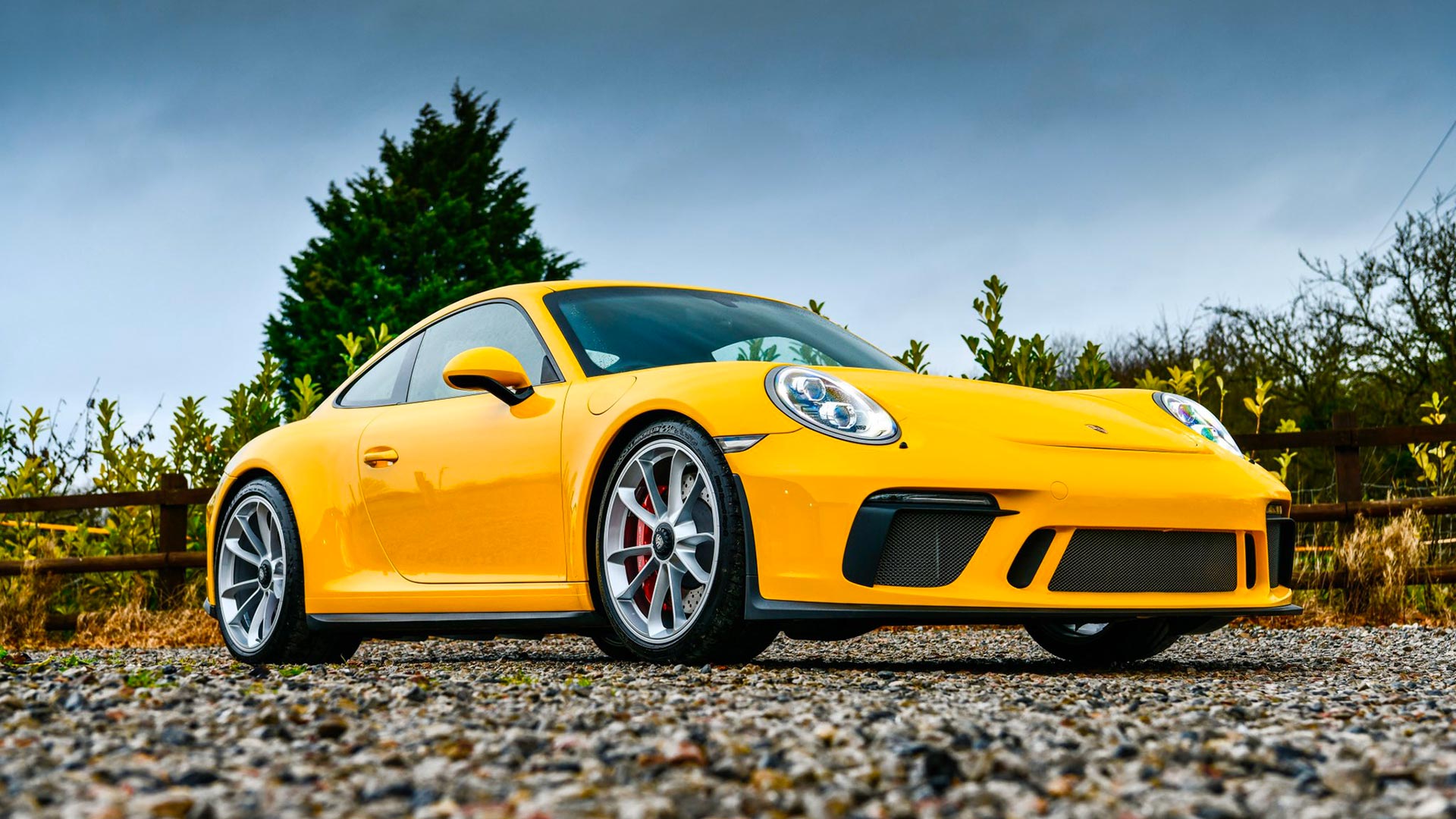
Chris Harris has new Porsche 911 GT3 Touring

Automotive journalist and star of the BBC’s Top Gear TV show Chris Harris has announced the arrival of the latest car to join his collection. 

The bright yellow Porsche 911 GT3 Touring appeared on Instagram and Twitter, generating plenty of attention from Top Gear fans and Porsche enthusiasts.

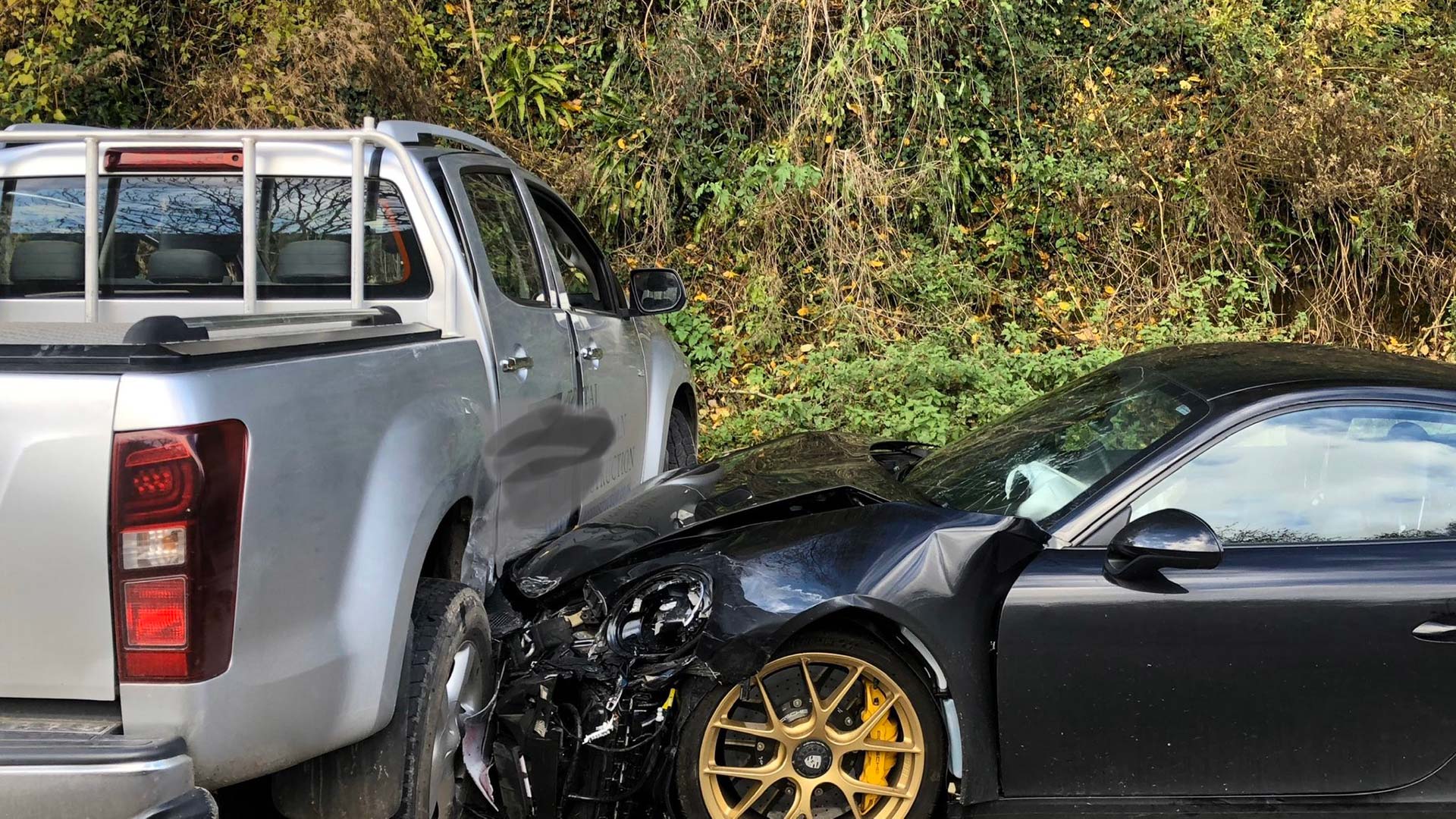
Harris was also quick to mention that he has a history with the 911 Touring, following an accident in a similar car in November 2018.

Whilst working on a feature for Top Gear Magazine, Harris was involved in a collision described as “unavoidable” in his own black 911 GT3 Touring. 

Driving through Monmouthshire, Harris came around a blind bend to find a pickup truck performing a three-point turn. The collision was inevitable, with Harris and his passenger fortunate not to be injured in the crash. 

The dramatic event seemingly did nothing to dent Harris’ enthusiasm for the 500 hp Porsche. The Top Gear man has been left wondering what to replace that original £111,000 GT3 Touring with for almost a year. 

Chris Harris has new Porsche 911 GT3 Touring

Introduced as a subtler version of the bewinged 991.2 911 GT3, the Touring model uses a smaller pop-up rear spoiler to generate rear downforce. All other components remain the same, with a 4.0-litre flat-six engine driving the rear wheels only. 

Porsche only allowed the Touring model to be ordered with a six-speed manual transmission, making it similar to the limited-edition 911 R introduced previously. 

Finished in Signal Yellow, with silver 20-inch alloy wheels, Harris’ new GT3 Touring is, to our eyes, a superb specification for the car. Chris was also keen to answer questions from various commenters about the lack of a front number plate. 

Harris already has an extensive and eclectic collection of cars, ranging from a Citroen 2CV to a ‘homemade’ BMW E34 M5 Touring. Other Harris garage highlights include a Peugeot 205 Rallye, a Range Rover Classic, and a Ferrari 512. 

Last year also saw Chris sell his 505 hp Chevrolet Camaro Z/28, with the winning bidder getting the chance to meet Harris and take the car on track with him.

Buying the bright yellow GT3 Touring is perhaps a way for Chris to celebrate the return of Top Gear to TV screens later this month. Sunday 26th January will see the latest series start broadcasting on BBC Two. 

Advertisement

Added six appeal: New 2020 Porsche 718 GTS 4.0 Cayman and Boxster

0

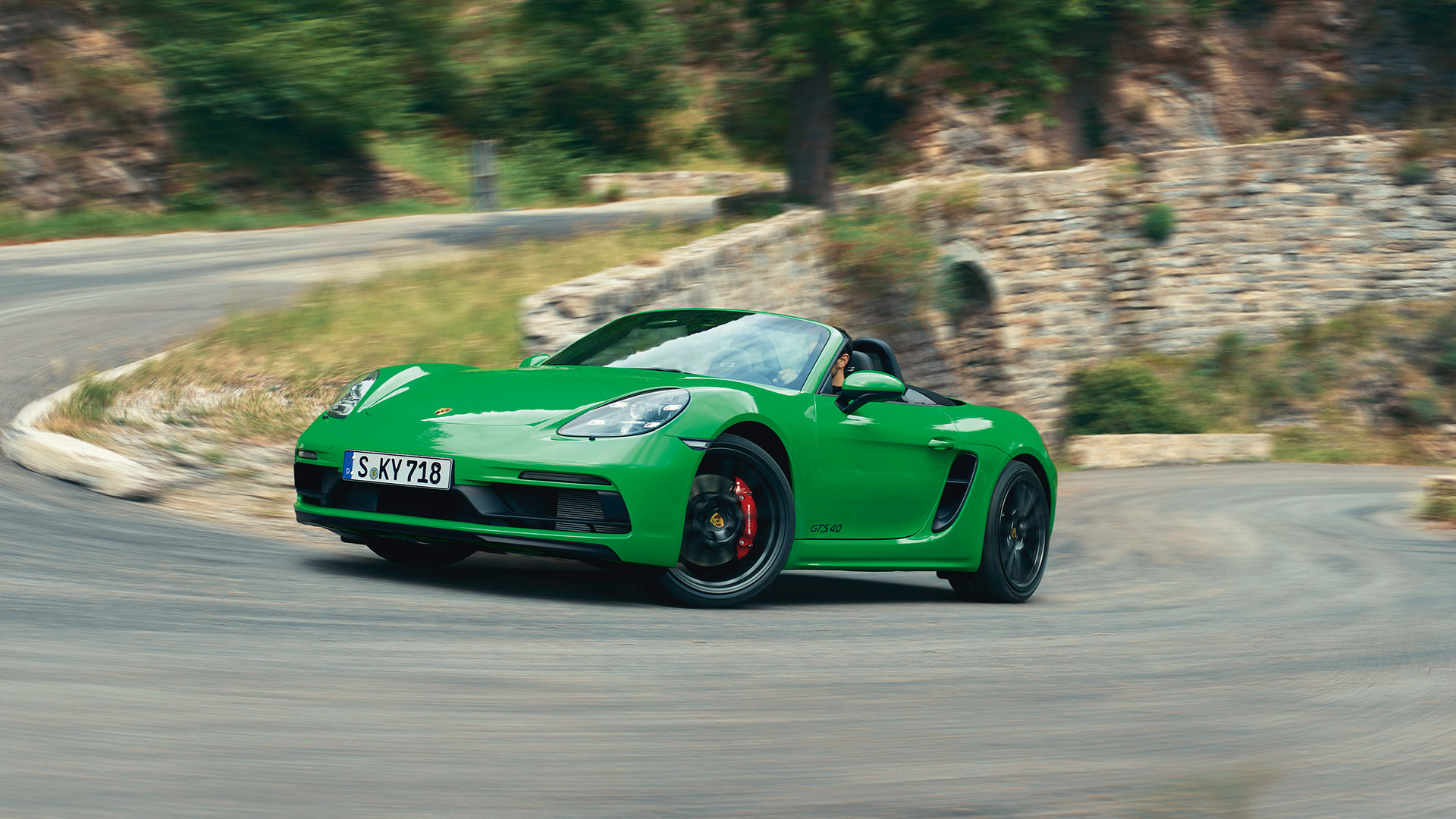
New 2020 Porsche 718 GTS

Porsche has announced new 2020 GTS versions of the 718 Cayman and Boxster models, with a six-cylinder engine making a notable appearance. 

The Stuttgart company had previously moved away from the flat-six engine, deeming turbocharged four-cylinder units more than sufficient. 

Seeing the fitment of a 4.0-litre flat-six ‘boxer’ engine, combined with a six-speed manual transmission, is likely to be music to the ears of Porsche purists.

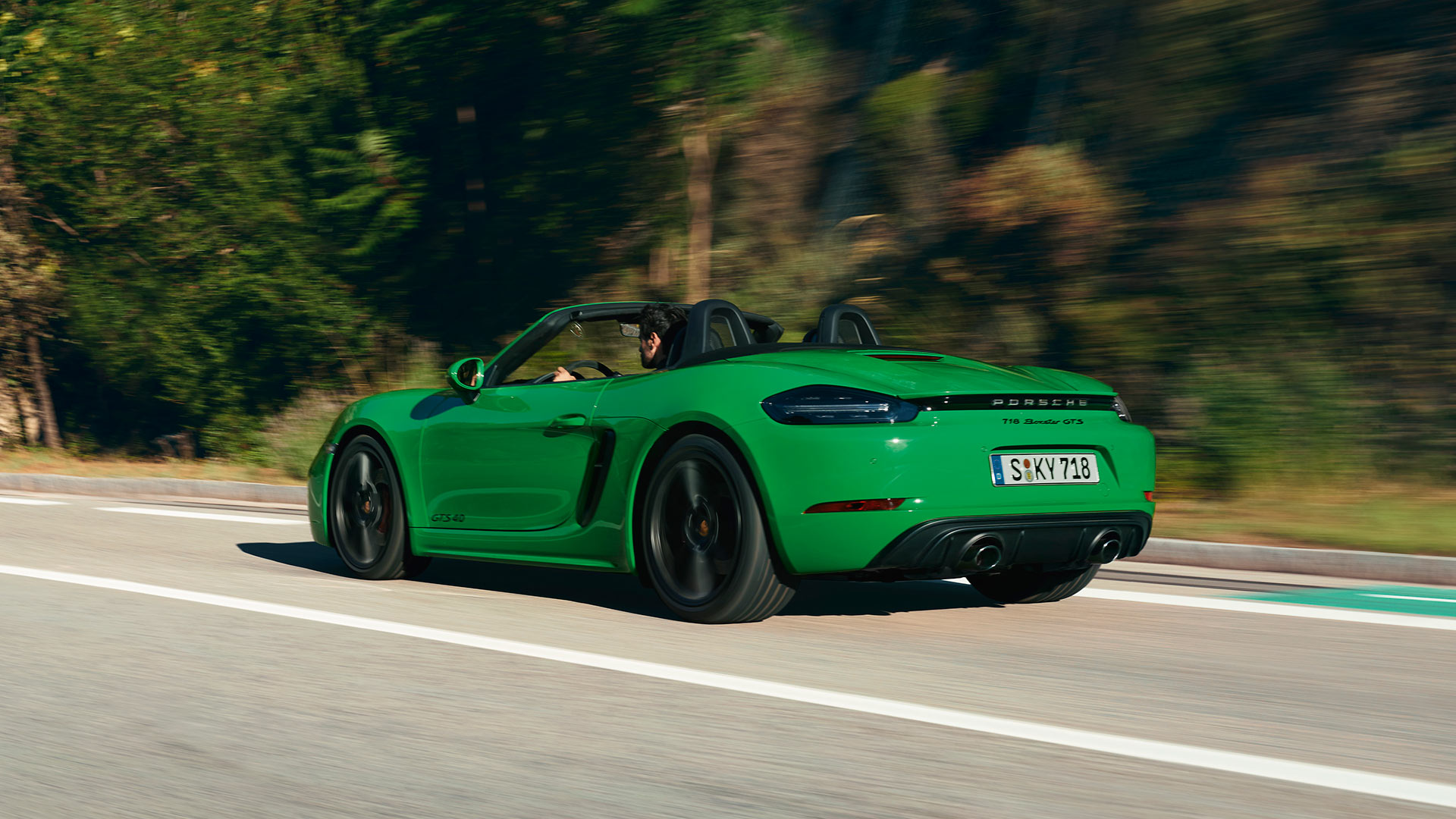
New 2020 Porsche 718 GTS

At the heart of the mid-engined 718 Cayman coupe and open-top Boxster is a detuned version of the flat-six found in the range-topping 718 GT4 and Spyder.

Although output falls from 420 hp seen in the GT4, it still remains at an impressive 400 hp with torque unchanged at 310 lb-ft. 

A 7,800 rpm rev limit is also marginally lower, but the standard sports exhaust means the 718 GTS models should still have more than sufficient aural excitement. 

New 2020 Porsche 718 GTS

The figures from Porsche also place the performance of the GTS pairing close to the formidable GT4 version. 

0-62 mph is said to take 4.5 seconds in the GTS, 0.1 seconds slower than the GT4, with a top speed of 182 mph. 

Given that the 718 GTS models are intended by Porsche to be “great companions for any journey”, we imagine buyers can live with the 6 mph slower top speed compared to the GT4. 

New 2020 Porsche 718 GTS

Porsche Active Suspension Management (PASM) sports suspension is fitted as standard, lowering the GTS cars by 20 mm. A mechanical limited-slip differential is also part of the deal, with Porsche Active Drivetrain Mounts along for the ride. 

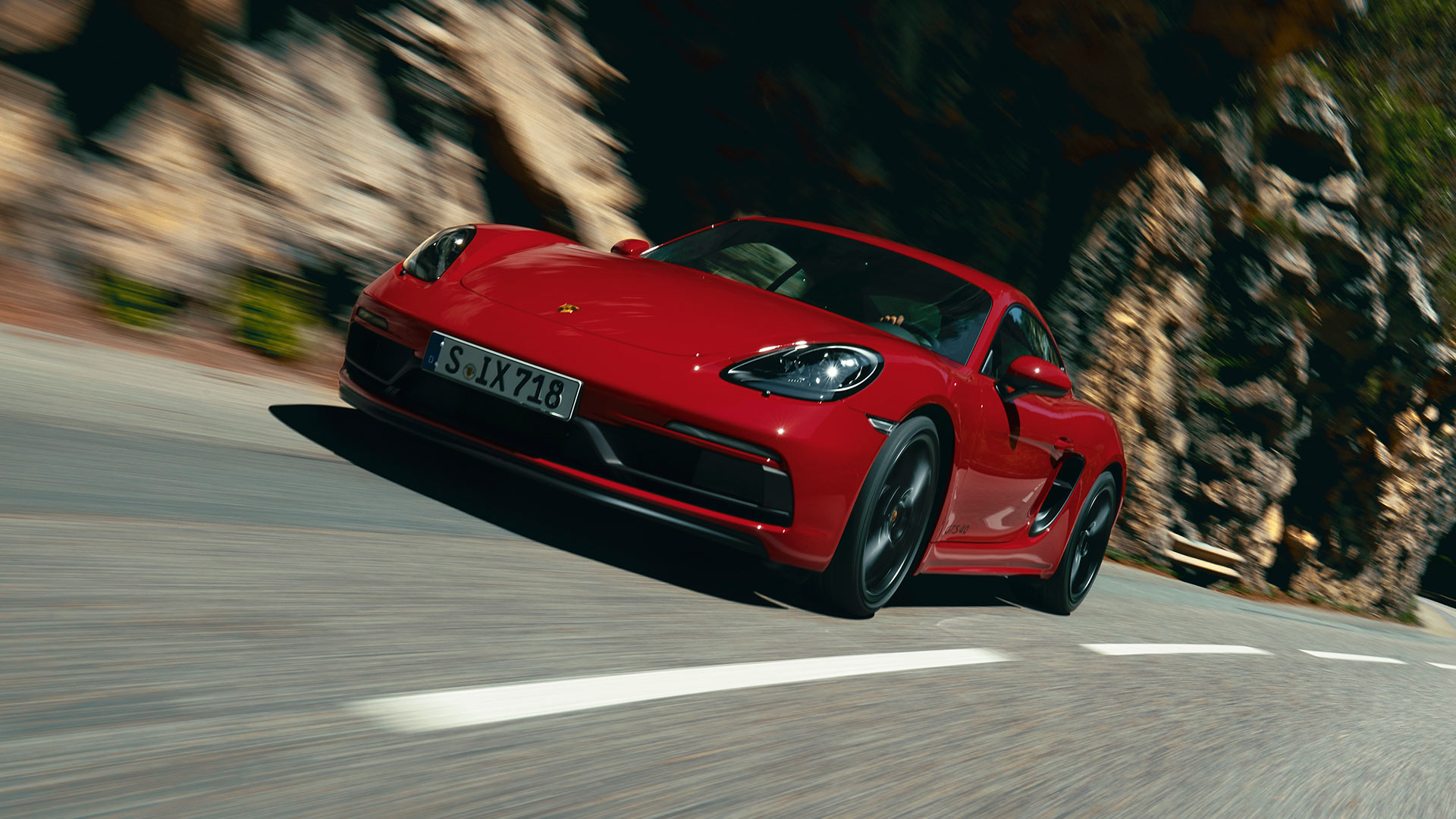
Distinguishing the GTS cars from regular 718 models is a Sport Design front bumper with dark detailing used on the air intakes and splitter.

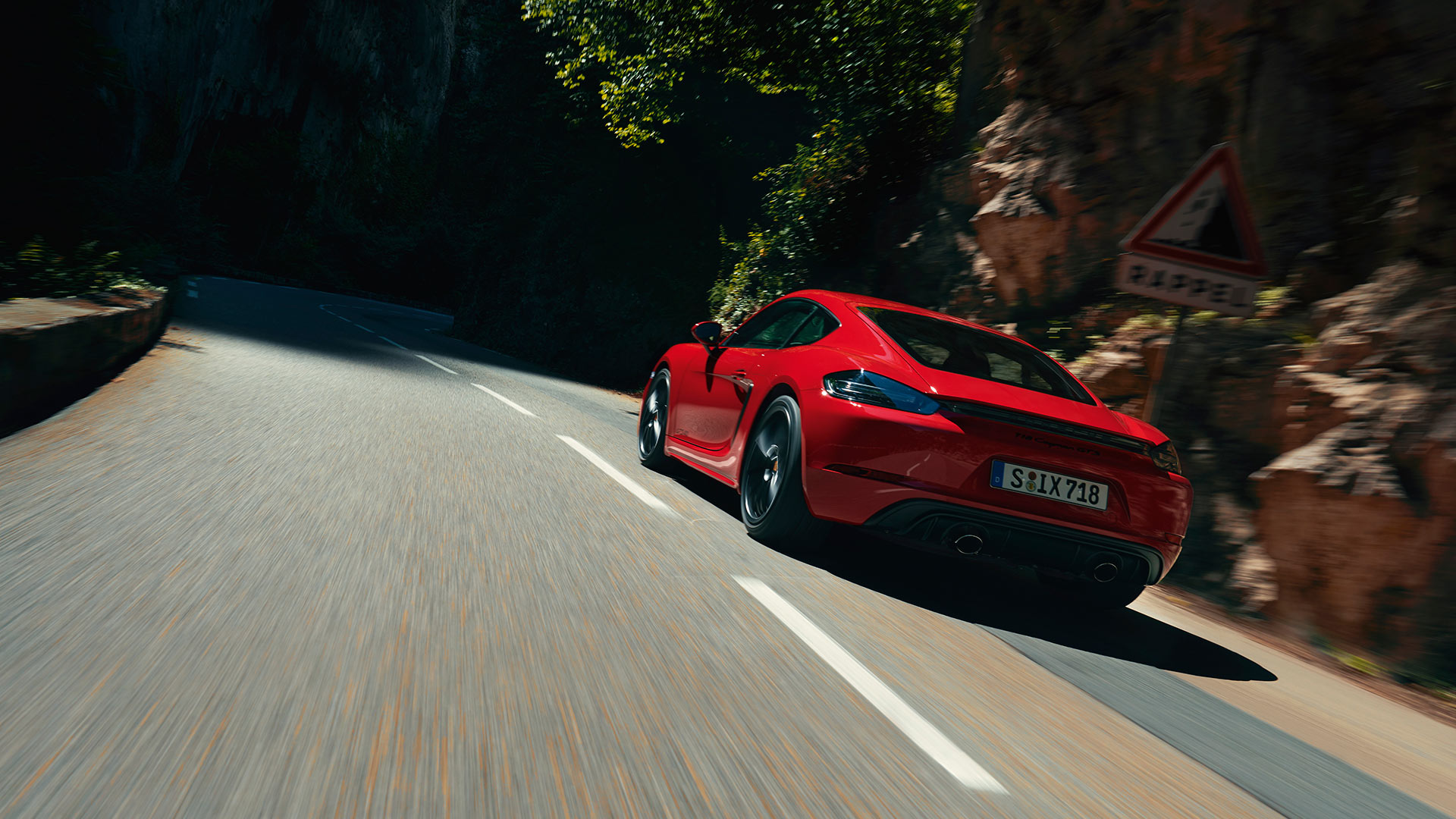
A GTS-specific rear bumper accommodates the twin tailpipes for the sports exhaust system, with darkened front and rear lights also included. 

New 2020 Porsche 718 GTS

Just in case anyone at the filling station is unsure as to which 718 model you have bought, ‘GTS 4.0’ lettering is applied to the doors. 

A set of black 20-inch alloy wheels are included, wearing high-performance tyres. Upgraded brakes with red-painted calipers are standard fitment, with Porsche’s ceramic composite brakes on the options list. 

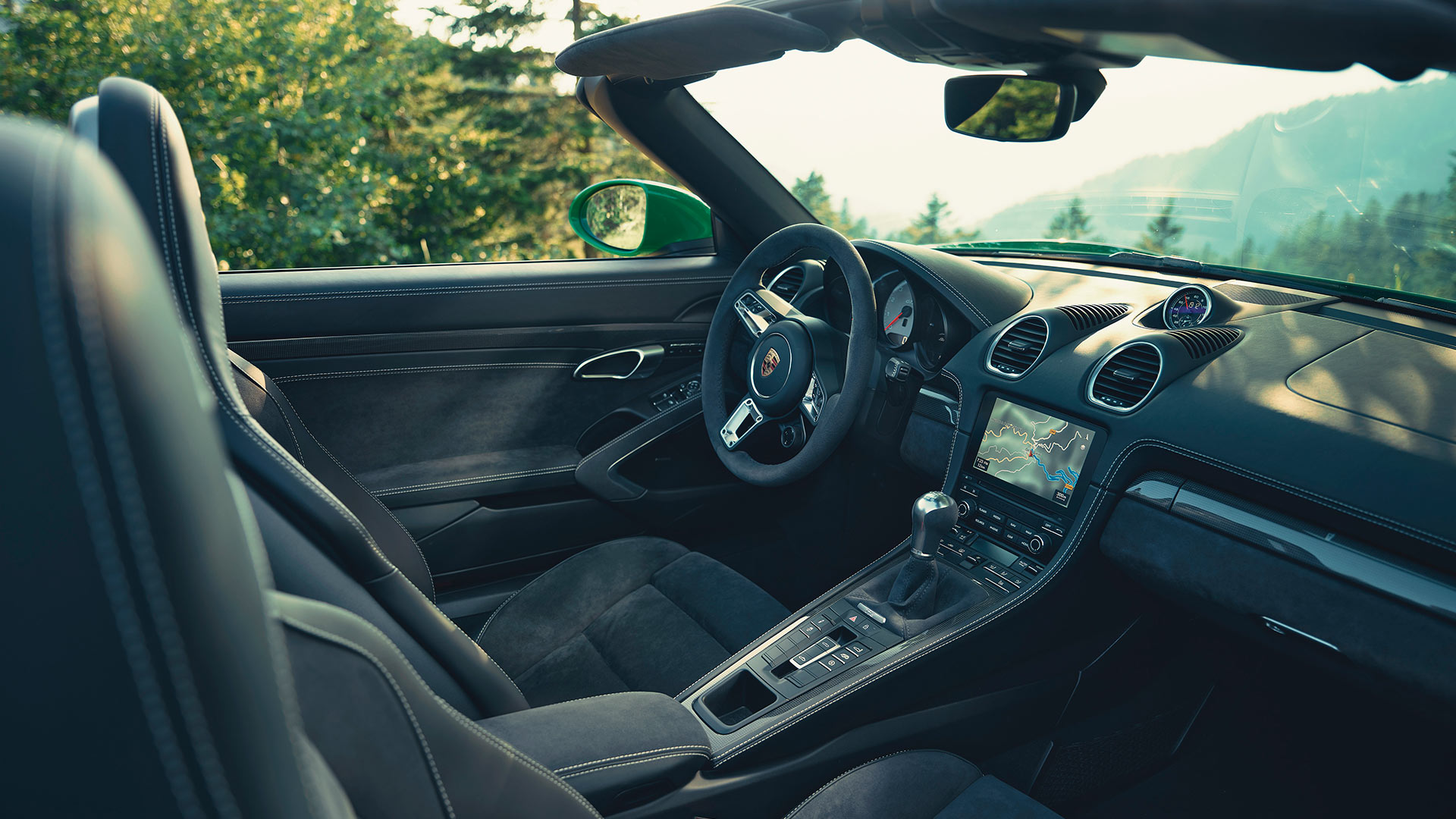
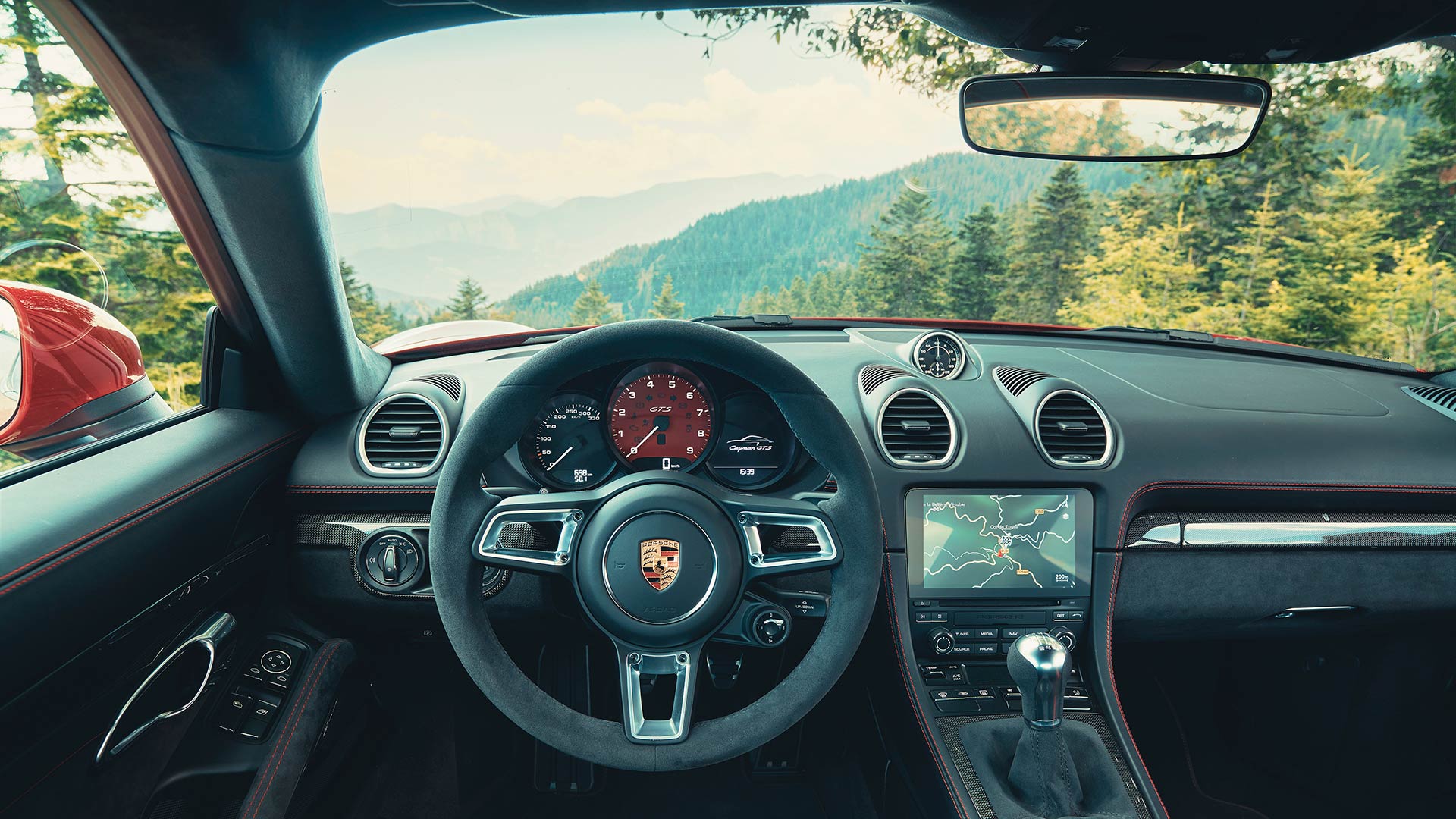
Dark Alcantara material is used extensively throughout the cabin, covering the sports seats, steering wheel, manual gear knob, and roof lining in the Cayman GTS coupe. An optional GTS package can bring carbon fibre trim, and a greater degree of interior colour personalisation. 

New 2020 Porsche 718 GTS

Despite performance aimed at the road, Porsche has also included the Track Precision App for the new GTS models. This allows drivers to record and replay their performance when using their 718 on a race circuit. 

Prices for the new six-cylinder GTS models have increased, with the 718 Cayman now costing from £64,088. Those wanting open-top thrills in the 718 Boxster will need to find £65,949 before the lure of the Porsche options list. 

Orders can be placed now, and UK buyers do get the benefit of a tailored driver coaching session at the Silverstone-based Porsche Experience Centre.

https://www.youtube.com/watch?v=THSh0U_66C0

Advertisement

The cheapest and most expensive places to buy a used car

0

Cheapest and most expensive used cars

A new study has revealed some surprising regional variations in the price of a typical used car. Indeed, you could save thousands of pounds by travelling further afield.

There’s no north-south divide as such, but the research would suggest that heading north could bag you a good deal.

Three of the top five cheapest locations are in Scotland, namely Kilwinning, Kilmarnock and Prestwick. This would suggest Elvis Presley was searching for a great deal on a used car when he stopped by in 1960.

Gloucester and Wellingborough are the other two locations named as being great for cheap used cars.

Conversely, there’s a definite south-east bias when it comes to expensive used cars, with Chelmsford, Chatham and Acton named as places to avoid when hunting for deals.

Orgreave and Winsford are the other two locations named in the ATS Euromaster study.

You could save thousands

Cazoo 'Amazon' for used cars

Looking for some evidence? The research shows that a BMW 3 Series with 35,000 miles on the clock costs an average of £15,995 in Kirkcaldy. Meanwhile, the same car in Newton-le-Willows could cost £21,600.

Similarly, a 2015 Land Rover Discovery Sport with 38,000 miles on the clock might cost £19,495 in Kirkcaldy, but £22,500 in Chelmsford.

It goes without saying that the more commonplace the car, the greater the chance of finding a good deal. Vendors will be forced into offering discounts if the same car can be secured elsewhere for a lower price. Either that or they’ll have to put up with the car remaining on sale for a longer period of time.

As the UK’s most popular new car, there’s a ready supply of used Ford Fiestas on the market. Finding the right colour, spec and condition should be easy – just be prepared to travel.

The ATS Euromaster research found that Greater London has the greatest number of Fiestas listed at any one time. On average, there will be 200 Fiestas for sale in the area, with Poplar seeing the largest concentration.

The most expensive area for a Fiesta is Billericay in Essex. Alternatively, 30 miles up the road is the town of Layer de la Haye – the cheapest place for a Fiesta.

Click here to see more results from the ATS Euromaster study.

Advertisement

Urus SUV propels Lamborghini to new sales record

0

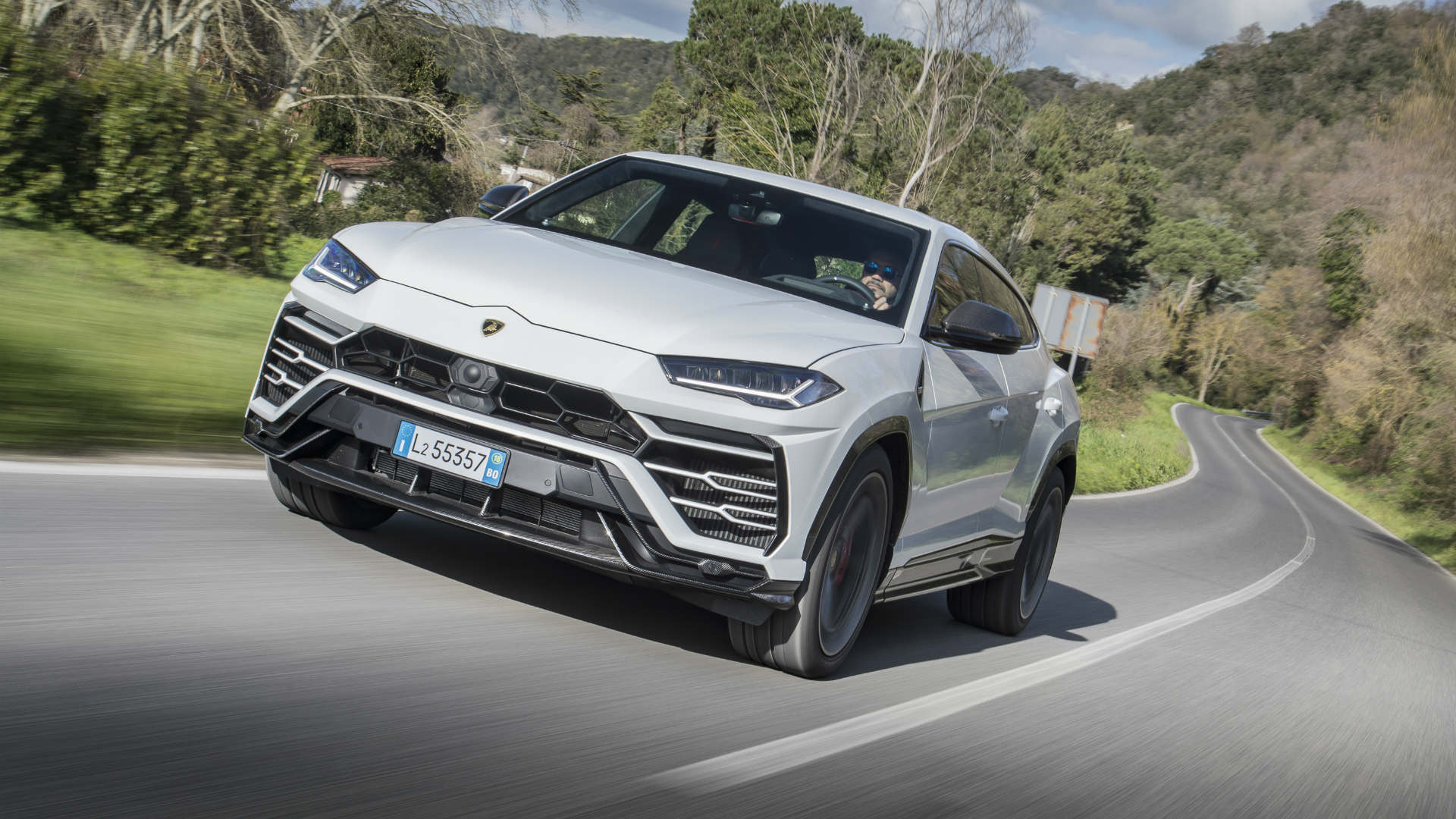
Lamborghini Urus Super SUV

Lamborghini registered 8,205 new cars in 2019 – and the Urus SUV accounted for 61 percent of sales.

To put that another way, Lamborghini sold nearly 5,000 Urus models last year. That almost equals the company’s entire sales volume in 2018. It’s easy to see why so many companies are keen to expand their SUV portfolio.

Whatever your views on the Urus, the success of the SUV will ensure that Lamborghini is able to continue building wild supercars and crazy hypercars.

Last year represented the ninth successive year of growth and a new sales record for the Italian firm. The company has 165 dealers serving 51 countries, with sales up in the three key regions.

The most significant upturn was in Asia Pacific, where sales rose by 66 percent to 2,162 units. Next up was America, where sales of 2,837 units represented a 45 percent upturn. These figures were dwarfed by the 3,206 sales volume in the EMEA (Europe, Middle East, Africa) region, although the increase was a more modest 28 percent.

The United States remains the marque’s biggest market (2,374 units), followed by the Chinese mainland, Hong Kong and Macau (770 units). In the UK, 658 new Lamborghinis found homes in 2019.

Not that the Urus can take all of the credit. The Huracan – Lamborghini’s most successful model to date – sold 2,139 units. In 2019, Huracan number 14,022 rolled off the line, surpassing the sales of the Gallardo in just five years. Its predecessor was on sale for a decade.

‘Unprecedented historic highs’

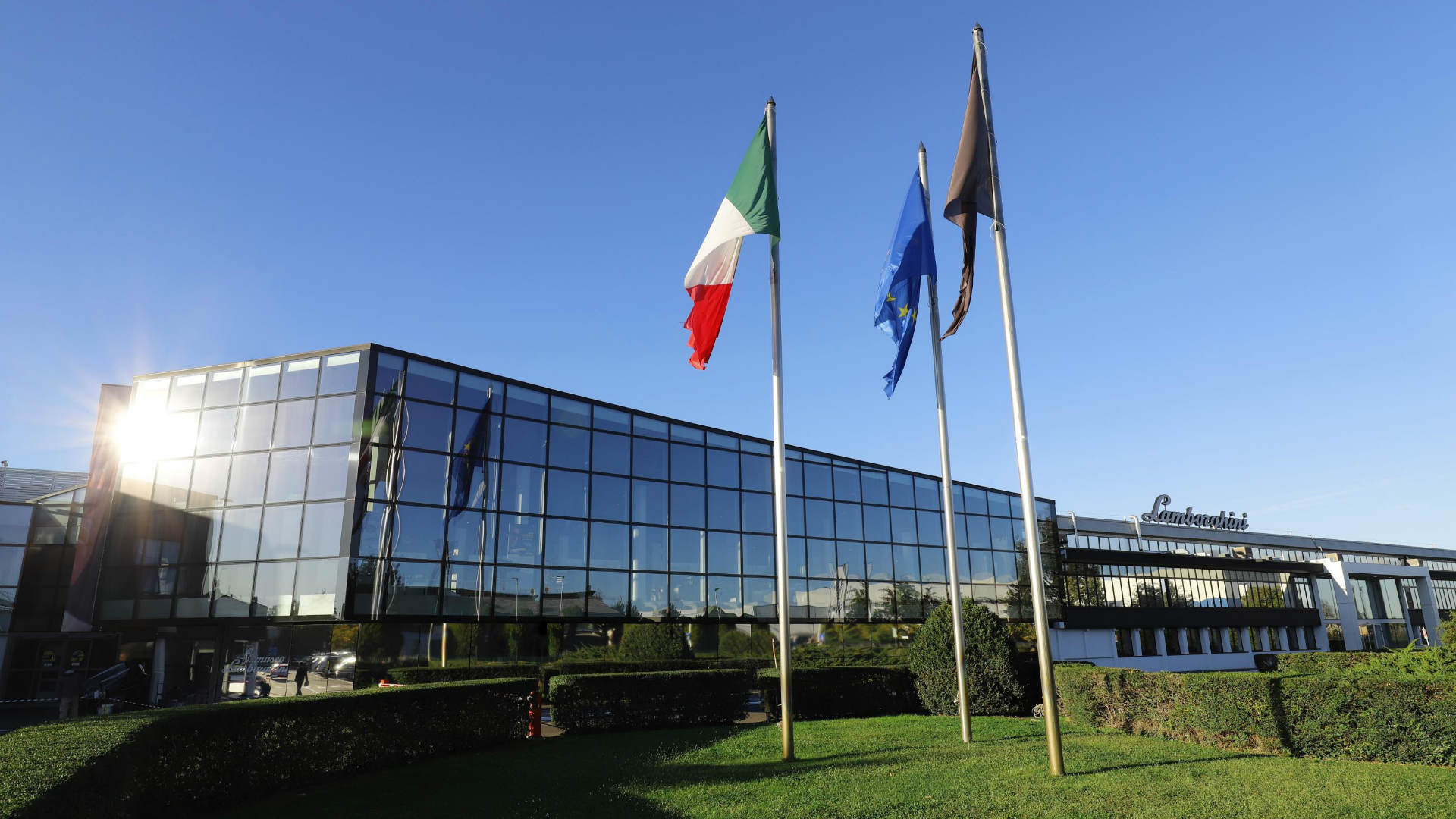
Automobili Lamborghini Italy

Commenting on the sales figures, Stefano Domenicali, chairman and chief executive officer of Automobili Lamborghini said: “The year 2019 was the most successful in our history. The team delivered another substantial sales increase, taking us to unprecedented historic highs. In only two years we more than doubled our sales numbers, a success that cannot be overrated.

“This clearly proves the power of our brand and the quality and sustainability of our product and commercial strategy. Our Super SUV Urus sold almost 5,000 units, a number that comes close to our total sales volume in 2018. With new content and new technologies, our V10 and V12 super sports cars models retained their market success.

“Simultaneously, we further increased our high brand awareness, especially with the younger generations, having multiplied our following on social media channels to more than 40 million. All this is a real team achievement and I would like to take this opportunity to thank every single Lamborghini team member for their inspiration and dedication to our brand, as well as our shareholder and group for their continued support.”

Advertisement

UK braced for a ‘widespread outbreak of potholes’

0

Pothole repairs UK roads

The RAC attended 20 percent more pothole-related breakdowns in the last quarter of 2019. This is compared to the same period in 2018.

Over the entire year, the RAC was called to 9,200 pothole-related faults, including distorted wheels, broken suspension springs and damaged shock absorbers. These figures coincide with ‘National Pothole Day’, which seeks to highlight the shocking state of UK roads.

For its part, the RAC has created a Pothole Index, which provides a long-term indicator of the state of UK roads. Right now, the indicator is reading 1.7, which means motorists are 1.7 times more likely to experience a pothole-related breakdown than they were in 2006 when the RAC first collected the data.

The RAC is warning that Storm Brendan will kick-start a ‘widespread outbreak of yet more potholes’, with the UK braced for more wind, rain and snow. Put simply: things are going to get worse before they get better.

One pothole-related breakdown an hour

Pothole road

RAC head of roads policy Nicholas Lyes said: “We might so far be experiencing a milder but wetter winter than in the last couple of years, but our figures clearly show the problem of potholes has not gone away. Our patrols are still attending on average around one pothole-related breakdown every hour of the day.

“We anticipate the Government will pledge further funds to help cash-strapped councils mend potholes in the March Budget, but such pledges are only chipping away at the problem, and they’re unfortunately not addressing the root cause of why so much of the UK is still characterised by crumbling road surfaces.

“What we need is for central Government to think differently about how councils are funded to maintain the roads under their control. Short-term commitments of cash, while welcome, are not enough on their own – councils need the security of long-term funding so they can plan proper preventative road maintenance.

“A solution to the UK’s long-term pothole problem is possible. From this year, the money raised from vehicle excise duty in England will be ring-fenced to help fund motorways and major A-roads over successive five-year periods. But as yet, there is no similar model for local roads where the vast majority of drivers begin and end their journeys. We believe this could easily be changed by ring-fencing 2p a litre from existing fuel duty revenue to generate £4.7 billion of additional funding over five years.

“Pothole-free roads shouldn’t be a ‘nice to have’ in 2020, drivers should surely be able to expect the vast majority of roads they drive on to be of a good standard, especially given they pay around £40 billion in motoring-related tax every year.”

To report a pothole in your street or on your route to work, visit the RAC website.

Advertisement

Morgan Plus 4 70th Anniversary Edition marks the end of an era

0

Morgan Plus 4 70th Anniversary Edition

Morgan has announced a new special edition to mark 70 years of the Plus 4 roadster. Predictably, it’s called the Morgan Plus 4 70th Anniversary Edition.

Just 20 will be built, each with a numbered plaque marking them out as the last steel-chassis Plus 4s made at the factory in Malvern. In future, the Plus 4 will shift to a new bonded aluminium platform, as seen in the new Plus Six.

Our ace wordsmith and top wheelman Tim Pitt is driving the Morgan Plus Six this week, so stay tuned for his review.

In the meantime, you’ll need the best part of £61,000 to get your hands on the last-of-the-line Plus 4, but as is often the case with news such as this, you’re already too late. Morgan has taken deposits on every one of the 20 cars it will build.

However, a few late-production Plus 4 and Roadster models remain in the dealer network, so it’s not too late to buy one of these end-of-an-era cars.

The Plus 4 70th Anniversary Edition cars are finished in a Platinum Metallic paint to mark the platinum anniversary. Other features include satin dark grey wire wheels and a motorsport-inspired front valance, plus a black finish for the stone guard, A-pillars and side screens.

On the inside, the 70th Anniversary Edition features bespoke leather, a Ravenwood veneer dashboard, dark grey box weave carpets and a satin black Mota-Lita steering wheel.

Morgan Plus 4 70th Edition

Further upgrades include a leather-trimmed steering cowl, heated performance seats, a mohair hood cover, footwell lighting and a commemorative photographic build record.

Morgan has upped the power of Ford 2.0-litre engine to 180hp, which reduces the 0-62mph time from 7.5 seconds to ‘less than seven seconds’. An Aero Racing sports exhaust allows the engine ‘to truly sing’.

Jonathan Wells, Morgan’s head of design, said: “As the design team creating the Plus 4 70th Anniversary Edition, our aim was to create a classic look, yet one that exudes the significance of what it represents. A mix of premium tones, high-quality materials, and exquisite details reflect the essence of the venerable Morgan Plus 4, and provide a fitting tribute to the steel chassis that has formed its backbone since it was launched in 1950.”

ALSO READ

The worst car names ever

Lotus produces special Elise 250 Cup – just for Oz

The Nissan Leaf can now sing your baby to sleep

Advertisement

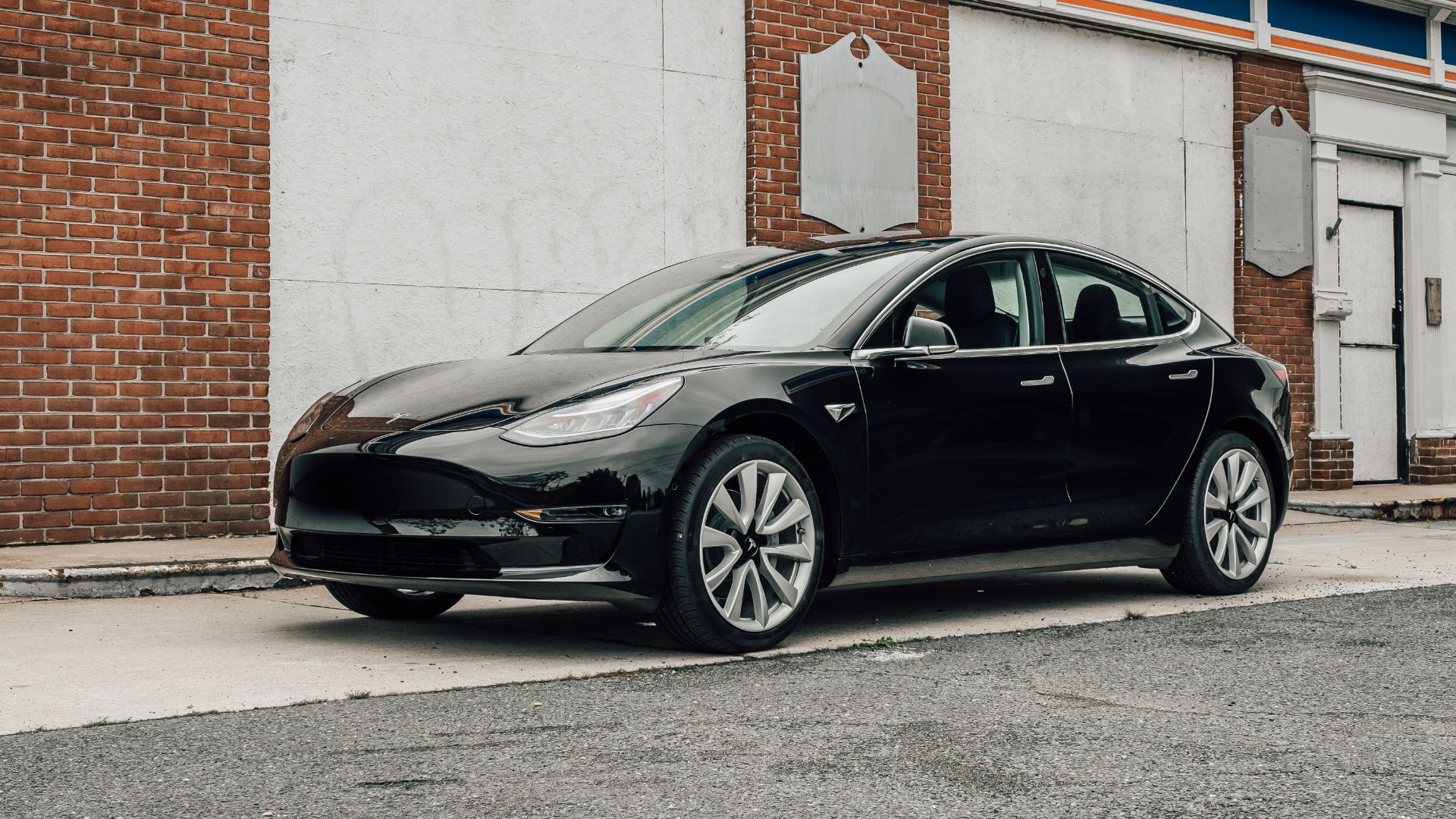
Tesla Sentry Mode: How much battery does it use?

0

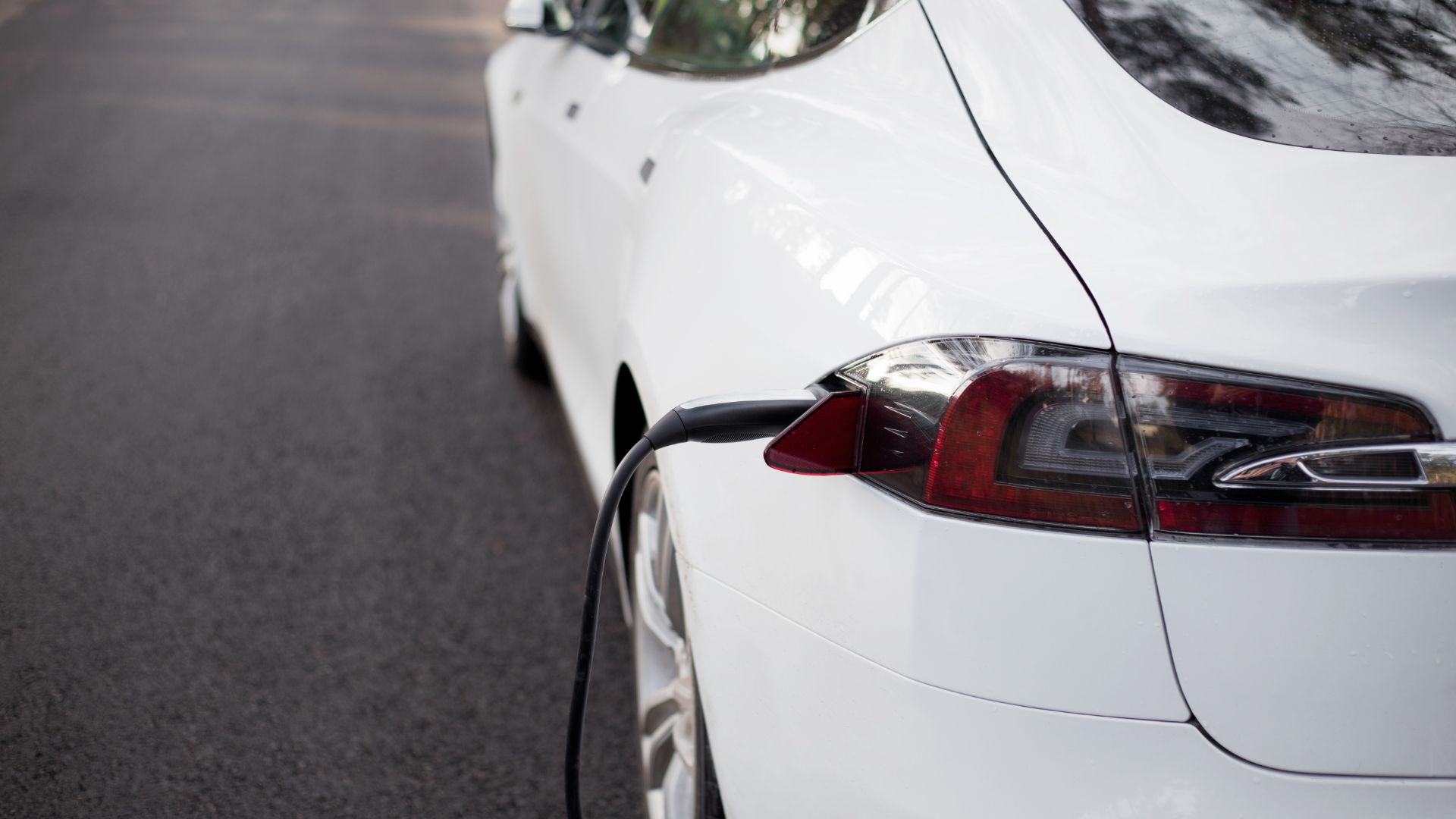
Tesla Sentry Mode battery drain

Sentry Mode is one of the cleverer features Tesla has deployed in recent months. It’s also one that many owners could find themselves using regularly – so how does it work and how much power does it use?

We spoke to a Tesla owner, who gave us some insight into his experiences with Sentry Mode.

What is Tesla Sentry Mode?Tesla Sentry Mode battery drain

Sentry Mode uses systems already built into Teslas made after August 2017. These monitor the car’s surroundings and deter threats should they arise.

A Tesla in Sentry Mode rests in ‘Standby’, with the cameras active. If a mild threat is detected, such as someone leaning on the car, it switches to ‘Alert’, displaying a message on the touchscreen telling passers-by they’re being watched.

‘Alarm’ is when things heat up, as a response to a serious threat like a window being smashed. At this point, the car alarm goes off, music sets to full volume and the centre display jumps in brightness. The owner also gets a message to warn them of an incident. 

Each time you want Sentry Mode to run, you have to enable it via the a sub-menu, accessible through ‘Controls’, then ‘Safety and Security’.

Does Sentry Mode drain the battery?Tesla Sentry Mode battery drain

Sentry Mode sounds like a great idea. It’s essentially a free dashcam. There is however, a downside: the amount of power it uses. 

In spite of not being screen-intensive, or involving driving at all, our owner reports that it consumes battery life at a rate of one mile per hour. With 262 miles of range, that obviously equates to 262 hours, or 11 days, before the battery is fully drained.

Tesla Sentry Mode battery drain

  • Truckers: Oxford zero-emissions zone is ‘absurd’

Then consider that Sentry Mode is automatically turned off when the car reaches 50 miles of range, so that leaves 212 hours of Sentry Mode activity in this example. In the highest-range Model S, with 370 miles of power in the battery, that gives 320 hours of time that Sentry Mode can be active – or just under two weeks.

The Sentry Mode Catch 22Tesla Sentry Mode battery drain

  • Love bug: This car DOUBLES your chances of a Tinder match

So, the scenario in which you’re most likely to turn Sentry Mode on – long trips away – is also when you probably don’t want to in order to save battery. Of course, you can negate this by having long-term parking with charging.

Nevertheless, the battery drain of Sentry Mode is causing owners to think twice about using it.

Should you use Sentry Mode?Tesla Sentry Mode battery drain

Sentry Mode runs the cameras, and utilises the car’s brain. The entire Auto Pilot system is running while the feature is in use. Actual recording is triggered by motion detection, but in its ‘Standby’ state, there remains the significant power draw. A bit of forethought is therefore required before pressing the button.

Are you going to be away for a while? Will you be in range of a Supercharger when you return? Is there the option of leaving the car plugged in? Is Sentry Mode really necessary where you’ve parked it?

Assess the situation before you decide, or you risk being out of range when you return to the car. 

Advertisement

The condition of UK roads has reached ‘crisis point’

0

pothole uk

Nearly half of motorists who took part in a new poll believe the state of UK roads has reached a crisis point.

Forty-two percent of those surveyed agreed with the statement: ‘I think we have a crisis in the state of repair of roads in the UK’. This increases to 50 percent in the East of England, 49 percent in Scotland and 46 percent in the South West.

Few people believe the roads are acceptable, although motorists in London (32 percent), the West Midlands (34 percent) and Northern Ireland (37 percent) appear to be more satisfied than others. We suspect a few readers will be shaking their heads in disbelief.

The results of the Re-flow study coincide with ‘National Pothole Day’, which highlights the pothole epidemic facing the UK’s motorists on a daily basis.

In the West Midlands, 36 percent of the 2,092 respondents who took part in the survey believe that the state of the roads constitutes a national emergency. This is a view shared by motorists in the South East, Wales and North West.

‘More like firefighters’

Road workers fixing a pothole

Roads suffer during winter months, with rain and snow damaging the surface, often beyond repair. The heavy rainfall of the winter of 2019/20 has led to flooding and the emergence of new and often huge potholes. Proper investment is required, but Re-flow believes there’s more to it than simply money.

It is calling for a three-pronged approach, focused on the following:

  1. Utilising better project management methods
  2. Better scheduling of projects
  3. Improvements in construction methods

Mike Saunders, managing director of Re-flow, said “The challenges being faced by the industry in terms of being more innovative with the design, construction and maintenance of the network are ever-present, so those working in the sector must come up with new ways to do more to make the most of the funding they receive, as a sustained lack of investment is set to continue in the foreseeable future.

The current system of trying to keep on top of patching up the potholes instead of investing in proper resurfacing is making roadworkers more like firefighters.”


Advertisement