Polestar will stop production of its flagship plug-in hybrid later this year – and a matte gold edition, limited to 25 cars, signs it off in style.
The Polestar 1 coupe debuted in 2019 as a headline-grabbing way to launch the company as a standalone brand from Volvo.
It was always intended to be Polestar’s only hybrid model and the marque will now become fully electric. The 1 produces 609hp and has a 77-mile zero-emission range.
“It’s hard to believe that our halo car comes to the end of its production life later this year,” said Thomas Ingenlath, CEO of Polestar. “We pushed boundaries with this car, not only in terms of engineering but also in its design and execution. Polestar 1 set the tone for our brand and its genes are evident in Polestar 2 – as they will be in our future cars to come.”
Always believe in your soul
The model will be phased out with a limited edition model that features bespoke matte gold exterior paint, plus matching brake calipers and black wheels. The interior has colour-matched gold stitching.
In our review, we said: ‘This is a fabulous piece of design. An elegant roofline and pronounced haunches evoke the classic Volvo P1800, as driven by Roger Moore in The Saint, while the 21-inch alloys radiate concept car cool.
‘There are some exotic components in the mix, too. Bespoke Öhlins adjustable dampers are more readily seen in motorsport, and offer five stages of adjustment – or 22 if you’re prepared to get the spanners out. And the six-piston front brake calipers come from Akebono: the supplier used by McLaren for the P1.’
The new MC20 supercar may have stolen the headlines, but Maserati expects 70 percent of its sales to be SUVs by 2025. The mid-sized Grecale – a Porsche Macan rival, due later this year – will account for a large chunk of that, but the Levante SUV also has a part to play. Particularly the new Hybrid model seen here.
This is the second Maserati to gain hybrid technology, following the Ghibli saloon. European PR boss Davide Kluzer describes it as “another important step for the brand towards electrification”.
The Levante Hybrid joins the range alongside the base-model 350hp 3.0-litre petrol V6 and replaces the diesel. Crucially, it offers lower CO2 emissions than both, making this the “Maserati of SUVs” you can realistically afford to run. Here’s what you need to know.
Born to be mild
It’s important to note the Levante isn’t a plug-hybrid you can recharge at home. Nor is it a Toyota-style ‘self-charging’ hybrid that can be driven in fully electric mode.
Instead, it’s what is commonly termed a ‘mild hybrid’, combining a 2.0-litre four-cylinder petrol engine with battery starter generator and 48-volt eBooster. Total output is 330hp – good for 0-62mph in 6.0 seconds and a top speed of 149mph.
Official fuel economy figures haven’t been confirmed, but CO2 emissions of 231-252g/km look acceptable for a large, petrol-powered SUV. Bear in mind that the V8-engined Levente GTS and Trofeo both nudge 300g/km…
The eBooster, an electrical compressor, also lives up to its name, providing extra shove when the engine reaches peak rpm in Sport mode and helping banish turbo lag at low revs. Ninety percent of the maximum 332lb ft of torque is available from 1,750rpm.
“It combines the best of the diesel engine, which means torque and low CO2 emissions, with the best of a gasoline [petrol] engine, meaning power at high rpm and sound,” says chief engineer, Corrado Nizzola.
Tuning the tailpipes
Sound is a large part of what defines a Maserati, of course, but vehicle integration manager Massimiliano Pezzo promises there’s no compromise here. “We paid particular attention to the tuning of the exhaust system and bypass valves,” he explains, “without resorting to artificial enhancement [via the stereo speakers].
The Levante Hybrid also inherits the recently refreshed styling of the 2021 range, including a different front grille, plus boomerang-shaped tail lights inspired by the 3200 GT. There’s also a new GT trim level, which offers the exterior glitz of Granlusso models with the option to specify the Sport Pack.
You can spot this electrified version by its jazzy blue highlights – including on the side air vents and brake calipers.
Inside, the Levante gets Maserati’s new Android-based media system, with an 8.4-inch central touchscreen. A 7-inch TFT screen between the (still analogue) speedo and rev counter has a hybrid status display to show how efficiently you’re driving. Or indeed not.
In showrooms this autumn
The Levante comes with a full arsenal of chassis hardware, including four-wheel drive, air suspension with Skyhook adaptive damping, torque vectoring and a rear limited-slip differential. The Hybrid also weighs slightly less than the petrol V6, with better weight distribution thanks to its lighter engine and rear-mounted battery.
We’ll let you know how it drives later this year – production starts at the end of June, with first UK deliveries expected in the autumn – but the prospects are good.
Reviewing the Levante S last year, we said: “The Maserati is softer and less tenacious than a Porsche Cayenne, but still fluid and enjoyable to drive. Its steering is well weighted and the brakes feel powerful.
“Only its sheer size, and the prospect of fuel economy in the high teens (the official figure is 22.1mpg) may temper your enthusiasm.”
Perhaps this leaner, cleaner Hybrid drivetrain is exactly what the Levante needed.
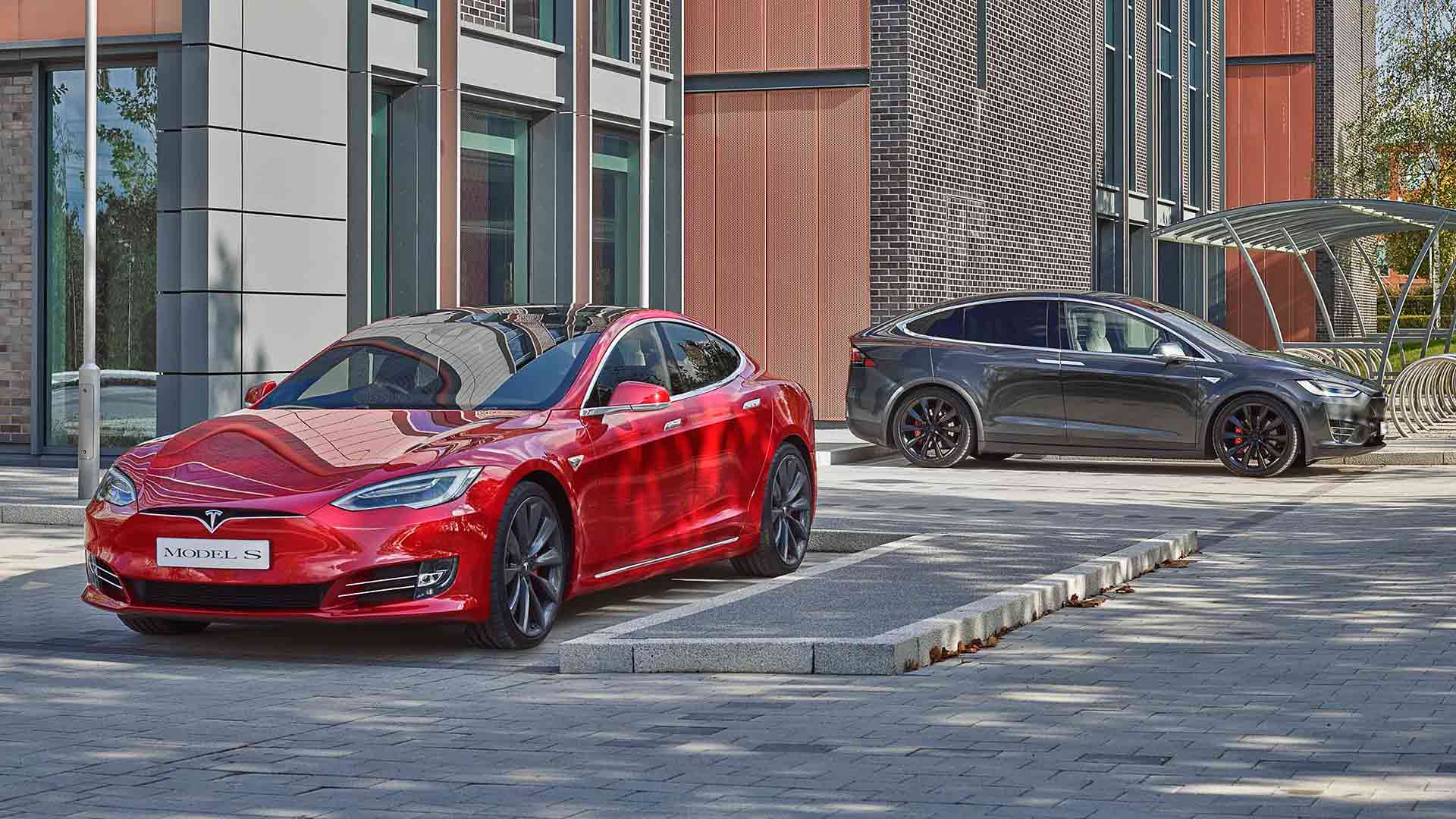
Tesla is the most popular electric vehicle brand on social media website TikTok, according to new research.
Price comparison site Saveonenergy found the Tesla Model 3 is the most popular EV on the platform, with 784,700,000 video views worldwide.
In second place, with 236,100,000 views is the Tesla Model S, while the firm’s Tesla Model X rounds out the top three with 180,600,000 views.
TikTok is a short-form, video-sharing app that allows users to create and share 15-second videos, on any topic. It offers users a wide selection of sounds and song snippets, along with the option to add special effects and filters. It is especially popular among teenagers.
The most popular non-Tesla EV on the app is the Audi E-tron, with videos amassing 143,300,00 views, while the least popular EV on the site is the Renault Zoe.
A consultation was launched in October 2020 to close a ‘legislation loophole’ that criminalises using a mobile phone to call or text while driving, but not for other actions.
These actions are currently not deemed ‘interactive communication’ and escape the present definition of an offence.
Roads Minister Baroness Vere said: “We’re looking to strengthen the law to make using a hand-held phone while driving illegal in a wider range of circumstances.
“It’s distracting and dangerous, and for too long, risky drivers have been able to escape punishment, but this update will mean those doing the wrong thing will face the full force of the law.”
Half of all Ferraris registered last year left the dealership with a personalised number plate, according to new data.
Statistics obtained from the Driver and Vehicle Licencing Agency via a Freedom of Information request showed 50.72 percent of Ferraris registered in the UK in 2020 left the showroom with a personalised plate.
The brand with the next highest proportion of unique numberplates is Morgan (40.91 percent), followed by Lamborghini (37.21 percent).
The data was compiled by YesAuto and, unsurprisingly, premium and supercar manufacturers make up the top spots. McLaren (34.7 percent) and Aston Martin (32.5 percent) complete the top five positions.
In order to make a fair comparison between low-volume manufacturers and mainstream car makers, Yes Auto ranked its list by the percentage of registrations from last year, rather than the total number of vehicles registered from each brand.
At the other end of the spectrum, just 0.02 percent – or five cars, in other words – of Teslas registered last year were sold with personalised plates. According to Yes Auto, “the drop may simply be a policy change at [Elon] Musk’s EV company, where they no longer help customers put a private plate on their new car.”
Renault has revealed how the development of its hybrid powertrains was inspired by Lego.
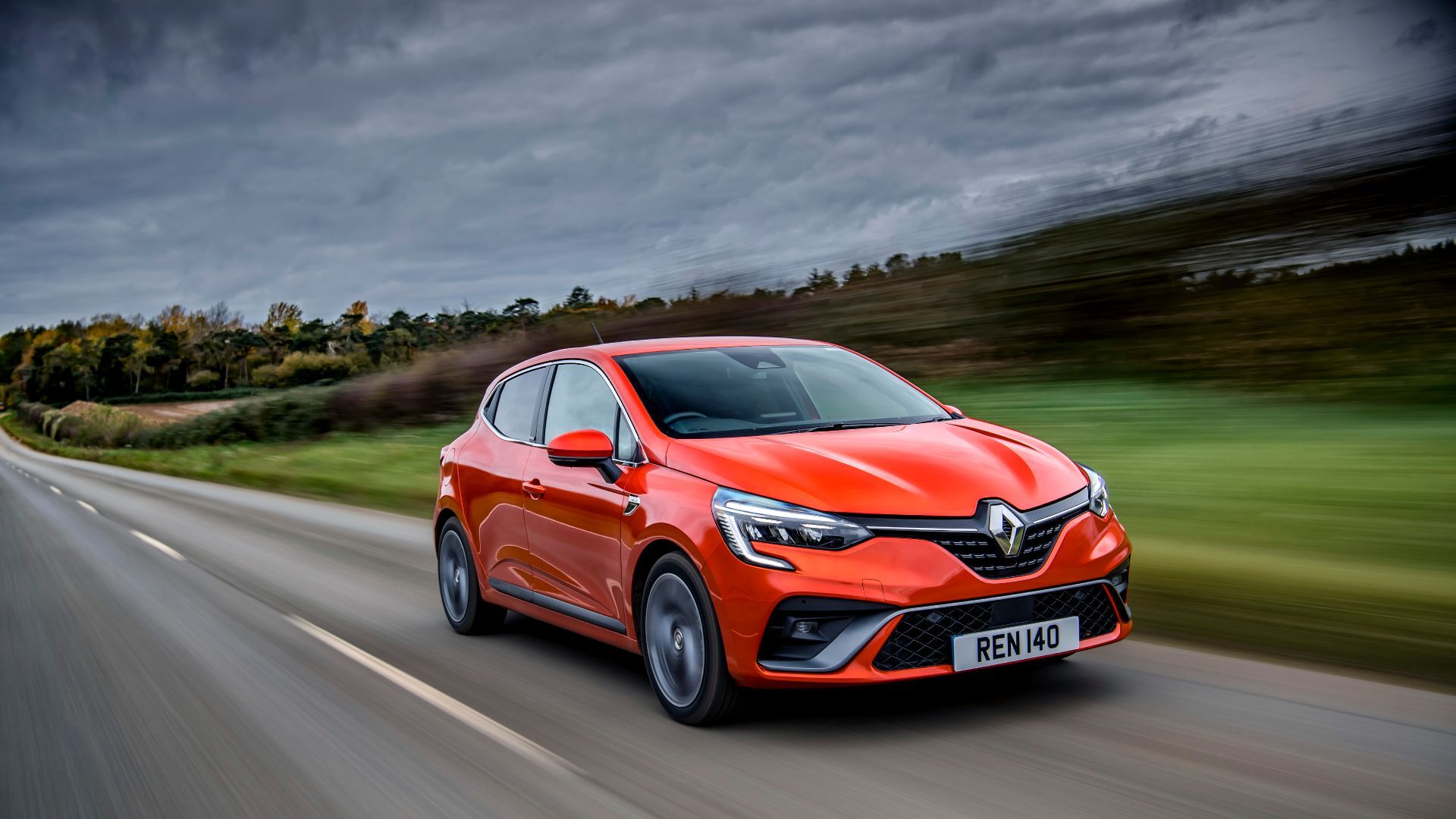
The French firm introduced plug-in hybrid technology to the Clio, Captur and Megane last year, after its powertrain boss trialled the design using Lego.
Nicolas Fremau, Renault’s hybrid architecture expert – yes, that’s his actual job title, according to LinkedIn – said the need for an electric motor to be the main component in the powertrain presented a challenge. He needed to work out which transmission should be used between the electric motor and petrol engine.
He eventually opted to use a clutchless system with gearbox synchronisers, utilising dog clutch technology normally found in motorsport. After watching his son play with Lego Technic sprockets, he bought the required parts and spent a Christmas break building a model of the transmission.
“I had the idea of doing this first to help me understand what to do. After about 20 hours of ‘work’ under the slightly surprised eye of my son, the model was born,” he said.
Fremau had to assemble the different axes and transmission rings, then glue them and drill them to fit into a cradle. He also needed to motorise the whole system, in order to let him live-test the different modes of operation between the engines.
‘If we can make it in Lego, it will work’
When Fremau presented his model to colleagues – project manager Gérard Detourbet and director of research, Rémi Bastien – they “walked around the model, they touched it and they felt we had a real object”.
Fremau said he will always remember a remark from Detourbet: “If we can make it in Lego, it will work”.
ALSO READ:
Every car you can build out of Lego in 2021
Lego Technic Jeep Wrangler ready for the yellow brick road
The name follows the same convention as its performance Mercedes-AMG and luxury Mercedes-Maybach line-ups.
“Moving forward,” a Mercedes-Benz spokesperson told Motoring Research, “our EQ all-electric models will be Mercedes-EQ models, part of the Mercedes-EQ sub-brand.
“The vehicles themselves, however, will be referred to as “EQA” or “EQS”, for example.
However, as with Mercedes-AMG, it does not mean the Mercedes-Benz logo is going to disappear from Mercedes-EQ cars.
“These vehicles will have the Mercedes-Benz star and logo in places such as the steering wheel, bonnet and so forth, but also feature the EQ logo, for example on the wings.
“On the boot is the EQC naming”
In a statement, the company said Mercedes-EQ “harmonises the demands of a modern generation of customers, for sustainability and emotionality with the demand for innovation.
“With its progressive sub-brand Mercedes-EQ, Mercedes-Benz AG is underlining its claim to leadership in the field of electrification and digitisation.”
Luxurious EQS coming soon
Chief design officer Gorden Wagener said Mercedes-EQ stands for “progressive luxury for the future.
“We are the first automotive company and one of few luxury brands on the globe who have taken that big step towards a new understanding and approach to design and technology.
“Mercedes-EQ creates new possibilities for a promising future.”
The upcoming EQS luxury EV will be the first new model launched under the Mercedes-EQ sub-brand. The firm says it is “heralding the start of a new era for the company”.
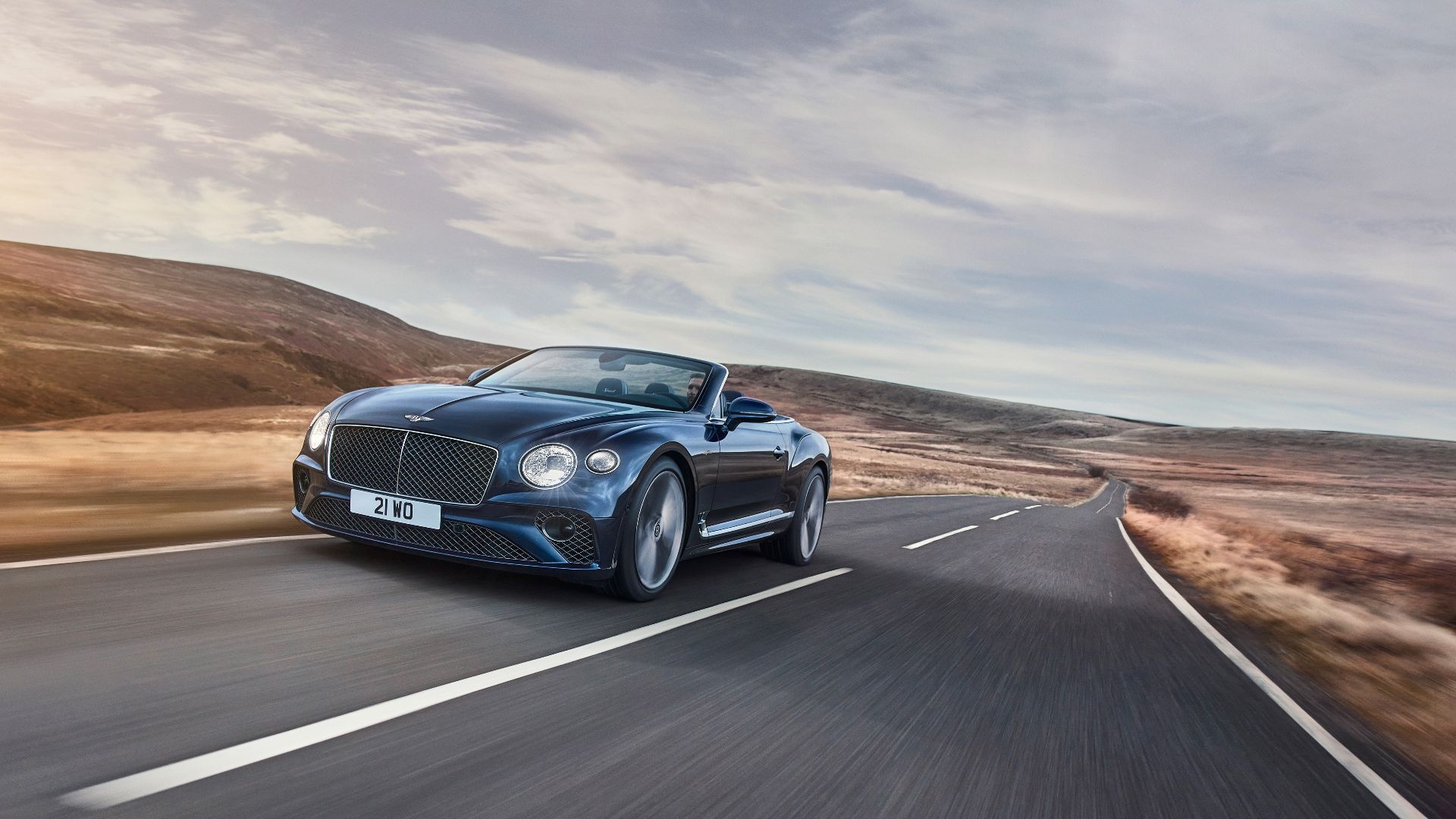
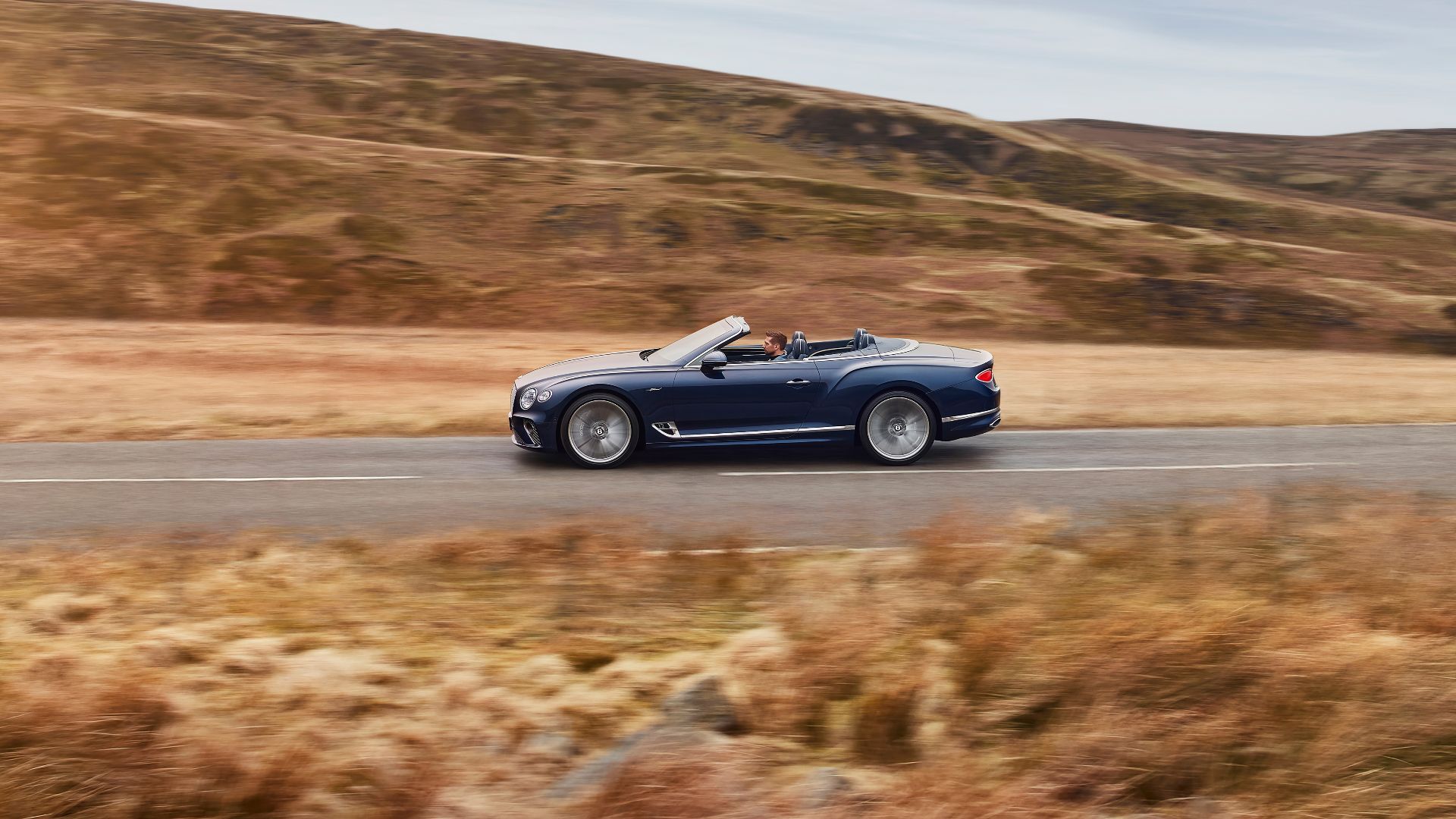
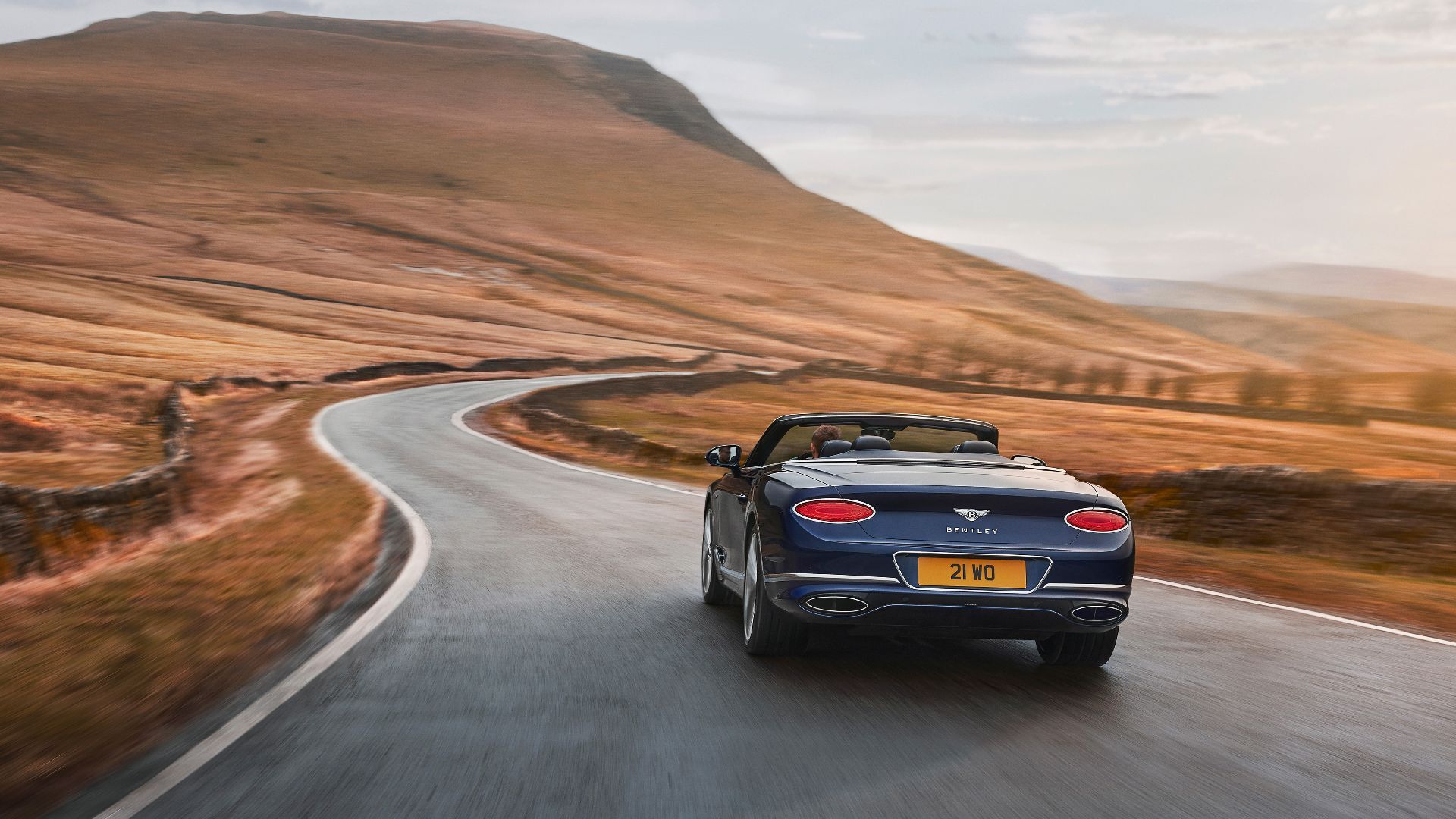
Bentley has unveiled the open-air version of its Continental GT flagship: the GT Speed Convertible.
Now in its third generation, the Speed is powered by a 6.0-litre W12 petrol engine, which produces 659hp (an uplift of 24hp over the ‘standard’ W12).
That propels the car to 62mph in 3.7 seconds and a top speed of 208mph.
Visually, the Speed is separated from the rest of the range by dark-tinted front grilles, sportier sills, a dark-tinted radiator matrix and new badges on the front wings.
It also features new 22-inch alloy wheels, plus an illuminated display on the outer treadplates.
Bentley says the convertible’s roof has been redesigned and can be raised or lowered in 19 seconds, at speeds of up to 30mph.
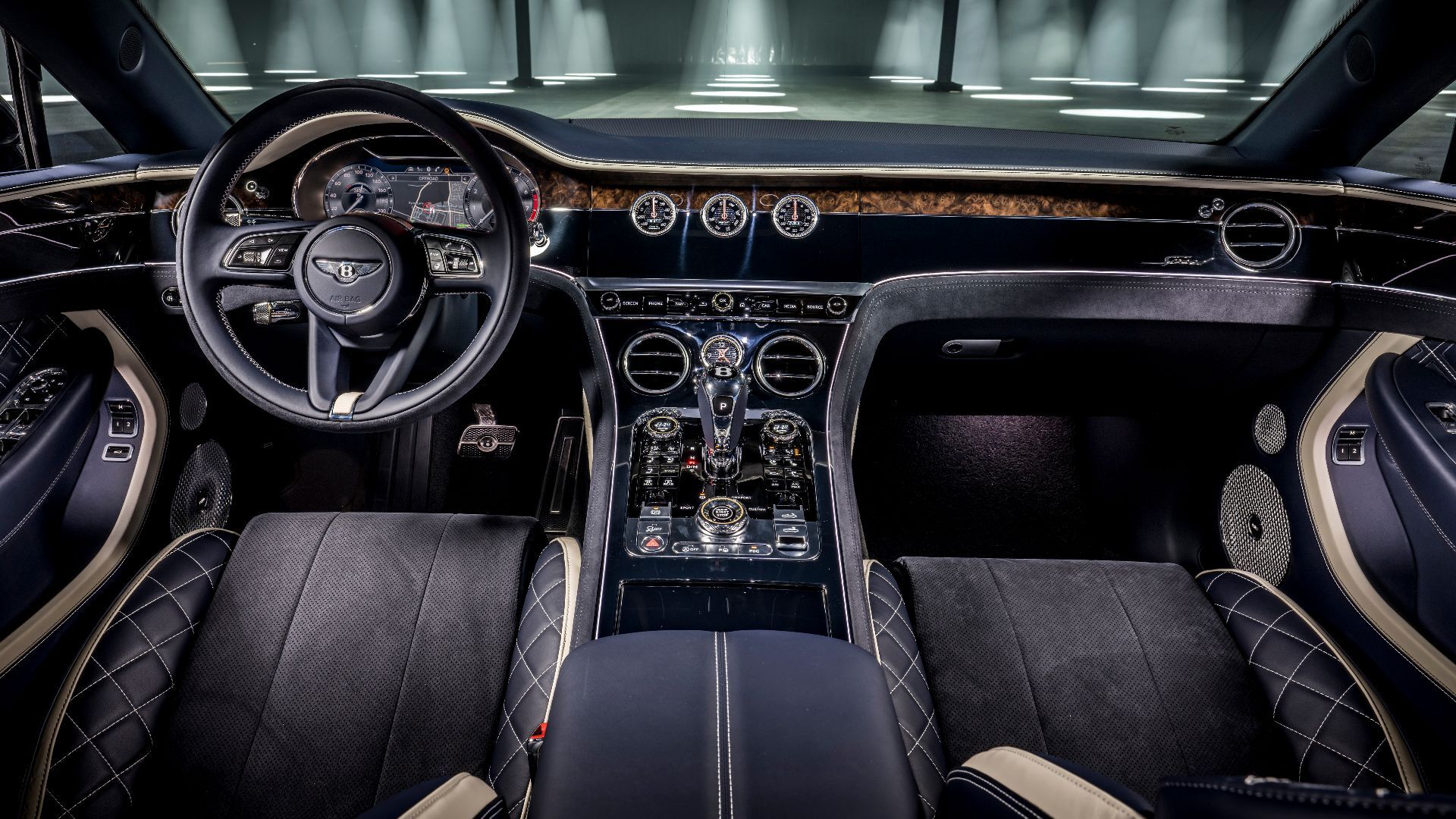
Inside, you’ll find an Alcantara steering wheel, sports pedals, ‘Speed’ script on the passenger side of the dashboard and diamond quilted seats with embroidered headrests.
The Crewe-based company claims improvements to the chassis have increased the car’s driveability at speed, enhancing grip when exiting corners.
‘Driver-focused’ grand touring
“The new Speed is the most driver-focused Continental GT Convertible available and unique in its ability to offer extremely refined, all-season open-top grand touring with the added edge of astonishing performance and dynamism,” said Chris Craft, head of sales and marketing at Bentley.
“Combined with exquisite, handcrafted interior details, the Continental GT Speed Convertible exemplifies all Bentley knows about creating the world’s most stylish and elegant cars for roof-down motoring.”
Diecast model manufacturer Matchbox will make all of its cars, playsets and packaging with 100 percent recycled, recyclable or bio-based plastic. The pledge is part of a plan to become a cleaner, greener company by 2030.
The first diecast models to have zero plastic packaging include the Matchbox Power Grabs assortment, which includes a variety of 1:64 scale vehicles.
To help encourage environmental consciousness among children, the company also announced that EV charging stations will feature in two Action Drivers playsets. The Matchbox Fuel Station Playset is due this spring and the Matchbox Park and Play Garage Playset arrives in the autumn.
In addition, Matchbox will launch an EV-themed five-pack soon – the first time the company has made a collection of electrified vehicles. The Electric Vehicle and Hybrid five-car assortment includes the Nissan Leaf, Toyota Prius, BMW i3, BMW i8 and an e-Star delivery van. It’s priced from £7.95.
“Since the inception of the modern-day diecast car nearly 70 years ago, Matchbox has been using design and innovation to connect kids with the real world around them through play,” said Roberto Stanichi, global head of vehicles at Mattel, Matchbox’s parent company.
“Matchbox is committing to using 100 percent recycled, recyclable or bio-based plastic materials to do our part in addressing the environmental issues we face today.”
Carbon-neutral diecast cars
Matchbox also announced it will build a Tesla Roadster. This will be its first model made from 99 percent recycled materials and certified as carbon neutral – the latter which many car makers are striving to achieve.
Constructed from 62.1 percent recycled zinc, 1.0 percent stainless steel and 36.9 percent recycled plastic, the Matchbox Tesla Roadster will be available in 2022.
Independent safety organisation Euro NCAP has awarded the Dacia Sandero just two stars out of five for crash protection.
Explaining the rationale for the low rating, Euro NCAP said the radar-only autonomous emergency braking system only reacts to other vehicles on the road and won’t prevent crashes with pedestrians or cyclists.
Euro NCAP added the vehicle’s crash protection is ‘respectable’, saying it would have been awarded four stars if fitted with a more advanced emergency braking system.
Thatcham Research, which tests vehicles in the UK for Euro NCAP, added it has concerns about the protection the Sandero offers to adults. It said the vehicle’s score of 70 percent in this area is well below the benchmark set by the Honda Jazz, which scored 87 percent.
Thatcham also raised issues with the Sandero’s structure, saying there is a risk of injury from the dashboard to front seat occupants’ knees, femurs and chests in the event of a frontal impact, with protection rated as only ‘marginal’. The side impact test also revealed a ‘marginal level of protection against chest injury’.
No other car has scored two stars or fewer in terms of relative performance since 2018 and the Dacia’s vulnerable road user score is the worst recorded during Euro NCAP testing since 2013.
“The Sandero’s Euro NCAP rating is a major disappointment and it’s therefore not a new car we would recommend. There are other cars in the supermini segment, whether new or a few years old, that can offer better safety and value for money,” said Matthew Avery, Thatcham Research’s director of insurance research.
“Renault and Nissan both have five-star-rated models in the supermini segment with the Clio and Micra, and the Sandero is closely related to these vehicles. But it appears Dacia has made a clear decision not to prioritise safety, exposing occupants and other road users to increased risk.”
‘Car of the Year’ title could be stripped
The Sandero was named as Car of the Year by What Car? earlier this year. Now, the publisher says the two-star Euro NCAP rating “s ‘below our expectations for an award-winning car.
It added: “We are analysing the findings from Euro NCAP in detail and discussing with Dacia its plans to improve the safety rating. If this cannot be improved, the Dacia Sandero will lose its overall Car of the Year title.”
Classic car electrification firm Electrogenic has revealed its latest two creations – both of which it describes as electric car world firsts.
The Oxford-based firm has converted a 1976 Triumph Stag and a 1957 Morgan 4/4 to electric power, each using its own in-house tech.
The Stag Owners Club has verified the conversion to be an official world first.
Electrogenic replaced the somewhat notorious 3.0-litre Triumph V8 with its own ‘Hyper9’ high-voltage motor. This produces 107hp and, more notably, 173lb ft of pulling power.
It is powered by a 37kWh battery which is spread between the engine bay and the former location of the fuel tank and spare wheel.
Total range is around 150 miles and it can be charged with a Type 2 charger.
The Morgan uses the same Hyper9 electric motor, and the same battery cleverly located within the car’s existing chassis.
Uniquely, both vehicles retain a manual gearbox.
The conversions are described as sympathetic, with Electrogenic director Steve Drummond saying the firm uses “modern technology to bring out the best characteristics in the cars.
“For us, this means increasing power within the capability of the original vehicle, optimising weight distribution and not using too many batteries to keep the handling crisp and precise.”
The originality of the rest of the vehicle is maintained too. “For example, it means that we can repurpose the original instruments to keep the interior as untouched as possible.”
The objective is “to make the cars we’ve been entrusted with into ‘better versions of themselves’.”
Fellow co-founder Ian Newstead said the firm “loves the challenge of converting beautiful classic cars with technology that means they will be able to continue to be used guilt-free, even in our cities, for years to come.”