Home Blog Page 159

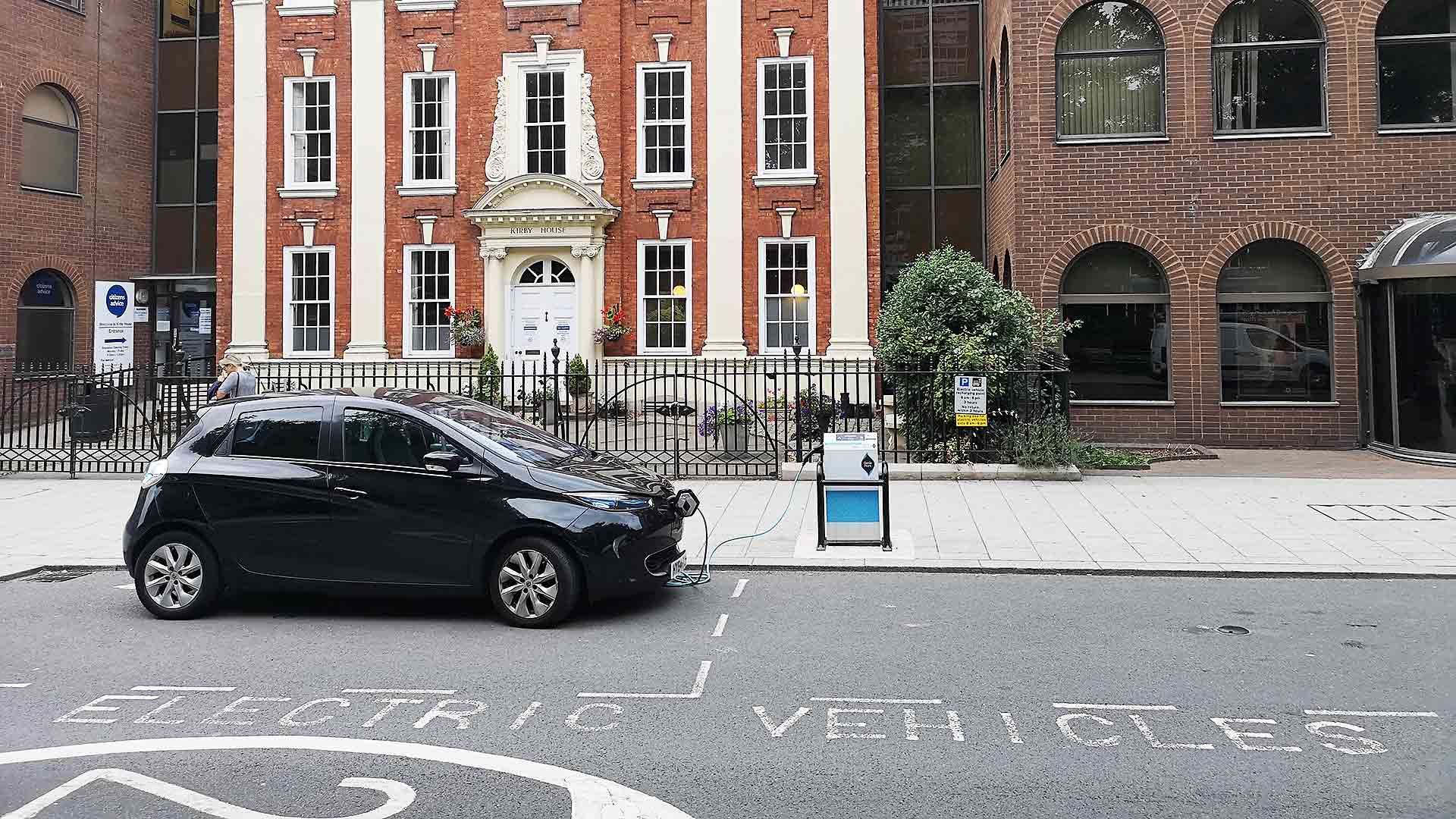
Plug-in hybrids PULLED from London C-Charge cleaner vehicle discount

0
London Congestion Charge

Motorists who drive plug-in hybrid (PHEV) vehicles into central London are no longer exempt from the £15 daily Congestion Charge as Transport for London tightens up eligibility.

Previously, PHEVs emitting no more than 75g/km CO2 qualified for a 100 percent ‘cleaner vehicle discount’ (formerly called the Ultra Low Emission Discount, or ULED).

From 25 October 2021, only pure zero emissions cars – those emitting 0g/km CO2 – qualify for the cleaner vehicle discount.

This restricts it to battery electric or hydrogen fuel cell vehicles. PHEVs, even those driven entirely on electric power within the Congestion Charge zone, will now have to pay up.

TfL is also signalling the end of the cleaner vehicle discount entirely. From 25 December 2025, the discount for EVs and fuel cell cars will be discontinued.

“From this date, all vehicle owners, unless in receipt of another discount or exemption, will need to pay to enter the Congestion Charge zone during charging hours.”

Congestion Charge clampdown

Many motorists who regularly commute into central London had chosen a plug-in hybrid as a way to escape paying the charge.

The Congestion Charge zone is around 13 square miles in size, which would allow many modern PHEVs to travel in and out on electric power without fully depleting the batteries.

Extra impetus for this came in June 2020 when TfL ‘temporarily’ raised the daily Congestion Charge fee from £11.50 to £15.

Operating hours were extended from 6pm to 10pm – and the Congestion Charge also became operational on weekends.

Previously, it was only a weekday charge.

In November 2020, the temporary price hike and other changes were made permanent.

Now, the Congestion Charge is lifted only on one day per year: Christmas Day.

ALSO READ:

£15 London Congestion Charge to continue

Heathrow is getting a congestion charge

London ULEZ check: how to pay the charge
Advertisement

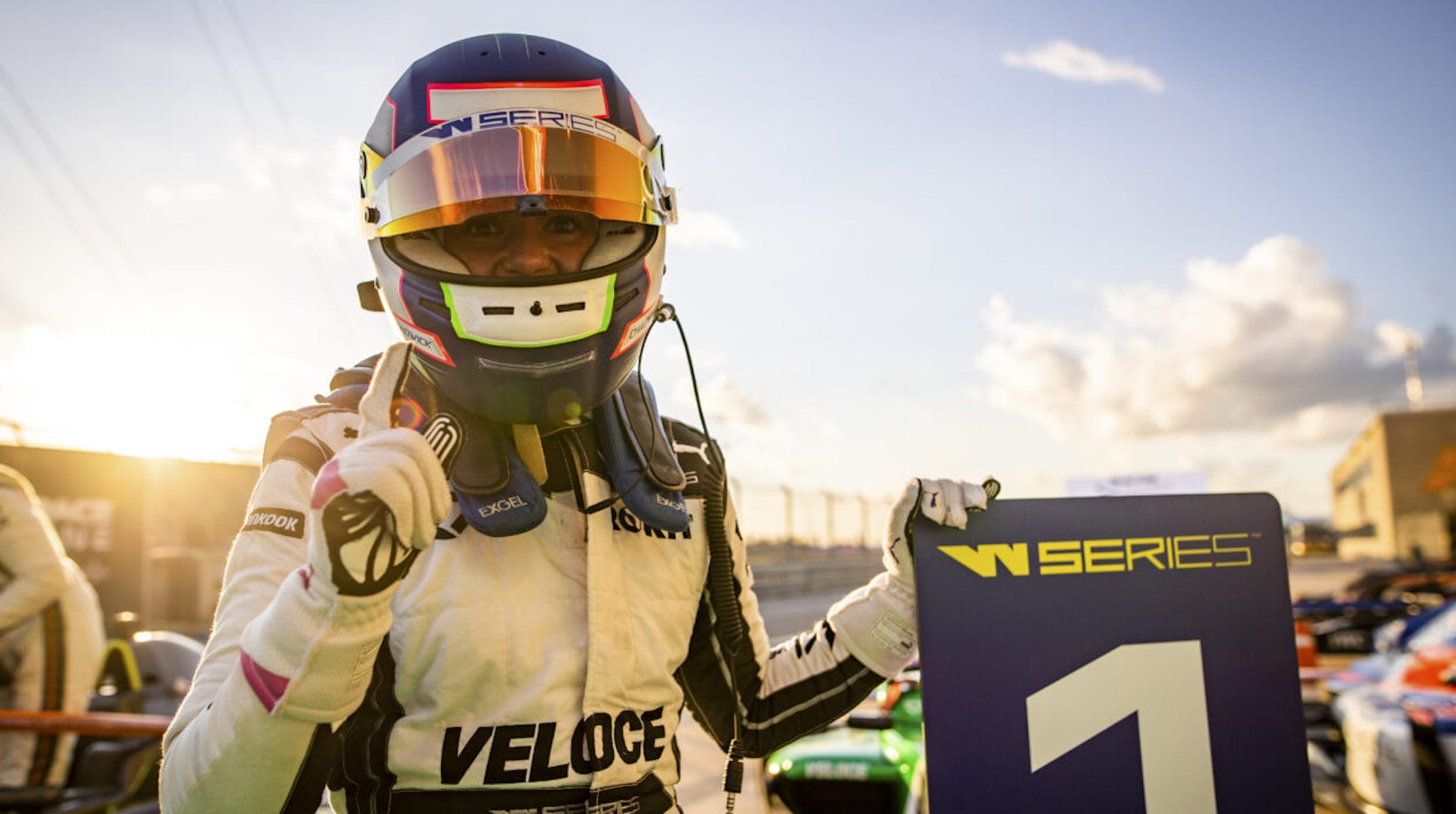
Britain’s Jamie Chadwick wins second W Series championship

0
Jamie Chadwick W Series 2021 Champion

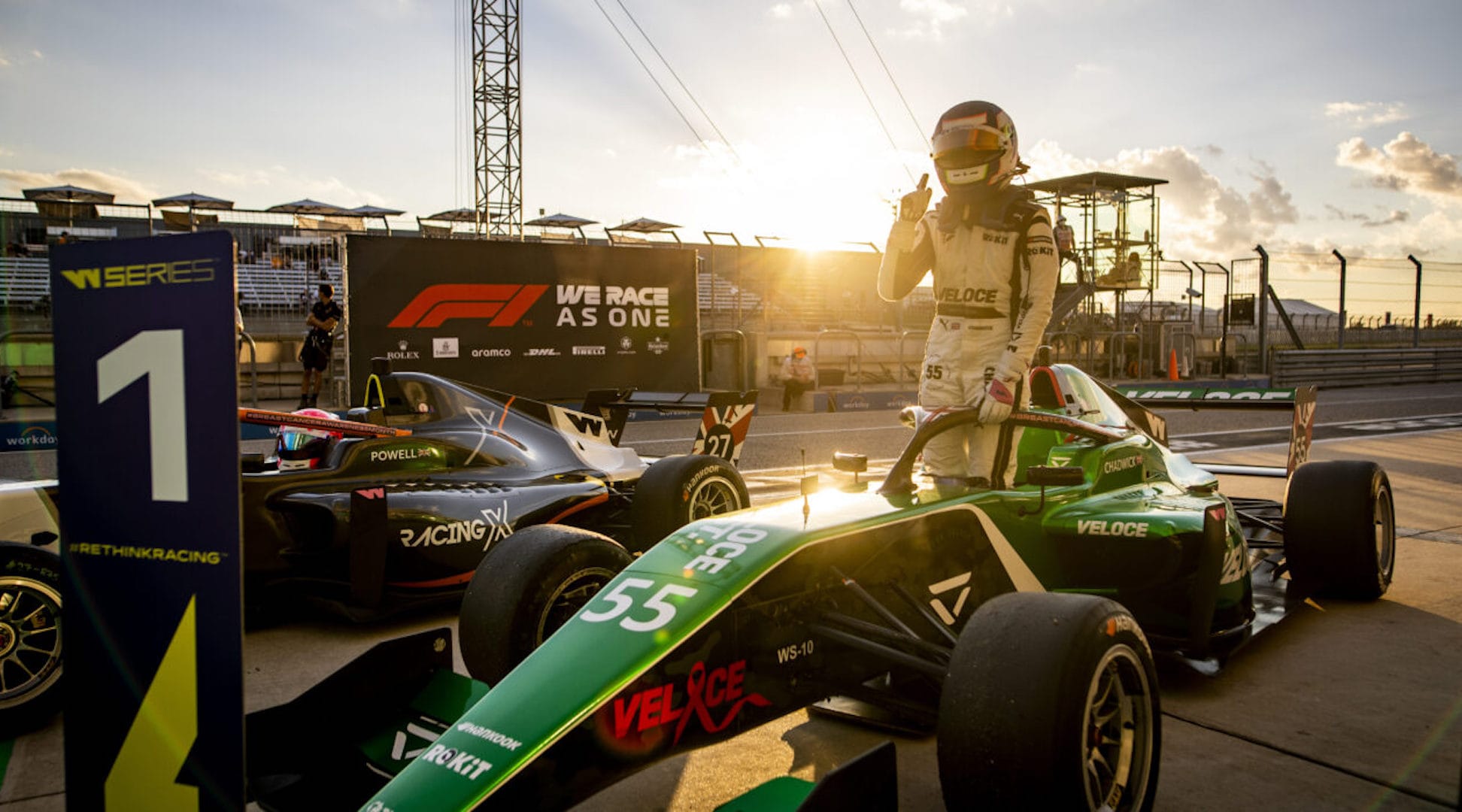
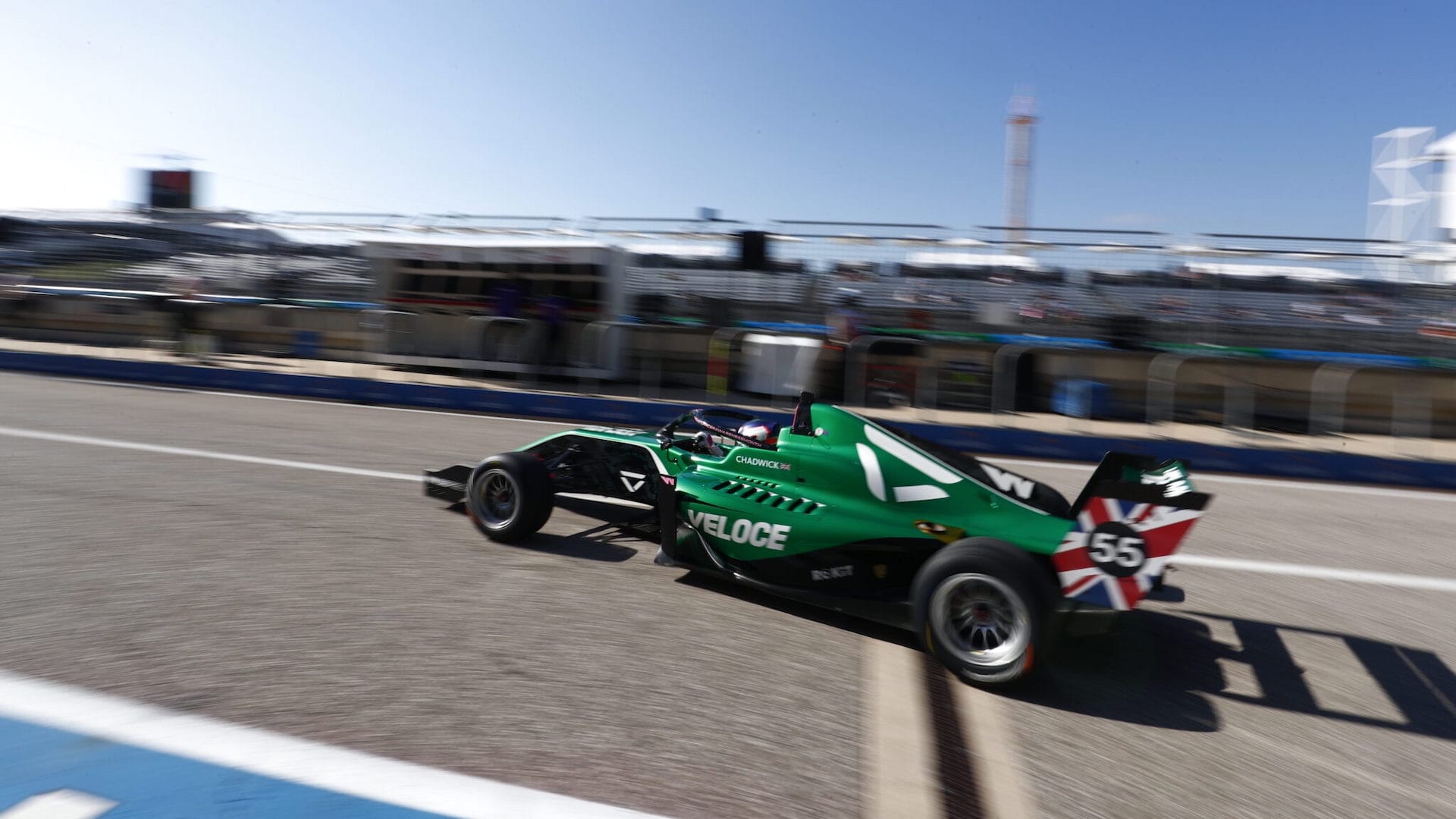
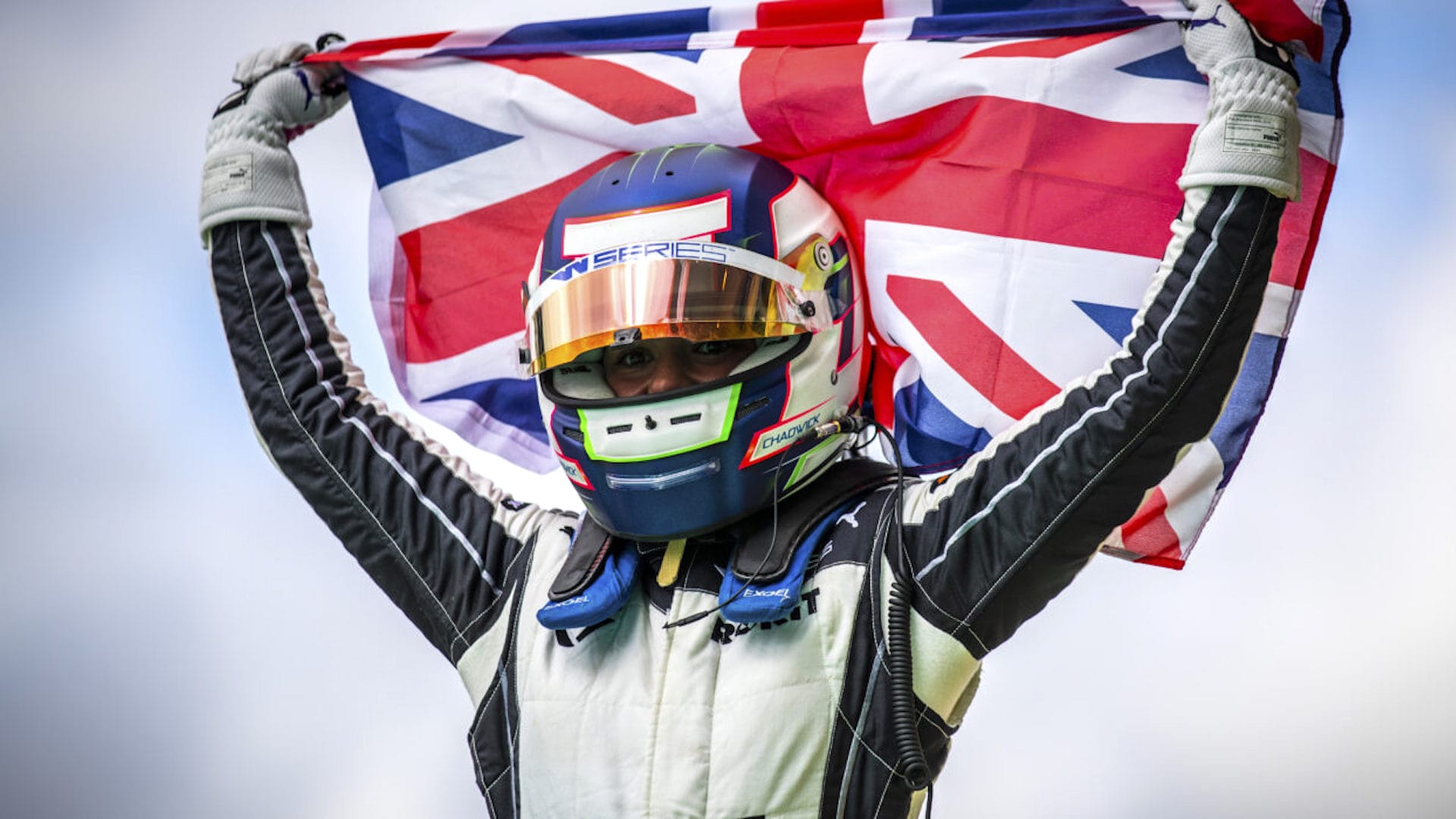
Jamie Chadwick has claimed consecutive championship wins in the 2021 season of the all-female W Series.

It marks her second title in the single-seater formula, following her success in its inaugural 2019 season.

The 23-year-old put on a dominant display, taking two victories at the Circuit of the Americas in Austin, Texas.

Double decadence

Jamie Chadwick W Series 2021 Champion

With no competition held in 2020, Chadwick now has a 100 percent success rate in the W Series championship.

As the 2021 season finale, this weekend’s W Series round took on a double-header formula. Despite appearing strong in practice, Chadwick only qualified second for the first race.

Starting behind fellow British driver Abbi Pulling, however, Chadwick grabbed the lead in Saturday’s race one by the first corner. 

Somerset-born Chadwick kept the lead for the remainder of the race. Her championship rival, Alice Powell, came third and also set the fastest lap of the race.

Cruising to victory

Jamie Chadwick W Series 2021 Champion

Chadwick’s dominance continued in the second race on Sunday. Starting from pole position, she was able to build a substantial lead for a relatively easy win.

It meant Chadwick took her second championship by 27 points over Powell. Finland’s Emma Kimilainen came third in the final season standings.

Abbie Eaton was forced to withdraw from Sunday’s race, having suffered a compression fracture in race one on Saturday. Marta Garcia was unable to compete due to illness.

‘A mega end to a mega year

Jamie Chadwick W Series 2021 Champion

Winning the 2021 season will give Chadwick 15 FIA Super Licence points. 

These are crucial for competing in Formula 1, with Chadwick already working as a development driver for Williams. A cheque for $500,000 will also help further her career.

With her second-place championship finish, Alice Powell collects 12 FIA Super Licence points.

After the race, Chadwick said: “That was a mega end to a mega year. It feels so good to finish it off like that – what a win! Thank you to W Series, Veloce, Formula 1 and everyone who’s supported me. It means so much to defend my title. It’s been really hard work this year as I’ve been pushed all the way by Alice.”

ALSO READ:

Cristiano Ronaldo’s Bentley heads to auction

Porsche goes Back To The Future with 1.21 gigawatts of EV power

Rotary club: driving Mazda’s quirky classic sports cars

Advertisement

Cristiano Ronaldo’s Bentley heads to auction

0
Cristiano Ronaldo Bentley Continental GT

A Bentley Continental GT once owned by Manchester United footballer Cristiano Ronaldo will be auctioned next month.

The Continental GT Speed goes under the hammer at the 2021 NEC Classic Motor Show sale, run by Silverstone Auctions. 

It’s your chance to purchase a car owned by a five-time Ballon d’Or winner, and all-time top international goalscorer.

On top of the world

Cristiano Ronaldo Bentley Continental GT

The Bentley Continental GT enjoys something of a cliched relationship with footballers. However, a combination of pace, luxury and all-round usability make its appeal easy to understand. 

Ronaldo purchased the GT Speed during his first stint playing for Manchester United. The 2008 to 2009 season saw him score his 100th goal for the team, helping them to claim the Premier League trophy. 

Such success, both domestically and in the 2008 World Cup, led to him being crowned the 2008 World Player of the Year. 

We can only speculate whether the Bentley, which was delivered to the Portuguese forward in September that same year, helped inspire him on the pitch.

More bling, more power

Cristiano Ronaldo Bentley Continental GT

Ronaldo opted for subtle Sapphire Blue exterior paintwork for his Bentley. This is complemented by a Magnolia leather interior, with dark wood trim on the dashboard, plus drilled alloy pedals. 

Exterior changes for the Speed model included a new chrome grille and wider exhaust tailpipes.

However, the star of the Speed show was the upgraded twin-turbocharged 6.0-litre W12 engine.

Back of the net!

Cristiano Ronaldo Bentley Continental GT

Bentley did not simply up the boost from the turbochargers to gain extra performance. Upgraded cooling, new pistons, an improved exhaust system and a reprogrammed ECU were all added. 

This pushed engine output from 552hp to 600hp, and boosted torque from 479lb ft to a thumping 553lb ft – enough to cut the 0-62mph time to 4.3 seconds.

Tipping the scales at 2,350kg, the GT Speed was certainly not a lightweight. A Premier League footballer’s salary would help with its running costs, too.

Second chance at success?

Cristiano Ronaldo Bentley Continental GT

Following Cristiano’s ownership, the car continued to have a Bentley main dealership service history until 2016. It was then placed into storage by the late vendor.

With Ronaldo now playing for Manchester United once again, he could perhaps be tempted to buy back his old car. 

Should he so choose, he’ll need to be at the NEC on Saturday 13 November, ready to bid.

ALSO READ:

Car dependence grows despite drop in commuting

Toyota reveals UK’s first radio control car powered by hydrogen

Rotary club: driving Mazda’s quirky classic sports cars

Advertisement

Car dependence grows despite drop in commuting

0
RAC Car dependency remains

Although the traditional five-day working week could be over, motorists say they are still reliant on their cars.

Before the COVID-19 pandemic, some 49 percent of drivers commuted to work five days each week. Now, just 32 percent expect to do the same in the future. 

Yet despite this predicted fall, research undertaken by the RAC has found increased levels of car dependency.

Daily commute coming to an end

RAC Car dependency remains

Of those surveyed, driving to a workplace three times a week is likely to become the new normal. Almost one-fifth (19 percent) expect to stop commuting by car and work from home permanently. 

Some 12 percent of respondents said they would continue to commute by bus, train, tube, walk or bike – as they had done before the pandemic. 

Public transport has, predictably, fallen out of favour with commuters. Fewer than half of drivers (46 percent) said they would use their cars less if public transport improved.

This is a drop from 59 percent just three years ago.

Critically, 45 percent said they expect to use public transport less due to the pandemic. Only 22 percent now see it as an attractive alternative to the car.

Motoring reliance increases

RAC Car dependency remains

The RAC’s Report on Motoring found that 82 percent of drivers said they would struggle without a car. It marks the highest level recorded since 2006, and increased from 74 percent in 2019.

Rural drivers (87 percent) were more likely than urban dwellers (77 percent) to be dependent on their cars. 

Those in the West Midlands were most likely to rely on their cars, followed by drivers in Yorkshire and the North East.

RAC Car dependency remains

Reasons for relying on a car focused on speed compared to public transport. The struggles of carrying everything when grocery shopping is also a concern.

RAC data insight spokesman Rod Dennis said: “One of the starkest findings from our report is around attitudes towards public transport.

“If the challenge faced by policymakers in getting drivers out of their cars before the pandemic was akin to trekking up a steep hill, our research suggests they now have a veritable mountain to climb.

“Just a fifth of drivers see public transport as an attractive alternative to driving and less than half say they would use their cars less even if public transport was improved.

“What’s more, most drivers say the pandemic has made them more wary of using public transport in the future.”

ALSO READ

Car industry welcomes government Net Zero Strategy

Google Maps to feature fuel-saving eco routing for motorists

Advertisement

Toyota reveals UK’s first radio control car powered by hydrogen

0
Tamiya RC Hydrogen Toyota Mirai

A special collaboration has created a working hydrogen-powered 1:10-scale replica of the Toyota Mirai.

Working with experts from Bramble Energy and Tamiya, Toyota helped build the UK’s first hydrogen-fuelled radio control (RC) car.

The miniature Mirai was mentioned this week by our friends at the Motoring Podcast. Its first outing took place at the Old New Inn Model Village in Bourton-on-the-Water. 

Miniaturised hydrogen tech

Tamiya RC Hydrogen Toyota Mirai

An off-the-shelf Tamiya TT-02 RC chassis was used as the basis for the scaled-down Mirai. The aim was to create a hydrogen-powered RC car that would demonstrate how simple the conversion process can be.

Bramble Energy specialises in producing small-scale hydrogen fuel cells. It was able to miniaturise its printed circuit board to fit the Tamiya chassis. 

A new control system, along with parts for storing and regulating the hydrogen fuel, were also added. Bramble Energy fitted two hydrogen canisters, allowing for quick replacement when running low. 

As the RC car expert, Tamiya produced a bespoke 1:10 Toyota Mirai body shell. It was then painted in the same Scarlet Flare red as the real thing.

Small scale, big potential

Tamiya RC Hydrogen Toyota Mirai

The complete hydrogen fuel cell system fitted by Bramble Energy provides the RC Mirai with 20 watts of power. This has doubled its running time compared to a regular battery-powered RC car.

Earlier this year, a full-size Toyota Mirai set a new Guinness World Record. It covered an astonishing 845 miles on a single tank of hydrogen.

Although not quite offering the same range, Toyota hopes the RC Mirai will help promote hydrogen fuel cell technology. 

David Rogers, Toyota spokesperson on alternative fuels, commented: “Cars are the tip of the iceberg for Toyota in terms of progress towards a hydrogen society. Hydrogen will play a key role in meeting our future energy needs, bringing zero emission driving for both big cities and small villages.”

ALSO READ:

Hybrid Toyota Corolla races to a greener future for BTCC

Toyota Mirai 2021 review

Toyota Yaris Cross Hybrid 2021 review

Advertisement

Porsche goes Back To The Future with 1.21 gigawatts of EV power

0
Porsche Charges Back to the Future

Porsche’s DC rapid charging network for electric cars has become the largest across Europe and North America. 

More importantly, the combined power of the Ionity and Electrify America networks has now surpassed 1.21 gigawatts. 

Fans of the Back to the Future movie franchise will recognise the importance of this figure. And Porsche executives seemingly enjoy the iconic films, too

Going nuclear

Porsche Charges Back to the Future

In the Back to the Future movies, the DeLorean Time Machine requires 1.21 gigawatts of energy to achieve time travel. Its ‘Mr Fusion’ onboard nuclear reactor is perhaps the ultimate in convenience. 

In the real world, however, being able to charge a Porsche Taycan from five to 80 percent in 22 minutes is a strong runner-up. 

The Porsche network also has ‘plug-and-charge’ compatibility, so charging can start automatically when a car is connected.

Between the 670 Electrify America and 372 Ionity locations, Porsche owners now have access to more 4,800 individual charging points.

More time travelling

Porsche Charges Back to the Future

Porsche has created a special one-minute film, highlighting the power of its EV charging network. 

The company picked 21 October as the ideal date to release the finished film. Movie buffs will know it as the day Marty McFly time-travels to in the original Back to the Future film. 

Featured in the movie is actor and electric vehicle enthusiast, Donald Fullilove. A star of the first Back to the Future in 1985, Fullilove played the role of Goldie Wilson. 

Originally a cafe worker, Fullilove’s character goes on to become mayor of the fictional Hill Valley.

ALSO READ:

Porsche 911 GT3 Touring 2021 review

Porsche Cayenne Turbo GT 2021 review

Porsche celebrates 50 years of sports cars at Weissach

Advertisement

BMW updates M135i xDrive hot hatch for 2022

0
New 2022 BMW M135i xDrive

The BMW M135i xDrive hot hatchback has received an array of improvements for the 2022 model-year. 

Having been on sale since May 2019, BMW has opted to give the range-topping 1 Series a mid-life refresh.

The current M135i is accused by some of being a little uninspiring, so BMW hopes its changes will offer more driver engagement.

Geometry in action

New 2022 BMW M135i xDrive

The biggest difference for the M135i comes via detailed tweaks to the suspension setup. Camber values for the front wheels have been increased, with a new hydromount used for the front wishbones. 

New mounts for the rear suspension are also fitted, while the choice of spring and damper rates is modified. 

BMW says these improvements bring greater steering feel and a more involving drive.

For those after more excitement, the bold Sao Paulo Yellow paint colour from the BMW M4 Competition becomes an option. It is joined by new Frozen Orange metallic and Frozen Pure Grey. 

No extra power-ups

New 2022 BMW M135i xDrive

Unusually for an updated hot hatch, BMW has left the M135i xDrive’s powertrain alone. 

This means the 2.0-litre turbocharged four-cylinder engine continues to offer 306hp, sending power to all four wheels. BMW has left the eight-speed automatic transmission unaltered, too. 

However, the twin-tailpipe exhaust system is tuned for less back pressure. Making a modern turbocharged four-cylinder engine sound exciting is a tough task, but the new setup is claimed to provide a ‘characterful acoustic accompaniment’.

Prices for the revised M135i xDrive have yet to be confirmed, but cars will arrive in the UK next year.

ALSO READ:

Best hot hatchbacks to buy in 2021

How the BMW 8 Series flopped – and fought back

The story of BMW Z cars – from Elvis to Bond

Advertisement

Car industry welcomes government Net Zero Strategy

0
Tesla Model 3

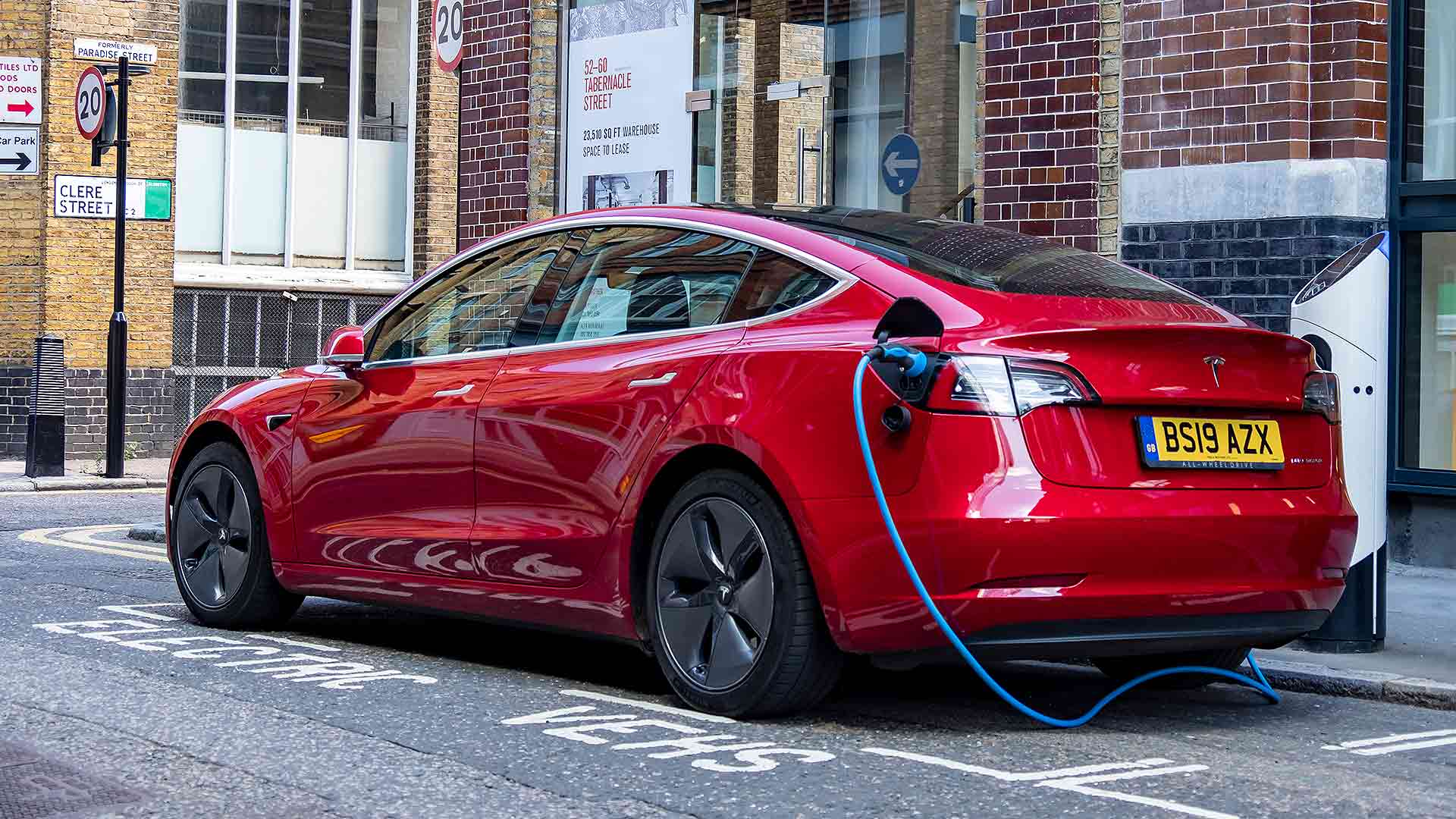
The government has underlined its ambition to make motoring electric and end the sale of new petrol and diesel cars by 2030 with a Net Zero Strategy plan.

This will include a ‘zero emission vehicle mandate’ that will reinforce the commitment to only selling new electrified cars from 2030.

The car industry has welcomed the announcement – which includes almost £1 billion in fresh funding to help motorists and car manufacturers go electric.

Society of Motor Manufacturers and Traders chief executive Mike Hawes said the extra funds for electric vehicles “will help ensure affordability”.

The government is investing £620m in grants for electric cars and on-street charging points.

However, Mr Hawes warned charging point funds must be bound to regulations, in order to unlock private sector investment and boost consumer confidence in chargers on residential streets.

AA president Edmund King said the EV charge point funding is a welcome step “targeted at the eight million households without dedicated off-street parking”.

The government has also announced an extra £350 million to help the automotive supply chain make the move to electric.

“By moving first and taking bold action, we will build a defining competitive edge in electric vehicles,” said prime minister Boris Johnson, “whilst supporting people and businesses along the way.

“With the major climate summit COP26 just around the corner, our strategy sets the example for other countries to build back greener too as we lead the charge towards global net zero.”

Zero Emissions Vehicle Mandate

Electric car on-street charging

The Net Zero Strategy’s “ambitious zero emission vehicle mandate [will] show that we’re leading the world on the switch to EVs,” said transport secretary, Grant Shapps.

It is the first commitment of its type in Europe, and will include a requirement for car firms to sell a proportion of green cars each year.

Similar schemes have operated in North America where, said Chargepoint director of policy Tanya Sinclair, “they have significantly built up availability and consider confidence of electric vehicles”.

It will also boost confidence of those investing in the UK’s EV charging sector.

Vauxhall MD Paul Willcox has also welcomed the mandate, saying it will “provide clarity to the UK motor industry and the rest of the electric vehicle ecosystem”.

The SMMT’s Mike Hawes said the automotive industry “is putting zero-emission vehicles on Britain’s roads at a pace beyond all forecasts, such is the choice and appeal of those new models.

“A well-designed, regulatory framework could help maintain or even increase this pace to ensure we deliver on our shared decarbonisation ambitions.”

However, the AA’s Edmund Kind said it is “probably unnecessary.

“Manufacturers are already taking big steps in order to meet the 2030 ban on new petrol and diesel cars and vans, but bringing in this ‘red tape’ exercise could harm car production plans already in place.”

ALSO READ:

When will each car company stop selling petrol and diesel cars in the UK?

Best electric cars to buy in 2021

More EV advice on Motoring Electric

Advertisement

AUTOBEST Best Buy Car of Europe 2022 finalists named

0
AUTOBEST Best Buy Car of Europe 2021

Six cars will compete for the prize of AUTOBEST Best Buy Car of Europe 2022.

The Dacia Spring, Hyundai Bayon, Renault Arkana, Skoda Fabia, Toyota Yaris Cross and Vauxhall Mokka-e will undergo final tests by 32 European jurors in the coming weeks – including your UK writer.

Two of the six – the Dacia Spring and Vauxhall Mokka-e – are pure electric cars, while the Renault Arkana and Toyota Yaris Cross are only available as hybrids.  

The 2022 winner will succeed the AUTOBEST Best Buy Car of Europe 2021, the Seat Leon. Its triumph was recently celebrated at a glittering gala in Barcelona.

“We will continue in our endeavour to offer to millions of car consumers the best assessment about the Best Buy Car in Europe,” said AUTOBEST founder and chairman Dan Vardie. “But also about the best people, companies and technologies we have in the industry today.

Europe’s largest

AUTOBEST jury

The jury members hail from 32 different countries. This makes AUTOBEST the largest independent motoring jury in the world, according to the number of nations represented.

The awards follow a ‘one country, one juror’ policy.

Alongside the AUTOBEST Best Buy Car of Europe award, eight other prizes are voted on: Manbest, Companybest, Ecobest, Designbest, Technobest, Safetybest, Smartbest and Sportbest.

Recently, car design legend Frank Stephenson has agreed to lead a new initiative, the AUTOBEST Think Tank.

“Through this, we will more deeply explore the future of mobility, giving to all the people better visibility and understanding of what is going to happen in the coming years,” said Mr Vardie.

ALSO READ:

Volkswagen ID.4 is 2021 World Car of the Year

Toyota GR Yaris is 2021 UK Car of the Year

Toyota Yaris is 2021 European Car of the Year

Advertisement

Custom Volvo drag racer could become new Hot Wheels toy

0
Hot Wheels Legends Tour UK Finalist

A custom-built Volvo P1800 has been chosen to represent the UK in the 2021 Hot Wheels Legends Tour

The radical drag racer was picked by a special judging panel, including famed car designer Ian Callum CBE.

The Volvo now moves onto the semi-final round of the competition, with the chance to be immortalised as a scale miniature

Devilish performance

Hot Wheels Legends Tour UK Finalist

The highly-modified Volvo P1800 Gasser is owned by Somerset-based Lee Johnstone. Under the JD Racing name, it is raced by Lee and his three daughters: Ellie, Tori and Sarah. Lee’s wife, Sue, is also a supportive member of the team.

Called ‘Ain’t No Saint’, its nickname is a nod to the P1800 driven by Roger Moore in The Saint TV series. Moore’s Simon Templar character, however, made do with rather less than the 600hp supercharged 454 cubic-inch Chevrolet V8 that powers the Volvo dragster. 

Johnstone purchased the Volvo as a bare shell, then worked to turn it into the Gasser. It is now capable of running a quarter-mile in 10.01 seconds, hitting a top speed of 133mph. 

On learning of the Volvo’s win, Johnstone said: “As a team, we were ecstatic to hear our car was chosen. We never thought it would be named against some of the other entries”.

He added: “Everyone always says it looks just like a Hot Wheels and maybe it will now become one!”

Super-scale Swede

Hot Wheels Legends Tour UK Finalist

The Volvo was picked unanimously by the UK judging panel. It was said to meet all the Hot Wheels criteria of ‘performance, authenticity and garage spirit’.

“This is a beautiful example of a gasser – a drag racer with street car form,” said judge Ian Callum. “Often with dragsters, the chassis is so important that the body gets overlooked, but this example is fabulous, with great attention to detail. It’s a super quality, beautifully built car. And it completely hits the Hot Wheels brief.”

‘Ain’t No Saint’ will now move onto the semi-final round of the Legends Tour, set to take place on 4 November. It could then reach the Global Final on 13 November.

Should it win, the car will be recreated as a 1:64-scale die-cast car, and sold around the world.

ALSO READ:

Aston Martin Callum Vanquish 25 2021 review

Boxing clever: the history of Volvo estate cars

The greatest James Bond cars

Advertisement