Home Blog Page 120

Aston Martin fans can spec their dream car in virtual F1 pit garage

0
Aston Martin F1 Configurator

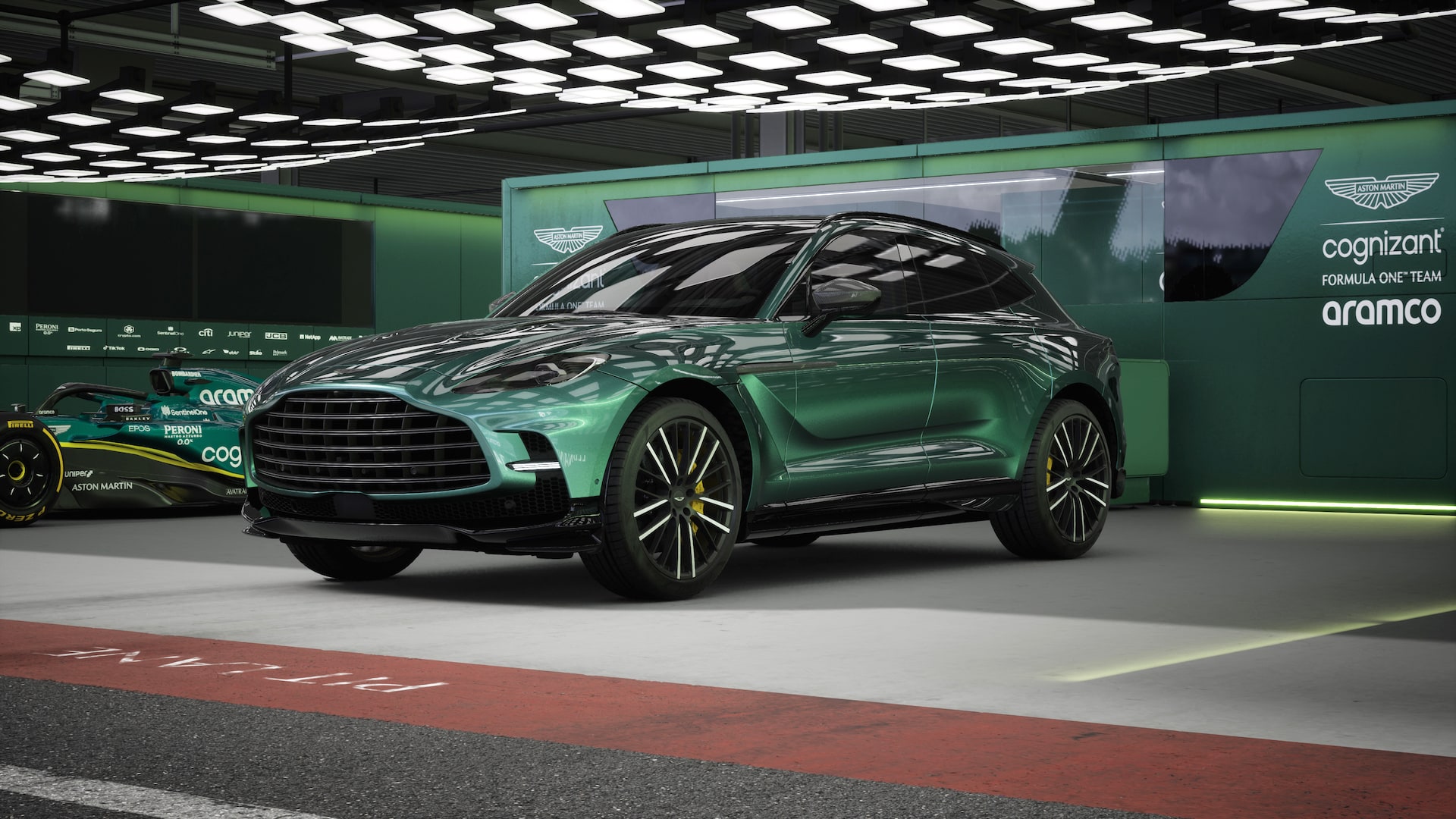
Aston Martin has introduced its Formula 1 team’s pit garage as a background for its online configurator. 

The new option follows the Aston Martin Aramco Cognizant F1 team’s successful podium finish at the Bahrain Grand Prix. 

Customers, fans and dealerships can now use the F1 pit garage as a backdrop when designing their dream Aston Martin. Their customised car can be viewed alongside the AMR23 Formula 1 racer.

An exclusive parking spot

Aston Martin F1 Configurator

The Aston Martin configurator allows users to visualise the DBS, DB11 and Vantage supercars, along with the DBX performance SUV

The options include the mighty DBX707, which is currently serving as the official Formula 1 medical car

Along with the modern F1 team garage, the configurator now includes the historic Brooklands race circuit as a background, too. This was added to celebrate the British brand’s 100th anniversary.

Once a user has created their ideal Aston Martin, a personalised brochure can be downloaded. Configurations can also be shared on social media.

Trophy on display

Aston Martin F1 Configurator

Also visible inside the virtual pit garage is the ornate third-place trophy awarded to Fernando Alonso at the Bahrain Grand Prix. Rendered in high-definition 3D, fans can zoom in for a closer look at the team’s first trophy of the season.

Renato Bisignani, head of global communications at Aston Martin, said: “With recent brand research revealing that almost 90 percent of our customers are passionate about Formula 1, we believe this high-performance-inspired environment will draw further synergies between track and road, allowing our customers to spec all of our models from within the Aston Martin Aramco Cognizant Formula 1 Team pit garage.

“Our configurator has always been designed to engage, excite and inspire, with more than half of our customers now using this digital tool during their purchase journey. We are therefore committed to further expanding its offering and developing unique features as part of our focus to deliver luxury digital experiences for our customers.”

The updated configurator is now live on the Aston Martin website.

ALSO READ:

Aston Martin DBS 770 Ultimate is an epic V12 swansong

Aston Martin DBX707 review

Best supercars to buy in 2023

April 2021 new car registrations in ‘artificial’ 3,000% increase as showrooms reopen

2018 was a record year for SORN declarations
Advertisement

Volkswagen ID. 2all concept previews affordable electric car

0
Volkswagen ID 2all Concept

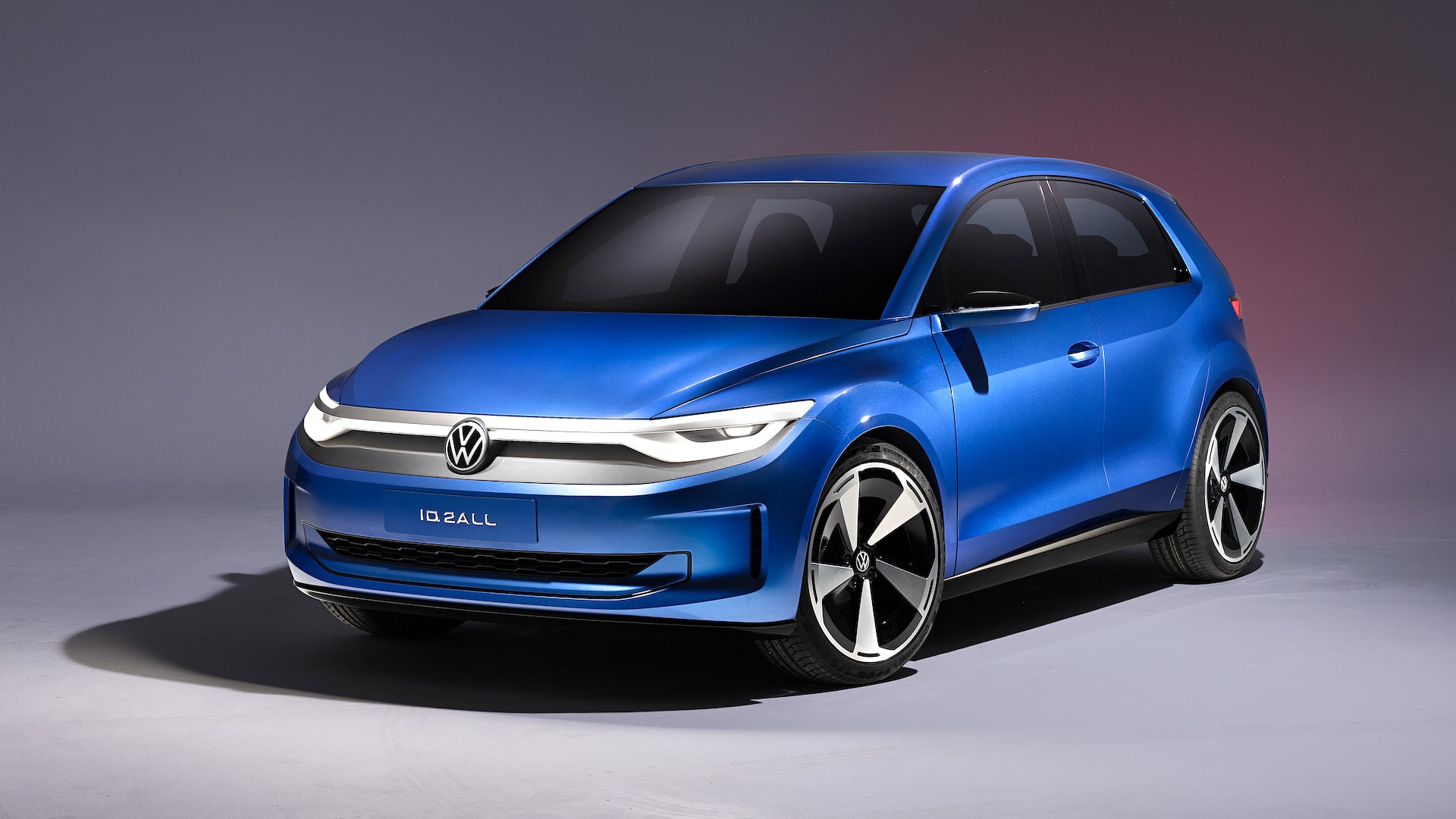
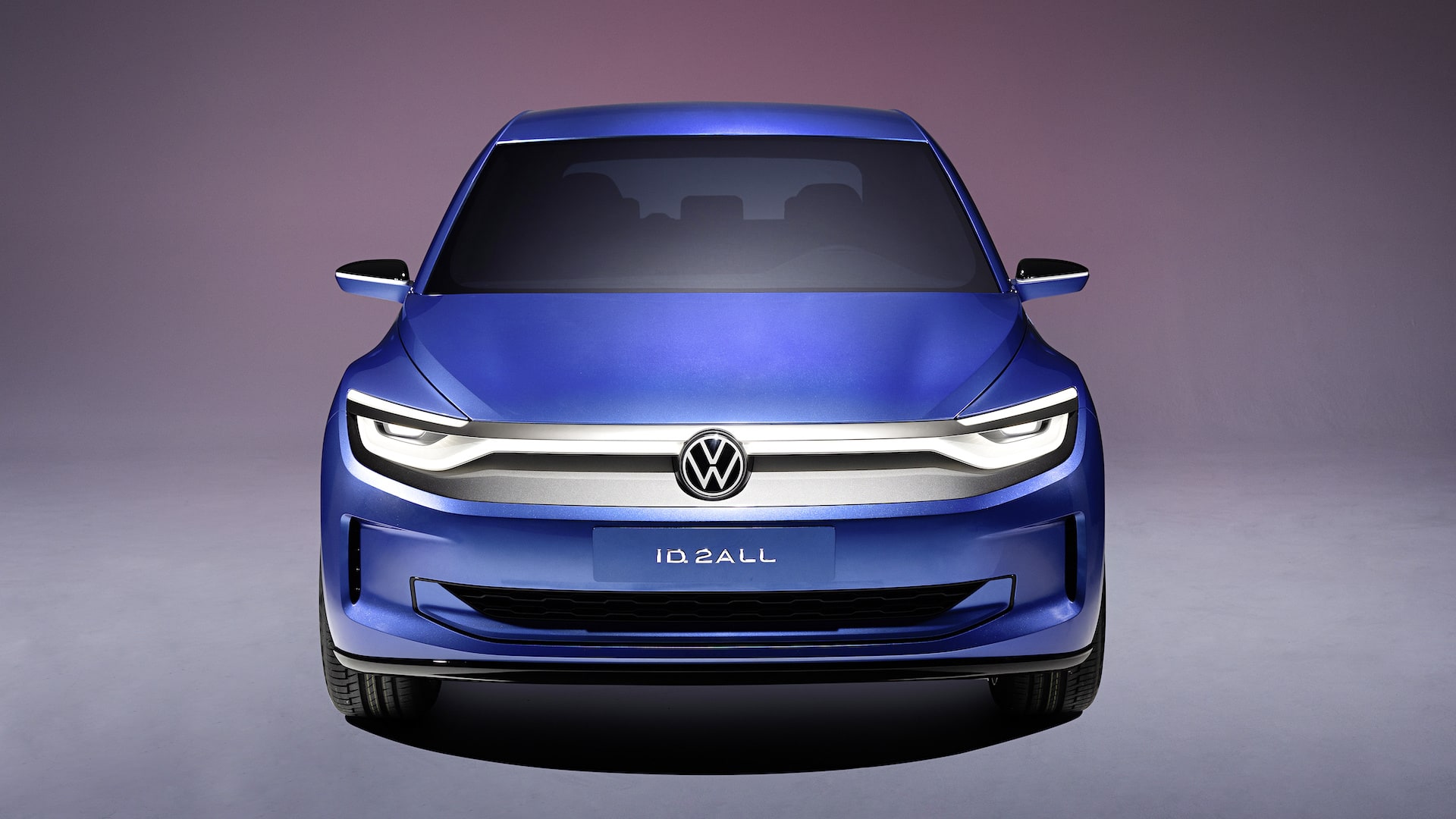
Volkswagen has revealed an electric concept car to preview a new production model – due in 2025. 

Bold claims are being made about the compact ID. 2all, which will slot into Volkswagen’s EV range below the existing ID. 3 hatchback

Grabbing most attention is the promise of a starting price from under €25,000 (£22,000), along with a range of up to 450km (280 miles).

Power to the people

Volkswagen ID 2all Concept

Beneath the concept car bodywork is Volkswagen’s first use of a front-wheel-drive layout for an electric ID. model. 

Known as MEB Entry, the new platform mounts the electric motor at the front, where the engine would be in a conventional supermini. Short front and rear overhangs, plus a long wheelbase, result in a spacious interior for a car the same size as a VW Polo

The ID. 2all concept has a 226hp electric motor, and is said to be capable of 0-62mph in less than seven seconds.

Rapid charging means the battery can be replenished from 10 to 80 percent in 20 minutes, although there is no word on the size of the concept car’s battery.

A tribute to Volkswagens of old

Volkswagen ID 2all Concept

Along with previewing the use of front-wheel drive for an EV, the ID. 2all also reveals a new design language for Volkswagen cars. The concept was created by Andreas Mindt, who took over as head of Volkswagen Design last month.

Mindt was responsible for the seventh-generation Volkswagen Golf, which may explain why the ID. 2all looks familiar. He says the new design is about “transferring the DNA of our icons into the future. The ID. 2all is therefore also an homage to the Beetle, Golf and Polo.”

The C-Pillar shape, for example, is inspired by that on the original Mk1 Volkswagen Golf

The styling of the ID. 2all is shaped by the “three pillars of stability, likeability and excitement,” says Mindt. These ideas will underpin the aesthetic of future Volkswagen models, too.

An illuminating interior

Volkswagen ID 2all Concept

Volkswagen appears to have heeded the numerous gripes about its current infotainment system, as the ID. 2all boasts an all-new 12.9-inch multimedia touchscreen. This features an updated menu structure and, most importantly, has separate illuminated controls for the air conditioning. 

The steering wheel controls have been simplified to just two thumbwheels, with not a haptic touch-sensitive button in sight… 

Smartphone charging is a key part of the ID. 2all’s interior, with two wireless charging pads found on the centre console. Both these, and the chargers found in the seat backrests, use magnets to hold devices in place. 

Boot space is an impressive 440 litres, with a storage box beneath the rear bench offering another 50 litres. Dropping the back seats results in a total of 1,339 litres of luggage capacity.

Ten new EVs by 2026

Volkswagen ID 2all Concept

The production version of the ID. 2all should arrive in showrooms in 2025, and is a key part of Volkswagen’s plans to increase its electric offering

The company will launch 10 new electric cars by 2026, as it looks to claim an 80 percent share of the EV market. Doing so would give VW the widest range of electric vehicles on the market. 

Beneath the ID. 2all, Volkswagen also aims to create a smaller electric car with a start price of just €20,000 (£17,500).

ALSO READ:

Volkswagen ID. Buzz 2023 review

Volkswagen Golf R 20 Years 2023 review

Advertisement

New Kia EV9 electric seven-seat SUV revealed

0
Kia EV9

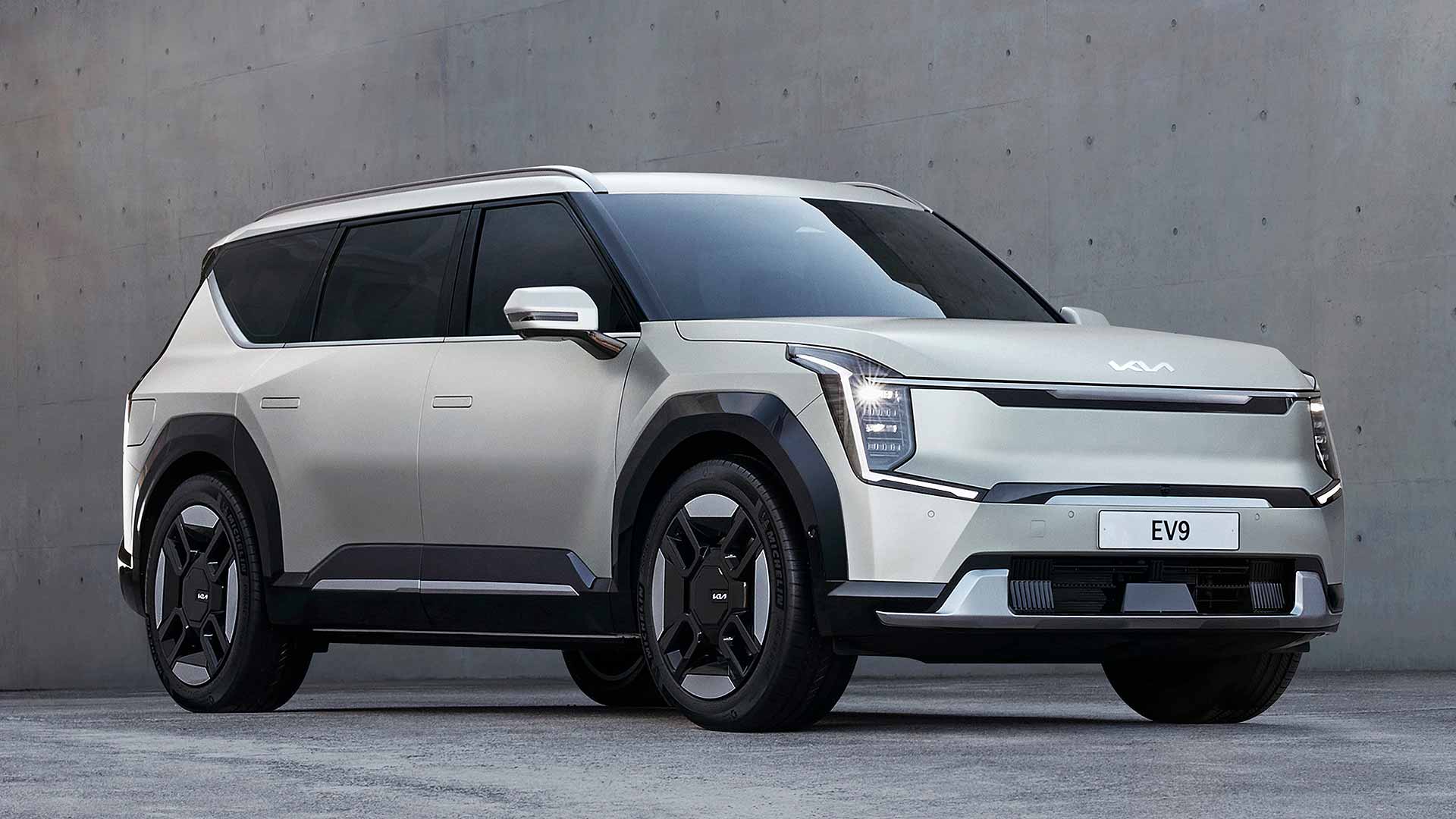
The hotly-anticipated Kia EV9 has been revealed – and bosses confirm the range-topping electric car will reach UK showrooms later this year.

The Kia EV9 is a large and luxurious SUV with three rows of seats: one of the few electric seven-seaters on sale.

Boasting a radical design that Kia calls ‘Opposites United’, the new EV9 has a bold, structural look and assertive geometry.

Kia EV9

Kia design chief Karim Habib says the EV9 is intended to “redefine standards for design, connectivity, usability and environmental sustainability”.

An eye-catching flagship for the fast-growing South Korean company, the new EV9 will sit above the sleek Kia EV6 fastback.

Prices are yet to be confirmed, but it’s likely to cost from around £60,000 – making it a distinctive and fully electric alternative to the top-selling Tesla Model Y.

Kia EV9 faces the future

Kia EV9

With no immediate EV rivals at launch, the bold and roomy Kia EV9 is sure to stand out among upmarket electric cars.

Helping its cause are simple, clear-cut lines and body surfaces, which Habib says are themed around a polygonal design language.

The ‘Digital Tiger Face’ is like something from sci-fi, with two clusters of small, cube-shaped LED lights vertically stacked alongside an LED light bar. The light pattern is unusual – and animated. Because it’s an EV, there’s no need for a grille, furthering the futuristic feel.

The electric sister car to the Kia Sorento, the EV9 also has flush door handles, slim rear lights and a clean, cohesive finish throughout.

Kia EV9

This carries through to the cabin, which is open-plan and luxurious, with plentiful use of plush textiles and colourful ambient lighting: less car, more aircraft on wheels.

The Kia E-GMP architecture should serve up good amounts of interior space, thanks to a long wheelbase and flat floorplan. Kia promises lounge-style comfort in all three rows of seats.

The seven-seat model will be standard, with a six-seat option that features three rows of airline-style chairs.

Cleverly, the middle-row seats can rotate 180 degrees, so passengers can turn and face those in the third row.

Kia EV9

Following this first look at the EV9, the new SUV will make its full global premiere in late March. We will then learn more about its electrical underpinnings – including the all-important range and performance figures.

“The Kia EV9 breaks new ground,” says Habib. It “offers customers an exceptionally high-quality proposition and a fresh EV perspective in the family EV sector”.

Come back to Motoring Research later this month to find out more about the bold new Kia EV9.

ALSO READ:

Kia is car brand of choice for green government fleet

F1 star Valtteri Bottas takes delivery of exotic Alfa Romeo Giulia GTAm

Skoda is testing a way to stop near-misses at level crossings

Advertisement

F1 star Valtteri Bottas takes delivery of exotic Alfa Romeo Giulia GTAm

0
Valterri Bottas Alfa Romeo Giulia GTAm

Valtteri Bottas is now the owner of a limited-edition Alfa Romeo Giulia GTAm. The Finnish Formula 1 driver collected his new car from the Stellantis & You showroom in Turin, Italy.

It means Bottas has joined an exclusive club, securing one of 500 examples of Alfa Romeo’s most powerful production car

We suspect driving for the Alfa Romeo Formula 1 Team will have helped him to the front of the queue.

Developed by Kimi Raikkonen

Valterri Bottas Alfa Romeo Giulia GTAm

The Giulia GTAm, and slightly less hardcore GTA version, were revealed by Alfa Romeo in 2020, as a homage to the classic 1965 Giulia GTA. 

A track-focused model, the GTAm uses Lexan polycarbonate for its rear and side windows. Alfa Romeo also removed the rear seats, helping shave 100kg from the Giulia’s kerb weight. 

Power comes from a 2.9-litre Ferrari-produced twin-turbo V6. With 540hp, the GTAm can accelerate from 0-62mph in just 3.6 seconds. That may feel a little bit slow for Valtteri compared to his company car, however…

Development of the Giulia GTAm was undertaken by ex-Formula 1 drivers Kimi Raikkonen and Antonio Giovinazzi, during their time with Alfa Romeo.

Embodying Alfa Romeo DNA

Valterri Bottas Alfa Romeo Giulia GTAm

Speaking about collecting his new car, Bottas said: “I’m clearly a lifelong car enthusiast. But most of all I love the Alfa Romeo brand. It is an honour for me to be an ambassador of the brand and now to become a customer, owner of one of the 500 Giulia GTAms. 

“It’s a technically excellent vehicle, realised in collaboration with Sauber Engineering by leveraging the expertise and technical know-how that comes directly from Formula 1, but for us car and motorsport enthusiasts it represents so much more.

“It revives one of the legends of motorsport, the 1965 Giulia GTA, and perfectly embodies the brand’s DNA, passion for motorsport, driving pleasure and a unique and distinctive styling appeal.”

Giulia GTAm buyers are entitled to attend a special course designed by the Alfa Romeo Driving Academy. As a 10-time Grand Prix winner, Bottas will likely decide to give that a miss.

ALSO READ:

Alfa Romeo Giulia Quadrifoglio review

New Petersen Museum exhibition features eroded auto icons

Could the Babyark be the safest child car seat in the world?

Advertisement

Not buying British: Kia is car brand of choice for green government fleet

0
Government EV Fleet Procurement

Government fleet managers have made Kia their top choice when it comes to procuring low-emissions vehicles

Data obtained by The Times newspaper includes details of cars that make up the government’s central fleet. Interestingly, some 82 percent of the low-emissions vehicles are Kias. 

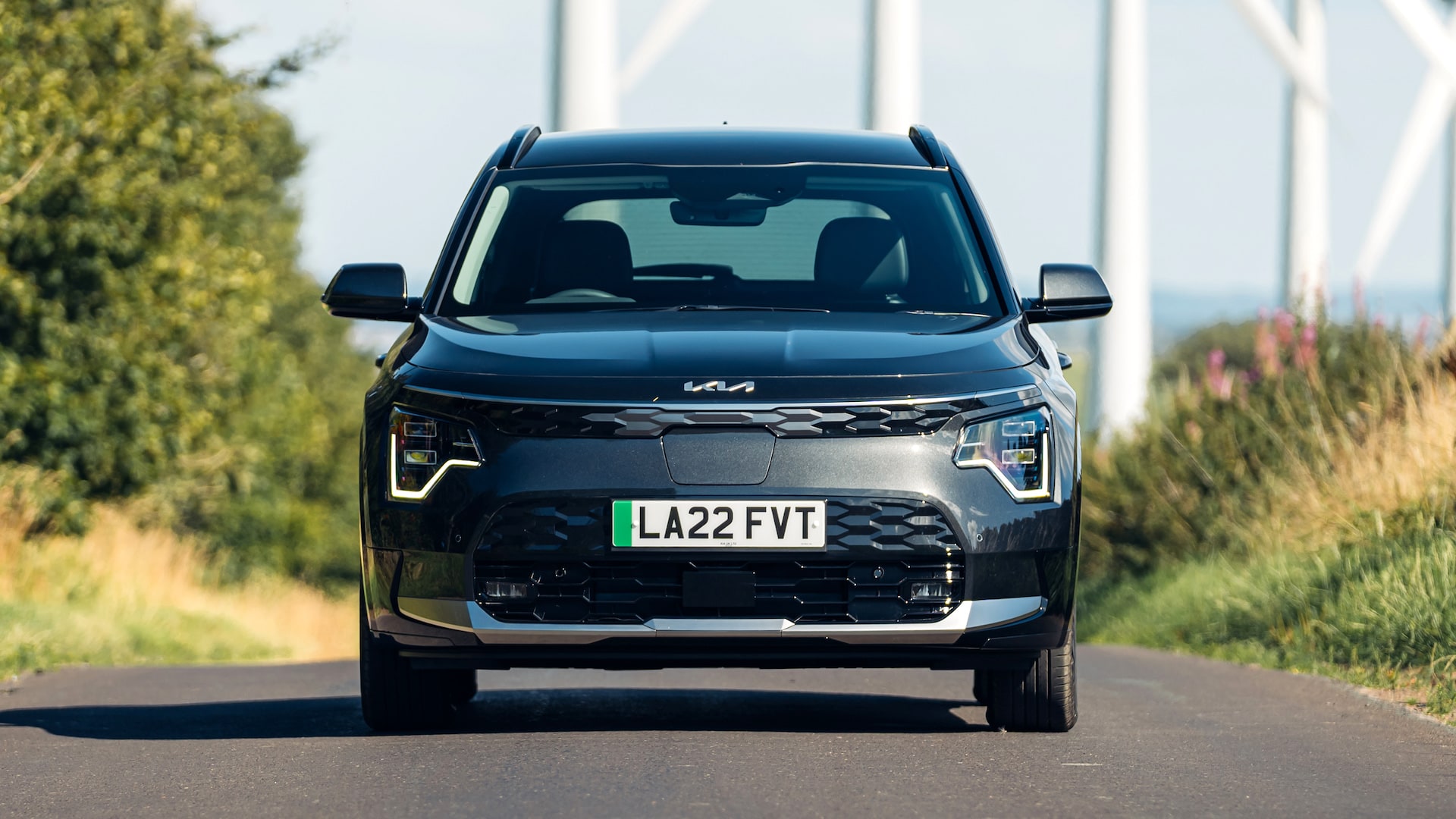
In total, the government’s central fleet of 680 plug-in vehicles includes 449 examples of the plug-in hybrid Kia Niro, along with 110 of the Sportage PHEV.

Brits fewer than five percent

Government EV Fleet Procurement

The Times points out that UK-produced cars account for fewer than five percent of the plug-in vehicles leased or purchased for the government fleet.

Just 25 Nissan Leafs (produced in Sunderland), and seven Land Rover Discovery Sports (made in Halewood), are among the 680 cars. 

Although 36 examples of the Jaguar I-Pace have been procured for fleet use, these are built by Magna Steyr in Graz, Austria. The I-Pace is also the most expensive new car purchased for government use.

Government procurement rules require departments to consider ‘zero or ultra low emission at tailpipe’ vehicles as the default choice.

Plug-ins are prioritised

Government EV Fleet Procurement

The Government Buying Standards also dictate that procurement managers must choose cars with a five-star Euro NCAP safety rating. There is no requirement to prioritise UK-made vehicles, however.

Reducing carbon emissions is central to government fleet objectives. The Greening Government Commitments include a target for 25 percent of the government car fleet to be ultra-low emission vehicles (ULEVs) by 31 December 2022. This increases to 100 percent by 2027.

Data from September 2022 showed that 25.5 percent of central government cars were ULEVs, reaching the target three months ahead of schedule.

Technology and decarbonisation minister Jesse Norman said: “It’s critical that progress in decarbonising fleets is matched elsewhere. We will continue to forge ahead, to complete the switch by 2027 and help make the UK a world leader in decarbonisation.”

ALSO READ:

Top reasons for MOT test failures revealed

MG4 EV named UK Car of the Year 2023

Best electric cars to buy in 2023

Advertisement

Skoda is testing a way to stop near-misses at level crossings

0
Skoda Level Crossing Warning

Skoda is testing new technology to help prevent collisions between cars and trains at level crossings. 

Research by the Czech brand found that 992 near-misses occurred between trains and vehicles in the UK in the 10 years between 2011 and 2021.

According to the Rail Safety and Standards Board (RSSB), there are an average of 99 near-misses every year. Prior to the Covid-19 pandemic, there were 75 recorded incidents between 2019 and 2020, and also between 2018 and 2019.

Four actual collisions between trains and road vehicles occurred between 2021 and 2022.

Danger, high voltage!

Skoda Level Crossing Warning

UK motorists face a £60 fine and three points on their driving licence for disobeying level crossing rules. Despite this, 8,264 drivers crossed when it was unsafe between 2014 and 2021. 

There are around 6,000 level crossings in the UK. However, only one-third of these have any measures in place to warn drivers of an approaching train. 

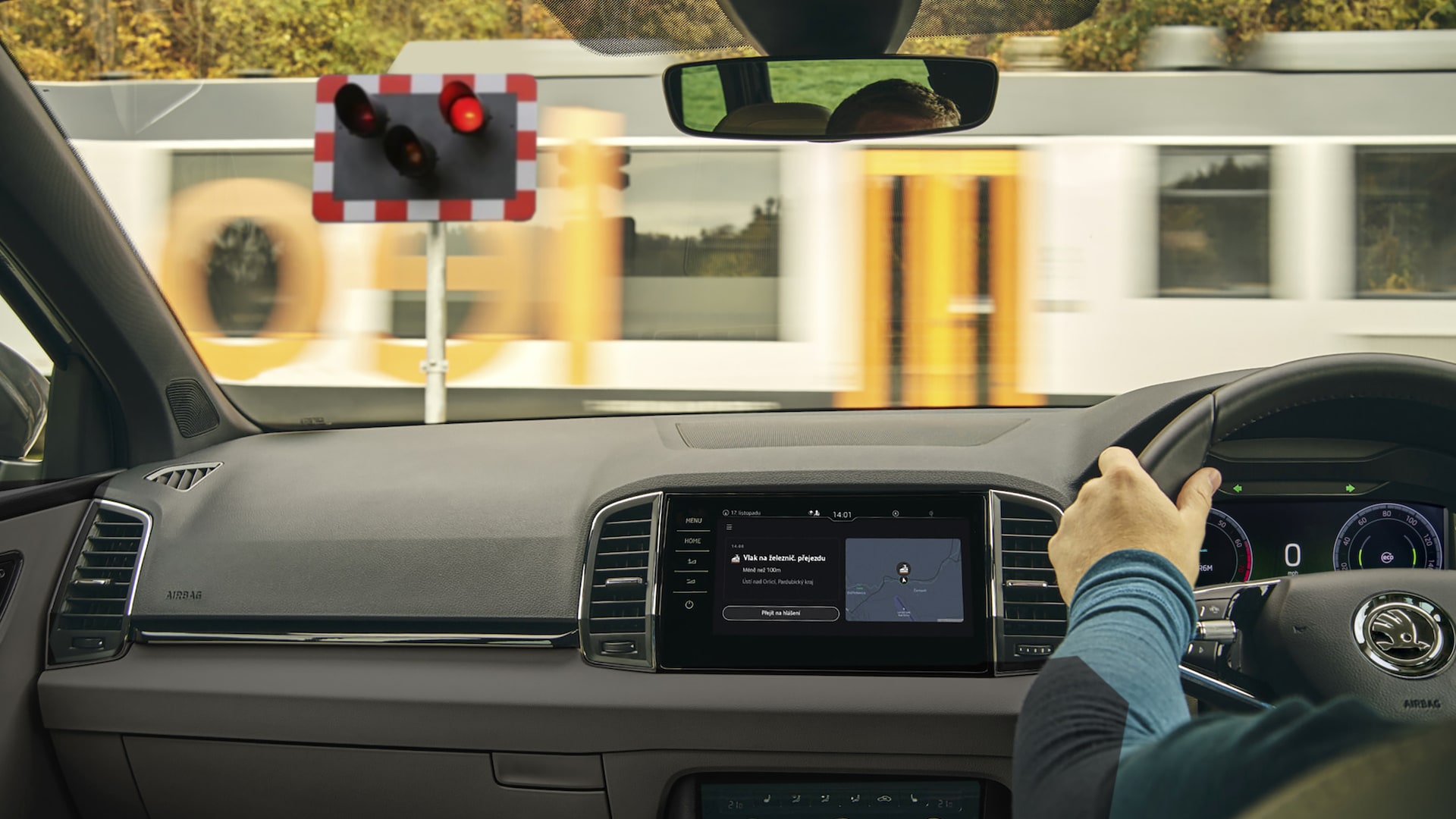
Faced with such a substantial road safety issue, Skoda is piloting new software to warn drivers of trains approaching level crossings. It is currently being tested by the Czech railway company, Leo Express. 

Real-time train location data is stored in the cloud, then communicated to the car as it approaches a level crossing. Drivers see a warning on the multimedia screen, along with a spoken command to stop.

Cloud-based warnings

Skoda Level Crossing Warning

Skoda’s Traffication app is used to receive and share warnings about level crossings. Integrated into the car’s infotainment system, the app can also warn drivers of other potential hazards, thanks to cloud-based technology

In the UK, the Traffication app runs automatically in the background, and can alert drivers about motorists driving the wrong way down a road, or severe weather. Information collated from other Skodas can be used to tailor warnings – e.g. poor visibility might be detected by a number of drivers turning on their fog lights. 

With the exception of the Enyaq iV, the Traffication app is available for all Skoda models fitted with the latest MIB-3 infotainment system.

ALSO READ:

Skoda creates a playlist to help dogs relax on car journeys

BYD Atto 3: Chinese electric SUV on sale now, prices from £36,490

Best family SUVs to buy in 2023

Advertisement

New Petersen Museum exhibition features eroded auto icons

0
Daniel Arsham Petersen Exhibition

The Petersen Automotive Museum in Los Angeles has unveiled its latest exhibition, featuring unusual ‘eroded’ car sculptures. 

‘Arsham Auto Motive’ features the work of Daniel Arsham. It includes four life-size cars, made using materials that include selenite, quartz and even volcanic ash.

With inspiration from archaeology, history and pop culture, Arsham’s work presents the four cars as if they have been eroded both inside and out.

Iconic Porsches eroded

Daniel Arsham Petersen Exhibition

Arsham’s 1955 ‘Bonsai’ Porsche 356 Speedster has been influenced by the Japanese concept of appreciating beauty that is ‘imperfect and impermanent’. 

It took Arsham two years to expose the Speedster’s raw metal bodywork, including welds and natural wear marks. Linseed oil was then used to preserve the metal from the elements. The interior is finished with upholstery made in Japan.

The stylish 356 Speedster remains fully usable, with the engine restored back to its original condition.

A second Porsche is another star of the show: the Eroded 911. This makes use of blue calcite stone, quartz, selenite and hydrostone. Arsham’s ‘fictional archaeology’ work is meant to show the Porsche 911 eroding, and undergoing a process of crystallisation.

Recreated and ruined

Daniel Arsham Petersen Exhibition

A Ferrari 250 GT California Spyder plays a central role in the 1986 movie, Ferris Bueller’s Day Off. It also captured the attention of Arsham, who spent more than a year creating an eroded version from quartz.

Underneath is a vehicle created by the prop expert who built the replica Ferraris used in the film. Arsham then crafted 35 new body panels to give the impression of the Ferrari wearing away.

“Having previously exhibited Keith Haring and Andy Warhol’s work, it is evident that pop culture and the automotive sector make for an exciting, crowd-pleasing combination,” said the Petersen Automotive Museum’s executive director, Terry L. Karges. 

“Daniel Arsham’s talent makes a strong case that cars can inspire artistic creations, while also serving as art pieces themselves.”

ALSO READ:

The OTHER off-road Ferrari: tiny Testa Rossa takes on ice race

Audi’s new electric mountain bike is inspired by Dakar racers

Weismann Project Thunderball EV sports car gets custom makeover

Advertisement

Top reasons for MOT test failures revealed

0
MOT Most Dangerous Failures

The RAC has analysed data from the Driver and Vehicle Standards Agency (DVSA) to explore the reasons why cars fail the MOT test. 

It reveals that UK-registered cars and vans are most likely to experience a dreaded MOT fail due to problems with lighting.

Faulty headlights, indicators and reflectors accounted for more than one-quarter (25.5 percent) of all MOT failures in the 12 months to March 2022. 

This was followed by broken suspension components, which resulted in close to one-fifth (18.3 percent) of test fails.

Tyres and brakes a major concern

MOT Most Dangerous Failures

Brakes were responsible for 17 percent of MOT failures, with tyres the cause of 12 percent, then poor visibility accounting for 8.7 percent. 

However, when it comes to the most serious MOT failures, two components were far ahead of the rest. Tyres and brakes made up 88 percent of dangerous defects – i.e. those where the vehicle cannot be driven until the problem is rectified.

Such dangerous faults now account for nearly one in 10 (8.1 percent) of MOT failures. 

The RAC notes that MOT failures due to tyres are increasing: up from 10 percent in 2018-19. This is supported by a recent Institute of the Motor Industry study, which suggests that tyres are the ‘weakest link’ in vehicle maintenance. Electric vehicles in particular are more likely to fail on tyres, making up 46 percent of all EV test failures.

Get problems fixed early

MOT Most Dangerous Failures

Data shows that one-in-three initial MOT tests for cars and vans results in a failure. This leaves drivers with the cost of remedial work, despite many issues being easy to spot in advance.

RAC head of roads policy Nicholas Lyes said: “Many drivers dread taking their vehicle for its annual MOT for fear they could end up having to spend lots of money on repairs in order to get it to pass. This is no doubt the case for an unlucky third of owners whose vehicles fail their MOTs initially.

“Drivers should never ignore dashboard warning lights as they could end up putting themselves or others at risk and costing themselves a lot of money with a bigger repair bill than necessary had they acted straightaway. Additionally, routine servicing helps reduce the chance of a vehicle failing its MOT as it includes a host of important basic checks.

“It’s also advisable to have someone check rear lights and indicators are working if the vehicle does not have modern dashboard warning lights. Keeping tyres properly inflated and having a smooth driving style will often help prolong the life of the rubber. And if something doesn’t sound or feel right, to get checked at a trusted garage as soon as possible.”

ALSO READ:

MG4 EV named UK Car of the Year 2023

Skoda creates a playlist to help dogs relax on car journeys

How to save money on motoring

Advertisement

Could the Babyark be the safest child car seat in the world?

0
Frank Stephenson Babyark

Babyark claims to have built the world’s safest car seat for children, using high-end materials and the latest technology. 

Celebrated car designer Frank Stephenson is responsible for creating the Babyark seat, via his Frank Stephenson Design agency. 

When displayed at the 2023 Consumer Electronics Show, the Babyark became an Innovation Award Honouree.

Inspired by supercars and nature

Frank Stephenson Babyark

Frank Stephenson has spent much of his career sketching performance cars, from the Ford Escort RS Cosworth to Maserati MC12 and McLaren P1. This experience fed into the Babyark, which makes use of carbon fibre to form its egg-shaped frame.

Incorporated into the design are energy-absorbing steel coils. On impact, these slow the seat’s forward momentum to reduce the forces transferred to the child

The unique ‘BioArk’ side-impact protection system was apparently inspired by woodpeckers. The bird’s plate-like bone structure was replicated, and has since been patented. 

The BabyArk seat also features 14 separate sensors to monitor whether the seat and child are both securely fastened. These communicate with a dedicated app, alerting the phone user if a child is mistakenly left inside the car.

Peace of mind for parents

Frank Stephenson Babyark

Designed for children between 0-6 years, the Babyark can swivel between front- and rear-facing positions

Such high-end technology and design does not come cheap, however. The Babyark seat has a supercar-inspired US-market price tag of $990 (£820). A UK price has yet to be announced.

Frank Stephenson said: “After my time within the automotive industry, I have always wanted to go beyond simply designing vehicle shapes. Safety standards and designs within the industry have evolved significantly, and yet we easily neglect the technology required for child safety. Babyark’s disruptive business approach and its exposed design, which takes inspiration from protective shapes in nature around us, aims to embrace the occupant and provide safety and luxury for users.

“Blended with timeless design, Babyark is a remarkable, high-end product that ensures peace of mind for parents across the world. I’m extremely proud of the uncompromising commitment to safety and the joy I experienced designing my first children’s product.”

ALSO READ:

From Mini to McLaren: Frank Stephenson talks car design

Frank Stephenson: ‘How I designed the Ferrari F430’

How to drive safely on the school run

Advertisement

What to do if you lose your driving licence

1
Main_Licencecheck

If you lose your photocard driving licence, you need to apply for a new one straight away. The process explained here is the same for replacing a licence that has been lost, stolen, damaged or destroyed.

You should also contact the police if you think your licence has been stolen.

The paper counterpart to the photocard driving licence was discontinued on 8 June 2015, so you will no longer receive a new one as part of this process. Any existing paper counterpart has no legal status and should be destroyed.

To begin the process of replacing a lost driving licence, visit the GOV.UK website. You will need to provide your driving licence number, National Insurance number and passport number, if you know them.

You’ll also need to be a resident of Great Britain, not disqualified from driving for any reason, and be able to provide addresses where you have lived for the last three years. The cost of a new driving licence is £20, which must be paid by Mastercard, Visa, Electron or Delta debit or credit card.

What you need to apply for a new licence

Driving licences revoked on medical grounds

The Driver and Vehicle Licensing Agency (DVLA) will use your passport photo for your new driving licence if the following are true:

  • Your licence is due to expire within two years
  • You have a valid UK passport
  • You give permission for the DVLA to use your photo

You will be sent a form if a suitable electronic photo is not available.

The information you need to provide

The process is simple. You will be asked for the following information:

  1. Name, address, date of birth and country of birth
  2. How long you have lived at your current address
  3. Driver number
  4. Telephone number, birth surname, mother’s maiden name, place of birth
  5. National Insurance number
  6. Passport number

If you have lived at your current address for less than three years, you will need to provide past addresses covering this period.

If you find your old licence after applying for a replacement, you must send it to the DVLA:

DVLA 
Swansea 
SA99 1AB 

The process for replacing a lost driving licence is different in Northern Ireland, where licences here are still made up of two parts: a plastic photocard and paper counterpart. Click here to replace a driving licence in Northern Ireland.

ALSO READ:

Where is it illegal to park your car?

How to keep your car safe with an OBD port locking device

The best new cars to buy in 2023

Advertisement