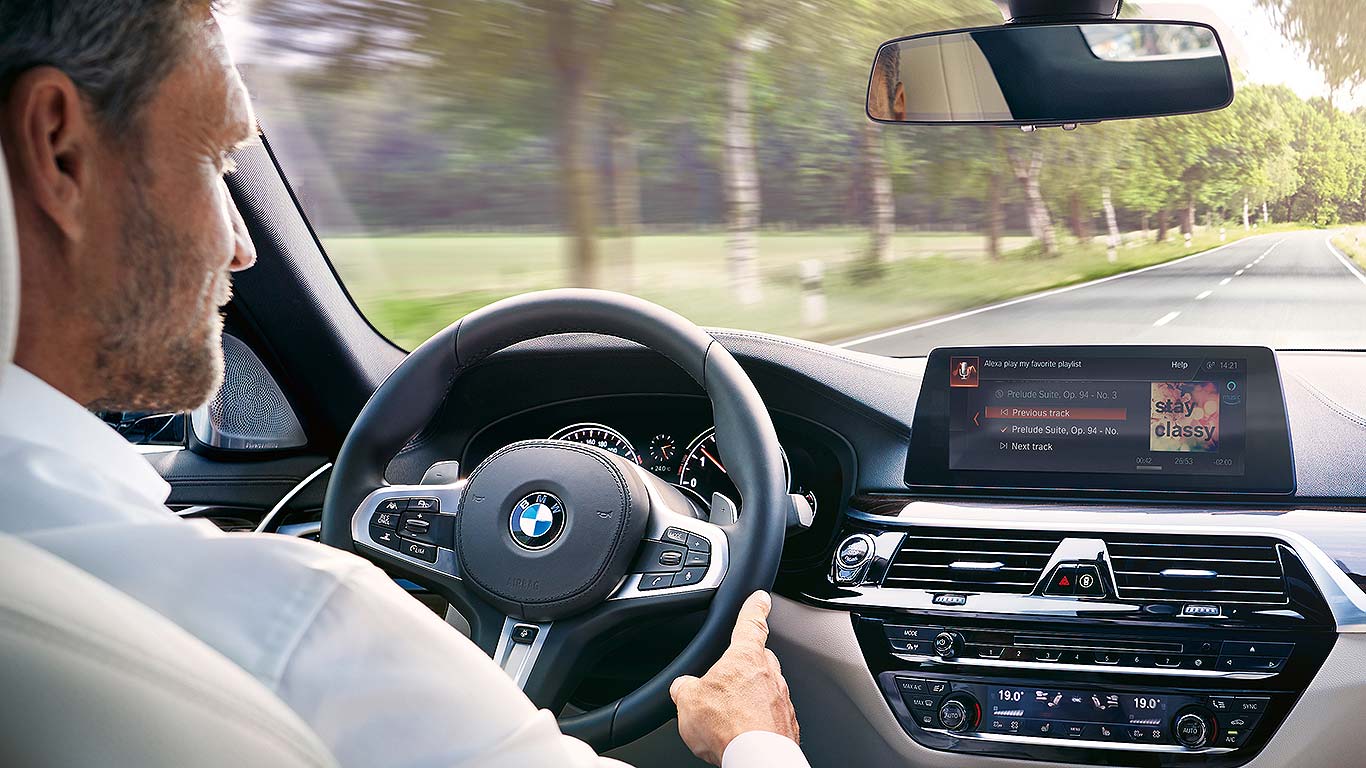
Amazon Alexa is to be integrated into all new BMW and Mini models from 2018 – and users won’t even need to hook up their smartphone in order to use it.
Because all new BMWs and Minis come with a built-in SIM card, the firm is able to fully integrate Alexa and deploy it en masse; it means everything that Alexa users do from Amazon Echo devices, they’ll soon be able to do in their car too.
It’s presumably as easy as saying, “Alexa…”
The move is a development of the BMW Connected Alexa ‘skill’, that’s been offered for around a year: it allows BMW and Mini owners to ‘ask’ Alexa questions such as the state of charge in their electric vehicle, or how much fuel is in their diesel or petrol.
Full integration will bring the home-based convenience of Alexa into the car, says BMW. Adding a digital ecosystem “will open up all sorts of new possibilities that customers can access quickly, easily and safely from their car,” said Dieter May, senior vice president of digital services and business models at BMW.
Examples include asking Alexa which movies are on at the local cinema (and what times they’re shown), listening to playlists or checking the weather at their destination. Naturally, as it’s an Amazon product, online orders can be made while driving.
“We are excited to work with BMW to bring the Alexa experience to their drivers,” said Ned Curic, vice president, Alexa Automotive. “Using your voice to enjoy content and interact with Alexa makes a great driving experience even better.”
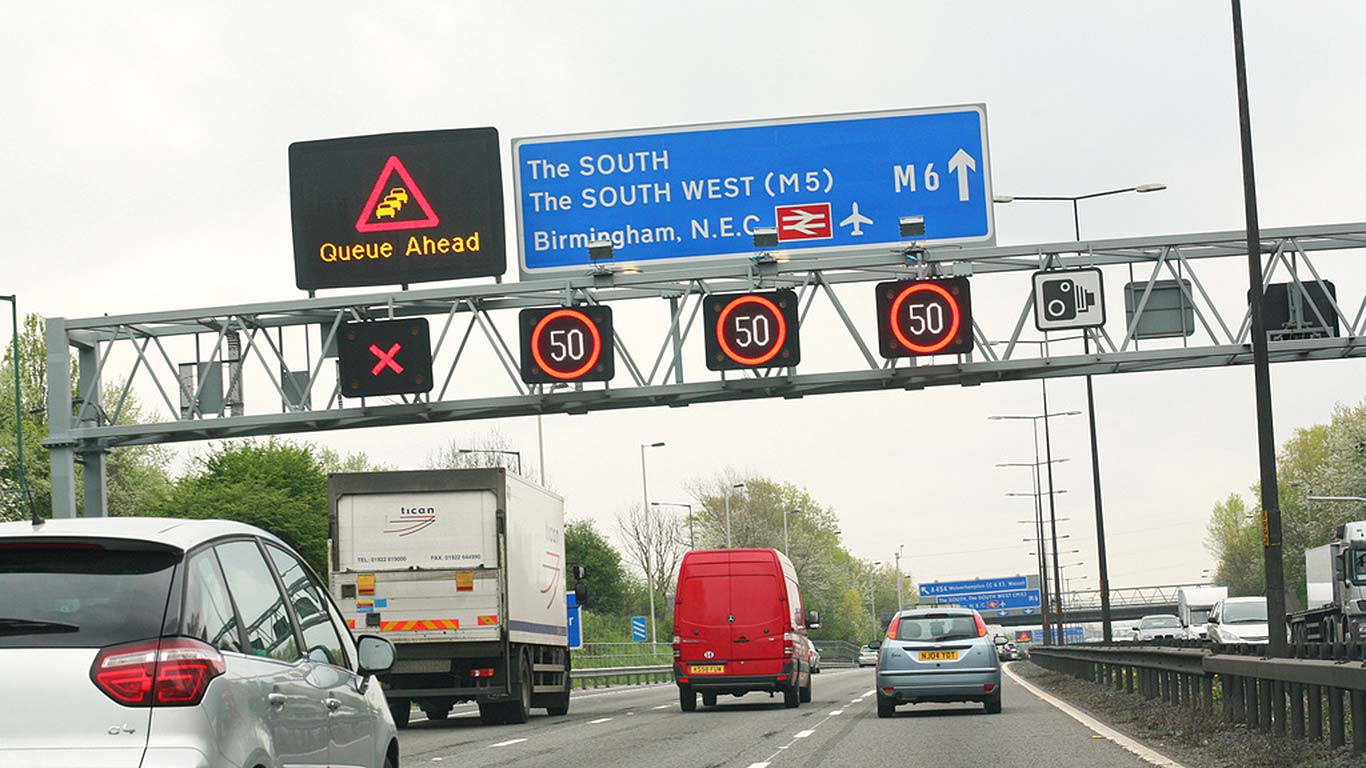
Independent watchdog Transport Focus has called on Highways England to up its game in educating motorists how to use smart motorways.
Citing research that shows few drivers know for sure what to do if they break down on a motorway with no hard shoulder, the organisation wants Highways England to roll out a more concerted driver education programme.
Anthony Smith, chief executive of Transport Focus, said: “What’s been missing until now is an understanding of how road users experience smart motorways.
“The message to Highways England is that many millions of drivers successfully use smart motorways, but there is more to do to improve their understanding of how they work and what you should do if you break down.”
Opinion: Motorways are smart. Pity drivers aren’t
Worryingly, not many motorists think about safety at all when discussing smart motorways – it only arose when prompted by Transport Focus during research.
The organisation thus wants Highways England to:
Help drivers understand smart motorways and their various features
Reassure them that motorways with no hard shoulder are safe even if you break down
“Road users tend to trust that ‘the authorities’ would not allow motorways without a hard shoulder if it was unsafe” said Smith. “Highways England must remain vigilant that their trust is not misplaced.”
What do motorists say about smart motorways?
Some of the feedback from Transport Focus’ research showed that although millions of people are using smart motorways, worryingly few of them actually understand them.
“I still see at least once a week someone driving on the hard shoulder when there’s a red X on it. It’s obvious but I get the feeling many drivers don’t know about it.” Leeds, frequent business user
“Touch wood, I’ve never broken down on a motorway. If I did break down, yes, I can see there being some risk of someone coming into the back of you.” Birmingham, infrequent leisure user
“The smart motorway network is good for me because I’m used to it. I feel confident driving [on them].” Birmingham, HGV
“I didn’t know that you could get penalised for being in a red X, even though it is self-explanatory and wouldn’t be doing it.” Leeds, frequent leisure user
Are you unsure about how to safely use a smart motorway – or do you have concerns about the number of people using them incorrectly? Share your thoughts and observations with us below.
The so-called ‘Ditch Diesel’ protest was designed to mark two years since the Dieselgate scandal and followed a publicity stunt at the Frankfurt Motor Show a week earlier. Since then, the bad news has kept on flowing for Volkswagen.
Belfast-based Edwards and Co Solicitors has issued proceedings to the High Court that could see up to 70,000 Northern Irish Volkswagen drivers affected by Dieselgate awarded compensation.
Dorcas Crawford, a senior partner at the firm, said: “In the context of this truly global dispute, we wanted to ensure that the rights of our current clients, and Northern Ireland consumers in general, were not left behind – hence the issue of proceedings today.
“We are pursuing the Volkswagen Group, and a number of its subsidiaries, in the Northern Ireland High Court, in what will ultimately proceed as a group action. This will enable us to represent all those affected within the framework of one case.”
In a separate development, a former high-ranking engineer has been arrested over his role in Volkswagen’s diesel emissions scandal. Wolfgang Hatz was head of engine development between 2001 and 2007, and head of research and development at Porsche in 2011.
Hatz was suspended when news of the deception first broke before leaving Porsche by mutual consent in 2016. His arrest follows the search of offices and houses and it’s the first time anyone has been taken into custody in connection with Dieselgate.
The total cost of the diesel emissions scandal is set to reach $30 billion, as Volkswagen faces another $3 billion bill to fix around 500,000 2.0-litre diesel cars in the United States. “We have to do more with the hardware,” a Volkswagen spokesperson said, before admitting customers would have to wait longer for their cars to be repaired.
Volkswagen shares fell by up to 3% on Friday, with Evercore IS analyst, Arndt Ellinghorst, saying the news was unwelcome, “not only from an earnings and cash flow perspective but also with respect to the credibility of management.”
In the great scheme of things, the Greenpeace protest, while about as welcome as a wasp at a picnic, isn’t the worst thing to have happened to Volkswagen in the two years following Dieselgate. Indeed, while environmentalists were inevitably behind the high-profile publicity stunt, others were less supportive of their actions.
Tom Callow, director communications and strategy at Chargemaster, questioned the protesters’ mode of transport, by tweeting:
Still no response from @GreenpeaceUK as to whether protestors traveled on diesel coach to go and protest against diesel… https://t.co/vjHXgluupX
Others pointed to the number of petrol and hybrid vehicles on board the Elbe Highway, along with Volkswagen’s Scrappage scheme, which offers savings of up to £6,000 when you trade in any make or model diesel car registered before the end of 2009.
While the activists were successful in boarding the ship and gaining access to the vehicle park, their wider ambition was left unfulfilled. “They won’t give up until VW commits to send it’s [sic] toxic cars away from the UK and ditch diesel for good,” proclaimed a statement on the Greenpeace website.
In fact, Volkswagen told Motoring Research that the ship moved out to sea and finally docked in Sheerness on the evening of the 22 September 2017. The keys were handed back to VW and Greenpeace had “helpfully labelled the keys and the cars with matching stickers to assist us in pairing them together.”
As a result, Volkswagen says the action “has not had a negative effect on any customer deliveries.”
Commenting on the Greenpeace website, Theresa Adams countered VW’s claim that deliveries would be unaffected while criticising the actions of the environmental group, saying:
“I think Greenpeace has shot themselves in the foot with this campaign. I have a 17 year old diesel car that belches poison everywhere I drive as it has no DPF, so I decided to trade it in for a brand new petrol VW due to the generous scrapage [sic] scheme. My car is on that boat and delivery will now be next month, not this month.
“So instead of reducing pollution by taking my lung poisoning car off the road this month I now have to drive it round [sic] town for another month. Times this by the thousands of people doing the same thing and it now looks like Greenpeace isn’t so environmentally friendly as they think they are.”
Following the Greenpeace demo, two women and a man were arrested on suspicion of aggravated trespass, while a man and a woman were arrested under the Merchants Shipping Act 1995 on suspicion of entering a vessel. Those charged were bailed until 19 October.
Some people turned to social media to question the decision to single out Volkswagen for the protest, to which Greenpeace pointed to Dieselgate. On its Facebook page, it said: “VW is the largest carmaker in Europe but have [sic] made measly promises on electric and zero promise to ditch diesel. They were also responsible for fitting cars with devices to cheat diesel emisssions [sic] test in what became known as the dieselgate scandal.”
Buy a Japanese or Korean car to remove the stress of servicing, is the message from the What Car? Servicing and Satisfaction Survey. The car-buying brand asked more than 8,300 UK motorists about their most recent car service, with each respondent scoring their dealer on politeness of staff, quality of work and value for money. We present the top 10 in reverse order.
More on MR:
Banzai! Lifting the covers on Honda’s heritage collection
There’s no 10 place here, rather a tie for ninth position. First up is ever-reliable Toyota…
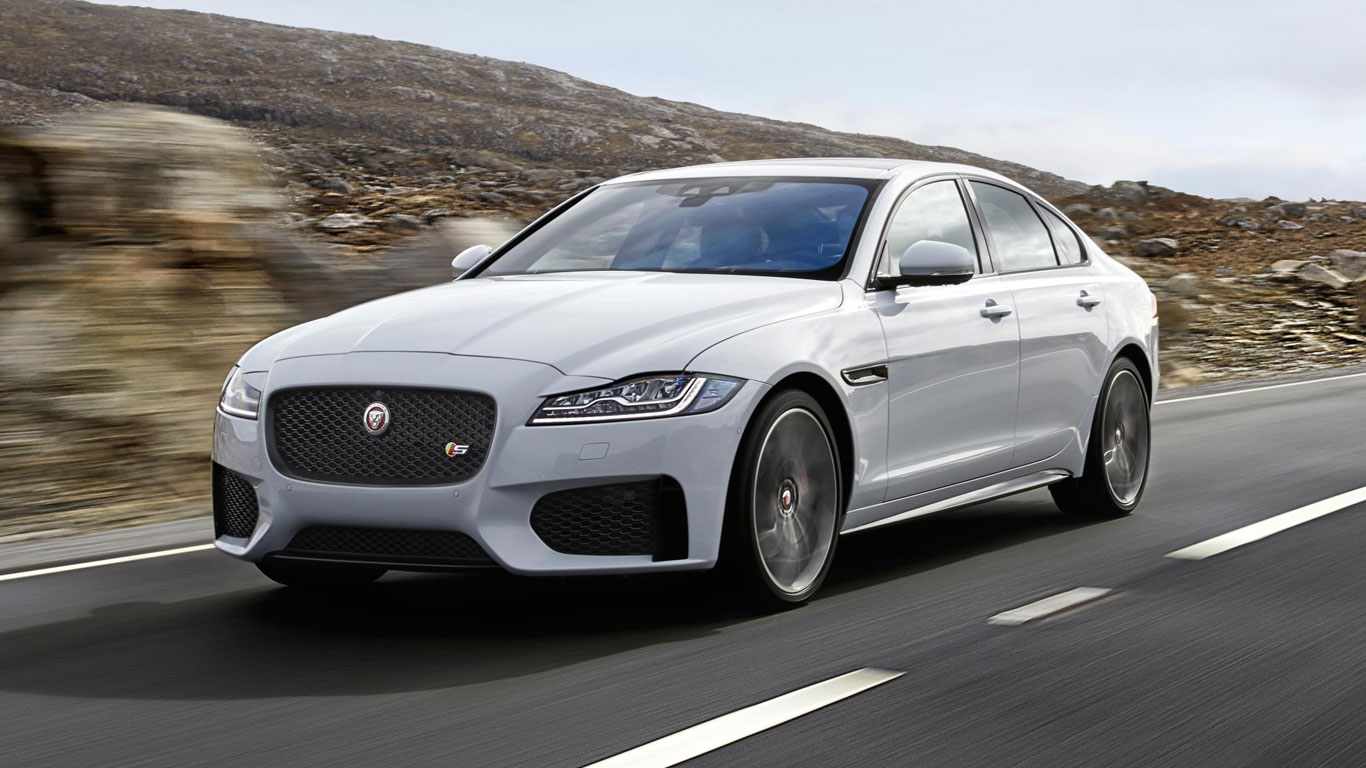
9= Jaguar
Satisfaction rating: 88.8%
Followed by Jaguar, which finishes in a credible position, above its three German rivals.
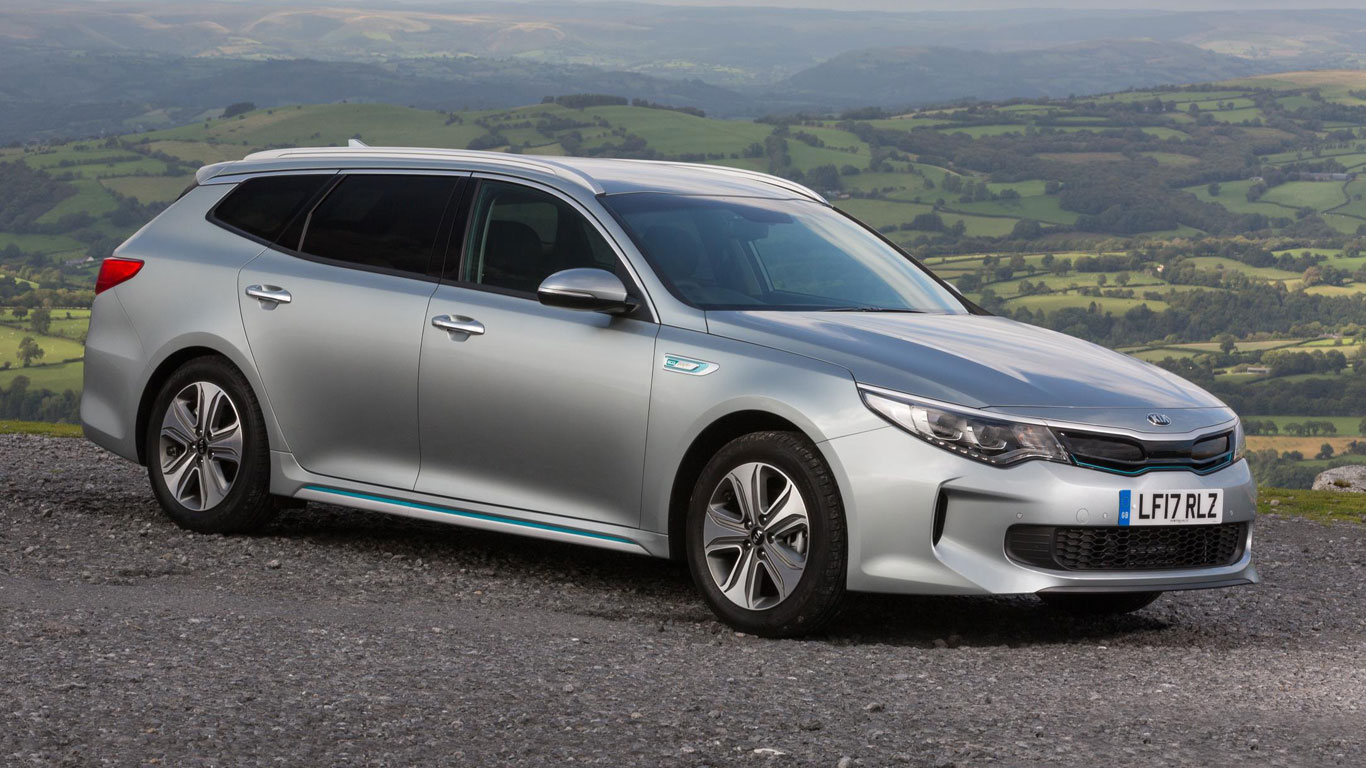
8. Kia
Satisfaction rating: 88.9%
Kia might offer the most complete ownership experience in the UK. Not only are its cars very good looking, but the servicing appears to be excellent and there’s a seven-year warranty for added reassurance.
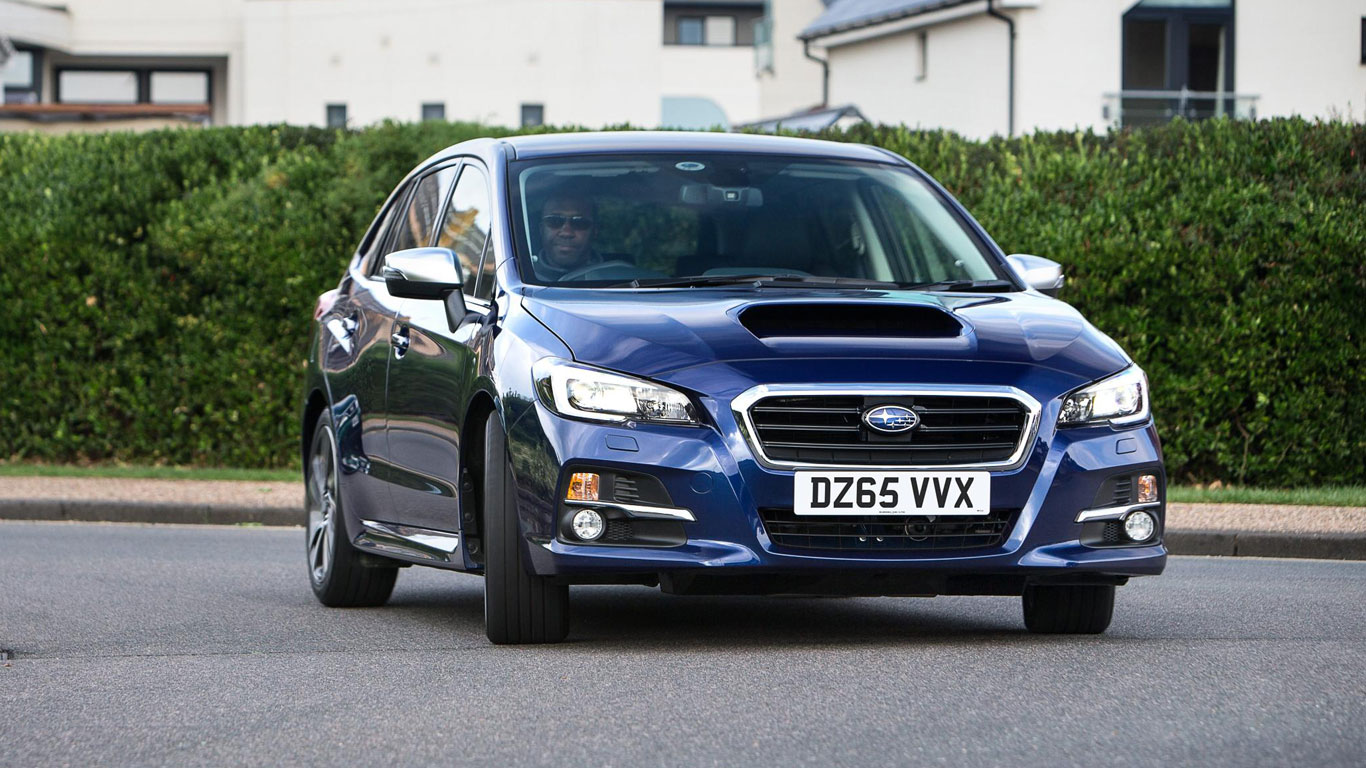
7. Subaru
Satisfaction rating: 89.3%
Subaru owners are a happy bunch, especially when they drive cars aged 4-20 years. The off-road brand scored 100% for attitude of staff and 97.1% for quality of work. Impressive.
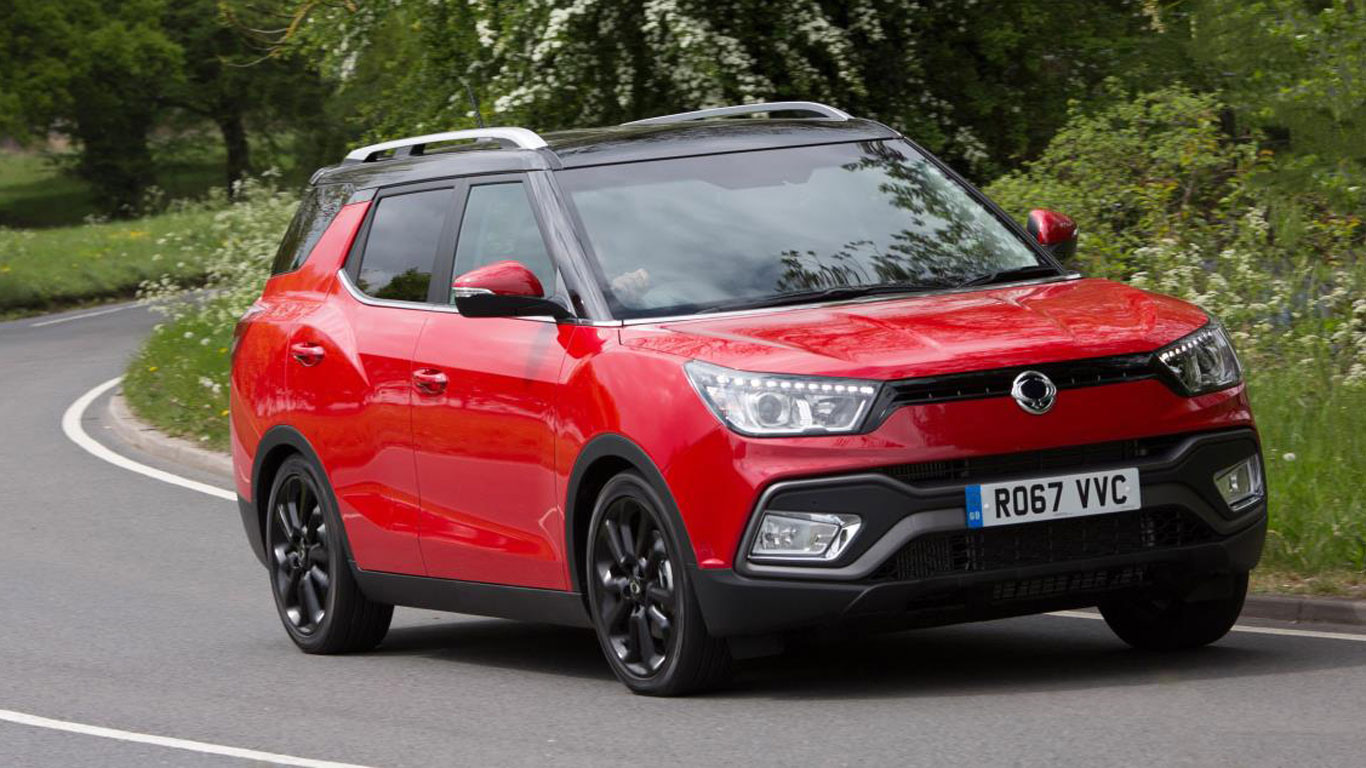
6. SsangYong
Satisfaction rating: 89.4%
SsangYong rarely gets the credit it deserves, so a sixth place finish is a great result. It finished top for attitude of staff at franchised dealers for cars aged 0-20 years, with a score of 98.3%.
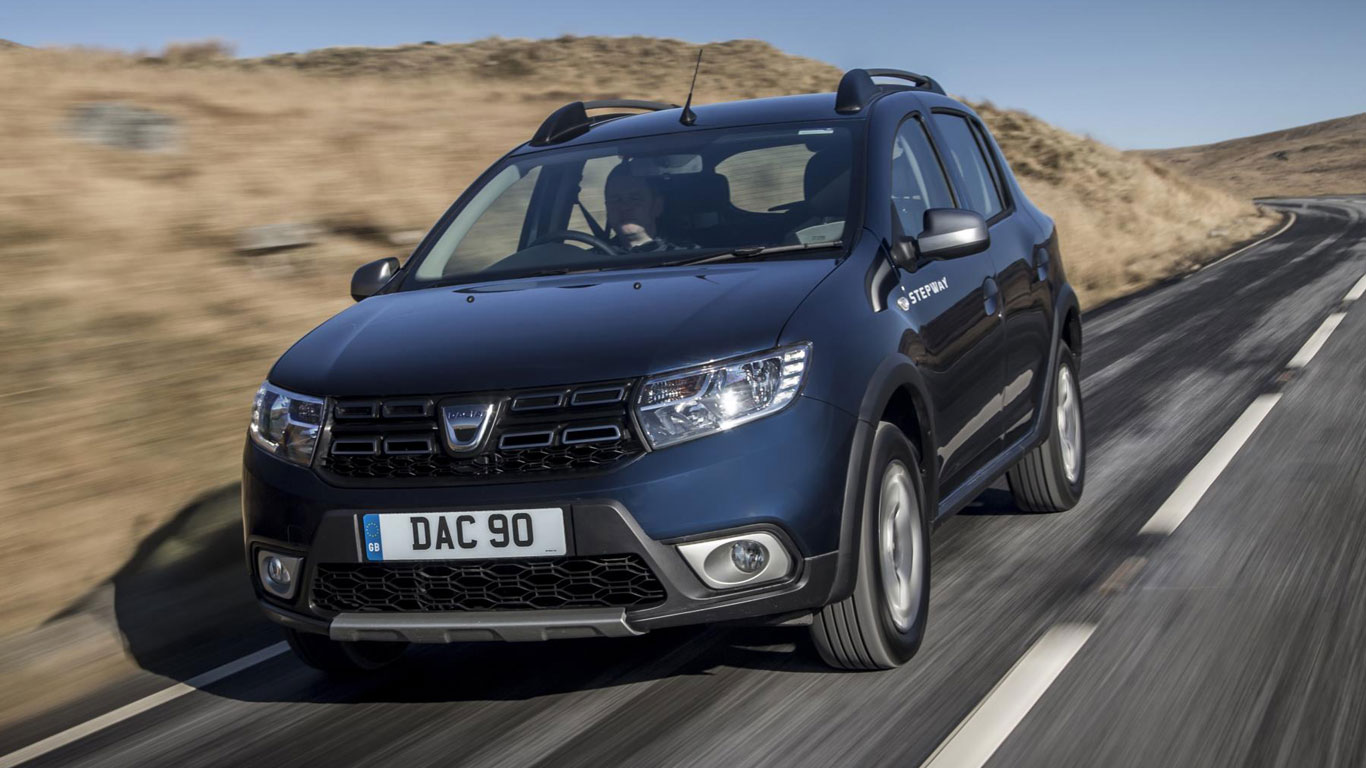
5. Dacia
Satisfaction rating: 89.5%
Dacia is the ultimate ‘having your cake and eating it’ brand, with low sticker prices matched by a good performance in the Servicing Satisfaction Survey.
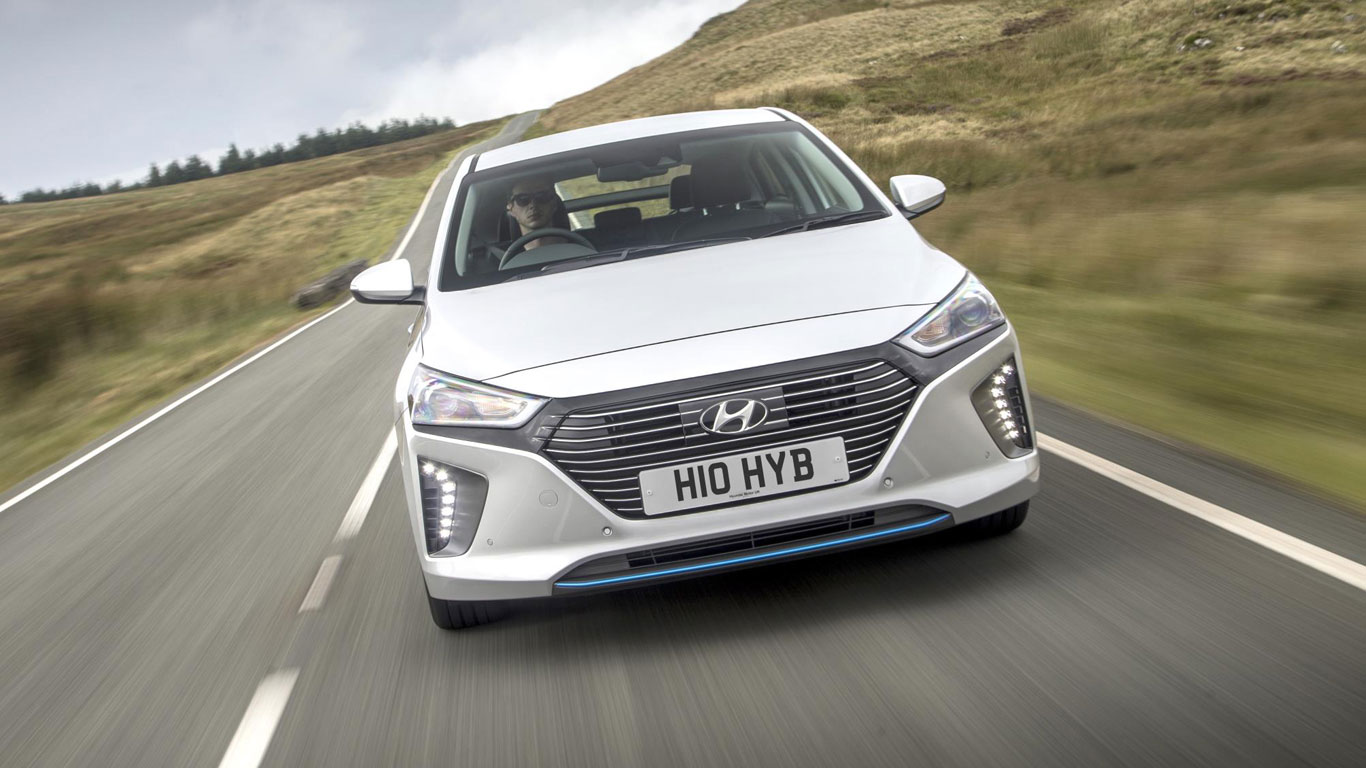
4. Hyundai
Satisfaction rating: 89.9%
Hyundai is 0.3% away from a top three finish, but this remains an impressive result for the Korean giant. Its five-year unlimited mileage warranty is one of the best in the business.
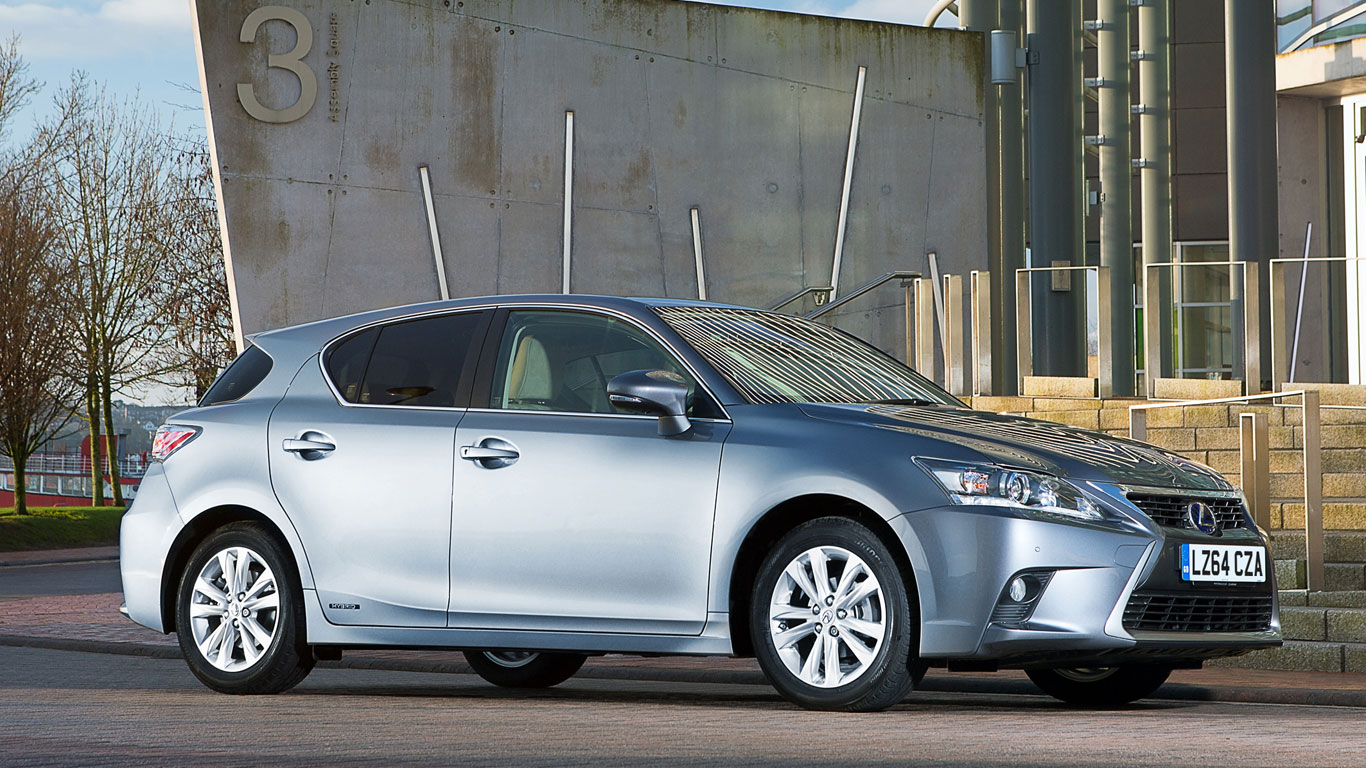
3. Lexus
Satisfaction rating: 90.2%
Along with a third place finish, Lexus was also rated number one for value for money at independent dealers. The question is: can you name the brand in second place?
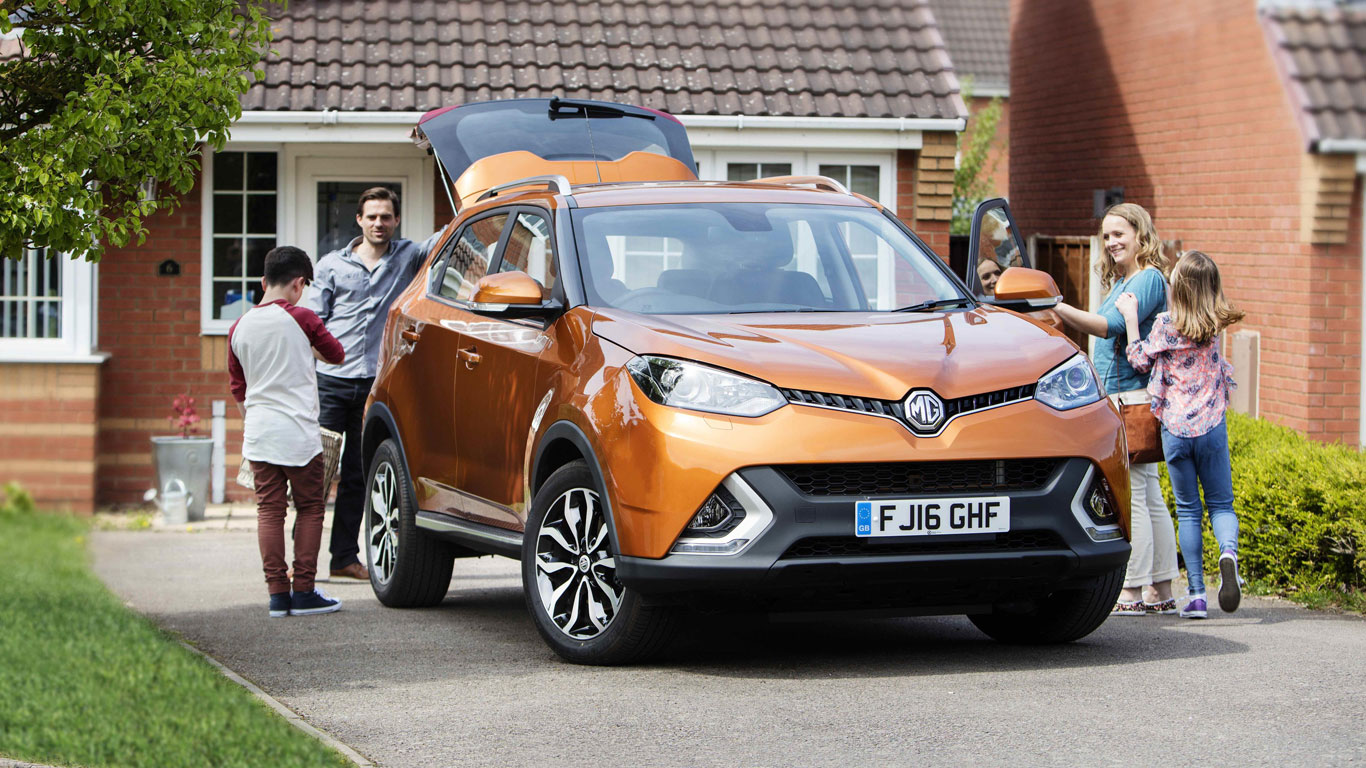
2. MG
Satisfaction rating: 90.9%
If you guessed MG, well done. The Chinese-owned company finished second overall and first for value for money at franchised dealers for cars aged 0-20 years.
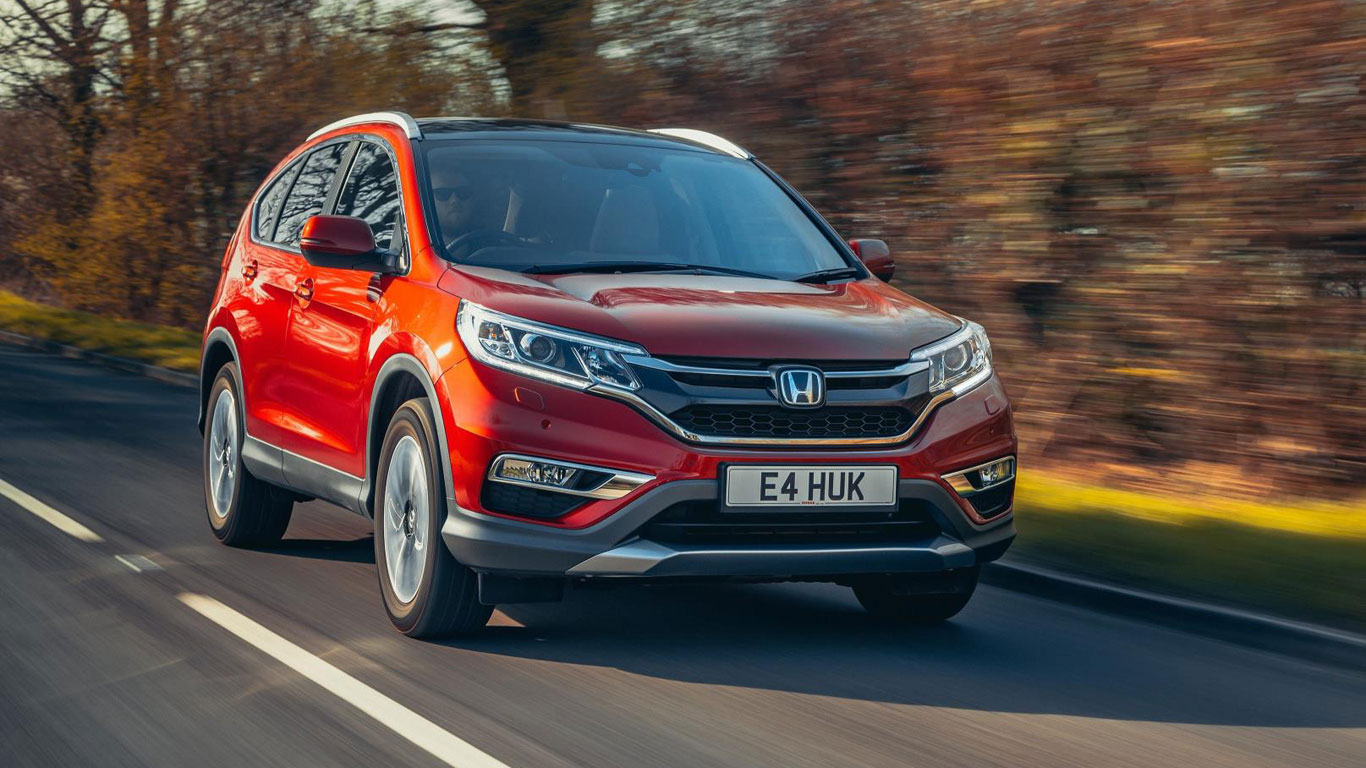
1. Honda
Satisfaction rating: 91.2%
Honda finishes top with a satisfaction rating of 91.2%. Speaking about the result, Steve Huntingford said: “[Honda scores] well in every area. And while the level of satisfaction with many brands plummets as cars age, Honda owners can expect attentive behaviour from staff and a high standard of workmanship throughout their cars’ lives.”
Chinese automotive giant Geely Holding has completed the acquisition of a majority stake in legendary British sports car brand Lotus. The thriving firm, which is acknowledged as transforming the fortunes of premium car brand Volvo, now aims to do the same with Lotus.
Current Lotus CEO Jean-Marc Gales, who himself has turned around the Norfolk-based brand into a money-making operation, will continue in his role; Geely Holding executive vice president and CFO Daniel Donghui Li becomes chairman of the Lotus board.
Geely Holding has secured a 51 percent stake in Lotus Advance Technologies Sdn Bhd (or, ‘Lotus’), with Malaysian automotive group Etika holing a 49 percent minority stake.
Geely is already planning an ambitious transformation for Lotus. “With the transaction completion we now look forward to working with our partners to develop the Lotus brand into a globally competitive brand and a well-recognised leader in the sports car market,” said new chairman Li.
“We are extremely confident that Lotus will go above and beyond the expectations of the automotive industry and consumer base in the near future.”
Gales was equally effusive. “Following a successful business turnaround, the Lotus brand has never been in a stronger position and we are now perfectly positioned for growth.
“We are producing the best cars in the company’s history and are currently developing the next generation of sports luxury vehicles which will continue to demonstrate the Lotus brand values of class-leading vehicle dynamics, light weighting, styling and aerodynamics by leveraging Geely Holding’s global strengths and resources.”
A new Lotus board of directors has been established. Three seats will be for Geely execs, with two from Etika.
Daniel Donghui Li is chairman, while Geely Auto vice president and chief technology officer Feng Qing Feng plus vice president of international business and executive advise to the Geely Holding president Nathan Yu Ning also join.
Etika has appointed Dato’ Sharil Tarmizi, who’s both a corporate consultant and a “long term supporter of technology companies to the Lotus board”.
Its second Lotus board member will be announced in due course.
A new mobile phone can now cost more per month than a new car, automotive analysts Sophus3 have discovered – and it expects to see more new car deals with monthly payments less than a smartphone before the end of the year.
It’s all thanks to the launch of the new Apple iPhoneX, currently offered on a monthly payment deal by EE for £82 a month. A Suzuki Celerio, however, can today be bought from a UK dealer for £79 a month. The firm thus believes “Europe has seen its first car cheaper than a phone”.
Scott Gairns, Sophus3 MD, said: “This new benchmark in car finance is fuelled by increasingly competitive monthly finance rates, from a growing list of rival finance providers, and the challenge to hit year-end sales targets.
“I would not be surprised to see more cars offered on payment terms below that of mobiles before the end of the year.”
‘Car makers need to up their game’
The challenge, he added, was for car makers to up their game in response to customers who may be tempted by such prices. They’re already readily signing up for smartphones online: “At less than £100 per month even more car buyers will be tempted today to buy digitally.
“But are the car brands ready to engage and transact online with customers in the style of a Vodafone or a Carphone Warehouse?”
Dealers are slashing thousands of pounds off cars this September
The firm is thus holding a conference in Paris to look into just how well prepared car makers are to capitalise on buyers’ willingness to buy on finance. Some brands, such as Volvo, have already responded: the new XC40 can be leased on contract in the same way you’d sign up for a new smartphone.
“Brands need to become more pragmatic in how they present finance online.” Pointing out that a new Suzuki Celerio can be yours for less than the price of a new Apple device is certainly one way to strikingly present that…
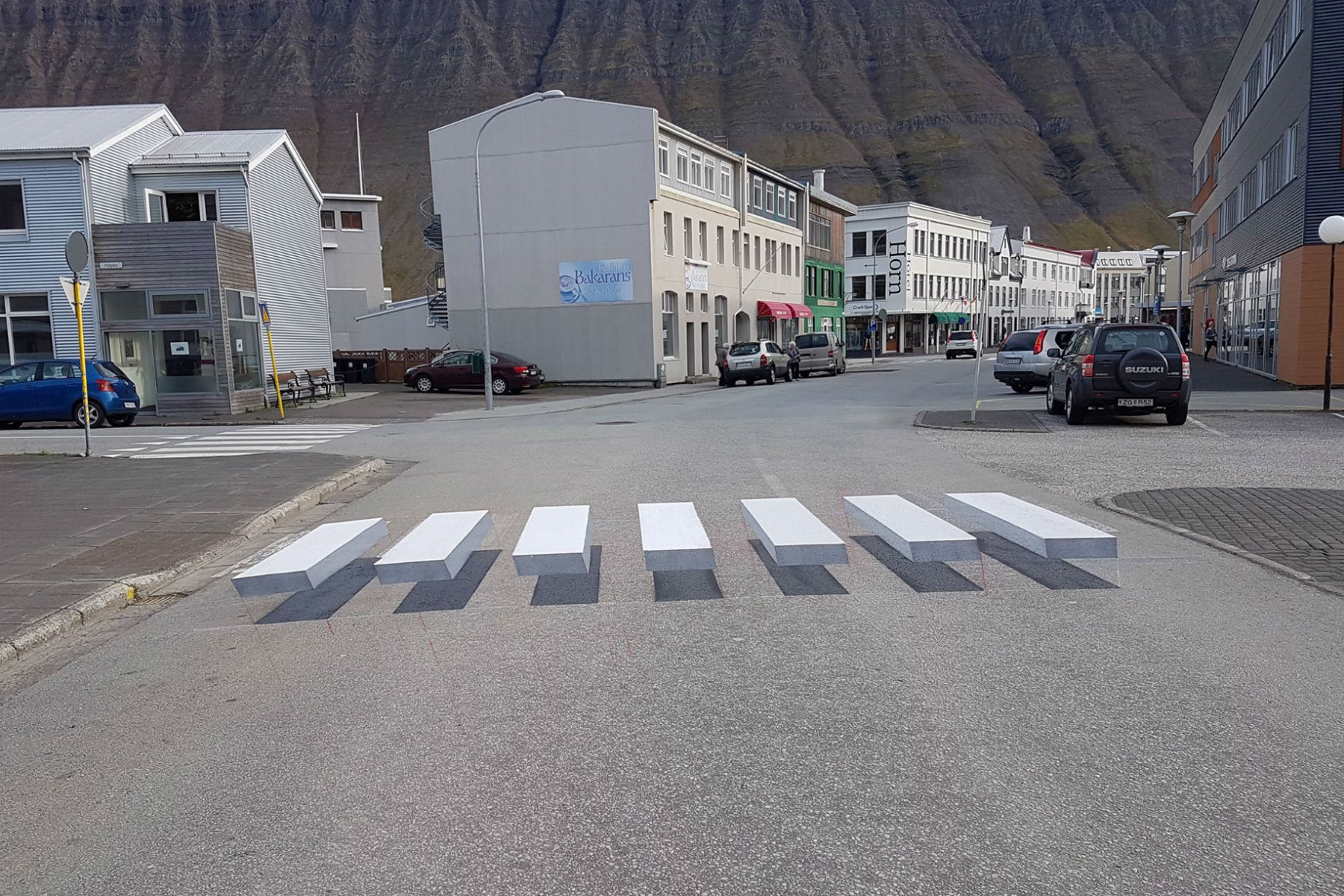
A company in Iceland is trialling a 3D painted zebra crossing in a bid to slow motorists down.
Vegamálun, the Icelandic firm behind the work, says the idea originated from the Indian capital of New Delhi, where 3D zebra crossings have also been used to reduce average speeds. They’ve been introduced in the Chinese capital of Beijing as well.
Revealed: the smart motorways most likely to hit you with a ticket
There’s nothing particularly clever about the 3D zebra crossings: they’re simply an optical illusion, painted to appear in 3D. This is intended to make drivers slow down and pay them (and hopefully any pedestrians using them) more attention.
“A pedestrian crossing like this makes it look like there’s something blocking the road,” Vegamálun CEO Gauti Ívar Halldórsson told Icelandic website Visir.
The company came up with the idea earlier in September, taking just a couple of weeks to receive the go-ahead from local authorities. During that time, workers were able to practice their 3D painting skills.
The Porsche 911 GT2 RS has just missed out on setting a new Nürburgring Nordschleife lap record for a production road car – but has still become the second-fastest showroom-spec car ever to lap the ‘Ring.
It also becomes the new 911 benchmark for Nürburgring lap times, with a record of 6 minutes 47.3 seconds.
Porsche didn’t quite manage to topple the dramatic 6 minutes 45.9 second time of the futuristic (albeit still to be fully road-approved) NextEV Nio EP9 electric supercar, which was set earlier this year, but it did still shatter its own internal benchmark time for the GT2 RS – by a considerable margin.
Frank-Steffen Walliser, vice president of Porsche Motorsport and GT cars, revealed: “At the start of the development process, we set ourselves a lap time target for the GT2 RS of less than 7 minutes and 5 seconds.
“The credit for beating this target by 17.7 seconds goes to our development engineers, mechanics and drivers, who demonstrated an exceptionally strong team performance.” The new 700hp GT2 RS is thus not only the most powerful 911 ever built, but also the fastest.
Porsche launched the GT2 RS at the Goodwood Festival of Speed back in June, but it’s only now that it’s been able to run in lap-time anger at the Nürburgring. The time wasn’t a one-off, either: the previous record for road-approved sports cars, of 6 minutes 52.01 seconds, was broken first time out by two factory works Porsche drivers, in two different GT2 RS: Britain’s Nick Tandy then joined Germany’s Lars Kem in completing five consecutive laps in under 6 minutes 50 seconds.
Andreas Preuninger, Porsche GT model line director, said: “It’s not just the record time achieved by the GT2 RS that demonstrates the vehicle’s class, but also its consistent performance in every lap.
“We’re particularly proud of the fact that this was achieved with two different vehicles and two different drivers, as this underlines the GT2 RS’s ability to reproduce this record result over and over again”.
Nürburgring VLN Endurance Championship expert Kem ultimately set the fastest time, with an average speed of 114.3mph. He “knows the Nordschleife inside out,” says Porsche.
We take it as a given that a sports car or hot hatch will be great fun to drive, some more so than others. But what of the seemingly ‘non-sporty’ cars that are surprisingly good at tackling a British B-road? We’ve created a list of 20 cars you’ll enjoy driving.
The Giulia Quadrifoglio is a bit of double-edged sword for Alfa Romeo. On the one hand, it’s the perfect halo model: a fire-breathing flagship with the essence of Ferrari. But it’s easy to forget there’s a complete range of vehicles jostling for showroom space beneath the 510hp M3-beater.
Take the Giulia Veloce, which undercuts the Quadrifoglio by a full £23,335. Sure, a 2.0-litre turbocharged engine developing 280hp might sound like sloppy seconds, but this rear-wheel drive saloon is beautifully balanced, while the eight-speed transmission is a joy to use. The question is: would you forever be kicking yourself for choosing ‘Giulia Lite’ and not going full-fat?
BMW i3
Head, meet heart. The BMW i3 is proof that going green shouldn’t come at the expense of having fun. A lightweight carbon-fibre-reinforced-plastic passenger cell combines with a low and centrally-positioned battery pack to deliver supreme agility, maintaining BMW’s acclaimed near 50:50 weight distribution.
The new i3 S, revealed at the Frankfurt Motor Show, will become the flagship of the range and the closest the EV has come to a performance model. Lowered sports suspension, a wider track and a small increase in performance are the highlights, along with a butch new look.
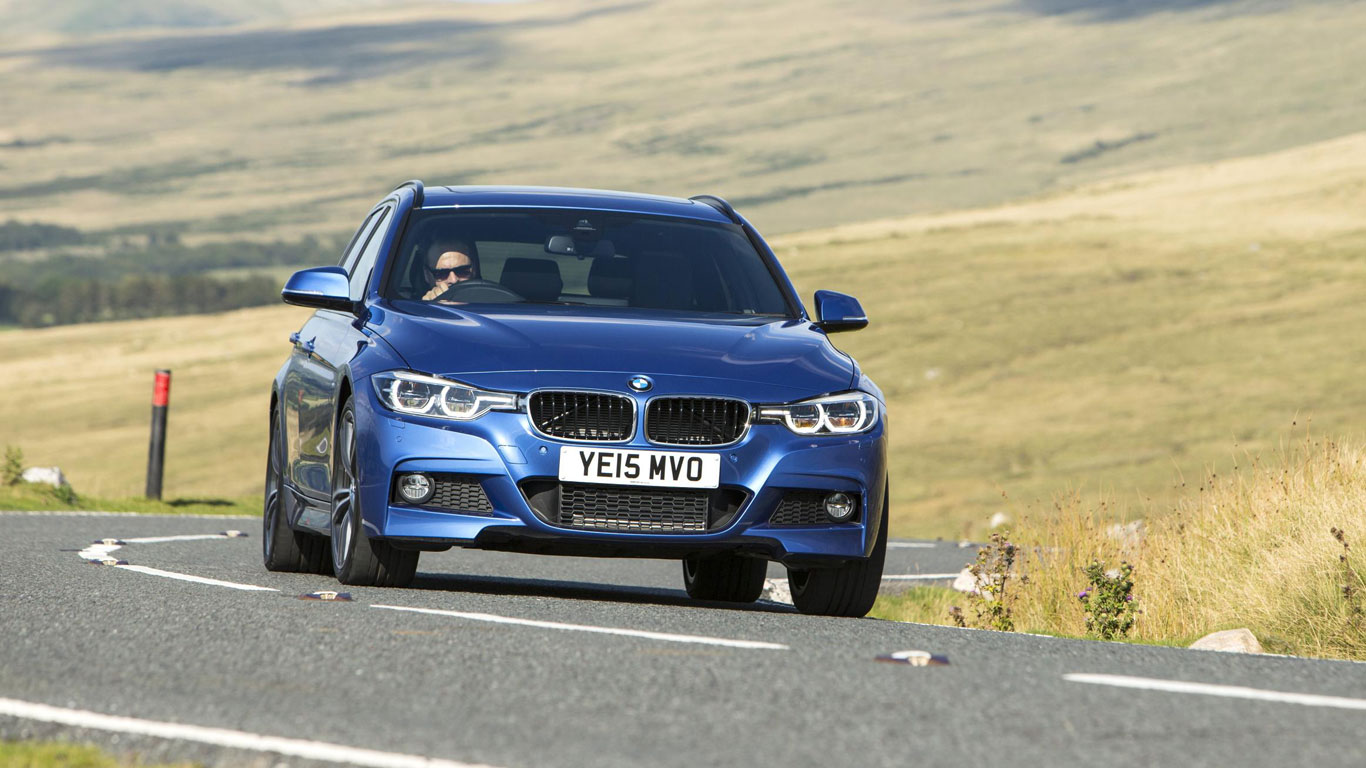
BMW 3 Series
Even today, five years on from its launch, the current BMW 3 Series remains the class leader for those in search of razor-sharp dynamics. It’s always been this way, ever since the E21 3 Series was unveiled in 1975.
Today, the 3 Series faces an assault from all sides, with BMW X models the enemy from within and the likes of the C-Class, A4, XE and Giulia attempting to muscle in on the compact exec’s patch. For us, the 3 Series Touring is the perfect antidote to modern crossover, offering space, dynamics and classy looks.
Ford Fiesta
Of the gazillion Ford Fiesta owners in the UK, we wonder how many truly appreciate its outstanding dynamics. The seventh generation model picks up where the old version left off by cementing its position as the supermini of choice for keener drivers.
The 1.0-litre EcoBoost petrol engine remains a highlight, but the Fiesta is a terrific steer, no matter what the choice of engine. It bodes well for the new 1.5-litre three-cylinder turbocharged Fiesta ST, set to arrive in 2018.
Ford Focus
The Focus of 1998 had so little in common with the outdated and stodgy Escort, it’s hardly surprising that Ford felt that a new name was in order. It revolutionised the segment, with ‘New Edge’ styling combining with sharp dynamics to move Ford’s mainstream family hatch close to the Volkswagen Golf. Two decades on, we maintain that a three-door Focus 1.6 Zetec is a terrific driver’s car.
In truth, the current Focus is beginning to show its age, but it remains one of the best cars in its class, offering ‘warm hatch’ thrills on a British B-road. We’d opt for the 1.0-litre EcoBoost engine for maximum fun.
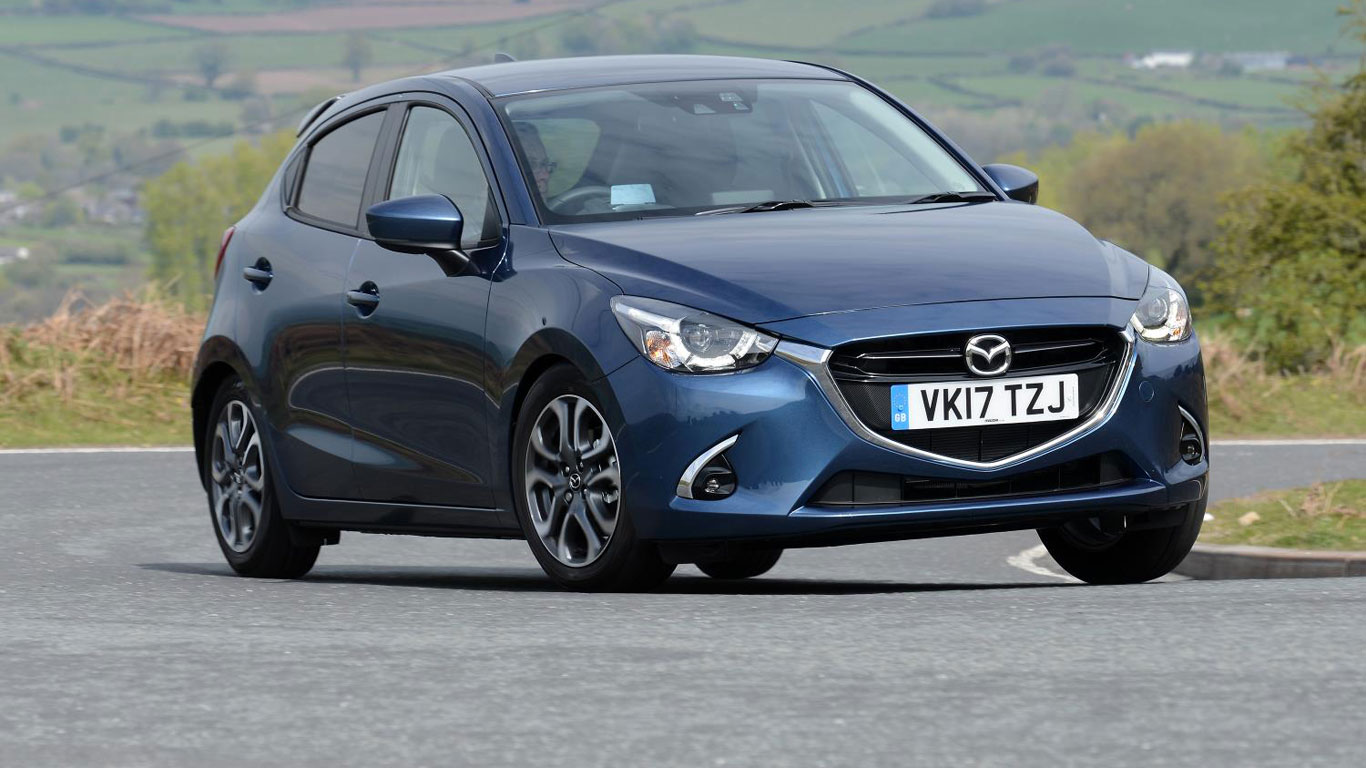
Mazda 2
You’d forgive Mazda if it decided to sit back and rest on its laurels, congratulating itself on a job well done. After all, the MX-5 has been the definitive junior sports car since 1989. But no, not only has Mazda refined the MX-5 to within an inch of perfection, it has sprinkled some Eunos magic dust across the entire range.
Take the Mazda 2, which feels like an MX-5 supermini. High praise indeed. At 1,050kg, it’s light in an old-school way, while the five-speed gearbox is MX-5-esque. Opt for one of the 1.5-litre Skyactiv petrol engines for the best driving experience this side of the Ford Fiesta. You know something, it might be even better.
Mazda 3
“Traditionally, enthusiastic company car drivers have opted for a Ford Focus or (if they’re lucky), a BMW 1 Series. But the Mazda 3 is a brilliant drive, taking traits such as its snickety gear change and direct steering from the MX-5 sports car. Body-roll is well controlled, while the suspension soaks up bumps well – even on the 18-inch wheels of our test car.”
That’s how we summarised the most overlooked car in the family hatchback segment when we reviewed it at the back end of last year. Subjectively, the Mazda 3 is the best looking car in its class, while a premium-feel interior puts its rivals to shame. What a pity there’s no MPS version…
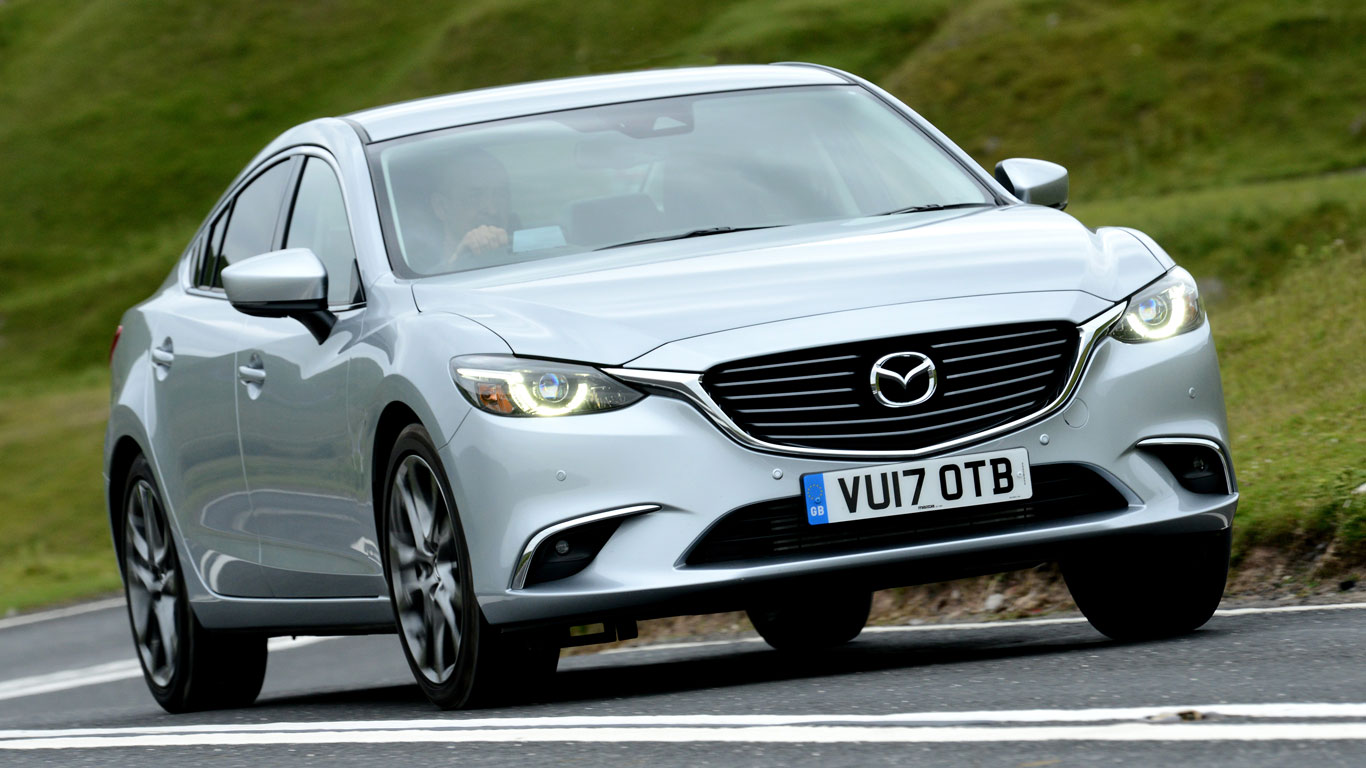
Mazda 6
There’s a ‘Russian Dolls’ thing going on here, with the Mazda 6 joining the smaller 3 and 2 to complete a hattrick for the Japanese firm. Shun Mazda’s four-door saloon in favour of the Germans at your peril, because the Mazda 6 is one of the greatest all-rounders, with styling that makes the Giulia look a little ‘plain Jane’.
In many ways, the Mazda 6 is the Ford Mondeo of the past: the front-wheel drive and affordable challenger to the BMW 3 Series’ throne. It’s just a shame that the engine choice is so limited. Bring back the MPS.
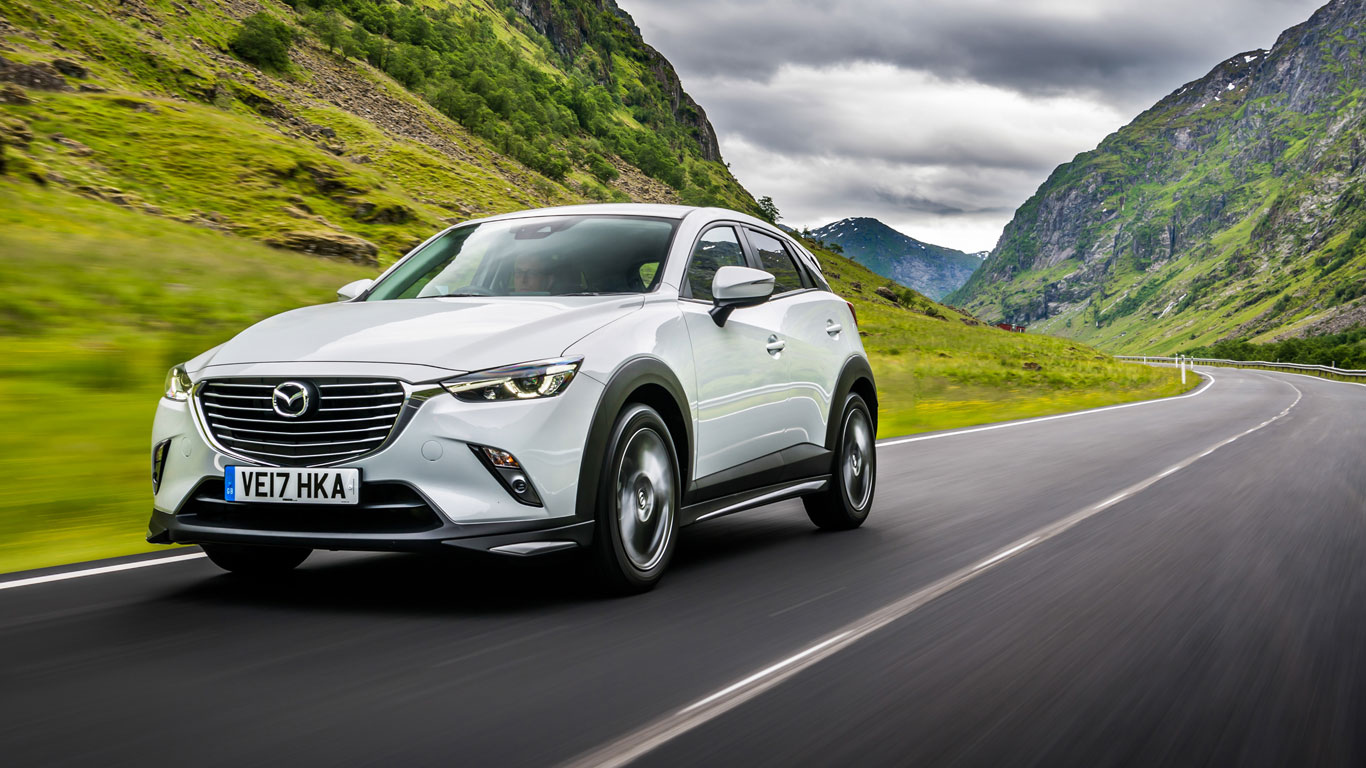
Mazda CX-3
We make no apology for featuring a fourth Mazda on our list, not least because the CX-3 is a rare example of a fun-to-drive crossover. “It’d be wrong to say the CX-3 is as enjoyable to drive as the iconic MX-5,” we said in 2015, “but it successfully delivers on the promise of being sufficiently sporty to add driving pleasure to your journey.”
Prices start from £18,495, but Mazda offers a GT Sport version, powered by a 120hp Skyactiv petrol engine and offered with a choice of six-speed manual or automatic transmissions. It might cost £22,895, but the styling kit gives it a much sharper look.
Mini One
Mini likes to shout about ‘go-kart handling’ and will do all it can to tempt you into one of the sportier and more expensive models. And, yes, the Cooper, Cooper S and John Cooper Works models are tremendous fun. But opt for the entry-level Mini One and you could save as much as £10,000 on the cost of a JCW.
The 1.2-litre three-cylinder engine might deliver a mere 102hp, but the performance sweet spot is between 4,000 and 6,000rpm, meaning it requires some old-school revs to get the best from it. When we drove one, it put us in mind of the original Suzuki Swift Sport, which is high praise indeed.
MG 3
The MG 3 is hamstrung by its 1.5-litre petrol engine, which feels outmoded in a world of downsized turbocharged motors and electrification. It would have been acceptable in the 90s, but 106hp and 51.5mpg from a 1498cc unit doesn’t cut it in 2017.
But in just about every other respect, the MG 3 is a cracking car to drive. The well-weighted steering offers genuine feedback, while the suspension was tuned for British roads. It adds up to a package that is far better than you’d expect, and even the top trim 3Style model costs a mere £11,695.
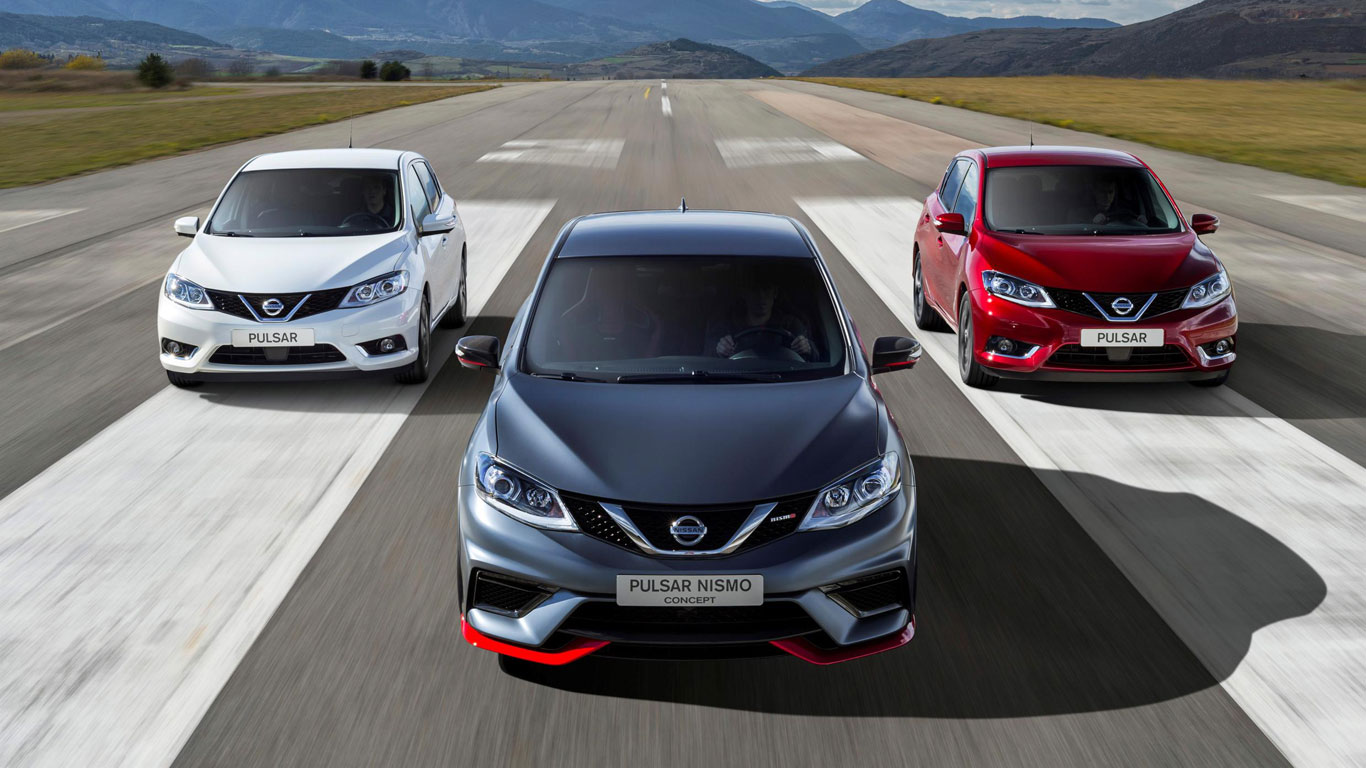
Nissan Pulsar DIG-T 190
The Nissan Pulsar has the feel of a square peg in a round hole: a family hatchback in a world obsessed with crossovers and SUVs. Which is all the more surprising given the fact that the Pulsar is essentially a born again Almera, the car ditched by Nissan when it embarked on its crossover adventure.
And we’re not going to pretend that the Pulsar DIG-T 190 is a true driver’s car, because it isn’t. But the 1.6-litre petrol engine offers a little sweet spot around 3,500rpm, where the turbocharger encourages you to use the full force of the 190hp at your disposal. It feels rapid, while the floaty-soft ride makes the experience all the more comical. A car to hire and enjoy.
Peugeot 308
Where did it all go wrong for Peugeot? In the 306, the French giant had a class-leader which was enjoyable to drive, even in the most basic of spec. But it was replaced by the lacklustre 307, which in turn was superseded by the dreary first generation 308. While we can’t forgive Peugeot for its barren years, the current 308 goes some way to redemption.
It rides and handles as well as any other car in its class, while there isn’t a weak link in the engine range. Some might find the driving position awkward, while others will revel in the tiny steering wheel.
Renault Twingo SCe
Sadly, the rear-engined Renault Twingo isn’t quite the firecracker we had hoped, with even the GT failing to deliver on its promise. But that doesn’t mean the Twingo is without appeal. In the city, the Twingo’s turning circle is comically good – the front wheels turn a full 45 degrees – so you’ll be doing 360s at any given opportunity.
Our advice would be to opt for the cheaper and naturally aspirated 1.0-litre SCe version, which offers a purity of drive absent from the flawed 0.9-litre turbocharged TCe 90. You’ll enjoy taking the Twingo to the redline time and time again, before enjoying another 360º turn, just for the hell of it.
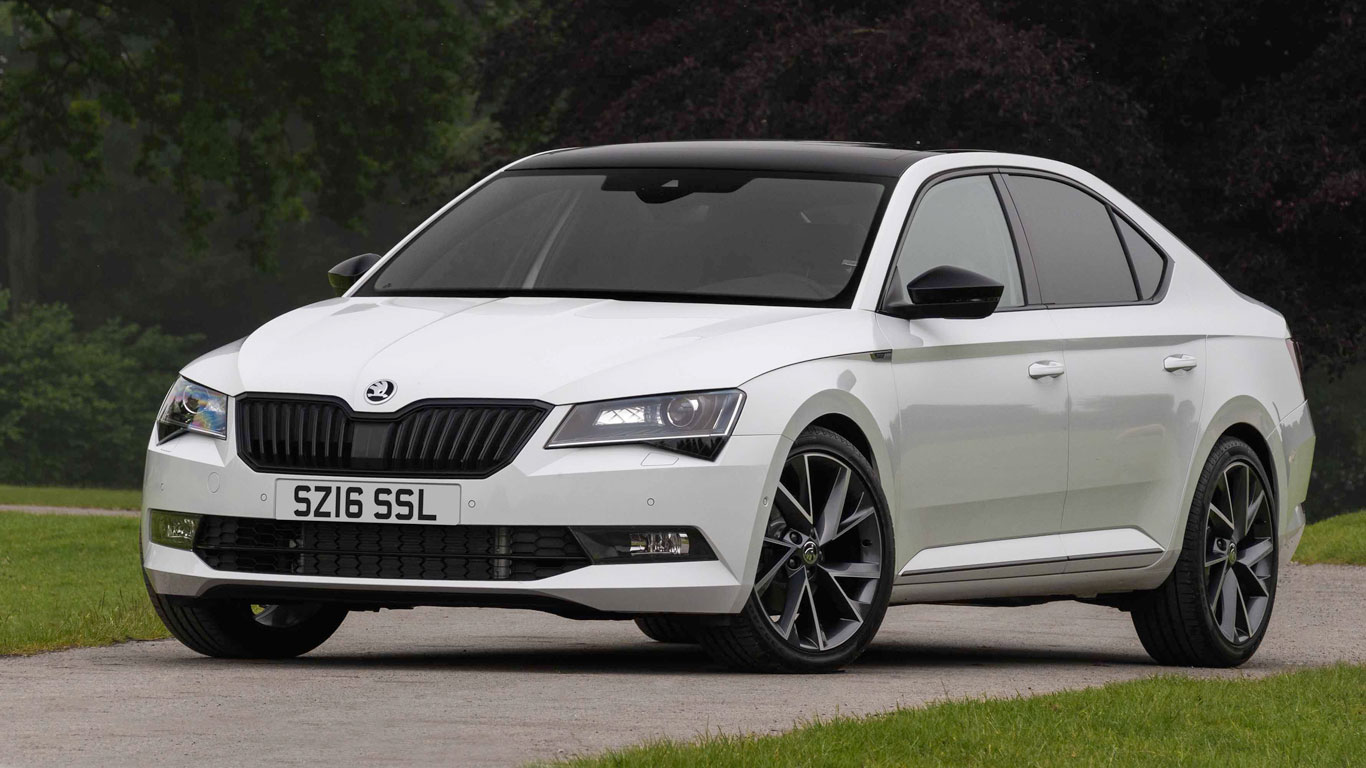
Skoda Superb 280 SportLine
No matter what the engine or spec, we’re huge fans of the Skoda Superb. We love its cavernous practicality, understated styling, excellent value for money and the fact that it hasn’t got a German badge. But best of all, we adore the 280hp version.
This is the automotive equivalent of having your sponge cake and scoffing it in one go. An unassuming saloon or estate car with a 2.0-litre petrol engine, yet capable of hitting a top speed limited to 155mph and 62mph in just 5.8 seconds.
Skoda Yeti
Be quick, because the Skoda Yeti is living on borrowed time, about to be usurped by the anonymous sounding and dull looking Karoq. Visit the Skoda website today and you’ll be told that Yeti Outdoor models are no longer available to factory order, so it’s a case of taking whatever stock is left in the dealer network. Sad times.
Recently, we took a Yeti 2.0 TDI 4×4 on a 1,500-mile trip across Wales, Ireland and Northern Ireland, which reminded us just how much we’re going to miss it. From mixing it with motorcyclists on the best roads of Wales, to tackling the drenched lanes of Northern Ireland, the Yeti was near driving perfection. A shame it has to go.
Suzuki Baleno Boosterjet
Suzuki has split its range right down the middle, with some cars offering emotional qualities, while others are strictly rational affairs. The Baleno is supposed to sit alongside the Celerio as a rational purchase, but we beg to differ.
Sure, it’s not as good to drive as the Swift, but the bonkers 1.0-litre Boosterjet engine adds a new dimension to this otherwise dull but worthy hatchback. Plant your right foot and the Baleno gathers pace remarkably quickly, with peak power arriving at 5,500rpm. Boosterjet: great name, but even better engine.
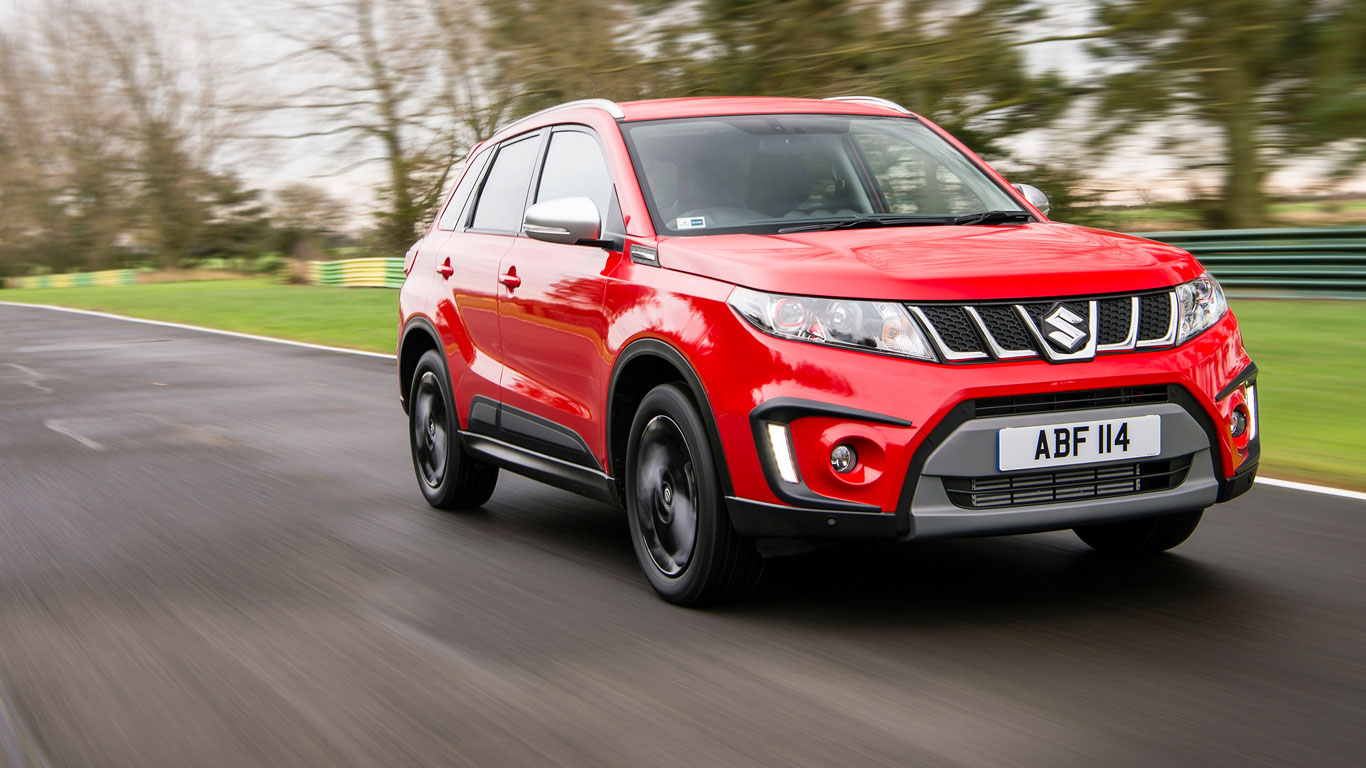
Suzuki Vitara S
“The standard Vitara, especially when fitted with four-wheel drive (standard on the Vitara S), handles really well. Body-roll is well controlled, while the steering provides plenty of feedback. It’s definitely a ‘warm hatch’ among crossover SUVs – even more so when fitted with this eager engine.”
We were extremely positive about the Vitara S when we reviewed it in April 2016, proclaiming it to be “the hot hatch of SUVs.” The 1.4-litre turbocharged petrol engine is a peach, while the 1,210kg kerb weight makes it pretty nimble.
Volkswagen Up 1.0 TSI
Is this the closest you can get to a modern-day Mk1 Golf GTI? The Volkswagen Up is our favourite city car by some margin – taking the Citigo and Mii out of the equation – and the turbocharged 1.0-litre engine is the icing on a very tasty and compact cake.
The 1.0 TSI unit develops 90hp, enough to take the 0-62mph time below the 10-sec mark, some 4.5 seconds quicker than the lowly 60hp version.
Volvo XC90 T8
There’s nothing ordinary about the Volvo XC90. In fact, it’s probably our favourite full-size SUV, bar none. It’s an extraordinary piece of kit, with one of the best interiors this side of a Rolls-Royce, understated styling and enough safety kit to keep a Euro NCAP inspector happy for a decade.
For maximum joy, opt for the Twin Engine T8, which pairs a 320hp petrol engine with an 87hp electric motor to deliver 407hp. In ‘power’ mode, this thing could give a sports car driver sleepless nights. It really is that good.
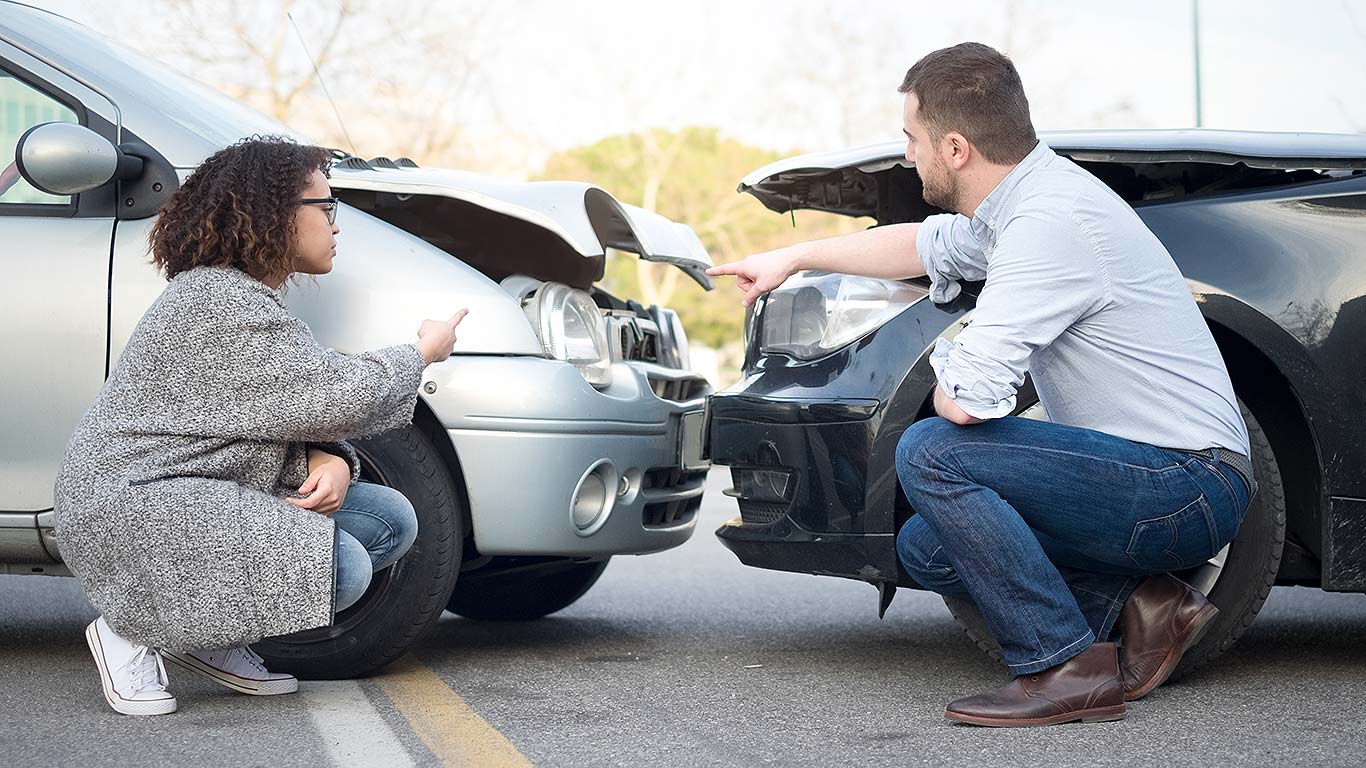
Car insurers have not been allowed to use gender as a factor in car insurance premiums since December 2012, as part of the EU Gender Directive – but comparethemarket.com has discovered the gender gap has widened nearly 8 percent since then.
It means men are paying an average of £170 more for car insurance than women. In August 2017, the average male policy was 27 percent higher than for a woman – £821, compared to £649.
Before the EU Gender Directive came into force, the difference was 20 percent.
Head of motor at comparethemarket.com, John Miles, said it “shows how little difference the EU Gender Directive has had on insurance premiums, with providers still giving big discounts to women”.
However, Miles added that there’s unlikely to be anything underhand at work here. The difference in premiums is likely for numerous reasons – such as statistically higher accident rates for men, and more men than women driving higher-risk business and commercial vehicles.
“The directive removed the ability of providers to give default discounts to women; however, the statistics and risk models used by insurers mean that the result is largely the same.”
Research also showed the difference between the cheapest car insurance premium and the average premium was bigger for men than women, “suggesting that men stand to save more by shopping around for their policy”.
The difference between cheapest and average was £101 between July and August 2017 for women; it was £151 for men.
The price comparison site added that, more generally, car insurance costs have been rocketing in Britain. “The past three years have been relentless for British drivers,” said Miles, “with the average insurance premium spiralling by over 38 percent to £740.
“The past year has been particularly hard, with changes to Insurance Premium Tax and the personal injury discount rate, or ‘Ogden’, draining the pockets of motorists at a time that wage growth remains stagnant.”
The average UK car insurance premium currently stands at £740.
 Amazon Alexa is to be integrated into all new BMW and Mini models from 2018 – and users won’t even need to hook up their smartphone in order to use it.
 Independent watchdog Transport Focus has called on Highways England to up its game in educating motorists how to use smart motorways.
 Buy a Japanese or Korean car to remove the stress of servicing, is the message from the What Car? Servicing and Satisfaction Survey. The car-buying brand asked more than 8,300 UK motorists about their most recent car service, with each respondent scoring their dealer on politeness of staff, quality of work and value for money. We present the top 10 in reverse order.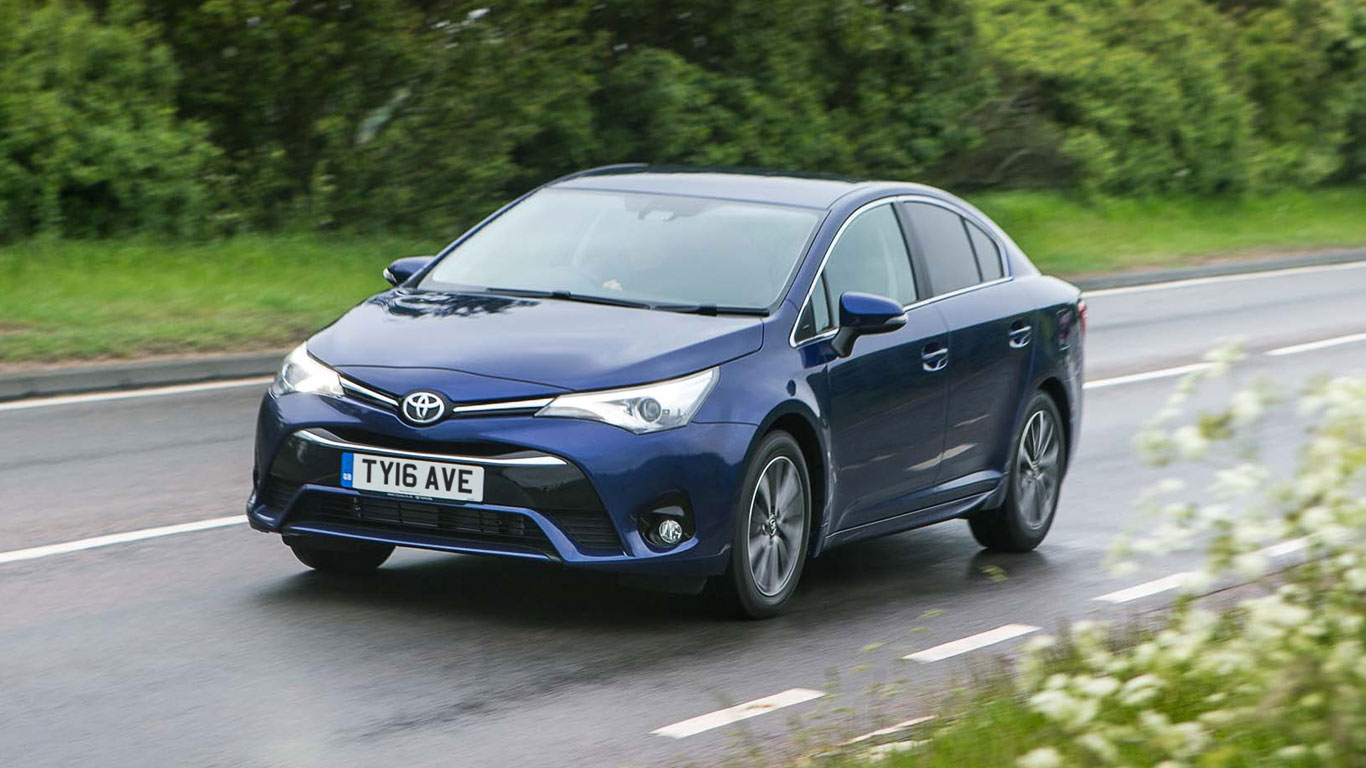
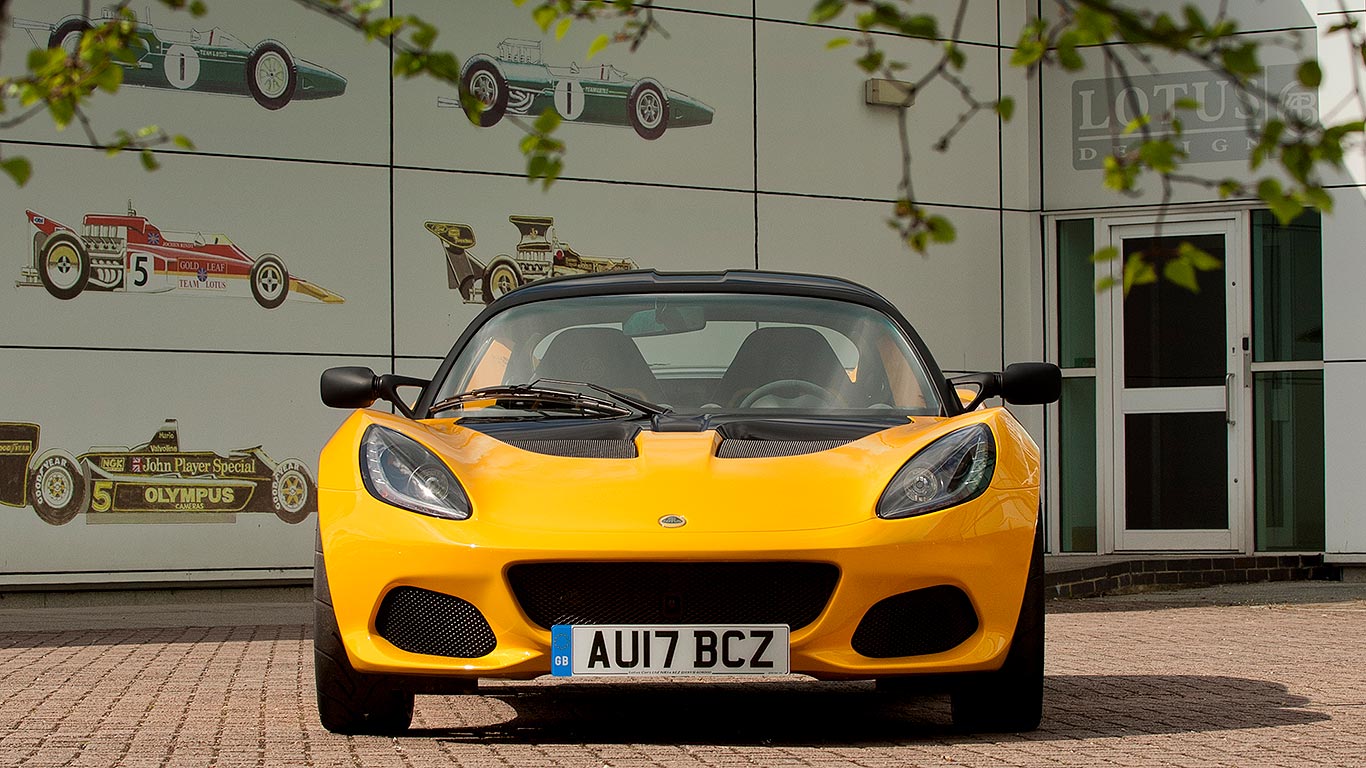 Chinese automotive giant Geely Holding has completed the acquisition of a majority stake in legendary British sports car brand Lotus. The thriving firm, which is acknowledged as transforming the fortunes of premium car brand Volvo, now aims to do the same with Lotus.
 A new mobile phone can now cost more per month than a new car, automotive analysts Sophus3 have discovered – and it expects to see more


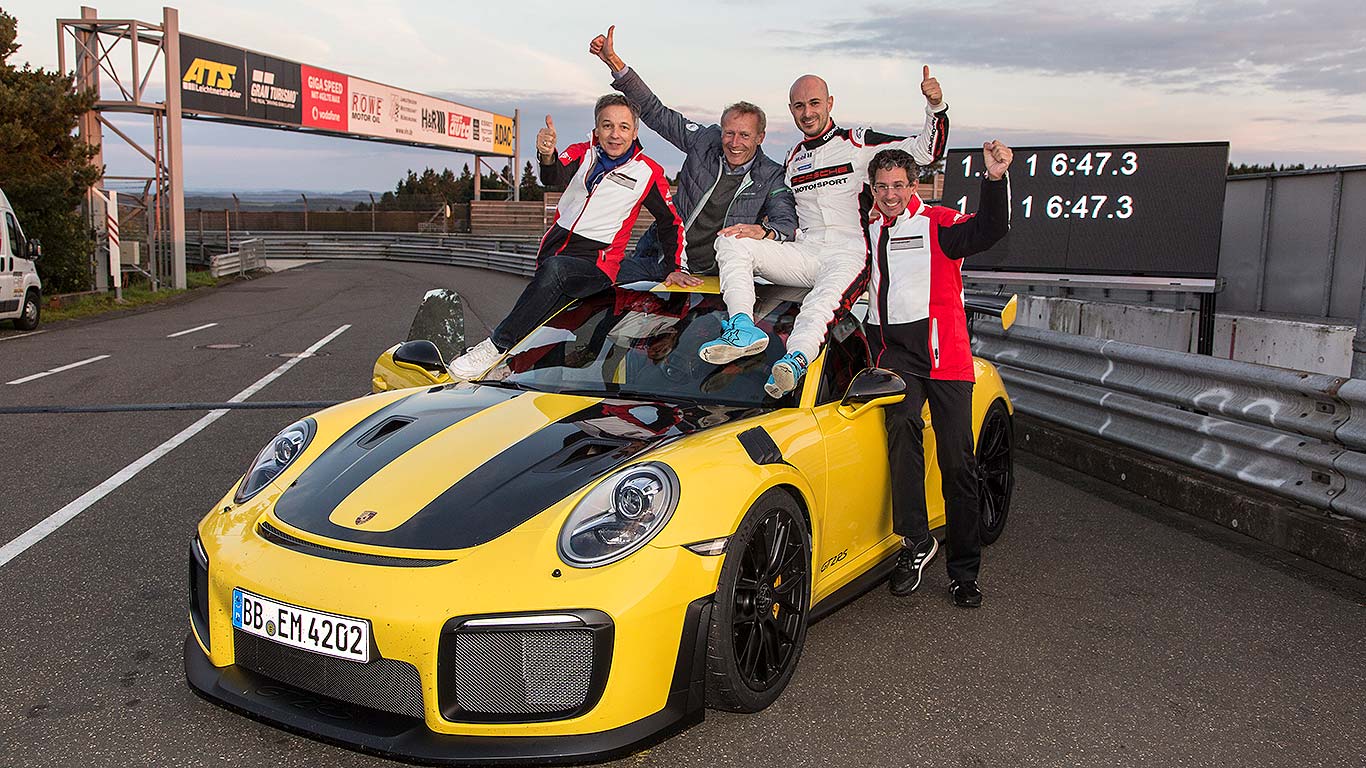 The Porsche 911 GT2 RS has just missed out on setting a new Nürburgring Nordschleife lap record for a production road car – but has still become the second-fastest showroom-spec car ever to lap the ‘Ring.


 Car insurers have not been allowed to use gender as a factor in car insurance premiums since December 2012, as part of the EU Gender Directive – but comparethemarket.com has discovered the gender gap has widened nearly 8 percent since then.