Electric car manufacturer Tesla has hinted that it may soon be launching its own take on the traditional petrol station.
Rather than petrol pumps and a shop selling lukewarm pasties, Tesla is looking to open “mega supercharging locations” where owners can top up their electric cars in half an hour.
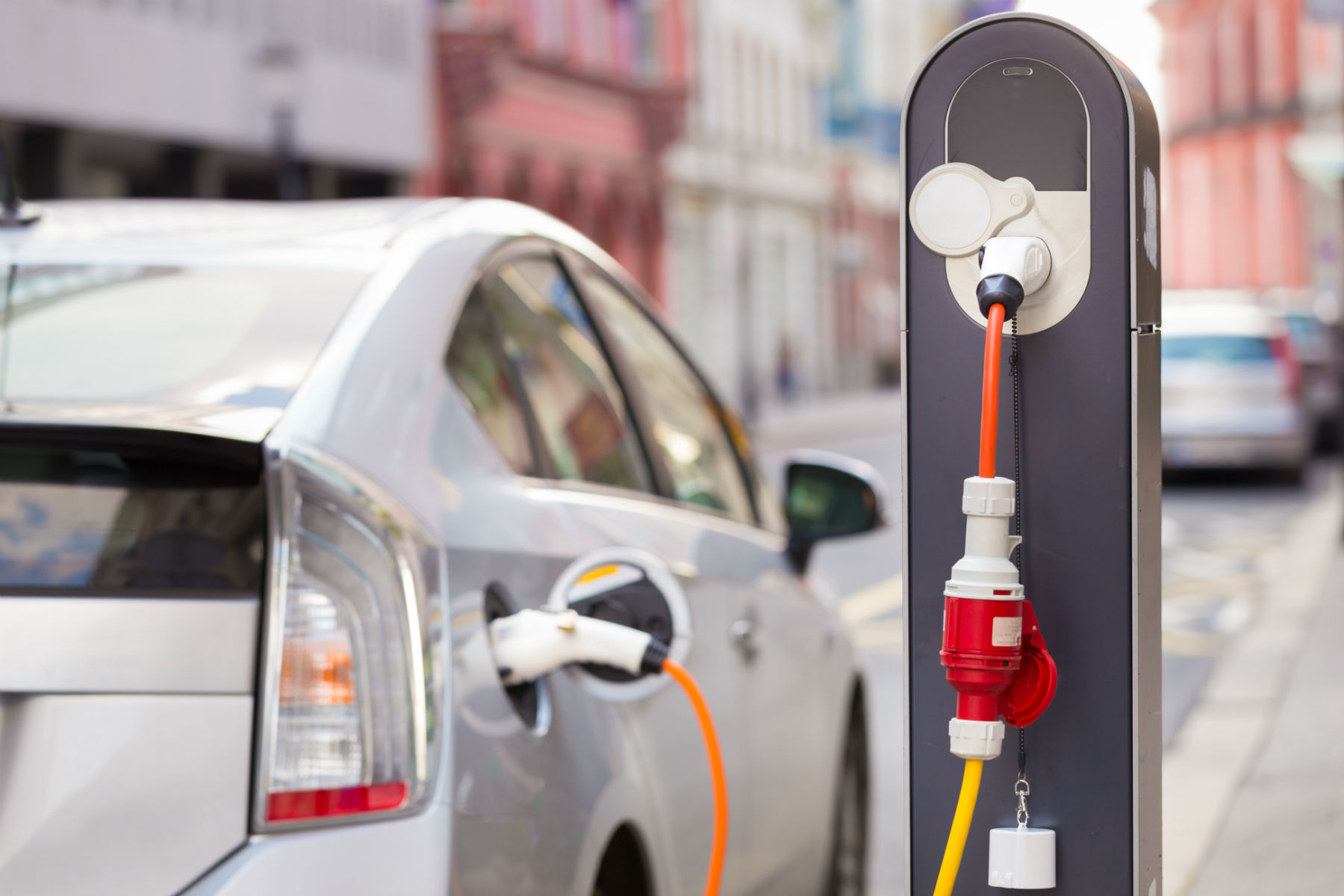
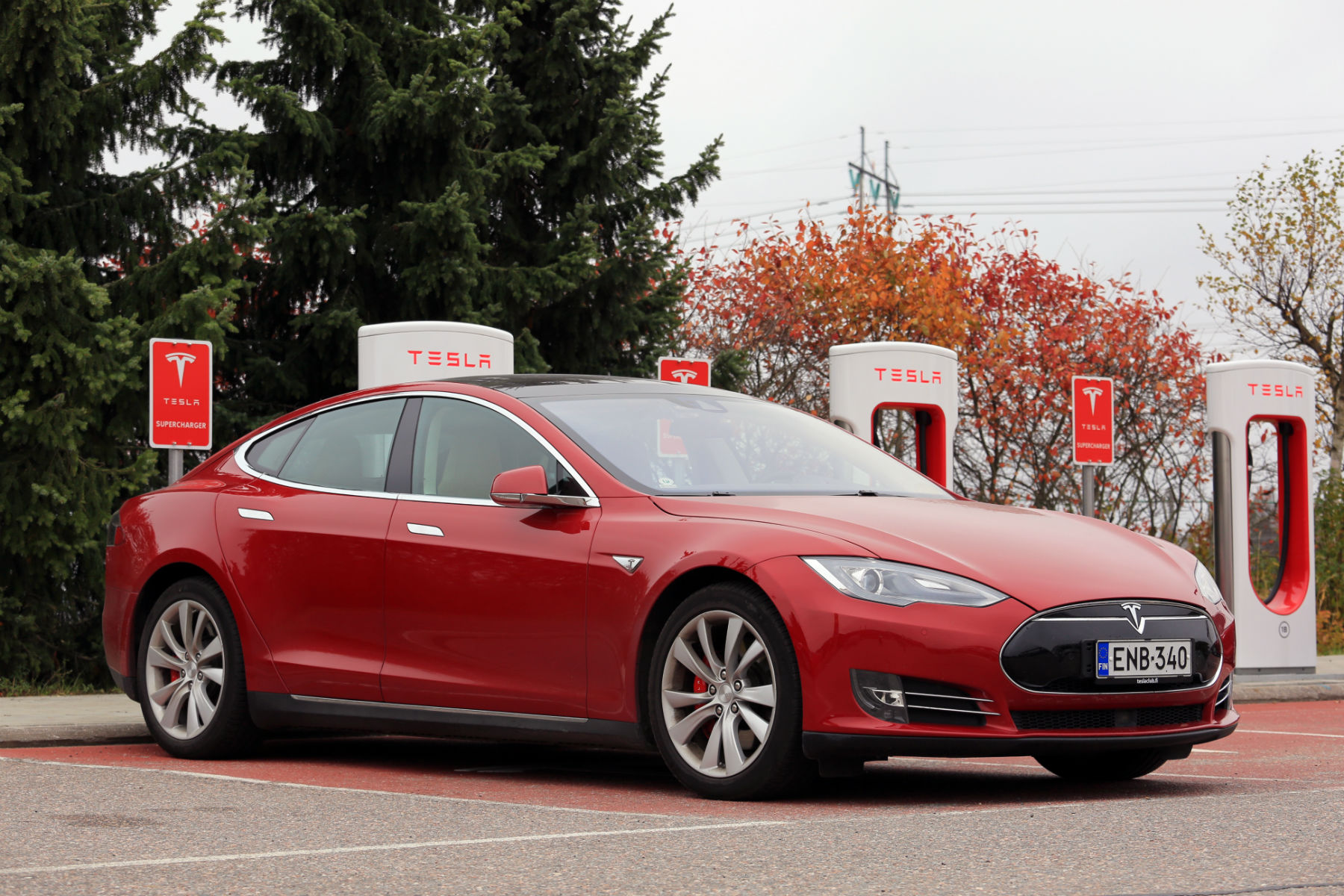
Currently, Tesla Model drivers can make use of the firm’s supercharger network. This uses 480-volt fast chargers to provide up to 120kW of power in 30 minutes, translating to up to 170 miles of range in a Model S. It’s currently attempting to double its number of superchargers, with 10,000 mooted worldwide by the end of 2017.
But the new mega-sites will go a step further than simply providing somewhere for drivers to charge their car. Speaking at FSTEC 2017, a food technology conference in California, Tesla’s chief technology officer JB Straubel explained these mega-stations would have up to 40 charge points, a lounge where drivers could sit back and relax, and coffee on-hand.
“People are coming and spending 20 to 30 minutes at these stops,” he said. “They want to eat, they want to have a cup of coffee, they want to use the bathroom.”
The firm plans to introduce the new supercharger stations between major cities, with the first one currently being built in California between Los Angeles and San Francisco. A similar one is expected to be built between LA and Las Vegas, while another is planned near Oslo in Norway.
Speaking about plans to reduce demand on Tesla’s current supercharger network earlier this year, CEO Elon Musk said: “We should see some immediate relief even for S and X customers on some of the key supercharge locations whilst we – experimenting with our first sort of – I don’t know what we call it – mega supercharging location, like really big supercharging location with a bunch of amenities.
“We’re going to unveil the first of those relatively soon. And I think we’ll get a sense for just sort of how cool it can be to have a great place to – if you’ve been driving for three, four hours – stop, have great restrooms, great food, amenities, hang out for half an hour and then be on your way.”
The firm isn’t expected to build and operate the locations itself. Instead, it will work with hotel and restaurant chains to act as partners.
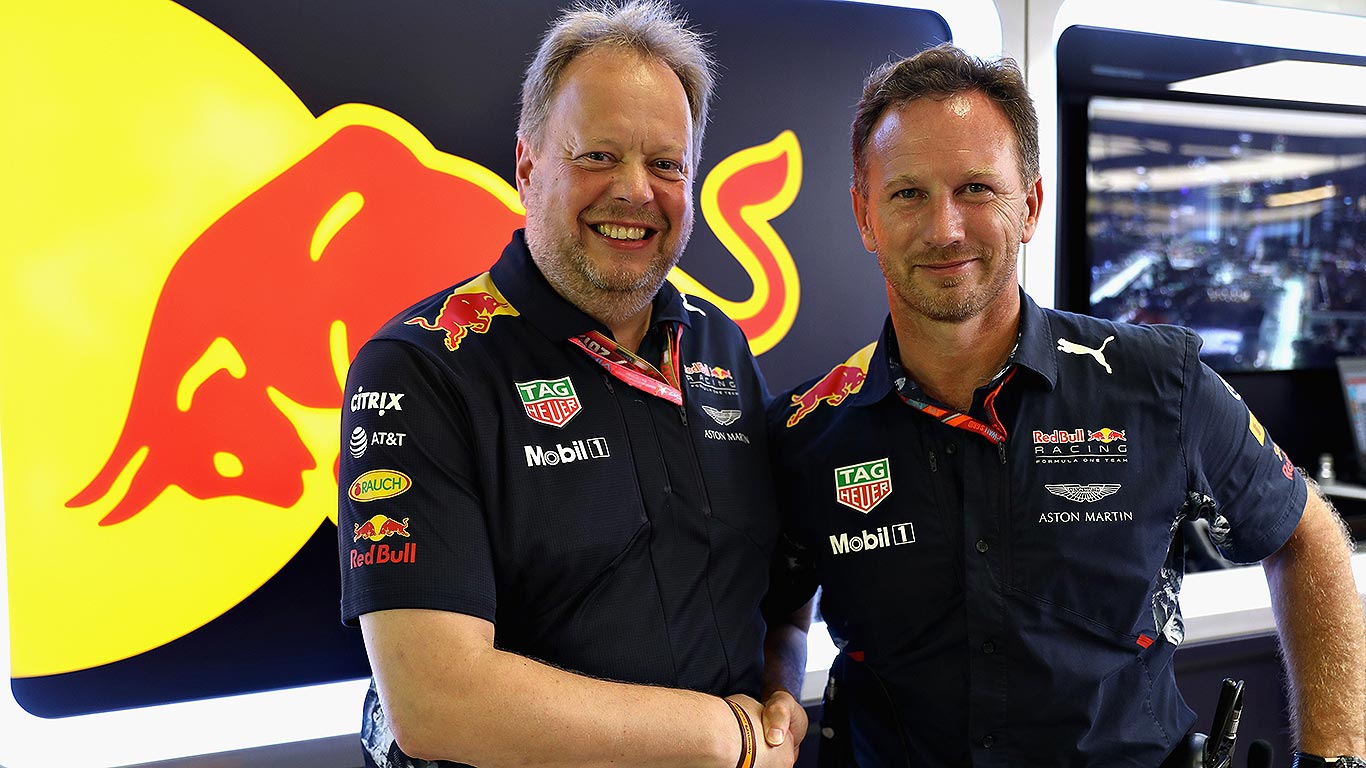
Aston Martin has announced it will become title sponsor of the Red Bull Racing F1 team in 2018 – and boss Andy Palmer has hinted that the firm could actually build an F1 engine for Red Bull in the future, “if the FIA can create the right environment”.
The 2018 title sponsorship deal also sees Aston Martin and Red Bull Racing strengthen an innovation partnership, one that’s already led to the creation of the Aston Martin Valkyrie hypercar. A new Advanced Performance Centre will open on the team’s F1 campus in Milton Keynes later in 2017.
“Title partnership is the next logical step for our Innovation Partnership with Red Bull Racing,” said Aston Martin president and CEO Andy Palmer as the 2018 Aston Martin Red Bull Racing team was announced. “We are enjoying the global brand awareness that a revitalised Formula One provides.”
And on the possibility of Aston Martin making an F1 engine, Palmer added: “The power unit discussions are of interest to us, but only if the circumstances are right.
“We are not about to enter an engine war with no restrictions in cost or dynamometer hours, but we believe that if the FIA can create the right environment we would be interested in getting involved.”
Aston Martin agrees £500 million trade deal with Japan
How Aston Martin helped Red Bull F1 genuis Adrian Newey realise a dream
Aston Martin logos will be splashed across the newly-named Aston Martin Red Bull Racing team from 2018. The two firms also revealed that Aston Martin has been asked by the FIA to join in discussions about future F1 engines from 2021, enabling it to “evaluate the opportunity to be involved”.
The new partnership is already creating jobs, added Aston Martin. The new Advanced Performance Centre will create 110 new jobs when it opens this year – where “Aston Martin’s second dedicated design centre and engineering personnel… will be working on future sports cars”.
The Aston Martin Valkyrie, which launched in 2019, has already sold out. Could this be the start of another Aston Martin Red Bull Racing road-going F1 of the future?
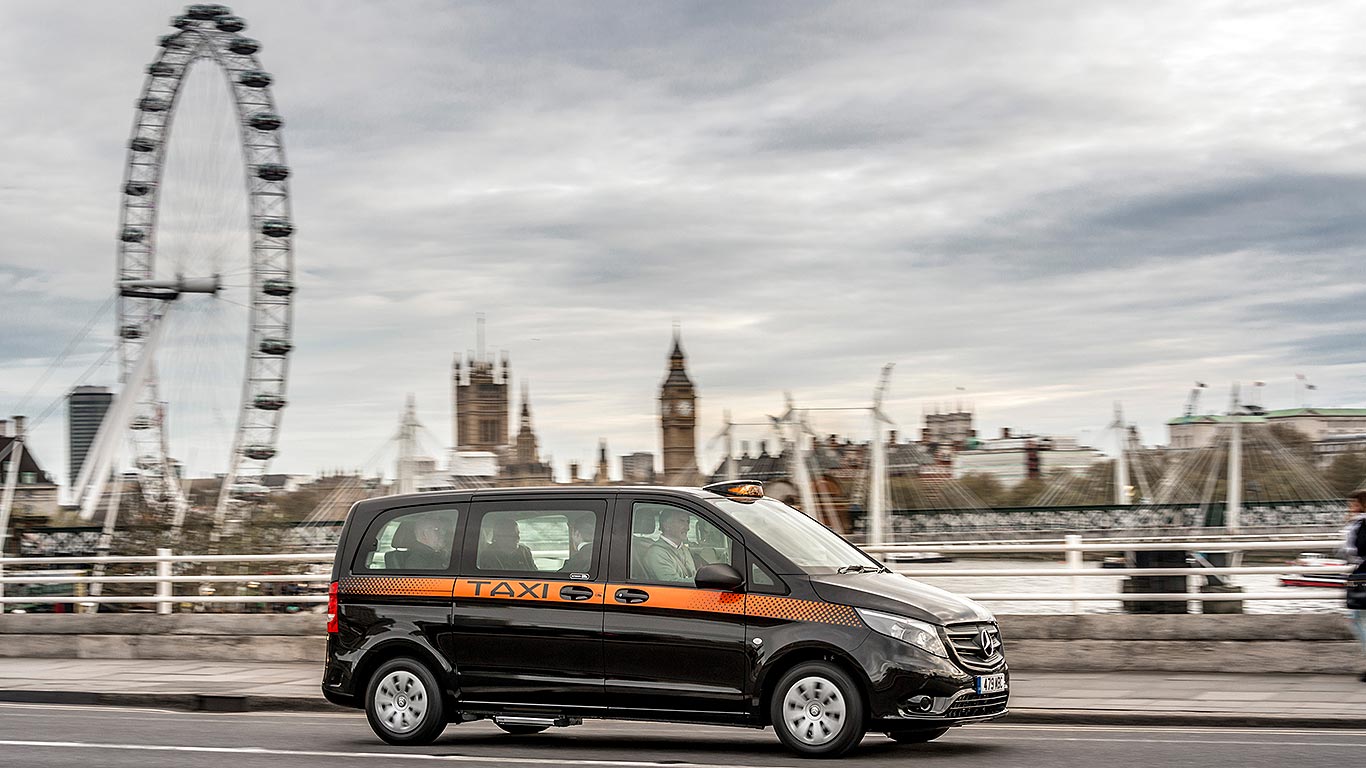
The Mercedes-Benz Vito Taxi has outsold the London Taxi Company’s TX4 black cab in London so far in 2017, latest Transport for London figures have revealed. It gives Mercedes-Benz a 55.1 percent market share of London’s black cab market.
489 Vito Taxis were sold, compared to 399 TX4 London black cabs – because, reckons Mercedes-Benz Vans UK Ltd MD Steve Bridge, “Vito Taxi provides the most comfortable, efficient journey”. The six-seater Merc cab includes air con for both driver and passengers, dual electric-slide passenger doors and even electrically-operated steps.
The diesel engines also all feature engine stop-start, killing the motor in traffic to cap city centre emissions. They’re Euro 6 emissions compliant too, and 2017 models also come with a spare wheel carrier as standard, by popular demand.
It needn’t cost London cabbies a fortune, either. Mercedes-Benz Vans is offering the Vito Taxi for £170 a week, with zero deposit, on a 48-month agreement (with a £15,900 final payment). The mileage is a generous 30,000 per year, although you must order before 1 October to take advantage of the zero-deposit deal.
Arch-rival the London Taxi Company is this year rebranding itself as the London Electric Vehicle Company (LEVC), in readiness to roll out an all-new petrol-electric hybrid London black cab that can run as a zero-emissions electric vehicle in town.
The new model will cost almost £56,000 to buy – although LEVC is offering it on a five-year lease deal for cabbies. Price? £177 a week – with, thanks to the 70-mile electric range, a potential £100 a week saving on fuel costs to factor in as well…
An estimated 40,000 Uber drivers will be removed from the capital’s streets as Transport for London (TfL) has announced a decision not to renew the ride-sharing app’s licence.
In a statement, TfL said: “[We consider] that Uber’s approach and conduct demonstrate a lack of corporate responsibility in relation to a number of issues which have potential public safety and security implications.”
It went on to outline its concerns, including Uber’s approach to reporting serious criminal offences and how medical certificates are obtained.
London is Uber’s biggest market in the UK, with 40,000 drivers registered in the capital.
The ride-hailing firm allows users to request a private hire car on their phone, booming in popularity over recent years and attracting criticism from traditional black cab drivers. Critics have argued that passengers are less safe with Uber drivers, citing reports of sexual assault.
Even Uber’s own drivers have complained about poor working conditions, with long hours and poor pay.
“3.5 million Londoners who use our app, and more than 40,000 licensed drivers who rely on Uber to make a living, will be astounded by this decision,” said Uber.
“By wanting to ban our app from the capital Transport for London and the Mayor have caved into a small number of people who want to restrict consumer choice. If this decision stands, it will put more than 40,000 licensed drivers out of work and deprive London of a convenient and affordable form of transport.”
In a Facebook post, London mayor Sadiq Khan said: “All companies in London must play by the rules and adhere to the high standards we expect – particularly when it comes to the safety of customers. Providing an innovative service must not be at the expense of customer safety and security.
“I fully support TfL’s decision – it would be wrong if TfL continued to license Uber if there is any way that this could pose a threat to Londoners’ safety and security.
“Any operator of private hire services in London needs to play by the rules.”
Under the Private Hire Vehicles (London) Act 1998, Uber will be able to appeal the decision within 21 days. The company’s current licence runs until the end of September, meaning it’ll be able to operate in London until then.
Environmental protesters have surrounded a ship carrying thousands of diesel Volkswagens to prevent it docking in the UK.
“Mothers, fathers and people from all walks of life are currently doing everything in their power to stop more diesel cars entering our streets and communities,” said Greenpeace in a statement.
“25 Greenpeace volunteers in kayaks and boats surrounded a 23,000 tonne ship attempting to block Volkswagen cars entering the UK.
“They drew up alongside the huge car carrier miles out at sea at 9am today and two are now hanging from the 27-metre-high unloading door.”
The Greenpeace members are believed to have boarded the ship close to Sheerness in Kent. At the same time, protesters are attempting to steal the keys to thousands of diesel cars at the port. They’re also applying stickers to the engines, with messages from Greenpeace members asking Volkswagen to ditch diesel.
“They won’t give up until VW commits to send it’s [sic] toxic cars away from the UK and ditch diesel for good,” added Greenpeace.
In the wake of the Dieselgate emissions scandal, Volkswagen Group has committed to accelerating plans for electrifying its range, with 80 new electric cars planned by 2025. It’s also recently launched a scrappage scheme, encouraging buyers to swap old Euro 1 – 4 diesels for more environmentally-friendly models.
Reacting to the protests, a Volkswagen spokesman said: “We are aware of a protest this morning at the Sheerness port in Kent.
“The ship contains a variety of Volkswagen Group vehicles, including petrol, diesel and plug-in hybrid models. The diesel vehicles, which are the subject of the protest, meet strict Euro 6 standards.”
It’s understood there are 37 plug-in hybrid electric vehicles on the ship that’s being prevented from docking. There are also more petrol than diesel vehicles on board.
In less than two months, 17 drivers have already caused tailbacks through a major section of roadworks due to running out of fuel – leading Highways England to introduce rapid-assistance motorcycles carrying emergency fuel to stranded motorists.
It’s the first time so-called ‘fuel bikes’ have been used by Highways England.
The bikes are being used on the M5 Oldbury Viaduct roadworks section in the West Midlands. The £100 million repair scheme has reduced both carriageways to two narrow lanes, with a 30mph speed limit.
The motorcycles are thus able to reach stranded motorists much more quickly, helping get them underway and keep traffic flowing.
“Since the contraflow came into effect, we’ve already seen a number of fuel-related breakdowns in the roadworks section,” said Highways England project manager Alastair Warnes.
“In fact, on the very first day of the contraflow coming into effect, the first breakdown was caused by someone that had run out of fuel.
“By offering this type of assistance, we’re able to minimise disruption to others driving through the roadworks.”
Although Warnes did add that motorists could also do their bit by ensuring they have enough fuel before setting off…
The M5 Oldbury Viaduct roadworks will remain in place until autumn 2018, with minor work continuing until spring 2019.
Forget traditional car leasing or PCPs – Volvo is launching a clever new 24-month ‘subscription service’ with its 2018 XC40 crossover.
Order a new Volvo XC40 online through its Care by Volvo scheme, and you’ll be able to drive the new model for a fixed monthly price without any extra fees: including tax and insurance. It goes a step further, too. Volvo will offer a range of digital concierge services, such as fuelling and cleaning. Details haven’t been confirmed yet, but expect to be able to arrange for someone to come and clean your car or refuel it at a touch of a button, presumably through a mobile phone or tablet app.
New Volvo XC40 compact SUV revealed: prices from £27,905
You’ll even be able to share the car with friends of family by sending them a virtual key. There’s a catch, though. In the UK, Care by Volvo will only be available within the M25 to start with. And the digital key isn’t available in the UK at all. It’s early days, but previews what’s possible in the future as the service is rolled out further afield.
“Our aim with Care by Volvo is to provide our customers with a transparent, premium car user experience,” said Car by Volvo vice president, Thomas Andersson. “With a fixed monthly payment, Volvo Cars provides a truly customer-focused alternative to the traditional purchase or leasing. Time is a luxury for our customers, and with this service we are able to free up time in their daily lives. This is simply making life easier for our customers.”
The new Volvo XC40, which has been revealed today, will cost £27,905 for buyers who do want to buy it outright. Monthly Care by Volvo rates are yet to be announced.
The service will be offered across other cars in Volvo’s range in the near future, including the new digital concierge services.
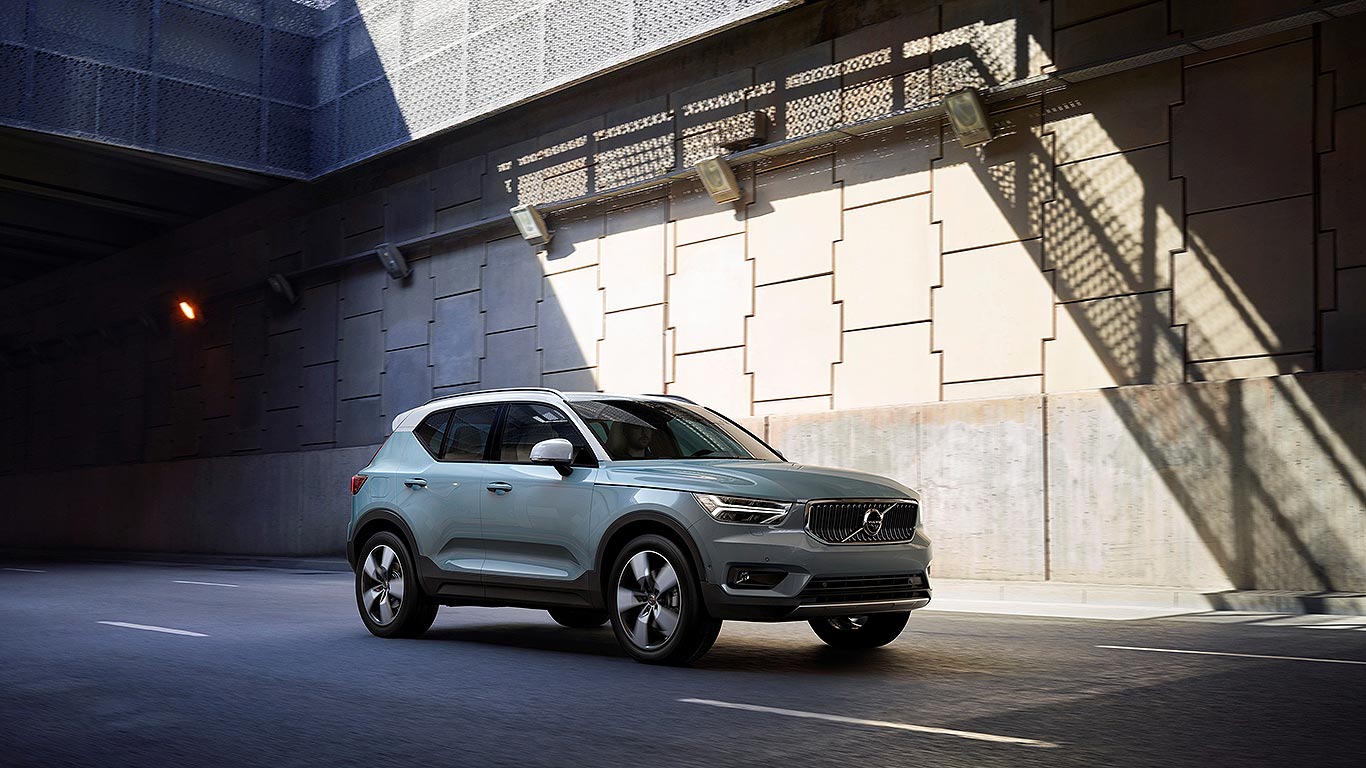
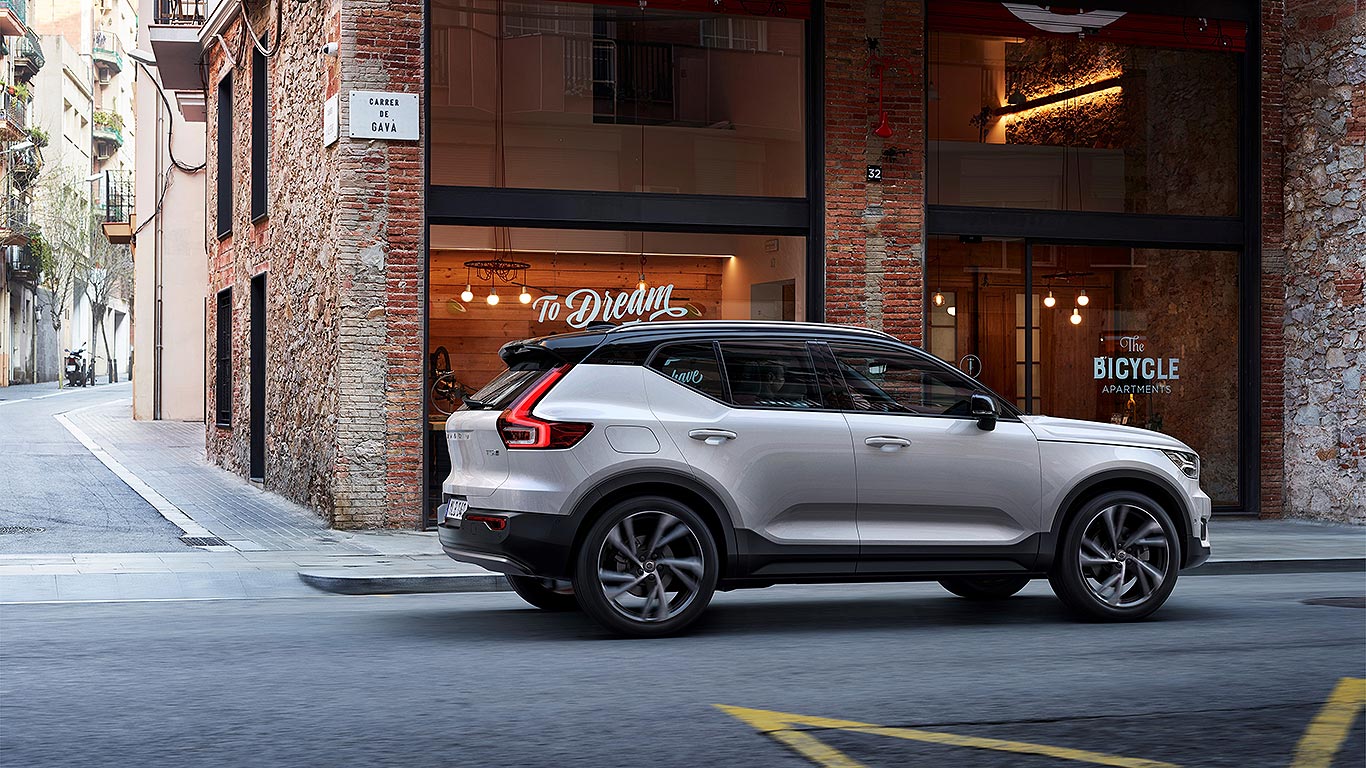
The new Volvo XC40 is the Swedish brand’s entry into the booming compact SUV sector, currently dominated by the Audi Q3 and Range Rover Evoque. Built on an all-new platform called CMA (Compact Modular Architecture), it’s a city-focused machine that joins the hit XC60 and XC90 to further expand Volvo’s appealing SUV line.
Prices start from £27,905 and ordering is already open, with first deliveries expected early in 2018. Volvo’s not stopping there, either – it’s introducing a new ‘car subscription service’ lease offer called Care By Volvo, that will let you own a car on a fixed contract for a set monthly fee, as ‘hassle free as having a phone’.
Volvo is so bullish about this new initiative, it believes it will ‘reinvent the traditional model of car ownership’.
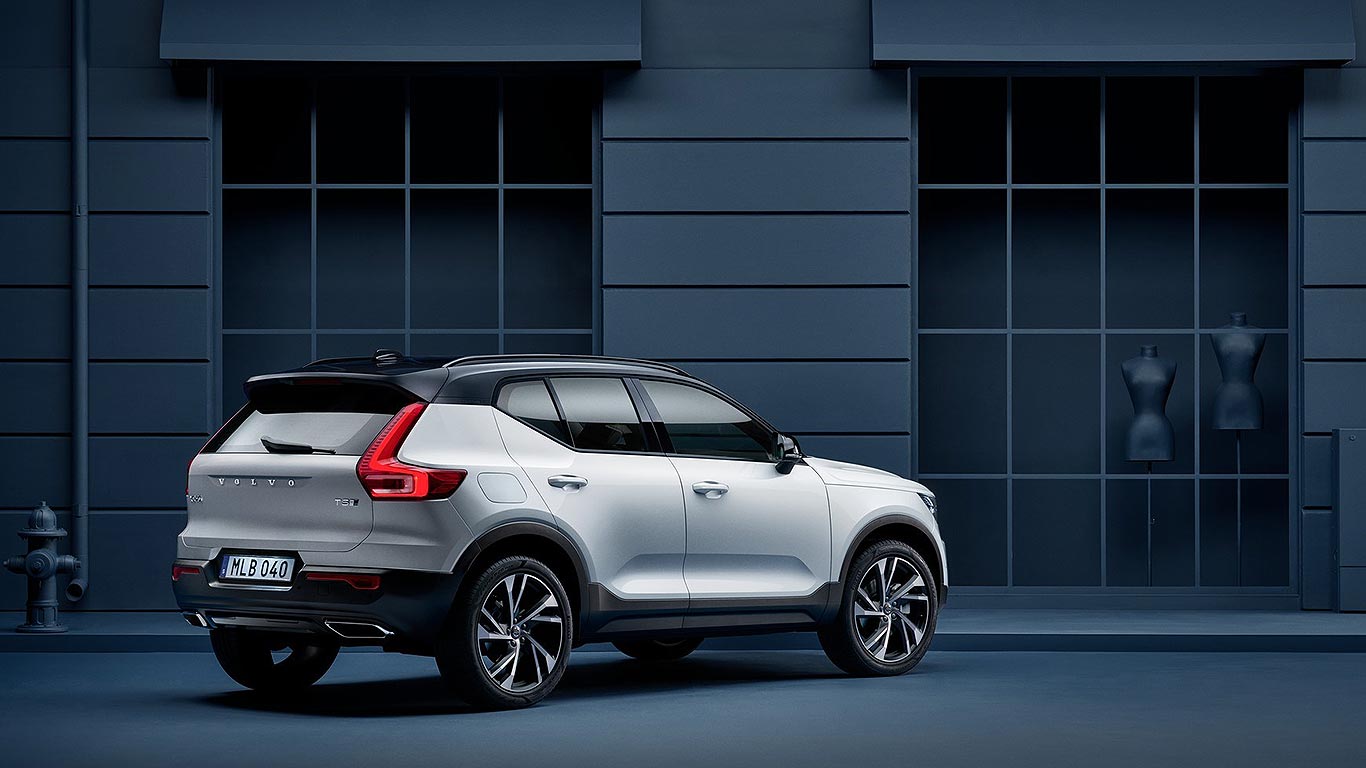
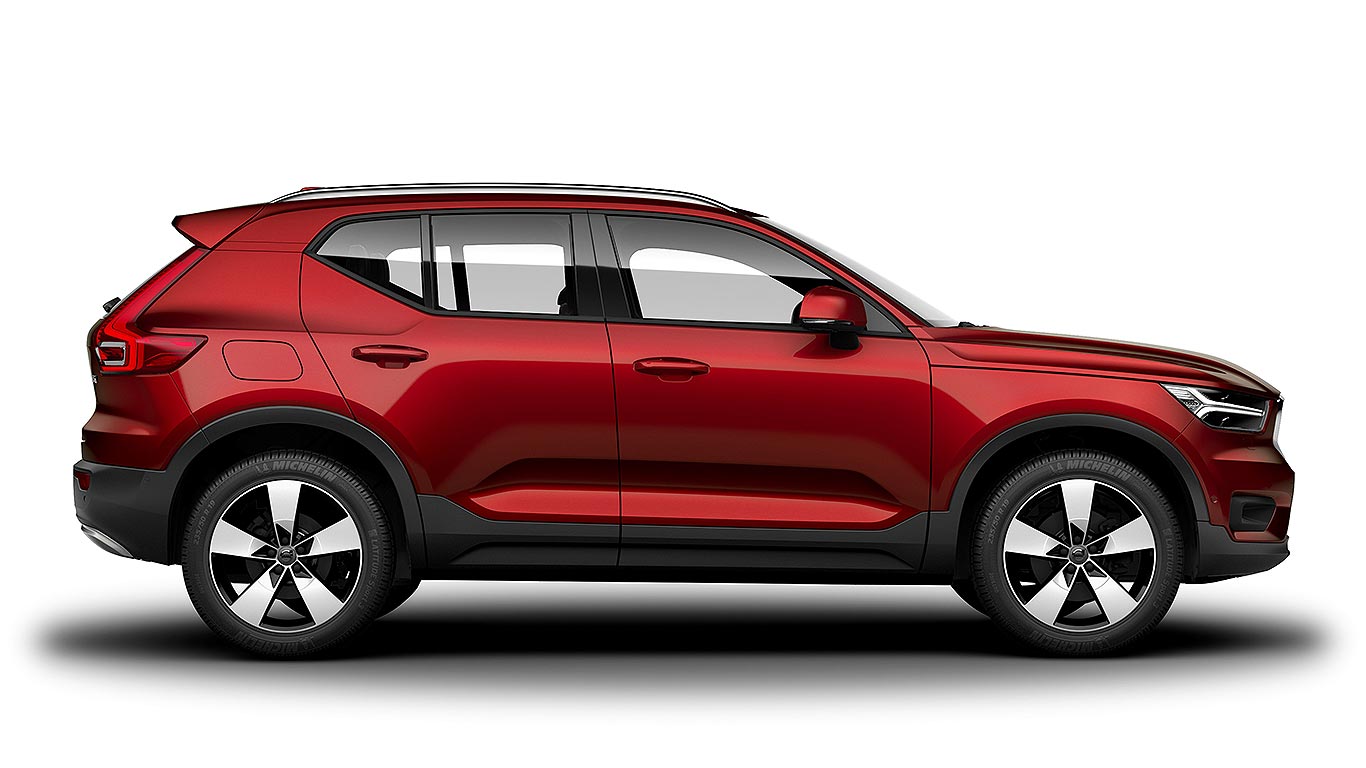
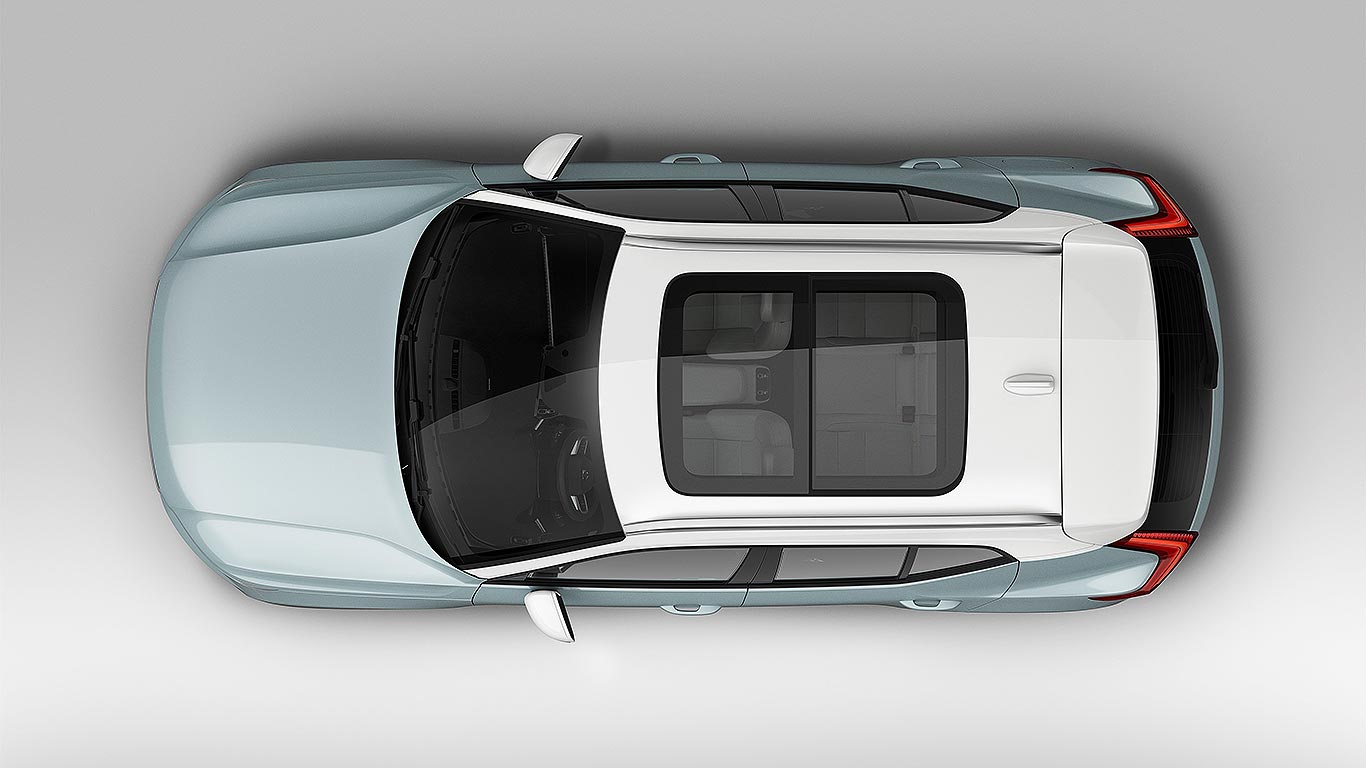
Distinctively styled, the XC40 successfully carries through the show car styling seen on the 2016 Volvo 40.1 concept. Its rear C-pillar is very striking, and bold body creases give it a characterful look. Volvo’s also offering it with colour schemes never before seen from the Swedish brand – anyone for China blue with a white roof?
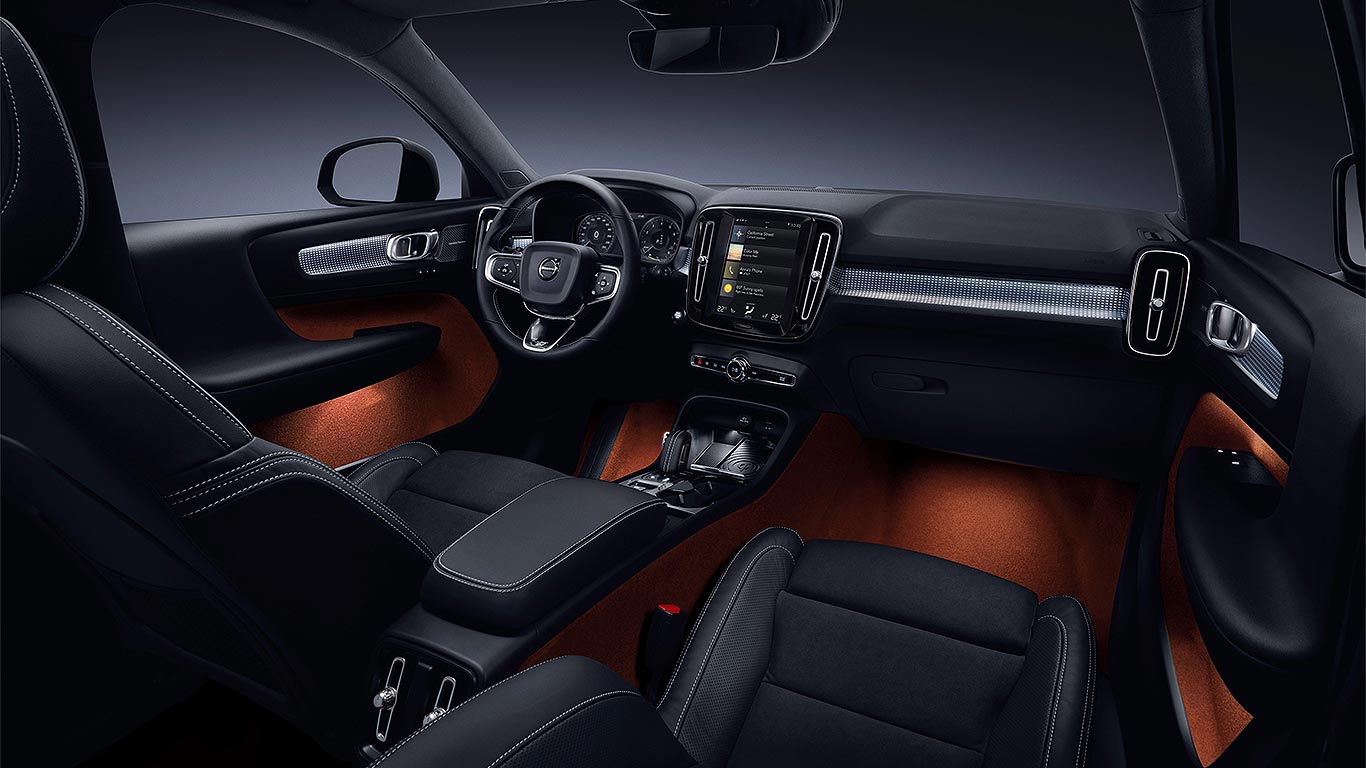
Inside, Volvo’s latest premium interior layout, with its distinctive portrait-style infotainment screen, is enhanced by “a radically new approach to storage”. The door bins are more practical, there’s stowage space beneath the seats, a waste bin in the centre console, and fold-out hooks for bags. Volvo’s even carved out a space just for smartphones, which can be enhanced with inductive charging.
“The XC40 is our first entry in the small SUV segment, broadening the appeal of the Volvo brand and moving it in a new direction, said Volvo Cars president and chief executive Hakan Samuelsson. “It represents a fresh, creative and distinctive new member of the Volvo line-up.”
Volvo XC40: engines
Volvo will launch the XC40 with five different engines, but all will be 2.0-litre four-cylinder turbo motors. Three of then will be petrol – 156hp T3, 190hp T4 and 247hp T5 – and there’ll be two turbodiesels: 150hp D3 and 190hp D4.
The T3 comes with front-wheel drive only. The D3 has a choice of front- or all-wheel drive; T4, T5 and D4 are all-wheel-drive only. You can have either manual or automatic gearboxes on lower-powered engines, while the more potent ones are all automatic.
What about hybrids? Nothing at launch, but expect them to follow later. The XC40 will also be the first Volvo to come with the firm’s new fuel-saving three-cylinder engines.
Volvo XC40: specification
The XC40 is offered in a core three-trim lines in the UK: Momentum (entry-level), R-Design (sporty) and Inscription (posh). All are well equipped, coming with nine-inch Sensus touchscreen infotainment, sat nav, LED headlights, 12.3-inch TFT instrument display, dual-zone climate control with an air-cleansing ‘CleanZone’ filtration system, plus rear parking sensors and 18-inch alloys.
Volvo also fits City Safety autonomous emergency braking to all XC40, and its potentially life-saving Oncoming Lane Mitigation tech. This senses if you steer out of your lane and into the path of an oncoming vehicle, giving steering assistance to help you move out of danger.
Momentum models are the most ‘expressive’, says Volvo: you can have black or white alloy wheels, contrasting white roofs, even eye-catching textile and vinyl interior upholstery. We can’t help but love the orange carpet seen in the images…
The R-Design is marked out by gloss black for the grille, door mirrors and front and rear bumper sections, plus a black roof. You get dual exhaust pipes at the rear, sports suspension and diamond-cut alloy wheels. A racy interior reflects this, with perforated leather steering wheel, aluminium dash inlays and leather/Nubuck seats boasting cushion extensions (like you used to get in 1980s Ford Escort RS Turbos).
The lavish Inscription is so upmarket, automatic versions even have a crystal gear lever from Swedish glassmaker Orrefors. Upholstery is full leather, the interior is decked out with chrome highlights instead of gloss black, and the dash carries smart driftwood inlays.
Go Pro
Buyers can also pick Pro versions of each trim line. A Momentum Pro costs £1,550 more and adds heated front seats, a powered driver’s seat, heated windscreen and active bending headlights that avoid dazzling other drivers.
R-Design Pro costs £1,900 extra and includes all the above, plus 20-inch alloys. Inscription Pro costs £1,550 and adds 19-inch alloys and a powered passenger seat.
Every XC40 can also be equipped with Volvo Pilot Assist semi-autonomous tech: at speeds of up to 80mph, it can steer the car within a lane and maintain a set distance from a car in front.
Volvo XC40: prices
A front-wheel-drive 2.0-litre turbo T3 Momentum XC40, with 156hp, costs £27,905. The entry-level 150hp D3 diesel is £28,965, or £30,405 if you want all-wheel drive. R-Design models are £1,850 more, with Inscription versions commanding a £2,500 premium over base Momentum.
The most expensive XC40s will be the launch-special First Edition variants, offered either as a 247hp T5 petrol or 190hp D4 diesel. Based on R-Design Pro models, they add a punchy 1,200W 12-speaker Harman Kardon sound system, power tailgate, heated rear seats, wireless smartphone charging, Pilot Assist and Volvo’s Xenium Pack which combines a panoramic glass sunroof with automatic parking and a 360-degree surround-view parking camera.
A T5 AWD First Edition is £40,355; the D4 AWD First Edition creeps under the £40k barrier, at £30,305.
The Government has launched an urgent review into whether cyclists who put lives at risk should face similar penalties to dangerous drivers.
Transport minister Jesse Norman announced the review, which comes after the recent death of mother-of-two Kim Briggs who was killed after being knocked over by a cyclist, Charlie Alliston. The 20-year-old cyclist, whose bike had no front brakes, was found guilty of ‘wanton or furious driving’, an obscure 19th century offence.
The Government has trebled spending on cycling since 2010, bringing a huge increase in the number of cyclists on UK roads over the last seven years. Two pedestrians were killed and 96 seriously injured after being hit by a bicycle in 2015. More than 100 cyclists are killed and 3,000 are seriously injured on our roads every year.
While the review will looking into whether a new dangerous riding is offence is required as a priority, it will also consider wider improvements on road safety for cyclists and pedestrians.
“Although the UK has some of the safest roads in the world, we are always looking to make them safer,” said Norman, announcing the review.
“It’s great that cycling has become so popular in recent years but we need to make sure that our road safety rules keep pace with this change.
“We already have strict laws that ensure that drivers who put people’s lives at risk are punished but, given recent cases, it is only right for us to look at whether dangerous cyclists should face the same consequences.
“We’ve seen the devastation that reckless cycling and driving can cause, and this review will help safeguard both Britain’s cyclists and those who share the roads with them.”
The Government is expected to announce its conclusions early next year after consulting the public and independent legal advice.
Plug-in hybrids return “worryingly-high fuel consumption and emissions” compared to diesel models, a company which monitors fuel usage for fleets and company car drivers claims.
The Miles Consultancy (TMC) analysed real-world fuel consumption data on 14 hybrid models and seven plug-in hybrids using its mileage capture and audit system, which holds detailed records of fuel transactions and total mileage for each vehicle.
On average, plug-in hybrid electric vehicles (PHEVs) in the sample returned less that 45.0mpg, compared to their average NEDC figure of 130mpg. The official NEDC test is known to be unsuitable for plug-in hybrids as a large part of the test can usually be carried out under electric-power alone, skewing the average fuel consumption results.
This average fuel use equates to actual CO2 emissions of 168g/km – higher than the real-world emissions of most diesel company cars, says TMC. The diesels’ emissions averaged 159g/km.
“There is a real risk that fleet managers are adopting a PHEV strategy for completely the right reasons but unknowingly actually increasing their fuel bills,” said TMC managing director, Paul Hollick.
“PHEVs can be a cost-effective choice where drivers cover only moderate mileages; but only if the cars’ batteries are recharged daily. On the evidence of our sample, one has to question whether some PHEVs ever see a charging cable. In a lot of cases, we see PHEVs never being charged, doing longer drives and this is not a good fit for a lot of business car users. A robust PHEV deployment policy is essential.”
The research also revealed that drivers of standard hybrid cars used around 10 percent less fuel on their day-to-day journeys than drivers of plug-in hybrids. In real-world use, drivers of plug-in hybrids consumed three more fuel than official figures would suggest.
Opinion: This proves that PHEVs aren’t right for everyone
Just like electric vehicles aren’t right for everyone, neither are plug-in hybrids. For company car drivers, or anyone who regularly covers long distances where stopping every 30 miles to charge isn’t practical, plug-in hybrids will prove to be thirstier than an equivalent diesel.
That’s not to say everyone should dismiss a plug-in hybrid as their next car. If you’re able to have a charge point fitted at home and most of your journeys are short (less than about 30 miles), you’ll be able to complete most of your journeys under electric power. Unlike electric-only vehicles, though, you’ll have the back up of a conventional engine for the occassional longer journey. We ran a Mitsubishi Outlander PHEV for six months and found that, under these circumstances, it worked well.
The company that has provided this research monitors fuel use for fleets, and it’s true that fleet managers should question the intended use of the car if a plug-in hybrid is being considered. While current company car tax rules favour plug-in hybrids due to their supposed low CO2 emissions, new regulations being introduced in 2020 will penalise plug-in hybrids with a short electric-only range. We suspect diesel cars aren’t going to waiver in popularity for high-mileage users any time soon.
 Aston Martin has announced it will become title sponsor of the Red Bull Racing F1 team in 2018 – and boss Andy Palmer has hinted that the firm could actually build an F1 engine for Red Bull in the future, “if the FIA can create the right environment”.


 The Mercedes-Benz Vito Taxi has outsold the London Taxi Company’s TX4 black cab in London so far in 2017, latest Transport for London figures have revealed. It gives Mercedes-Benz a 55.1 percent market share of London’s black cab market.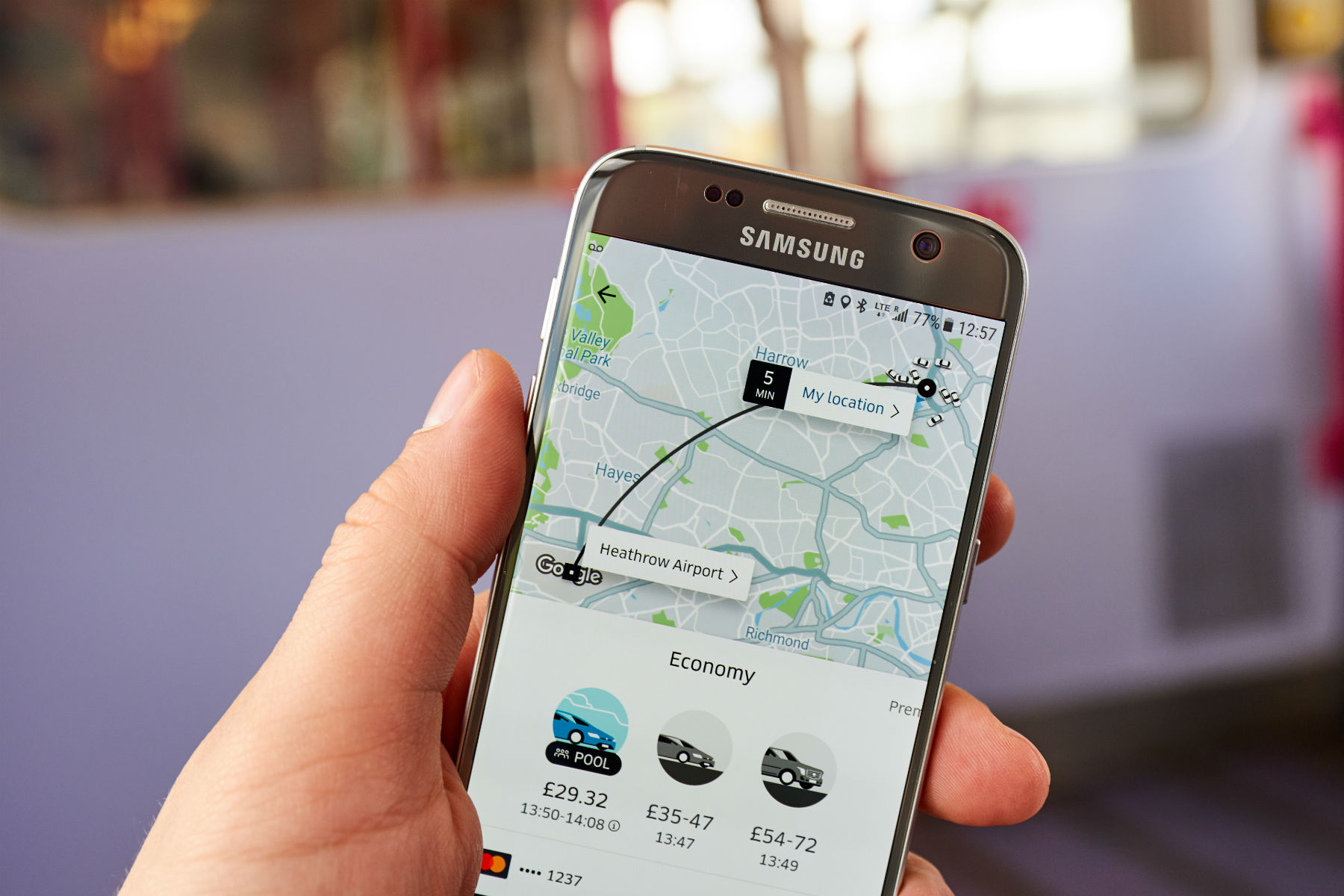



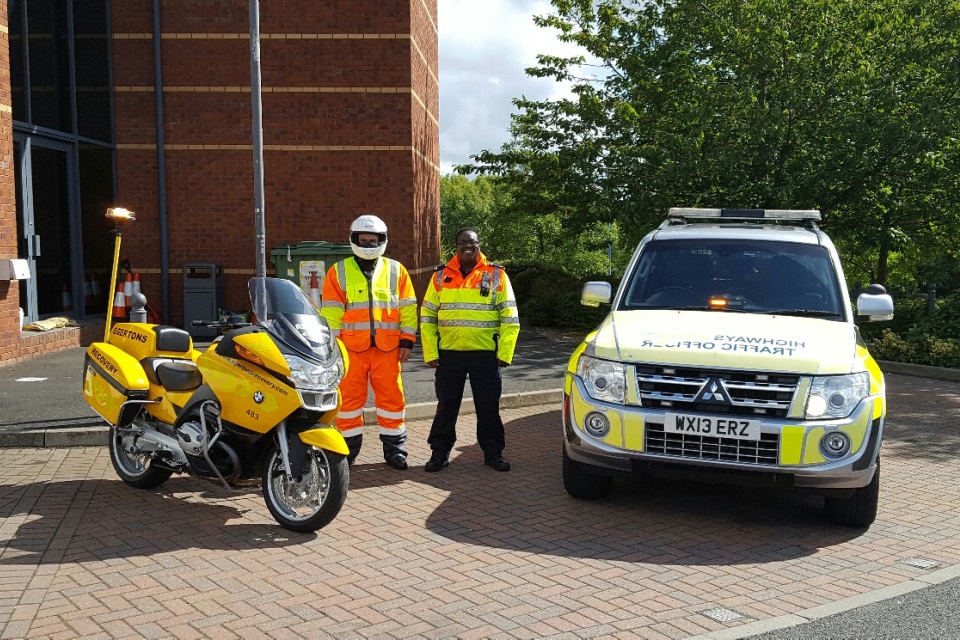 In less than two months, 17 drivers have already caused tailbacks through a major section of roadworks due to running out of fuel – leading Highways England to introduce rapid-assistance motorcycles carrying emergency fuel to stranded motorists.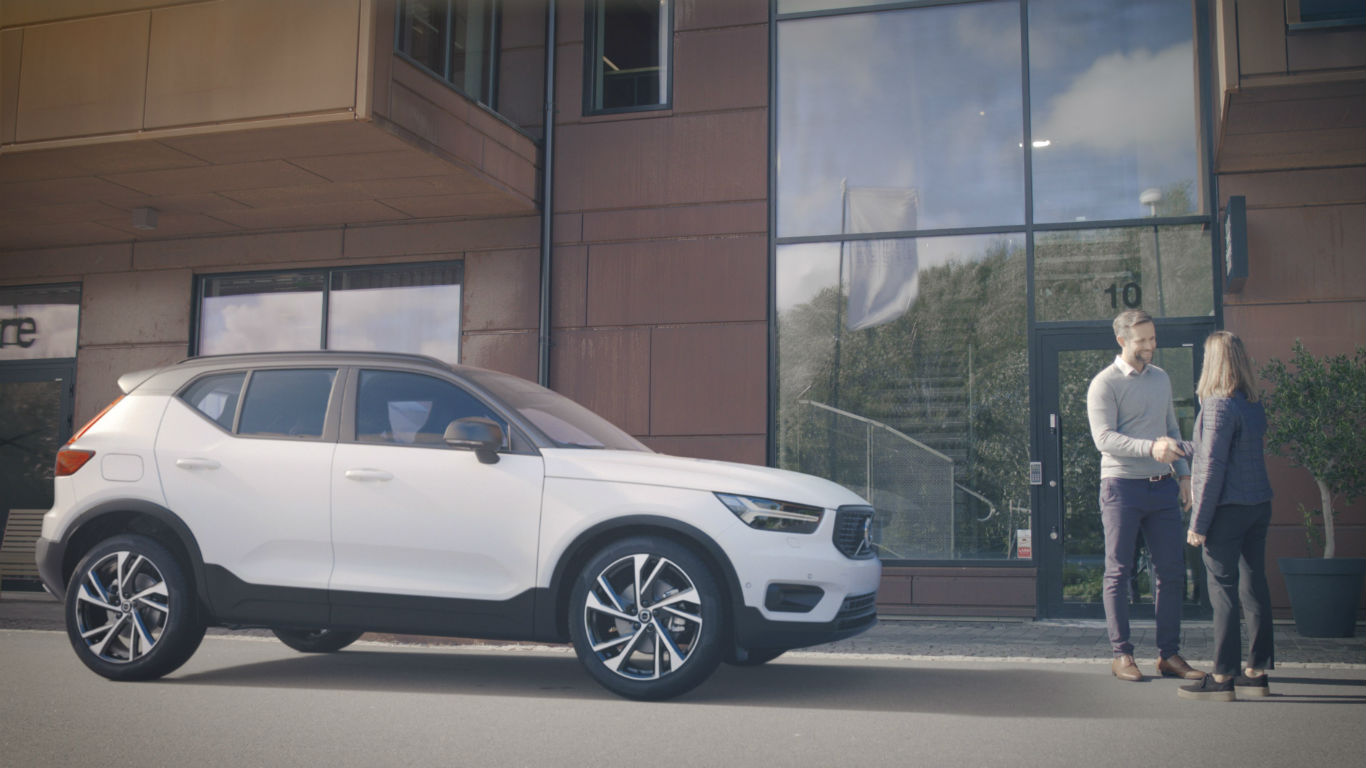

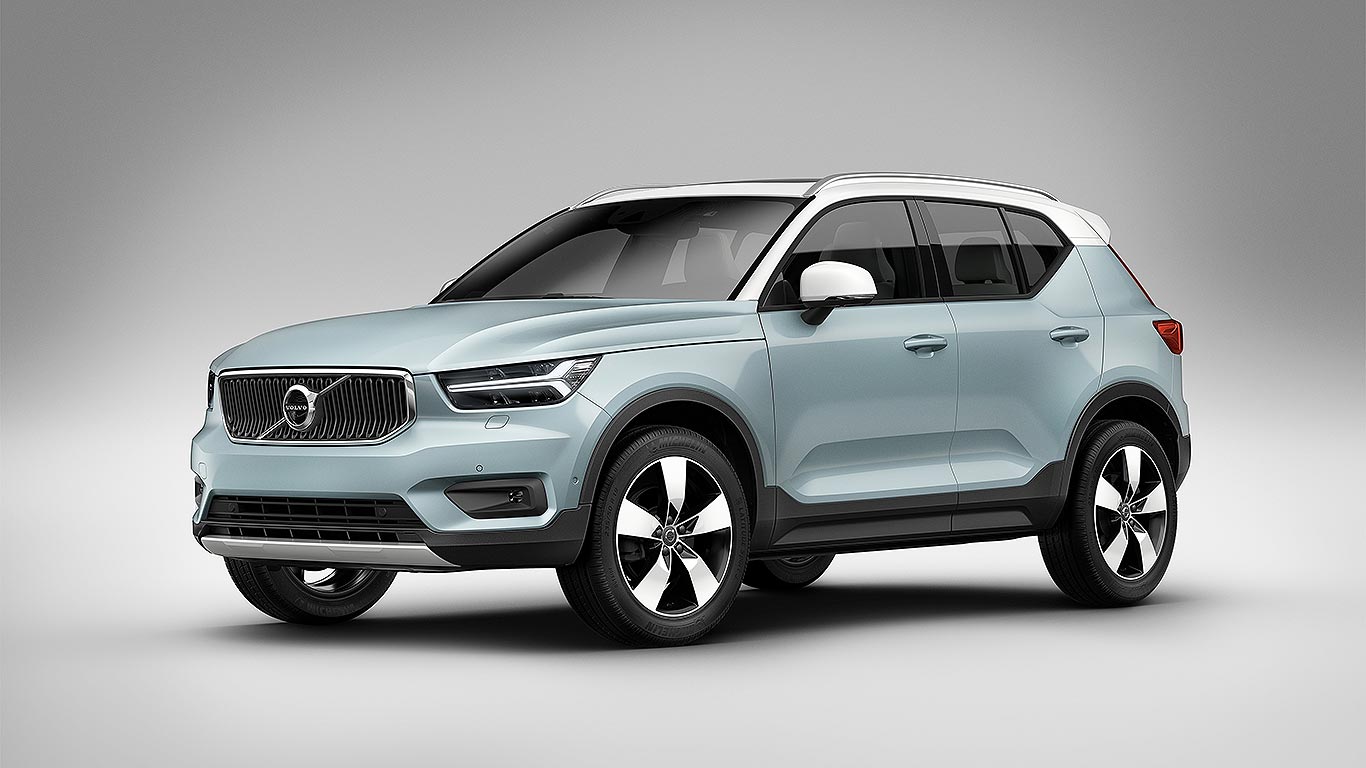 The new Volvo XC40 is the Swedish brand’s entry into the booming compact SUV sector, currently dominated by the Audi Q3 and Range Rover Evoque. Built on an all-new platform called CMA (Compact Modular Architecture), it’s a city-focused machine that joins the hit XC60 and XC90 to further expand Volvo’s appealing SUV line.