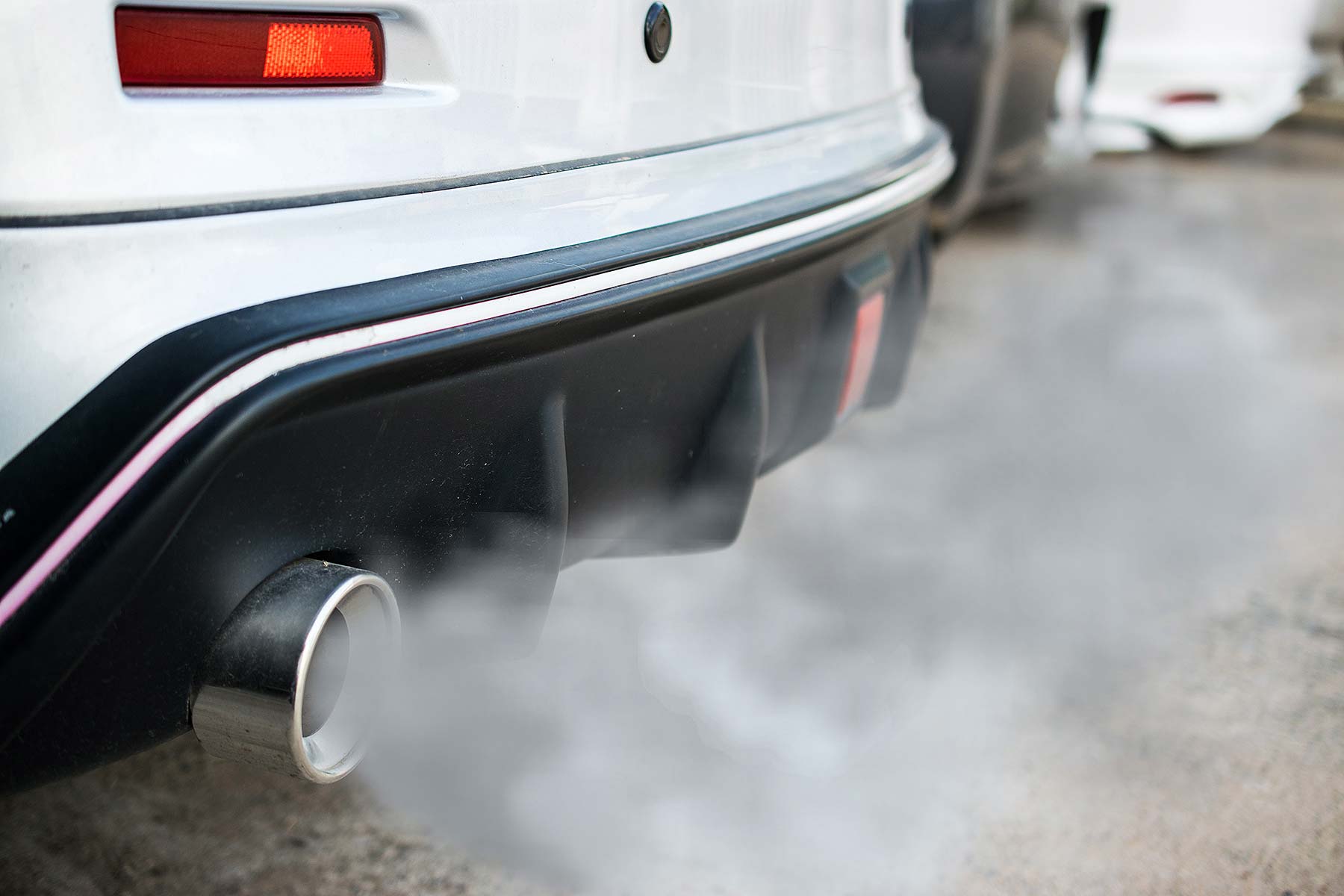
The car industry risks missing its 2021 CO2 targets with the first-ever annual increase in carbon dioxide emissions today being revealed by the Society of Motor Manufacturers and Traders (SMMT). Last year, average new car CO2 went up 0.8 percent, to 121g/km.
This will have “negative consequences for the UK’s own climate change goals,” warned the SMMT.
The reason is the demonisation of diesel, says the automotive industry trade body – and it means the car industry is at risk of missing its challenging 95g/km average CO2 target set for 2021.
In order to meet it, CO2 needs to plunge by 5.9 percent every year, something the SMMT is now calling “increasingly challenging”. Car firms thus face the risk of big EU fines from 2021, depending on how much over target their average CO2 emissions are.
Diesel is a lower-CO2 fuel than petrol, and the rapid shift away from it is responsible for almost half the CO2 increase. Diesels generally emit 15-20 percent less CO2 than their petrol counterparts, says the SMMT.
Other reasons for the unprecedented rise in CO2 include the slow uptake of zero-emissions electric cars (99.5 percent of all new cars are still petrol or diesel), a big fall in registrations of smaller cars – and ever-growing sales of crossovers and SUVs. These vehicles are less efficient than conventional alternatives.
New cars are, at least, more efficient than the ones they’re replacing. On average, a car driven out of a UK showroom emits 12.6 percent less CO2 than the one it’s replaced.
Mike Hawes, SMMT chief executive, said: “The anti-diesel agenda has set back progress on climate change… motorists must have the confidence to invest in the cleanest cars for their needs – however they are powered.”
The SMMT again criticised the government’s confusing policy over diesel. “A consistent approach to incentives and tax, and greater investment in charging infrastructure will be critical. Now, more than ever, we need a strategy that allows manufacturers time to invest, innovate and sell competitively, and which gives consumers every incentive to adapt.”
Did you catch the first episode of the new series of Top Gear last night? What did you think of it?
OK, now we’ve got that out of the way, let me tell you what I think. Only I’m not going to because – sorry, Mr Editor – I don’t think it matters what I think. My brief was to write an opinion piece on the series 25 curtain-raiser, but really, what’s the point?
Sure, the BBC will be monitoring the ratings, hoping to improve on the 1.9 million or so who tuned in to watch the final episode of series 24, which was down from 2.8 million for the season premiere.
To provide some context, 14 million watched an episode of Blue Planet II in October 2017, while 10 million tuned in to watch some fireworks on New Year’s Eve. Heck, even the first episode of the ill-fated Chris Evans series managed a peak of 4.7 million.
Unlike just about every other Top Gear preview or review over the past couple of years, I’ve managed to get this far without mentioning the C word. That’s ‘Clarkson’, in case you were wondering.
Drawing comparisons with the Clarkson era of Top Gear – not to mention The Grand Tour – is inevitable, but can’t we just move on and embrace the variety? The fact is, we’ve never had it so good.
So many people saying ‘Oh, #TopGear isn’t the same without Clarkson, Hammond and May’. They’re doing The Grand Tour – watch it, it’s great. And you also have Top Gear, which is great. Two great things. What is there to complain about? 🤷🏼♂️
I’ve been a fan of Top Gear since the days of Tony Mason’s hat, Chris Goffey’s beard, Jezza’s afro and Michelle Newman’s Alice band. Back then, Top Gear was your only real hope of anything motoring-related on TV, unless something made the news, such as yet another strike at Austin Rover or Lancia’s rust scandal.
Today, aside from the two flagship motoring shows, there’s a seemingly infinite number of channels to choose from, some of which offer car-based entertainment. Wheeler Dealers and Car SOS are two of the best, but there are others of varying degrees of quality.
Then there’s the increasing number of YouTube channels, which allow you to select from a menu to suit just about every taste. From the brilliantly eccentric HubNut to Jonny Smith’s relaunched and excellent Carpervert, you’ll find enough content to last a lifetime of lunchtimes.
If you didn’t enjoy Top Gear, that’s fine. But can we put an end to the Blur/Oasis-like TG/TGT comparisons? I’m yet to stumble across a television without an ‘off’ button, so why don’t you just switch off your television set and go out and do something less boring instead?
For what it’s worth, I enjoyed the first episode, but I’ll spare you the root and branch examination of the complete 60 minutes. Besides, I couldn’t tell you anything about the celebrity bit as I was too busy making a cuppa.
I’ll still find more interest in a Chris Goffey review of an Escort XR3 or watching Clarkson’s trying to squeeze his hair beneath the roofline of a Porsche 968, but that’s just me. The vast majority of TV shows hold no interest, but I won’t waste your time or mine telling you how much I don’t enjoy them.
Now if you don’t mind, I’m about to spend the next 50 minutes listening to the best album of the 1990s – (What’s the Story) Morning Glory?
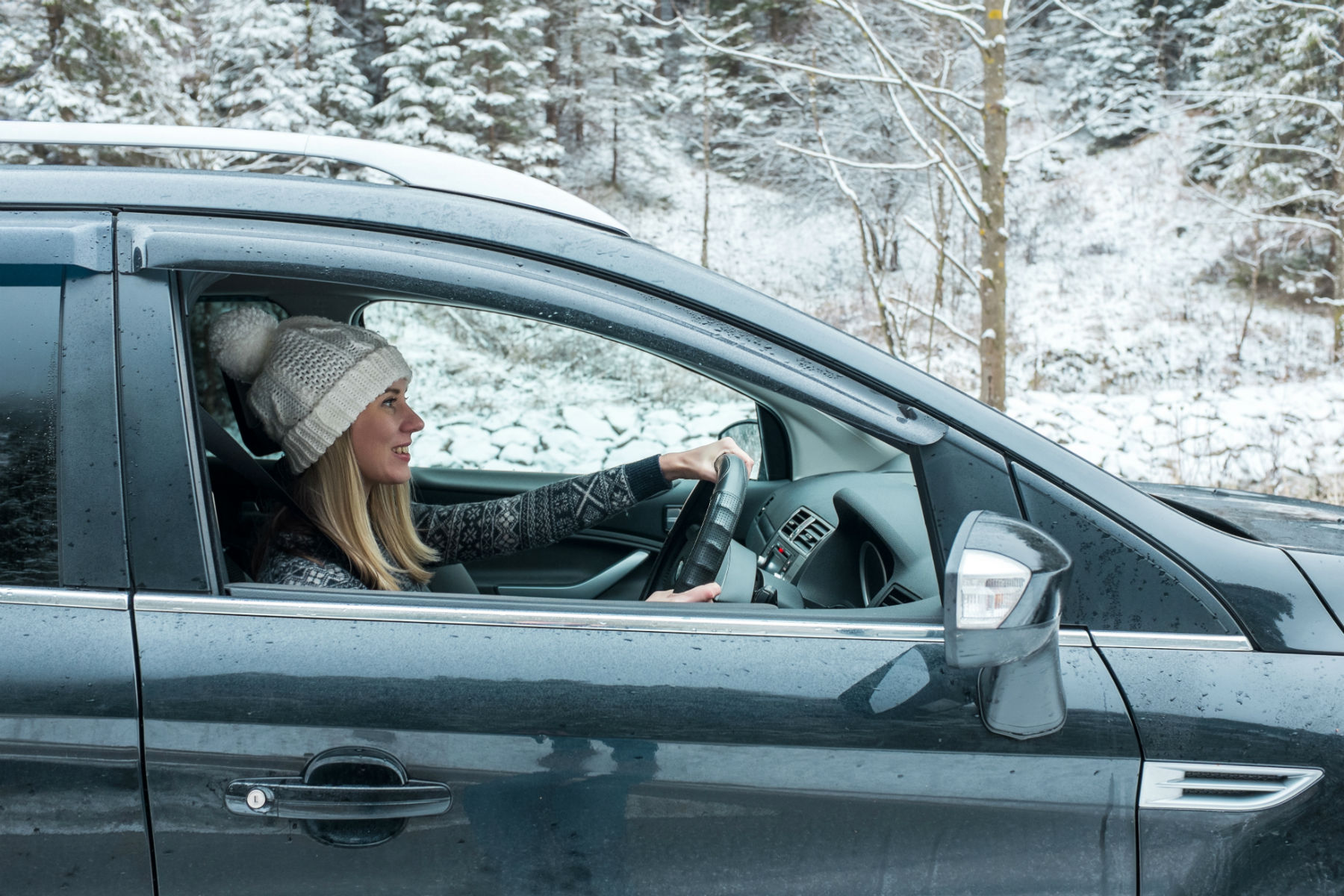
Despite temperatures plummeting well below zero across the UK, you may have noticed that your car didn’t need defrosting this morning.
In simple terms, that’s because the air in Northern Europe is currently very dry. If there’s very little moisture in the air, it won’t freeze, and you won’t notice frost on your car windscreen.
“For a classic frosty night we need a few ingredients: low temperatures, clear skies, calm winds and moisture,” explained a Met Office spokesperson. “A clear, calm night gives excellent radiation conditions – by this we mean that the heat absorbed by the Earth’s surface during the day escapes readily back into space and allows temperatures to fall.”
It’s feeling colder than the North Pole in the UK, but did you notice that you didn’t need to de-ice your windscreen this morning?
While last night we experienced low temperatures, clear skies and calm winds, it fell short of having all the ingredients required for a hard frost.
“If the temperature falls to the dew point (the temperature to which air must cool for it to become saturated with water vapour) moisture will condense and form droplets on the ground’s surface. When temperatures fall below freezing the droplets freeze and we get frost.”
More than 20cm of snow could land in parts of the UK by the end of the Wednesday, as the ‘Beast from the East’ weather front hits Europe.
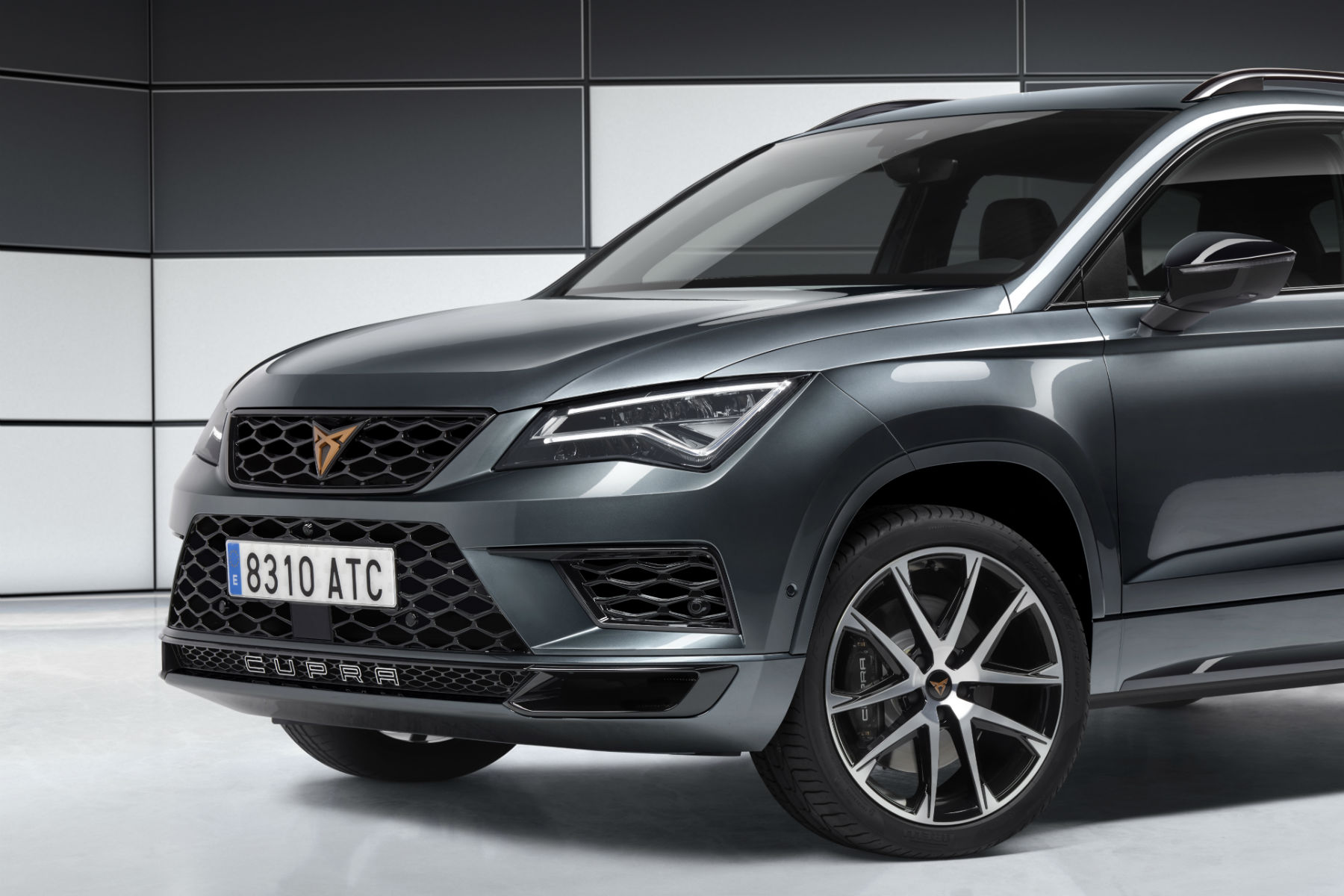
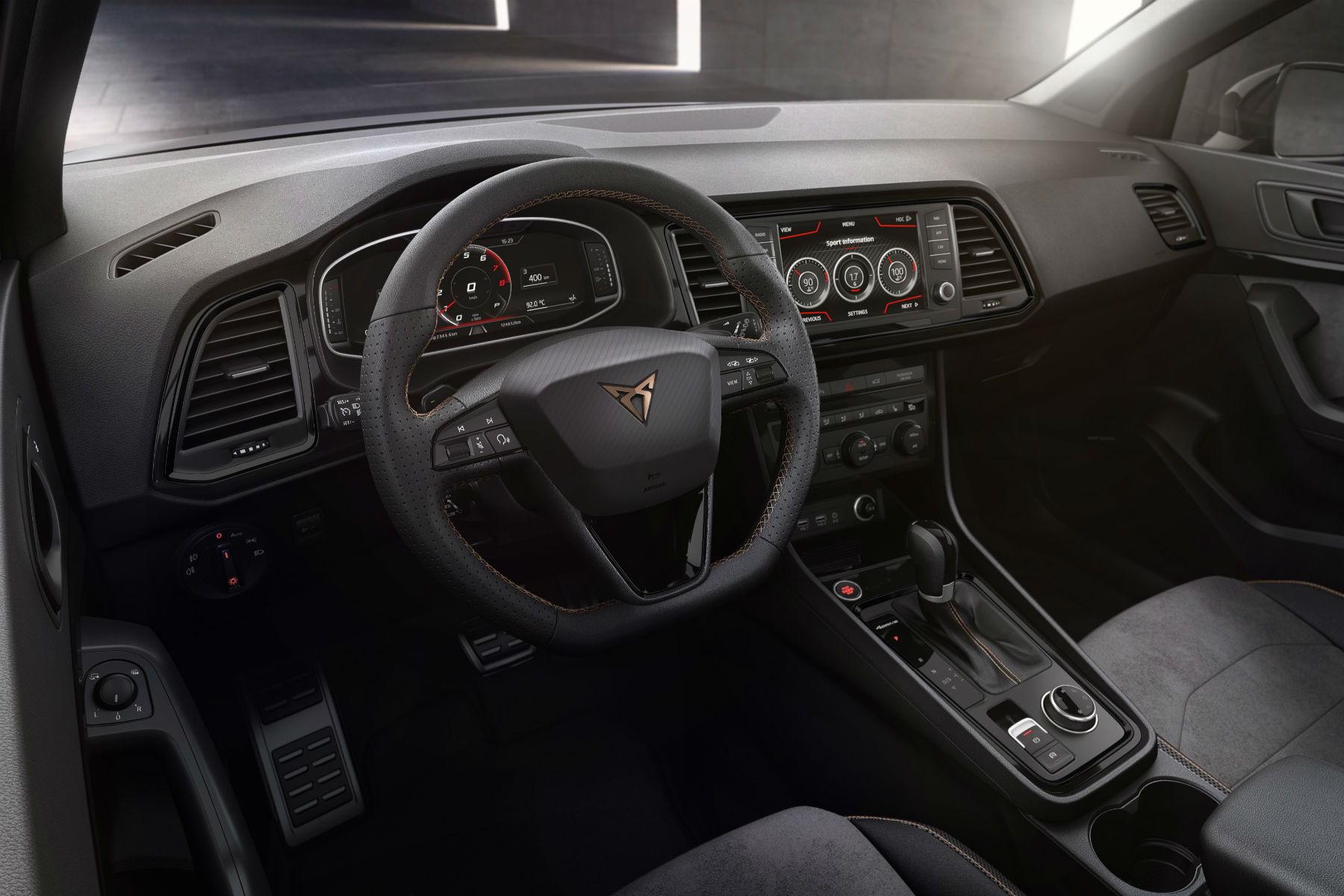
The new Cupra sub-brand has made its official debut ahead of its public launch at next month’s Geneva Motor Show. From now on, all new sporty Cupra models will be badged solely as Cupras, without any Seat branding.
It comes as the sporty offshoot reveals its first new model in the form of the new Cupra Ateca SUV, which made an appearance at a glitzy event in Barcelona yesterday. The event – attended by media from across Europe and a number of senior executives from the Cupra brand, gave us an opportunity to find out more about what the firm stands for and how it’s going to work. Here’s what we learned.
1: Seat has an image problem
Would the Seat badge put you off buying a car? According to marketing chiefs, some people will never buy a Seat – no matter how good it is. “We could [make] the best product in the world, but for some people who are more image-sensitive, they will not take one of our cars,” Seat boss Luca de Meo told Motoring Research.
We’re not sure that’s entirely true in the UK. Sister brand Skoda hasn’t been the butt of jokes for years now, and Seat has never really been viewed as a brand to avoid. Indeed, our quick straw poll reveals that two thirds of people don’t think Seat has an image problem. Clearly, that’s not the case around the world.
Quick question: do you think Seat has an image problem? Marketing chiefs reckon it has, and launching Cupra as a separate brand is one way to shake it…
“You still have, in some markets, a certain level of rejection of the Seat brand,” explained de Meo. “Starting from scratch with something new [means] we can attract customers who will not, in other cases, buy Seat.”
It’s a simple idea – some people won’t buy Seats, so removing the Seat badge and swapping it with a Cupra badge is one way of attracting new customers and charging them more money for cars. However…
2: Cupra isn’t premium
You might think this smacks of Seat going upmarket, but doing so would tread on the toes of fellow VW Group brands Volkswagen and Audi.
“There are enough [premium brands] around and the traditional, prestigious, premium [market] is occupied,” said Seat’s sales and marketing vice president, Wayne Griffiths. “I don’t think these classical, prestigious, premium values speak to these young people.”
Cupra says it plans to attract customers from between the mainstream and premium segments, but it’s reluctant to name brands that it intends to rival. Seat already has a high level of conquest (new customers coming in from other manufacturers account for around 60 percent of sales in the UK), but the firm expects this will be even higher for Cupra.
Bosses predict around 80 percent of Cupra customers will come from other brands, moving from mainstream cars but not yet feeling ready to buy an old-fashioned premium car such as an Audi or Mercedes-Benz.
3: Cupra will be a money maker for Seat
Griffiths isn’t shy about his hopes for Cupra. “We want to double sales,” he says. “Within five years.”
That’s quite a target for a brand that’s only just separating itself from its parent company, but Griffiths points to the current figures.
“We did 10,000 [Cupra models] in 2017,” explains Griffiths. “We want to do much more than 20,000 when we have the Ateca and some other models later. But that’s in the short-term… we have to because this brand is only going to fly if it’s visible. And you’re invisible if you’re below 10 percent of the mix.
“It will be an important profit-driver but also volume for as well,” he adds.
Despite this, numbers will be deliberately limited to aid residual values and allow tempting finance and leasing deals to be offered. “The only way to make residual values better is not to build more cars than you can sell,” said Griffiths.
4: A Cupra Ibiza and Arona could be in the pipeline – but not a Mii
The brand is being launched with the 300hp Cupra Ateca SUV – but there are seven new cars planned within the next three years. An Arona and Ibiza are both being considered, but Cupra hasn’t decided whether they’ll reach production. We suspect both are likely.
“[The Ateca] will be a great opportunity for us to position the brand but we’re looking for more product as well – so, more Cupra models, because if this brand is to be sustainable in the future than it needs a product base,” said Griffiths.
“We have the Leon, we have the Ateca, we are looking at other cars in [Seat’s] range that we could do a Cupra car of – whether that’s Arona or Ibiza – or, in the future, even go as far as launching a car purely as a Cupra car. Somewhere in the future our product range will be suitable for doing that.”
When asked whether the affordable Mii city car could be on the horizon, Griffiths said: “It wouldn’t be something I’d focus on at the moment. I think there are other segments that are more profitable and more fitting with the Cupra values.”
A Cupra Arona and Cupra Ibiza are being considered but not confirmed. We’re unlikely to get a Cupra Mii, unfortunately. pic.twitter.com/8JFLZIxM70
Although Cupra insists there’s a future for the internal combustion engine, future models are likely to feature some sort of electrification in a bid to reach tightening emission targets.
This doesn’t mean they’ll be boring to drive, insists Cupra.
“[They’ll feature] electrification in a sporty way, not electrification in a driving fun limiting way,” said research and development chief Dr Rabe. “That means a plug-in hybrid. It’s going to be much more sporty [than current plug-in hybrids].”
Griffiths also touched on electrification – saying that Cupra will take inspiration from motorsport in a bid to lower its emissions.
“The whole issue of motorsport will move to a future where they’ll be ecological – whether that’s with electric motor sport cars you might see in the near future – or plug-in hybrid, performance hybrid or using CNG-powered cars.
“We are working in parallel to make sure this new brand is sustainable as a performance brand in an ecological environment where we have to fulfill CO2 requirements.”
6: The logo is meant to look like a tribal tattoo
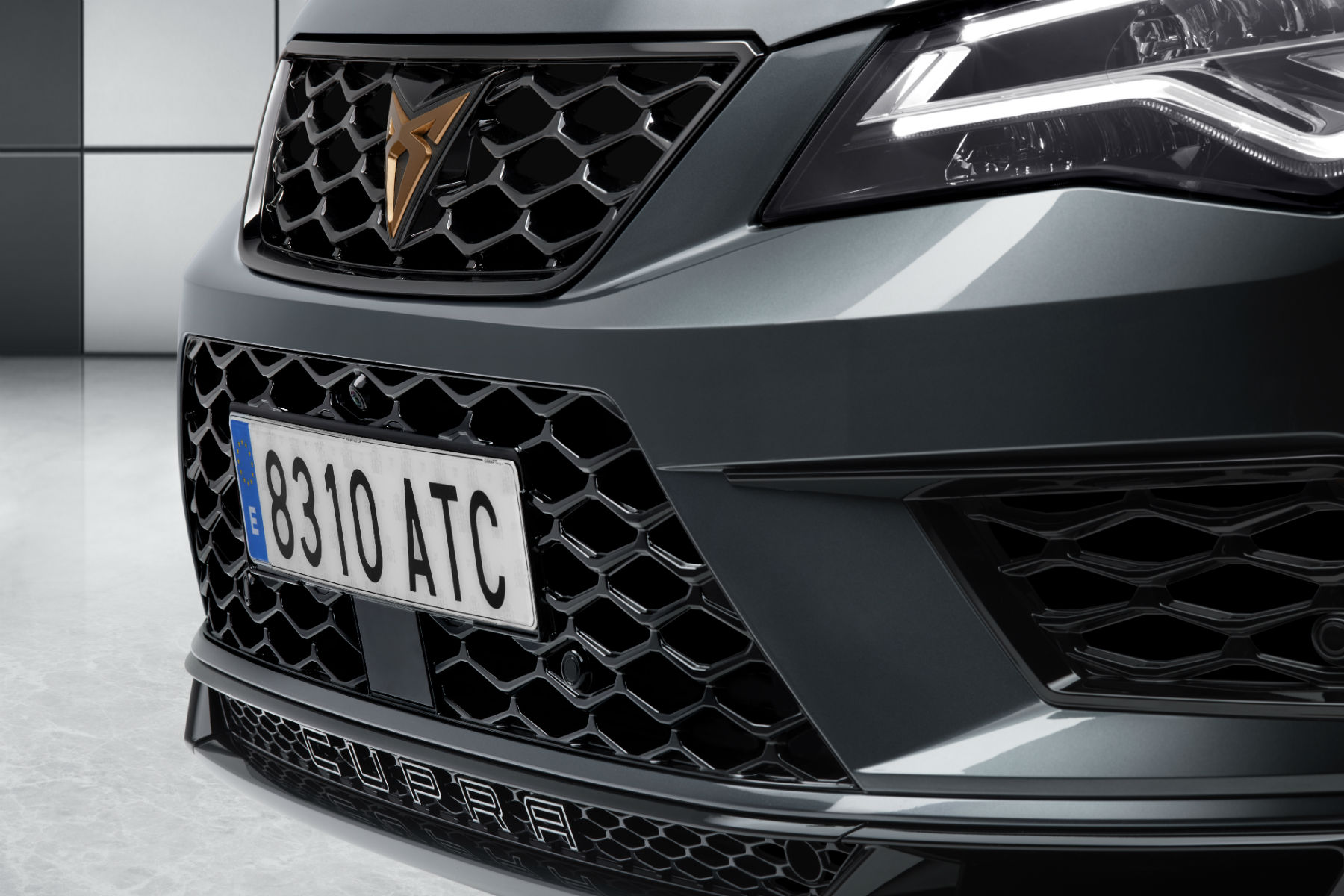
The logo, which was revealed last month, is intended to feature two back-to-back Cs while also looking like a tribal tattoo, explains Griffiths.
“It would be great to have a wonderful explanation about where [the logo] came from but it’s difficult, because it doesn’t really have a history. The brand is brand new, so there’s no heritage, it’s not trying to get something from the past which, when you look at Abarth or other brands do… all of them are trying to make their sports brands out of the past and heritage but we want to look to the future.
“It should stand for a tribal tattoo… for people who want to belong to something special without having to show off. It doesn’t have to be a star or a four rings or whatever, it’s something different. And we think this tribal thing could be a brand that attracts the younger target group.”
Although the brand goes short of insisting its customers get genuine Cupra tattoos, Griffiths hinted that all customers could be given a bracelet to make them instantly recognisable as Cupra tribe members.
“To be able to recognise these customers, we want to introduce a Cupra ID, perhaps with this bracelet, so we know who is part of this Cupra world and so that we know we can treat them properly and in a different way.”
7: One in five Seat dealers will become Cupra specialists
Although all UK Seat dealers will be able to sell new Cupra models, around 20 percent will become Cupra specialists. These will have the cars on display and available for test drive, while ‘Cupra masters’ will be on hand in the showroom and workshop to take care of customers.
“My dream is, in certain areas where there is a big Cupra demand, I can imagine having specific Cupra showrooms,” said Griffiths, adding that Cupras account for as much as 10 percent of Leon sales in areas such as Munich, which would be a sufficient demand for a Cupra-specialist dealer.
All Cupra models will come with a four-year warranty and a service and maintenance package included in the deal.
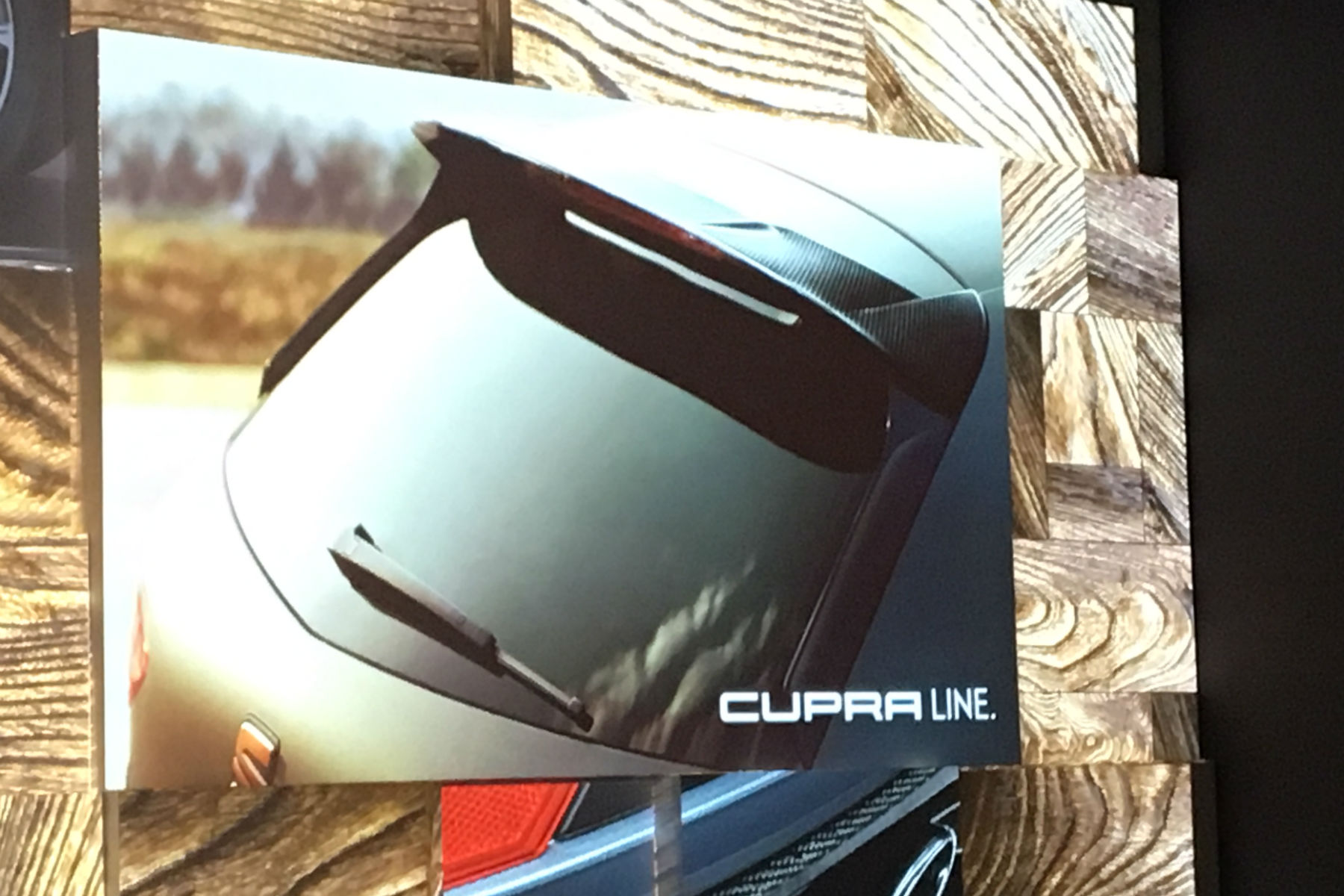
8: There’ll be a Cupra Line
Can’t afford or don’t want a hardcore Cupra? The brand will also be used to sell parts for Seats. You’ll be able to buy Cupra accessories for your cooking-spec Seat.
“Why not offer [Cupra Line] to some of the Seat products?” asks Rabe. “That’s not so much performance – maybe a wheel package, maybe an interior package or something like that.
“But first of all we want to establish a brand. You will not see this spread to other cars within this year. It will come later.“
Cupra’s marketing chiefs also revealed that it’s working with fashion and sunglasses companies, meaning you’ll even be able to dress in Cupra-branded clothing.
9: You’ll be able to drive a Cupra every day
Anyone who’s driven the Cupra R will tell you that it feels a rather extreme hot hatch. Fortunately, for those of us who want to drive a Cupra every day, future cars from the brand will not be much more extreme.
“I don’t want to get rid of the daily drivability [of Seat’s Cupra models],” explains Rabe. “It is important to have that balance. The Cupra customer wants to be excited every day while driving, and therefore that balance should be there. That means on the comfort and daily-drive side, I want it to be at least the same as today, but why not go a little bit more on the edge of the sporty side?”
He adds that engineers were allowed to go a little more focussed with the Cupra R as it was a flagship model for the brand, but the Cupra Ateca will cater for a different market and won’t be as extreme. In the future, Rabe expects to offer Cupra and Cupra R versions of the same models to cater for different tastes.
Global car sales were up 2.4 percent in 2017 due to soaring demand in Europe, Asia-Pacific and Latin America, according to figures released by JATO Dynamics. The analysis of 52 markets found that 86.05 million units were registered, with demand for SUVs continuing to rise, accounting for a huge 34 percent market share. Using the data, we can reveal the world’s biggest car brands, based on overall registrations in 2017.
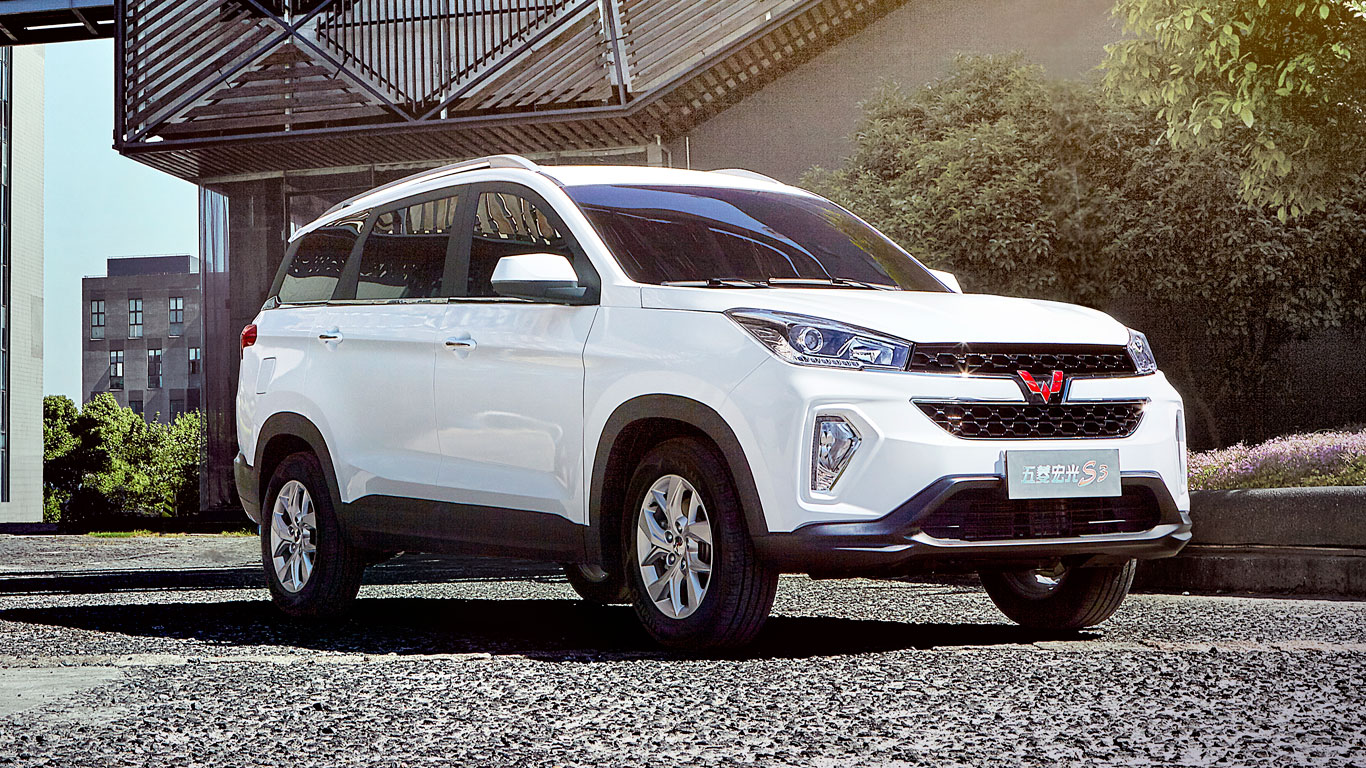
25. Wuling: 883,663 registrations
Last year, Wuling sold 538,908 units of the Hong Guang nameplate, which accounts for 60 percent of the firm’s overall sales. SAIC-GM-Wuling was established in 2002, with the Wuling brand producing a range of mini-trucks, MPVS and SUVs.
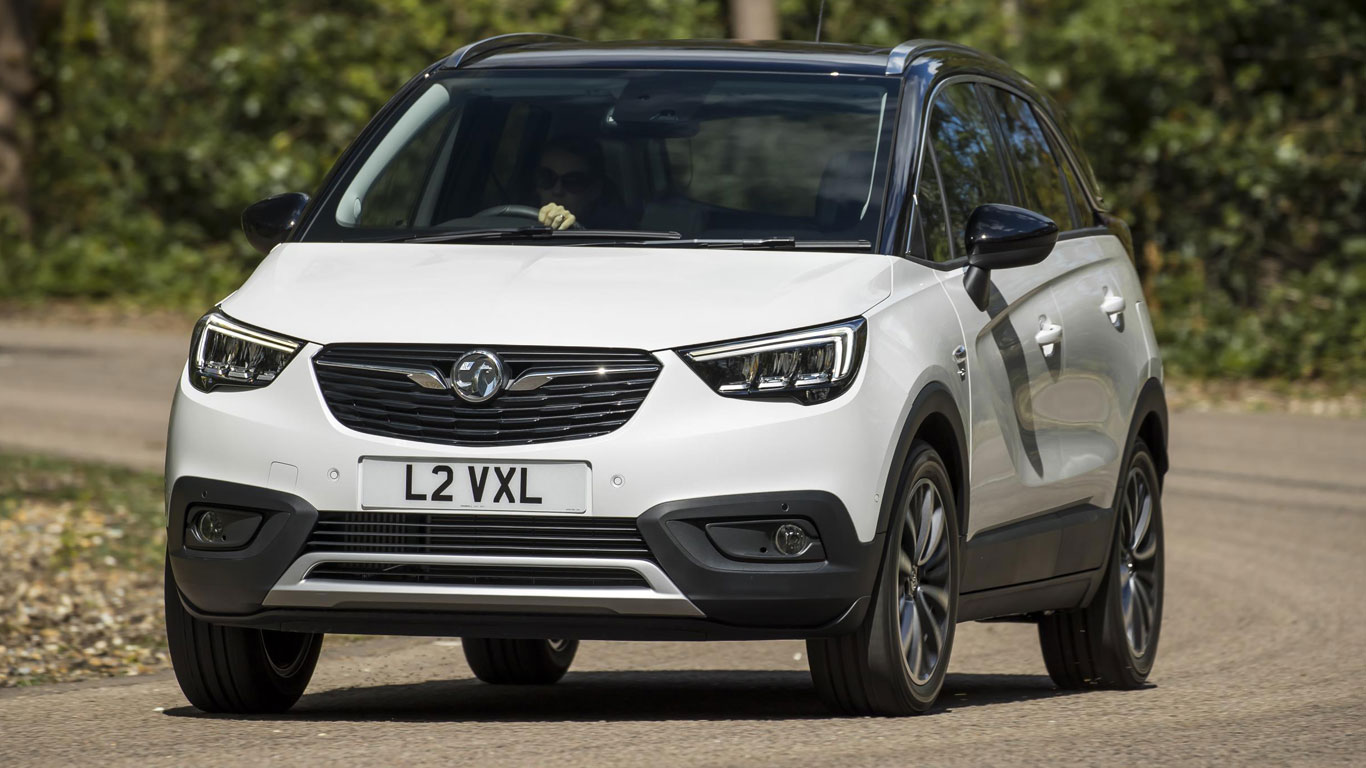
24. Opel/Vauxhall: 996,559 registrations
The PSA Group – which includes Peugeot, Citroen and DS Automobiles – completed the purchase of Opel and Vauxhall in November 2017. It’ll take a while before this yields any meaningful results, with registrations down six percent in the same year. New Vauxhall models to use PSA platforms include the Crossland X, Grandland X and Combo Life.
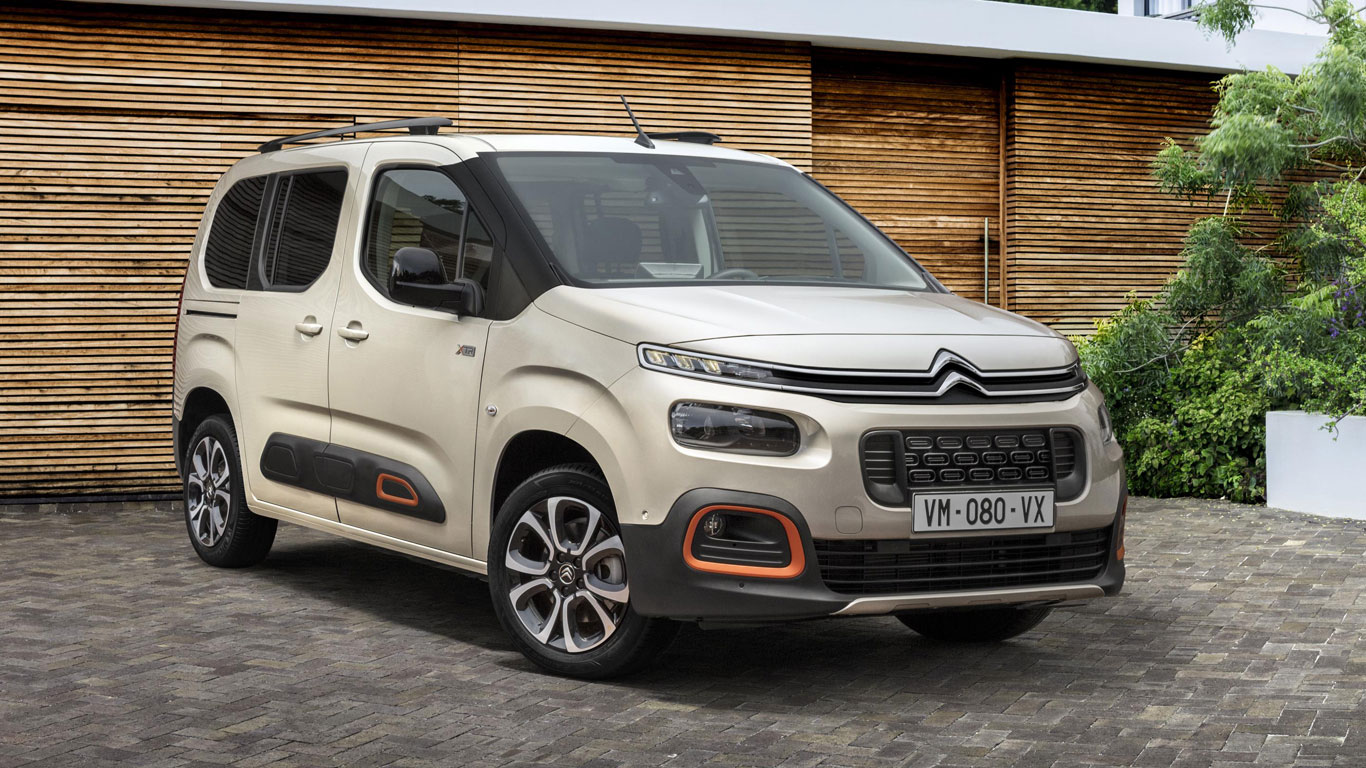
23. Citroen: 999,888 registrations
Citroen registrations were down six percent in 2017, but the launch of a new Berlingo Multispace might improve matters in 2018. The MPV is the brand’s second best-selling vehicle and is the top-selling Citroen in nearly 17 countries.
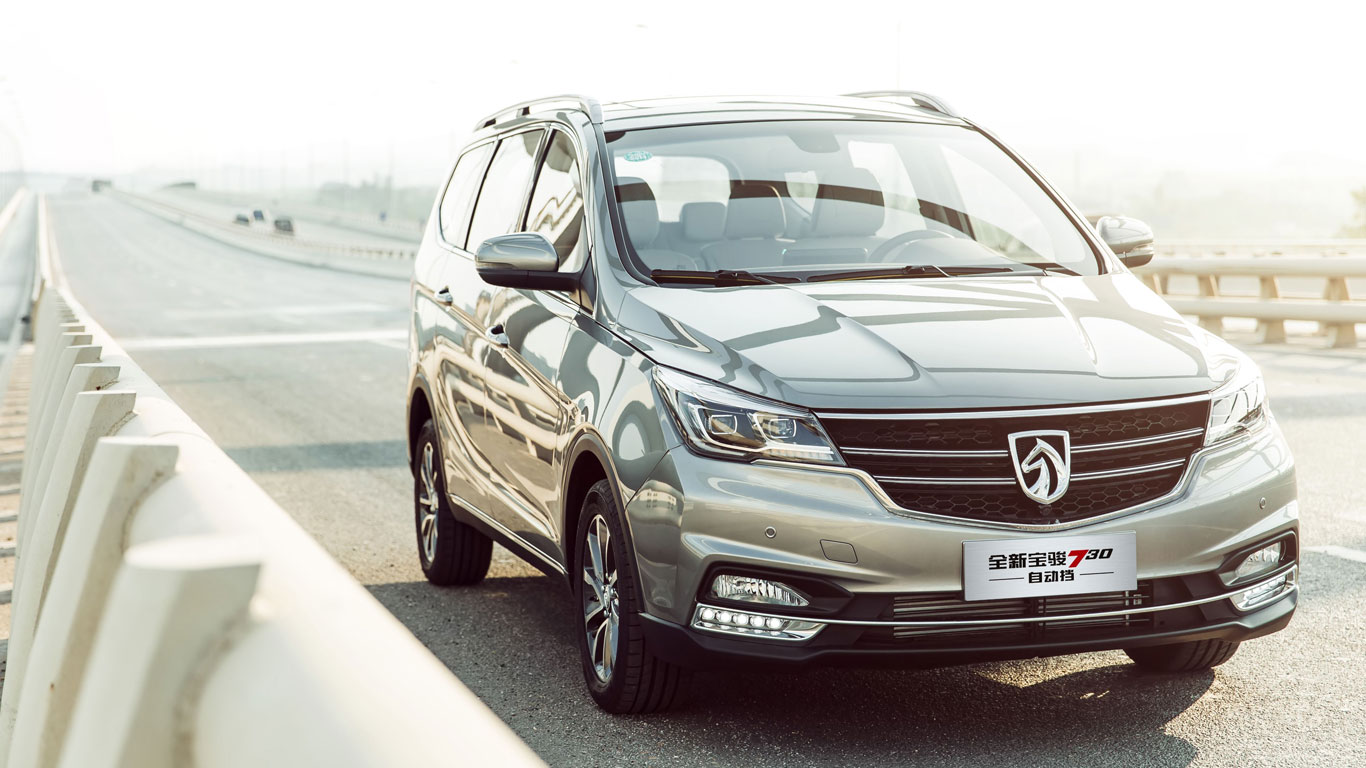
22. Baojun: 1,016,250 registrations
Baojun is one of China’s fastest-growing vehicle brands and is part of the mighty SAIC-GM-Wuling group. In 2017, General Motors delivered more than 4.04 million vehicles in China under the Baojun, Buick, Cadillac, Chevrolet, Jiefang and Wuling brands.
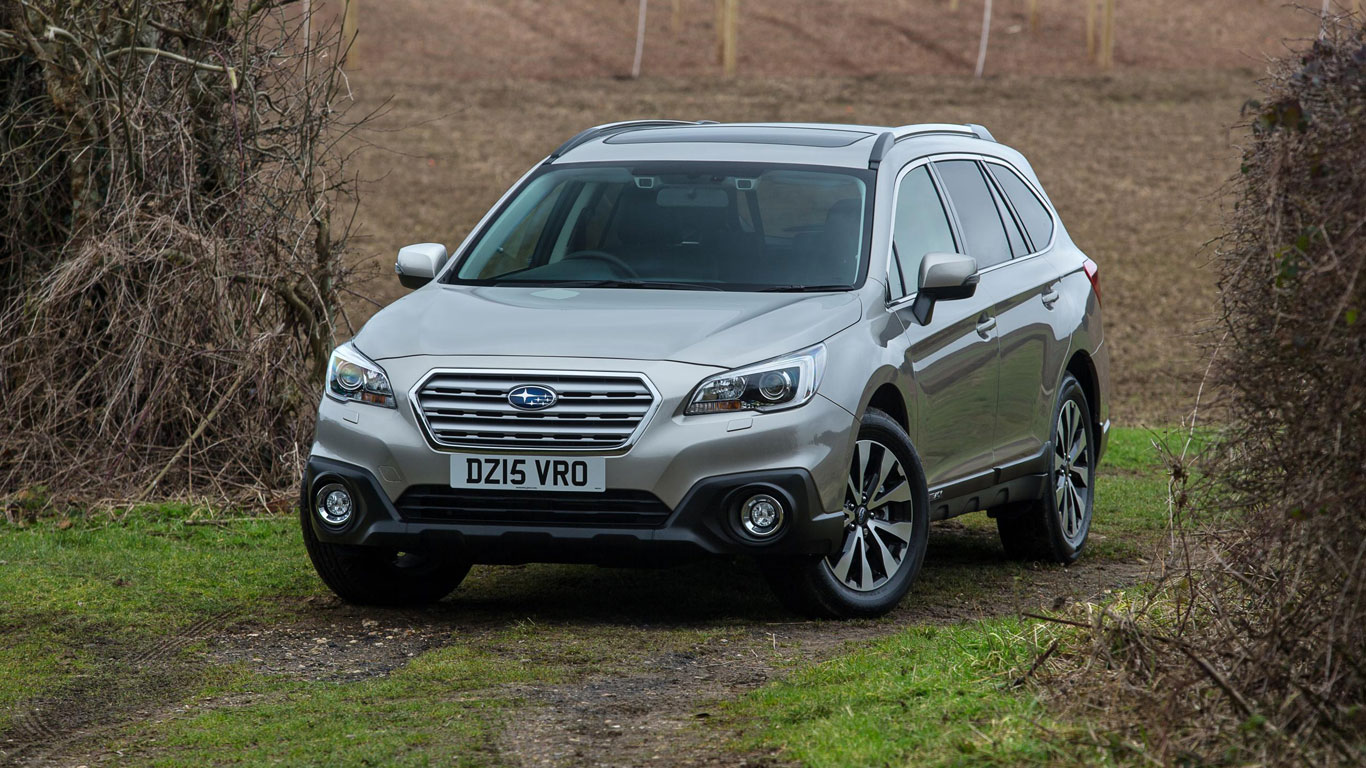
21. Subaru: 1,050,390 registrations
Subaru is a niche player in the UK but enjoys greater success on the global stage, particularly in the US. Last year, Subaru of America registered more than 647,000 cars – a record for the company. In January 2018 alone, it registered 13,279 Outbacks in the US. Meanwhile, in the UK, just 475 Outbacks were sold in 2017.
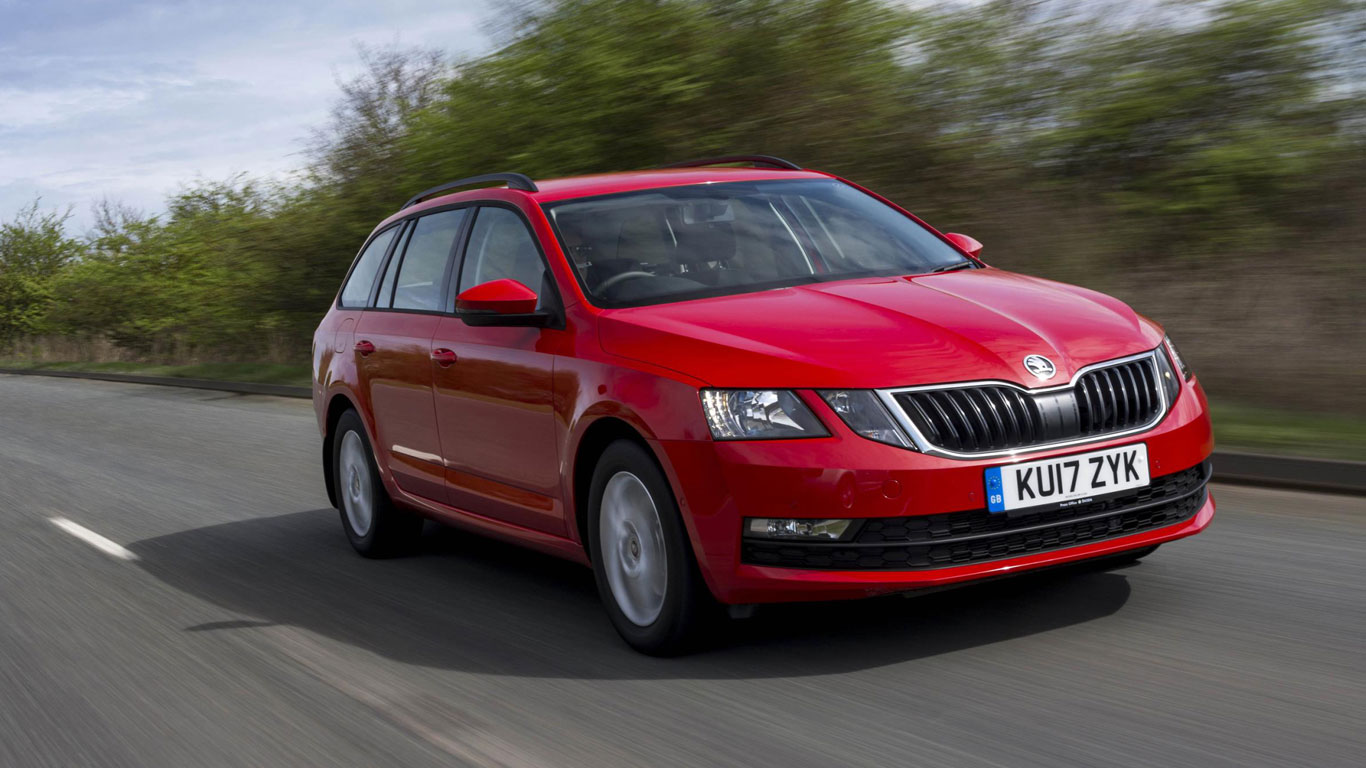
20. Skoda: 1,180,672 registrations
2017 was the best year in Skoda’s 122-year history, as the company delivered more than one million vehicles for the fourth year in succession. Sales were up 8.3 percent in Europe, 31.4 percent in India, and five percent overall.
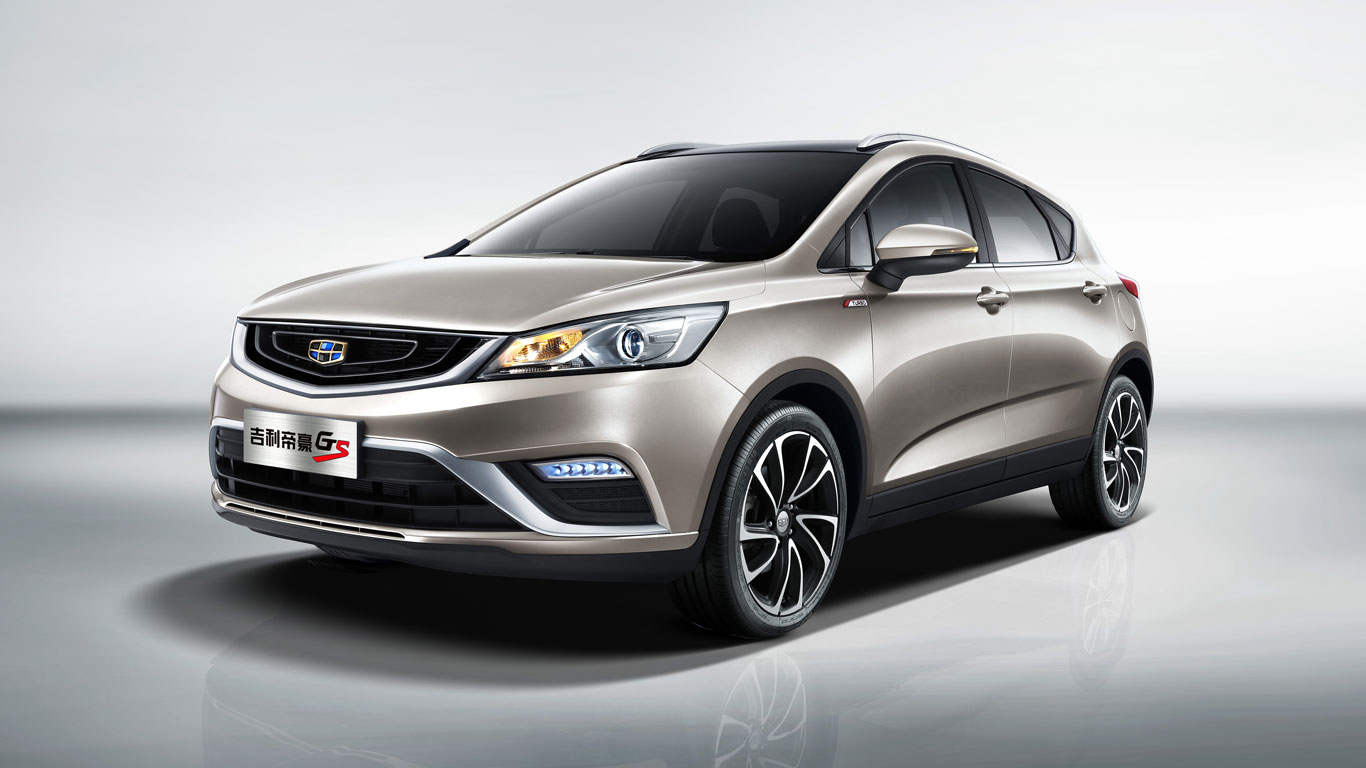
19. Geely: 1,245,055 registrations
JATO points to the Baojun 510, Toyota C-HR, Volkswagen Tiguan, Jeep Compass, Peugeot 3008, Chevrolet Cavalier and Geely Emgrand as significant new launches in 2017. The Emgrand contributed to a huge 61 percent increase in sales for the Chinese company.
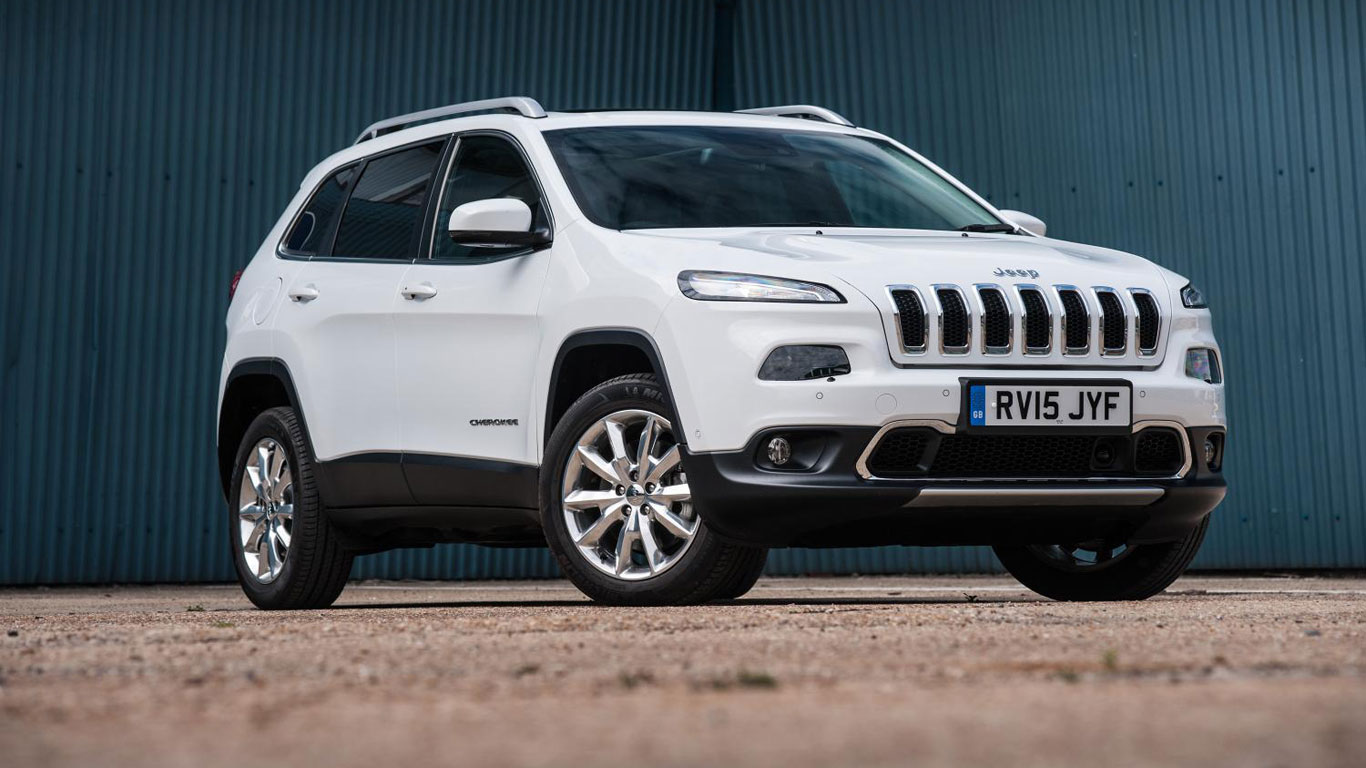
18. Jeep: 1,390,130 registrations
The success of the new Compass wasn’t enough to increase Jeep sales, which flatlined at just under 1.4 million. Maybe the new all-new Wrangler and 2019 Cherokee can elevate the brand to a higher plain.
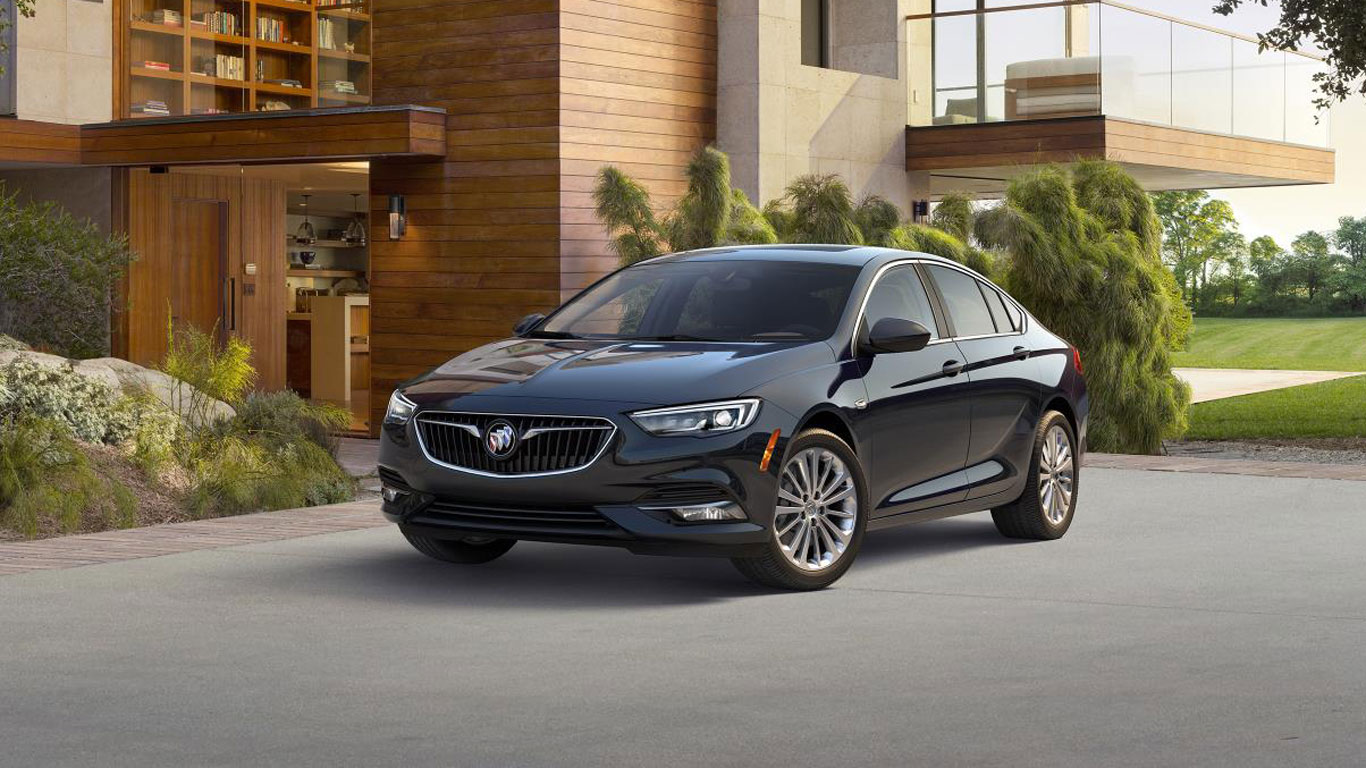
17. Buick: 1,465,823 registrations
Buick is celebrating two straight years of 1.4 million registrations, even though sales in 2017 were down one percent. On the plus side, retail growth was up 15.1 percent in Canada and 1.6 percent in the US, while the brand celebrated its best year ever in China.
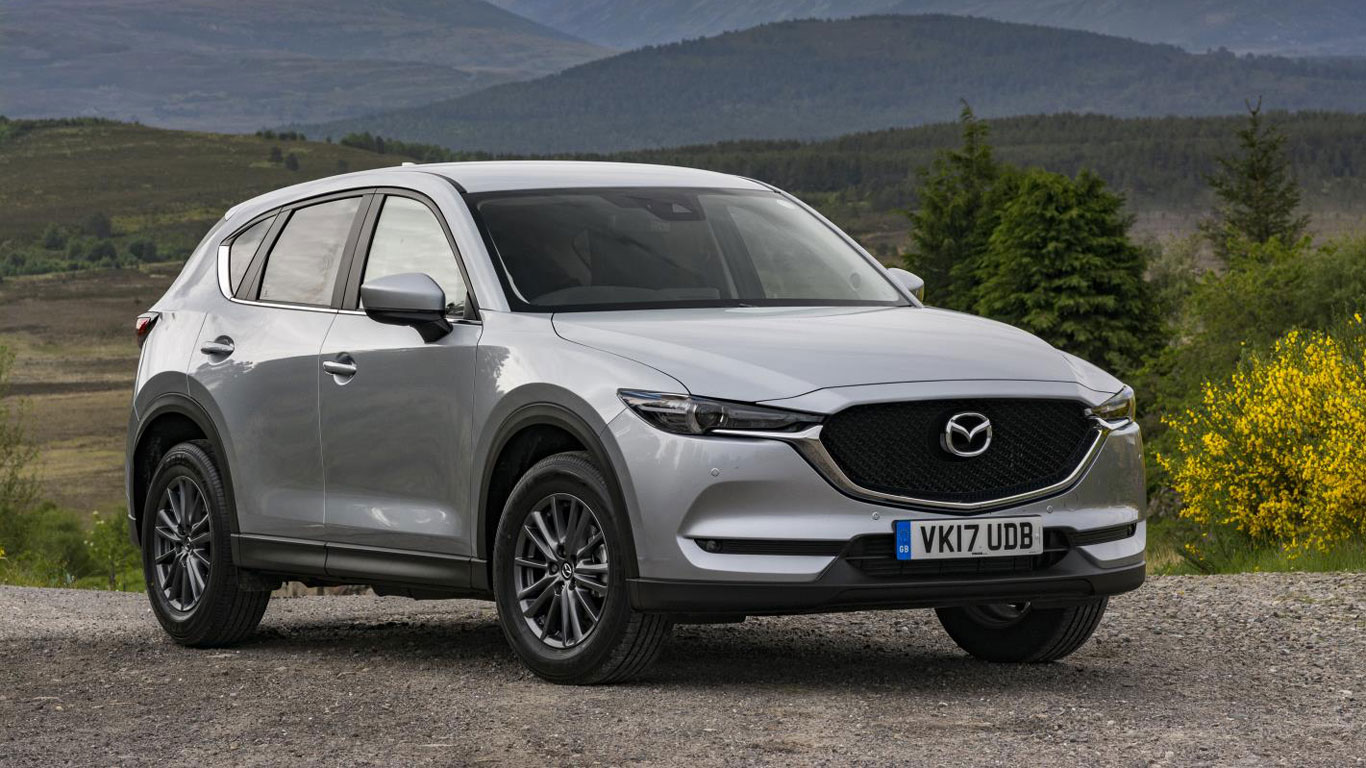
16. Mazda: 1,495,557 registrations
“The automotive market performed well in 2017, with established economies maintaining growth, whilst developing markets like Russia and Brazil returned to growth following declines last year,” commented Felipe Munoz, JATO’s global analyst. Mazda registrations were up three percent.
15. Fiat: 1,503,806 registrations
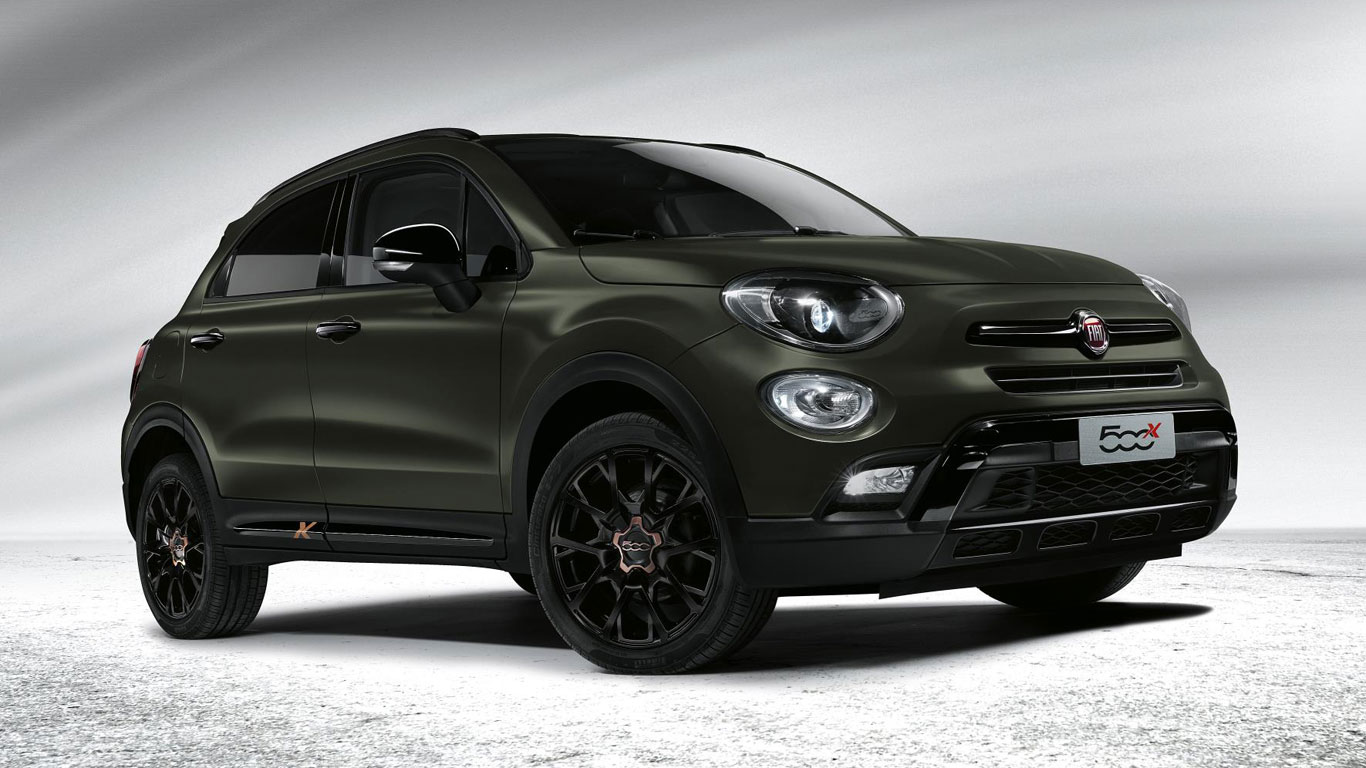
Fiat registrations were up one percent in 2017. The 500X has been refreshed for 2018, with Fiat adding a next-generation Uconnect touchscreen infotainment system featuring Apple CarPlay and Android Auto. Meanwhile, a new S-Design trim level has been added to the Tipo range.
14. Peugeot: 1,590,300 registrations
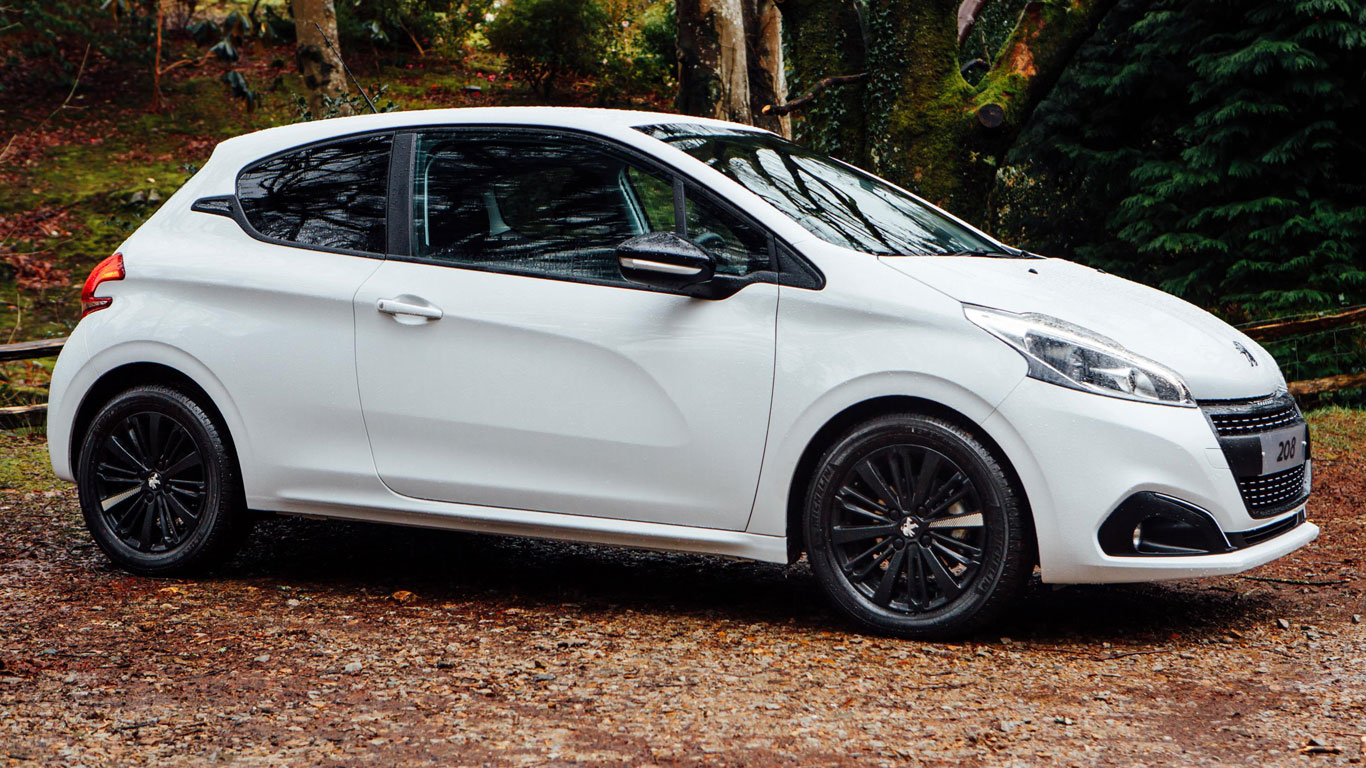
Peugeot registrations remained static at 1.59 million, but the French giant will unveil a new Rifter MPV and 508 saloon at the Geneva Motor Show.
13. Audi: 1,847,613 registrations
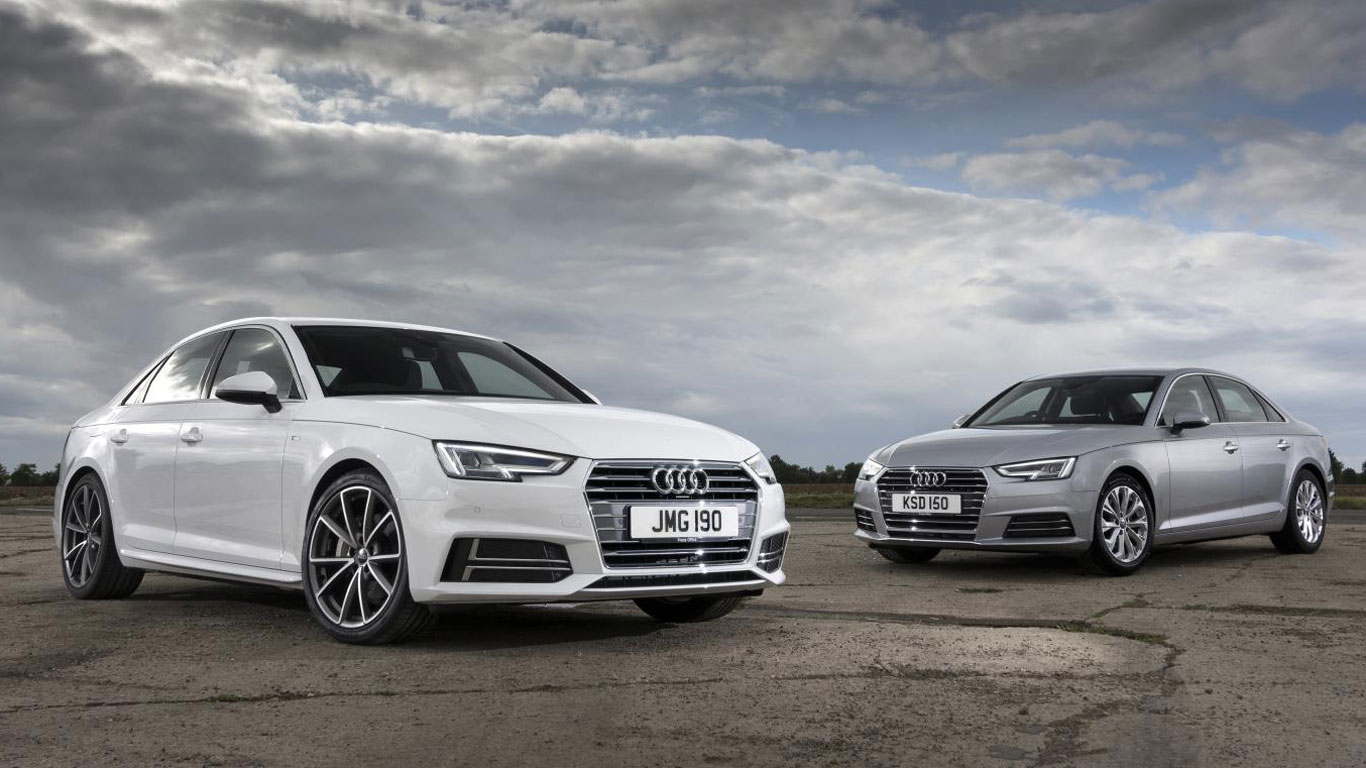
Audi increased its global sales for the eighth year in a row, despite a turbulent first six months of 2017. The increase in demand for the Q models – up 10.8 percent to 689,150 cars – was a major factor in the growth of the brand.
12. BMW: 2,030,331 registrations
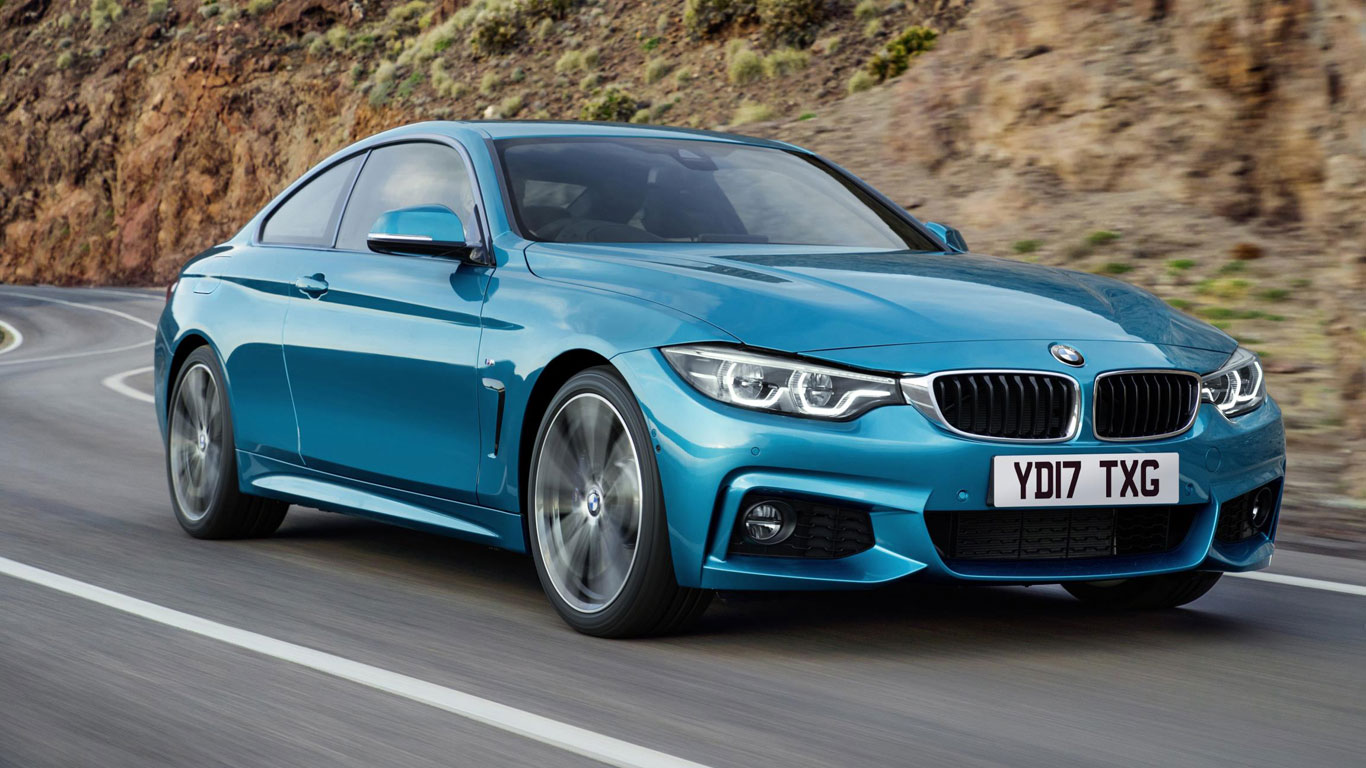
It was a record-breaking year for BMW Group, with sales of BMW, Mini and BMW Motorrad totalling 2.46 million. The core brand topped two million, with the X vehicles up 9.6 percent compared to the previous year, despite limited availability of the X3.
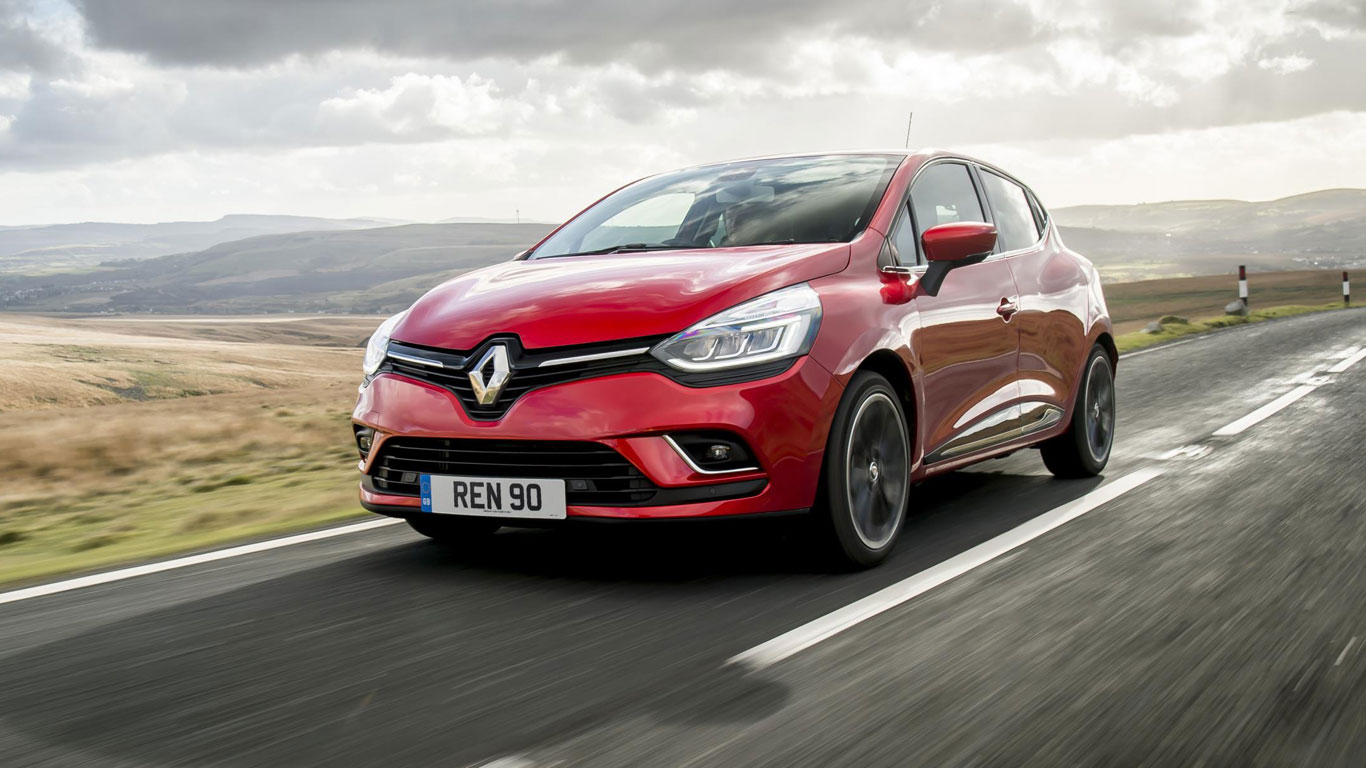
11. Renault: 2,275,227 registrations
It was a good year for Renault, with registrations up seven percent. Groupe Renault is expecting the market to grow by 2.5 percent in 2018, with the European market contributing one percent. Renault has a 23.8 percent share of the electric vehicle market in Europe.
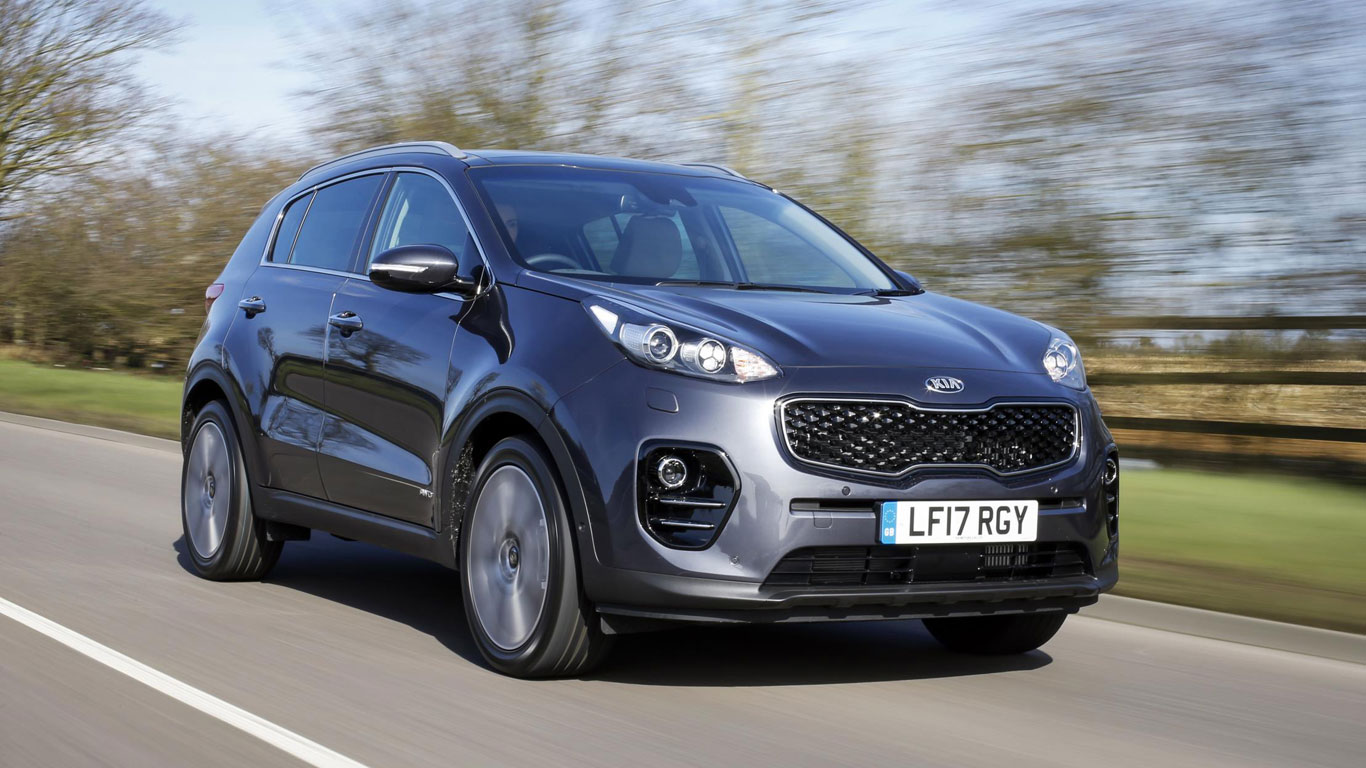
10. Kia: 2,511,293 registrations
It’s a surprise to see Kia registrations down 10 percent, but we’d expect the new Ceed – which will make its world debut at the Geneva Motor Show – to provide a boost to global sales in 2018.
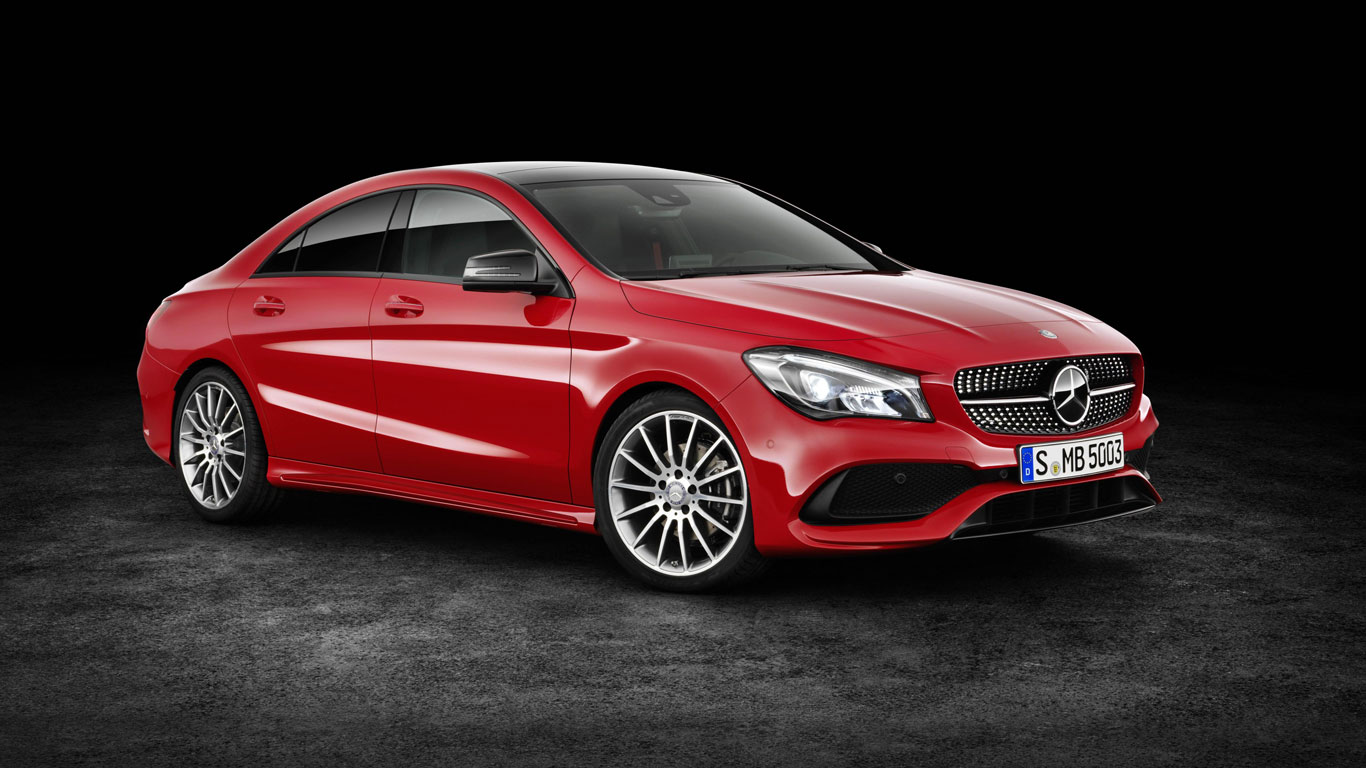
9. Mercedes-Benz: 2,534,181 registrations
There are no such issues for Mercedes-Benz, which saw registrations increase by 13 percent, the highest figure in the top 10. Last year was the seventh consecutive record 12 months for Mercedes-Benz, with growth driven by the E-Class and range of SUVs.
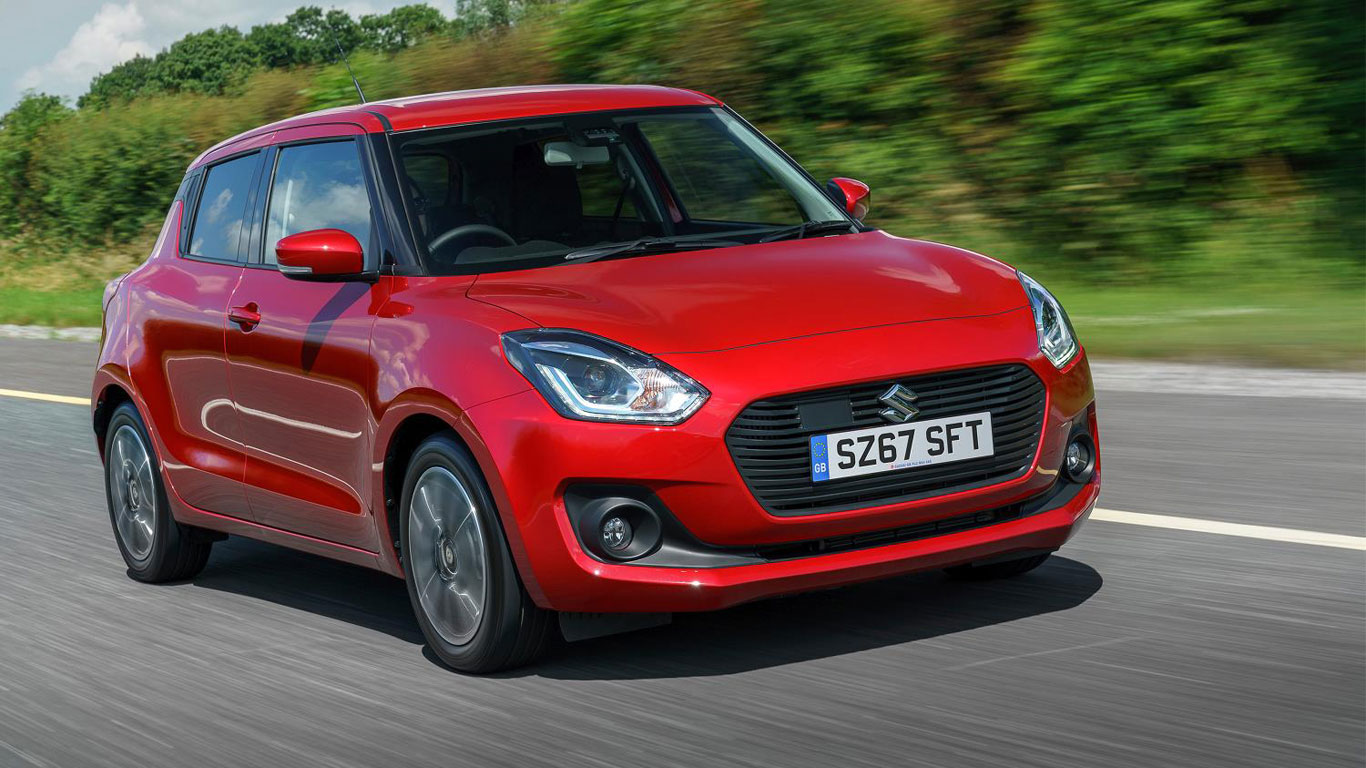
8. Suzuki: 2,891,415 registrations
Buoyed by the arrival of the new Swift and Ignis, Suzuki registrations were up 11 percent in 2017. In the UK, Suzuki GB registered 40,343 units, an increase of 2,176 over 2016, making it a record year for sales.
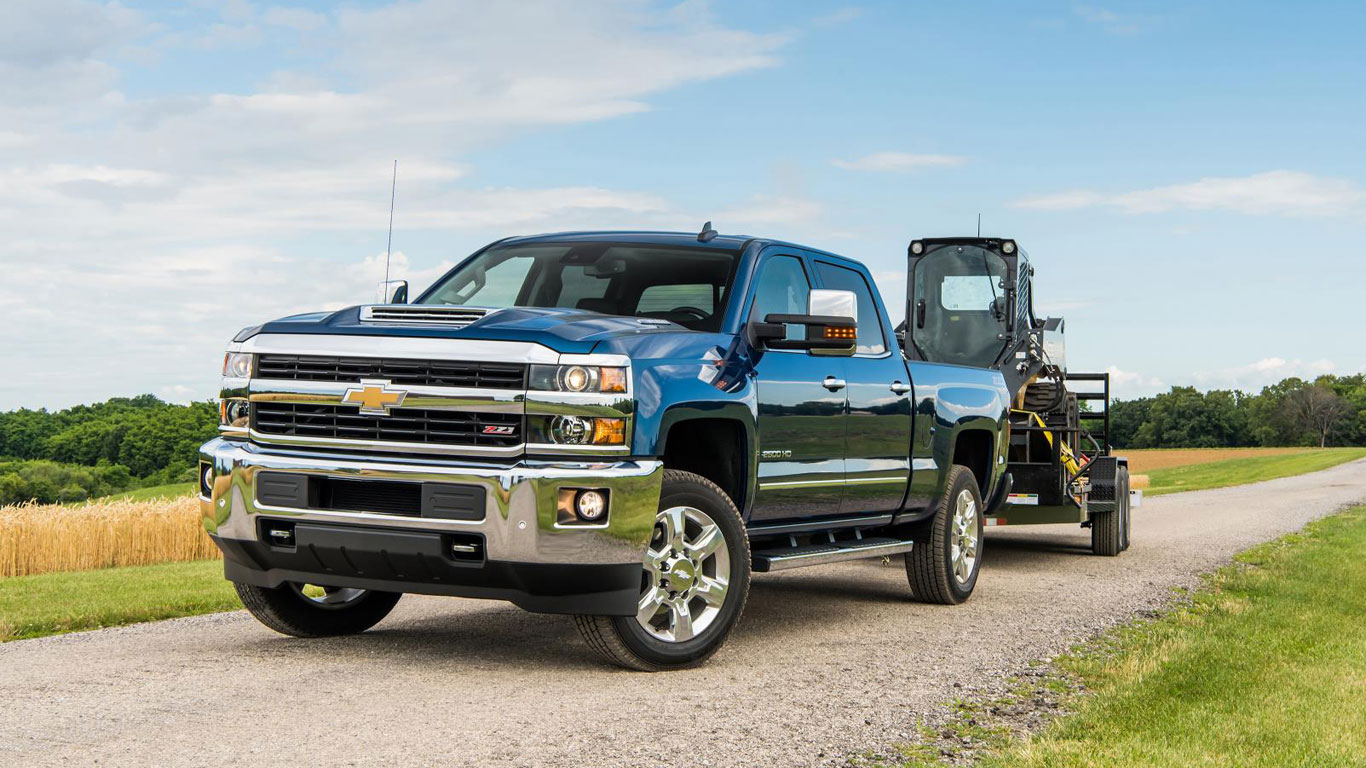
7. Chevrolet: 3,857,388 registrations
Chevrolet registrations remained static at around 3.86 million, but the Silverado was the second most popular pick-up and the 11th best-selling vehicle in the world.
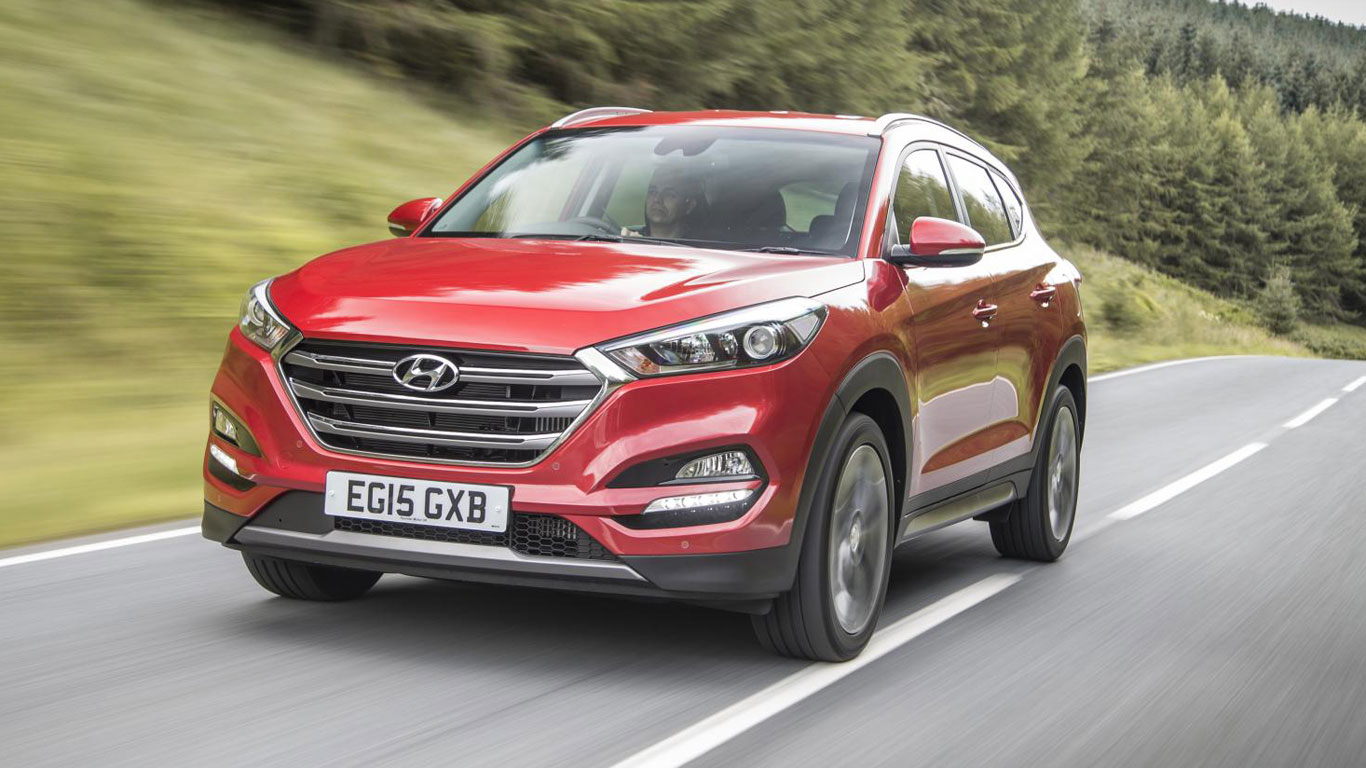
6. Hyundai: 3,951,176 registrations
In common with its Korean counterpart, Hyundai witnessed a fall in the number of registrations, down nine percent in 2017. It sold 573,937 units of the Tucson, which itself is down four percent on 2016.
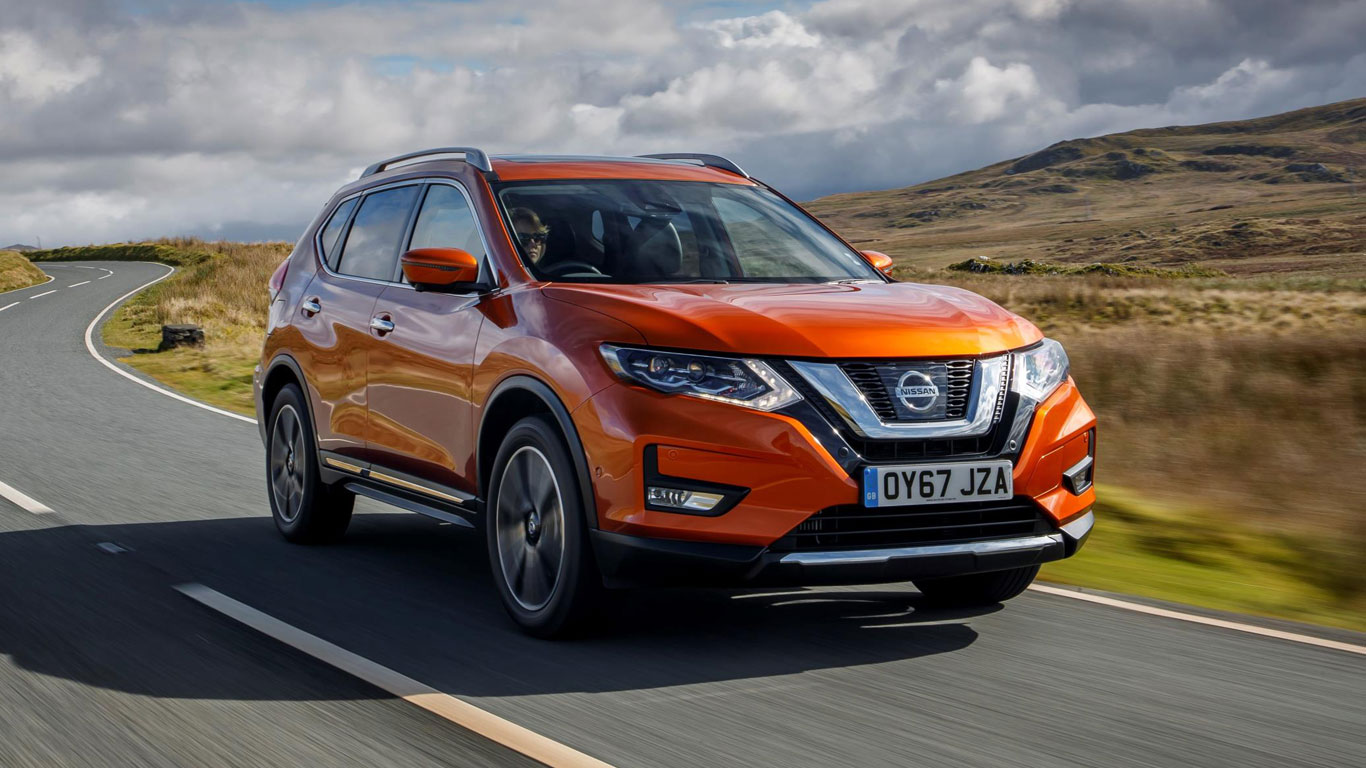
5. Nissan: 3,951,176 registrations
The Nissan X-Trail/Rogue was the world’s best-selling SUV and the overall fourth best-selling vehicle of 2017, with registrations totalling 814,000 units. Overall registrations are up five percent.
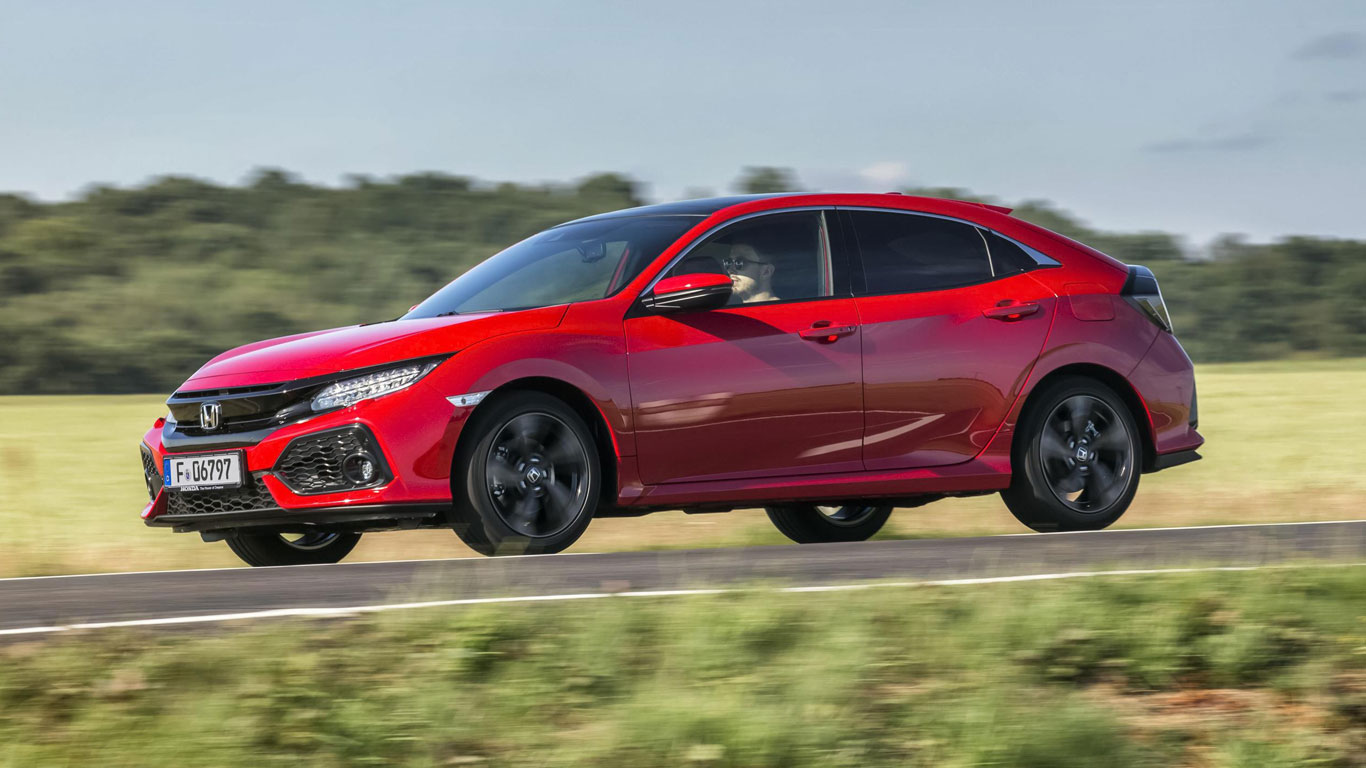
4. Honda: 4,967,689 registrations
Honda is also on the up, with registrations totalling just shy of five million. The Civic was the most popular model, with 800,380 units, which represents an increase of 20 percent.
3. Ford: 5,953,122 registrations
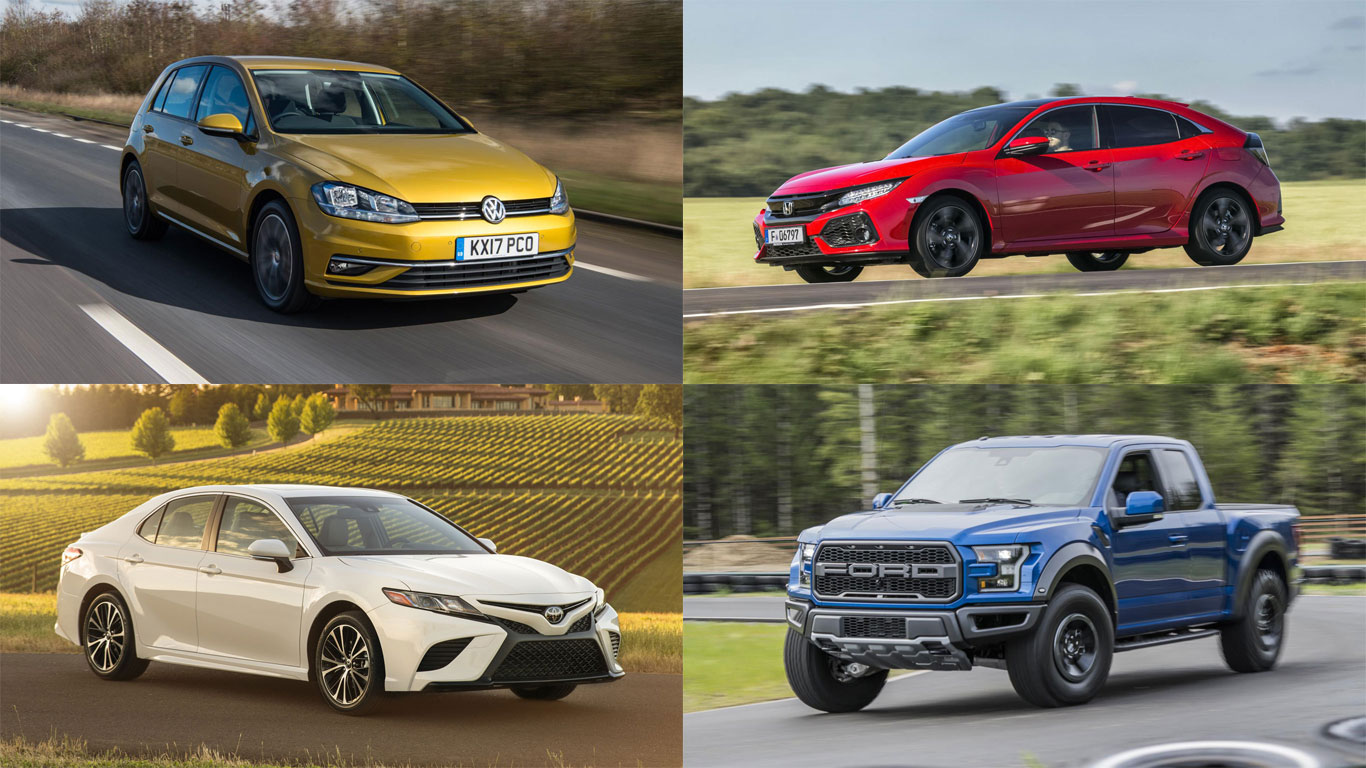
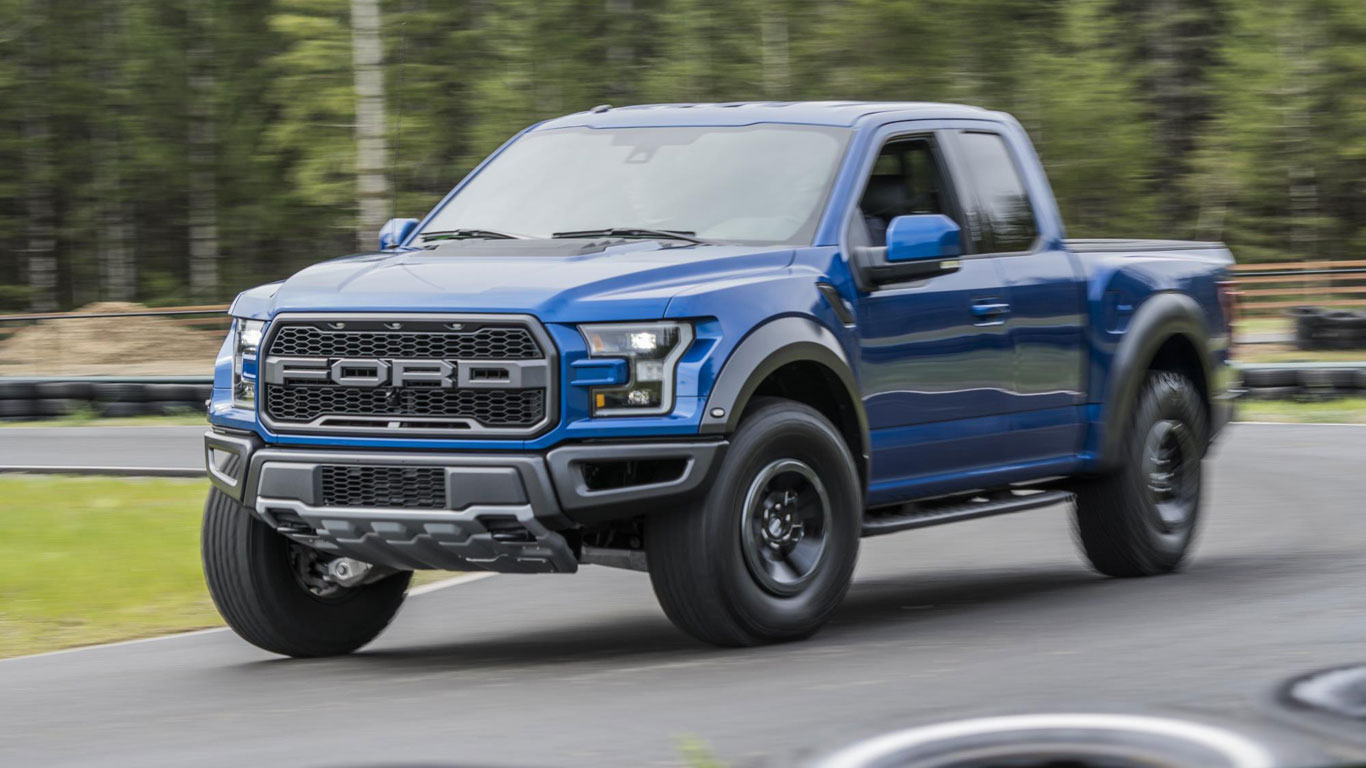
With registrations just shy of six million, Ford is down two percent year-on-year, but will be comforted by the fact that the F-Series remains the best-selling vehicle in the world. To provide some context: the F-Series accounts for around 18 percent of Ford’s global sales.
2. Volkswagen: 6,639,250 registrations
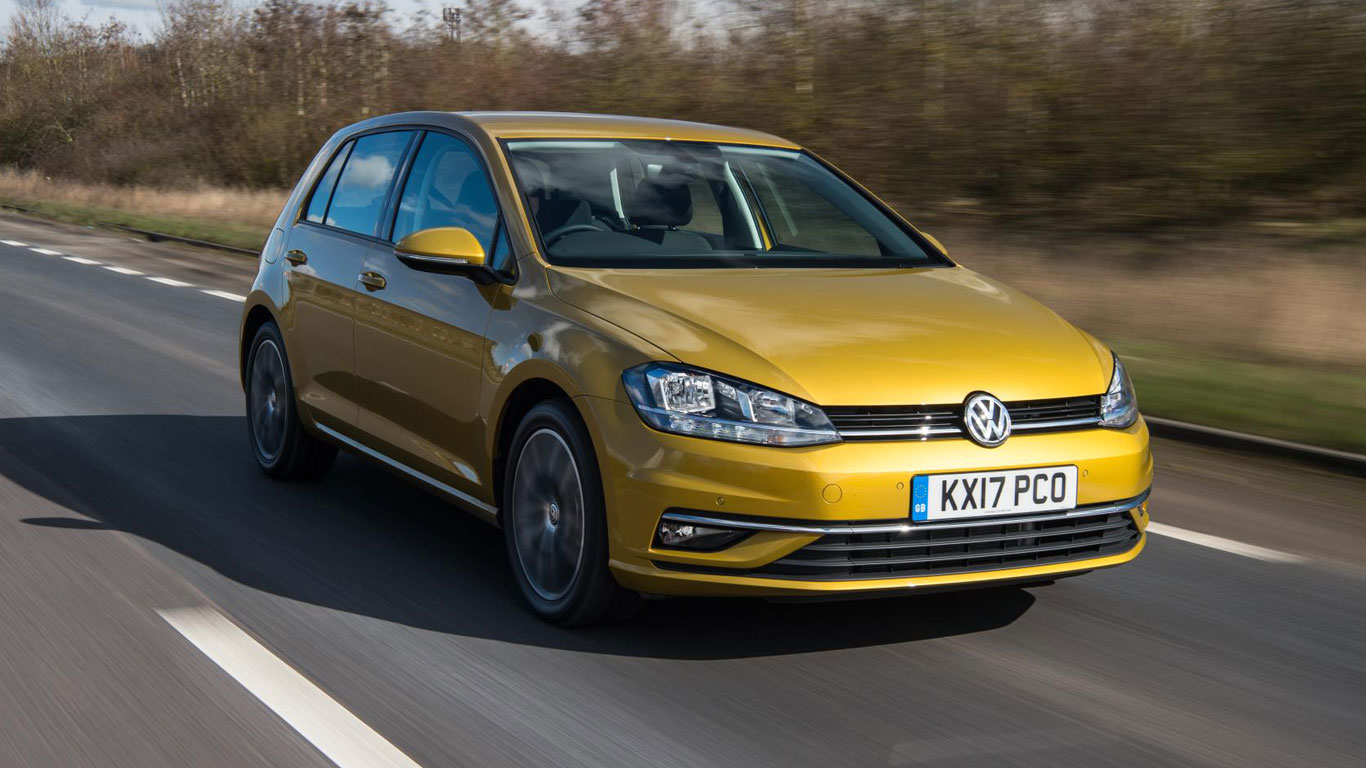
Sales of the Golf, Polo, Passat and Jetta were actually down in 2017, but the success of the new Tiguan – registrations up 34 percent – helped steady the ship. Overall registrations were up three percent.
1. Toyota: 7,843,423 registrations
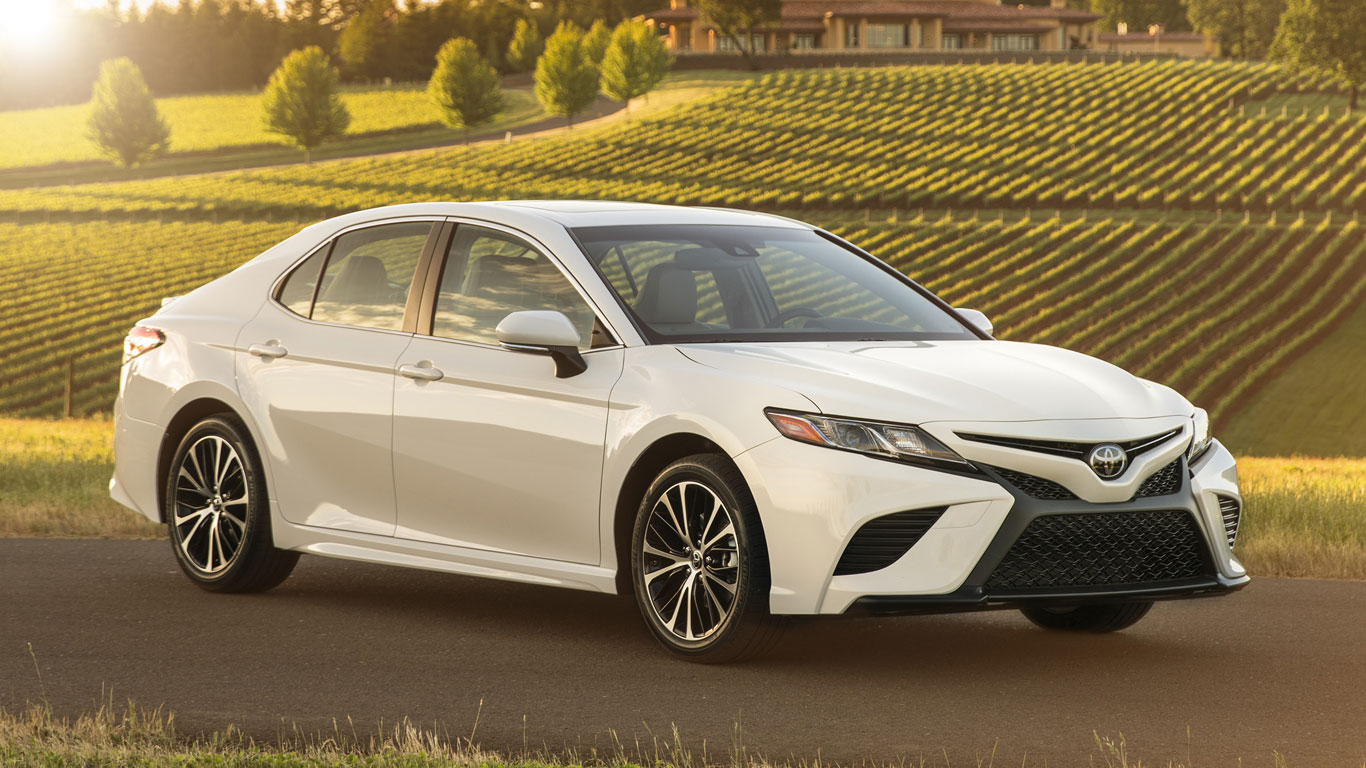
Which leaves Toyota to take the throne as the biggest car brand in world, when based on overall sales figures. The Corolla, RAV4 and Camry are three of its most popular vehicles.
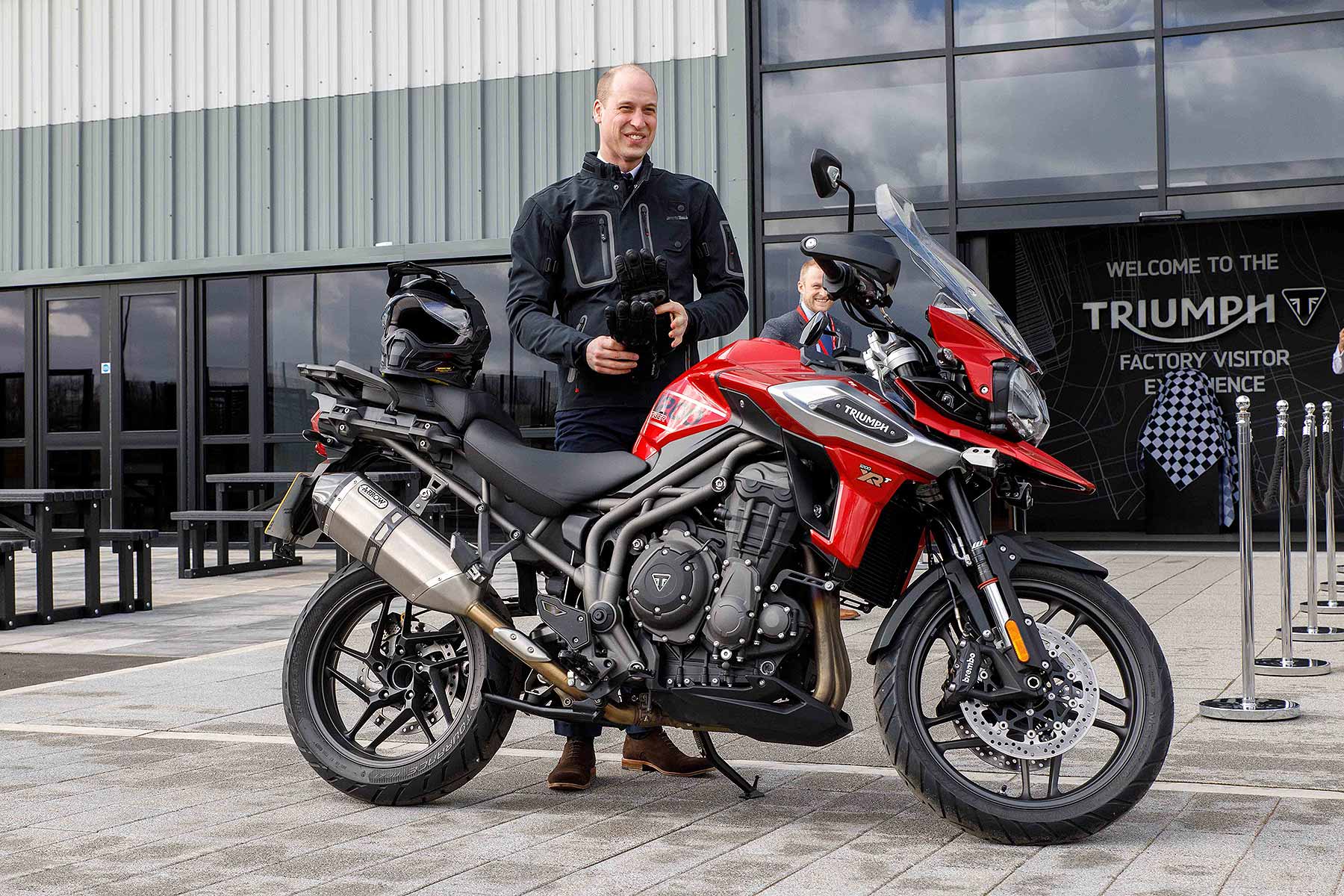
Prince William is a keen motorcyclist who, legend has it, used to go for incognito ride-outs in and around London. We can’t confirm if HRH the Duke of Cambridge still does this, but we can reveal he was at British motorcycle giant Triumph today, to open the firm’s new £6 million paint shop.
And, as he was there, what else to do, but to go for a quick blast on a brand-new Triumph Tiger 1200?
The bike is one of Triumph’s newest models, and one was later literally given the royal seal of approval when Prince William fitted a Triumph badge to the engine of a Tiger 1200.
It was the job of Triumph CEO Nick Bloor to host the Duke during his visit to the Hinckley, Leicestershire factory. He said it was “a delight” to welcome Prince William.
“Thanks to the dedication and hard work of everyone at Triumph, our export business continues to grow and our outstanding design engineering team, in which we have invested heavily in recent years, is producing a stream of exciting motorcycles that captures the imagination of riders all over the world.”
The factory houses many of Triumph’s 900 employees in the UK; along with a sister factory in Thailand, Triumph last year built more than 67,000 motorcycles.
He didn’t just turn up to open the paint shop and grab a bike for a blast, though. The Duke also toured Triumph’s plant and its new Factory Visitor Experience (FVE), and revealed a commemorative fuel tank emblazoned with a Union Jack design.
This was hand-painted by one of Triumph’s tank painters, to mark the official royal opening of the FVE and the visit of Prince William. What are the odds on the royal Tiger 1200 bike soon sitting alongside it in the experience centre..?
Seat has chosen Tarraco as the name for its new seven-seat SUV, ahead of its expected reveal later this summer.
The name was chosen via a poll, in which Seat says over 145,000 people in 134 countries placed a vote. 35 percent picked Tarraco; 29 percent chose Avila and 27 percent went for Aranda. The least popular potential name was Seat Alboran, on just 9 percent.
What is Tarraco? Like 13 other Seats, it’s a place in Spain – the oldest Roman settlement on the Iberian Peninsula which, today, is known as Tarragona. Back in Roman times, it was a bustling city, and today has an enviable heritage of culture and youthfulness.
Oh, and Seat’s in no danger of running out of similarly-themed names for future models: as part of the poll, it revealed more than 10,000 different Spanish place names were suggested by fans to christen the new seven-seat SUV…
Like the Skoda Kodiaq it shares underpinnings with, the new Seat Tarraco will rival seven-seat rivals such as the Nissan X-Trail and Peugeot 5008. But although it’s derived from the Kodiaq, it won’t be a facsimile: expect Seat to offer a sportier take on the seven-seat SUV concept. As with the Kodiaq, prices should start from under £25,000.
Frustratingly though, we need to be patient a little while longer. Seat says the Tarraco “will be launched at the end of this year” – which will be 18 months after the competition to name it started out…
Lexus has confirmed it will give the new UX small SUV its world debut at the 2018 Geneva Motor Show. It will be the production version of the UX Concept revealed at the 2016 Paris Motor Show.
Sitting below the Lexus NX and RX SUVs, the new UX will be a rival to the BMW X1, Audi Q3 and Jaguar E-Pace. Expected to be priced from around £30,000, it will mix Lexus’ trademark hybrid powertrains with conventional petrol engines – and, like all Lexus, eschew diesel engines entirely.
It is likely the Lexus UX will be derived from the same platform used in the well-received Toyota C-HR. In the UK, this is offered with a 1.2-litre turbo petrol engine, plus a 1.8-litre hybrid.
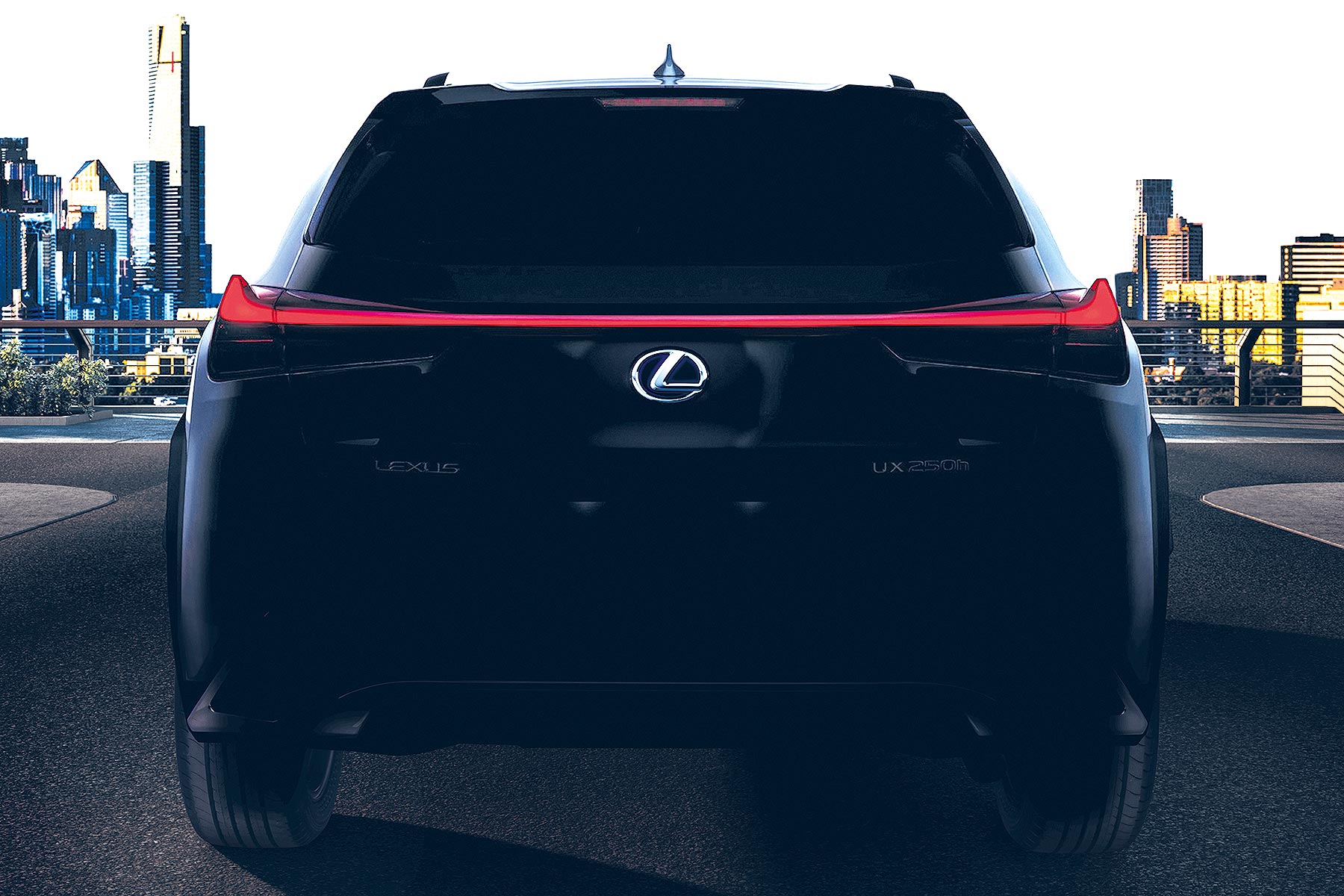
The teaser image wears UX 250h badging.
Although obviously much toned down from the 2016 Paris concept, Motoring Research’s enhanced version of the teaser image shows some bold detailing for the rear lights, which sit astride a full-width light bar.
The almost coupe-like profile of the concept has, however, gone, in the interest of creating more usable space for rear-seat passengers, and a larger boot.
There are no teasers of the interior yet, but it is hoped the concept’s bold ‘deconstructed’ interior, complete with floating touchscreen centre console and distinctive air vents, can at least in part be ported across to production.
As for firm details, though, Lexus is keeping tight-lipped ahead of the show. But the very fact it’s giving this all-new small SUV a global debut in Geneva shows how important Europe is to its market success. With SUV sales booming across the region, the firm will be hoping the UX can give it an overdue sales boost – something the NX seems not quite to have fully achieved.
A new series of Top Gear will get underway on Sunday 17 February at 8pm, with Matt LeBlanc, Chris Harris and Rory Reid primed for five hour-long episodes. LeBlanc has confirmed that series 26 will be his last, with Andrew ‘Freddie’ Flintoff and Take Me Out presenter Paddy McGuinness in the driving seat for the next series, likely to hit our screens in 2020. Here, we introduce the new presenters and take you through a gallery of previous hosts, including Noel Edmonds, Jeremy Clarkson and Chris Evans.
Here, we introduce the latest presenters and look back at over 40 years of the BBC’s premier motoring show.
Andrew Flintoff
Ashes winner Andrew ‘Freddie’ Flintoff said: “It’s not often you have the chance to do both of your dream jobs, but I’m now lucky enough to say I will have.
“I’ve always been passionate about cars and I’m so excited to be joining the Top Gear team.”
Paddy McGuinness
Comedian Paddy McGuinness said: “To be hosting a show I’ve watched and loved from being a small boy is beyond exciting. Top Gear fans worldwide are a passionate bunch and I consider myself one of them.
“Now’s let’s start up this Great British machine and see what I can do.”
In the meantime, here are some presenters from Top Gear’s past.
Angela Rippon – 1977 – 1979
Back in 1977, Angela Rippon was a broadcaster and motoring correspondent for the AA. Hard to believe now, but back then, Top Gear was a monthly 30-minute show, broadcast only in the Midlands. The BBC liked what they saw and moved the regional show to the network in 1978. Angela Rippon takes the honour of being the very first presenter of Top Gear.
Barrie Gill – 1978 – 1979
Barrie Gill was a motor racing commentator for BBC Grandstand and presenter of Top Gear between 1978 and 1979. Sadly, Barrie died in 2003.
Noel Edmonds – 1979 – 1980
Noel Edmonds arrived in 1979 and subsequently replaced Angela Rippon as the main presenter in 1980. It’s worth checking out his review of the Fiat Strada, which was so critical, it led to Fiat threatening to sue the BBC. Remember, this was 1980 BC – Before Clarkson.
Judith Jackson – 1979 – 1982
Judith Jackson also arrived in 1979 and went on to feature in a total of 16 episodes until 1982. But that’s nothing compared to the next female presenter on our list…
Sue Baker – 1980 – 1991
Sue Baker presented well over 100 episodes of Top Gear between 1980 and 1991, driving hundreds of cars in the process. Today, Sue remains at the forefront of motoring journalism.
Frank Page – 1980 – 1988
This was a golden era for Top Gear in its original format. Back then, the likes of Sue Baker, Frank Page and the following two presenters were household names in Britain…
Chris Goffey – 1981 – 1997
Take Chris Goffey, a seasoned pro with a style very much in keeping with the tone of the original format. Sky News approached Chris Goffey for his views of the ‘fracas’ involving a certain Jeremy Clarkson.
William Woollard – 1981 – 1991
Ah, one of the all-time greats of Top Gear. To many, William Woollard was the very best Top Gear presenter of all-time, complete with famous one-foot-on-the-bumper pose. He arrived in 1981, having made his name on the popular Tomorrow’s World.
Tom Boswell – 1981 – 1990
Tom Boswell presented two episodes in 1981 and 1982, before appearing in 20 episodes between 1988 and 1990, specialising in safety and motorcycles. He died in 1990.
Peter Burgess – 1985 – 1986
Peter Burgess is one of our own, being chairman of Motoring Research, as well as contributing to MSN. Peter appeared in seven episodes between 1985 and 1986.
Russell Bray – 1986
Motoring journalist Russell Bray presented three episodes of Top Gear in 1986, referencing it on his LinkedIn profile as ‘brief presenting stint on Top Gear (who hasn’t) an eon ago while a junior journo’. Back in the days when a ‘tache was required for aspiring motoring journos.
Malcolm Wilson – 1986 – 1994
Malcolm Wilson is a former world rally driver and head of the Ford World Rally Team. He also appeared in 14 episodes of Top Gear between 1986 and 1994.
Tony Mason – 1986 – 1998
Former rally co-driver Tony Mason was also a regular presenter on Top Gear, often wheeled out to remote forests to deliver rally reports in the dead of night. Tony appeared in 128 episodes between 1986 and 1998.
Tiff Needell – 1987 – 2001
Former F1 driver Tiff Needell burst onto the scene in 1987, closely followed by a cloud of tyre smoke. When Top Gear was cancelled in 2001, Tiff jumped ship to present Fifth Gear on Channel 5. But that wasn’t before he was able to deliver a memorable feature involving the Ford Puma and Messrs Clarkson and Willson.
Jon Bentley – 1988 – 1997
Jon Bentley is perhaps best known for presenting The Gadget Show, but he was also a presenter of Top Gear between 1988 and 1997. He’s also a former Top Gear presenter and series editor.
Beki Adam – 1988 – 1990
Today, Beki Adam runs a small business in Sussex and stood for parliament as an independent in the 2015 General Election. Back in the late 80s, Beki also enjoyed a short run on Top Gear. On her YouTube channel, Beki mentions a disagreement about a poncho, with the producers believing she should wear a Puffa jacket. As you can see, Beki won the argument.
Jeremy Clarkson – 1988 – 2000 and 2002 – 2015
Without question the most famous Top Gear presenter… in the world. Clarkson’s first stint on Top Gear began in 1988 and continued until 2000. In the early days, his hair was big and he spoke in a classic BBC style. As the years went by, he became more outspoken and helped to transform the show into a global phenomenon.
Quentin Willson – 1991 – 2000
In the early 90s, Quentin Willson was quite the star on Top Gear, famously appearing alongside Clarkson and Needell. He quit in 2002 and recently appeared alongside Jodie Kidd in The Classic Car Show.
Nicky Fox – 1991 – 1992
Hands up if you remember Nicky Fox? Nicky appeared in six episodes between 1991 and 1992. Not to be confused with Sam Fox. We don’t think she ever presented Top Gear.
Janet Trewin – 1991 – 1995
Another name you may have forgotten, although Janet Trewin did present a total of nine episodes in the early 90s. Today, Janet works as a freelance reporter, presenter, producer and presenter. She was also the first female presenter for Radio 1’s Newsbeat. We bet you didn’t know that.
Steve Berry – 1993 – 1999
Steve Berry is a broadcaster and presenter with a long and varied career in television and radio. Steve presented Top Gear between 1993 and 1999, as well as the short-lived Top Gear Radio Show on BBC Radio Five Live.
Michele Newman – 1993 – 1998
Michele Newman arrived from a career in local news and presented Top Gear between 1993 and 1998. She later went on to co-present Pulling Power on ITV, where she appeared alongside the likes of James Allen and Mike Rutherford.
Russell Bulgin – 1994
Russell Bulgin was one of the best motoring writers of all-time. Most people will have forgotten that he also appeared in three episodes of Top Gear in 1994.
Andy Wilman – 1994 – 2001
Yes, that Andy Wiman. Today, Wilman is best known for being the show’s executive producer and the man credited with re-inventing and reinvigorating Top Gear. He also appeared in a total of 36 episodes between 1994 and 2001.
Vicki Butler-Henderson – 1994 – 2001
Vicki Butler-Henderson was another Top Gear presenter who would jump ship to Channel 5. But that wasn’t before she presented 108 episodes between the years of 1994 and 2001. Today, Vicki can still be seen on television, with Fifth Gear currently showing on Quest.
Julia Bradbury – 1998 – 1999
The late 90s and early 00s saw a period in which Top Gear experimented with a number of different presenters. Julia Bradbury arrived in 1998, but didn’t hang about too long. Later, Julia would go on to present Watchdog and Countryfile, but that’s not before she went topless in front of James May…
Kate Humble – 1999 – 2000
Yes, Kate Humble really did spend some time presenting Top Gear. In fact, Kate appeared in 31 episodes between 1999 and 2000.
James May – 1999 and 2003 – 2015
James May appeared alongside Julia Bradbury in 1999 and famously sported a much shorter haircut. He returned in 2003 to help front the show with Jeremy Clarkson and Richard Hammond. From that point on, there was no stopping them. At least there wasn’t until the steak incident…
Brendan Coogan – 1999
Steve Coogan is often linked with the Top Gear job, but his brother actually got there first. He appeared in 1999, before a drink-driving conviction cut short his Top Gear career. He also appeared on Men & Motors, former home of Richard Hammond.
Adrian Simpson – 2000 – 2001
Blimey, Adrian Simpson presented a total of 35 episodes in 2000 and 2001 and was one of the last presenters to appear before Top Gear settled on the three amigos. A case of what might have been for Adrian?
Jason Barlow – 2000 – 2002
Motoring journalist Jason Barlow appeared on the show between 2000 and 2002. Top Gear was officially cancelled in 2001, but Jason Barlow presented a one-off show from the 2002 Birmingham Motor Show. Other TV highlights include Channel Four’s Driven and BBC2’s Wrong Car, Right Car.
Jason Dawe – 2002
Jason Dawe presented Top Gear for a single series in 2002. Positioned very much as the used car specialist, Jason was being primed as the third piece in the Top Gear jigsaw. It didn’t work out for Jason and he was replaced by James May for the 2003 season.
Richard Hammond – 2002 – 2015
Richard Hammond enjoyed a career on BBC local radio and Men & Motors before making his Top Gear debut in 2002. He was ever-present before the actions of Clarkson prompted a move to Amazon Prime.
The Stig – 2002 – present
Yes, it’s The Stig. Can we really call a mute and faceless racing driver a presenter? Well he has been a permanent fixture of Top Gear since 2002, so we can’t leave him out. Perry McCarthy was outed as the original black Stig and Ben Collins took over in 2003. The current Stig – introduced in 2010 – has so far managed to remain anonymous.
Chris Evans – 2016
Chris Evans was the much-hyped marquee signing following the incident with the steak, but things didn’t go entirely according to plan. He quit after one disastrous series, with the show recording its lowest audience figures since the return of Clarkson in 2002.
Matt LeBlanc – 2016 – 2019
In 2016, the American actor best known for playing the role of Joey Tribbiani in Friends became the first non-British host of Top Gear. Following Chris Evans’ departure, LeBlanc became the show’s anchorman, although he doesn’t look anything like Ron Burgundy. LeBlanc will leave the show in 2019.
Chris Harris – 2016 – present
Chris Harris is well-known to car enthusiasts, having written for a number of magazines and appeared in hundreds of YouTube videos, notching up millions of views.
Rory Reid – 2016 – present
Rory Reid made his debut presenting the online spin-off show, Extra Gear, before becoming a Top Gear presenter in series 24.
Sabine Schmitz – 2016 – present
Sabine is a German racer who grew up just 300m from the Nürburgring and cut her TV presenting teeth on German TV. The ‘Queen of the Nürburgring made regular appearances on Top Gear before becoming a presenter following the departure of Clarkson, Hammond and May.
Eddie Jordan – 2016 – present
Eddie Jordan is the former racing driver and F1 team owner with a penchant for brightly-coloured trousers. He also plays in a band called Eddie & The Robbers, named after a remark Bernie Ecclestone once made about the Irishman.
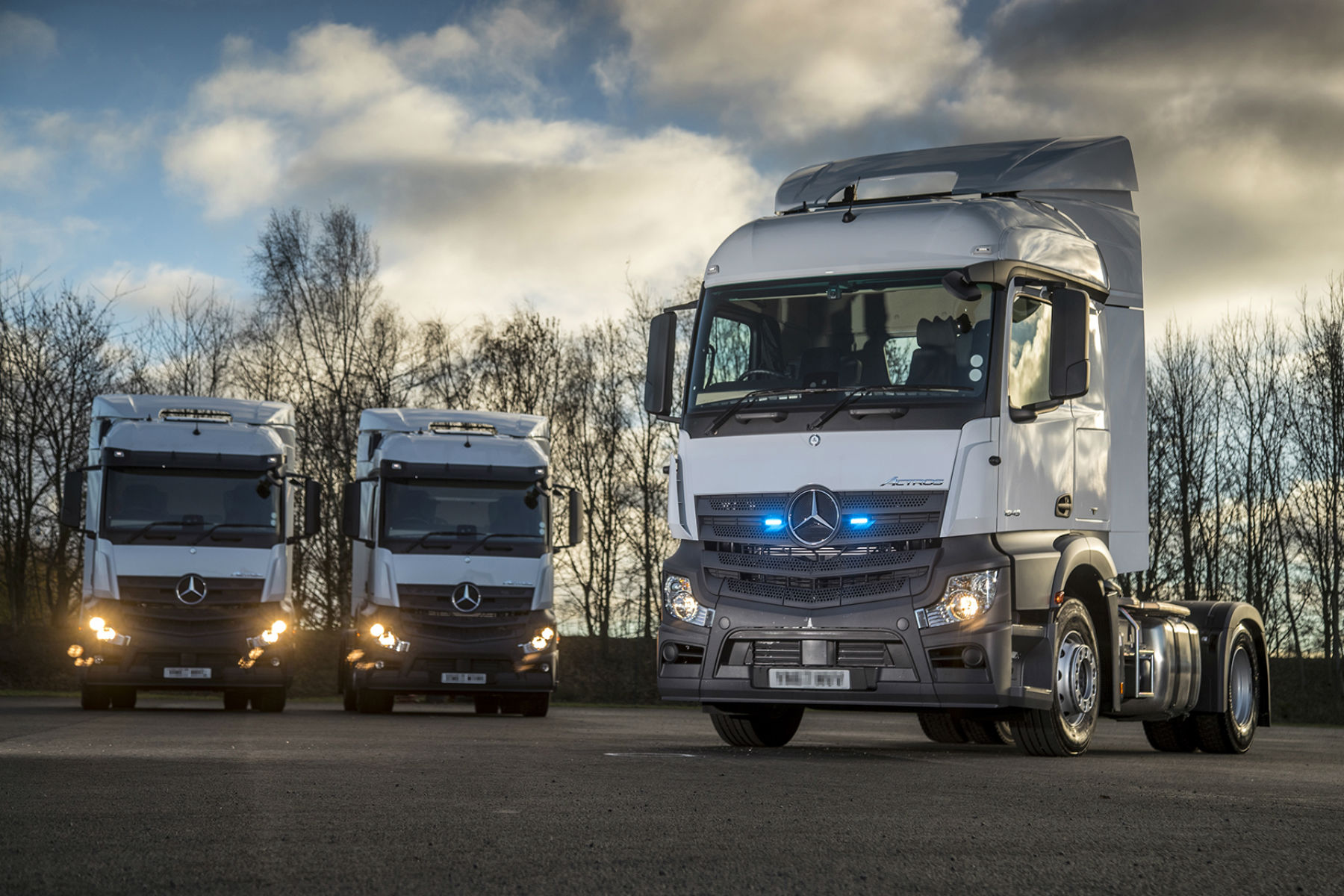
Mercedes-Benz has delivered three custom-built Actros trucks to help police catch people committing offences behind the wheel.
It follows a successful trial in which one test vehicle was shared between forces and was used to pull over 4,176 drivers in relation to 5,039 offences in its first two years.
The three new unmarked vehicles have been acquired by Highways England from Dawsonrentals as part of its Incident Prevention Project.
They’re fitted with blue flashing lights concealed in the grille, as well as flashing red lights to the rear of the cabs. They’re all kitted out with a range of wide-angle cameras and recording devices to capture evidence, while police forces will be given special vehicle-specific training.
The supercabs will capture footage of unsafe driving behaviour as they travel along motorways. Drivers will then be stopped by officers travelling in police cars following behind. Nearly two thirds of drivers stopped to date have been illegally using a mobile phone while driving, says Highways England.
Other offences have included a driver in Surrey seen trying to put toothpaste on a toothbrush and a driver in the East Midlands spotted steering with his knees while he ate his lunch and used his mobile phone.
“Highways England has been funding a single cab for the past couple of years and we’ve been impressed with the impact it’s had on improving safety,” said Highways England’s head of road safety, Richard Leonard. “Over 4,000 dangerous drivers have been pulled over, with police action ranging from verbal warnings to prosecutions.
“We’ve found that the vast majority of drivers are sensible behind the wheel but a few have got into bad habits, or are simply ignoring the law and putting themselves and others at risk.
“We’ve therefore decided to fund two extra unmarked HGV cabs to continue to target dangerous driving on England’s motorways and major A roads, improving safety for everyone.”
Read more:
Blues and twos: Britain’s wildest new police cars revealed
 The car industry risks missing its 2021 CO2 targets with the first-ever annual increase in carbon dioxide emissions today being revealed by the Society of Motor Manufacturers and Traders (SMMT). Last year, average new car CO2 went up 0.8 percent, to 121g/km.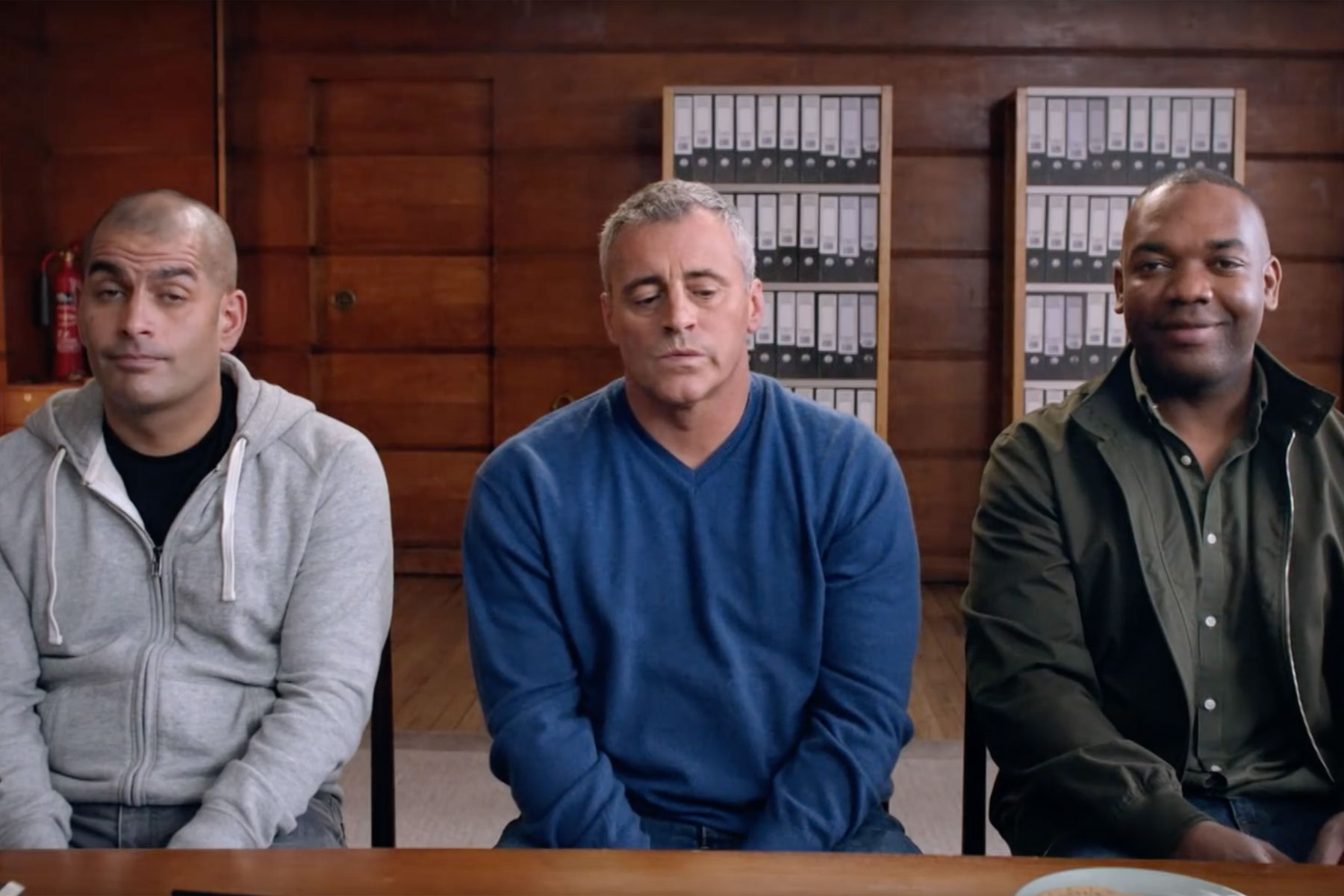
 Prince William is a keen motorcyclist who, legend has it, used to go for incognito ride-outs in and around London. We can’t confirm if HRH the Duke of Cambridge still does this, but we can reveal he was at British motorcycle giant Triumph today, to open the firm’s new £6 million paint shop.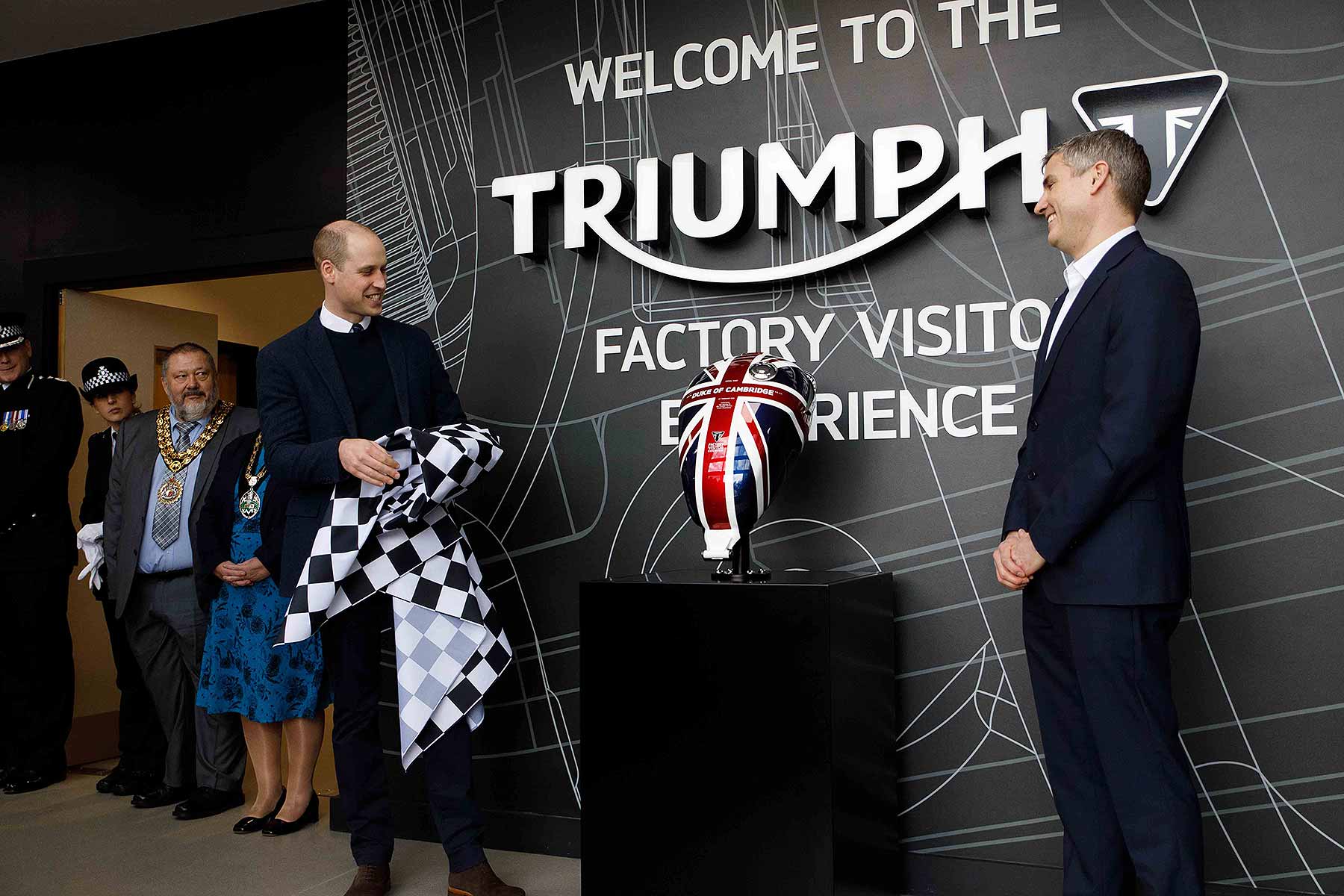
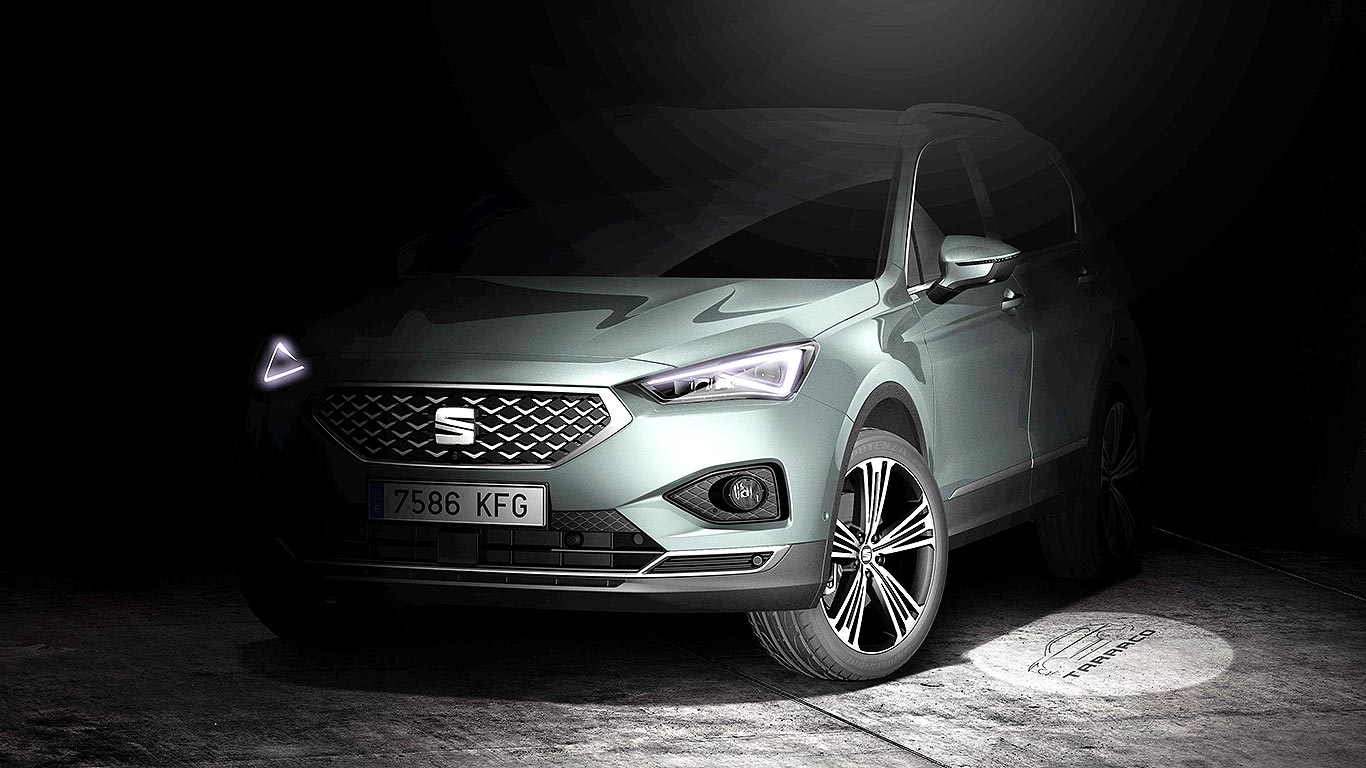 Seat has chosen Tarraco as the name for its new seven-seat SUV, ahead of its expected reveal later this summer.
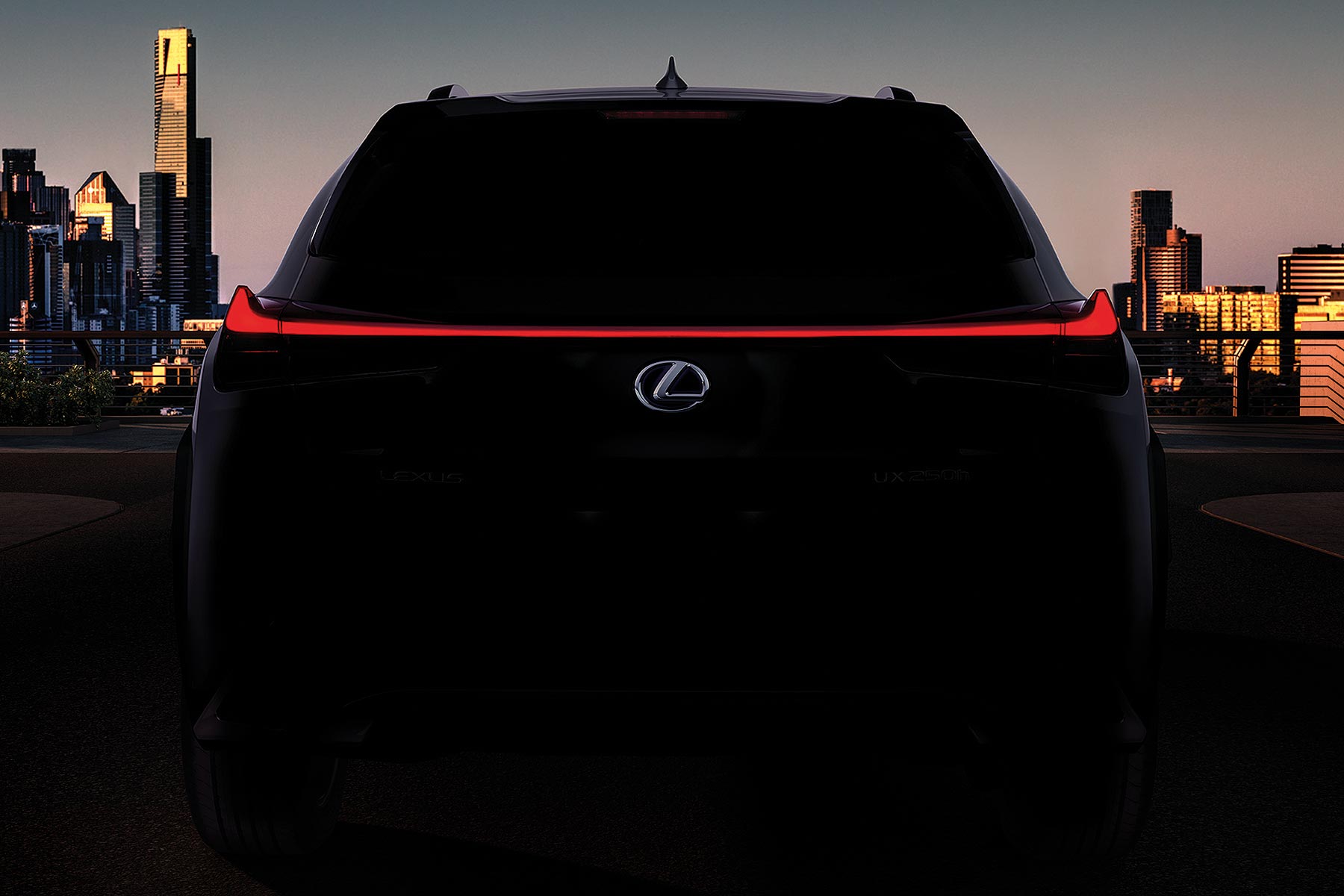 Lexus has confirmed it will give the new UX small SUV its world debut at the 2018 Geneva Motor Show. It will be the production version of the UX Concept revealed at the 2016 Paris Motor Show.