Home Blog Page 452

The car firms NOT attending the 2018 Paris Motor Show

0

Motor show rebels

In case you hadn’t noticed, an increasing number of car manufacturers are choosing to stay away from motor shows, focusing more on smaller events, social media and direct-to-consumer activity. It means that this year’s Paris Motor Show is notable as much for the list of absentees as it is for the cars on show. Here, we guide you through a list of no-shows at this year’s motor show.

Abarth
Abarth

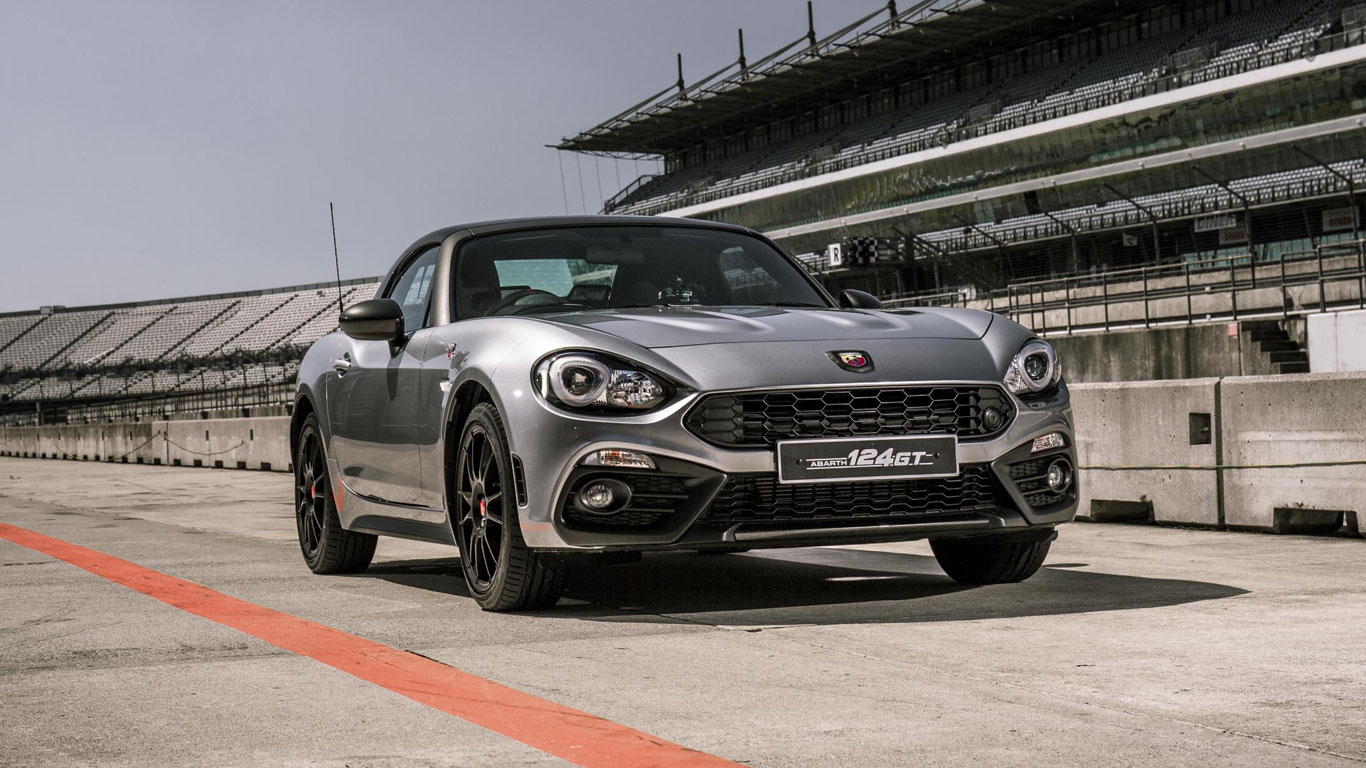
Abarth won’t be in Paris, which means you won’t be able to see the new 124 GT with its carbon fibre roof. But don’t worry, you could always pop down to your local Abarth dealer. According to FCA, the potential sales and publicity aren’t enough to warrant the spend on the show.

Alfa Romeo
Alfa Romeo

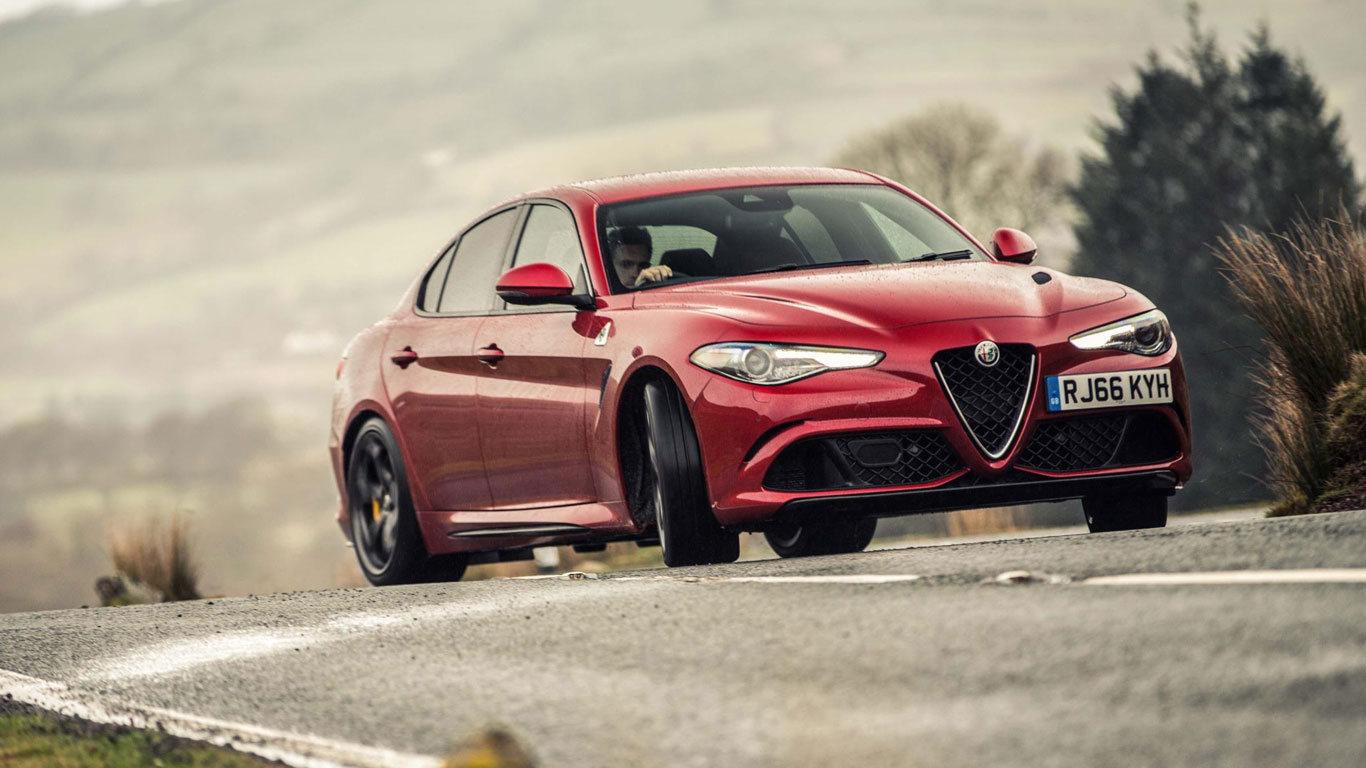
Which means you won’t find a new Alfa Romeo gracing one of the halls at Paris Expo Porte de Versailles. What are you missing? Well, Alfa recently launched a new B-Tech package for the Giulia, Stelvio and Giulietta, and there are rumours of a further two SUVs and a new supercar. Fingers crossed the latter comes to fruition.

Aston Martin

Aston Martin

The chances are, Aston Martin would have used the Paris Motor Show to reveal plans for its next-generation hypercar due for release in late 2021. But, as Aston isn’t in Paris, it announced the details earlier this week, with ‘Project 003’ poised for a 500-car production run. It’ll feature active aerodynamics, active suspension and a hybridised turbocharged engine.

Bentley
Bentley

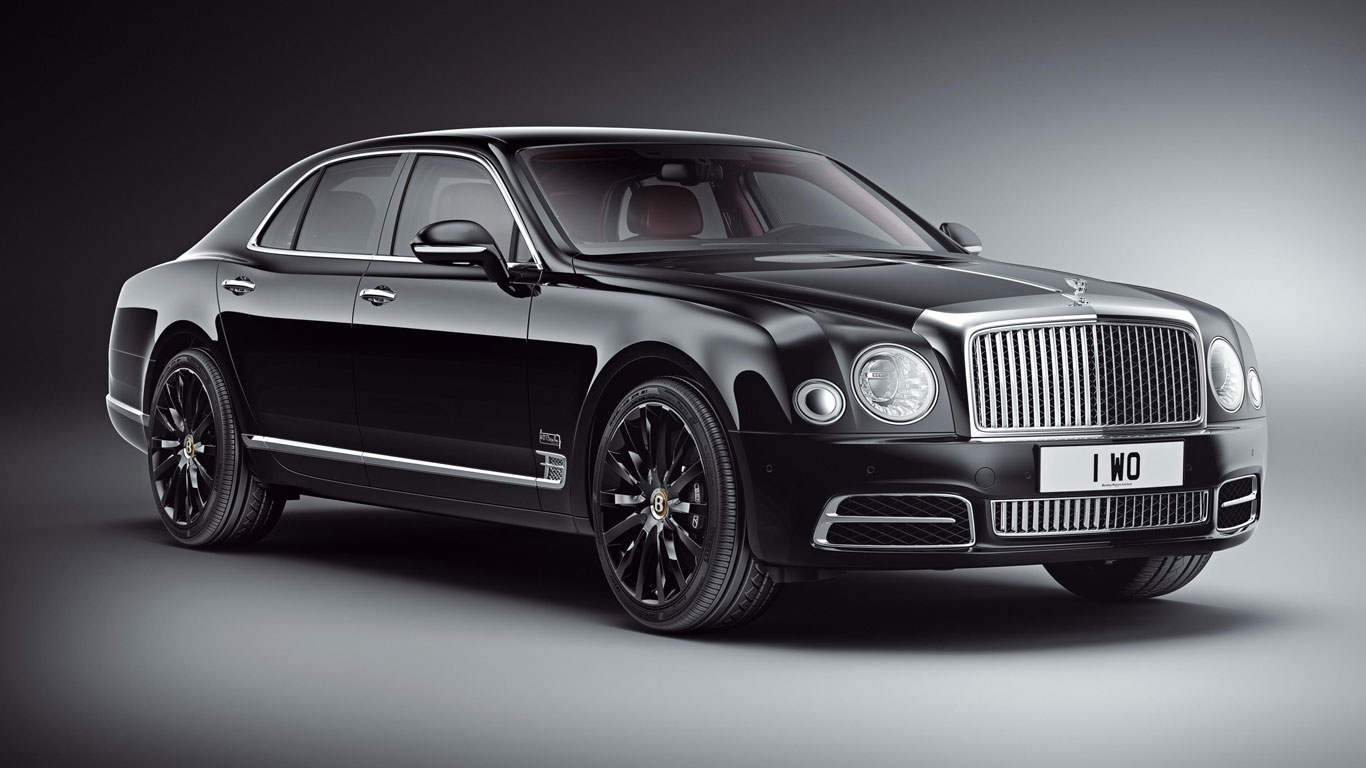
There will be a big, Bentley-shaped hole in Paris, but that doesn’t mean Crewe doesn’t have anything new to show. In August, Bentley unveiled the limited edition Mulsanne W.O. Edition by Mulliner at Monterey Car Week. The car pays homage to the company founder’s personal 8 Litre car, and just 100 will be built.

Fiat
Fiat

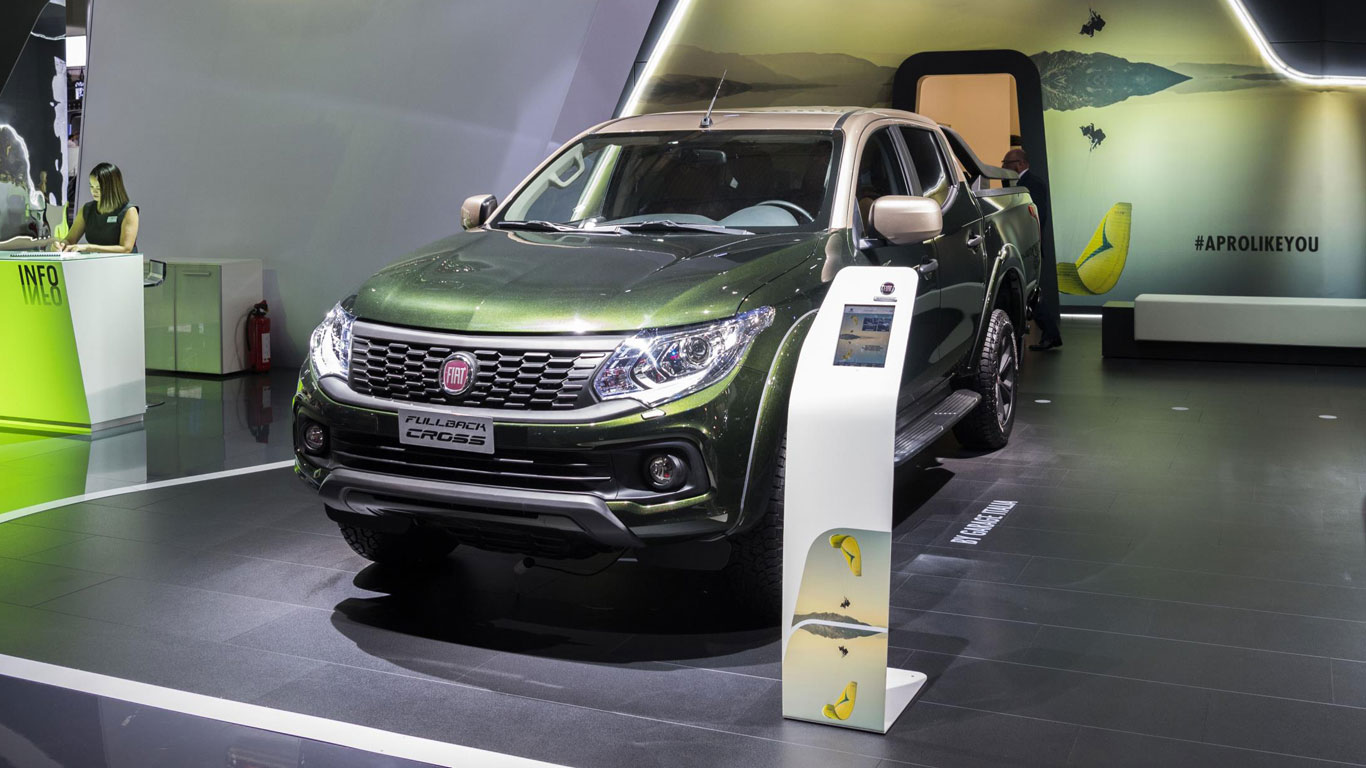
Don’t head to Paris in search of the refreshed 500X and the 500L S-Design, because Fiat is staying in Italy. Meanwhile, Fiat Professional has been at the Hanover Motor Show, showcasing the Ducato, Fullback and Doblo. Contain yourself.

Ford
Ford

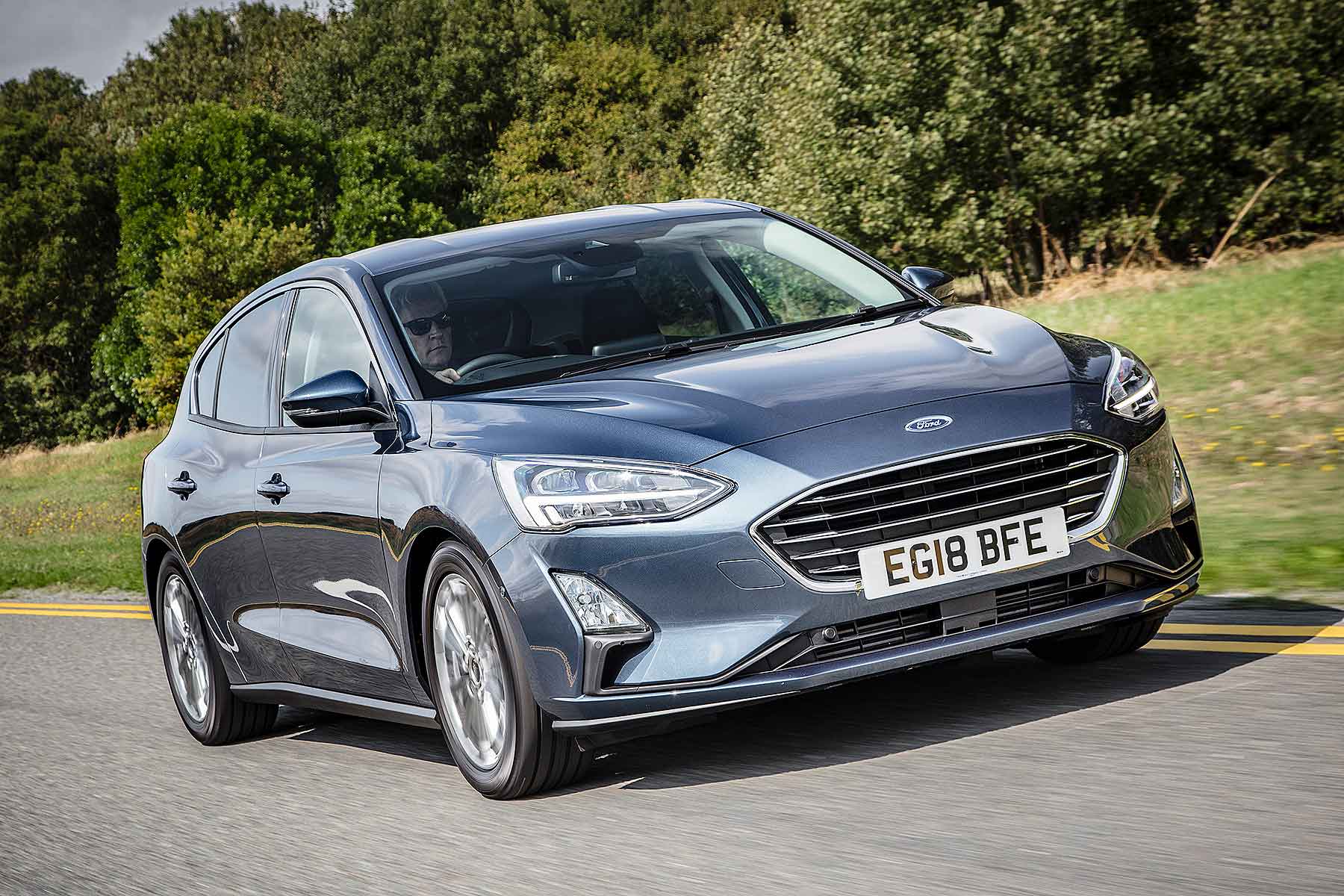
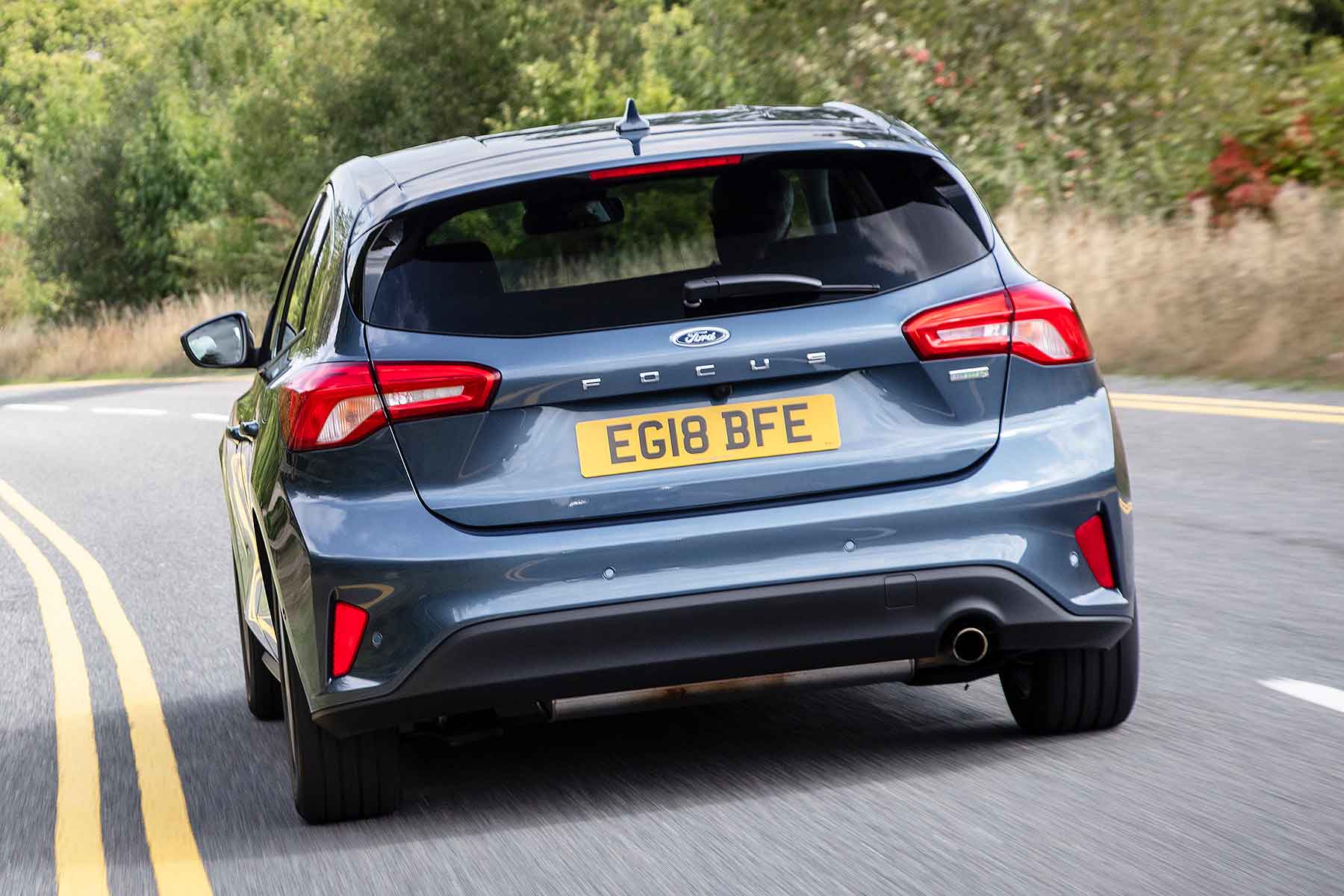
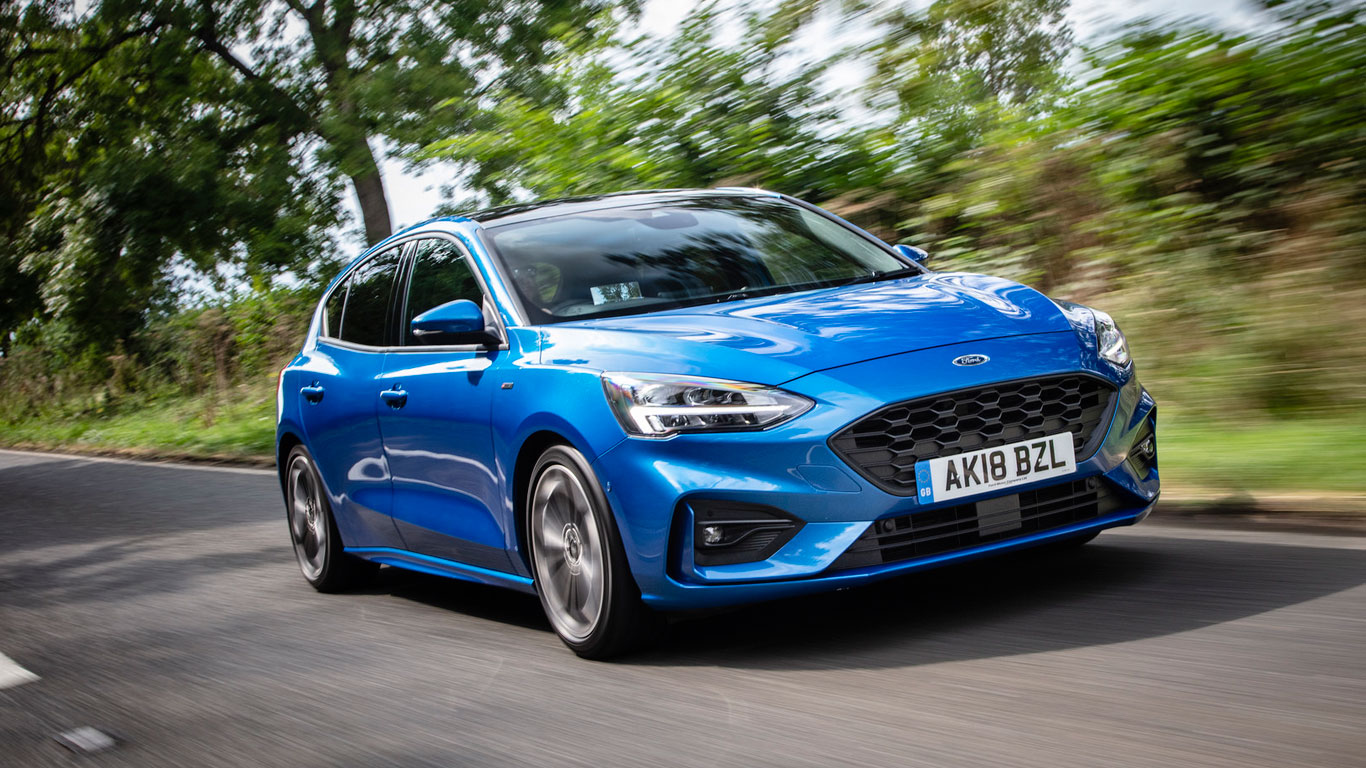
Back in the 80s and 90s, it would have been unthinkable for Ford to be absent from a major international motor show, especially with such an important car to display. If you fancy a gander at the new Focus, simply head to your nearest Ford showroom. They’re not hard to find.

Infiniti
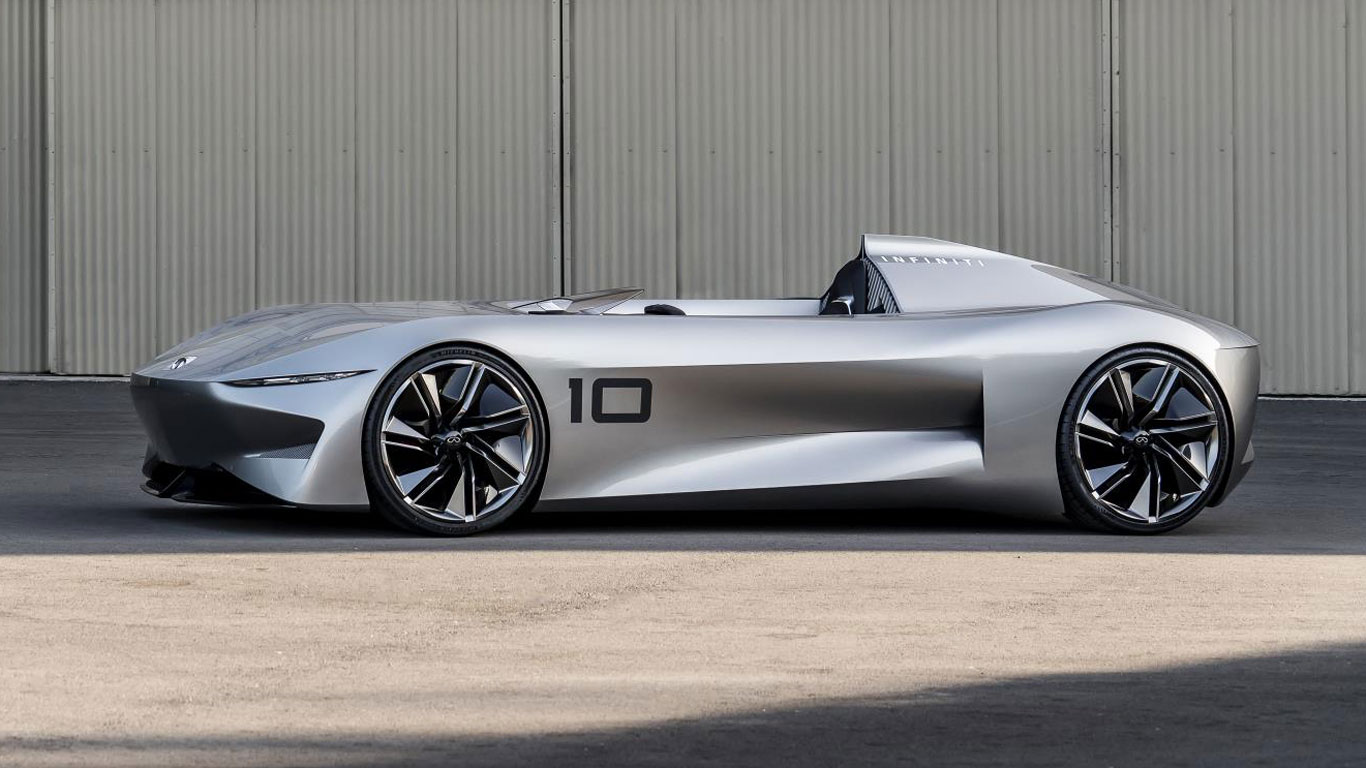
Infiniti

These days, many manufacturers use more intimate and specialised events to showcase new cars and concepts. The Infiniti Prototype 10 was revealed at the 2018 Pebble Beach Concours d’Elegance and hints at future design cues from Nissan’s posh arm. Cool thing.

Jeep
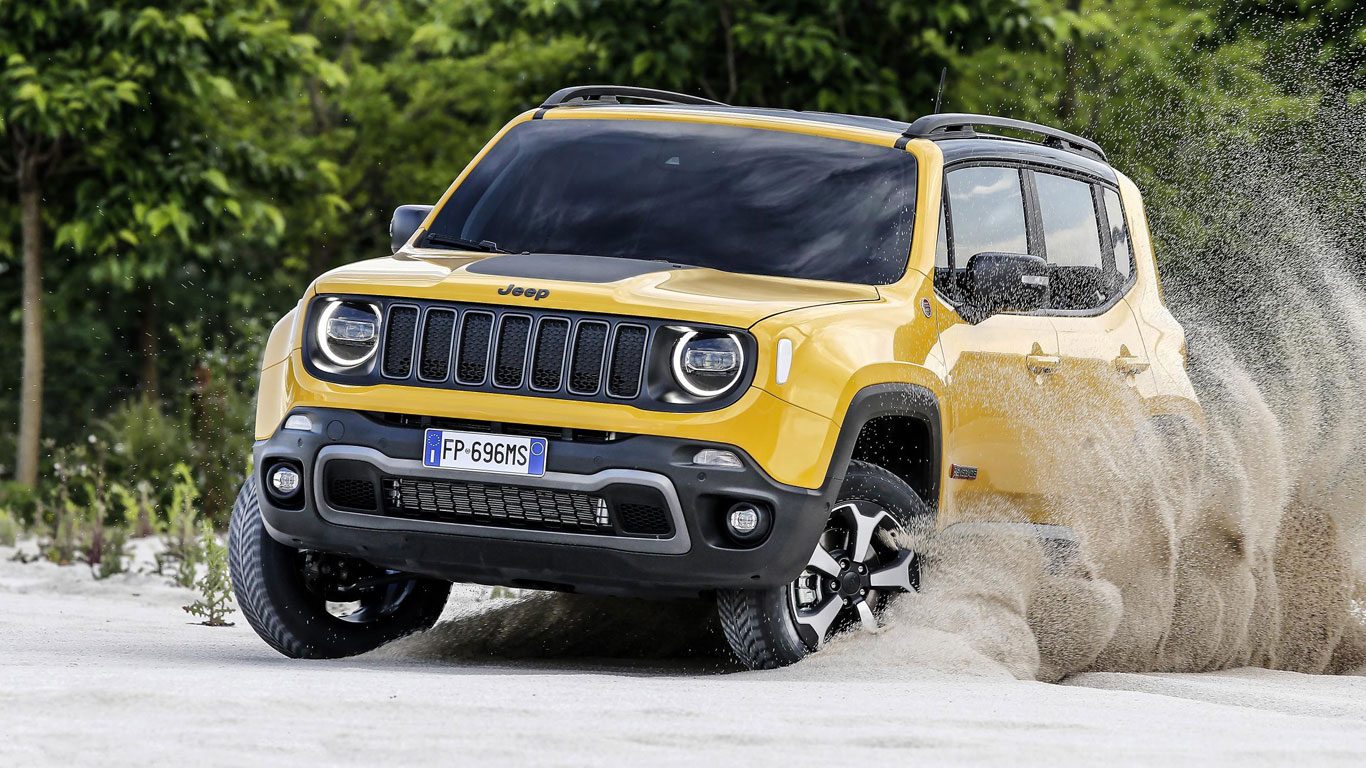
Jeep

Jeep is another victim of FCA’s decision to give Paris a miss, which means visitors will be denied the opportunity to see the new Cherokee, revamped Renegade and all-new Wrangler.

Lamborghini
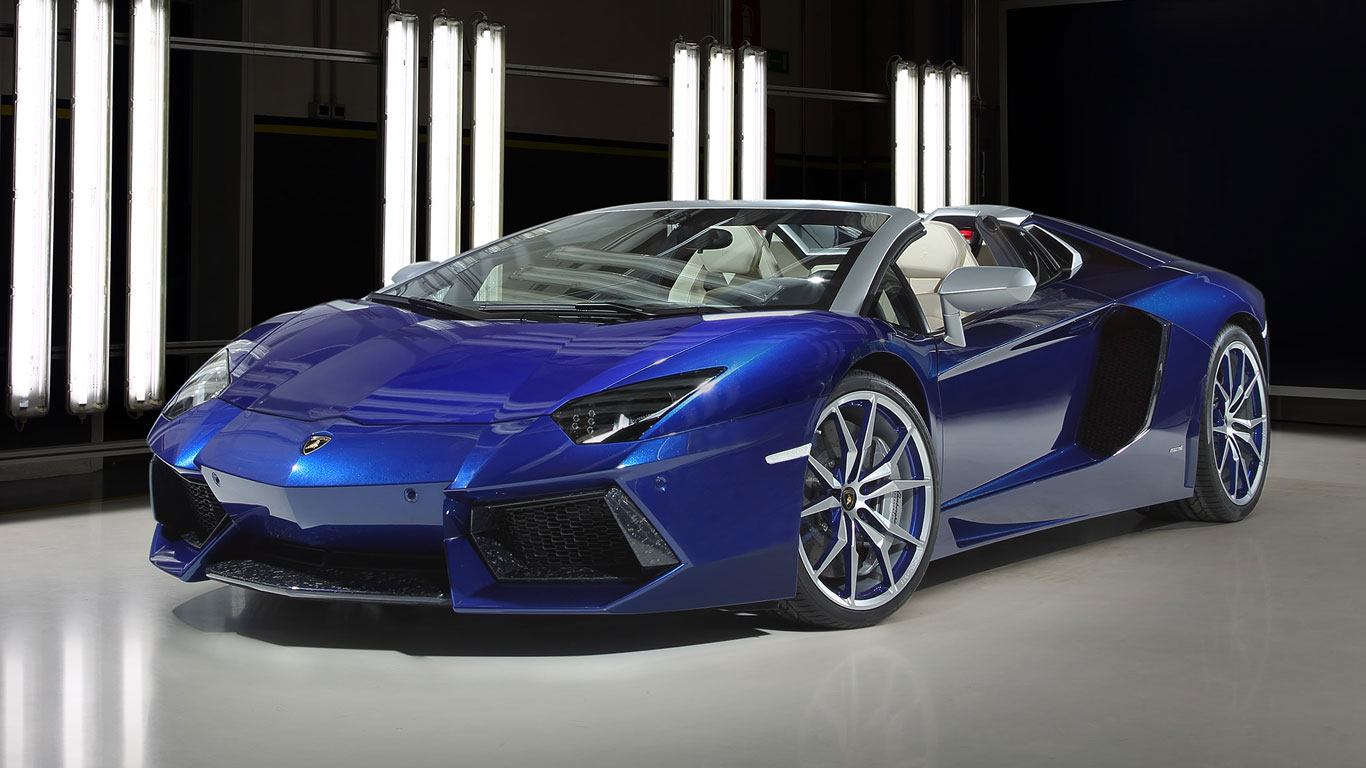
Lamborghini

An international motor show without Lamborghini is like a trifle without a cherry. A picnic without a Scotch egg. Juventus without Ronaldo. A pizza without pineapple. No, wait, not the last thing.

Mazda
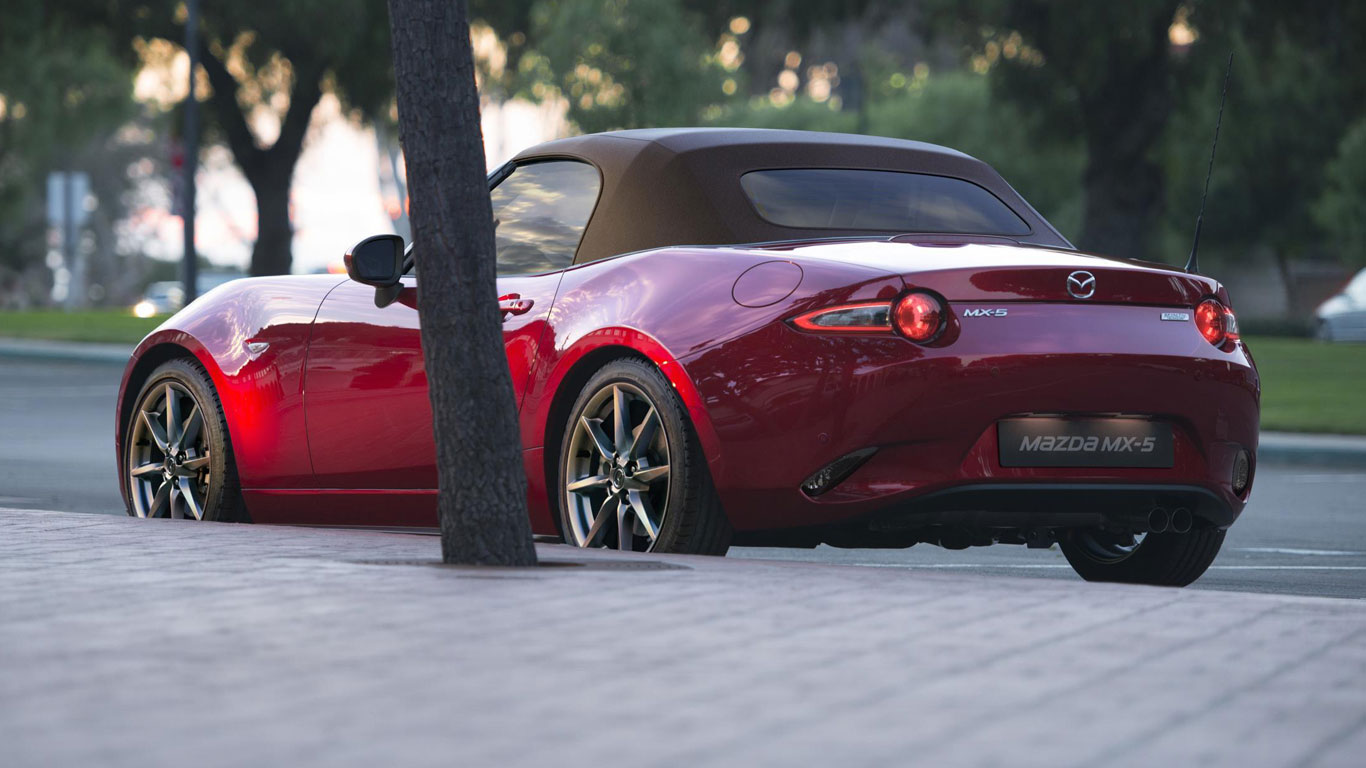
Mazda

Mazda has tweaked the 2.0-litre motor in the MX-5 to produce 184hp – 26hp more than before. It means that, cutting a potentially long and wordy review short, the best affordable sports car is better than ever. But you won’t be seeing it in Paris. Unless one happens to drive by when you’re on a romantic weekend away with your significant other.

McLaren
McLaren

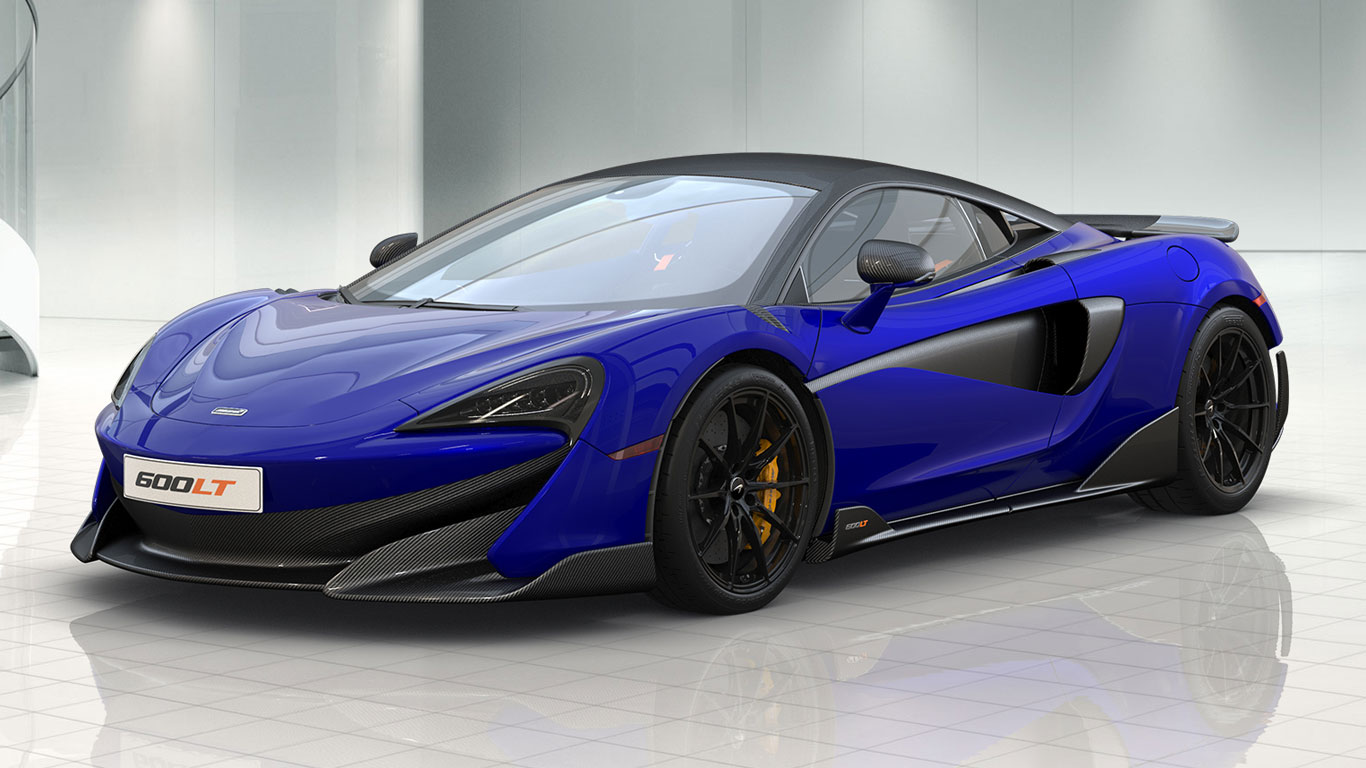
It has been a busy year for McLaren. The 600LT made its world debut at the Goodwood Festival of Speed and the Senna was unveiled at the Geneva International Motor Show, before gracing the cover of Forza Horizon 4.

Mitsubishi
Mitsubishi

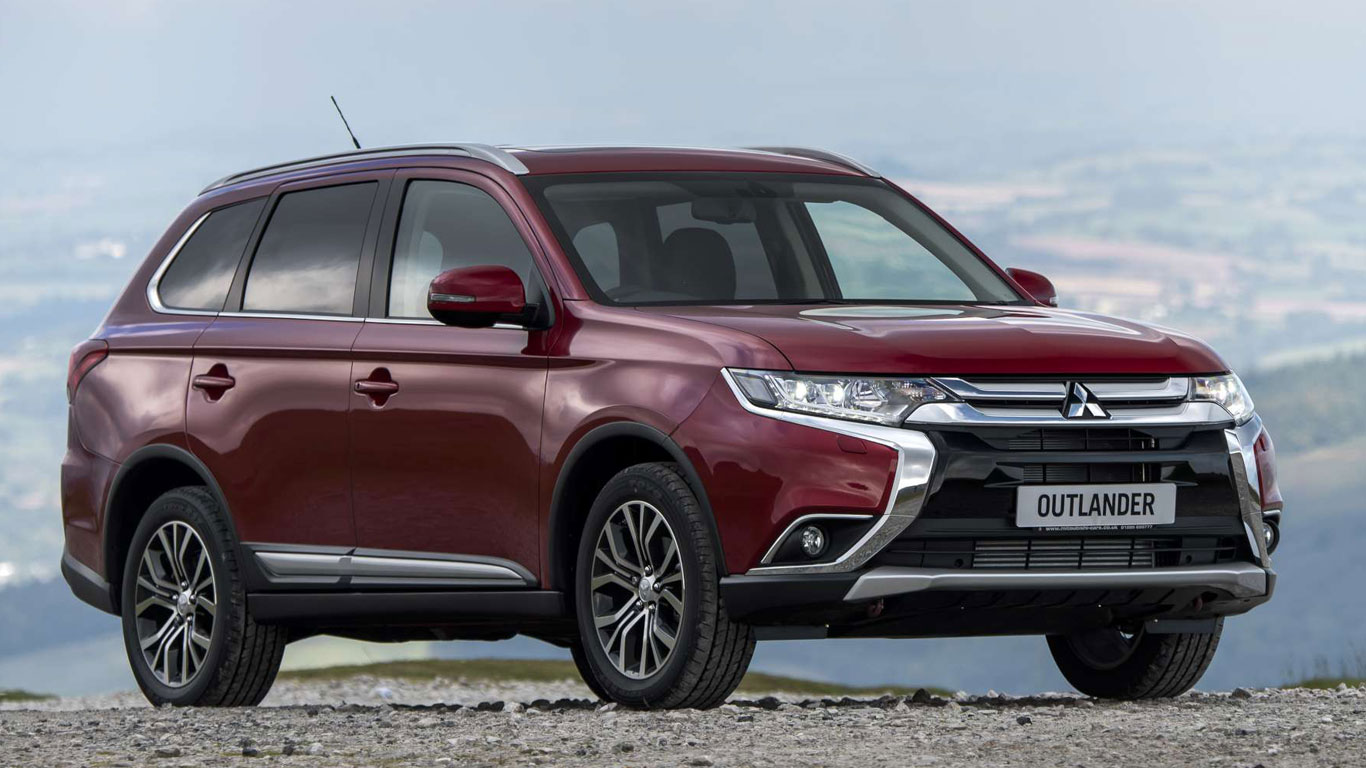
The 2019 Mitsubishi Outlander PHEV won’t be in Paris, but fear not, because it’s already on sale in the UK. Buy one, and impress your friends with some killer stats, such as 46g/km CO2, an EV range of 28 miles and WLTP combined fuel economy of 139mpg.

Nissan
Nissan

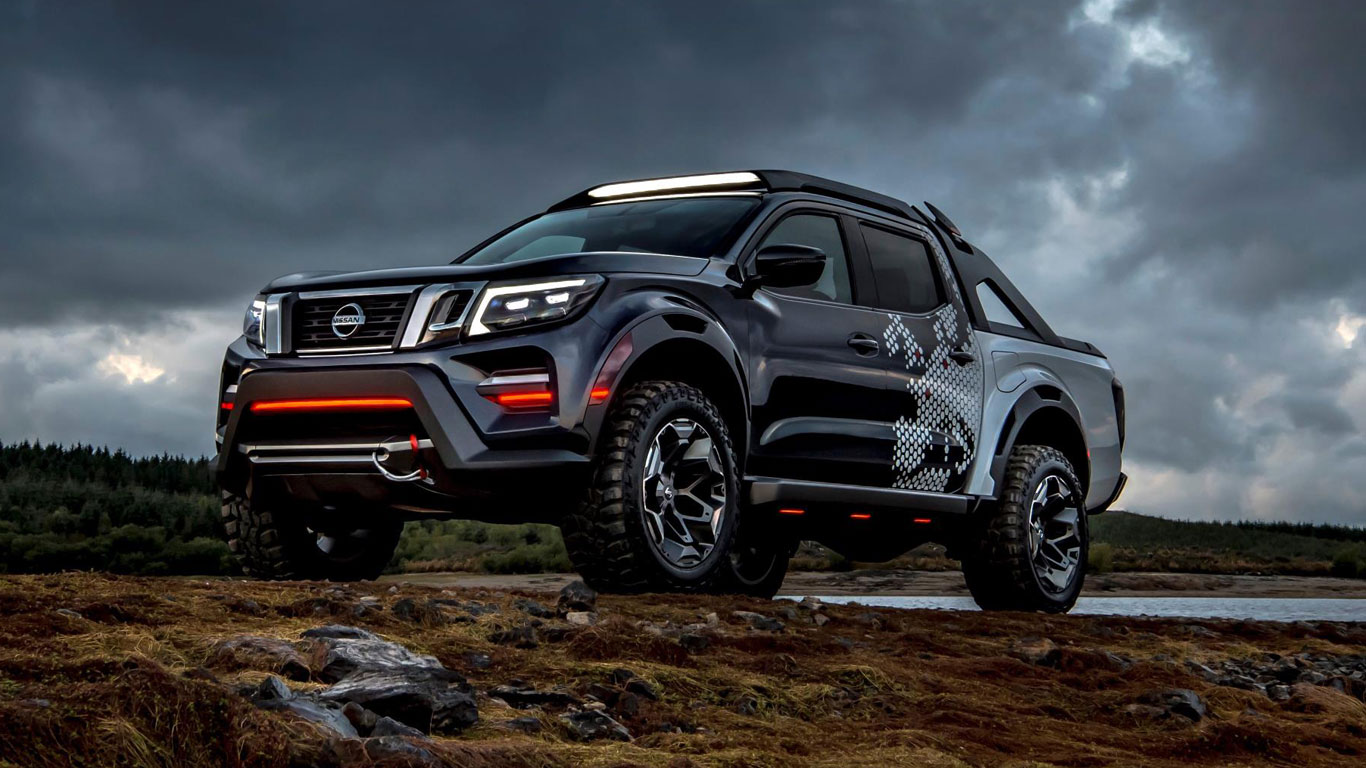
Nissan might not be in Paris, but it hasn’t turned its back on motor shows. The Navara Dark Sky Concept, built in collaboration with the European Space Agency (ESA), was unveiled at the Hanover Motor Show. It can tow a mobile astronomy laboratory, which makes a change from caravans and horseboxes.

Rolls-Royce
Rolls-Royce

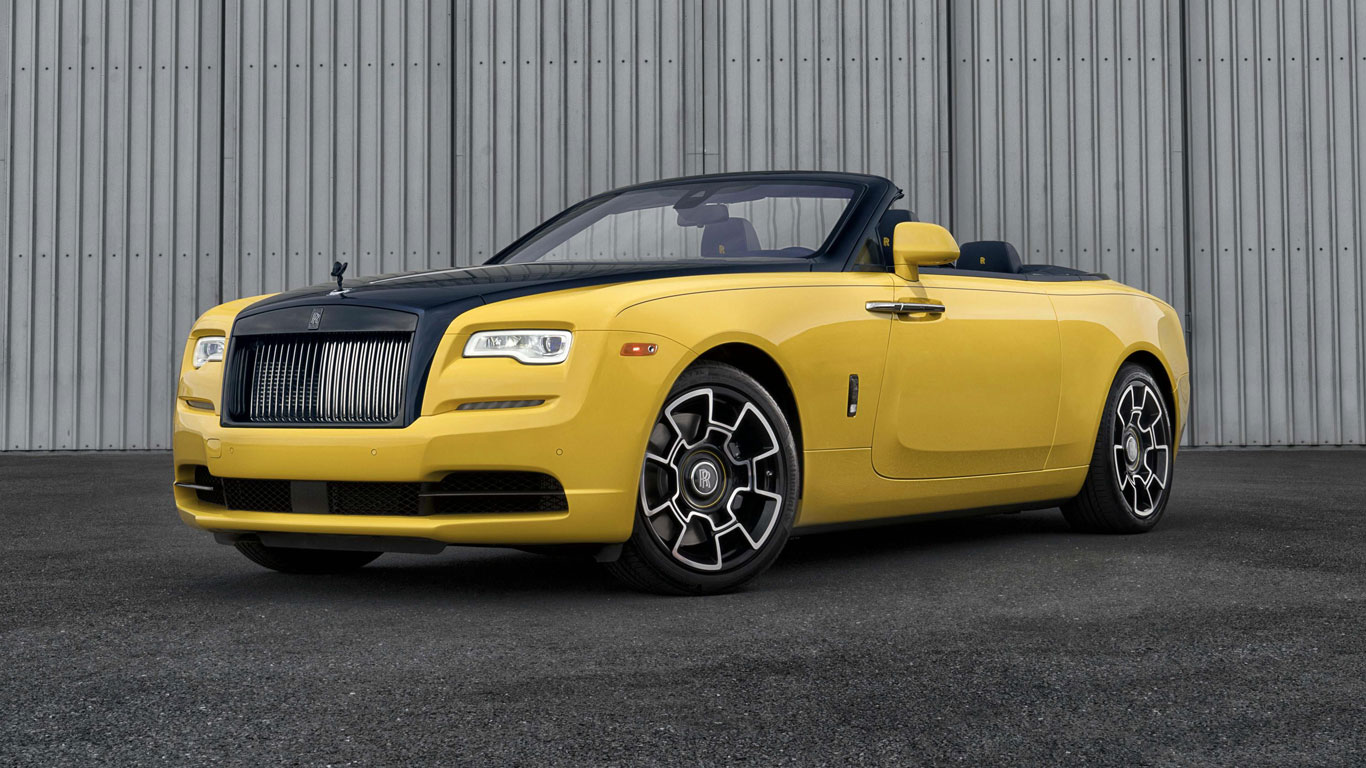
This is the Rolls-Royce Dawn Black Badge owned by Benjamin Treynor Sloss, vice president of engineering at Google. He took delivery at this year’s Pebble Beach Concours d’Elegance. In other news, Rolls-Royce recently opened a new showroom in Leeds, which is the UK’s fastest growing city. Fancy that.

Subaru
Subaru

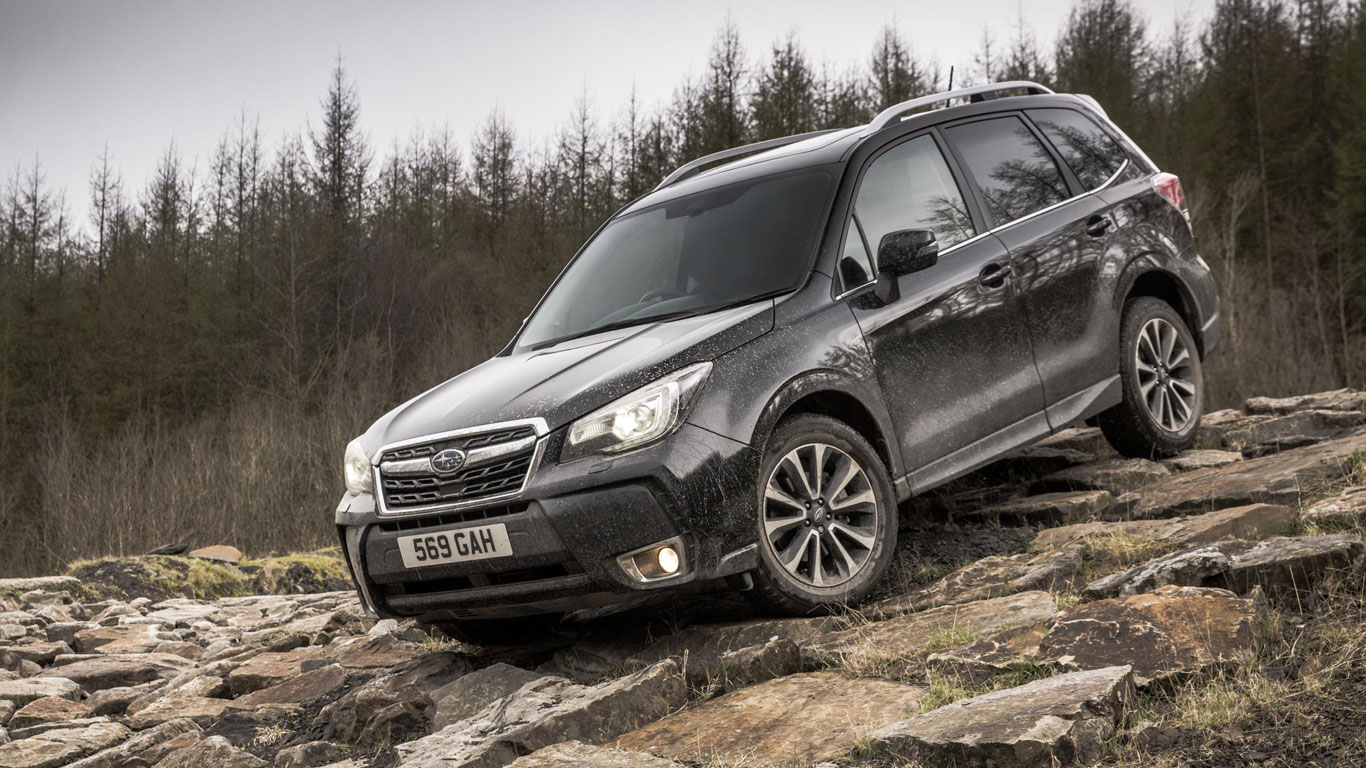
Subaru might not be in Paris, but earlier this year, the brand returned to The Game Fair as the official sponsor of the Shooting Line, with a Forester offered as the top prize. Feels more authentic than taking a few highly-polished cars to the French capital.

Vauxhall/Opel
Vauxhall

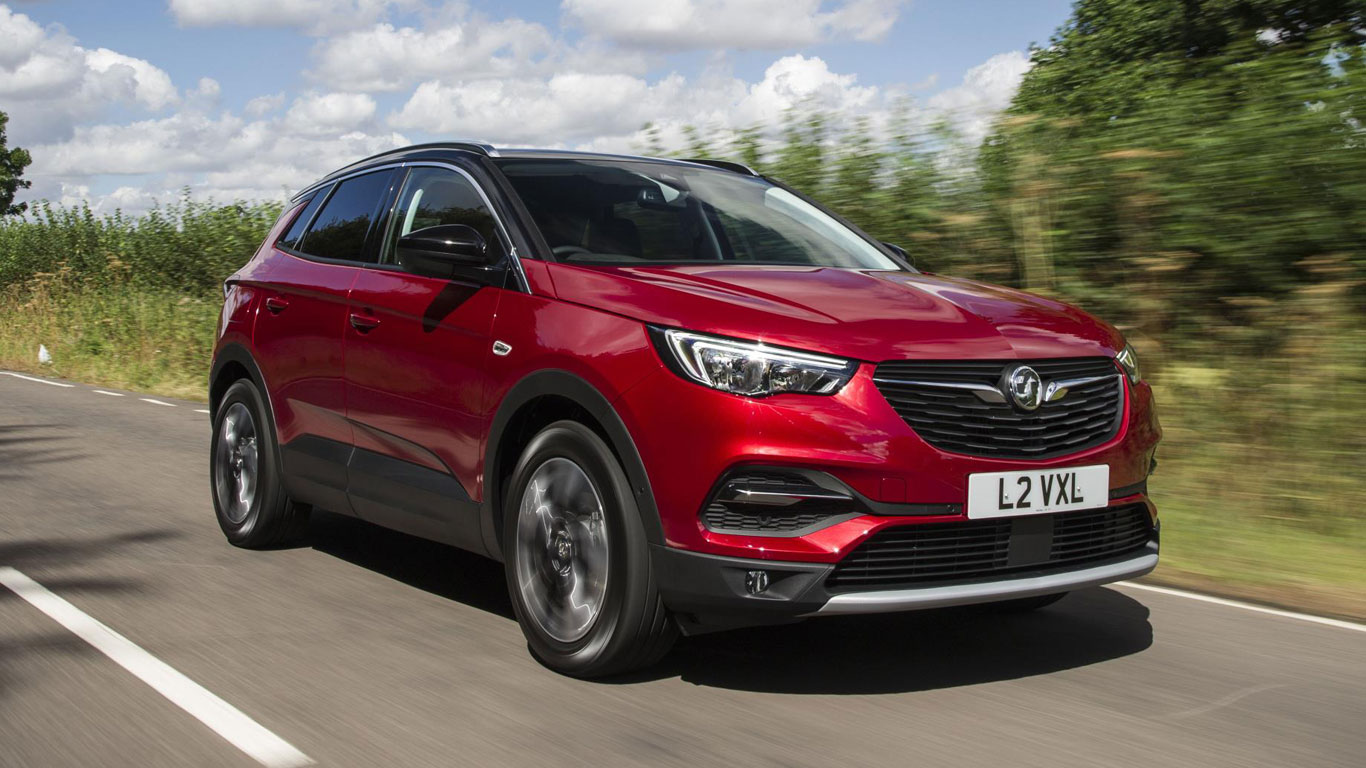
Despite being owned by the French PSA Group, Vauxhall and Opel will be skipping Paris. “We made the decision to put a stronger emphasis on our own events for the upcoming product launches,” a spokesperson told Automotive News Europe.

Volkswagen
Volkswagen

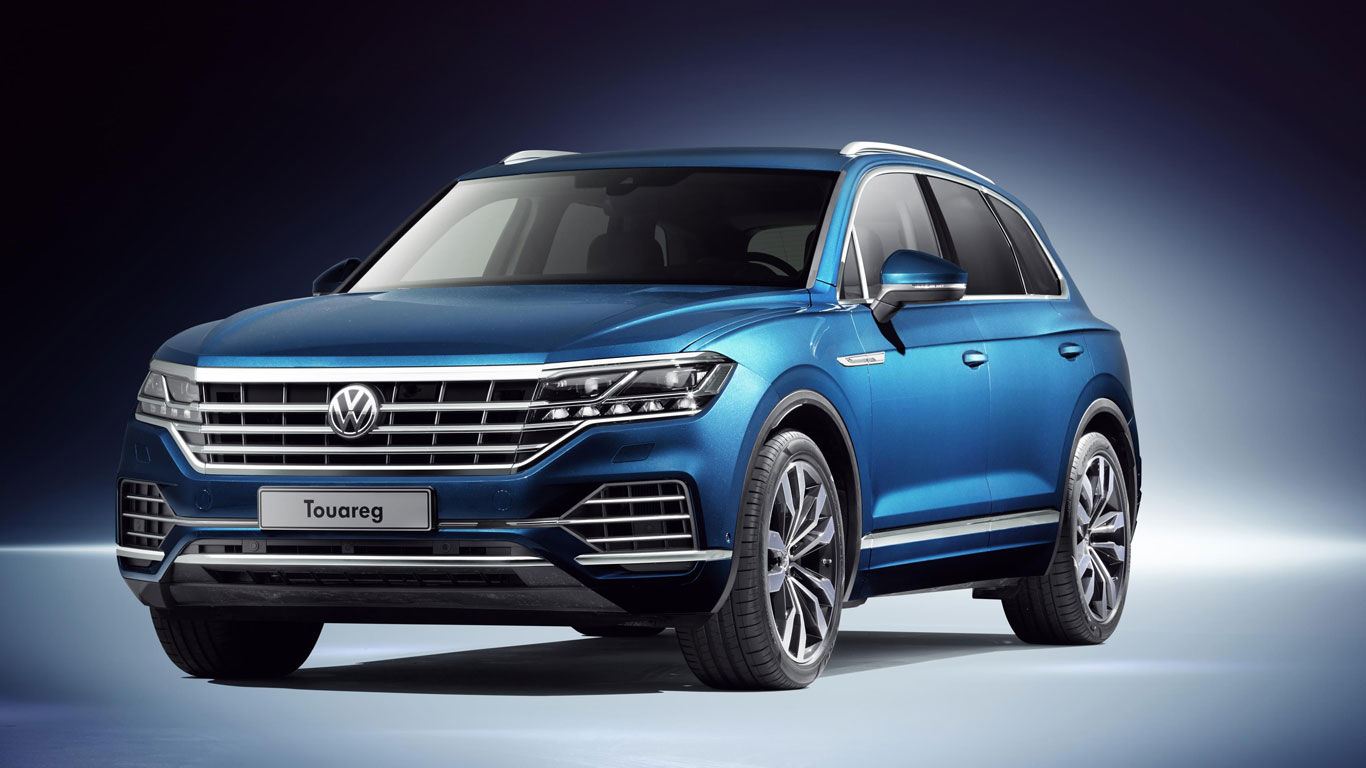
Audi, SEAT and Skoda will be in Paris, but Volkswagen is taking a break. It’ll use the time to celebrate the five-star Euro NCAP safety rating for the new Touareg. The large SUV scored 89 percent for adult occupant safety, 86 percent for child occupant safety, 81 percent for safety assist and 72 percent for pedestrian safety.

Volvo
Volvo

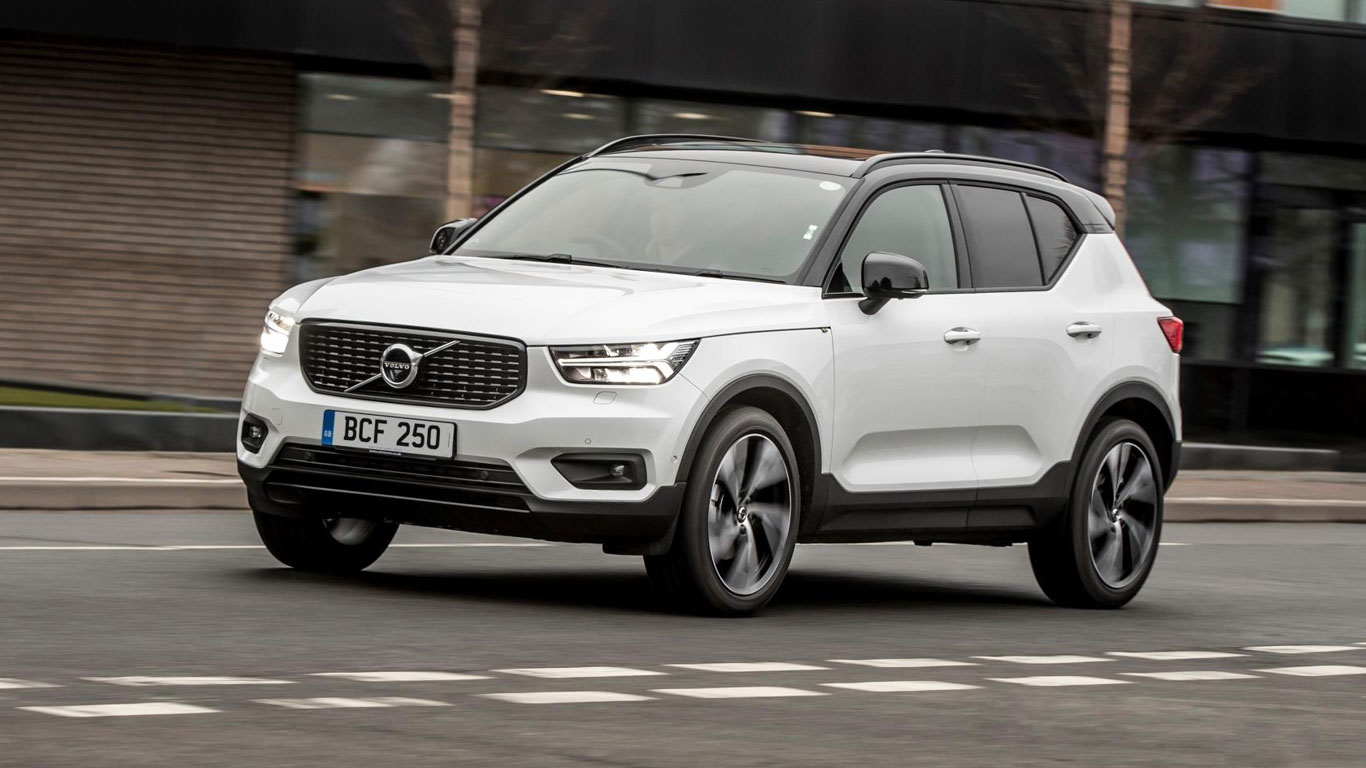
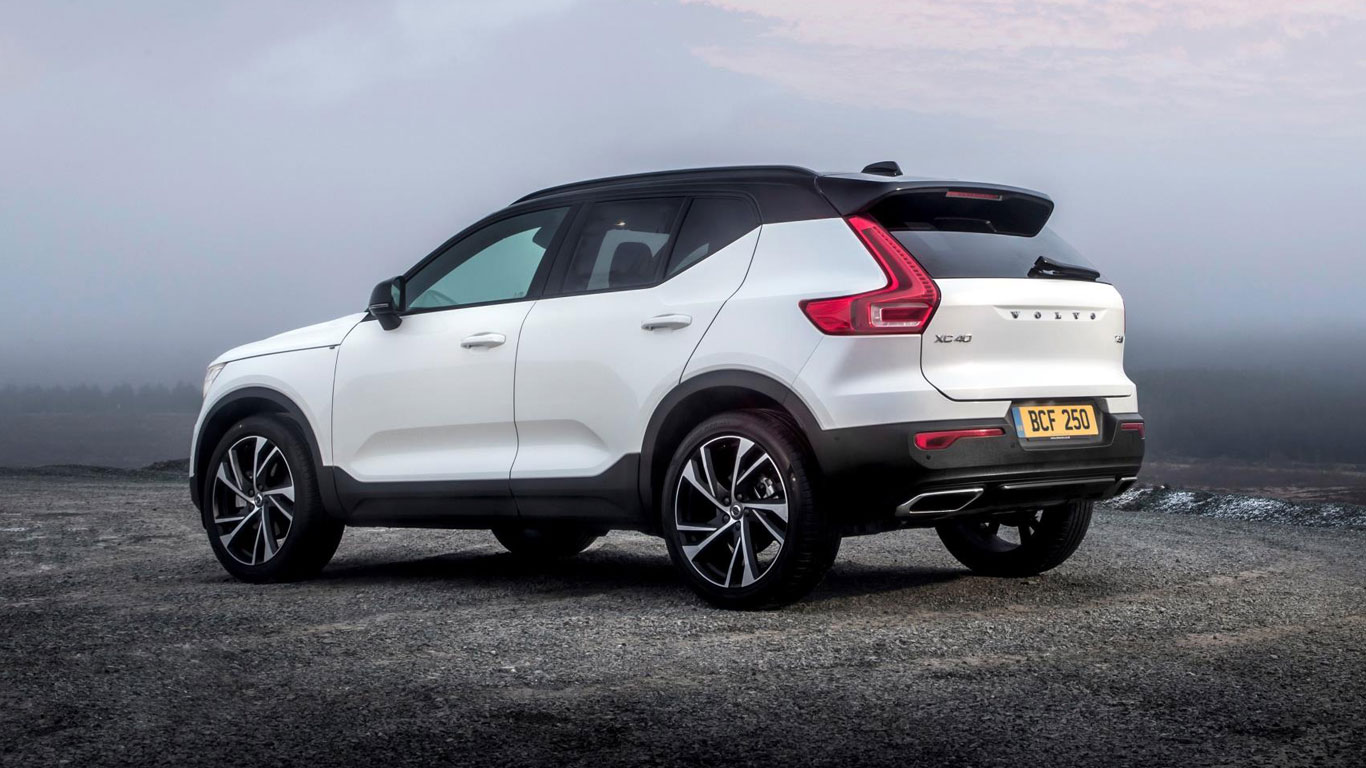
On the subject of motor shows, Bjorn Annwall, Volvo’s senior vice president of strategy, brand and retail, told CNBC: “Why stand in a crammed hall together with all the competitors shouting when you can have a more intimate relationship and discussion with the relevant journalist at home?”

Read more:

Advertisement

ALL new cars will be bought on finance within 10 years, says Auto Trader

0

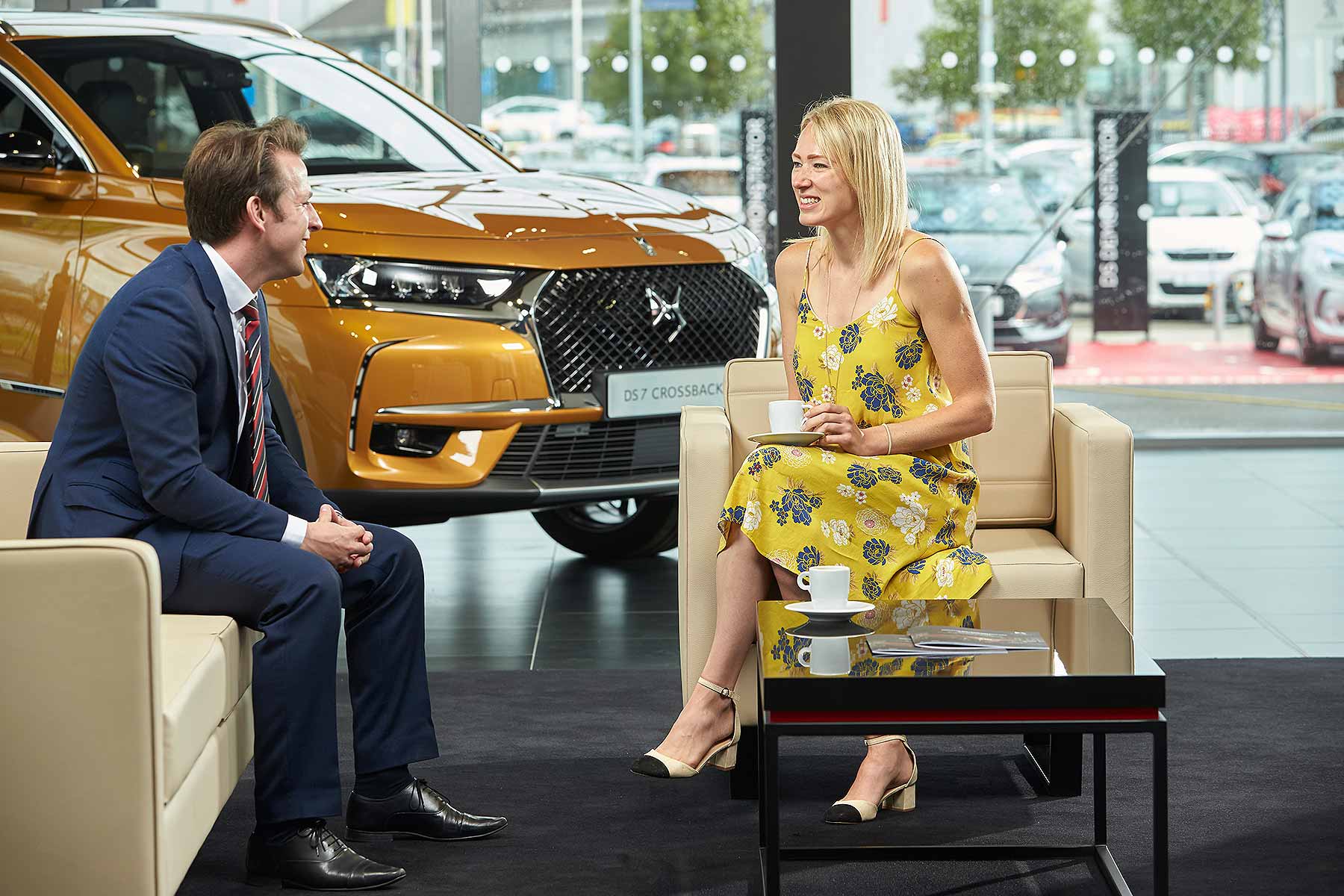
DS Store Manchester showroomCash is no longer king when it comes to buying a new car: within 10 years, predicts automotive marketplace Auto Trader, every new car sold in Britain will be bought using some form of finance.
Already, many brands say around three in four new cars sold to retail buyers are bought on PCP finance schemes. This trend is set to continue, says Auto Trader, as new types of finance roll out.

  • The best 0 percent car finance deals right now
  • A fifth of millenials spend as much on car finance as rent

Key to the end of traditional car ownership will be the growth of subscription models. These will further broaden the choice of finance and leasing options available and make the idea of paying many thousands of pounds upfront for a new car seem quaint and old-fashioned.

“The age of traditional ownership is coming to an end,” said Auto Trader CFO and COO, Nathan Coe.

“As consumers increasingly source their cars in the same way they do their music or movies, the route from business to motorist will need to evolve alongside it.”

There are many new schemes emerging that offer the flexibility of services such as Uber with the independence of regular use of a car. Examples include Drover, Audi On Demand and new VWDS Rent-a-Car. 

Finance ‘ownership’

Cash has already been happily substituted by finance for most people. Of the 13,500 people interviewed for the bi-annual Market Report, 98 percent who purchase on finance claim they own the car – even though, in reality, they do not.

“Motorists seek the comfort and certainty of exclusive access, or usership, and find it hard to distinguish this from true ownership.”

One thing’s for sure though – people don’t want to share their cars with others. Eighty percent overall (and 86 percent of ‘future car owners’ aged 16-21) demand exclusive access to a car. More than half are simply unwilling to share with others.

Which itself is good news for car dealers, added Coe. “Contrary to speculation, these new access models don’t signal the death knell for the industry.

“Instead they will fuel the market by making driving more accessible to a wider demographic, offering manufacturers a new way to get consumers behind the wheel, and will complement rather than cannibalise existing retail models.”

Advertisement

You could own a new Suzuki Jimny for just 85p

0

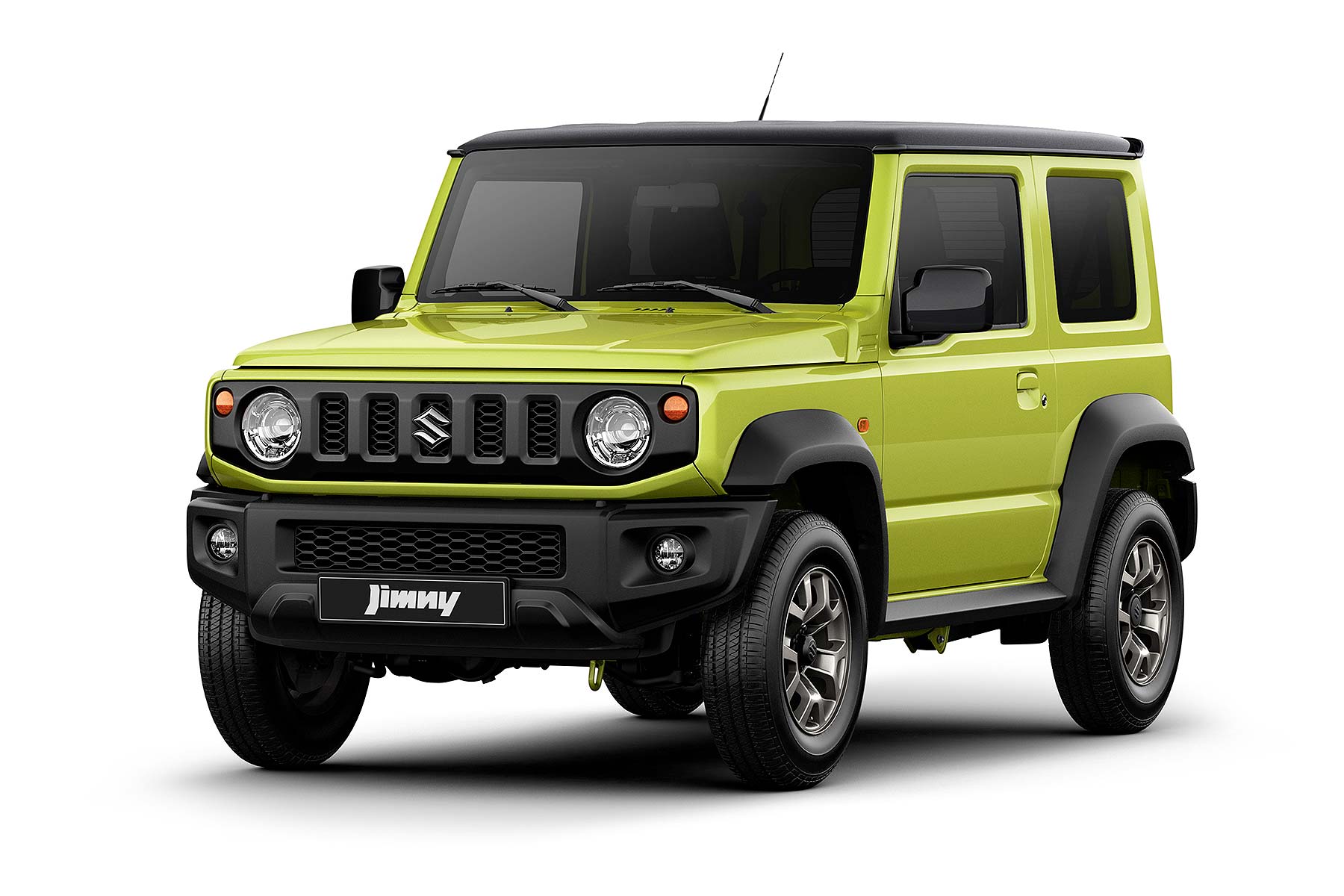
All-new Suzuki Jimny

If you’ve read the reviews of the all-new Suzuki Jimny, you’ll no doubt be itching to find out how much it will cost. Well – exclusive alert – we can reveal that a brand new Jimny could cost… wait for it… 85p.

Best of the Best (or BOTB), the company famous for selling raffle tickets for some of the world’s most exclusive cars, is adding the Suzuki Jimny to its roster of exotica. Proof, if further proof were needed, that the Jimny is one of the hottest new cars money can buy.

Interestingly, BOTB is advertising the Suzuki Jimny with a retail price of £18,000, suggesting it knows something we don’t, or it has taken a stab at guessing the price of a top-spec model with automatic transmission.

Wait, it has the automatic gearbox? We haven’t driven it, but we wouldn’t expect a Jimny auto to offer the most rewarding driving experience. We also reckon you’d want the flexibility of the five-speed manual if you fancy venturing off-road.

The team at BOTB aren’t fans of the previous-generation Jimny, describing its styling as “pretty rubbish”, but the company says the new car wins kudos for its “passing resemblance to the G-Class”.

Basically, BOTB is trying to stay down with its target audience by dissing the unfashionable Jimny, innit. Or summat.

New Jimny or £14,000 cash?

However, when BOTB says the new Jimny “will embarrass probably 80 percent of the AWD off-roaders on sale”, it makes a valid point.

We’ve got no idea when you’ll get your hands on the 85p Suzuki Jimny – or even if you’ll be fortunate enough to win – but a £14,000 cash alternative is available if you decide to bail on your fun-size 4×4 aspirations.

Sadly, our hopes of buying all of the tickets have been dashed by the limit of 150 tickets per customer. Dammit.

Read more:

Advertisement

Jaguar I-Pace is first JLR car with Apple CarPlay and Android Auto

0

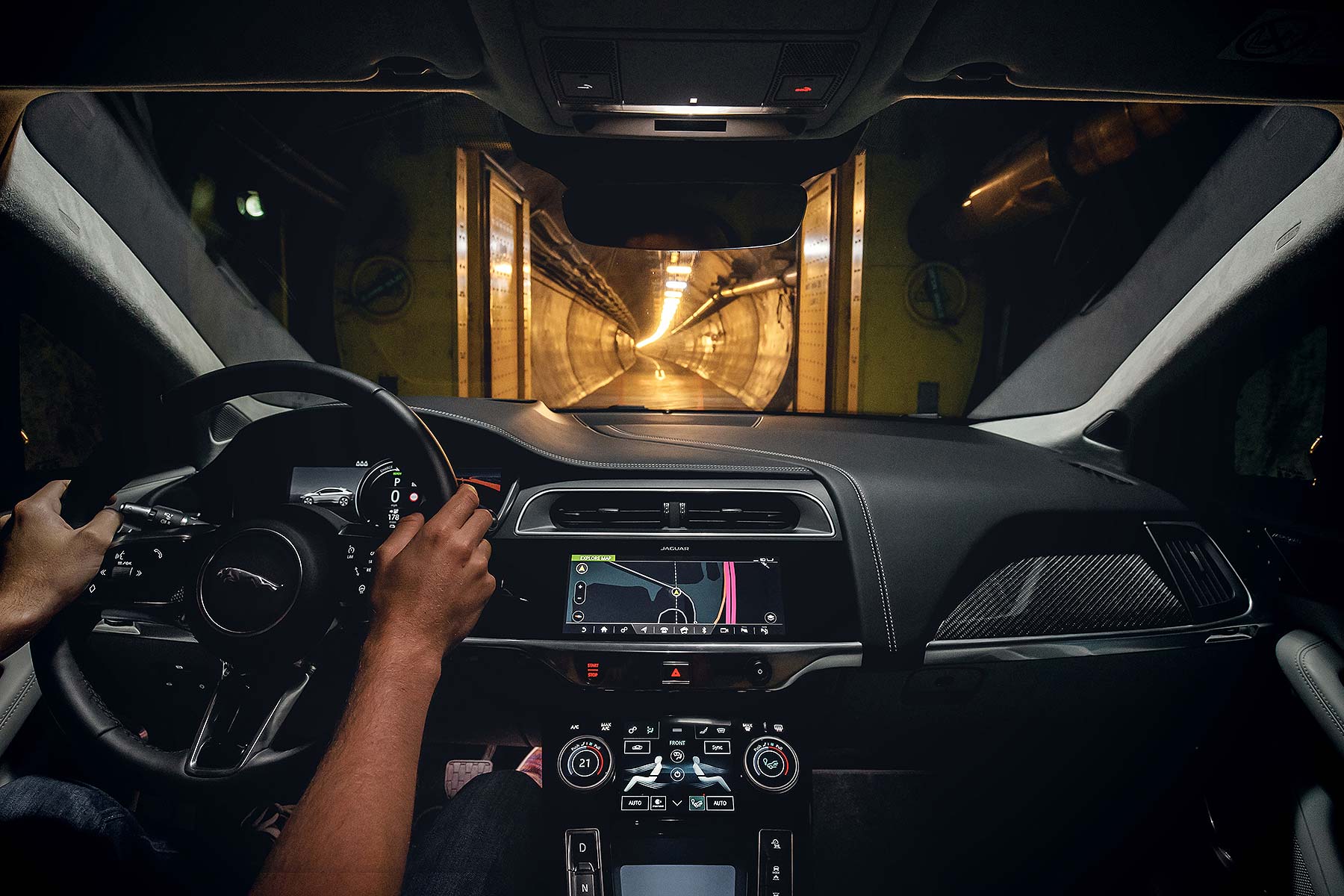
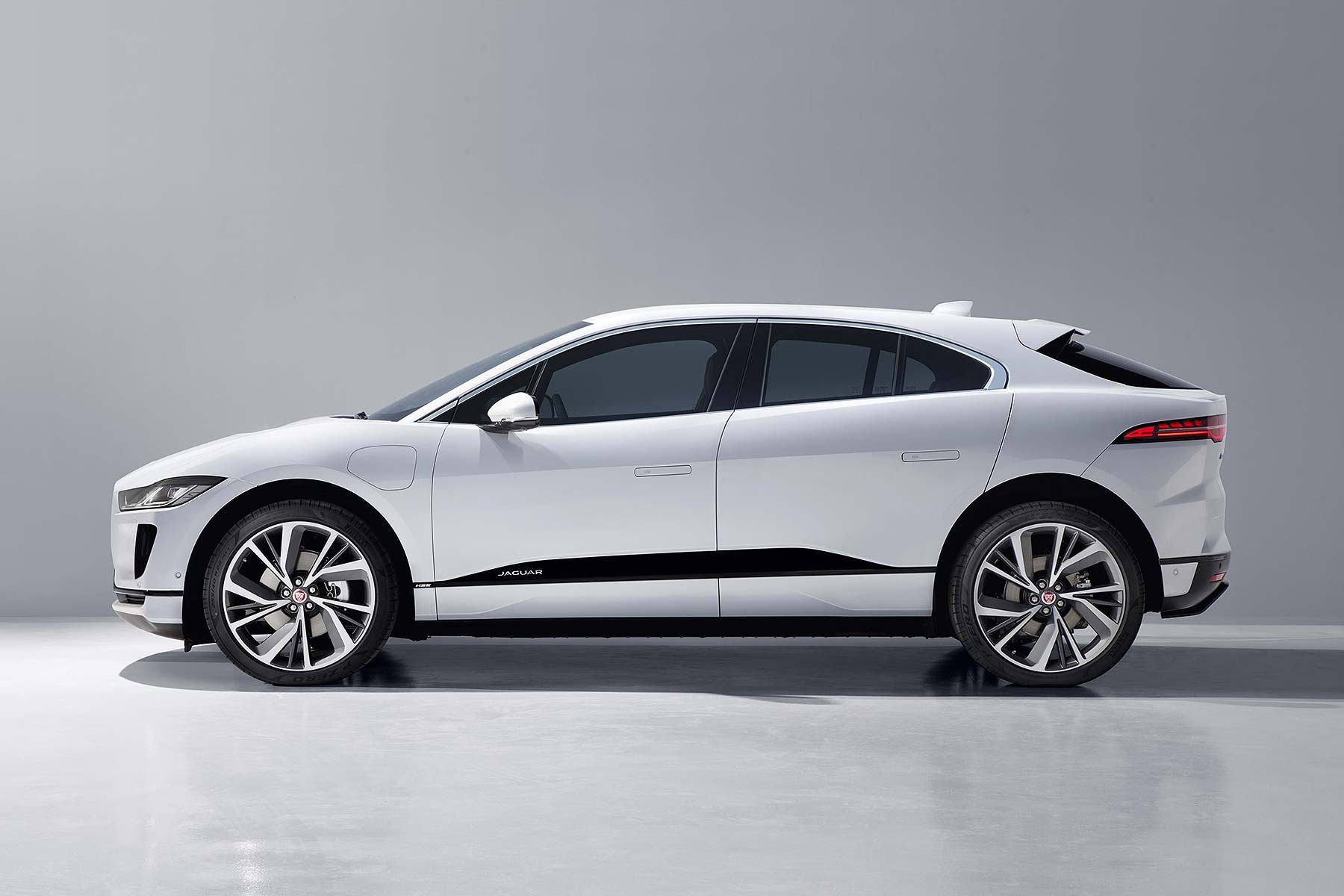
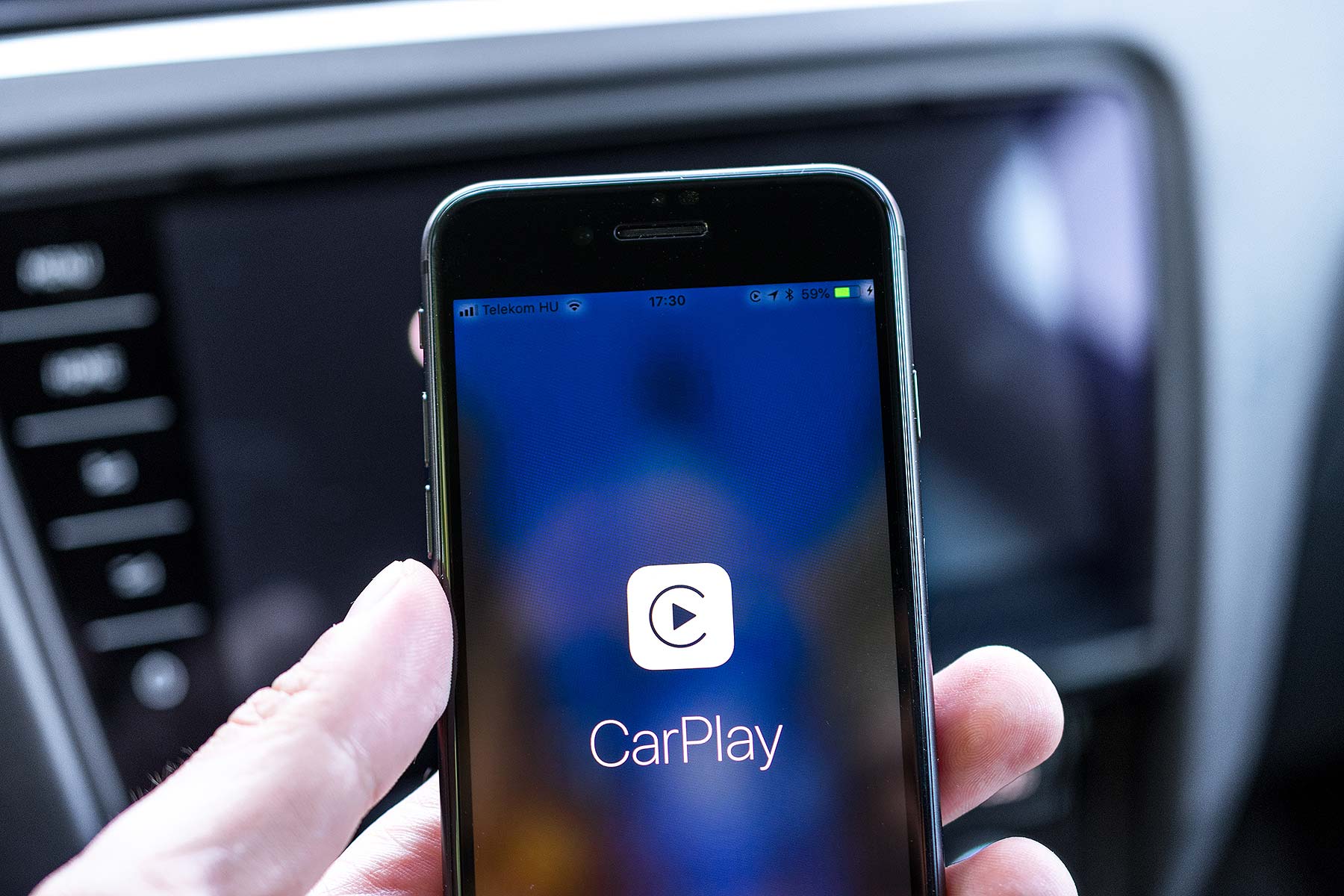
Apple CarPlayJaguar has confirmed the I-Pace electric SUV is the first model from Jaguar Land Rover (JLR) to offer factory-fit Apple CarPlay and Android Auto smartphone functionality.

The long-awaited-inclusion of the technology, which allows users to safely use their smartphones while driving, comes after a long certification process.

Most volume and premium car brands have long offered Android Auto and Apple CarPlay within their cars’ infotainment systems. Jaguar Land Rover has lagged its rivals, but is now shipping the I-Pace with the technology, which is built into the Touch Pro Duo infotainment.

Jaguar I-Pace

Other Jaguars and Land Rovers will be equipped with Apple and Android connectivity in due course, said a spokesperson.

The lengthy certification process meant Jaguar wasn’t able to demonstrate Apple CarPlay and Android Auto during the car’s original media launch. This has caused some confusion amongst customers, who struggled to clarify whether it would be featured or not.

Jaguar I-Pace

Jaguar’s confirmation clears the matter up – and Jaguar is expected to showcase the new functionality in coming weeks.

The existing JLR InControl Apps smartphone system will continue to be offered alongside the new system, adds the firm. This includes inbuilt Spotify integration, plus a colourful alternative way to stream audio and podcasts from devices.

Part of the Jaguar I-Pace Smartphone Pack, it also includes interactivity with Tile RFID tags, helping owners find misplaced keys or bags.

From being a smartphone connectivity laggard, JLR will soon offer one of the most comprehensive array of options on the market…

Advertisement

The £16,000 bracelet that can unlock a supercar

0

Senturion S177

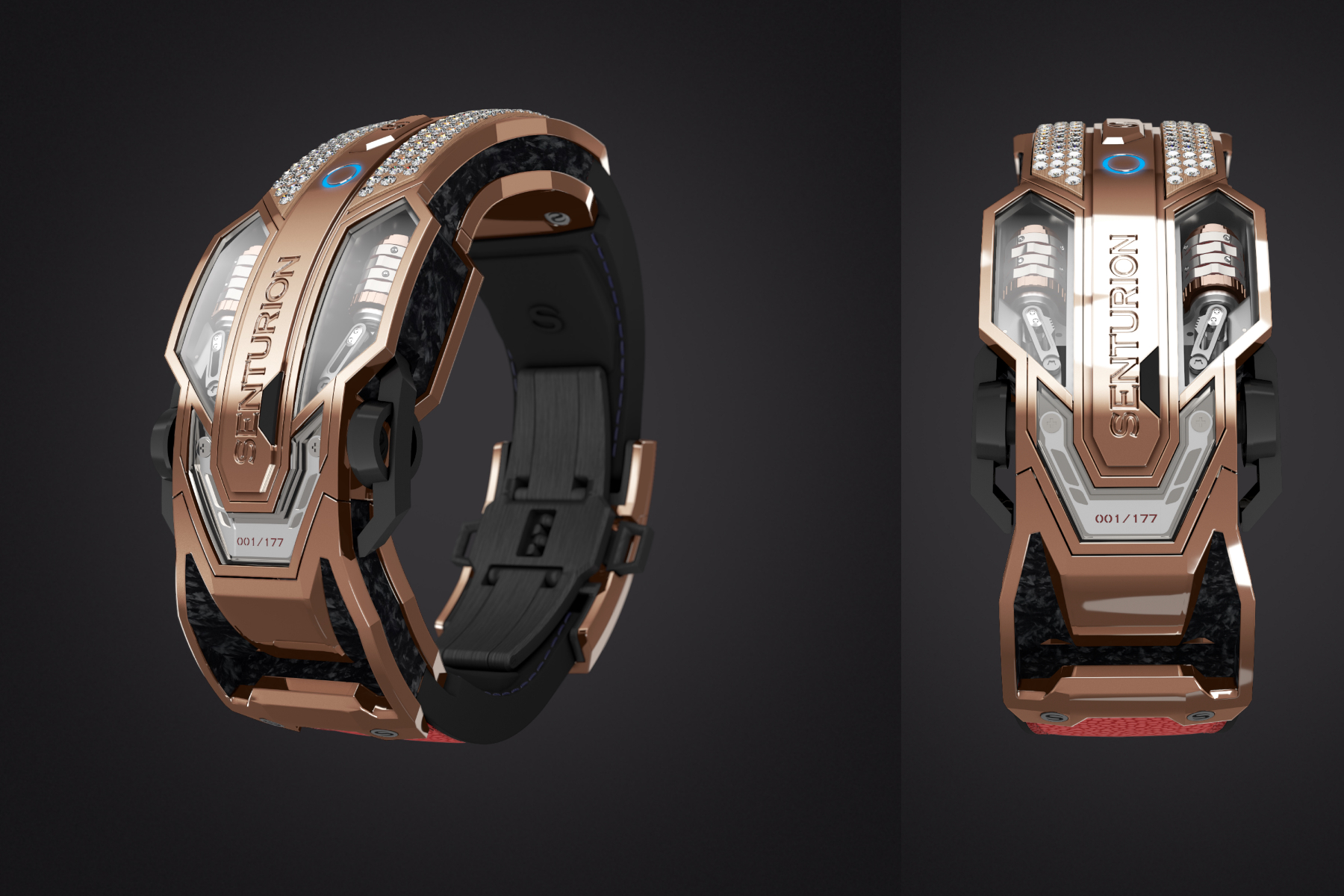
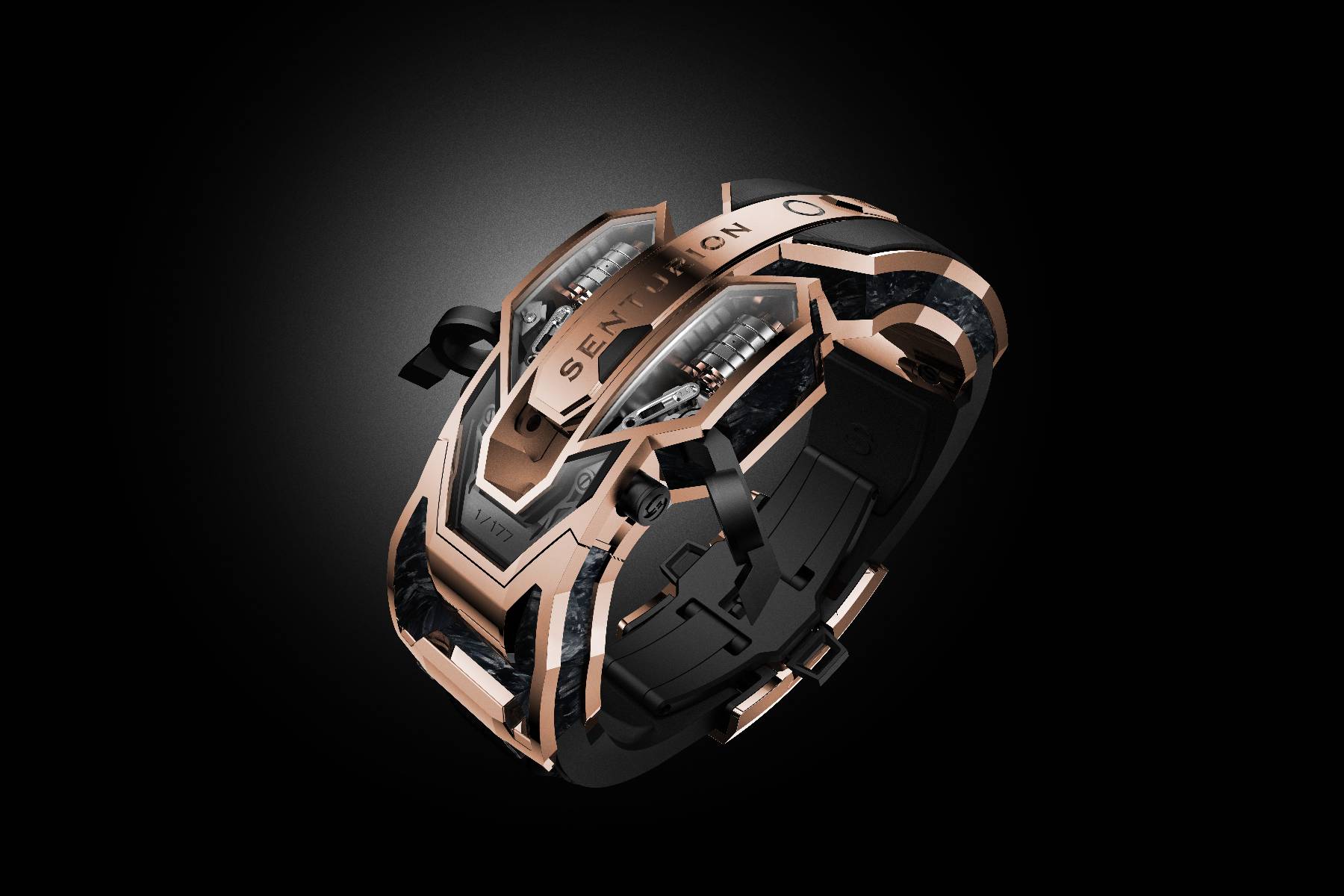
Is your Bugatti or McLaren key not showy enough? Need a super key to match your supercar? A company called Senturion has the answer, with what it calls the “world’s first ultra-luxury wristwear piece”.

The Senturion S177 is both car key and jewellery, with bronze-coloured accenting (brushed titanium, don’t you know?). It’s fully customisable to suit your car, and production is limited to 177 pieces. Prices start from £15,580.

How does it work as a key?

Senturion S177

Senturion integrates the car’s existing encrypted security system into the S177. This enables the bracelet to take the place of a conventional key, unlocking your car as you approach. You might want to carry the key with you for good measure, however, just in case the battery is dead and you need to unlock your car manually.

There are cogs hidden behind a sapphire window that you can watch turning as you unlock your Lamborghini from afar. How relevant they are to the act of actually unlocking the car remains to be seen.

Senturion is allegedly a world leader in compact micro-circuitry, claiming ‘several world records’ in the area. The S177 has more than 1,000 components, with circuit boards ‘completed to the precision standards of astronaut equipment’.

Clever tech or tasteless tat? We’re erring towards the latter…

Read more:

Advertisement

Porsche confirms it has ditched diesel for good

0

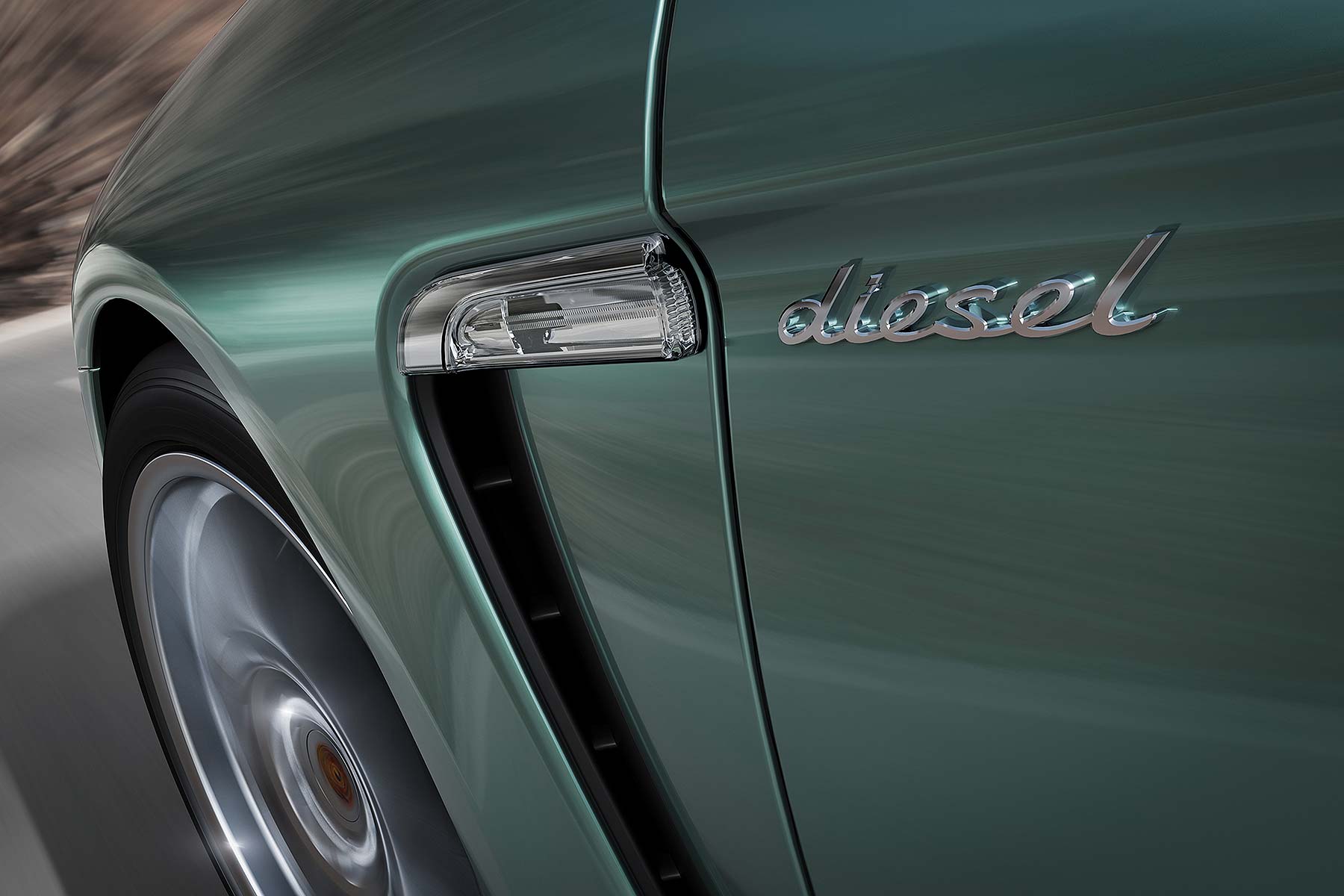
Porsche dieselPorsche dropped diesel engines from its model range in February 2018. Now, it has confirmed it won’t be bringing diesel back in the future. 

The Porsche diesel is dead. 

“Porsche is not demonising diesel,” insisted Porsche AG CEO Oliver Blume. “It is, and will remain, an important propulsion technology.

“We as a sports car manufacturer, however, for whom diesel has always played a secondary role, have come to the conclusion that we would like our future to be diesel-free.”

But don’t panic, those who currently drive a diesel-engined Porsche, he added. “Naturally, we will continue to look after our existing diesel customers with the professionalism they expect.” You won’t be ostracized by the firm any time soon.

The diesel crisis caused us a lot of trouble… Porsche’s image has suffered

Porsche’s relationship with diesel has been short and, recently, tumultuous. It first offered diesel-engined Cayenne SUVs a decade ago, following them up with the Panamera diesel and Macan diesel. 

But it has been affected by the Volkswagen dieselgate scandal, and Blume later admitted “the diesel crisis caused us a lot of trouble… Porsche’s image has suffered”. 

That’s despite Porsche not actually developing the engines: it bought them in from Audi – inheriting the subsequent emissions software-cheating issues as they came to light. 

Sales have also plunged. In 2017, diesel sales took just 12 percent of Porsche worldwide sales. In contrast, 63 percent of Panamera sold in Europe are petrol-electric hybrid models. The firm has ditched diesel in favour of hybrid Panamera and Cayenne, and is now doubling down on electric drive.

The firm predicts 1 in 2 new Porsches will be either hybrid or pure electric, and its first all-electric car, the Taycan, goes on sale in 2019.

Porsche will now focus on “what we can do particularly well”. And that does not include diesel.

Advertisement

Petrol and diesel ban is needed by 2030 to meet global warming targets

0

CO2 Emissions 2030

A report by the Guardian newspaper reveals how climate change targets set in the Paris agreement will only be met if oil-burning cars are banned by 2030 – 10 years sooner than the government’s 2040 target. Countries including India, Germany and the Netherlands have already set their targets for 2030.

The target is less of a go-to number and more of a global warming limit – set as a maximum of 1.5 degrees centigrade above pre-industrial levels by 2100.

To put the issue into perspective, a study by the German Aerospace Centre (DLR), cited by the Guardian, claims a 2030 petrol and diesel car ban would be required for a little over 50 percent chance of not exceeding this maximum temperature change.

On the way to that, the number of oil-burning cars sold by 2022 would need to be as low as five million, versus 15 million sold this year. The study imagines that the last oil-burning car would be sold in 2028, and that they’d be fully legislated off the roads by 2040.

CO2 Emissions 2030

“Auto CO2-emissions need to peak as soon as possible,” said Professor Horst Friedrich, director of the DLR.

“Looking at the dwindling carbon budget, it is crucial to push low-emitting cars into the market – the earlier the better, to renew the fleet.”

We think the 2030 target seems unrealistic, barring an extreme hike in the offering and uptake of low- and zero-emissions vehicles. The rate of change is difficult to predict and, truthfully, out of the control of both manufacturers and legislators. It’s down to the former to offer products that appeal to the masses and the latter to install and upgrade infrastructure to suit.

Read more:

Advertisement

Amazon Echo Auto can bring Alexa into almost any car

0

Amazon Echo Auto

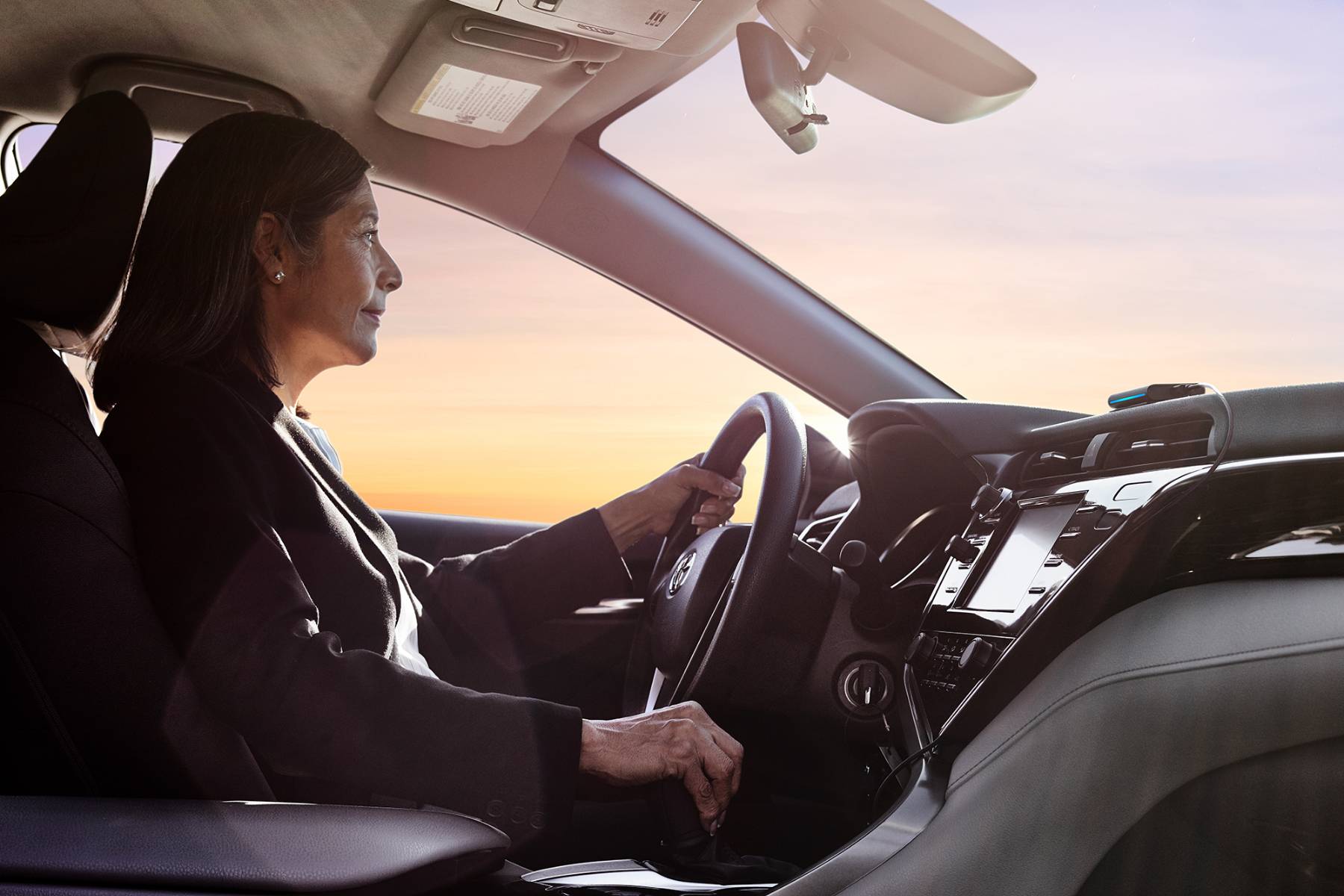
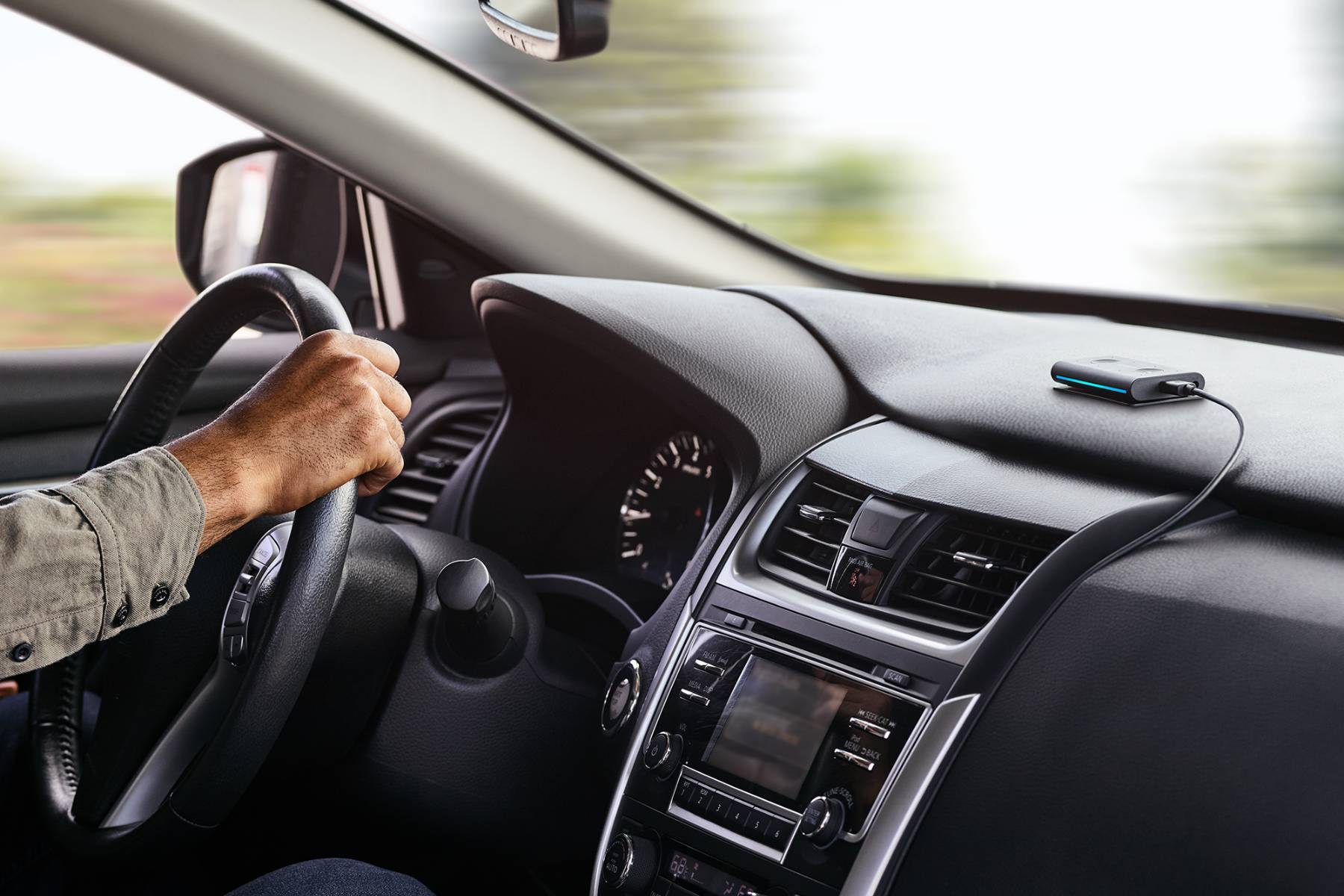
Just as an Amazon Fire Stick makes your TV smart, so the new Amazon Echo Auto makes your car smart. Never mind Android Auto, Apple Carplay, connected car systems and enormous infotainment screens – all Echo Auto needs to make your car intelligent is a USB socket (or 12V power) and an auxiliary cable.

How does Echo Auto work?

Effectively, Echo Auto offers 50,000 Alexa ‘skills’ you can activate using your voice from behind the wheel. That means apps like Spotify and Audible are controllable via Amazon’s well-resolved voice recognition system.

The little box rests on your dashboard and connects to your phone, using the Alexa app and your phone data plan to work. You power up with a USB or a 12-volt socket, and plug into the car’s speakers with either an auxiliary cord or Bluetooth.

Th box contains eight microphones designed for in-car acoustics. That means you can ask Alexa for traffic updates or call someone over the sound of air conditioning, road noise, your music, and so on. It can connect to your home Amazon systems, too. You can program it to turn your outside lights on when you pull into your driveway at night, for example.

Amazon Echo Auto

Given how poor some manufacturers own voice recognition systems are, we expect big things – especially given how much Amazon has put into the technology

Anything that lets us control facilities in-car, without taking attention off the road, gets our vote. It sounds better than scrolling through endless menus on a dashboard touchscreen, that’s for sure.

Read more:

Advertisement

Barely 1 in 3 new Ford Focus will be a diesel

0

Ford Focus EcoBoostFord hopes the new Focus will reassert its status as Britain’s best-selling family hatchback – but, in a sign of the times, bosses are predicting fewer than 30 percent of registrations will be of diesel versions.

Almost two in three sales will, instead, be of the award-winning 1.0-litre EcoBoost petrol engine, Ford’s downsized motor that’s overcome Brits’ traditional love of larger engines.

Ford still offers a diesel engine that’s twice as large – but the 2.0-litre EcoBlue is predicted to take just 1 percent of new Ford Focus sales.

Ford Focus EcoBoost

The shift away from diesel has accelerated in recent years. With the previous Focus, diesel had declined, but was still taking over 40 percent of overall sales. The new car very much places the emphasis on petrol.

“There has been a shift,” said Ford of Britain sales director Kevin Griffin. “But diesel is still an important engine – it’s ideal for high-mileage drivers, and our research shows that many plan to stick with it.

“For fleets in particular, where overall cost of ownership is crucial, diesel is still the right product. It remains an important engine.”

Motoring Research recently gave the new Ford Focus 1.5 EcoBlue 120 diesel an extended test. In daily driving, we regularly saw fuel economy upwards of 55mpg recorded on the trip computer.

On one gentle 100-mile motorway run, we saw a high of 82.8mpg displayed – proof that even modern diesels can still record ultra-high economy figures if driven in the right way.

Advertisement

British car dependency hits ‘alarming’ all-time high

0

UK traffic jamBritish motorists are now more dependent on the car than ever – despite growing concerns about air pollution, rising costs and congestion. Three in four people now say they would find it hard to adjust to a car-free lifestyle.

The findings are revealed in the 2018 RAC Report on Motoring, which shows the decline in car dependency in recent years has dramatically reversed this year. There has been a significant 12 percent shift from less to more car use: that represents 4.8 million drivers.

“It is alarming to see that dependency on the car is actually the highest we have ever seen,” said RAC chief engineer David Bizley.

People are driving more not through choice either, but through necessity. 34 percent blame a greater need to transport family members for their increased car usage, and almost as many say it’s because of a longer commute to work.

‘No viable alternative’

Almost 1 in 4 say they’re driving more because public transport has deteriorated: 44 percent of them say reliability has declined, 39 percent blame higher fares and 33 percent are driving more because of cuts in local services.

Other sources back this up, adds the RAC – official government data reveals Brits are taking fewer bus journeys than a decade ago, and the Campaign for Better Transport reveals a 45 percent cut in bus services over the past eight years.

59 percent of motorists add that they’d use their car less if public transport was better. Only 11 percent said they would not.

“Our research clearly shows many people don’t think public transport offers a viable alternative to the car,” said Bizley. Those in rural areas are particularly dependent on the car – 84 percent would struggle with a car-free lifestyle.

“People end up driving by default as they feel public transport is either too expensive, non-existent or just doesn’t go where or when they need it to.

“Judging by the findings of this year’s RAC Report on Motoring, the car, however it is powered, is here to stay.”

Advertisement