Land Rover is the only car company to use the grounds of Eastnor Castle in Herefordshire to develop its vehicles. It also now becomes the only automaker to hold a festive winter wonderland there.
Running in the build-up to Christmas, the Land Rover Experience at Eastnor has become yet more magical with a wintery makeover, a magical off-road course and even Santa’s Grotto where the big man himself has taken up residence.
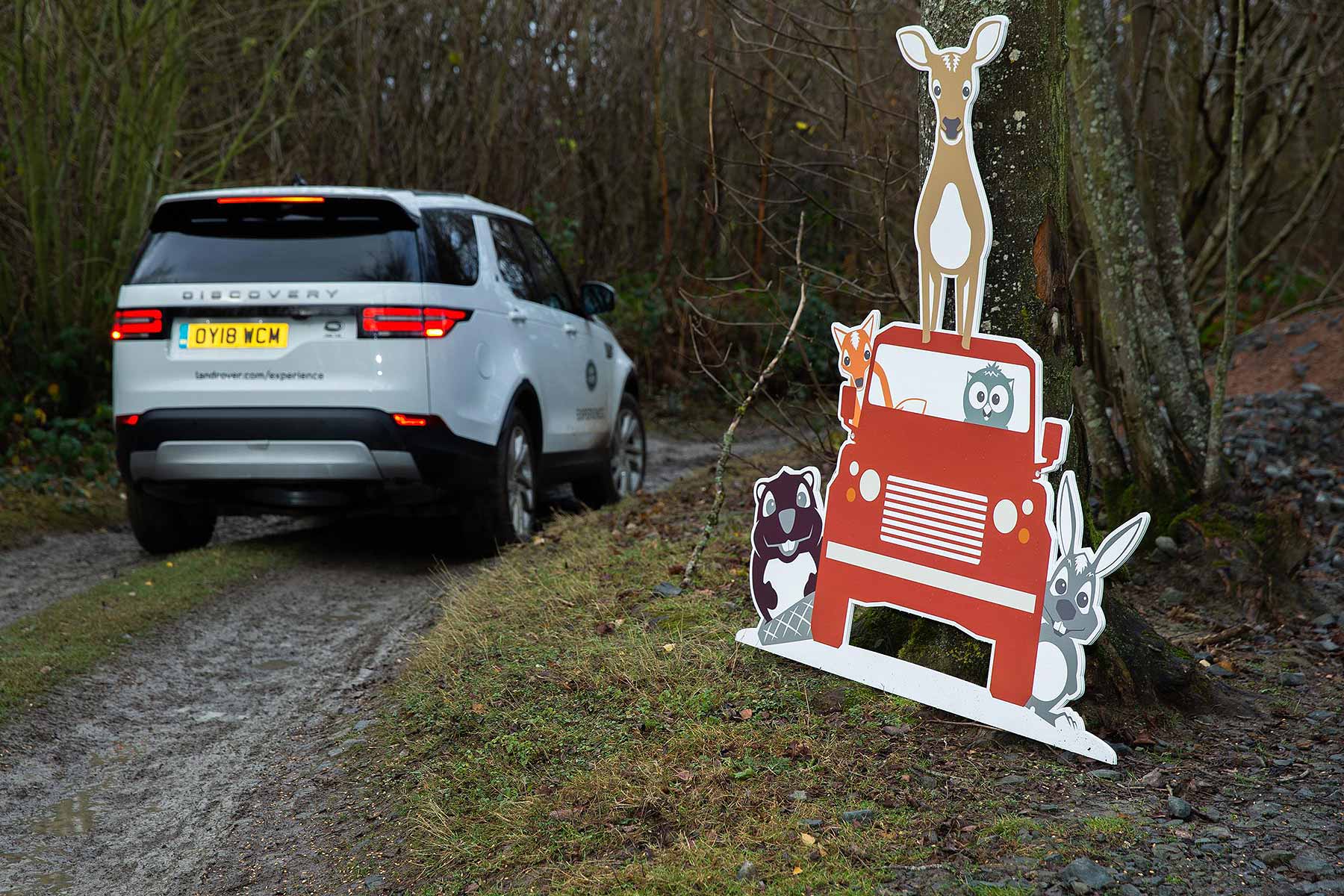
Land Rover will run the experience this weekend (15 December) and also on the 22 December. There’s something there for all ages to experience, it says – from bauble painting and tree decorating for the kids, to a fun off-road drive through the forest for adults (and there are ‘forest friends’ hidden along the way for children in the back to spot).
Eastnor venue manager Will Garrity says the package has been developed to “appeal to all ages [rather than] focus on entertainment for the younger members of the group”.
Two packages are on offer. The ‘Santa Package’ costs £35 for a family of four and includes the tree decorating activities and a visit to Santa’s Grotto.
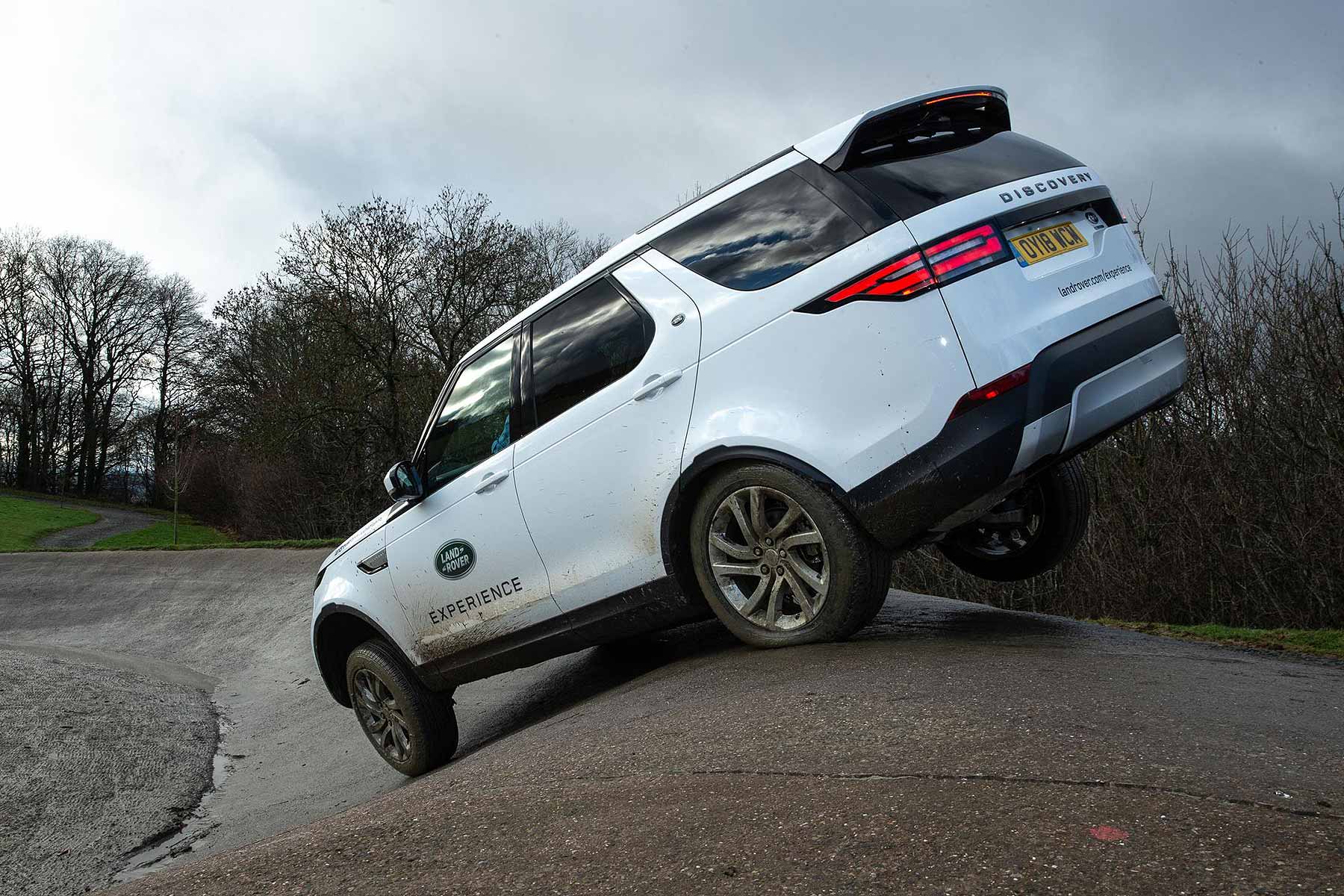
The ‘Santa and Drive Package’ is £139 and this includes the 45-minute drive at Eastnor, taking in slippery inclines, muddy ruts, deep water and extreme drops.
What’s it like? The Aucock clan tried it out on a pre-launch weekend, and it’s safe to say everyone loved it. Land Rover’s complex at Eastnor is a cheery place to visit anyway, but doubly so when you’re seven and four and about to go off-roading for the first time.
I drove the Discovery, our instructor was in the passenger seat and Daisy and George got the birds’ eye view out as Mrs. A sat in the middle. Well, they had forest friends to spot – and they got them all, despite pausing to scream every now and then as we drove down another sheer slope or crawled around a concrete slope at 30 degrees sideways.
Buzzing, we arrived back at base, for toasted marshmallows, cookies and mince pies, and SNOW!
Then, in to see Santa, before heading back out to consume more sugar before the drive home in darkness.
It was all really rather lovely, and helped get us in a cheery festive mood. If you like Land Rovers, and the countryside, and Father Christmas, I’m sure you’ll like it too. Follow the link to book a place… but be quick! Santa won’t be there for much longer as he’s got presents to load onto his sleigh, you know.
The European Commission and the General Court of the European Union have been locked in battle over diesel car emissions. And the Commission has lost the case, meaning certain European cities can elect to ban all diesel-powered cars. Yes, even modern diesels.
In summary, the Commission gave the nod to amend the latest Euro 6 diesel emissions limits – permitting higher nitrogen oxide limits – in response to new ‘real-world’ fuel economy tests. Put simply, they gave permission for diesels to be dirtier. The argument was that new tests would likely expose alarming figures anyway.
Where this becomes (apparently) illegal is that there was no alignment on the decision, be it with the General Court of the European Union, other senior regulatory bodies, or the public. As such, acting on behalf of city authorities such as Paris, Brussels and Madrid, the Court has held the Commission accountable for the unsanctioned amendment.
A bit of background on the Euro 6 emissions regulations is needed, we think. They dictate that any car registered after September 2015 must not emit more than 80 mg/km of nitrogen oxides (NOx).
In defence of the car manufacturers, that target was set with reference to the testing procedures at the time. In the comparison between old (NEDC) and new (WLTP) testing methods, for instance, we know the latter is more representative of real-world driving.
Unfortunately, more realistic testing means lower efficiency ratings and much higher emissions. That’s where the amendment comes in, sanctioned by the European Commission without further consultation, which stated cars could pass these new tests as long as emitted less than 168 milligrams per kilometre of NOx.
The court has given the European Commission a year to set things straight, which will, in turn, give carmakers a year to revise their offerings.
Our take is as follows. Diesel is fundamentally difficult to clean. This could well be the biggest nail in the coffin of oil-burners yet. Nevertheless, legislators do conveniently ignore the categorical U-turn they’ve taken in this demonisation of diesel. And not two decades after it was lauded as the saviour of eco- and money-conscious motorists alike. Industry and technology simply cannot make overnight U-turns in response to unfavourable PR, as politicians can.
Coming back to the difficulty of engineering ‘clean’ diesels, our fear is that it’s simply not possible. Even with the thickest ad-blue concoction and the brawniest catalytic converters carmakers can muster. We hope we’re wrong.
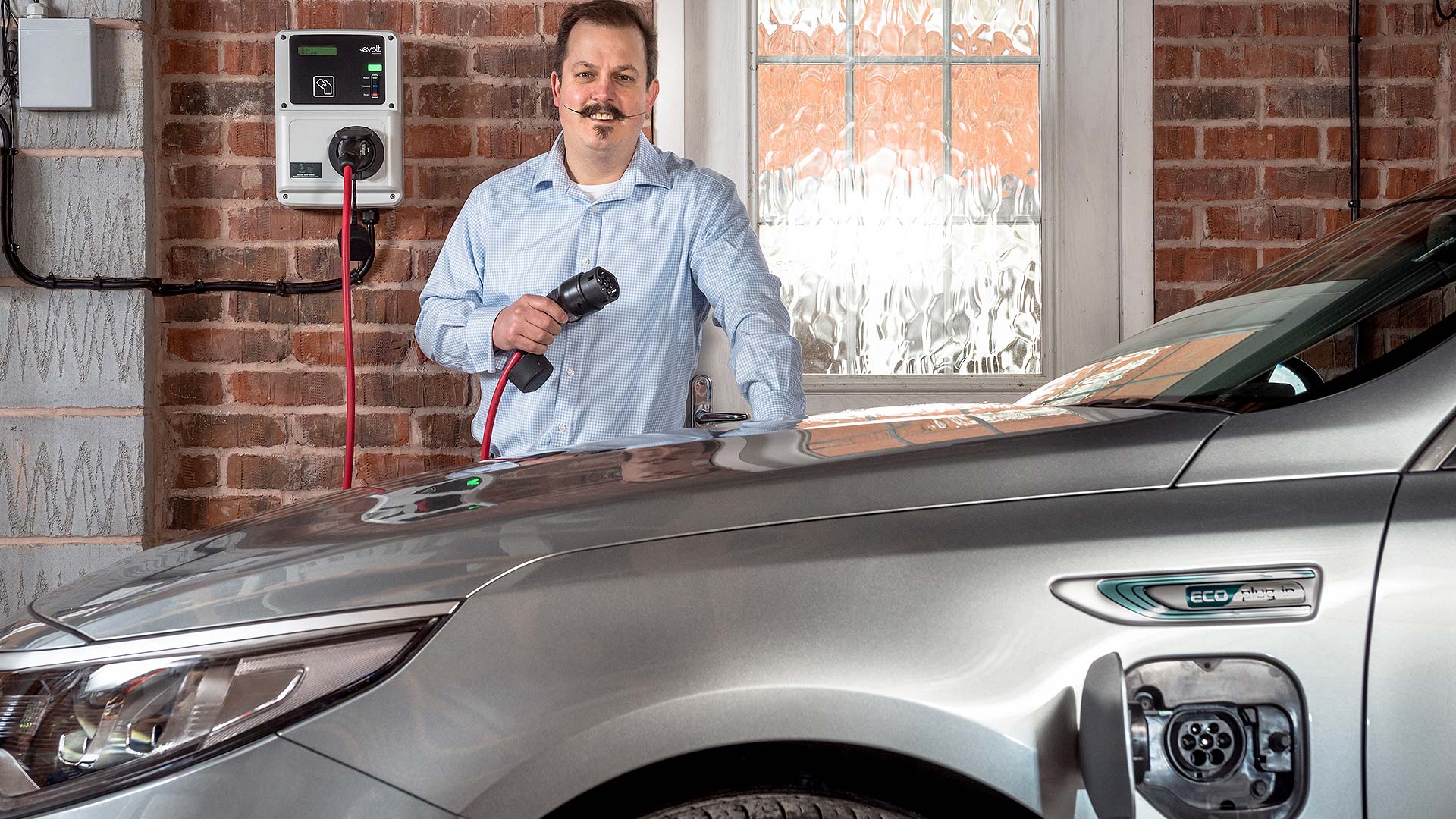
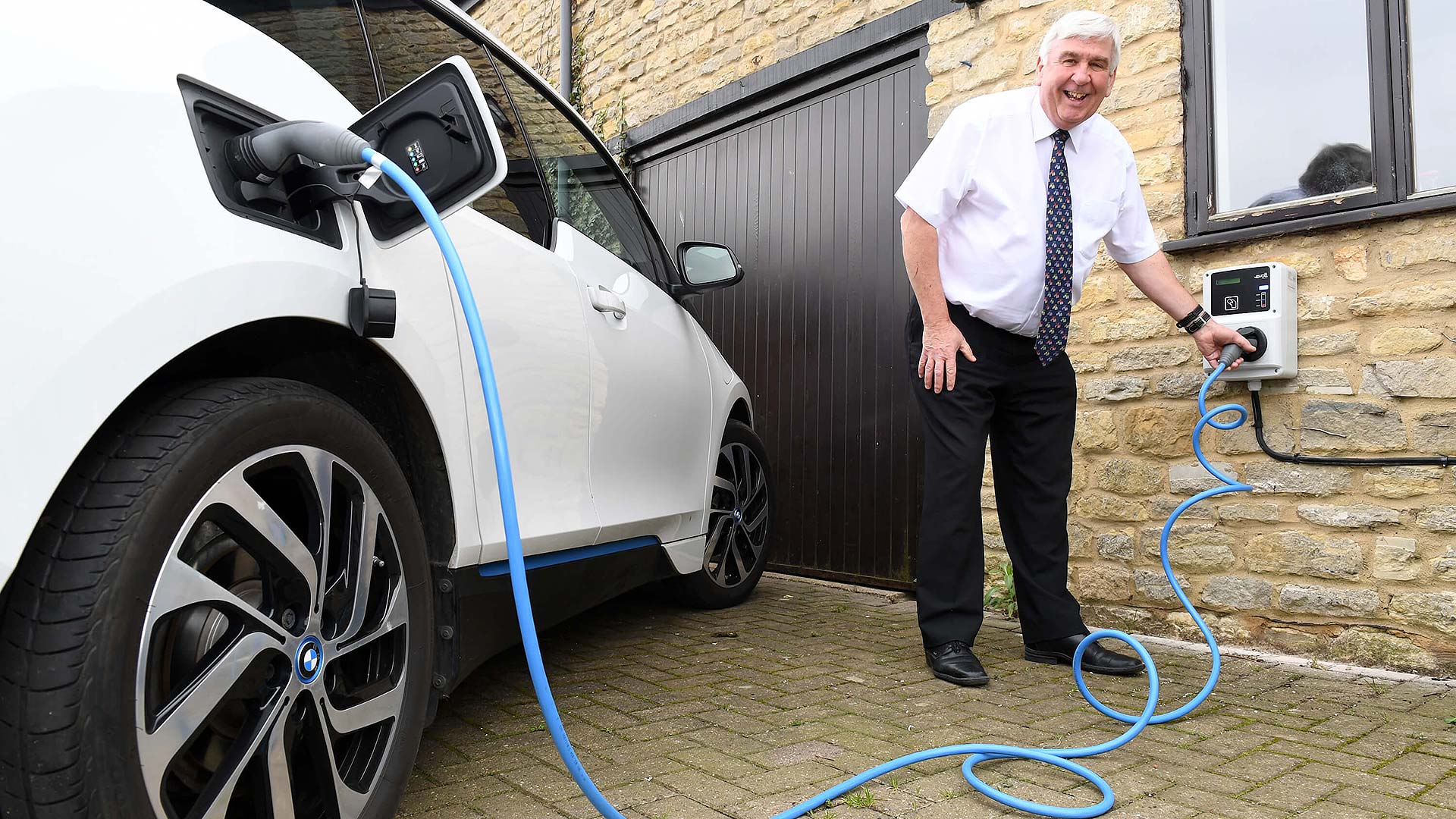
In committing to the existing chargepoint grant of £500, roads minister Jesse Norman hope to make the UK “the best place in the world to build and own an electric vehicle.
“We have already supported the installation of over 100,000 home chargepoints. Now the measures announced today will give more people the opportunity to make the move to electric.”
A smart chargepoint can be remotely accessed and is able to receive, interpret and react to a signal. This enables ‘smart charging’ – which will manage peak electricity demand and ensure the electricity grid is not overloaded.
Consumers will also benefit because a smart charger can tap into cheaper off-peak electricity.
Part of the Electric Vehicle Homecharge Scheme which was introduced in 2014, more than 60,000 grants have been supported to date. The government’s 2018 Road to Zero strategy, now targets all new cars to be “effectively zero emissions by 2040”.
If it is to deliver on this, in just 12 years’ time, it needs to start building the infrastructure now.
“Today’s measures will make it easier for consumers to move towards electric vehicles,” said automotive minister Richard Harrington.
The Road to Zero Strategy, adds the government, amounts to nearly £1.5 billion of investment “and represents one of the world’s most comprehensive packages of support for zero-emission vehicles”.
According to Kirstie What’s-her-face, location is everything when it comes to buying a home. But this isn’t a tale of bricks and mortar, although the wrong postcode might mean waking up in the morning to find your beloved motor on bricks.
Insurance comparison site Quotezone has analysed road accident and vehicle offences data to prepare a list of the best and worst places to own a car. Join us, as we go through the keyhole.
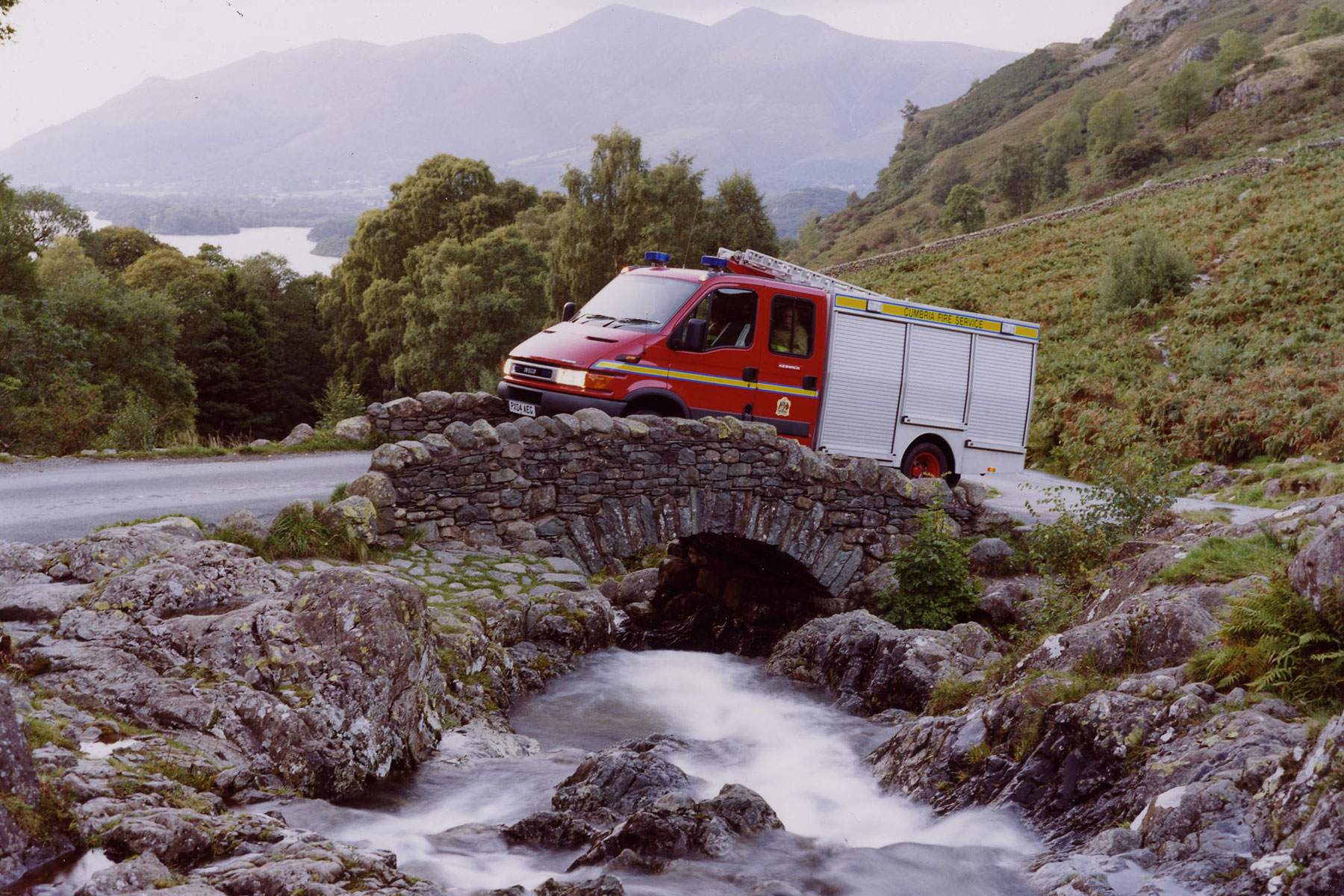
10th best – Cumbria
The road accident rate is calculated by dividing the population of each police force area by 1,000 and dividing the number of accidents or vehicle offences in each area. Vehicle offences include dangerous, careless or drunken-driving, theft of a motor vehicle, along with accident, speed limit, insurance and condition offences. In the case of Cumbria, this results in a ‘Car Danger Rate’ (CDR) of 10.12, making it the 10th best place to own a car.
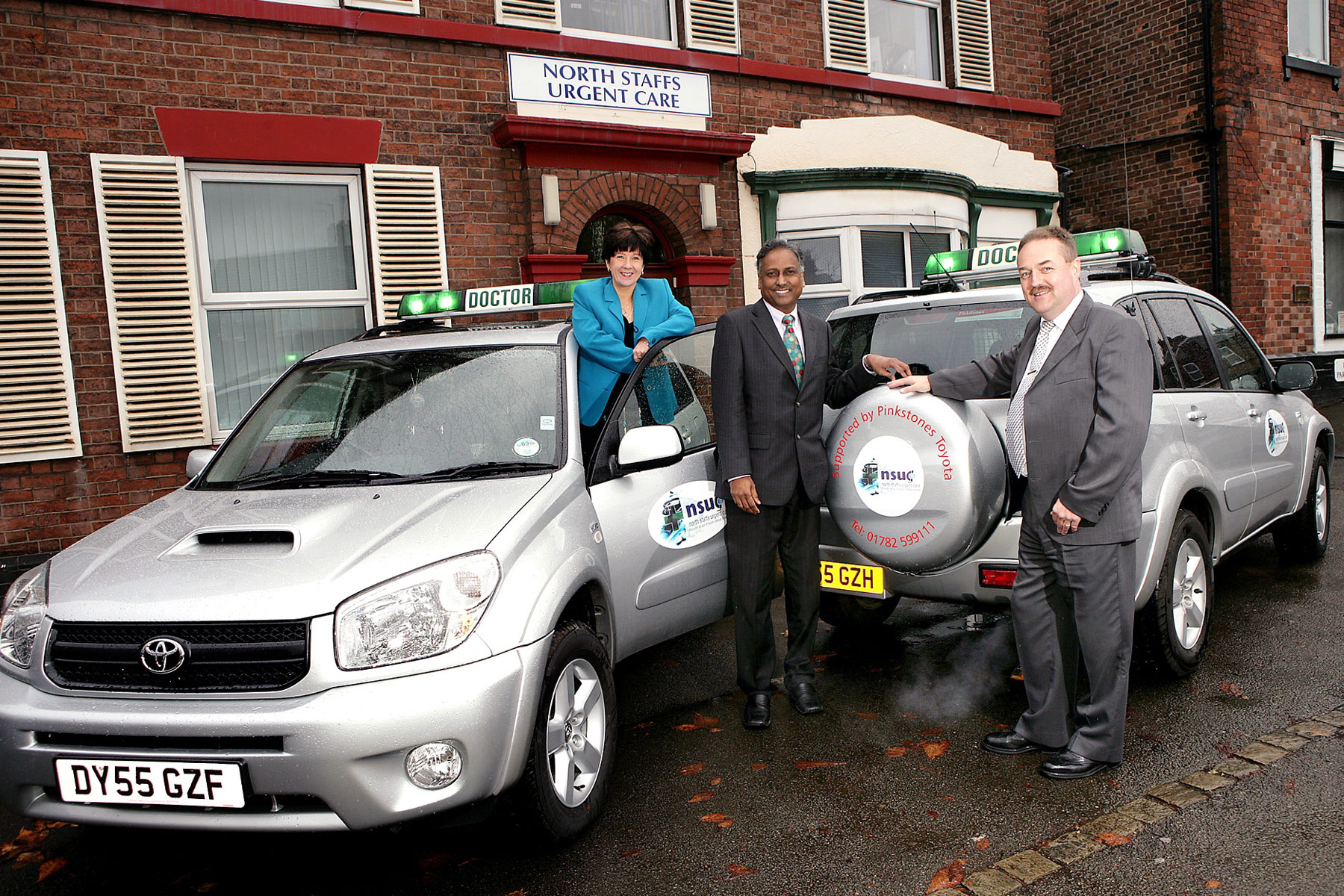
9th best – Staffordshire
Next up is Staffordshire, with a CDR of 9.76. Quotezone’s analysis would suggest that rural areas tend to be safer than towns and cities, although Staffordshire includes large urban conurbations such as Stoke, Tamworth, Stafford and Lichfield.
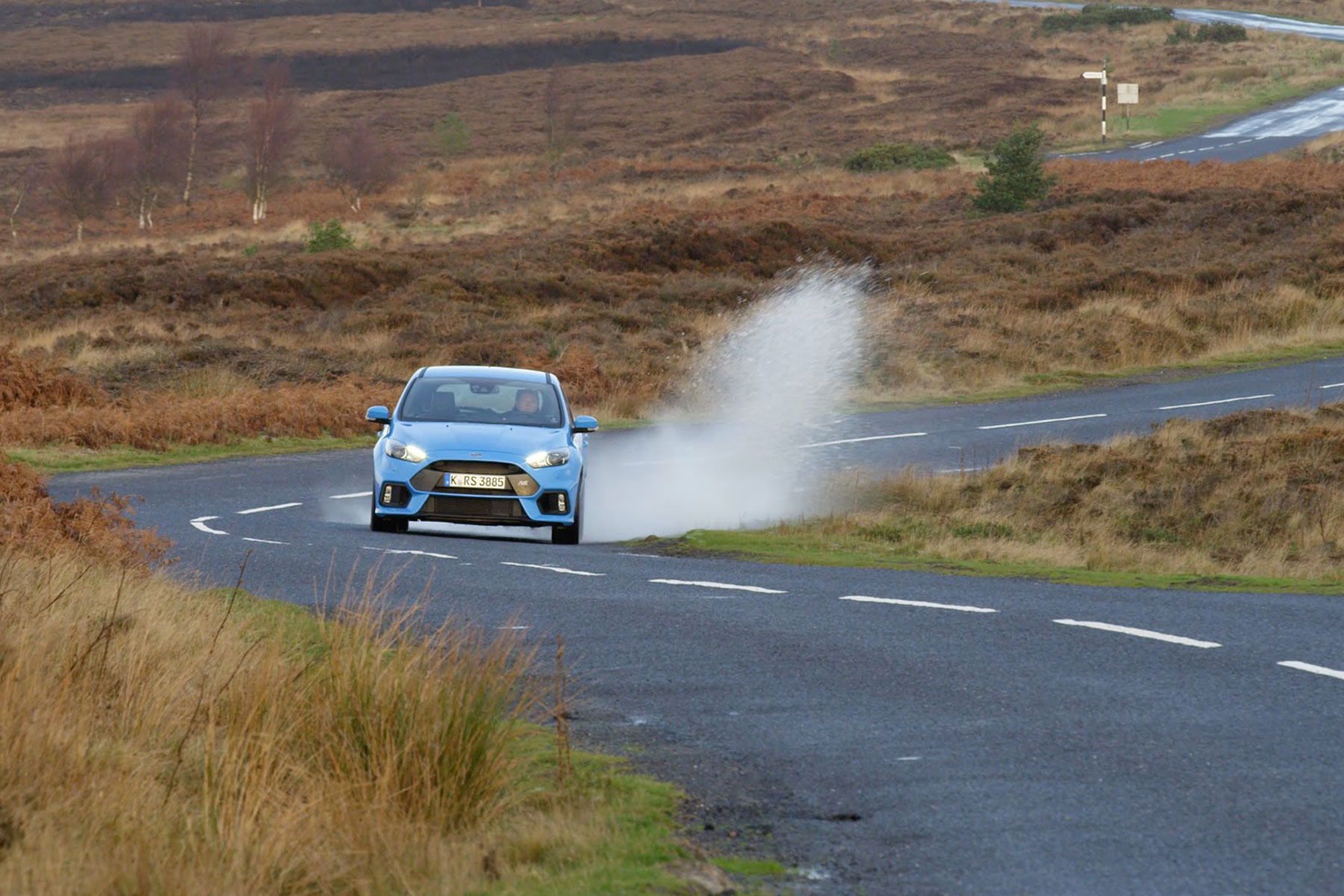
8th best – North Yorkshire
North Yorkshire can boast some of the best driving roads in the country, which might explain why the road accident rate is relatively high. Conversely, the vehicle offences rate is very low, resulting in a CDR of 9.74. Things aren’t so good in West and South Yorkshire, as we’ll discover later.
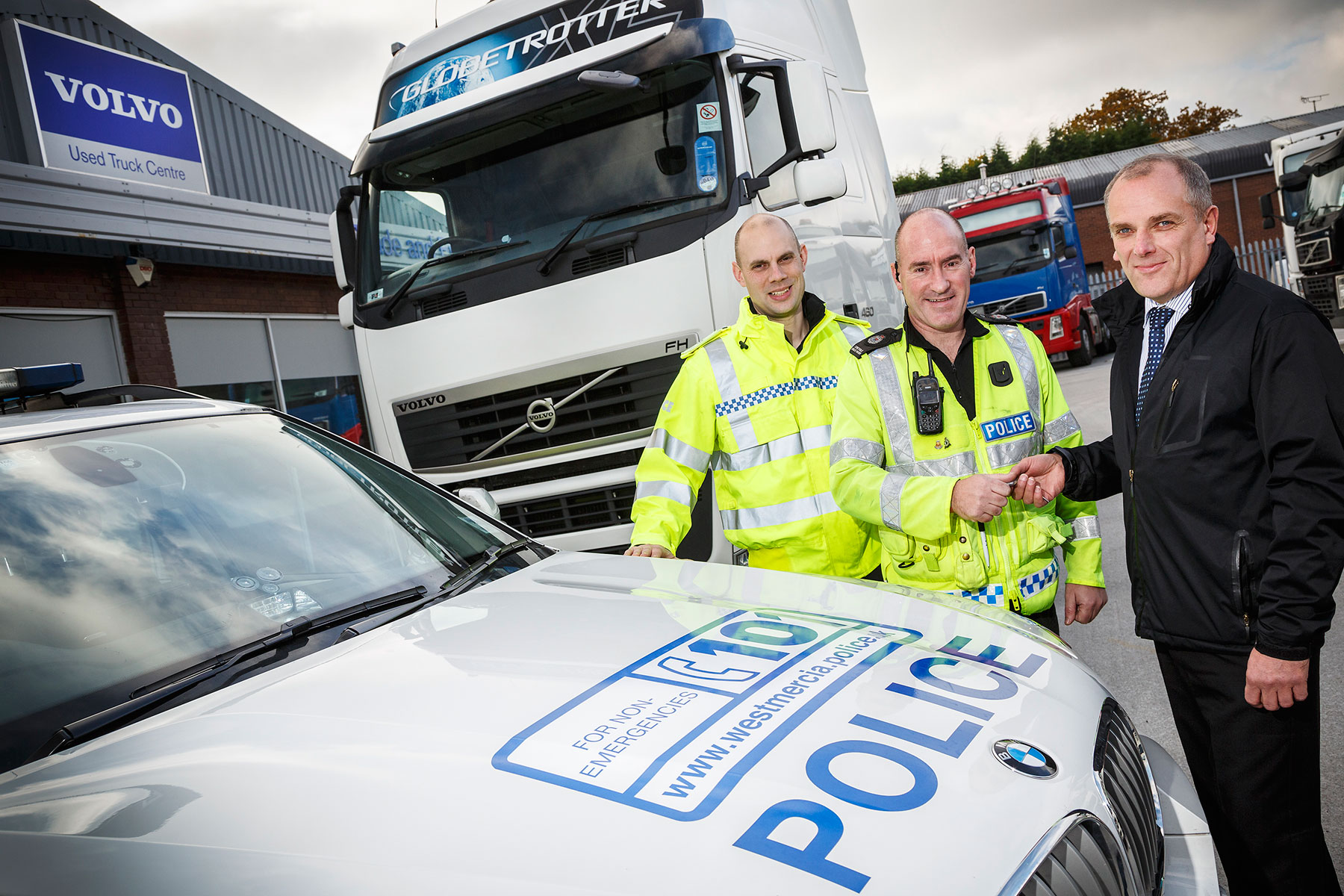
7th best – West Mercia
West Mercia Police is the fourth largest geographic police area in England and Wales, with the force covering Herefordshire, Shropshire and Worcestershire. Many of the communities are rural, but urban areas include Hereford, Kidderminster, Redditch, Shrewsbury, Telford and Worcester. The CDR for West Mercia is 9.75.
6th best – Devon and Cornwall
With a CDR of 9.68, the area covered by Devon and Cornwall Police is ranked sixth in the Quotezone analysis. The geographical area is the largest for any police force in England and the fifth largest in the UK. Cornwall is home to 555,000 residents, but the summer population swells to between 770,000 and 850,000 at any one time.
5th best – Cheshire
The Cheshire Constabulary serves a population of over one million people and covers an area measuring 919 square miles. The CDR is 9.35, making it the fifth safest place to own a car.
4th best – Gwent
Gwent Police covers an area of 600 square miles encompassing the five local authority areas of Caerphilly, Monmouthshire, Torfaen, Newport and Blaenau Gwent. The road network includes the M4 and the Second Severn Crossing. The CDR is 9.01.
3rd best – Norfolk
Norfolk is the home of Lotus and the third safest place to own a car. The CDR is 8.98.
2nd best – Dyfed-Powys
Dyfed-Powys finishes second in the Quotezone table, boasting the second-lowest CDR (8.70), despite the fact that it’s also one of the largest police territories in England and Wales. The area also recorded the lowest number of vehicle offences, with Aberystwyth witnessing just one serious road accident in the past year.
The best – North Wales
In 2016, North Wales was named one of the world’s top places to live by Lonely Planet, but it’s also the UK’s best place to own a car. A CDR of 7.29 puts it streets ahead of the other areas, with Wrexham recording just 14 vehicle crimes since January 2018. That said, you might want to avoid West Street or Gerald Street, which were home to the largest concentration of vehicle crimes in the town.
So, with the safest places named, what are the worst places? Read on to find out.
10th worst – Cambridgeshire
With a CDR of 15.00, Cambridgeshire creeps into the bottom 10. The road accident rate is actually lower than Cumbria, which was named as one of the safest locations, but Cambridgeshire recorded a relatively high number of vehicle offences.
9th worst – Greater Manchester
The road accident rate in Greater Manchester was actually lower than nine of the areas in the top 10, but a high number of vehicle offences results in a CDR of 15.29. “Car theft rates are particularly high at Manchester Airport, where the vehicles are left unattended for long periods of time, with 74 incidents in July,” said Greg Wilson, the founder of Quotezone.
8th worst – West Yorkshire
Next up is West Yorkshire with a CDR of 16.01. This area includes major conurbations such as Bradford, Leeds and Wakefield.
7th worst – South Yorkshire
Things are no better in South Yorkshire, with the area scoring 16.13. Quotezone advises motorists to keep valuables out of sight when parking a car – even phone cables and sat-nav mounts can attract the attention of thieves.
6th worst – Warwickshire
Quotezone also recommends turning your car wheels into the kerb to make the alloys harder to steal because they will be ‘locked’ in the wheelarch. Warwickshire is named as the sixth worst place to own a car, with a CDR of 16.20.
5th worst – Bedfordshire
Bedfordshire finishes fifth worst with a CDR of 16.38. The police force covers the county of Bedfordshire, including the unitary authorities of Bedford, Central Bedfordshire and Luton. It’s the fifth smallest geographic area of responsibility.
4th worst – West Midlands
The West Midlands, home to Birmingham and Wolverhampton, finishes fourth with a CDR of 18.48. Birmingham saw a colossal 100 vehicle crimes in July 2018 alone, with a worrying 11 percent of those happening near a local children’s hospital.
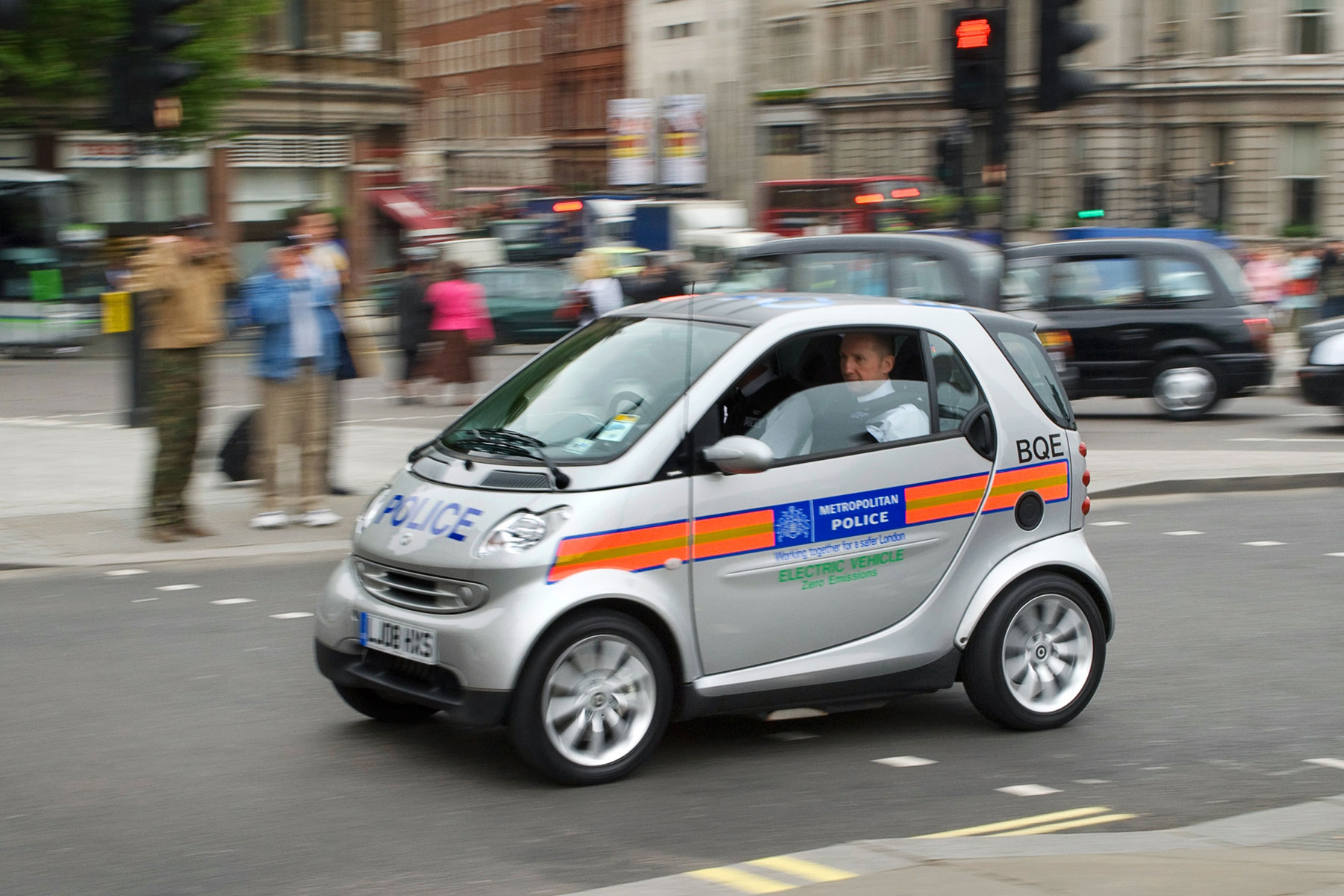
3rd worst – Metropolitan Police
The area covered by London’s Metropolitan Police finishes third with a CDR of 19.76. The road accident rate is the joint-highest of all the areas featured here, which is hardly surprising given the traffic levels in the capital.
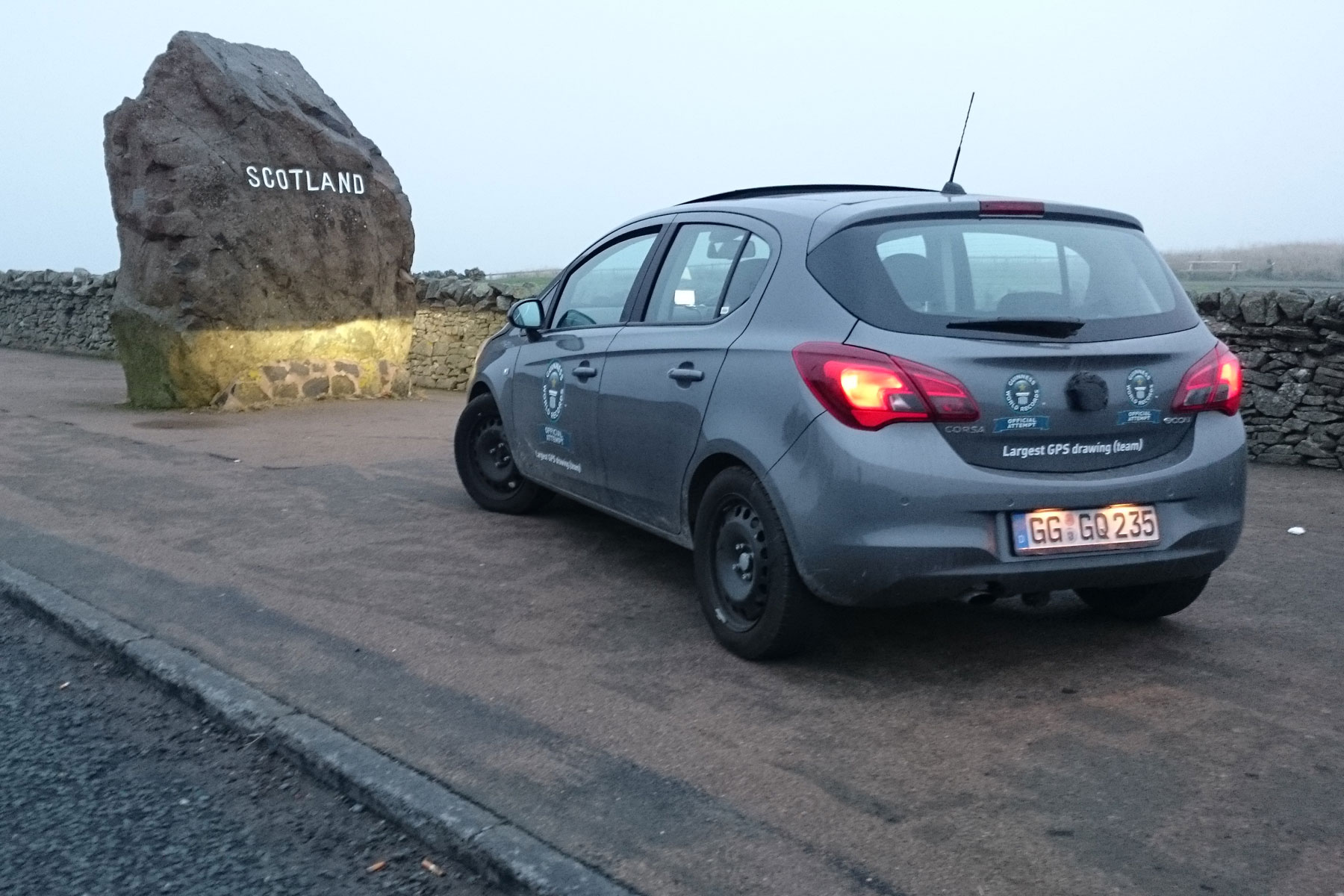
2nd worst – Police Scotland
Police Scotland was formed in 2013 following the merger of eight regional forces and is the second-largest force in the UK (after the Met Police). The road accident rate in Scotland is the lowest of all the areas featured in this gallery, but the high number of vehicle offences catapults Scotland into an unwelcome second place.
The worst – City of London
As pointed out by Quotezone, the data for the City of London is skewed because of the overall population and car ownership. Indeed, the small area is home to just 8,000 people, with around 400,000 people commuting into the City every day for work. A massive number of car accidents plays a major part in the eye-opening CDR score of 97.86.
Six months ago, the law was changed to allow Approved Driving Instructors (ADIs) to assist students on motorways in England, Scotland and Wales. But new data released by telematics insurance company, Marmalade, reveals that too few learners are grasping the opportunity.
Of the ADIs surveyed, 41 percent said that only a small minority of their pupils have requested a motorway lesson, while 26 percent said that none of their students had requested one.
Motorway lessons for learner drivers are voluntary, but they must be with an ADI in a car with dual-controls displaying ‘L’ plates. Instructors will only take a learner on the motorway when they feel they have the right set of skills to deal with a high-speed environment.
In June, Highways England executive director for safety, engineering and standards, Mike Wilson, said: “This change in the law will develop a smarter generation of road users because, for the first time, approved driving instructors will be able to teach their students the skills associated with using motorways safely in a practical situation. That will ultimately help all motorway drivers.”
During the lessons, learner drivers will receive tuition on:
How to join and leave the motorway, overtake and use lanes correctly
Commenting at the time of the introduction, the Driver and Vehicle Standards Agency (DVSA) chief examiner, Mark Winn, said: “I’m delighted that a new generation of drivers can now drive on the motorway to gain valuable experience, including overtaking safely and lane discipline.”
The top ‘real life’ scenario
Six months on, not enough drivers are grabbing the chance to gain more experience. Crispin Moger, Marmalade CEO, said: “Giving motorway access to learner drivers was a really encouraging shift by the government because it gives learner drivers access, in a supportive environment, to develop their skillset before they become qualified drivers.
“The announcement was quite timely given that our annual census revealed that motorway driving was the top ‘real life’ scenario that learner drivers wanted to experience, followed by night time driving and rush hour driving.”
Highways England has created this video for any learner drivers considering a motorway lesson.
McLaren has unveiled a selection of cars in special liveries to commemorate important eras of its racing history. These comprise the ‘Racing Through the Ages’ collection.
The company’s bespoke MSO division was commissioned by McLaren Beverly Hills to create the collection, which spans three themes across six cars. The themes are Muriwai, Papaya Spark and Sarthe Grey, each presented on a 570S coupe and 570S Spider. The cars themselves are slightly modified, with fixed rear wings.
Muriwai
When we say the collection spans McLaren’s racing history, it really spans it. Muriwai pays homage to Bruce McLaren’s formative years of driving in New Zealand. The white paint with blue flashes is inspired by the waves crashing at Muriwai Beach, where Bruce first raced, aged 15, in the early 1950s.
It’s also a reference to the house Bruce built in Woking, named Muriwai, which was – you guessed it – white with flashes of blue. On the window shutters, to be precise.
Papaya Spark
For McLaren aficionados, the word ‘Papaya’ – the company’s signature orange shade – will have pricked up their ears. This theme represents the golden era of Bruce and McLaren racing cars of the 1960s and, after his untimely death, the 1970s. This was when Bruce set the foundations for the McLaren racing legend in Can-Am, Formula 1 and Indycar.
There are flashes of blue on the end plates of the wings, as a nod to Bruce’s original racers.
Even the most casual of car enthusiasts should be well aware of Sarthe. McLaren achieved motorsport success on its first time out at Le Mans, when it won with a car one below the top class.
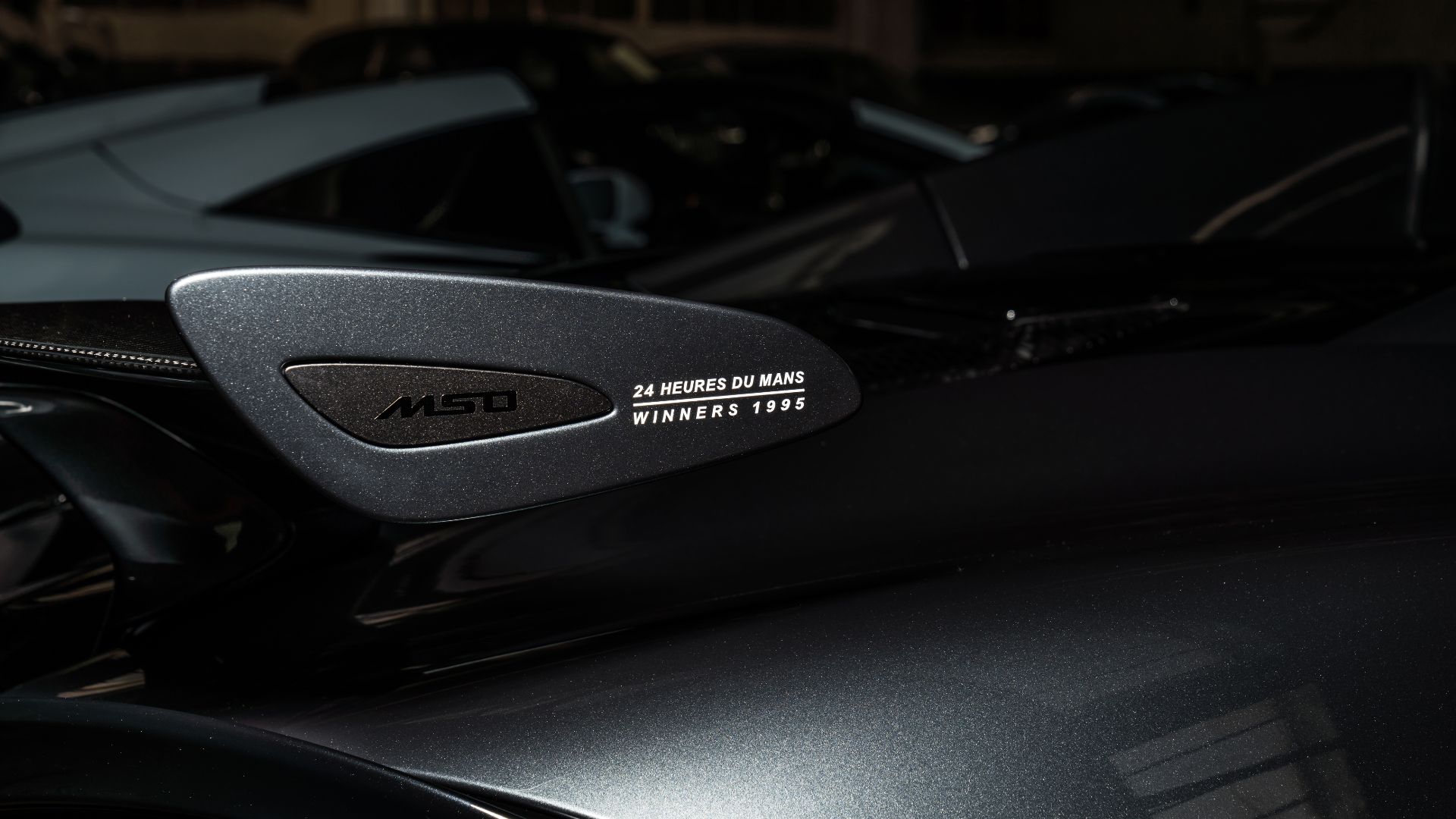
That 1995 Le Mans win with the F1 GTR was virtually unprecedented and, truthfully, unexpected. It was perhaps what cemented McLaren as a legend and a viable brand in terms of its 21st-century presence. The Sarthe Grey colour emulates the winning car, and has ’24 Heures Du Mans – Winners 1995’ on the end of its wing plates in white.
Each car comes fitted with a ‘1 of 6 Racing through the Ages’ plaque, a colour-coded key and a GT4-style racing stripe. Lightweight wheels and a sports exhaust are fitted, too.
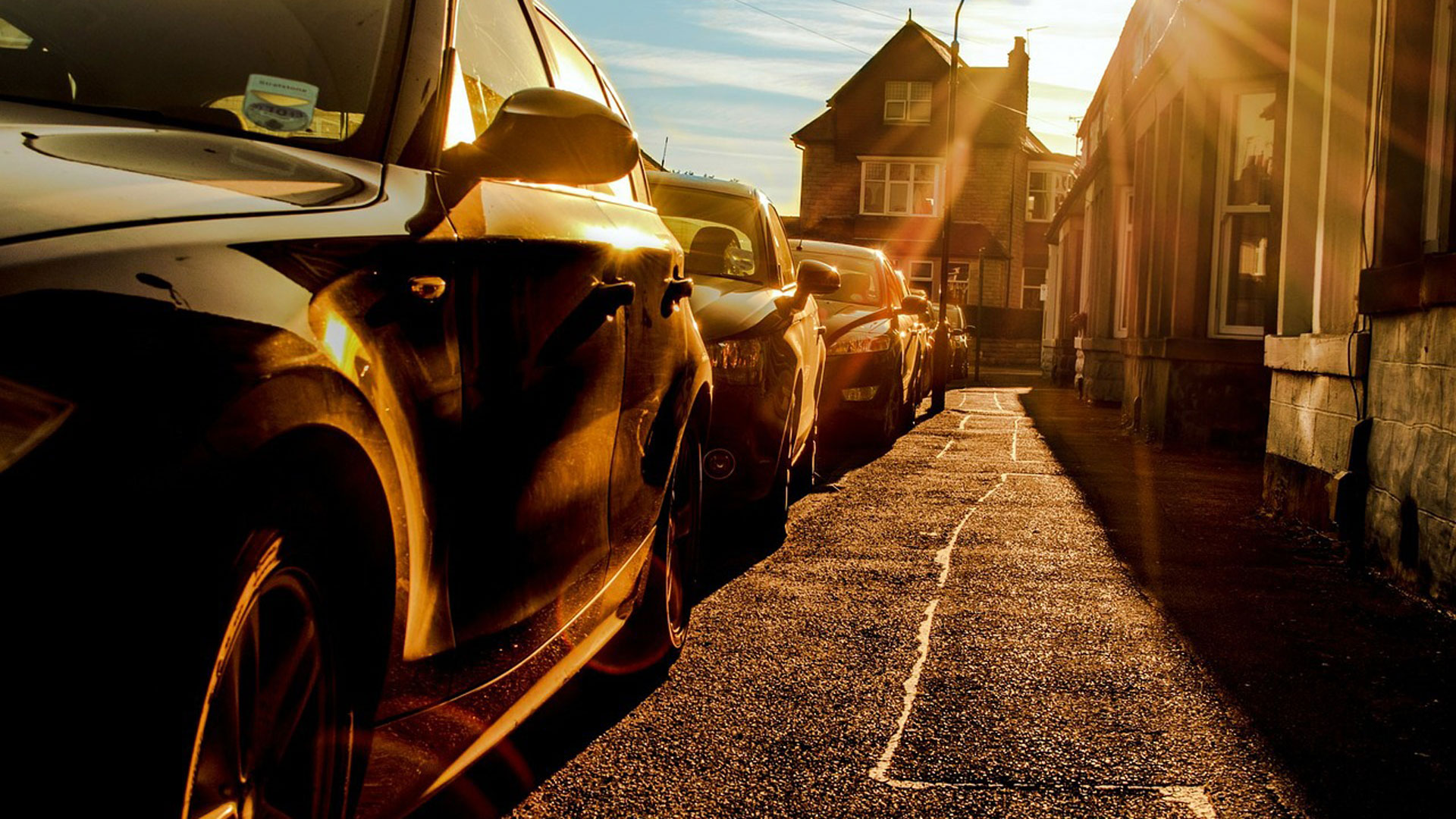
Motorists could be banned from parking on pavements, as the Department of Transport (DfT) considers changing the law.
Parking on the pavement has been illegal in London since 1974, but the government is likely to introduce a blanket ban across England and Wales, with ministers in Scotland contemplating a similar move.
The law has confused motorists for many years and, to be fair, the Highway Code isn’t wholly conclusive on the matter. Note the wording from Rule 244, which states:
‘You MUST NOT park partially or wholly on the pavement in London, and should not do so elsewhere unless signs permit it. Parking on the pavement can obstruct and seriously inconvenience pedestrians, people in wheelchairs or with visual impairments and people with prams or pushchairs.’
The emphasis here is on the ‘MUST NOT’ and the ‘should not’. One is a direct order and there is legislation to back it up, while the other is more of a statement of advice. However, Rule 242 states:
‘You MUST NOT leave your vehicle or trailer in a dangerous position or where it causes any unnecessary obstruction of the road.’
If the police deem your vehicle to be causing an obstruction, you could be accused of committing an offence. According to the Ask The Police website, ‘parking a vehicle on the pavement could lead to an offence of obstruction being committed. This could result in a fixed penalty notice being issued to offending vehicles. This is because parking on the pavement can obstruct pedestrians and wheelchair users forcing them to use the road to pass a parked vehicle.’
‘Parking splits opinion’
Anecdotal evidence would suggest that many motorists are either unaware or confused by the legislation, which is backed up by research conducted by YourParkingSpace.co.uk. In a survey, it found that one in 10 drivers park on the pavement on a daily basis, a figure which, it claims, equates to around three million cars.
Meanwhile, approximately half of the drivers surveyed would welcome a fine for anyone caught parking on the pavement, despite there being no current legislation to support this move.
Harrison Woods, managing director at YourParkingSpace, said: “Parking splits opinion, none more so than the issue of parking on pavements.
“In many parts of the UK it is still allowed but this could soon change as the government reviews the issue. The outcome could affect the parking habits of millions.
“Our advice, where pavement parking is currently allowed, is to always make sure there’s plenty of room for pedestrians to get past and to be aware of people with a pushchair, with a visual impairment or in a wheelchair.”
‘Use common sense’
Earlier this year, transport minister Jesse Norman told the BBC: “We know that parking on the pavement can cause serious problems for some pedestrians. The Department for Transport is gathering evidence on pavement parking and the effectiveness of current regulations.
“As part of this work, we are considering alternative methods to tackle inappropriate pavement parking. This review is now underway and will conclude later this year.”
In a blog post, the RAC had the following advice for motorists: ‘Outside of London, we advise people to use common sense when faced with no other option but to park on the pavement.
‘If you are parking along a narrow road, where parking wholly on the road would stop other cars, and particularly emergency vehicles, from getting through, then it is a sensible option to park partially on a pavement, providing there are no parking restrictions and providing you are not blocking a wheelchair user or pram from using the pavement.
‘If there are restrictions, or your parking would cause wheelchair users or people with prams to have to walk into the road, then you should find somewhere else to park.’
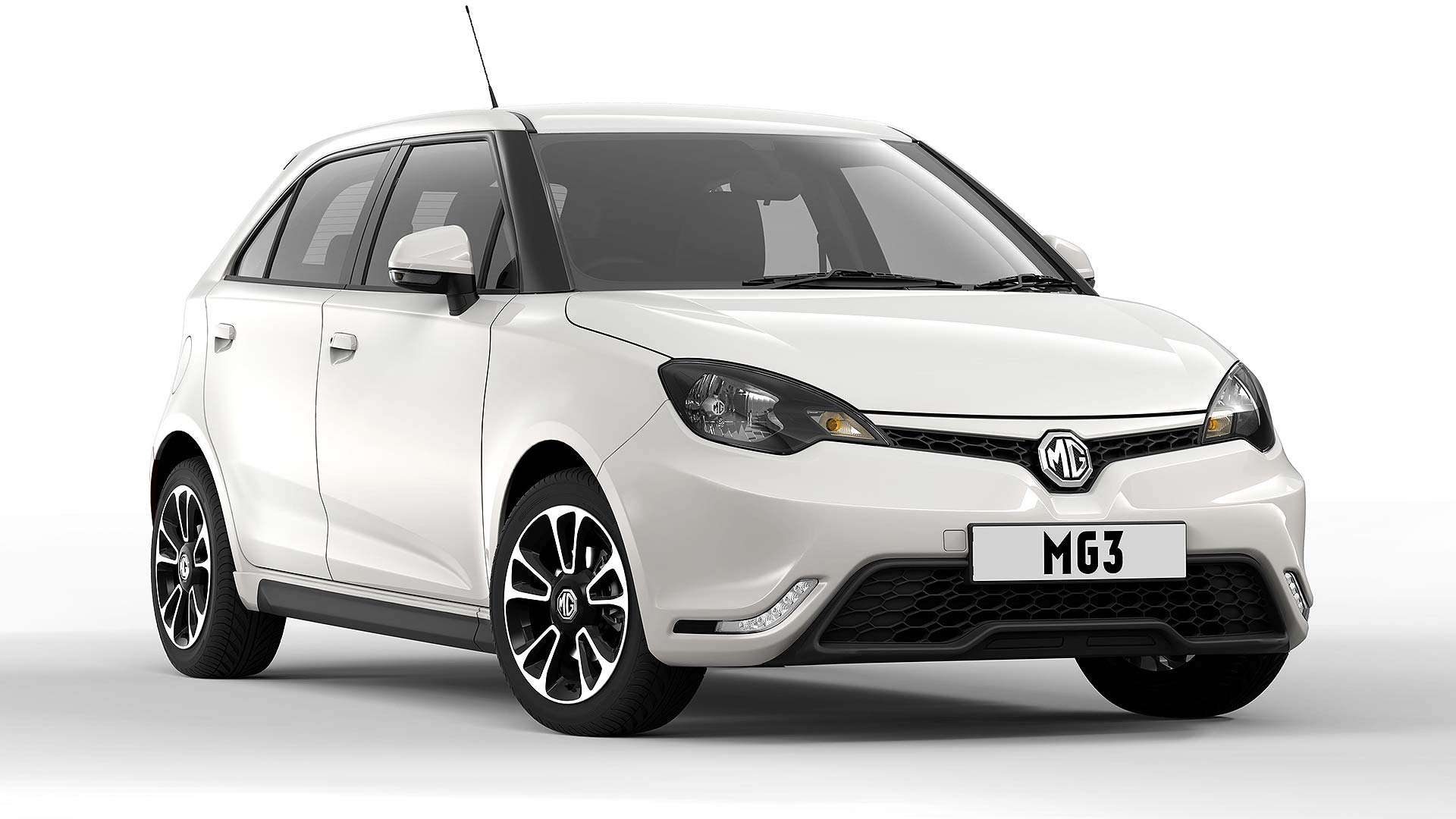
Motor racing is expensive, right? Value brand MG thinks otherwise – and is proving this by developing a low-cost conversion that will turn its MG3 supermini into a racing car for £5,000.
The firm is working with the MG Car Club and its SAIC Motor UK Technical Centre in Birmingham to develop the conversion kit. Development is well advanced and it aims to reveal the cost-effective racer in early 2019.
“Motorsport is a huge part of MG and the Club’s heritage,” said MG Car Club general manager Adam Sloman, “and we are very much invested in bringing new cars, drivers and young competitors to our grids in the future.”
The MG Car Club will even run an incentive in 2019 that gives half-price entries to any competitor aged 25 or under. A weekend’s race entry fees could thus cost as little as £300.
MG is encouraging young engineers with the project, too – it is interns at the SAIC Birmingham technical centre that have worked on the racer as part of their assessment projects.
Intern Joanna Burland said it “has provided a great opportunity to work on something slightly different and gain valuable experience of helping to develop a new low-cost race car and work with MG Motor and MG Car Club to make the project a success.”
The new MG3 series will run in the ‘invitational’ class of the MG Cup in 2019, to whet appetites and help carry out a season’s testing and development. A full points-scoring championship will begin from 2020.
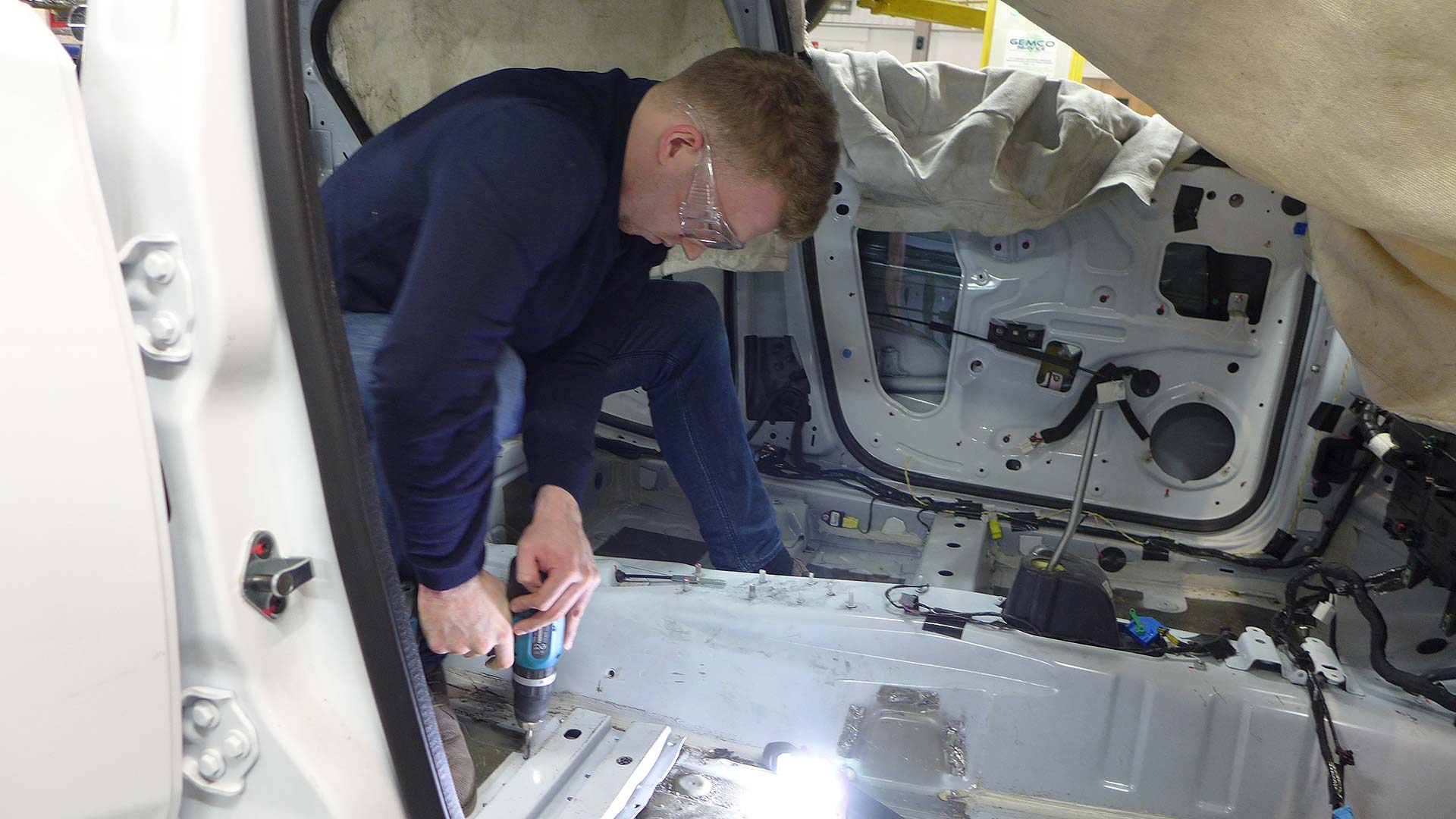
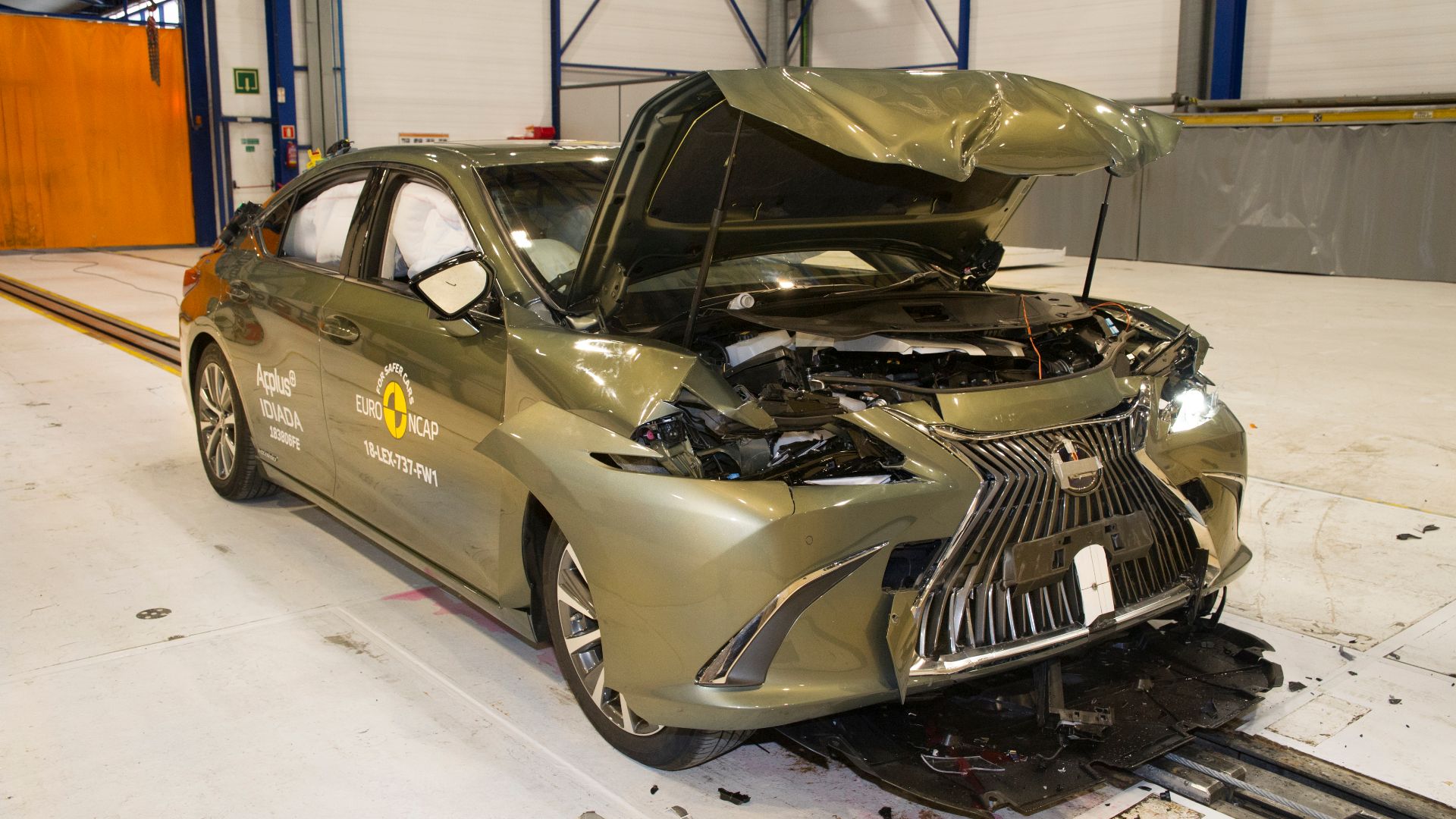
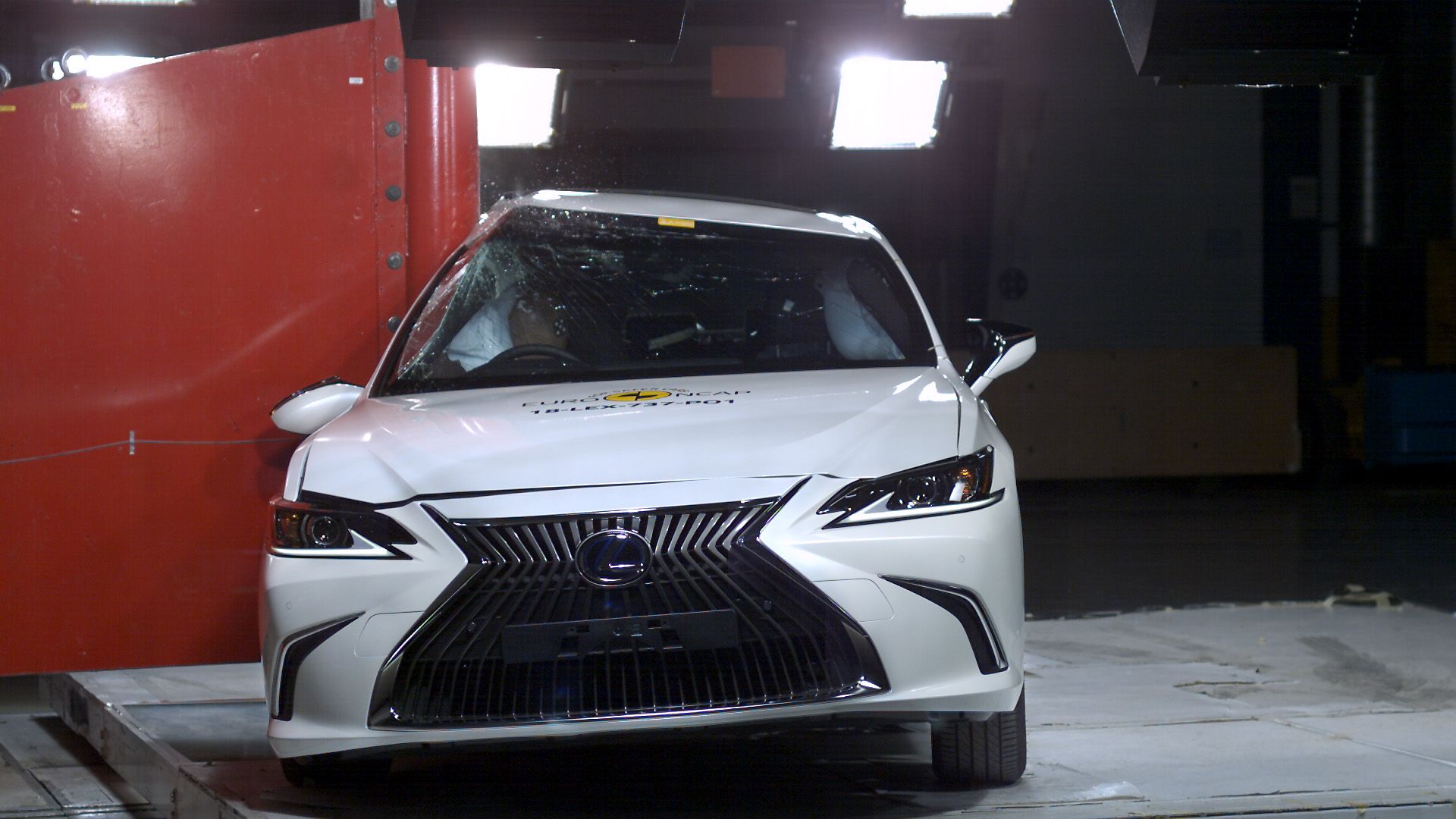
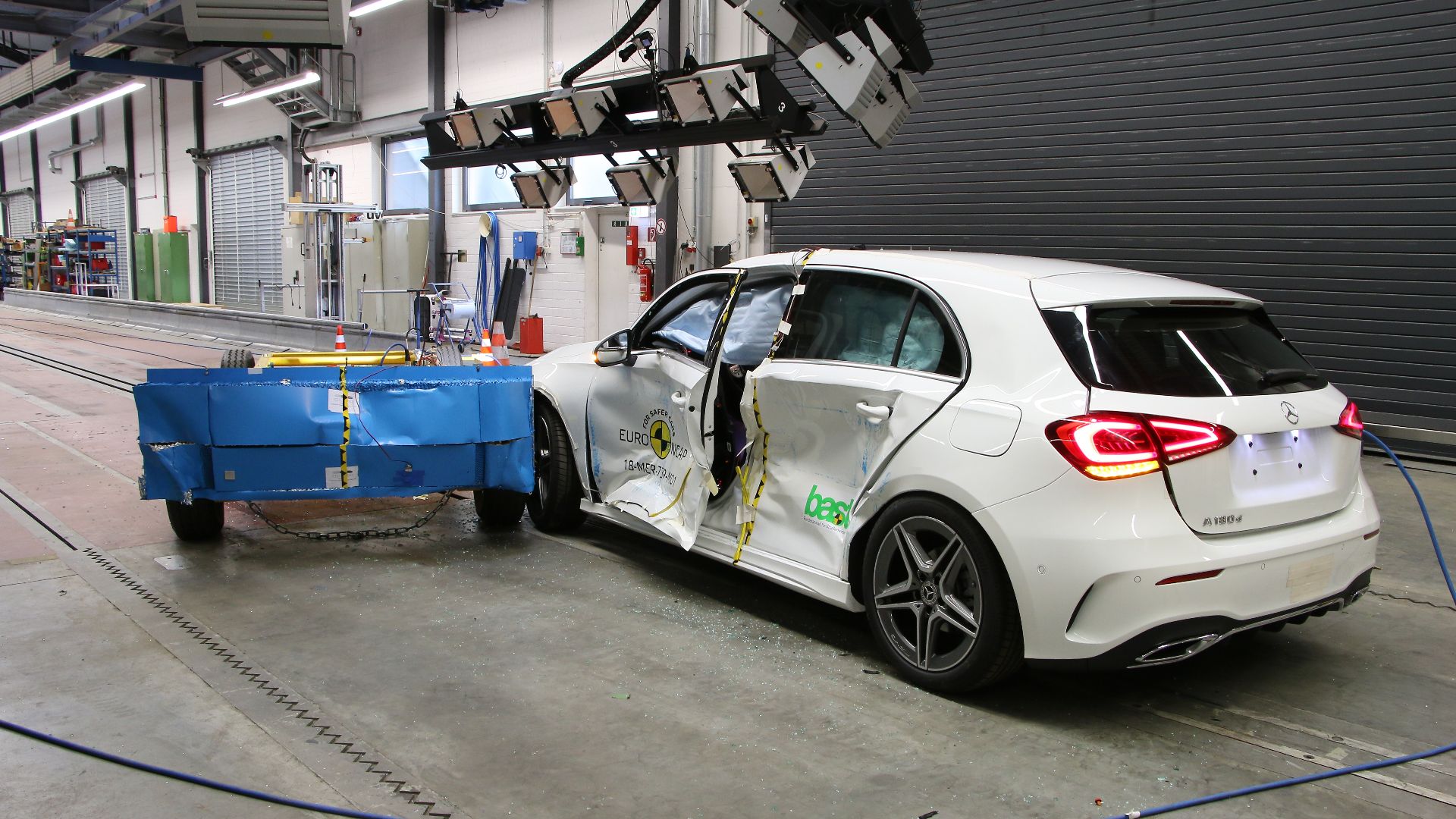
Car safety watchdog Euro NCAP has announced the safest cars in each class for 2018. Three cars tested this year have achieved a best-in-class result, marking a great year of progression in automotive safety.
The Mercedes-Benz A-Class was considered a standout performer in the Small Family Car class, delivering the year’s best result.
The Lexus ES was rated best overall in the Large Family Car segment, also bagging a new award for the best performing hybrid or electric vehicle.
And the Hyundai Nexo brought home the bacon in the Large Off-Roader segment.
A little-known fact about Euro NCAP’s testing procedure is that it evolves year on year. Five-star cars tested in 2005, for example, might not get five stars today. Indeed, even compared with last year, this year’s testing has advanced.
One factor Euro NCAP Secretary General Michiel van Ratingen references is Vulnerable Road User protection. This is one of many areas where all three best-in-class winners put in an exemplary performance.
Autonomous driving is increasing in significance at a rapid rate, too. That’s led to a new focus on automated technology for Euro NCAP.
Establishing just what level of independence certain systems can be granted is key. But what isn’t in doubt is that this will be steadily increase as technology gets more sophisticated. Euro NCAP’s role is to assess and convey exactly what these systems mean for drivers.
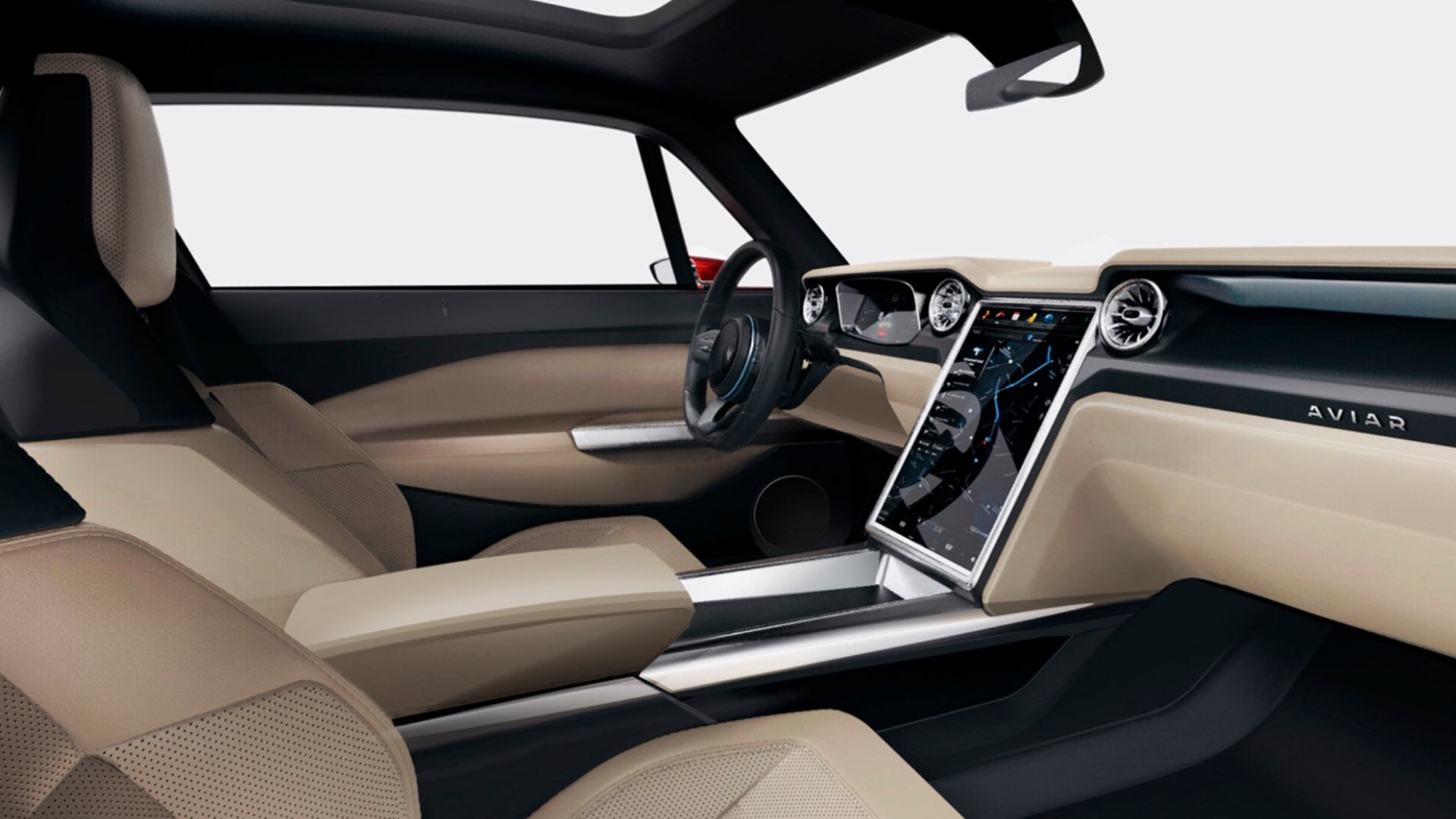
Aviar Motors is combining classic muscle car style with electric eco-friendly performance. Its new R67 is an all-wheel-drive Mustang EV.
Where do we begin? It has two electric motors, one per axle, connected to a 100kwh battery – all very similar to those used in P100 Teslas.
That makes it 4WD and means this ultimate ‘restomod’ for the zero-emissions age will hit 62mph in 2.2 seconds and top out at 155mph. On top of that, it’ll travel 315 miles on a single charge. We don’t think even an original Shelby GT500 will manage that on a tank of fuel.
The car, yet to be built, will use an alloy chassis with carbon fibre bodywork to keep weight low – around one tonne, impressively. If you’re worried about an old legend getting sullied by electric power, don’t worry. These are all-new rather than based on an existing car.
The story of the electric supercar
The exterior is highly faithful to the original pony car’s design. There are, however, telltale signs that this is no traditional ‘60s muscle hero. An active rear spoiler is perfectly flush with the style of the original bodywork. Spot the Tesla door handles, too.
LED lights, chrome strip detailing and slimmer exterior mirrors are also added, along with bigger wheels and brakes.
Where you definitely suspect something’s up is on the inside. Gone is the traditional 1960s style, with a 17-inch screen adorning the centre console. There is a whiff of the original style with the double-hump dash, though, along with the circular vents.
It comes with a lot more toys than a classic Mustang. Or, for that matter, any Mustang ever built. Expect a version of Tesla Autopilot, cameras, parking sensors, traction and stability control, climate control and voice control in the cabin. It’ll even get Bluetooth and wi-fi.
It really is the best of modern tech, infused with the best of classic style.
But what about V8 noise? Apparently, it’ll play a GT500 V8 rumble for passers-by, just so they know where it is.
As for when you can buy one – all you can do is enquire at the moment. Aviar says there’s a six-month build time and that price will be on request. Here’s hoping it actually happens.
 Land Rover is the only car company to use the grounds of Eastnor Castle in Herefordshire to develop its vehicles. It also now becomes the only automaker to hold a festive winter wonderland there.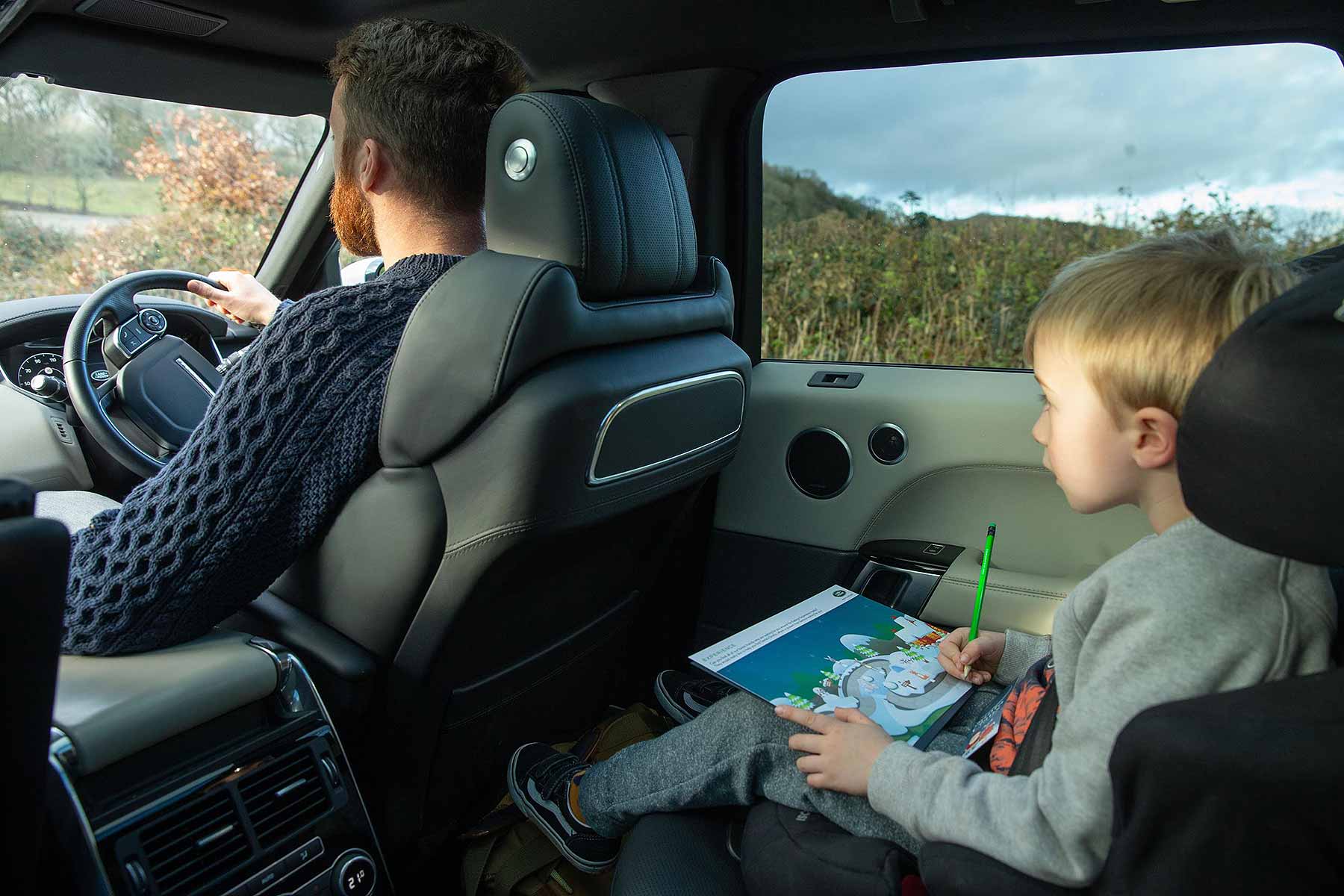






 Home
Home 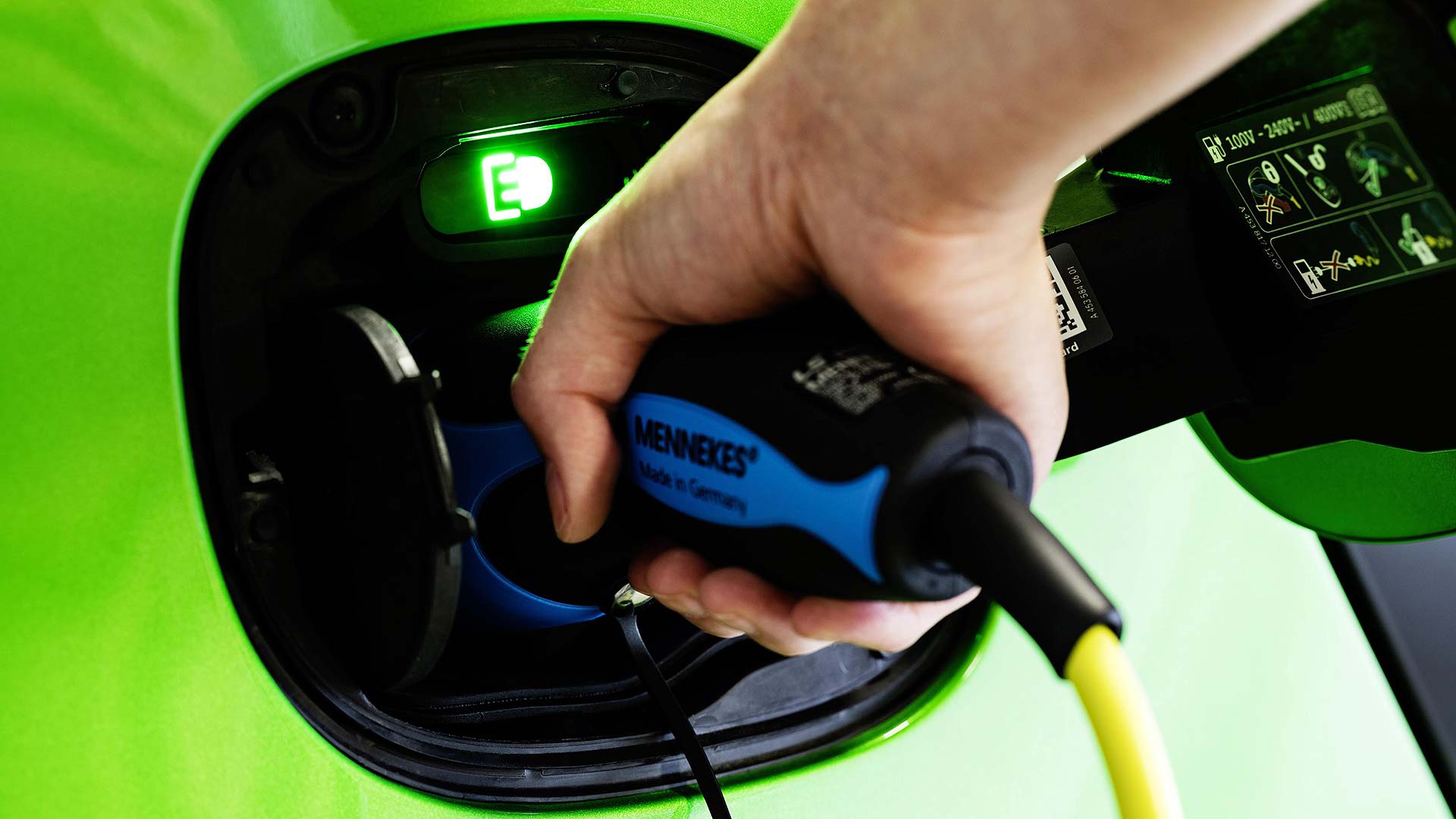







 Motor racing is expensive, right? Value brand MG thinks otherwise – and is proving this by developing a low-cost conversion that will turn its