London’s small business owners will be encouraged to switch to cleaner vehicles under scrappage plans announced by Mayor Sadiq Khan.
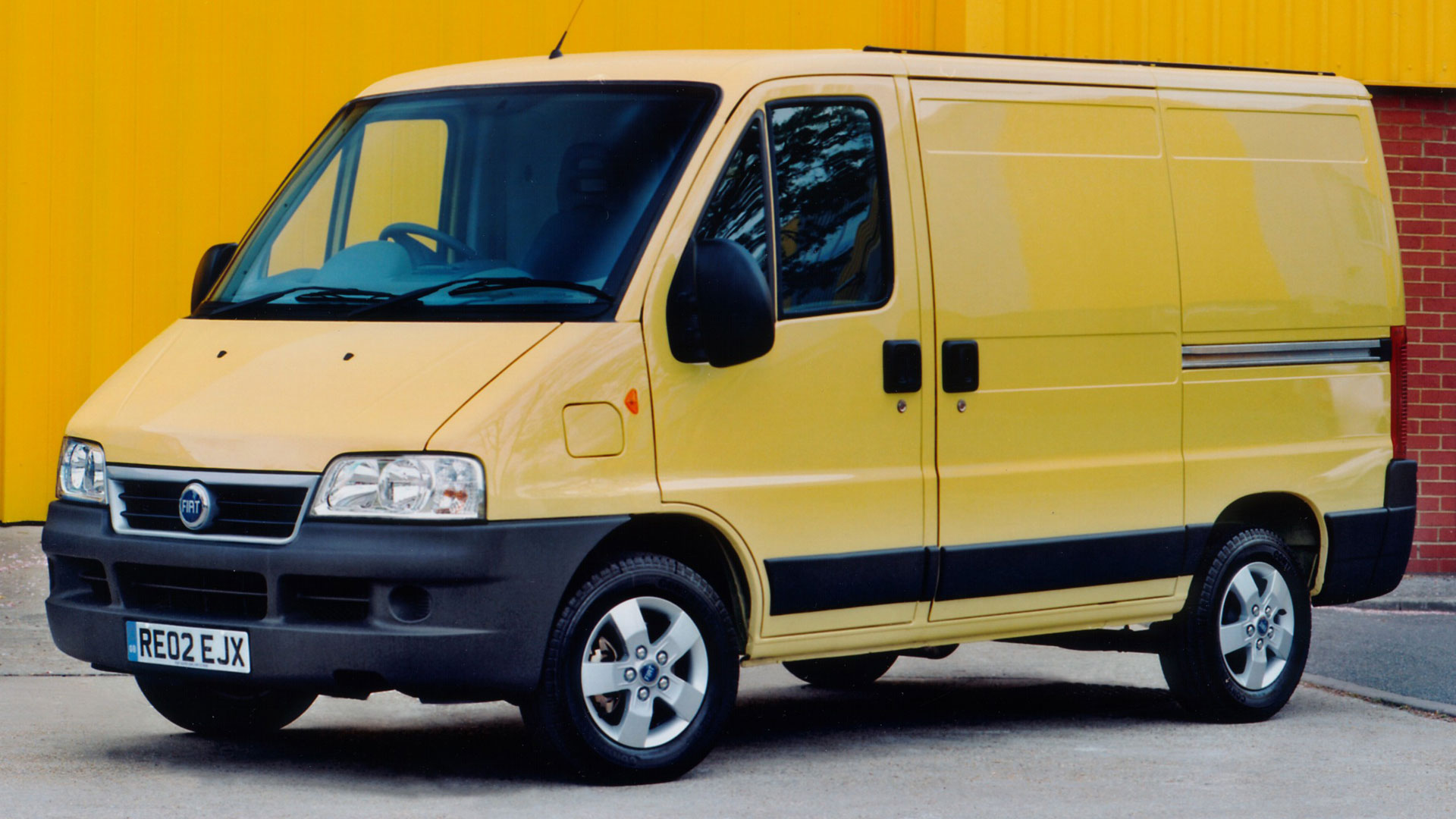
The £23 million van scrappage scheme is aimed at the capital’s micro-businesses – companies with fewer than 10 employees – with the Mayor keen to remove pre-Euro 6 vans from London’s streets in an effort to improve the capital’s ‘lethal air’.
Diesel vans not complying with the Euro 6 standard will be forced to pay £12.50 a day to drive in central London, in addition to the standard £11.50 Congestion Charge.
Although the Mayor of London hasn’t released details of the scrappage discount, funding will be available to ‘thousands of micro-business owners’.
‘Bold action’
Sadiq Khan, said: “Air pollution is a national health crisis that is stunting the lung development of our children and leading to thousands of premature deaths. To truly get a grip on our lethal air we need to take bold action to rid our city of the most polluting vehicles.
“It’s not good enough to do nothing, and I’m determined to take real action which is why I’ve already delivered the Toxicity Charge in central London for the oldest polluting vehicles, cleaned up our bus fleet, and brought forward the Ultra Low Emission Zone. My scrappage scheme is my next step in tackling pollution.”
Edmund King, president of the AA, said: “The AA welcomes the Mayor’s diesel scrappage scheme. Some small businesses that cannot afford to switch their vans to cleaner Euro 6s have been taking the hit from higher road use charges and simply passing on the extra costs to their customers.
“This scrappage scheme gives them a route to cleaner vehicles, an escape from air quality charges, the chance to stay competitive in their trades and businesses, reduce customer costs and above all the means to cut street-level pollution.”
The Mayor has asked Transport for London (TfL) to work out how the money could be spent most effectively and has called upon the government to match-fund London’s proposed scrappage scheme. More details will be announced in the new year.
Read more:
Lotus drifts into Christmas with tree-laden Evora 410
Ferrari to celebrate Schumacher’s 50th birthday with special exhibition
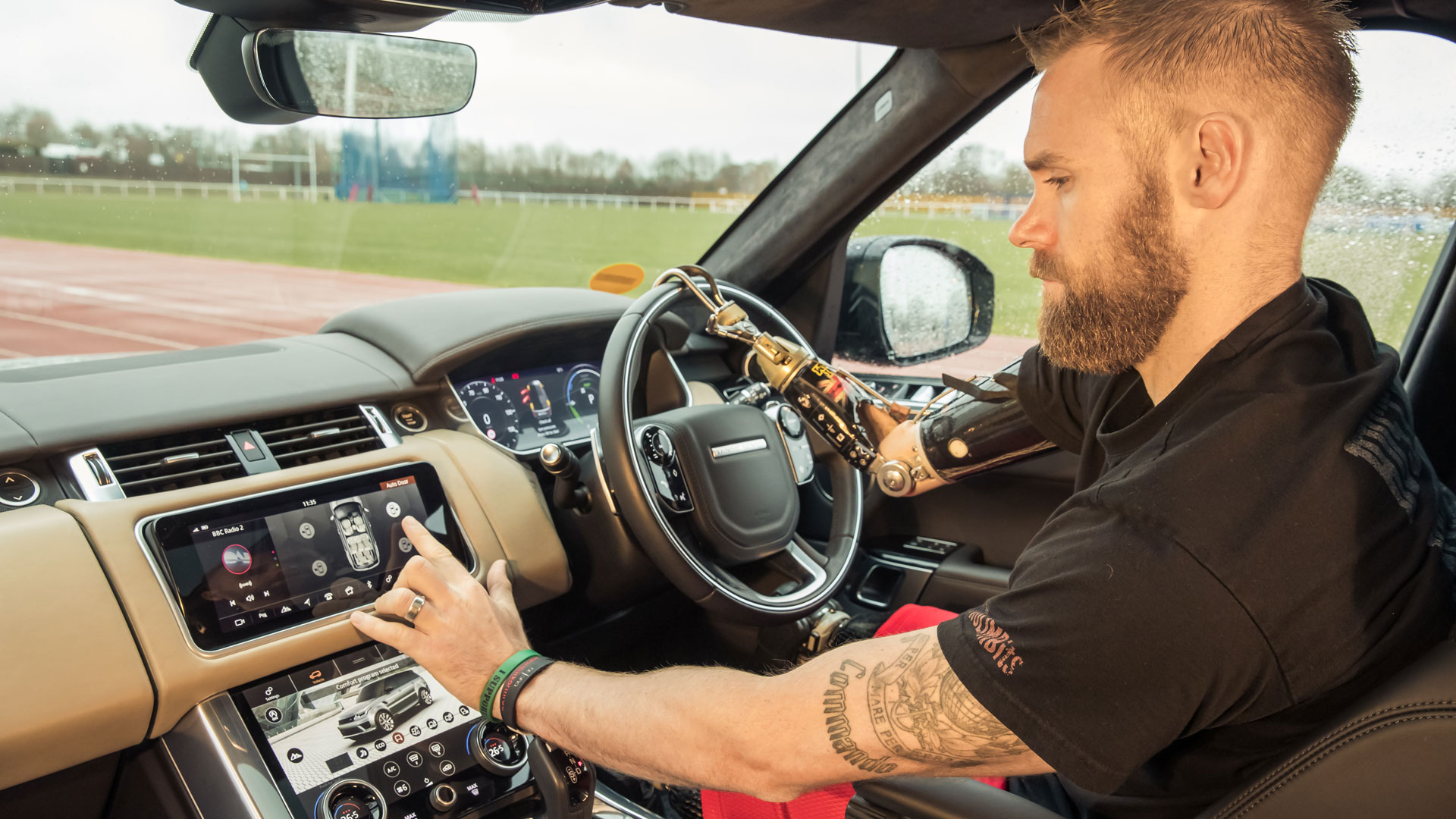
Jaguar Land Rover has unveiled a mobility door prototype that uses motion sensors and keyless technology to open automatically as the driver approaches.
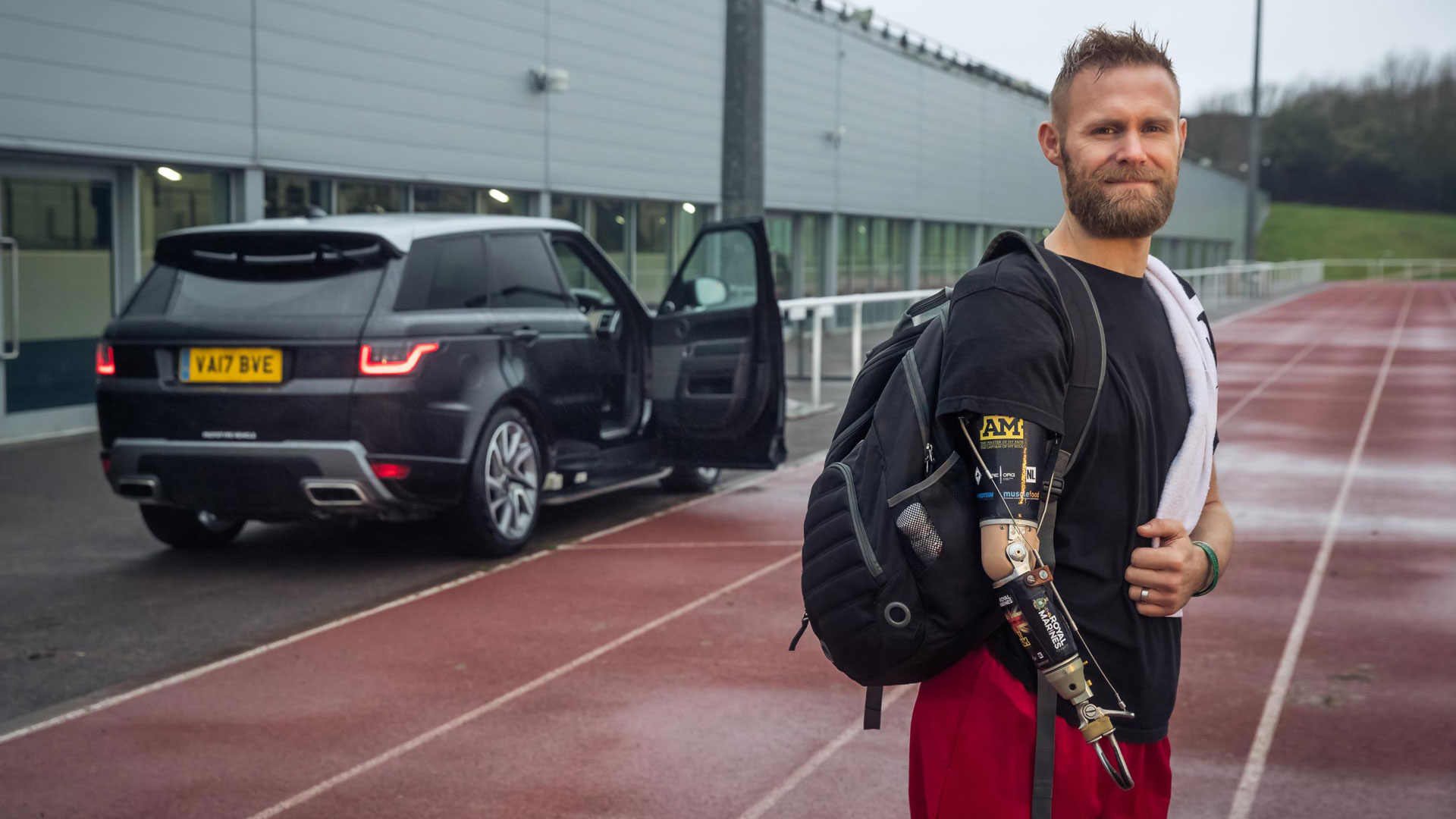
The tech, which JLR likens to an ‘invisible valet’, is designed for disabled people for whom a car is their main form of transport. It also has benefits for those carrying child seats or large items, as the driver no longer has to free a hand to open the door.
Once inside, occupants can close the door courtesy of an overhead button – similar to the system used in a Rolls-Royce. Radar sensors are fitted to ensure the door doesn’t open into objects, while the doors can be programmed to lock as you walk away.
Former Royal Marine and gold medal-winning Invictus athlete, Commando Mark Ormrod, is trialling the system for JLR. He said the technology could change the lives of motorists with mobility problems.
He commented: “This innovative Jaguar Land Rover technology would be such a benefit to me and has real power to change lives for those who face problems getting in and out of the car.
“Opening and closing the car door may seem like such an insignificant task to many people but sometimes it’s the small, everyday obstacles which people take for granted that are most frustrating to overcome for those living with disabilities.”
Technology for all
The system was tested on a rig for six months before being fitted to a Range Rover Sport. Far from restricting the technology to disabled groups, JLR sees the automatic doors as being relevant to all future vehicles.
Xu Zhou, deep learning technical research manager at JLR, said: “The mobility door is an exciting piece of technology that offers a real-world value to our customers. There’s also something very welcoming about the door opening on your approach – something we think will be greatly valued as we become more familiar with shared mobility.”
Read more:
Lotus drifts into Christmas with tree-laden Evora 410
Ferrari to celebrate Schumacher’s 50th birthday with special exhibition
Our memories of racing cars are usually of them in their element: in action, on a track, spitting fire, bumping doors and carving laps. But when race day is over, the cars are still here.
In period, they would be shipped or flown to the next race, or back to the factory shop. Once their usefulness is used up, however, they move on. It can be years before certain cars accrue the appreciation they deserve, as youngsters of those eras grow older and nostalgic.
Checking out some mean racing machinery at AWS Engineering. Can’t beat the Beemer… pic.twitter.com/LaWaKvMqgx
These aren’t just ornaments, though. They’re used and raced, and thus need to be meticulously looked after. In industrial estates across the UK, businesses like AWS Engineering keep racing cars for storage, preparation and repair. Guys like these keep the racing cars you loved doing what they do best.
Alan Strachan started AWS Engineering back in 1996, with, among other things, a background of building and preparing Ford Mondeo touring cars. Who better to have look after your historic racer and, indeed, who better to give us a tour of the shop?
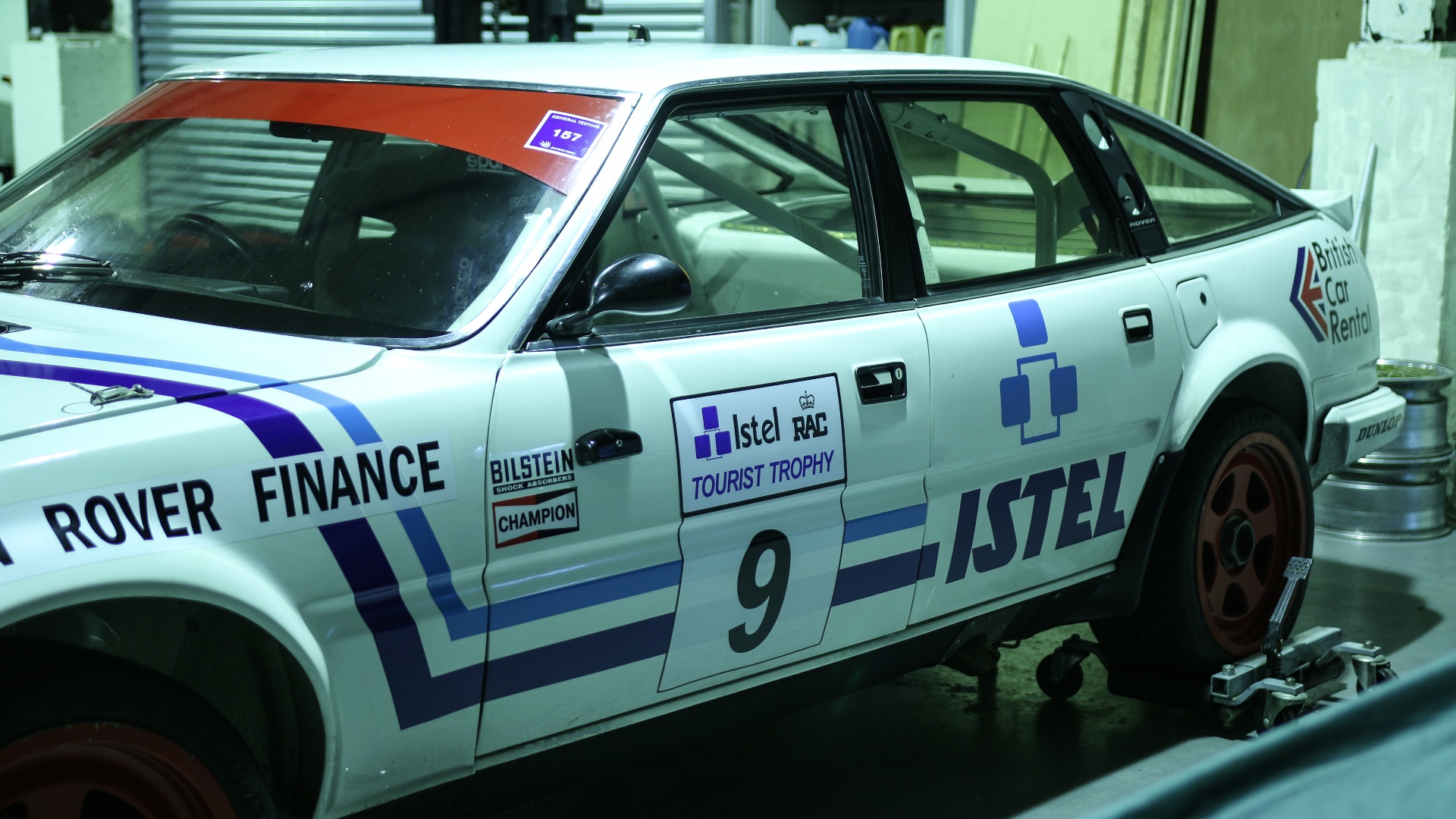
We start with a customer’s Group A Rover SD1 – one of the most successful Tom Walkinshaw Racing SD1s made. This car, Chassis 14, won the 1985 French Championship in Marlboro livery before moving on to the European Championship. It’s got the famous Tourist Trophy at Silverstone under its belt, too, as well as the Brands Hatch Grand Prix support race in 1986.
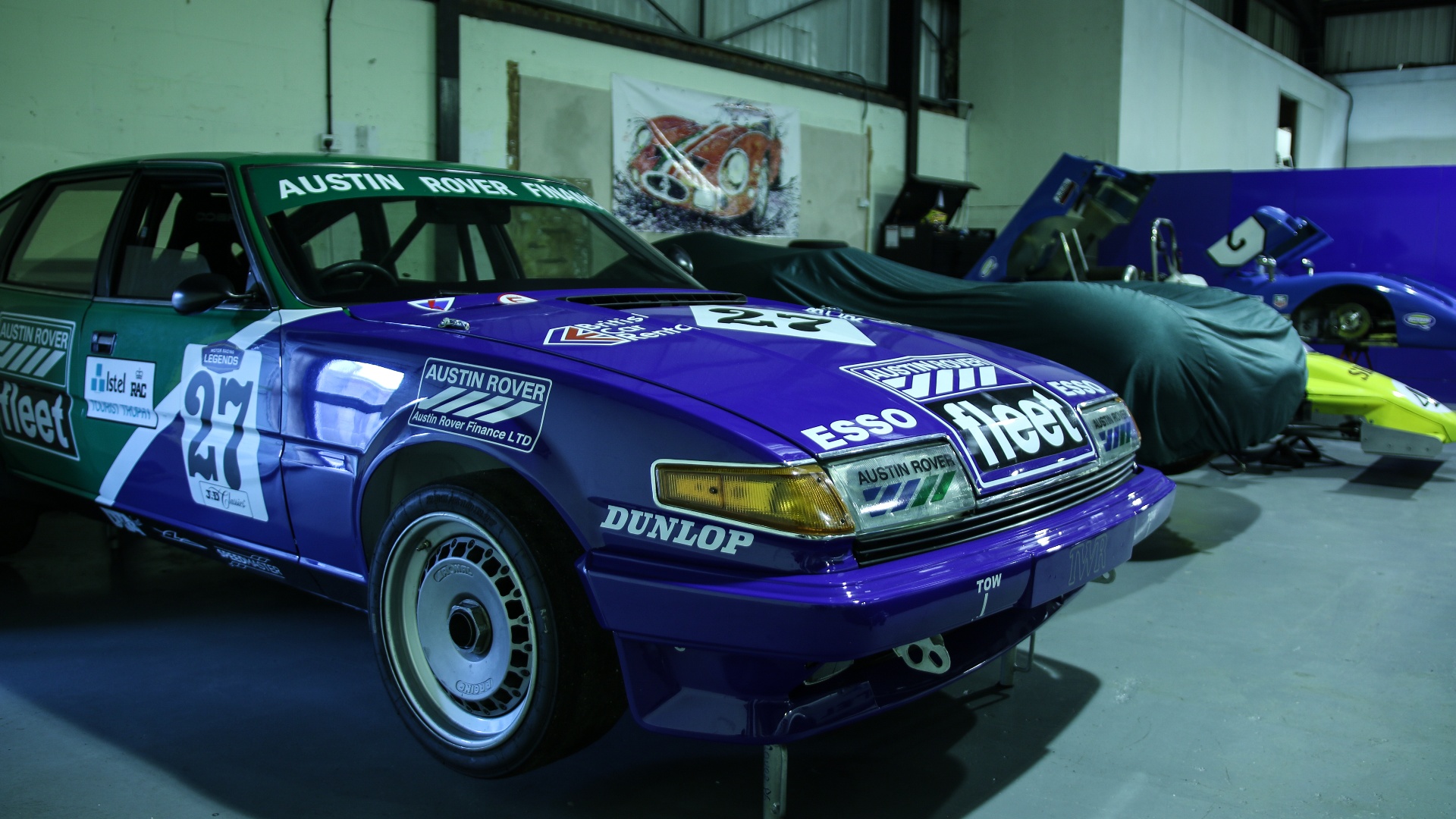
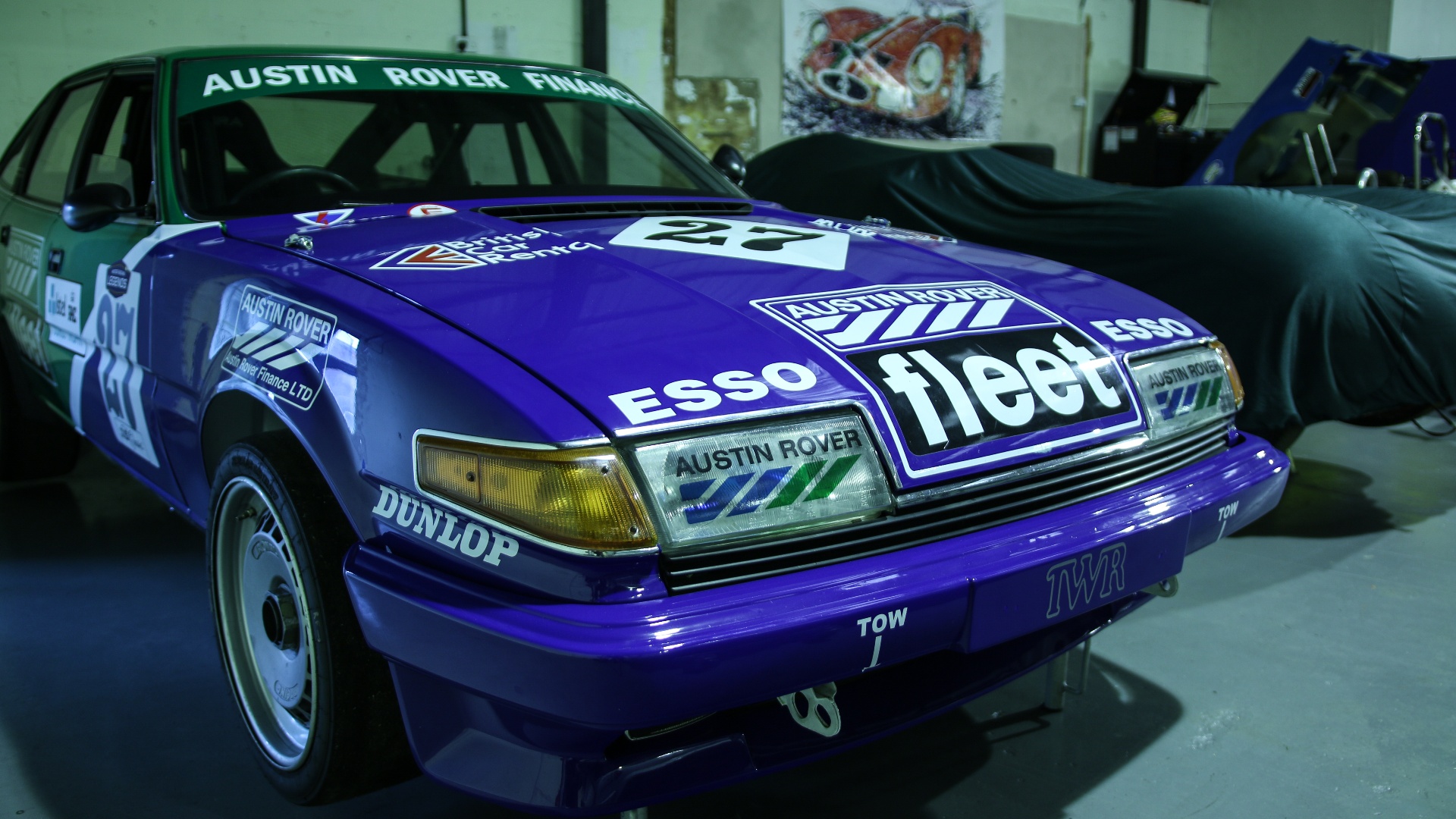
A similar Group A-spec car sits behind it, in green and blue British Leyland colours. It’s a tribute to chassis 010, which was ripped up in-period, and has been manufactured out of contemporary parts, including the original engine and suspension. Everything is exactly to Group A TWR spec.
While not an original car, it’s still worth over £115,000 to the right buyer who wants to go racing. A genuine winner can pull three to four times that amount.
Take a tour of Prodrive’s collection of classic motorsport legends
“A lot of these cars are only as valuable as they are competitive,” explains Alan. “Not in the sense that they’ll win, but purely by having somewhere to race. This is a golden era in touring car racing, obviously, but there are also a lot of series and events – including Group A-specific stuff – where you can race them. It all contributes to why they’re so valuable. It’s the right time for them, too.”
Alan raises an interesting point. It seems logical that racing car values should be dictated by the amount of stuff owners can actually do with them and, moreover, how many others are getting involved.
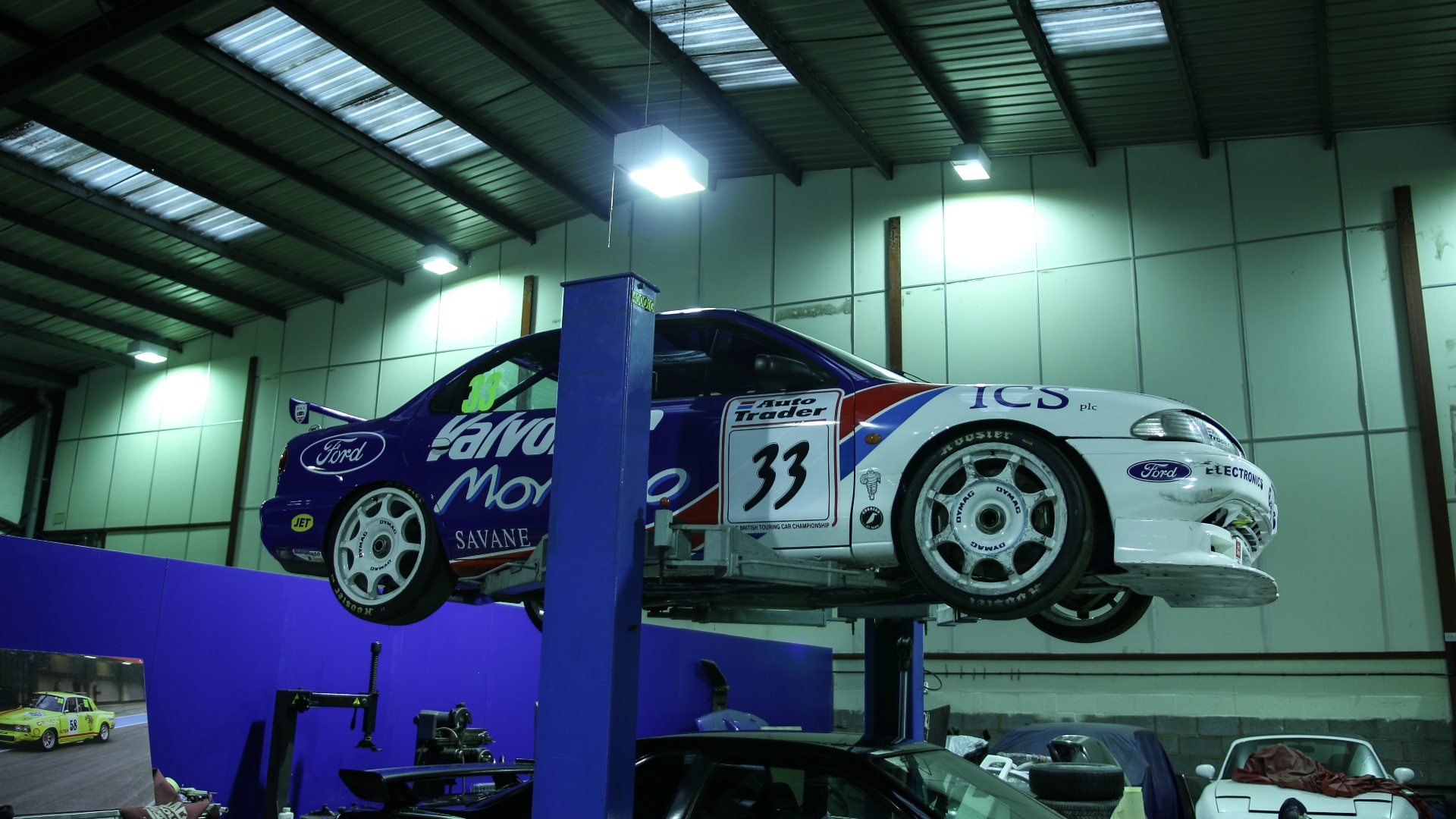
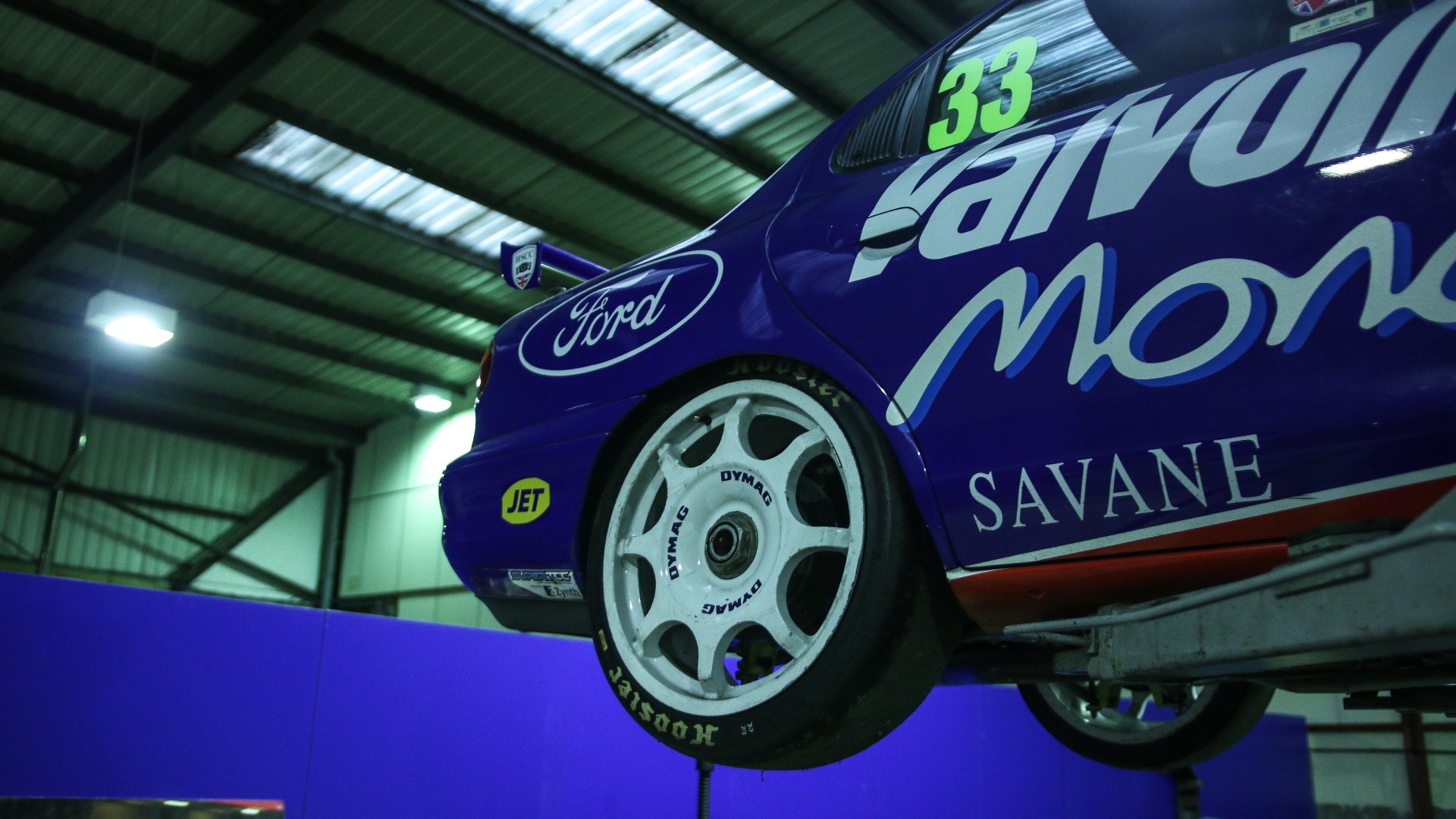
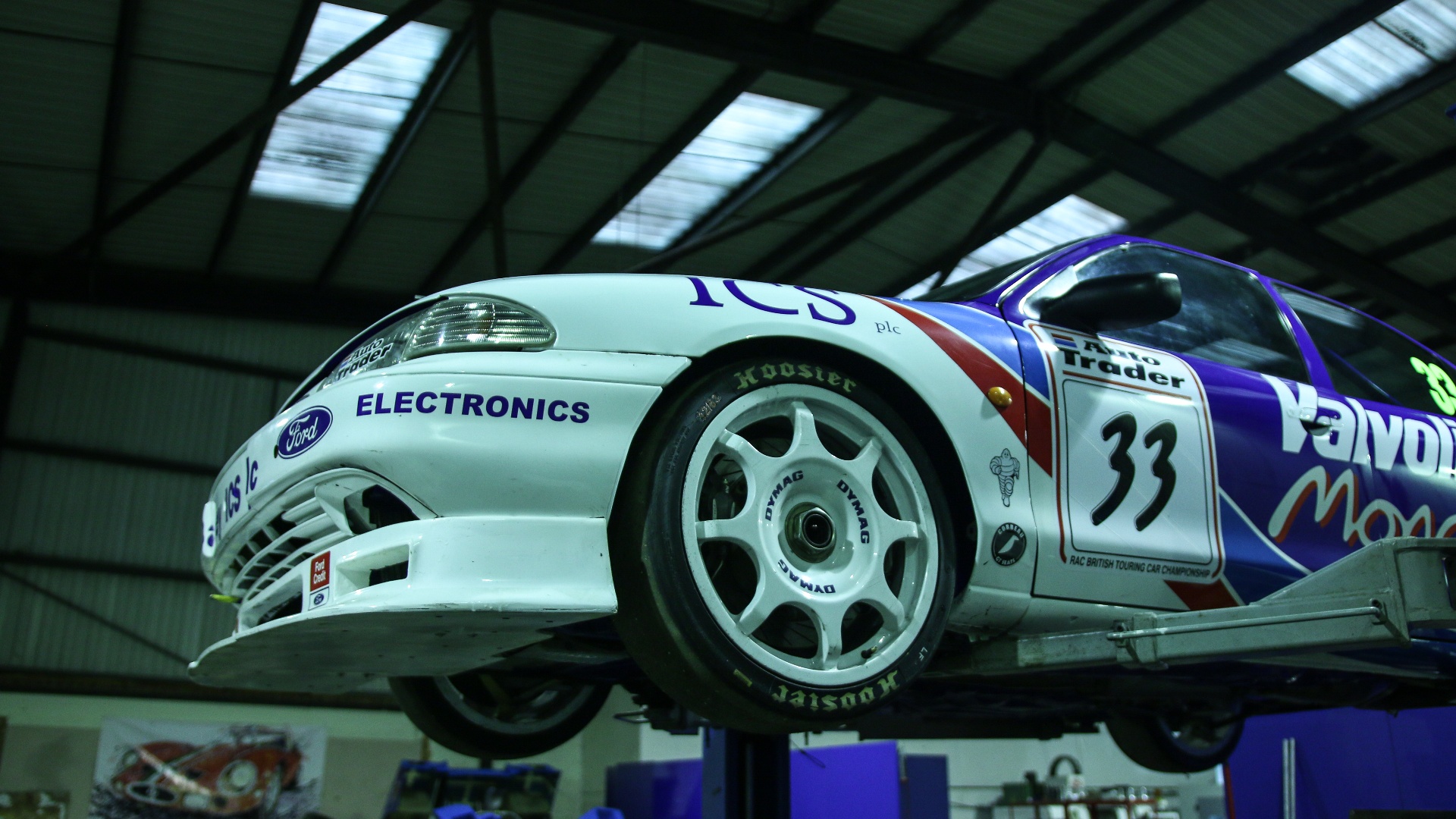
The Ford Mondeo felt like the star of the facility. Perhaps by virtue of its being up on a ramp, like a plinth, or perhaps given it’s the car I personally most relate to. Perhaps it’s because it’s a super tourer, one of the coolest and most extreme breeds of touring car ever conceived. It also wears the iconic Valvoline livery, even though it isn’t one of the two most famous cars.
It’s the last Andy Rouse-built Mondeo from 1996 and was a machine that Alan himself worked on. In fact, this Mondeo was a prototype used to test smaller four-cylinder engines, before Ford moved its works team to West Surrey Racing and it reverted to V6 power.
Alan bought the car in 2014. It had previously been hill-climbing and racing throughout Europe. He returned it to British Touring Car Championship (BTCC) spec as a showcase, given latter-day super tourer racing was mooted to really take off not so long ago.
Alan reckons that hasn’t happened, partly because historic racers are mostly rear-wheel drive and these FWD ’90s cars simply can’t deliver the drifty drama. This, combined with the fact they’re costly to keep running, has somewhat neutered values. Alan clearly liked having a bit of his own history on the lot, though.
“Sentimentally, it’d be nice to keep it. It was bought with a view to take it out, show it and hopefully sell it. That’s why we dressed it in the most iconic Mondeo livery. I make no secret of it not being an original Valvoline car”.
It’s interesting that the Mondeo is worth £50,000 less than an SD1 with less provenance. “The marketplace for super tourers simply isn’t there, partly because the mainstay of historic motorsport is rear-wheel-drive cars. There was a championship and it was going quite well, but they changed the tyres and the grids dropped off. Whether that was an excuse I don’t know. We weren’t out with it this year because we were too busy.”
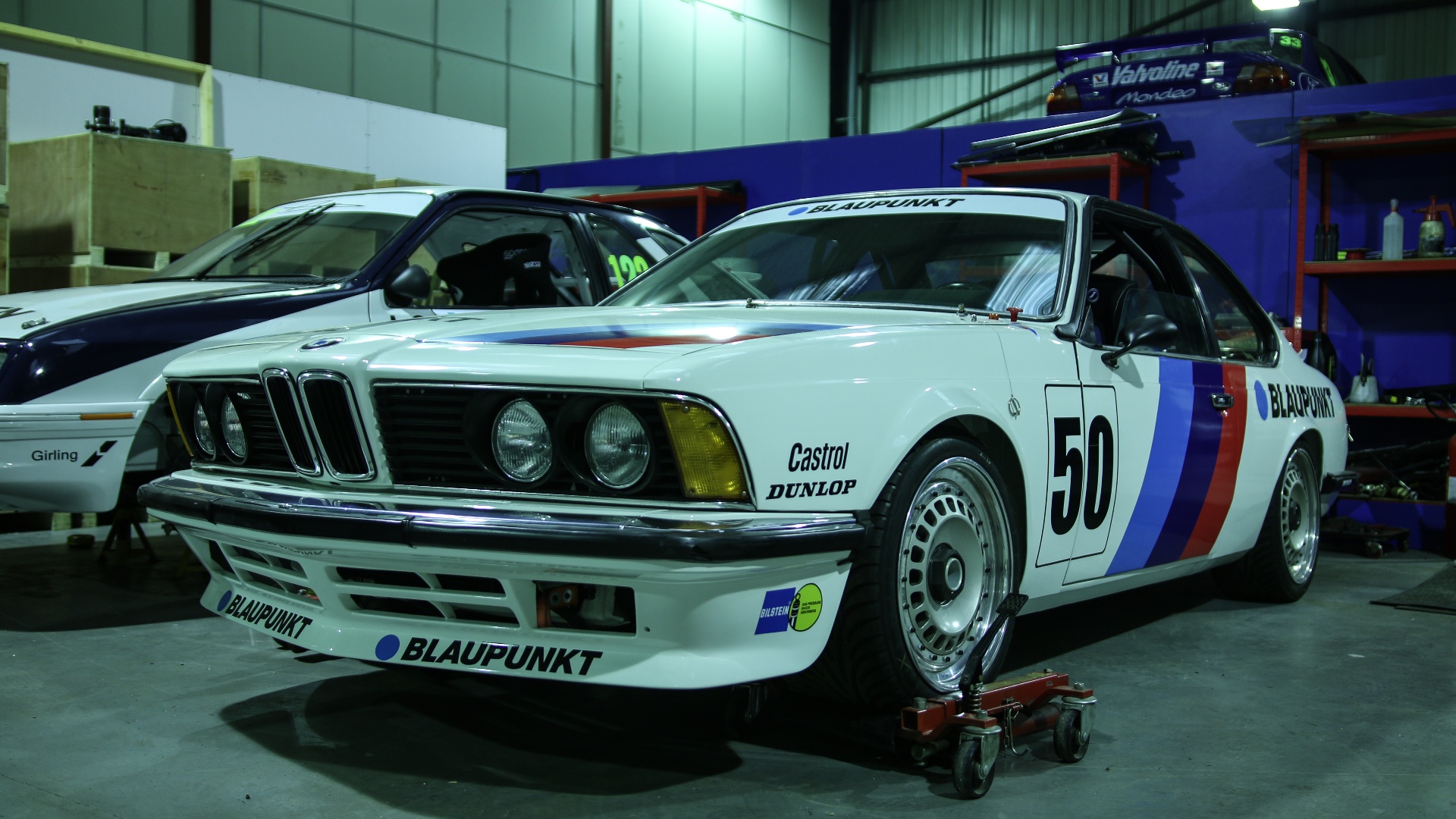
A Ford Sierra and the BMW 635 complete the Group A quartet. The 635 was BMW’s early Group A effort, with Schnitzer preparing cars for competition. This racing history is part of why the old 6er is such an iconic 1980s coupe today.
The BMW, which started life as a road car, was fitted with a Schnitzer-prepared six-pot motor, BMW Motorsport axles and a five-speed racing gearbox. It competed until 1988, before being tucked away for 20 years. It has even seen action on ice with studded tyres.
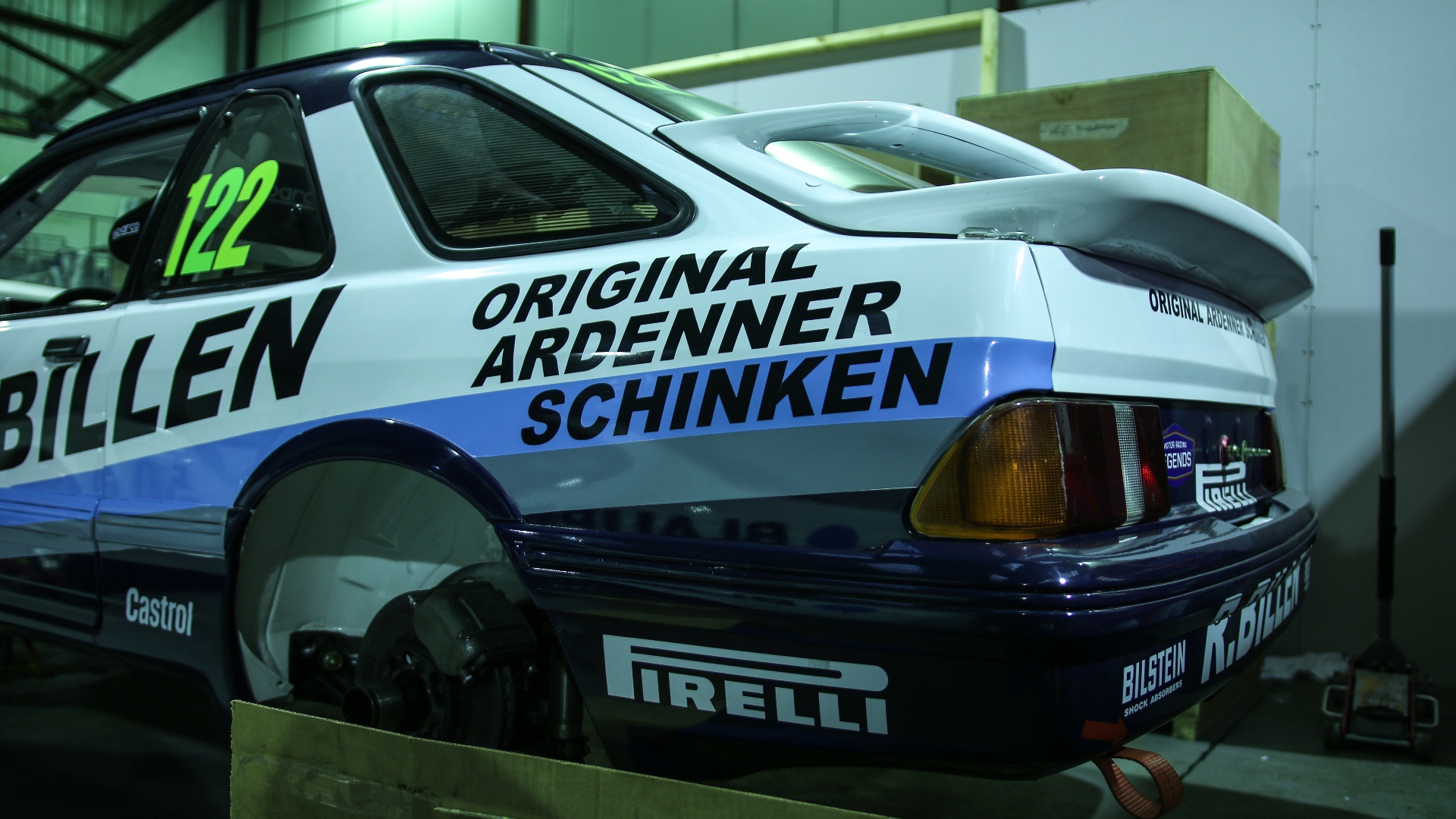
The Sierra is a bit more of a unicorn, given it’s an example of the car that pre-dated the Cosworth. The Merkur Cosworth was an American-spec car with a four-cylinder turbo engine (the same one that found its way into Foxbody Mustangs). This particular example is a recreation prepared by AWS, built from a Ford Motorsport shell – yours for £90,000.
It’s quite an interesting story of being the older, underdog sibling to the golden-child Cosworth. It proved the Sierra and four-pot turbo were a winning combo, with an XR4Ti Merkur winning the 1985 BTCC.
“I think the only reason the Merkur existed as a turbo car is that the Cosworth engine was already in the pipeline,” says Alan. “They wanted to do chassis development and see if a brawnier four-pot could have potential in the future. Without the Merkurs, the Cosworths could never have existed”.
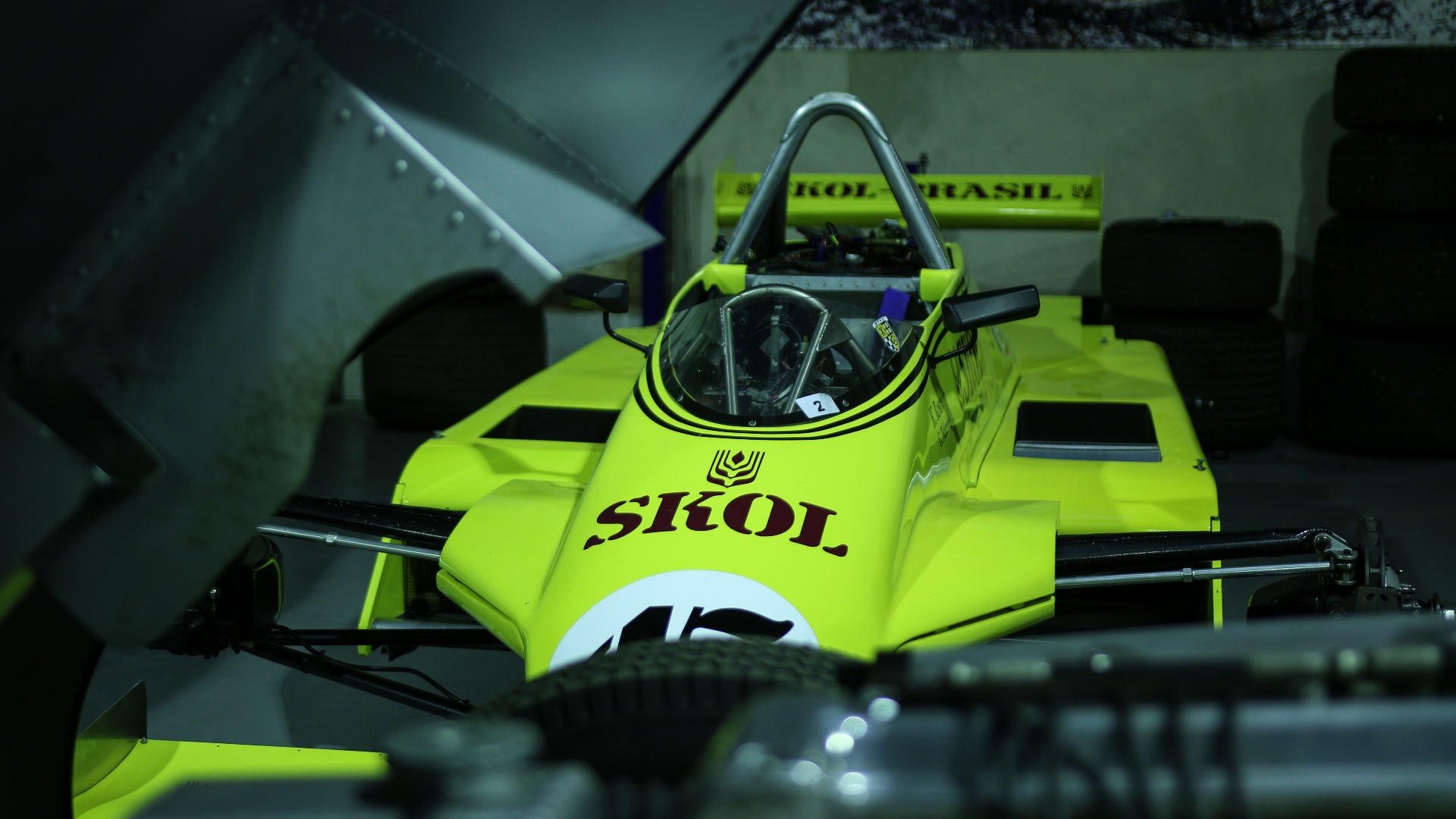
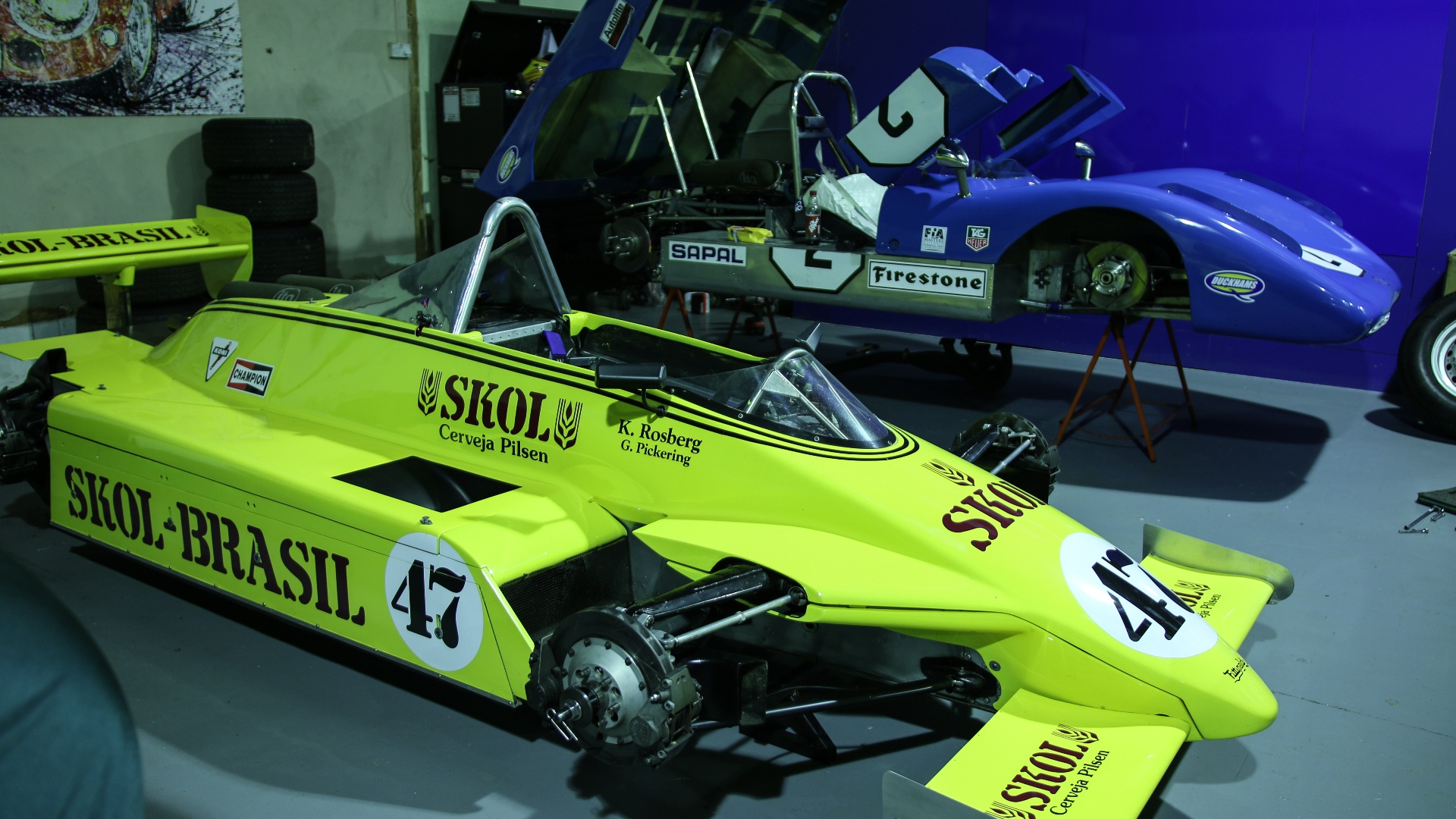
It’s not just touring cars AWS looks after either. Among the super saloons, I spot an ex-Keke Rosberg Fittipadi F1 car from 1981, two Jaguar D-Types and a Taydek open-top sports car.
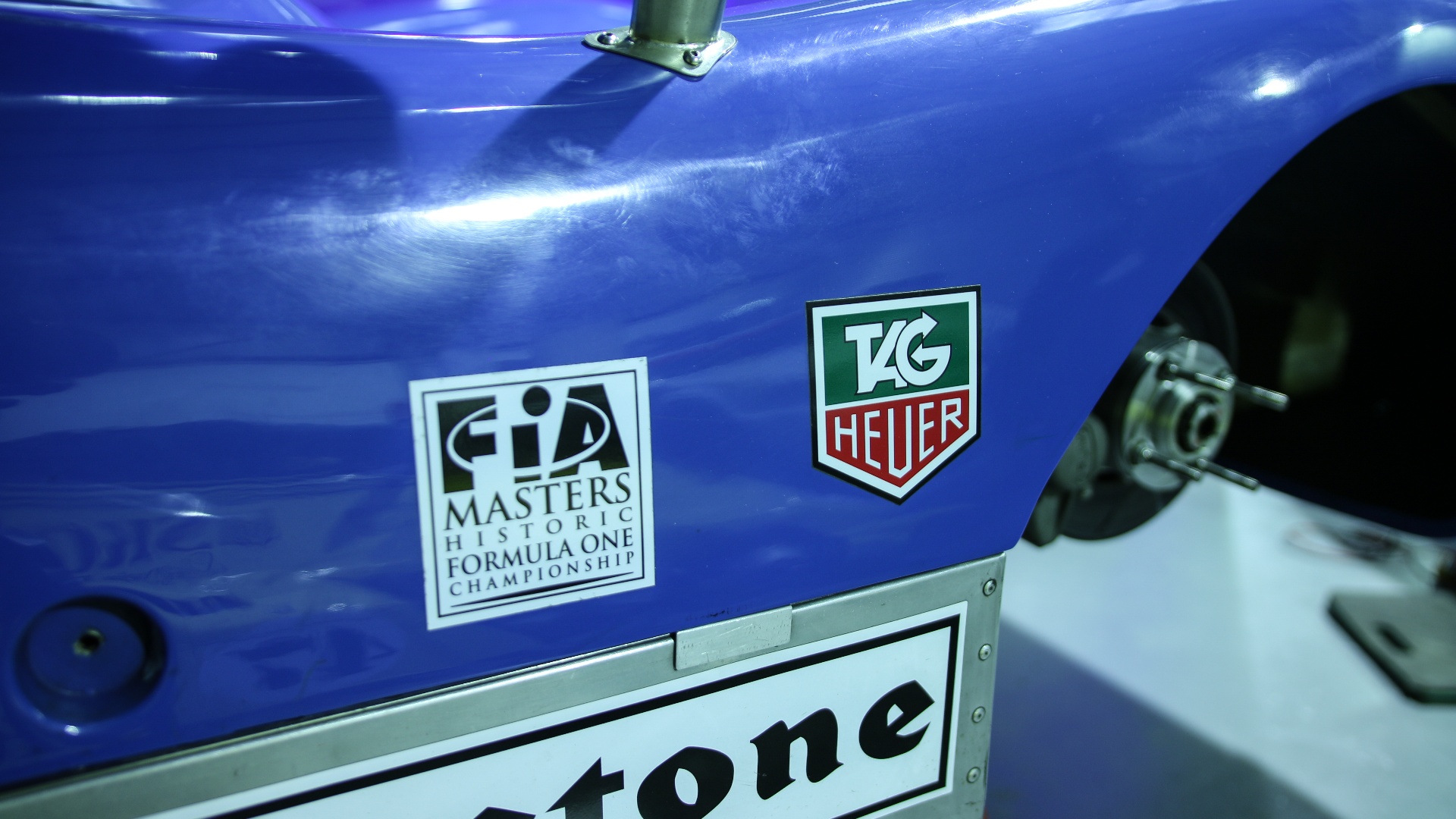
The Fiitipaldi is a 1981 F8/04, powered by the legendary Cosworth DFV 3.0-litre V8. It still sees action in the Masters Historic Racing series today.
The Jaguars are very different. It’s a testament to how incredibly alluring and valuable the D-Type is that a built-out-of-period replica could easily make £1 million. What about a real car? Well, it’s best not to speculate unless you’ve got at least £5,000,000 to play with.
The car in the shop is a 1955 original, sold new to the USA. It’s the 1956 Watkins Glen GP winner, no less. It’s also a proven winner in current historic racing, including victories at Silverstone Classic and Le Mans Classic.
The Taydek Mk3 is a curious little thing. Packing all of 1.8 litres, this car is straight out of the wedge era of sports car racing. This was a time when you could re-skin a Formula car with an open-air wedge and go racing at Le Mans, which this one did in 1971. It also won its class at the Reims 1,000km.
So that’s our tour of the cars in the shop, but it’s not the whole story. There were also a few other early-build cars in an incomplete state. These are cars that AWS are working on right now, with parts it can supply itself.
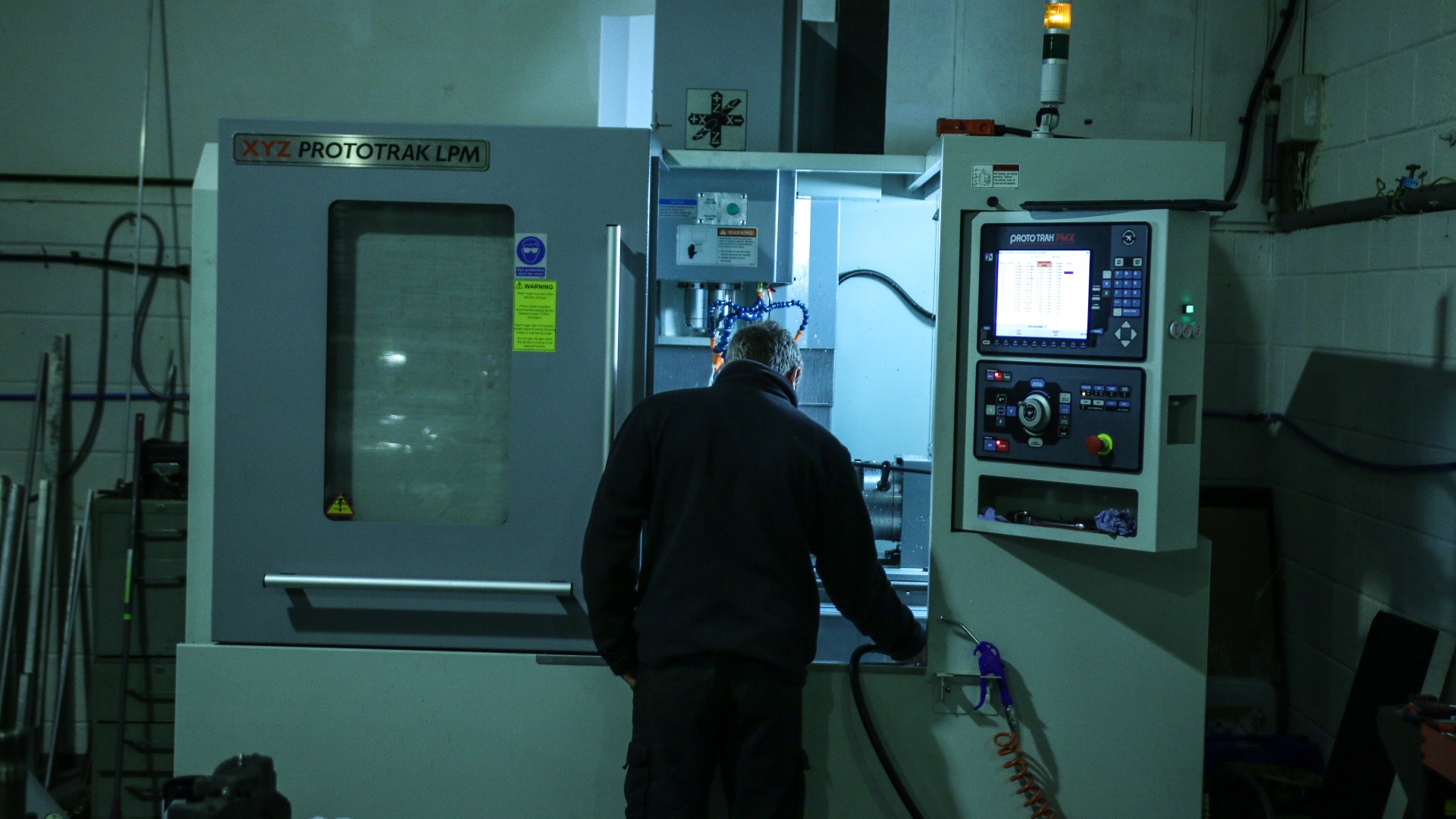
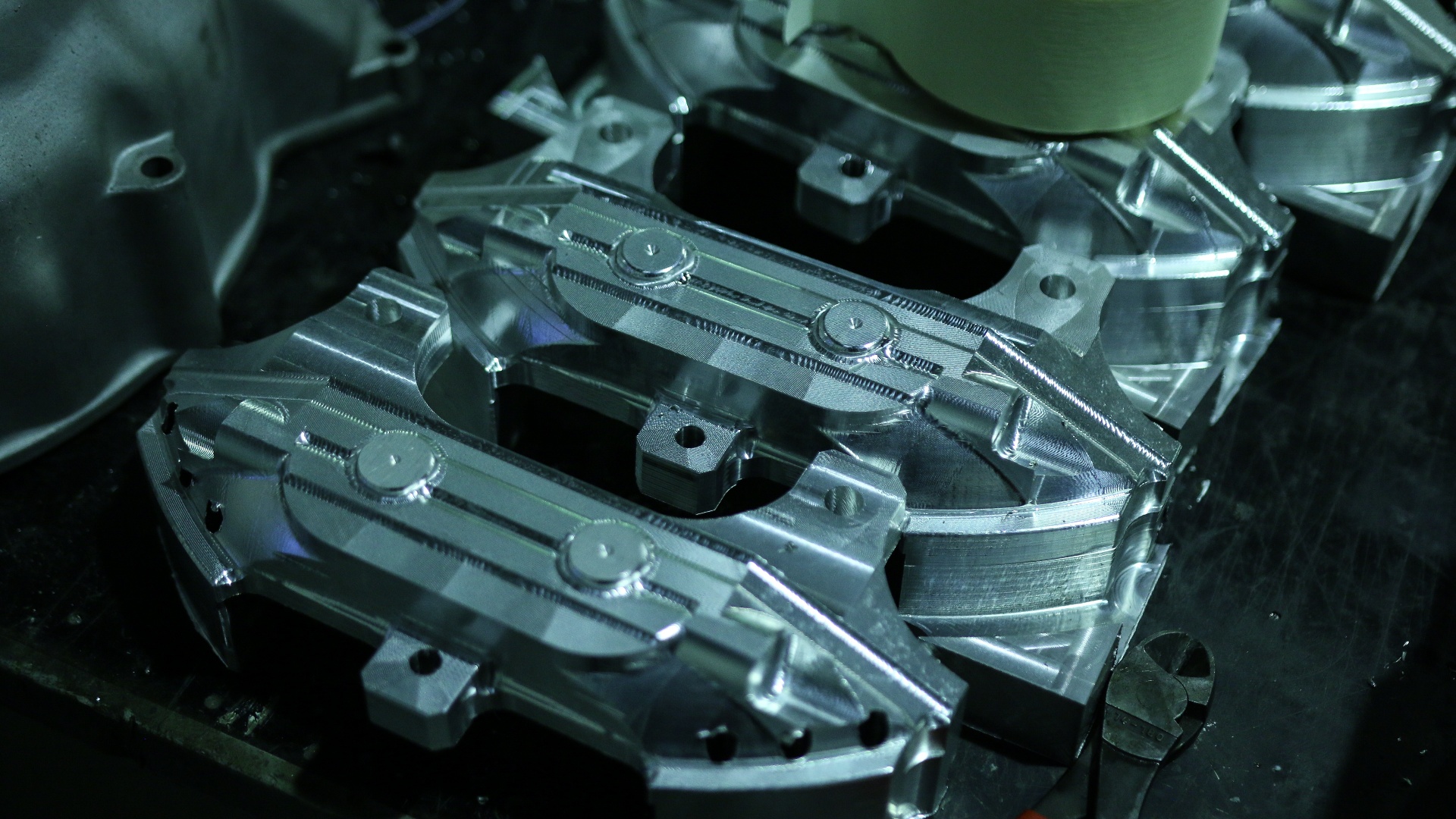
Tucked over in the corner of the unit are a selection of large milling machines. Their job is to cut all-new parts for classic racing cars out of billet materials.
Alan has experienced a life of looking after racing cars and, consequently, dealing with unreliable suppliers. His logic here is that if he’s the supplier, he has absolute control, and can be totally forthright with customers about when cars will be ready. It’s the logical next step for a restorer of old racing cars that use hard-to-find parts.
So, not only can AWS Engineering store, work on, fix, and prepare your car for racing, it can also make parts. The complete motorsport package, then? All you need is someone to race it. Our emails are open…
Read more:
Lotus drifts into Christmas with tree-laden Evora 410
Ferrari to celebrate Schumacher’s 50th birthday with special exhibition
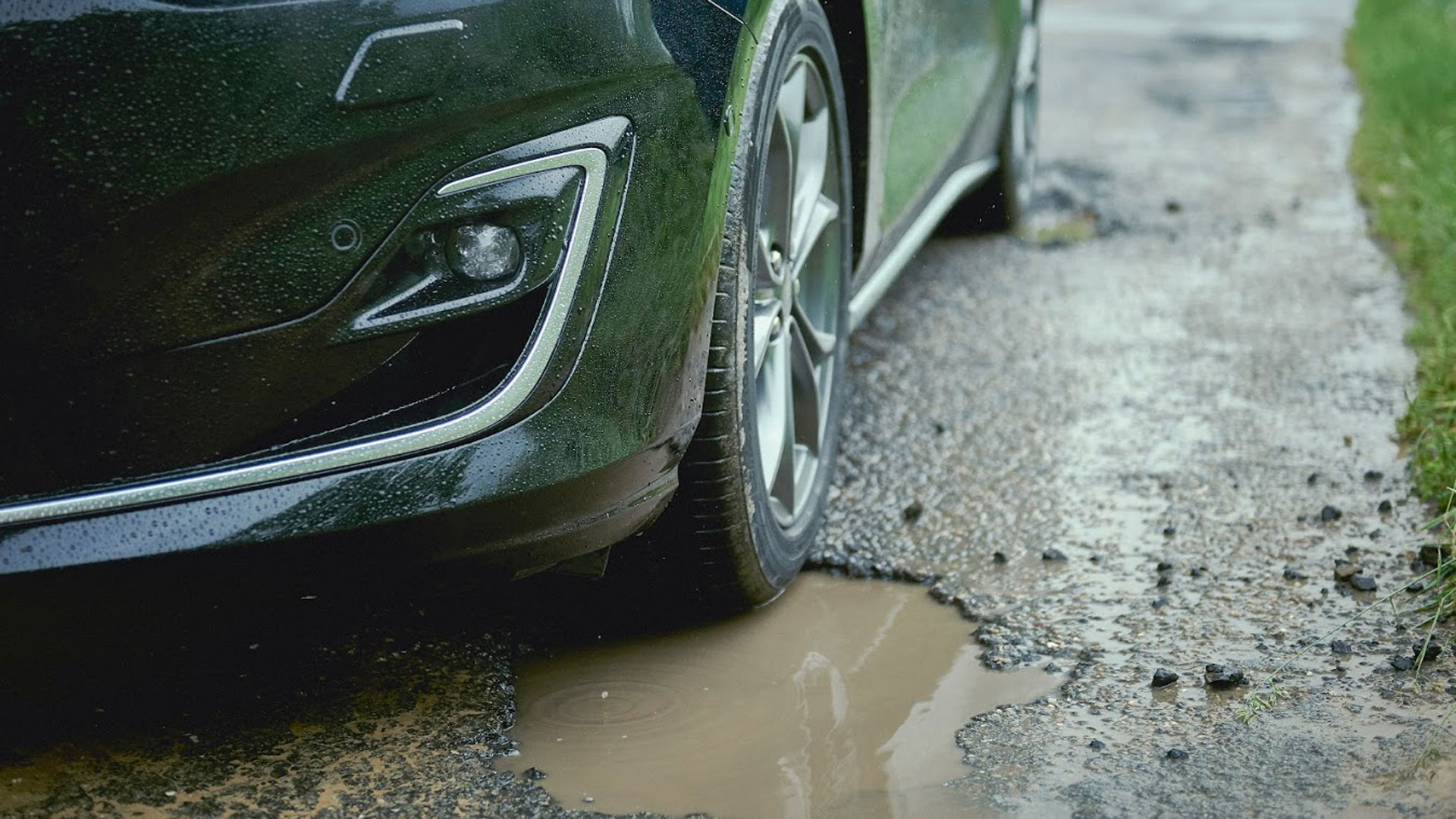
In comparison, just £81,500 was given to claimants in 2017, with Highways England blaming the ‘severe weather incurred at the start of 2018’ for the huge increase. The 2018 figure is correct as of 30 November, so we suspect the current inclement weather will result in even more claims before the year is out.
Perhaps unsurprisingly, the total number of potholes reported is also on the rise, with 15,524 cases in 2018, up 47 percent from 2017. This figure is based on the number of potholes recorded on Highways England’s incident management system.
As for repairs, the Highways England maintenance contractors repaired 22,862 potholes in 2018, up from 14,104 in 2017. The number of repairs is higher than the number of claims because some potholes are repaired more than once.
Earlier this year, another FOI request revealed that an average payout for damage caused by poor road surfaces was £311.25 in 2017/18 – the highest figure over a five-year period.
We cannot blame Emma
Data released by the RAC revealed that potholes present twice as great a threat to car reliability as 12 years ago, with the company attending 14,220 pothole-related breakdowns in the 12 months leading up to October 2018.
“There is little doubt local road conditions in many parts of the country are sub-standard and have been so for quite some time,” said RAC chief engineer David Bizley. “Data from this quarter’s RAC Pothole Index supports this, showing there has been a steady deterioration in road conditions over the last 18 months, with the latest quarter not showing a significant improvement. We cannot simply blame Storm Emma and the Beast from the East, even though they certainly made matters worse.”
In the autumn budget, Chancellor Philip Hammond announced plans to give local councils in England an extra £420m to tackle the pothole crisis, although the Asphalt Industry Alliance (AIA) said that this would only be enough to scratch the surface.
In response to the budget, Rick Green, chairman of AIA, said: “The additional funds announced today will go some way towards tackling the annual shortfall local authorities have in their highway maintenance budgets, but remains significantly less than the £1.5 billion extra a year we believe is needed to bring local roads up to target conditions so that they can be maintained in a cost-effective way in the future.” “Whilst today’s announcement recognises the important role local roads play in supporting the economy and keeping communities connected, it is not enough to stop the on-going decline of the local road network caused as a result of years of underfunding. Hopefully, it is a welcome first step towards sustained annual increases in local road maintenance funding.”
An independent test by the FIA Foundation and the International Council on Clean Transportation has revealed shockingly high nitrogen oxide (NOx) emissions from brand new diesel cars. On average, new diesels emit six times the legal limit of NOx.
The tests aimed to provide real-world performance and emissions figures for cars, as opposed to the established – and unrealistic – test benchmarks. More than 100,000 vehicles were measured across nine locations in London. As the cars drove, infrared and ultraviolet light was fired through the fumes to calculate emissions.
The worst offenders? As if the alliance needed any more bad publicity right now, Renault and Nissan are the worst performing marques. According to the TRUE rating system (The Real Urban Emissions Initiative), diesel engines in the Nissan Qashqai, Juke and Renault Captur emit as much as 11 times the legal limit.
For reference, that’s 0.08g per kilometre of NOx. Even Renault and Nissan petrol engines emit more than twice the NOx of the very best-performing petrols.
Fiat-Chrysler diesels were found to be emitting more than nine times the legal limit. Further down the list of offenders, BMW and Mercedes diesels return NOx emissions figures beyond five times the limit.
Jaguar Land Rover (JLR) turned out to be the best-performing company in terms of nitrogen oxide emissions. However, as if to highlight the issue of NOx and the disparity between established methods and real-world testing, the emissions were still more than double the limit, at 0.2 g/km.
Interestingly, for all the controversy, Volkswagen was second only to JLR in its performance, at 3.75 times the legal limit. It would seem the VW Group has cleaned up its act, comparatively speaking.
Overall, London taxis took quite the flailing. Euro 5-compliant models emit as much as 50 percent more NOx than older Euro 3 and 4 models. Buses got a pat on the back, however, with reductions in nitrogen oxide emissions of 65 percent over the past five years.
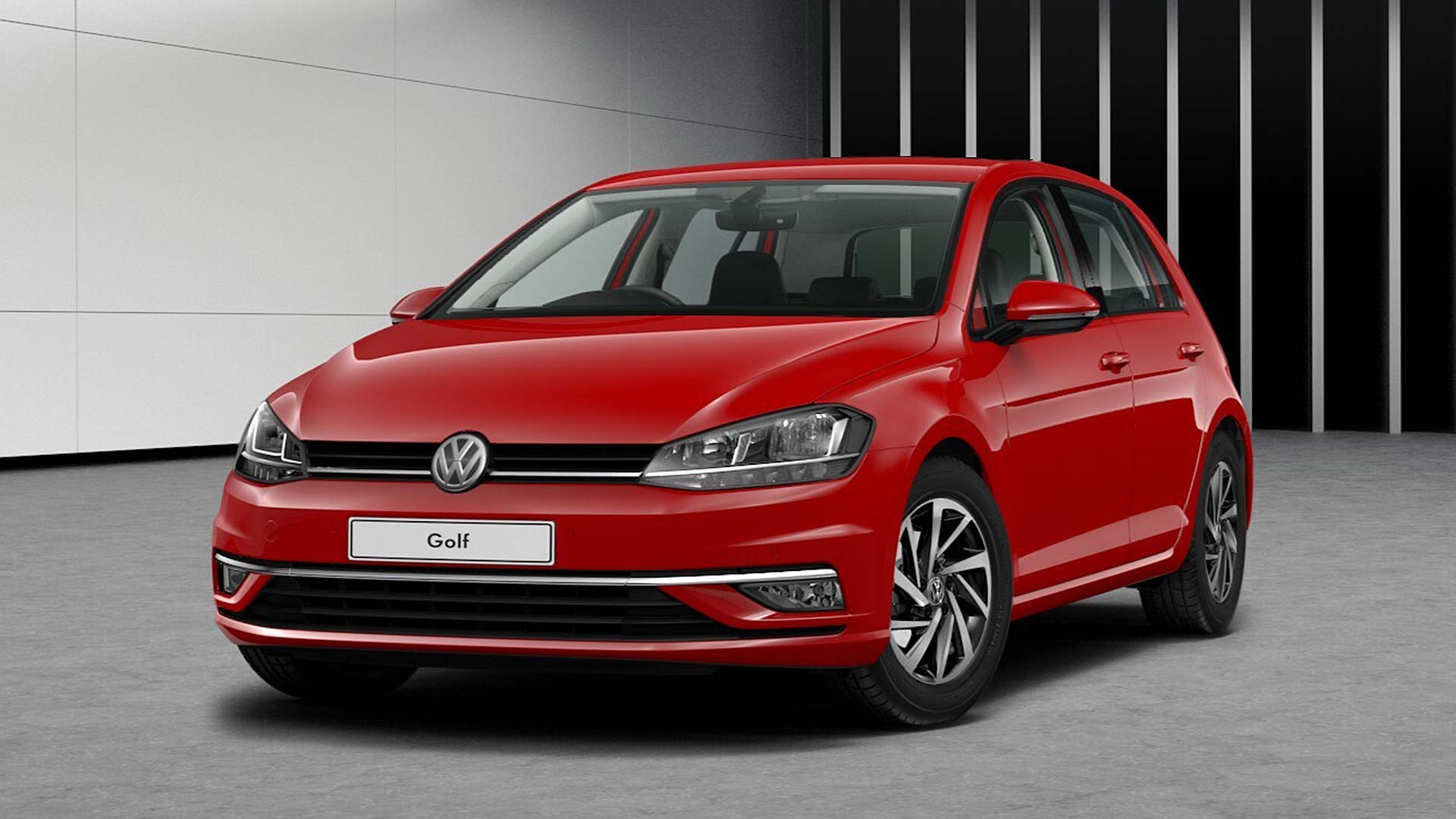
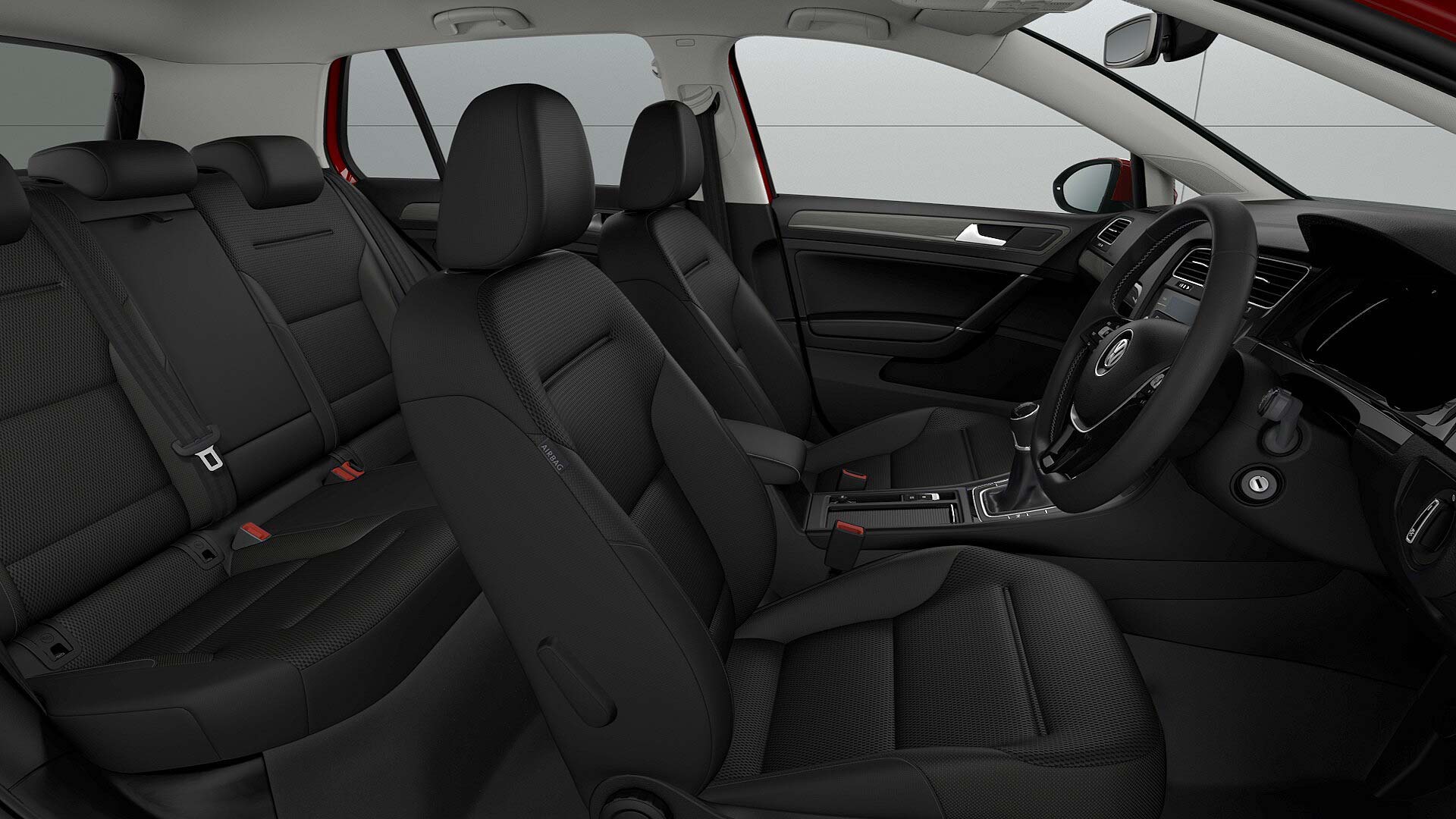
A clear sign that a new Volkswagen Golf is due in 2019 is the return of its long-running value-packed runout special, the Golf Match.
On sale now, with prices from £20,545, the Golf Match replaces both SE and SE Navigation versions in the line-up.
Ordering is open now.
Standard equipment includes a new type of 16-inch alloy wheel, front fog lights, tinted rear glass and Discover Navigation. Factor in revised list prices and Volkswagen reckons it will save customers more than £300.
The Golf Match is offered in both hatchback, estate and Golf SV MPV guise: savings for the load-lugging wagon rise to more than £400 compared to the old Golf Estate SE.
Volkswagen UK head of marketing, Geraldine Ingham, said: “The Golf is hugely popular here. Indeed, it is the second-best selling car in the UK in 2018 and offering extra value through these equipment upgrades is sure to make it even more attractive.”
Engine choices for the VW Golf Match include 1.0 TSI 115, 1.5 TSI 130 and 150, 1.6 TDI 115 and 2.0 TDI 150. Deliveries are expected from January 2019.
Tough new emissions regulations have signalled the premature end of numerous performance cars (previous-generation BMW M3) and performance knock-backs for some others (a 10hp loss for the Volkswagen Golf R).
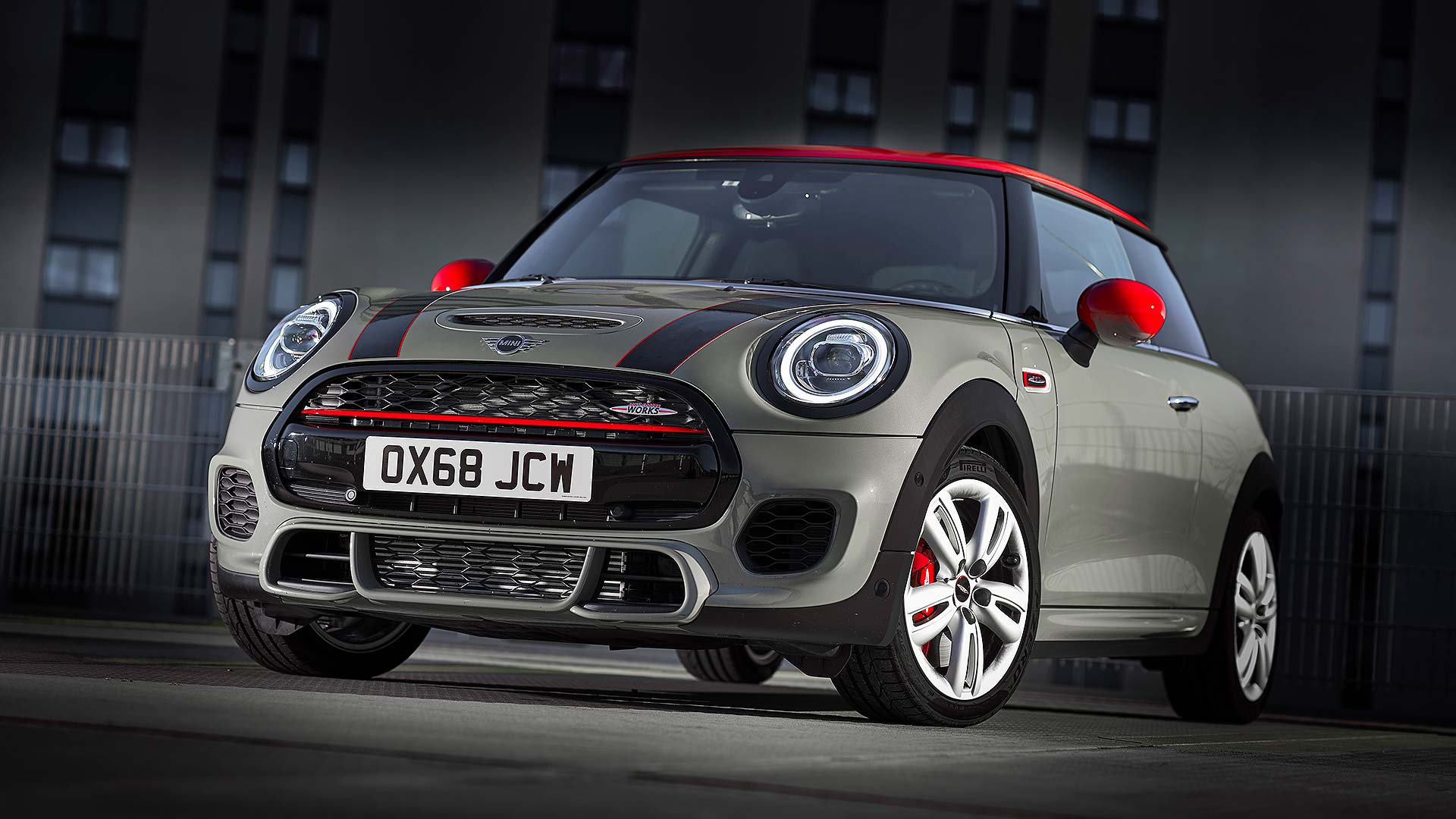
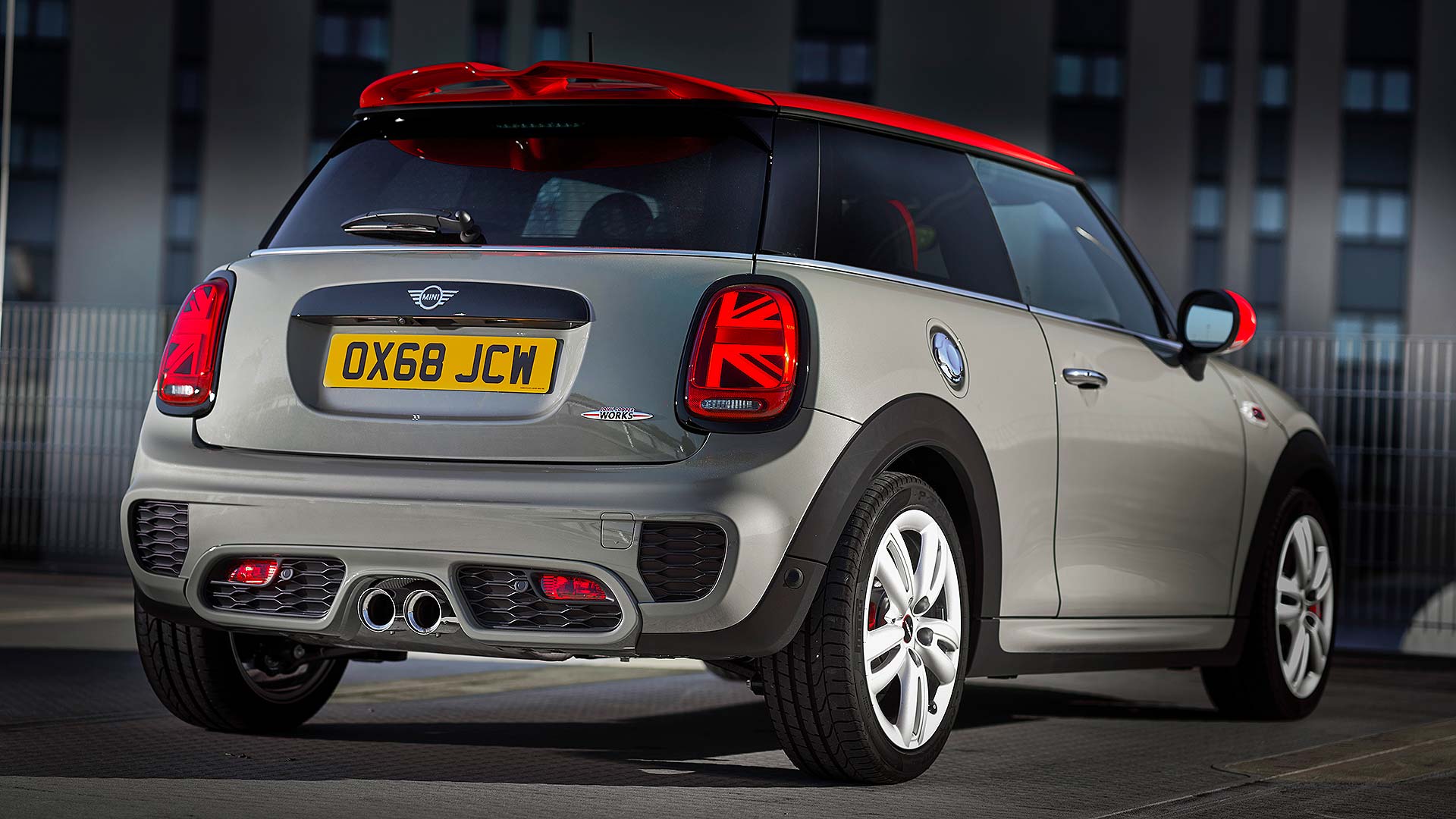
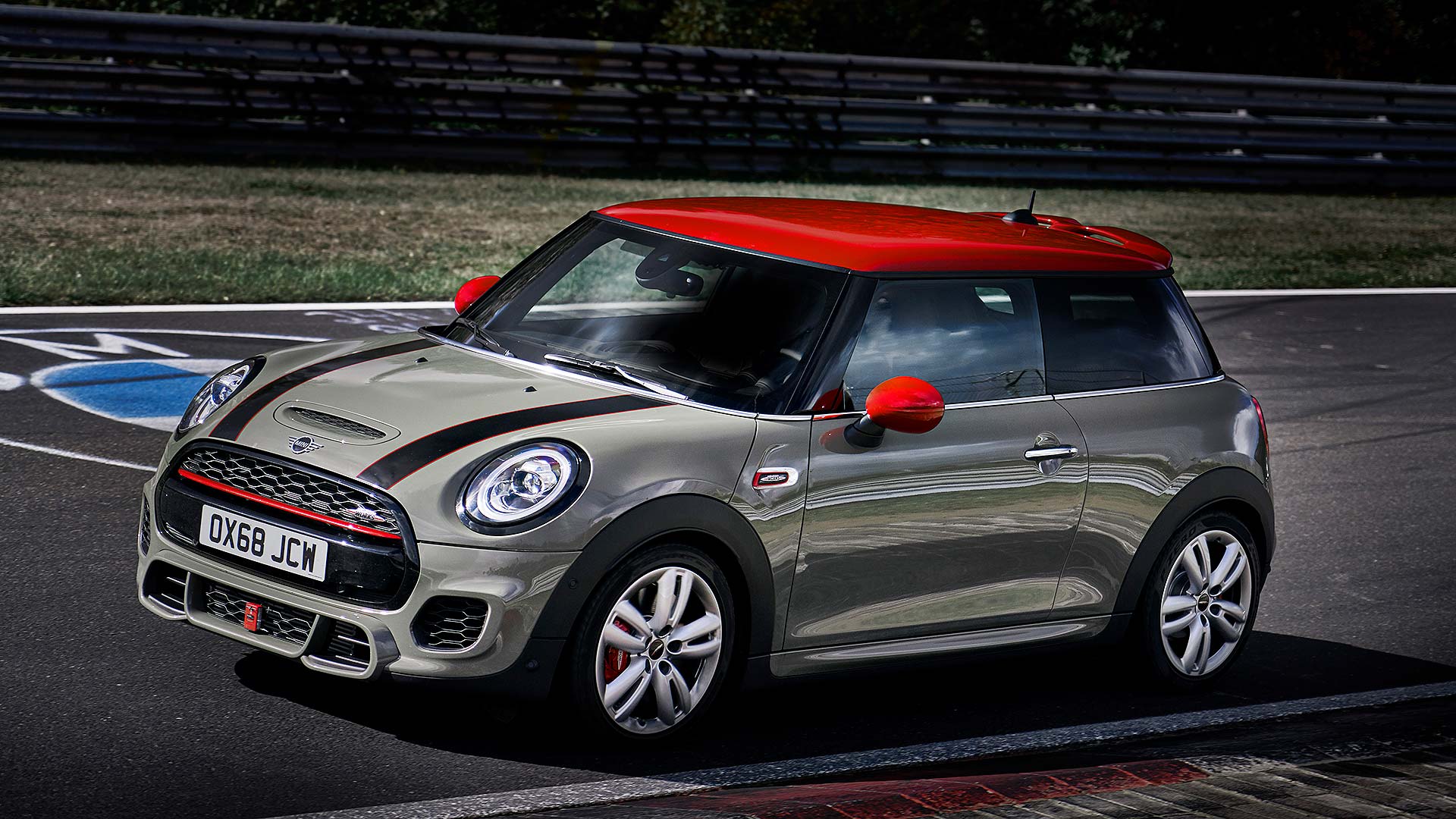
But although the introduction of WLTP legislation did temporarily lead to the Mini John Cooper Works falling off the new car price lists, it’s set to return – with a cleaner exhaust but every one of its 231 horsepower still in tact.
Mini’s achieved it by fitting a gasoline particulate filter (GPF) to the 2.0-litre turbo petrol car’s exhaust. Easier said than done, apparently, as the firm wanted to maintain the “distinctively sporty sound”. It reckons it’s managed to achieve this.
The particulate filter also doesn’t have any impact on fuel economy or CO2 emissions: they’re still pretty decent, with the six-speed manual returning 40.9mpg and as much as 46.3mpg with the eight-speed Steptronic auto. CO2 emissions are as low as 140g/km, although the best you’ll see with a manual is a rather more humdrum 157g/km.
What visual extras does a John Cooper Works, available either in hatch or Convertible guise, bring? 17-inch John Cooper Works alloys and aerodynamics kit for starters. LED headlights and LED ‘Union Jack’ rear lights are standard, and sports suspension is matched with sports brakes.
John Cooper Works sports seats are fitted inside, and buyers can match an optional illuminated piano black interior trim kit with piano black exterior details: high-gloss headlamp, rear light and radiator grille surrounds (sadly not illuminated).
Ordering for the new Euro 6d-TEMP WLTP-compliant Mini John Cooper Works models opens in 2019 with deliveries expected from March 2019. Prices will be confirmed in due course.
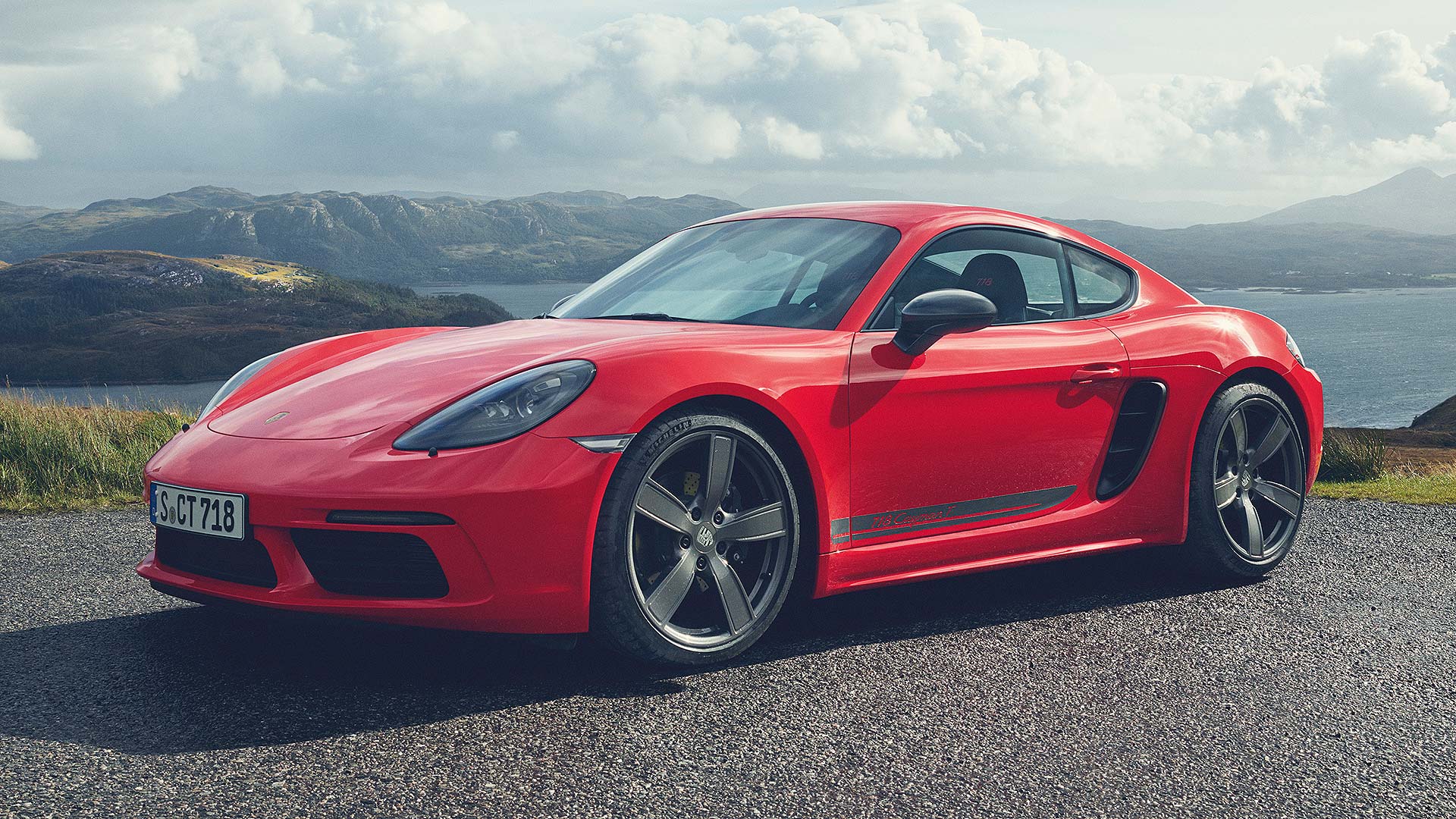
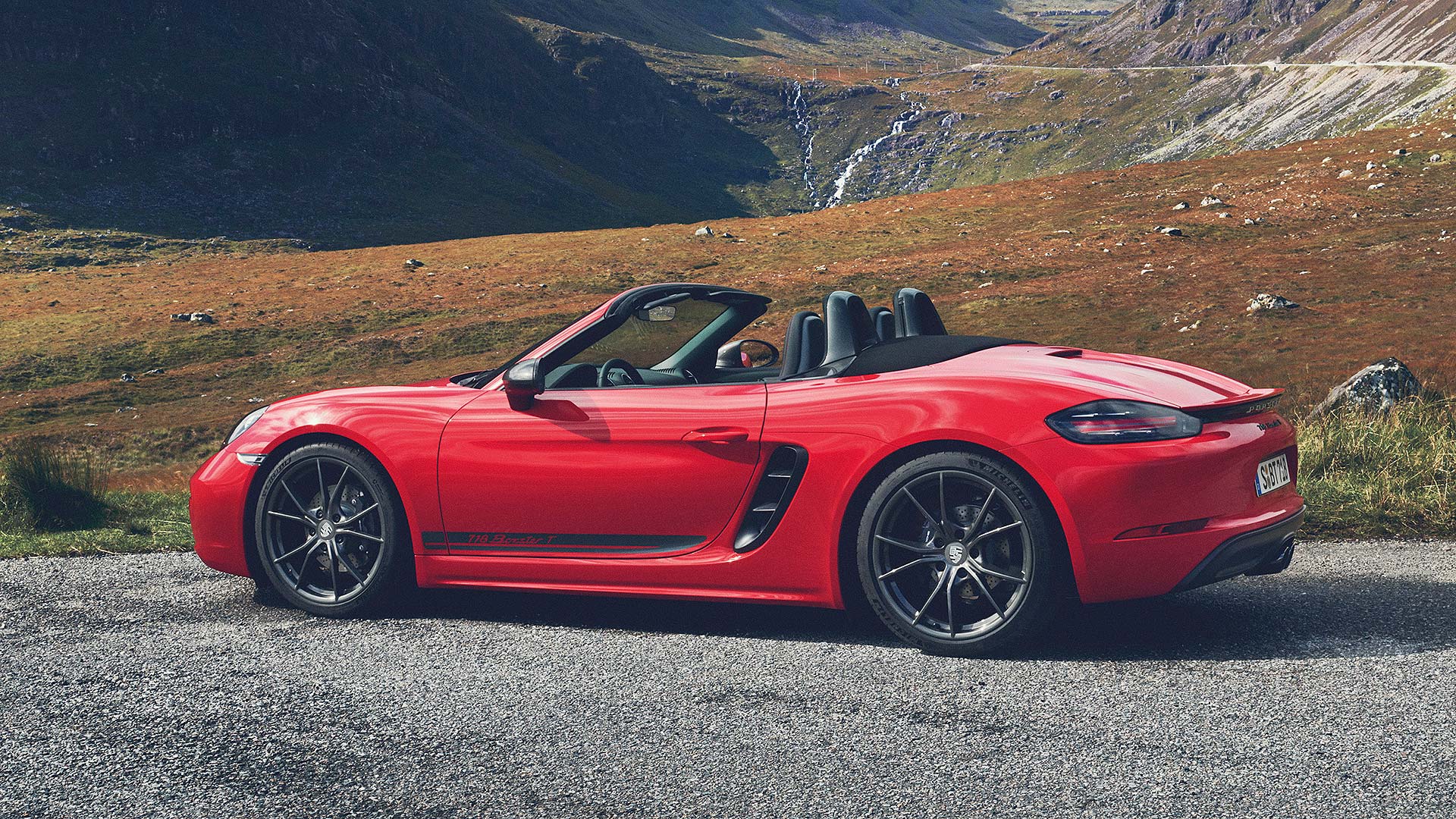
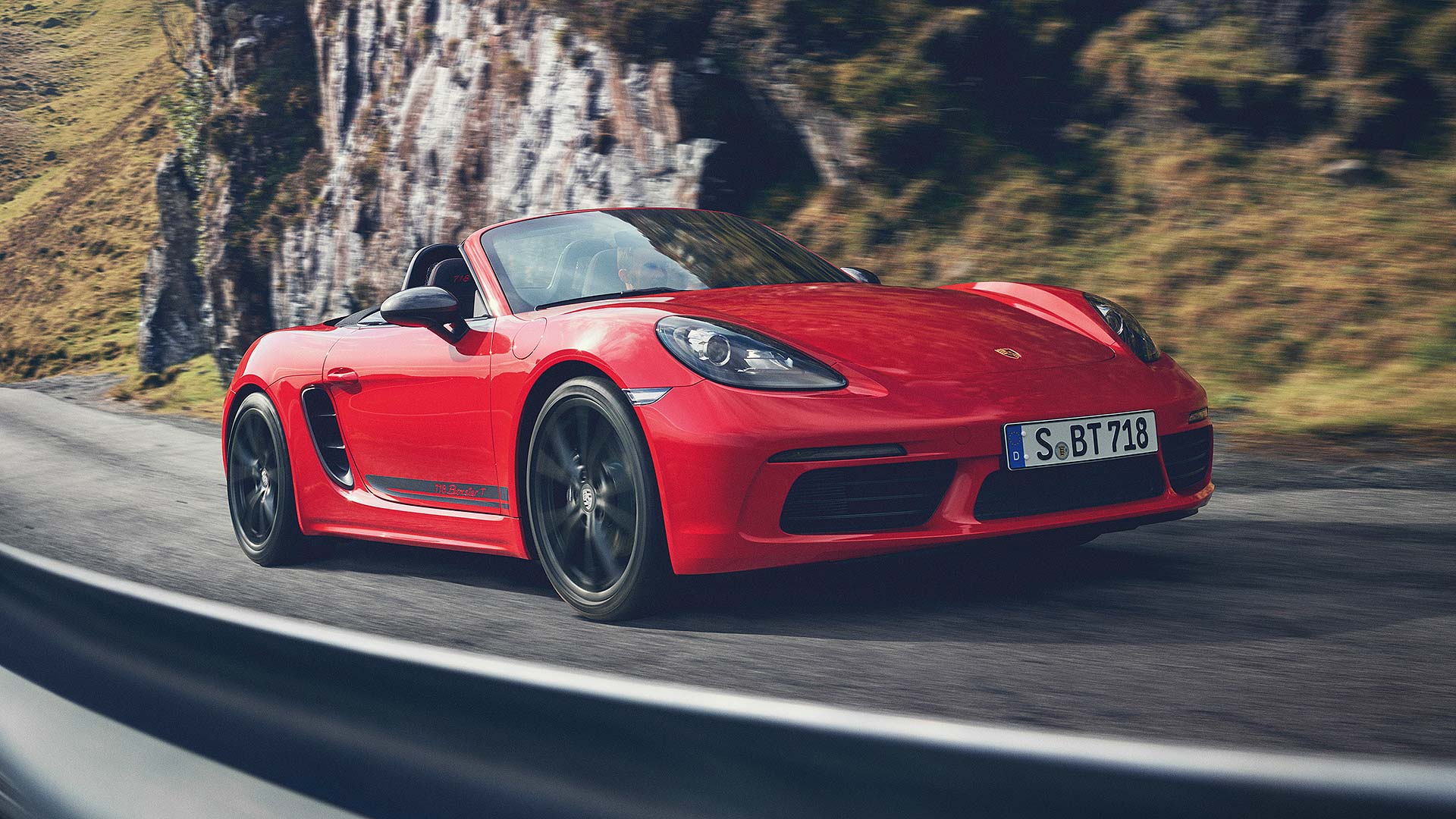
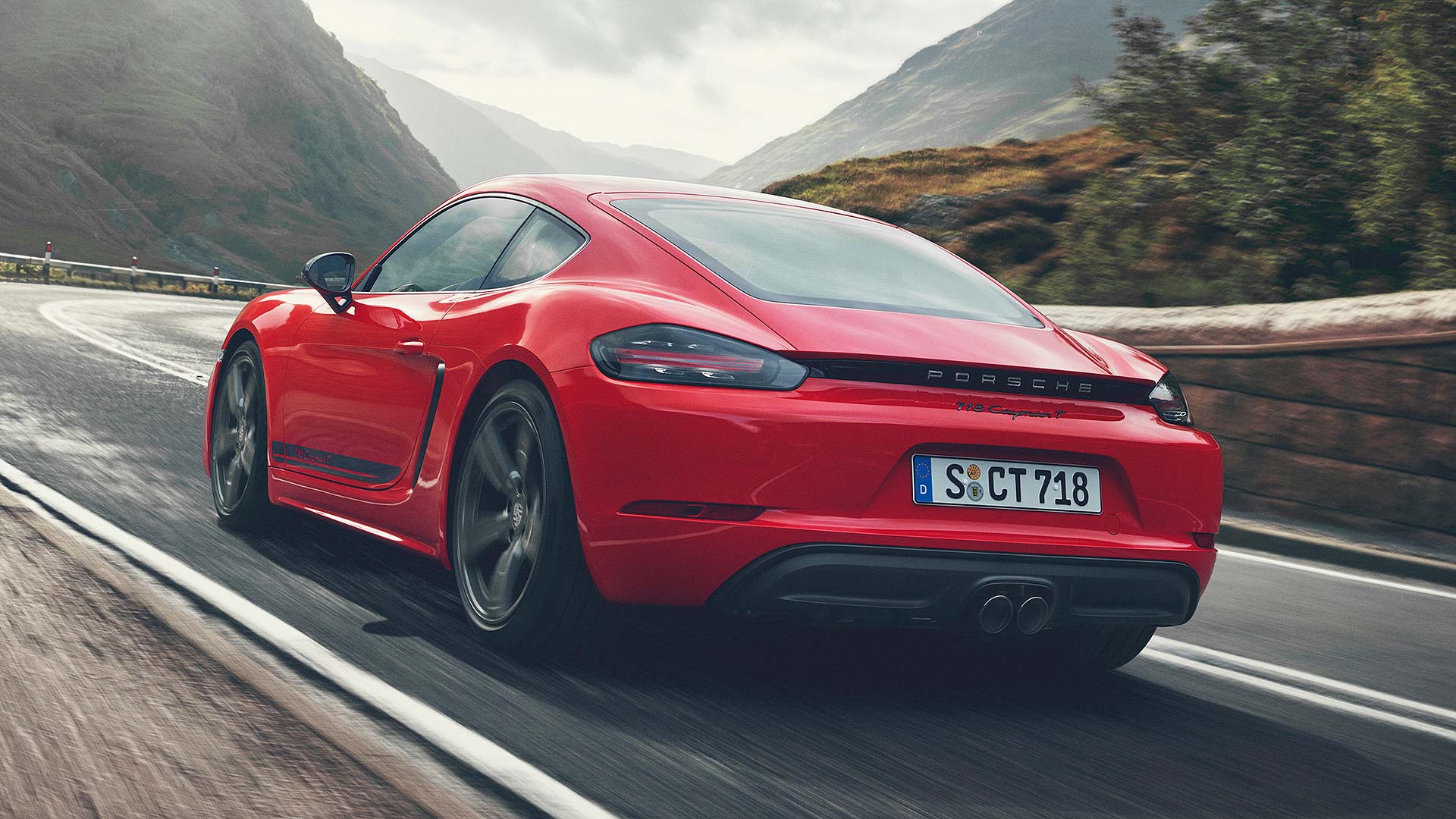
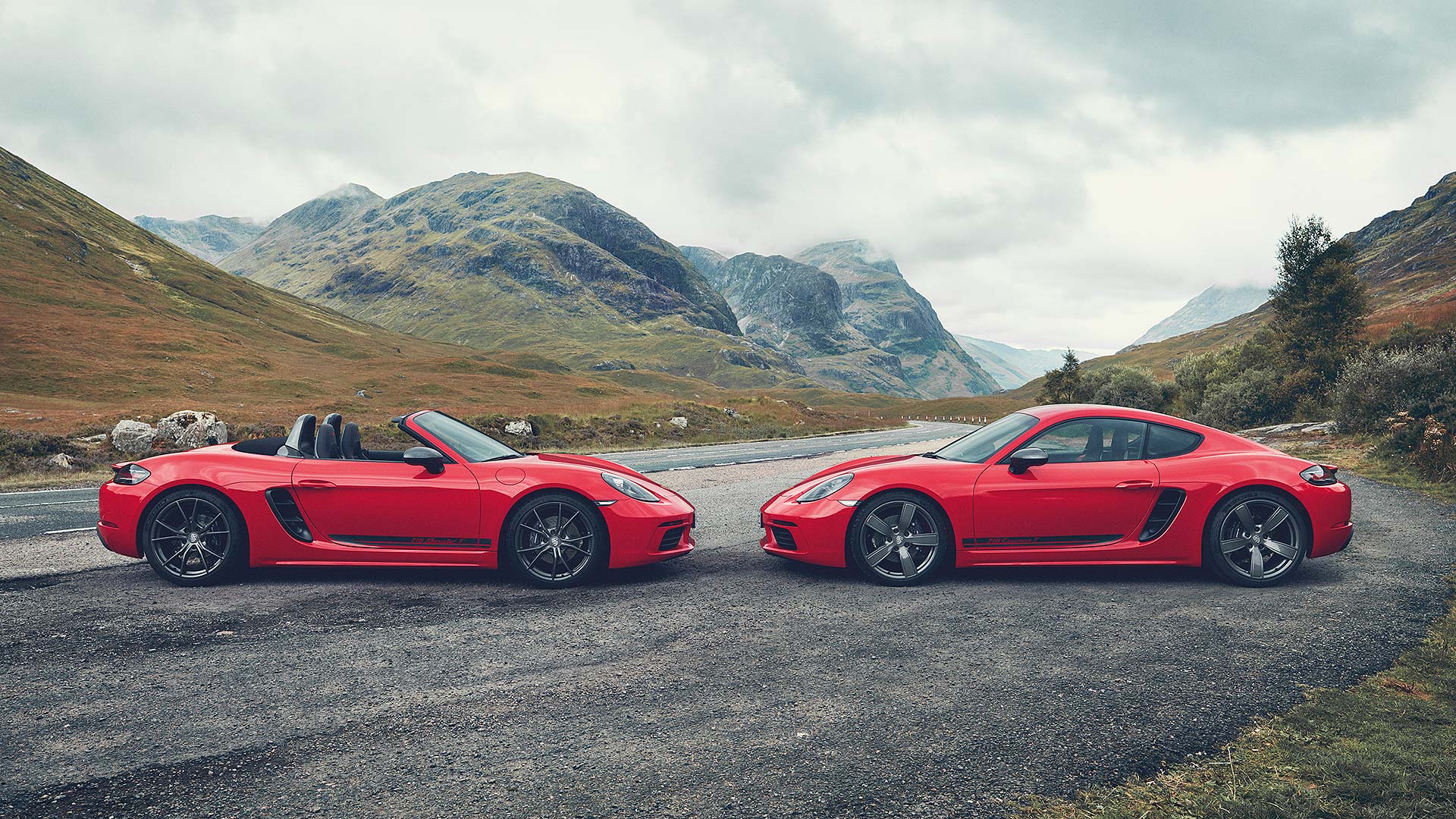
Porsche is broadening the 718 Cayman and Boxster ranges for 2019 with the introduction of new ‘T’ versions to expand the entry-level line-up of the coupe and roadster two-seater.
Positioned above the base 718 cars whose engine they share, the 718 Cayman T and 718 Boxster T are priced just below the ‘S’ versions, which themselves are positioned beneath the range-topping GTS models.
It’s a small niche but Porsche reckons it’s worth exploring, as “T stands for Touring in the Porsche lexicon and is synonymous with driving dynamic performance”.
As such, both 718 T models pair the 300hp 2.0-litre flat-four turbo engine of the standard 718 with sharper, sportier wheels, chassis and standard equipment.
Previously, the sport chassis, lowered by 20mm and fitted with PASM adaptive dampers as standard, was only offered with the faster 350hp 2.5-litre 718 S.
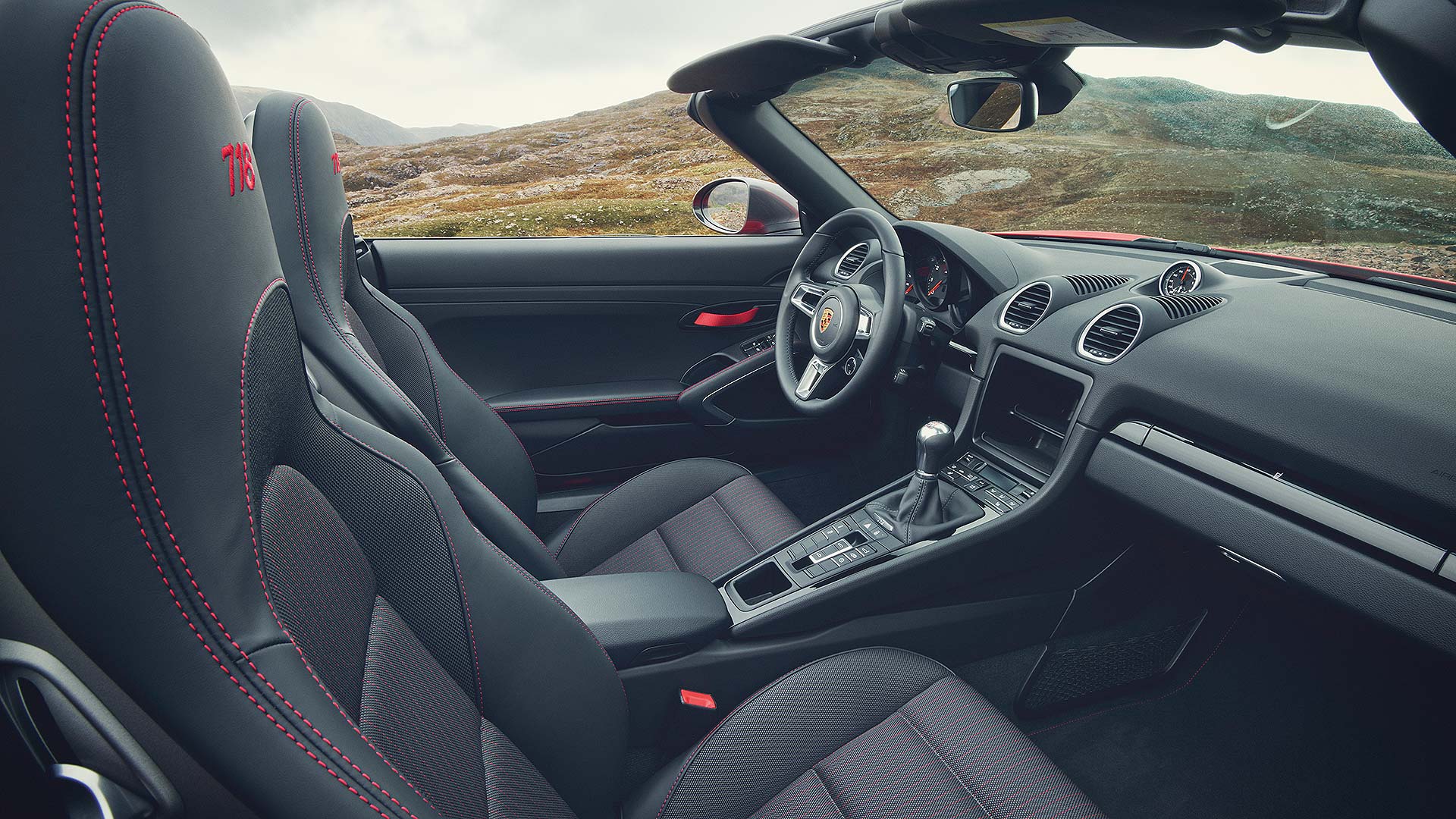
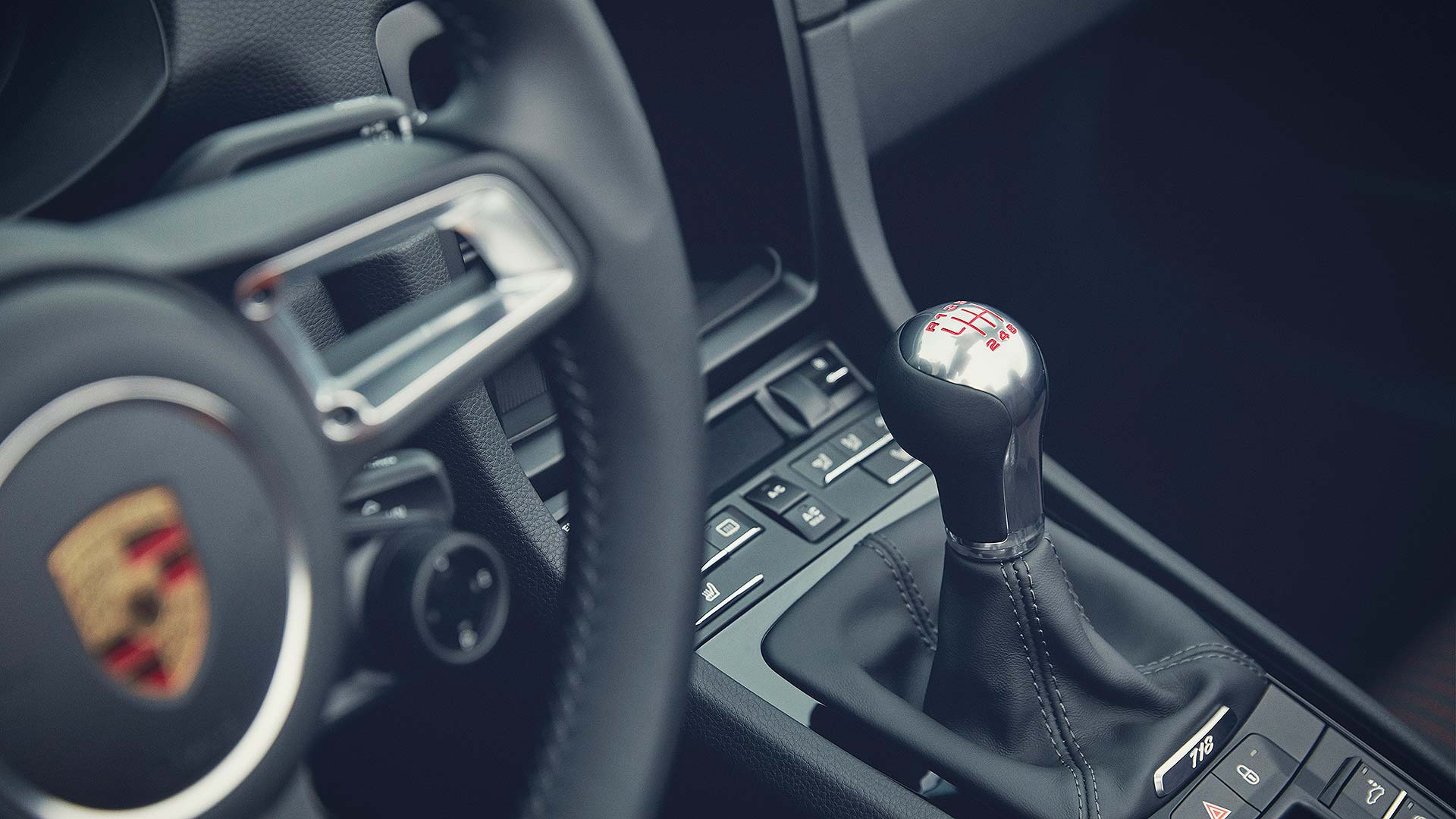
Other niceties include 20-inch alloys, a six-speed manual gearbox with short-shift mechanism (and red paint for the gearshift pattern marking), dynamic gearbox mount, Porsche Torque Vectoring and a mechanical rear differential lock. The Sport Chrono package is also standard.
As we’ve previously seen in the Porsche 911, ‘T’ also stands for an amusingly basic level of standard equipment. The 718 T both have lightweight fabric cord pulls instead of doorhandles, retro-look ‘Sport-Tex’ centre seat fabric with basic two-way electric adjustment and a plastic storage box taking the place of a radio.
Don’t worry, the Porsche Communication Management infotainment system is still available as an option, one that most owners are expected to choose – particularly as it comes at no extra cost. (A PDK automatic gearbox is available too, albeit at extra cost.)
Porsche says a fully ‘naked’ 718 T offsets the weight of installing an emissions-reducing gasoline particulate filter (GPF), which is needed to pass the latest WLTP legislation.
Porsche 718 T: styling and performance
Marking out the new cars are ‘718 Boxster T’ or ‘718 Cayman T’ stickers on the lower door sides, fitted to paint either in Black, Guards Red, Racing Yellow, White, Carrera White, Jet Back or GT Silver paint.
If you really want to go to town, Lava Orange and Miami Blue are offered as special order options.
The 20-inch wheels are finished in high-gloss titanium grey and the centre sports exhaust has twin black chrome-plated tailpipes.
As for performance, 0-62mph takes 5.1 seconds, which falls to 4.7 seconds for the PDK cars. The top speed is 171mph.
Interestingly, this makes the new 718 T models SLOWER than the standard 718 Boxster and 718 Cayman they share a 300hp engine with: that does 0-62mph in 4.9 seconds with the manual gearbox (although matching it in PDK spec). Presumably, the GPF has a bit of an impact on the stick-shift’s responsiveness.
Prices? £51,145 for the Porsche 718 Cayman T and £53,006 for the Boxster T. A Regular Cayman costs from £46,074, and a Cayman S costs £51,835, showing the small gap into which the Cayman T fits. Ordering at Porsche dealers opens soon.
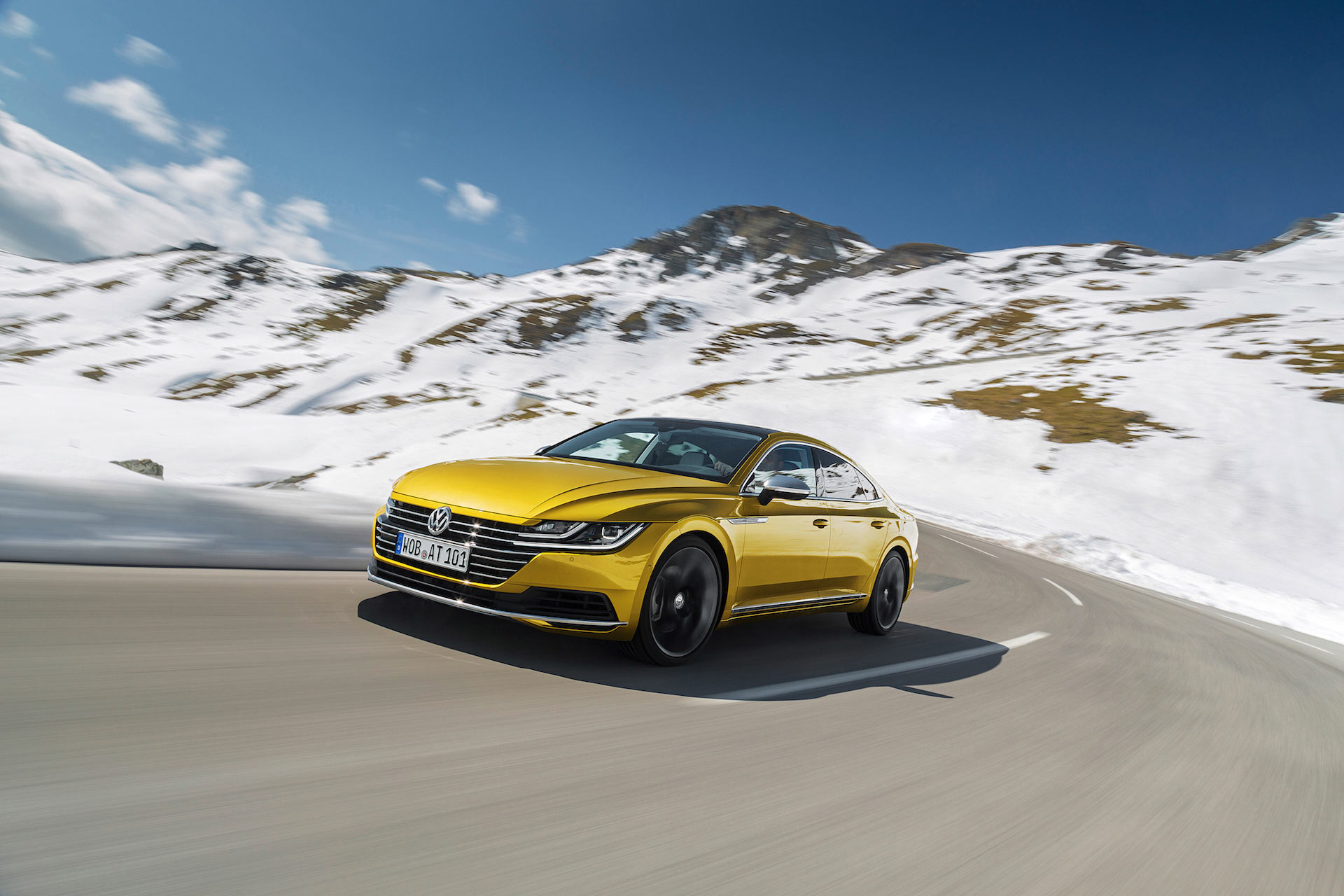
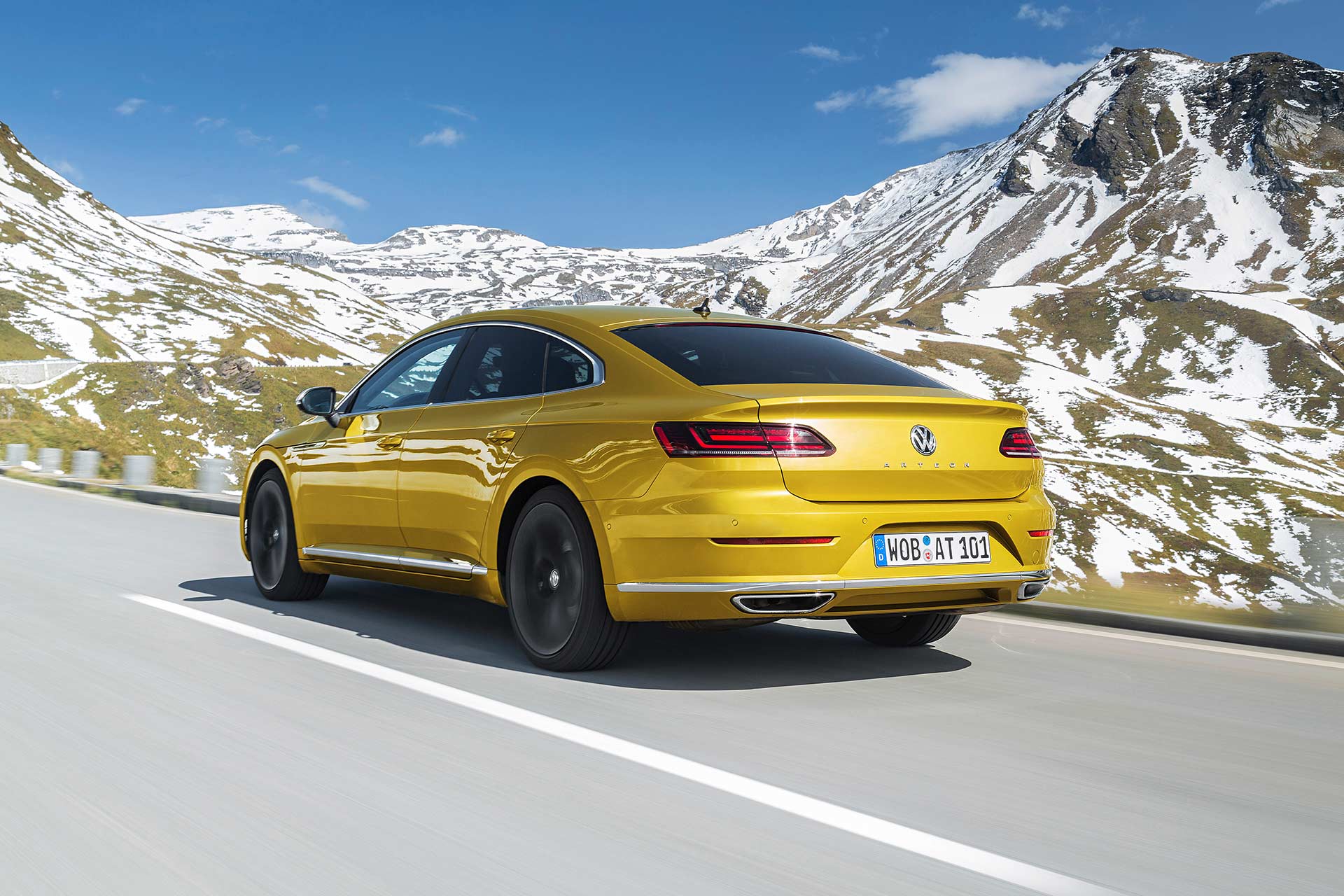
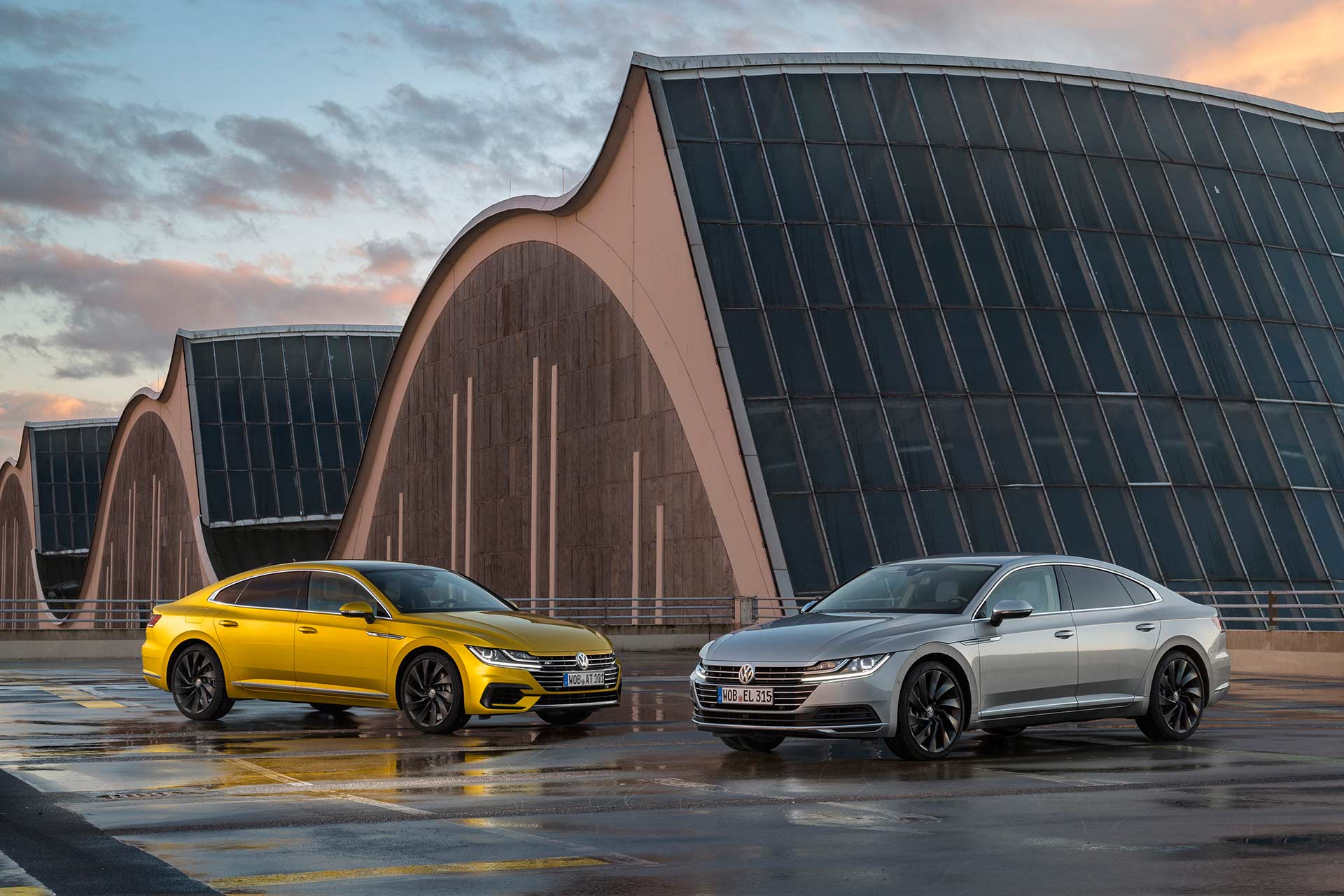
Just like tins of Christmas confectionery, Volkswagen’s range-topping Arteon has succumbed to shrinkflation. But there is at least an added bonus.
Previously the fastest Arteon came fitted with a 2.0-litre turbocharged petrol TSI engine, producing 280 (metric) horsepower. However, the new 2019 model-year Arteon sees that figure drop to just 272hp.
In real terms this is a very modest power reduction and, perhaps more importantly, torque remains the same as before.
Sibling rivalries
With a standard 4Motion all-wheel drive system, and a seven-speed DSG dual-clutch gearbox, the 272hp Arteon remains one of the quickest models sold by Volkswagen.
Covering the 0-62mph sprint in 5.6 seconds, the revised Arteon accelerates just as quickly as the previous version. Top speed also remains more than sufficient for UK drivers at 155mph.
Only the illustrious Golf R is faster, making it the only new Volkswagens Arteon TSI 272 drivers will have to fear at the traffic lights.
Economic outputs
Ironically, the Golf R has also recently undergone a small engine performance reduction, seeing peak power drop by 10hp.
Blame it on the need for compliance with the latest World Harmonised Light Vehicle Testing Procedure (WLTP) emissions regulations, which has seen the Volkswagen Group make sweeping changes to engine lineups.
What it does mean for the Arteon is an increase in the official fuel consumption figures. Combined fuel economy is now recorded as 40.4mpg – an improvement of 1.7mpg. CO2 emissions have also fallen from 164g/km to 160g/km.
Those interested in the dramatically styled fastback can at least be pleased that Volkswagen has not increased prices.
Offered in a choice of two trim styles, the Arteon TSI 272 starts at £39,065 for the fancy Elegance version, or £39,850 for the sporty R-Line model.
Orders can be placed at your local Volkswagen dealership now.
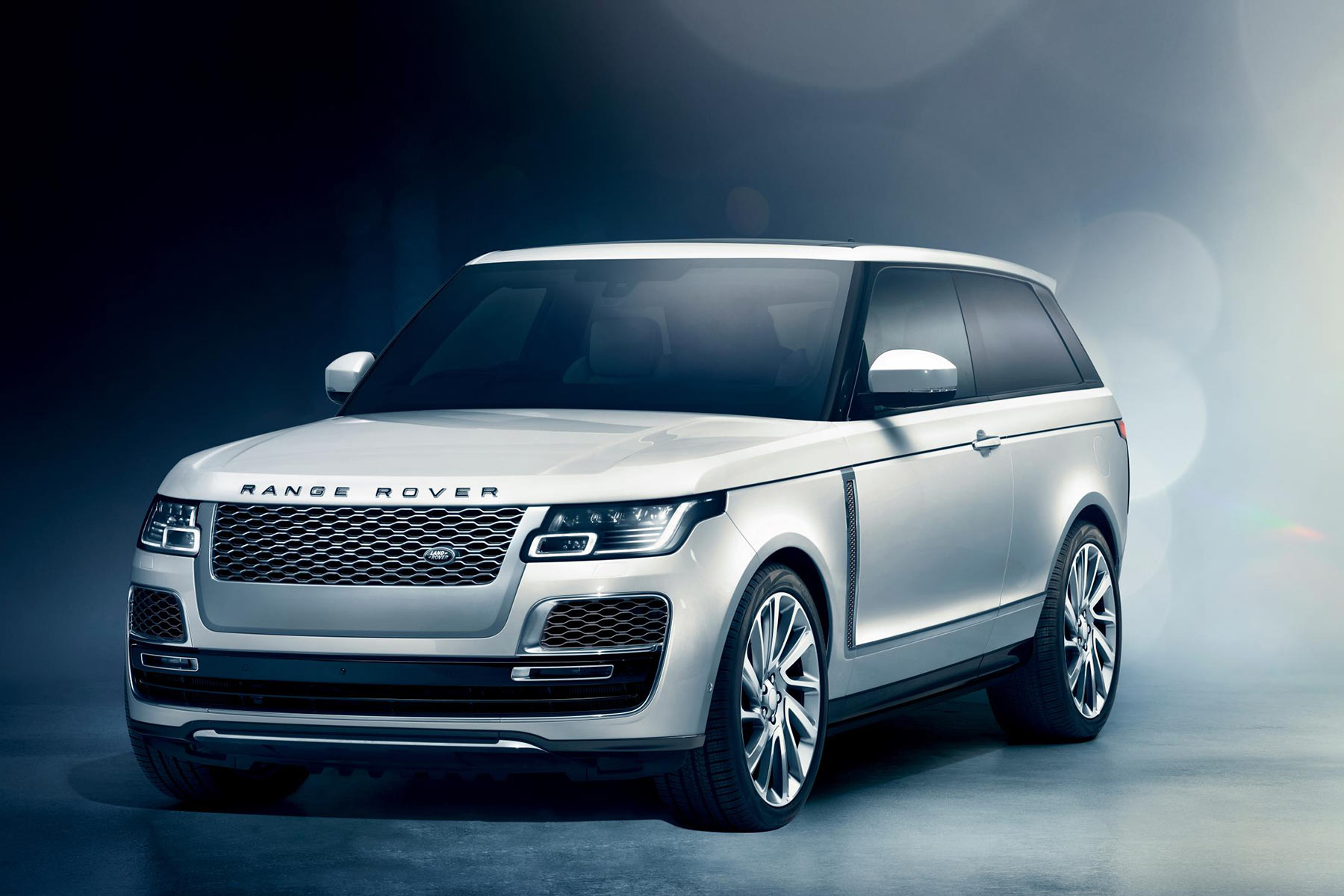
The exclusive Range Rover SV Coupe went home a winner from the recent Interior Design 2018 Best of Year Awards.
Held for the past 13 years, the ceremony saw Interior Design magazine dish out prizes in a wide range of categories. From flooring and rug patterns, to even large-scale architecture projects, the awards cover a staggeringly wide array of topics.
This year saw automotive categories held for only the second time, and the limited edition Range Rover SV Coupe took the prize in the ‘Automotive: Overall Design’ class.
High rollers
According to Cindy Allen, Editor-in-Chief of Interior Design magazine, the automotive categories are important as ”good design moves both of our industries forward.”
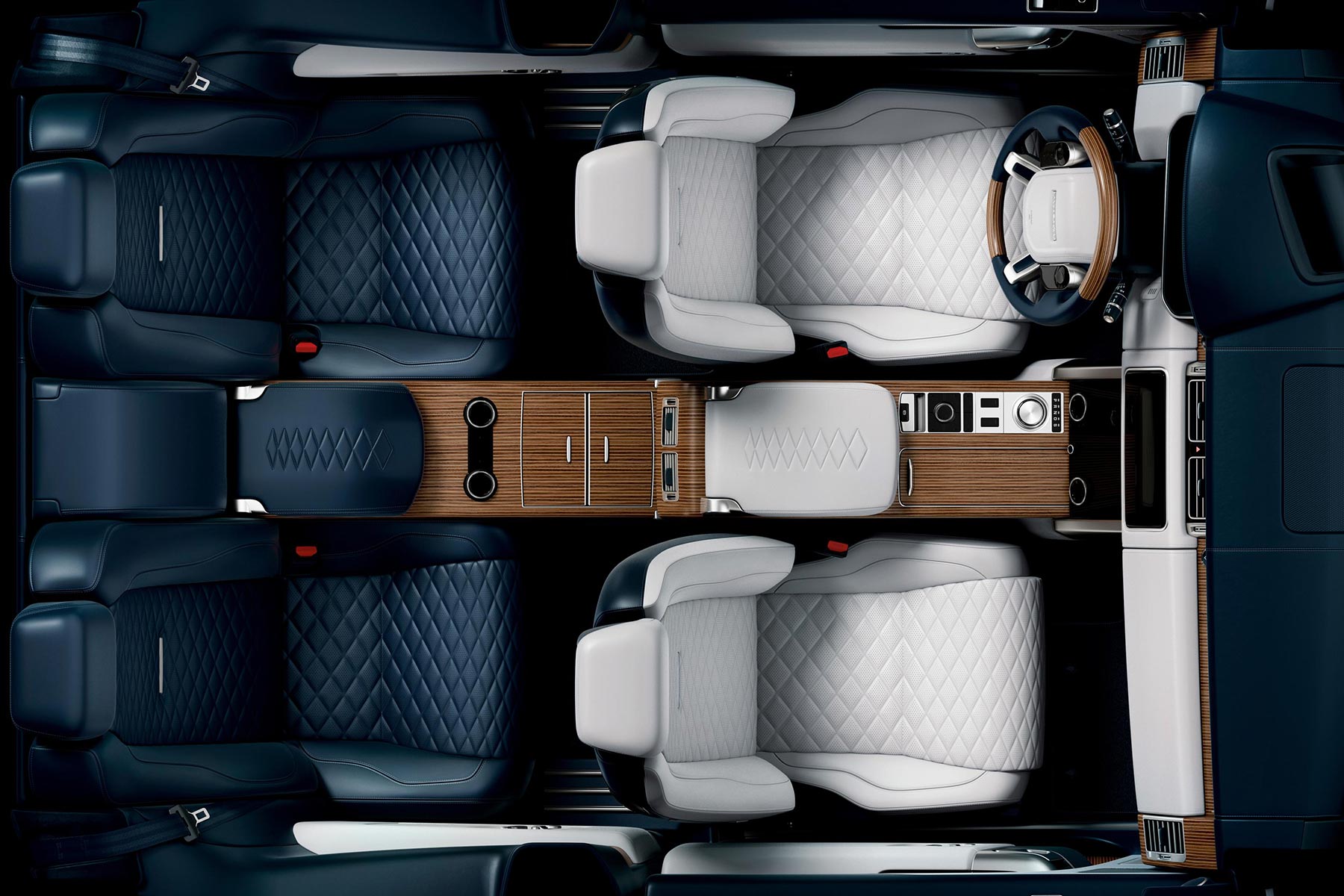
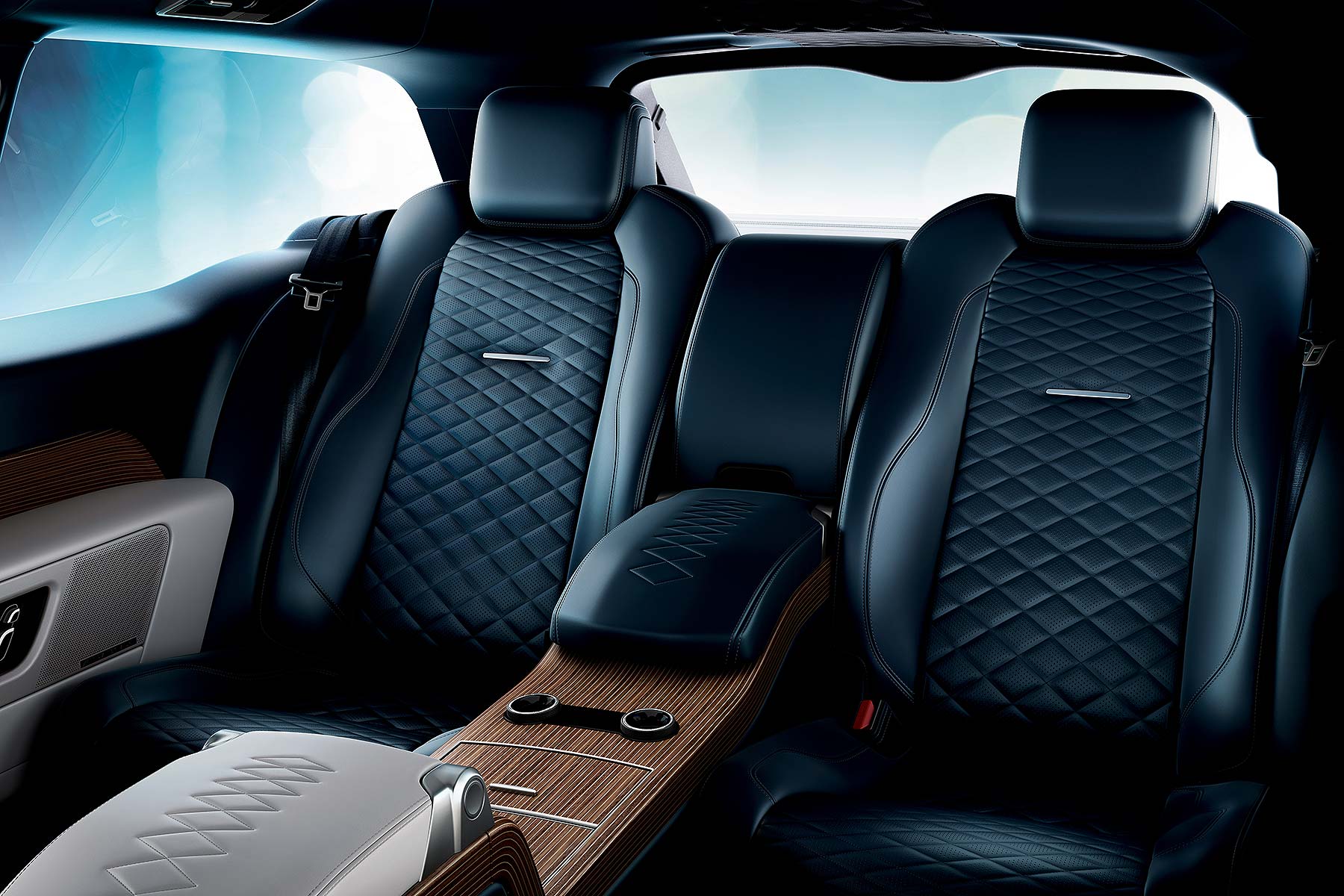
With a design that pays tribute to the original two-door Range Rover, the modern SV Coupe retains the signature floating roof and tapered tail. Unlike the 1970 model, the SV wears gigantic 23-inch wheels – the biggest ever fitted to a Range Rover.
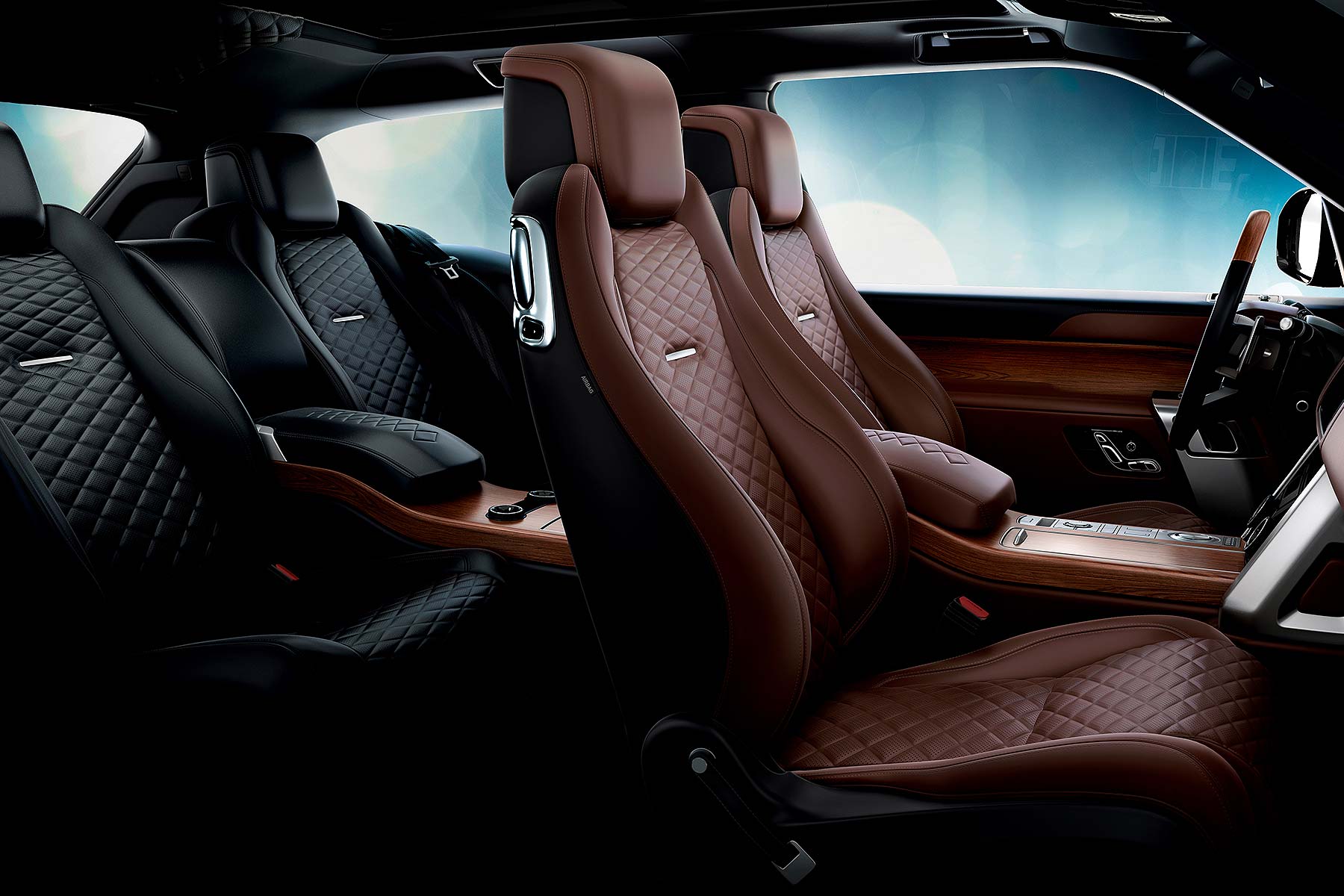
Such bling clearly impressed the judges at Interior Design, along with the contrasting interior trim options for the front and rear seats. Buyers can also specify a wealth of wood veneer options, plus bespoke badging and exterior paintwork.
Super luxury creation
Land Rover believes the SV Coupe is more analogous to a yacht or private jet in terms of interior accommodation. We imagine most of the 999 buyers for the big two-door creation already have boats and planes amongst their playthings.
Indeed, with a starting price tag of £250,000 ($295,000), the SV Coupe is certainly an exclusive offering.
Along with the knowledge that their SV Coupe is an award winner, buyers also have the satisfaction of owning the fastest full-size Range Rover. A top speed of 165mph is matched with a 0-60mph sprint in 5.0 seconds.
Honoree recognition went to the new Volvo XC40, and Infiniti QX50, making the Overall Design category an all-SUV affair.
Volvo did however win the prize in the Automotive: Innovation category, courtesy of the futuristic 360c concept, unveiled earlier this year.
 A clear sign that a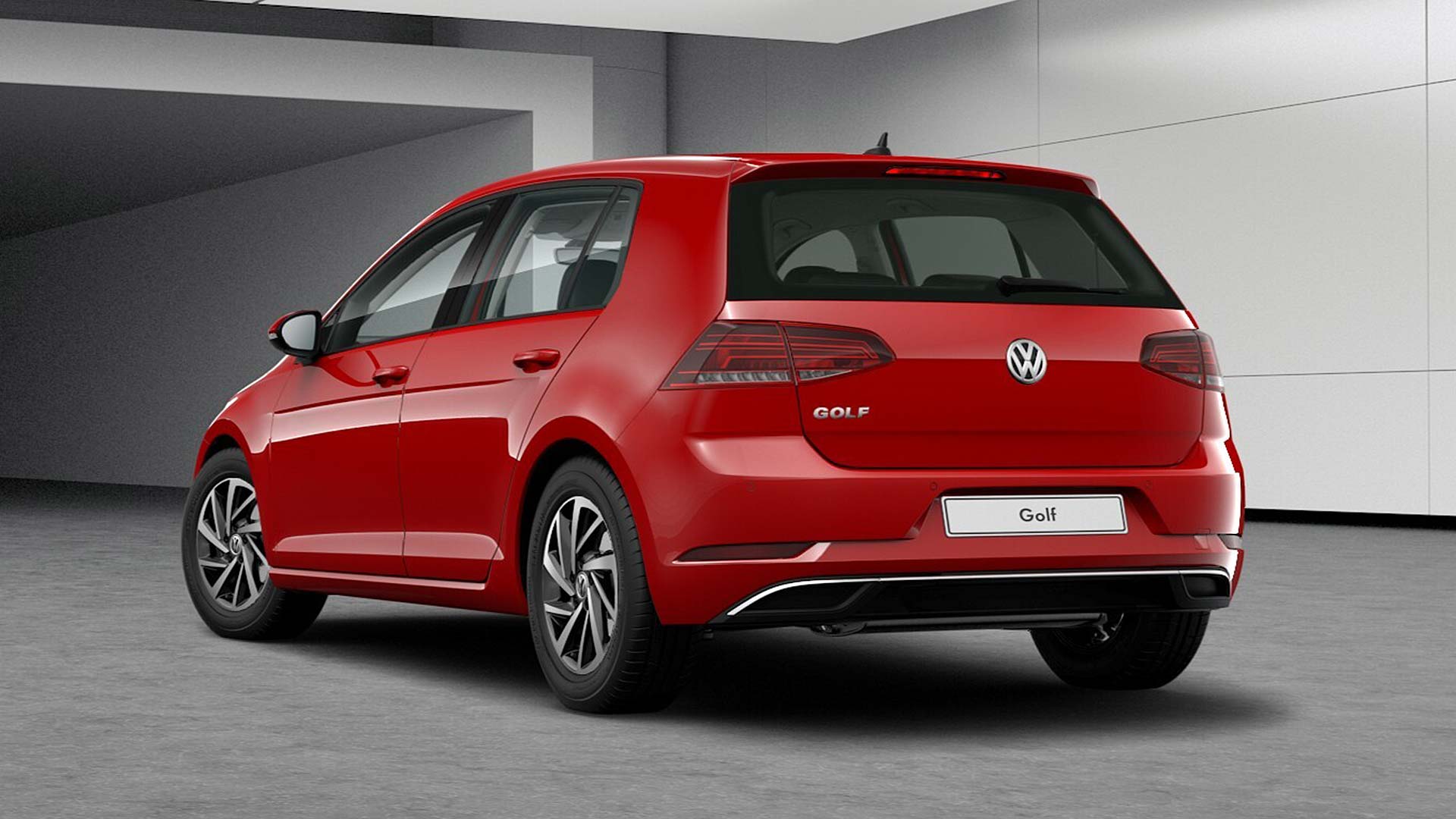
 Porsche is broadening the 718 Cayman and