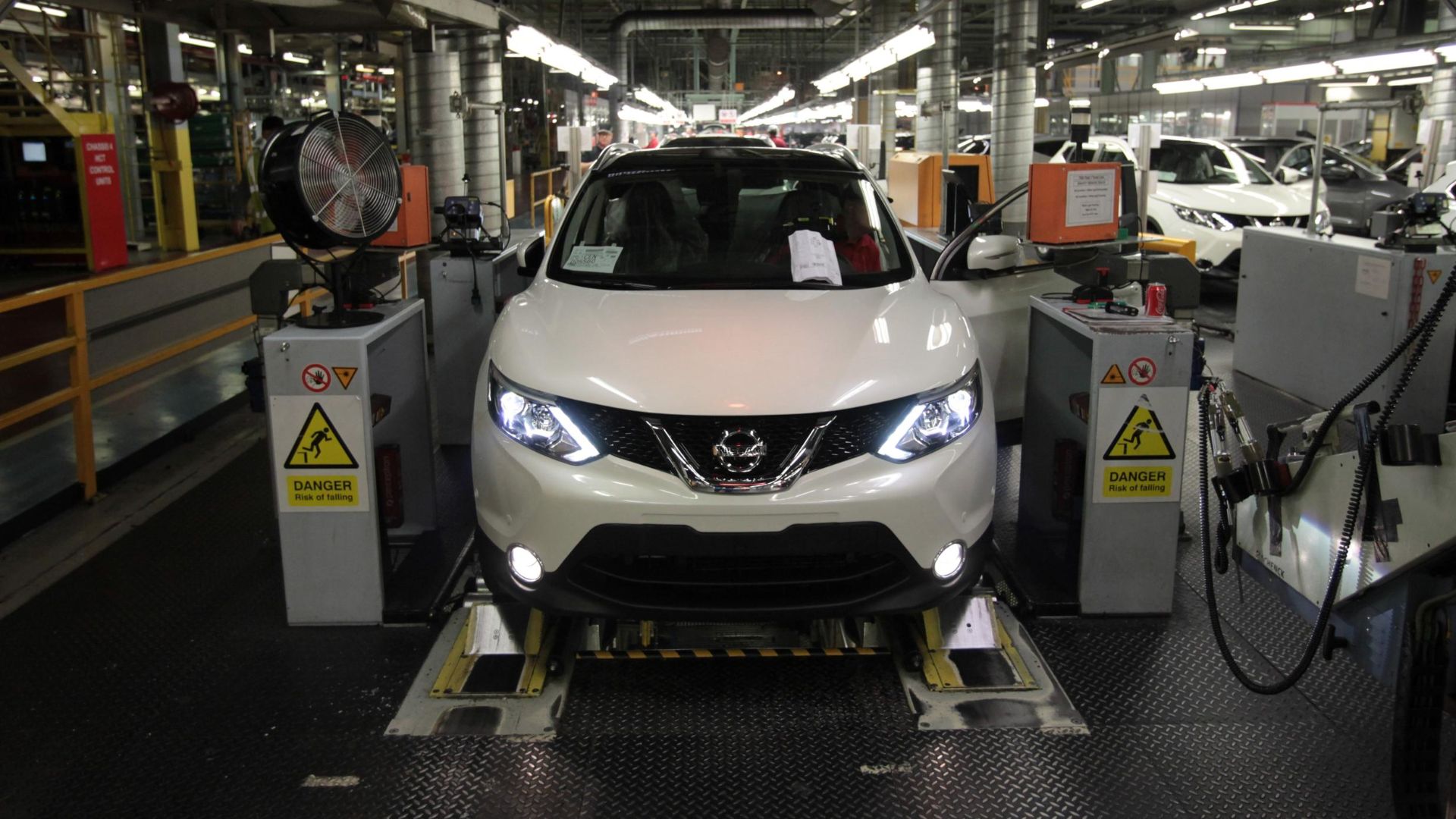
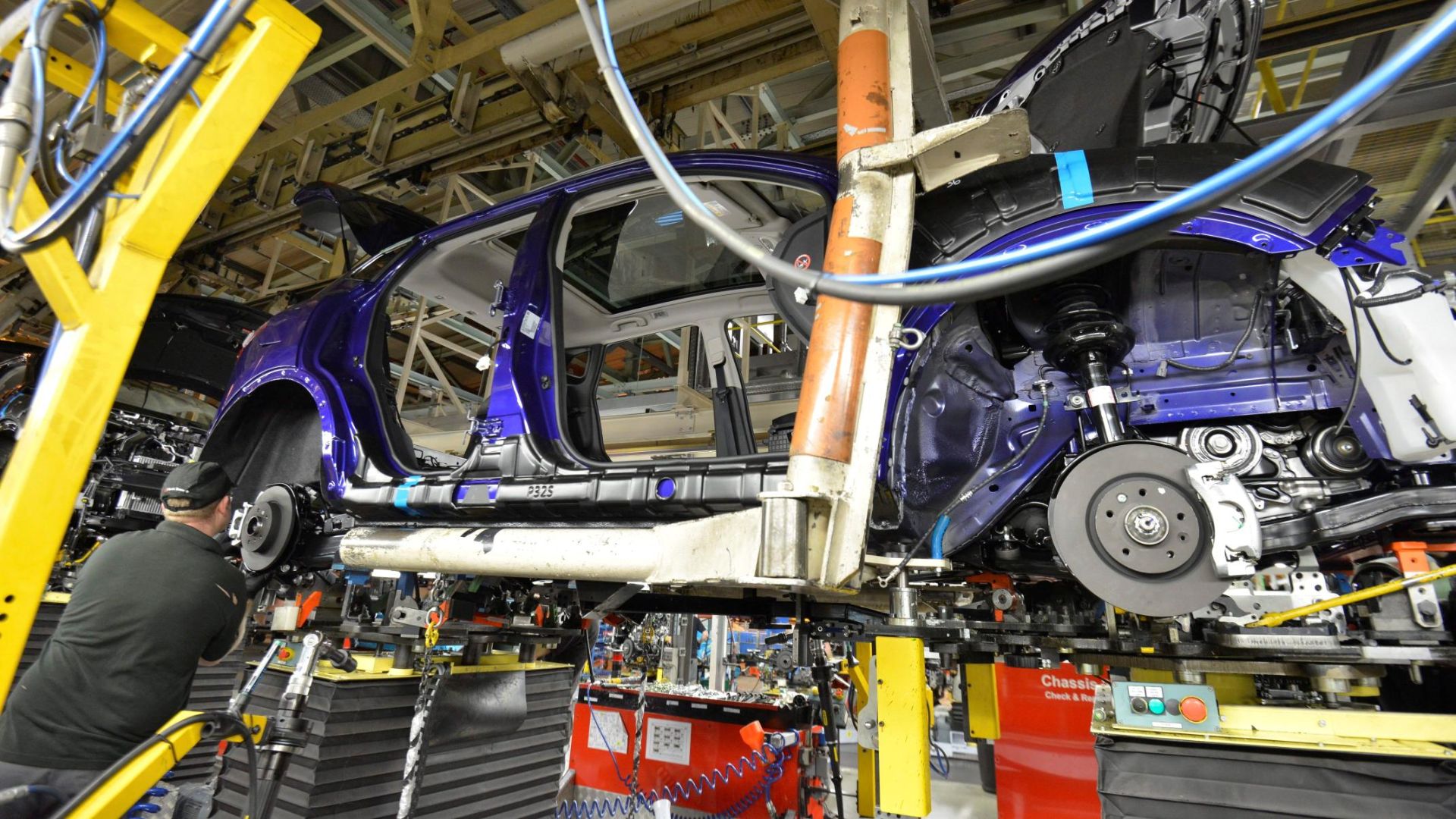
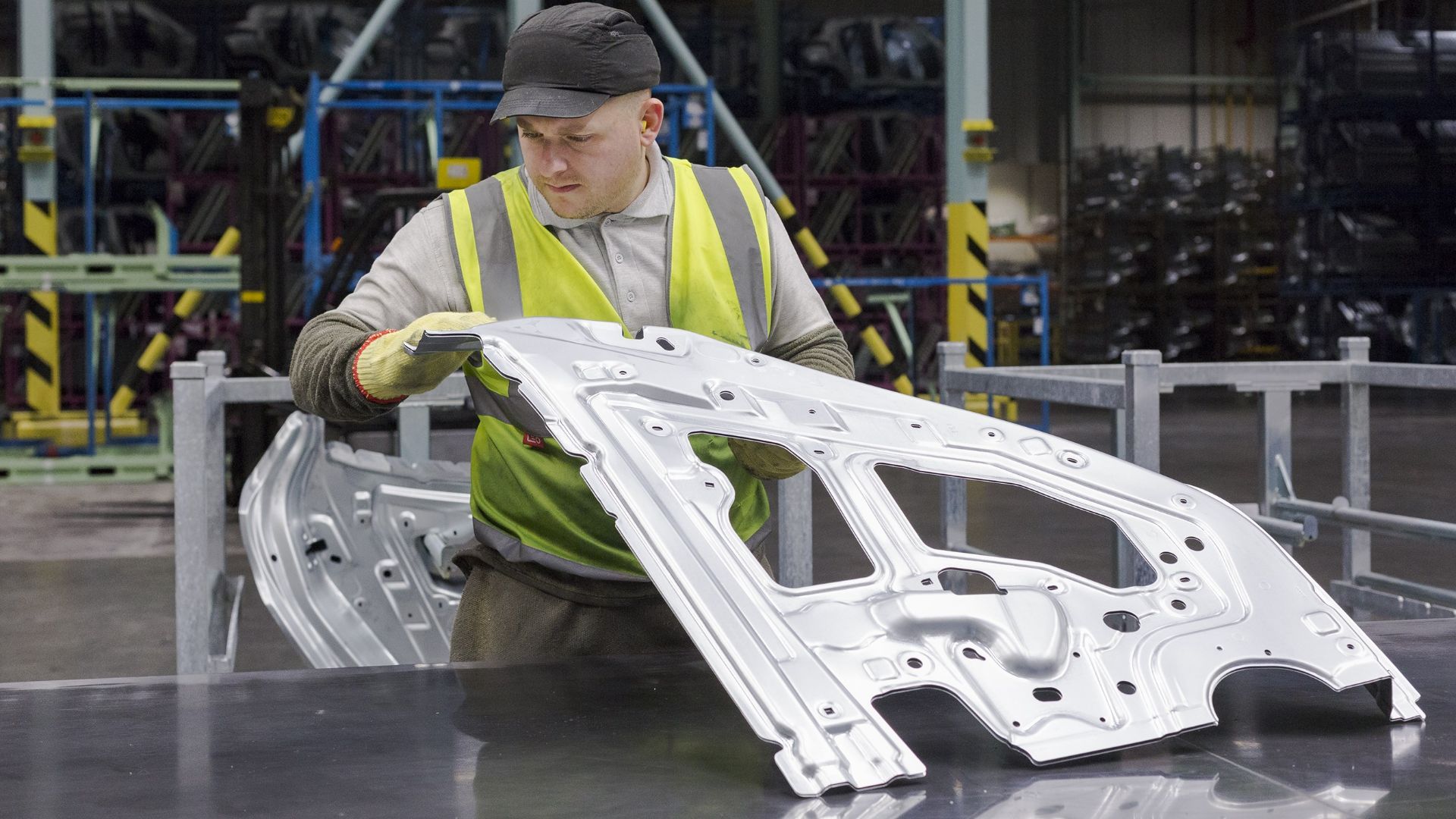
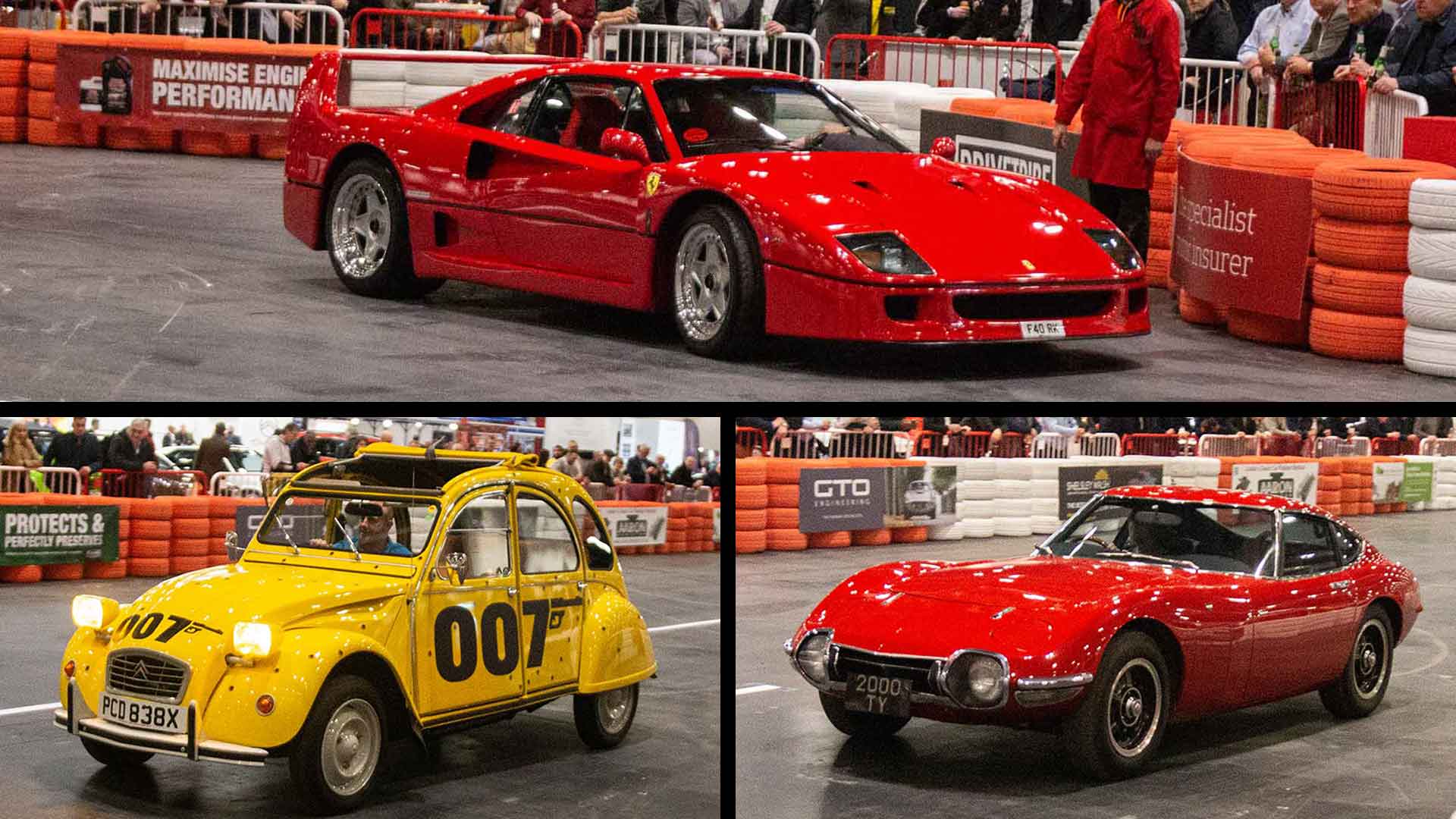
The shock news that Honda is to close its Swindon car manufacturing plant has inevitably focused attention on the region’s decision to vote leave in the 2016 European Union Referendum.
Local Conservative MP Justin Tomlinson insisted Brexit was not a factor in Honda’s decision, but other industry commentators argue it will not have helped.
Honda: @RobertBuckland & I have already spoken to the Business Secretary & Honda. They are clear this is based on global trends and not Brexit as all European market production will consolidate in Japan in 2021.
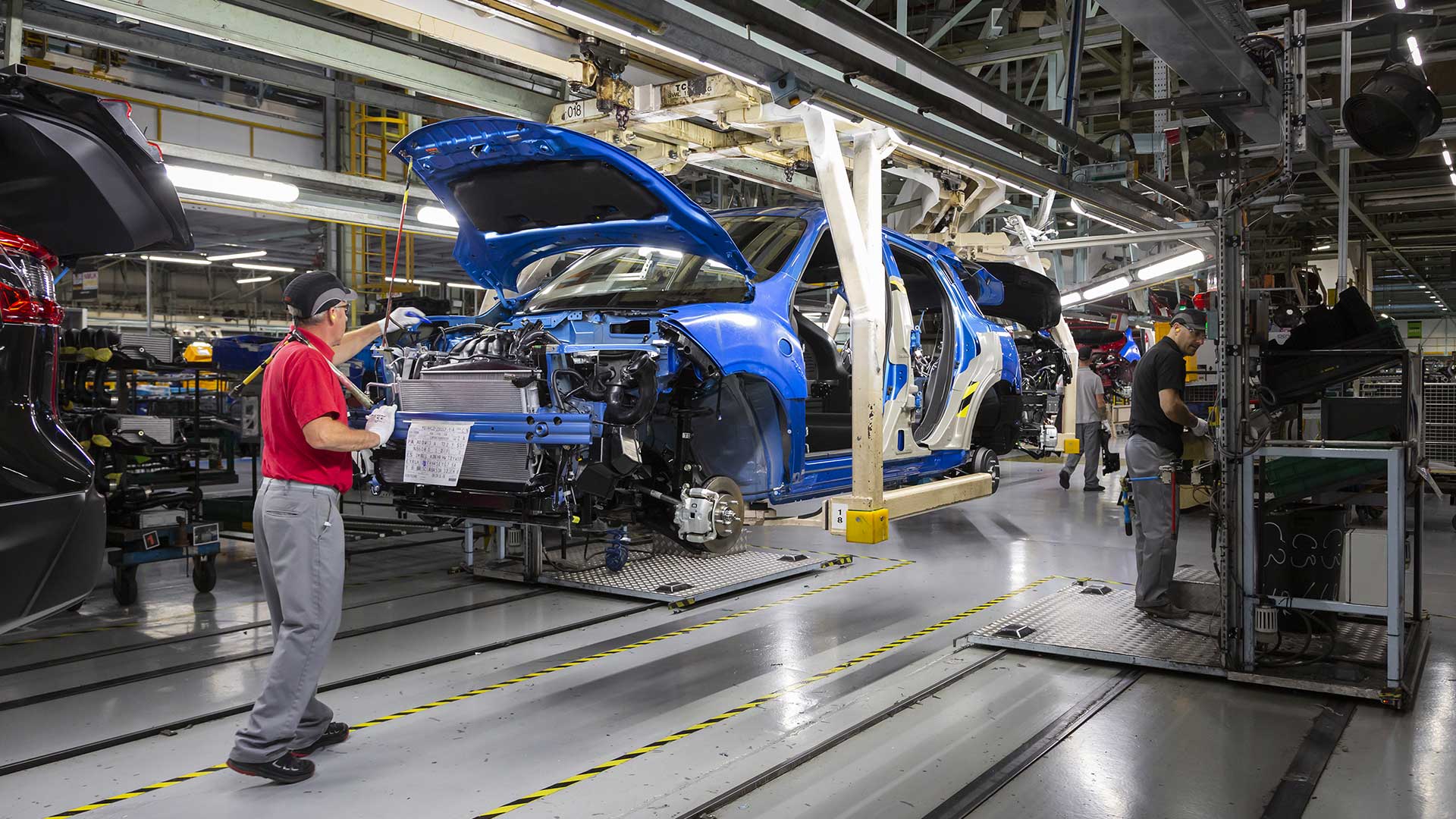
But it’s not just Honda. Nissan and Sunderland are intrinsically linked, yet Sunderland is another region that voted leave. The company employs almost 7,000 people at the factory itself, with thousands more across the North East tied to the supply chain that feeds it.
In an area affected by the decline of traditional industries, Nissan is not just part of the economy. For many, it is central to the financial lifeblood of the region. In the aftershock of Nissan’s recent decision to cancel building the next X-Trail SUV in the UK, attention also focused strongly on the region.
Counting the consequences
The Sunderland area has itself become closely associated with the fallout from the 2016 European Union membership referendum.
Sunderland City Council has a determination to count election votes the quickest, meaning it often makes the headlines on polling day. In 2016, this meant that, for many, the first results from Wearside are intrinsically linked to memories of the referendum.
The connection between Nissan and Sunderland had led many to wonder how an area so dependent on frictionless trade with Europe could have voted to leave the EU.
Sunderland and Swindon: two of many
Other commentators have gone even further, revelling in schadenfreude, and suggesting that the people of Sunderland and Swindon deserve outcomes like the loss of the X-Trail and Civic for how they voted in 2016.
However, as much as the two regions’ decision to vote leave in 2016 may have baffled some, our research shows they were not alone.
Data from the EU referendum reveals districts linked to no fewer than 20 other car factories and sites across the UK also voted to leave. Just two voted remain.
Marginal leave-voting areas
Eight voting districts, covering eight separate car production facilities, voted with a marginal swing towards leave.
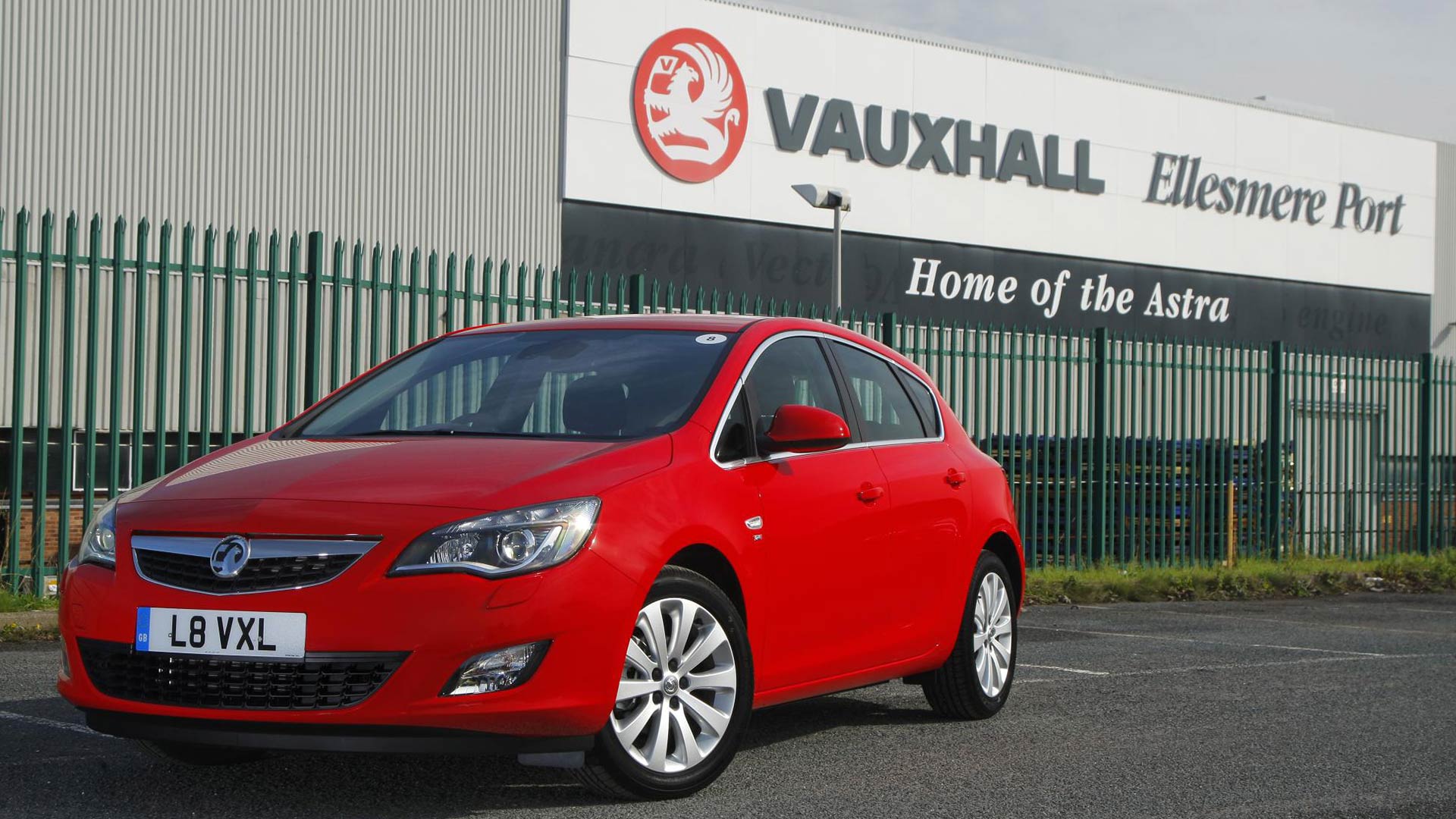
The various companies accounted for a combined total of more than 12,000 employees at the time of the vote, with Vauxhall’s Ellesmere Port facility alone producing more than 118,000 cars in 2016.
Factory
Manufacturer
Voting District
2016 Vote Result
Longbridge
MG Motor SAIC
Birmingham
50.4% Leave
Castle Bromwich
Jaguar Land Rover
Birmingham
50.4% Leave
Ellesmere Port
Vauxhall
Cheshire West & Chester
50.7% Leave
Goodwood
Rolls-Royce
Chichester
50.9% Leave
Crewe
Bentley
Cheshire East
51.2% Leave
Gaydon
Aston Martin
Stratford-on-Avon
51.6% Leave
Halewood
Jaguar Land Rover
Knowsley
51.6% Leave
Hethel
Lotus
South Norfolk
51.7% Leave
Malvern
Morgan
Malvern Hills
52.2% Leave
Stronger leave-voting areas
Accounting for a staggering 22,000 automotive jobs, this group of districts includes a mixture of manufacturing and technical facilities.
Vauxhall’s Luton plant has existed in various guises since 1905, while Toyota UK’s Deeside facility only opened in 1992.
Factory
Manufacturer
Voting District
2016 Vote Result
Bridgend
Ford
Bridgend
54.6% Leave
Honda of the UK
Honda
Swindon
54.7% Leave
Plant Swindon
BMW (Mini)
Swindon
54.7% Leave
Whitley
Jaguar Land Rover
Coventry
55.6% Leave
Solihull
Jaguar Land Rover
Solihull
56.2% Leave
Deeside
Toyota
Flintshire
56.4% Leave
Luton
Vauxhall
Luton
56.5% Leave
Strongest leave-voting areas
The final set of five factories are spread across a wide geographic area, with more than 15,000 employees split between them.
Intriguingly, Dagenham, Hams Hall and Wolverhampton all exist as facilities to produce engines only.
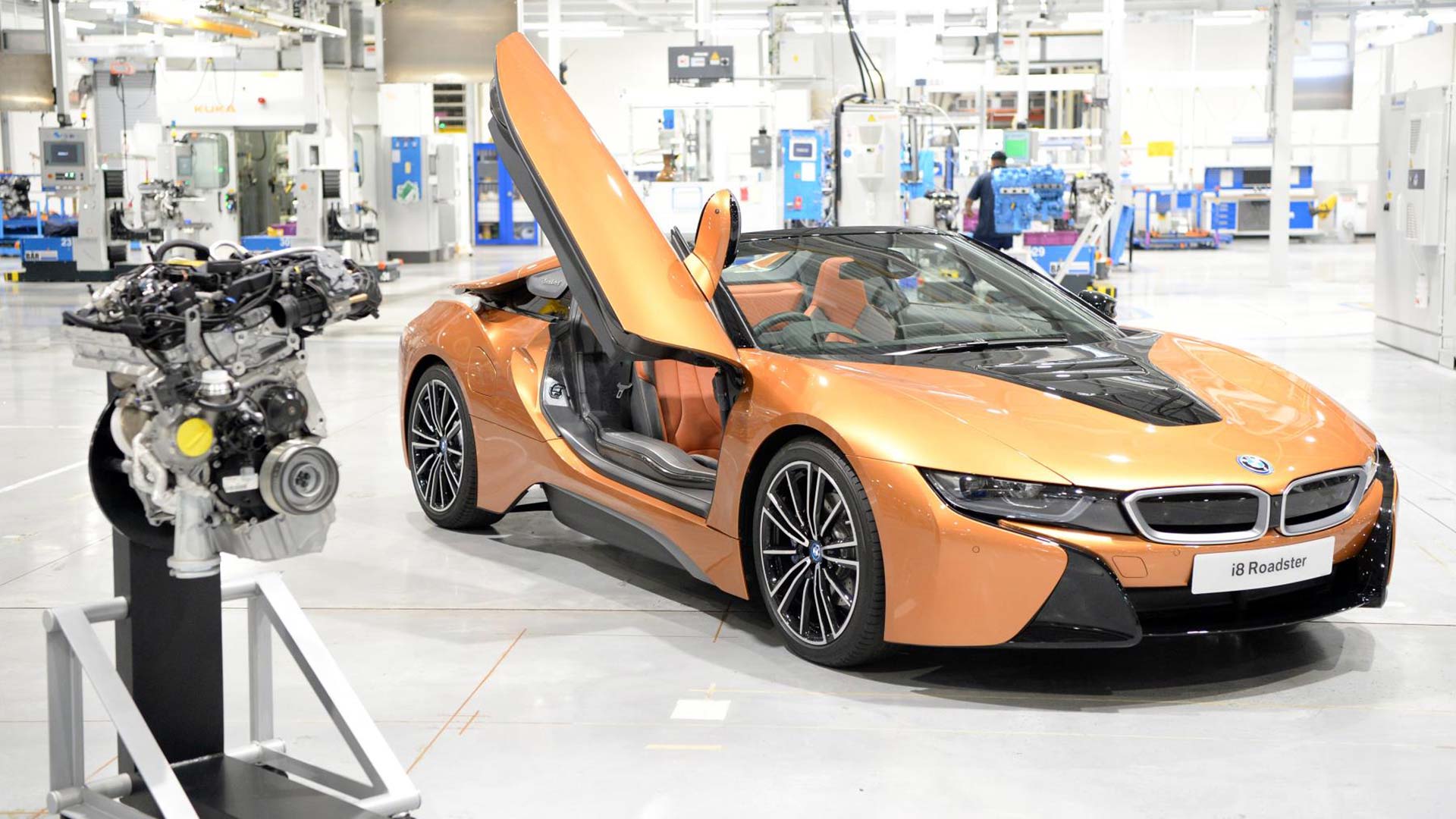
Jaguar Land Rover’s Wolverhampton-based Engine Manufacturing Centre was only opened in 2014. Plant Hams Hall has seen recent investment from BMW to produce engines for the i8 hybrid sports car.
Factory
Manufacturer
Voting District
2016 Vote Result
Burnaston
Toyota UK
South Derbyshire
60.4% Leave
Sunderland
Nissan UK
Sunderland
61.3% Leave
Dagenham
Ford
Barking & Dagenham
62.4% Leave
Wolverhampton
Jaguar Land Rover
South Staffordshire
64.8% Leave
Plant Hams Hall
BMW
North Warwickshire
66.9% Leave
Remain-voting areas
Not every area linked to car production voted leave in 2016. Our research found two districts that voted in favour of remain.
Factory
Manufacturer
Voting District
2016 Vote Result
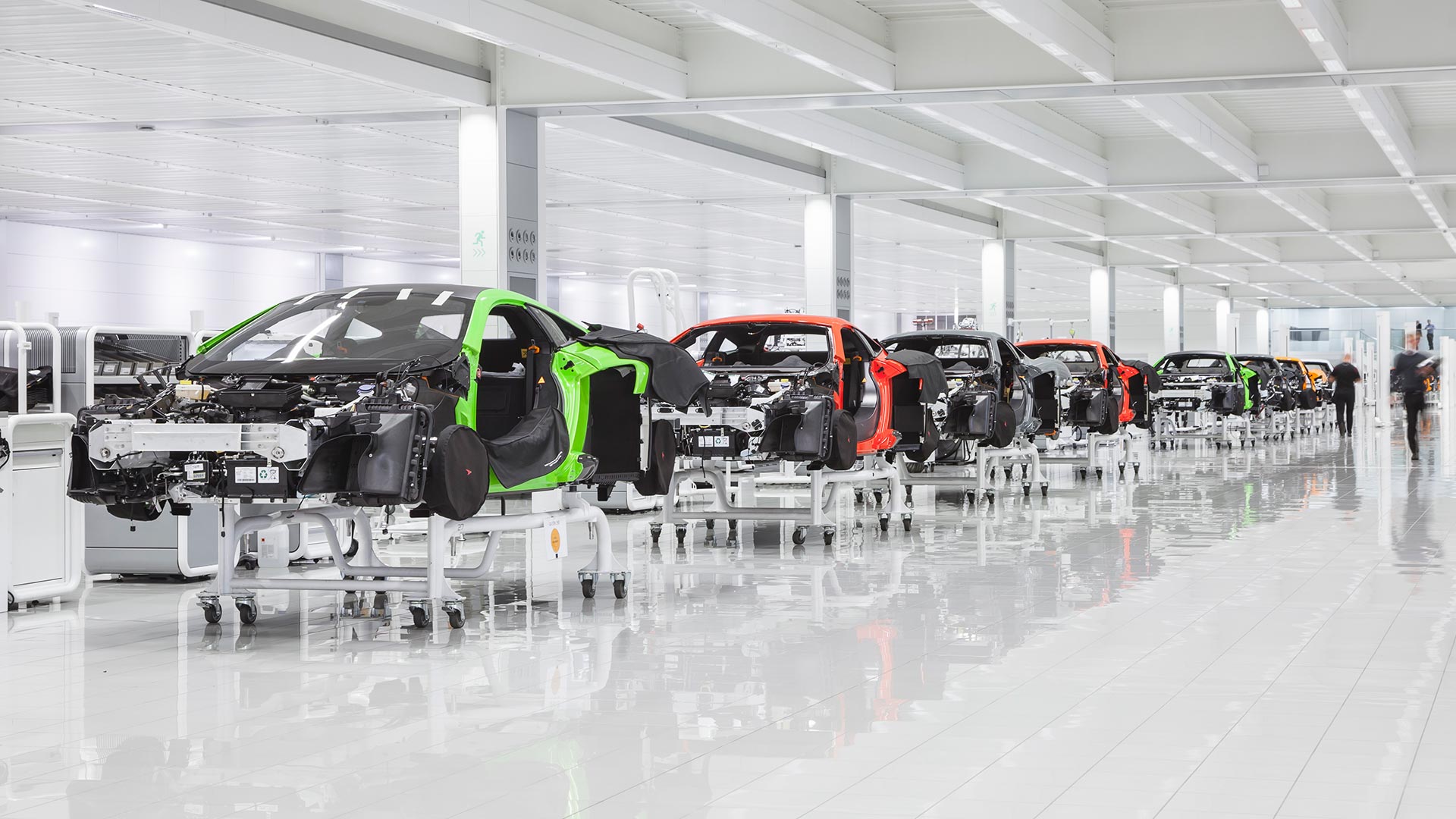
Woking
McLaren
Woking
56.2% Remain
Plant Oxford
BMW (Mini)
Oxford
70.3% Remain
Leave it out
The 2016 EU referendum is a deeply polarising topic, with the reasons for how individuals voted often complex and multifaceted.
What our research does show is that despite local economies often being deeply linked to the local automotive sector, for most areas this did not affect how they voted.
It also serves as a key reminder of the scale of the UK automotive sector, and that those taking satisfaction from the latest Nissan announcement may be overlooking a far wider trend.
Highways England has announced it’s changing the way upgrades to major motorways are managed. This in response to the North West of England that’s all but unified against the plight of roadworks and poor highway management and maintenance.
It’s not nationwide, but the North West is primed for a significant upgrade in roadworks management to help reduce the impact on drivers. The project to add extra lanes and better technology to the M6 between Warrington and Wigan, as well as the M56 near Manchester Airport, has been delayed while ongoing upgrades are completed. The former has been staggered, to start between 2020 and 2025 while the latter will come in Spring 2020 after the ongoing M62 upgrade is completed.
Future projects will aim for the following improvements; Fewer overnight diversions, projects to be finished quicker, increased speed limits in temporary limit zones and a consistent three-lane flow to be maintained while work is carried out. Contraflows will be used to keep traffic flow moving both ways while allowing more workspace and a quicker rate of completion on closed lanes.
“We’ve listened to what people have been telling us about roadworks and have decided to reschedule two major schemes, benefitting drivers who use our roads to get to work and businesses who deliver goods across the region,” said Mike Bull, Highways England’s smart motorways programme manager for the North West.
“We’re committed to the upgrades; we are simply changing the timetable for projects on the M56 and M6.
“We’re also reviewing how we carry out major upgrades so that we can minimise disruption as much as possible and maintain connections for drivers using the road network.”
We very much hope that similar mind is paid to the efficiency of works carried out and the effect it has on passing traffic elsewhere in the United Kingdom. Hopefully, all goes well so that we may yet see a more streamlined highway maintenance process and a road network, one day, not partially comprised of speed limits and never-ending roadworks.
Research into what new cars buyers would go for next, ahead of the 19-registration plate change, has revealed that more drivers would buy alternative fuel cars (AFVs) than diesels.
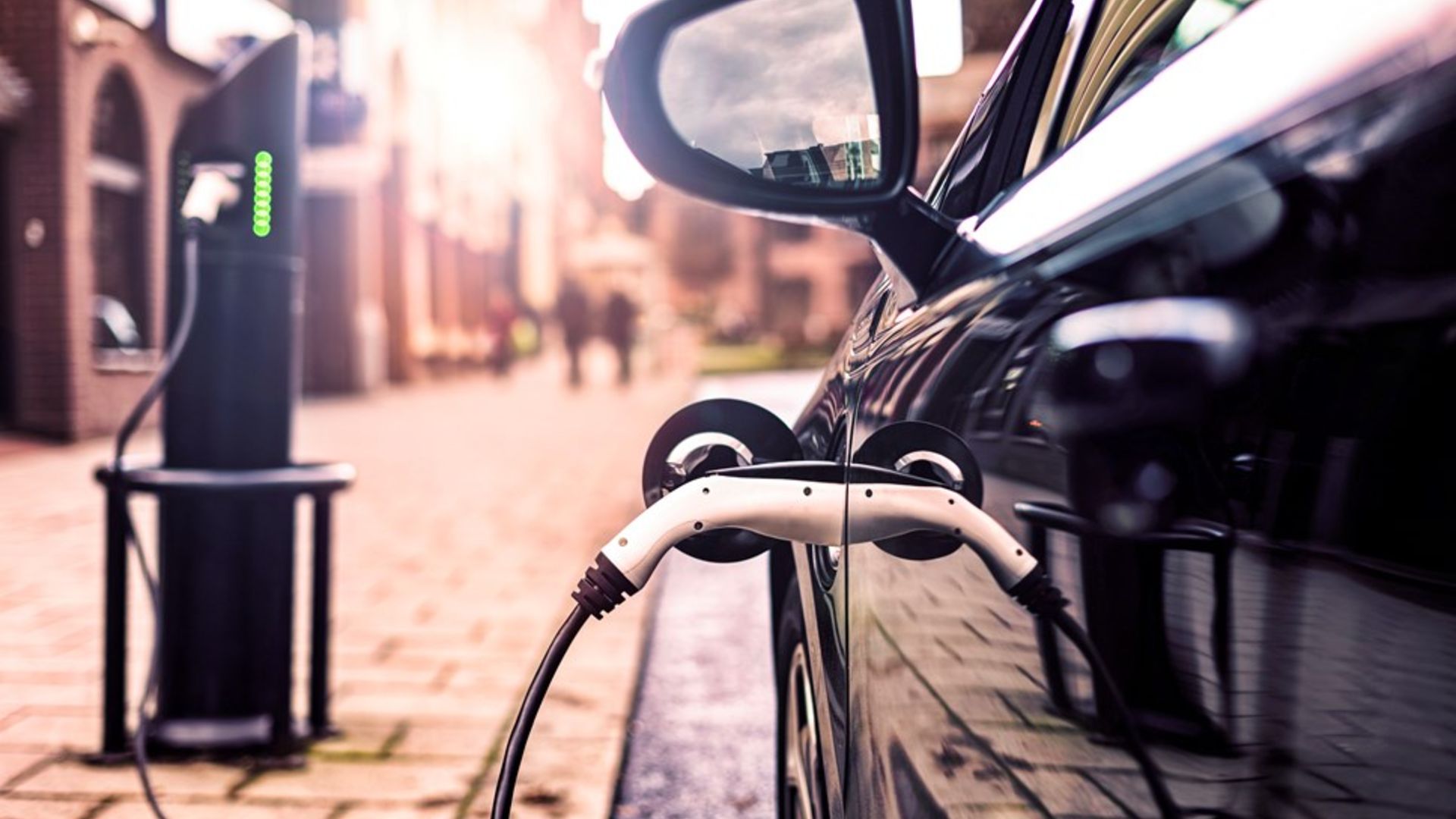
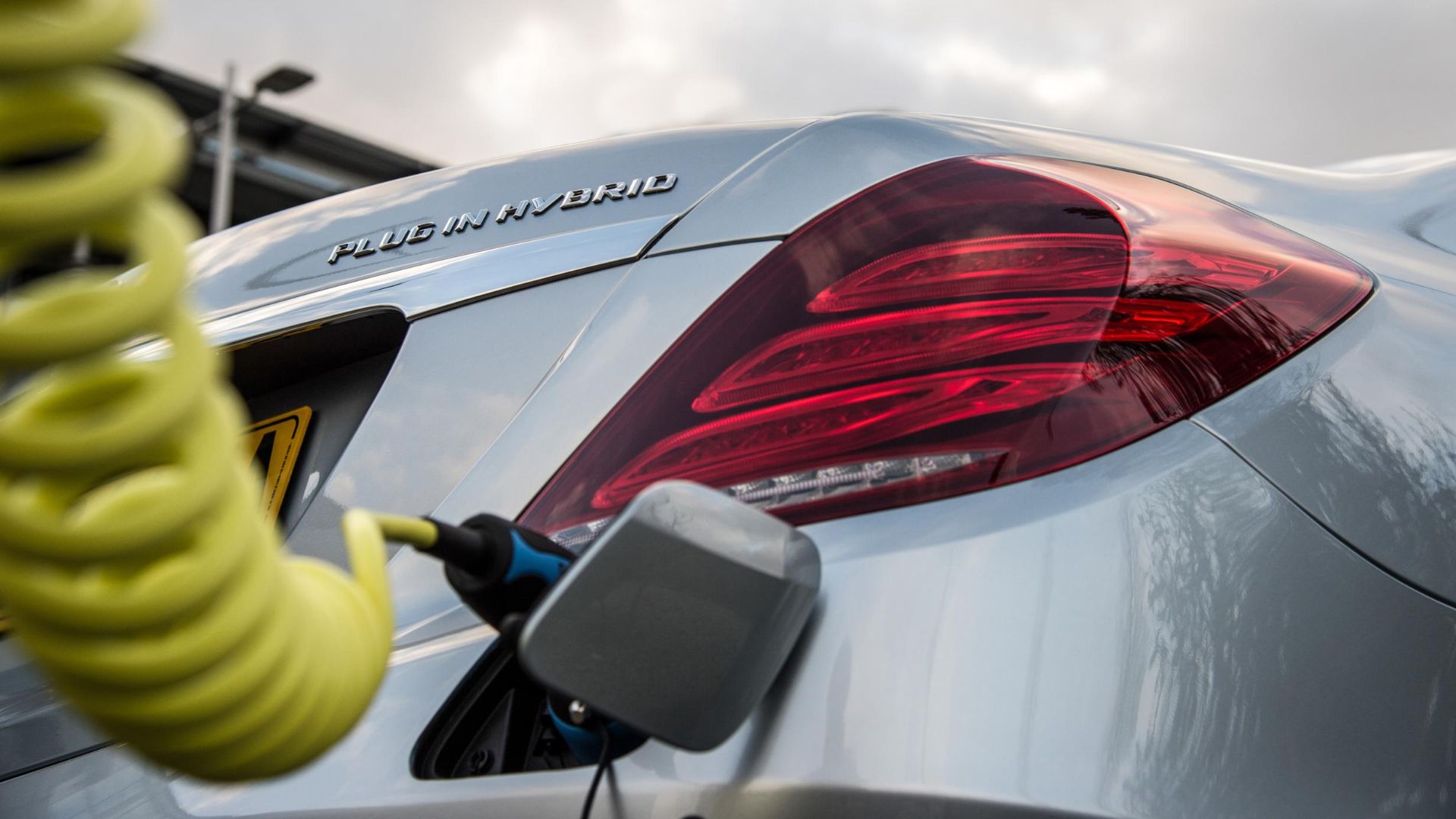
A total of 18 percent of those surveyed said they would plump for good old-fashioned oil-burners. That compares with an impressive 27 per cent of respondents who said they’d go for alternative fuel vehicles (electric and hybrid).
Does this mean that electric cars are finally finishing off diesels? Not quite… Just five percent of respondents said they’d go for a fully electric car, with 22 percent saying they’d plump for a hybrid.
That’s not to say alternative fuel vehicles aren’t rising in popularity. January 2019 saw a 26.3 percent increase in sales, compared with diesel’s drop of 20.3 percent.
Overall, as things stand, petrol still wins out. A total of 55 percent of respondents said they’d plump for a petrol-powered car over diesel, hybrid or electric cars if they were to go out now looking to buy.
The research comes from GoCompare. Speaking from the perspective of an insurance comparison website, the question of insuring an electric car is an interesting one. Whether insurers are liable to replace leased batteries, wires being trip hazards and whether an insurer covers EVs at all, are all factors to consider.
“As the government continues to place tighter restrictions on petrol and diesel cars and the infrastructure for fuelling stations improves, we’ll start to see many more alternative fuel vehicles on the road,” said Matt Oliver, car insurance expert at GoCompare.
“At the moment, alternative fuel cars are pricier to buy than their petrol or diesel counterparts but, as demand increases, and more cars are made, prices will fall.”
New research by the University of Texas suggests that the smoke from your burning toast is a lot more toxic than traffic fumes.
The World Health Organisation (WHO) states that air should contain no more than 25 micrograms per cubic metre of fine particulates. When you burn your toast, you’re exposing yourself to as much as 4,000 micrograms per cubic metre… This, according to academic journal Atmosphere.
Golden brown toast, the ideal level of toasting according to experts, still sees particulate levels skyrocket to between 300 and 400 micrograms per cubic metre.
For comparison, recent studies have suggested that there are 250 micrograms per cubic metre of air in London tube stations. That’s 20 times higher than what the WHO would consider acceptable. Atmospheric conditions cultivated during the burning of toast are more like 150 times the WHO limit… On the street, you can expect around 13.7 micrograms per cubic metre.
We’re not about to publish a guide on how to cook your toast – that would be a bit beyond our envelope of expertise. It seems common sense, however, to suggest you might want to open a window while making toast, or cooking in general.
Indeed, there are a number of pollutants that lower air quality indoors. Woodburners and fireplaces are obvious dangers, as are air fresheners, aerosols, gas cookers, spray cleaners. We’ve covered the dangers of candle-burning beyond the obvious fire risk before. All sully the air that we breathe.
It does lend an intriguing perspective on the hotly debated topic of urban pollution and air quality. Is it a bit rich to scrutinise motor manufacturers so meticulously for emissions and urban air quality? Especially when we could be causing much more harm at home or indoors.
Given that, according to researcher Marina Vance, “in most of the developed world, people spend about 90 percent of their time in indoor environments,” it’s worth pondering. Food for thought…
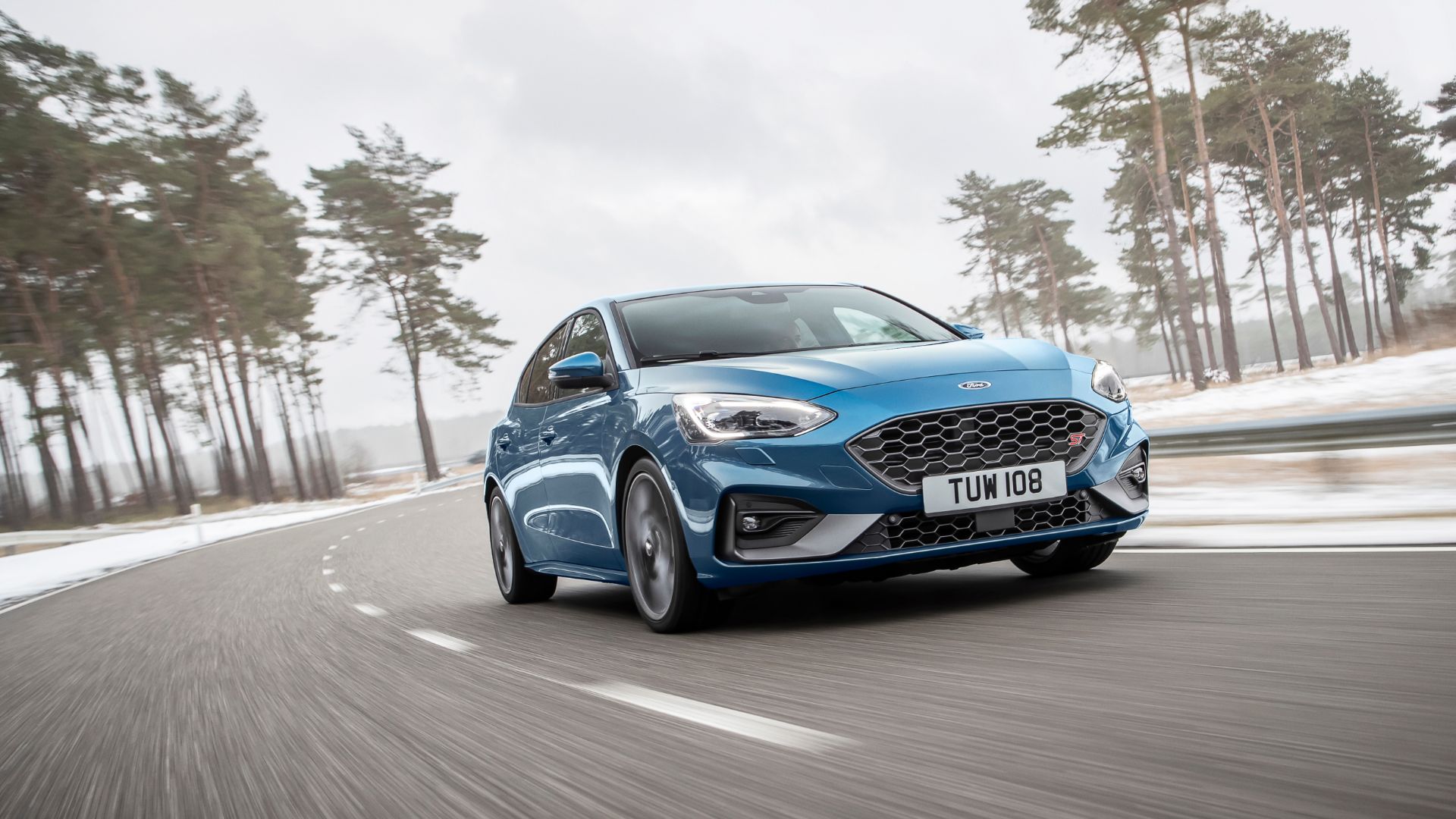
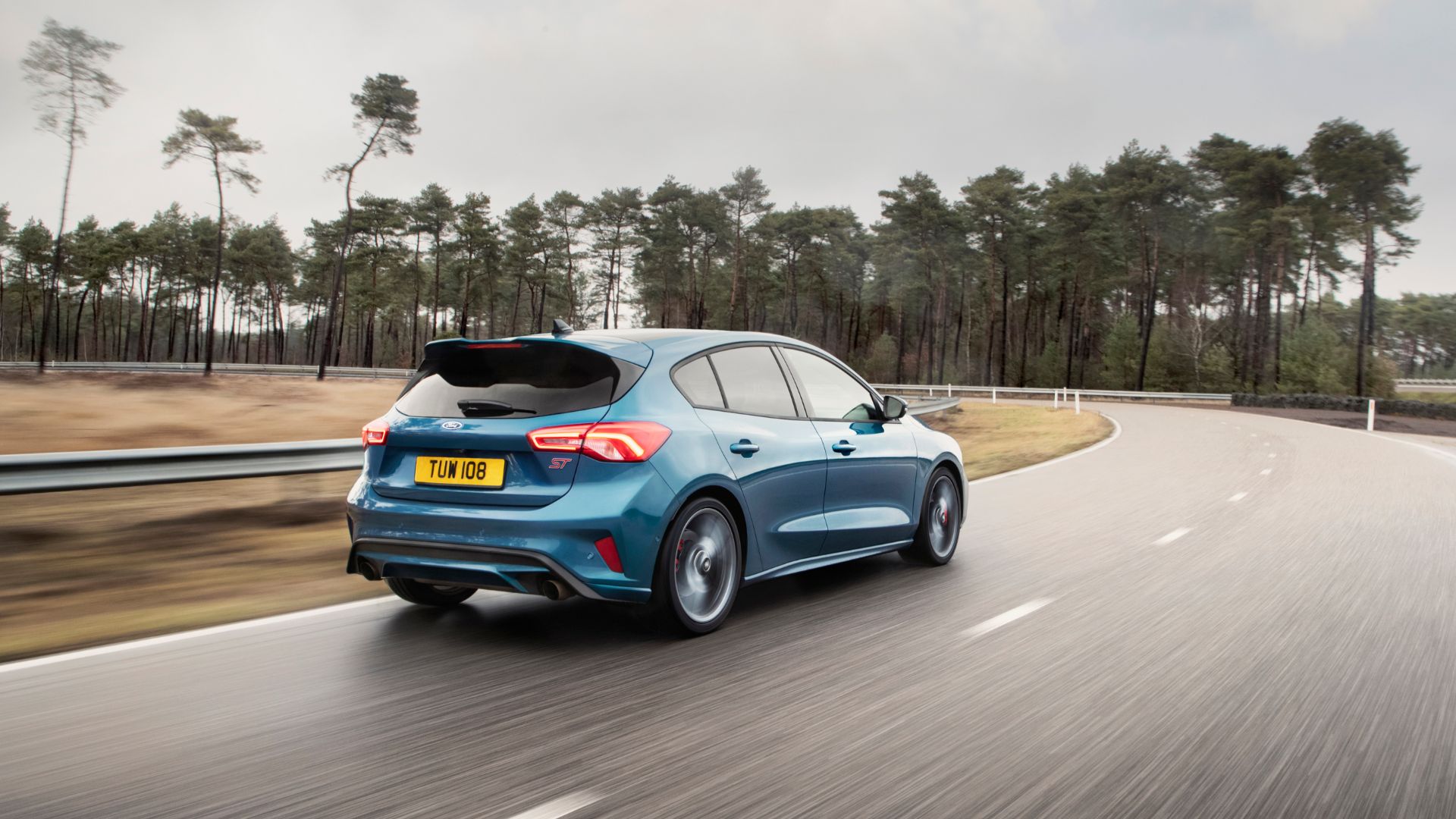
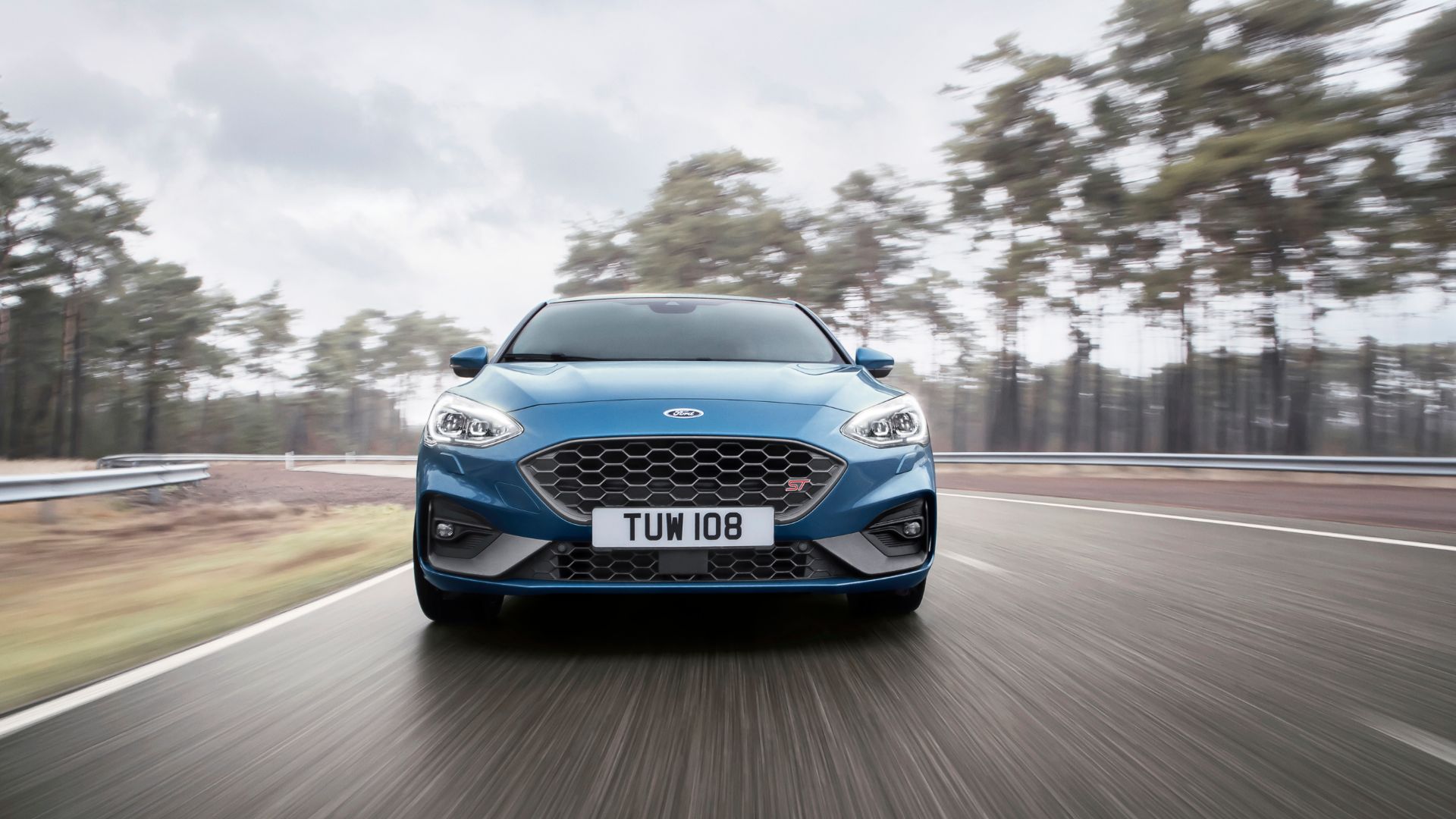
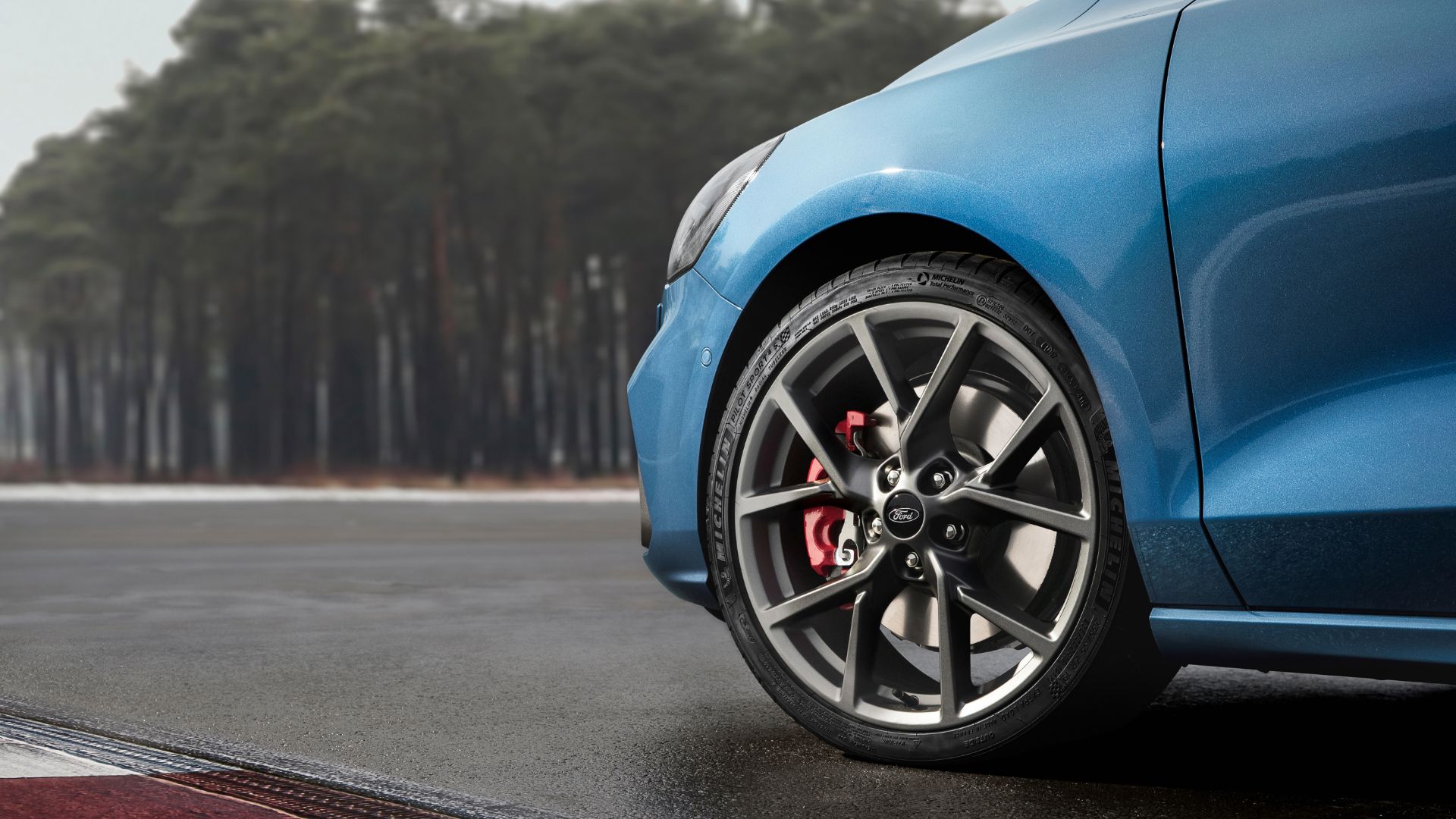
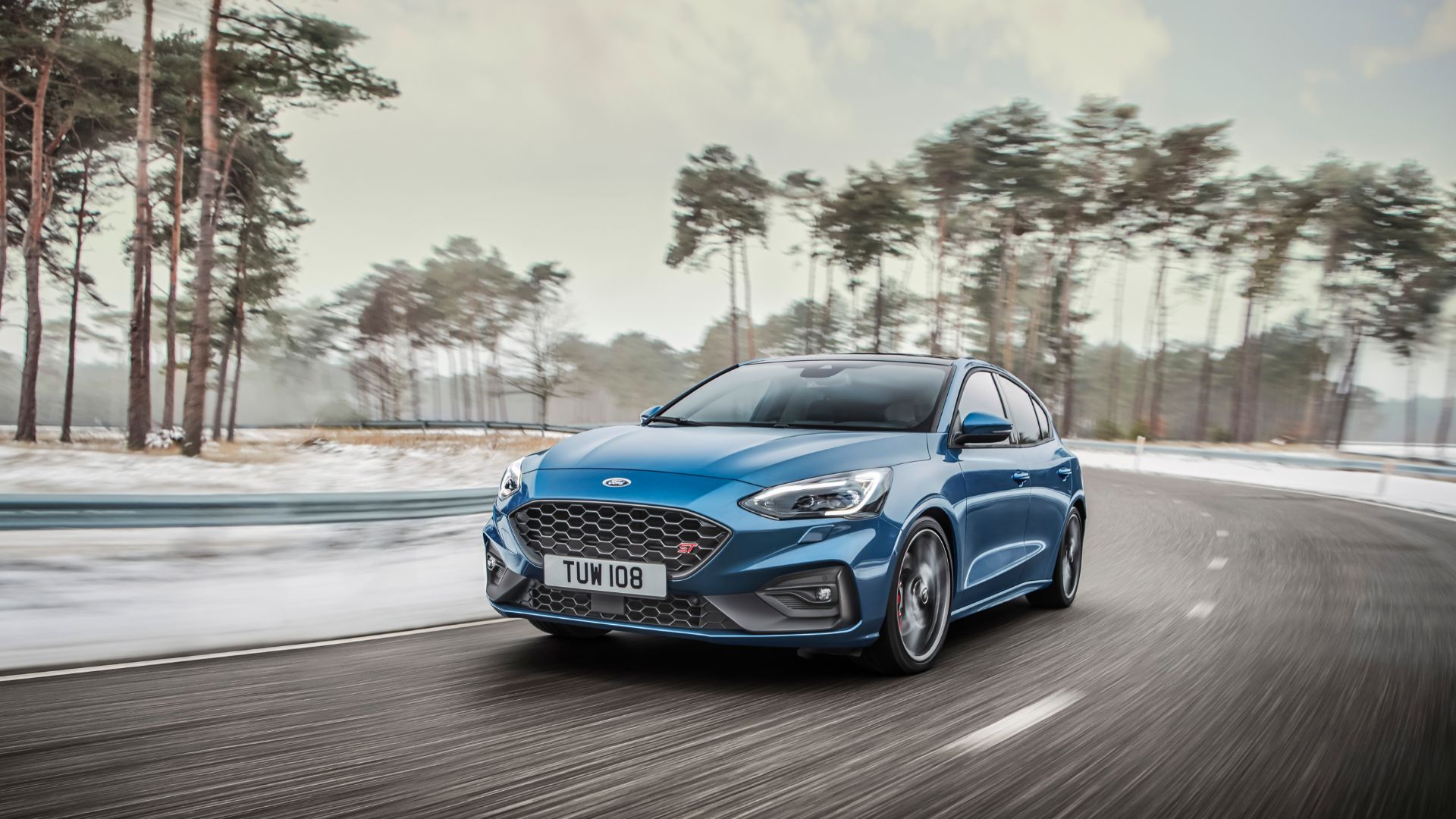
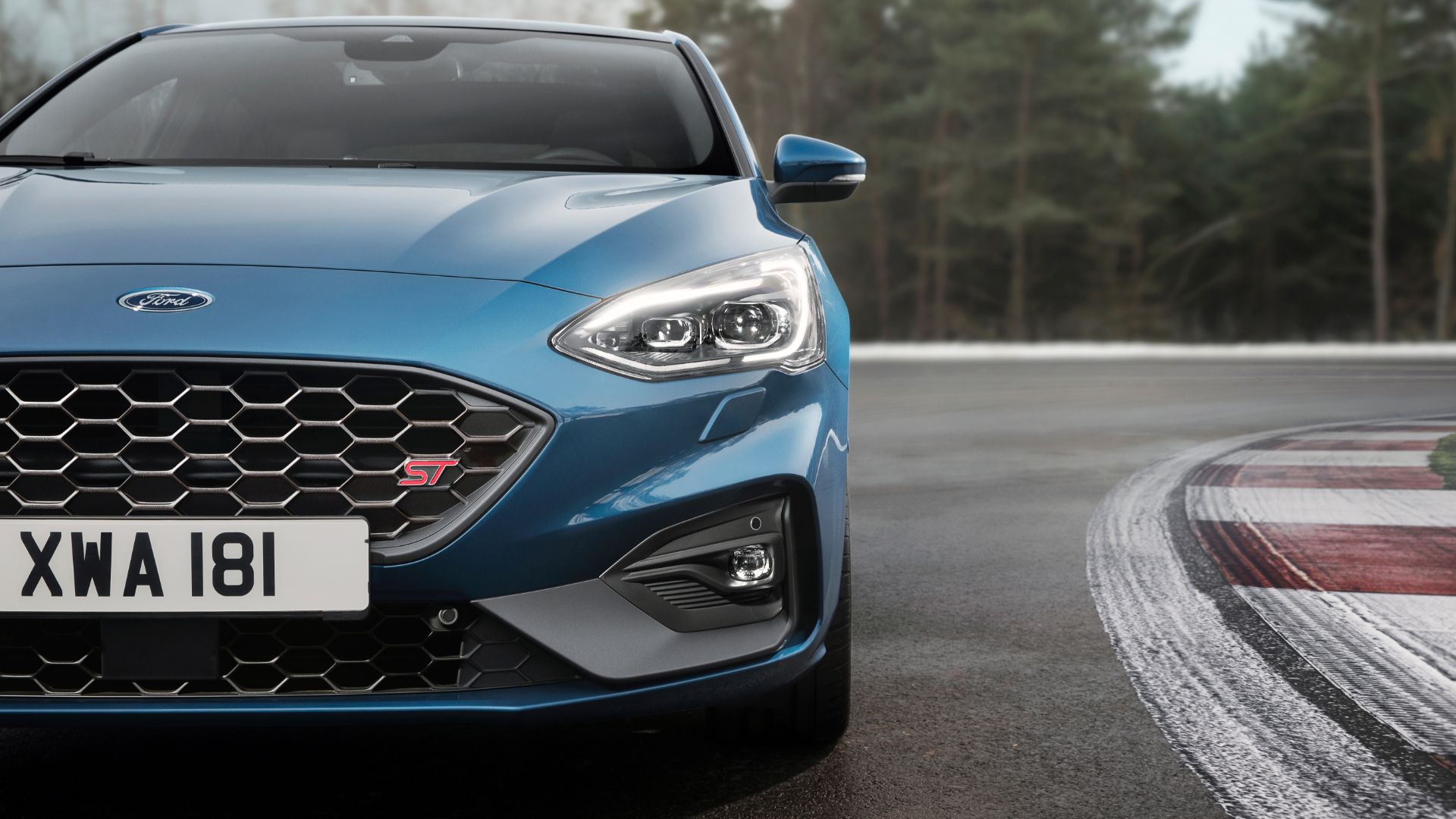
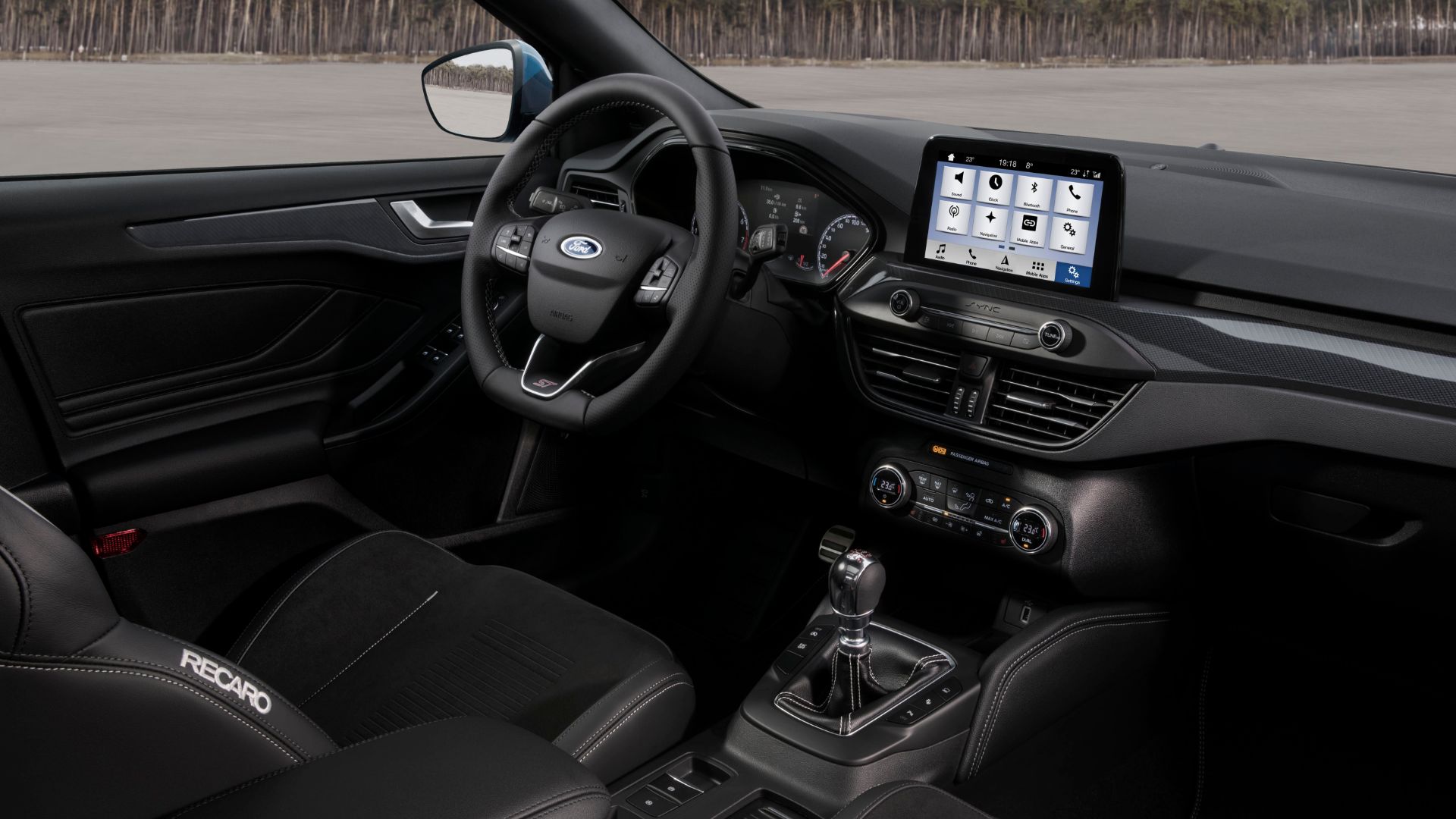
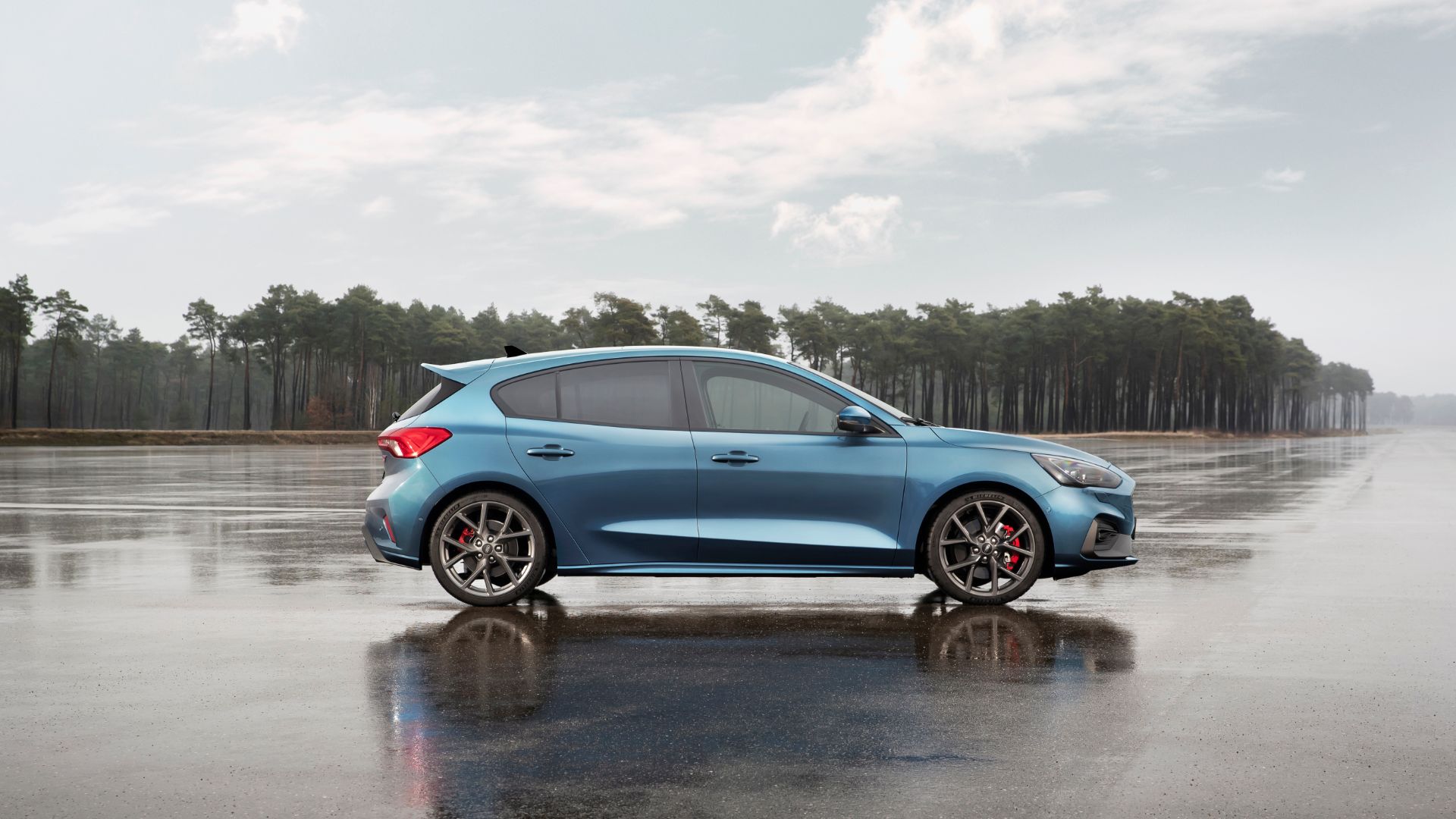
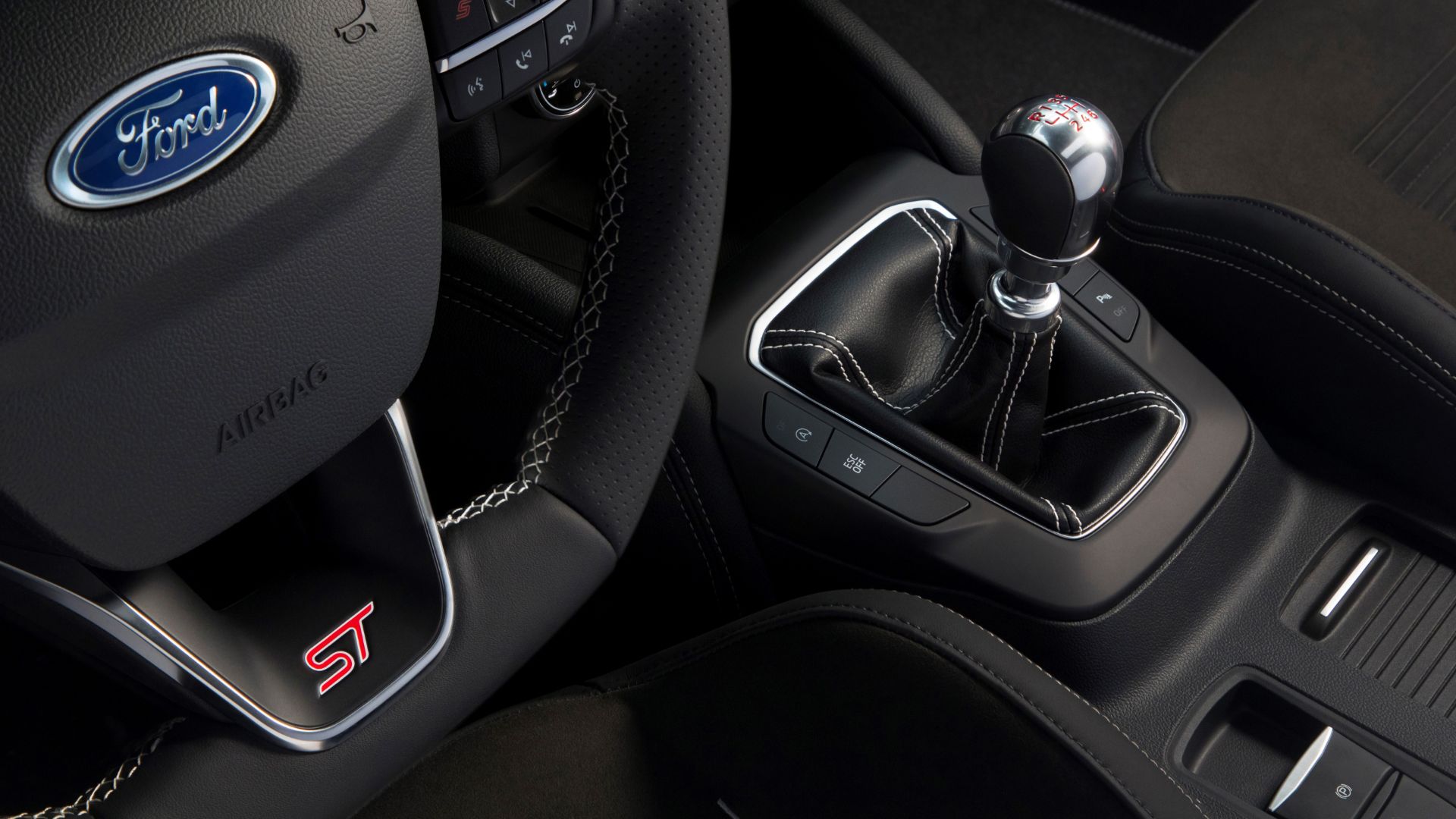
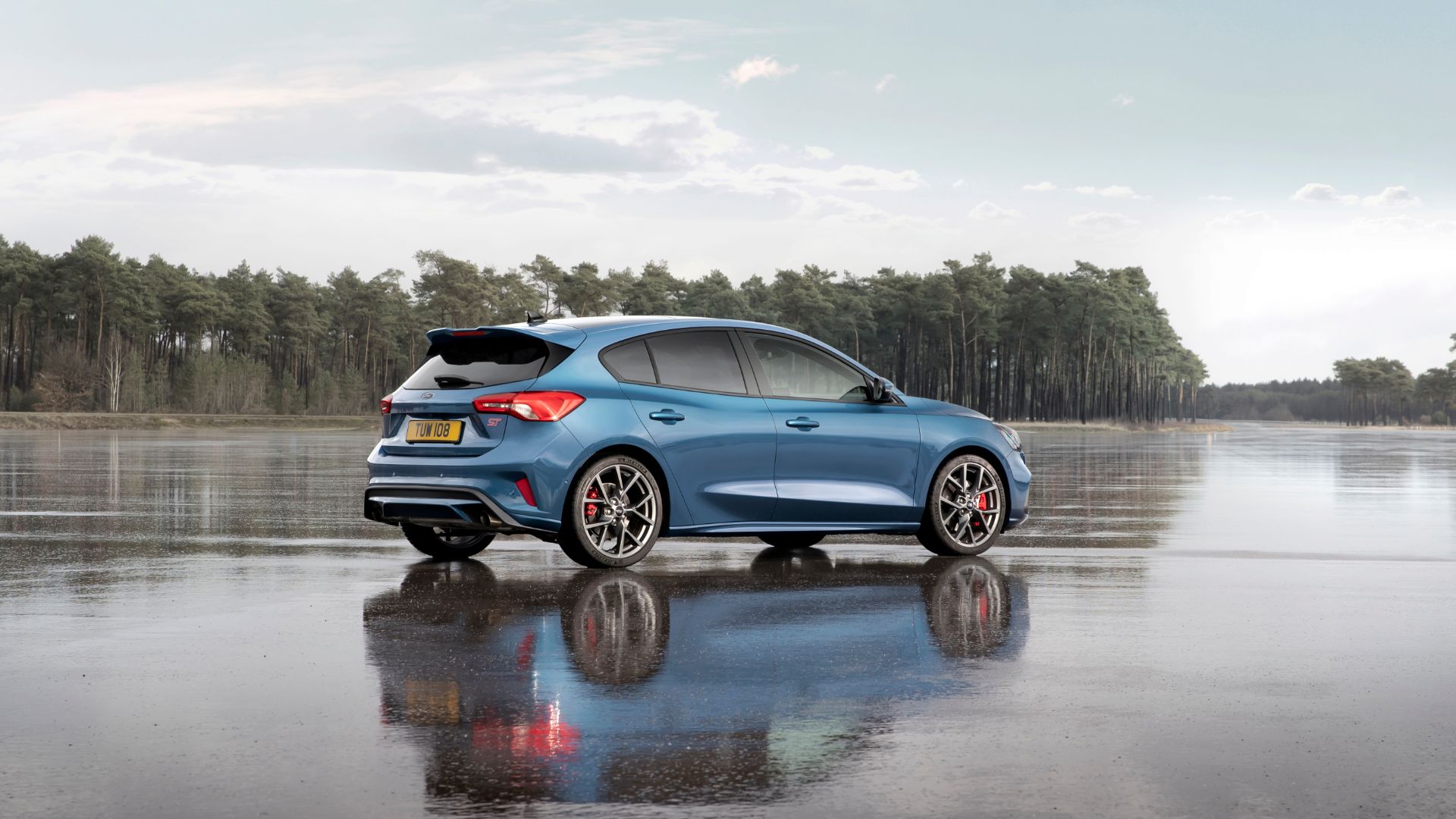
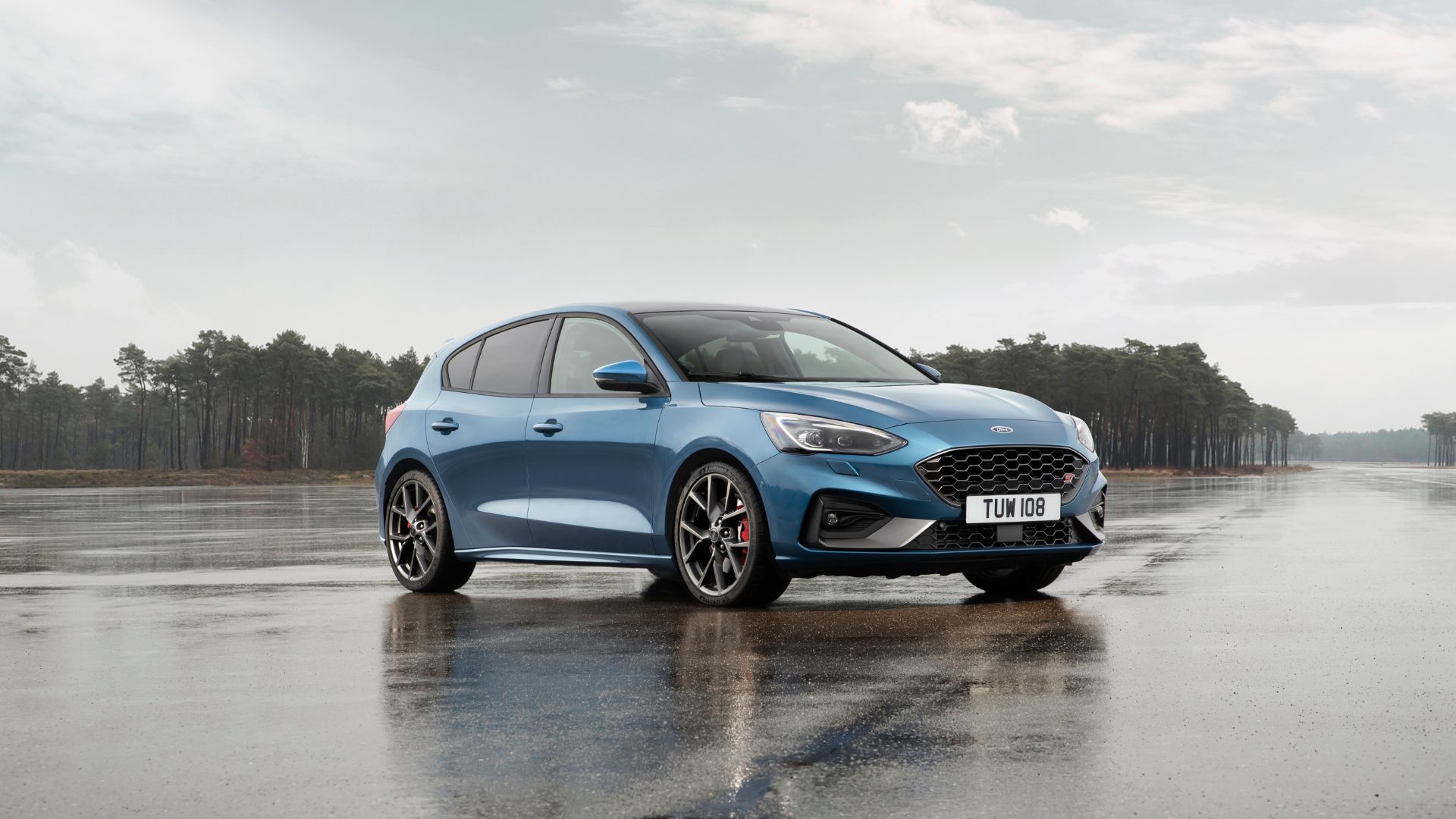
Ford says its new Ford Focus ST ‘blends track day performance, B-road fun and everyday usability, without compromise’. It’s packing some serious tech previously the preserve of supercars.
If all of that holds true, and that tech is there for the better, it should be a class-leading hot hatch. We break down the new 280hp Focus ST’s highlights with 10 fast facts.
It has a Mustang engine
No, that doesn’t mean the 400 horsepower-plus Coyote V8 sits atop the front wheels. The 280 horsepower ecoboost four-cylinder is actually from the ‘lesser’ Mustang, but the commonality (and the kudos) is there. Displacing 2.3-litres, it also packs 420Nm of pulling power.
There is a diesel
Praise be! There is a diesel and it’s a corker. How does 190 horsepower, and 400Nm of torque sound? That pulling power is available from as little as 2,000rpm, too. That’s all fine but what you really want to know is how frugal it is… Unfortunately, there aren’t any mpg figures yet but expect over 50mpg at least.
Its brakes are four times better
Yes, you read that right. Four-times improved rate of brake fade. That’s quite the improvement and music to the ears of any enthusiasts wanting to point their fast Ford at a track day. How did they manage it? Rigorous testing procedures first used to verify hardware for the 650hp Ford GT supercar. Yes, the very same Ford GT you can’t buy because you’re not on the list, even if you do have the requisite £500,000 in the kitty. Rarified breeding for the new fast Focus, then…
It’s quicker than an RS from 10 years ago
The 2.5-litre 300 horsepower Focus RS warbler of 2009 had a claimed 0-62mph time of 5.9 seconds. Without quoting an exact time, Ford reckons the new ST is good for 62 in ‘under six seconds’. The new ST is only 20 horsepower and 20Nm of torque shy of the old RS, but can still hang with it.
It has a Ferrari-style e-diff
Ford seems very proud of the fact that the new ST is packing its first eLSD for a front-wheel-drive car. Electronic limited-slip differentials have been around for a while, first appearing on the road in Ferrari’s F430. Now, 15 years on from that car’s debut, you can get the same technology on a mid-level Ford hot hatch. The system uses hydraulically-activated clutches to divert as much as 100 percent of the engine’s power to the wheel with the most grip, and takes instruction from the car’s arsenal of sensors.
It has four driving modes
This is key to Ford’s claim that the new Focus ST is a jack of all trades and a master of most. Wet, normal, sport and track do what they say on the tin. The latter is only available with the optional performance pack. It adds weight to the steering for a more satisfying action, increases braking response, tightens up the adaptive dampers (CCD) and, activates the anti-lag…
It has anti-lag
That’s right, the new Ford Focus ST has anti-lag. No, not quite like the Focus rally car of the late 90s and early 2000s but very similar to the system used on the Ford GT. The system keeps the throttle in even when you left off, to keep the turbo spinning and ready for your next request for power. Whether it’ll sit spitting flames on a limiter pre-launch is another question. The GT has something of a limiter bounce on launch, albeit without the rally-style fireworks… We can’t wait to try it out.
The diesel is more powerful than the original Focus ST
The original Focus ST is now 17 years old, which is why it’s perhaps unsurprising that the very latest diesel ST has more muscle. The ST170 had… you guessed it… 170 horsepower. The new oil-burning ST lite has 190. What’s actually more impressive is that the new diesel car has over twice the torque, with that 400Nm playing 195 in the first-generation car.
It’s got a twin-scroll turbo
Okay, we’re getting a bit nerdy with it now. The thing is, the last generation ST was fairly unremarkable. This new car is exciting precisely because of some of this up-spec tech that Ford has given it. Adaptive dampers, changeable drive modes, an electronic diff, anti-lag; all stuff that’s ordinarily the preserve of supercars, as are twin-scroll turbos. First made famous on the Porsche 959 and later on, the 911 Turbo, they dramatically reduce lag. In the case of the old porkers, they used to say it gets rid of it. Ford isn’t making any such lofty claims, merely saying that ‘engine response is enhanced’.
It’s on sale in summer 2019
For our final fast fact, it’s what you really want to know: when can you have one? Best get on the phone to your Ford dealer now, because it lands in the summer. We have tentative high hopes for this one: it sounds like it could be just the machine to fill that Focus RS-shaped hole in our lives.
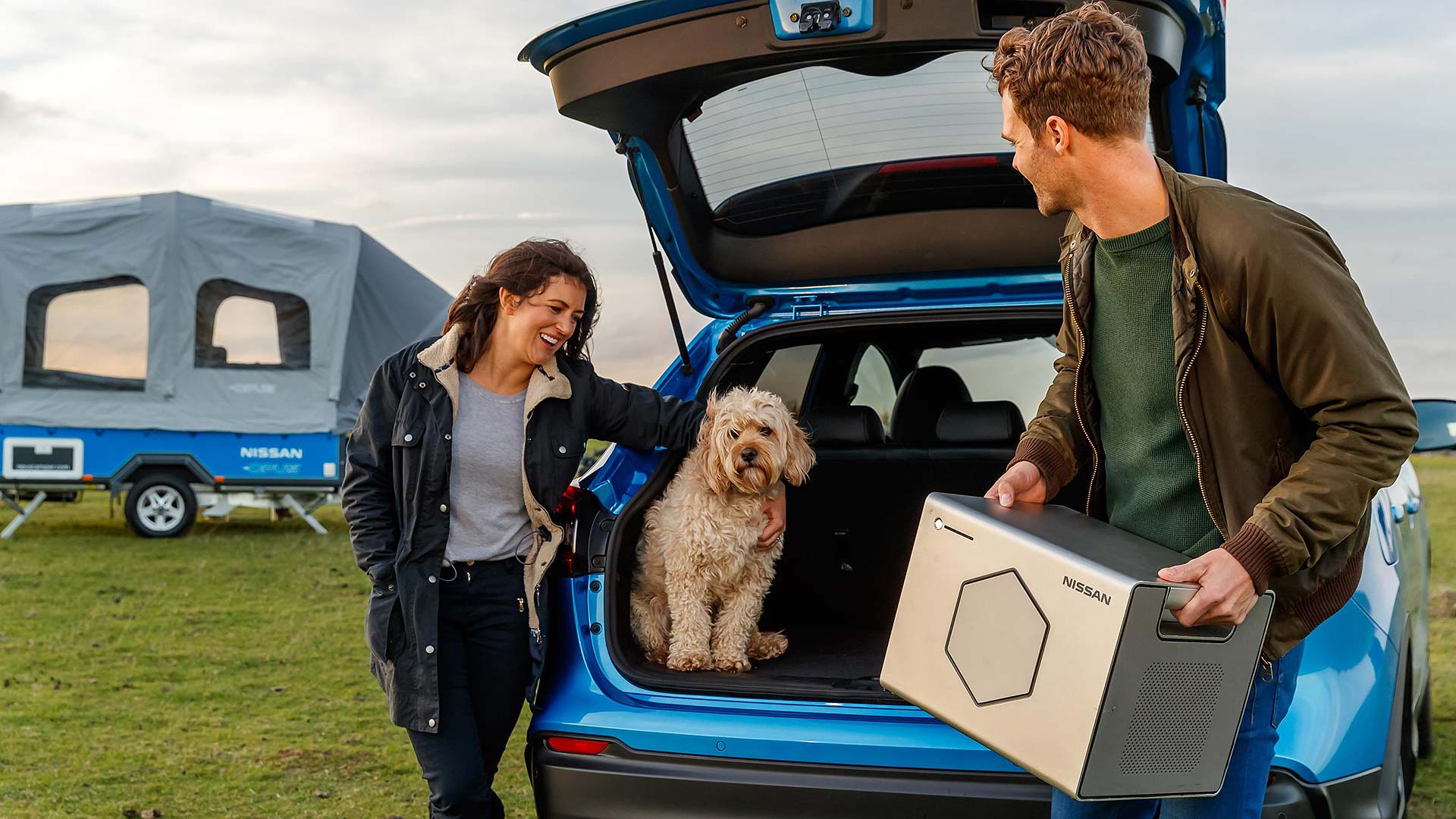
Campers and caravanners, want to escape from it all, but don’t want to give up on luxuries such as light, heat, cookers and gadgets? Then this new concept camper from Nissan is for you – as it uses recycled Leaf EV batteries to offer up to a week’s worth of off-grid electricity.
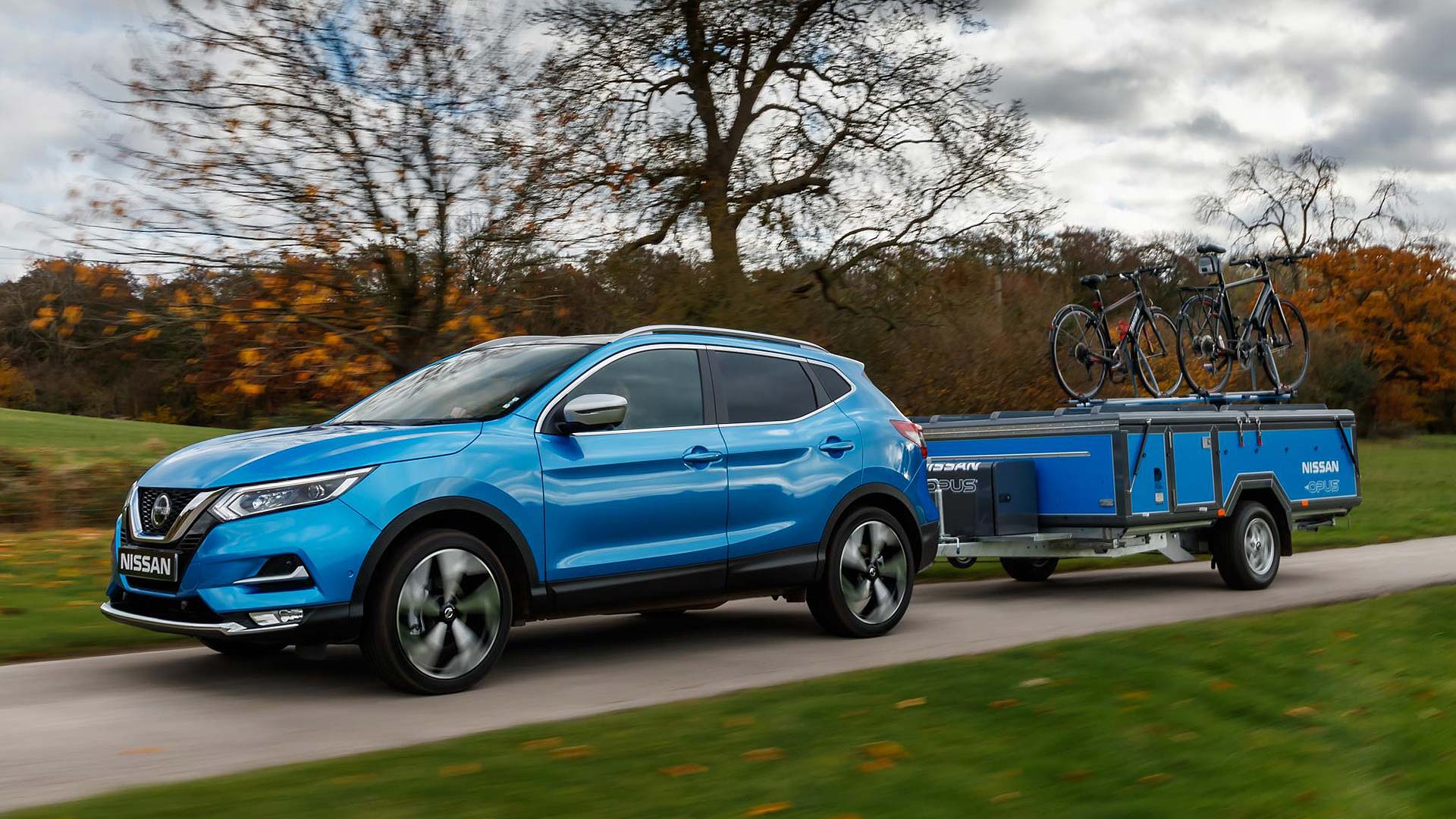
Called the Nissan X Opus concept camper, it debuts this week at the Caravan, Camping and Motorhome Show at Birmingham’s NEC. Developed in collaboration with folding camper company Opus, the new concept aims to show another smart application for electric car batteries once they’re no longer juicy enough for on-road use.
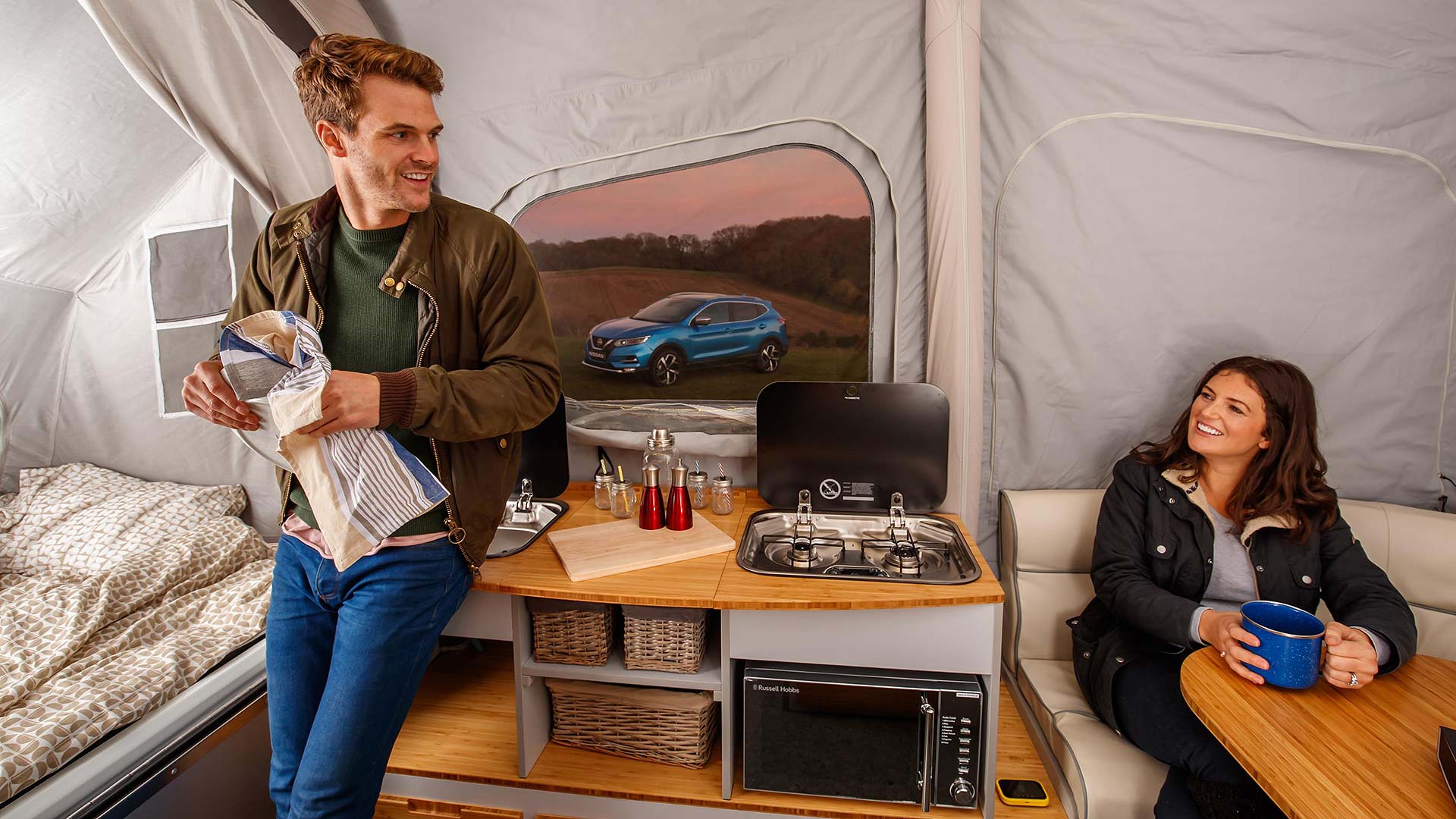
The concept comprises an Air Opus foldable camper, into which is built a Nissan Energy Roam portable and weatherproof power pack. This uses lithium-ion cells from first-generation Nissan electric vehicles. It can store 700Wh and has a power output of 1kW.
Nissan says that’s enough power to support off-grid living for seven days; it includes both 230v and 12v outputs. It’s located in a compartment at the front of the Air Opus camper, and is removable – so it can be recharged from a standard household socket; this takes just an hour, says Nissan.
There’s a 400W solar panel too, which can fully recharge it in two to four hours.
The Nissan X Opus concept is packed with tech gadgetry. It includes a microwave, fridge, LED lighting, three-pin plug socket, USB sockets for charging smartphones, 4G mobile Wi-Fi hotspot and even a digital projector with pull-up screen for streaming movies. There’s a two-burner gas hob and a little washbasin, too.
“At the moment,” said Opus MD Jonathan Harrison, “to go off-grid for any lengthy period, you either turn to a fossil fuel generator – which isn’t good for air quality or a peaceful camping ambience – or you compromise on the power you can use with existing battery solutions.
“This new concept, integrating Nissan Energy Roam, is answering real customer needs.”
As for the clever folding camper, Air pole technology turns it from fold-flat into fully-formed in 90 seconds. This reveals a seating and dining area, and sleeping accommodation for up to six people.
The Air Opus camper range starts from £15,995, and are built in the UK. Nissan hasn’t yet revealed a price of the Roam portable power pack but has confirmed it will launch in European markets later in 2019.
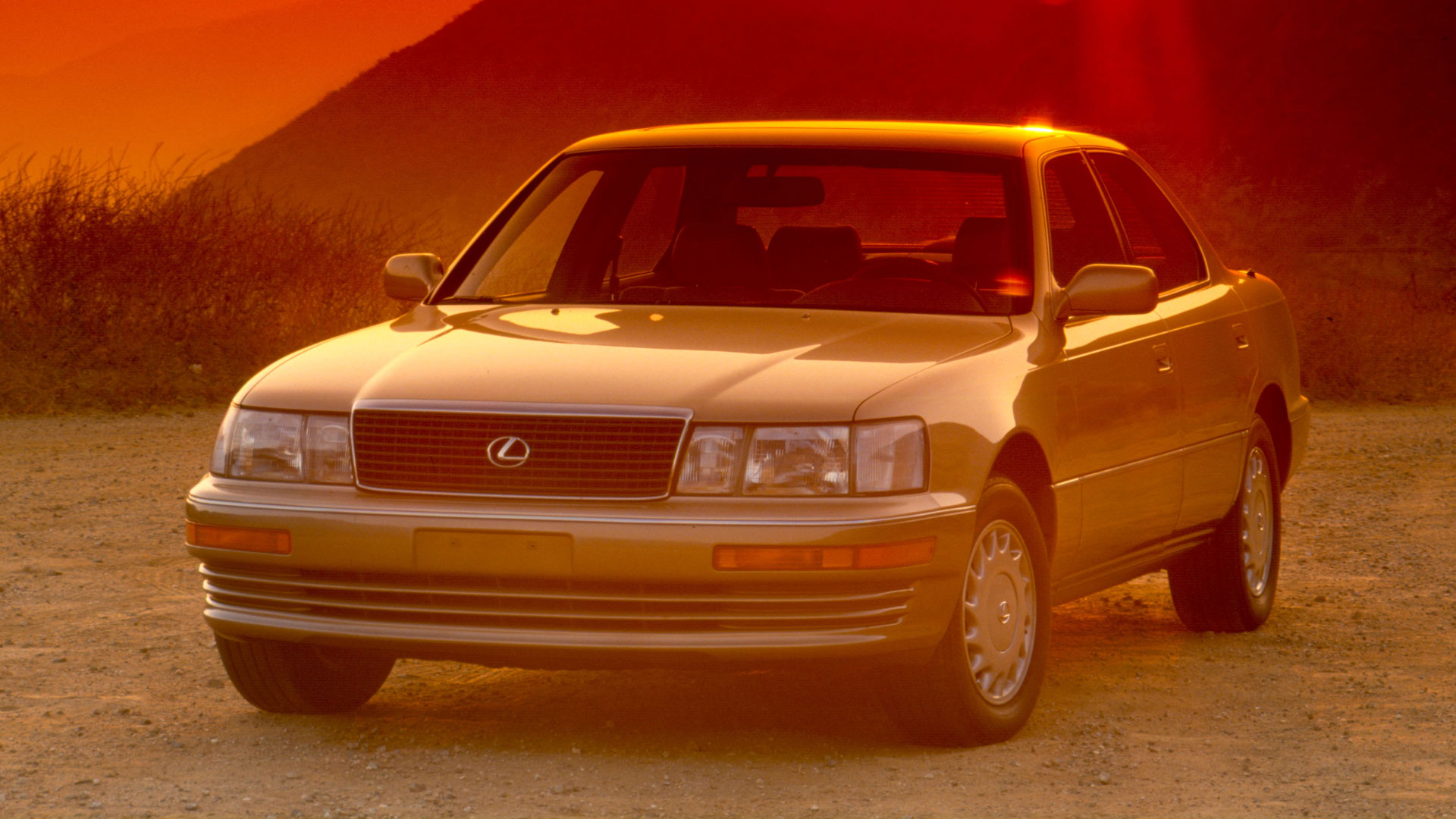
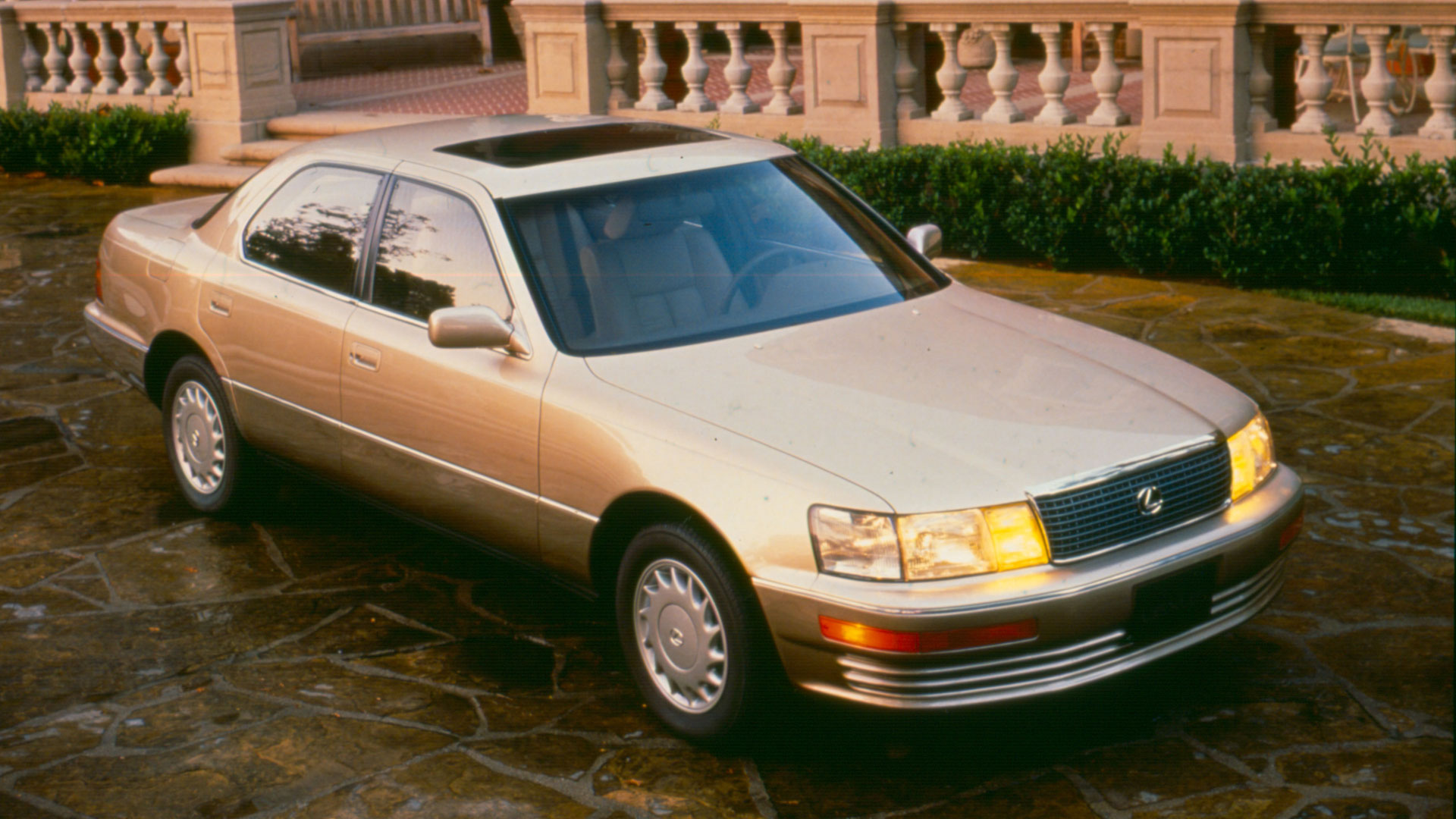
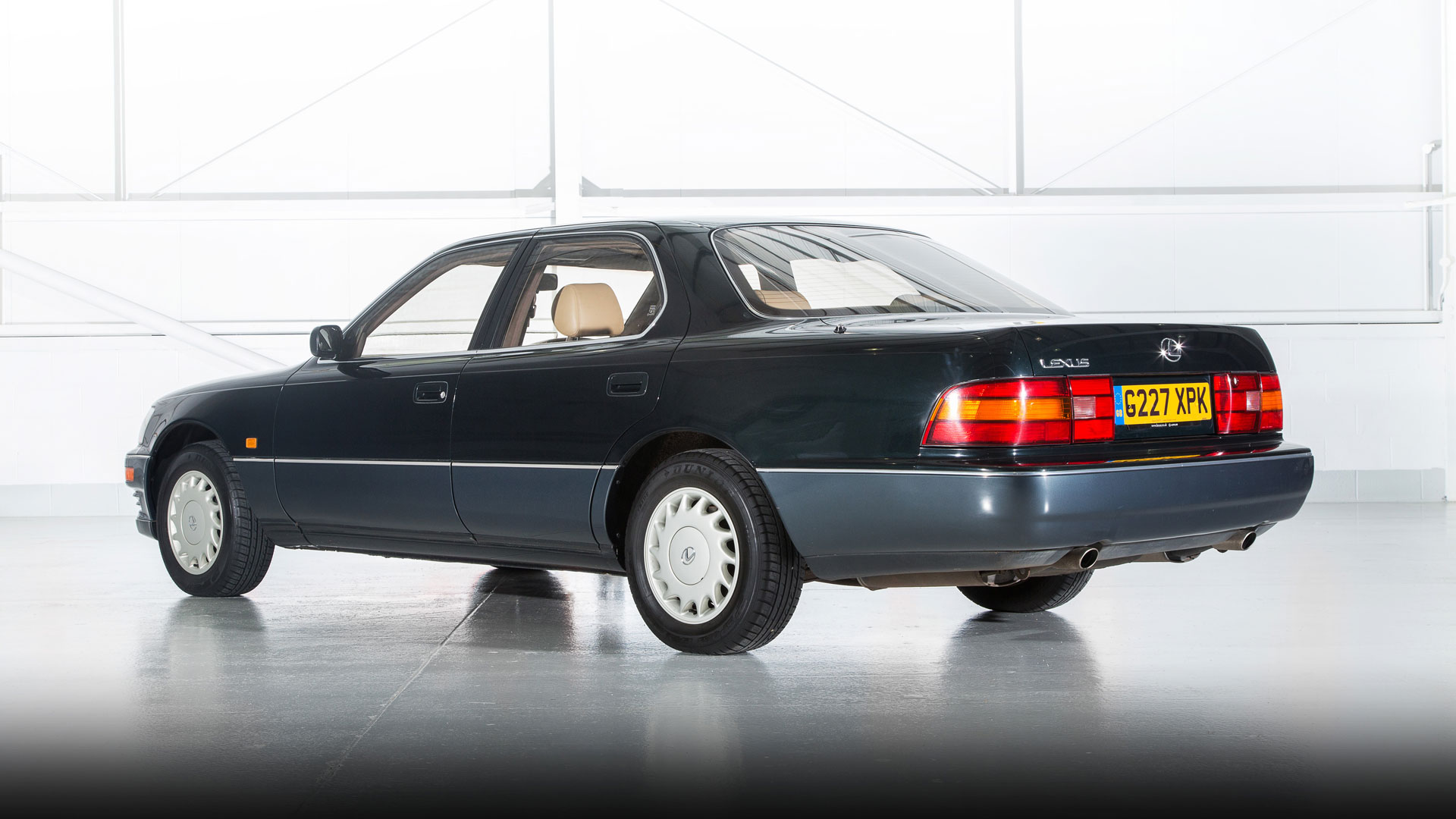
When Chris Goffey tested the Lexus LS 400 for Top Gear in 1990, he claimed that it was “petrifyingly good”. A rather appropriate turn of phrase, because the bosses at Mercedes, BMW and Jaguar must have felt a little petrified when Japan’s first global luxury car wafted into view at the 1989 Detroit Auto Show.
Thirty years on, it would be easy to be a tad dismissive of the LS 400, maybe rolling out the tiresome reference to the ‘Japanese S-Class’ as if this would be a suitable replacement for a fit and proper analysis of the car’s impact on the luxury car market.
Lexus didn’t just get within a hair’s breadth of the luxury establishment, it made itself comfortable at the top table, enjoyed a hearty lobster thermidor lunch with a half a bottle of Chablis, before heading outside to win a three-ball against a German and a Brit.
Building the perfect beast
Building the best car in the world is easier said than done. Armed with a billion dollars and with a team of the best designers and engineers in the business, creating automotive excellence sounds straightforward enough. But expectations are higher at the top of the market, and there’s a long way to fall if you get it wrong.
This reality wasn’t lost on Eiji Toyoda when he launched the Circle F project in 1983. The F stands for ‘Flagship’ – as if to emphasise the task in hand.
Toyota wasn’t entirely a luxury car virgin. But while the Crown and Century could cut it in the domestic market, they were unlikely to make an impact on the global market. Wool fabric seats and lace curtains don’t tend to feature on the list of demands for the majority of luxury car buyers.
Yukiyasu Togo, the president and CEO of Toyota’s US division, was convinced that Toyota could build a luxury car. More importantly, he knew that there was a gap in the North American market for such a vehicle. A generation of increasingly affluent ‘baby boomers’ were growing out of their Toyota compacts and sedans and upgrading to something German.
Baby come back
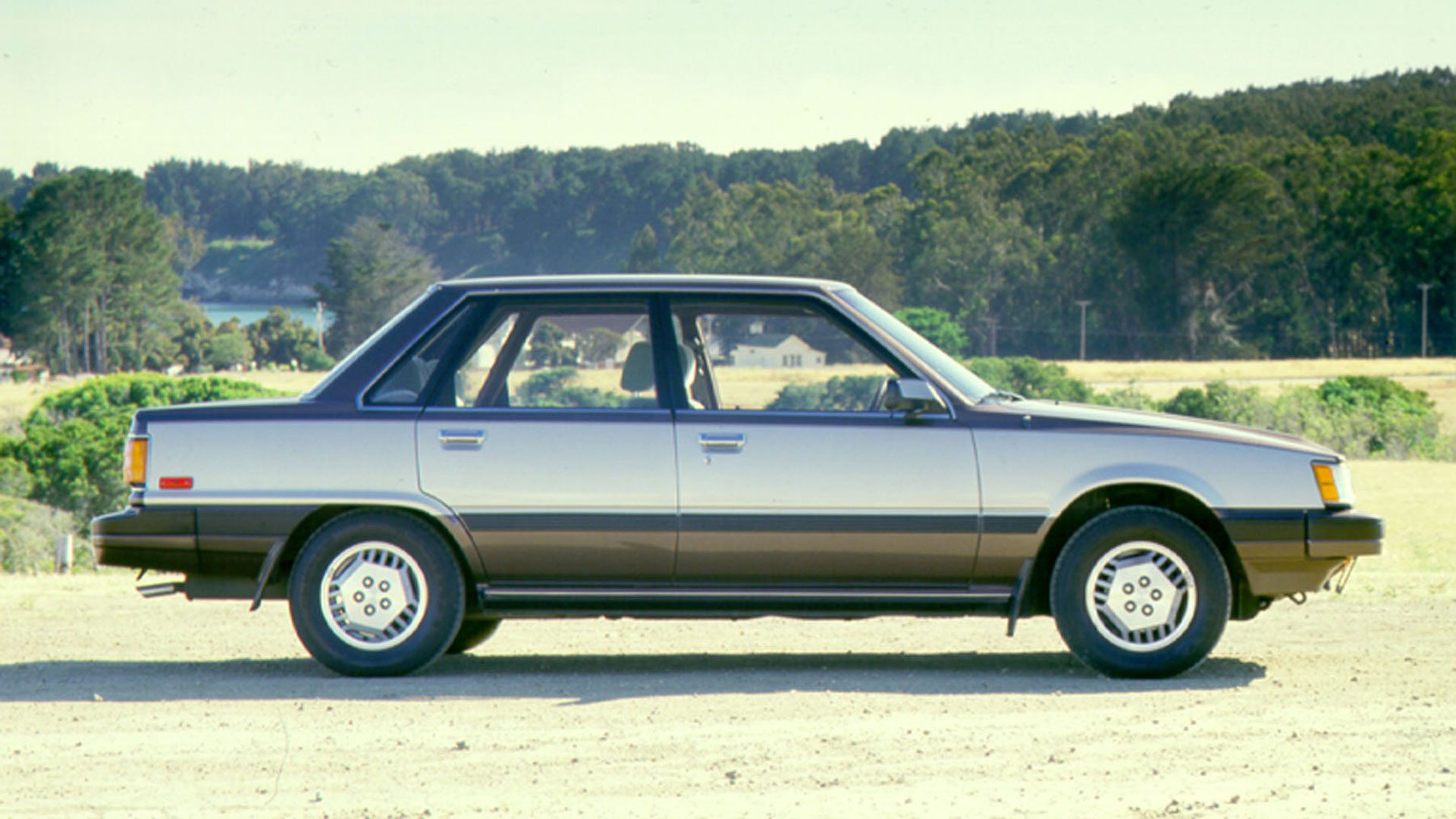
Toyota was losing loyal customers left, right and centre – a Camry had neither the brand or the prestige to join the ‘baby boomers’ on their climb up the social ladder. Reintroducing the Crown was given serious consideration, but it was too small, underpowered and out of touch with American tastes.
Which is why a team of researchers were dispatched to the US to get inside the hearts and minds of the American luxury car buyer. Hundreds of potential buyers were interviewed, with videos sent over to the designers and engineers in Japan. Such insight proved to be invaluable during the development of the LS 400 – no guesswork was involved, and nothing was left to chance.
For the next six years, the team led by chief engineer Ichiro Suzuki sweated over the tiniest details in the pursuit of greatness. Meanwhile, the marketing team had to settle the small matter of what to call the car.
It turned out to be a launch, not just of a car, but an entirely new brand. The original plan was to badge it as a luxury Toyota, but research showed that this wouldn’t cut it, so a new brand was required. But what to call it?
Say my name
More than 200 names were considered, including Alexis, Calibre, Chaparel, Vectre and Verone, but Lexus was chosen after project manager John French had a play with some letters. The ‘A’ was dropped from Alexis to create Lexis, with the ‘i’ substituted for a ‘u’ because it sounded smoother and more upmarket.
Meanwhile, the engineers were breaking new ground and charting fresh waters with the development of the luxury car. From the outset, Ichiro Suzuki insisted that the LS 400 should feel the same at 50,000 miles as it did when it rolled out of the factory, which created an unbelievable amount of work for this team.
No fewer than 450 prototypes were built – the first one was finished in 1985 – with the exterior design approved in 1987 after the production of 14 full-scale models. The car visited a wind tunnel on 50 different occasions, with the engineers placing microphones all over the vehicle in a quest to eliminate wind noise.
Supra trooper
It underwent three million miles of testing, including high-speed runs on the German Autobahn. At the time, Toyota had just the one car that could travel at speeds in excess of 110mph, but the Supra was aimed at a different clientele.
The obsessive nature of the development extended to the creation of the stiffest body shell, featuring welds 1.5 times stronger than a regular car. The development also included the world’s first laser welding techniques, while the computer-measured panel gaps were designed to be as narrow as possible.
Interestingly, the distance between the bonnet and front wings, and boot lid and rear quarter panels were designed not to be parallel. This was so that when the car was viewed head-on, the perspective of a slightly tapered gap actually appears more parallel.
Other details included windscreen wipers angled to change position as the car’s speed increased, an automatic transmission with its own ECU for smoothness, a prop shaft engineered to be vibration free, and double wishbones at each corner for dynamic handling. Such was the blend of ride comfort and sharp cornering, the optional air suspension was almost surplus to requirement.
Power and glory
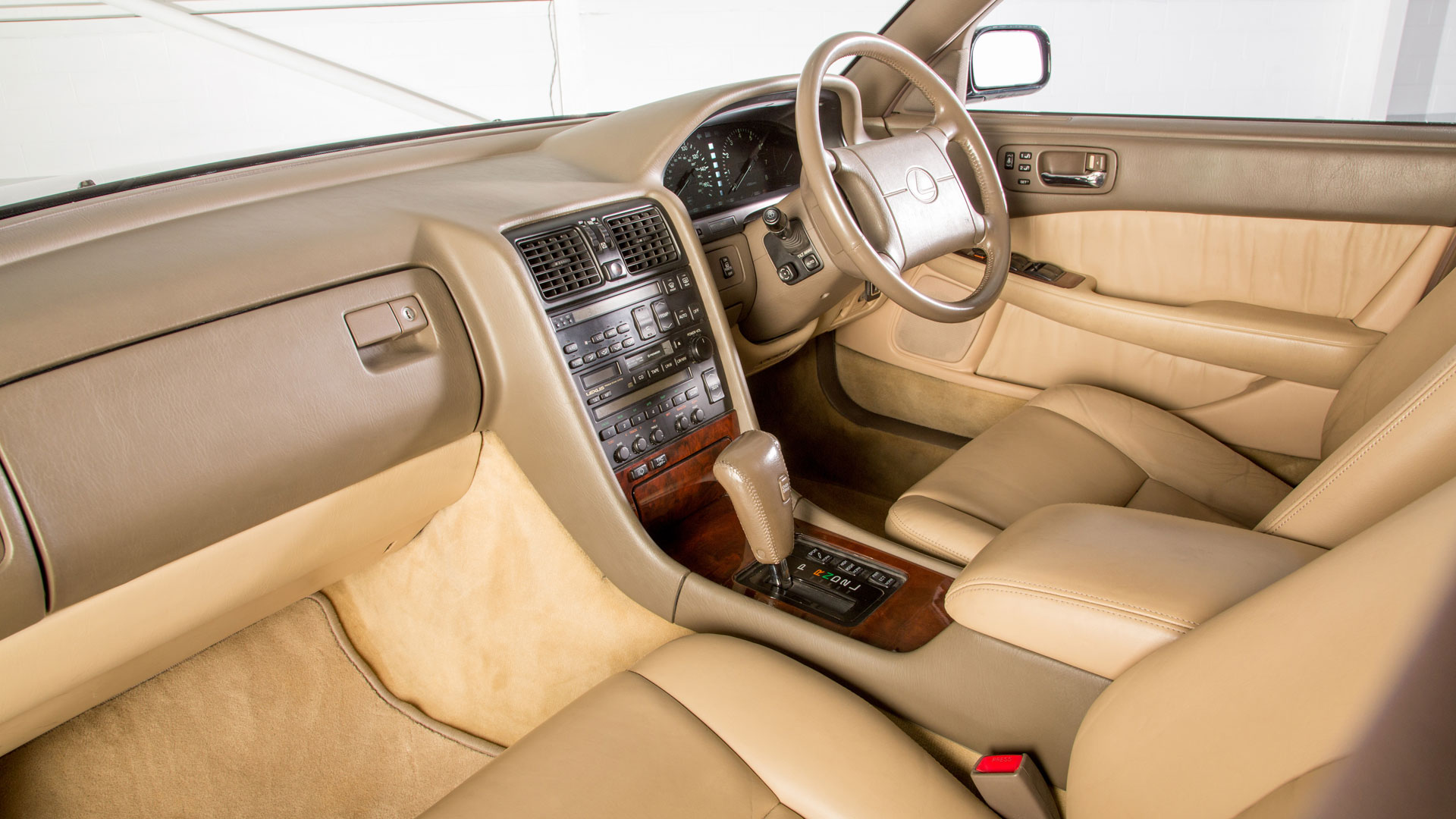
On the inside, Toyota spent two years deciding on the right tanning methods, textures and feel for the upholstery, with the designers calling upon the help of Yamaha’s experience with pianos and violins when creating the wood finish.
In truth, the interior felt somewhere between American and German styles, and while the quality was first-rate, it lacked a genuine wow factor. That was until you fired up the 4.0-litre V8, at which point the black fascia would reveal a set of Optitron gauges that glowed with a 3D effect. A subtle and sophisticated take on the more traditional dials.
In creating the 1UZ-FE engine, Toyota tested a total of 973 prototypes as it endeavoured to build the smoothest and most efficient V8 in the world. Lightweight aluminium cam followers in the valve train were designed to maintain smoothness at high revs, with the engineers reducing the machining tolerances of all moving parts by up to 50 percent.
The result was a super-smooth and virtually vibration-free engine, as ably demonstrated by the ‘glass of water test’. Try perching a glass on the motor of the LS 400’s contemporary rivals, and you’d be left with a soggy engine bay.
Appetite for destruction
Toyota left nothing to chance in the pursuit of perfection – all parts were tested to destruction and subjected to an accelerated ageing process. Little wonder, then, that the final production version caused such a stir in 1989. There were no concepts or teaser models before Detroit – Toyota went straight for the jugular, catching the Germans off-guard.
Although the LS 400 was built alongside the Soarer and Supra at Toyota’s Tahara plant, it had its own exclusive assembly line and was subjected to 1,600 different quality checks. No LS 400 would leave the factory until it was fit to woo Mr Merc, Mr BMW and Mr Jag.
In a rather ingenious and mischievous move, the great and the good of the automotive press were invited to Germany for the international press launch. Sure, it meant that the journos could experience the smooth operator on the de-restricted Autobahns of Germany, but it was no coincidence that Lexus was playing in its rivals’ backyard.
Shiny happy customers
Lexus and the LS 400 were scoring points all over the yard. Toyota had thought of everything – design, engineering, PR, marketing and customer relations. Even when a brake light recall threatened to take the shine off the LS 400’s polished image in the US, Lexus scored points by sending technicians to the houses of each owner to rectify the problem before Christmas.
And, in a masterclass of turning a negative into a positive, each car was even treated to a valet and a full tank of fuel. Brilliant.
All that American research paid off. The initial batch of 1,000 cars was snapped up, and by the end of 1989, Lexus had hit its forecast of 16,000 sales. It was sold alongside the Camry-based ES 250 with a remarkably low price tag of $35,000, which led to BMW circulating rumours that Lexus was making a loss on every car it sold.
One could argue that its rivals remained just ahead of the LS 400 in key departments – the S-Class in terms of quality and refinement, the 7 Series for driver appeal, and the XJ6 for the cabin and brand heritage. But the LS 400 offered consistent qualities across the board, delivering exceptional value for money.
Absolutely flawless
‘In all our years of evaluating cars, we’ve rarely had to work this hard to discover faults with a particular automobile,’ proclaimed Motorweek in a gushing review.
Car magazine was similarly positive, saying it beat the S-Class ‘hands down’, judging it to be better than the Rolls-Royce Silver Spirit. Was it perfect? Of course not, but the fact that it came mightily close to perfection is remarkable for a company with no experience of building a luxury car for a global audience.
Opinions varied – some road testers loved the quality of the leather, while others said it felt cheap alongside its rivals. It was a similar story with the wood, switchgear and plastics. With the benefit of hindsight, the LS 400 probably lacked one crucial element – prestige.
At the time, the Lexus logo on the centre of the steering wheel had no heritage and zero provenance. It might have featured a banging stereo, a trick fascia and a level of finish to rival the very best, but without the brand equity, it would be playing catch up for years to come.
Anti-establishment
The LS 400 arrived in the UK in 1990 and soon became the choice of the enlightened and the educated. Armed with a price tag around £35,000, Lexus had the ammunition to rip down the establishment in a display of stealth-like precision.
Only a lack of brand awareness and the fact that the LS 400 was being sold alongside the likes of the Starlet and Corolla in 44 of Toyota’s 200 or so dealers could hold it back. Arriving in the midst of a recession didn’t help, but the LS 400 was good enough to enable Lexus to establish a foothold on the luxury car mountain, and it has been climbing ever since.
Today, the Lexus LS 400 remains a canny choice for the used car buyer in search of luxury on a budget. While spending sub-£3,000 on an equivalent German car would like putting your life savings in the hands of a Las Vegas gambler, the LS 400 is a less risky affair.
Why settle for a ‘German LS’ when you can drive the best car in the world?
The EU car market is predicted to stagnate in 2019 at 2018 levels, with a growth rate of less than one percent. Brexit, tightening emissions regulations, and the demonisation of diesel are being blamed, as potential U.S. import tariffs are breeding a feeling of uncertainty.
The past five years have seen a continuous trend of growth in the car industry, but things are likely to change. The European Automobile Manufacturers’ Association (ACEA) is expecting level figures, at best, for 2019.
ACEA president Carlos Tavares outlined some of “the major challenges ahead” at a conference in Paris on Wednesday. “Meeting stringent car and van CO2 targets – both for 2020 and the recently-agreed post-2020 targets – the looming prospect of a no-deal Brexit, and the ever-present threat of tariffs on US car imports” top the list of worries the European car industry.
“The prospect of a no-deal Brexit still has not been ruled out. On the contrary, this scenario looks more likely than ever before,” Tavares continued. Manufacturers are facing market uncertainty not seen since the recession and prior economic dips of that scale. That carmakers with UK-based manufacturing along with large-scale importers are throttling back shouldn’t come as a surprise.
Gloomy sales projections aren’t the only bad news, either. Figures are suggesting that 2018 is the second year in a row that CO2 figures have risen, with a 6.5 percent increase last year. This is down in part to the drop in diesel sales and a commensurate rise in petrol sales. Diesel was touted many years ago as the wonder fuel in terms of reducing CO2 output. Now it’s taken such a sharp downturn, the figures are back on the up.
All this combined with threats of import tariffs in the US for manufacturers that don’t build their cars over there makes a gloomy 2019 result all but unavoidable.
More than 700 classic cars have converged on ExceL as the fifth annual London Classic Car Show gets underway. Highlights include a collection of surviving cars from The Italian Job, a celebration of Citroen’s 100th anniversary and a Coys classic car auction.
We were one of the first through the doors, so let us guide you through some of the classics you can expect to see if you head to the show this weekend.
The Italian Job
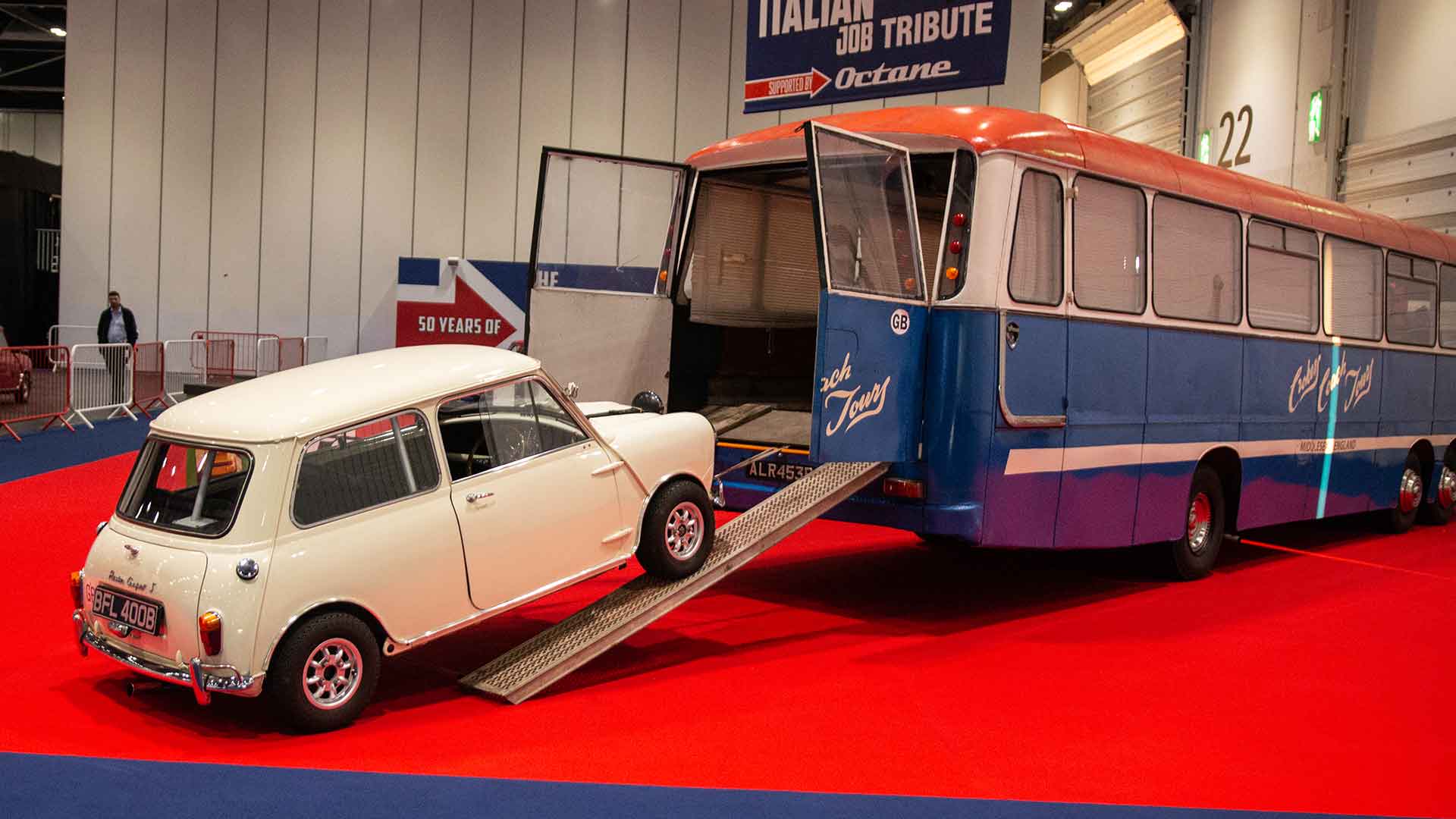
To mark the 50th anniversary of The Italian Job, the surviving cars have been reunited with actors that appeared in the comedy caper. Sadly, the iconic red, white and blue Minis have not survived, but that doesn’t stop this scene from being one of the best displays at this year’s London Classic Car Show. The Harrington Legionnaire coach and Austin Cooper S are replicas of the original film stars.
The Italian Job
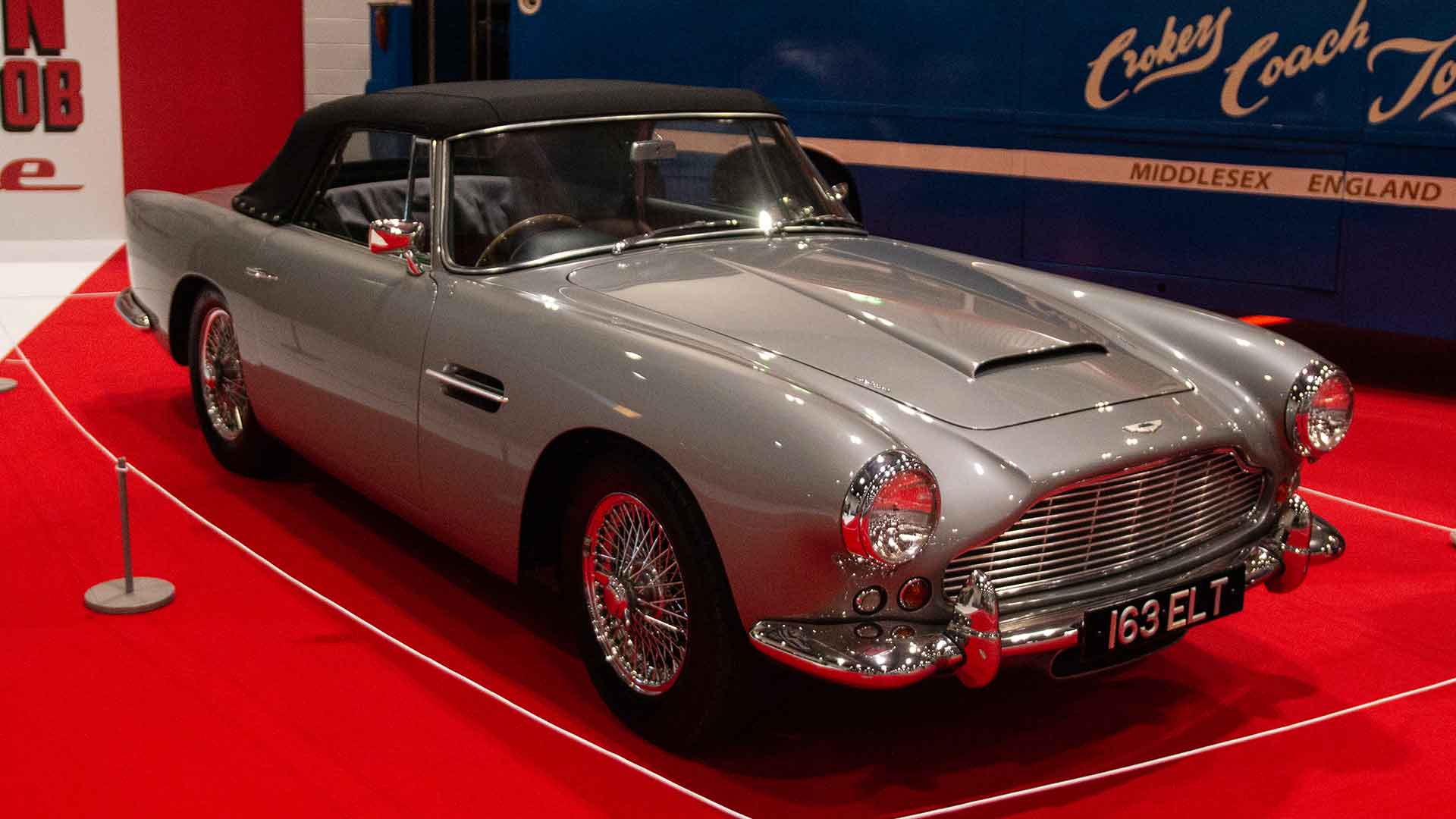
This Aston Martin DB4 Convertible isn’t a replica. Although it appeared to be tipped off the edge of a cliff in the film, it was actually replaced by a Lancia Flaminia for the famous shot. As such, Charlie Crocker’s Aston was spared and survives to this day. Other cars from the film on display in London include a pair of E-Types and reproductions of the Lamborghini Miura and the bullion van.
Citroen BX
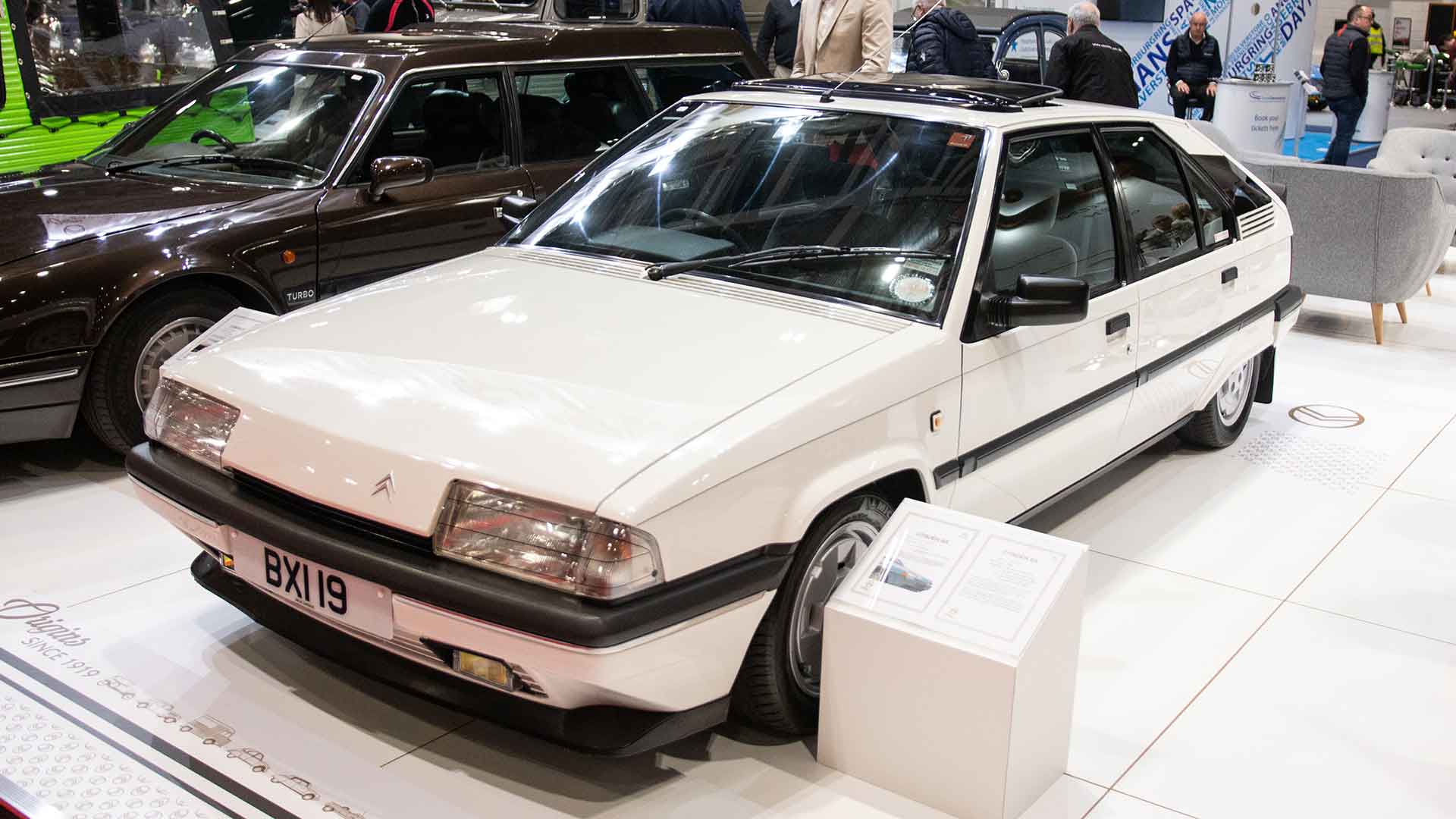
It won’t have escaped your notice that Citroen is celebrating a big birthday in 2019. The London Classic Car Show is hosting an impressive display of Citroens old and new, and while the usual suspects are in attendance, it’s good that some of the less fancied models are on display. Back in the day, the BX was a familiar sight on Britain’s roads, but today, the car designed by Marcello Gandini is a rare thing.
Citroen Mehari
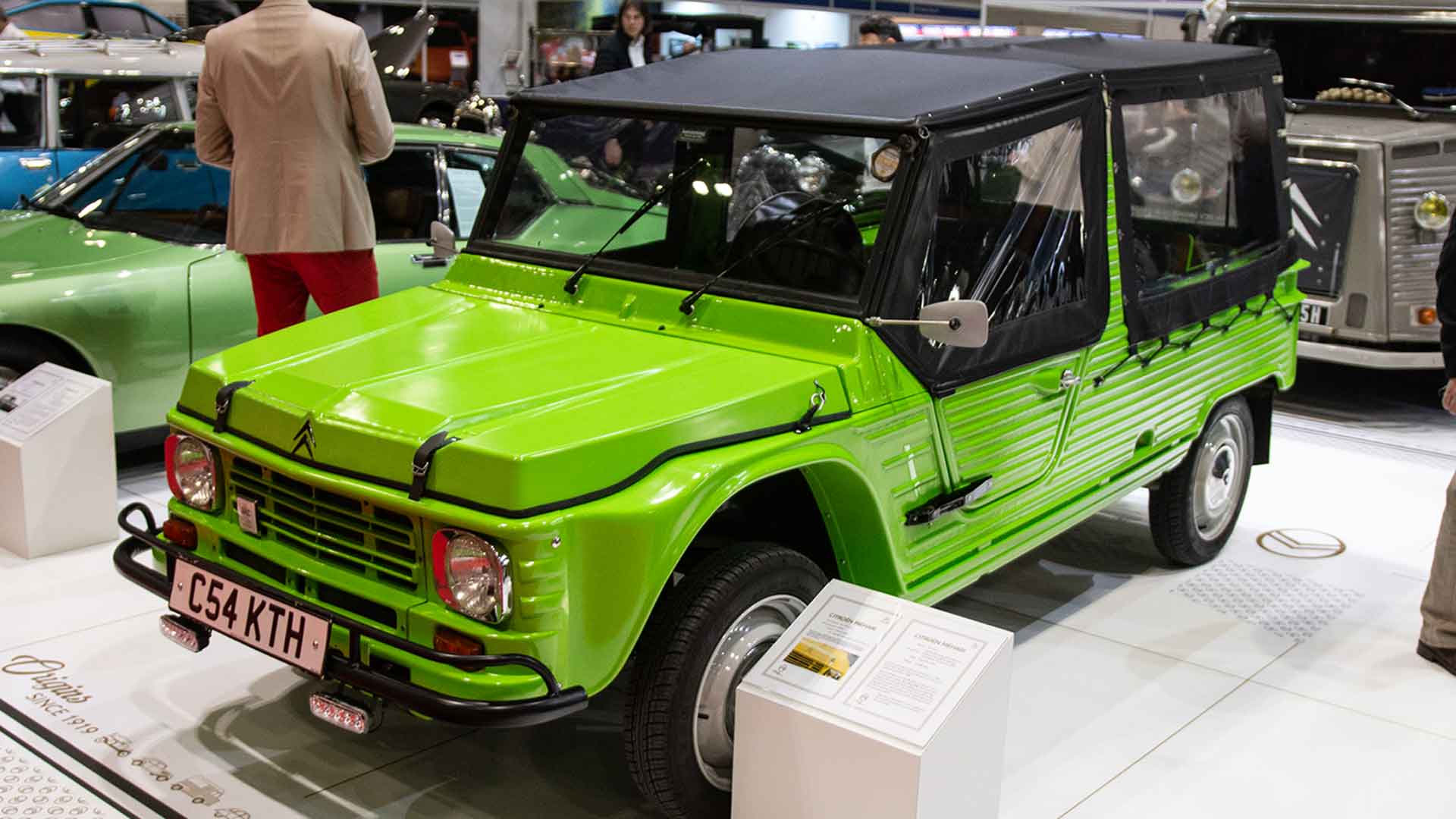
The Citroen Mehari dates back to 1968, and although it was based on the Dyane 6, its moulded ABS body delivered a unique look. Amazingly, this fun-loving and practical machine lived on until 1988, by which time it had spawned four-wheel-drive and commercial versions. Note the SM in the background – a demonstration of Citroen’s range and eccentricity in one photo.
Citroen 2CV
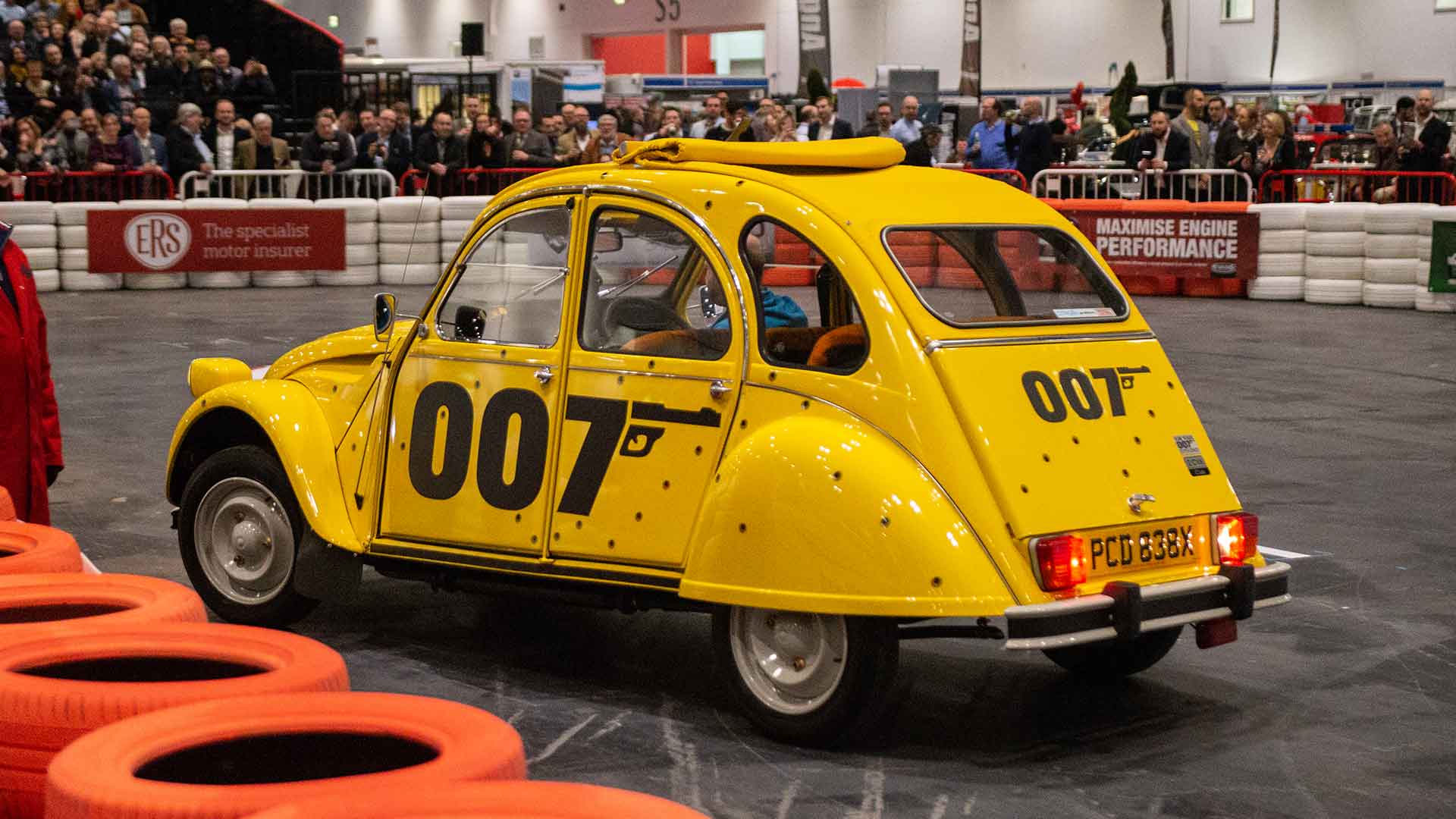
The London Classic Car Show is more than just a static event. The Grand Avenue plays host to a series of parades, including 100 years of Bentley and Citroen, 60 years of the Mini and 50 years of the Ford Capri. In 1982, the Citroen 2CV starred in For Your Eyes Only and even appeared in the poster for the Bond film. To mark the occasion, Citroen built 500 special editions, complete with bullet hole transfers.
Reliant Scimitar GT
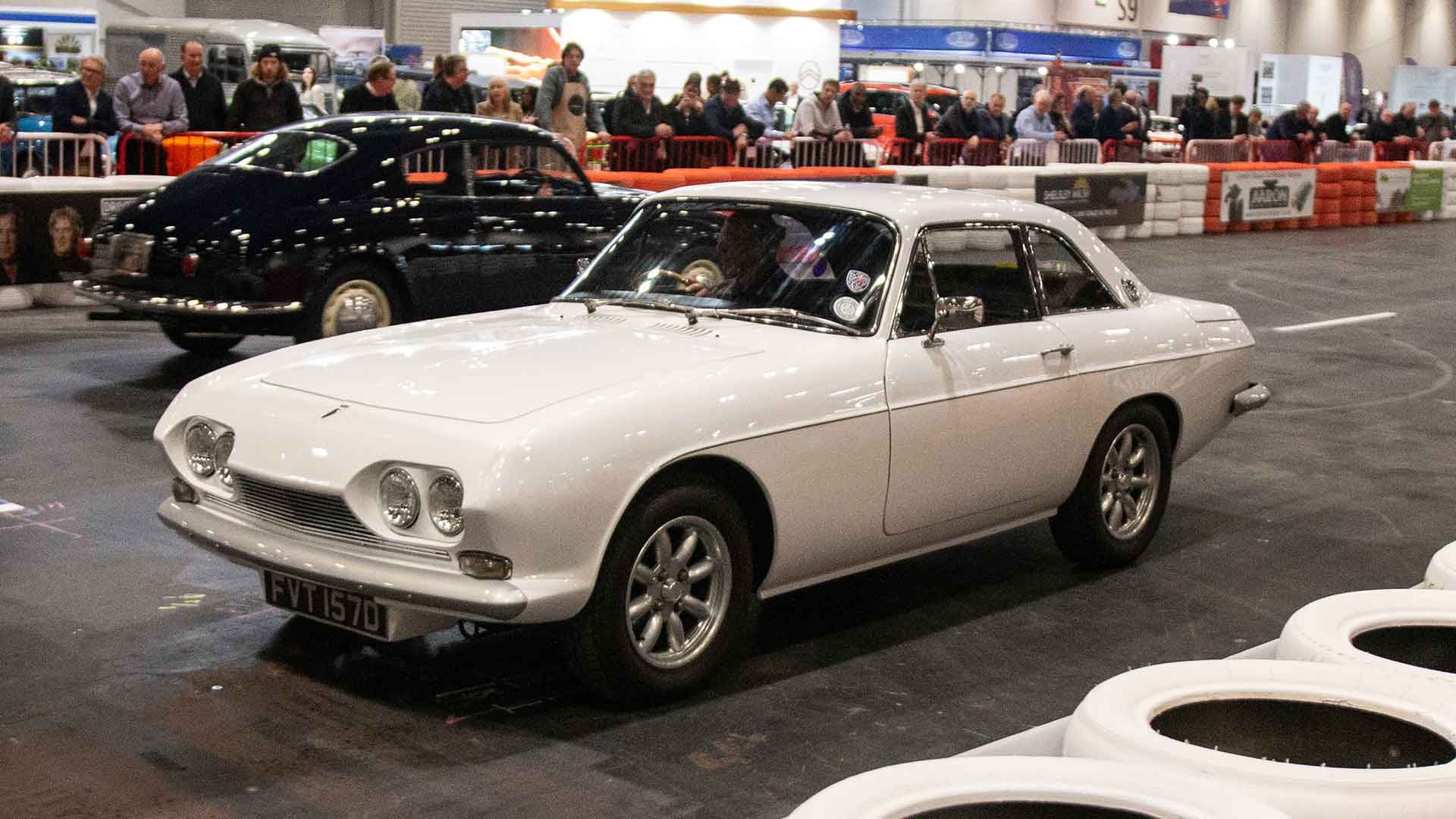
Arguably less famous than the Grand Touring Estate (GTE), the Reliant Scimitar GT made its debut 55 years ago at the 1964 Earls Court Motor Show. It started life as the Ogle SX250, a car based on the Daimler ‘Dart’ SP250 chassis, before Reliant purchased the rights for the design. Production continued until 1970, by which time Reliant had forged a reputation for building fast and good-looking performance cars.
Toyota 2000GT
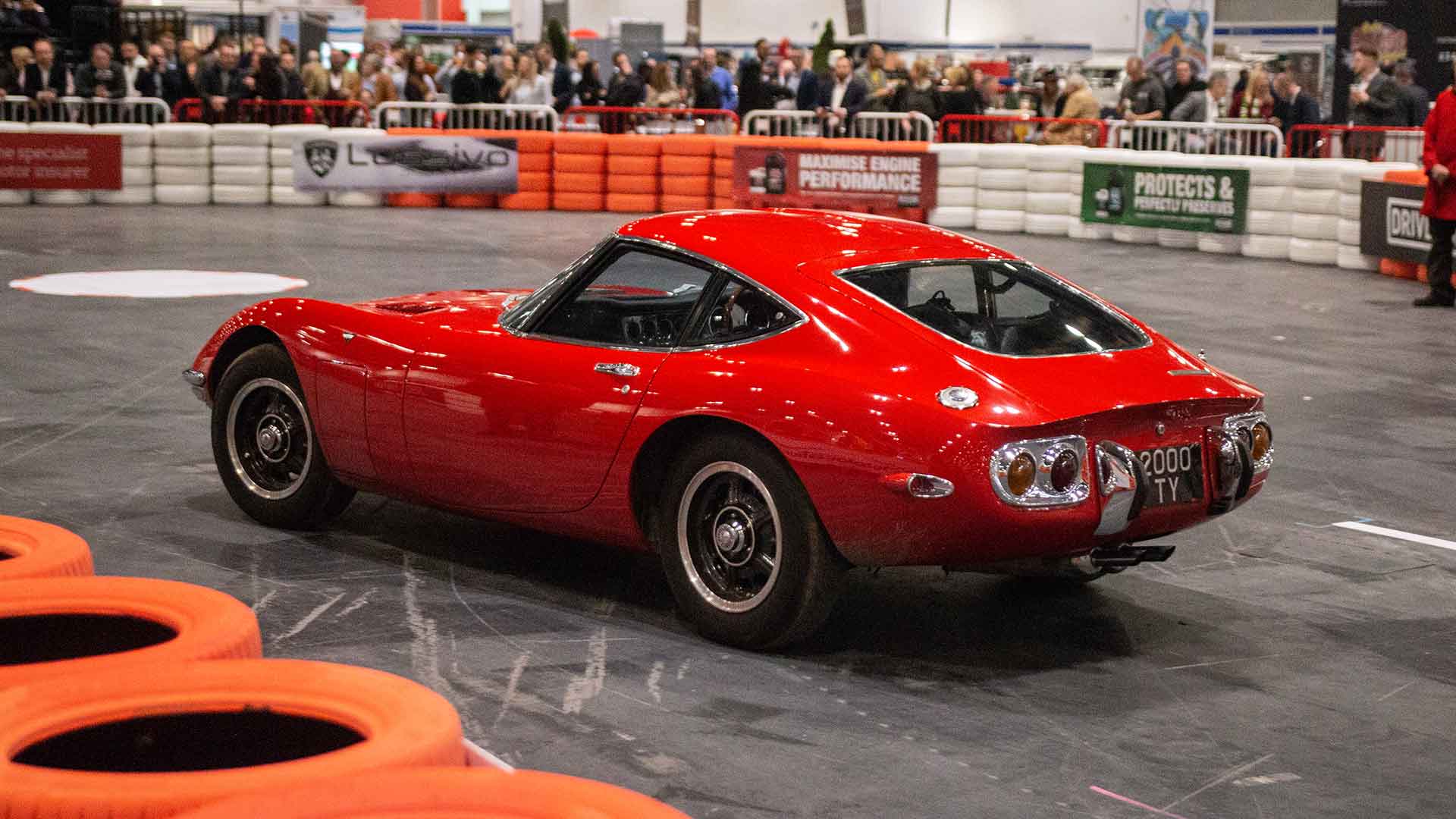
Is this the best looking Japanese car ever built? From this angle, we reckon it even manages to out-style the Jaguar E-Type. The Toyota 2000GT was launched in Japan in 1967, with production outsourced to Yamaha. Power was sourced from a 2.0-litre straight-six engine used in the Toyota Crown, helping it to reach a top speed of 136mph. Two prototypes were converted into drop-tops for their appearance in You Only Live Twice.
Jaguar XJ220
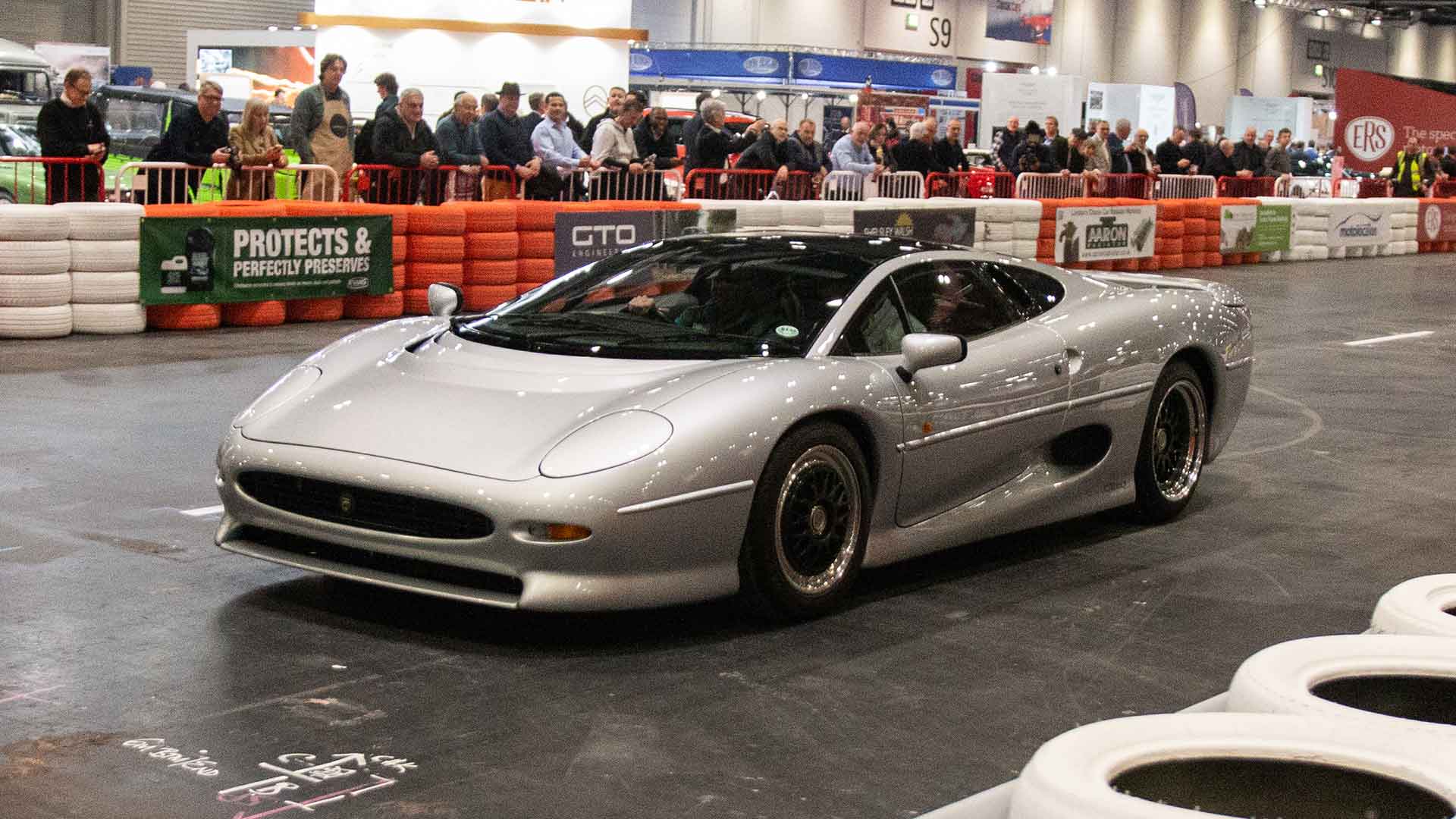
From the outset, the Jaguar XJ220 was designed to hit 220mph and was developed with a 6.2-litre V12 engine and four-wheel-drive in mind. But it wasn’t to be. As history recalls, the XJ220 ended up with a V6 engine from the MG Metro 6R4 and rear-wheel drive, and yet it was able to hit 213mph, making it the fastest car in the world. Even today, seeing one in the metal is an event – the XJ220 is loaded with theatrical drama.
Ferrari F40
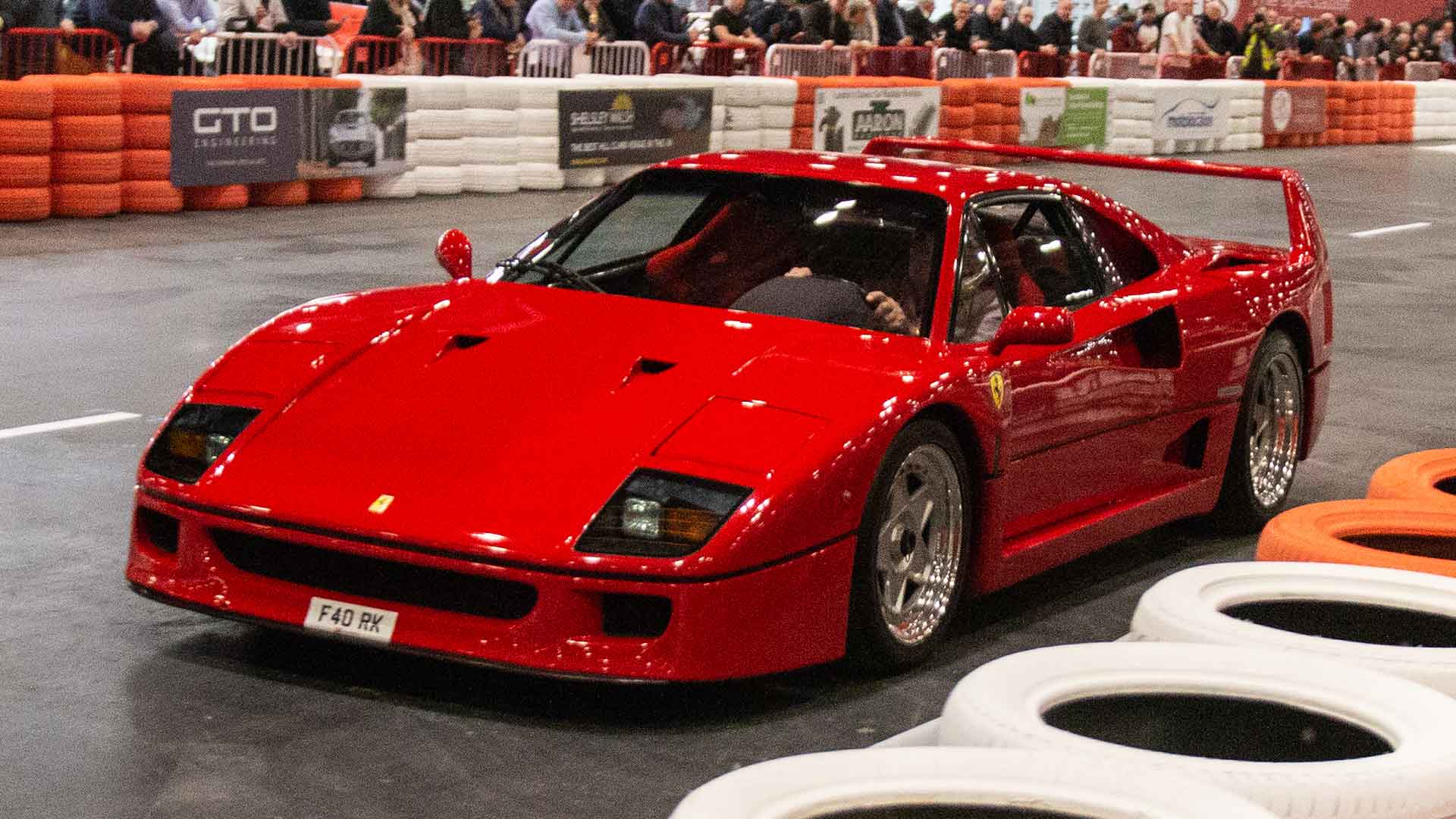
It needs no introduction, does it? Even if the number plate is a huge giveaway. Much like the Jaguar XJ220, for a generation of car enthusiasts, this was the pin-up star of choice, with photos ripped from magazines and stuck on the front of school exercise books. Built to celebrate Ferrari’s 40th anniversary, the F40 seems to get even better with age.
Ford Mustang Bullitt
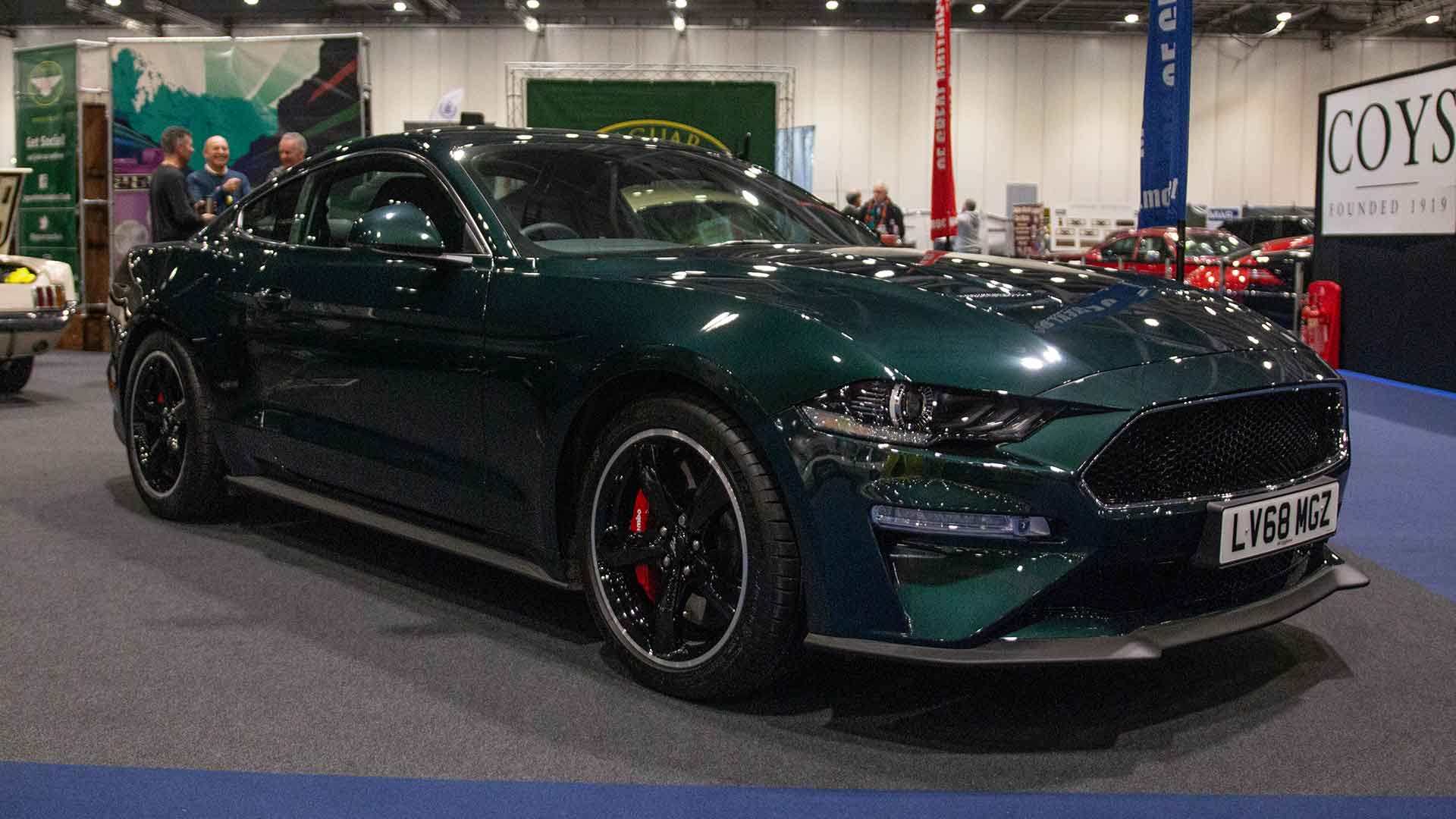
Fifty years after the release of the Bullitt film, Ford launched the Mustang Bullitt. Finished in Dark Highland Green, the Mustang pays homage to the Steve McQueen movie, complete with a 10hp uplift in power, a tweaked chassis and an active exhaust system. It’s the closest you’ll get to being a modern-day Frank Bullitt, although London is an awfully long way from San Francisco.
Aston Martin Vanquish Zagato Shooting Brake
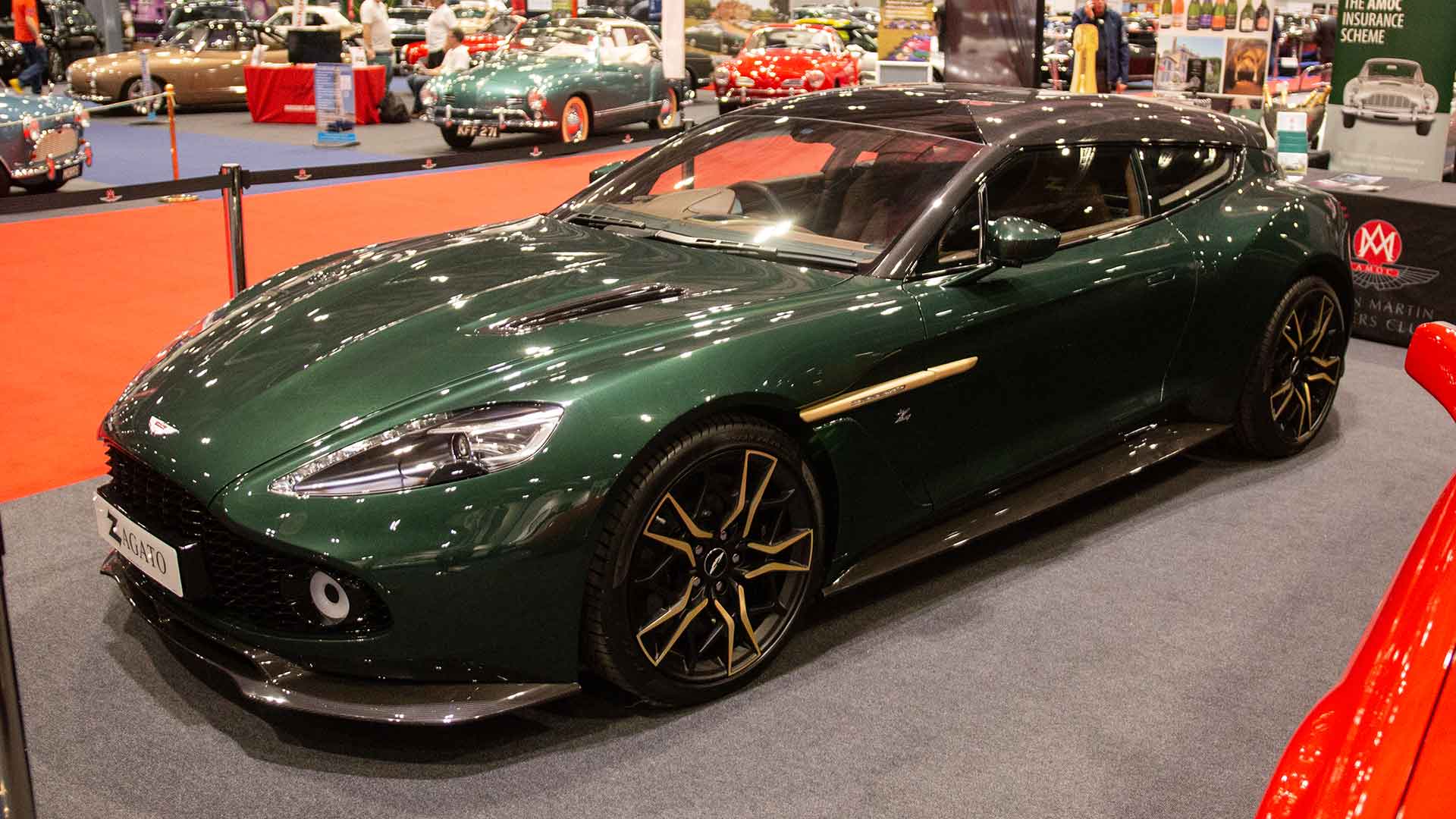
The Aston Martin Vanquish Zagato Shooting Brake entered production in 2018, with a total build run of 99, matching that of the equally stunning Coupe and Volante models. Conceived as a strict two-seater, the Shooting Brake features ‘double-bubble’ surfacing, glass inlays in the roof, a powered tailgate and a tailored luggage set. All too often, the automotive world is guilty of blurring the lines and delivering mixed messages, but this is a quintessential Shooting Brake.
Ferrari Enzo
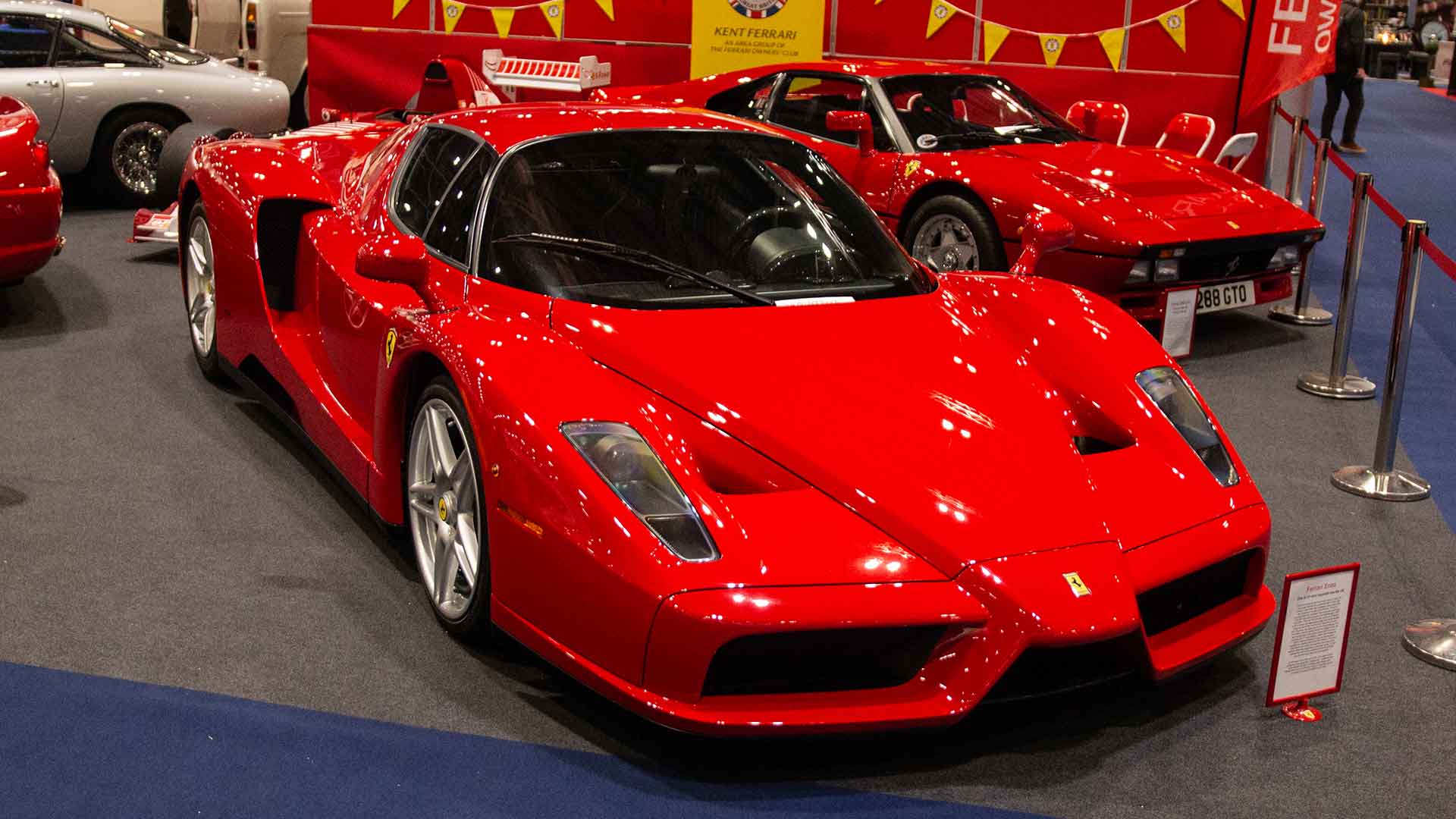
In 2002, the Ferrari Enzo represented the pinnacle of supercar development, feeling every inch the cliched Formula One car for the road. Thanks to its use of composite materials and advanced aerodynamics, the Enzo could hit a top speed of 350km/h (217mph). Stopping power was provided by carbon-ceramic disc brakes – the first time these had been used on a Ferrari road car.
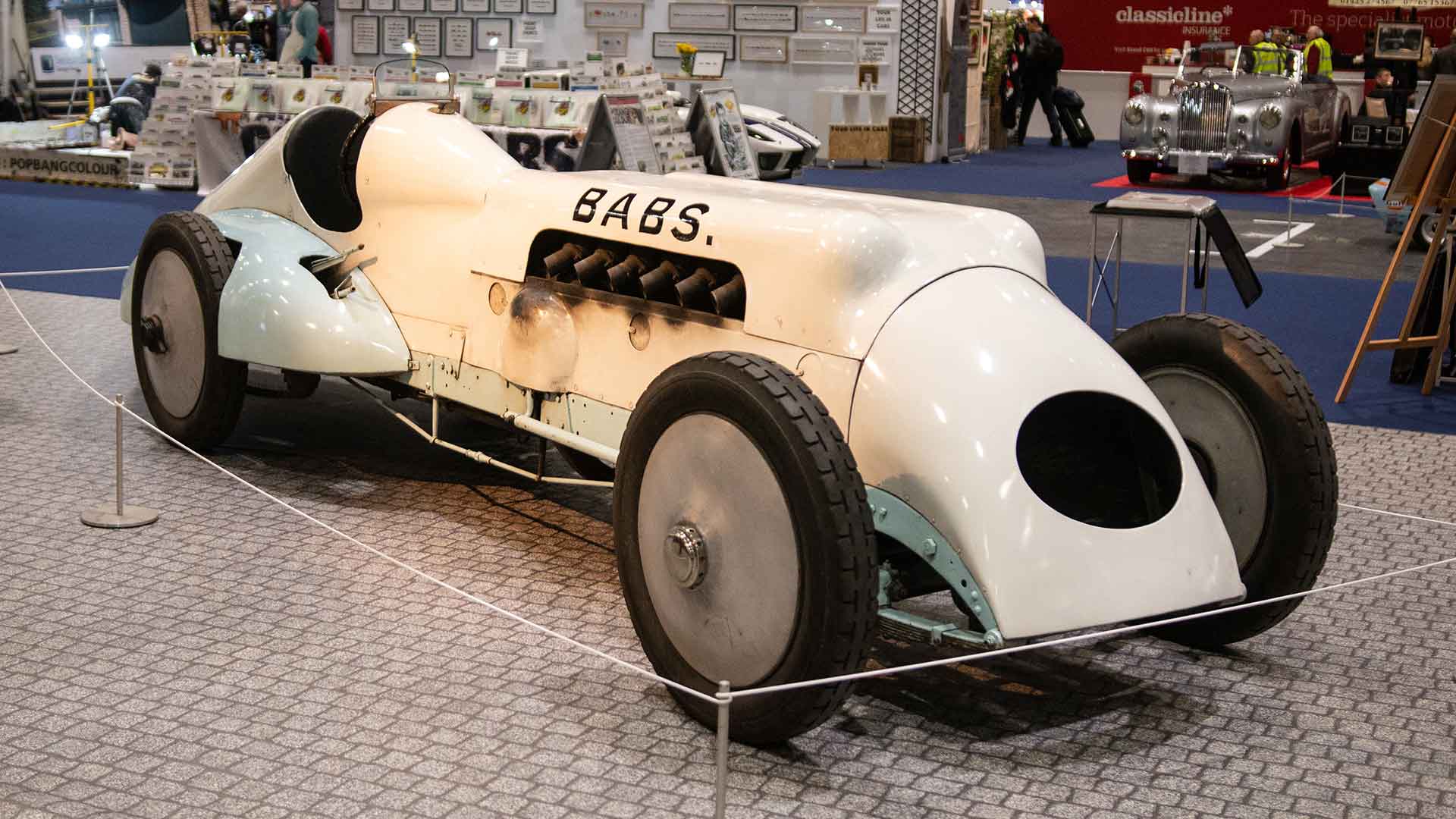
Babs
In 1926, John Parry-Thomas piloted ‘Babs’ to a land speed record at Pendine Sands when he hit 171.02mph in the 27,059cc car. He returned a year later after Sir Malcolm Campbell had broken the record in ‘Blue Bird’, but was tragically killed when the car skidded and overturned. ‘Babs’ was buried in the sand and remained there until 1969, when an engineer dug it out and spent 16 years restoring it. Today, it lives at Pendine’s Museum of Speed.
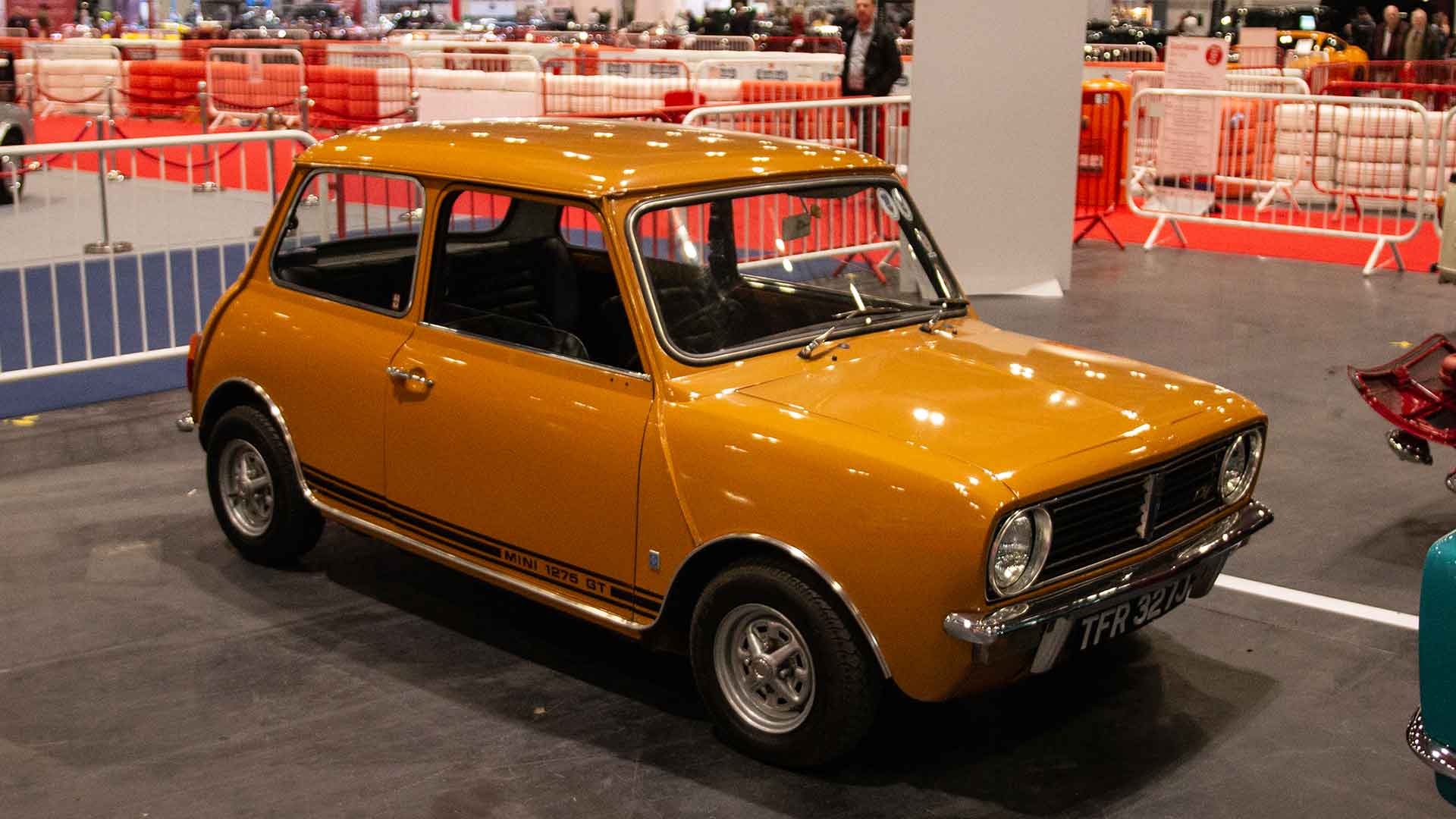
Mini 1275 GT
What a peach. Time has been kind to the Mini Clubman, although the nose designed by Roy Haynes was more than a little controversial. The same is true of the decision to replace the 998cc Cooper with the 1275 GT, although the side decals were perfect for the 1970s. The 1275 GT lived on until 1980, but it never truly won the hearts of Mini purists.
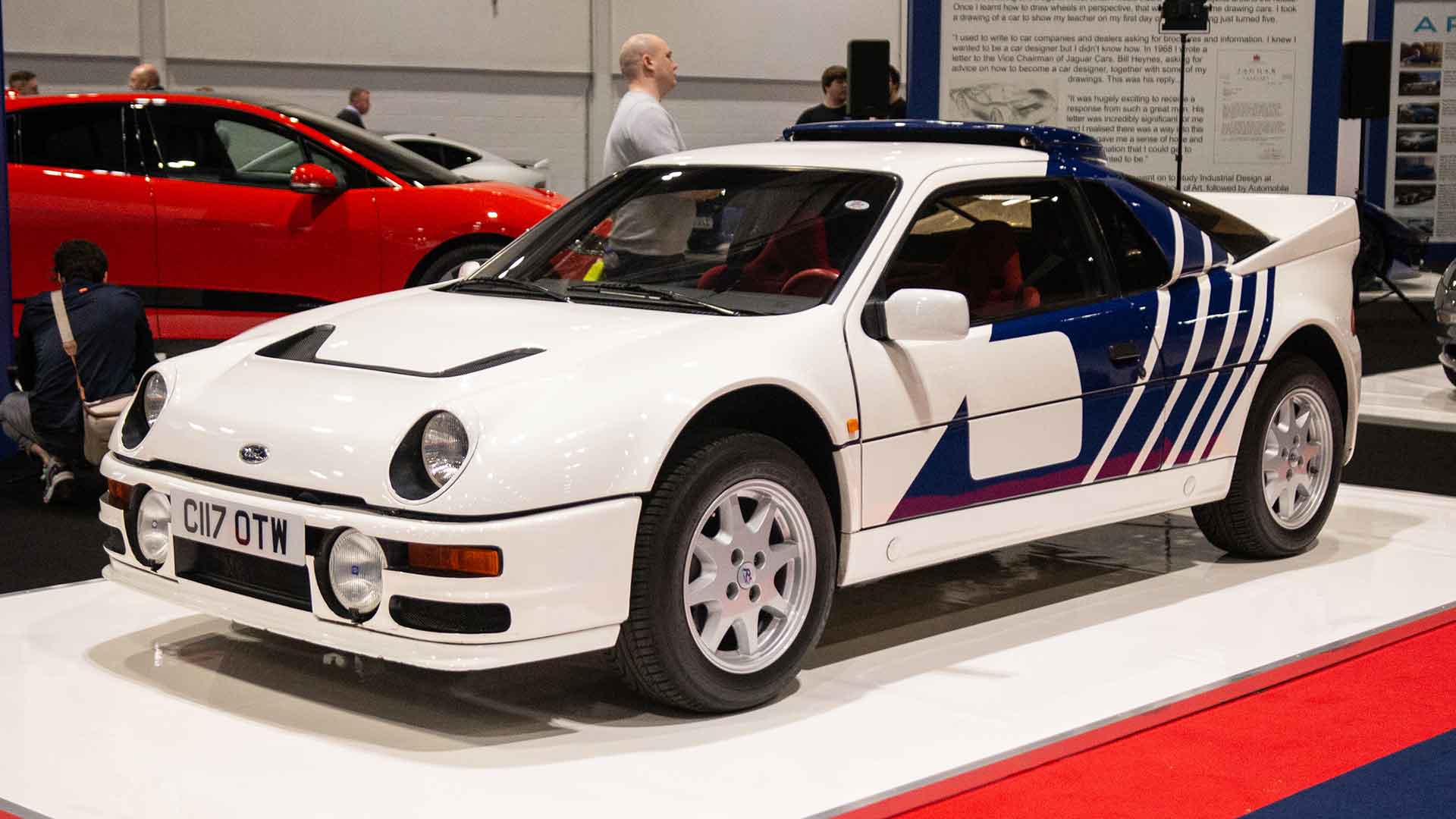
Ford RS200
Although the Ford RS200 never fulfilled its potential as a Group B rally car, it’s always a pleasure to see one in the metal. It featured a glass-reinforced plastic body styled by Ghia and a 1.8-litre turbocharged engine developed by Cosworth. Only 158 of the original quota of 200 cars were ever sold, making them an incredibly rare sight.
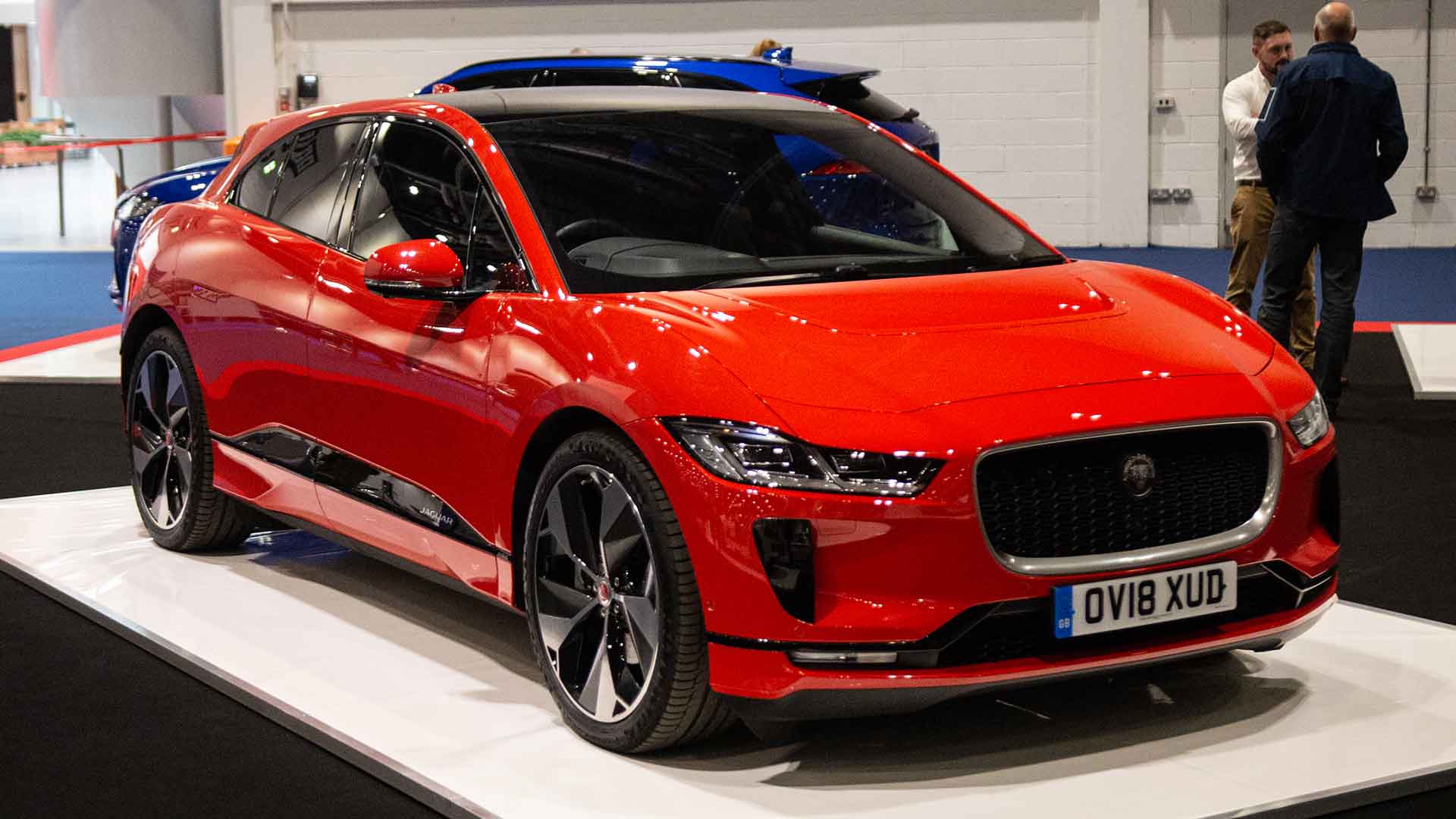
Jaguar I-Pace
A classic of the future? With a host of new EVs waiting in the wings, 2019 could be the year of the electric car, and the Jaguar I-Pace promises to be one of the most highly sought-after models. We’ve driven it, and our verdict was: “The Jaguar I-Pace instantly feels like the real deal. With stand-out styling, a beautifully finished interior and a thorough engineering package, it’s a very impressive machine.”
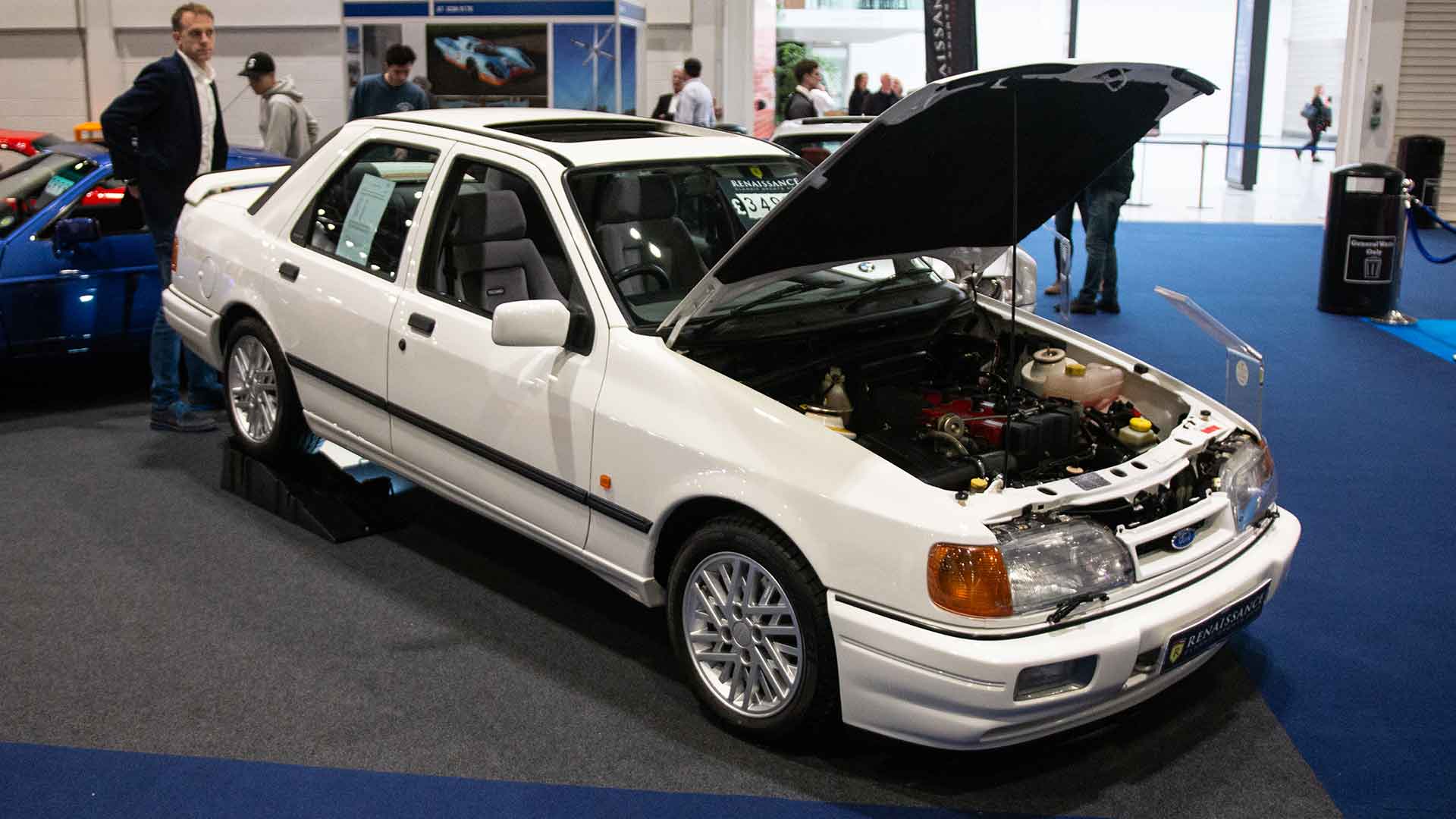
Ford Sierra Sapphire RS Cosworth
There’s every chance you could drive away from the London Classic Car Show in a classic of your own. This 1988 Ford Sierra Sapphire RS Cosworth is available for £34,995 and is said to be in ‘incredible condition’. Finance is available for an £8,000 deposit and £340 a month over 10 years, making the final total an eye-watering £49,000. You’ve just got to hope the market hasn’t dropped by 2029…
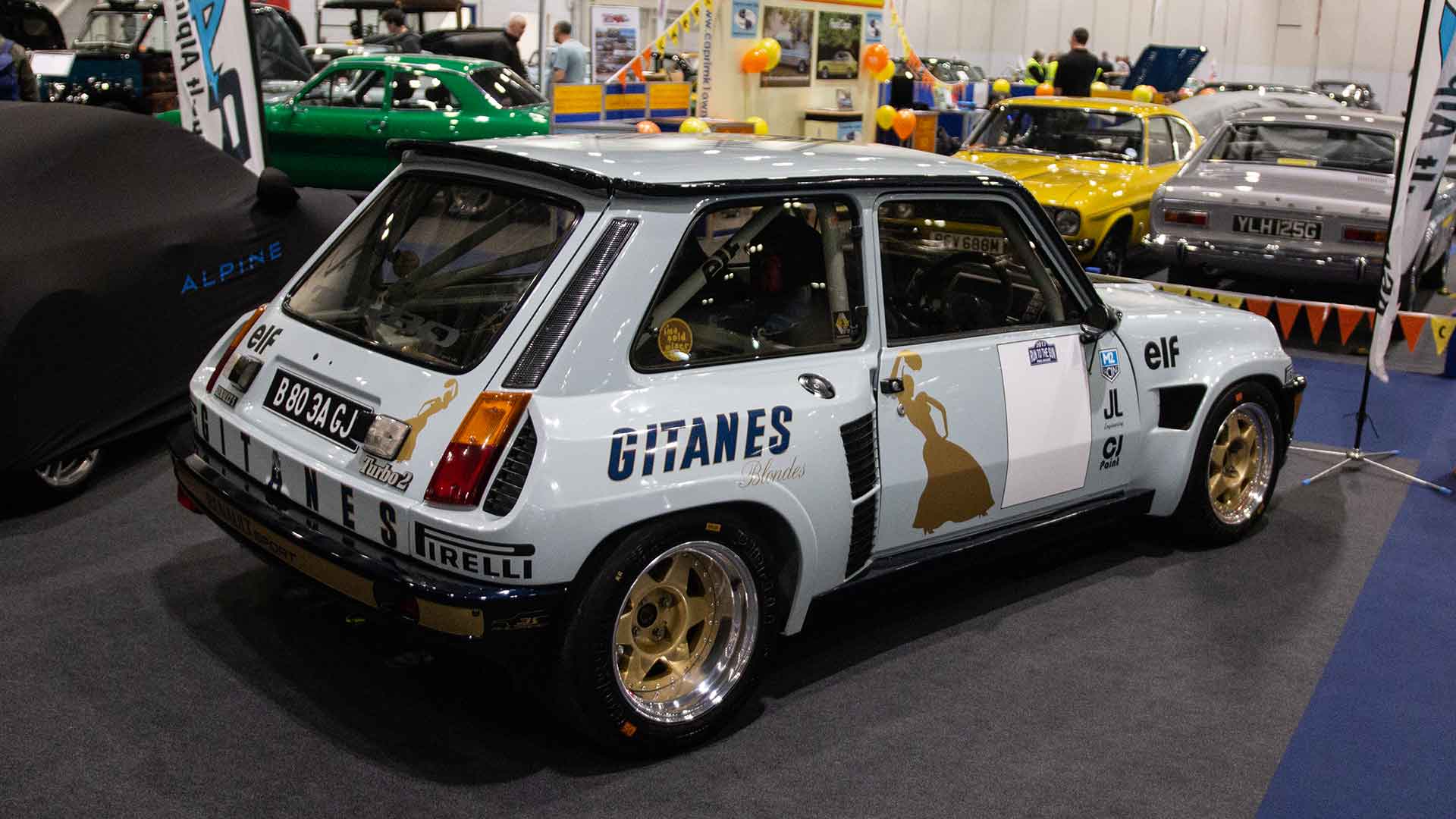
Renault 5 Turbo 2
We’ve tried very hard, but we can’t find anything to dislike about this 1984 Renault 5 Turbo 2. In fact, it could be our star of the London Classic Car Show. Quentin Willson will be hosting live seminars throughout the show, so you can ask him where the Turbo 2 ranks on his list of ‘smart buys’.
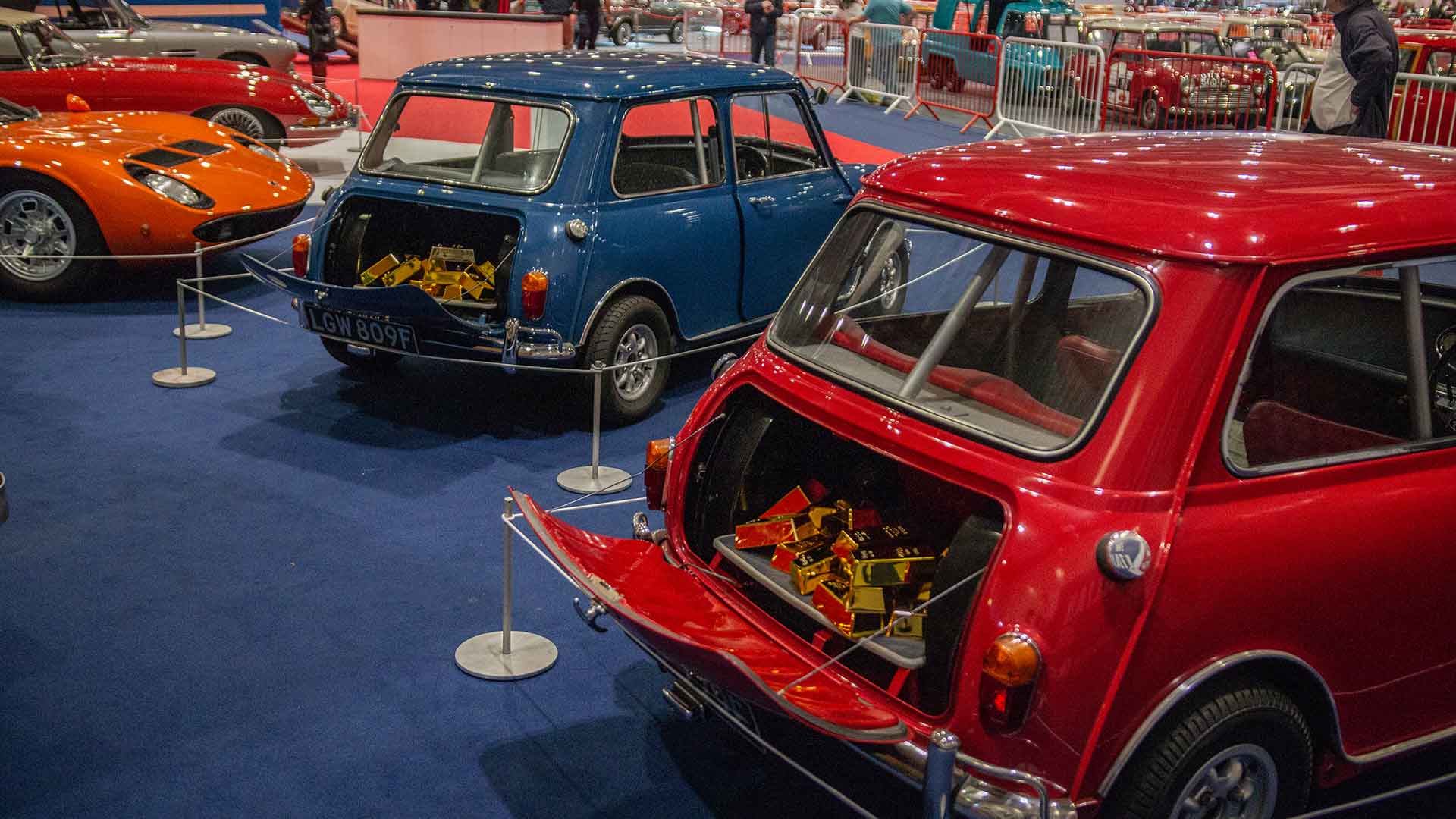
The Italian Job
It’s an iconic view, but we have to report that neither the Minis or the gold bars are real. If you fancy getting a bloomin’ move on and visiting the London Classic Car Show, it’s on from now until 17 February at ExceL London. Standard adult tickets cost £30 on the day, but concessions and advanced tickets are available.
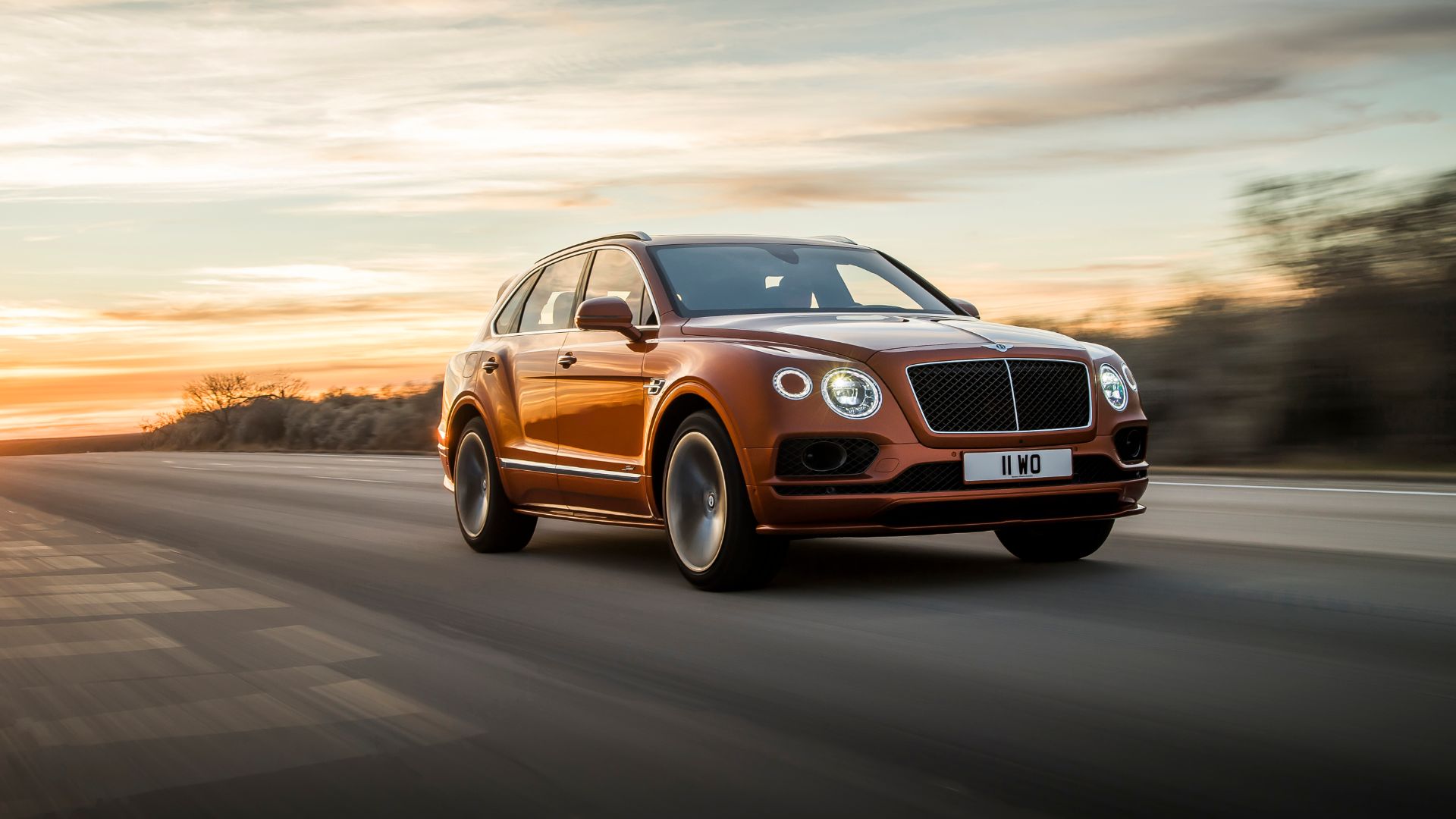
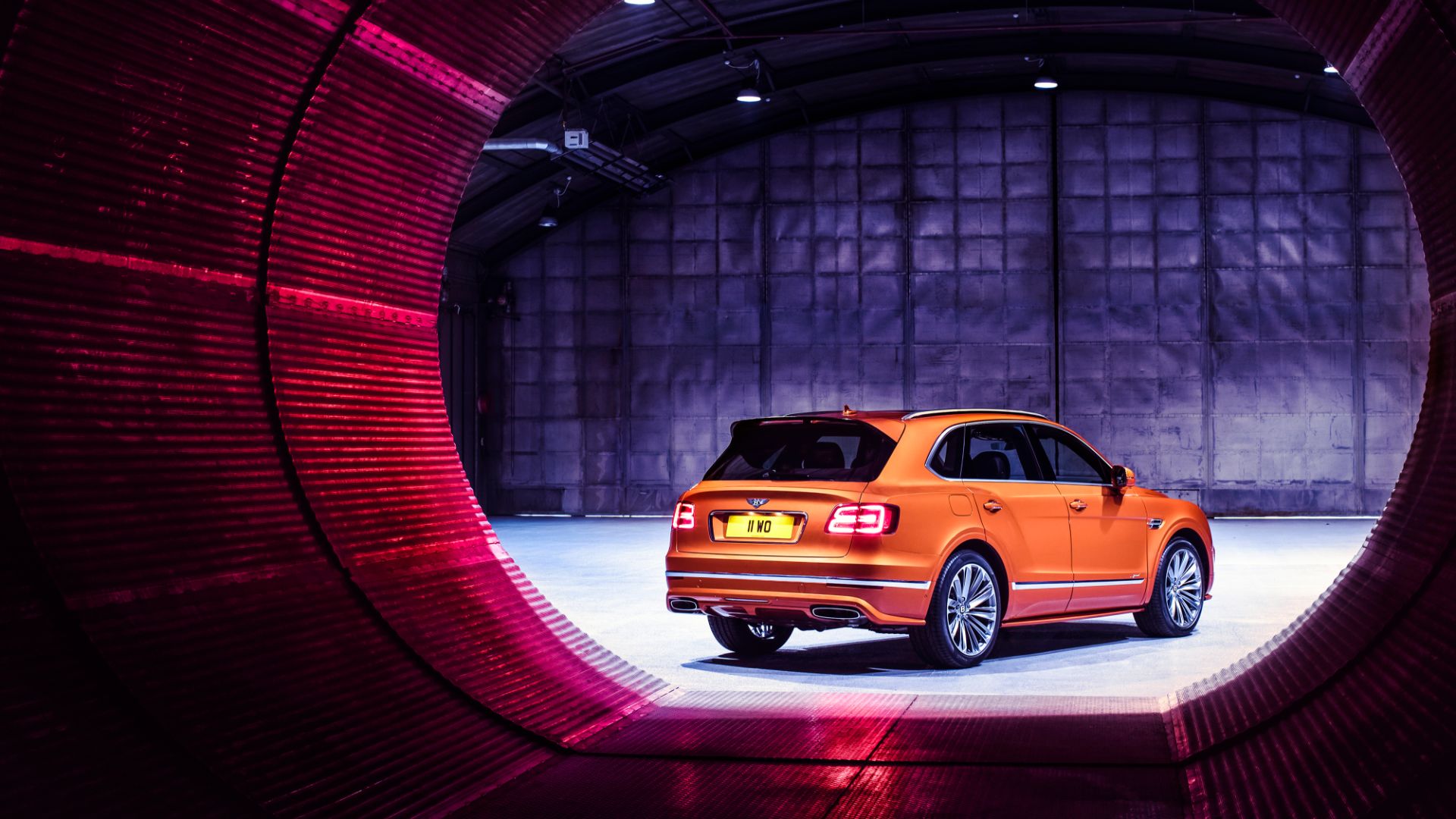
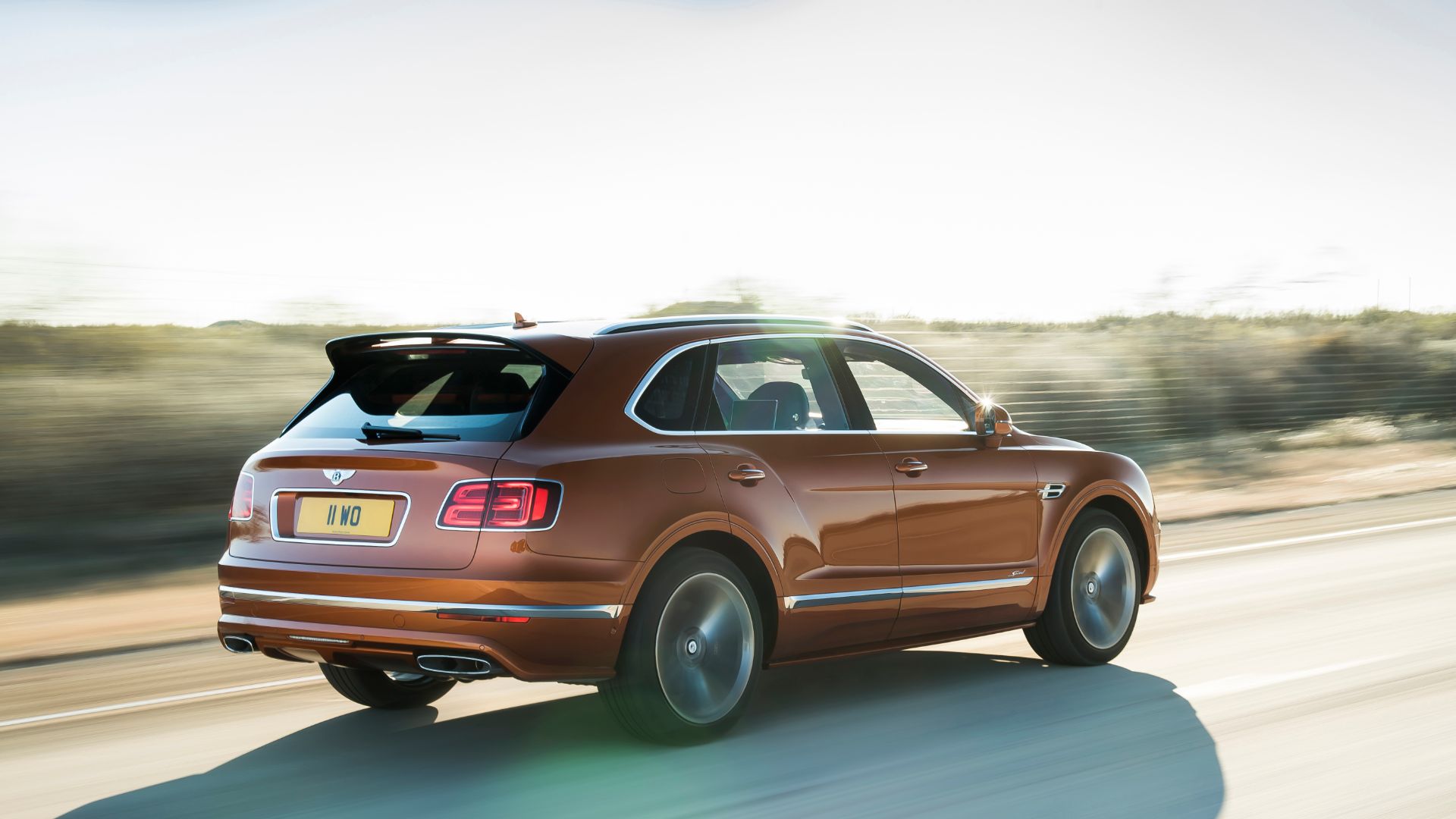
It’s no small thing these days to say you produce the world’s fastest SUV. But Bentley is making that claim for its new 190mph Bentayga Speed.
The new model is due to debut at the Geneva Motor Show in March.
Monster stats
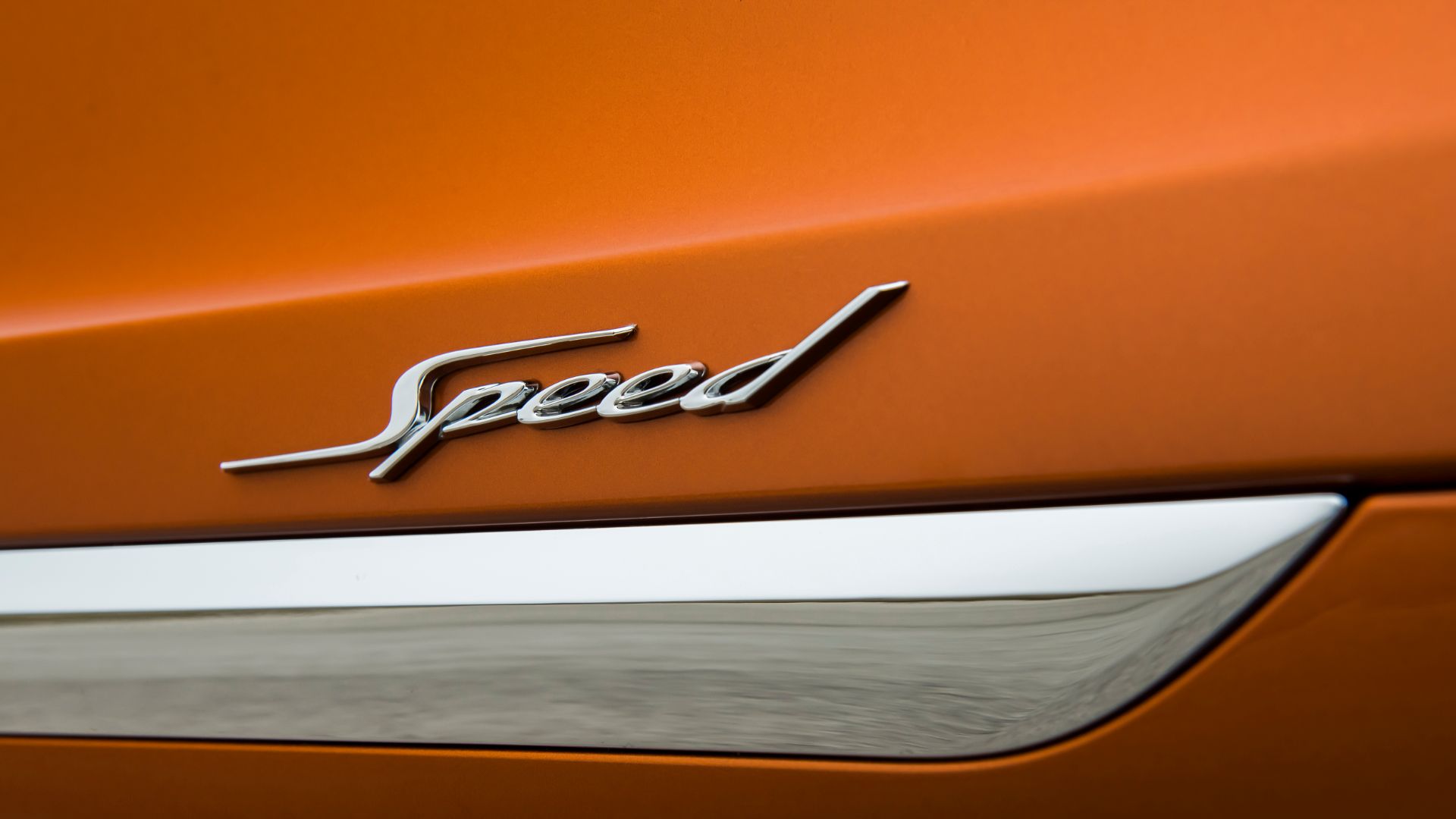
‘Speed’ has, for more than a decade, denoted a decent performance upgrade for your chosen Bentley.
The badge saw the Continental GT first surpass 600hp. Now, Bentley’s SUV has been given the Speed treatment, its 6.0-litre W12 upgraded to 635hp and 664lb ft of torque.
What kind of performance does that translate into? Well, it means this luxury SUV will hit 62mph in 3.9 seconds, on its way to a top speed of 190mph.
Fitting that the Speed should take the crown as the fastest SUV in the world. That being said, we’re not sure it is…
Remember Lister got its mitts on the Jaguar F-Pace to create the LFP? It claims the 666hp fettled F-Pace will top 200mph. At present, we’re more inclined to take Bentley’s word, but we’re up for a drag race if Lister is game.
To help it stop, the Bentayga Speed comes with new carbon ceramic discs that can deliver 6,000Nm of braking torque.
They also save 20kg over standard iron items. Not hugely significant, it must be said, in a car that tops two tonnes…
Looks that kill
The big Bentley was never much to look at, was it? Fortunately, the Speed gets some spicier exterior addenda to reflect its added potency.
A bigger rear spoiler is evident, alongside a smattering of Speed badges, smoked lights and the massive 10-spoke 22-inch wheels.
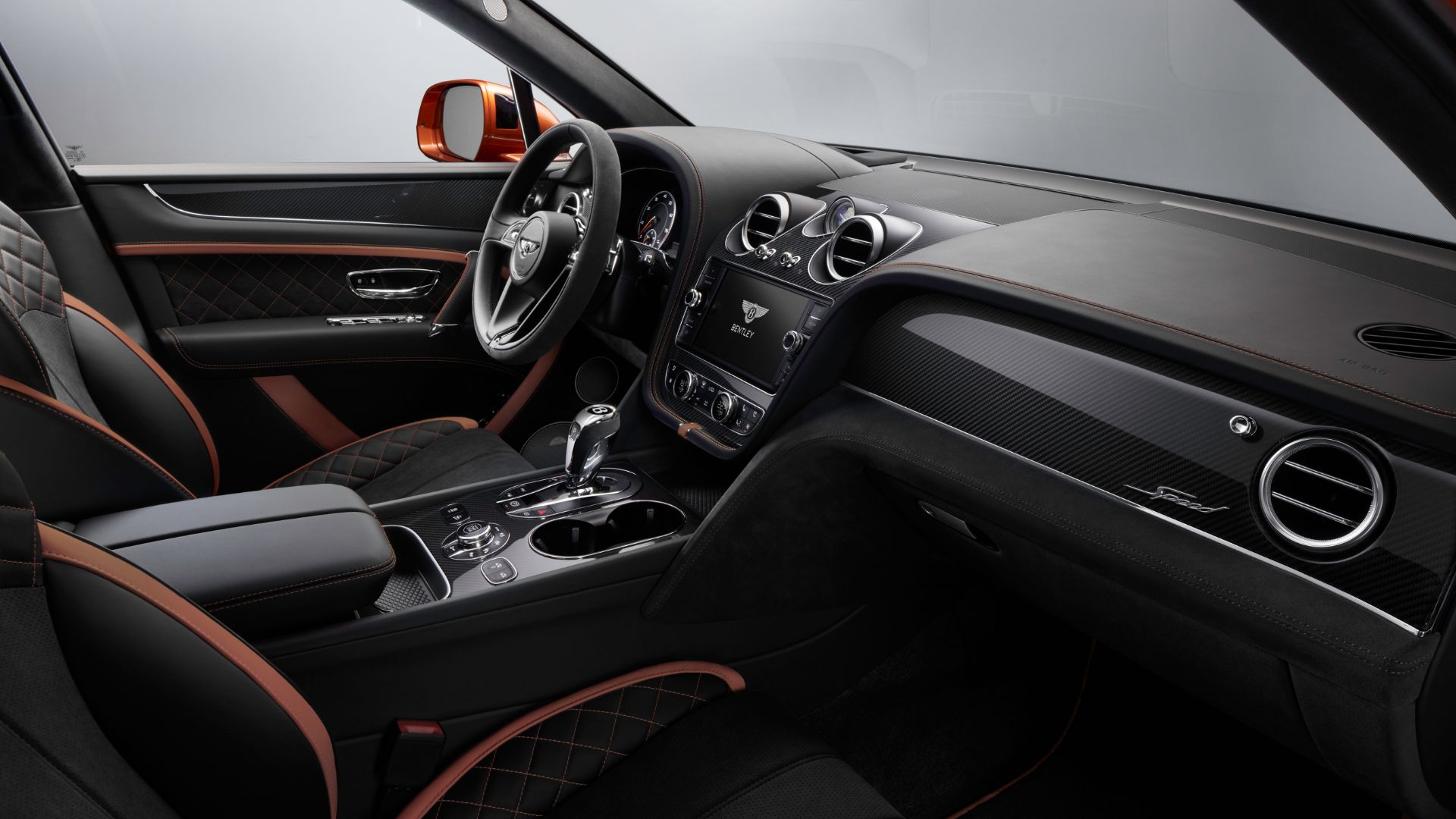
Inside, the Speed gets more sporty look, with lashings of Alcantara and carbon fibre.
The total horsepower of Premier League parking lots is about to take a leap.
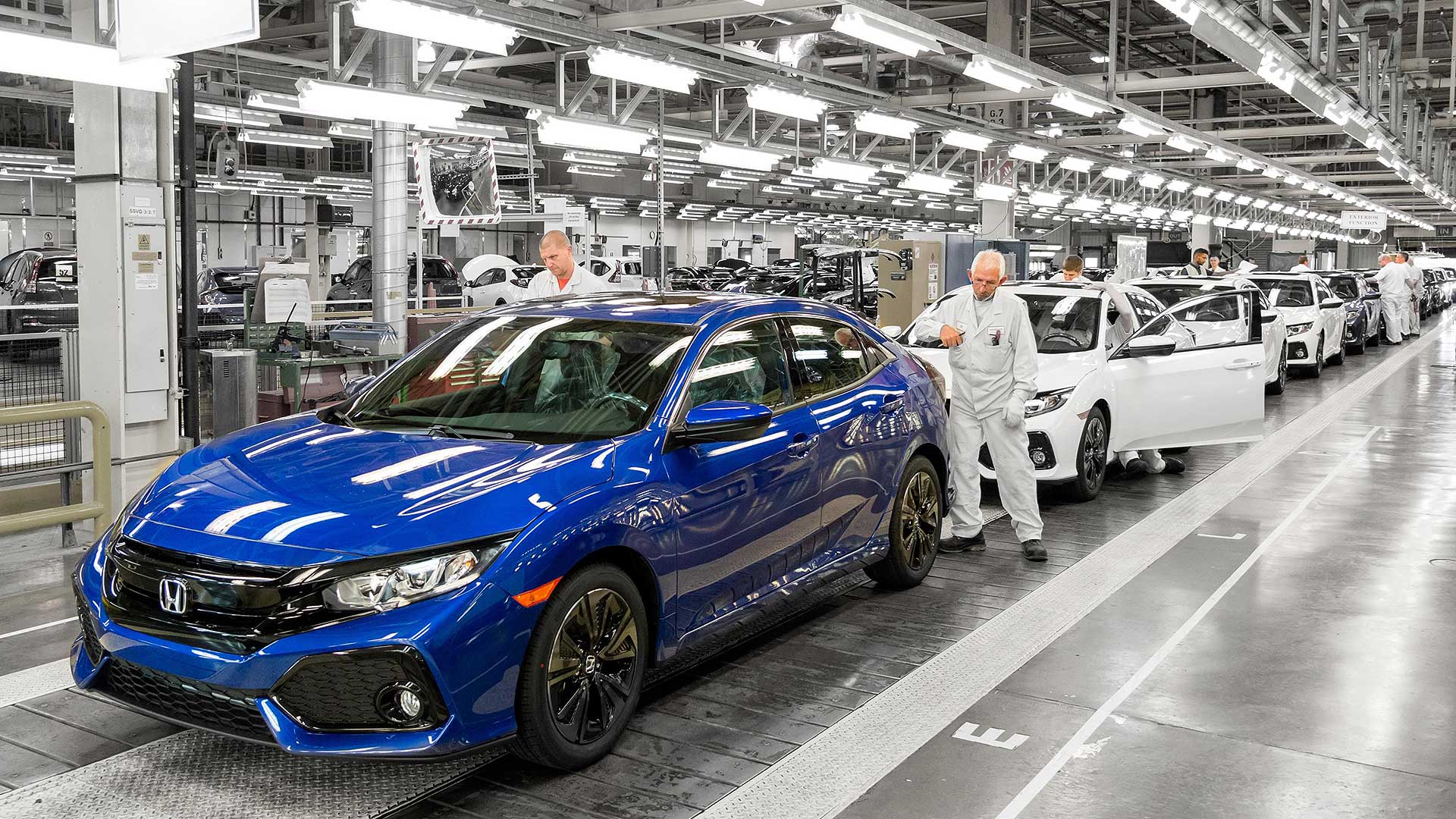 The shock news that Honda is to close its Swindon car manufacturing plant has inevitably focused attention on the region’s decision to vote leave in the 2016 European Union Referendum.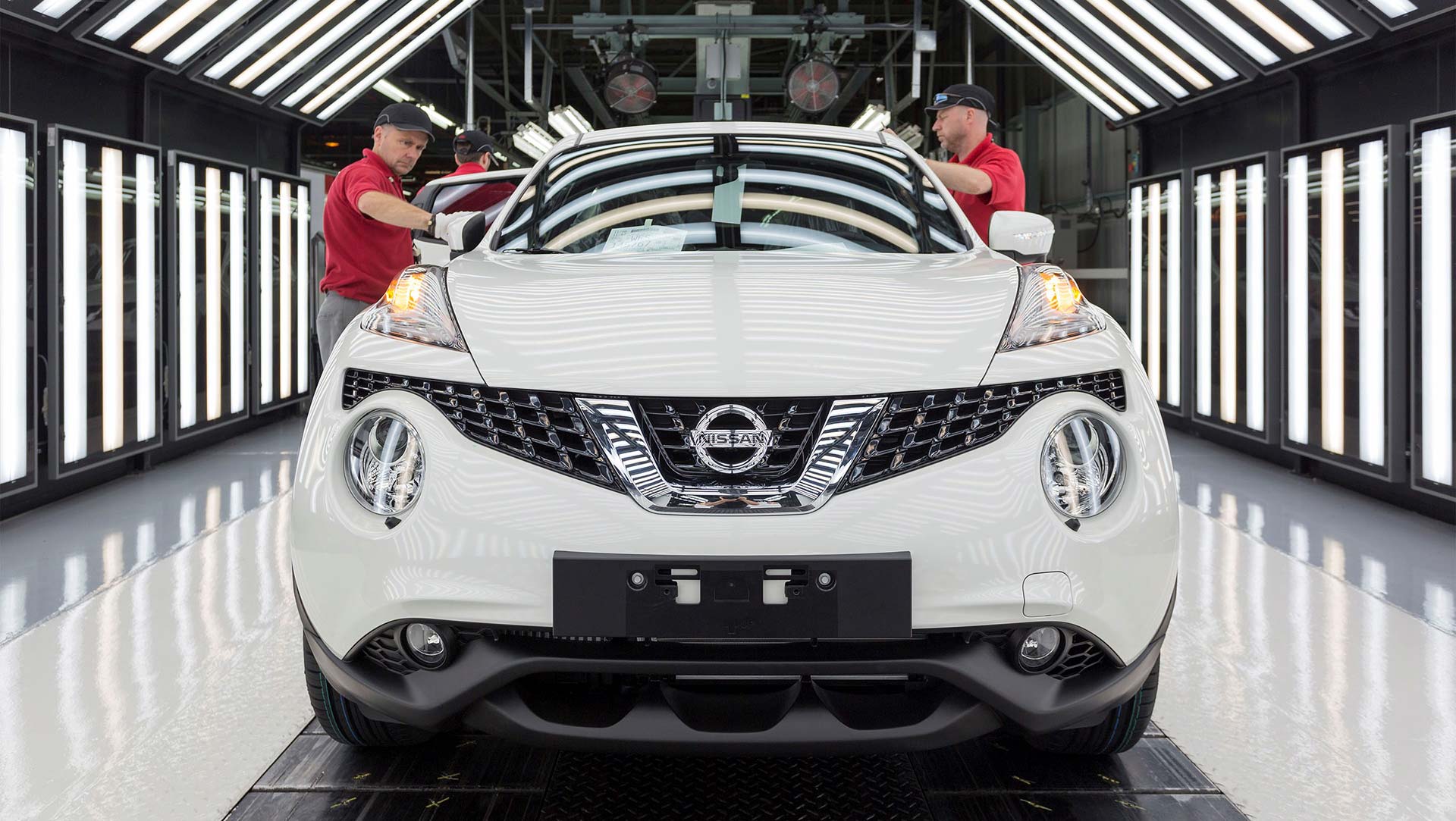
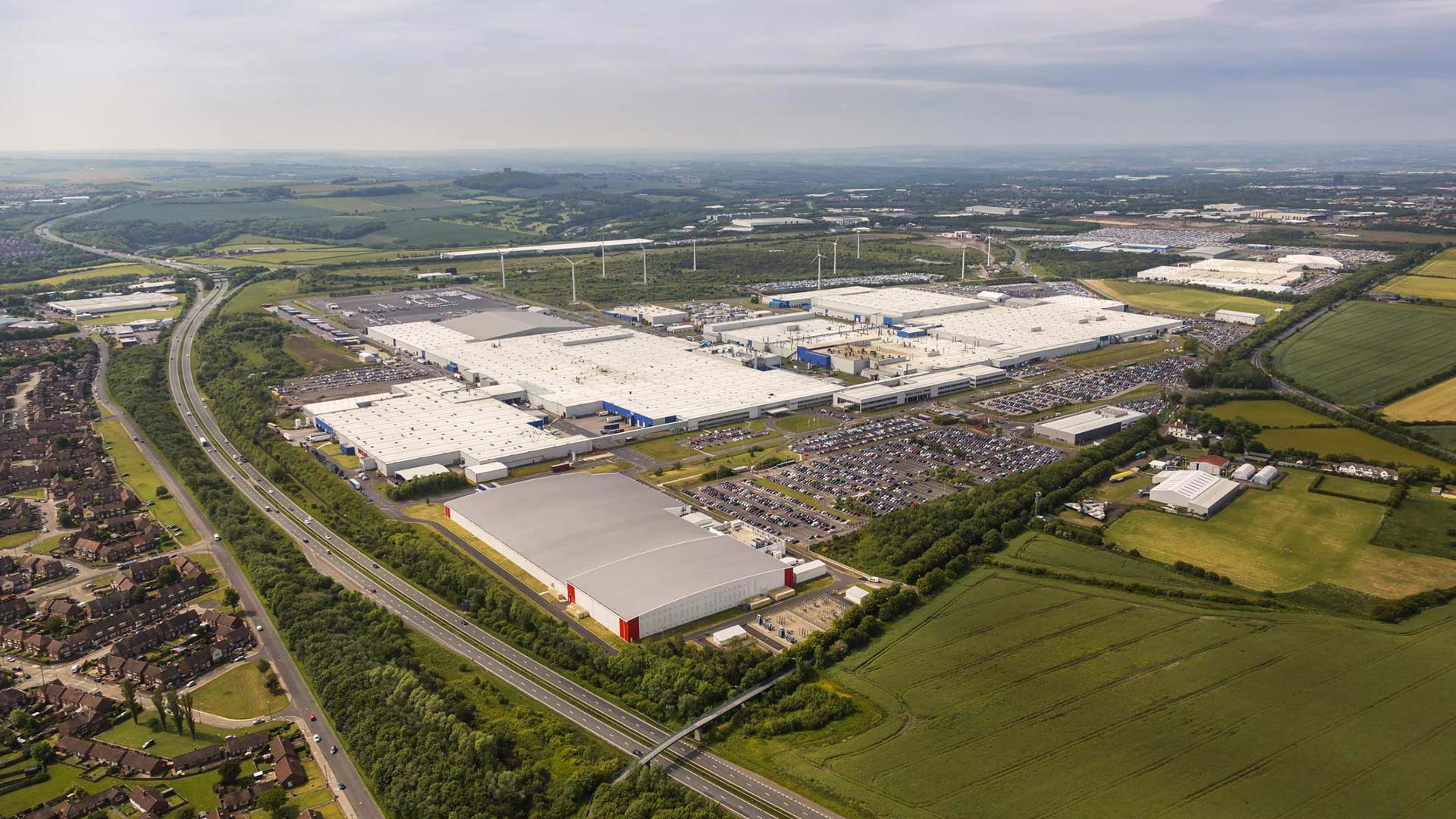 The Sunderland area has itself become closely associated with the fallout from the 2016 European Union membership referendum.
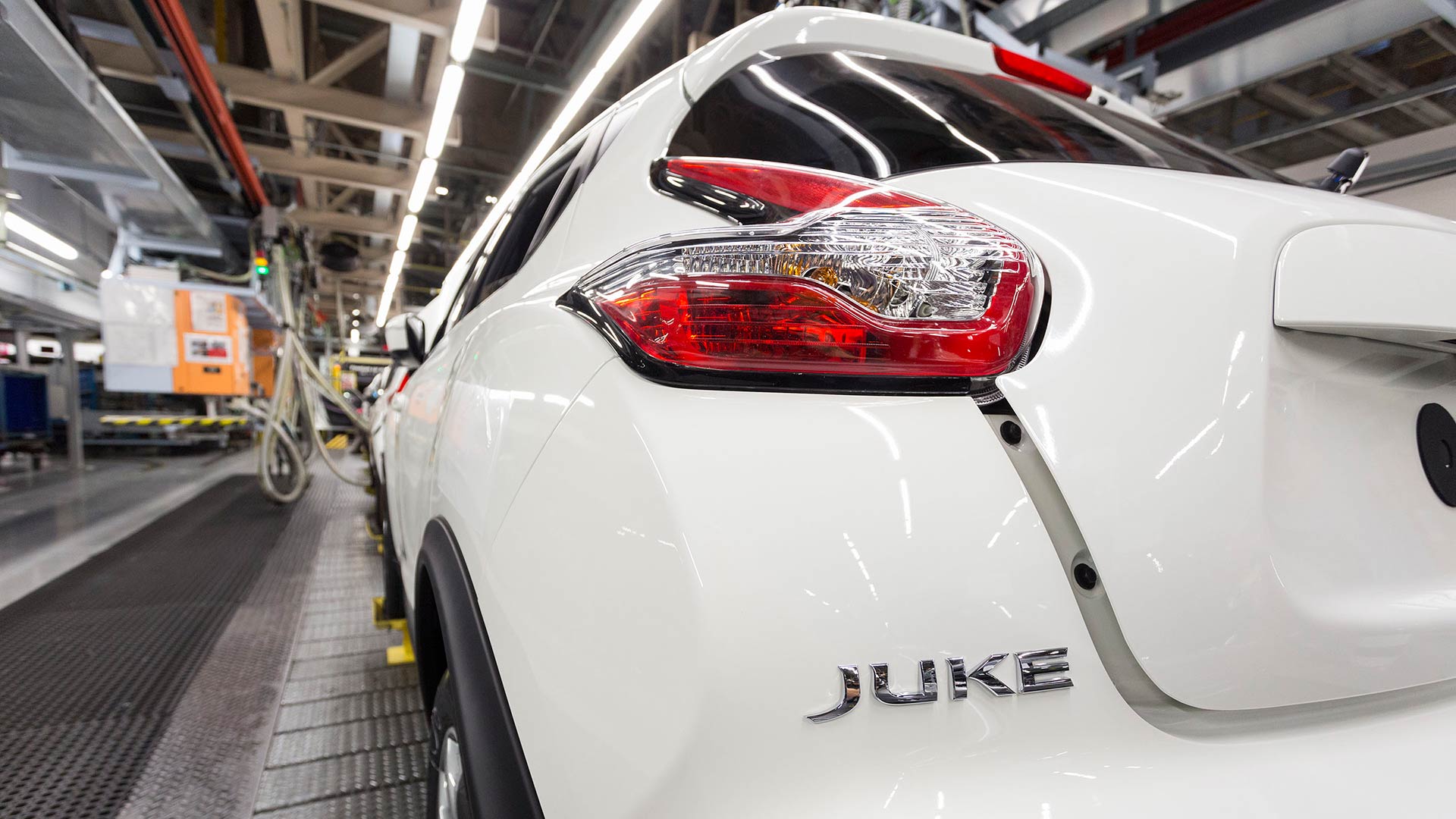 Other commentators have gone even further, revelling in schadenfreude, and suggesting that the people of Sunderland and Swindon deserve outcomes like the loss of the X-Trail and Civic for how they voted in 2016.
 Eight voting districts, covering eight separate car production facilities, voted with a marginal swing towards leave.
 Accounting for a staggering 22,000 automotive jobs, this group of districts includes a mixture of manufacturing and technical facilities.
 The final set of five factories are spread across a wide geographic area, with more than 15,000 employees split between them.
 Not every area linked to car production voted leave in 2016. Our research found two districts that voted in favour of remain.
 The 2016 EU referendum is a deeply polarising topic, with the reasons for how individuals voted often complex and multifaceted.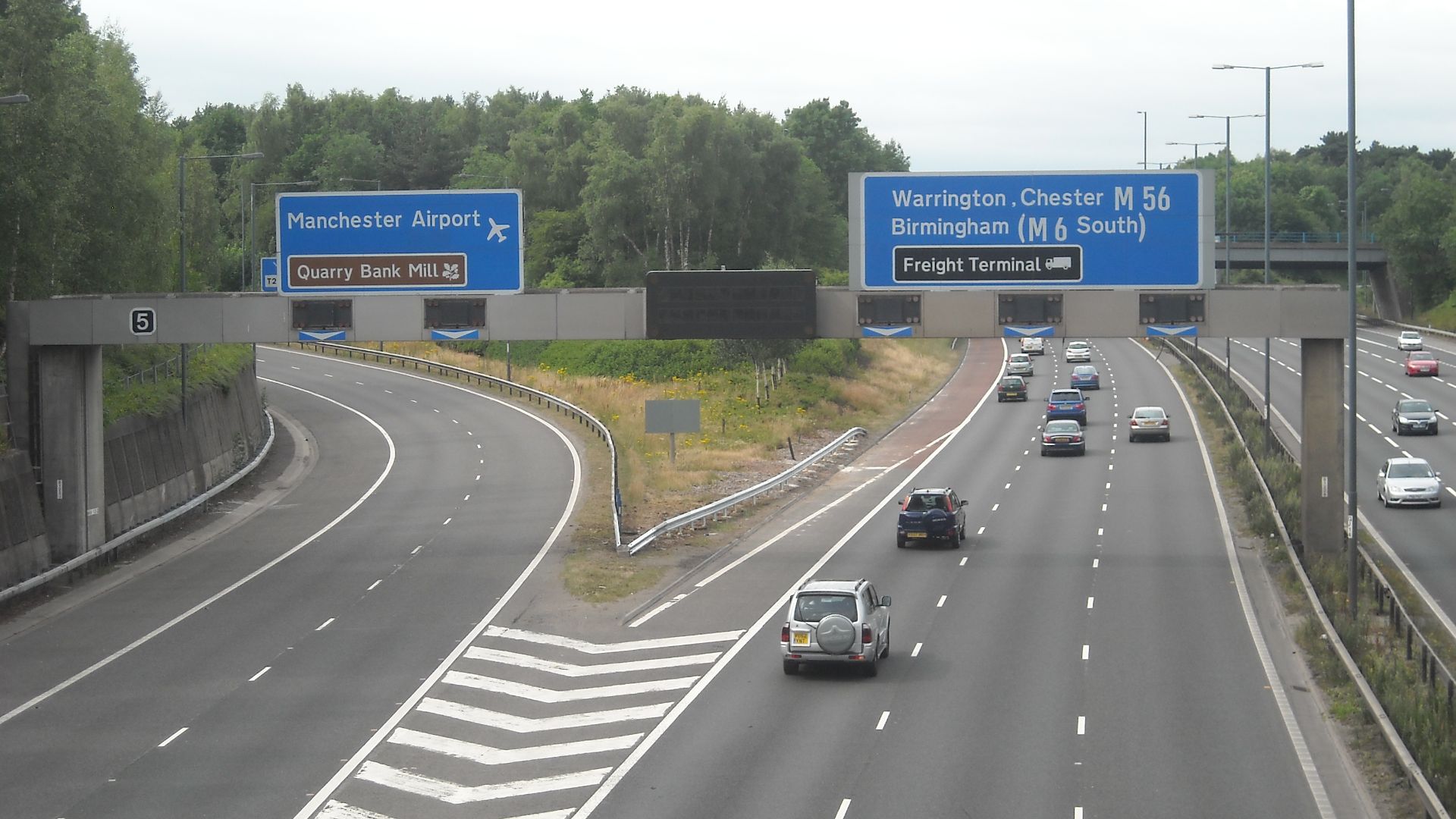


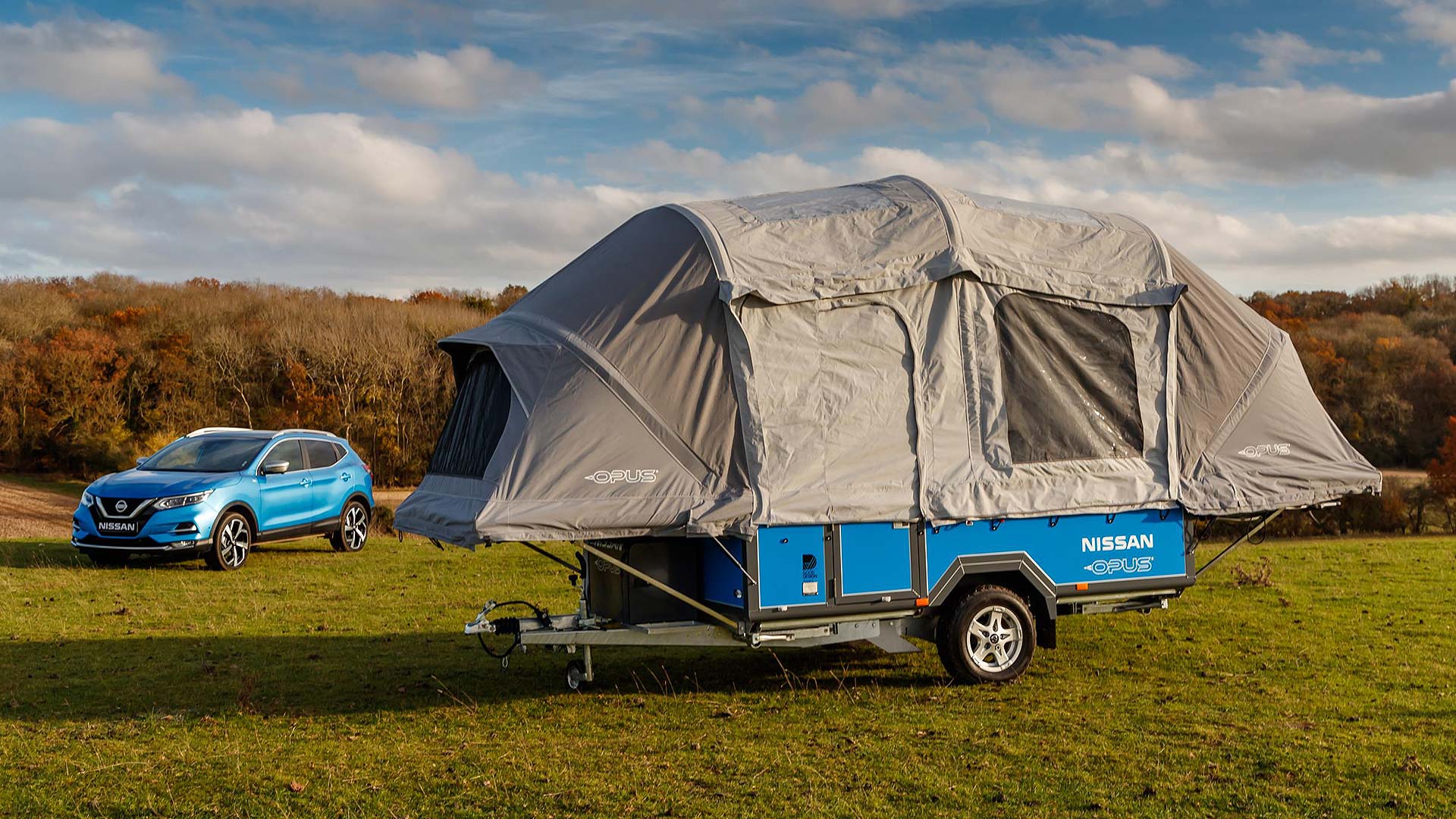 Campers and caravanners, want to escape from it all, but don’t want to give up on luxuries such as light, heat, cookers and gadgets? Then this new concept camper from Nissan is for you – as it uses recycled