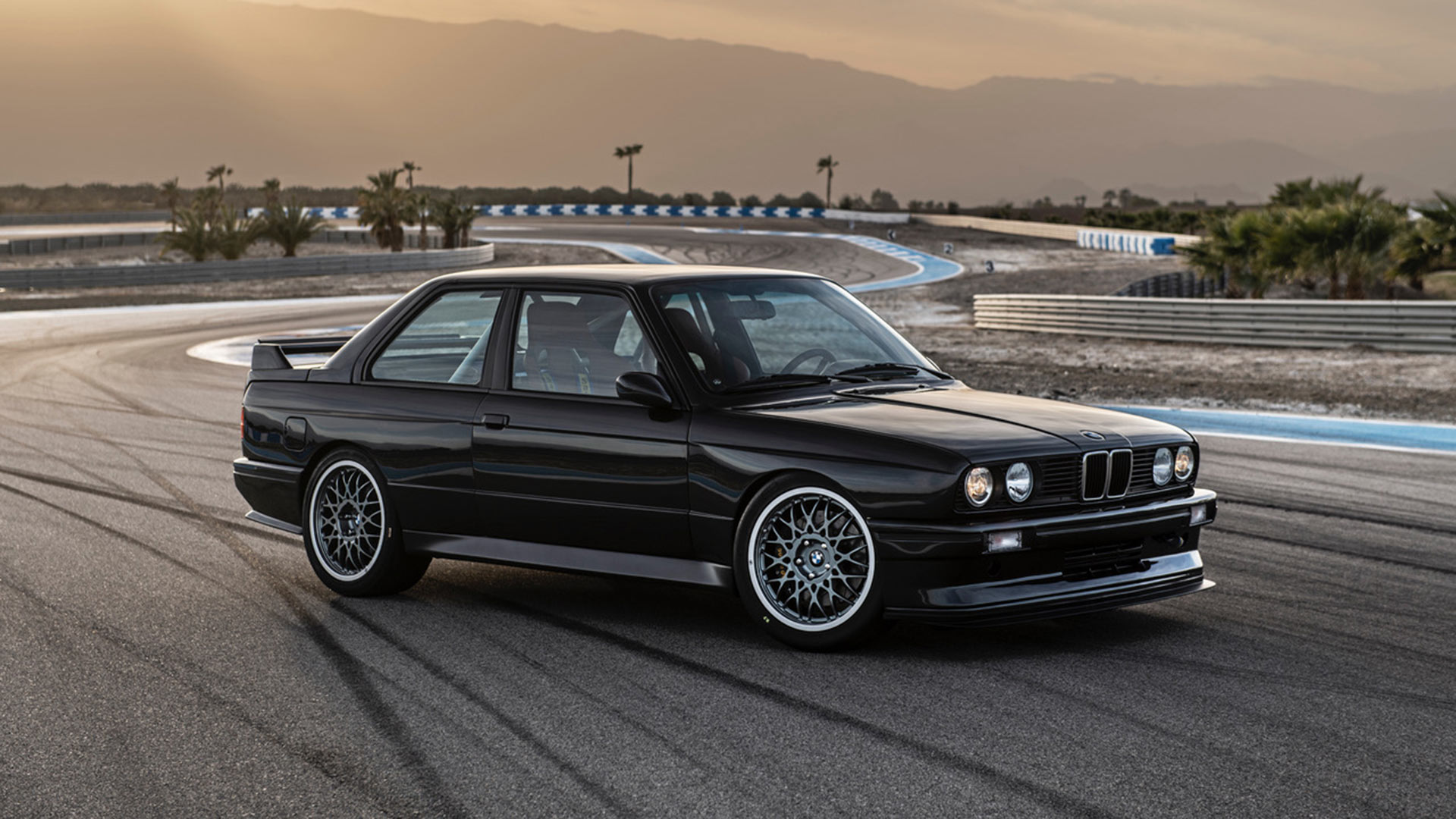
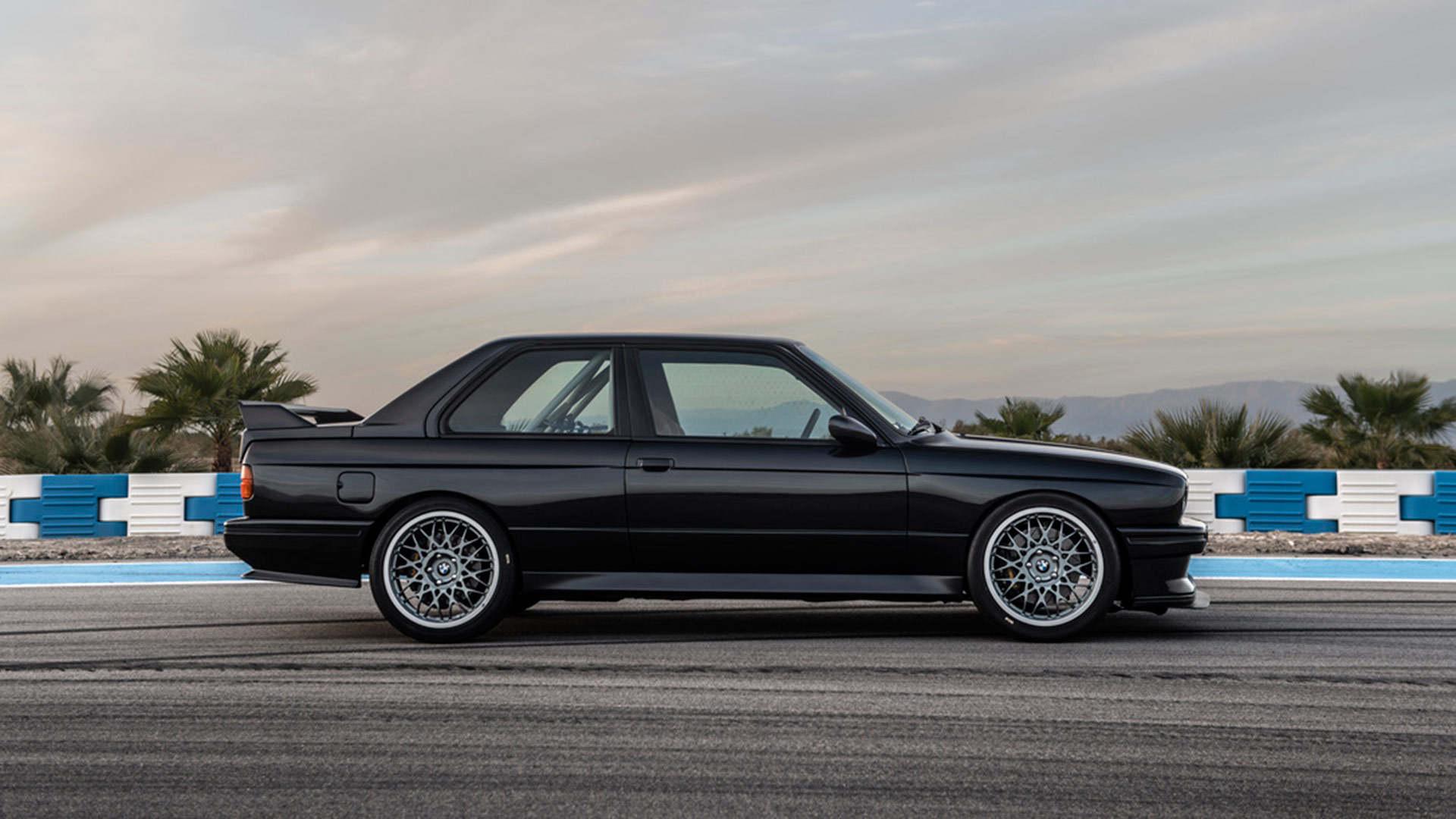
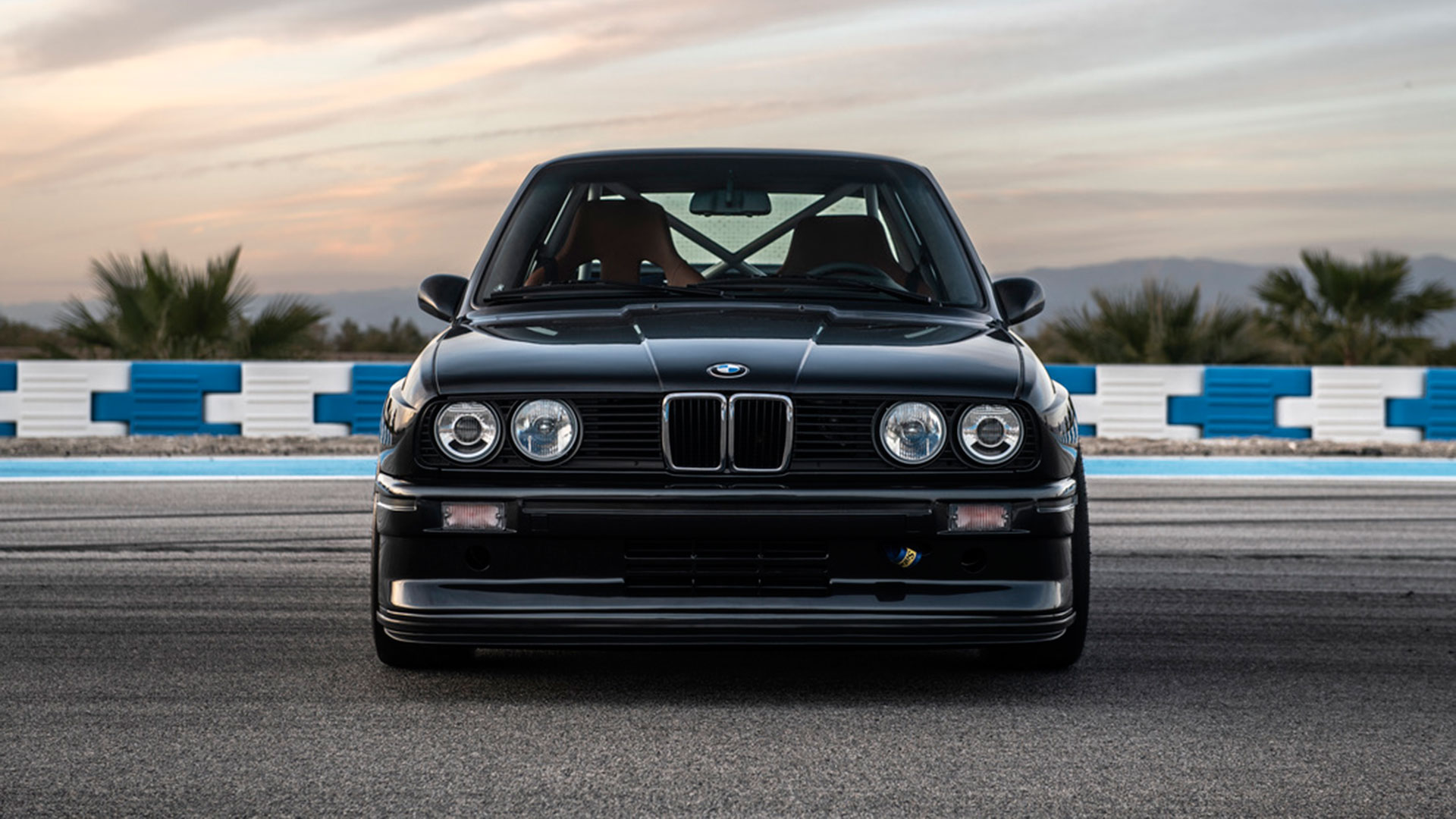
British-based company Redux has delivered the first enhanced BMW E30 M3 in a limited production series of 30 cars.
With interest in performance machinery from the 1980s and ‘90s at an all time high, Redux has taken on the formidable challenge of making an already desirable machine even more attractive.
Although given the legendary status given to the original BMW M3, modernising an E30 requires serious effort. Not only could a botched job destroy a valuable classic, it also risks incurring the wrath of BMW purists.
Thankfully, the Redux team consists of BMW enthusiasts who understand the significance of the E30 M3. It means the work done is sympathetic to the original, and pays tribute to other BMW Motorsport efforts.
The process undertaken involves stripping the E30 M3 right back to the bare shell, and submitting the car to an extensive restoration even before any new parts are fitted.
Along with extra welding to the shell, lightweight carbon fibre replacements are used for the bumpers, wings, and the side skirts.
Boosted expectations
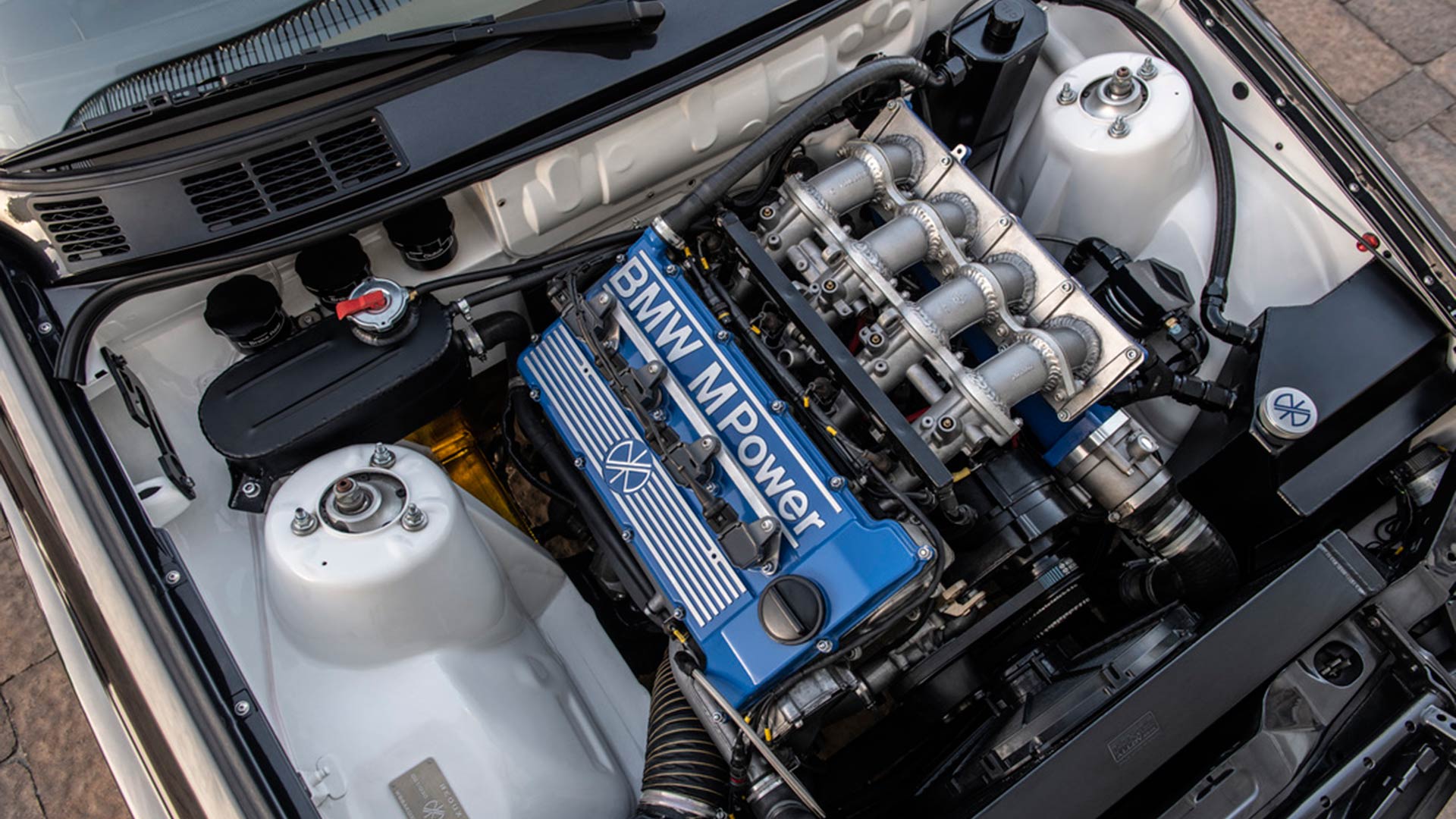
In the engine bay is where the most controversial change occurs. The existing S14 naturally aspirated 2.3-litre four-cylinder motor is thoroughly rebuilt, growing in displacement to 2.5-litres.
Redux then adds a turbocharger, which may well have had BMW fans up in arms. There has however been careful consideration given to the change. The firm toyed with the idea of swapping to another engine but wanted to maintain the balance of handling and performance.
Forced induction was the best solution, and also a nod to the epic BMW M12 1.5-litre turbocharged engines which tasted Formula 1 success in the 1980s.
For those who find a 390hp and 390lb-ft turbo motor a step too far, Redux also offers the engine in unboosted form.
Custom components
The rest of the process involves a similar level of attention to detail, using performance components to modernise the E30.
An upgraded drivetrain sees a six-speed manual gearbox added. Redux does plan to use a five-speed close-ratio unit on future cars, though. Bespoke EXE-TC suspension dampers are fitted, whilst substantial AP Racing brakes hide behind gorgeous Cinel DTM wheels.
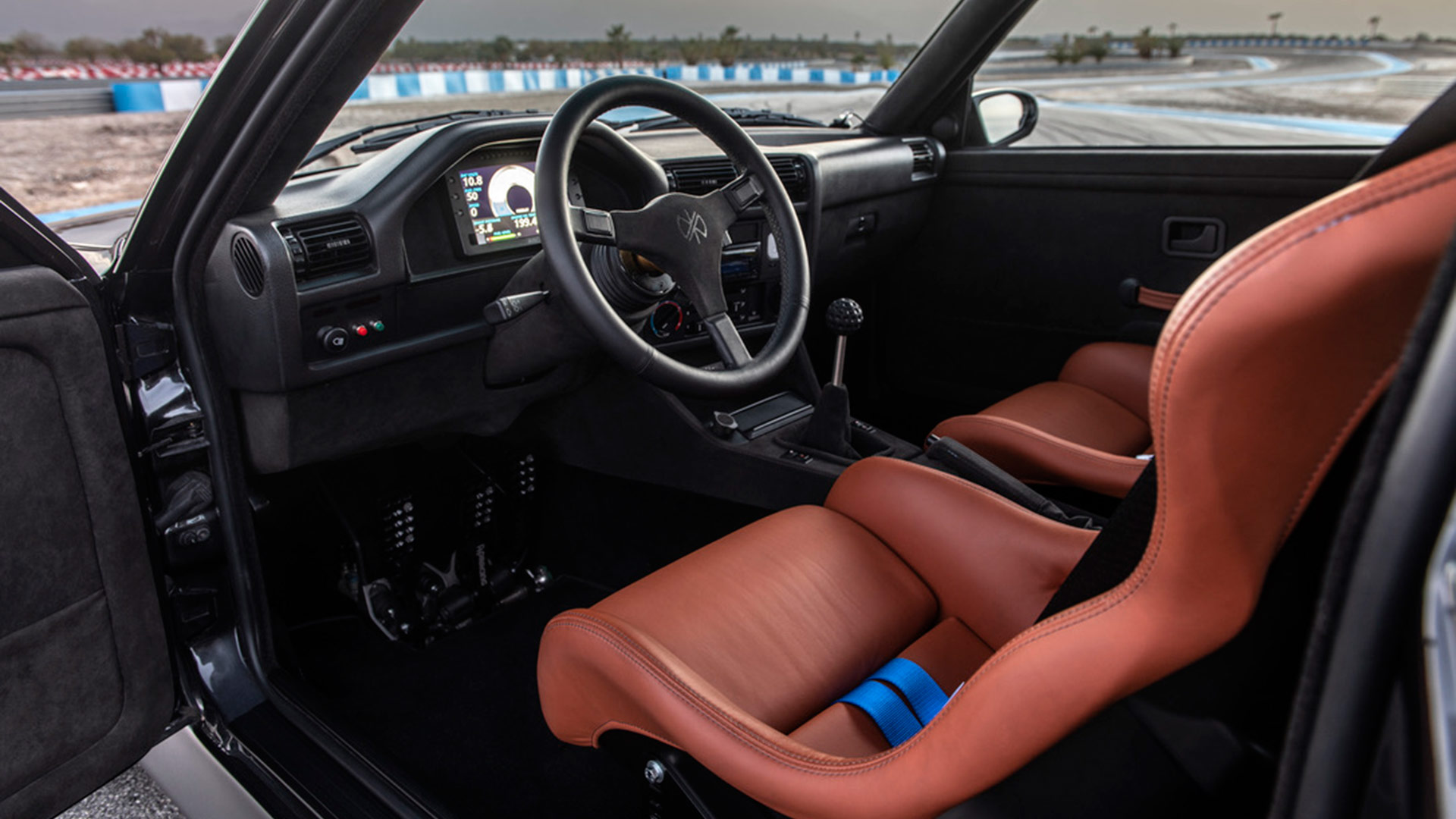
The interior can be tailored to the exact specifications of each owner. Alcantara can be found covering the door cards and headlining, along with the removable rear bench seat.
A pair of bucket racing seats can be found in the front. A gear lever topped by a BMW Motorsport shifter nestles between them.
Enhanced and evolved
Just 30 examples are planned to be built, comprising of 27 limited editions and 3 special versions. Those interested will need to be patient, as Redux estimates a build time of 18-24 months per car.
Buyers can either supply their own car for conversion, or Redux can assist in tracking down an example to go under the knife.
With each car tailored to individual specifications, Redux does not quote prices. Improving on perfection is unlikely to be cheap though.
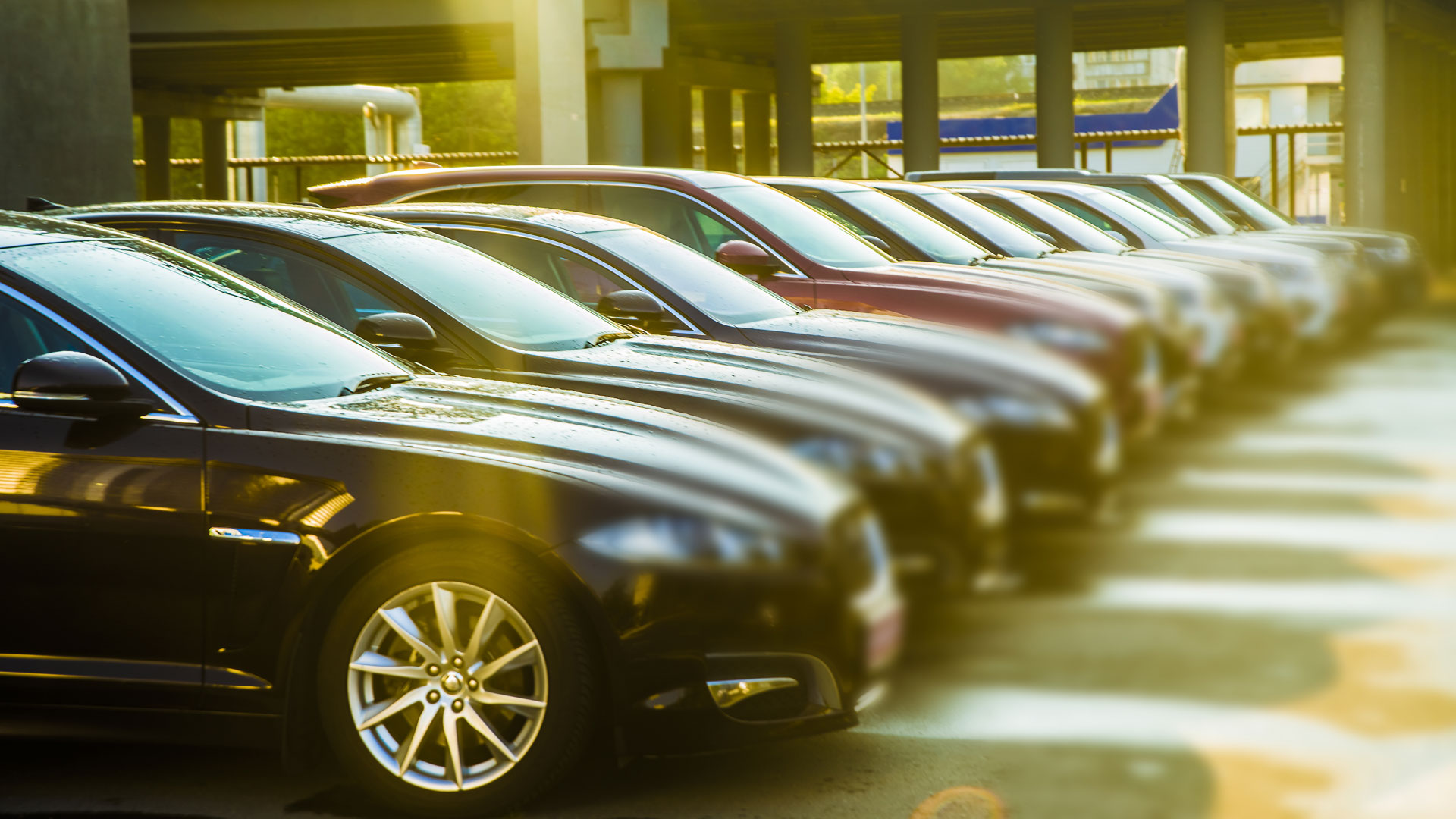
While Brexit leaves the country shrouded in uncertainty, Britain’s new car buyers are dealing a blow to the nation’s car dealers.
According to research conducted by BuyaCar, almost half of Britain’s new car buyers are delaying the purchase of their next vehicle for two years or more, with Brexit cited as the primary reason for the delay by more motorists than at any time since the 2016 referendum.
In the aftermath of the historic EU referendum, one in five motorists said they expected to change their car within the next three months, with just 27.7 percent saying they would wait two years or more.
Today, just 4.8 percent said they expected to buy a new car in the next three months, with 47.5 percent claiming they’re planning to hold on to their existing car for at least the next two years.
Earlier this year, Mike Hawes, chief executive of the Society of Motor Manufacturers and Traders (SMMT), warned: “With fewer than 60 days before we leave the EU and the risk of crashing out without a deal looking increasingly real, UK Automotive is on red alert.
“Brexit uncertainty has already done enormous damage to output, investment and jobs.”
Erring on the side of caution
Austin Collins, managing director of BuyaCar.co.uk, said: “Even as we announce these figures it’s against the backdrop of another series of Parliamentary votes that seem to take us no further forward in understanding how Brexit will affect everybody.
“We believe it is this continued uncertainty rather than the idea of Brexit itself that has finally made consumers err on the side of caution about their immediate plans to change cars.
“When we first began measuring consumer sentiment in relation to Brexit it was clear that the vast majority of car buyers weren’t worried and that was reflected in the large number who were intending to start shopping for a car in the next few months.
“The way that figure has plummeted from 20 percent to less than five per cent, as people wait to understand what Brexit looks like, comes as little surprise.
“Against a wider backdrop of industry concern over future tariffs, supply chains and other issues affecting car manufacture and retail, the news that consumers are suddenly wary about committing to their next car purchase can only add to those headaches.”
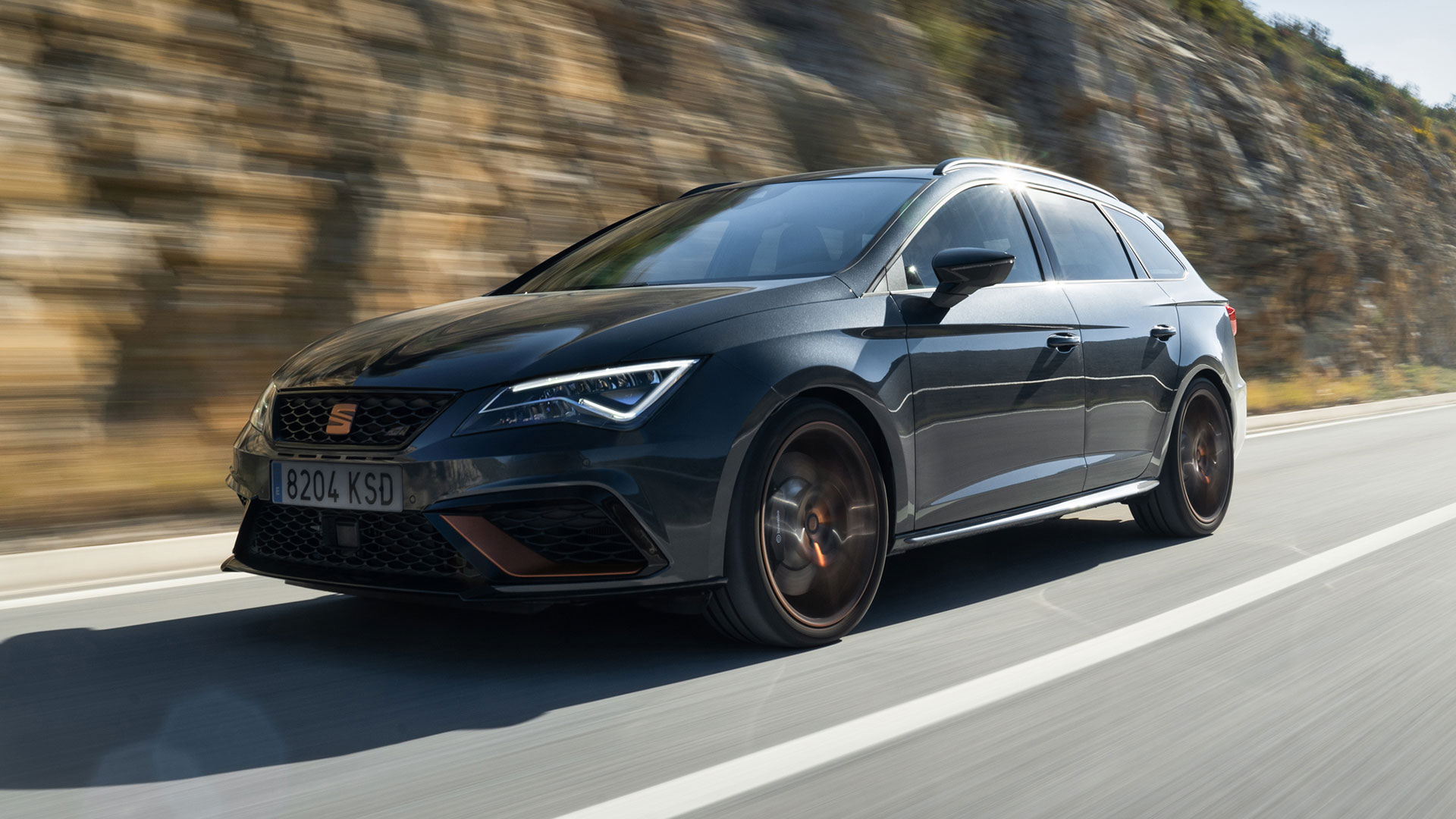
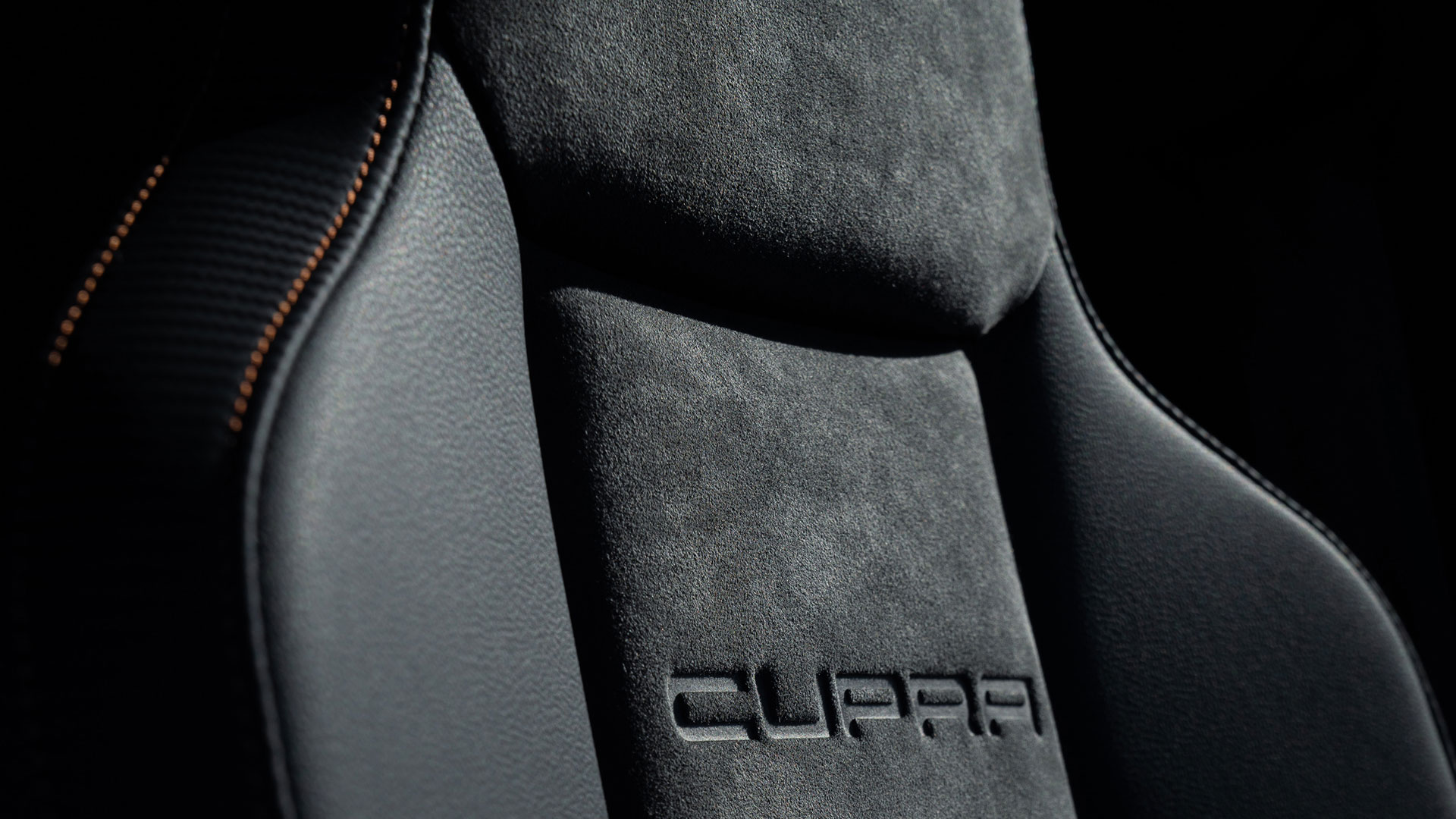
If the ever-increasing range of performance SUVs leaves you a little cold, the hot new Seat Leon Cupra R ST estate should warm your heart. Put simply: this is the fastest Seat ever built.
In standard guise, the Leon Cupra R ST produces 300hp, but for an additional £500, customers can up the ante to a sports car-baiting 370hp. Still want that Cupra Ateca SUV?
The superfast wagon is powered by the ubiquitous 2.0-litre TSI petrol engine mated to a seven-speed DSG transmission. But in exchange for 500 notes, Seat will equip the Leon Cupra R ST with an ABT tuning pack, which sees the power increased to 370hp and the 0-62mph time fall to 4.5 seconds.
The top speed remains limited to 155mph, but the ABT-enhanced Leon is 0.4 seconds quicker to 62mph. Small margins are a big deal in the performance car world.
Throwing Copper
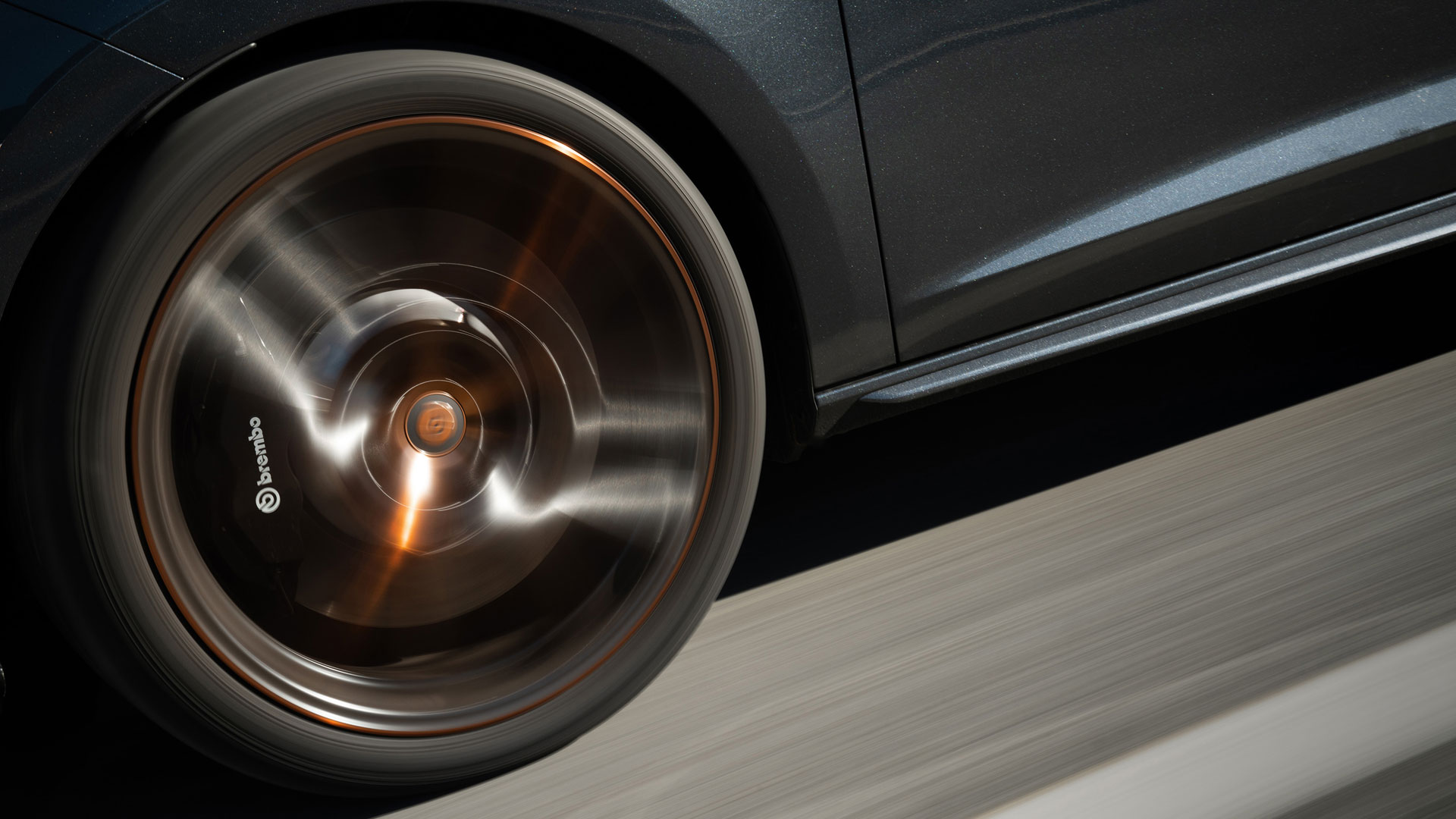
Crucially, unlike the front-wheel-drive Leon Cupra R hatchback, the ST is all-wheel-drive, so you shouldn’t have any problems getting that power down. The special edition also comes with quad exhausts, Brembo brakes, bucket seats and a panoramic sunroof, along with copper and carbon fibre detailing.
The 370hp versions will also feature ABT detailing on the rear badge – we suspect the majority of customers will opt for the upgrade. Well, if you’re spending £37,975 on the standard car, what’s another £500 – especially when it’s spread over a three-year PCP deal.
Blackness Grey is an exclusive colour for the Leon Cupra R ST, but buyers can also opt for Magnetic Tech, Midnight Black or Nevada White. Copper logos and badges and 19-inch alloy wheels complete the exterior makeover.
Selling The Drama
On the inside, you’ll find illuminated aluminium plaques, an eight-inch touchscreen, Digital Cockpit, carbon fibre and copper detailing, Alcantara steering wheel and gear knob, and bucket seats.
“The Leon Cupra R ST represents our ability to make unique, exciting cars with the most advanced technology ready for the most demanding and diverse of drivers. It’s the amalgamation of the brand’s experience in motor racing and the ability of our design and engineering teams to seamlessly mix performance and functionality,” said Antonino Labate, director of strategy, business development and operations of Cupra.
You can order the fastest-ever Seat from 9 April. While Cupra is now a standalone Seat sub-brand, it will continue to offer go-faster versions of Seat’s existing catalogue. If they’re all as potent as this wagon, long may Cupra continue to reign in Spain.
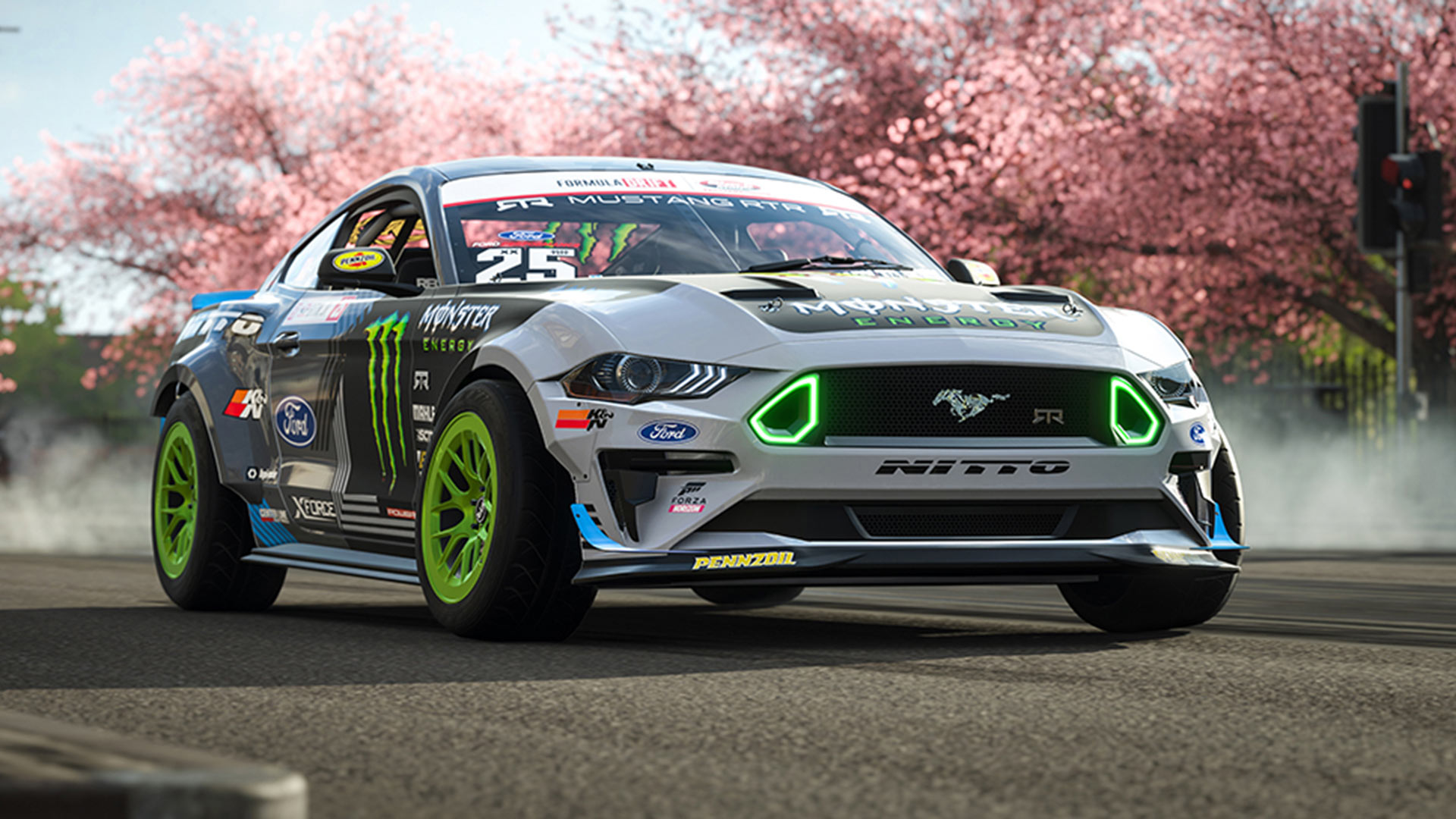
Fans of Formula Drift will be excited about this month’s update for the Forza series of racing games, with three new Ford Mustangs added to the garage.
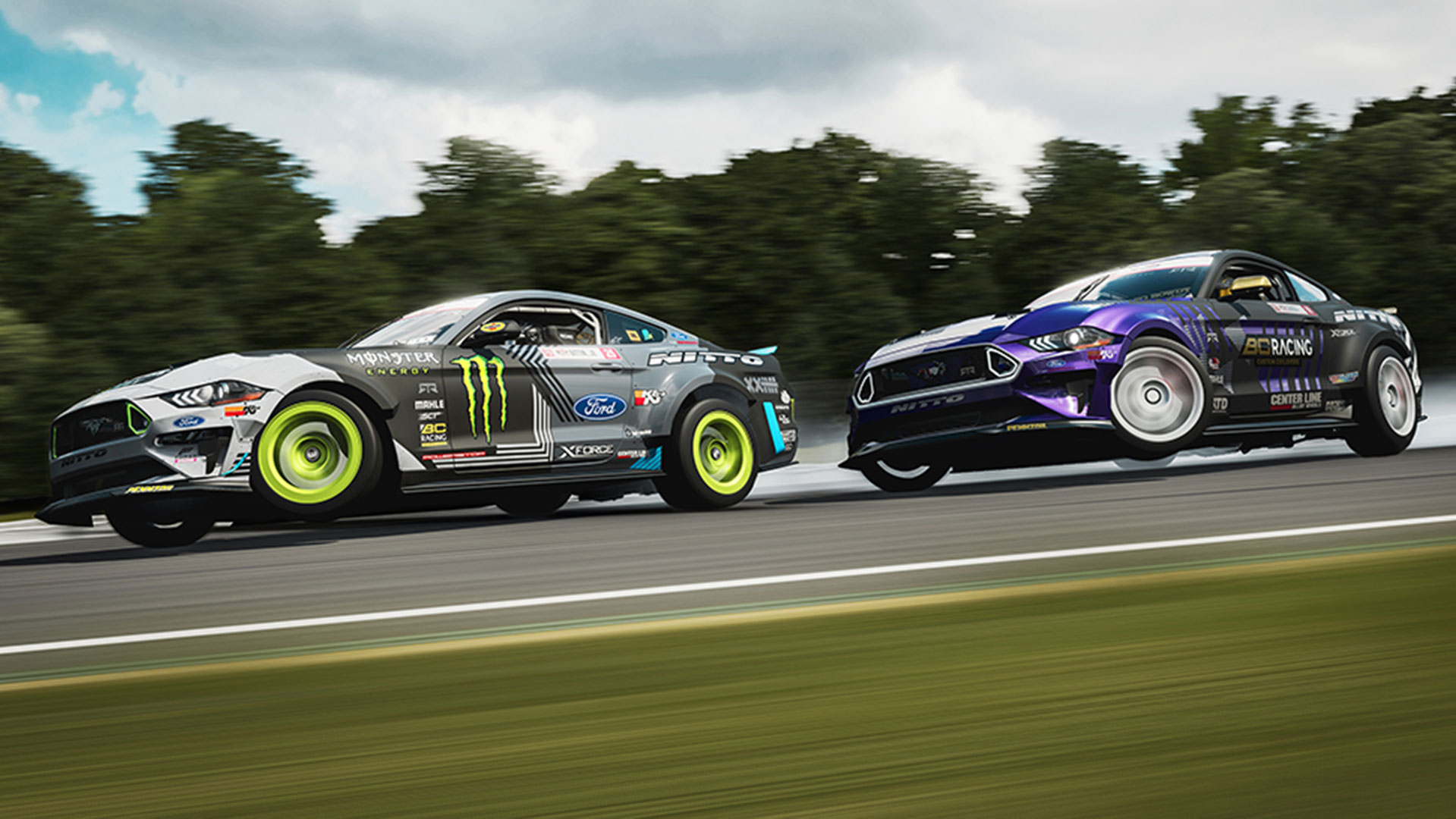
Impressively, both the open world Forza Horizon 4 and traditional simulation Forza Motorsport 7 get the extra cars, offering even more sideways fun.
The bonus cars form part of updates to both games, with new features and technical tweaks also made.
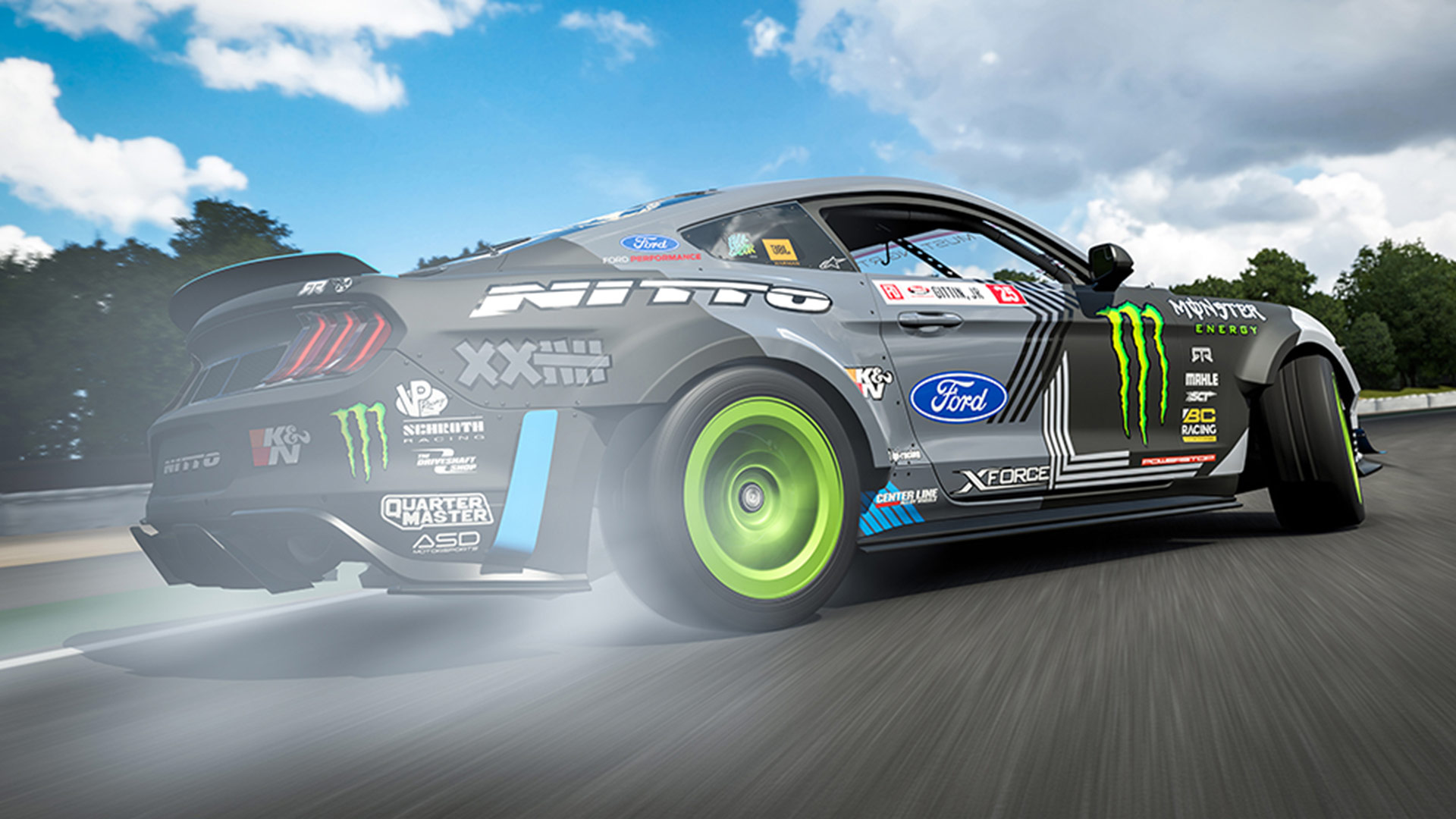
Even those with only a passing interest in drifting will have heard of Vaughn Gittin Jr. and his incredible Ford Mustang RTR machine.
He made history in 2018 by drifting the entire length of the fearsome Nürburgring Nordschleife circuit, and it is the very same Monster Energy sponsored Mustang that players can get behind the wheel of.
The naturally aspirated 1,000hp Roush-Yates V8 engine revs to an incredible 9,000rpm, providing all the power for lurid slides and tyre-shredding silliness.
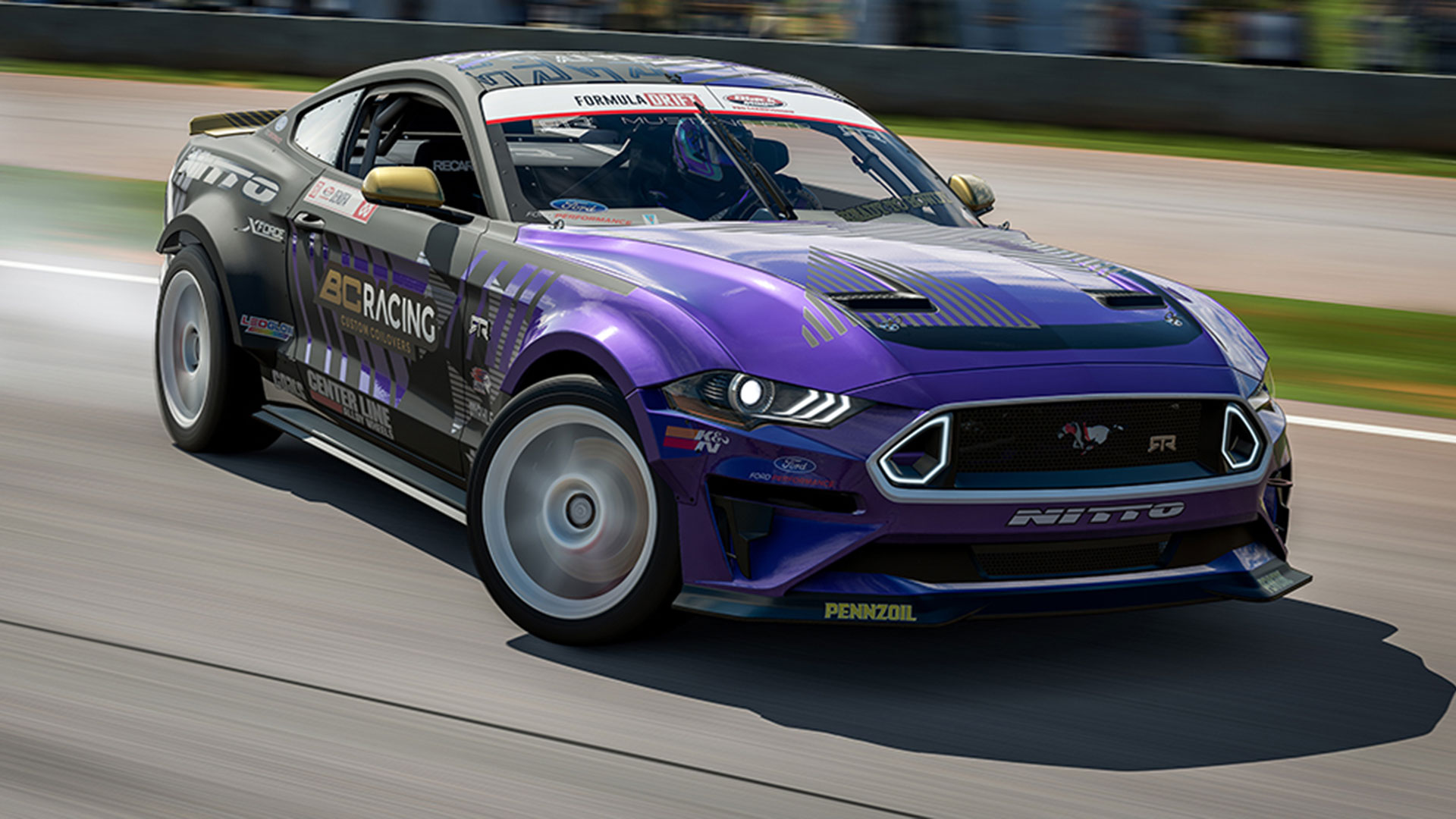
Joining Vaughn’s Mustang is the mechanically identical car of professional drifter Chelsea DeNofa.
Noted for competing in drifting events before he could even legally drive a road car, Denofa has proven a popular addition to the Formula Drift championship.
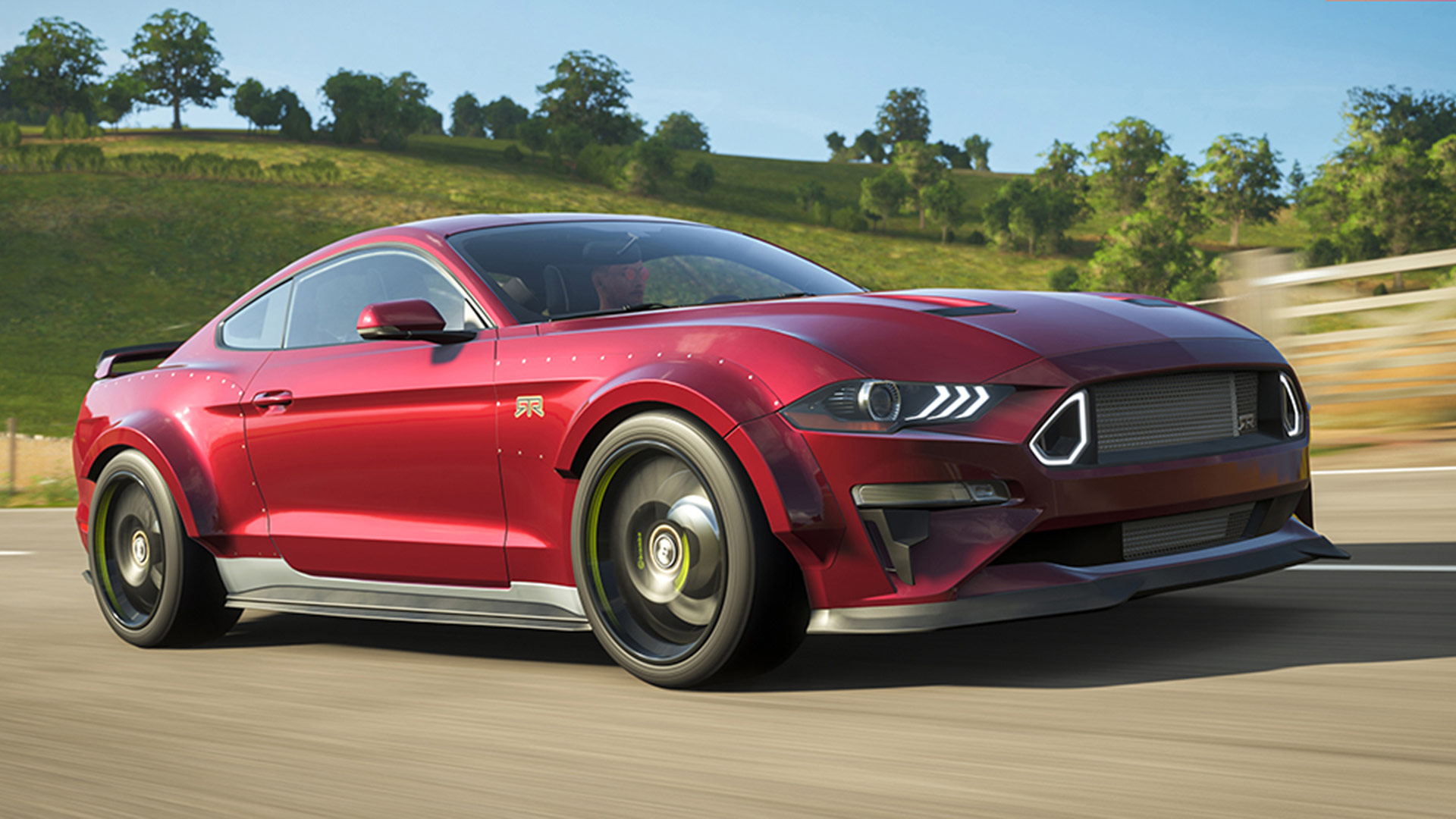
Alongside the two race cars is a road-going Mustang creation, built by the RTR team. Although not quite as extreme as the steeds used by Gittin Jr. and DeNofa, the RTR Spec 5 Mustang still has 460hp from a Coyote V8.
Key changes to Forza Motorsport 7 for March see improvements to collision detection during races, based upon feedback from players.
This is intended to prevent players from using it to gain an unfair advantage during races.
Gamers also get a new specific drift camera setting to make better use of the new RTR cars, along with tweaks to the support offered for various steering wheel peripherals.
Those playing Forza Horizon 4 will also see a new range of races and challenges added for Series 7 of the British-based open world racer.
A new Festival Playlist is intended to help players make sense of the wide range of activities available, with big rewards for those completing all challenges.
Owners of older British cars are less likely to be involved in a road accident than drivers of modern classics, according to data released by ClassicLine Insurance. Ian Fray, managing director of the insurance company, said: “Our customers with British classics, especially older models, appear to be involved in the fewest road accidents as reflected in the number of insurance claims.” Here, we reveal the vehicles with the highest accident claim frequency, followed by those with the lowest. The results are presented in reverse order.
10. Chevrolet Corvette
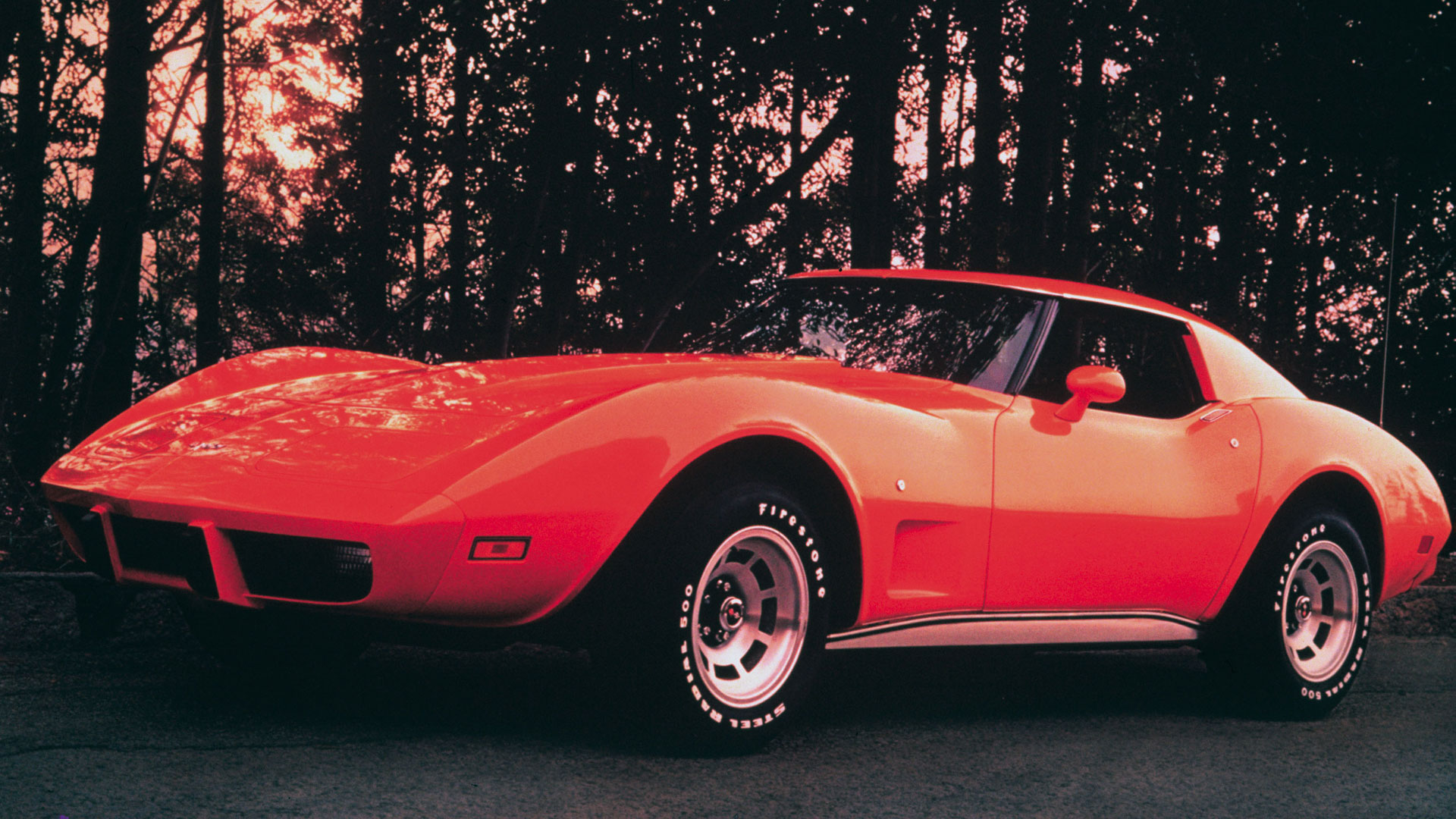
Perhaps it should come as no surprise to find the Chevrolet Corvette propping up the naughty list. The first Corvette rolled off the Michigan production line in June 1953 and it has been delivering all-American thrills ever since.
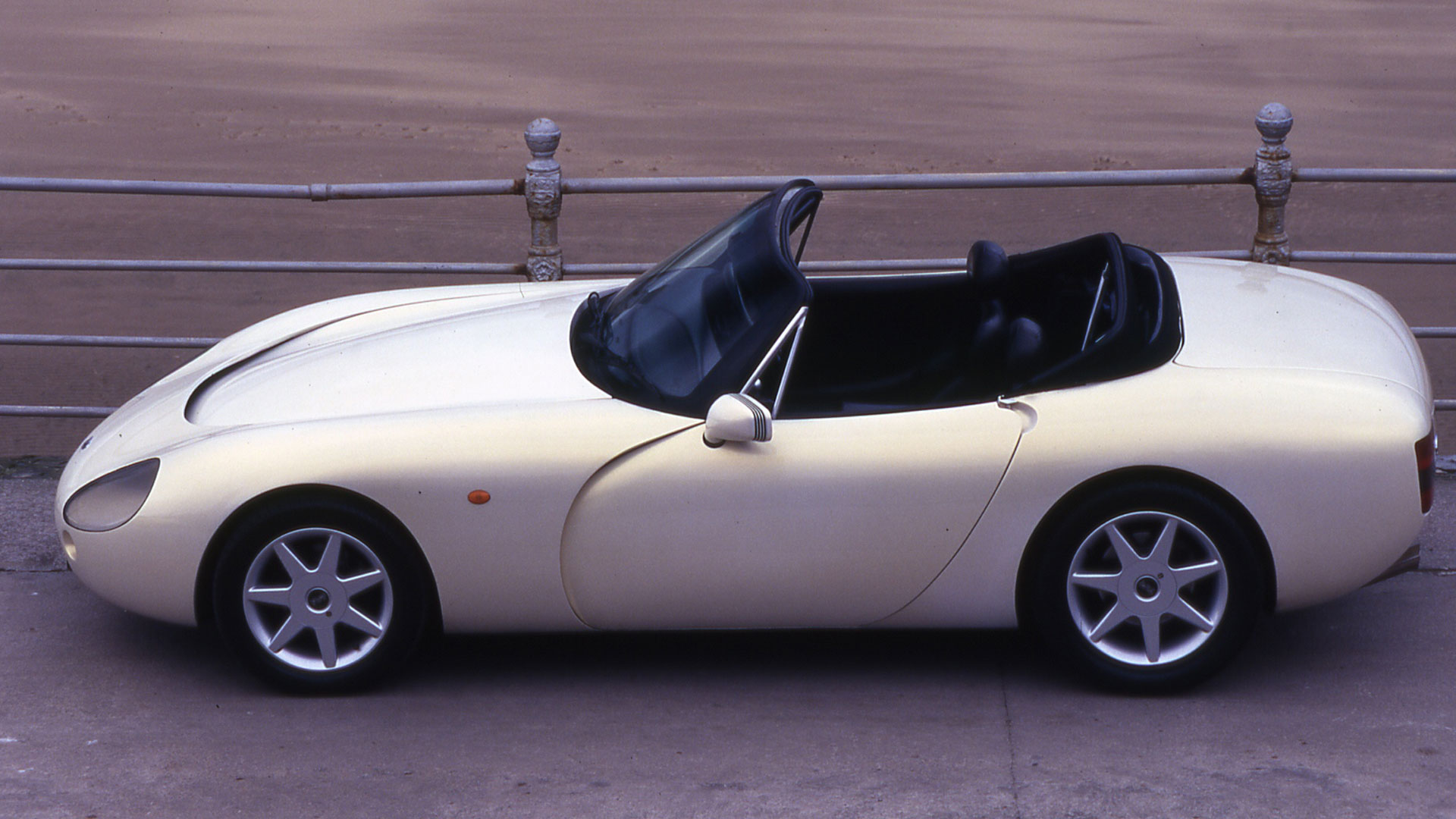
9. TVR Griffith 500
Arguably one of TVR’s most famous cars, the Griffith 500 was powered by a 5.0-litre V8 producing 340hp and 350lb ft of torque. By TVR’s own admission, it “required close attention, especially in the wet”, which is why it appears on the ClassicLine list.
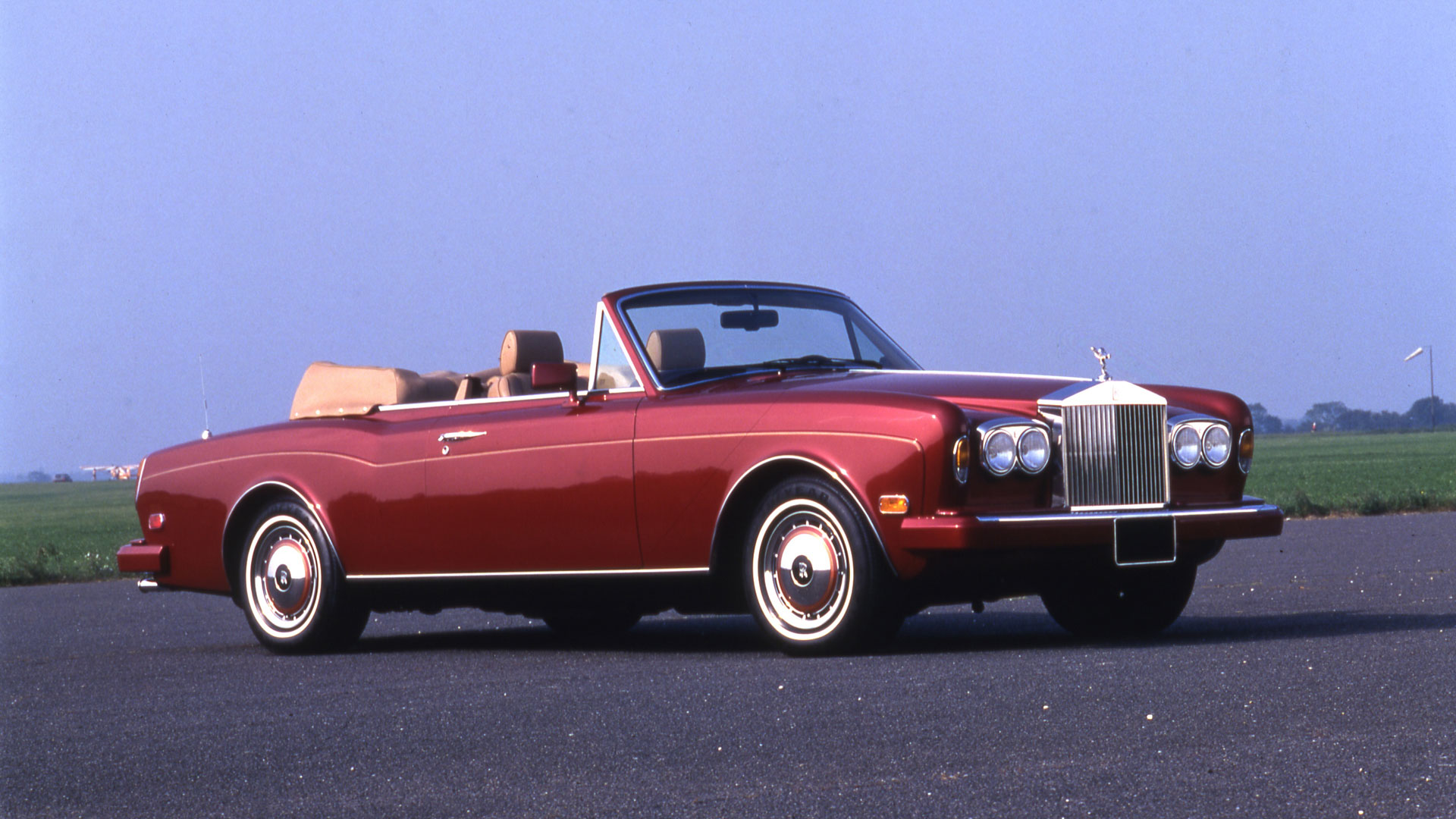
8. Rolls-Royce Corniche
We’re not sure what a Rolls-Royce is doing here, because luxury cars tend to be driven with care and consideration. The Corniche is essentially a two-door Silver Shadow and it was, at its launch, Britain’s most expensive new car.
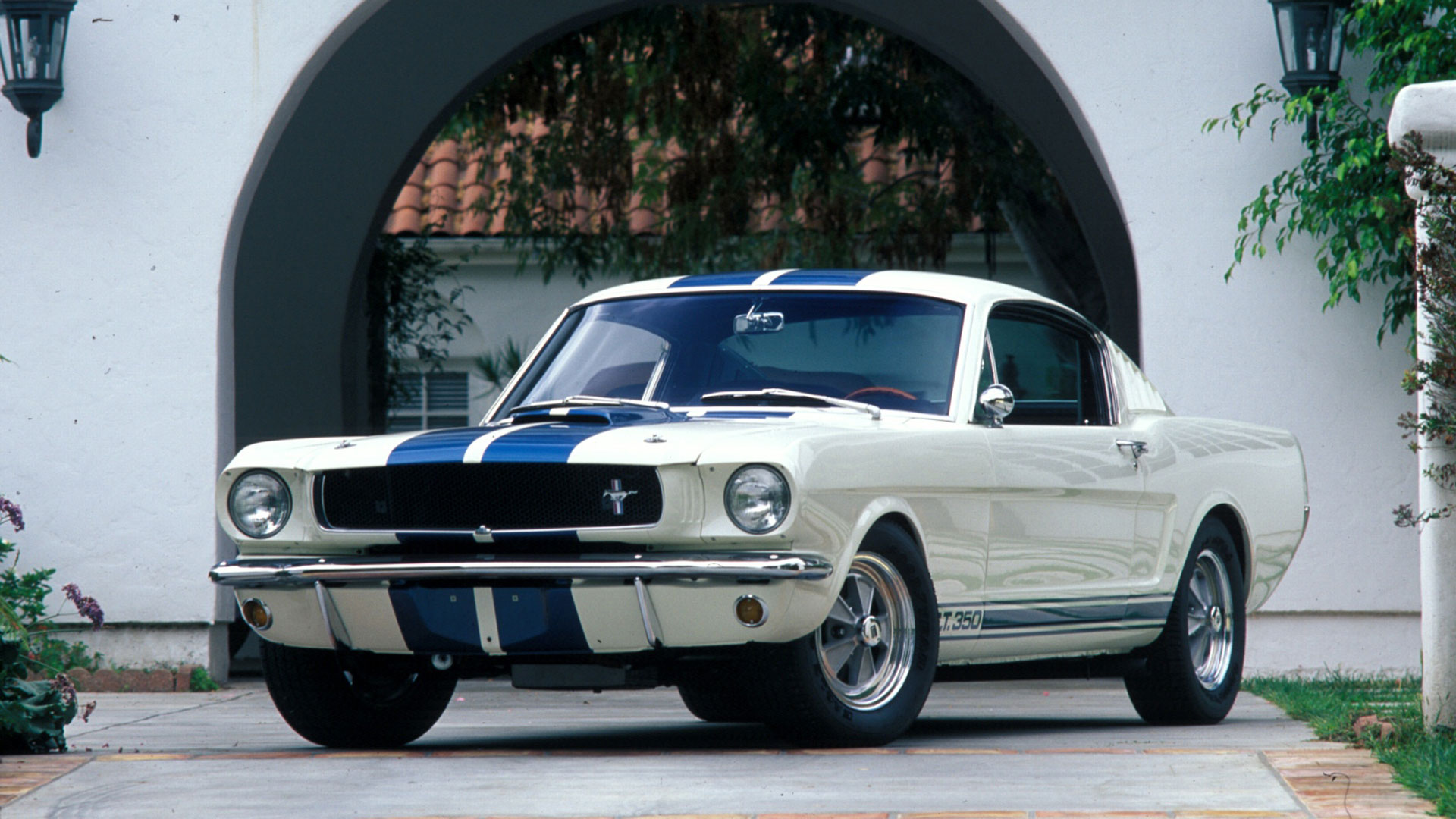
7. Ford Mustang
Until the launch of the current Mustang, Ford’s ‘Pony Car’ wasn’t officially imported into the UK. But for some car enthusiasts, a Capri or Probe just didn’t cut it, which is why so many Mustangs arrived on these shores.
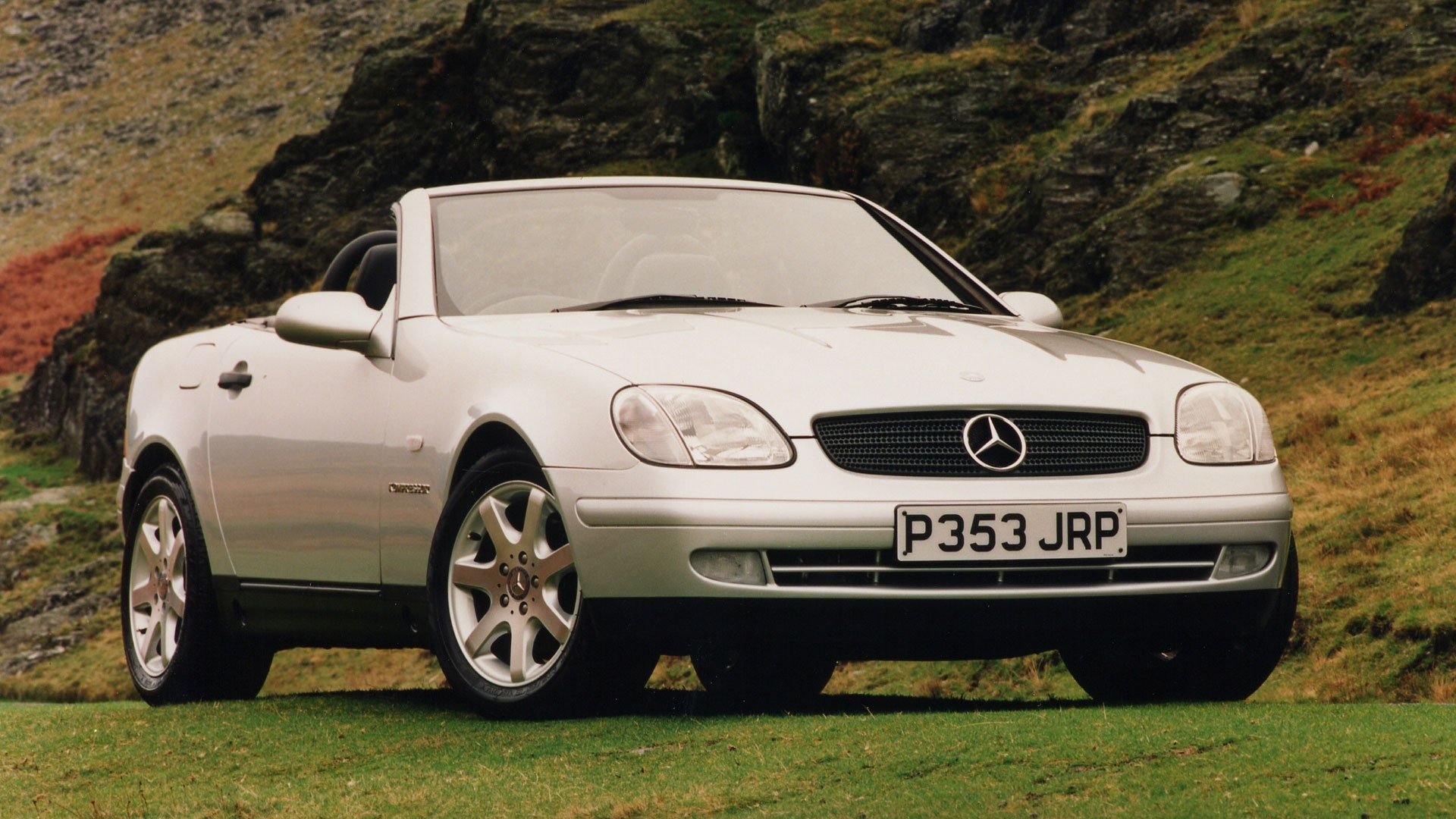
6. Mercedes-Benz SLK
With a premium badge, an electric folding hard-top roof and German engineering, the Mercedes-Benz SLK is a popular modern classic. Amazingly, you can pick up a perfectly serviceable SLK for less than two grand, but with so many to choose from, you’d be advised to look at a few before you buy.
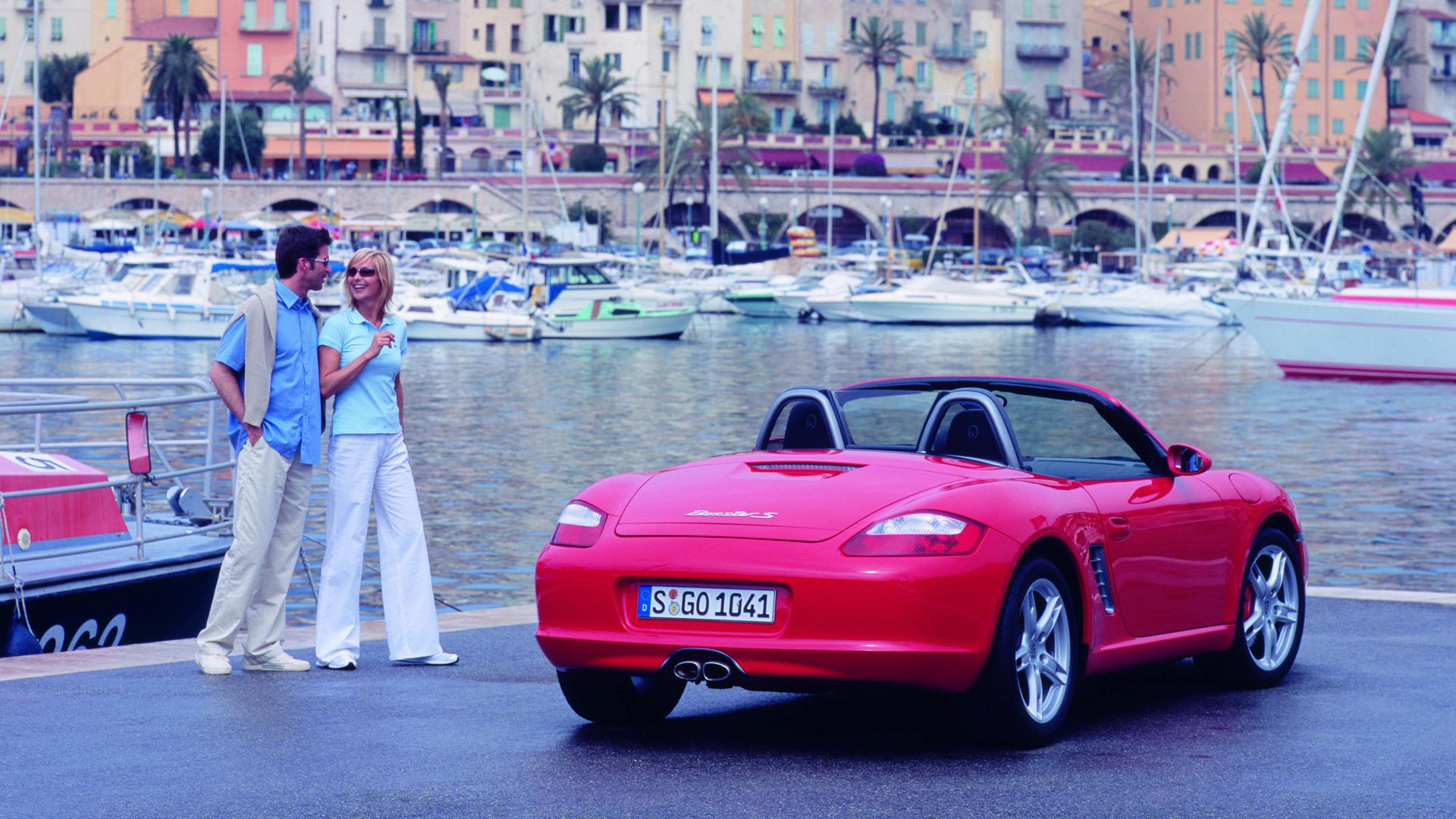
5. Porsche Boxster S
Unveiled in 1996, the Boxster was a sports car designed for those who aspired to 911 ownership but didn’t have the means to achieve their dream. The Boxster S arrived in 2000, with power sourced from a 250hp 3.2-litre engine.
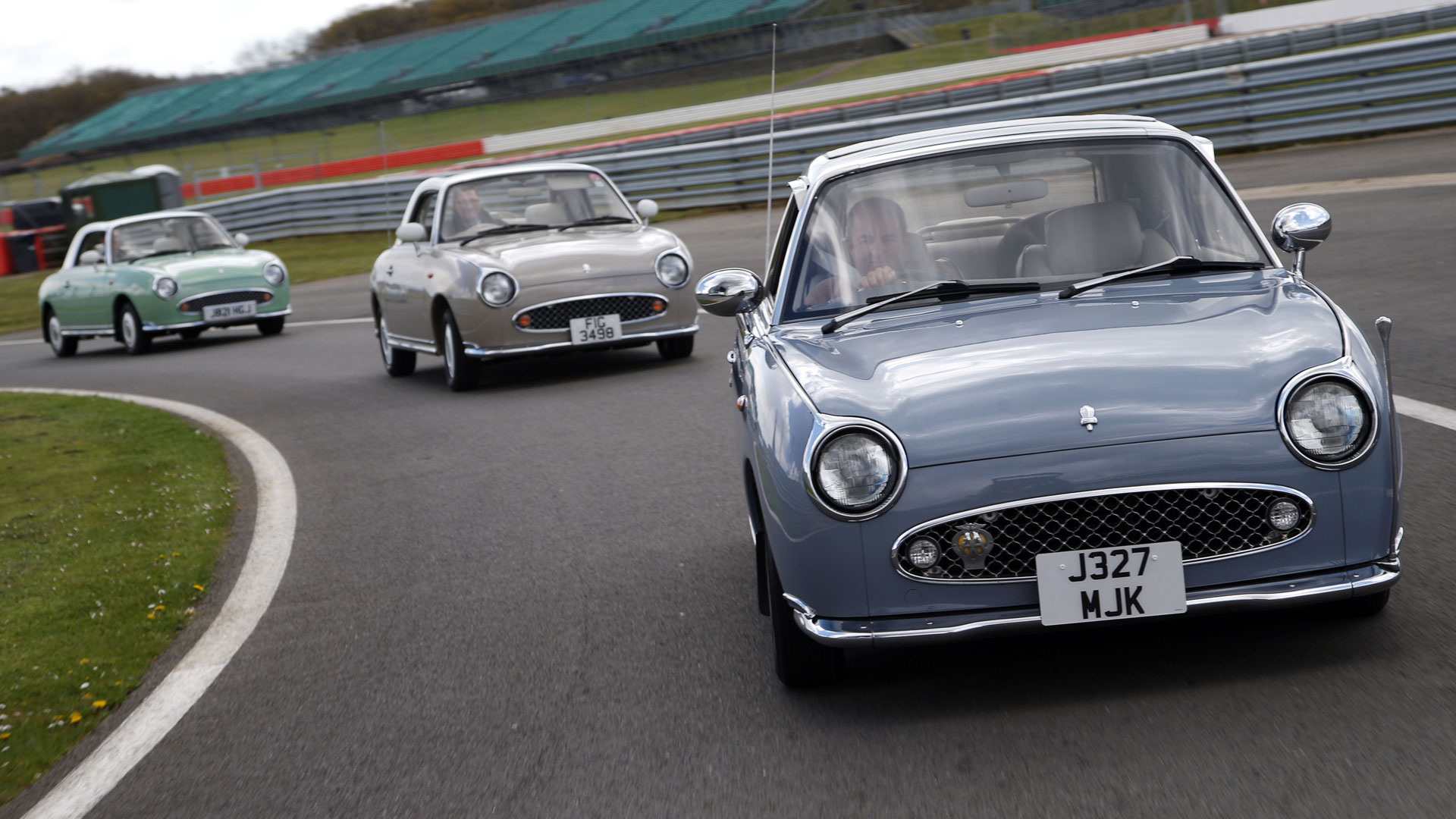
4. Nissan Figaro
The Nissan Figaro was based on the humble Micra and built purely for the Japanese market. But its retro styling meant that it became a popular ‘grey import’, with hundreds arriving on these shores. A total of 12,000 were produced, so finding a good one shouldn’t be a problem.
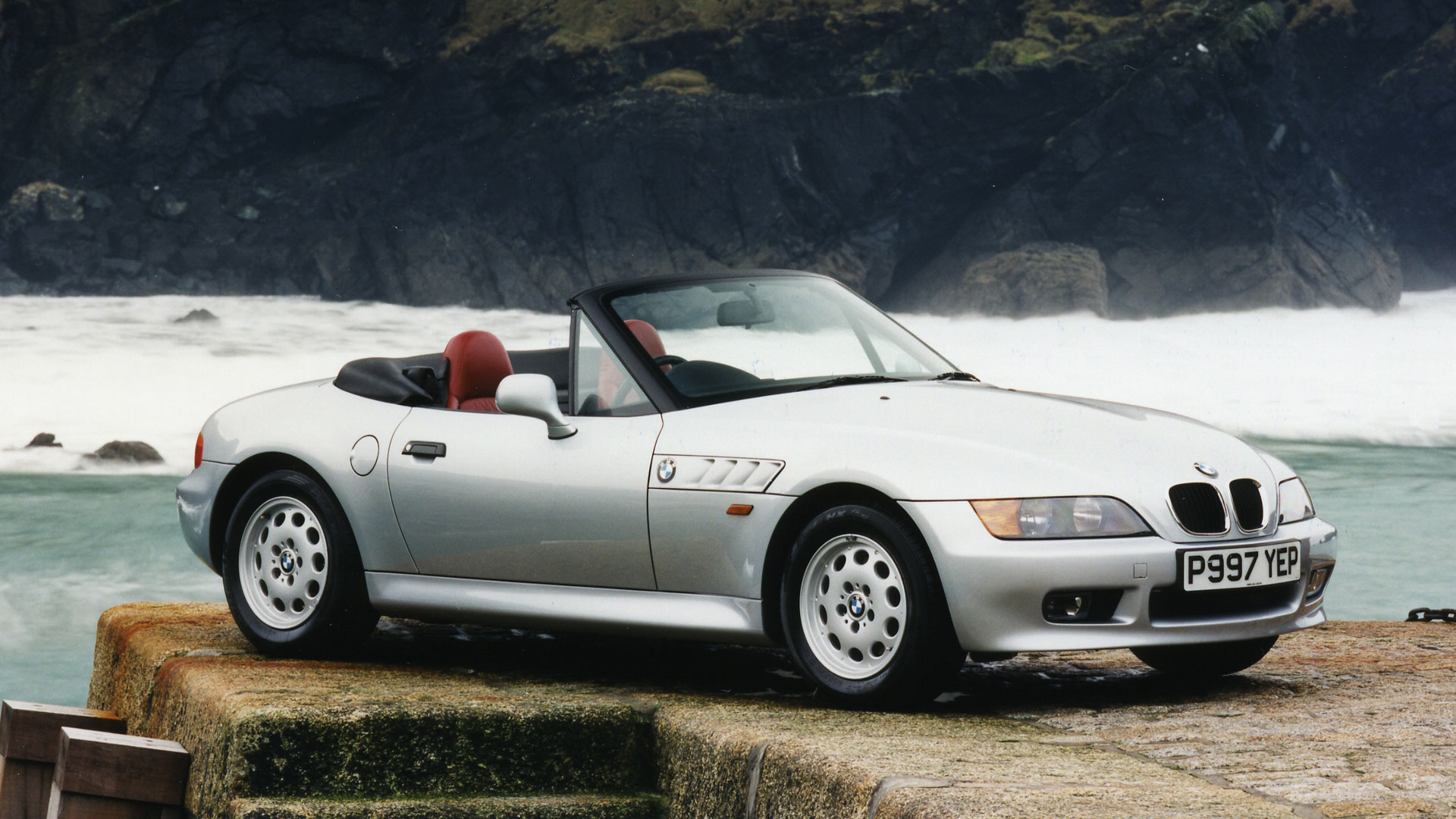
3. BMW Z3
The Z3 completes the trio of two-seater sports cars that competed with each other around the turn of the millennium. In truth, the BMW sat somewhere between the precision of the Boxster and the soft focus of the SLK. A role in Goldeneye shot the Z3 to stardom.
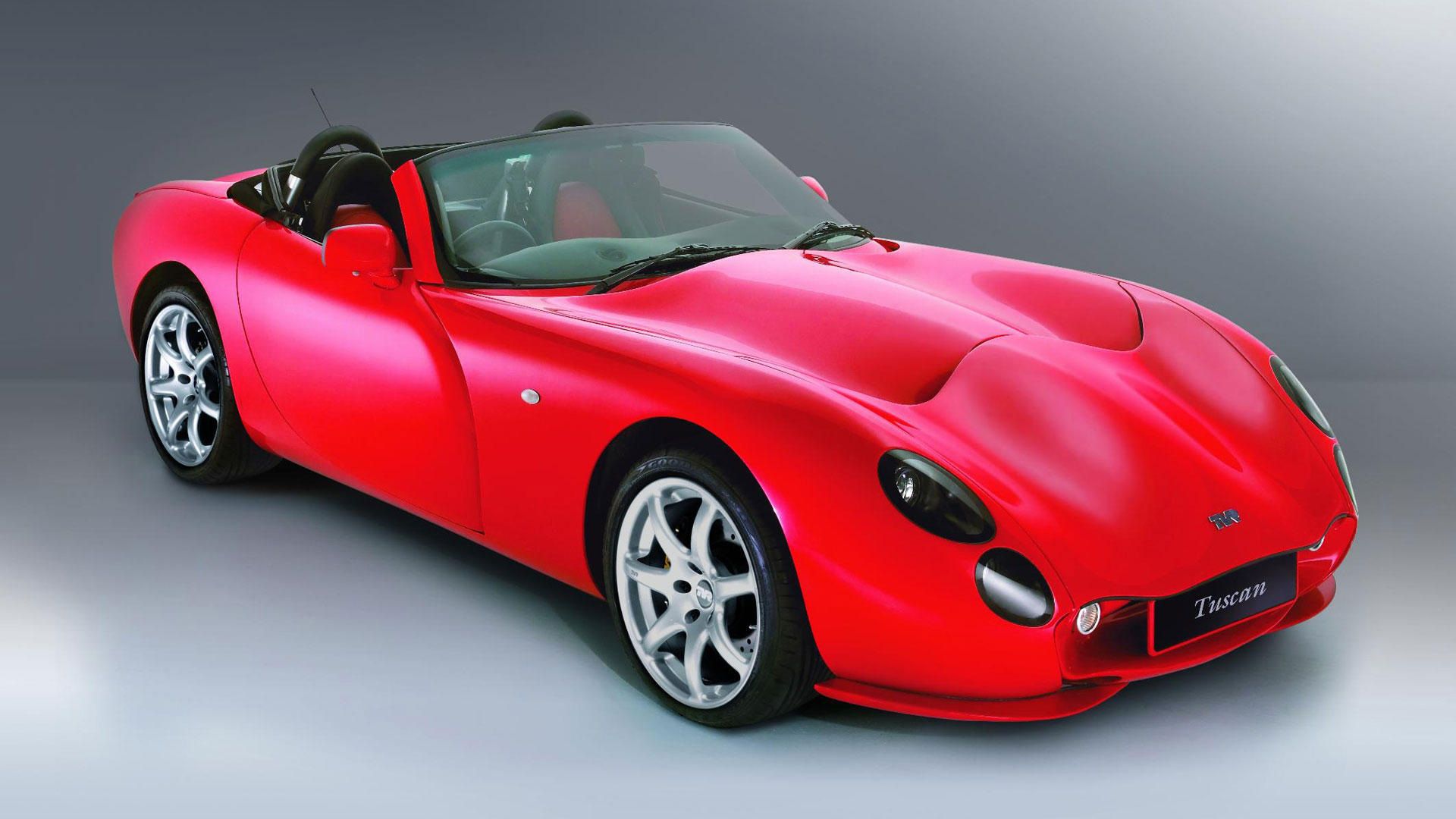
2. TVR Tuscan
Speaking of film connections, a TVR Tuscan starred in the 2001 movie Swordfish. The Tuscan name was first used in the 1960s, but was reintroduced for the Speed Six of the new millennium. Evo magazine described it as a “ballistic drive”. Enough said.
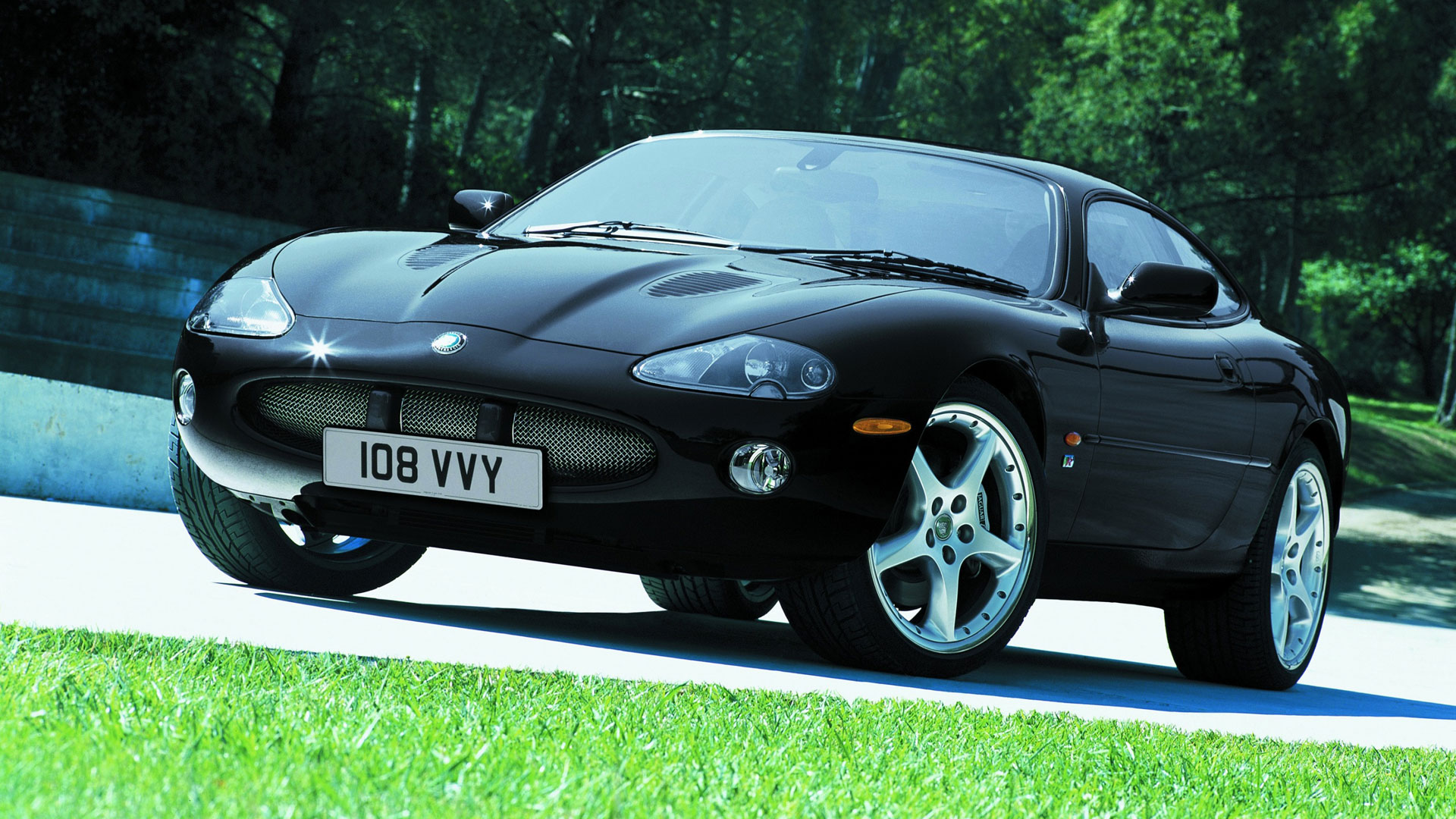
1. Jaguar XK8
The Jaguar XK8 is, according to ClassicLine Insurance, the classic car with the highest accident claim frequency. Ian Fray said: “As you would expect, modern classics have a higher top speed and faster acceleration than older cars, which might explain why they are more likely to be involved in a motoring incident.”
And the least likely…
But what about the classic cars least likely to be involved in an accident? According to Ian Fray, “drivers of older classics also know they have fewer safety features to protect them in the case of an accident, possibly meaning an increased sense of awareness of the limitations of their model if it is hit.” Read on to discover the classics with the lowest accident claim frequency.
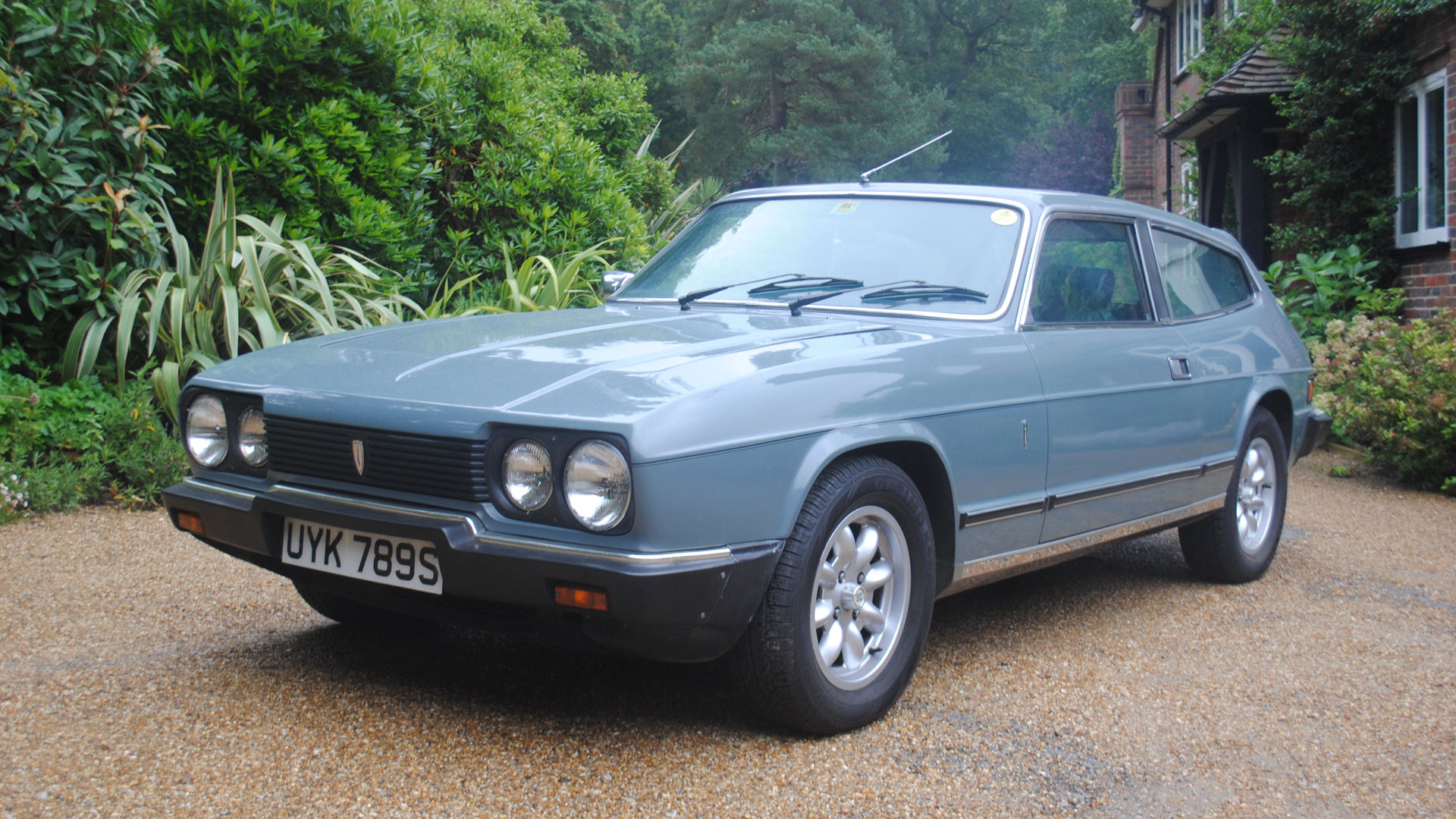
10. Reliant Scimitar GTE
The Reliant Scimitar and Princess Anne connection has become a motoring cliche, but according to the Sporting Reliants website, other famous GTE owners include Noel Edmonds, Nick Hewer, Barry Sheene and William ‘Ken Barlow’ Roach.
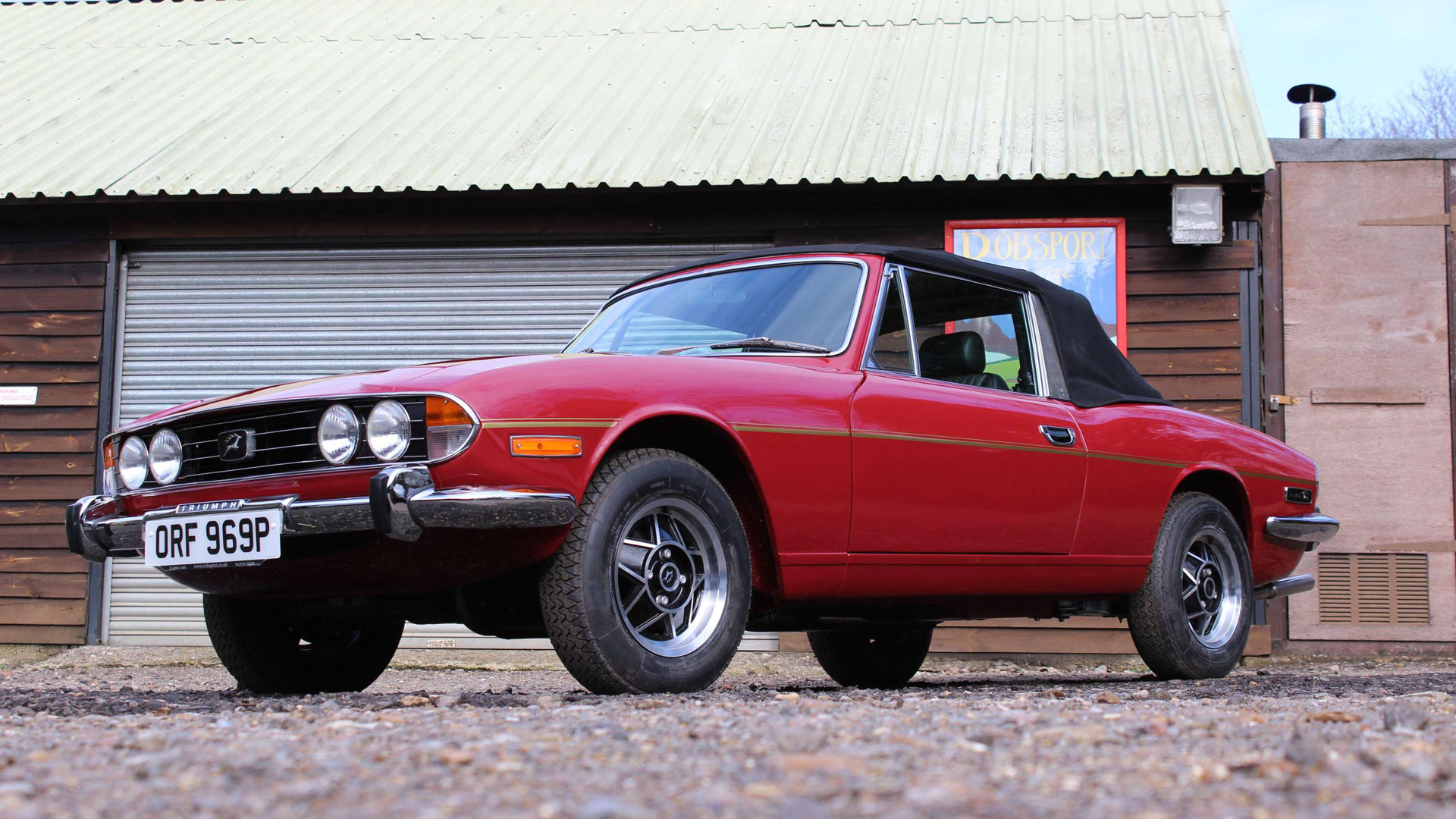
9. Triumph Stag
With a reliable engine, the Triumph Stag could have been a British sports car to conquer the world. By now, most of the engine problems will have been solved, while many of the restored cars will be better than when they left the factory.
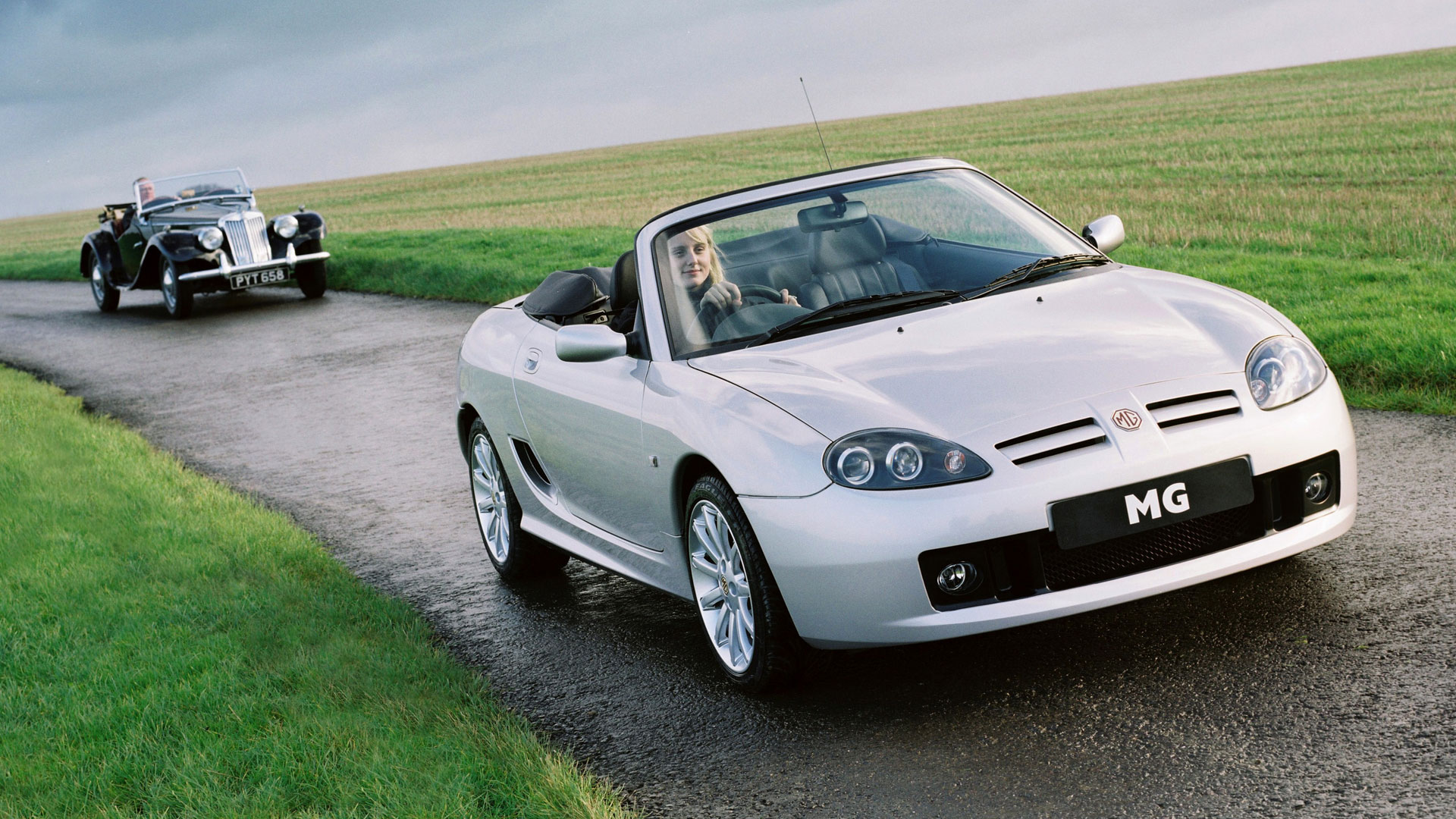
8. MG TF
It’s amazing to discover that all of the cars on the ‘safe’ list were built in Britain, which suggests that these old and modern classics are driven by careful and considerate types. Launched in 2002, the MG TF was as a comprehensive overhaul of the MGF and was Britain’s answer to the Mazda MX-5.
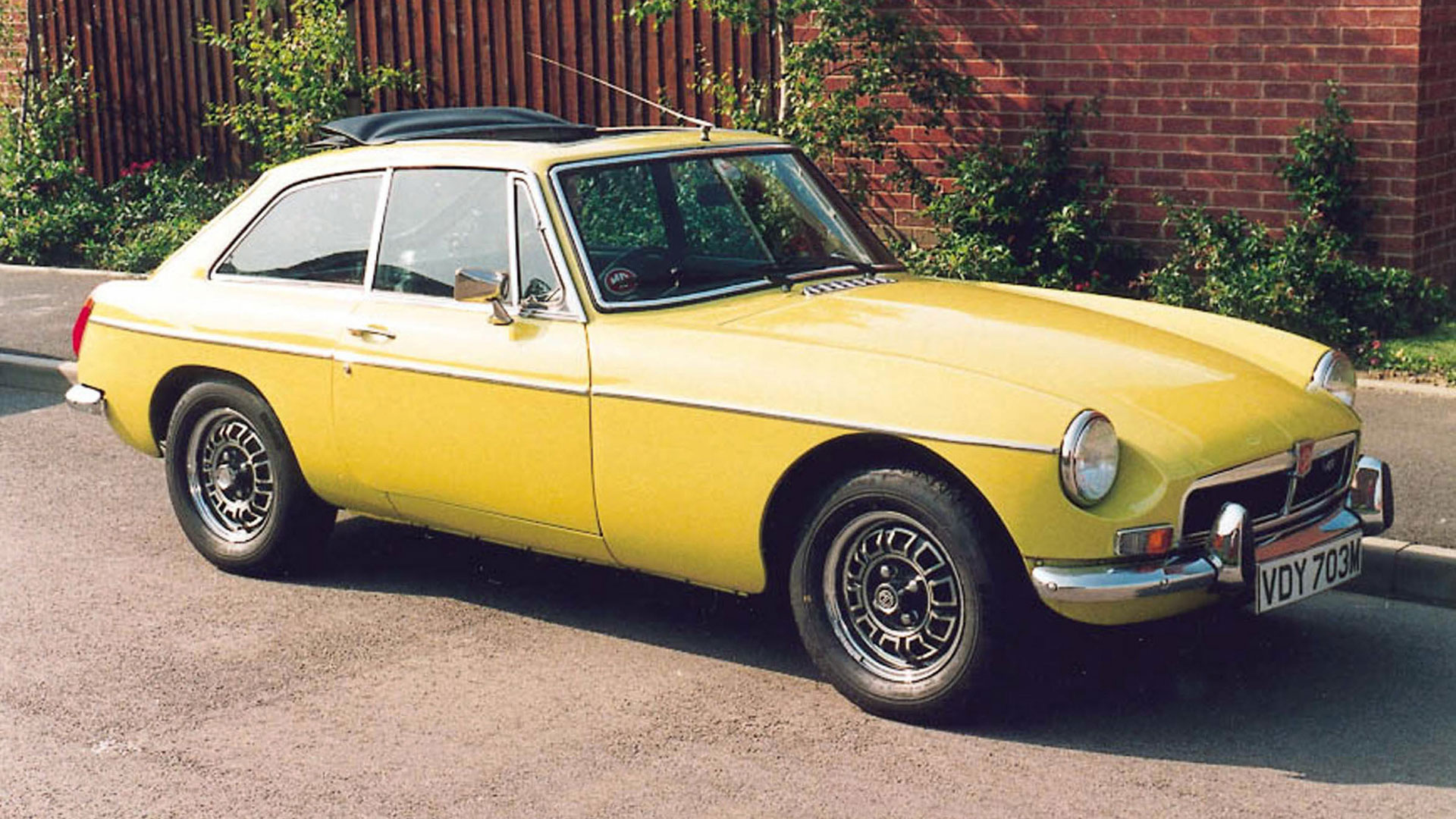
7. MGB
The MGB: the quintessential British sports car and a popular choice as a starter classic. More than half a million were built during a production run spanning nearly two decades. The last one rolled off the line in October 1980.
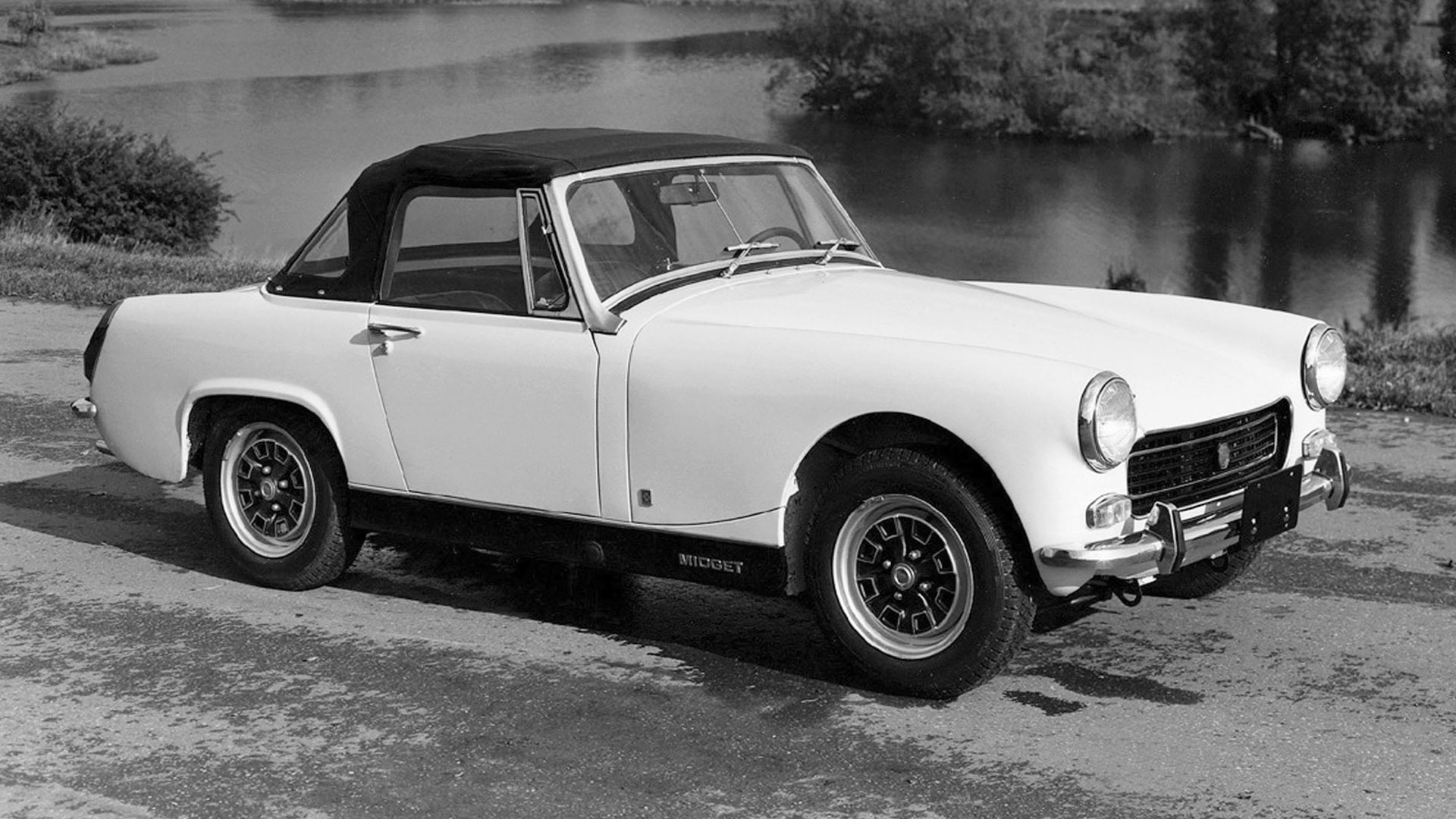
6. MG Midget
What is about MGs and careful owners? Forty percent of the cars on the ‘safe’ list wear the Morris Garages badge, with the Midget finishing sixth. Aside from the careful owners, we suspect the fact that these cars tend to be used at weekends and during fine weather also plays a part.
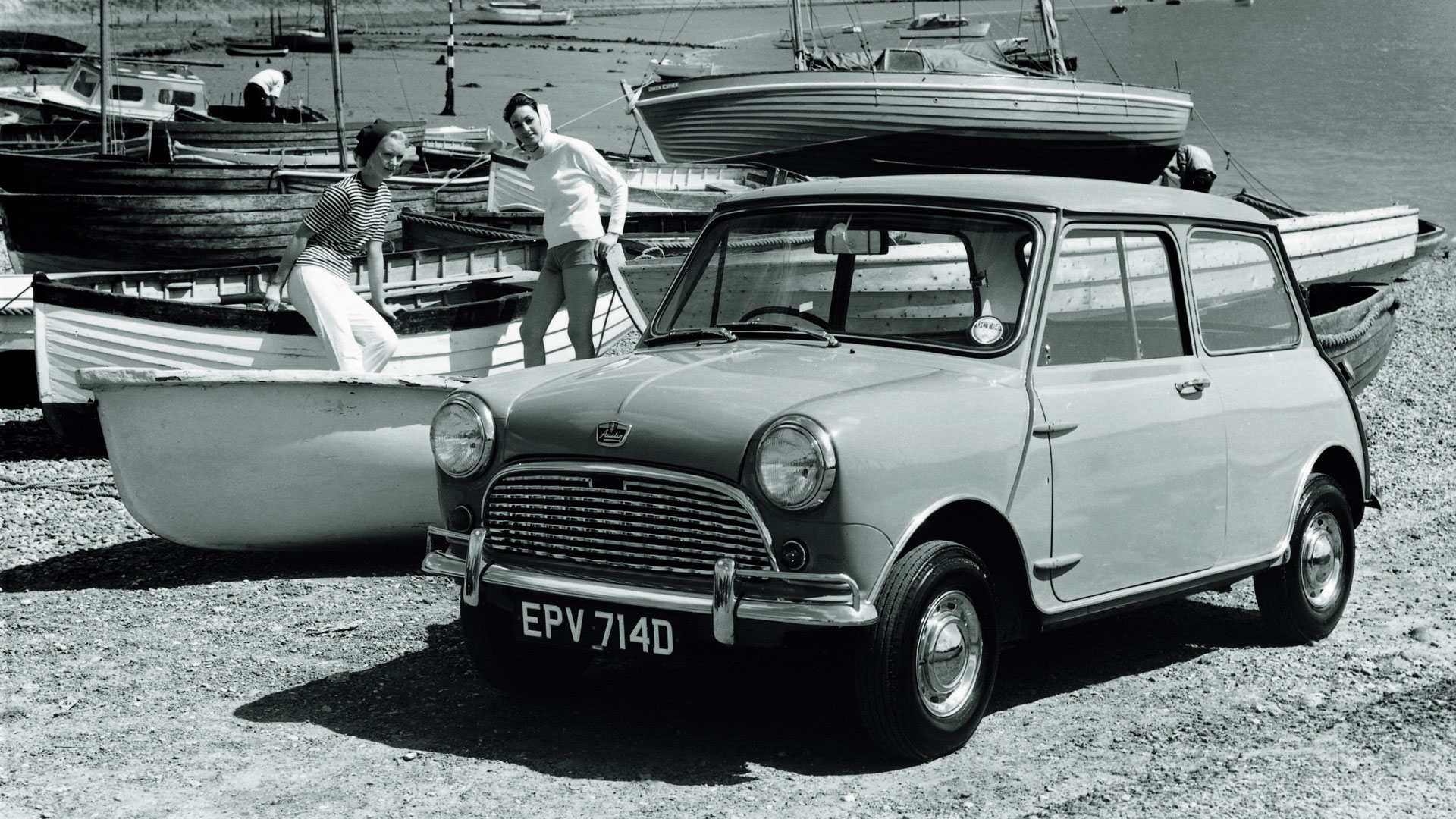
5. Austin Mini
Of the cars in the top five, three are Austins and one is an MG. First up is the Austin Mini, a car celebrating its 60th anniversary in 2019. Coincidentally, it’s also 50 years since the release of The Italian Job, although the red, white and blue Minis weren’t too great at protecting their no-claims discount.
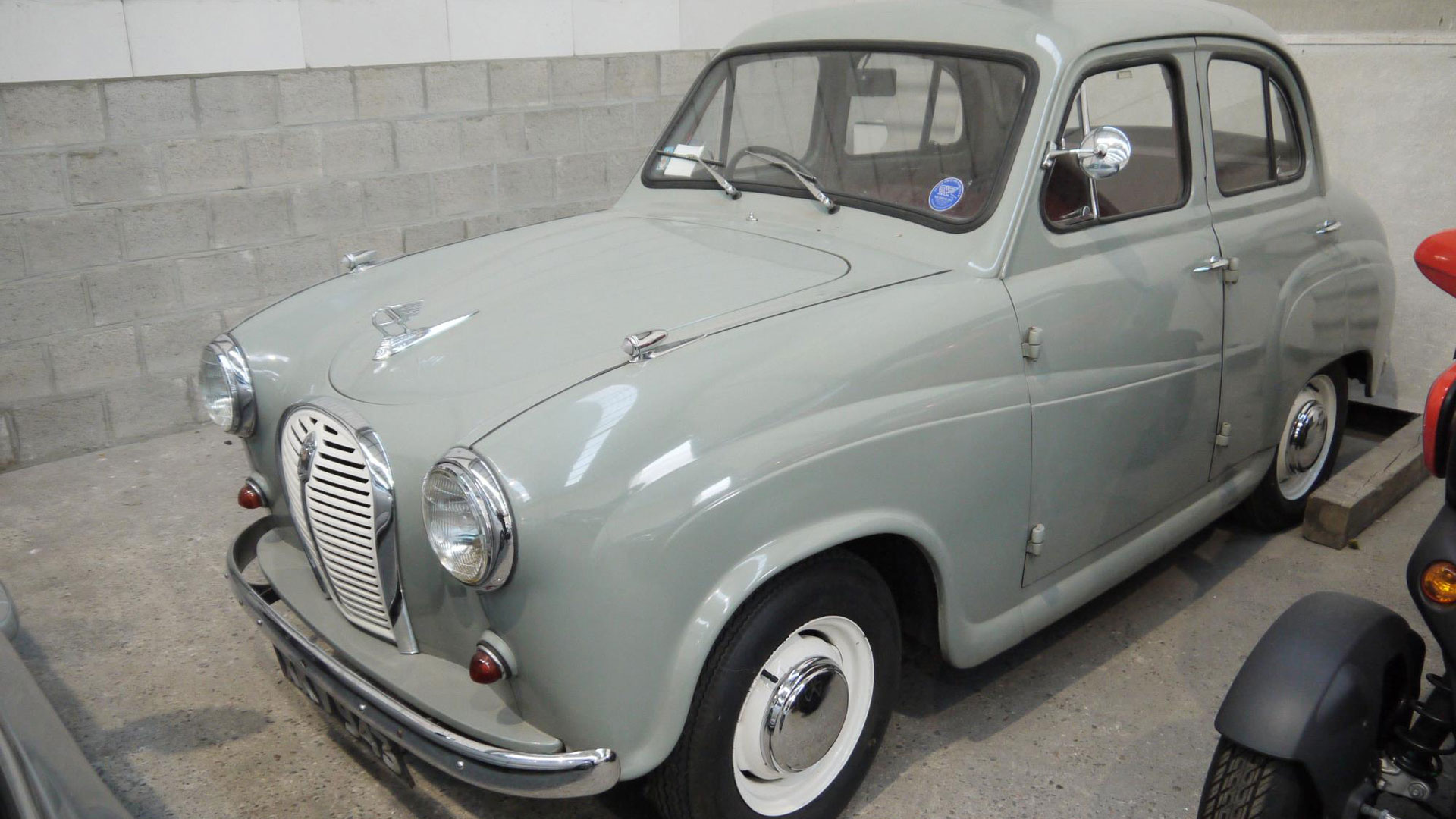
4. Austin A35
We reckon Austin A35 fall into two distinct camps. On the one hand, you have those who will spend hours polishing their A35 to within an inch of perfection, before attending a classic car show at the weekend. On the flip side, you have those who enjoy some historic racing.
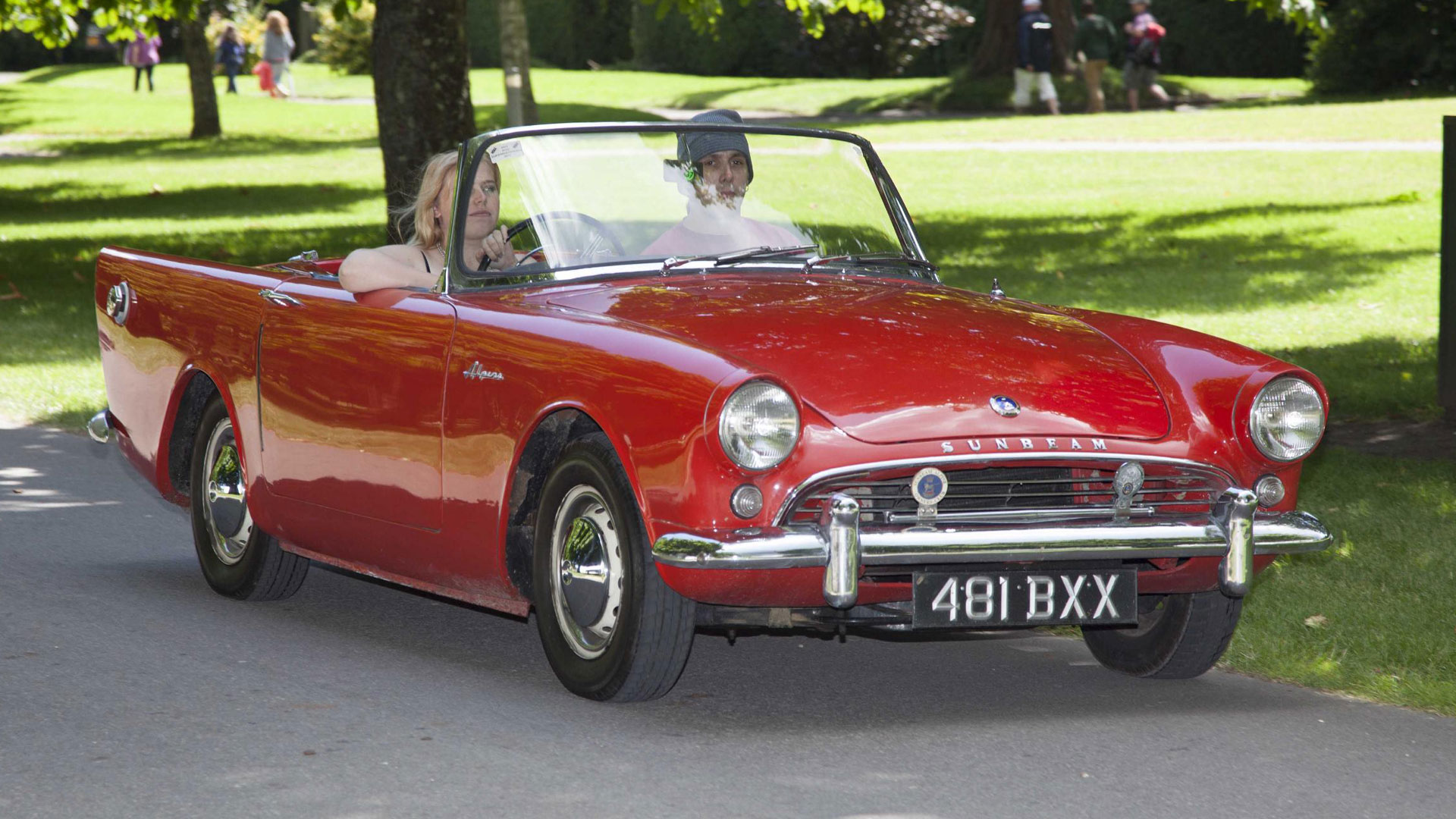
3. Sunbeam Alpine
Designed to tackle the lucrative American market, the Sunbeam Tiger looked fantastic and was adept at providing a smooth and comfortable driving experience. It’s not the sharpest classic sports car you can buy, but the Alpine spawned the Sunbeam Tiger, complete with Ford V8 power.
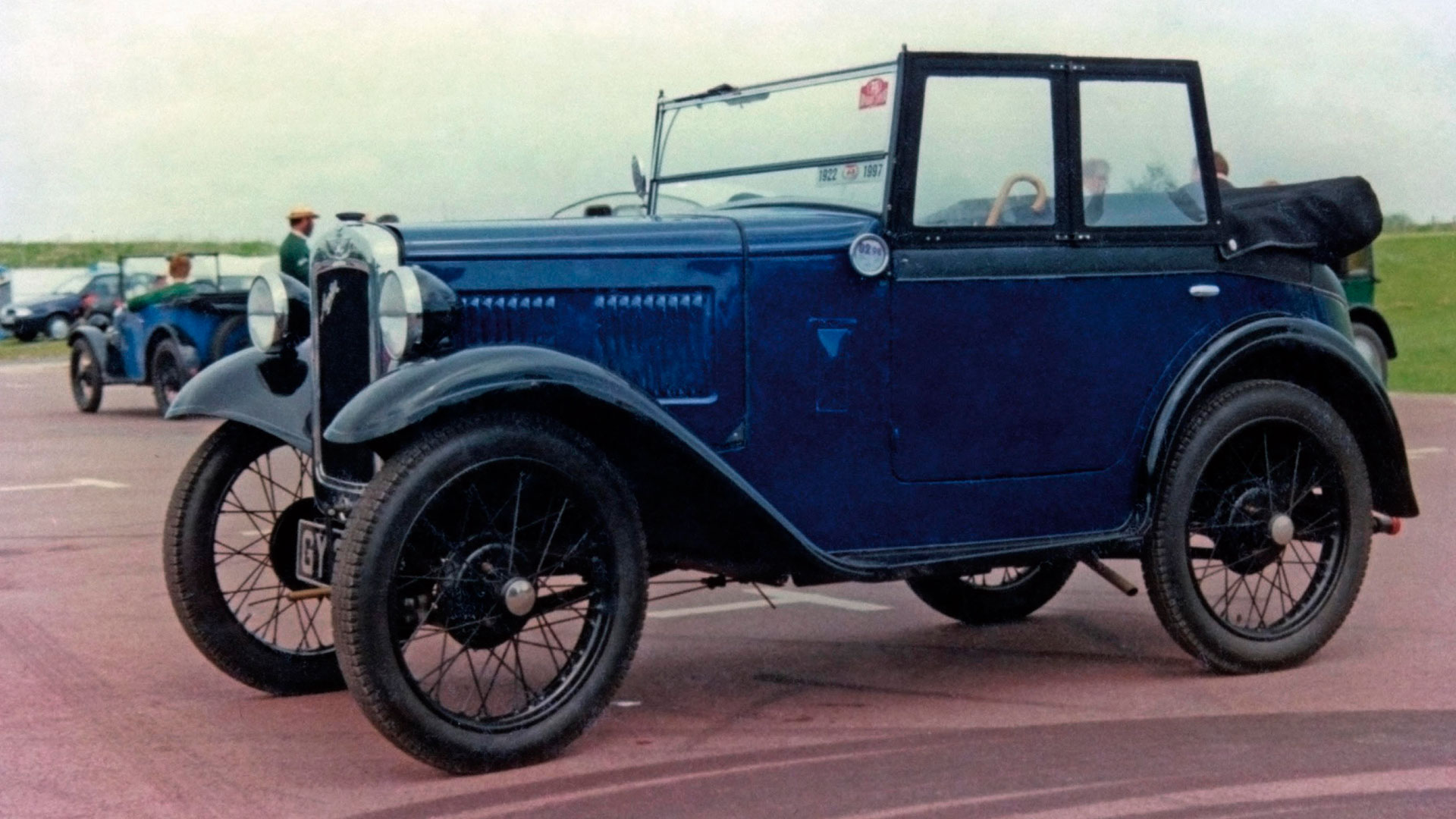
2. Austin Seven
The Austin Seven was launched in 1922 and it helped to transform the British motoring scene. “The Seven has done more than anything previously to bring about my ambition to motorise the masses,” said Herbert Austin.
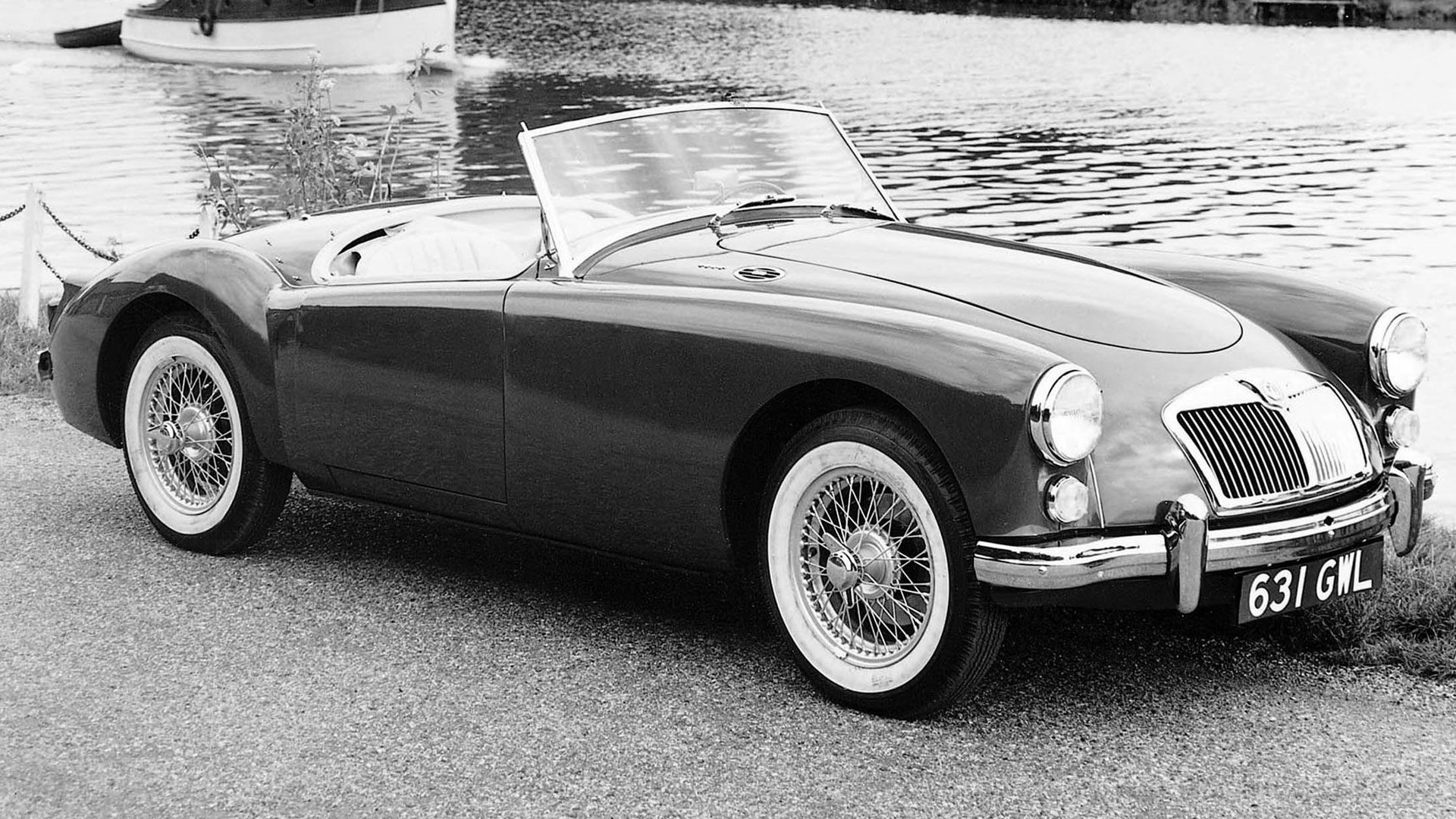
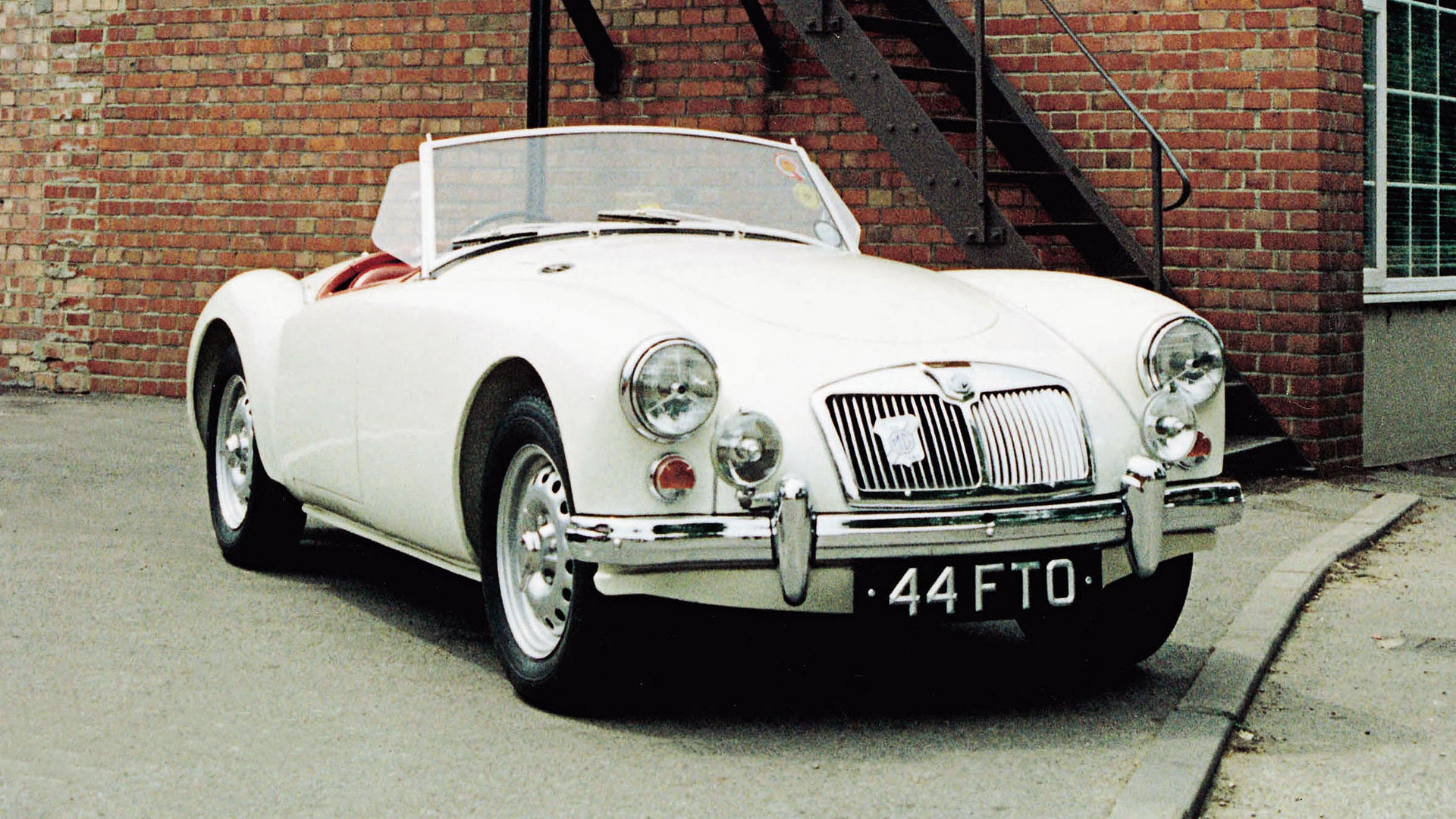
1. MGA
This is it: the classic car least likely to be involved in an accident, according to ClassicLine Insurance. Take a bow, MGA owners, along with a generous no-claims discount.
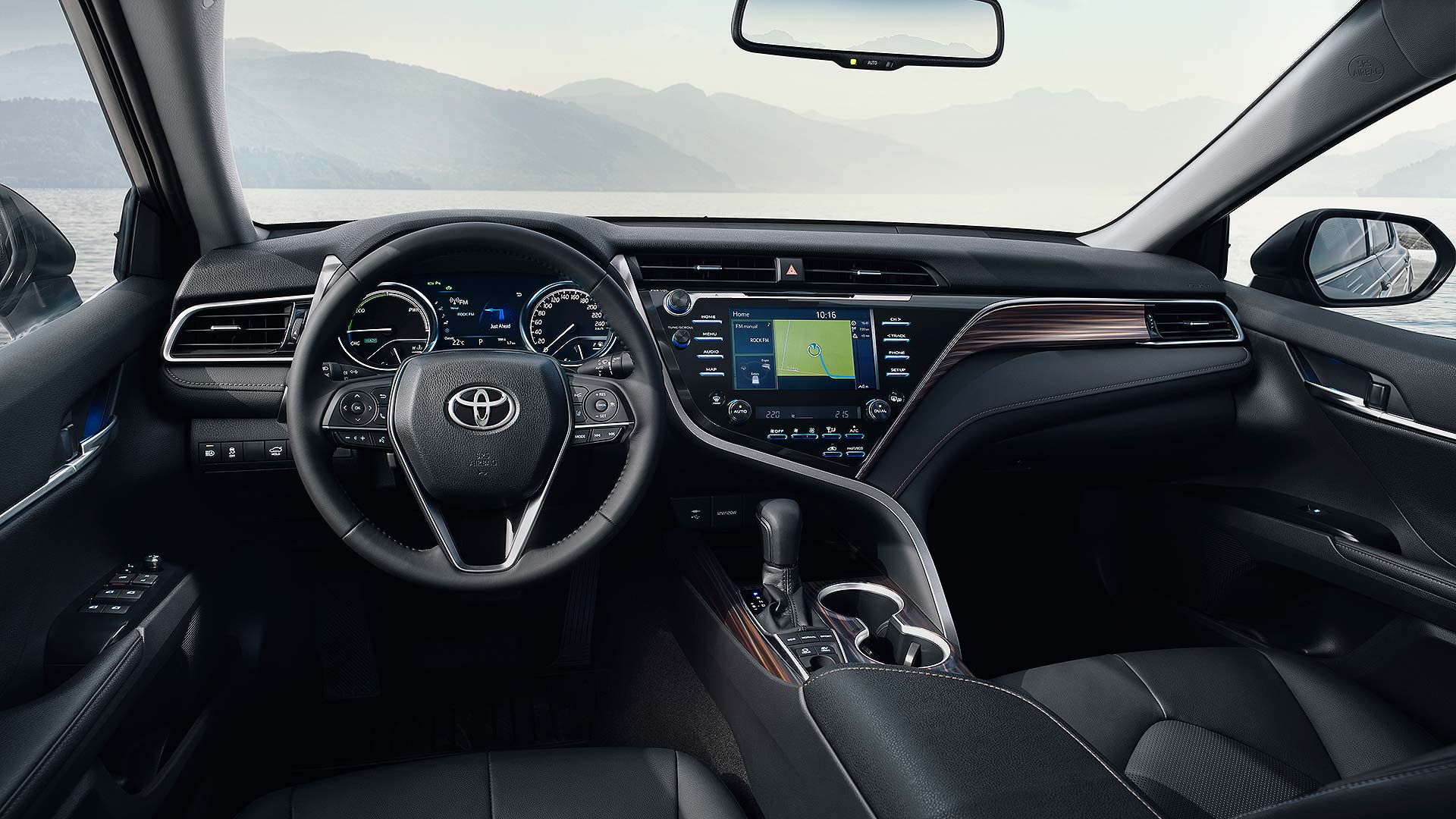
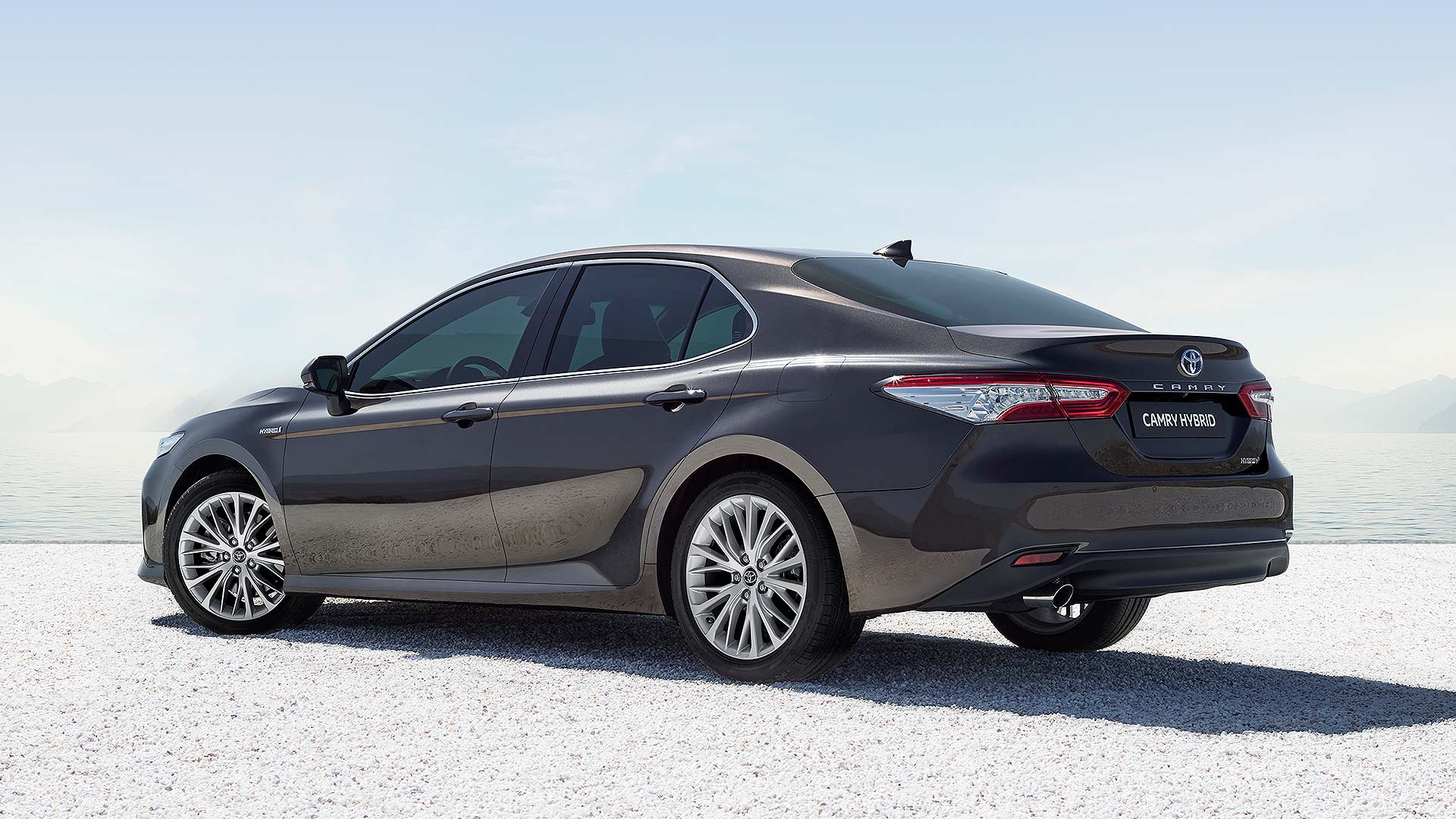
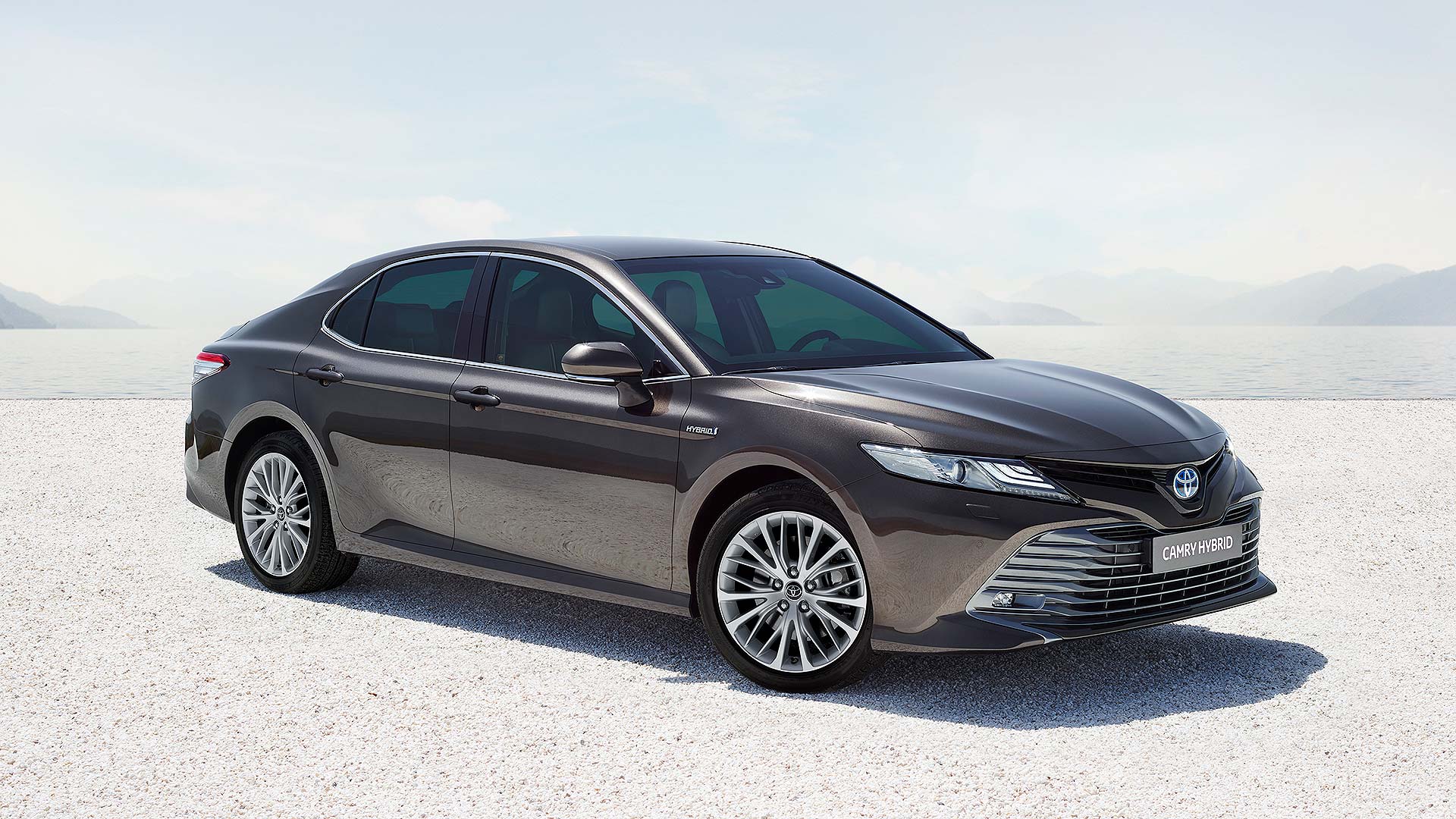
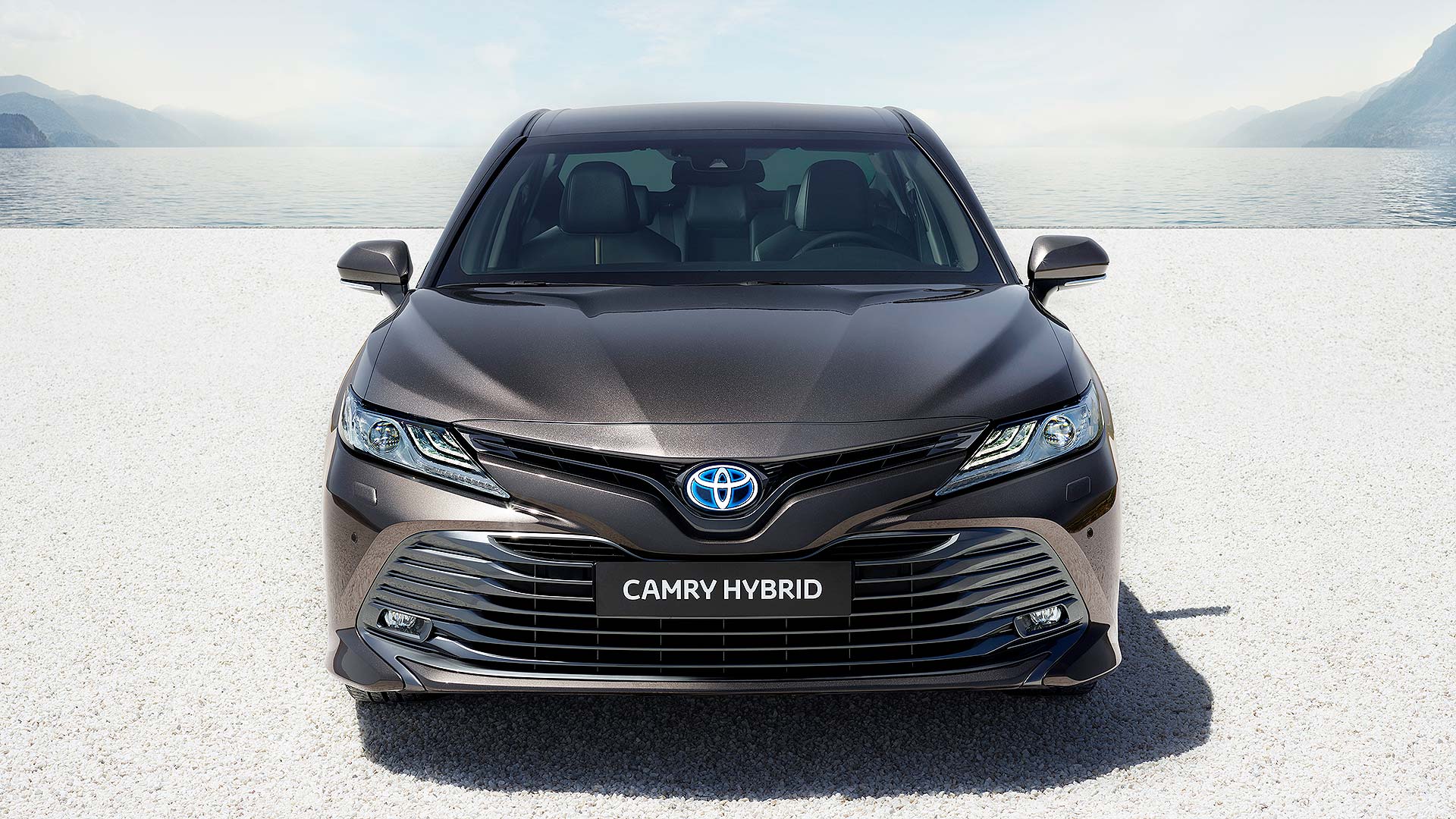
The Toyota Camry returns to the UK this summer with prices for the new hybrid-only large saloon starting from £29,995. Sitting above the new British-built Corolla, on-sale ordering opens on 1 April and first deliveries are expected from 1 July.
Two grades are offered, called Design and Excel. Design costs £29,995 and has 17-inch alloys, leather upholstery, dual-zone climate control, LED headlights, all-round parking sensors plus electric and heated front seats.
Standard safety kit includes an auto-brake system called Pre-Collision Safety (it also detects pedestrians), adaptive cruise control, lane departure warning, automatic high beam and a sensor that reads and displays road signs.
Want more? Excel, the one pictured here, is £31,295, and adds 18-inch 10-spoke alloys, upgraded dual-beam projector LED headlights, LED fog lights, blind spot monitor and wireless smartphone charging.
Because the Camry comes on a boat from America, Toyota has limited the choice of colours down to just five.
Every new UK-spec Camry is a hybrid, with the ‘self-charging’ 2.5-litre system that produces 215 horsepower, but emits incredibly low levels of CO2 for such a large petrol car: between 98g/km and 101g/km.
Combined fuel economy, on the stricter new WLTP combined cycle, is equally good: 50.5mpg to 53.3mpg.
We first drove the Toyota Camry back in late 2017, during testing for the World Car Awards. It impressed us with its refinement and quality; we described it as “Lexus-like”. Its arrival fills the gap in Toyota’s range previously occupied by the Avensis.
Bugatti hogged the limelight at the 2019 Geneva Motor Show with not one but two high-profile unveilings. Not content with launching the world’s most expensive new car, the brand also unveiled a special edition to celebrate its 110th anniversary.
With this in mind, we take a look back at some of the highlights of this famous automotive marque.
Ettore Bugatti
Ettore Arco Isidoro Bugatti was born in Milan on 15 September 1881 and was the oldest son of Carlo and Teresa Bugatti. His father, Carlo, was a renowned and award-winning artist and designer, especially famous for his furniture.
Having finished school, Ettore Bugatti became an apprentice at the bicycle manufacturer Prinetti & Stucchi. Just a year later, at the age of 17, he fitted an engine to a tricycle and experimented with a number of other models.
Ettore Bugatti
Another year passed before Ettore, pictured here later with one of his sons, Roland, built his first four-wheeled motor car. Named the Type 2 and produced with financial support from Count Guinelli, it won top prize at an exhibition and caught the eye of the famous De Dietrich family in Alsace.
In 1902, Ettore became head of technology at De Dietrich’s automobile division, where he developed a number of cars and entered many races. One such car was the Type 5: a chain-driven, upgraded version of the Type 2, with a 12.9-litre engine. Soon, Eugene de Dietrich grew tired of Bugatti’s focus on racing and his contract was terminated. His next role was to design a car with a four-cylinder engine for Emil Mathis in Strasbourg.
Jean Bugatti
In 1907, Ettore Bugatti developed a 50hp car of his own and offered it to the Deutz engine factory in Cologne. The car was manufactured under licence and Bugatti became head of production. As a sideline, Bugatti was working on his own lightweight race car in his cellar.
Bugatti married in 1907 and, two years later, his wife Barbara gave birth to Jean (pictured), who would later follow in his father’s footsteps, designing a number of vehicles of his own. He also took charge of the Bugatti racing team from 1935.
Bugatti Type 13
When Bugatti terminated his contract with Deutz in 1909, he took his severance pay and leased an old dyeworks building in Molsheim, Alsace. The company was called Automobiles Ettore Bugatti and would it become one of the most famous car brands in the world.
The Type 10 of 1910 was the first ‘Pur Sang’ (pureblood) car developed by Bugatti and was essentially a prototype of the Type 13 (pictured). Here we see Ernest Friderich at the 1911 French Grand Prix, where he finished second on his first attempt. The tiny eight-valve Type 13 achieved this remarkable result against a field of illustrious competitors, many with larger engines.
Bugatti Type 18
The Type 18 – nicknamed the ‘Black Bess’ – was one of the most important Bugattis of the pre-war era and one of the first street-legal race cars. With a top speed of 100mph it was one of the fastest vehicles in the world, which is why it attracted the attention of aviation pioneer, Roland Garros.
He was one of only seven customers for these 5.0-litre, 100hp road rockets. The Type 18 inspired the Bugatti Veyron 16.4 Grand Sport Vitesse ‘Black Bess’, which was limited to three models, each one with a price tag of €2.15 million.
Peugeot Bébé
The Peugeot Bébé was developed by Bugatti but manufactured by Peugeot and was hugely a significant vehicle for both companies. For Bugatti it was its most successful model to date, while it was also the first Peugeot to break the 3,000-unit mark.
The little four-cylinder could reach a top speed of 60km/h (37mph) and was extremely economical to run.
Bugatti Type 13
Bugatti’s first big win at the Grand Prix de la Sarthe in Le Mans came courtesy of the Type 13. Production began in 1914 and resumed in 1919 following the end of the First World War.
Various versions were produced, with the post-war Type 13 nicknamed ‘Brescia’ having dominated the 1921 Brescia Grand Prix, winning the top four spots.
Bugatti Type 29/30
Although car production ceased during the First World War, the Molsheim factory wasn’t left idle. Bugatti developed several airplane engines for the French and American governments, with the proceeds enabling the company to resume automobile production in 1919. Indeed, the number of employees rose to more than 1,000.
In 1921, the Type 28 was built as a prototype, but the large number of patents applied for paved the way for all subsequent Bugatti developments. The following year, Bugatti launched the Type 29/30 (pictured), its first eight-cylinder race car. It achieved a power output of around 80hp and boasted a shape reminiscent of a cigar.
Bugatti Type 32
Bugatti’s first touring car, the Type 30, arrived in 1922 and some 600 units were built between 1922 and 1926. A year later, the revolutionary Type 32 arrived (pictured), which featured a bodyshell with a wing-shaped cross-section. Unfortunately, it was a tricky car to drive, while the shape generated lift rather than downforce.
It was nicknamed the ‘Tank’ thanks to its resemblance to the tanks used in the First World War and it introduced the concept of aerodynamics to motorsport. Although it wasn’t a successful racing car, it did manage a third place at the 1923 French Grand Prix.
Bugatti Type 35
The Veyron and Chiron might be Bugatti’s pin-up models of today, but they owe a great deal to the legendary Type 35. It arrived in 1924 and kickstarted the golden age of Bugatti, securing more than 2,000 race victories over a 10-year period. It was, without question, the most successful race car the world had ever seen. It picked up five consecutive wins at the Targa Florio alone.
It was also effortlessly beautiful, complete with the now iconic ‘horseshoe’ radiator grille and spoked aluminium wheels. Later, in 1926, the hugely successful Type 40 arrived, along with the news that Bugatti would begin offering factory bodyshells from its factory in Molsheim.
Bugatti Type 41 Royale
If the Type 35 should go down in history as one of the world’s most successful race cars, the Type 41 Royale is arguably one of the most extravagant. In both size and displacement it was huge – a 15ft wheelbase and 12.7-litre eight-cylinder engine – but it arrived at the wrong time.
As the Great Depression shook the world, Bugatti was left with a huge problem. Of the six built, only three were sold to customers and the Royale nearly bankrupted the firm. The first Royale built for a customer sold in 1932 for an incredible 700,000 francs.
Bugatti Type 50
Meanwhile, life went on in Molsheim. The fourth and fifth Targa Florio victories were secured in 1928 and 1929, while William Grover drove a T35B to victory in the 1929 Monaco Grand Prix – the first time Bugatti had triumphed at the famous street circuit.
The Type 50 (pictured) arrived in 1930 and was essentially a sporting coupe version of the Type 46. It was significantly more powerful, boasting 225hp at 4,000rpm, rather than the 160hp at 3,500rpm offered by the 46S.
Bugatti Type 51
How do you follow one of the most successful race cars of all-time? A tough ask and in reality the Type 51 wasn’t up to the challenge. It arrived in 1931 and the signs were good when Louis Chiron drove car number 22 to victory at the 1931 Monaco Grand Prix. But it proved to be a false dawn and the Type 51 was unable to emulate the success of the Type 35.
Also in 1931, Bugatti made its factory team debut at Le Mans. The Type 50s driven by Chiron and Varzi, Divo and Bouriat, and Conelli and Rost were painted black following a disagreement between Ettore Bugatti and the motorsport authorities. Bugatti refused to race in French Racing Blue.
Bugatti Type 55
The achingly beautiful Type 55 was designed by Jean Bugatti and was essentially a touring car with a Grand Prix engine. It used the 2.3-litre supercharged engine from the Type 51 and could be ordered in both two-seat roadster and coupe ‘faux cabriolet’ forms.
A total of 38 units were built between 1931 and 1935.
Bugatti Type 53
The Veyron and Chiron send power to all four wheels, but up until 1932 Bugatti had never experimented with four-wheel drive. The Type 53 Four-Wheel Drive was the first and only car of its kind designed by Ettore Bugatti.
It’s a little known fact that Ettore Bugatti also experimented with electric power. The Type 56 used the electric car to drive around the Molsheim factory. Although it was never intended for production, it is believed that six were built.
Bugatti Type 59
In 1932, Jean Bugatti took over as head of the racing team and design division. He designed many new models, including the Type 59 as seen here. In 1976, Motor Sport magazine claimed that to many people this is the most beautiful race car built by Bugatti and it’s certainly an elegant machine.
By now, Ettore was losing interest in racing and the Bugatti team was no longer competitive. The Type 59 used an enlarged version of the 3.3-litre engine found in the Type 57 and was Bugatti’s final race car of the 1930s. By Bugatti’s own admission, the Type 59 was technically outclassed.
Bugatti Type 57
But if Bugatti’s influence within motorsport was dwindling, it was becoming a major force in the luxury sector. The iconic Type 57 was designed by Jean Bugatti and arrived at the 1934 Paris Motor Show.
For the first time, a Bugatti could be ordered in C, S and SC variants from the factory. Approximately 950 units were built between 1934 and 1939.
Bugatti Type 57S and 57SC
Of all the Type 57 models, the S and SC are the most desirable. S stood for ‘Surbaissé’ (lowered), while C stood for ‘Compressor’, denoting Bugatti’s supercharger.
The 57S’s chassis was 32cm shorter than the Type 57 with a ground clearance of just 12cm. Power was increased too, with the S achieving 170hp, 35hp more than the standard Type 57. The Atalante (pictured) was based on the S chassis but with a single-piece windscreen and no fin. It is regarded as one of Jean Bugatti’s finest creations.
Bugatti Type 57G
And now for something completely different… The 57G ‘Tank’ was the only Bugatti race car to achieve multiple successes in the latter half of the 1930s, with victories at Le Mans and the French Grand Prix.
At the 1937 Le Mans, Jean-Pierre Wimille set a new lap record speed of 148.98km/h and broke the distance record in the 23rd hour, securing Bugatti’s first Le Mans victory in the process. Three 57Gs were built and only one is thought to have survived.
Bugatti Autorail
The huge 12.5-litre engine from the Bugatti Royale found an unlikely new home in the form of the Bugatti Autorail of 1932. Bugatti offered to build high-speed train for the French national rail authority in 1931 and won the tender in the face of fierce competition.
Jean Bugatti drove the Autorail on its official test runs at Gallardon, before setting a new record speed of 166km/h on a 24km stretch of track near Le Mans. In 1934, the Autorail achieved a speed of 192km/h over 6km.
Bugatti Type 101
The end of the 1930s signalled the end of the boom years for Bugatti. In 1936, a strike at the Molsheim factory placed a wedge between Ettore Bugatti and the workers, with the boss deciding to work almost exclusively in Paris and reducing the pay of his employees in Alsace.
Three years later, Jean Bugatti died during a test drive, while a year later, the German occupying forces instructed Ettore Bugatti to sell the factory to Hans Trippel for 150 million francs. Ettore died in 1947, with Pierre Marco put in charge. The Type 101 (pictured) was merely a Type 57 with a few modifications.
Bugatti Type 251
The Type 251 of 1955 represented the last hurrah for ‘old’ Bugatti. By now, the company was focusing on maintenance for old vehicles and engines for the military, rendering the Type 251 little more than a footnote at the end of an exceptional book.
The Gioacchino Colombo-designed Type 251 was entered in the 1956 French Grand Prix but was forced to retire after 18 laps. Bugatti ceased production in 1956, by which time it had built approximately 7,900 cars. The famous brand would sleep for many years…
Period of change
In 1962, the Schlumpf brothers used Hugh Conway’s list of Bugatti owners to acquire 50 cars, before snapping up a further 18 cars owned by the Bugatti family. This collection included the Royale owned by Ettore himself.
In 1963, Bugatti was bought by Hispano-Suiza, which renamed the company Messier-Bugatti. Twenty-four years later, Romano Artioli purchased the rights to the trademark and company and moved Bugatti to Campogalliano, near Modena.
Bugatti EB 110
In 1991, exactly 110 years after the birth of Ettore Bugatti, the company was back. The EB 110 was as innovative and evocative as its forebears, boasting a quad-turbocharged V12 engine, permanent four-wheel drive and the world’s first carbonfibre chassis.
It also shared something in common with the Type 41 Royale, arriving at a time when the world was plunged into a deep recession. It meant that few people could afford to pay the extravagant price tag.
Bugatti EB 110 SS
Predictably, Romano Artioli’s vision of a new future for Bugatti failed to materialise and the company was declared bankrupt. But that wasn’t before Bugatti was able to build the Super Sport, the ultimate version of the EB 110.
In this guise, the EB 110 SS could achieve a top speed of 195mph, so it’s little wonder that Michael Schumacher purchased a yellow car in 1994. He kept it until 2003.
Bugatti EB 118
With Bugatti Automobili filing for bankruptcy in 1995, it was left to German sports car manufacturer, Dauer Racing GmbH to pick up the pieces. Production of the EB 110 continued, with a further 10 models completed.
Volkswagen acquired the rights to the brand in 1998 and unveiled the EB 118 in October of that year. The 18-cylinder, Giorgetto Giugiaro-designed four-seat coupe paved the way for one of the most famous cars of the new millennium.
Bugatti EB 18.4 ‘Veyron’
Three more design studies followed in 1999: the EB 218 four-door saloon, the EB 18.3 and, finally, the EB 18.4 (pictured).
This was the closest hint yet that a formidable hypercar was waiting in the wings. In 2000, the 16.4 concept arrived, based on the 18.4 and powered by a 16-cylinder, 630hp W engine. It was named after the French racing driver, Pierre Veyron.
Bugatti Veyron 16.4
In 2001, Volkswagen announced that it would be putting a 1,001hp hypercar into production and that manufacturing would take place at Bugatti’s rightful home in Alsace. To this end, the company refurbished the traditional company’s HQ in Molsheim, calling it ‘The Studio’.
Production of the Veyron 16.4 commenced in 2005, with the new Bugatti pushing the boundaries of what was expected from a modern supercar. With a top speed of 400km/h and a 0-62mph time of sub three seconds, the Veyron was a true game-changer.
Bugatti Veyron 16.4 Grand Sport
In 2008, Bugatti chose the Concours d’Elegance at Pebble Beach to launch the Veyron 16.4 Grand Sport. Chassis number one was sold for $3.2 million.
To mark the centenary of Bugatti in 2009, the company unveiled four ‘Centenaire’ models, paying tribute to the Type 35. The cars were presented in the colours of the countries that dominated motorsport of the era: blue for France, red for Italy, green for Britain and white for Germany.
Bugatti 16 C Galibier concept
Bugatti unveiled the 16 C Galibier concept with a promise to build “the most exclusive, elegant, and powerful four-door automobile in the world”. Sounds a little like the Type 41 Royale, then?
It name stems from a complex Alpine pass and a version of the Type 57. Sadly, we’re yet to see a modern-day Bugatti four-door…
Bugatti Veyron 16.4 Super Sport
That’s because Bugatti was focused on pace rather than grace. In June 2010, the Bugatti Veyron 16.4 Super Sport broke the speed record for production cars, achieving a top speed of 431.072km/h (267.86mph).
The Super Sport develops 1,200hp and remains the fastest production car on the planet.
Bugatti Veyron 16.4 Grand Sport Vitesse
The Veyron 16.4 Grand Sport Vitesse was unveiled at the 2012 Geneva Motor Show and is essentially an open-top version of the Super Sport. At 408.84km/h (254.04mph) it is the official fastest production roadster in the world.
When news of dieselgate broke, it was thought that development of future Bugatti models might be halted…
Bugatti Chiron
At the 2016 Geneva Motor Show, Bugatti unveiled the Chiron: the world’s first production car with 1,500hp. “Ready for a new world speed record”, said Bugatti when the firm released the performance figures. Even at a base price of €2.4 million, Bugatti had secured advance orders for a third of the total production of 500 units.
In June 2017, Bugatti London welcomed the first Chiron customer car in the UK, painted in the launch colours of the world premiere Chiron. Early in the year, Bugatti announced that half of the total series had already found a buyer – even without test drives.
Bugatti Chiron Sport
Two years after the launch of the original Chiron, Bugatti followed it up with the Chiron Sport. It retains the 1,500hp powertrain, but Bugatti has developed a dynamic handling package and reduced the weight of the Chiron by 18kg to deliver higher cornering speeds and greater agility.
Even without any extra power, the Chiron Sport can lap the Nardo handling circuit a full five seconds faster than the ‘standard’ Chiron. The Chiron Sport is distinguished by a new wheel design and four-pipe exhaust deflector, and is the first car to boast carbon fibre windscreen wipers. That’s one for your next pub quiz.
The 100th Chiron
In March 2018, Bugatti celebrated the production and delivery of the 100th Chiron. Its lucky owner opted for a striking combination of dark blue carbon in a matt finish and a red side line. The owner paid a cool €2.85 million (£2.45 million) for the landmark Chiron.
Stephan Winkelmann, Bugatti president, said: “I find the 100th Chiron especially pleasing. It is dynamic and elegant in equal measure. This car shows that Bugatti produces highly individualised masterpieces of automobile craftsmanship that are simply unparalleled.”
Bugatti Divo
Even if you could afford the €5 million (£4.3 million) price tag, you couldn’t get your hands on the Bugatti Divo. Not unless you were one of the 40 customers selected by Bugatti. By the time the world got wind of the Divo, each one had already been spoken for.
Again, the power output is the same as the Chiron, but the Divo is 35kg lighter and has 90kg more downforce than its sibling. The result is that this stiffer, lighter, more hardcore and ultra-exclusive Bug’ can lap the Nardo circuit eight seconds faster than the Chiron and can hit a top speed of 236mph.
The Lego Chiron
In the summer of 2018, Bugatti teamed up with Lego to produce a 1:8 scale hypercar kit comprising no fewer than 3,599 pieces. It costs a whole lot less than the real thing, and unlike the Divo, you don’t require a special invitation to buy it.
Five months later, Bugatti unveiled a driveable full-size version of the Lego Technic Chiron. The model consists of one million Lego bricks, more than 90 percent of which are Lego Technic pieces. Top speed: 20km/h (12.4mph).
Bugatti Chiron Sport ‘110 ans Bugatti’
Unveiled in February 2019 and launched to the public at the 2019 Geneva Motor Show, the Chiron Sport ‘110 ans Bugatti’ celebrates 110 years of Bugatti and pays tribute to France.
The French tricolour can be found on the door mirrors, across the fuel filler cap and the underside of the rear wing. The theme continues on the inside, with the French flag embroidered on the headrests, and used to denote the ‘12 o’clock’ mark on the steering wheel.
Bugatti La Voiture Noire
The Bugatti La Voiture Noire pays tribute to the Type 57 SC Atlantic and is the most expensive new car ever built. Once again, the Chiron is the base car, but a long sprawling nose apes the Atlantic, while there are plenty of hints of the track-prepared Divo, too.
At the back, you’ll find six exhausts and a distinctive light strip. Only one La Voiture Noire will be built, and the as-yet unknown buyer paid a jaw-dropping £12 million for the privilege of owning the most talked about car at the 2019 Geneva Motor Show.
Bugatti Baby II
Our history ends – and the future begins – with the news that the Bugatti ‘Baby’ has returned. In 1926, Ettore Bugatti built a toy Type 35 for his youngest son Roland. Such was the response to this one-off design that Ettore was encouraged to put the ‘Baby’ into production. Around 500 were built and sold between 1927 and 1936.
To celebrate its 110th anniversary, Bugatti has unveiled a tribute to the original, and once again, just 500 will be built. Each one features a rear-wheel-drive battery-powered electric powertrain, removable lithium-ion battery packs, a limited slip differential and regenerative braking. There are two driving modes: ‘child’, with a top speed of 20km/h; and ‘adult’, with a top speed of 45km/h. The price: €30,000 (£25,000) plus local taxes.
Daimler, BMW and Volkswagen face fines of up to €1 billion EACH for colluding on reducing the effectiveness of exhaust filtering systems. That’s according to German weekly magazine Der Spiegel.
The German carmakers collaborated to reduce the size of AdBlue tanks and agreed not to include filters on petrol engine vehicles to reduce fine particulate matter, the influential German publication said.
European antitrust authorities are planning to impose heavy fines on the carmakers.
AdBlue is a liquid solution of urea and de-ionised water designed to keep harmful nitrogen oxide (NOx) emissions in check. It’s injected into the exhaust system to convert NOx into harmless elements before they’re released into the air.
‘Statement of objections’
Following a four-year investigation, the companies involved will receive a formal ‘statement of objections’, detailing the specific complaints and the alleged breaches of EU competition law. The alleged activities date back more than a decade.
Reuters said that BMW and the European Commission have declined to comment. Daimler and Volkswagen said they are cooperating with authorities.
As a result of their cooperation, Daimler and Volkswagen are likely to face smaller fines. The EU’s ‘leniency policy’ encourages companies to hand over inside evidence, and the first company to do so will not have to pay a fine.
Companies found guilty of breaching EU cartel rules face fines of up 10 percent of their global revenues. Cartels are illegal under EU competition law and the European Commission takes a strong stance against companies found guilty of collusion.
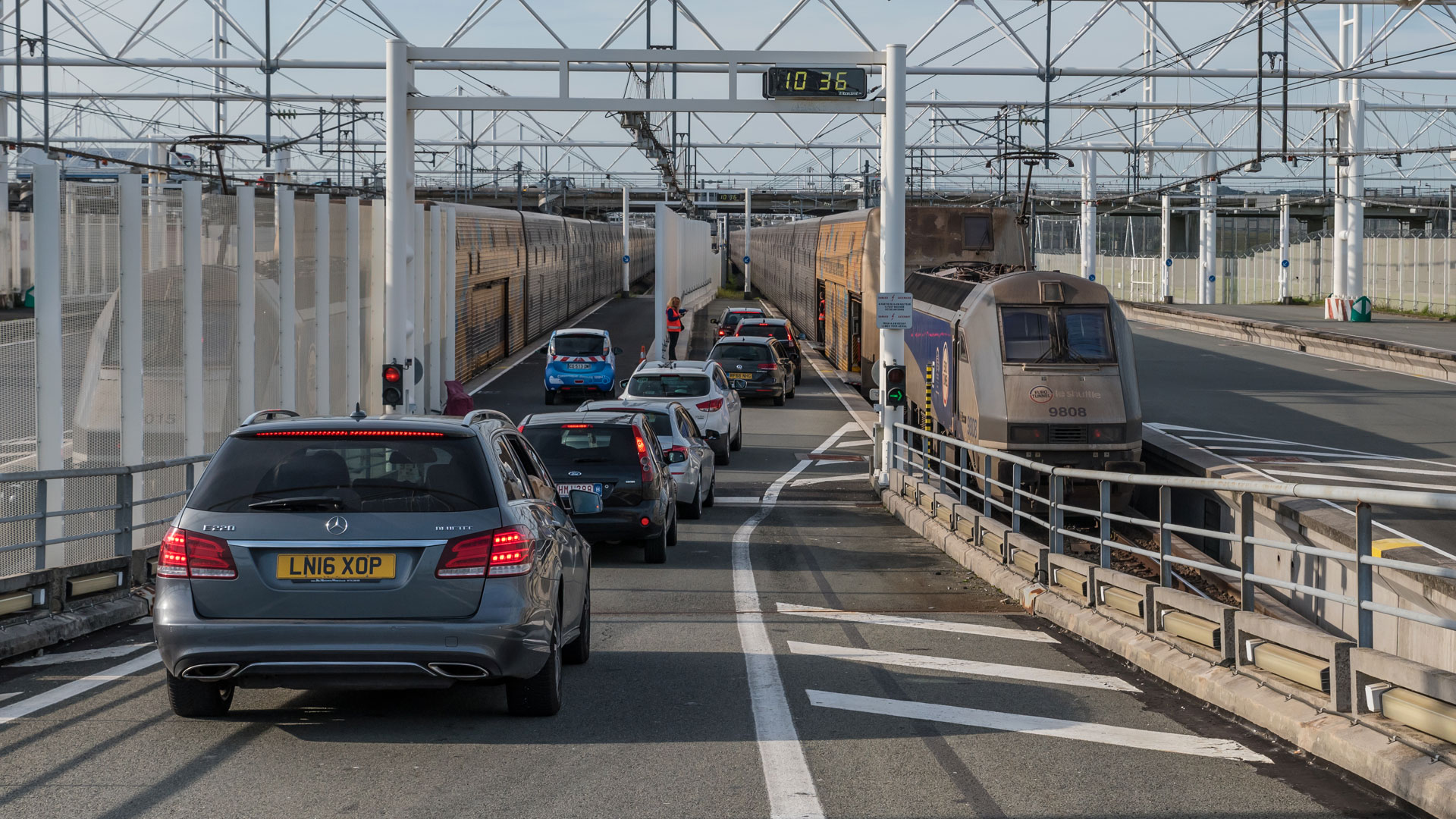
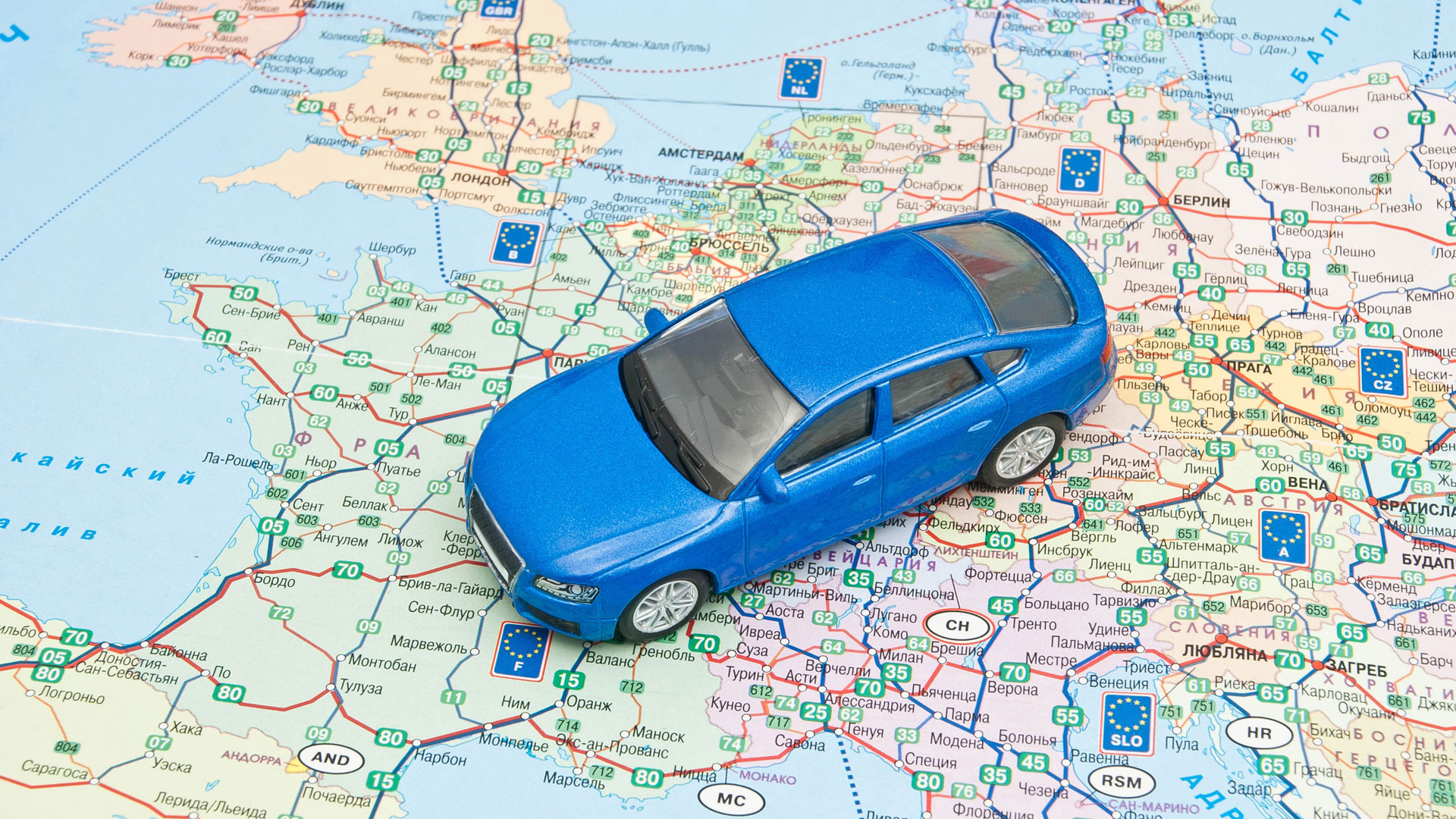
From 29 March, regardless of whether there’s a Brexit deal or no-deal, British motorists will probably require a Green Card to drive in the EU. That’s according to fleet management specialist Venson Automotive Solutions.
The company is urging businesses to ensure that employees have the right paperwork in place to take their company car abroad, as simply having a UK driving licence won’t cover the legal requirements once the UK has left the EU. If the country leaves without a deal, the situation gets more complicated.
In the event of a no-deal, it is highly likely that drivers will be refused access to the EU (except the Republic of Ireland) if their passport expires within six months. Drivers are advised to check their passport’s expiry date using this government tool.
The government is pushing for UK driving licences to be recognised for trips to Europe, but in the worst case scenario, drivers will require an International Driving Permit (IDP) for all EEA countries (EU plus Iceland, Liechtenstein and Norway) except Ireland.
The Green Card
If the UK leaves the EU without a deal, drivers will require a Green Card from their insurance provider as proof that their car is covered.
The Green Card will replace the current European Certificate of Insurance, which allows UK citizens to travel under one simple certificate. Drivers of leased and rented vehicles require a VE103 certificate from their hire or leasing company before taking a vehicle overseas.
Simon Staton, director of client management at Venson Automotive Solutions said: “Under the Brexit deal drafted at the end of 2018, visa-free travel should continue as it currently stands, until the end of the transition period.
“But in the event of a no-deal, businesses need to make sure they are fully aware of what arrangements need to be made before their drivers get on the road in European countries.”
Venson’s European motoring checklist
Venson Automotive Solutions has issued an eight-point checklist for company car users driving in Europe. This can be summarised as follows:
If you’re taking your company car to Europe contact your fleet manager or fleet management company to check whether you need an authority to travel form, a VE103. Processing of the form typically takes two weeks.
Check your passport to ensure it is not within six months of the expiry date. If it is, it will need to be renewed.
Check if you need a Green Card. This replaces the current European Certificate of Insurance.
Even if you regularly drive abroad always check the local rules of the road before you go, as requirements can change.
Check your service schedule, and if one is due, make sure it’s carried out in advance of your visit to reduce the chance of expensive breakdowns while you’re abroad.
Check all tyres for condition, pressure and tread depth before you go. Most countries have the same requirement as the UK – a minimum tread depth of 1.6mm over the central three-quarters of the tread and around the whole circumference.
Before setting off on your journey make sure you have valid breakdown cover for Europe.
Many countries require visiting motorists to carry a safety bag. Check the AA website for country advice before you go.
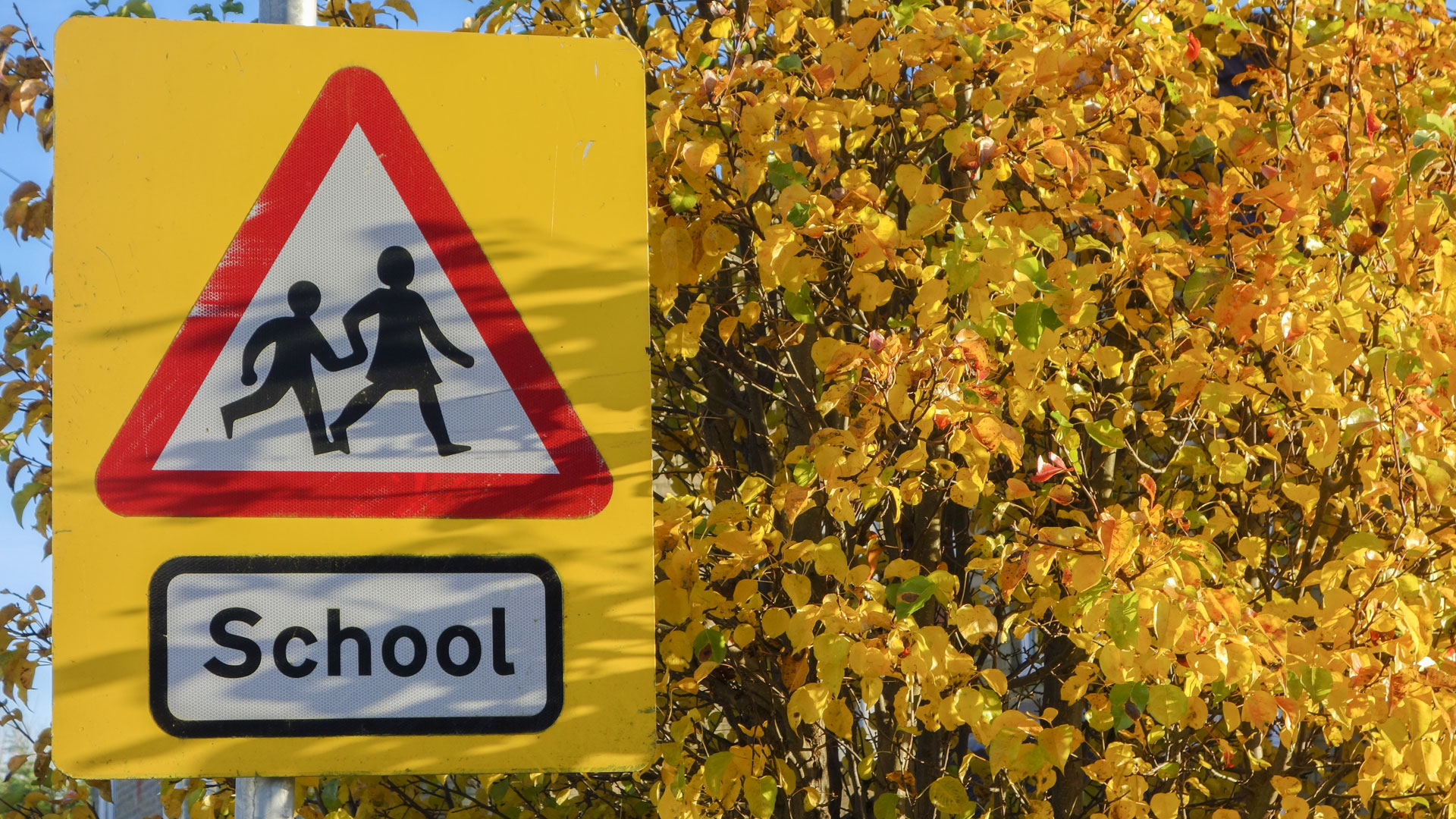
Public Health England is calling for a ban on cars near schools to fight air pollution and keep children safe.
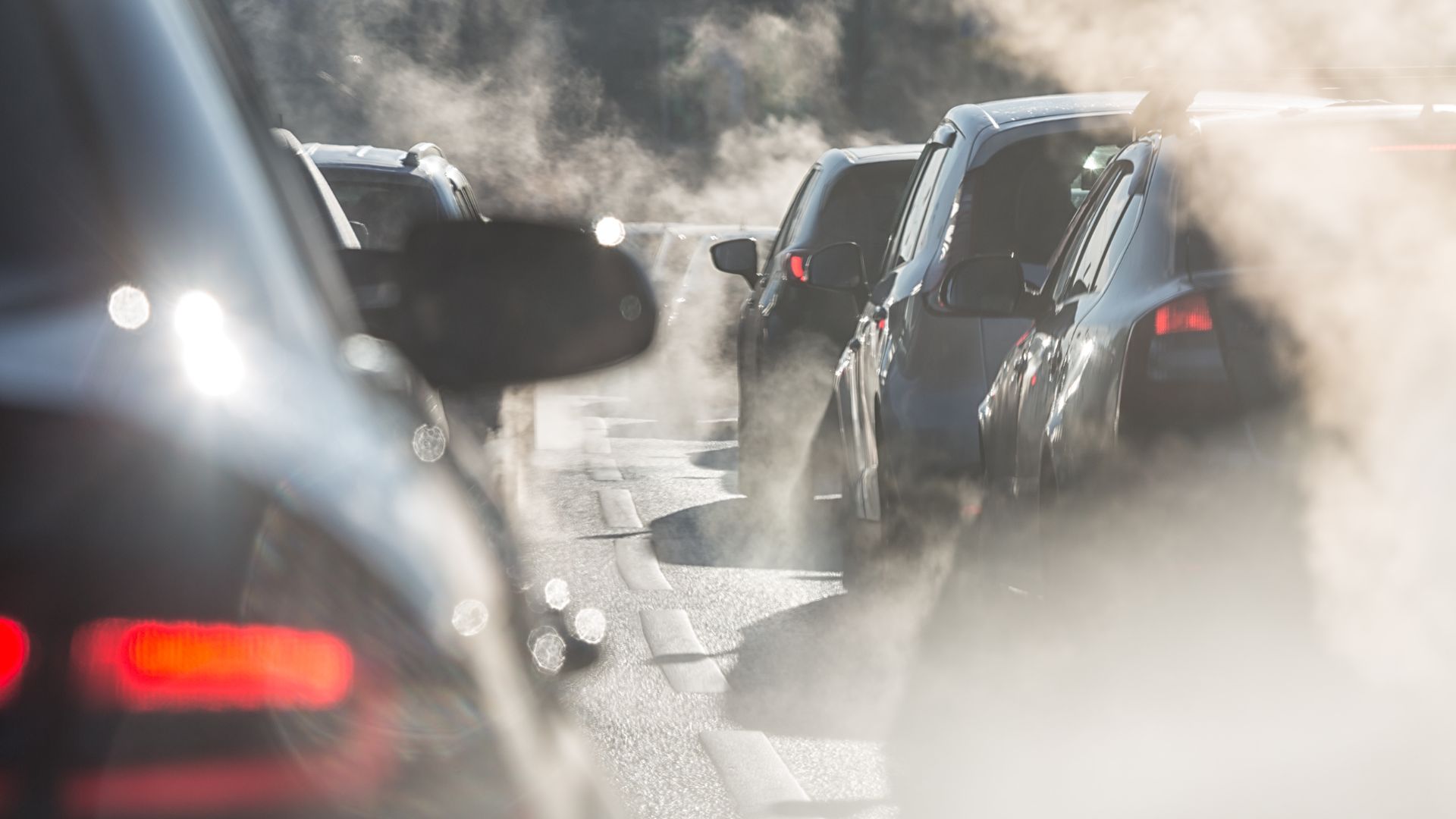
Between 28,000 and 36,000 deaths a year can be attributed to long term emissions exposure, according to Public Health England (PHE), and during the school drop-off, our kids are on the front line.
“Now is our opportunity to create a clean air generation of children, by implementing interventions in a coordinated way,” said Professor Paul Cosford, director of health and protection and medical director at PHE.
“By making new developments clean by design we can create a better environment for everyone, especially our children.”
For a kick-off, the Professor is saying that “we should stop idling outside when children are walking to school.”
What can be done?
In an evidence review published on March 11, PHE suggested a number of interventions for local authorities to take. These include continued promotion of low-emission vehicle uptake, with an increase in targets for electric car charging points and boosting investment in clean public transport while encouraging cycling and walking to improve health.
Also suggested was something of an urban redesign for the UK’s cities, to get pedestrians away from the most polluting roads. A further advancement of low-emission zone implementation with an emphasis on highly populated areas was also a focus.
Cosford continues: “We recommend that at a local level, any new policy or programme of work which affects air pollution should aim to deliver an overall benefit to the public’s health.
“So transport and urban planners will need to work together, with others involved in air pollution to ensure that new initiatives have a positive impact.
“Decision makers should carefully design policies, to make sure that the poorest in society are protected against the financial implications of new schemes.”
 Although given the legendary status given to the original BMW M3, modernising an E30 requires serious effort. Not only could a botched job destroy a valuable classic, it also risks incurring the wrath of BMW purists.
 In the engine bay is where the most controversial change occurs. The existing S14 naturally aspirated 2.3-litre four-cylinder motor is thoroughly rebuilt, growing in displacement to 2.5-litres.
 The rest of the process involves a similar level of attention to detail, using performance components to modernise the E30.
 Just 30 examples are planned to be built, comprising of 27 limited editions and 3 special versions. Those interested will need to be patient, as Redux estimates a build time of 18-24 months per car.
 Fans of Formula Drift will be excited about this month’s update for
  Even those with only a passing interest in drifting will have heard of Vaughn Gittin Jr. and his incredible Ford Mustang RTR machine.
 Joining Vaughn’s Mustang is the mechanically identical car of professional drifter Chelsea DeNofa.
 Key changes to
  Those playing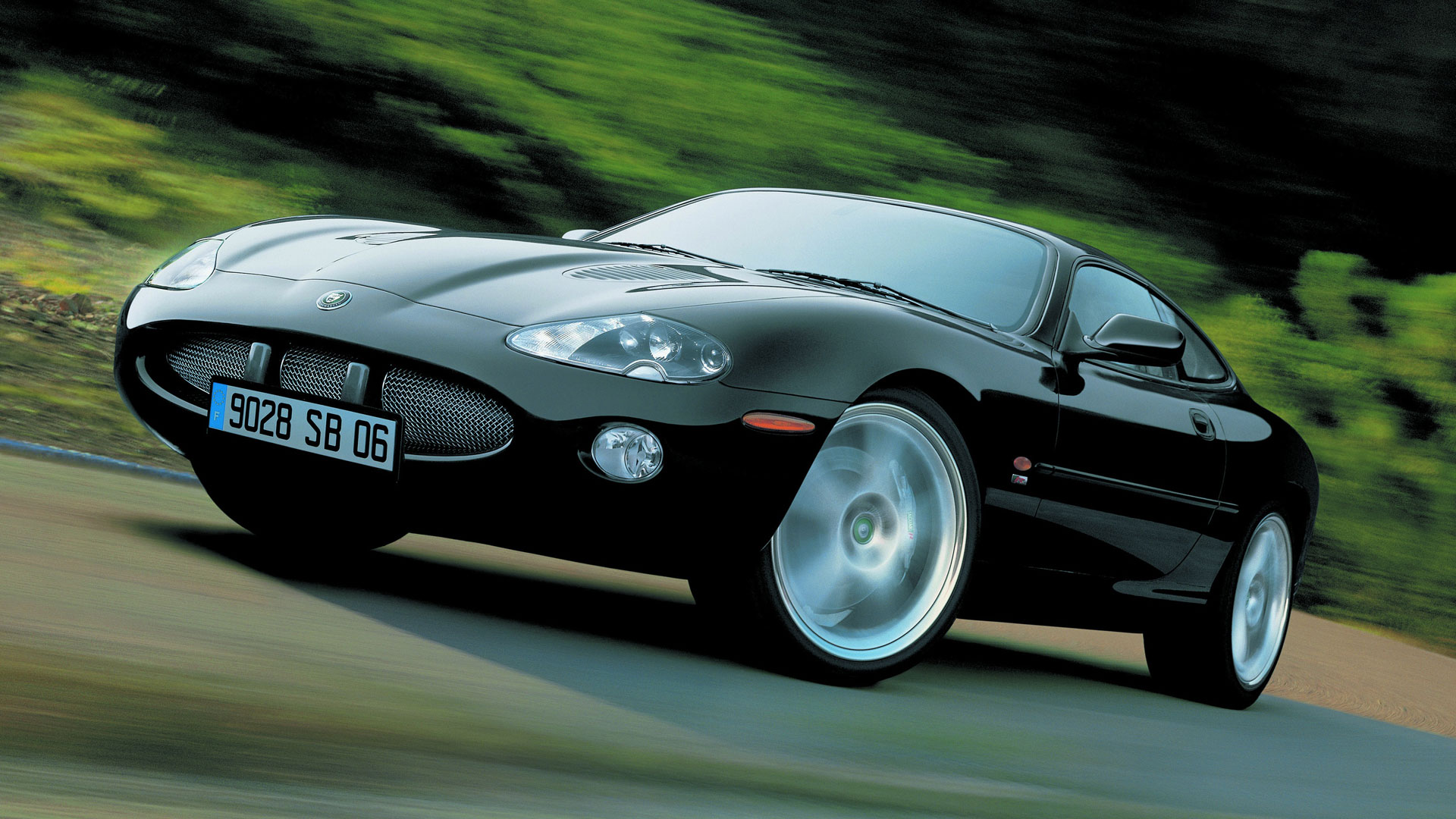
 The
The