Home Blog Page 397

Multi-million-pound recreation Aston Martin DB4 Zagatos go into production

0

DB4 GT Zagato Production

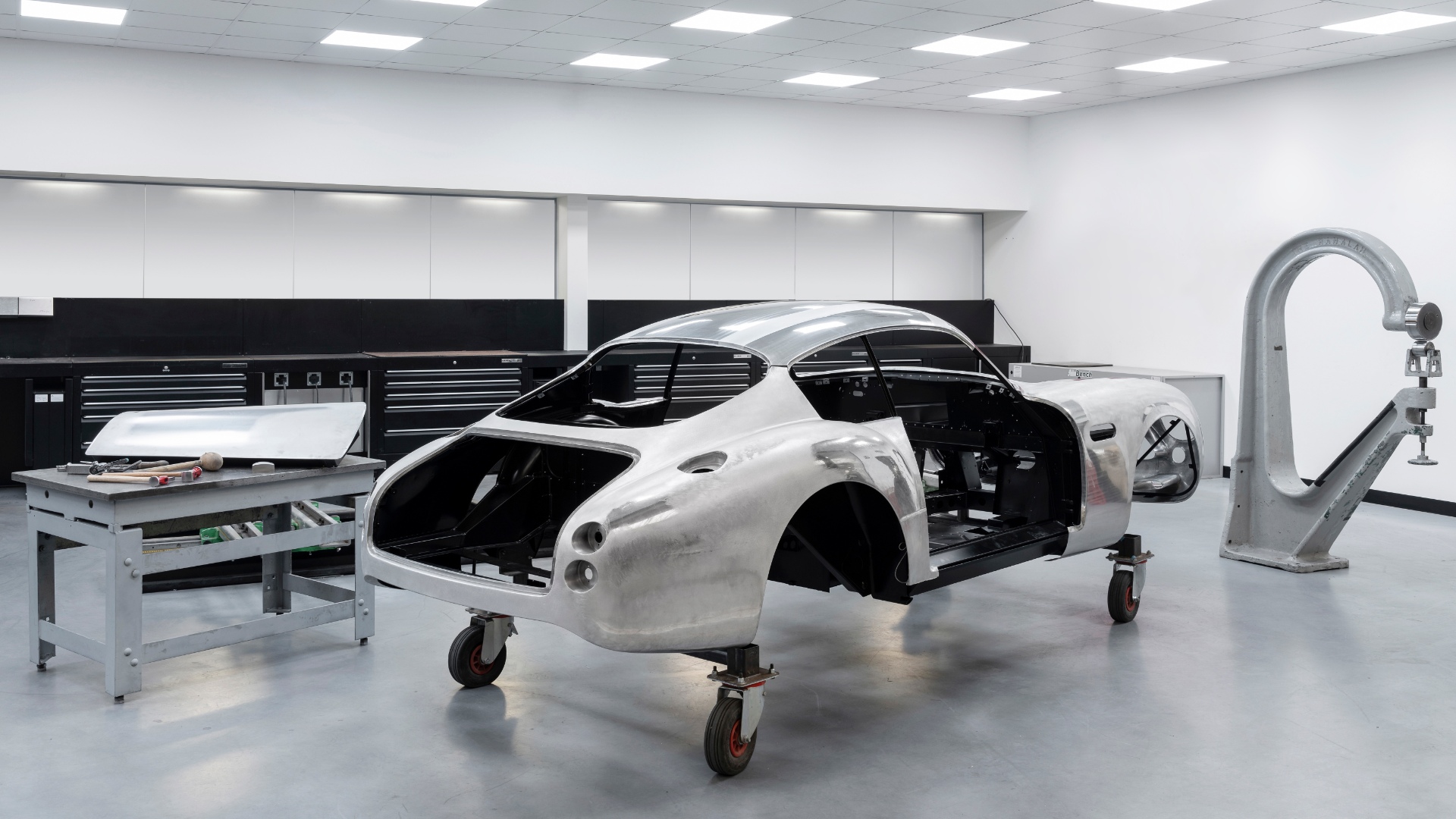
One half of the Aston Martin DBZ collection has begun production and no, it’s not the brand new DBS GT Zagato. It’s the 1960s classic from which it draws inspiration, reborn for 2019. DB4 GT Zagato construction is officially underway.

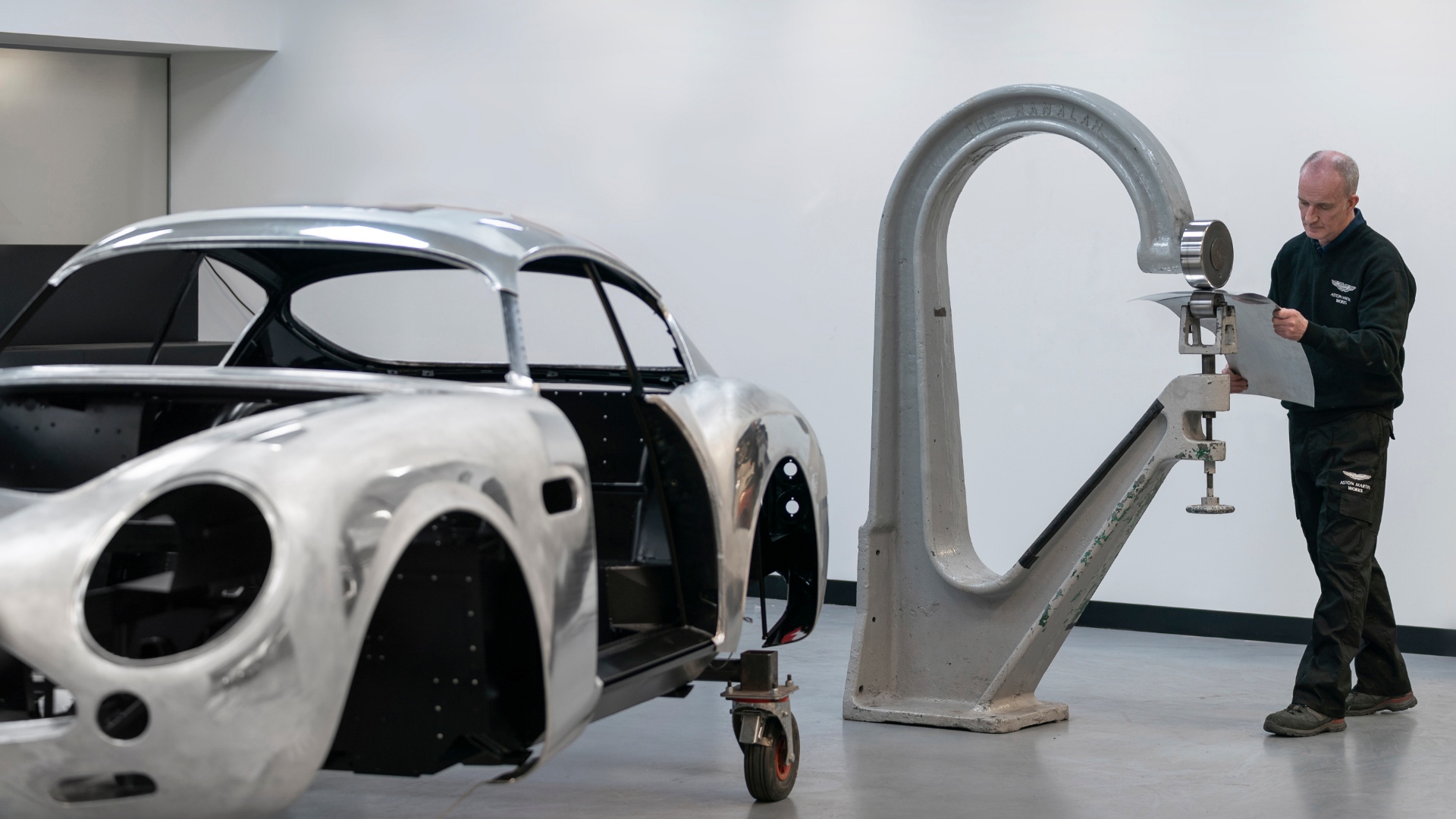
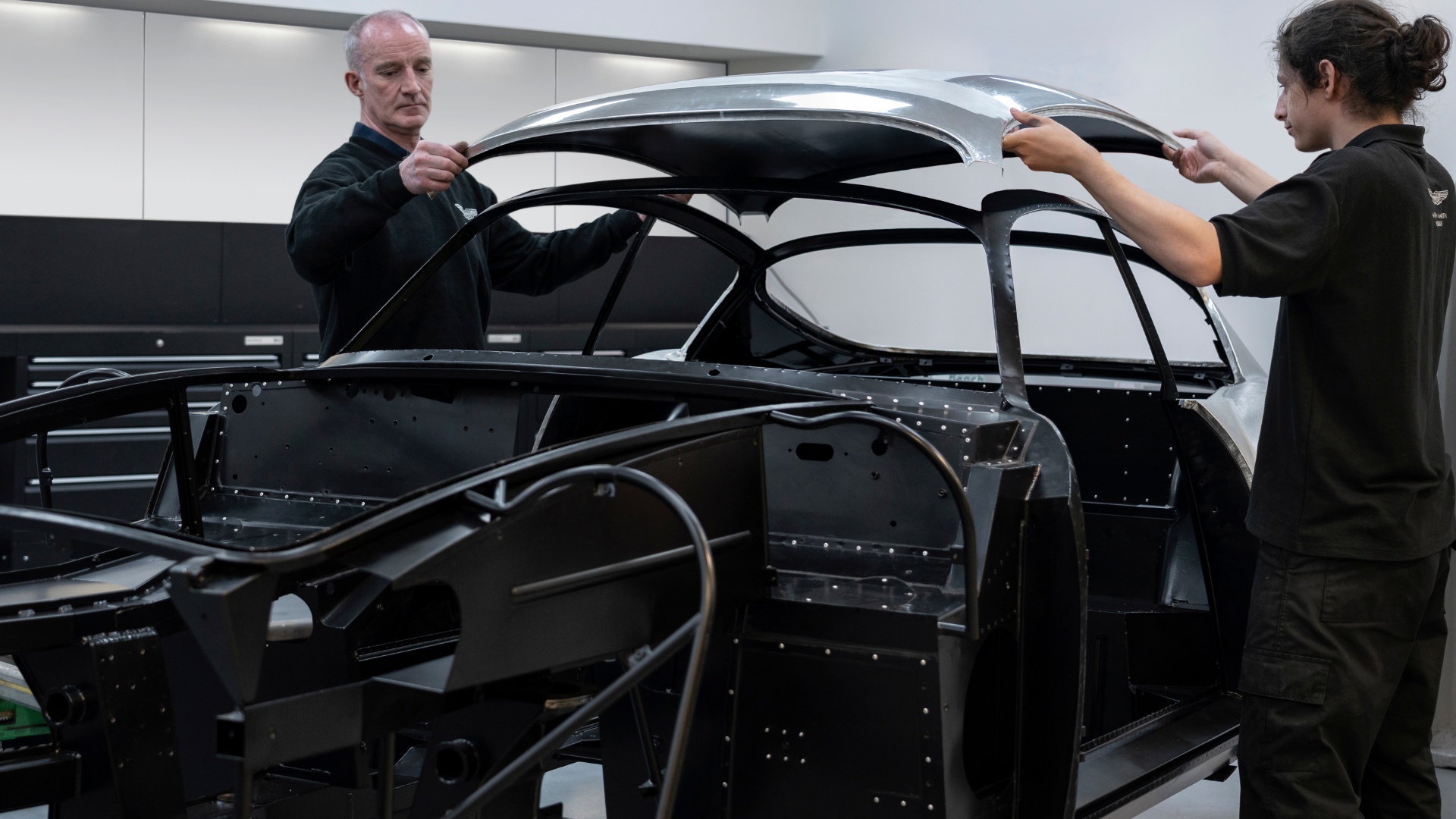
Construction is perhaps a better word to describe the process of a DB4 GT Zagato coming together, rather than production. Production has connotations of automation about it. To construct something is a very human thing, and the DB4 GT Zagato Continuation is a human-built car.
DB4 GT Zagato Production

The cars are to be hand-finished at Aston Martin’s Heritage Division headquarters in Newport Pagnell. They should be finished to a standard much higher than would have been possible in period, too. That’s panelling, engines and all…

The cars are to be neither road nor race legal, but rather serve as both one half of the DBZ Collection, and as a demonstration of what Aston’s Heritage Division can achieve in terms of restoration, renovation, recreation and indeed, ground-up build.
DB4 GT Zagato Production

There’s no other more important Aston to do it with than the DB4 GT Zagato, either. Originals are thought to be the most valuable Aston Martins in the world. It’s rare that one comes up for sale. Some of that value will come from the fact that they were handcrafted in Italy at Zagato.

“We are bringing all of our hand-craftsmanship and expertise to bear in building these nineteen Continuation cars, sympathetically incorporating the very latest engineering advancements and performance enhancements, but remaining true to the purity and authenticity of the original design,” said Paul Spires, president of Aston Martin Works.
DB4 GT Zagato Production

“After the unprecedented success of the DB4 GT Continuation cars, we are once again bringing to life in the 21st Century the stuff of Aston Martin folklore.”

The price for one of these continuation Zagatos? Well, they come as a pair, each with a sister DBS. The collection would set you back £6million, plus local taxes, if any build slots were left…
Advertisement

Lurid and limited: Ford Performance Edition tricks out the Fiesta ST

0

Ford Performance Edition Fiesta ST

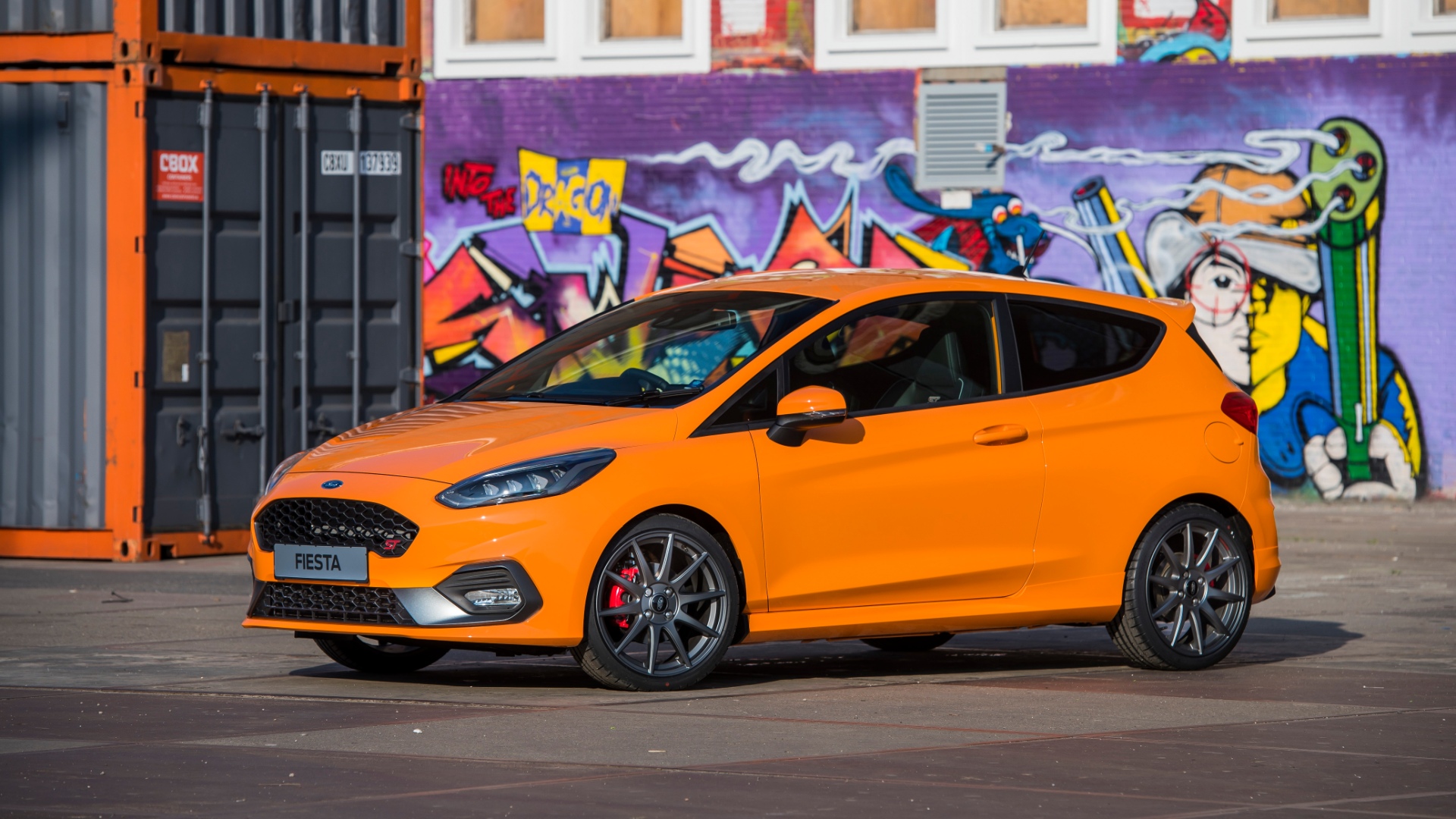
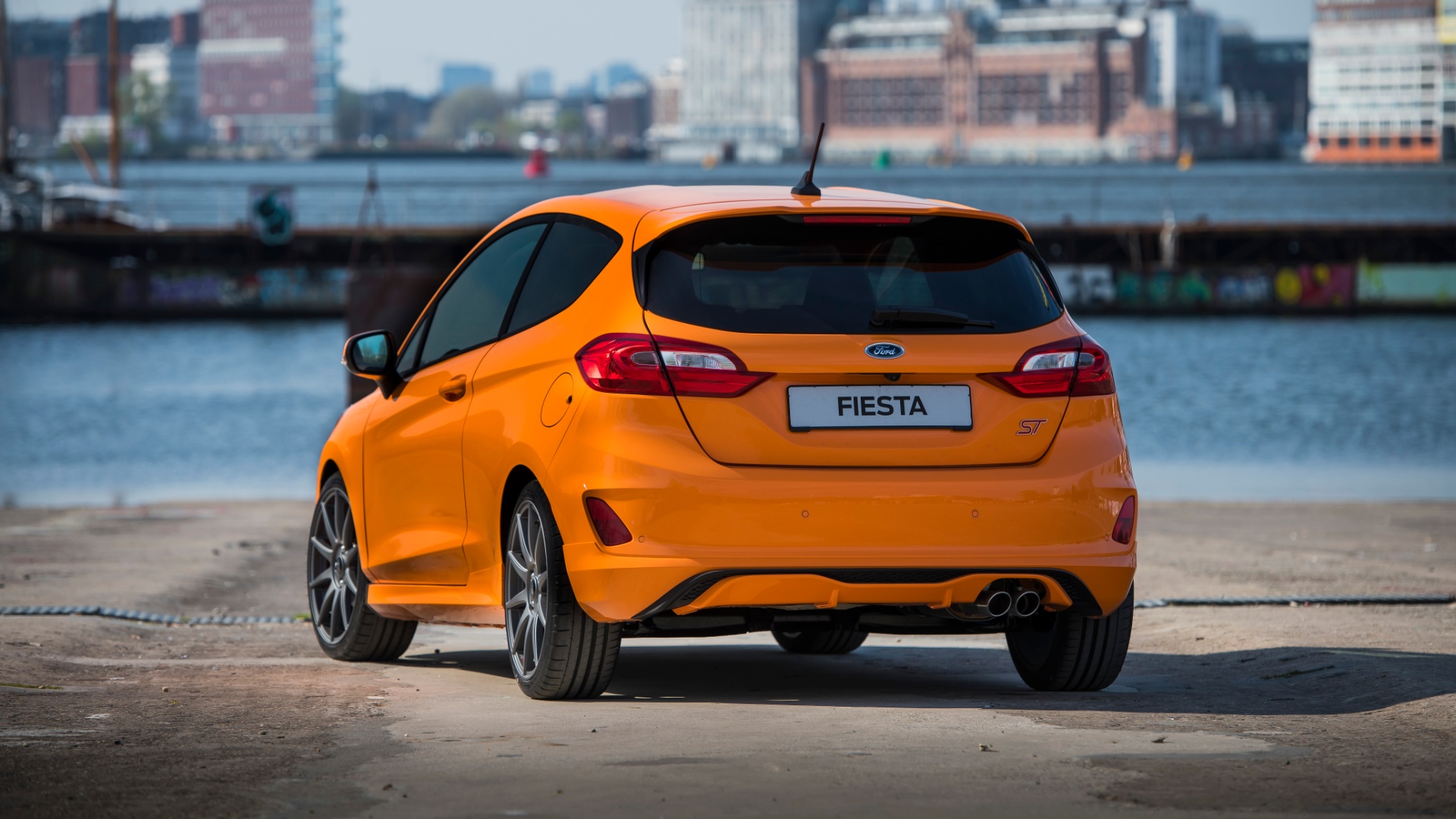
Bringing back vivid memories of the bright orange second-generation Ford Focus ST is the new Ford Performance Edition of the latest Fiesta ST. Resplendent, as you can tell, in Deep Orange.

Limited edition, unlimited appeal?

How do you increase the appeal of what has to be one of the best-loved and most accomplished hot hatches on sale? Well, it’s a limited edition. Just 600 of these Ford Performance Editions are to be made, exclusive to the home of the hot hatch – the UK, of course.

Under the skin

Ford Performance Edition Fiesta ST

The standard Fiesta ST might be excellent, but it’d be nice if the Ford Performance Edition was a bit more than a lick of paint. Happily, it is, with a Nurburgring-tuned coilover suspension package. Manual adjustment features, with 12 bump and 16 rebound settings you can tune your setup with. It wouldn’t be a Ford without some lurid colour contrast, so yes, the springs are bright blue.

You also get a set of exclusive 18-inch flow formed alloy wheel design on your Ford Performance Edition Fiesta ST, and you know something, it looks properly cool.

Standard features that would otherwise be optional on a normal ST include the Performance Pack (complete with Quaife LSD), launch control, shift lights, the lovely B&O sound system and distinctive LED headlamps.

What price for Ford Performance?

Ford Performance Edition Fiesta ST

Final pricing is yet to be decided for the Ford Performance Edition, which will go on sale from June 2019. Ford says the standard fitment on this car adds up to around £3,000 of options over the standard ST-3. This could turn out to be a Porsche 911 GTS-style bang-for-your-buck scenario, by the time cars are delivered in September 2019.

For now, we can’t see a thing wrong with a well-specced, upgraded, brightly coloured version of one of the best hot hatches of the moment. Doesn’t sound entirely unlike the original Clio Trophy…

Advertisement

Ford Fiesta and Focus keyless entry fobs are now theft-proof

0

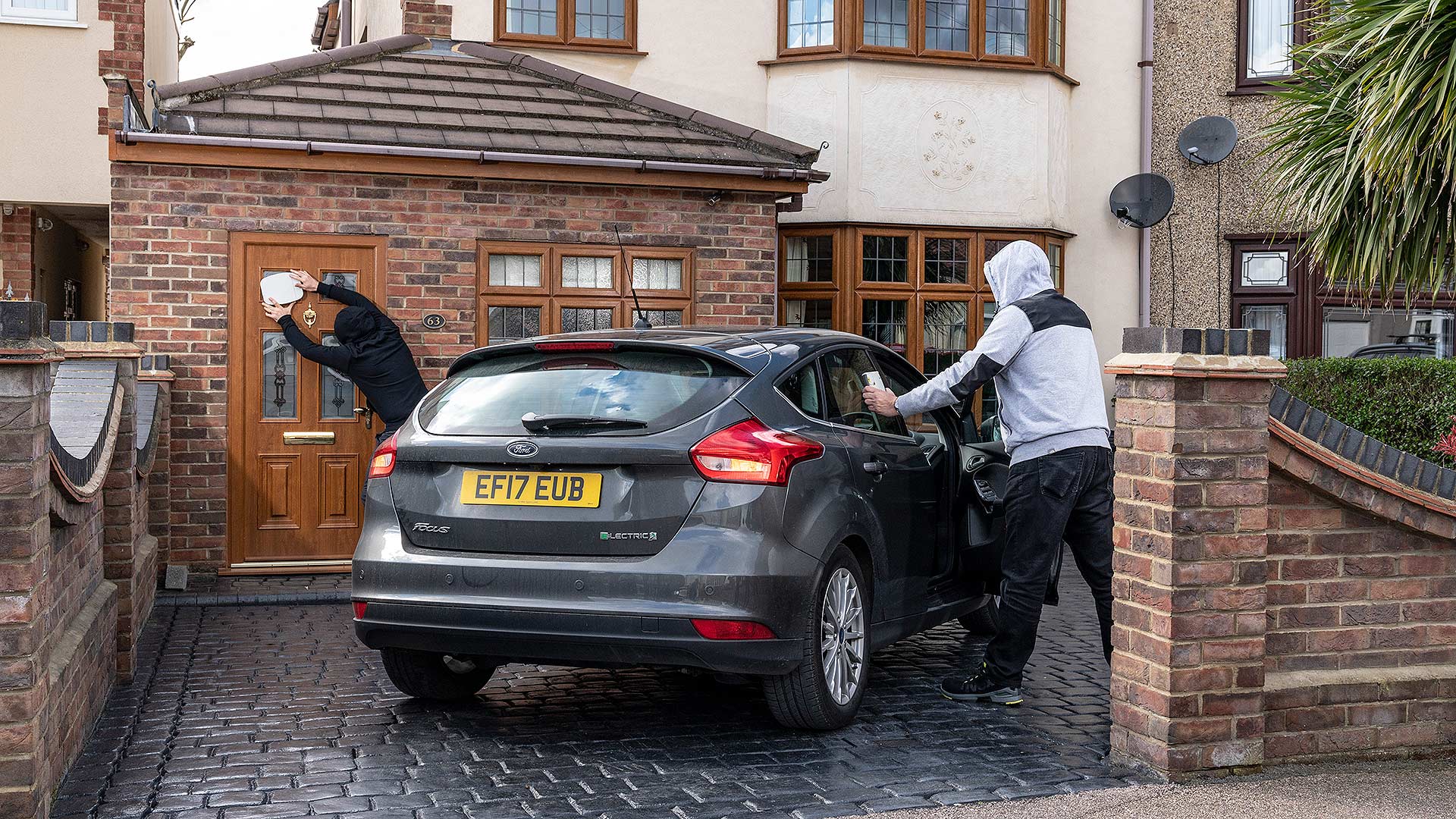
Criminal use of keyless entry relay box car theftFord has introduced a sleep mode on new Fiesta and Focus key fobs to protect against keyless entry theft from hackers.
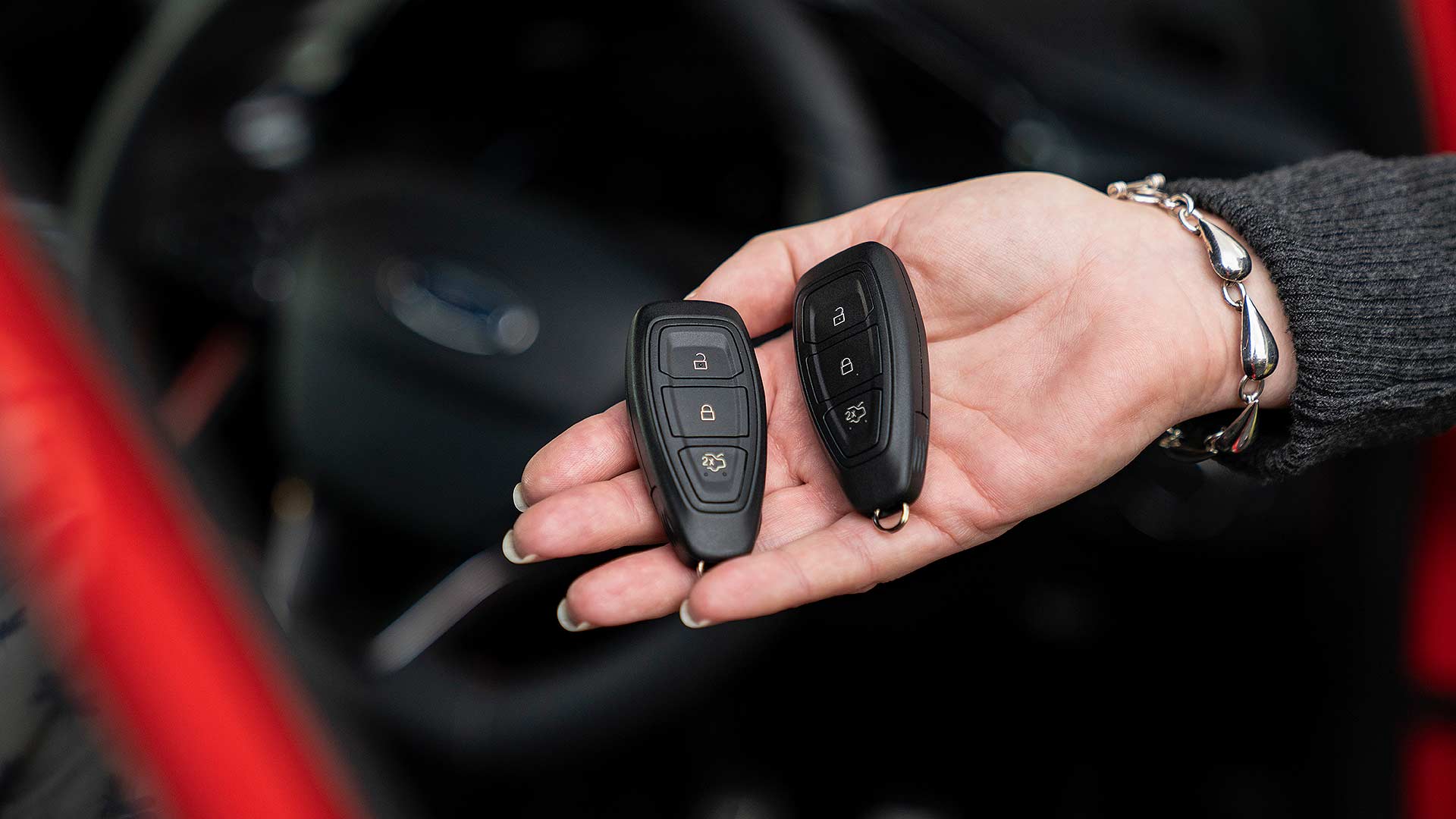
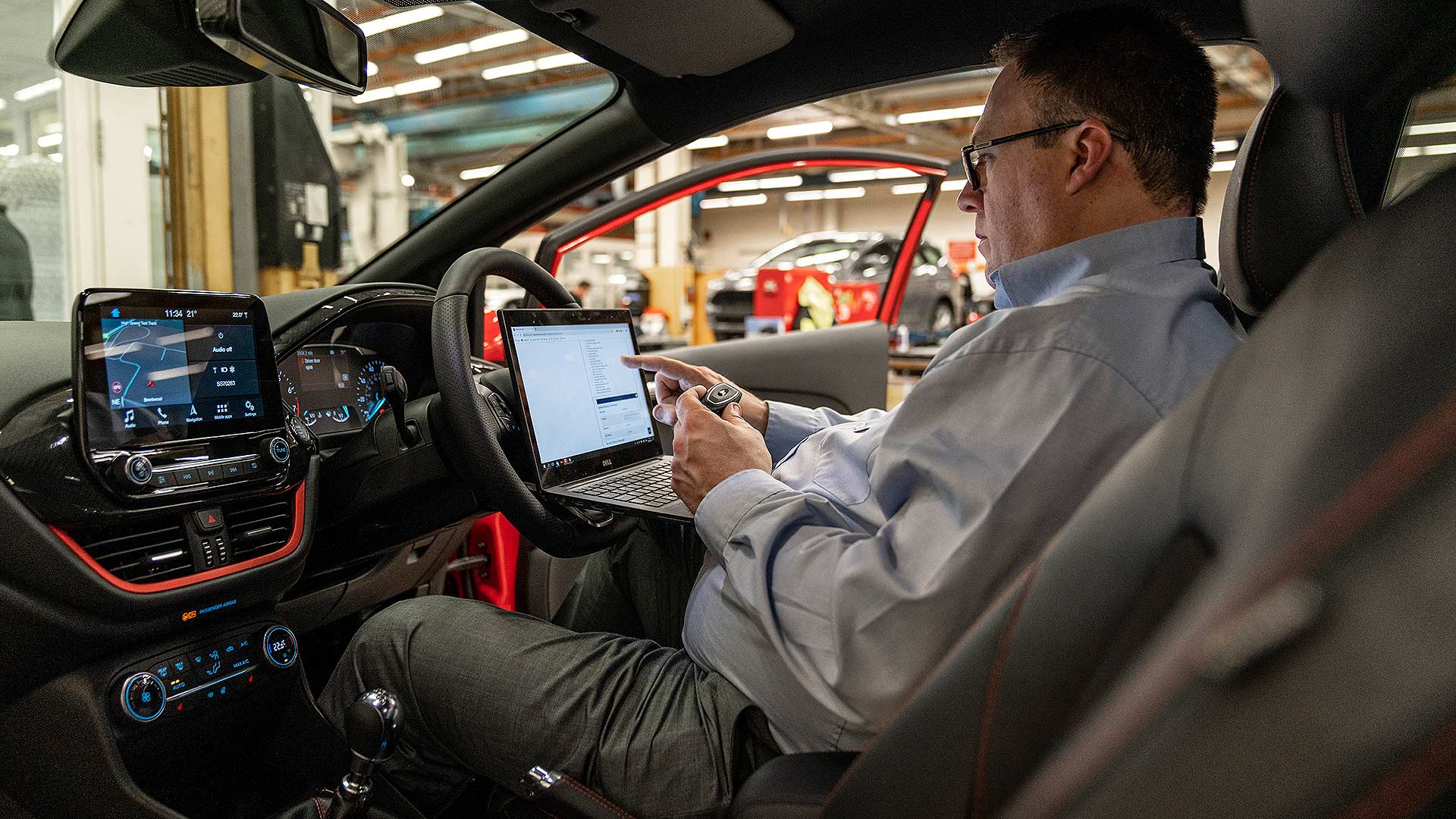
The new tech for Fords fitted with keyless entry uses a motion sensor within the key fob. The sleep mode is triggered if it hasn’t been moved for 40 seconds – so won’t respond to signals from hackers equipped with ‘relay boxes’ which can now easily be bought online.

Criminals illegally use the relay boxes to extend the signal from key fobs in homes, unlocking and starting vehicles parked outside.

Ford’s move is in response to owners of cars with keyless entry being targeted by thieves. The crime wave was highlighted last night on the BBC One Show, where Ford announced its keyless theft upgrade.

New smart Ford keyfobs

The growing issue of keyless car theft was underlined recently by a new keyless entry theft test introduced by Thatcham Research. This caused a stir by slamming many best-selling cars with a ‘poor’ rating.

The Porsche Macan has already been upgraded with a ‘superior’ score.

‘Swift protection’

Ford security specialist Simon Hurr with new smart key fob

Simon Hurr, Ford security specialist, said: “The online availability of devices which have no place in public hands has long been a problem for Ford, our industry and crime fighters.

“We are pleased to respond with a simple but effective solution – swiftly implemented to help protect owners of our top-selling cars.”

New Fiesta and Fiesta Van are already being delivered with the new tech, says Ford. The Focus will follow from May 2019.

Ford will introduce the keyless theft-proof fobs across its range within the next two years.

Owners of nearly new latest-model Fiesta and Focus can also buy replacement key fobs equipped with the new sleep mode. They cost £65 on the Fiesta and £72 on the Focus, plus just under an hour’s labour at a main dealer to programme and test.

Advertisement

Two in five drivers would pay MORE tax to fix potholes

0

Pothole road

The UK’s pothole epidemic is so severe, around 40 percent of drivers said they would be willing to pay more tax to fix the problem. That’s according to a study conducted by Green Flag, with researchers speaking to 2,000 British drivers.

As Benjamin Franklin famously said, “nothing can be said to be certain, except death and taxes”, but we can add potholes to that list, with UK drivers encountering, on average, seven potholes per trip.

Even more shocking is the fact that 56 percent of motorists said their cars have been damaged by potholes, costing the country around £4.9 billion in repair costs.

In February, the Asphalt Industry Alliance (AIA) said that £1.5 billion was required over the next 10 years simply to get the UK’s road network up to a maintainable standard. Right now, there are around one million potholes scarring Britain’s roads, and the problem is only going to get worse.

Driving us potty

Traffic cone in a pothole

Green Flag’s research would suggest that motorists have had enough. While two in five said they’d be prepared to pay a higher rate of VED if the revenue was spent on repairing potholes, around a quarter said they’d be willing to add up to five miles to their journey to avoid driving on a pock-marked road.

Simon Henrick at Green Flag said: “The problem of potholes on UK roads means there is an increased risk of car damage. With this in mind, it is important to stay safe when driving and to regularly check your vehicle and tyres for damage.

“Our research found that only a third of drivers know how to check their tyres for damage, and only 49 per cent know how to change a tyre, so Green Flag is doing all we can to ensure drivers know how to carry out basic safety checks before a journey and carry out simple maintenance to their vehicles.”

It’s rather worrying that just half of the motorists surveyed said they know how to change a tyre – although with so many cars leaving the showroom without a spare wheel, perhaps we shouldn’t be surprised. Just one in three motorists said they’d feel comfortable checking tyres for signs of damage.

How to change a car tyre

changing a tyre

To help the 49 percent of drivers who can’t change a wheel, Green Flag has put together the following guide.

  1. Find a safe place to stop: as soon as you notice you have a flat tyre, find a safe place to stop off the road on a stable, flat surface. If you’re on a motorway, move to the hard shoulder and wait for assistance as it’s too dangerous to change a tyre there.
  2. Safety first: put on a high visibility vest and place a reflective hazard warning triangle plenty of distance behind your car to alert oncoming traffic.
  3. Prepare for the job: locate the spare wheel, the jack, wheel brace and locking wheel nut key. All should be either under the boot floor, under the car or in some SUVs on the back door.
  4. No spare? If you can’t find a spare wheel, your car may instead be equipped with mousse that can be squirted into the tyre through the valve. This is only a temporary solution to get you home and you should get the tyre changed as soon as possible.
  5. Prepare the wheel: to remove the punctured wheel and tyre, loosen the wheel nuts with the wheel wrench, but don’t remove them yet. If you can’t see the wheel nuts, you may have to prise off a cover first. If your car has alloy wheels, one of the nuts is likely to be locking and there will be a key that fits the wheel brace to undo this.
  6. Position the car: check the handbrake is firmly on and put the car into first gear. Find the jacking point by looking in your car’s manual, and use the jack to raise the car so that the wheel with the punctured tyre is off the ground.
  7. Remove the wheel: now fully remove the wheel nuts and take off the wheel. If the wheel won’t budge, call your breakdown provider: pushing and pulling it could bring the car off the jack.
  8. Add the spare wheel: lift the spare wheel onto the hub, line up the holes and screw in the nuts until they’re finger tight. Once it’s secure, lower the jack and use the wrench to tighten the wheel nuts fully.
  9. To remember: check them all twice to be sure none is loose. Remember if your car has a space saver spare wheel, your top speed and the number of miles you cover is limited.
Advertisement

ULEZ scrappage schemes: how to save money on a clean car

0

London ULEZ scrappage

If your vehicle doesn’t meet the new, stricter Ultra Low Emission Zone (ULEZ) standards, you’ll need to pay £12.50 to enter central London. You can read about the ULEZ and what it means to you or your business here.

Buying a new car or van that meets the emissions standards is one way to avoid the daily charge. However, this will either involve spending more money up front or signing up for a lengthy finance deal.

Either way, the ULEZ is going to cost you money if your existing vehicle is deemed to be too dirty for London.

ULEZ van scrappage scheme

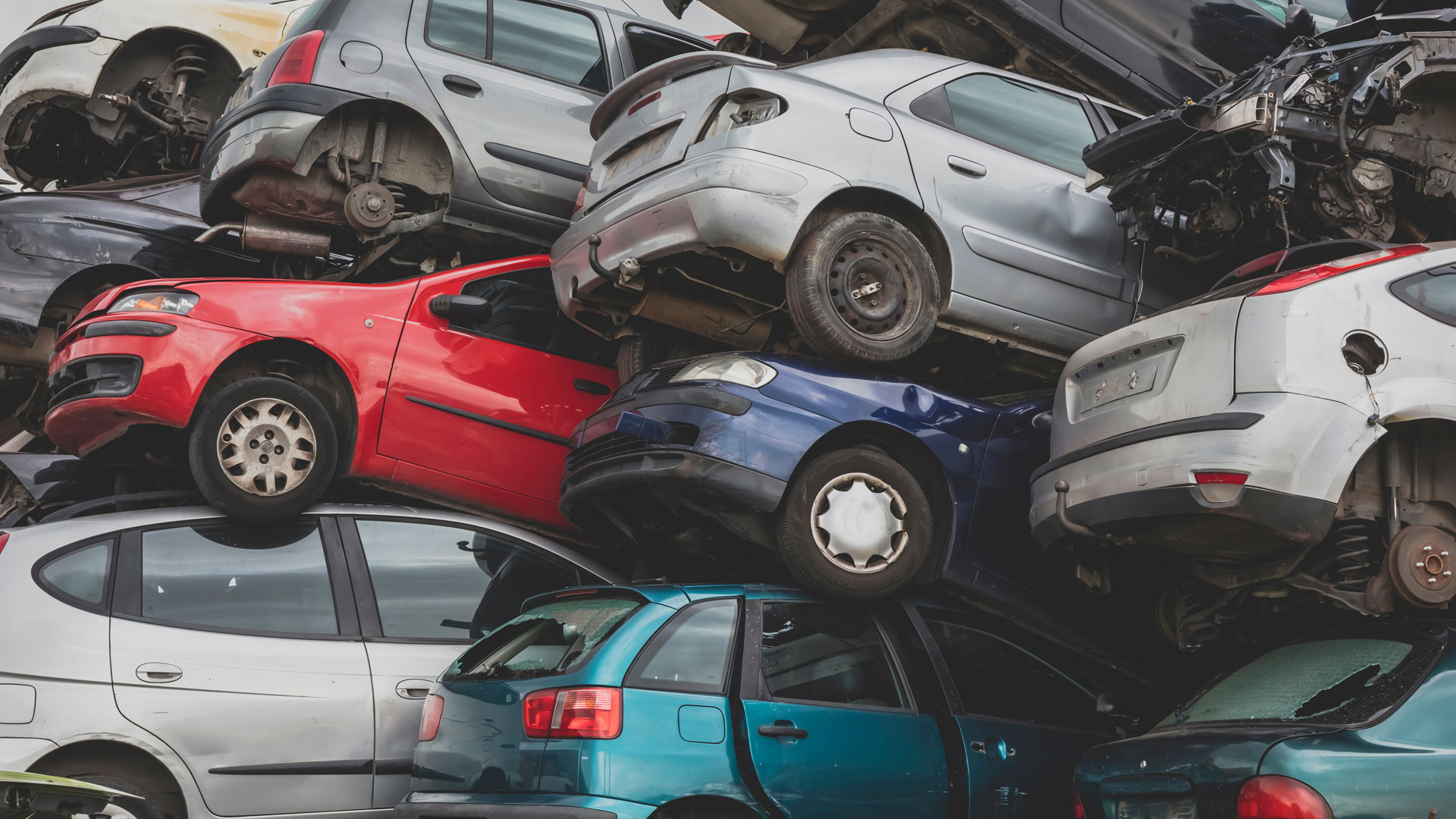
If you’re the owner of a micro business or a charity, you can apply for the Mayor of London’s scrappage discount, with up to £6,000 available for eligible organisations. The scheme was announced at the end of 2018, with Sadiq Khan allocating £23 million to the van scrappage scheme.

To qualify, a micro business must meet the following criteria:

  • Have ten or fewer employees
  • Have a turnover up to £632,000, OR up to £316,000 balance sheet total in the preceding and current financial year AND
  • Have an active Companies House registration in the UK OR be VAT registered in the UK

Charities must be registered with the Charity Commission as an active charity.

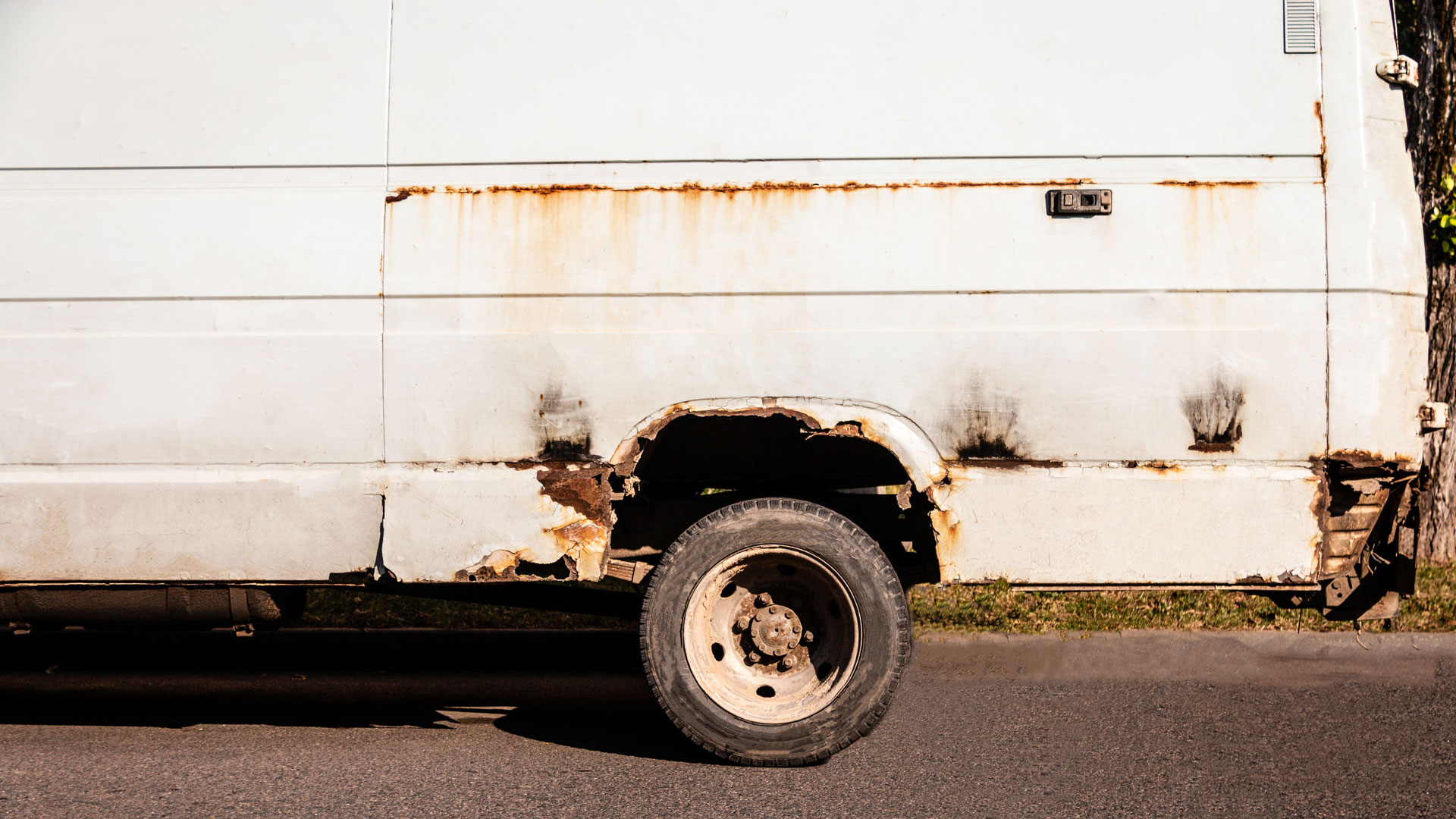
rusty van scrappage

Eligible organisations can scrap up to three older, more polluting vans and charity minibuses, but the vehicle(s) must meet certain criteria, in addition to failing to meet the ULEZ standards. The requirements are:

  • The vehicle must have been owned by the business or charity for more than 12 calendar months before 22 February 2019
  • Insured for business use
  • Have a valid MOT and current VED
  • The vehicle must be scrapped at an approved Authorised Treatment Facility (ATF)

There are three different scrappage funds available, and these are summarised by Transport for London (TfL) as follows:

Option 1: Scrappage for frequent users of the Congestion Charging Zone (CCZ) (£3,500)

The vehicle being scrapped must:

  • Have been driven within the CCZ at least 52 times during the six months before 22 February 2019 – this will be checked against existing transactions in your London Road User Charging account
  • Be a pre-Euro 6 model light van (or charity-owned minibus) that does not meet the ULEZ standards

Option 2: Scrappage and purchase/lease of Euro 6 replacement (£3,500)

The vehicle being scrapped must be:

  • A pre-Euro 6 model light van (or charity-owned minibus) that does not meet the ULEZ standards
  • Replaced (by purchase or lease) with a Euro 6 light van or Euro 6 minibus (for charities only)

The micro business or charity must be registered at a Greater London address.

Option 3: Scrappage and contribution towards running costs (including insurance) of an electric vehicle (£6,000)

The grant payment is made up of £3,500 for scrapping eligible vehicles plus a £2,500 contribution towards running costs (including insurance) of a replacement electric vehicle(s).

The vehicle being scrapped must be:

  • A pre-Euro 6 model light van (or charity-owned minibus) that does not meet the ULEZ standards
  • Replaced (by purchase or lease) with an electric light van or electric minibus (for charities only)

ULEZ scrappage for lower incomes

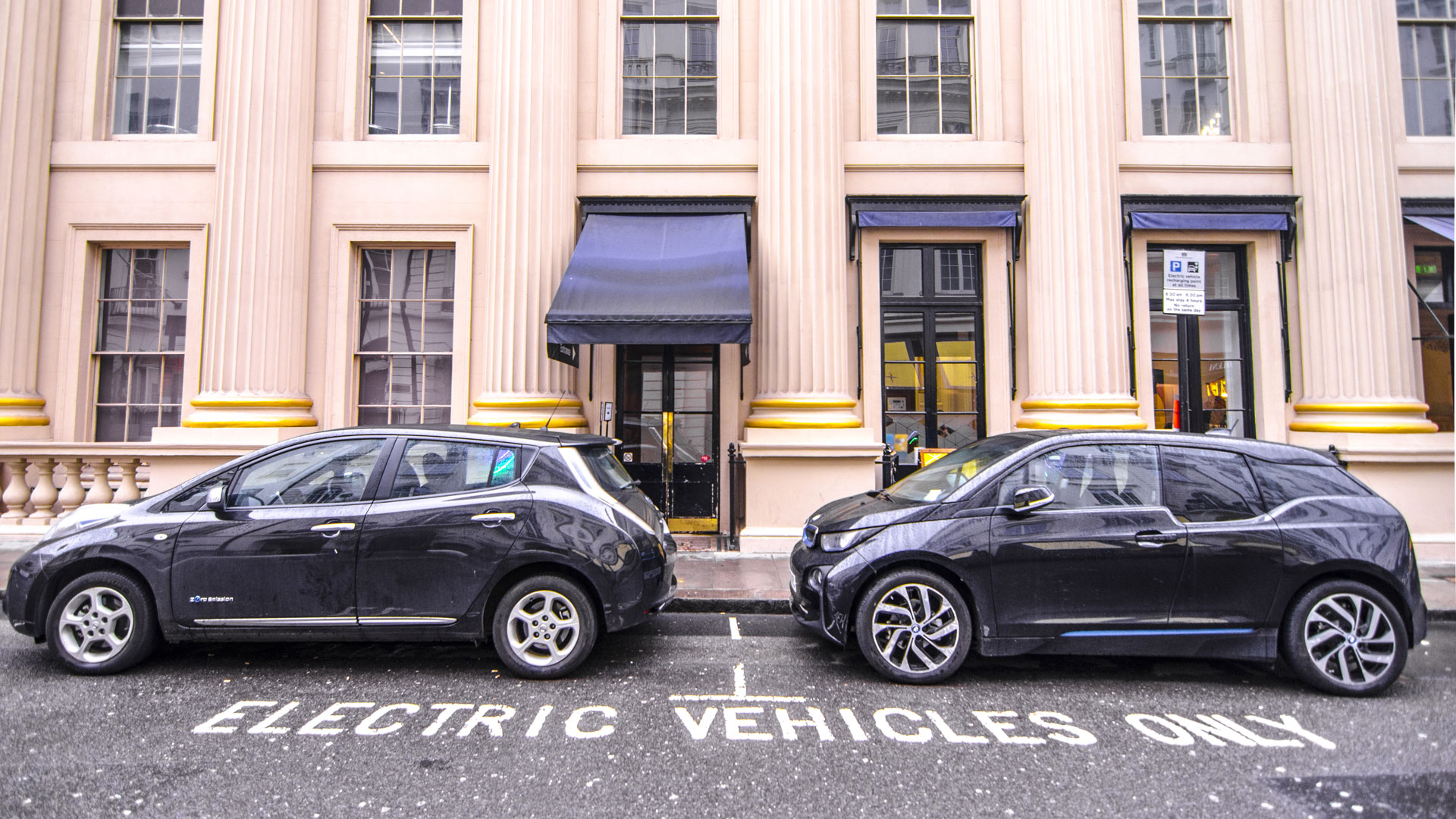
electric cars in London

In February, the Mayor of London announced a new ‘scrap for cash’ fund to help low-income Londoners get behind the wheel of a ULEZ-compliant vehicle. Although Sadiq Khan hasn’t released details of the scrappage discount, £25 million will be available and the scheme will be launched later this year.

At the time, Khan said: “Our country’s filthy air is a national disgrace that shortens lives, damages our lungs, and severely impacts our NHS. City leaders across the country are united in raising the alarm about the dangers posed by poor air quality.

“I’m announcing plans to help motorists on low incomes, as well as micro businesses, to scrap their older, more polluting vehicles.

“However, Ministers must now show they can match my commitment. If we’re going to tackle the health crisis and social injustice caused by air pollution it is vital and only fair that a national vehicle scrappage scheme is funded and supported by the government.”

To check if your existing vehicle meets the ULEZ standards, visit the Transport for London website.

Advertisement

Jaguar UK sales boom thanks to E-Pace SUV

0

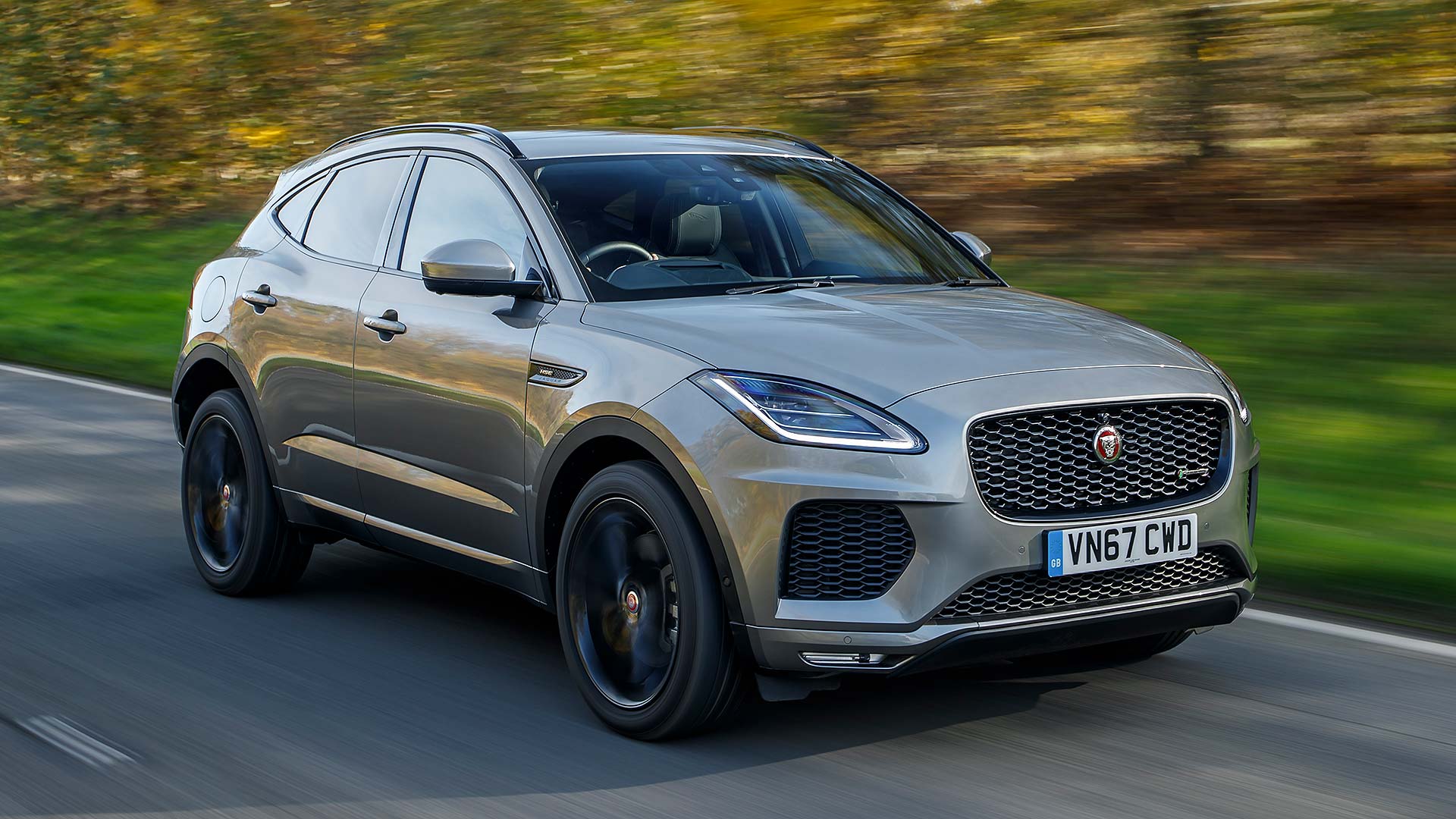
Jaguar E-PaceThe Jaguar E-Pace is now the firm’s best-selling car in the UK, helping it record full-year sales growth of more than 20 percent.

The positive performance of Jaguar was backed up by the 3.5 percent growth of its bigger sibling Land Rover. This helped overall Jaguar Land Rover (JLR) sales rise by 8.4 percent in the full year from April 2018 to March 2019.

A total of 118,108 new Jaguars and Land Rovers took to British roads last year.

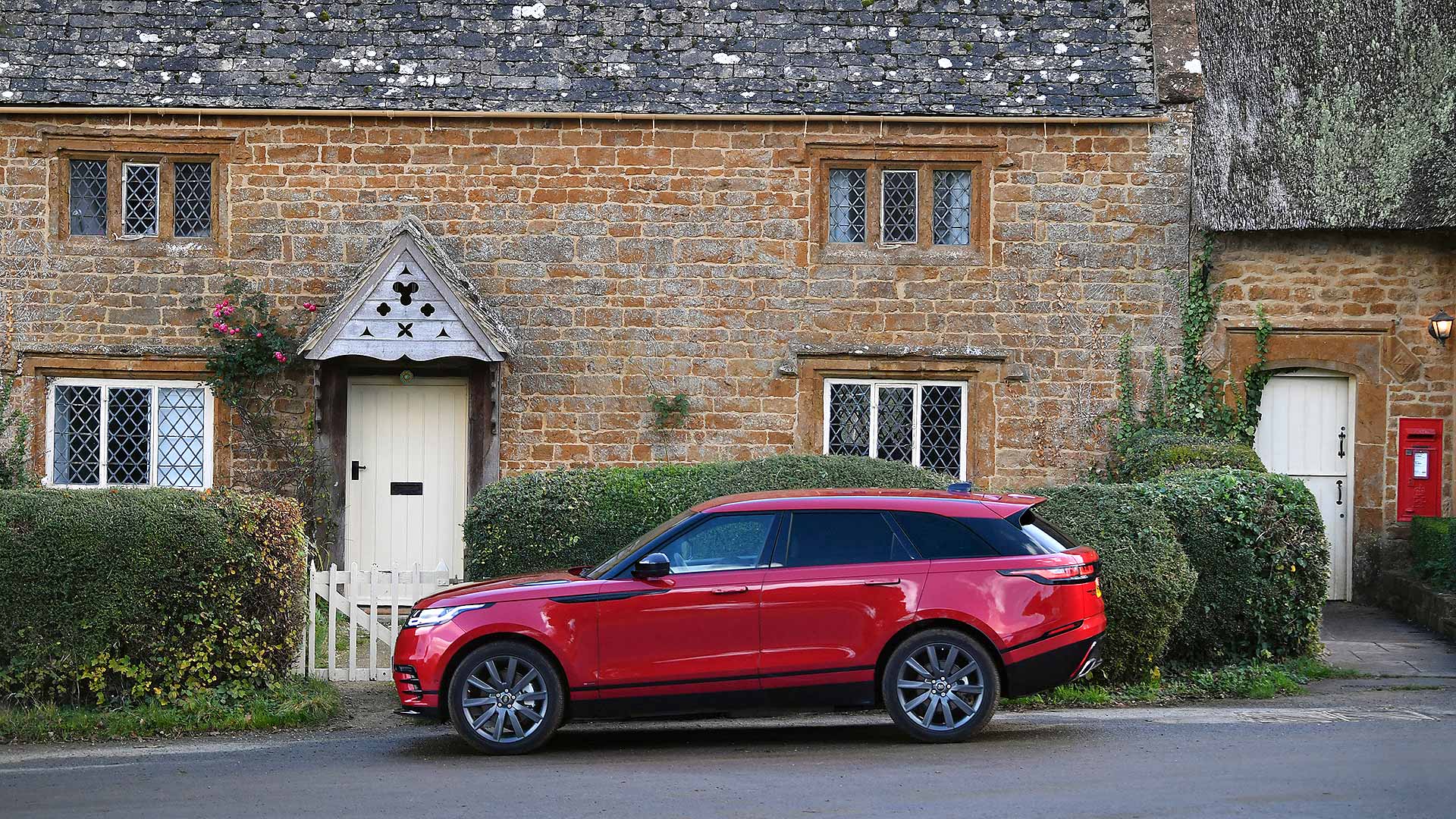
Range Rover Velar

Growth of more than 8 percent contrasts with a 3.7 percent decline in overall UK new car sales during the same period, says the firm. And focus on the premium makers’ competitive set of rivals, and its market share has grown from less than 30 percent to more than a third of the total segment.

“Despite the headwinds facing the automotive industry, I’m glad to see Jaguar Land Rover’s UK strategy is having the desired effect,” said UK MD Rawdon Glover.

“Investment into the right products at the right time has seen us steadily grow our market share and our sales in what has been a declining market.”  

Jaguar: on pace

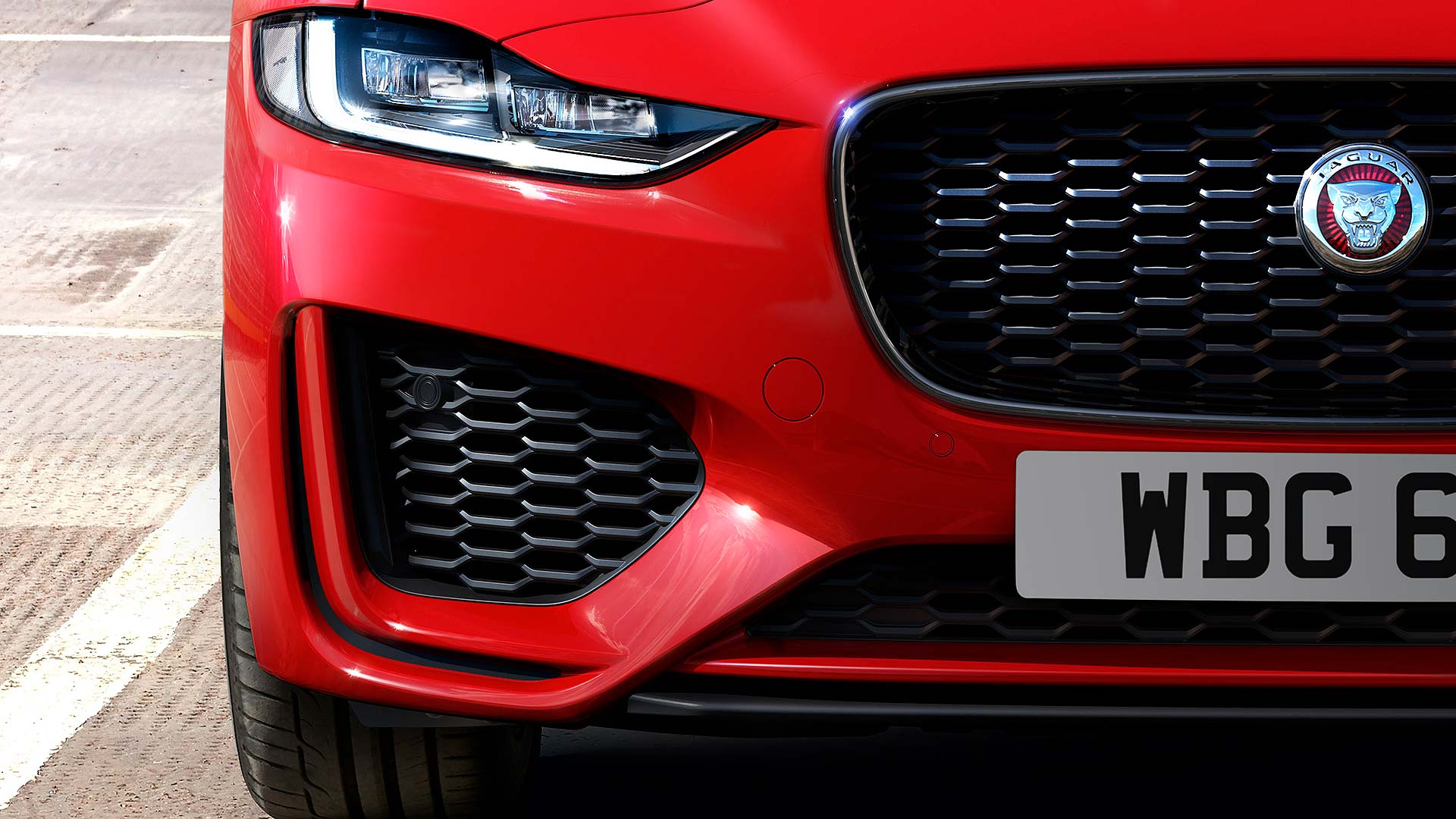
Jaguar XE 20MY

Jaguar sold 11,142 E-Pace compact SUVs last year, taking over from the F-Pace large SUV as the firm’s most popular car. The all-electric (and European Car of the Year-winning) I-Pace also did reasonably well, selling 1,760 units in just over half a year.

A total of 38,604 new Jaguars were sold last year, and Glover is hopeful of more success this year, with the launch of the much-imported Jaguar XE looking to snare more sales from tax-conscious company car drivers.

Both the Jaguar XE and Jaguar XF executive car have achieved RDE2 emissions compliance, meaning they are exempt from the punitive 4 percent company car Benefit-in-Kind penalty placed on non-compliant cars.

Land Rover: on track

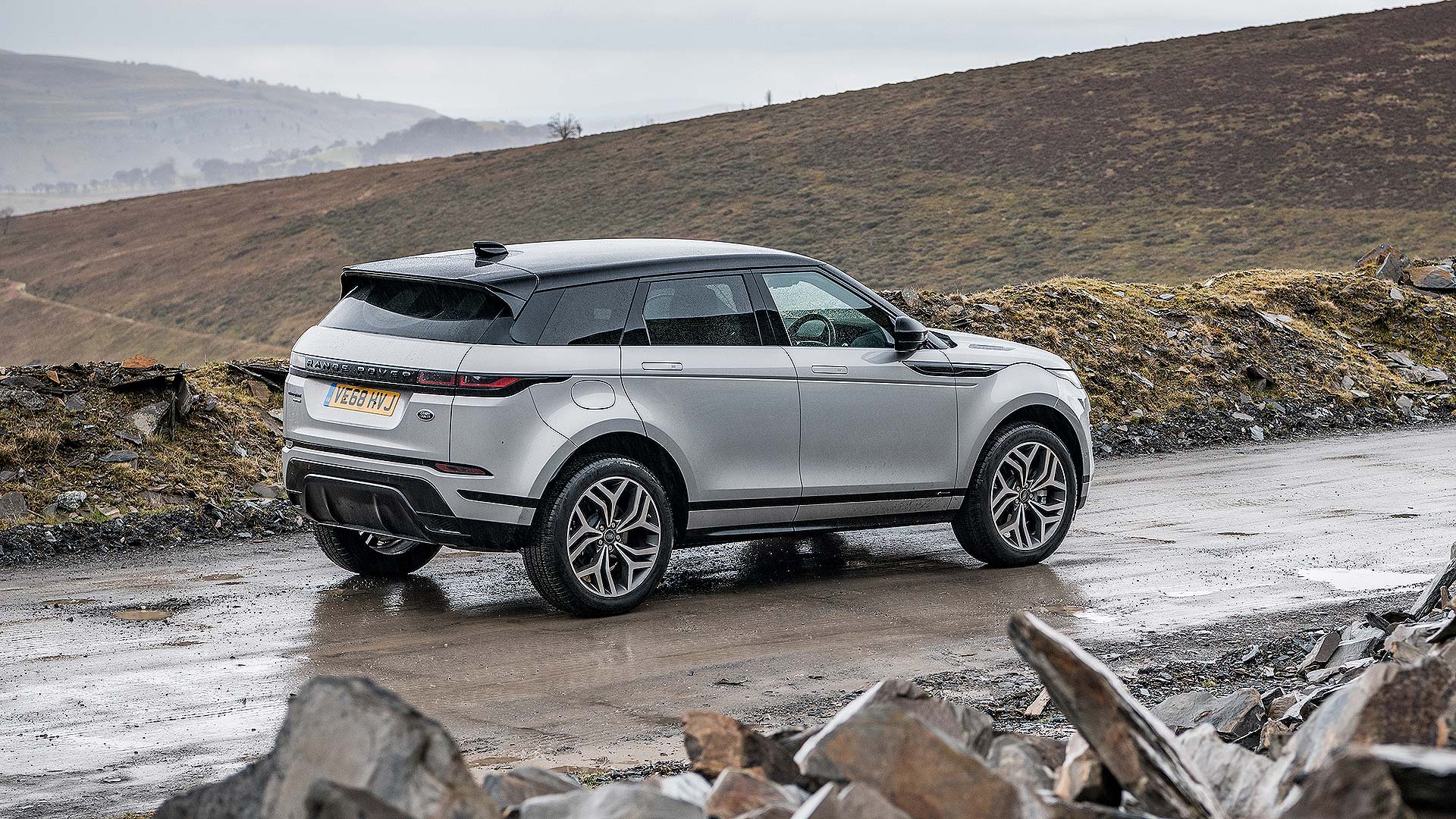
Range Rover Evoque

Land Rover sales grew to more than 79,500 new cars, making it twice the size of Jaguar in the UK.

The 4×4 brand sells lots of profitable cars too: the Land Rover Discovery Sport was its best-selling car, followed by the Evoque, with the Range Rover Velar taking over from the Range Rover Sport as its third best-selling model.

13,226 new Velar were sold last year, compared to 13,150 Range Rover Sport. Meanwhile, Land Rover sold more than 7,000 new luxury Range Rovers – and added that, for those living within the M25, 1 in 2 of them were plug-in hybrid P400e versions.

Land Rover even sold 2,158 all-new Range Rover Evoque, despite the new model only being on sale for a month.

“The all-new car looks set to reprise its status as one of Land Rover’s most popular models,” said the firm.

ALSO READ

Revealed: the most reliable cars for student drivers

Seat’s in-car coffee maker ‘could save Brits £1,800 a year’

P80/C: Ferrari’s most extreme track car ever

Advertisement

Audi, Jaguar and Volvo revealed as World Car Awards 2019 finalists

0

World Car Awards Finals Two all-electric SUVs have emerged as frontrunners to win the 2019 World Car of the Year Award, and will face a conventional mid-size saloon and estate at the World Car Awards finals in New York next week.

The Audi e-tron and Jaguar I-Pace EV SUVs were revealed as top three finalists at the Geneva Motor Show, alongside the Volvo S60 and V60 range.

Being ranked as a finalist continued a dream 24 hours for Jaguar: also at Geneva, the I-Pace was awarded the European Car of the Year prize, just weeks after winning the UK Car of the Year gong.

Now, attention turns to the 2019 New York International Auto Show (NYIAS), and the World Car Awards ceremony.

More than 80 World Car Awards jurors have voted for the 2019 gongs, and it’s not just the overall World Car of the Year prize that’s up for grabs. There are five other categories, with a diverse mix of contenders.

World Car Awards jurors in Geneva 2019

The World Performance Car of the Year, for example, is a clash of the titans – the Aston Martin Vanquish vs the McLaren 720S, with the Mercedes-AMG GT 4-door offering a more practical alternative.

Contrasting with those beasts are the World Green Car finalists: that electric Audi e-tron, Hyundai Nexo fuel cell and, yes, the electric Jaguar I-Pace.

Audi stars again in the World Luxury Car award – twice. The Audi A7 Sportback and Audi Q8 now battle it out with the BMW 8 Series Coupe. Surprisingly, the 8 Series is the only BMW finalist in the 2019 awards.

A diverse trio make up World Urban Car 2019: the Hyundai AH2 and Sentro take on the Kia Soul and Suzuki Jimny: the diminutive Suzuki is placed thanks to its availability in Japan as a small, economical ‘kei car’: European models boast larger engines and wheelarch extensions.

The final prize is the World Car Design of the Year. Judged by an expert panel of car designers and critics, the Jaguar I-Pace once again makes the shortlist… along with the Suzuki Jimny and Volvo XC40.

Attention now shifts to the New York International Auto Show on April 17, when the winners in each category and the overall World Car of the Year 2019 will be announced. For manufacturers, scooping a World Car Award is a big prize: the awards is, for the sixth year running, the world’s biggest automotive awards initiative in terms of media reach.

Audi, Jaguar and Volvo are all recent winners of the overall World Car Awards trophy. Who will scoop it in 2019 is anyone’s guess – but of all the brands, you just know fingers will be crossed the tightest at Jaguar  HQ in Coventry…

Advertisement

Congestion-busting Government scheme has made traffic WORSE

0

Congestion pinch point programme

A flagship government scheme aimed at easing congestion on major roads has actually resulted in journey times getting longer. 

The £317 million ‘pinch point programme’ was aimed to increase traffic flow at busy junctions, and cut delays caused by queuing traffic. A new report from Highways England suggests the scheme has in fact achieved the opposite. 

What was the pinch point programme?

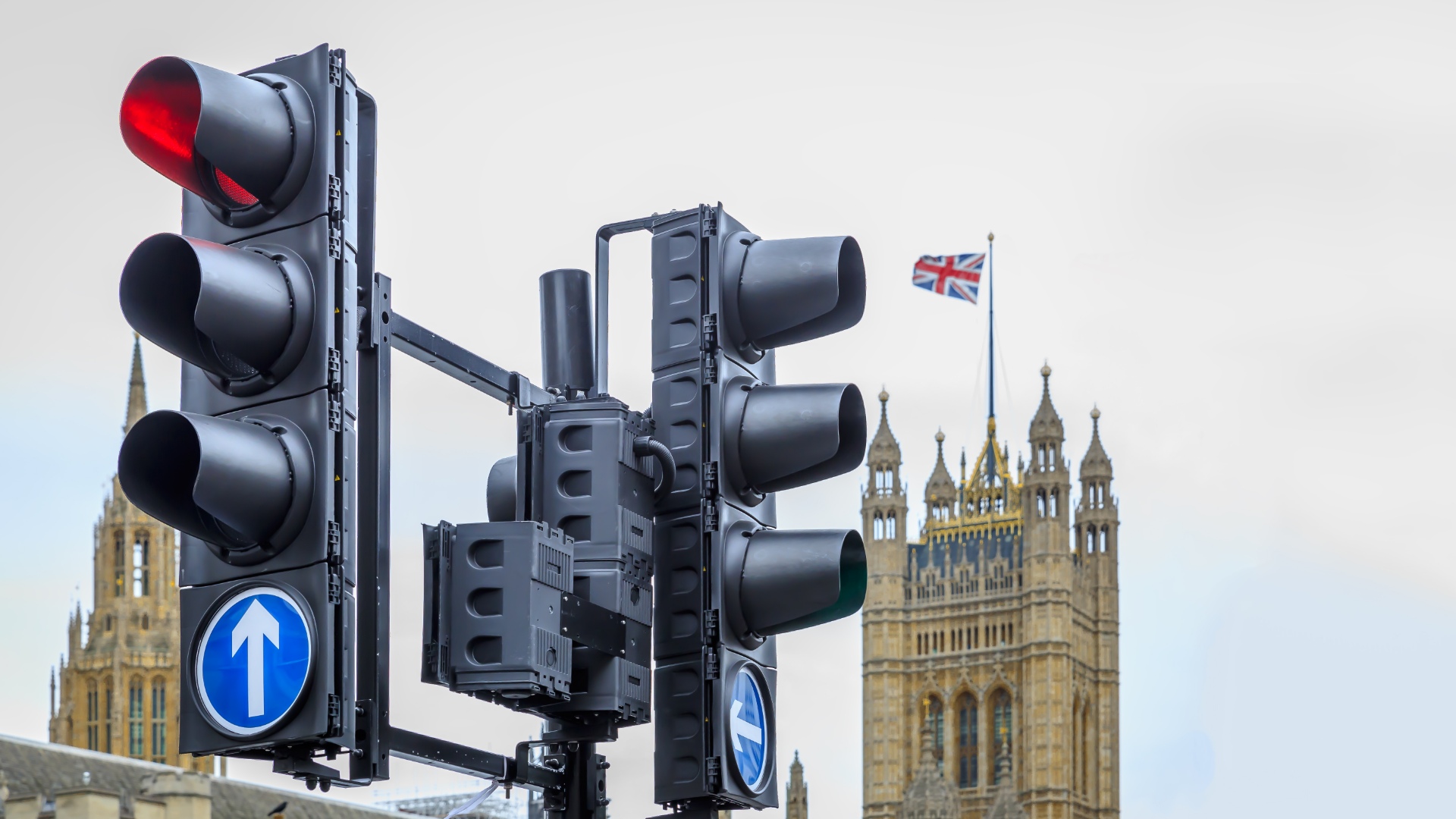
The initiative launched in 2011 to relieve congestion and improve safety. Junctions were altered, slip roads were widened, traffic lights were added to better control congestion flow and new signage focused the road architecture.

The target was to yield greater control over our road network’s points. Full roll-out was completed in March 2016 and the latest report is based on analysis of the first year’s findings.

What went wrong?

The report has examined what the first-year results were for just under half of the 119 schemes covering motorways and A-roads. Half of those that targeted a reduction in journey times, achieved the opposite. 

Worst affected was the A5/A49 junction in Shropshire, resulting in a £2.5 million economic cost. The M6 in Merseyside and M40 in Oxfordshire were also badly affected. 

Why was this? Because of the introduction of traffic lights, says the report. Although results for peak travel periods shows an improvement in journey times, people travelling the rest of the time suffer longer journeys.

“While congestion has been reduced at peak times of the day, unfortunately, many schemes have seen increased traffic at off-peak periods, mostly due to traffic lights being introduced,” said RAC head of roads policy Nicholas Lyes.

If you’ve ever been on a quiet congestion-free journey over the past couple of years that’s been interrupted by a seemingly pointless red light, hear hear…

The conclusion was that while the peak rush-hour results were good, that’s only a few hours out of every day. There needs to be an overall benefit, which isn’t being felt.

However, adds Highways England, have been successful in improving safety, regardless of the delays.

What can be done?

Congestion pinch point programme

In terms of freeing things up, small measures could make a big difference, as Lyes explained:

There are some simple steps that can be taken to improve the worst of these new off-peak traffic flow issues, such as changing signals to work part-time instead of full-time.”

Indeed, “traffic signals which respond to traffic flows” is a measure that’s being considered, according to a spokesman for Highways England.

Lights that function during more congested periods, with simple give way rules applying the rest of the time, could ease a great many needless slow-downs.

Anyway, for £317million, we’re hoping it’s not all been a bit pointless. “Very disappointing”, in the words of the RAC, feels like a bit of an understatement.

Advertisement

CO2 emissions ‘pooling’ could make Tesla millions

0

Emissions pooling

Car manufacturers such as Tesla and Fiat are said to be considering ‘pooling’ their fleet emissions, in an effort to meet upcoming stringent European average CO2 targets.

The practice is legal under EU rules, and could help car companies avoid punitive fines from 2021.

What is emissions pooling?

Pooling is when two manufacturers combine their sales fleets in order to dip below the required emissions target. In this case, the target is 95 g/km of CO2 in 2021.

The fine for not doing so is £82 (€95) for every gram per kilometre of CO2 over the target, for every one of those cars sold. The costs to volume manufacturers who do not get their average emissions down to the target figure is therefore potentially enormous.

This is where ‘pooling’ comes in, something that under current EU rules, is perfectly legal. At present, it is understood Tesla will be partnering with Fiat Chrysler Automobiles (FCA) in order to gain credits.

Obviously, Teslas are all-electric vehicles and, as such, are zero-emissions. Paying Tesla a handsome fee to help out would be expensive, but could cost FCA a great deal less than the fines it may have to pay come 2021.

According to the Financial Times, that fee could be in the “hundreds of millions”. That might just be the easiest chunk of money ever made in the automotive industry.

What exactly are carmakers up against?

diesel filler cap

At present, manufacturers are fighting a losing battle to lower CO2 emissions. Everything was going smoothly before diesel took a dive post-2015. Diesel was the backbone of the CO2-lowering cause for the better part of 15 years before NOx emissions scandals knocked the wind out of sales.

The diesel market share has fallen to just 1 in 4 new car sales, compared to more than 1 in 2 in 2015.

Higher-CO2 petrol sales have filled the gap, despite commendable advances in technology, thus increasing fleet CO2 averages.

What’s more, the unstoppable popularity of heavy, un-aerodynamic and inefficient (by comparison to conventional cars) SUVs is another factor that’s fanned the flames.

The net result is that figures actually increased from 2017’s 118 g/km average, to 120 g/km in 2018. As they are now moving in the wrong direction, cue investigations into alternative plans – such as emissions pooling…

Advertisement

Taxi! Dacia launches special Logan MCV deal for canny cabbies

0

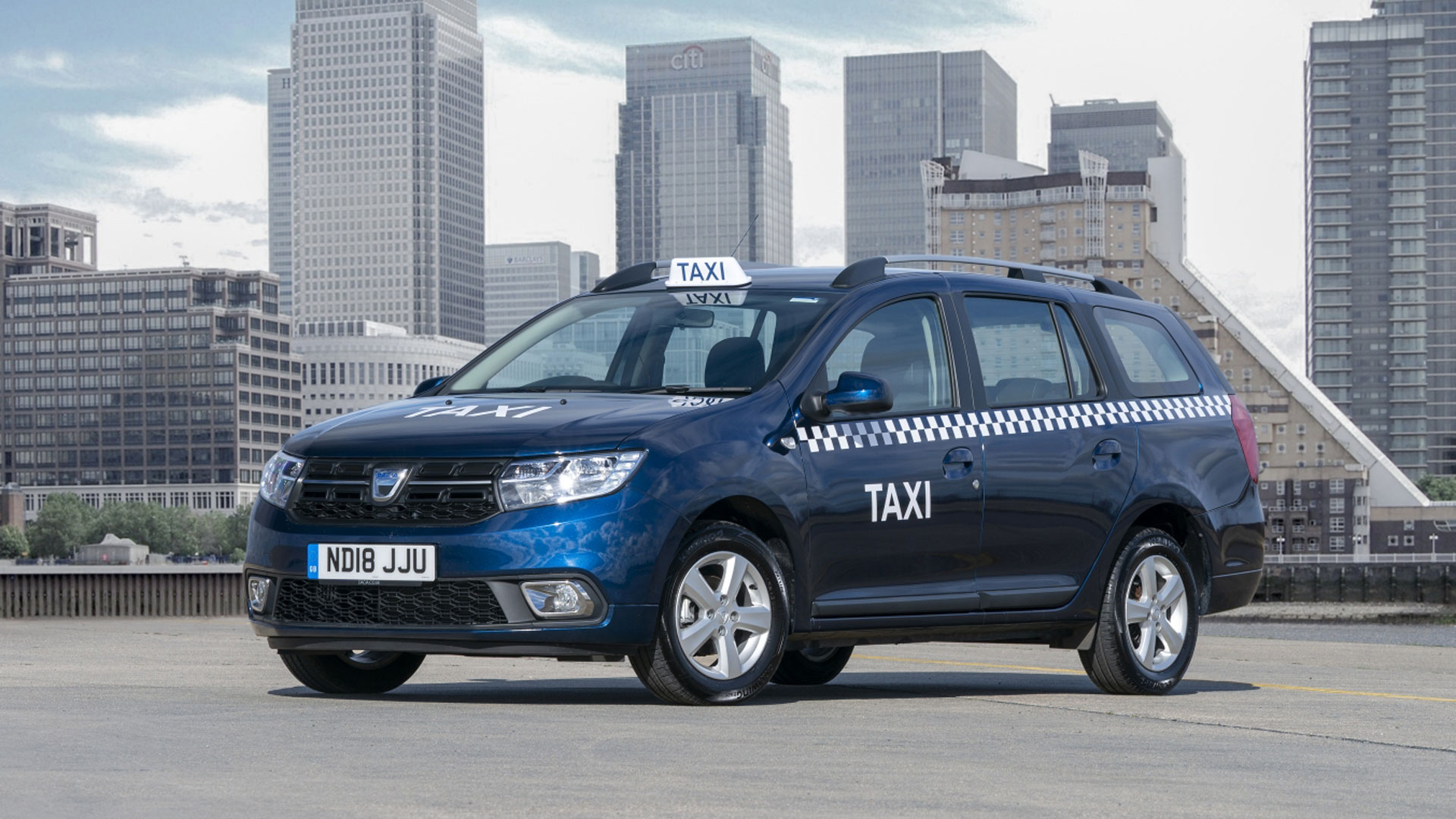
Dacia Logan MCV taxi

With its huge boot and low price, the Dacia Logan MCV has always been a great value estate car. But now, Dacia is hoping to appeal to the nation’s cabbies with a hire purchase deal designed exclusively for taxi operators.

All hail the Dacia Logan MCV Comfort Blue dCi 95, which is available to cabbies for £246 a month over 48 months after a £2,580 deposit. With 95hp on tap, it won’t be the fastest taxi off the rank, but the diesel engine emits just 97-103g/km CO2 and can return between 60.1mpg and 62.7mpg on a combined cycle (north or south of the river).

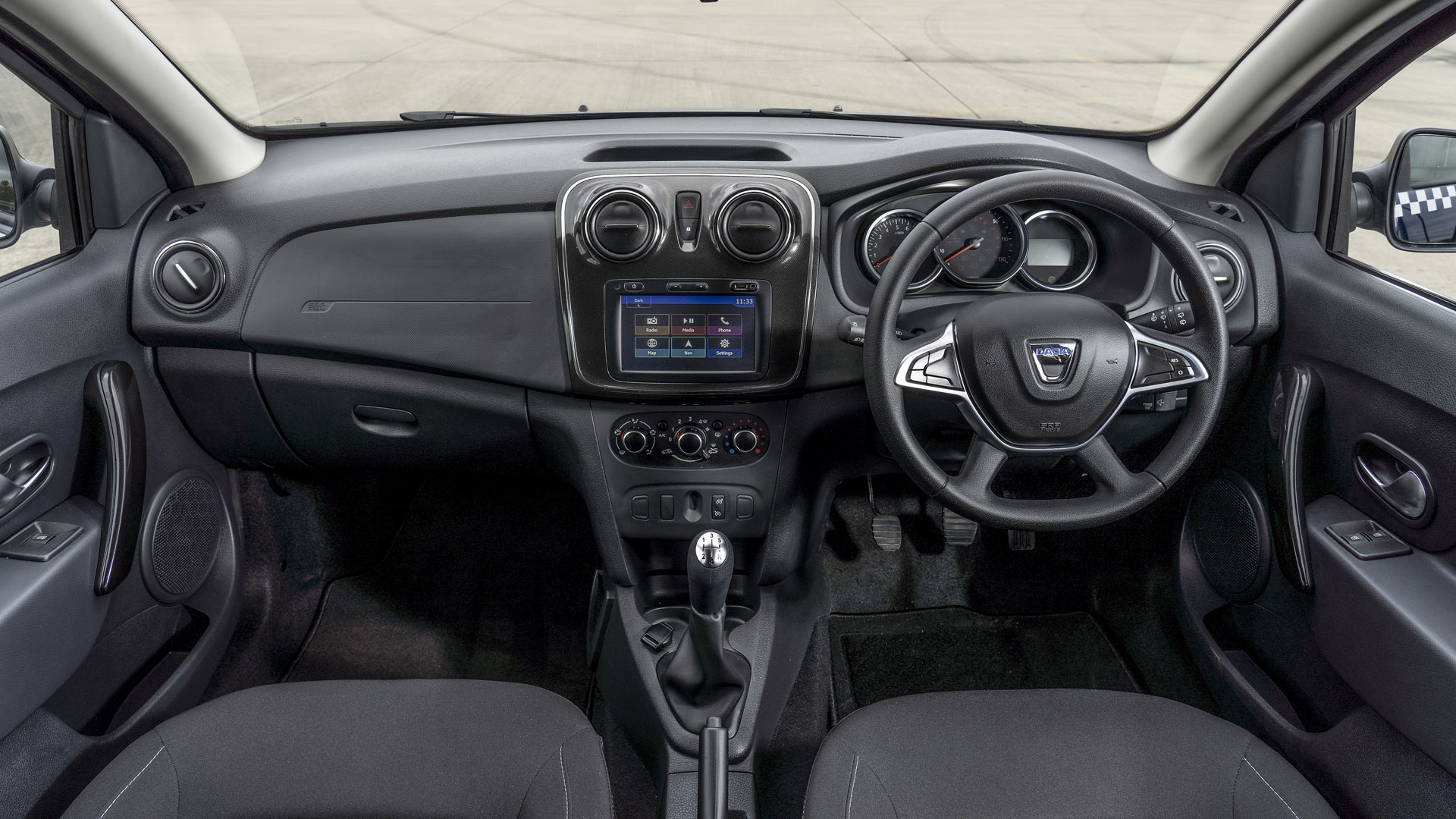
Comfort spec offers a seven-inch touchscreen with sat-nav (useful for when your passenger isn’t a fit state to tell you the way home), along with air conditioning, Bluetooth, Apple CarPlay, Android Auto, cruise control, rear parking sensors and heated door mirrors.

Dacia Logan MCV taxi cabin

Alternatively, the Logan MCV Essential Blue dCi 95 is also eligible for the offer, priced at £227 a month after a £2,380 deposit. The spec isn’t quite as generous, but you do get air conditioning and a USB connection for MP3 players.

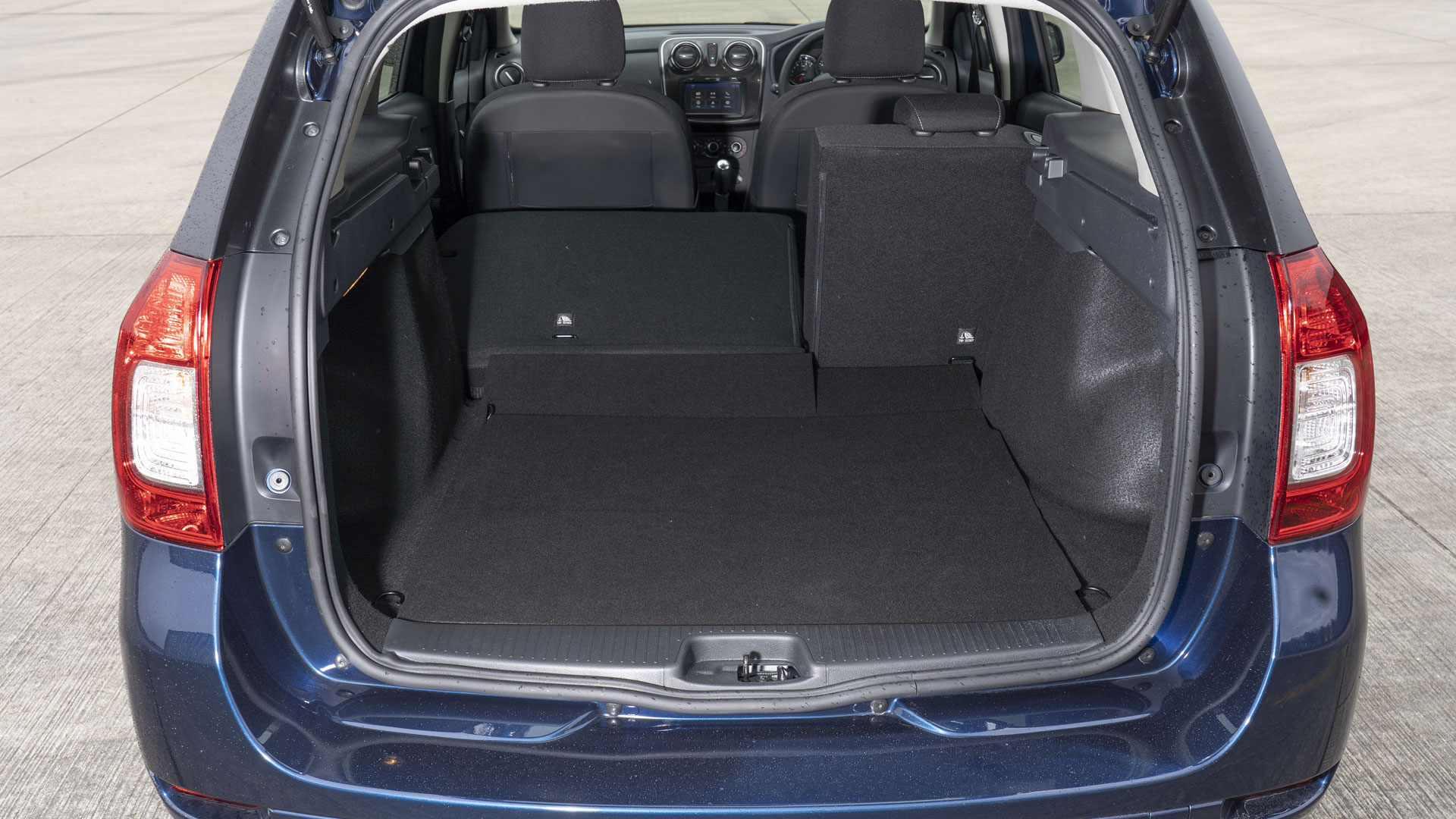
Both models get the same 573 litres of boot space, a 60/40 split folding rear seat and space for five adults.

Ben Fletcher, head of Dacia UK, said: “There’s no other car on sale in Britain that can match the Logan MCV for value, equipment or space, while the added attraction of low running costs make it the perfect choice for taxi operators.

“With these latest competitive hire purchase rates, taxi drivers can take advantage of the reassurance of running a brand-new car, backed up by a manufacturer warranty, at a monthly cost that’s impossible to ignore.”

Dacia Logan MCV taxi boot

Earlier this month, Dacia revealed the specs for its new range-topping Techroad trim level, which is available on the Sandero Stepway, Logan MCV Stepway and Duster. Prices start from £11,660 and deliveries will start this month.

Advertisement