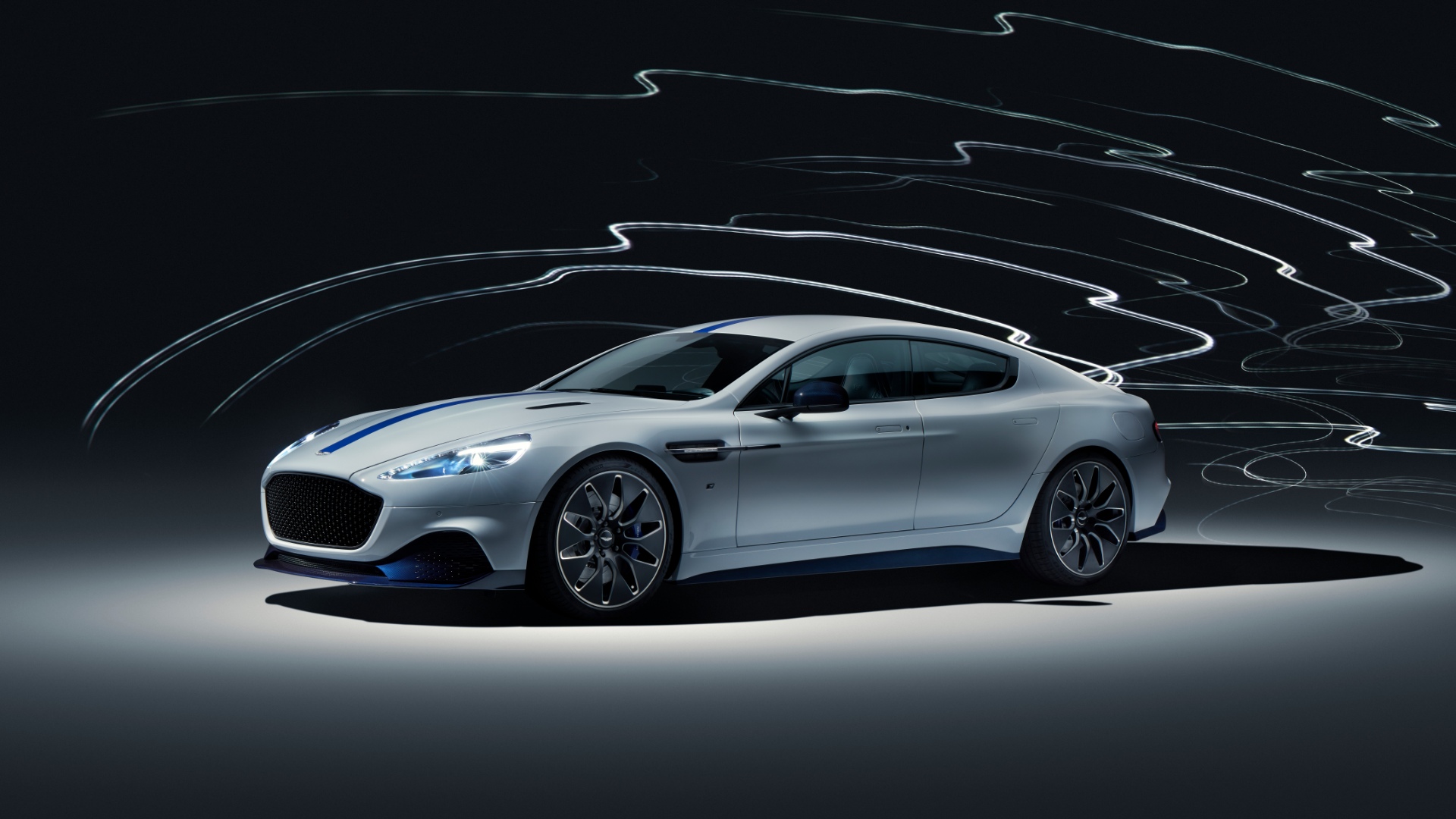
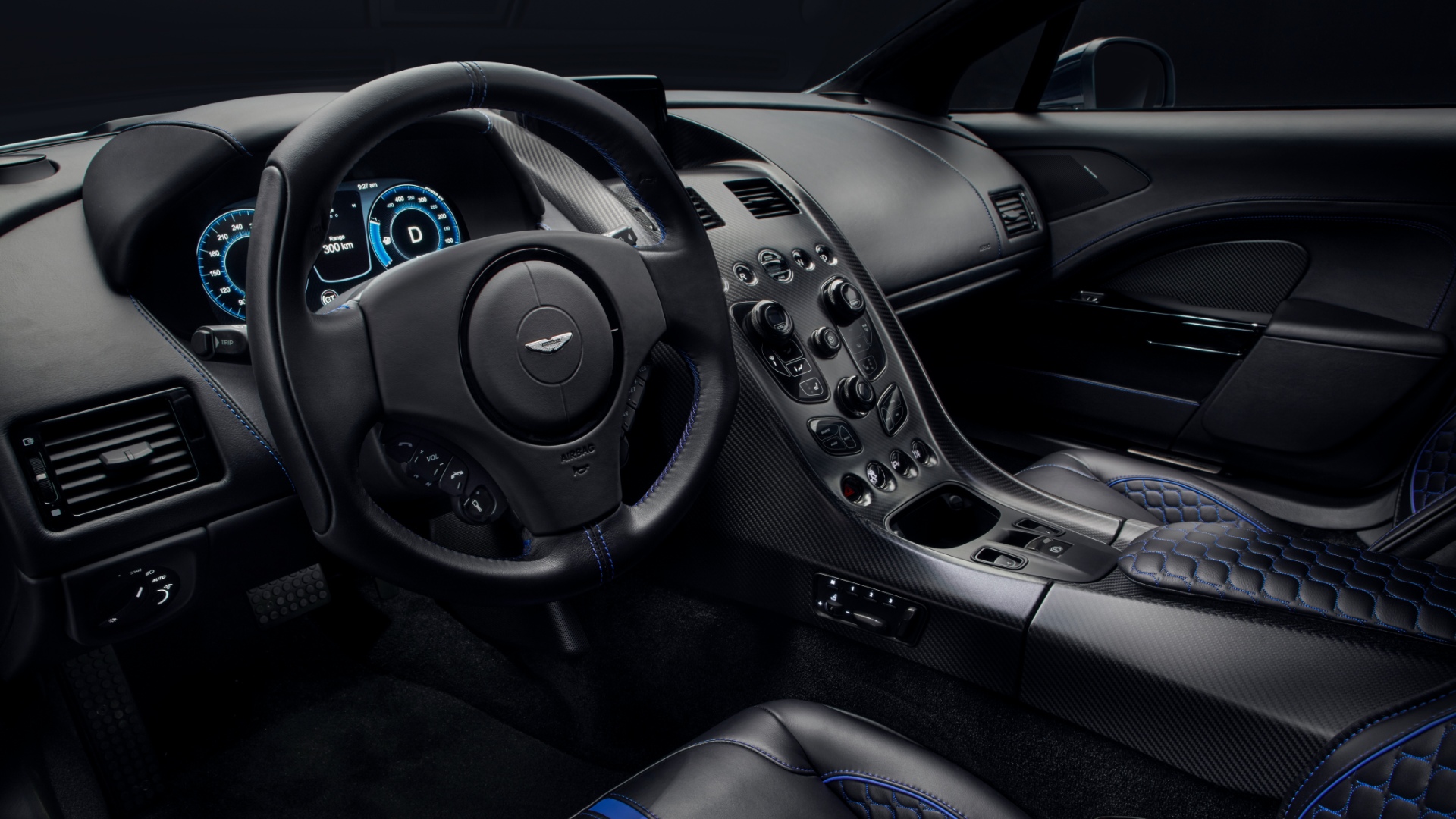
Aston Martin has revealed the production Rapide E at the Shanghai auto show.
The long-serving super saloon has swapped its 6.0-litre V12 for a bank of batteries and electric motors.
The Rapide E is more than simply an electric version of an older model, though. At its heart is the Lagonda powertrain of the future.
Rapide E: power, performance and range
The Rapide E comes with 800V architecture and a 65kWh battery system co-developed with Williams Advanced Engineering. The new hardware is located where the V12, gearbox and fuel tank once resided.
Power is fed to the rear wheels via two electric motors that produce a combined 610hp and 701lb ft of torque.
Aston says you’ll see 60mph in less than four seconds, on the way to a top speed of 155mph. It’ll sprint from 50mph to 70mph in just 1.5 seconds, too.
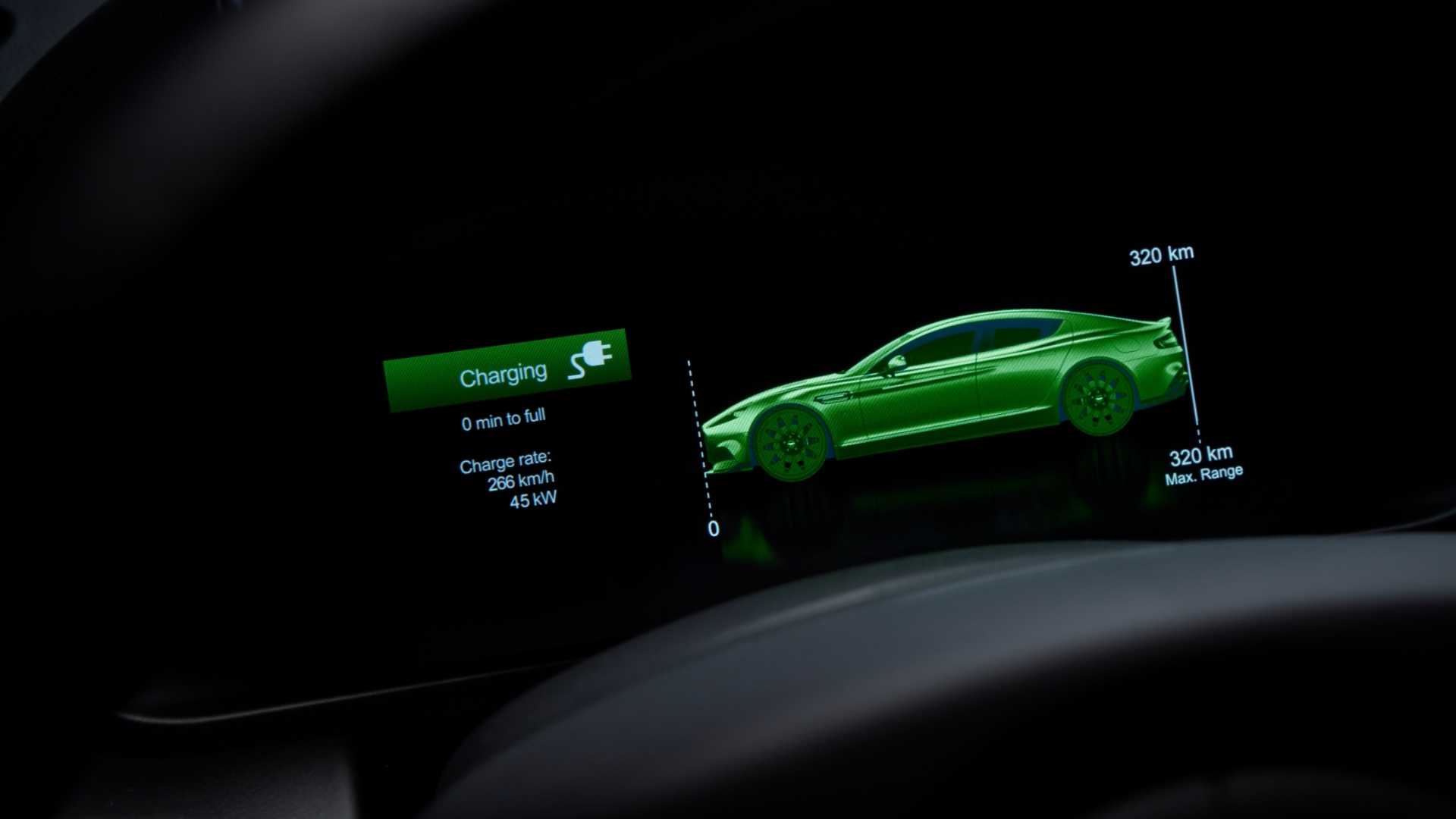
The more practical stuff is also very interesting. Aston claims the Rapide E has a 200-mile WLTP driving range, which can be replenished to 185 miles via a 400-volt charging system in an hour.
Indeed, it can actually be fully charged in less than an hour if connected to an 800-volt charging system. The car also features a high-power AC onboard charger, which tops up the batteries to 100 percent in as little as three hours.
Traditional electric cars might begin to feel a little tired towards the end of a flying lap of a track like the Nurburgring. But the 800-volt system in the Aston fights battery degradation from intense use. ‘Consistent and repeatable’ performance is promised.
The future in a classic suit
The car looks similar to the existing Rapide AMR, but with no V12 to feed, the front aperture is partly closed. Its re-designed flat underfloor and larger diffuser are also both new. The aim is to help the Rapide E scythe through the air more efficiently.
Aston’s VH architecture, which underpins the Rapide, dates back almost 20 years. However, the battery technology here represents the next big step for electric cars.
The fact that it comes in familiar and beautiful package adds some comfort to aid the embrace of change.
As for whether you can have one, well, only 155 are being made. The Rapide E is part-production car and part-investigative project. It allows Aston to dip its toe in the water of a brave electric future – and develop the core of Lagonda luxury electric cars to come.
‘The Rapide E represents a pioneering first step towards achieving the company’s wider electrocution strategy and the successful fruition of Lagonda,’ says the press release.
Aston Martin CEO, Dr Andy Palmer, adds: “Unveiling the Rapide E will be a huge moment for Aston Martin.”
“As our first all-electric production car, it is a truly historic step. One that signals Aston Martin is prepared for the huge challenge of an environmentally responsible and sustainable future.”
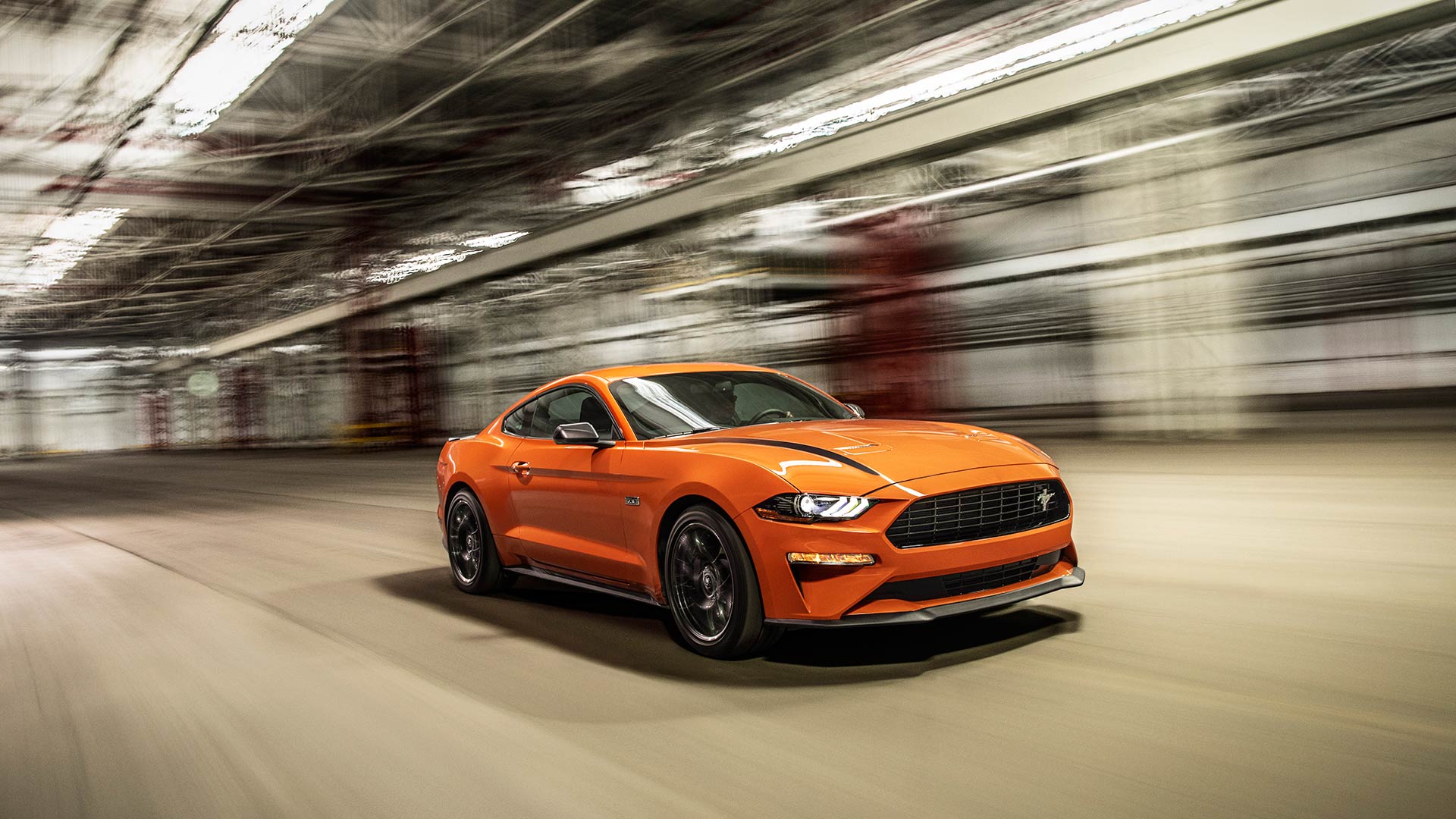
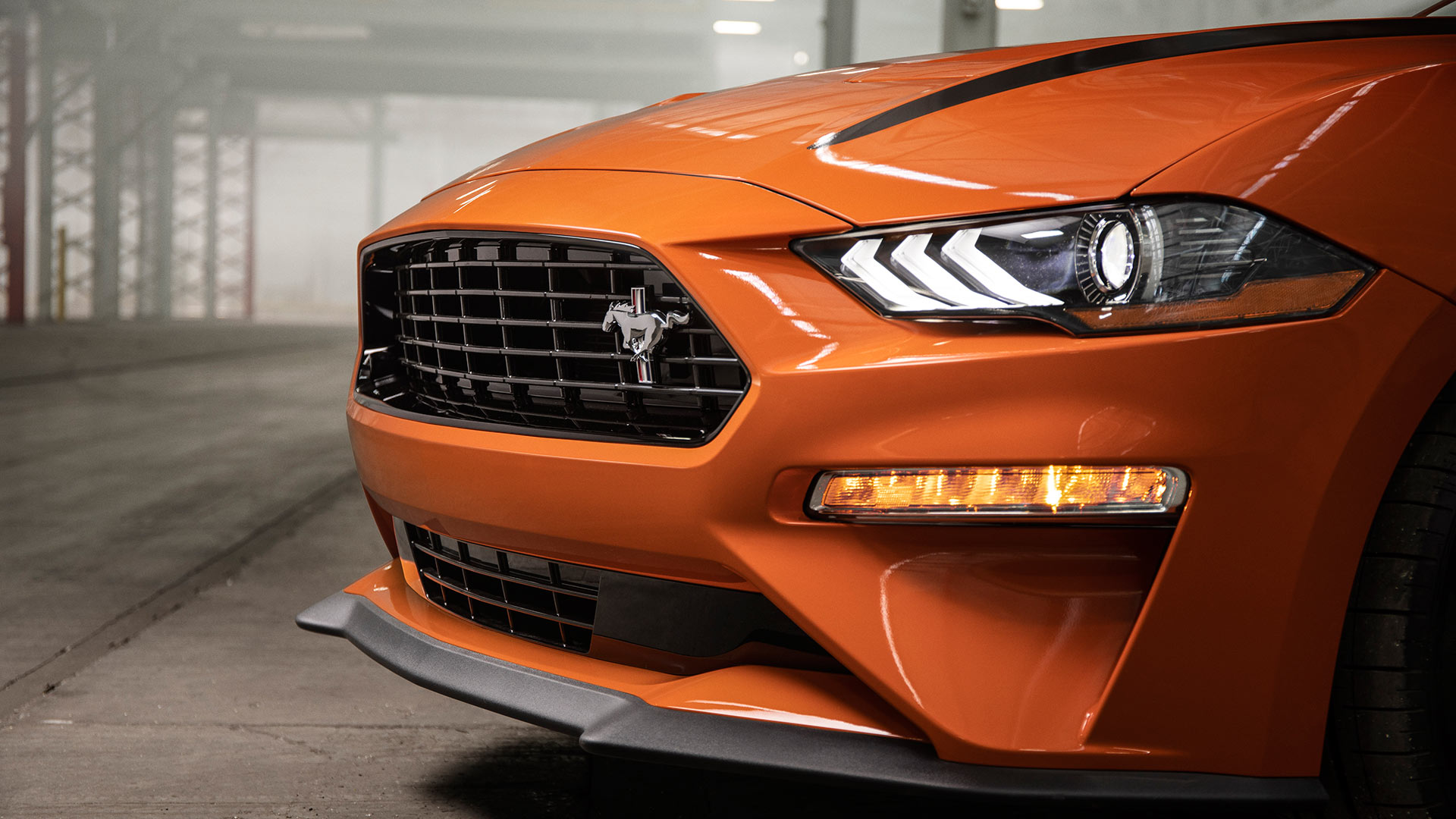
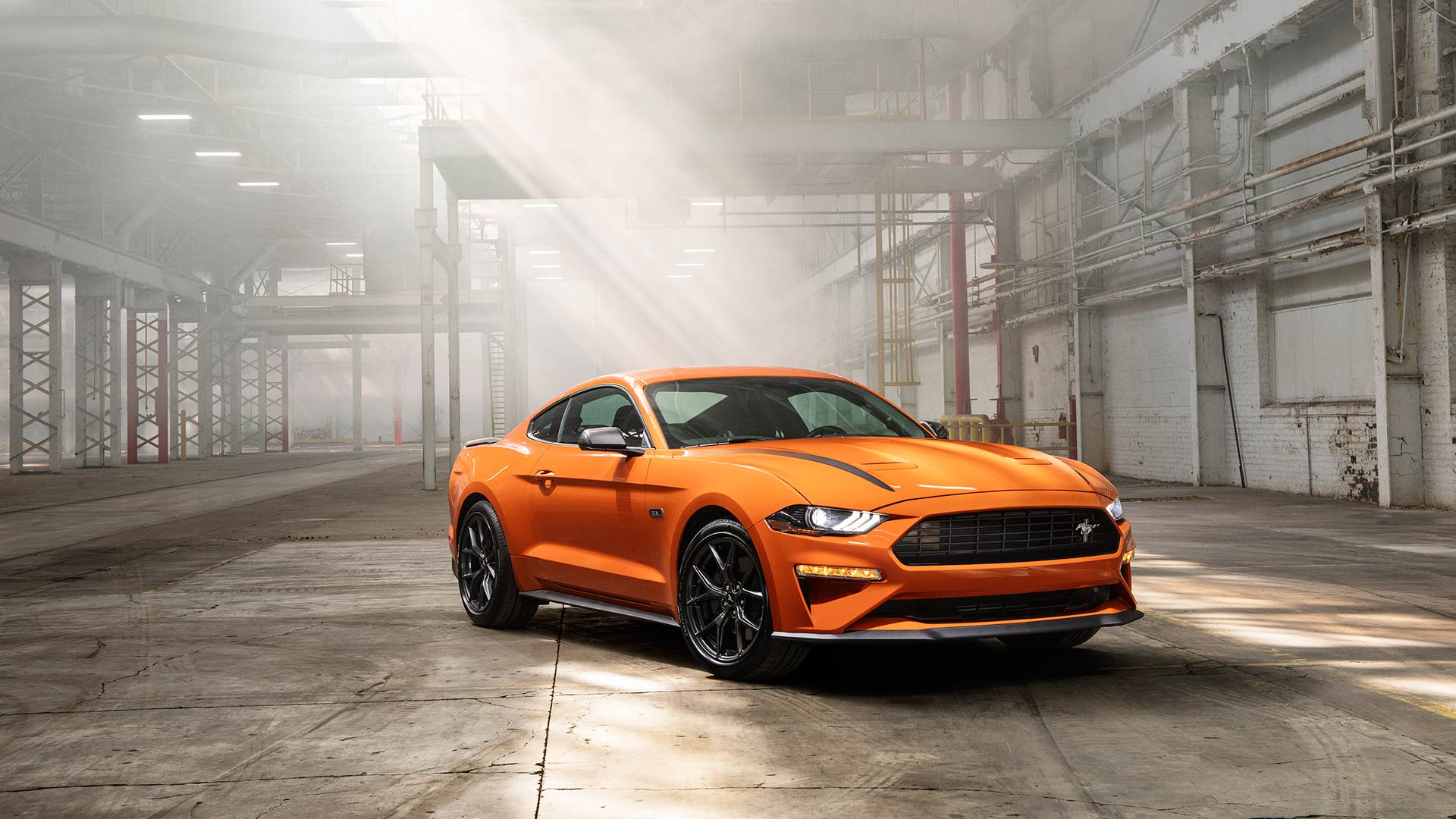
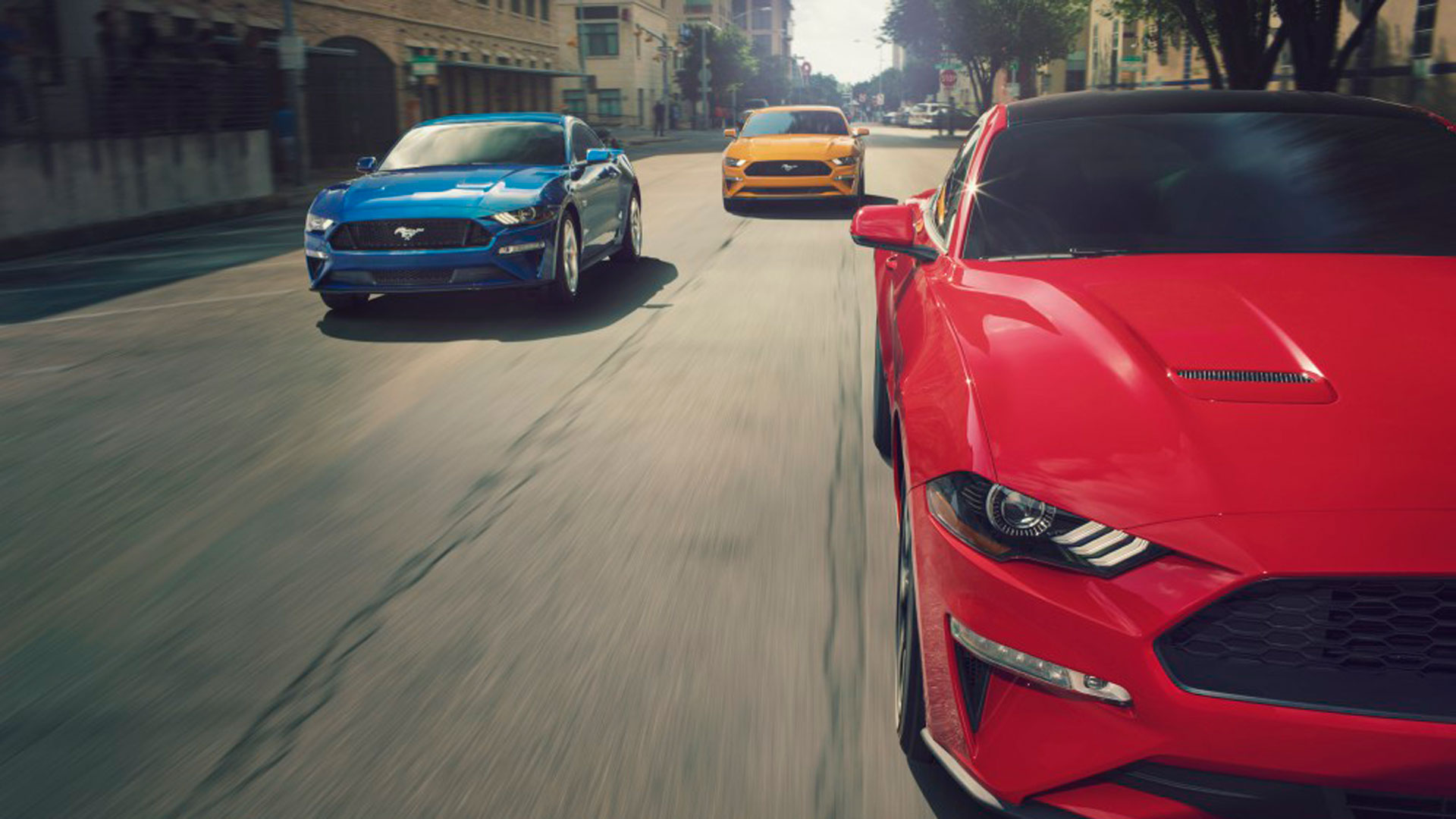
Ford Performance fans may have to think again about dismissing the turbocharged EcoBoost Mustang, as a new High Performance Package variant has just been announced.
Although peak power is still less than the V8 GT versions, the improved 2.3-litre engine has created what Ford calls “the most powerful four-cylinder sports car” offered by an American manufacturer.
Ford hopes that the High Performance Package will entice track day fans, autocross competitors, and driving enthusiasts to consider the non-V8 option as the car to suit their needs.
Boosting to great expectations
Powering the High Performance Package Mustang is an custom-created version of the EcoBoost engine previously used by the outgoing Ford Focus RS.
Engineers travelled to Ford’s Valencia factory, convincing production managers to build a special 2.3-litre four-cylinder unit, tailored to the Mustang. The result is a power output of 330hp (246kW) combined with 350lb-ft (474Nm) of torque.
That may only be an extra shot of 20hp, but Ford has tuned the engine to deliver power all the way to the redline, along with a greater spread of torque. 0-60mph (0-100km/h) takes around 4.5 seconds, with top speed increased to 155mph (249km/h).
Fully-loaded with extras
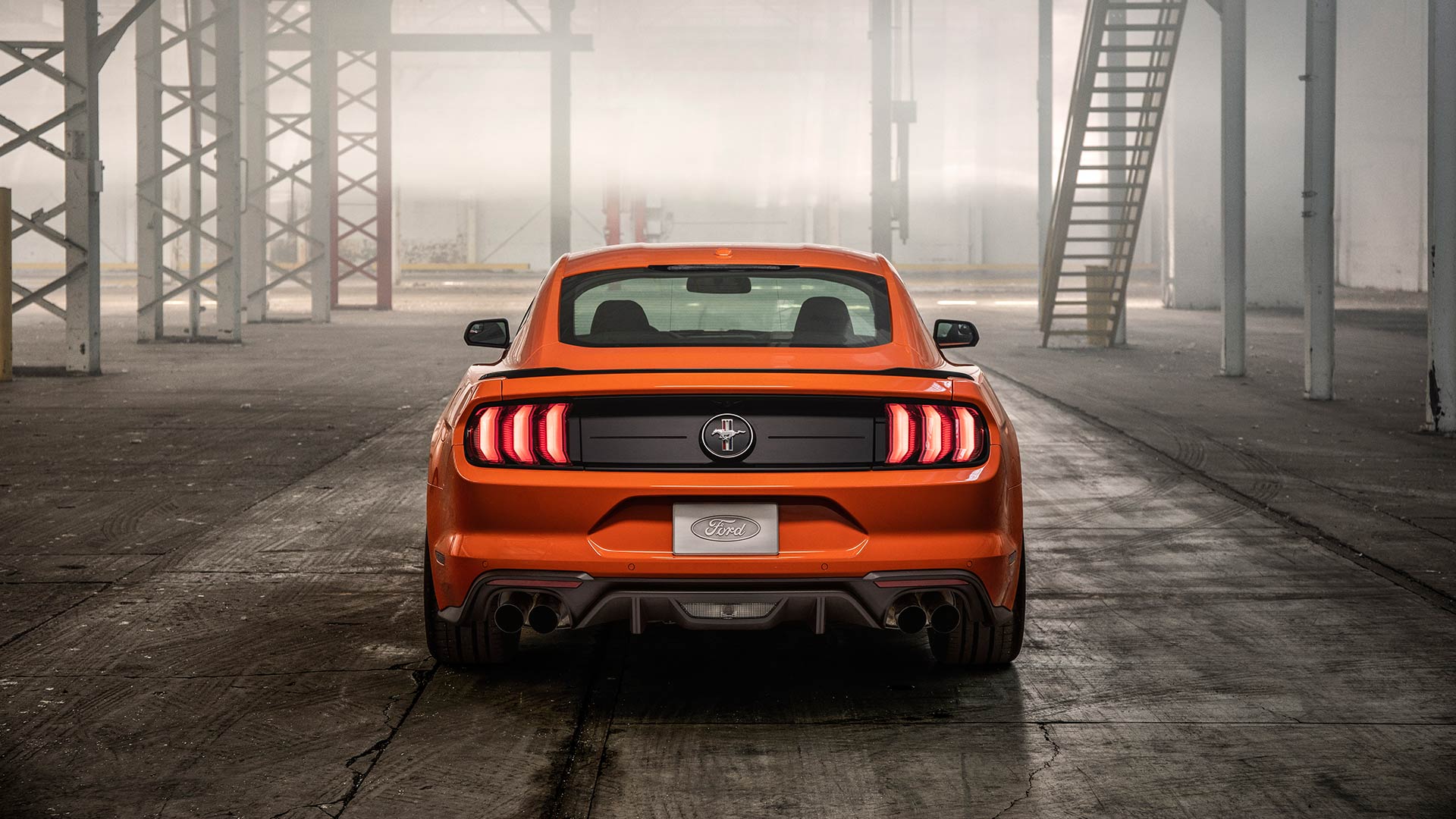
A new exhaust system with quad-tailpipes has been tuned to deliver a better sound. High Performance Package cars also get a new black front splitter, blacked-out front grille, extra cooling vents, and a new rear spoiler.
Larger brakes from the V8-powered Mustang GT have been added, along with beefier anti-roll bars, and even a strut brace for the front suspension.
A limited-slip differential is also standard, along with a set of 19-inch alloy wheels. An optional EcoBoost Handling Pack can also be had, bringing stickier Pirelli tyres and uprated suspension dampers to the party.
Grey side mirrors, grey body stripes, and special High Performance Package badging will let everyone know which Mustang you have bought. A numbered plaque for the dashboard serves as a reminder inside, too.
A project of passion and performance
For a global giant like Ford, the creation of the High Performance Package Mustang is special in that it relied upon the personal efforts of a small band of Ford Performance engineers.
Initially conceived as an experiment in slotting a Focus RS EcoBoost engine into a Mustang, the results were seemingly impressive enough for Ford to green-light full production.
In fact, the whole process from initial design to approval took just ten months. This was made easier by to the shortened product development times undertaken by Ford, speeding up the project from skunkworks idea to road-going reality.
A waiting game for enthusiasts
Available on both the EcoBoost Mustang in fastback and convertible body shapes, American buyers will be able to grab the 2.3-litre High Performance Package later in 2019. They will also get to pick between the six-speed manual gearbox, or the ten-speed automatic unit.
Ford has not confirmed prices for the High Performance Package, or whether it will be offered to customers outside the United States.
However, with the Mustang celebrating it’s 55th anniversary in 2019, it would seem rather unfair to deny others the chance to join in the festivities.
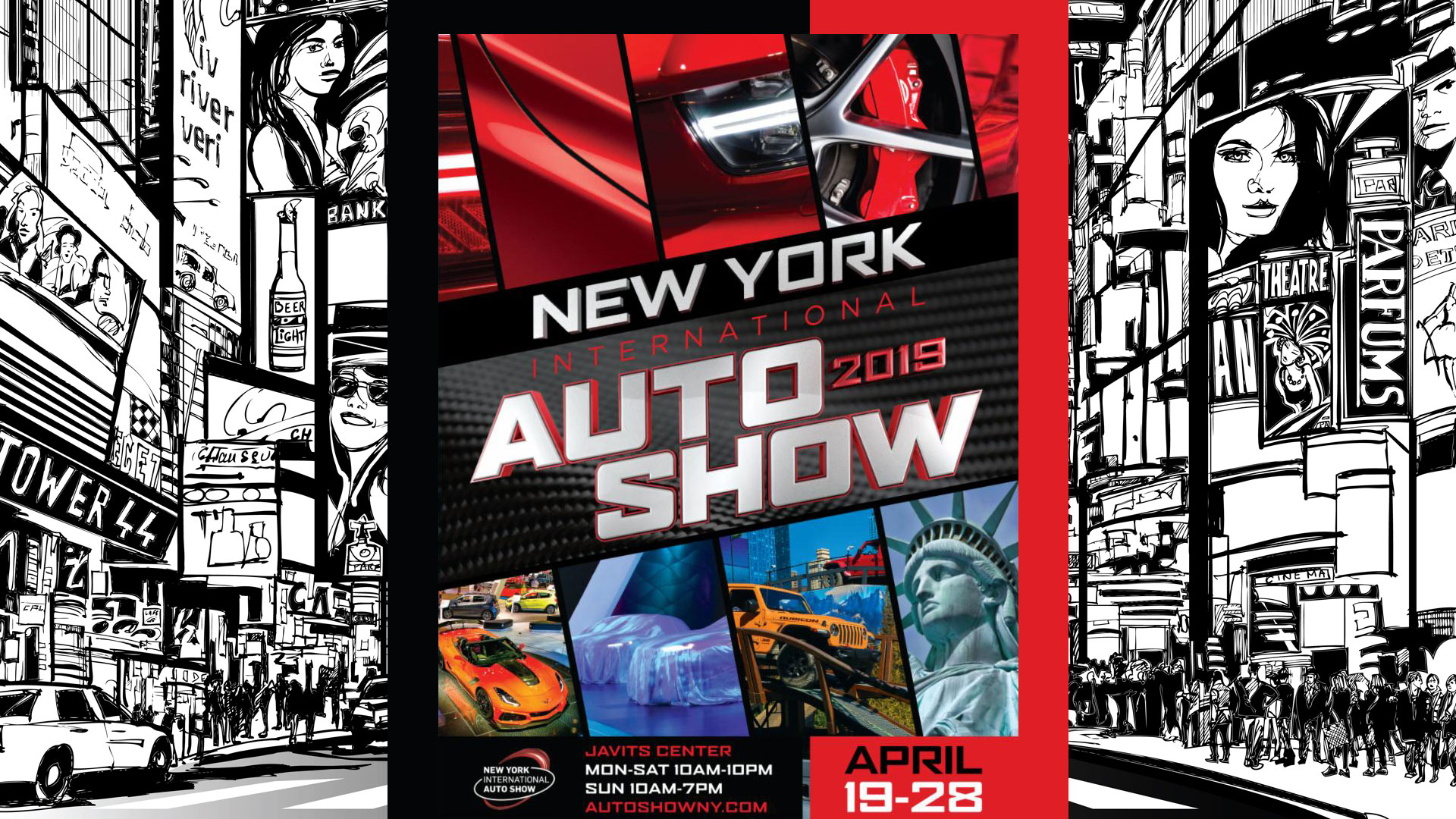
The 119th running of North America’s original auto show opens its doors to the press on 17 April, with the organizers promising a display of nearly 1,000 cars under the lights of the Jacob Javits Convention Center. Read on to see what will be grabbing the headlines at NYIAS 2019.
Another auto show, another new compact SUV, this time in the form of the Hyundai Venue. It’s billed as Hyundai’s “smallest and most affordable SUV”, which means it’ll sit below the not-exactly-large Kona in the range. The teaser sketches suggest a three-door body, but this seems as unlikely as the huge alloy wheels also shown on the pre-show drawings. It’s a funky looking thing, and with the Kona priced at less than $20,000, might this come in around the $15,000 mark?
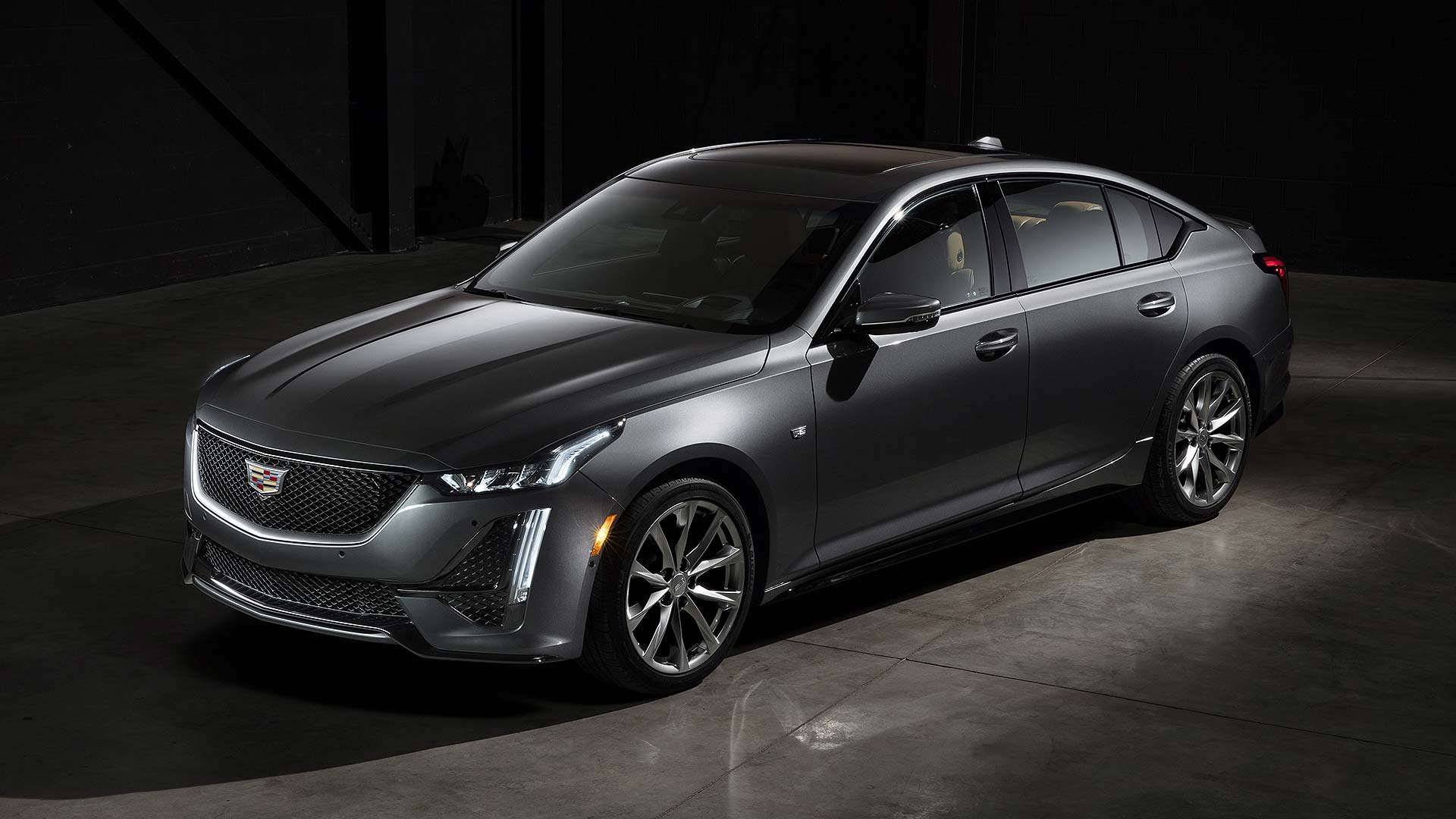
Cadillac CT5
Say hello to the Cadillac CT5 and wave goodbye to the CTS. While every soccer mom and dad from Stockbridge to Boston might be jumping into SUVs, Cadillac has pumped $211 million into GM’s Lansing Grand River facility where the CT5 will be built. The four-door sedan has a future, according to Cadillac. Two engines will be available: a 2.0-liter turbo and a 3.0-liter twin-turbocharged unit, each one paired to a 10-speed automatic transmission.
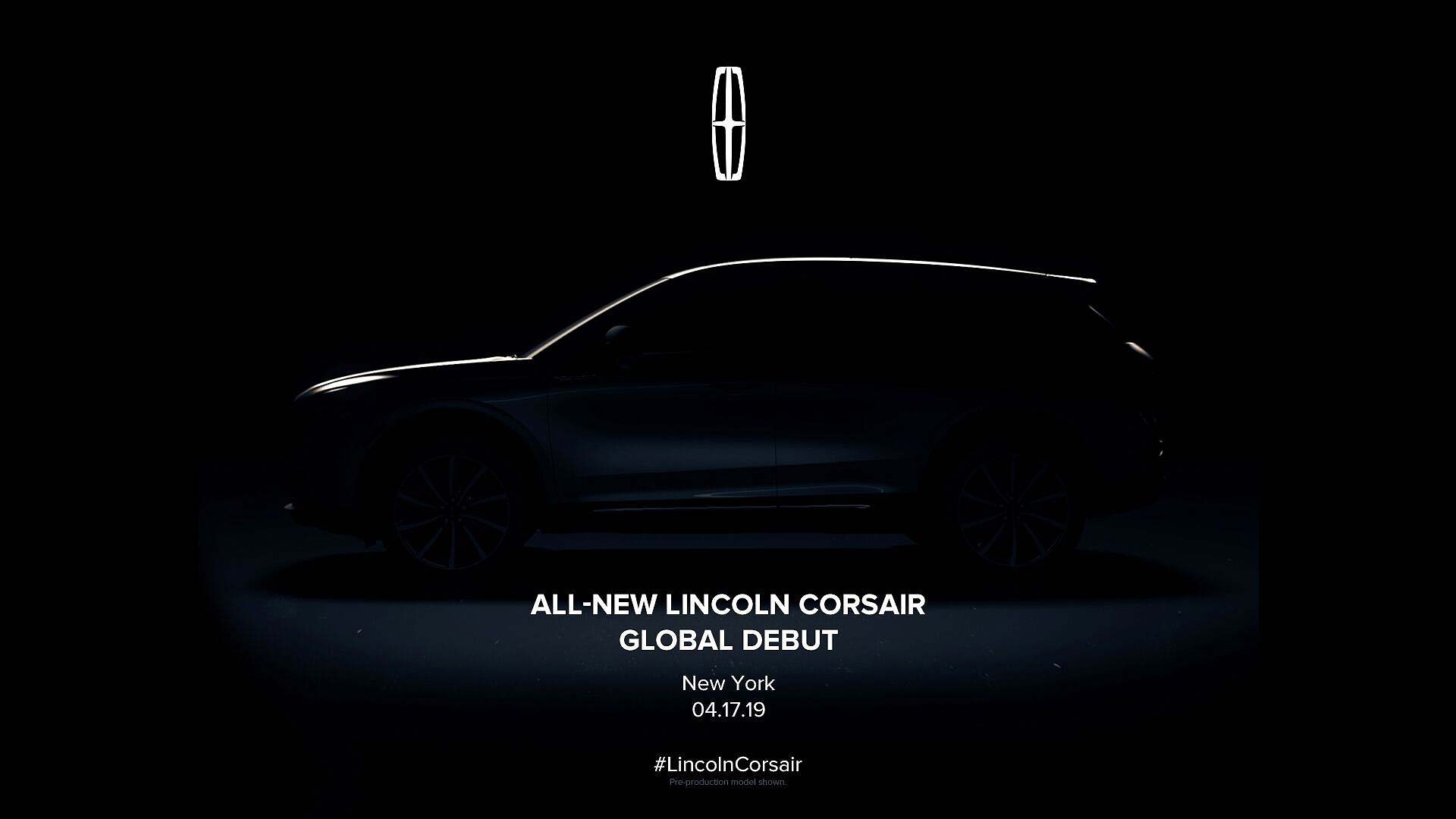
Lincoln Corsair
The Lincoln MKC compact SUV made its debut back in 2013 at the North American International Auto Show, so a replacement is long overdue. It’ll be called the Corsair, but Lincoln is remaining tight-lipped about the specifications. “With the continued strength of Lincoln’s SUVs – from the record-breaking sales of Navigator, strong customer response to the 2019 Nautilus and the arrival of the all-new Aviator in the summer, the introduction of Corsair will further enhance Lincoln’s lineup,” the manufacturer said.
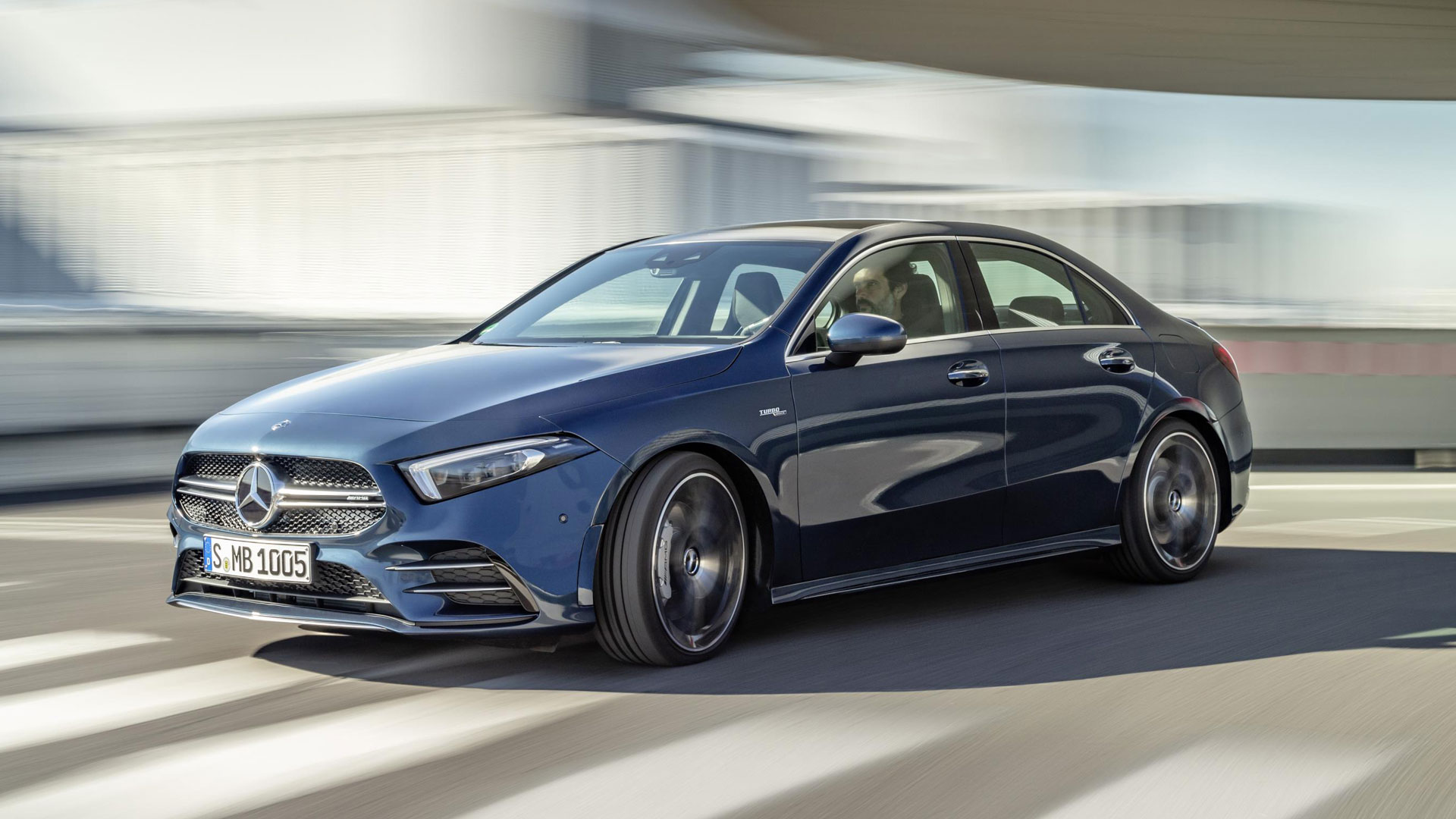
Mercedes-AMG A 35 sedan
The Mercedes-AMG A 35 sedan is powered by a 2.0-liter four-cylinder turbocharged engine producing 320 horsepower, which is enough for it to hit 60mph in just 4.7 seconds. It serves as the entry point into the world of AMG: a chance to earn your stripes on the nursery slopes before taking on the black runs further up the ladder. Highlights include a seven-speed transmission, AMG suspension and variable AMG Performance 4Matic all-wheel-drive.
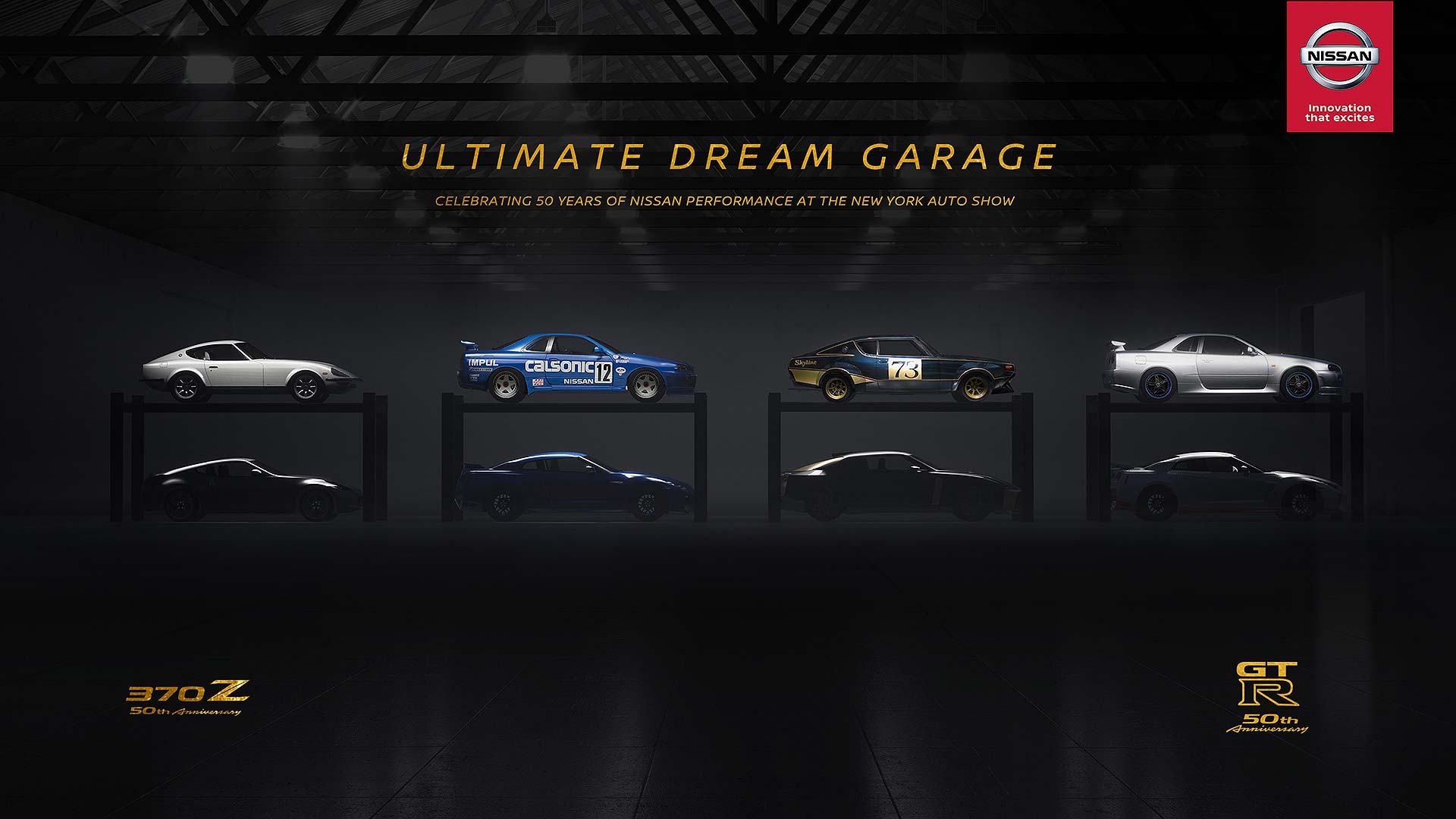
Nissan Performance icons
Forget the new SUVs and performance sedans, Nissan is almost guaranteed to steal the show in New York. “At Nissan, we believe every garage deserves to dream,” the manufacturer said as it released a teaser image of some of its most iconic performance cars. Well, you’re hardly going to let the 50th anniversaries of the Z cars and GT-R pass without a party, are you? Expect fireworks and plenty of shares on social media.
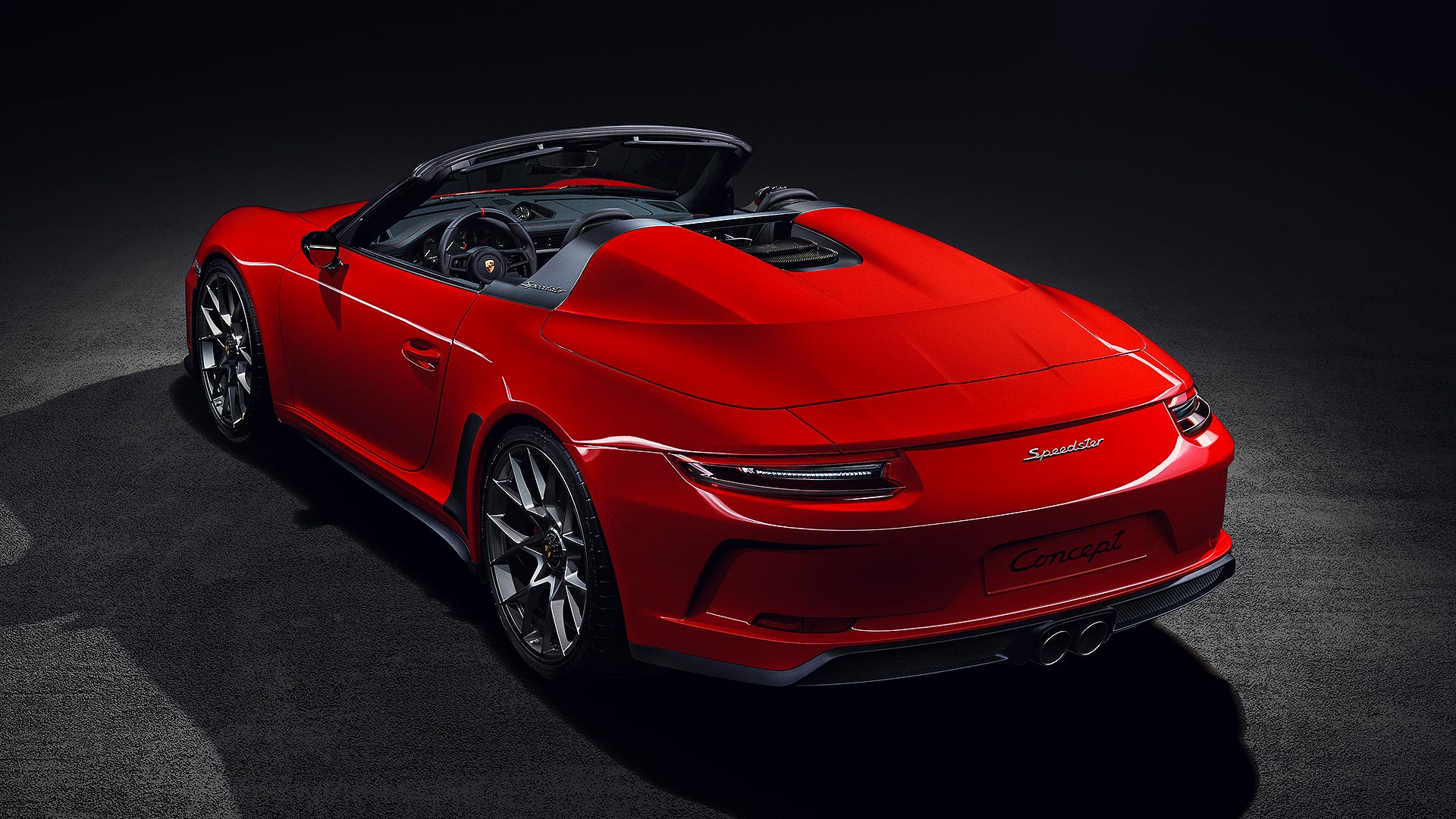
Porsche Speedster
There are rumors Porsche will be showing off a new Speedster edition. It will be based on the outgoing ‘991’ model, not the new ‘992’, making it a final-edition runout special. The German sports car maker showcased a couple of Speedster concepts in 2018, so don’t be surprised if the production car differs little from the one above…
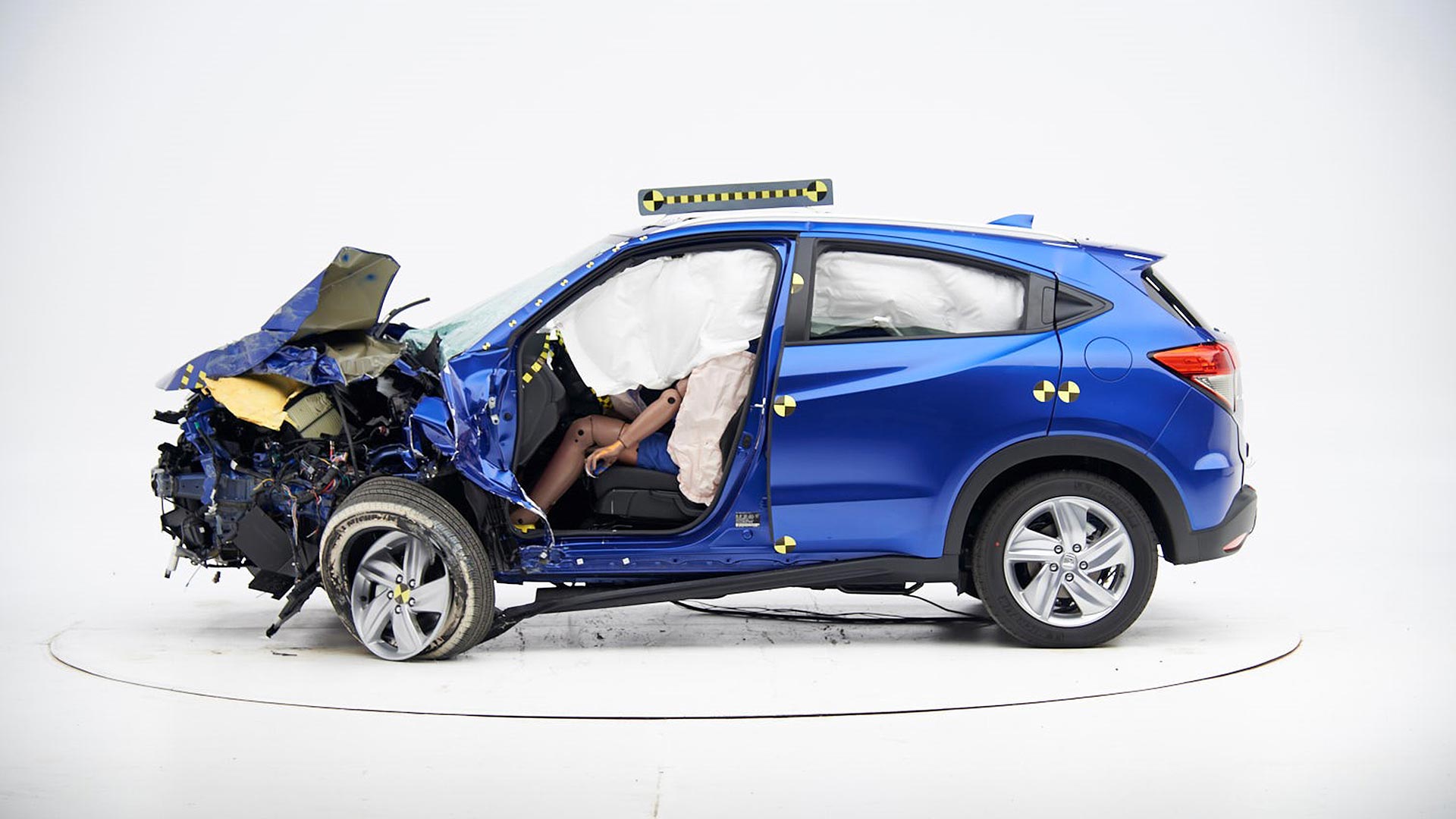
2019 Honda HR-V
Honda has seven cars rated as top picks by the Insurance Institute for Highway Safety (IIHS). And, in what it believes is an auto show first, it’s bringing an HR-V straight from a crash test to New York 2019. “Media and consumers will be able to see first-hand how the HR-V performed with dramatic, real-world visuals”.
Acura TLX PMC
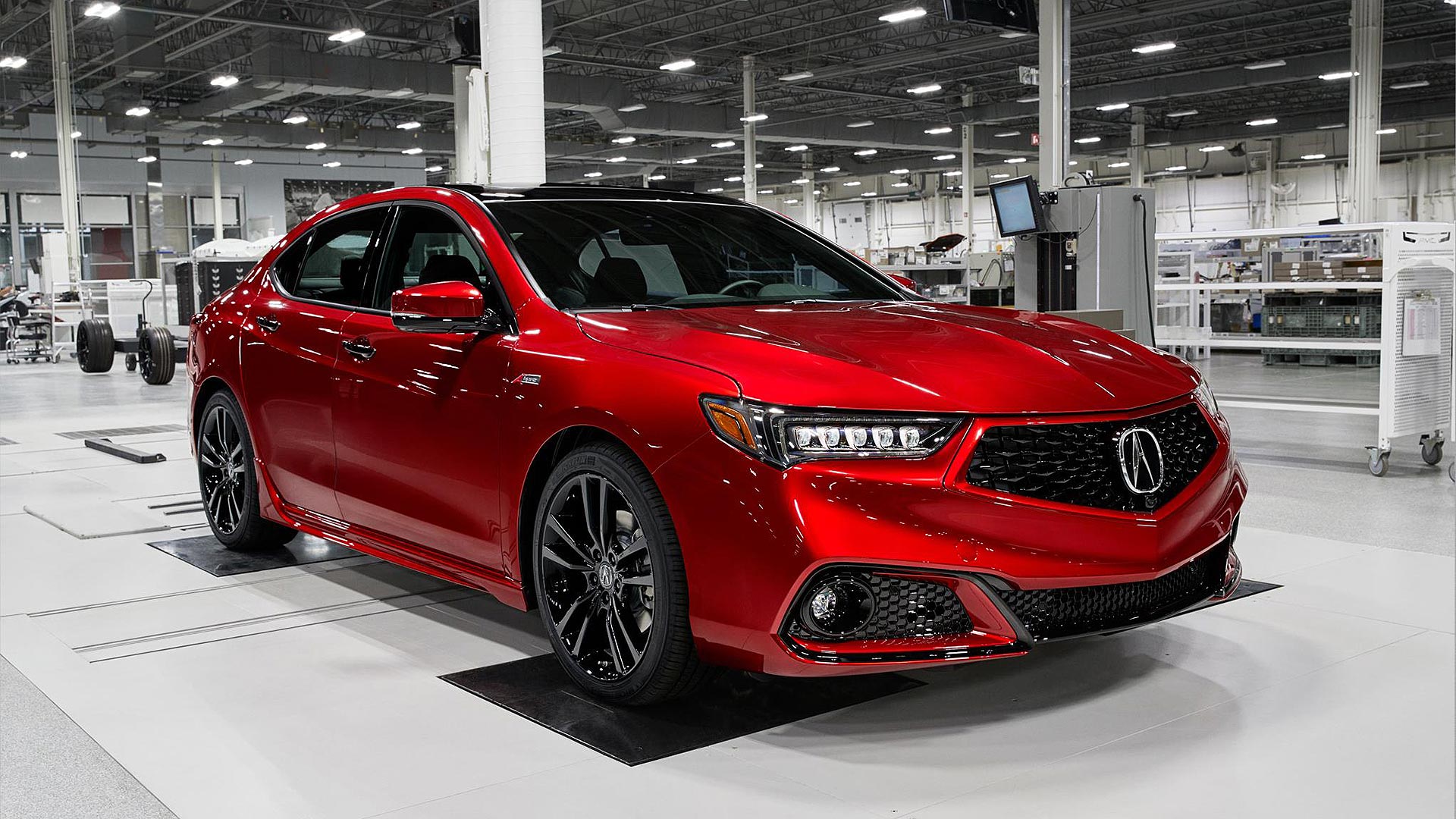
This is very special: The Acura Performance Manufacturing Center (PMC) normally builds NSX. Now it is building Acura sedans, with the TLX PMC a hand-assembled model made up from a raw bodyshell delivered from the Marysville plant. It even has the same ‘nano pigment’ paint job as the NSX. On sale in the summer, it will cost around $50,000.
Audi R8 V10 Decennium
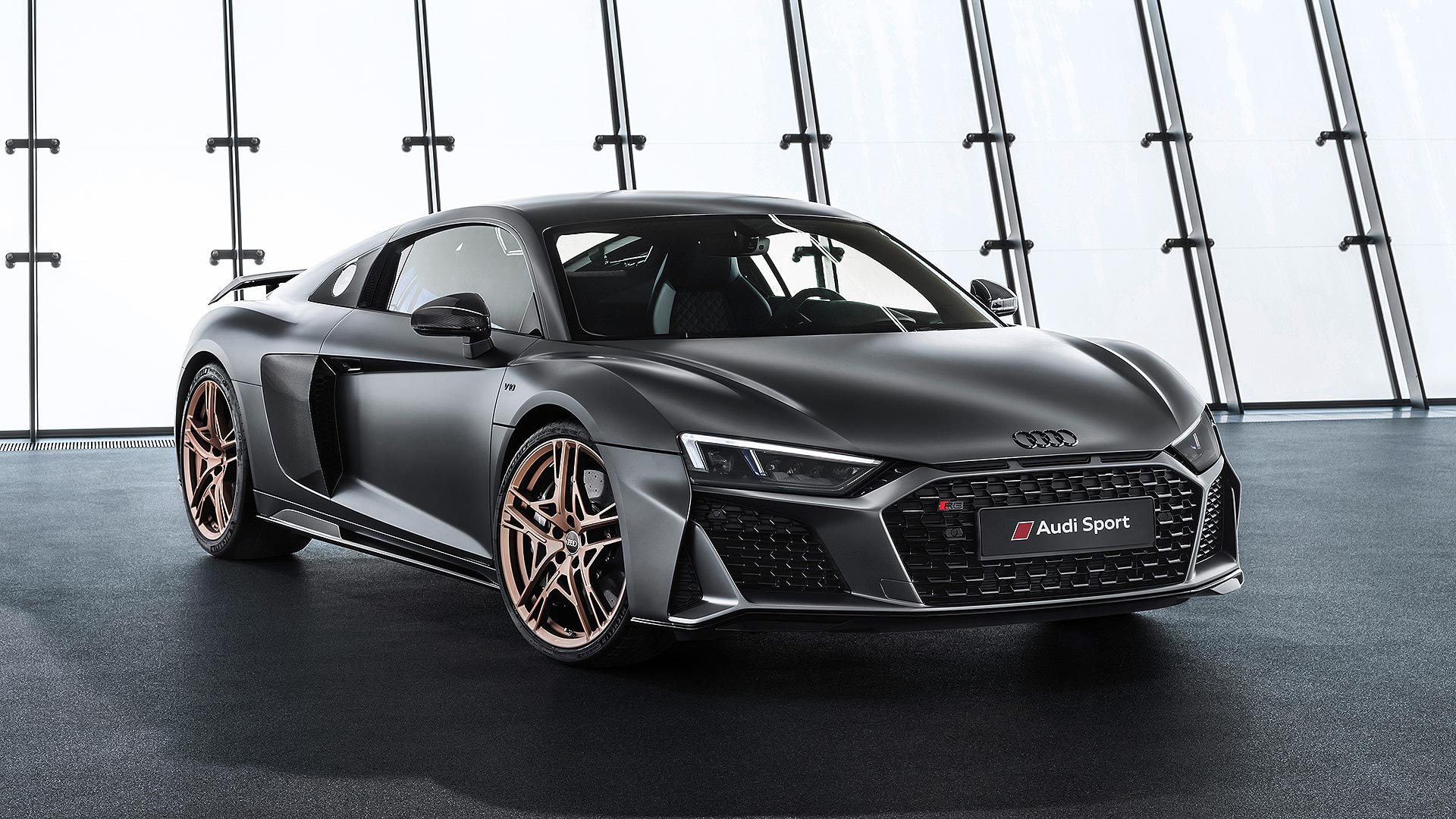
The 2020 Audi R8 has a round of mid-life improvements and a choice of 562 horsepower or 602 horsepower V10 engines. To mark 10 years of R8 production, Audi is building 222 ‘Decennium’ editions: North America is getting the final 50 (numbered 173 to 222), all finished in Mythos Black Metallic with milled 20-inch bronze alloys. Priced at $214,995, see it at NYIAS.
Mercedes-Benz EQC
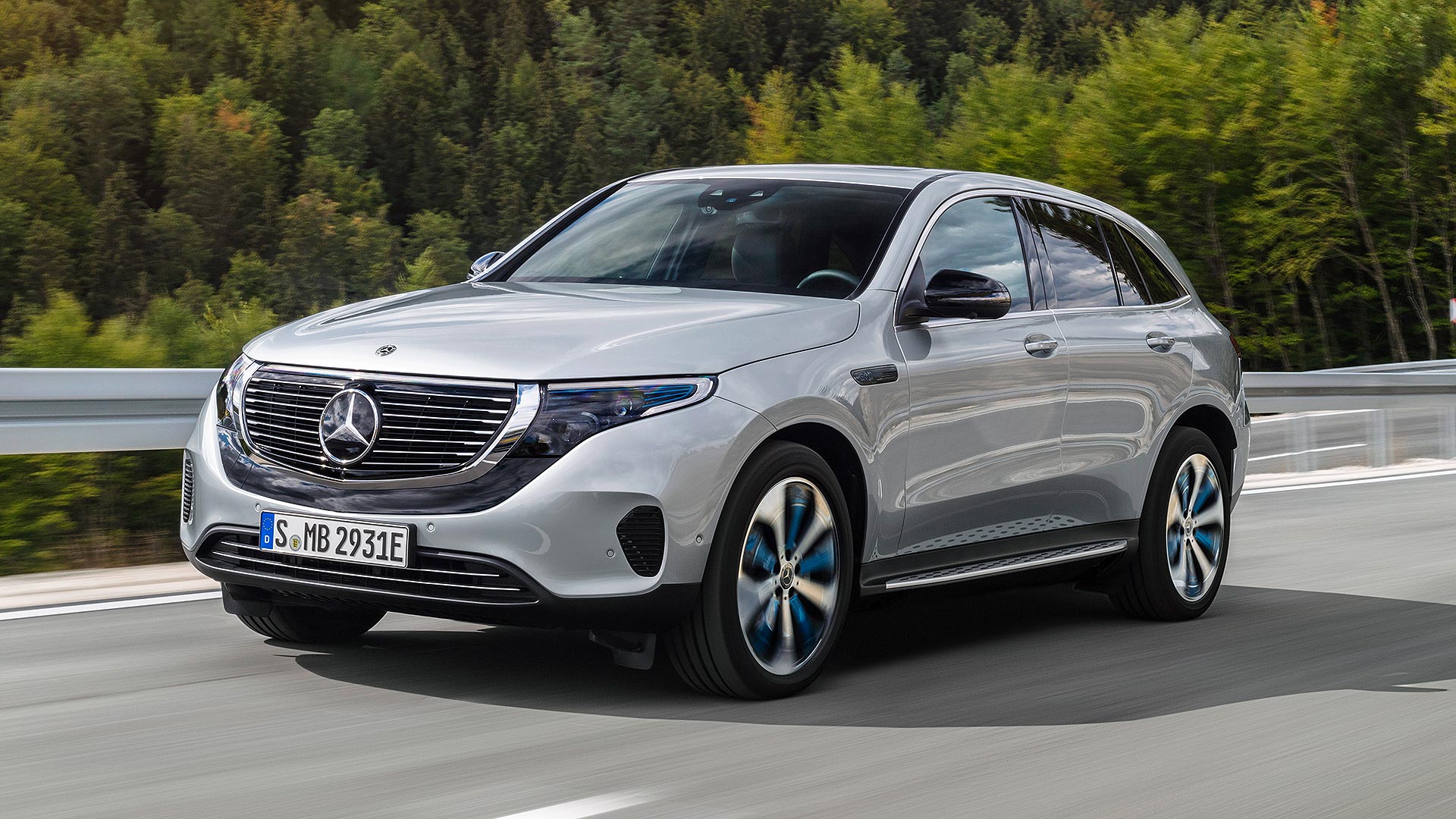
The all-electric Mercedes-Benz EQC is rumored to be shown in New York as a new ‘EQC Edition 1886’ model. Why 1886? Because that’s when the company invented the car: with this electric SUV, it’s now reinventing it…
Toyota Yaris
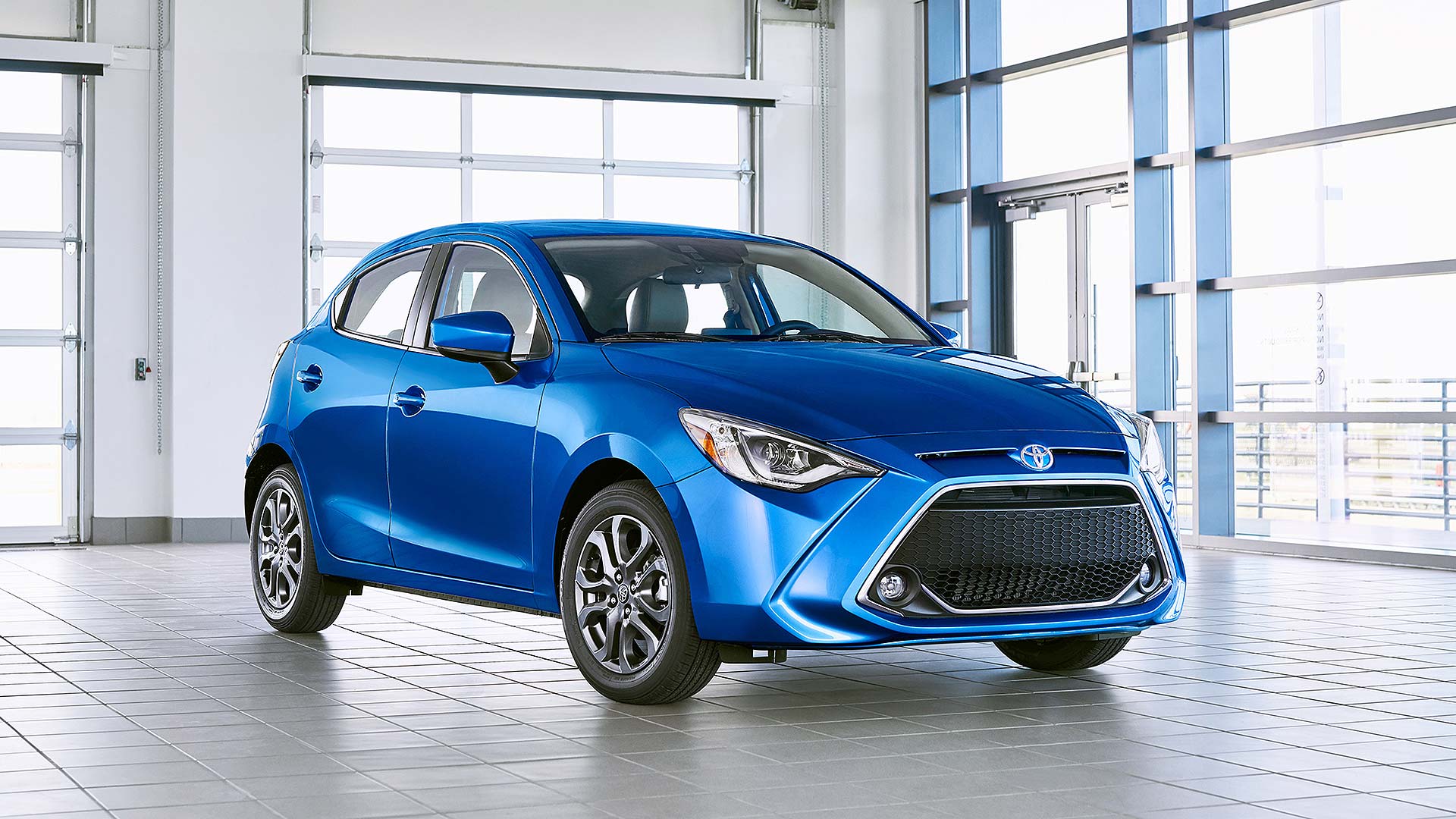
The 2020 Toyota Yaris is little more than a rebadged and mildly restyled version of the Mazda 2 and two trims will be offered: LE and XLE. Standard equipment includes 16-inch alloy wheels, a six-speed automatic transmission, a pre-collision safety system, Apple CarPlay and Android Auto. The XLE adds the likes of climate control, rain-sensing windshield wipers and LED headlights. Engine and performance figures are unknown, but Toyota is promising 40mpg fuel economy.
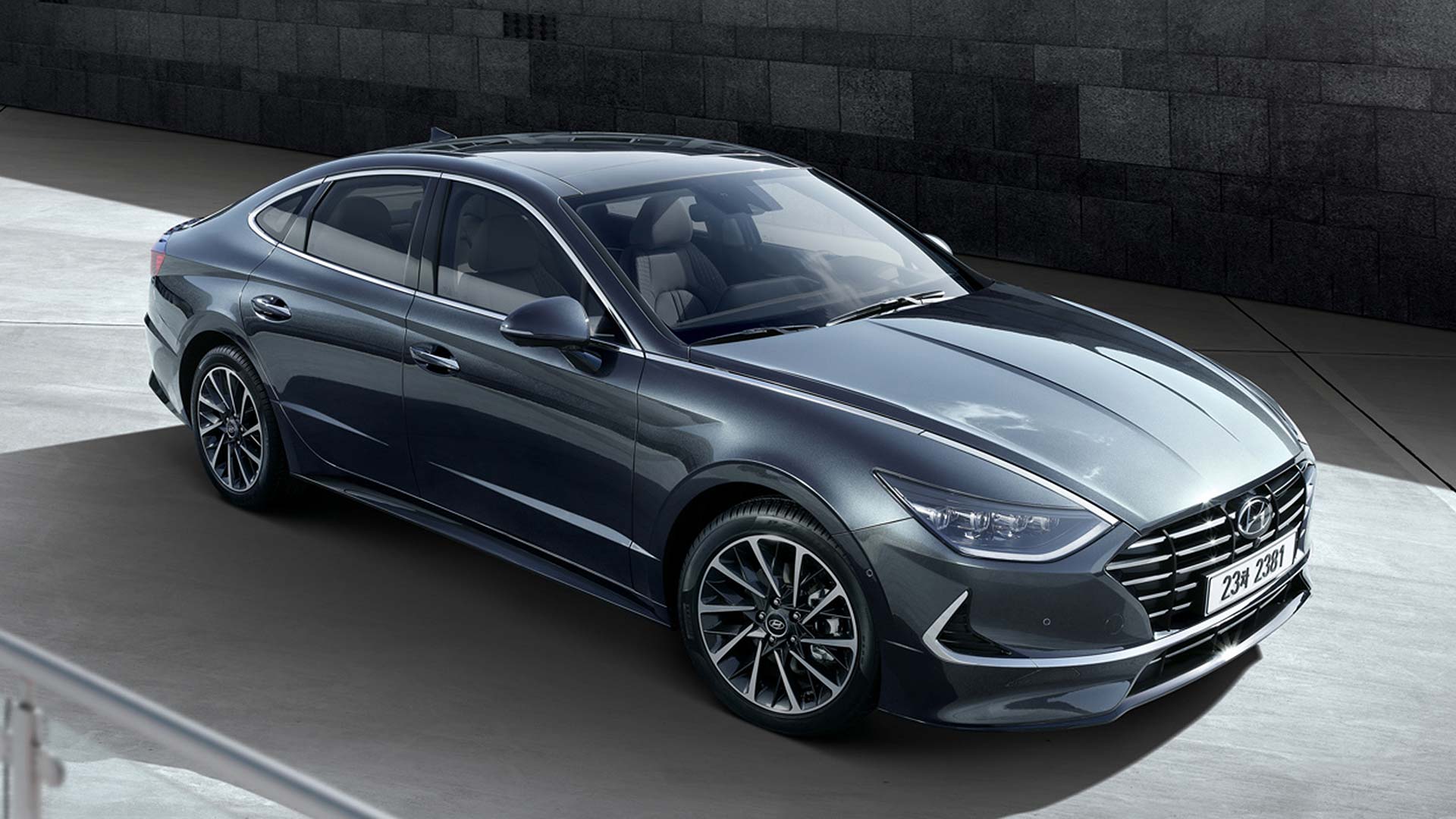
Hyundai Sonata facelift
Inspired by the Le Fil Rouge concept of 2018, the new Hyundai Sonata ushers in a new design language and a new coupe-style body for the four-door sedan. It’s also 1.1 inches lower, 1 inch wider and 1.8 inches longer than the outgoing model, improving the stance and the amount of space inside. The cabin has been simplified and looks a notch up from the current Sonata, while the instrument panel is inspired by a stealth aircraft. Fancy.
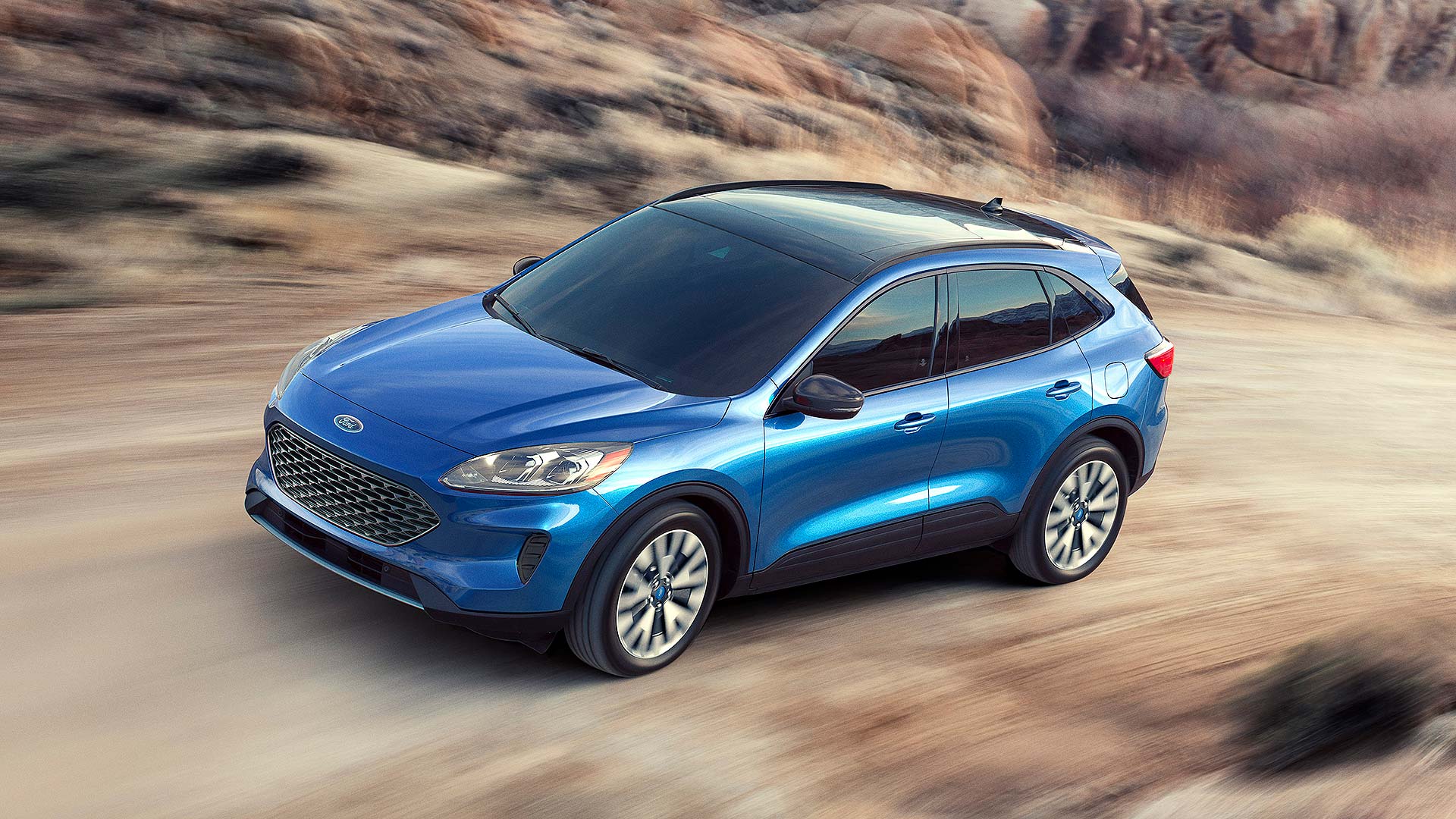
Ford Escape
Ford has sold more than 4.5 million Escapes, so the launch of the 2020 model is kind of a big deal. A range of powertrains will be available, including a new plug-in hybrid capable of delivering 30+ miles of electric range. A standard hybrid is also available along with a pair of conventional EcoBoost gasoline engines: a 1.5-liter and a 2.0-liter. In a first for Ford in North America, the top-spec Titanium models feature a head-up display. In another first for Ford in this region, the 1.5-liter engine debuts cylinder deactivation, which senses when one cylinder isn’t needed and shuts it down to save fuel.
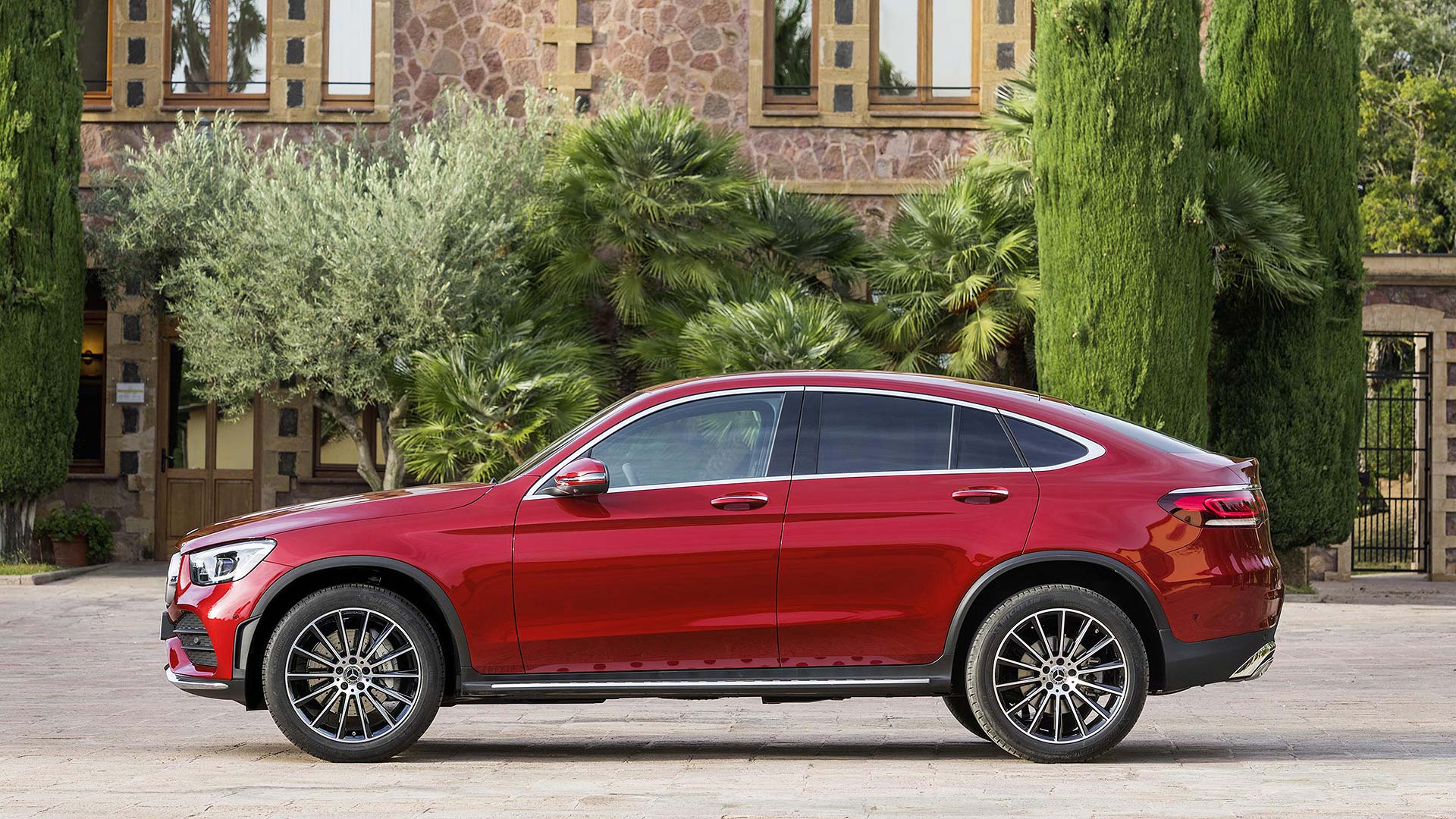
Mercedes-Benz GLC Coupe
“The next generation of the successful model skillfully and intricately combines the sportiness of a coupe with the functionality of an SUV,” says Mercedes-Benz. Can a four-door SUV be a classed as a coupe? Discuss. At launch, the GLC Coupe will be available with a 2.0-liter four-cylinder turbocharged engine developing 255 horsepower, with the new car also boasting the latest MBUX multimedia system. It’ll go on sale by late 2019.
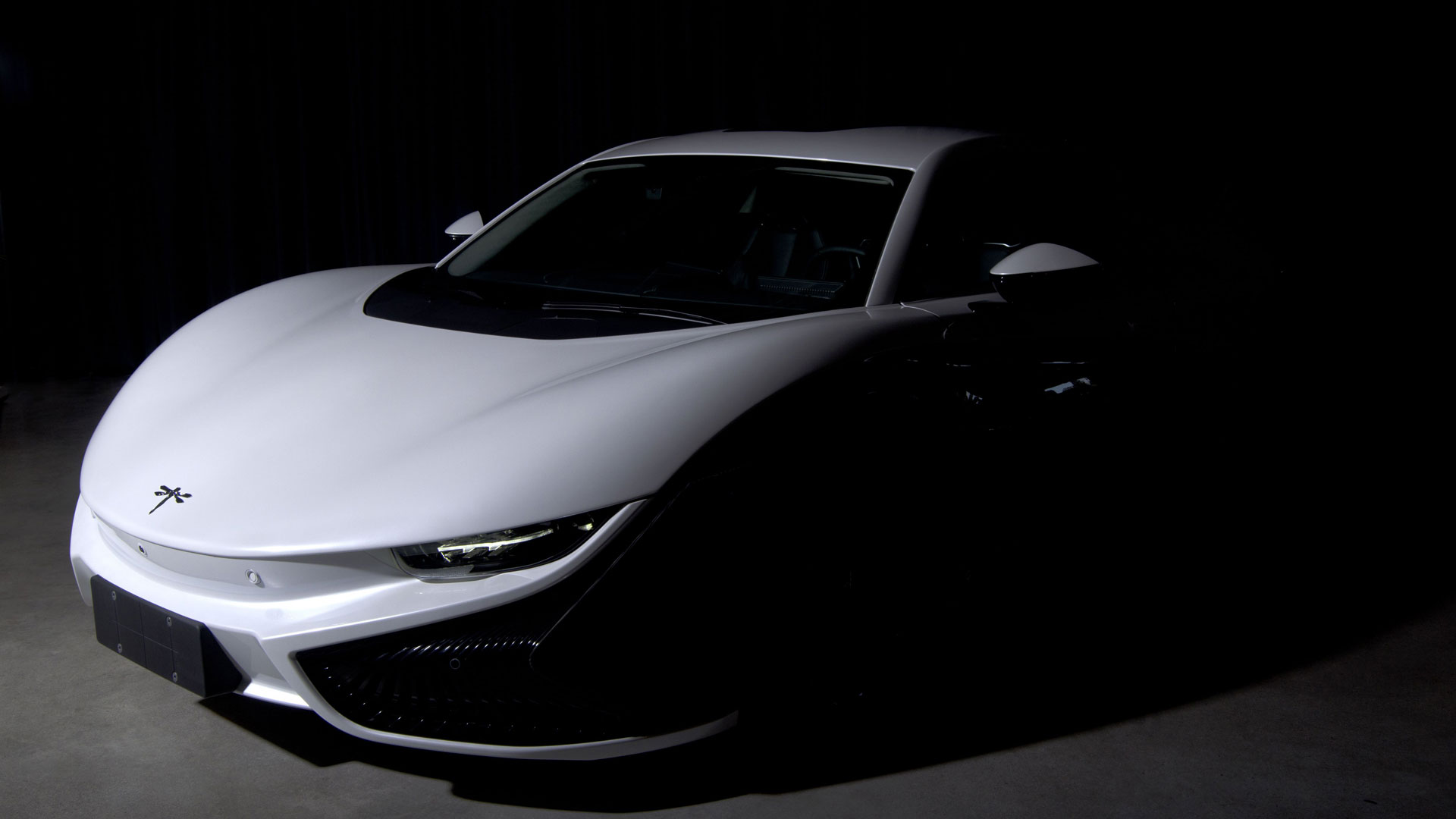
Mullen Qiantu K50
The K50 is the result of a collaboration between California-based Mullen Technologies and China’s Qiantu Motors, with the sports car arriving in the U.S. in 2020. Power is sourced from a pair of electric motors – one for each axle – with the companies claiming a peak output of 375 horsepower. The RESS (Rechargeable Energy Storage System) delivers a range of between 230 and 310 miles. Six standard colours are available, plus 19-inch forged aluminum wheels in a choice of two colours. U.S customers can reserve their K50 now.
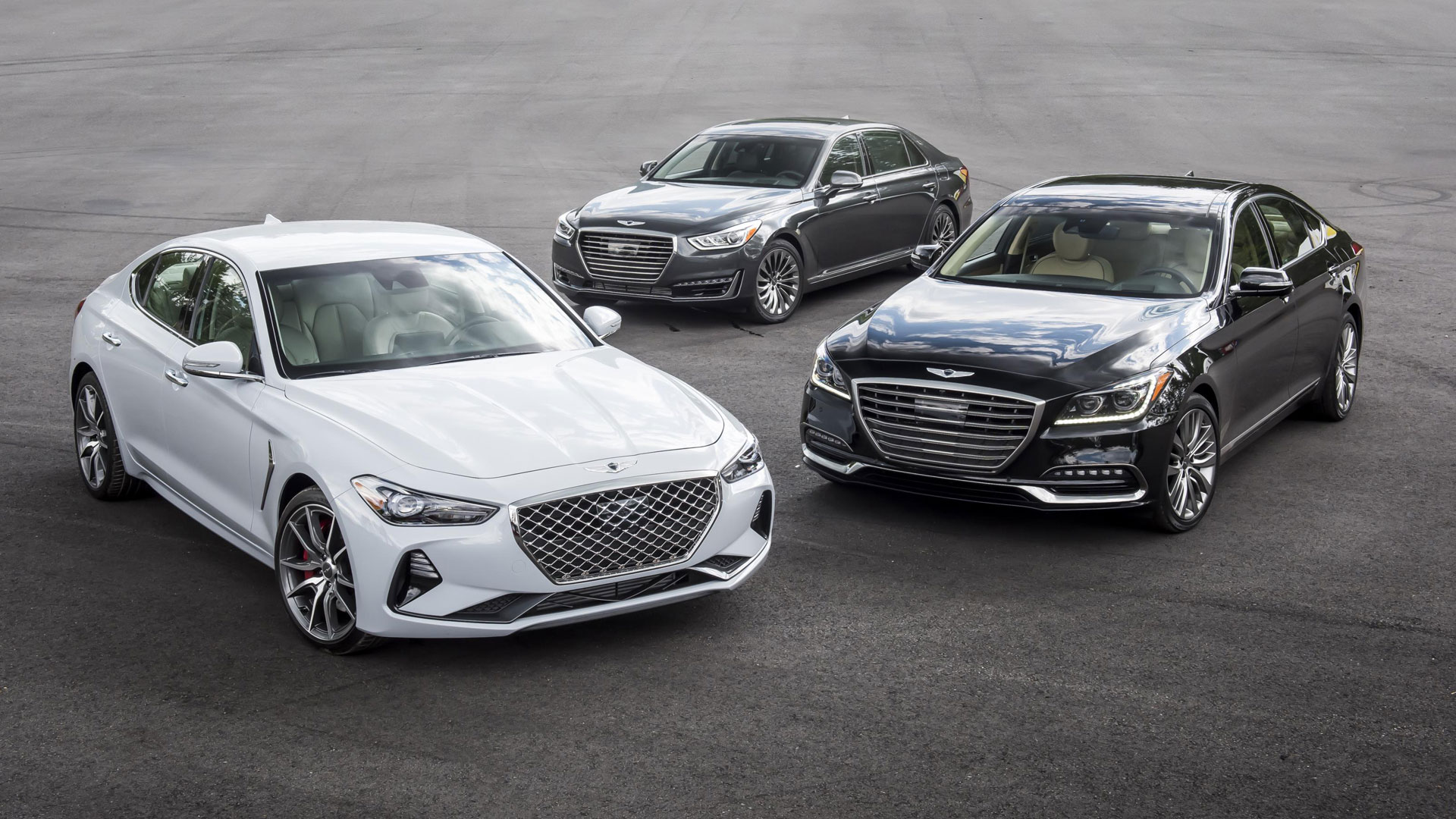
Genesis EV concept
Genesis has confirmed that it will unveil an electric car in New York, but we don’t know much beyond that. We do know that the first production EV is likely to arrive in 2021 and that future models will be based on bespoke platforms. “When it comes to electric vehicles you have to ask whether you want science fiction or whether you want to conform,” Hyundai Group design boss Luc Donckerwolke told Auto Express.
Subaru Outback
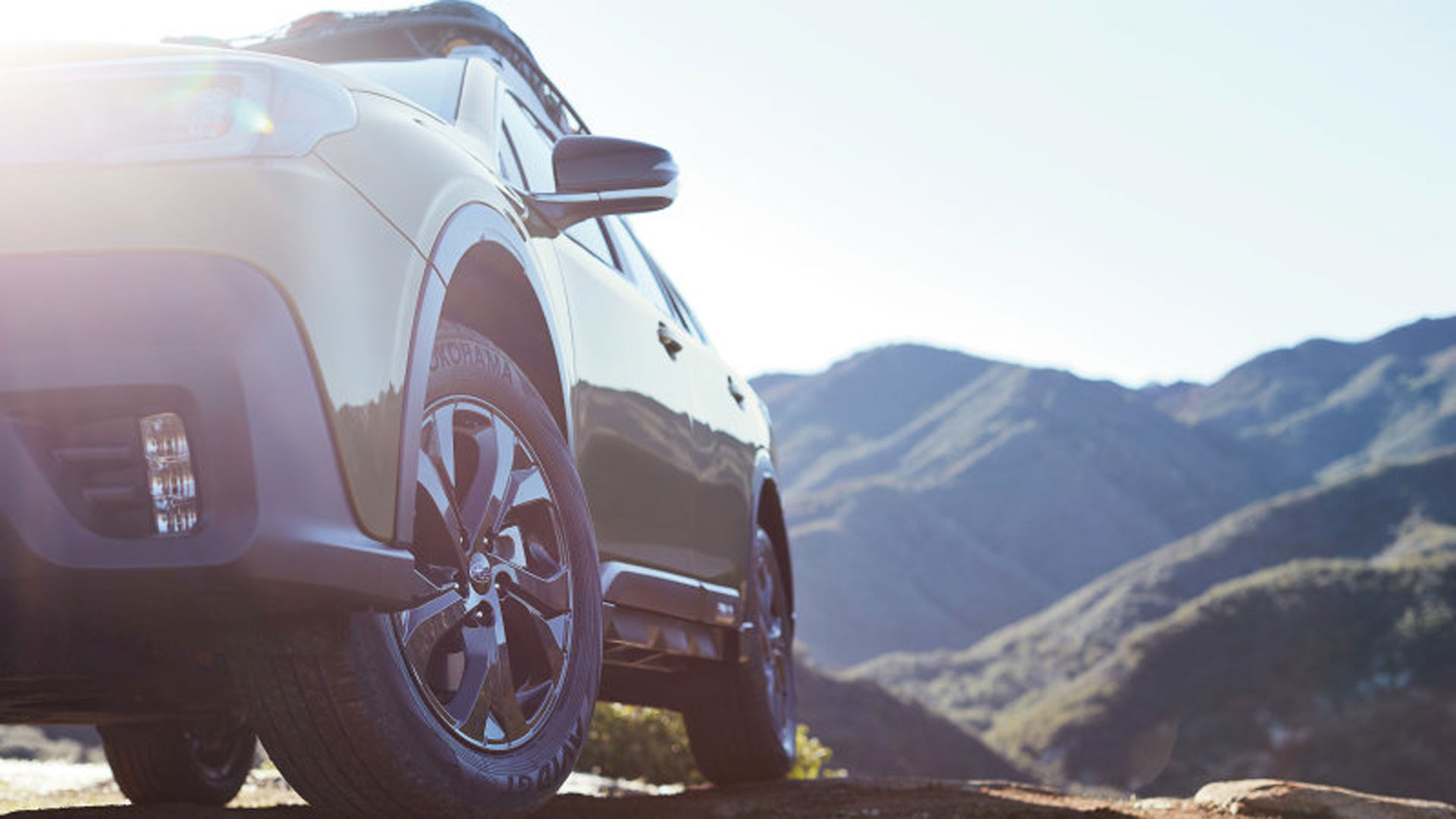
The next-generation Subaru Outback will take a bow in New York, and although the Japanese firm is giving little away, a recent teaser image provided a few hints of its revised styling. There’s a vertical stack of LED daytime running lights in the lower fascia, black alloy wheels, plenty of body armour and what appears to be a cargo rack on the roof. How much of this is optional equipment remains to be seen, but don’t be surprised if Subaru gives the Outback more of an SUV look and feel.
Koenigsegg Jesko
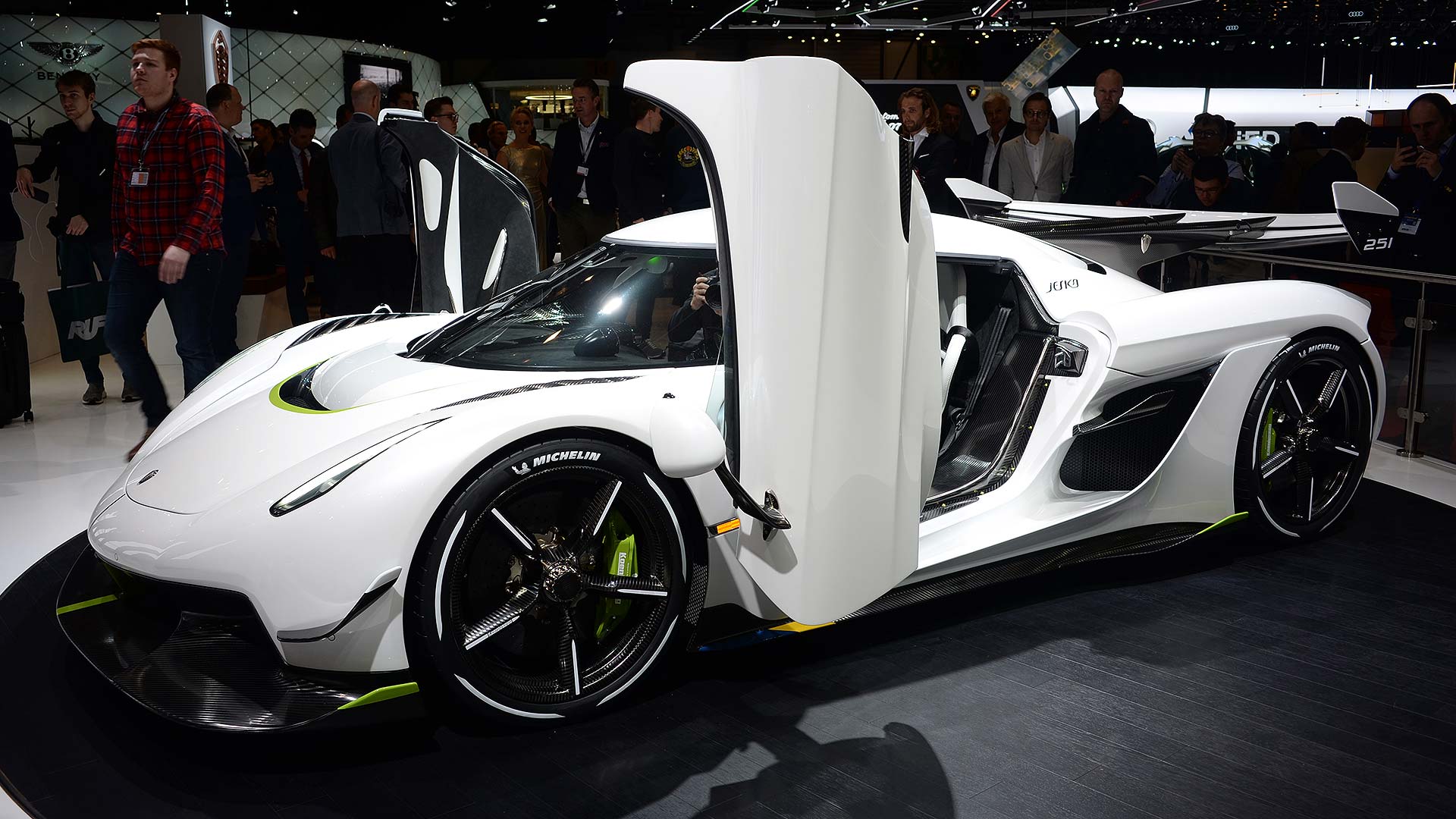
How time flies. One minute Koenigsegg is giving the Jesko its world debut at the Geneva Motor Show, the next minute it is releasing a statement saying that every build slot has been allocated, with deposits received. That’s 125 hypercars, each one with a price tag of $3 million. Thanks to a 5.0-liter twin-turbocharged engine producing 1,600 horsepower, there’s a good chance this thing will do 300mph.
Mercedes-Benz GLS
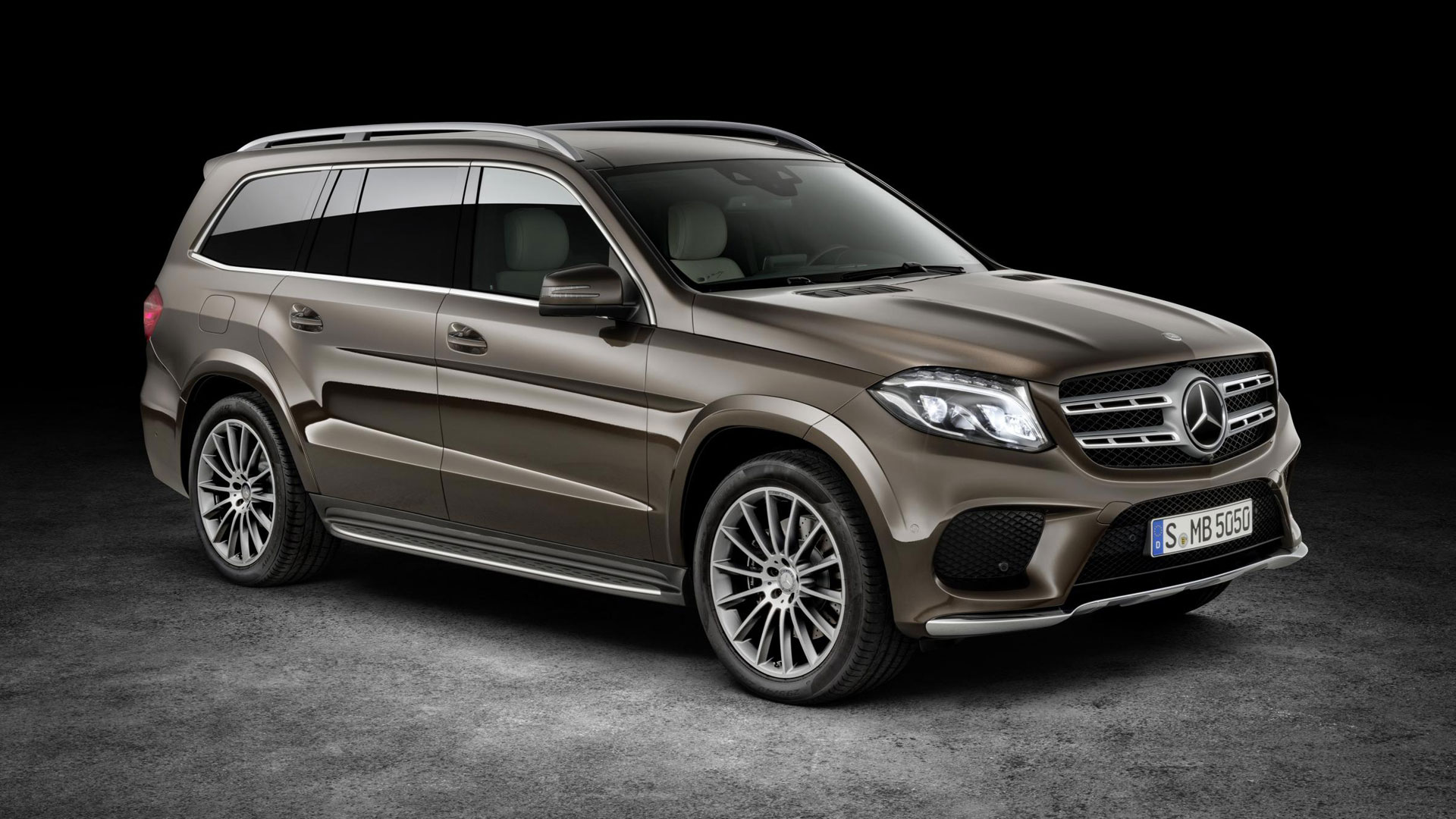
No company offers more SUVs than Mercedes-Benz, and the GLS is the largest and most luxurious. The new model boasts a 2.3-inch longer wheelbase than the current GLS (pictured), creating more space for passengers in the second row, while the seats in all three rows are fully electrically adjustable. The E-Active body control system “ensures superior suspension comfort, agile handling and good off-road capabilities”, while safety is provided by the latest driver assistance systems.
Rivian EVs
Since Rivian unveiled the R1T and R1S at last year’s LA Auto Show, Amazon has invested $700 million in the Michigan-based EV company. The company is committed to begin production of its electric truck and SUV in 2020, promising to build “the world’s first electric adventure vehicles”. Both EVs are expected to offer up to 400 miles of range, while boasting a 0-60mph time of three seconds. Rivian is like a rough and tough version of Tesla, then?
Kia SP Signature concept
Kia says that the SP Signature is a production-ready concept that previews a new SUV that’ll arrive later this year. It provides an early look at Kia’s next-generation design language, with LED daytime running lights built into the brand’s ‘tiger nose’ grille. It’s roughly the size of a Hyundai Kona and will sit below the Sportage when it hits the U.S market.
Ford Mustang
We know that Ford will be unveiling a new Mustang variant in New York, but what will it be? Everything points to a new entry-level model, although some sources suggest it will be mid-range Mustang to sit between the 2.3-liter EcoBoost and the 5.0-liter GT. Will it wear the SVO or ST badge? There are so many unknowns, but you can bank on it being one of the stars of the show.
Toyota Highlander
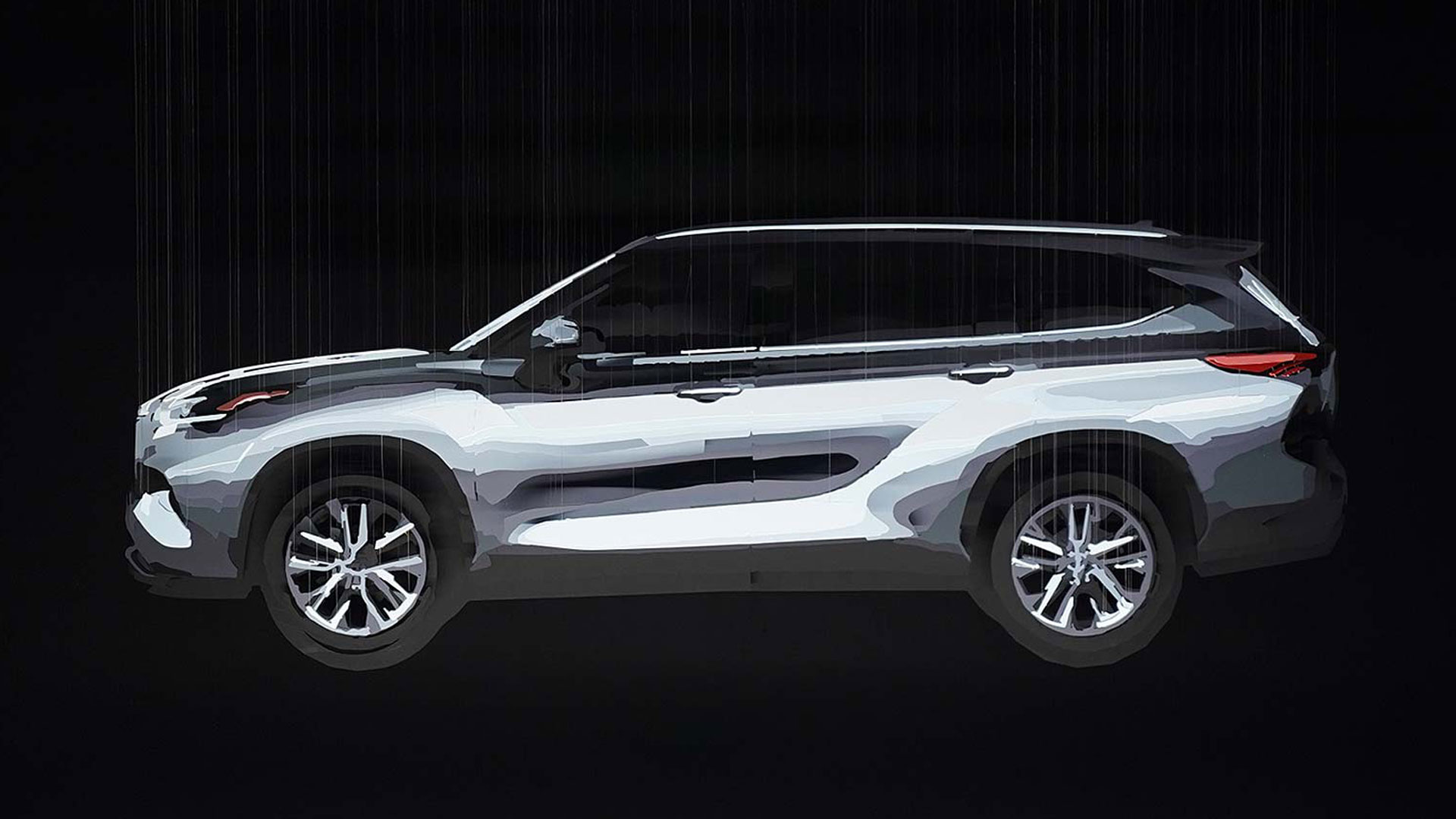
We don’t know a lot about the new Highlander, but a teaser image would suggest that it looks a lot like the outgoing model (pictured), with what appears to be a more Lexus take on the styling. According to Car and Driver, the three-row SUV is likely to be powered by an updated version of Toyota’s 3.5-liter V6 engine, with a hybrid available as an option. You can also expect an improved interior, updated technology and a host of new safety and assistance systems.
Mercedes-AMG CLA 35 4Matic
Here’s another entry-level AMG, this time in the form of the CLA 35. The 35 range is designed to take on hot hatches such as the Volkswagen Golf R and Honda Civic Type R – a chance for Mercedes to snare a younger audience and keep them locked into the slightly unhinged world of AMG. Power is sourced from a 2.0-liter four-cylinder turbocharged engine producing 302 horsepower, with Mercedes quoting an estimated 0-60mph time of 4.6 seconds, which is a touch quicker than the A 35 sedan.
“Hold out your hand, you’ve got yourself a deal.” But maybe Mike Brewer shouldn’t have been so quick to shake hands, as figures from Stratstone reveal that Wheeler Dealers may have missed out on half a million pounds in profit.
In the television series, Mike buys a tired classic then instructs an able mechanic – initially Edd China, but more recently Ant Anstead – to improve the car with the aim of selling it for a profit. On average, the show makes £1,491 per car, but Stratstone says the cars would be worth significantly more in today’s booming classic car market.
The team at Stratstone analysed every show up to the end of series ten and identified how much each car would be worth today. By holding on to all 86 cars, the show would have been £500,000 better off. Ouch.
Fezza is a nice little earner
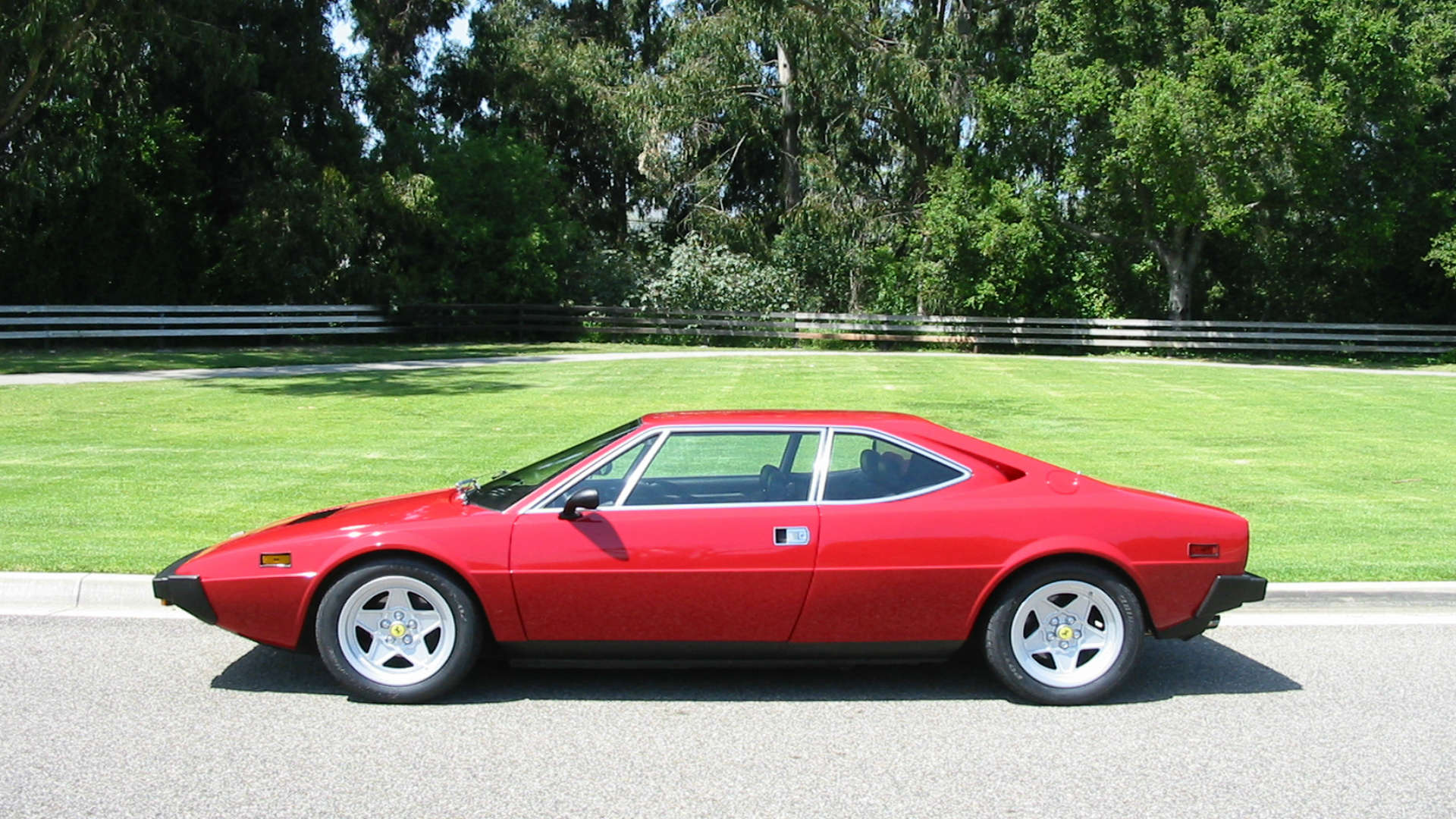
Mike might be crying into his corn flakes when he finds out the Ferrari Dino 308 GT4 from series six would be worth 361 percent more than the £13,000 he sold it for. Back then, a good 308 GT4 was available for the price of a Ford Mondeo. Sadly, those days are long gone.
In 2009, when series six first aired, Mike bought the Ferrari for £3,750, before spending £11,880 on the restoration job. It sold for £13,000, earning the team a £1,120 profit. Today, that same car would be worth £60,000.
The 308 GT4 is not the only car to leave Mike with bruised shins following a spell of kicking himself. Stratstone has identified the top ten cars from Wheeler Dealers based on what they would be worth now.
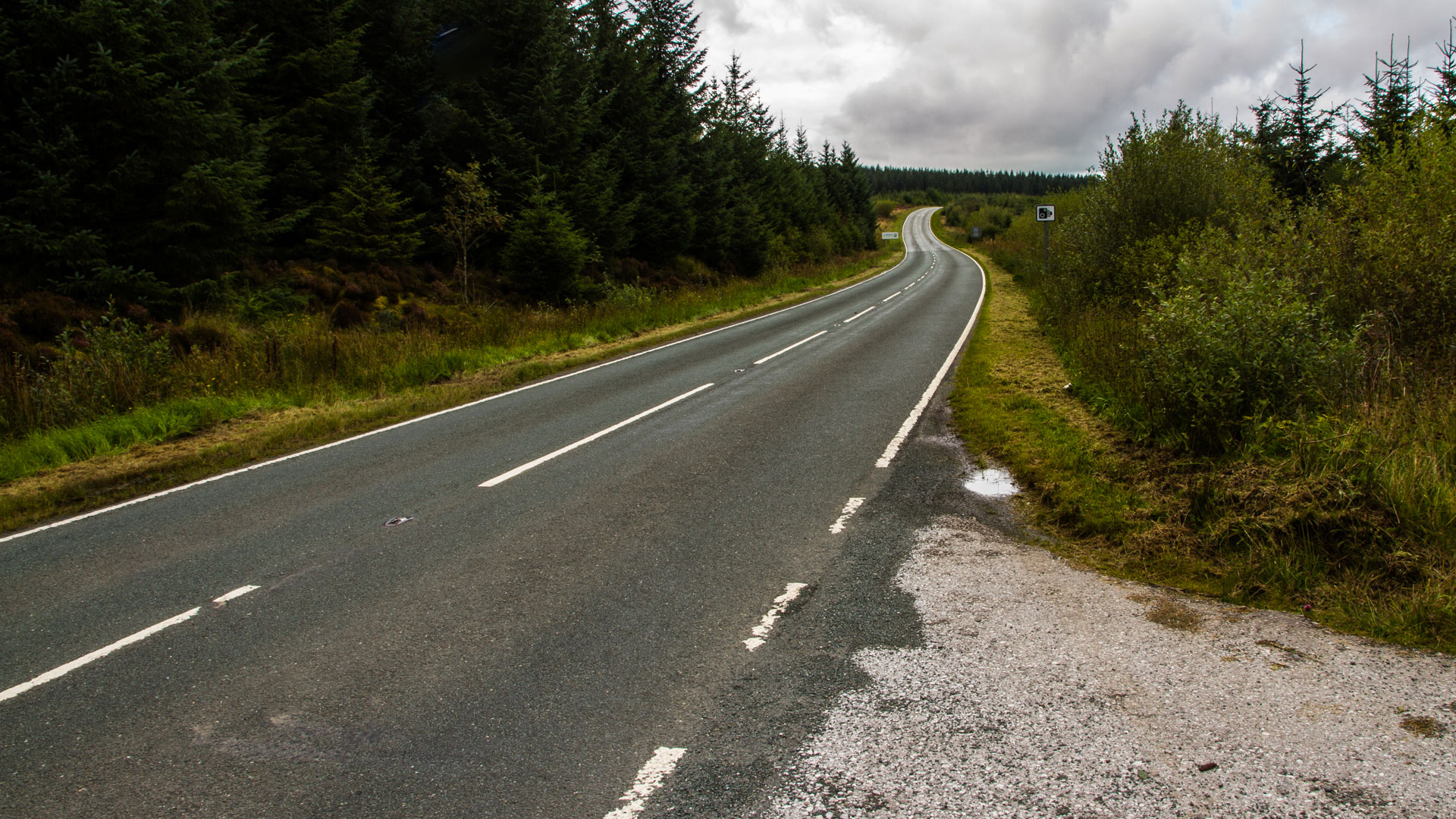
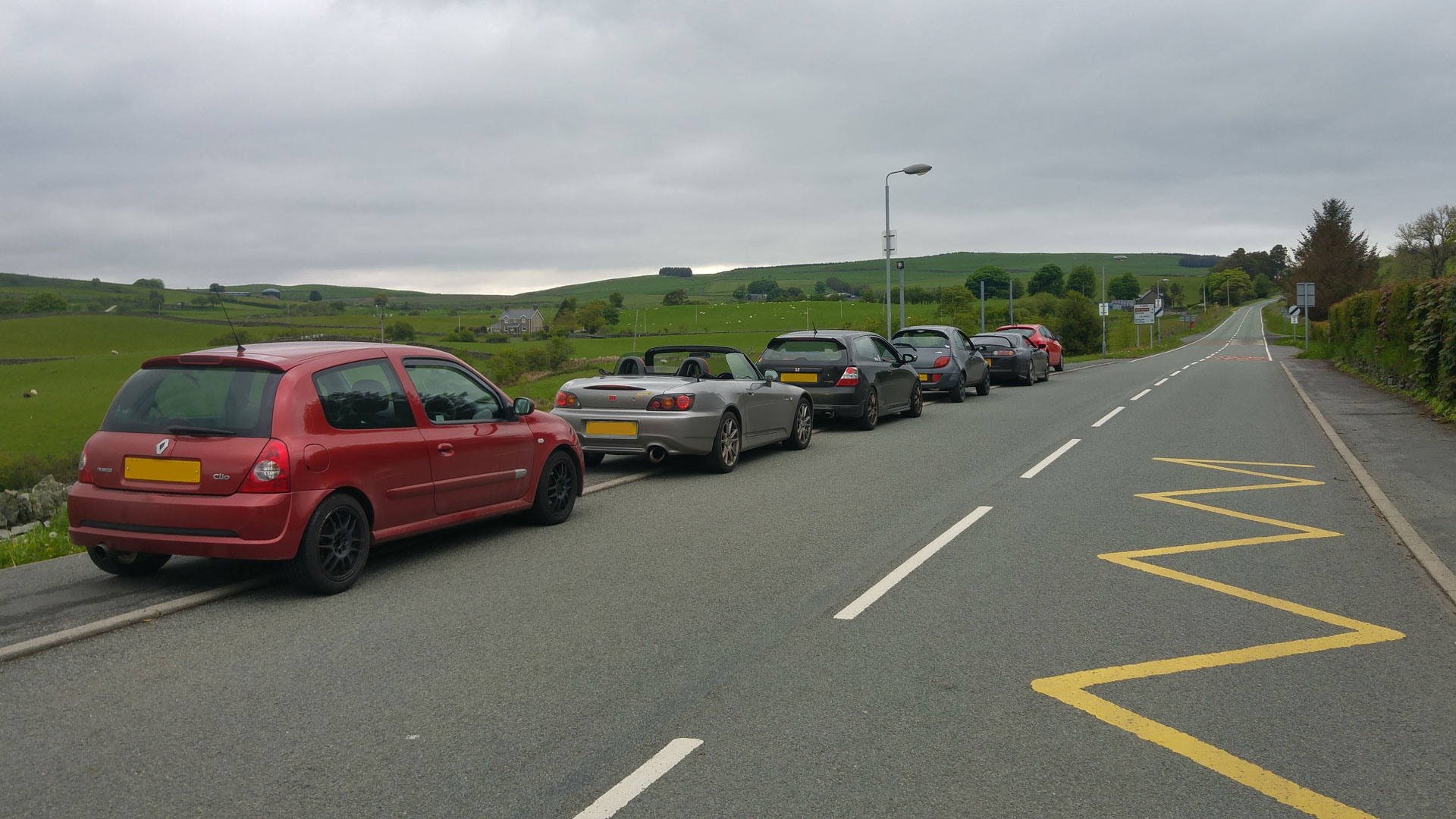
Average speed cameras have been installed on the ‘Evo Triangle’, after Denbighshire and Conwy councils received a £500,000 grant from the Welsh Government.
The 21-mile stretch of road is a mecca for car enthusiasts, but a string of fatalities and incidences of dangerous driving have prompted officials to take action.
Four people have been killed on the roads that connect Llyn Brenig, Pentrefoelas and Cerrigydrudion since 2012.
The Welsh Government made the announcement in October 2018, arguing that “average speed cameras provide the most extensive and continuous enforcement which will make the route less attractive to those intending to exceed the speed limit.”
The ‘Evo Triangle’ – so-called after it was made famous by Evo magazine – is often named on lists of the UK’s best driving roads and is a location used for countless YouTube videos.
Total 911 magazine said the road provides a “welcome chance to experience conditions we dream of as drivers of high-performance sports cars”. Meanwhile, Visordown labelled it a “mythical trio of roads”.
But it doesn’t take long to find headlines that paint the ‘Evo Triangle’ in a different light. In 2017, a couple were killed in a head-on collision, and a motorcyclist died in 2018 after being thrown from his Honda Fireblade and into the path of an oncoming vehicle.
‘Only one part of the answer’
The cameras have been welcomed by local residents and the area’s authorities, with Councillor Brian Jones, Denbighshire’s lead member for highways, planning and sustainable travel, saying: “Introducing road safety measures is only one part of the answer.
“We need people to modify their driving behaviour on our roads, to protect their own safety and that of others.”
Meanwhile, Superintendent Jane Banham, head of specialist operations, North Wales Police said: “We are committed to keeping people safe on the roads, we want people to enjoy the freedom of the road but to do so safely and responsibly.
“All too often we and the other emergency services are called to serious and fatal road traffic collisions across the region.”
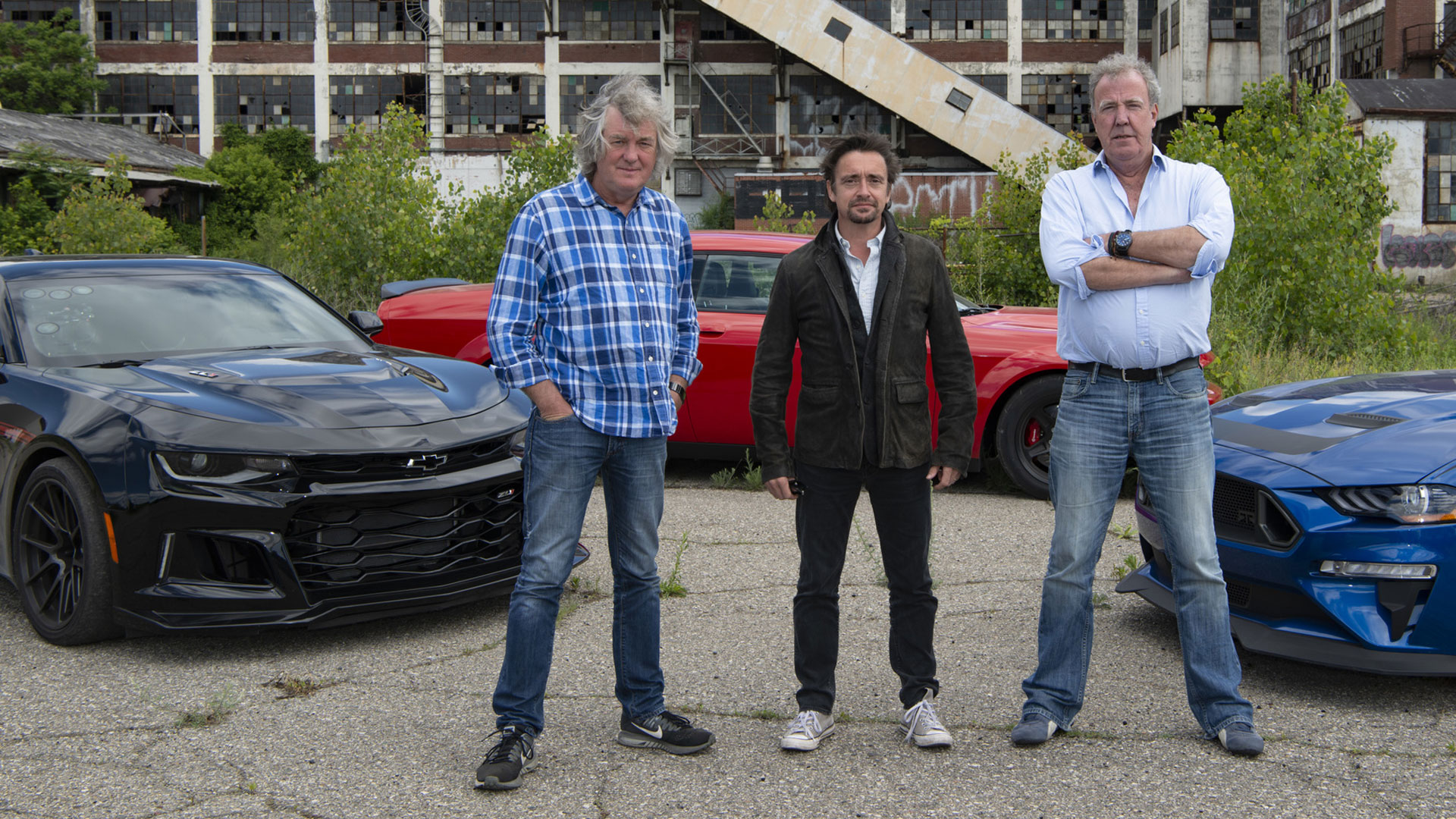
Before you settle down to enjoy the last episode, join us for a grand tour of the cars you have been watching, with quotes from the presenters.
Episode 1: Motown Funk
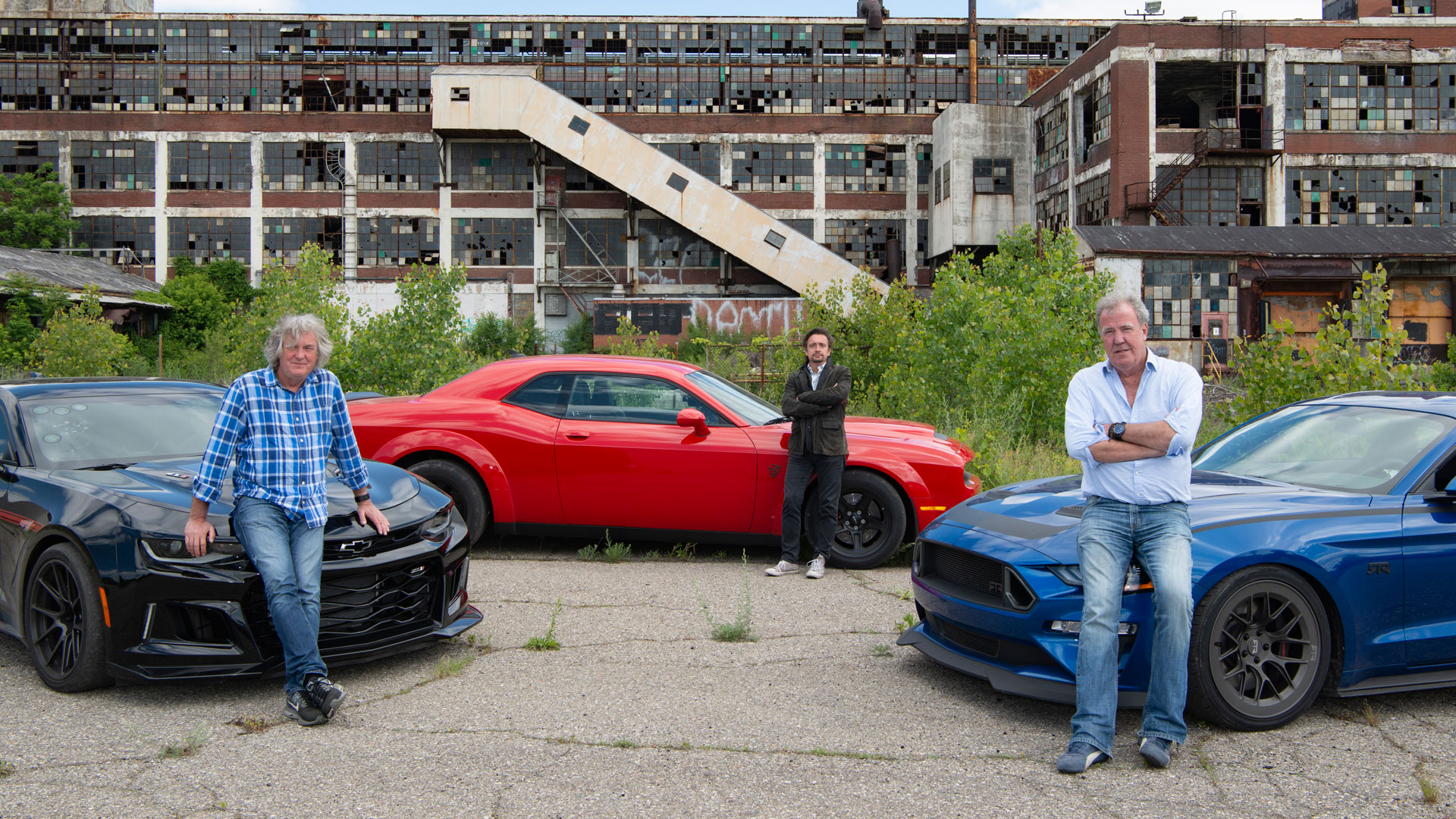
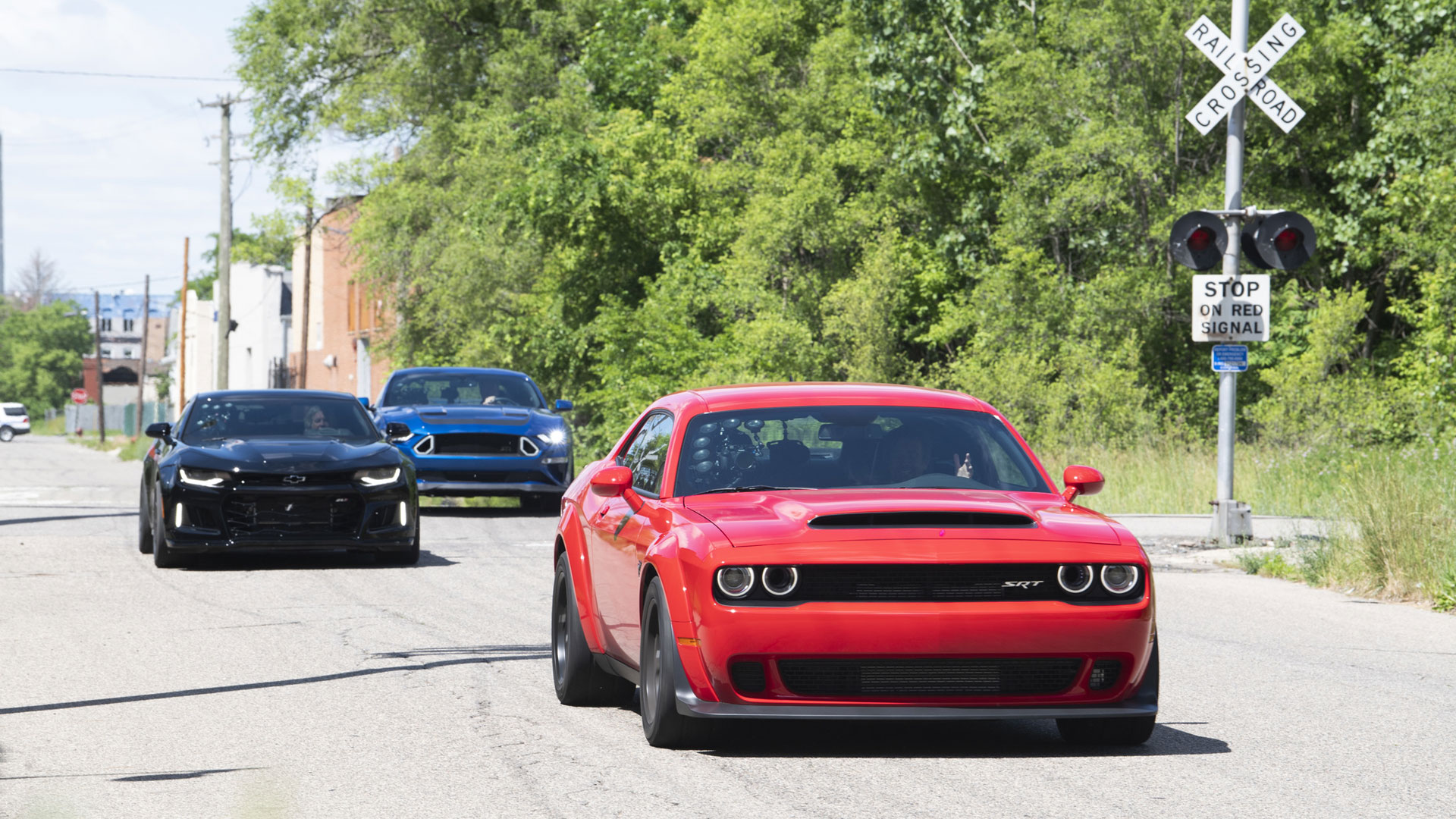
Ford Mustang RTR Spec 3: “This is the Anthony Joshua of muscle cars. Big and brawny, but it has brains as well.” – Jeremy Clarkson
Dodge Challenger SRT Demon: “I have 840 horsepower, a massive supercharger and on the bonnet is the biggest hood scoop ever fitted to a production car… ever. NOISE! Noise in the city.” – Richard Hammond
Hennessey Exorcist Camaro ZL1: “They’ve taken a standard Camaro and they’ve given it 1,000 horsepower. Jesus Christ! I can’t even steer it. It’s idiotic, honestly.” – James May
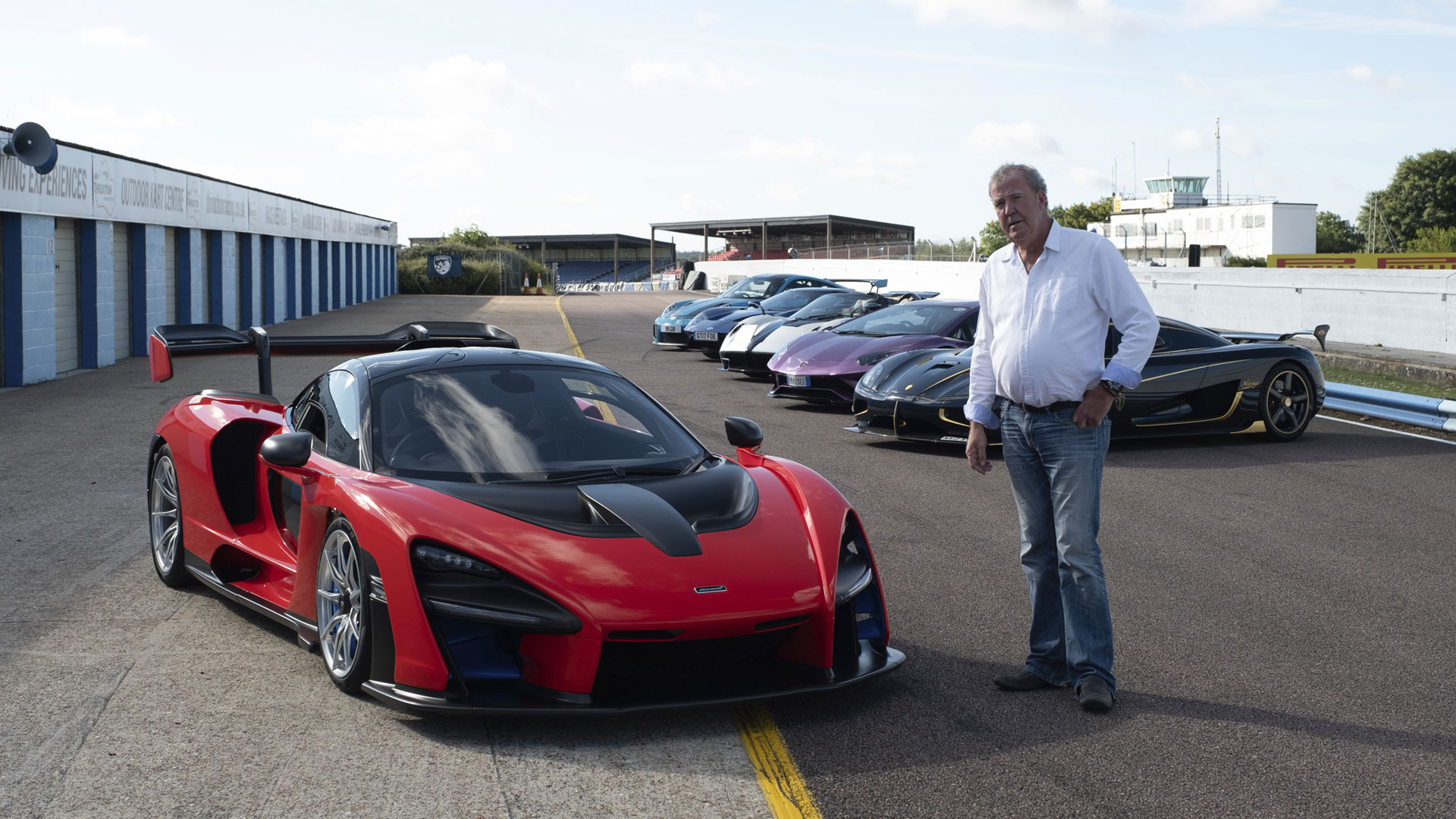
McLaren Senna: “It stops like it’s run into a wall, it’s pressed into the road by witchcraft, it weighs the same as a bag of whippets, and it has nearly 800 horsepower on tap.” – Jeremy Clarkson
Episodes 2 and 3: Colombia Special
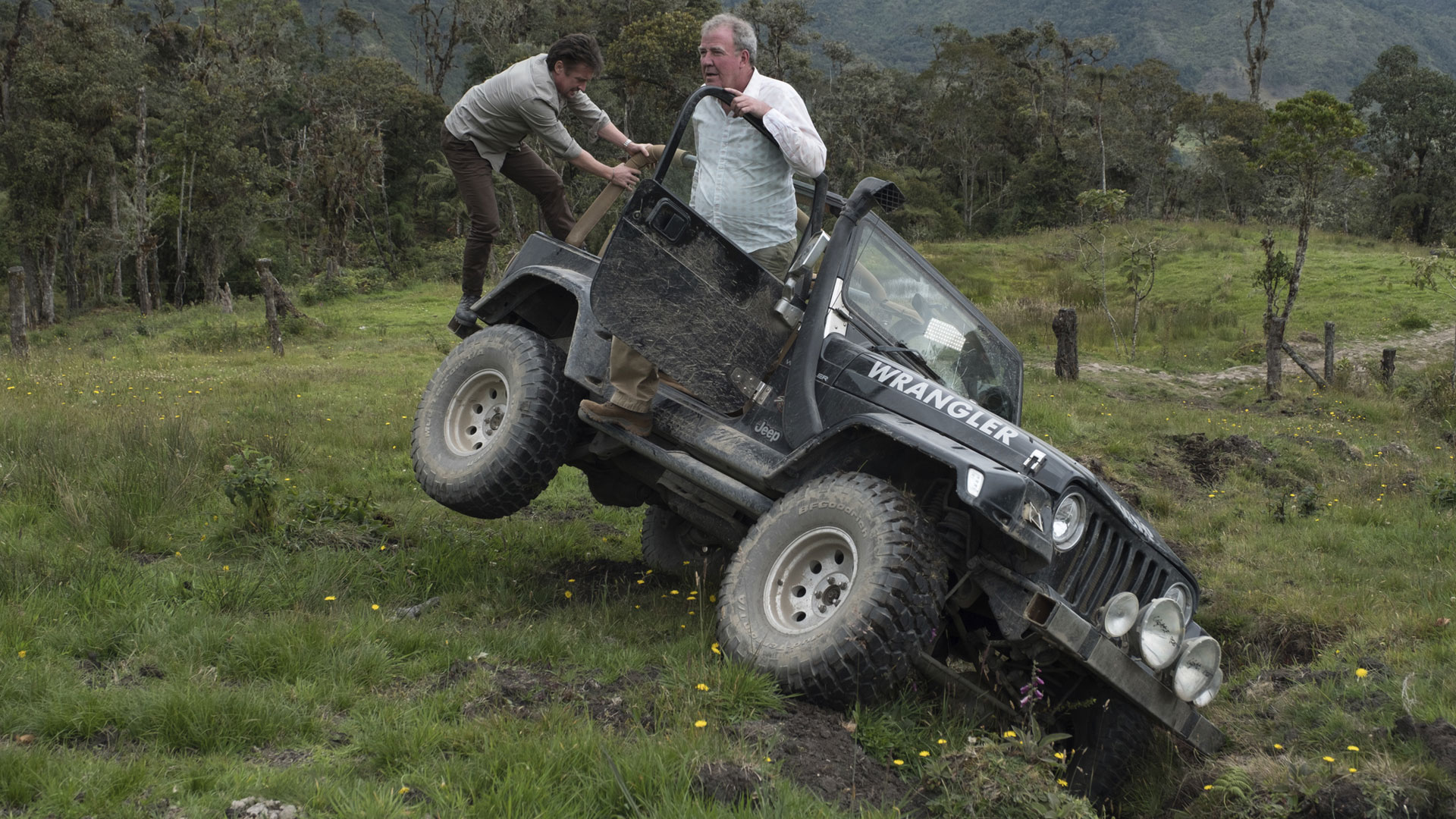
Jeep Wrangler: “It’s gonna be ideal for wildlife photography because it’s four-wheel-drive, so I could use it to track a snow leopard. It’s got a 4.0-litre straight-six, so I could keep up with a diving eagle. And, of course, no roof, fold-down windscreen, so a 360-degree field of fire for my camera.” – Jeremy Clarkson.
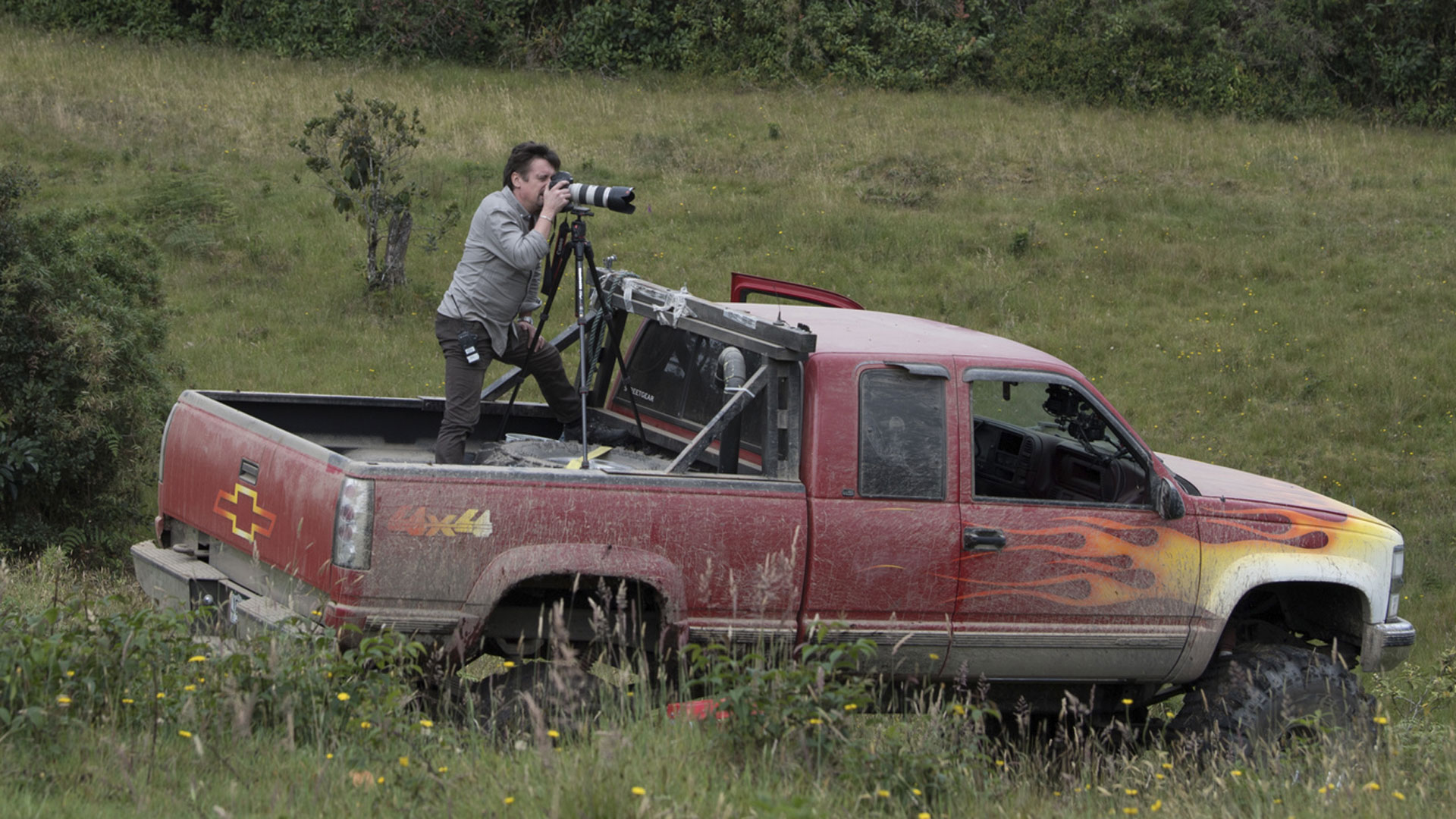
Chevrolet C/K Silverado: “It’s a full-size American pick-up that’s been made a bit bigger with a lift kit. Most importantly it’s got a proper big old 7.4-litre V8 up front in a very lazy state of tune, just churning out huge gobbets of grunt.” – Richard Hammond
Fiat Panda 4×4 Sisley: “What you need for serious off-roading is smallness and lightness. That’s what I’ve got. This is a tiny car. It weighs 780 kilograms – a quarter of what Hammond’s stupid monster truck weighs.” – James May
Episode 4: Pick up, Put Downs
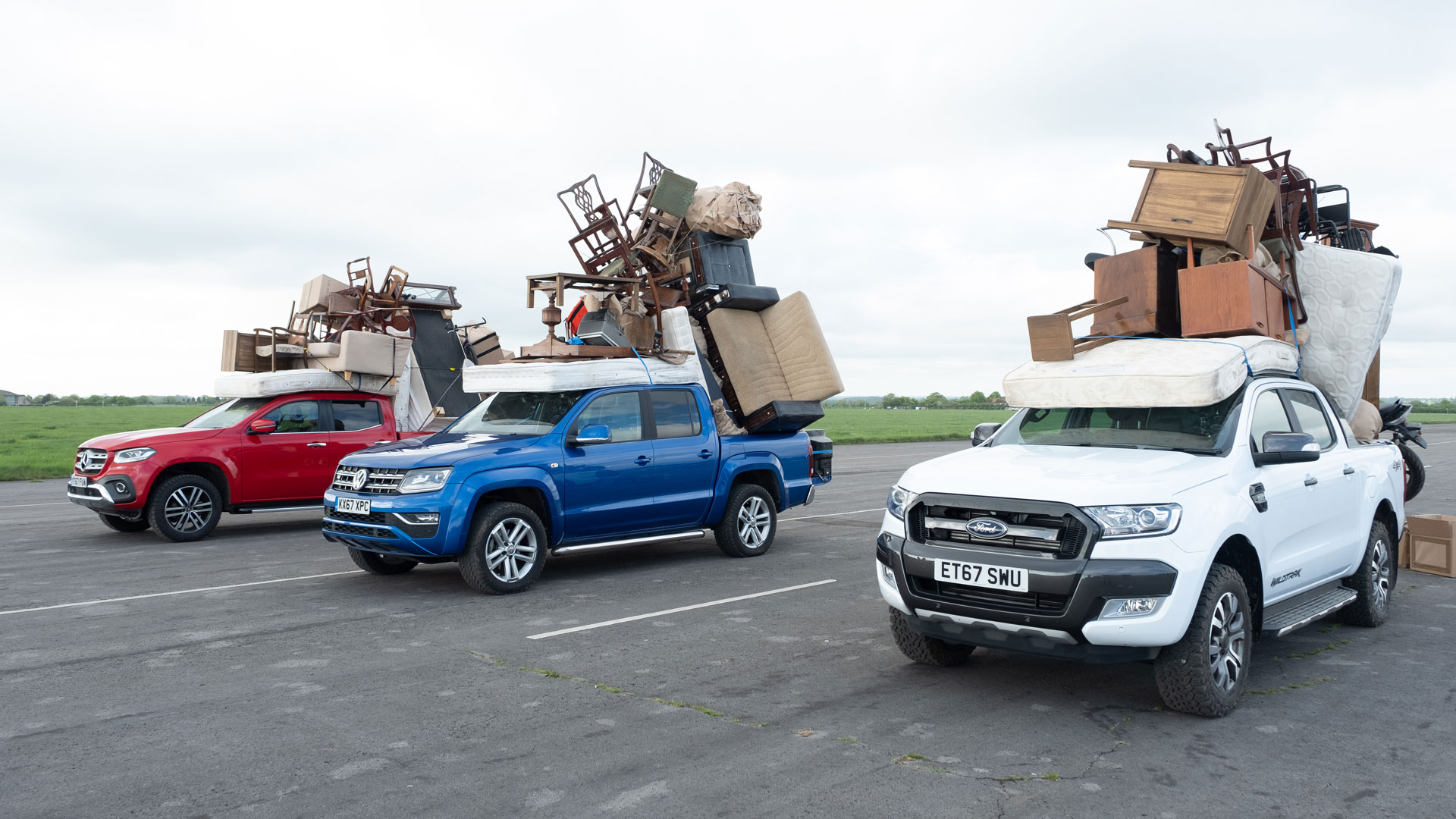
“If you need to flee from government forces, you need an Amarok.” – Jeremy Clarkson
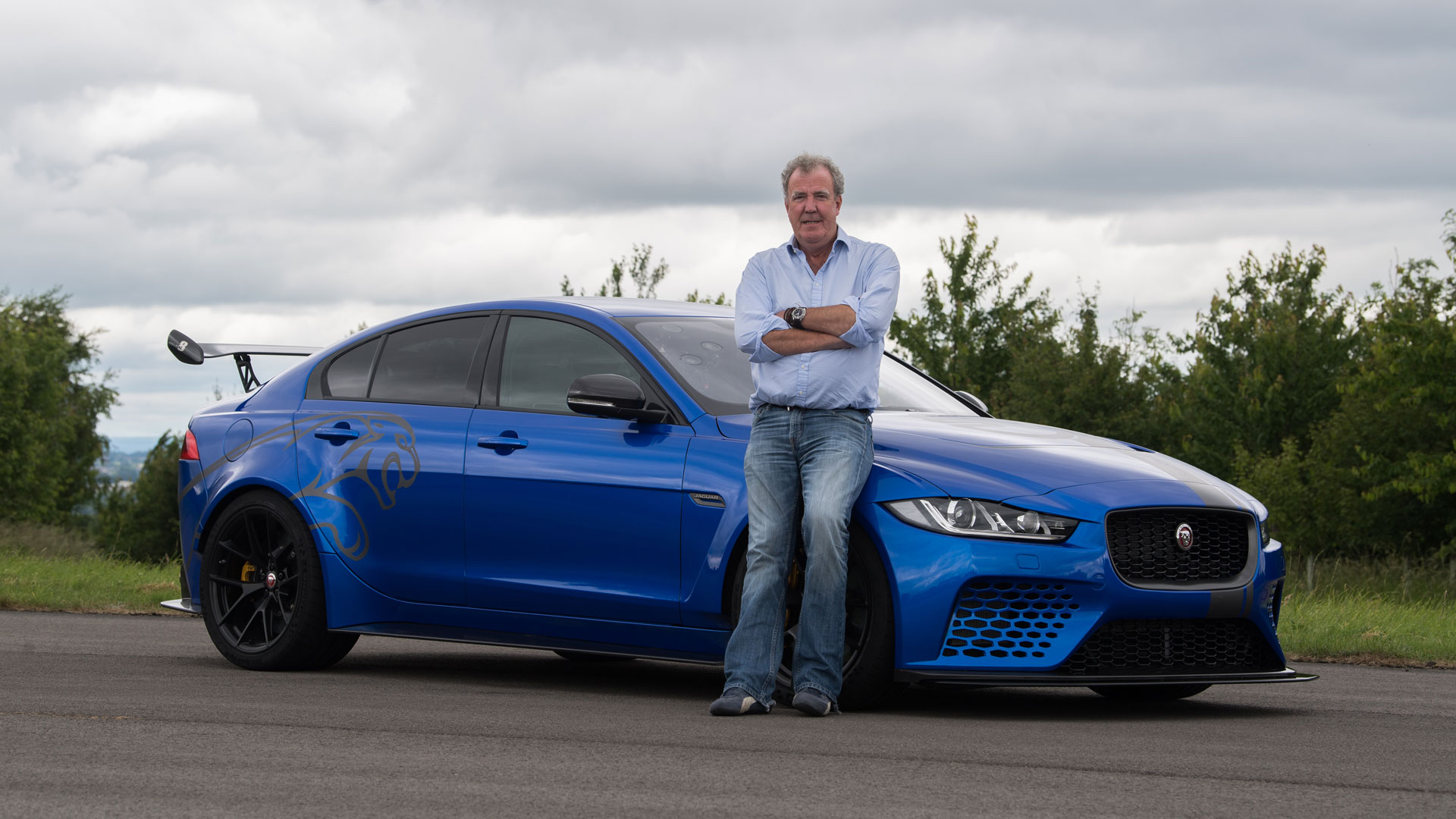
Jaguar XE SV Project 8: “How mad would you have to be to spend £150,000 on a car that was designed and built in a glorified shed in the Midlands… in about 18 months? The simple answer is: not mad at all because this car is fan-bleeding tastic.” – Jeremy Clarkson
Episode 5: An Itchy Urus
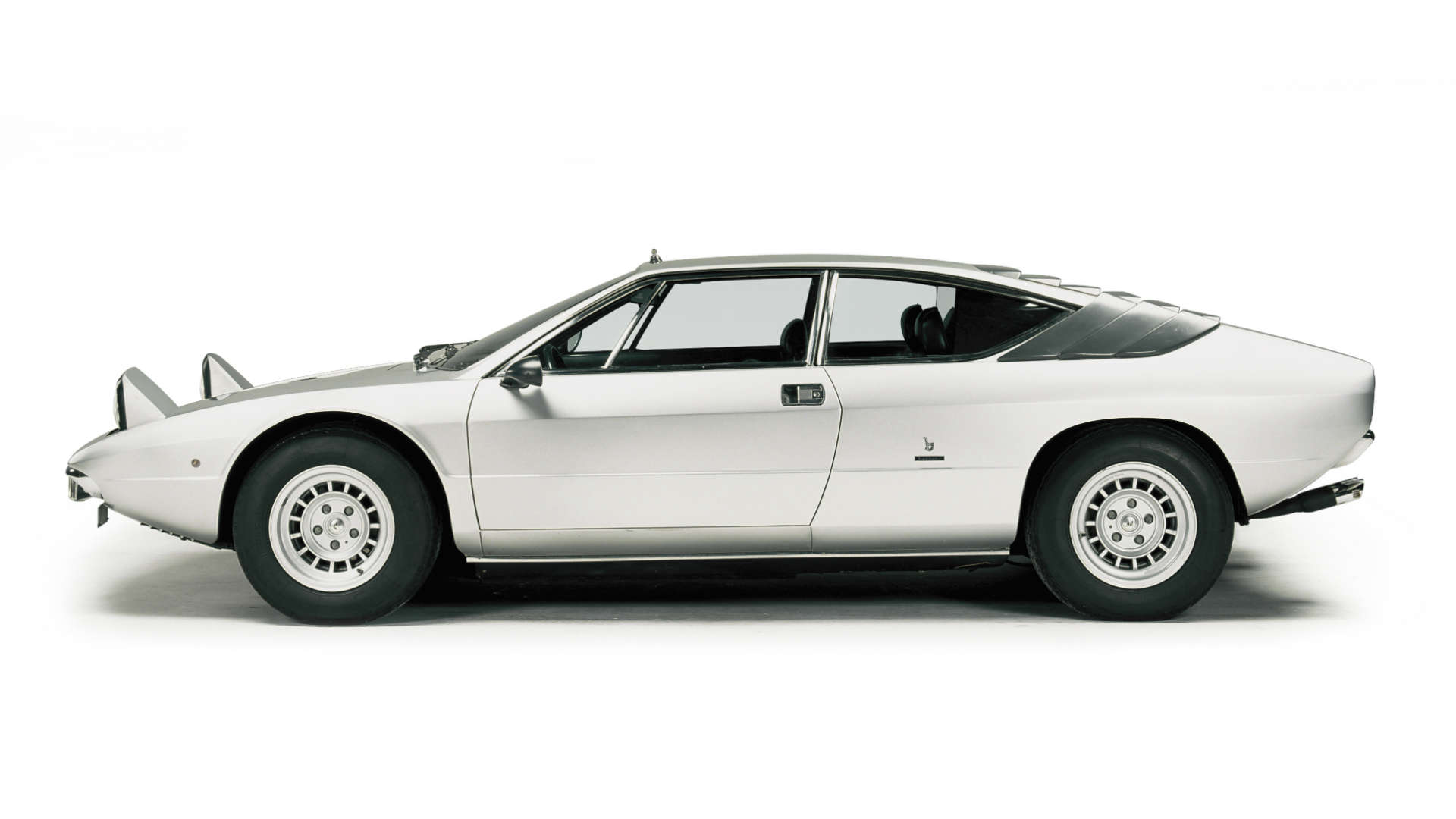
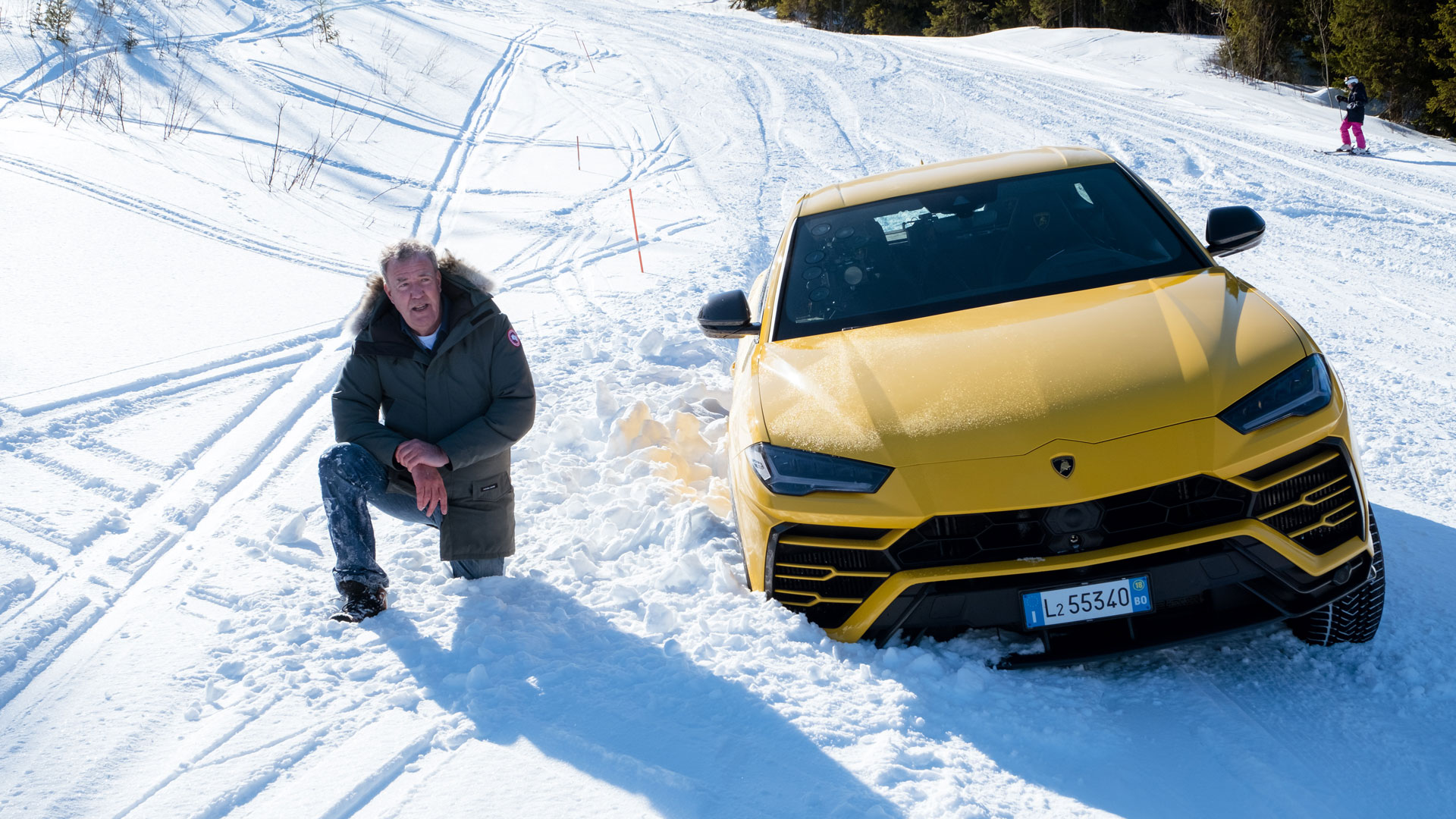
Lamborghini Urus: “Twitchy and it’s scary! It’s like I’ve been put in charge of all of the world’s physics while I’m in a phone box full of wasps.” – Jeremy Clarkson
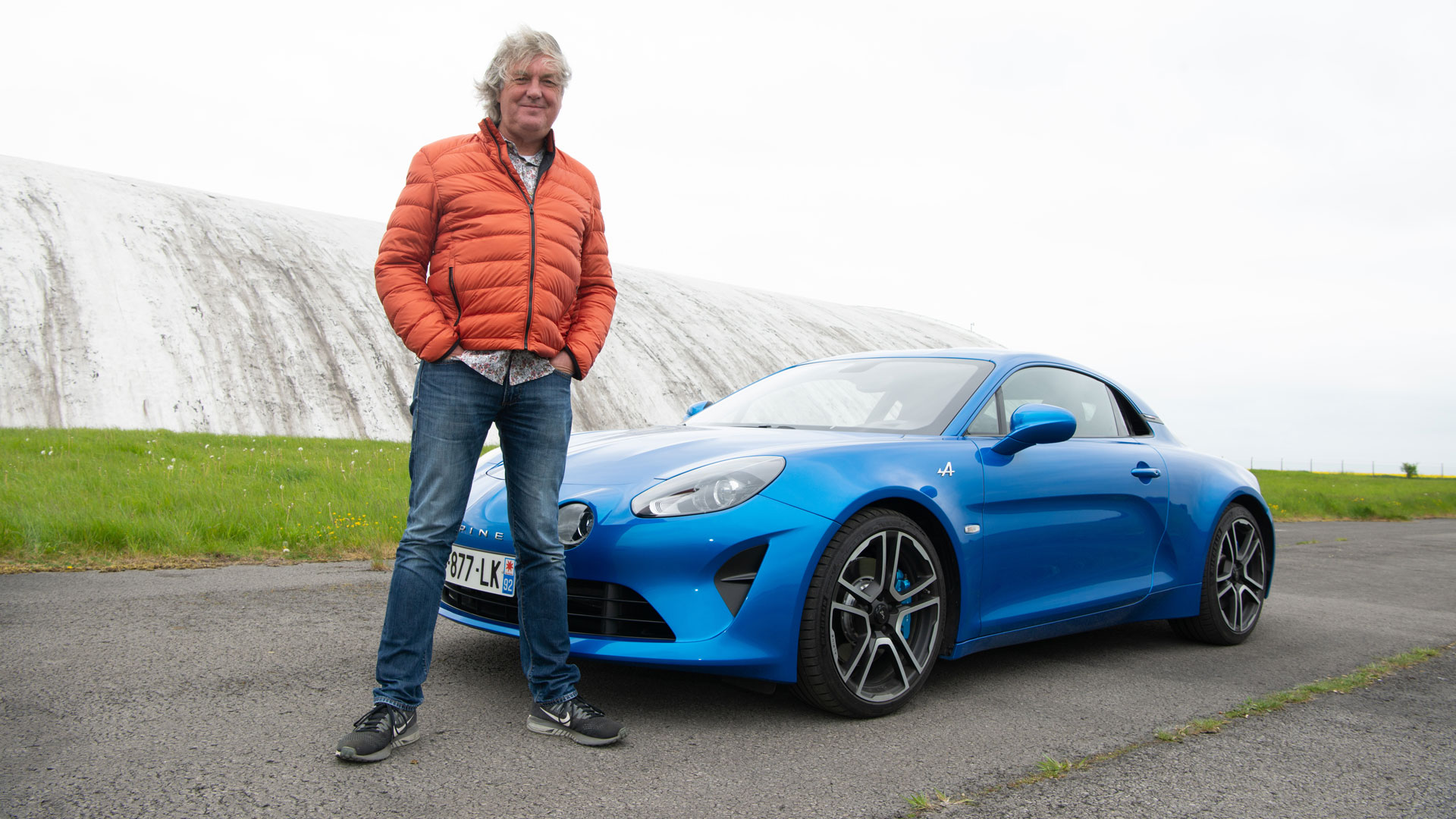
Alpine A110: “The original 1960s version was a masterpiece. But for me, this modern reboot doesn’t quite work. Once you stretch modern legislation over 1960s design language, you end up with a sort of slightly lame tribute act.” – James May
Episode 6: Chinese Food for Thought
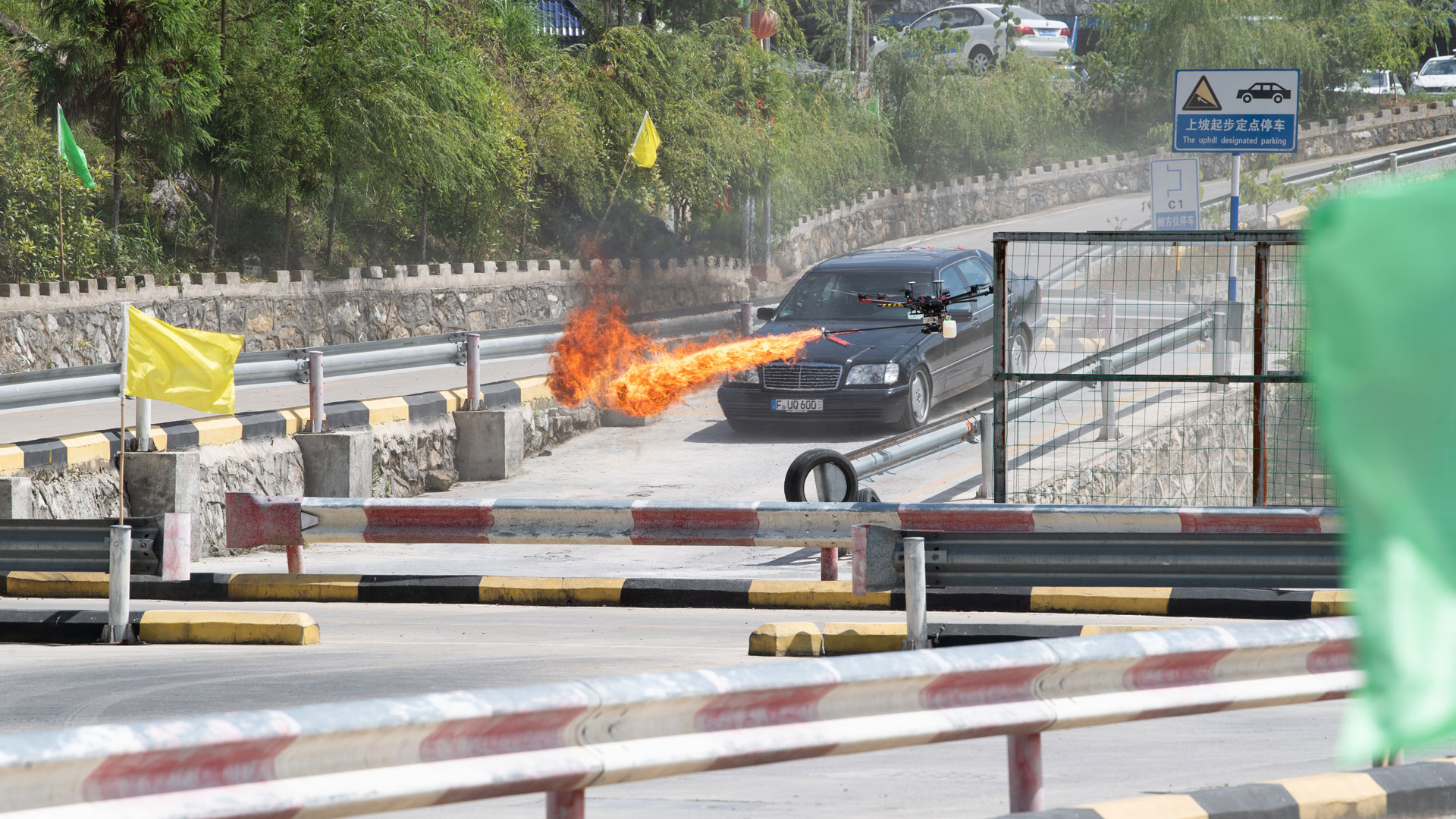
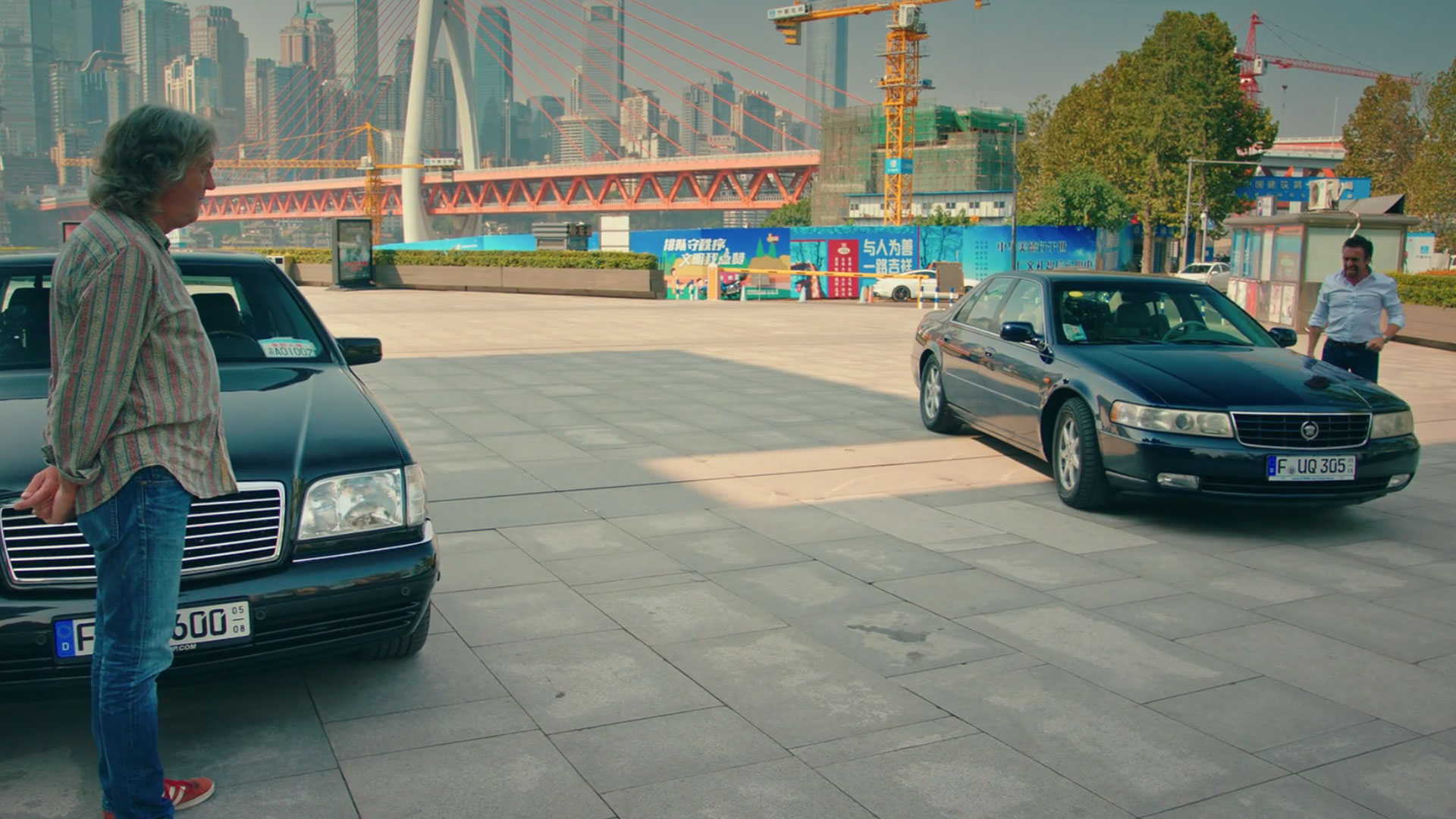
Mercedes-Benz S600: “If you are a Chinese businessman or business-woman, and you want a car that reflects your status, you can simply pop over to Europe and buy a Mercedes-Benz S-Class.” – James May
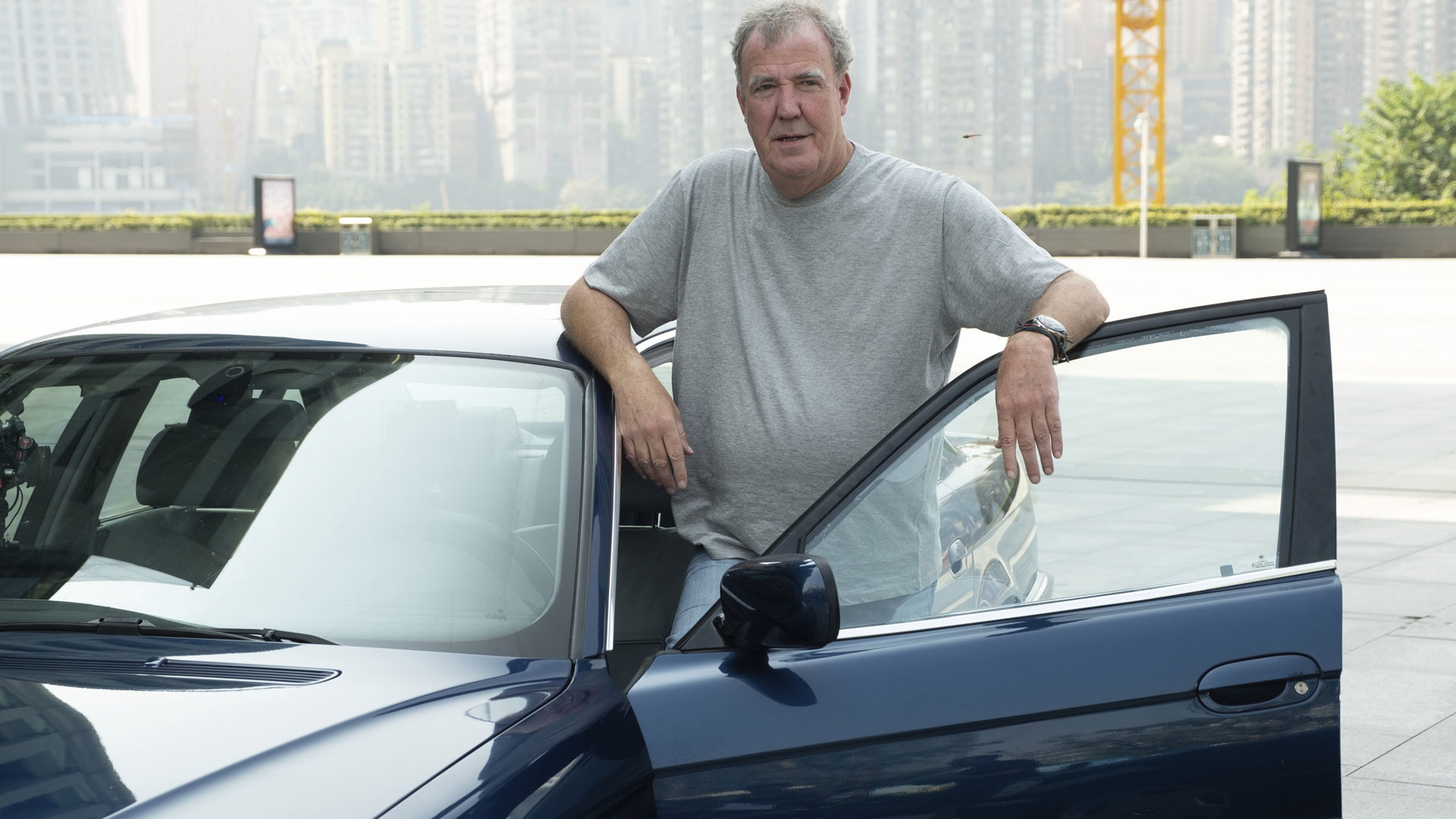
BMW 750 iL: “This is the BMW ‘Seven-Hundred-And-Fifty’ IL, as Q called it in the Bond film Tomorrow Never Dies.” – Jeremy Clarkson
Cadillac STS: “This is a Cadillac STS and you can shut up, because this is fitted with one of the best engines of all time: the creamy smooth 4.6-litre Northstar V8.” – Richard Hammond
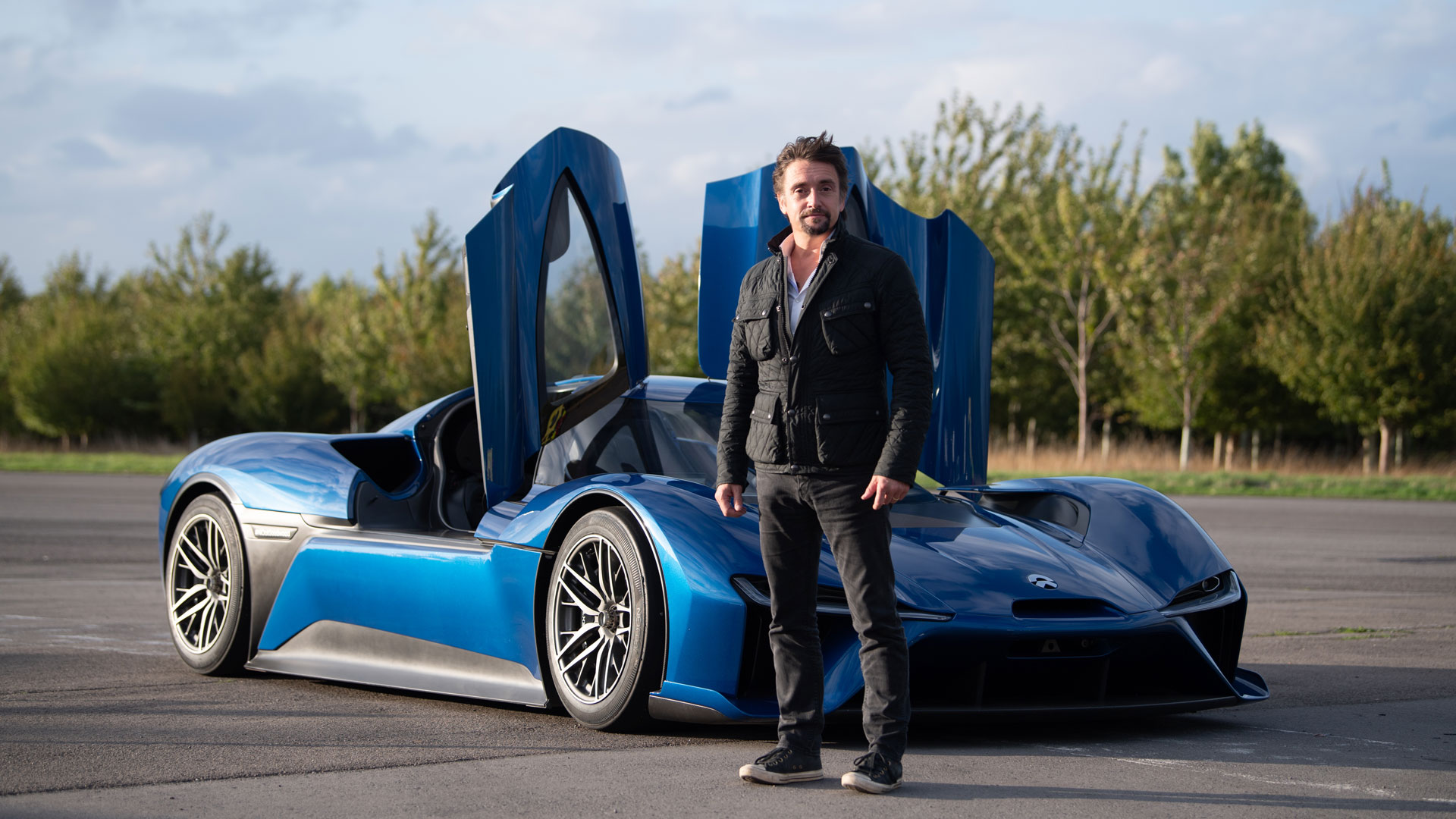
NIO EP9: “It’s pretty clear that this is no Nissan Leaf. Because a Leaf doesn’t have giant head restraints designed to stop G-forces from snapping your neck during hard cornering.” – Richard Hammond
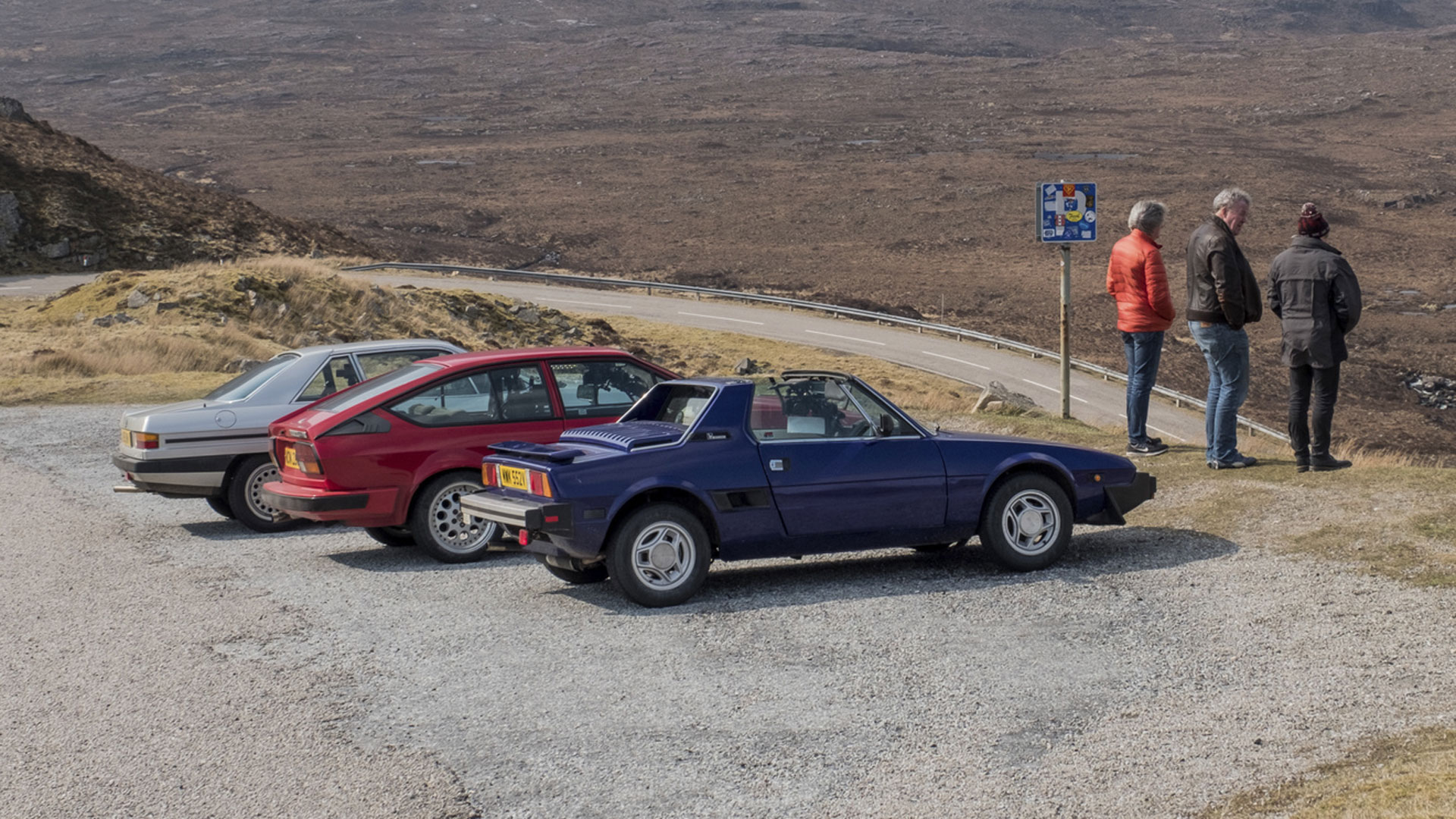
Episode 7: Well Aged Scotch
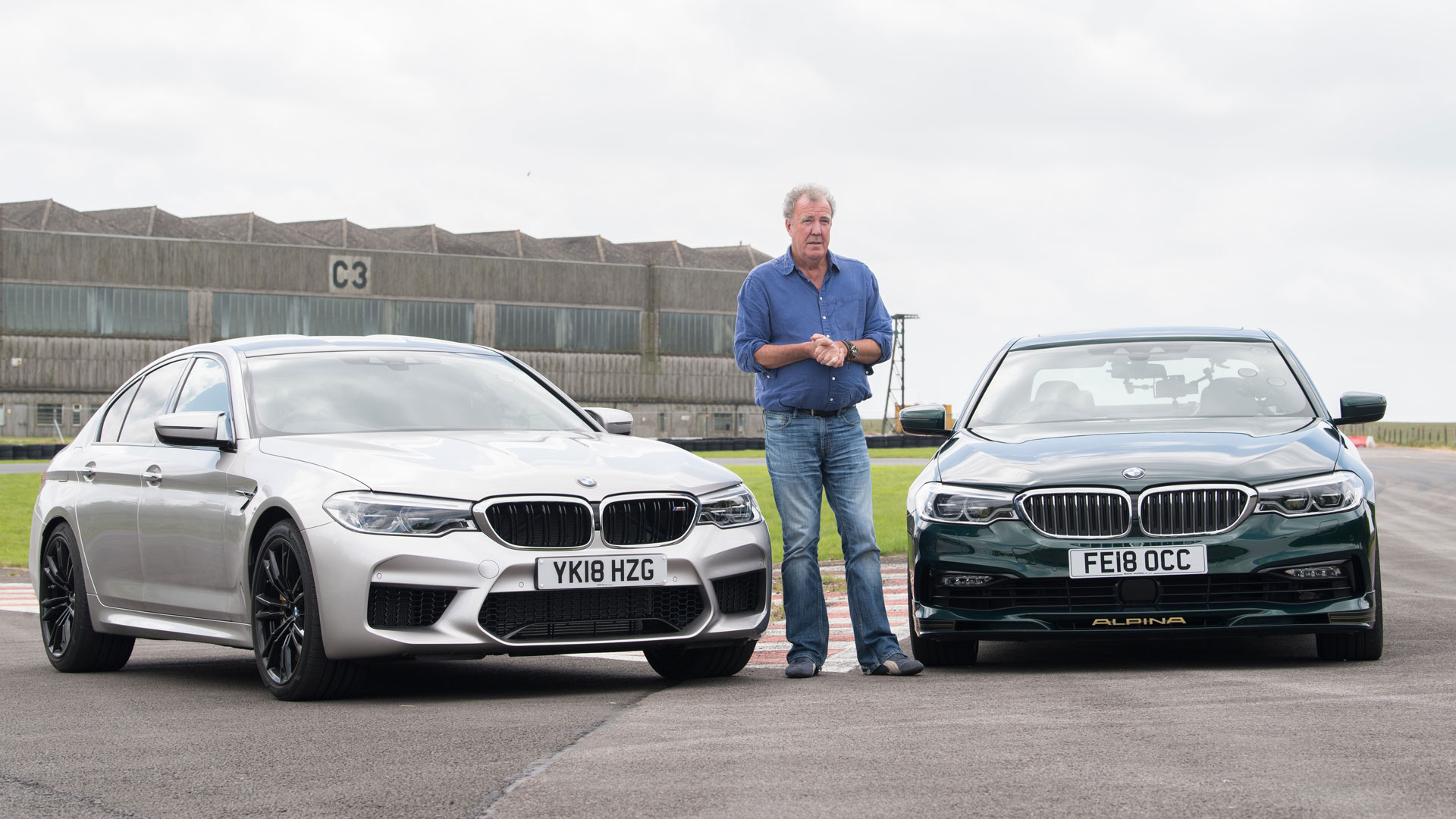
BMW M5 v Alpina B5: “The M5 is tauter, more nailed down, more on it, somehow. So on a track, make no mistake, the M5 will pull away. We’re both cats. It’s just that he’s [the M5] is a cheetah and I’m [the B5] is a lion.” – Jeremy Clarkson
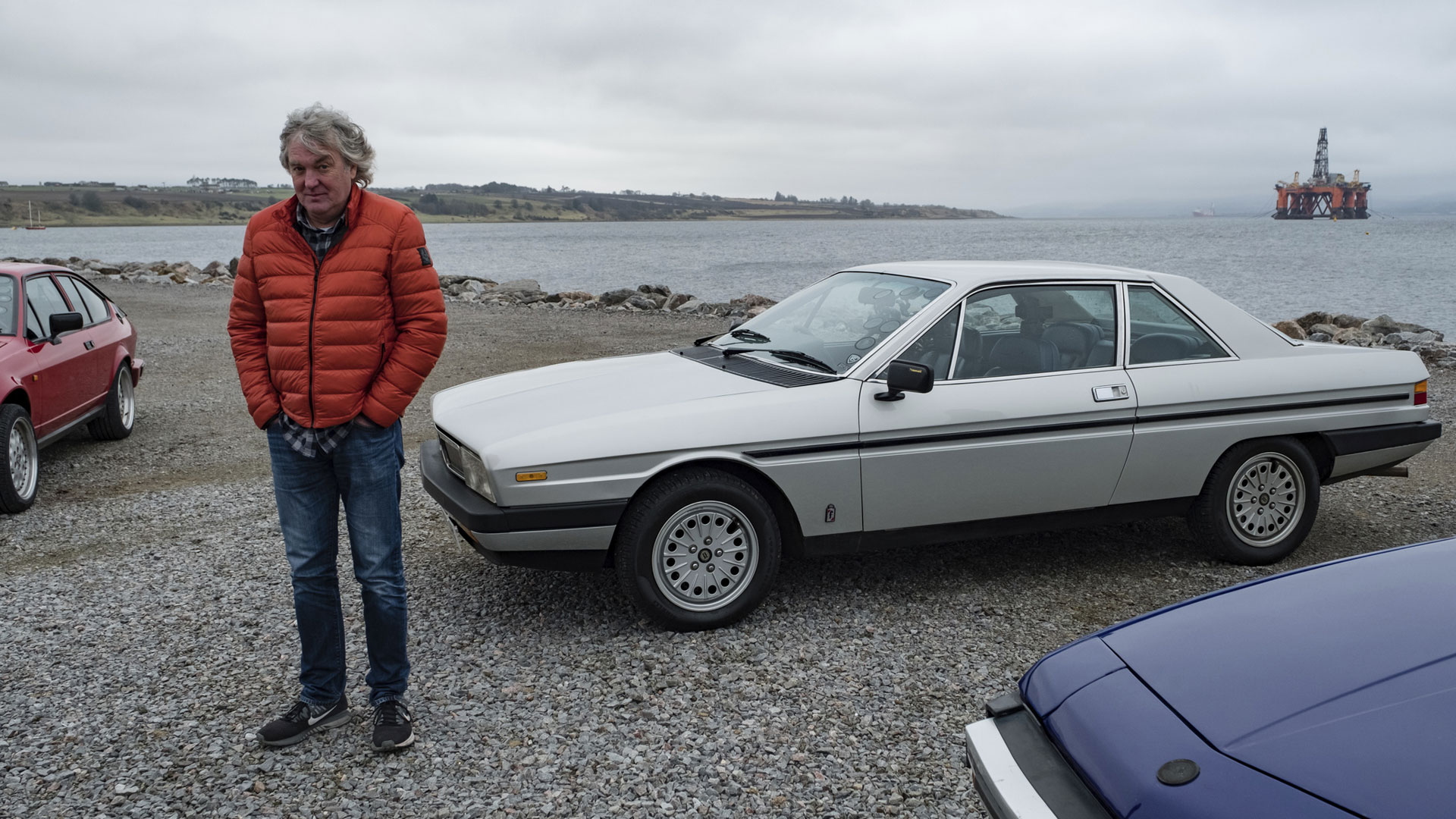
Alfa Romeo GTV6: “This car is just heaven. Absolute heaven. Look at it and tell me you can think of another car anywhere on Earth for 10 grand that you’d like more than this.” – Jeremy Clarkson
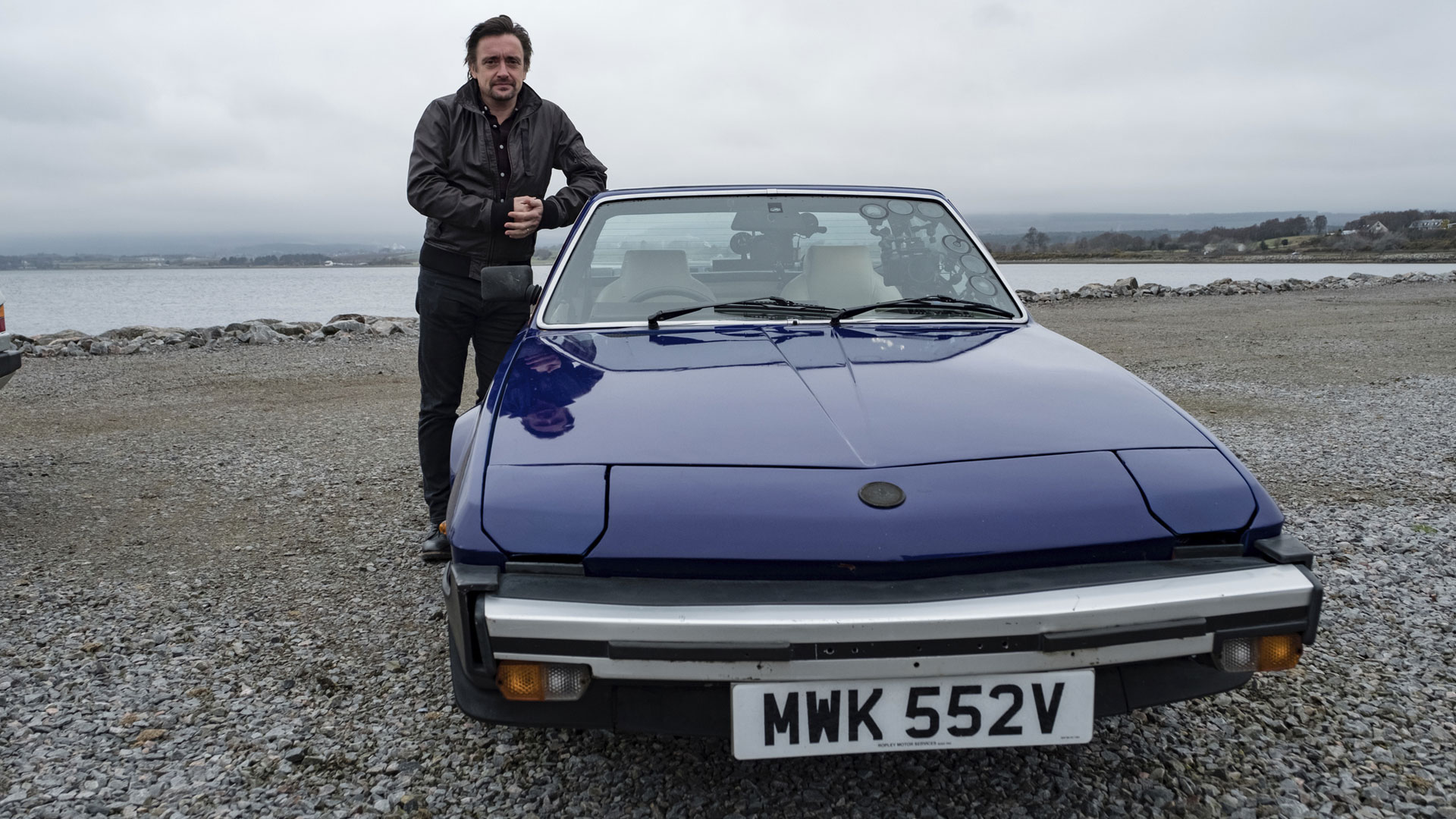
Fiat X1/9: “Some cars achieve classic status simply because they’re really good. The X1/9 was good when it was designed and built first, and still is today.” – Richard Hammond
Lancia Gamma Coupe: “Rare, interesting, beautiful – those are the criteria by which I think you should judge whether or not a car is a true classic. It has to be at least two of those things to qualify. So let’s have a look at my Lancia. Well, it’s definitely beautiful. It’s a truly superb bit of styling, this. And it’s rare.” – James May
Episode 8: International Buffoons’ Vacation
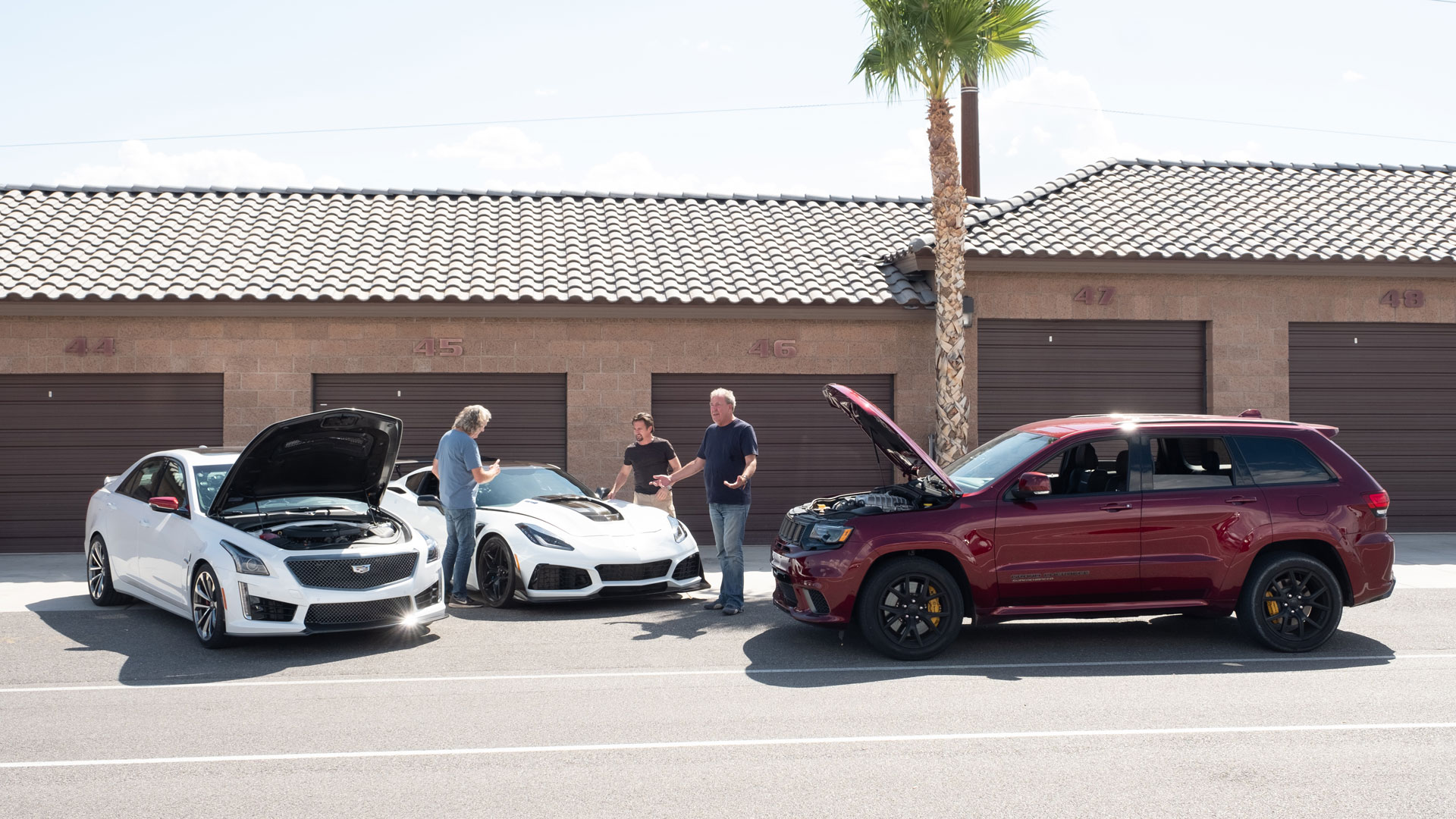
Jeep Grand Cherokee Trackhawk: “Pulling this 700 horsepower 6.2-litre supercharged V8 out of a Dodge Challenger Hellcat into a Jeep off-roader might sound like it makes as much sense as fitting me with Usain Bolt’s legs.” – Richard Hammond
Episode 9: Aston, Astronauts and Angelina’s Children
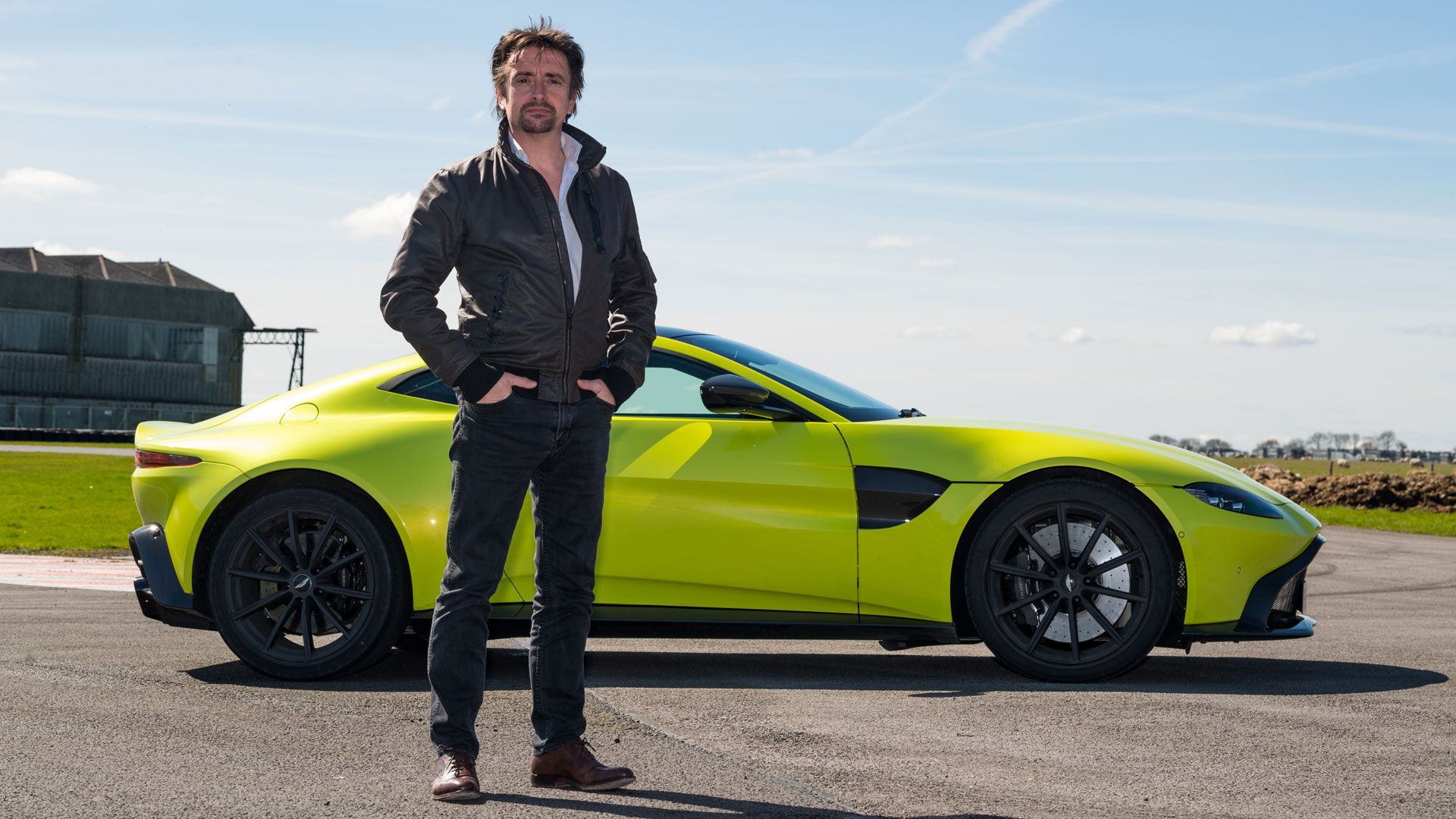
Aston Martin Vantage: “This is one of those superstar cars that leave a wake of dropped jaws and phone camera flashes.” – Richard Hammond
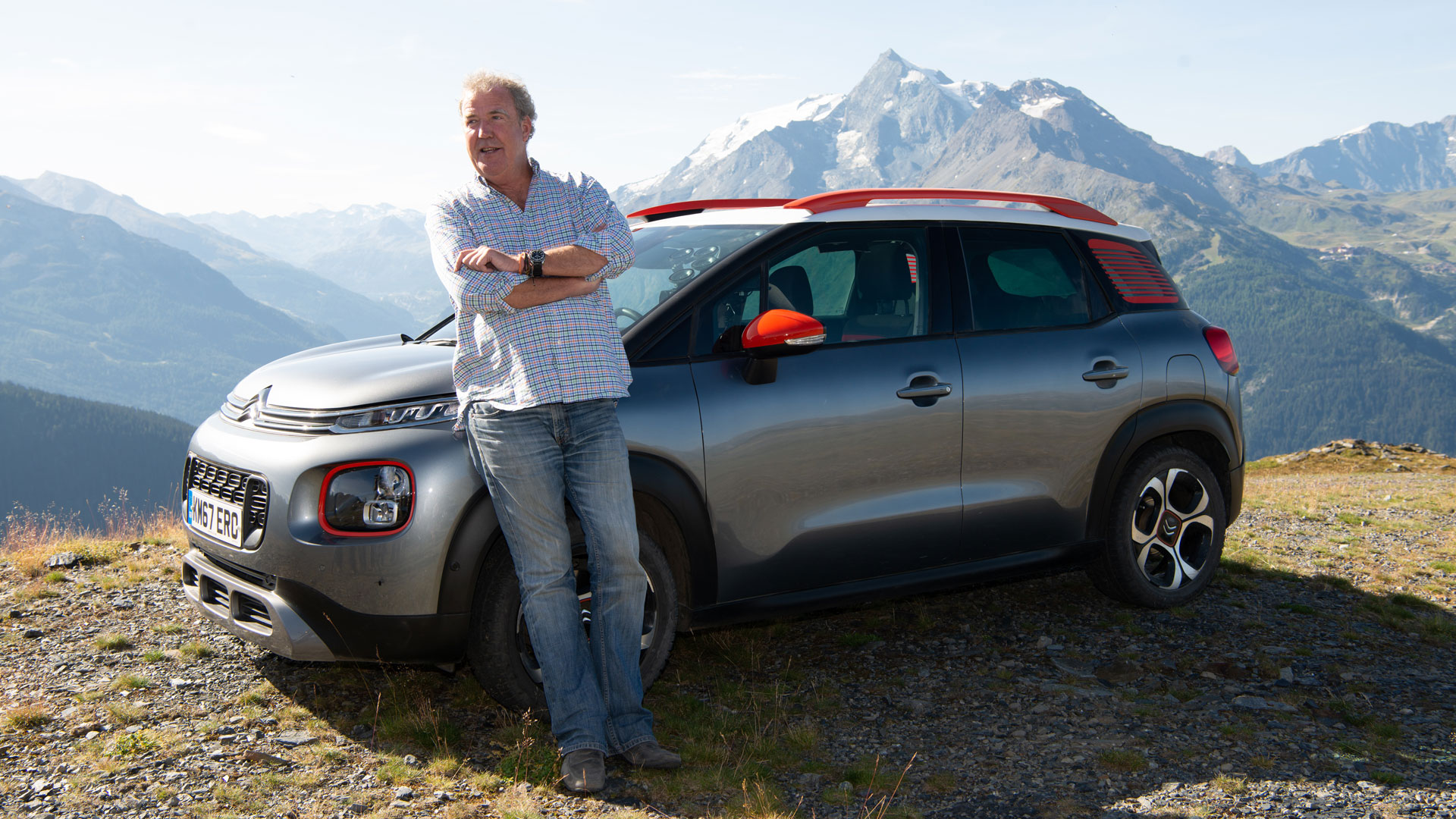
Citroen C3 Aircross: “Faster than itself at the test track. Strong enough to pull a ship. Big enough for the entire Jolie family and a horse. And better at invading Italy than an elephant.” – Jeremy Clarkson
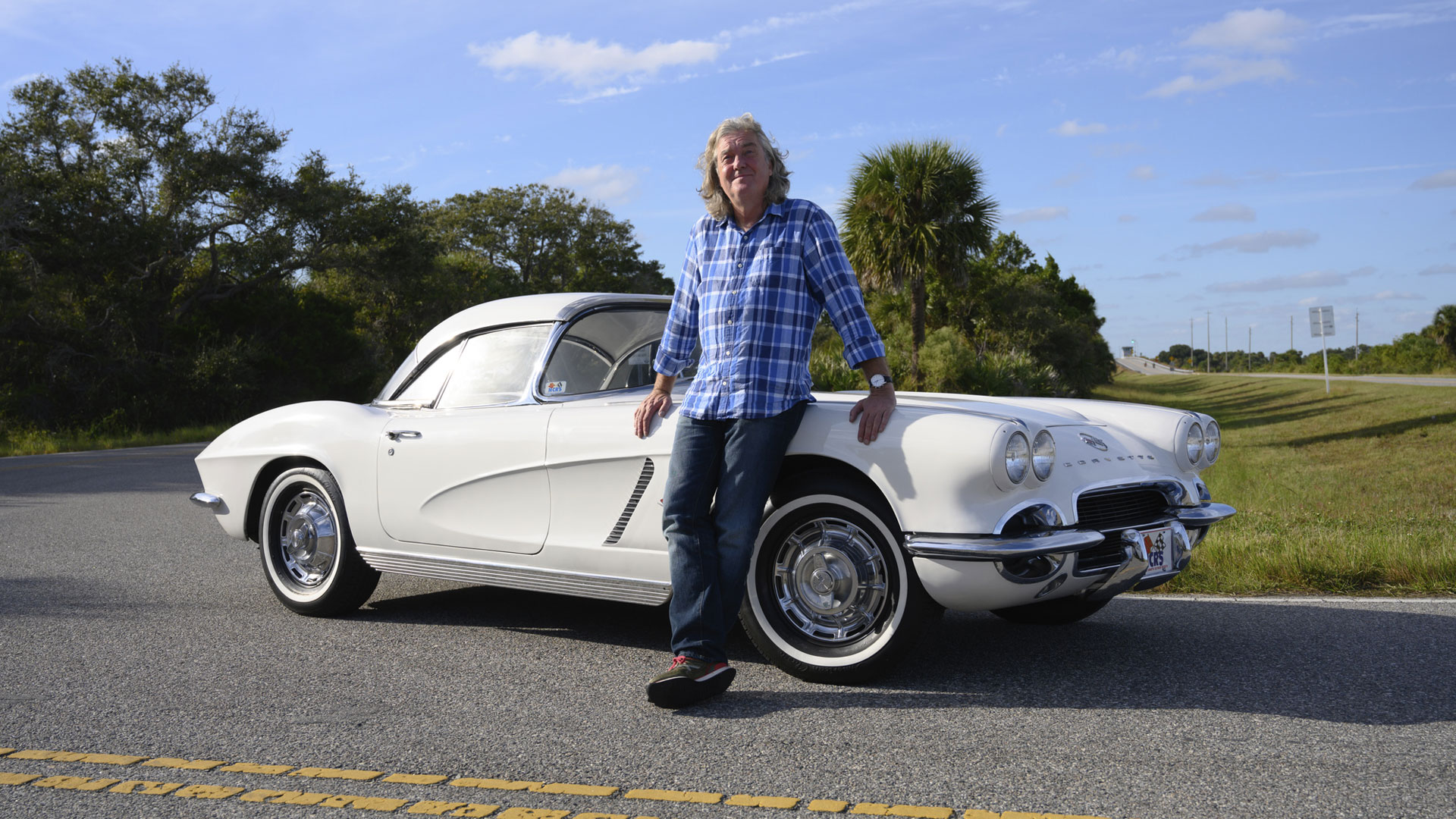
Chevrolet Corvette Sting Ray: “This is Neil Armstrong’s Corvette. His hands were here. He looked at the instruments like that. He touched that. Neil Armstrong! What an honour” – James May
Episode 10: The Youth Vote
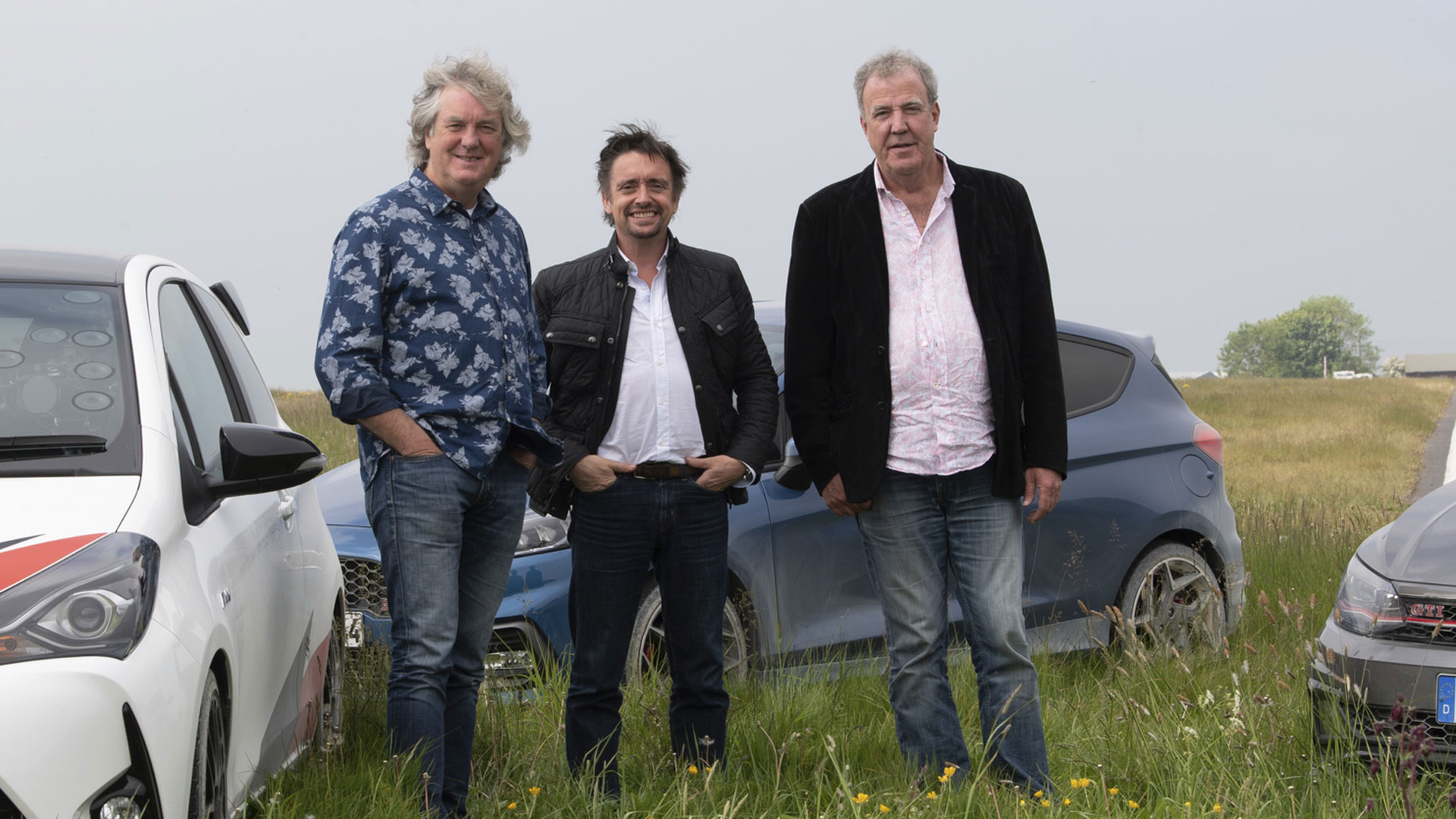
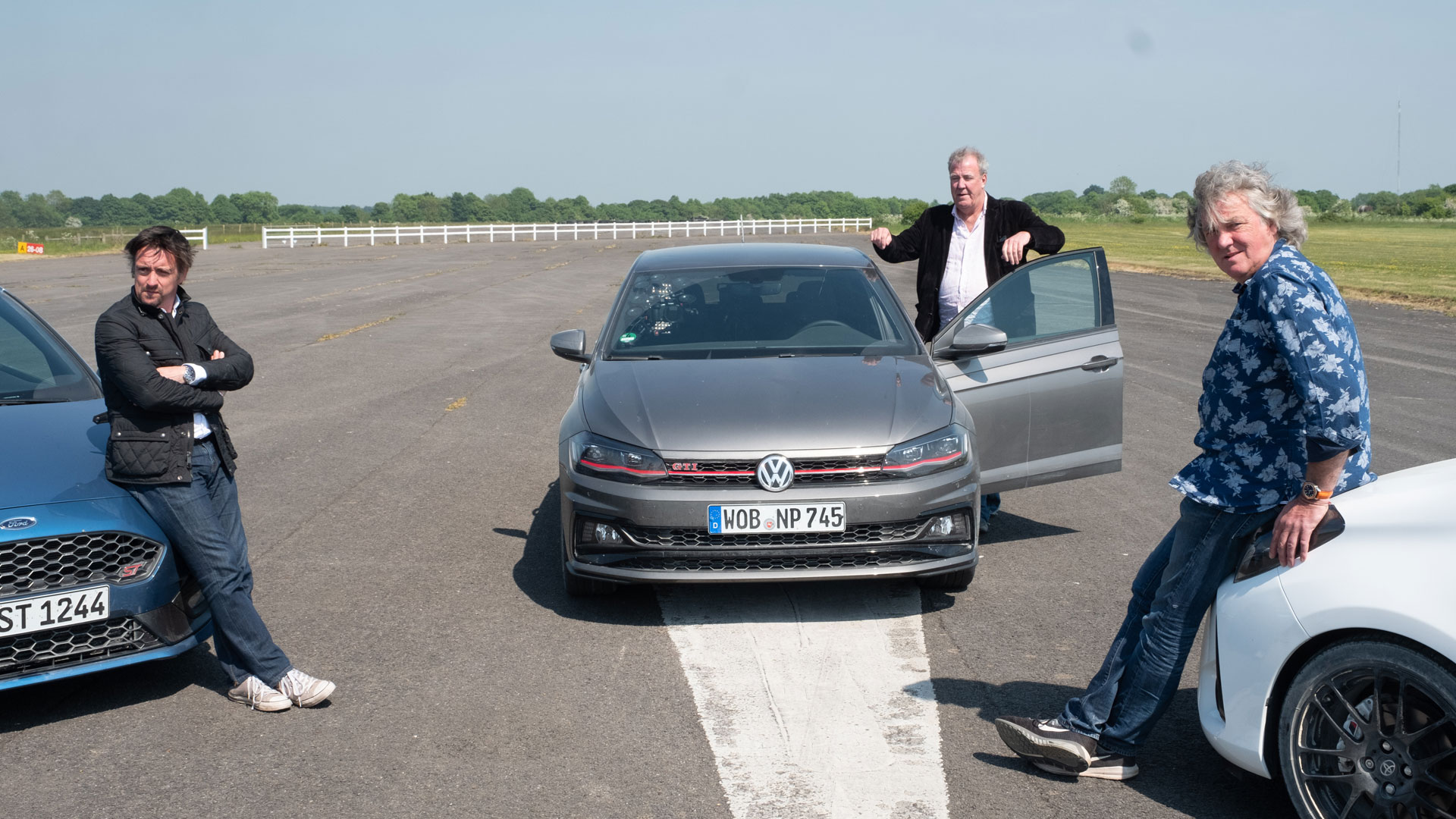
Toyota Yaris GRMN: “Gazoo! It’s nice, it feels taut.” – James May
Ford Fiesta ST: “This is cracking. I love these.” – Richard Hammond
Volkswagen Polo GTI: “Volkswagen invented the hot hatchback and they’re still the best at it.” – Jeremy Clarkson
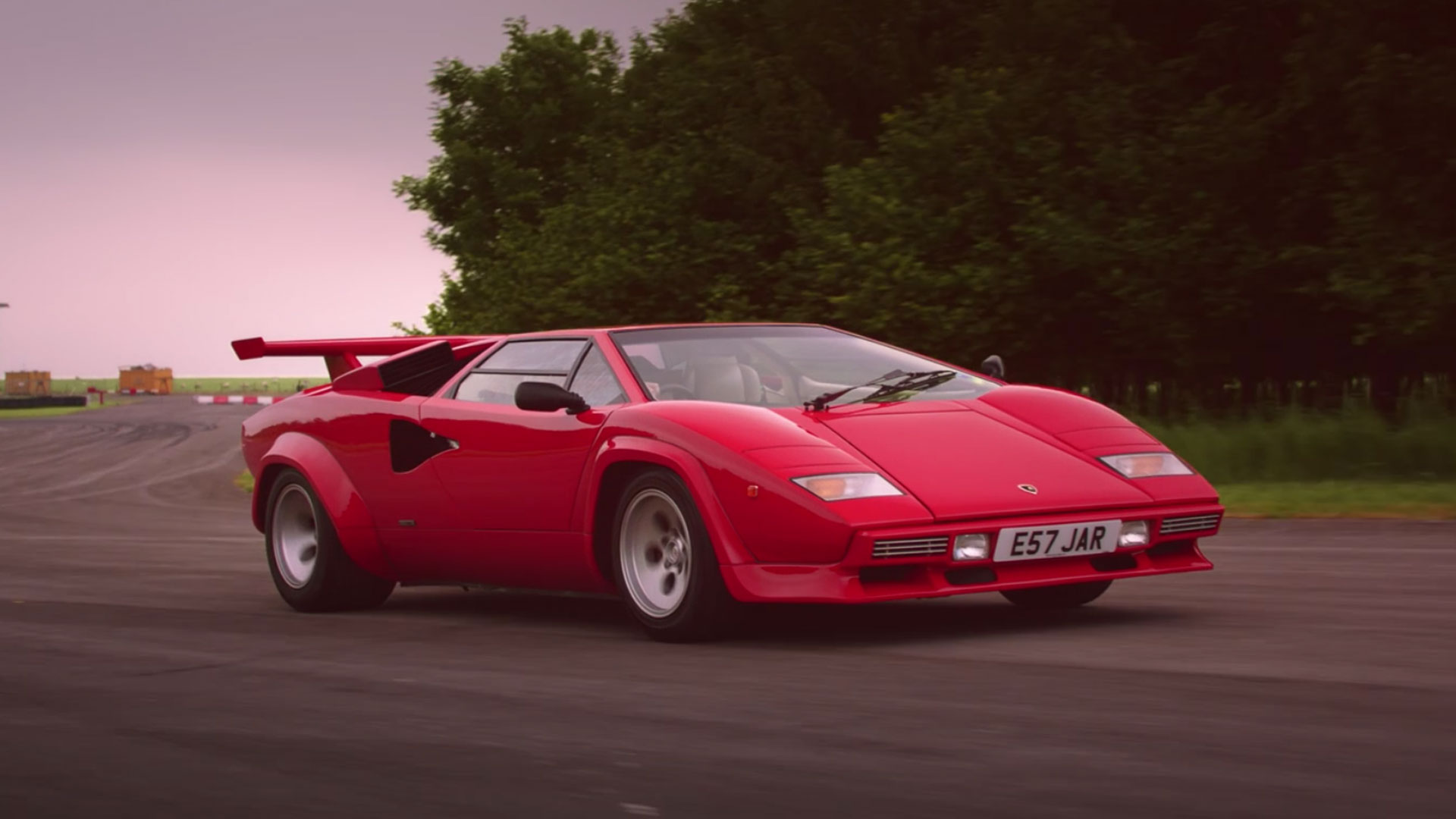
Lamborghini Countach: “This version of the Countach, the LP500, was launched in 1985, specifically to put the Testarossa back in its box.” – Richard Hammond
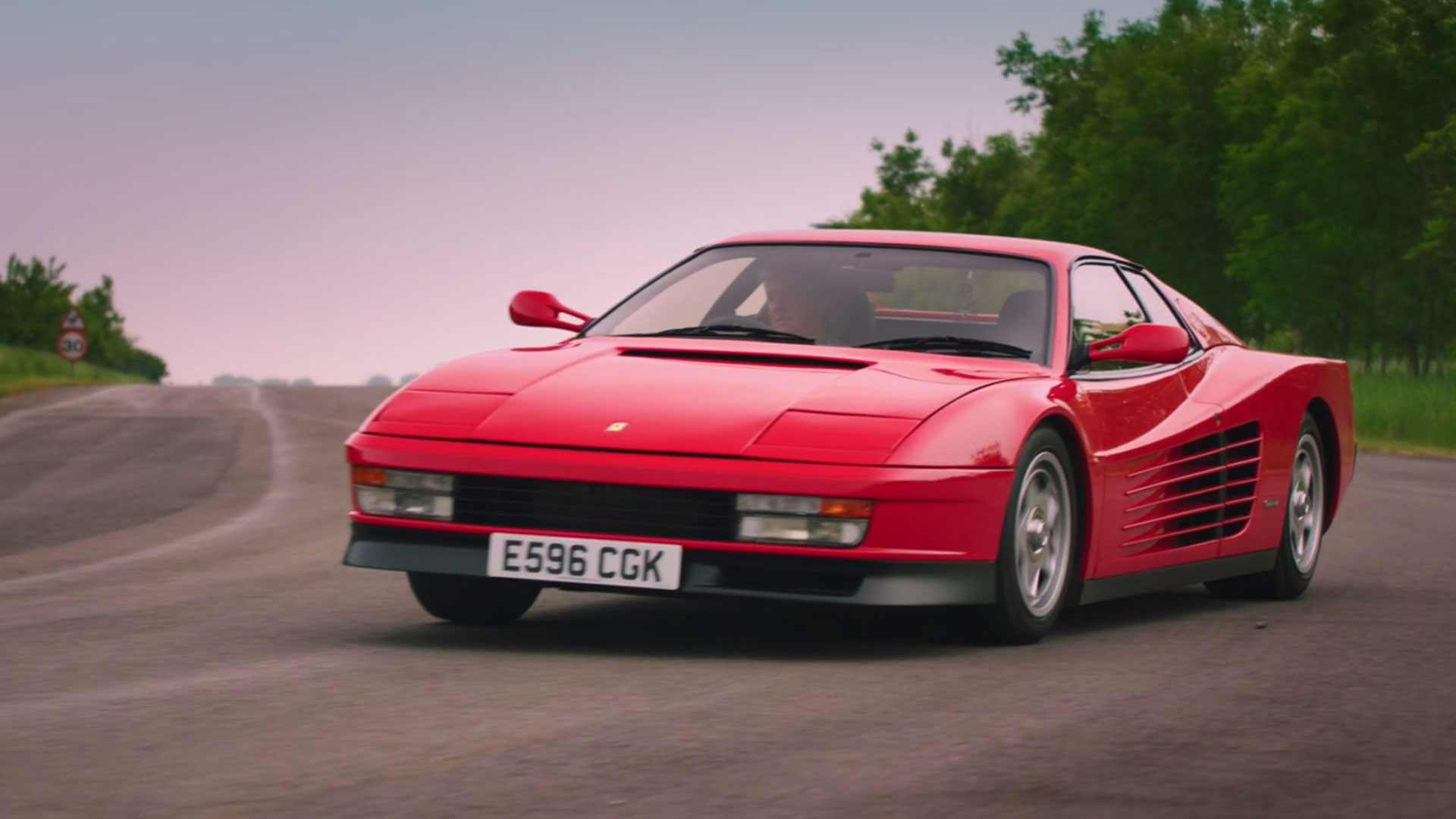
Ferrari Testarossa: “The Ferrari Testarossa was excess on wheels. Be it looks, attitude, or even size. It was unquestionably the only car that could star in Miami Vice.” – James May
Episode 11: Sea to Unsalty Sea
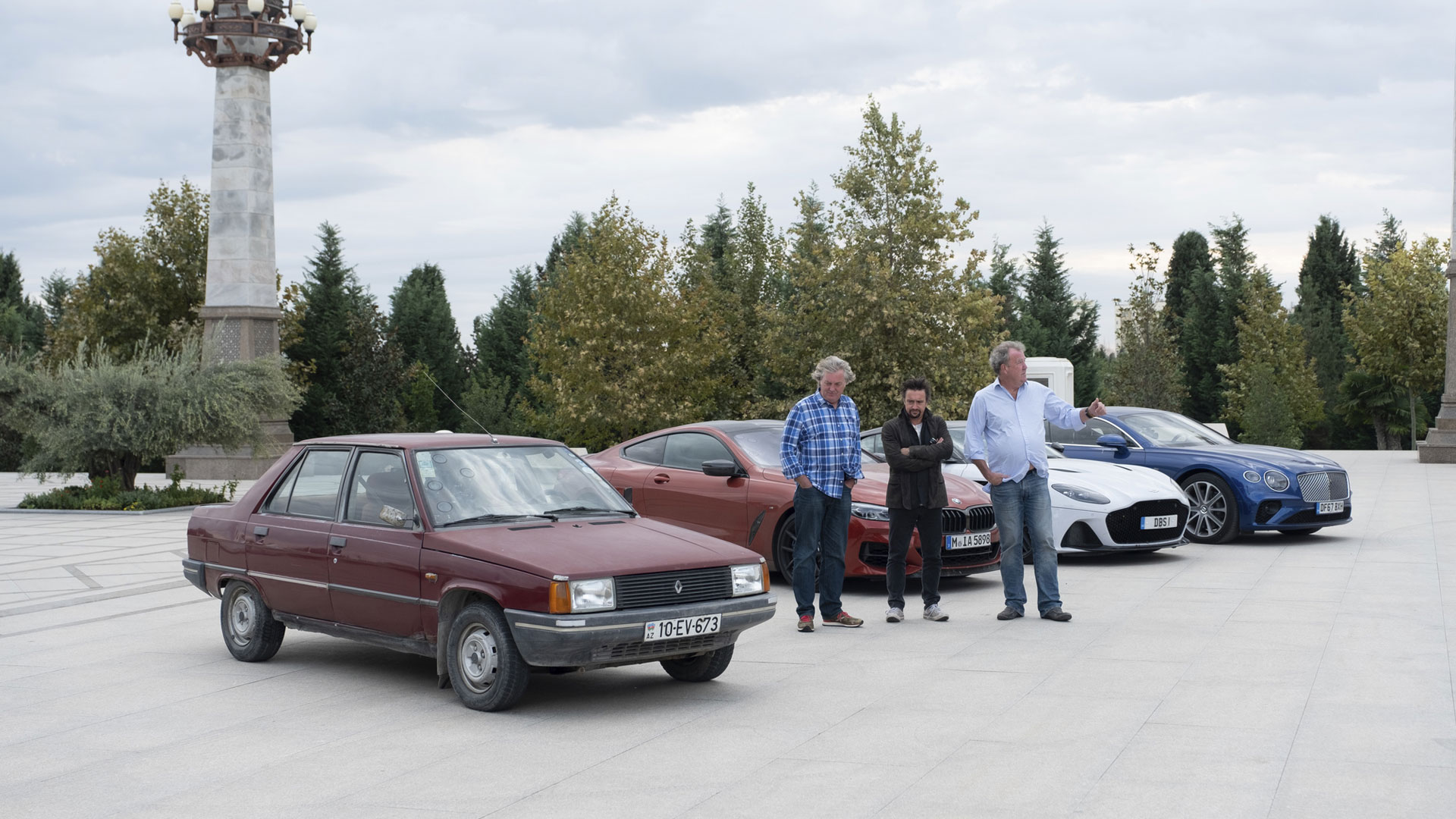
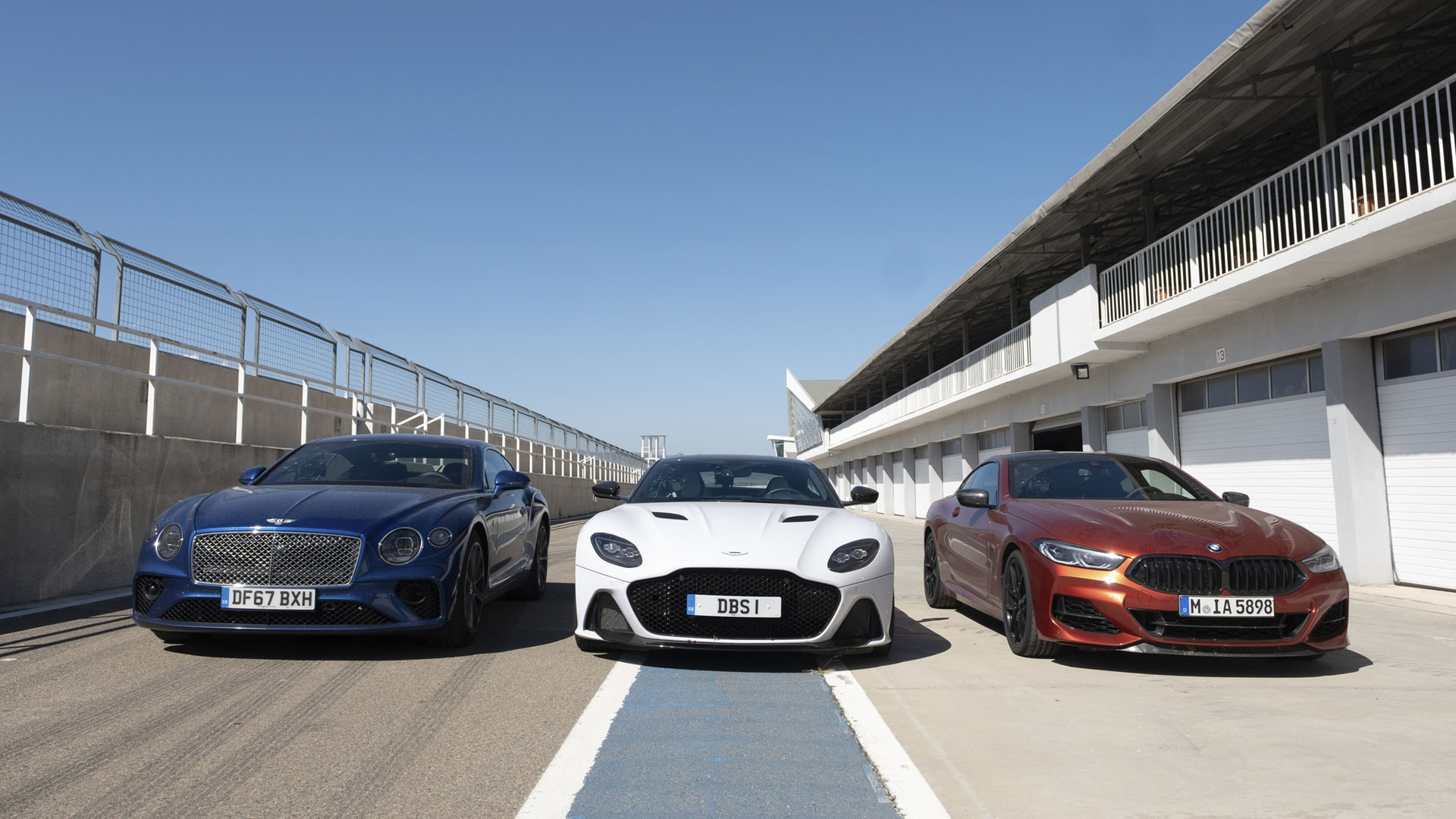
Aston Martin DBS: “My Aston has been delivered with Birmingham spec.” – Jeremy Clarkson
Bentley Continental GT: “Does Liberace pop up out of the centre console and play the piano for you?” – James May
BMW M850i: “This is like Elton John’s greatest hits without Your Song or Tiny Dancer on it.” – Jeremy Clarkson
Episode 12: Legends and Luggage
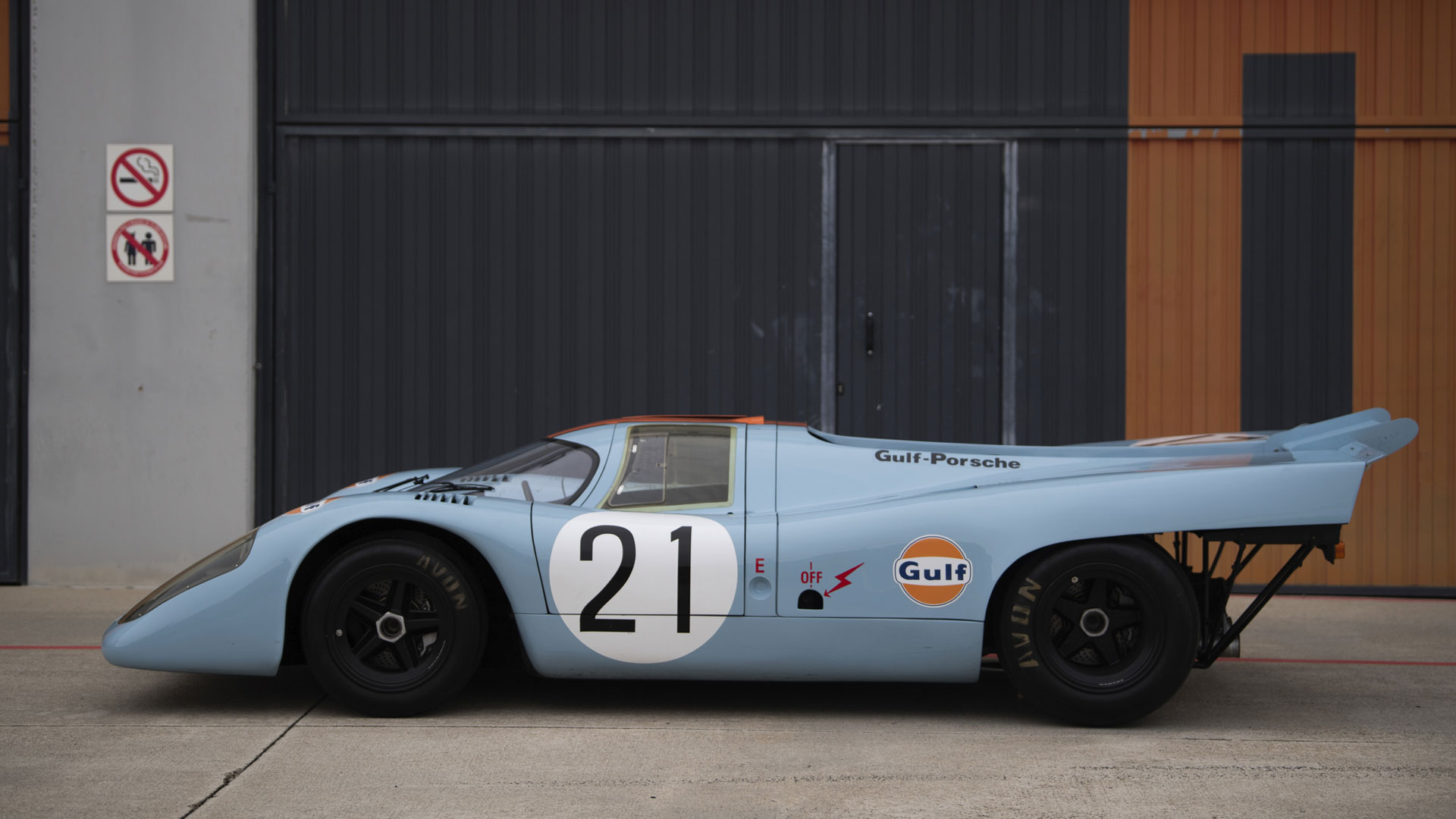
Porsche 917: “Even if you have no interest in motorsport, you’ll most likely recognise this machine because it’s quite possibly the most iconic racing car ever created.” – James May
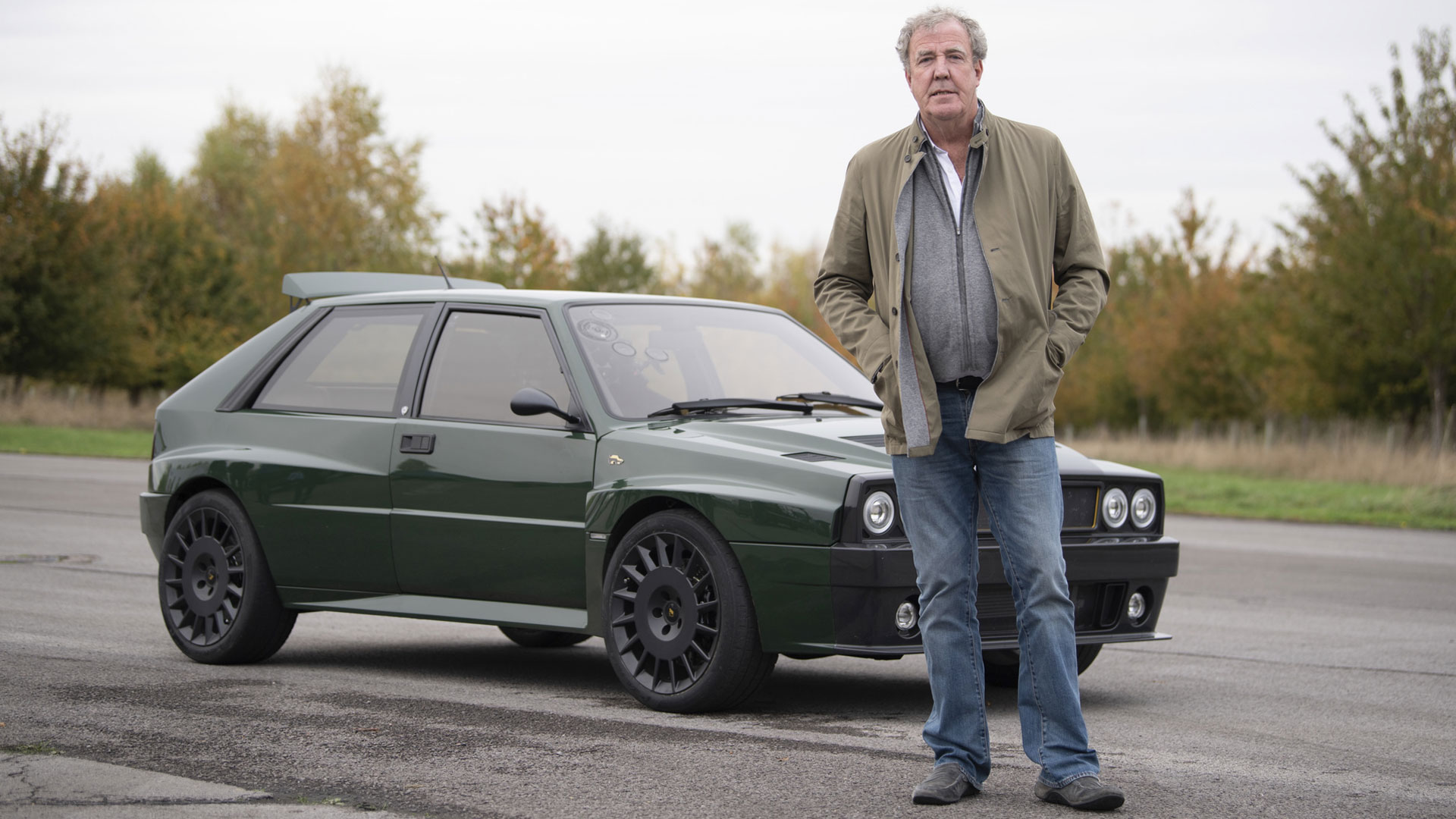
Lancia Delta Futurista: “It is a bloody brilliant car, this. Yes, I like this.” – Jeremy Clarkson
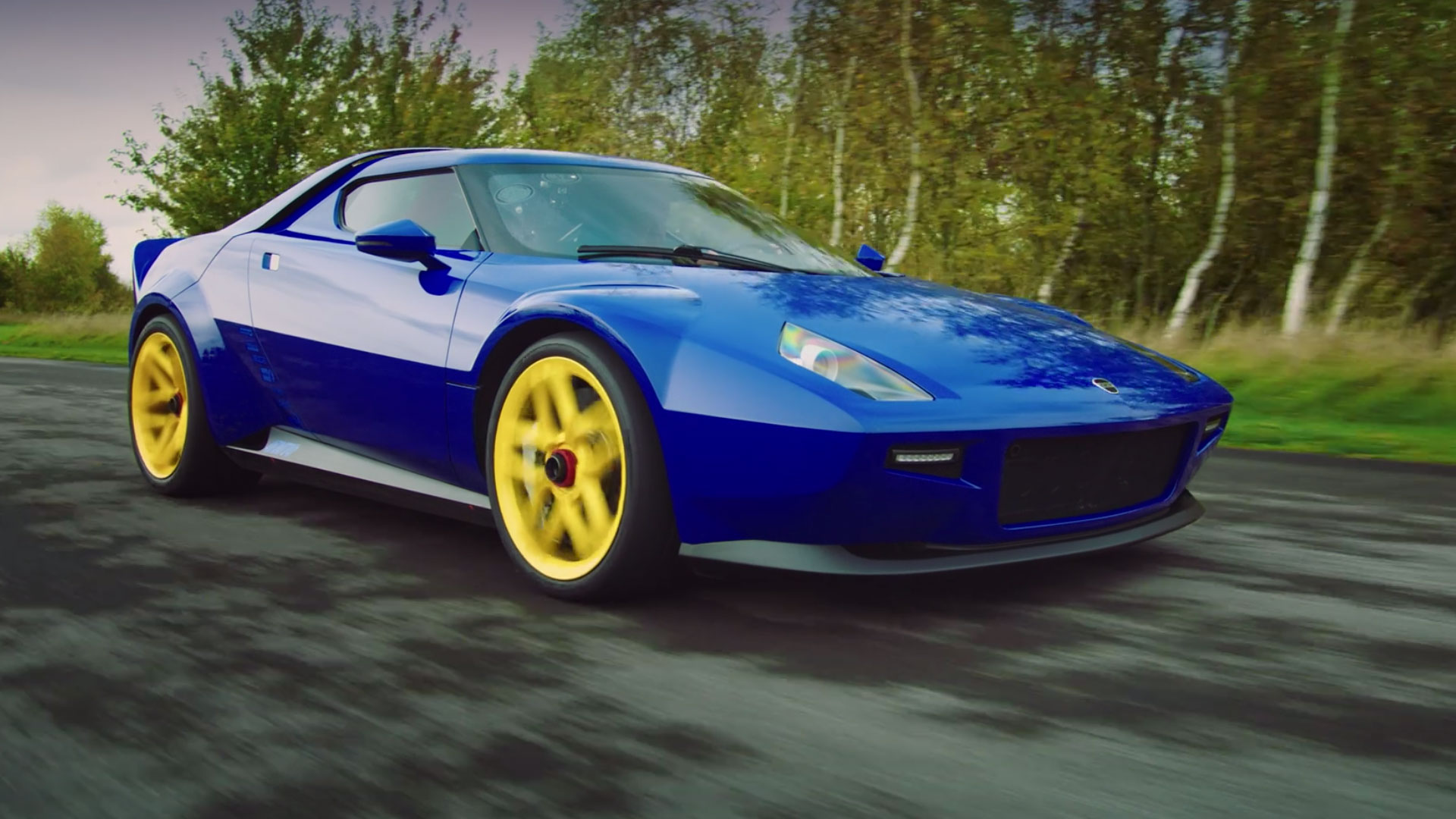
Lancia Stratos: “If I was going to spurt big lumps of money on an update classic Lancia, I’d spurt them on the most classic Lancia of them all… the Stratos.” – Jeremy Clarkson
Episode 13: Survival of the Fattest
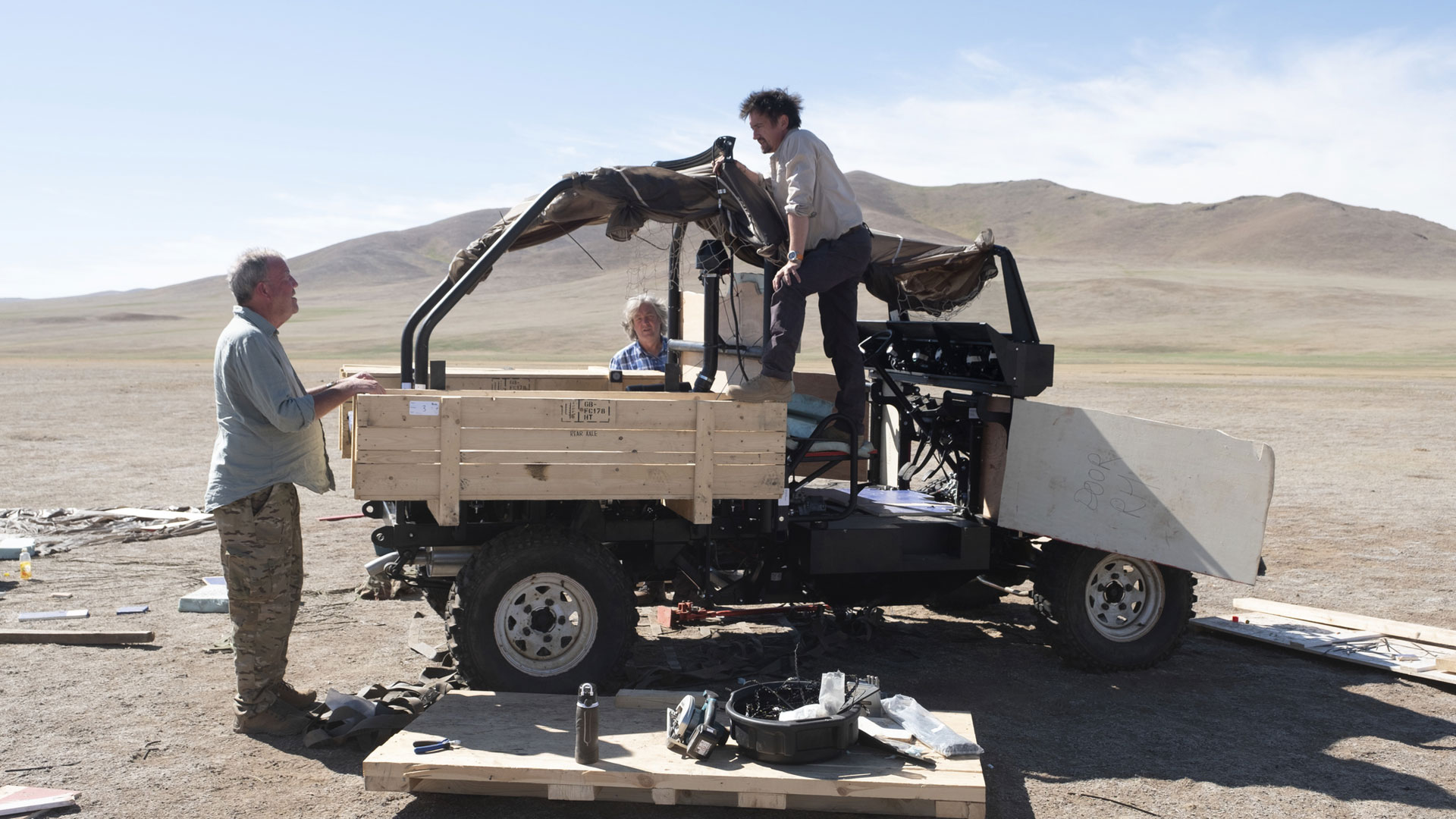
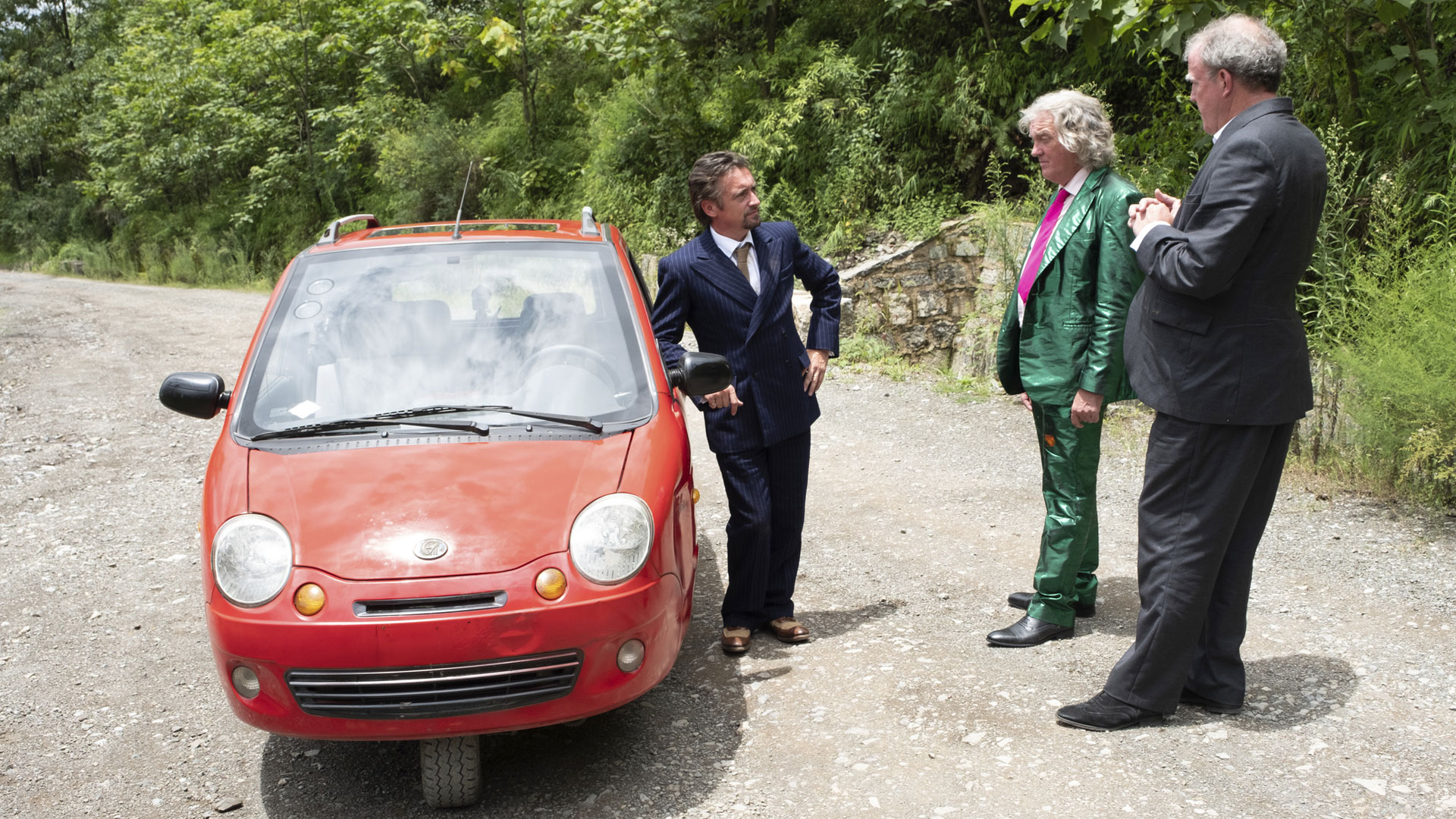
John: “He’s been incredible. Even though we built it in the middle of a field in the dust, it has been unutterably reliable. If you’re going on an expedition and you’re absolutely dependent on your car for your life… get a John.” – James May
Episode 14: Funeral for a Ford
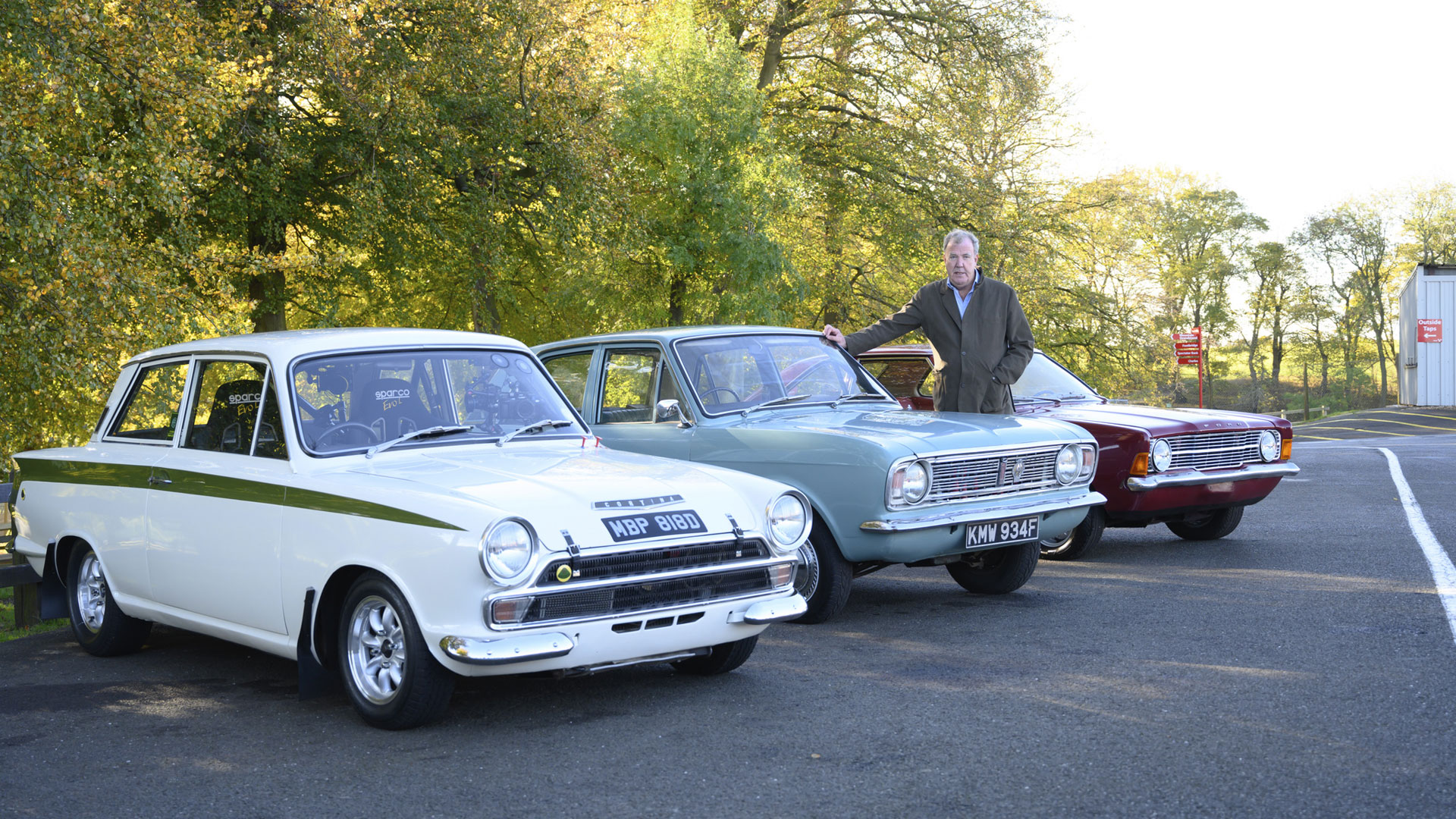
In the final episode of the series, Clarkson, Hammond and May take a look at the history of the medium-sized Ford saloon, starting with the Ford Cortina…
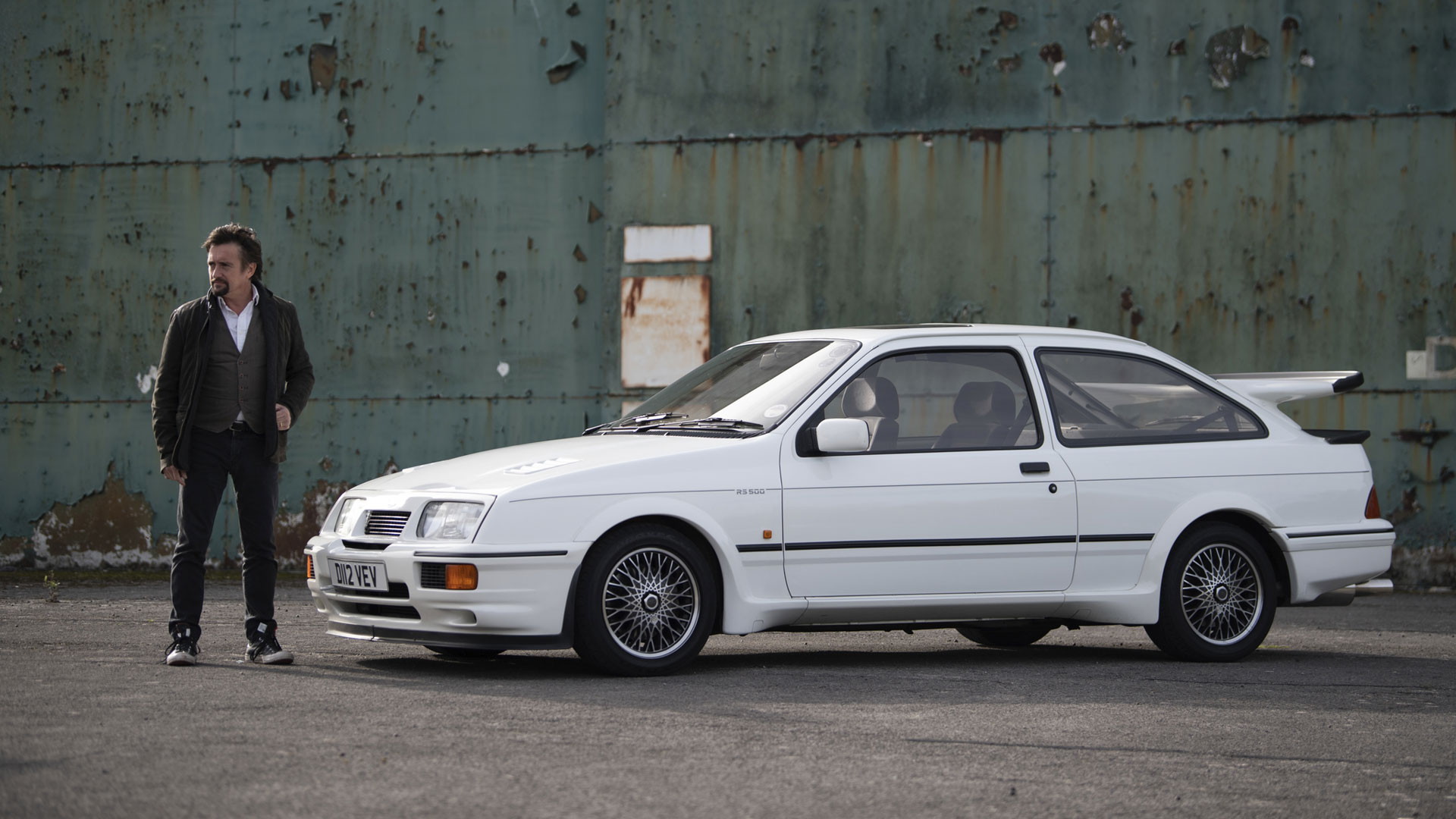
Then the Ford Sierra, before celebrating the life and times of the Ford Mondeo. “The history lesson ends with a touching memorial service to this totem of British life,” says the press material.
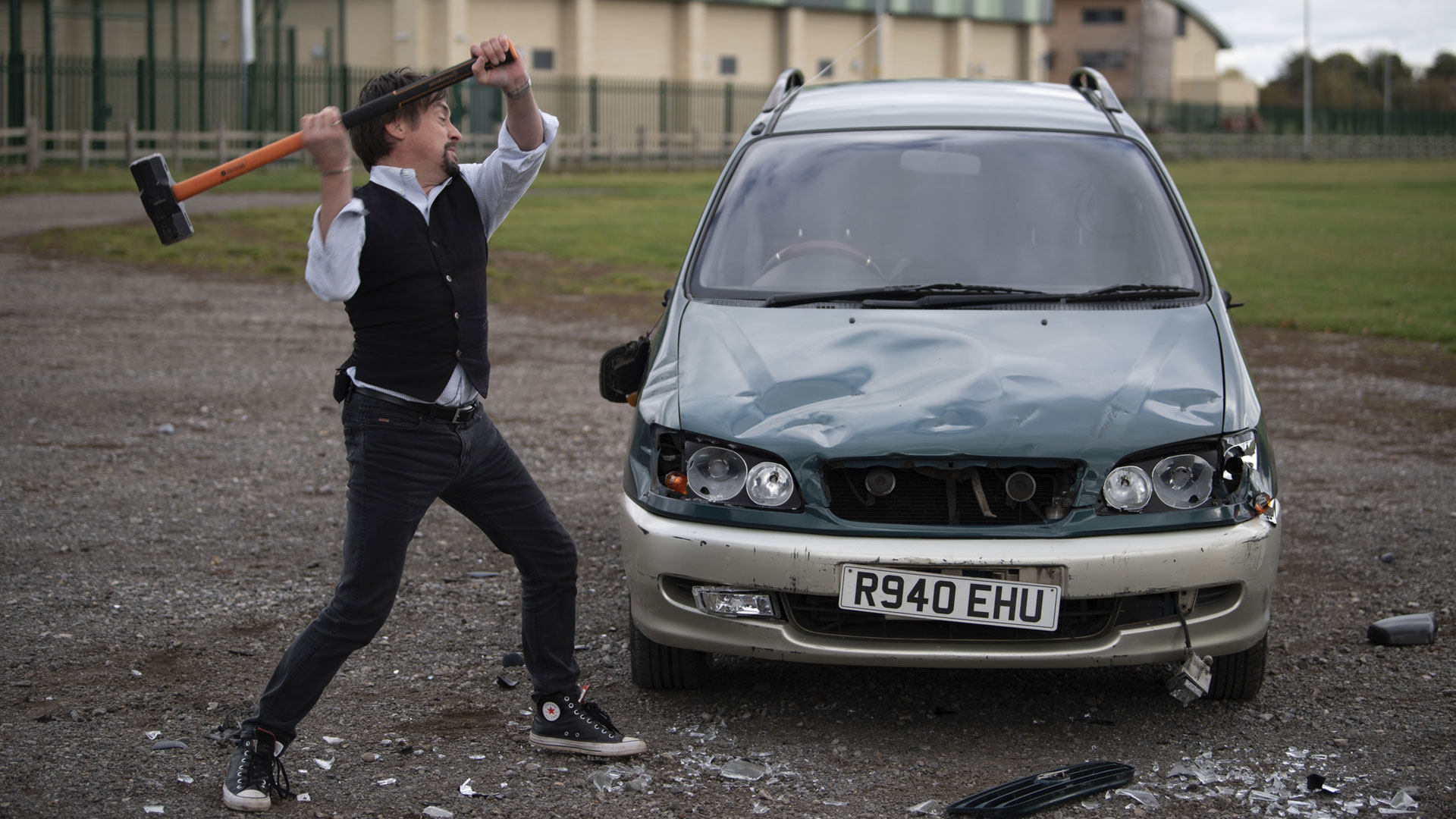
Speaking of memorial services, it looks like we’ll need to say on a fond farewell to this Toyota Picnic.
And on that bombshell
And on that bombshell, it’s time to end the gallery. Thanks for the laughs, chaps.
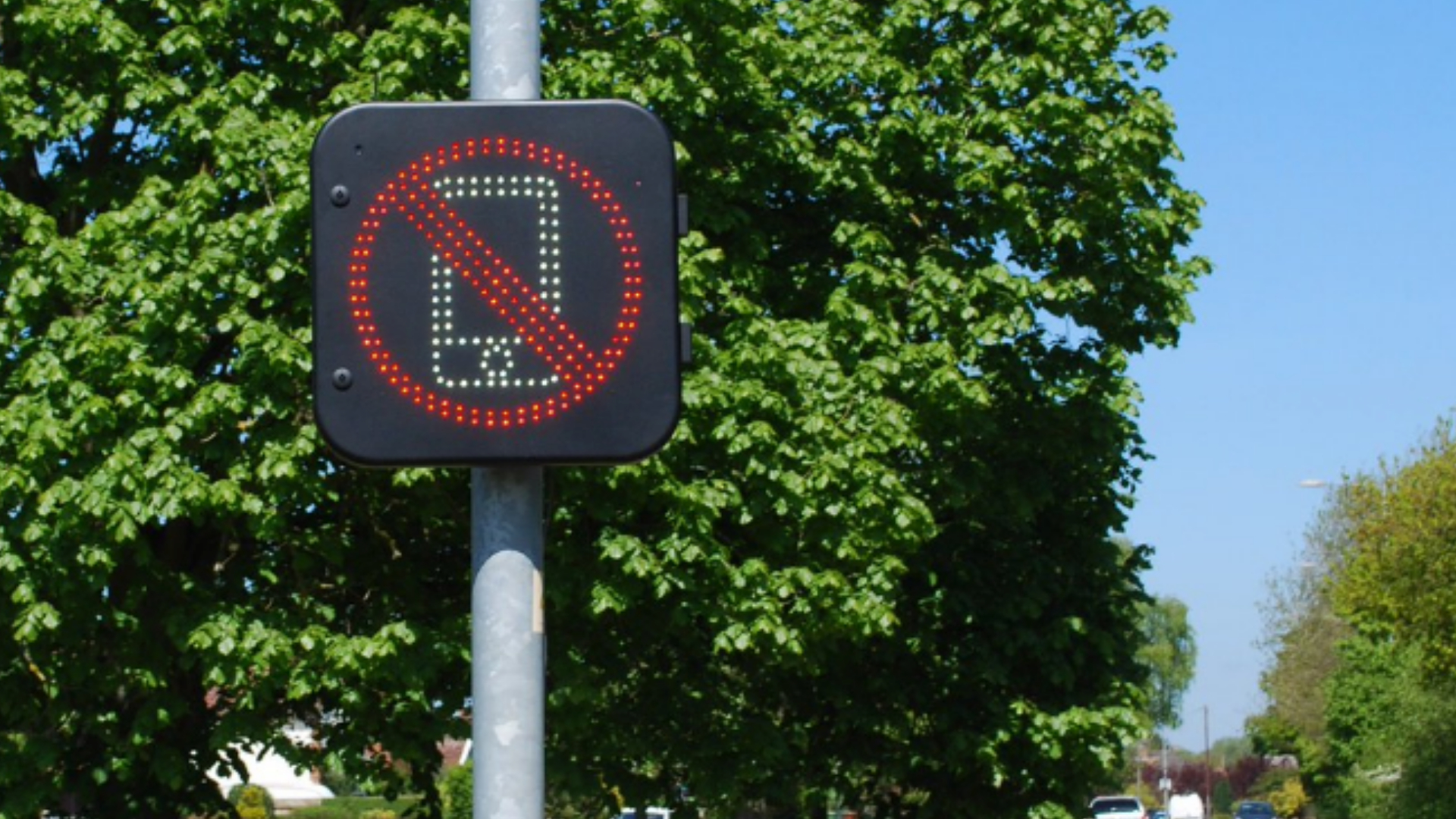
Select police forces will deploy a system that can detect if drivers are using their phone while driving. A sign will flash, telling drivers they have been seen and to stop using their mobile phone.
How does it work and what can it do?
Signs will light up with the shape of a phone and a red strike through it when the system detects someone using their phone in the car. To clarify, it will not be able to differentiate whether it’s the passenger or the driver on their phone. It’s also unable to record footage.
The system, developed by Westcotec, is able to detect when 2G, 3G or 4G signals are being sent out, specifically when a phone is being used, using a directional antenna. Bluetooth hands-free devices will trigger the system, but the sign won’t flash.
The detectors cost £6,000 each and will be deployed and trialled at various points around the constituencies.
“Not an enforcement tool”
The Thames Valley and Hampshire forces, which will be the first to roll out the technology, have stated that it will not be used to enforce phone driving laws. The goal is to ‘educate motorists’ and to find areas where drivers using their phone behind the wheel is a problem. The systems being moved around constituencies should allow the forces to build a map of where people using their phone at the wheel is an issue.
Generally speaking, it should act as a deterrent. A statement by local authorities that says: ‘we can see you’, to drivers using their phone behind the wheel. Whether or not the system will be used to ‘catch’ drivers in the same way cameras catch you speeding, remains to be seen.
We wouldn’t be surprised, given the goal is to make using your phone while driving ‘as socially unacceptable as drink-driving’. For now, as above, the systems serve as a benign warning.
Every year, J.D. Power publishes its Customer Service Index Study, which measures customer satisfaction with their service experience at franchised dealers during the first three years of a car’s life.
Each brand is given a rating out of 1,000 for overall satisfaction. Here, we run through the 23 manufacturers listed in the survey, with the results presented in reverse order. Be prepared for a few surprises along the way…
23: Fiat – 759 out of 1,000
From a credible 13th out of 24 manufacturers in 2018, Fiat has slumped to 23rd out of 23 in 2019. The study measures customer satisfaction when they visit a franchised dealer for maintenance and repair work. Five measures are examined: service quality, service initiation, service advisor, vehicle pick-up and service facility.
22: Kia – 775 out of 1,000
Last year, Kia finished fourth with a score of 808, so to find the South Korean company finishing second from bottom in 2019 is a big surprise. The average score across all of the volume brands is 786, which suggests Kia has some catching up to do. Having a seven-year warranty might be a great sales tool, but it’s up to the dealers to deliver a good aftersales experience.
21: Volvo – 776 out of 1,000
Is this result even worse than Kia’s? Volvo might have scored one more point than Kia, but in 2018 it finished joint fourth with the Korean company. A score of 776 places the Swedish company bottom of the five premium brands featured in the J.D. Power study. Volvo’s products might be worthy of awards, but on this showing, its dealers are a long way from scooping honours.
20: Volkswagen – 778 out of 1,000
According to J.D. Power, sizeable gaps exist between how customers prefer to schedule vehicle service appointments and receive service updates, and how dealers are actually scheduling and communicating with their customers. Dealers will need to close these technology gaps to increase revenue and improve customer satisfaction. Interestingly, satisfaction increases when dealer staff use a tablet, particularly during a service. Volkswagen finishes 20th with a score of 778.
=18: Skoda – 781 out of 1,000
We were surprised to find Skoda languishing in 20th place in 2018, but 10 extra points and a jump to 18th would suggest Skoda is heading in the right direction. “Customers in younger generations are certainly affecting industry-wide behaviours when it comes to service experience expectations, and this will become more notable as they begin to represent a larger portion of the service business,” said Josh Halliburton, vice president and head of European operations at J.D. Power.
=18: Renault – 781 out of 1,000
“However, there is an increase in preference among those in all generations for text message updates. For example, in the five years this study has been conducted, there’s been an 8 percent increase in preference for this type of communication among Boomers, or customers born between 1946 and 1964. We expect text message updates will become the most preferred means of interaction among all generations within the next few years.” he continued.
=15: Vauxhall – 784 out of 1,000
There are three brands tied in 15th place, including Vauxhall. French ownership hasn’t had a positive impact on its dealers, with Vauxhall dropping four places in 2019 and scoring two points fewer than last year. This is also lower than the volume brand average of 786.
=15: Nissan – 784 out of 1,000
Fifteenth might not be a reason to issue a press release or throw a party, but Nissan has scored 18 more points than it did in 2018, climbing seven places in the process. Of dealers in general, Josh Halliburton said: “There are still areas where UK dealers can differentiate themselves by providing an exceptional service. Top performers one year can end up below the industry average the next.”
=15: Mazda – 784 out of 1,000
Mazda remains locked in 15th place, so there’s still work to be done. According to a recent post on Jalopnik, the problem appears to be mirrored on the other side of the Atlantic. “Mazda seems to have a dealer network with an approach that seems allergic to actually landing customers,” it says. Ouch.
14: MINI – 785 out of 1,000
This is far from a good result for MINI, not least because the company finished second overall in 2018. The 2019 UK Customer Service Index Study is based on data collected from 6,759 respondents who registered their new vehicle between November 2015 and January 2018. The study was fielded from November 2018 through to January 2019.
=13: Citroen – 787 out of 1,000
Citroen has shot up the table in 2019, scoring 13 more points and moving from last place to 13th overall. Recent analysis by What Car? found that Citroen offered the biggest percentage discounts – with buyers saving an average 11.41 percent off the list price. Citroen dealers should expect increased footfall in 2019 as the brand celebrates its centenary year.
=12: Dacia – 788 out of 1,000
A place just outside the top ten is a little disappointing for a company that finished seventh in 2018, especially when the brand is heavily reliant on retail sales. On the plus side, a score of 788 is more than the volume brand average and better than the likes of Volvo, MINI and Skoda.
J.D. Power top 10 most satisfying car brands 2019
=10: Seat – 790 out of 1,000
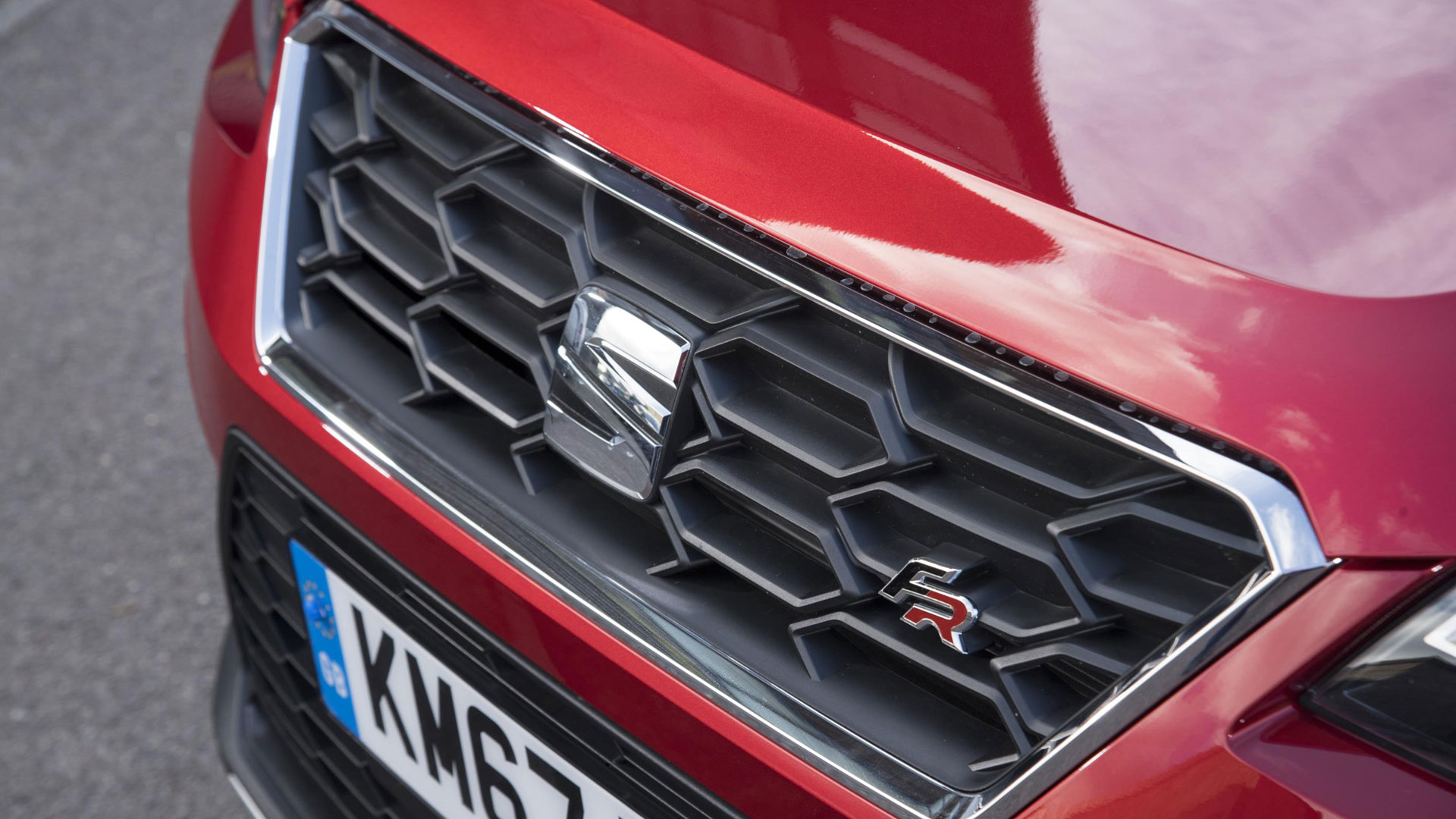
Seat is a company on a roll, with a range of excellent SUVs and a new performance sub-brand in the form of Cupra. Its dealers are moving up a gear, with the company rising from 18th to tenth, scoring an extra 13 points in the process. Nice work.
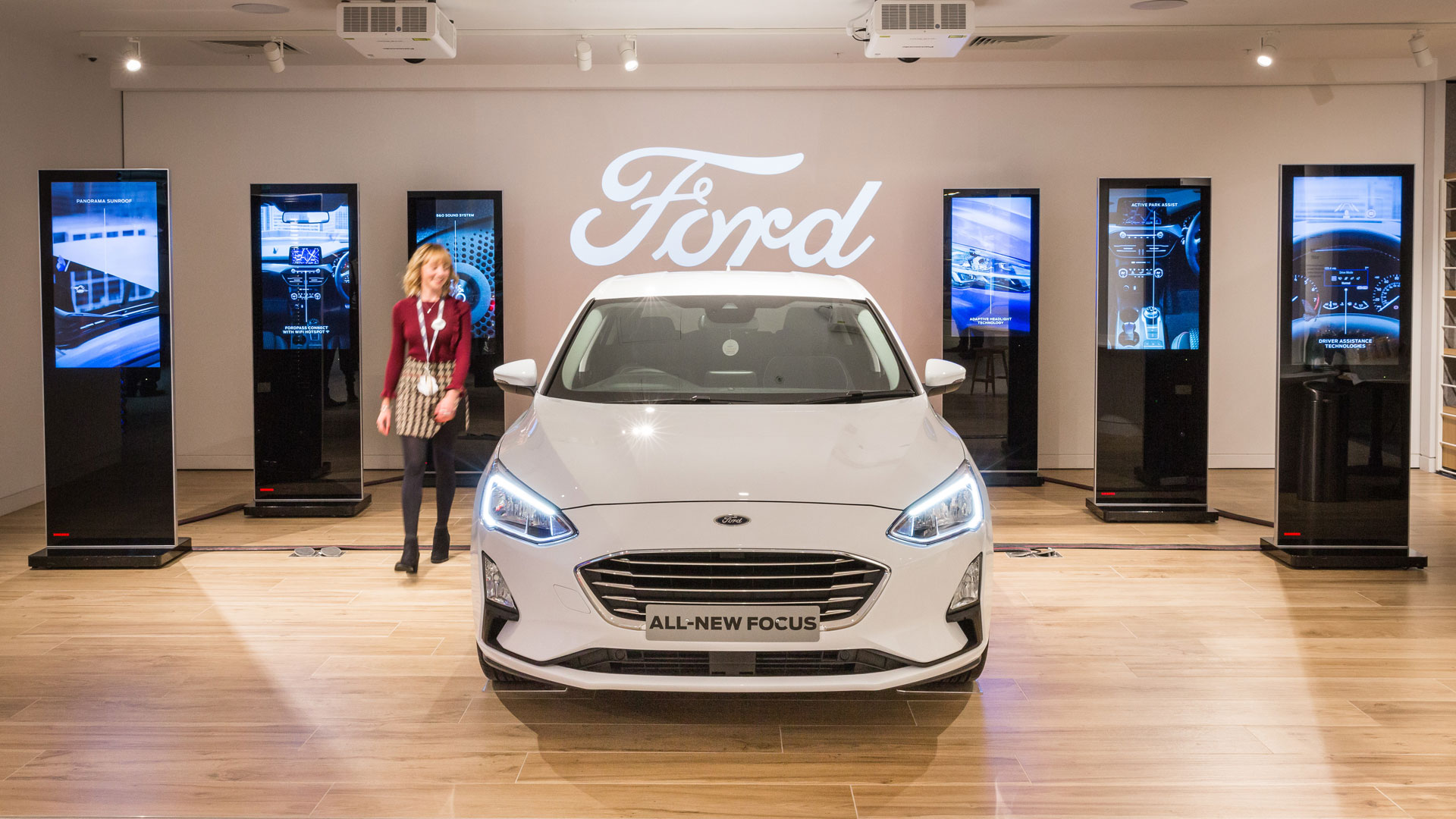
=10: Ford – 790 out of 1,000
Ford is also on the up, jumping from 21st in 2018 and scoring 23 additional points. According to J.D. Power, factors that increase customer trust include: the vehicle was ready when promised, work was completed correctly the first time, the service advisor knew the vehicle’s history, and an explanation of the charges was provided.
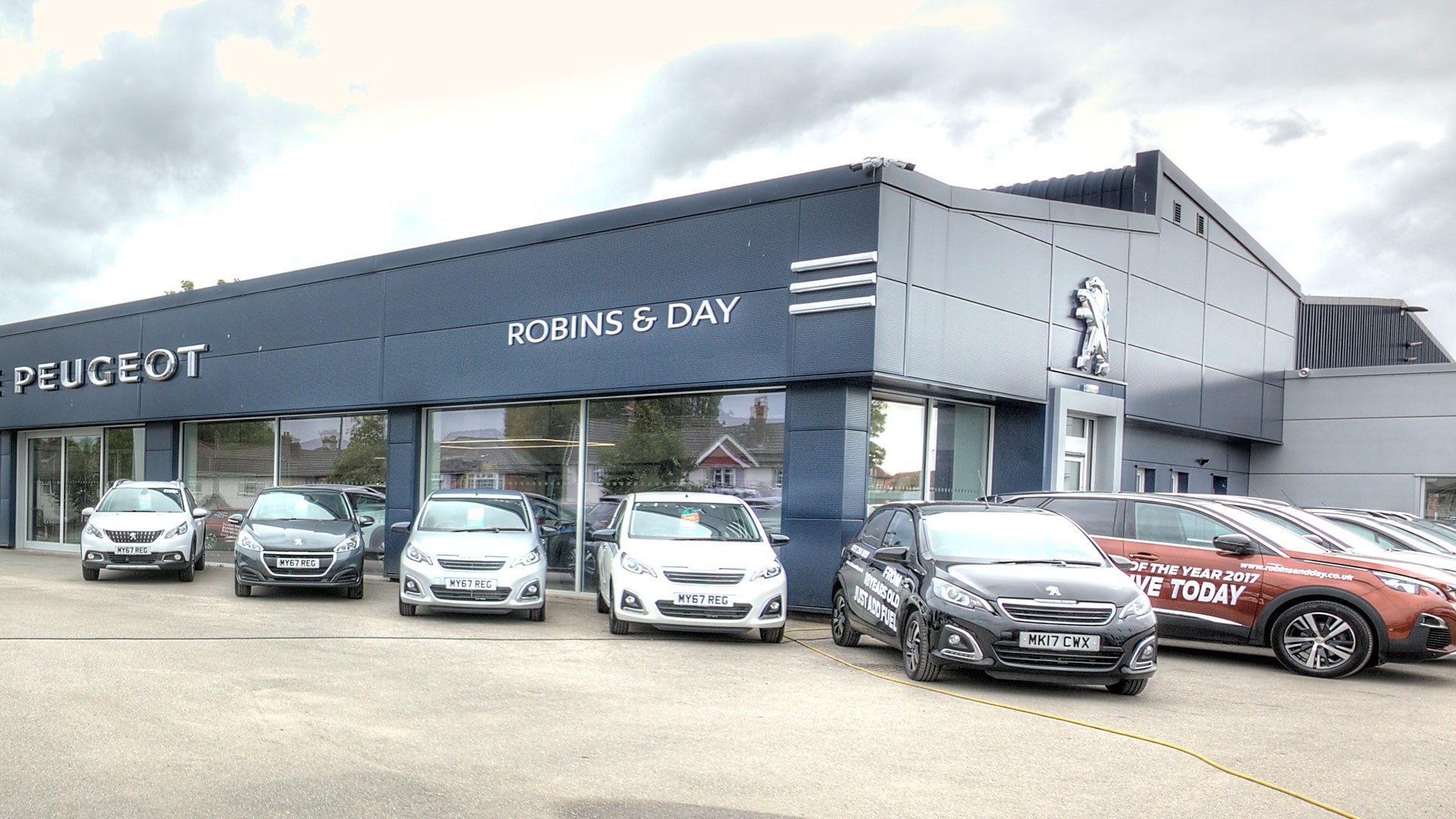
9: Peugeot – 791 out of 1,000
Peugeot is the top ranked French company, up from 19th in 2018 to ninth in 2019. The company registered a 3.75 percent growth in March, in a UK new car market down 1.85 percent for the year. David Peel, Peugeot UK managing director, said: “Three years ago we began restructuring and resizing our dealer network to ensure that all of our network providers are profitable and motivated.” The strategy appears to be paying off.
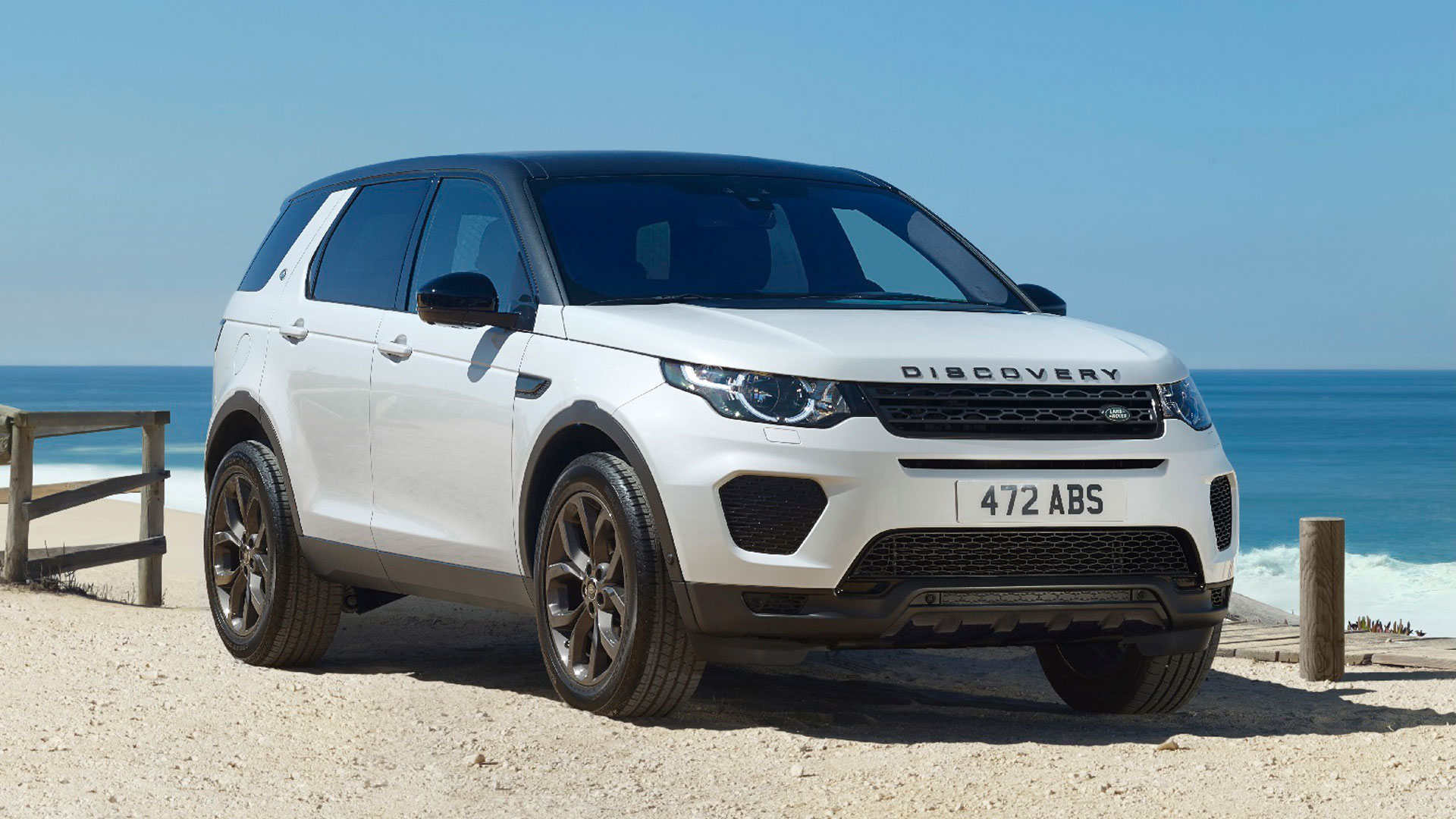
8: Land Rover – 793 out of 1,000
Land Rover topped the table in 2018, so this has to go down as a bad result for the premium off-road brand. Worse still, the premium brand average is 800 out of 1,000, which means Land Rover is a little way off the pace.
=5: Hyundai – 798 out of 1,000
From 15th in 2018 to joint fifth in 2019 – this is an excellent result for Hyundai, especially when you take into account Kia’s lowly finish. This ranks Hyundai joint third on the list of volume manufacturers.
=5: Honda – 798 out of 1,000
It’s another strong finish for Honda, although a score of 798 is a significant drop from the excellent haul of 815 points in 2018. If one vehicle could sum up ‘car reliability’, it would be the Honda Jazz.
=5: BMW – 798 out of 1,000
BMW finishes fifth overall, but a score of 798 puts it just shy of the premium brand average of 800. Companies missing from the J.D. Power survey include Lexus, Alfa Romeo and Jeep. Curiously, Jaguar is another absentee, which is a surprise given its strong performance in 2018.
4: Toyota – 800 out of 1,000
Toyota finishes second on the list of volume manufacturers and fourth overall. We were surprised to find Toyota down in 14th place in 2018, but this year’s finish is more representative of what we’d expect from the Japanese company.
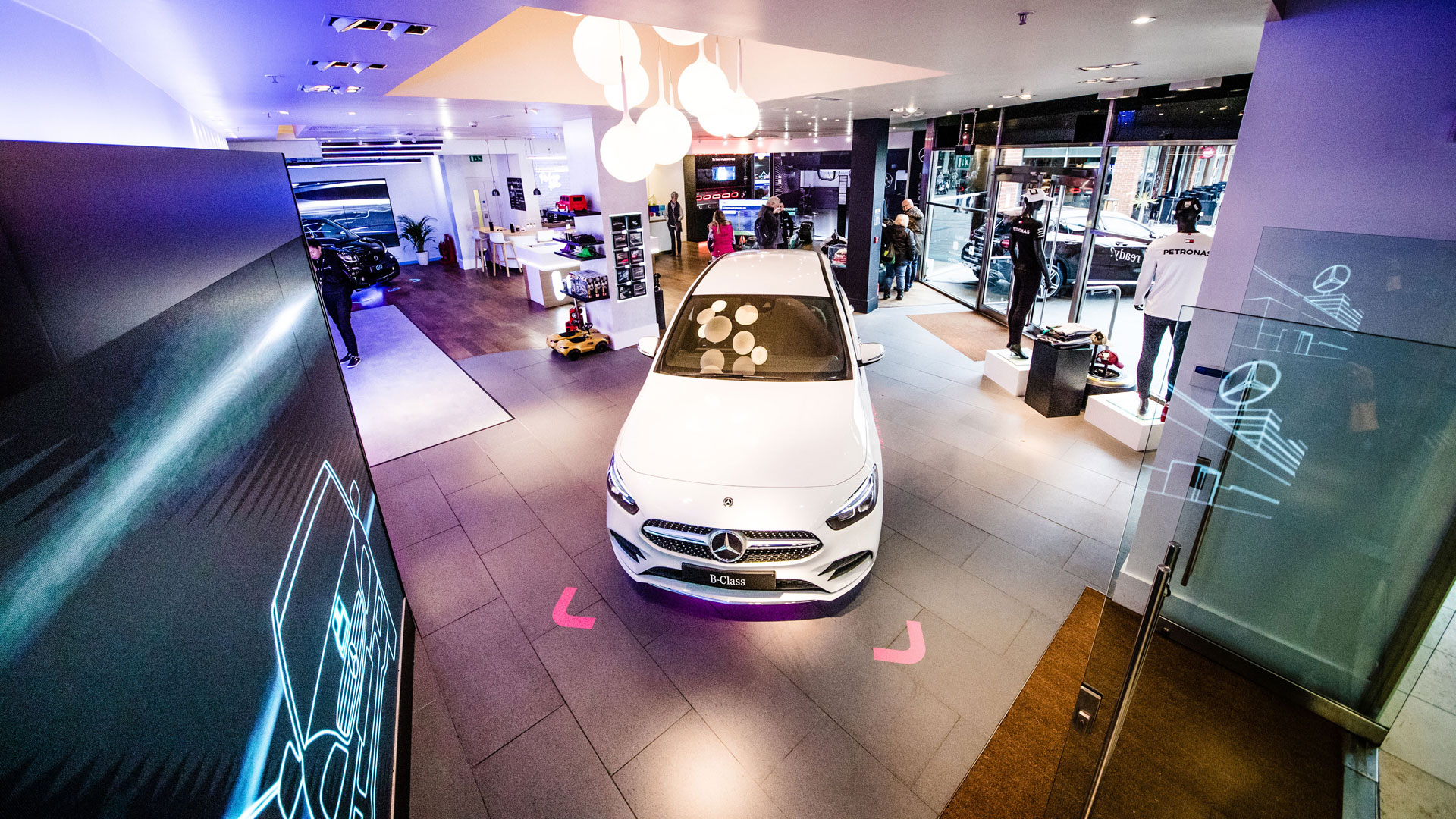
3: Mercedes-Benz – 802 out of 1,000
Hats off to Mercedes-Benz, which manages to beat its rival from Bavaria. No company offers more SUVs than Mercedes, and the company will unveil new versions of the GLC Coupe and GLS at the 2019 New York Auto Show.
2: Suzuki – 813 out of 1,000
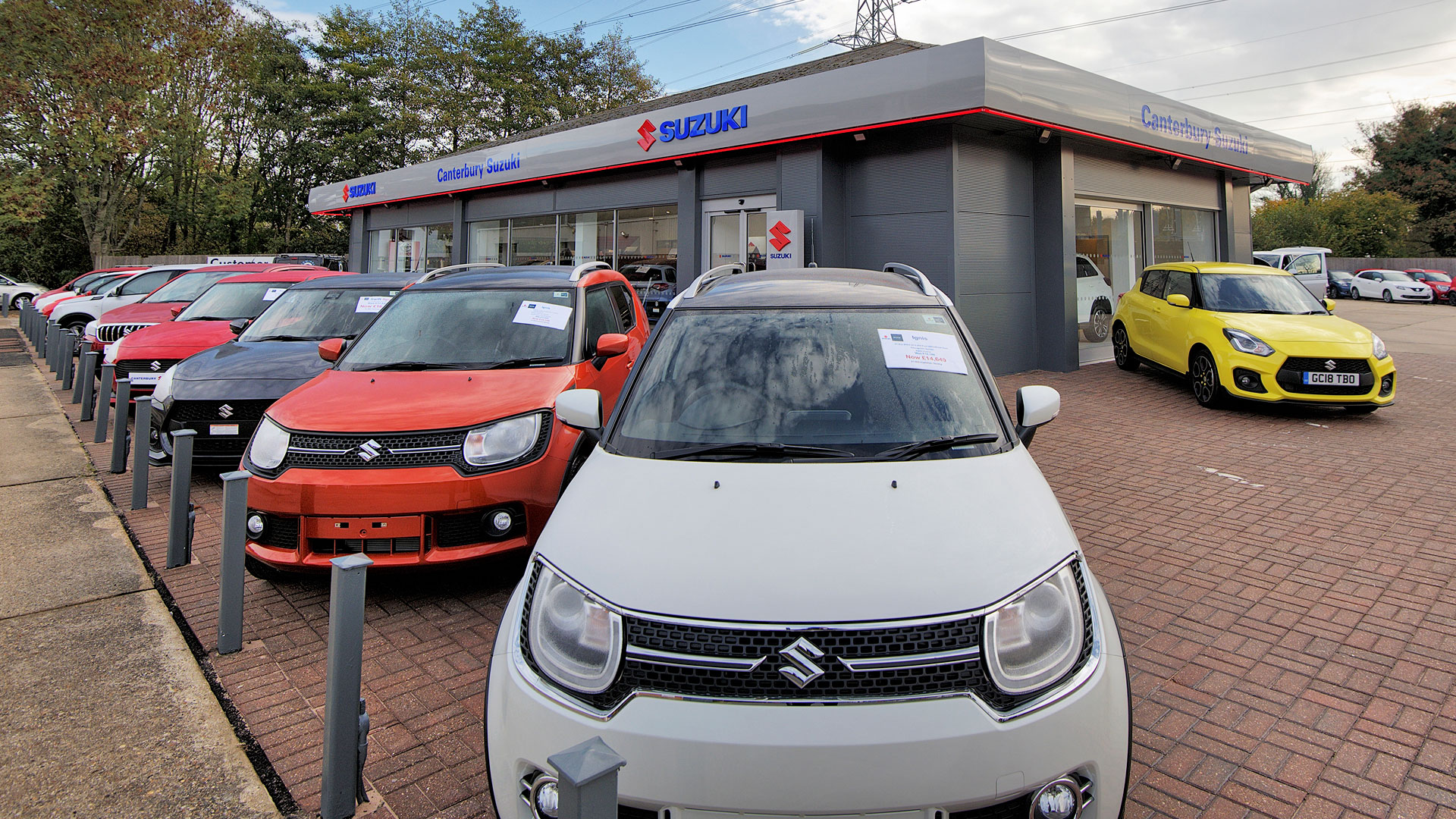
Suzuki ranks highest among the volume brands, with a score of 813 – a 22-point improvement from 2018. This is a tremendous result for Suzuki, which offers a range of likeable and, at times, quirky new cars, including the Jimny and Ignis.
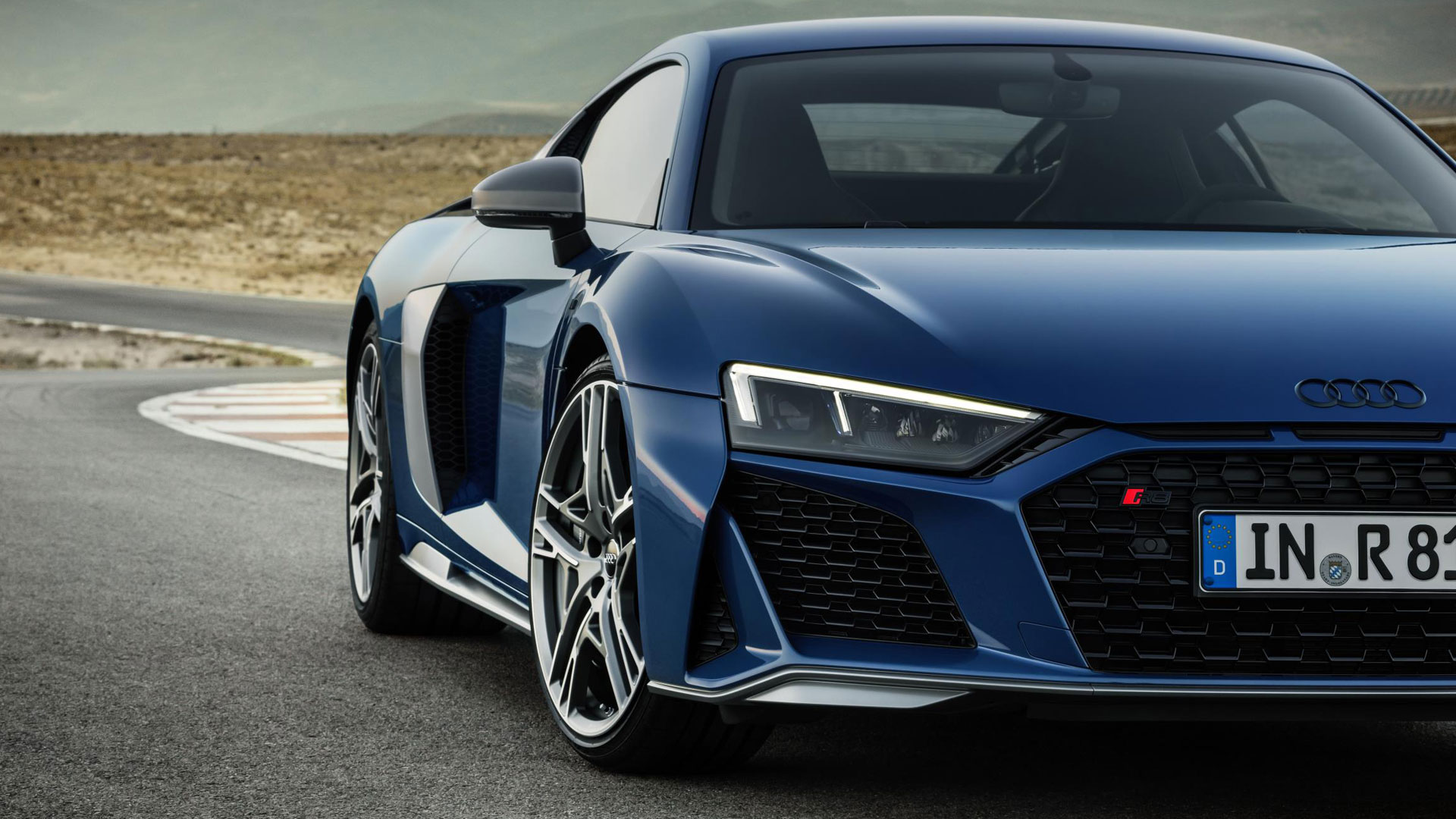
1: Audi – 815 out of 1,000
Audi finished seventh in 2018. This year, a 23-point improvement sees it top the table, as its dealers pull out all the stops to put on a good show. At the end of last year, Audi UK announced that it was implementing a new leadership and change management programme across its dealer network, designed by Alliance Manchester Business School.
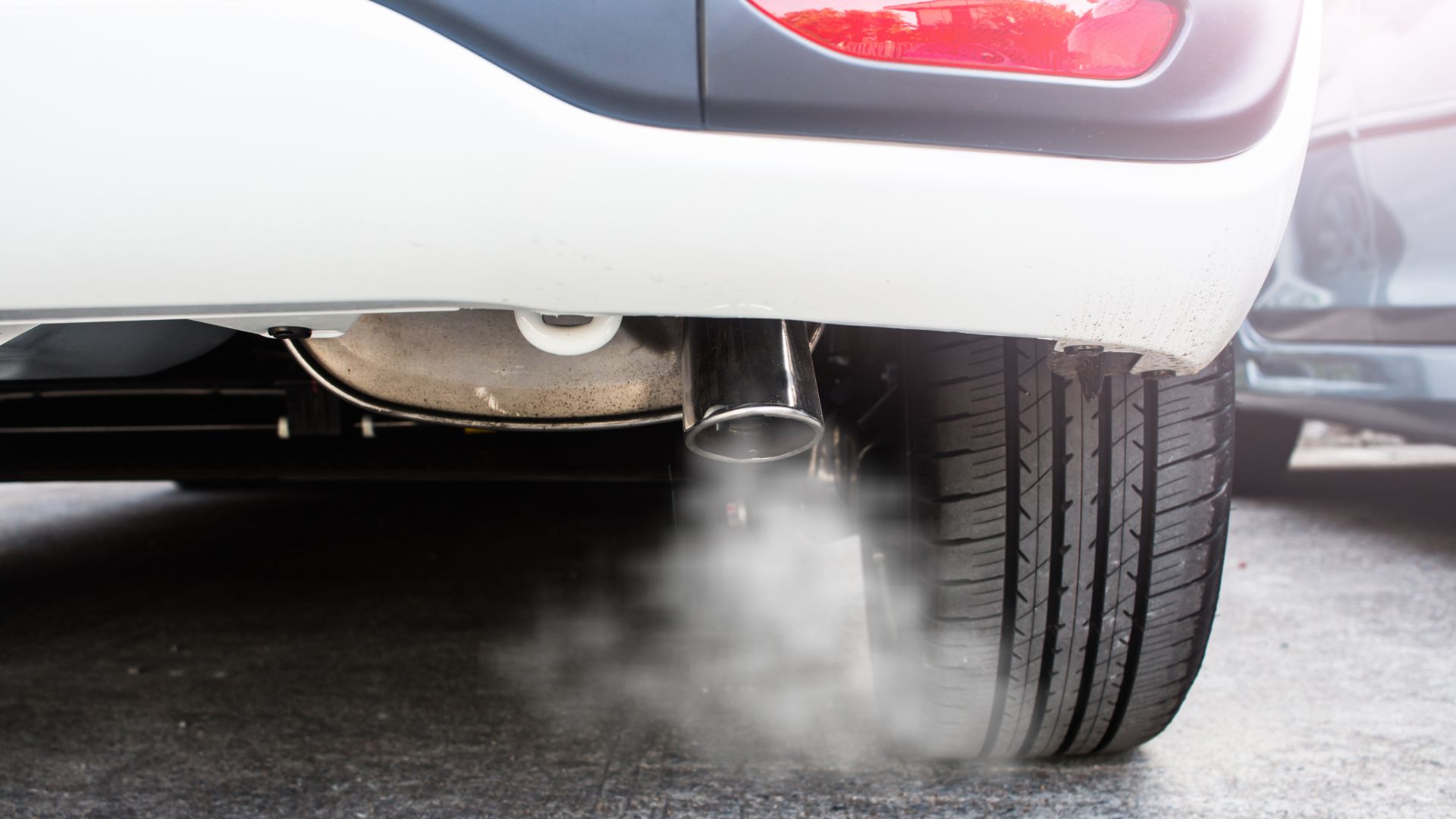
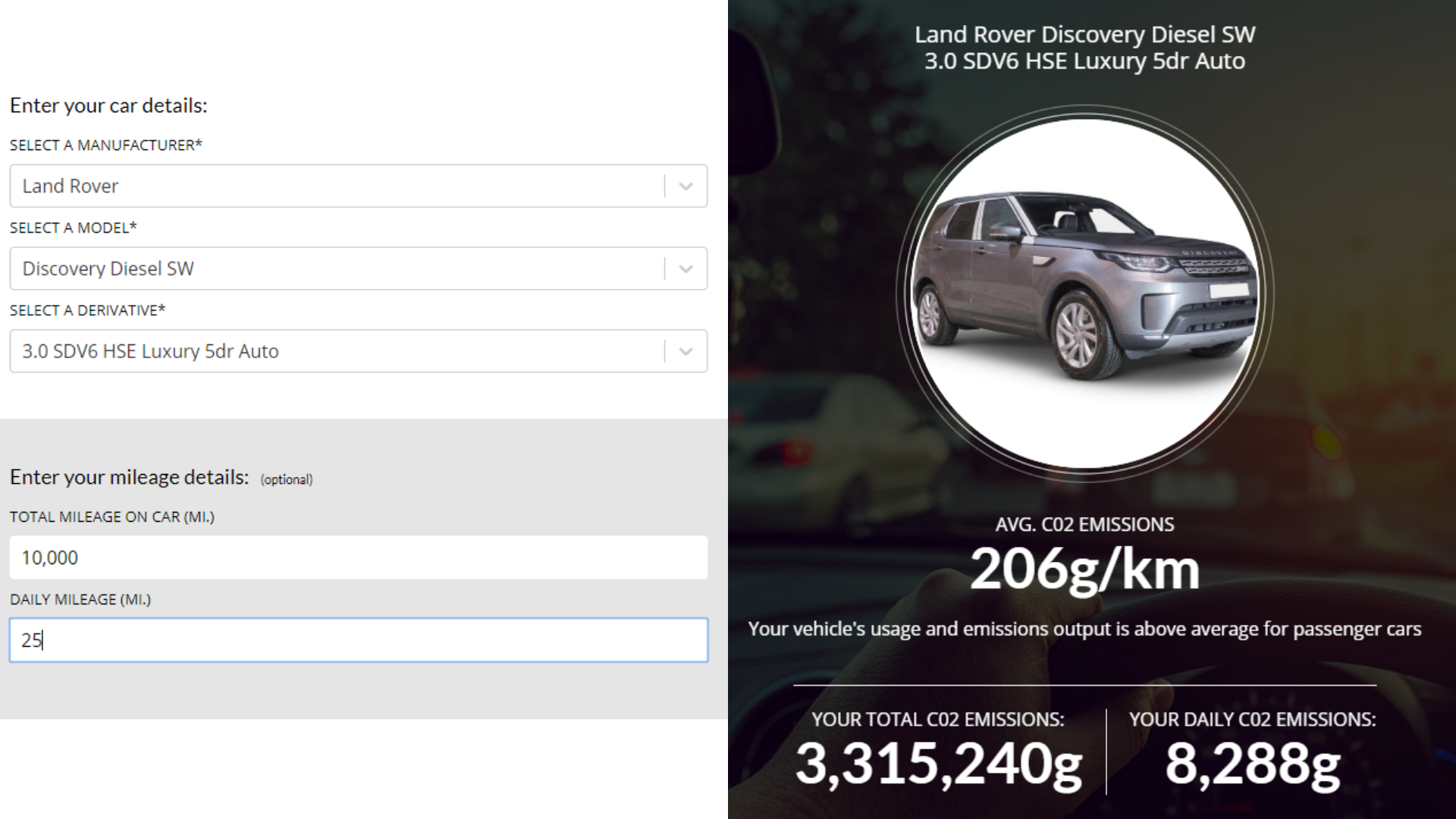
Car leasing specialist AMT has created a new calculator that lets motorists work out how much CO2 emissions their cars are pumping out over the course of their usage.
The calculator uses AMT’s in-house data on 15,000 different cars to provide an estimate on daily driving emissions, as well as for longer periods. Put your miles in, both per day and over the course of its life, and you’ll get daily and lifetime emissions calculations.
A diesel Renault Megane, for example, will emit 3,443,988 grams (yes, that’s over 3.4 million grams) of CO2 over the course of 20,000 miles. Over a day of doing 100 miles, it’ll emit 17,220 grams.
There’s also a league table of 51 different manufacturers in order of which is most and least polluting based on cumulative emissions from across the range.
Predictably, Tesla tops the table for the least-polluting. You don’t need a calculator to work out an electric car produces no emissions, both on paper and in the real world. City car manufacturer Smart and DS Automobiles follow it.
Powered by AMT Leasing
At the bottom of the table, no surprises here, none other than the Raging Bull Lamborghini, which on average produces 347g/km, followed closely by Bentley and Rolls-Royce. McLaren in 46th and Aston Martin in 47th lead Ferrari, Bentley, Rolls and Lambo, impressively, with 252g/km and 272g/km respectively.
Of the main trio of German executive manufacturers, BMW and Audi jointly lead in 16th and 17th with 133g/km. Mercedes is all the way down in 36th, with 174g/km.
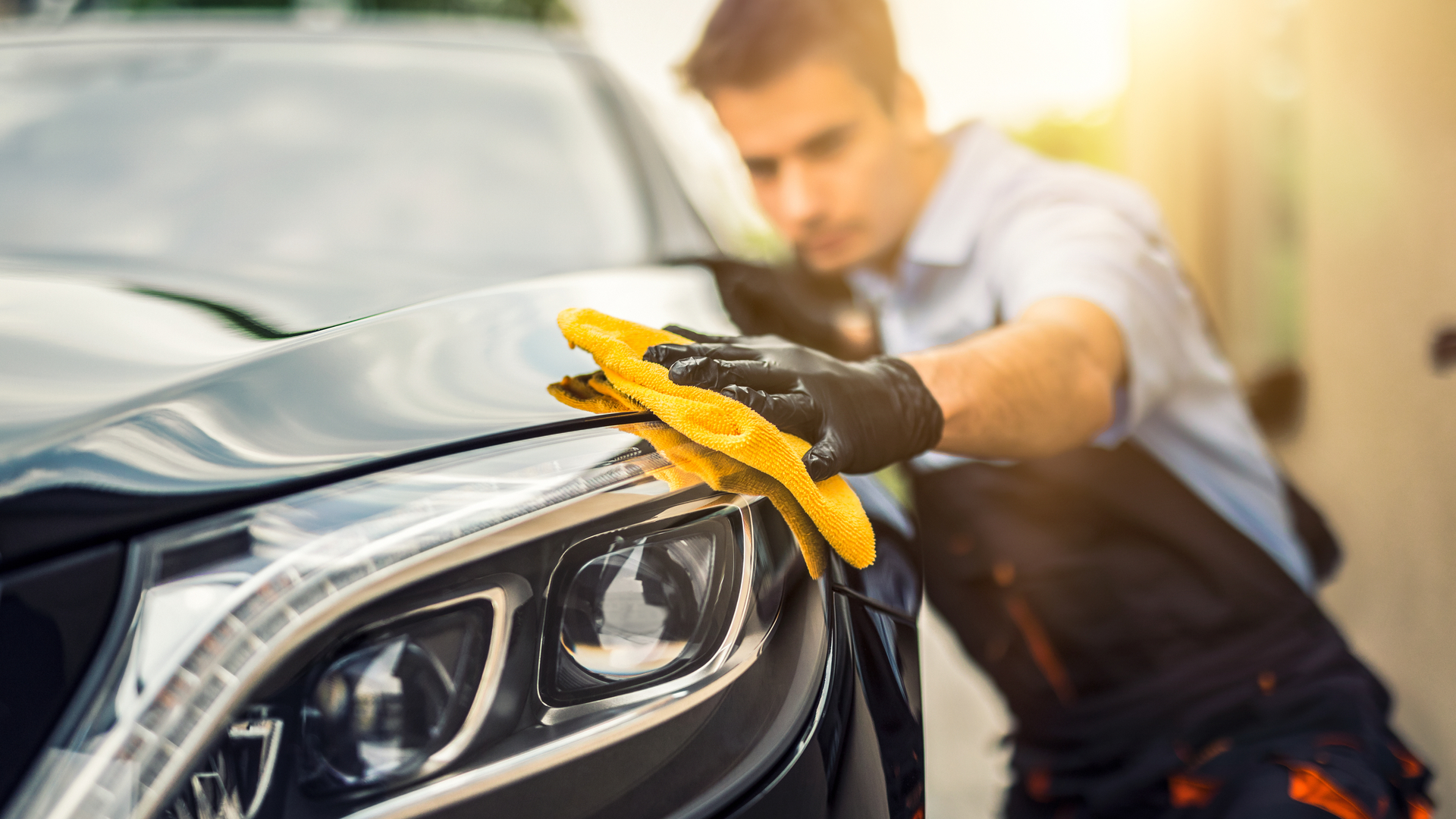
A new app called Safe Car Wash has yielded more than 2,000 reports of potential human trafficking and slavery. Of these, 41 percent were considered to be highly likely cases whereby the reporter was prompted to contact the Modern Slavery Helpline.
The app allows you to report on various observable factors – such as the workers’ clothing, if there is on-site living, and the mood and demeanour of the workers – then log the location of wash sites. Any and all of this information can then be passed on to police.
Of the 2,271 completed entries made between the app’s launch in June and December, 17 percent said workers were tearful, 48 percent reported a lack of appropriate clothing and, shockingly, eight percent reported under-age workers. A whopping 80 percent reported that facilities operated a cash-only policy.
However, in spite of 41 percent of reports getting the response to call the Modern Slavery Helpline, just 18 percent (under 180) went ahead with it. As familiarity with the problem and the nature of the crime grows, that’s expected to rise.
As many as 10,000 people are thought to be working and suffering under conditions of slavery in the UK, per Home Office estimates. The hand car wash industry is considered to be a slavery hotbed, with as many as 24,000 feared to be working in or near to slavery conditions.
Signs of potential slavery and trafficking and who is at risk
As above, there will be signs that individuals could be suffering in slavery conditions. Caravans nearby, as well as bedding, are a sign that workers are living on sight. Note any injuries as potential signs of abuse or the lack of the correct clothing.
Note people’s demeanour, too – whether they seem fearful or reluctant. Cash-only policies indicate an establishment that wants to keep off the books, too.
Anyone from the average citizen in a low point in their life, to immigrants, to the mentally disabled, can be at risk of being taken advantage of.
A useful tool
Being able to raise the alarm about such institutions via the focused structure of this dedicated app is an invaluable modern amenity. Citizens can be the instant eyes and ears for the authorities, without putting themselves at risk.
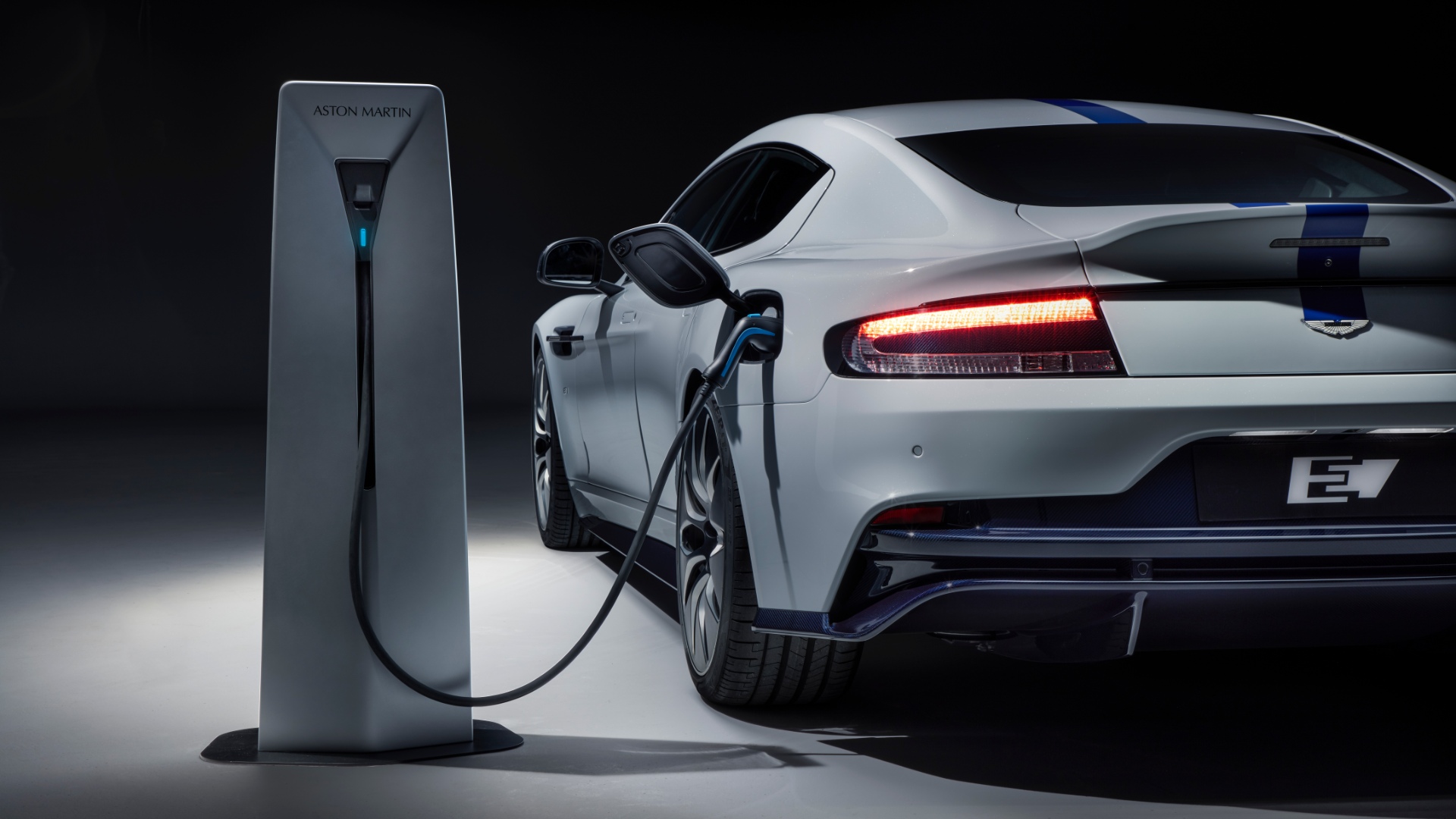
 The more practical stuff is also very interesting. Aston claims the Rapide E has a 200-mile WLTP driving range, which can be replenished to 185 miles via a 400-volt charging system in an hour.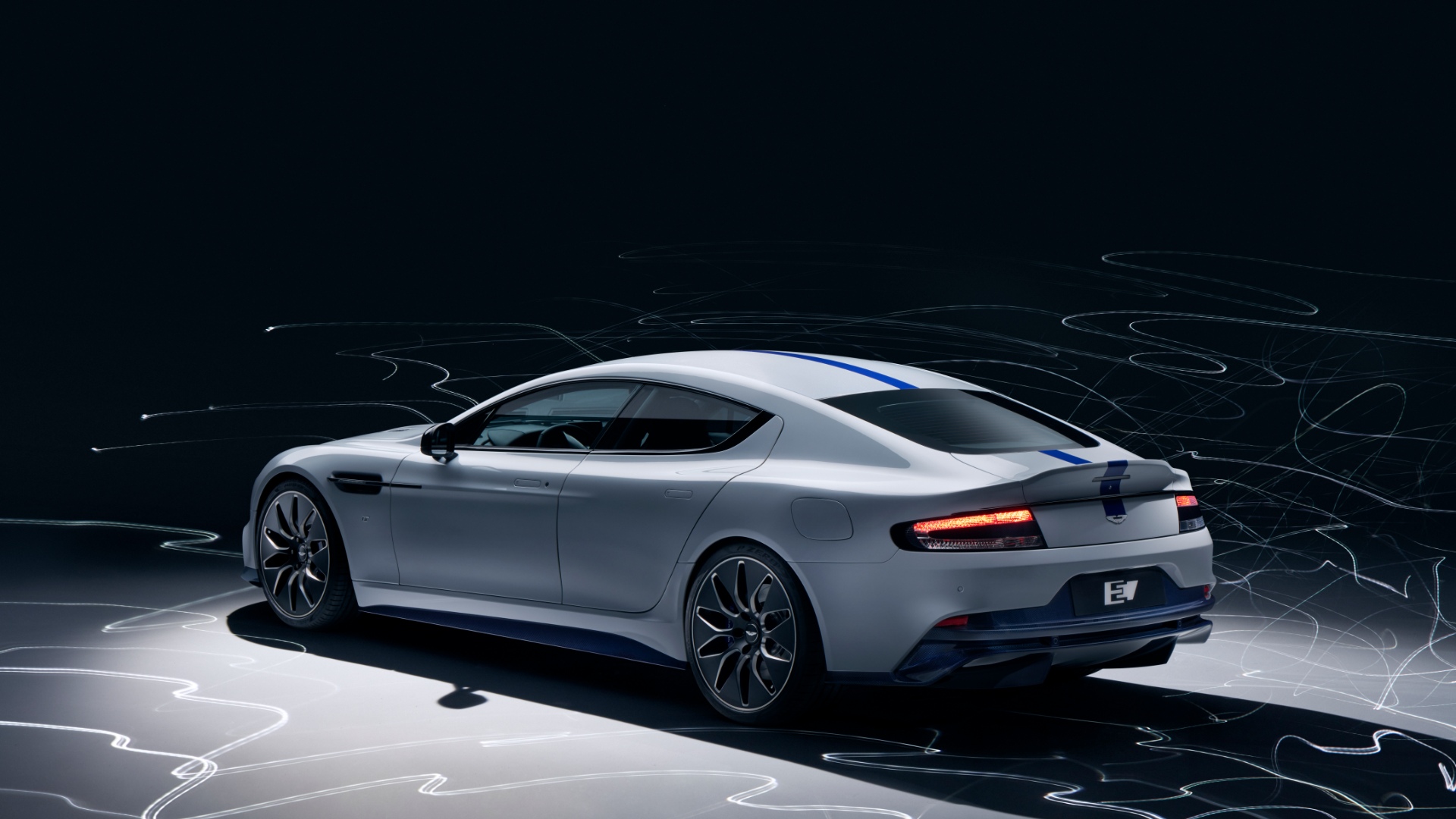
 Ford Performance fans may have to think again about dismissing the turbocharged
  Powering the High Performance Package Mustang is an custom-created version of the EcoBoost engine previously used by the outgoing Ford Focus RS.
 A
A 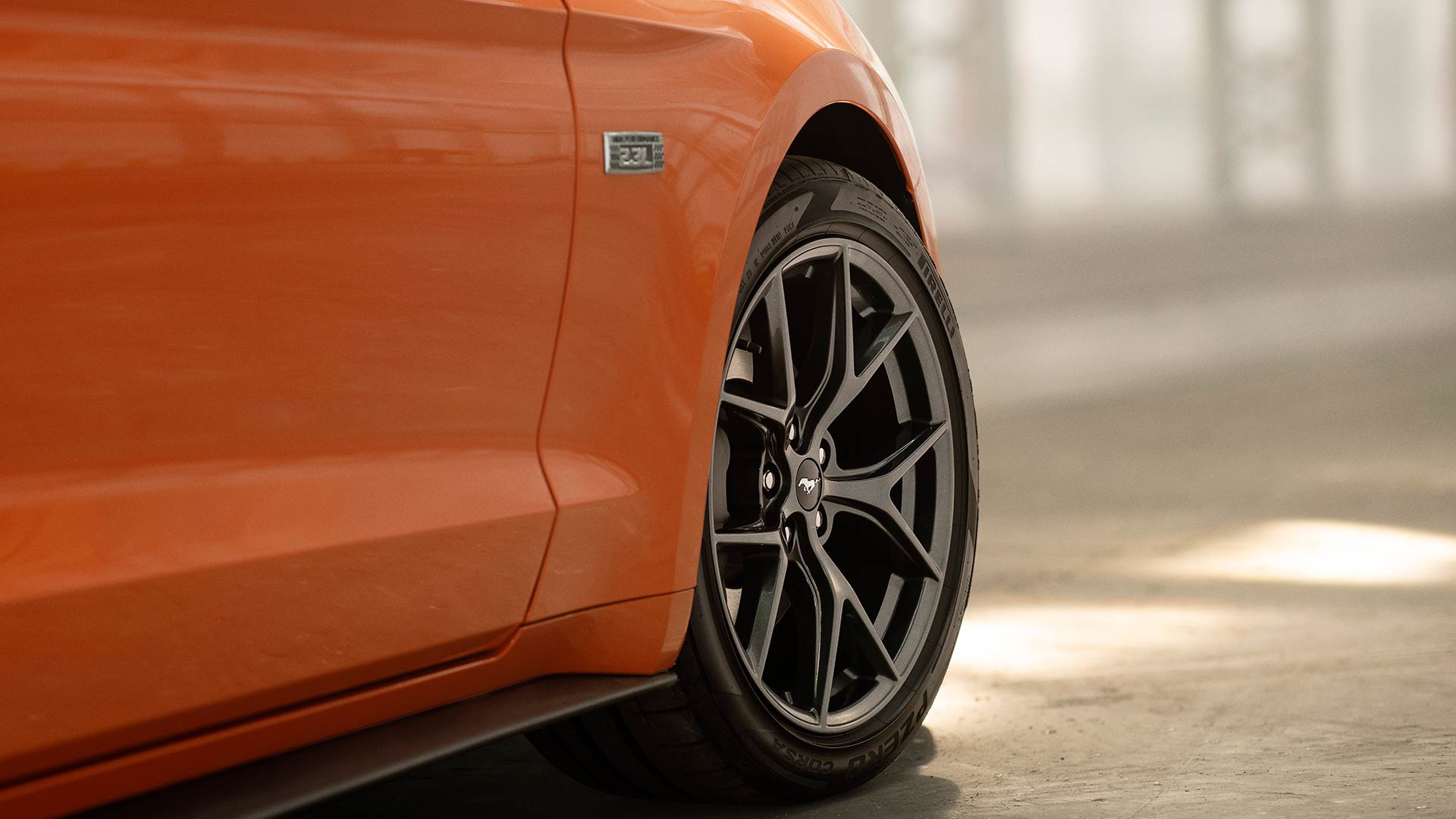 For a global giant like Ford, the creation of the High Performance Package Mustang is special in that it relied upon the personal efforts of a small band of
  Available on both the EcoBoost Mustang in fastback and convertible body shapes, American buyers will be able to grab the 2.3-litre High Performance Package later in 2019. They will also get to pick between the six-speed manual gearbox, or the ten-speed automatic unit.
 The
The 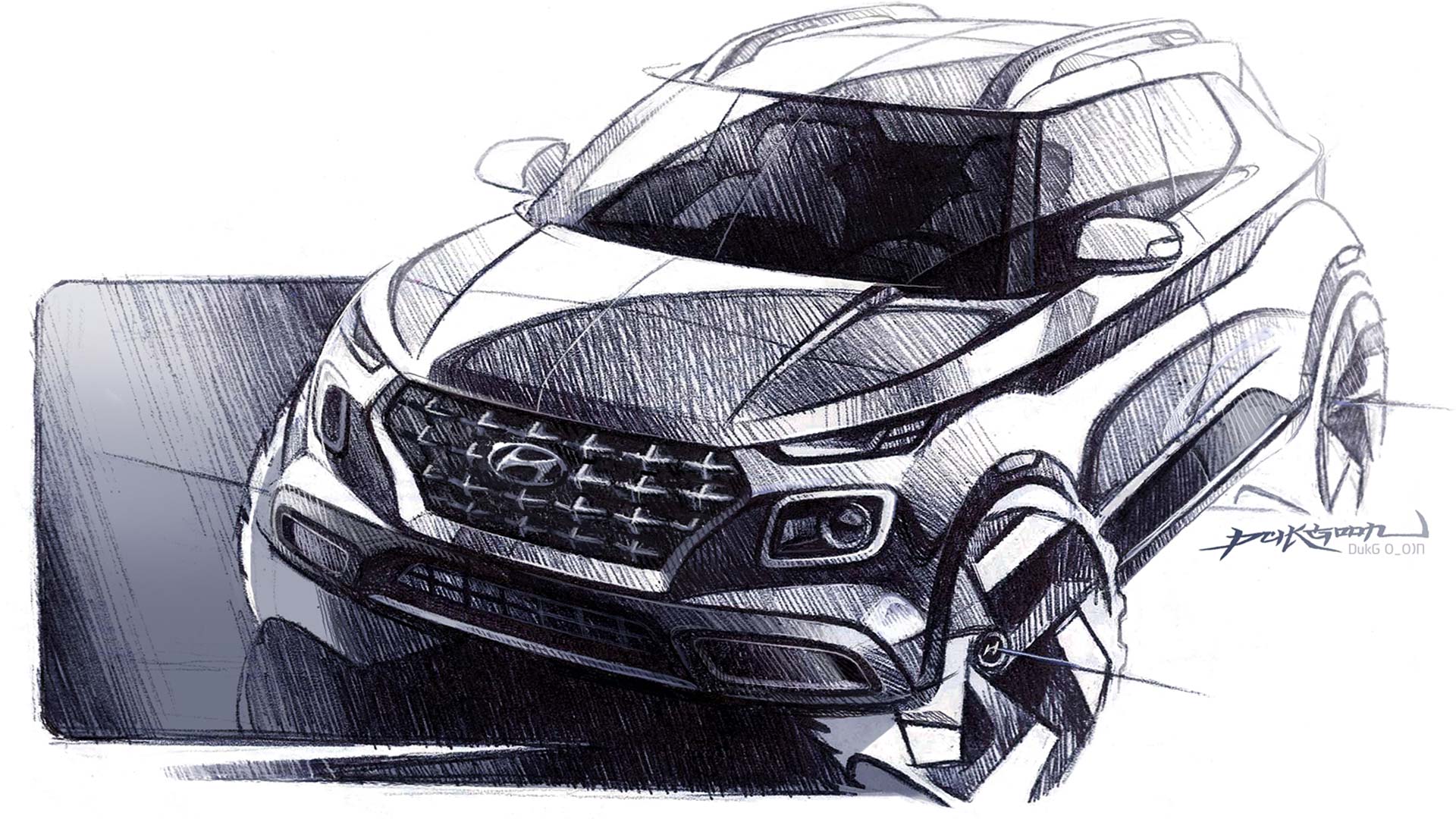
 It only seems like yesterday when we were joining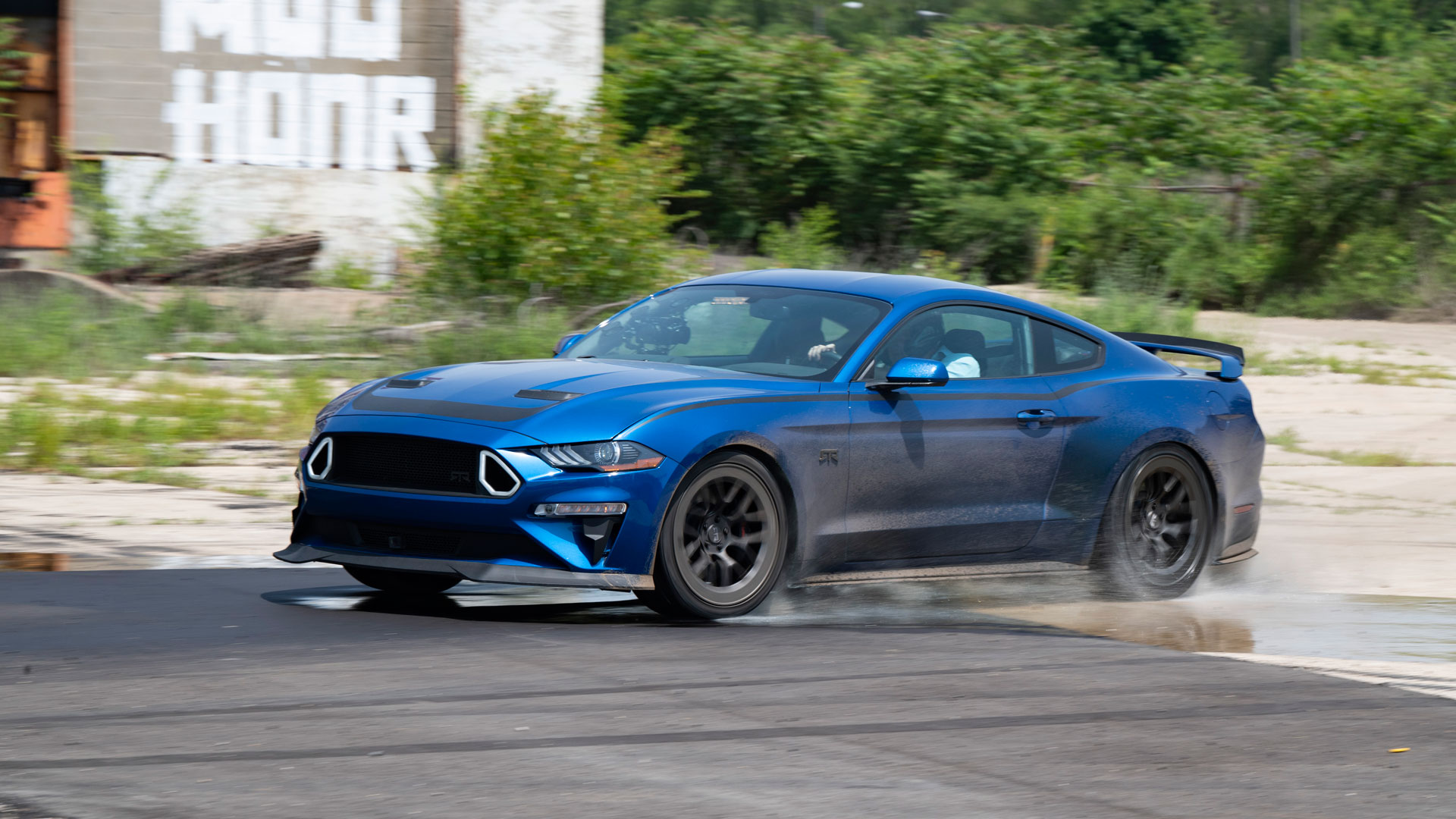


 Every year, J.D. Power publishes its