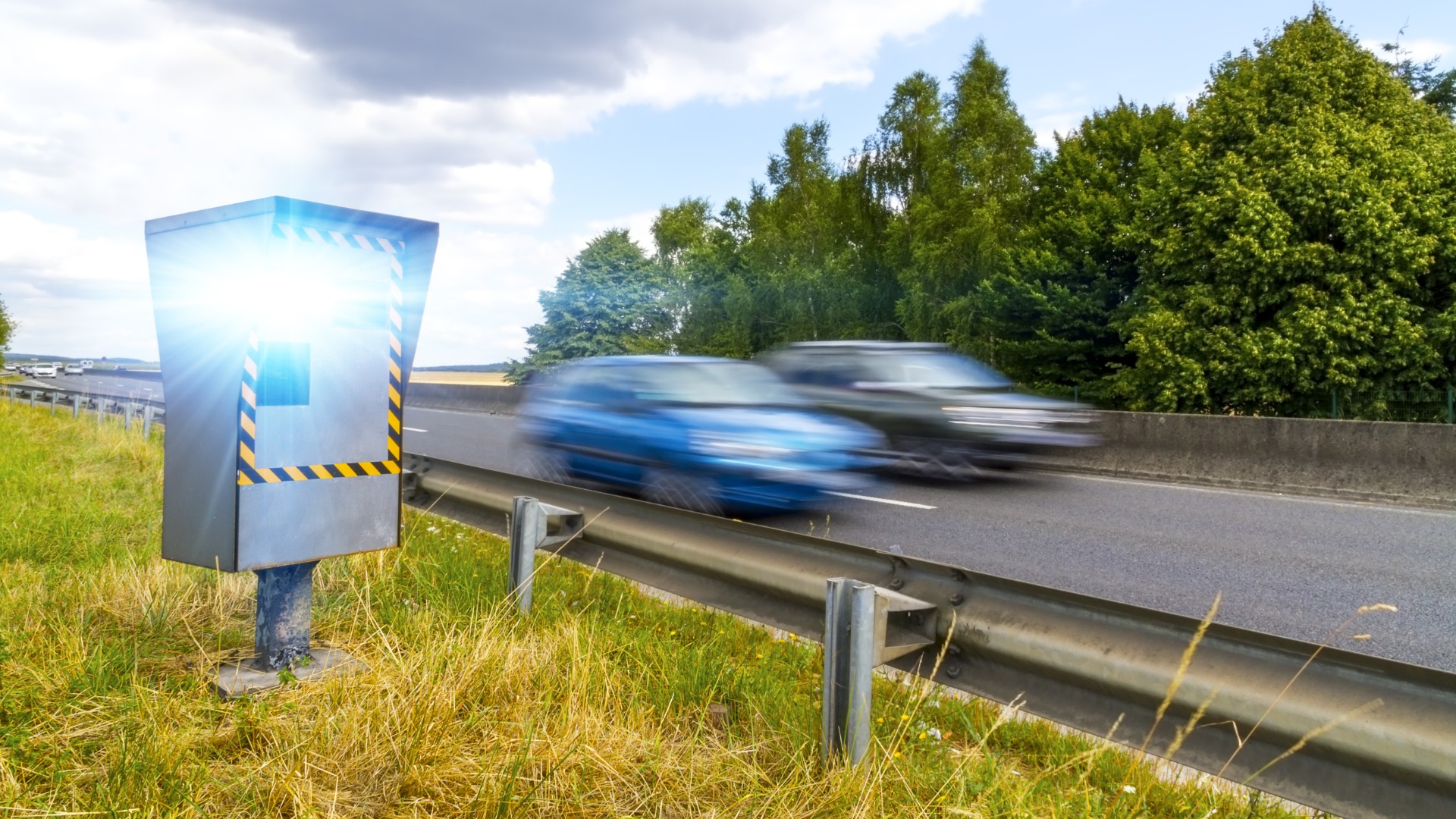
New data reveals that drivers who passed their test first time are more likely to speed. Indeed, this group makes up nearly a third of those caught for driving too fast.
A Freedom of Information request by insurance website GoCompare, in combination with a survey of 2,000 UK adults, showed that 29 percent of drivers caught speeding had passed their test at the first attempt. For comparison, those who passed after five attempts made up 19.3 percent of speeding convictions.
Faster doesn’t always mean more dangerous
Although the first-time passers seem to drive faster, it’s those who needed more than five attempts to pass who get into most trouble elsewhere on the road.
A quarter (24.8 percent) of self-inflicted damage cases, and the same proportion of accidents with other vehicles, were caused by this ‘five-plus’ group. First-time passers, by contrast, made up just 7.8 percent of self-inflicted damage claims and 17.7 percent of collisions.
The five-plus passers are also four times more likely to ignore road signs, and six times more likely to use their phone while driving. Overall, 60 percent of the group have driving convictions, compared with 33 percent of first-time passers.
Driving test pass-rate is down
In terms of how long we’re taking to pass our driving tests, only Scotland, the North East, and Yorkshire and Humberside have seen increases in pass-rates during the 2017-2018 period, by comparison with 2014-2015.
Overall across the UK, first-time pass rates are down by 3.6 percent, at a record low of 43.6 percent.
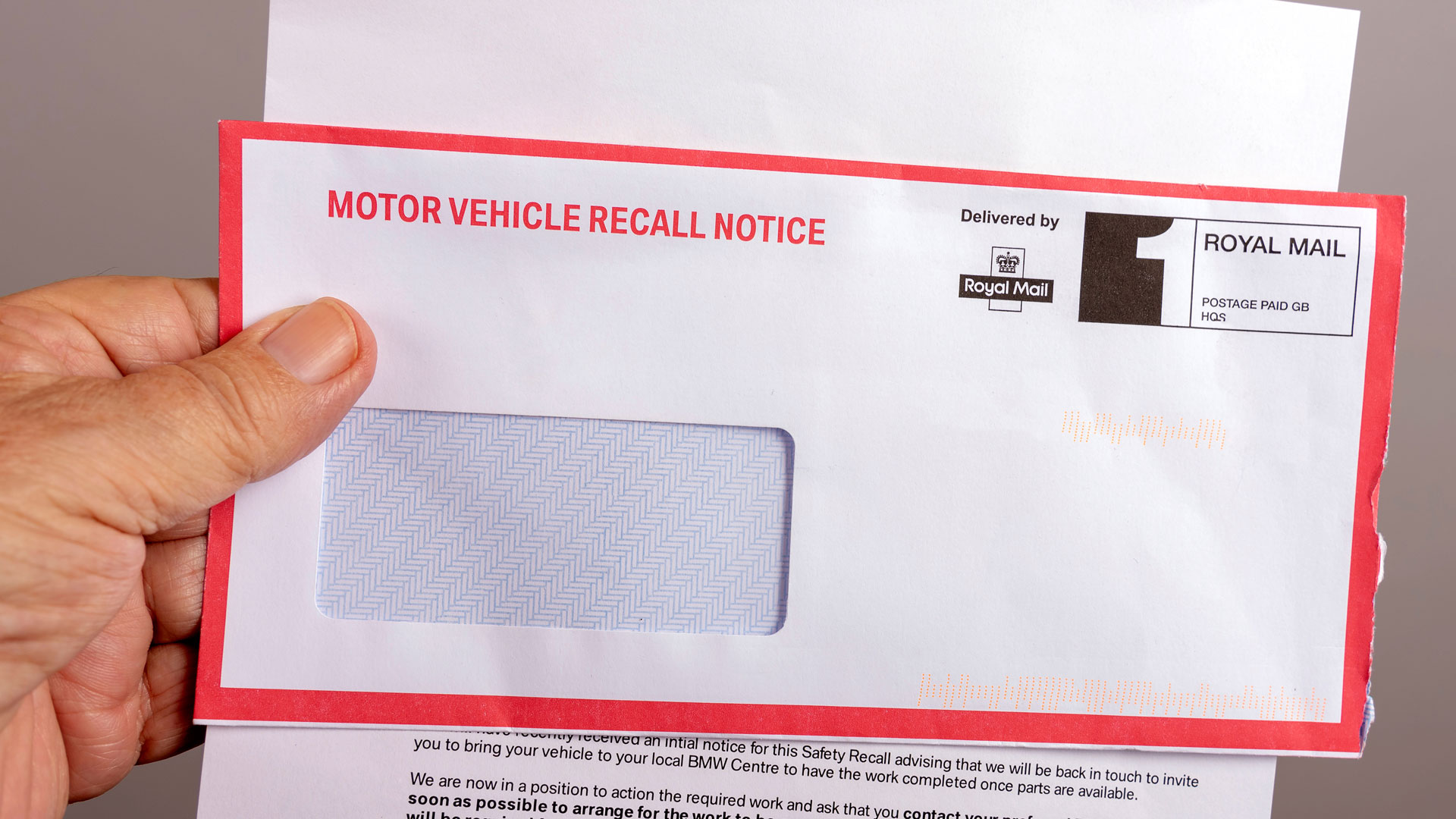
More than one million cars are affected by a recall EVERY YEAR, which is why HPI is urging motorists to use its instant safety recall check.
The Driver and Vehicle Standards Agency (DVSA) is the government agency responsible for the UK Automotive Safety Recall Scheme, with manufacturers and distributors cooperating to protect motorists from unsafe vehicles and products.
A safety recall is a proactive action taken by a manufacturer when a critical safety defect is identified that affects a range of vehicles. Manufacturers will only issue a safety recall for defects that have the potential to cause serious injury.
The manufacturer in question must make every effort to contact the registered keeper of the vehicle, normally by letter, with repairs usually carried out free of charge.
Motorists can use the vehicle’s registration number to check if it has been recalled by using the government website. The online service is free and motorists can see safety recalls that have not been checked or fixed.
It’s also possible to check a car without knowing its registration number, along with viewing recalls for motorcycles, buses, coaches, minibuses, lorries, caravans and horseboxes.
Total recalls
According to HPI, which offers its own online safety recall check, there have been 41 Mercedes-Benz recalls since 2014. Peugeot and Citroen have issued 26 recalls in the same period, while Toyota and Vauxhall have issued 24 and 23 notices respectively.
In February 2014, Honda issued a recall notice for 141,321 cars fitted with potentially dangerous Takata airbags. The recall affects Accord, Jazz, Insight and CR-V models built from February 2010 to May 2015.
Fernando Garcia, consumer director at HPI, said: “Vehicle recall is a problem that is a cause for concern for many motorists. Missing a recall can impact on the reliability and safety of the vehicle. The HPI recall checker is designed to make monitoring your vehicle as easy as possible.”
Members of the Association of British Insurers (ABI) paid out £108 million in stolen vehicle claims in the first quarter of 2019, it has been revealed.
That’s an increase of 22 percent on the same period last year, with the rise in vehicle crime put down to the keyless car theft ‘epidemic’.
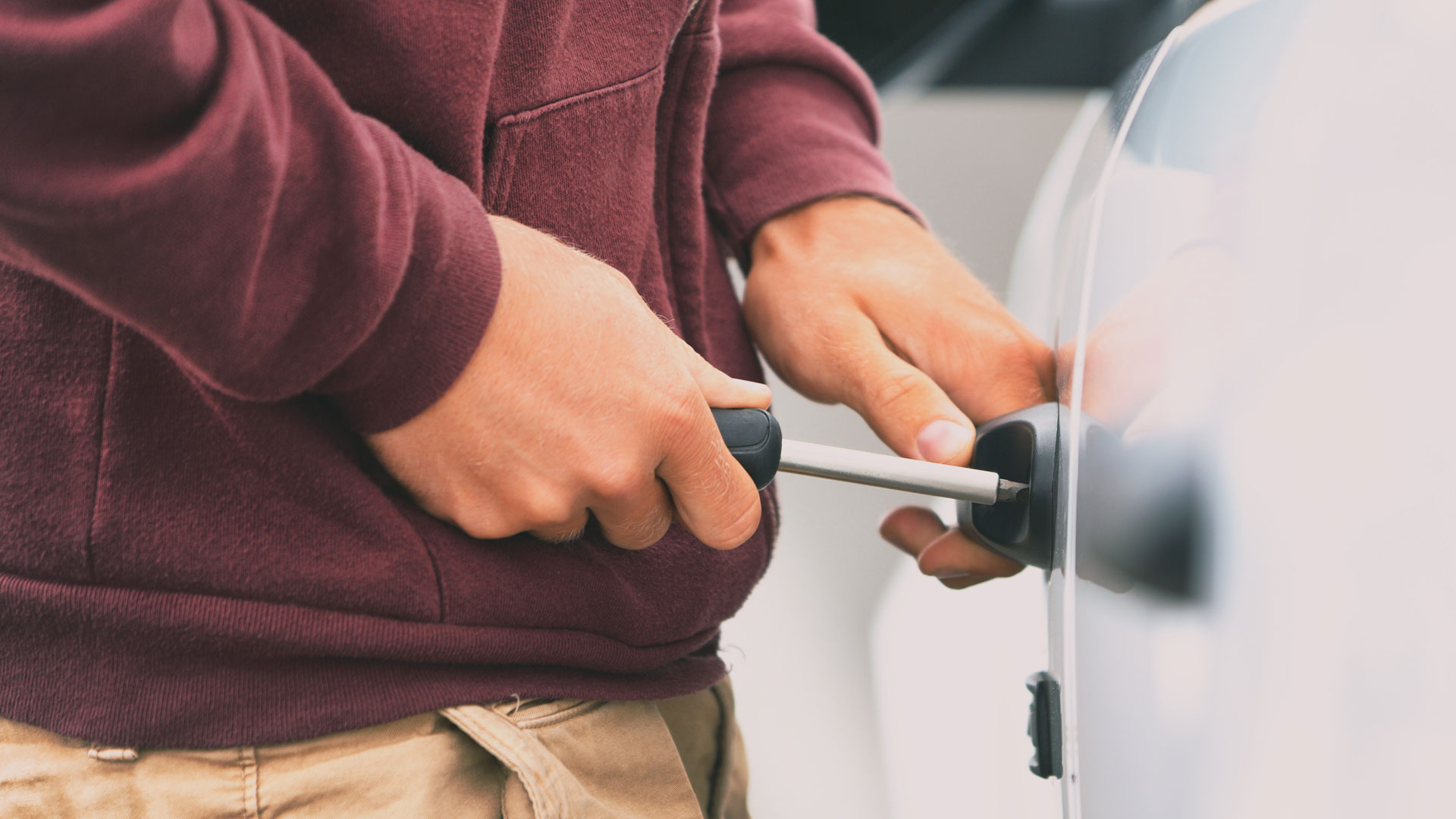
Working in pairs, car thieves use electronic signal relay devices to steal the vehicle, normally from outside the owner’s home. One thief stands next to the vehicle, while the other stands close enough to the house to pick up the signal from the key fob.
The system is fooled into unlocking the doors and starting the engine, giving the thieves free access to the vehicle.
Although the signal can pass through doors, windows and walls, it cannot penetrate metal, so storing keys inside a metal container or purchasing a signal blocking wallet are good ways to avoid becoming a victim of keyless car theft.
The ABI data mirrors figures released by the Home Office, which show a 50 percent rise in vehicle thefts over the last five years. It means that a whopping £1.2 million is paid out to policyholders EVERY DAY.
‘It’s a win-win’
Commenting on the fact that 46 percent of stolen vehicles stolen without some form of fitted tracking device are never recovered, Clive Wain head of police liaison at Tracker, said: “If more cars were fitted with stolen vehicle recovery devices, we’d see a reduction in the volume and cost of insurance claims, because more vehicles would be recovered.
“If consumers were offered greater incentives to fit additional security measures, such as financial savings on their premiums, not only would claims fall, but the cost of insurance premiums could fall for everyone. It’s a win-win.”
Eighty-eight percent of vehicles taken without the owner’s keys were successfully recovered by Tracker in 2018.
Laurenz Gerger, motor insurance policy adviser at ABI, said: “The continued growth in car crime must be reversed. Car security has come on leaps and bounds but needs to keep pace with the ingenuity of car criminals.
“The rising number of theft claims being paid by insurers in part reflects the vulnerability of some cars to keyless relay theft. Action by motor manufacturers to tackle this high-tech vulnerability, allied with owners taking some simple, inexpensive precautions will help put the brakes on this unwelcome trend.”
The all-electric Mini Cooper SE is getting ready for its official world debut – and the teaser campaign has started with the new Mini EV TOWING a jumbo jet in a social media stunt.
Filmed in Frankfurt, the new Mini Cooper SE is shown being hitched up to a Boeing 777F freight aircraft.
Unladen, it weighs 150 tonnes, but the electric Mini was still able to perform the role of aircraft tug and get the jumbo jet moving.
The aim, hopes the firm, is to show how powerful the new electric Mini will be – as indicated by the name: Mini Cooper S ‘electric’, or Mini Cooper SE.
A ‘close-to-series prototype’ performed the aircraft tug duties, so gives us our clearest look yet at the production Mini electric.
Back in 2017, it was shown in concept form at the Frankfurt Motor Show; some of that car’s more outlandish styling features have gone, but the neat colourscheme remains.
Mini says production of the new Cooper SE will begin in Oxford from November 2019, and it is going to issue a number of social media videos previewing the car in the build-up.
The Mini Cooper SE is based on the three-door Mini hatch – by far the best-selling model in the range – and will be the second all-electric BMW Group model to go on sale after the groundbreaking BMW i3.
In 2021, the third all-electric BMW will go on sale. Currently codenamed BMW Vision iNext, the jumbo jet used in the electric Mini teaser video is the same one used by BMW to preview its upcoming electric car to the media in five worldwide locations.
Instead of flying the press out to a central conference, BMW took the presentation to them, in Munich, New York, San Francisco and Peking – helping cut emissions and underline the sustainable zero-emissions strengths of the new car.
If the mainstream motoring media is to be believed, everybody is buying crossovers and SUVs. But while many people might be falling for the ‘charms’ of these jacked-up hatchbacks, some of us dream of driving something a little different. Which is where the CarGurus Desirability Score comes in. By analysing the ratio of unique user searches to inventory listed on the CarGurus website, each car is given a score. Here, we reveal the most in-demand used vehicles, with the selection limited to cars listed on the site with fewer than 100 on sale since July 2018.
10. Rolls-Royce Silver Spirit
Commenting on the data, the editor of CarGurus, Chris Knapman, said: “Whilst the majority of our consumers are just searching for a great deal on their next car, the CarGurus Desirability Score also acts as the automotive equivalent of window shopping – it highlights the vehicles customers are most interested in or wish they owned, even if they aren’t always the most practical of choices.”
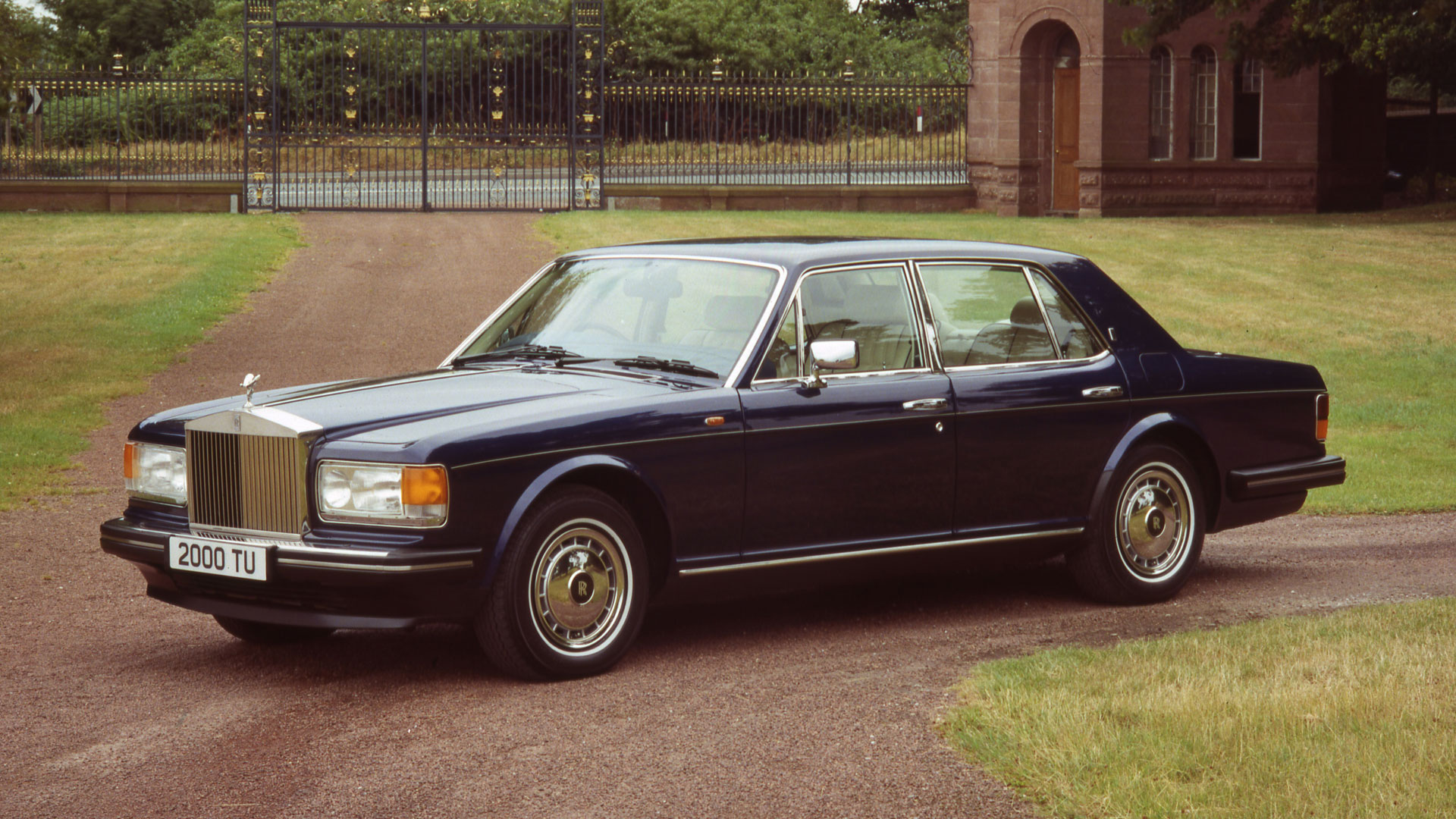
With a Desirability Score of 1,070, the Rolls-Royce Silver Spirit just creeps into the top 10. Launched in 1980, the Silver Spirit was a reworking of the outgoing Silver Shadow, and it offers tremendous value for money – if you can live with the ongoing maintenance bills. There are 12 for sale on CarGurus, with prices ranging from £8,995 to £23,960.
9. Ferrari 360 Modena
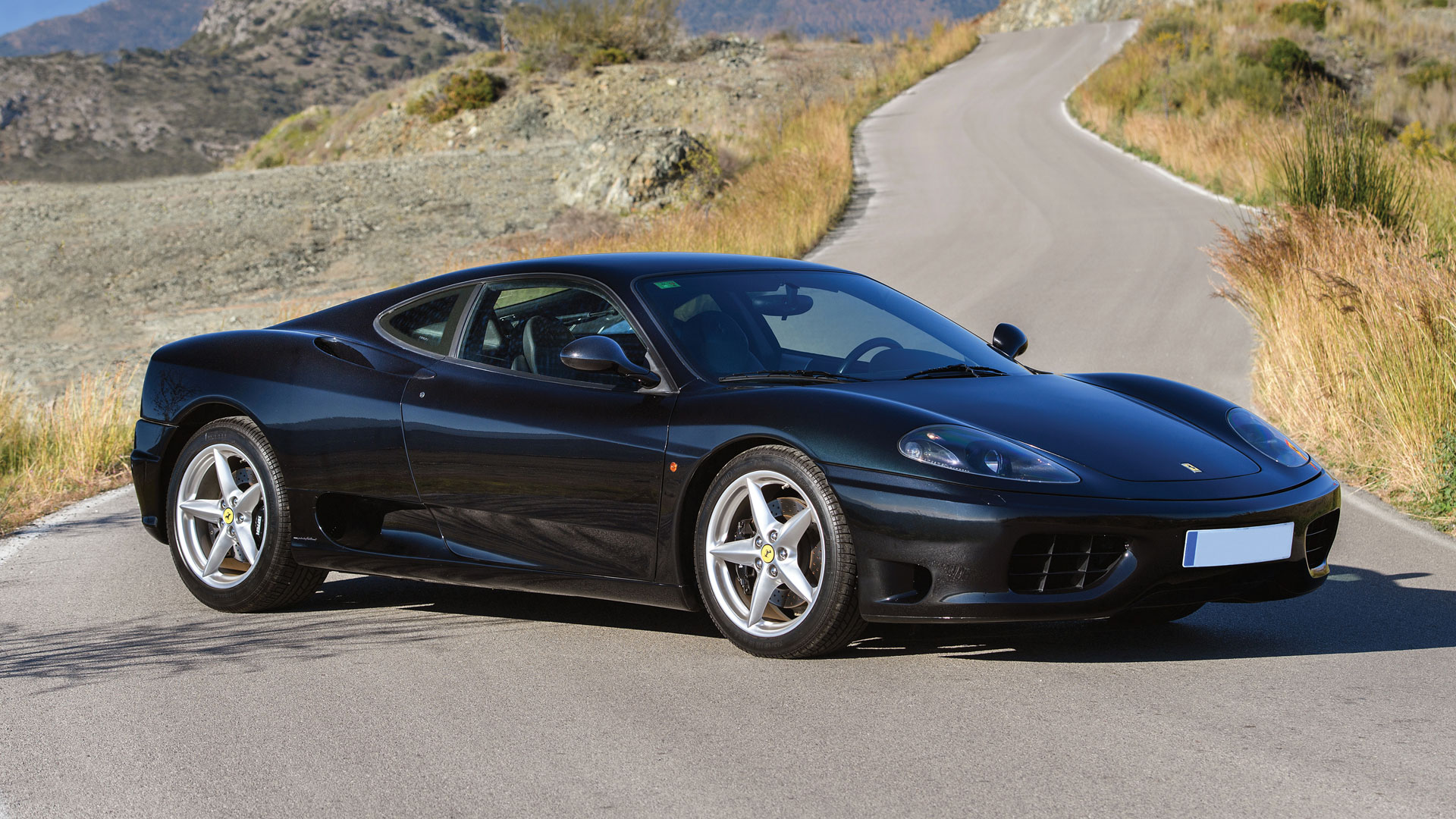
The classified listings on the CarGurus website include a note about whether the car is fairly priced. For example, a 2001 Ferrari 360 Modena at £99,995 is listed as ‘overpriced’, while another 2001 car priced at £77,500 is considered to be a ‘fair deal’. The 360 Modena gets a Desirability Score of 1,120.
We wonder what the CarGurus experts would have made of this 1999 Ferrari 360 Modena. It sold for €66,125 (£58,500) at a recent RM Sotheby’s auction in Essen, which strikes us as a ‘fair deal’ for a car with just 10,000km on the clock.
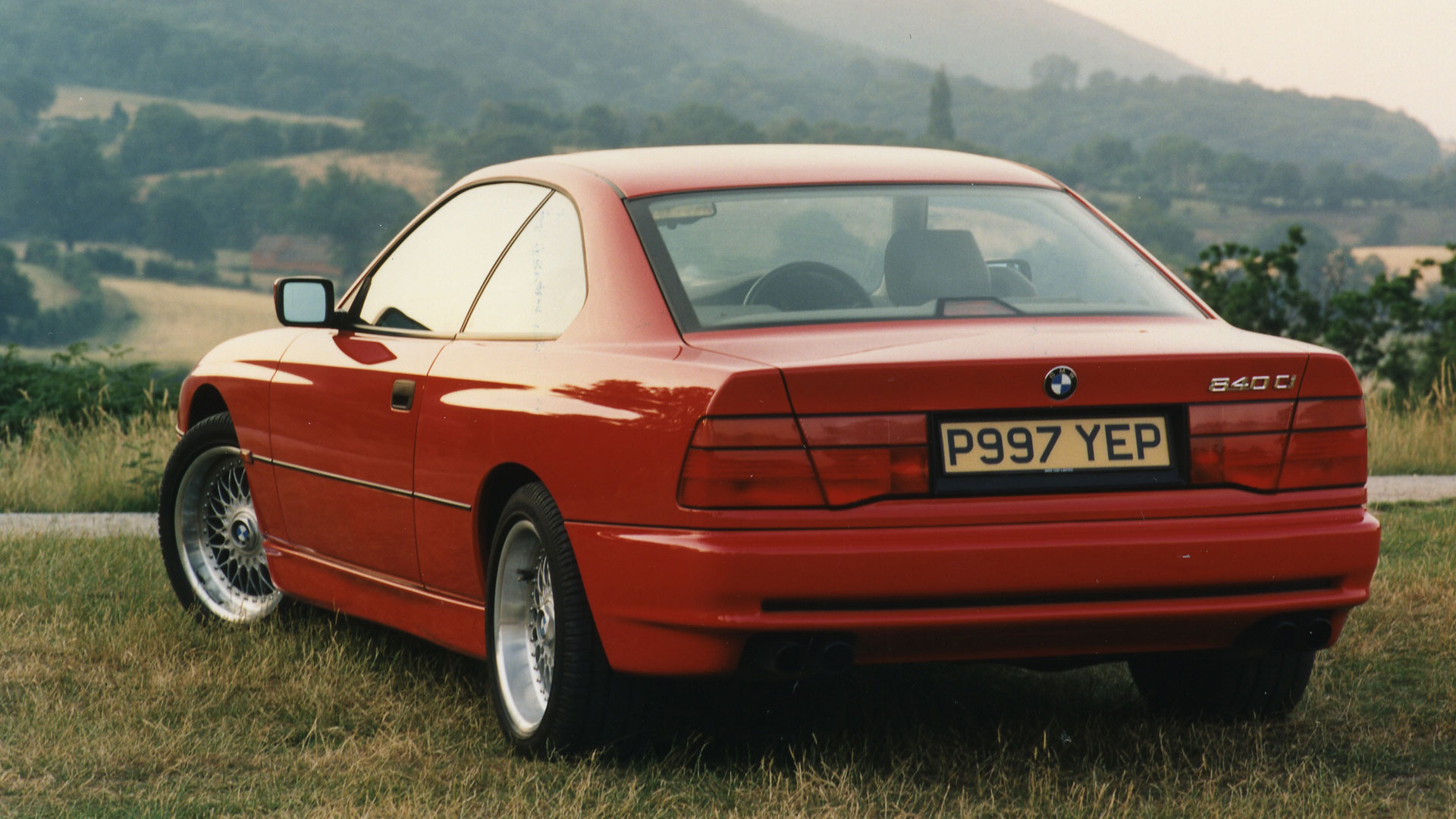
8. BMW 8 Series
We suspect the arrival of the new BMW 8 Series has led to heightened interest in the original E31 model. The 8 Series finishes just ahead of the 360 Modena with a score of 1,125, and we found 34 for sale on CarGurus, including 20 new models.
The E31 8 Series was unveiled at the 1989 Frankfurt Motor Show, with initial interest so high, some people were prepared to spend twice the list price to avoid the six-month waiting list. BMW managed to shift just over 30,000 units before pulling the plug in 1999.
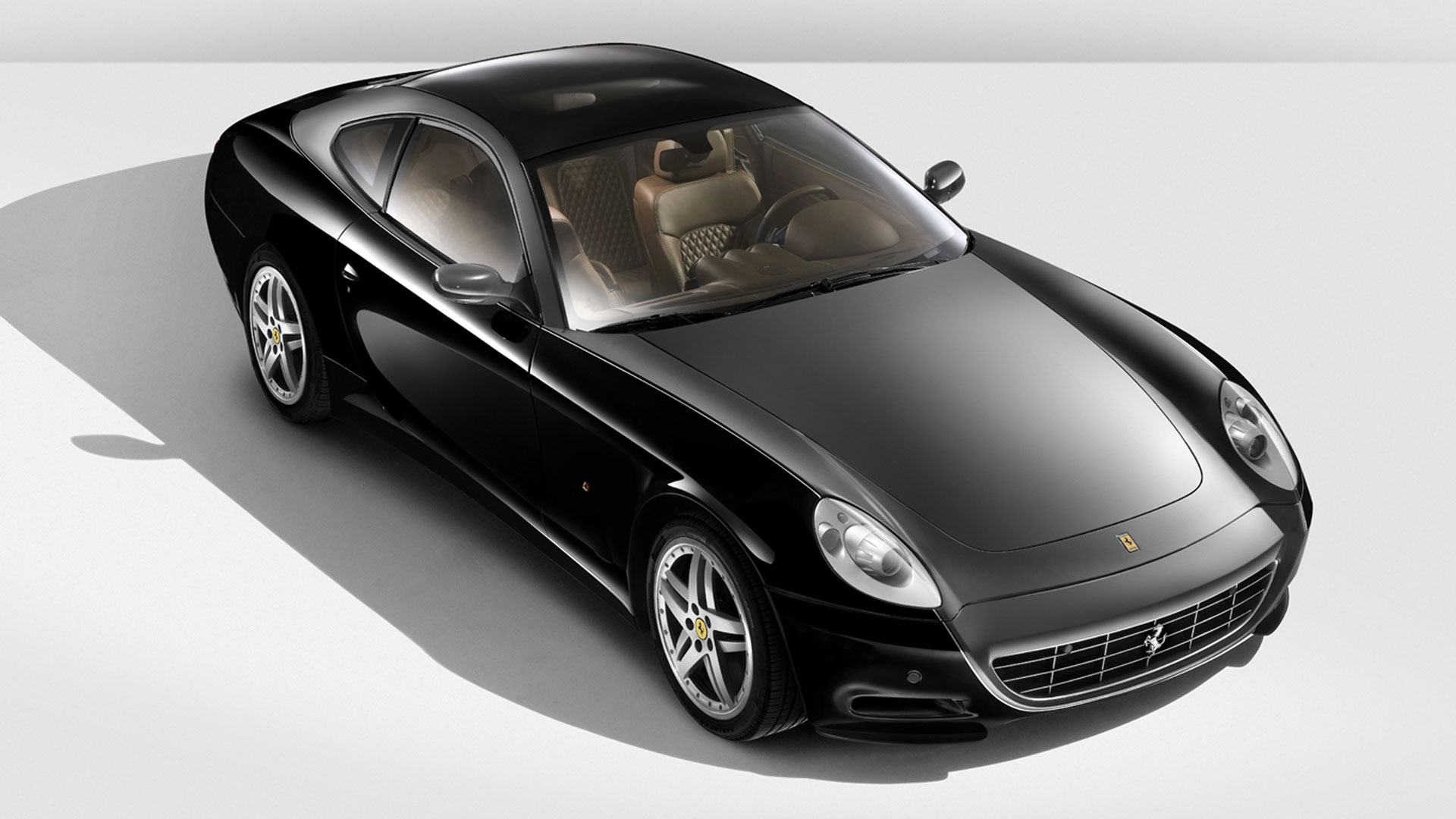
7. Ferrari 612 Scaglietti
The second of two Ferraris to make the list, the 612 Scaglietti was named in honour of Sergio Scaglietti, the legendary stylist and coachbuilder responsible for some of Ferrari’s most iconic cars of the 50s and 60. It finishes seventh, with a Desirability Score of 1,295.
There are just three listed for sale on the CarGurus website, but you’ll have to dig deep to grab a slice of this avant-garde 2+2 grand tourer. The ‘cheapest’ is £74,995, while the most expensive will set you back £95,000.
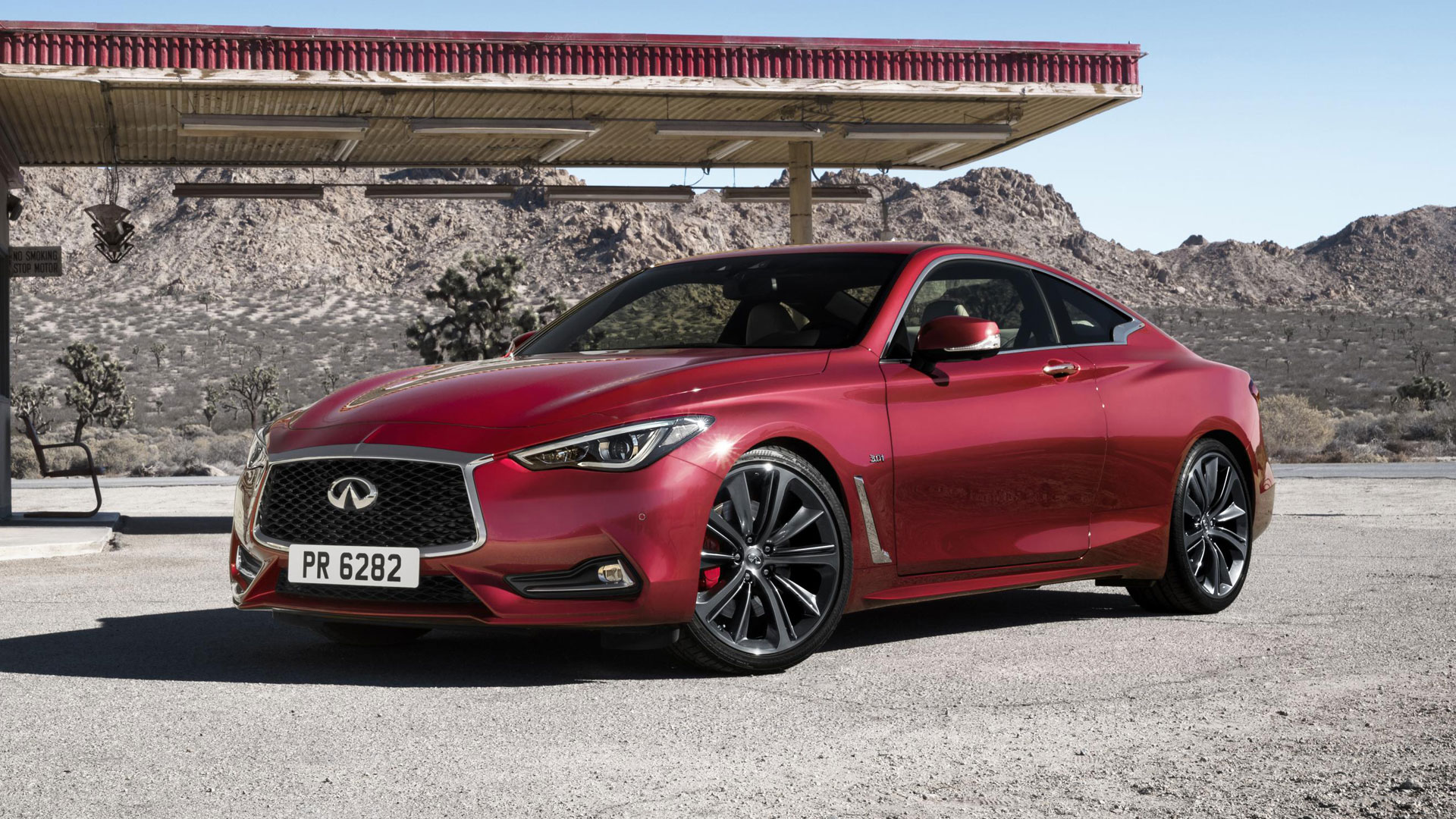
6. Infiniti Q60
Hands up if you’d forgotten about the Infiniti Q60. Hardly surprising, and it won’t be long before the brand disappears from Western Europe for good, leading to the sad closure of the Infiniti plant in Sunderland. If the Audi A5 is too obvious, the tech-laden Q60 could be worth a look.
Not that you’ll be spoilt for choice. The Infiniti Q60 wasn’t on sale long enough for there to be a huge range to choose from – and it was never a big seller – so you’re limited to a pair of 2.0-litre models and a single 3.0-litre version on CarGurus. At £21,000 to £26,000, they look like good value, but watch the depreciation.
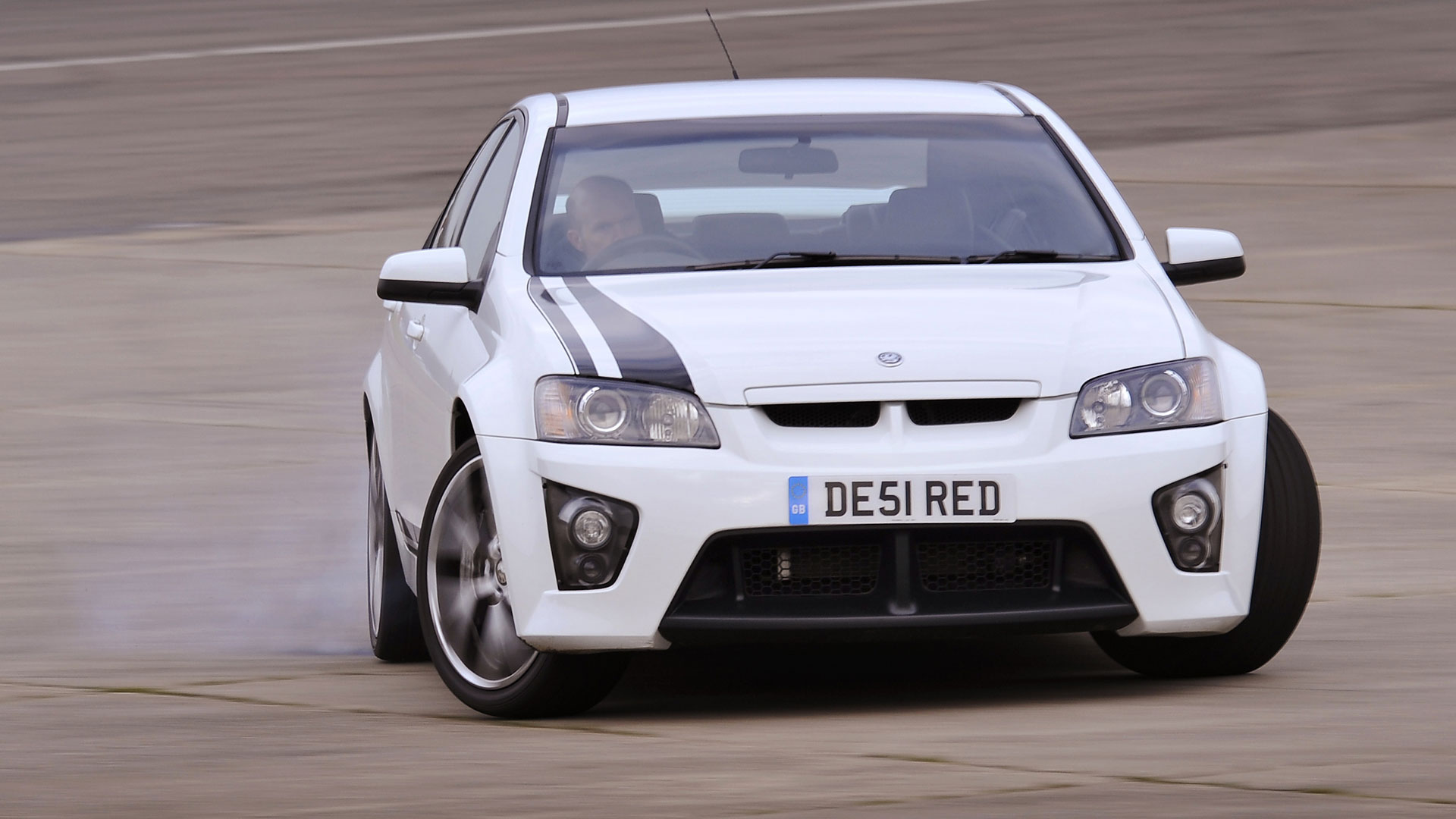
5. Vauxhall VXR8
Amazingly, there are more Vauxhall VXR8s for sale on CarGurus than there are Q60s, which says something about Infiniti’s inability to penetrate the UK market – and maybe a little about our love for crazy V8 monsters from Oz.
The VXR8 finishes fifth, with a Desirability Score of 1,875, and there are five to pick from on the CarGurus website. A 2009 model with 109,000 miles on the clock looks awfully tempting at £12,989, while even a relatively low mileage car with 45,720 miles on the clock comes in at less than £19,000. Strewth, mate.
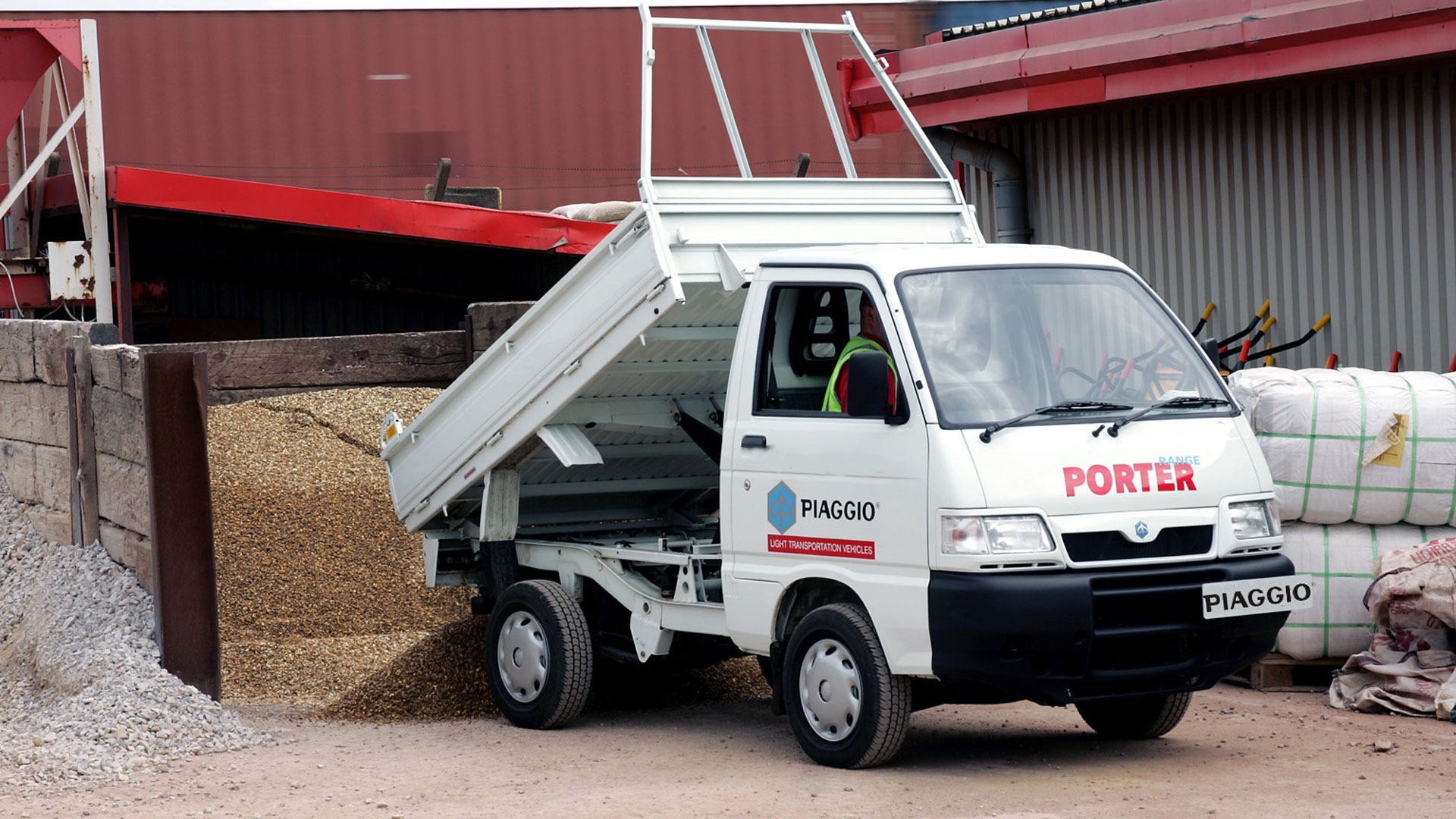
4. Piaggio Porter
If the Piaggio Porter looks familiar, it’s because it’s based on the seventh-generation Daihatsu Hijet. The microvan market isn’t particularly huge in the UK, but the Porter is popular enough to feature here.
The Piaggio Porter is available to buy new, with the UK importer offering fixed deck, tipper and panel van versions. You can even order an electric Porter. There are three Piaggio Porters for sale on CarGurus, with prices ranging from £2,000 to £4,000.
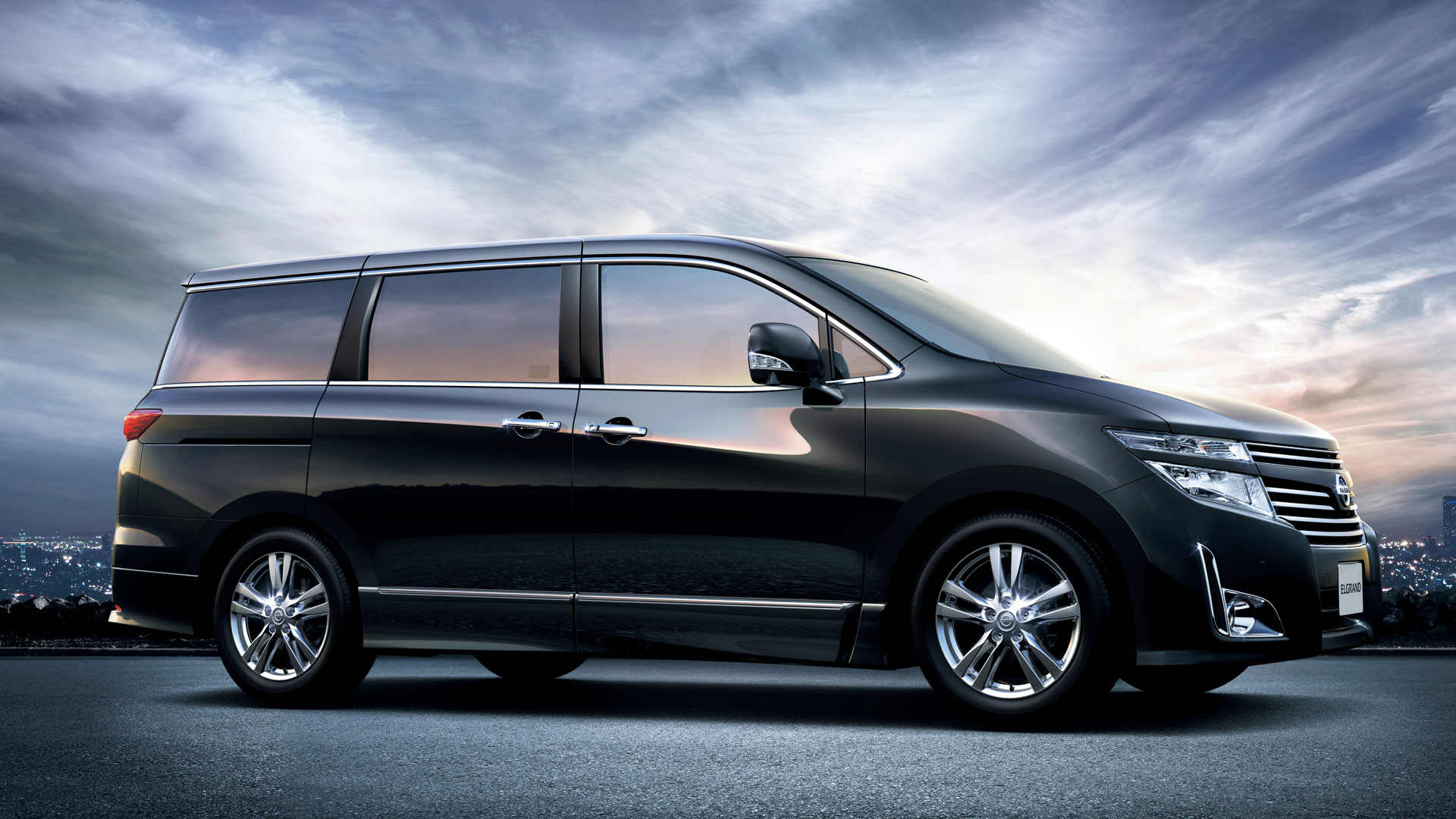
3. Nissan Elgrand
The cars occupying the top three berths couldn’t be more diverse. First up is the Nissan Elgrand, a popular Japanese import, which gets a Desirability Score of 1,993. It’s not hard to see why, because these MPVs are practical, flexible and well-equipped.
There are five for sale on the CarGurus website, each one powered by a 3.5-litre V6 engine, with prices ranging from £3,690 to £5,995. Think about the Elgrand when you’re about to sign a PCP contract for a compromised compact crossover.
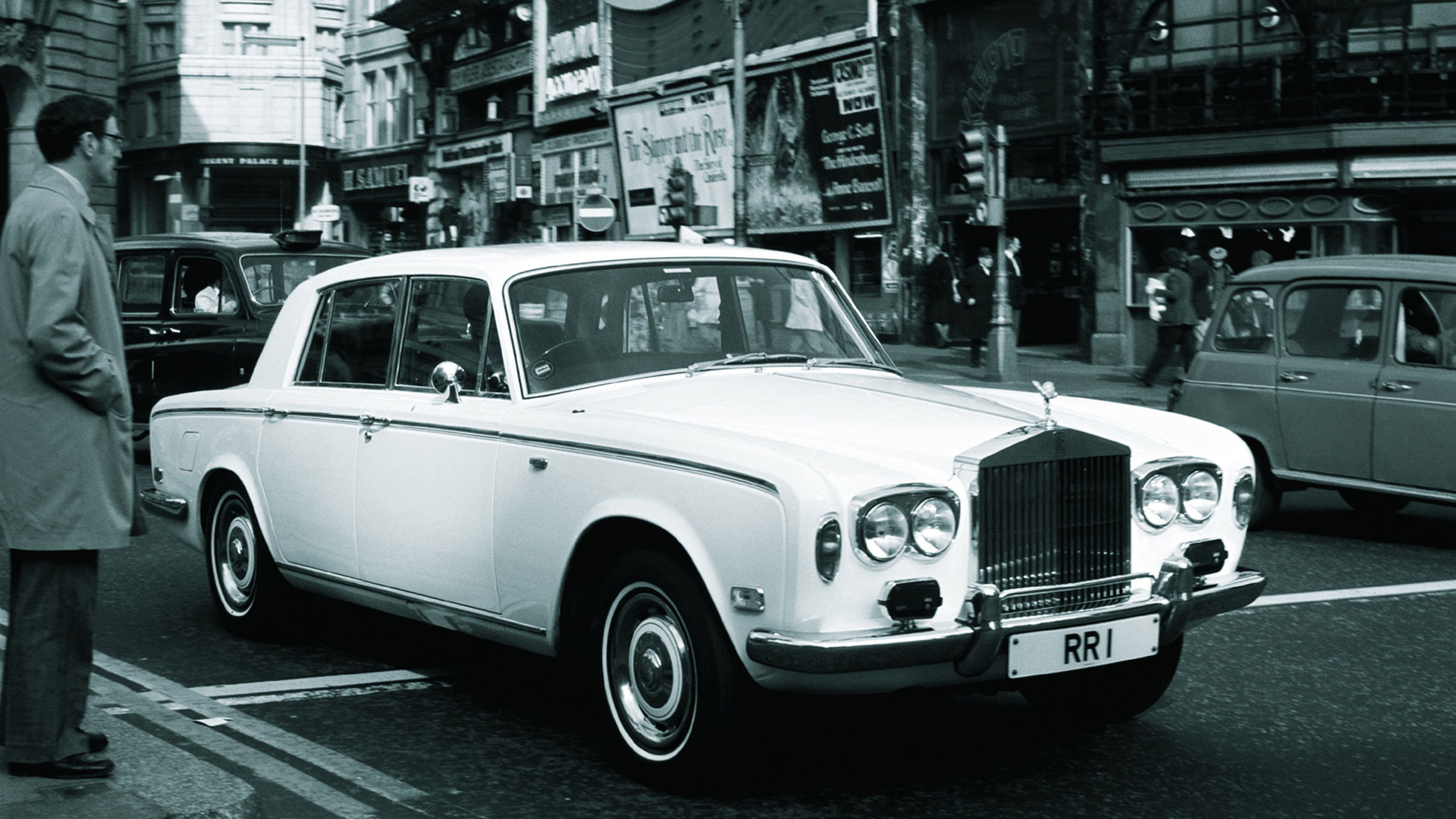
2. Rolls-Royce Silver Shadow
It would appear that people are visiting the CarGurus website hoping to fulfil their dreams of becoming a faded end-of-the-pier entertainer or establishing a wedding car business. The Rolls-Royce Silver Shadow finishes second, with a Desirability Score of 2,131.
Why are these things so popular? Well, the Silver Shadow is a Roller for supermini money, and because they were sold in such huge numbers, there are plenty to choose from. There are eight for sale on the CarGurus website, with prices ranging from £10,995 to £75,960. Do a little homework and then live the dream.
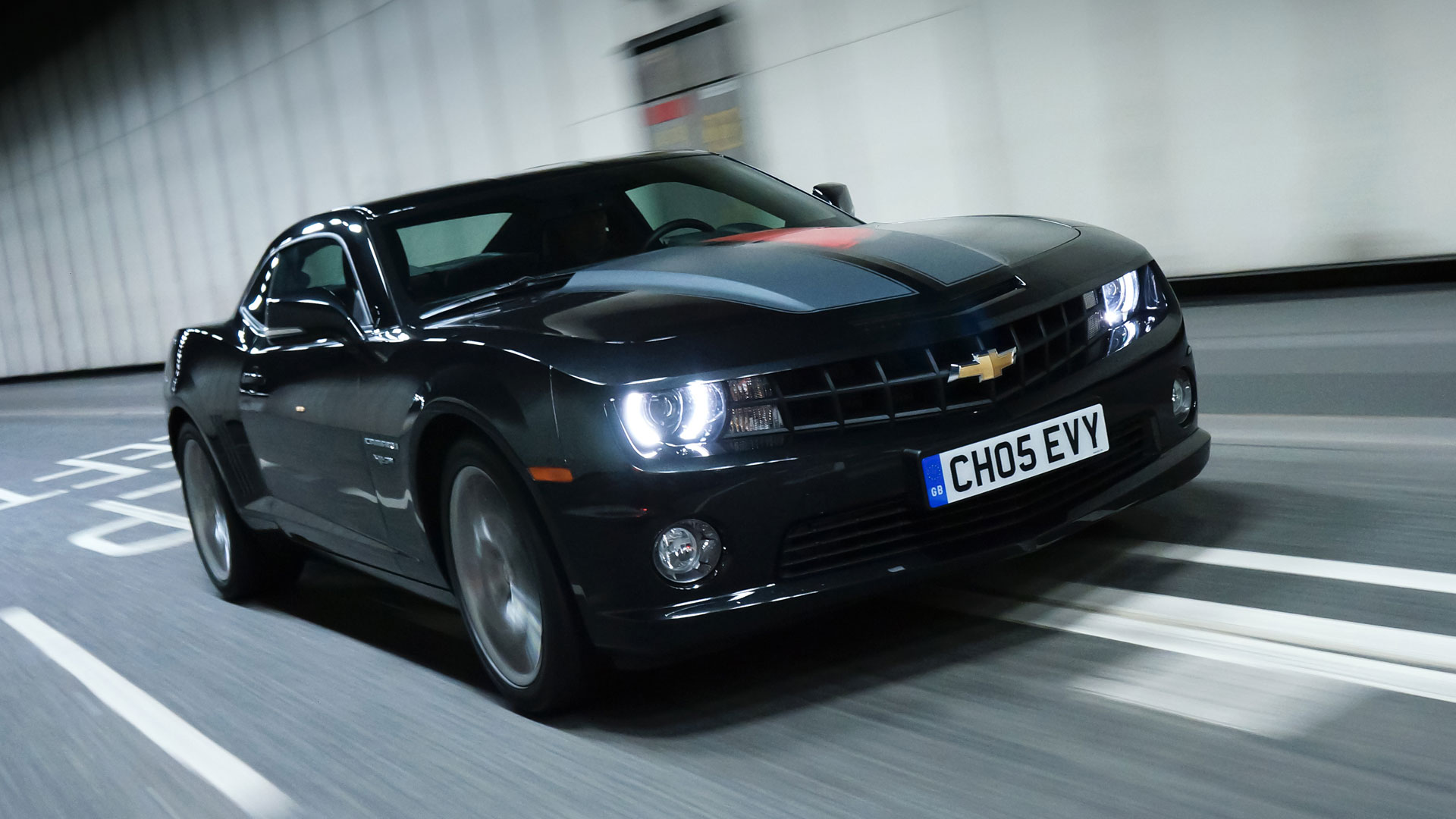
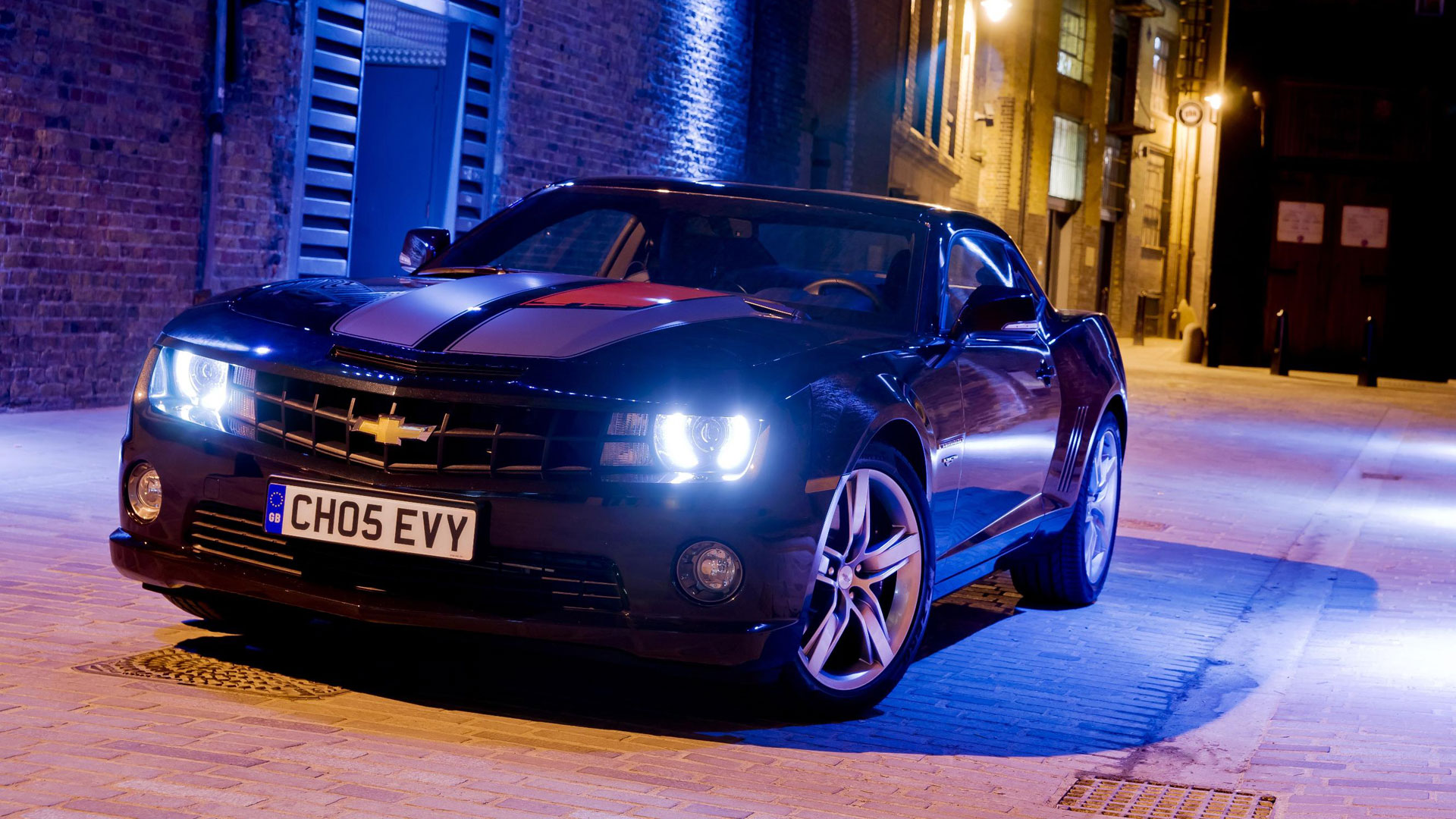
1. Chevrolet Camaro
Finally, storming the charts with a Desirability Score of 2,471, it’s the Chevrolet Camaro. Who’d have thought the Camaro would be more desirable than the Piaggio Porter?
There are four for sale on the CarGurus website, including a 1998 Camaro available for £3,989 and a 2014 car for £31,990. An opportunity to live the American dream in the UK or to fulfil your ‘Bumblebee’ fantasies. Whatever takes your fancy.
Insurance companies are paying out more for car thefts than they have for the past seven years, claims the trade body for the insurance industry, The Association of British Insurers.
The figures for theft claims for January to March of 2019 are the highest since 2012. And while the ABI hasn’t given exact numbers, it acknowledges the proliferation of keyless car theft has played a part.
Recent figures from specific sources have corroborated claims of a rise in keyless theft. Tracker reported that 92 percent of cars it recovered in Essex were stolen using keyless theft, and that 88 percent of cars it recovered in 2018 were taken this way.
New top-line SUVs are a popular target, including the BMW X5, Range Rover Sport and Mercedes GLE.
New cars with keyless systems have been slammed for their poor security, with numerous manufacturers issuing software updates.
Of 11 brand new 2019 models tested by Euro NCAP, six were ranked at least ‘poor’, with the Suzuki Jimmy getting an ‘unacceptable’ rating.
The Porsche Macan was updated to a superior rating, following clarification around the specification of a motion sensor in its key fob.
The number of roadside breath tests is expected to rise in June, as the nation’s police forces begin their annual summer drink-drive crackdown.
Police breathalysed 36,041 drivers in England and Wales in June 2017 – a figure much higher than the monthly average of 23,840 across the rest of the year, excluding the Christmas period.
Indeed, the number of breath tests carried out in June is 50 percent higher than in any other month, apart from December.
An eye-opening 10 percent of motorists (3,275) tested positive in the June 2018 crackdown, with drivers in Merseyside the most likely to be stopped. A total of 3,010 motorists were breathalysed in this region, followed by Hampshire (2,532) and Thames Valley (2,265).
Hunter Abbott, managing director of AlcoSense Laboratories, said: “The police always focus on June as, statistically, it’s a drink-drive hotspot.
“With warmer weather, sporting events and barbeques, June is a month when motorists are more likely to unintentionally drink-drive the morning after socialising, posing a risk to themselves and other road users.”
The drink-drive limit
There are strict alcohol limits for drivers in England and Wales, with tougher limits in place in Scotland.
Level of alcohol
England, Wales and Northern Ireland
Scotland
Micrograms per 100 millilitres of breath
35
22
Milligrammes per 100 millilitres of blood
80
50
Milligrammes per 100 millilitres of urine
107
67
Drivers are warned that it’s impossible to say exactly how many drinks this equals, as the way alcohol affects you depends on a number of factors, including weight, age, sex, metabolism, stress levels and the type of alcohol consumed.
The actual penalty depends on the magistrates who hear the case and the severity of the offence. In addition to the repercussions mentioned above, drivers found guilty of drink-driving also face higher insurance premiums, difficulties finding a job, and trouble travelling to countries like the USA.
If in doubt, don’t drink. But if you do, get a cab.
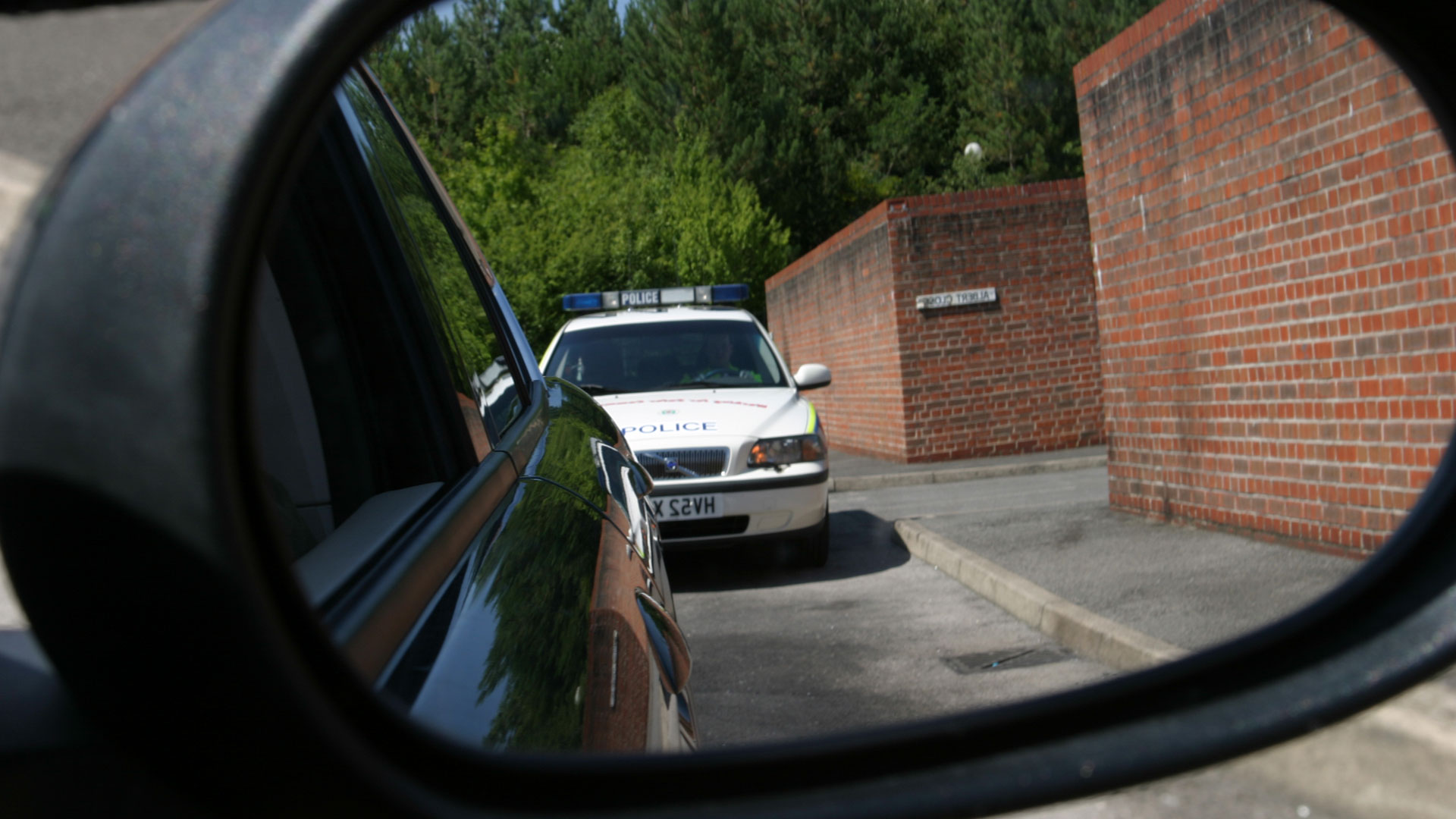
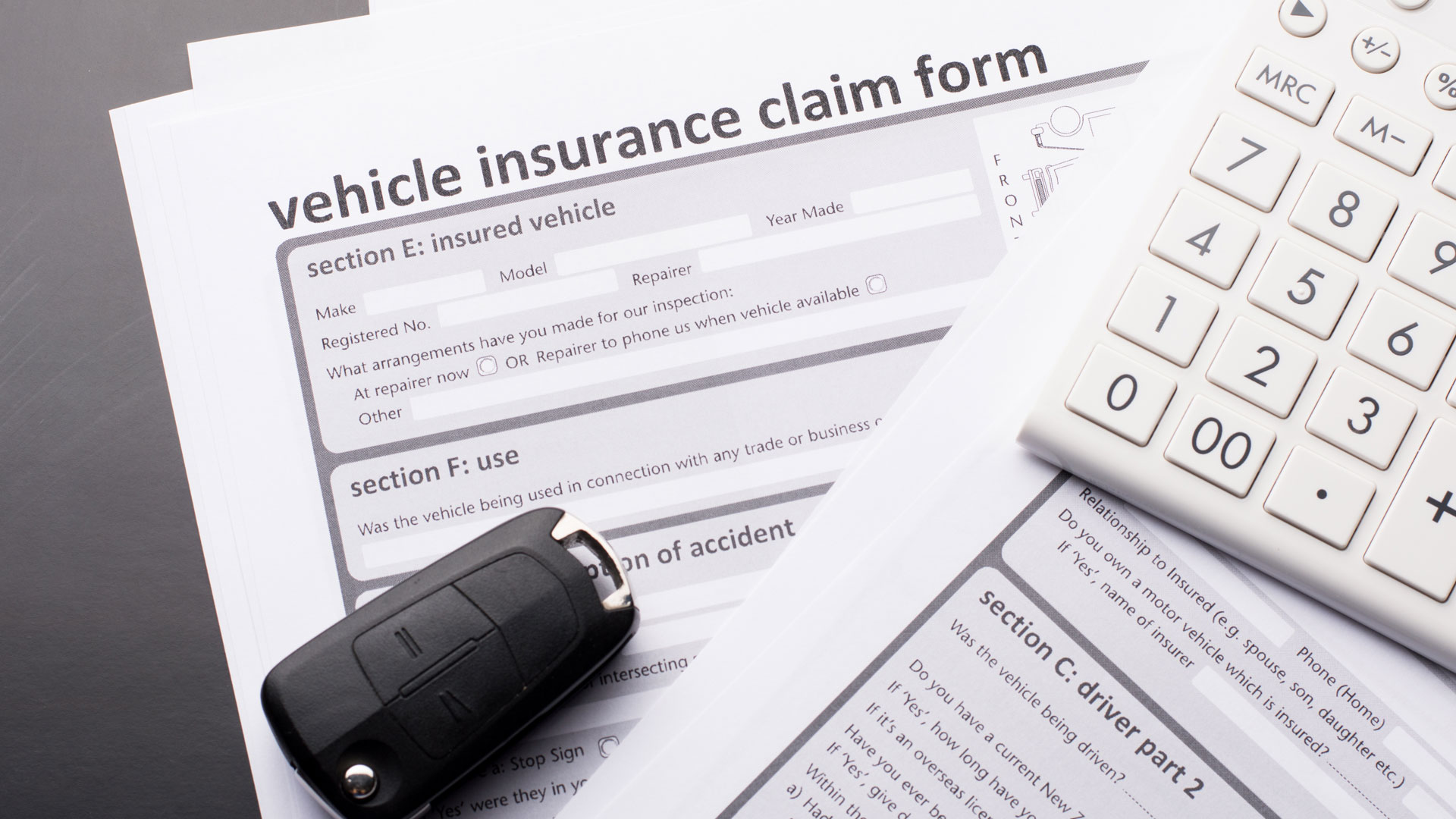
There’s been a large drop in the number of motorists caught driving without insurance, according to figures released by RAC Insurance.
A Freedom of Information Request sent to the DVLA (Driver and Vehicle Licensing Agency) revealed that 79,713 people were caught driving without insurance last year – a huge drop from the 118,698 found breaking the law in 2017.
Numbers had been falling since 2012, but there was a 22 percent increase in the number of motorists driving without insurance in 2016, followed by a smaller five percent rise the next year.
It’s illegal to drive a vehicle on a road or in a public place without at least third-party insurance, and motorists are likely to receive a fine of £300 and six penalty points if they’re caught without valid cover. Police also have the power to seize and destroy a vehicle that’s being driven without insurance, while a driver could face an unlimited fine and disqualification if the case goes to court.
Worryingly, a total of 872 people under the age of 17 were caught without insurance in 2018 – hardly surprising given the fact that these ‘drivers’ aren’t even old enough to have lessons on a public road.
At the opposite end of the spectrum, a 96-year-old motorist was found to be driving without insurance in 2018 – the oldest person caught for the offence since 2012.
‘Good news’ for motorists
RAC Insurance director Mark Godfrey said: “It can only be good news the number of people driving without insurance has dropped significantly in the last year and is now at its lowest in at least seven years. This should help to keep premiums down for every driver and we hope this continues in the years ahead.
“From 2012 to 2015 there was a steady downward trend in the number of ‘driving without insurance’ offences, but there was then an increase in 2016 followed by a six-year high in 2017 which appears to be directly linked to the increase in the price of insurance at that time.”
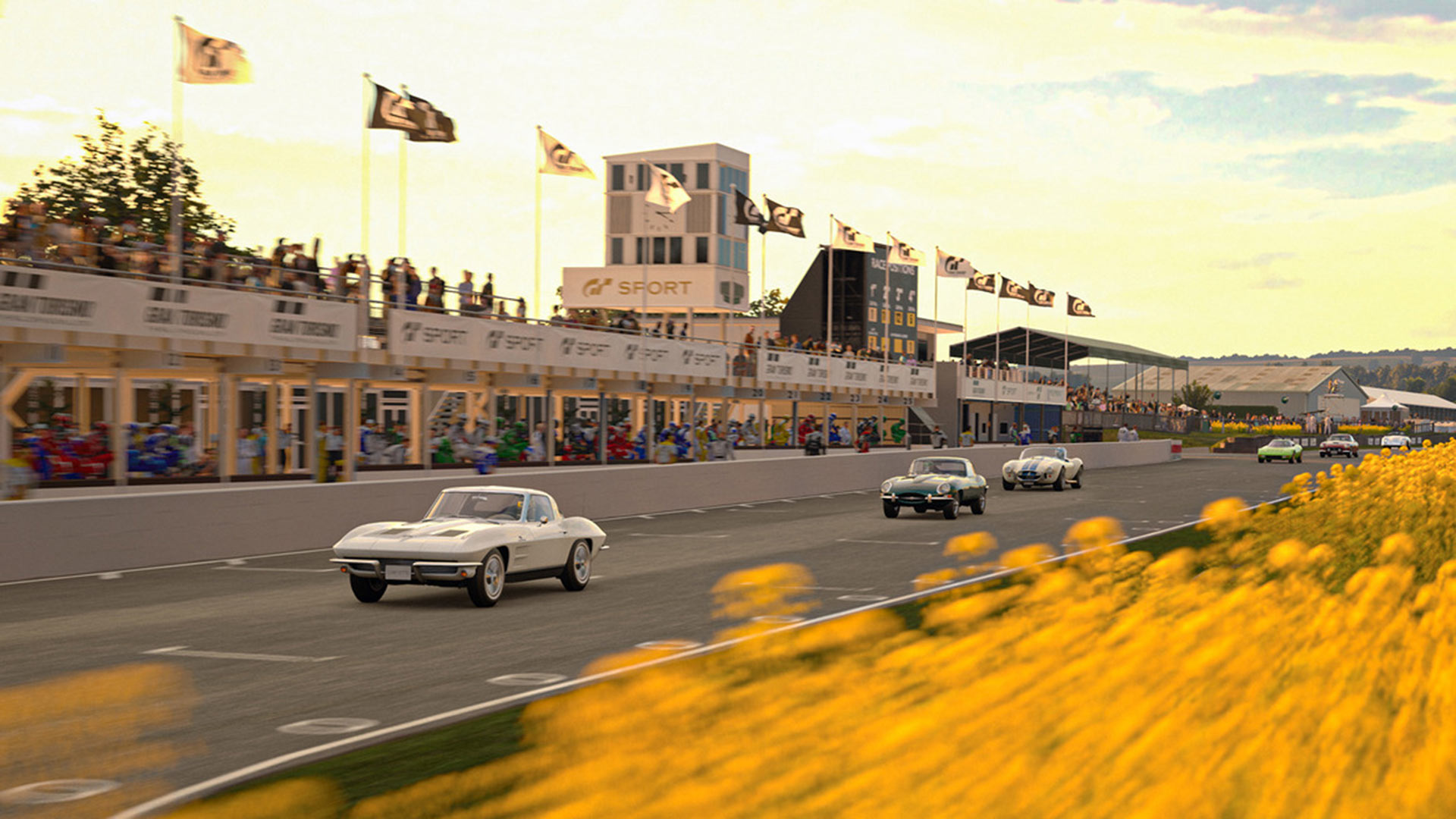
The latest in a series of free bonus content offerings for GT Sport also includes new events for the League competitions, along with extra photography locations.
However, it is likely to be the introduction of the historic Goodwood track which will get fans the most excited.
First opened in 1948, the Motor Circuit forms part of the Goodwood Estate which is best known for hosting the annual Festival of Speed extravaganza.
Encircling the Goodwood Aerodrome, the 2.4-mile circuit delivers high average speeds, and is regarded as being a formidable test of driver and machine.
The Motor Circuit was the scene of the 1962 accident which left Sir Stirling Moss in a month-long coma, and ended his professional racing career.
Goodwood would also claim the life of McLaren founder Bruce McLaren, who was killed during a crash whilst testing. McLaren’s M8D Can-Am racer left the track at speed when bodywork detached from the car, leading to a collision with a marshal post.
Competitive racing at the Goodwood track ceased in 1966, but returned with an emphasis on historic competitions in the late 1990s.
The track now plays host to the three-day Goodwood Revival event each September, along with the annual Goodwood Members’ Meeting.
Whilst Goodwood may now prefer vintage racing, Gran Turismo Sport players will be able to choose whatever car they like to tackle the quick twists and turns of the circuit.
Recent car additions for the game have included the Porsche 962C racer, along with the brand-new Toyota Supra.
Polyphony Digital also notes that handling characteristics of cars in the game have been improved with this latest update, along with changes to how quickly players can shift gears.
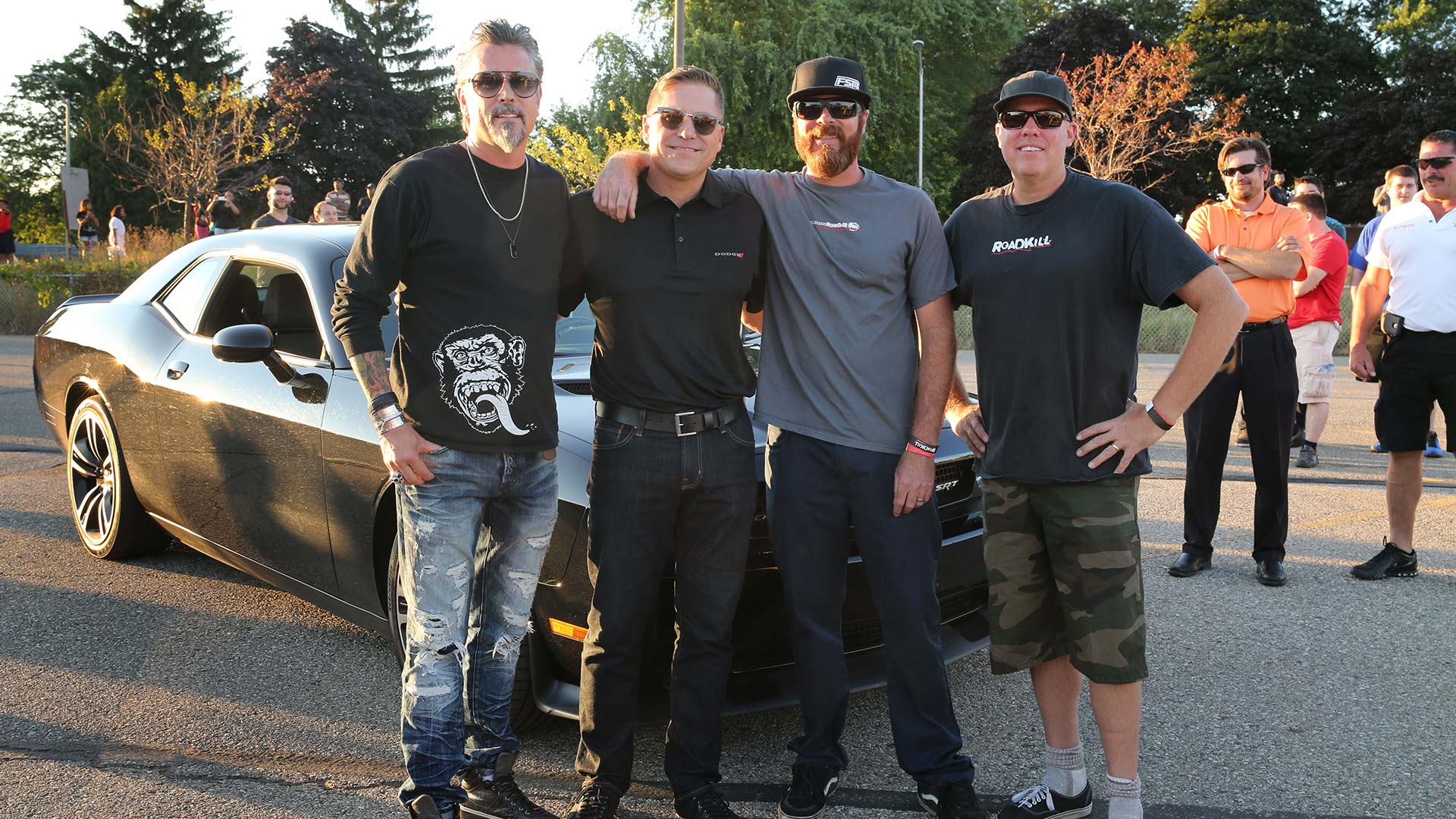
Richard Rawlings, star of the Discovery Channel’s Fast N’ Loud show, has many performance and muscle cars in his collection. However, that did not stop him from being upset when one was stolen last year.
The black Dodge Challenger SRT Hellcat was taken in September 2018 from the Dallas area, with Rawlings asking social media to help find the car. This particular Hellcat was used by his then wife, and had sentimental items left inside the glovebox when stolen.
Incredibly, despite the 707 horsepower Challenger Hellcat worth a substantial amount in parts alone, the car was found and recovered in one piece.
Rawlings took to social media again to announce the good news, showing off the fact that the Hellcat was finally back home.
According to the official Gas Monkey Garage website, the car had been spotted by an eagle-eyed member of the public in the Dallas area.
The local man made contact with Rawlings, who was delighted to be able to have the black muscle car safely returned to his possession.
Although the Gas Monkey owner may have upgraded his car collection to include the more powerful Challenger SRT Demon, getting the Hellcat back is still important to him.
FIlming commitments for Fast N’ Loud, now returning for a 15th series, meant Rawlings was unable to spend too long being sentimental. He did promise to “sort this all out with the insurance company” before jetting off for a week long vacation, though
The latest series of the popular TV show is expected to start airing to Discovery Channel viewers next month. Rawlings has already promised that the new episode will be even bigger and more dramatic than before.



 The
The 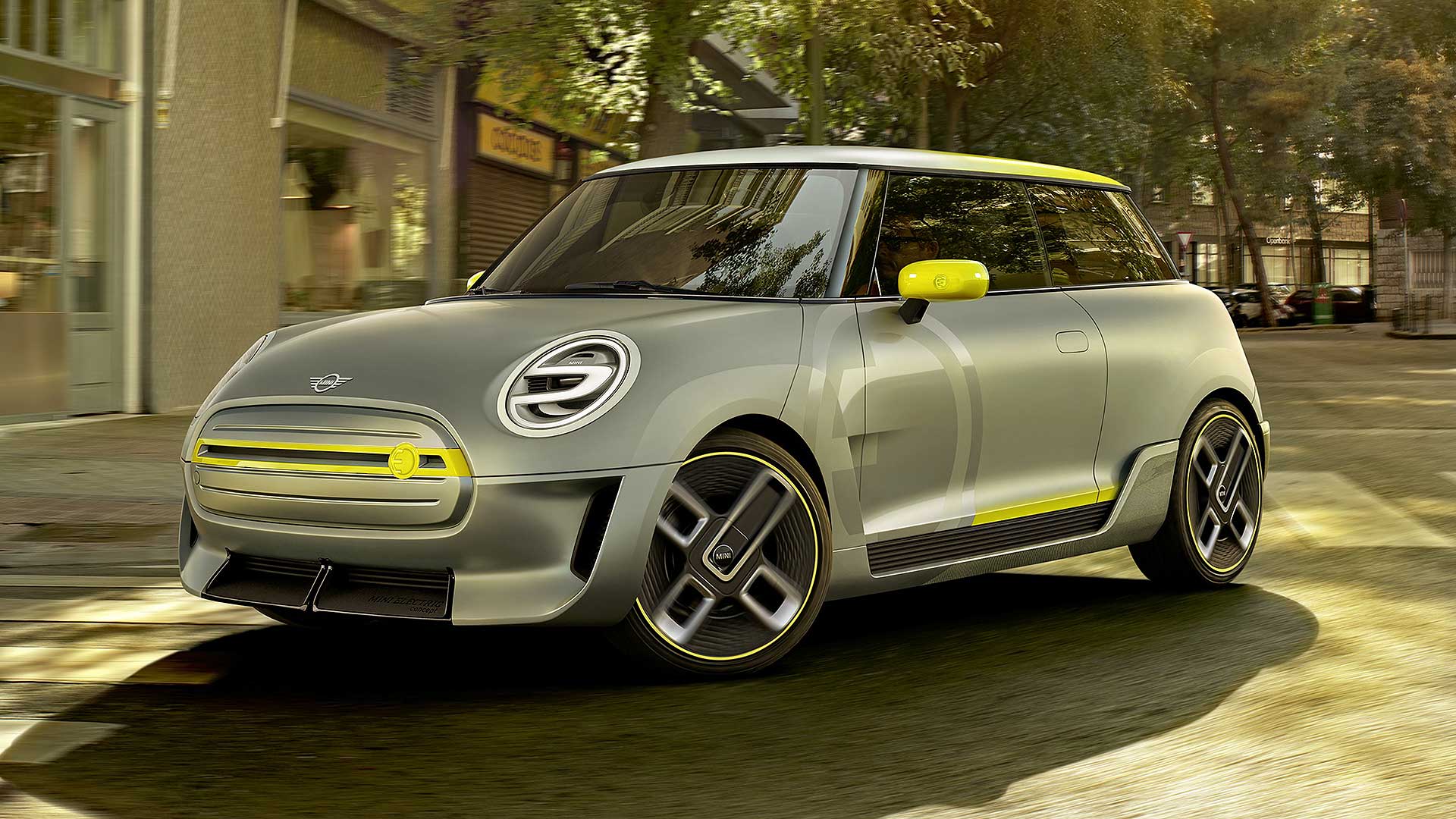 Back in 2017, it was shown in concept form at the Frankfurt Motor Show; some of that car’s more outlandish styling features have gone, but the neat colourscheme remains.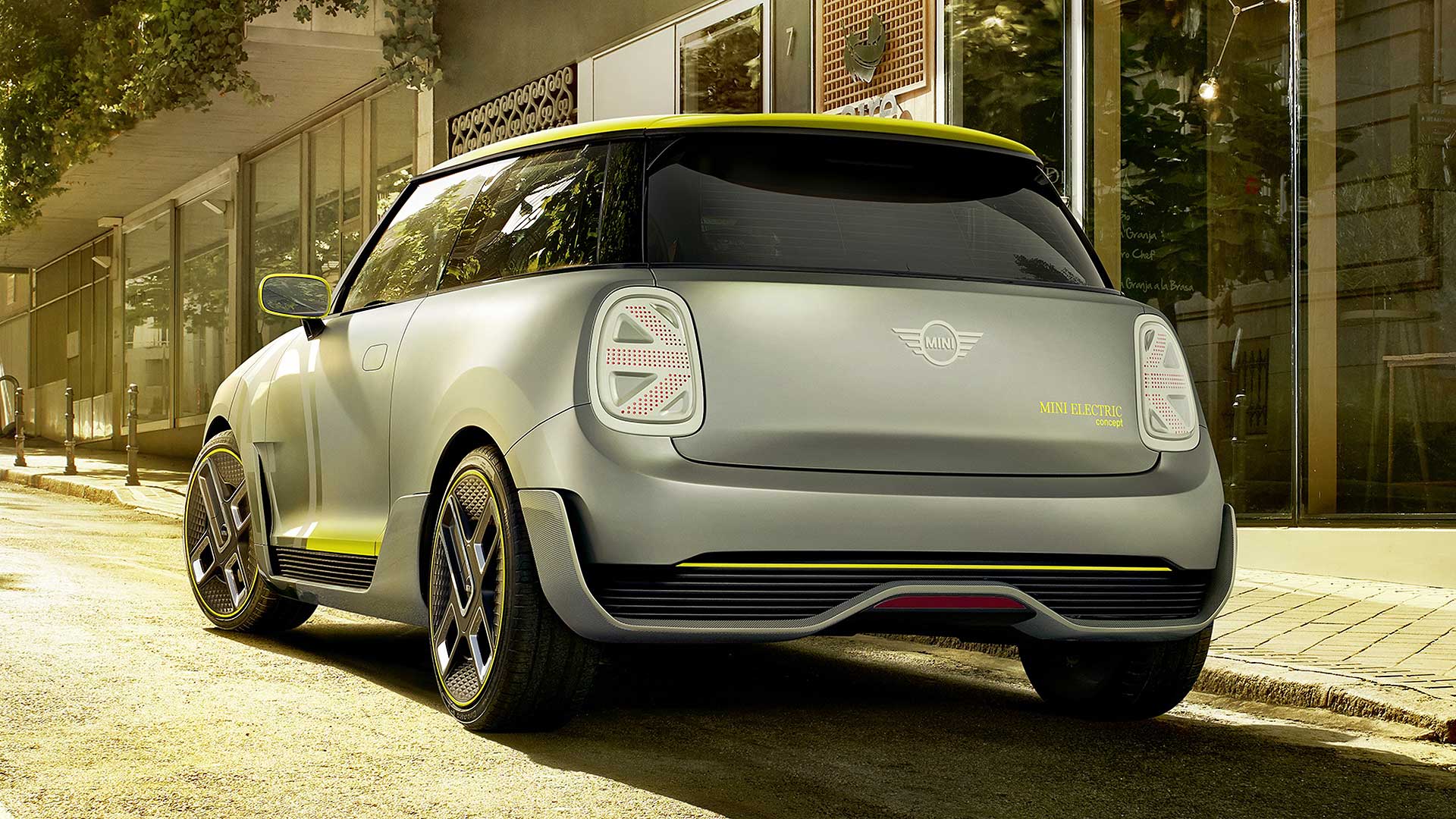
 Players of the Gran Turismo Sport
  First opened in 1948, the Motor Circuit forms part of the Goodwood Estate which is best known for hosting the annual Festival of Speed extravaganza.
 Goodwood would also claim the life of McLaren founder Bruce McLaren, who was killed during a crash whilst testing. McLaren’s M8D Can-Am racer left the track at speed when bodywork detached from the car, leading to a collision with a marshal post.
 Whilst Goodwood may now prefer vintage racing, Gran Turismo Sport players will be able to choose whatever car they like to tackle the quick twists and turns of the circuit.
 Although the Gas Monkey owner may have upgraded his car collection to include the more powerful Challenger