Home Blog Page 359

UK government has 74 ideas to cut road deaths

0

Government has 74 ideas to cut road deaths

“We can no longer keep doing the same things in the same way if we want to improve” road safety is the message from the government as it launches its action plan to cut deaths.

The Road Safety Statement outlines the actions over the next two years, with 74 ideas designed to improve road safety.

The UK is ranked third in Europe and second in the EU in terms of safety, when ranked by the number of road deaths per million inhabitants.

Only Norway (20 road deaths per million) and Sweden (25 road deaths per million) boast a superior road safety record.

There were 1,793 reported fatalities in 2017 – 39 percent fewer compared with 2007. But the government thinks we can do even better. 

‘We are not complacent’
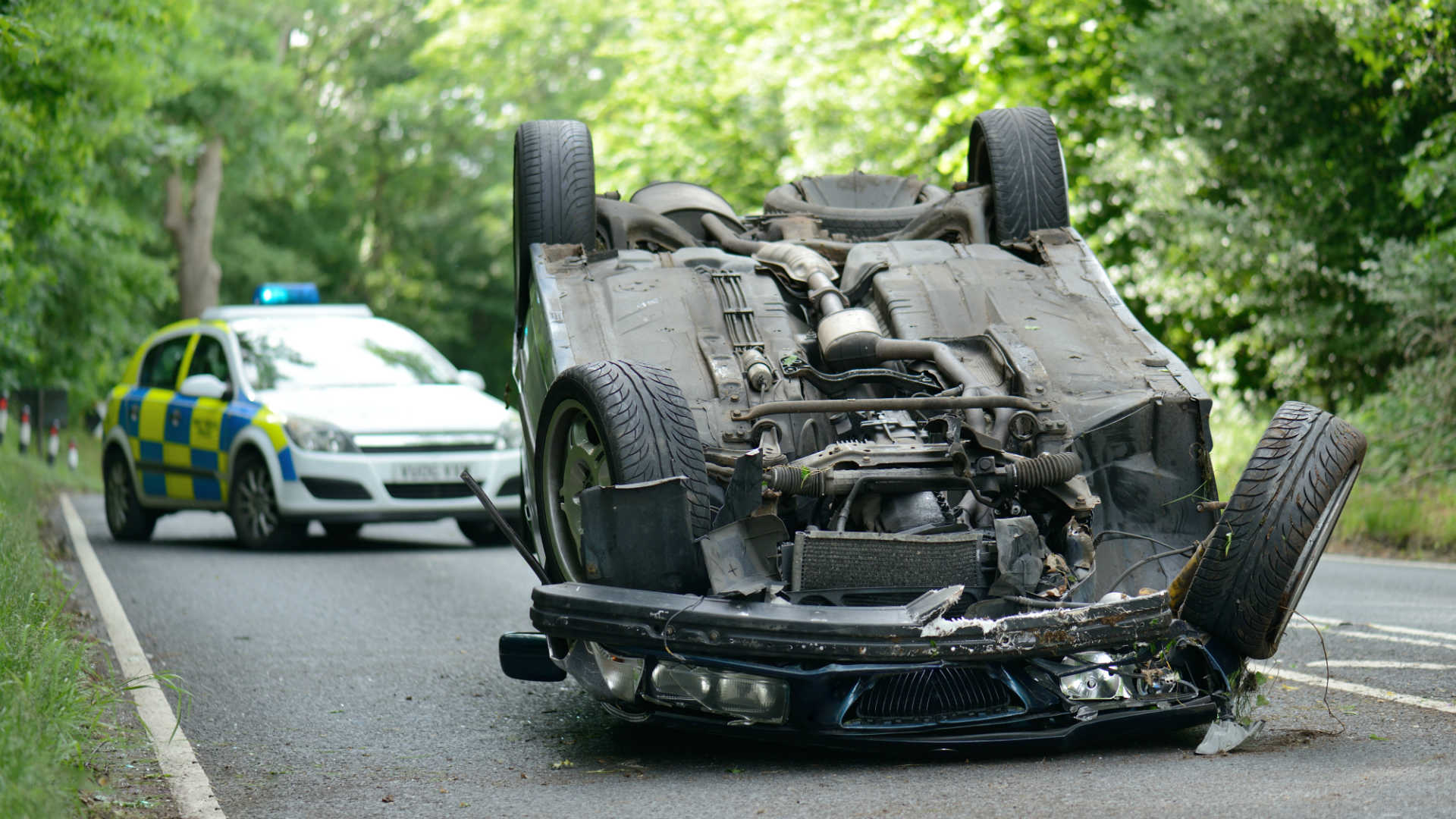
Crash as a result of drug-driving

“The UK has some of the safest roads in the world,” said transport secretary Chris Grayling, “but we are not complacent and continue to look at how we can make them safer.

“Today’s action plan is a key milestone in our road safety work and sets out the important steps we are taking to reduce the number of people killed or seriously injured on our roads.”

Over the past 12 months, the Department of Transport (DfT) has announced a series of road safety measures, including £100 million Safer Roads Funds, designed to improve safety on the 50 most dangerous roads in England. The DfT has also given nearly £500,000 to the RAC Foundation to learn more about collision investigations.

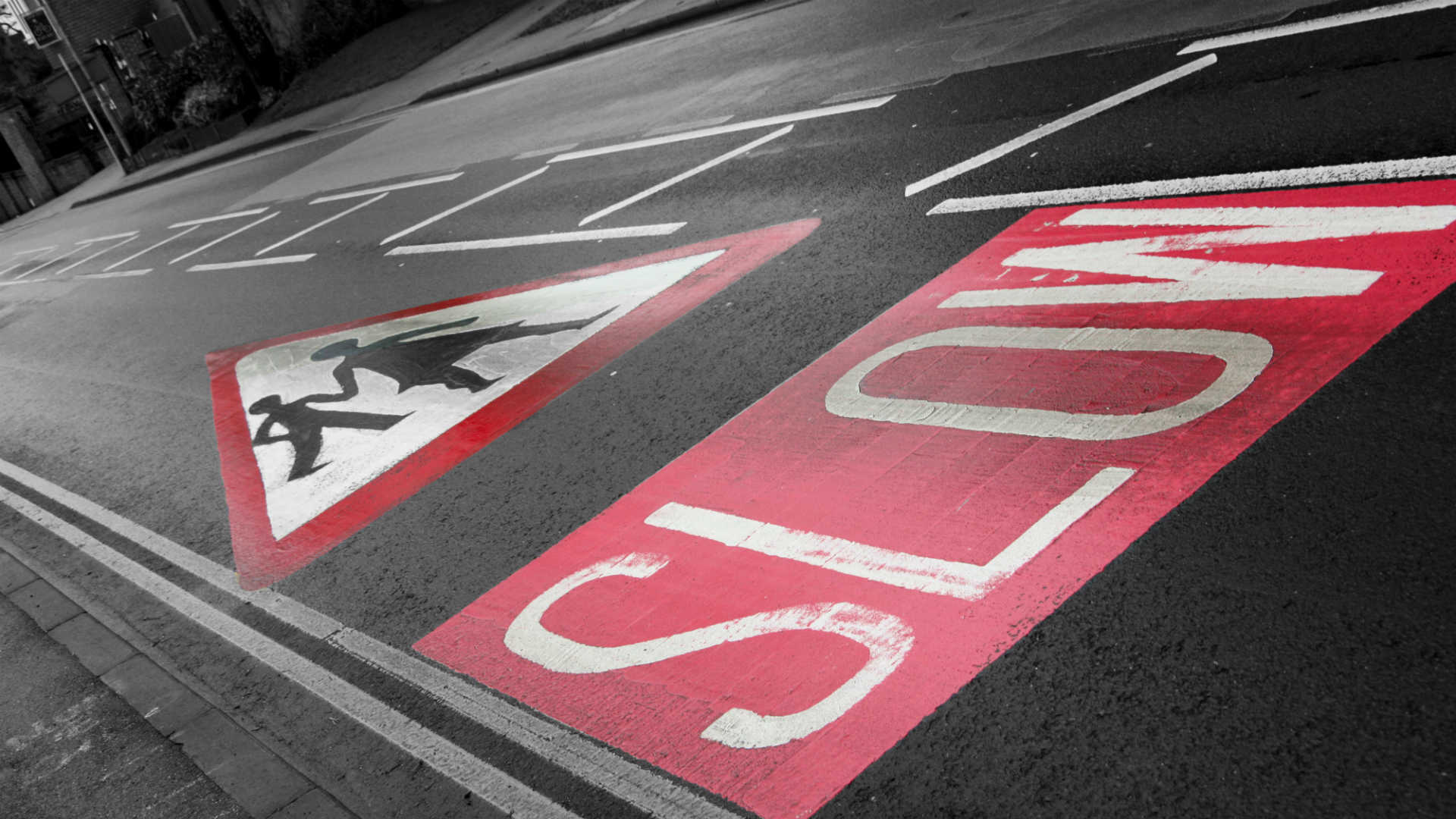
The two-year action plan is largely focused on four user groups: young road users, rural road users, motorcyclists and older vulnerable road users. In the background is a three-pillar approach to road safety, encompassing safer vehicles, safer speed and a safer infrastructure.
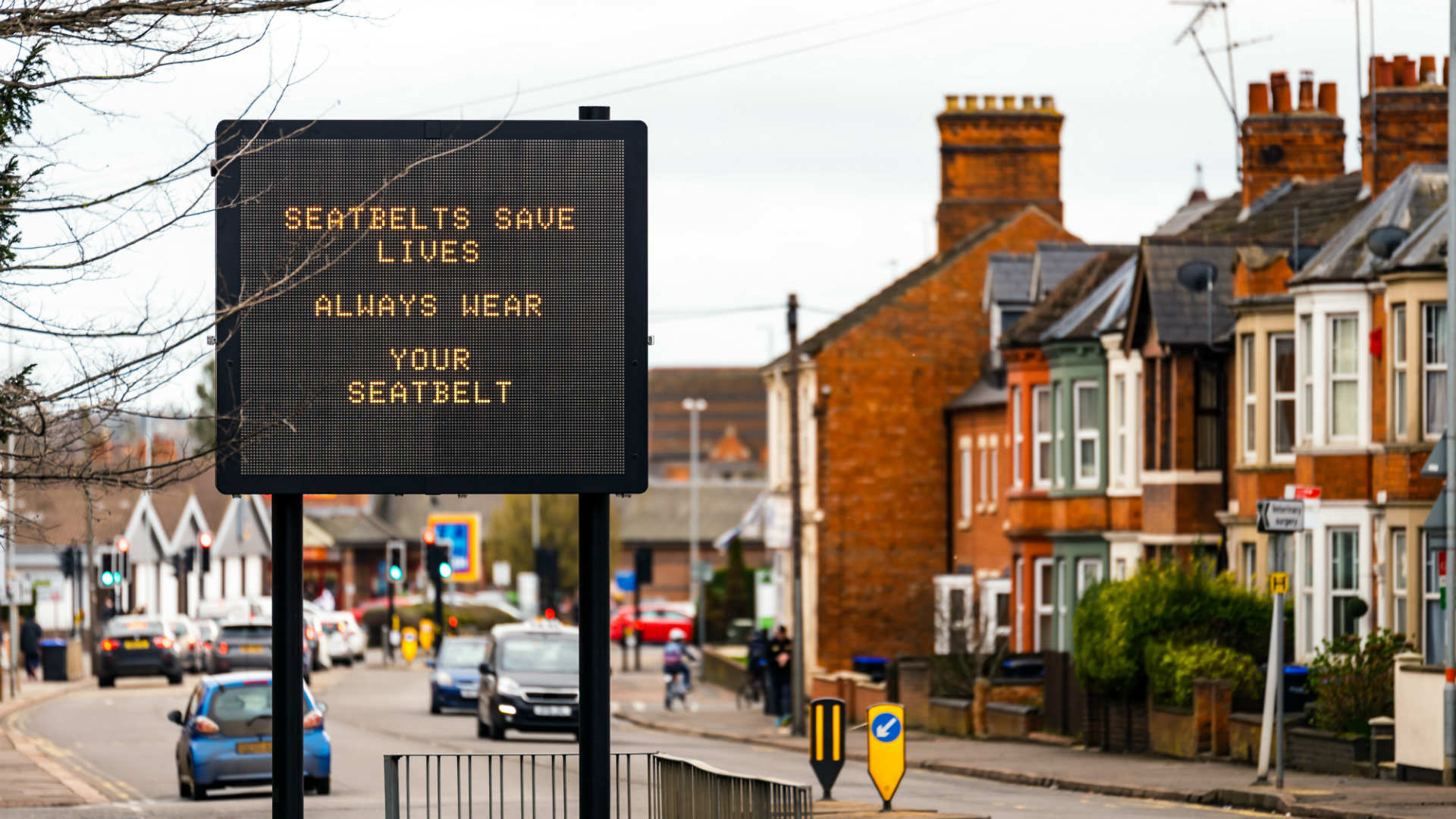
Always wear your seatbelt

Everything from traffic signs, the fitment of child seats, drink-driving, the use of mobile phones at while driving and not wearing a seatbelt are included in the 69-page document published by the DfT.

The government is considering increasing the penalties for drivers who do not belt up in the car, with 27 percent of car deaths involving people who were not wearing a seatbelt.

Road Safety Minister Michael Ellis said: “Far too many people are not wearing a seatbelt while traveling in a car, needlessly putting their lives at risk.

“Increasing penalties for people who disregard the simplest of way of protecting themselves is just one of a long list of actions this government is taking to help keep people safe on our roads.”

The Road Safety Statement: summary
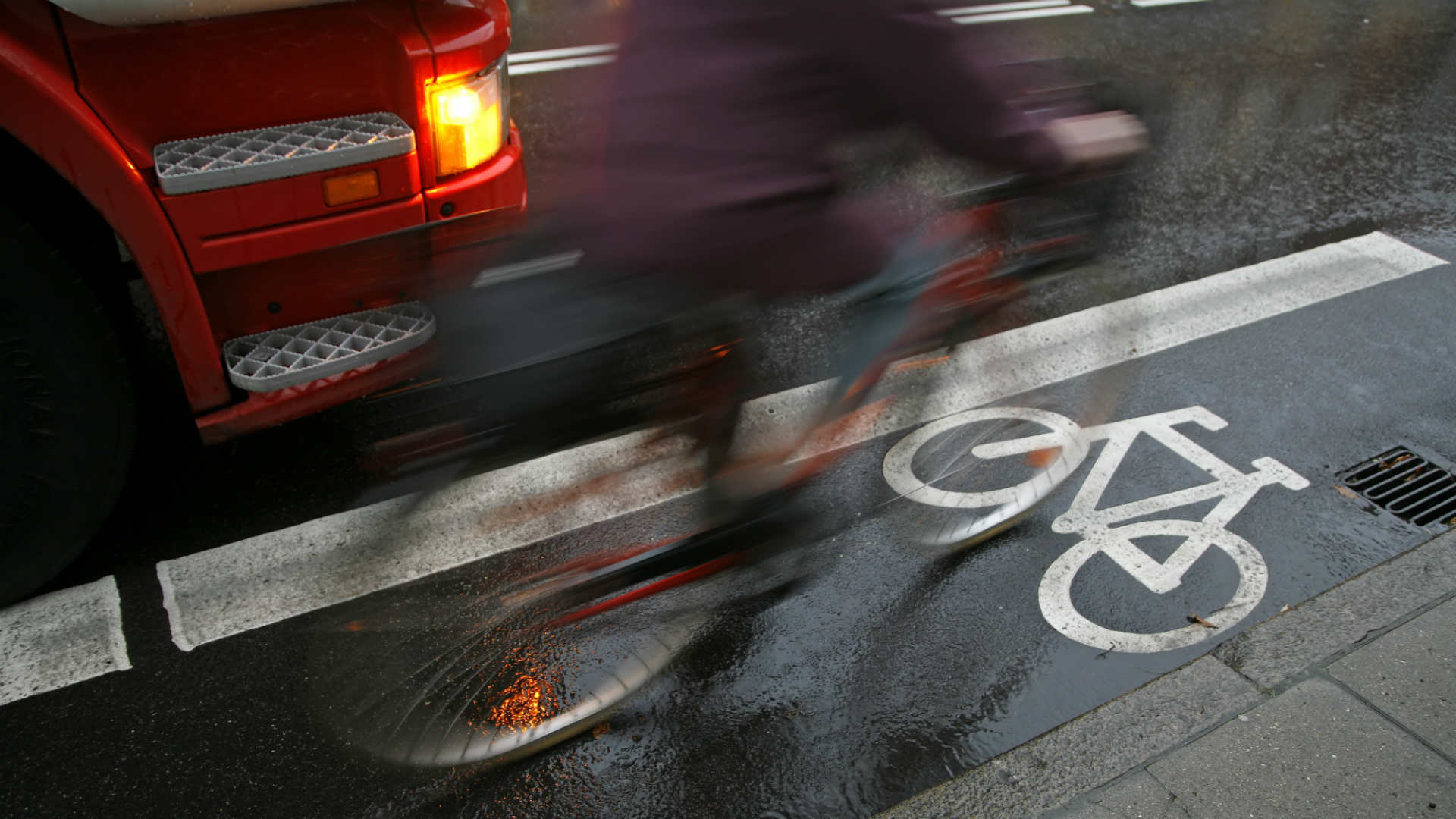
Lorry close to cyclist

The 74 proposals outlined in the Road Safety Statement 2019: A Lifetime of Road Safety publication can be split into the following categories:

  • Young road users: first steps to greater safety
  • Young adults: dealing with growing independence
  • Adults: staying within the law
  • Third-age adults: safety as you get older
  • Fleets and people who drive for work
  • Safer heavy goods vehicles (HGVs)
  • Safer motorcycles
  • Emissions and air quality
  • Automated vehicles
  • Rural roads
  • The strategic road network
  • Urban areas and the environment
  • Road collisions
  • Building foundations for the future

RAC welcomes the proposals
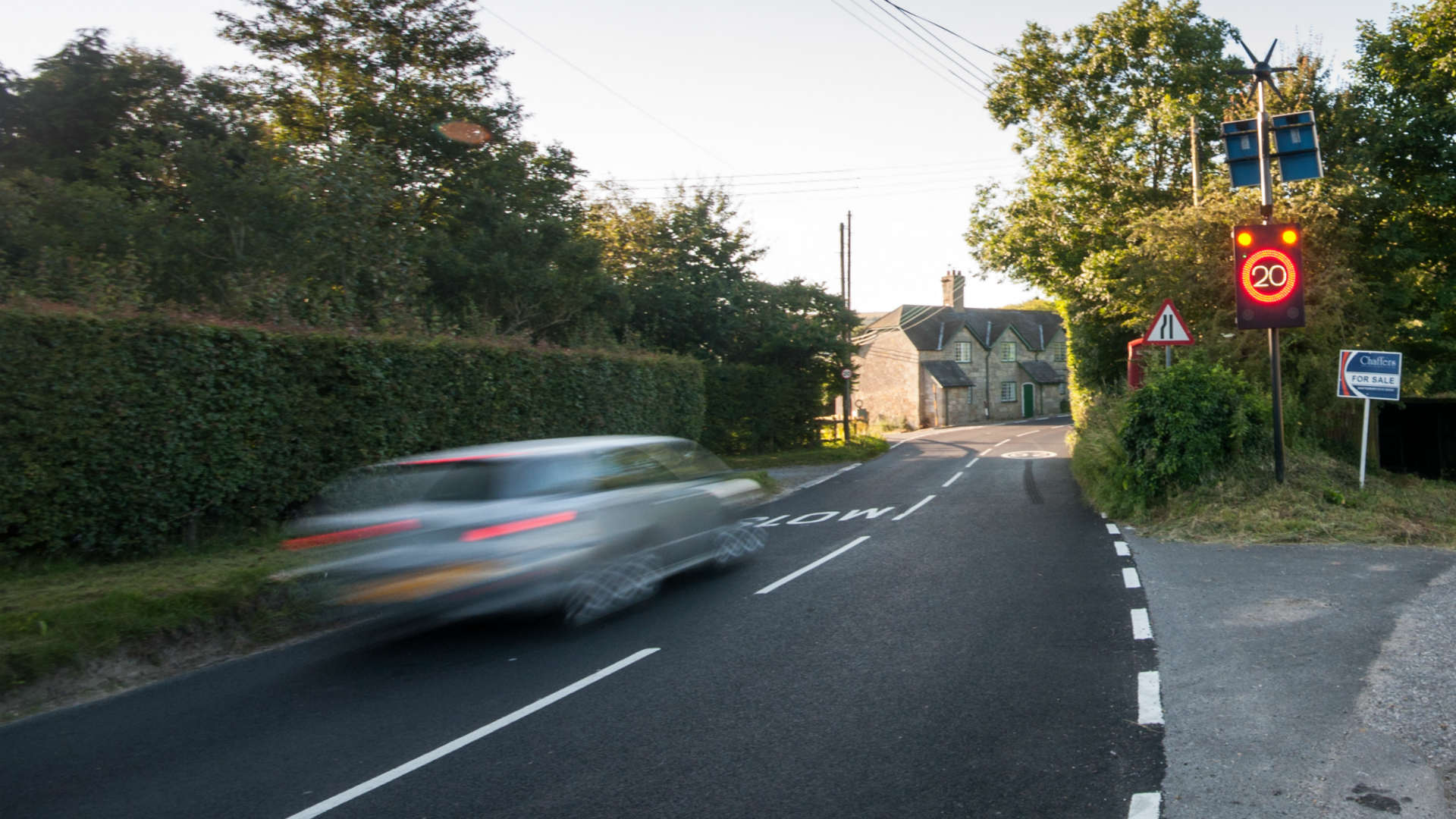
Rural road

In response to the publication, RAC head of roads policy Nicholas Lyes said: “The Government is rightly recognising there are different challenges drivers contend with throughout their driving careers, so we broadly welcome many of these proposals.

“Of course it is right to crack down on those that do not wear a seatbelt and we welcome tougher penalties which will encourage some to belt up behind the wheel. But this alone won’t be enough to make the roads safer.

“A number of those who choose not to buckle up are also likely to be those that flout other road traffic laws. This reinforces the importance of enforcement and we fear some drivers will persist without the genuine threat of being caught and prosecuted for not wearing a seatbelt.

“The Government is also right to focus on rural roads given that these types of roads are often where many serious collisions take place. Incorporating plans for learner drivers to get more practice on these road types as well as night time driving will be beneficial to improving overall driving standards.”
Advertisement

Vauxhall EXTENDS its £4,000 scrappage deal

0

Vauxhall scrappage event June 2019

Vauxhall has extended its scrappage offer, meaning you now have until the end of September to get a minimum £4,000 guaranteed scrappage allowance on selected vehicles.

The ‘Trade Up’ offer – which was set to expire at the end of June – is available on Astra, Mokka X, Crossland X, Grandland X and Viva Rocks models.

The trade-in car must be at least seven years old to be valid for the scrappage allowance.

Alternatively, if the vehicle isn’t ready to be scrapped, Vauxhall will offer a minimum of £3,000 part-exchange allowance, plus the value of the car, towards a new Vauxhall.

On its website, Vauxhall claims the scrappage allowance is best suited to cars worth less than £1,000, while the part-ex offer is designed for cars worth upwards of £1,000.

Either way, please check that a collector or enthusiast isn’t interested in your ‘scrappage’ candidate before leaving it at a Vauxhall dealer. Price guides and trade valuations aren’t always 100 percent accurate when it comes to rare, interesting or in-demand vehicles. Use social media or specialist forums to find out what it could be worth to the right buyer.

Stephanie Howson, Vauxhall’s retail sales director said: “There really isn’t anything quite like driving off the forecourt in a brand new car for the first time, and thanks to our exciting Trade Up event, motorists will be able to share in that feeling.

“People often assume they can’t afford to buy a brand new car, but that’s simply not the case. We would like to encourage anyone considering upgrading their vehicle to visit their nearest Vauxhall retailer and take advantage of this fantastic offer.”

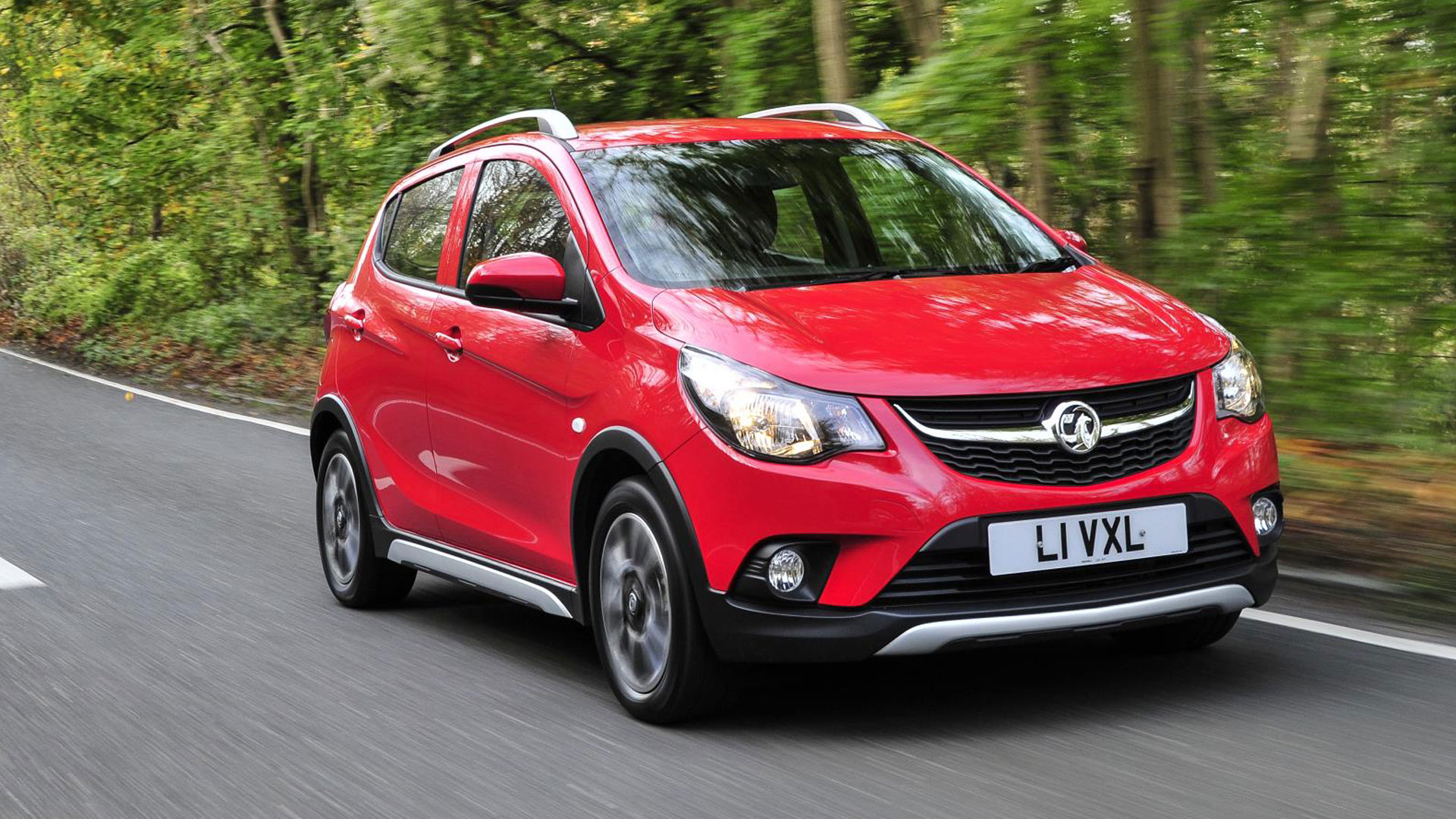
Get your money off Rocks

Vauxhall Viva Rocks available with scrappage discount

If you’re looking to spend the least amount on a new car, the Viva Rocks is the cheapest Vauxhall available with the scrappage discount. It’s essentially a Viva with raised ground clearance and crossover-like styling, with prices starting from £12,240.

With the scrappage allowance, it takes the price down to £8,240, which is less than an entry-level Dacia Sandero Stepway.

Alternatively, Crossland X prices start from £17,715, the Astra range kicks off at £18,905, the Mokka X from £20,645 and the Grandland X from £23,415.

Visit the Vauxhall website for full terms and conditions, but again, do think carefully before scrapping your current motor. Vauxhall’s “old wreck” might be another person’s valued vehicle…

Remember, the offer ends at the end of September… unless Vauxhall decides to extend it again.

Advertisement

New Chevrolet Corvette WILL be right-hand drive for UK

0

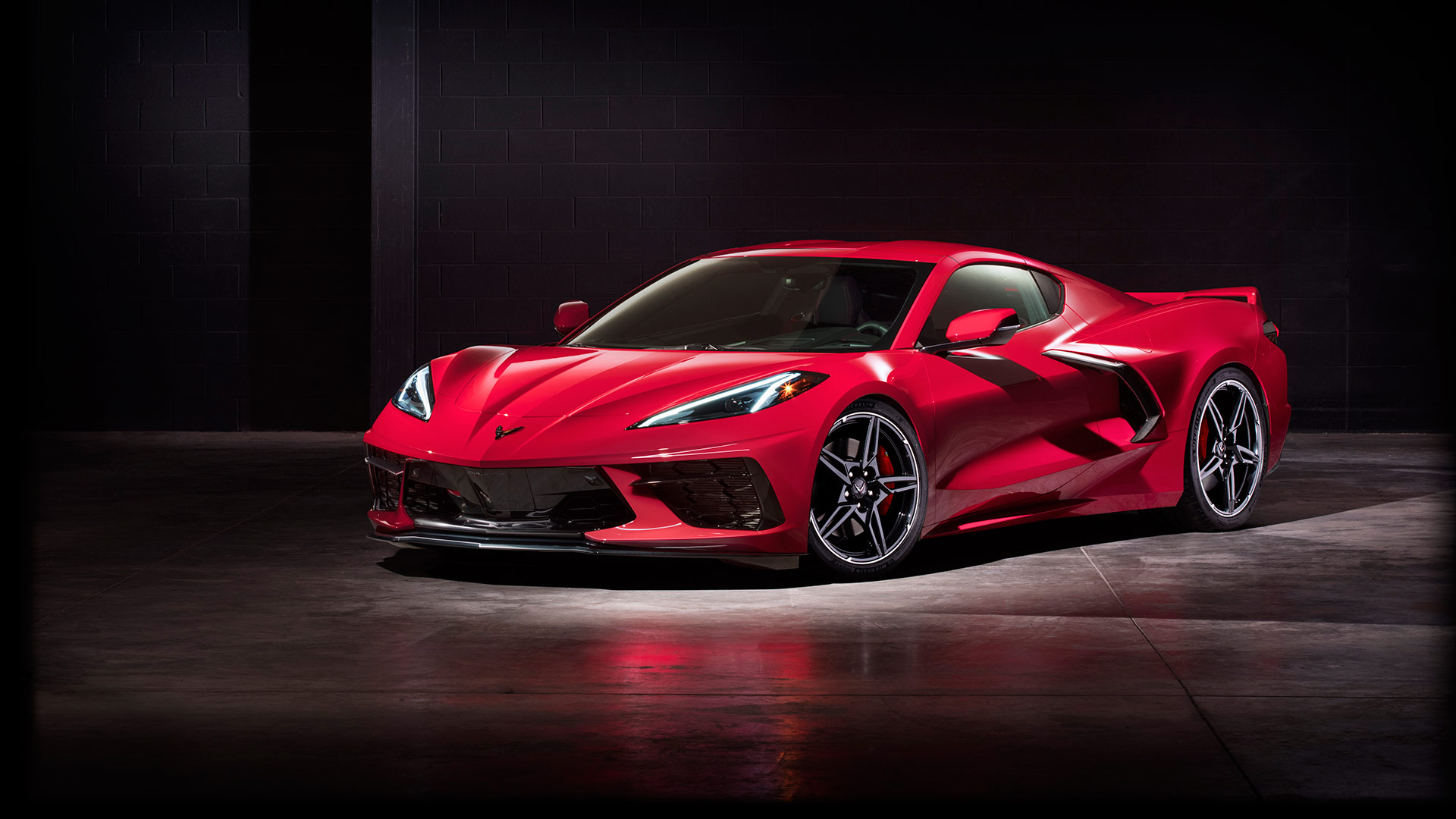
New 2020 C8 Chevrolet Corvette StingrayIt may have taken more than six decades, but drivers in the UK will finally be able to have a Chevrolet Corvette with the steering wheel on the right. 
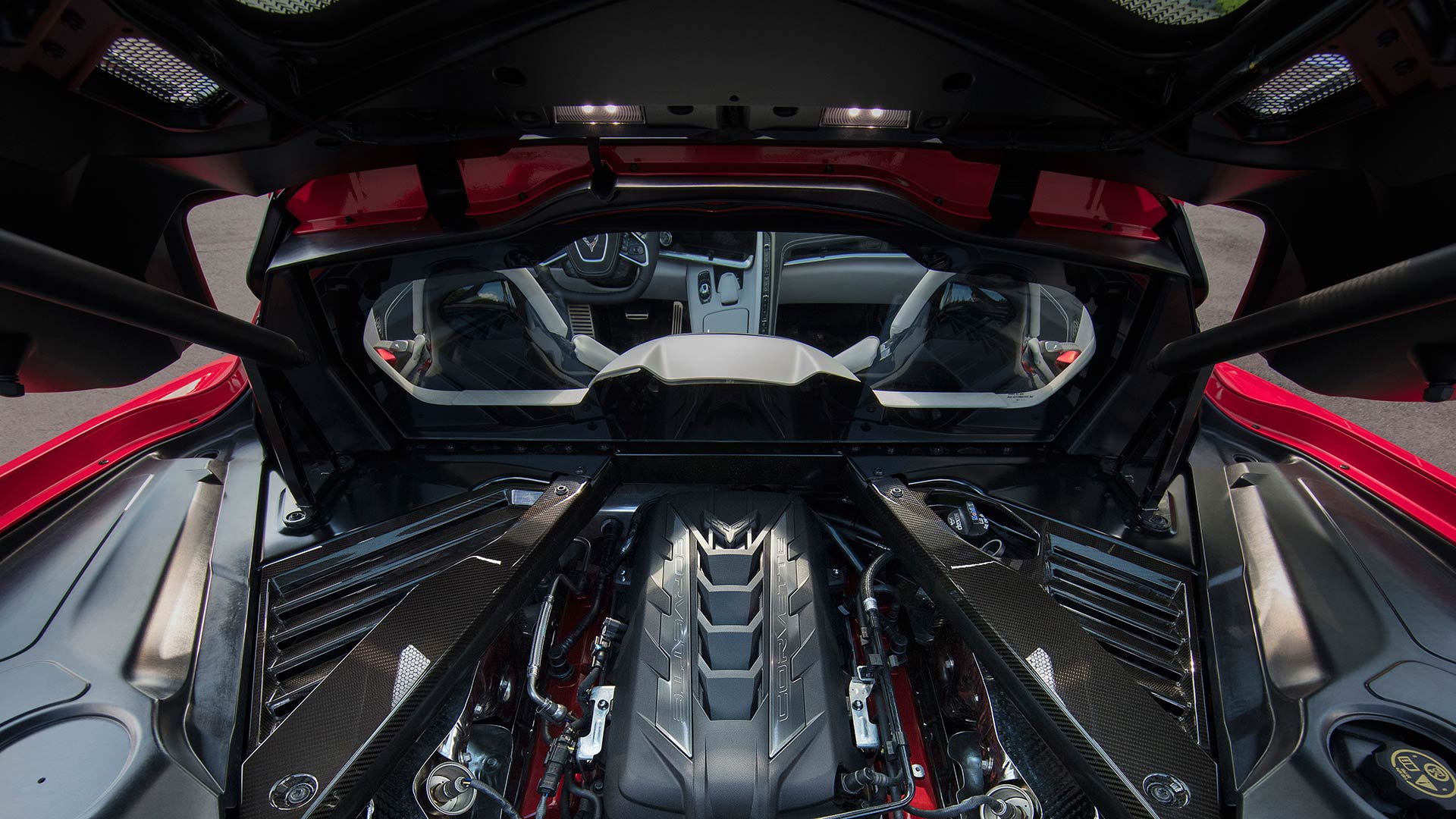
The announcement came as part of the grand unveiling for the new 2020 C8 Corvette Stingray, which makes a controversial leap to a mid-engined layout.

Moving the engine to the middle has solved some of the packaging challenges which previously kept the Corvette left-hand drive only. It means using a Corvette in the UK everyday will become much easier, which should help boost interest in this American icon

V8 engine still remains

New 2020 C8 Chevrolet Corvette StingrayAlthough the move to midship design may upset some Corvette fans, Chevrolet believed the traditional front-engined platform had reached its limit. 
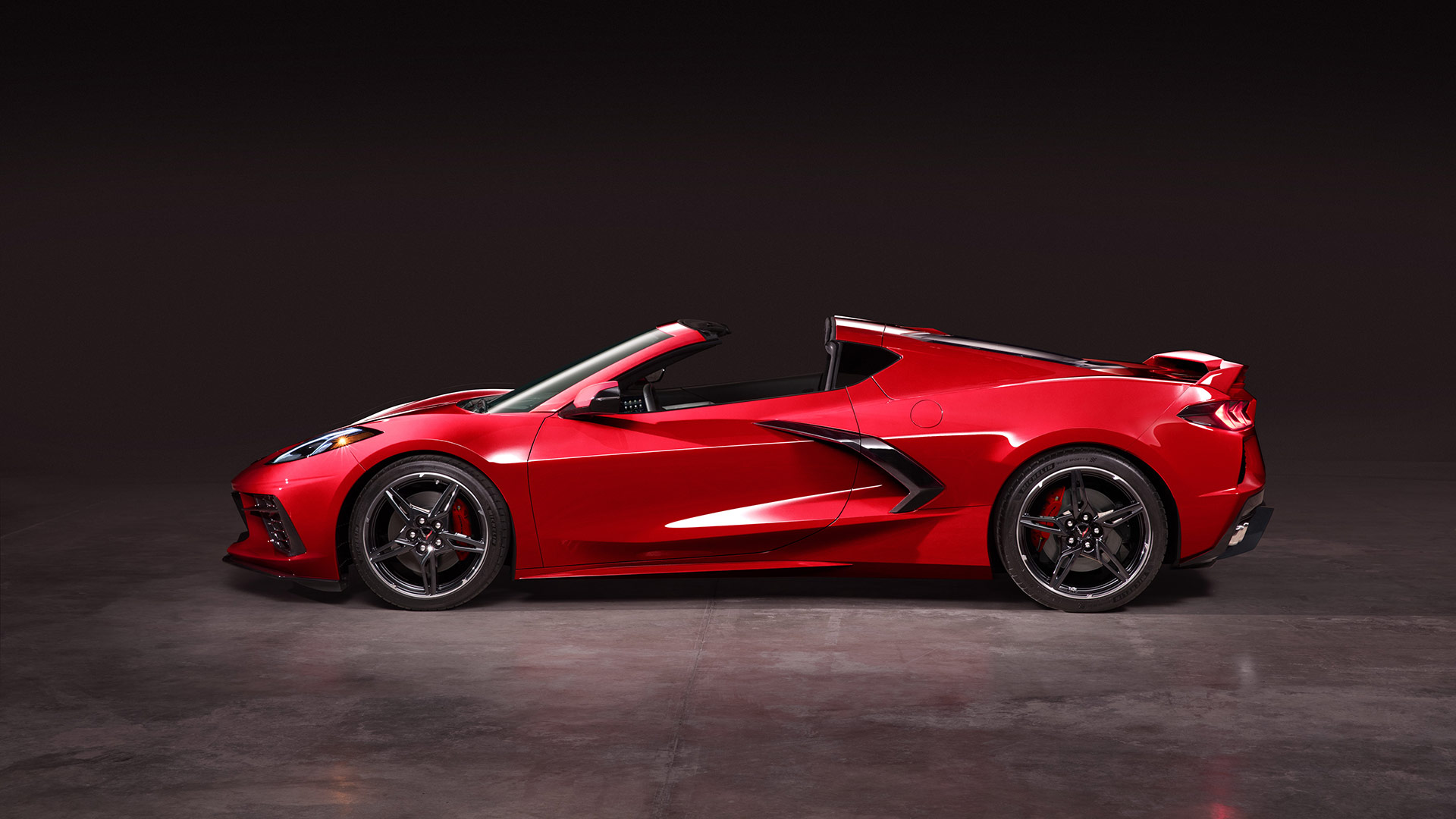
As a result, the new C8 Corvette Stingray should be the most performance focussed version created. Chevrolet also promises it to be the fastest Corvette to accelerate from 0-60mph, with certain versions doing this in under 3.0 seconds. 

Beneath the radical new design there is still a V8 engine. A naturally aspirated 6.2-litre ‘Small Block’ (yes, that’s really what GM calls it) will produce 495hp and 470lb-ft of torque. Expect turbocharged versions, with a lot more power, to follow in the future. 

Shifting expectations

New 2020 C8 Chevrolet Corvette StingrayAn eight-speed dual-clutch transmission is also a Corvette first. The lack of a true manual option will leave some Corvette purists upset, but the DCT gearbox is all in the pursuit of better performance and packaging.
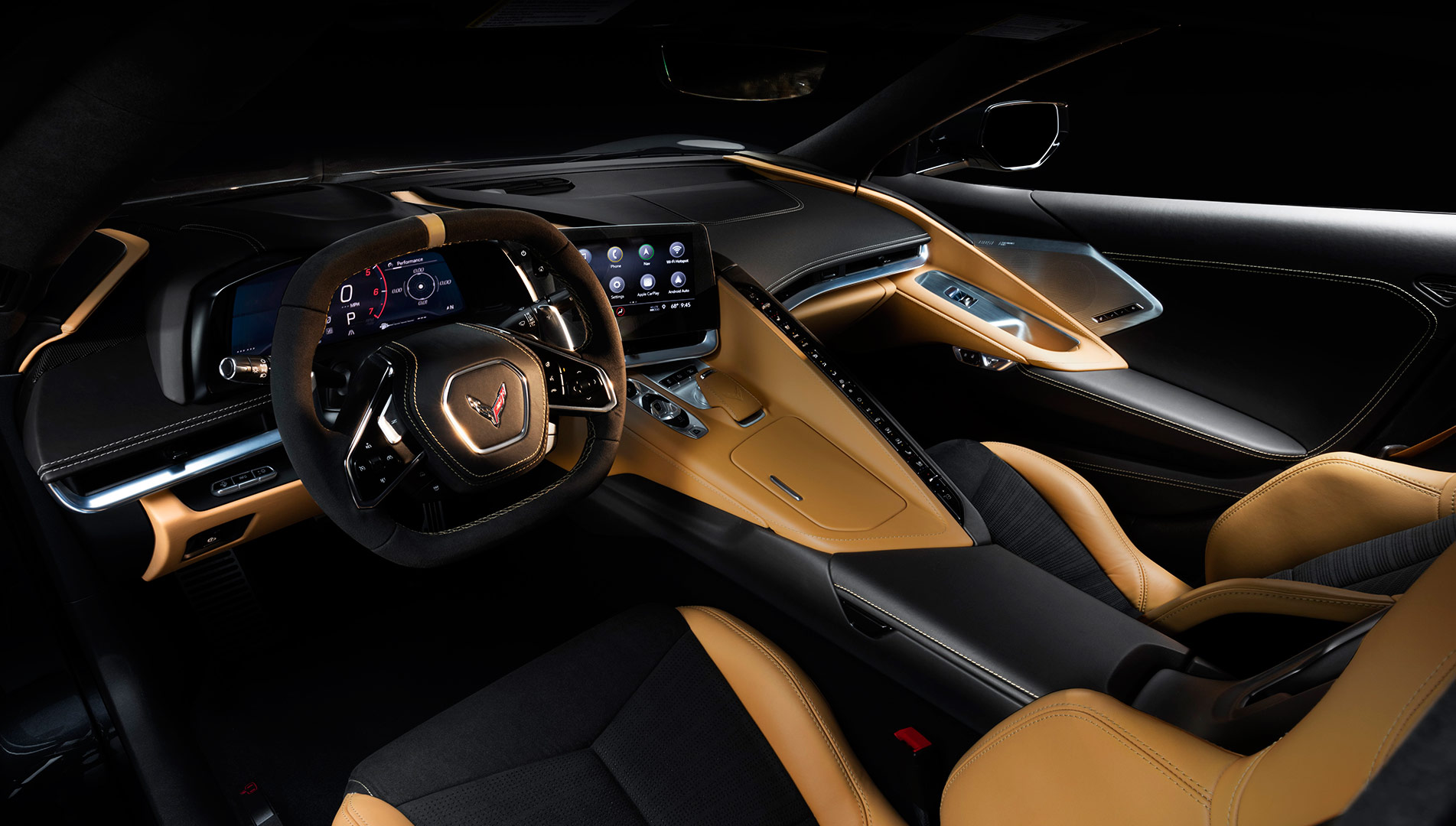
Closer ratios for gears 2 to 6 aid acceleration, and drivers can still use paddle shifters to change gear. Launch control will also be offered, allowing the C8 to get off the line as quickly as possible.

A move to mid-engine has also required Chevrolet to completely rethink how the Corvette rides and handles. It promises increased comfort and stability, with a new coilover suspension system.

Inspired by jet fighters 

New 2020 C8 Chevrolet Corvette StingrayChevrolet claims that the swooping canopy of the new Corvette takes inspiration from the F35 and F22 fighter jets. The interior is also heavily focussed on the driver, furthering the aeronautical theme. 
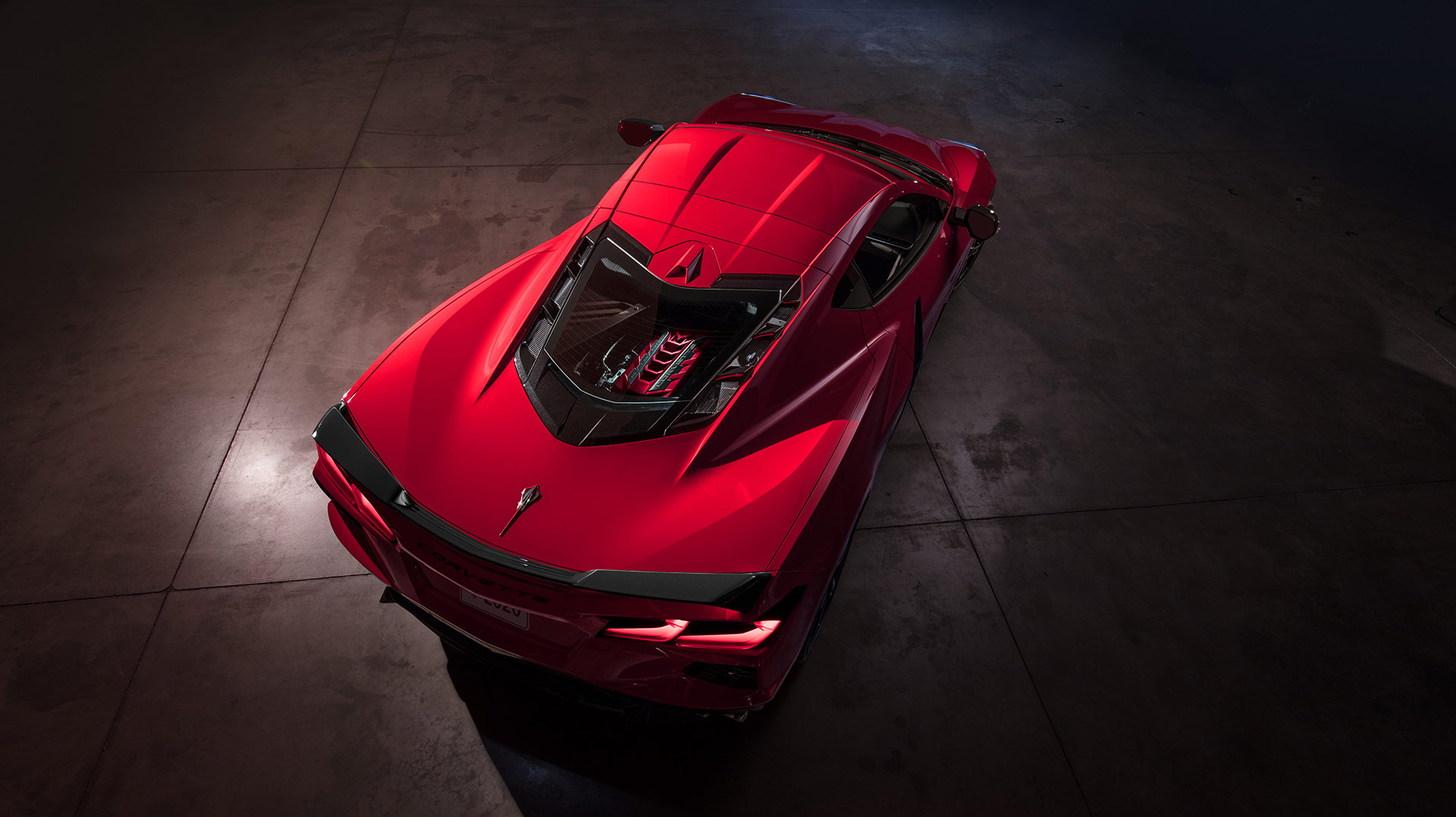
The finish inside is certainly more luxurious than a jet fighter, making use of leather and real metal trim throughout. Buyers also have the choice of genuine aluminium or carbon fibre detailing. A Bose stereo system, heated steering wheel, and a new 12-inch digital dashboard are also part of the new upgrades. 

Three trim levels will be offered, including a hardcore Competition Sport option, aimed at drivers who attend track days. 

Everyday supercar

New 2020 C8 Chevrolet Corvette Stingray

Although it may be mid-engined, Chevrolet has still ensured the new C8 Stingray can do the things typical Corvette drivers ask of it. 

Two sets of golf clubs can fit in an expanded cargo space, and the front axle can lift by 40mm to help clear speed bumps and potholes. The navigation system can even store 1,000 locations for when the car needs to rise up.

Pricing for the UK market is yet to be confirmed, but American buyers will see prices starting from $60,000 – equivalent to £49,000. 

Production is due to begin at General Motor’s Bowling Green Assembly plant in late 2019. For those in the UK, deliveries are expected to happen in early 2021. 

Advertisement

Revealed: the car brands that get the least clicks

0

Car brands that get the most clicks

When it comes to new cars, the physical product is only part of the mix. There are a number of variables that combine to determine the success of a given vehicle, with the strength of branding helping decide whether it dies or thrives. By using Google Trends from the past decade, Compare The Market has calculated which brands are falling out of favour. Here, we list the brands we appear to be falling out of love with.

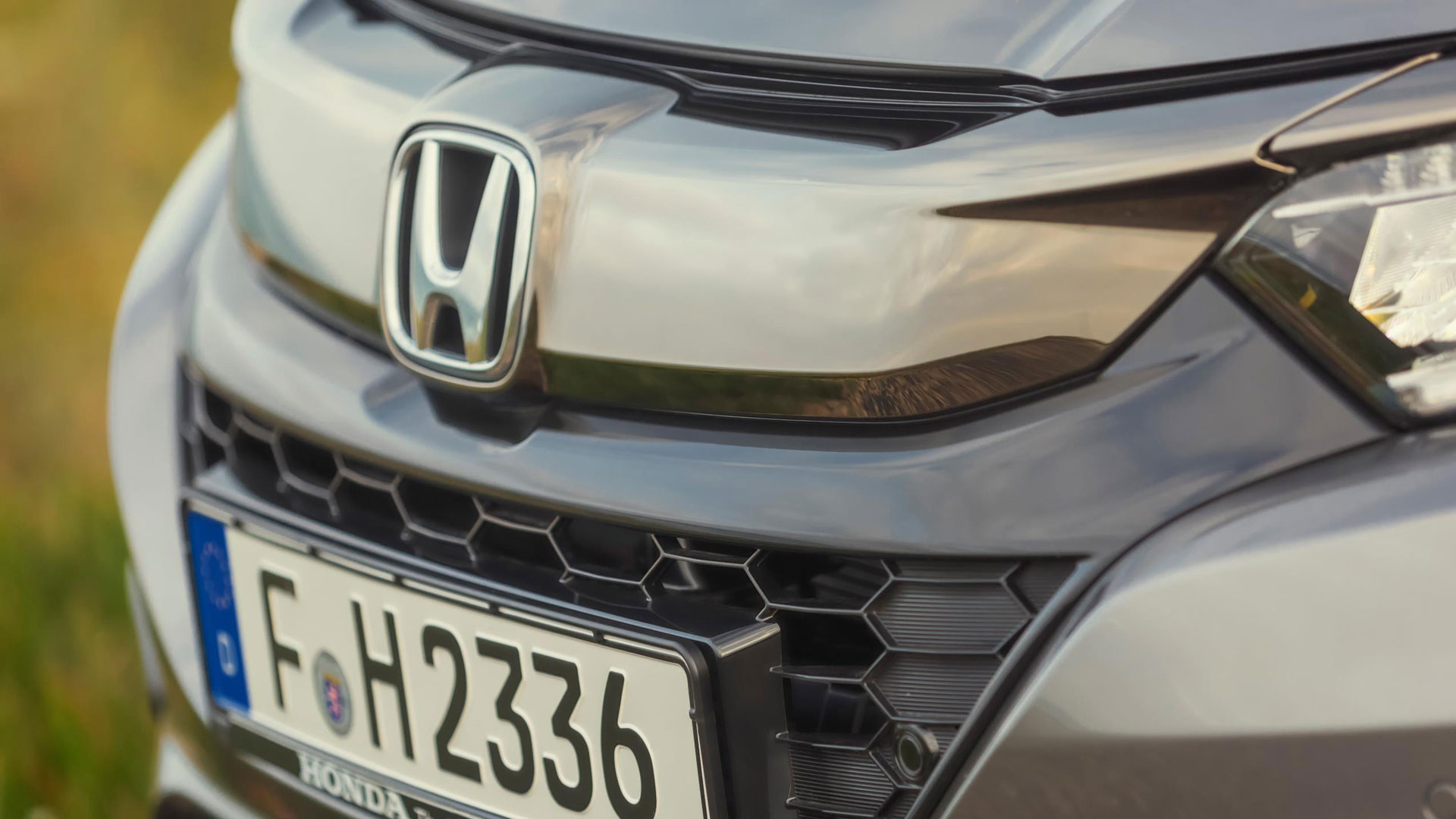
16. Honda

Car brands that get the most clicks

Compare The Market used the search trends for each car make, model and vehicle type from 2009 to 2018 to deliver a percentage change over the decade. For what it’s worth, Tesla is a brand on the up, with an increase of 384.97 percent. Meanwhile, Honda has seen its share of search traffic fall by 0.47 percent. It wouldn’t take much to reverse that trend; we suspect Honda’s new electric car could push the brand into a positive position.

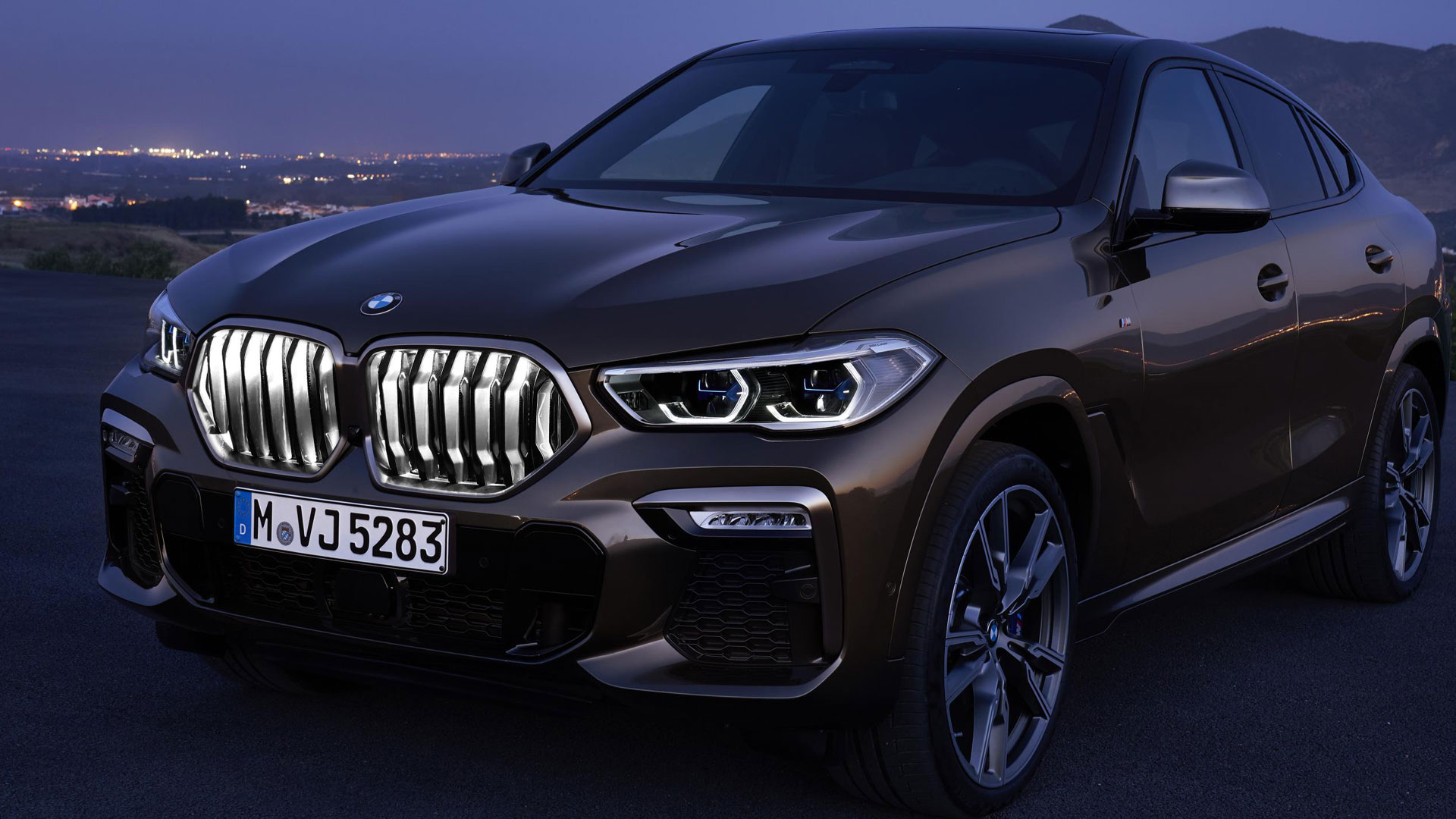
15. BMW

Car brands that get the most clicks

Google accounts for around 90 percent of all search traffic, so it’s an important part of a brand’s online profile. That said, social channels play an increasing role for car manufacturers, so while BMW’s Google search traffic has dropped by 0.63 percent, it will take some solace from the fact that it is the most popular car brand on Instagram. At the time of writing, BMW had 21.8 million followers and counting.

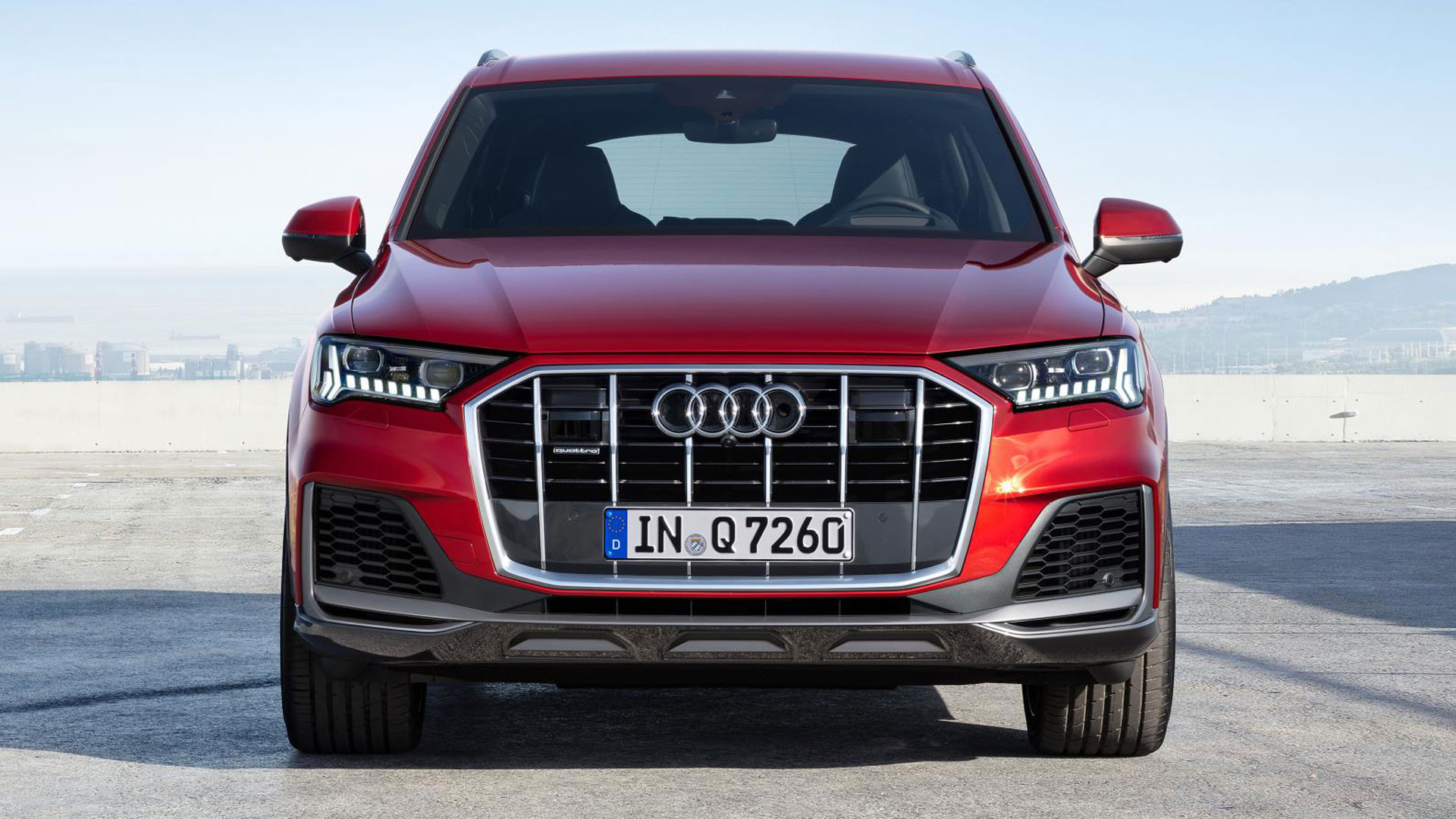
14. Audi

Car brands that get the most clicks

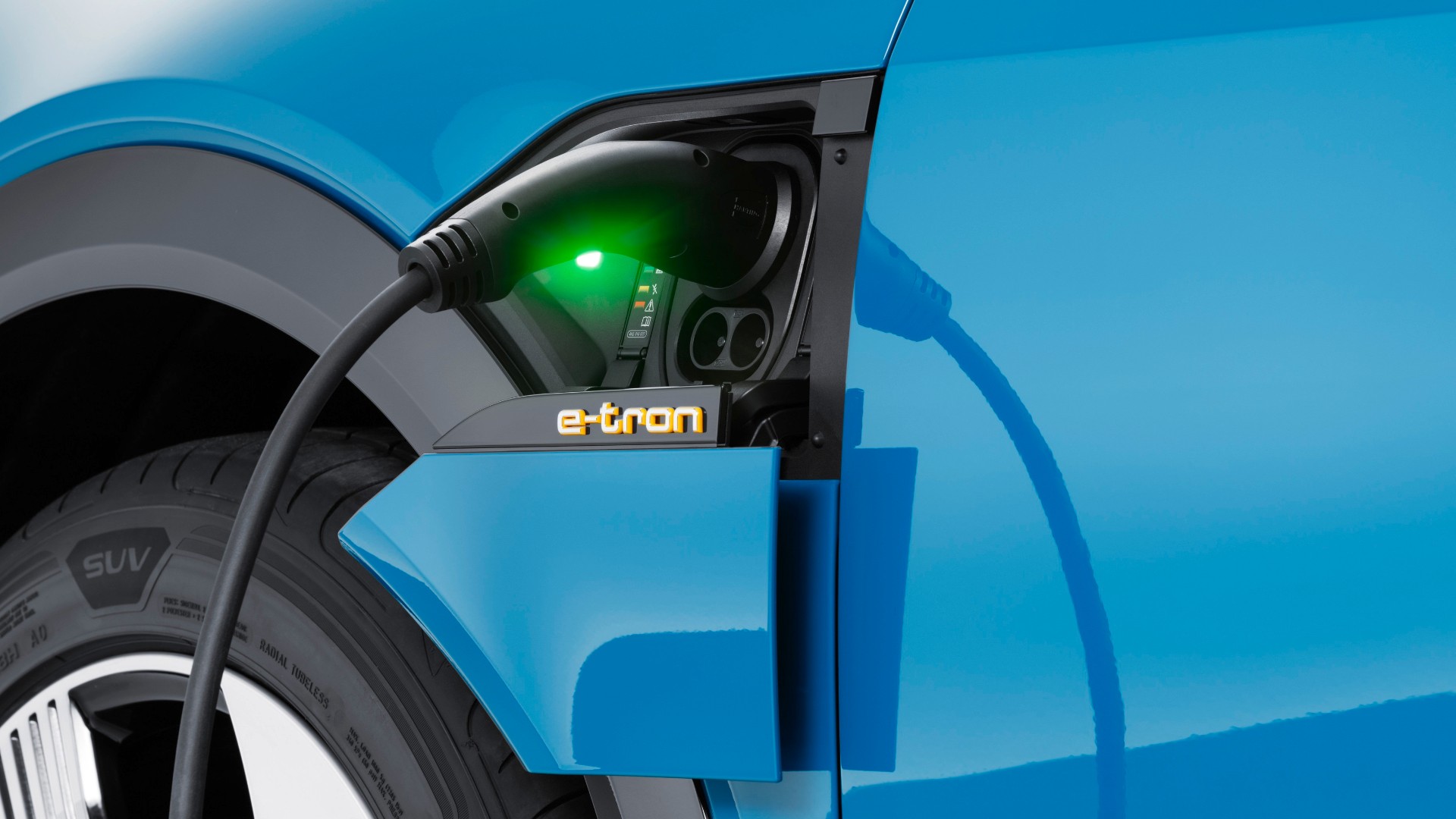
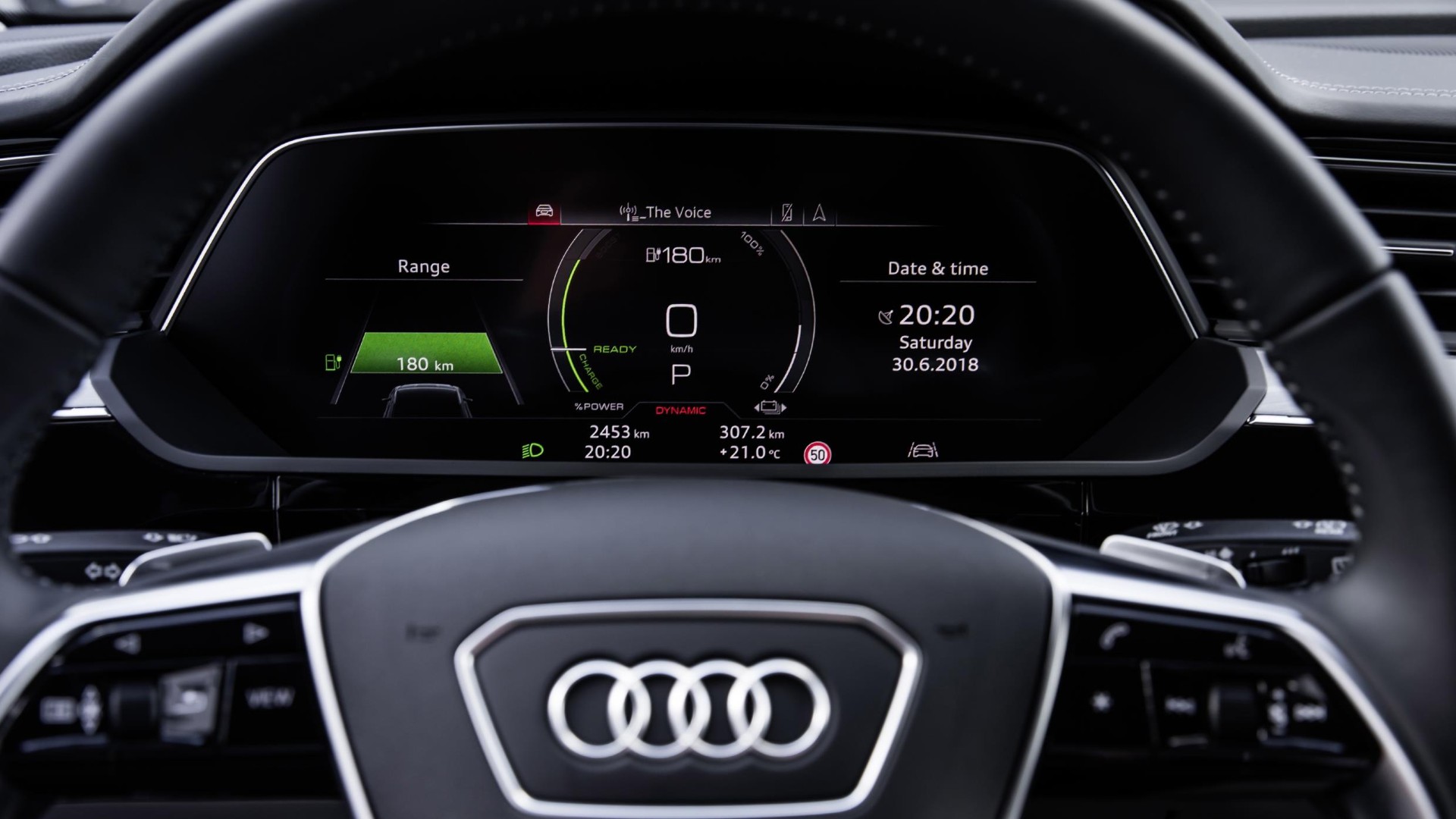
Audi’s Google traffic might be down, but the company recently posted record half-year sales in China, while the new E-tron SUV accounts for around 3.7 percent of Audi sales in the United States. The point here is not to read too much into the Google search stats. By filling every available niche, the company is well placed for the next decade, and the E-tron and future Audi EVs are tapping into a growing market.

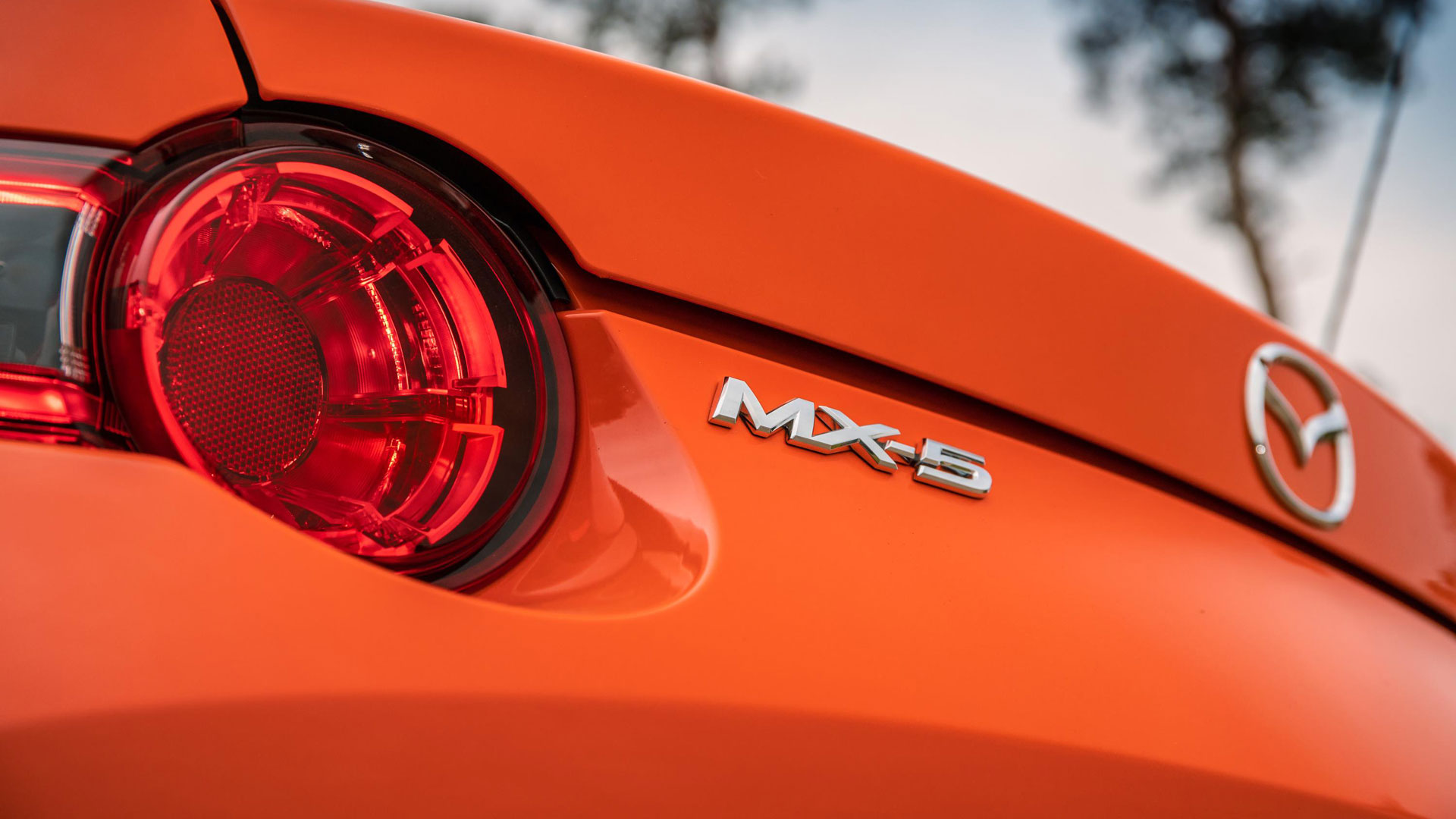
13. Mazda

Car brands that get the most clicks

According to Automotive News, Mazda’s US sales are down 16 percent in the first five months of 2019 – compared with 2.4 percent for the industry. Worryingly, all Mazda models recorded a double-digit decline in the same period. Mazda will say that this is part of its push upmarket, with the company focusing on niche, high-margin vehicles. But if Google traffic is anything to go by (down 5.29 percent), fewer people are searching for the brand.

12. Porsche

Car brands that get the most clicks

As we mentioned at the start, Tesla has seen a 384.97 percent increase in Google search traffic, which is hardly surprising given that the Model S arrived in 2012. But the brand continues to gain momentum on the showroom floor, with industry analyst Matthias Schmidt reporting Western European Tesla sales of 31,065 during the first five months of this year – enough to outsell Porsche. Google search traffic is down 7.24 percent for Porsche, according to Compare The Market.

11. Mercedes-Benz

Car brands that get the most clicks

Mercedes-Benz completes the trio of premium German brands to appear on the list, with Google search traffic down 8.35 percent. At the opposite end of the table – behind the all-conquering Tesla – you’ll find Jeep (up 74.06 percent), McLaren (up 36.73 percent), Jaguar (up 34.07 percent), Lamborghini (up 27.34 percent) and Pagani (up 25 percent).

10. Bugatti

Car brands that get the most clicks

We suspect the vast majority of people using Google to search for Bugatti aren’t the company’s target audience. The period covered by Compare The Market was dominated by Veyron special editions and the launch of the Chiron, but search traffic is down 9.89 percent. Maybe Bugatti needs to develop an SUV. Perish the thought.

9. Volkswagen

Car brands that get the most clicks

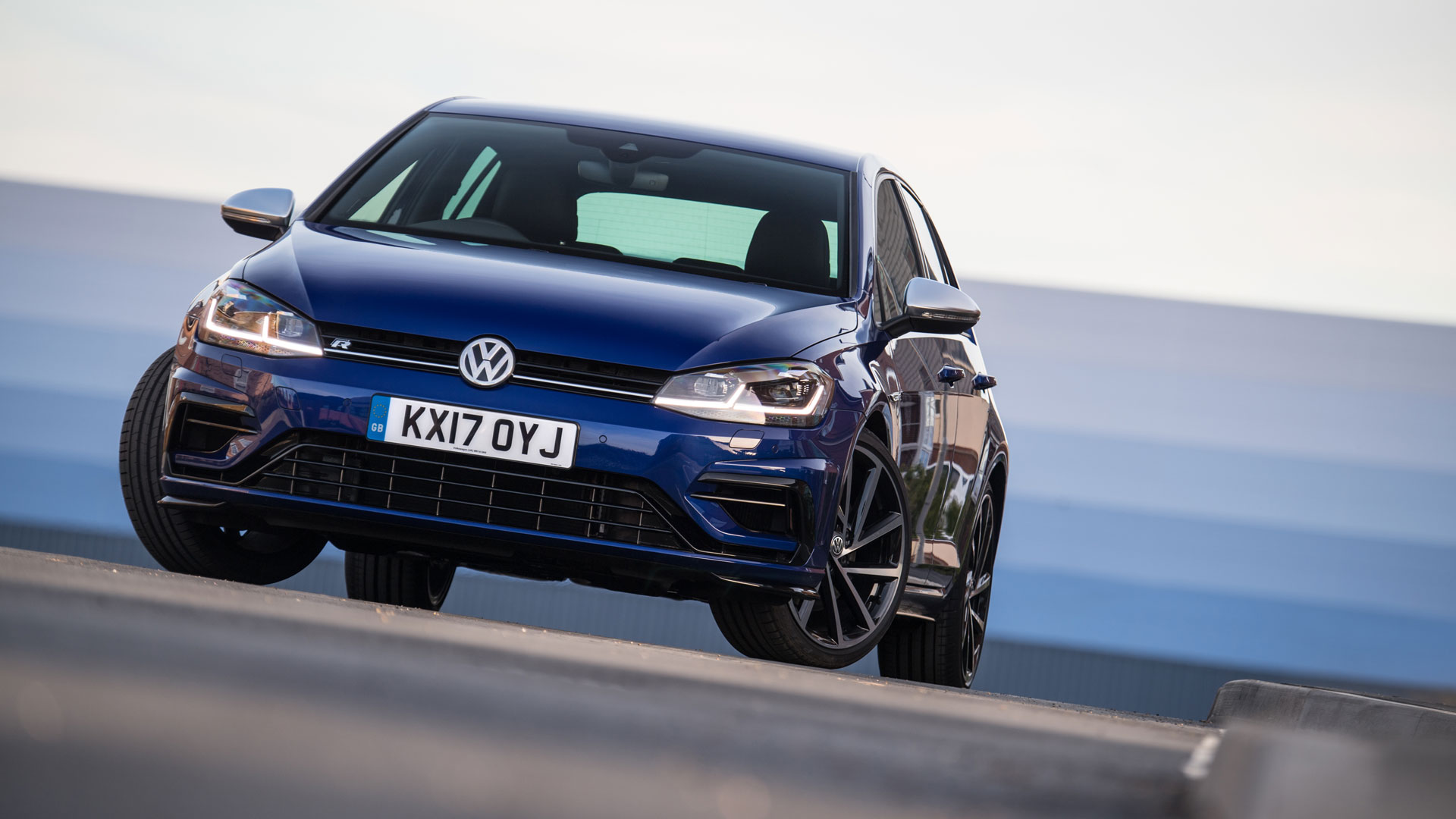
It’s quite surprising to find Volkswagen on the list, especially when you consider how much search traffic would have been generated by the ‘Dieselgate’ scandal. The company has just announced that it is killing off the Volkswagen Golf SportWagen (estate) and Golf Alltrack in the United States, citing the shift to SUVs as the reason for their demise. In the first half of 2019, SUVs accounted for 47 percent of US sales, and 50 percent of VW sales.

8. Bentley

Car brands that get the most clicks

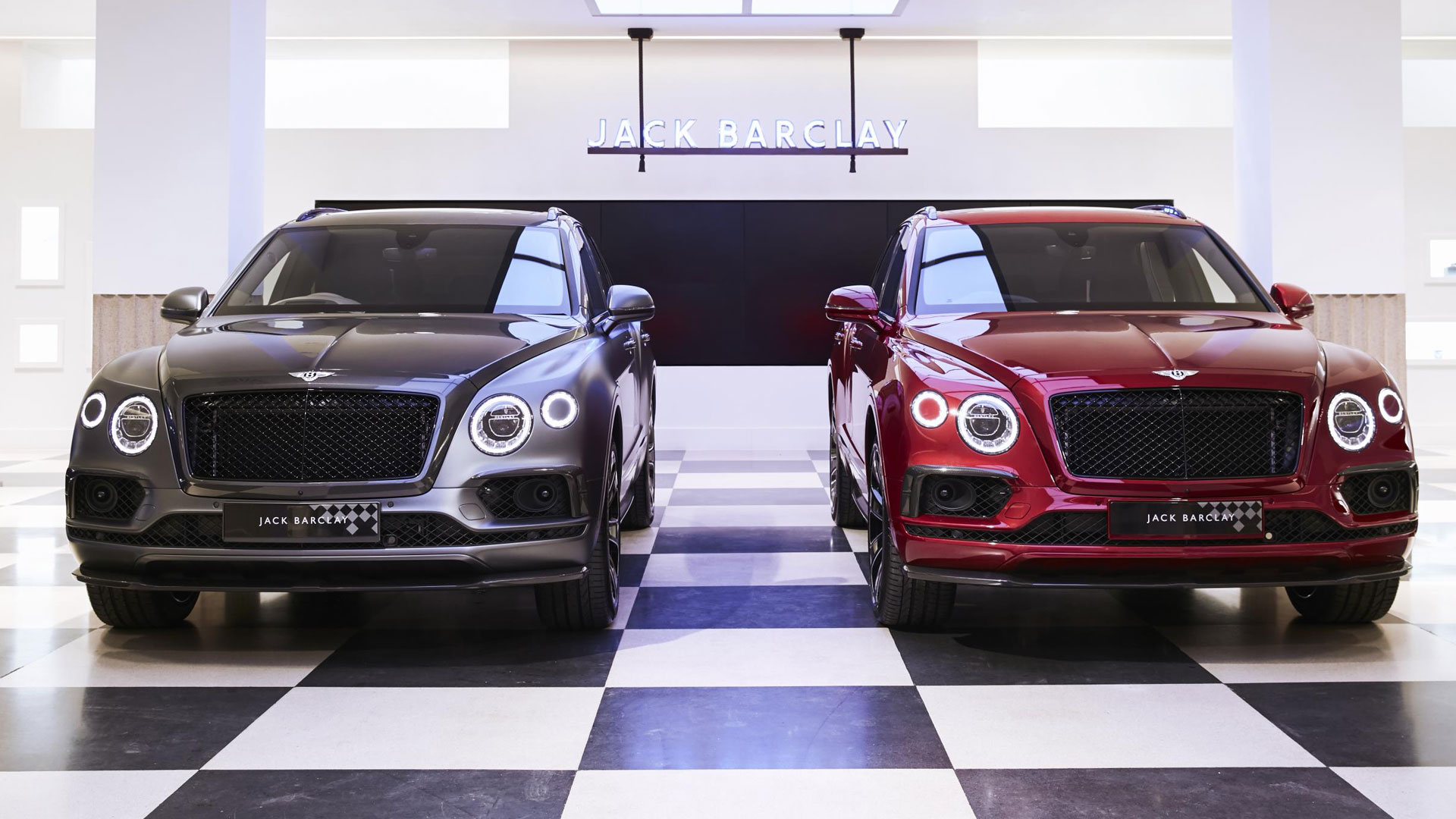
Bentley has seen a 12.46 percent fall in Google search traffic over the past decade, although it’s likely to receive a boost in 2019 in the midst of the brand’s centenary celebrations. The company has said it will electrify all of its models by 2023, with all-electric Bentleys following in 2025.

7. Chevrolet

Car brands that get the most clicks

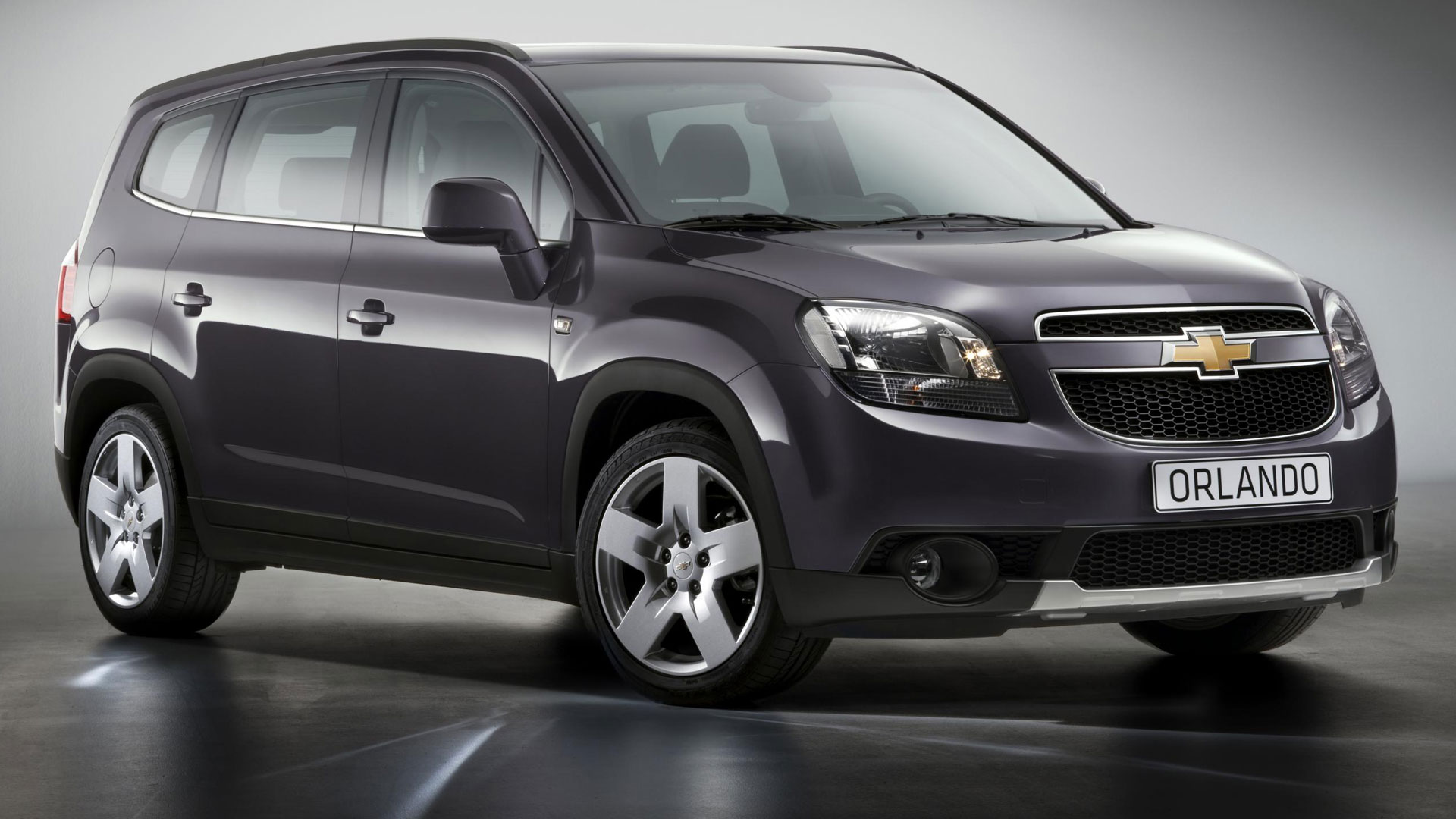
In 2013, General Motors announced plans to all but pull Chevrolet from the European market to allow it to focus investment ‘where the opportunity for growth is greatest’. The European exit would have played a small part in the drop in Google search traffic, but Chevy’s heartland remains the United States. Google traffic is down 19.18 percent.

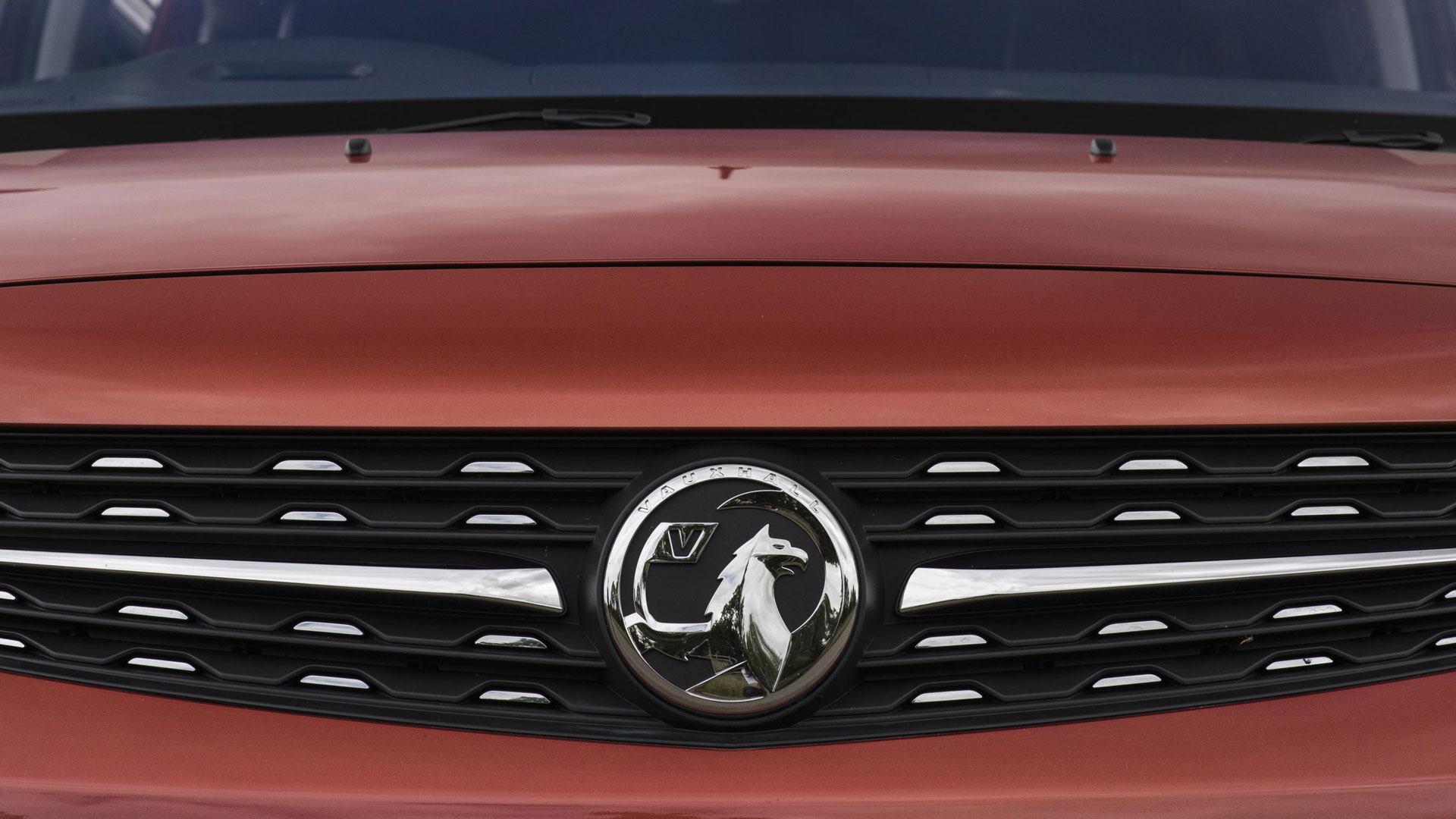
6. Vauxhall

Car brands that get the most clicks

Vauxhall search traffic is down 23.81 percent, presumably because the nation still hasn’t forgiven the company for those Griff Rhys Jones adverts…

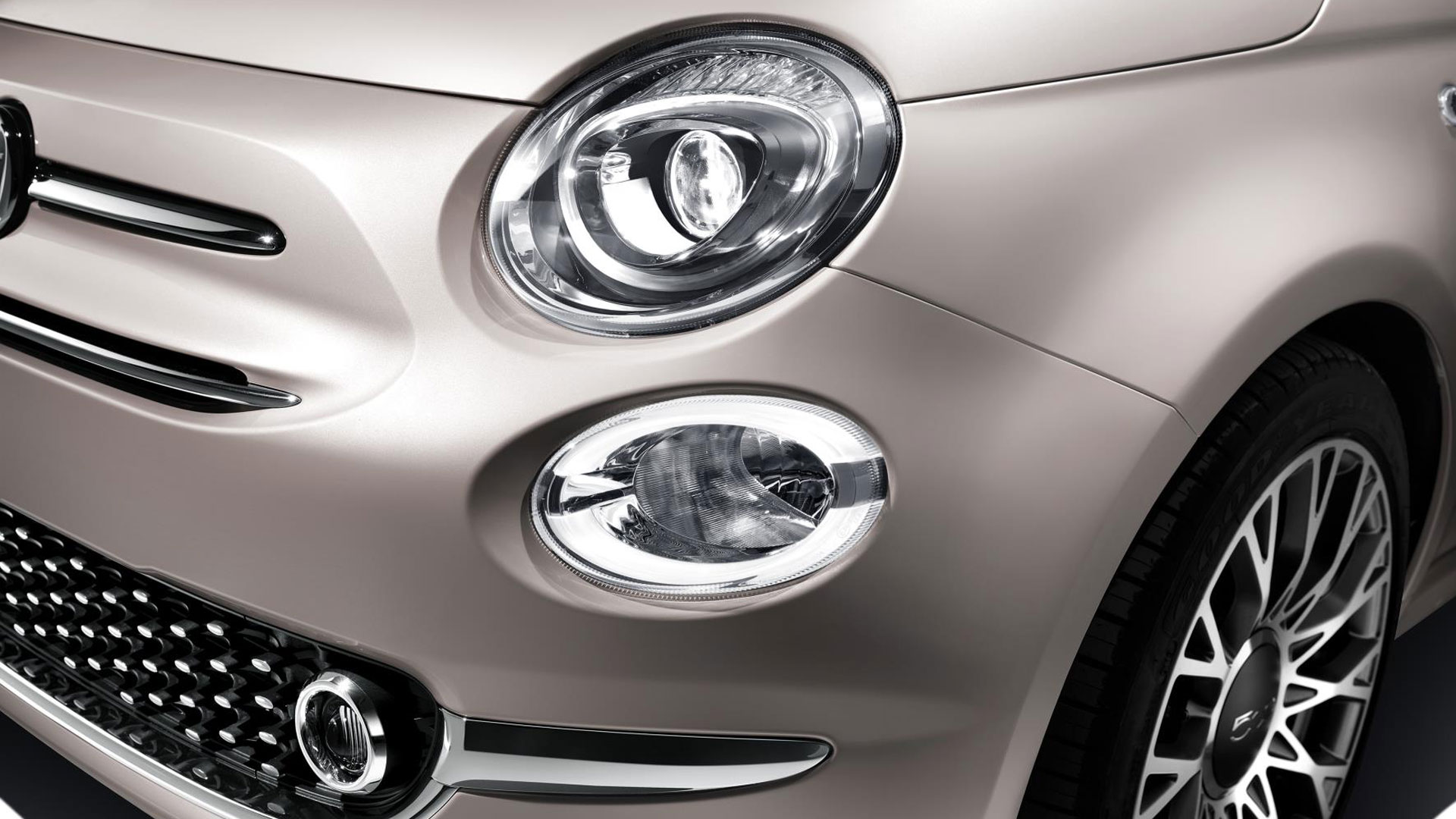
5. Fiat

Car brands that get the most clicks

Next up, two famous Italian car companies beginning with the letter ‘F’. The first is Fiat, with search traffic down by 24.89 percent. We suspect this has a lot to do with the absence of new products, with the current Panda dating back to 2011, and the 500 essentially of 2007 vintage, albeit with a facelift for 2016. We suspect nobody has searched for the Fiat Tipo.

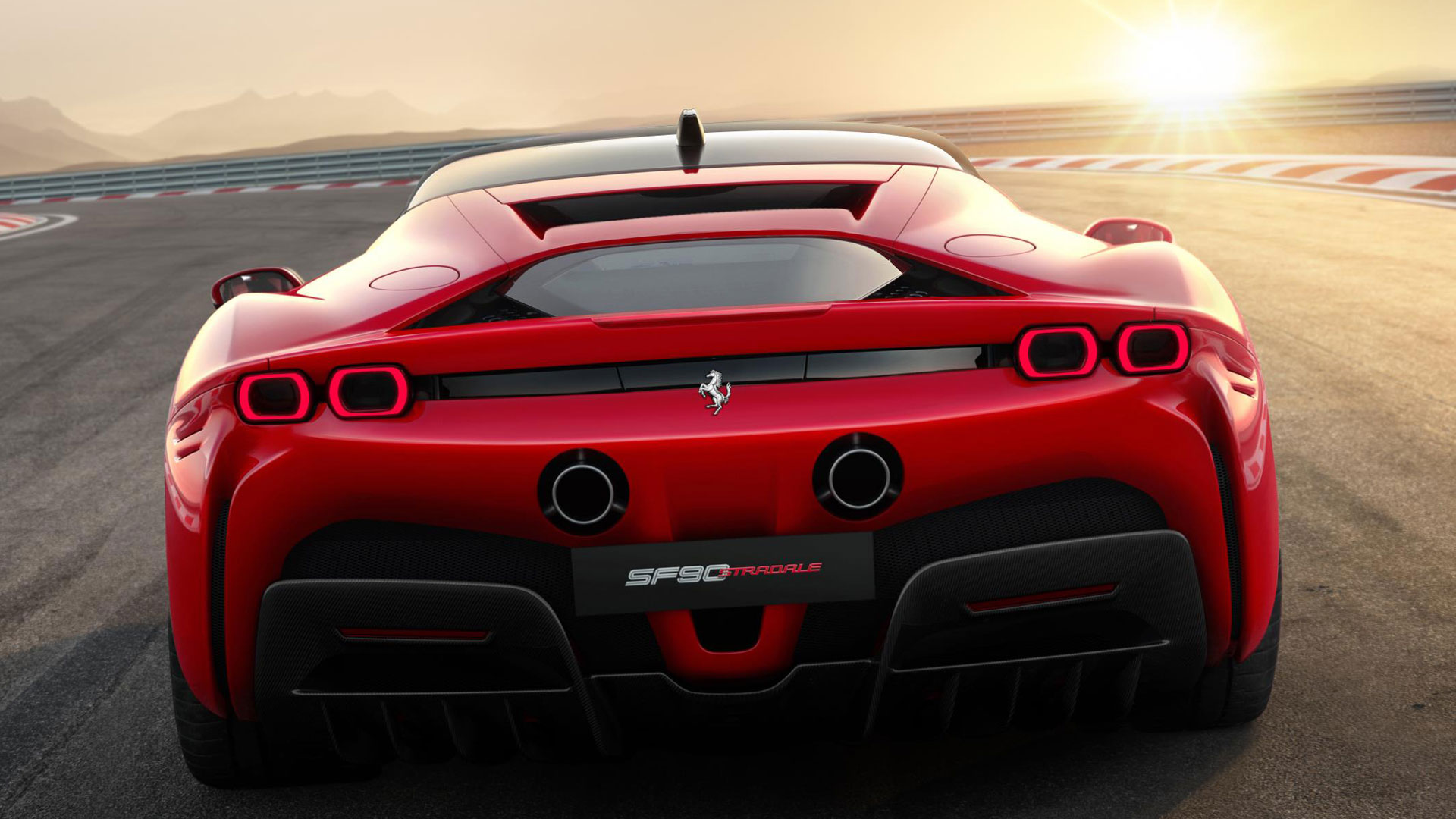
4. Ferrari

Car brands that get the most clicks

Well, this is a surprise. Ferrari – the star of million bedroom walls, with 14.9 million Instagram followers to its name – appears to be declining in popularity in the world of Google. We suspect nobody is losing too much sleep in Maranello.

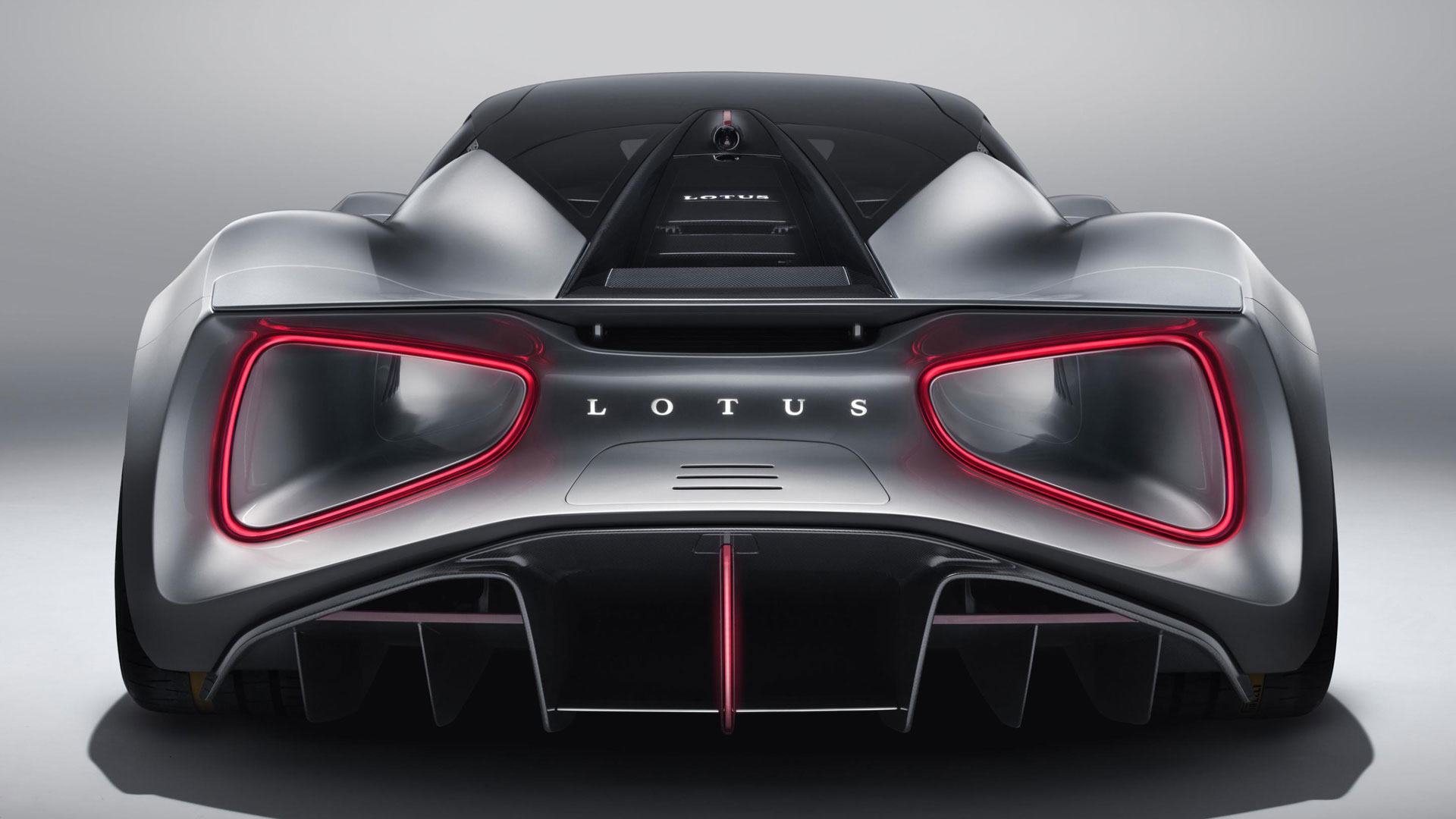
3. Lotus

Car brands that get the most clicks

No surprise here, because Lotus has done little to reach beyond the realms of enthusiasts over the past decade. The launch of the Lotus Evija, the company’s most powerful road car, should result in a spike in traffic in 2019. “The Evija is a car like no other. It will re-establish our brand in the hearts and minds of sports car fans and on the global automotive stage,” said CEO Phil Popham. “We hope this is our Sergeant Pepper moment.”

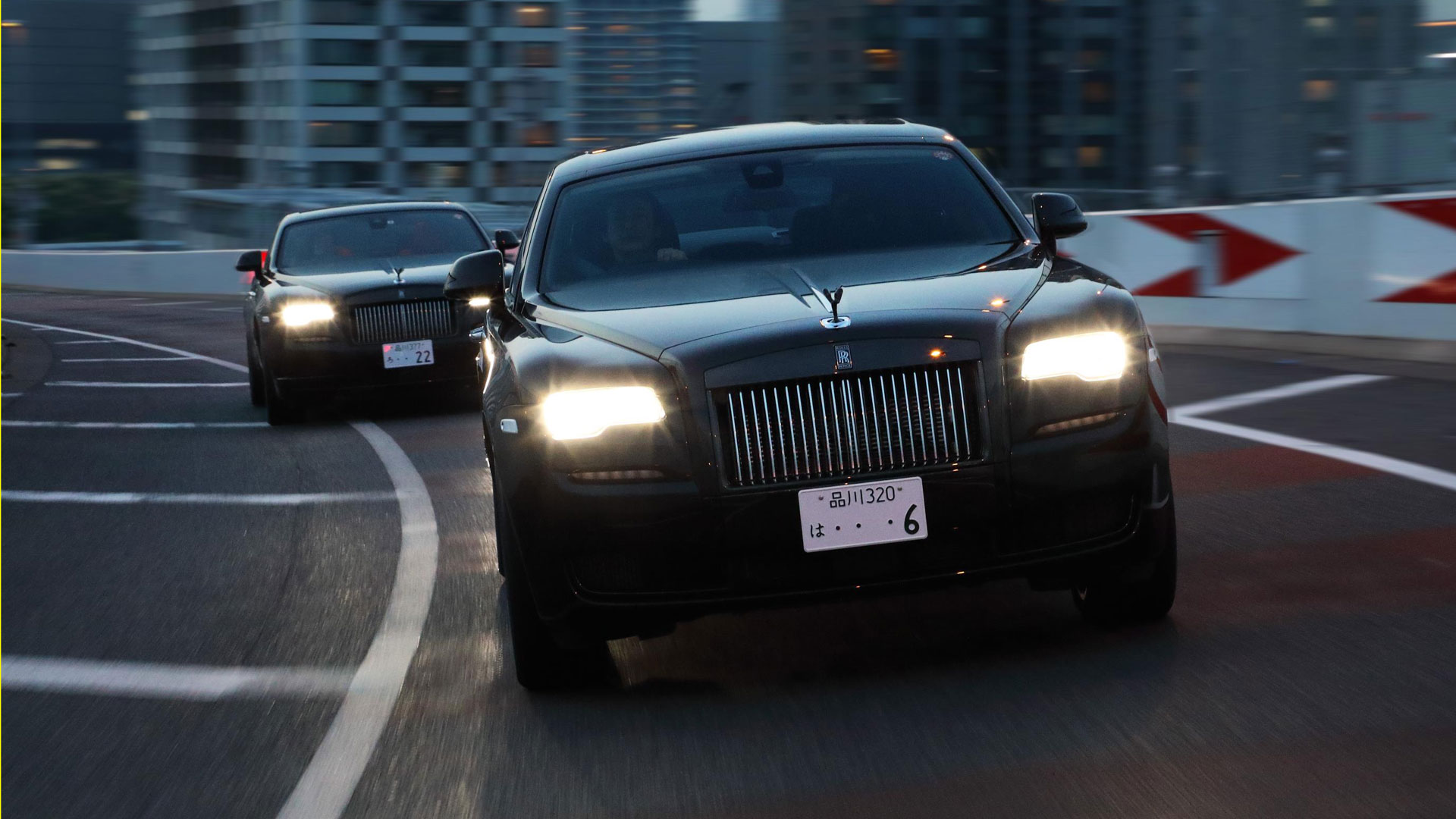
2. Rolls-Royce

Car brands that get the most clicks

Social traffic, influencers, VIPs and word of mouth are probably more important to Rolls-Royce, so a 33.14 percent in Google search traffic is unlikely to lead to a rush to the boardroom in Goodwood. In the first half of 2019, 2,534 Rolls-Royce cars were sold – an increase of 42.3 percent.

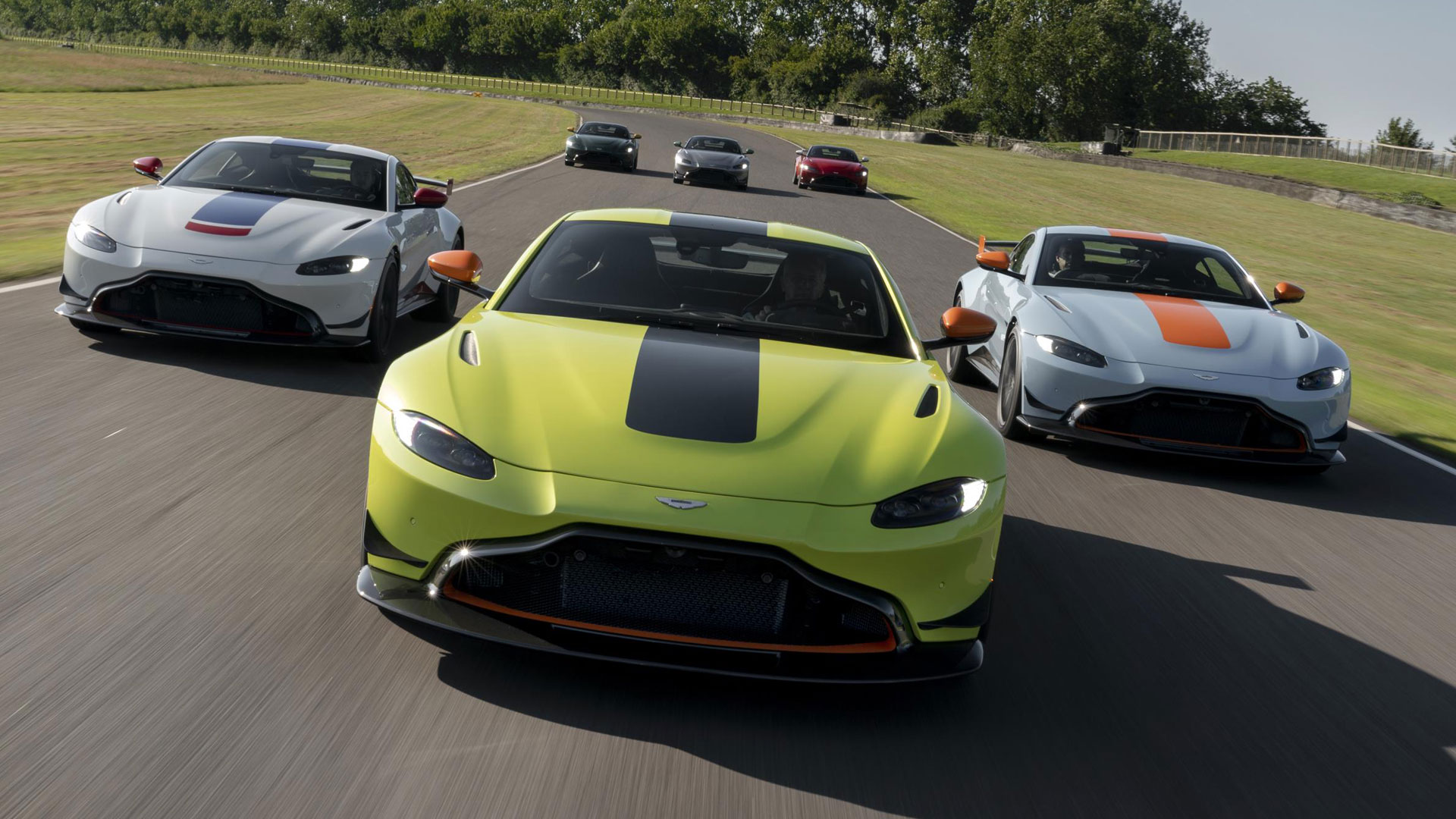
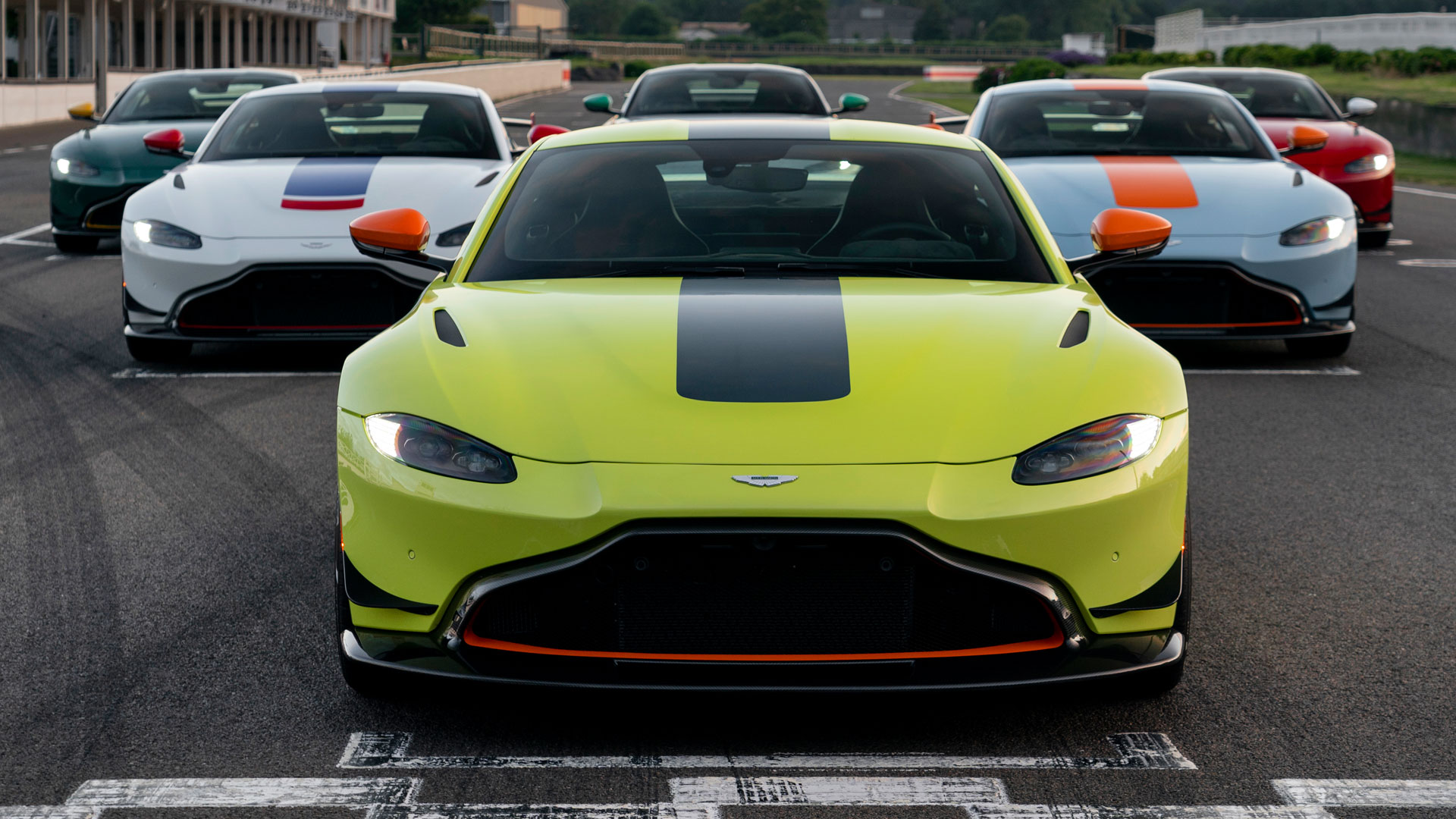
1. Aston Martin

Car brands that get the most clicks

Anecdotally, Aston Martin seems to be generating as much buzz as McLaren, but while the Woking firm has seen Google traffic increase by 36.73 percent, Aston Martin traffic is down 39.2 percent. Maybe the new James Bond movie will help…

Advertisement

EVERY new home to have an electric car charge point

0

EVERY new home to have an electric car charge point

All new homes in England could be fitted with an electric car charge point, under plans announced by the government.

The world-first legislation would ensure that all new homes with a dedicated parking space are built with a charge point.

Owners of existing properties can receive up to £500 off the cost of installing a charge point at home, but this proposal could kick-start an electric car revolution.

‘Appetite for cleaner, greener transport’

What will tempt UK drivers into electric cars

“With record levels of ultra-low emission vehicles on our roads, it is clear there is an appetite for cleaner, greener transport,” said transport secretary Chris Grayling.

“Home charging provides the most convenient and low-cost option for consumers – you can simply plug your car in to charge overnight as you would a mobile phone.”

If the move is successful, England would become the first country in the world to introduce mandatory charge points in new homes. It follows an announcement that all new charge points should accept card payments by spring 2020.

Installing charge points at new homes would cost approximately £976 per parking space, but this is significantly less than the £2,040 it costs for a retrofitted charge point.

Philip New, chief executive at innovation centre Energy Systems Catapult, said: “This is an unequivocally sensible move. It may enable some benefits of scale.”

The proposed policy positions

Electric company car driver

Policy position: residential buildings

The government proposes every new residential building with an associated car parking space to have a charge point. We propose this requirement applies to buildings undergoing a material change of use to create a dwelling.

The government proposes requiring every residential building undergoing major renovation with more than ten car parking spaces to have one charge point and cable routes for electric vehicle charge points in every car parking space.

Policy position: new non-residential buildings

The government proposes every new non-residential building and every non-residential building undergoing a major renovation with more than 10 car parking spaces to have one charge point and cable routes for an electric vehicle charge point for one in five spaces.

Policy position: existing non-residential buildings

The government proposes a requirement of at least one charge point in existing non-residential buildings with more than 20 car parking spaces, applicable from 2025.

The consultation period began on 15 July and will run until 7 October

Advertisement

Why ‘ghost’ road markings pose a danger to self-driving cars

0

Highways England testing for a clear white line highway

Semi-autonomous driving systems, such as lane-keep assist, rely on clear white lines to work effectively. Which is one of the reasons why Highways England is investing £685,000 in the problem of ‘ghost’ markings.

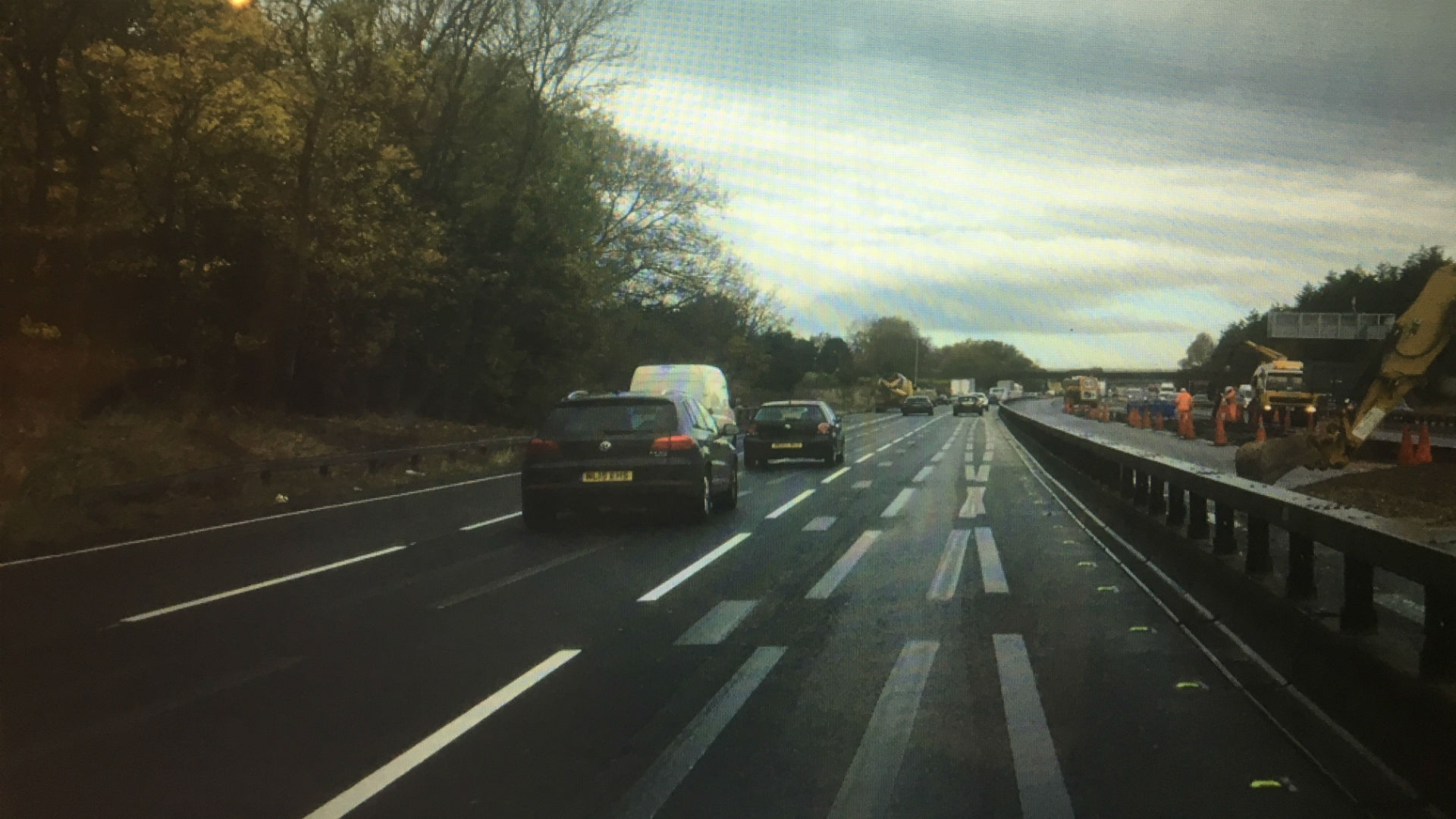
When white road markings are removed – for example, when road layouts change – the original lines can often be seen as faint or ‘ghost’ marks.

This has the potential to confuse drivers, with the problem worse in bright sunshine. Furthermore, semi- and fully-autonomous cars will require clear and obvious road markings to operate safely and effectively.

We ain’t afraid of no ‘ghost’ marks

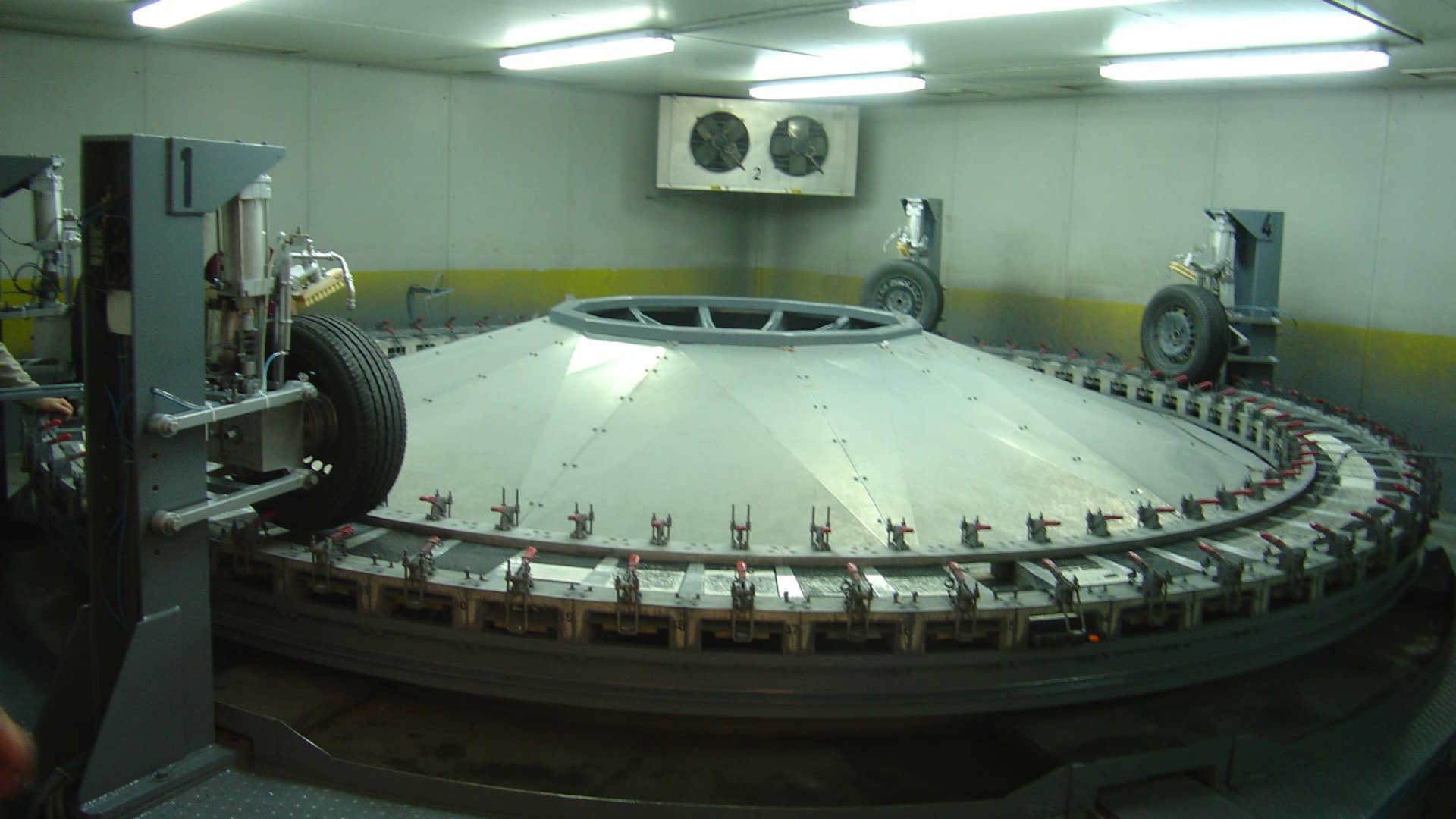
White line testing wheel in Madrid

Highways England has been testing 36 different products from around the world at a testing centre in Madrid, with road markings subjected to around two million ‘wheel overs’.

Now, the eight winners of the competition are seeing their materials put to the test on the M5 motorway in the South West. The aim: to find the most effective road markings that will also reduce damage to the surface when the lines are removed.

The materials will be tested in all weathers on the M5 for a period of 12 months, with the winning product highlighted in research and shared around the world. 

Martin Bolt, who is overseeing the competition for Highways England, said: “We know ‘ghost’ markings on any roads, not just ours, can be confusing for drivers and autonomous vehicles so we set out to find a solution which makes a real difference not just for road users on our network but across the globe.

“There is a worldwide problem with road marking removal and it is the first time the industry has been challenged like this.

“We’re hoping the outcome of the competition will give us a greater understanding of the materials and processes we, and the road industry, should be using in future schemes, and will help drivers on their journeys.”

These white lines go a long way

Highways England is working alongside Roadcare and Kier as part of a £150 million fund for innovation projects, with the trio of organisations also testing five white line removal systems.

Scott Cooper, managing director of strategic highways at Kier, commented: “By working collaboratively with our client and supply chain partners such as WJ, Wilson and Scott and Roadcare we have been able to continue to develop and deliver new ideas, products and processes.

“These will help deliver safer roads as scarring and ghosting will disappear. The customer experience through roadworks will improve as a result of clearer markings and finished schemes will have a much cleaner appearance.”

ALSO READ

Mazda CX-30 review: small SUV is the same, but different

These are the UK’s most common motoring questions

Armoured Volvo XC90 released

Advertisement

Bid to win special Jeeps created by high school students

0

SEMA 2019 High School Build JeepsA collection of five custom-built Jeeps are up for grabs on auction website Bring a Trailer this week, with all of them selling for a good cause.  
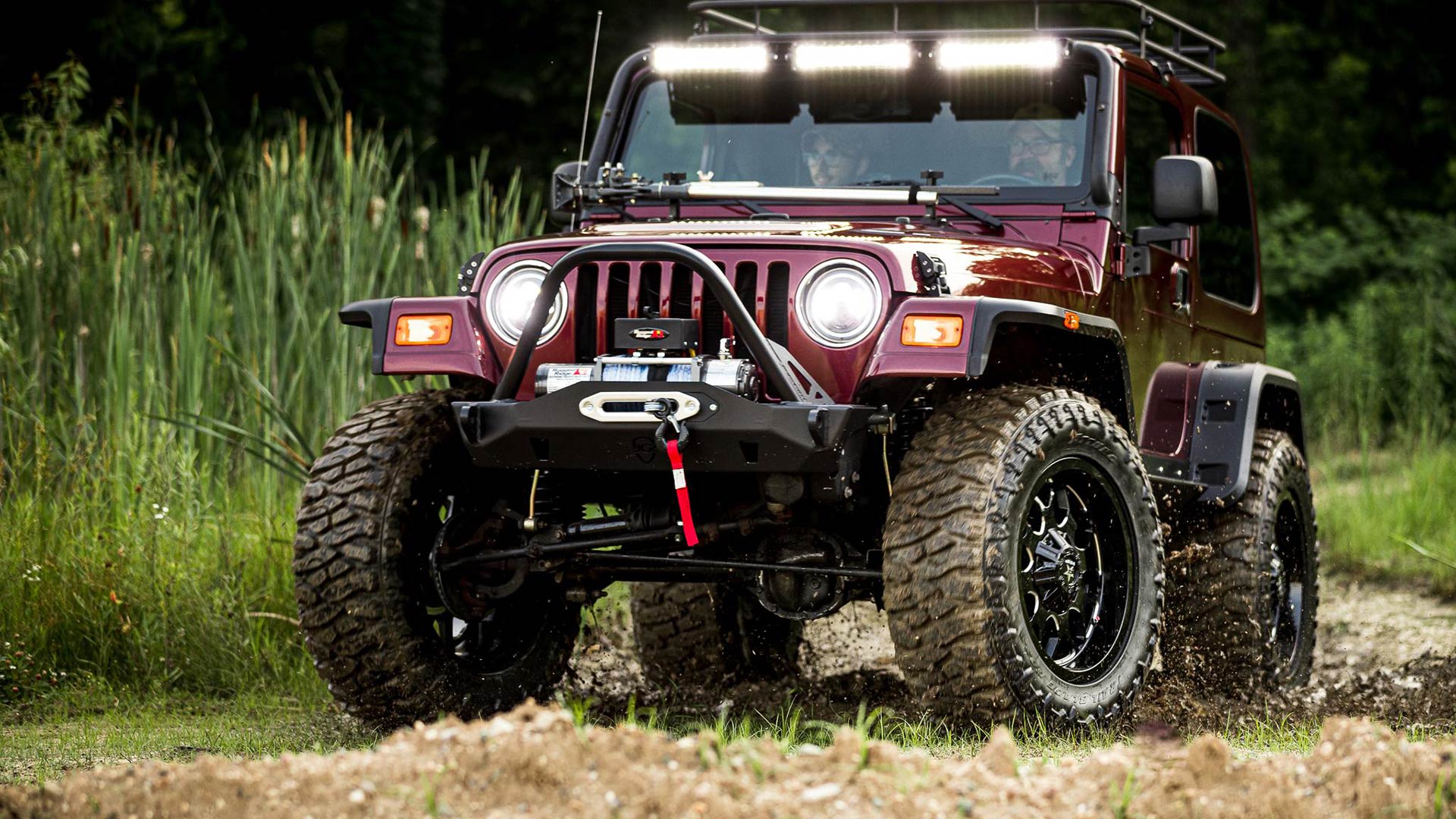
The Jeeps are the product of the High School Vehicle Build Program, created by SEMA (Specialty Equipment Market Association) and run with support from leading aftermarket companies. 

A new Jeep will go live for auction on Bring a Trailer each day, with a special bonus on offer to the successful bidders. 

Not another high school project

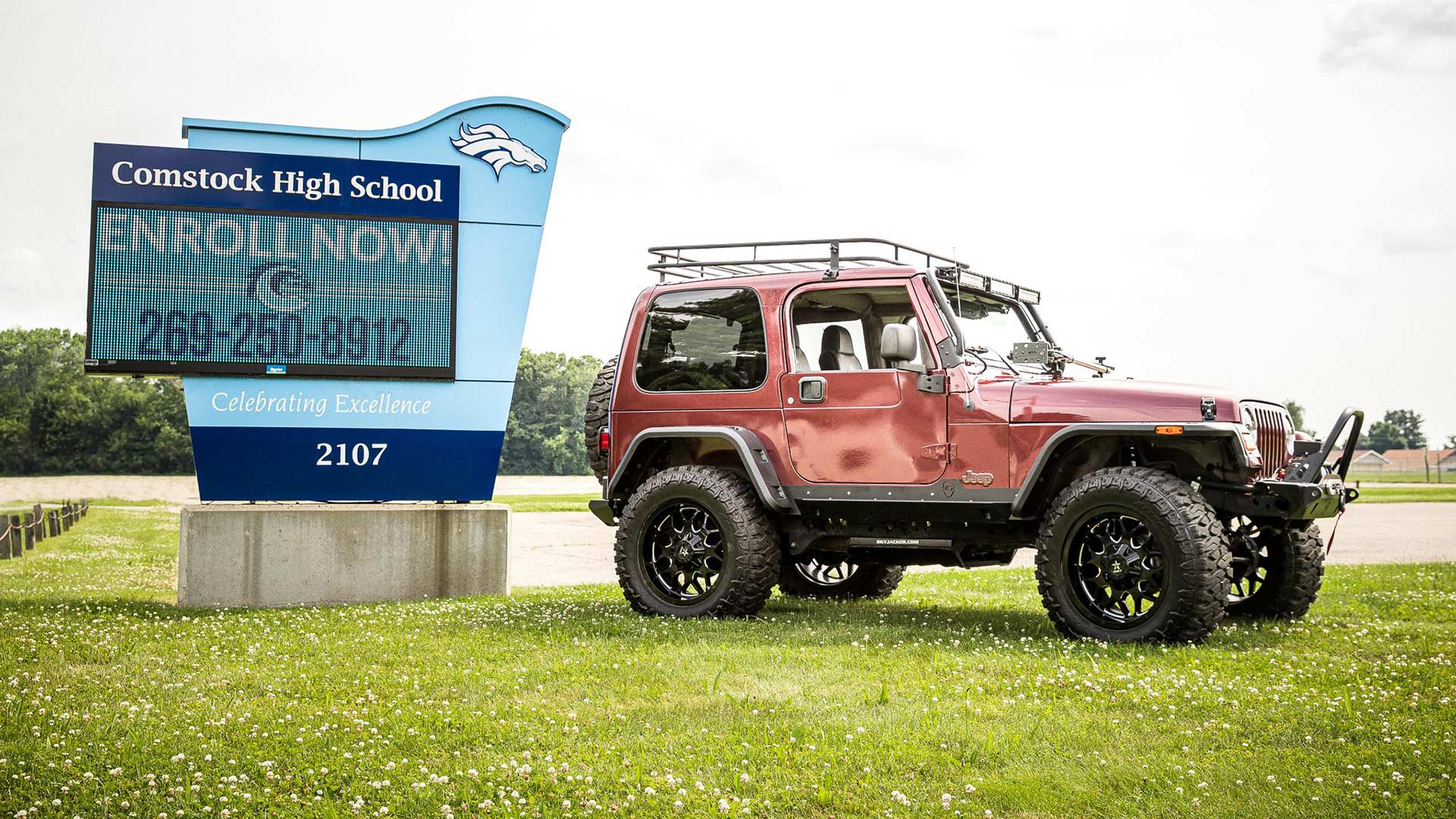
SEMA 2019 High School Build JeepsFive high school auto shops from across the United States have taken part in 2019, each using a Jeep Wrangler TJ as their base for aftermarket accessories. 
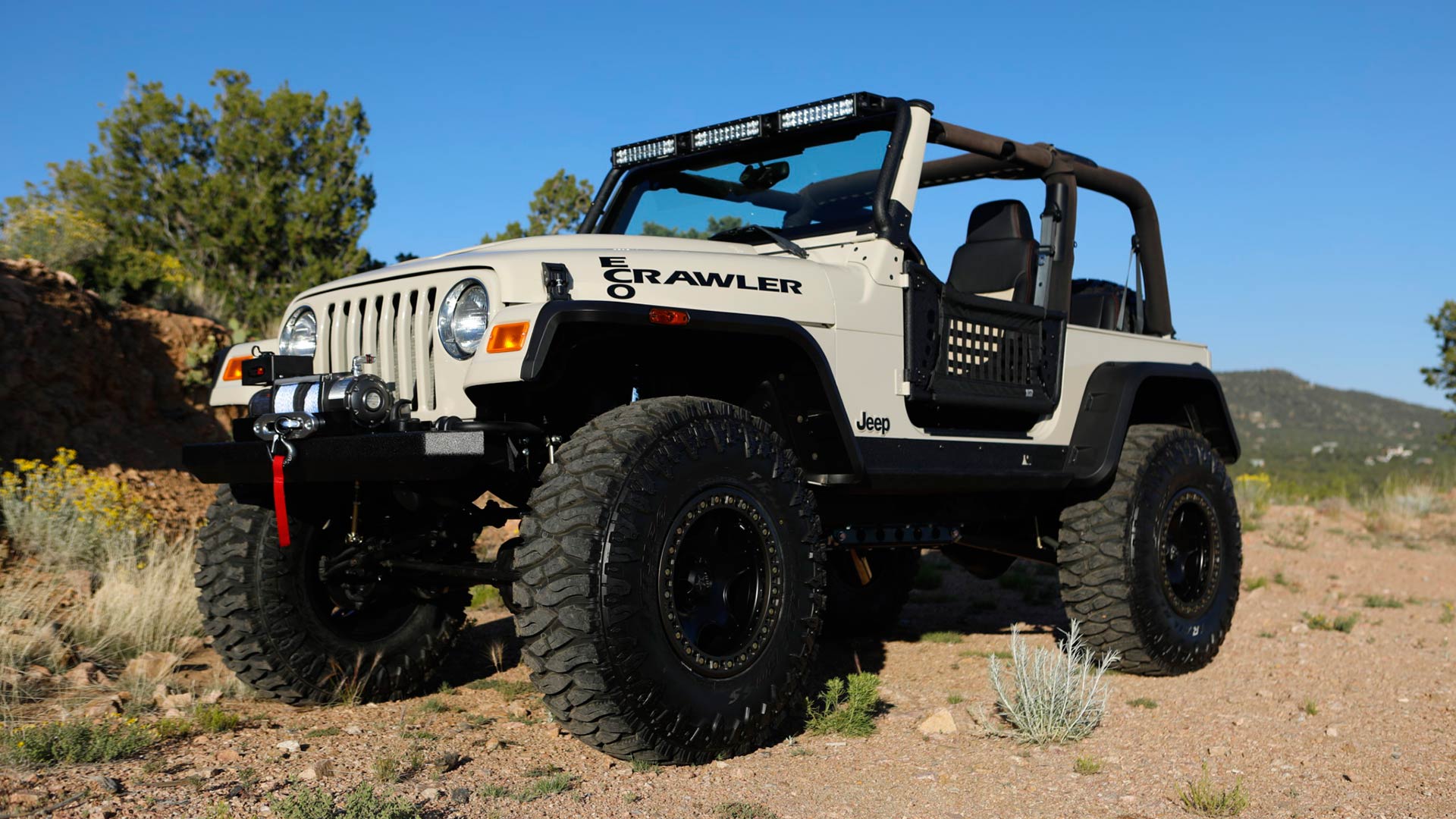
Working alongside auto shop instructors, and experts from aftermarket companies, the students have been taught how to get the best from the parts donated to them. 

The end result is a series of five modified Jeeps, all fitted with an impressive array of accessories, but reflecting the individual style of each high school. 

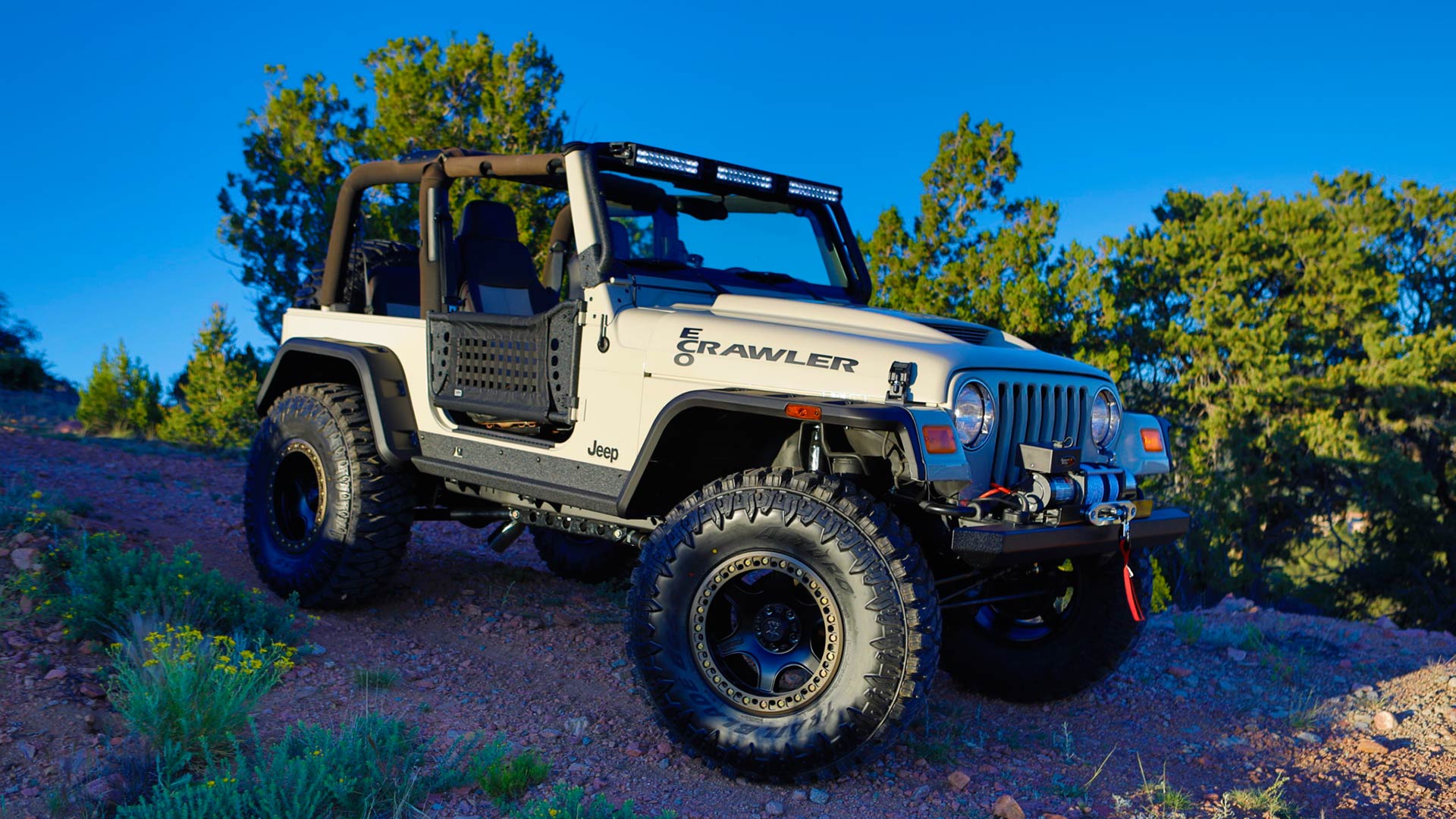
SEMA 2019 High School Build JeepsFirst up on Bring a Trailer is the 2005 Wrangler built by the Early College Opportunities High School in Santa Fe, New Mexico. With over $19,000 worth of equipment added, it certainly makes for an impressive Jeep. 

The 2004 TJ, crafted by the students of Cornstock High School in Kalamazoo, Michigan goes next. Between 90 and 100 students at the school participate in auto shop classes.

Later this week will see Jeeps from C.D Hylton High School in Virginia, R.L. Turner High School in Texas, and California’s Santa Ynez Valley Union High School also go up for sale. 

The kids really are alright

SEMA 2019 High School Build JeepsThe program has been created by SEMA to encourage high school students to consider careers in the aftermarket industry. SEMA also wants to make the program sustainable for more years to come.

Last year, a high school-built 2015 Jeep Wrangler Unlimited sold for $56,000, allowing the five builds to happen this year. 

Proceeds from the sale of these 2019 vehicles will be put back into high school auto shops, allowing more vehicles to be built as the program expands. 

SEMA 2019 High School Build JeepsTo give buyers piece of mind, all the Jeeps to be sold have been subjected to safety checks and scrutiny by an independent third party. Brake fluid and oil changes have also been carried out where needed, along with other maintenance work. 
Winning bidders also get something else, in addition to an impressive Jeep and knowledge their money is being used for good.  The five buyers will be invited to attend the prestigious 2019 SEMA Show, seeing their Jeep celebrated alongside the best creations from the aftermarket industry.

For those who don’t necessarily want to purchase a new Jeep, or miss out on the bidding, there are other ways to support the SEMA Education work through charitable donations. 

Bring a Trailer is also donating the buyer’s fee from the sales on their website to the SEMA fund. 

Advertisement

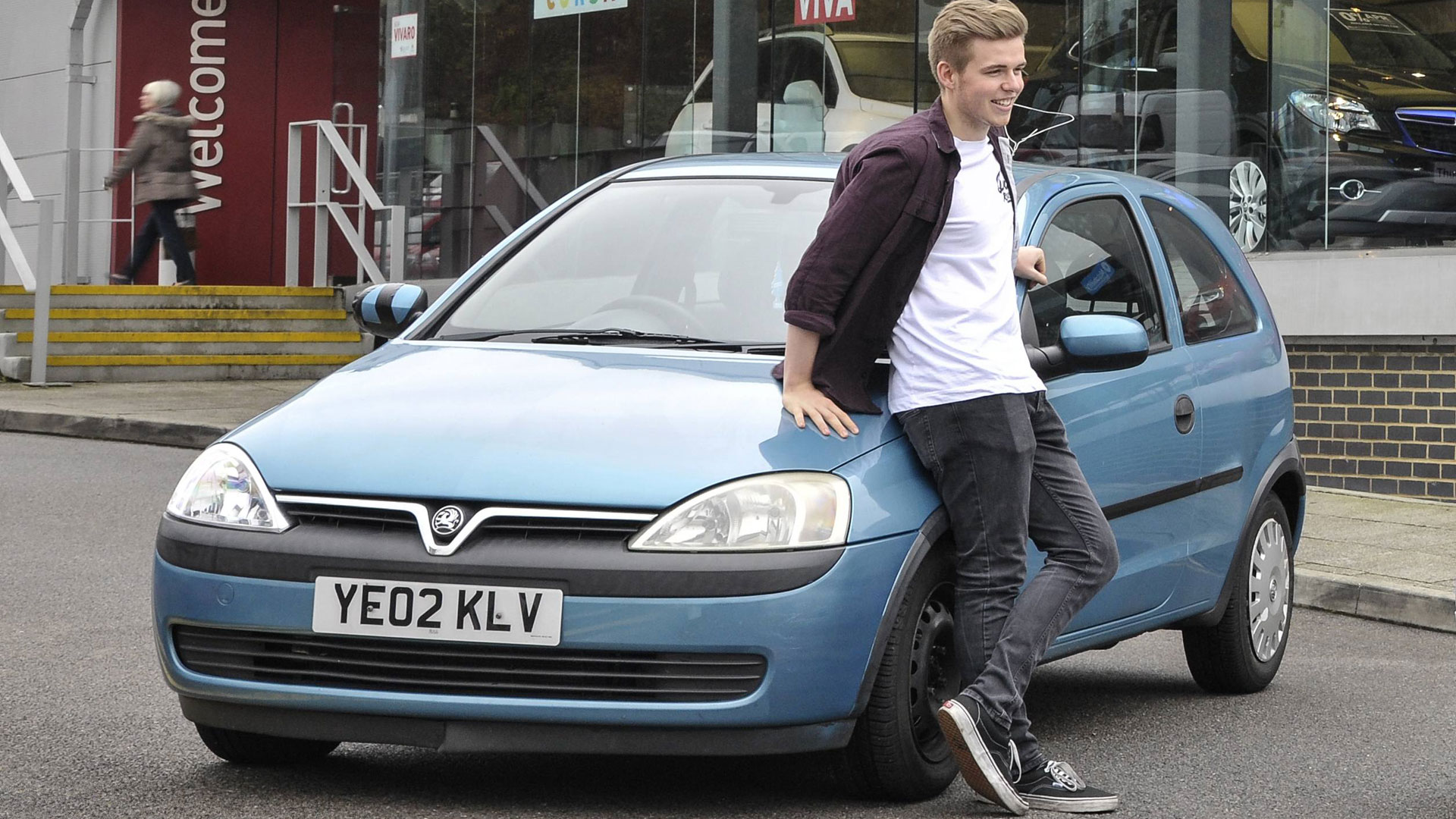
The 10 cheapest cars for 17 year olds to insure

0

Cheapest insurance for young drivers

Car insurance for drivers aged 17 doesn’t come cheap, with some young motorists paying well into four figures for their annual premium. Things get easier with a no-claims bonus under your belt, but opting for a car with a low insurance group rating is a good idea for the first couple of years. Thanks to Admiral, we’ve listed the 10 cheapest cars for 17 year olds to insure.

10. Fiat 500 – £883.22

The data is based on car models with 50 or more policies on Admiral’s system, with the premiums sourced from policyholders between January and March 2019. Spoiler alert: the Fiat 500 is arguably the most desirable car on the list and proof that opting for cheap insurance needn’t cramp your style.

According to Admiral, a Fiat 500 will cost around £883.22 a year to insure, but a number of factors could result in a lower or higher premium. Fitting a black box should reduce the cost, with insurance companies willing to reward safe drivers.

9. Toyota Aygo – £869.89

Researching a car’s insurance group rating before searching for a car could help you to narrow the search to a few makes and models. For example, while the current Toyota Aygo falls into groups 5 to 9, the majority of the older cars slot into groups 2 and 3.

To keep insurance costs in check, young drivers should shun the 1.4-litre engine in favour of the frugal 1.0-litre unit. Used prices start from around £1,000, which is only slightly more than the cost of the insurance.

8. Ford Ka – £859.90

We’re big fans of the original Ford Ka, but with insurance groups ranging from 10 for the 1.3-litre Collection to 16 for the SportKa junior hot hatch, it’s not the best choice for young drivers. Instead, it makes sense to opt for the newer model.

Sharing its platform with the Fiat 500 – and built alongside the Italian car in Poland – the second-generation Ford Ka was offered with a 1.2-litre petrol engine and a 1.3-litre diesel. Insurance groups range from 2 to 5.

7. Kia Picanto – £855.86

If your parents are funding the purchase of your first car, the Kia Picanto is likely to be on their shortlist. What it lacks in style it makes up for in terms of reliability, dependability and the kind of things that are about as exciting as an evening in with a copy of the Radio Times.

The first-generation Kia Picanto is the cheapest to buy, but the second-generation is the one you want if you don’t want to spend your entire student loan on car insurance. The 1.0-litre versions slot into a group 2 insurance rating, with Admiral’s youngest policyholders paying around £855 a year.

6. Hyundai i10 – £837.08

The Hyundai i10 might have as much street cred as beige slacks and socks with sandals, but breaking down on the way to a festival won’t impress your BFFL. If you like driving a car that works, the i10 is a fine choice.

Pick of the bunch is the 1.0-litre Blue Drive Premium, which is loaded with toys and yet falls into insurance group one. Furthermore, it comes with a five year warranty, so it’ll see you through uni and beyond.

5. Volkswagen Up – £832.73

The Volkswagen Up is the little black dress of the automotive world. Stylish, timeless and great for any occasion. The Skoda Citigo and Seat Mii might be cheaper to buy, but both are absent from Admiral’s list, while the Up should hold on to its value better than its value-led siblings.

Some Up models slot into insurance group 1, while many others are in 2 or 3. Just avoid the Up GTI, which falls into group 17, making it off limits to all but the most affluent of 17 year olds.

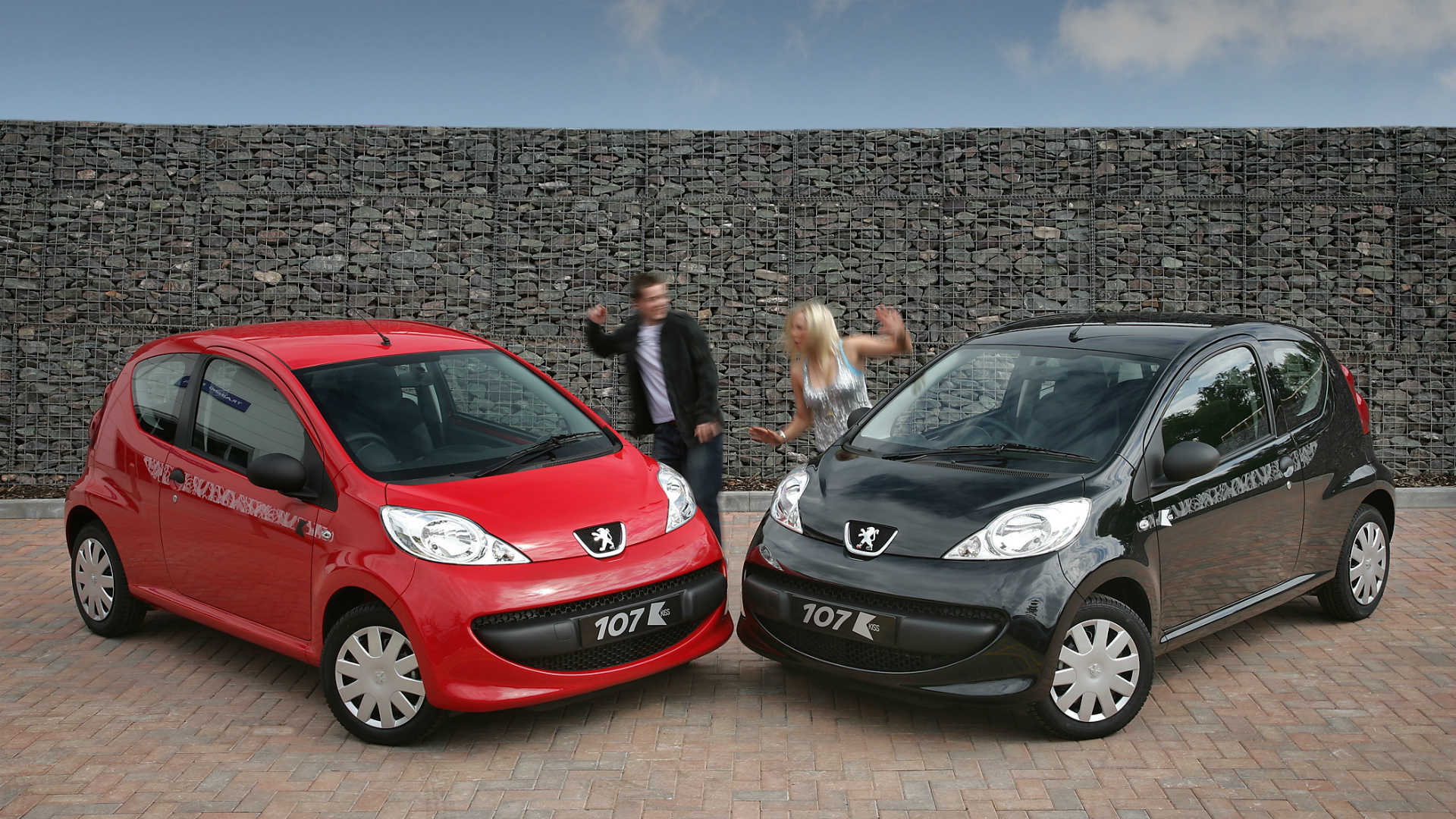
4. Peugeot 107 – £815.96

All but a couple of Peugeot 107 models fall into insurance group 3, making it an attractive proposition for young drivers. Parts are plentiful, there’s a dealer in the majority of towns and cities, and prices start at £800.

“As city cars go, the 107 is pretty much the perfect package.” Not our words, Carol, but the words of Honest John.

3. Citroen C1 – £809.21

But not as perfect as the Citroen C1, which is near enough identical to the Peugeot 107, but £6.75 cheaper to insure. This is enough for a grilled chicken burger at Nando’s. Living the dream.

Young drivers should opt for the 1.0-litre Vibe or Airplay models for maximum insurance pleasure, with both slotting into group 1. Interestingly, the current C1 is more expensive to insure, falling into groups 6 to 13.

2. Nissan Micra – £808.10

The Nissan Micra has been part of the UK furniture since the launch of the K10 in the early 80s, but the more recent models are the best for low insurance. Some trim levels even fall into the lowest group.

The flipside is that you’ll need to spend more on the purchase of a new Micra, which is why the K13, introduced in 2010, might be a better option. Some models slot into insurance group 5.

1. Volkswagen Fox – £792.61

According to Admiral, the Volkswagen Fox is the cheapest car to insure for young drivers. The Brazilian-built Fox lacks the polish of the Volkswagen Up, but it’s cheap to buy, cheap to run and, on this evidence, cheap to insure.

The 1.2-litre versions fall into insurance group 1, while the 1.4-litre versions are in group 3. Used prices start from around £800, which is about the same as an annual premium.

Advertisement

Drivers want charging infrastructure before buying electric cars

0

What will tempt UK drivers into electric cars

A survey of 2,000 drivers by InsureTheGap reveals what we want when it comes to buying an electric car.

So, what exactly are we most concerned about for the switch from internal combustion to electric power?

EV charging infrastructure

What will tempt UK drivers into electric cars
The biggest pull for electric cars would be an infrastructure that can handle charging them.

Topping the list, 46 percent said they want the ability to charge quickly at home, without adding too much to their electricity bill.

Below that in second place, 43 percent said a robust, national infrastructure of chargers would make EVs considerably more appealing.

Range and trust in the tech

What will tempt UK drivers into electric cars

In third position, with 38 percent saying it was important, was driving range. We want our electric cars to offer at least 100 real-world miles before they need to fill up.

Trust in the technology is fifth, with 33 percent saying they want to understand what they’re buying, including reassurances of reliability and longevity.

Saving money and benefits

What will tempt UK drivers into electric cars

Perhaps predictably, what would make an electric car more appealing is saving money. So this comes fourth, with 38 percent saying it would boost the appeal of electric cars.

At present, electric cars cost an average of 20 percent more to buy than conventional rivals. 

In sixth, 33 percent that said grants were key, while 28 percent (seventh) suggested that there should be tax breaks for EV drivers.

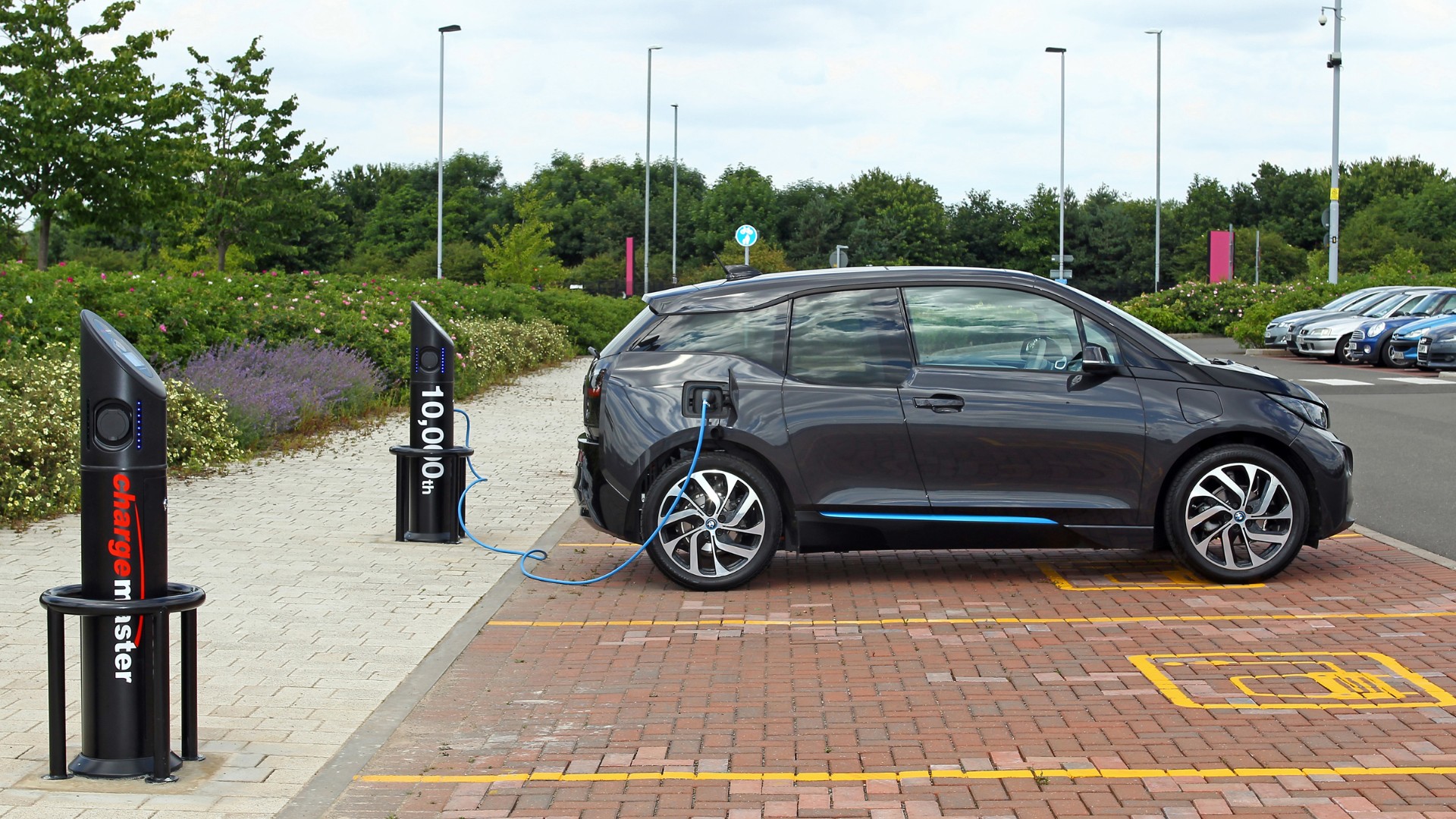
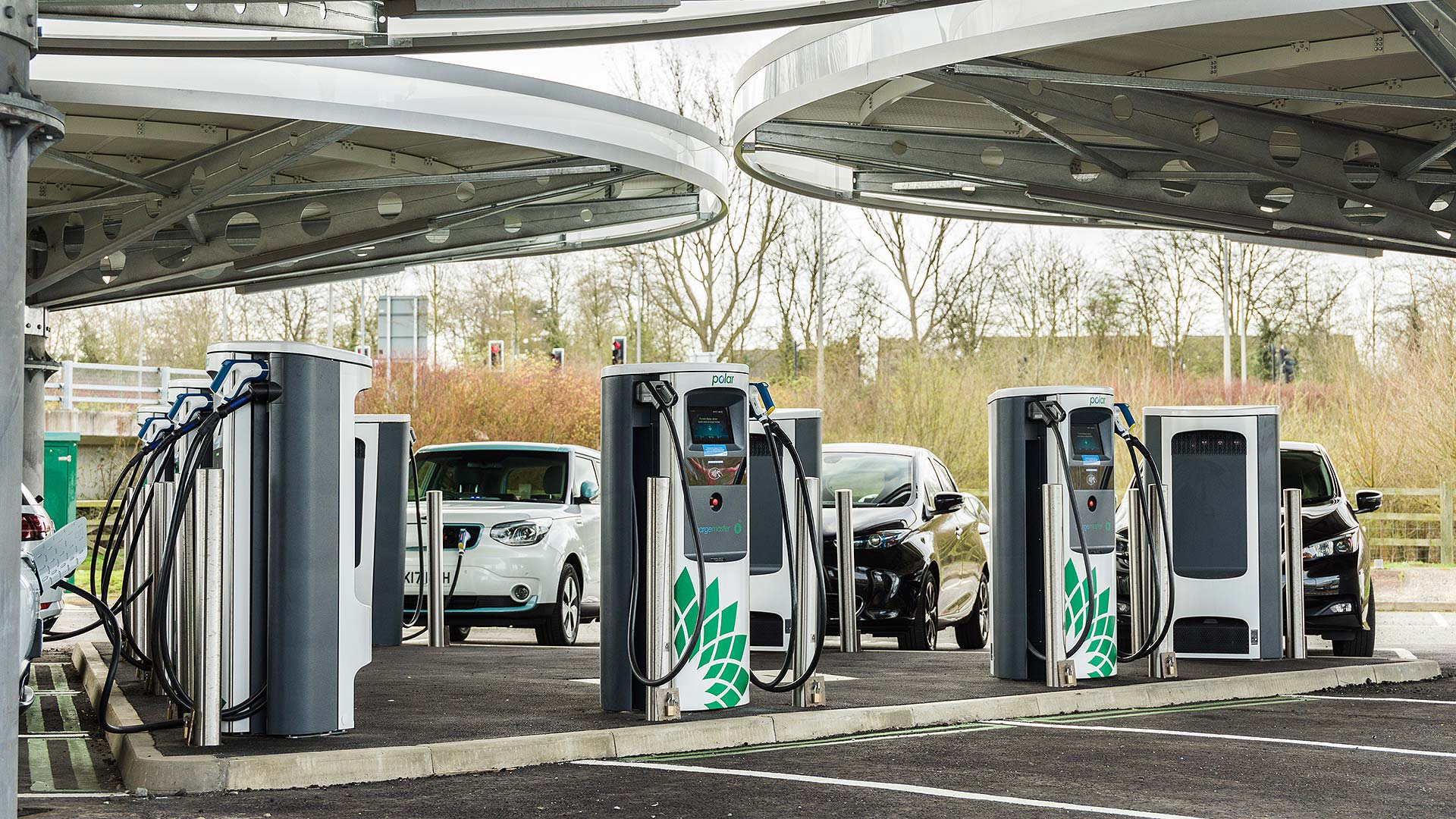
BP Chargemaster rapid charging hub at Milton Keynes Coachway

In eighth, 23 percent that said they want reassurance the government will not be make electric vehicles more expensive in future.

Interestingly, 10 percent of drivers also said they’d be interested in electric cars if they got access to priority lanes in congested areas.

Saving the environment

What will tempt UK drivers into electric cars

Only 16 percent (ninth) said they’d be keen to know they were helping the environment. There are doubts, of course, given the unknown quantities around electricity and battery production.

“As UK ownership of electric cars grows it’s interesting to see what is holding people back from embracing this new, cleaner technology,” said Ben Wooltorton of InsuretheGap.com

“This survey shows that clearly there’s still a lot of hesitation when it comes to buying an electric car and until car manufacturers can improve their driving range, the national charging infrastructure is in place, and people feel they can trust the technology, the sector will remain a slow burner.

“It still only represents about six percent of the latest 2019 registrations.”

Advertisement

MG ZS EV is ‘first truly affordable family electric car’

0

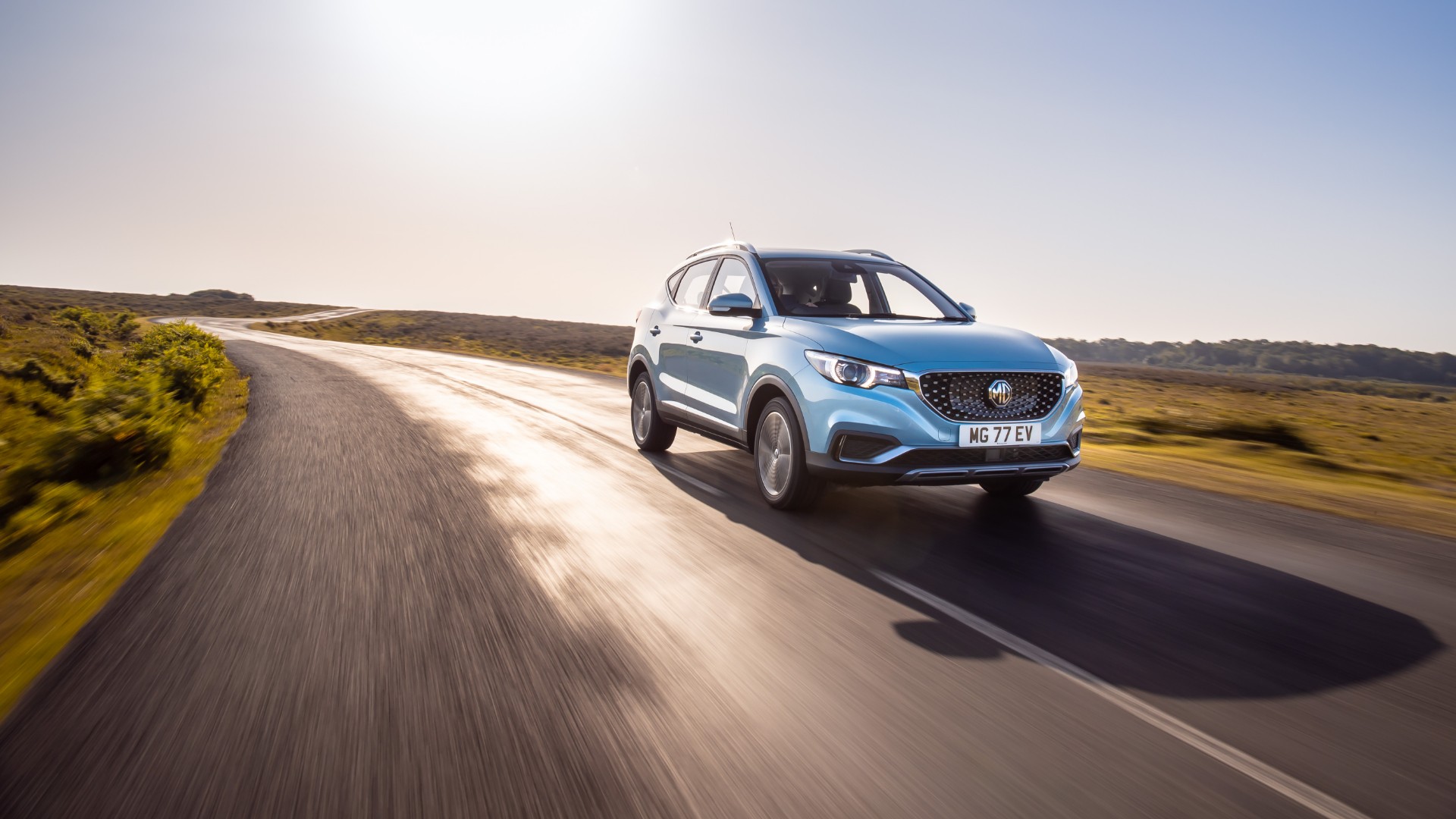
MG ZS EV revealed

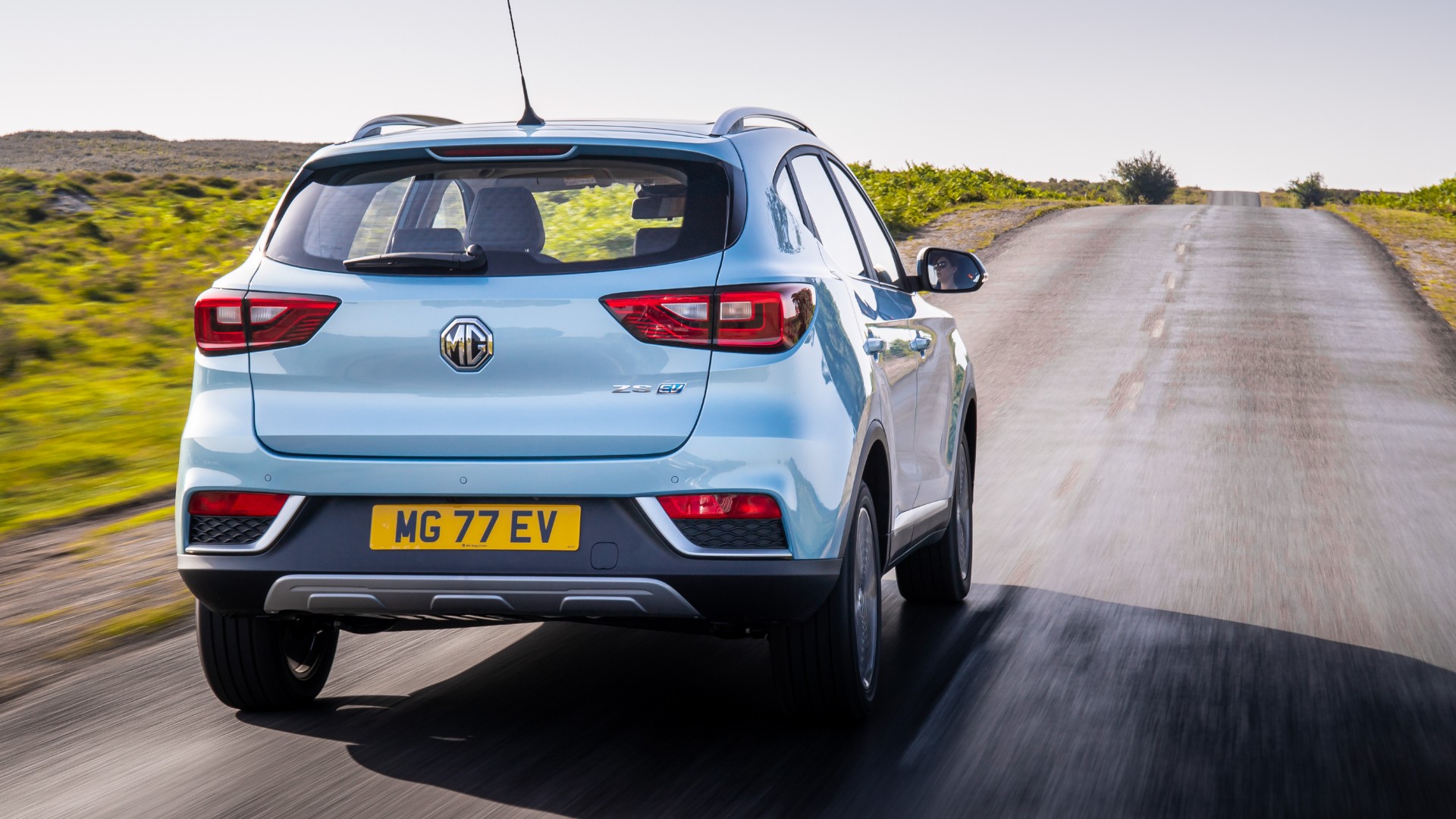
MG has revealed what it calls ‘the first truly affordable family-friendly electric car’: an electric version of the ZS crossover.

Deliveries of the ZS EV start in September 2019. It costs from just £21,495 after the government grant of £3,500, plus MG’s own £3,500 contribution. That last bit won’t last forever, though…

The need-to-know numbers

MG ZS EV revealed

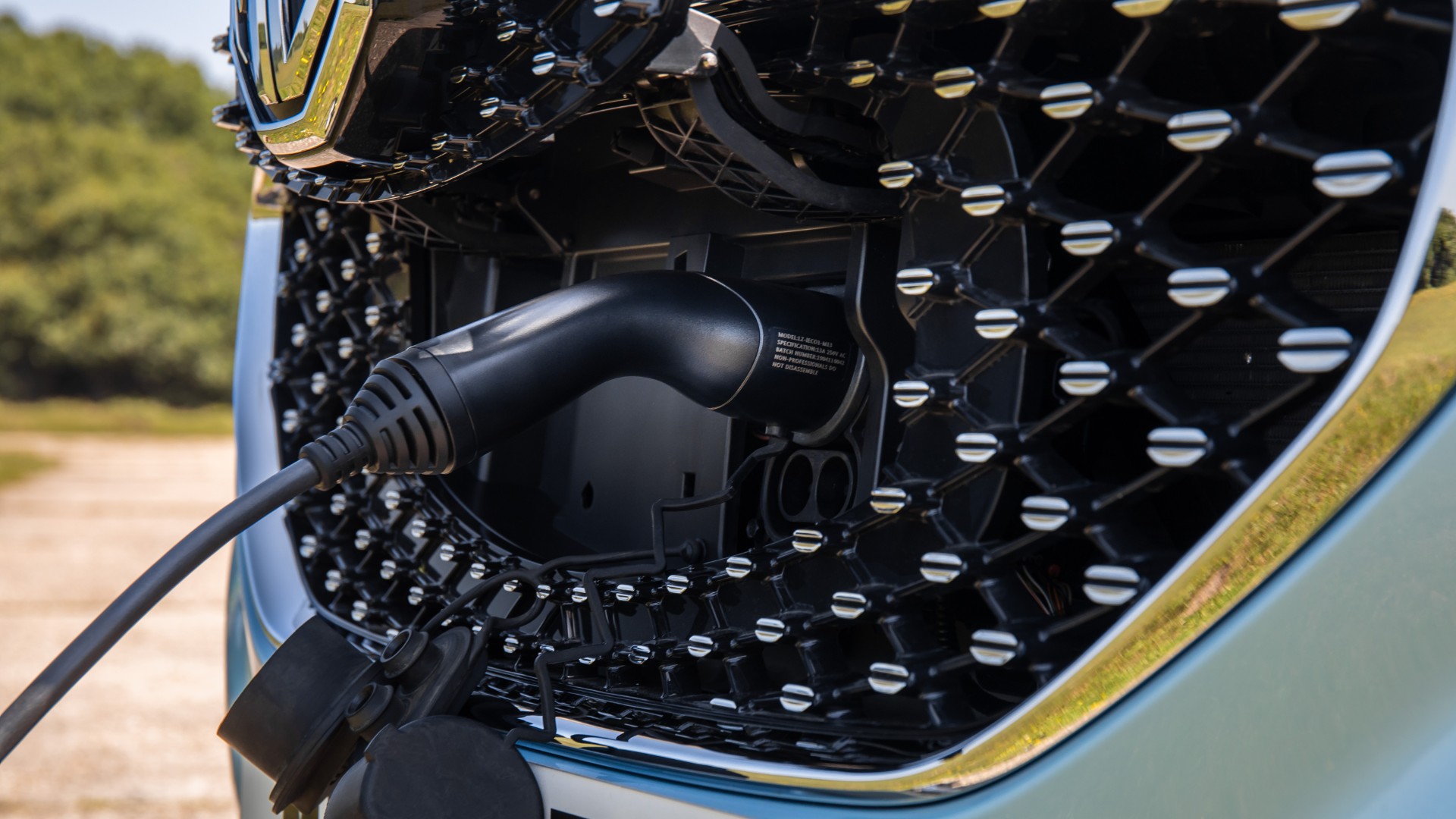
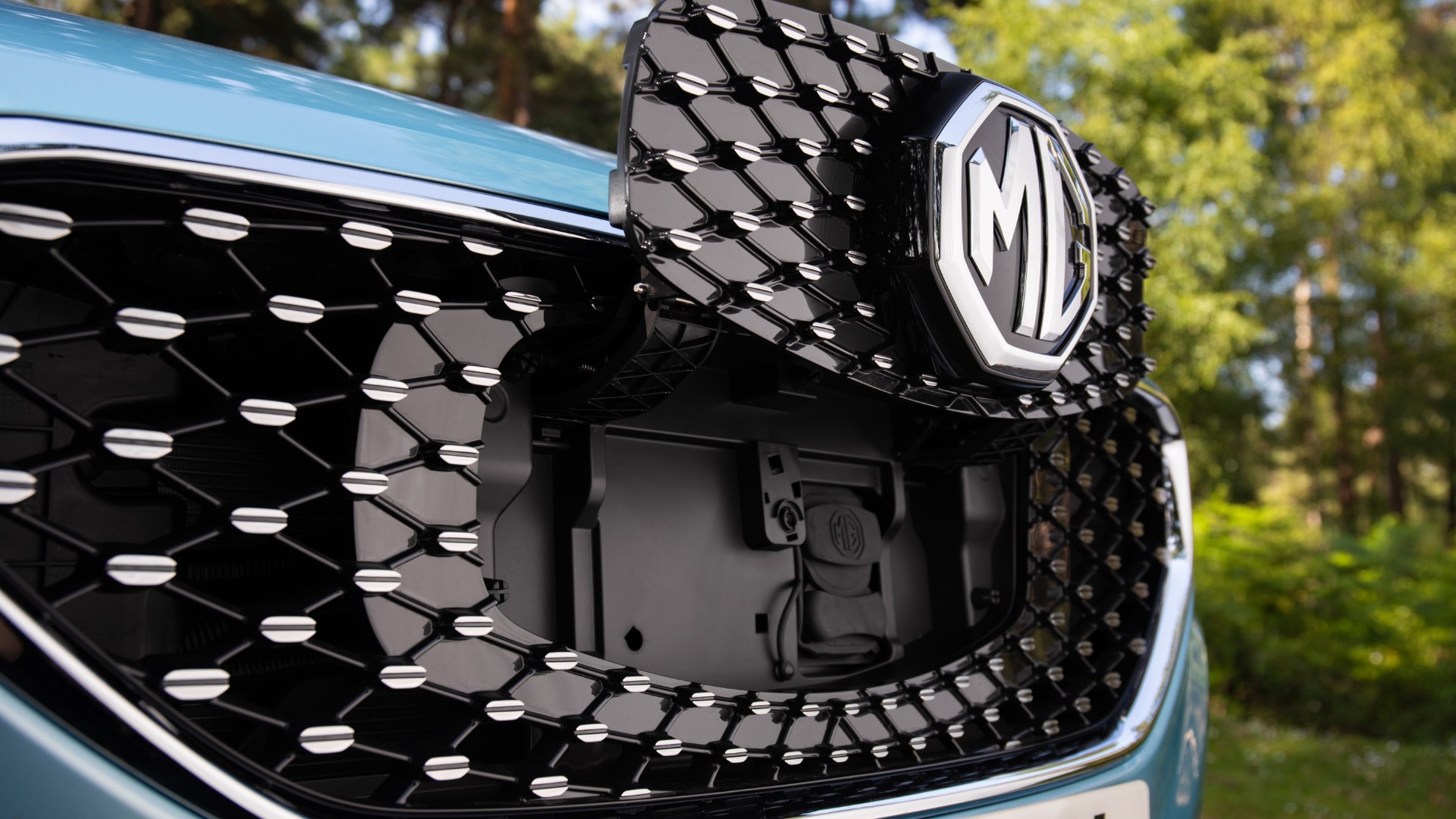
So, what are the important numbers? WLTP-certified range is 163 miles, while ‘frequent rapid-charging capability’ means you should be able to fill the batteries in less than an hour.

With ‘frequent rapid-charging capability’ in mind, it’s also worth noting that the ZS EV gets MG’s seven-year warranty, battery and all.

Power is around 140hp from a front-mounted electric motor, with charge stored in a water-cooled 44.5kWh lithium-ion battery pack. The ZS EV has three driving modes, with three levels of regenerative braking.

£21,495… for the first 1,000 orders

MG ZS EV revealed

MG is matching the government’s £3,500 grant for the first 1,000 cars, meaning the standard ‘Excite’ ZS EV starts from £28,495, before £7,000 is lopped off by both government and manufacturer contributions – leaving a price tag of £21,495.

The base car is also available for £279 a month on PCP, for now. The Exclusive version is effectively reduced from £30,495 to £23,495. 

If you’re number 1,001 on the pre-order list, however, you’ll be paying £24,995, or £3,500 more than the first 1,000 owners.

Reserve a ZS EV for £500

For the first 1,000 £500 reservations, MG will also throw in a home charging point, with installation costs included.

You can join that first 1,000 now by visiting MG’s EV website.

MG ZS EV revealed

MG is adamant this is a series production car, too. No limitations on production or allocations are expected unlike the Volkswagen e-Golf, for instance.

‘ZS EV is here to revolutionise the way people think about electric cars. With the first truly affordable, family-friendly electric car, MG is bringing zero-emissions motoring within everyone’s reach,’ says the Chinese-owned company.

‘Make no mistake, this car isn’t a brand statement or a vanity project, we’re here to sell electric cars and to sell big!’

A crossover like any other

MG ZS EV revealed

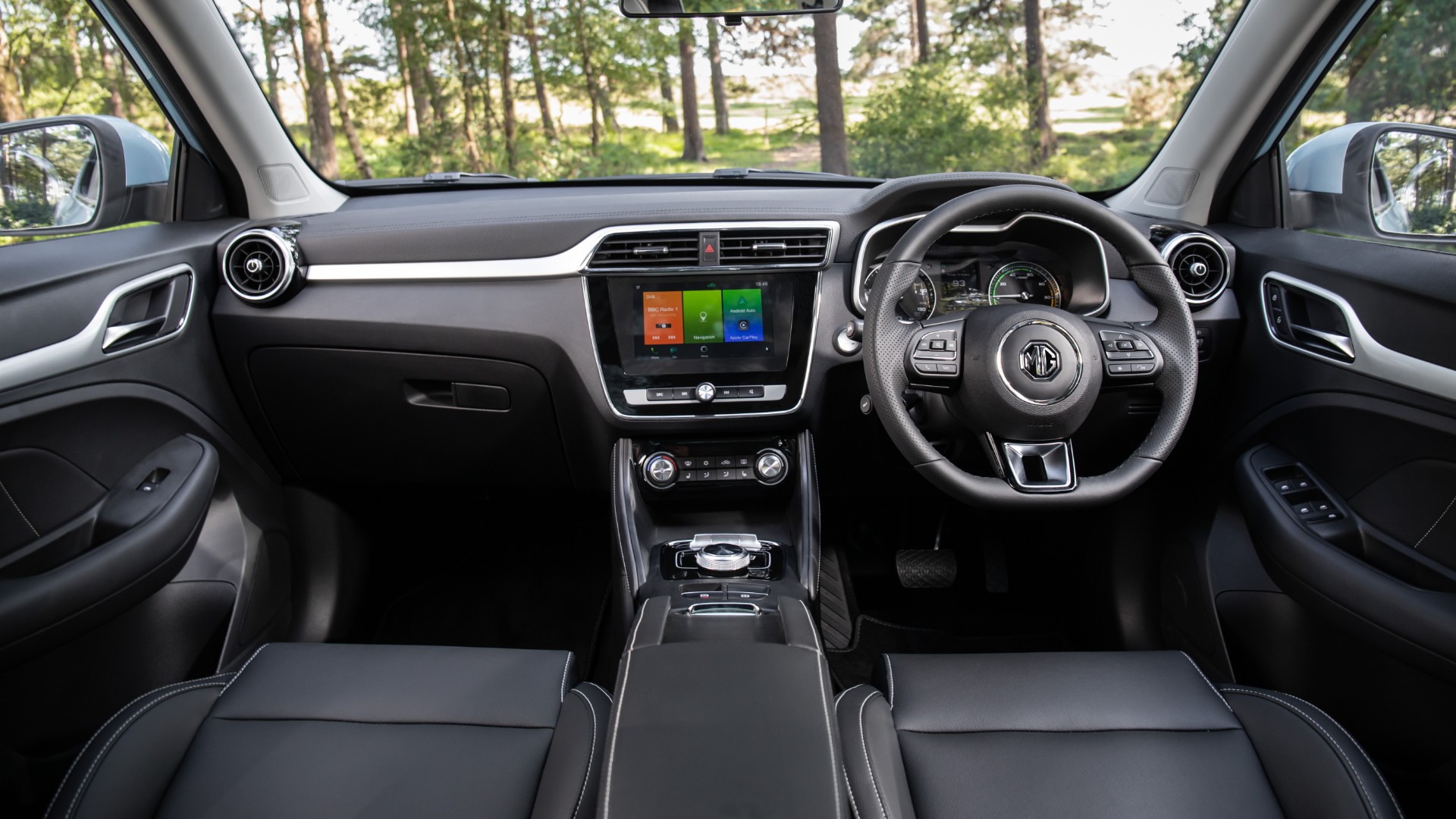
Other than its EV powertrain, the ZS remains a conventional family crossover. Standard equipment levels are generous, with adaptive cruise control, Apple CarPlay and Android Auto coming as standard.

It also remains practical, with MG claiming it ‘can handle bikes, pushchairs, luggage and bulky loads with no trouble at all’.

You can have your ZS EV in a range of four colours, combined with new range-maximising 17-inch alloy wheels.

Advertisement