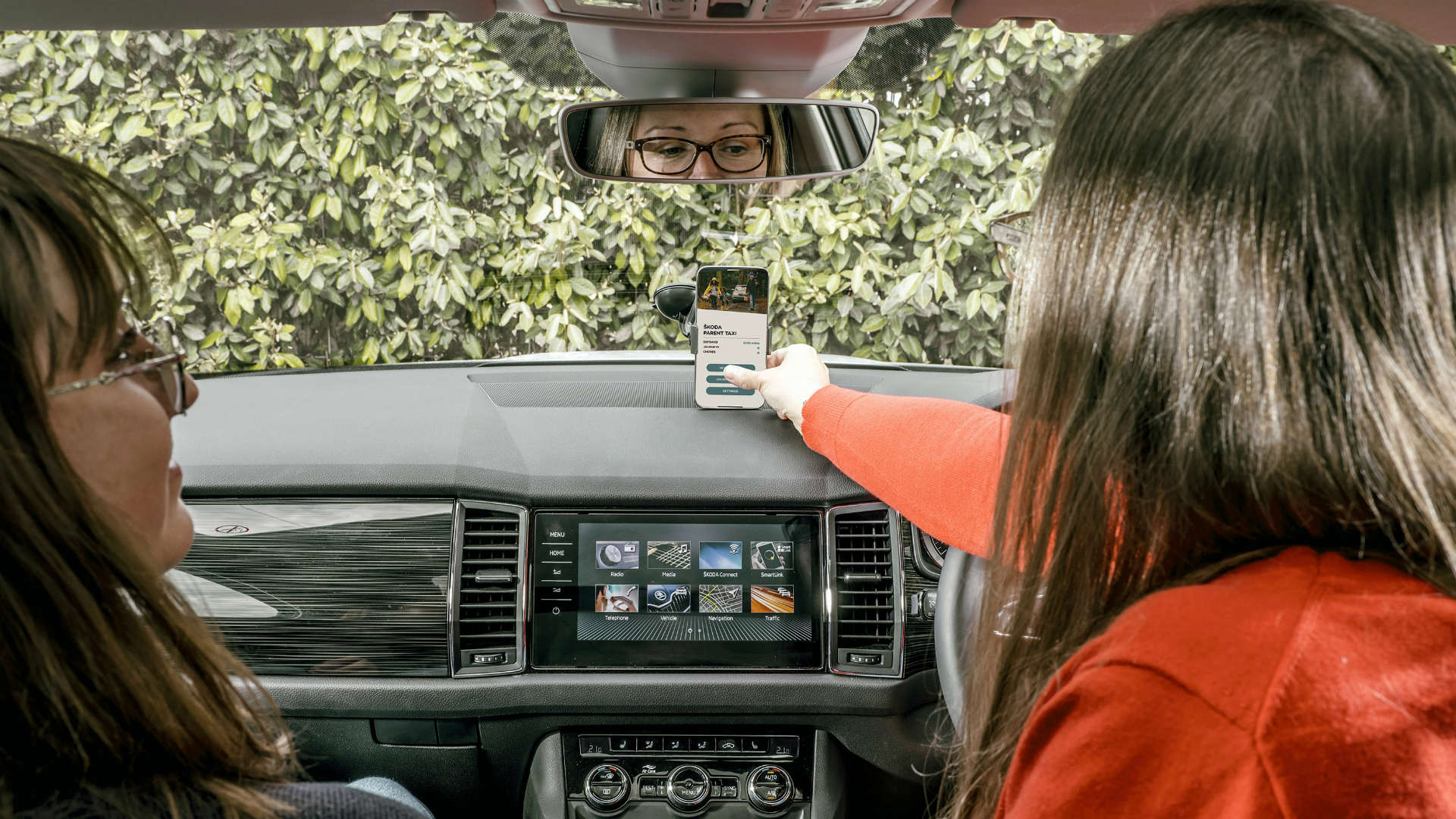
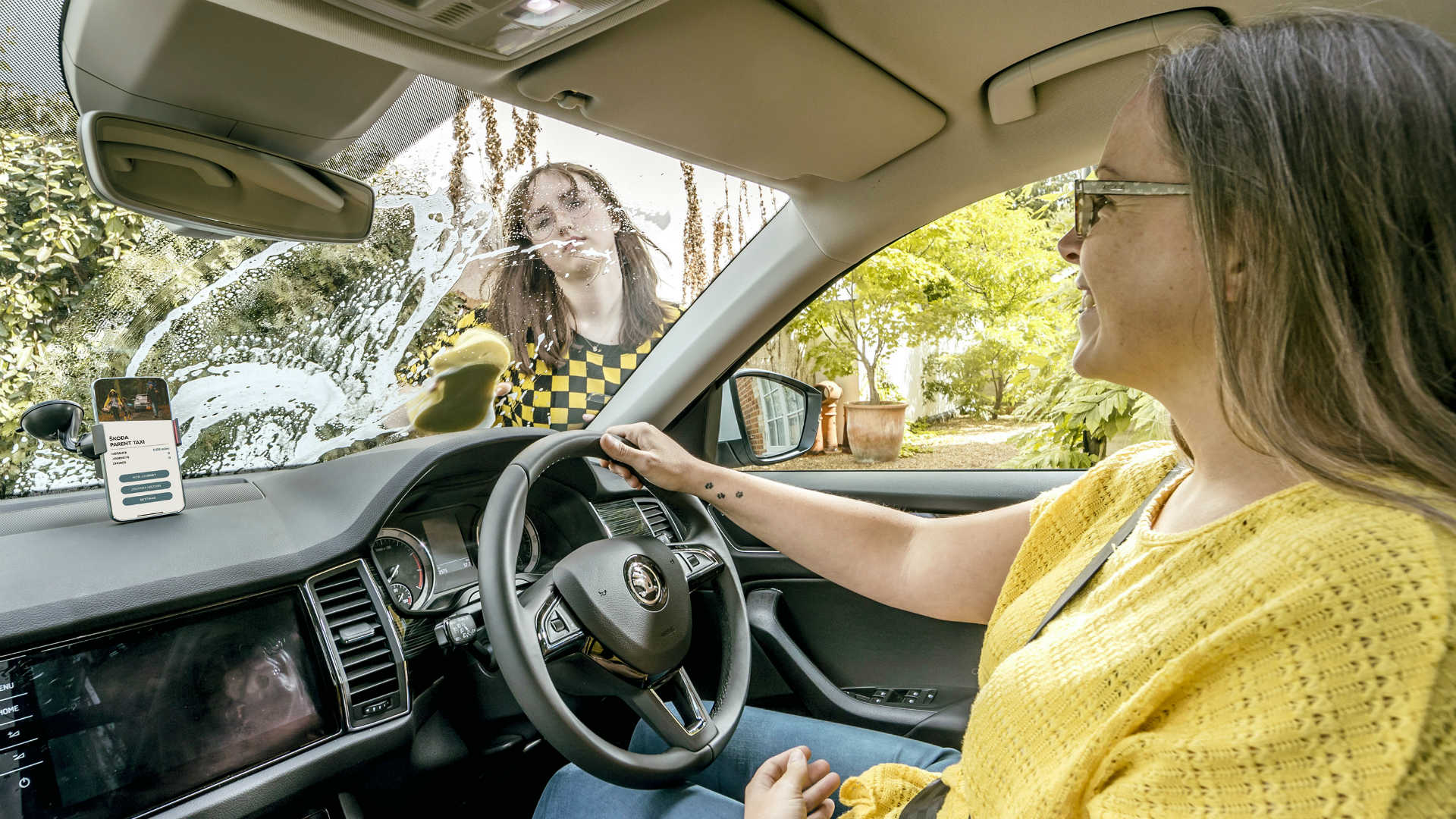
Parents are driving approximately 1,648 additional miles a year ferrying their children around. That’s according to a study conducted by Skoda.
Mums and dads in Northern Ireland appear to be the hardest working parents, racking up a total of 2,142 miles a year. That’s an average of 41.19 miles a week.
Dropping the children off to see friends is the most common reason for travel (42 percent), followed by birthday parties (40 percent), sporting activities (36 percent) and swimming (34 percent).
Six percent of the 1,723 parents surveyed said they provided a lift for their children for no particular reason.
Nearly half of the respondents admitted to using the time in the car to catch up with their children, while 44 percent are pleased to do the extra miles as it means their kids are out doing things.
Mum and dad taxi
Skoda reckons this ‘unpaid taxi service’ is an excuse to encourage the kids to do a little extra work around the house, which is why it has launched the ‘Parent Taxi’ app.
The smartphone app works like a real taxi meter, allowing parents to exchange miles for chores, such as cleaning the car, feeding the dog, tidying the bedroom or doing the washing up.
The app tracks the car journey via GPS, with parents able to set how many miles equate to a single chore.
You know, like one mile for washing up. Two miles for drying up. Three for feeding the cat. Four for repointing the chimney. Five for grouting the bathroom. Six for laying a new patio. That kind of thing.
The driver can share the journey details to their offspring’s smartphone, with the option to share the details on social media. Because the world needs more needless info on its social channels.
Does the app seem a little harsh? After all, parents should be responsible for their children, and driving them to and from sporting activities is part of their parental duties.
What’s next, an app that calculates how much time a parent spends watching their child from the sidelines on a Saturday morning? An app for time spent changing a nappy?
As for the chores, unplugging the wi-fi router normally gets things done…
‘The app I’ve been waiting for’
A delighted mummy blogger, Jo Middleton, said: “This is the app I’ve been waiting for!
“It’s true that kids generally have a better social life than adults and as result that can mean a lot of car journeys each week.
“Although I love encouraging them to get out and do more, I think it’s a great idea to swap miles for some help around the house in return.”
Average additional miles driven by parents in a year
Ian Callum CBE, design chief of Jaguar for the past two decades, has announced his latest venture: Callum, a new design and engineering business based in Warwick.
The news follows Callum’s recent retirement from Jaguar, and is the next stage in a storied career that already includes prominent roles at Ford, TWR and Aston Martin.
The Callum business will focus on bespoke and limited edition products, but will not be limited to automotive. It will also encompass the broader design, lifestyle and travel sectors.
Founding members include Callum himself as design director, plus former Jaguar colleagues David Fairbairn as programme director, Adam Donafrancesco as engineering director, and Tom Bird as commercial director.
The full launch team comprises 18 people whose experience includes art, audio, automotive, fashion, lifestyle and motorsport.
“I wanted to get back to the essence of creativity,” said Callum: “the challenge of producing something wonderful and personal.
“To design the alternative has always been my mantra, but always the beautiful alternative and something to enjoy.
“In today’s modern world, collaboration is the catalyst for new ideas, and this is our ethos and inspiration, both within our team and as we look to work with partners in the future.”
The new business, he added, will focus on “journeys to destinations, and all that encompasses”.
Based in a new 20,000 square-foot base in Warwick, the new Callum business is already equipped with high-end design, engineering and manufacturing facilities. The aim is to both design and build projects in-house.
“We love what we do,” said Fairbairn, “and we have the passion, collective experience and know-how to create some very special, diverse products across design, lifestyle and travel.”
News of the first Callum project will be announced in the next few weeks.
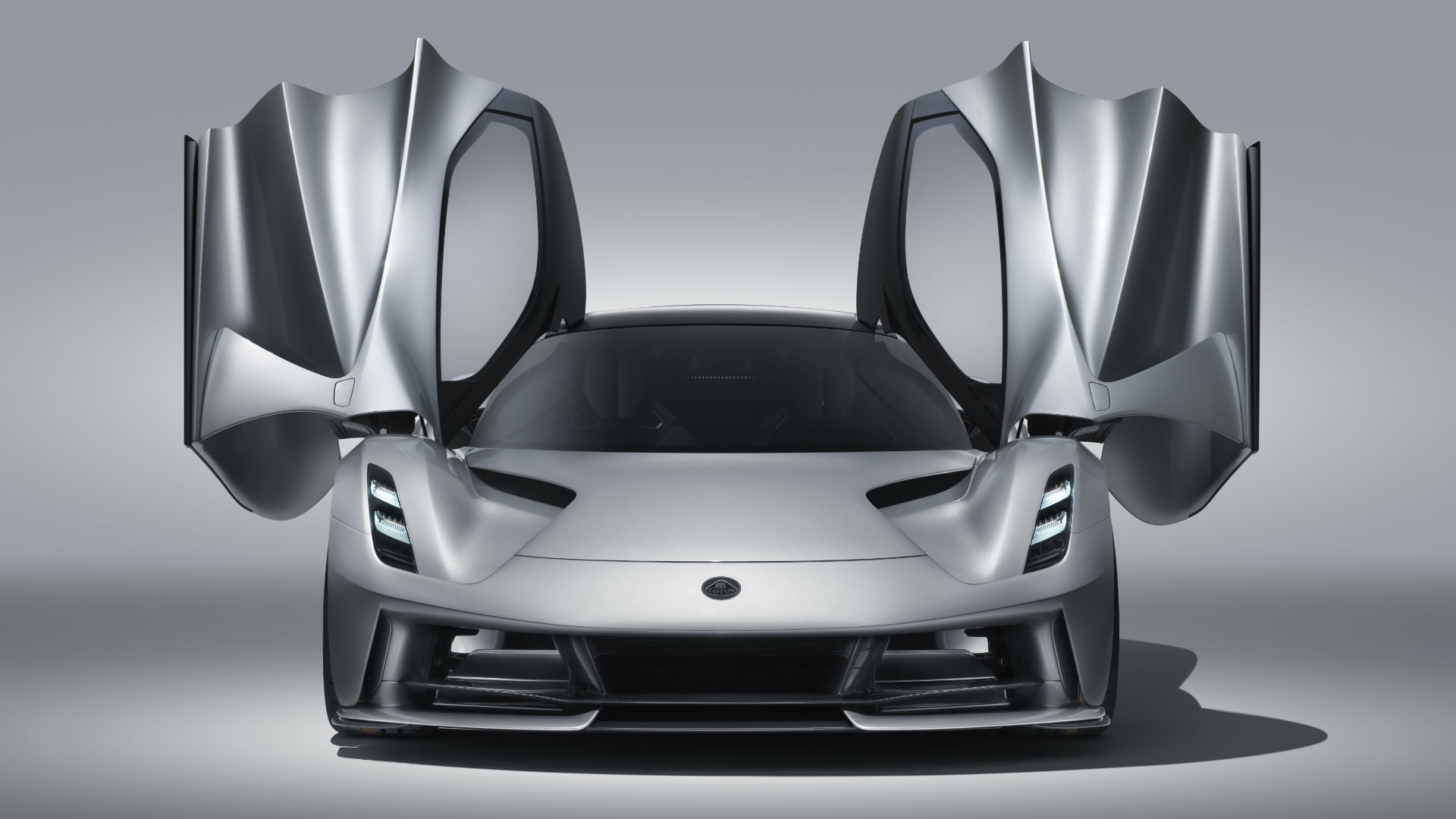
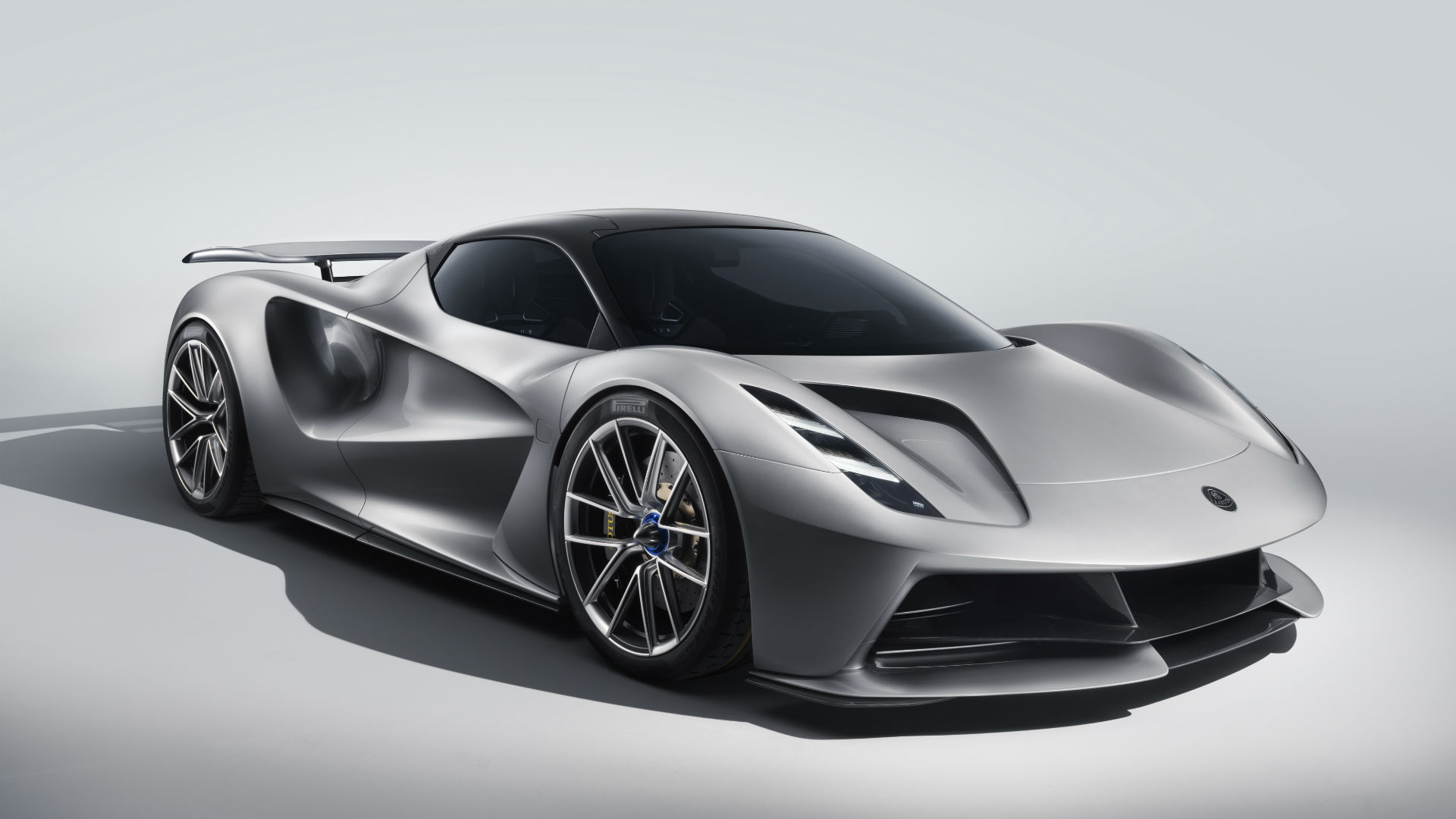
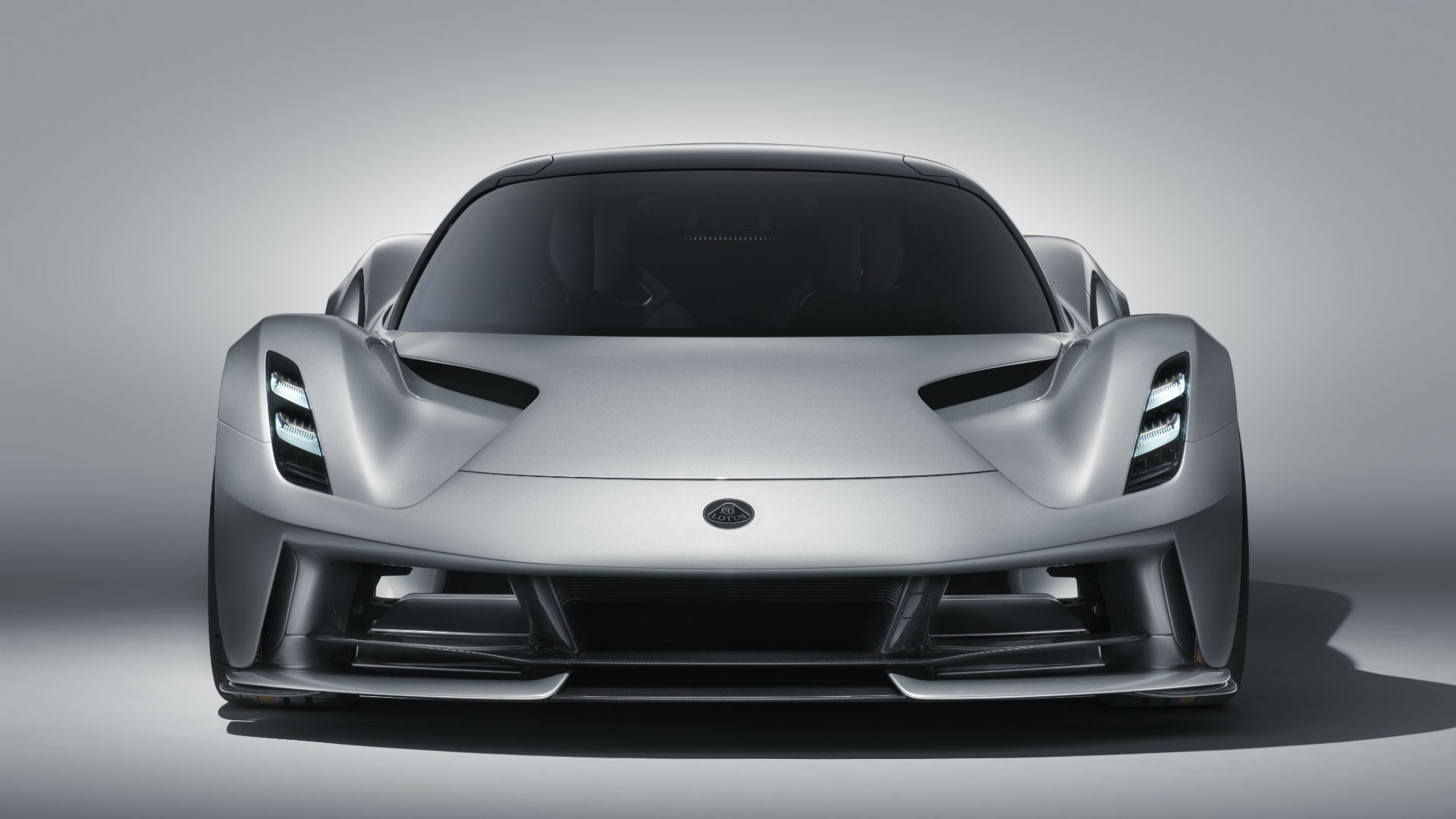
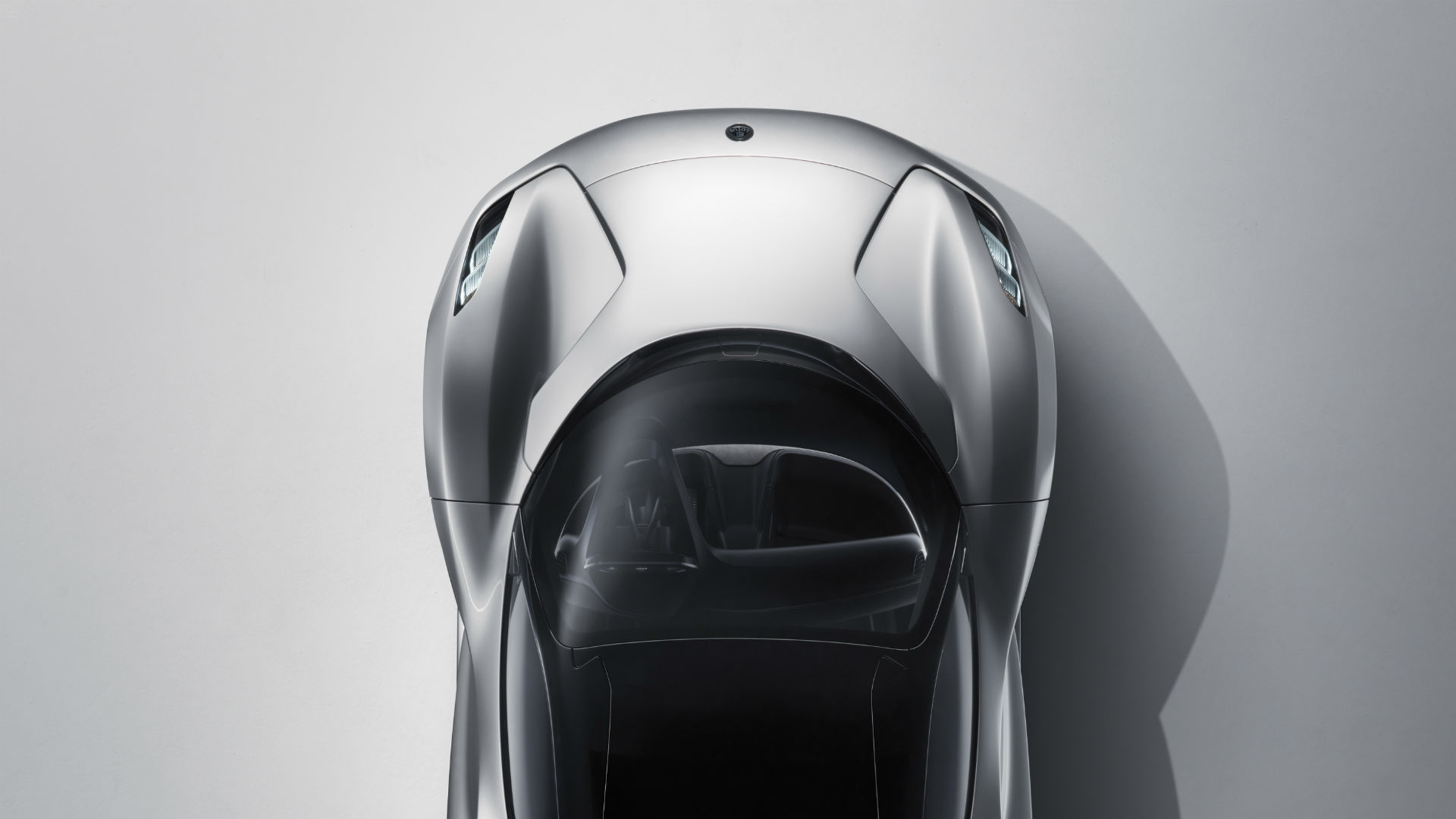
As the drapes drop to reveal the Lotus Evija, a frisson of excitement ripples around the room. Yes, it looks fantastic, yet this is also a decisive moment for Lotus. After 71 years, this British marque, now backed by Chinese money, is poised to become a world player.
The Evija (say it ‘Ev-eye-ya’) is the opening salvo in that reinvention, one that will see Lotus manufacturing cars in China and setting its sights beyond sports cars at saloons, SUVs and more. “In order to make waves, you need to make a splash,” says Lotus CEO Phil Popham. The 2,000hp Evija – the most powerful production car ever – feels like a tsunami.
That power figure outguns even the rival 1,903hp Pininfarina Battista – and the Lotus will be rarer, too. Just 130 examples will be made (hence the car’s ‘Type 130’ codename, priced at around £2 million each.
Beating the Battista
The Evija’s mid-mounted 2,000kW lithium-ion battery was developed with Williams Advanced Engineering and is described as ‘the lightest, most energy dense electric power package ever fitted to a road car’. Lotus is being coy about performance figures, but with just 1,680kg to shift and an almighty 1,254lb ft (1,700Nm) of torque delivered to all four wheels from a standstill, acceleration will be savage.
All we know at present is it will hit 62mph (100kph) in ‘less than three seconds’ and exceed 200mph.
So, here’s the new 2000hp, £2 million Lotus Evija – the most powerful production car ever.
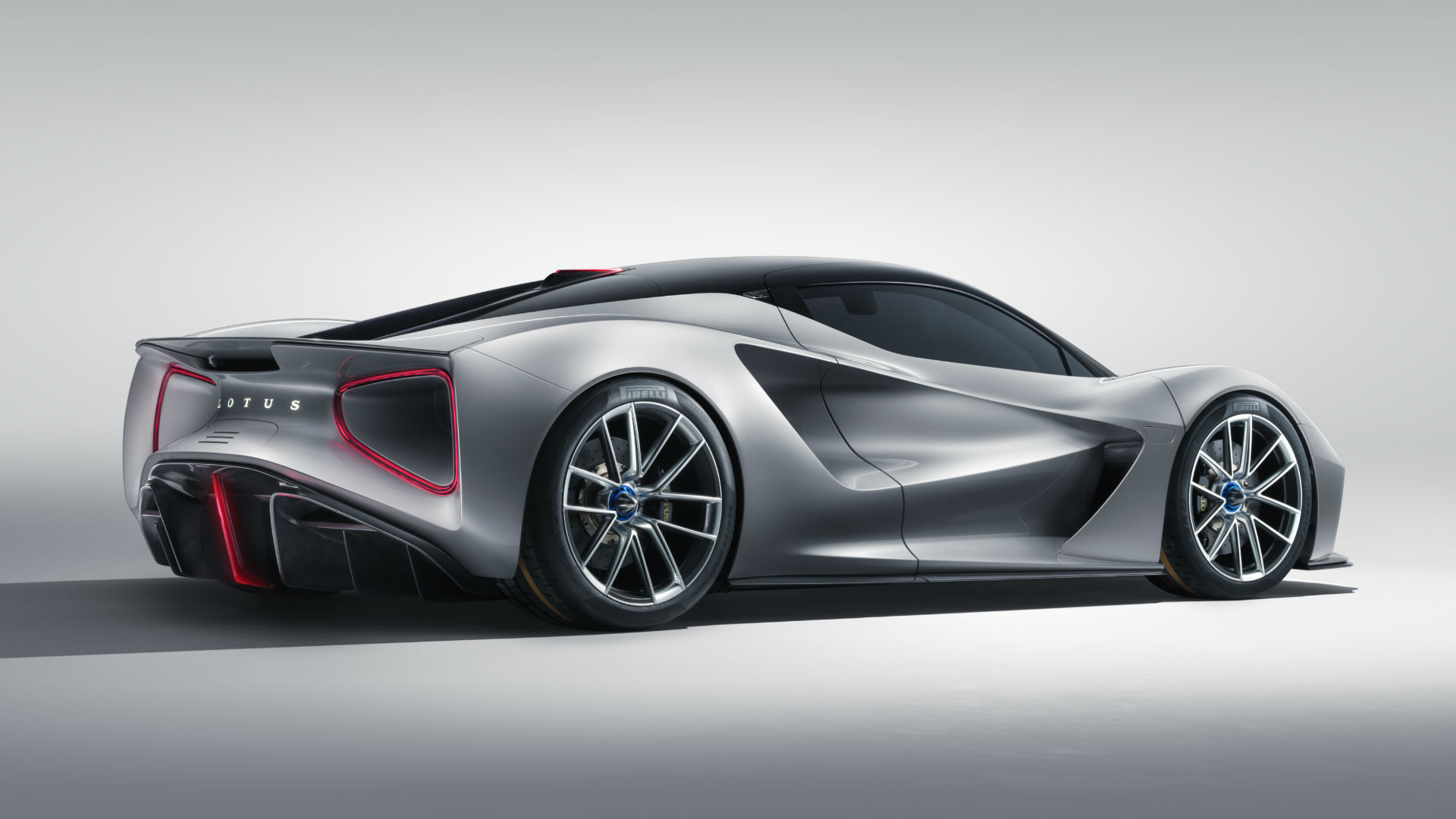
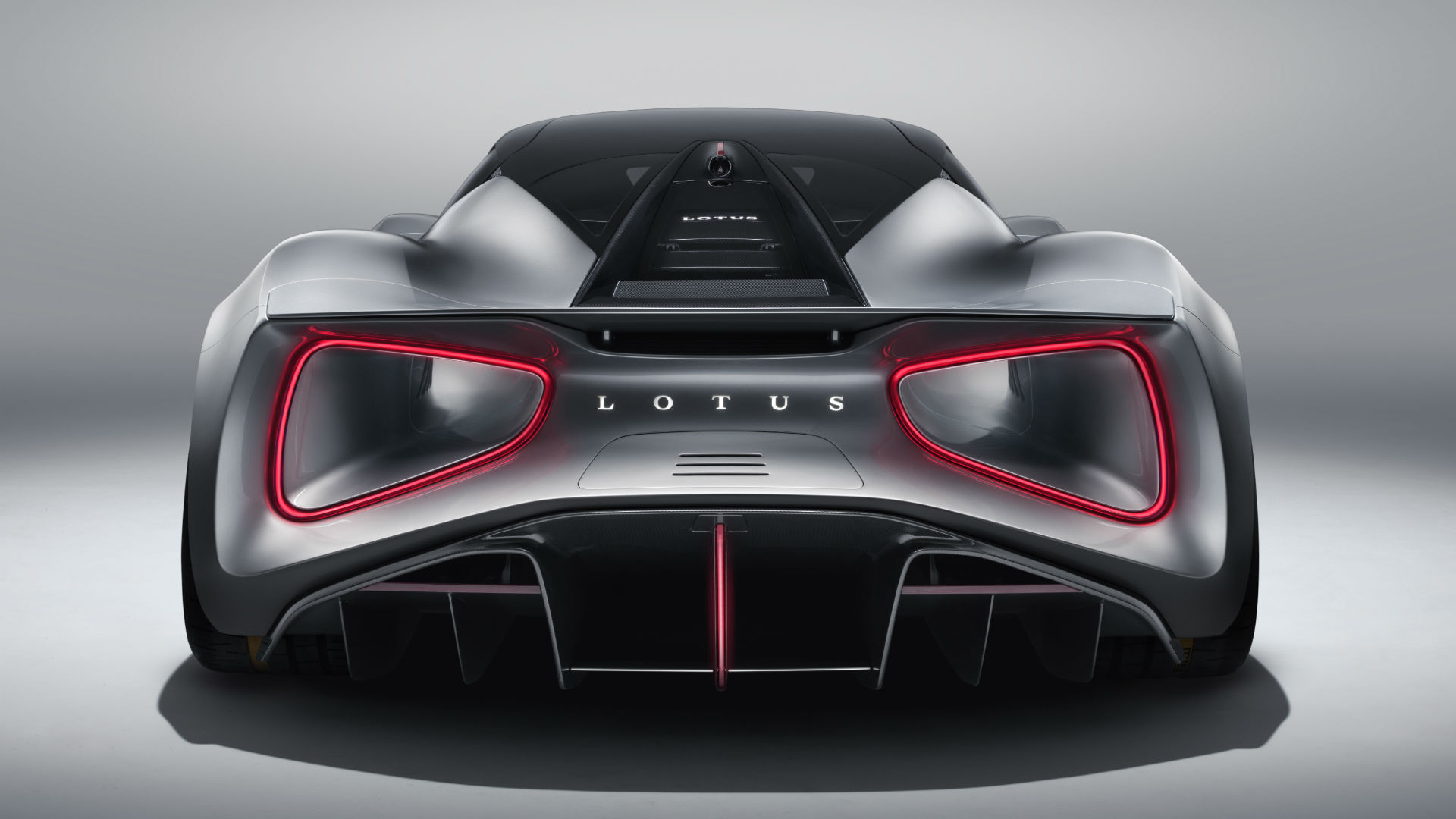
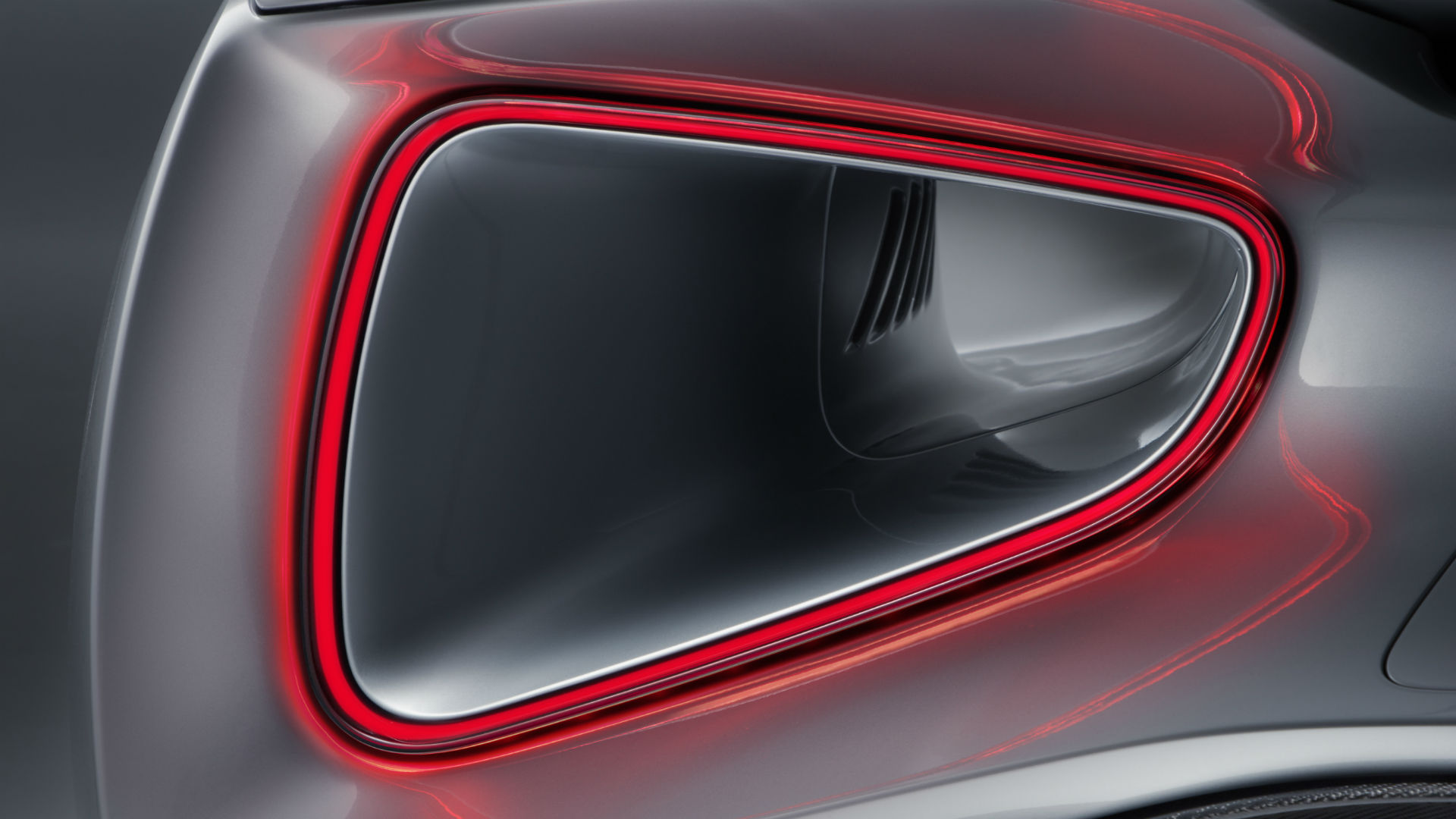
Rear ‘three-quarter venturis’ are its most distinctive feature – ringed by red LEDs like afterburners. pic.twitter.com/fiLJMjCD8Z
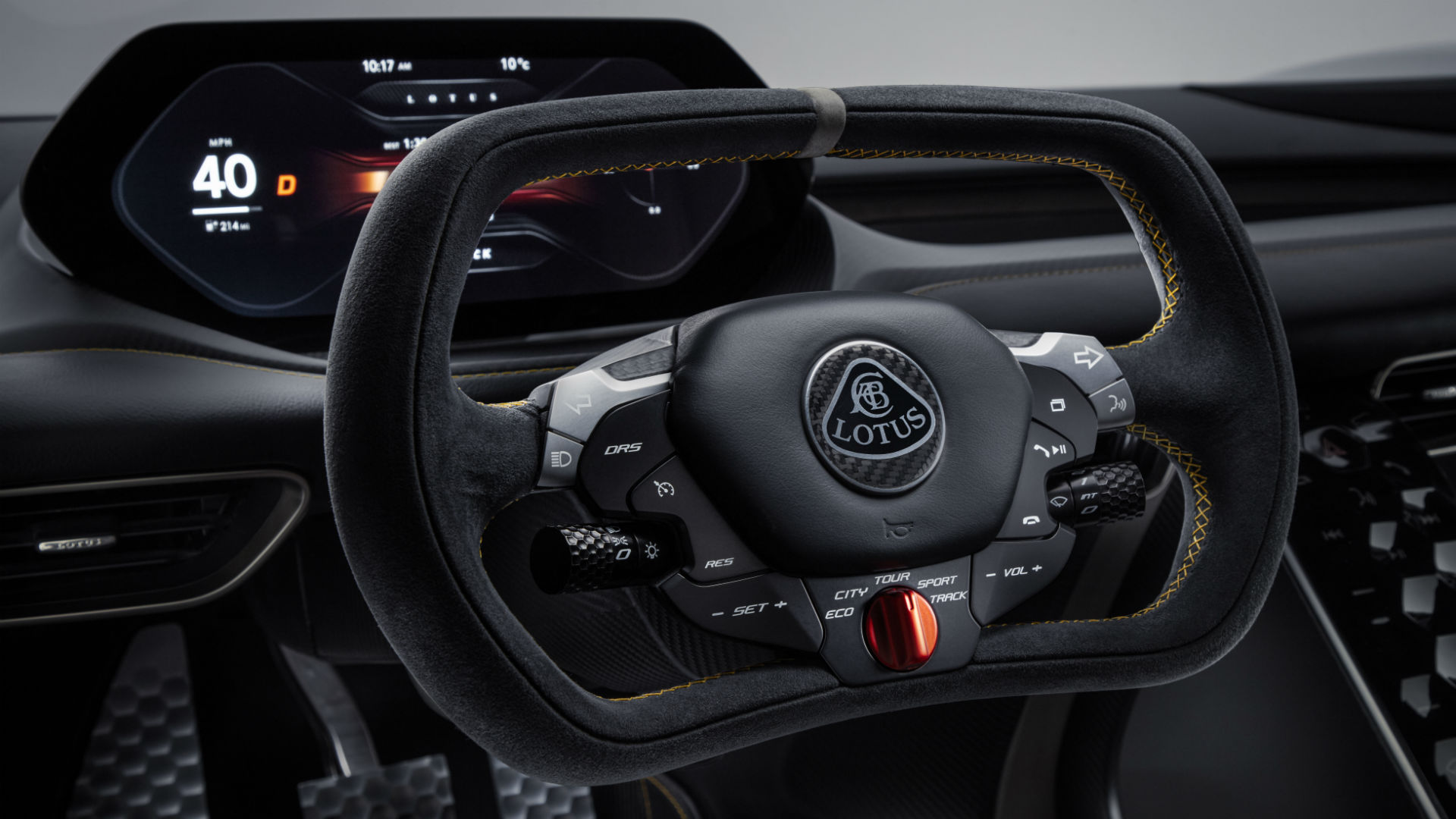
There are five driving modes: Range, City, Tour, Sport and Track. In Track mode, torque vectoring constantly adjusts output to individual wheels to boost cornering ability. Lotus also talks of ‘alternative battery packs… to optimise track performance’. Just in case your standard Evija feels a tad tardy.
It’s not all future tech, though. Lotus has opted for hydraulic power steering – rather than an electric set-up – for ‘pure steering feel’. “Everything we do is centred on driving enjoyment,” explains Popham. “More than any other brand, that’s what Lotus is about.”
Downforce by design
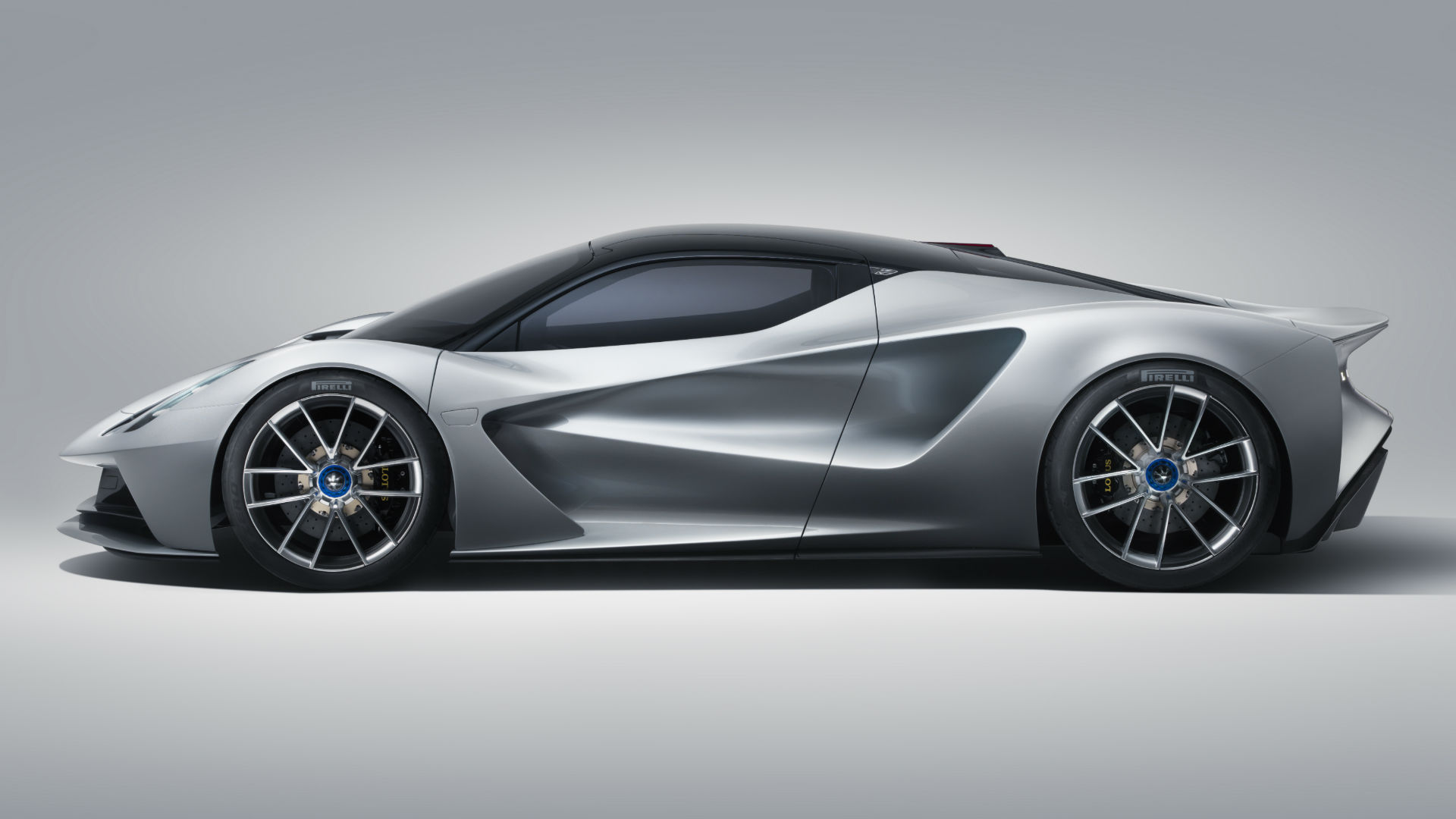
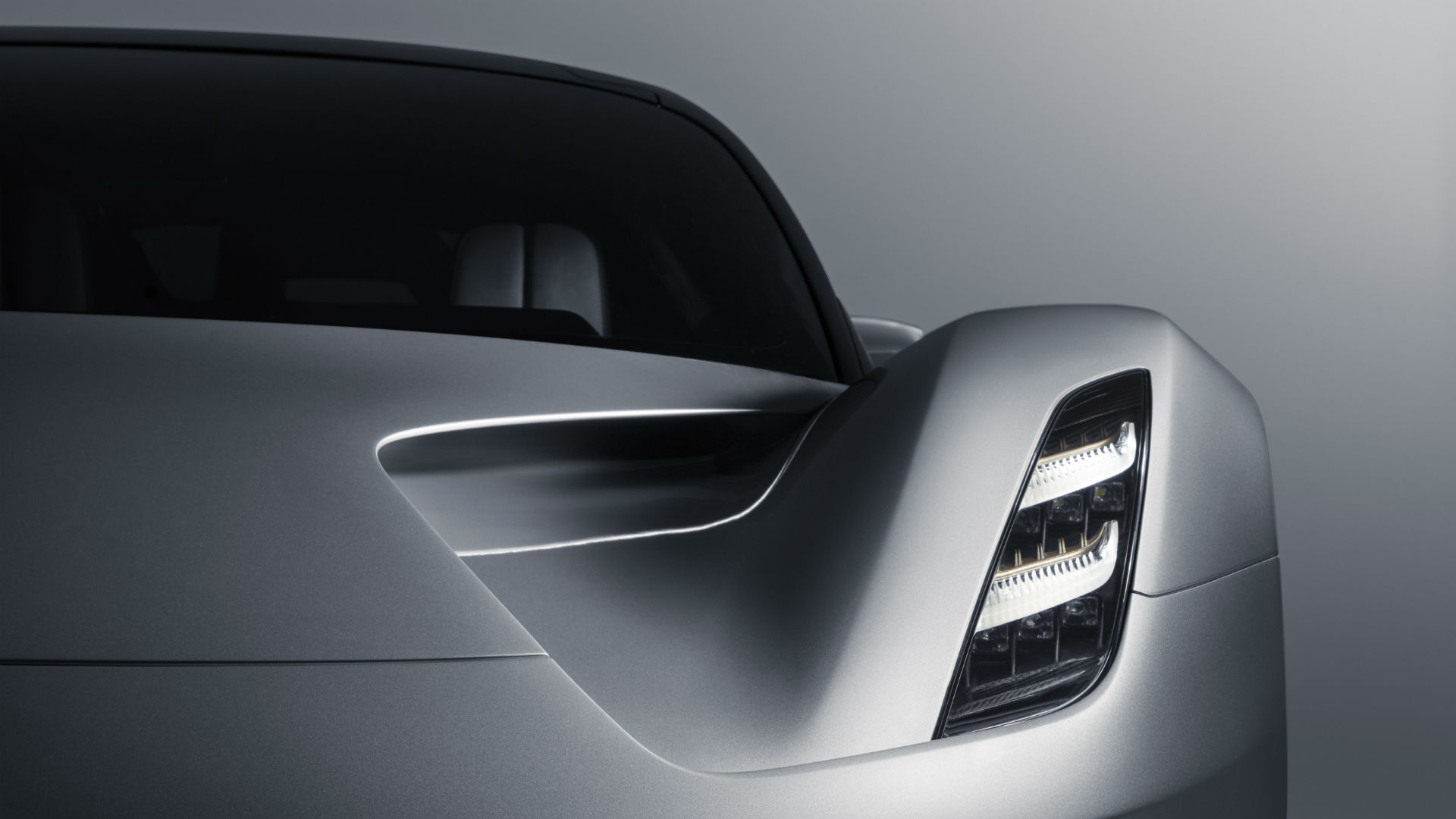
If the stats are startling, the Evija’s design is an equal source of excitement. It’s aggressive without being showy, functional yet still beautiful.
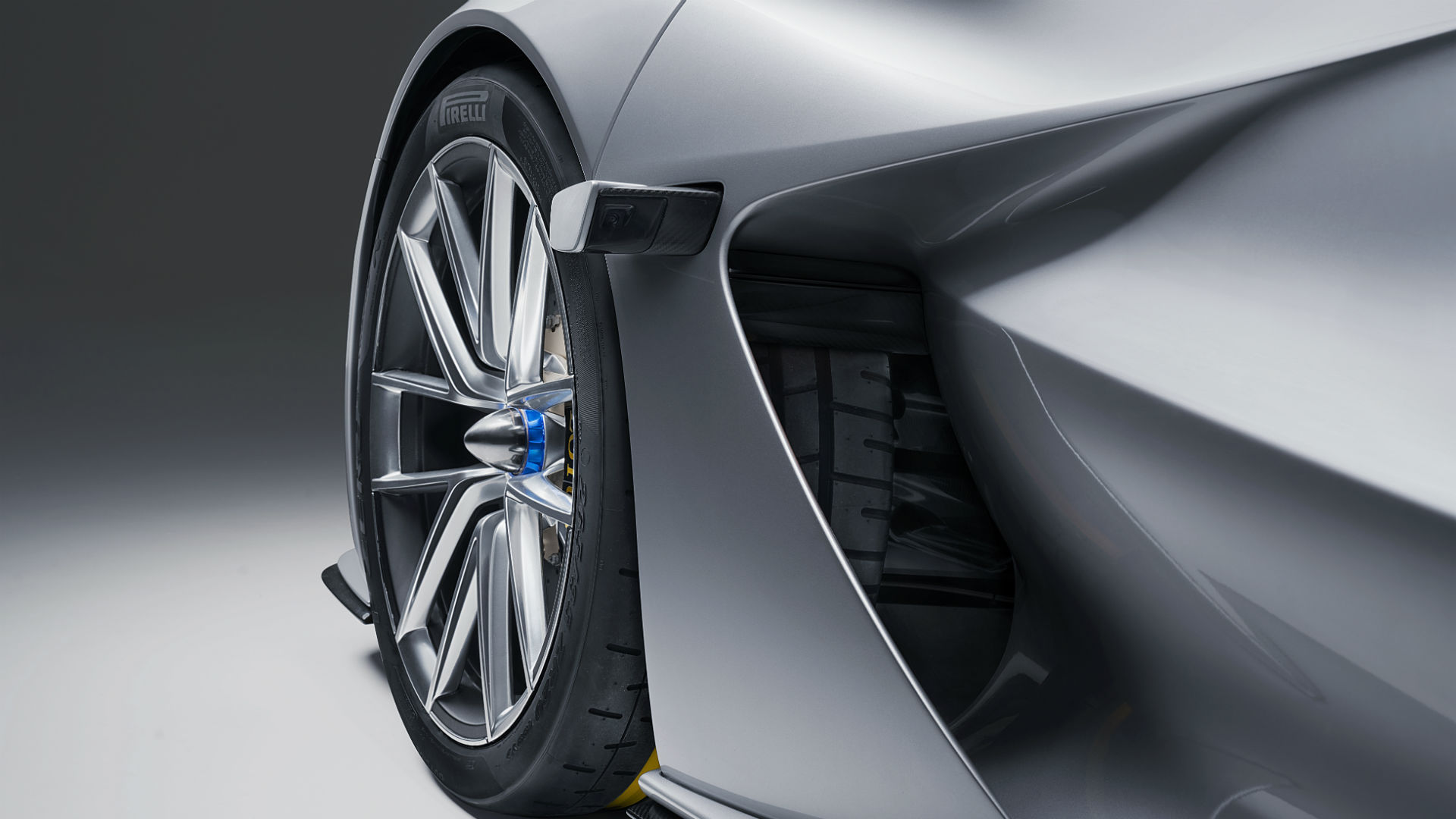
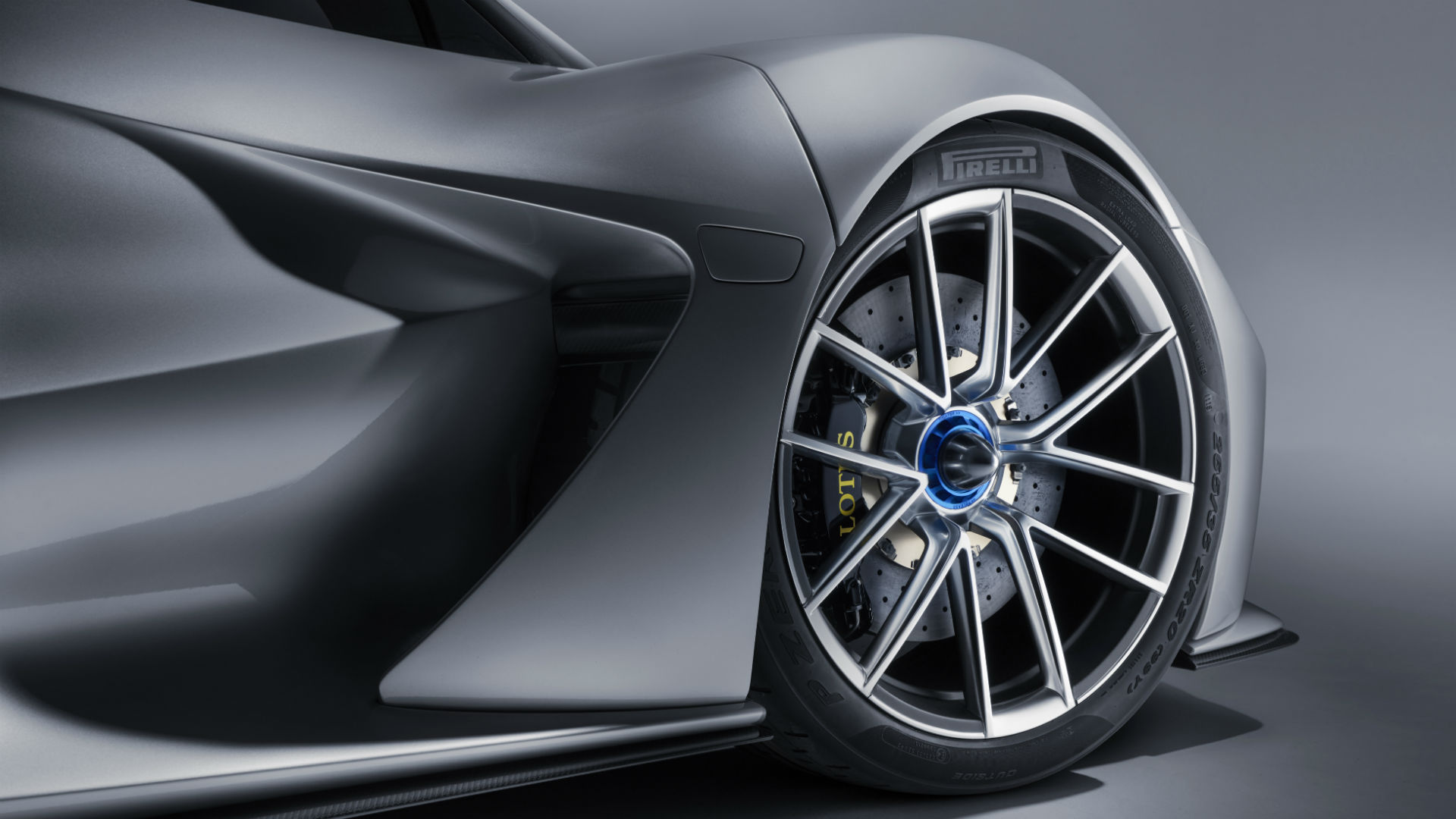
Carbon fibre bodywork surrounds a monocoque tub weighing just 129kg. Designer Russell Carr talks of how the shape was “carved by air”, taking inspiration from Le Mans racers and fighter aircraft.
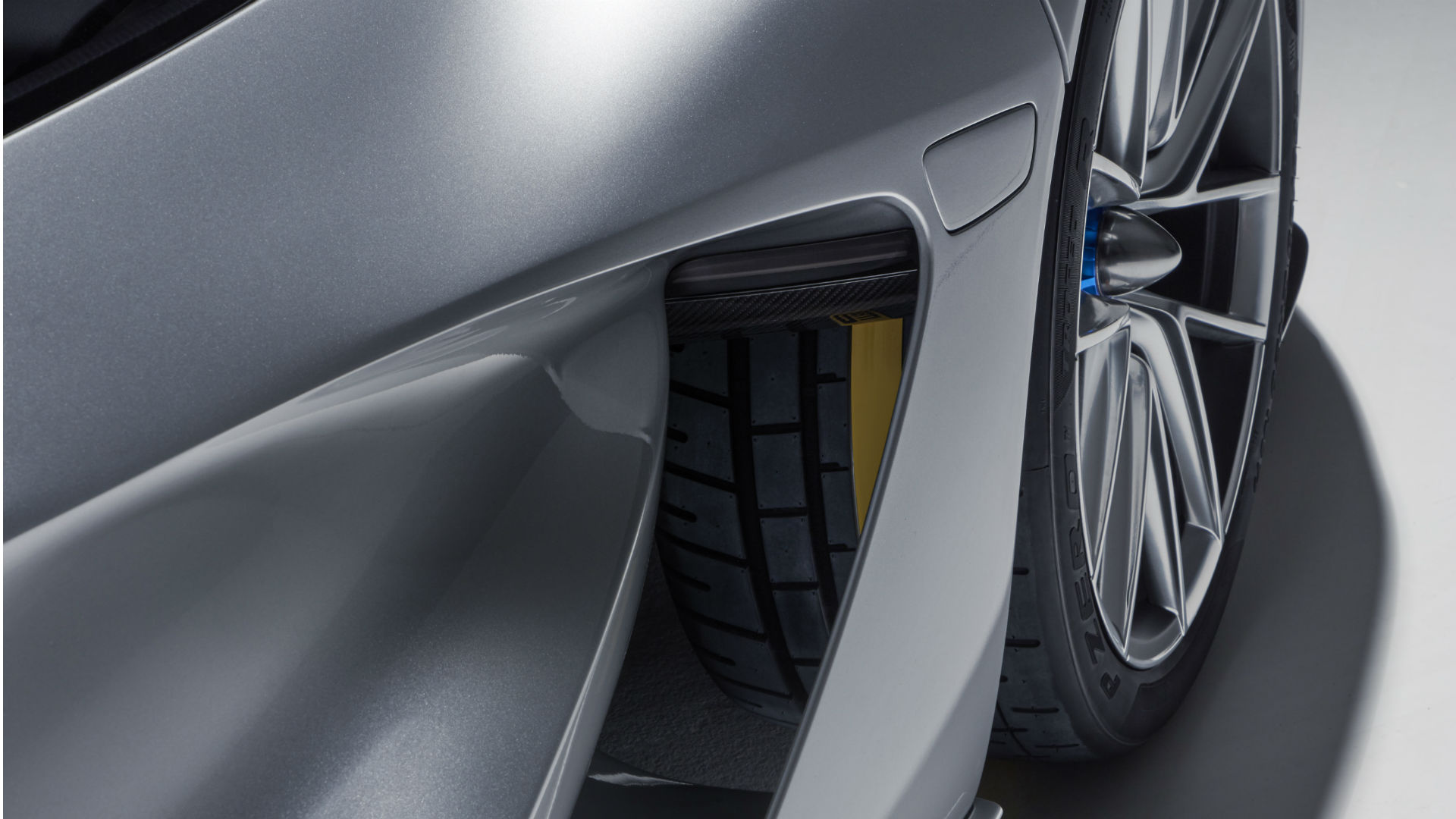
By far the Evija’s most distinctive feature are the venturi ducts that pierce its haunches, funnelling air through the car to help deliver ‘exceptional amounts of downforce’. Surrounded by red LEDs at the rear, they deliberately resemble jet afterburners.
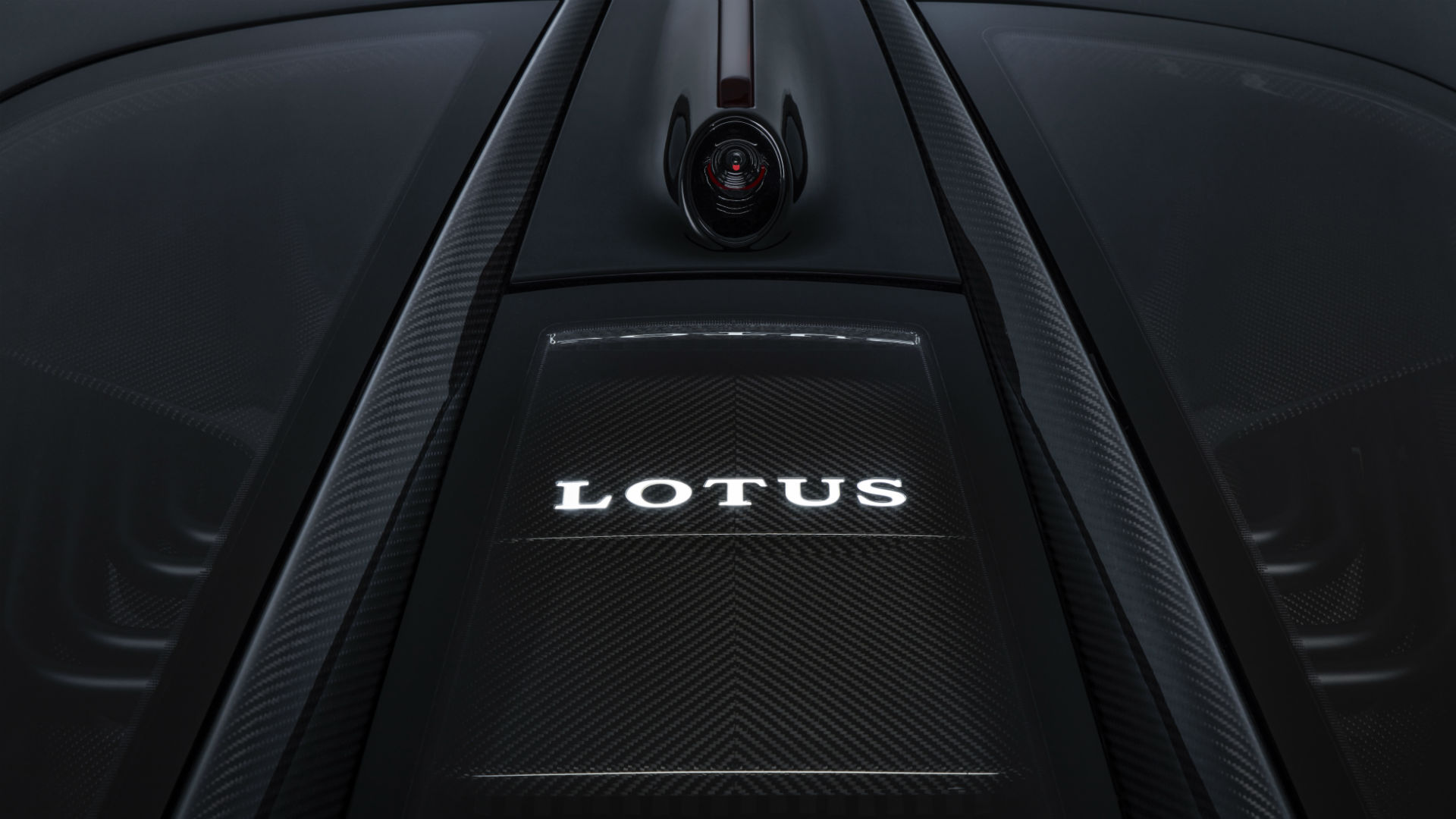
Other aero appendages include the bi-plane front splitter, which provides cool air to the battery, and the pop-out rear-view mirror cameras. These evoke Lotus pop-up headlights of the past, reckons Carr.
Focus and feedback
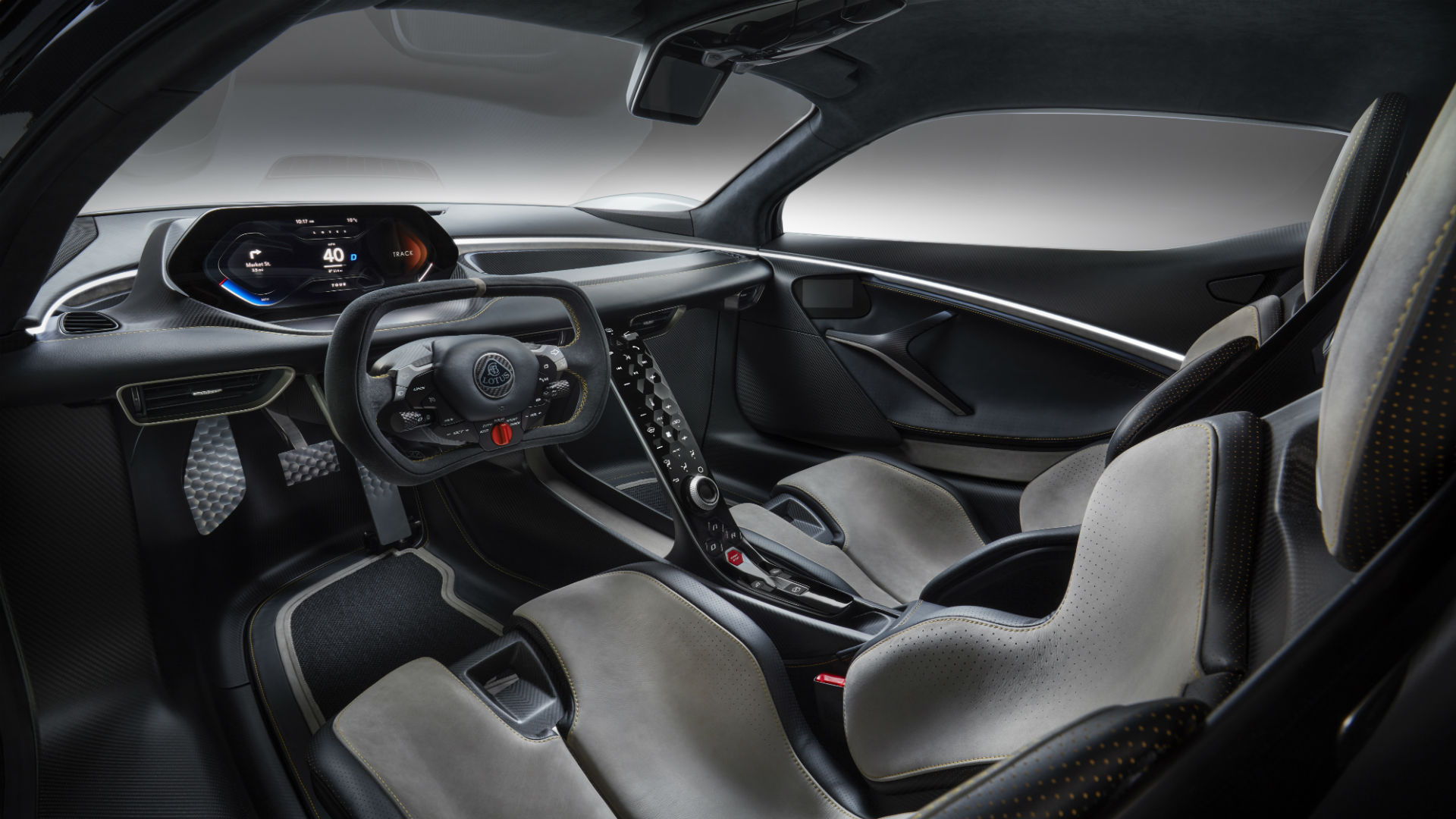
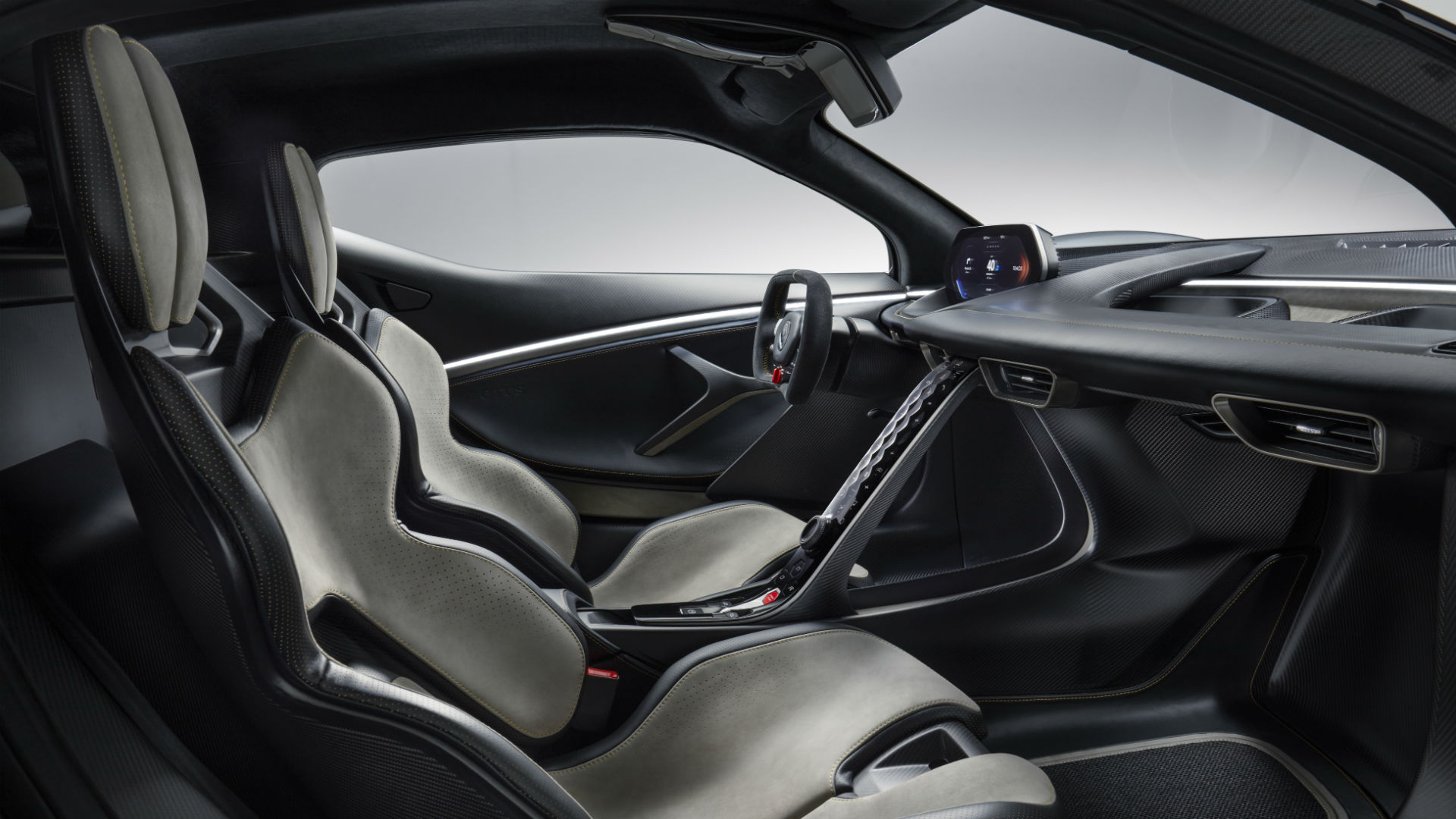
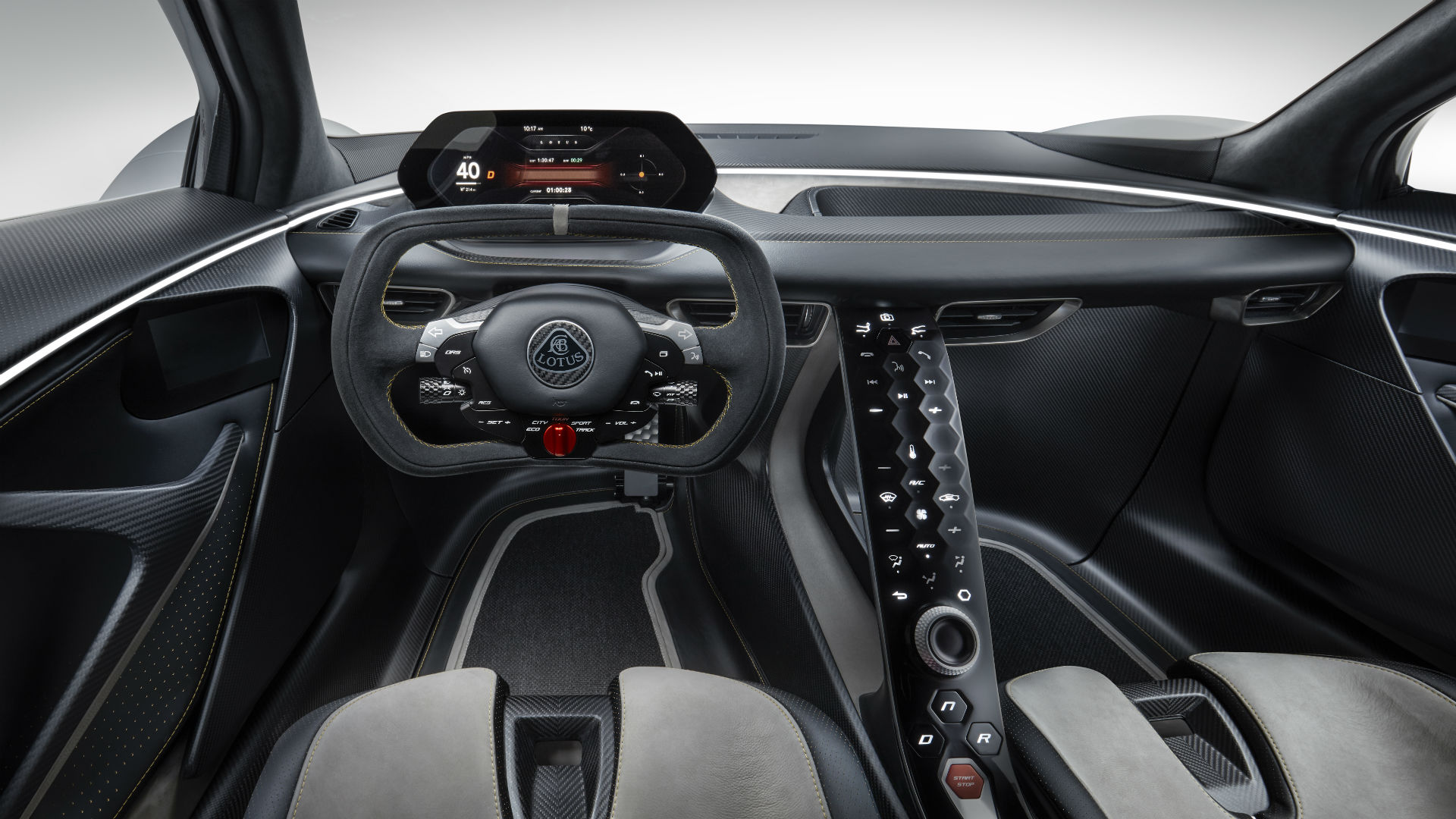
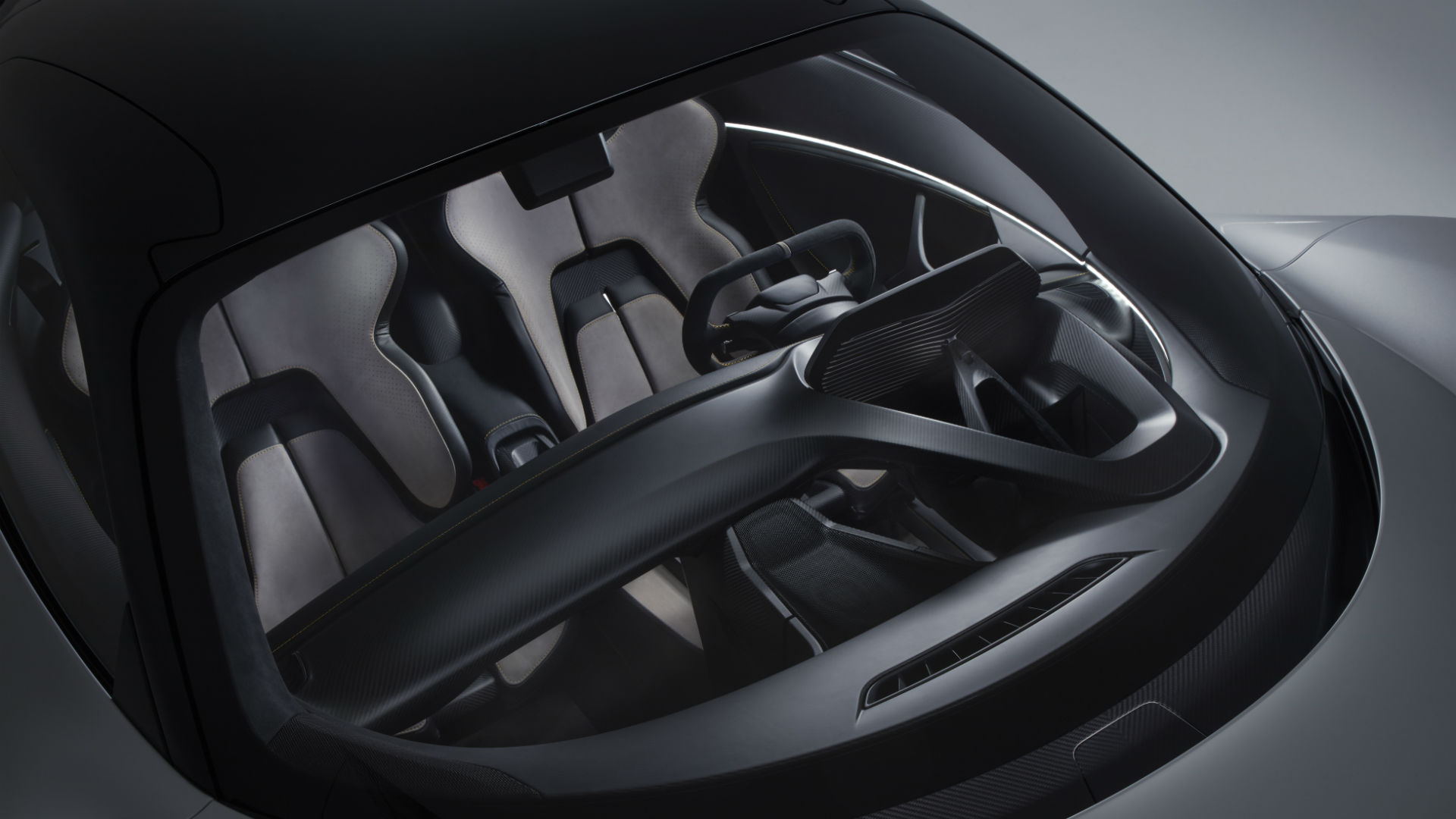
The interior of the Evija is functional and focused on the driver. Access is via dramatic, upwards-opening dihedral doors activated by the key fob (there are no handles). Once inside, a switch in the roof console – a nod to the classic Esprit Turbo – closes them.
Hard-shell carbon fibre seats are upholstered with strategically-placed Alcantara pads, with four-point harness seatbelts an option. The rectangular steering wheel is a clear link with Lotus’ F1 heritage, including a Ferrari-style ‘manettino’ to switch between drive modes.
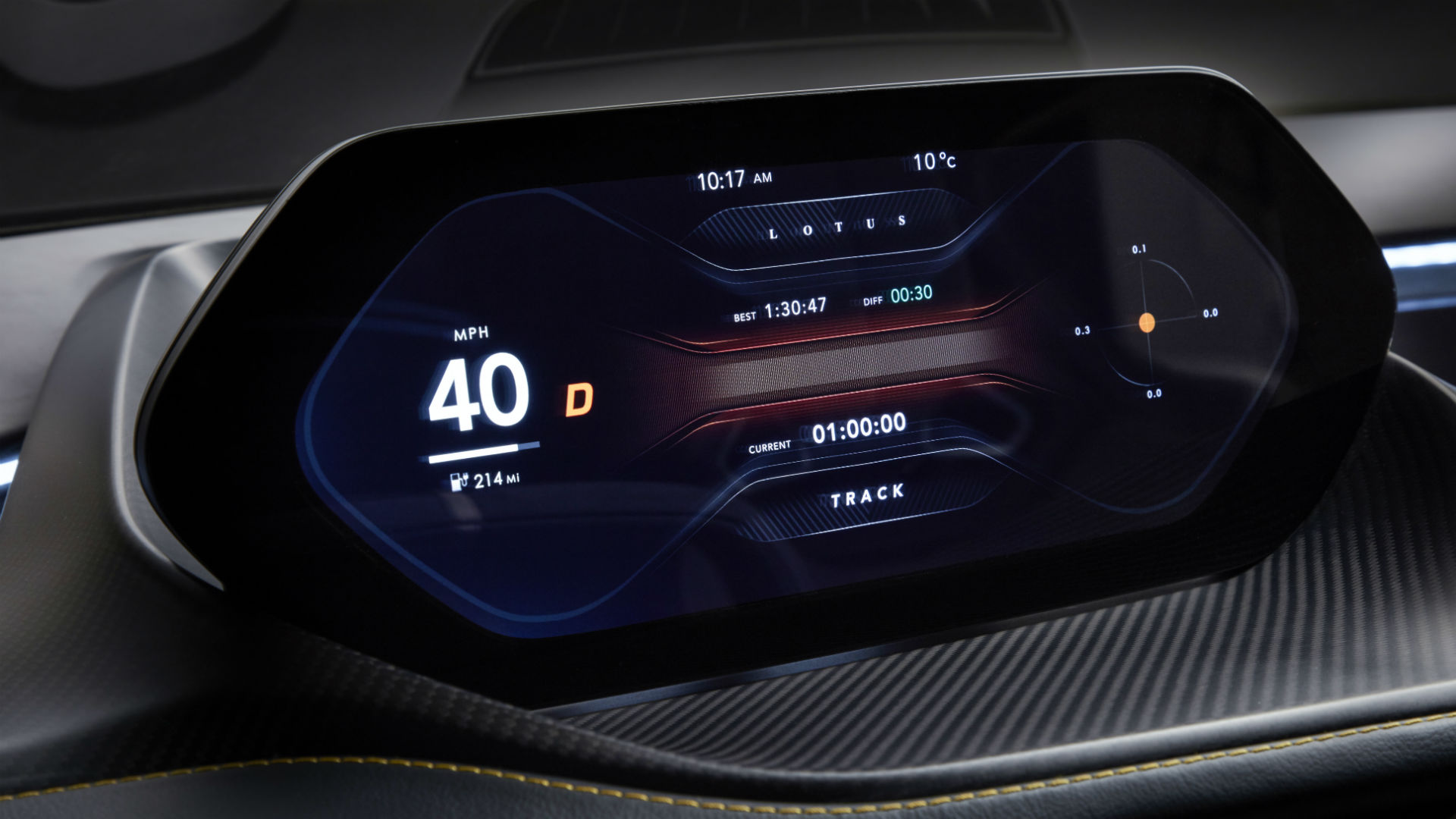
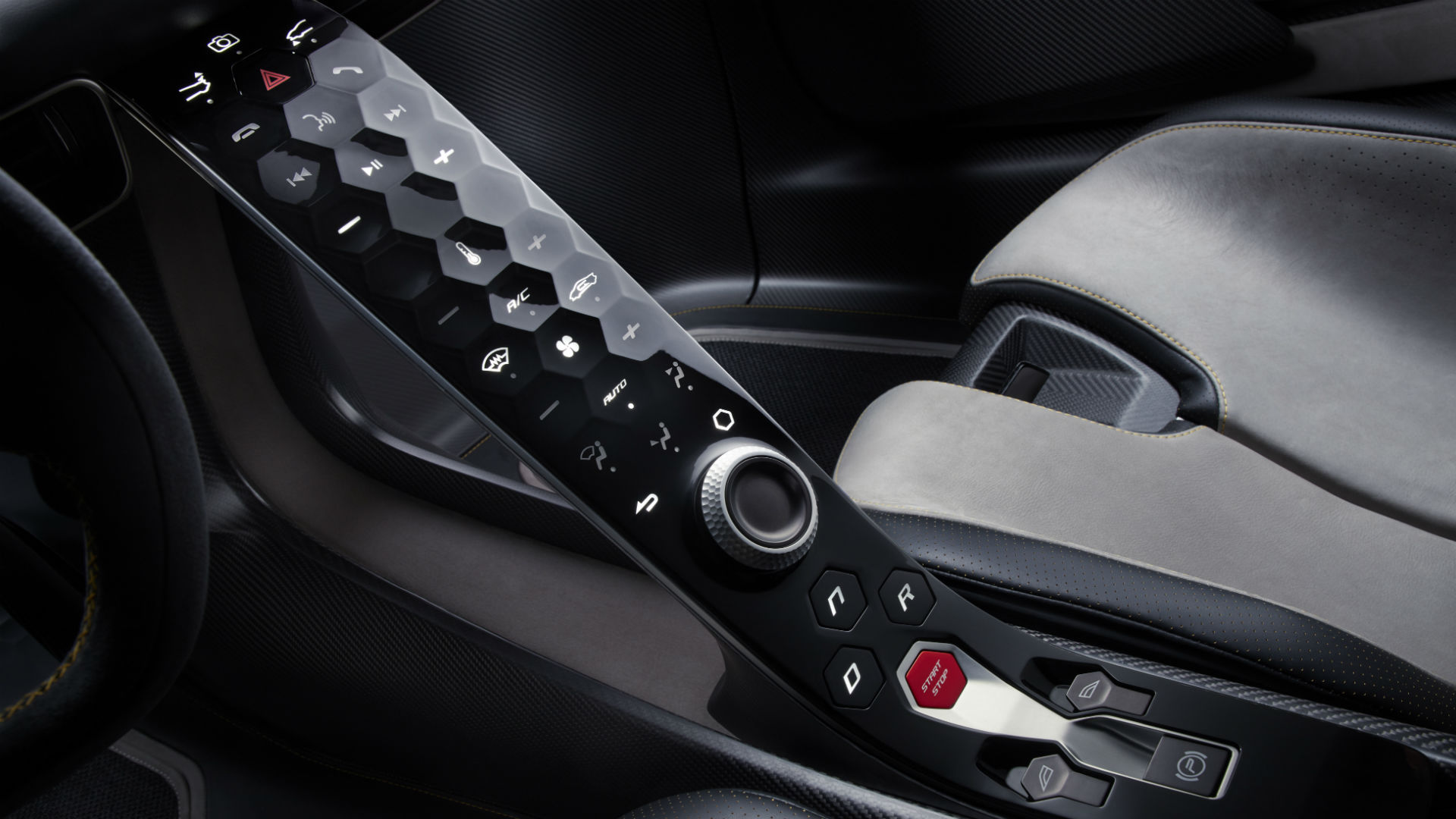
Up front, a compact digital display helps minimise driver distraction, while the jutting centre console features touch-sensitive haptic switches and a rotary controller for infotainment (including Apple CarPlay and Android Auto connectivity). “The driver is in sync with the car at all times and almost feels as if they are wearing it,” explains Carr.
Gunning for greatness
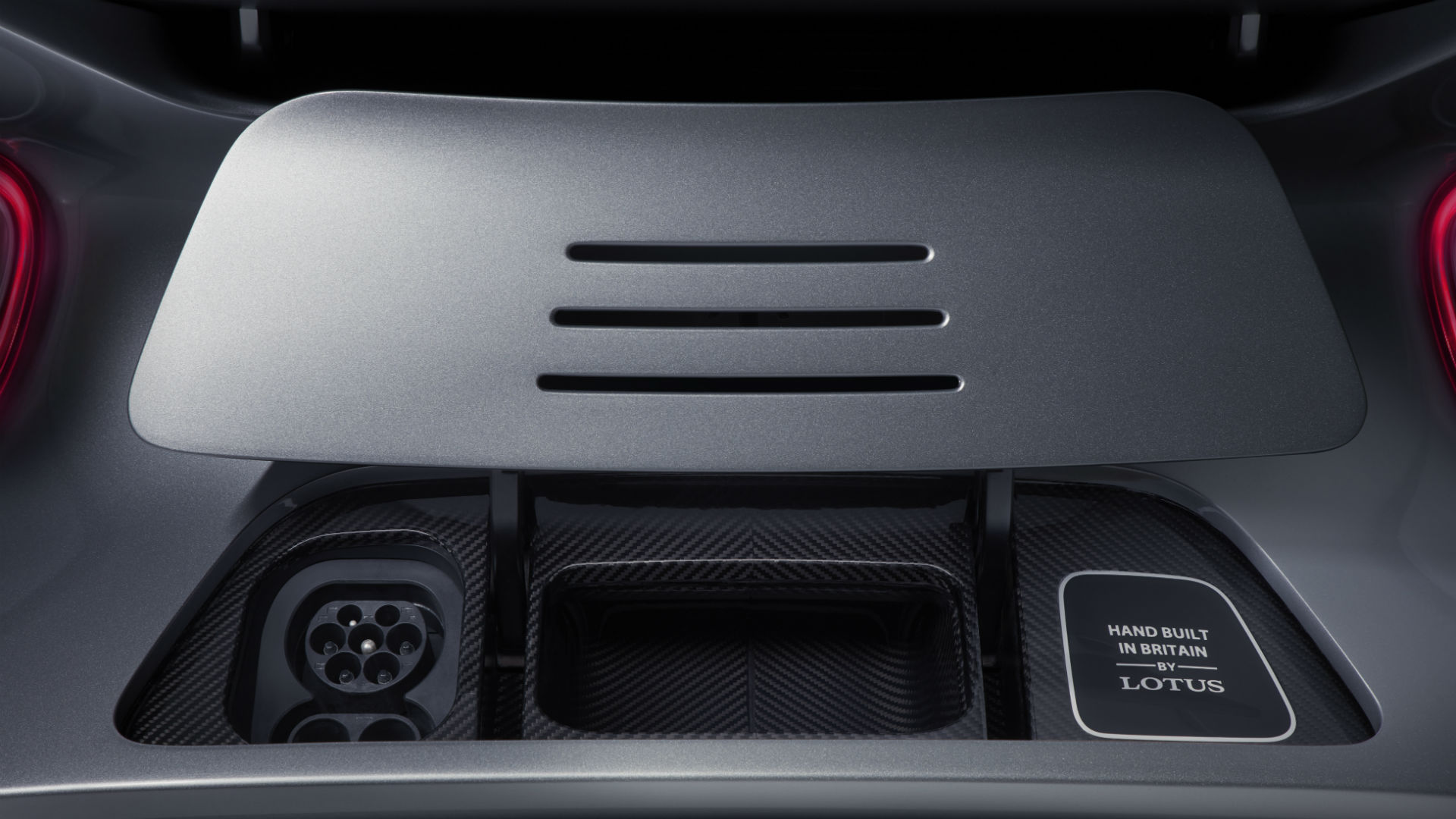
Assuming you drive with a modicum of restraint, the Evija can travel 250 miles (400km) on a full battery. Using a 350kW charger – the most powerful currently available – charge time will be 18 minutes to 100 percent capacity. It will offer Tesla-style over-the-air software updates and a dedicated smartphone app.
Customers will also be able to specify the car to their exact requirements. Want gold badges or a family crest embossed on the seats? If you really must, Lotus can oblige.
Lotus’ parent company Geely has already overseen the rebirth of Volvo and successful launch of Polestar, an upmarket EV brand that offers tempting opportunities for tech-sharing. Who’d bet against it giving Lotus a new lease of life? The Hethel-based company – which built just 1,700 cars last year – seems suddenly on the cusp of greatness.
“The Evija is a car like no other. It will re-establish our brand in the hearts and minds of sports car fans and on the global automotive stage,” said CEO Popham. “We hope this is our Sergeant Pepper moment.”
Lotus Evija: specification
Powertrain: All-electric, four-wheel drive Power: 2,000hp Torque: 1,254lb ft (1,700Nm) 0-62 mph: Less than 3.0 seconds Top speed: More than 200mph Range: 250 miles (400km) Charging time: 18 minutes (350kW charger) Weight: 1,680 kg Production run: 130 cars Length/width/height: 4,459/2,000/1,122 mm Price: Approx. £2 million On sale: 2020
Lotus will shortly end production of its three current sports cars, the Elise, Exige and Evora, ahead of introducing an all-new model in 2022. It marks the end of an era for the Norfolk-based brand, and the start of an exciting new chapter under Geely ownership. We’ll get to the Elise and Exige Final Editions – and indeed the incredible 2,000hp Evija hypercar – in due course. But first let’s rewind 52 years to the first great Lotus road car…
Lotus Seven SS
Weighing next to nothing and boasting a 125hp Holbay Twin-Cam engine, there was simply nothing like the Lotus Seven SS back in 1969. The Seven still lives on today, of course, albeit wearing a Caterham badge. The basic formula (and it really is basic) has endured.
Lotus Eleven
The Eleven was essentially a racing car you could buy in road-legal form. Its Coventry Climax engine was tiny, but aerodynamics made this Lotus competitive at Le Mans in 1957.
Lotus Elan Sprint
For us, this makes the top three of great Lotus road cars. The original Elan was a perfect exponent of company founder Colin Chapman’s ‘simplify, then add lightness’ mantra. In its final 1970s incarnation, the Elan got the famous 126hp ‘big valve’ twin-cam engine – good for 0-60mph in just 5.9 seconds and a top speed of 125mph.
Ford Cortina Lotus
The Ford Cortina Lotus – or ‘Lotus Cortina’ to its friends – is perhaps the most famous of the third-party cars tuned in Hethel. Ford partnered with Lotus to prepare its Cortina saloon for racing, leading to famous victories for Jim Clark. However, you could have almost as much fun on the public road in the 1960s. These revvy twin-cam precursors to the hot hatchback can still be seen driving on their door handles at the annual Goodwood Revival.
Lotus Europa Twin-Cam
Losing the Renault engine from the distinctive Europa was a good move. A Lotus Twin-Cam motor brought this little mid-engined sports car to life in 1971.
Lotus Esprit Turbo
The most iconic Lotus shape. Just look at it! The original Esprit was designed by Giorgetto Giugiaro, whose career highlights include the Mk1 Volkswagen Golf, Fiat Panda, Maserati Bora and BMW M1. With a 210hp turbocharged engine, it could exceed 150mph, although we don’t recommend it unless your codename is ‘007’.
Lotus Elan 100
Shock, horror: a front-wheel-drive Lotus. But fear not, it’s still great to drive. With a 160hp turbocharged Isuzu engine and a brilliant chassis, the Elan 100 served up plenty of fun in 1989.
Lotus Esprit Sport 350
A stylish new body by Peter Stevens and a twin-turbo V8 made the Esprit even more desirable. Add rarity to the mix – only 50 examples of the Sport 350 were made – and you have perhaps the ultimate Esprit. Pictured is the Sport 300 (just imagine it with a big rear wing).
Vauxhall Lotus Carlton
A car that strikes fear into the hearts of supercars, the Carlton saw Lotus take its fettling of previously unassuming road cars to a new level. With a turbocharged V6 producing 377hp, it could crack 175mph. Sensational stuff in 1990.
Lotus Elise S1
Lotus’s bread and butter for the modern era – although not for much longer – the Elise first appeared in 1996. Instantly, it brought the brand back to its lightweight, nimble roots. The 111S version had around 145hp and seemed plenty quick enough. It could also shame larger, heavier supercars on a twisty B-road.
Lotus Elise GT1
Speaking of supercars, here’s the Elise GT1. With a roaring American-based V8, this car seems almost entirely out of character for Lotus. Sadly, it never succeeded in road-based GT1 racing, which saw McLaren and Porsche take Le Mans victories. Only one road car was homologated.
Lotus Exige S1
As a pure driving machine, the first generation Exige deserves its spot here. This hardcore, hard-topped and bewinged beast is revered by many as perhaps the greatest modern Lotus.
Lotus Elise S2
The restyled Elise swapped a Rover K-series engine for Toyota twin-cam units. They were arguably less characterful, but certainly more capable. The pinnacle was the supercharged 220hp Elise SC, which could rocket from zero to 60mph in 4.3 seconds.
Lotus 340R
Strip the shell from an S1 Elise, bolt on a body that comes from a Mad Max movie and you have the 340R. With the Sport pack fitted, it produced 190hp in 2000. In a car weighing 701kg, that’s plenty.
Lotus Exige S2
The second Exige and last of the naturally-aspirated versions. This is a car that needs to be celebrated, as it takes the revvy Toyota engine up to 190hp. Jeremy Clarkson fought off an Apache helicopter gunship using one on Top Gear in 2004.
Lotus 2-Eleven
Invoking the spirit of the 340R, the 2-Eleven is a cannibalised Exige with a 250hp supercharged Toyota engine. Weighing just 670kg, the 2-Eleven was quick: 0-60 in under four seconds and a 150mph top speed. Making it road-legal was a £1,100 option.
Lotus Evora
First it was rumoured to be the new Esprit, then the ‘Eagle’ prototype name started floating around. When the Evora was revealed in 2009, it was praised, but wasn’t quite the Lotus rebirth some had hoped for. Still, we’ve no arguments with a sporty, mid-engined, semi-luxurious two-plus-two with a 280hp six-cylinder heart.
Lotus Exige S3 V6
That same six-cylinder engine made its way into the third-generation Exige, packing 345hp thanks to a supercharger. In present 430 form it has – you guessed it – 430hp. That’s more than twice the power of the S2 and enough to keep a Porsche 911 GT3 honest on a road or racetrack.
Lotus 3-Eleven
The 3-Eleven wasthe quickest production Lotus road car ever when it was revealed in 2016. With a 450hp supercharged V6, it could top 180mph and crack 60mph in three seconds flat.
Lotus Evora Sport
It didn’t take long for Lotus to supercharge the Evora. It first reached 350hp, then leapt up to 400, 410 and 430. With carbon fibre aero add-ons and a price tag nudging £100,000, the Evora 430 almost achieves supercar status.
Lotus Evija
The Evija, however, leaps straight into the realm of the hypercar. Pronounced ‘Ev-eye-a’, this 2,000hp all-electric machine is a halo model, paid for by a much-needed cash injection from Geely. Only 130 will be made, priced at well over £1 million each. We’ve come a long way from that old Seven SS…
Lotus Exige Sport 390 Final Edition
Here’s the first of the run-out models marking the end of Exige and Elise production. The Exige Sport 390 serves up an extra 40hp from an uprated Edelbrock supercharger and sprints to 60mph in 3.7 seconds. Unique paint colours, wheel finishes, decals and Final Edition badging will surely make it a collector’s item in years to come.
Lotus Exige Sport 420 Final Edition
The Exige Sport 420 ups the ante, with 60mph in 3.3 seconds and a top speed of 180mph. The Eibach anti-roll bars and Nitron dampers are both adjustable, while AP Racing brakes offer serious stopping power. Lotus describes it as ‘the most complete driving car of its class’.
Lotus Elise Sport 240 Final Edition
We end with the Elise, the car that has sustained Lotus for a remarkable 25 years. Choose all the lightweight options (selected carbon fibre panels, lithium-ion battery, polycarbonate rear window) and the Sport 240 Final Edition weighs a modest 898kg – half as much as many modern sports cars. It’s still a brilliant driving machine that Colin Chapman would surely have been proud of. We’ll miss it when it’s gone.
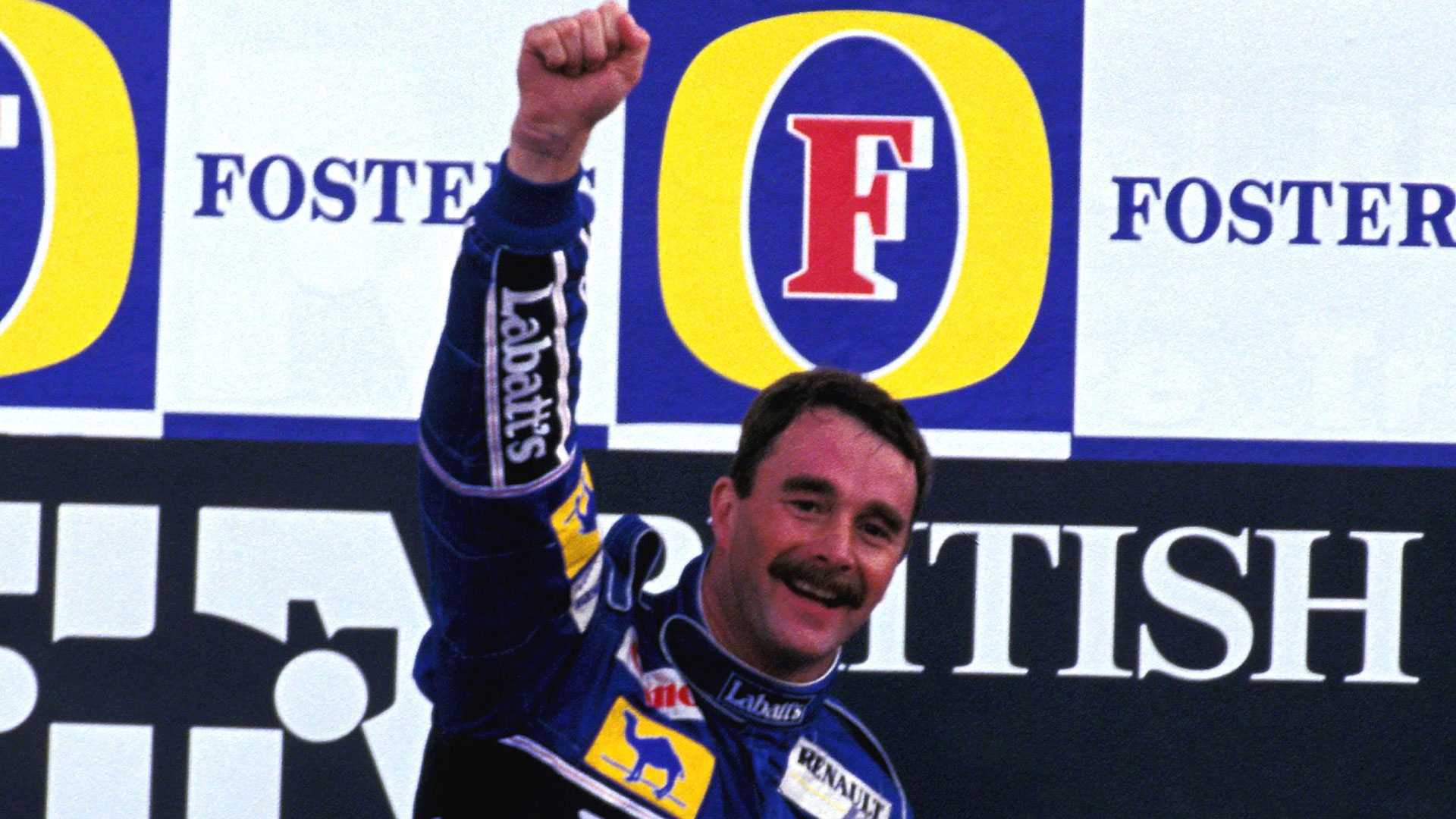
Former Formula One World Champion Nigel Mansell has backed calls to make Friday 19 July ‘check your vehicle day’.
It’s part of Highways England’s ongoing safety campaign around motorway driving, and comes ahead of what the RAC is calling ‘Frantic Friday’.
Millions of extra cars are likely to hit the road this weekend as the nation’s schools break up for the summer and families head to the traditional tourist hotspots. Highways England and Nigel Mansell are urging motorists to carry out some basic checks in advance to avoid breaking down.
‘Getting to your finish line’
The 1992 F1 champion said: “The ‘check your vehicle day’ is a great initiative from Highways England. As someone who raced in Formula 1 for well over a decade, I know a thing or two about good vehicle preparation – and what this means for getting to your finish line.
“Making sure your car is fully ready for the journey ahead could not only save you and your family a lot of heartache on the way to your destination; but ensure that you, your occupants and other road users are as safe as possible.
“It should be a weekly task for the driver to make sure all lights are working on his or her car, all glass areas are clean, wipers clear the windscreen properly, tyres at least meet legal requirements and water and oil levels are topped up.
“I am delighted to give my stamp of approval to Highways England’s call to action and please pay attention to it, as it could save your life and those around you.”
Basic checks to avoid a breakdown
Highways England is expecting to respond to an extra 700 breakdowns a week over the six-week school holiday period, increasing the number of motorway breakdowns a week to almost 5,000. Many breakdowns could be avoided by carrying out some basic checks before leaving home. For example:
Check the tyre pressures, paying close attention to specific guidelines for a vehicle loaded with passengers and luggage.
Check the engine oil using the dipstick, and top up if required. If the vehicle is consuming too much oil, speak to a mechanic in advance of a long journey.
Check the coolant to ensure that it sits between the ‘min’ and ‘max’ levels.
Check that the wipers are in good condition and there’s sufficient screenwash in the reservoir.
Check all of the lights, including headlights, brake lights, reversing lights and indicators.
Check the fuel, refilling close to home is a good idea in case you get stuck in congestion. A distress purchase of fuel on the motorway is likely to be expensive.
Richard Leonard, head of road safety at Highways England, said: “Breakdowns are still too common. We’d urge motorists to check their vehicles on a regular basis and this week is really important because we know that many schools break up for summer and people are setting off on holidays and getaways.”
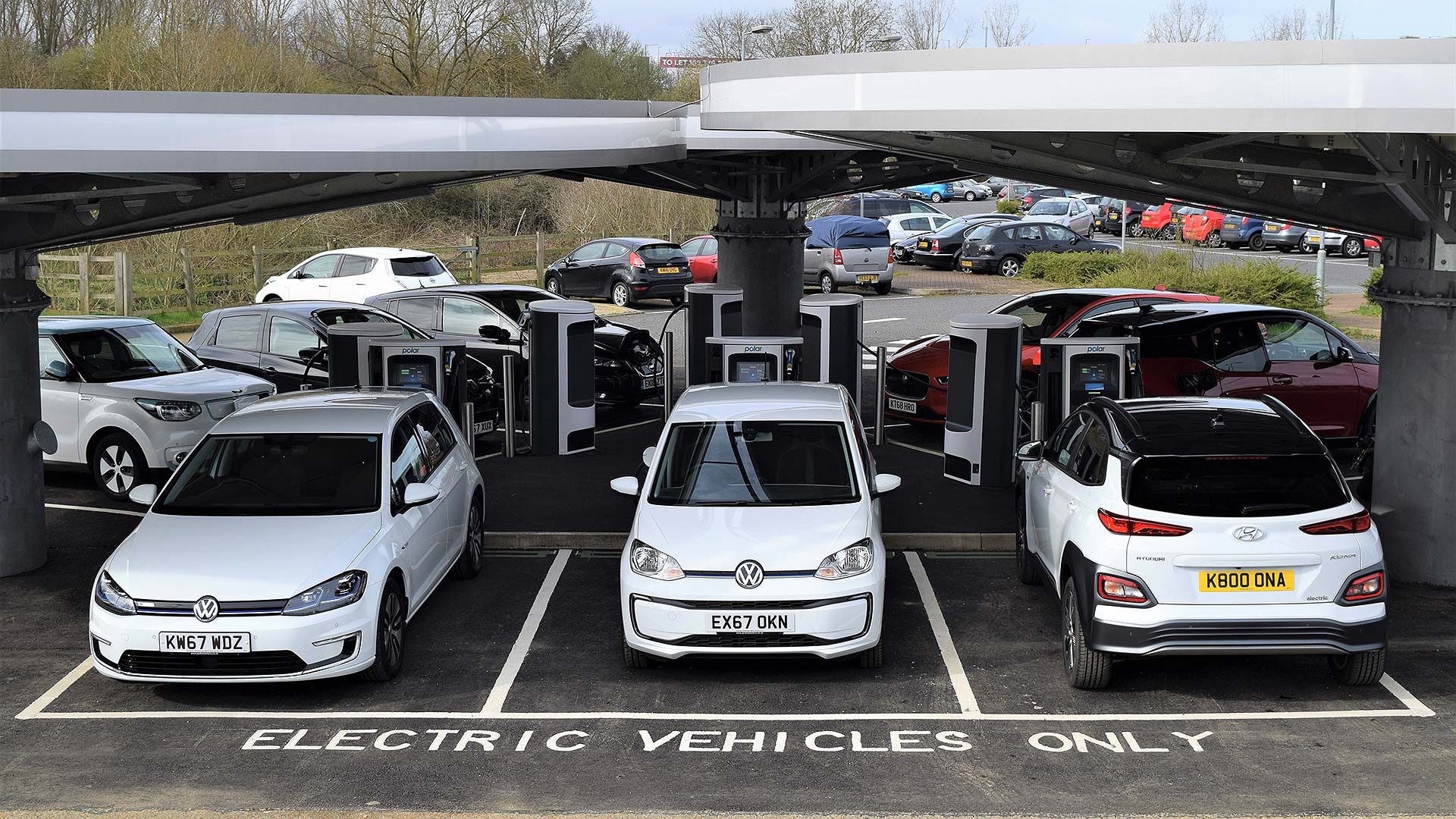
All newly installed rapid and higher powered chargepoints should accept one-off contactless payments without the need for a subscription by 2020, the government has said.
And it is prepared to “intervene” if the electric car charging industry ignores this demand.
“It is crucial there are easy payment methods available to improve electric vehicle drivers’ experiences and give drivers choice,” said future of mobility minister Michael Ellis.
“This will help even more people enjoy the benefits electric vehicles bring and speed up our journey to a zero-emission future.”
The government is committed to allowing electric vehicle owners to use ANY public charge point through a SINGLE payment method, without requiring multiple subscriptions, smartphone apps or membership cards.
Last week, the government announced that it will invest £37 million in the electric vehicle charge point infrastructure, as it seeks to “revolutionise the experience” for the increasing number of EV drivers on UK roads.
Twelve projects will share the funding to support the creation of innovations including wireless charging. EVs of the future could charge without the need to use a cable.
Other projects include installing charge points in car parks to allow for mass charging overnight, using Virgin Media’s infrastructure to better share information on charging progress and parking spaces, and a “cutting edge’ storage project that will deliver semi-rapid charging without the need for costly substation upgrades.
‘A net zero economy’
Speaking about today’s announcement, business and industry minister Andrew Stephenson said: “Initiatives like this are essential as we move towards a net zero economy, making it easier than ever for people to own and use electric vehicles.
“Investing in batteries, technology and infrastructure through our modern Industrial Strategy and Faraday battery challenge will ensure the UK leads the world in the global transition away from fossil fuels while supporting the future of our automotive industry.
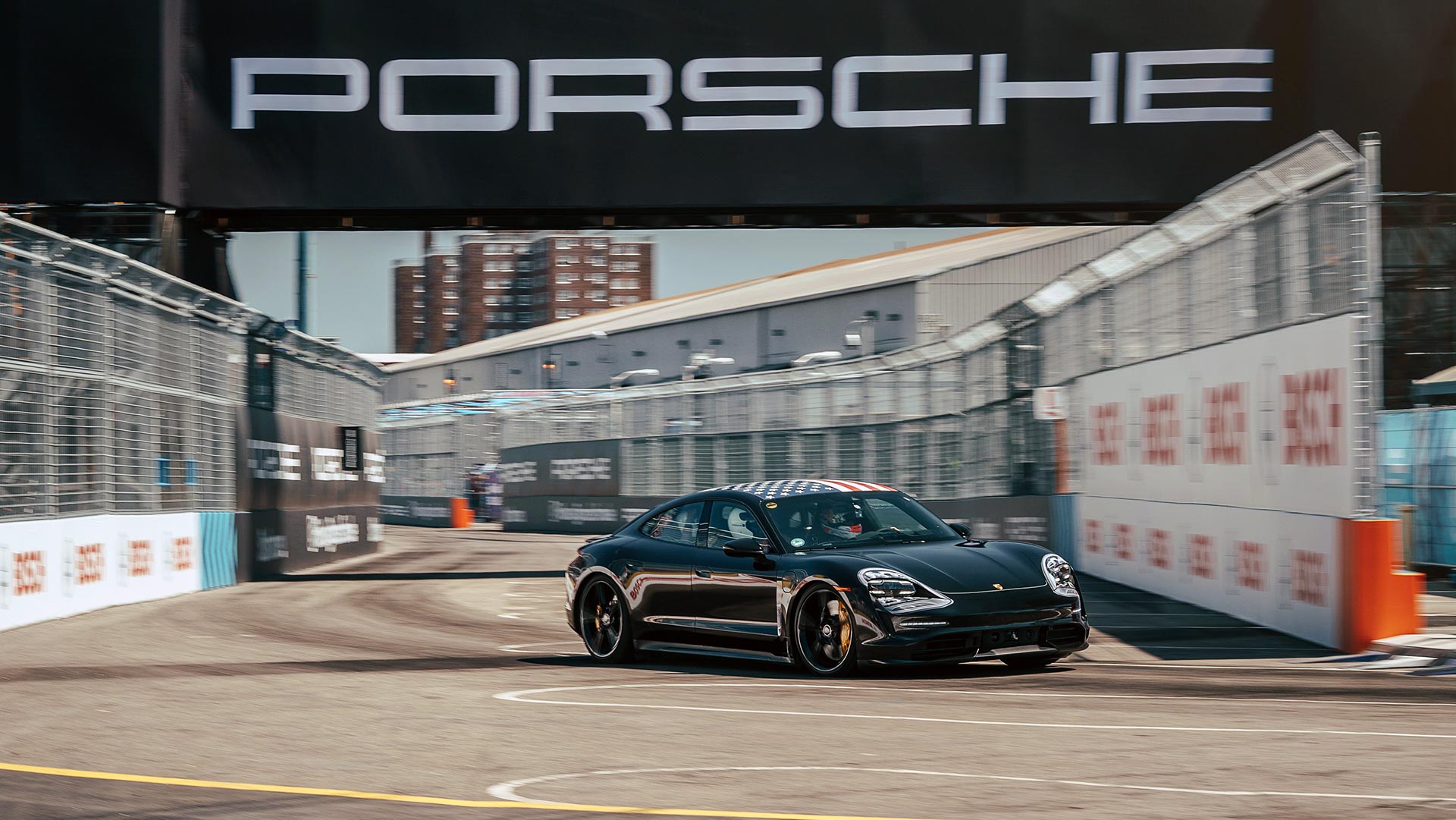
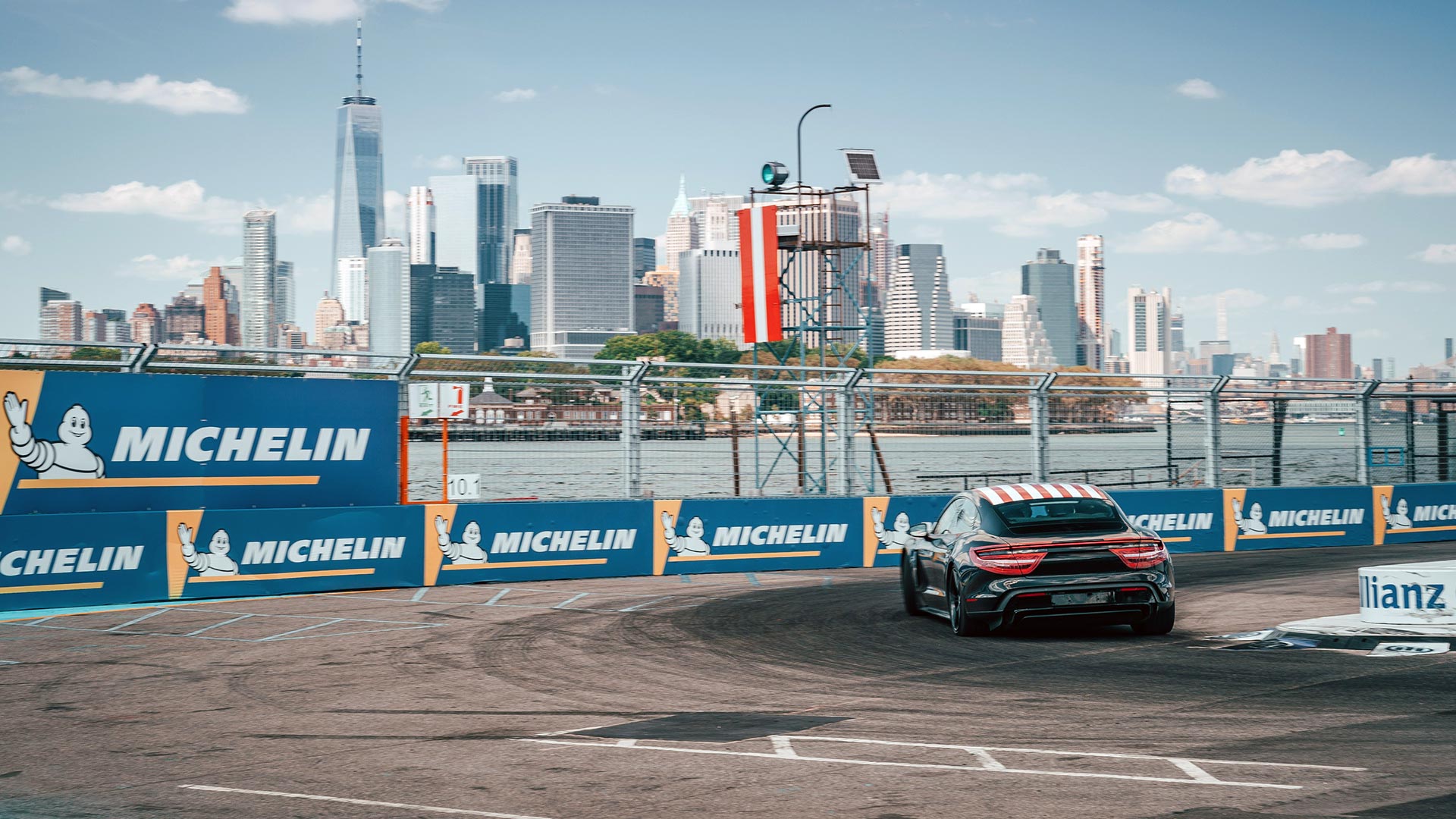
Formula E fans in New York City got a first glimpse at the all-electric Porsche Taycan as part of the dazzling season finale.
The countdown is on to the official launch of the battery-powered Taycan, set for September 2019.
More than 20,000 individuals have already registered their interest, and no doubt some were watching keenly from the stands in Brooklyn.
Fully charged for action
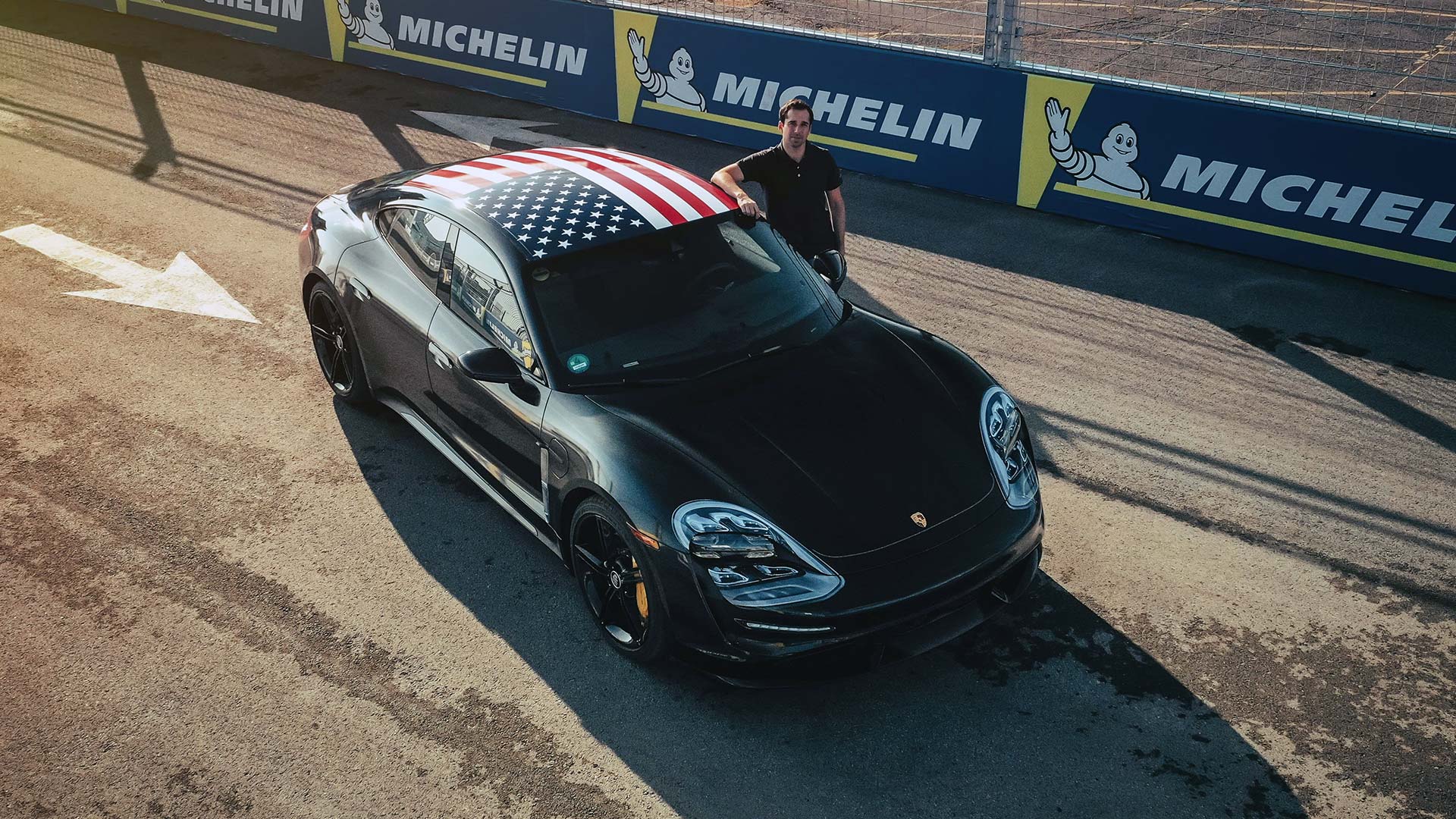
Keen to prove the potential of the Taycan, Porsche made use of top racer Neel Jani for driving duties in NYC. Jani has previously won the Le Mans 24 Hours race, and the World Endurance Championship with Porsche, so is no slouch when it comes to the track.
Capable of hitting 0-60 mph in under 3.5 seconds, the Taycan made a rapid demonstration run, with the prototype wearing a special stars-and-stripes design.
Swiss-born Jani was also getting some extra practice in. He will be competing for the Porsche team in the 2019-2020 Formula E Championship, which begins in November this year.
Globetrotting exhibition ends in New York
The New York event was the final stop on a whirlwind global tour by the Taycan prototype model.
Previously, the car has made an appearance at the Porsche Experience Centre in Shanghai, China. There it was driven by Li Chao, a Chinese racing driver who competes in the Porsche Carrera Cup Asia.
Porsche brand ambassador, and ex-Formula 1 racing driver, Mark Webber also drove the Taycan at the recent 2019 Goodwood Festival of Speed.
With demonstrations of the Taycan’s abilities now made on three continents, even the most ardent Porsche purists may be starting to accept the performance it can bring…
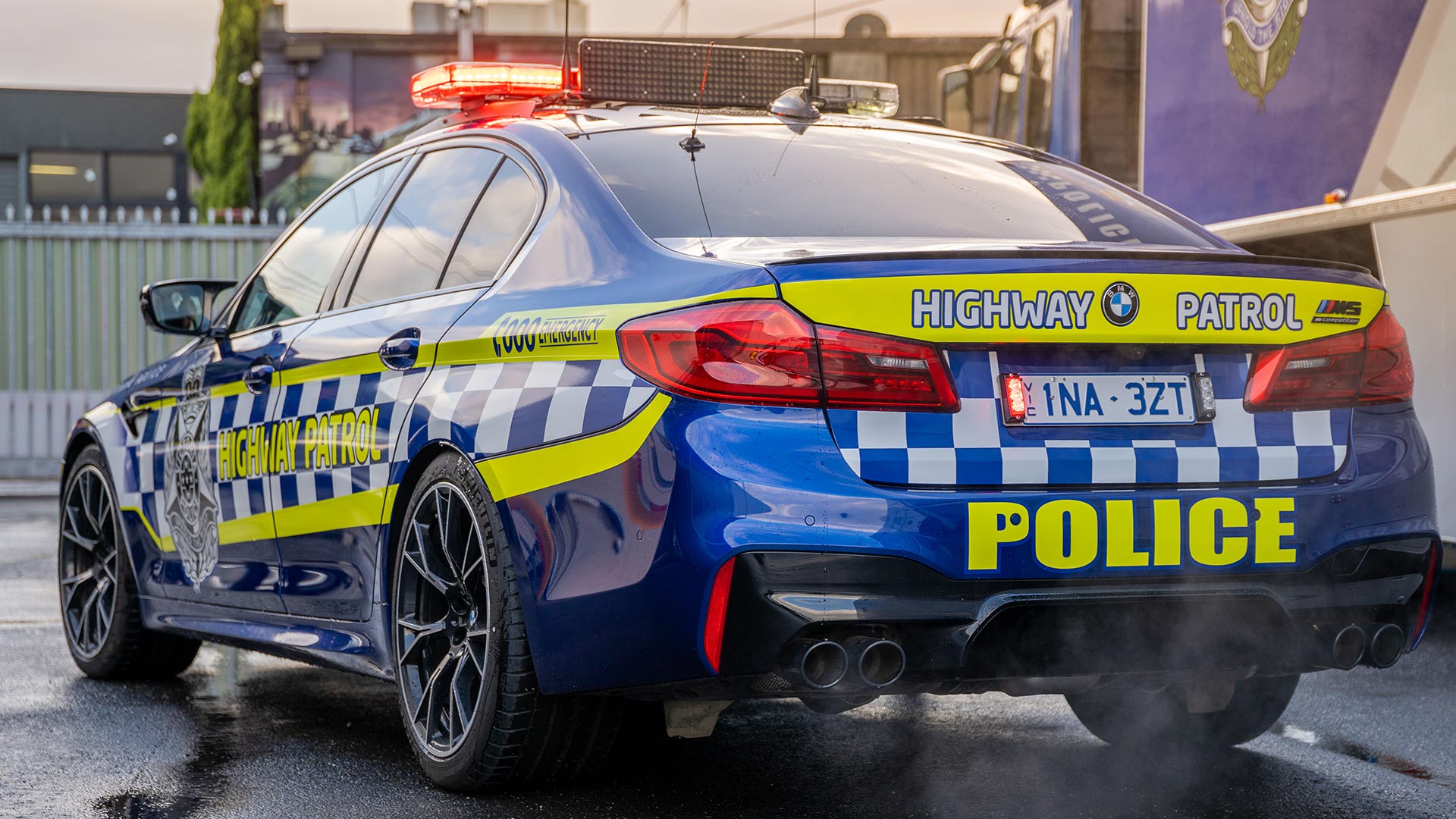
Motorists living in the Australian state of Victoria now have a whole new reason to keep an eye on their rear view mirror.
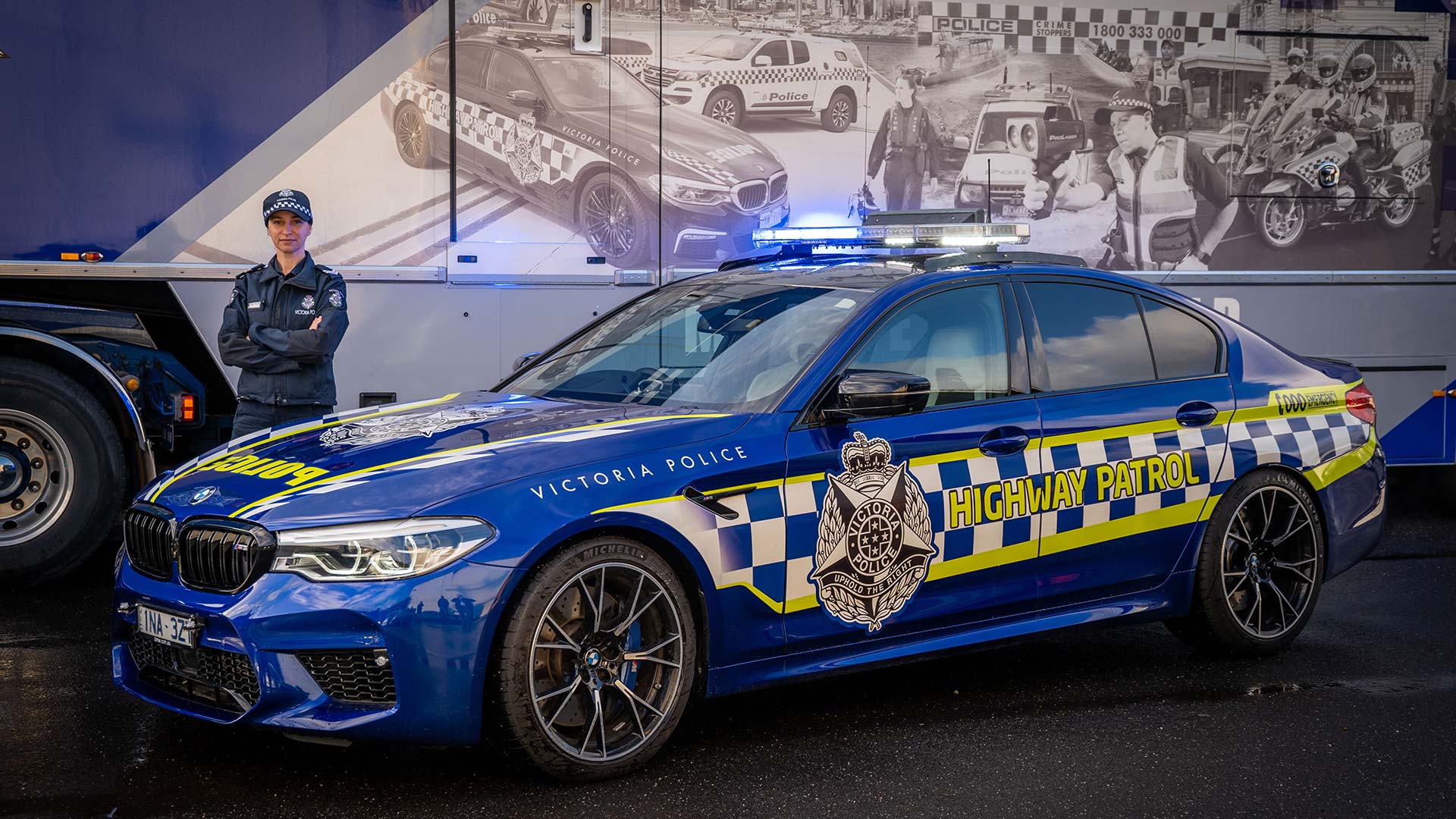
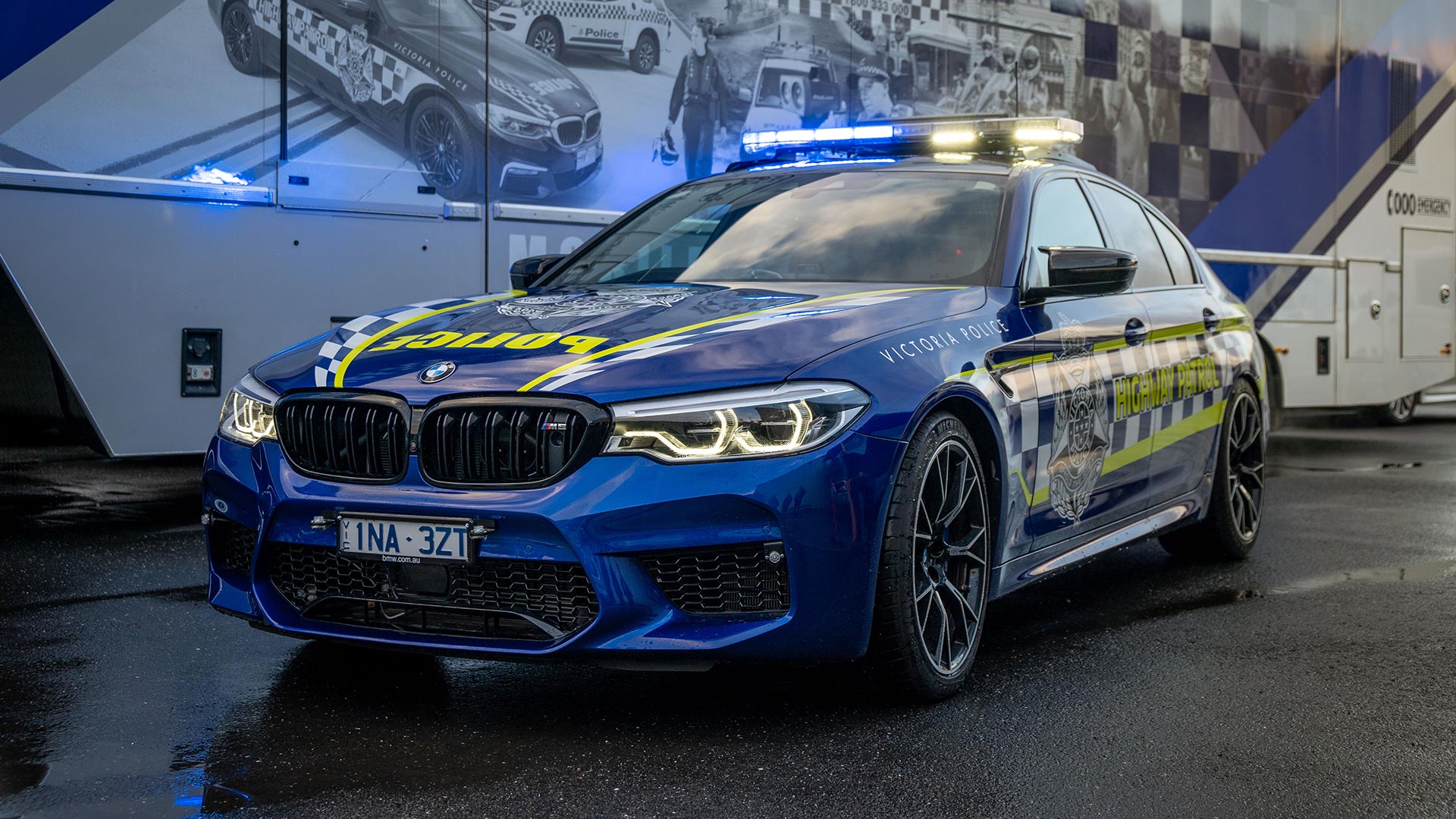
Victoria Police’s Highway Patrol department has now taken ownership of a BMW M5 Competition, powered by a 4.4-litre twin-turbocharged engine.
With a potential top speed of 305km/h (190mph), it becomes the fastest police vehicle on duty in Australia.
No hooning allowed
Back in 2018, Victoria Police entered into an agreement with BMW for the supply of 80 diesel 530d four-door saloons. However, the latest recruit brings a whole new level of performance.
Maximum output from the V8 engine peaks at 460kW (617hp), with an accompanying 750Nm (553lb-ft) of torque. All that power is sent to all four wheels by BMW’s xDrive system, whilst an eight-speed automatic gearbox handles the gear shifts.
Along with the heroic top speed, the M5 Competition can also sprint from 0-100km/h (0-62mph) in just 3.3 seconds. Perfect for catching up with speeding drivers who make the foolish decision to run from the law…
A dramatic livery, plus a full set of lights and sirens, should mean there is no mistaking this M5 for just another rapid commuter.
Ultimate crimefighting machine
Vikram Pawah, BMW Group Australia CEO, said of the deployment of the German super saloon: “With the incredible BMW M5 Competition entering Victoria Police service, the performance level has jumped up the scale.
“When combined with the safety of the xDrive four-wheel drive system, the M5’s all-round ability aspects makes it a natural fit for dynamic police duties”.
The M5 becomes the latest performance vehicle recruited by Australian police forces, who are trying to find replacements for the defunct Holden Commodore and Ford Falcon.
Forces in Western Australia, Queensland, and the Northern Territory have all picked the Kia Stinger for roads policing duties. Police in New South Wales, meanwhile, have recently started using a Honda Civic Type-R for community engagement work.
The RAC has conducted research into drivers’ knowledge of French rules of the road that differ to those in the UK.
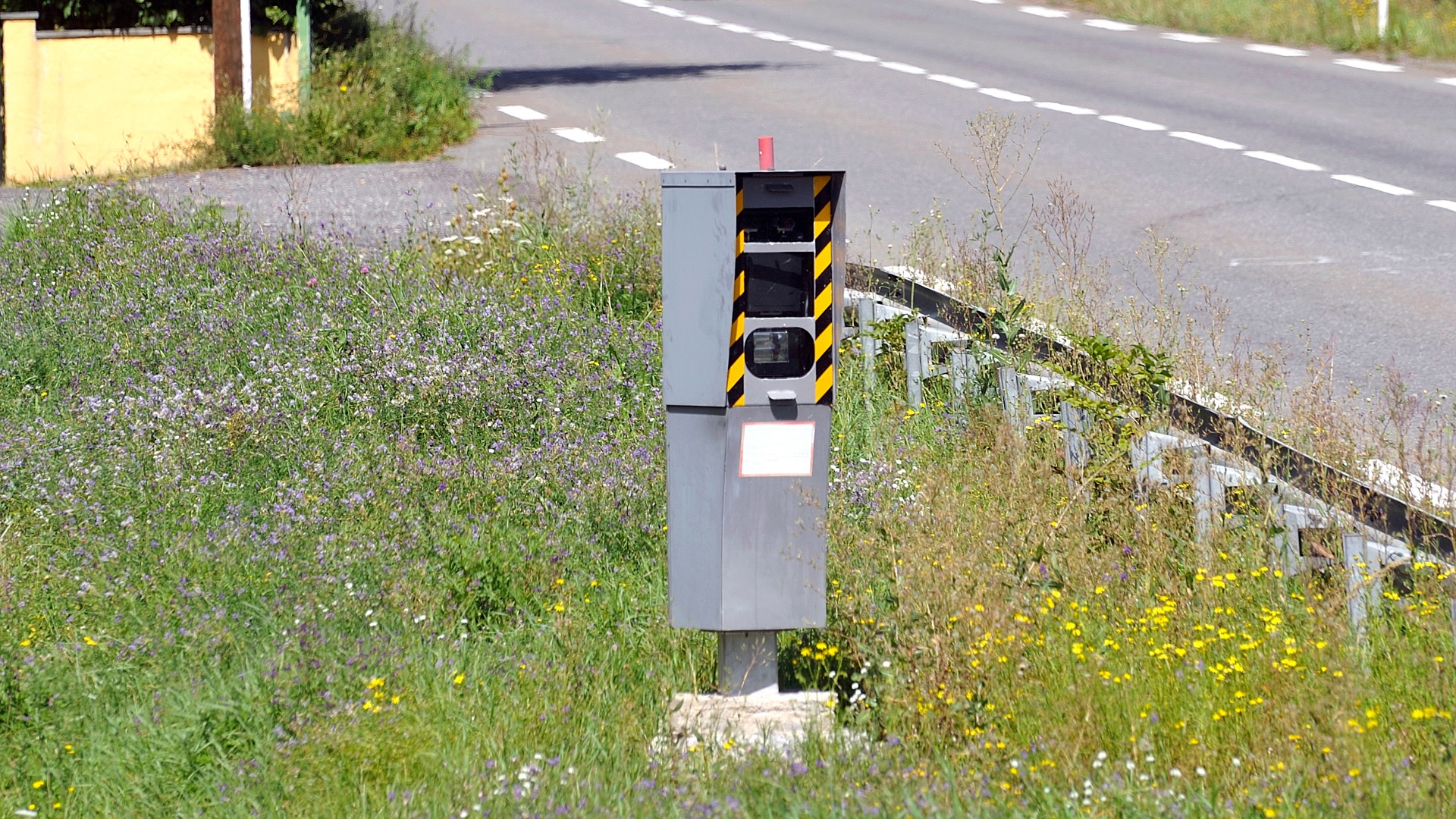
Top of the great unknowns is a new type of ‘Mesta Fusion’ speed camera being deployed this summer. Just 14 percent are aware of it.
What can the new speed camera do?
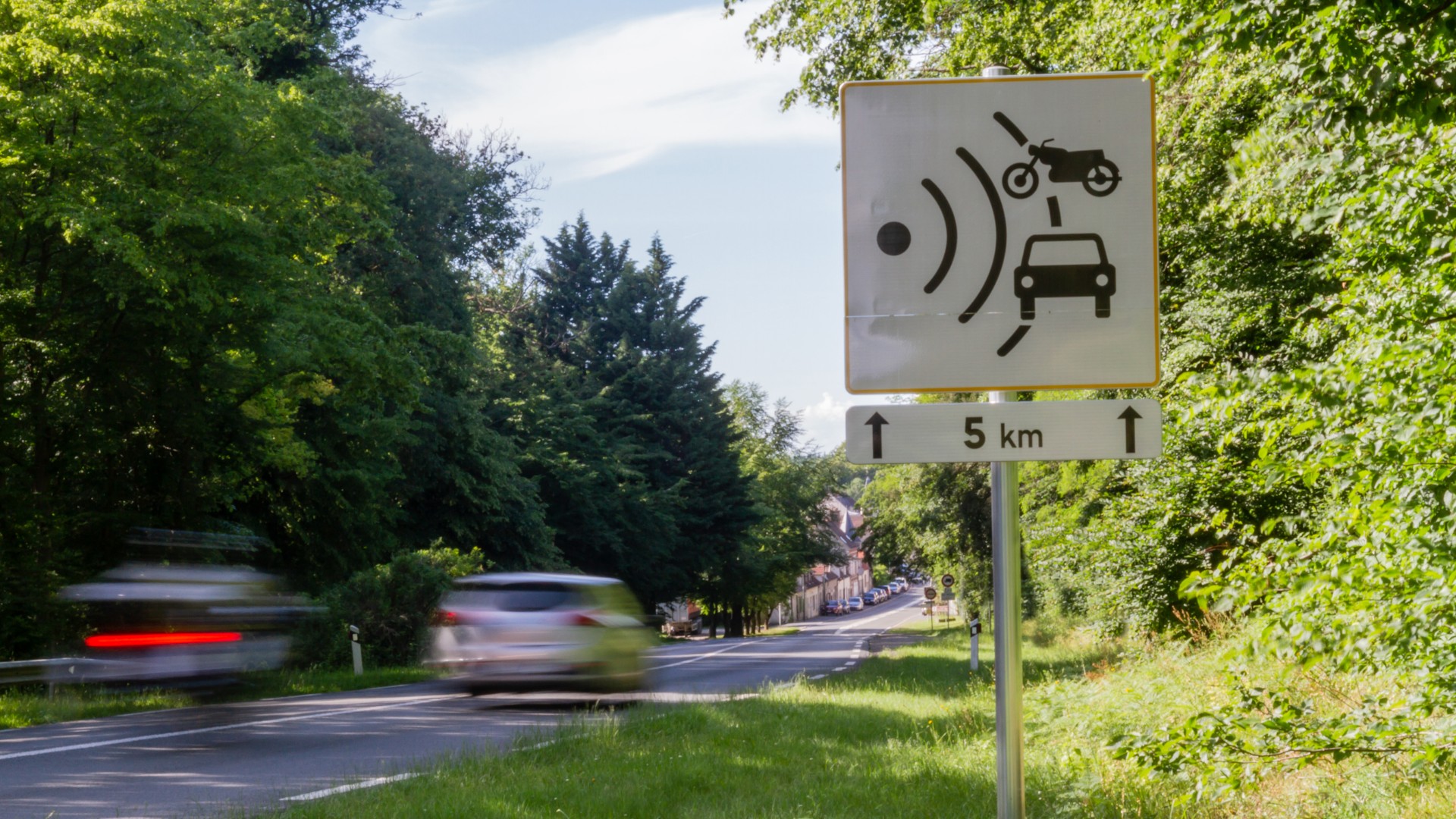
This isn’t just a speed camera. These new cameras are multi-functional – dubbed the ‘Cameras of the future’. On top of speeding, they can catch you using your phone, without your seatbelt on, illegally overtaking and tailgating.
This, in addition to driving in lanes you shouldn’t be and running red lights, which some specific cameras do in the UK. Around 400 are being set up throughout France over the course of this year.
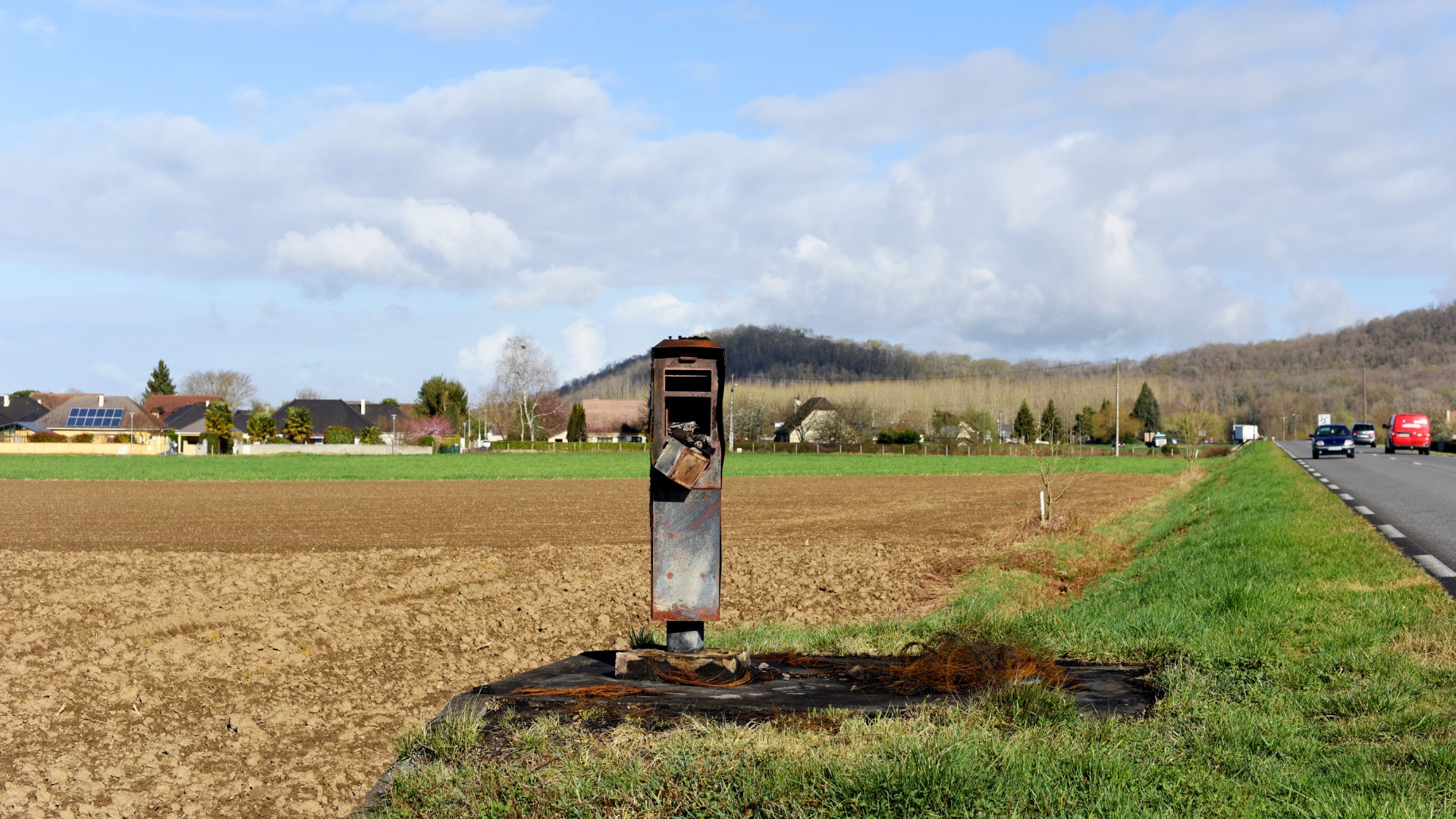
If you don’t like the sound of them, you’ve got nothing on the French. Amid some of the ‘yellow vest’ protests, cameras old and new have been vandalised by disgruntled locals.
Holes in our knowledge
Perhaps this wouldn’t be a problem if we knew the rules. But many of us don’t…
Six-in-10 aren’t aware that tailgating is illegal. Only 39 percent are aware that headphones are illegal to use while driving. Half aren’t aware that the only legal way of using a mobile phone as a driver is to park up and switch the engine off.
Breaking down in France – instant recovery fee
Half of drivers aren’t aware that there is a mandatory recovery fee in France, should you break down on a motorway. Of those that do know, just 15 percent realise the fee has risen this year, to around £113.
That’s a minimum too, given that the fee rises overnight and at weekends. Certain breakdown providers with certain levels of cover in the UK can, however, reimburse you, should you come a cropper on the continent.
“With thousands of UK drivers taking their own cars – and motorbikes – to France in the coming weeks, it can be easy to forget that certain driving conventions can be quite different to those this side of the Channel,” said RAC Europe spokesman Rod Dennis.
“Breaking down on a French motorway, for instance, results in a driver having to pay a mandatory fee to have their vehicle recovered before a breakdown assistance company can come to help – a very different experience to here in the UK. So it’s important UK drivers check their breakdown policy covers them before they leave home.
“Luckily, the vast majority of drivers say they have European breakdown cover in place before they leave – which is just as well, as a good policy is vital in helping drivers out of a sticky situation should they be unlucky enough to suffer a breakdown away from home.”
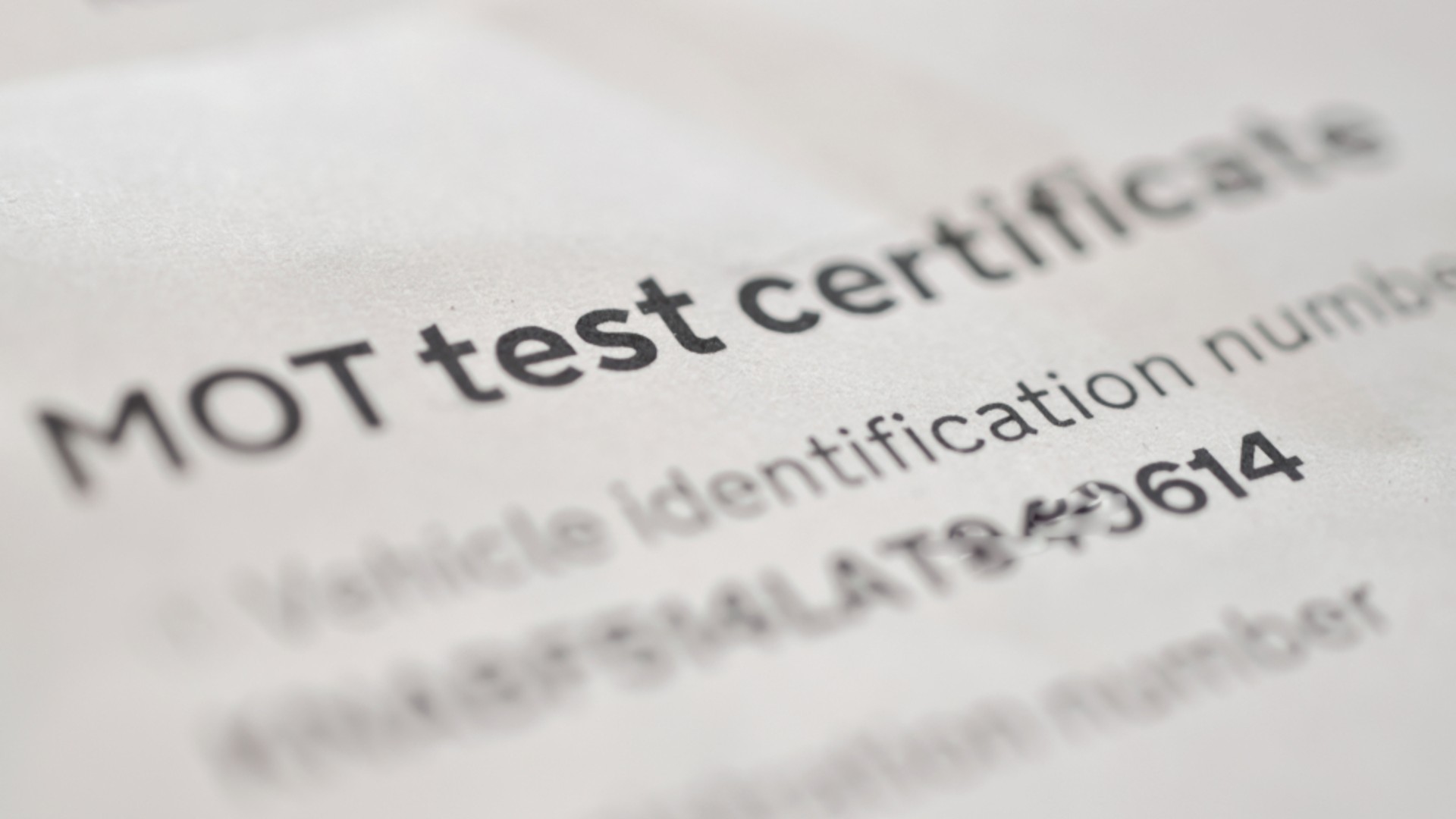
Overall, 10 million vehicles (nearly a third) failed the MOT test during the past 12 months. Also, nearly one in 10 failed with a ‘dangerous’ fault: the most serious grade in the new three-tier MOT system, with ‘major’ and ‘minor’ coming below.
Of the 30.5 million MOT tests taken, 10 million cars failed, with 2.8 million of those for ‘dangerous’ faults.
“Drivers should be aware of the risks of driving a faulty car,” said Mark Newbery of Green Flag.
“It not only endangers other motorists, but drivers and their passengers alike. Problems with vehicles will only worsen if not seen to, costing more money in the long run.
“We are urging drivers to thoroughly check their cars and repair any problems immediately, to give them the best chance of passing the new MOT tests.”
Where are the UK’s most dangerous cars?
The South West, Wales and Scotland all ranked worse than the average one-in-three failure rate, with 38, 35 and 35 percent respectively.
The East Midlands and the North East are bang on the average, with a 33 percent fail rate. Cars in London and the East of England are the safest. Greater London had a 29 percent fail-rate, while the East had a 31 percent fail-rate.


 Ian Callum CBE, design chief of Jaguar for the past two decades, has announced his latest venture: Callum, a new design and engineering business based in Warwick.








 Formula E fans in New York City got a first glimpse at the all-electric
  Keen to prove the potential of the Taycan, Porsche made use of top racer Neel Jani for driving duties in NYC. Jani has previously won the Le Mans 24 Hours race, and the World Endurance Championship with Porsche, so is no slouch when it comes to the track.
 The New York event was the final stop on a whirlwind global tour by the Taycan prototype model.
 Motorists living in the Australian state of Victoria now have a whole new reason to keep an eye on their rear view mirror.
  Back in 2018, Victoria Police entered into an agreement with BMW for the supply of 80 diesel 530d four-door saloons. However, the latest recruit brings a whole new level of performance.
 Vikram Pawah, BMW Group Australia CEO, said of the deployment of the German super saloon: “With the incredible BMW M5 Competition entering Victoria Police service, the performance level has jumped up the scale.