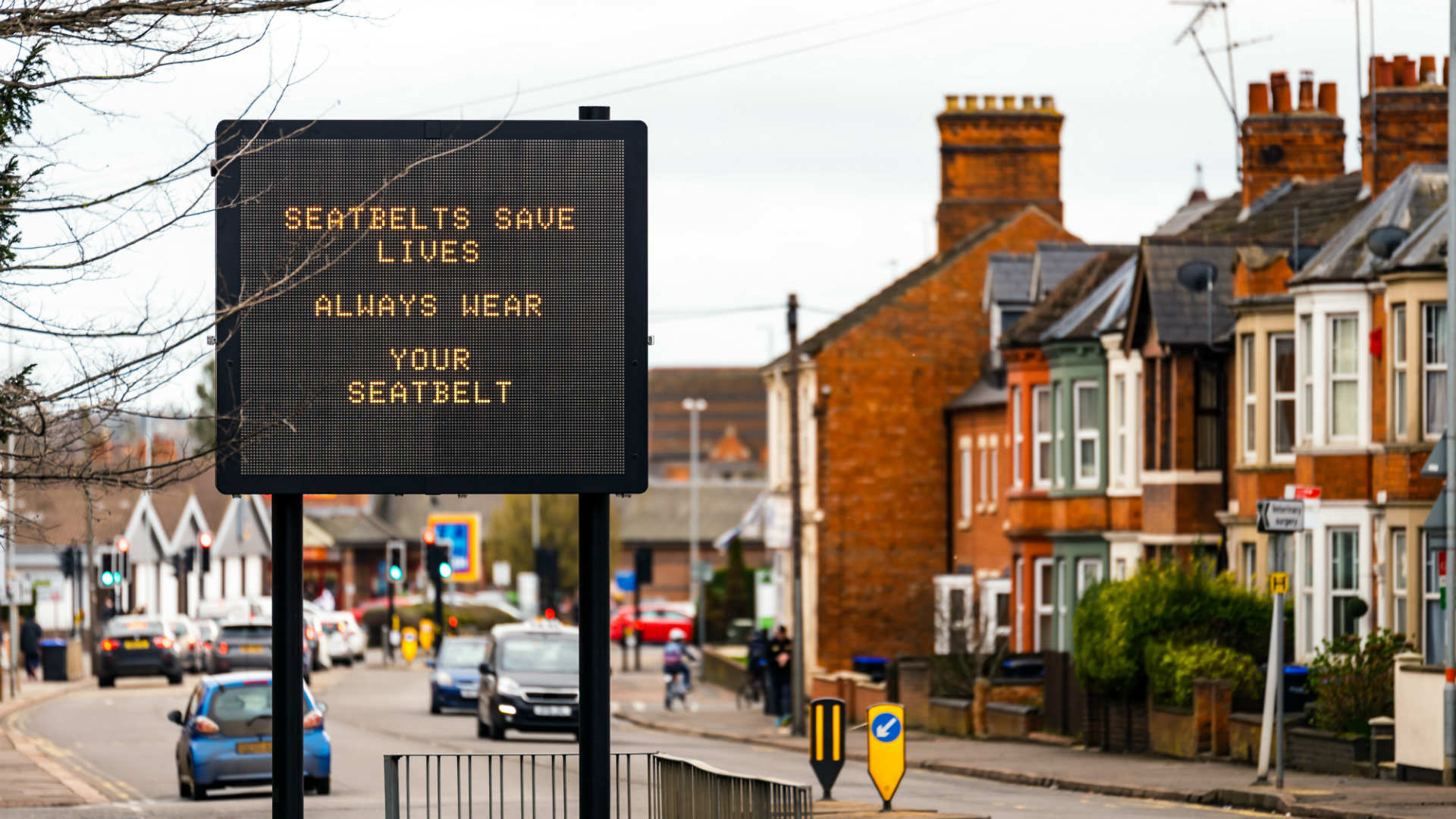
The UK’s largest independent road safety charity has welcomed the planned new tougher seatbelt laws.
IAM RoadSmart says “it’s the most obvious and direct way of saving lives in road crashes”, referencing the fact that in 2017, 27 percent of car deaths involved people who were not wearing a seatbelt.
The Road Safety Statement 2019 acknowledges that while “the vast majority of drivers on our roads drive safely and stay within the law… there is constant potential for good behaviour to degrade, especially as constraints become familiar and distractions increase”.
The government is considering launching a consultation about imposing penalty points for driving without a seatbelt and not just a £100 fine.
It wants to “work with road safety groups to understand who are the car occupants that are not wearing seatbelt.”
‘A quick win’
Neil Greig, IAM RoadSmart director of policy and research, said: “This is very welcome news. The best way of tackling this ever-present issue is to make people believe there is a high chance of being caught. This could start tomorrow if consistent guidelines on using mobile speed camera vans to enforce seatbelt laws were issued.
“Currently there is no standard approach on using this high-profile resource across the UK. Making non-wearing of seatbelts an endorsable offence is also a quick win.
“Not only would it persuade more people to take the offence seriously, but it might benefit them to take a seatbelt awareness course. People avoid using seatbelts for a wide range of individual reasons and these views need to be challenged face-to-face.”
In 2018, a Freedom of Information request to 44 police forces found that 16 forces recorded more than 8,000 unbelted drivers between them. This suggests there is still work to be done.
‘Simplest way of protecting themselves’
Road safety minister Michael Ellis said: “Far too many people are not wearing a seatbelt while traveling in a car, needlessly putting their lives at risk.
“Increasing penalties for people who disregard the simplest of way of protecting themselves is just one of a long list of actions this government is taking to help keep people safe on our roads.”
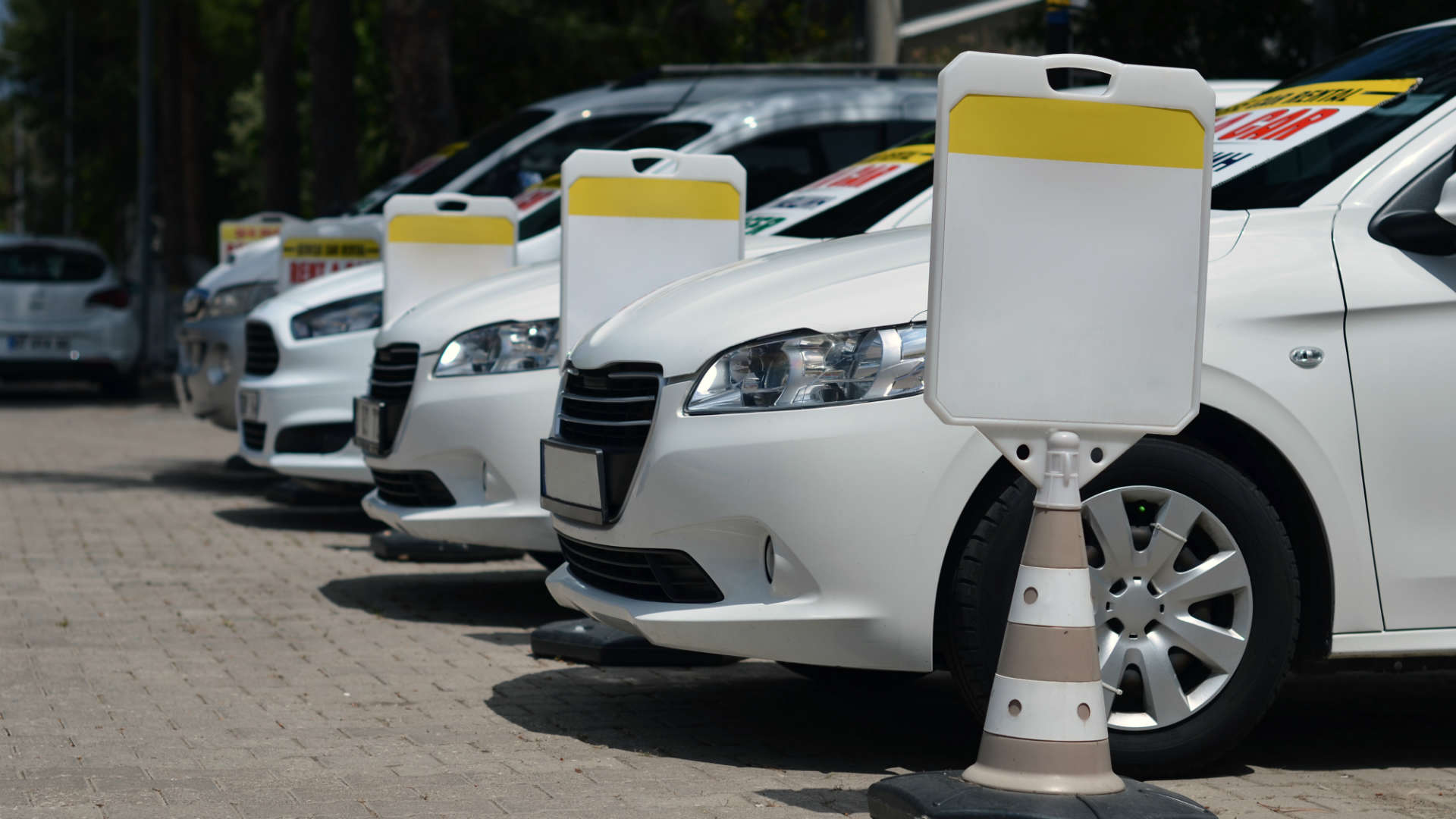
Arranging car insurance excess cover at the rental desk is an expensive business. It’s also a needless expense, as highlighted by one new car hire excess insurance policy.
Launched by RAC Insurance, the cover provides excess protection of up to £6,000, plus protection against fire, theft and vandalism. It costs £42.99 for an annual policy, or £2.99 a day.
Holidaymakers face excesses of between £500 and £2,000 in the event of an accident. The excess is pre-authorised on a credit card for the duration of the hire period.
Excess insurance can be purchased at the car rental desk, but comes at a cost.
This leaves customers with one of two options: take a financial hit by taking out the excess policy or risk not doing so in the hope that nothing happens to the vehicle during the loan.
‘Not enough people realise this is an option’
Arranging car hire excess insurance BEFORE you travel is a cheaper option, with RAC Insurance the latest provider to offer cover. Marcus Latchford, RAC head of insurance, said: “The trouble is not enough people realise this is an option, so they end up losing out financially by buying expensive hire car excess insurance policies, often with a lower level of cover or, worse still, having to pay the excess.
“We need to make more people aware that very affordable UK alternatives exist, so it becomes second nature to take out a policy before travelling. This is why we decided to enter the market as we believe a hire car excess policy with the RAC’s name on it will give people some much-needed peace of mind when renting vehicles.”
RAC policy: the details
Excess protection: up to £6,000
Protection against: fire, theft and vandalism
Cover for bodywork, tyres, roof, windscreen and undercarriage
Cover for towing, breakdown and mis-fuelling excess costs
Up to 65 days’ continuous cover on any one rental agreement
Option to book daily single trip and annual policies up to 180 days in advance
Cover for up to nine additional drivers as standard
Car hire excess insurance isn’t new; RAC is just the latest company to offer protection.
Other policies are available online: simply search for ‘car hire excess insurance‘ and select the cover that’s right for you.
Registrations of battery-powered electric cars almost tripled during July, according to figures from the Society of Motor Manufacturers and Traders (SMMT), to take a record 1.4 percent market share. Sales grew from just 880 cars in 2018, to almost 2,300 in 2019 – a 158 percent increase.
Disappointingly, though, positive news for battery electric vehicles (BEVs) was offset by a huge decline in plug-in hybrid electric vehicle (PHEV) sales: they almost halved, from 3,503 down to 1,764.
Diesel also suffered yet another pronounced fall, plunging 22.1 percent in a year – this is the 28th month of diesel decline. Diesel now has a market share of less than 26 percent; petrol, by contrast, now comprises two in three new car sales.
Mike Hawes, SMMT chief executive, said, “Despite yet another month of decline in the new car market, it’s encouraging to see substantial growth in zero-emission vehicles.
“Thanks to manufacturers’ investment in these new technologies over many years, these cars are coming to market in greater numbers than ever before.”
Hawes added that the government must now introduce more long-term incentives and invest in infrastructure, if it is to meet its environmental ambitions.
“The fastest way to address air quality concerns is through fleet renewal, so buyers need to be given the confidence to invest in the new, cleaner vehicles that best suit their driving needs, regardless of how they are powered.
Best-selling cars: July 2019
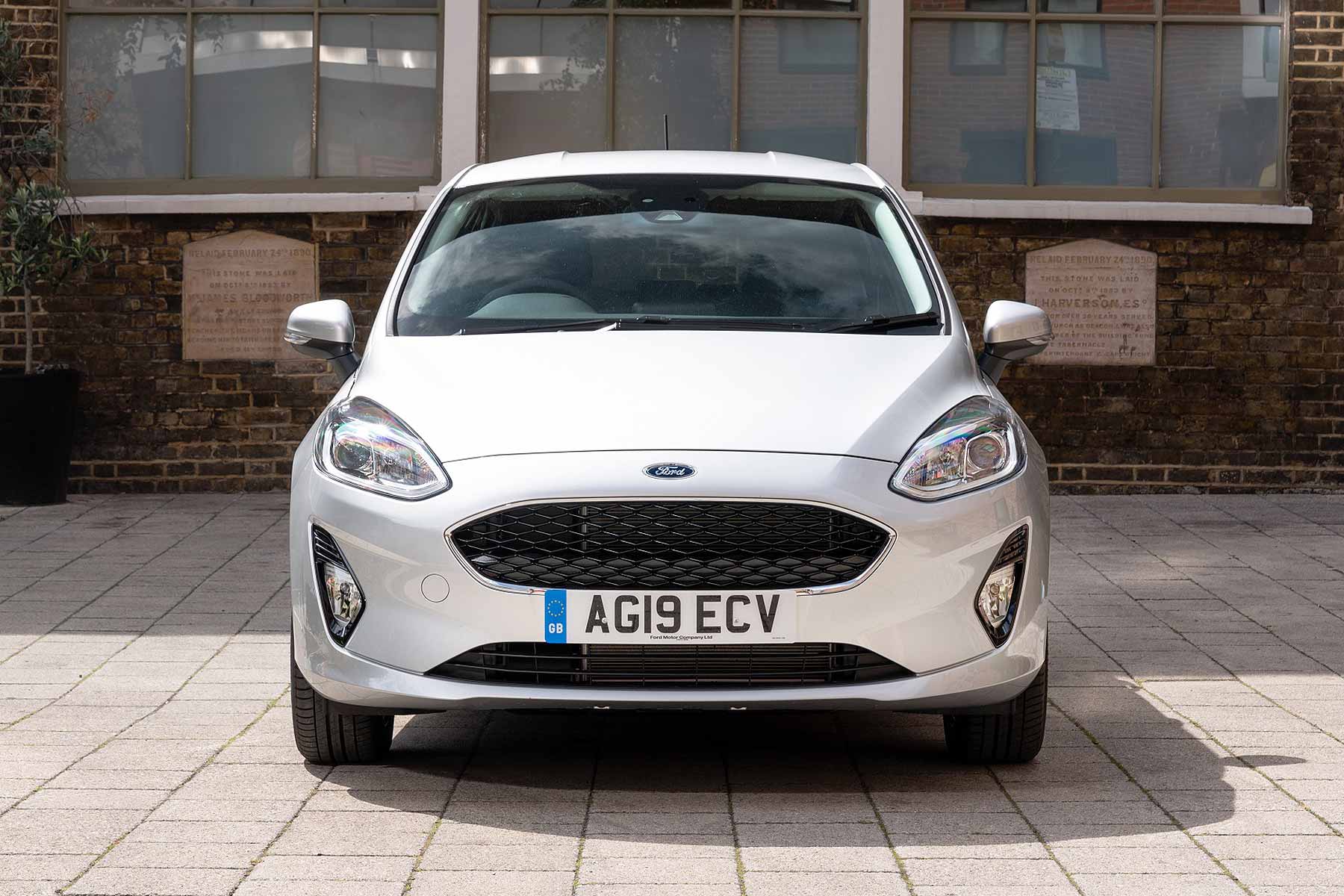
The Ford Fiesta was the best-selling car in July 2019, beating the Volkswagen Golf and, in a fillip for the under-pressure brand, the Nissan Qashqai.
The Ford Focus just beat the Mercedes-Benz A-Class into fourth place, and the arrival of an all-new Vauxhall Corsa hasn’t stopped the current model from taking sixth place, well ahead of the Volkswagen Polo.
The Fiesta and Focus remain 1-2 in the year-to-date sales chart, although the Golf is edging closer in third place. The Qashqai and Corsa round out the top five.
SMMT figures also revealed SUVs now comprise 1 in 4 new car registrations – and, although superminis remain Britain’s favourite type of new car, the sector was down 12.1 percent in July.
Whilst Elvis Presley’s love for cars is well known, one of the rides associated with his early film career has remained firmly untouchable.
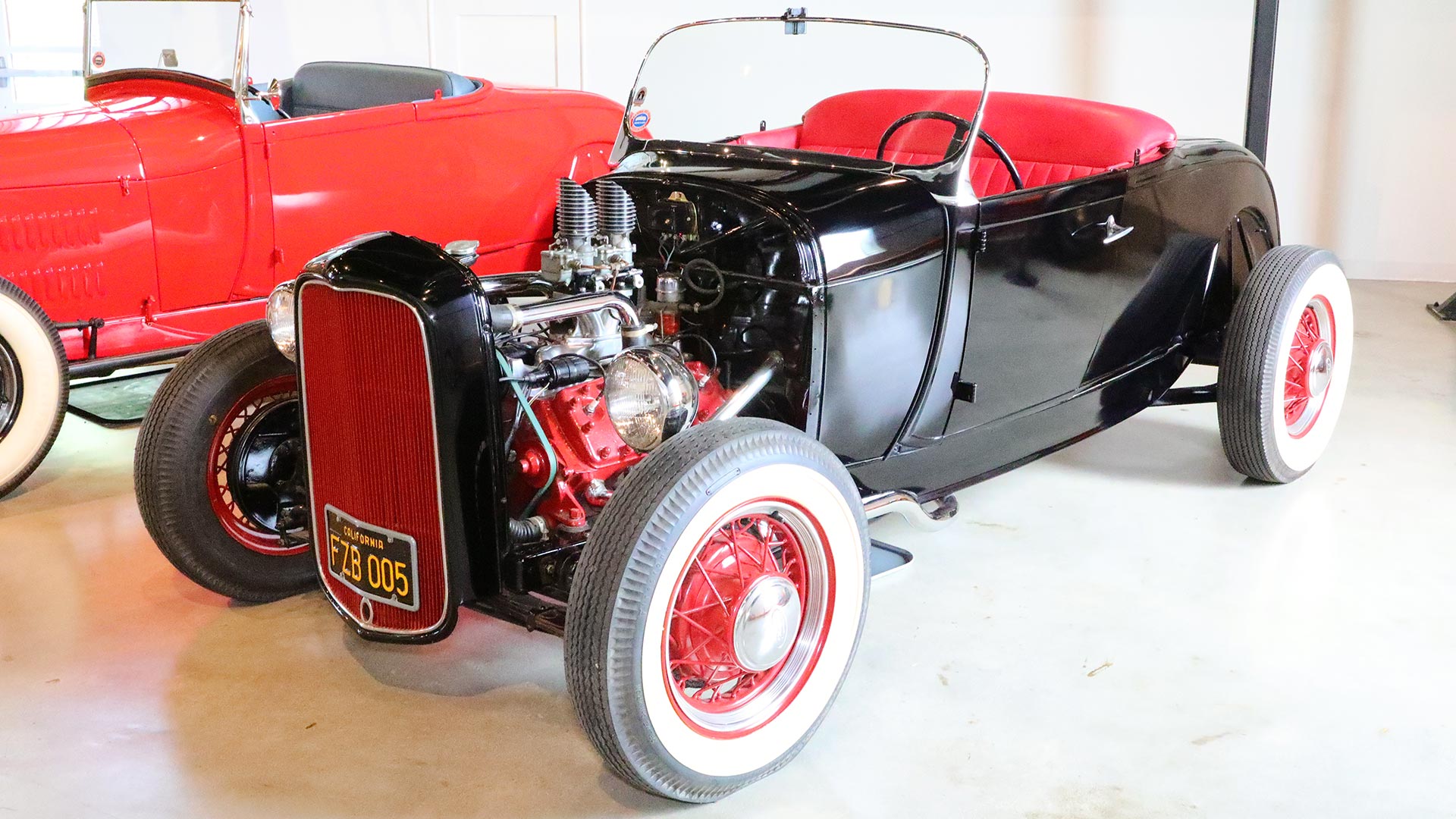
The 1929 Ford Roadster hot rod, used in the 1957 film Loving You, has remained in the possession of its creator.
That is until now, as the widow of the hot rod pioneer John Athan, has decided to allow the Elvis Roadster to find a new home.
Shake, Rattle and Roll
Athan built the Roadster in 1938, fitting the flathead V-8 engine to a 1932 Ford ‘Deuce’ frame, with bodywork taken from a ‘39 Ford Model A.
A 1940 Chrysler donated its rear windscreen, then used by Athan to make the distinctive windshield.
The engined-turned dashboard was a custom creation by Athan, whilst the license plate light and trunk handle came from a 1940 Mercury.
Can’t Help Falling in Love
Capable of 100 mph, the Elvis Roadster was used on-screen by Presley, who played the character of Deke Rivers in Loving You. The film marked the first time Elvis had taken a starring role on the big screen.
Despite the car impressing Presley with its performance, Athan refused to sell the Roadster to him. Instead, it remained in Athan’s own collection, and was regularly used up until the late 1970s.
After two decades in storage, the Roadster underwent a degree of restoration in 1996. The car then went on display at the Wally Parks NHRA Museum in Pomona, California.
A king’s ransom
Kruse GWS Auctions will be managing the sale of the Elvis Roadster, which is set to take place Saturday August 31 2019. Taking place at the Hard Rock Cafe in Hollywood, CA seems an apt location for selling this hot rod.
Also on the auction docket is a white 1973 Lincoln Continental limousine owned by Elvis, along with his GMC pickup and a 1976 Harley Davidson Electra Glide. The Harley is notable for being the last motorcycle ever purchased by Elvis.
Fans of the King will be able to check out the auction automobiles, plus other Elvis memorabilia, as part of a public exhibition being held by the Hard Rock Cafe on Friday August 30.
New Transport for London (TfL) figures reveal that state-funded scrappage schemes in the capital will remove less than two percent of dirty old cars from the road. The news has prompted renewed pressure on the government to further incentivise scrappage trade-ins for cleaner cars.
At present, London Mayor Sadiq Khan’s £25 million expenditure on the new scheme, to be introduced in autumn 2019, is intended for the 600,000+ owners of older cars who can’t afford a new one. But will those eligible for the scheme actually take advantage of it?
TfL estimates that only a small fraction of the group will make the jump. It projects between 12,250 and 24,500 vehicles would be scrapped for between £1,000 and £2,000 off a new car. That makes for just one in 55 eligible owners, or less than two percent.
Scrappage for season tickets could be coming soon
One suggestion is that a significant expansion of incentives is required, with the backing and support of central government.
“What is clear is that the scheme will only have limited benefits,” said Liberal Democrat London assembly member, Caroline Pidgeon.
“Any serious move away from diesel vehicles must involve a national scrappage scheme being adopted.”
Proposals for a national scrappage scheme have been rejected by ministers on the basis that it would be difficult to target more polluted areas. However, the idea of a scheme run by local councils, and supported by a £260 million clean air fund, remains on the table.
Pre-2016 vans in the capital are the target. They can be scrapped for £6,000 towards a new electric equivalent, or £3,500 towards a Euro 6-compliant vehicle or rental of such vehicles.
Nearly 70 percent of car buyers always check online reviews before contacting a dealer.
That’s according to an investigation into online dealer reputation, which suggests that over half of all car buyers select a dealer based on internet reviews.
Indeed, a quarter of buyers say online reputation is the most important factor when choosing a car.
‘Pay attention to your online reputation’
Amy Mueller, VP of communications at CarGurus, the company behind the investigation, hinted that there’s no hiding place for lacklustre car dealers in the age of social media.
“The growth of the internet and social media has made it easy for people to share their buying experiences – good and bad – with fellow consumers. As a result, it’s more important than ever to pay attention to your online reputation.
“Customer reviews set the tone for how your dealership is perceived by future customers. They’re crucial drivers of new sales, and your dealership can’t overlook their importance. Every review is an opportunity to engage with your customers and build your reputation, so make sure you’re taking advantage.”
Unsurprisingly, young car buyers place a great deal of emphasis on web feedback, with 91 percent of motorists aged 18 to 34 placing as much trust on online reviews as on word of mouth.
Managing a car dealer’s reputation
CarGurus has the following advice for car dealers hoping to maintain a good online reputation:
Encouragement: asking for feedback builds trust, boosts brand awareness and sells more cars
Monitoring: pay attention to reviews. Set up email alerts and monitor Google
Responding: acknowledge reviews – good or bad – as this shows that you take the feedback seriously
Use reviews: customer feedback makes for powerful marketing tools. Use the reviews on social media and in promotional material
The cost of fuel varies greatlydepending on where you buy and who you’re buying from. Paying 123p per litre of petrol instead of 129p equates to 30p per gallon.
If your car manages 40mpg and you do 800 miles a month, that’s £6 back in your pocket – just by being picky about where you buy fuel.
We have an extensive guide and regularly updated guide to finding fuel at the right price.
How do you drive?
How you drive is the main factor in much fuel you use. Here’s how changing your behaviour can save you money.
Speed
The easiest way to stop burning so much fuel is to slow down. A few miles per hour here and there can make a difference. Speed limits save your wallet as well as your licence.
Figures from the Department for Transport suggest that driving at a steady 50mph instead of 70mph can improve fuel economy by as much as 25 percent. You’ll use around 10 percent more fuel at 80mph than you will at 70mph, too.
Engine revs
Don’t over-rev, either. Generally speaking, you’ll be able to feel in the rev range where your engine is most comfortable.
The Department for Transport recommends changing up a gear before the rev counter reaches 2,000rpm in a diesel car and 2,500rpm in a petrol. Read the road ahead to ensure you’re not in too high a gear for hills and roundabouts.
By accelerating and decelerating in a smooth and relaxed manner, you can expect to save around 20 percent in fuel. Figures suggest that non-aggressive driving and anticipating the road ahead could see this rise to as much as 30 percent.
Anticipate where stops are coming and let off the throttle to coast down. Last-minute hard braking is a serious waste of energy, unless you’re driving a hybrid. Even then, there are precious yards of distance you were still using fuel where you could have been coasting.
Keep acceleration smooth, too. How close your right foot is to the floor directly relates to how much fuel is being pumped into the engine.
Supermarkets join petrol and diesel price war
Fuel-burning features
Turning off air conditioning will improve your fuel economy, but opening windows on the motorway could decrease it. As a guide, keep windows shut at speeds in excess of 60mph. In general, air conditioning will have the greatest impact on your economy at lower speeds, especially during city driving.
Remember, air conditioning can also help de-mist a car, so using it is preferable to leaving the car idling while you wait for windows to clear.
Plan your journey
When you drive and which route you take can have as much of an effect on fuel consumption as how you drive. Avoid busy periods, plan shorter or less congested routes. Not only is driving on a clear road a joy, it’s also nice and efficient.
Apps like Waze and Google Maps can help with establishing the best route. And while we’re talking about planning, let’s circle back to ‘Where do you fill up?’ quickly. Whatever you do, don’t fill up at a motorway services. All this is for nothing if you wind up paying 10p a litre over the odds. Start with a cheap full tank and know where your fuel stops will be.
Look after your car and it’ll look after your wallet, both in terms of maintenance and fuel costs.
Servicing
An engine is only efficient if looked-after. Sticking to service intervals and making sure your fluids are at the correct levels is essential for getting the best performance and economy. A well-maintained car will also last longer.
Consult your handbook to find out when your car is next due a service.
Tyres
The tyres are the only bit of the car that touches the road, so they’re important to keep an eye on. Too little tread is dangerous, while too little air is dangerous and expensive.
Research by Continental suggests that tyres account for 20 percent of a car’s total fuel consumption, so it pays to take care of your rubber. Reduce rolling resistance by 10 percent and you can expect a 1.6 percent drop in fuel consumption.
Make sure you’re car is tracking straight, too, as incorrect alignment can cause unnecessary drag and wear on the tyres.11
Sweden to ban petrol and diesel cars – as Germany feels the pressure
Unnecessary weight
The more your car has to carry, the harder it has to work, which in turn leads to reduced fuel efficiency. While forcing the kids to get a gym membership might be a bit excessive, it’s worth ridding your boot of excess luggage.
The RAC says that, on average, every 50kg you carry will increase your fuel consumption by two percent. That’s based on the percentage of extra weight relative to the vehicle’s weight, so the smaller the car, the greater the effect.
Remove the roof rack
Anything that reduces your car’s aerodynamic performance will have a negative impact on fuel consumption. More figures from the RAC suggest that even an empty roof rack can increase fuel consumption by 10 percent.
Add the additional weight of a fully-loaded roof rack and the net result could seriously hamper your chances of saving money. If it’s not being used – remove it. And that includes the roof bars, too.
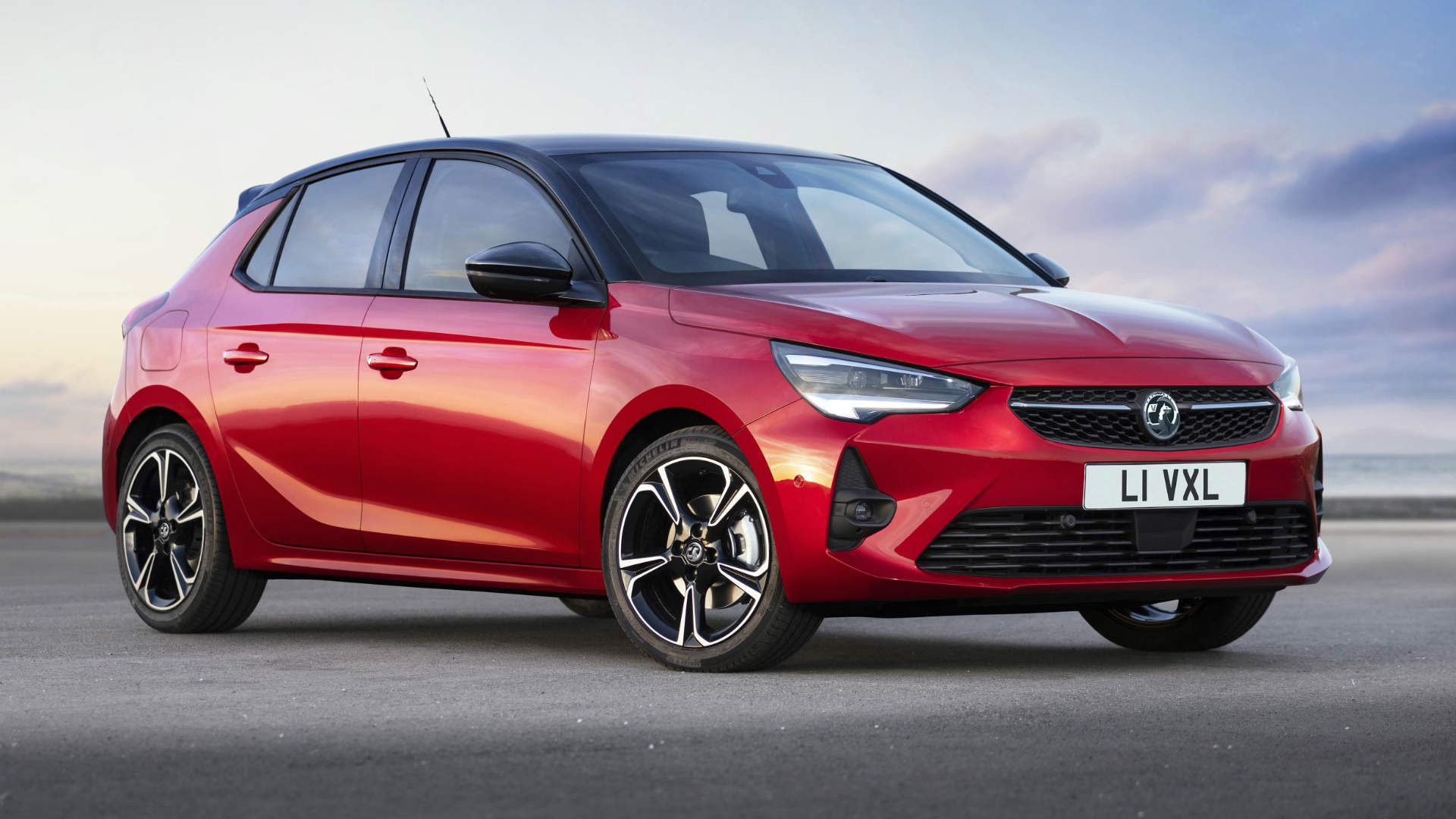
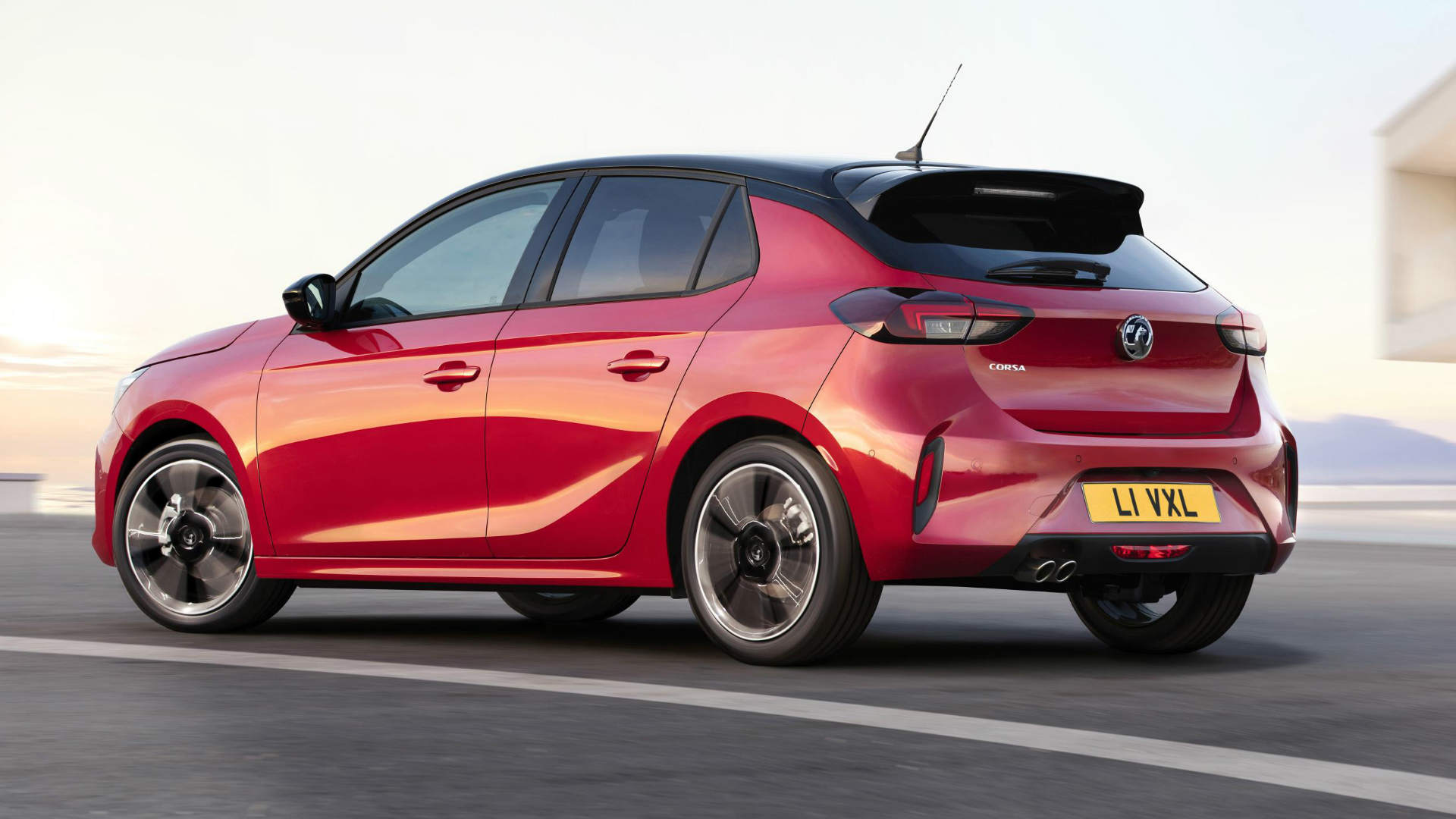
The new Vauxhall Corsa is available to order priced from £15,550, but the top-spec Ultimate will set you back almost £26,000.
The automatic-only Ultimate is powered by a 1.2-litre petrol engine developing 100hp and producing just 99g/km CO2.
Impressively, the new Corsa’s CO2 figures range from 85g/km to 99g/km, making it far more efficient than the outgoing model, which emits between 123g/km and 143g/km CO2.
Vauxhall’s fifth-generation Corsa – which shares its platform with the new Peugeot 208 – also weighs up to 108kg less the outgoing model, helping to improve efficiency, while the 1.2-litre petrol and 1.5-litre diesel engines offer greater fuel economy with similar amounts of power.
This new efficiency comes at a cost: while prices of the outgoing model range from £11,735 to £19,015, the cheapest new Corsa costs £15,550, with the Ultimate weighing in at a fiver less than £26,000.
Meanwhile, the electric Corsa-e will cost from £26,490 (after the government plug-in car grant), with the first 500 reservations receiving a free home charging kit.
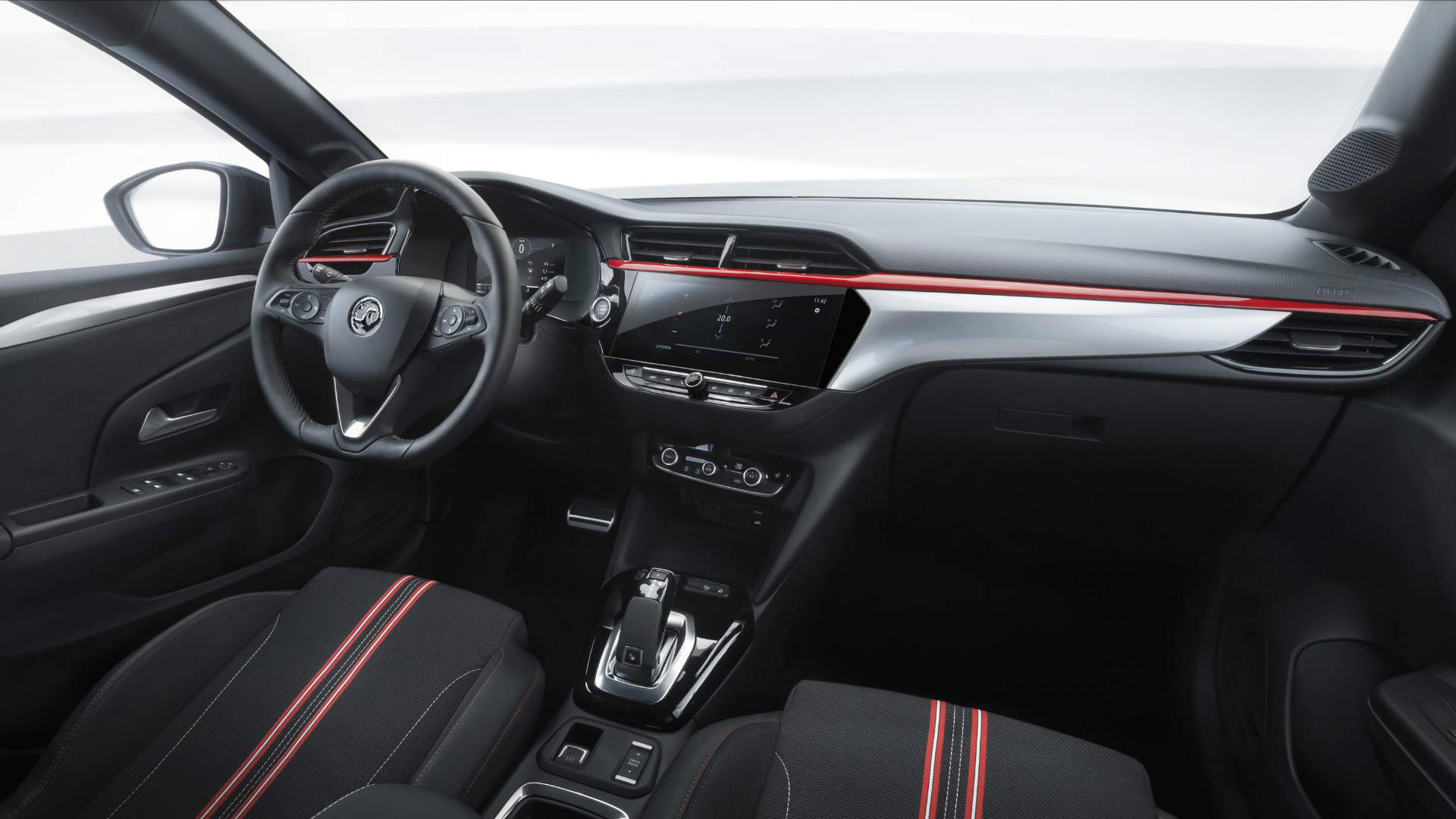
The new Corsa’s level of standard kit is impressive: all models get 16-inch alloy wheels, a seven-inch touchscreen, a leather flat-bottomed steering wheel, LED headlights and LED daytime running lights.
At the opposite end of the range, the Ultimate lives up to its name by offering 17-inch diamond-cut alloys, a 10-inch touchscreen navigation system, leather seats with massage function, LED matrix headlights and LED rear lights.
The list goes on, with the Corsa Ultimate also boasting a radar pack, keyless entry and start, electronic climate control and an electric handbrake.
Ultimate by name, ultimate by nature, then, but £26,000 is a big price for a Corsa. For context, the Ford Fiesta Vignale costs from £21,695, with a five-door diesel priced at £22,785.
The all-new Vauxhall Corsa is available to order now, with the first cars arriving in showrooms in January 2020.
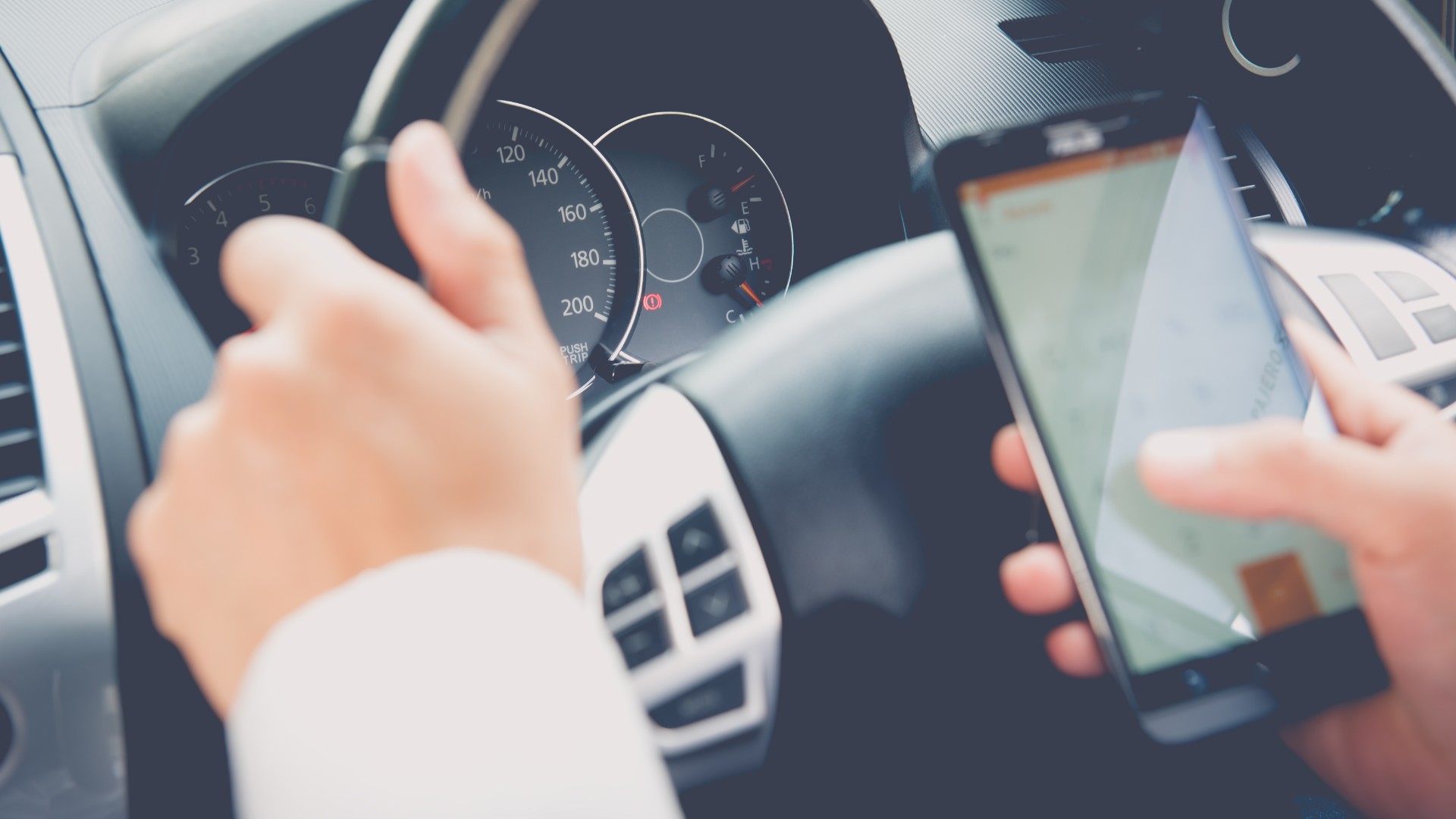
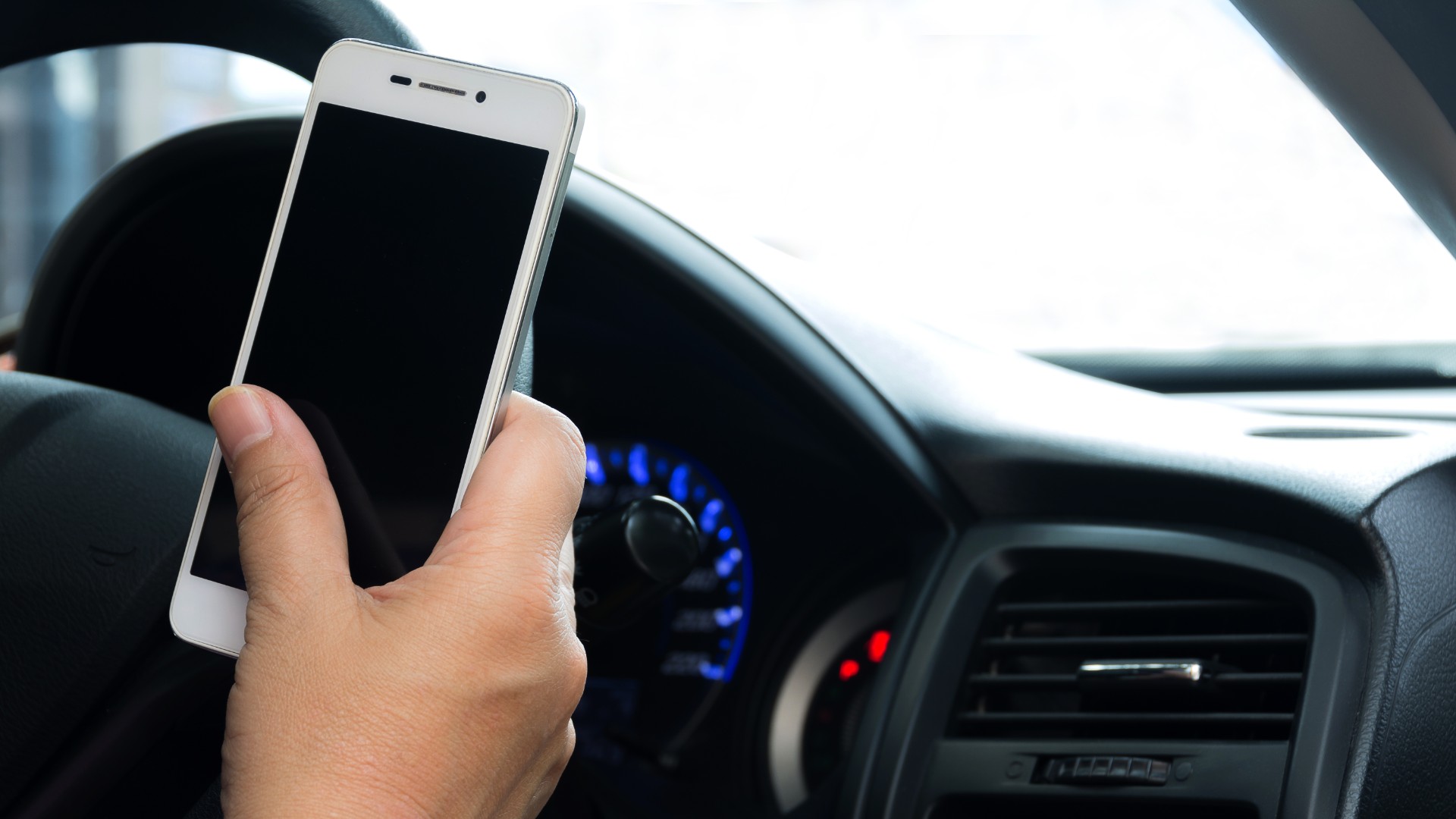
A loophole around driving using a mobile phone could be swiftly closed, after a driver successfully appealed a charge for the offence, saying he “wasn’t using it to communicate”.
The charge related to Ramsey Barreto using his phone to film a car accident in north London in 2017.
The laws around driving using mobile phones are 16 years old, and have since come under criticism from High Court judges.
Three in five young drivers admit to using their phone while driving
Mobile phones have an arsenal of capabilities beyond those of 16 years ago. When Mr Barreto’s appeal was heard, the court agreed that phone laws hadn’t evolved at a pace to match the development of smartphones.
The law firm that took on Barreto’s case insists that ‘loophole’ is the wrong word for the way it has exonerated him: “The danger of the judgement is people will look at a headline and see the offence of using a mobile phone has changed,” lawyer Emma Patterson told the BBC.
“The judge makes it absolutely clear that you could still be prosecuted for driving without due care or dangerous driving, which carry potentially far higher punishments.”
Young drivers could be banned from the road at night
The result, Ms. Patterson thinks, will be a swift change in the law to ensure such get-arounds aren’t possible.
You can still be charged for driving without due care and attention, at minimum, for using any handheld device at the wheel, but expect cover-all ‘using a smartphone while driving’ laws to appear soon.
It’s even been suggested that fiddling with your car’s in-built infotainment, at the expense of watching the road, could warrant such a charge.
The world doesn’t agree on many things, but when it comes to electric cars, we’re demonstrating some rare joined-up thinking.
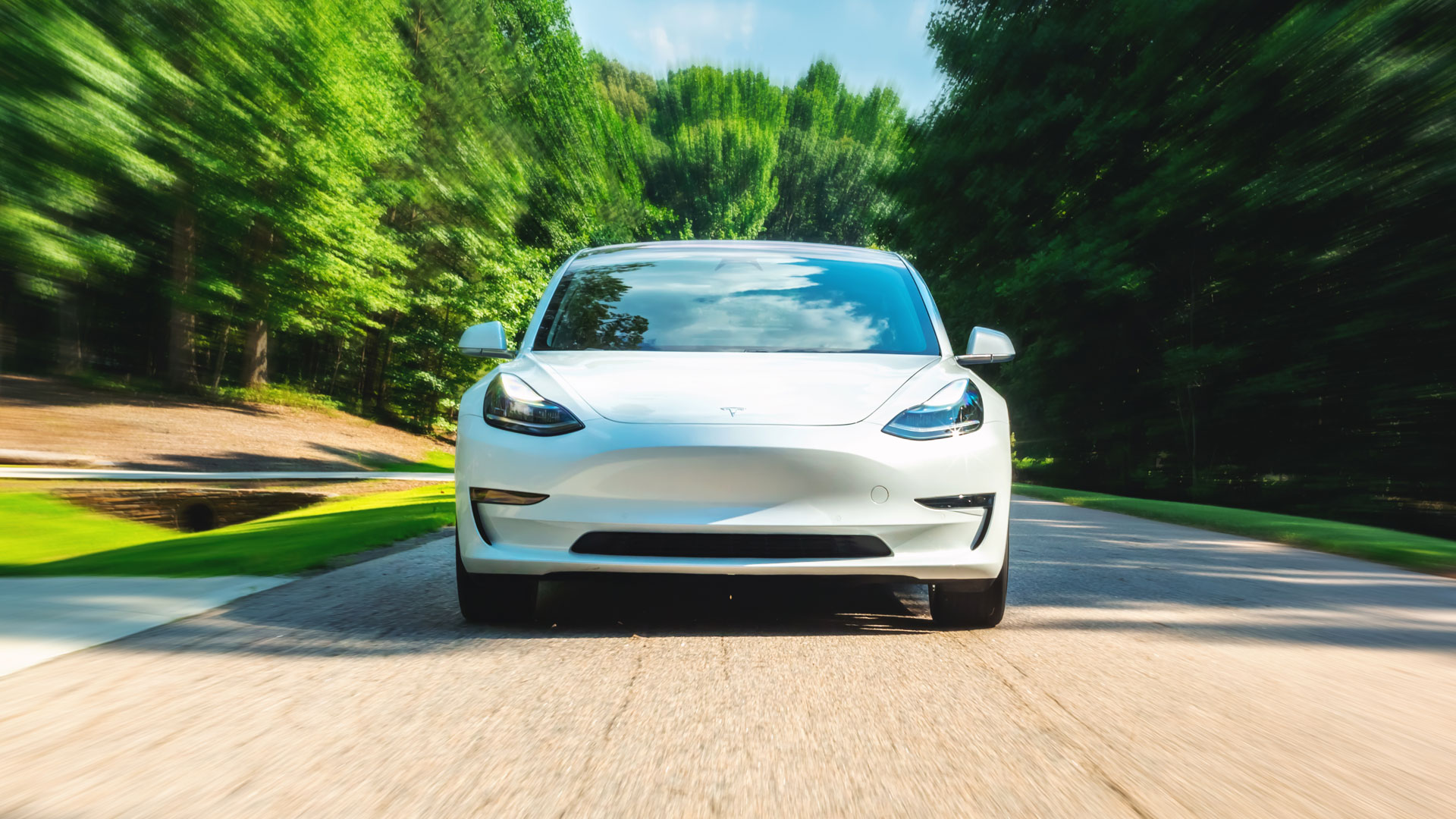
Of the 136 countries studied in a new report, the Tesla Model 3 is the most searched for electric vehicle on Google, making it the most desirable EV on the planet.
Indeed, the Model 3 generates 1,529,770 global searches on Google every month, which is around a million more than the next most popular EV, which just happens to be the Tesla Model S.
The Model 3 comes out top in 75 countries in new research conducted by CompareTheMarket, with interest high in North America, Western Europe, Scandinavia, China, India and Australia.
EVs: the world map
It’s proof that Tesla continues to dominate online traffic and interest for electric vehicles, with the Model 3, Model S and Model X combining to account for around 2.5 million Google searches a month.
Tesla models are also the most popular electric vehicles in nearly 80 percent of the countries studied.
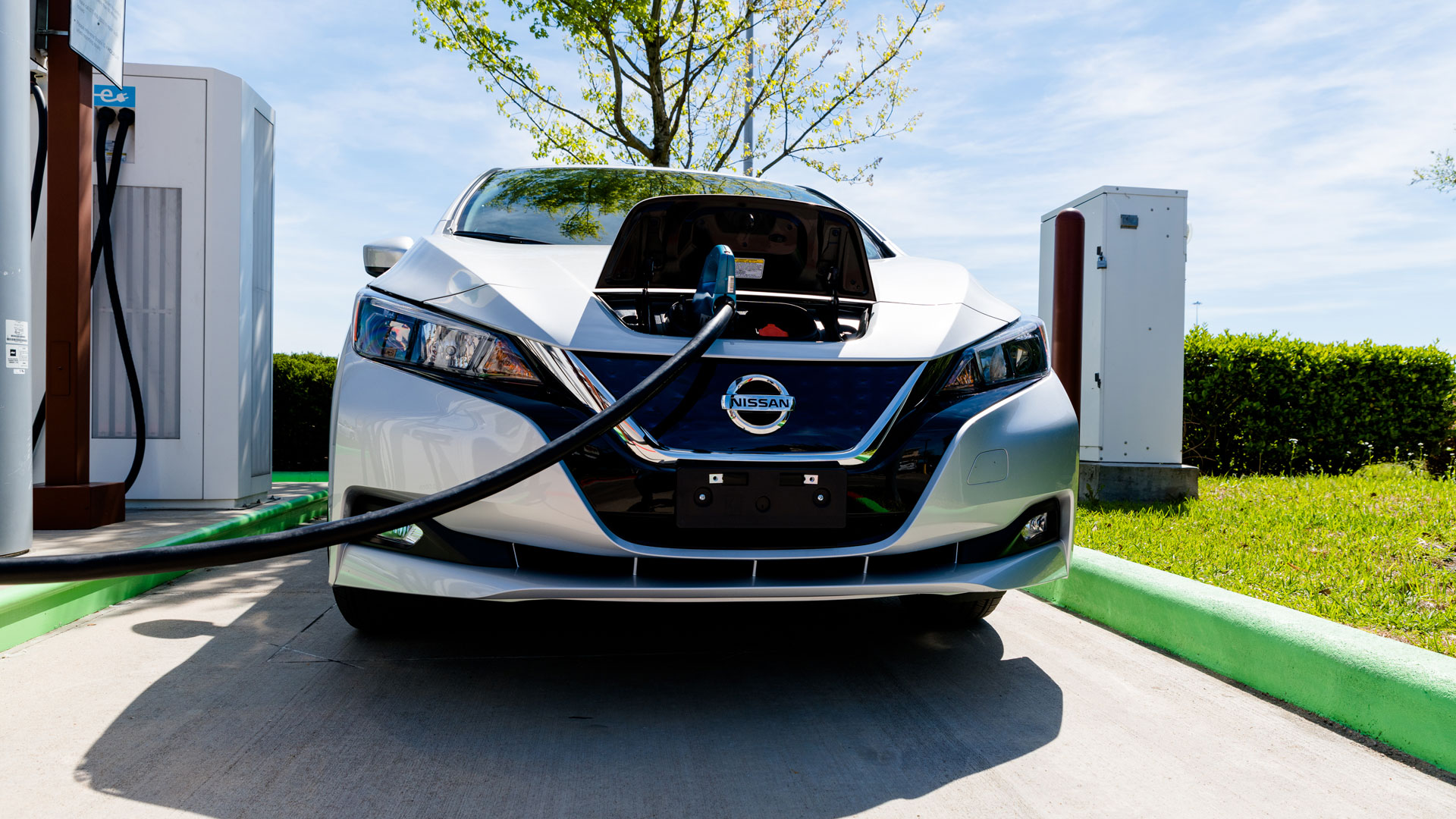
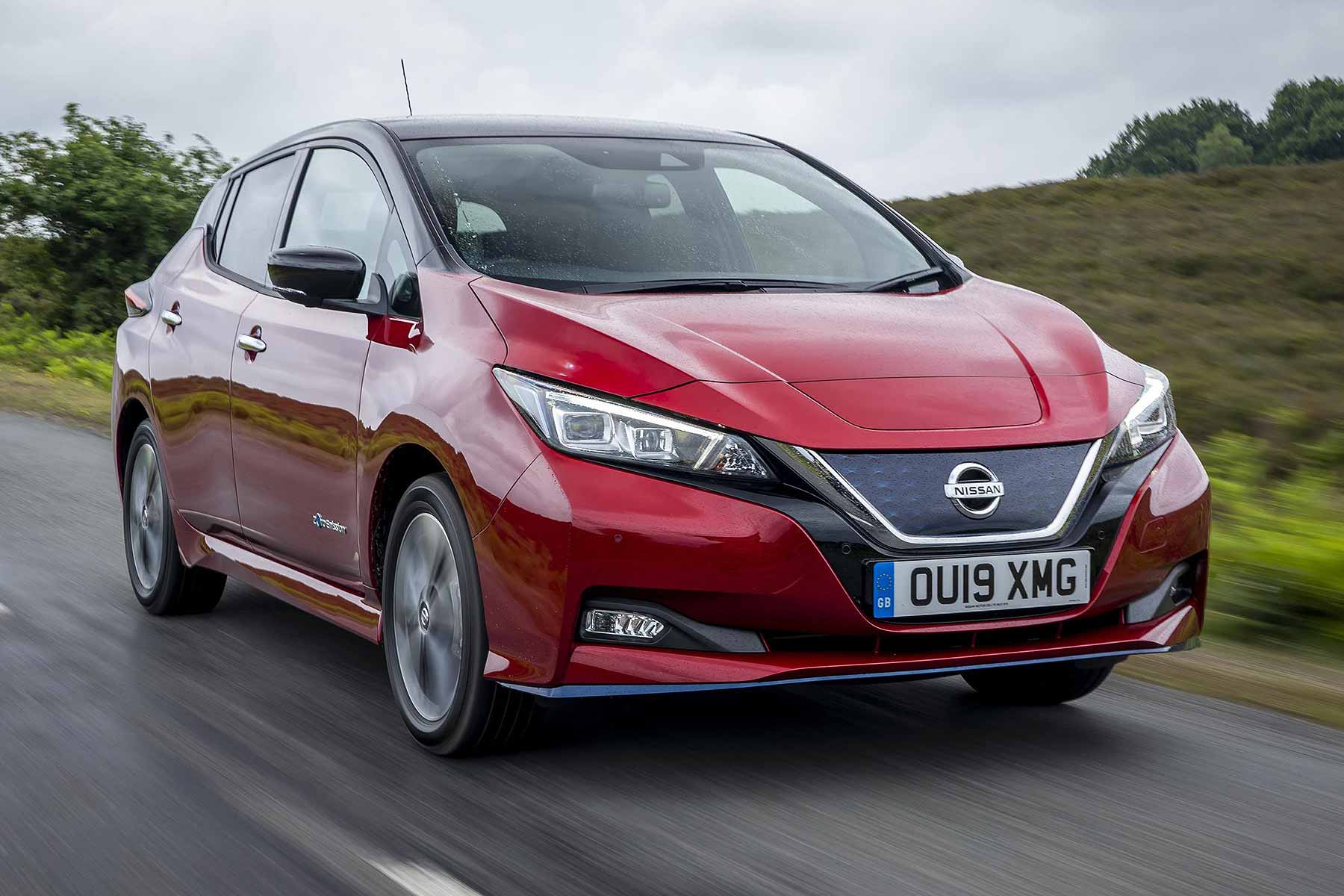
As the first electric car to surpass 400,000 sales, it’s no surprise to discover that the Nissan Leaf is the most searched for EV in 36 countries, accounting for around 560,000 monthly searches.
But aside from the BMW i3 and Renault Zoe, few electric cars are generating a significant level of Google traffic. It’s left to Tesla to lead the PR and marketing for an entire segment.
Things will change. There are a host of new electric cars waiting in the wings, ranging from mainstream EVs like the MG ZS EV and Peugeot e-208, to the more high-profile Porsche Taycan and Aston Martin Rapide E.
Others, like the Mini Electric, Fiat 500e and Honda e will inject some much-needed glamour into the more affordable end of the market.
The question is: can a mainstream manufacturer generate as much online buzz as the upstarts from California? Time will tell.


 Whilst Elvis Presley’s love for cars is well known, one of the rides associated with his early film career has remained firmly untouchable.
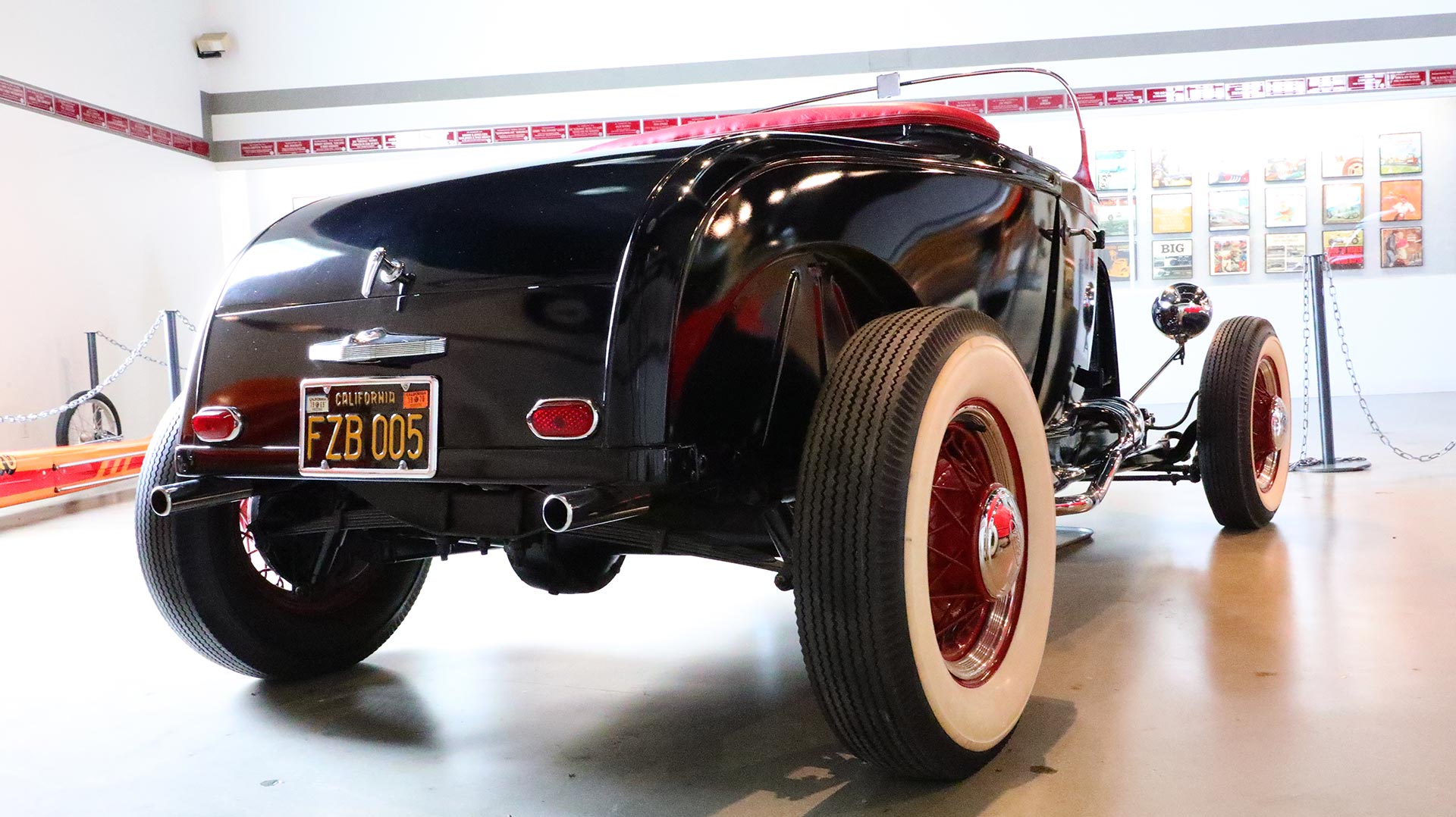 Athan built the Roadster in 1938, fitting the flathead V-8 engine to a 1932 Ford ‘Deuce’ frame, with bodywork taken from a ‘39 Ford Model A.
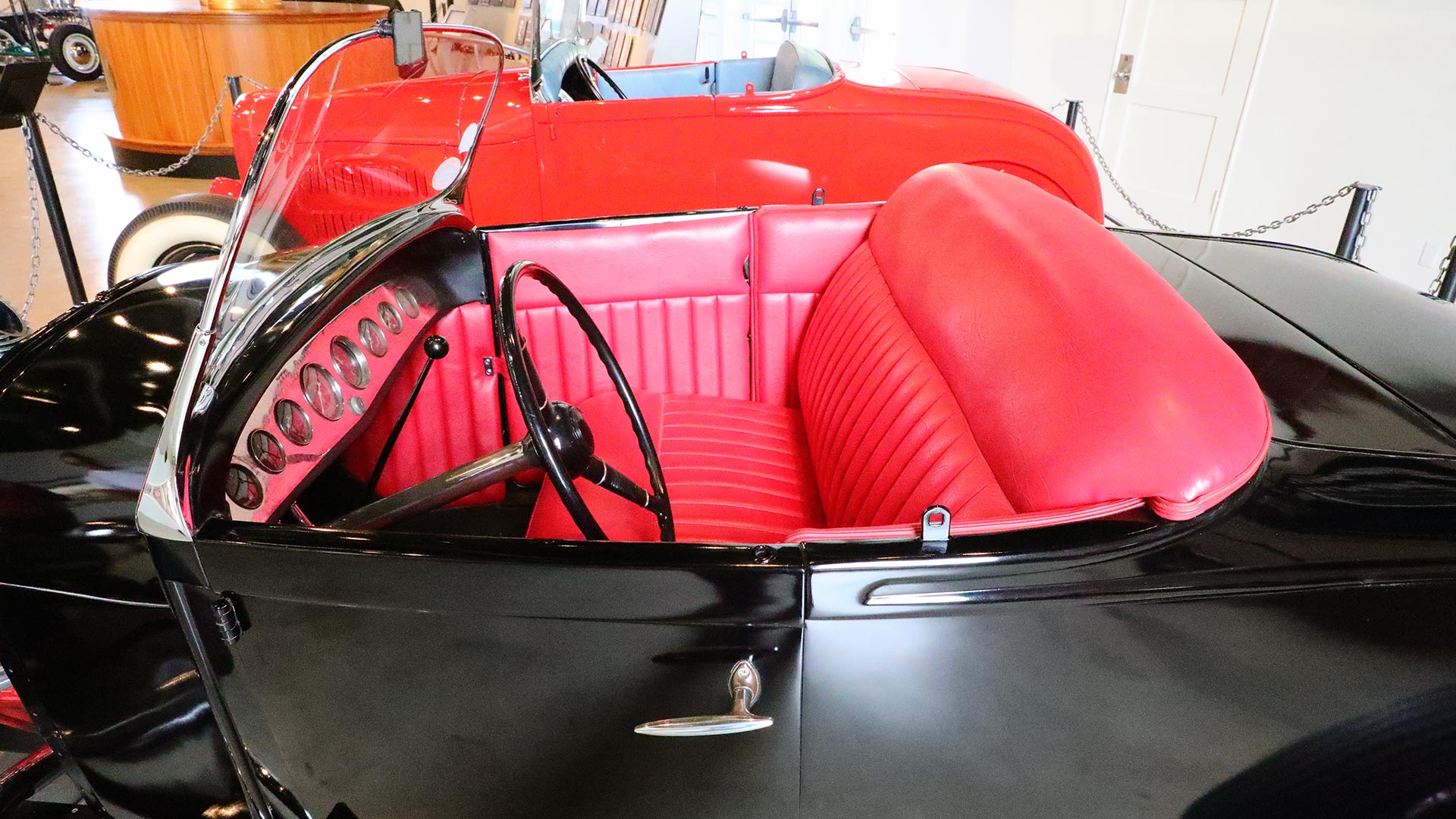 Capable of 100 mph, the Elvis Roadster was used on-screen by Presley, who played the character of Deke Rivers in Loving You. The film marked the first time Elvis had taken a starring role on the big screen.
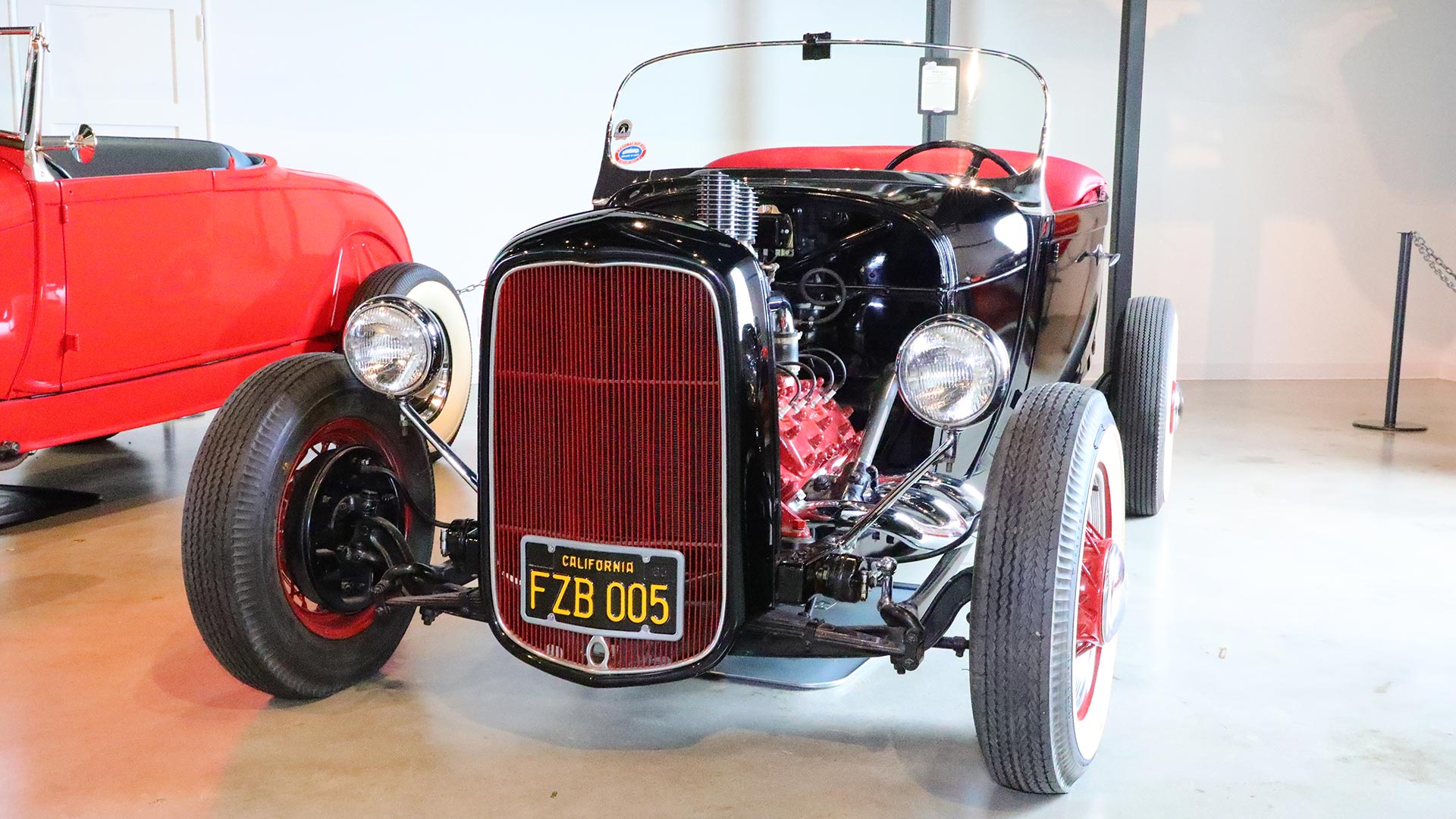 Kruse GWS Auctions will be managing the sale of the Elvis Roadster, which is set to take place Saturday August 31 2019. Taking place at the Hard Rock Cafe in Hollywood, CA seems an apt location for selling this hot rod.