Home Blog Page 346

New 2019 SsangYong Korando: everything you need to know

0

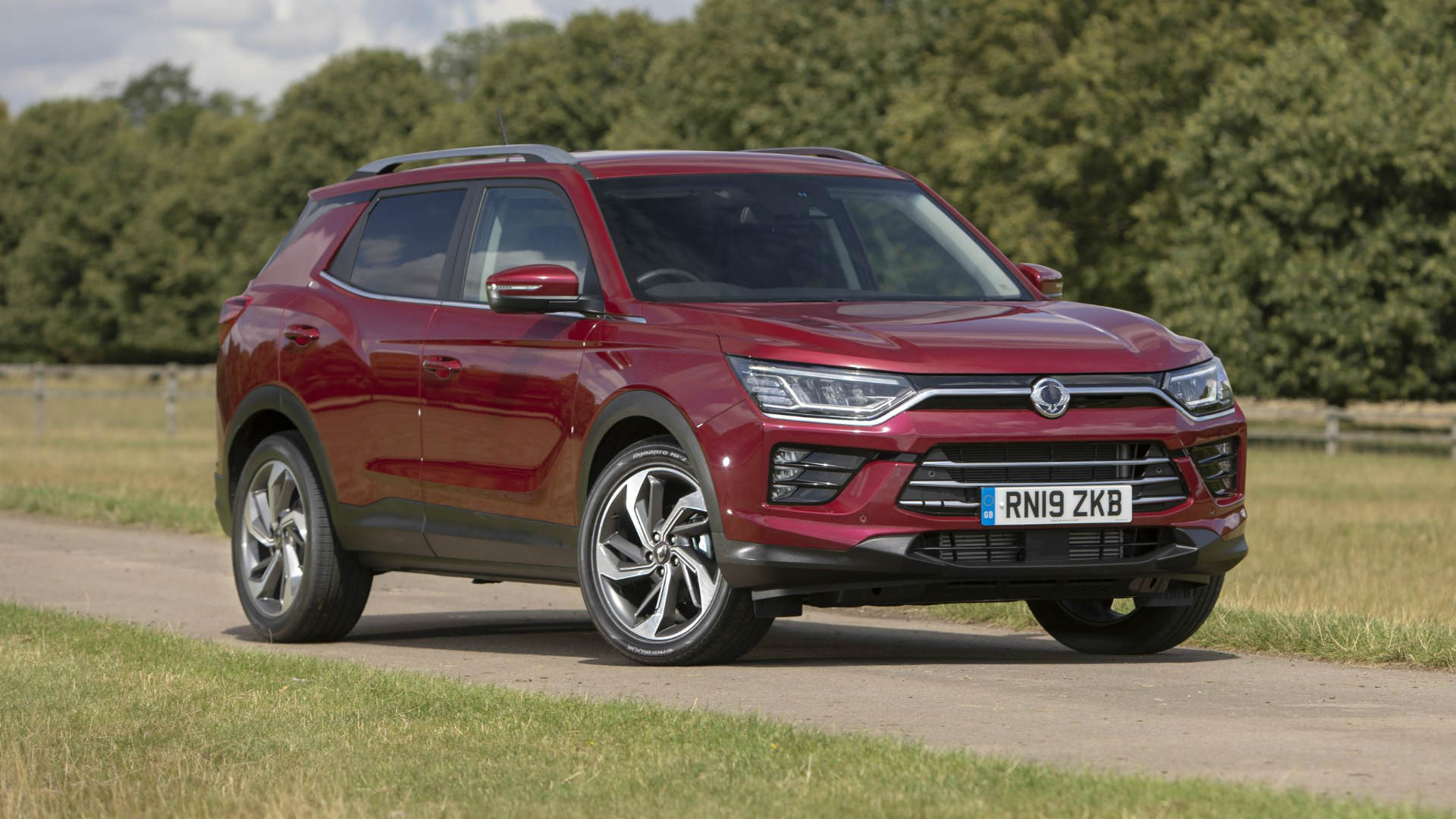
New SsangYong Korando front

The all-new SsangYong Korando boasts a segment-busting £19,995 price tag and a comprehensive seven-year/150,000-mile warranty. Still want that Nissan Qashqai?

Admittedly, the range-topping Korando Ultimate edition costs £31,995, but few SUVs offer so much for such a low price.

The fourth-generation Korando is available in four trim levels: ELX, Ventura, Pioneer and Ultimate. Two- and four-wheel-drive variants are available, along with a choice of a 1.6-litre diesel engine or a 1.5-litre turbocharged petrol.
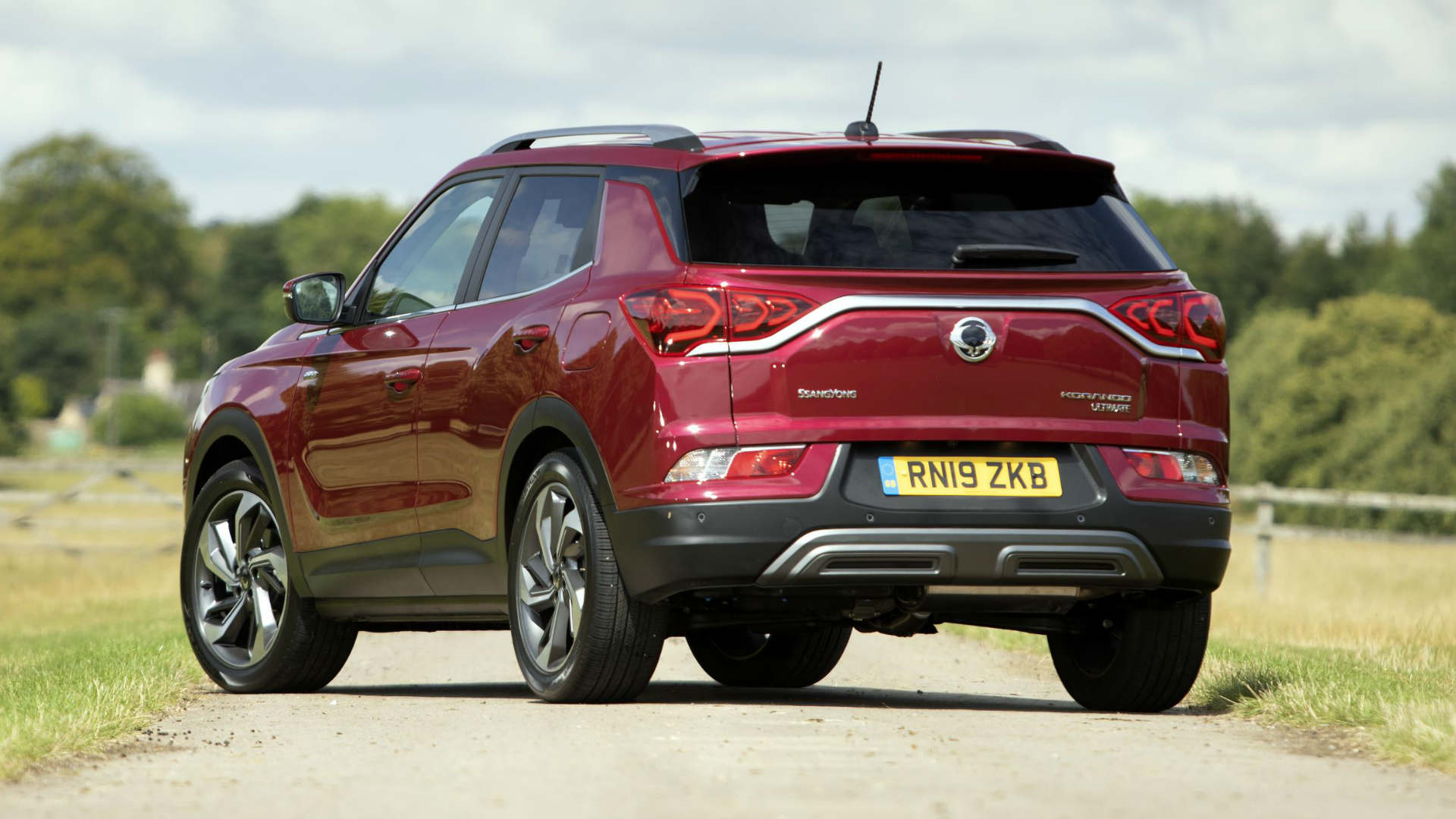
New SsangYong Korando rear

A ‘spirited deluxe crossover’

In the headline-grabbing £19,995 ELX trim, the Korando is powered exclusively with the 1.5-litre petrol engine, which will be available in December 2019. It delivers 163hp and 207lb ft of torque, but SsangYong hasn’t confirmed the full performance and economy figures.

Available in two-wheel-drive only, the ELX boasts 17-inch alloy wheels, all-weather tyres, cruise control, DAB, Bluetooth, six airbags, plus automatic lights and wipers.

Moving up to the Ventura adds £3,000 to the price tag, along with faux leather with deluxe fabric seat upholstery, 18-inch diamond-cut alloys with standard tyres, heated front seats, front and rear parking sensors, electronic parking brake, 10.25-inch LCD instrument cluster, plus an 8-inch touchscreen with Apple CarPlay and Android Auto.
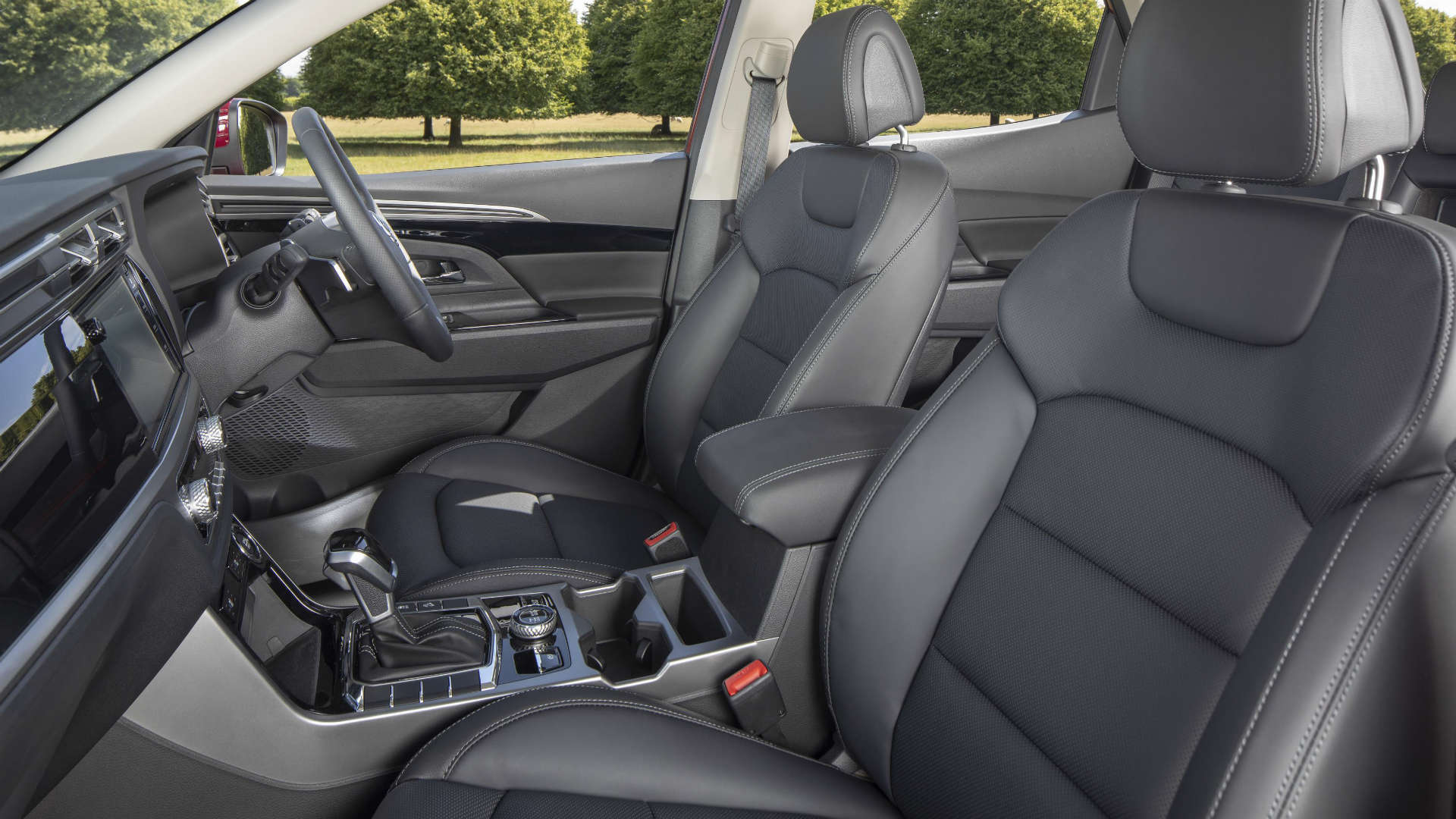
New SsangYong Korando interior

Once again, the Korando Ventura is available exclusively with two-wheel-drive and a petrol engine.

The £26,495 to £28,495 Korando Pioneer is aimed at the caravan and towing market, hence the availability of four-wheel-drive and the standard 1.6-litre diesel engine. It produces 136hp and 239lb ft of torque to deliver a 0-62mph time of 12.01 seconds.

It emits 144g/km of CO2 using the old NEDC test regime and a claimed 48.7mpg using the WLTP combined cycle.
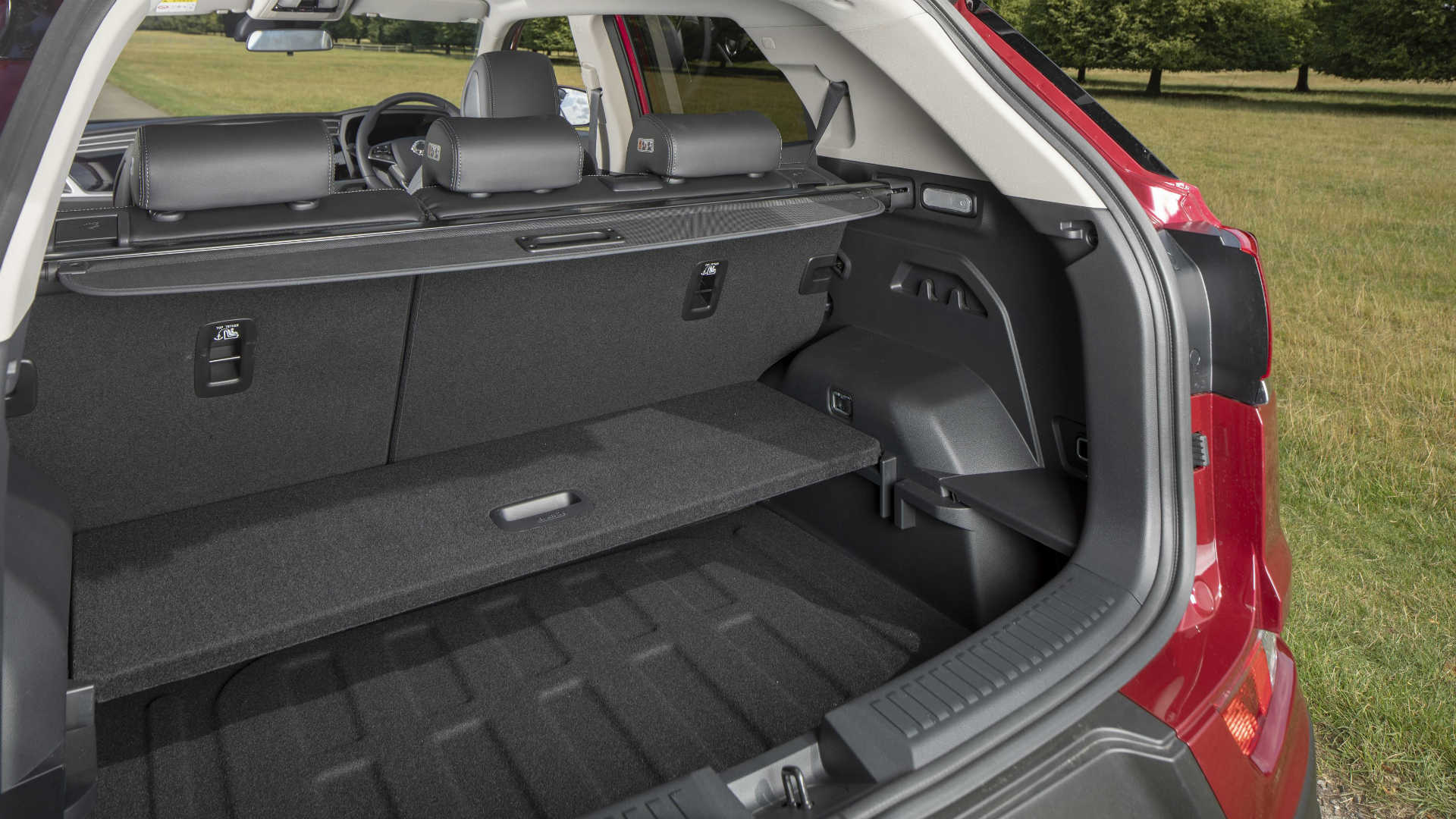
New SsangYong Korando boot

Pioneer trim offers a two-tonne towing capacity plus a similar spec to the Ventura. Changes include 17-inch alloys with all-weather tyres, a heated steering wheel and full-size spare wheel.

Ultimate prices start from £26,495, with the range-topping Korando available with a choice of transmissions, engines and drivetrains. The lavish spec includes leather seats, dual-zone climate control, advanced safety kit, premium in-car infotainment, 19-inch diamond-cut alloys, keyless start, LED headlights and an electric tailgate.

SsangYong says it “makes a spirited deluxe crossover vehicle at an affordable price”.
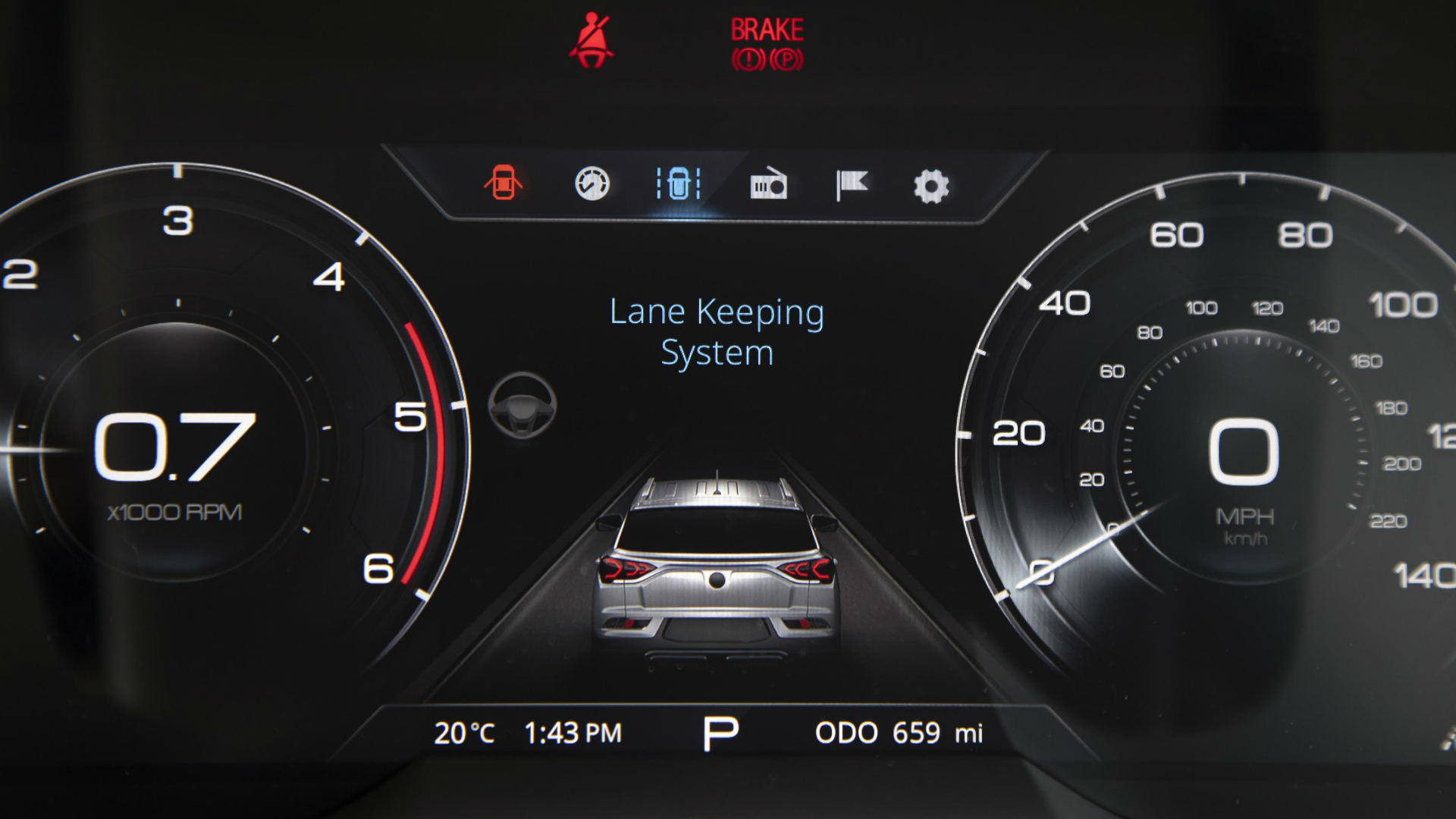
New SsangYong Korando instrument cluster

A six-speed automatic gearbox will be the only transmission available at launch. Manual versions will be available in the UK early 2020.

The SsangYong Korando is expected to achieve a five-star Euro NCAP safety rating thanks to a wide range of safety features. Given the specifications, it’s likely that the higher trim level or safety pack will be required to achieve the maximum five stars.

SsangYong Korando: the right choice?

Nick Laird, managing director at SsangYong Motors, expects the new Korando to punch above its weight in a crowded segment. “Our ‘badge’ may be less well known, but what SsangYong lacks in current recognition, we more than make up for with cars that offer huge value without ever feeling compromised.

“We also have so much faith in our build quality, that we offer a full 7-year/150,000-mile warranty so customers can be quietly confident that they’ve made the right choice when it comes to the things that really matter.

“We are sure that, with the new Korando, we have a vehicle that has the potential to upstage some much bigger names in the marketplace.”

ALSO READ

Audi A4 35 TFSI Sport S tronic 2019 review

Android Auto 2019 update: everything you need to know

Nissan slammed by DVSA for failing to fix Qashqai diesel
Advertisement

Citroen Berlingo Van vs WRC rally star

0

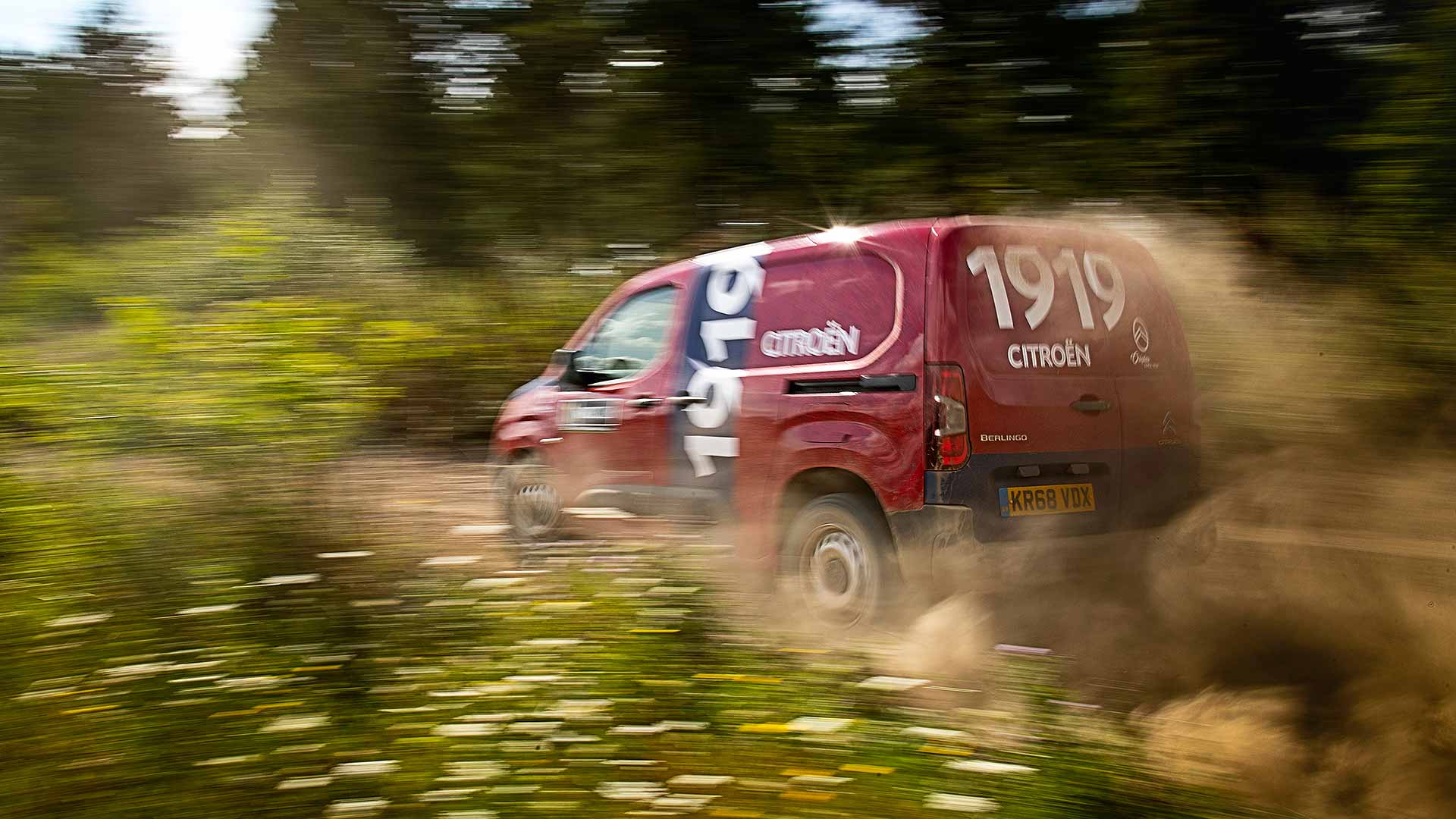
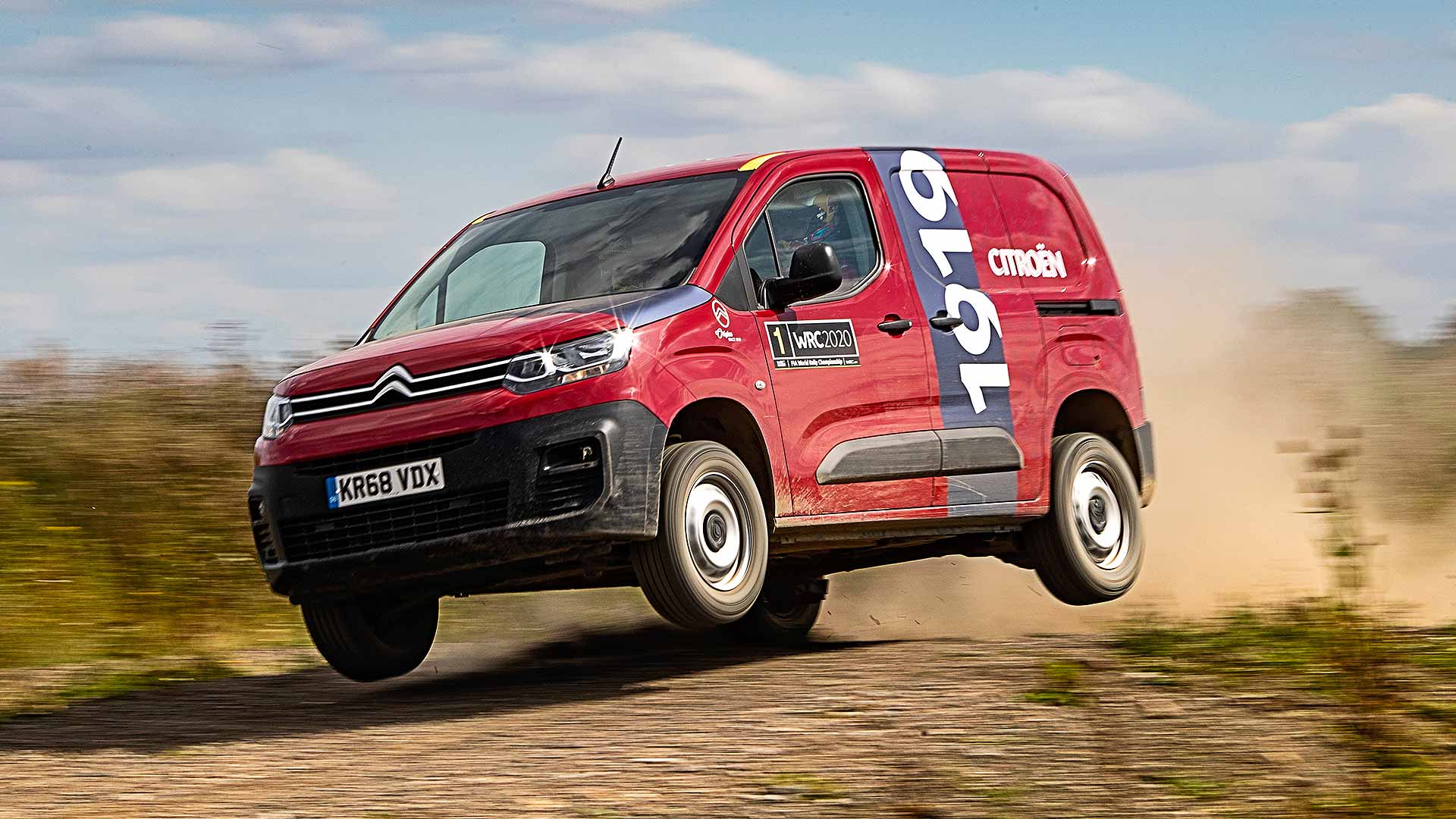
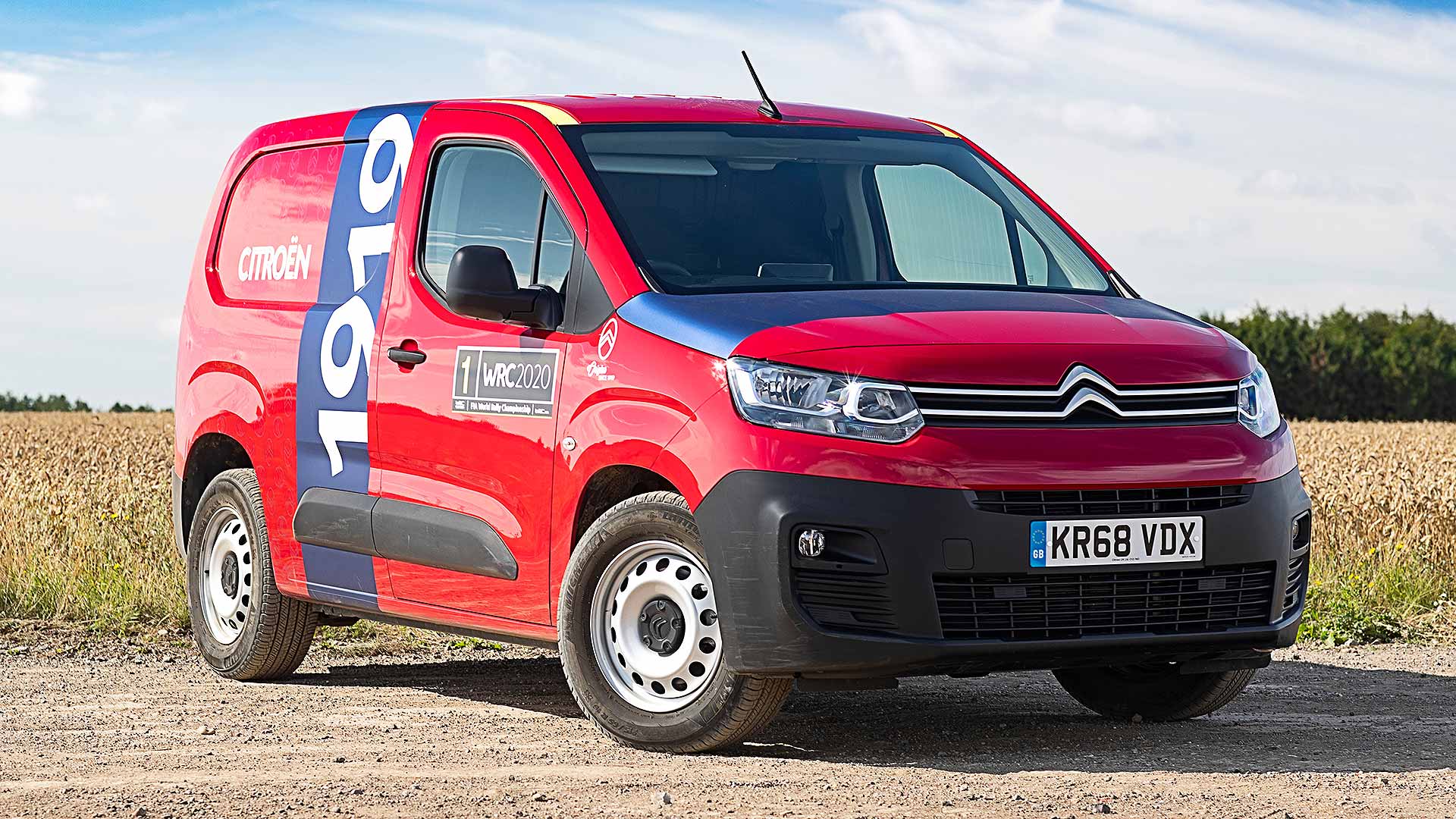
Citroen Berlingo van WRC specialThe Citroen Berlingo van is virtually a brand in its own right. Frequently Britain’s best-selling light commercial vehicle, it has built a reputation since 1996 for toughness, flexibility and dependability.
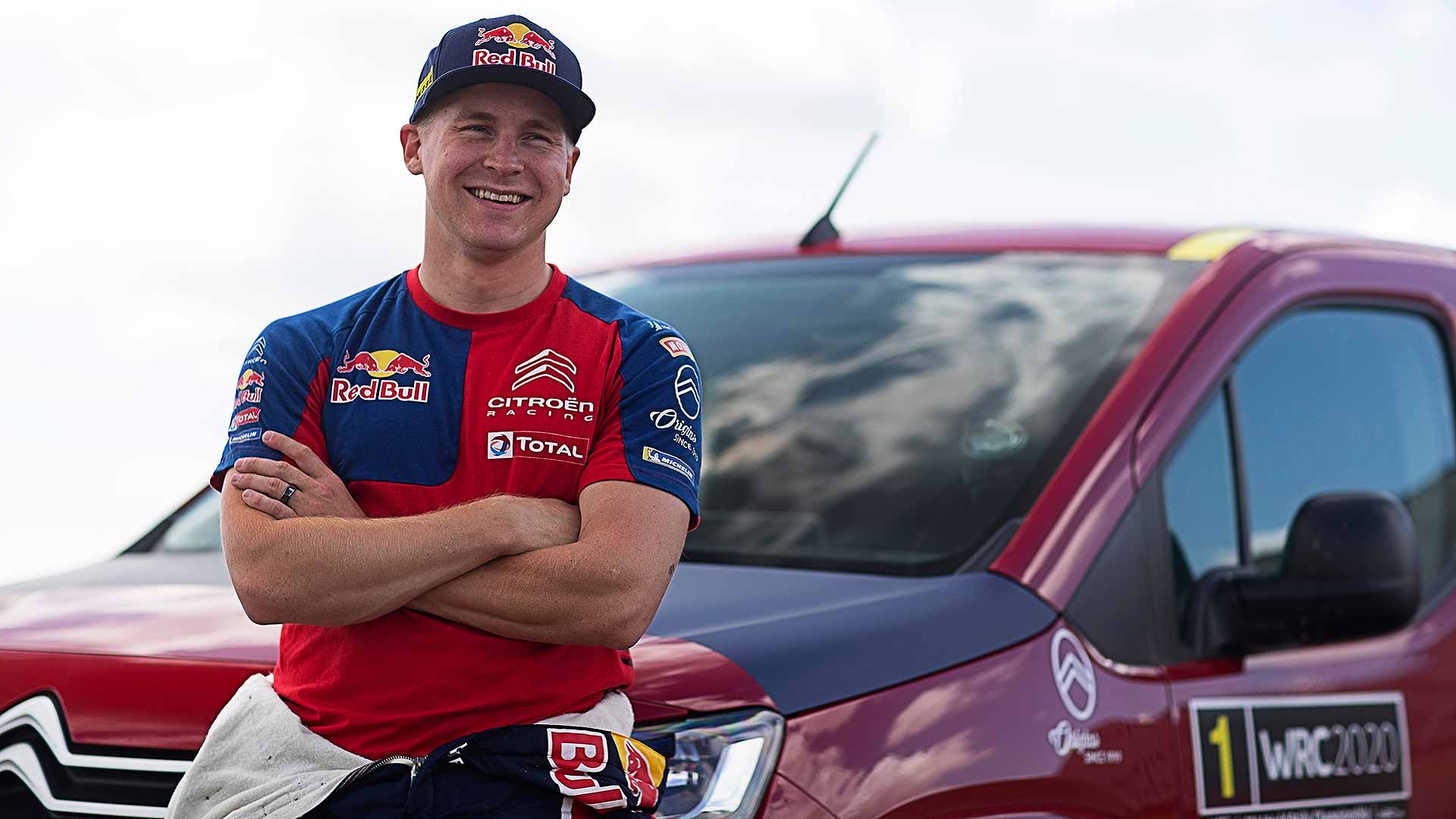
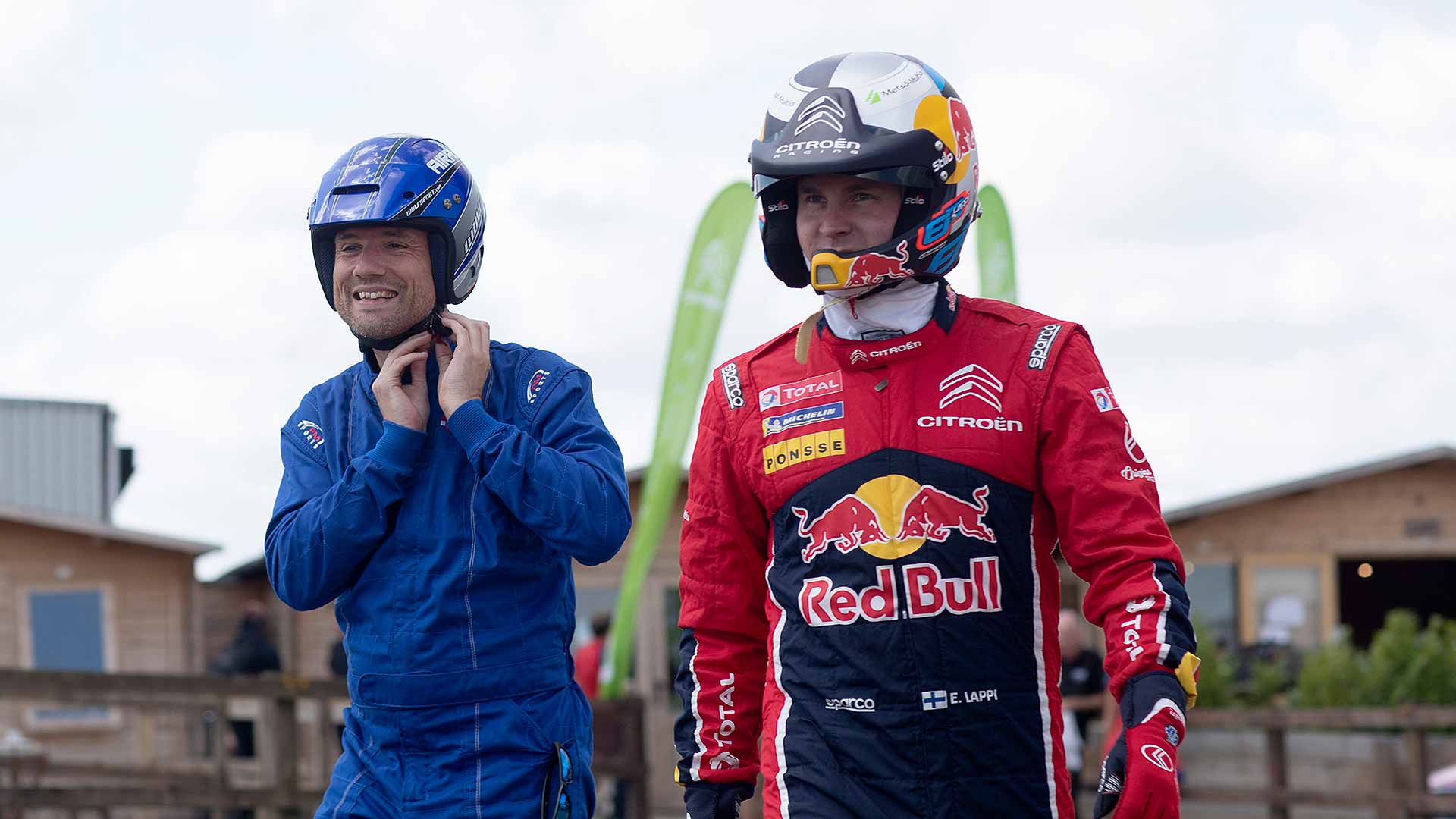
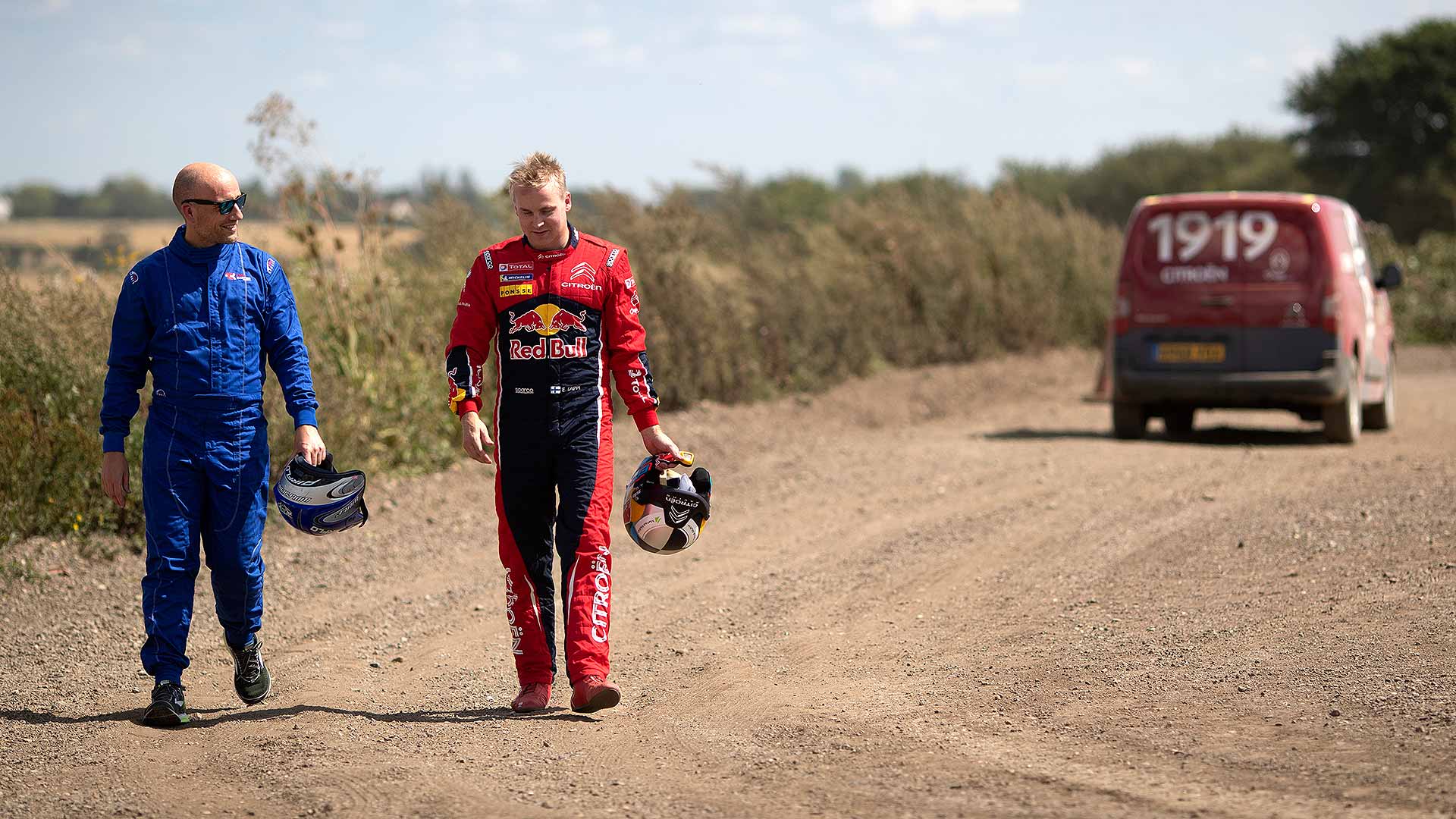
So when Citroen World Rally Championship star Esapekka Lappi visited Britain, an idea was hatched. They could have let him do demonstration runs in a road-going version of the C3 supermini he spectacularly drives in the WRC. Fun, but maybe a bit ho-hum. 

Citroen Berlingo van WRC special

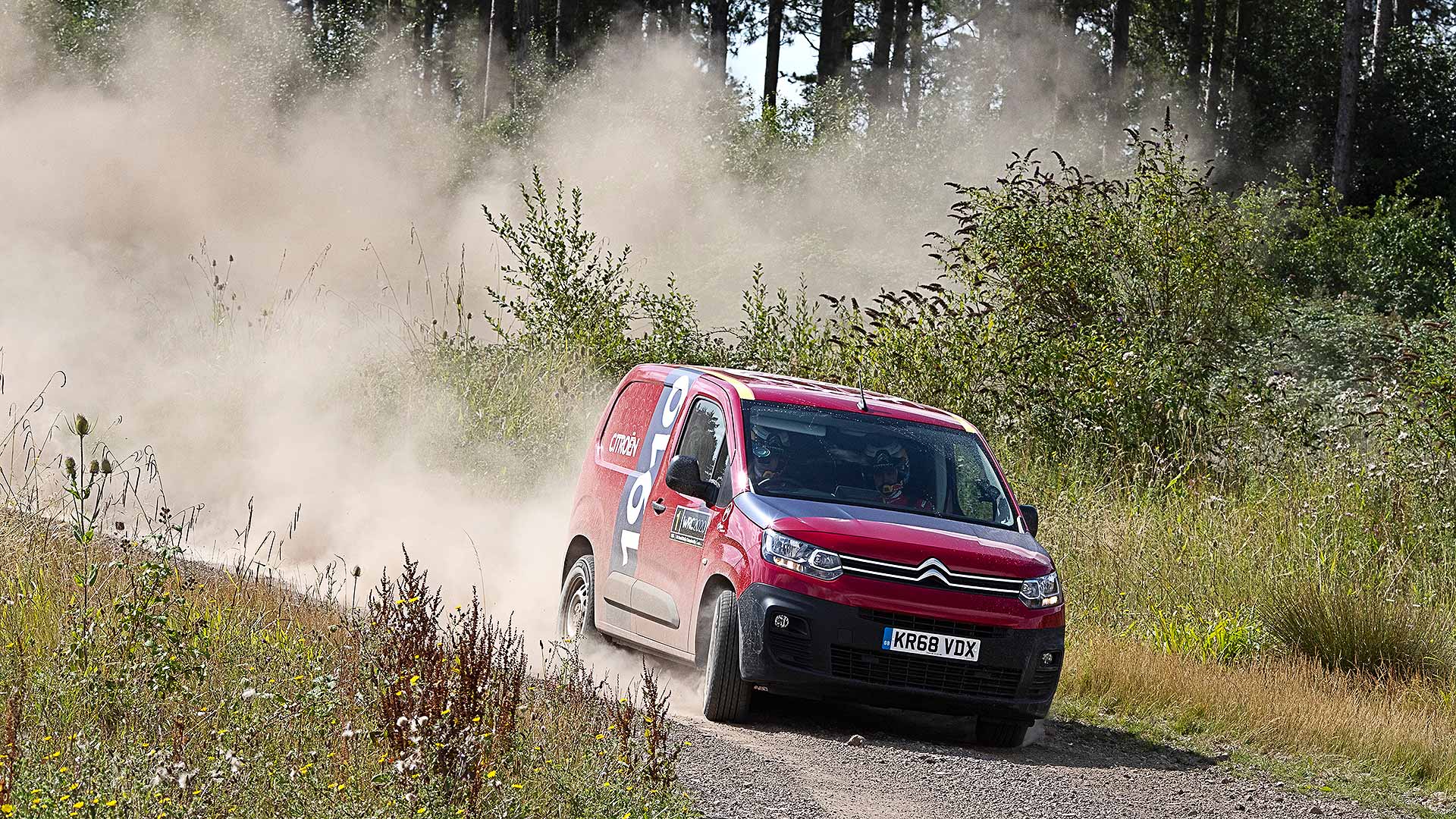
Instead, brilliantly, a new Citroen Berlingo van was given a rally-spec engineering makeover. A rally training school was hired for the day, and Lappi was let loose towork his magic. Even better, I was lucky enough to hitch a ride.

  • More vans on Motoring Research

The idea was to show off how robust the Berlingo is. Citroen UK dubbed it a ‘stress test’, and it’ll be interesting to know if a day’s thrashing by one of rallying’s hottest young talents now becomes an official part of the development sign-off process.

Citroen Berlingo van WRC special

Citroen had an extra ace to justify the day: a Berlingo ‘Worker’ version was chosen. This has 30 mm more ground clearance than the regular van, more underbody protection, hill descent control, Grip Control (which magics up extra traction from the front wheels via electronics) plus beefier mud and snow tyres.

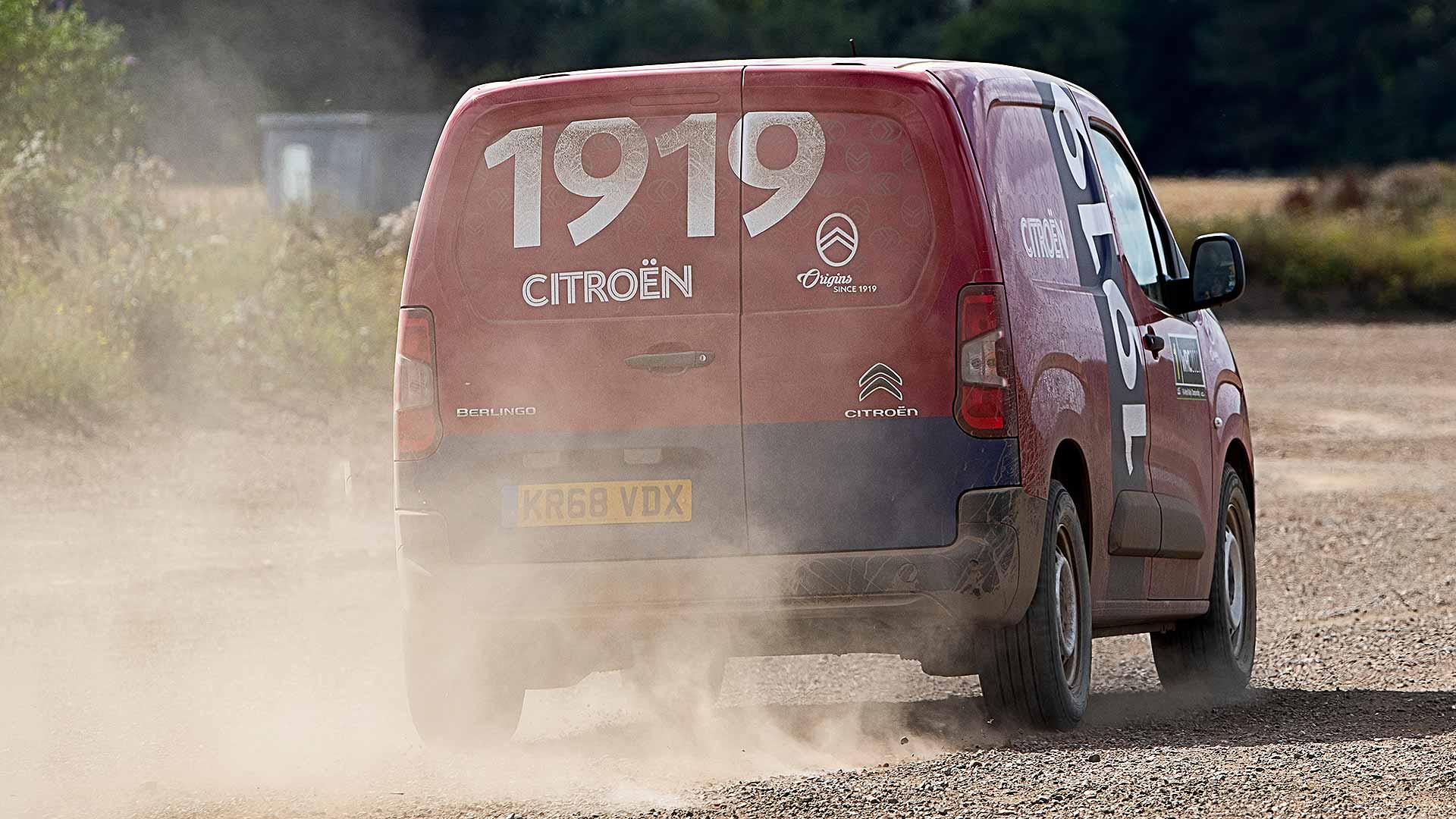
It’s more WRC-spec than any road-going C3, particularly with the installation of a regular ‘bar’ handbrake instead of the standard Berlingo’s electronic parking brake. Add on a WRC-style livery (“we weren’t allowed to use Red Bull branding, so we went with our centenary logo instead”) and it was all set for an unlikely afternoon of driving.

Rallying a Citroen Berlingo Van

Citroen Berlingo van WRC special

It was my turn first. Cool as a cucumber, Esapekka cheerily told me to do whatever I wanted, go as fast as I liked. Racing drivers can be super-cautious when being driven by people they’ve never met: rally drivers are a different breed. As I fired up the stock HDi diesel engine, he sat back and relaxed, as if we were driving to the first job of the day.

All that was missing was a copy of The Sun on the dashboard for him to read.

I won’t bore you with what I drove like, because I was rubbish. I understand circuit racing, but I really can’t get my head around rallying. There’s no grip, the vehicle must always be dancing, usually sliding, and the way you have to use Scandinavian flicks is a bit like playing snooker. I was bamboozled.

Citroen Berlingo van WRC special

The van, amazingly, felt great. Loads of suspension travel made light work of the lumpy rally-spec surface and even though I hadn’t a clue what I was doing, it was still fun to slide around. But I knew I only had a limited time with Esapekka, so I pulled up early. Time to swap, and show me how it should be done.

Citroen Berlingo Van WRC

Citroen Berlingo van WRC special

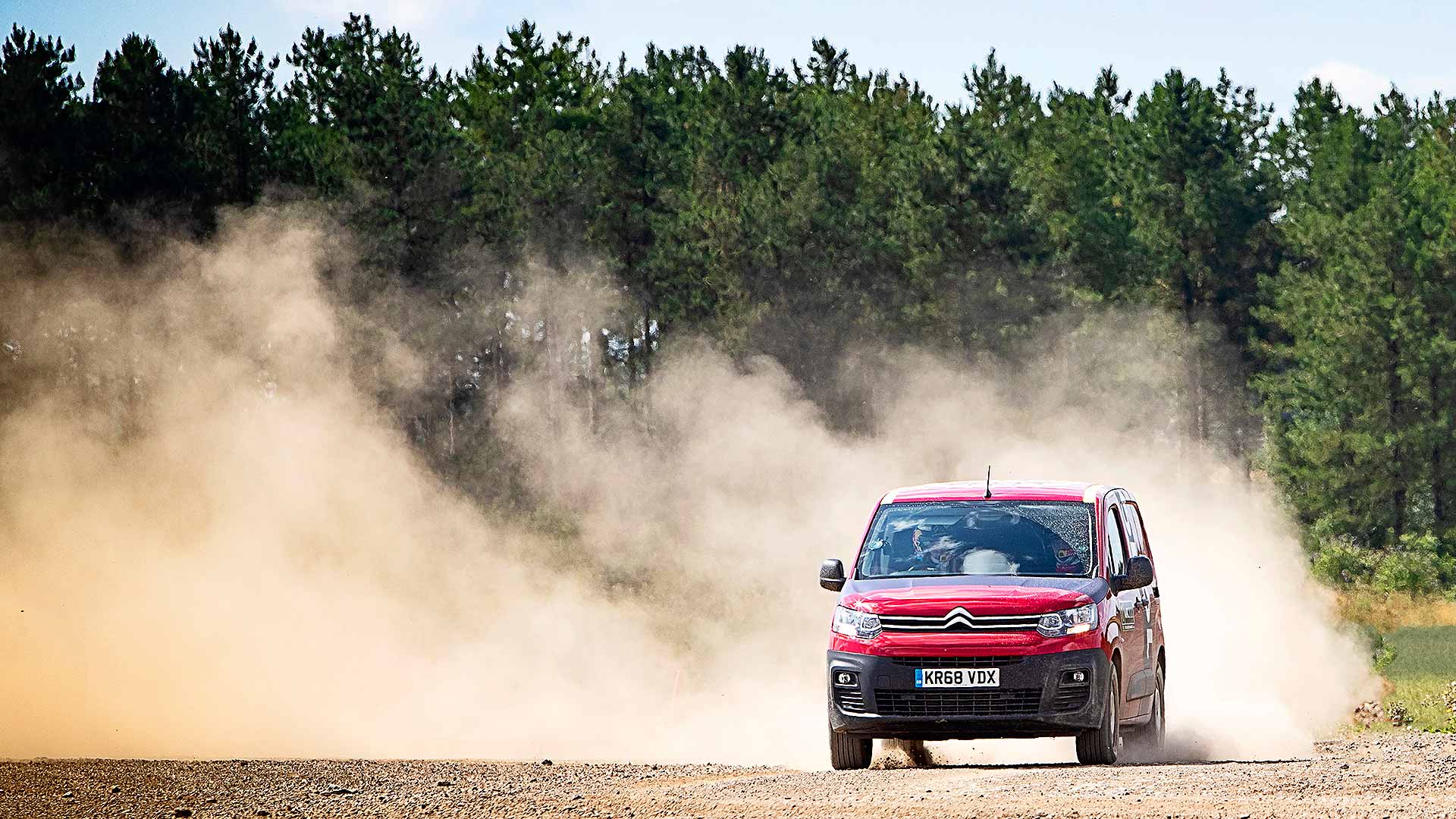
I quickly got it barely 10 seconds later, as we scrabbled away in a gravelly, clattery rush, hurtled towards the first corner and, unlike me, he didn’t brake and totter round but instead pitched sideways and drifted through it at barely-abated speed with the most ludicrous cloud of dust left in our wake. This is how you rally a Berlingo van.

At least with circuit driving, you can work out braking points and likely speeds through corners. Sitting alongside a rally driver, even in a van, is the most random experience because it all seems so confidently improvised and beyond-comprehension fast. This was a sun-baked gravel course whose surface you could do skids on in your shoes. There’s no way a standard road-going diesel van should be going this quickly.

Citroen Berlingo van WRC special

But Esapekka was on it, working at the wheel in a blur, making it do the most graceful things through bends probably three times faster than I’d taken them. Absolutely glorious is the only way to describe it – genuinely more fun and thrilling than many a supercar blast around a racetrack.

Citroen Berlingo van WRC special

We eventually had to stop because there was so much dust, we couldn’t see where to go. I had no idea a Berlingo van could do what I’d just been shown, and certainly no clue it could seemingly take such treatment in its stride. The man who winces when he hits a pothole had just experienced a van being monstered by a WRC driver, and it was still ready for more.

Citroen Berlingo van WRC special

Indeed, once the dust had settled, it was out again, so I could marvel at the 25-metre drifts and, as it disappeared back into the dust, growl of a hard-worked diesel engine and sounds of tyres battering gravel indicating Esapekka wasn’t letting up.

“It has a long heritage and is very well known in the light van sector,” Citroen’s CV boss told me later. “We had the chance to work with Esapekka so we thought we’d do something a bit different, to add to the Berlingo van brand story.”

Quite brilliant, Citroen. Even Esapekka seemed surprised. “I’m actually impressed with how much fun it is to drive – it corners well and it’s very strong.”

Rally drivers really are a different breed, and will drive anything spectacularly. That a future WRC champ has given such kudos to the Berlingo van is surely now worth a point or two on the building site or delivery yard.

Advertisement

Speeding drivers ‘most likely to crash’

0

Speeding drivers 'riskiest'Speeding is the riskiest form of aggressive driving, according to a university in Ontario, Canada.
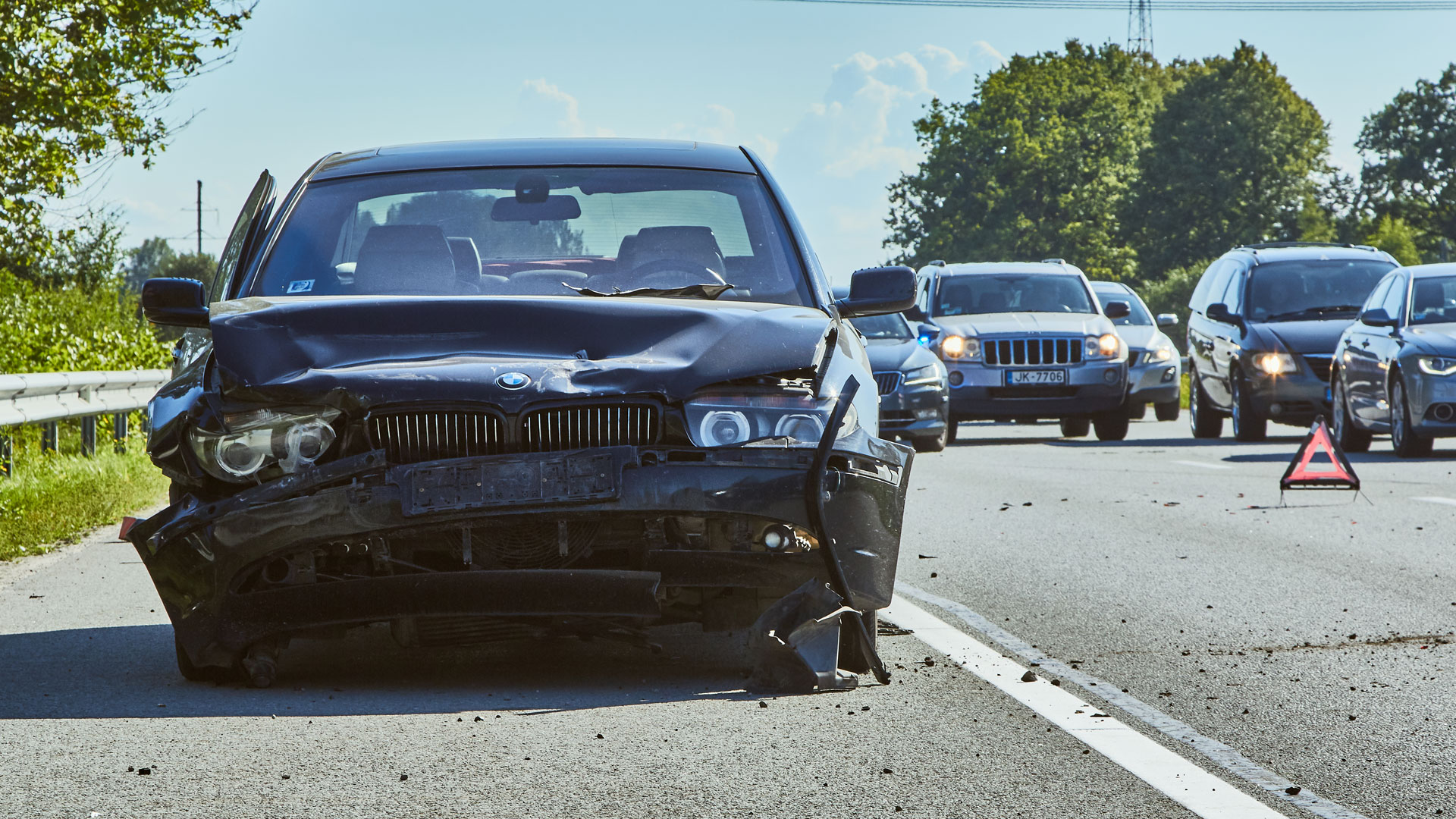
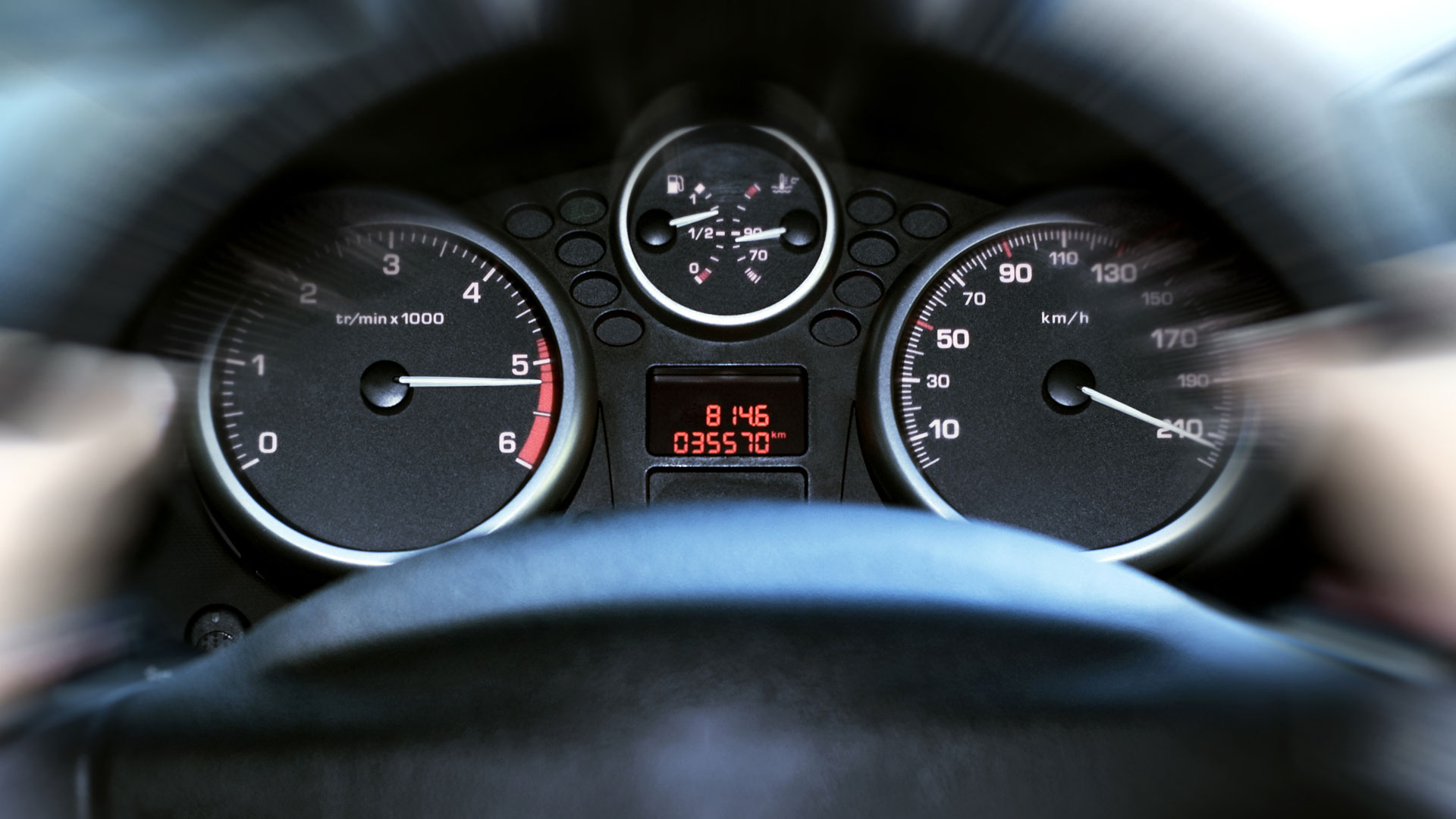
Researchers at the University of Waterloo studied data from 28 million trips to identify possible links between bad driving and the likelihood of a crash.

The analysis revealed that speeding is a strong predictor of crashes, but links for the other kinds of aggressive driving – hard braking, hard acceleration and hard cornering – couldn’t be established.

Researchers used data from insurance companies in Ontario and Texas to identify 28 crashes based on indicators such as rapid deceleration. Each vehicle was then matched with 20 control vehicles that not been involved in a crash but had similar characteristics, such as location and driving distance.

When the crashes were compared to the control cases, speeding emerged as the key difference between them.

Used effectively, this data could be used to transform the way insurance companies calculate annual premiums. At present, the price is based on a number of factors, including age, location, use and engine size. 

Analysis of telematics data could deliver highly personalised premiums based on actual driving behaviour. If a driver spends a high proportion of their time breaking the speed limit, the following year’s premium could rise.

Slower driving could be rewarded with a reduced premium.

‘Always-on’, always watching

Of course, having an ‘always-on’ telematics device in the car raises privacy concerns. Not only will your insurance company know when a policyholder has driven too fast, they will also know where they have been, the route they take to work and even their choice of radio station.

Telematics are nothing new: the fleet industry uses devices to track drivers and vehicles, while young motorists save an average £151.25 with ‘black box car insurance’.

Research by RAC Business found that 40 percent of businesses faced staff concerns about privacy, which is why it launched a personal key fob to allow workers to turn off telematics when they’re not driving for work.

Speed causes crashes

‘We are super pumped’

From a wider perspective, Allaa Hilal, an adjunct professor of electrical and computer engineering, believes the data could be used to make roads safer by giving drivers tangible evidence that speed is a primary contributor to crashes. 

“Some of the results are no surprise, but prior to this we had a whole industry based on intuition,” said Hilal. “Now it is formulated – we know aggressive driving has an impact.”

“Having this information exposed and understood allows people to wrap their minds around their true risks and improve their driving behaviours. We are super pumped about its potential.”

Stefan Steiner, a statistics professor at Waterloo University, said that the study was “limited by several unknowns” and more research is required to verify the results.

Advertisement

What is Amazon Echo Auto and how does it add Alexa to your car?

0

What is Amazon Echo Auto

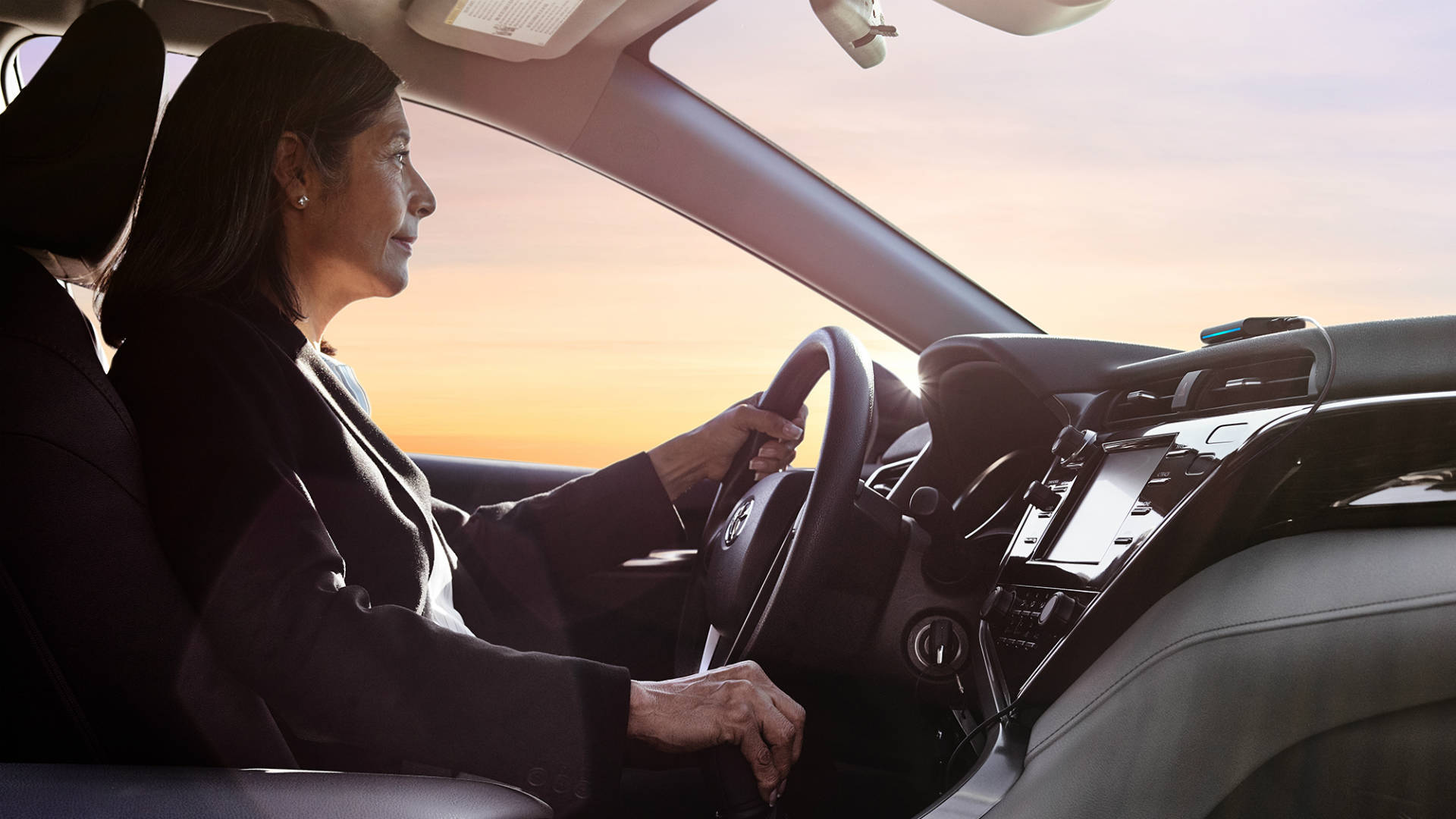
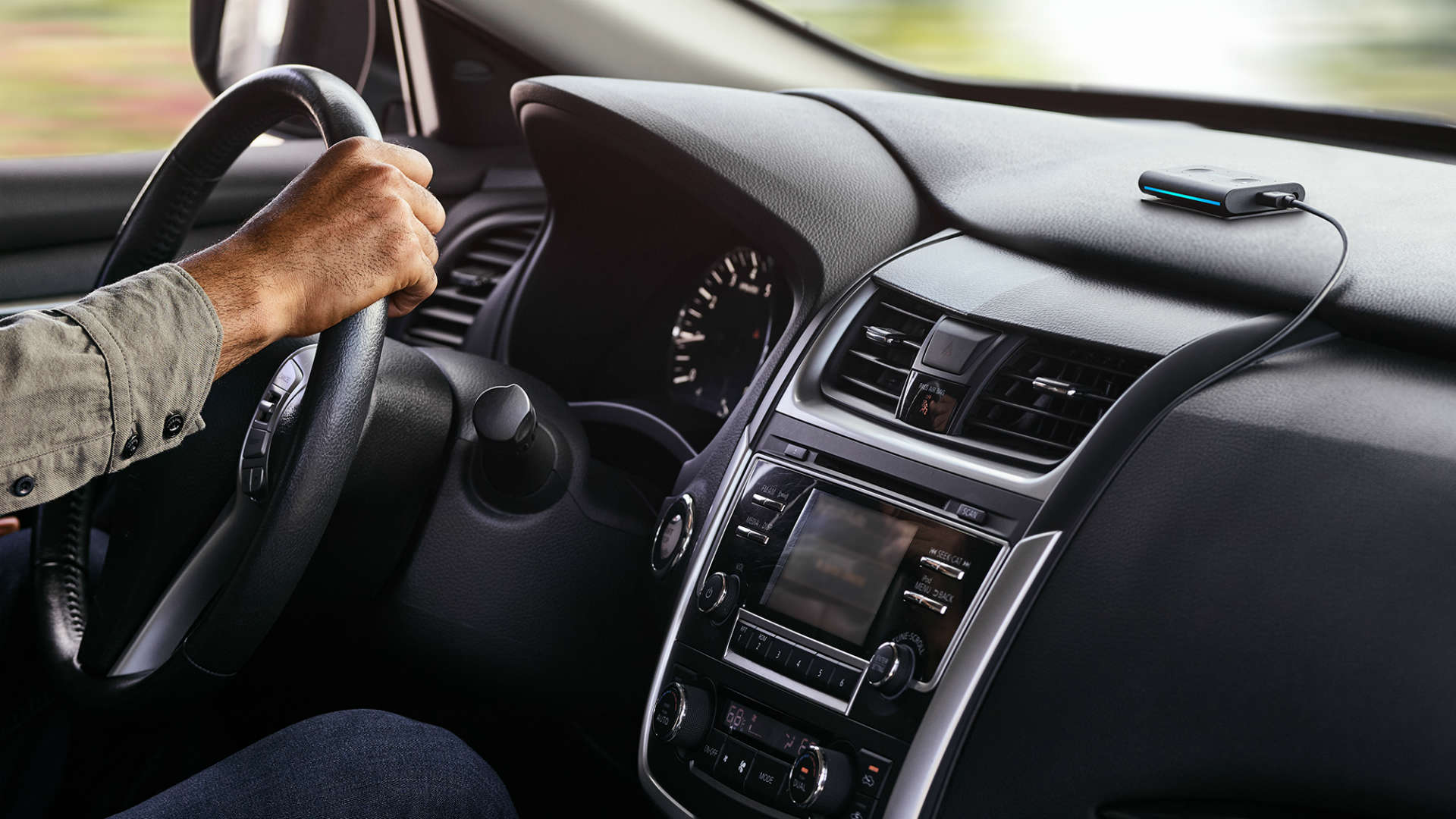
With Amazon Echo Auto, Alexa has officially made the move from home to car. Amazon Echo Auto connects to the Alexa app on your smartphone, and plays through the car’s speakers via Bluetooth or auxiliary input. 

It means that, in theory, you can choose your music, change the radio station, stream podcasts, listen to the news, make a telephone call, or get directions – all without taking your hands off the wheel.

Right now,  exclusively by invitation only, for the discounted price of $24.99. Amazon says everyone who requests an invitation will be able to buy Echo Auto for the lower price, even after it has gone on general release for $49.99.

It’s not the first time Alexa has been available in a car, but it’s the first time you can get the personal assistant directly from Amazon.

How does Amazon Echo Auto work?

Amazon Echo Auto device

If you’re familiar with Alexa – or any voice-controlled personal assistants for that matter – Echo Auto will need no introduction.

It’s much smaller than the cylindrical speaker or hockey puck Echo or Echo Dot you might have at home. At 85 mm x 47 mm x 13.28 mm, it’s small enough to find a home in most cars. Weighing just 45 grams, it’s also light enough to take on the move.

It connects to Alexa via the Alexa phone app and plays through the car’s speakers via Bluetooth or the aux-in. Each time you start the car, make sure the phone’s volume is turned up and that the stereo is set to the correct input, then say “Alexa”.

What are its key features?

Amazon Echo Auto

Echo Auto has eight microphones, which means Alexa can hear you over road noise, claims Amazon. It’s a claim backed up by early reviews in the United States, with The Verge reporting that “Alexa can hear [you] when [you’re] going 70 on the freeway with the windows rolled down”.

The device also features an action button, light bar, 3.5 mm audio output, micro-USB power and microphone off button.

Is Echo Auto any good?

Amazon Echo Auto for cars

Sean Hollister’s engaging and interesting review of Amazon Echo Auto suggests it could be a bit hit or miss.

On the one hand, Sean rates the quality of the microphones and the Bluetooth connection, arguing that “it’s worth paying the $25 promo price for the Bluetooth adapter functionality alone”.

But he also lists a number of reasons why “Alexa is really dumb about location”, going on to say that “Amazon has put remarkably little effort into improving the things you might want Alexa to do from a car”.

Of some of the claims advertised on Amazon’s website, Sean says they are “laughably bad right now”.

Is Echo Auto an alternative to Apple CarPlay or Android Auto?

2019 Skoda Scala Apple CarPlay

Sean’s review suggests that Apple CarPlay, Android Auto or Google Assistant are superior to Amazon Echo Auto.

Amazon says Echo Auto connects to most cars that support Bluetooth to play music or that have an auxiliary input. It works best on cars that do not have Apple CarPlay or Android Auto, it says.

What’s in the box?

Amazon Echo Auto comes with an in-car power adapter, micro-USB cable, 3.5 mm auxiliary cable and quick-start guide.

Amazon Echo Auto: specifications

  • Price: $49.99 ($24.99 via invitation)
  • Size: 85 mm x 47 mm x 13.28 mm
  • Weight: 45 grams
  • Supports: Android 6.0 and iOS 12 or greater
  • Plan usage: uses existing smartphone plan (carrier charges may apply)
  • Warranty: one-year limited warranty included
Advertisement

CCTV systems to catch people ‘ICEing’

0

EV parking enforcement against ICEing

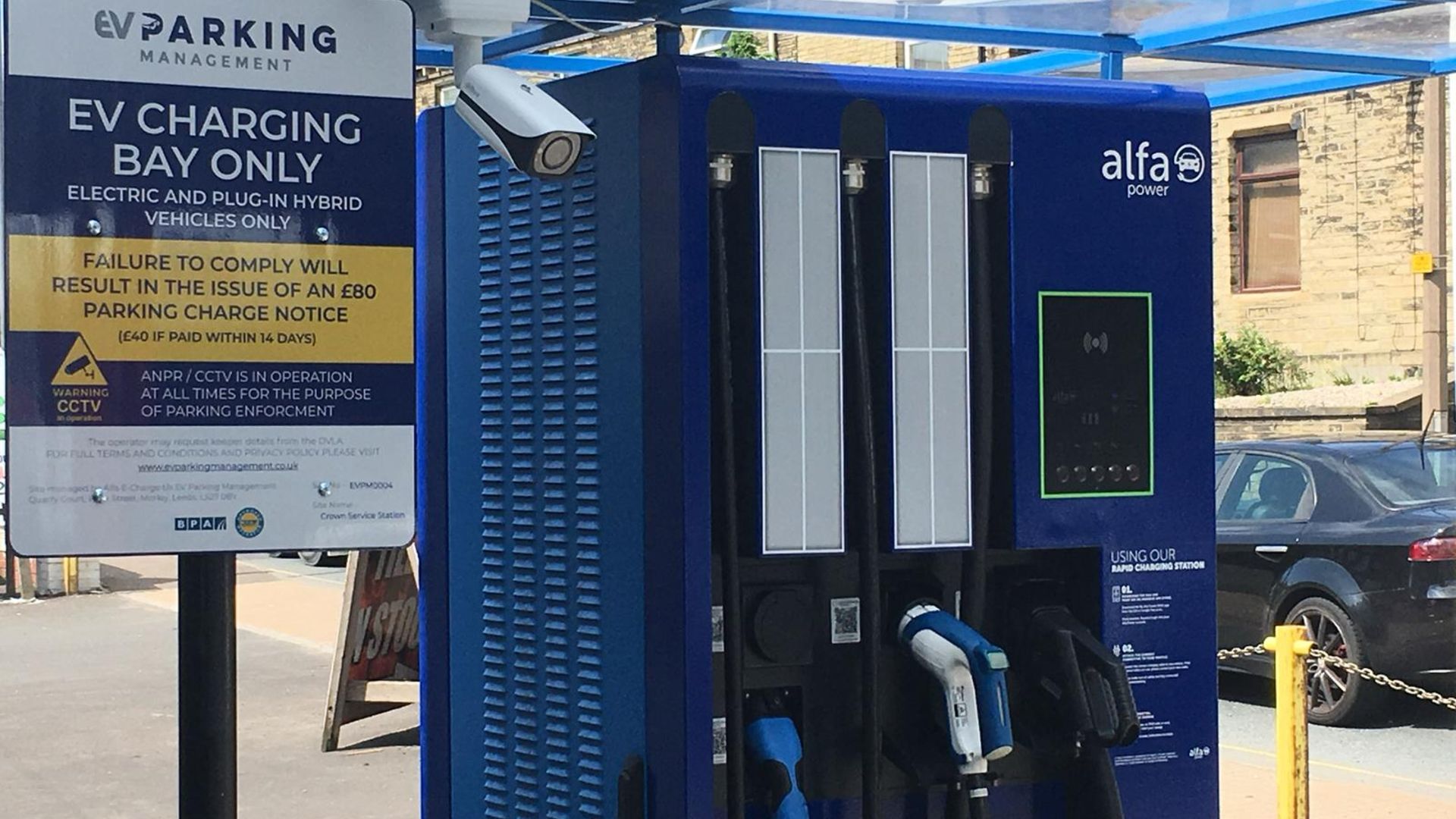
Electric car charge point provider Alfa Power is poised to roll out parking enforcement with the help of EV Parking management. The installation of CCTV monitoring and ANPR will be used to penalise drivers who are ‘ICEing’.

What is ICEing?

I hate people sometimes. from r/electricvehicles


ICEing is the term used to describe the act of parking in an electric car charging bay in an internal combustion car. Doing so often robs EV owners of a potentially important charging spot.

It’s a problem that electric car owners are often vocal about on social media, posting pictures of ICE-powered cars taking up precious charging bays. For someone in dire need of some juice, we can understand their frustration.

Fighting ICEing

The CCTV and ANPR systems will be used to track down and send a fine to fossil fuel-burners when they abuse EV-only parking. EV Parking Management is a company set up specifically to help fight the people that aren’t using EV charging bays properly.

Electric car drivers can be fined too

EV parking enforcement

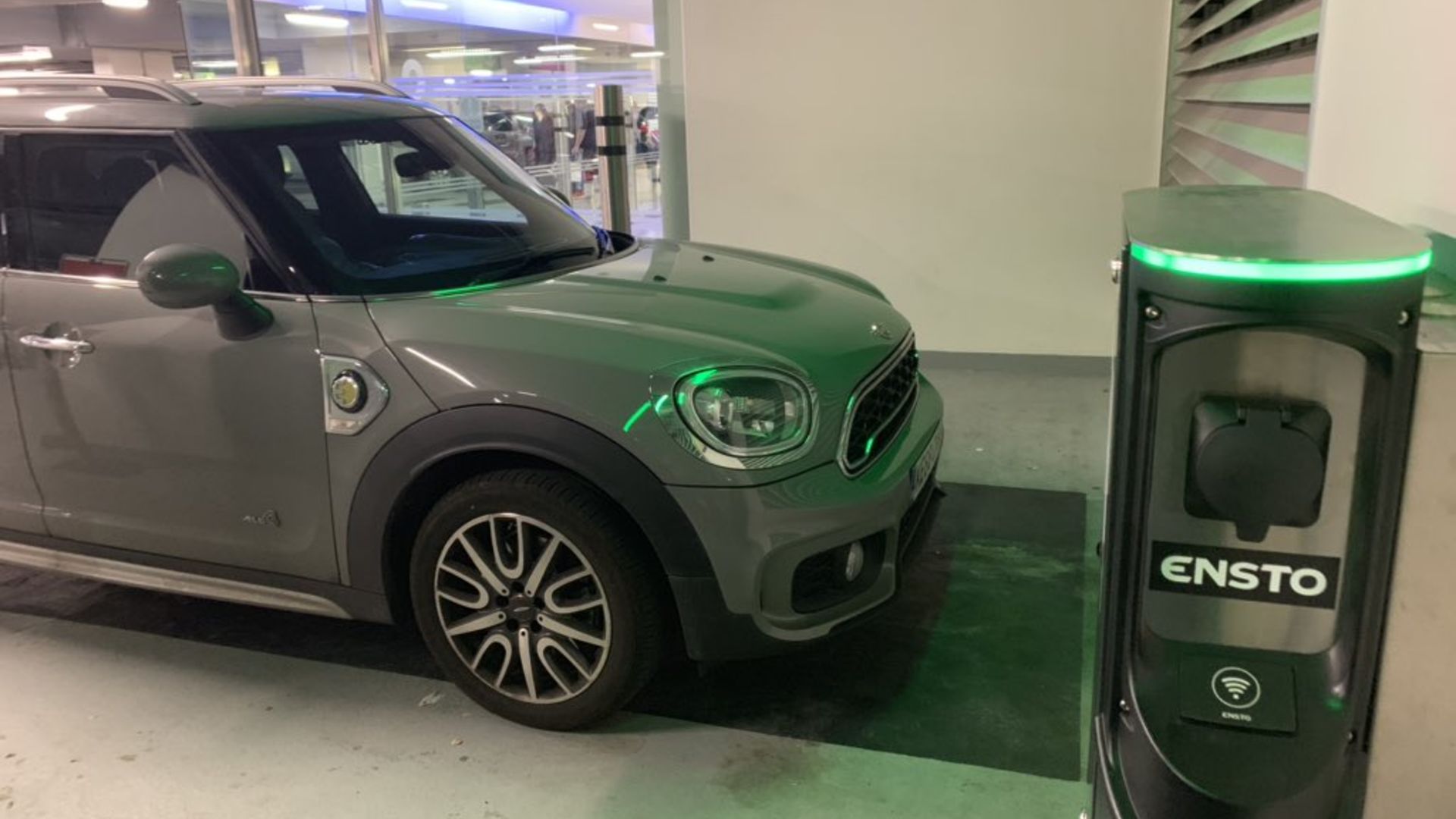
Although EV parking bays are for electric cars, drivers of any plug-in cars can be fined. The spaces are for people who are charging, specifically. Parking spaces aren’t limited commodities that need protecting. Places to charge your electric car are. That goes for plug-in hybrid drivers who elect to not plug in when they park up, too.

Basically, if you park in an Alfa Power charging bay, you’d better plug in.

Advertisement

Porsche Taycan is the world’s first car with built-in Apple Music

0

Porsche Taycan gets build-in Apple Music

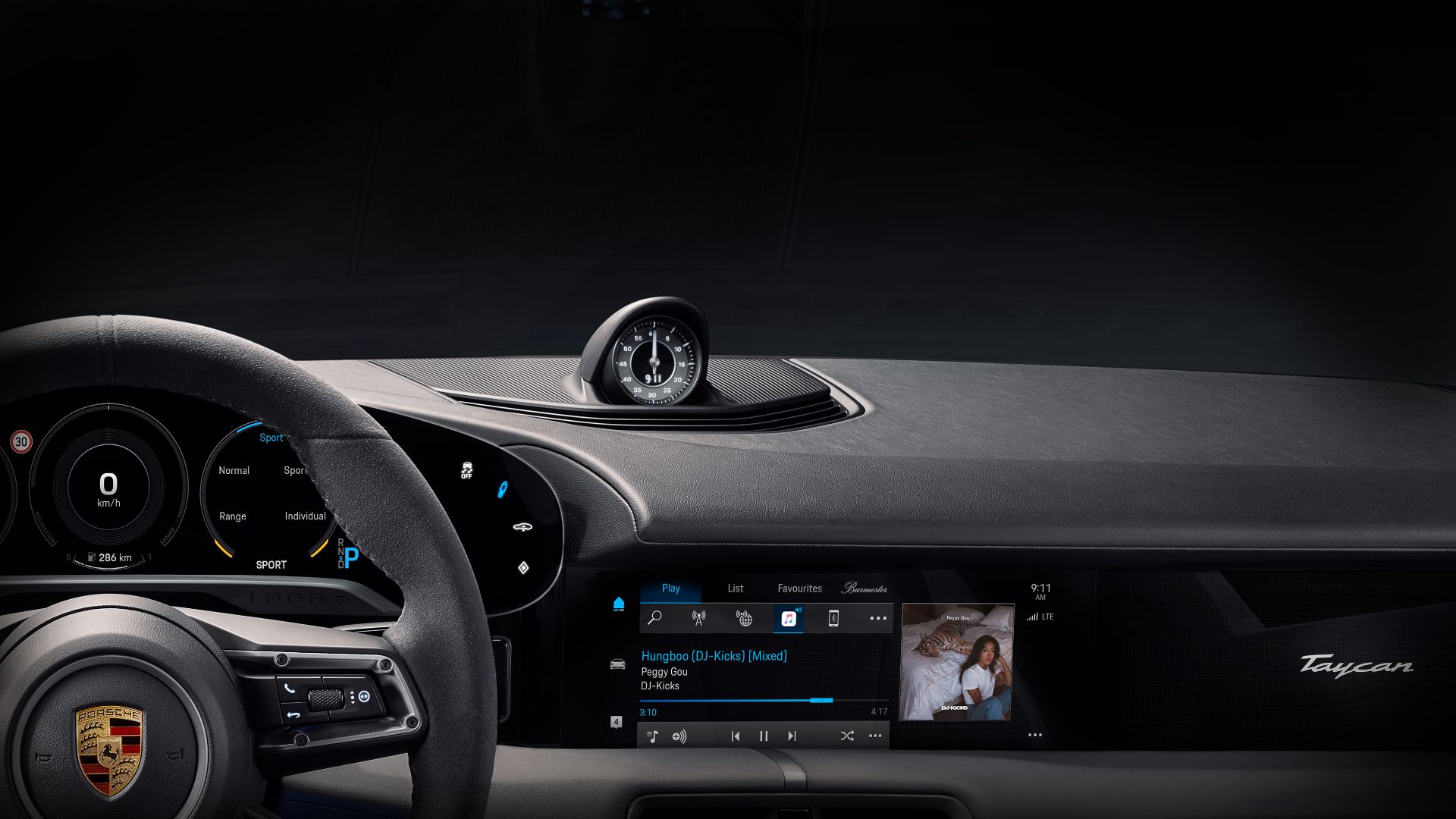
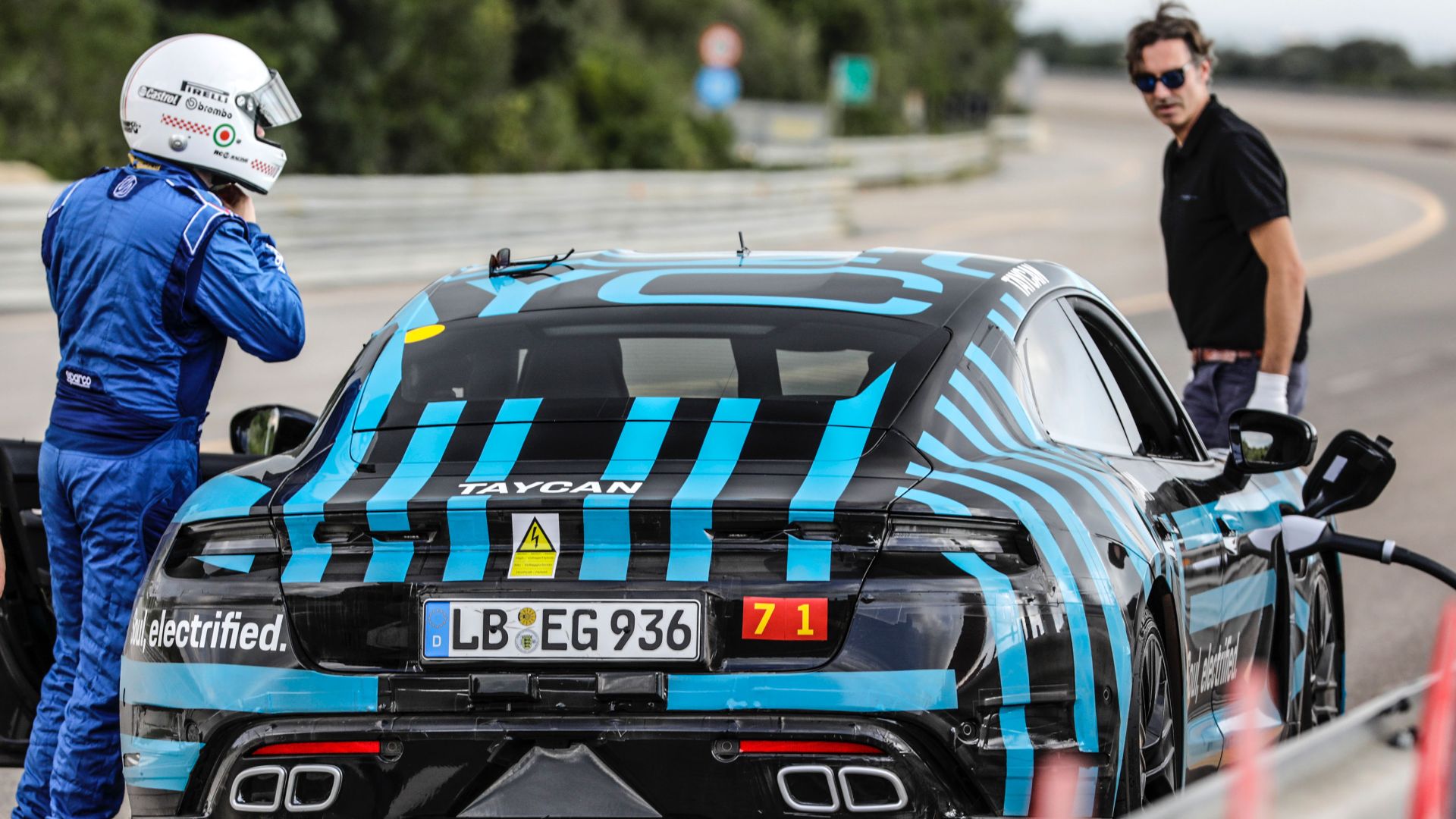
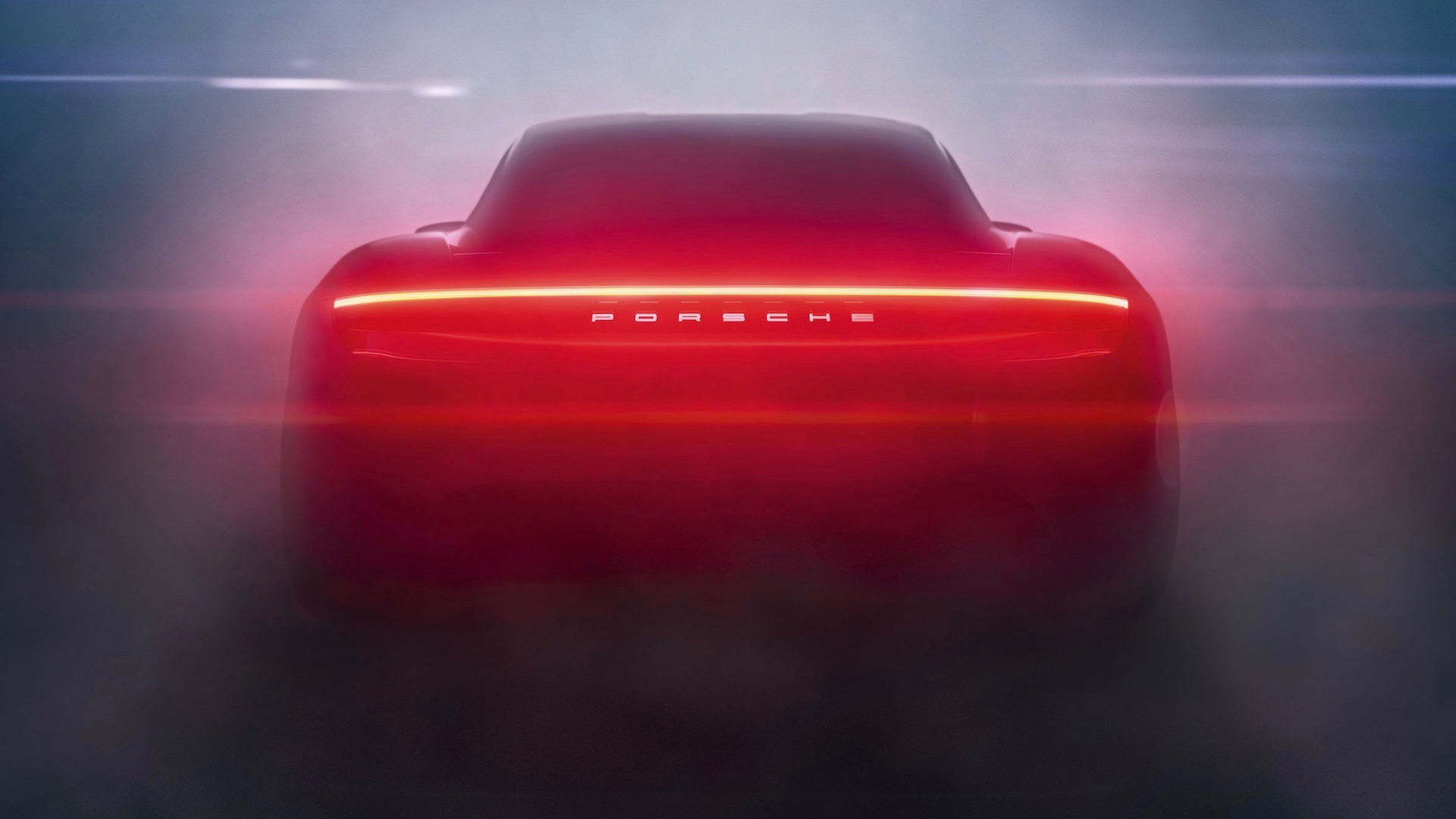
The anticipation surrounding the launch of the Porsche Taycan is palpable. What performance will it deliver? How much will it cost? How far will it go? These are all headline questions. As for the more day-to-day stuff, an interesting tidbit to report is that it’ll be the first car to come with Apple Music built-in.

In reality, regardless of the hype and hysteria, this is the kind of thing buyers will actually care about long-term.

  • Electric Porsche Taycan takes 24-hour, 2,100-mile test drive

Apple Music and Porsche explained

Porsche Taycan gets build-in Apple Music

Think of Apple Music as the tech giant’s response to Spotify. For subscribers, it carries over 50 million songs ad-free, thousands of curated playlists and its own radio station called Beats 1.

In addition, Taycan buyers will also get access to playlists made by Porsche. New and existing Porsche owners can also get up to six months free use of Apple Music. All Taycans will also come with in-car internet for three years, including an external antenna and roaming package.

You can cultivate a quality music listening environment with your Taycan, too. Optional is a Burmeister surround sound system, which can be combined with Apple’s Digital Masters service to listen to music in high quality.

  • Porsche Cayenne rallies to an unlikely new lap record

2019 Porsche Taycan electric orders

“Porsche and Apple Music fit perfectly,” said Detlev von Platen, member of the executive board for sales and marketing at Porsche.

“We share common values, and the same relentless attitude to user experience, to quality engineering, to design, to innovation. Together, we bring innovative digital entertainment technologies in our high-performance sports cars, starting with our fully electric Taycan.”

Advertisement

Ban regular car sales by 2035 or face ‘dire consequences’, says report

0

The government should not wait until 2040 to ban the sale of ‘conventional’ new cars and vans.

That’s one of a number of hard-hitting recommendations laid out by the Science and Technology Committee in its report on clean growth.

“The UK is not even on course to meet its existing legally binding targets for 2023 and 2032”, it says, and petrol and diesel cars are at the centre of the problem.

In 2017, the government announced plans to ban the sale of new petrol and diesel cars by 2040, with all conventional vehicles banned from the road by 2050. But environmental groups have called for the ban to be brought forward.

Last year, the Committee on Climate Change (CCC) said that it “may be necessary for the sales of petrol and diesel vehicles to end by 2035”.

It called for ultra-low emission vehicles to account for 60 percent of the new car market by 2030 to “keep open the possibility of 100 percent of new sales by 2035”.

But the government isn’t doing enough, says the Science and Technology Committee, and “urgent action is required to reverse the current policy trend of cut backs and slow progress”.

Ban cars by 2035 at the latest

ban cars sooner

Ten areas of shortfall have been identified in a wide-ranging report. The government has been slammed for not delivering a promised White Paper on ‘The future of the energy market’, and there are concerns over the complexity of obtaining planning permission for onshore wind farms.

The cut in the plug-in car grant for the lowest-emission cars, the abolition of the grant for other low-emission cars and the freeze in fuel duty are the shortfalls relating to cars.

The Committee has made a series of recommendations to get the UK ready for net-zero by 2050. The priorities for transport include:

  • Bring forward the date of the proposed ban on the sales of petrol and diesel cars to 2035 at the latest.
  • Ensure the ban covers hybrid vehicles.
  • Reconsider the fiscal incentives for consumers to purchase new AND used low emission vehicles.
  • Accelerate the deployment of electric vehicle charge points.
  • Introduce measures to ensure that charge points are interoperable and compatible with a smart energy system.

Crucially, the report says that the government “should not aim to achieve emissions reductions simply by replacing existing vehicles with lower-emission versions”. 

“Their manufacturer generates substantial emissions,” it warns, so “widespread personal vehicle ownership does not appear to be compatible with significant decarbonisation”.

‘Dire consequences for the environment’

Norman Lamb MP, chair of the Science and Technology Committee, said: “Parliament has declared a climate emergency.

“The worrying effects of climate change, such as heatwaves, wildfires and flooding are already occurring at an alarming rate and will have a huge impact on future generations. 

“If governments across the world fail to act, it will have dire consequences for the environment and generations to come.

“The scale of the challenge cannot be underestimated.”

‘Giving up on emerging science and technology’

Motoring organisations have been quick to shift the spotlight away from personal cars, with the decarbonisation of light commercial vehicles viewed as a priority.

Edmund King, AA president, told BBC News: “Stating that widespread personal vehicle ownership isn’t compatible with significant decarbonisation seems to be giving up on emerging science and technology.

“Technology is developing at a rapid rate with great potential from more efficient electric and hydrogen fuel cell vehicles.

“More emphasis should be going into renewable energy and greener vehicle production rather than higher fuel duty or banning hybrids, as the report recommends.

“The fastest growth in traffic is by vans due to internet deliveries so more technological effort should be put into decarbonising that sector as a priority.”

Advertisement

Research reveals where drivers are using their phone at the wheel

0

Drivers using their phone

Using your phone and driving is highly illegal and ill-advised, but that doesn’t stop a shocking number of us risking a £200 fine and six points on our licence.

But where in the UK are you most likely to find a driver using a mobile phone at the wheel? New figures reveal all.

London calling

Drivers using their phone

Unsurprisngly, London is the worst place for people using their phone while driving. The City of London and London Metropolitan constituencies lead with a respective 1,427 and 228 fines per capita.

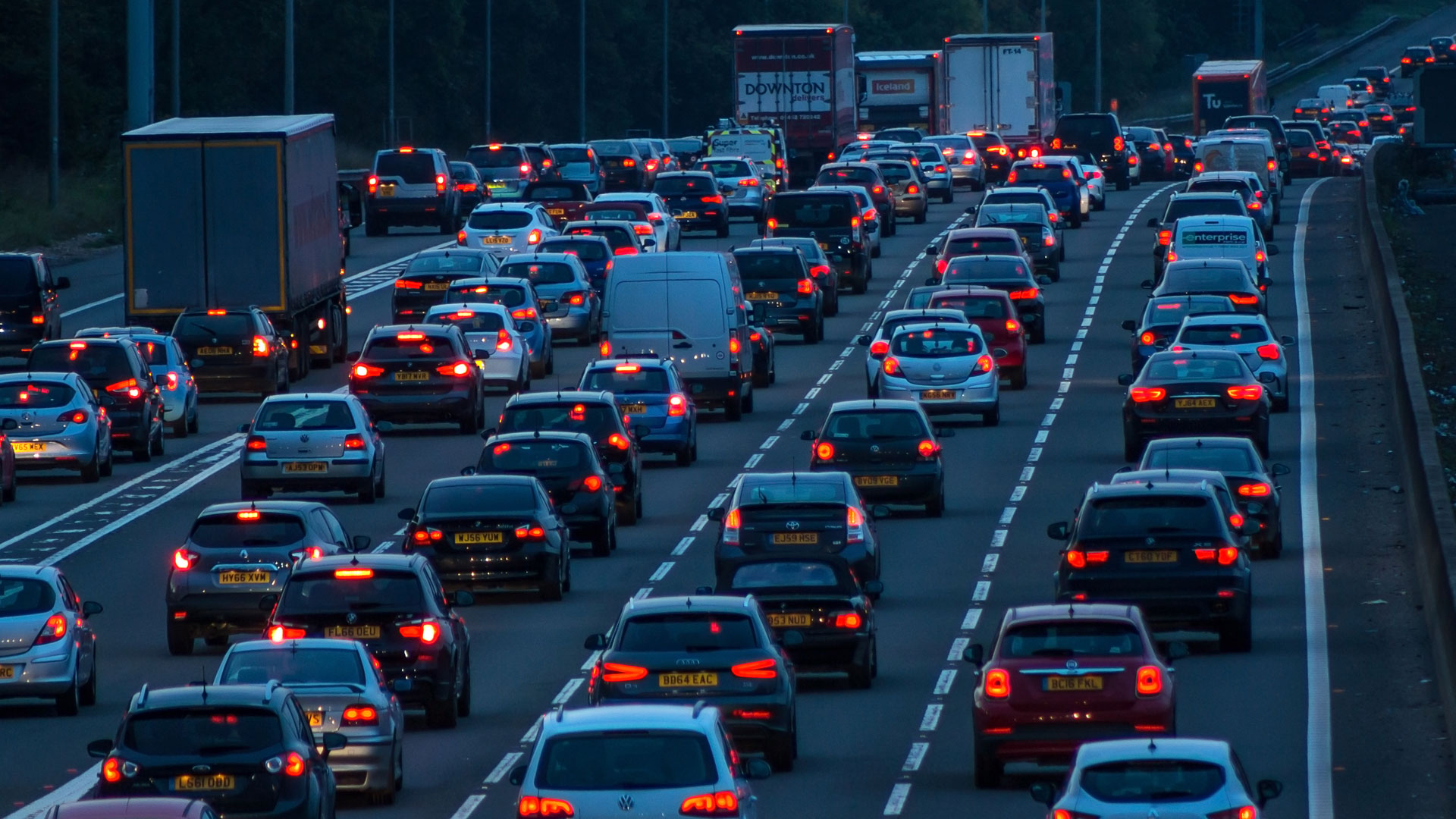
It’s been reported that one in two drivers will use their phone while stuck in traffic, even though that remains illegal. Yes, even when stationary.

  • Three in five young drivers admit to using their phone while driving

In the City of London, there’s a police officer for every 15 civilians in the area. Contrast that with London Metropolitan’s one officer for every 258 civilians. It begs the question, how many people are really using their phone behind the wheel elsewhere, without being caught?

Cheshire, West Mercia and Suffolk/Norfolk follow in third, fourth and fifth, with a respective 181, 164 and 154 fines per capita. Essex, Thames Valley, Merseyside, Hampshire and Warwickshire span between 150 and 121 fines per capita.

Phones and driving: The least fines per capita

Drivers using their phone

What about the least fines per capita? That honour goes to Avon & Somerset (37), with Nottinghamshire (40), South Yorkshire (42), Wiltshire (42), Leicestershire (43) and Northamptonshire (43) following close behind.

Avon & Somerset’s figure boasts a scarcely believable 3,756 percent difference with the City of London.

Calls for increased penalties for using phone while driving

“Despite introducing new penalties for offending drivers, there are still so many using their mobile phones at the wheel,” said Tim Schwarz, head of marketing at Moneybarn, the provider of these figures.

“It’s clear there’s still more required from the relevant authorities to bring down these numbers. Even tougher penalties are in discussion – like MP’s current call for use of hands-free devices to be made illegal – to eliminate the ‘dial and drive’ mentality for good.”

Advertisement

Motorists urged to ‘check it before towing it’

0

Motorists urged to check it before towing it

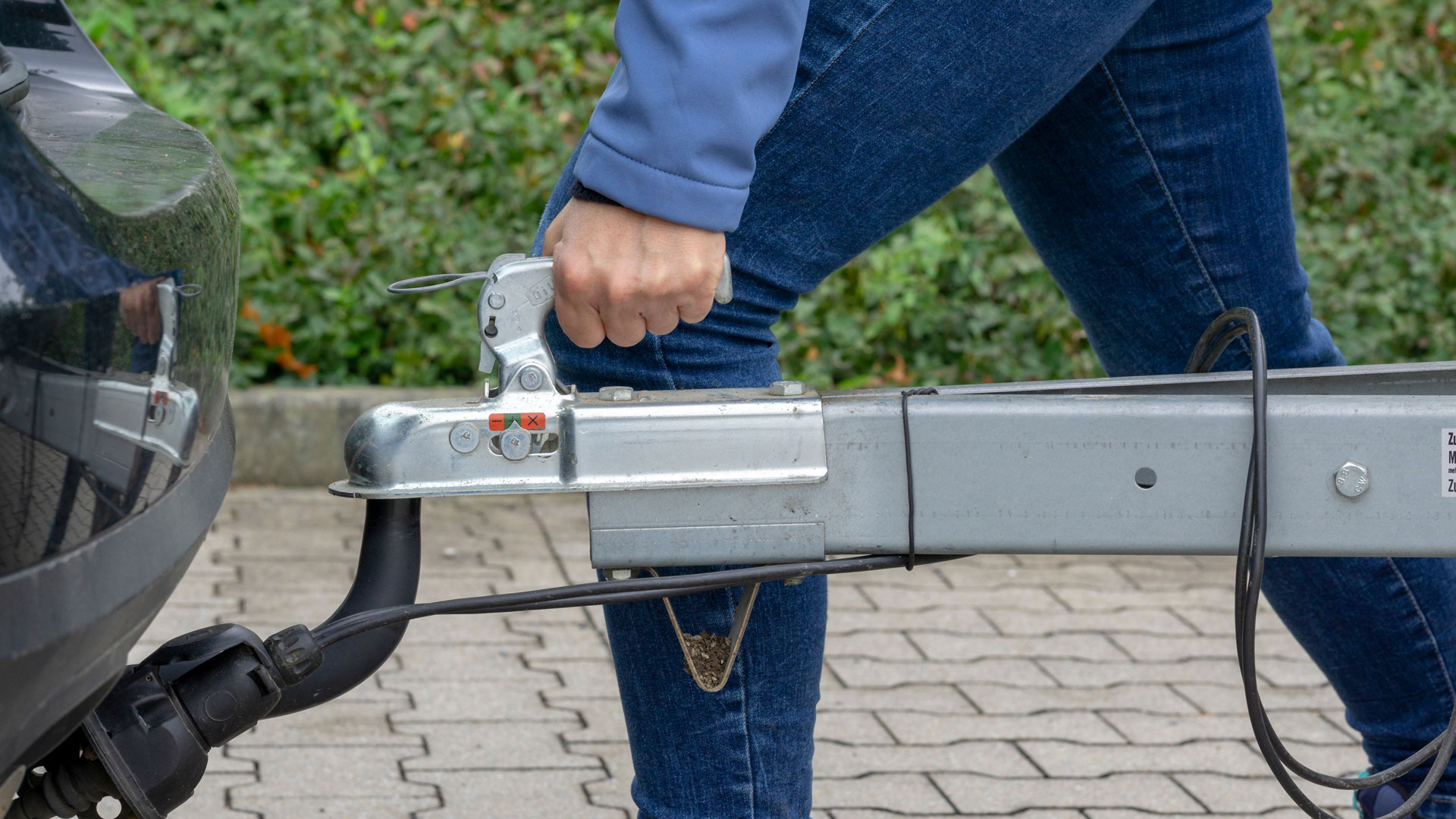
There are around 4,000 incidents involving trailers on our roads every year, which has prompted Highways England to issue towing advice.

It follows a ‘runaway’ trailer on the M25 in Surrey, which caused five miles of tailbacks and delays of around 40 minutes. The advice is simple: ‘check it before towing it’.

“It is the driver’s responsibility to ensure equipment is fitted and used safely on every journey,” warned Simon Simon, MOT product manager at the Driver and Vehicle Standards Agency (DVSA).

At the end of next week, millions of motorists will be returning from their summer holiday, with tens of thousands of vehicles towing caravans, camping trailers and boats hitting the road. Adequate checks are essential.

Highways England’s strategic road safety lead, Stuart Lovatt said: “Thankfully incidents like the one [on the M25] are very rare but now is the time to remind motorists of the need to make sure you have carried out proper checks and have loaded the trailer or vehicle correctly.

“We have all sorts travelling on our network including horse boxes, trailer tents and leisure vehicles such as boats and caravans. Our message today is really simple, check it before towing it. So that everyone gets home, safe and well”.

What causes towing incidents?

Many of the towing incidents were caused by some of the following factors:

  • Poorly loaded trailers and caravans.
  • Overloaded trailers.
  • Trailer and load too heavy for the vehicle’s towing capacity.
  • Driving too fast.
  • Serious crosswinds.
  • Breakaway cable not attached correctly.

How to avoid towing incidents

The chair of the national towing working group at Highways England says the following checks should be carried out before embarking on a journey. Some of these checks will require some forward planning, so don’t wait until the last minute before taking them into consideration.

  • Make sure the towing vehicle is suitable for the caravan or trailer load. It’s also important to check that the nose weight is sufficient.
  • Choose a car and caravan/trailer with stability aids.
  • Drive within the speed limits for towing – 60mph on a motorway. Take care when going downhill and/or overtaking.
  • Reduce speed when it’s raining or in high winds.
  • If instability occurs, do not brake, but ease off the accelerator and allow the speed to drop. Do not try to accelerate.
  • Following an instability scare, check all possible contributory factors and address any issues.

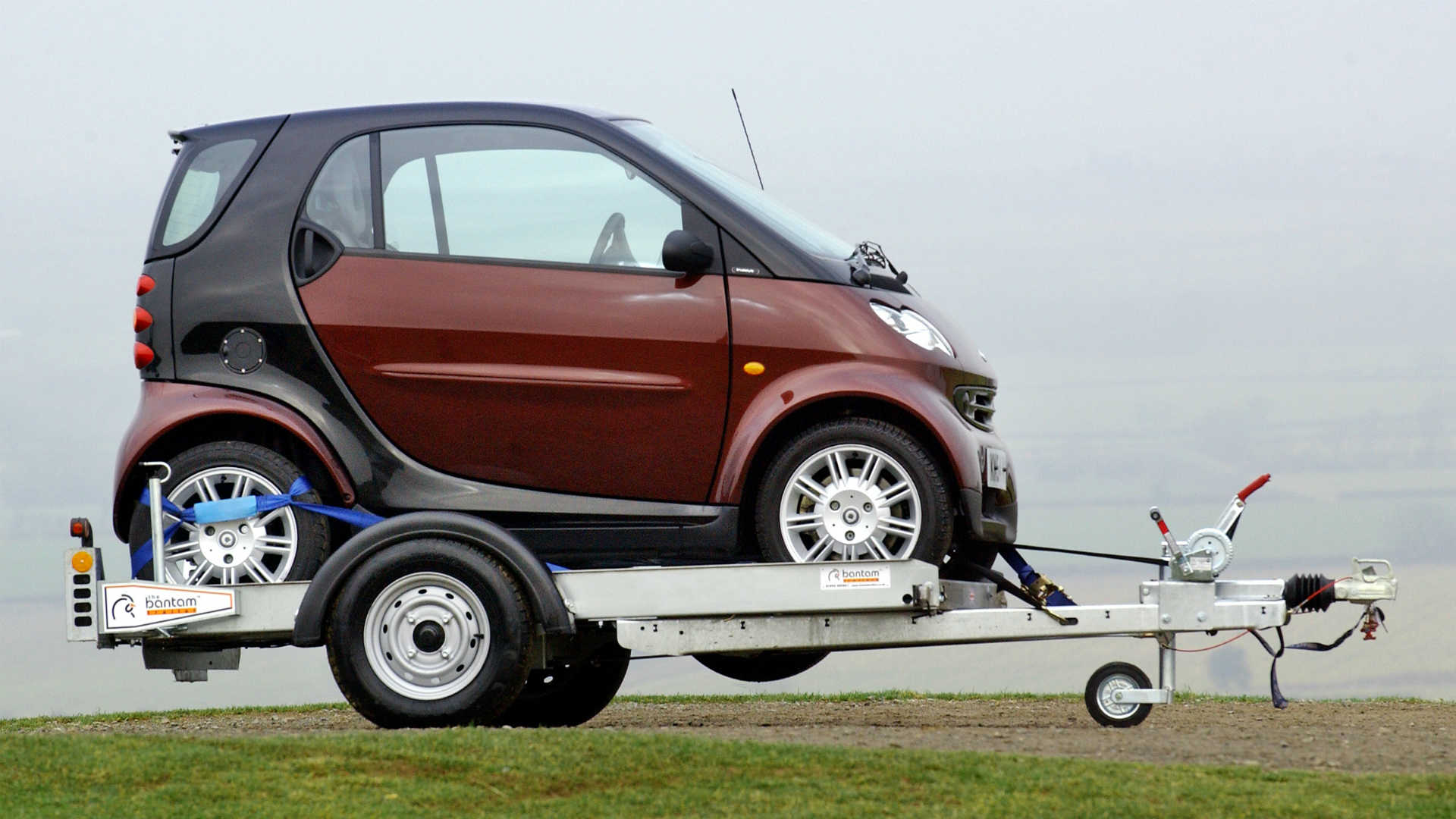
Smart on a trailer

Simon Smith adds: “DVSA’s priority is helping everyone keep their vehicle safe to drive.

“Trailer safety is all too often overlooked. But safety checks are life-saving and don’t take too long to carry out.”

Click here to find out how to get a free trailer safety check. Also check out our guide to towing a caravan or trailer.

Advertisement

Understanding Kia’s electric car range is child’s play

0

Kia electric car campaign

Kia has teamed up with Sky Media to raise awareness of its growing range of electric cars.

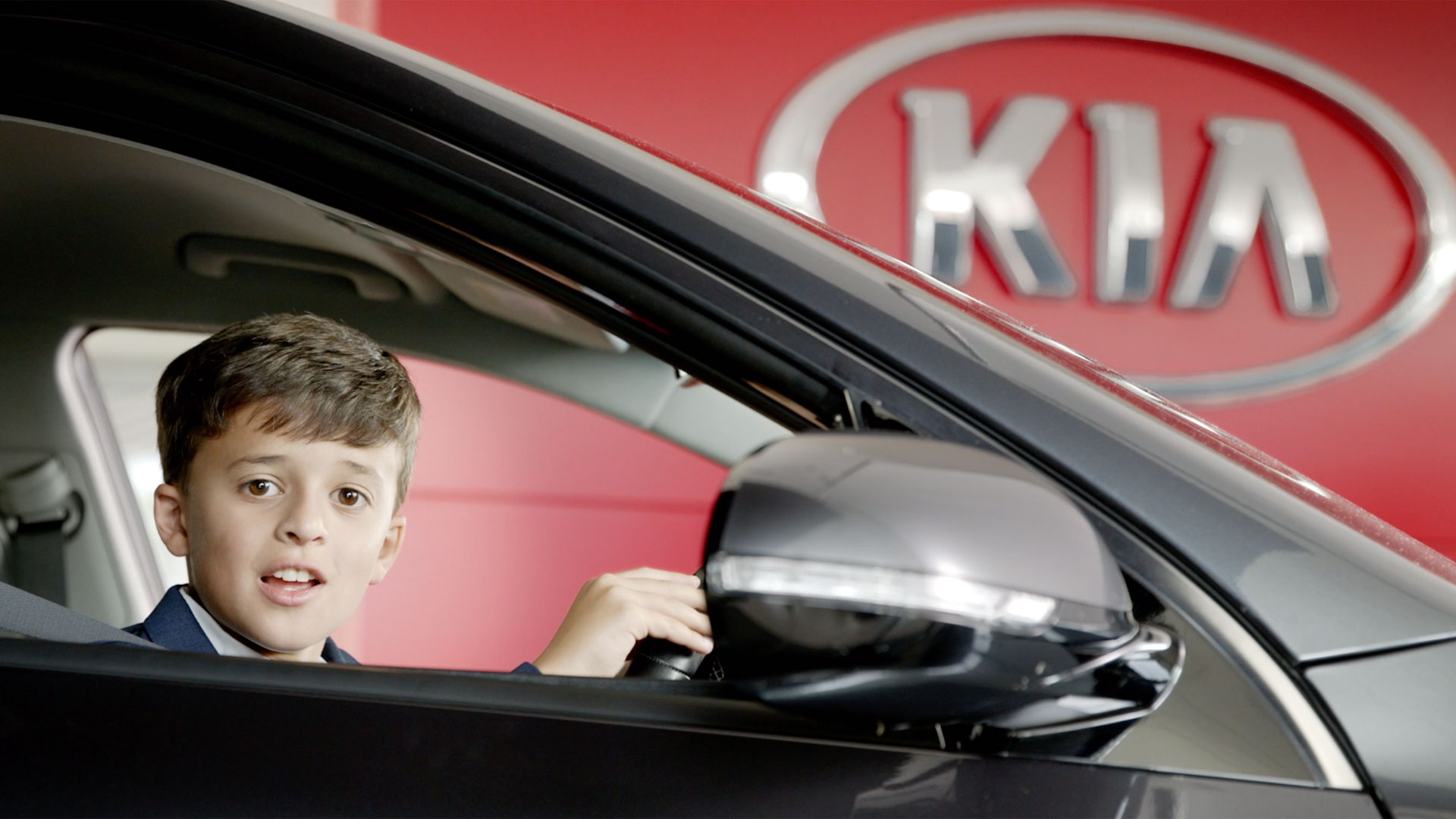
Using an ‘out of the mouths of babes’ approach to marketing, Kia is using an all-child cast to explore the benefits of electric car ownership. It’s like the Vauxhall ‘Little Dads’ campaign, rebooted for a new generation.

The Korean brand hopes that the six-week campaign will appeal to families, while answering some of the EV questions adults are too afraid to ask. Well, it’s often the child who helps the parents with the set-up of household electronic devices…

‘Electric credentials’

Kia Soul EV

“Sky Media will be the perfect partner for our brand,” said Jane Fenn, head of brand communications at Kia.

“Being able to amplify our wide range of electric and alternative fuelled models across such a broad scale of media will ensure that our electric credentials are seen by a wide range of consumers that are a sure fit within our target demographic.”

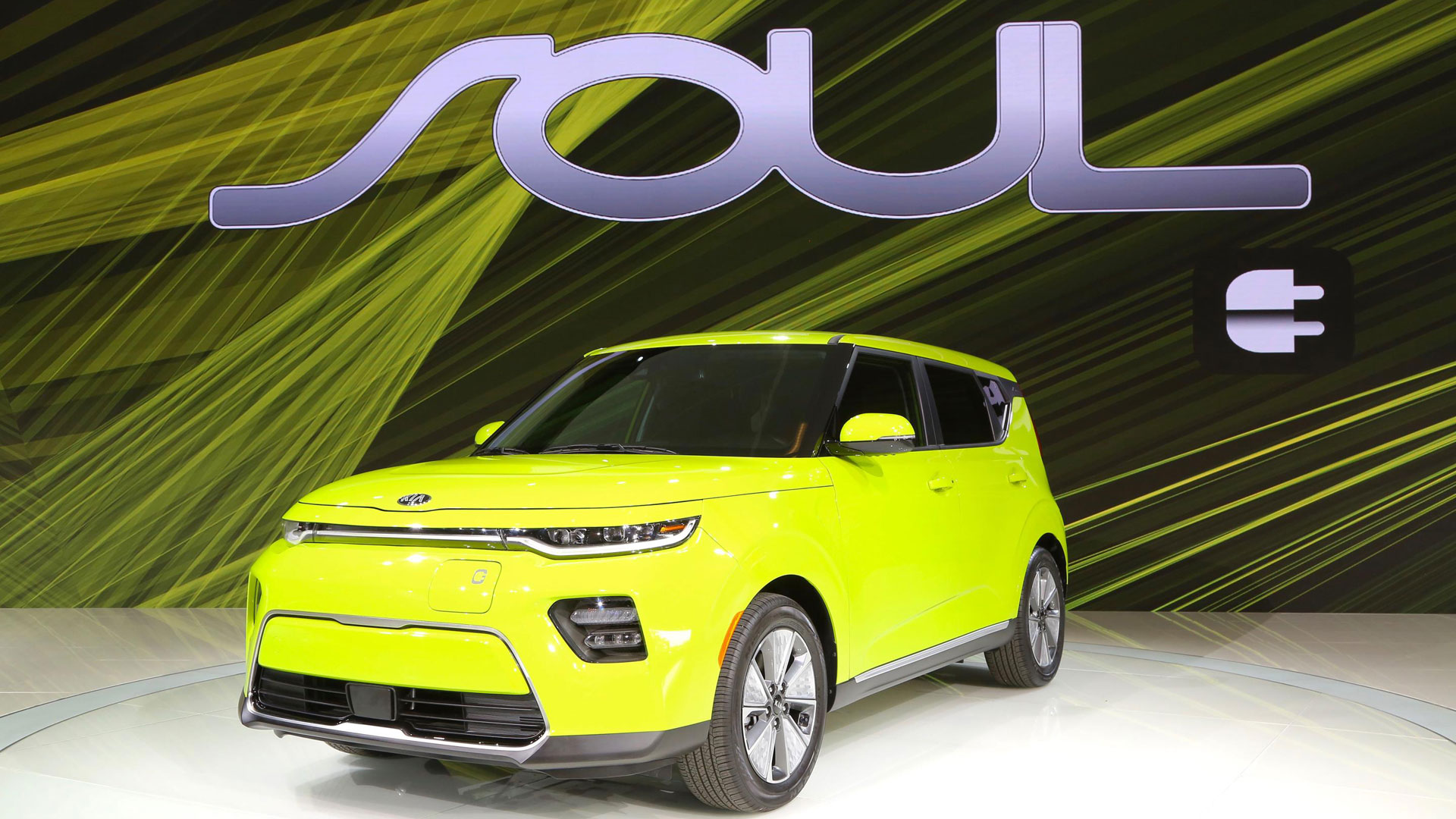
Kia offers all-electric, plug-in hybrid and self-charging hybrid versions of the Niro, and is taking orders for an all-new Soul EV, which promises a range of up to 280 miles. It will cost £33,795 after the government’s plug-in car grant.

The three-minute film will be available on demand and will be supported by social media, traditional TV advertising and digital display marketing.

https://www.youtube.com/watch?v=QcTOmGQ4IKg

It’s not the first time Kia has teamed up with Sky Media to raise brand awareness. Following broadcast sponsorship of Sky Sports Cricket, Kia saw a 21 percent increase in spontaneous awareness of the brand, with 38 percent of viewers indicating a purchase intent to buy a car.

The challenge was to change the brand perception that lagged behind reality, with consumer insight suggesting that many people saw Kia as a company offering low-priced small cars.

If consumers think the kids are alright, Kia could find that shifting electric cars is child’s play.

Advertisement