With Le Mans 66 opening in cinemas, the famous story of Ford’s triumph over Ferrari in the 24-hour race will be further immortalised in popular culture. It’s a rare treat for racing and motoring enthusiasts to see a movie where cars are the stars.
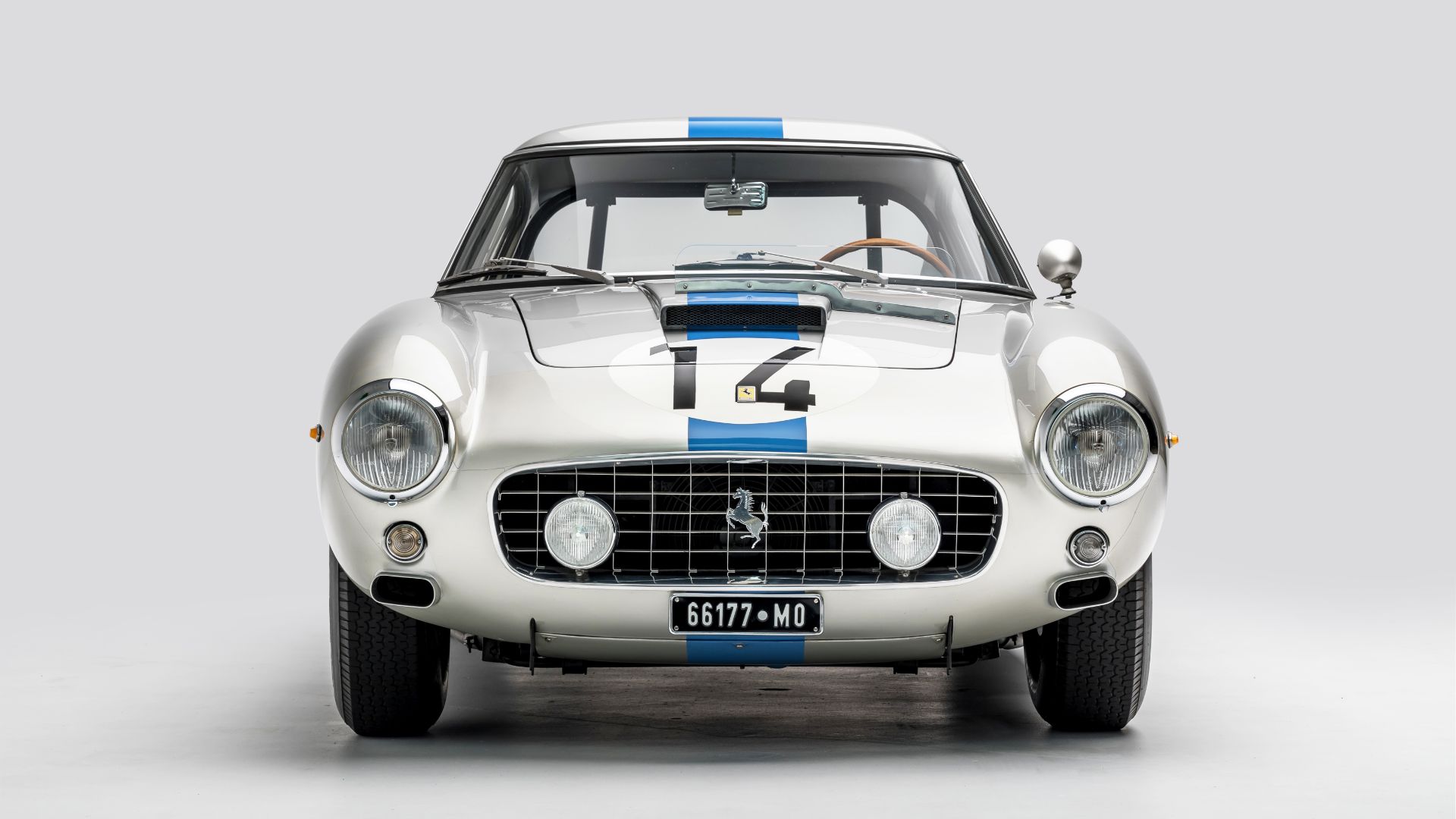
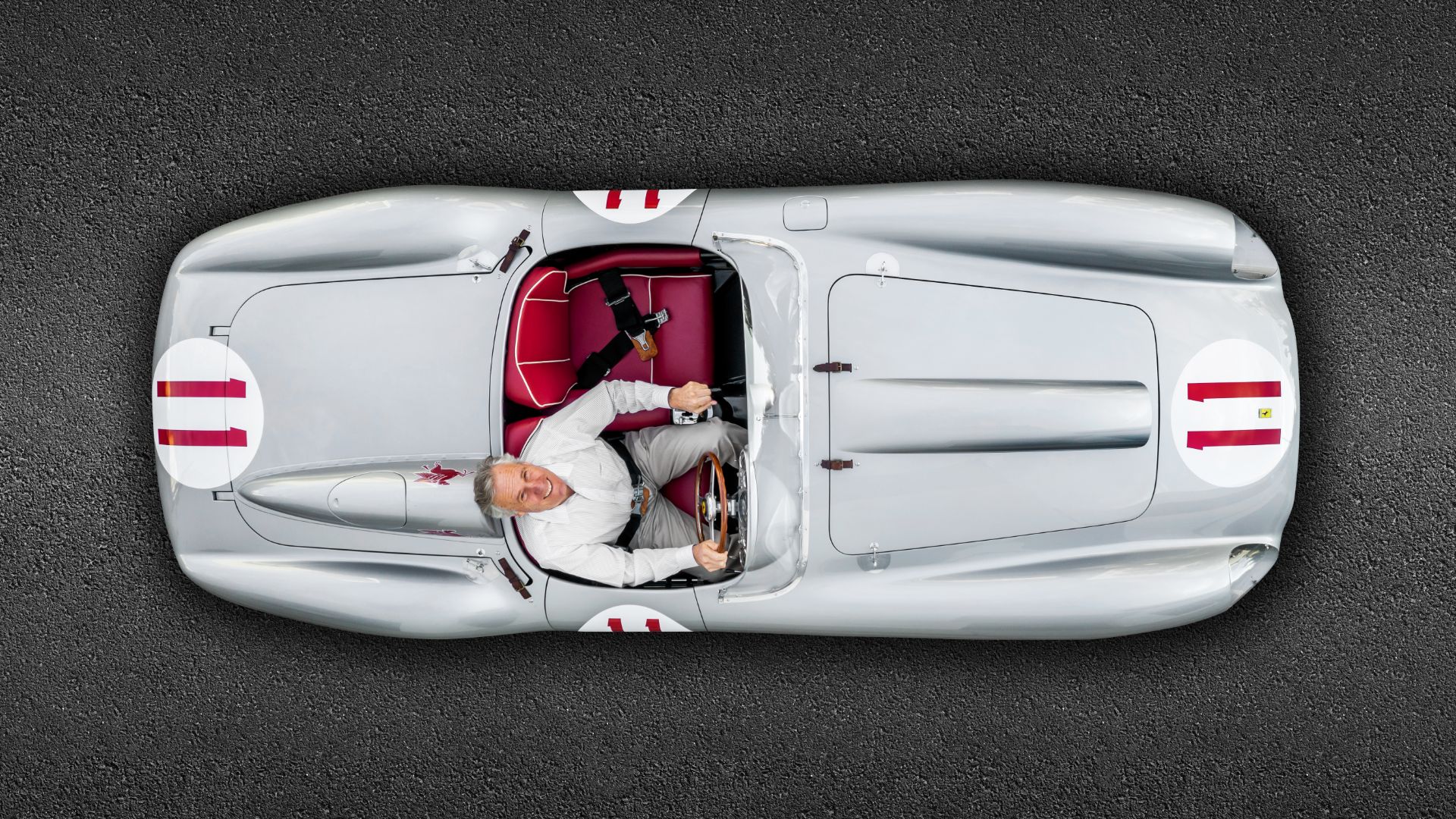
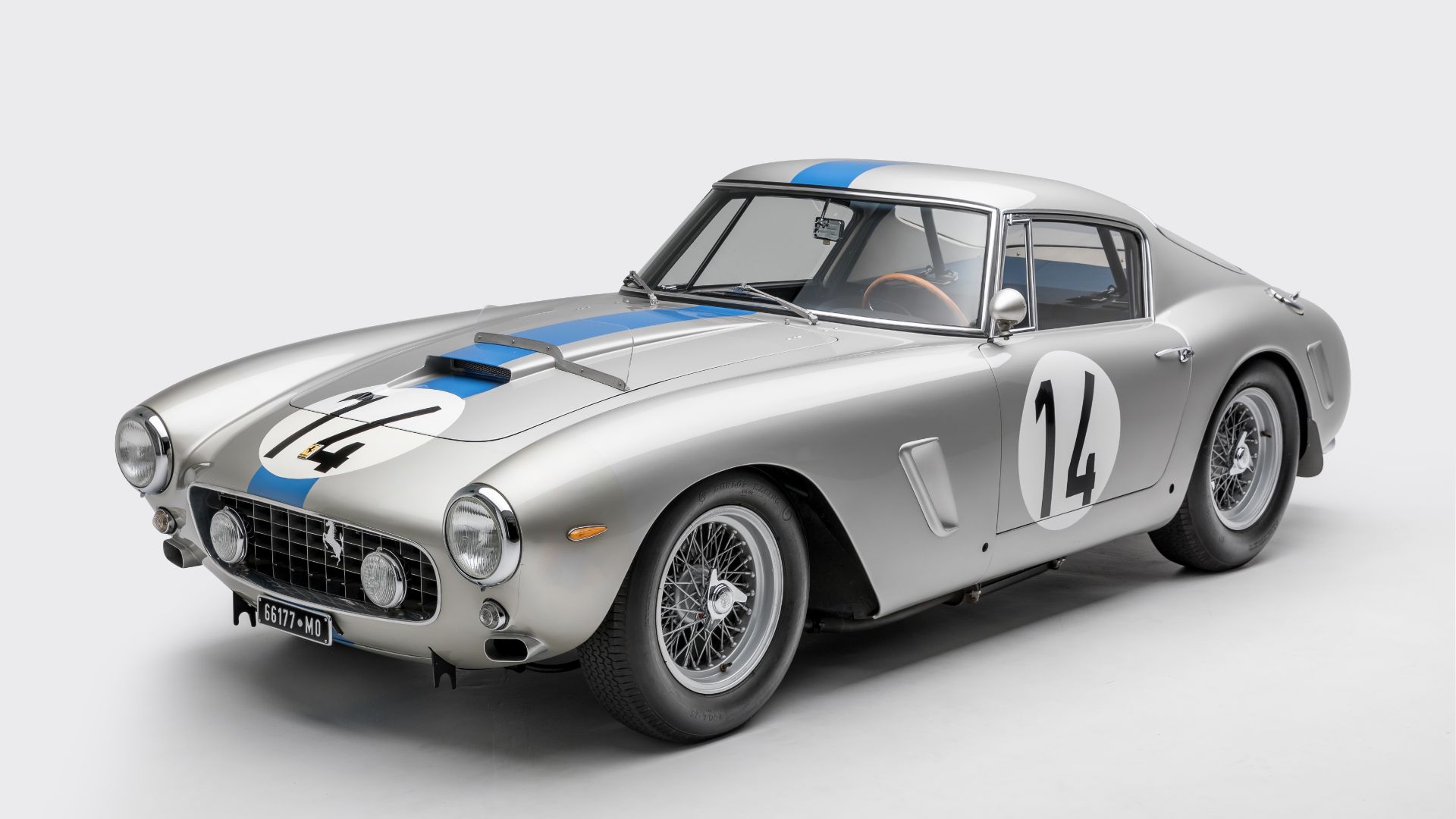
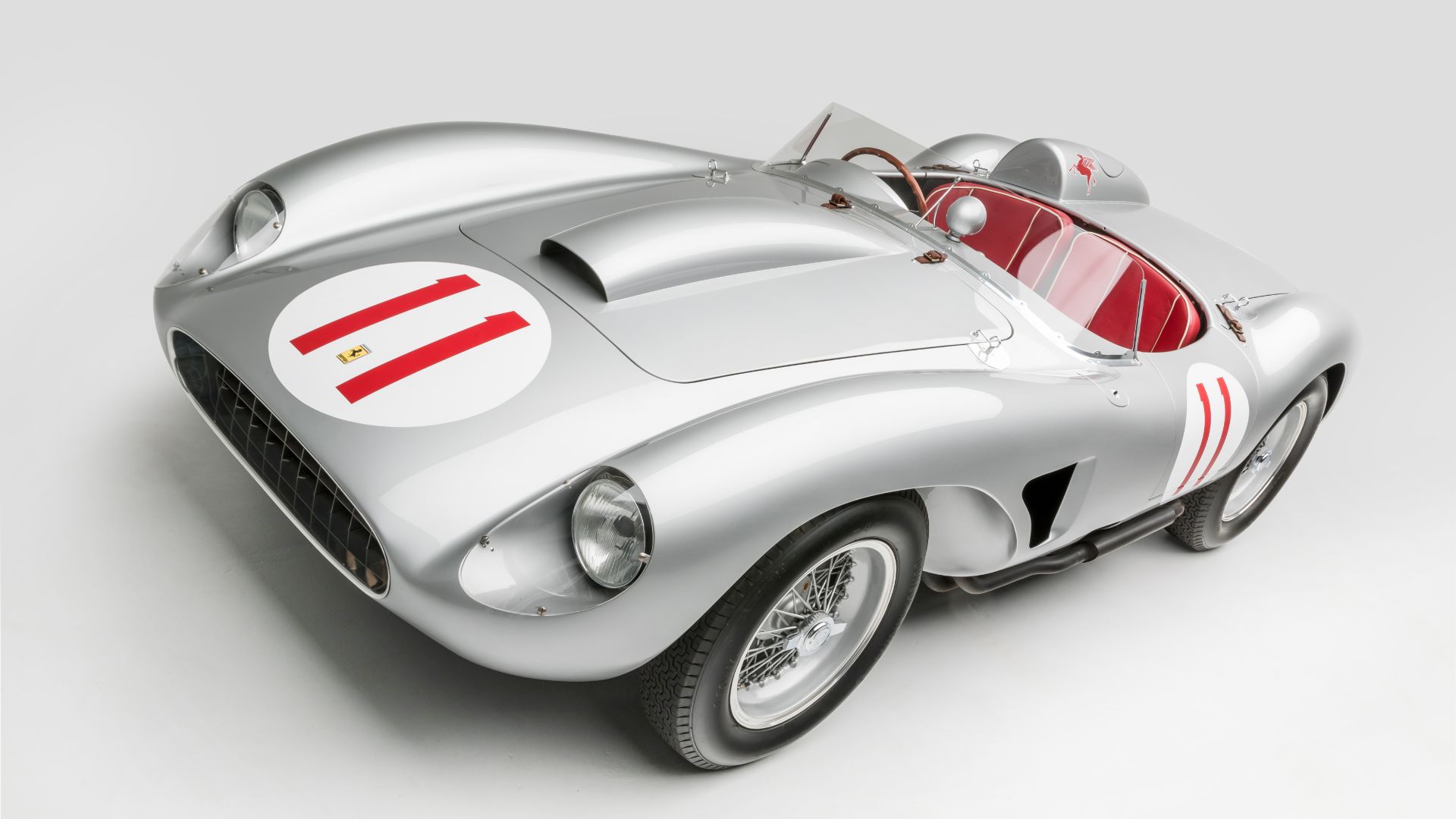
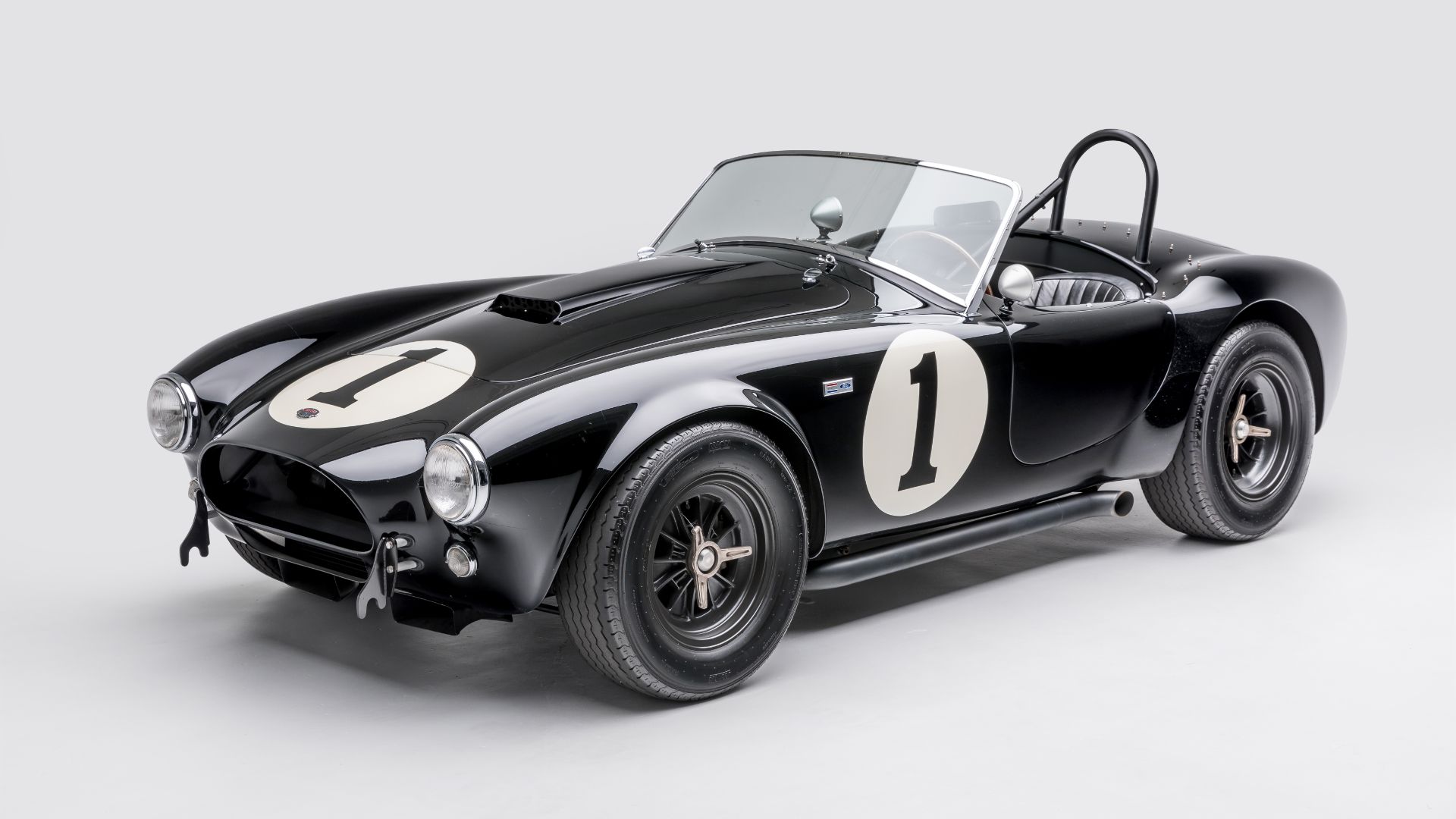
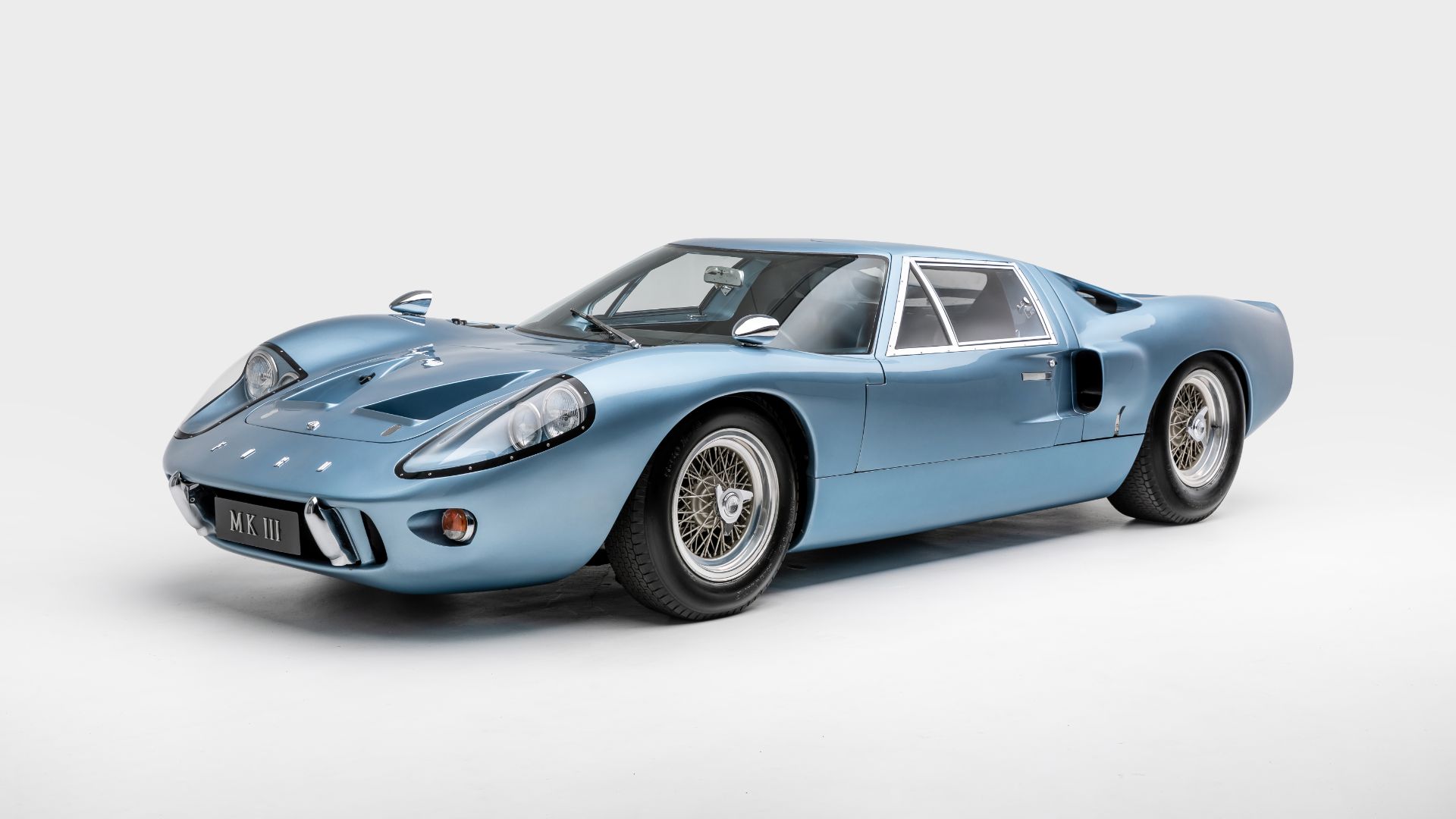
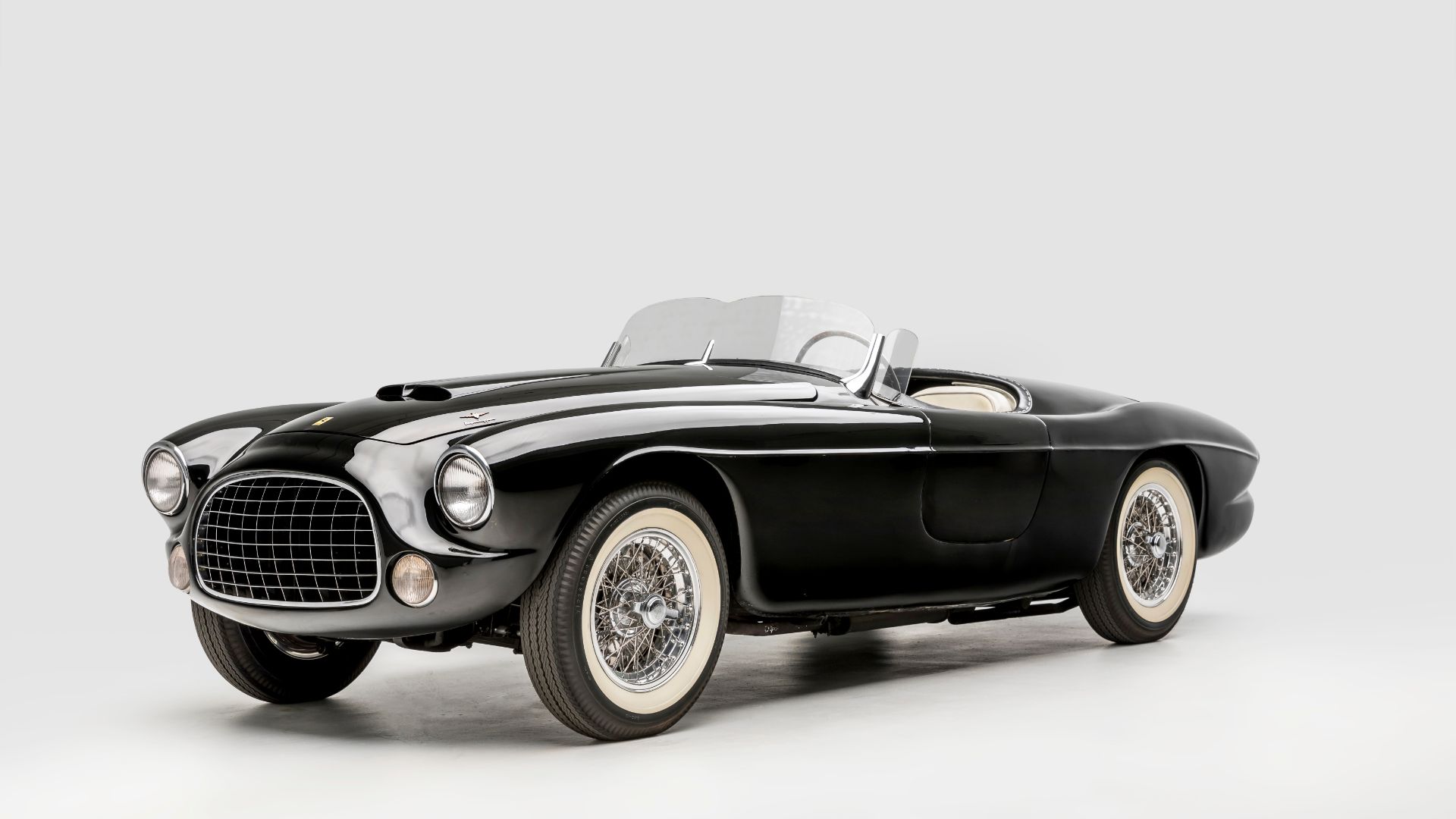
Two Ferraris featured in the film will be on display at LA’s Petersen Automotive Museum in January, as a part of the ‘Winning Numbers’ exhibit. The 1961 Ferrari 250 SWB SEFAC and 1957 Ferrari 625/250 TR will be joined by a Ford GT40 Mk3, the first Shelby Cobra from 1962 and a 1952 Ferrari 212/225 Barchetta. We start with the Ferraris…
Ferrari 250 SWB SEFAC
The 250 Short Wheel Base is an integral part of Ferrari’s road and race history. Affectionately known as the ‘hot rods’, the SEFAC 250 SWB Competizione racers were made from thinner alloy and produced more than 300hp.
The car on display at the Petersen brought home a GT class win for Ferrari at Le Mans in 1961 and finished third overall. It’s fair to say this car is a building block of the Ferrari Le Mans legend, one with which Ford was so determined to grapple.
The car is owned by Petersen founding chairman Bruce Meyer, who loaned it to the Le Mans 66 production team. Meyer bought it in 2010.
Ferrari 625 TRC
The other movie star car is a Ferrari 625 TRC Spyder by Scaglietti. Unlike the 250 SWB SEFAC, which is a GT racer, the TRC is a sports prototype. It came about right at the start of Ferrari’s era of dominance at Le Mans. The marque took outright wins from 1960 to 1965. The events of 1966’s race are, of course, the subject of the film.
While not a Le Mans winner itself, this 625 is an integral part of this story. It was raced in 1962 by none other than Ken Miles, star character of Le Mans 66, played by Christian Bale. He won his first race in the car, in Santa Barbara.
It’s appearance in Le Mans 66 must have been something of a trip down memory lane. Bruce Meyer bought the car in 2006.
Shelby Cobra
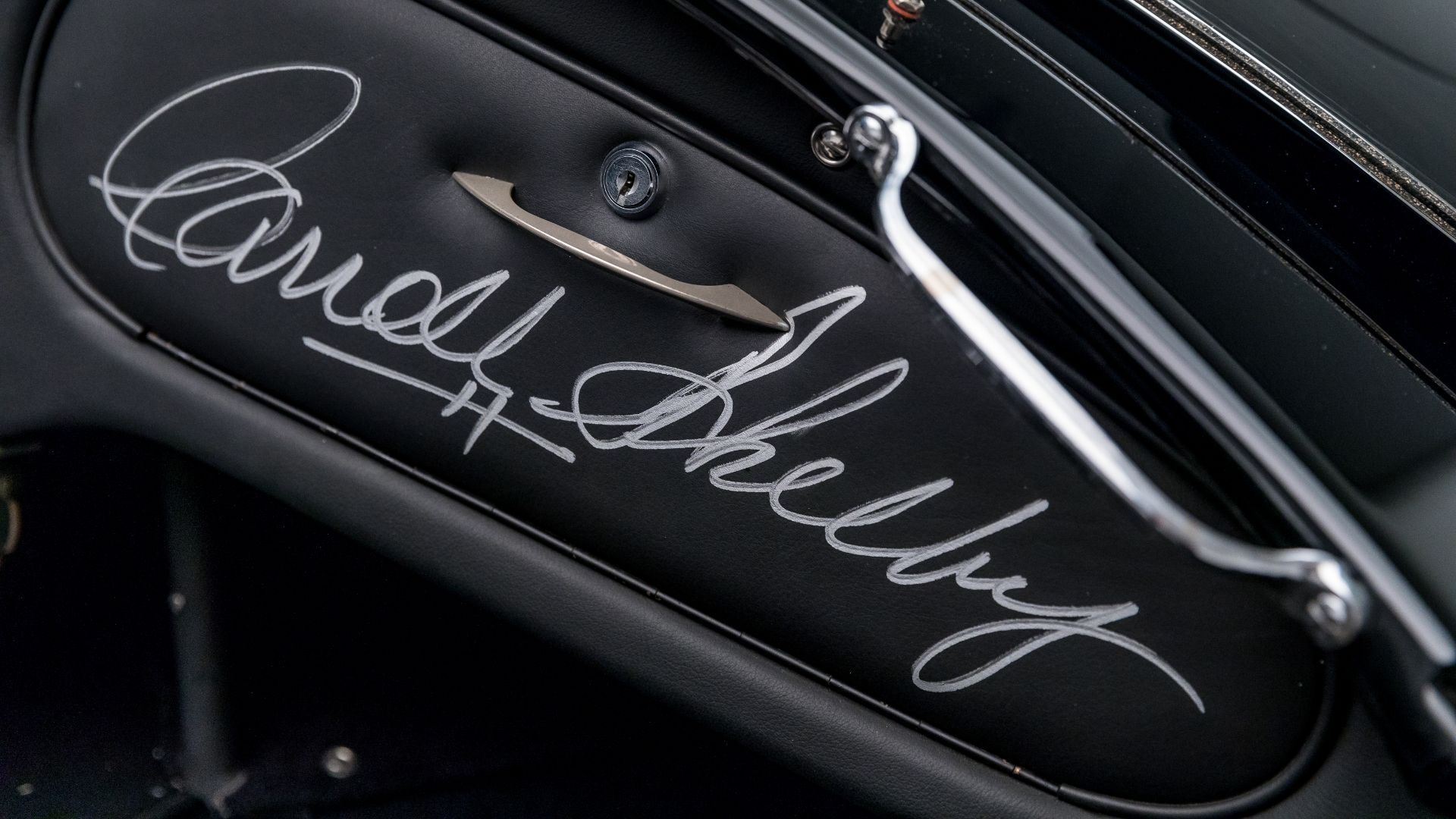
Matt Damon stars opposite Christian Bale in Le Mans 66, playing a young Caroll Shelby. He was instrumental in developing the GT40 to a state where it could legitimately take on Ferrari at Le Mans. Shelby had proven himself with his work on the AC Cobra.
Famous now, the Shelby Cobra was an experiment back in 1962 A Shelby-tuned Ford V8 was added to a small British roadster called the AC Ace, along with wide wheelarches and fat tyres.
The 1962 car on display at the Petersen is the very first production-specification, competition-ready car produced by Shelby. It’s also part of the Bruce Meyer collection.
Ford GT40 Mk3
The story culminates with the victory of the Ford GT40 over Ferrari at Le Mans, the American marque taking over the podium with a 1-2-3 finish. It’s only right that an example should feature in the display at the Petersen.
This is a road-going Mk3 from 1967. It differs from the 1966 cars most obviously at the front, with more bulbous lights for road use. Other changes include more space for luggage, movement of the gear shifter to the middle, plus a de-tuned power output of 310hp.
Just seven Mk3 GT40s were made, of which one is on display at the Petersen. The car’s significantly modified looks supposedly put off some buyers, who wanted something resembling the triumphant racers.
Ferrari 212 225 Barchetta
This is a very significant car in the story of Ford taking on Ferrari, in spite of being built 14 years before Ford’s Le Mans win.
Henry Ford’s relationship with Ferrari became obsessive over time. Before having his takeover offer turned down, however, he was like any other fan. This 212 225 was a special order by FoMoCo for Henry Ford II, used as his personal car.
It’s said the diminutive Barchetta served as inspiration for a great many design cues that appeared on the Ford Thunderbird in 1955.
Ford v Ferrari
“The story of Ford’s triumph over Ferrari at the 1966 24 Hours of Le Mans will be told for generations,” said Terry L. Karges, executive director at the Petersen Museum. “We’re excited to see the film, but we’re most excited to offer fans of the movie an opportunity to see the cars that will be in the film and learn about other vehicles that are pivotal to the story.”
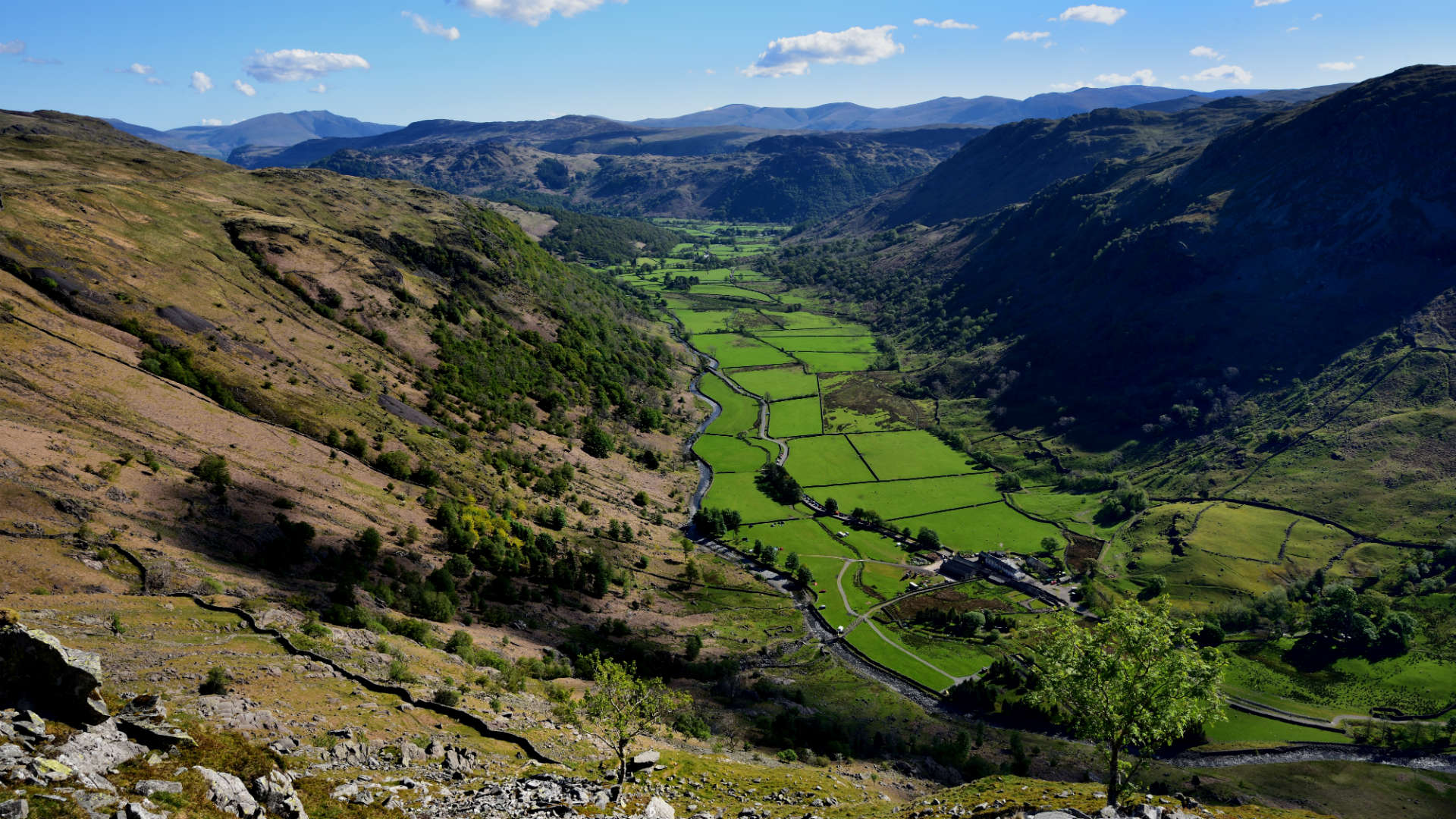
Cars could be banned from the Lake District as part of plans to cut congestion in the National Park.
The Lake District National Park Authority (LDNPA) and National Trust are looking at car-free zones and traffic management schemes, starting with the hamlet of Seathwaite.
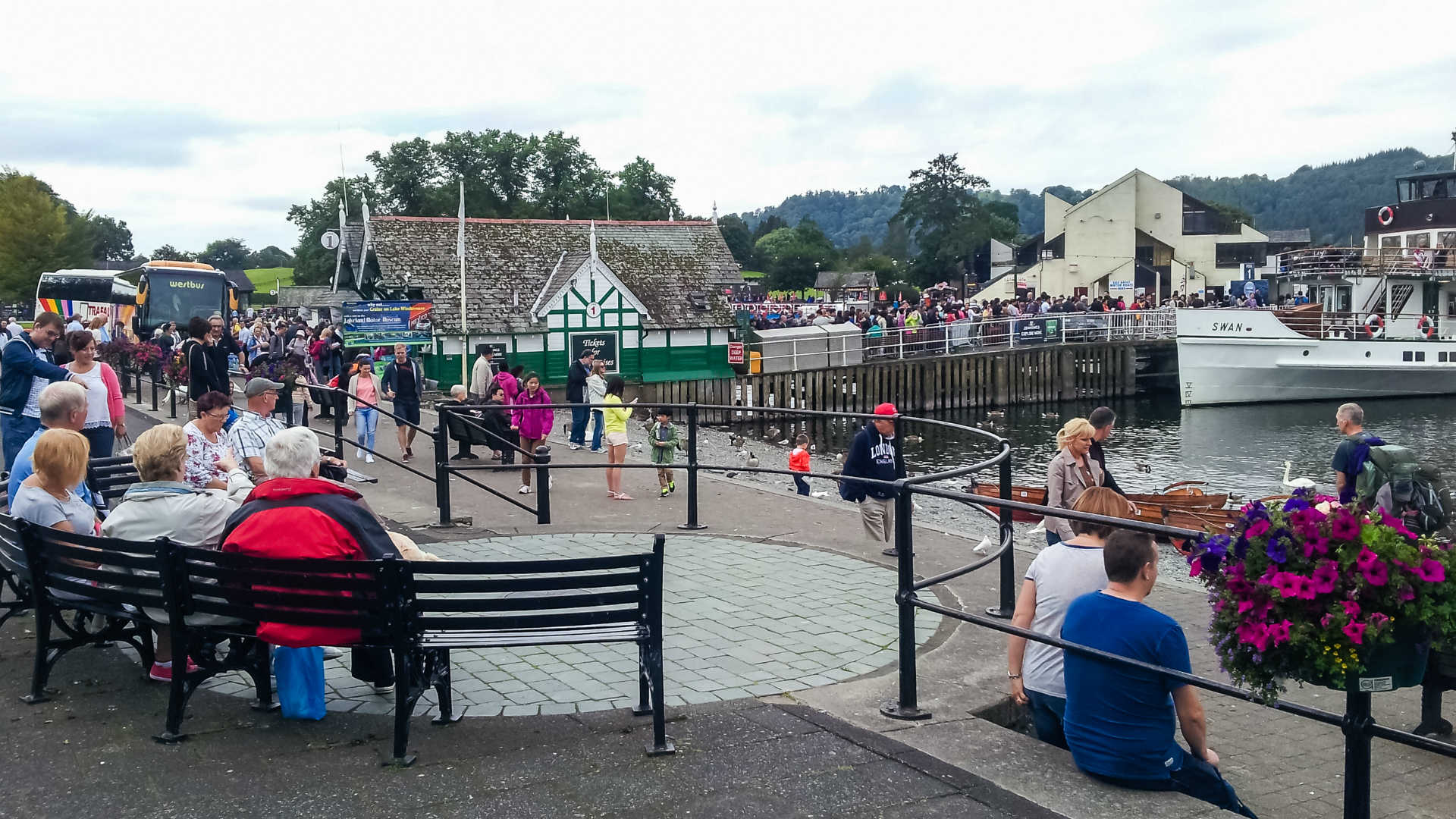
Research carried out by National Parks UK in 2014 found that 93 percent of National Park visitors arrived by car. “It is not much fun being on the shores of somewhere such as Windermere on a bike or on foot when the A592 is nose to tail,“ said Julian Glover in the Landscapes Review, published earlier this year.
The LDNPA notes that 50 percent of its carbon budget is made up of emissions from visitors, much of which is from cars.
But cars are a big source of income for National Park authorities. The LDNPA charges up to £500 for an annual permit, and such fees “may be both a deterrent to car use and an incentive to National Parks to tolerate their continuation,” says Glover.
“We need to address traffic issues in the National Park,” said Thomas Burditt, National Trust general manager for the North Lakes. “Car-free zones are an option we are considering. We are in discussions with residents, the Highways Agency and the parish council.”
According to a report in The Times, the National Trust will present research on car-free zones at a summit in Kendal on Tuesday. Residents of Seathwaite would be able to use their vehicles inside the proposed zone.
‘Loved to death’
Kate Willshaw, officer for the Friends of the Lake District, said: “The Lakes are such an amazing place, but parts of it are being loved to death.
“A lot of it is still wild and tranquil, of course. But there are certain areas that are getting congested, such as Bowness, Keswick and Windermere. We call these places honeypots. They attract people because they are an easy win. You can get to them without driving on single-track roads, and the views are magnificent.”
In a 2018 report entitled National Parks for all: Making car-free travel easier, it was found that visitors arriving by public transport spend more than those arriving by car. They are more likely to spend money on food and drink locally and are more likely to pay for tourist attractions.
Many parts of the National Parks are served by the National Cycle Network, and it’s possible to combine cycling and rail travel for shorter trips.
It’s not clear whether or not the proposed car-free zone in the Lake District will include electric vehicles, but given this is as much about congestion as it is about air quality, they’re unlikely to be exempt from the ban.
The 2018 report said “greater use of electric vehicles would reduce the carbon emissions from road transport at the point of use although it would not reduce the number of vehicles in the Parks”. It referenced a Renault Twizy hire scheme in the Lake District.
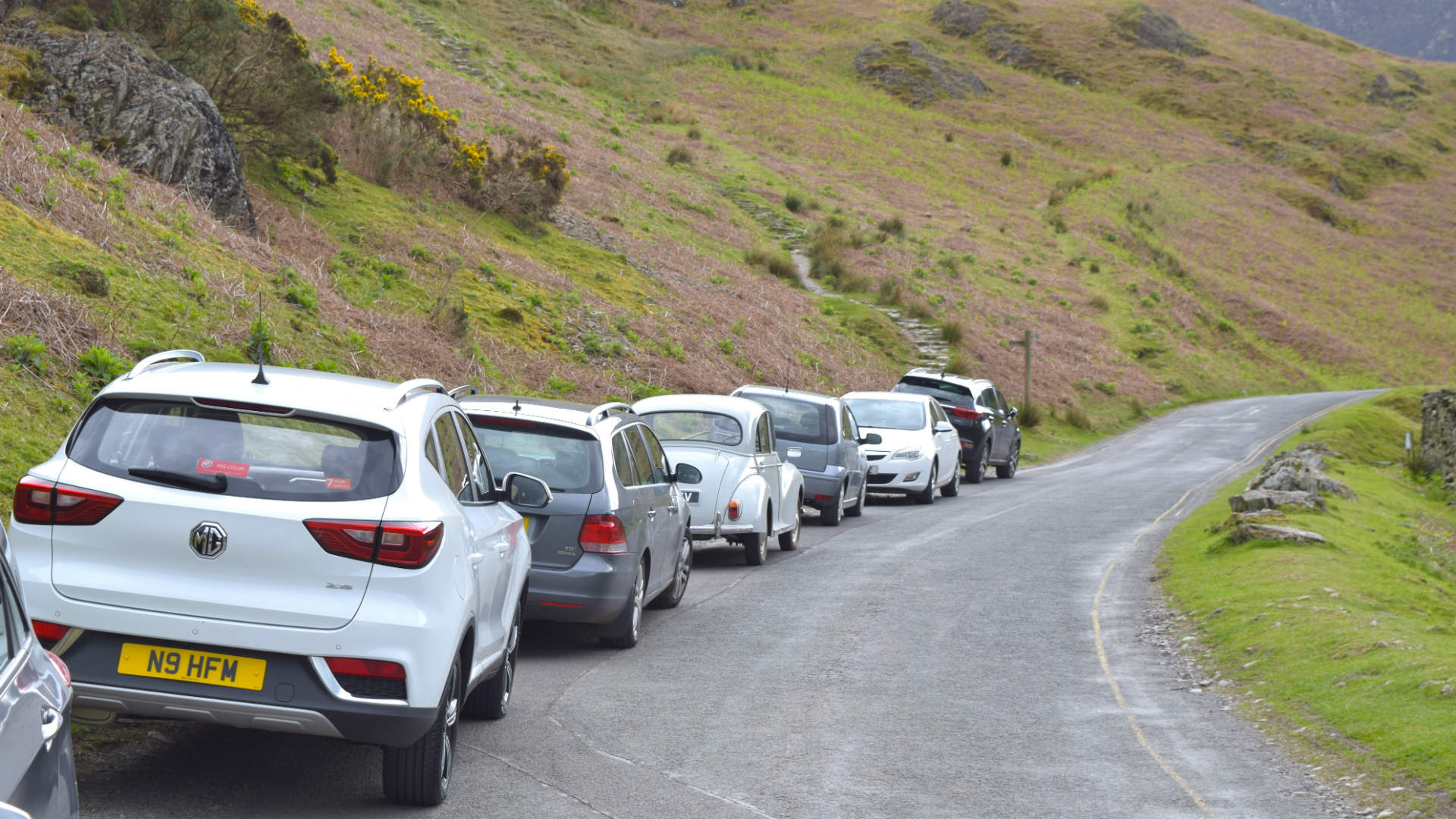
Many locals would welcome a ban. “Congestion is horrendous and getting much worse. There was a fire in one of the houses near us and the fire engine couldn’t get down, there were so many cars parked,” said a local farmer in The Times.
“Right now, today, there are dozens of cars parked from our entrance right down the road. That’s a normal Friday. I would love this to be a car-free zone.”
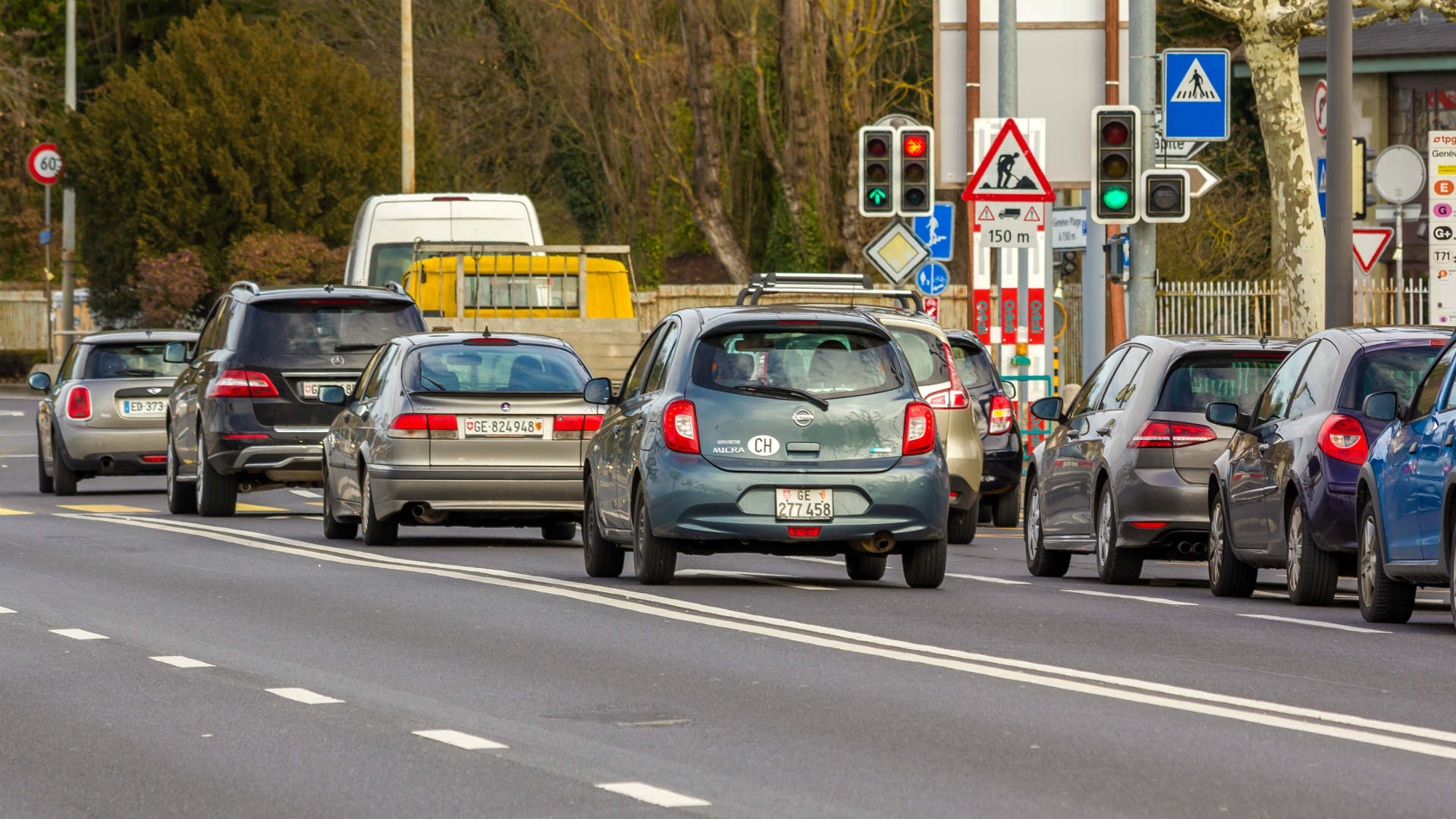
A new environmental zone will see the dirtiest vehicles banned from the centre of Geneva, Switzerland, and the surrounding area.
From 15 January 2020, a temporary zone will be activated when air pollution in the Swiss city is at its highest. It will be operational from 6am until 10pm.
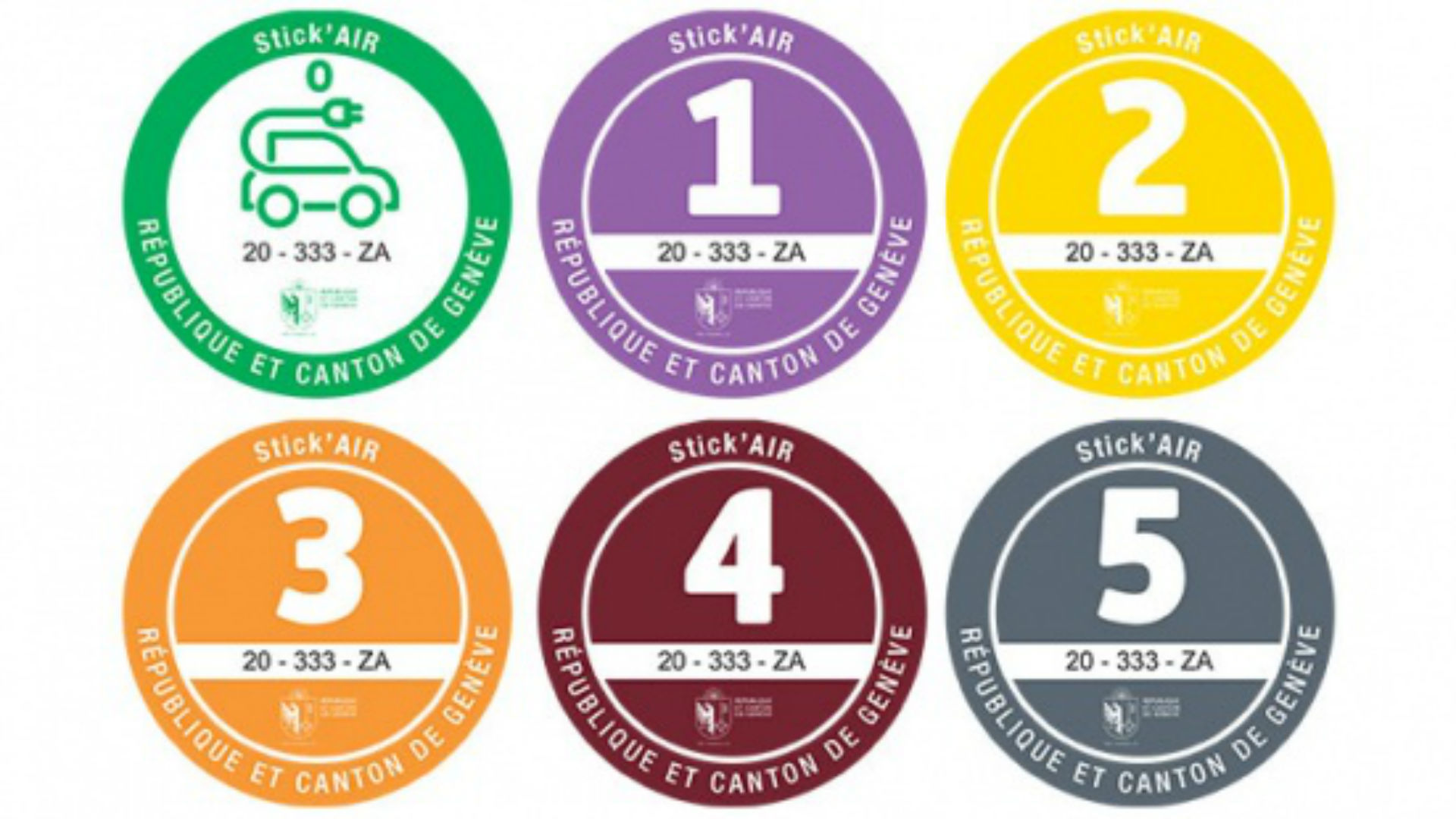
Vehicles will be measured on their environmental performance and must display one of six coloured Stick’Air vignettes. Green is for zero emission vehicles, while grey is for the least environmentally friendly cars. The emergency services and drivers with disabilities are exempt from the scheme.
Initially, vehicles displaying the grey vignette will be banned from the environmental zone during the period of peak pollution. If the smog persists, the ban will extend to vehicles showing the brown sticker, then orange, yellow and purple.
The stickers cost 5 Swiss francs (£4) and are valid for the life of the vehicle. Drivers who do not display a vignette or enter the city during the smog alert will be fined 500 francs (£400). Commercial vehicles will be granted a two-year transitional period to comply with the new law.
Under the regulations, the authorities could also introduce an 80km/h (50mph) speed limit on surrounding motorways, free public transport to encourage locals and tourists to leave their cars at home, and a ban on outdoor fires.
‘Right to breathe healthy air’
Antonio Hodgers, a Geneva councillor, said: “We have adopted a compromise between economic freedom and the right to breathe healthy air.”
Nearly 500,000 people live in the canton of Geneva, with around 200,000 people living in the city. This is the first environmental zone of its kind in the country, although Geneva’s proximity to France and Italy, plus the fact that it is home to more than 130 multinational companies, makes it a particularly high profile case.
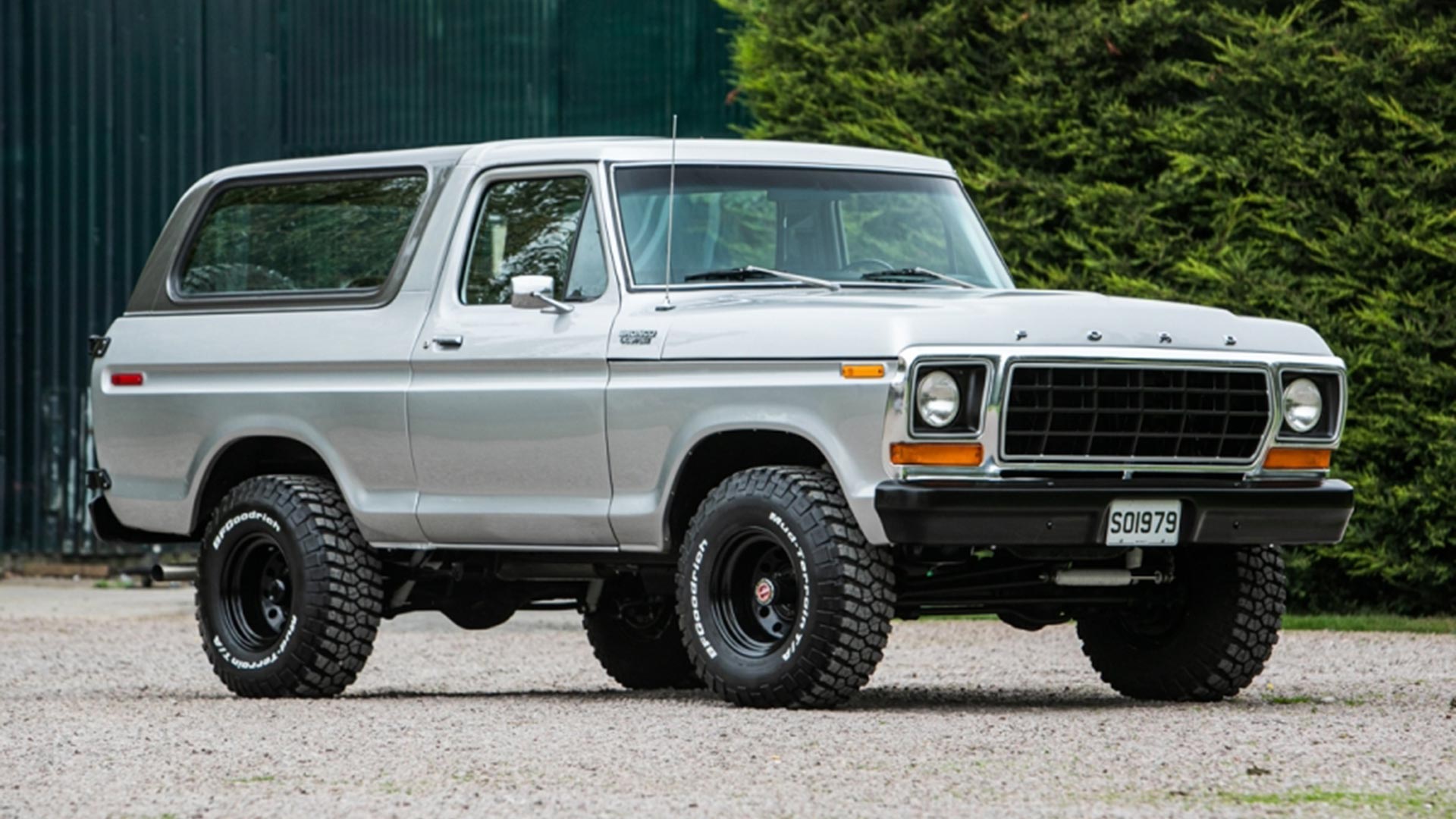
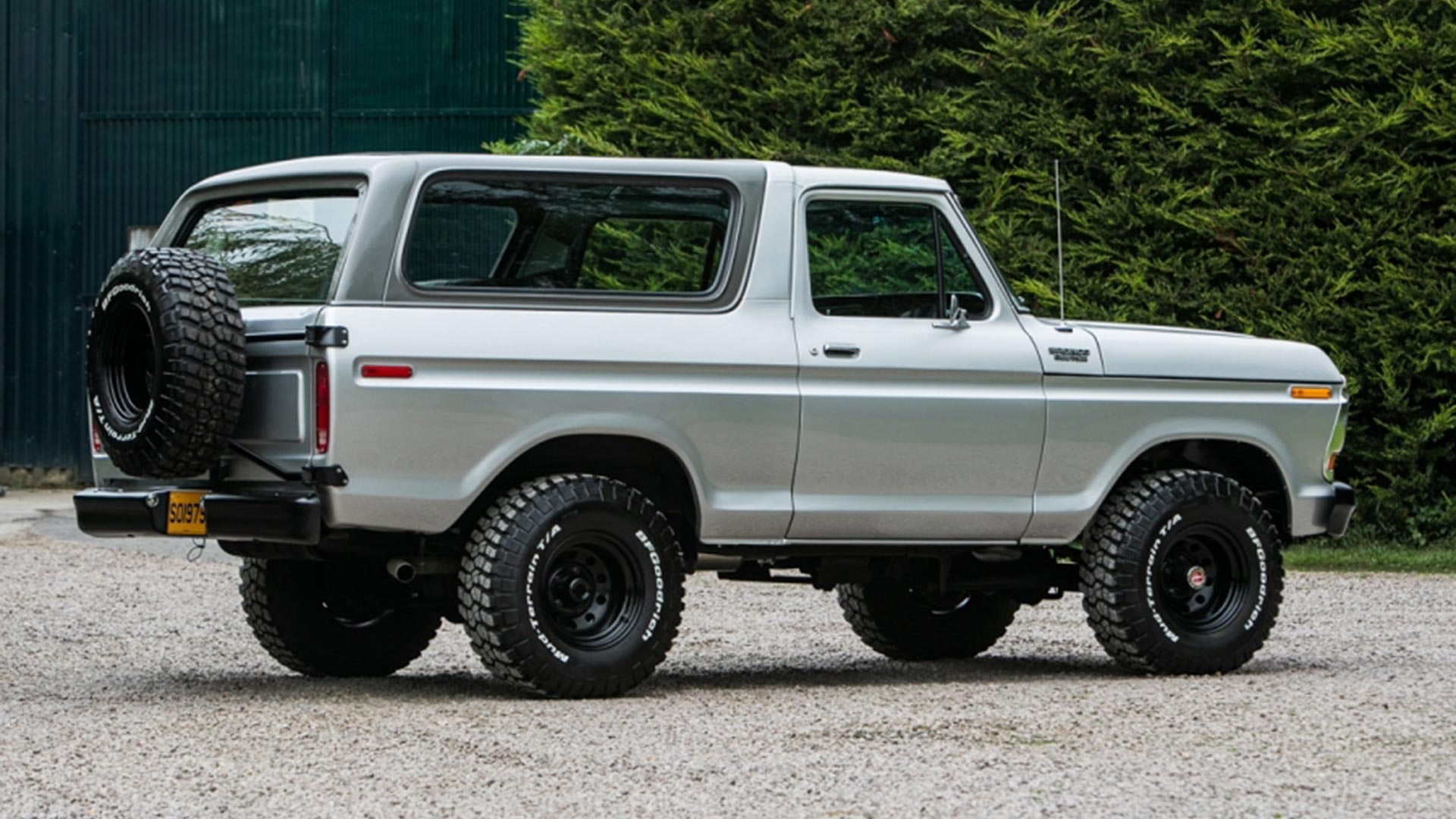
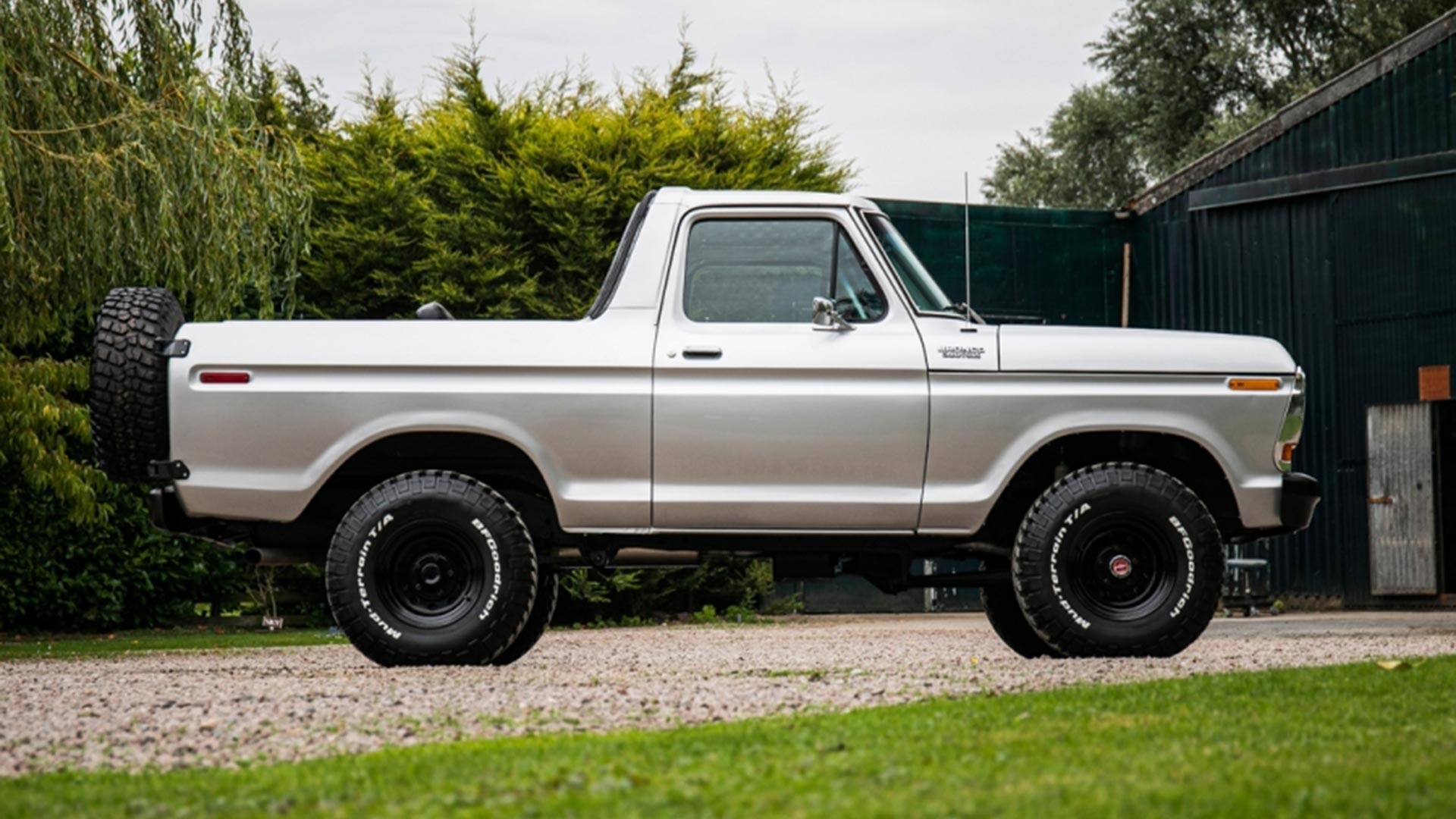
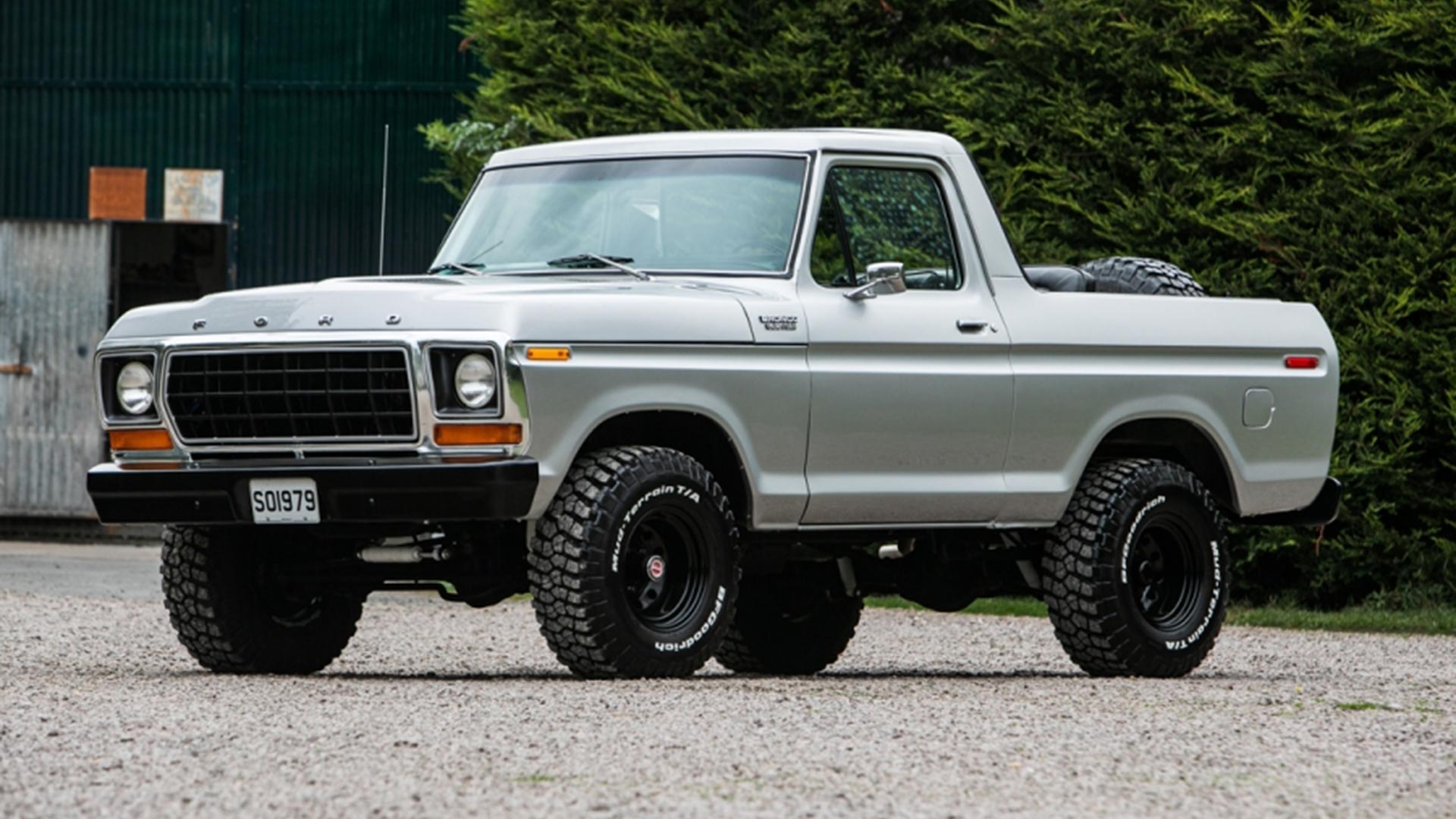
This weekend will see a rare second-generation Ford Bronco making its way across the auction block.
But this particular retro SUV is not for sale in the United States. Instead, it is being auctioned in the United Kingdom, as part of the 2019 NEC Classic Motor Show Sale arranged by SIlverstone Auctions.
It means British fans of American trucks have a rare opportunity to grab this in-demand full-size SUV, without the hassle of importing one.
Produced for the 1978 and 1979 model years, the launch of the second-generation Ford Bronco was hit with several delays. The 1973 oil crisis saw full-size SUVs rapidly fall out of approval, with Ford pushing back the planned 1974 release date for the second-gen Bronco as a result.
It meant that rivals such as the Dodge Ramcharger and Chevrolet K5 Blazer had already established a foothold in the market. Despite this, the second coming of the Bronco still proved popular. Buyers were happy to wait months to get hold of the three-door SUV.
The short production period has boosted the collectability of the second-generation Bronco, as has the anticipation for the new 2020 version.
Whilst North America was the intended target for the second-gen Bronco, this particular example escaped across the Atlantic in April 1978. Ford UK shipped the Bronco to its Dunton Technical Centre, and registered it for use in the United Kingdom.
Fitted with the smaller 351-cubic inch (5.8-l) Cleveland V-8 engine, this Bronco left the factory with 156 horsepower and 262 lb-ft of torque. A selectable four-wheel drive system is fitted, along with a four-speed manual transmission.
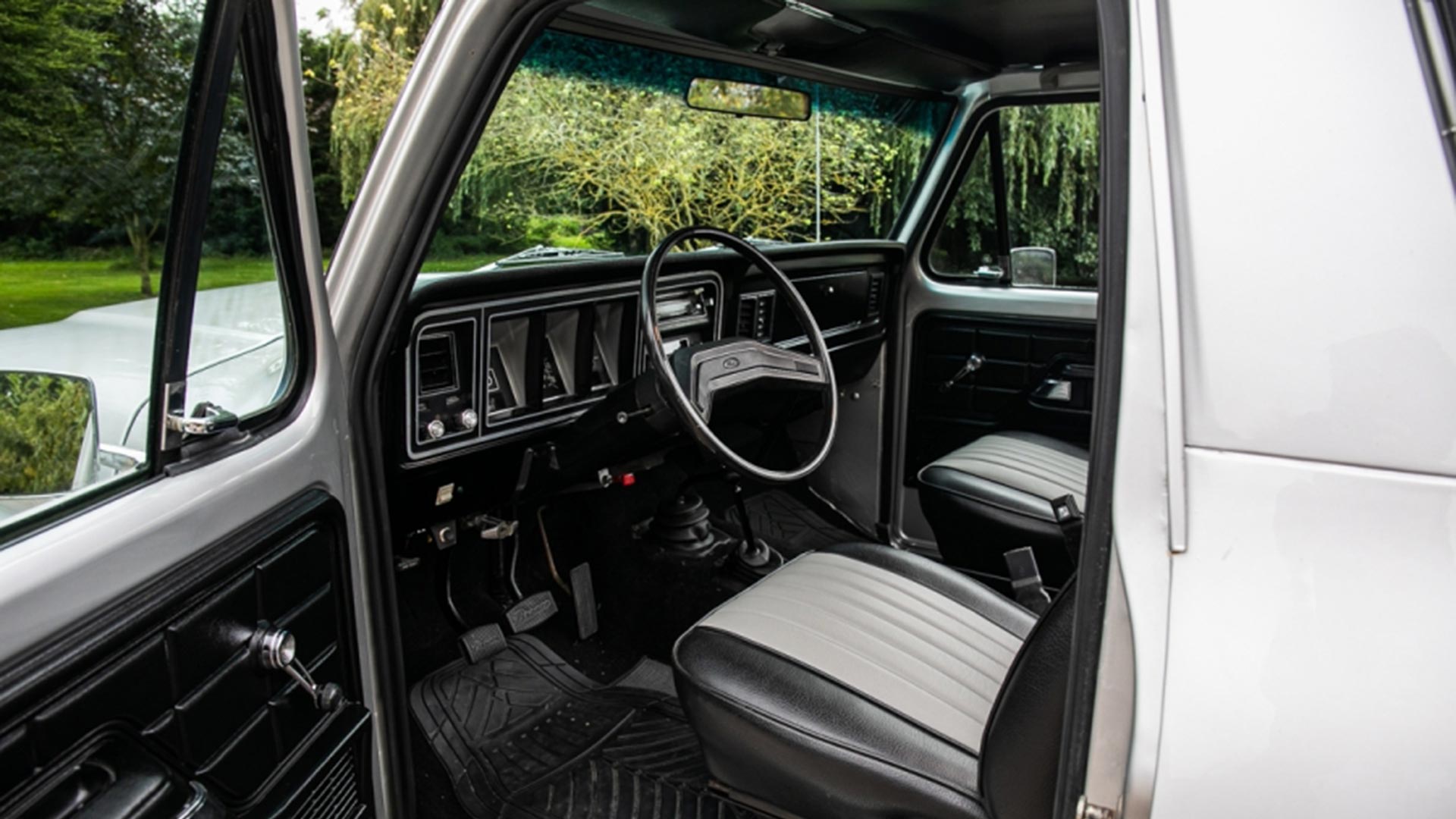
The Bronco was placed in dry storage between 1996 and 2019, meaning it has covered just 33,750 miles since new.
According to the Silverstone Auctions, substantial amounts of paperwork are present to support the ownership of the Bronco by Ford UK. A subsequent transfer to Ford New Holland in 1991 is also covered by the included paper records.
In 1998 the Bronco was sold to a former Ford employee, before finally becoming the property of the current vendor.
Restoration work was started by the previous owner, and continued by the seller. The period correct Silver Metallic paint has been resprayed, whilst new leather has been added to the four seats inside.
Opportunities to buy a second-generation Ford Bronco in the United Kingdom are limited at best. It means the chance to hook one officially imported from new is likely to appeal to fans of American metal.
The Bronco is being sold as part of two days of auction action during the 2019 NEC Classic Motor Show. Other vehicles crossing the block include a Jaguar XJ200 supercar, and a Mercedes-Benz previously owned by musician, Jay Kay.
Silverstone Auctions has estimated a sale price of £18,000 to £20,000 ($22,500 to $25,000) for the Bronco. The Ford UK provenance, plus the novelty of being an American retro SUV with a removable roof, should easily help it find a new owner.
Supercars don’t get all the hashtags on Instagram. Classics cars (and we admit, some classic supercars) get plenty of love, too.
Comparison website Comparethemarket has rounded up the most popular classics on the social media platform using the number of hashtags.
Here’s the top 20 in reverse order.
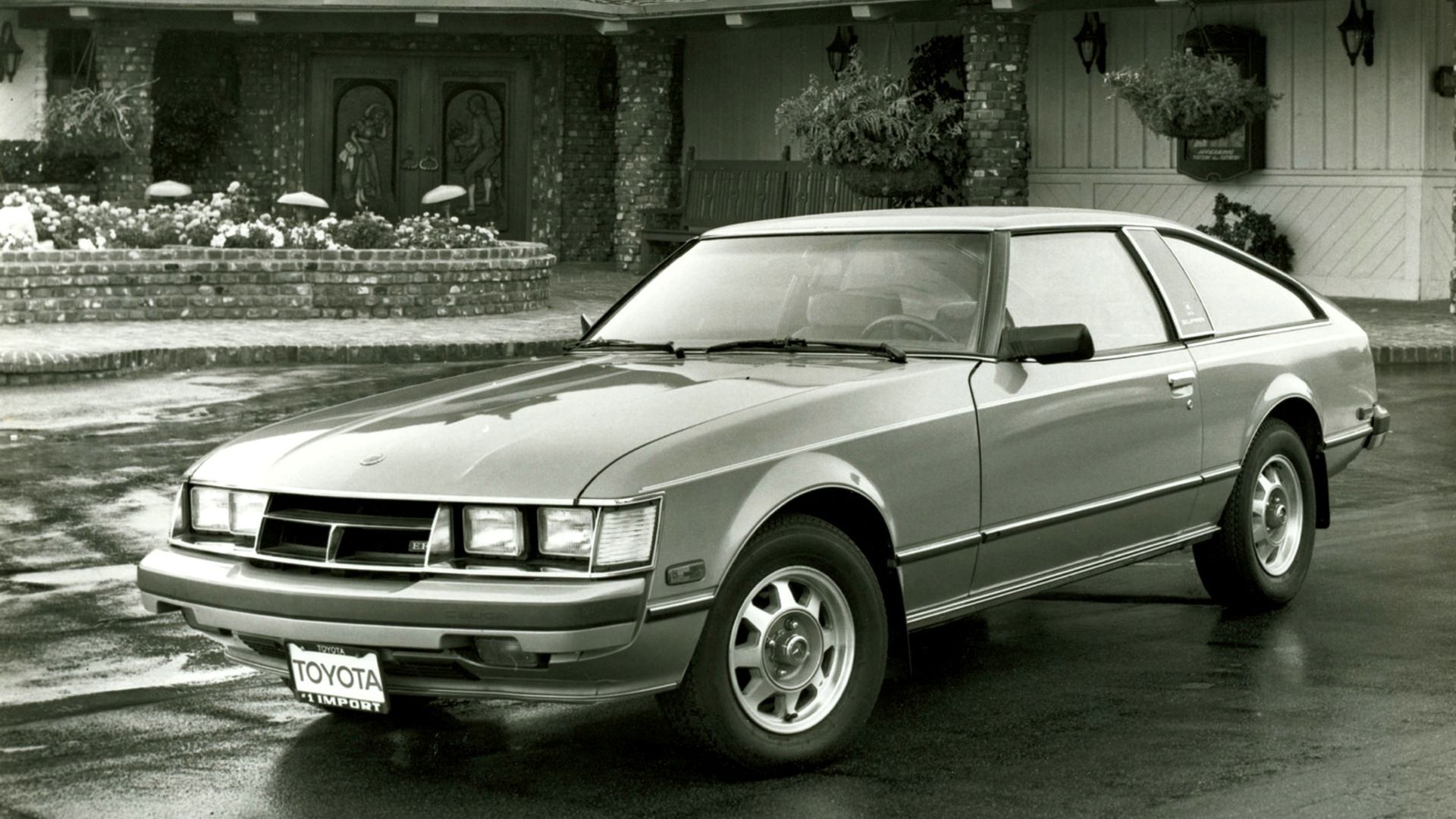
20. Toyota Celica Supra
We begin with a classic Japanese sports car, and the ancestor of a modern icon. The Celica Supra birthed the top-flight Toyota that dominates so many car enthusiasts’ conversations today. The original Celica Supra is tagged 122,585 times on Instagram.
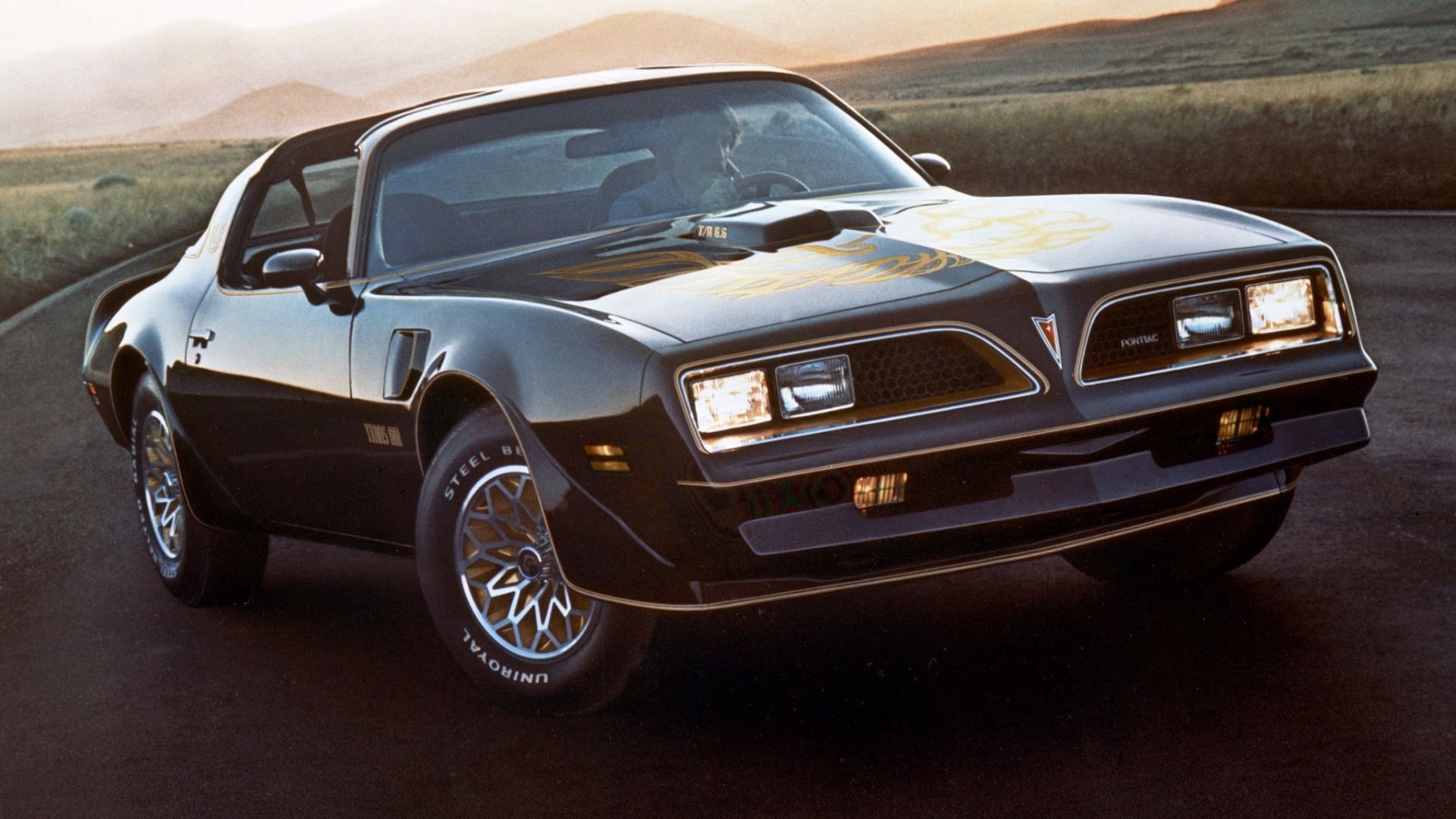
19. Pontiac Firebird
You can’t talk about classic cars without mentioning American muscle. One of the great icons of the breed is the Pontiac Trans Am. The Firebird’s 133,178 Insta mentions may have been boosted by its Smokey and the Bandit movie fame.
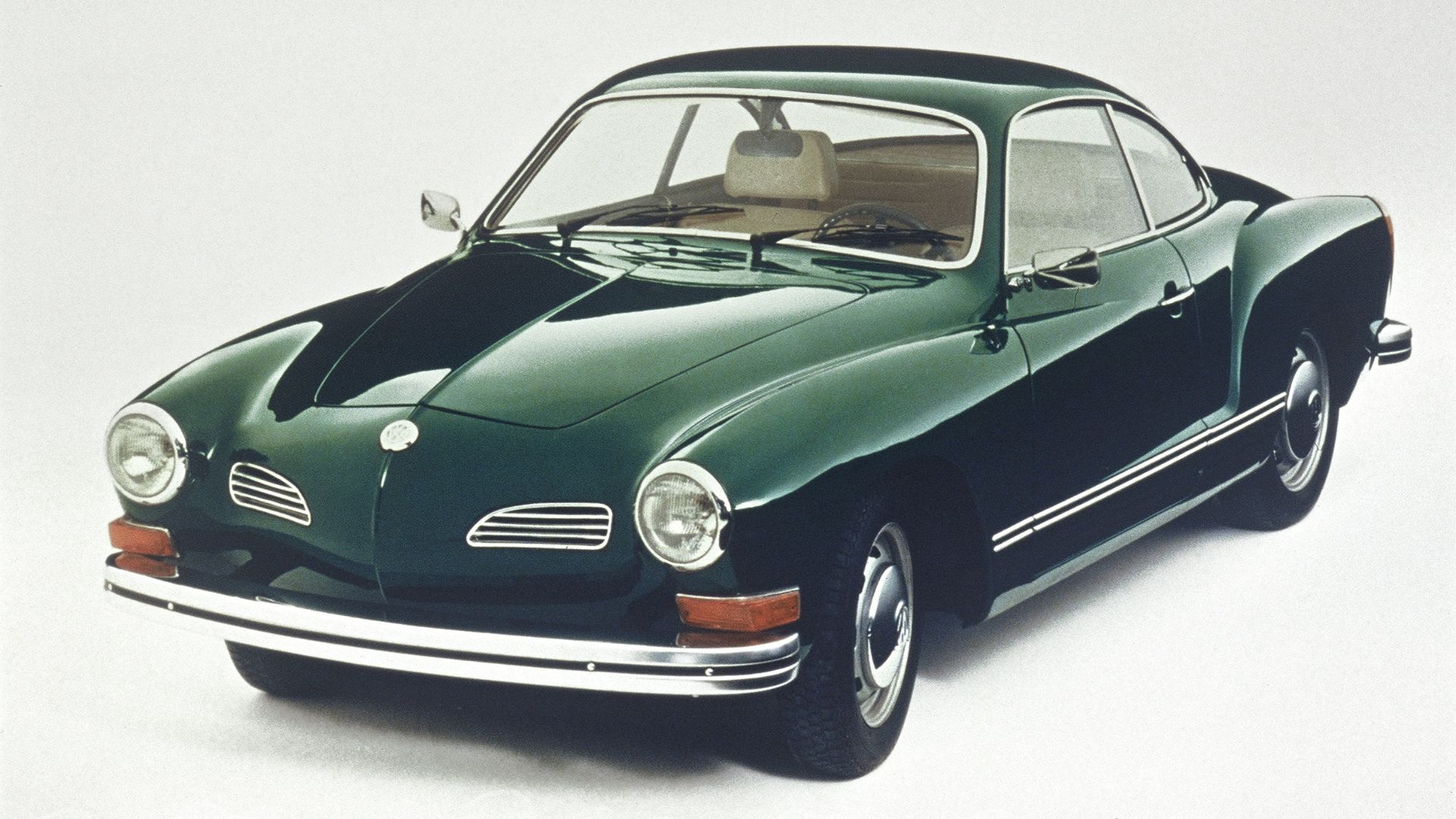
18. Volkswagen Karmann Ghia
The classic Karmann Ghia coupe is far less famous – but no less cool – than the Volkswagen bus or Beetle. It managed 159,846 mentions on Instagram.
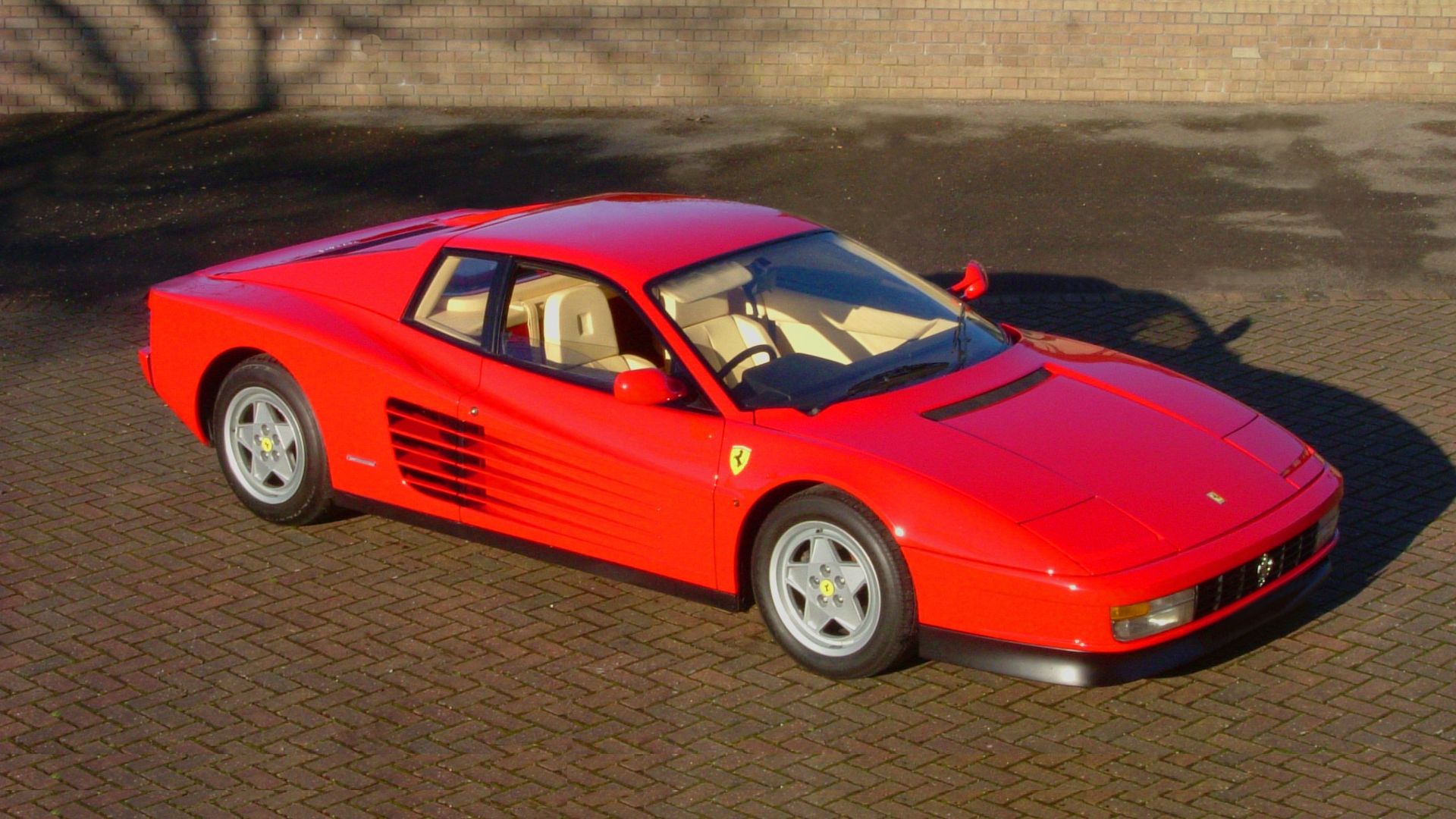
17. Ferrari Testarossa
OK, it’s a supercar, but it’s also a stone-cold classic. The Testarossa is an icon of the 1980s, and gets 168,909 Insta mentions as a result.
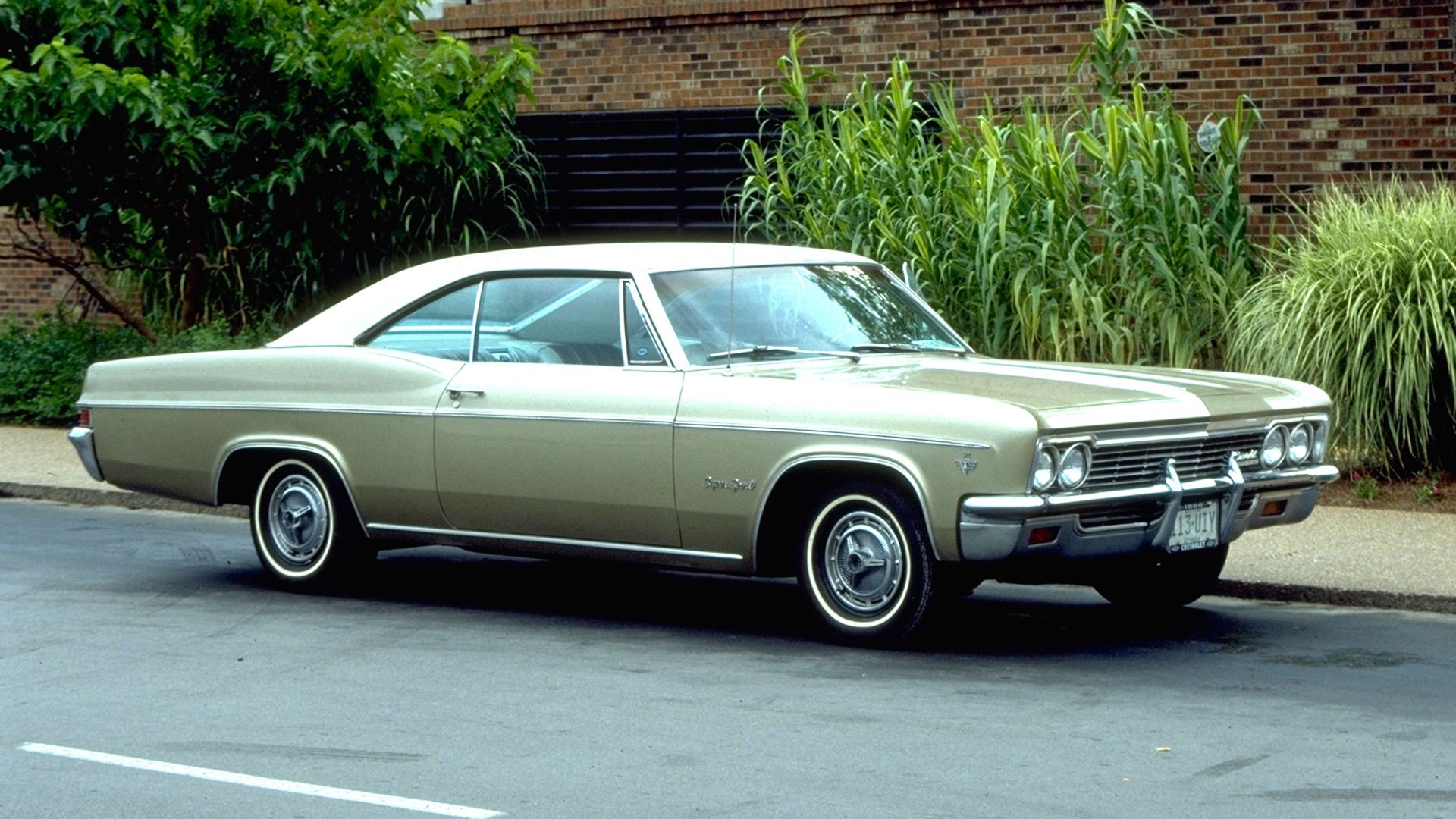
16. Chevrolet Impala
From police cruisers, to between-the-lights racing, to the darling of the low-rider scene, the Chevy Impala is one of the most versatile and culturally significant American classics. It gets 182,615 hashtags in total.
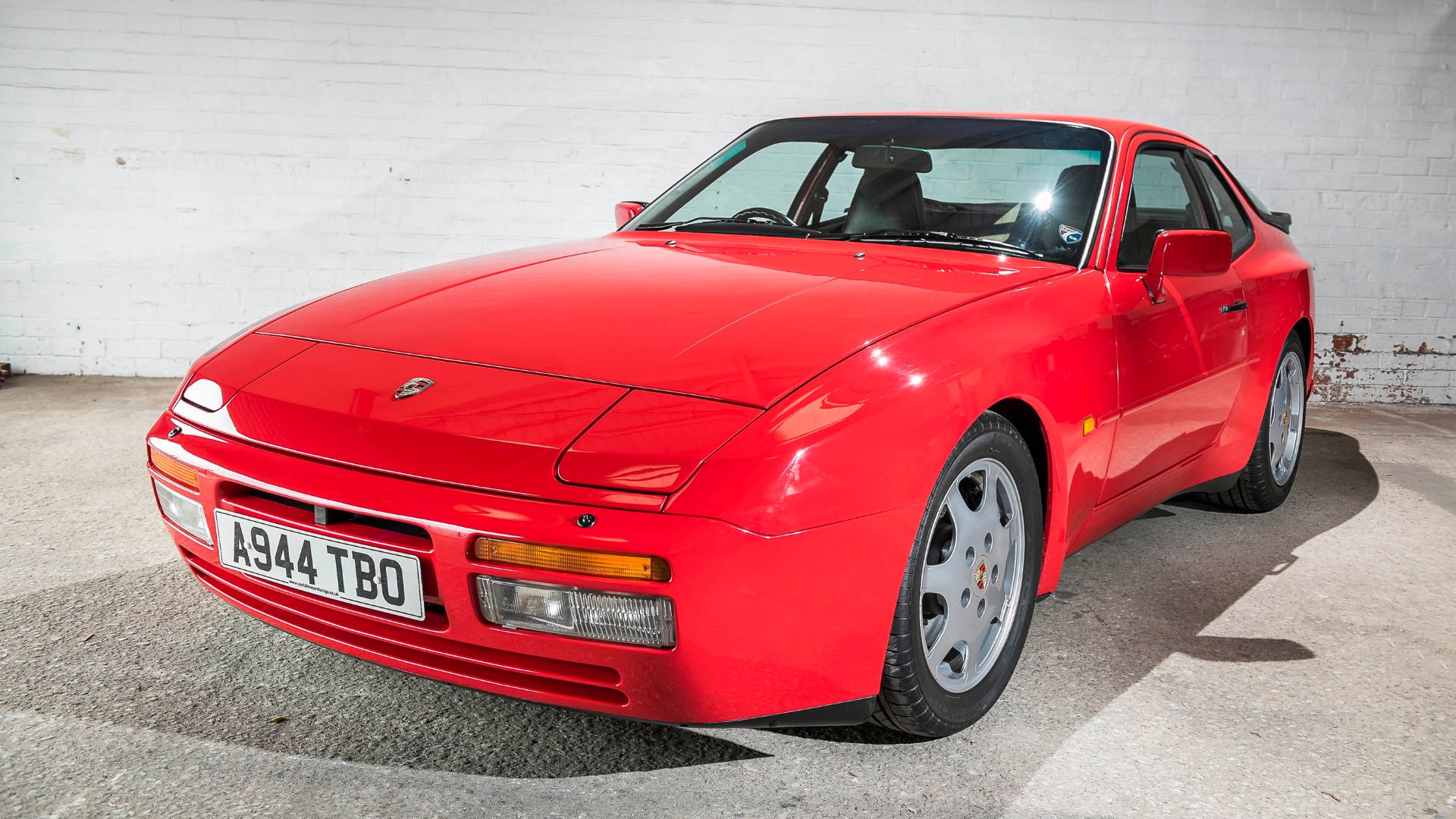
15. Porsche 944
The 944 is having its day in the sun, yet it wasn’t always so loved. When new, it was what a yuppie banker’s first paycheck might have been splashed on. Today, it’s a respected part of Porsche history. It gets 196,111 Instagram mentions.
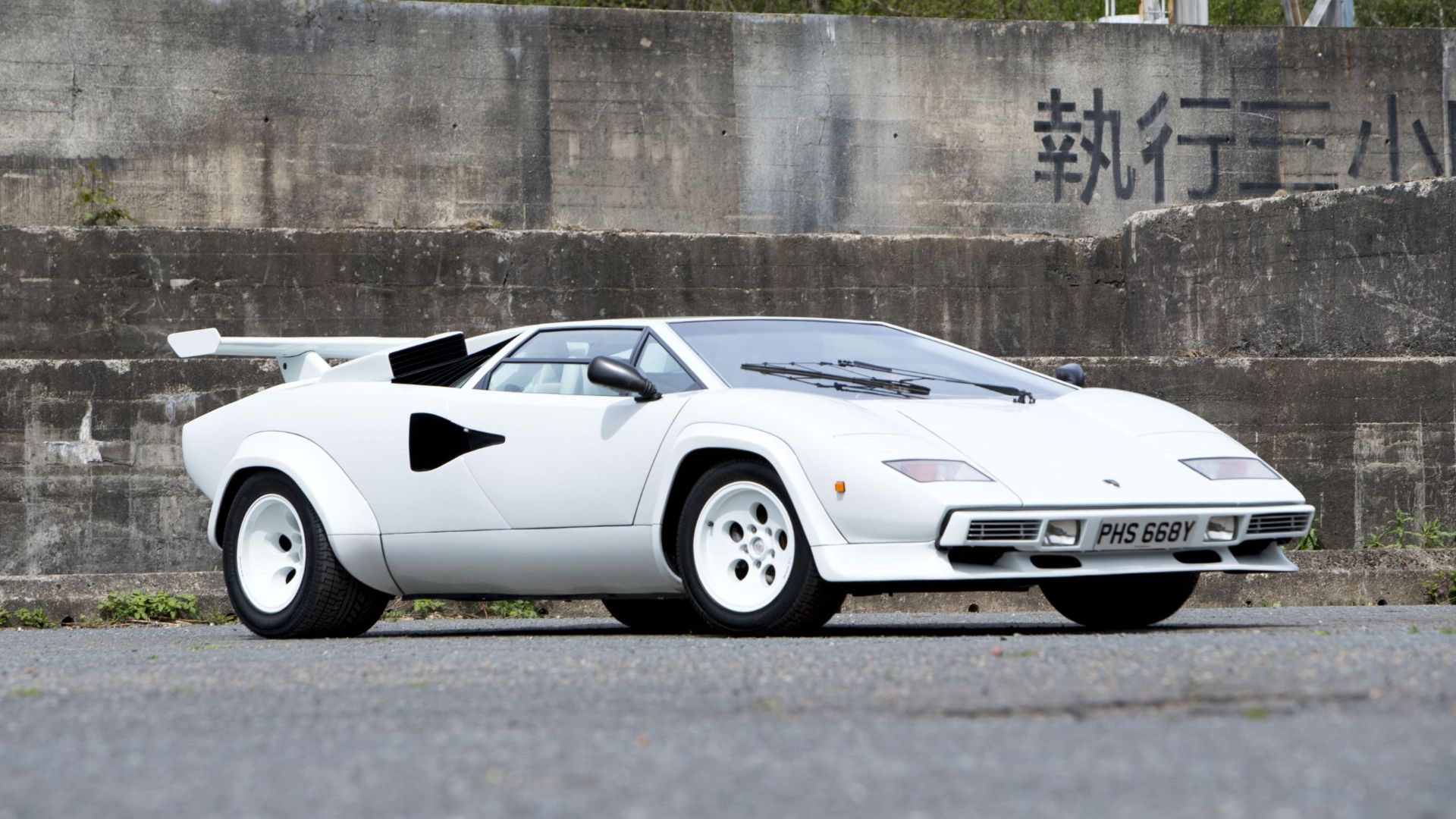
14. Lamborghini Countach
If the Testarossa wasn’t your poster car in the 1980s, the Lamborghini Countach probably was. The wedge-shaped Countach still looks utterly exotic. It edges just ahead of the 944, with 196,120 hashtags.
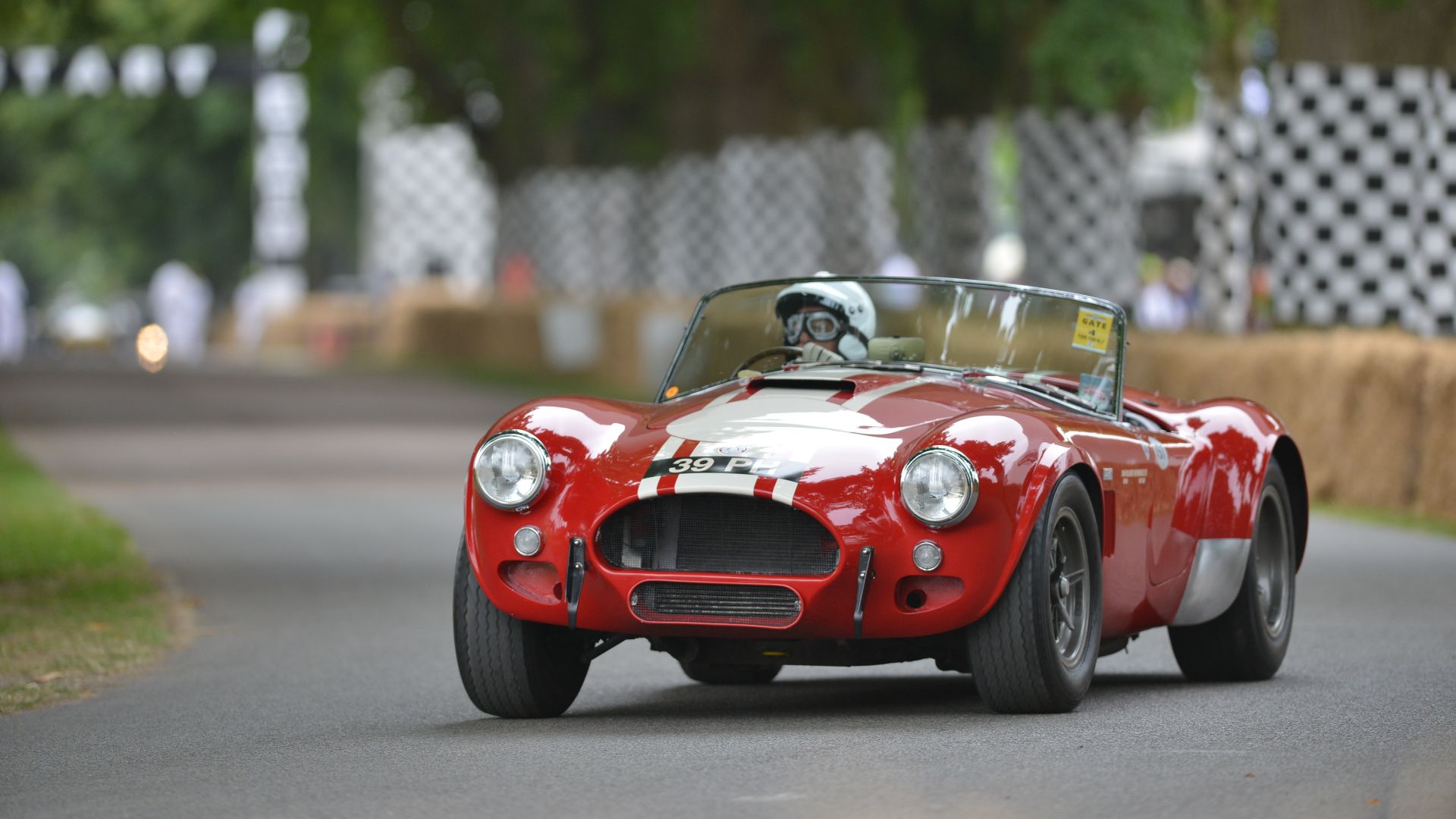
13. AC Cobra
Carol Shelby’s muscular roadster is entrenched in British motoring history. This 170mph brute is the reason we have a 70mph motorway speed limit. It totals 216,236 tags on Instagram.
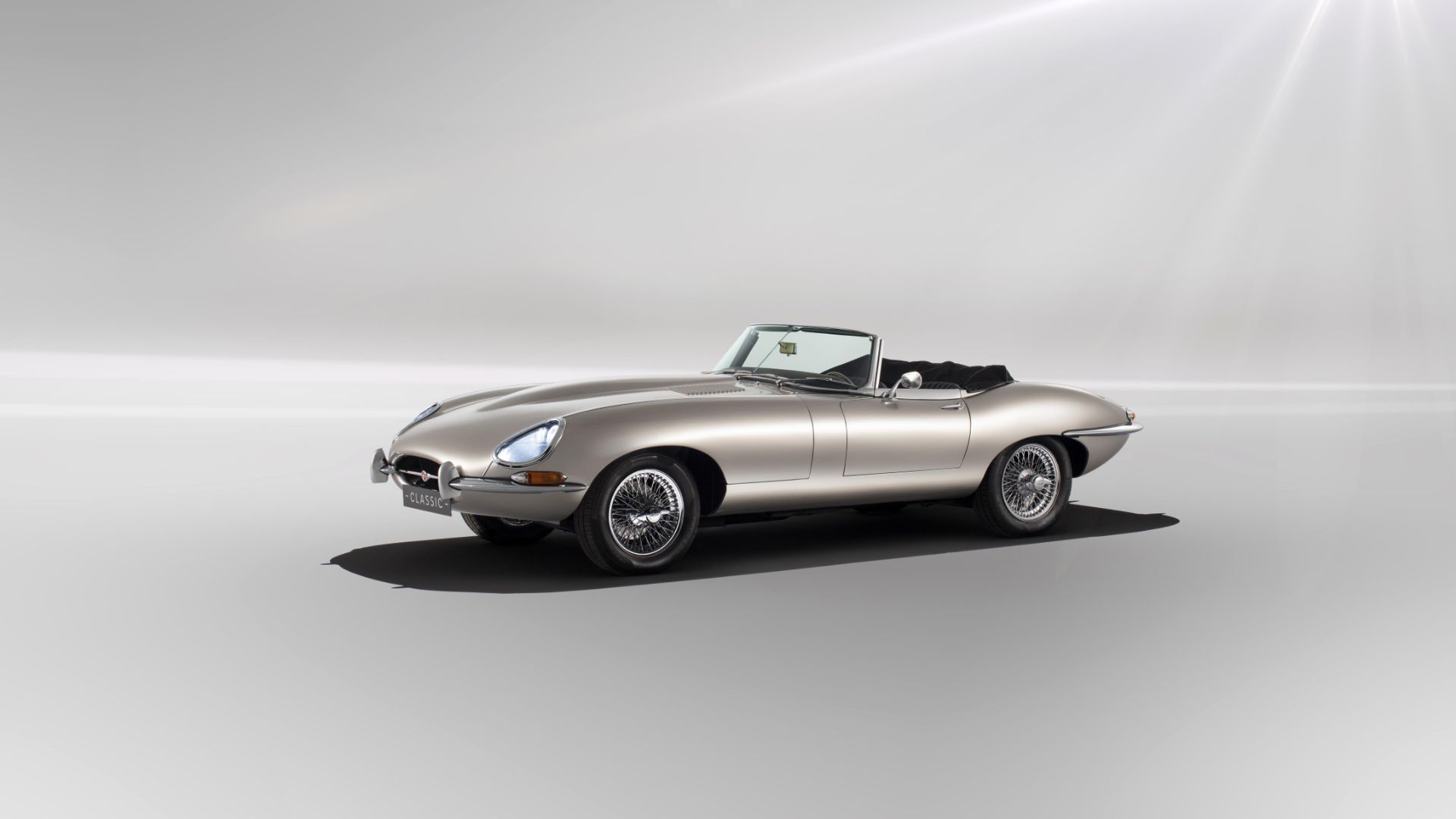
12. Jaguar E-type
It’s fair to say this is the British classic, so you might expect the E-type to place further up the list. A total of 224,364 mentions puts it 13th.
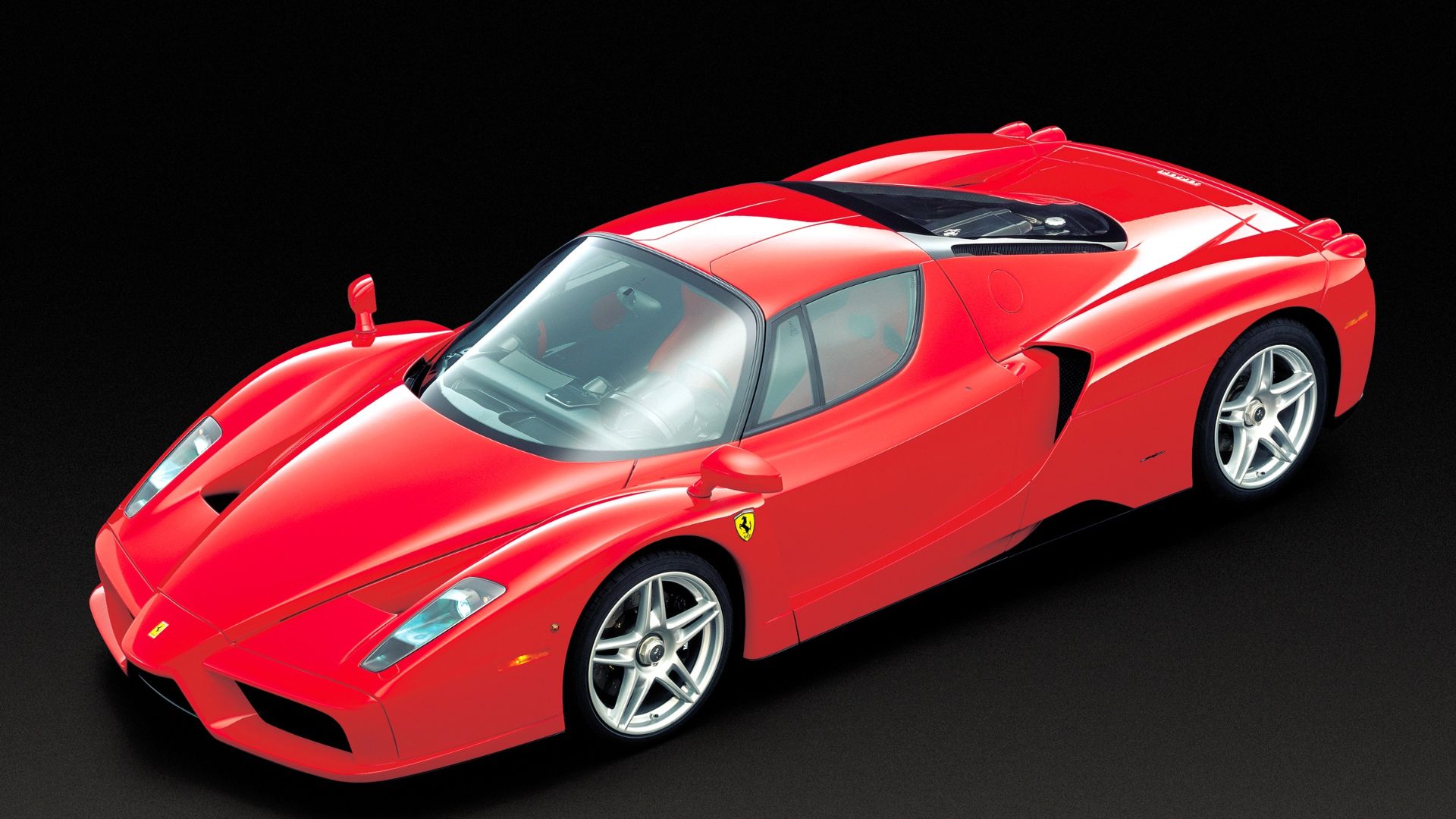
11. Ferrari Enzo
Incredible as it is, we’d struggle to define the Ferrari Enzo as a classic. Lord knows it will be, but it’s not even 20 years old yet. Still, it’s counted on Comparethemarket’s list, so it counts here – with 248,362 mentions.
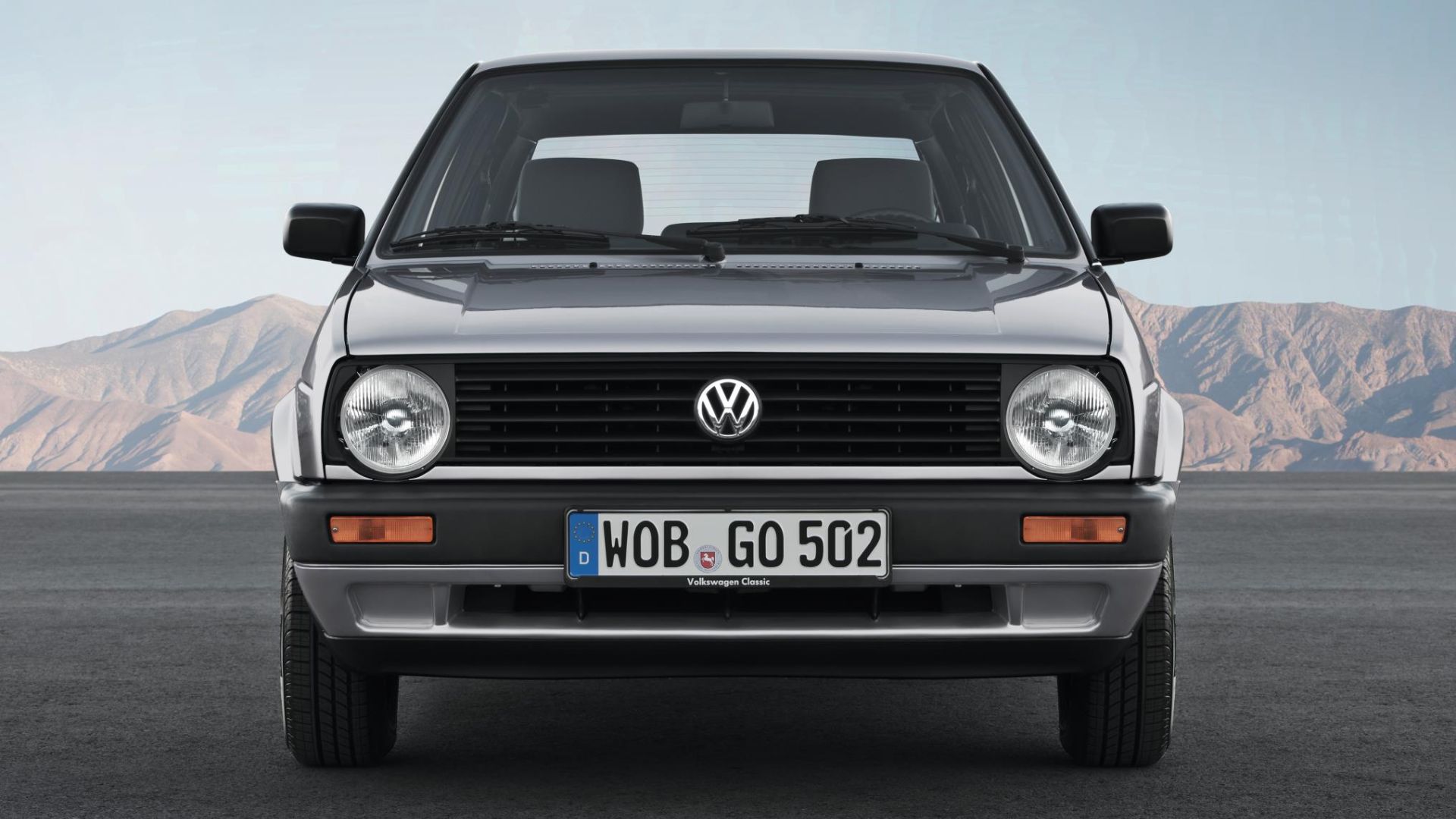
10. Volkswagen Golf Mk2
The people’s classic? This is real, affordable retro, although like many classics the second-generation Golf is becoming hard to find in good condition. Many have also been modified – a popular scene in itself. It gains a healthy 321,968 hashtags.
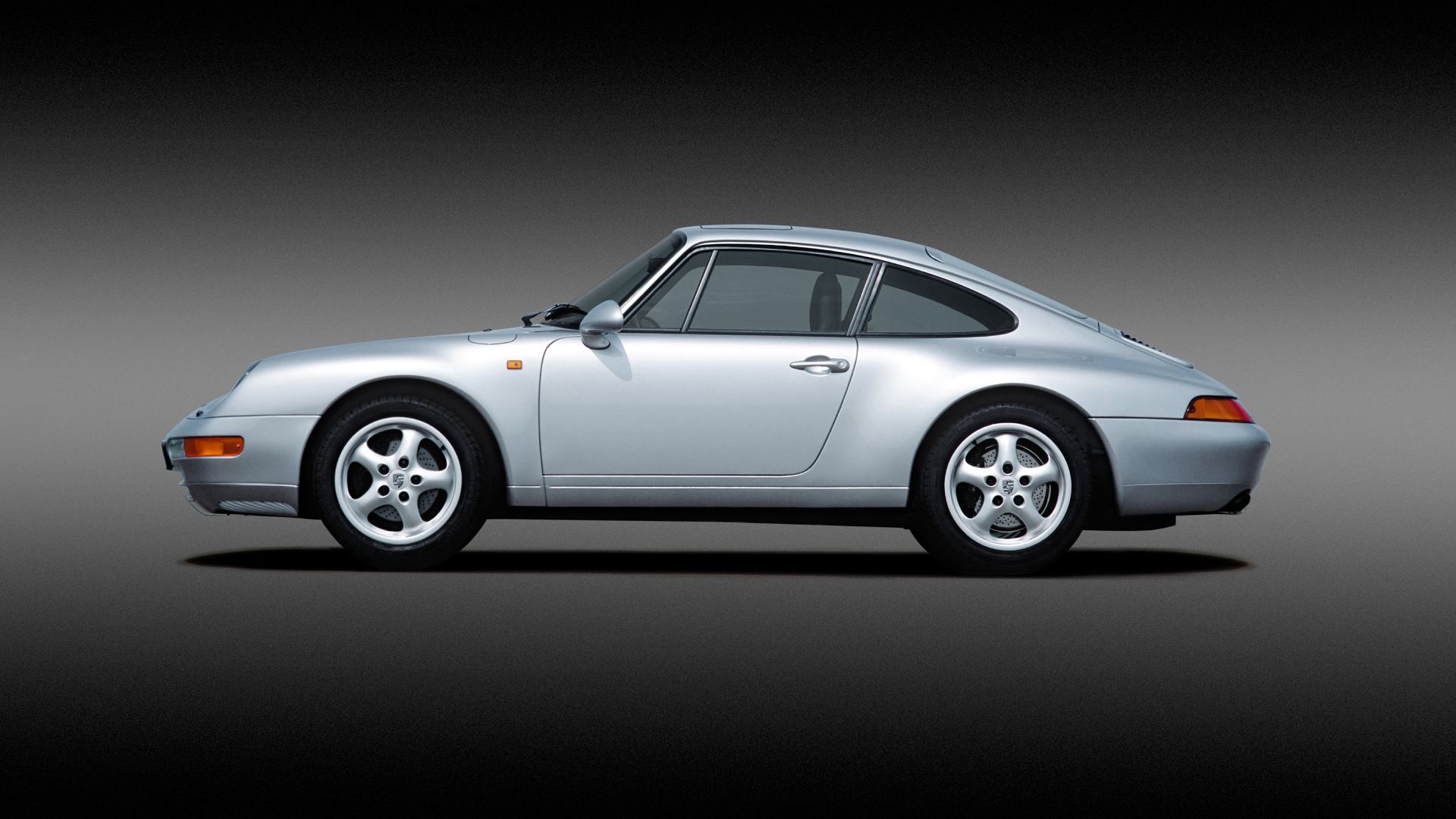
9. Porsche ‘993’ 911
The 993 was the last air-cooled Porsche 911, so to some purists it’s also the final classic. Certainly, we’d sooner afford the 993 classic status than the water-cooled 996 that followed. It gets 383,124 mentions.
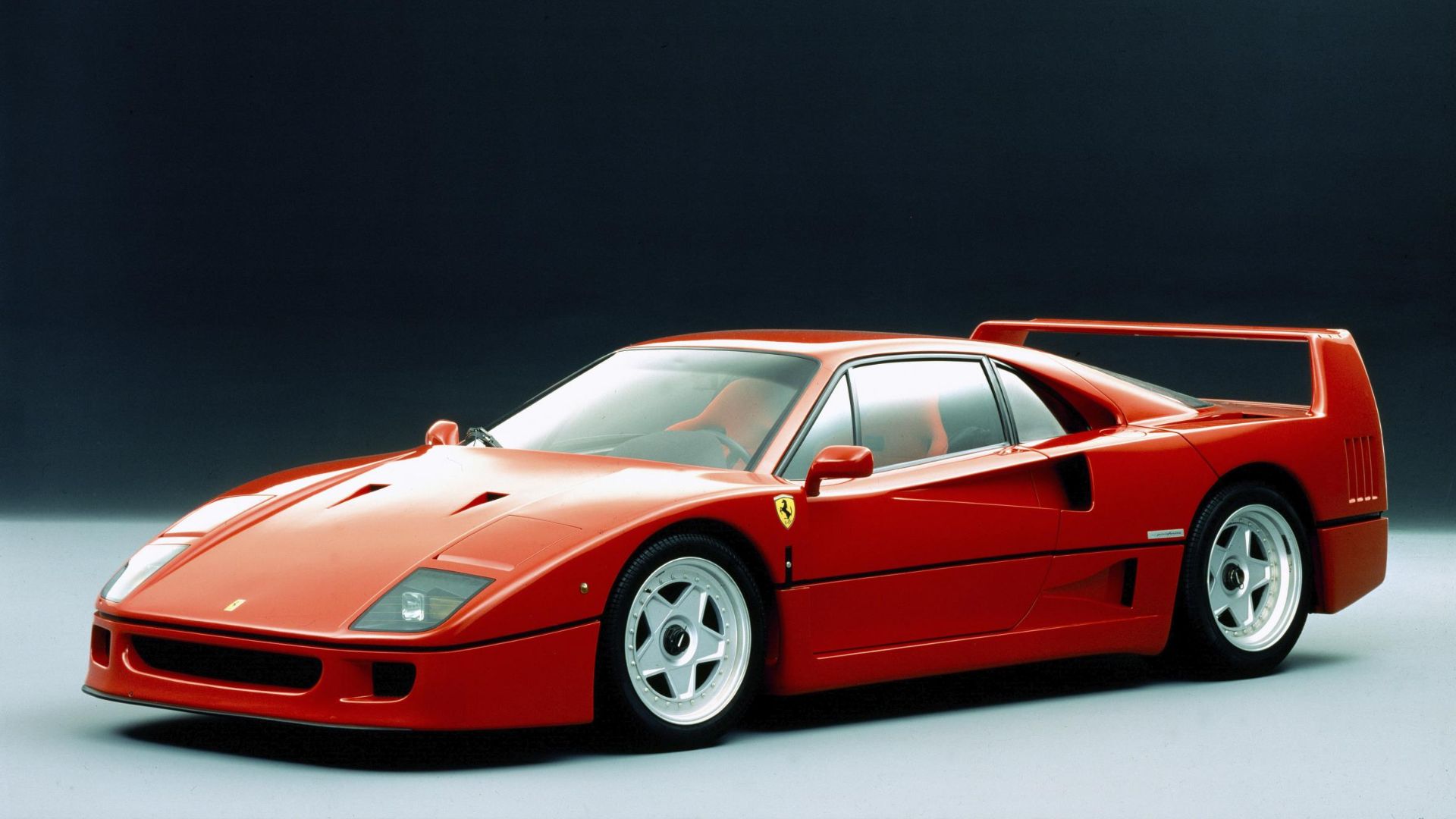
8. Ferrari F40
As much a classic as a supercar now, the F40 celebrated its 30th birthday a couple of years ago. Its performance, however, remains decidedly modern. It seems well worthy of 443,994 hashtags.
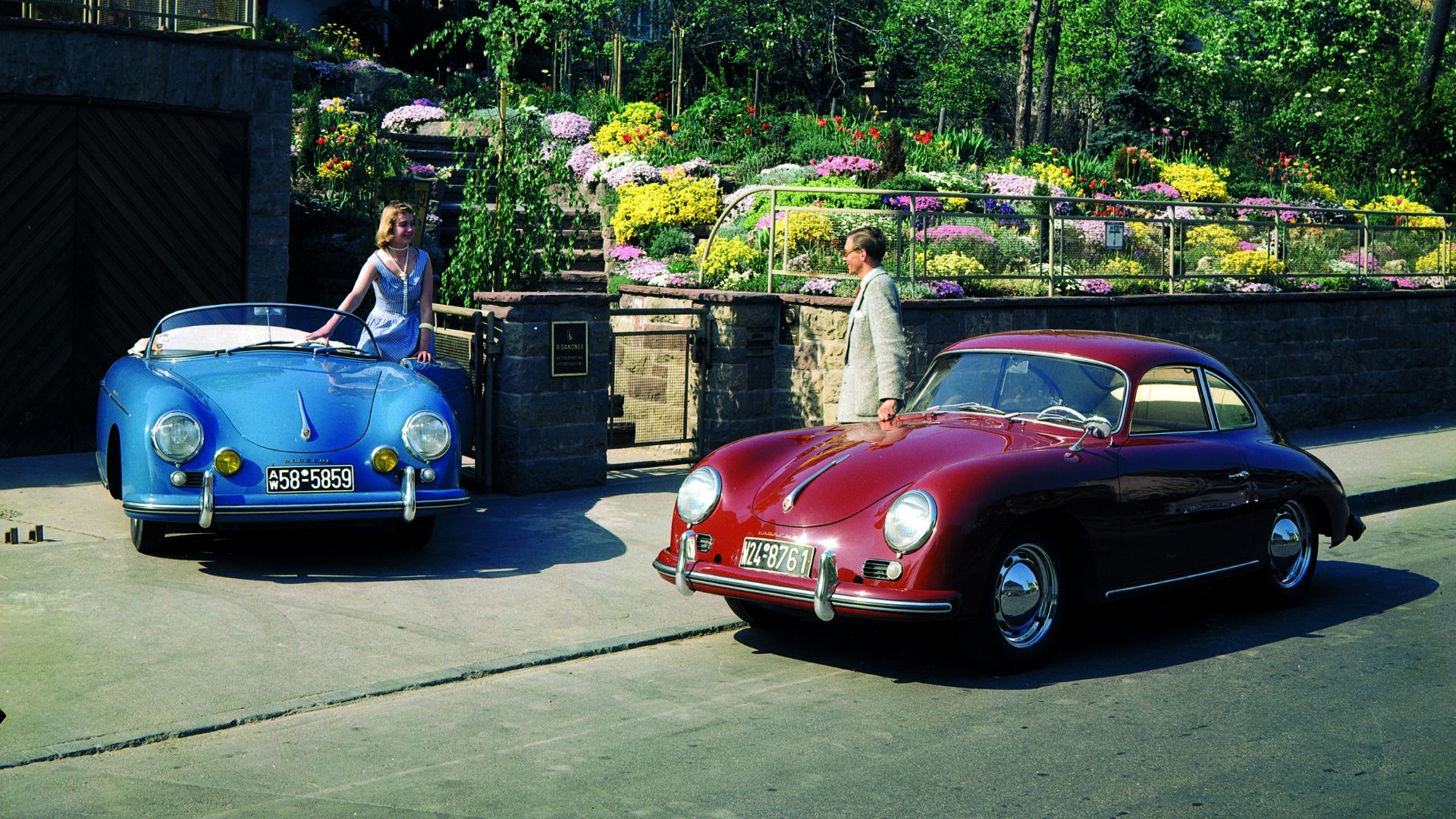
7. Porsche 356
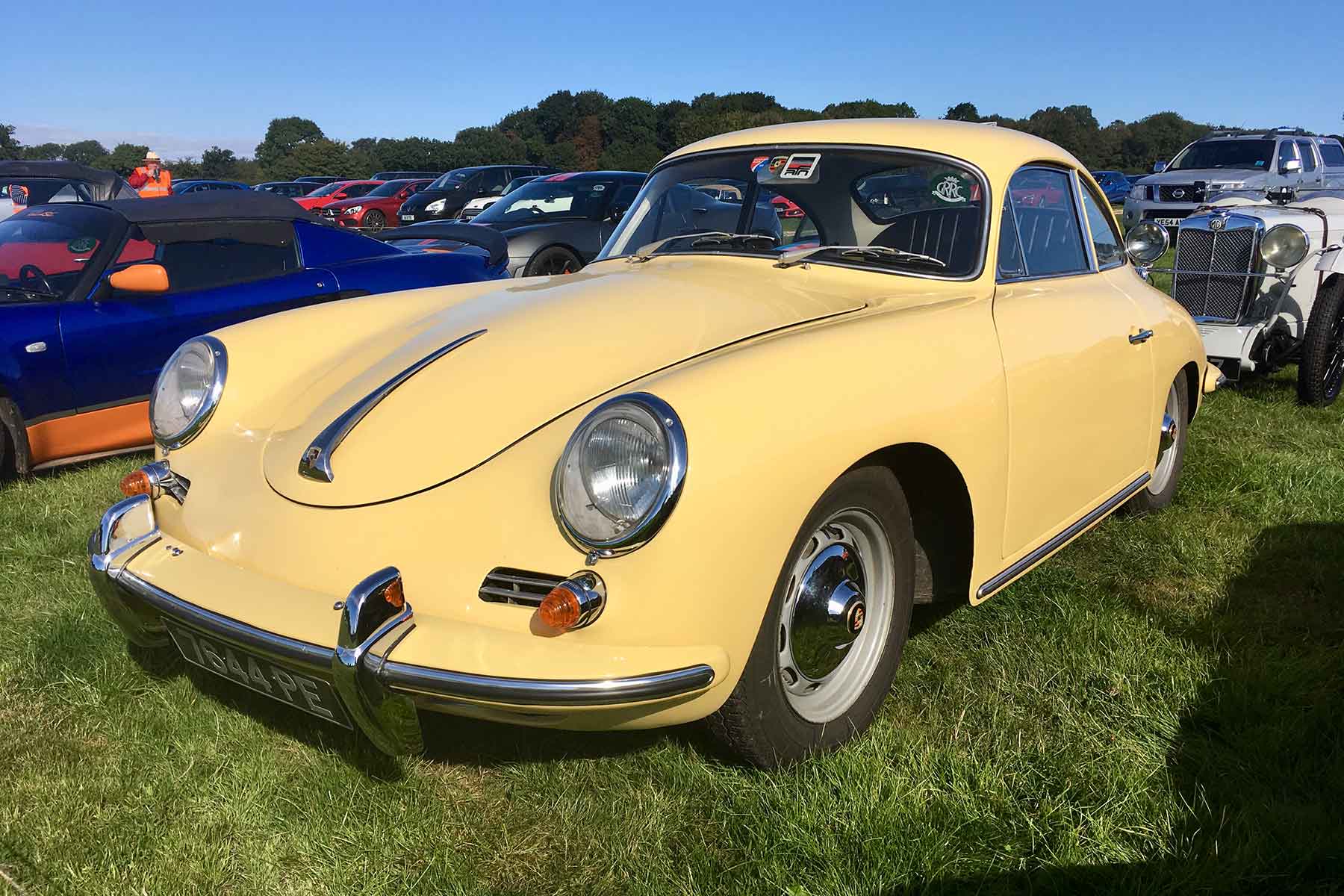
If you weren’t convinced by the 993, that’s alright. The 356 is perhaps the ultimate classic Porsche, pre-dating even the 911. This air-cooled beauty gets 462,341 mentions.
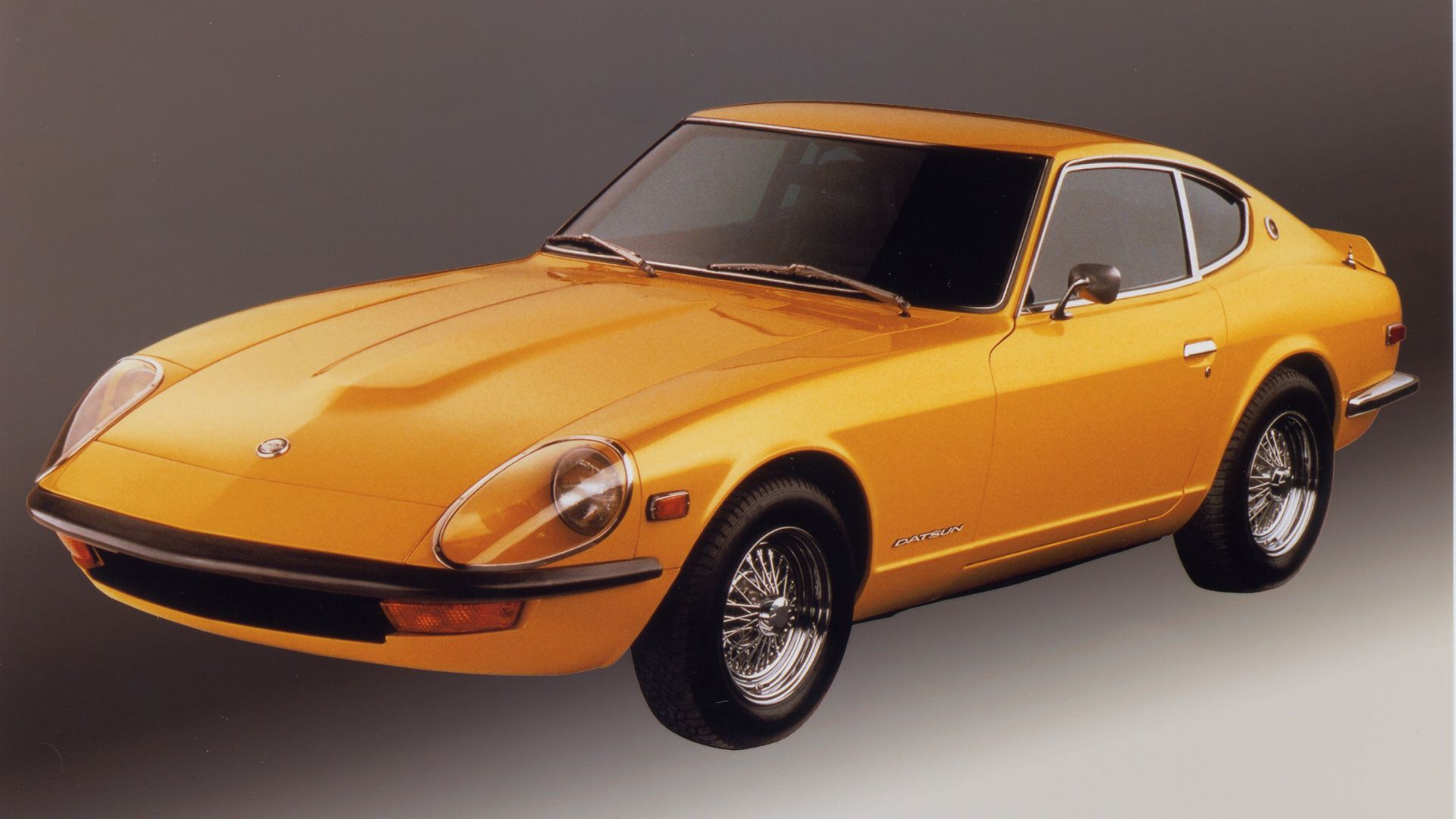
6. Datsun 240Z
Beginning a bit of a streak for the Japanese on Instagram is the Datsun 240Z. This sleek coupe was an unashamed imitation of Jaguar E-Type, yet still has its own appealing aesthetic. It’s the beginning of a legendary line of Nissan sports cars, with 471,217 hashtags.
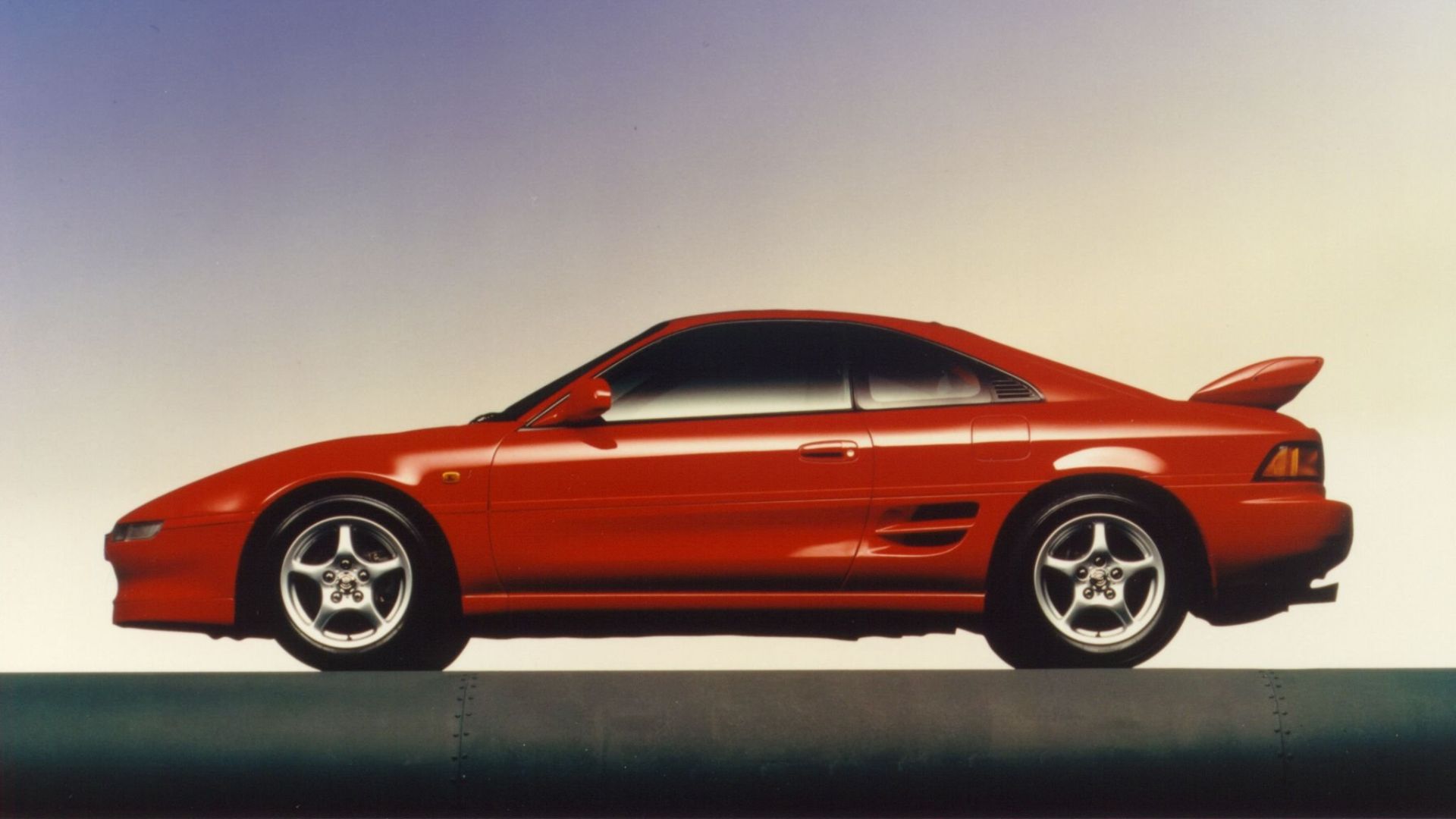
5. Toyota MR2
But it doesn’t beat Toyota’s mid-engined sports car. Born in the 1980s and lasting for three generations, the MR2 is sorely missed in the modern Toyota line-up. That’s proven by its Instagram popularity: it gets 476,518 mentions.
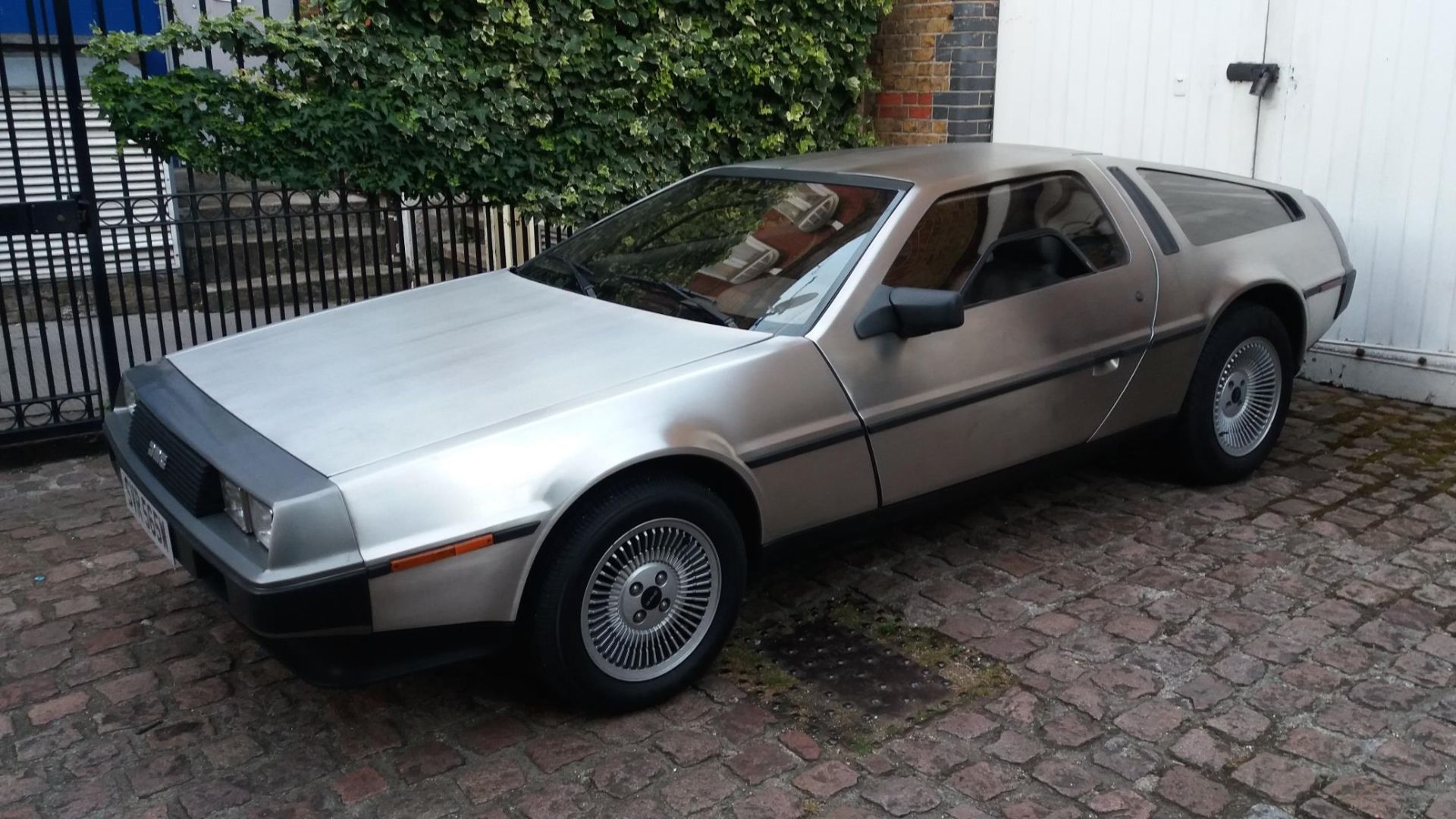
4. DeLorean DMC-12
If we’re talking cult classics, the DeLorean has to earn a mention. Although a flop in terms of sales, few other cars are quite so significant in popular culture. The Back to the Future star has 517,716 posts on Instagram.
3. Volkswagen Beetle
It had to be near the top, didn’t it? ‘Iconic’ is an overused word, but the Beetle is more than deserving of the term. From Hitler’s ‘strength through joy’ car to the hippies’ hero, everyone loves a Beetle. A massive 1.54 million Instagram tags are testament to that.
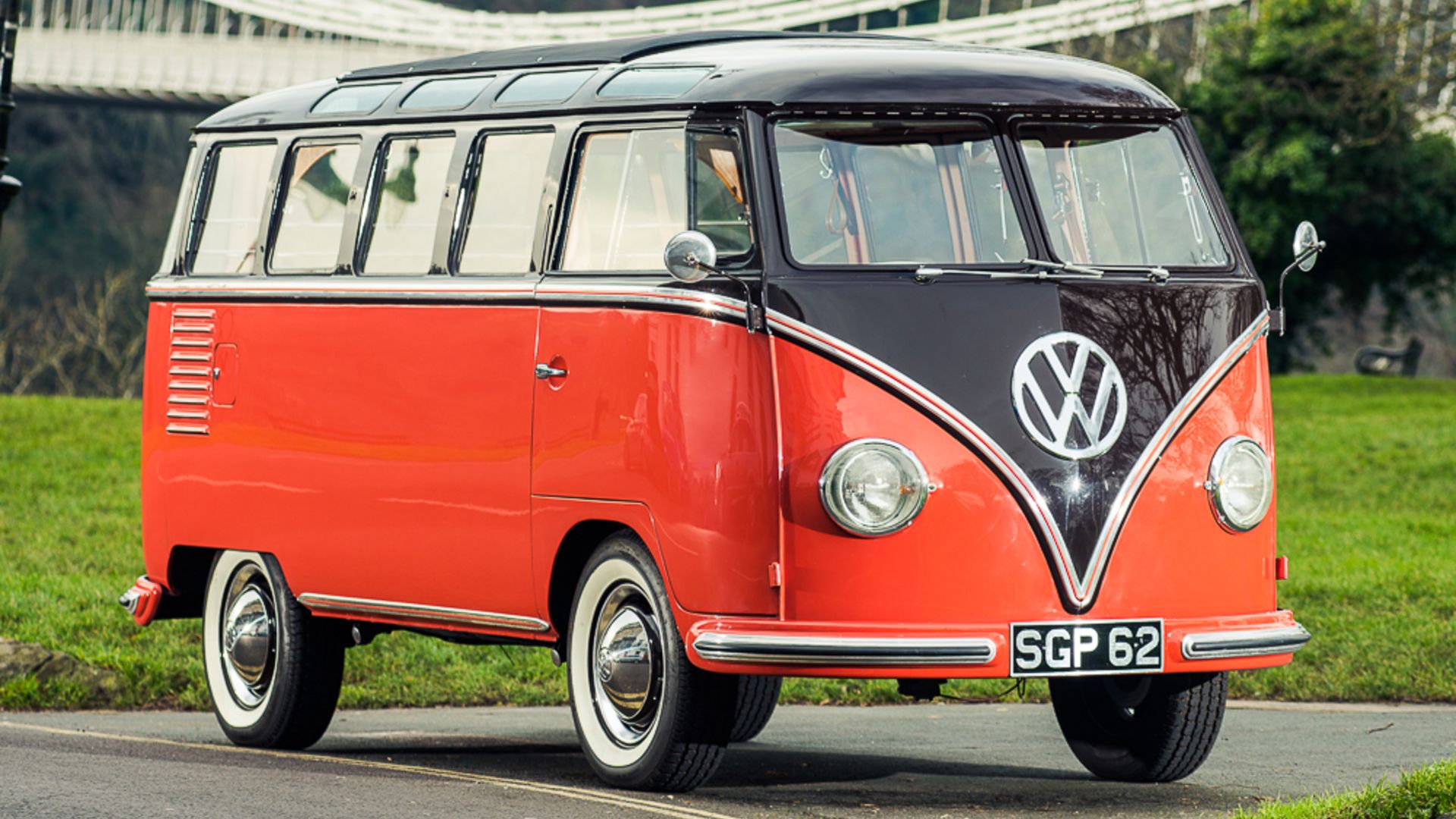
2. Volkswagen Type 2
But not quite as many as the 1.541 million of the Volkswagen Type 2. All of the above (minus the dubious WW2 origins) also applies to the VW bus. Yet it ekes out another 230 hashtags versus its smaller sibling.
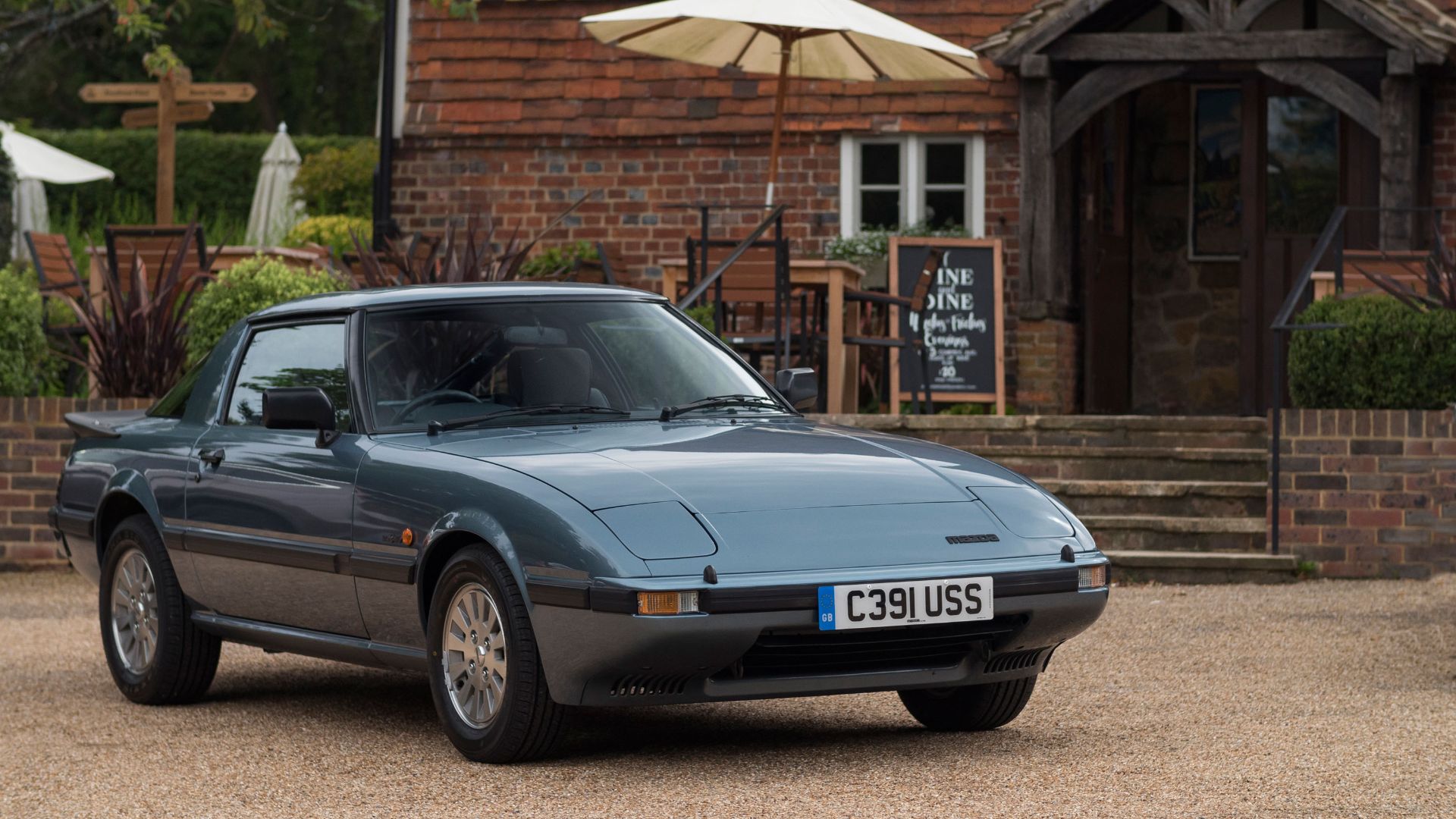
1. Mazda RX-7
But it’s the RX-7 that wins out. This was a long-lived classic, going from the 1970s up until the early-2000s. Although it evolved in style, the principle was the same: light weight, a rotary engine and rear-wheel drive. It’s also a bit of a tuning icon, which probably goes some way to earning its 1.69 million Instagram hashtags.
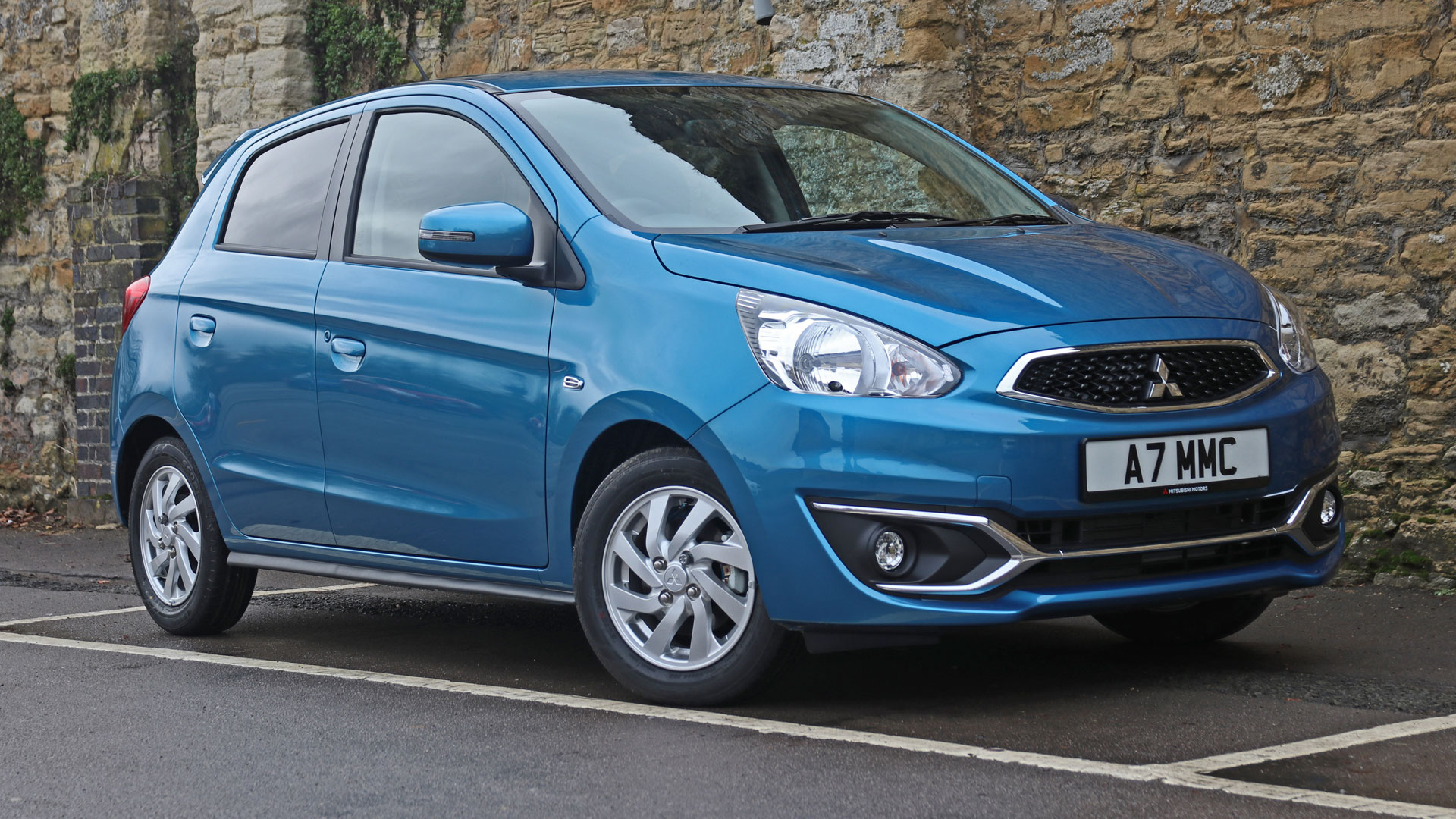
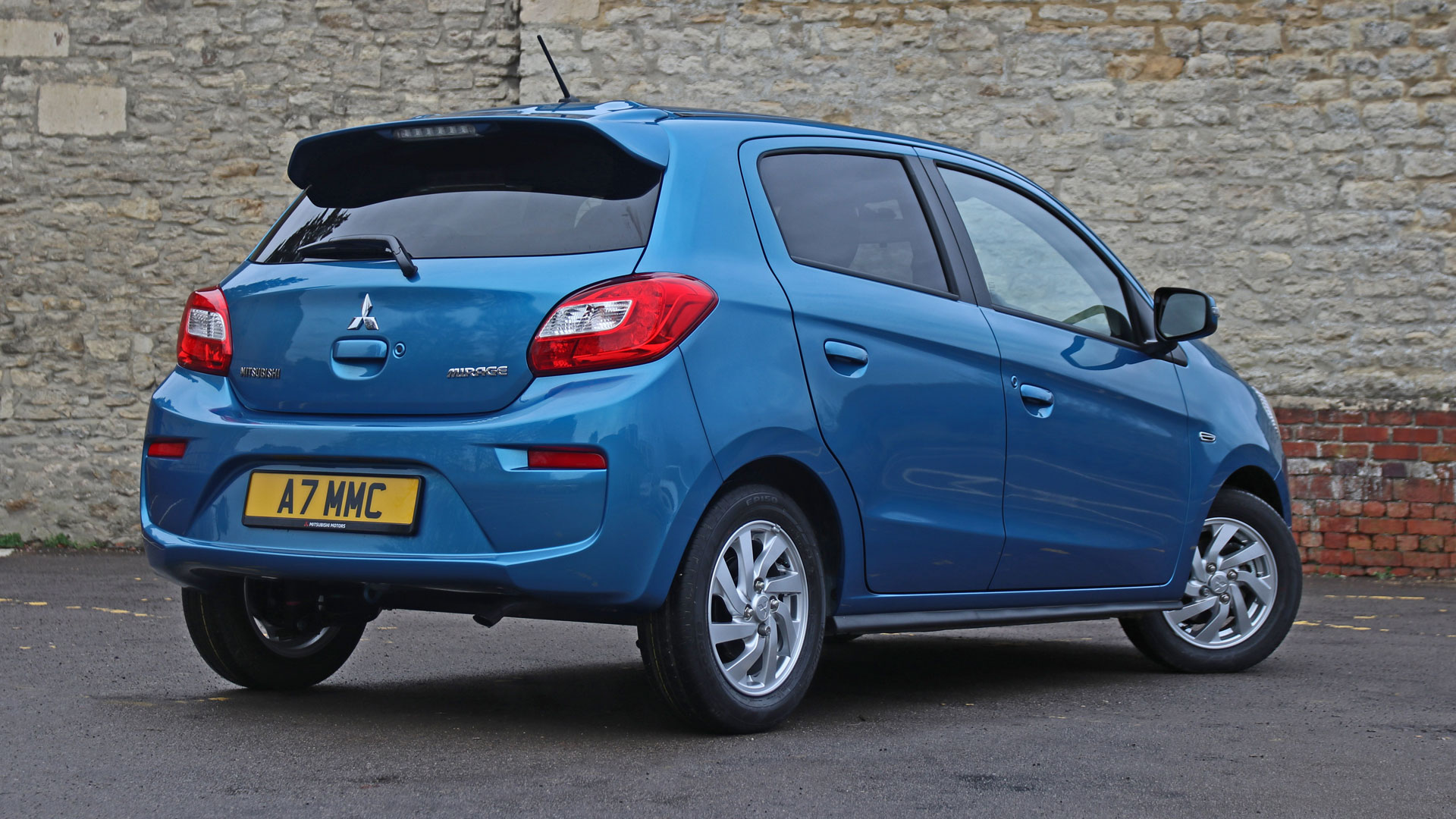
In a game of playground football, the Mitsubishi Mirage would be the last kid to be picked for a team. Then told to play in goal.
In a running race, it would be the last one to finish, crossing the line long after everyone else has packed up and gone home. The last piece of quiche left on the buffet table. The last raffle prize picked at the office Christmas party.
The Mitsubishi Mirage isn’t very good. In a world of exceptional small cars, it would be a while before some deranged thinking leads you to the Mirage, and even then you’d still contemplate taking the bus instead.
When movies are promoted using vox pops of excitable cinemagoers making hysterical claims, there’s a pretty good chance that the film will be wack. It’s going straight to DVD.
Mitsubishi has used a similar approach in the brochure for the current Mirage.
“You cannot find a better car in its class for your money,” says Zach. “I love this car! It’s adorable.”
Sorry, Zach, but even in a class of one, the Mitsubishi Mirage would struggle to be the class-leader. Google ‘really good small car’, and you’ll be presented with a list of names as long as your leg. And adorable? Pull the other one.
Mitsubishi Emptiness
Even people who have zero interest in driving pleasure will be sent into a coma by the Mirage, while the rear-seat accommodation is about as inviting as an East German border post.
Mitsubishi calls it ‘first class accommodation’, which it is, if the price spent on it equates to the price of a postage stamp.
There are points in its favour: the cabin is quite spacious, the 1.2-litre engine is reasonably economical, and the top-spec version offers a decent level of kit. There’s also a tight turning circle, which will make things easier when you decide to do an emergency U-turn should you find yourself test-driving a Mirage.
To find the showroom, turn left at ‘hell freezes over’, go straight on at ‘fat chance’, then left at ‘never in a month of Sundays’. If you reach the end of the world, you’ve gone too far.
It’s just that, when cars like the Volkswagen Up, Dacia Sandero, Kia Picanto and Hyundai i10 exist, it’s hard to stake claim for something as mediocre and lacklustre as the Mitsubishi Mirage. The new one can’t come soon enough.
From Despair to Where?
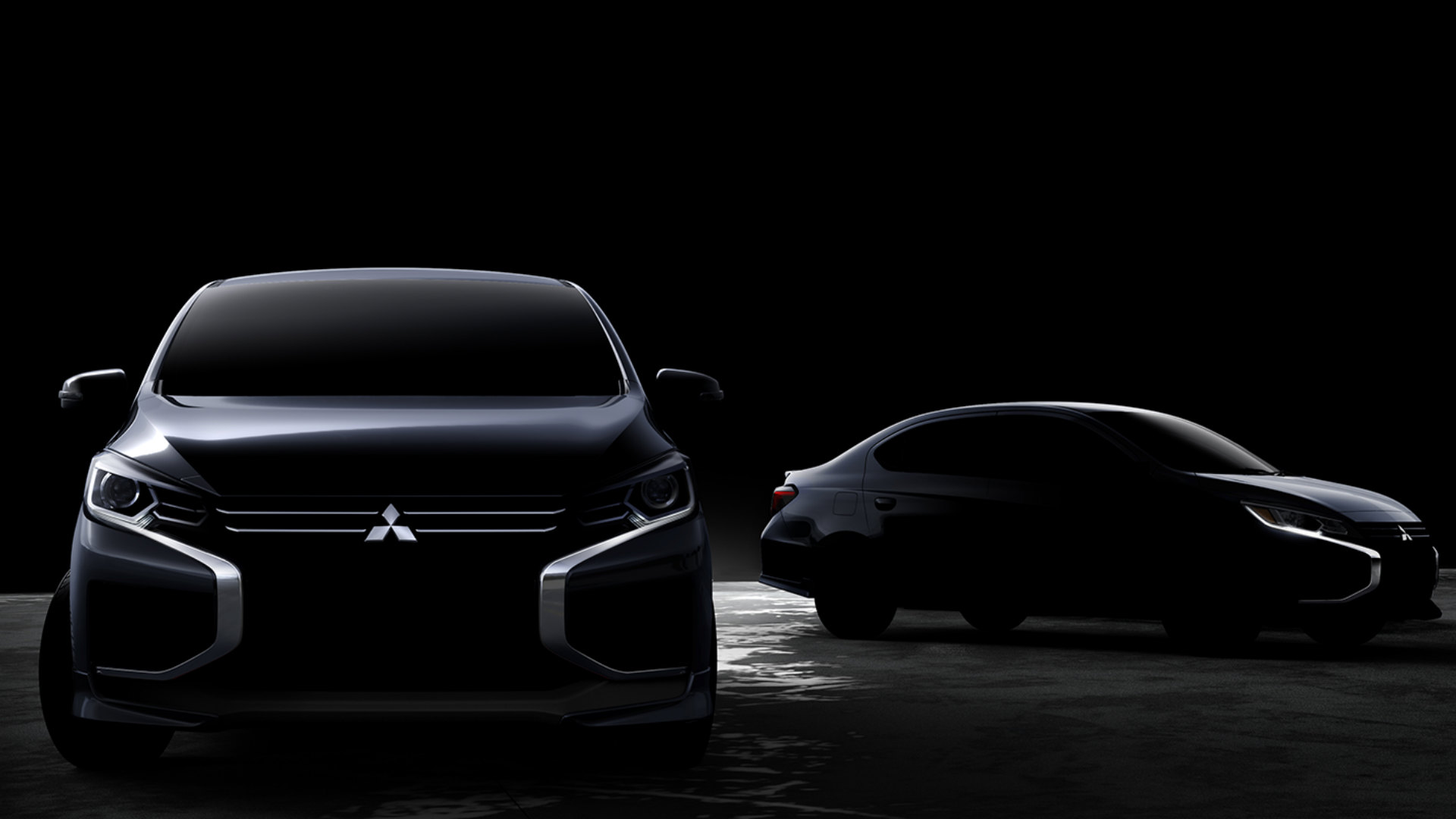
Mitsubishi speaks of a ‘distinctive Mitsubishi-ness’, whatever that means. If nothing else, it’ll mean that the new Mirage has a look that fits with the rest of the range. The teaser photo suggests it will be quite the looker – even the four-door saloon looks vaguely desirable.
If the Mirage can retain its lightweight construction – the current car weighs 875kg in its most basic form – it will help efficiency, and it could even make the Mirage fun to drive. Memories of the flawed but bonkers Colt Ralliart come flooding back.
It also needs an interesting dashboard and cabin. Suzuki provides the proof that you don’t need swathes of soft-touch plastics and expensive materials to make a good interior. Something that looks like the interior designers could be bothered would be a start.
The Volkswagen Group and the South Koreans have had things their own way for too long. We need a credible and interesting rival to enter the ring. The Japanese have the ingenuity and skills required to strike a blow. Let’s hope ‘Mitsubishi-ness’ can land a killer punch.
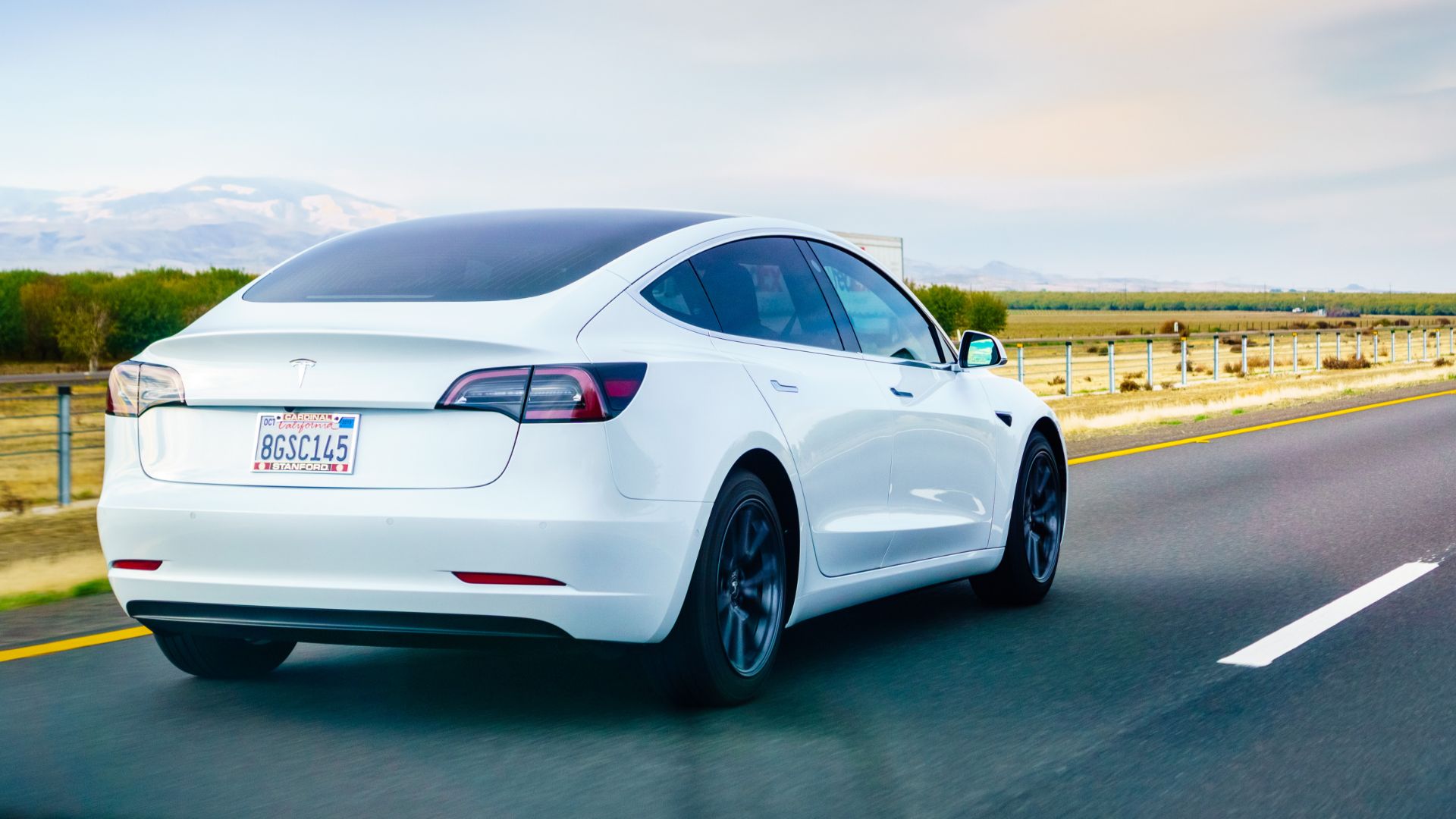
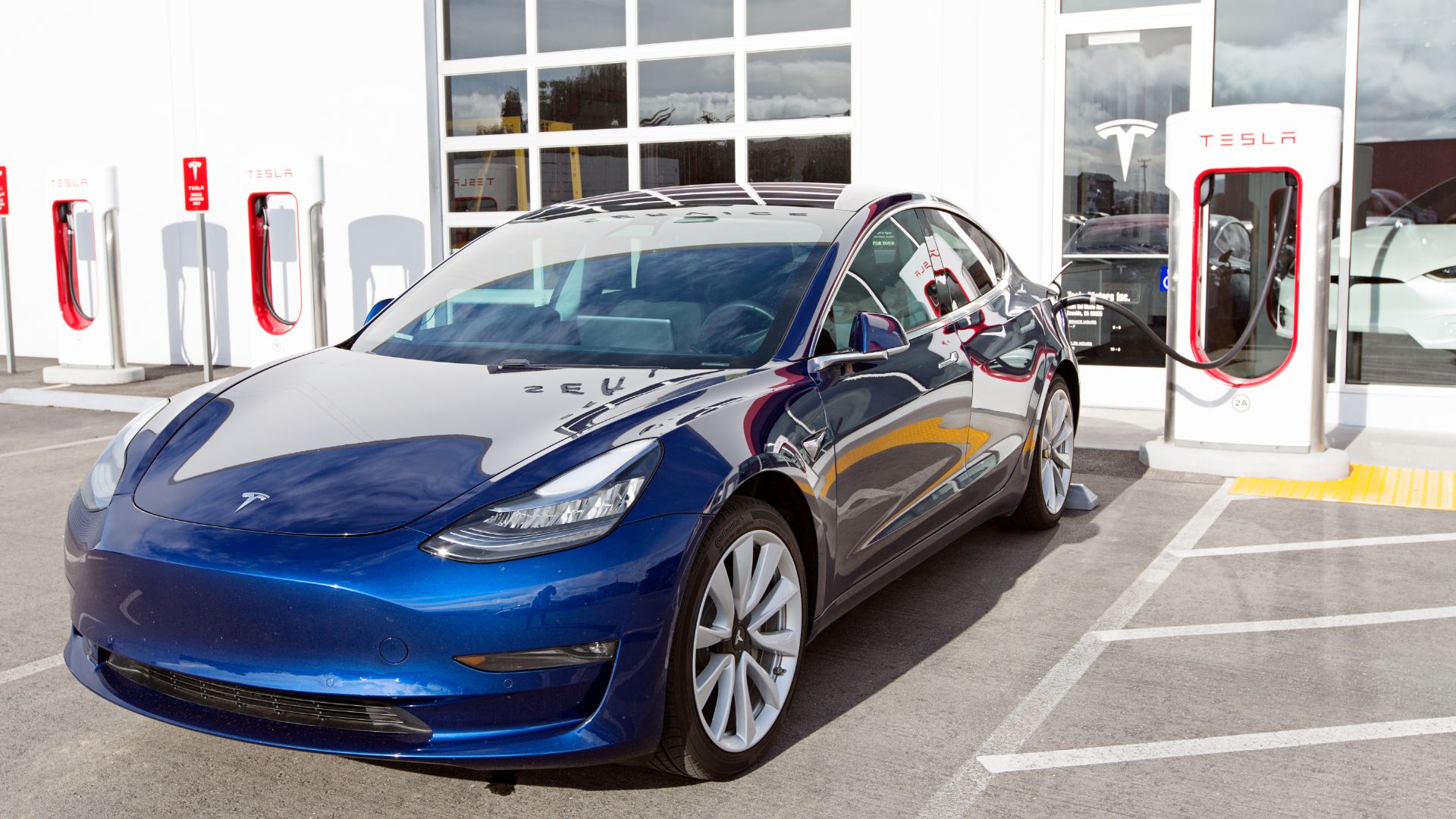
Electric automaker Tesla has received top marks in an environmental impact study. The Carbon Transitional Assessment (CTA) score is awarded by research and analytics group Moody’s, and measures how effectively a marque is transitioning to low carbon cars.
In the assessment of 20 car manufacturers, Tesla was the only brand to receive a top CT-1 score, with the lowest possible rating being CT-9. BMW, Honda, Geely and Toyota all got respectable marks, thanks to their low-emissions models.
“Our new assessment gives us a way of monitoring progress in aligning with the low carbon transition,” said vice president of Moody’s, James Leaton.
“2020 is set to be a critical year for automakers proving whether they can deliver electric vehicles at scale to achieve compliance in Europe and China.”
Moody’s says that car manufacturers should be aim to electrify at least a quarter of their fleets, in order to meet guidelines for sustainability set by the International Energy Agency.
Tesla’s introduction of the Model 3 into the European market has markedly increased EV uptake. In September, the new all-electric executive car was Europe’s 11th best-seller. Tesla’s market share for EVs in Europe is nearly 50 percent.
Meanwhile, in the second-hand market, it was recently revealed that the all-electric Renault Zoe is the UK’s fastest-selling used car.
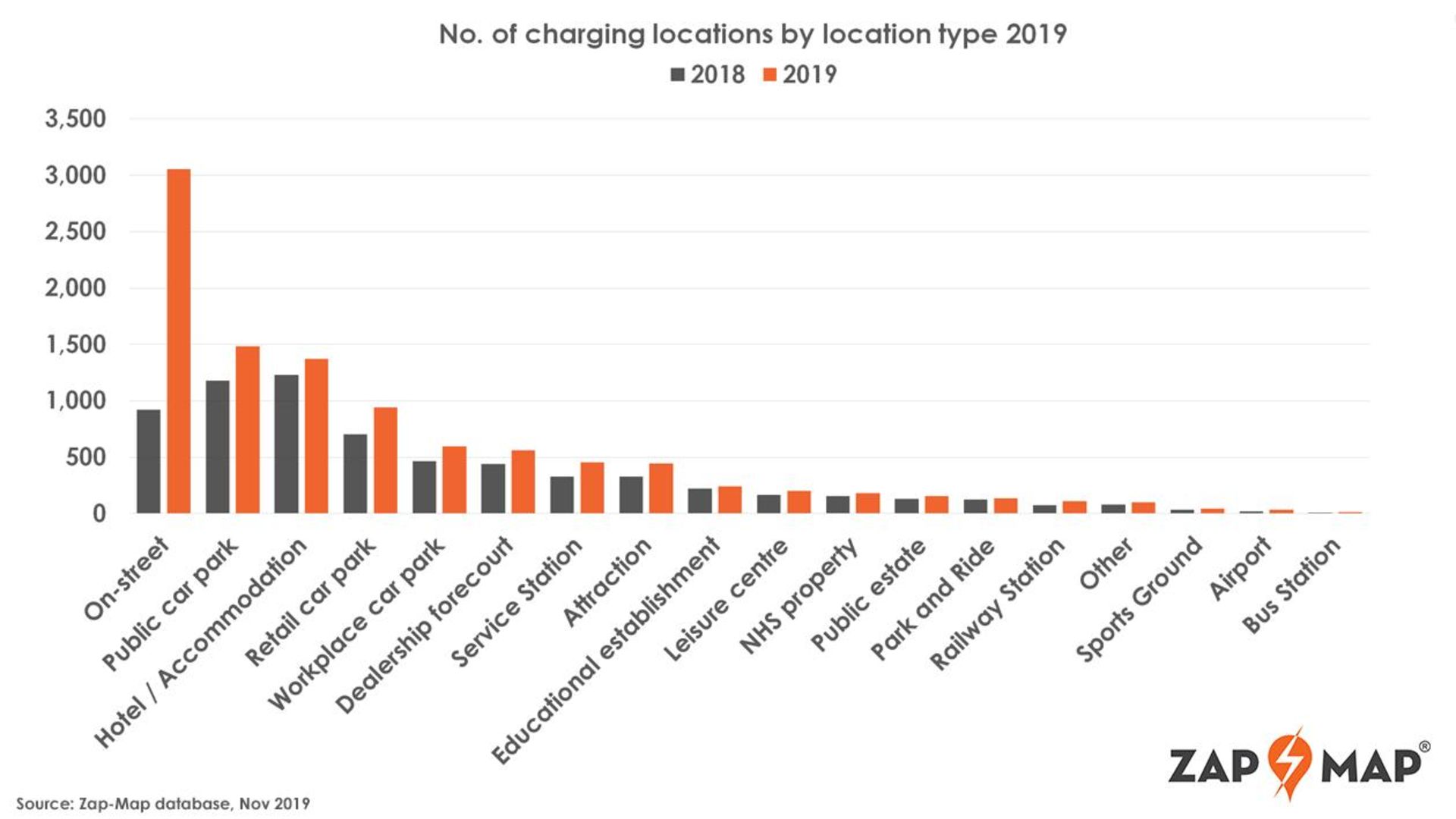
According to Zap-Map, the most common type of charging is on-street, which includes town locations. This makes up 30 percent of public chargers in the UK. By contrast, at the end of 2018, hotels led the way for chargers, with around 1,200 locations.
A further 25 percent of chargers are found at car parks, in shopping centres, supermarkets or park-and-rides.
The number of charging locations has increased 53 percent since this time last year. On-street has seen the biggest growth, jumping from under 1,000 to more than 3,000.
Airport locations with car charging have increased 57 percent, while railway locations are up 45 percent. And 36 percent more bus stations have car charging, too.
Service station locations have increased by 38 percent. Zap-Map says this will be a significant area of growth over the next year and beyond, as BP and Shell grow their own networks with charge points at their filling stations.
Save £7,000 on a new Citroen – if you live in London
More than 300 public car parking locations have been added over the last 12 months, plus 230 retail sites. Public transport locations have improved dramatically over the past year.
Overall, the number of individual connectors at the end of 2019 approaches 30,000, at 16,000 devices across 10,000 locations.
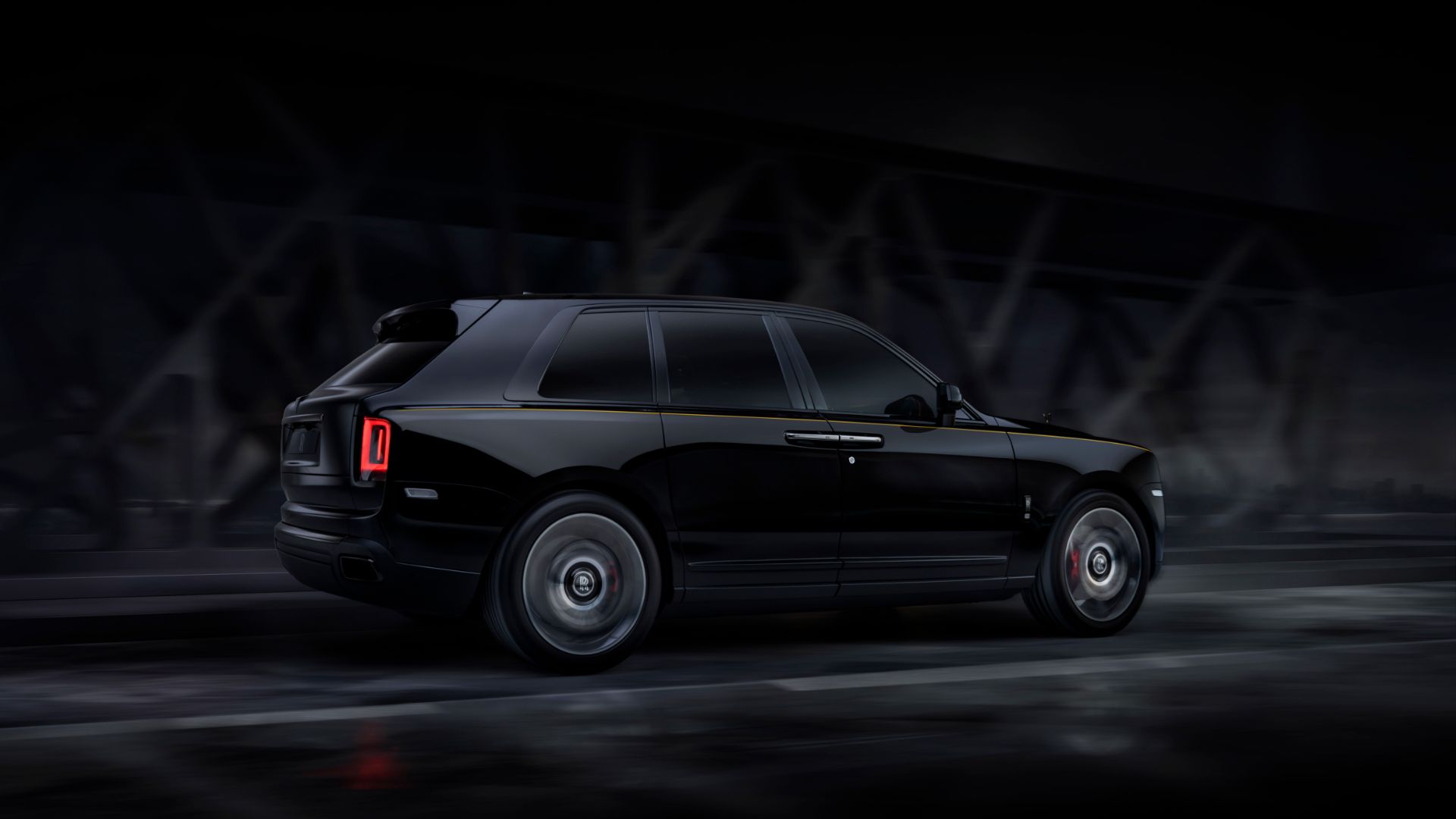
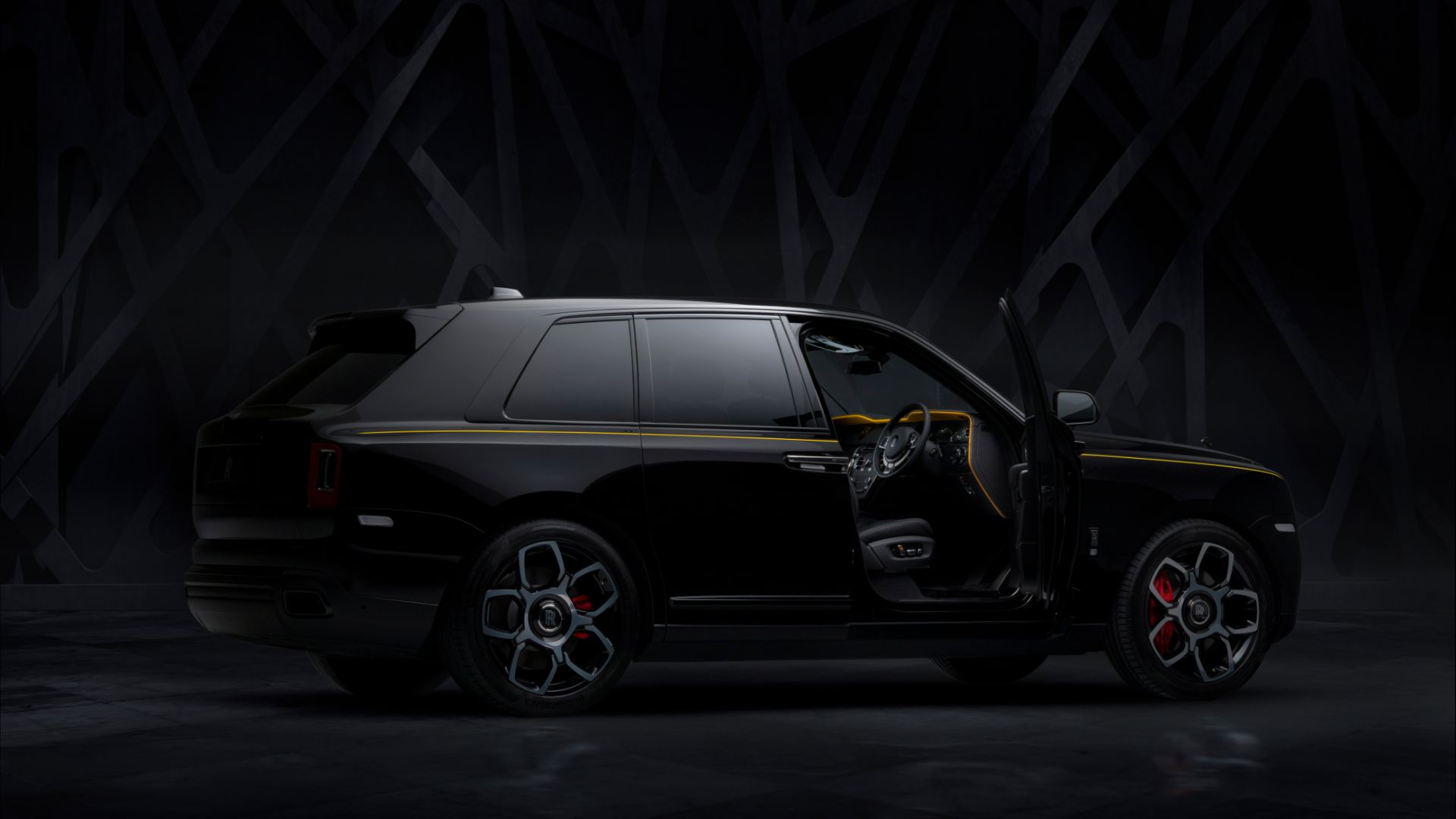
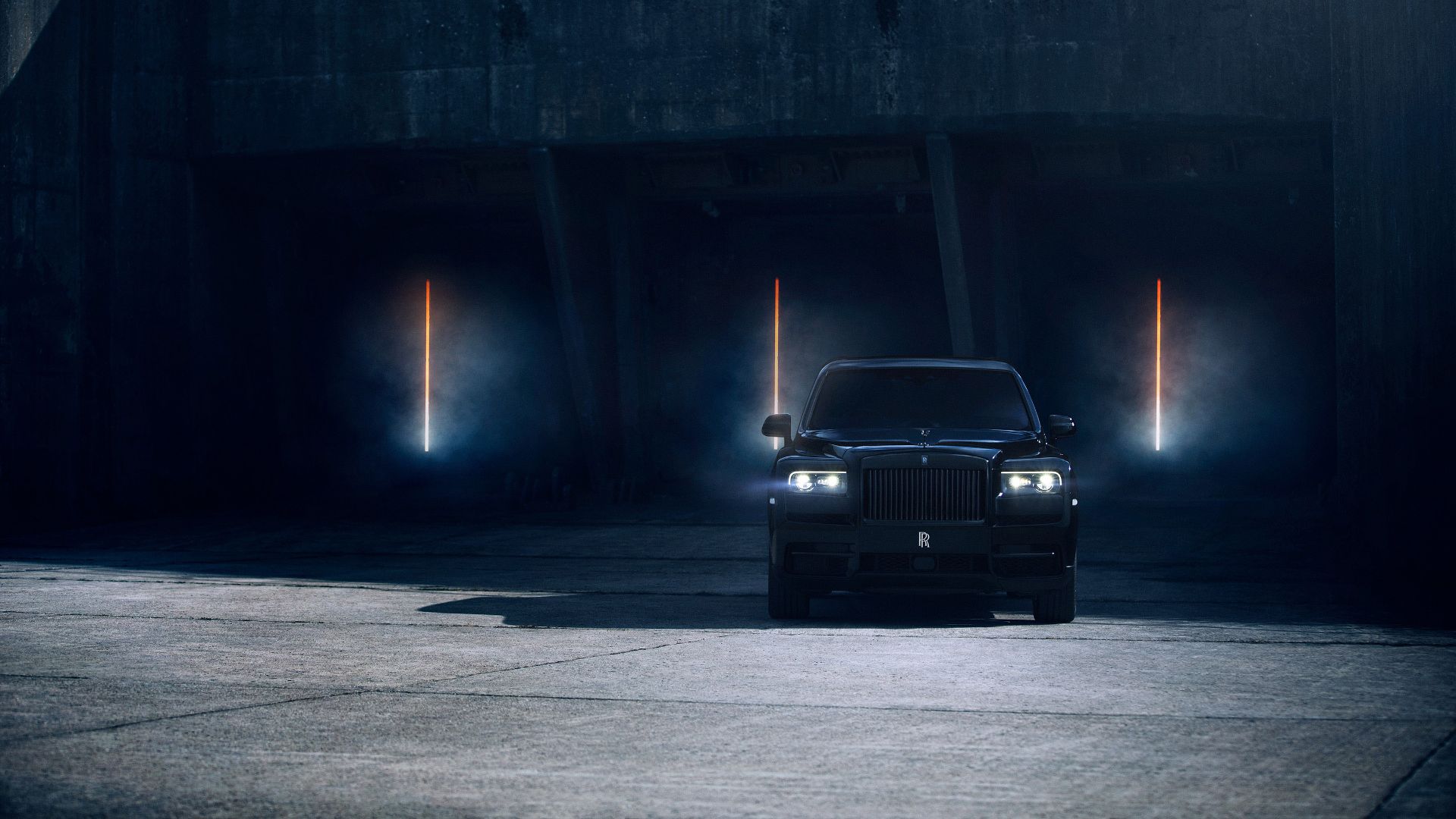
Rolls-Royce has announced a Black Badge version of its Cullinan SUV, with more power and menacing styling.
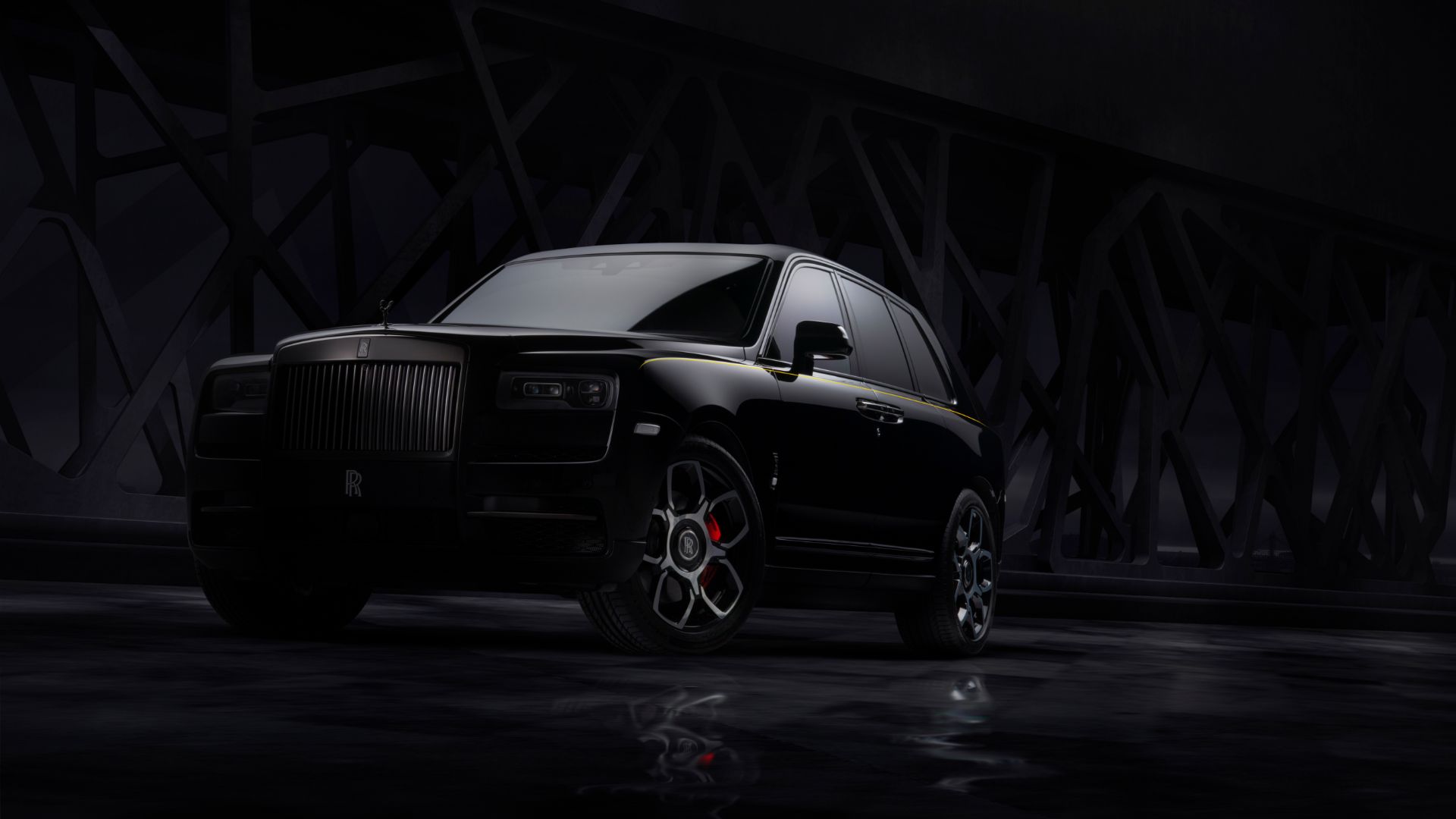
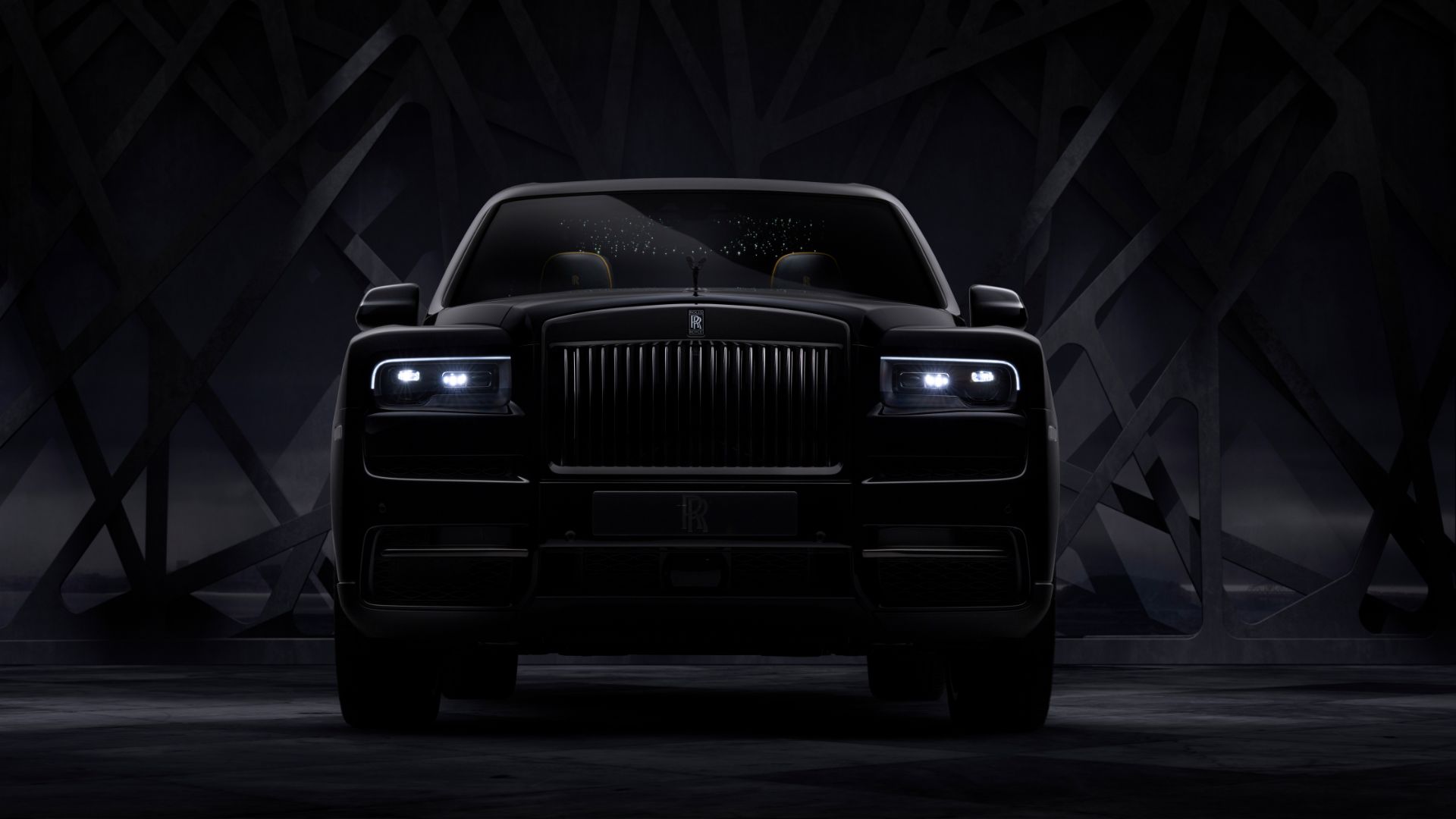
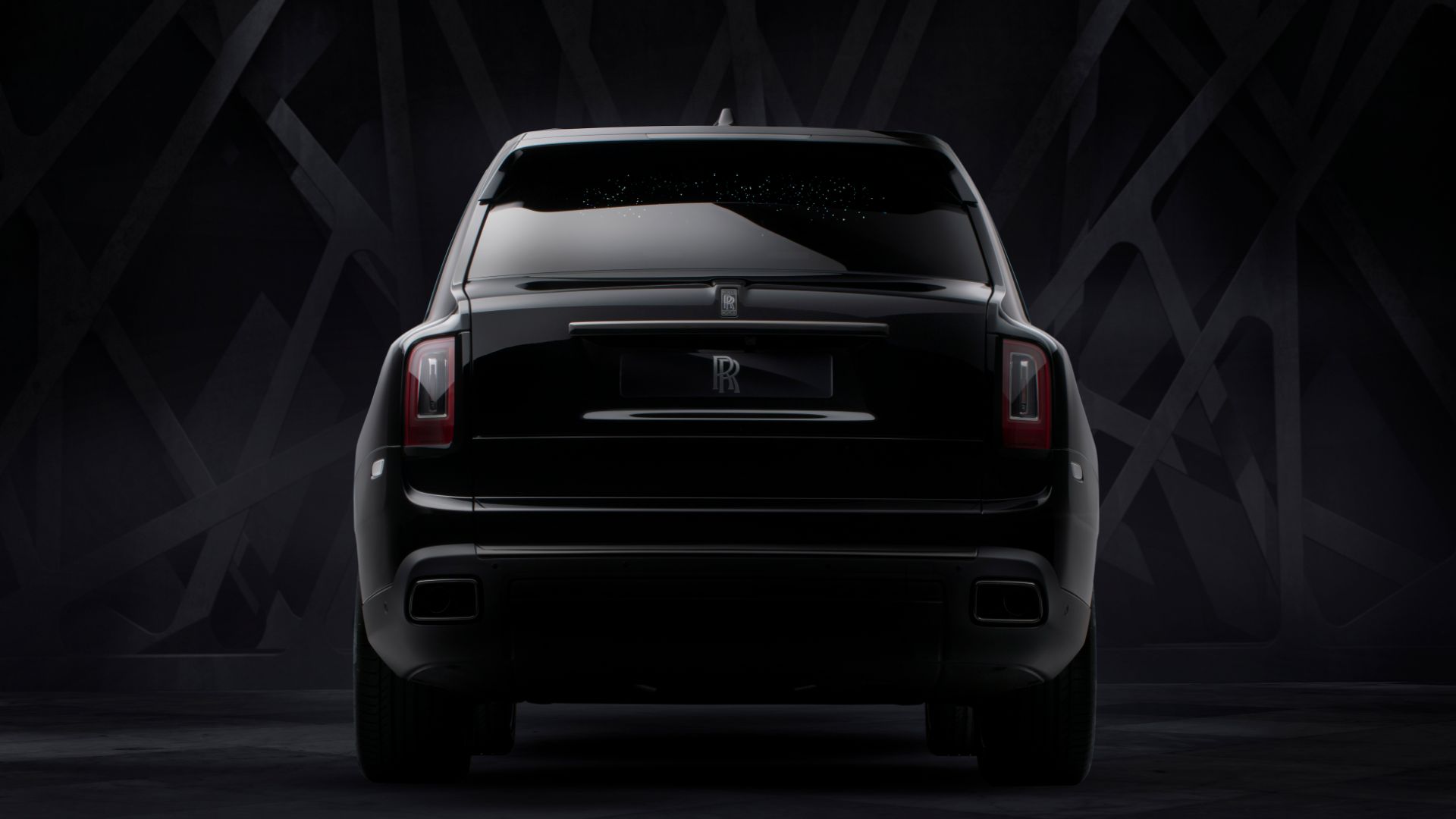
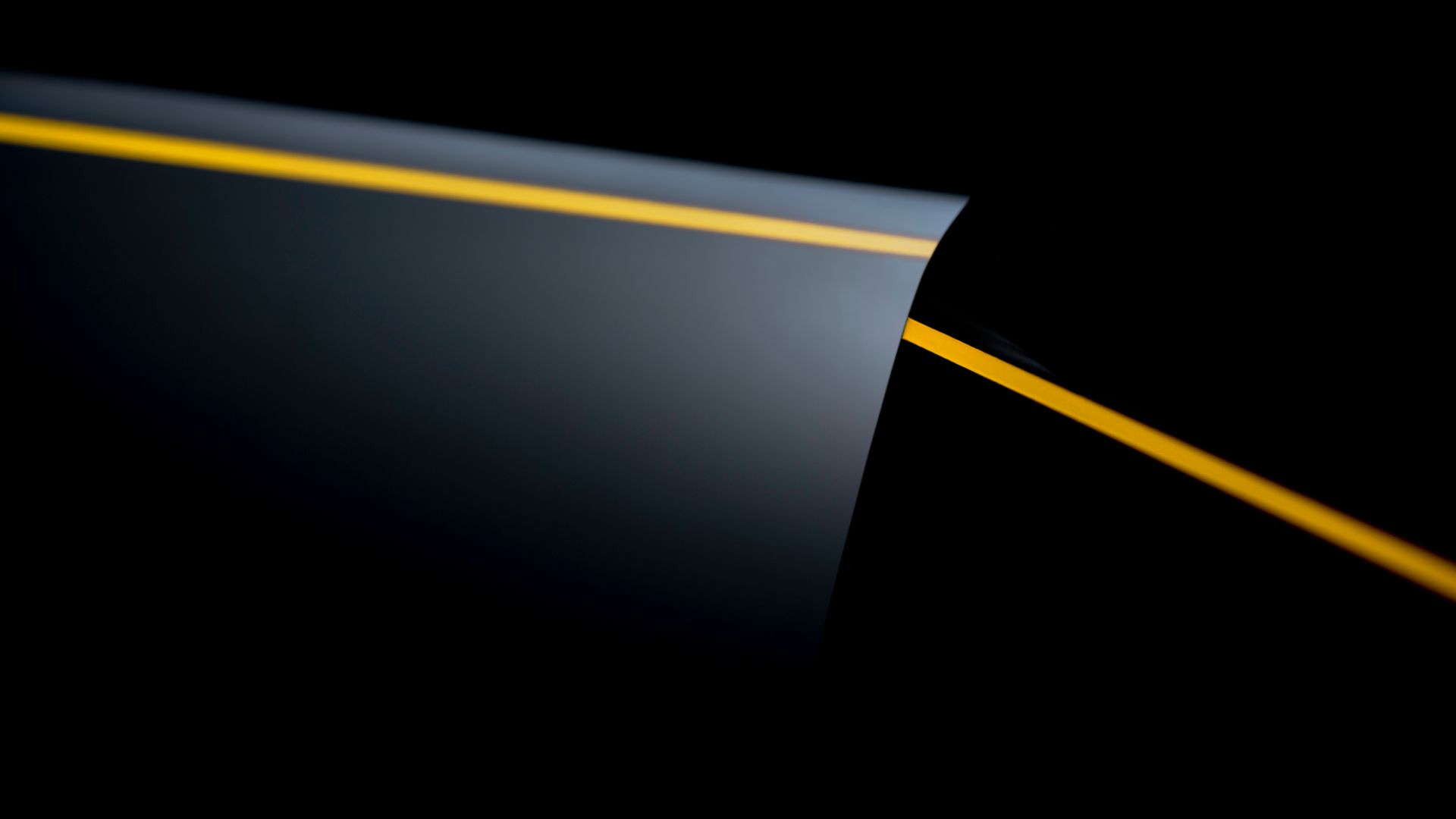
For starters, almost everything is black. The paint is made from multiple layers of lacquer, with 10 processes of hand polishing. Rolls-Royce calls it ‘the most comprehensive surface finish process ever applied to a solid paint colour’. Spot the contrasting, hand-painted coachline, too.
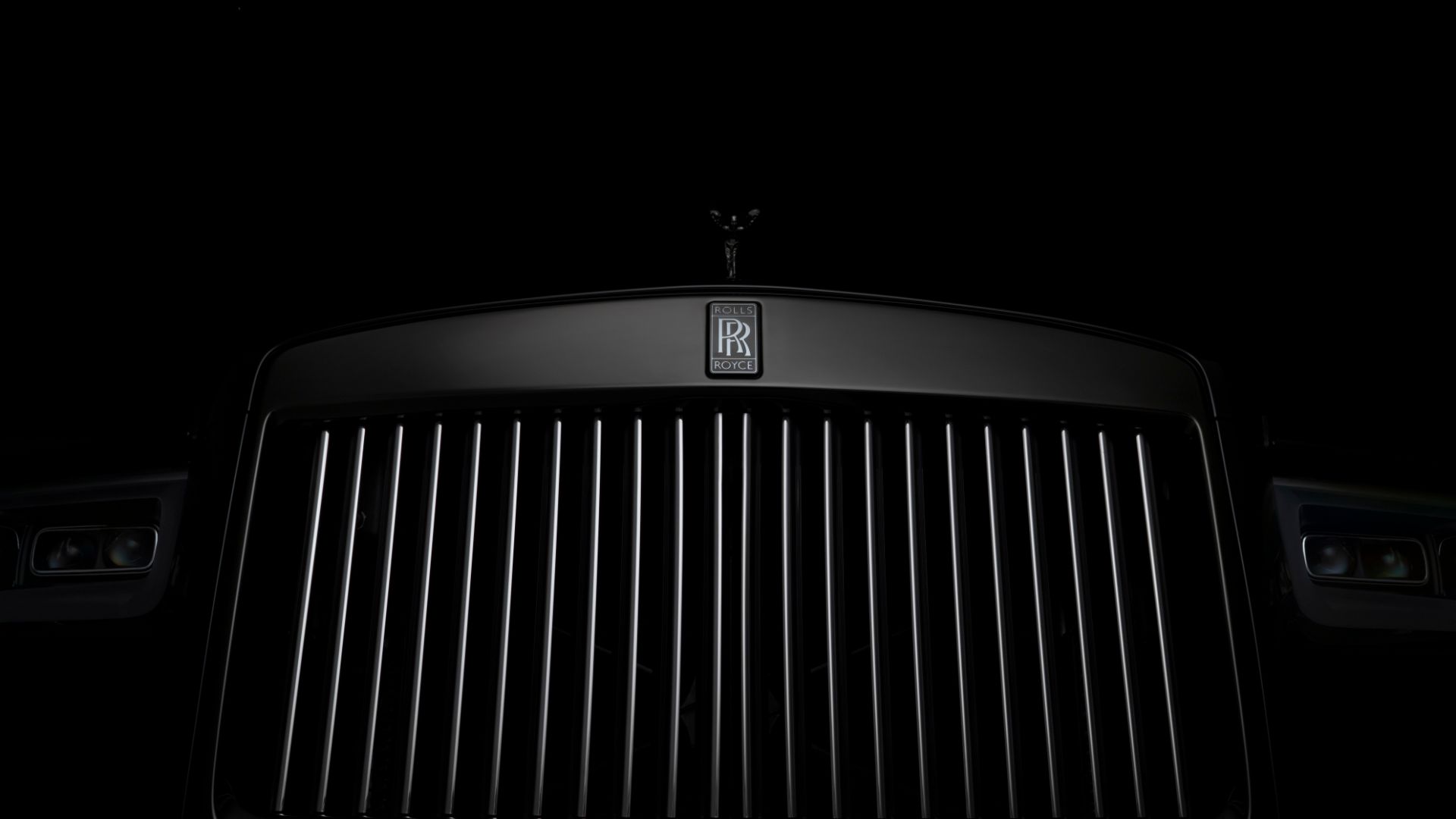
The Spirit of Ecstacy mascot is finished in high-gloss black chrome, as is the mounting plate for the first time. It’s ‘the darkest Black Badge yet’, says Rolls.
Most chrome surfaces are also darkened, including the enormous grille surround, boot handle, lower air intakes and exhaust pipes. The grille slats remain polished, however.
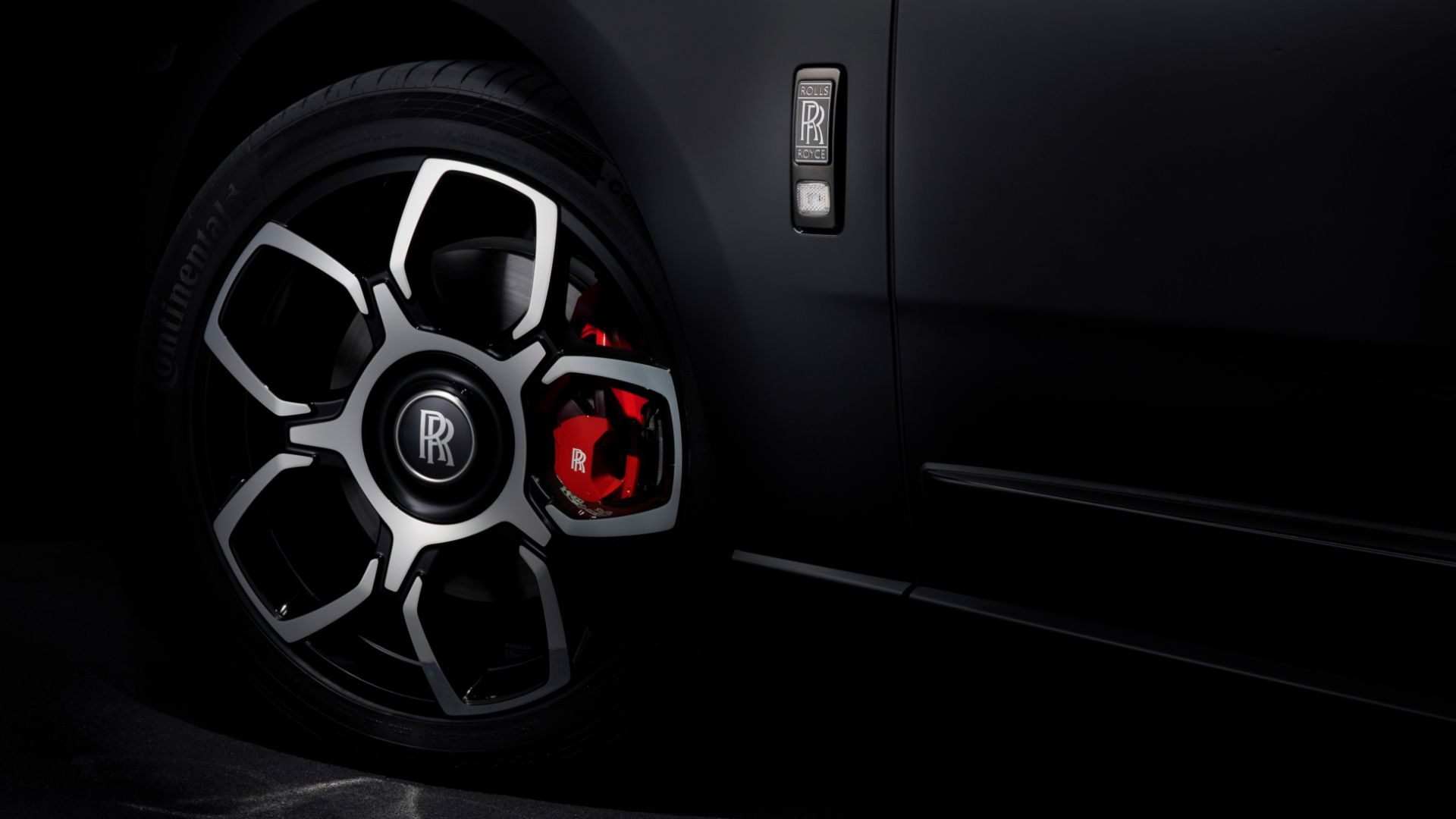
New and exclusive for the Black Badge are the 22-inch forged alloy wheels, which have a diamond-turned surface. The brake calipers are painted red.
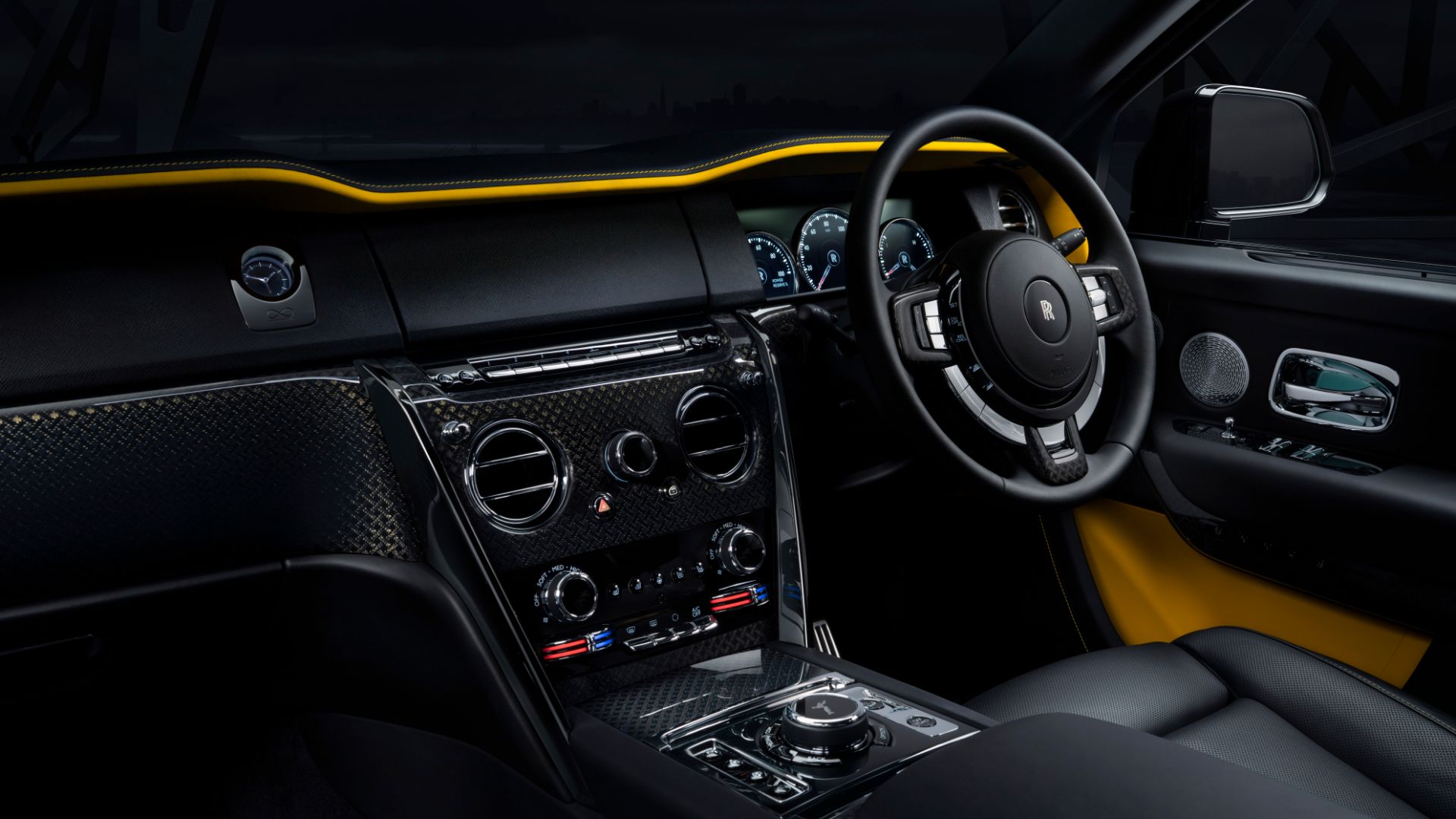
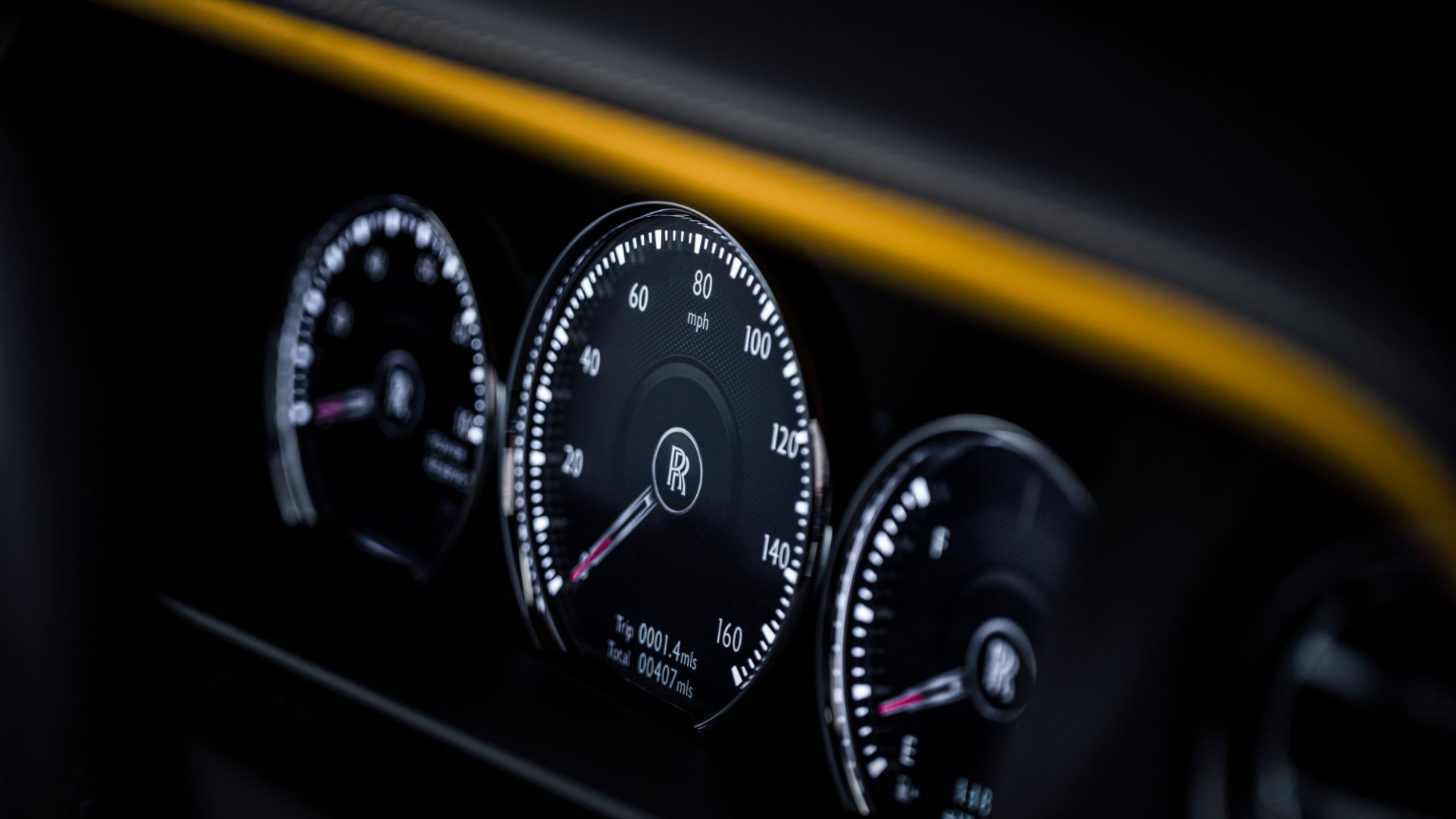
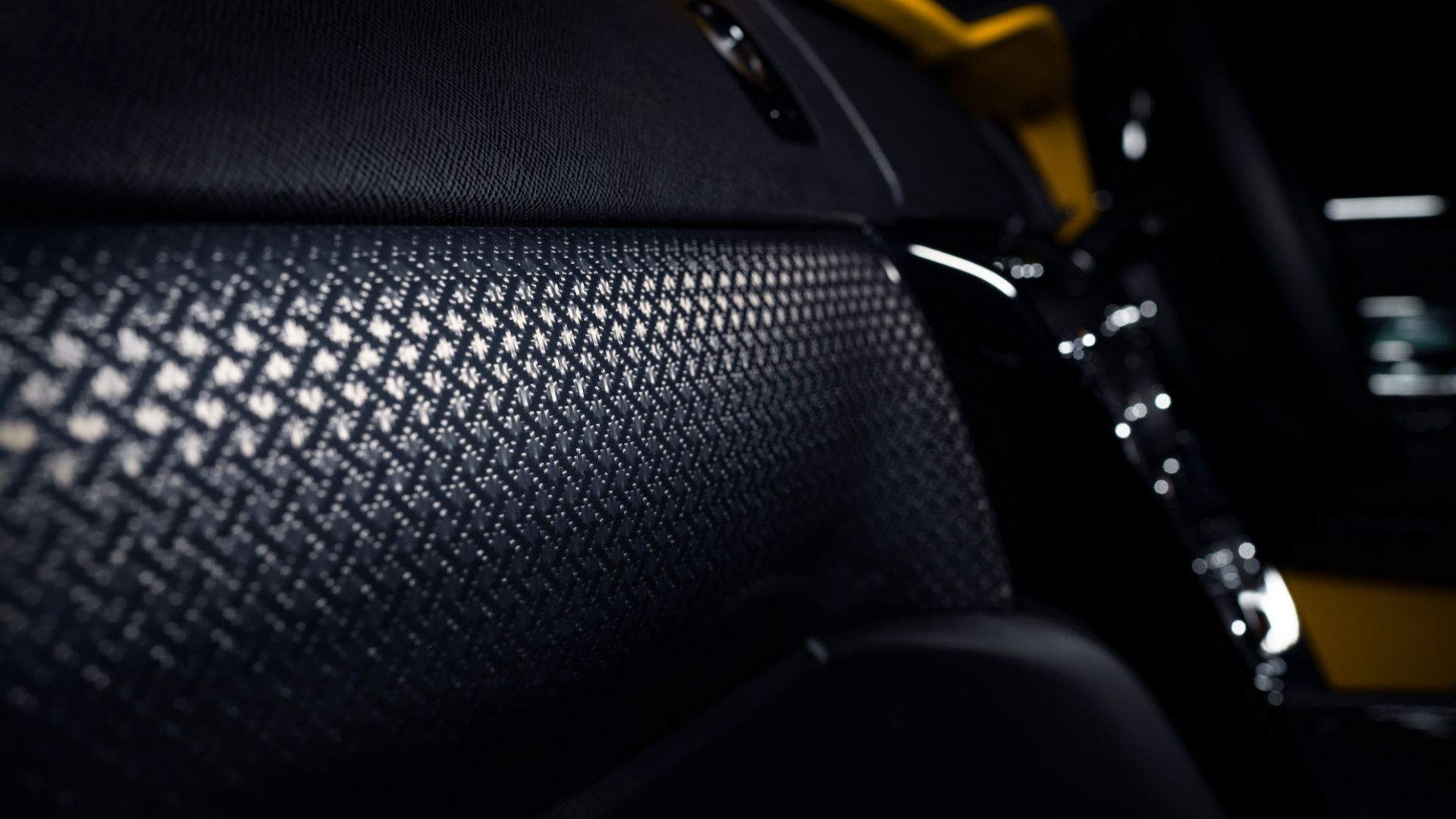
Inside the Cullinan Black Badge is what Rolls-Royce calls a ‘technical carbon veneer’, apparently inspired by urban architecture. Shaping, lacquering and curing the material is a 21-day process.
Black Badge, bright cabin
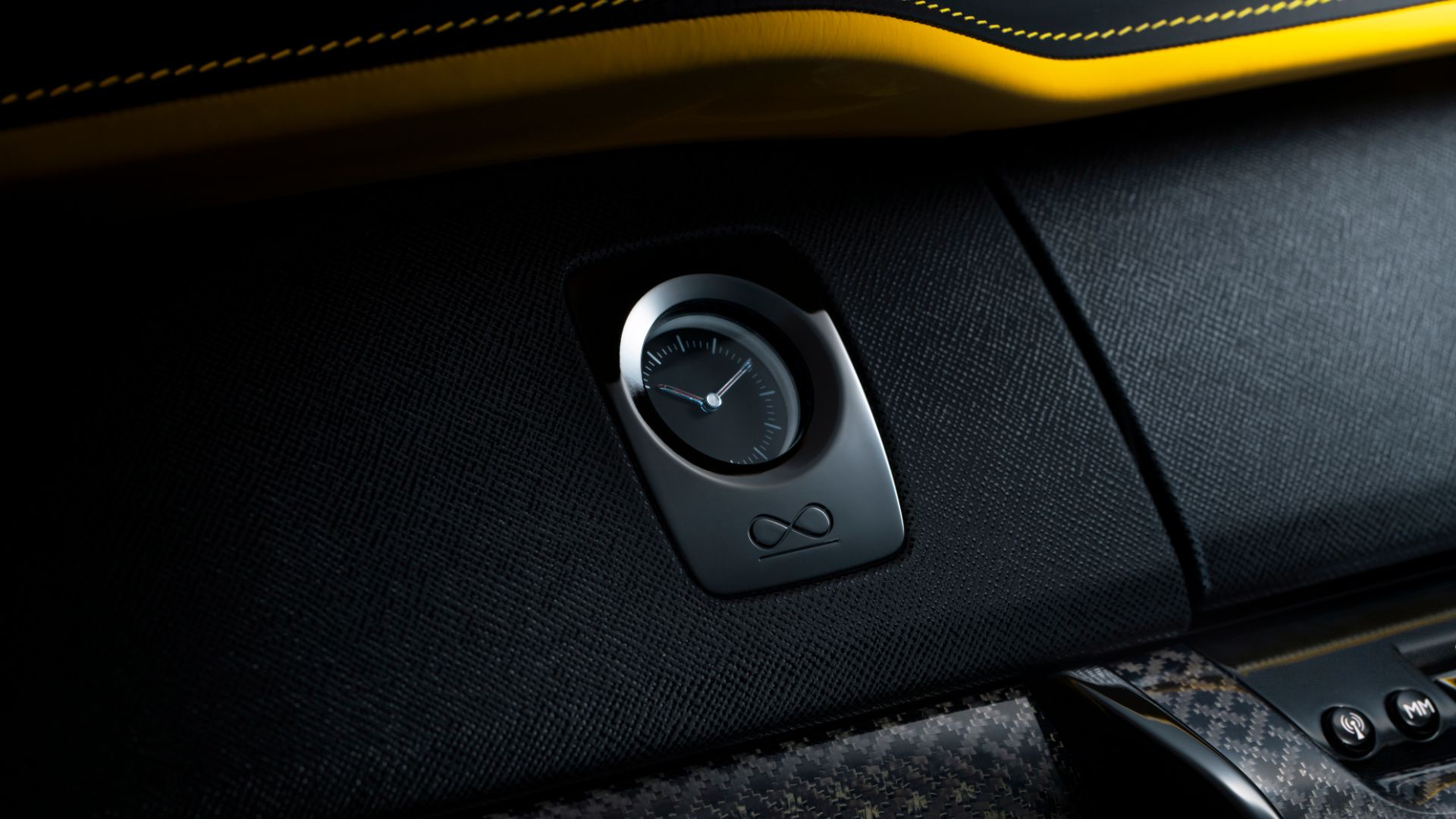
The cabin of the Black Badges is where owners often choose contrasting colours. In the car seen here, it’s new Forge Yellow. The interior is softly lit by the now-traditional starlight headliner.
While the Black Badge offers more oomph, performance is implied rather than highlighted in a Rolls-Royce. The 6.75-litre V12’s output rises to 600hp and 663lb ft of torque.
“Black Badge reflects the desires of a distinct group of Rolls-Royce clients: men and women who take risks, break rules and build success on their own terms,” said Torsten Müller-Ötvös, CEO of Rolls-Royce.
“The time has come for Rolls-Royce’s boldest and darkest expression of Black Badge yet. The King of the Night, Black Badge Cullinan.”
2019 is already turning out to be another another vintage year for car enthusiasts, with an ever-increasing number of motoring events to attend. Here, we have researched some of the UK’s biggest and best car shows and motorsport events, along with a selection of European shows within easy reach of French ports.
We’ll be adding to the list throughout 2019, so be sure to bookmark this page. Alternatively, get in touch if you fancy adding your own event to our list.
Classic Motor Show – 8-10 November
If you’re looking for a reason not to put your classic car into hibernation, this could be it. The Classic Motor Show is held at the NEC, were more than 3,000 classics are expected to go on display in an area the size of 18 football pitches.
If you’d like to see your event included in our next update, get in touch with us. Happy motoring.
The one’s you’ve missed… catch ’em in 2020!
Sunday Scramble – 6 January
Bicester Heritage welcomed around 5,500 car enthusiasts for the last Sunday Scramble of 2018, and the promise of good weather could tempt a similar number out of their beds for the first event of 2019. What better way to kick off the motoring new year? The Sunday Scramble will continue throughout 2019.
Haynes Breakfast Club – 6 January
Alternatively, car fans in the South and South West might prefer to head to the Haynes Motor Museum for the first Breakfast Club of the year. The museum, which is located just off the A303 in Somerset, is home to around 400 cars, while the cafe opens at 9am on Breakfast Club Sundays. These events are free to attend and held on the first Sunday of each month.
Autosport International – 10-13 January
Autosport International is the biggest pre-season motorsport show, bringing together racing, automotive and engineering sectors under the roof of Birmingham’s National Exhibition Centre (NEC). Highlights include a live action arena, the Silverstone Auctions Autosport sale and a celebration of 50 years of Formula 5000.
Mini Fair 2019 – 27 January
Champagne corks will be popping at the Staffordshire County Showground as the classic Mini celebrates its 60th anniversary. This is also the 20th year of MINI Fair, with thousands of people expected to attend this event organised by the British Mini Club. Highlights include a Mini Jumble, Pride of Ownership competition and club displays.
Great Western Classic Car Show – 9-10 February
The Footman James Great Western Classic Car Show is the biggest event of its kind in the South West of England, with thousands of car enthusiasts converging on the Royal Bath & West Showground.
Retromobile – 6-10 February
Retromobile is held in the largest and most prestigious hall at the Porte de Versailles Exhibition Centre, Paris, a location befitting an event of this stature. This year, highlights include a celebration of 100 years of Citroen and 45 years of the Peugeot Renault Volvo (PRV) V6 engine.
London Classic Car Show – 14-17 February
Ian Callum, Jaguar’s director of design, will receive The London Classic Car Show Icon Award 2019 at this year’s event, where you’ll also see a tribute to The Italian Job film, which is celebrating its 50th anniversary in 2019. The London Classic Car Show is held at Excel London from Valentine’s Day.
Caravan, Camping and Motorhome Show – 19-24 February
The Caravan, Camping and Motorhome Show is the largest showcase of motorhomes, campervans, caravans, caravan holidays and lodges in the UK. The latest 2019 touring caravans and motorhomes will be on display, along with a new-for-2019 Camping Zone. Head to Birmingham’s NEC if caravans float your boat.
Race Retro – 22-24 February
At the end of February, all motorsport roads will lead to Stoneleigh Park for the Race Retro international historic motorsport show. Highlights include a live rally stage, ‘arrive and drive a classic car’, Pride of the Paddock and a Silverstone Auctions sale.
Practical Classics Restoration Show – 22-24 March
Last year’s Practical Classics Classic Car & Restoration Show attracted around 28,000 visitors across three days, with 150 car clubs also in attendance. Highlights include the UK’s biggest ‘barn-find’ display, the Practical Classics Live Stage, the Lancaster Insurance Pride of Ownership competition and an autojumble. Head to the NEC at the end of March.
Britcar, Silverstone – 30 March
The Britcar Endurance Championship gets underway at Silverstone on 30 March, with further races at Brands Hatch, Donington, Oulton Park and Snetterton. At the time of writing, the dates remain provisional, so be sure to check the Britcar website for more details.
BTCC, Brands Hatch – 6-7 April
Brands Hatch will host the curtain-raiser of the 2019 British Touring Car Championship in April, before the BTCC juggernaut heads to Donington Park at the end of the month, Thruxton in May, Croft and Oulton Park in June, Snetterton and Thruxton in August, Knockhill and Silverstone in September, before culminating at Brands Hatch in October.
Techno-Classica Essen – 10-14 April
Techno-Classica Essen is a European classic car show with a global reputation, with around 1,250 exhibitors from 30 countries. In 2018, the event attracted 188,000 visitors from 41 different nations. Essen is a four- to five-hour drive from Calais.
The Easter Motor Show at Weston Park – 21-22 April
Happy Easter! If you’re trying to escape Easter Egg temptation, why not get along to Weston Park in Staffordshire for The Easter Motor Show, a new classic vehicle event. The organisers are promising plenty of cars plus trade stalls, a craft tent, a special classic commercial theme – and even some contemporary cars from invited modern vehicle dealerships. Adults tickets cost £10, kids aged 4-16 are £5, and a family ticket is £25.
Donington Historic Festival – 3-5 May
At the time of writing, the timetable for the 2019 Donington Historic Festival hasn’t been announced, but if previous events are anything to go by, this is a must-visit event for fans of historic motorsport. ‘Early bird’ tickets are available until the end of January.
Gaydon Land Rover Show – 11-12 May
Hundreds of Land Rovers will be on display at the Gaydon Land Rover Show in May. Owners can enter their vehicle for just £7, giving entry to display the Land Rover, as well as admitting the driver and one passenger to enter the show for the weekend. The event is held at the British Motor Museum, which is five minutes from junction 12 of the M40.
Beaulieu Spring Autojumble – 18-19 May
The Beaulieu Spring Autojumble is 25 years old in 2019. To celebrate, organisers are encouraging all jumblers to decorate their stands in a silver theme – and as over 1,000 stands are expected, it should be quite the spectacle. The fast-growing Land Rover Rummage is another highlight of the Spring Autojumble: bargain-hunting starts at 10am on both Saturday and Sunday.
Power Maxed MotoFest Coventry – 1-2 June
Formerly known as the Coventry MotoFest, the Power Maxed MotoFest Coventry is ‘a unique blend of motorsport demonstrations, static displays, live music and anything else with a connection to Coventry and transport’. The organisers are hoping to make it the ‘Edinburgh Festival of motoring’. Nice.
Goodwood Breakfast Club: Supercar Sunday – 2 June
The latest FREE TO ATTEND Goodwood Breakfast Club is celebrating all things supercars – and Motoring Research will be there, in a bright blue brand new Audi R8 V10. Look out for our logo and come along to say hello!
Classic & Performance Car Spectacular – 1-2 June
Tatton Park, Cheshire, is the venue for the Classic & Performance Car Spectacular on 1 and 2 June. Around 2,000 cars will be on display, along with 250 stalls and 90+ clubs. If you miss this one, Tatton Park will also play host to a Classic American show in July and a ‘Passion for Power’ show in August.
The Isle of Man TT – 1-7 June
The fastest road race on the planet gets underway on Saturday 1 June, although qualifying begins on Saturday 25 May. All eyes will be on the Isle of Man as the world’s bravest riders test their mettle on the formidable 37.73-mile course.
London Concours – 5-6 June
Billed as the ‘ultimate automotive summer garden party’ London Concours takes place at the Honourable Artillery Company, in the heart of the city. More than 100 high-end classics and supercars were on show last year, from American muscle to a McLaren F1. Tickets for the 2019 event are on sale now, priced from £35.
Le Mans 24 Hours – 15-16 June
The 87th running of the Le Mans 24 Hours will take place on 15-16 June, and for the first time ever, the event will mark the end of the World Endurance Championship. Qualifying begins on 12 June and Le Mans is located less than three hours from the ferry terminals at Cherbourg, St-Malo and Le Havre.
MG Live – 15-16 June CANCELLED
Sorry, MG fans – the popular MG Live event has been CANCELLED this year, due to resurfacing work at the Silverstone circuit. The organisers are bitterly disappointed but hope the event can return in a new guise next year.
Bromley Pageant – 23 June
The Bromley Pageant is one of the world’s largest one-day classic car shows, with more than 3,000 vehicles expected to be on display in Kent. Highlights include an autojumble, trade village and a chance to meet Jimmy de Ville of Goblin Works Garage and Fifth Gear fame.
Goodwood Festival of Speed – 4-7 July
In 1993, Lord March hosted a hillclimb in the grounds of Goodwood House in Sussex and created the Festival of Speed. It has grown to become one of the world’s biggest and most famous motoring events, but the hillclimb remains central to its success.
In stark contrast to the Goodwood Festival of Speed, this is a show celebrating the vehicles produced by BMC, British Leyland and Rover Group. Convoys will run from the BMW Mini plant in Cowley and MG Longbridge, while the event will celebrate 60 years of Farina. Head to the British Motor Museum, Gaydon, if BL is your thing.
Japfest – 13 July
Fans of Japanese cars have two Japfest events to choose from – the Silverstone was in May, and the Donington round runs in July. Highlights include the Japfest Sprint Test, club displays and track time.
British Grand Prix – 12-14 July
With no deal in place beyond 2019, this could be the last time Silverstone hosts the Formula 1 British Grand Prix. In 2018, the British GP had the highest attendance of any race on the F1 calendar – will Silverstone’s fate be sealed before Lewis Hamilton and co. return to Northamptonshire?
Festival of the Unexceptional – 20 July
For 2019, the Festival of the Unexceptional will move to the Claydon Estate, Buckinghamshire, where everything from Marinas to Metros and Chevettes to Corollas will line up to compete in the Concours de l’Ordinaire. The event is open to classic cars and light commercial vehicles built between 1966 and 1996.
Silverstone Classic – 26-28 July
To some people, this is one of the highlights of the motoring calendar – a three-day, non-stop historic motoring racing extravaganza. Once in, there’s free access to the paddocks and grandstands, with displays from more than 100 car clubs featuring more than 10,000 classic cars (with more than 100,000 visitors expected over the weekend). Celebrations this year include 50 years of the Ford Capri and 60 years of the Mini.
Silverstone Classic 2019
Top racers will be in attendance too, including three-time BTCC champion Colin Turkington (pictured above), who’ll be driving an ex-Steve Soper BMW M3 racer. Other headline races include pre-66 touring cars, FIA Masters historic Formula One and a massive 60-car grid full of classic Mini racers.
CarFest North – 26-28 July
CarFest North takes place at Bolesworth Castle, Cheshire, where you can expect to find the usual mix of music, cars and family fun. BBC Children in Need will receive 50 percent of the total profits, with a number of other charities also benefiting from the proceeds.
Classics on the Common – July
For one Wednesday every July, Harpenden is invaded by classic cars as it plays host to the UK’s largest weekday car show. Classics on the Common takes place on our doorstep, so we’ll be there to bring you the most interesting cars from the event. Come and say hello.
Ford Fair – 4 August
Ford Fair is Europe’s biggest Ford event, with around 4,000 cars and 18,000 guests expected to flood Silverstone. You can expect the usual mix of showroom-quality vehicles, sprint tests and track time.
Ultimate Street Car – 9-11 August
Ultimate Street Car (USC) at Santa Pod Raceway is the ‘largest, loudest, hottest and fastest modified car festival in Europe’. Expect drifting, stunt displays, drag racing, music and tyre smoke. Lots of tyre smoke.
CarFest South – 23-25 August
CarFest South is like CarFest North, just further south. So, you can expect more of the same, only this time at Laverstoke Park Farm, Hampshire, at the end of August.
Salon Privé – 5-8 September
Salon Privé is a motoring event for fans of superlatives. ‘The most luxurious of garden parties set against the backdrop of Britain’s greatest palace (Blenheim Palace). Presenting the finest collection of supercars, hypercars and classic cars, along with a luxury retail village and exquisite cuisine, it is a truly unique experience’. Tickets are priced accordingly…
Concours of Elegance – 6-8 September
The Concours of Elegance 2019 will take place at Hampton Court Palace in September, with 60 of the finest cars ever built lining up in the Fountain Gardens. A number of car manufacturers will be attendance, including Ferrari, McLaren, Aston Martin and Geely.
Beaulieu International Autojumble – 7-8 September
If rummaging for oily car parts is your idea of a dirty weekend, the International Autojumble is the event for you. Some 2,000 stands are expected to fill the grounds of the Beaulieu Motor Museum, making it the biggest outdoor sale of motoring items this side of the Atlantic.
Goodwood Revival – 13-15 September
Step back in time at the Goodwood Revival. Visitors are encouraged to dress in period clothing at this event celebrating the golden era of motorsport. Tickets are available now and you’re advised to book early to avoid disappointment.
Wales Rally GB – 3-6 October
The 12th round of the FIA World Rally Championship drops in on Wales in October. Wales Rally GB takes place over four days of competition and each day is divided into a number of ‘Special Stages’.
Truckfest – 5-6 October
The TruckFest calendar draws to a close at the Newark and Notts Showground in October, but there are seven other opportunities to get your trucking fix. The TruckFest year kicks off at the East of England showground in May, before rolling into Wolsingham, Malvern, Edinburgh, Kent, Shepton Mallet and Knutsford.
London to Brighton Veteran Car Run – 3 November
In 2018, 400 pioneering veteran cars gathered in Hyde Park for the start of the annual London to Brighton Veteran Car Run. In total, nearly 90 percent of the starters made it to Brighton before the 4.30pm deadline to claim a finishers’ medal. How many will make it in 2019?
 This weekend will see a rare second-generation
  Produced for the 1978 and 1979 model years, the launch of the second-generation Ford Bronco was hit with several delays. The 1973 oil crisis saw full-size SUVs rapidly fall out of approval, with Ford pushing back the planned 1974 release date for the second-gen Bronco as a result.
  Whilst North America was the intended target for the second-gen Bronco, this particular example escaped across the Atlantic in April 1978. Ford UK shipped the Bronco to its Dunton Technical Centre, and registered it for use in the United Kingdom.
 According to the Silverstone Auctions, substantial amounts of paperwork are present to support the ownership of the Bronco by Ford UK. A subsequent transfer to Ford New Holland in 1991 is also covered by the included paper records.
  Opportunities to buy a second-generation Ford Bronco in the United Kingdom are limited at best. It means the chance to hook one officially imported from new is likely to appeal to fans of American metal.