Home Blog Page 314

Video: new Land Rover Defender spied in Bond movie debut

0

Land Rover Defender No Time To Die

The new Land Rover Defender will star alongside Daniel Craig in No Time To Die – the latest James Bond blockbuster, coming soon. It will join its great-grandfather, a Land Rover Series III, on the big screen, along with a Range Rover Classic and Range Rover Sport SVR.

Land Rover has released a behind-the-scenes video showing how the Defender took on gruelling tests during the filming of No Time To Die.

“Designing and co-ordinating the action sequences for the Bond franchise requires a non-compromising mindset,” said Lee Morrison, stunt co-ordinator on the film.

“We needed an unstoppable vehicle to help us battle against the elements, steep descents and river crossings, so we chose the new Defender. I’m beyond impressed that the Defender is not only back, but much, much better!”

The Defender 110s, finished in Santorini Black with darkened skid pans, 20-inch black wheels and off-road tyres, were the first to roll out of the new production facility in Nitra, Slovakia.

Daniel Craig’s Bond has some history with Land Rover. The marque previously prepared the Defender SVX and Range Rover Sport SVR for Spectre. Craig also posed as a valet to hijack a Range Rover in Casino Royale.

We look forward to our first taste of the new Defender soon, but we’ve already sampled some of its highly esteemed ancestors. It’s fair to say they left us shaken and stirred.

Driving 70 years of Defender history

Land Rover Defender: driving 70 years of history

The Isle of Islay, just off the west coast of Scotland, is home to around 3,000 inhabitants. Accessible from the mainland only by ferry or air, it’s an isolated place. Mobile phone signal is barely existent – and if you can get it, your operator will assume you’re abroad and charge you exorbitant rates.

It’s no surprise, then, that Rover managing director Spencer Wilks and his chief engineer brother Maurice liked to escape the West Midlands in favour of their family retreat on the island. Not that getting a mobile phone signal was a concern more than 60 years ago.

Although the Isle of Anglesey in North Wales is often considered the birthplace of the Land Rover (it’s where Maurice drew an initial sketch of the car into the sand), Islay is where it really developed as an idea.

So, we headed out to Islay to discover the island that inspired an iconic vehicle – and drive a line-up of the Defender’s predecessors.

Series I

Land Rover Defender: driving 70 years of history

The Series I, or simply the Land Rover as it was known back then, was introduced in 1948.

The example we’ve driven is owned by the Dunsfold Collection. Apparently it’s manager Phil Bashall’s pride and joy, and that’s evident from its simply immaculate condition.

The car is a 1954 Series I 107-inch pick-up – the equivalent of the last13 Defender 110 truck cab. There’s little evidence that it’s more than 60 years old, but there are little quirks that set it apart from the Defender that would come decades later.

The wipers, for example, are manually operated. An interesting concept on a wet Scottish island. And the speedo is set in the middle and bobs around telling you vaguely how fast you’re daring to go – with VMax from its 53hp 2.0-litre petrol engine somewhere around 50mph.

‘Charming’ is the word.

Series II

Land Rover Defender: driving 70 years of history

Technically, this isn’t a Series II, but a Series IIA. Cosmetically there’s little difference to the II, but at this point a 2.25-litre diesel engine was introduced to the Land Rover for the first time.

The Series IIA on Islay is a 2.25-litre petrol, however. The first vehicle we drive after landing on the island, it’s a quick lesson in driving older cars. With no synchromesh on lower gears, it requires double de-clutching. Combine that with brakes lacking in servo assistance, and we soon discover how difficult it is to slow down an old Land Rover while heading downhill into a twee Islay village.

The steering doesn’t help the experience, either. Driving in a straight line is tricky – something we put down to an ‘old Land Rover’ thing, but actually turned out to be a dodgy steering box.

Still, despite these issues, it’s hard to deny the Series IIA is a lovely vehicle in which to potter around a Scottish island. Made in 1965, it looks like something out of Heartbeat, while its 2.25-litre petrol engine provides adequate power for Islay’s minor roads.

Series III

Land Rover Defender: driving 70 years of history

This isn’t our first encounter with MJP 936W – a 1980 109-inch Series III. We first got to drive it around Land Rover’s off-road course in Solihull during a visit to the last Defender production line.

It’s as terrifying as I remember, with the turning circle of a bus and ancient drum brakes. But it’s also brilliant fun. By now I’m starting to get used to dropping down through the gears rather than relying on the brakes – a technique few of us use in our everyday driving.

It’s got the same 2.25-litre petrol engine as the Series IIA, but with a load of extra mass. It’s certainly more suitable for pootling around than getting anywhere in a hurry.

90 40th Anniversary

Land Rover Defender: driving 70 years of history

The launch of the 90 and 110 in 1983 represented a turning point for Land Rover that some hardcore enthusiasts still struggle to accept. It’s when Land Rover made the switch to coil spring suspension, instead of leaf springs.

Driving this Land Rover 90, it’s hard to argue that leaf springs are better in any way. Not only do the coil springs provide a more comfortable ride, they also give more axle articulation when off-road.

But that’s enough about suspension – what makes this 90 so special? Well, it was produced to celebrate 40 years of Land Rover production in 1988. The plan was to launch a limited run of 40 special editions, all bearing the number ‘40’ on the number plate. However, with the 1980s being a turbulent time for car production in the UK, strike action led to the project being cancelled.

Just two were built. This one was finished in traditional Land Rover Bronze Green paint, with even the wheelarches colour-coded. It was equipped with a khaki soft-top, providing a nod to soft-top models of earlier Land Rovers.

Driving it around Islay, there’s just something about it that feels so right. Possibly the perfect compromise between old and new, it’s easy to drive, but still feels like you’re driving a classic vehicle.

110 V8 County Station Wagon

Land Rover Defender: driving 70 years of history

The 110 County Station Wagon represents a shift away from farmers’ workhorses to recreational family vehicles. With more comfortable seats than the regular 110, as well as a number of improvements over the years (from exterior stickers to a radio-cassette player), the CSW made the 110 genuinely desirable for the first time.

Powered by a 3.5-litre Rover V8, you’d expect the 110 CSW we drove on Islay to be pretty rapid. But with just 134hp and a weight nudging two tonnes, it’d struggle to keep up with a newer Transit-engined Defender (and certainly not the new Defender). Still, if you do boot it (and try not to think about the fuel bills if you do), it does at least sound good.

The extra length of the 110 compared to the 90 can also make things tricky off-road – while negotiating a narrow, rocky descent onto a beach, for example, the shorter vehicles were much happier to lift a wheel and get on with it.

Defender 90 Heritage Edition

Land Rover Defender: driving 70 years of history

Launched as a final send-off for the Defender, our first impressions of the Heritage edition are that it looks stunning in its Grasmere Green paintwork.

After driving its predecessors, it even feels modern. And that’s not something we’d expect to write about a Defender.

The 2.2-litre TDCI diesel is quite vocal, but it does have a degree of performance to go with it. By that we mean it’ll keep up with normal traffic, just.

It’s still definitely a Defender, though. The whole experience is a bit Marmite. However, if you’re of the Defender mindset, you’ll love it. We suspect the all-new car will be less of a departure from ‘normal’ cars.


Advertisement

Is this really the best UK city for drivers?

0

Birmingham is best city UK for drivers

A new study has named the 100 best and worst cities for drivers. It doesn’t make particularly good reading for UK motorists.

Indeed, the highest ranked UK city is down in 27th position, while only 10 make the overall top 100.

The study focuses on three main categories: infrastructure, safety and costs. Within these, it looks at factors such as congestion, quality of roads, air quality, fatality rate and cost of parking. Each city is given a score out of 100.

Calgary is named number one, scoring 100 percent. The city finished ahead of Dubai (97.87 percent) and fellow Canadian city Ottawa (96.60 percent). Swiss city Bern finishes fourth overall, making it the highest ranked European metropolis.

Birmingham has the honour of flying the flag for the UK, which might come as a surprise to anyone who commuted to work in the West Midlands city this morning.

Glasgow is ranked 30th, ahead of Liverpool (32nd) and Leeds (36th).

On the plus side, Manchester is ranked first for fatalities per 100,000 inhabitants, London is fourth for public transport, and Glasgow is second for average speeds in the city. These are the only top 10 finishes for any UK city, however.

Top 10 cities (plus UK locations)

Calgary best city for drivers

Rank City Score
1. Calgary, Canada 100
2. Dubai, UAE 97.87
3. Ottawa, Canada 96.60
4. Bern, Switzerland 96.23
5. El Paso, USA 96.01
6. Vancouver, Canada 95.99
7. Gothenburg, Sweden 95.66
8. Dusseldorf, Germany 95.36
9. Basel, Switzerland 95.28
10. Dortmund, Germany 95.27
27. Birmingham, UK 90.53
32. Liverpool, UK 89.33
36. Leeds, UK 87.76
40. Belfast, UK 87.25
43. Manchester, UK 86.88
49. Bristol, UK 86.06
63. Brighton, UK 81.47
67. Edinburgh, UK 81.00
76. London, UK 77.58

As for the worst cities for drivers, Mumbai finished bottom with just a single point. Nine out of 10 of the worst performing cities are in Asia, Africa and Latin America.

Moscow, Athens and St Petersburg are the lowest ranked European cities.

You should avoid Ulaanbaatar if you’re not a fan of confrontation. The Mongolian capital is also the road rage capital, finishing just behind Moscow and Karachi.

Click here to view the results in full, including the scores for the 15 individual categories.

Advertisement

Monthly car subscription service launched in the UK

0

Hertz car rental My Weekend

Car rental giant Hertz has launched a new monthly subscription service in the UK.

My Hertz Weekend is now available in the UK, France, Germany and Spain, following a successful trial in Italy.

Hertz claims it’s a ‘cost-effective alternative to vehicle ownership’. It offers customers access to a car from Thursday to Monday, with prices starting from around £220 a month (£275 in London).

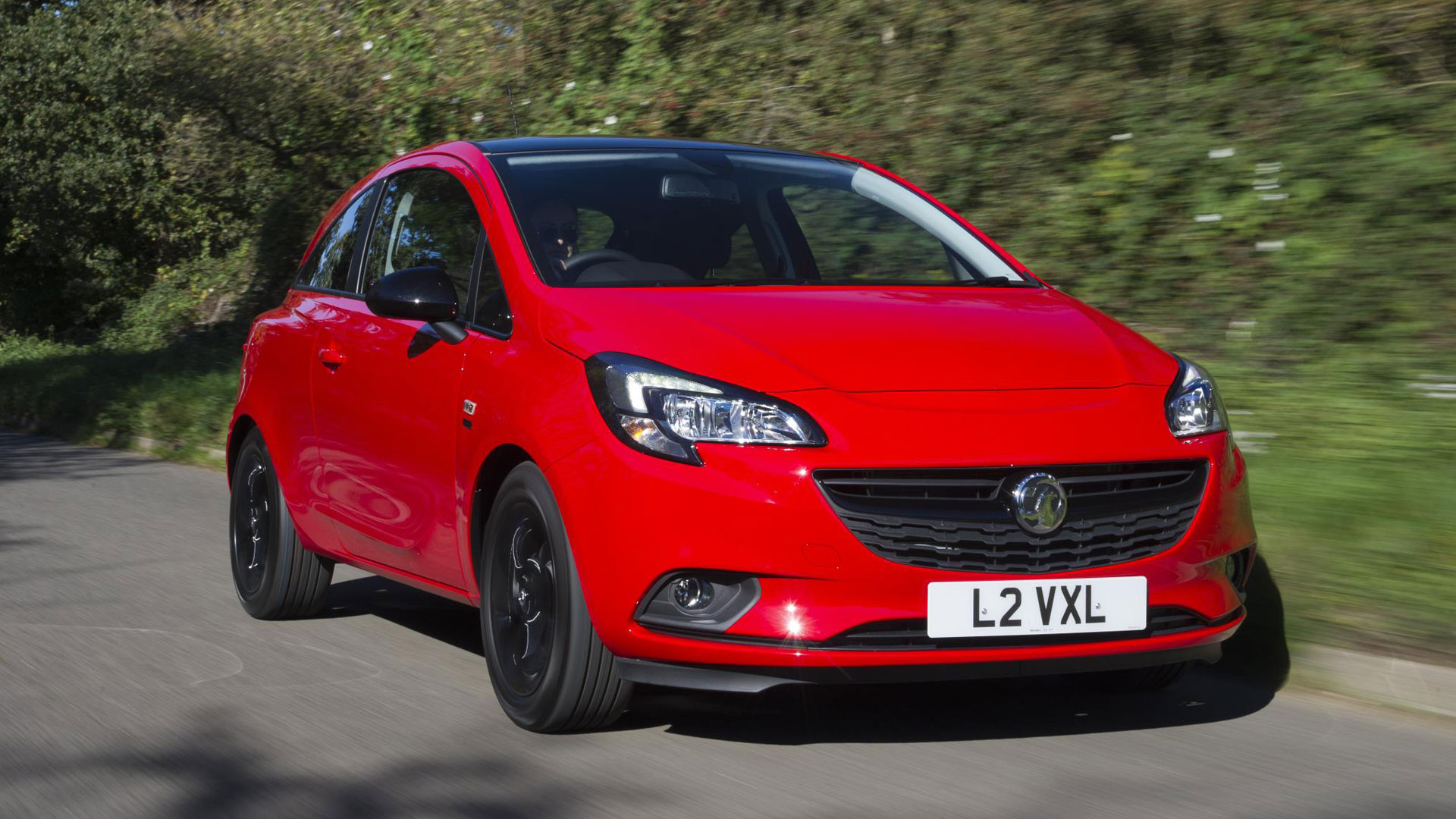
Three classes of cars are available: small, medium and large. The Vauxhall Corsa, Vauxhall Astra and Skoda Octavia are the examples used on the Hertz website.

The subscription service should appeal to so-called ‘Generation Rent‘ customers, who are accustomed to paying monthly for their accommodation, music, games and videos.

Subscribers can collect their car from one of 50 European locations, including London (St Pancras), Oxford, Edinburgh, Glasgow and Manchester.

Collection can be arranged as early as 2pm on Thursday, with cars due back before 12 noon on Monday.

There’s no joining fee, but renters must be members of Hertz’s Gold Plus Reward’s loyalty scheme. The monthly fee includes unlimited mileage, theft protection, collision damage waiver, taxes and an additional driver allowance.

Customers must return the car with a full tank of fuel to avoid extra charges.

‘Shift in attitude‘

Vauxhall Corsa

Vincent Gillet, vice president marketing, said: “Following the launch of My Hertz Weekend in Italy in May, we’ve had very positive feedback, which encouraged us to expand the service to more locations across Europe.” 

“A convenient alternative to car sharing and leasing, My Hertz Weekend responds to the current shift in attitude regarding car ownership as well as to the growth in the renting and subscription economy.

“We are confident that it will tackle the needs of customers who, for instance, live in a city and don’t need a vehicle during the week, or families that own a car but need a second car during the weekend.” 

For urban residents who use public transport to commute to work during the week but require access to a car at weekends, the Hertz subscription service could be a cost effective alternative to car ownership or traditional car rental.

Right now, the service is available in five UK cities, but Hertz says more city-based branches will follow. No bookings are required – a car will be available for collection every weekend of the month(s) subscribed.

Advertisement

Opinion: STOP binning car service histories

0

STOP binning car service histories

I know how much the original owner of my Citroen AX GT paid for the car when it was new in September 1989. I also know that he paid £92 for black paint.

I know how much a chap paid for my 1993 Volkswagen Corrado VR6 in 1997, and that he part-exchanged a 1988 Audi Coupe with 52,000 miles on the clock.

I know that in 2009, a new air conditioning condenser was fitted to my Peugeot 406 Coupe because the old one ‘was not getting cold’.

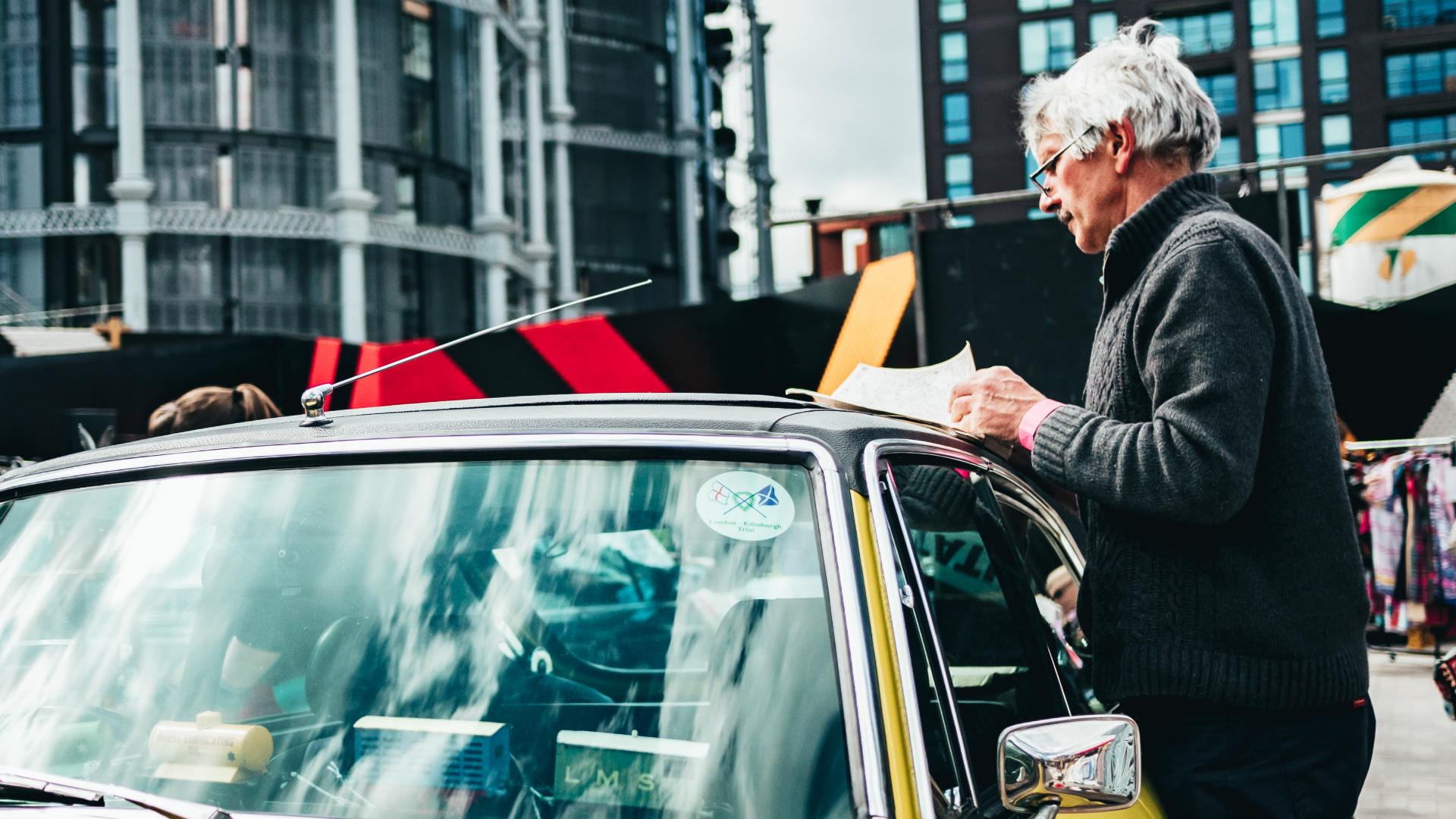
For me, having a full and detailed service history is almost essential. It’s part of a car’s provenance. A biographical insight into the car’s previous life, presented in chronological order.

A stamped service book isn’t enough. These are mere thumbnails, telling just part of the story. Who’s to say what work was done and to what extent? What parts were used? Was the car given a minor service when a major overhaul was due?

A fully stamped book backed by a wedge of receipts and invoices is the holy grail. Without them, your car’s history is as hollow as a politician’s pre-election speech.

‘Get out of litigation free’

Car dealer with receipt

But there’s a problem. In the age of GDPR – and with dealers in fear of litigation – showrooms are alive with the sound of shredders, busy making service histories a thing of the past.

I’ve heard reports of car dealers trashing service records because they contained the names and addresses of previous owners. This removes a layer of provenance from the car, particularly if it’s a classic, and could reduce its value by thousands of pounds.

Figures vary, but this report suggests a car without service history could be worth up to 40 percent less than an equivalent car with a comprehensive CV. I’d wager that in the world of historic racing cars and multi-million dollar classics, the difference could be night and day.

This isn’t a problem confined to someone like me, who gets joy – yes, joy – from finding an older car with original number plates, dealer stickers, an unused cigarette lighter, and more receipts than a sales rep’s glovebox.

In the case of a car still under warranty, if something goes wrong and the car hasn’t been maintained to the manufacturer’s schedule, the cover could be invalid. A stamp in a service book isn’t going to change that.

You can’t blame the car dealers. With the spectre of GDPR looming large – not to mention the prospect of crippling fines – recycling a tome of printed invoices is a quick ‘get out of litigation free’ card.

That said, there’s a broader concern that some unscrupulous sellers could use GDPR as an excuse to remove all traces of some of a car’s less savoury former life or to fabricate recent work. This problem was present in pre-GDPR days – how many invoices magically found their way into the bin when it was time for the car to be sold?

If in doubt, scrub it out

Man inspecting service history

New research from Cap HPI shows that 75 percent of motorists would be put off buying a car without a full service history, so this concern isn’t the preserve of sad anoraks like me.

Is it too simplistic to suggest that a seller who doesn’t want their name and address passed on to the next owner takes a black pen to the receipt? Maybe a pair of scissors would come in handy, but do ask an adult to help you with these.

Could a concerned car dealer adopt a similar approach? If in doubt, scrub it out. But please, don’t chuck it away.

According to Lawgistics, “It is fine to hand over documents about a car’s history to a new owners. Dealers wanting to follow this approach should add a sentence to reflect this processing usage in their privacy notice”. Please seek legal advice of your own.

Moving forward, could franchised dealers and independent garages produce invoices and receipts that contain no personal details? If they show the car’s make, model, registration plate, VIN number and mileage, that ought to be enough.

Common sense is required, please, before anyone gets too trigger happy with the shredding machine.

In case you’re wondering, Mr [name redacted] paid £7,634.90 for the AX. Money well spent, sir. Money well spent.

Advertisement

BMW tech will make your phone into a key for any car

0

BMW digital key

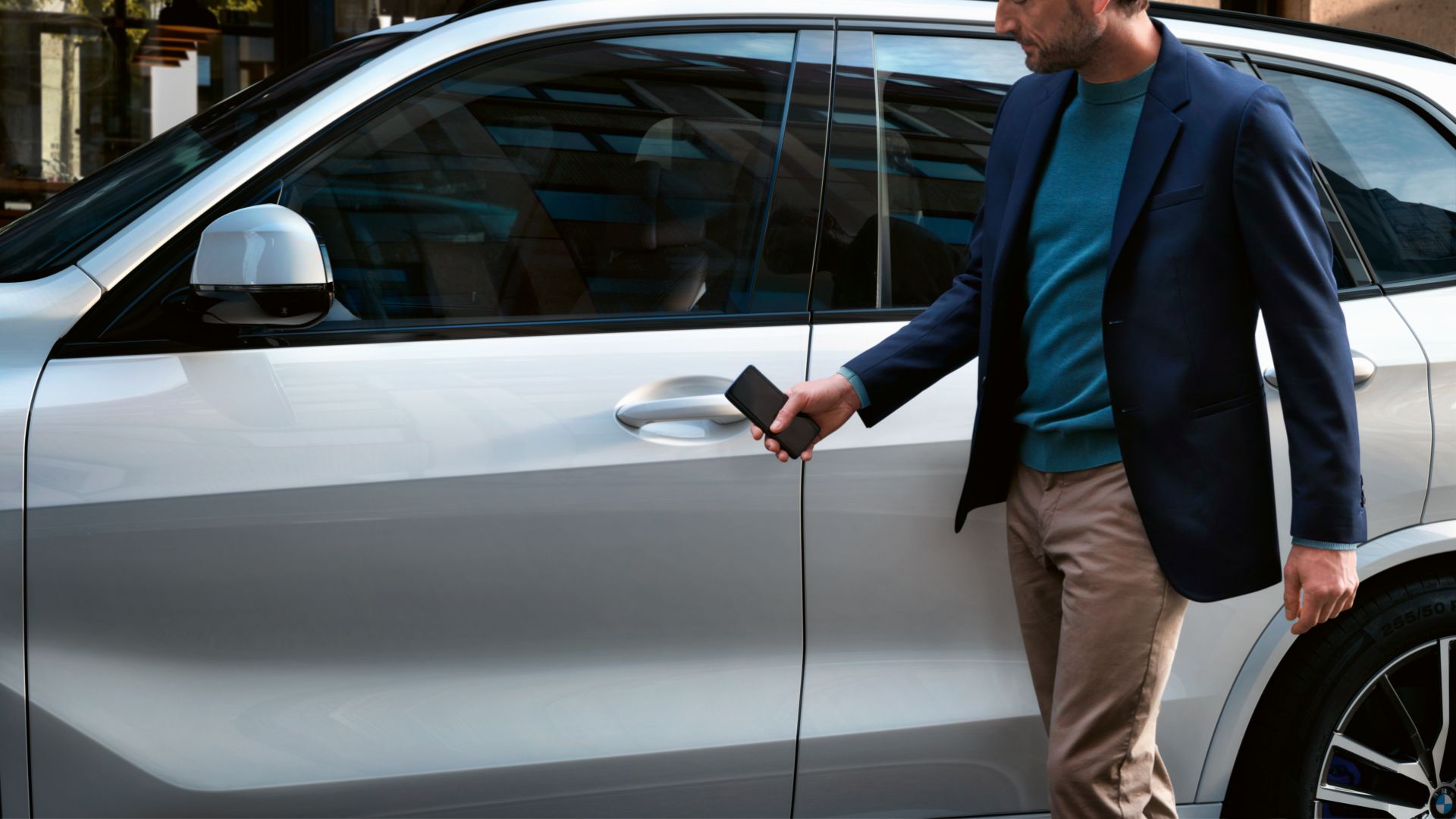
BMW has announced plans to further develop smart device capabilities for its cars – and those of others. It wants to advance beyond its existing BMW Connected application, which can already lock, unlock and start a car via a smartphone.

BMW joined the Car Connectivity Consortium in 2017, pursuing the standardisation of technologies and car security across the car industry. Its vision? Something like an app that has all of your cars in, which you select as if playing a computer game, with each car controlled in exactly the same way.

At least, that’s what a ‘standardised ecosystem for vehicle access that will enable new functions across multiple devices and different manufacturers’ sounds like to us.

BMW digital key

  • New ‘sleep mode’ fights keyless car thieves, but it isn’t foolproof

To achieve this ultimate digital key, BMW says there needs to be compatibility across all varieties of mobile device, including smart watches, and among all car manufacturers. 

“Our customers want cross-vendor interoperability,” said Dr Olaf Müller, head of development for digital access systems at BMW.

“Standardisation is the only way to achieve this; proprietary solutions are no longer beneficial.”

The next generation of digital key

BMW digital key

BMW will launch the second iteration of the digital key soon. It will feature a physical chip that means your car can unlock even if your phone is switched off.

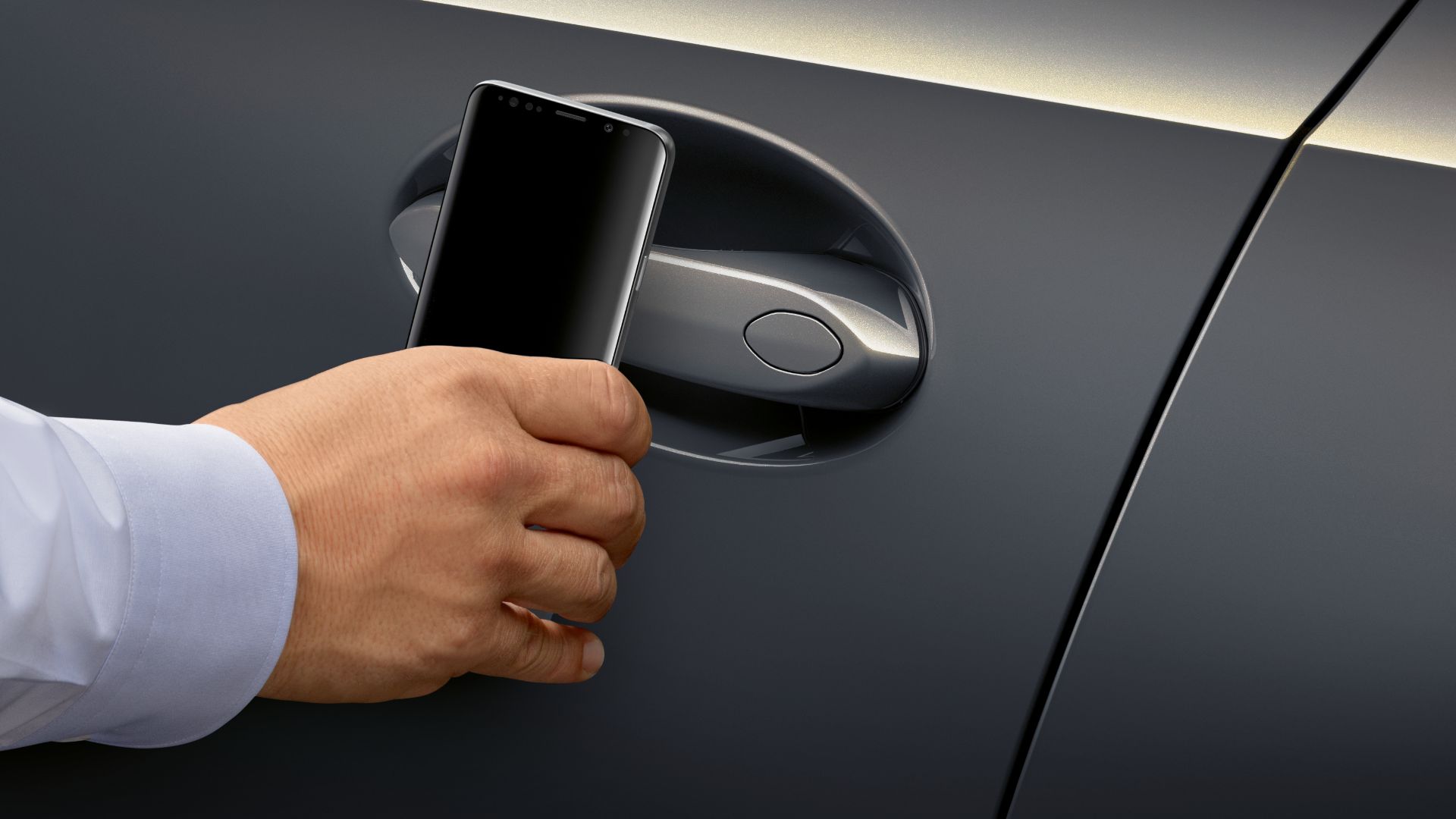
Future developments of this will mean the car and device will be better able to communicate with each other. That means you won’t have to hold your phone up to the door handle. The technology to enable this is already being deployed in current and upcoming smartphones.

Does this end the scourge of keyless car theft? There is obviously the question of this technology being hacked. However, security is apparently a top priority for the Car Connectivity Consortium. 

Advertisement

Formula 1 racing will be carbon-neutral by 2030

0

F1 net zero carbon 2030

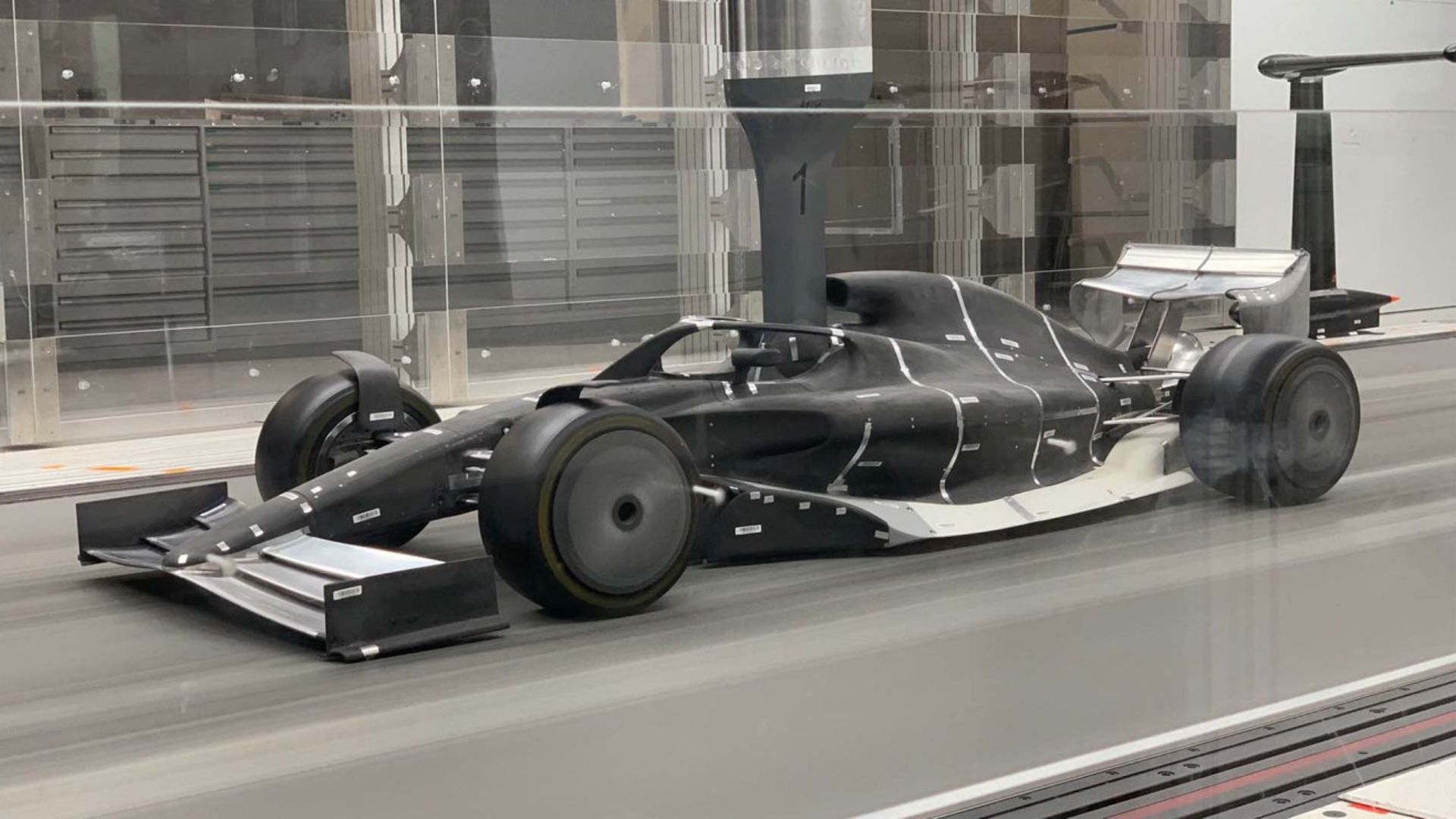
F1 has announced it plans to reach ‘net zero carbon’ by 2030, and make its events fully sustainable by 2025.

What does this mean for the sport? Could the electric F1 car be on its way? Judging by the comments so far, not yet. The key word here is net. There’s talk of using hybrid systems, advanced sustainable fuels and energy recovery systems to reduce the sport’s carbon footprint. 

F1 net zero carbon 2030

“‘With over one billion of the 1.1 billion vehicles in the world powered by internal combustion engines, it has the potential to reduce carbon emissions globally,” said Chase Carey, CEO of Formula 1. “Few people know that the current F1 hybrid power unit is the most efficient in the world, delivering more power using less fuel, and hence CO2, than any other car.

“We believe F1 can continue to be a leader for the auto industry and work with the energy and automotive sector to deliver the world’s first net-zero carbon hybrid internal combustion engine that hugely reduces carbon emissions around the world.”

F1 also plans to adapt the rest of its operation towards the goal of net carbon neutrality. This includes the most efficient logistics possible, plus using offices, facilities and factories that are 100 percent renewably powered.

2025 – sustainable F1 events

F1 wants its events to be sustainable by 2025, which means using sustainable materials at events, and recycling or composting all waste. It also wants to incentivise fans to travel to F1 using greener means.

“In launching F1’s first-ever sustainability strategy, we recognise the critical role that all organisations must play in tackling this global issue,” Carey continued.

“By leveraging the immense talent, passion and drive for innovation held by all members of the F1 community, we hope to make a significant positive impact on the environment and communities in which we operate. The actions we are putting in place from today will reduce our carbon footprint and ensure we are net zero carbon by 2030.”

Advertisement

Comparison sites add £60 to every car insurance quote

0

Insurance price comparison premiums

A new study reveals that 88 percent of new and young drivers aren’t aware of the added charges that obtaining insurance from a comparison website incurs. Such websites charge insurance companies a commission for policies sold via their platform.

In total, 61 percent of the 750 drivers surveyed said they believed price comparison websites were the best place to find cheap insurance. Just 11 percent said they contacted insurers independently after getting quotations from a comparison site.

Insurance price comparison premiums

  • Three in five young drivers admit to using their phone while driving

According to Honch, the insurance company behind the research, price comparison sites charge £60 per policy sold via their service. And that cost is passed on to policy buyers.

Unsurprisingly, once informed, 97 percent of those questioned said this was unfair.

Insurance price comparison premiums

“Drivers across the UK are being lulled into a false sense of security by price comparison websites, whose marketing tactics and friendly-faced company mascots can be very disarming,” said Gavin Sewell, CEO of Honcho. “However, these companies know exactly what they’re doing when it comes to squeezing a bit more money out of hard-pressed consumers and cover their tracks well

“We’re relieved that regulatory bodies such as the Financial Conduct Authority are beginning to break their silence on the issues currently plaguing the insurance sector and are looking to put measures in place to restore decorum to the industry.”

Advertisement

Europe mandates new car safety tech for 2022

0

Europe mandates extra car safety tech 2022

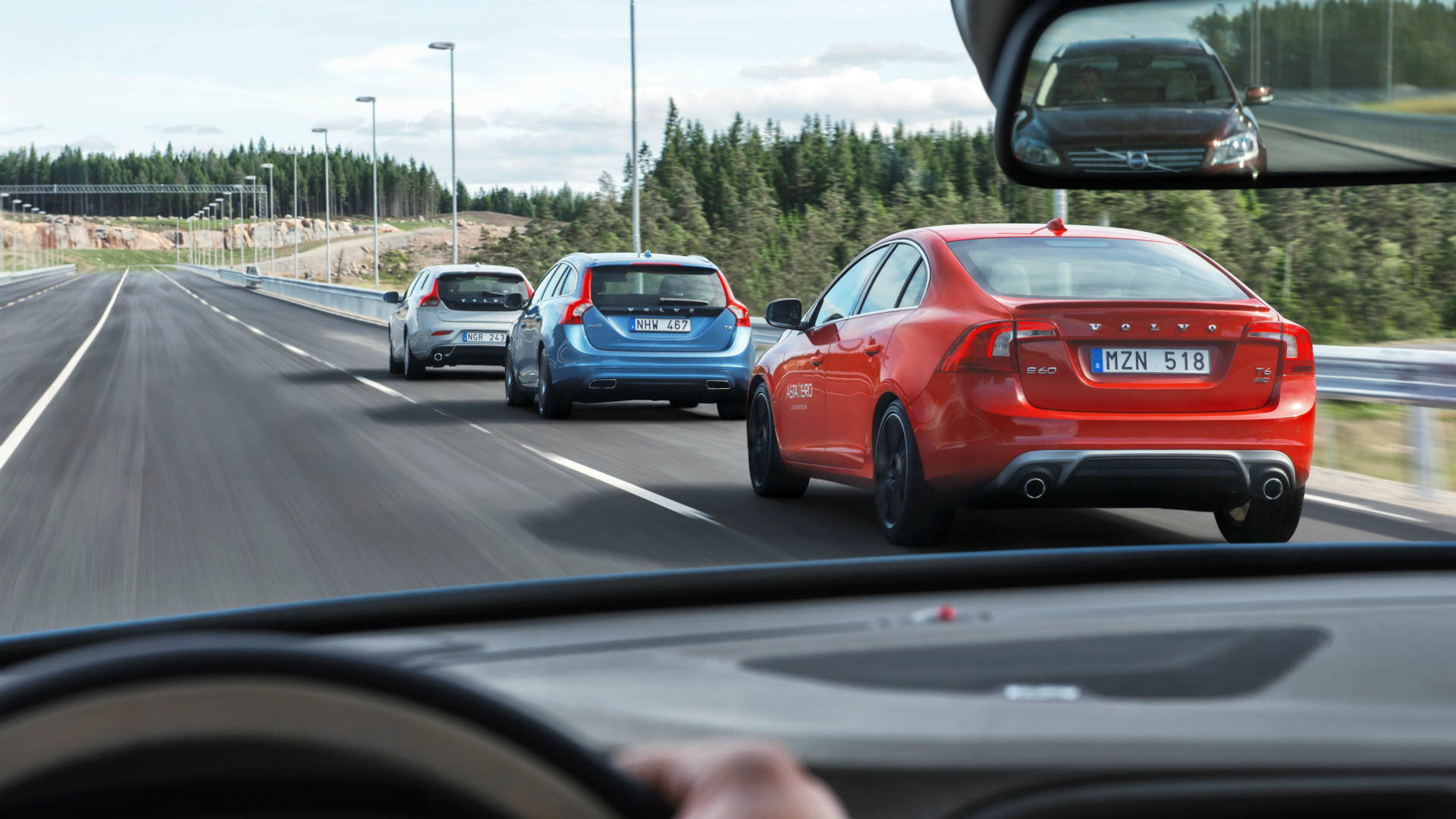
A raft of new safety technologies will become mandatory in European vehicles as of 2022. The overall aim: to protect passengers, pedestrians and cyclists.

Human error accounts for 90 percent of fatalities and injuries on our roads, says the European Commission. Advanced safety features will reduce the number of accidents and pave the way towards a connected and automated future, it says.

Two headline features include alcohol interlock installation facilitation and intelligent speed assistance. In other words, built-in breathalysers and speed limiters.

The Commission expects the proposed measures to save around 25,000 lives and 140,000 injuries by 2038. 

It’s part of a wider plan to ‘help drivers get gradually used to the new driving assistance… [enhancing] public trust and acceptance of automated cars’.

The mandatory safety features will cover cars, vans, trucks and buses. Key features include:

  • For cars, vans, trucks and buses: driver drowsiness and distraction warnings, intelligent speed assistance, reversing safety with camera or sensors, ‘black box’ data recorders in the event of an accident.
  • For cars and vans: lane-keeping assistance, advanced emergency braking, crash-test improved safety belts.
  • For trucks and buses: improve the direct vision of bus and truck drivers, remove blind spots, detect and warn of vulnerable road users.

All will become mandatory from 2022, with the exception of direct vision for trucks and buses, which requires necessary structural design changes.

‘We can and must act’

Road safety charity welcomes tougher seatbelt laws

Commissioner Elzbieta Bienkowska, responsible for internal market, industry, entrepreneurship and SMEs, said: “Every year, 25,000 people lose their lives on our roads. The vast majority of these accidents are caused by human error.

“We can and must act to change this. With the new advanced safety features that will become mandatory, we can have the same kind of impact as when the safety belts were first introduced.

“Many of the new features already exist, in particular in high–end vehicles. Now we raise the safety level across the board, and pave the way for connected and automated mobility of the future.”

Click here for more safety technologies that will become mandatory in 2022.

Advertisement

Girls given toy cars to combat gender stereotypes

0

Matchbox Mercedes-Benz car

Mercedes-Benz is donating 50,000 toy cars to young girls across America.

It’s part of a plan to challenge gender stereotypes while encouraging girls to pursue science, technology, engineering and maths (STEM) careers.

More than 100 organisations will engineer toy racetracks, design cars, engage with female role models and attend STEM workshops. The aim: to expand how girls see their future.

Research show that women represent 29 percent of the current science and engineering workforce in the United States. When pressed for reasons for not majoring in STEM subjects, young women cite a lack of encouragement and role models.

Which is why Mercedes-Benz, in partnership with Mattel and the National Girls Collaborative Project (NGCP), launched the No Limits initiative.

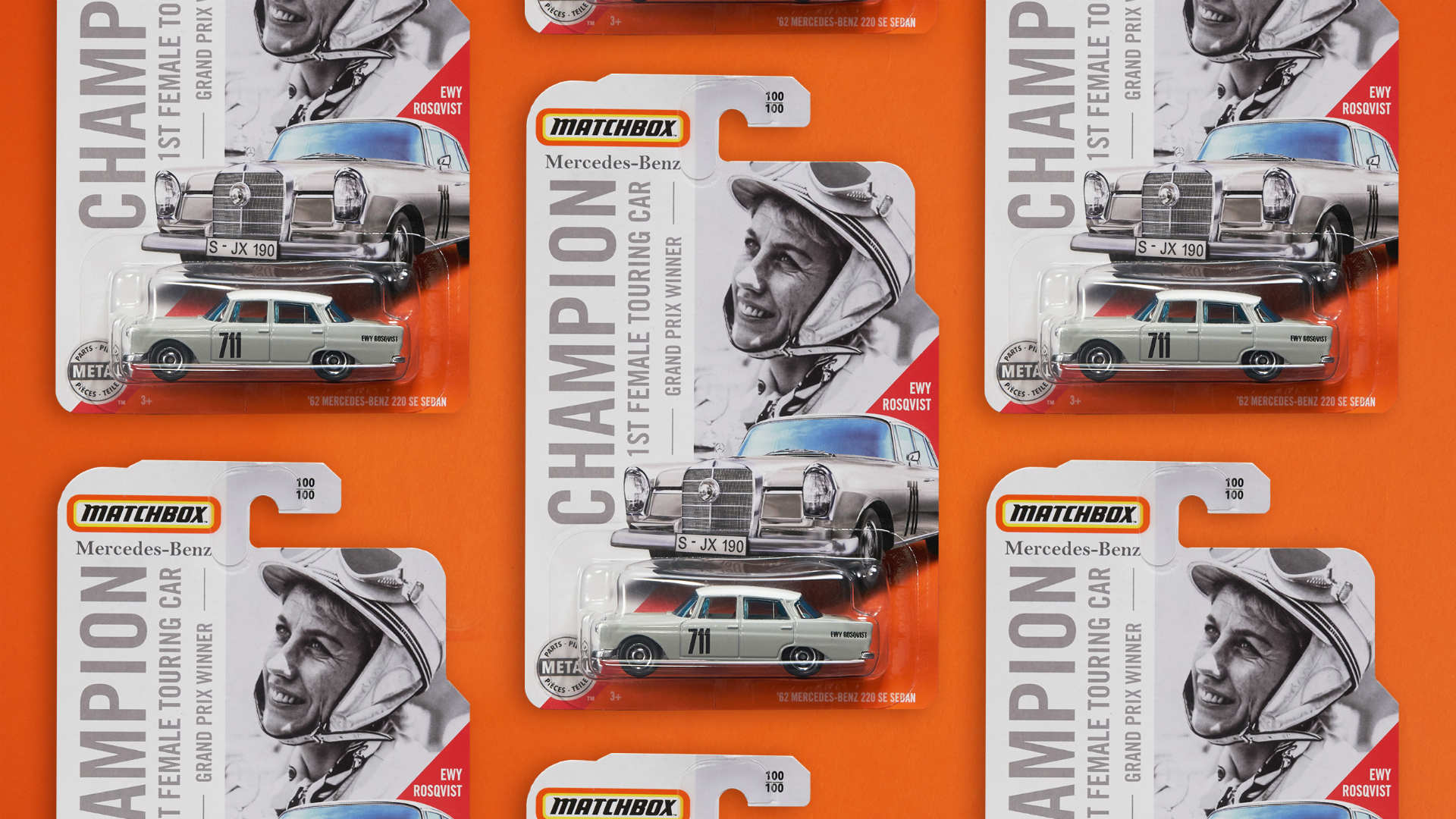
The 50,000 girls participating in the No Limits project will be given a Matchbox Mercedes-Benz 220 SE toy car.

It was in this car that Ewy Rosqvist and co-driver Ursula Wirth became the first all-female crew to win a major rally. In 1962, Rosqvist won the Argentinian Touring Car Grand Prix, finishing over three hours ahead of the rest of the field.

‘Question the gender stereotypes’

Mercedes-Benz toy cars USA

“Whatever they aspire to be – an astronaut, engineer, judge, nurse, even the President, we want all children to dream big, dream bold and never give up on that dream,” said Mark Aikman, general manager of marketing services for Mercedes-Benz USA.

“We’ve seen that stories like Ewy’s – championing women trailblazers and achievers – can have a big impact by calling into question the gender stereotypes that children may inadvertently adopt.”

Karen Peterson, founder and CEO of NGCP, added: “The No Limits initiative is important to the future success of our young girls.

“Demand for workers with STEM-based skills is rapidly growing, yet women are still significantly underrepresented in these fields. We know that gender associations are formed at a very young age. We applaud Mercedes-Benz and Mattel in their efforts to breakdown the gender stereotypes that keep young girls from engaging in STEM studies.”

If you’re not one of the 50,000 girls who’ll be gifted a Matchbox Mercedes, the toy car will be sold in stores across America from December. Just in time for Christmas… 

Advertisement

Auto Trader introduces ‘fair’ and ‘high’ price flags on ads

0

Auto Trader user upgrade

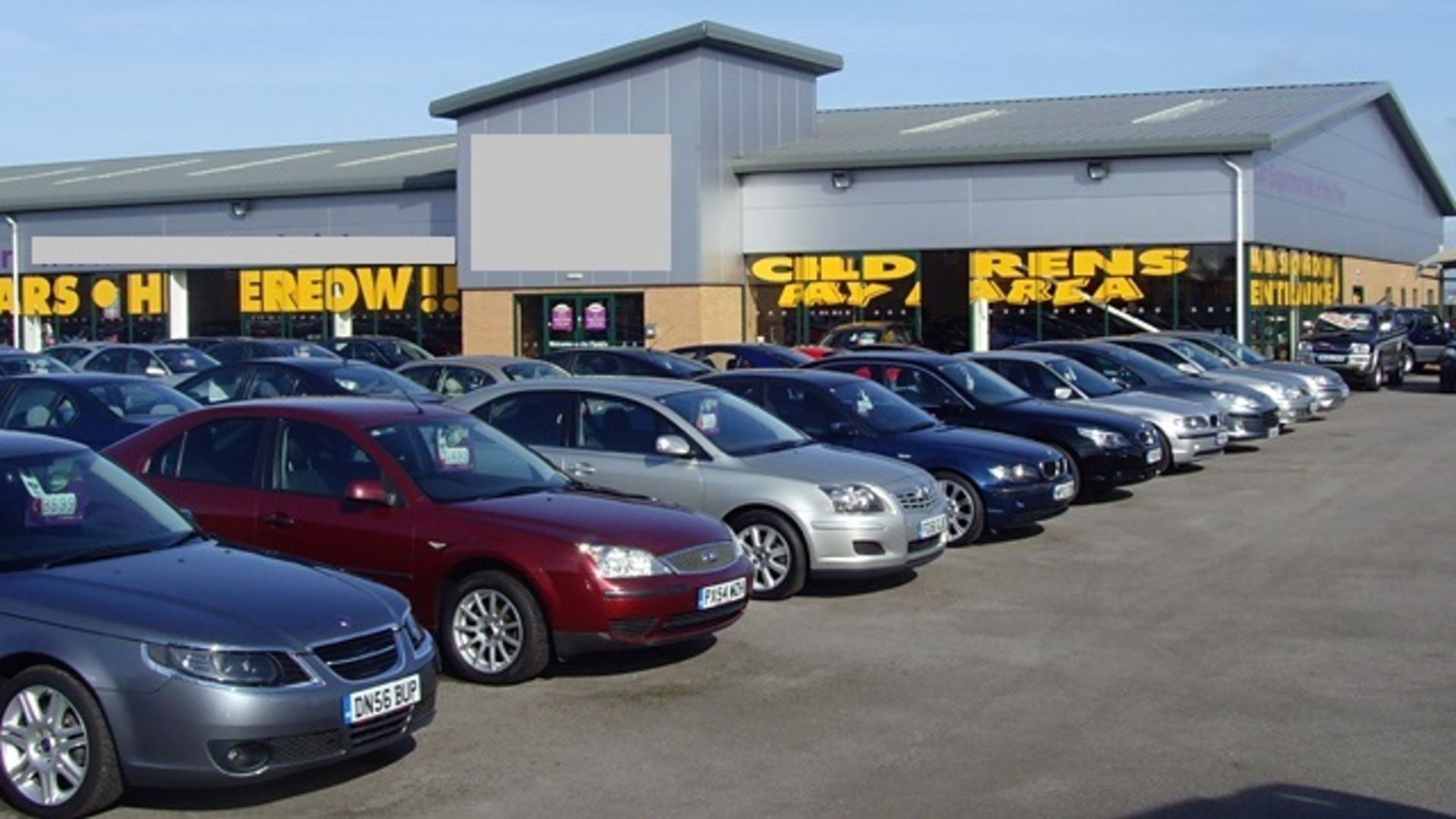
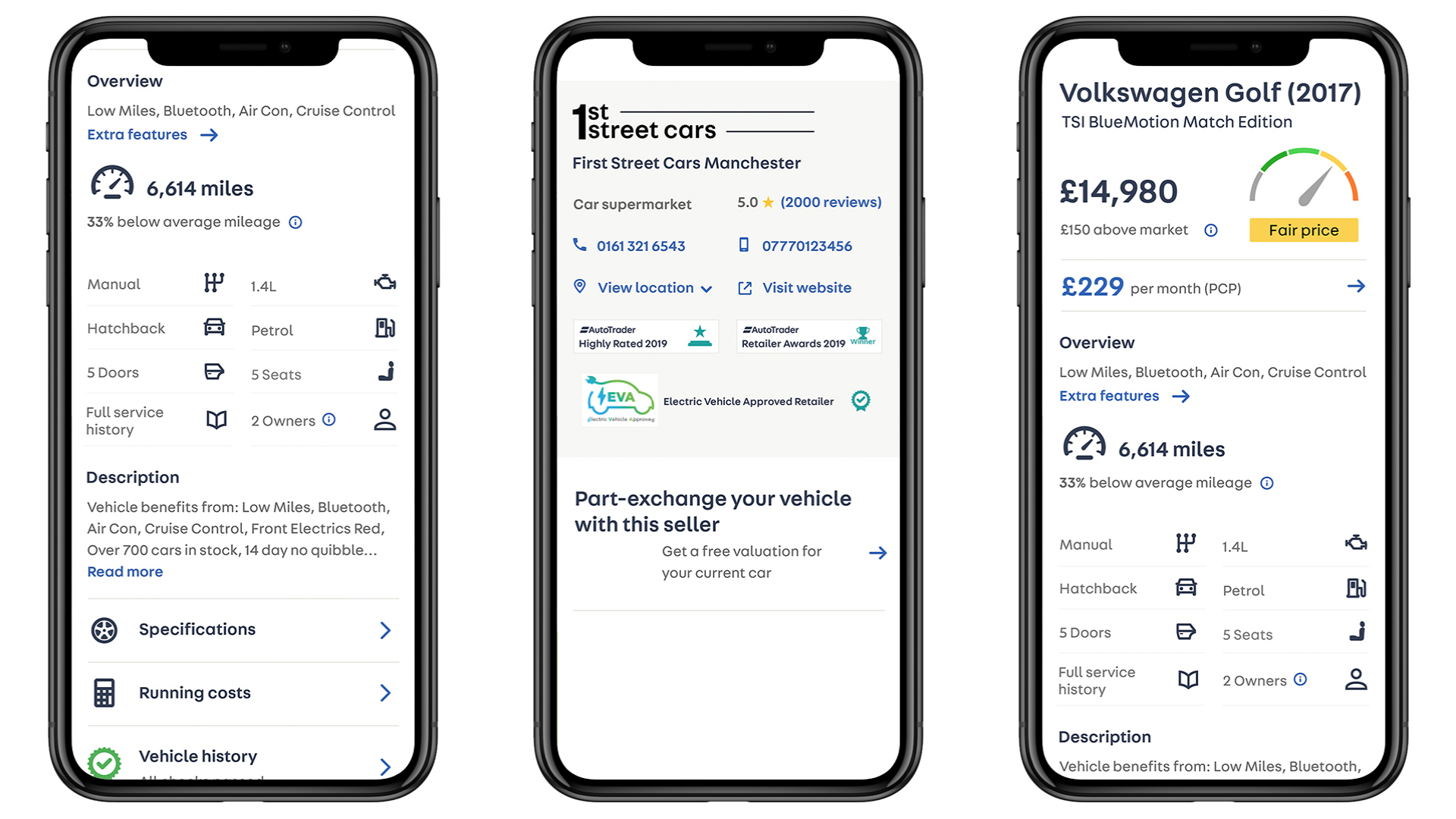
Auto Trader is upgrading the way its listings look. The car sales website is adding new features to help buyers feel more confident as they search the classifieds for their next car.

The changes will roll out across all platforms from early December.

In Auto Trader’s 2019 Car Buyers Report, it was revealed that 86 percent of buyers are concerned they can’t trust car dealers. Likewise, 88 percent worry they aren’t getting a good deal, while 85 percent are question the accuracy of the information about a car.

These are three key changes Auto Trader will make.

Consumer reviews

Reviews from customers of car retailers are being brought forward, to reinforce buyers’ trust in vendors.

Auto Trader wants to put its consumer reviews to better use, to corroborate other rewards and recommendations car sellers may have.

Price flags

Auto Trader upgrades

Auto Trader will be adding to its ‘low’, ‘great’ and ‘good’ price indicators, with ‘fair’ and ‘high’. It’s believed that buyers’ hesitance around pricing is a key barrier to doing the deal. With more comprehensive ‘flags’, Auto Trader hopes to put buyers at ease, and help them be sure they’re paying what they should.

The company claims that its valuations are ‘the most accurate reflection of the live retail market’. They include analysis of more than 1.9 million vehicles each day. Valuations are afforded depending on age, mileage and specification.

Mileage and spec indicators

Auto Trader user upgrade

To help buyers find the specific cars, extra feature indicators are also being added. This means mileage and deal-critical optional extras can be highlighted in a listing.

Content relating to the car, including the description and spec, is being moved up the page, in order to help buyers find what is being offered more efficiently.

Advertisement