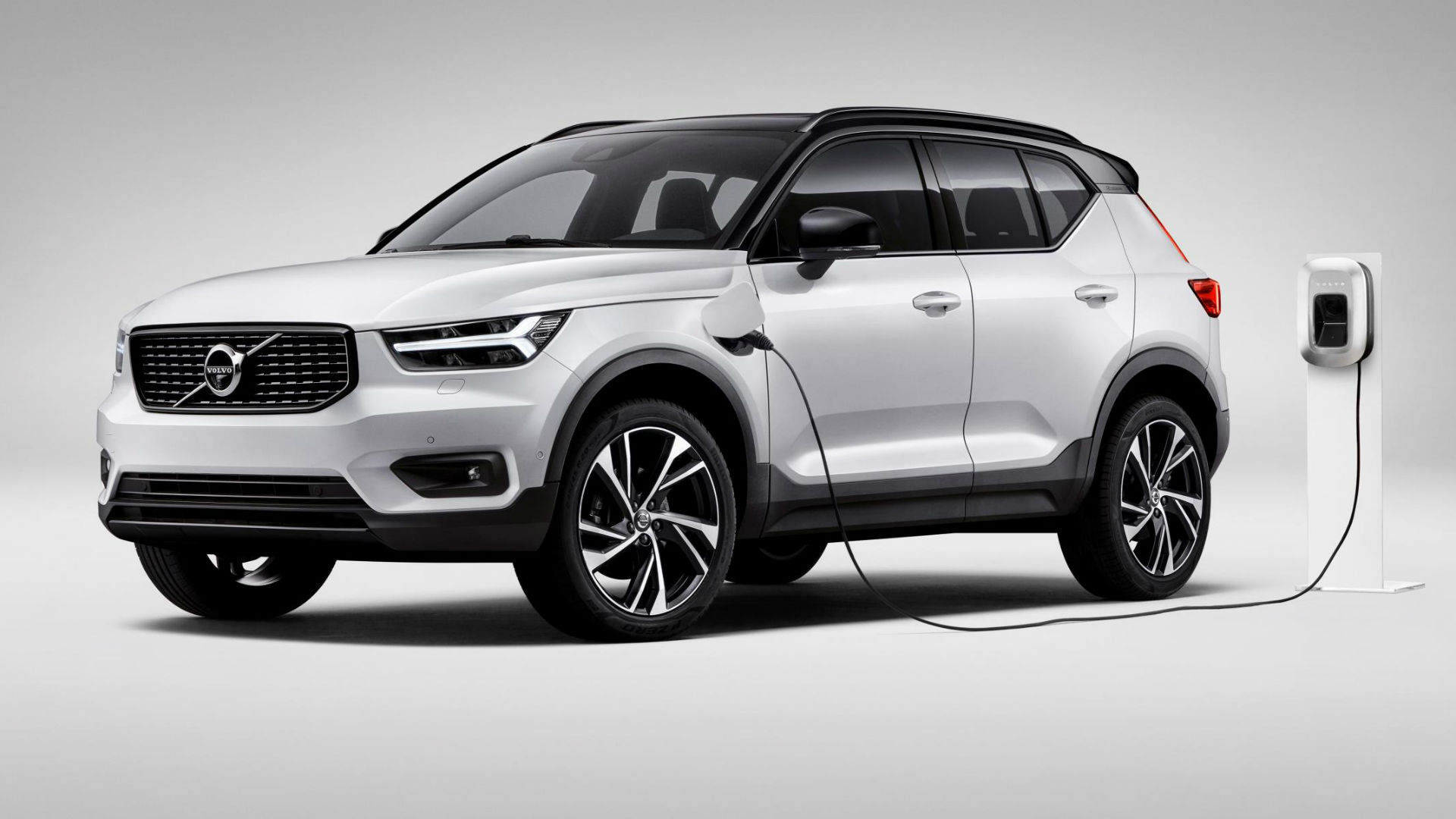
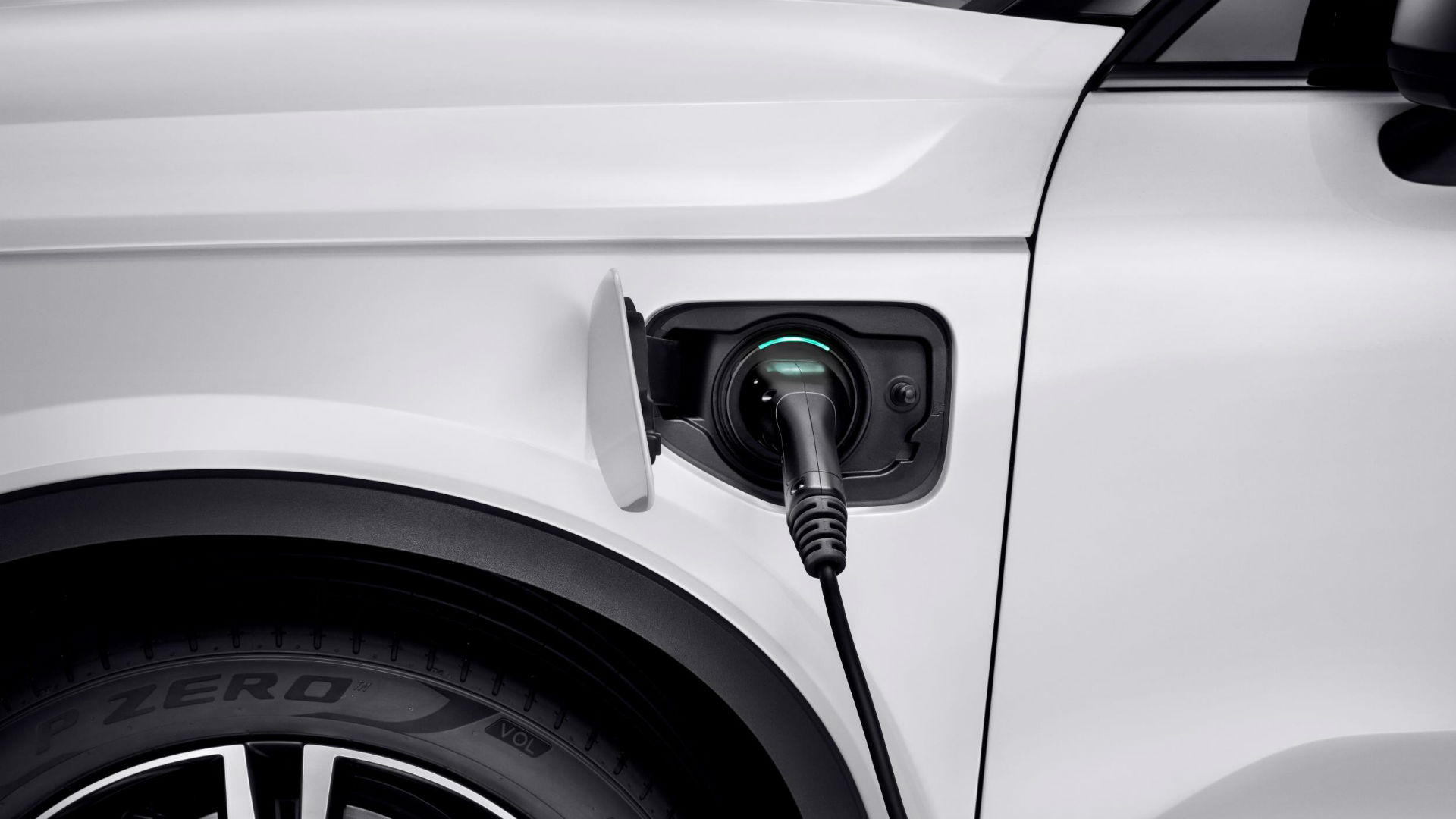
Volvo is giving away FREE electricity with every new plug-in hybrid vehicle sold from now until June 2020.
The electricity costs for charging the car will be calculated from May 2020 and repaid to the customer at the end of the 12-month period. Energy used will be monitored via the Volvo On Call app.
This offer applies to the entire range of Volvo plug-in hybrid vehicles, including the new XC40 T5 – the most inexpensive model, with prices starting from £41,000.
Plug-in hybrid versions of the S60, V60, S90, V90, XC60 and XC90 are also included.
Volvo is offering the deal to private and business customers, and it’s the company car driver who will receive the refund, not the employer. Volvo says this is to encourage fleet users to keep the hybrid battery charged.
‘Good habit’
Kristian Elvefors, Volvo Car UK managing director, said: “At Volvo, in keeping with our Swedish roots, we’ve always taken a keen interest in looking after the environment. Our recently stated ambition to become a carbon-neutral company by 2040 shows we are serious about addressing climate change.
“It’s crucial that we help our plug-in hybrid customers understand how they can make the most of their car’s electric potential. So, by meeting their electricity charging costs for a year, we can encourage them to develop the good habit of regularly recharging their car’s battery, as well as saving them money at the same time.”
From next year, new visitors to the Volvo website will be asked whether they want to charge a car with a plug, or not. The company will also introduce new Recharge branding for its growing range of plug-in hybrid and all-electric cars.
Its aim is to reduce tailpipe emissions by 50 percent by 2025 and to become a climate-neutral business by 2040.
The Take Charge free electricity offer is valid for orders placed from 16 October 2019 to 30 June 2020. Customers must keep the vehicle for 12 months to receive the refund.
“Tyres sit uniquely at the intersection of air quality and microplastics.” That’s the opinion of Emissions Analytics, which is seeking to raise awareness of the impact vehicles tyres are having on our oceans.
Think of plastic waste and most people will picture bottles, packaging, bags – maybe even tea bags and clothes. But tyres are a major source of microplastics found in our oceans, and the problem is only going to get worse.
Emissions Analytics names three emerging threats: budget tyres, electric vehicles and SUVs.
According to an International Union for Conservation of Nature (IUCN) study in 2017, between 15 and 31 percent of the 9.5 million tonnes of plastics released into the oceans each year could be primary microplastics.
Two-thirds of which come from the washing of synthetic textiles and the abrasion of tyres while driving.
In the same year, a study by Pieter Jan Kole at the Open University of The Netherlands put the figure at 10 percent. “Tyre wear and tear is a stealthy source of microplastics in our environment, which can only be addressed effectively if awareness increases,” was the rather stark conclusion.
‘Big chunks of plastic’
The lack of awareness stems from a general misunderstanding of the composition of a modern tyre. “Tyres are essentially yet more big chunks of plastic,” says Friends of the Earth. “When they break down they behave and persist like other plastics in the environment.”
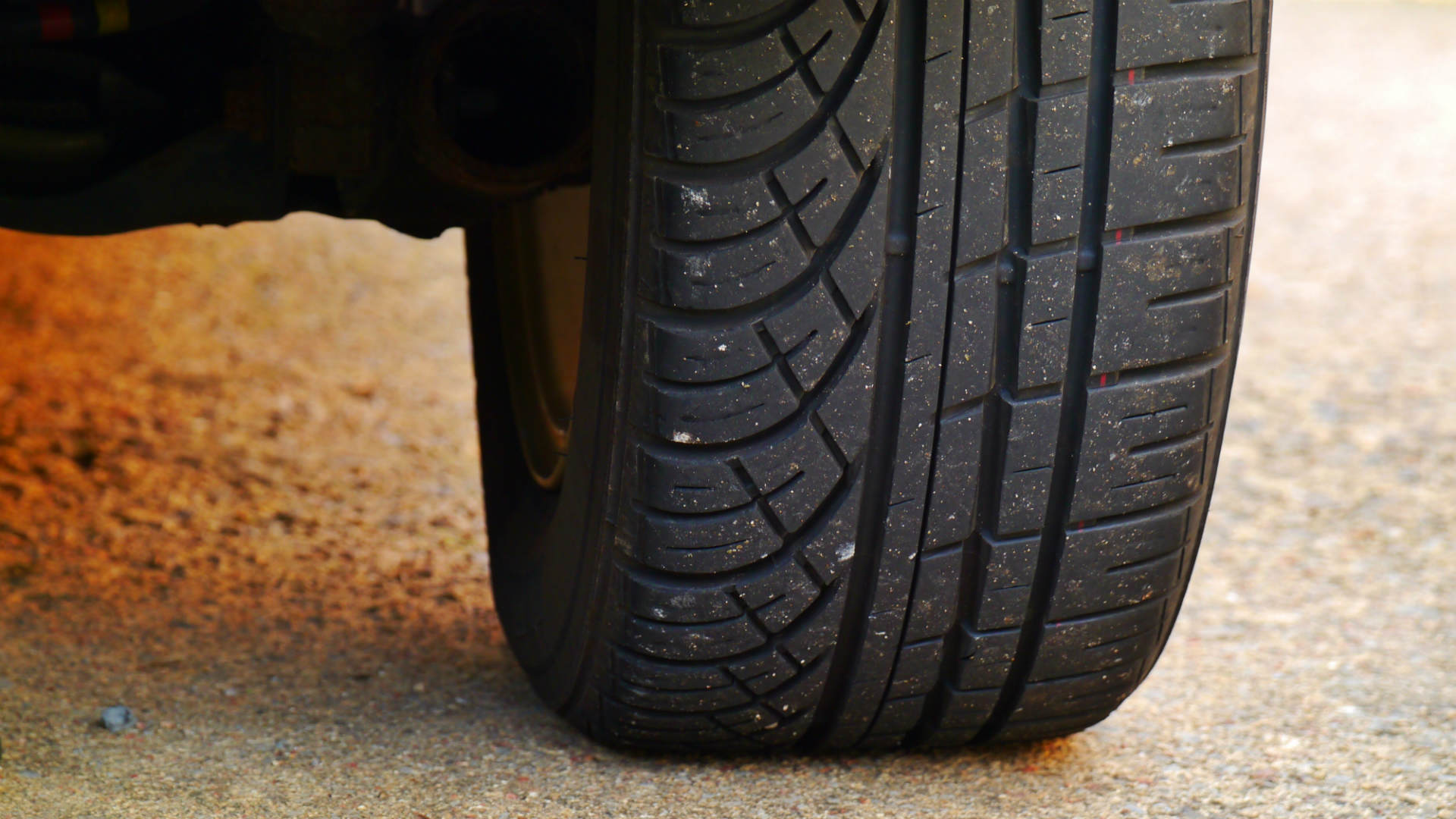
Emissions Analytics claims that over the course of 12,500 to 31,000 miles, a typical tyre will shed 10 to 30 percent of its tread rubber into the environment. Particles will end up by the roadside or washed into drains, which in turn takes the pollution into rivers and the ocean.
Just as concerning is the fact that Friends of the Earth estimates that up to 10 percent of tyre wear is generated as airborne particles, which contribute to air quality issues and lung problems.
The IUCN report refers to data that says while there is no reliable information on the transfer of microplastics from tyres to the world’s oceans, both Norwegian and Swedish researchers have pointed out that a large fraction of particles found in the sea seem to originate from car tyres.
Tyres and our oceans: emerging threats
What about the emerging threats?
Emissions Analytics points to the fact that budget tyres wear rapidly and have high emissions. It also says that the instant torque and higher kerb weights associated with electric vehicles will increase wear rates, adding to the pollution issue.
The increased weight is also a factor associated with SUVs, along with the typically larger wheel sizes adopted by such vehicles. The larger the tyres, the greater the problem.
“On this basis we think tyres are set to be scrutinised and regulated more, and perhaps also reinvented for electric cars to perform well in durability and noise. There will be opportunities and threats that arise from these changes,” says Emissions Analytics.
It is also calling for a review of the European tyre labelling, with the environmental impact added to the ratings for rolling resistance, wet grip and noise.
Friends of the Earth wants to see a government-backed test to identify how resistant each type of tyre is to wear and tear – with clear labels for buyers. It says tyres with the highest rates of tread abrasion could be banned from sale.
Other suggestions include a tyre levy to help tackle the problem of microplastic pollution, more efficient use of roadside gully pots used to catch debris, and increased road cleaning.
The problem isn’t going to go away. As the IUCN points out, calls for a ban on microbeads in cosmetics are welcome, but this source is responsible for just two percent of primary microplastics. The impact of tyres is far, far greater.
In the UK, we generate up to 19,000 tonnes of microplastics tyre pollution, which finds its way into our waterways, rivers and seas every year. Something to think about next time you’re changing a worn tyre.
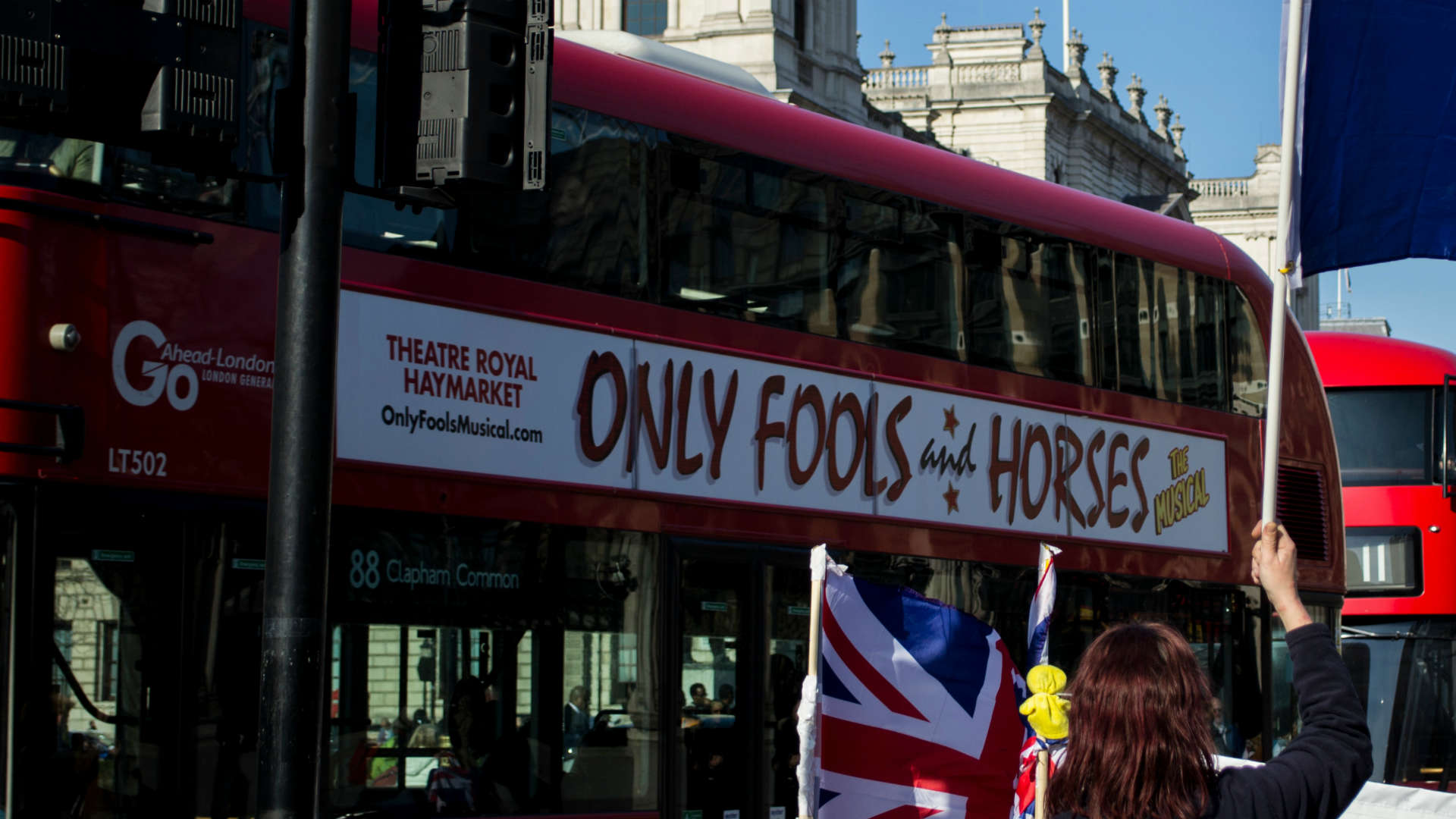
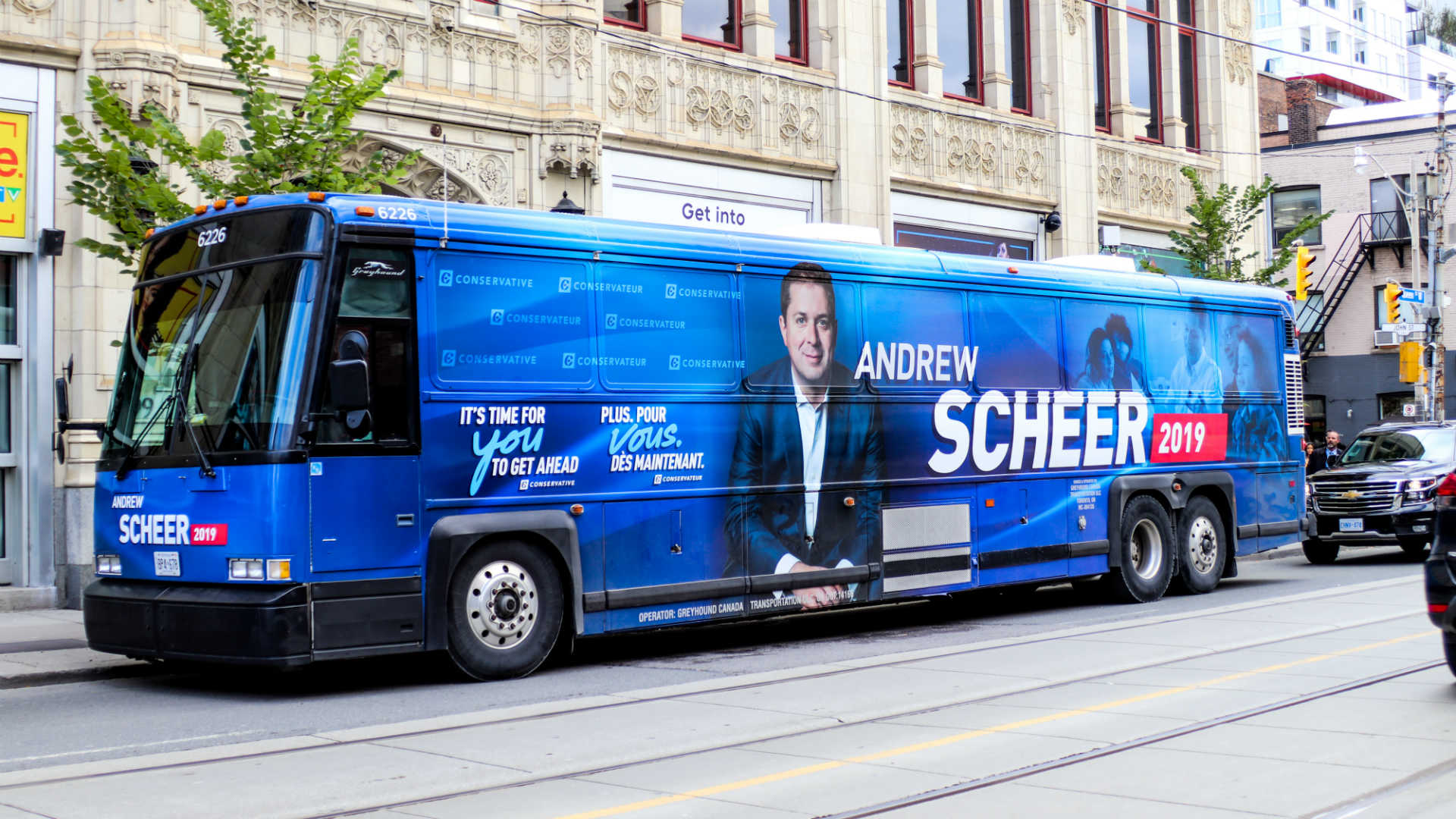
In just five weeks, the country will be converging on polling stations to vote in the general election. In the meantime, the major political parties will be touring the country in their ‘battle buses’, eager to convince voters to pick them on 12 December. If you haven’t ordered your party bus, you’re leaving it a little late. Here’s a guide to choosing the right one.
Jo’s on the go
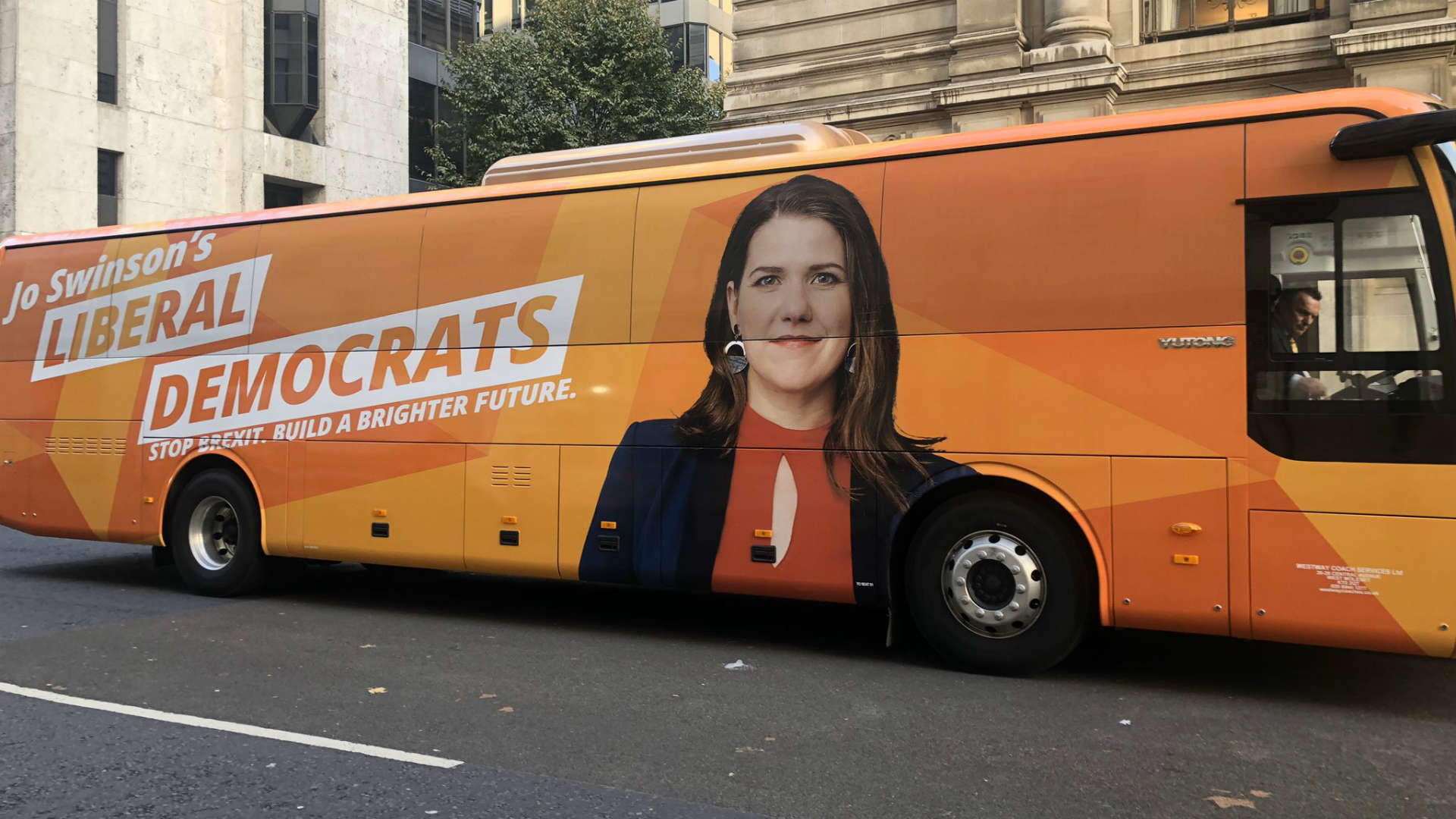
Today, the Liberal Democrats have unveiled their new party bus. But this isn’t just any Liberal Democrats ‘battle bus’, this is Jo Swinson’s Liberal Democrats ‘battle bus’.
Choose the right bus
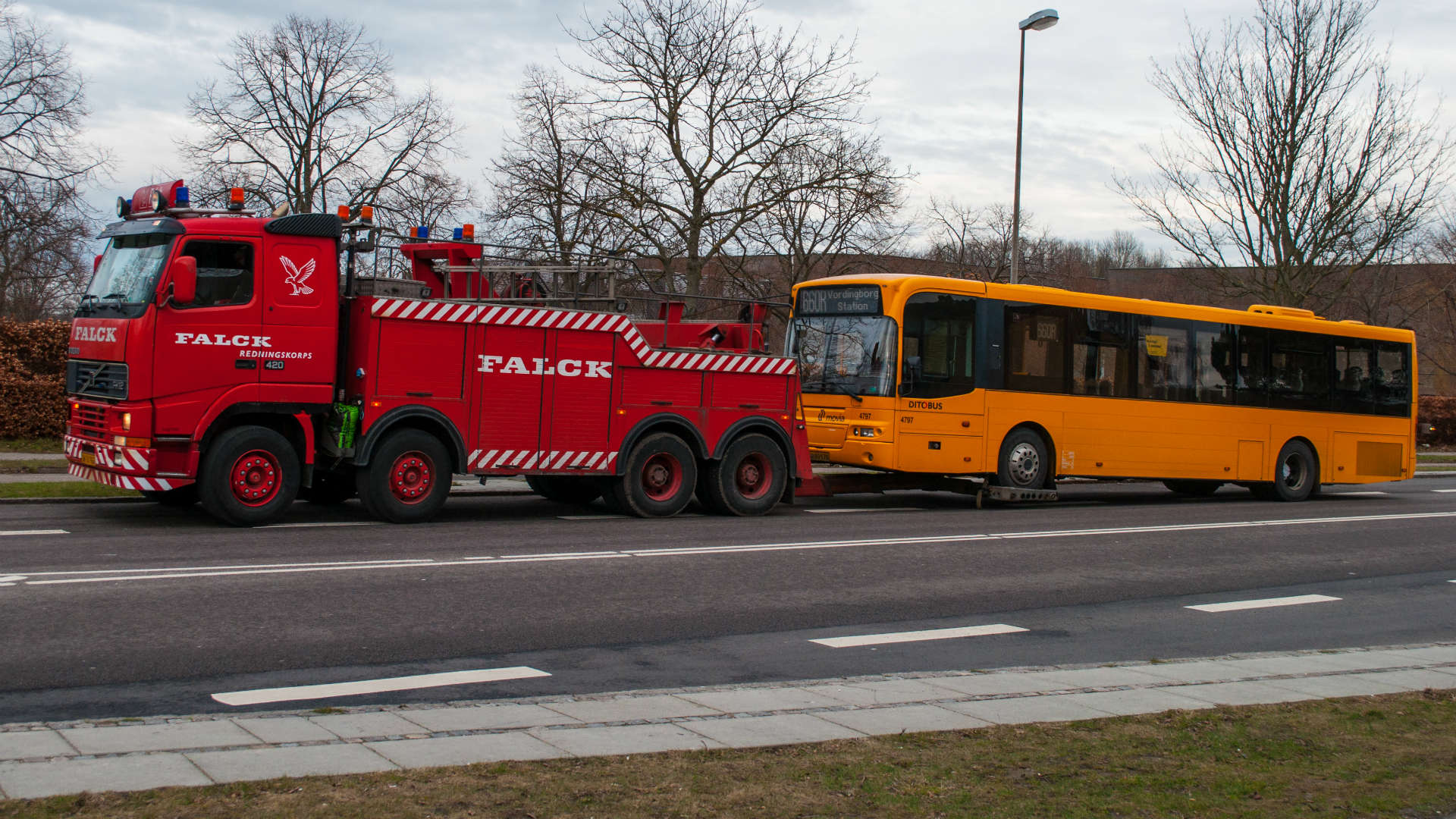
To avoid a party political breakdown, make sure you choose a bus that’s strong and stable. A future fare for all. Or something.
Choose a bus that reflects your values
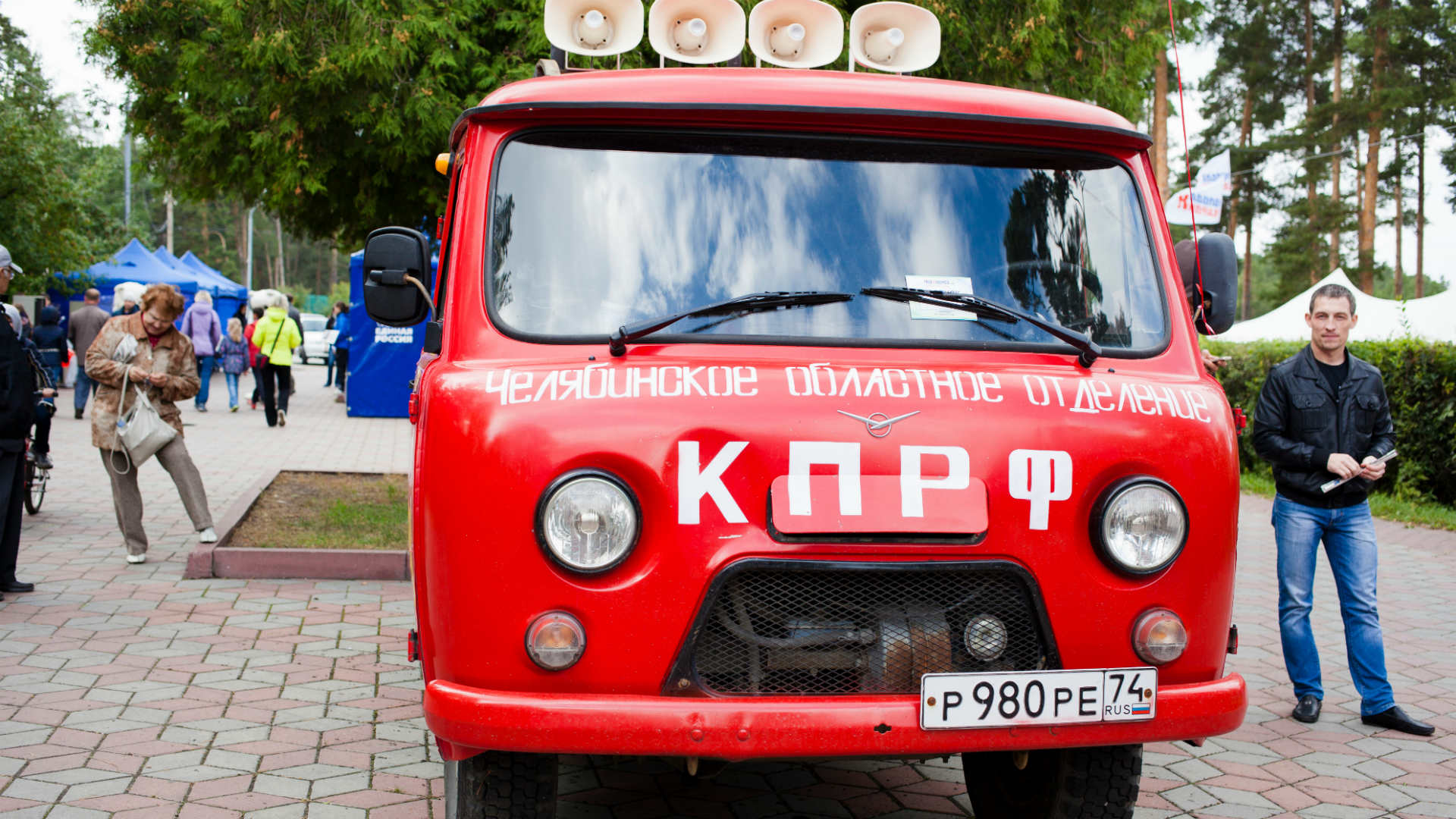
To ensure the electorate feels at one with your party, choose a bus that reflects your values and beliefs. This Communist Party of the Russian Federation propaganda bus may work for you, comrade.
Paint it the right colour
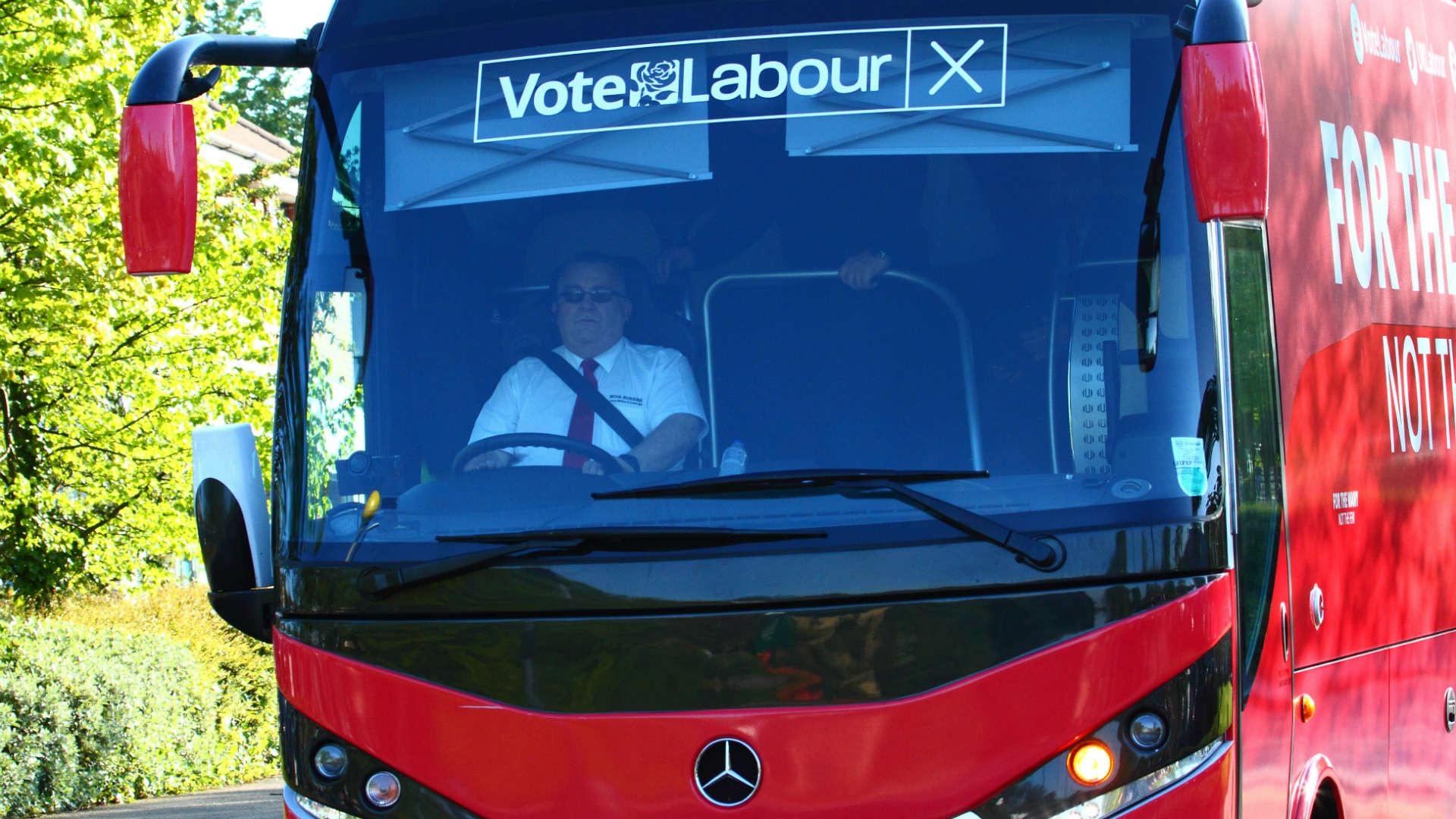
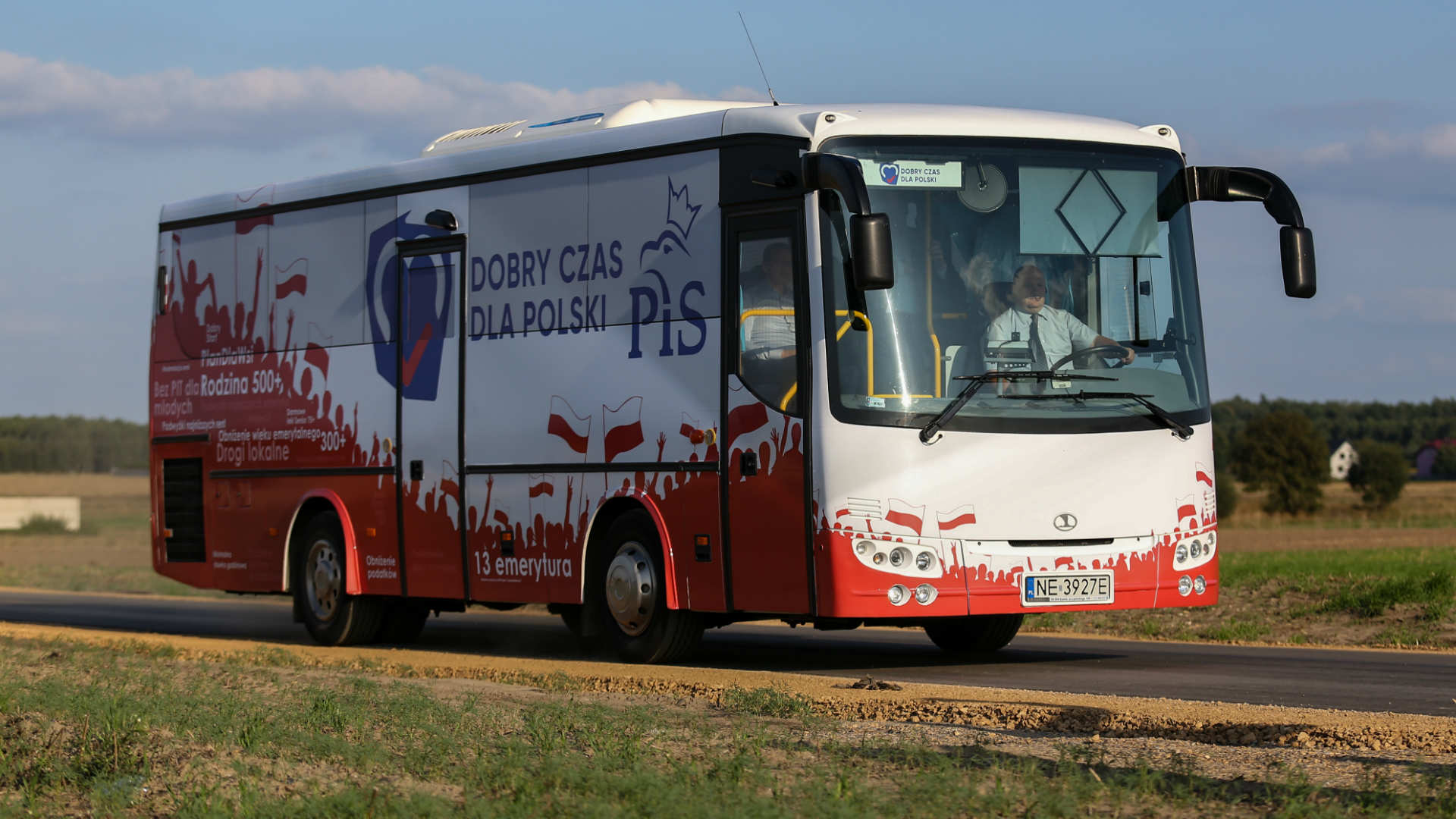
Painting the bus in the colours of your political party is a good idea. Including an illustration of where voters should place their cross should avoid any unwanted spoilt ballots.
Choose your words
Choosing a memorable slogan is another winning idea. Either that or this is an instruction to the bus driver.
Avoid waffle
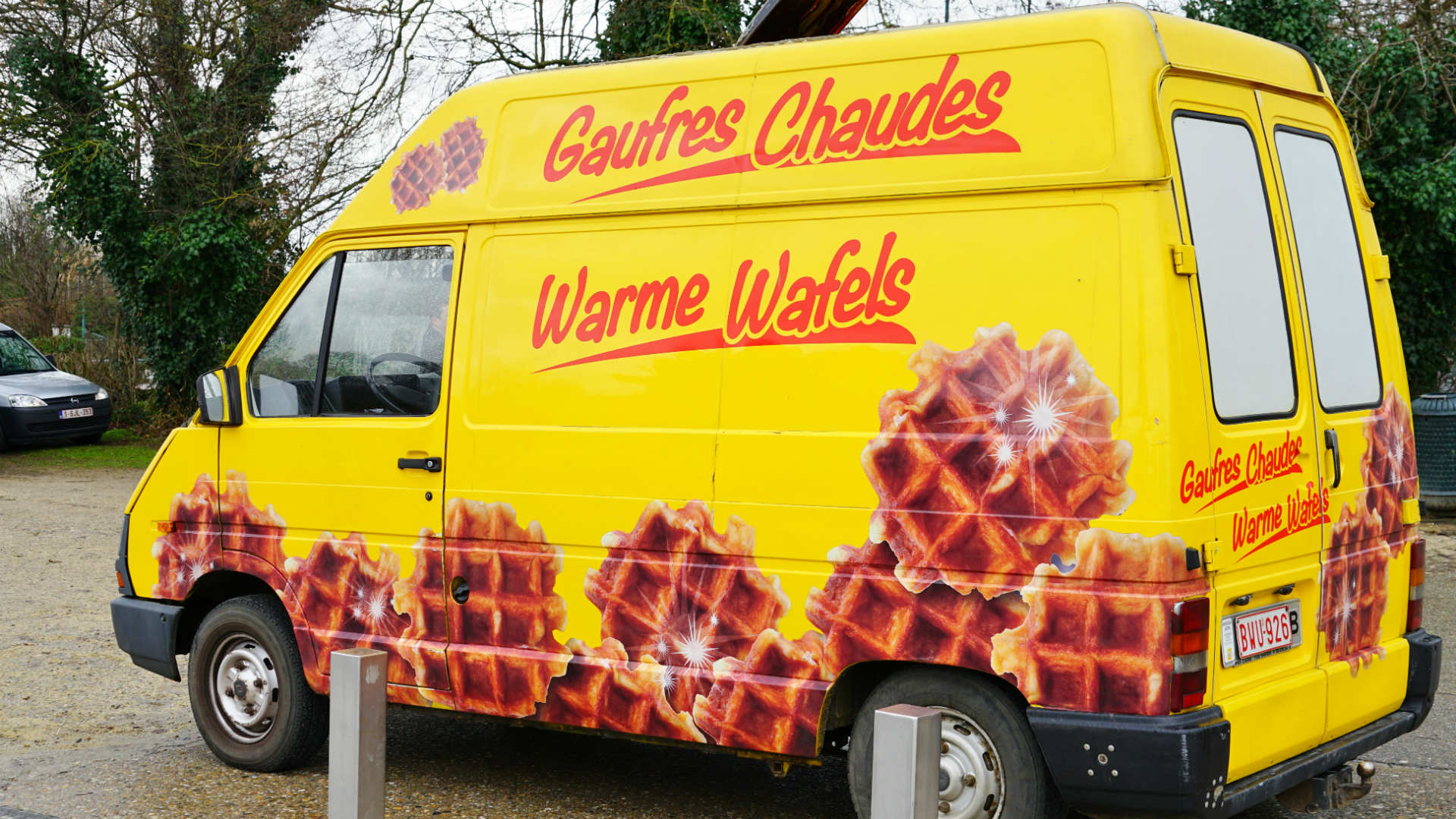
A message to all political parties putting together their next election broadcast: avoid waffle.
Honesty is the best policy
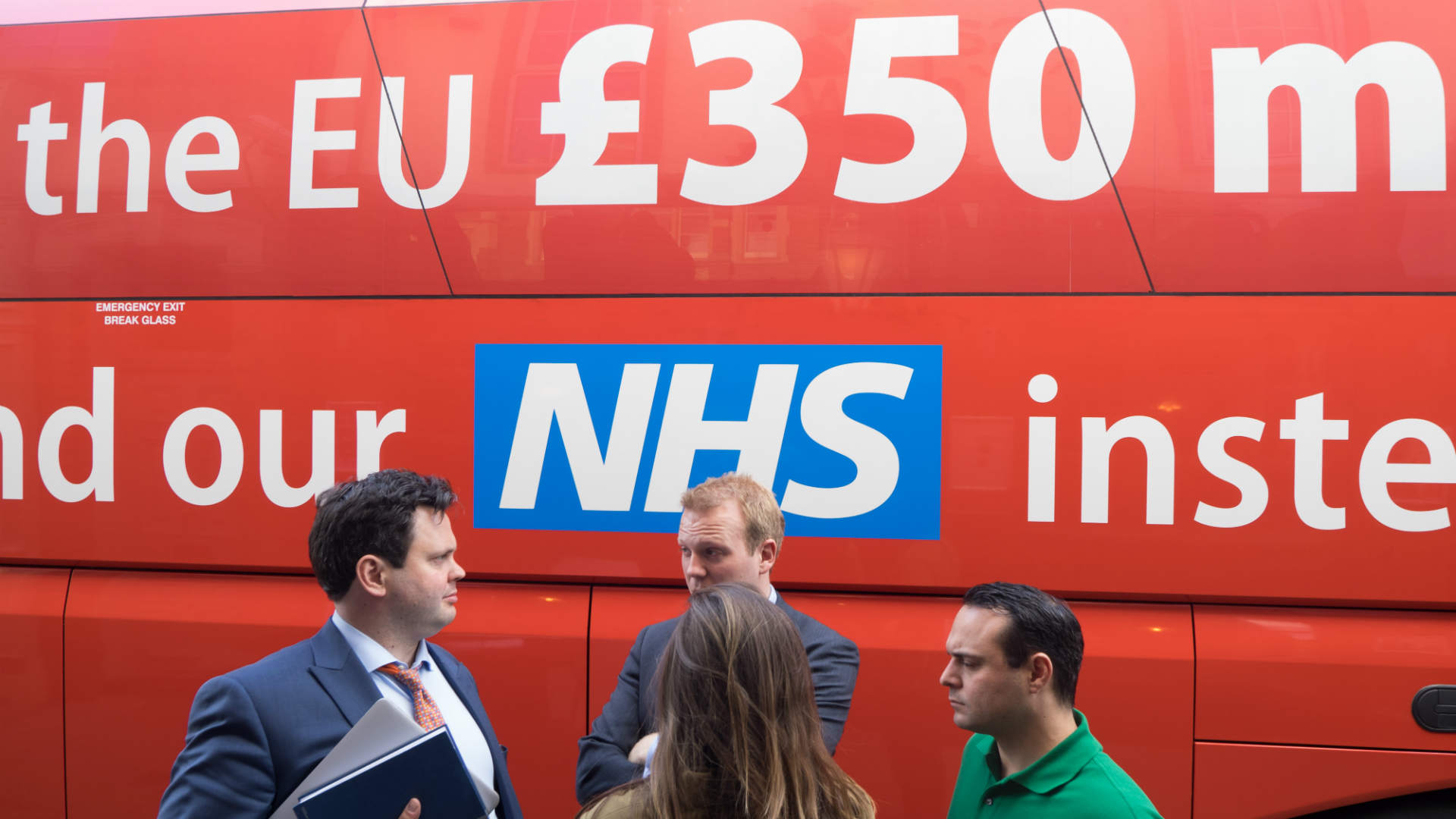
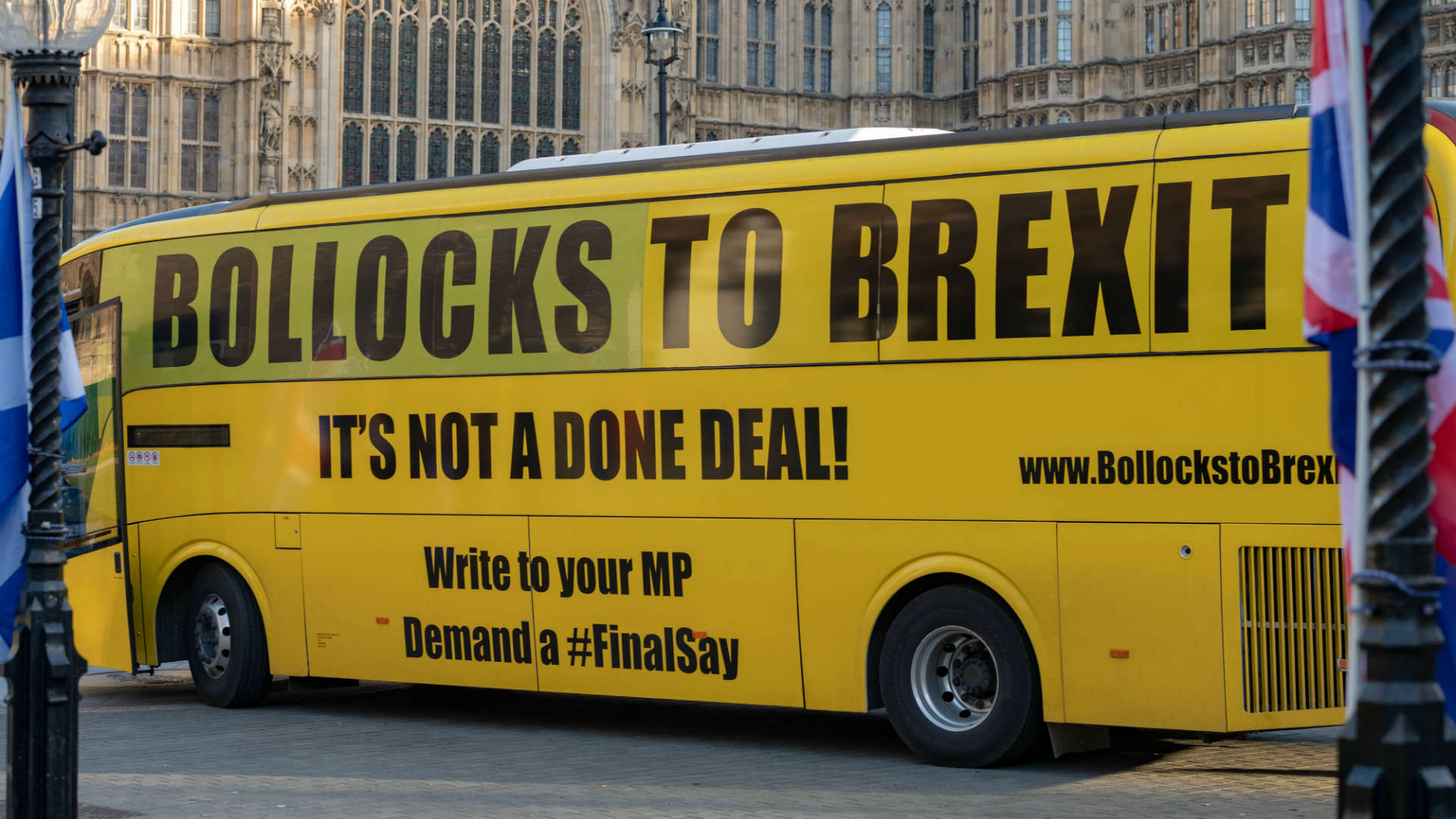
If you’re going to put a political message on the side of your bus, make sure you’re prepared to stand by it, weeks, months and even years down the line.
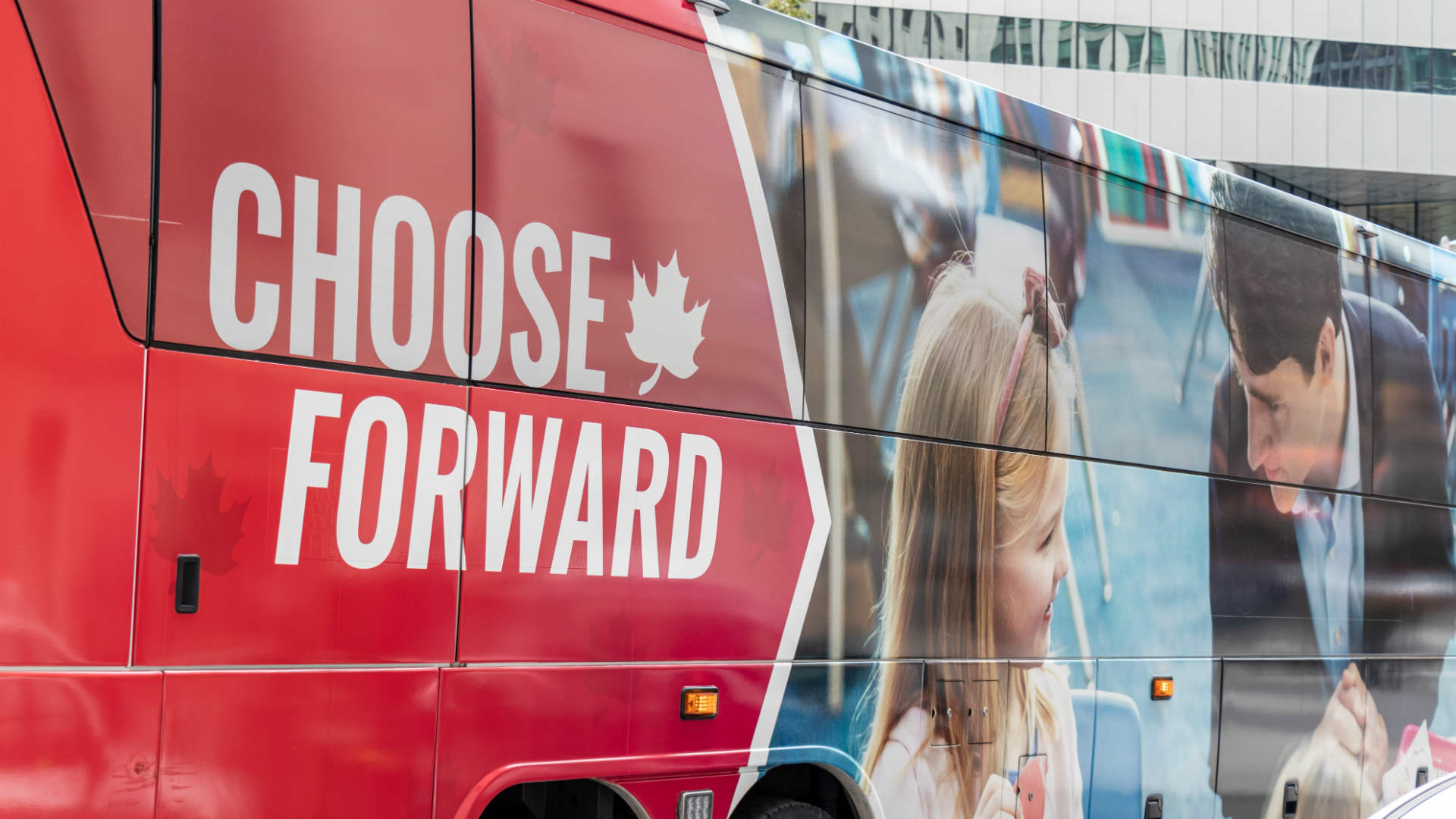
Forward, together
The ‘Straight Talk Express’: a bus that’s not for turning. No U-turns, no backtracking and no manifesto reversals.
Make sure your message stands out
If you can’t get your hands on a Big Yellow Taxi or Yellow Submarine, a Big Yellow Bus with a big message ought to do the trick.
Give yourself a platform
As any title-winning football team will testify, a bus gives you a great opportunity to build a rapport with your fans.
Give yourself a platform
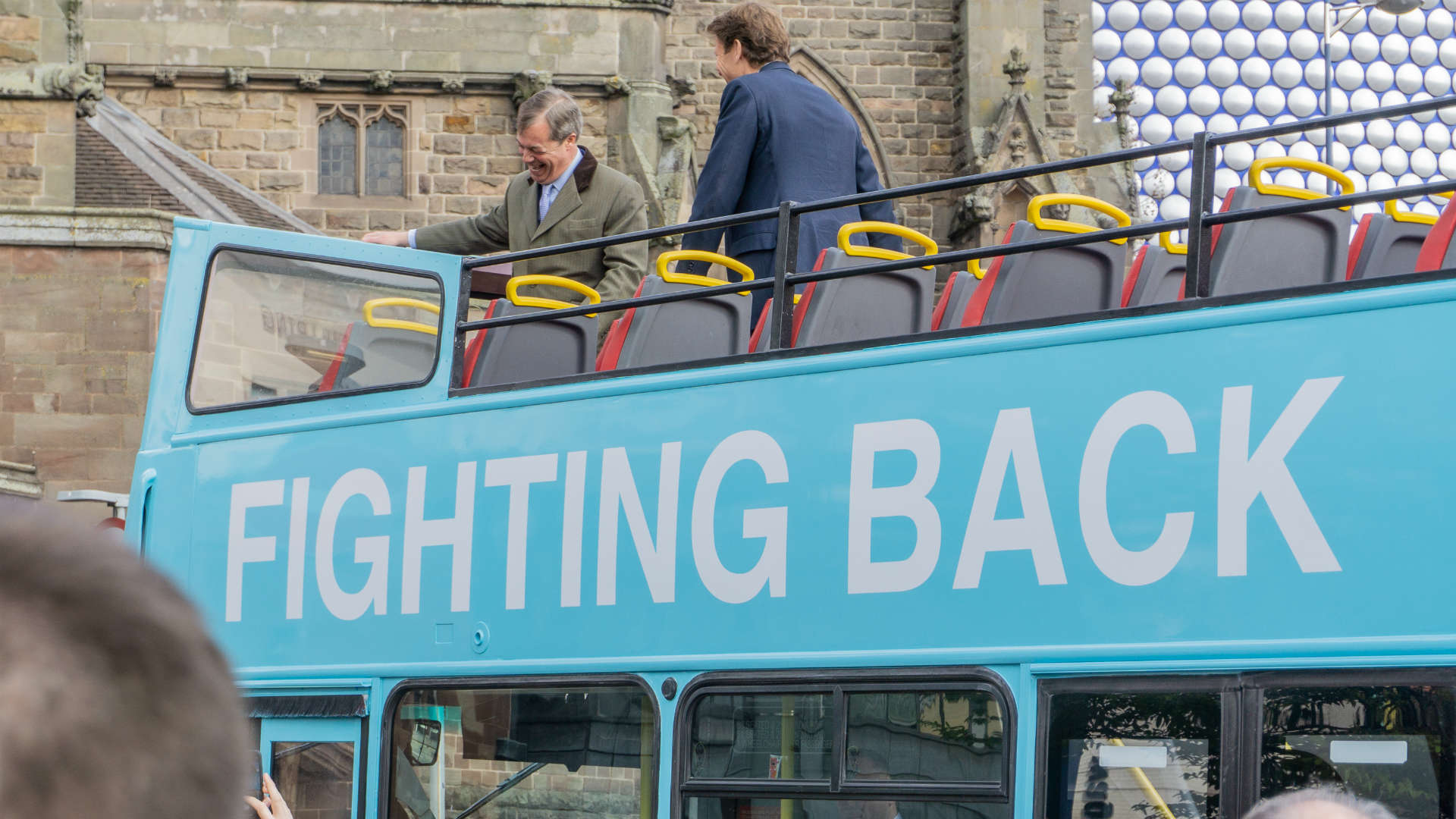
Yep, fans love open-top buses…
Clowning around
You’ve just got to make sure you don’t come across as clowns.
In the country
What’s the point of having a bus if you don’t use it to reach out to the floating votes in rural areas? Get out there, get stuck in and don’t be afraid to get your hands dirty.
Perfect your hand gesture
When you exit the bus, make sure you’ve perfected your patriotic and ‘on the road to victory’ hand gestures.
Face values
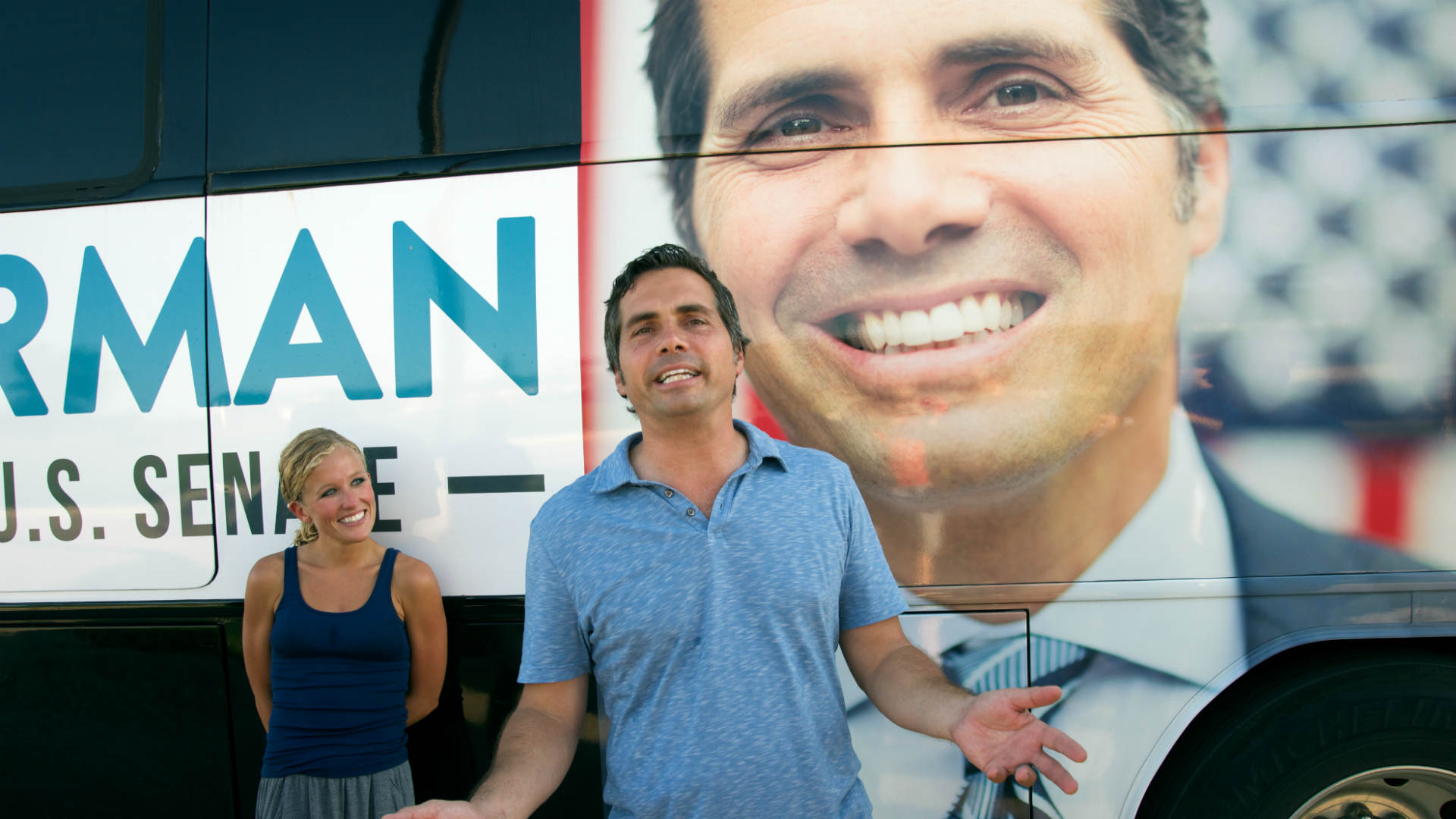
Make sure you include a stonking great photo of your face on the side of the bus. That way, when you arrive in town in your ‘just stepped out of the back garden clothes’, the electorate will know that it’s you.
Creating the right impression
Once on the bus, make sure there are flowers on the table, a copy of a book that reflects your values, and a tie. Removing your tie is only slightly behind rolling up your sleeves on the list of things that show you mean business.
Keep the bus clean
Keeping the bus clean is essential. If you can put your hands on a beach towel to use for cleaning purposes, even better.
Don’t be afraid to go smaller
If your political coffers can’t stretch to a full-fat ‘battle bus’, don’t be afraid to use something smaller. It’s what you say, not how you say it.
A fare deal for all
If in doubt, give your bus a splash of colour and park it somewhere prominent. Avoid bus stops, unless you’re prepared to offer lifts to people making their way back to the park-and-ride on the edge of town.
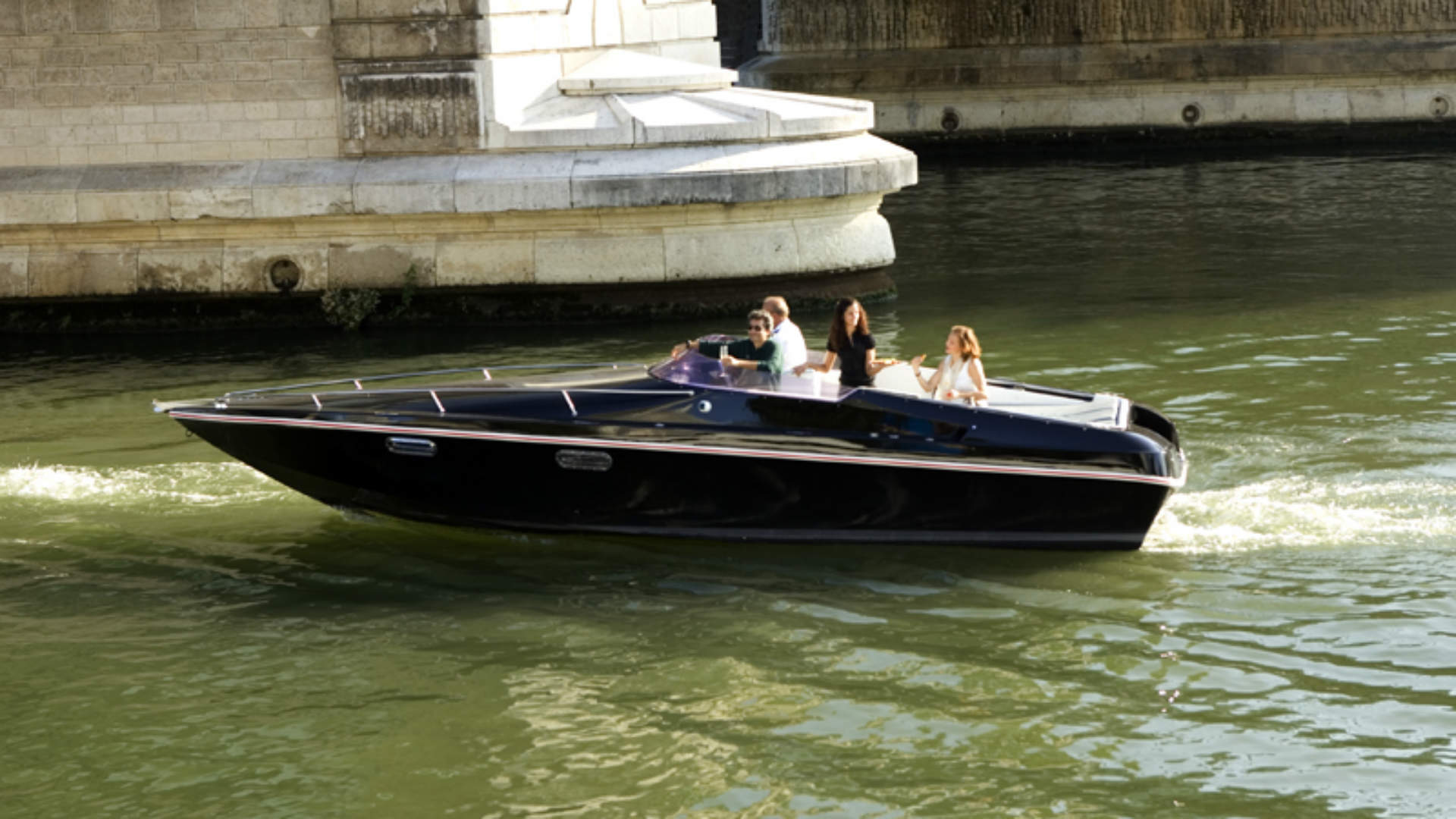
Renault has partnered with Seine Alliance and Green-Vision to launch the first all-electric boat powered by ‘second life’ batteries.
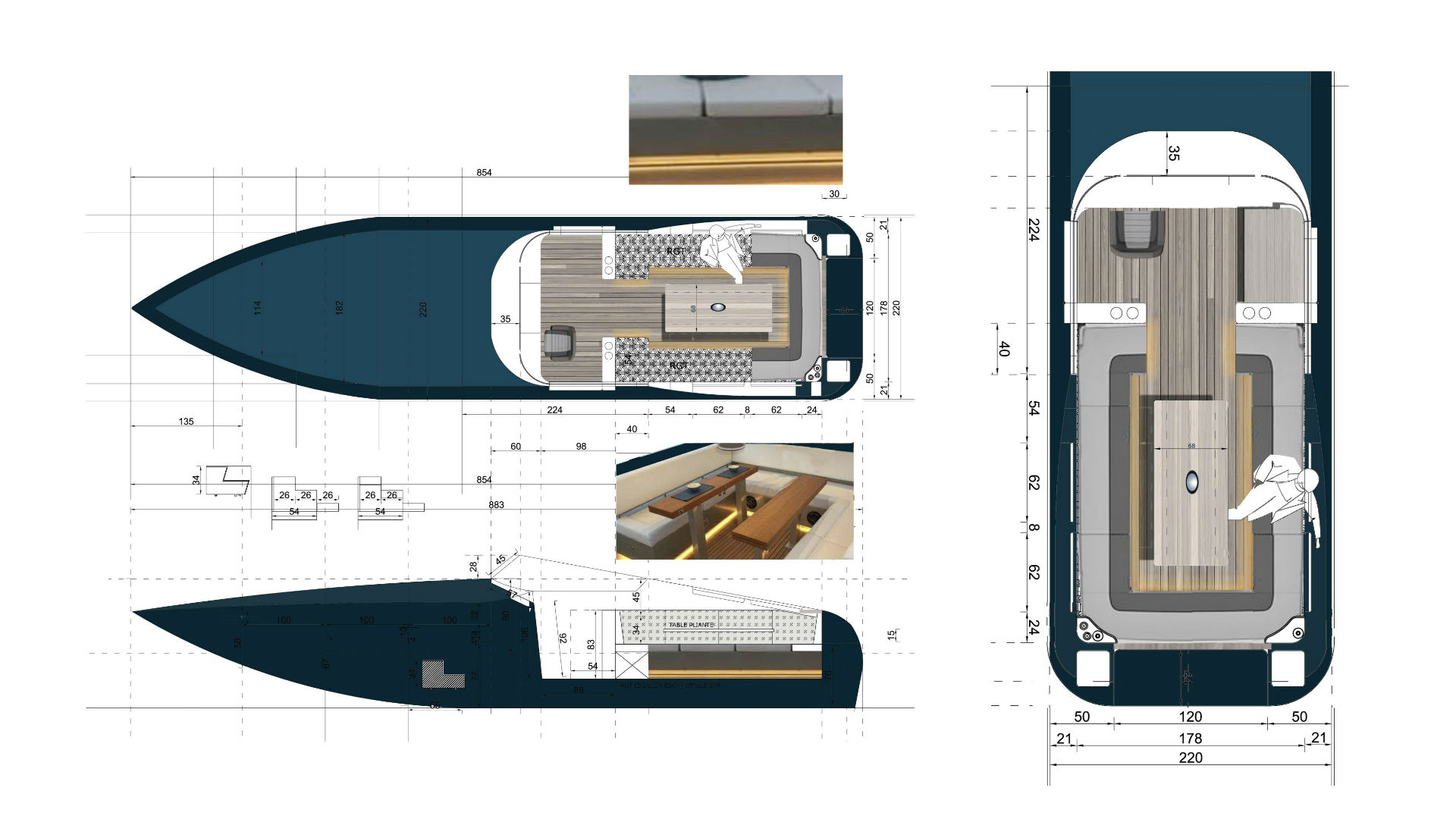
The Black Swan can carry up to eight passengers and is powered by four batteries removed from Renault electric cars. They power a pair of 20kW electric motors to deliver two hours of cruising. A full charge takes two to three hours.
The boat – a converted Italian craft – was originally powered by an internal combustion engine. With the inner workings removed, the Black Swan weighs 278kg less than before.
Stainless steel housings have been designed for the batteries to ensure safe, water-tight operating conditions. It is hoped that electric boats can improve air quality and reduce noise pollution in and around inner-city rivers.
The Black Swan has been demonstrated on the River Seine in Paris and is a precursor to what Renault is calling a “new generation of boats”. Its electric car batteries are reconditioned and repurposed to give them a ‘second life’.
Gilles Normand, senior vice president of electric vehicles at Renault, said: “We are proud of having contributed to the Black Swan project alongside Seine Alliance and Green-Vision.
“Once again, this approach has shown that, used in a second life as energy storage units, the batteries from our electric vehicles represent an essential lever for the acceleration of the energy transition.”
It is hoped that the Black Swan will be pressed into active service in the first quarter of 2020, once the necessary government permits have been obtained.
Didier Spade, chairman of Seine Alliance, added: “As host to the Olympic Games in 2024, Paris has a duty to provide innovative solutions for the environment.
“Seine has already shown itself to be exemplary in respect of energy performances in the transport sector. Our company has once again brought an electric boat project to fruition with the aim of raising the awareness of all of the river’s users.”
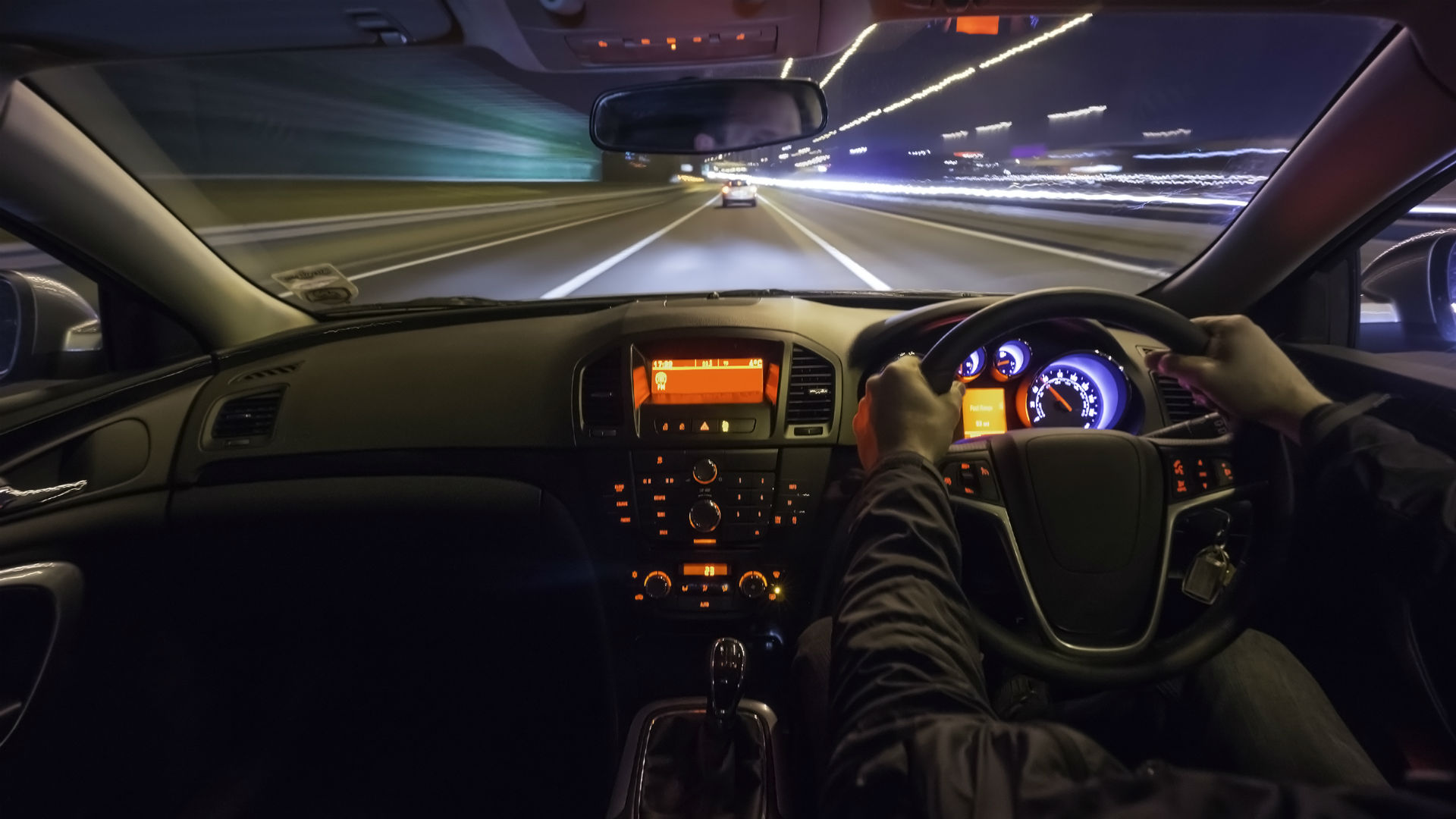
Thirty-one percent of Britain’s 38 million drivers are too scared to drive at night, according to a new study.
Figures released by RoSPA (The Royal Society for the Prevention of Accidents) show that 40 percent of all road accidents occur in the hours of darkness.
Falling asleep at the wheel is a significant factor, accounting for 20 percent of serious accidents on motorways and monotonous roads in Britain. Reduced visibility is an obvious danger – the distance a driver can see is shortened and it takes time for eyes to adjust to the dark.
It’s also harder to judge speed and distance, so other cars could be travelling faster than expected.
Essilor, the lens manufacturer behind the new study, found that 91 percent of drivers are regularly dazzled by oncoming traffic. Government data shows that around 300 collisions every year are caused by glare.
Driving at night is a glaring issue
RoSPA says that, between the ages of 15 and 65, the time it takes to recover from glare increases from one to nine seconds.
Dr. Andy Hepworth from Essilor said: “With such short days in the winter – and driving conditions frequently made worse by the British weather – often people have no choice but to drive in the dark.
“But this means that we face glare from oncoming traffic and other light sources, which is arguably the biggest issue regarding the reduction or loss of visibility, and glasses lenses can actually create more reflections impacting your vision further.
“There are a couple of other factors that hinder your vision at night as well. If you try to see something in the presence of ‘over-bright lights’, this can cause your eyes to tear up, smearing your vision. Low-light levels lead to a reduction in the contrast of images.
“Combine the two and night driving can seem like a nightmare. If you’re dazzled by glare at night when you are travelling at a speed of around 60mph, it can almost double your stopping distance. That’s a significant difference.”
How to improve nighttime vision to stay safe
Essilor has compiled a list of seven ways to improve nighttime vision, helping motorists to stay safe when driving in the dark.
Keep windscreens clear: make sure the outside of the windscreen is clean and streak free. Keep the washer fluid topped up and carry a microfibre cloth in the glovebox to keep the inside of the screen clean.
Use anti-glare lenses: ask your optician about spectacle lenses designed to reduce glare and reflection
Check and adjust mirrors: dip the rear-view mirror at night or consider a car with an auto-dimming rear-view mirror.
Dip, don’t dazzle: remember to dip your headlights when faced with oncoming traffic. You should also adjust your lights when carrying heavy loads.
Slow down or stop: if you’re concerned about vision, stop the car. Pull over in a safe measures and make adjustments to improve your vision.
Adjust your eyes to the dark: give yourself a few minutes behind the wheel to allow your eyes to adjust to the dark.
Keep your distance: it’s harder to judge speed and distances at night, so allow more space between you and the car in front.
The first production road car developed by BMW’s M division was the M1 of 1978, but the company has a history dating back to 1972 and the founding of BMW Motorsport GmbH. Later it became known as BMW M GmbH: a company responsible for developing some of the most iconic performance cars of all-time, as well as some capable but controversial SUVs.
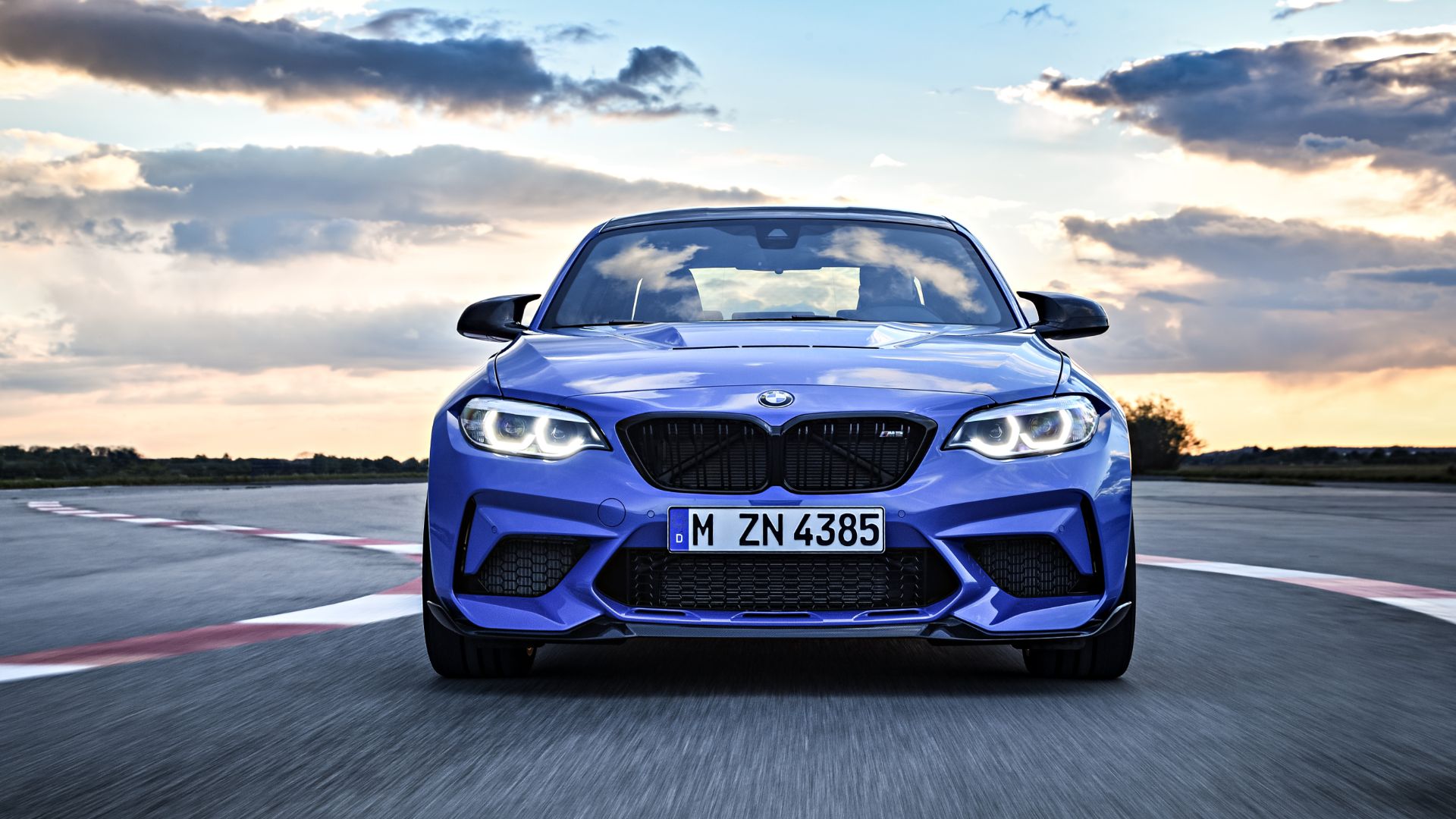
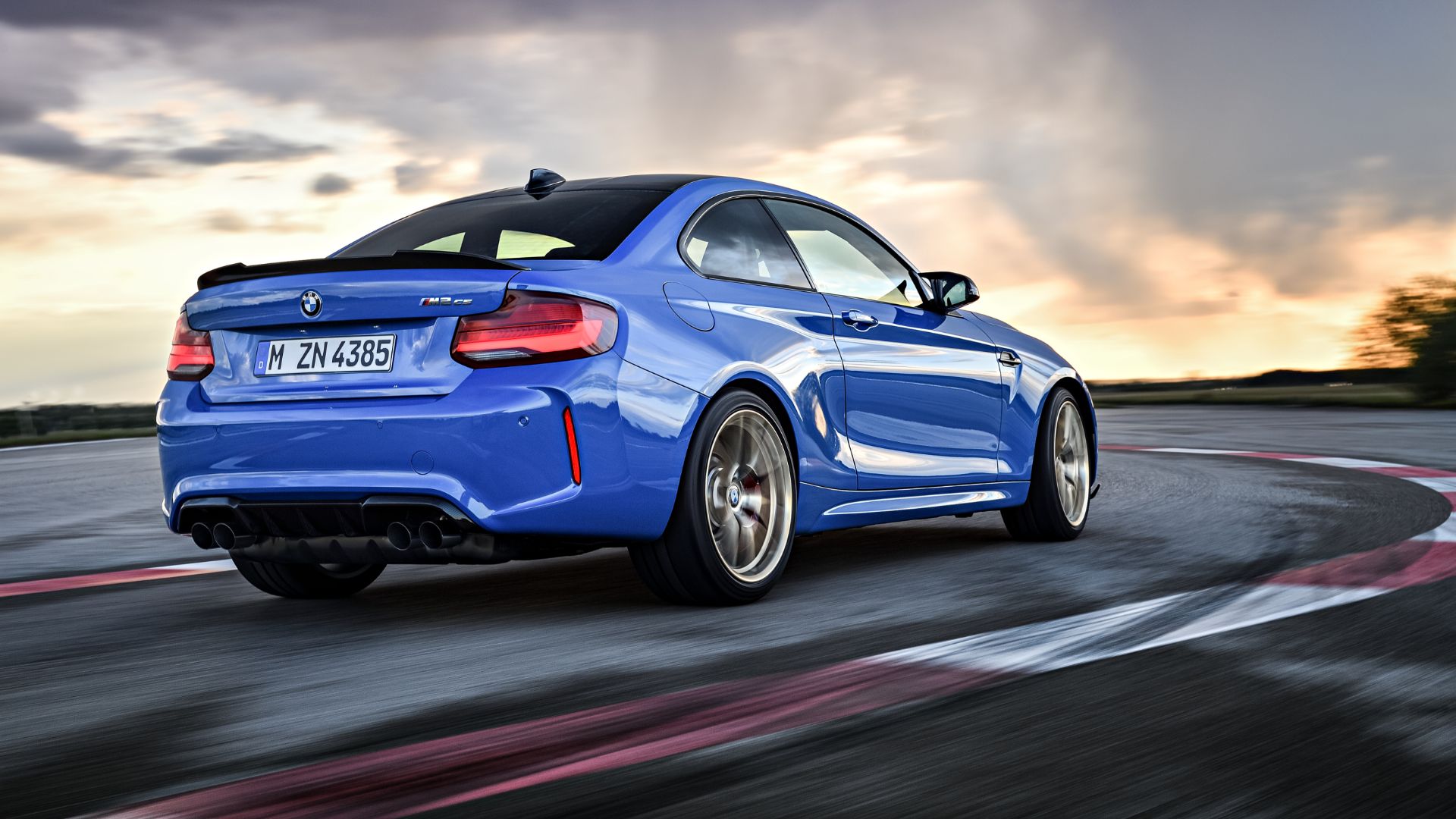
Happily, the latest offering from BMW M is as old-school ‘M’ as they come. The new M2 CS is a feisty 450hp run-out special, and leads our list of 25 of the greatest M cars of all time.
BMW M2 CS
The M2 and subsequent M2 Competition were already firecrackers. The new CS takes things up a notch, before this compact coupe is discontinued. It loses weight and gains 40hp, plus a stunning Misano Blue paint colour.
Carbon fibre parts, such as the front splitter, boot spoiler and rear diffuser, help the CS cut kilos. The vented carbon bonnet is half the weight of a standard steel item, and extracts hot air while adding front-end downforce. The carbon roof needs fewer seals, so saves on sound-deadening. And those new 19-inch forged wheels save significant unsprung weight.
There’s a general feeling that performance cars like the M2 aren’t long for this world, and with the CS being a run-out model, the end seems nigh. For now, we’re just grateful for this tyre-smoking tearaway. Now, back to where it all began…
BMW E26 M1
Commercial disaster it might have been, but the M1 holds a special place in motoring history as BMW’s first and only supercar, not to mention one of Giorgetto Giugiaro’s finest creations.
Quite why BMW felt it needed to build a supercar is still unknown, but it turned to Lamborghini for help with the chassis and production. But with the Italians falling behind schedule, BMW took the project in house and even created its own ProCar race series to help promote its new supercar.
BMW M635CSi/M6
The 3.5-litre straight-six engine of the BMW M1 found a new home in the M635CSi, known as the M6 in Japan and North America. The ultimate version of the E24 6 Series was developed by BMW Motorsport and featured a revised chassis and a number of cosmetic upgrades.
In 1989, when the M635CSi was in the twilight of its life, it cost an eye-watering £46,000 – a massive £9,000 more than the regular 635CSi. That meant it was battling with the likes of the Ferrari Mondial, Lamborghini Jalpa and Porsche 911. BMW obviously had one eye on the future when it developed the M1…
BMW E28 M5
The E28 M5 was one of the original Q-cars, but its discreet appearance was no accident. BMW knew that this handbuilt and costly super-saloon would appeal to buyers in their 40s and 50s, many of whom wouldn’t be turned on by big spoilers, wide arches and associated trinkets.
Even the rear spoiler was an option, while buyers could choose to delete the M5 badge from the boot lid. At launch, the E28 M5 was the fastest production saloon car in the world, with a 0-60mph time of 6.5 seconds and a top speed of 153mph. A legend was born.
BMW E30 M3
In common with the E28 M5, the development of the E30 M3 was driven by a desire to mess with the head of Mercedes-Benz, both on the track and on the road. By the time it was unveiled at the 1985 Frankfurt Motor Show, BMW was already playing catch-up, with the 190E 2.3-16 unveiled a year earlier.
Within 12 months, BMW had exceeded the 5,000 units required for Group A homologation – it was clear that it had a hit on its hands. As the M3’s racing career developed, so did the need to create more homologation specials, which resulted in the Evolution and Evolution II special editions. A convertible version signalled a shift from pure racing to a luxury product.
BMW E36 M3 Evo
The second generation E36 M3 highlights this move upmarket, presenting a more refined take on the performance saloon model. That it was built on standard production lines and not at BMW’s M GmbH plant only serves to highlight this point. All of which means the E36 M3 shouldn’t register on a list of all-time greats, right? Well, no, not exactly.
Contemporary reviews were quick to point out that the saloon felt sharper than the coupe, while special editions only served to enhance the E36’s reputation. And in the more powerful M3 Evo, with its larger 3.2-litre engine, the E36 evolved into a highly accomplished all-rounder.
BMW E46 M3
If the jury is out on the E36, there can be no such doubts when it comes to the E46 M3. This felt like a return to form for the M3, complete with ‘phat’ arches and 343hp from its 3.2-litre straight-six engine. The 0-60mph time dropped to a smidgen over five seconds. Properly quick, then.
In so many ways, the E46 could be classed as the definitive M3. It has the looks, the pedigree, the performance and – perhaps crucially – the soundtrack. The engine and exhaust combine to deliver a symphony for the ears, ranging from a rasp to a wail. Hard to beat?
BMW E46 M3 CSL
Yes, it is possible to improve on perfection, and it comes in the form of the CSL. It speaks volumes that the current M2 – widely considered to be one of the greatest M cars of all-time – has been compared to the E46 M3 CSL. Stripped of all but the bare essentials, the CSL was 110kg lighter than the regular M3, creating a more hardcore driving experience.
CSL stands for ‘Coupe Sport Lightweight’, a reference to the hugely successful 3.0 CSL of 1972. If any car was fit to wear the legendary badge, this was it. We’ll also give a special mention to the M3 CS, a kind of halfway house between the M3 and the CSL.
BMW 1 Series M Coupe
The BMW 1 Series M Coupe – or 1 M Coupe – was an unlikely hero. Created using bits from the M3 and the Z4, BMW turned the junior exec into a senior performance player. It might not be an M car in the truest sense – there’s no bespoke engine to be found here – but it deserves its place alongside the Bavarian thoroughbreds.
BMW squeezed 340hp from 3.0-litre twin-turbocharged six-cylinder engine, with a maximum 369lb ft of torque available on overboost. If you were fortunate enough to buy one new, you’re sitting on a little goldmine. Price then: £39,995. Price now: upwards of £40,000, but as much as £65,000.
BMW E39 M5
The all-time greats just keep on coming. If the E46 M3 CSL is the ‘A Day in the Life’ of the M world, the E39 M5 is probably ‘Strawberry Fields Forever’. In fact, the E39 is a far better all-rounder – as at home on the commute as it is on the track.
Power is sourced from a normally aspirated 4.9-litre V8 engine producing 400hp at 6,600rpm and 369lb ft of torque at 3,800rpm. But the E39 M5 was more than just a terrific engine. BMW’s M division tweaked the suspension, lowered the ride height, sharpened the steering and added a limited-slip diff to create one of the greatest performance saloons of all-time.
BMW E34 M5
Back in 1990 the E34 M5 was the fastest saloon car in the world, which is why Car magazine chose to pit against the Ferrari Testarossa. Perhaps predictably, the Testarossa won the day, with the magazine claiming that the M5 was “massively competent, but not really fun to drive”.
Retrospectively, Evo magazine concluded that “it takes time to uncover this precise adjustability… but it’s worth the effort. It’s a car you could spend a great deal of time with and never get bored. Phwoar.” That’ll do for us.
BMW E90/E92 M3
The introduction of the E92 – the fourth generation M3 – is the point at which the performance 3 Series jumped from six to eight cylinders. The E92 M3 coupe came first, swiftly followed by the E90 saloon, both of which were powered by a 4.0-litre V8 engine producing 420hp.
Sure, the shift from straight-six to vee-eight might have upset the purists, but the E90/E92 soon won people over thanks to its devastating performance. Another contender for the greatest all-rounder, the E90/E92 featured a ‘M’ button, unlocking the M3’s true potential.
BMW E90 M3 CRT
The E90/E92 spawned a number of special editions, including the M3 Coupe Edition, M3 GTS and the last-of-the-line M Performance Edition. Picking the best is a highly subjective opinion and – with a limitless amount of cash – we’d opt for the super-expensive M3 CRT. The CRT stands for Carbon Racing Technology, previewing new body panels set to appear on the i3 and i8.
The CRT also received uprated brakes, adjustable coilovers, titanium mufflers and less sound deadening for a more hardcore driving experience. All were finished in Frozen Polar Silver paint, but none came to the UK. Shame.
BMW F13 M6
Aside from the ludicrously vulgar X5 M and X6 M, the M6 Coupe is the most expensive current M car in the BMW range. The M6 Coupe starts at £95,580, while the M6 Convertible manages to break into six figures. There’s also an M6 Gran Coupe in the middle, but our money – nobody mention depreciation – would be on the Coupe.
Power is sourced from a 4.4-litre twin-turbocharged V8 engine developing a huge 560hp and 516lb ft of torque. Remove the rev limiter and this super-svelte M car will top 189mph, sprinting to 62mph in just 3.9 seconds. We’d add the £9,000 Competition Package for good measure. Well, if you’re going to drop the best part of £100k on a new car, you might as well do it in style.
BMW F82 M4 GTS
As the fastest production BMW ever built, the M4 GTS demands attention. Some will be unable to see beyond the slightly ‘aftermarket’ styling or the £120,000+ price tag BMW is demanding for the pleasure of owning this Top Trumps winner. But a 190mph top speed and 0-62mph time of 3.8 seconds might shift the balance in its favour.
It is, of course, at home on the track, where the GTS can make the most of its 69hp and 39lb ft gains over the standard M4. Production is limited to 700 worldwide, with a mere 30 coming to the UK. Expect the majority of these to be squirrelled away for investment purposes.
BMW Z3 M Coupe
A controversial choice, perhaps, but you only need to look at the prices being asked for the Z3 M Coupe to appreciate the greatness of BMW’s ‘breadvan’. You could understand the desire to create a Z3 M Roadster, but the Coupe required a greater leap of faith for BMW bosses.
The 3.2-litre six-cylinder engine developed between 321hp and 325hp, depending on the engine, with the 0-62mph sitting at just over five seconds. The looks might be an acquired taste, but exclusivity and the M badge will ensure classic status.
BMW E60 M5
If you want pedigree, the BMW E60 M5 has it by the bucketload. This was the first production saloon car to be powered by a V10 petrol engine, while the SMG transmission was a result of BMW’s involvement with the Sauber F1 team. Yet again, the M5 took the mantle of world’s fastest four-door saloon, with an unlimited top speed of 200mph.
The full force of 507 horses kicks in at 7,750rpm, which simply encourages you to explore the upper reaches of the rev range. And yet, the E60 M5 will happily spend its entire time on the autobahn, barely breaking sweat as it soothes away the miles. But it’s not the best all-rounder of the E60 generation…
BMW E61 M5 Touring
Because that accolade belongs to the E61 M5 Touring: the first M5 wagon to be officially sold in the UK. Everyone loves a performance wagon, right, while the M5 Touring also managed to smooth away the controversial Chris Bangle styling of the E60 saloon.
Seriously, where are the drawbacks? The performance figures are identical, and yet the Touring offers 1,650 litres of luggage capacity. BMW hasn’t built another M5 Touring, making this the last of the breed. We had a look on Auto Trader for inspiration (well you would, wouldn’t you?) where we found just two for sale, both available for less than £30,000.
BMW Z4 M Coupe
If the styling of the BMW Z3 M Coupe was a tad divisive, the Z4 M Coupe was a more sombre affair. Power is sourced from a 3.2-litre straight-six engine developing 343hp and 269lb ft of torque.
Purists rejoice, because the Z4 M Coupe and its Roadster sibling were only offered with a six-speed manual transmission, with a 0-62mph time sneaking below five seconds. Chris Bangle’s ‘flame surfacing’ has aged remarkably well, while prices start from around £15,000. Bargain.
BMW M550d xDrive
A diesel M car: whatever next? But before the purists choke on their V-Power, we should remember that the M550d xDrive features a quad-turbocharged diesel engine producing 400hp and 561lb ft of torque.
Sure, it’s a BMW M Performance product rather than a proper M car, but these are different times. Besides, a 0-62mph time of 4.4 seconds for the saloon and 4.6 seconds for the Touring will have this diesel upstart nipping at the heels of any genuine M car.
BMW G30 M5
The new M5 takes the difficult-to-love F10 formula and very nearly perfects it, with the sharpened looks of the G30 combining with a great new automatic gearbox, a livelier updated engine and switchable four-wheel-drive.
It’s a 600hp stonker jack-of-all-trades car that the F10 tried but never quite managed to be. The current Mercedes E63 has a similar weapons-grade capability with switchable all-wheel-drive. The next Audi RS 6 has got a real fight on its hands.
BMW E31 850CSi (M8)
The best M car that never was? The E31 850CSi was developed by BMW Motorsport and featured a 5.6-litre V12 engine developing 385hp and 406lb ft of torque. It was, if you like, a BMW M8 in all but name.
A true M8 was planned – with a lightweight body and a 550hp V12 engine – but BMW pulled the plug. The new M8 is due out this year.
BMW E63 M6
In many ways, the E63 M6 was a two-door M5, powered by the same 5.0-litre V10 engine. And yet the coupe featured a carbon fibre roof and new dashboard, making it 80kg lighter than the super-saloon.
When new it was criticised for being more expensive and less practical than the M5, but a decade on that hardly seems to matter. Best of all: prices start from around £15,000.
BMW E9 3.0 CSL
Without the E9 3.0 CSL there might not be a BMW M division. It is, if you like, the godfather of the M badge: the very genesis of the brand.
BMW’s Motorsport division developed and raced the ‘Batmobile’, laying the foundations for the future of performance gems.
BMW E12 M535i
Again, the M535i isn’t a true M car, but as the forerunner to the M5 it warrants a place on our list. The only M car prior to the M535i was the M1, which makes this saloon the first car to be developed with everyday customers in mind.
We’ll give a special mention to the E12 530 MLE (Motorsport Limited Edition): a homologation special developed by BMW of South Africa and BMW Motorsport GmbH.
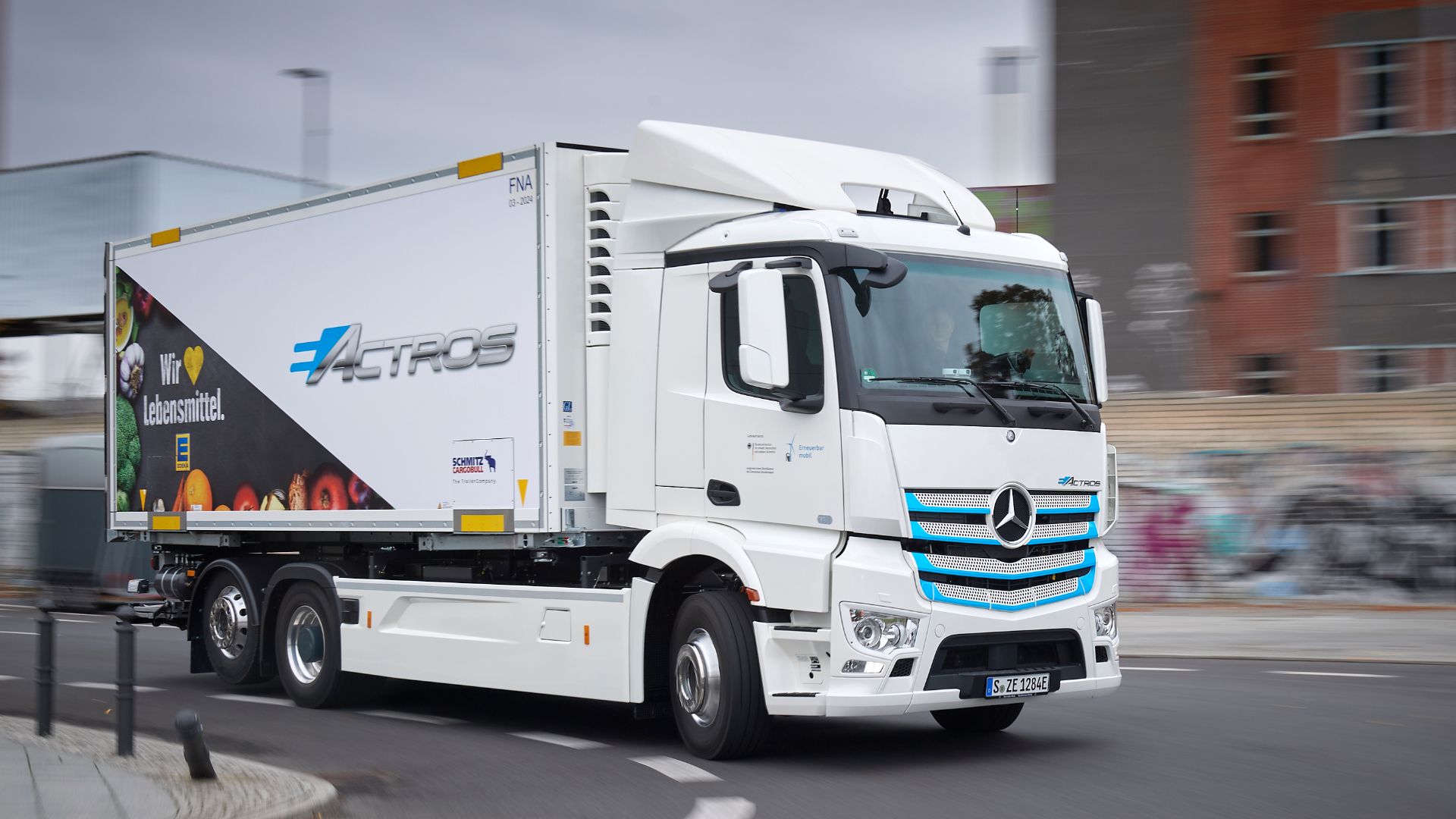
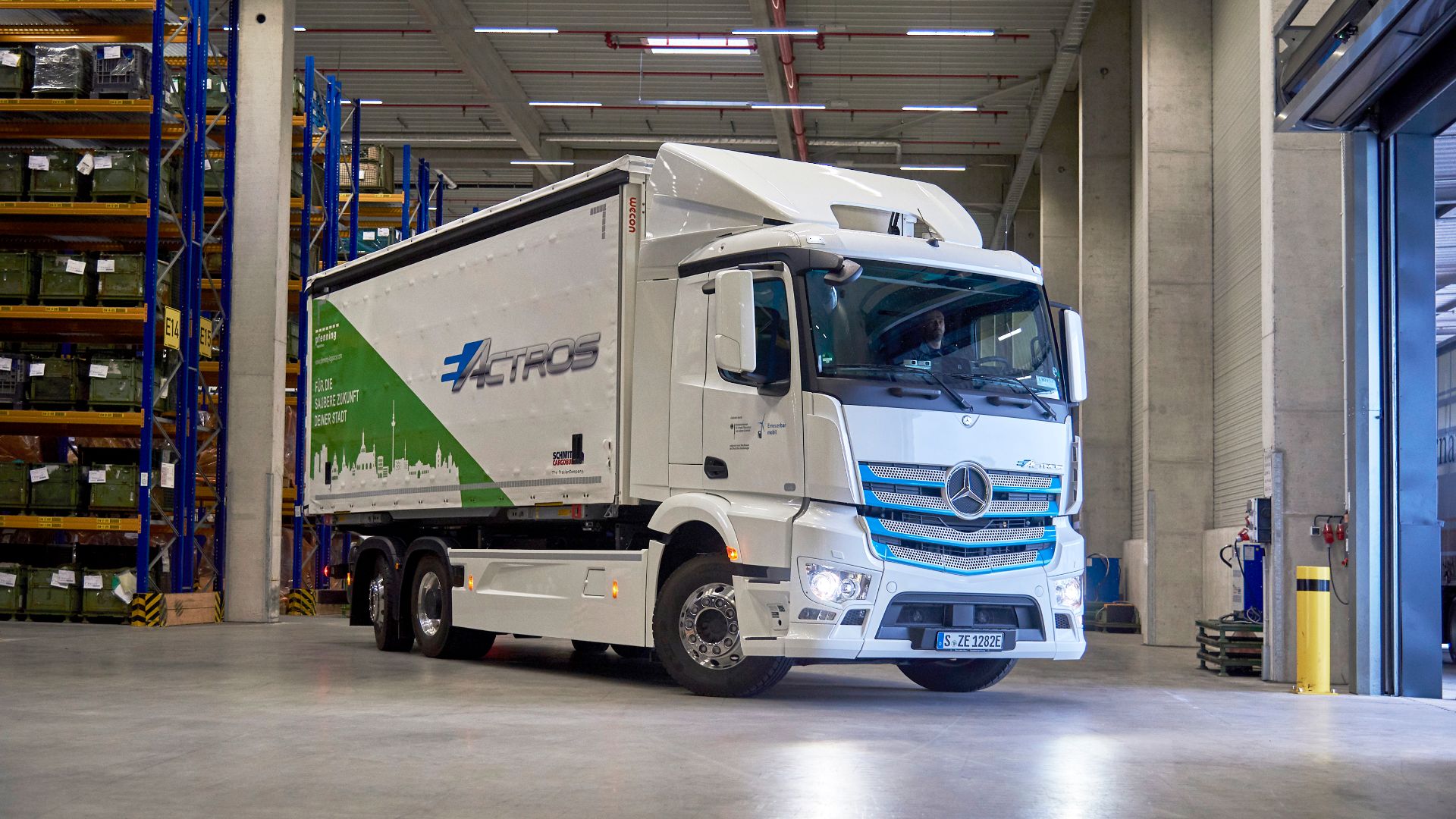
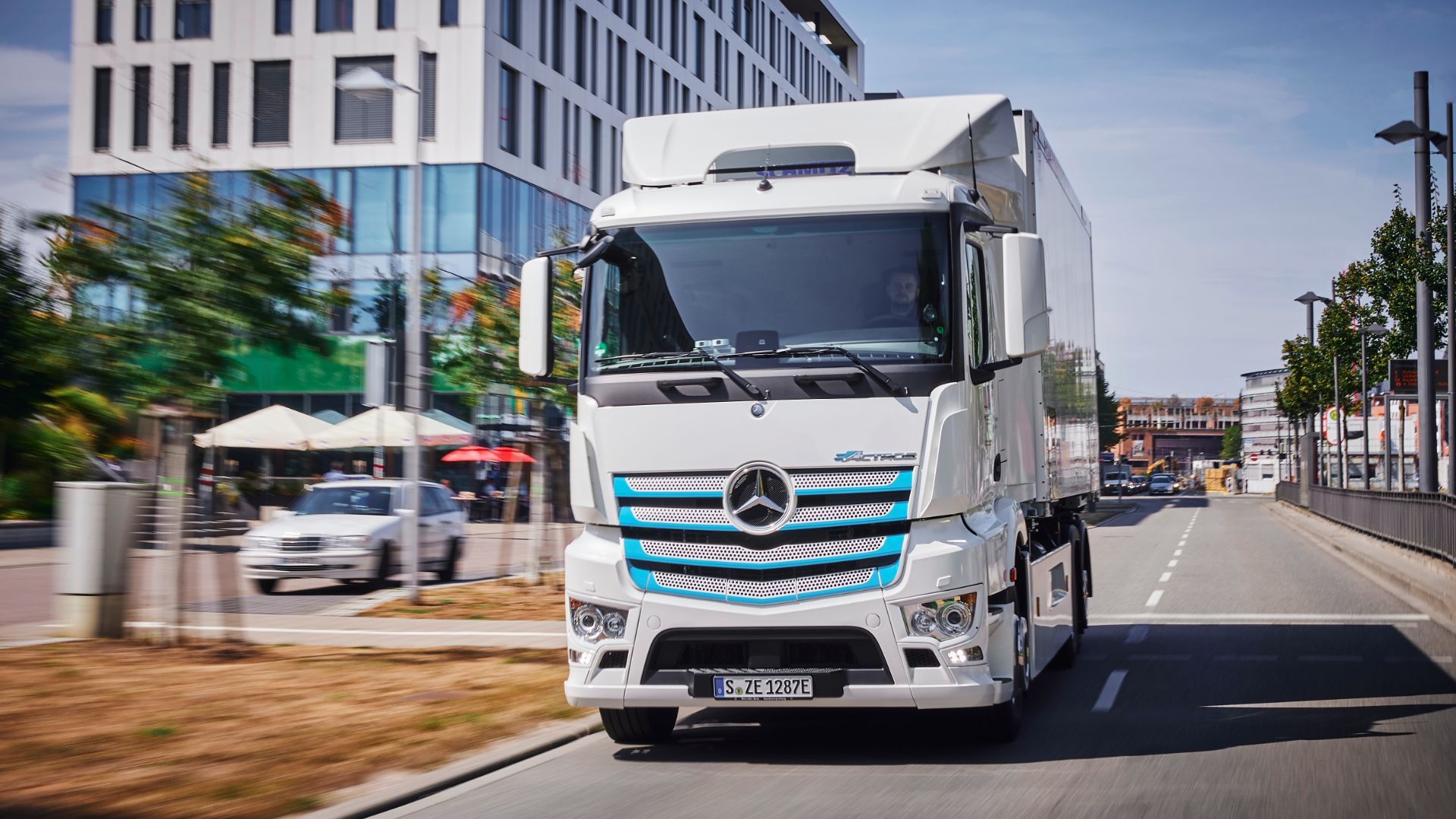
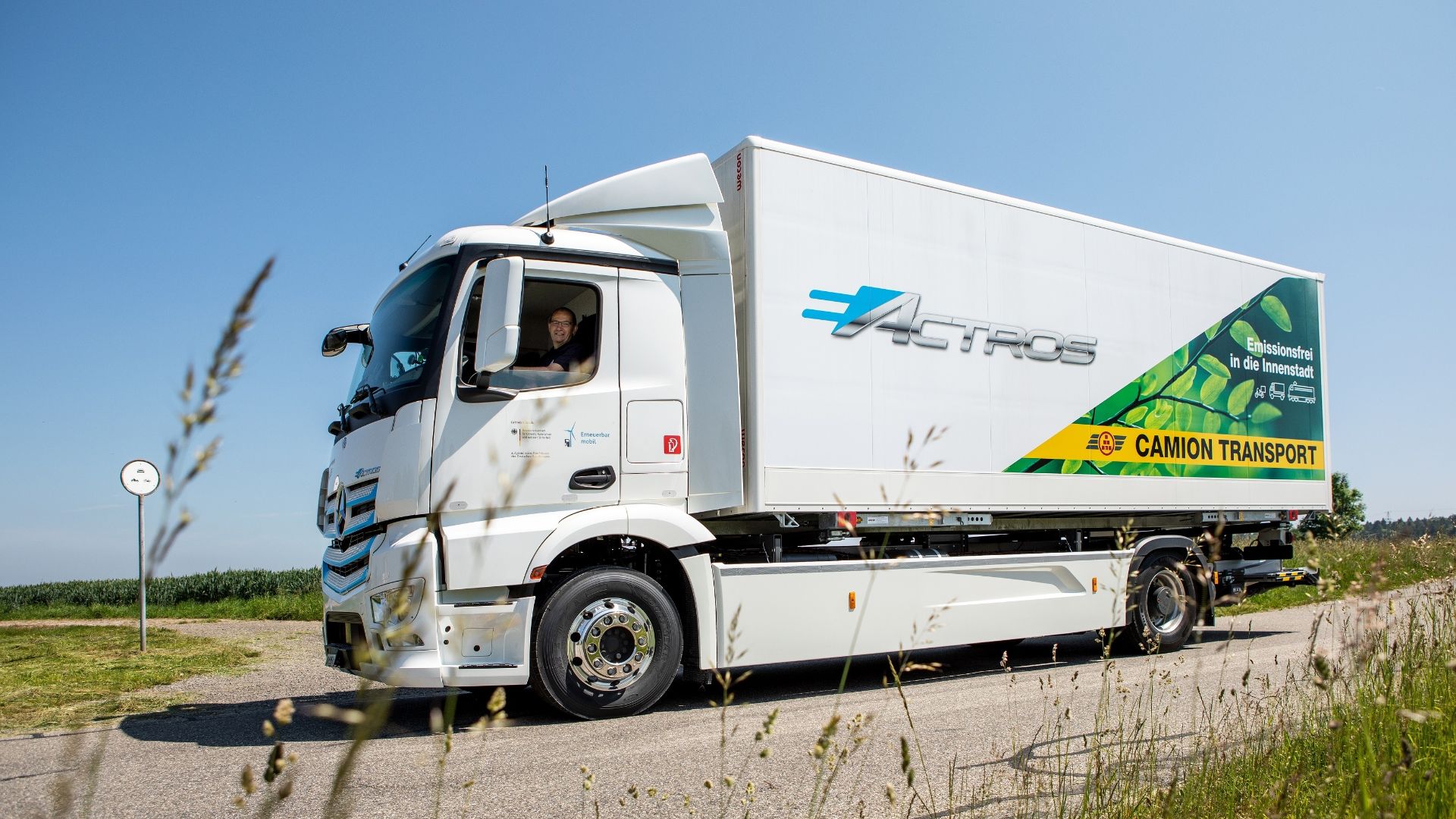
Customers have been testing the Mercedes-Benz eActros electric truck for over a year, so it’s almost ready for active service. It’s due to go into production in 2021.
Just in time, given Bristol city plans to charge diesel trucks £100 per day for entry in 2021, with many other cities likely to follow suit.
eActros ‘innovation fleet’
Mercedes calls its range of electric trucks the ‘innovation fleet’. The mileage count built up by customer testers is now into five figures. The results and commentary from businesses and testers are being taken on board by the marque, as it prepares the truck for production.
Ten companies across Germany put the trucks to use, including Hermes. They were used for a variety of haulage tasks. Mercedes says that “heavy-duty short-radius distribution is already possible with local zero emissions and quiet operation”.
Mercedes has found that, regardless of payload or route, the eActros is good for a realistic electric range of around 120 miles. Not exactly up to Tesla’s claims for its semi, but a start nonetheless.
The potential for driving style to recover more miles is there, too, with the effective use of the recuperation system. The truck and all associated systems, such as climate control, reportedly performed flawlessly in all temperatures.
The batteries have a 240kWh capacity, which can be charged in two hours using a 150kW charger.
Modified Mercedes is a tough truck with SUV attitude
“We’re on absolutely the right track with the concept behind the Mercedes-Benz eActros,” said Andreas von Wallfeld, head of marketing, sales and services at Mercedes-Benz Trucks.
“For me, this is the key finding after more than a year of extremely intensive real-world trials with our battery-electric heavy-duty short-radius distribution truck.”
Skoda’s new ‘Laura’ digital assistant has mastered six languages, is comfortable with natural voice and doesn’t mind being interrupted. OK, Laura, I have one request: please make sure the new Skoda Octavia is up to scratch.
The design sketches look positive, although talk of a ‘coupe-like roofline’ could rob the Octavia of its enviable USP: practicality.
Whether in hatchback or estate form, thanks to its cavernous boot, the Skoda Octavia has always delivered. Why buy a Golf when you can buy a Golf-based hatchback with a 590-litre boot? That’s more than the BMW 3 Series Touring, Audi A4 Avant or Volvo V60.
Opt for the Octavia estate and you have access to 610 litres with the rear seats up and 1,740 litres with them folded away.
All creatures great and small
Little wonder the wagon has become de rigueur for those who put common sense above fashion. Paramedics, rural vets, the St John Ambulance, police forces and fire and rescue services are just some of the groups and organisations that have come to rely on the Octavia.
Only last week, we had to call the vet to deal with an animal emergency at home. He arrived at 1am, in a previous-generation Octavia estate plastered in mud and loaded to the rafters with veterinary equipment. The car just gets on with it – no fuss, no glamour, no bother.
That’s the Octavia way. Even the performance vRS has understated and under-the-radar appeal. Before the arrival of my first child, when it was time to ditch the Vauxhall VX220 in favour of something with more seats, I chose a nearly-new Mk1 Octavia vRS. My son was driven home from the hospital in it – I’ve never driven with more care and attention.
It was a terrific car, with the 1.8-litre turbocharged engine providing plenty of poke, plus boot able to cope with all the paraphernalia that comes with parenthood. I can’t remember why I sold it, but it was almost certainly for something less practical and less sensible.
The Octavia is one of those rare cars I’m happy to recommend to friends and family. It’s a dangerous game – giving advice is a risky business. What if your recommendation leads to an expensive mistake? You’d be better off giving a tip for the 2:45 at Kempton Park.
But I know of two people who have taken a gamble on an Octavia on the ‘strength’ of my opinion. Fortunately, they’ve lived happily ever after.
All things wise and wonderful
Savvy motorists know a good thing when they see it, which is why the Octavia Scout seems to attract a premium on the used car market. There’s something ‘old money’ about the Scout: a soft-road wagon for those who are confident in their own skin. The thinking person’s Audi Allroad. The less ostentatious Mercedes-Benz E-Class All-Terrain. The only rural wagon you’ll ever need.
Check this out: a 2019 Skoda Octavia Scout for £24,000. That’s nearly £10,000 less than the price of a Karoq Scout. The Octavia is more practical, better to drive and will look better parked outside the farm shop. There’s no contest.
I guess there’s a wider point to this post, and it concerns the diminishing appeal of the Skoda brand. Granted, it’s a personal opinion, but I believe it’s worth sharing.
Like all volume brands, Skoda has thrown its might behind a range of SUVs. The Kodiaq was followed by the Karoq, with the Kamiq the latest crossover to hit showrooms. All worthy, all a match for their immediate rivals, all bang on trend.
But there’s a danger that Skoda is losing sight of what made the brand so appealing to free-thinkers and those not swayed by fashion or trends. The SUVs are great and are what the market demands, but Skoda needs to maintain a gap between it and the Volkswagen mothership. Some clear space to leave room for individuality.
It’s this space that gave us the Felicia Fun, the Fabia vRS diesel, the Roomster and the Yeti. Much as I adore the Superb, especially in 272hp 2.0-litre petrol guise, I miss the cars that made Skoda feel like Volkswagen’s quirky Czech mate.
Let’s hope the new Octavia continues to major on practicality, with a keen price and an acknowledgment of what has made the first three generations so successful. The alternative is more people migrating to Skoda SUVs, and that’s a future we can all do without.
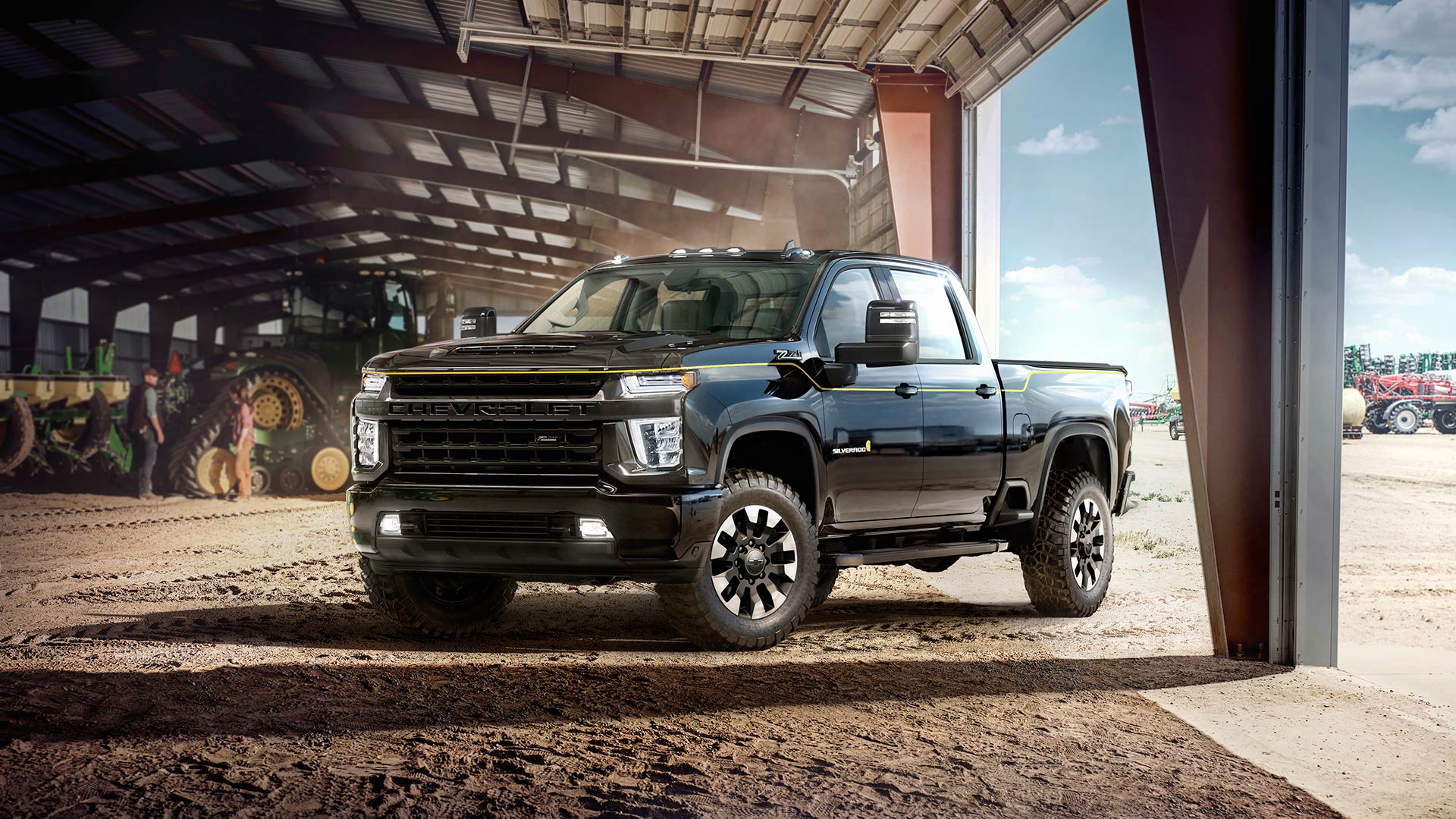
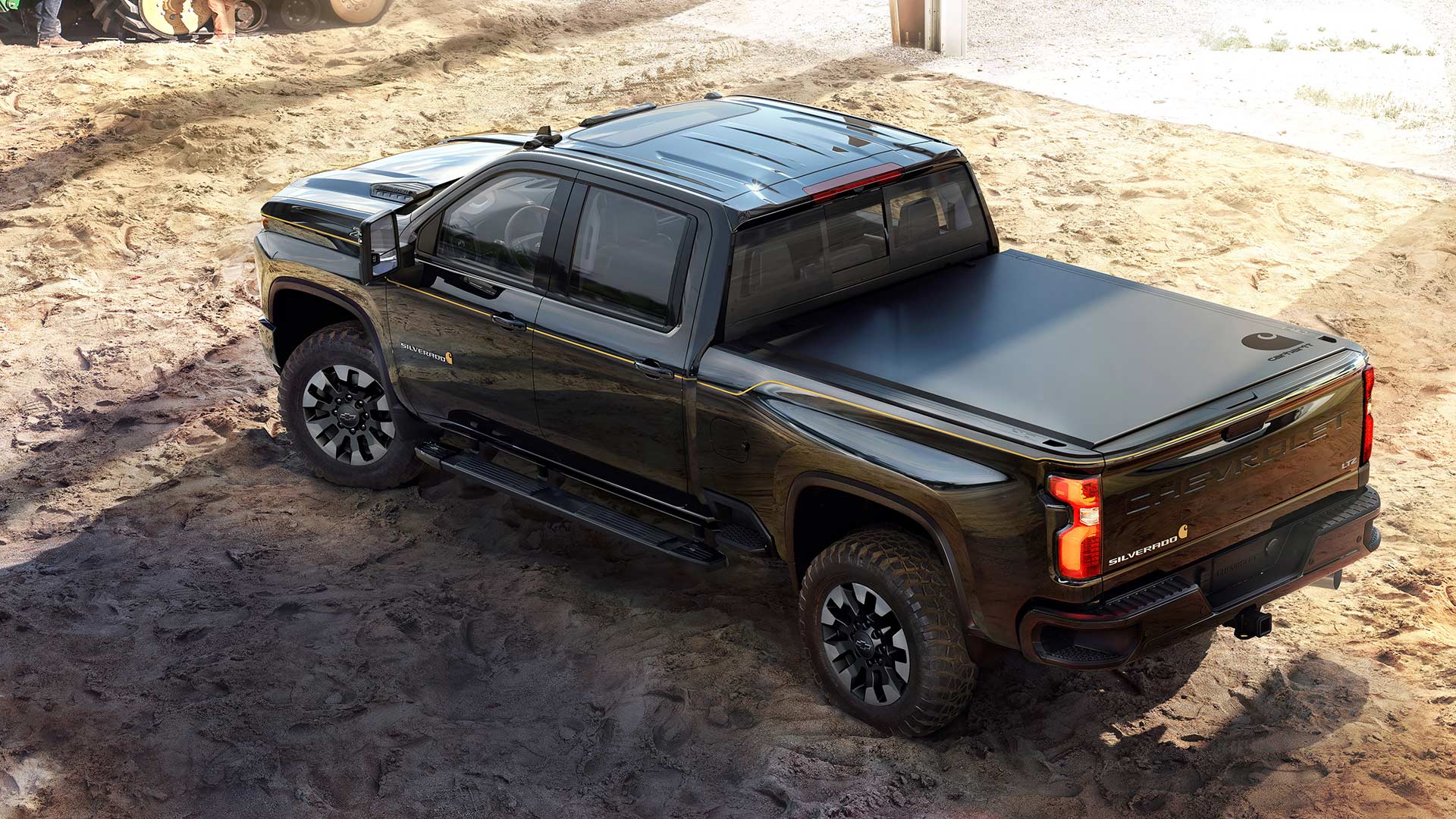
Three years after displaying a concept version the 2017 SEMA Show, Chevrolet has announced a production Silverado made in collaboration with Carhartt.
The link up with the Detroit-based clothing manufacturer is intended to create the “ultimate hard-working truck”, and sees a number of special features added.
Chevrolet already bills the current Heavy Duty range as the strongest, most capable, trucks in the Silverado lineage, which stretches back to 1999.
Heavy Duty action machine
At the heart of the HD Carhartt Special Edition is a Silverado 2500 LTZ crew cab model. Chevrolet has specified key options as standard, including the Z71 Off-Road Package. This means Rancho shocks absorbers, Hill Descent Control, and extra skid plates all come fitted from the factory.
To ensure it stands out, the Carhartt Special Edition is finished in Mosaic Black Metallic paint on the outside. Also included is pinstripe detailing in the signature Carhartt gold color, adding extra definition to the big Chevy truck.
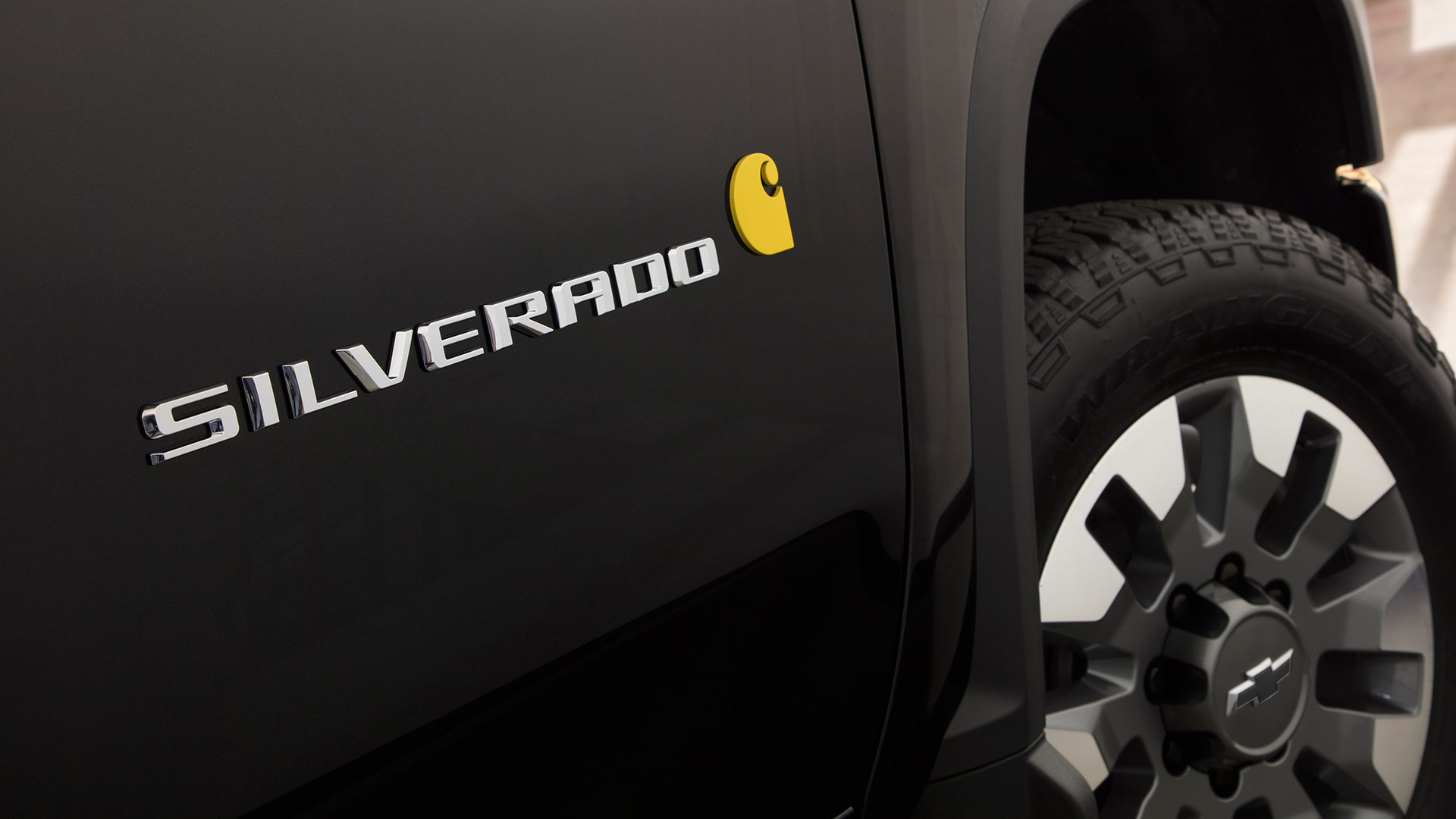
Gold Carhartt badges have also been added to the outside, along with black hood vents, a black Chevrolet bowtie emblem, and body-colored bumpers. A set of 20-inch alloy wheels with All-Terrain tires ensure it has a hardworking stance.
Ready for a rugged lifestyle
Inside, the Carhartt Special Edition benefits from seats trimmed in exclusive two-tone Jet Black and Carhartt Brown leather. These also feature new stitching, along with that gold Carhartt logo making an appearance on the headrests. Carhartt-branded floor mats help finish the transformation.
According to Janet Ries, vice president of marketing at Carhartt, the new Silverado “represents a true collaboration of our brands coming together to create a durable, purpose-built truck for people who not only work hard on the jobsite, but also live a rugged lifestyle.” Originally founded in 1889, Carhartt is remarkable for still being a family-owned company.
Chevy truck fans have already endured a wait of three years for this special model, and are going to need to continue being patient. Sales of the Silverado HD Carhartt Special Edition will begin in the fall of 2020, meaning plenty of time to ensure your wardrobe is stocked to match.
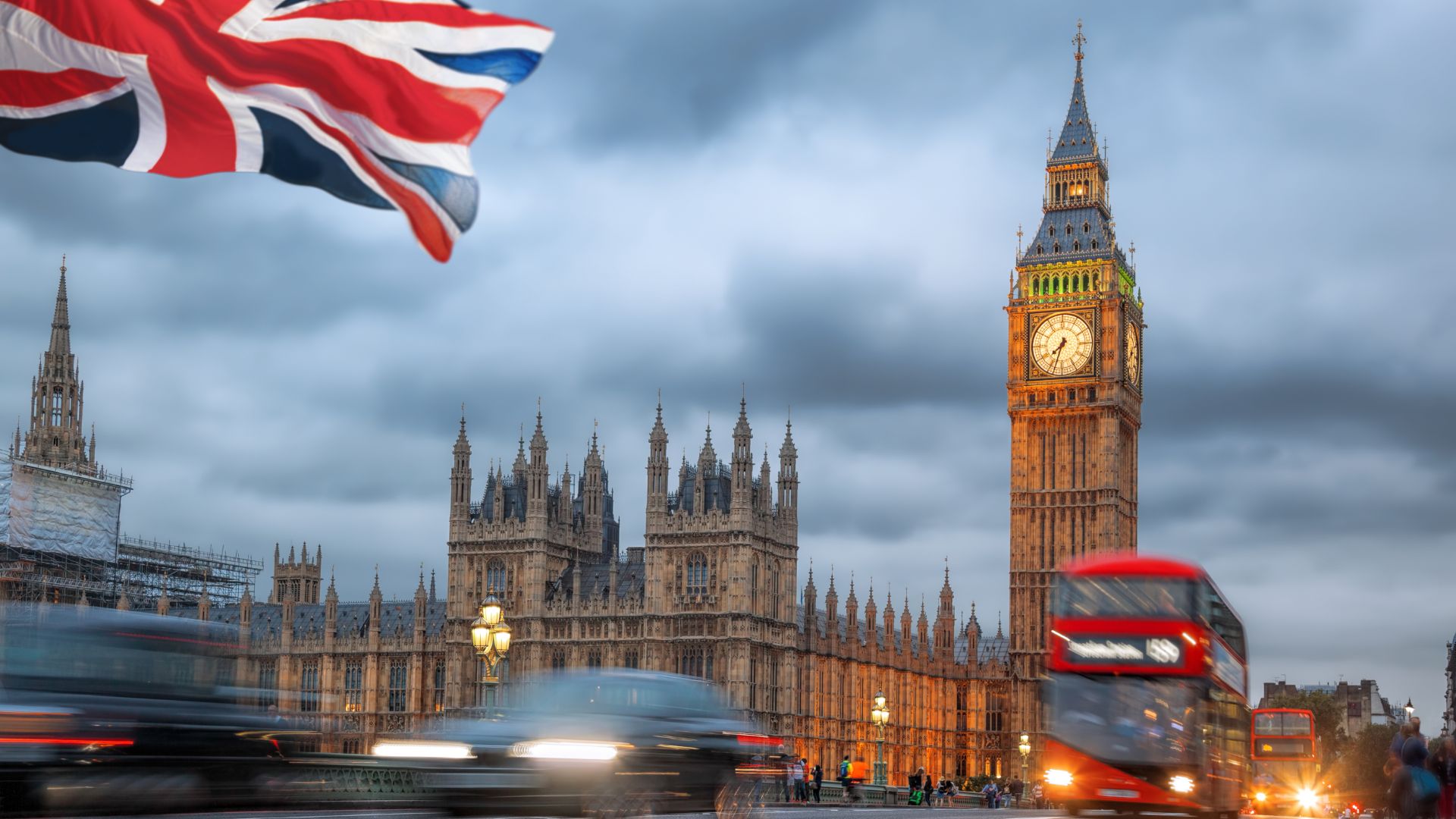
With a General Election on the way, there are renewed calls for a government that puts road safety near the top of its priorities.
Safety charity IAM RoadSmart has come up with a manifesto of its own. It details how the number of casualties has scarcely decreased over the past seven years. In 2018 there were, on average, four deaths per day on UK roads (1,784 in total).
IAM RoadSmart says there are seven points that require the government’s focus: young drivers, older drivers, driver re-testing, driver rehabilitation, professional drivers, driverless cars and motorcyclist proficiency.
Graduated licencing for young drivers
For young drivers, the charity wants a 12-month minimum learning and test period, plus a graduated licence system. It also wants younger drivers to be subject to training interventions in the first year after they pass their test.
Re-testing and GP certification for older drivers
Older drivers represent what the charity calls a ‘demographic time bomb’. It wants to debate how best to keep them safe on the road. Eye tests, a doctor’s certification and compulsory retesting for drivers over 85 are on the agenda.
Refresher courses
More comprehensive education and testing is a general theme in this manifesto, for drivers of all ages. IAM RoadSmart thinks periodic refresher courses could get driver deaths back in decline.
Driver rehab
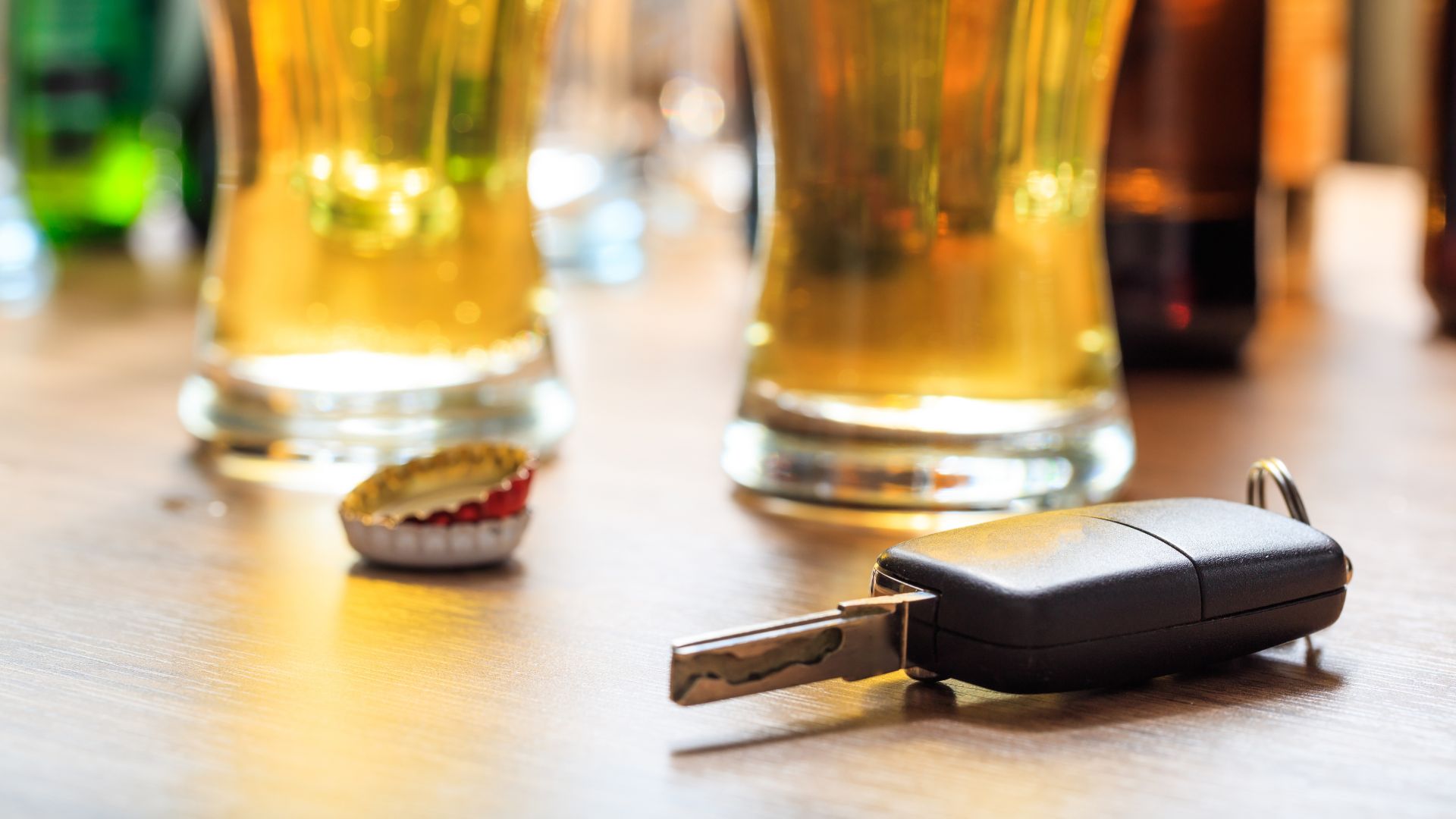
Specific negative driver and rider behaviours should be targeted with rehabilitation courses, the charity says, in the same way drink-drivers are rehabilitated.
A renewed focus on the safety of those who drive for work is mentioned, too. This should be ‘at the core of good corporate governance and procurement practice in the private and public sector’.
Driverless car legislation
Autonomous cars are on the horizon, and present an enormous legislatory challenge. How we transition, and how we use them, needs to be examined soon.
Motorcycling
Motorcyclists are some of the most at-risk motorists. IAM Roadsmart reckons they should be allowed in bus lanes, and there should be wider support for advanced riding courses.
“The UK has one of the best road safety records in Europe, but still 1,784 people a year are killed,” said Mike Quinton, IAM RoadSmart CEO.
“We believe by working together with government and the road safety ‘industry’, we can deliver a step-change in road safety and significantly reduce the fatalities and injuries that occur daily on our roads.
“We will be writing to politicians to highlight our manifesto priorities and urging them to be instrumental in the road safety debate when the new government is formed.”