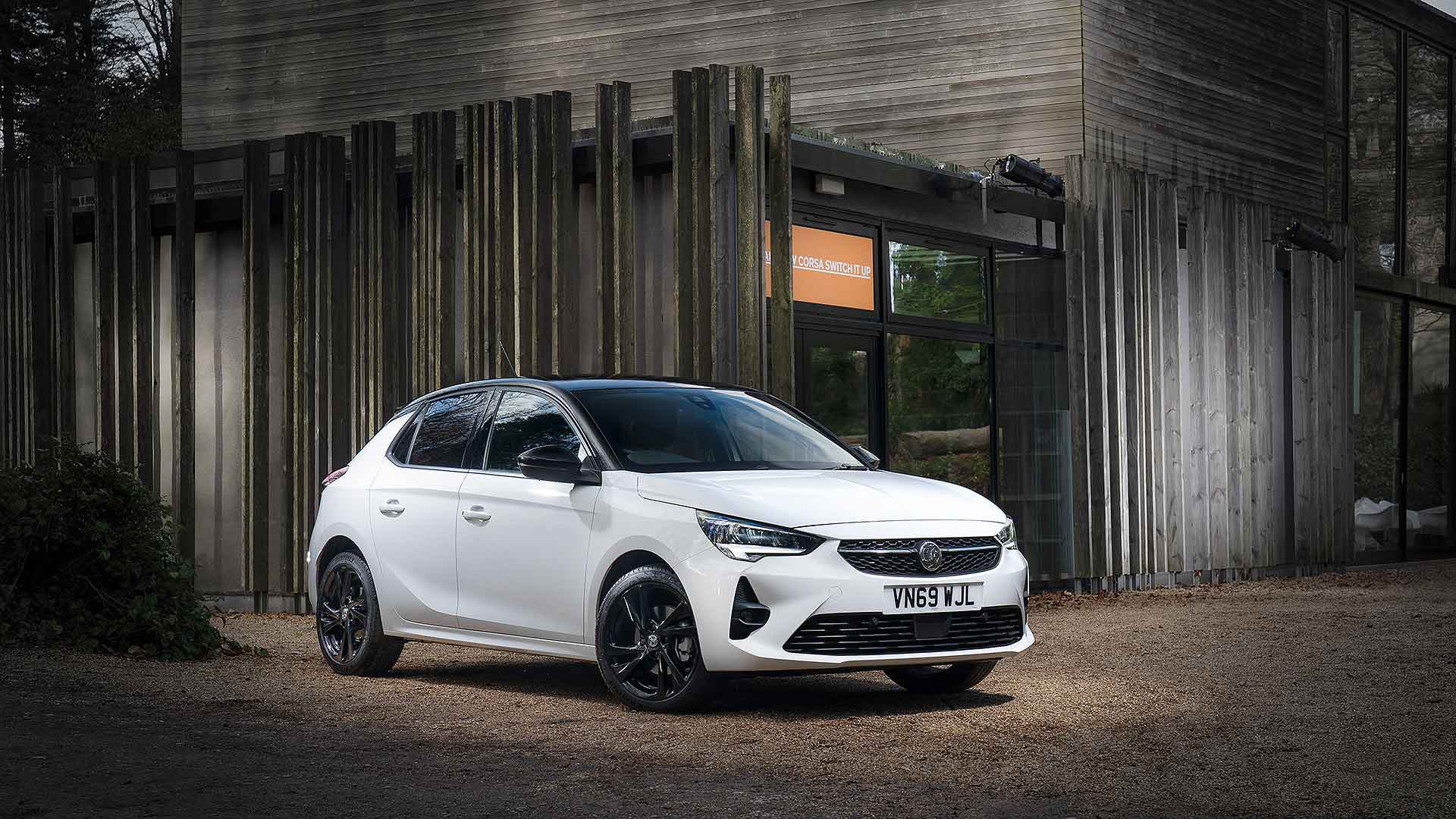
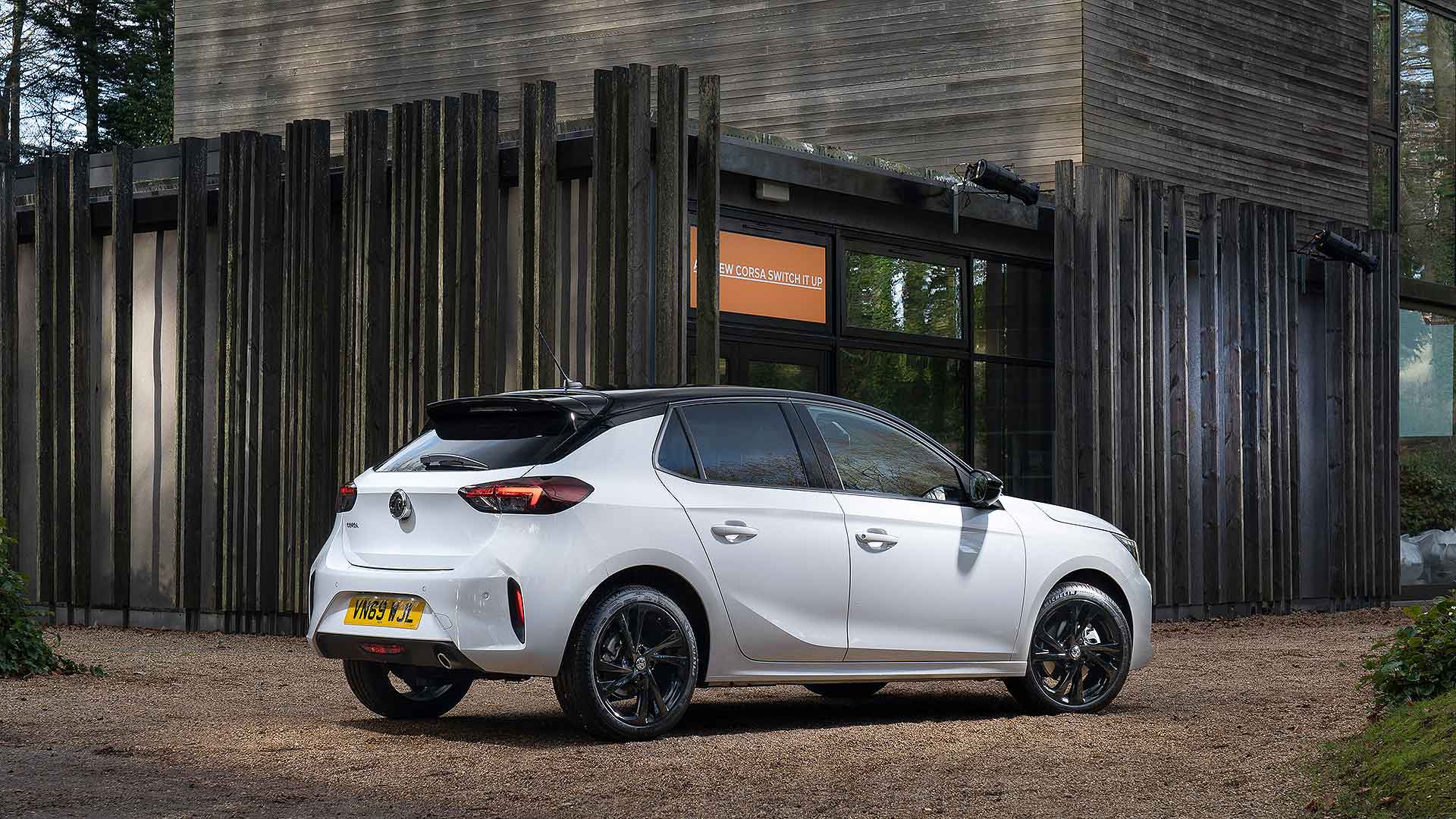
The new Vauxhall Corsa will not offer any individual optional extras apart from paint colour and a spare wheel, as the British brand looks to simplify things for car buyers.
The many thousands of configurations available with the outgoing Corsa have been cut, with Vauxhall instead offering a handful of upgrade packs for key variants.
These bundle individual options together, making things easier and offering better value – as the packs cost less than choosing the options individually.
“The old Corsa had over 3,000 different configurations,” said Vauxhall brand manager Zoe Peacock. “We’ve cut the confusion and bundled options into three packs – Nav, Premium and Nav Premium.”
Vauxhall isn’t doing this just to make things easier for customers and retailers, though. It also helps the firm manage CO2 emissions.
“The previous system made it very hard to control range CO2 emissions,” said Peacock. Under new WLTP fuel economy regulations, each individual option has an effect on CO2.
The amounts are small, but they start to add up – and it’s almost impossible to manage on an ongoing basis.
Given how, from 2020, car makers have to meet strict range-average CO2 targets or face hefty fines, Vauxhall made the decision to simplify things for its UK best-seller.
And, far from being disappointed, Peacock feels customers will react positively: “It’s going to be interesting to see if it encourages greater options uptake.”
2020 Vauxhall Corsa options
The 2020 Vauxhall Corsa is offered in SE, SRi, Elite Nav and Ultimate Nav guises. The core best-sellers will be SE and SRi – and it’s these two variants that offer the three new upgrade packs.
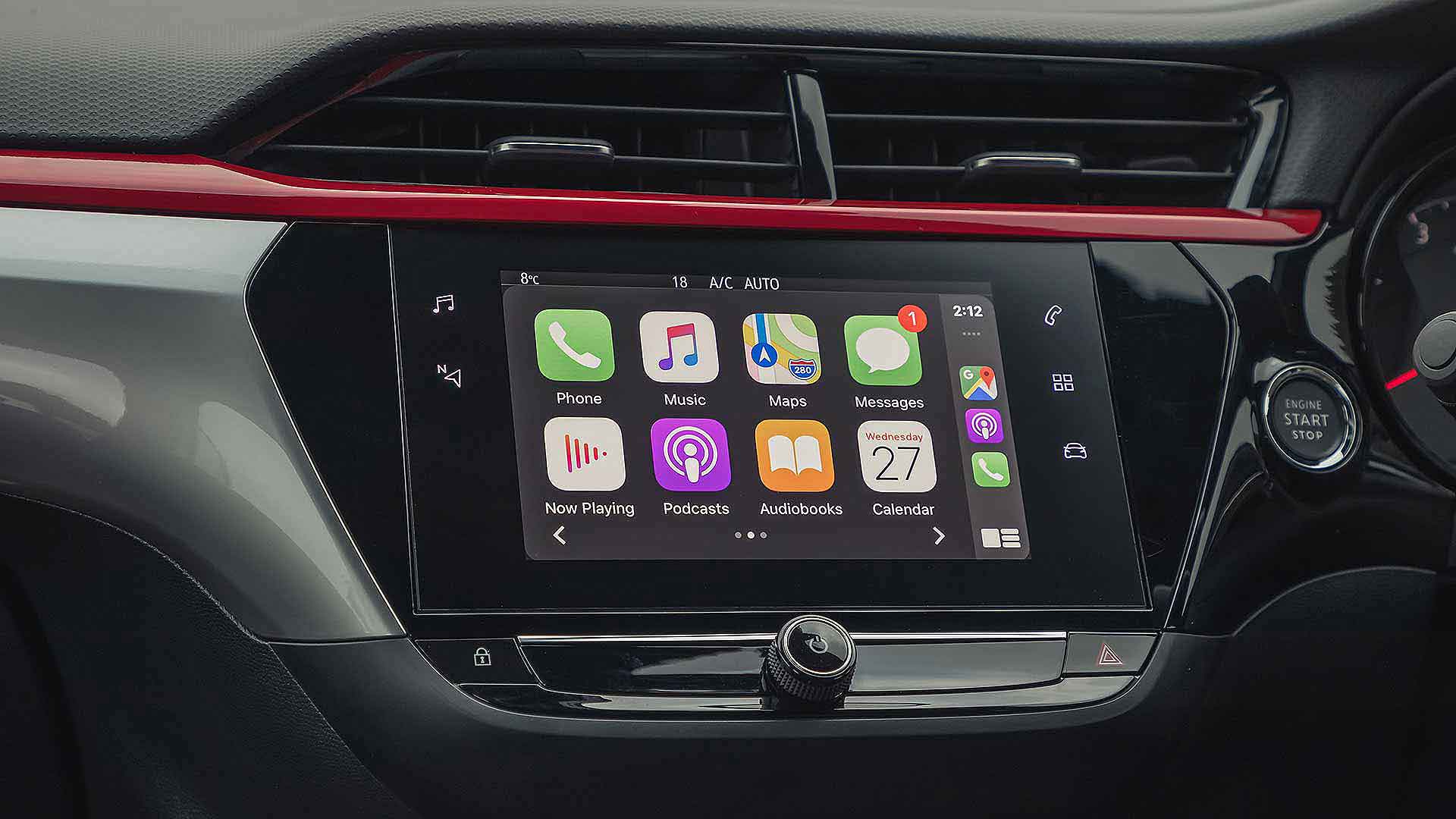
Nav is the most affordable (£740 on SE, £500 on SRi), and, as its name suggests, adds on satellite navigation.
Premium is £780 on SE, £1,240 on SRi, and incudes luxuries such as heated front seats, auto wipers and heated steering wheel. Nav Premium combines the best of both.
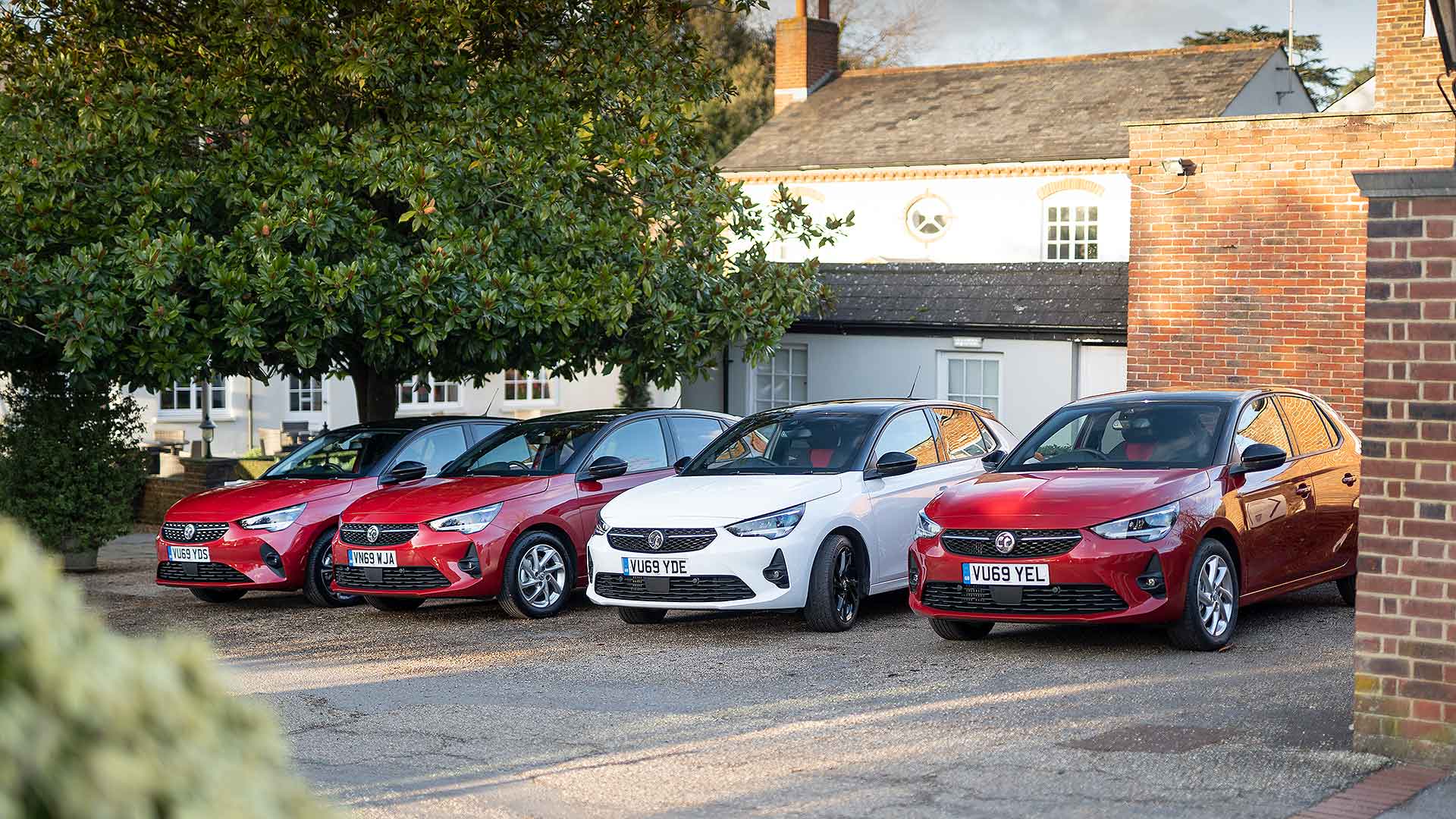
Otherwise, the only option with the new Corsa is paint colour: Navy Blue is free, while the other seven hues range from £340 to £650.
The firm will also sell a 15-inch emergency spare wheel for £110.
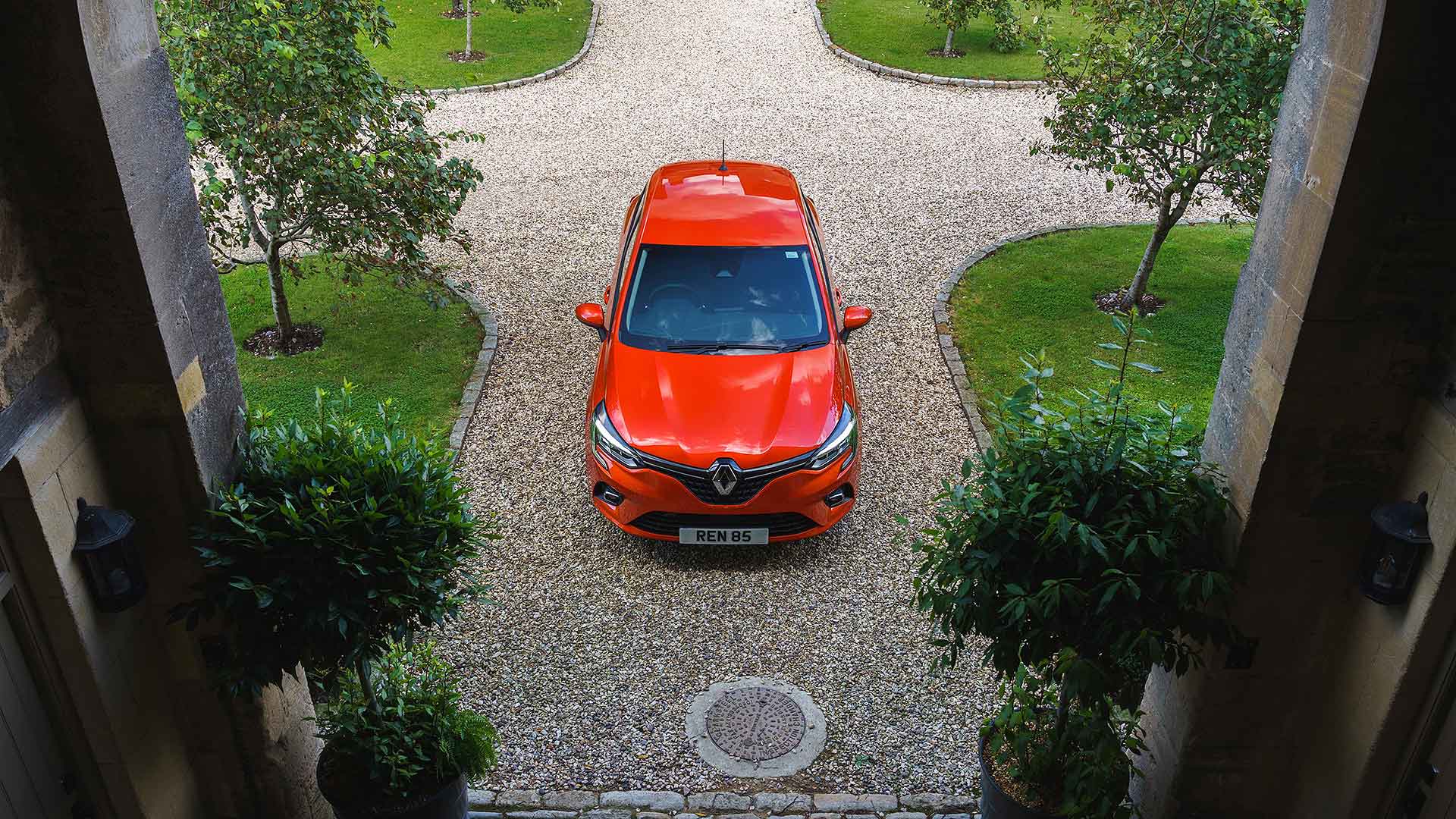
Renault now offers a five-year, 100,000-mile warranty on all new cars sold in the UK from 18 December 2019.
The French firm’s new warranty package improves its previous three-year, 60,000-mile warranty. It applies to all passenger cars – and every version of the new Clio, even those already registered.
Both fleet and retail customers benefit from the new 5-year warranty. Indeed, the first two years actually have an unlimited mileage limit. It’s for the final three years that the 100,000-mile cap is added.
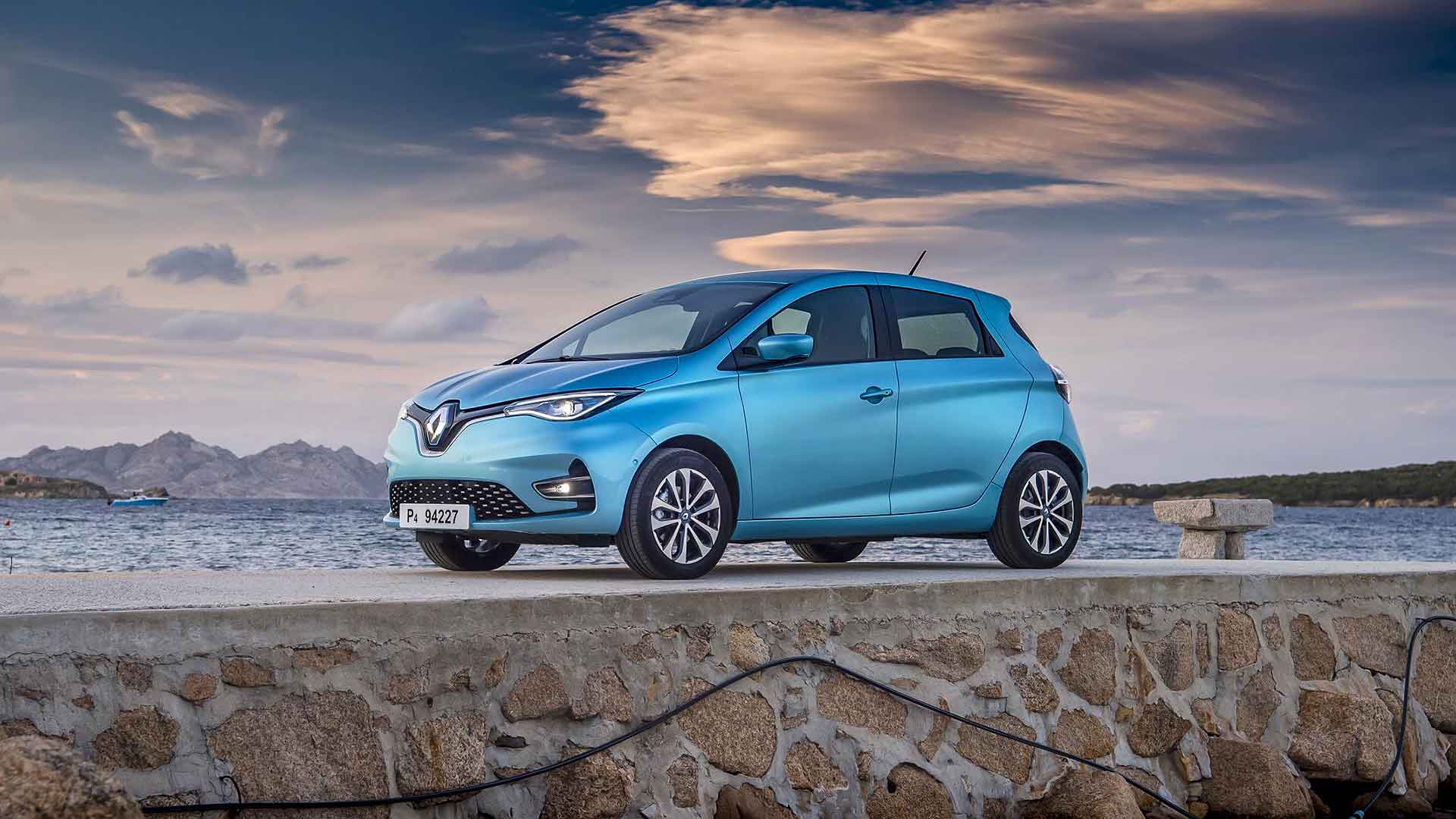
The all-electric Zoe (pictured above) and Twizy are included in the five-year warranty offer, too.
Vincent Tourette, MD of Renault UK said: “Renault is deeply committed to the quality and reliability of its products and this extended cover reinforces the confidence that both we and our customers have in our vehicles.”
Renault’s three-year roadside assistance package for all new car buyers remains unchanged, though. The mileage limit is 100,000 for its electric vehicles and the latest Koleos, 60,000 miles for all other models.
The improved package means Renault now offers one of the best new car warranties in the UK, matching the five-year deal of Hyundai and Toyota.
However, Kia, MG and SsangYong still lead the way, each with a seven-year warranty – limited to 80,000 miles by MG, 100,000 miles by Kia, and a stonking 150,000 miles by SsangYong.
The electric car race is gathering pace. Gone are the days when the electric car market was dominated by a few manufacturers. By this time next year, a host of new names will have joined the all-electric party, including Volkswagen, Honda and Ford.
Here, we’ve assembled some of the most exciting new electric cars, ranging from affordable superminis to expensive supercars. Ladies and gentlemen, charge your glasses as we toast the electric new year.
First look at mystery Maserati electric supercar due in 2020
Volkswagen ID.3
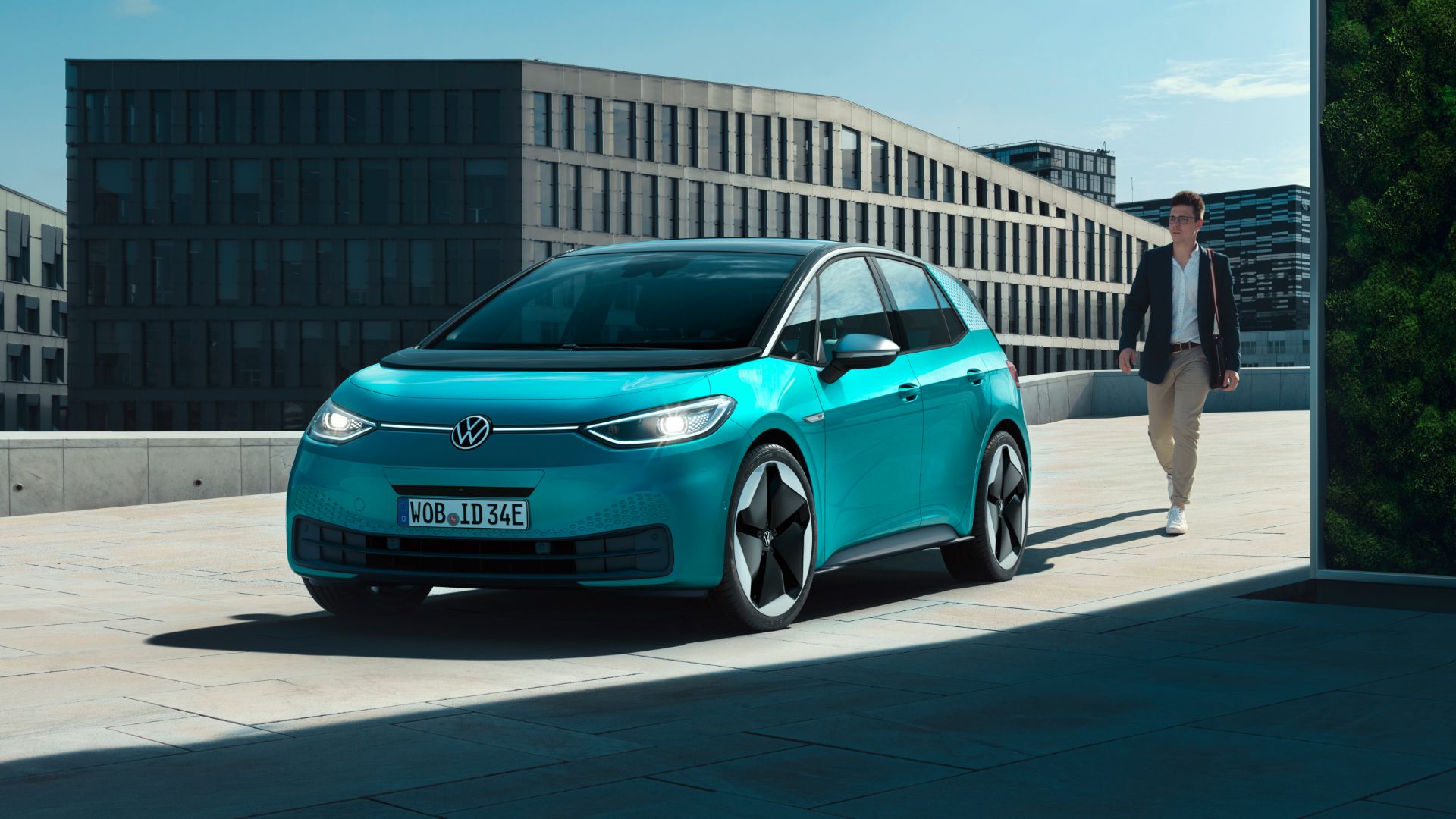
It might not be the most exciting new electric car, but it’s what the Volkswagen ID.3 can do for the entire industry that’s most intriguing. Volkswagen claims it will have the same impact as the Beetle and the Golf – hence the ID.3 name – and it will be interesting to see if it has any impact on sales of the new Mk8 Golf. Up to 341 miles of range is available, with top-end first edition cars available from £35,000.
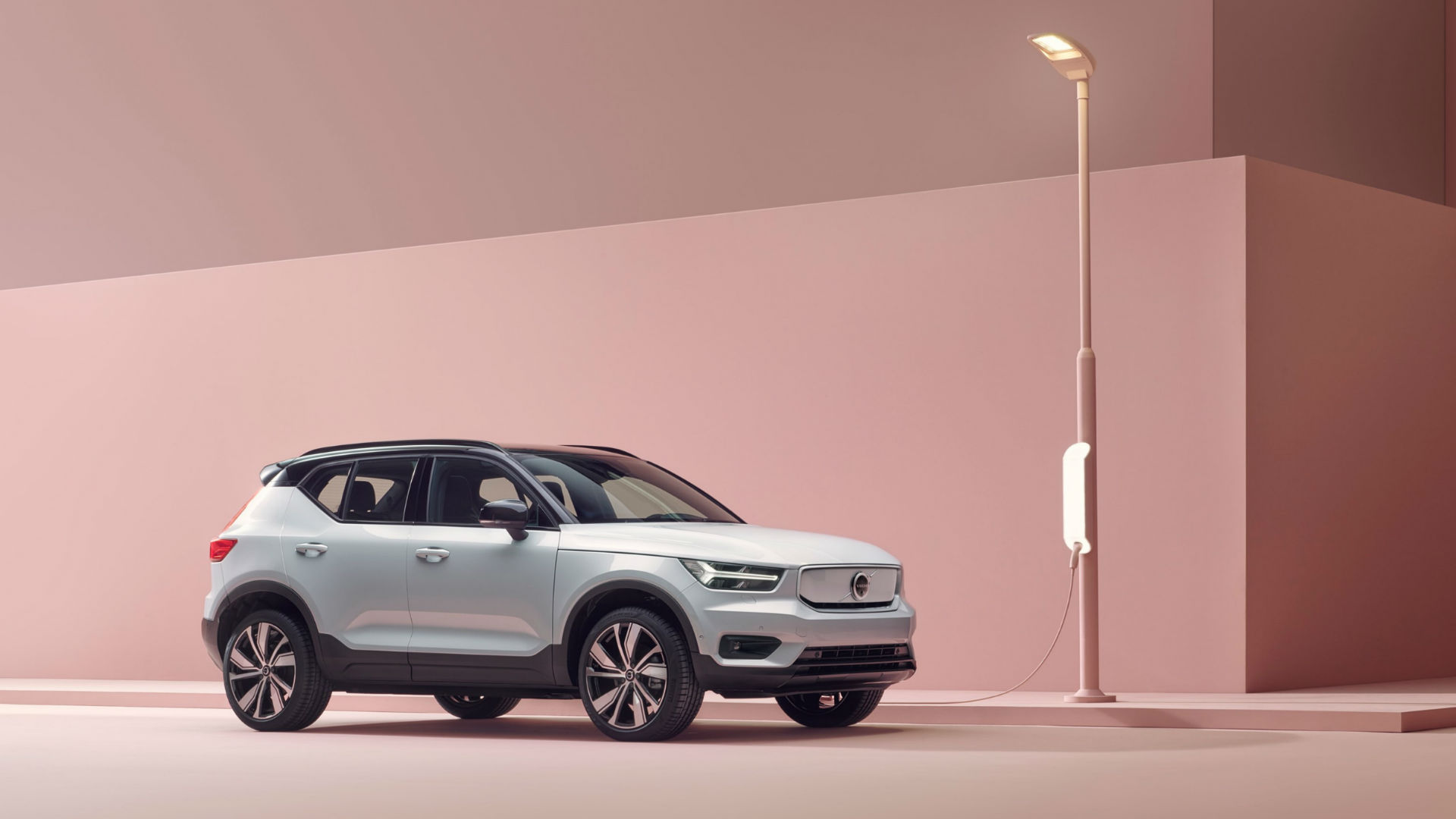
Volvo XC40 Recharge
Volvo’s first all-electric car combines a 0-62 mph time of 4.9 seconds with an EV driving range of nearly 250 miles. The XC40 Recharge P8 AWD has two electric motors, giving a total output of 408 horsepower. Total battery capacity is 75 kWh, and Volvo says the batteries will recharge from zero to 80 percent in 40 minutes. It’s the first of a new range of all-electric Volvos, with the company launching one a year between now and 2025.
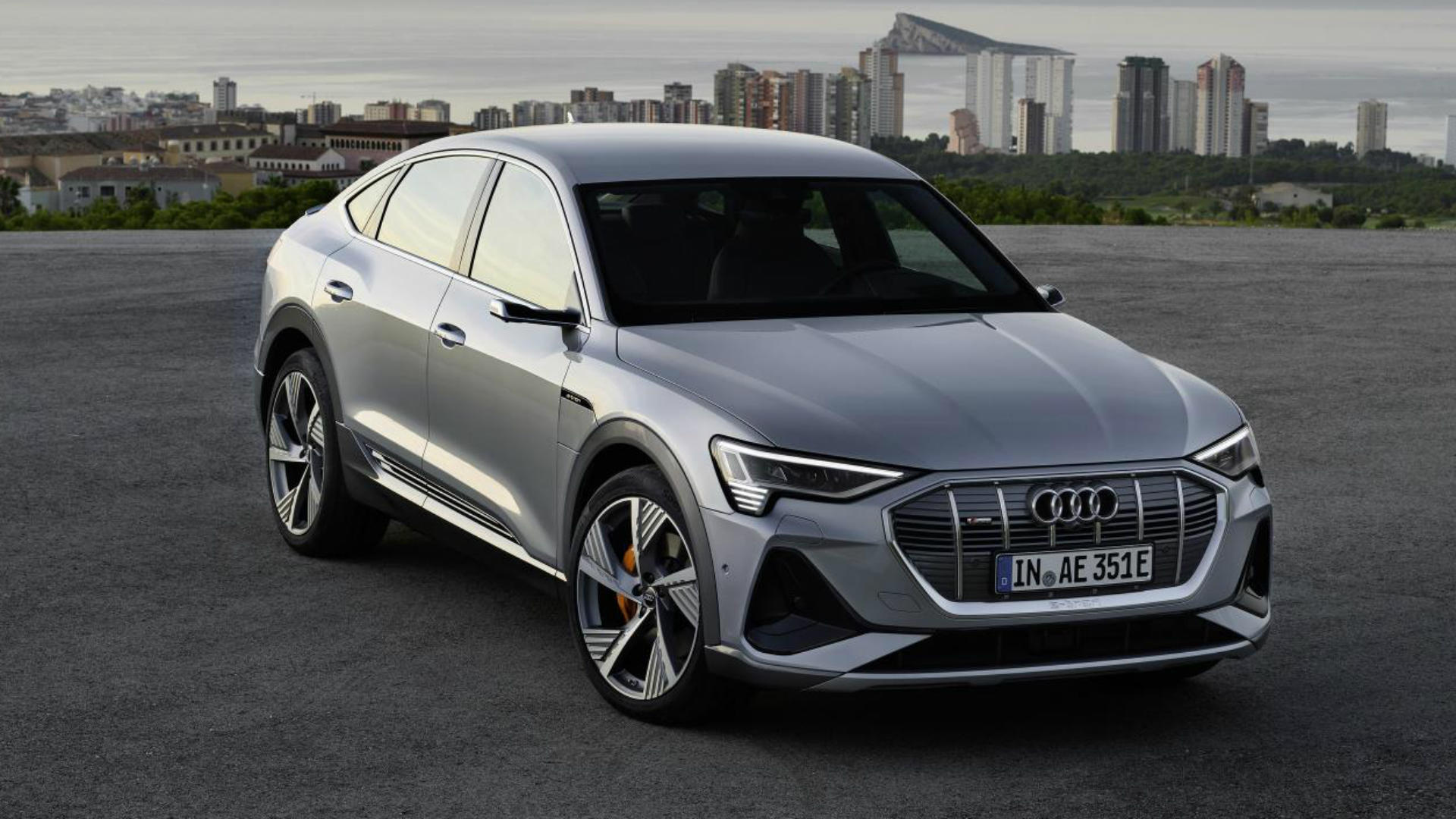
Audi E-tron Sportback 55
The Audi E-tron Sportback 55 follows the e-tron SUV as the company’s second all-electric vehicle. Improved aerodynamics add 6.2 miles to the range, giving a figure of 277 miles. Audi says maintaining keen dynamics and a sense of luxury are more important than maximum range, while the 615 litres of luggage capacity means the E-tron Sportback is as practical as more conventional rivals.
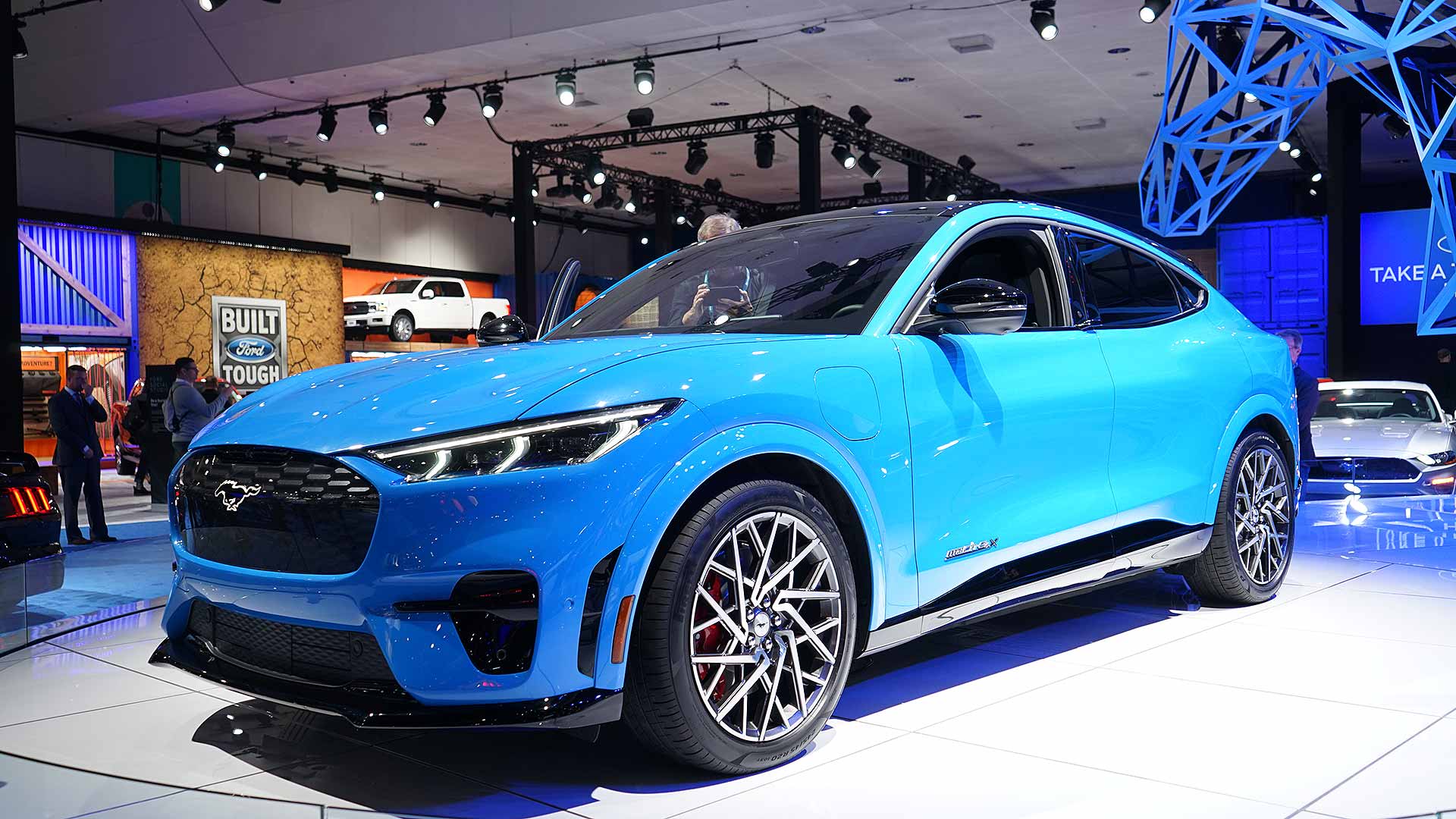
Ford Mustang Mach-E
The fact that this iconic Ford has gone electric continues to raise a few eyebrows, but the use of the Mustang name makes sense. As does the fact that it’s an electric SUV, because that’s what the world wants. Available with a choice of two batteries and three power outputs, the Mach-E could offer up to 370 miles of electric range. It’s packed with the latest tech, while practicality is guaranteed thanks to a large 402-litre boot and a 100-litre ‘frunk’.
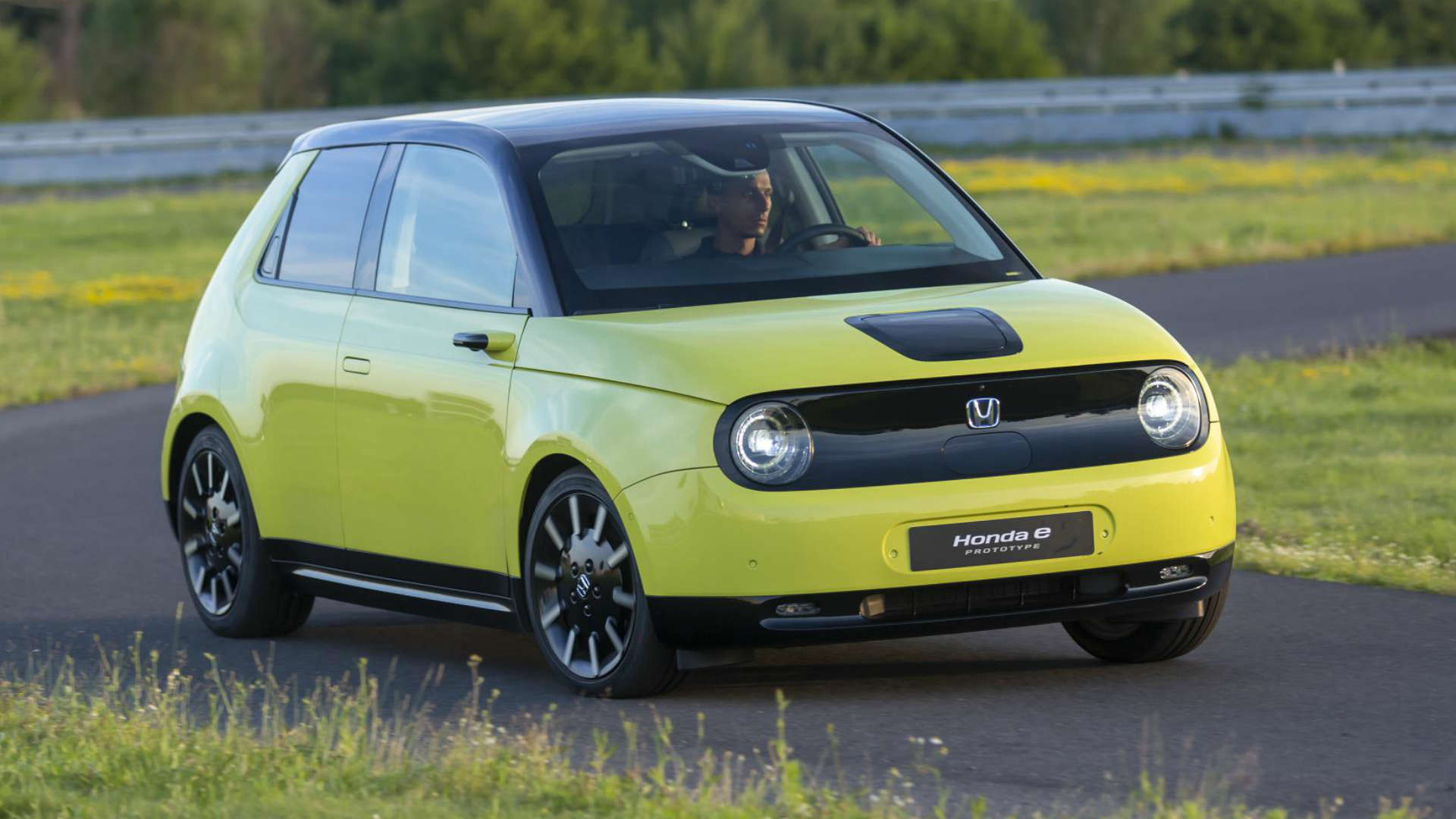
Honda e
We’ve driven a Honda e in prototype form. Our verdict: “It’s as appealing to drive as it is to look at and sit in. It looks characterful, and its on-road performance is distinctive too, particularly the comfort, the quietness, and the turning circle.” Post-grant prices start from £26,160 for the 100 kW version, while the 113 kW version costs £28,660. Alternatively, Honda e finance starts from £299 per month.
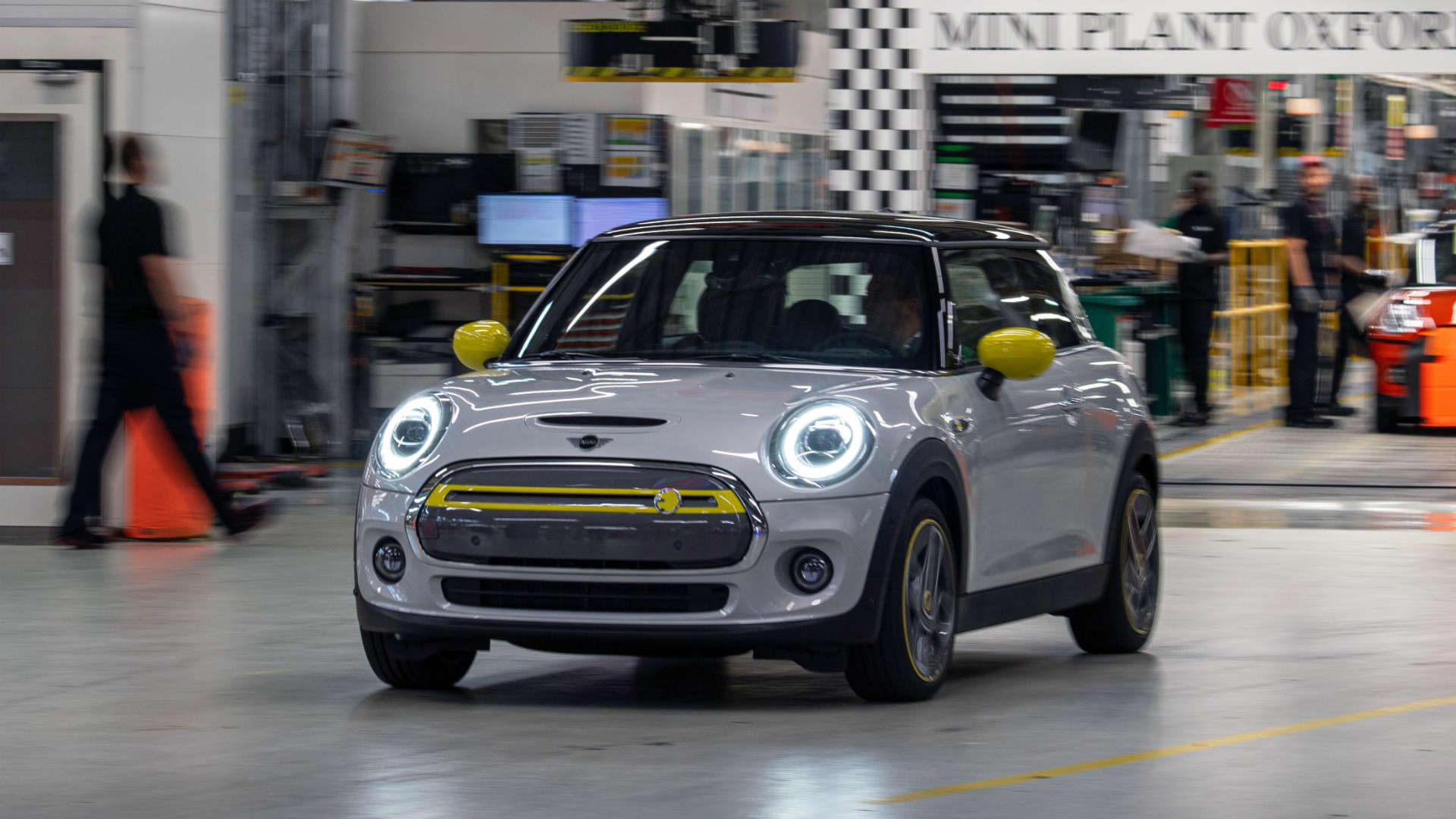
Mini Electric
The new Mini Electric is open for ordering with deliveries expected in March 2020. With an on-the-road price of £24,400 (after the grant) the Mini is cheaper than the Honda e, but the driving range is a similarly limited 124 miles. The compact 32.5 kWh battery has been used to keep the weight down, with Mini keen to preserve the famous ‘go-kart’ handling characteristics.
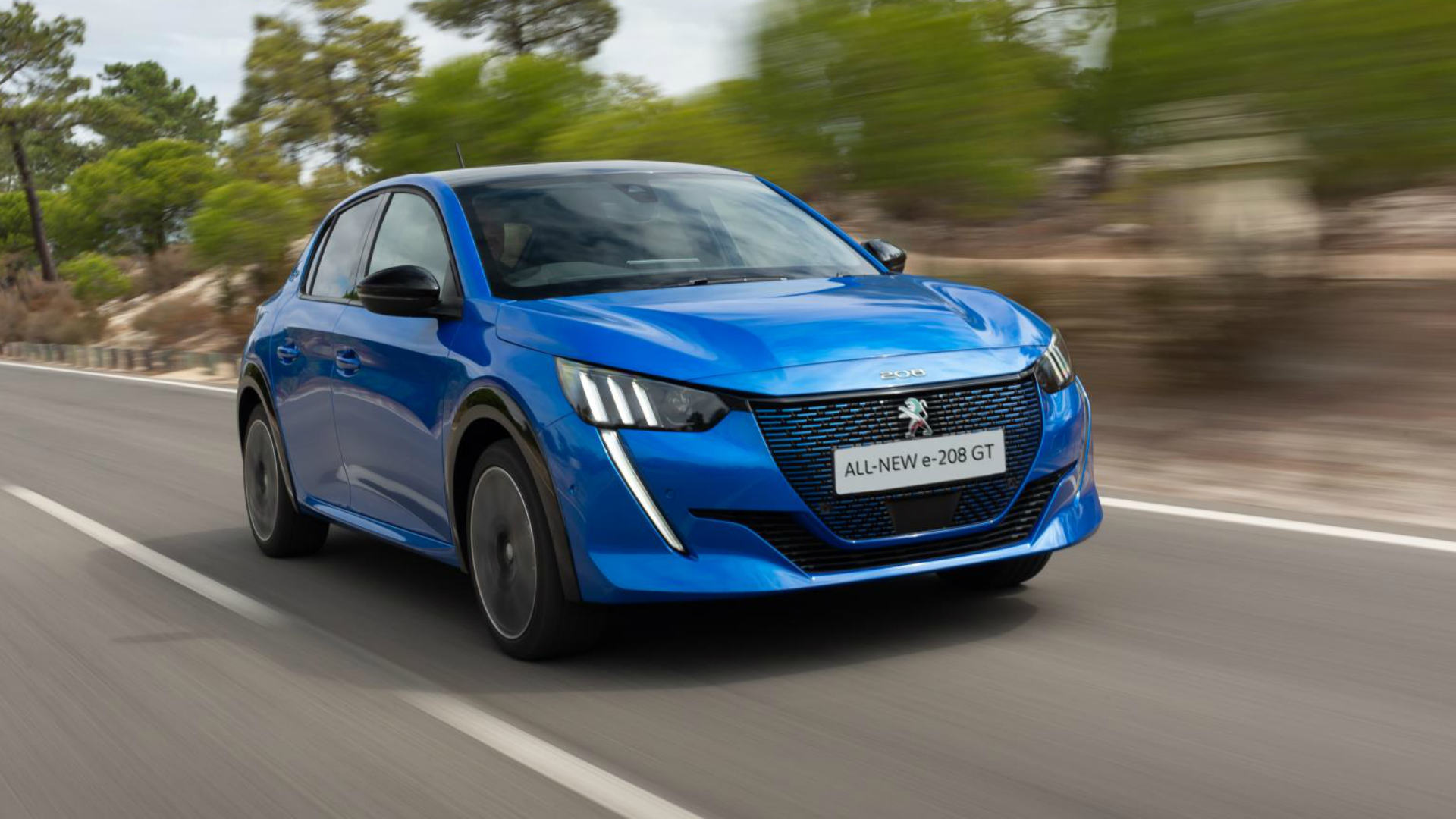
Peugeot e-208
The Peugeot e-208 is more expensive than the Honda e and Mini Electric, but its 217-mile range is more impressive. It costs upwards of £25,050 after the plug-in car grant, although the top-spec e-208 GT is priced at £29,250. Unlike the Renault Zoe, which is built from the ground up as an electric car, the e-208 shares much in common with the more conventional Peugeot 208.
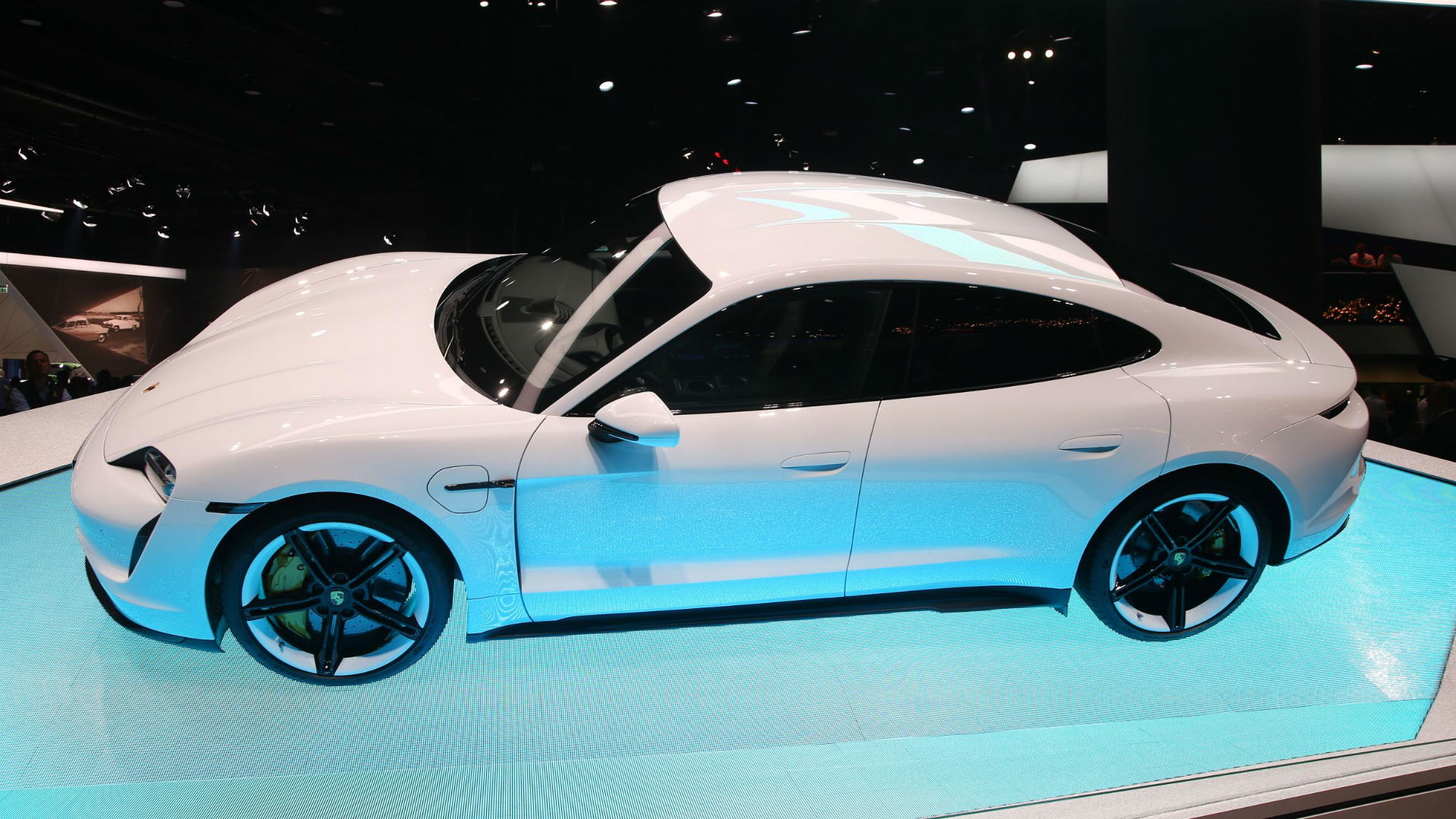
Porsche Taycan Cross Turismo
Hot on the heels of the Porsche Taycan, the new Cross Turismo variant will arrive in 2020. Not much is known about the Cross Turismo, other than the fact that it’s an estate version of the Taycan electric sports car and it will arrive as a 2021 model year EV. The current Taycan range (pictured) kicks off with the £83,000 Taycan 4S, while the flagship Turbo S costs £139,000.
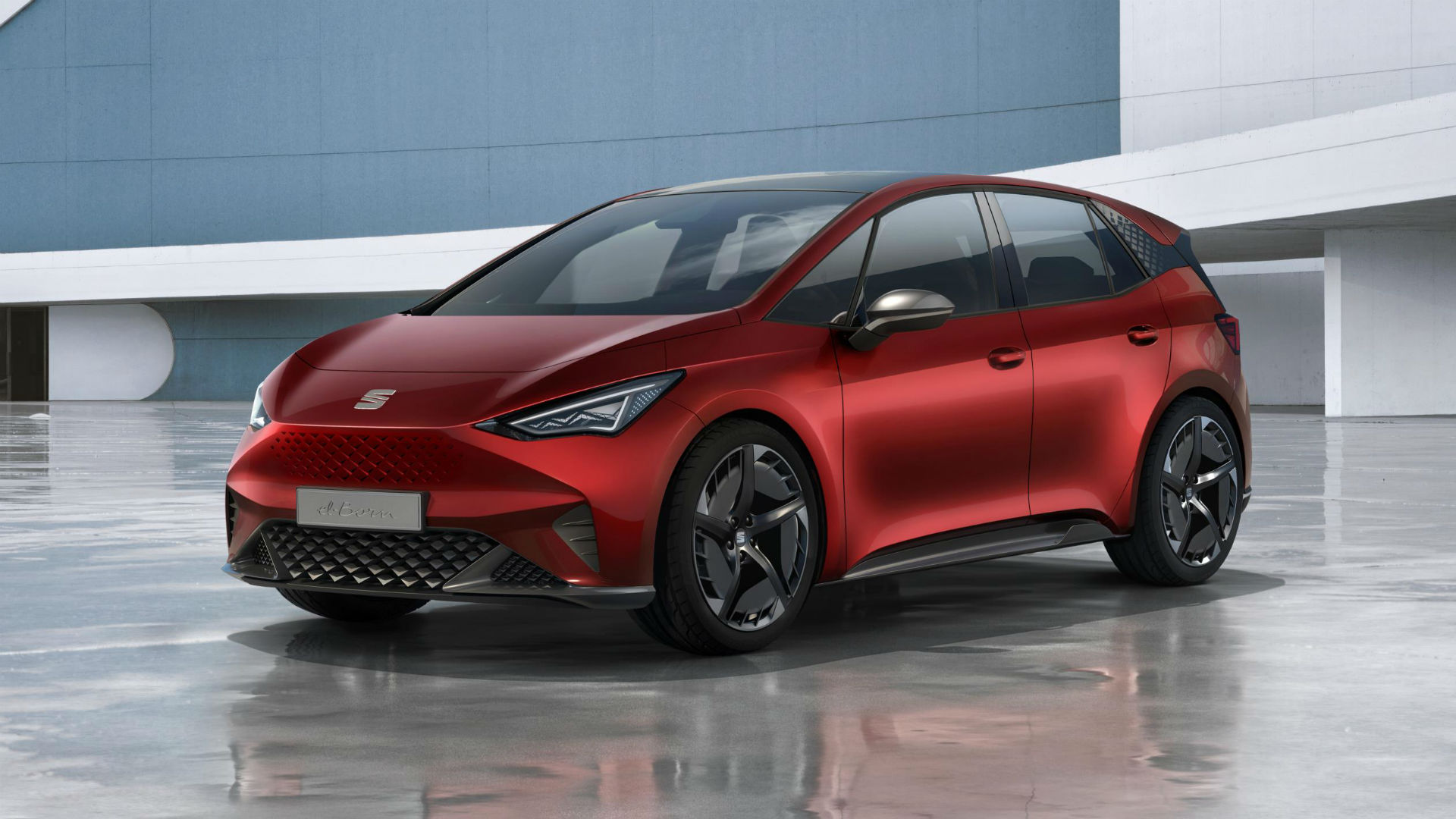
Seat el-Born
The el-Born will follow the Mii Electric as Seat’s second all-electric production car. It made its debut as a concept at the 2019 Geneva Motor Show, but Volkswagen will be keen to give the platform-sharing ID.3 some breathing space before launching the Seat. It will offer an all-electric range of up to 261 miles, with a price tag in the region of £26,000. As it’s a Seat, you can expect some sporty touches, including sports seats and a driver-focused dashboard.
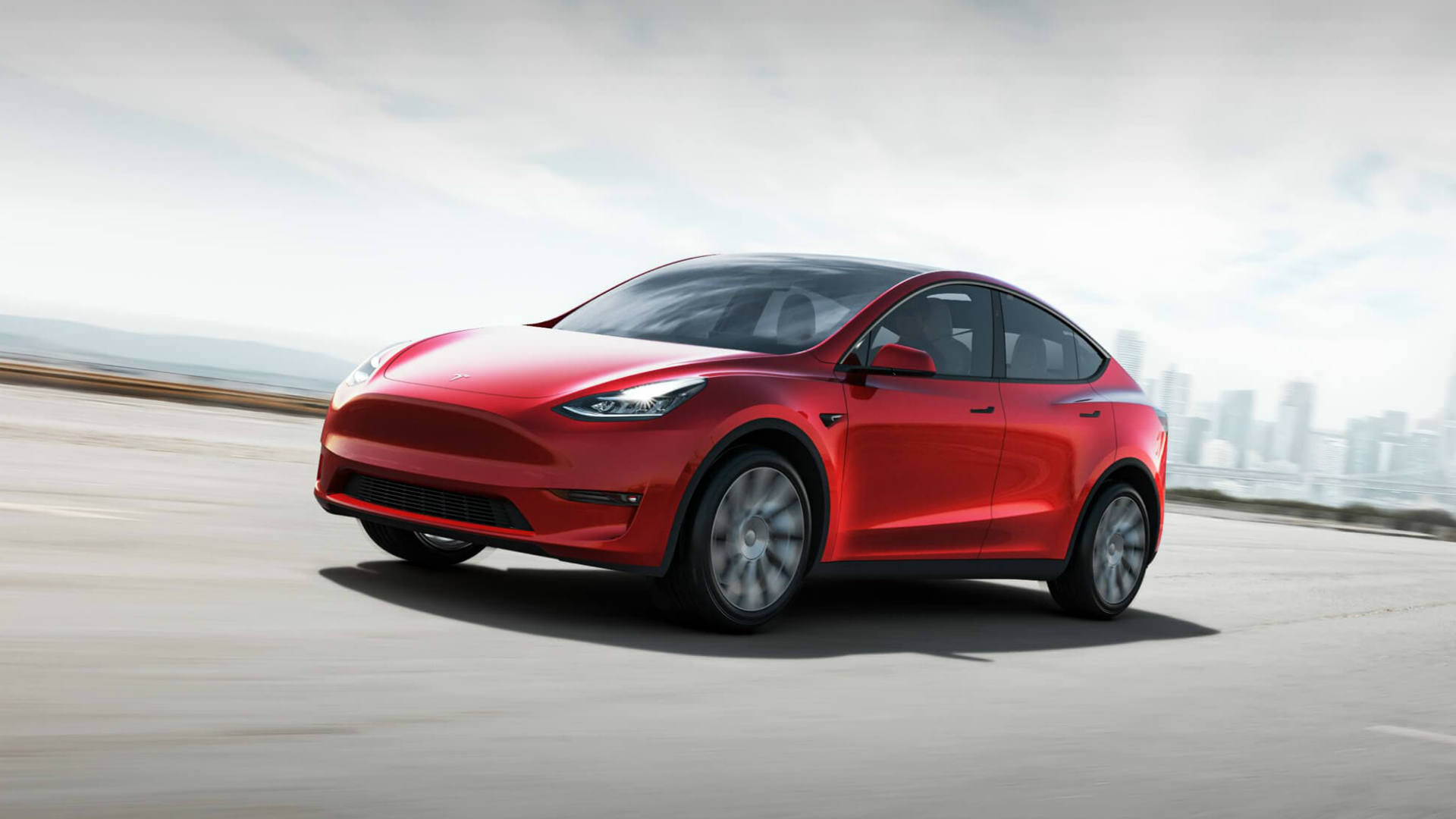
Tesla Model Y
Officially, the Tesla Model Y isn’t expected to appear in the UK until 2021 or 2022, but North American customers are likely to get their hands on the seven-seat SUV as early as next year. Tesla is promising up to 336 miles of electric range from the Long Range AWD model, while the Performance edition will offer 298 miles and a 0-60 mph time of 3.5 seconds. If the Model 3 is anything to go by, anticipation will be high.
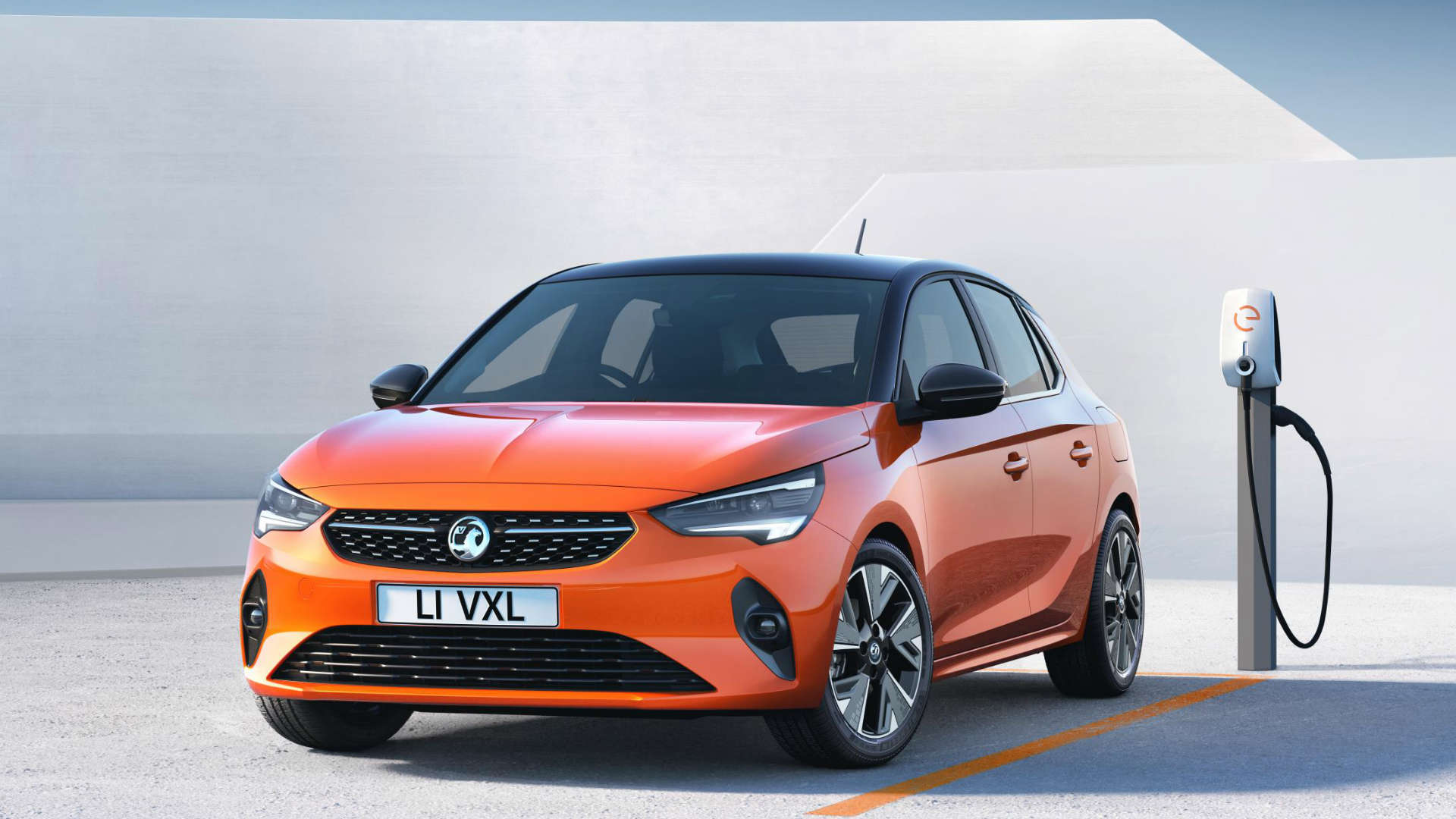
Vauxhall Corsa-e
The Vauxhall Corsa-e is available for a competitive £295 on a four-year personal lease contract after a £5,310 initial rental. Alternatively, you can get a guaranteed £2,000 part-exchange allowance on your old car. The 50kWh battery in the Corsa-e offers 205 miles of electric range, although this can be extended by a further 40 percent by using a special eco mode.
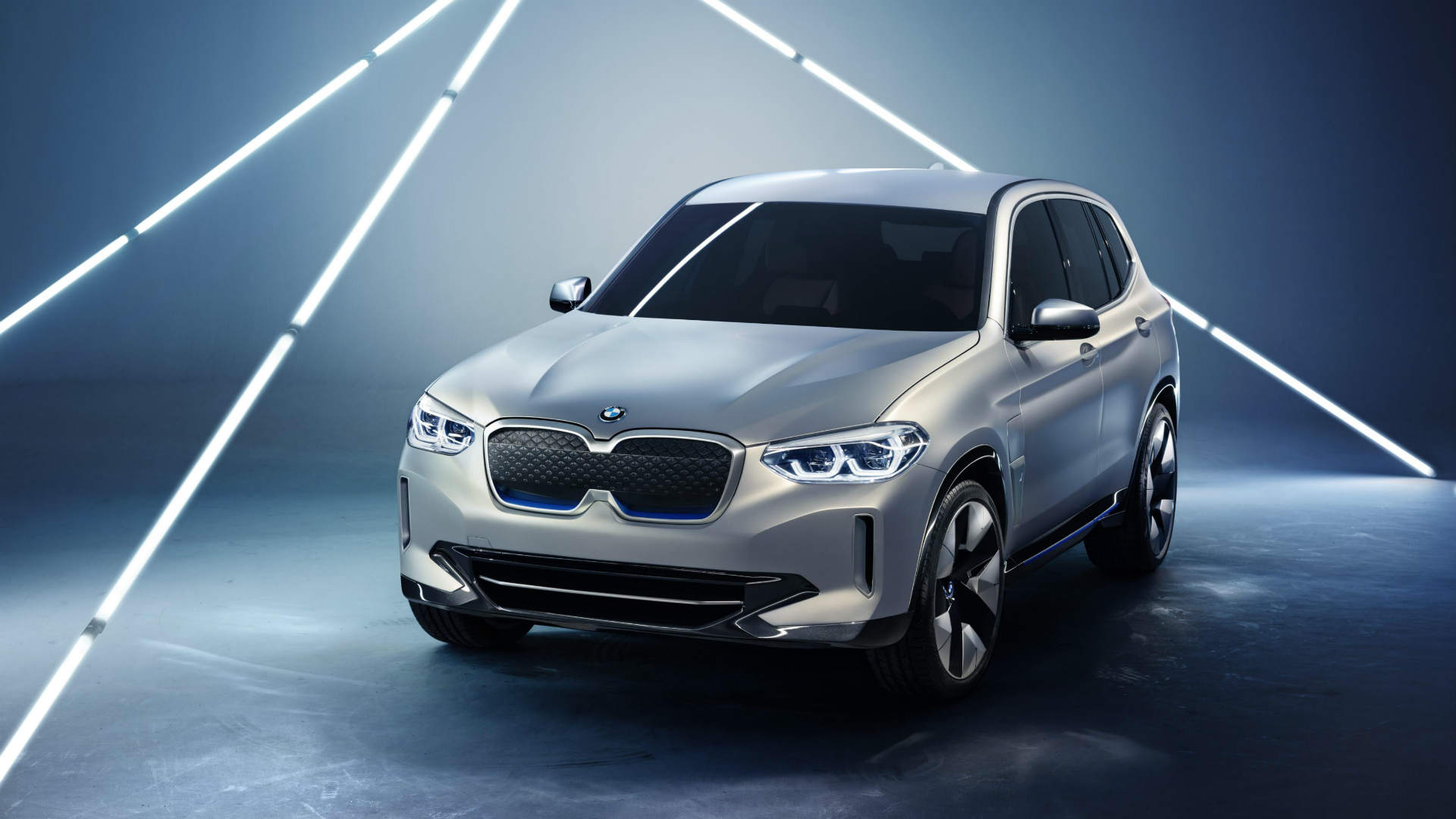
BMW iX3
The BMW Concept iX3 was unveiled at last year’s Beijing Motor Show. BMW is promising a range of more than 249 miles from a 70 kWh battery, along with a newly-developed Charging Control Unit for accessing the latest fast charging points. Unlike the i3 and i8, the iX3 is based on existing architecture and is being developed alongside the i4 four-door coupe.
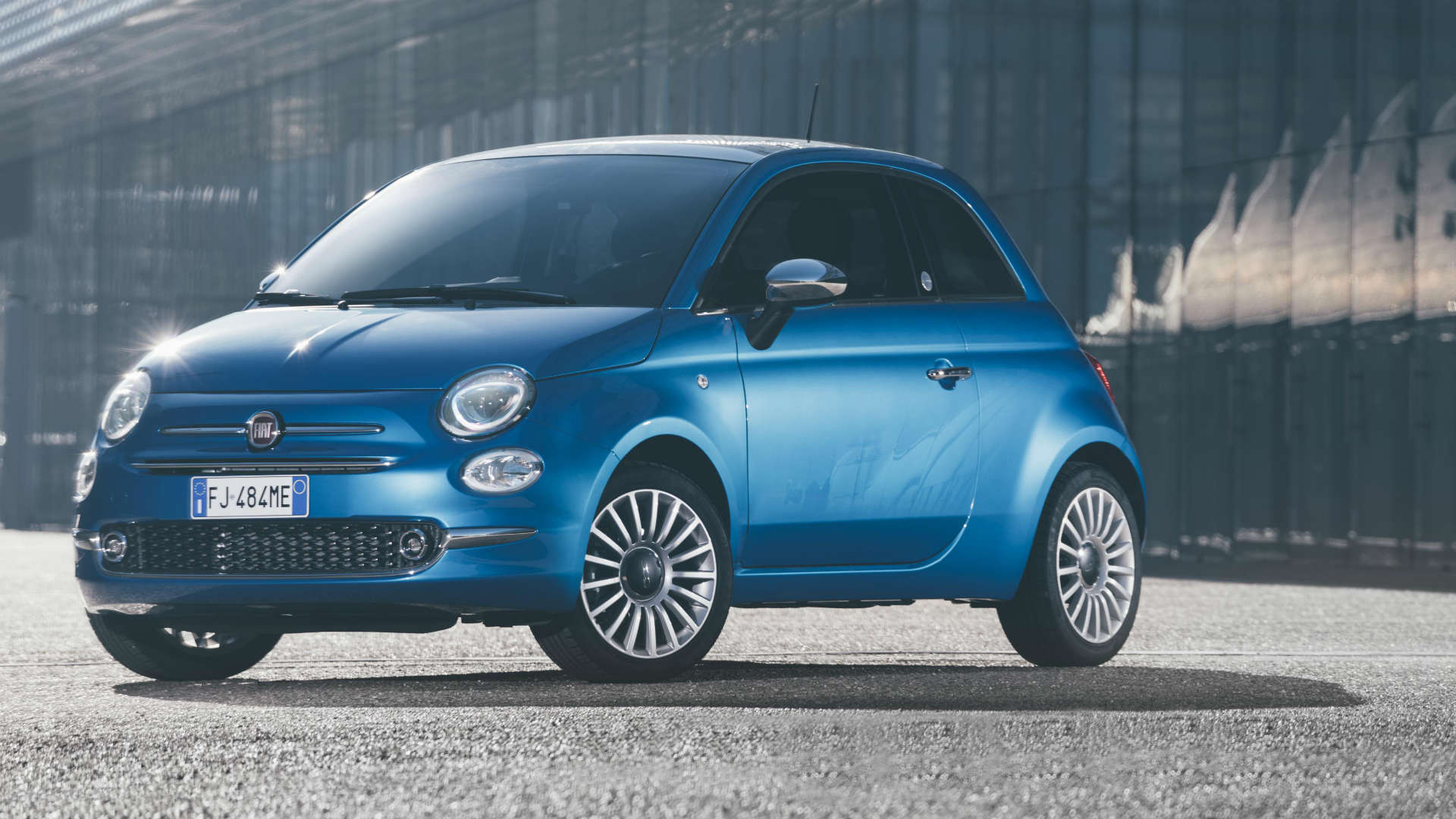
Fiat 500e
Fiat is investing heavily in the development of the new 500e electric car, including a new production line in Italy. Production is set to begin in the second quarter of next year, after its debut at the Geneva Motor Show, with the plant capable of building up to 80,000 all-electric 500s a year. Given the popularity of the conventional 500 (pictured), this could be one of the most important EVs of 2020.
Maserati supercar
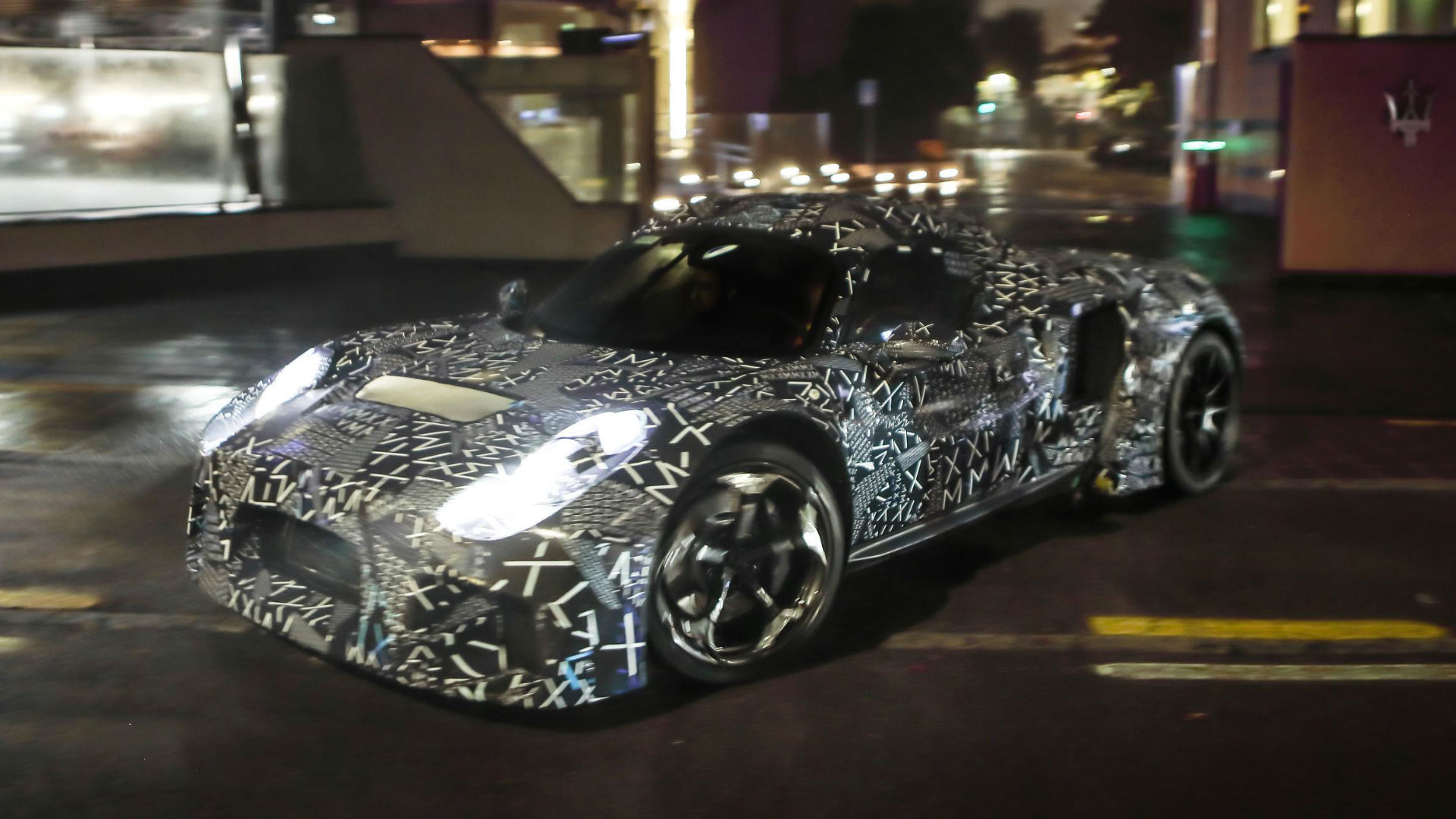
Maserati has revealed images of a mid-engined prototype testing on roads near its factory in Italy. Little is known about the car, aside from the fact that the “engine is 100 percent Maserati” and its likely to be unveiled in May 2020. What’s it doing in this gallery? Well, there are rumours that an electric version will appear in the future, although the launch car is more likely to be electrified rather than fully electric.
Mercedes-Benz EQV
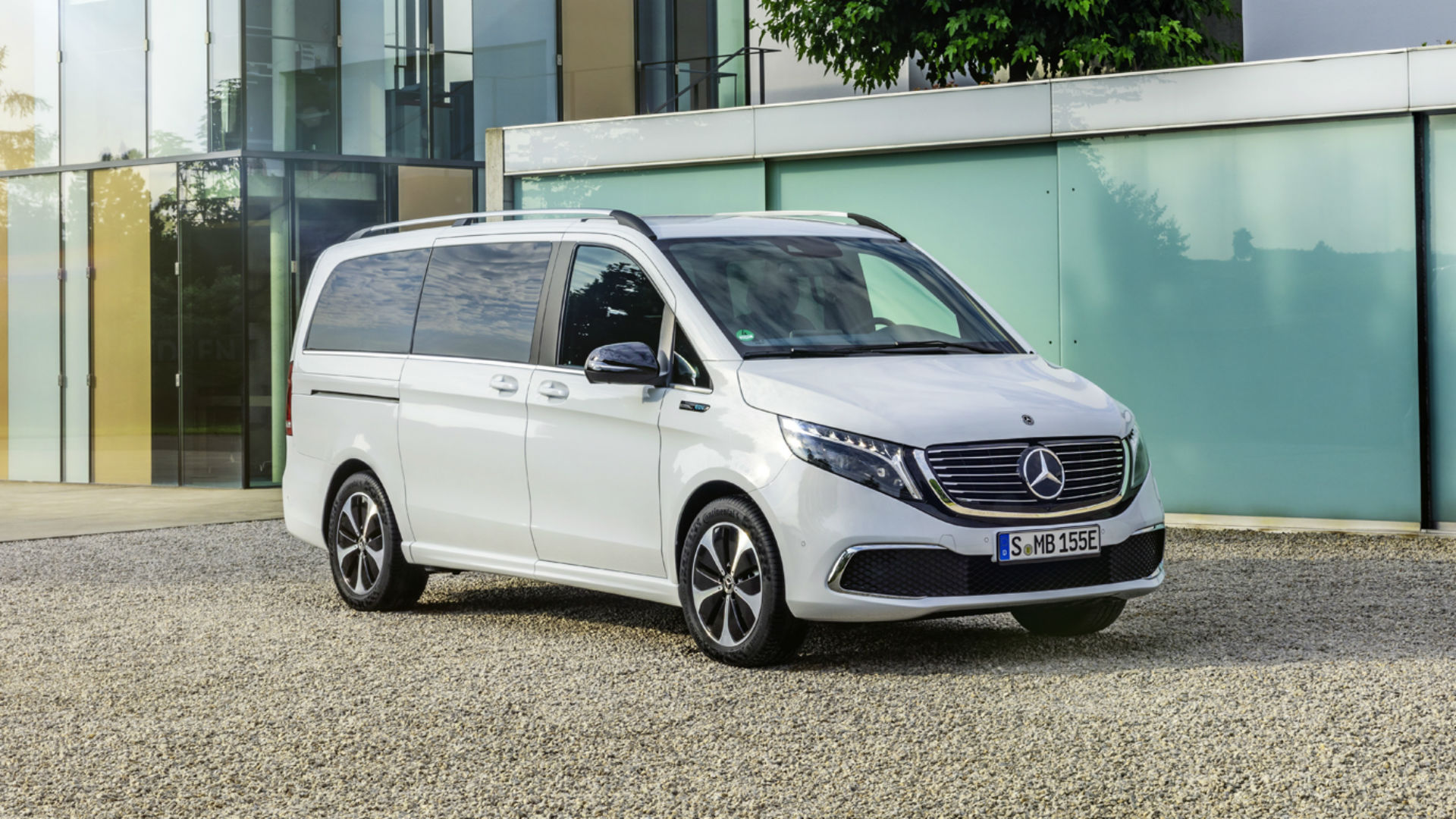
The Mercedes-Benz EQV electric people carrier made its debut at this year’s Frankfurt Motor Show. The company claims the EQV will offer a range of up to 251 miles, which is impressive for an eight-seat electric MPV. It also features a 1,030-litre load area. Still want seven-seat Tesla Model X?
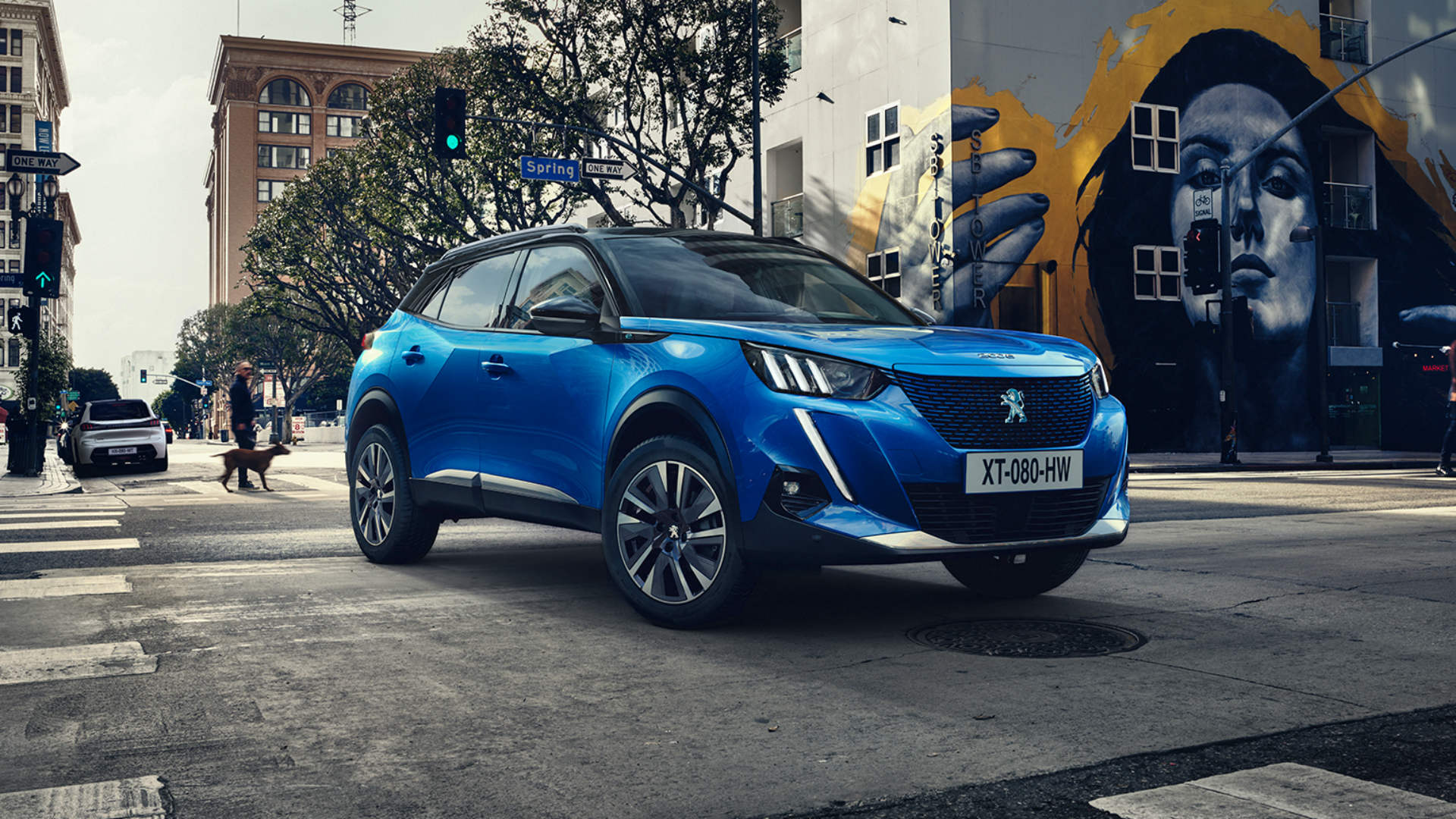
Peugeot e-2008
If the e-208 is too small, Peugeot has a ready-made alternative in the e-2008 SUV. It offers a range of up to 193 miles, while refilling to 80 percent takes 30 minutes when using a 100 kW fast-charger. Standard equipment is high, and prices start from around £28,500 after the plug-in car grant.
Pininfarina Battista
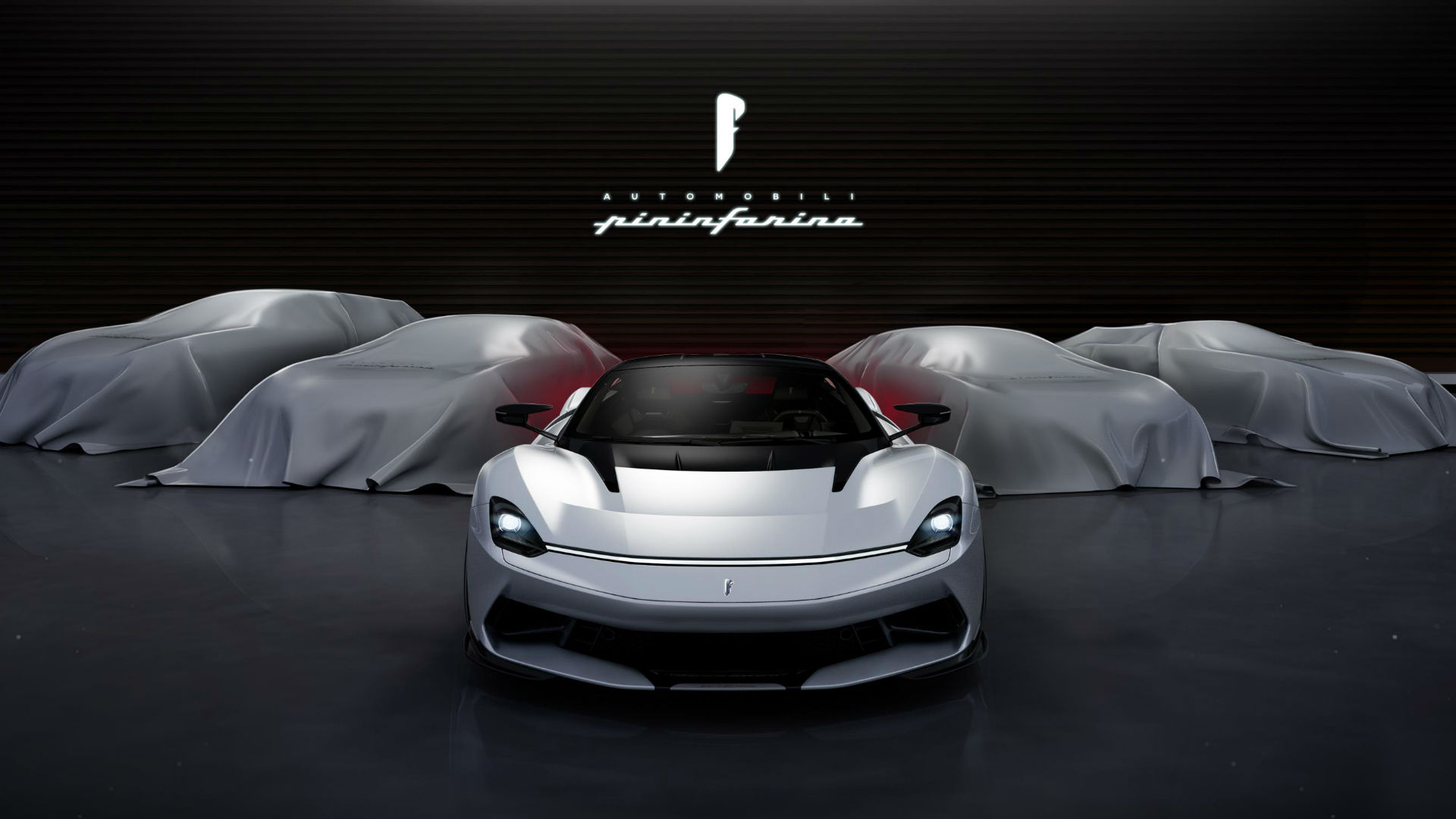
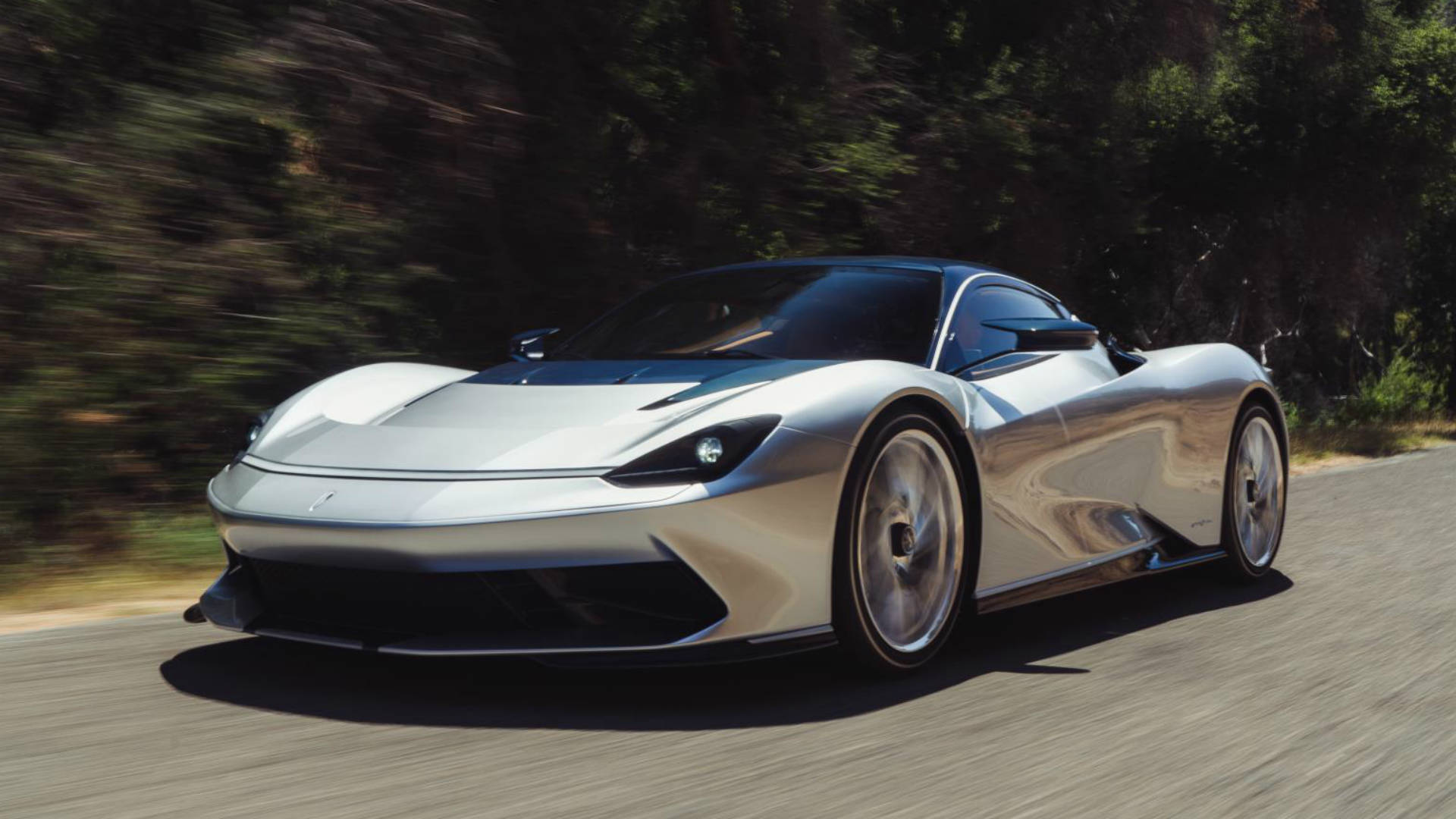
Deliveries of the Pininfarina Battista will begin in 2020. Only 150 will be built in Italy, carrying a rumoured £2 million price tag. Producing 1,900 hp – and faster than a Formula One car from zero to 60 mph – it will travel almost 280 miles on a single charge. The Mahindra-owned company will launch three EVs over the next three years, two of which will be SUVs.
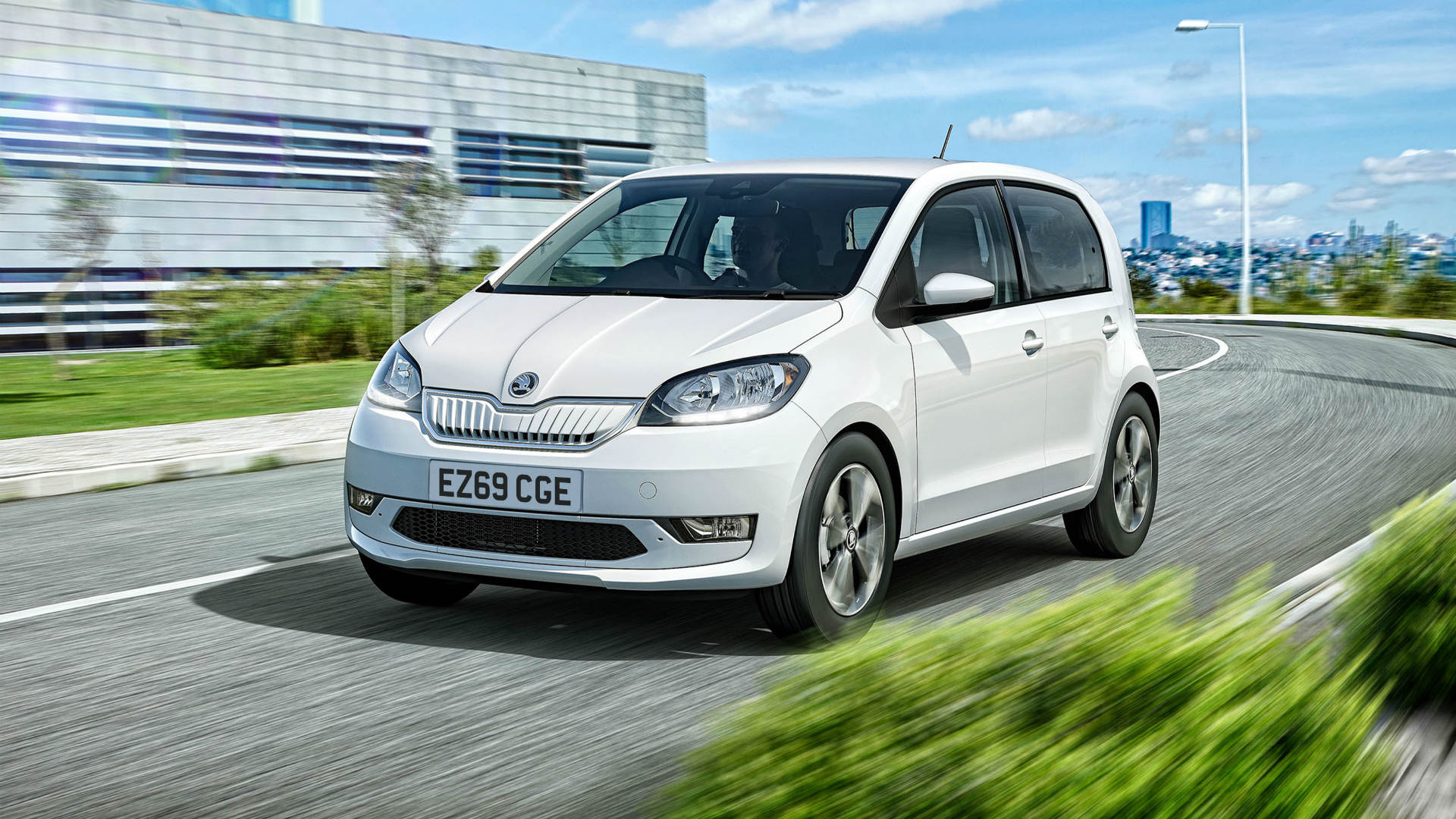
Skoda Citigo e iV
The new Skoda Citigo e iV went on sale on 10 December and will cost from £16,995. This is after the plug-in car grant and is based on the entry-level SE. The all-electric Citigo offers a driving range of between 140 and 170 miles, while the top-spec SE L can be charged using a CCS cable connected to a 40kW DC fast charger. First deliveries are expected early next year.
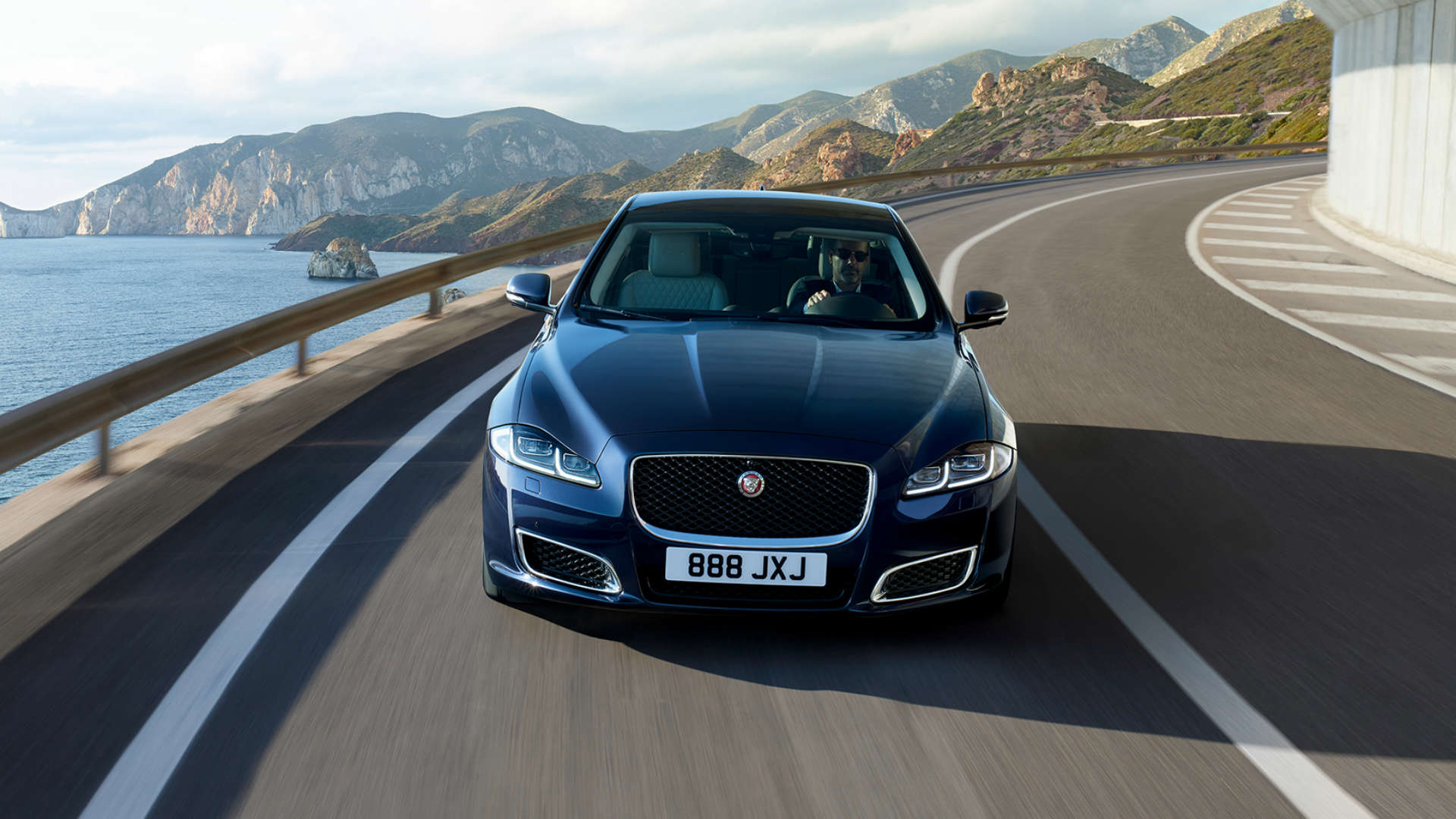
Jaguar XJ
The all-electric Jaguar XJ represents a new era for the flagship saloon. Production of the current XJ (pictured) has come to an end, but Jaguar has announced plans to build a range of electrified cars at its Castle Bromwich plant in Birmingham. The electric XJ is expected to arrive in 2020, with Jaguar using its experience in creating the I-Pace SUV.
The most in-demand vehicles for theft in 2019 have been revealed, based on what criminals might be paid when they sell them.
The figures come from vehicle protection provider, AX. Car thefts have risen from 75,308 annually in 2013-2014 to 112,000 in 2017-2018: a rise of 50 percent in five years.
As we’ve previously reported, a large driver of this increase is the proliferation of keyless theft.
Premium brands such as Audi, BMW, Land Rover and Mercedes-Benz dominate the ‘shopping lists’ of car thieves.
In fact, the AX list of most-wanted cars is composed exclusively of models from those brands. Remember, these aren’t necessarily the cars that are stolen the most, but those thieves can best profit from.
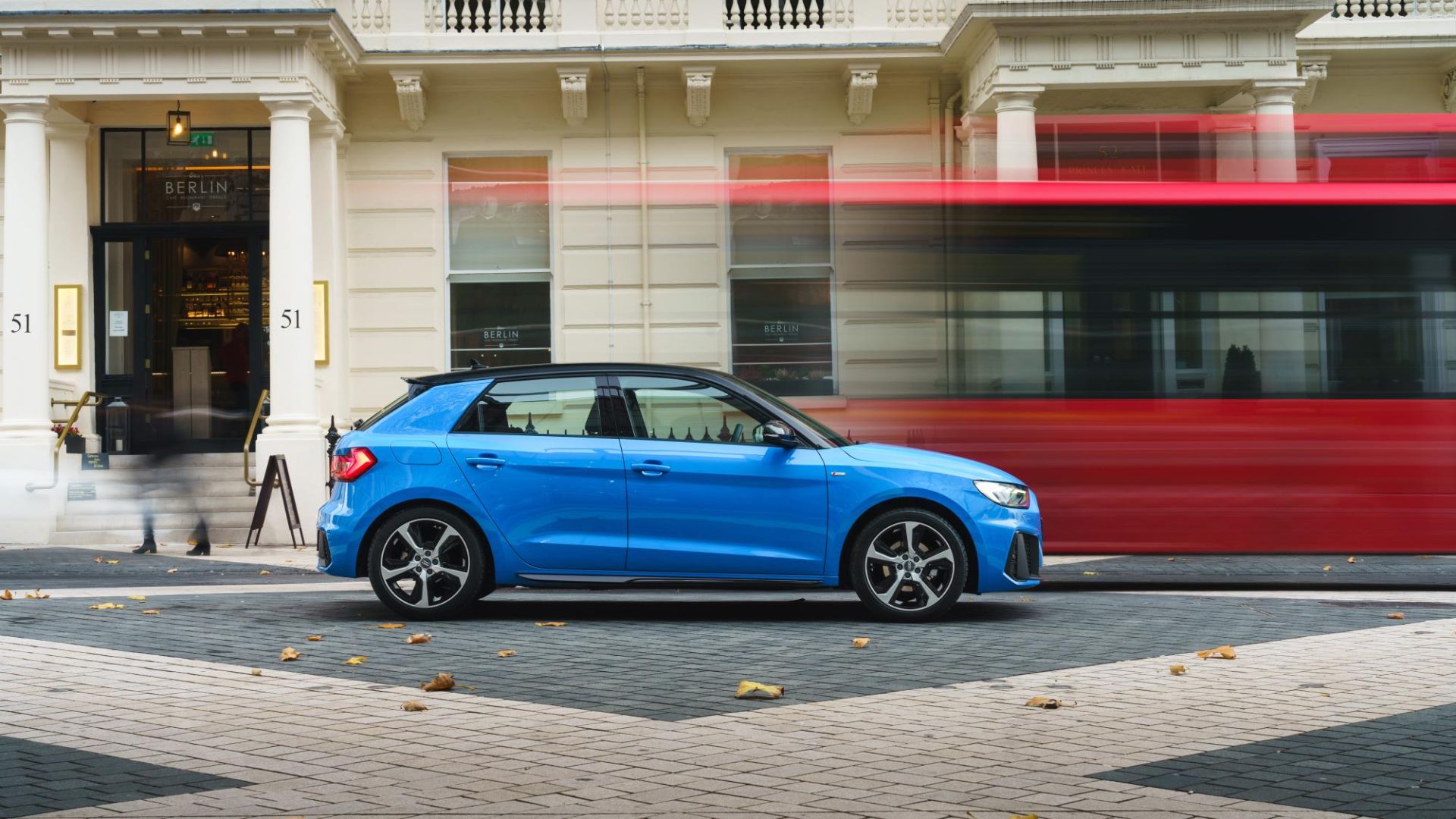
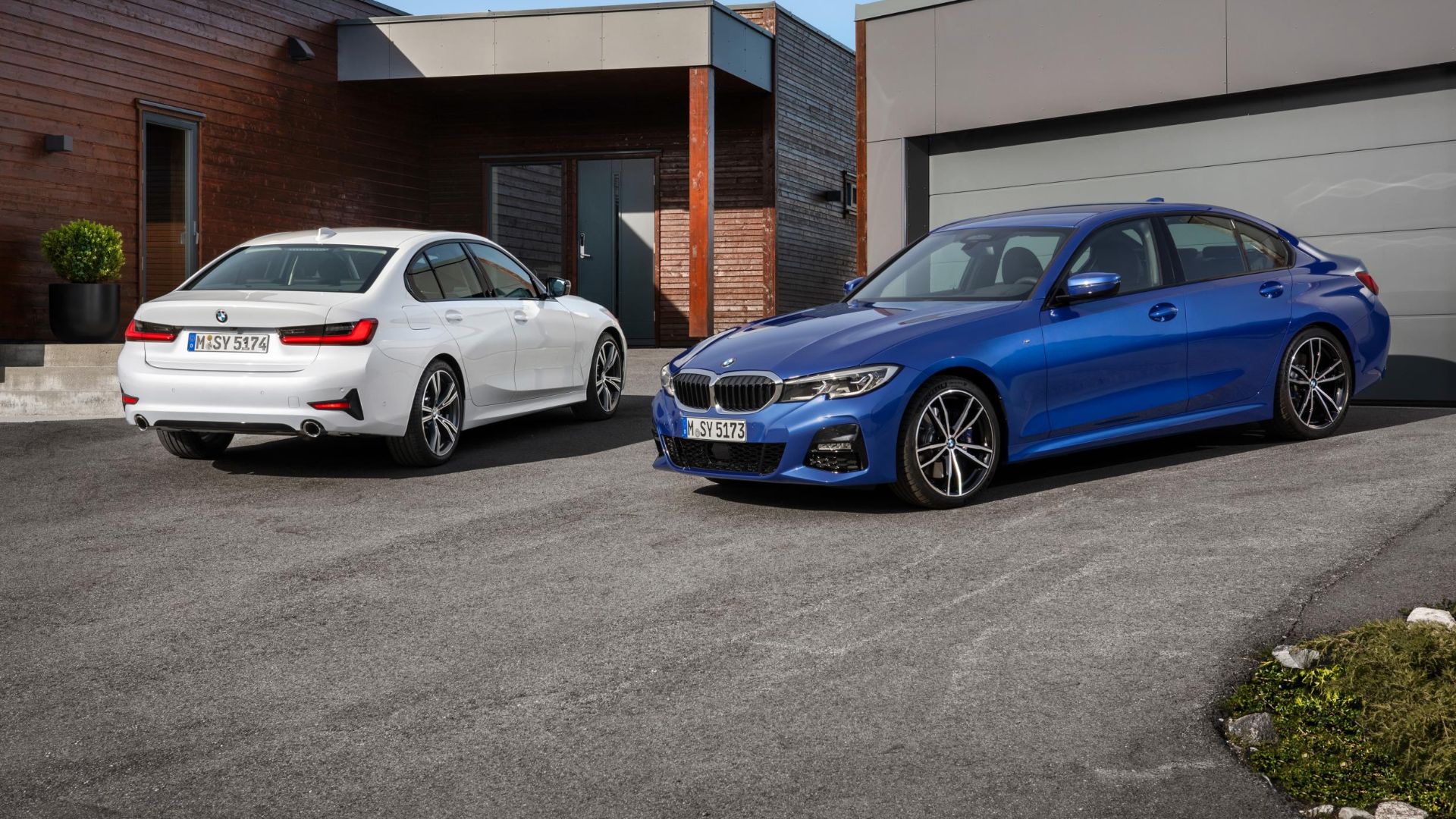
‘A’ models from Audi, ranging from the A1 to the A5, have a post-theft value of just £1,000. Models from BMW, from the 2 Series through to the 5 Series, can go for between £1,500 and £1,800. The Mercedes C-Class undercuts them slightly, retailing for between £1,000 and £1,500.
Large SUVs are the big-ticket items for thieves, though. The BMW X5 has a post-theft value of between £1,800 and £2,000.
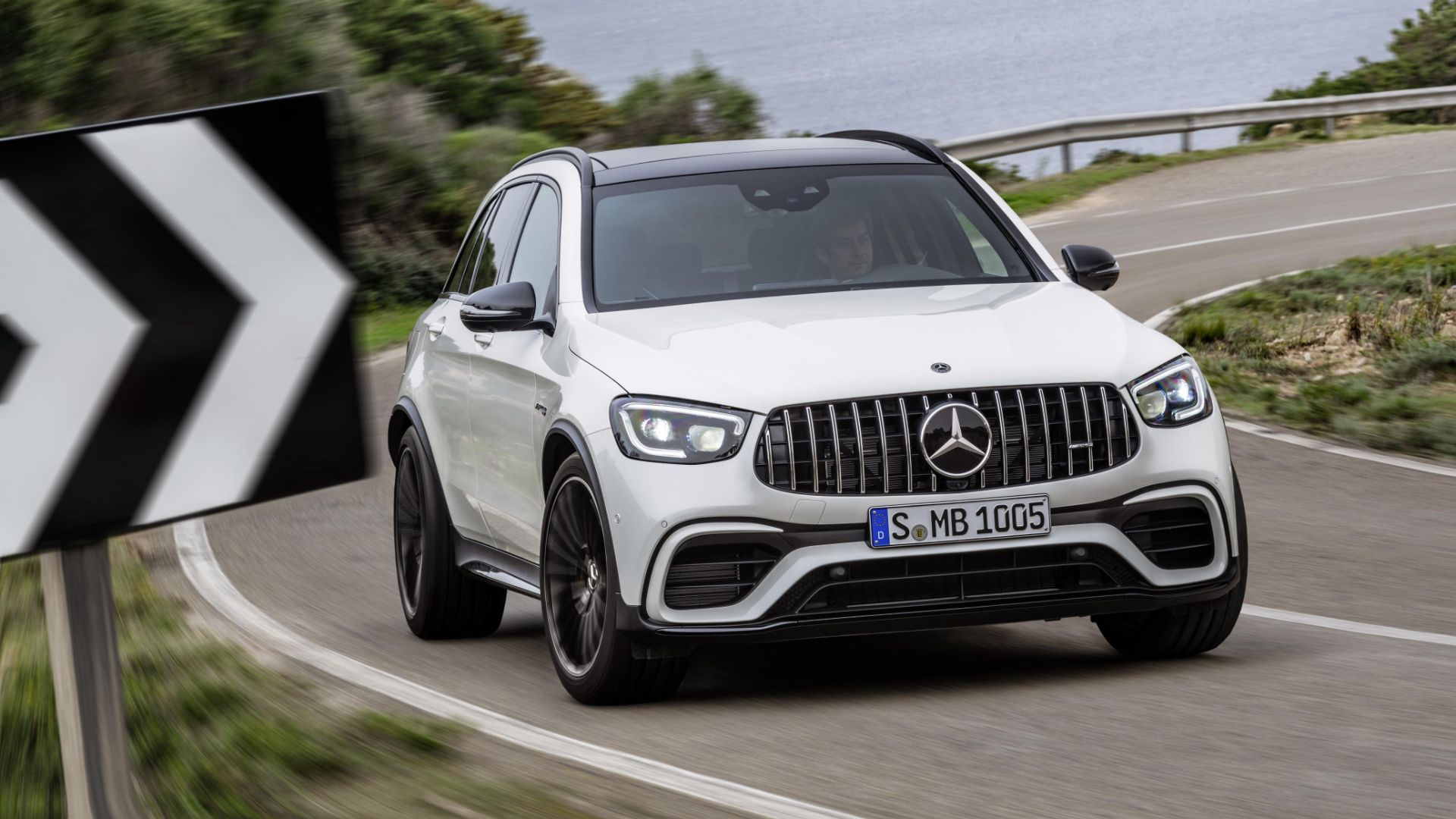
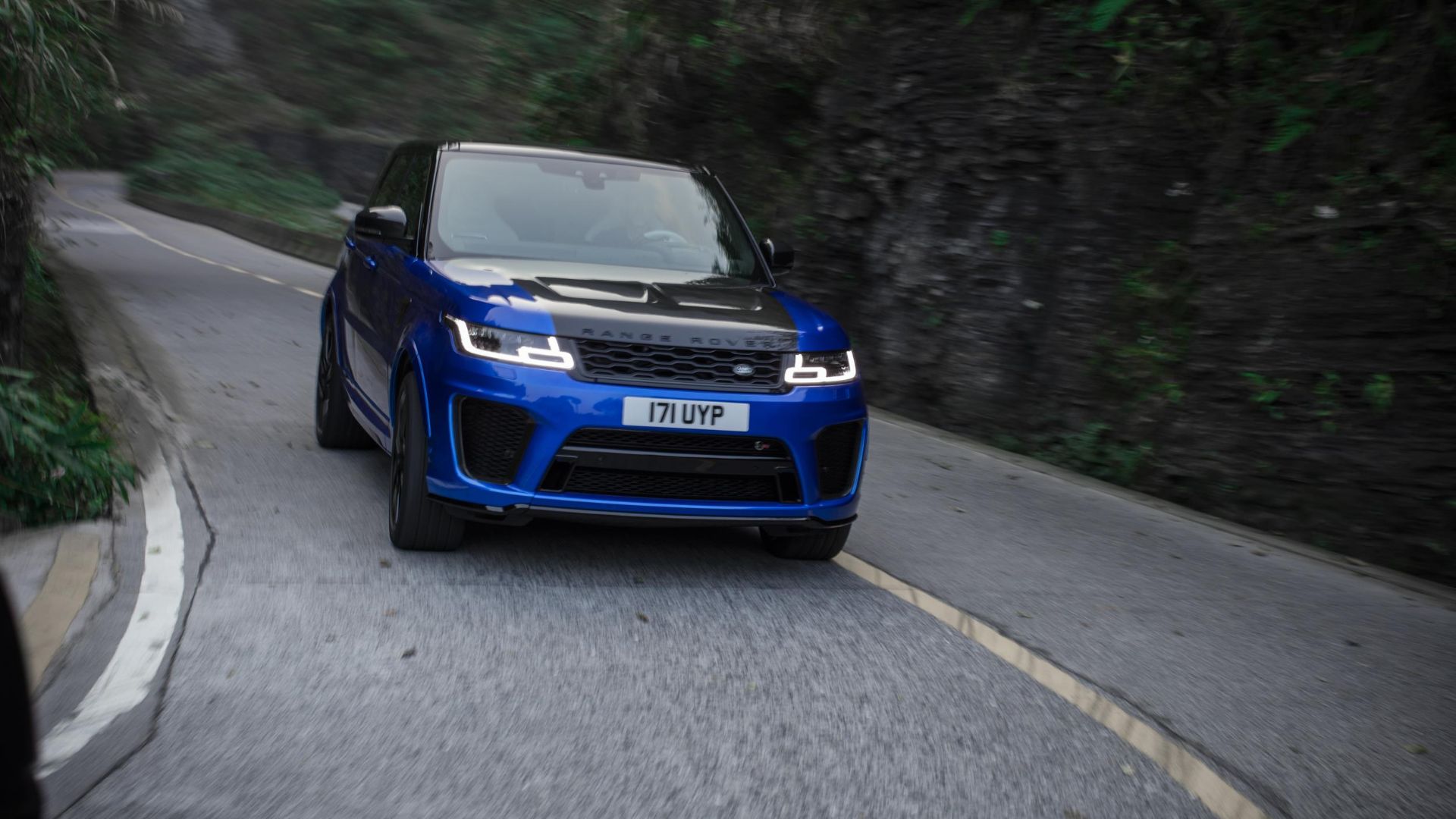
Likewise, a Range Rover goes for between £1,500 and £2,000. The performance SVR variant, like anything from Mercedes-AMG, can fetch between £2,000 and £3,000.
“We know how the criminals operate but, with the UK theft figures in mind, it’s a sharp reminder of the problem car owners and the industry faces,” said Neil Thomas, director of investigative services at AX.
“The list is quite shocking, despite my 30 years working in the police force. Business and private owners alike are affected by the increase in thefts, so it’s paramount to take precautions to avoid being targeted, or ensure vehicles have robust covert technology so that they can be recovered.”
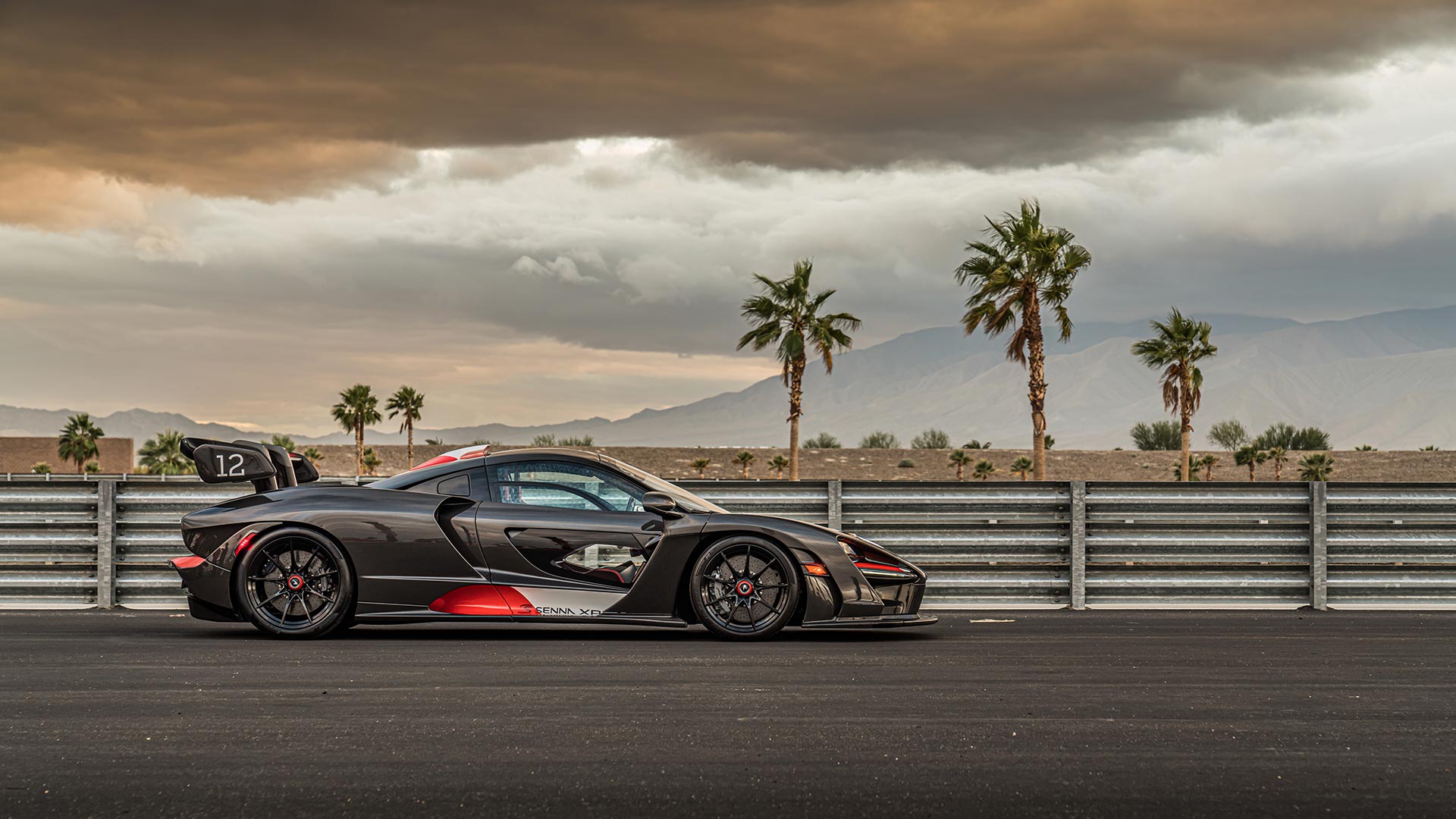
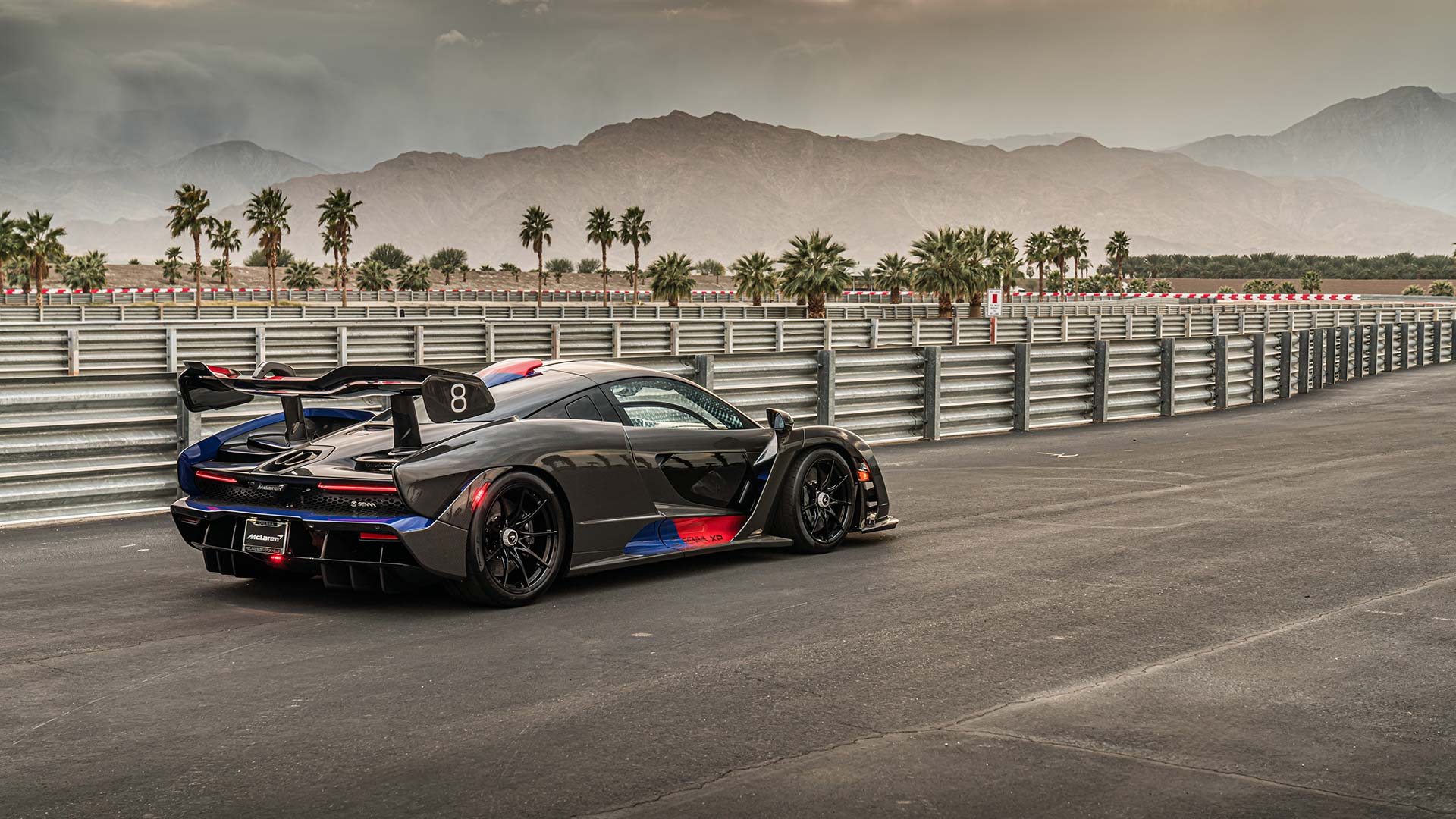
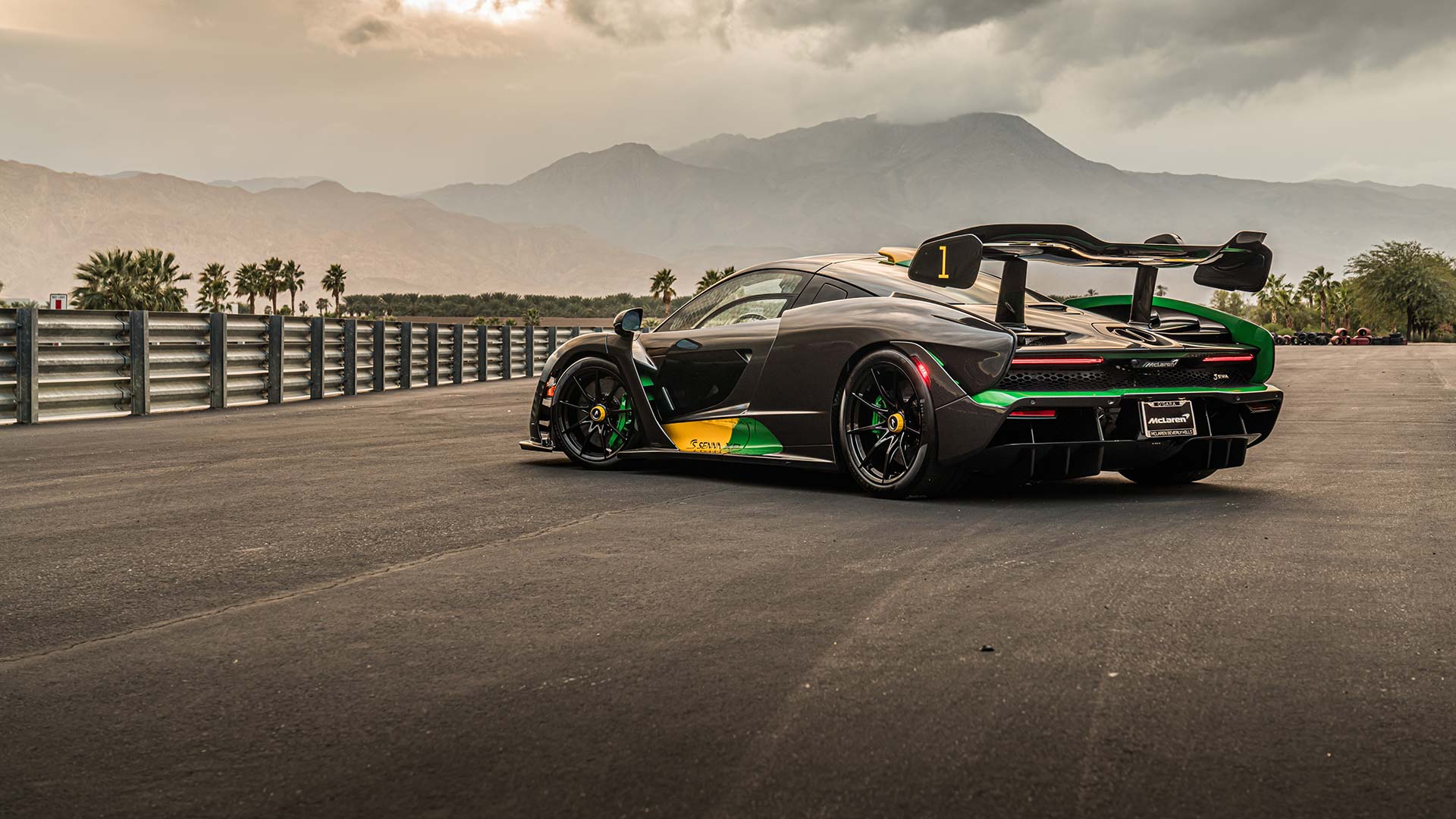
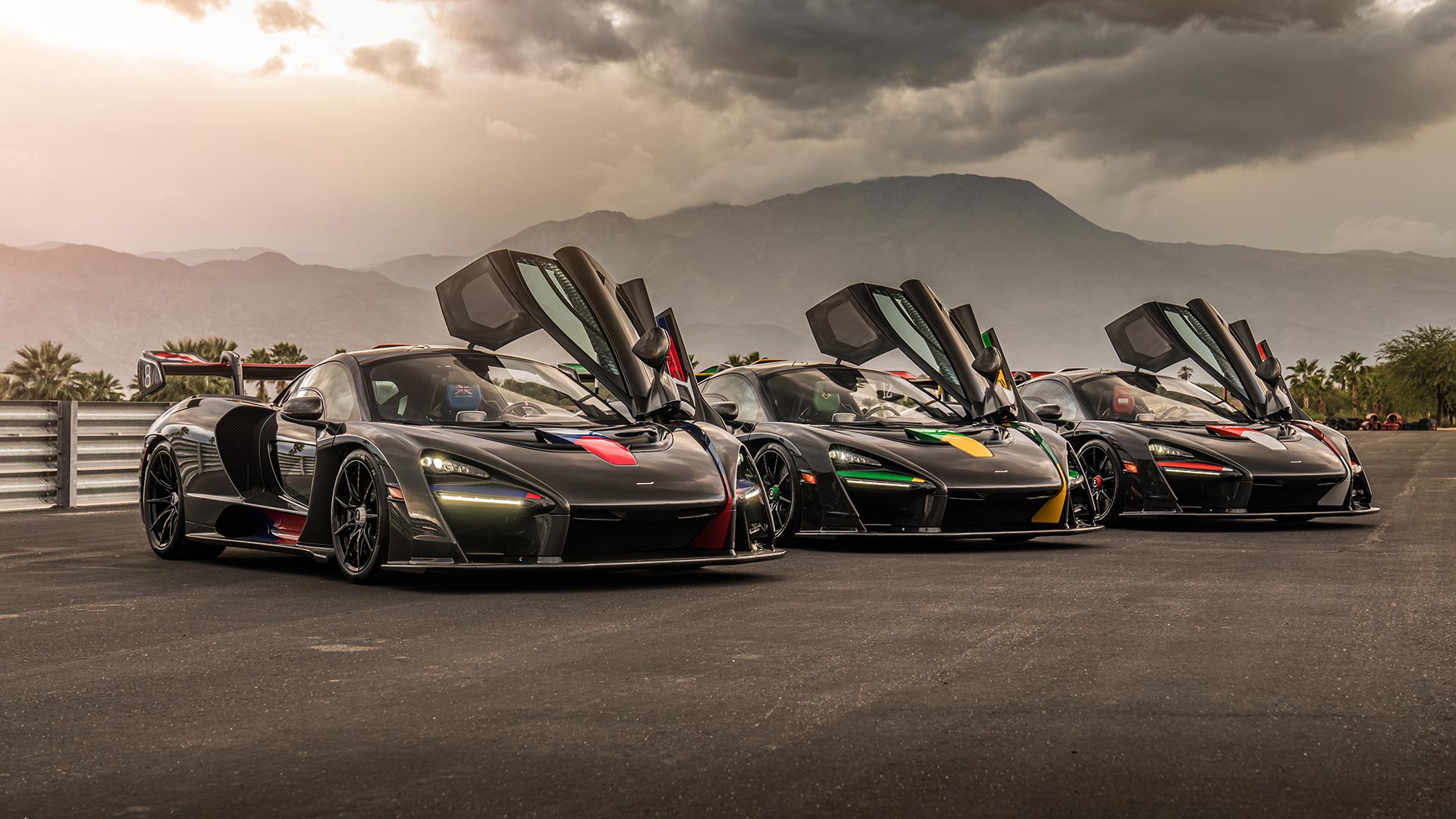
The exclusive McLaren Beverly Hills dealership has revealed details of three special bespoke examples of the Senna XP hypercar.
Built by the McLaren Special Operations team, each of the three cars features a design that pays tribute to Formula 1 driver Ayrton Senna.
Along with providing a name for McLaren’s most recent Ultimate Series car, Senna also won three F1 World Championships driving for the British team. Key events from his time with the racing outfit are celebrated with these cars.
Master of Monaco
The Monaco Grand Prix is the toughest test for any Formula 1 driver. Senna took six wins on the streets of Monte Carlo, demonstrating his immense talent.
All three of the Senna XP cars feature an exposed carbon body with a gloss finish applied. Details based on the flags from the countries which hosted Senna’s greatest moments are then applied by hand to the rear wing and other external trim.
For the Master of Monaco car, this means red and white highlights being applied. The interior also features red seat trim, red tint for the exposed carbon trim, and a special 1 of 1 dedication plaque.
Lap of the Gods
One of the singlest greatest examples of the abilities possessed by Ayrton Senna came at the 1993 European Grand Prix. Held at Donington Park in the United Kingdom, Senna started fifth on the grid ahead of the race in the rain.
The Brazilian driver ended the first lap in the lead, having simply outdriven the competition in the demanding conditions. He would go on to win the race by more than 1 minute ahead of Damon Hill in second.
The Senna XP Lap of the Gods car wears a large Union Jack across the rear wing. All three cars have bespoke painted brake calipers, plus unique accelerator pedals and a steering wheel with a unique 12 o’clock marker.
Home Victory (Vitória em casa)
The final car of the trio, Home Victory, pays tribute to one of Senna’s greatest wins. At the 1991 Brazilian Grand Prix, with his McLaren stuck in sixth gear by the end of the race, Senna still went on to cross the finish line in first place.
With a Brazilian flag on the wing, combined with yellow and green exterior detailing, Home Victory certainly stands out. The interior is also resplendent in green, with the custom work to create the cars having taken some 780 hours.
The Senna XP models are created from the initial prototype and test models made by McLaren, and are in addition to the 500 production examples. Each Senna XP has been rebuilt, and uses a 789 horsepower twin-turbo V-8 engine.
Prices are set to be accordingly high, with each example having a MSRP of $1,435,328 (£1.88 m). The cars can only be purchased through the McLaren Beverly Hills dealership.
Despite the Senna being limited to 500 initial examples, McLaren has already produced a number of variations. The Senna GTR, a track-only version, saw 75 examples made, whilst the recently announced McLaren Elva will essentially be an open-top version of the Senna.
Younger car buyers aged 18-24 years old take less than two weeks to search for and buy a new car – but those aged 45 and over spend more than six weeks reaching a decision.
The research has been revealed in a study by eBay Motors Group, which clearly identified the link between time spent and the buyer’s age.
The average time spent searching for a new car is 40.5 days, or just over five weeks.
“A third of all purchasers take six weeks or longer,” said eBay Motors’ Dermot Kelleher.
Male and female car buyers are evenly matched, taking 41 and 40 days respectively.
800 miles of roadworks will be suspended for Christmas
So why do youngsters take so much less time to buy a car? It’s either because of life events or the simplicity of the deal, said Kelleher.
“Customers under 25 spend less than two weeks searching with many being first time buyers without trade-ins to sort out.
“Nearly two-thirds of buyers under 35 say purchases are driven by imminent life events, including becoming a parent or needing a car for school-age children.
“These buyers are in a hurry and typically spend less than a month searching for a car.”
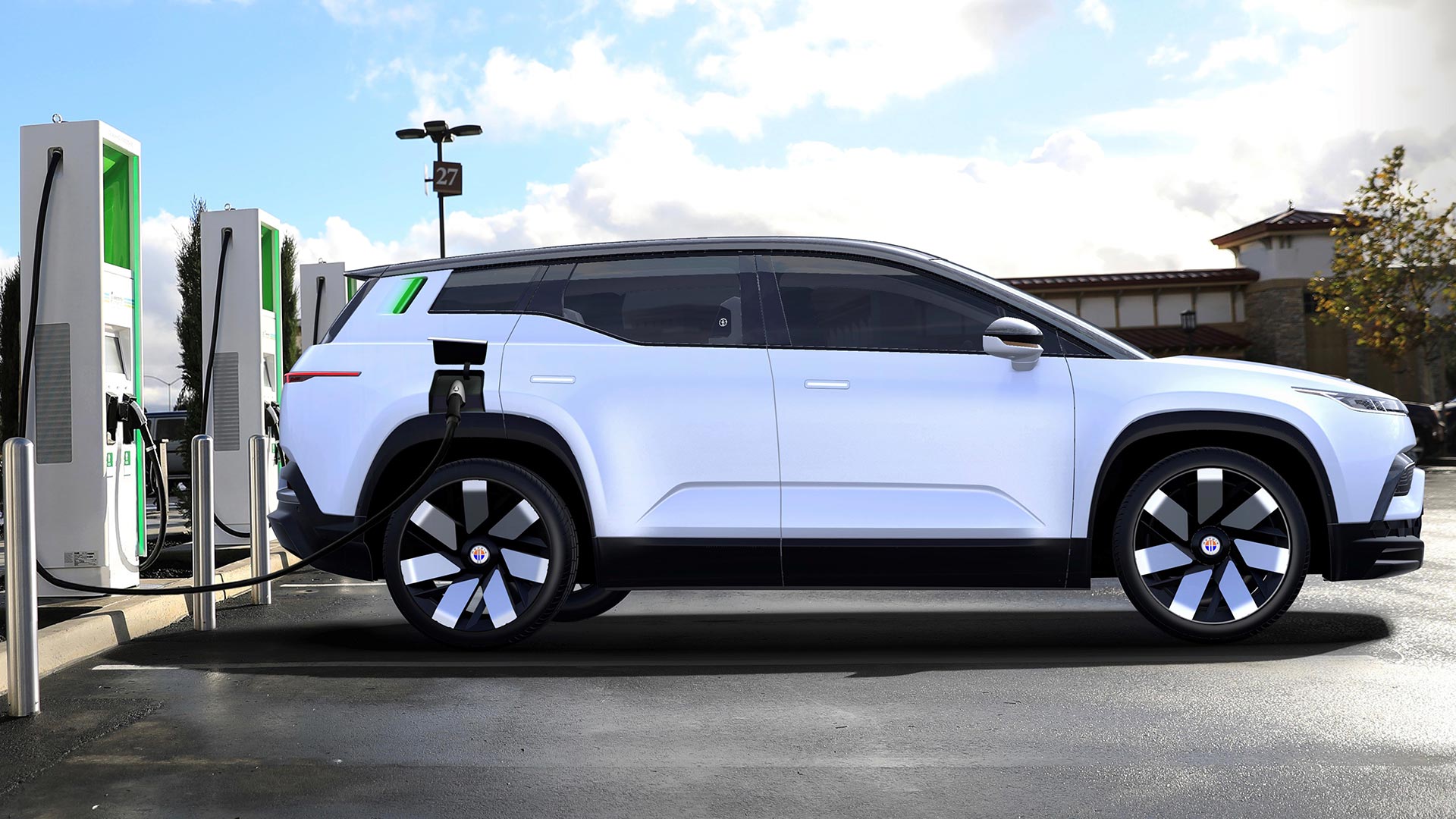
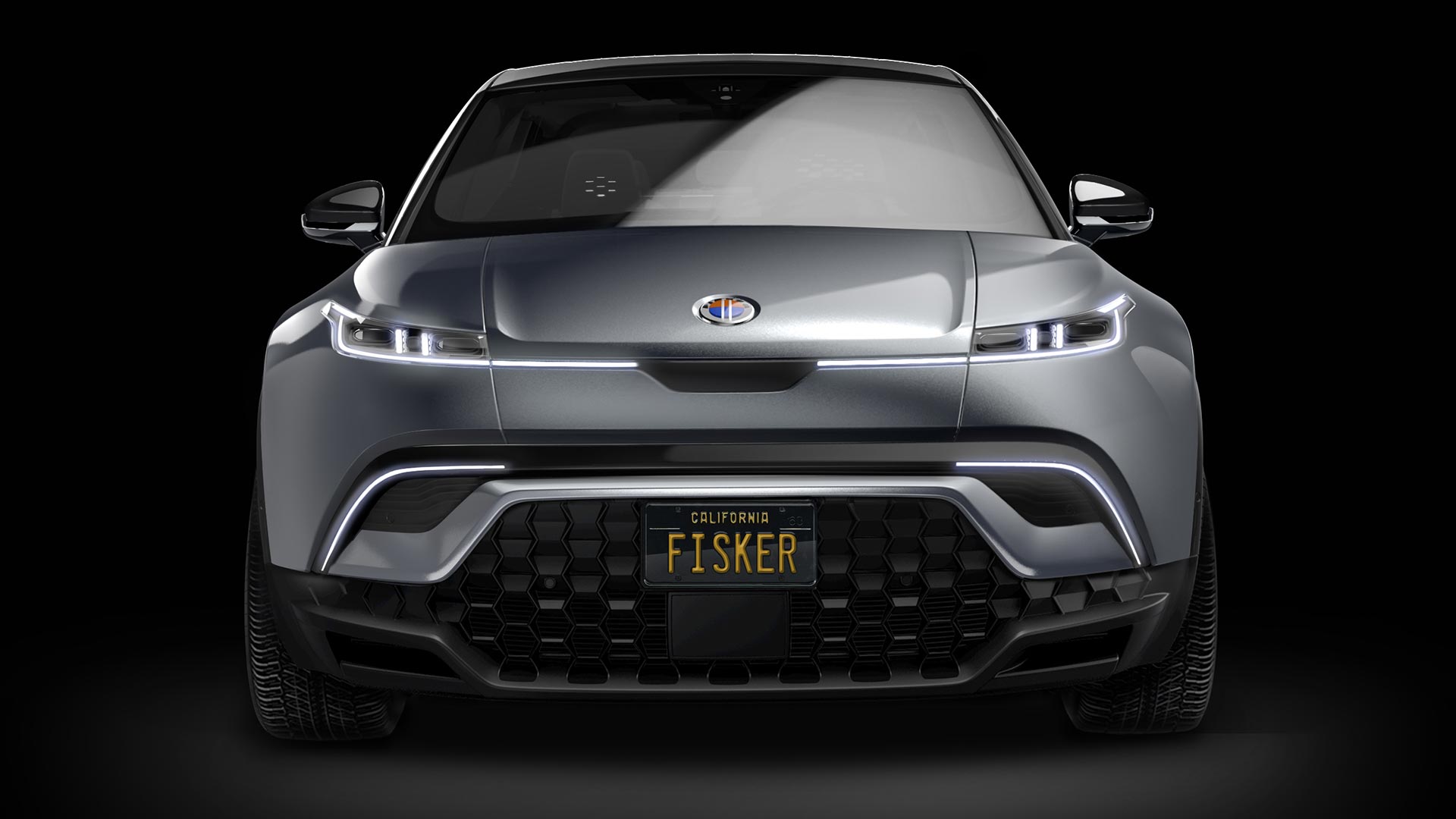
Fisker Inc. has confirmed that Electrify America will be the charging network of choice for the forthcoming Ocean SUV.
The company states this will give Fisker drivers access to the biggest fast-charging network for electric vehicles across the United States, plus a bespoke charging experience.
Those interested in the electric SUV now also know when they will get a first look at the full prototype. Fisker will reveal the Ocean at the 2020 Consumer Electronics Show, which takes place next month.
Welcome to our network
Key to Fisker’s partnership with Electrify America is a promise that charging the Ocean at one of their stations will be quick and painless. Fisker states that Electrify America chargers will automatically recognize Ocean SUVs, simplifying the process and allowing automated payments.
This is similar to how the Tesla Supercharger network operates.
Electrify America currently plans to expand its network to 800 separate charging sites, with 3,500 chargers in total, by December 2021. The company has also signed agreements with manufacturers including Ford, Audi, Porsche, and Harley Davidson to allow customers to use their network.
The Fisker Ocean will be sold with a ‘complimentary mileage’ package, allowing drivers a limited amount of free charging. With an 80 kWh lithium-ion battery pack, Fisker states the Ocean can be charged to offer 200 miles of range with a 30 minute fast charge.
California dreamin’ on such a winter’s day
Ahead of the big reveal on January 7th at the 2020 Consumer Electronics Show, Fisker has also promised a special treat next week for those who have reserved an Ocean via the Fisker Flexee mobile app.
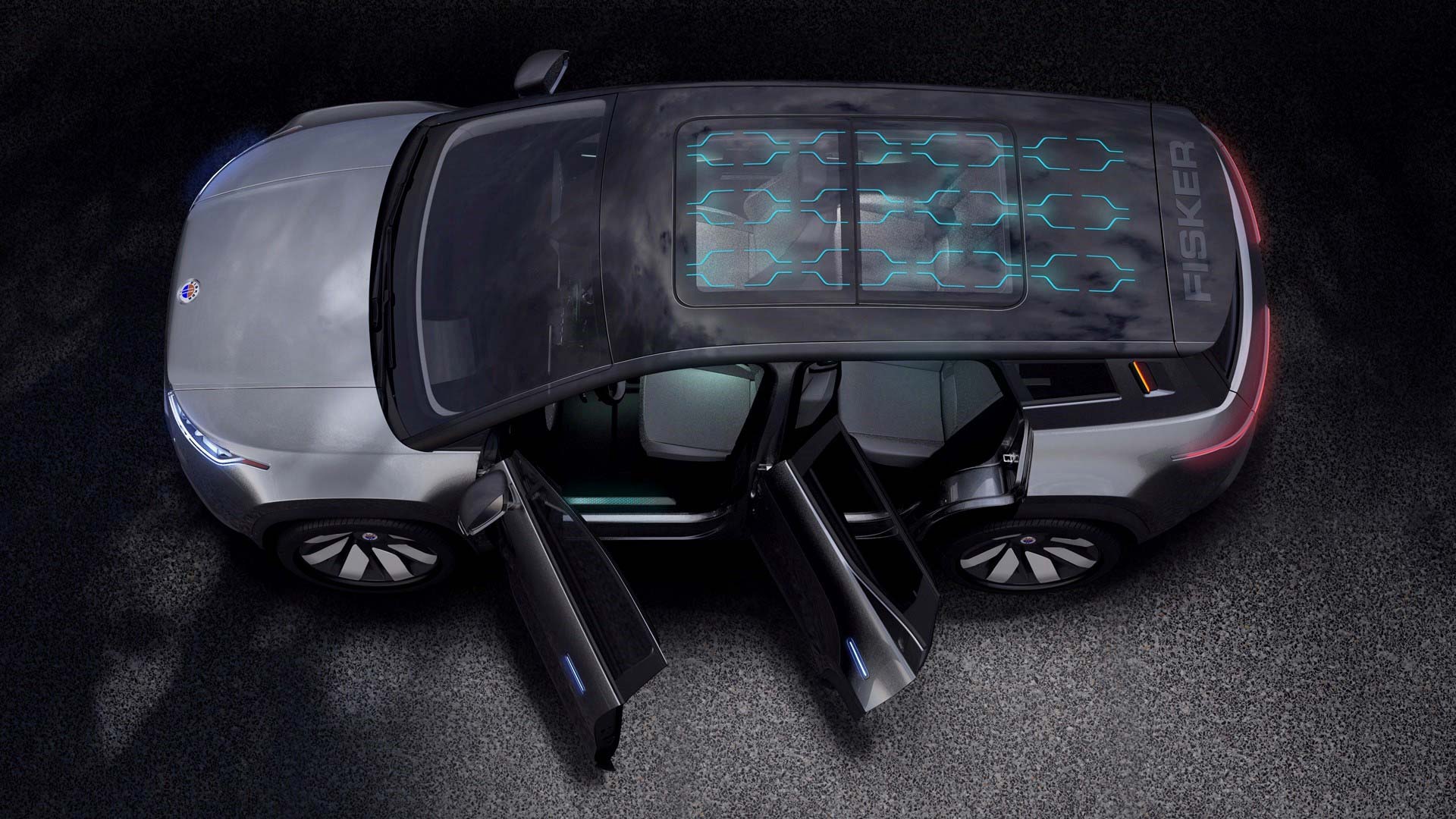
Fisker plans to display a feature of the Ocean SUV that will allow “passengers to experience the sun, fresh air and an open feeling without being in a convertible”, that it calls ‘California Mode’. The special mode will be standard on all versions of the Fisker Ocean expect the entry-level base trim.
The first production models of the Ocean are scheduled to be completed in late 2021, with Fisker setting a target of 2022 to deliver the electric SUV in higher volumes.
From dragging a Jeep Wrangler by the scruff across Colombia to becoming a seaman in the Mekong Delta, it’s amazing Jeremy Clarkson found time to actually drive any cars in 2019. Happily, he did, and he has some strong opinions on the year’s best and worst new metal.
Hot metal
With everything from the Suzuki Jimny to the Ferrari 488 Pista, you can’t say this list isn’t eclectic. Very non-polarising for Clarkson, it caters for (almost) everyone. Let’s get into it…
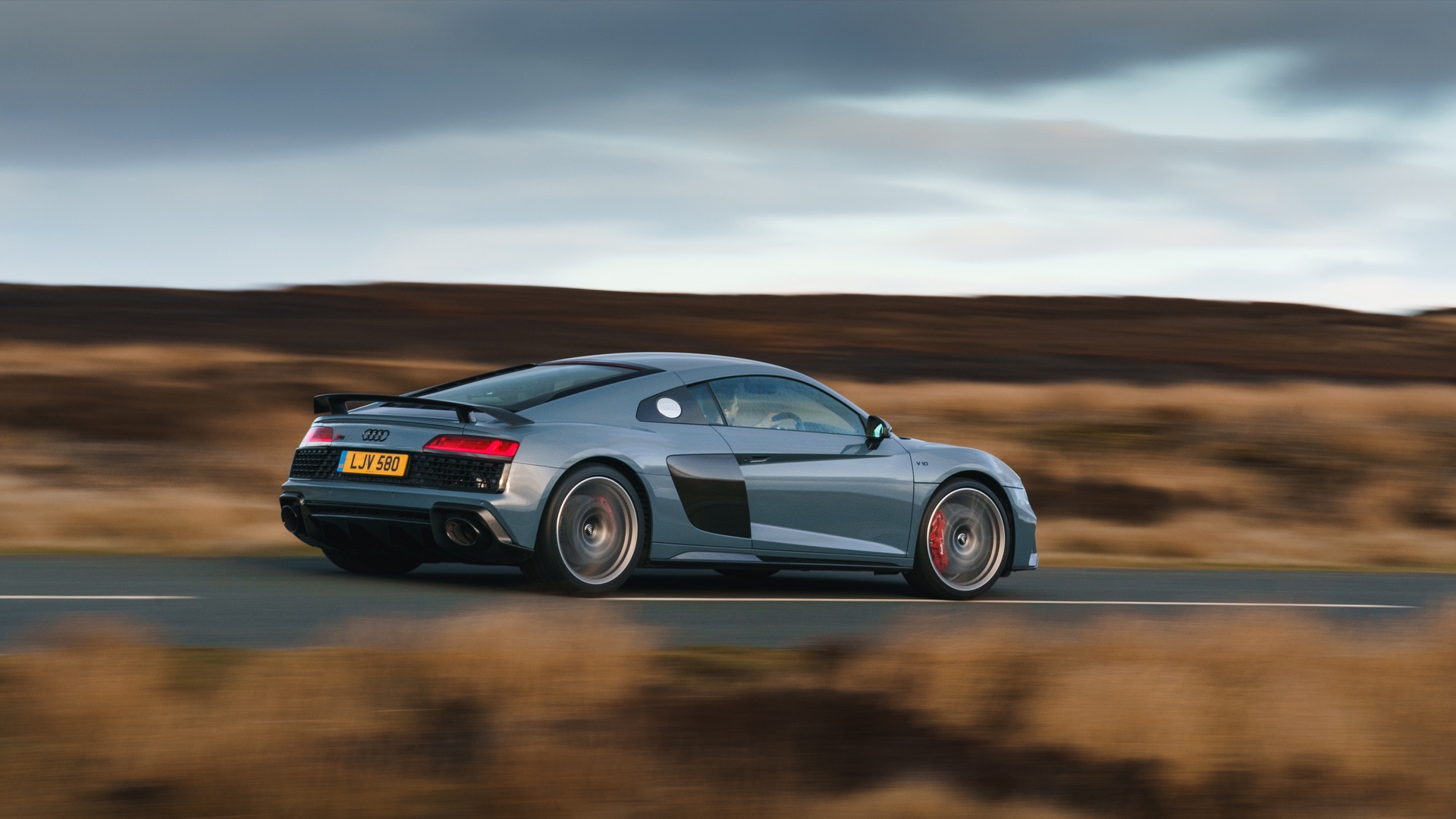
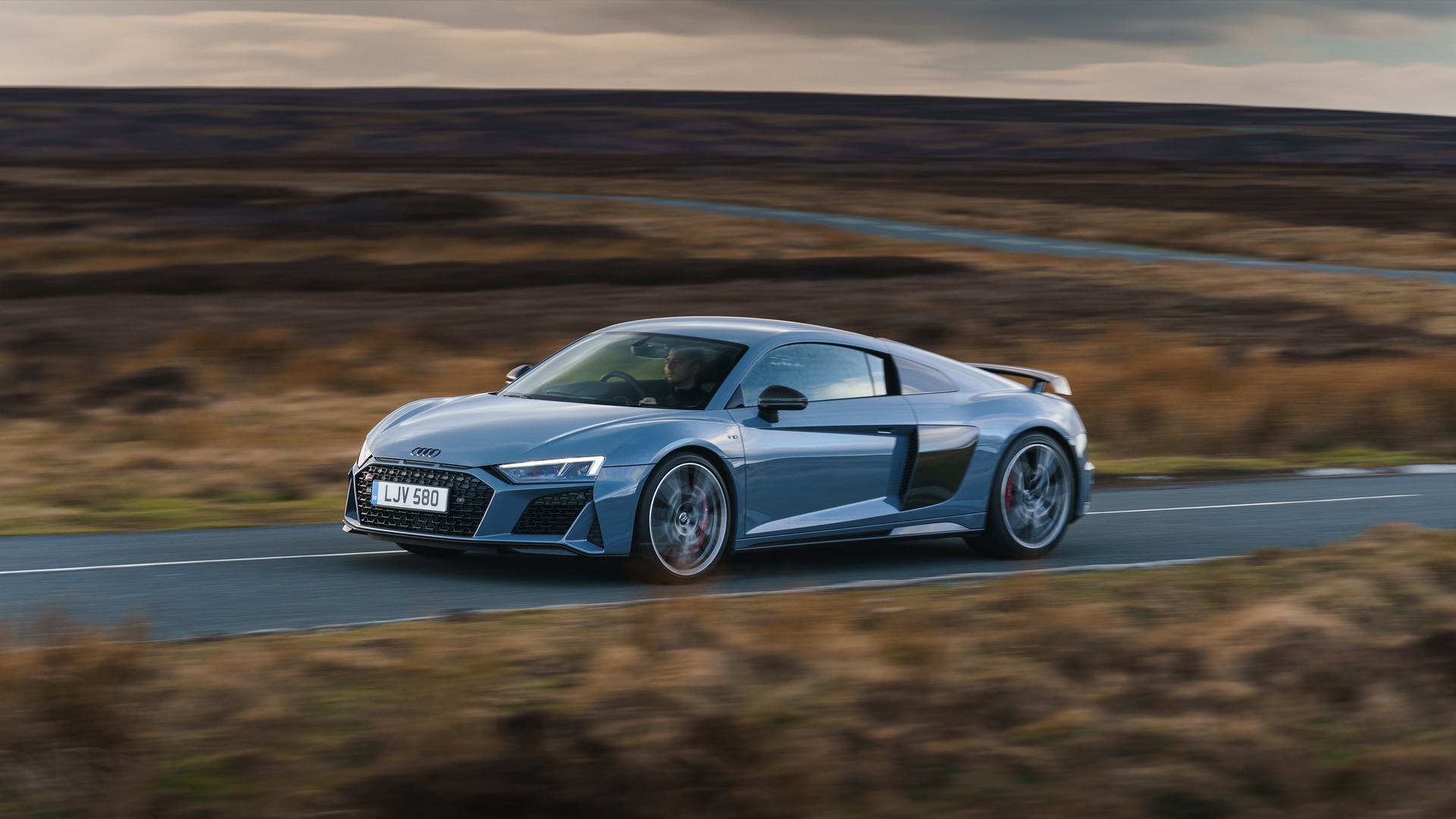
Audi R8 V10 Spyder Performance
We open with a very ‘Clarkson’ car: a screaming V10 engine in the middle and a price nearing £150,000. It’s should have his name written all over it. Not entirely so. He even admitted to pangs of guilt in operating such a gratuitous and noisy machine when watching Sir David Attenborough on Netflix. In his review for The Times, he said: “After a few days, though, normal service was resumed. I began to realise that a V10 is better than a bicycle and that having fun at 180mph is more important than having angst about plankton”. His summary of the R8? “Yes, this is what a supercar should be like.”
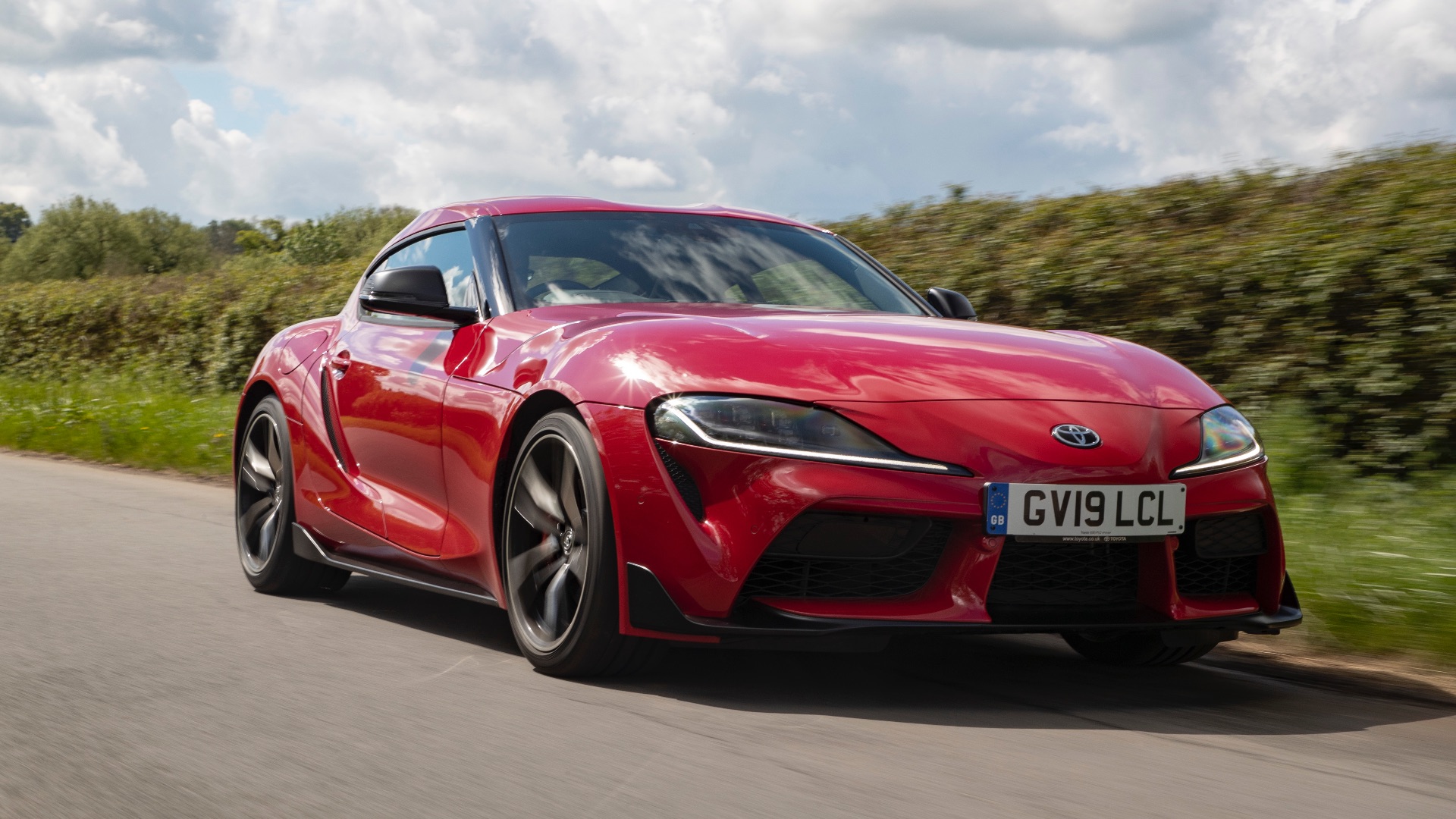
Toyota Supra
We know Jeremy has a penchant for a deftly-measured, well-judged sports car and the Toyota Supra has to be a top 2019 contender there. It’s not quite up to it, he reckons, saying in The Times: “It’s not underwhelming, by any means, but neither is it overwhelming. It’s just whelming and I was expecting, I dunno, a bit of chilli and lemongrass in the mix”.
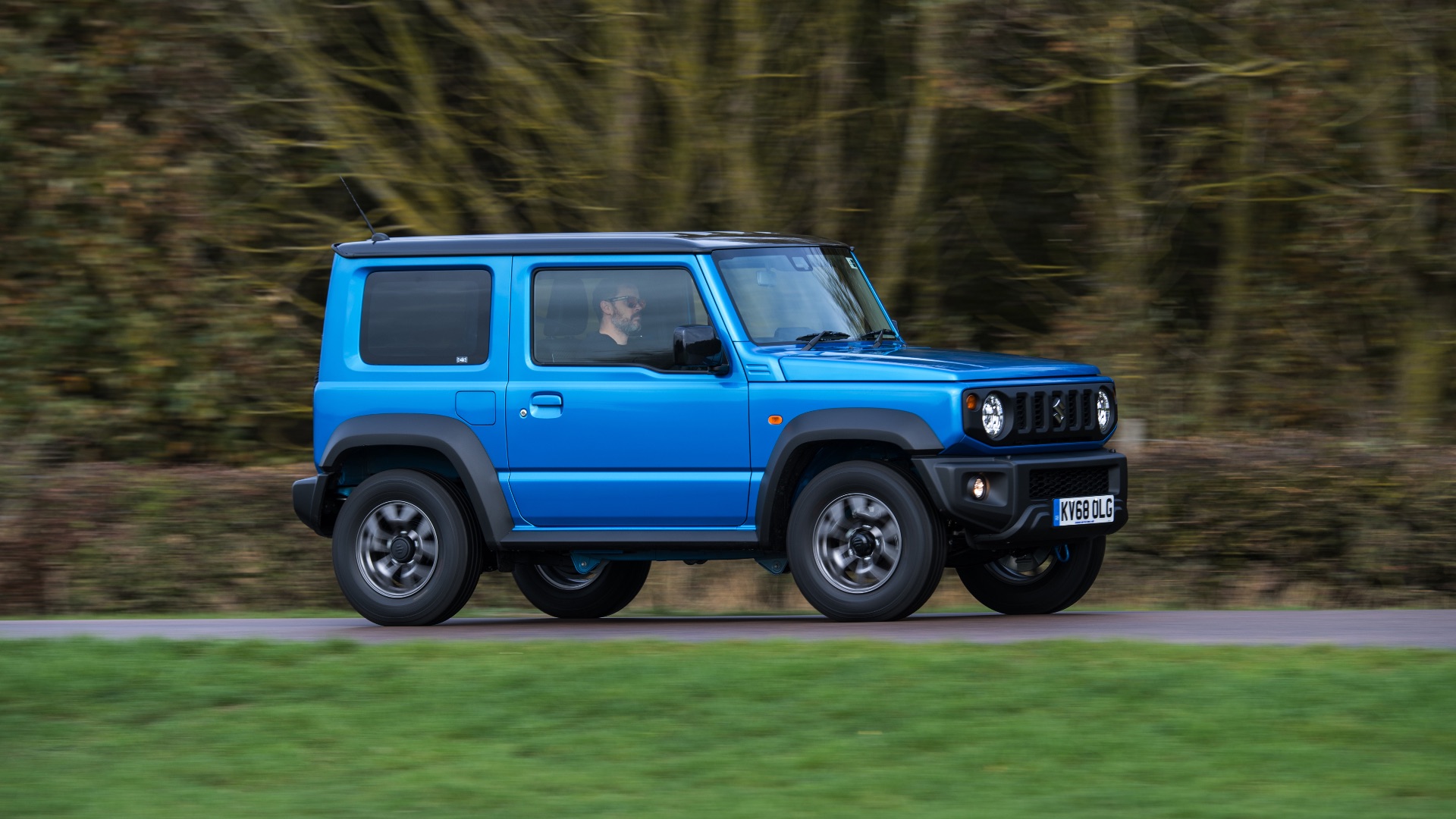
Suzuki Jimny
In his love of the Suzuki Jimny, Clarkson reaffirms that he is indeed an automotive masochist. Torturous though operating the Jimny can often be, it’s relentlessly good fun. “As you bounce along with your ears bleeding, you will have a smile on your face,” he said. “And you’ll be making other road users smile, too.”
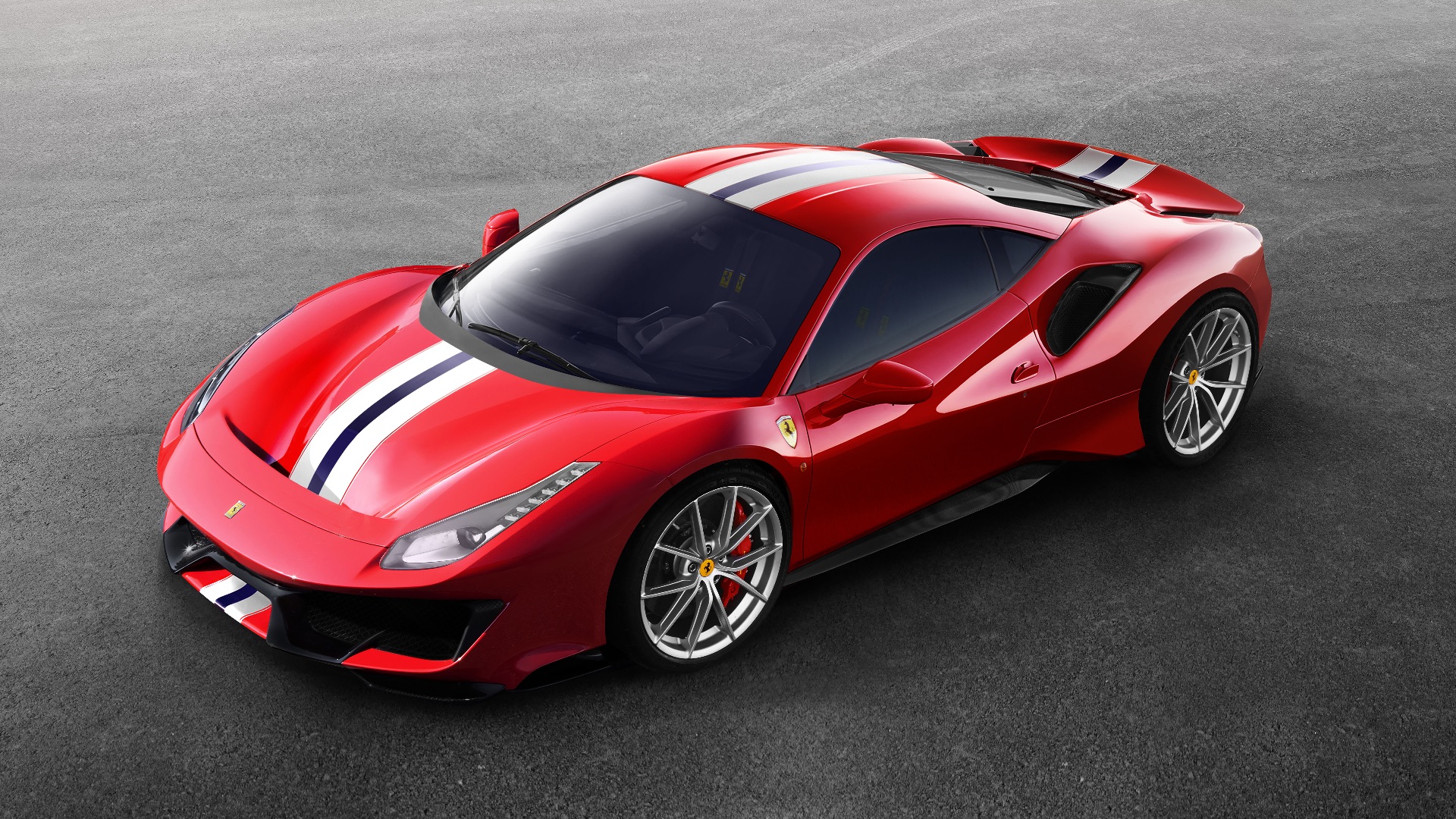
Ferrari 488 Pista
Clarkson is in love with a new Ferrari. In other news, water is wet. In spite of its expense and poor equipment levels, he describes the Ferrari 488 Pista as “one of the most exciting, thrilling, beautiful and satisfying cars ever made”. He’s so impressed with it, he reckons James May might have to scrap his Ferrari 458 Speciale, due to the fact the Pista has rendered it worthless.
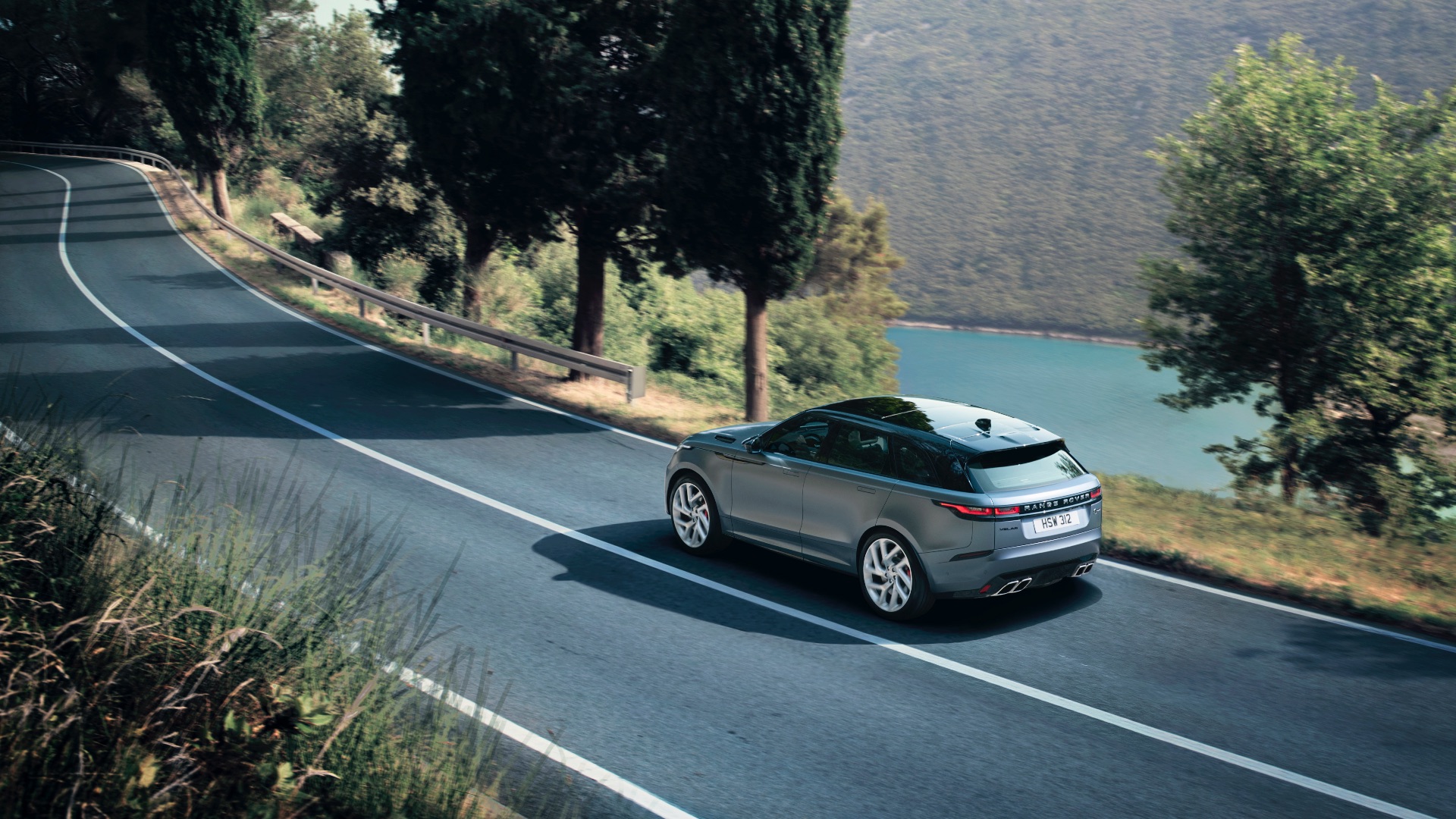
Range Rover Velar SVAutobiography
Next on the list of cars that no one is surprised Clarkson loves, a slightly smaller Range Rover that JLR’s in-house SVO tuning division has stuffed a V8 into. Clarkson says: “There’s something about the Velar that turns the rational side of your brain to mush”. The Velar SVAutobiography is the one to have, he says, because of its V8, which is good for 0-62mph in 4.5 seconds and 170mph. “In a Range Rover, for crying out loud”. No arguments here.
Alfa Romeo Stelvio Quadrifoglio
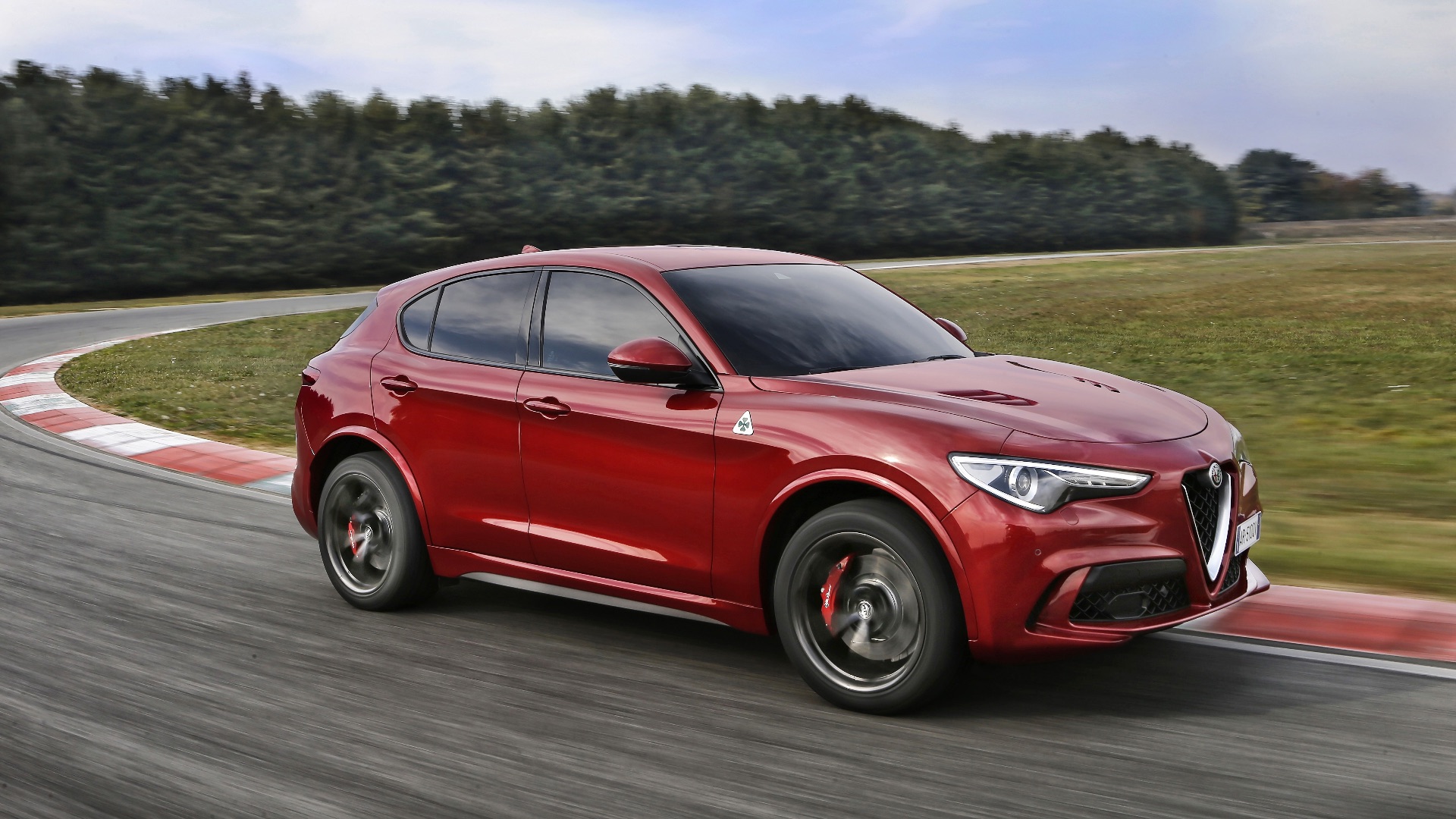
Is the apocalypse upon us? Is hell freezing over? We only ask because one of Clarkson’s cars of the year appears to be a crossover SUV. Happily, it’s one of the very best, so you can stop stockpiling tinned food. The Alfa Romeo Stelvio Quadrifoglio is also the only crossover with an engine sourced from Ferrari… kind of. Clarkson spends most of his summary talking about the Ferrari-flavoured bit, saying “The noise it makes can curdle blood at 500 paces. This is an engine that wants you to open all the stops, all the time”.
Audi TTS Roadster
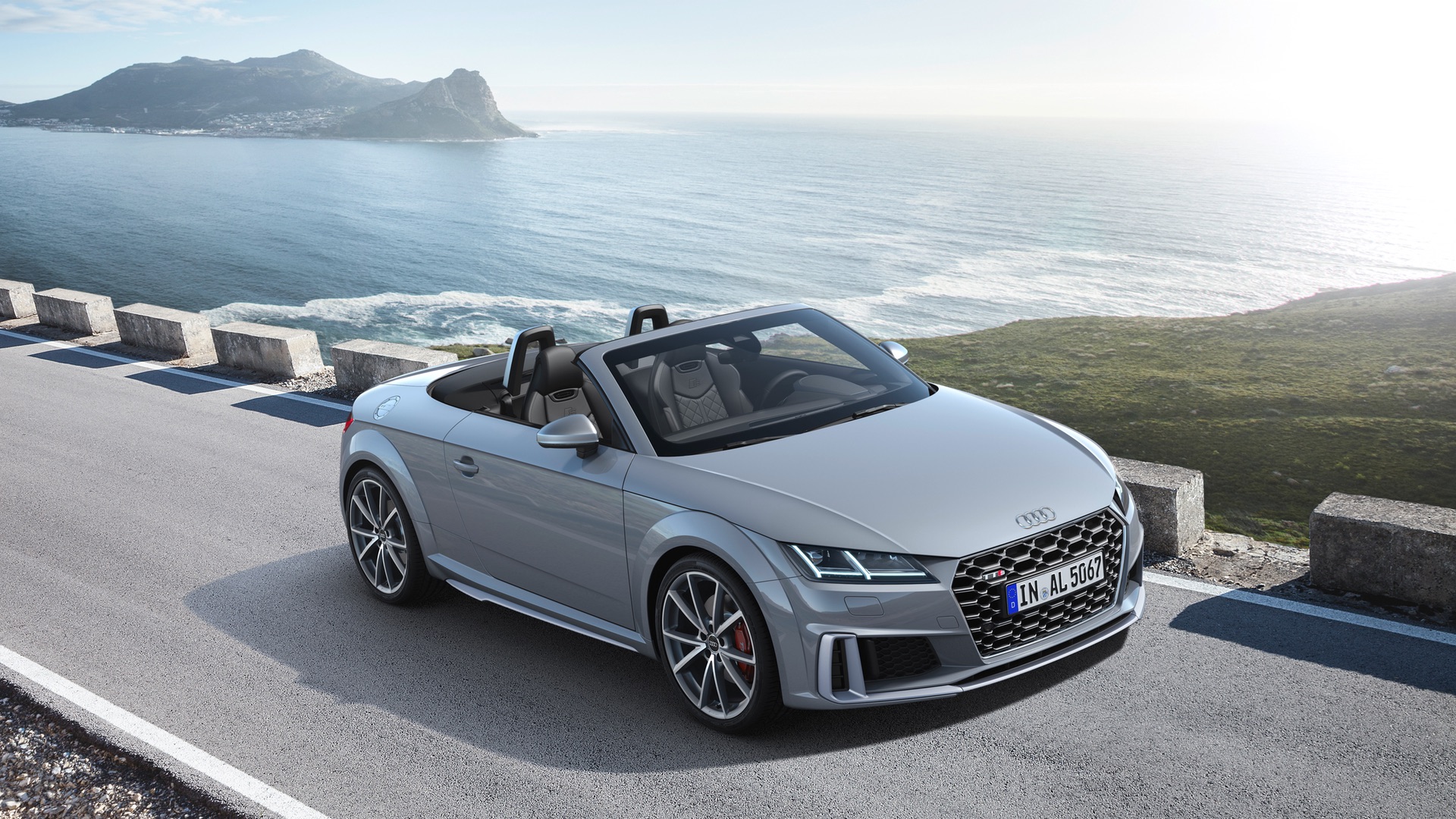
Clarkson’s summary of the Audi TTS Roadster says nothing we didn’t already know. In short, it’s no Porsche Cayman rival. It’s a very good car, but not if you’re in the market for a sports car. He says in The Times “all that horsepower, 93m miles of headroom and four-wheel drive and, actually, you know what? I’ll walk. I need the exercise”.
Ford Mustang GT V8 Convertible
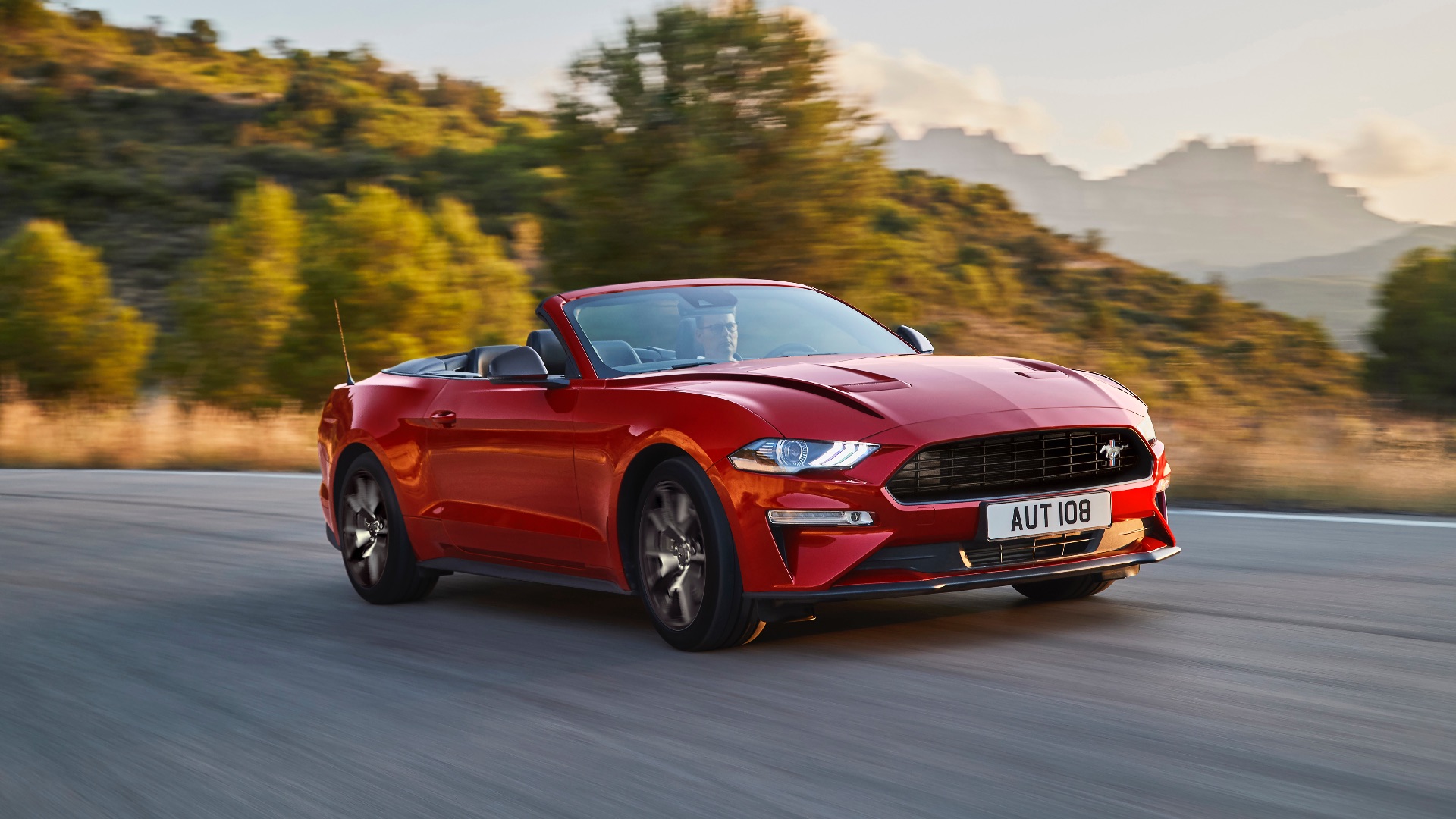
The Mustang is a very ‘Clarkson’ car, isn’t it? It was his muscle car of choice on his trip to Detroit on The Grand Tour. Although thoroughly modernised, by any other yardstick, it remains a blunt instrument. But Clarkson isn’t bothered. He says in The Times: “Crikey, it has a big heart. This is a car you treat like a dog. You want to tickle it behind its door mirrors and let it sit by the fire on cold evenings. And when it develops a wobble at tickover, you don’t get cross with it; you worry”.
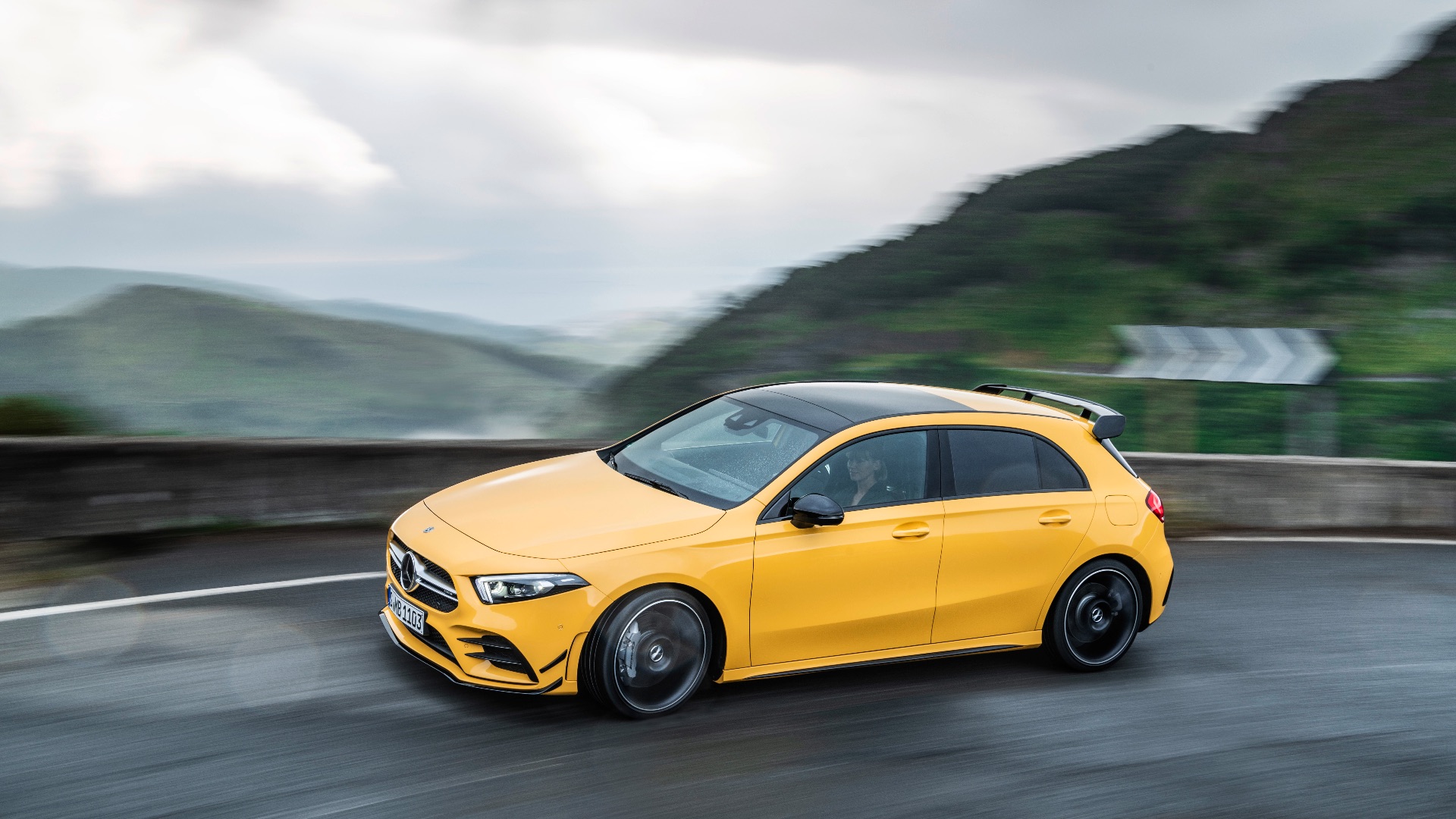
Mercedes-AMG A35
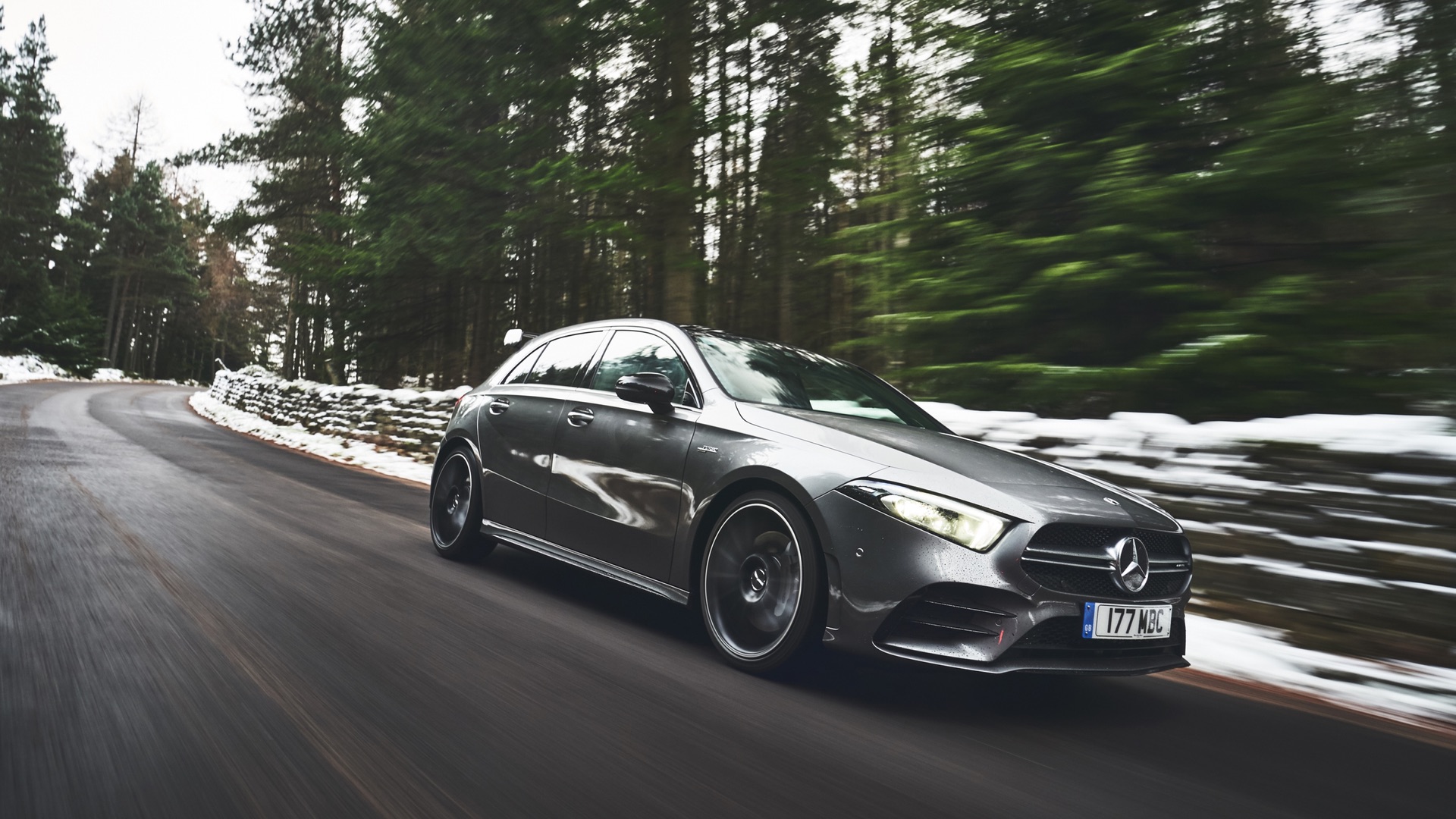
We can’t have a list of 2019 motoring talking-points without a hot hatch or two. The Mercedes-AMG A35 has been eagerly anticipated, given how popular the last A45 AMG was. In spite of being the comparatively lukewarm precursor to the full-fat A45, Clarkson was taken with its performance, saying: “This thing flies. It’s a mad ride, full of jolts and judders and stars flying past at breakneck speed. It’s properly exciting.”
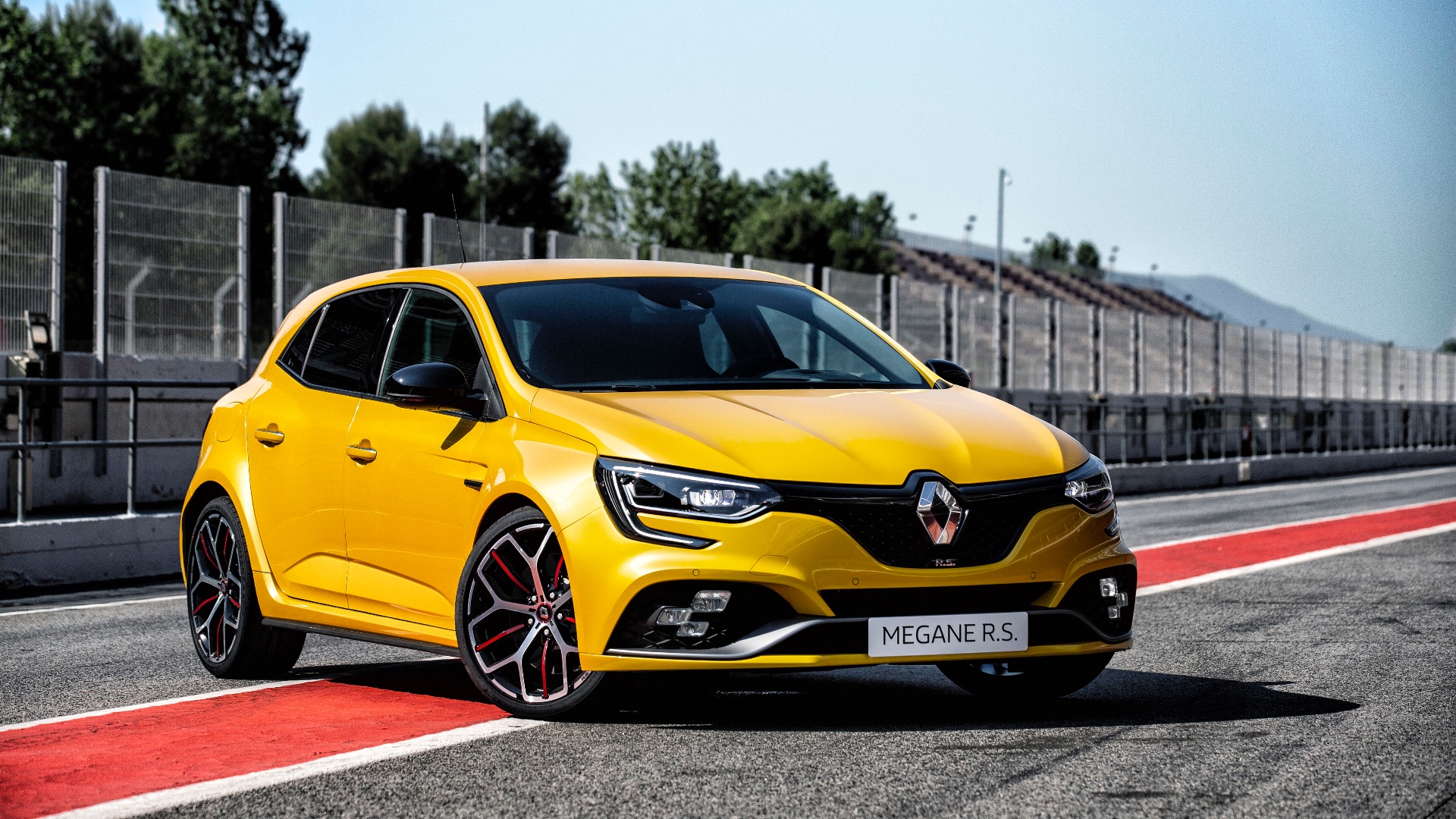
Renault Megane RS Trophy
The Merc is very, er, German, though. If you take your hot hatches in a more traditionally French and scrappy guise, then Clarkson is also a proponent of the Renault Megane RS Trophy. “When you take this car by the scruff of the neck, it’s a riot of colour and sound and terror,” he said. “I’ve never taken LSD on the world’s fastest rollercoaster, except now I sort of have”.
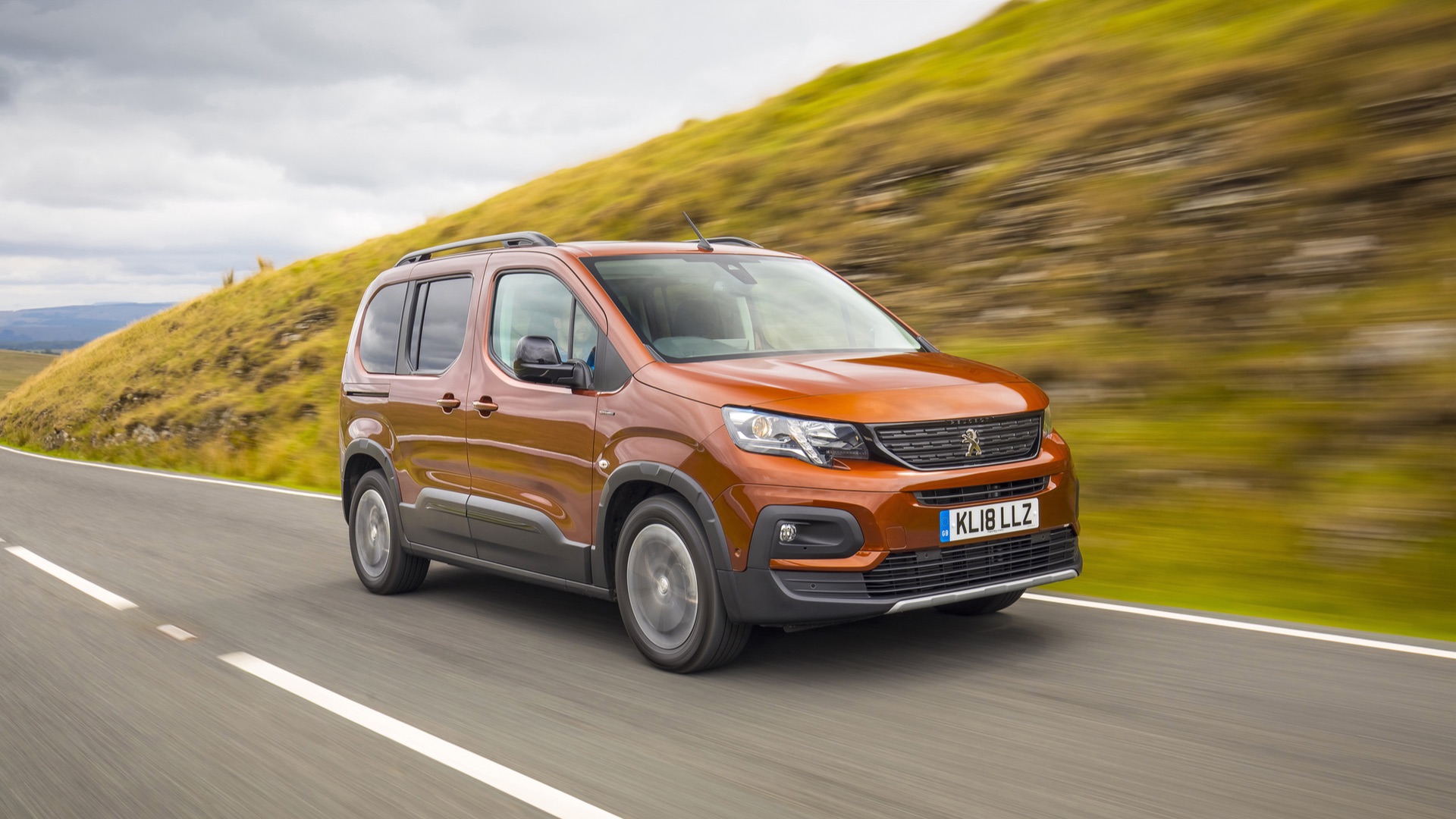
Peugeot Rifter GT Line
Has Clarkson taken leave of his senses? Is a Peugeot Rifter really one of his most-enjoyed cars of 2019? If you can believe it, yes. The practicality and the ride quality that defeats speed bumps won him over. “I’ll be honest, I loved it,” he said. Apparently its arrival at The Grand Tour office was met with uproarious laughter at his expense.
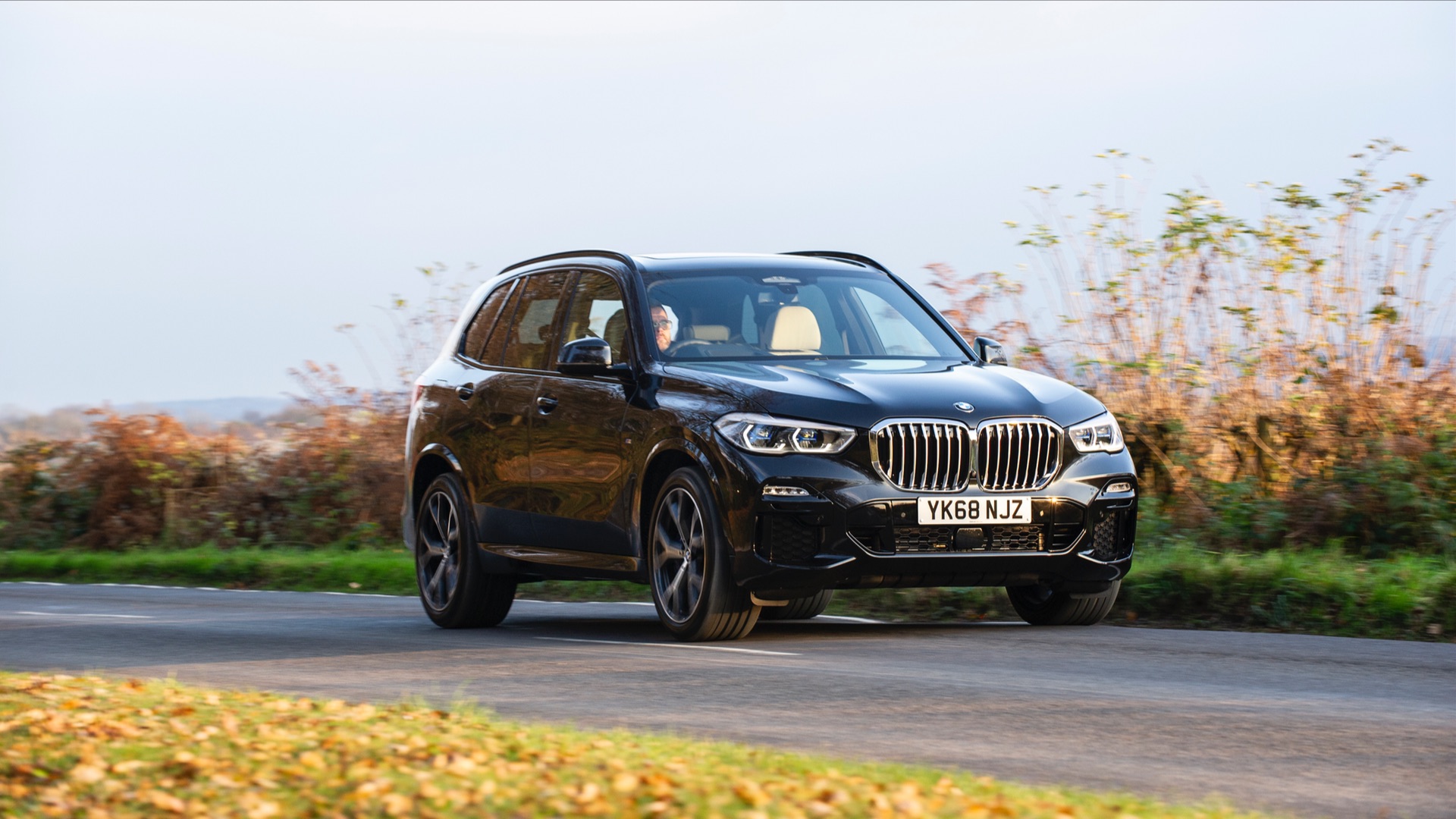
BMW X5
The Times said this list would include hits and misses. While some of the above machinery has copped a bit of criticism, there’s nothing as scathing as Clarkson has been capable of in the past. But the new BMW X5 doesn’t get an easy ride. From the key that “feels like a 1970s television set in your pocket,” to the overly-intrusive assisted steering, Clarkson reckons the X5 “is full of stuff that’s not been thought through. It’s a long time since I drove a car with as many design flaws”. Whoops.
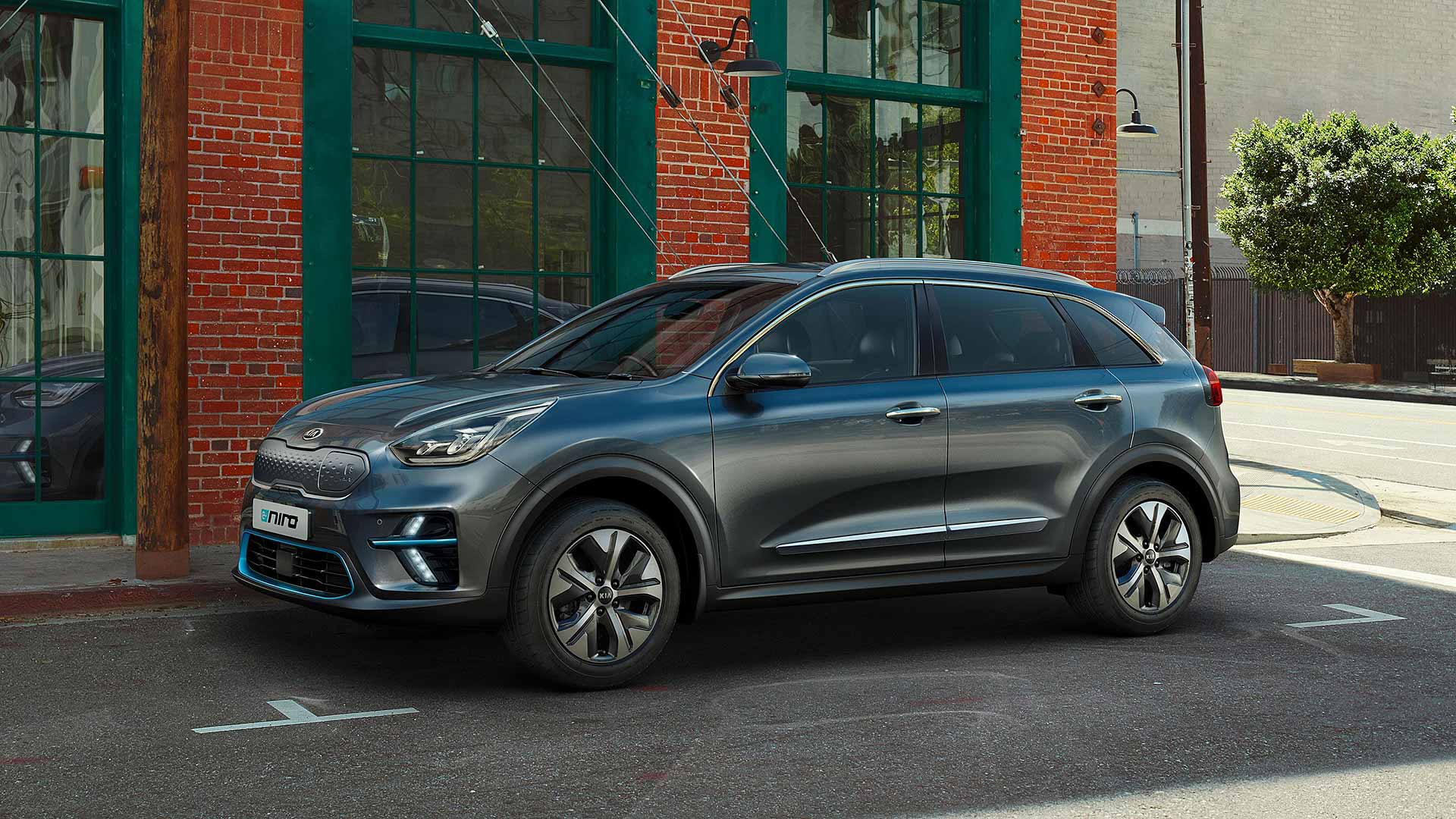
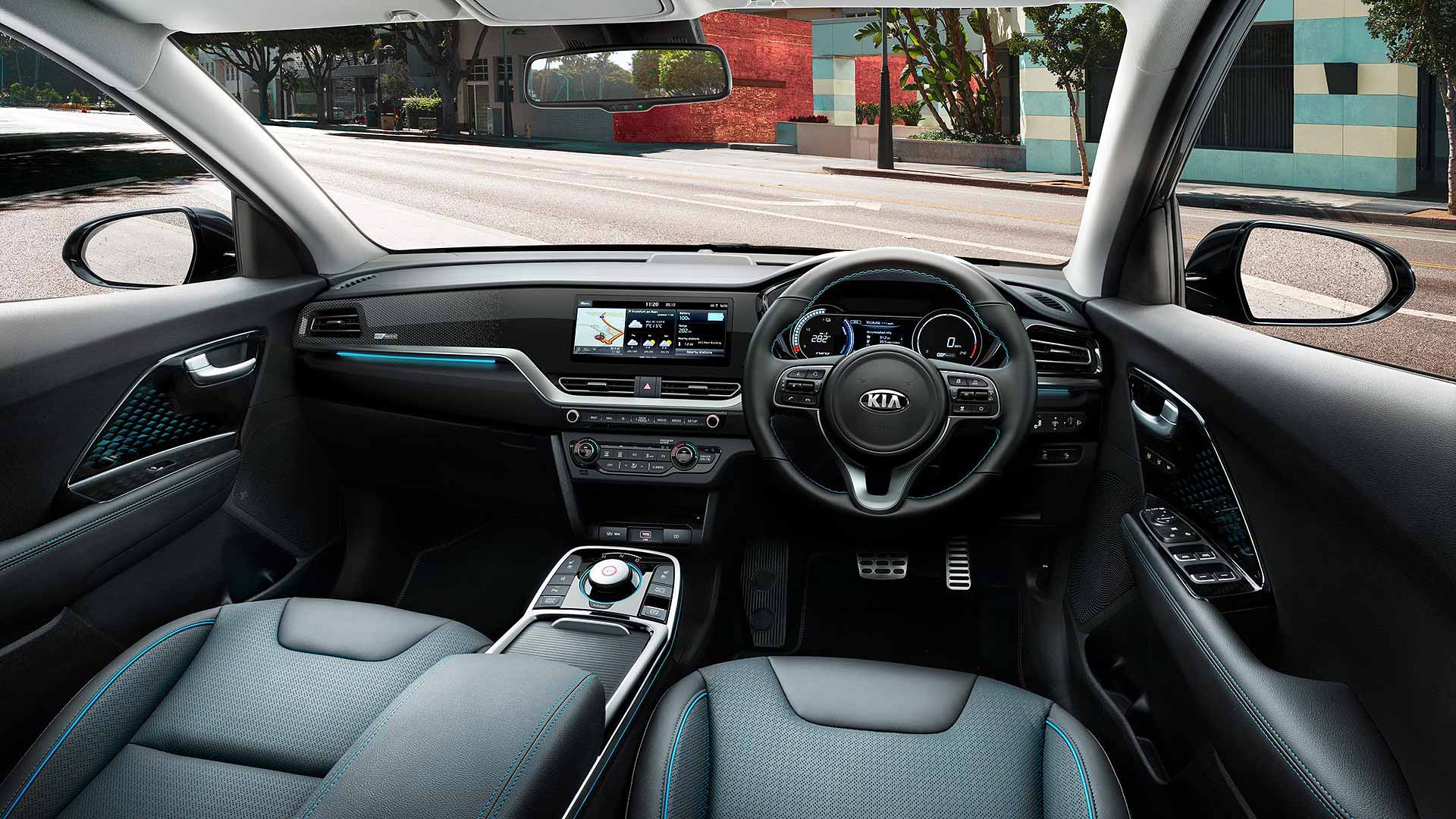
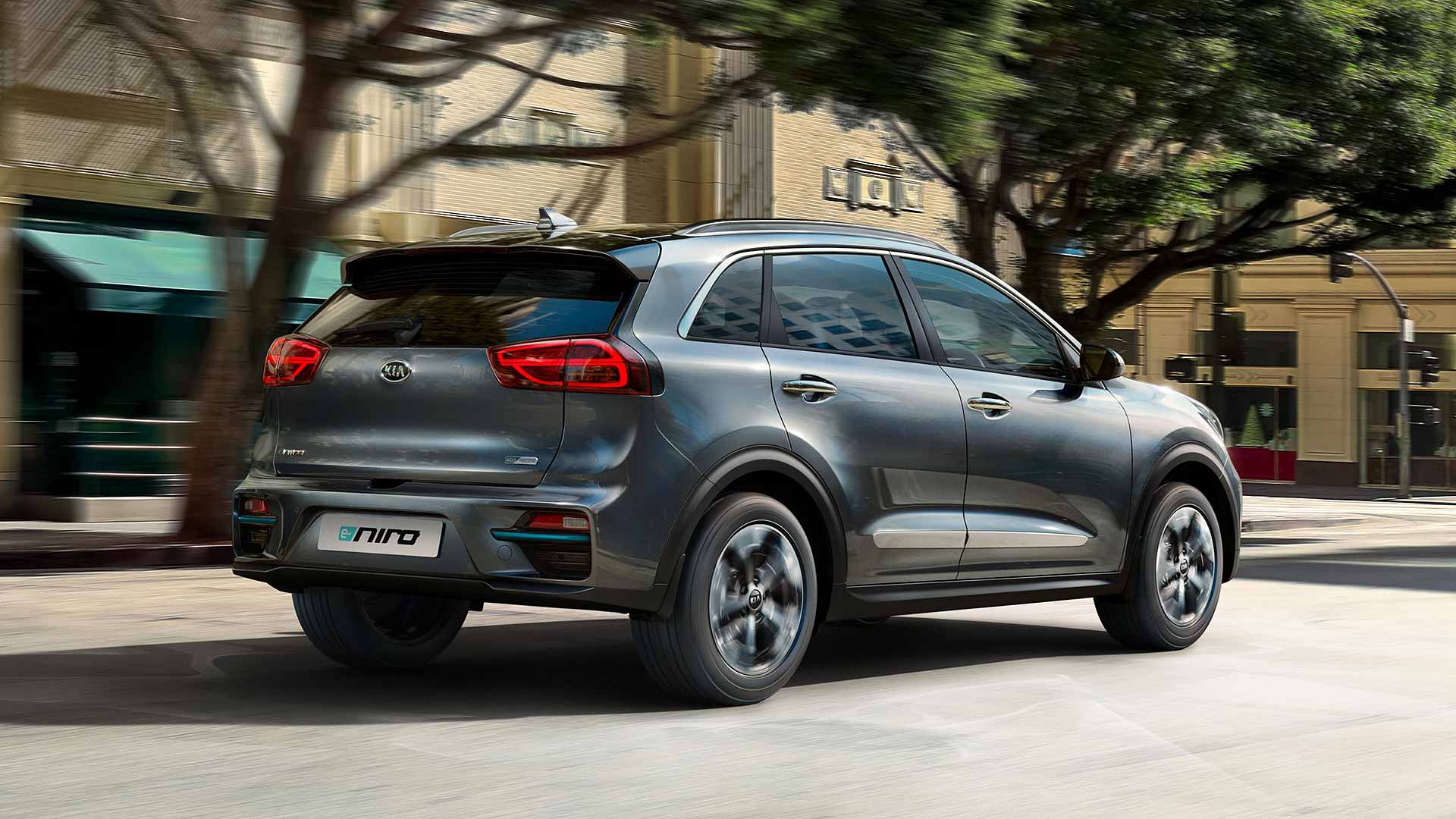
The in-demand Kia e-Niro has been refreshed for 2020 with the old First Edition model replaced by a new ‘4’ grade. Prices start from £34,495 including the Plug-in Car Grant (the list price, which nobody pays, is £37,995).
Kia has already updated the Niro range; now it’s time for the all-electric e-Niro to benefit. Highlights include a crisp new 10.25-inch touchscreen sat nav system with built-in telematics.
Heated black leather front seats are standard, as is a premium JBL sound system and wireless smartphone charging. There’s also climate control and smart cruise control.
With a 64 kWh battery, the e-Niro has an official range of 282 miles. It’s also capable of 0-62 mph in a sprightly 7.5 seconds. Power is ample at 201hp, and it has a diesel-like pulling power figure of 291lb ft.
The multi-award-winning e-Niro famously sold out as soon as it went on sale this time last year, and Kia dealers have been battling ever since to secure stocks.
The firm actually closed the order books for 2019 deliveries; the introduction of the new e-Niro 4 in early 2020 will see them finally open again.
A Kia spokesman told Motoring Research the firm is much more confident of being able to get sufficient stocks next year, particularly in the second half of 2020.
New research reveals when it’s best to renew your car insurance. Renewing three weeks before a policy is due to expire saves £339, on average.
Those who wait until the day renewal is due will pay an average of £775, says comparison website CompareTheMarket. If they had bought a new policy three weeks earlier, the same motorist would pay £436.
Despite the savings that can be made, there is still a last-minute culture when it comes to car insurance. Apparently, 35 percent of motorists wait until the day before their policy ends to search for a new quote, meaning they pay £660 on average, or £224 more than they need to. Only three percent searched for a new policy three weeks in advance of the cover elapsing.
Revealed: the most dangerous day in December to drive
If you leave it longer, however, you could potentially pay more. The average premium leapt to more than £500 for motorists who began their search for insurance four weeks in advance.
“The price of insurance goes through extraordinary fluctuations throughout the year, but not by coincidence,” said Dan Hutson, head of motor insurance at CompareTheMarket.
“The cost of a policy is very fluid and reflects the level of demand in the market at that moment, along with a variety of factors based on a person’s risk profile.”
According to CompareTheMarket, December is a no-go zone if you want the best premiums on your car insurance. Prices drop in January, then steadily climb throughout the year, before peaking in the festive month.
Prices averaged across 11 months of the year were compared with December prices for the last five years. The results show that in 2015 and 2016, December was £100 more expensive than the rest of the year.
Things have improved in recent years, but there was still a difference of around £50 for 2017, and £70 for 2018. What’s the reason for this?
“In December, when most people aren’t thinking about insurance, the demand is a lot lower and so insurers seem to charge much higher prices,” says Hutson.
“This then dramatically reduces in January as providers look to attract customers again when they start looking at their bills after the Christmas break.”