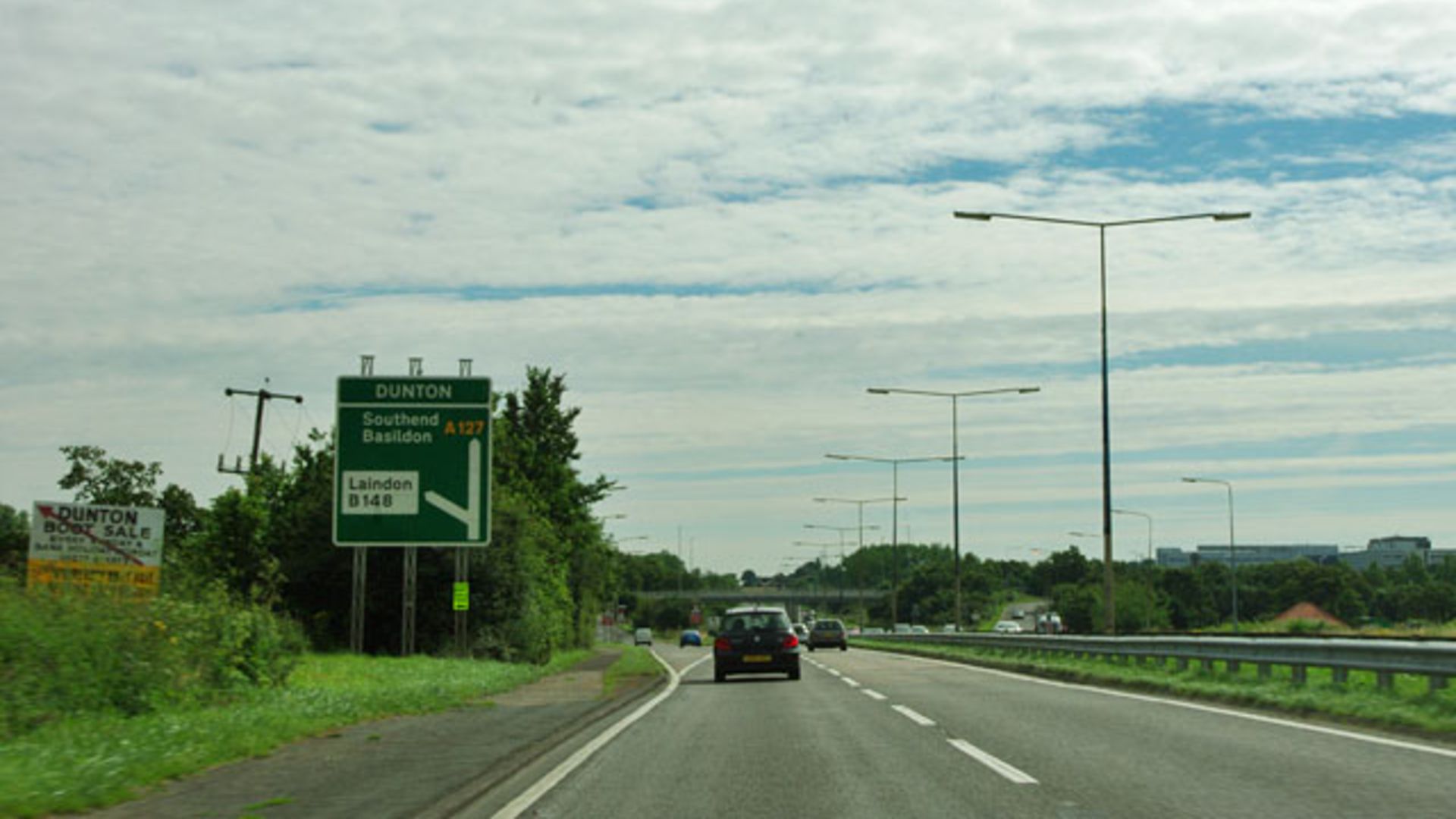
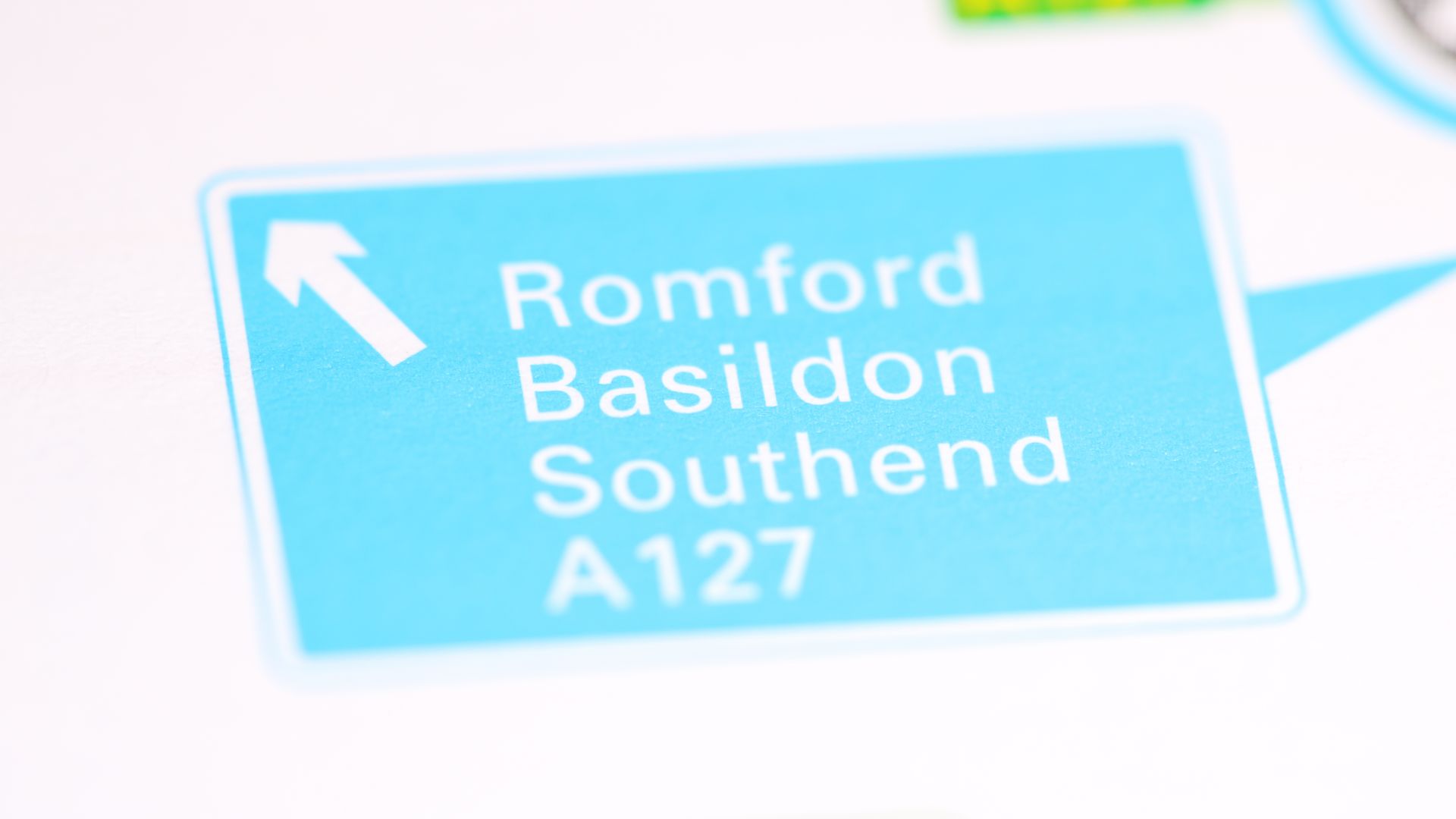
The A127 to the north of Basildon in Essex will have its speed limit reduced from 70mph to 50mph in a bid to reduce nitrous oxide (NOx) emissions from traffic. Essex Highways and Basildon Council say that, as a result, ambient air quality and NOx levels should reach safe levels by 2021.
The move comes after the local authorities were issued a ministerial directive by the government to improve air quality on the section of road as quickly as possible.
It’s claimed that at 50mph, NOx emissions from a car’s engine are reduced by up to 20 percent, compared with at 70mph. The majority of engines are most efficient at around 50mph, too.
A127 speed limit: what you need to know
84 percent of drivers oppose city diesel bans
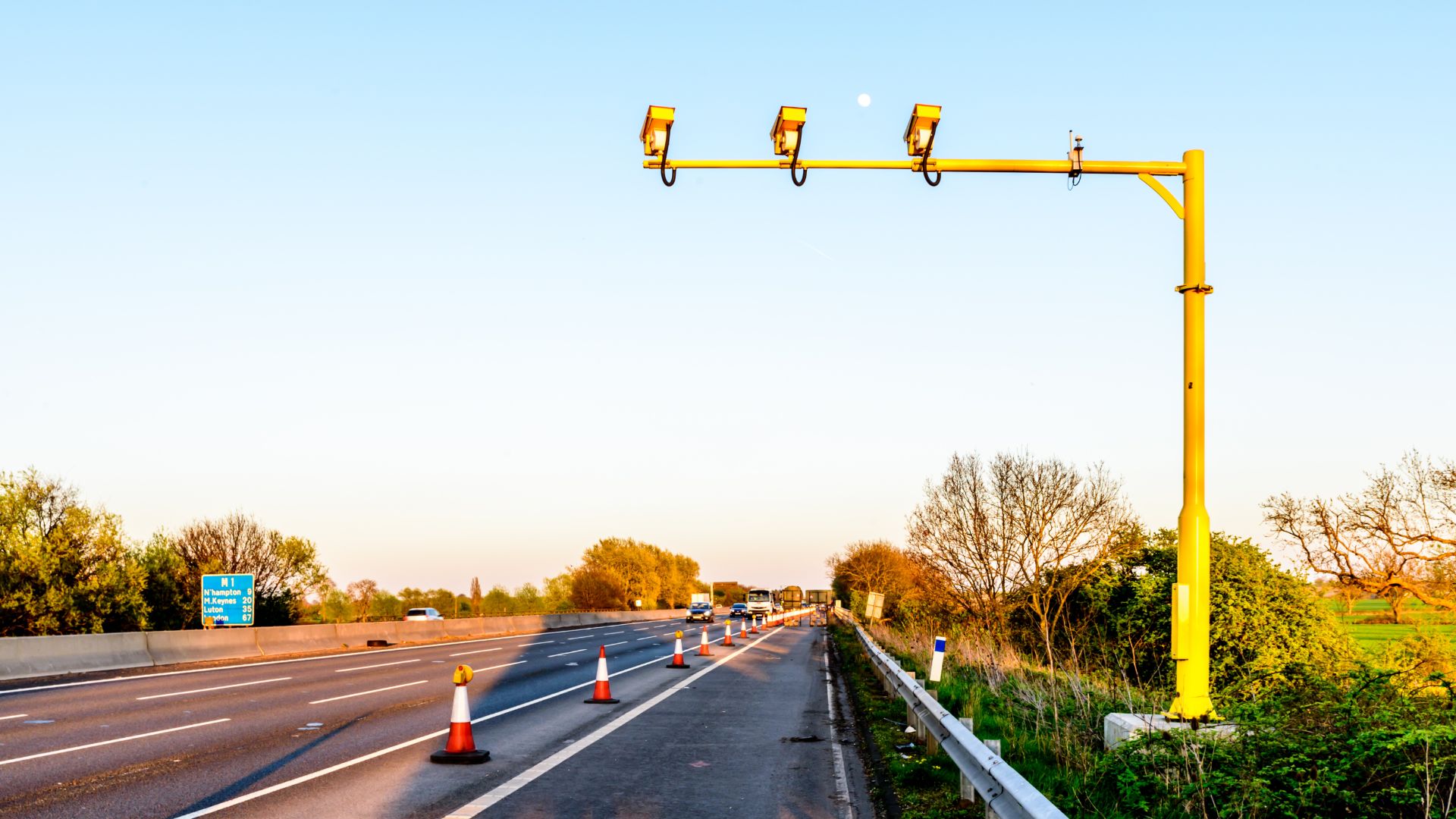
Work starts on 27 January to begin implementing the limit, with signs and average speed cameras being installed. It will be on both carriageways between the Fortune of War roundabout and around 470m east of the Pound Lane (west) and Cranfield Park Road (east) junctions.
The A127 has been identified as a problem area for emissions, but it’s not just higher speed that’s the issue. The new limit is also predicted to reduce congestion, keeping the movement of cars smooth and steady.
Calls to abandon ‘private cars’ over brake and tyre pollution
Essex villagers slash tyres of parked holidaymakers
“Engines work most efficiently at around 50mph; vehicles driving below 50mph and above 55mph produce more emissions from their exhausts,” says the Essex Highways website.
“While traffic is often slower than 50mph at peak times, having a consistently lower speed limit helps to improve journey time reliability by smoothing the traffic flow, because it reduces the number of times vehicles have to stop and start again.
“This in turn reduces the time traffic is stationary or moving slowly in queues, and has an air quality benefit as vehicles’ engines emit the most NOx emissions when they are switched on but not moving, or moving slowly.”
A new fixed-price insurance scheme is available to drivers of passenger-carrying Volkswagen commercial vehicles.
Research shows that 40 percent of owners switch insurance provider every year because loyalty isn’t rewarded. This costs the nation an estimated £4.1bn in excess premiums, says the Financial Conduct Authority and Competitions and Market Authority.
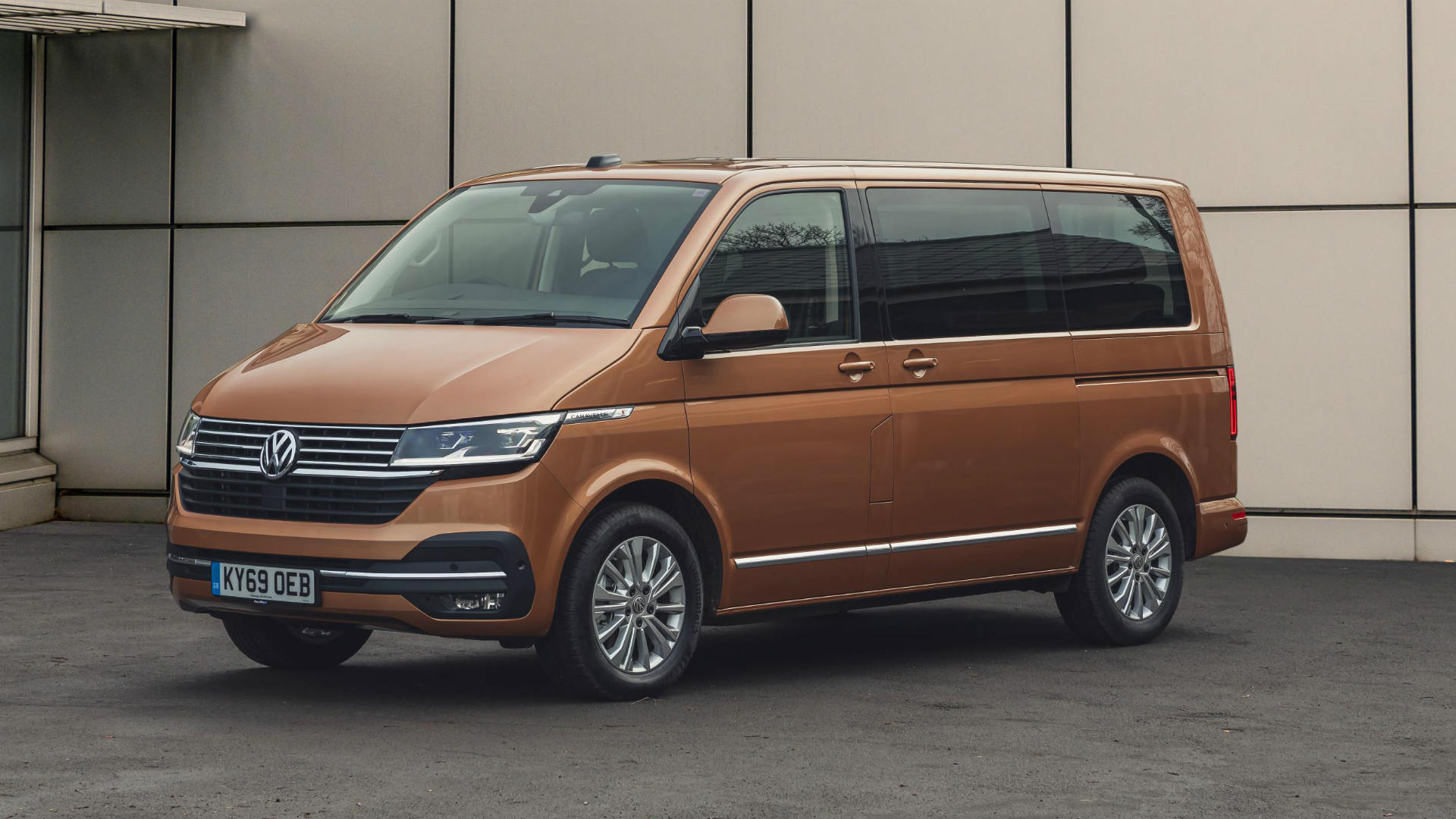
Volkswagen’s fixed-price insurance offer is available on new and used passenger-carrying vehicles. This includes the Caddy Life, Caddy Maxi Life, Shuttle, Caravelle, California and Grand California.
The fixed-price scheme secures the renewal price for two cycles, meaning it remains the same for the duration of the contract. The price will only go up or down if your circumstances change.
Not that the customer is locked into a three-year deal. Customers are free to cancel or switch, as they would with any other insurance policy. Any repairs as part of a claim are carried out using Volkswagen genuine parts.
‘Hassle, worry and stress-free’
Tom Macintyre, brand manager for Volkswagen Commercial Vehicle Financial Services, said: “We are responding directly to customer feedback with this insurance offer, which rewards loyalty. We believe owning a vehicle – whether it’s a Caravelle, Caddy Life or California – should be hassle, worry, and stress-free and allowing our customers to secure a fixed price on their annual insurance for three years offers exactly that.”
Audi launched a similar scheme in December. Policies are available for new and used cars, with Audi making similar claims about saving customers from shopping around for renewal deals.
Car insurance is one of the biggest costs of motoring, so it pays secure a good deal. Click here to read our extensive guide to saving money on your car insurance. Our advice includes everything from buying the right car to getting older.
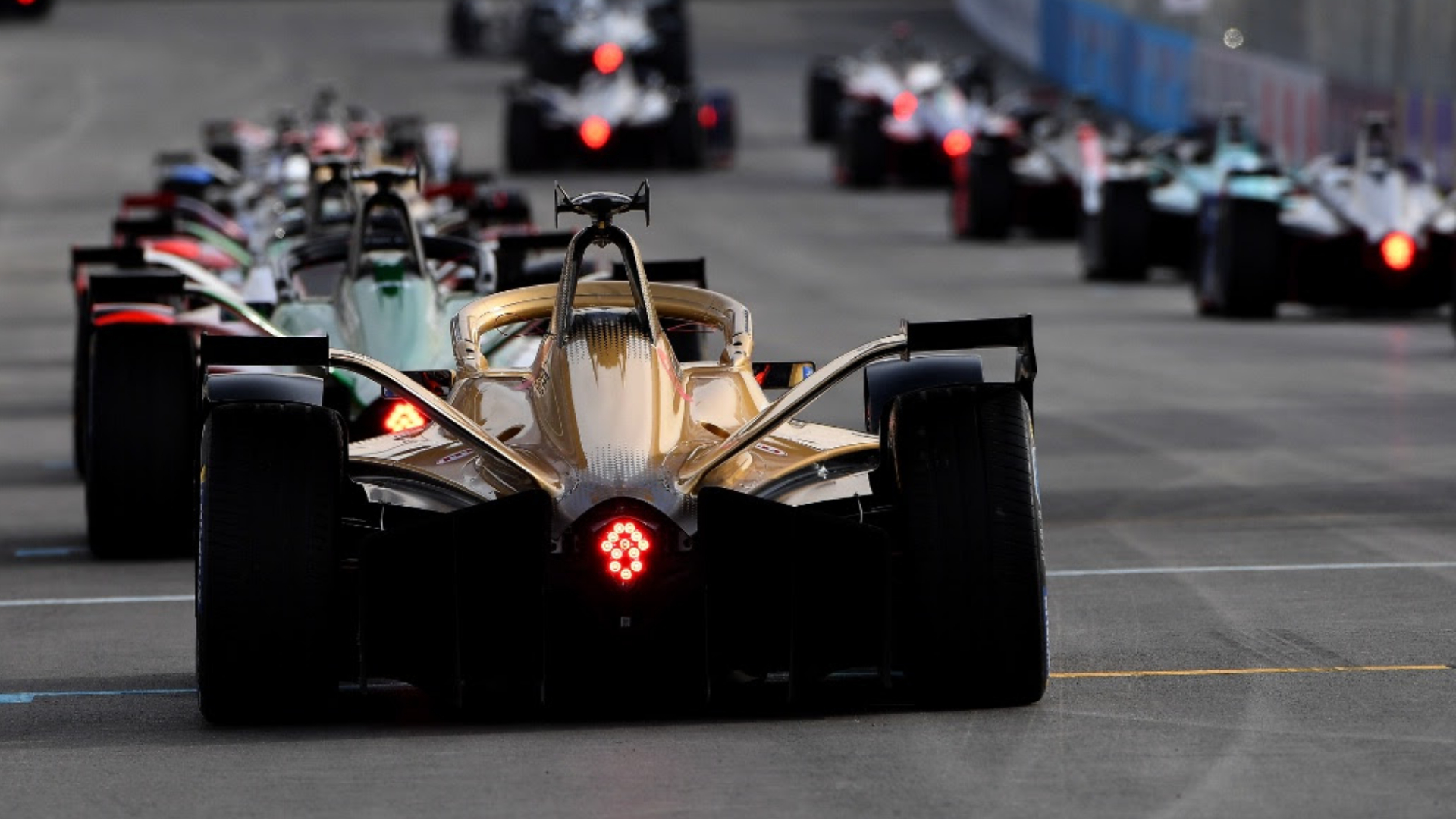
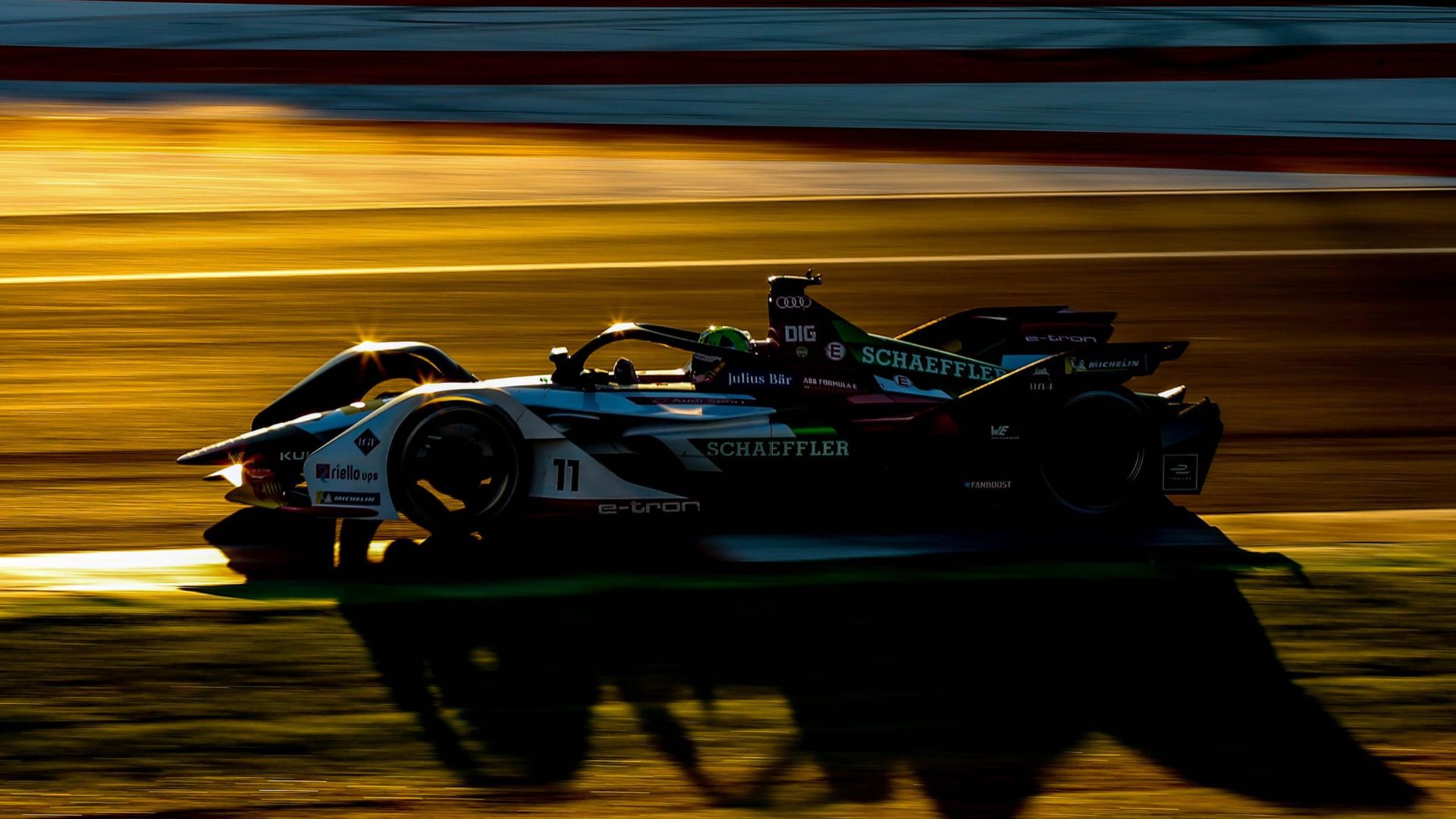
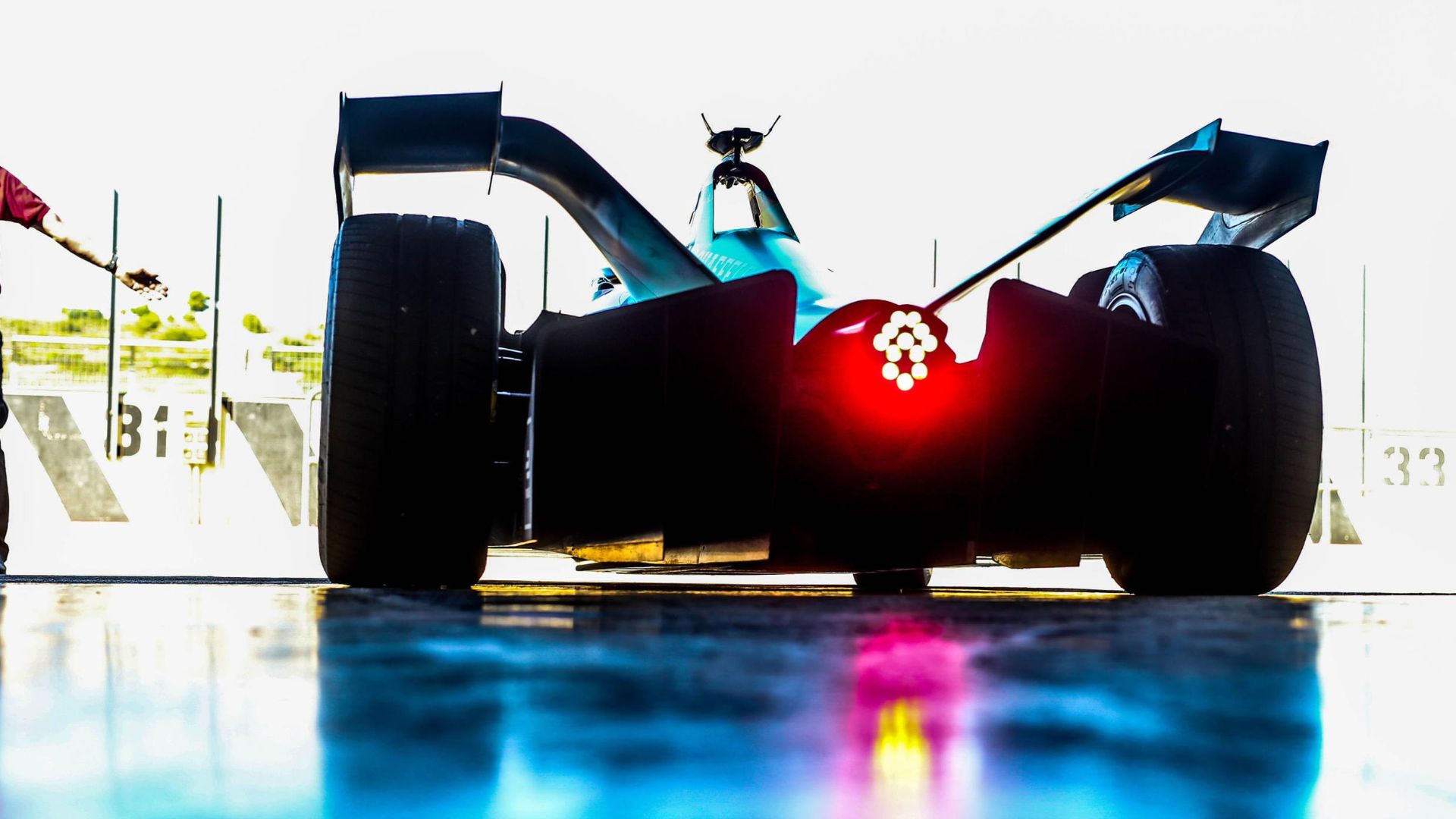
Formula E has retained its ISO 20121 certification for a sustainable event. It continues as the only motorsport series to be recognised in this way.
Three separate surveillance audits over the past season observed the consistency of Formula E’s performance.
The series’ sustainability program works on three pillars: sustainable E-Prix race meetings, making a positive impact in each host city and promoting electric cars with its global platform.
The ISO 20121 independent standard was introduced shortly after the London Olympics in 2012. Its focus is on the individual environmental footprint of events, making those events repeatable financially, and how socially responsible they are.
One of the big achievements of the series is a hot topic – its reduction of single-use plastics. The championship supplies fans with recyclable water pouches instead of 330ml bottles. Overall, since it started using pouches in Marrakech in January 2019, it has saved the equivalent of 200,000 single-use plastic bottles.
Since the Rome race, CSM Live’s sustainable recyclable PVC signs have also prevented 6.2 miles of landfill waste from being generated per race meeting.
Formula E also employs a team of ‘recycling rangers’ in areas of high activity at the events. They help to educate staff and spectators alike on how to dispose of their waste and recycle as effectively as possible.
The series has also teamed up with Umicore, which offers recycling for lithium-ion batteries. It helps to repurpose the batteries used in the first-generation racing cars, and is investigating what to do with the current line-up of Formula E batteries.
If you’re anything like us, you’ll spend too much time window shopping new and used cars online. But have you ever stopped to wonder if some cars are far more popular than others?
Wonder no more, because Auto Trader has revealed the most popular new and used cars of 2019, with the results based on the number of advert views. We’ve listed the results in reverse order, starting with the most popular new cars of 2019.
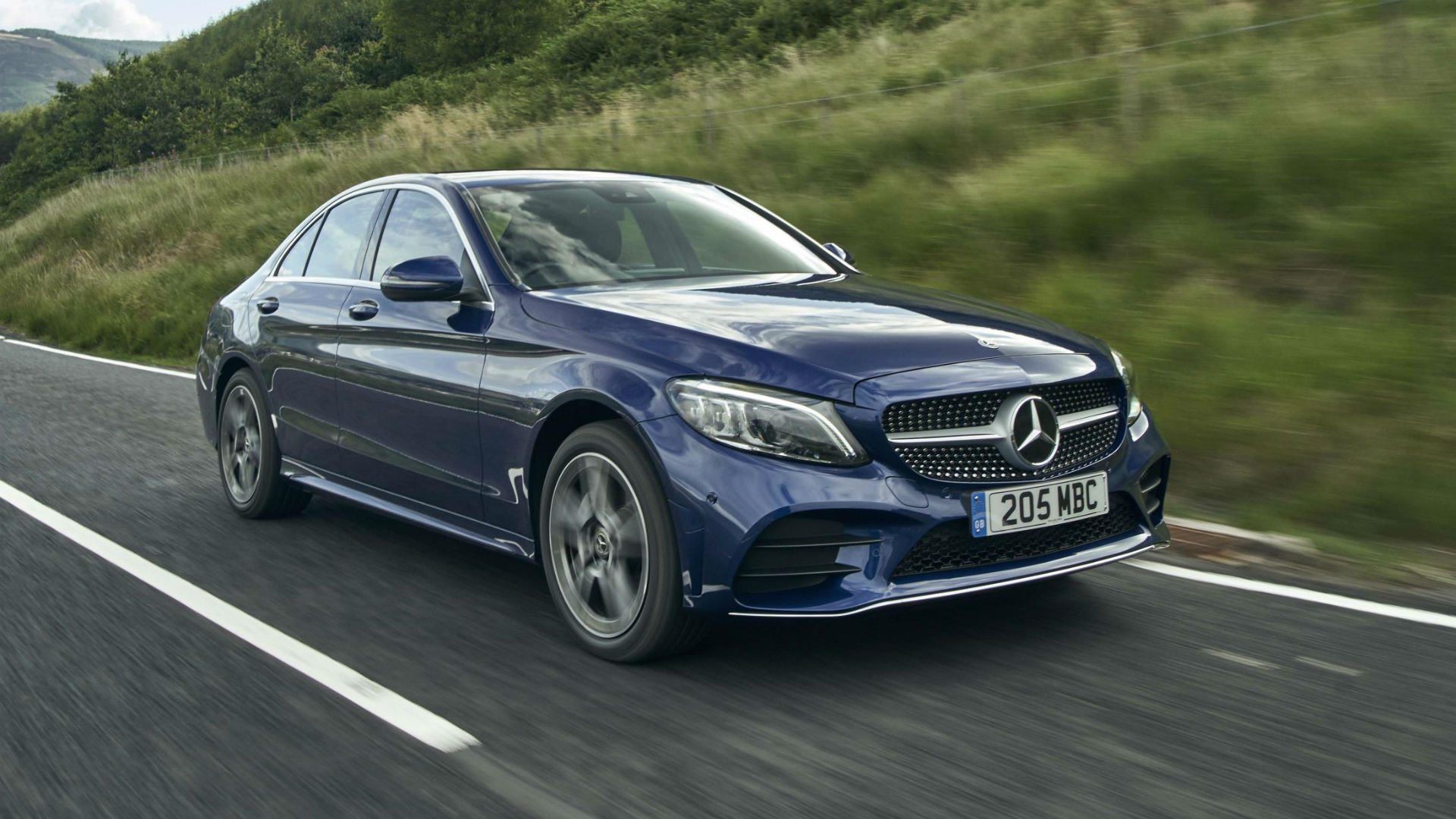
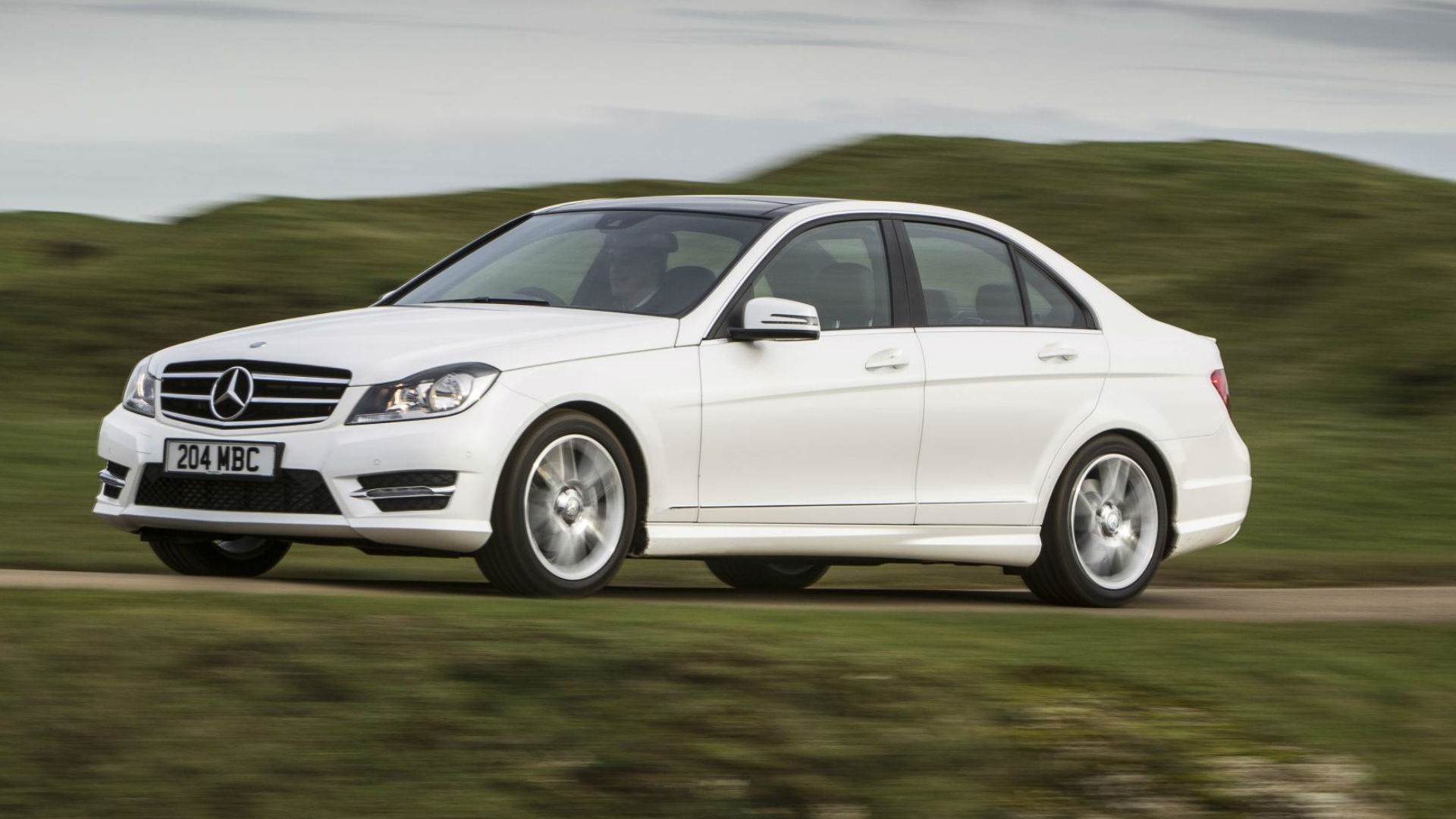
10th most viewed new car – Mercedes-Benz C-Class
Commenting on the results, Auto Trader’s commercial director, Ian Plummer, said: “Volume brands continue to be more successful in terms of physical sales, particularly within the used market, however when it comes to the most popular on our marketplace, the premium German brands dominate.” The Mercedes-Benz C-Class was the 10th most popular new car of 2019.
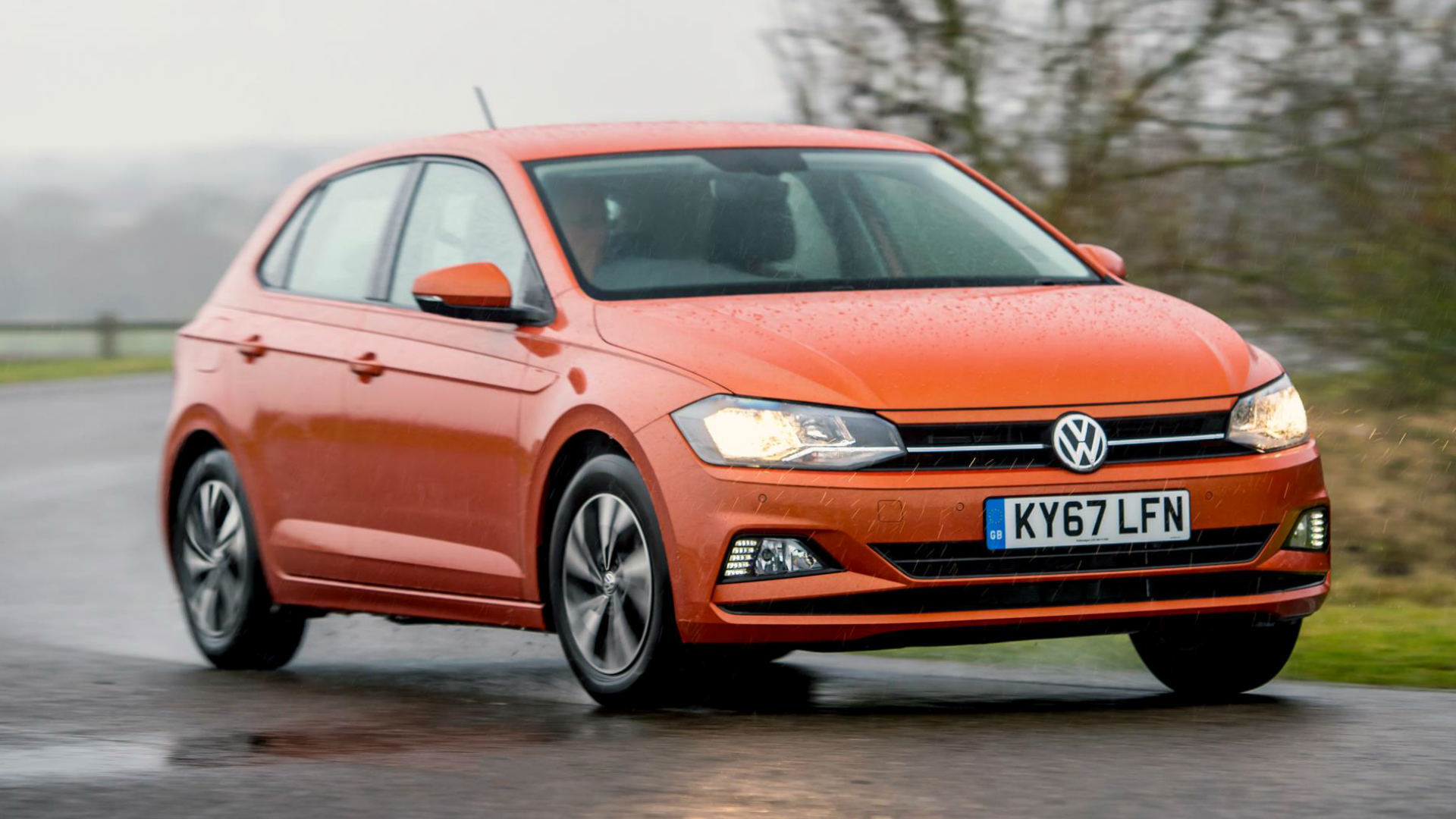
9th most viewed new car – Volkswagen Polo
“As finance accounts for over 90 percent of all new car sales and circa 30 percent of used, these more expensive models are becoming increasingly more accessible to a broader range of car buyers. As such, it’ll be interesting to see how the volume brands will be able to maintain their lead.” The Volkswagen Polo is a popular supermini, so it’s no surprise to find it in ninth place.
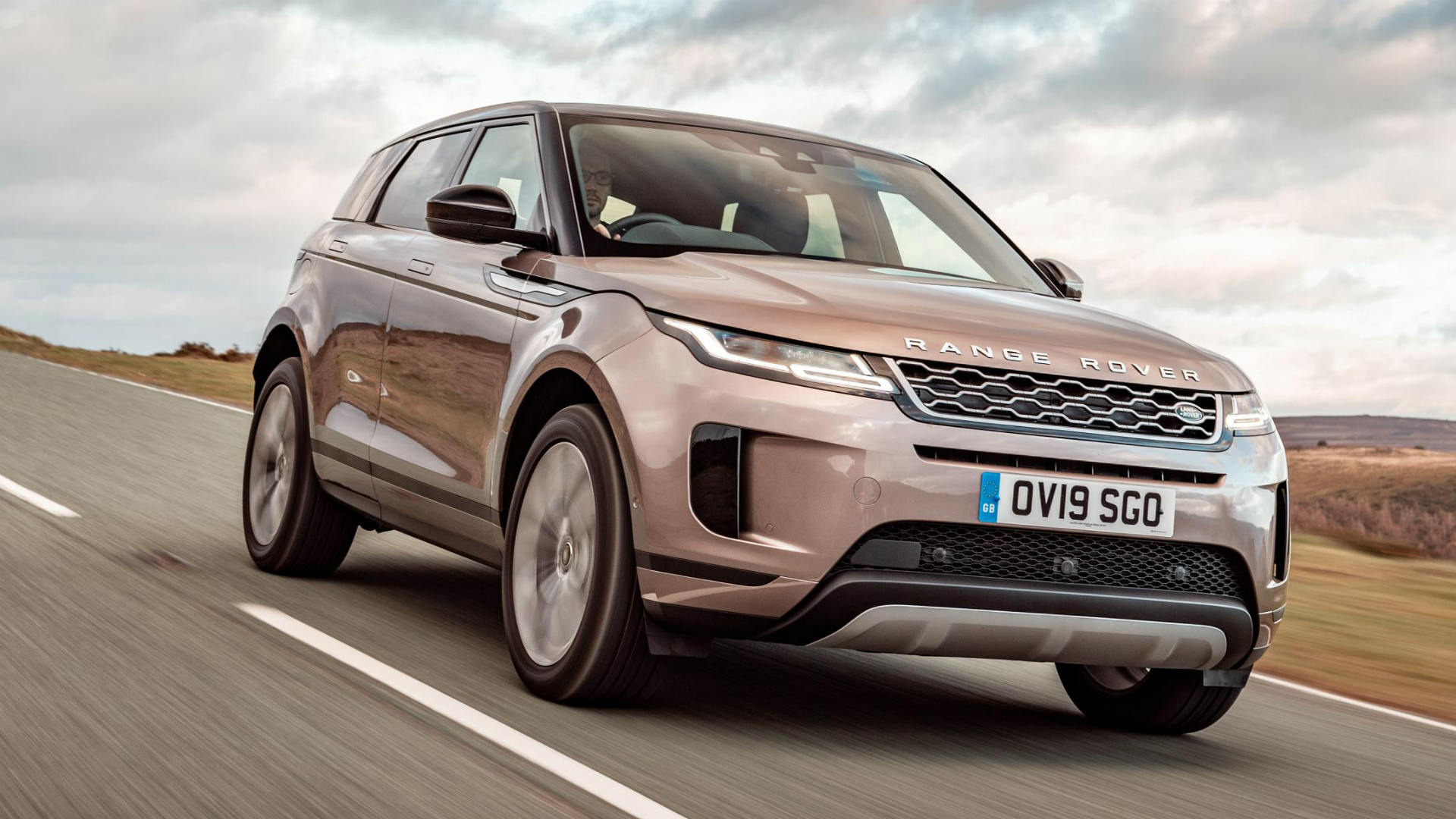
8th most viewed new car – Range Rover Evoque
We’re constantly being reminded about the popularity of SUVs, but they account for only 30 percent of the new car top 10. Amazingly, all three are from the Land Rover stable, including the Range Rover Evoque. A new and improved version arrived last year. Richard Aucock’s verdict: “Like the original. Only better. Just as the customer ordered. Let’s watch the orders flood in.”
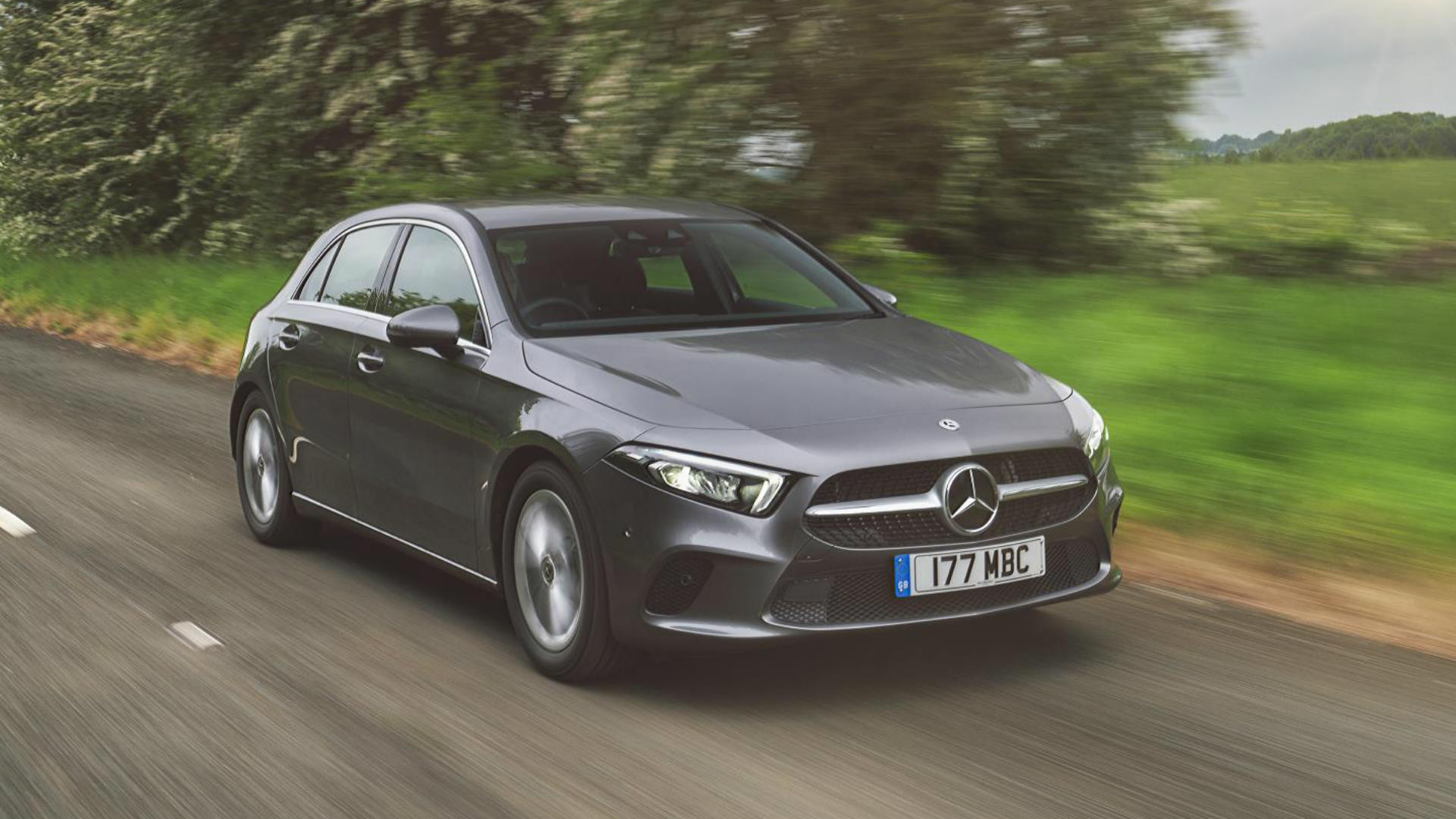
7th most viewed new car – Mercedes-Benz A-Class
The new Mercedes-Benz A-Class is a vast improvement over the old model, which probably explains why so many people searched for one in 2019. Richard Aucock is a fan. After his first drive in 2018, he praised its styling, class-leading interior and brilliant infotainment system.
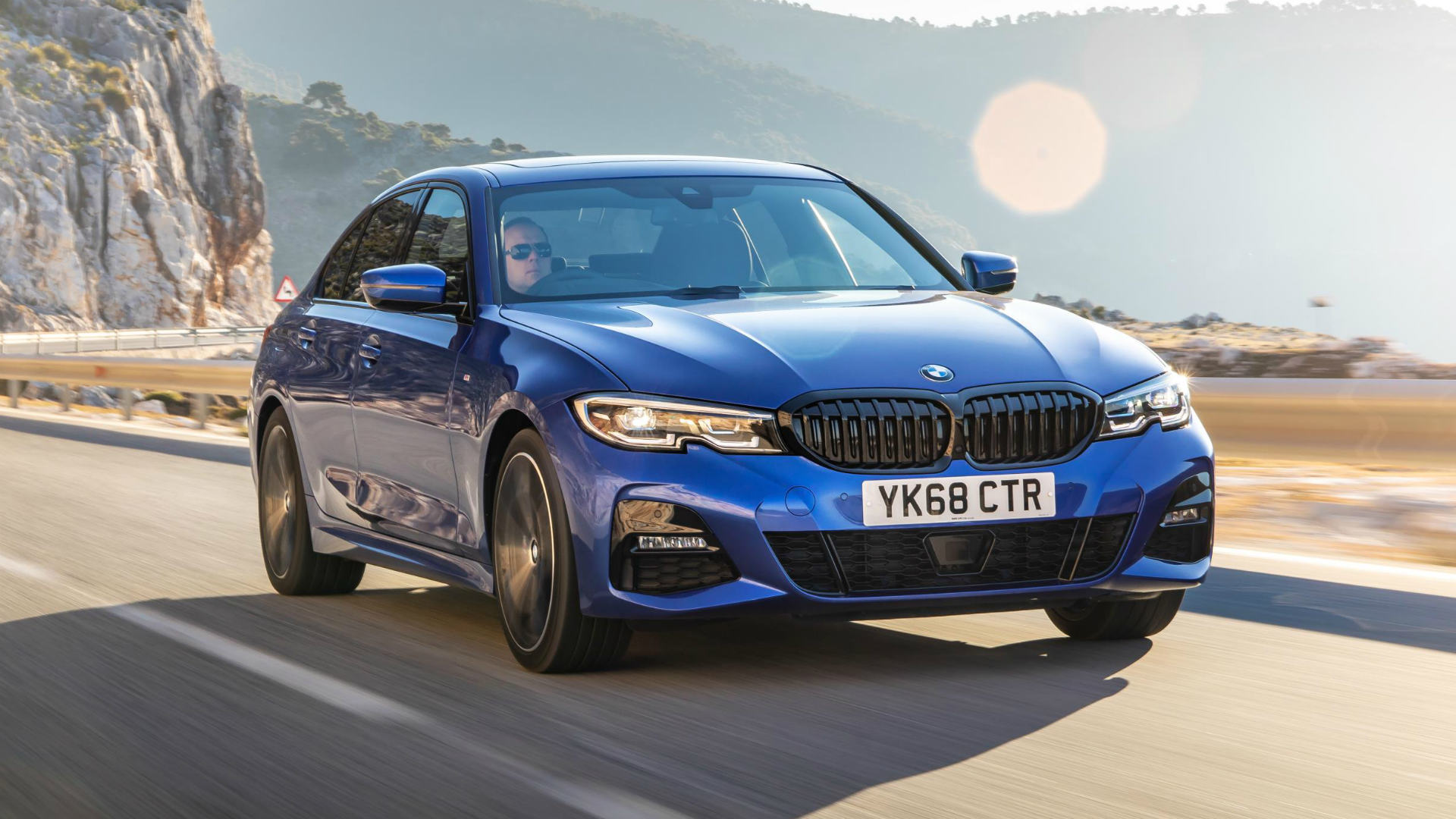
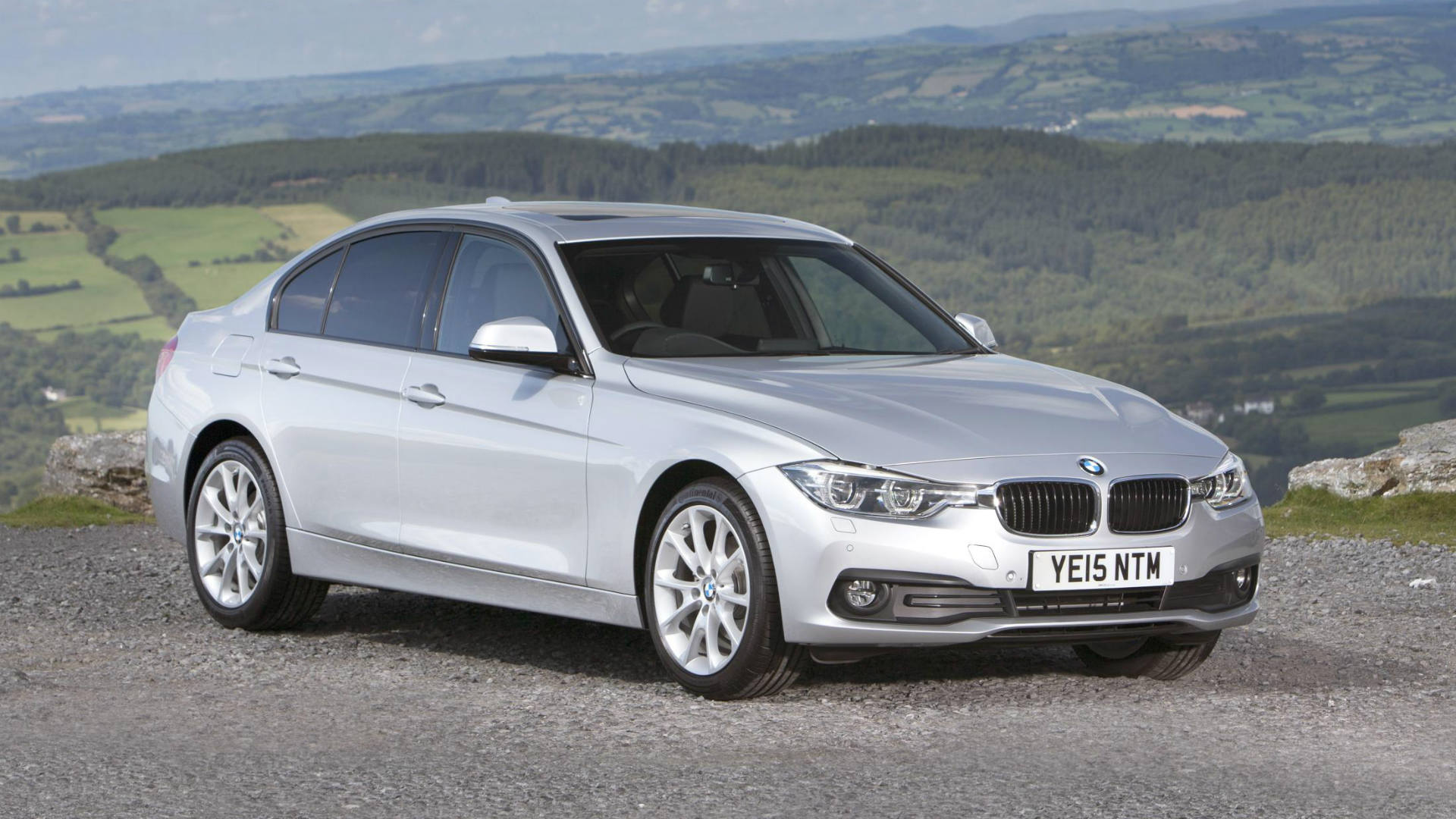
6th most viewed new car – BMW 3 Series
Like the A-Class, online views of the BMW 3 Series would have been boosted by the arrival of the new model. Prices start from £32,500 for the saloon and £34,000 for the estate (Touring). It’s that man Richard Aucock again, this time with his verdict on the new 3 Series Touring. “BMW has successfully transferred its 3 Series saloon market leadership into the estate car sector.”
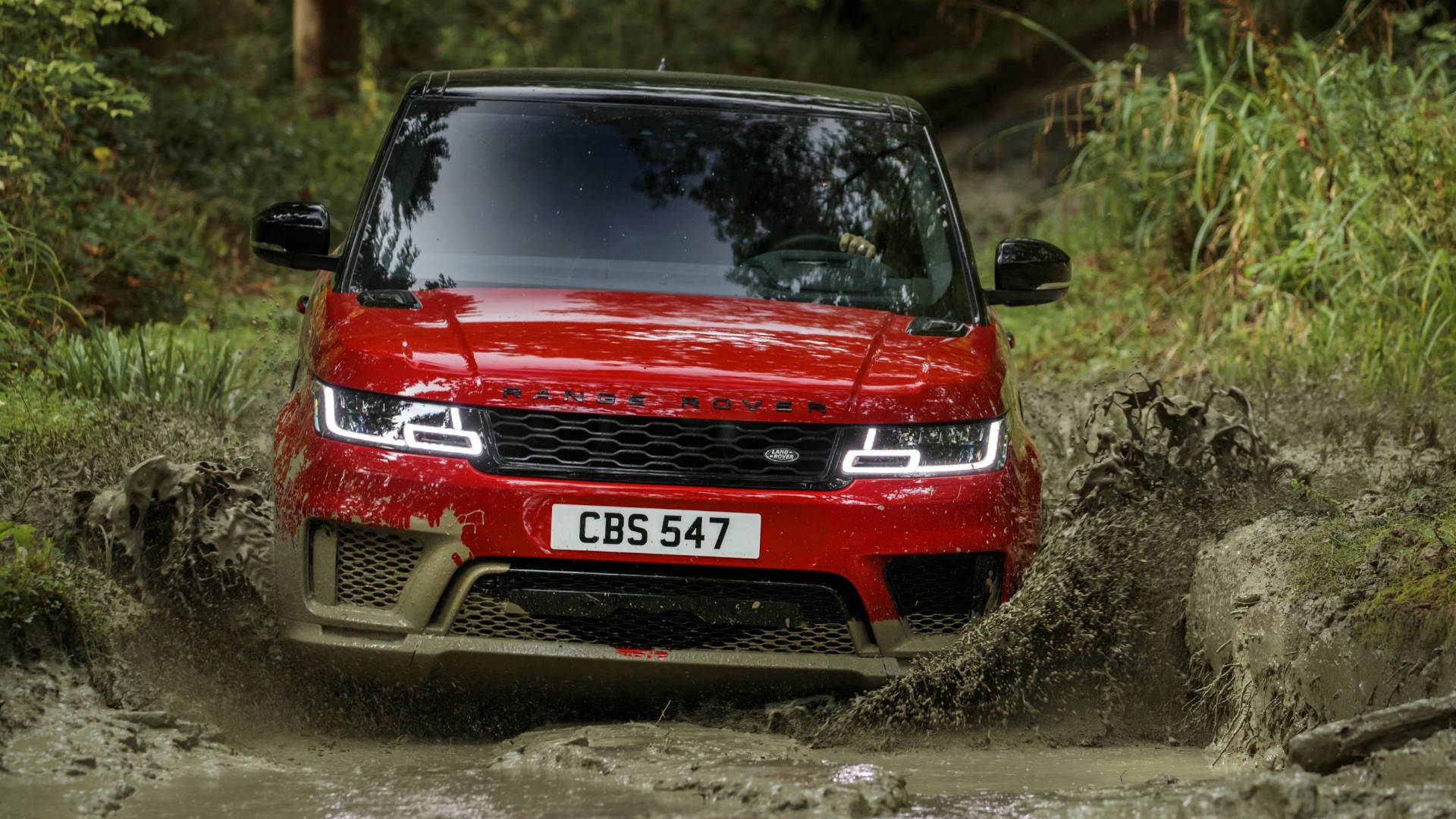
5th most viewed new car – Range Rover Sport
It’s a while since Richard has driven a Range Rover Sport – it was back in 2015, to be precise – so we won’t garnish this gallery with his words. But it’s clear that the public remains in love with the Sport. Either that or there’s a high concentration of Auto Trader viewers in Cheshire. What else does a Premier League footballer do on his day off?
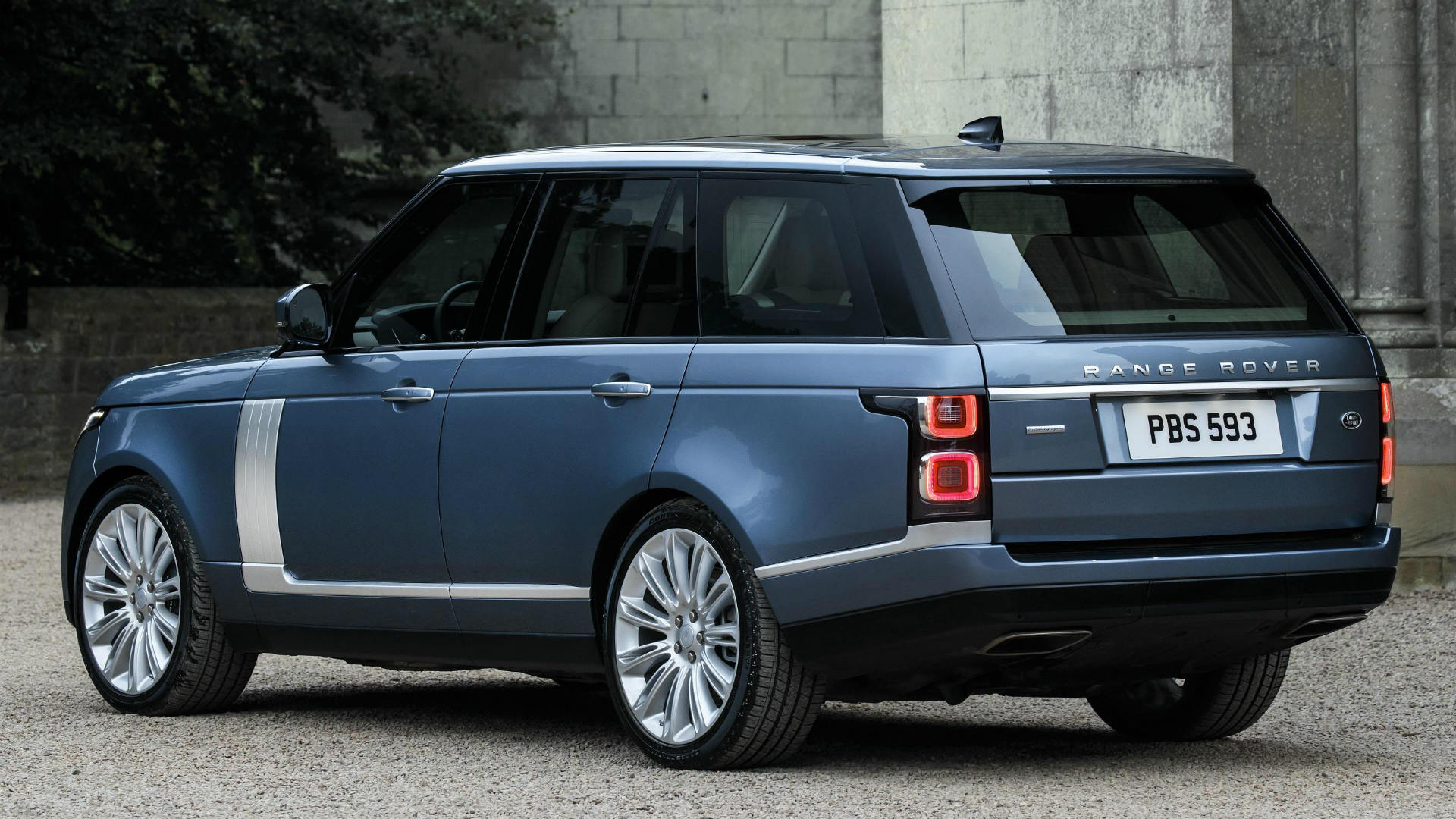
4th most viewed new car – Range Rover
Given the popularity of EVs, the Range Rover is starting to look like a square peg in a round hole. Indeed, Auto Trader witnessed a 78 percent surge in the number of views for electric car adverts in 2019. It’ll be a while before an electric car nudges the Range Rover off its perch, but give it time…
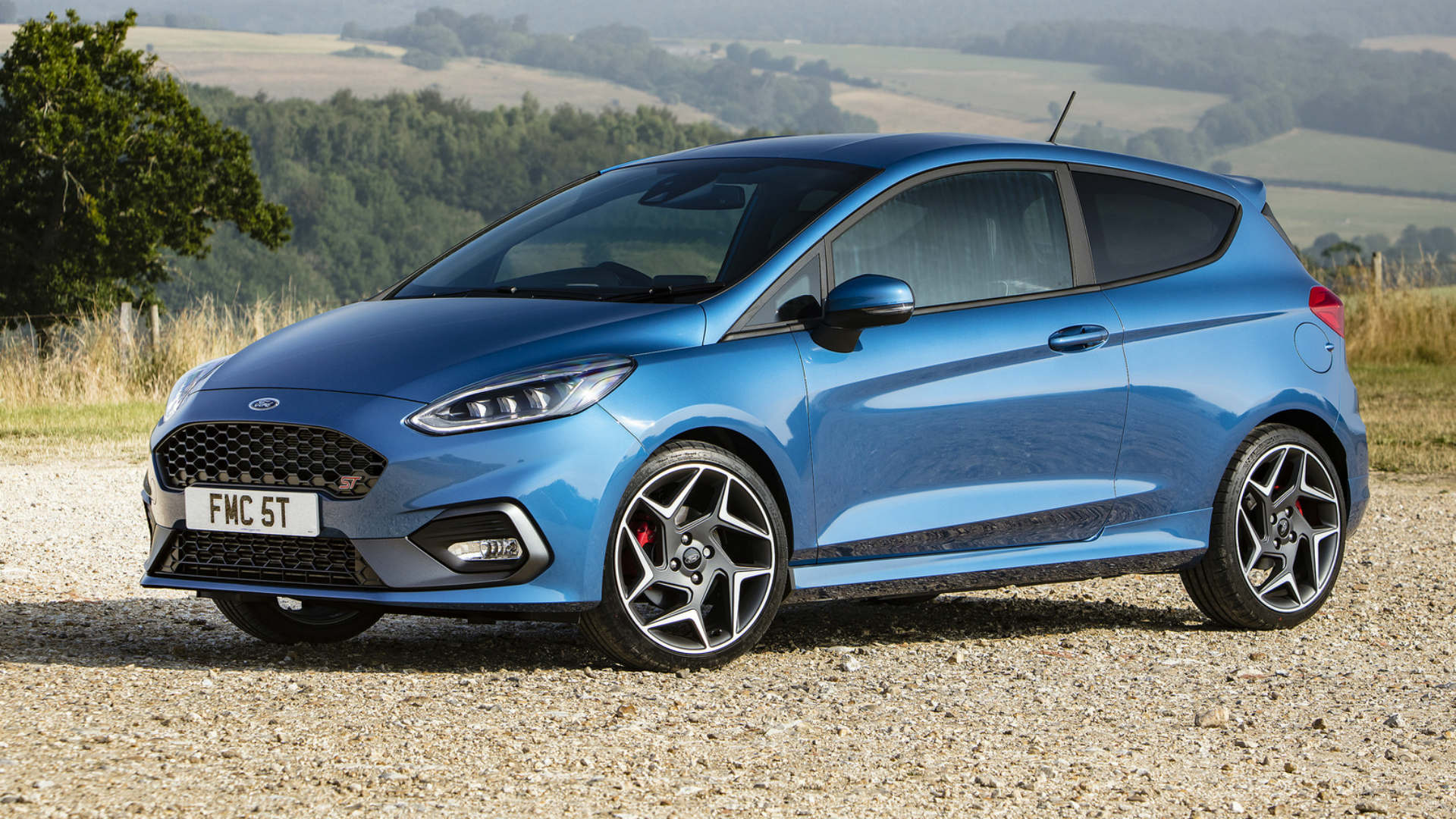
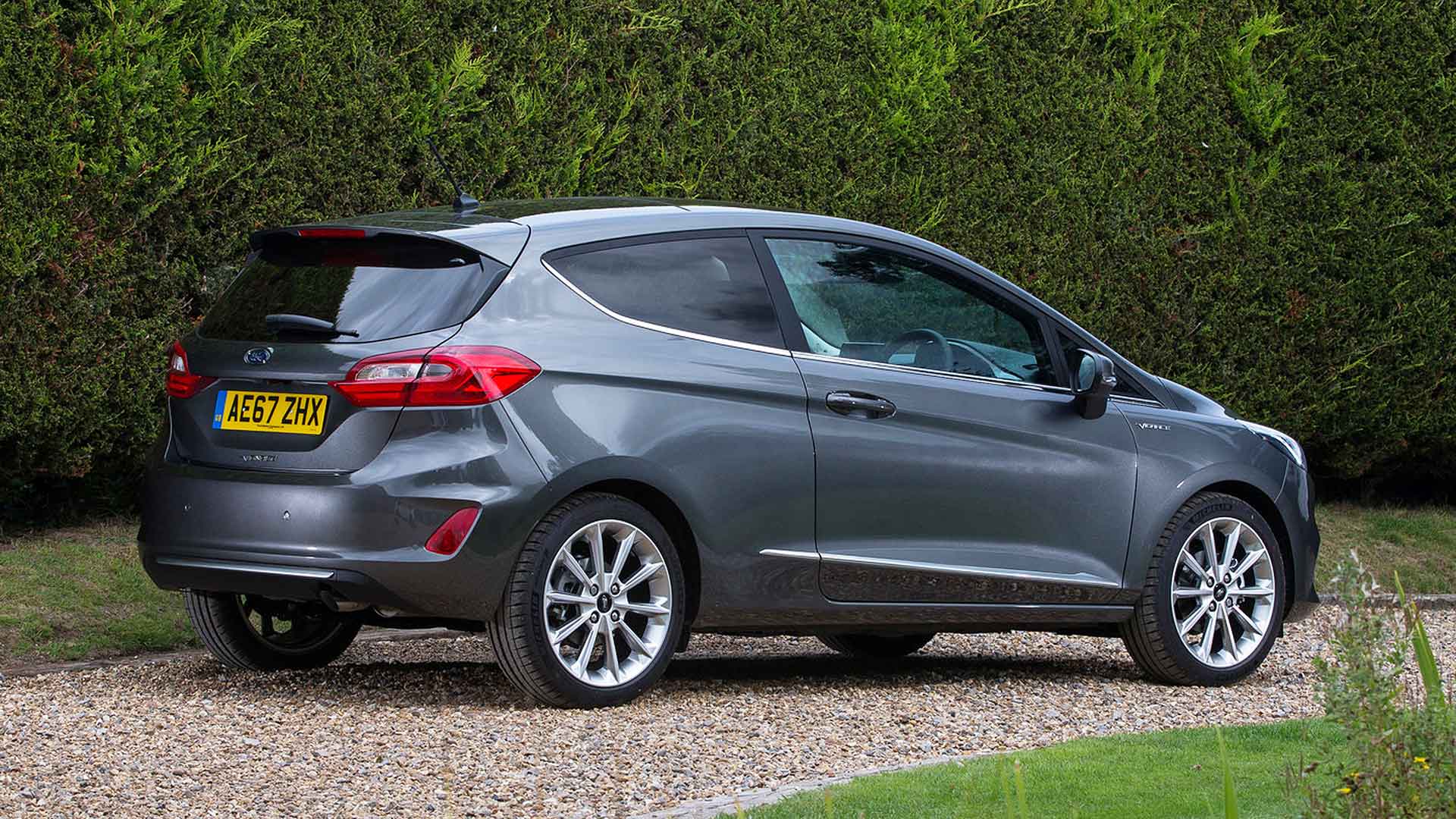
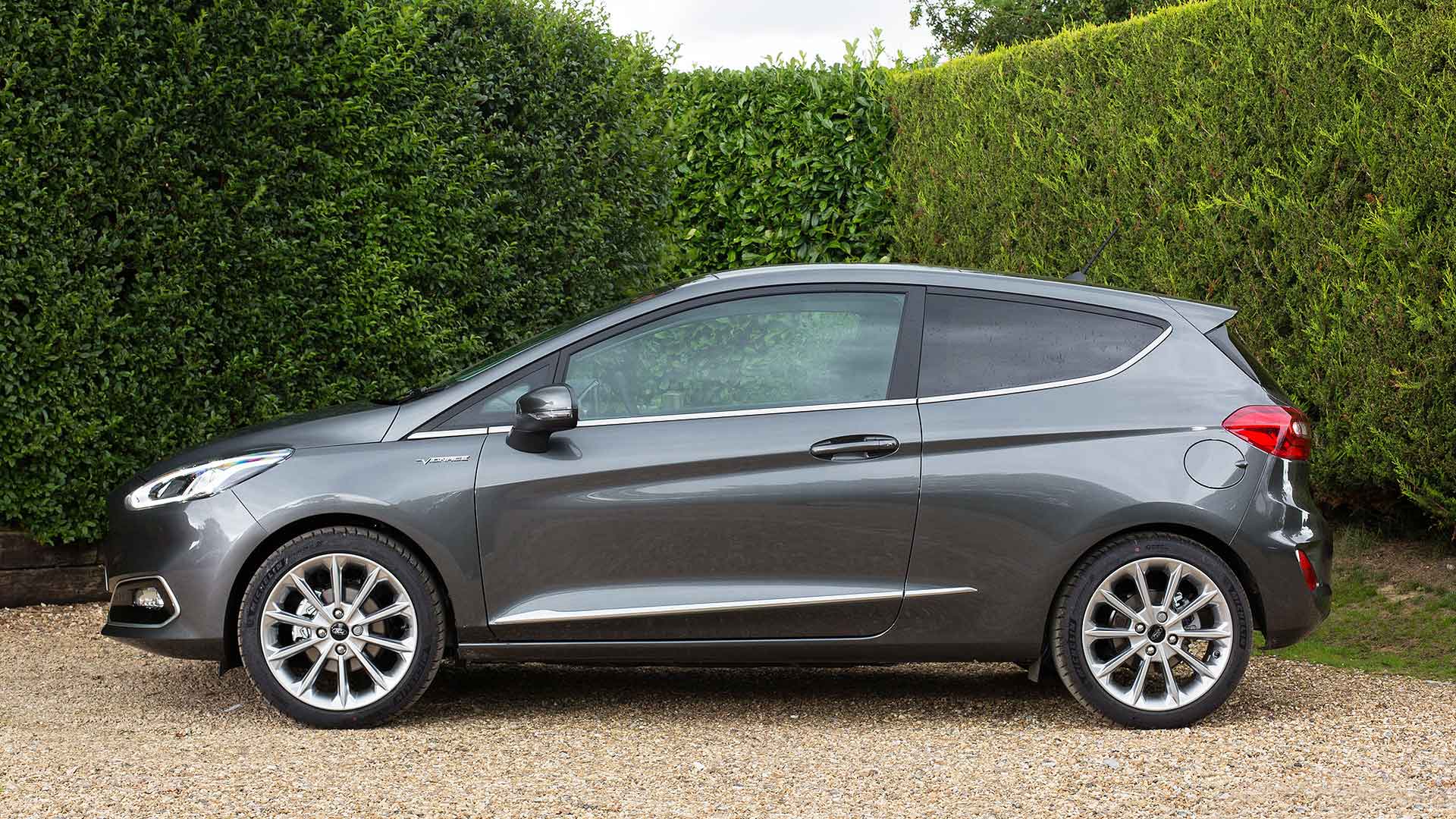
3rd most viewed new car – Ford Fiesta
Spoiler alert: there are no surprises at the top of the table. The cars occupying the top three positions are predictable – it’s just a matter of placing them in order. The Ford Fiesta finishes third, but remains the UK’s most popular new car in terms of registrations.
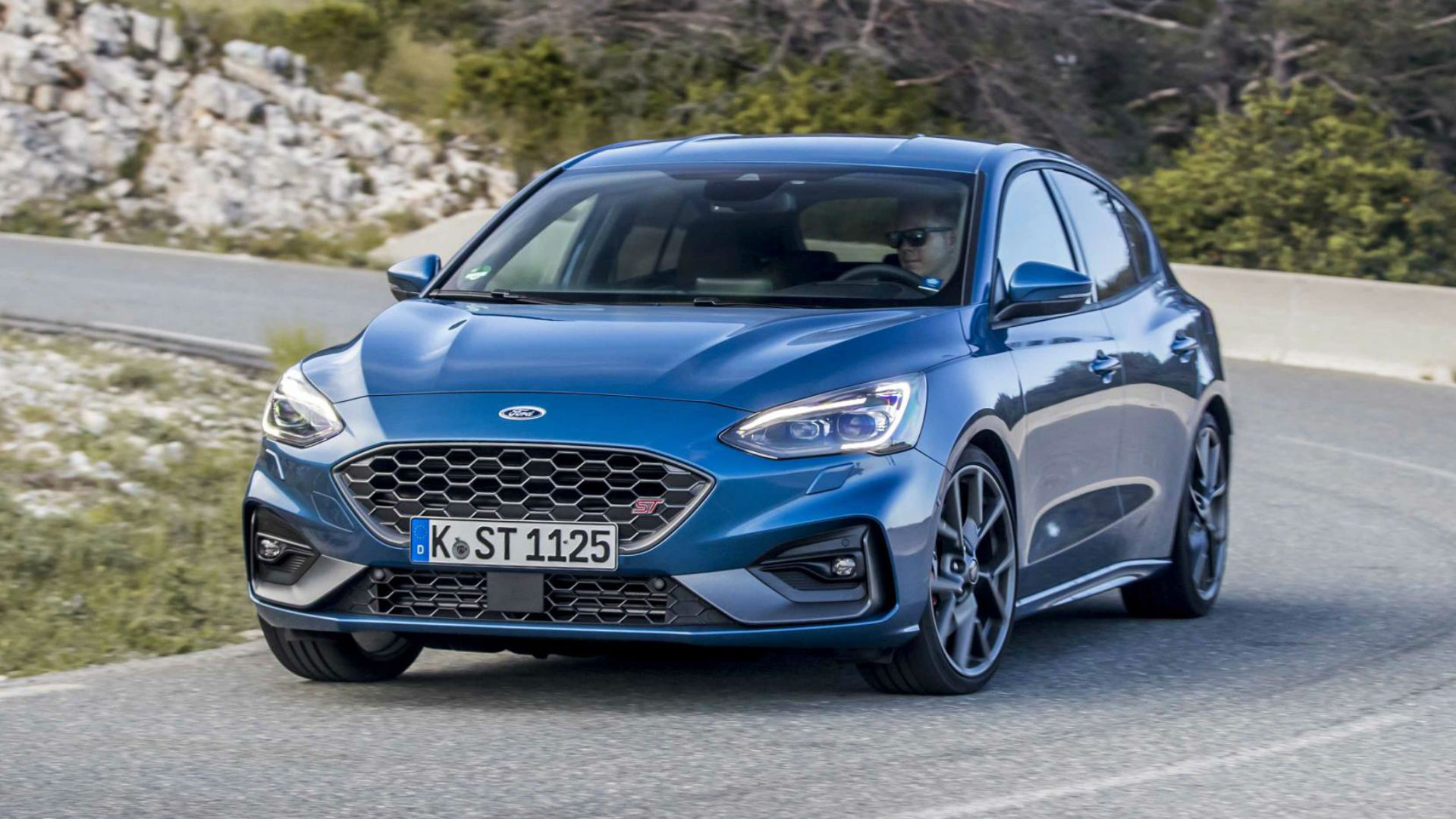
2nd most viewed new car – Ford Focus
The Ford Focus grabs second spot, which leaves us with one car…
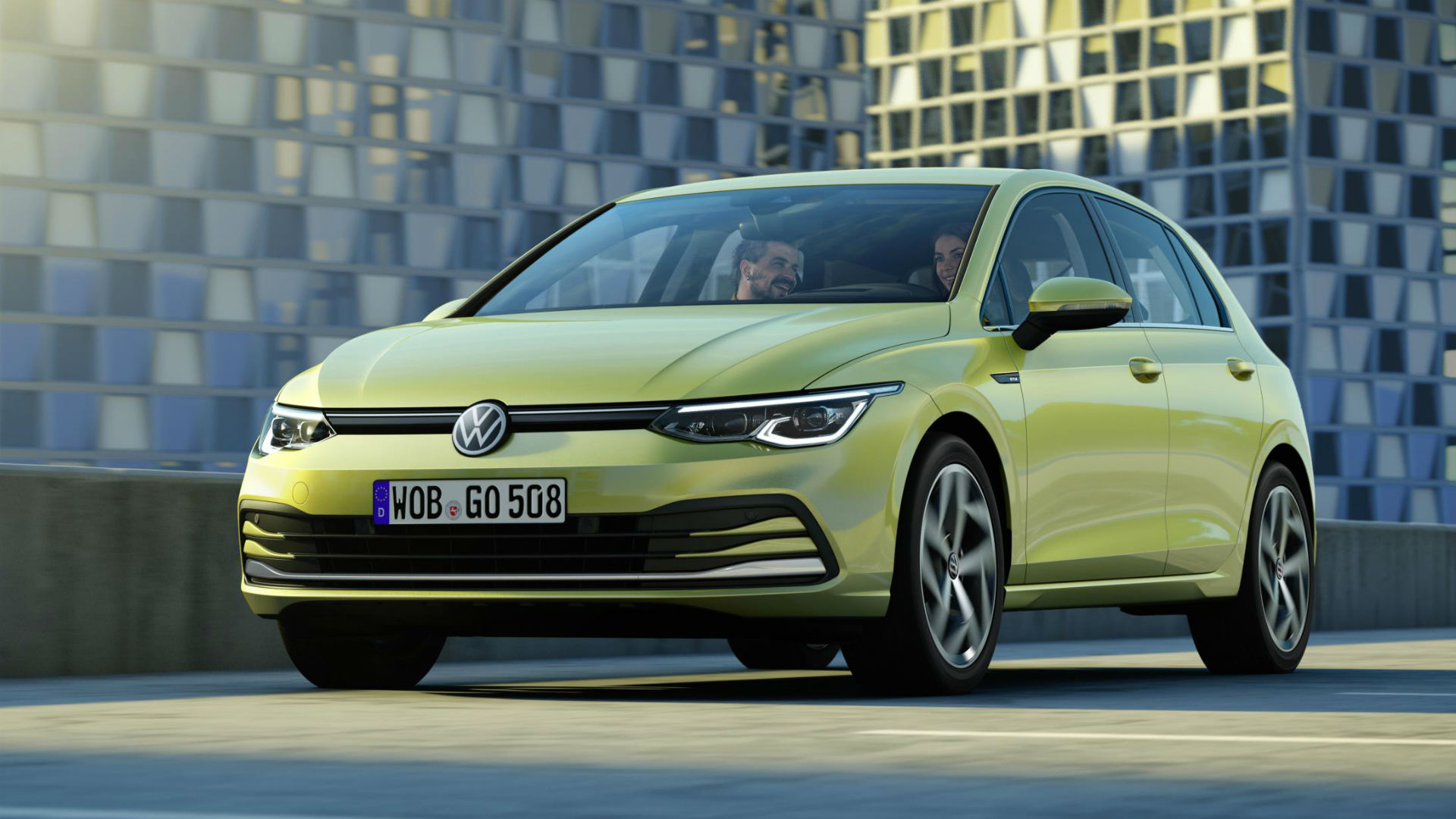
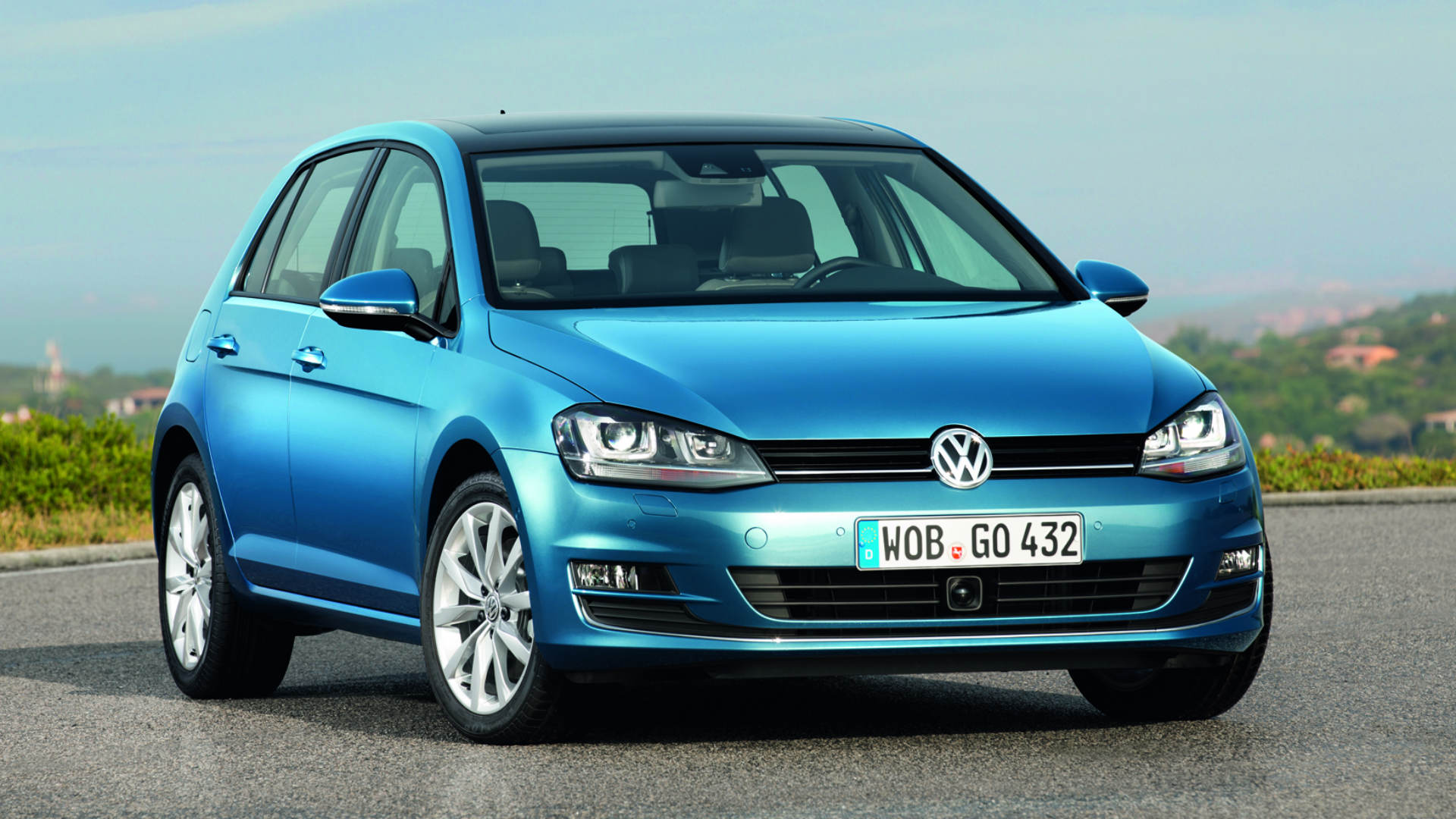
The most viewed new car – Volkswagen Golf
It’s the Volkswagen Golf. We’d expect to find it here again in 2020, not least because of the arrival of the new eighth-generation model (pictured). Richard Aucock hasn’t driven it, but Tim Pitt has. He likes it. In conclusion, he said: “Much has changed, but the Golf still feels like the benchmark in its class.”
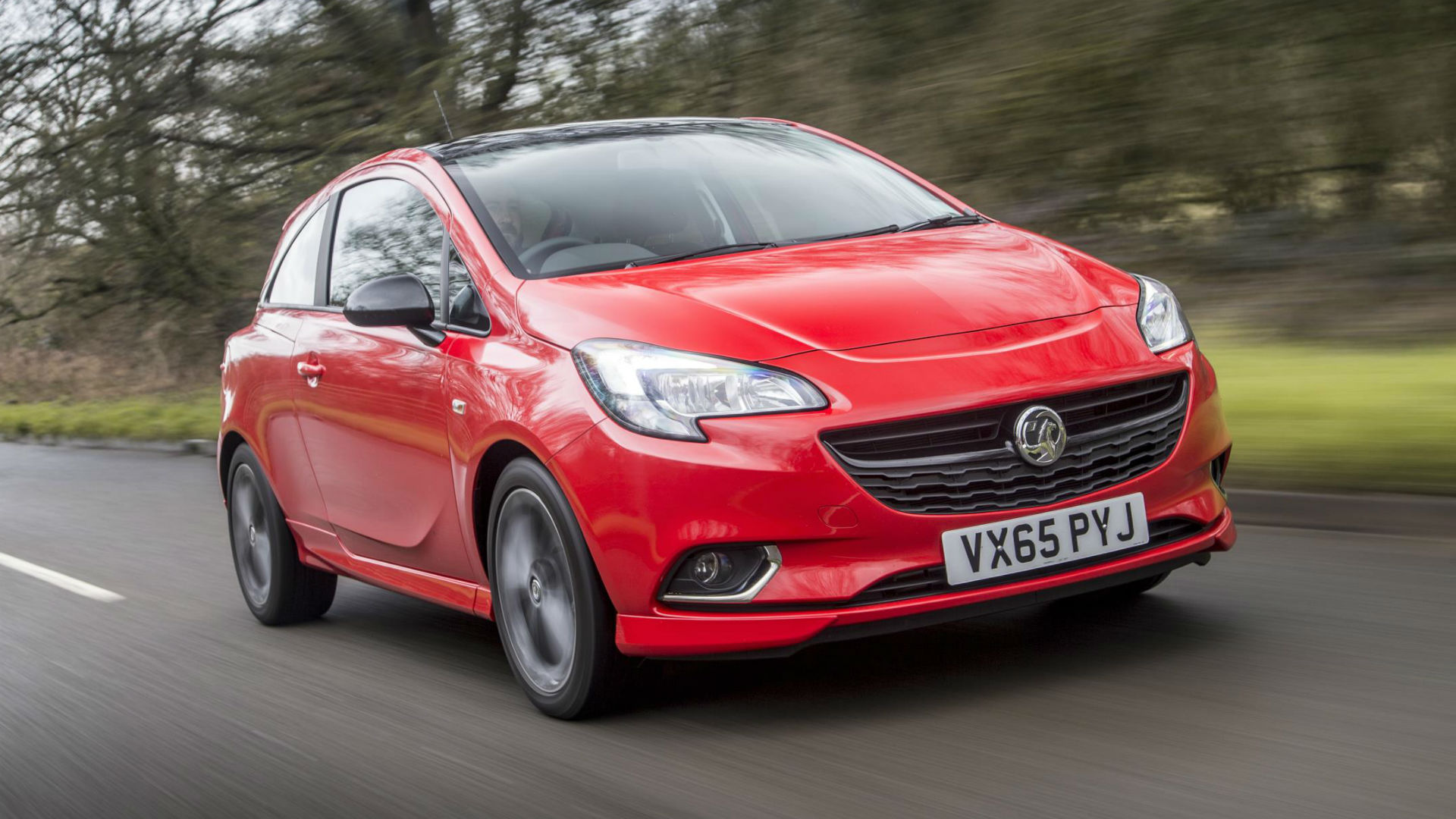
10th most viewed used car – Vauxhall Corsa
Next, we move on to the most popular used cars. Historically, we’ve associated Auto Trader with pre-owned cars – a link back to the days of the weekly magazine. The Vauxhall Corsa is propping up the top 10. Did you know that the classifieds section of the Auto Trader website saw two and a half billion views in 2019? We’re responsible for at least half a billion…
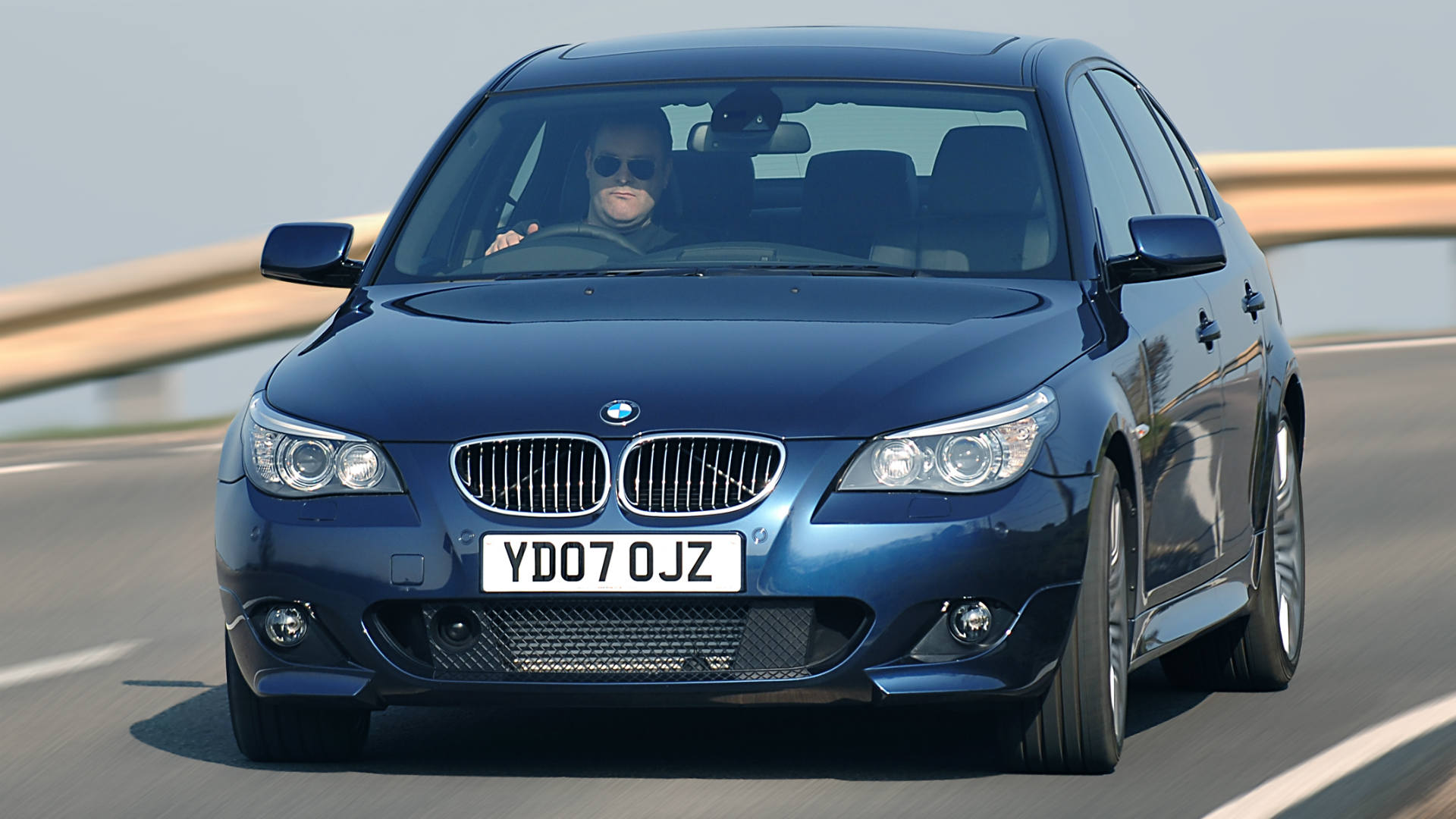
9th most viewed used car – BMW 5 Series
The 5 Series is one of three BMWs in the top 10 used cars. In terms of the overall most popular brands, the premium German brands romped home to victory. Indeed, BMW finished first on the used car list, followed by Audi and Mercedes-Benz.
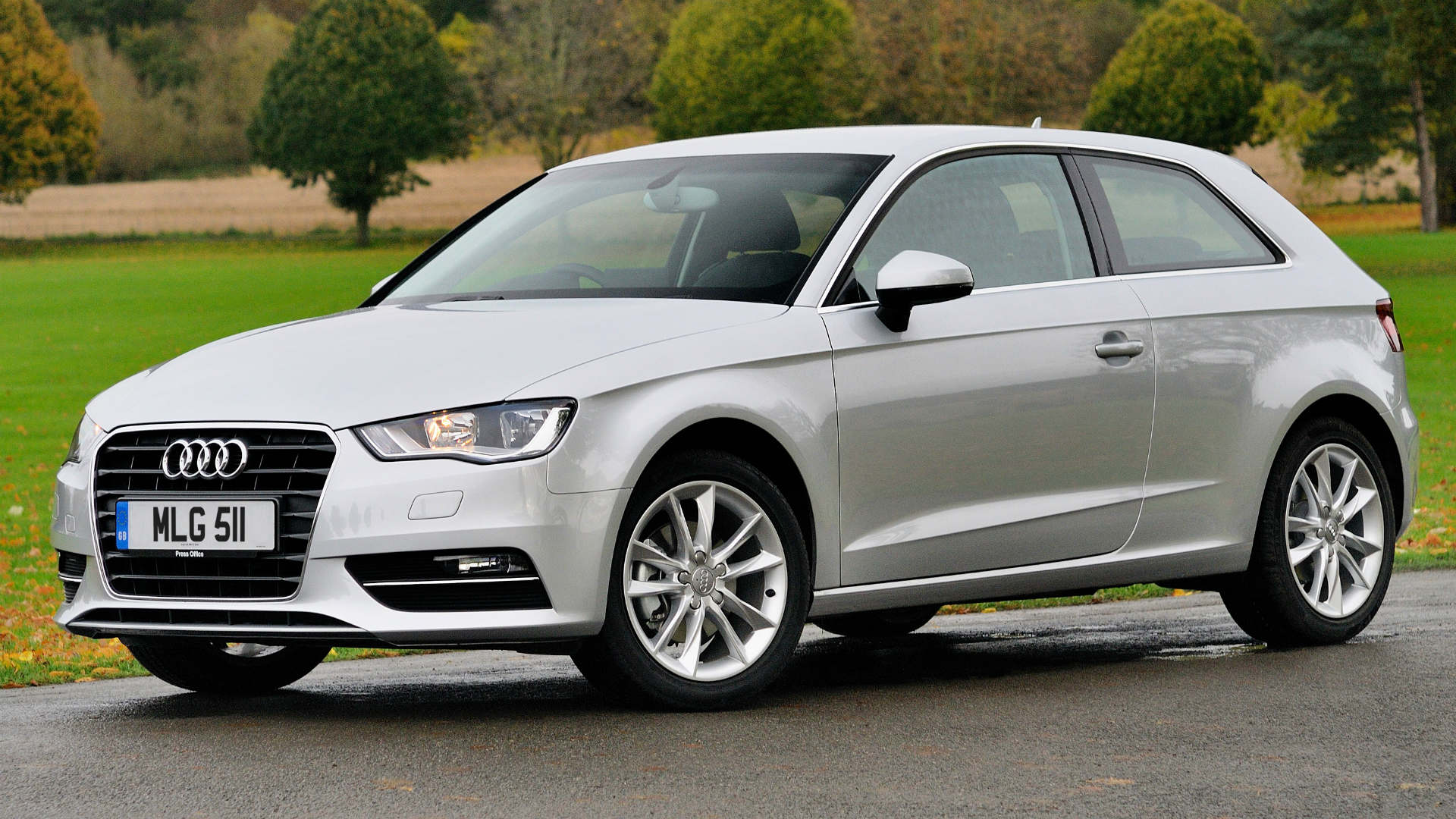
8th most viewed used car – Audi A3
Speaking of Audi, here’s the A3. In Europe, the Audi A3 jostles for position with the Mercedes-Benz A-Class as the most popular premium hatchback. Interestingly, in a not very interesting kind of way, the A-Class doesn’t make the used car top 10…
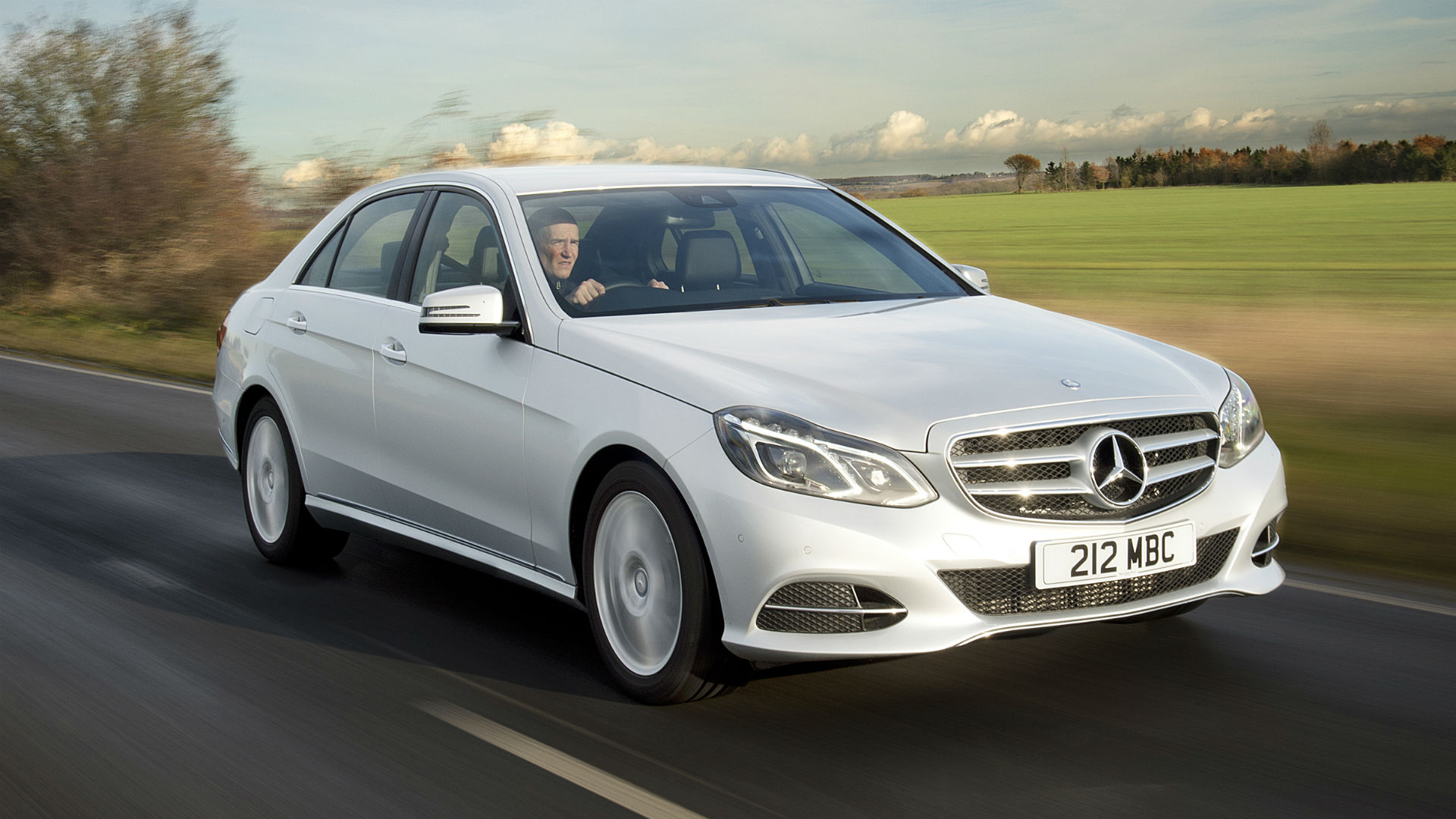
7th most viewed used car – Mercedes-Benz E-Class
But the E-Class does. The Mercedes-Benz E-Class offers something for all – assuming you have deep pockets. Whether you’re after a saloon, estate, cabriolet or coupe, the E-Class has you covered, while the All-Terrain and AMG models are on hand to cater for the niche sectors.
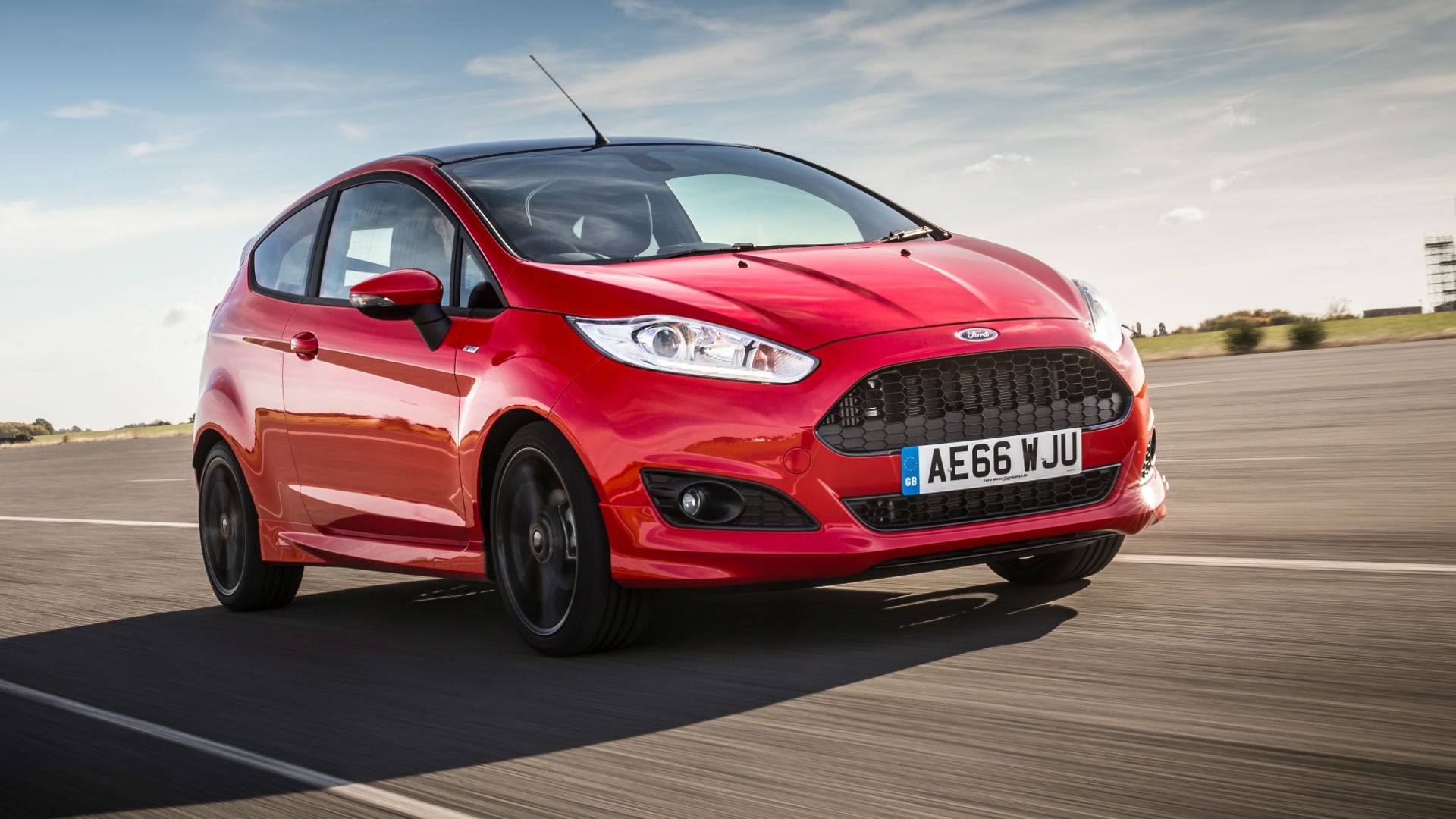
6th most viewed used car – Ford Fiesta
The Ford Fiesta can only manage sixth place on the used car list.
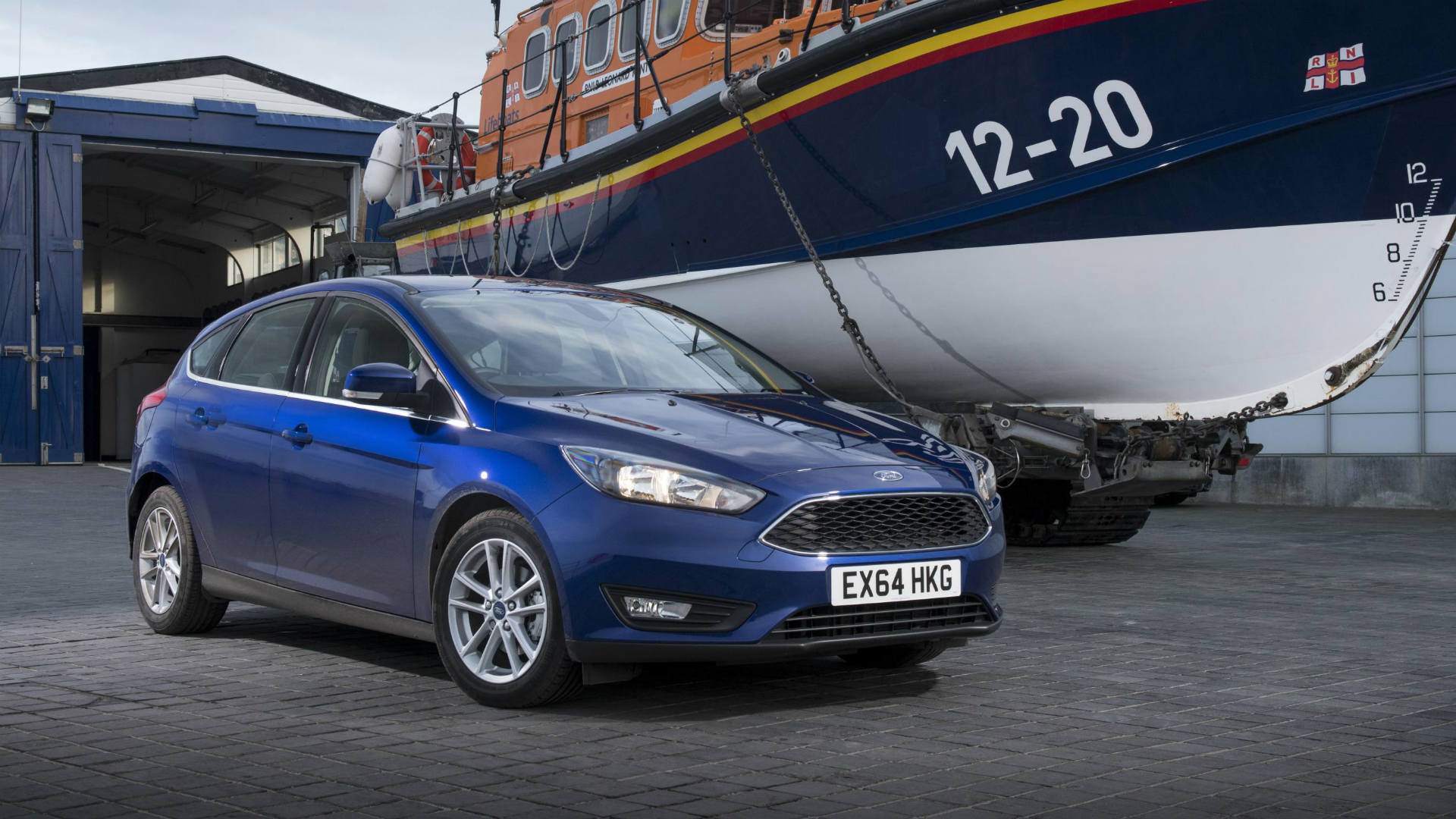
5th most viewed used car – Ford Focus
The Fiesta is followed by the Ford Focus, which leaves the rest of the top 10 to be occupied by the Germans.
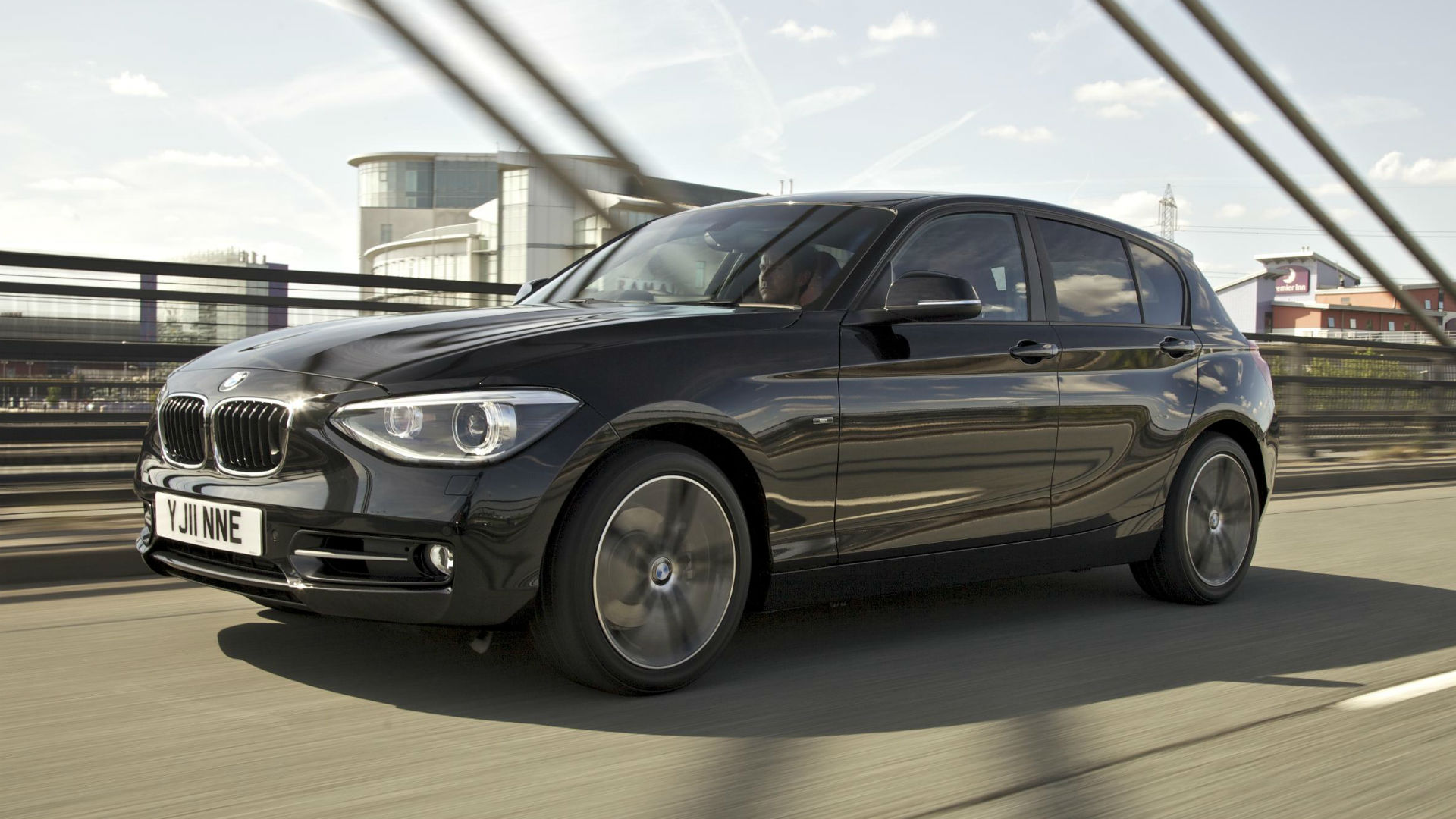
4th most viewed used car – BMW 1 Series
With the arrival of a new BMW 1 Series, it should be easier to bag a great deal on an old one. Look out for nearly-new examples in the used car network, as dealers will be keen to shift examples of the outgoing model.
3rd most viewed used car – Mercedes-Benz C-Class
We appreciate that this isn’t as exciting as watching The Masked Singer on ITV, but we’re into the top three. In third place we find Justin Hawkins. No, wait, in third place we find the Mercedes-Benz C-Class.
2nd most viewed used car – Volkswagen Golf
It finished top of the new car table, but the Volkswagen Golf must accept second place when it comes to used cars. But which car finishes first?
The most viewed used car – BMW 3 Series
It’s… the BMW 3 Series. Come back next year, by which time we’ll know if The Masked Singer gets a second series.
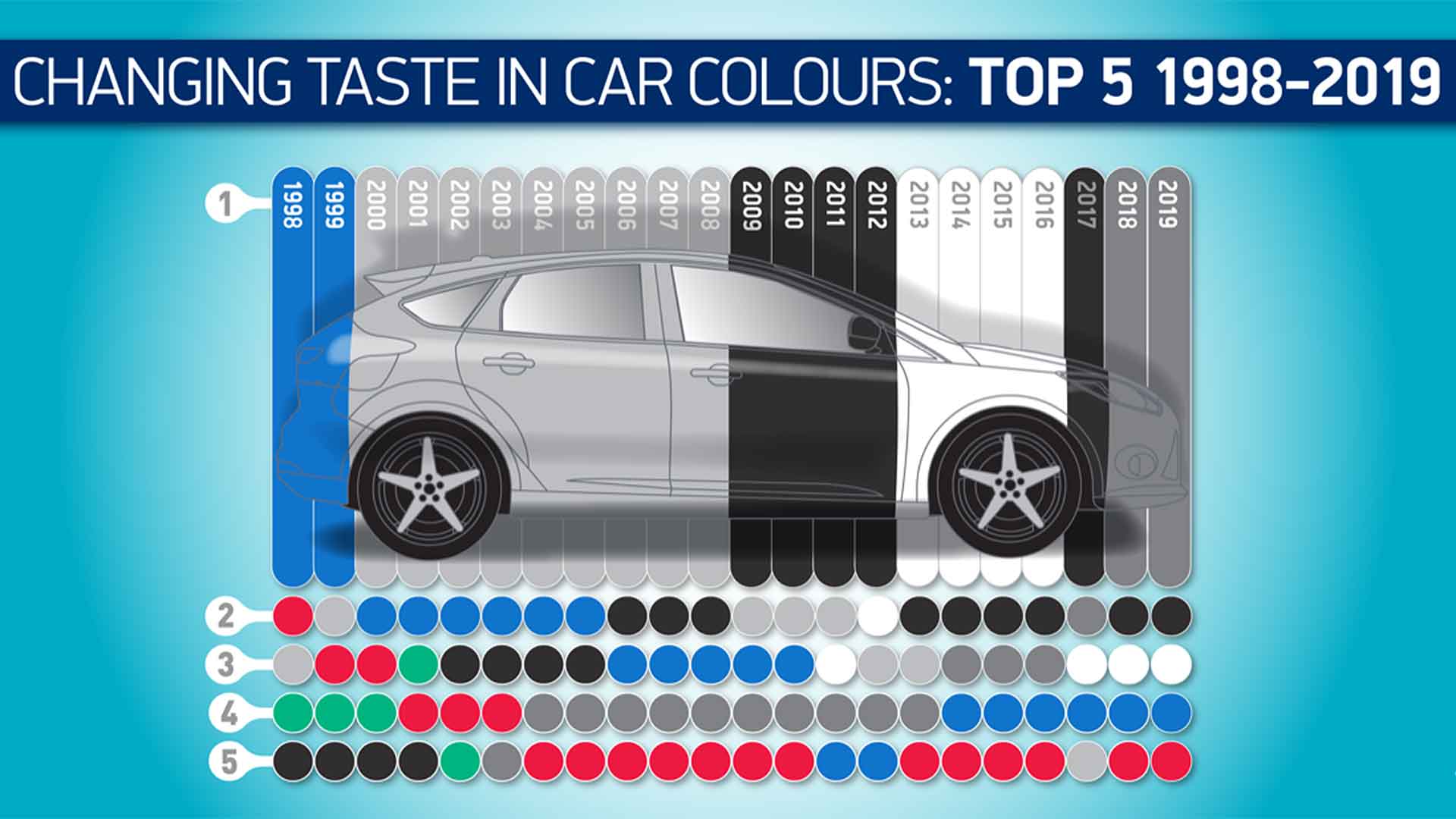
Grey actually boosted its market share thanks to a 5.3 percent increase in sales – a whopping 521,273 new cars were ordered in grey last year, or 1 in 5 of all car sales.
Our preference for grey comes at the expense of silver, reveal the figures from the Society of Motor Manufactures and Traders (SMMT). Silver cars took their lowest total sales for 20 years, with just over 201k sales.
It’s quite the shift away from silver, a colour that’s been in the top three 16 years out of the past 20.
Scotland, however, continued its preference for silver, with the market north of the border placing the colour top overall.
Black and white choice
Looking at individual car categories, buyers made some interesting choices. For supermini drivers, the most popular new car colour was white.
In contrast, for executive and luxury car buyers, the top colour was black.
Diesel and petrol car buyers? They preferred grey – but for electric car customers, their top choice was again white.
The least popular colours (or, if you prefer, the most exclusive) were maroon, cream and pink. Even collectively, they comprised less than 1 percent of all new car sales.
As for blue cars, a colour that was top of the charts 20 years ago, it’s down in fourth place now, taking 16.7 percent of new car sales.
Red dropped again, with a market share of less than 10 percent, and green continues to be well out of favour too, with just 16,718 new cars ordered in the colour.
It seems we want our new cars to be green overall – just not actually painted green.
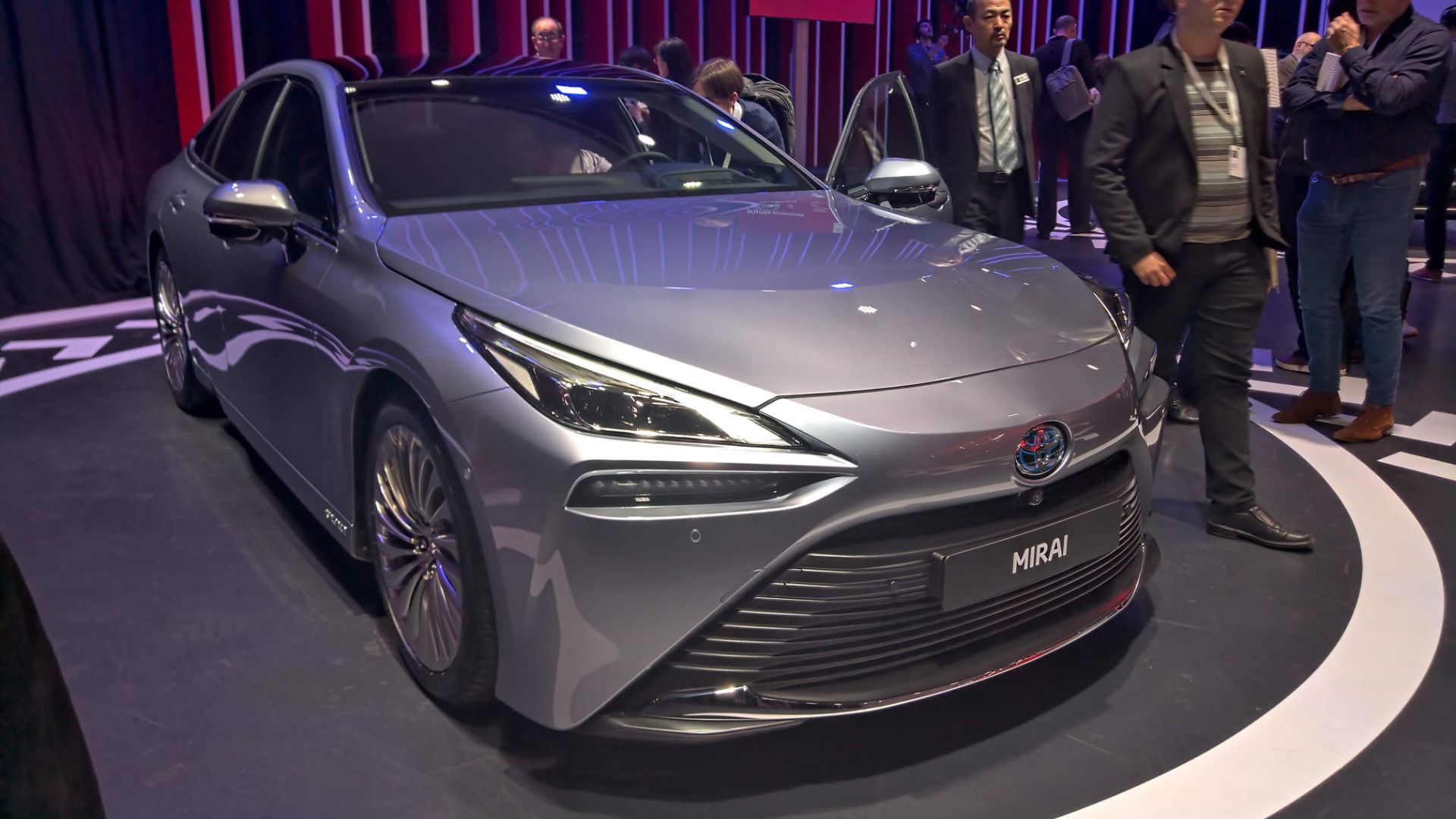
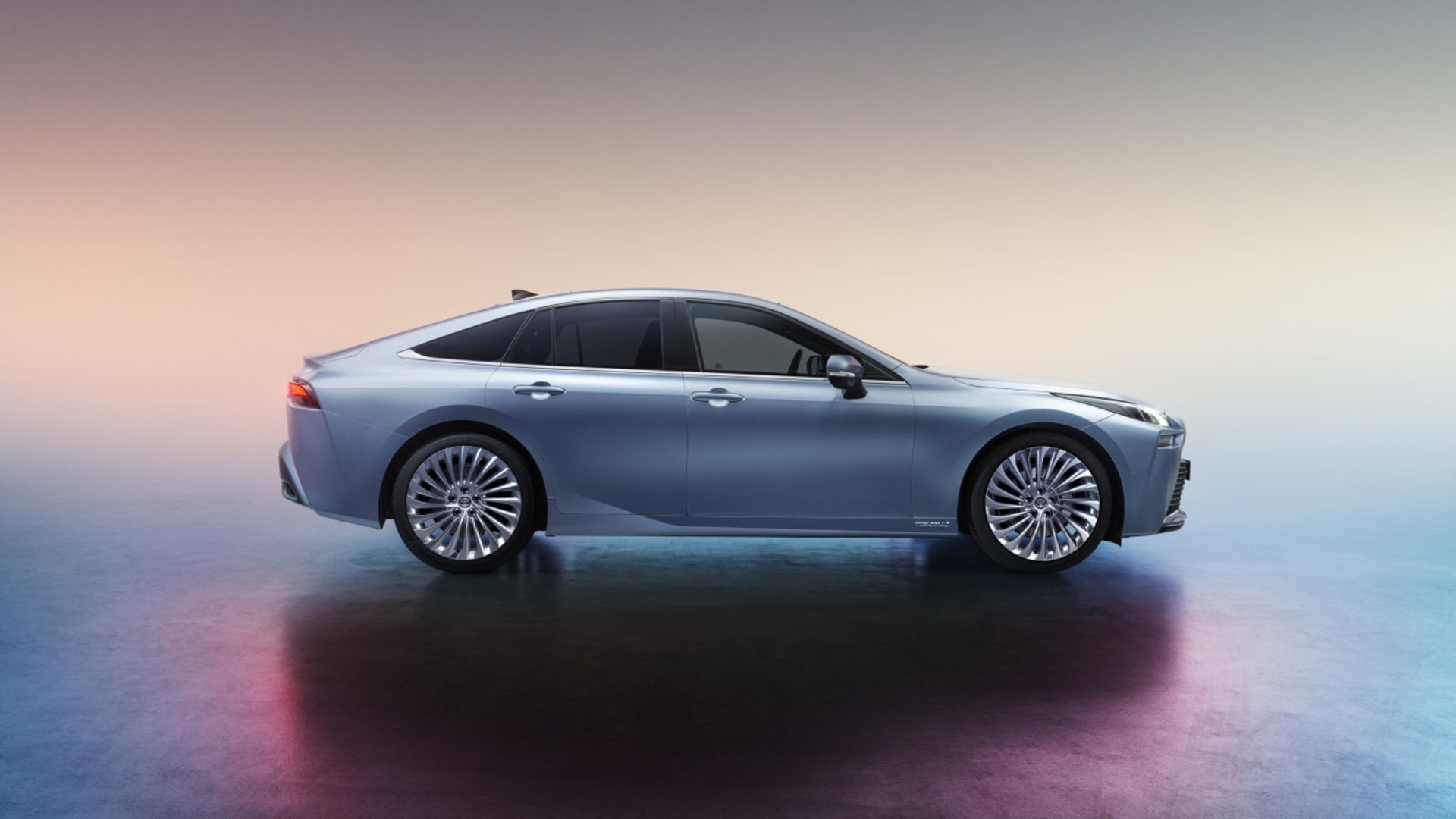
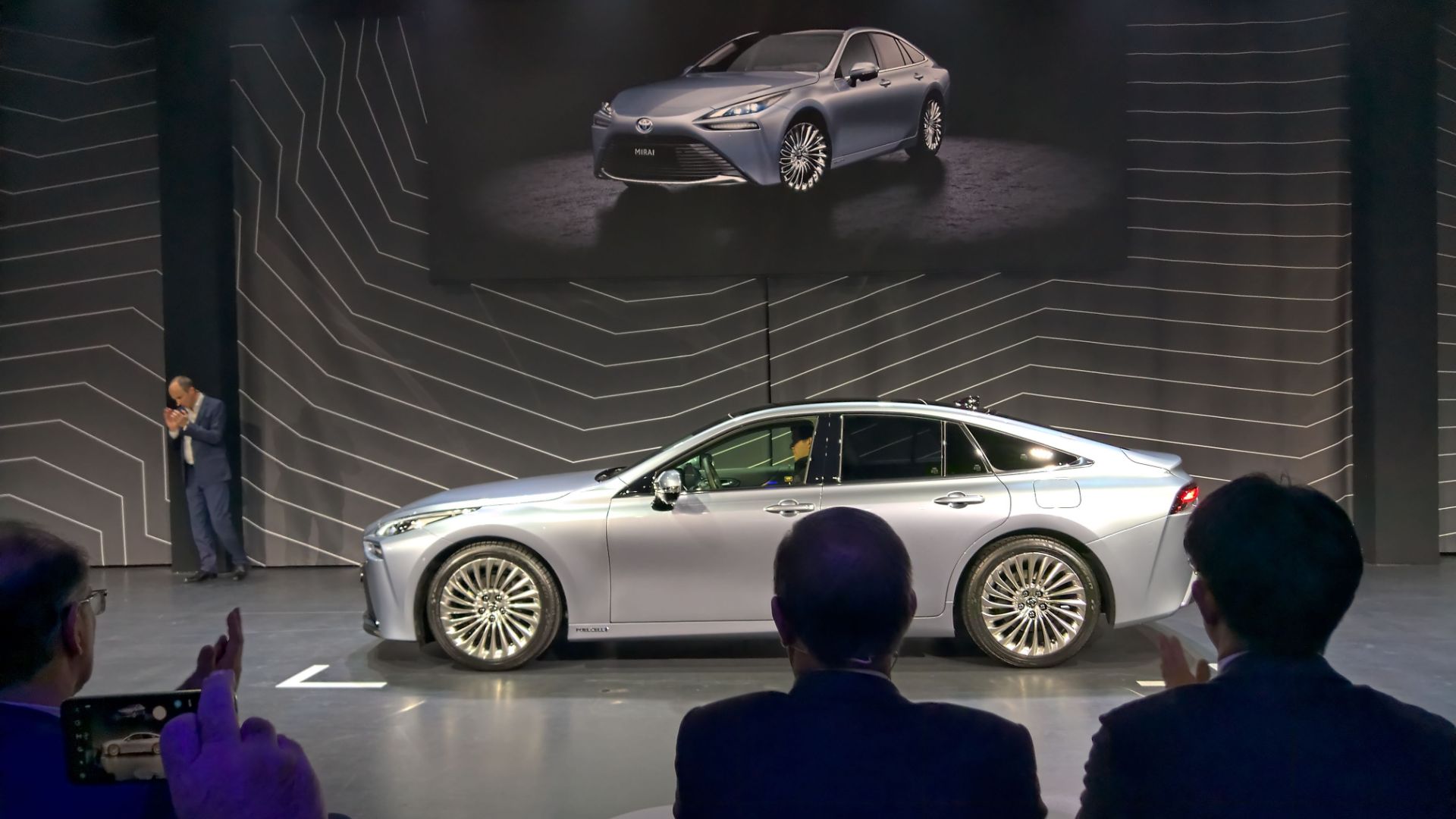
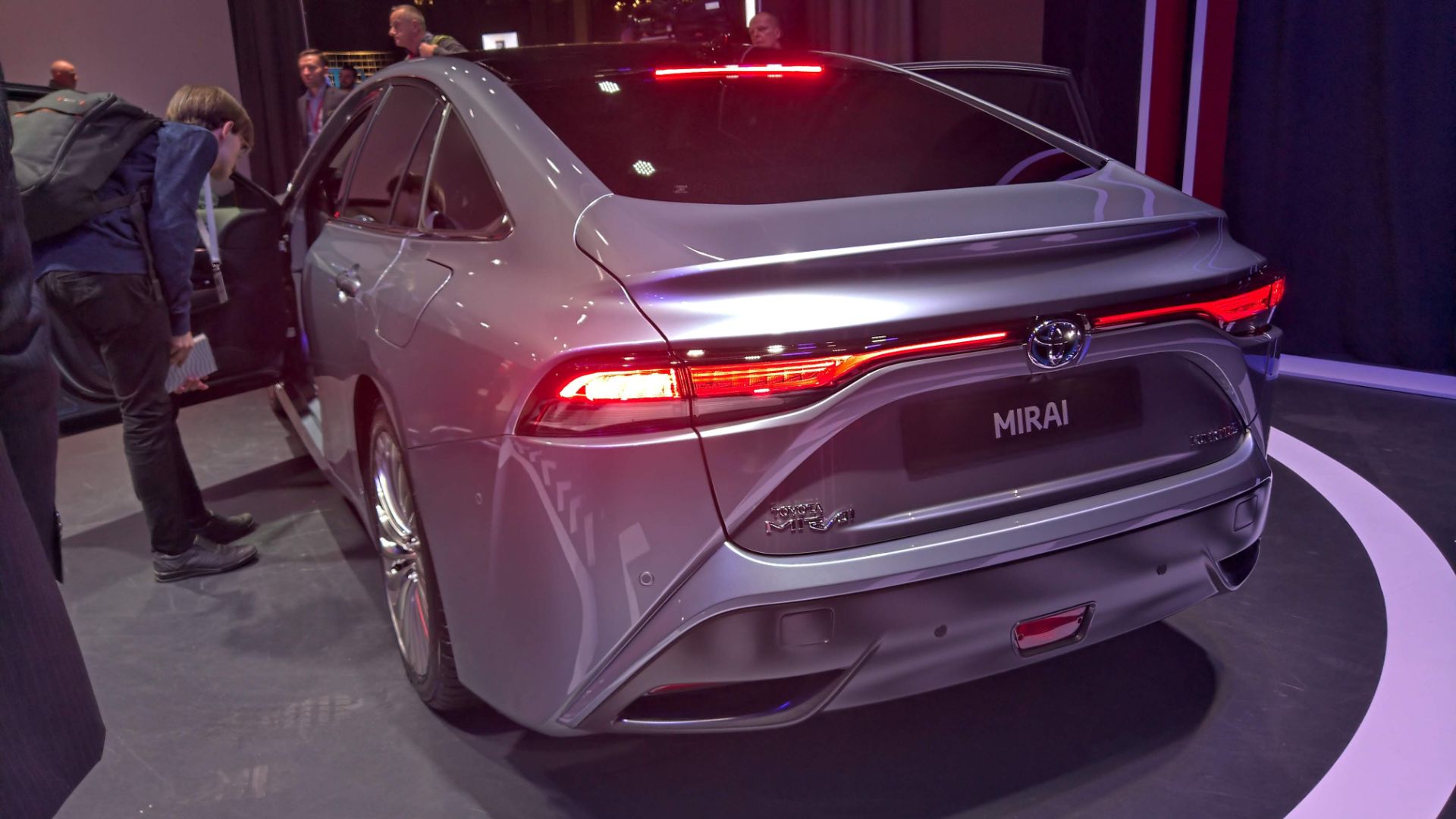
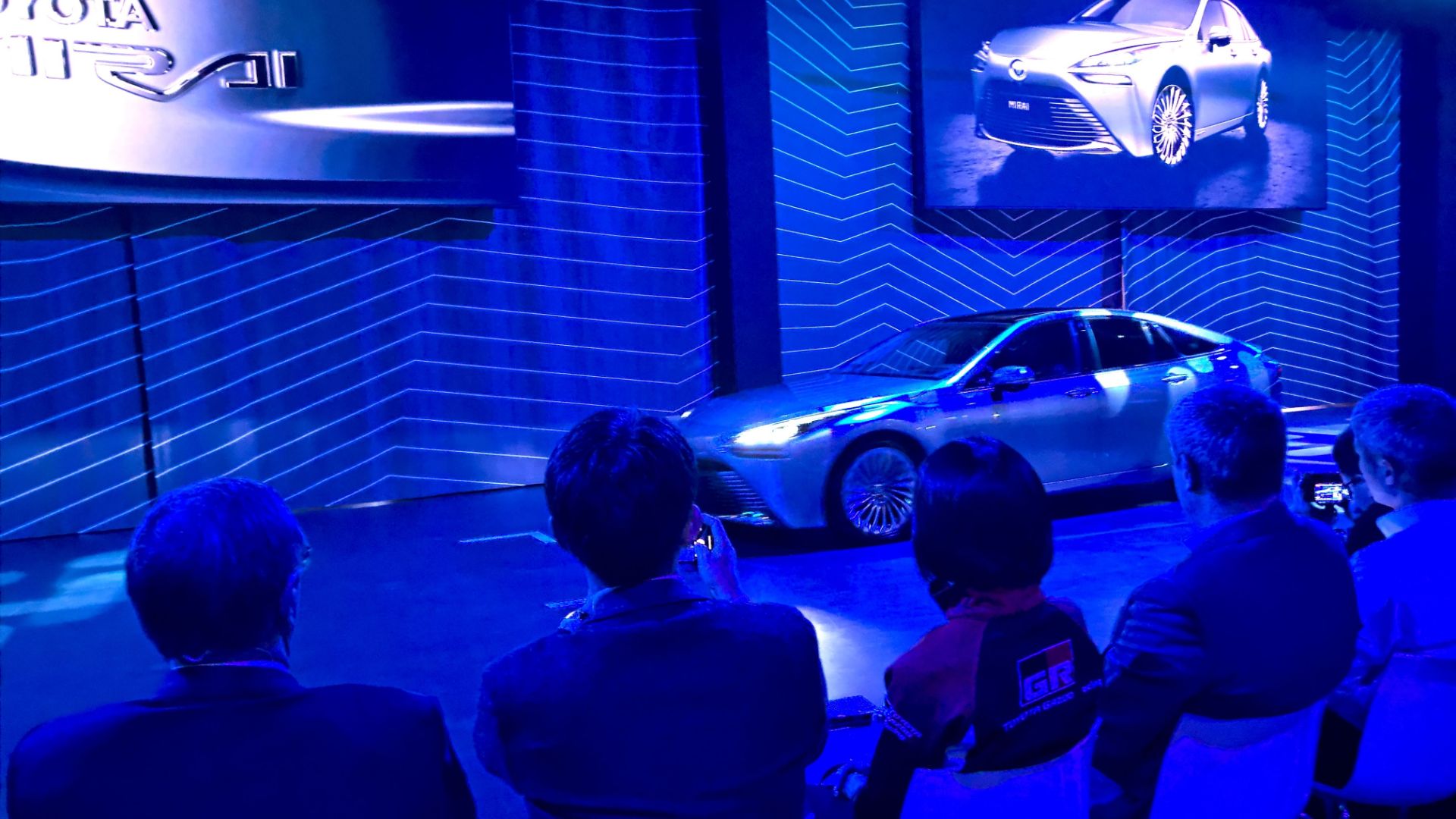
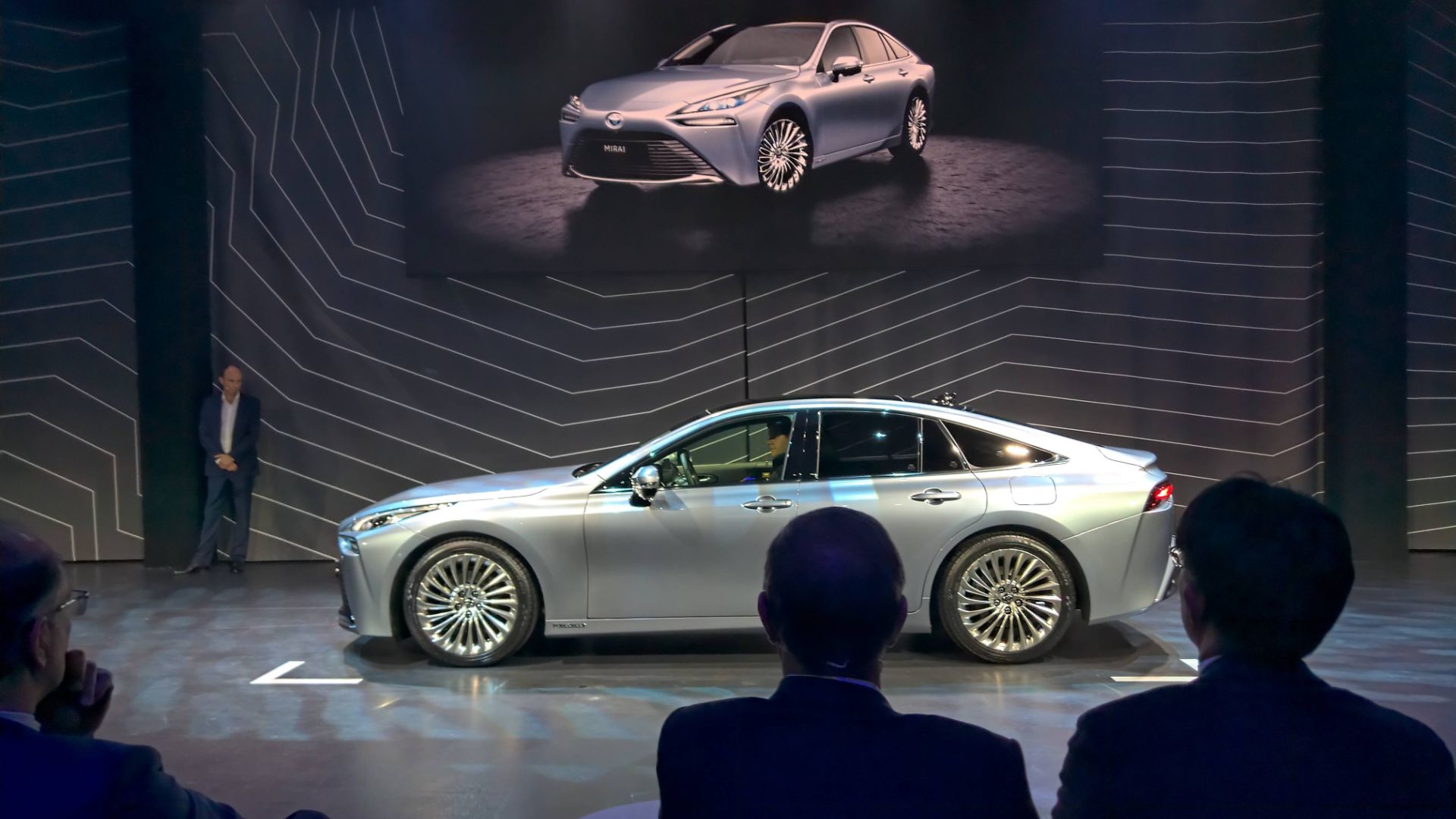
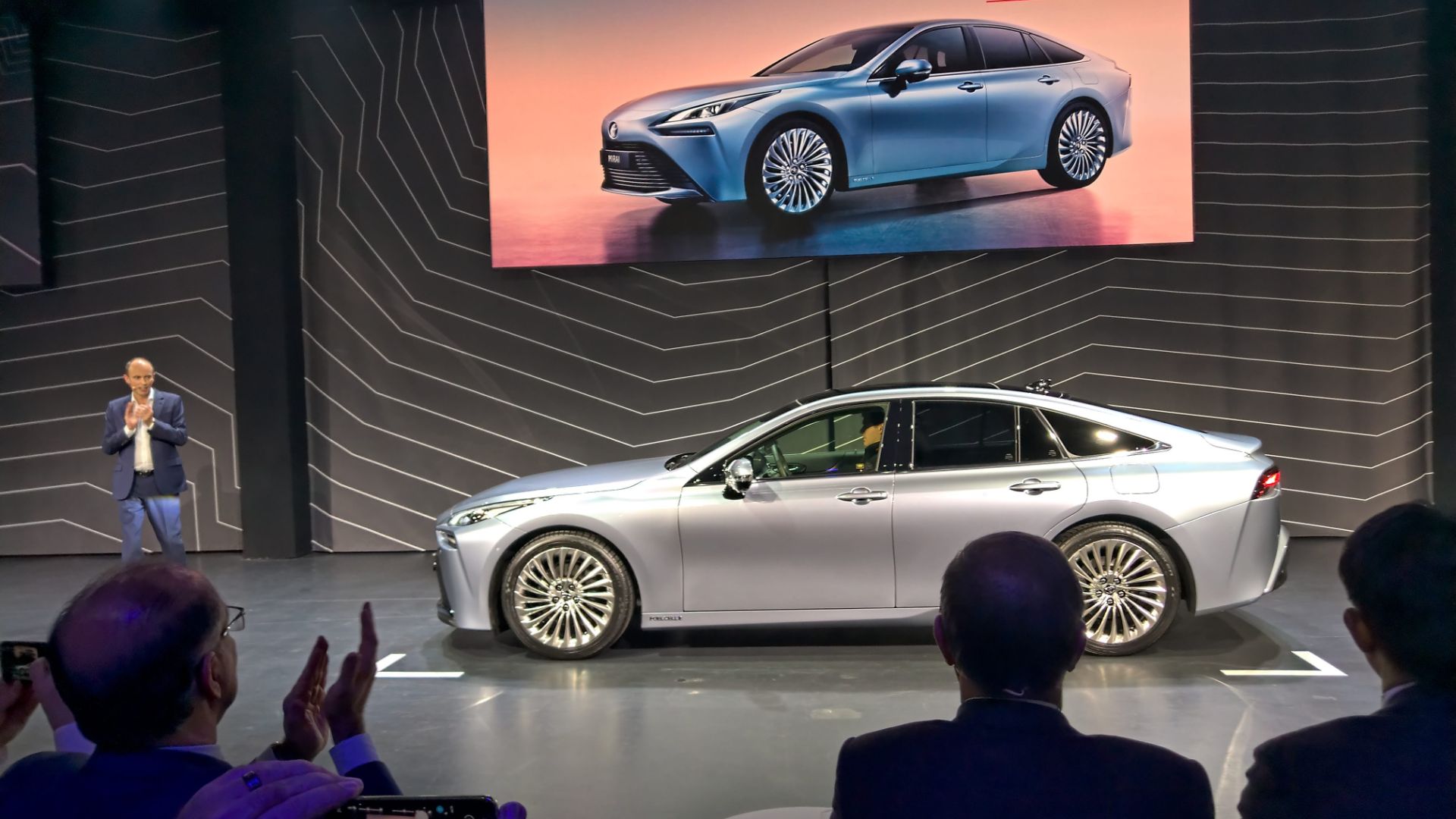
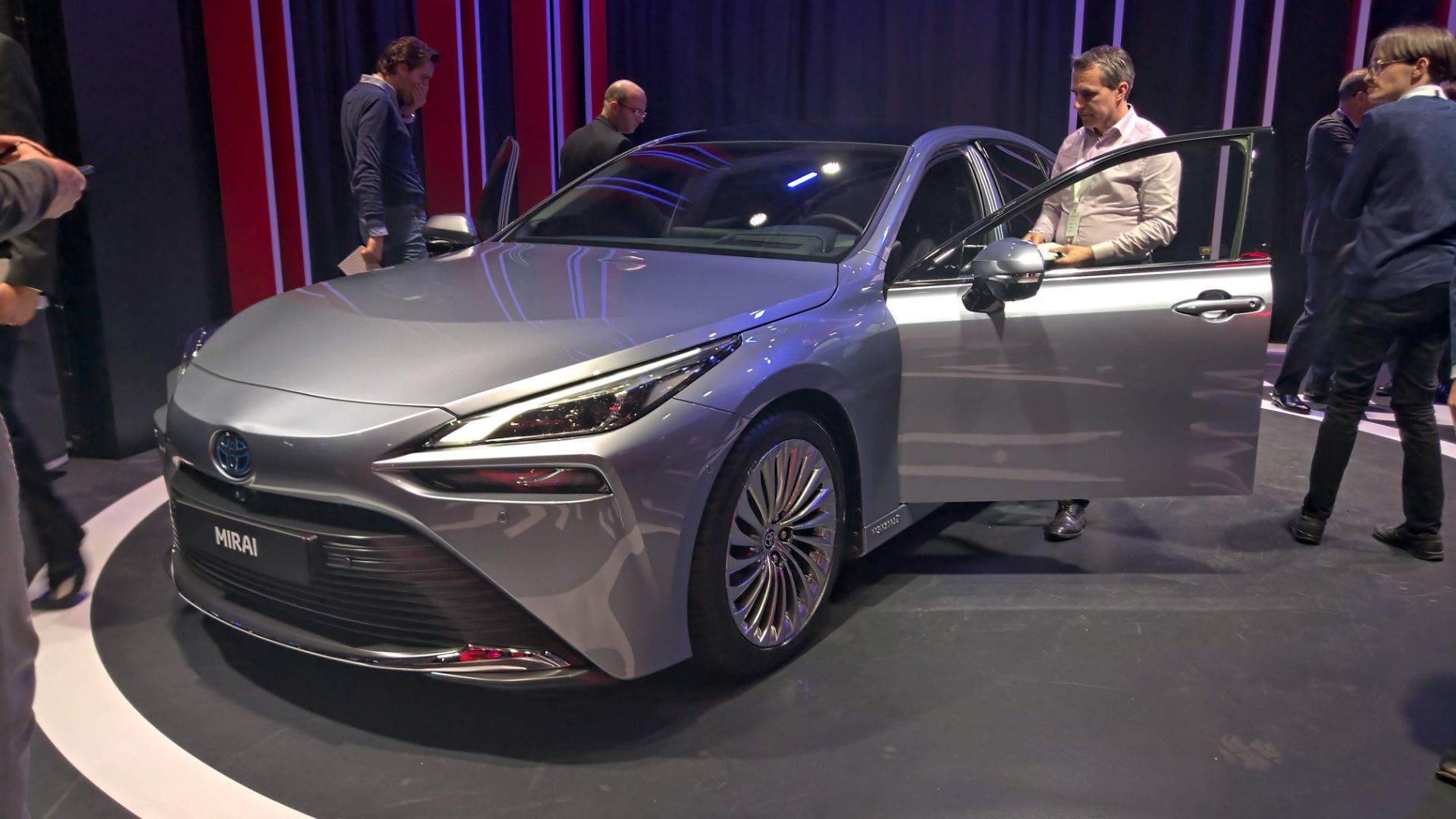
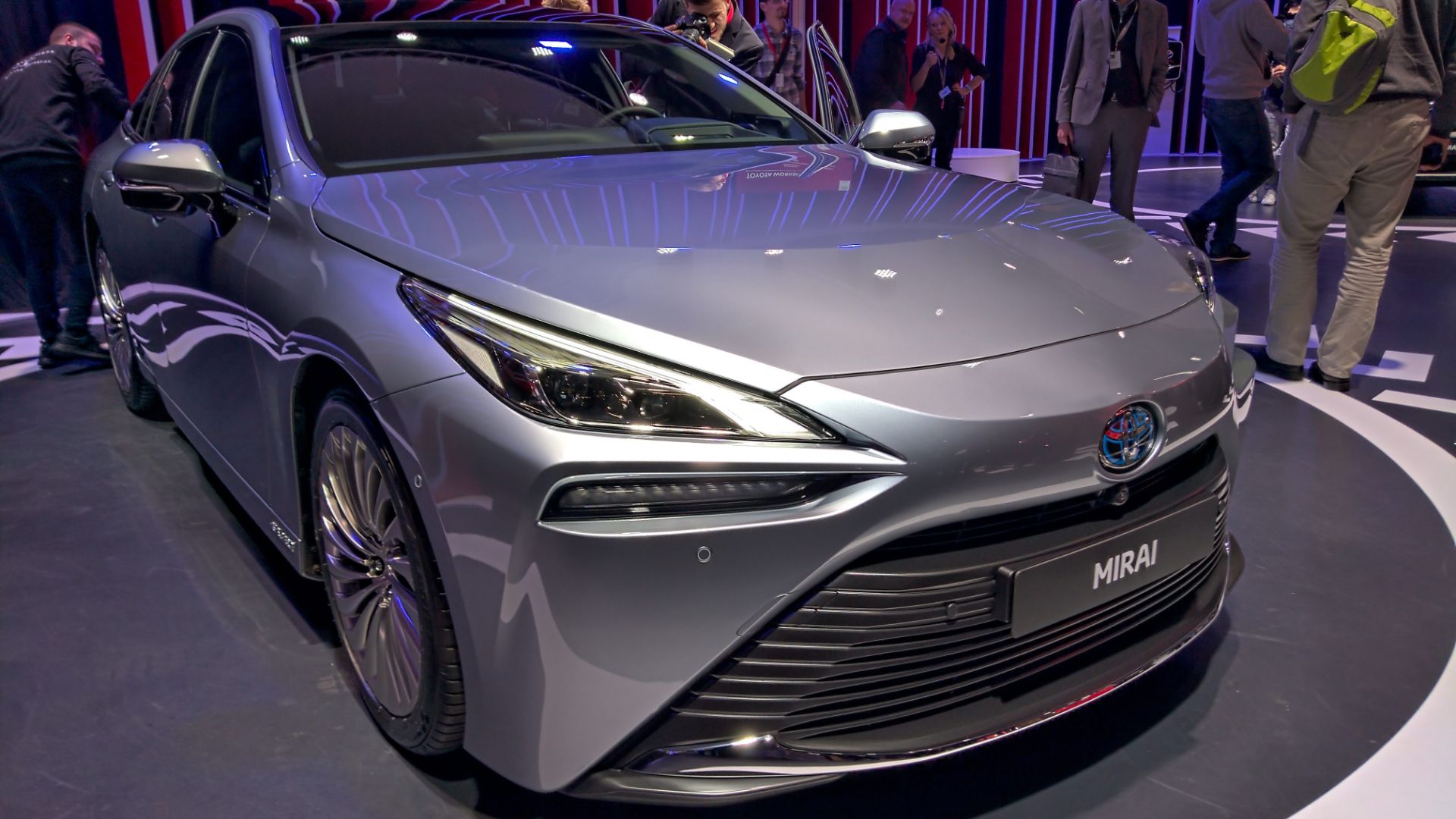
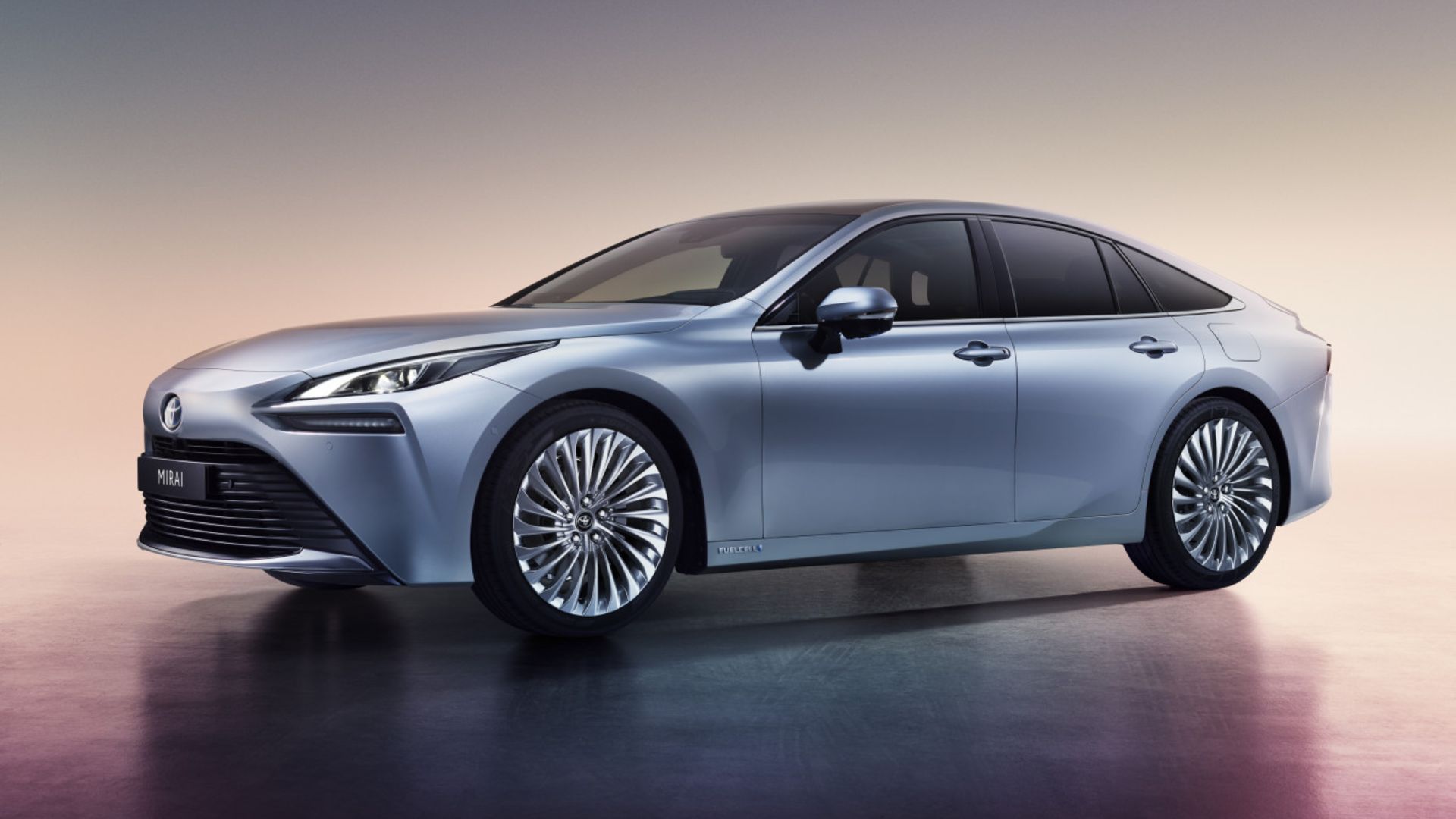
The hydrogen-powered Toyota Mirai was always a technological flagship, but its appearance left a lot to be desired. It was striking, for sure, but far short of appealing. As well as the advancements going on underneath, the 2020 Toyota Mirai has developed a swagger. We went to the Toyota Kenshiki Forum in Amsterdam for the reveal of the near-production version. Kenshiki means ‘insight’ or ‘creating understanding’. With that, we tried a bit of both with the second iteration of Toyota’s fascinating fuel cell flagship.
So why the sudden change? We don’t see the Prius turning into a BMW 4 Series Gran Coupe rival anytime soon. It’s because an image problem is the last thing a car trying to sell a concept needs. Indeed, Matt Harris, executive vice president of Toyota Motor Europe, describes the Mirai as Toyota’s vision of “the longer-term future of electrification”. The 10,000 Mirai units sold globally since 2015 doesn’t scream long-term. The Mirai needs to reach further.
So the goal is to make a car that people desire and will enjoy driving. It wants the Mirai to be aspirational, rather than a statement of style martyrdom that the Prius and previous Mirai are so often described as. That it’s a Fuel Cell Electric Vehicle isn’t of consequence in this respect. In short, Toyota wants to do for FCEVs, what the Tesla Model S did for conventional EVs – make them desirable and therefore, impossible to ignore. A master-stroke by Toyota, given that the as yet unconfirmed price will inevitably remain steep. This looks much more like a £70,000 car than its predecessor.
“I want customers to say ‘I chose the Mirai not just because it’s an FCEV, but because I simply wanted this car; it just happens to be an FCEV,’“ says the Mirai’s chief engineer, Yoshikazu Tanaka.
Reshaping the Mirai – better looks, longer range and rear-wheel-drive
To the end of facilitating the Mirai’s reinvention, the right platform was needed. Under the skin is the new GA-L platform, which has been designed from the outset to take multiple powertrains, including hydrogen. It’s the largest within the Toyota New Global Architecture (TNGA) family, which will be familiar to those who have had a look under the skin of a Lexus LS. Could we see a luxurious hydrogen-powered Lexus at some point? “It’s entirely possible”, we were told.
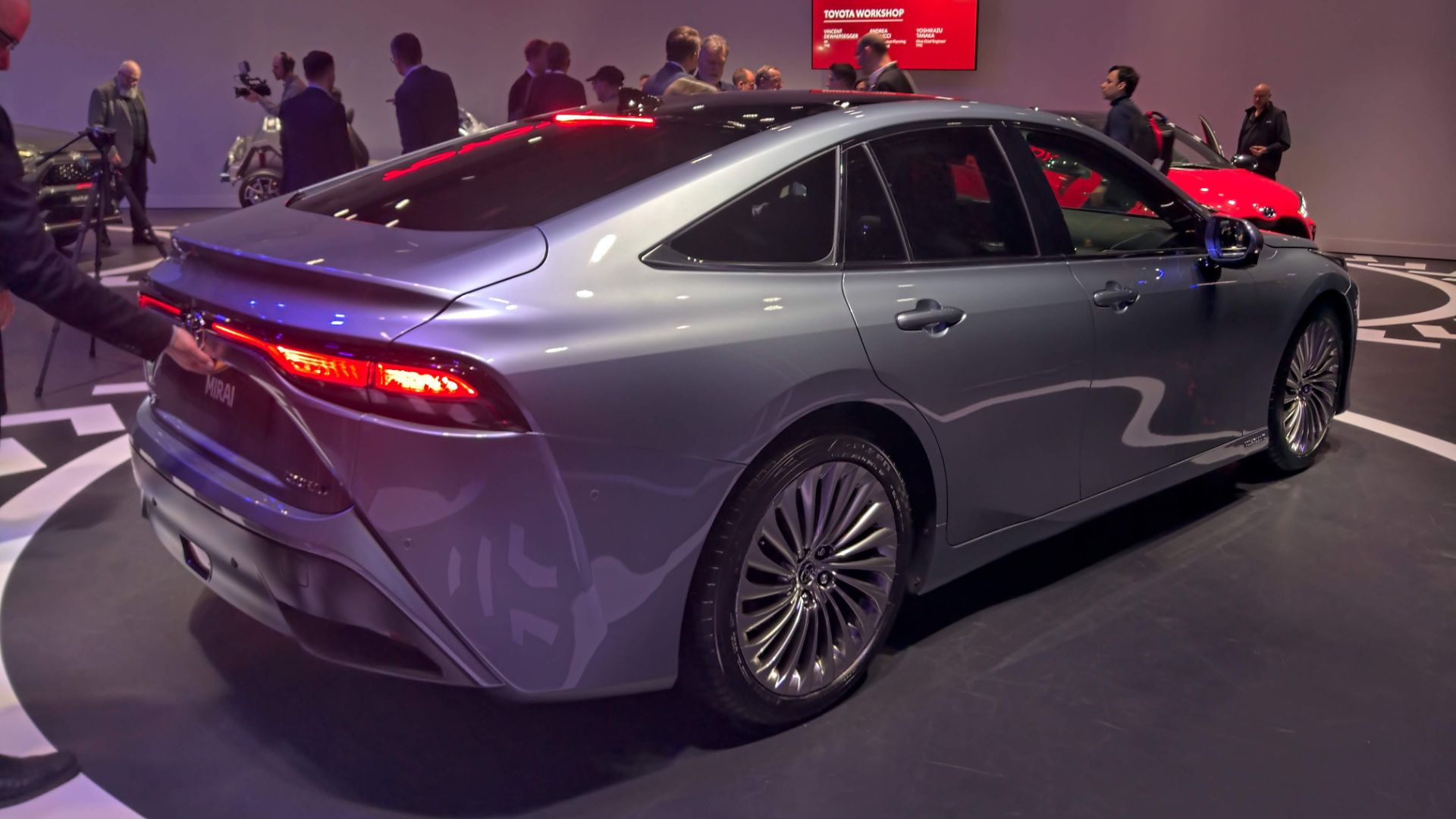
The platform is the primary enabler of that arresting shape and facilitates more dynamic driving characteristics. In fact, being a close relation to a Lexus platform, the new Mirai is only the second of two Toyotas in the marque’s current lineup – alongside the Supra – to be rear-wheel-drive. While there were no allusions to Toyota’s FCEV cutting shapes and billowing smoke like a Mercedes-AMG, the new Mirai is said to have “a completely new character” in terms of its driving dynamics.
“We have pursued the goal of making a car that customers will feel they want to drive all the time,” Tanaka says of the car’s driving dynamics.
“A car that has an emotional and attractive design and the kind of dynamic and responsive performance that can bring a smile to the driver’s face.”
The larger platform has also allowed for improving the hydrogen fuel cell powertrain underneath. It employs fourth-generation Toyota hybrid motor and battery technology, alongside its second-generation fuel cells, for which there are now three tanks. The new Mirai’s range should, says Toyota, exceed the first-generation car’s by 30 percent.
Estimates are around the 400-mile mark (650 kilometers), improving on the original’s circa 300-mile range. That’s further than any current or imminent EV, and it can be ‘filled’ in the time it takes to fuel up a petrol car.
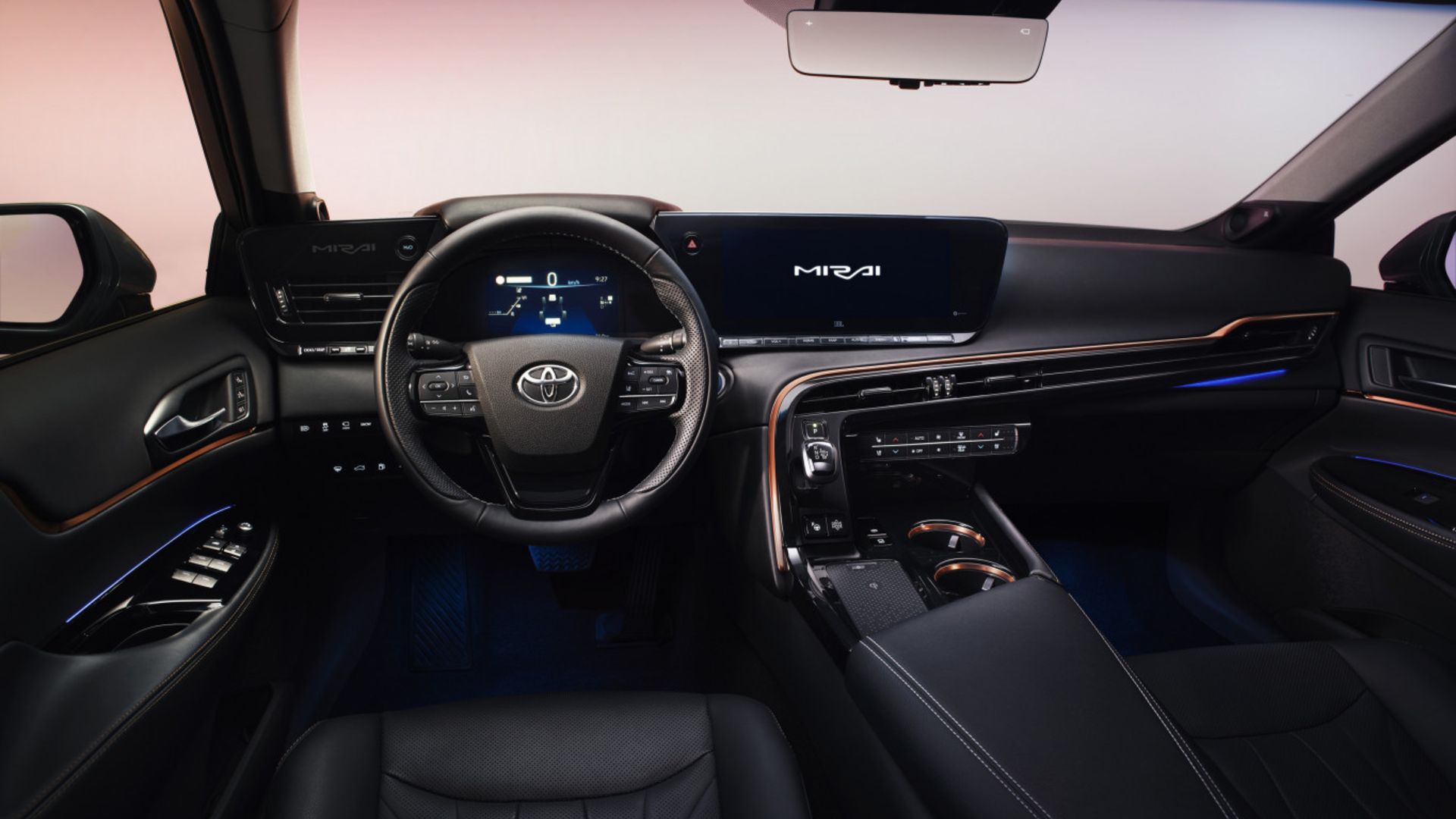
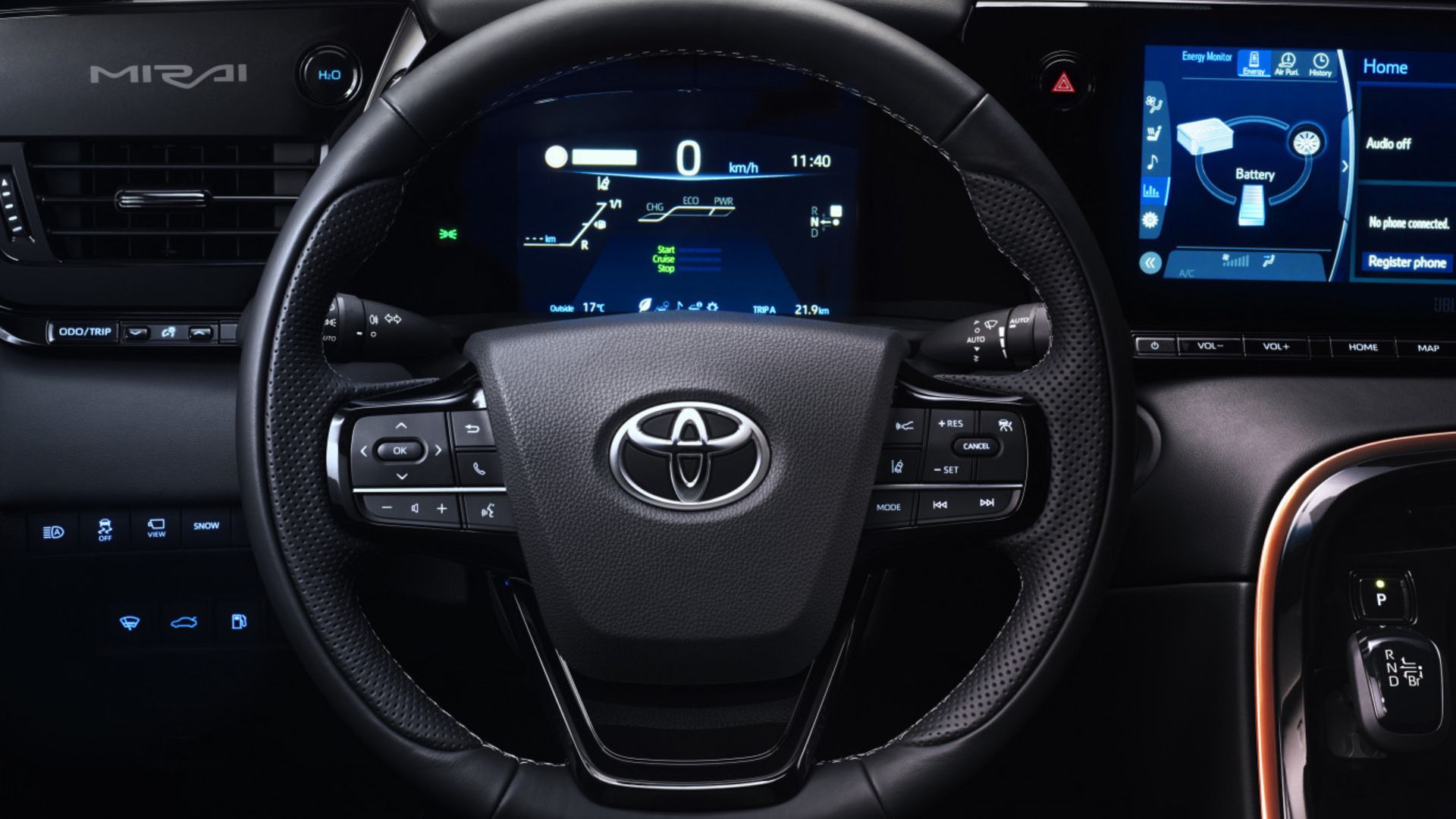
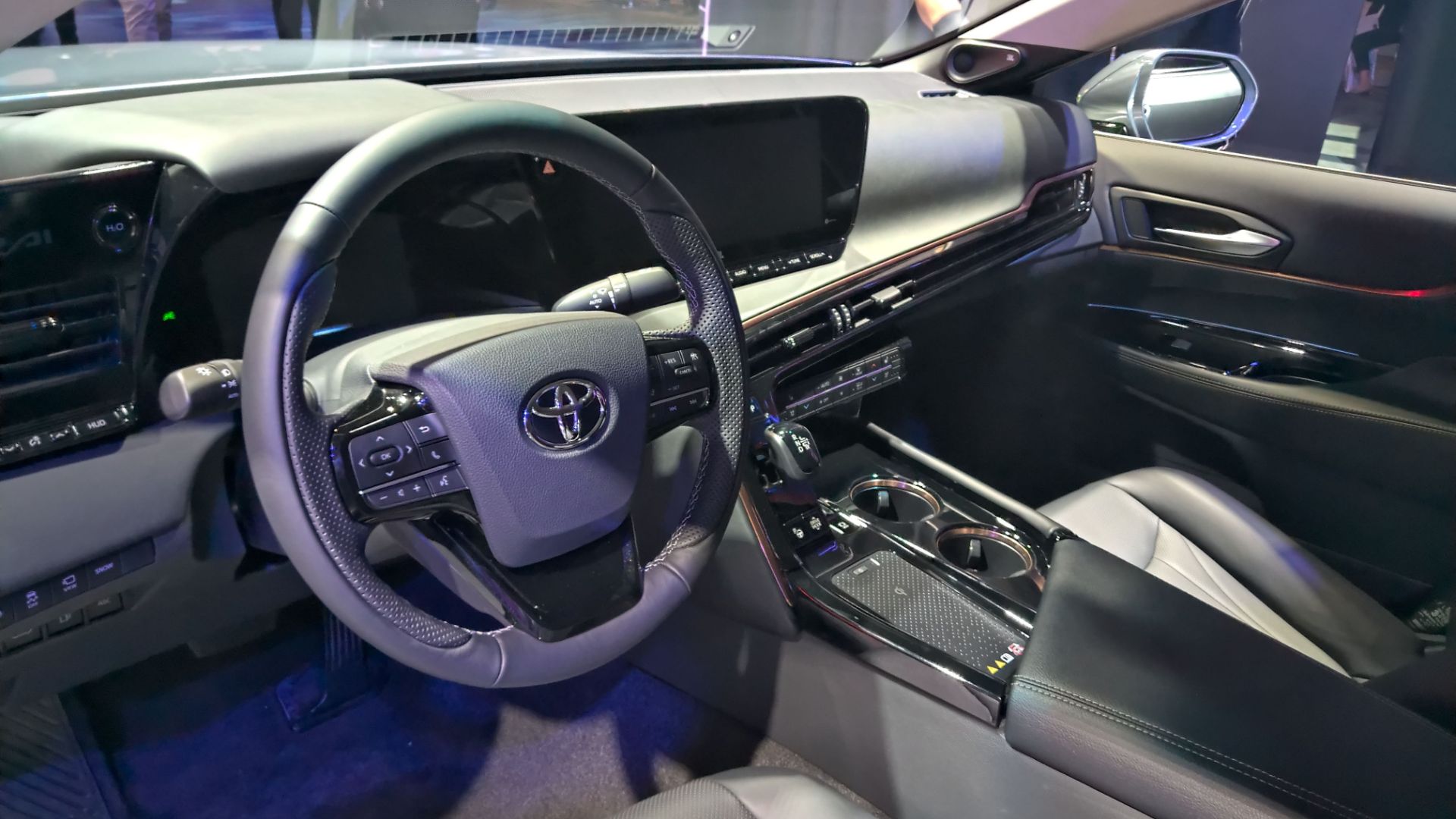
On the inside, it’s a tidy thing. You could almost slap a metallic ‘L’ on the wheel in place of the Toyota badge. The instrument panel wraps around the driver, and there’s an impressive crisp 12.3-inch central display. It’s not quite a Lexus LS, but it isn’t just a poshed-up Prius either.
Practically speaking, it’s a lot bigger. The layout of the new fuel cells means it can now seat five people, rather than the four that the previous car could manage. That said, headroom is a bit of a squeeze. The distance between those elegant 20-inch wheels is roughly 200mm less than a Lexus LS, but 140mm more than the outgoing first-generation car. It’s longer but lower – a proportional win afforded by that new platform.
Toyota Mirai – what’s the point?
It’s the burning question around this car that, as conventional battery EVs have proliferated, ought to have become more and more difficult to answer. On the contrary – Toyota’s team of executives and engineers at the Kenshiki forum repeatedly defended its case.
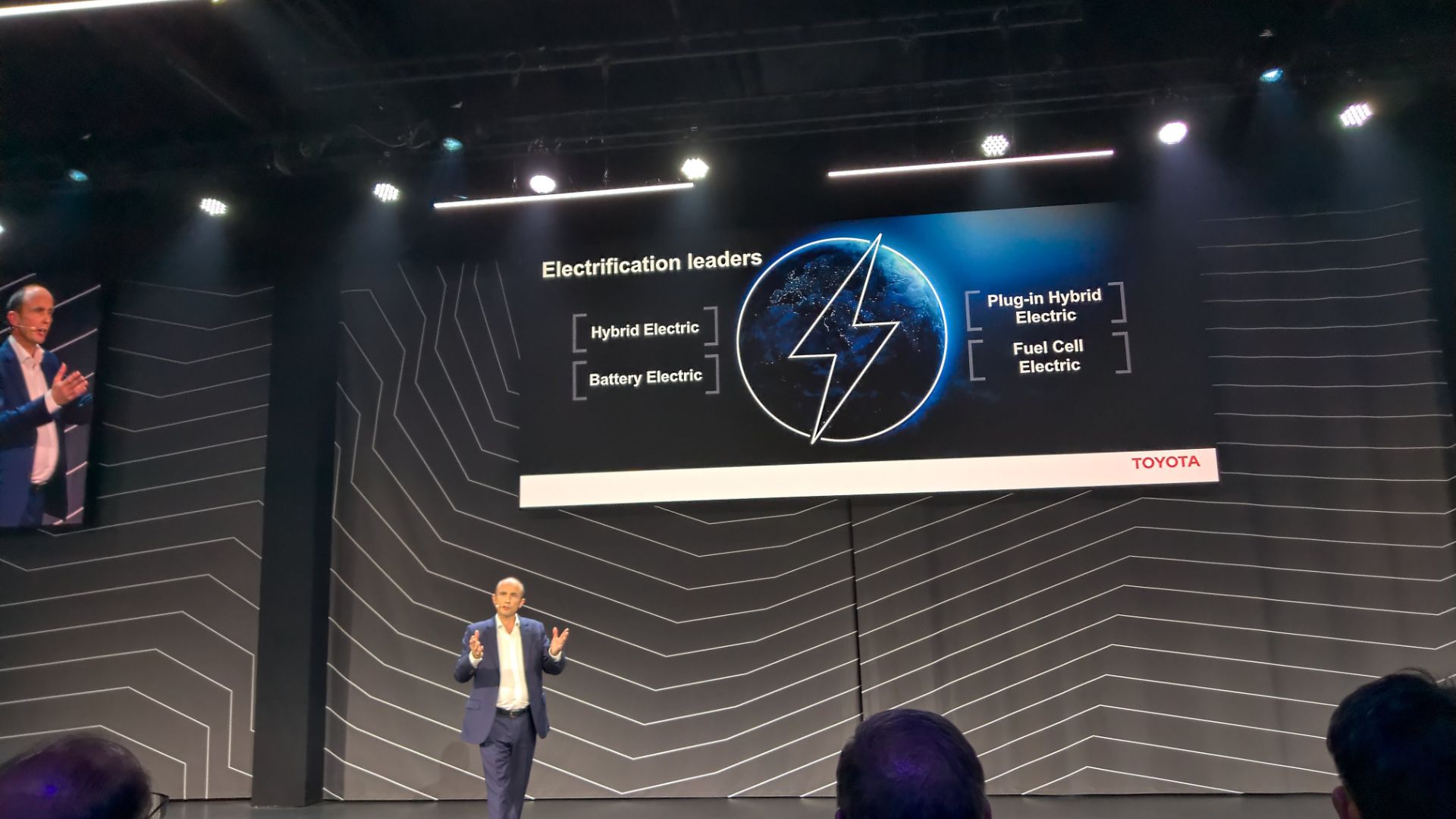
Andrea Carlucci, director of product planning and marketing at Toyota Motor Europe, told us that it’s the essential fourth prong in its electric vehicle offering. Toyota considers itself a leader in the field of automotive electrification, having popularised the hybrid and plug-in hybrid formula. Yet as wholesale electrification remains in its infancy, it wants to cover all basis, explore all technologies and balloon its offering of every kind of EV. It appreciates that certain standards of electrification aren’t affordable at all budget levels, and wants to have offerings along as much of the affordability spectrum as possible.
Conventional hybrids – like the new Yaris hybrid – are affordable. They’re good for urban motorists. They’re an entry point into the world of electrification right now. Plug-ins – like the new RAV-4 PHEV – offer the flexibility of selectable EV motoring and a combustion engine alongside. Full battery-electric vehicles are good for regulated areas, like emission-controlled cities. Finally, cars like the Mirai are designed for those who are carbon-conscious but still want a large aspirational vehicle and have distances to cover.
Its relevance isn’t in its sales, though. Though Toyota expects to sell more this time around, the car’s transformation isn’t intended to turn it into a volume or profit margin darling. The Mirai is a statement by Toyota. It says that this is a company that isn’t chasing the bottom line. It’s a reminder of Toyota’s standing as a pioneer in alternative fuel vehicles. It’s Toyota’s stamp on the fringes of zero-emission technology. It’s Toyota’s flagship, and with this reinvention, no longer in technology alone.
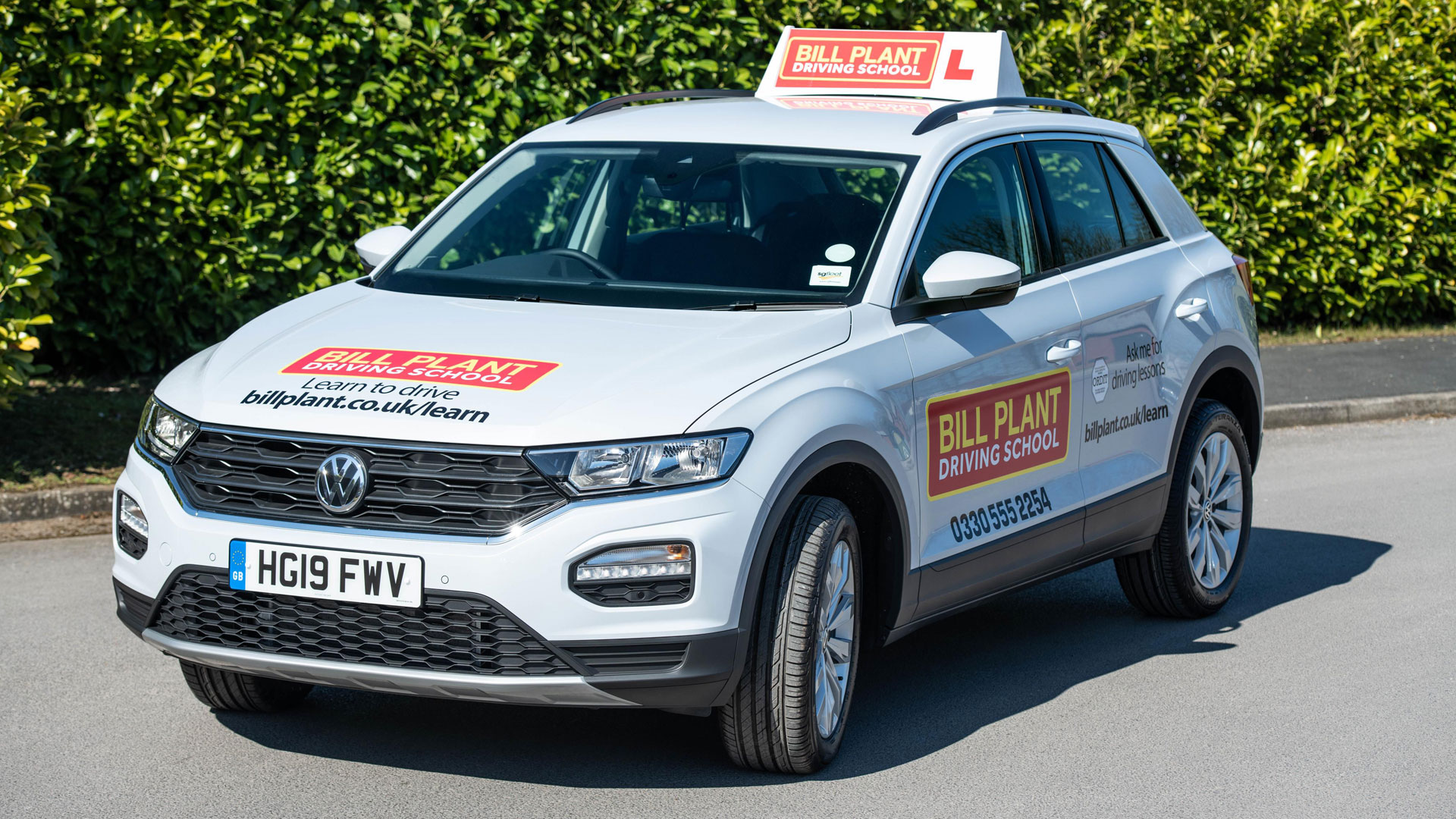
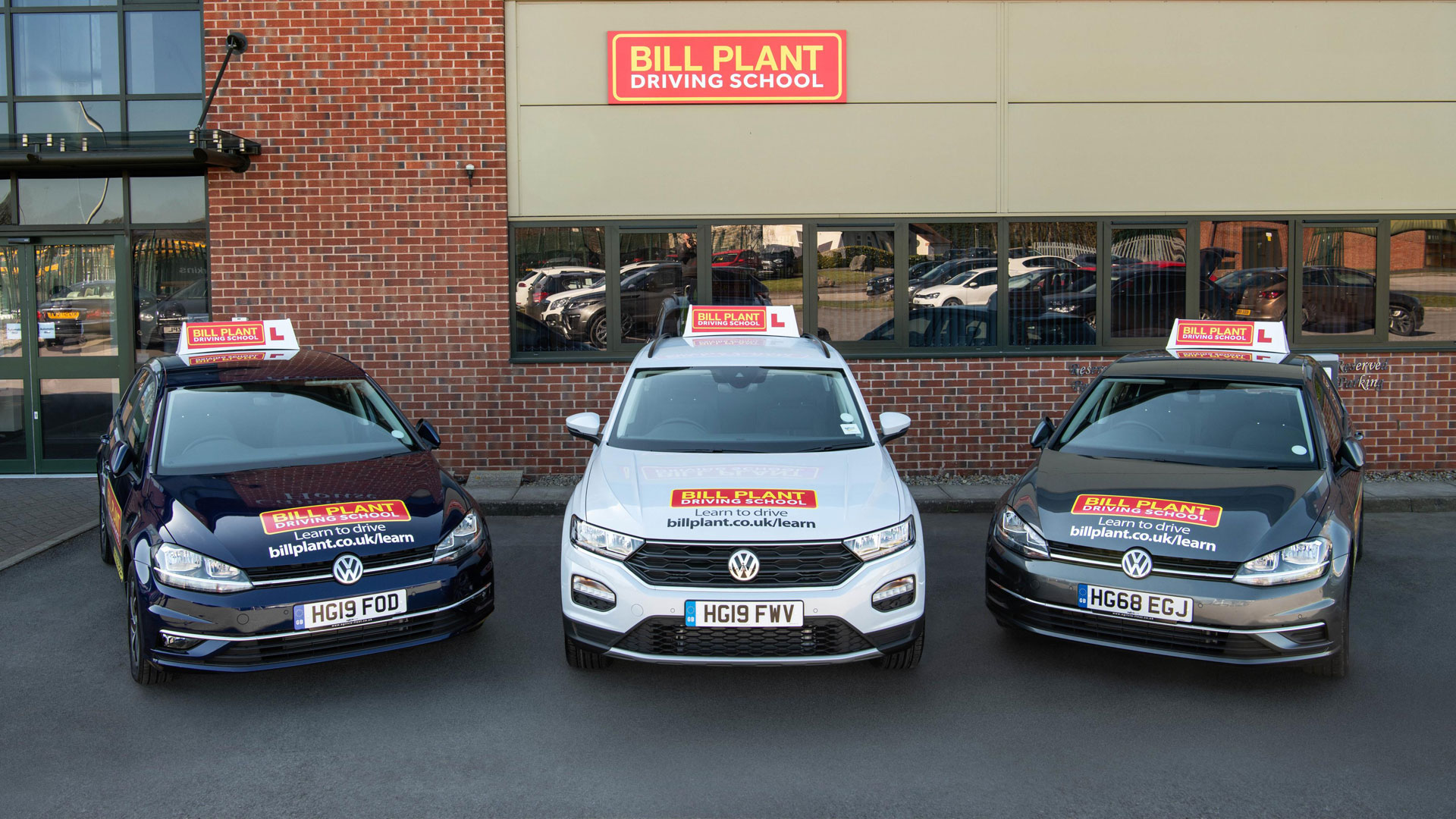
The Bill Plant Driving School has been named National Driving School of the Year at the Intelligent Instructor Awards 2019.
It was one of two awards for the company, with the driving school also scooping the Driver Instructor of the Year award for one of its driving instructors in Scotland.
Three driving schools were up for the national award, with the judges looking for a company that actively supports its pupils and instructors.
Customer service, innovation and effective instruction were other factors taken into consideration.
The T-Rocs available to learner drivers are 1.6 TDI SE models, with the Golfs boasting the same engine but the SE Match trim. There’s a small premium for drivers to receive tuition in the T-Roc.
According to Bill Plant figures, the average learner will spend £1,222.47 on driving lessons, plus an additional £23 for a theory test and £62 for their practical driving test.
Drivers aged 17 and 18 have the highest first-time pass rate of any age group (50 percent overall). Of the 1,266,796 Brits who passed their theory test between April 2018 and March 2019, only 761,791 went on to pass their practical test.
‘Happiness and success’
Tom Hixon, head of instructor support at Bill Plant, said: “We’re thrilled to have won the award for National Driving School of the Year, this is something our driving instructors across the UK can join in with us to celebrate our collective success.
“We’ve made some significant improvements within the business over the last couple of years, with the happiness and success of instructors and pupils at the forefront of everything we do.
“It’s great to have our hard work and achievements recognised – especially when you’re up against such well known competitors – and we’re excited to continue to further enhance the business and take Bill Plant to the next level.”
Around 39 percent of the world’s cars built in 2019 were white. That’s according to a new colour report.
It’s obvious that most people prefer achromatic colours, because black, grey and silver are the next three most popular shades. Combined, they account for another 39 percent of the new car market.
Proof, if proof were needed, that car buyers lack imagination when it comes to their choice of colour.
There is hope that we will see more colour on the road in 2020. Around nine percent of cars are blue – a figure that’s expected to increase this year. Meanwhile, seven percent are red – because red cars are faster, obviously.
White and silver appear to be in decline, although grey is mounting a defence for achromatic colours.
In Europe, nearly every fourth car is painted in a chromatic colour, with blue accounting for 11 percent of sales. Compare and contrast with Asia Pacific, where one in two cars are white.
On the other side of the Atlantic, 77 percent of cars are white, black silver or grey. Interestingly, there’s a shift towards black within the pick-up market, with white (38 percent) and red (11 percent) also proving popular.
“These aren’t your father’s pick-up trucks,” said Paul Czornij, head of design for BASF in North America. “They are luxury machines, and they are adopting the colours you see in the luxury market’s design language.”
Generally speaking, the smaller the car, the more likely it is to be painted in a bright colour. According to BASF, beyond blue and red, brown and beige are starting to emerge, especially in Europe, the Middle East and Africa.
Predictably, white, grey, black and silver are the predominant colours for SUVs. There’s evidence to suggest that grey could topple white as the most popular car, with its success linked to the growing number of electric cars on the road.
Chiharu Matsuhara, BASF head of design for coatings colour and design in Asia Pacific, said: “Grey plays a considerable role for EVs, with unique effects such as semi opaque and silky colours which add to the futuristic image of new connected technologies, including ride-sharing and autonomous cars.
“New EVs are bringing new values and colour design to the automotive industry as a whole.”
Automotive journalist and star of the BBC’s Top Gear TV showChris Harris has announced the arrival of the latest car to join his collection.
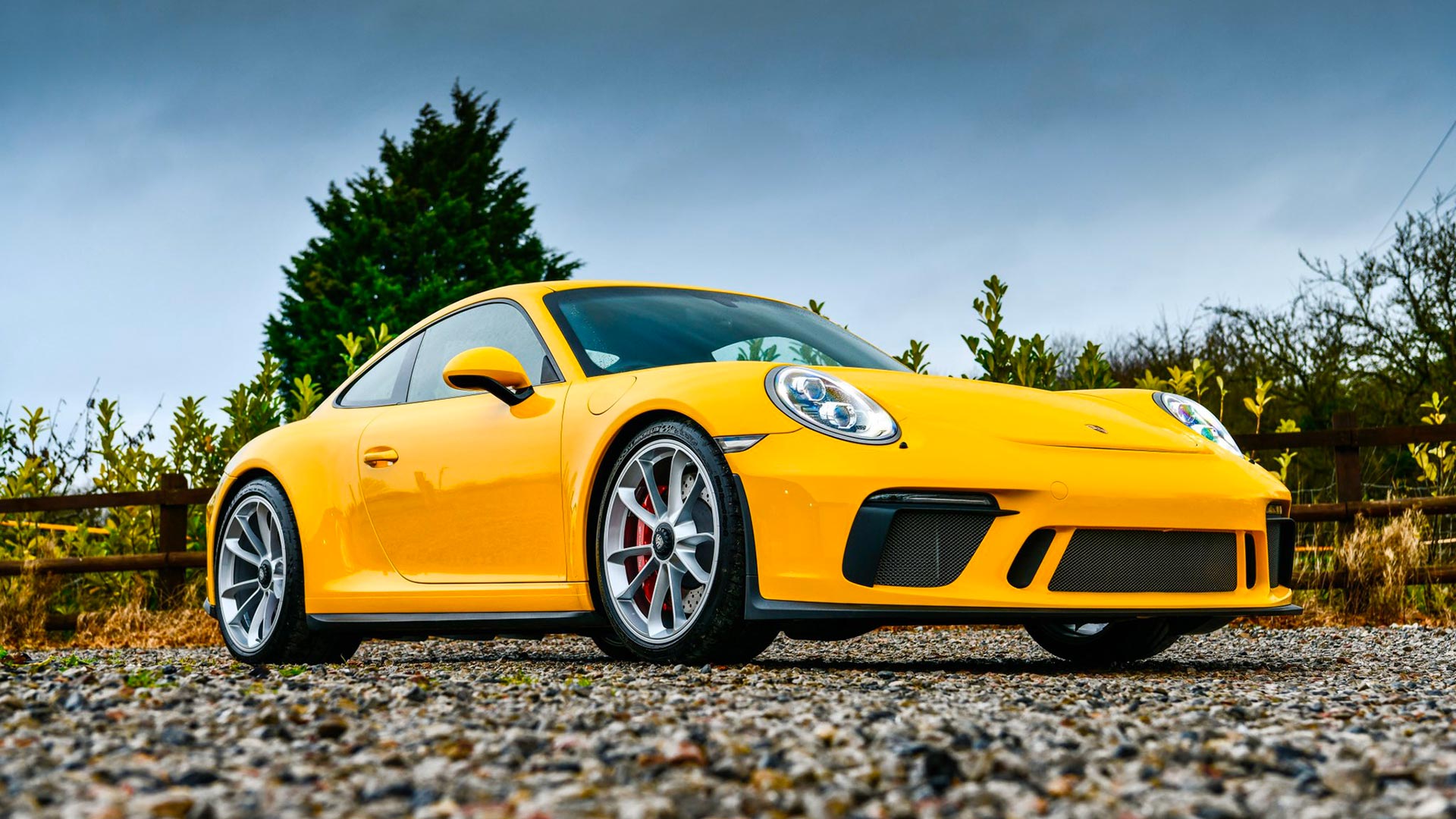
The bright yellow Porsche 911 GT3 Touring appeared on Instagram and Twitter, generating plenty of attention from Top Gear fans and Porsche enthusiasts.
Harris was also quick to mention that he has a history with the 911 Touring, following an accident in a similar car in November 2018.
In the spirit of delivering exciting social media content, I’ve bought a new car. It’s exactly the same as the one I had before, but more yellow. And less crashed. pic.twitter.com/cQku6zawWW
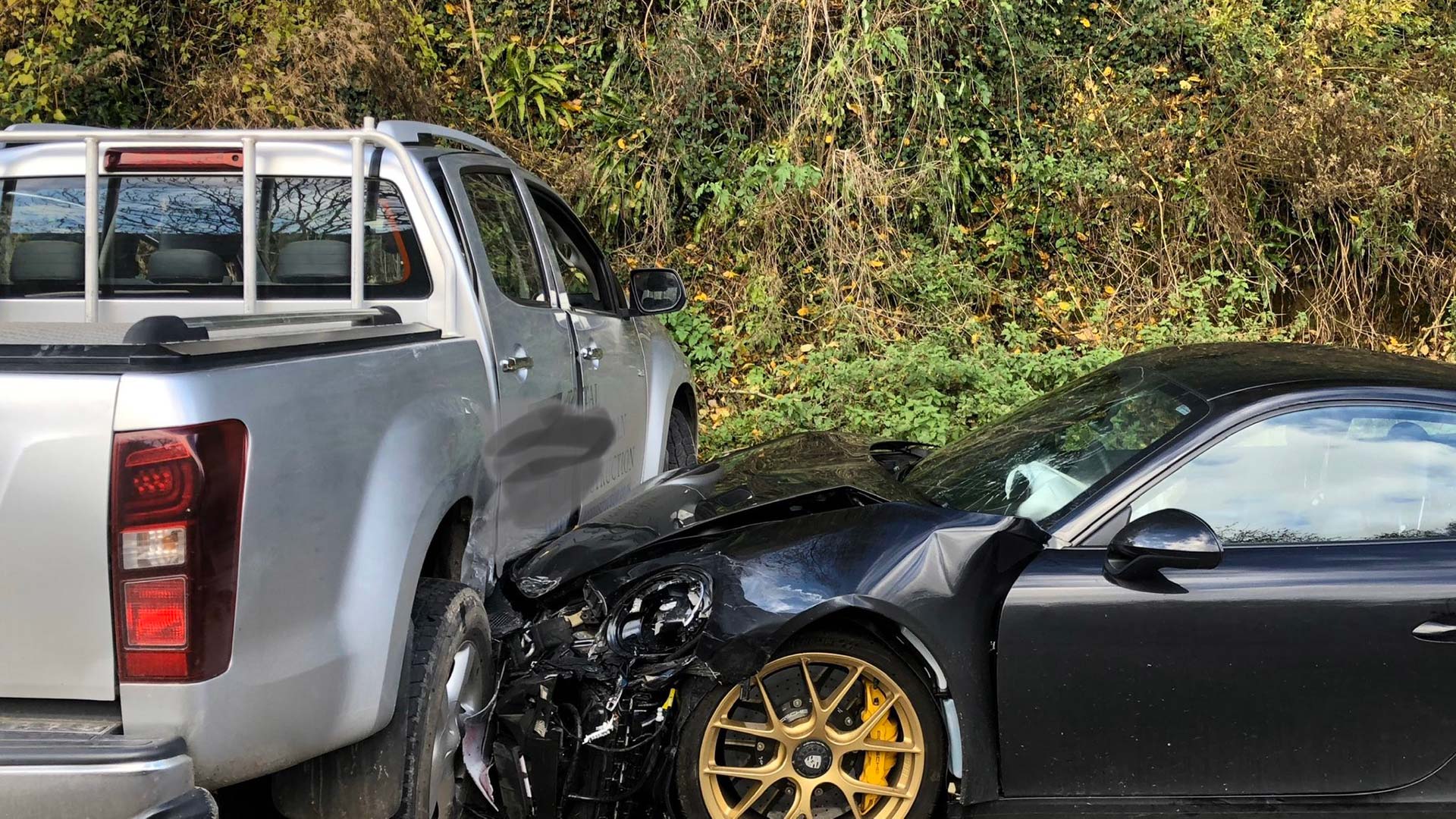
Whilst working on a feature for Top Gear Magazine, Harris was involved in a collision described as “unavoidable” in his own black 911 GT3 Touring.
Driving through Monmouthshire, Harris came around a blind bend to find a pickup truck performing a three-point turn. The collision was inevitable, with Harris and his passenger fortunate not to be injured in the crash.
The dramatic event seemingly did nothing to dent Harris’ enthusiasm for the 500 hp Porsche. The Top Gear man has been left wondering what to replace that original £111,000 GT3 Touring with for almost a year.
Introduced as a subtler version of the bewinged 991.2 911 GT3, the Touring model uses a smaller pop-up rear spoiler to generate rear downforce. All other components remain the same, with a 4.0-litre flat-six engine driving the rear wheels only.
Porsche only allowed the Touring model to be ordered with a six-speed manual transmission, making it similar to the limited-edition 911 R introduced previously.
Finished in Signal Yellow, with silver 20-inch alloy wheels, Harris’ new GT3 Touring is, to our eyes, a superb specification for the car. Chris was also keen to answer questions from various commenters about the lack of a front number plate.
And for the avoidance of doubt, it doesn’t have any number plates yet. It will soon have one on the front, one on the back. Who’d like to see a picture of the last GT3 Touring, and its moment of ceasing to live?
Harris already has an extensive and eclectic collection of cars, ranging from a Citroen 2CV to a ‘homemade’ BMW E34 M5 Touring. Other Harris garage highlights include a Peugeot 205 Rallye, a Range Rover Classic, and a Ferrari 512.
Last year also saw Chris sell his 505 hp Chevrolet Camaro Z/28, with the winning bidder getting the chance to meet Harris and take the car on track with him.
Buying the bright yellow GT3 Touring is perhaps a way for Chris to celebrate the return of Top Gear to TV screens later this month. Sunday 26th January will see the latest series start broadcasting on BBC Two.
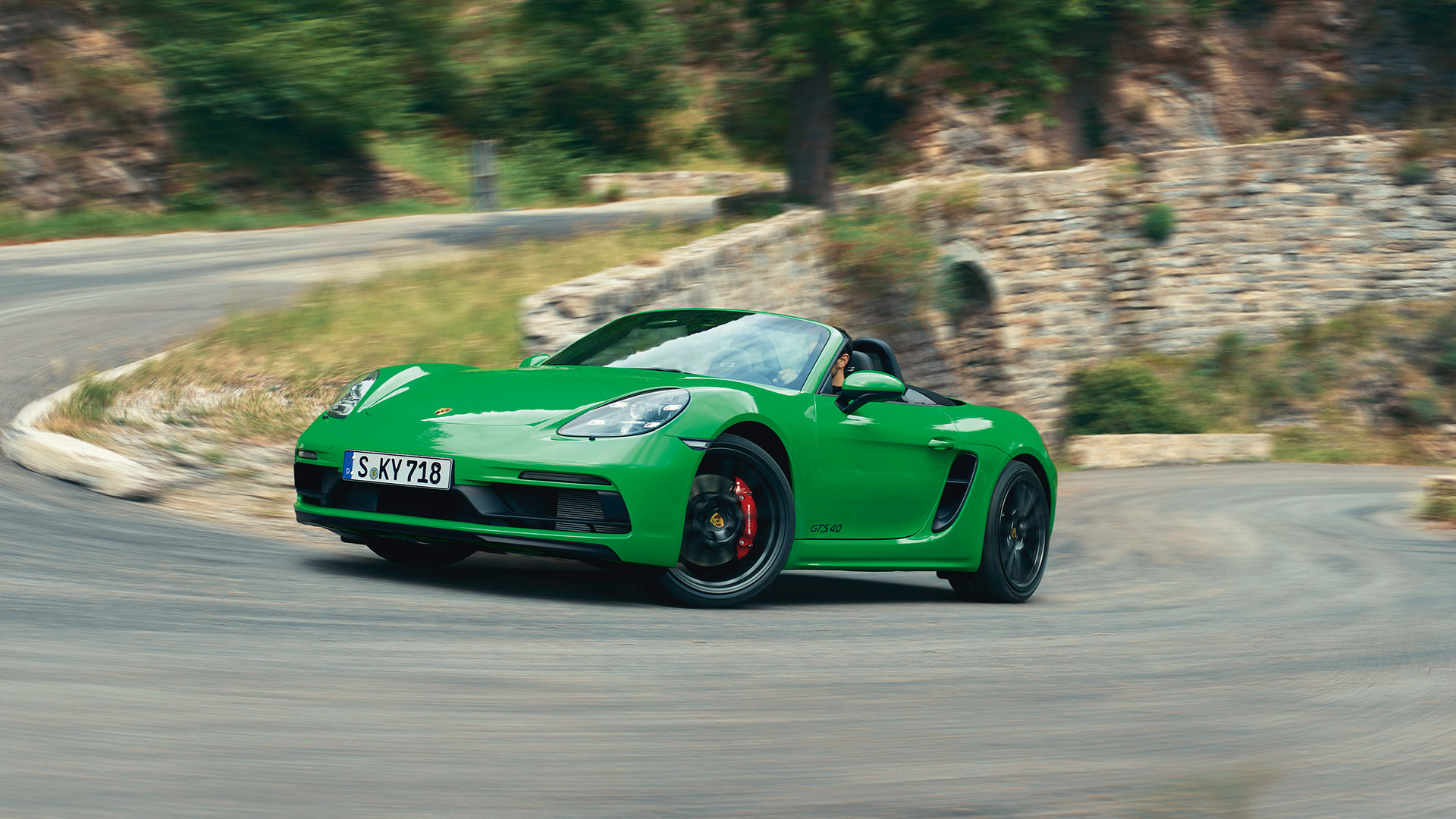
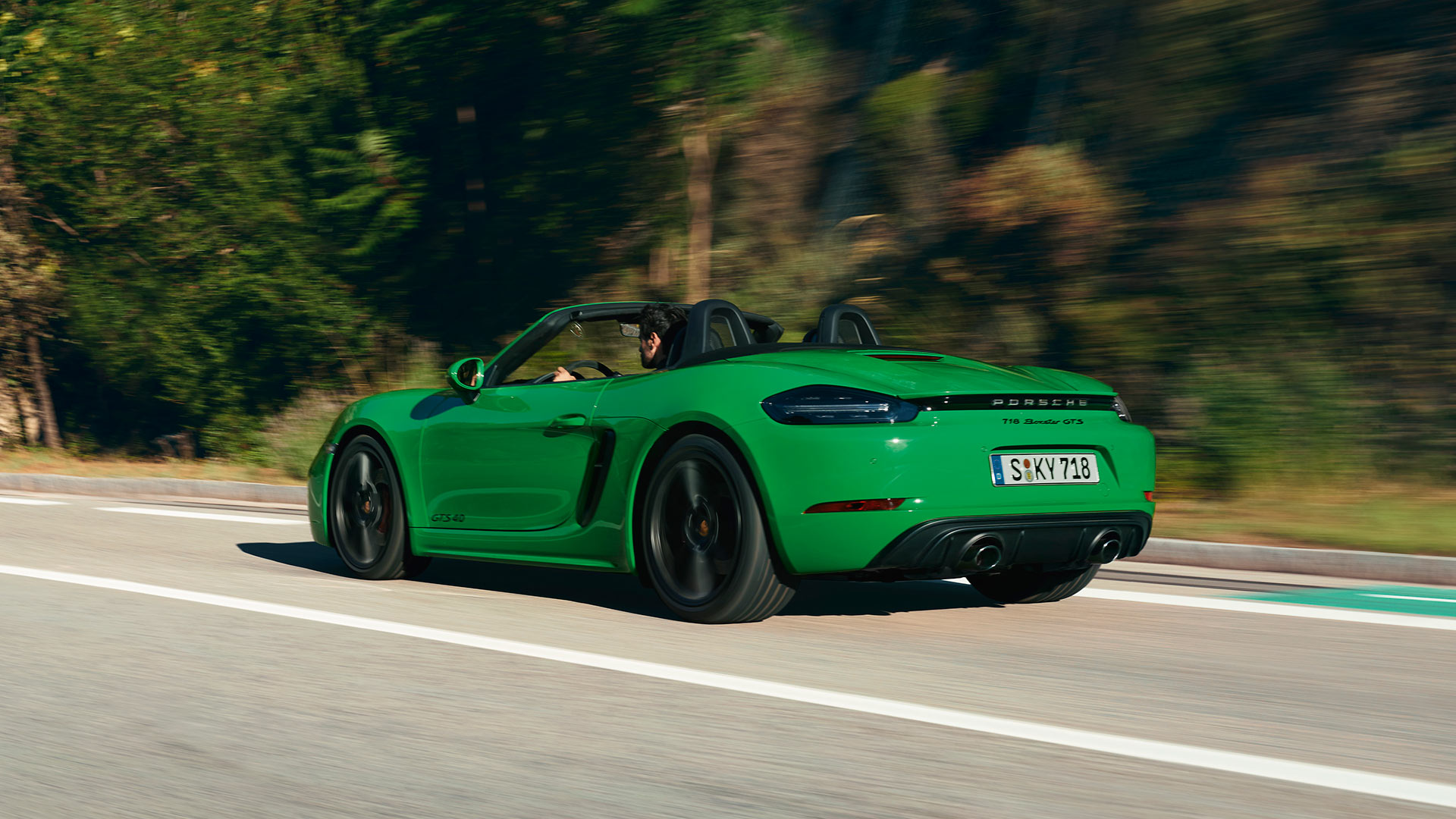
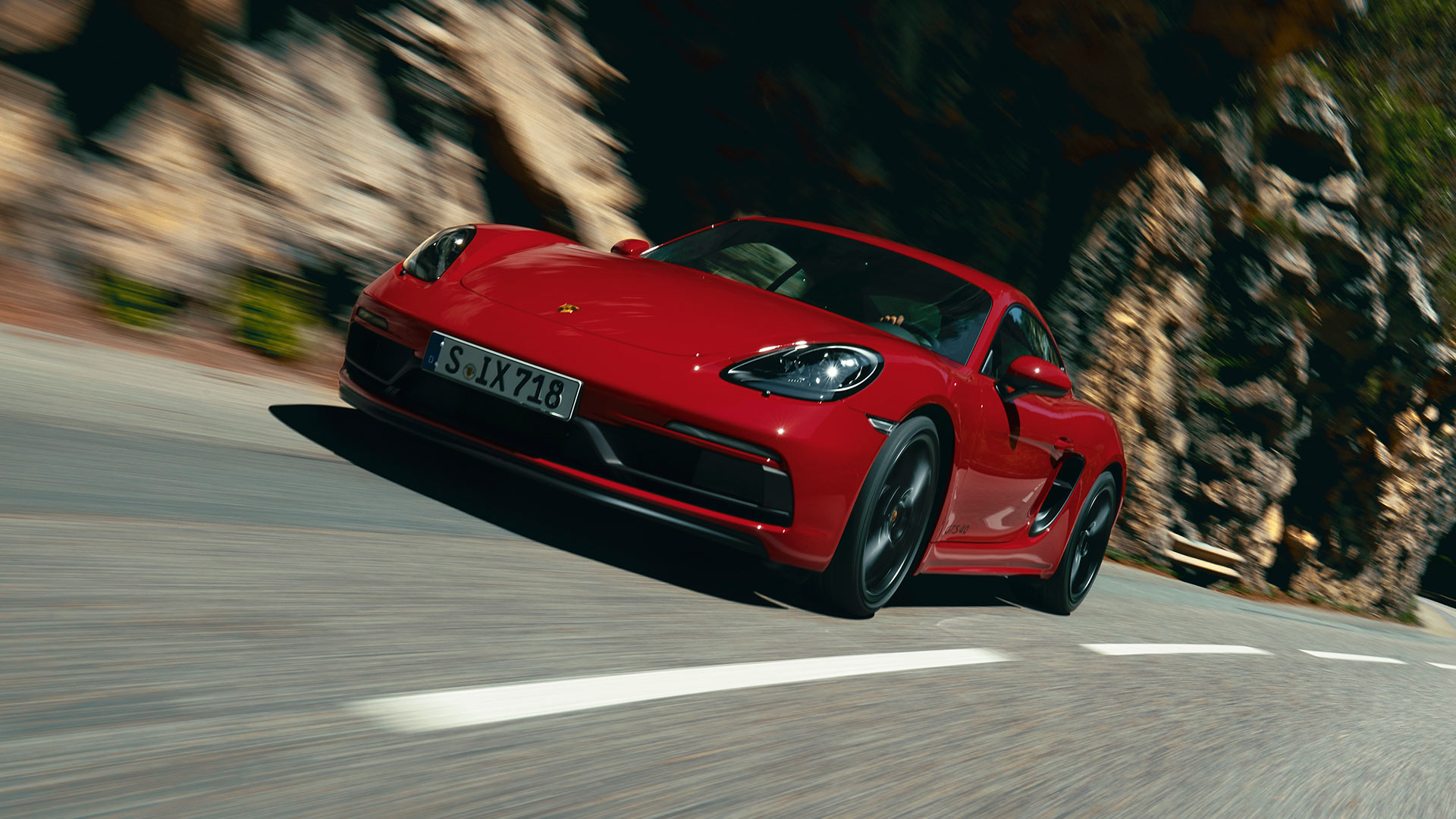
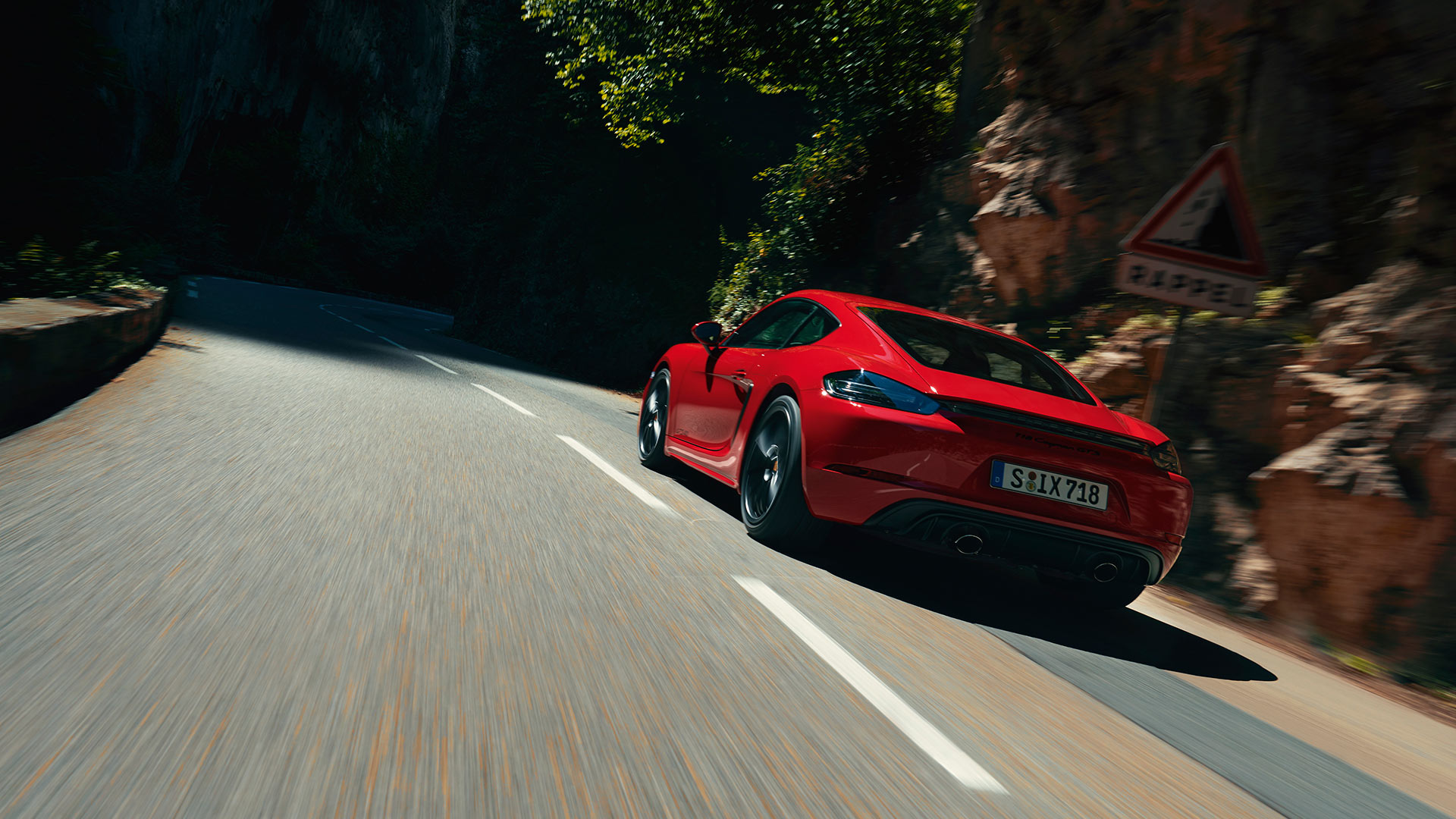
Porsche has announced new 2020 GTS versions of the 718 Cayman and Boxster models, with a six-cylinder engine making a notable appearance.
The Stuttgart company had previously moved away from the flat-six engine, deeming turbocharged four-cylinder units more than sufficient.
Seeing the fitment of a 4.0-litre flat-six ‘boxer’ engine, combined with a six-speed manual transmission, is likely to be music to the ears of Porsche purists.
At the heart of the mid-engined 718 Cayman coupe and open-top Boxster is a detuned version of the flat-six found in the range-topping 718 GT4 and Spyder.
Although output falls from 420 hp seen in the GT4, it still remains at an impressive 400 hp with torque unchanged at 310 lb-ft.
A 7,800 rpm rev limit is also marginally lower, but the standard sports exhaust means the 718 GTS models should still have more than sufficient aural excitement.
The figures from Porsche also place the performance of the GTS pairing close to the formidable GT4 version.
0-62 mph is said to take 4.5 seconds in the GTS, 0.1 seconds slower than the GT4, with a top speed of 182 mph.
Given that the 718 GTS models are intended by Porsche to be “great companions for any journey”, we imagine buyers can live with the 6 mph slower top speed compared to the GT4.
Porsche Active Suspension Management (PASM) sports suspension is fitted as standard, lowering the GTS cars by 20 mm. A mechanical limited-slip differential is also part of the deal, with Porsche Active Drivetrain Mounts along for the ride.
Distinguishing the GTS cars from regular 718 models is a Sport Design front bumper with dark detailing used on the air intakes and splitter.
A GTS-specific rear bumper accommodates the twin tailpipes for the sports exhaust system, with darkened front and rear lights also included.
Just in case anyone at the filling station is unsure as to which 718 model you have bought, ‘GTS 4.0’ lettering is applied to the doors.
A set of black 20-inch alloy wheels are included, wearing high-performance tyres. Upgraded brakes with red-painted calipers are standard fitment, with Porsche’s ceramic composite brakes on the options list.
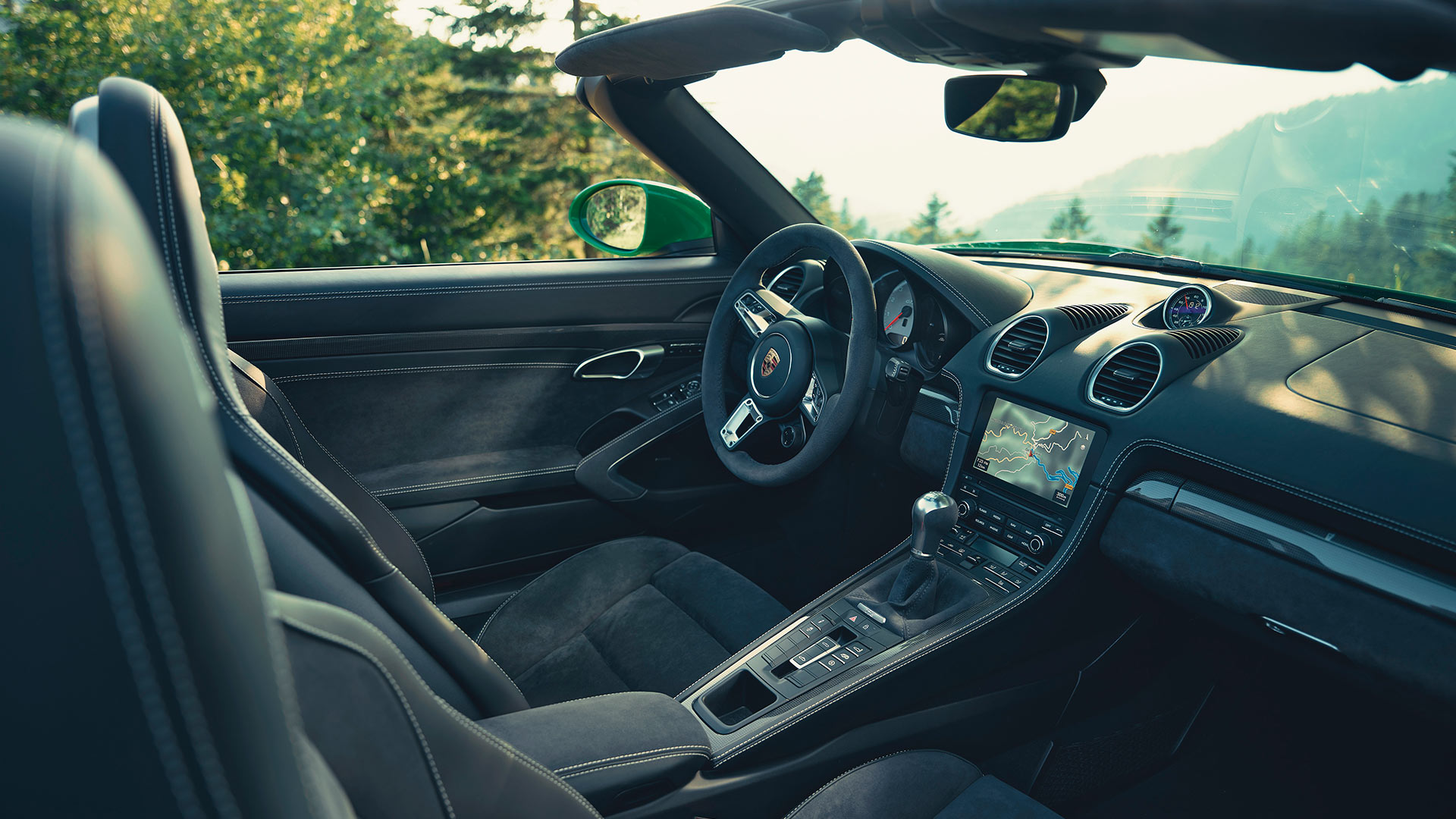
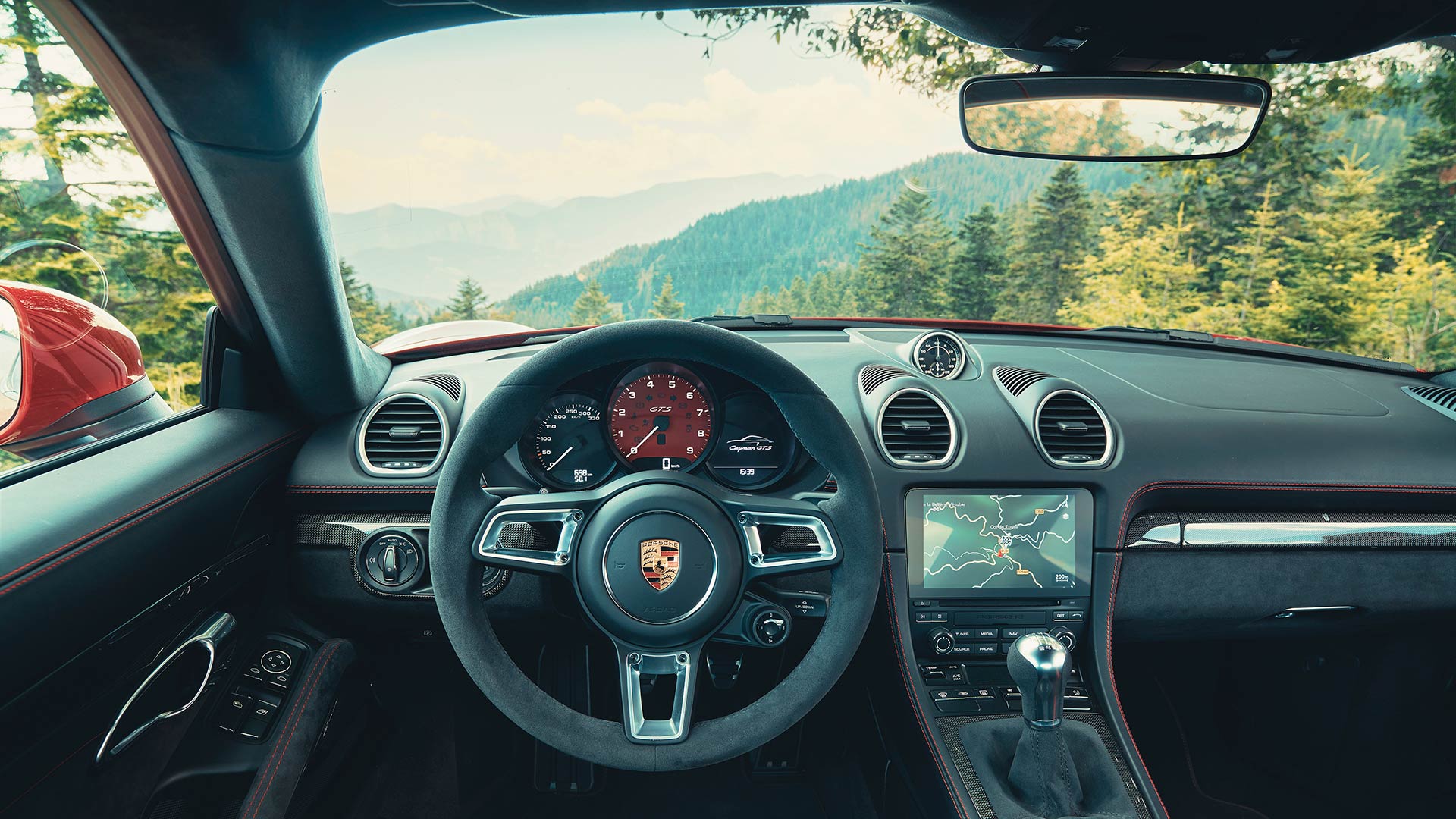
Dark Alcantara material is used extensively throughout the cabin, covering the sports seats, steering wheel, manual gear knob, and roof lining in the Cayman GTS coupe. An optional GTS package can bring carbon fibre trim, and a greater degree of interior colour personalisation.
Despite performance aimed at the road, Porsche has also included the Track Precision App for the new GTS models. This allows drivers to record and replay their performance when using their 718 on a race circuit.
Prices for the new six-cylinder GTS models have increased, with the 718 Cayman now costing from £64,088. Those wanting open-top thrills in the 718 Boxster will need to find £65,949 before the lure of the Porsche options list.
Orders can be placed now, and UK buyers do get the benefit of a tailored driver coaching session at the Silverstone-based Porsche Experience Centre.